North Woods Nursing Center
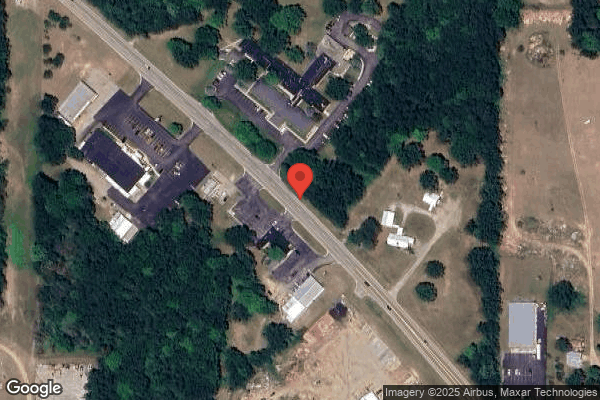
2532 Cadillac Drive, Farwell, MI 48622 (989) 588-9928
For profit - Limited Liability company 71 Beds THE PEPLINSKI GROUP Data: November 2025
Trust Grade
90/100
#65 of 422 in MI
Last Inspection: March 2025

Within standard 12-15 month inspection cycle. Federal law requires annual inspections.

Overview

North Woods Nursing Center in Farwell, Michigan, has an excellent Trust Grade of A, indicating a high level of care and service. It ranks #65 out of 422 facilities in Michigan, placing it in the top half of the state, and #1 of 2 in Clare County, meaning it is the best option locally. The facility is improving, with a decrease in issues from 7 in 2024 to just 2 in 2025. Staffing is rated 4 out of 5 stars, but the turnover rate of 54% is average, suggesting some stability but room for improvement. Although there have been no fines, concerns were raised about infection control practices, including inadequate hand hygiene during a gastrointestinal outbreak and failure to address reported staff abuse in a timely manner, which indicates areas that need attention. Overall, while there are strengths in care quality and staff commitment, families should be aware of specific incidents that highlight ongoing challenges.

Trust Score
A
90/100
In Michigan
#65/422
Top 15%
Safety Record
Low Risk
No red flags
Inspections
Getting Better
7 → 2 violations
Staff Stability
⚠ Watch
54% turnover. Above average. Higher turnover means staff may not know residents' routines.
Penalties
✓ Good
No fines on record. Clean compliance history, better than most Michigan facilities.
Skilled Nurses
✓ Good
Each resident gets 47 minutes of Registered Nurse (RN) attention daily — more than average for Michigan. RNs are trained to catch health problems early.
Violations
⚠ Watch
11 deficiencies on record. Higher than average. Multiple issues found across inspections.
★★★★★
5.0
Overall Rating
★★★★☆
4.0
Staff Levels
★★★☆☆
3.0
Care Quality
★★★★★
5.0
Inspection Score
Stable
2024: 7 issues
2025: 2 issues

The Good

  • 4-Star Staffing Rating · Above-average nurse staffing levels
  • Full Sprinkler Coverage · Fire safety systems throughout facility
  • No fines on record

Facility shows strength in staffing levels, fire safety.

The Bad

Staff Turnover: 54%

Near Michigan avg (46%)

Higher turnover may affect care consistency

Chain: THE PEPLINSKI GROUP

Part of a multi-facility chain

Ask about local staffing decisions and management

The Ugly 11 deficiencies on record

Mar 2025 2 deficiencies
CONCERN (D)

Potential for Harm - no one hurt, but risky conditions existed

Deficiency F0658 (Tag F0658)

Could have caused harm · This affected 1 resident

**NOTE- TERMS IN BRACKETS HAVE BEEN EDITED TO PROTECT CONFIDENTIALITY** Based on interview and record review, the facility failed to obtain and document vital signs prior to medication administration ...

Read full inspector narrative →
**NOTE- TERMS IN BRACKETS HAVE BEEN EDITED TO PROTECT CONFIDENTIALITY** Based on interview and record review, the facility failed to obtain and document vital signs prior to medication administration for 2 of 6 residents (Resident #6 and #51) reviewed for professional standards of practice. Findings: Resident #6 (R6) Review of an admission Record revealed R6 was a [AGE] year-old female, admitted to the facility on [DATE], with pertinent diagnoses which included: Review of R6's Order Summary dated 9/11/24 revealed, Insulin Lispro Injection Solution 100 UNIT/ML (Insulin Lispro)-Inject 5 unit subcutaneously with meals for DM (diabetes mellitus) hold if BS <110 (blood sugars less than 110). Blood sugars were to be obtained prior to the insulin administration to ensure R6's blood sugar was not less than 110. This was to be completed prior to the 8:00 AM, 12:00 PM, and 5:00 PM insulin administration. Review of R6's Blood Sugar Summary revealed: *On 01/14/2025 at 9:59 AM R6's blood sugar was 182. There was no blood sugar assessment completed prior to the 8:00 AM lispro administration. Indicating R6's blood sugar was not assessed prior to the administration of lispro insulin. *On 01/22/2025 at 11:59 AM R6's blood sugar was 166. There was no blood sugar assessment completed prior to the 8:00 AM lispro administration. *On 02/24/2025 at 10:35 AM R6's blood sugar was 172. There was no blood sugar assessment completed prior to the 8:00 AM lispro administration. Review of R6's January Medication Administration Record revealed *On 01/14/2025 R6's insulin was documented as administered at 8:00 AM with a blood sugar of 182 and was documented as administered at 12:00 PM with a blood sugar of 182. *On 01/22/2025 R6's insulin was documented as administered at 8:00 AM with a blood sugar of 166 and was documented as administered at 12:00 PM with a blood sugar of 166. Review of R6's February Medication Administration Record *On 01/22/2025 R6's insulin was documented as administered at 8:00 AM with a blood sugar of 172 and was documented as administered at 12:00 PM with a blood sugar of 172. Review of R6's Electronic Medical Record revealed no documentation for the lack of the blood sugar assessments with the administration of lispro. During an interview on 03/06/2025 at 9:10 AM, Director of Nursing (DON) reported that she spoke with the nurse that administered the lispro insulin on 01/14/2025 and 01/22/2025 and it was reported to her that R6 had refused the morning lispro but instead of documenting the refusal on the Medication Administration Record, the nurse put in the 12:00 PM blood sugar assessment and documented the morning lispro as administered. DON was unable to provide a rationale for the lack of blood sugar assessment for R6 on 02/24/2025. Resident #51 (R51) Review of an admission Record revealed R51 was a [AGE] year-old male, admitted to the facility on [DATE], with pertinent diagnoses which included: hypertension. Review of R51's Order Summary dated 12/21/24 revealed, Bisoprolol Fumarate Oral Tablet 10 MG (Bisoprolol Fumarate)-Give 1 tablet by mouth one time a day related to ESSENTIAL (PRIMARY) HYPERTENSION (I10) hold if HR (heart rate) < (less than) 60, or SBP (systolic blood pressure) < 90 AND Give 0.5 tablet by mouth in the evening related to ESSENTIAL (PRIMARY) HYPERTENSION (I10) Hold if HR<60 or SBP <90. To be administered at 8:00 AM and 4:00 PM. Review of R51's Blood Pressure Summary revealed: *On 01/04/2025 at 08:34 AM R51's blood pressure was 116/65. R51's blood pressure was not reassessed until 11:41 PM. *On 01/14/2025 at 07:43 AM R51's blood pressure was 162/70. R51's blood pressure was not reassessed until 8:30 PM. *On 01/22/2025 at 07:43 AM R51's blood pressure was 126/70. R51's blood pressure was not reassessed until 01/23/2025. Review of R51's January Medication Administration Record revealed: *On 01/04/2025 R51's antihypertensive medication was documented as administered at 8:00 AM with a blood pressure of 116/65 and was documented as administered at 4:00 PM with a blood pressure of 116/65. (Indicating R51's blood pressure was not assessed prior to the administration of the Bisoprolol Fumarate at 4:00 PM.) *On 01/14/2025 R51's antihypertensive medication was documented as administered at 8:00 AM with a blood pressure of 162/70 and was documented as administered at 4:00 PM with a blood pressure of 162/70. *On 01/22/2025 R51's antihypertensive medication was documented as administered at 8:00 AM with a blood pressure of 126/70 and was documented as administered at 4:00 PM with a blood pressure of 126/70. Review of R51's Blood Pressure Summary revealed: *On 02/03/2025 at 08:07 AM R51's blood pressure was 142/75. R51's blood pressure was not reassessed until 02/04/2025 at 12:30 AM. *On 02/04/2025 at 12:30 AM R51's blood pressure was 138/65. R51's blood pressure was not reassessed until 02/04/2025 12:43 PM. *On 02/18/2025 at 07:55 AM R51's blood pressure was 122/64. R51's blood pressure was not reassessed until 02/19/2025 at 12:57 AM. Review of R51's February Medication Administration Record revealed: *On 02/03/2025 R51's antihypertensive medication was documented as administered at 8:00 AM with a blood pressure of 142/75 and was documented as administered at 4:00 PM with a blood pressure of 142/75. *On 02/04/2025 R51's antihypertensive medication was documented as administered at 8:00 AM with a blood pressure of 138/65. R51's blood pressure result was from approximately 7.5 hours prior. *On 02/18/2025 R51's antihypertensive medication was documented as administered at 8:00 AM with a blood pressure of 122/64 and was documented as administered at 4:00 PM with a blood pressure of 122/64. Review of R51's Electronic Medical Record revealed no documentation for the lack of the blood pressure assessments prior to the administration of Bisoprolol Fumarate. During an interview on 03/06/2025 at 10:30 AM, Nursing Home Administrator (NHA) reported she had confirmed with DON that there was no additional or supporting documentation for the lack of R51's blood pressure assessments. During an interview on 03/05/25 at 07:50 AM, Registered Nurse (RN) M reported that both the CNAs (Certified Nursing Assistants) and licensed nurses can obtain vital signs. If the CNA doesn't get the vitals prior to the medication administration she will grab her own if there are ordered parameters. RN M reported that the electronic medical record prompts the licensed nurse to input the vital signs. RN M reported that the vital sign assessments are to be made prior to medication administration. Review of the facility policy Medication Administration by the Various Routes dated December 2024 revealed, .13. General Preparation .e. Take vital signs as indicated if the medication administration is contingent upon the results .
CONCERN (E)

Potential for Harm - no one hurt, but risky conditions existed

Infection Control (Tag F0880)

Could have caused harm · This affected multiple residents

**NOTE- TERMS IN BRACKETS HAVE BEEN EDITED TO PROTECT CONFIDENTIALITY** Based on observation, interview, and record review, the facility failed to follow infection control practices when providing per...

Read full inspector narrative →
**NOTE- TERMS IN BRACKETS HAVE BEEN EDITED TO PROTECT CONFIDENTIALITY** Based on observation, interview, and record review, the facility failed to follow infection control practices when providing peri-care for two residents (Resident #46 and Resident #2) of four reviewed for infection control, and when preparing medications for administration to residents. Findings: Resident #46 (R46) Review of an admission Record revealed R46 was a [AGE] year old male, last admitted to the facility on [DATE], with pertinent diagnoses of profound intellectual disabilities, seizure disorder, muscle wasting, dependent on tube feeding for hydration and nutrition, and dependent on total assistance from staff for all care needs. During an observation on 03/04/25 at 10:19 AM, CNA's (certified nurse aides) N and O provided peri care to R46 and the following was noted: (a) R46 was incontinent of urine and two wash clothes were used to clean the residents genitalia and then placed on the residents over bed table, (b) after peri-care was completed CNA N did not remove the contaminated gloves and touched the broda chair, gait belt, R46s clothing, the foot rest on the broda chair, and bed linens, (c) with the same contaminated gloves on. CNA N closed the top of the tube feed and positioned R46's abdominal binder over the tube feed port, and (d) the over bed table was not sanitized after the two contaminated wash clothes were removed. Resident #2 (R2) Review of an admission Record revealed R2 was a [AGE] year old female with pertinent diagnoses of spastic quadriplegic (affecting all four extremities) cerebral palsy, severe intellectual disabilities, and a history of urinary tract infections. R2 depended completely on staff to attend to her care needs. During an observation on 03/05/25 at 8:37 AM, CNA I and CNA J provided peri care to R2 and the following was noted: (a) R2 had some stool present, (b) CNA J used a wash cloth to remove the stool, wiping R2's bottom three separate times with the same wash cloth, (c) the wash cloth had visible stool on it, (d) CNA J did not remove the gloves worn to remove the stool and hold the contaminated wash cloth, (e) with the same gloves on, CNA J opened a cupboard in R2's room, removed a small bottle of baby powder, dispensed baby powder onto R2's skin, and returned the bottle of baby powder to the cupboard, (f) CNA I handed CNA J a single use unopened packet of remedy protect zinc oxide, CNA J received the packet with the same gloves used to provide peri care to R2 and placed the packet in the front pocket of her scrubs, (g) CNA J then opened another cupboard in R2's room with the contaminated gloves on, (h) CNA J removed the contaminated gloves and performed hand hygiene, and (i) CNA J removed the contaminated packet of remedy protect zinc oxide from her scrub pocket with a bare hand, showed the surveyor the packet, and stated that it will get used later on another resident because the packet cannot be left in the room. During an observation on 03/06/25 at 8:05 AM, Registered Nurse (RN) M did not perform hand hygiene, removed a medication card from the controlled substance locked drawer, popped out a pill into her bare hand, and then placed the pill in a medication cup that contained other pills. RN M repeated the process with a second medication card and pill without performing hand hygiene. RN M took the medication cup to the resident residing in bed 116-1 and administered them to the resident. During an interview on 03/06/25 at 8:16 AM, RN M indicated that she was not aware that dispensing pills into her bare hand was not an acceptable practice at this facility. During an interview on 03/06/25 at 8:43 AM, the Director of Nursing stated that dispensing pills into a bare hand and placing that medication in a cup with the intention of administering the pills to a resident, was not the facilities practice nor a standard of practice.
Oct 2024 3 deficiencies
CONCERN (D) 📢 Someone Reported This

A family member, employee, or ombudsman was alarmed enough to file a formal complaint

Potential for Harm - no one hurt, but risky conditions existed

Deficiency F0559 (Tag F0559)

Could have caused harm · This affected 1 resident

**NOTE- TERMS IN BRACKETS HAVE BEEN EDITED TO PROTECT CONFIDENTIALITY** This citation pertains to intake M100147294. Based on interview and record review, the facility failed to provide an advanced wr...

Read full inspector narrative →
**NOTE- TERMS IN BRACKETS HAVE BEEN EDITED TO PROTECT CONFIDENTIALITY** This citation pertains to intake M100147294. Based on interview and record review, the facility failed to provide an advanced written notification of a room change and obtain consent for 1 (R4) of 1 resident reviewed, resulting in the potential of a nonconsensual room change and emotional distress for the resident. Findings include: Review of a Face Sheet revealed R4 admitted to the facility on [DATE] with pertinent diagnoses of dementia without behavioral disturbance, psychotic disturbance, mood disturbance, and anxiety, claustrophobia, and Alzheimer's. Review of an Interdisciplinary progress note dated 9/11/24 (Wednesday) at 6:44 PM for R4 revealed the resident was upset when staff tried to redirect her from entering another resident's room (room [ROOM NUMBER]). R4 became verbally and physically aggressive with staff, declined to let go of the door handle, was shouting at staff and attempting to hit and kick staff. After multiple attempts of redirecting, staff was able to move the resident who was tearful and continued to shout at staff. After approximately 10 minutes, R4 was calm and resting in wheelchair near the nurse's station. R4s nurse gave the resident an Ativan 20 minutes prior to the incident. Review of the Census Report revealed R4 resided in room [ROOM NUMBER] since her admission on [DATE] and had a recent room change to room [ROOM NUMBER] on 9/11/24. There was no documentation in the Electronic Medical Record (EMR) indicating why she had a room change or documentation showing the Power of Attorney (POA) was informed or consented to a room change. Review of an undated typed Witness Statement revealed HK O reported I witnessed (R4) become upset on 9/12/24 about a room in the 100 hall that used to be hers. She asked me to open the door, and I told her I could not as it wasn't hers anymore. She became upset and I told the nurse. In an interview on 10/1/24 at 11:00 AM, Certified Nursing Assistant (CNA) L reported since R4 had a room change, she keeps trying to go to her old room and gets very upset and agitated when she cannot go back to that room. In an interview on 10/1/24 at 11:43 AM, Licensed Practical Nurse (LPN) J reported she worked the night of 9/12/24 when R4 was upset she had a room change and could not go to her old room. In an interview on 10/1/24 at approximately 1:00 PM, Social Worker (SW) P reported she did inform R4's POA of the room change but could not find any documentation that they were informed. SW P reported she usually documents consent in the progress notes. She is aware R4 was having a hard time accepting the room change and kept going back to her old room but finally adjusted to her new room. SW P reported the faciltiy moved R4 from the room because the residents were not compatible with one another. SW P could not say who was in the room first but felt it was for their safety. When asked if there were any altercations between the two residents, SW P could not say there were any. SW P reported R4's roommate was more prim and proper than R4 was, and they just didn't get along. Review of the electronic medical record for R4 revealed no documentation there were any concerns with her roommate.
CONCERN (D) 📢 Someone Reported This

A family member, employee, or ombudsman was alarmed enough to file a formal complaint

Potential for Harm - no one hurt, but risky conditions existed

Free from Abuse/Neglect (Tag F0600)

Could have caused harm · This affected 1 resident

**NOTE- TERMS IN BRACKETS HAVE BEEN EDITED TO PROTECT CONFIDENTIALITY** This citation pertains to intake M100147294. Based on interviews and record review, the facility failed to protect the resident'...

Read full inspector narrative →
**NOTE- TERMS IN BRACKETS HAVE BEEN EDITED TO PROTECT CONFIDENTIALITY** This citation pertains to intake M100147294. Based on interviews and record review, the facility failed to protect the resident's right to be free from staff to resident verbal and physical abuse for one (R4) of 4 residents reviewed for abuse. Findings include: Review of a Face Sheet revealed R4 admitted to the facility on [DATE] with pertinent diagnoses of dementia without behavioral disturbance, psychotic disturbance, mood disturbance, and anxiety, claustrophobia, and Alzheimer's. Review of a facility investigation reflected the following information: (a) On 9/23/24 at 7:10 PM, a housekeeping staff member (HK O) reported to the Director of Nursing (DON), who is also the facility abuse coordinator, that she witnessed abuse on 9/12/24, (11 days after witnessing the incident of abuse) and (b) the incident involved Registered Nurse (RN) N holding R4's wrists down in the wheelchair and RN N told R4 I don't work in an insane asylum, I work in a nursing home. On 9/23/24 an allegation of abuse was reported to the State Agency when a nurse engaged in abusive behavior towards R4. RN N was then suspended pending investigation on 9/23/24. Review of the work schedule revealed RN N worked 9/16, 9/20, 9/21, and 9/22 from 6:00 PM to 6:30 AM before being suspended pending an investigation into allegations of abuse. In an interview on 9/30/24 at 3:20 PM, Activities Aide (AA) G reported she worked the evening of 9/12/24 when around 8:00 PM she heard R4 yell and scream at the top of her lungs No I don't want to! AA G then stepped out of the office and witnessed R4 at the nurses' station holding on to the wheels of her wheelchair to keep it from moving. RN N was behind R4 grabbing her arms and holding them down. He told the resident not to hit. AA G approached R4 and asked if she wanted to go with her, and R4 agreed. AA G took R4 back to her room and the resident was still upset. In an interview on 10/1/24 at 8:07 AM, Housekeeping Manager (HKM) H reported that on 9/16/24 she was informed by HK O (who was working on 9/12/24) that she witnessed RN N restrain R4's arms, let R4 loose and then restrain R4 again. HK O also reported to HKM H she heard RN N tell R4 I don't work in a f*ck*ng mental institution, why am I dealing with this stuff!. In an interview on 9/30/24 at 3:39 PM, the DON/Abuse Coordinator reported that HKM H informed her on 9/17/24 that housekeeper (HK O) reported RN N was observed holding down the arms of R4. The DON/Abuse Coordinator also reported that on 9/23/24 another housekeeper (HK K) reported to her that RN N was aggressive towards R4. The DON/Abuse Coordinator was able to figure out the incident reported by HK K occurred on 9/12/24 due to an interview with Licensed Practical Nurse (LPN J). Review of an Interdisciplinary progress note dated 9/11/24 (Wednesday) at 6:44 PM for R4 revealed the resident was upset when staff tried to redirect her from entering another resident's room (room [ROOM NUMBER]). R4 became verbally and physically aggressive with staff, declined to let go of the door handle, was shouting at staff and attempting to hit and kick staff. After multiple attempts of redirecting, staff was able to move [the resident] to a common area. R4 was tearful and continued to shout at staff. After approximately 10 minutes R4 was calm and resting in wheelchair near the nurses station. R4's nurse gave the resident an Ativan 20 minutes prior to the incident. Review of R4's medical record revealed no progress notes or documentation on 9/12/24 regarding R4 having behaviors. Review of a Skin assessment dated [DATE] for R4 revealed she had scattered bruising to BUE (bilateral upper extremities) from recent behavioral episode where she became physically aggressive. STCP (short term care plan) initiated to monitor bruising. (R4) denies pain. Previous skin assessments do not show any bruising. Review of a Skin assessment dated [DATE] for R4 revealed Scattered bruising to BUE continues to improve. On 10/1/24 at 8:40 AM, an attempt to contact HK O for interview was made but HK O was not available and messages could not be left due to a voicemail response stating the mailbox was full. Review of an undated typed Witness Statement revealed HK O reported I witnessed (R4) become upset about a room in the 100 hall that used to be hers. She asked me to open the door, and I told her I could not as it wasn't hers anymore. She became upset and I told the nurse. The nurse (RN N) took her to the nurse's station, and she became more angry and started to yell and flinging her arms. (RN N) put her arms to her chest. (R4) got her arms free and started to reach for her wheelchair and (RN N) proceeded to retrain (sic) her arms again. He yelled I don't work in a f*ck*ng mental hospital; I work in a g*d d*mn nursing home. I don't get paid enough for this sh*t. In an interview on 10/1/24 at 11:00 AM, Certified Nursing Assistant (CNA) L reported she saw the tail end of the incident between RN N and R4 on 9/12/24. CNA L indicated she heard a commotion, walked towards the nursing station and saw the back of RN N leaning over R4 while she was sitting in her wheelchair. R4 was screaming and crying. The RN N then grabbed R4's wrists and crossed them over the front of R4's body. CNA L reported she approached the nurse with another CNA and told the nurse to take a break and walk away. R4 told CNA L that she hated RN N, and RN N hurt her wrists. In an interview on 10/1/24 at 11:23 AM, HK K reported she was down the hall near the soiled utility room and heard R4 screaming at the top of her lungs and she froze because it scared her. She saw RN N put his arms around R4's chair and restrain her arms in her chair. R4 was screaming, Get the h*ll off of me, you're hurting me at the top of her lungs. R4 tried to wheel away by putting her arms on the wheels of her wheelchair when RN N took her arm off the wheels and threw her arms on her stomach forcefully and told her she could not move. RN N was screaming in R4's face at this time but could not recall all he said but remembered he said, I don't have to quit. At that time an Activity Aide and a CNA came down and took R4 to her room and I overheard RN N say I don't work at a f*ck*ng mental institution; I work at a nursing home, and I don't get paid enough to deal with this sh*t. In an interview on 10/1/24 at 11:43 AM, Licensed Practical Nurse (LPN) J reported she worked the night of 9/12/24 when R4 was upset she had a room change and could not go to her old room. RN N yelled that we are not going to have this type of behavior, grabbed R4's arms and held them to the chair and then wheeled her towards her room. R4 was not screaming at that time but did tell him she didn't want to go. RN N then swore and said this is not an insane asylum. That was all LPN J heard. LPN J reported she did not think it was appropriate for him to hold the residents' arms down and to swear at her. Review of an Investigation Statement revealed the DON asked RN N on 9/17/24 about him holding R4's hands down when he stated the resident was upset and he was just trying to get her away from there and denied hurting her or stating he didn't work in a f*ck*ng insane asylum. He did say he was trying to work on his stress and anxiety levels and didn't understand why anyone would say this about him. On 9/23/24 at 7:20 PM, the DON interviewed RN N again regarding the events that night. She informed him of the allegation of abuse and suspended him this day. The timeline of events according to the DON/Abuse Coordinator was as follows: On 9/12/24 the incident of abuse between RN N and R4 occurred. On 9/13/24 skin assessments show scattered bruising on BUE. On 9/16/24, the Housekeeping Manager (HKM) H was told of the incident from HK O. On 9/17/24 HKM H informed the DON of the incident. On 9/17/24 the DON/Abuse Coordinator provided an all-staff education. That is when the DON/Abuse Coordinator was informed that RN N was more aggressive than originally thought. The facility did not report the allegation of abuse to the State Agency until 9/23/24. Review of a policy titled Abuse/Suspected Abuse; Crime Investigation & Reporting last reviewed 2/2023 revealed: It is the policy of this facility to encourage and support all residents, covered individuals, and families, to report any suspected acts involving resident mistreatment, neglect, exploitation, abuse, crimes, misappropriation of resident property or injuries of unknown source. Allegations of abuse and crime are thoroughly investigated and properly reported in accordance with Federal Regulation including the Elder Justice Act. Purpose: Residents have the right to be free from verbal, sexual, physical, psychological abuse, corporal punishment, involuntary seclusion, and crimes. 2. Any person(s) witnessing or having knowledge of potential or actual abuse or crime must immediately report the incident to the Administrator and / or designee. In the case of a resident or family member, such a report can be made to the charge nurse or person assigned to receive complaints, who is responsible to follow through with reporting procedures. 3. When allegations of resident (§483.5) mistreatment, abuse, crime, neglect, exploitation, misappropriation, or injuries of unknown source are reported, the administrator and designees will investigate the allegation with the assistance of appropriate personnel. 8. In accordance with §483.12(b)(c) the facility will report all alleged violations to the state agency and to all other agencies as required and take all necessary corrective actions depending on the results of the investigations. The facility will reference The State Licensing and Regulatory Affairs ([NAME]) guidelines to make reporting determinations. 9. Reports are submitted online into the MI-FRI system: (1) Immediately but no later than 2 hours if the alleged violation involves abuse or results in serious bodily injury. (2) No later than 24 hours if the alleged violation involves neglect, exploitation, mistreatment, or misappropriation of resident property; and does not result in serious bodily injury. 11. Elder Justice Act Reporting Requirements: a. The facility will report any reasonable suspicion of a crime against any individual who is a resident of or receiving care from this facility. b. A report will be filed with at least one local law enforcement agency within two (2) hours of forming a suspicion if there is serious bodily injury and within twenty-four (24) hours of forming a suspicion if no serious bodily injury has occurred.
CONCERN (E) 📢 Someone Reported This

A family member, employee, or ombudsman was alarmed enough to file a formal complaint

Potential for Harm - no one hurt, but risky conditions existed

Report Alleged Abuse (Tag F0609)

Could have caused harm · This affected multiple residents

**NOTE- TERMS IN BRACKETS HAVE BEEN EDITED TO PROTECT CONFIDENTIALITY** This citation pertains to intake M100147294. Based on interviews and record review, the facility failed to ensure facility staff...

Read full inspector narrative →
**NOTE- TERMS IN BRACKETS HAVE BEEN EDITED TO PROTECT CONFIDENTIALITY** This citation pertains to intake M100147294. Based on interviews and record review, the facility failed to ensure facility staff responded to (reported), and investigated, a witnessed staff to resident physical and verbal abuse timely for one resident (R4) of four residents reviewed for abuse, resulting in the staff member working several more shifts exposing (R4) and other vulnerable residents to further possible abuse. Findings include: Review of a Face Sheet revealed R4 admitted to the facility on [DATE] with pertinent diagnoses of dementia without behavioral disturbance, psychotic disturbance, mood disturbance, and anxiety, claustrophobia, and Alzheimer's. Review of a facility investigation reflected the following information: (a) On 9/23/24 at 7:10 PM, a housekeeping staff member (HK O) reported to the Director of Nursing (DON), who is also the facility abuse coordinator, that she witnessed abuse on 9/12/24, (11 days after witnessing the incident of abuse) and (b) the incident involved Registered Nurse (RN) N holding R4's wrists down in the wheelchair and RN N told R4 I don't work in an insane asylum, I work in a nursing home. On 9/23/24 the facility reported an allegation of abuse to the State Agency when a nurse engaged in abusive behavior towards R4 on 9/12/24. Review of the work schedule revealed RN N worked 9/16, 9/20, 9/21, and 9/22 from 6:00 PM to 6:30 AM, prior to the facility suspending him pending an investigation into allegations of abuse. The facility suspended RN N pending investigation on 9/23/24. In an interview on 9/30/24 at 3:20 PM, Activities Aide (AA) G reported she worked the evening of 9/12/24 when around 8:00 PM she witnessed RN N behind R4 grabbing her arms, holding them down and telling the resident not to hit. AA G stated that RN N said he was going to call the DON to tell her about the situation and that is why AA G did not report the incident of abuse. In an interview on 10/1/24 at 8:07 AM, Housekeeping Manager (HKM) H reported that on 9/16/24 a housekeeper who worked on 9/12/24 (HK O) informed her that she witnessed RN N restrain R4's arms, let R4 loose and then restrain R4 again. HK O also reported to HKM H she heard RN N tell R4 I don't work in a f*ck*ng mental institution, why am I dealing with this stuff!. HK O did not tell anyone at the time of the incident because she was new and was unsure what to do. HK O reported to HKM H that the incident was weighing her down, so she called HKM H at work on 9/16/24. HKM H said she reported this incident right way to the DON/Abuse Coordinator. Review of the Facility Investigation Interview with the perpetrator RN N revealed the DON asked the RN N on 9/17/24 when she was made aware of RN N holding R4's hands down. RN N stated the resident was upset and I was just trying to get her away from there, I didn't hurt her. He denied stating that he said he didn't work in a f*ck*ng insane asylum and said that and that he was trying to work on his stress and anxiety levels. He doesn't know why anyone would say that. Resident was verified as being upset and having behaviors that night. There were no other comments made to indicate that RN N had acted any other way than preventing [name of resident (R4)] from hurting herself or others. On 9/23/24 the (DON) interviewed RN N at (approximately) 7:20 PM about the same incident and made RN N aware that there is now an allegation of abuse related to that same night. (DON) asked him about him yelling at a resident that you do not work in a mental hospital. RN N denied it and asked why people would say that. He stated I'm not lying. Ask (LPN J) she will vouge (sic) for me. (LPN J) was right there. She knows exactly what happened. (DON) suspended RN N pending investigation. Review of a Witness Statement dated 9/27/24, CNA Q stated upon returning from my break there was distress going on over her (R4) trying to return to her old room. Myself and activities removed her from area into her room where we had been able to calm her down, toilet and prepare for evening did not have anymore issues with her thru out rest of night. I did witness her arms being restricted from hitting nurse. (sic) In an interview on 9/30/24 at 3:39 PM, the DON/Abuse Coordinator reported that HKM H informed her on 9/17/24 that housekeeper (HK O) reported she observed RN N holding down the arms of R4 on 9/12/24. The DON/Abuse Coordinator did not report the allegation of abuse to the State Agency on 9/17/23. The DON reported that it seemed reasonable if the resident was striking out to hold R4 so other residents didn't get hit. The DON realized the situation was more of a concern when another housekeeper came to her on 9/23/24 and reported different information, and she said she felt he was aggressive. The DON reported she called RN N again on 9/23/24 to talk about the incident again and to inform him that another staff member expressed concerns he was aggressive. RN N is not to return to work due to the lying and the verbal altercation. She said she cannot prove he was physically aggressive but can for sure say he was verbally abusive.
Mar 2024 4 deficiencies
CONCERN (D)

Potential for Harm - no one hurt, but risky conditions existed

Deficiency F0645 (Tag F0645)

Could have caused harm · This affected 1 resident

**NOTE- TERMS IN BRACKETS HAVE BEEN EDITED TO PROTECT CONFIDENTIALITY** Based on interview and record review, the facility failed to ensure that pre-admission screening/annual resident review (PASARR)...

Read full inspector narrative →
**NOTE- TERMS IN BRACKETS HAVE BEEN EDITED TO PROTECT CONFIDENTIALITY** Based on interview and record review, the facility failed to ensure that pre-admission screening/annual resident review (PASARR) level I and level II's were completed on admission and at the annual review for 1 of 1 resident (Resident #28) reviewed for PASARR screening/assessment. Findings included: The facility provided a copy of the PASARR Screening policy dated 11/2008, with a last revised date of 5/2015 for review. The policy reflected, d. When a level II evaluation is indicated for Annual Resident Review (ARR), the nursing facility will notify the local CMHSP (Community Mental Health Services Program) of the need for a level II evaluation at least 30 days prior to the due date of the ARR by sending them a new DCH-3877 (PASARR level I evaluation) .The facility assumes responsibility for verifying that required PAS and ARR processes are completed and documented in the resident's record . R28 Review of the Face Sheet and Minimum Data Set (MDS) dated [DATE] revealed R28 was admitted to the facility on [DATE] with diagnosis of (but not limited to) Parkinson's Disease (movement disorder of the nervous system), arthritis, psychotic disorder (out of touch with reality), hallucinations, and a mood disorder. Brief Interview for Mental Status (BIMS) reflected a score of 13 out of 15 which represented R28 was cognitively intact. R28 had a guardian for all medical and financial decision making. R28 required extensive staff assistance of 1-2 with all activities of daily living. Several attempts were made to interview R28 during the onsite survey on 3/25/24 at 3:30 PM, R28 was sleeping in her bed, on 3/26/24 at 10:30 AM, 1:30 PM, and 3:35 PM, R28 was sleeping in bed and 3/27/24 at 9:50 AM, R28 was sleeping in her bed. On 3/26/24 at approximately 12:25 PM, R28 was seated in a chair in the hall but declined to be interviewed at that time. The facility provided a copy of R28's PASARR level 1 that was completed on 2/20/23 for review. The form reflected, If any answer to items 1-6 in Section II is Yes, send one copy to the local Community Mental Health Services Program (CMHSP), with a copy of form DCH-3878 (PASARR level II assessment) if an exemption is requested. The nursing facility must retain the original in the patient record and provide a copy of the patient or legal guardian . The form reflected 4 of the 6 questions were answered yes and a level II was indicated. Social Worker (SW) E provided a copy of an email that was dated 2/19/24 at 1:44 PM that reflected, I'm looking for the OBRA (PASARR level 1 and II) determination for (name of R28) .She's due for her annual, but in looking/auditing I don't see the determination from last year. The MDS assessments were reviewed and reflected an admission assessment was completed on 2/27/23 and the annual assessment was completed on 2/13/24. According to the policy the facility will notify CMHSP 30 days prior to the due date of the annual assessment. The email request should have been sent on or before 1/13/23 for the 2/13/24 assessment. During an interview on 3/27/24 at 10:00 AM, SW E stated that when R28 was first admitted on [DATE] she notified CMHSP of the need for a level II assessment. SW E stated that R28 went out to the hospital from [DATE]-[DATE] and again 3/22/23-3/30/23 and some how didn't get the level II assessment done. SW E stated she emailed them in February (see email dated 2/19/24 above) and let them know that she didn't have the admission on e and now needed the annual review as well. SW E stated that they still haven't come as of this interview, and she would follow up with them with another email.
CONCERN (D)

Potential for Harm - no one hurt, but risky conditions existed

Accident Prevention (Tag F0689)

Could have caused harm · This affected 1 resident

**NOTE- TERMS IN BRACKETS HAVE BEEN EDITED TO PROTECT CONFIDENTIALITY** Based on observation, interview and record review, the facility failed to address the root causes of multiple falls and implemen...

Read full inspector narrative →
**NOTE- TERMS IN BRACKETS HAVE BEEN EDITED TO PROTECT CONFIDENTIALITY** Based on observation, interview and record review, the facility failed to address the root causes of multiple falls and implement meaningful interventions for 1 (Resident #60) of 3 residents reviewed for falls, resulting in repeated falls. Findings include: Resident #60 (R60) Review of a Face Sheet revealed R60 admitted to the facility on [DATE] with pertinent diagnoses of cognitive communication deficit, a fractured femur and generalized muscle weakness, muscle wasting and atrophy. On 1/2/24 she is diagnosed with a wedge compression fracture on T11-T12 vertebra. During an observation on 3/25/24 at 10:17 AM, R60 is in the hallway sitting in her wheelchair and most of her face has black and blue bruising with red eyes. The resident reported she thinks she fell and landed but was not sure exactly how she got there. She thought it happened in the main drag and was nonsensical. In an interview on 3/25/24 at 1:00 PM, Family Member (FM) K reported R60 fell in the beginning of January and fractured her vertebrae, then fell again on 2/14/24 and landed on her bottom. FM K reported she is getting medications that may be interfering with her judgement and will just get up when she wants to without realizing she should ask for help. Review of an incident report dated 1/2/24 at 1:43 PM for R60 revealed she had an unwitnessed fall and was found on the floor parallel with the bathroom door. She was attempting to get up and moved her wheelchair and fell landing on her back. She was transported to the hospital. Root cause: she is on medications that may contribute to dizziness, lethargy, and postural hypotension. She is also self-determined and has been observed attempting to rise independently. Upon attempting to stand independently her wheelchair rolled back and contributed to her loss of balance resulting in her on the floor. Anti rollback locks to her wheelchair were implemented. In an interview on 3/27/24 at 9:35 AM, Clinical Care Coordinator (CCC) /Registered Nurse (RN) B and CCC/RN C reported R60 had a fall on 1/2/24 when she attempted to go to the bathroom and did have a fracture. They implemented anti rollbacks on the wheelchair because she did not lock her wheelchair when she tried to get up. When asked if she was able to get up to ambulate alone, they reported no and that the resident has always been in her wheelchair for mobility. When asked the rationale for the anti-tipping device on the wheelchair for a resident who is not supposed to be getting up, they said it is to help the wheelchair lock in place when she does try to get up but did not address the toileting needs of a resident who has mixed incontinence and is not cognitively intact. Review of an Incident Reported dated 2/14/24 for R60 revealed she had an unwitnessed fall at 1:50 PM and was found on the floor in her bathroom on her stomach lying perpendicular with the toilet with her TSLO brace (a brace that limits movement in your spine from the thoracic area to your sacrum) on (as a result from the previous fall). She was last toileted at 11:00 AM and last observed at 1:30 PM sitting in her wheelchair in her room. Patient stated she had to go to the bathroom. Root cause: R60 was attempting to take herself to the bathroom and walked from her room to the bathroom without assistance or assistive devices. She went to the Emergency Department and was diagnosed with a urinary tract infection. No intervention documented. In an interview on 3/27/24 at 9:35 AM, CCC B and CCC C was questioned about the incident on 2/14/24 and reported R60 walked to the bathroom. When questioned about when the last time the resident was toileted, they reported their standard practice is to toilet the residents every 2 hours and the documentation on the task list only indicates staff toileted the residents on their shift and do not document every time they toilet the residents. R60 did have a UTI with yeast in her urine at this time, but the colony count was not enough to treat the infection and she was asymptomatic. Review of an Incident Report dated 2/16/24 at 12:15 AM for R60 revealed the resident had an unwitnessed fall when staff heard someone yelling and found the resident on the floor next to her bed. The resident stated she was getting up to go home. Root cause: medications, weakness, and lack of awareness. Staff reported they checked on her 10 minutes before the fall and offer her toileting. No documentation that the resident was incontinent or was toileted. No intervention documented. In an interview on 3/27/24 at 9:35 AM, CCC B and CCC C was questioned about the incident on 2/16/24 for R60 when the resident was trying to get up from her bed to go home. They implemented a perimeter mattress. She was on an antibiotic for her UTI and Physical Therapy picked her up after this. The Care Plan shows a perimeter mattress was initiated on 12/7/23 under an ADL (activities of Daily Living) Care Plan. Review of an Incident Report dated 3/6/24 at 8:15 AM for R60 revealed the resident had an unwitnessed fall when the Nurse heard a yell in the hallway and the housekeeper reported the resident fell. The resident reported she was trying to go to the bathroom. She was last seen 10 minutes prior to the fall. The nurse saw R60 in the bathroom, face down with the left side of her face on the floor. The residents' right arm was bleeding from a skin tear and could not move because of the pain. She was sent to the hospital. Root cause: she attempted to independently ambulate without staff or assistive devices and had a loss of balance resulting in her on the floor. She has self-determined behaviors and does not recognize her own functional limitations. She also had a recent diagnosis of COVID 19. She has impaired cognition AEB (as evidenced by) her MOCA (Montreal Cognitive Assessment for dementia) of 8 indicating severe cognitive impairment.) She returned from the hospital with a subcutaneous contusion and small hematoma of the right upper thigh. Intervention: Care Plan was updated to include a door open alert alarm to bathroom door to notify staff when the resident is attempting to self-transfer. Review of a Hospital Record dated 3/6/24 for R60 revealed Patient does have a history of dementia. Patient does have a TLSO brace for previous fall. Diagnostic test results show 1. Progressive height loss of the T11 vertebral body compared to 1/2/24, now moderate to severe. In an interview on 3/27/24 at 9:35 AM, CCC B and CCC C was questioned about the incident on 3/6/23 for R60 when the facility implemented a door alarm alert on the bathroom door because staff would catch the resident trying to go to the bathroom a lot and does not always let staff know when she has to go. The resident will tell staff she does not have to go and then try to go herself. CCC B reported R60 was last toileted 10 minutes prior but did not have the exact time. This is conflicting what the report states that the CNA had just been there a few minutes prior to check on her and offer her assistance with toileting or anything else she may need, and she stated she was good. When questioned about the rationale of the door alarm on the bathroom door, they reported it would let the staff know when she is trying to open the door, indicating she needed to use the bathroom. Review of an Incident Report dated 3/23/34 at 9:20 PM for R60 revealed she had an unwitnessed fall when the nurse heard yelling down the hall and went to the residents' room and saw her on the floor on her left side and complained of left side pain. Her nose started to bleed shortly after the fall. Her forehead and her lips were extremely inflamed. She was then sent to the hospital. New intervention of Call don't fall signs in easily visualized areas in her room for intervention, also updated in care plan. Conclusion: The resident did not understand she fell and stated I didn't fall recently. Maybe a week or more ago. And I fell at home. Root cause: she attempted to transfer herself independently to bed. The care plan was updated to place signs in easily visualized areas to aid in reminder to use call light when transferring. No indication the resident was educated, understood, or acknowledged this intervention. In an interview on 3/27/24 at 9:35 AM, CCC B and CCC C was questioned about the incident on 3/23/24, R60 was up in her wheelchair when she declined to go to bed after the staff asked her. When asked when staff asked her if she wanted to go to bed last, CCC B reported it was about an hour before the incident. This investigation was not completed yet as of the day of this survey because CCC B was still trying to get staff interviews, but they implemented putting signage in her room to remind her to use her call light for assistance. When questioned if R60 can read and understand the signage, they did not know. Review of the Nursing Progress Notes dated 3/27/24 at 6:41 AM for R60 (during this survey) revealed she had an unobserved fall and was found laying on the floor with her feet by the bed and she was angled towards the bedroom door. Bilateral knees have redness, and the resident denies discomfort. Care plan reviewed and updated. In an interview on 3/27/24 at 9:35 AM, CCC B and CCC C reported today R60 tried to get out of bed because she was incontinent and found her on the floor with her belly down. Staff heard the crash and R60 yelling. When questioned if the resident had a toileting schedule, the answer was no. Today they are going to start implementing a toileting schedule and talk to PT to do a thorough assessment of her room to keep her safe from injury. Review of a Bowel and Bladder Evaluation Worksheet for R60 dated 12/7/23 to 12/11/23 revealed the resident was assessed on an hourly basis and was continent and incontinent at different times during a 24 hour period. Review of the Care Plan for R60 revealed it does not address falls in an organized way or have the dates the interventions post falls were implemented. No dementia or cognitive communication deficit addressed. Record of frequency of bowel movements. Assist with toileting before and after meals, at bedtime and as needed. Wears incontinence products, check and change before and after meals, at bedtime and as needed, assist when verbal or non-verbal indicators communicate toileting needs. Fall Risk Management under the ADL Care Plan initiated 12/7/23 and last revised 3/23/24 with a list of interventions not indicating what date they were implemented.
CONCERN (D)

Potential for Harm - no one hurt, but risky conditions existed

Deficiency F0692 (Tag F0692)

Could have caused harm · This affected 1 resident

**NOTE- TERMS IN BRACKETS HAVE BEEN EDITED TO PROTECT CONFIDENTIALITY** Based on interview and record review, the facility failed to accurately monitor and prevent a significant weight loss for one (R...

Read full inspector narrative →
**NOTE- TERMS IN BRACKETS HAVE BEEN EDITED TO PROTECT CONFIDENTIALITY** Based on interview and record review, the facility failed to accurately monitor and prevent a significant weight loss for one (Resident #17) of two residents reviewed for nutrition and hydration. This deficient practice resulted in the potential for unmet nutritional needs and unnecessary weight loss. Findings include: Resident #17 (R17) Review of R17 electronic medical record (EMR) revealed admission to the facility on 9/23/23 with diagnoses including dementia and diverticulitis (inflammation of pouches in the digestive track). R17's most recent Minimum Data Set (MDS) assessment dated [DATE] revealed a Brief Interview for Mental Status (BIMS) score of 8, indicative of moderate cognitive impairment. Review of the weight history revealed R17 weighed 207.4 lbs. (pounds) on 9/24/23 and weighed 185.0 lbs. on 10/24/23, for a total weight loss of 22.4 lbs. This resulted in a 10.8% weight loss within a 30-day period. On 1/12/24, R17 weighed 178.6 lbs., which represented an additional 6.4 lb. weight loss. This equated to a 13.9% or 28.8 lb. weight loss in an approximate 110-day period. Review of Dietary Progress notes and Nutritional Assessments written by Dietary Manager (DM) F revealed the following: 1. 11/17/23: [R17] noted to have weight loss of 12# (pounds)/6.2% in last 30 days . 2. 1/11/24: [R17] has a decrease in his weight of 8# in the last week . 3. 12/27/24: [R17] continues to have a weight loss in the last 6 months .Weight is 181# and this is down 12%/25#'s in the last 3 months. [R17] stated on admit (admission) his normal weight was between 192# and 200# . 4. 2/1/24: [R17] continues to have weight loss over 10% in the last 6 months . Continue plan of care. 5. 3/8/24: [R17] continues to have significant weight loss [in the] last 6 months . No change in plan of care. On 3/26/24 at 12:54PM, an interview was conducted with Registered Dietitian (RD) I. RD I indicated the protocol for weight loss consultation is to wait for a referral from the dietary or nursing department via a communication form. When asked if a referral had been made for R17, RD I replied, It doesn't look like I have seen him. If I was consulted, I would have put it in a progress note. RD I stated she didn't have an expectation about consultation because the root cause of R17's weight loss was unknown to her. When asked if a consultation may have assisted in gaining insight into the cause of R17's weight loss, RD I replied, Yes. On 3/26/24 at 2:56PM, an interview was conducted with DM F. DM F was asked the protocol for interdisciplinary communication regarding resident weight loss. DM F stated, I always try to give them a supplement or snack first . If things aren't working, I would notify the dietitian. When asked why the RD was not consulted despite R17's continued weight loss, DM F stated, I don't have a good reason. Review of R17's Plan of Care identified a focus that read, [R17] has potential for nutritional concerns . with an intervention initiated on 9/26/24 that read, Registered Dietitian evaluation prn (as needed). On 3/27/24 at 8:44AM, an interview was conducted with Clinical Support Nurse A. Clinical Support Nurse A indicated a RD should be consulted when a weight loss triggers in the MDS and continues to be a pattern. Clinical Support Nurse A acknowledged that R17 should have received a RD consultation due to significant weight loss. Review of R17's Weight Summary revealed the following weight fluctuations: 1. 9/24/23: 207.4 lbs. 2. 9/25/23: 203.0 lbs. (4.4 lb. weight loss in 1 day) 3. 10/18/23: 196.0 lbs. 4. 10/20/23: 188.0 lbs. (8.0 lb. weight loss in 2 days) 5. 12/9/23: 189.0 lbs. 6. 12/11/23: 182.5 lbs. (6.5 lb. weight loss in 2 days) 7. 1/12/24: 178.6 lbs. 8. 1/16/24: 189.5 lbs. (10.9 lb. weight gain in 4 days) 9. 1/26/24: 189.0 lbs. 10. 1/27/24: 182.5 lbs. (6.5 lb. weight loss in 1 day) On 3/27/24 at 9:13 AM, a follow-up interview was conducted with Clinical Support Nurse A. Clinical Support Nurse A indicated a former RD who is no longer employed at the facility was likely told to complete a consultation for R17 in December and it, didn't happen. Clinical Support Nurse A stated re-weighs are expected when weights differ by 3 lbs. on a day-to-day basis and had no explanation as to why this hadn't occurred for R17. Review of R17's EMR revealed the following order, initiated 12/28/23: Snack acceptance in morning and afternoon. Review of R17's snack intake record between 2/26/24 and 3/26/24 indicated Not Applicable for 23 of 86 snack opportunities. On 3/27/24 at 10:32AM, an interview was conducted with Clinical Care Coordinator (CCC), C. CCC C was asked why Not Applicable would be charted for snack acceptance R17's EMR. CCC, C replied, They [Certified Nursing Assistants (CNAs)] should never chart a snack as, 'Not applicable' unless the resident is not physically in the facility .We've had a lot of education on this during shift-to-shifts [team meetings] and apparently, they're [CNAs] not following through. Review of facility policy titled, Weight Management, effective April 2015 read, in part: It is the policy of this facility that resident's weight will be monitored by the IDT (interdisciplinary team) in coordination with the nutritional plan of care . in the event of a patterned or significant unplanned weight loss/gain the IDT team is responsible for assessing and implementing individualized interventions . Review of R17's EMR revealed no communication to nursing staff, a registered dietician, or a physician regarding significant weight loss.
CONCERN (E)

Potential for Harm - no one hurt, but risky conditions existed

Deficiency F0658 (Tag F0658)

Could have caused harm · This affected multiple residents

**NOTE- TERMS IN BRACKETS HAVE BEEN EDITED TO PROTECT CONFIDENTIALITY** Based on interview and record review, the facility failed to follow professional standards of nursing practice for medication ad...

Read full inspector narrative →
**NOTE- TERMS IN BRACKETS HAVE BEEN EDITED TO PROTECT CONFIDENTIALITY** Based on interview and record review, the facility failed to follow professional standards of nursing practice for medication administration for 4 of 11 residents (Resident #10, #11, #35, and #30), reviewed for the provision of nursing services, resulting in lack of vital sign and blood sugar assessments prior to medication administration, medications improperly administered, and management of controlled substances. Findings: Resident #10 (R10) Review of an admission Record revealed R10 was a [AGE] year-old female, originally admitted to the facility on [DATE], with pertinent diagnoses which included: hypertension. Review of R10's Order Summary revealed, Losartan Potassium Oral Tablet 25 MG (Losartan Potassium) Give 0.5 tablet by mouth one time a day for Hold for BP (blood pressure) less than 110/60, HR (heart rate) less than 60 dated 6/24/23. Review of R10's February Medication Administration Record revealed the following: *On 2/7/24 R10's blood pressure was 110/55 and the losartan was administered. *On 2/8/24 R10's blood pressure was 126/56 and the losartan was administered. *On 2/10/24 R10's blood pressure was 124/58 and the losartan was administered. *On 2/22/24 R10's blood pressure was 112/57 and the losartan was administered. *On 2/26/24 R10's blood pressure was 114/53 and the losartan was administered. Review of R10's March Medication Administration Record revealed the following: *On 3/11/24 R10's blood pressure was 110/58 and the losartan was administered. *On 3/13/24 R10's blood pressure was 98/65 and the losartan was administered. *On 3/22/24 R10's blood pressure was 108/60 and the losartan was administered. *On 3/24/24 R10's blood pressure was 116/57 and the losartan was administered. Resident #11 (R11) Review of an admission Record revealed R11 was a [AGE] year-old female, originally admitted to the facility on [DATE], with pertinent diagnoses which included: congestive heart failure. Review of R11's Order Summary revealed, Carvedilol Oral Tablet 3.125 MG (Carvedilol) Give 1 tablet by mouth two times a day .Hold for BP (blood pressure) less than 110/60 dated 3/6/24. To be administered at 8:00 AM and 4:00 PM. Review of R11's March Medication Administration Record and Blood Pressure Summary revealed the following: *On 3/7/24 at 12:04 PM R11's blood pressure was 102/57. Both the 8:00 AM and 4:00 PM doses of carvedilol were administered. *On 3/10/24 R11's blood pressure was assessed 1 time at 5:04 PM. The 8:00 AM dose of carvedilol was administered without a blood pressure assessment ensuring the provider ordered parameters were followed. *On 3/15/24 at 3:04 PM R11's blood pressure was 105/56 and the 4:00 PM dose of carvedilol was administered. *On 3/16/24 at 9:38 AM R11's blood pressure was 127/57 and the 8:00 AM dose of carvedilol was administered. *On 3/17/24 at 9:16 AM R11's blood pressure was 128/58 and the 8:00 AM dose of carvedilol was administered. *On 3/20/24 R11's blood pressure was assessed 1 time at 7:25 AM. The 4:00 PM dose of carvedilol was administered without a blood pressure assessment ensuring the provider ordered parameters were followed. *On 3/24/24 5:13 PM R11's blood pressure was 120/57 and the 4:00 PM dose of carvedilol was administered. Resident #35 (R35) Review of an admission Record revealed R35 was an [AGE] year-old male, originally admitted to the facility on [DATE], with pertinent diagnoses which included: hypertension. Review of R35's Order Summary revealed, Cardizem CD Oral Capsule Extended Release 24 Hour 120 MG (Diltiazem HCl Coated Beads) Give 1 capsule by mouth one time a day .Hold for SBP<110 (systolic top number blood pressure less than 110) or DBP<60 (diastolic bottom number blood pressure less than 60) dated 12/22/23. Review of R35's March Medication Administration Record and Blood Pressure Summary revealed: *On 3/2/24 at 9:22 AM R35's blood pressure was 111/56 and the Cardizem was administered. *On 3/3/24 at 10:05 AM R35's blood pressure was 104/55 and the Cardizem was administered. *On 3/4/24 at 8:44 AM and 9:51 AM R35's blood pressure was 133/59 and the Cardizem was administered. *On 3/8/24 at 8:59 AM R35's blood pressure was 103/58 and the Cardizem was administered. *On 3/12/24 at 9:51 AM and 10:00 AM R35's blood pressure was 108/53 and the Cardizem was administered. *On 3/14/24 at 8:42 AM R35's blood pressure was 123/58 and the Cardizem was administered. During an interview on 03/27/24 at 07:51 AM, Registered Nurse (RN) G reported that if blood pressure or heart rate parameters are ordered, they are to be followed. RN G reported that if the order is written to hold if less than 110/60 that implies to hold the medication if the systolic blood pressure was less than 110 and to hold if the diastolic blood pressure was less than 60. During an interview on 03/27/24 at 09:22 AM, Clinical Care Coordinator (CCC) B and CCC C reported that the licensed nurses should be following the provider ordered parameters and administering the medications within the ordered parameters. CCC A and CCC B confirmed/clarified that the parameters ordered as Hold for BP less than 110/60 would require to hold the medication if the systolic blood pressure was less than 110 and to hold the medication if the diastolic blood pressure was less than 60. They confirmed/clarified that it would be one or the other and would not require both the systolic blood pressure and diastolic blood pressure to be outside of the parameters. Resident #30 (R30) Review of an admission Record revealed R30 was an [AGE] year-old male, originally admitted to the facility on [DATE], with pertinent diagnoses which included: muscle wasting and pain. Review of R30's Order Summary revealed, Gabapentin Capsule 100 MG Give 1 capsule by mouth three times a day dated 10/31/20. Review of R30's Controlled Drug Receipt/Record/Disposition Form revealed that on 3/22/24 R30 received 4 doses of gabapentin instead of the ordered 3 doses. 2 doses were documented as administered at 11:50 AM by Licensed Practical Nurse (LPN) H. Review of R30 Electronic Health Record revealed no documentation of an order for an additional dose and/or an increased dose of gabapentin on 3/22/24. During an interview on 03/26/24 at 2:00 PM, Clinical Support Nurse (CSN) A reported that confirmed the medication error and reported that LPN H could not provide a rationale as to why an additional dose of gabapentin was administered on 3/22/24 and reported that LPN H had not wasted a gabapentin capsule with a nurse witness. During an interview on 3/27/24 at 10:21 AM, CSN A confirmed the medication errors for R10, R11, R30, and R35. CSN A reported that the order in the Electronic Health Record was modified to prompt the licensed nursing staff to obtain and review the residents blood pressures prior to the administration of the antihypertensive medications. CSN A reported that the facility nursing staff would receive education on medication administration as it relates to ordered parameters and professional standards of practice. Review of the facility policy Medication Administration by the Various Routes last revised March 2022 revealed, .e. Take vital signs as indicated if the medication administration is contingent upon the results .n. If a dose of medication is withheld or refused, the nurse will note that on the eMAR (Electronic Medication Administration Record . Review of Fundamentals of Nursing ([NAME] and [NAME]) 10th edition revealed, (Nurses) are responsible for documenting any preassessment data required of certain medications such as a blood pressure measurement for antihypertensive medications or laboratory values, as in the case of warfarin, before giving the medication. After administering a medication, immediately document which medication was given on a patient's MAR per agency policy to verify that it was given as ordered. Inaccurate documentation, such as failing to document giving a medication or documenting an incorrect dose, leads to errors in subsequent decisions about patient care. For example, errors in documentation about insulin often result in negative patient outcomes. [NAME], [NAME] A.; [NAME], [NAME] Griffin; Stockert, [NAME] A.; Hall, [NAME]. Fundamentals of Nursing - E-Book (p. 609). Elsevier Health Sciences. Kindle Edition. Review of Fundamentals of Nursing ([NAME] and [NAME]) 10th edition revealed, The National Coordinating Council for Medication Error Reporting and Prevention (2018) defines a medication error as any preventable event that may cause inappropriate medication use or jeopardize patient safety. Medication errors include inaccurate prescribing, administering the wrong medication, giving the medication using the wrong route or time interval, administering extra doses, and/ or failing to administer a medication. Preventing medication errors is essential. [NAME], [NAME] A.; [NAME], [NAME] Griffin; Stockert, [NAME] A.; Hall, [NAME]. Fundamentals of Nursing - E-Book (p. 605). Elsevier Health Sciences. Kindle Edition.
Feb 2023 2 deficiencies
CONCERN (E)

Potential for Harm - no one hurt, but risky conditions existed

Deficiency F0730 (Tag F0730)

Could have caused harm · This affected multiple residents

Based on interview and record review, the facility failed to ensure Certified Nurse Aides (CNA's) completed an annual clinical skills evaluation and received an annual performance evaluation resulting...

Read full inspector narrative →
Based on interview and record review, the facility failed to ensure Certified Nurse Aides (CNA's) completed an annual clinical skills evaluation and received an annual performance evaluation resulting in the potential for physical and psychosocial harm and diminished quality of care for residents living at the facility. Findings: Review of a facility policy Continuing Education Hours last revised 1/2022 reflected It is the policy of this facility to provide regular in-service education for facility staff. The policy specified 1. The Facility will perform an annual performance review and clinical skill evaluation of each Certified Nursing Assistant at least once every 12 months. 2. Individual or group education will be based on these reviews and the in-service education will: a. Be sufficient to provide for the continuing competence of the nurse aides and be no less than 12 hours per year; b Address areas of weakness as determined in the nurse aides' performance reviews and may address the special needs of residents as determined by staff; and c. Address the care of the cognitively impaired/dementia residents. Review of a log Annual Clinical Skills Checklist provided to the survey team on 2/8/2023 reflected that 24 of 38 CNA's had not had an annual skills evaluation. Review of a log for Annual Performance Review provided to the survey team on 2/8/2023 reflected that 35 of 46 CNA's had not been given an annual performance review. During an interview on 2/9/2023 at 12:07 PM, the Nursing Home Administrator (NHA) confirmed that annual skills evaluations and performance evaluations were not up to date for CNAs at the facility.
CONCERN (F)

Potential for Harm - no one hurt, but risky conditions existed

Infection Control (Tag F0880)

Could have caused harm · This affected most or all residents

**NOTE- TERMS IN BRACKETS HAVE BEEN EDITED TO PROTECT CONFIDENTIALITY** Based on observation, interview and record review, the facility failed to implement an effective and current system of surveilla...

Read full inspector narrative →
**NOTE- TERMS IN BRACKETS HAVE BEEN EDITED TO PROTECT CONFIDENTIALITY** Based on observation, interview and record review, the facility failed to implement an effective and current system of surveillance of staff illnesses and failed to ensure appropriate hand hygiene (washing with soap and water) was employed for residents in contact precautions while under investigation for an unknown gastrointestinal illness, resulting in the potential for cross contamination and spread of disease-causing pathogens amongst residents and staff. Findings: Review of the facility GI (gastrointestinal) Outbreak timeline revealed, on 1/21/23 3 residents residing on the same wing were noted to develop GI related symptoms including nausea, vomiting and loose stools. This occurred following a single case on 1/18/23 with matching symptomology on the same wing. On 1/22/2023 3 more residents developed these symptoms and on 1/23/2023 one more resident also developed these symptoms. Awaiting results at this time. All cases at this time are Probable. Following contact tracing it was noted that a staff member was patient 0 .Staff GI timeline-on 1/17/2023-Staff member developed a fever with nausea, vomiting and loose stools during her shift and was sent home .1/23/2023-Staff member called in with complaints of nausea, vomiting, and loose stools. Staff member worked last on 1/20/2023 and had worked in house keeping on 100 hall .Discussed the outbreak status of GI symptoms with HCP (Healthcare Provider) and residents and also received orders to obtain stool samples to test for yersinia, shigella, salmonella, fecal leukocytes with C&S (culture and sensitivity) and norovirus on those with continued loose stools. Increased cleaning initiated. House keeping switched from normal disinfectant to bleach water until results from tests are obtained . Confirming norovirus was identified as probable and transmission-based precautions for norovirus were implemented. (Norovirus is a very contagious virus that causes vomiting and diarrhea. People of all ages can get infected and sick with norovirus .Norovirus spreads easily and is extremely contagious. Cdc.gov/norovirus/about/index.html.) During an interview on 02/09/2023 at 10:42 AM. Infection Control Preventionist (ICP) C reported that there was an ongoing GI Outbreak that was identified. ICP C reported that residents with nausea, vomiting, and/or diarrhea were being placed in isolation to rule out Norovirus and other gastrointestinal infections. Symptomatic residents had a stool specimen sent to the laboratory and treated as though they were positive for norovirus until 24 hours after last symptom. ICP C reported that she was tracking the GI Outbreak using the Infection Control Resident Surveillance log which included symptoms, unit, onset date, and resolution date. ICP C reported that the outbreak originated with a staff member on 1/18/23. ICP C reported that when staff members called off work a Call-In Slip was filled out by the staff member taking the call, submitted it to Human Resources Manager (HRM) B, and HR B would give it to ICP C for review. ICP C reported staff call offs were reviewed daily and staff with symptoms of a gastrointestinal illness were not permitted to return to work until after 24 hours symptom free. ICP C reported she did not track employee illness on an infection control surveillance log. ICP C reported she was working on putting an employee line list (surveillance tool) together and would continue tracking employee illnesses in the future. During an interview on 02/08/2023 at 12:32 PM, Dietary Manager (DM) R reported that when the dietary staff call off work the staff member taking the call completes the Call-In Slip and submits it to HR B. DM R was not responsible for tracking the employee illness. During an interview on 02/08/2023 at 12:43 PM, Housekeeping Manager (HM) S reported that when the housekeeping staff call off work the staff member taking the call completes the Call-In Slip and submits it to HR B. HM S was not responsible for tracking the employee illness. During an interview on 02/08/2023 at 12:48 PM, HR B reported that employees Call-In Slips were given to HR B for attendance tracking and review and forwarded to ICP C for infection control surveillance. During an interview on 02/09/2023 at 7:53 AM, Registered Nurse (RN) O reported that the facility was having a GI outbreak with both residents and staff. RN O reported a new resident was identified with GI symptoms and placed in isolation that morning and staff GI illness was ongoing. Review of the Nursing Daily Schedule and the Call-In Slip revealed Certified Nursing Assistant (CNA) F called off work on 1/20/23 for vomiting, diarrhea, and low-grade fever. The Nursing Daily Schedule revealed CNA F worked 1/21/23. There was no documentation to reflect that CNA F had been symptom free of a GI illness for 24 hours prior to returning to work (following the GI Outbreak identified on 1/18/23.) Review of the Nursing Daily Schedule and the Call-In Slip revealed CNA E called off work on 1/26/23 for vomiting and diarrhea. The Nursing Daily Schedule revealed CNA E worked 1/27/23. There was no documentation to reflect that CNA E had been symptom free of a GI illness for 24 hours prior to returning to work. Review of the Nursing Daily Schedule and the Call-In Slip revealed CNA H called off work on 1/22/23 for diarrhea. The Nursing Daily Schedule revealed CNA H worked 1/23/23. There was no documentation to reflect that CNA H had been symptom free of a GI illness for 24 hours prior to returning to work. Review of the Nursing Daily Schedule dated 1/19/23 revealed Licensed Practical Nurse (LPN) M called off work. Review of the Nursing Daily Schedule dated 1/27/23 revealed CNA N and CNA F called off work. Review of the Nursing Daily Schedule dated 1/30/23 revealed CNA V called off work. During an interview on 02/09/2023 at 1:06 PM, Nursing Home Administrator (NHA) reported that there were no Call-In Slips for the staff and dates listed above. Confirming employee illness was not being tracked during an ongoing facility wide GI Outbreak. During an observation on 2/8/2023 at 8:54 AM, a tower of Personal Protective Equipment (PPE) and signage was posted on the door of room [ROOM NUMBER] indicating a resident in the room was on Contact Precautions and See Nurse before entering room. The signage did not specify which resident of two living in the room was in contact precautions. During an interview on 2/8/2023 at 8:56 AM, Certified Nurse Aides (CNA's T and U) reported that a resident in room [ROOM NUMBER] was in contact precautions due to having signs of a gastrointestinal illness. Neither CNA was able to specify what the appropriate method of hand hygiene was. Both CNAs said they would use alcohol-based hand rub (ABHR) unless they knew that a resident had C. Diff (clostridium Diffcile, a bacterial infection). During an observation on 02/09/2023 at 7:28 AM, Certified Nursing Assistant (CNA) Q exited room [ROOM NUMBER] (isolation room for probable norovirus) without washing her hands with soap and water and instead used the alcohol-based hand sanitizer (ABHS). The signage on the door did not indicate that handwashing with soap and water was required after providing care. Review of an undated document provided to the surveyor by the DON on 2/9/2023 reflected the correct policy and signage and conditions for contact precautions and specified Contact precautions should be initiated when someone is experiencing: 1. C-diff; 2. Diarrhea is defined as: 6 watery stools in the past 36 hours, 3 unformed stools in 24 hours for 2 days, 8 unformed stools over 48 hours, bowel movements that are unusual for the resident; there is no other recognized etiology for the diarrhea; 3. Persistent vomiting; 4. Norovirus; 5. VRE/MRSA (Vancomycin-resistant Enterococci/Methicillin-resistant Staphylococcus aureus) that is not contained; 6. Scabies; 7. Salmonella. The signage on the document indicated Soap and water required upon exit, however, the graphic included on the sign had a bottle labeled ABHR and could contribute to confusion. The section of the document related to Staff Initiation indicated 10. Educate Staff they must wash hands with soap and water after entering contact precaution area. During an interview on 2/9/2023 at 11:37 AM, the Director of Nursing (DON) reported that signage for residents in contact precautions for symptoms of gastroenteritis (nausea, vomiting, diarrhea) was not printed correctly and does not clearly indicate staff should wash their hands with soap and water. Review of the CDC guidelines for Norovirus revealed, Overall, studies suggest that proper hand washing with soap and running water for at least 20 seconds is the most effective way to reduce norovirus contamination on the hands, whereas hand sanitizers might serve as an effective adjunct in between proper handwashings but should not be considered a substitute for soap and water handwashing . Appropriate hand hygiene is likely the single most important method to prevent norovirus infection and control transmission. Reducing any norovirus present on hands is best accomplished by thorough handwashing with running water and plain or antiseptic soap. Washing with plain soap and water reduces the number of microbes on hands via mechanical removal of loosely adherent microorganisms .Isolation of both exposed and unexposed well persons might be useful during outbreaks in long-term--care facilities to help break the cycle of transmission and prevent additional cases. In health-care facilities, ill patients may be cohorted together in a unit or part thereof, with dedicated nursing staff providing care for infected persons. Updated Norovirus Outbreak Management and Disease Prevention Guidelines (cdc.gov) Review of the facility policy Infection Prevention and Control Plan effective March 2020 revealed, Policy: It is the policy of this facility to implement the Infection Prevention and Control Program utilizing a systematic, coordinated and continuous approach guided by OSHA regulations, and pertinent state, federal and local regulations pertaining to infection control .Procedure: 1. The infection control committee incorporates the following on an ongoing basis: a. Surveillance, prevention and control of infections throughout the facility . 2. Surveillance includes HAIs among staff and residents. Infections are monitored when a treatment plan is ordered by a Health Care Practitioner. a. Continuously collect and screen data to identify potential outbreaks .c. A collaborative corrective action plan is formulated when surveillance and / or evaluation detects an area of concern or opportunity for improvement. d. The Infection Prevention Manager assumes direct accountability for the surveillance, aggregation and analysis of the data .4. Monitoring and evaluation of key performance aspects of infection control surveillance, prevention and management include .f. Employee health trends 10. Confirmed infections are evaluated to assure proper implementation of blood and body fluid barriers. 12. Activities involved in program development and oversight include but are not limited to .c. Monitoring and documentation of infections, including tracking and analyzing outbreaks of infection as well as implementing and documenting actions to resolve related concerns. 13. The facility performs monitoring to allow the infection control process to renew itself through new information. Monitoring is achieved through .e. Process surveillance including .f. Hand Hygiene g. Appropriate use of PPE .
Understanding Severity Codes (click to expand)
Life-Threatening (Immediate Jeopardy)
J - Isolated K - Pattern L - Widespread
Actual Harm
G - Isolated H - Pattern I - Widespread
Potential for Harm
D - Isolated E - Pattern F - Widespread
No Harm (Minor)
A - Isolated B - Pattern C - Widespread

Questions to Ask on Your Visit

  • "Can I speak with families of current residents?"
  • "What's your RN coverage like on weekends and overnight?"

Our Honest Assessment

Strengths
  • • Grade A (90/100). Above average facility, better than most options in Michigan.
  • • No major safety red flags. No abuse findings, life-threatening violations, or SFF status.
  • • No fines on record. Clean compliance history, better than most Michigan facilities.
Concerns
  • • 11 deficiencies on record. Higher than average. Multiple issues found across inspections.
Bottom line: Generally positive indicators. Standard due diligence and a personal visit recommended.

About This Facility

What is North Woods Nursing Center's CMS Rating?

CMS assigns North Woods Nursing Center an overall rating of 5 out of 5 stars, which is considered much above average nationally. Within Michigan, this rating places the facility higher than 99% of the state's 100 nursing homes. This rating reflects solid performance across the metrics CMS uses to evaluate nursing home quality.

How is North Woods Nursing Center Staffed?

CMS rates North Woods Nursing Center's staffing level at 4 out of 5 stars, which is above average compared to other nursing homes. Staff turnover is 54%, compared to the Michigan average of 46%.

What Have Inspectors Found at North Woods Nursing Center?

State health inspectors documented 11 deficiencies at North Woods Nursing Center during 2023 to 2025. These included: 11 with potential for harm.

Who Owns and Operates North Woods Nursing Center?

North Woods Nursing Center is owned by a for-profit company. For-profit facilities operate as businesses with obligations to shareholders or private owners. The facility is operated by THE PEPLINSKI GROUP, a chain that manages multiple nursing homes. With 71 certified beds and approximately 62 residents (about 87% occupancy), it is a smaller facility located in Farwell, Michigan.

How Does North Woods Nursing Center Compare to Other Michigan Nursing Homes?

Compared to the 100 nursing homes in Michigan, North Woods Nursing Center's overall rating (5 stars) is above the state average of 3.2, staff turnover (54%) is near the state average of 46%, and health inspection rating (5 stars) is much above the national benchmark.

What Should Families Ask When Visiting North Woods Nursing Center?

Based on this facility's data, families visiting should ask: "Can I visit during a mealtime to observe dining assistance and food quality?" "How do you handle medical emergencies, and what is your hospital transfer rate?" "Can I speak with family members of current residents about their experience?"

Is North Woods Nursing Center Safe?

Based on CMS inspection data, North Woods Nursing Center has a clean safety record: no substantiated abuse findings (meaning no confirmed cases of resident harm), no Immediate Jeopardy citations (the most serious violation level indicating risk of serious injury or death), and is not on the Special Focus Facility watch list (a federal program monitoring the lowest-performing 1% of nursing homes). The facility has a 5-star overall rating and ranks #1 of 100 nursing homes in Michigan. While no facility is perfect, families should still ask about staff-to-resident ratios and recent inspection results during their visit.

Do Nurses at North Woods Nursing Center Stick Around?

North Woods Nursing Center has a staff turnover rate of 54%, which is 8 percentage points above the Michigan average of 46%. Moderate turnover is common in nursing homes, but families should still ask about staff tenure and how the facility maintains care continuity when employees leave.

Was North Woods Nursing Center Ever Fined?

North Woods Nursing Center has no federal fines on record. CMS issues fines when nursing homes fail to meet care standards or don't correct problems found during inspections. The absence of fines suggests the facility has either maintained compliance or corrected any issues before penalties were assessed. This is a positive indicator, though families should still review recent inspection reports for the full picture.

Is North Woods Nursing Center on Any Federal Watch List?

North Woods Nursing Center is not on any federal watch list. The most significant is the Special Focus Facility (SFF) program, which identifies the bottom 1% of nursing homes nationally based on persistent, serious quality problems. Not being on this list means the facility has avoided the pattern of deficiencies that triggers enhanced federal oversight. This is a positive indicator, though families should still review the facility's inspection history directly.