Newaygo Co Medical Care Facility
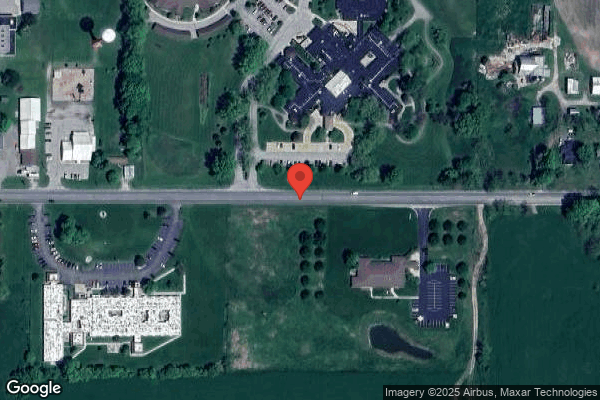
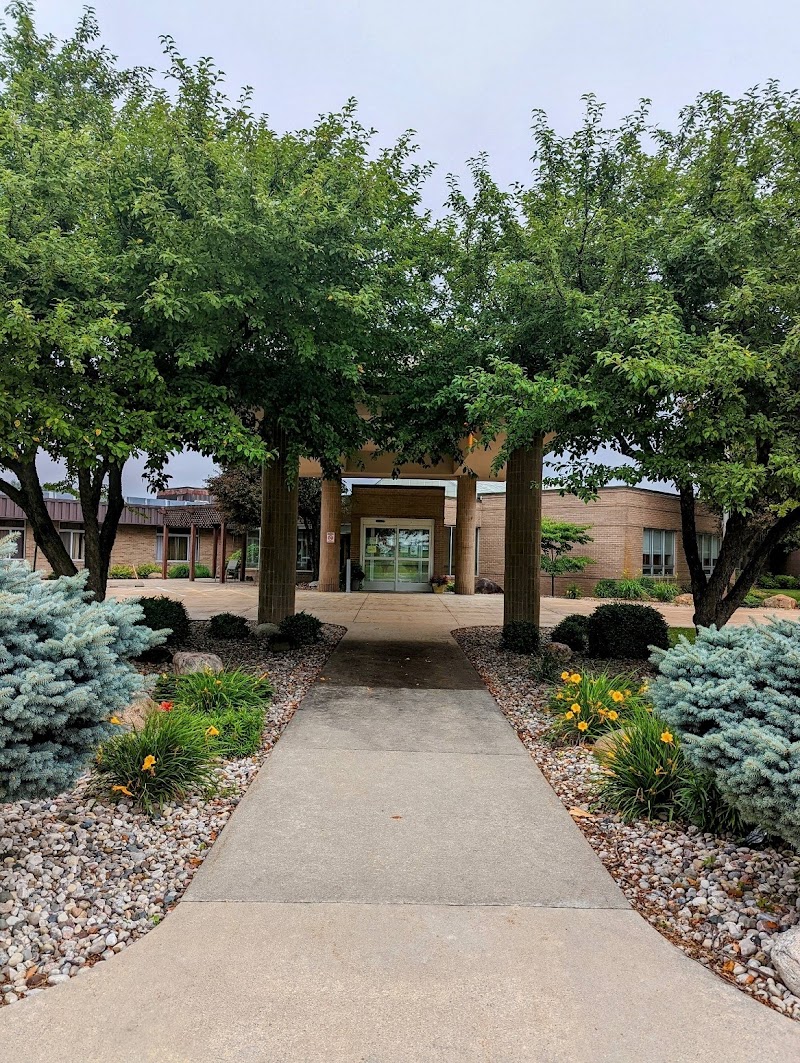
4465 West 48th Street, Fremont, MI 49412 (231) 924-2020
Non profit - Other 116 Beds Independent Data: November 2025
Trust Grade
80/100
#158 of 422 in MI
Last Inspection: May 2025

Inspected within the last 6 months. Data reflects current conditions.

Overview

Newaygo Co Medical Care Facility has a Trust Grade of B+, which means it is above average and recommended for families considering care options. It ranks #158 out of 422 nursing homes in Michigan, placing it in the top half, and is the best option among two facilities in Newaygo County. The facility's performance is stable, with the same number of issues reported in both 2024 and 2025, but there are concerns regarding medication management and resident care. While staffing is decent with a turnover rate of 35%, lower than the state average, specific incidents included a failure to notify the provider about a resident's change in condition and not properly documenting medication administration for multiple residents. However, the facility has no fines, indicating compliance with regulations, and maintains a good health inspection rating.

Trust Score
B+
80/100
In Michigan
#158/422
Top 37%
Safety Record
Low Risk
No red flags
Inspections
Holding Steady
2 → 2 violations
Staff Stability
○ Average
35% turnover. Near Michigan's 48% average. Typical for the industry.
Penalties
✓ Good
No fines on record. Clean compliance history, better than most Michigan facilities.
Skilled Nurses
○ Average
Each resident gets 31 minutes of Registered Nurse (RN) attention daily — about average for Michigan. RNs are the most trained staff who monitor for health changes.
Violations
○ Average
7 deficiencies on record. Average for a facility this size. Mostly minor or procedural issues.
★★★★☆
4.0
Overall Rating
★★★☆☆
3.0
Staff Levels
★☆☆☆☆
1.0
Care Quality
★★★★★
5.0
Inspection Score
Stable
2024: 2 issues
2025: 2 issues

The Good

  • Full Sprinkler Coverage · Fire safety systems throughout facility
  • No fines on record
  • Staff turnover below average (35%)

    13 points below Michigan average of 48%

Facility shows strength in fire safety.

The Bad

Staff Turnover: 35%

11pts below Michigan avg (46%)

Typical for the industry

The Ugly 7 deficiencies on record

May 2025 2 deficiencies
CONCERN (D)

Potential for Harm - no one hurt, but risky conditions existed

Notification of Changes (Tag F0580)

Could have caused harm · This affected 1 resident

**NOTE- TERMS IN BRACKETS HAVE BEEN EDITED TO PROTECT CONFIDENTIALITY** Based on interview and record review, the facility failed to notify the provider of a change in condition and the withholding of...

Read full inspector narrative →
**NOTE- TERMS IN BRACKETS HAVE BEEN EDITED TO PROTECT CONFIDENTIALITY** Based on interview and record review, the facility failed to notify the provider of a change in condition and the withholding of medications for 1 (R15) of 15 residents reviewed. Findings: Resident #15 (R15) Review of an admission Record revealed R15 was a [AGE] year-old female, admitted to the facility on [DATE], with pertinent diagnoses which included: congestive heart failure and Alzheimer's Disease. Review of R15's Orders - Administration Note dated 4/27/25 at 12:13 PM revealed medications were not administered due to, .Unable to arouse. Review of R15's Health Status Note dated 4/27/25 at 10:12 AM revealed, Unable to arouse to give AM medications .Skin slightly moist, color with yellow cast. Sleeping with mouth open .Will continue to observe for any distress or pain. Review of R15's Electronic Health Record revealed no documentation that the provider was notified of R15's change of condition or that her medications were not administered. During an interview on 05/01/25 at 10:18 AM, Assistant Director of Nursing (ADON) M confirmed the provider was not notified of R15's change in condition on 4/27/25. During an interview on 05/01/25 at 12:19 PM, the Nursing Home Administrator (NHA) reported it was the expectation that if the nurse identified a resident has a change in condition or was difficult to rouse the physician and family would be notified immediately. Review of Medication Parameter Education provided by the NHA and ADON on 5/1/25 at 12:19 PM revealed, .In the instance a medication must be held a progress note indicating the vital signs, physician notification and response (including any new orders) as well as resident representative notification with response must be documented .
CONCERN (D)

Potential for Harm - no one hurt, but risky conditions existed

Deficiency F0658 (Tag F0658)

Could have caused harm · This affected 1 resident

**NOTE- TERMS IN BRACKETS HAVE BEEN EDITED TO PROTECT CONFIDENTIALITY** Based on interview and record review, the facility failed to accurately document the administration of controlled medications an...

Read full inspector narrative →
**NOTE- TERMS IN BRACKETS HAVE BEEN EDITED TO PROTECT CONFIDENTIALITY** Based on interview and record review, the facility failed to accurately document the administration of controlled medications and ensure medications were administered following the providers order for 3 (Resident #15, #17, and #32) of 7 residents reviewed for professional standards of nursing practice for medication administration. Findings: Resident #15 (R15) Review of an admission Record revealed R15 was a [AGE] year-old female, admitted to the facility on [DATE]. Review of R15's Order Summary dated 5/9/24 revealed, Cardizem CD Oral Capsule Extended Release 24 Hour 120 MG .Give 1 capsule by mouth in the morning for heart .Hold if SBP (systolic [top number] blood pressure) is less 100 and hr (heart rate) less than 60. Review of R15's Order Summary dated 5/9/24 revealed, Toprol XL Oral Tablet Extended Release 24 Hour 200 MG .Give 1 tablet by mouth in the morning . There were no parameters ordered for this medication. Review of R15's March Medication Administration Record revealed: *Toprol was held (not administered) on 3/5/25, 3/6/25, 3/16/25, and 3/24/25. *Cardizem was held on 3/2/25, 3/3/25, 3/5/25, 3/6/25, and 3/31/25 despite R15's blood pressure and heart rate results within the acceptable range for Cardizem administration. Review of R15's April Medication Administration Record revealed: *Toprol was held on 4/7/25 *Cardizem was held on 4/7/25 and 4/11/25 despite R15's blood pressure and heart rate results within the acceptable range for Cardizem administration. Review of Licensed Practical Nurse (LPN) written statement received on 5/1/25 revealed, On 5/1/25 I receive an education on (R15) .The understanding was wrong. I may have confused diastolic BP for HR (for Cardizem use). When she runs low I hold med. Her normal HR runs very high so I may have associated a lower HR (with) holding med. Review of Assistant Director of Nursing (ADON) M's investigation dated 5/1/25 revealed, Spoke with (LPN F) regarding (R15's) medication order for Cardizem CD not being given due to heart rate parameters. During investigation (LPN F) has documented medication held due to Diastolic blood pressure less than 60. Conversation with (LPN F) revealed that she believes she confused the Diastolic blood pressure with Heart rate . During an interview on 05/01/25 10:18 AM, ADON M reported that parameters would be initiated for R15's Toprol. Resident #17 (R17) Review of an admission Record revealed R17 was a [AGE] year-old female, admitted to the facility on [DATE]. Review of R17's Order Summary dated 2/25/25 revealed, traMADol HCl Oral Tablet 50 MG (Tramadol HCl) *Controlled Drug* Give 1 tablet by mouth every 12 hours as needed for pain. Review of R17's Controlled Drug Log revealed: *On 3/28/25 a dose of tramadol was dispensed at 5:30 PM and 6:45 AM (date/time out of order indicating the medication was not documented as dispensed at the time it was removed/administered.) Review of R17's March Medication Administration Record revealed no documentation that R17's tramadol was administered on 3/28/25. Review of LPN F's written statement dated 5/1/25 revealed, .March 28 signed out (6:45 AM and 5:30 PM) Not in (electronic medication administration program) . Review of R17's Controlled Drug Log revealed: *On 4/14/25 at 1:10 PM a dose of tramadol was dispensed. *On 4/25/25 at 1:45 PM a dose of tramadol was dispensed. Review of R17's April Medication Administration Record revealed no documentation that R17's tramadol was administered on 4/14/25 and 4/25/25. Resident #32 (R32) Review of an admission Record revealed R32 was a [AGE] year-old female, admitted to the facility on [DATE]. Review of R32's Order Summary dated 1/13/25 revealed, Digoxin Oral Tablet 125 MCG (Digoxin) Give 1 tablet by mouth in the morning for Hold if HR (heart rate) less than 60 and BP (blood pressure) less than 90 systolic (top number). Review of R32's April Blood Pressure Summary and Pulse Summary revealed R32's blood pressure and heart rate were assessed ONLY on 4/2/25, 4/7/25, 4/21/25, and 4/22/25. Indicating vital signs were not assessed prior to the administration of the digoxin. Review of R32's Electronic Health Record revealed no other documentation that R32's blood pressure and heart rate were assessed. Review of R32's Order Summary dated 4/12/25 Diphenoxylate-Atropine Oral Tablet 2.5-0.025 MG Give 1 tablet by mouth two times a day for Bowel Management. To be administered at 8:00 AM and 4:00 PM. Review of R32's Controlled Substance Log revealed: *On 4/24/25 at 9:30 AM, 6:00 PM, and 9:10 AM R32's Diphenoxylate-Atropine was dispensed. *On 4/27/25 at 9:00 AM a dose of Diphenoxylate-Atropine was dispensed. The 4:00 PM dose of Diphenoxylate-Atropine was not documented as dispensed. Review of R32's April Medication Administration Record revealed that on 4/27/25 both the 8:00 AM and 4:00 PM doses of Diphenoxylate-Atropine was documented as administered. Review of LPN F's written statement received on 5/1/25 revealed, 4/25 I signed out med @ 0910 (9:10 AM). I documented it on the wrong date (4/24). I went back to the narc sheet and signed the med @ 0800 (8:00 AM) thinking I missed the sign out. I signed it out twice. 4/27/25 I signed out the same drug (Diphenoxylate-Atropine) in (computerize medication administration program) @ 1600 (4:00 PM) but forgot to sign the narc sheet. Further review of the Controlled Substance Log revealed on 4/25/25 2 doses of Diphenoxylate-Atropine were signed out (dispensed) at 8:00 AM and 6:30 PM. Indicating the additional dose of Diphenoxylate-Atropine documented on 4/24/25 was not incorrectly dated/timed for 4/25/25 or a 3rd dose of Diphenoxylate-Atropine was administered on 4/25/25. Additionally, the quantity remaining column indicated a dose was dispensed on each of the dates/times listed on 4/24/25 and 4/25/25. The quantity remaining column indicated only 1 dose was dispensed on 4/27/25 (The quantity remaining on 4/27/25 at 9:00 AM was 4 and on 4/28/25 at 9:00 AM the quantity remaining was 3). During an interview on 05/01/25 at 10:18 AM, ADON M reported that the digoxin order would be modified to require supplemental documentation (blood pressure and heart rate) prior to the administration of the medication. During an interview on 04/30/25 at 08:30 AM, LPN F reported that parameters are found within the medication order. LPN F reported that the computer (electronic medication administration program) would prompt for supplemental documentation such as blood pressure or heart rate. During an interview on 05/01/25 at 07:53 AM, LPN L reported that if parameters are ordered for medications, it would be included in the order summary and reviewed prior to medication administration. LPN L reported that the computer would prompt the nurse to input the vital sign results. During an interview on 05/01/25 at 10:18 AM, ADON M and Nursing Home Administrator (NHA) reported that 1:1 education was provided to LPN F on the rights of medication administration. ADON M reported all licensed nurses would receive education on medication administration to ensure compliance with professional standards of nursing practice with medication administration. Review of Fundamentals of Nursing ([NAME] and [NAME]) 11th edition revealed, (Nurses) are also responsible for documenting any preassessment data required with certain medications such as a blood pressure measurement for antihypertensive medications or laboratory values, as in the case of warfarin, before giving the medication. After administering a medication, immediately document which medication was given on a patient's MAR per agency policy to verify that it was given as ordered. Inaccurate documentation, such as failing to document giving a medication or documenting an incorrect dose, leads to errors in subsequent decisions about patient care. [NAME], [NAME] A.; [NAME], [NAME] G.; Stockert, [NAME] A.; Hall, [NAME]. Fundamentals of Nursing - E-Book (pp. 643-644). Elsevier Health Sciences. Kindle Edition. Review of Fundamentals of Nursing ([NAME] and [NAME]) 11th edition revealed, The seven rights of medication administration include the right medication, right dose, right patient, right route, right time, right documentation, and right indication. [NAME], [NAME] A.; [NAME], [NAME] G.; Stockert, [NAME] A.; Hall, [NAME]. Fundamentals of Nursing - E-Book (p. 705). Elsevier Health Sciences. Kindle Edition.
May 2024 2 deficiencies
CONCERN (D)

Potential for Harm - no one hurt, but risky conditions existed

Accident Prevention (Tag F0689)

Could have caused harm · This affected 1 resident

**NOTE- TERMS IN BRACKETS HAVE BEEN EDITED TO PROTECT CONFIDENTIALITY** Based on observation, interview and record review, the facility failed to follow policy and procedures, monitor and assist 1 (Re...

Read full inspector narrative →
**NOTE- TERMS IN BRACKETS HAVE BEEN EDITED TO PROTECT CONFIDENTIALITY** Based on observation, interview and record review, the facility failed to follow policy and procedures, monitor and assist 1 (Resident #18) of 4 residents reviewed for accidents and hazards, related to toileting, and implement meaningful care plan interventions that are re-evaluated for the effectiveness. Findings include: Resident #18 (R18) Review of a Face Sheet revealed R18 admitted [DATE] with pertinent diagnoses of Alzheimer's disease, dementia, muscle weakness and reduced mobility. Review of the Minimum Data Set (MDS) dated [DATE] revealed R18 was severely cognitively impaired and required partial/moderate assistance with toilet transfers and needed substantial/maximal assistance with walking 10 feet. During an observation on 5/6/24 at 11:40 AM, R18 was observed in his bathroom sitting in his manual wheelchair and transferring himself to the toilet with the room door and the bathroom door open with no privacy barrier. When R18 finished toileting, he stood up at the sink and brushed his teeth, then sat back down in the wheelchair and self-propelled further into his room. During an observation on 5/6/24 at 2:10 PM, R18 was in his room and self-propelled to the bathroom in his wheelchair and transferred himself to the toilet. When he finished toileting, he stood up at the sink to wash his hands and sat back down in the wheelchair. During an observation on 5/7/24 at 1:00 PM, R18 was in his room and self-propelled himself to the end of the bed that was against the wall near the window. R18 stood up and walked over to the window to close it and then walked back to his wheelchair. He was visiting with his wife and when asked if he remembered this surveyor from the day before, he said no. During an observation and an interview on 5/8/24 at 9:00 AM, R18 was sitting reclined in his recliner with the padded call light that was observed hanging on the wall out of reach from the resident. The second call light was observed wrapped around the enabler bar (a bar attached to the bed that a resident uses to assist in turning in bed) on his bed across the room. R18 did not remember this surveyor from the day before and said he does not remember things. When asked, he did not know where his call light was or how to ask for help if needed. R18 reported when he must use the bathroom, he just goes by himself. There was a sign in his room on the wall to remind him to use the call light. In an interview on 5/8/24 at 10:44 AM, the Assistant Director of Nursing (ADON) B reported the care plan is in the residents' rooms inside the closet doors for the staff to reference when caring for the residents. She did not know the current ambulatory status for R18 and reported she would have to reference the care plan to know how the resident would transfer and other care needs. At 1:26 PM, the ADON B reported there was not a system to evaluate interventions put in place after a resident has a fall to see if they were effective. Review of the following incident reports for R18 revealed: -1/25/24 at 7:20 PM- Resident had called out for help while attempting to self-transfer in the bathroom from the toilet to his wheelchair and was lowered to the floor. He was alert to self only. The care plan was revised to reflect a touch pad call light and a therapy request for commode over the toilet. No documentation when the resident was last toileted or offered toileting. -1/27/24 at 7:40 AM, Resident had an witnessed fall when he was found on the floor in his room facing the bathroom and incontinent of urine. New intervention was to encourage toileting (check/change) every two hours. No post fall neuro-checks (neurological checks) done. No documentation when the resident was last toileted or offered toileting. -1/27/24 at 2:50 PM, Resident had an unwitnessed fall near his bathroom and was incontinent of bowel and bladder. His bathroom call light had been activated by the housekeeper. He was oriented to self only and was ambulating with a walker. New intervention was to not leave unattended to finish my business. I forget to wait for you after I call you for assistance back to my previous activities. -2/12/24 at 10:40 PM, Resident had and unwitnessed fall near the bathroom and found on the floor with the wheelchair brakes unlocked and was incontinent. He was oriented to self only. Interventions included anti-rollback device was added and reminders given to use the call light and wait for staff assistance. The last care provided was at 10:10 PM for medication pass. -2/19/24 at 9:35 AM- Resident had an unwitnessed fall in the bathroom and the restroom call light was on. New intervention was to refer to optometry for possible depth perception difficulties for corrective lenses and signs with reminders to pull call light/call string and wait for assistance in bathroom and near bed [related to] short term memory impairment. He was last toileted approximately 7:30 -7:45 AM before breakfast. -3/20/24 at 8:00 AM- Resident had an unwitnessed fall near his bathroom when he stated he was trying to toilet himself. He was oriented to self only. The bathroom was dark and an intervention for a night light in the bathroom was implemented. No documentation when the resident was last toileted or offered toileting. Review of a I am a high risk for falls [related to] confusion, deconditioning, gait/balance problems, impulsiveness, muscle weakness, urinary incontinence care plan last revised 1/27/24 revealed interventions that included: -High fall risk, initiated 1/24/24. -Alternate call light pendant-I may forget to use my call light. Please anticipate my needs. Initiated 1/24/24. -Anti-roll backs to wheelchair. Initiated 2/13/24. -Anticipate and meet the elder's needs. Initiated 1/24/24. -Encourage toileting (check/change) every two hours and as needed. Initiated 1/27/24. -Ensure that I am wearing appropriate footwear grip socks/nonskid shoes when ambulating or propelling wheelchair. Initiated 1/24/24. -Follow facility fall protocol. Initiated 1/24/24. -I require a safe environment with a room free from clutter, adequate lighting, call light within reach and personal items within reach. Initiated 1/24/24. -Night light in bathroom. Initiated 3/20/24. -Offer toileting prior to bed for the night. Initiated 2/13/24. -Once assisted into the restroom, please do not leave me unattended as I forget to wait for assistance. Initiated 1/27/24. -Refer to optometry for possible depth perception difficulties and/or need for corrective lenses. Initiated 2/19/24. -Signs with reminders to pull call light/call string and wait for assistance in bathroom and near bed [related to] short term memory impairment. Initiated 2/21/24. -Touch pad call light. Initiated 1/25/24. Review of the Activities of Daily Living (ADL) Care Plan for R18 revealed: -ORAL CARE ROUTINE [morning, after meals, night]: I have my own teeth. Supervision/touching assist with cuing to brush teeth, rinse mouth with wash. Initiated 1/24/24. -TOILET USE- The resident requires part/mod (partial/moderate) assist with toileting hygiene and transfer. Please encourage me to toilet approx. every 2-4 [hours]. I will attempt to self-transfer to toilet. Initiated 1/24/24. -TRANSFER: The resident requires sub/max (substantial/maximum) assist for transfer from bed to chair. Initiated 1/24/24. -Encourage the resident to use bell to call for assistance. Initiated 1/24/24. Review of a policy titled Fall Prevention Program last revised 2/5/24 revealed: Each resident will be assessed for fall risk and will receive care and services in accordance with their individualized level of risk to minimize the likelihood of falls . -5. Low/Moderate Risk Protocols: .iii. Call light and frequently used items are within reach. Iv. Adequate lighting. b. Implement routine rounding schedule. -6. High Risk Protocols: a. The resident will be placed on the facilities Fall Prevention Program . b. Implement Interventions from Low/Moderate Risk Protocols. c. Provide additional interventions as directed by the resident's assessment, including but not limited to . ii. Increased frequency of rounds vii. Scheduled ambulation or toileting assistance. Review of a Nursing-Post Fall Evaluation policy last revised 3/9/21 revealed To provide for ongoing evaluations of causative factors or potential factors that may lead to our elders falling or having a significant injury related to a fall. Should a fall occur witnessed or unwitnessed the following will occur: Post Fall Review: Root cause analysis of all falls will be completed by the interdisciplinary team to determine the cause of the fall and interventions will be put in place that addresses the root cause of the fall. Interventions will be re-evaluated to determine effectiveness, at regular intervals (post fall, readmission, significant change, and quarterly with MDS). Review of a Plan of Care Progress Note dated 1/26/24 for R18 revealed: Resident has impaired balance, weakness presence, cognition fluctuations, impaired processing time, and is impulsive. Goals are or resident to be independent with cuing for all ADLS for him to return home. However, therapy unsure if resident will be able to meet current goals. Discussed fall history. Wife stated it is hard to judge how many times he has fallen as sometimes it was daily and sometimes we would go a period of time with no falls. Falls were associated with resident ambulating and R leg would freeze, then he would continue to attempt to ambulate, legs would give out. Also attributed to resident having cognition fluctuations and being impulsive. Forgetting to use walker as well. Review of a IDT (Interdisciplinary Team) Intervention Review progress note dated 1/30/24 for R18 revealed: IDT met to discuss resident's progress with therapy. Physically able to independently dress self, toilet, ambulate. However, impulsive and cognition fluctuates. CGA to min assist for transfers. Processing delayed and needs cuing for standing. Sequencing issues present. Lack of carryover. Cont to work on balance, strengthening, fall risk reduction, how to get up from falls. (sic) Review of a Health Status Progress Note dated 2/4/24 for R18 revealed: Unable to maintain sitting position while sitting on bed. Assist x 1 for transfer from bed to w/c. Requires staff assist for propel w/c. Transfers self randomly and unable to maintain balance and falls. Review of an IDT Intervention Review Progress Note for R18 dated 2/13/24 revealed: IDT met to discuss resident's progress with therapy. Currently at highest potential for skilled therapy. Will be transitioning to restorative program for strengthening and reciprocal training. High fall risk. Review of a Health Status Progress Note for R18 dated 2/19/24 revealed: Elder frequently noted self-transferring without seeking staff assistance while utilizing assistive devices. Receptive to staff assistance. Elder is unreceptive to education. However, due to his dementia his retention is limited. Staff continues education reinforcement prior to ending all interactions, if appropriate. Review of an IDT Intervention Review Progress Note for R18 dated 2/20/24 revealed: IDT met to discuss resident's skilled therapy ending. Wife had concerns about resident receiving services as he just had falls. Has met goals with therapy and will be transitioned to restorative therapy program. Wife informed of therapy program plan, verbalized understanding with [NAME] specialist.
CONCERN (D)

Potential for Harm - no one hurt, but risky conditions existed

Deficiency F0761 (Tag F0761)

Could have caused harm · This affected 1 resident

Based on observation, interview, and record review, the facility failed to ensure that an insulin pen was labeled with the resident's name for 1 of 2 medication carts inspected (C Wing Medication Cart...

Read full inspector narrative →
Based on observation, interview, and record review, the facility failed to ensure that an insulin pen was labeled with the resident's name for 1 of 2 medication carts inspected (C Wing Medication Cart), resulting in the potential for residents to receive insulin from another resident's insulin pen and the potential for the spread of disease. Findings include: During an inspection of the C Wing Medication Cart with Licensed Practical Nurse (LPN) F on 05/06/24 at 5:40 PM, a previously used Humalog insulin pen without a resident's name on it was observed in an unlabeled slotted compartment in the top drawer of the medication cart with other insulin pens. The other insulin pens in the unlabeled slotted compartment were labeled with R6's name on them. LPN F stated insulin pens should be labeled with the resident's name and the date it was first used and date it is supposed to be discarded. She stated she keeps the insulin pens together in a slotted compartment in the top drawer for each individual resident. LPN F stated that was how she knew that the Humalog pen belonged to R6 and not another resident, even though it did not have R6's name on it. She stated otherwise she would not know whose insulin pen it was. LPN F further stated there was another resident that had a Humalog pen in the C Wing Medication Cart along with R6 and if R6's Humalog pen was not in the slotted compartment with his other insulin pens she would not know for sure if it was his pen or the other resident's. During an interview on 05/07/24 at 7:45 AM, Registered Nurse (RN) G stated if she found a previously used insulin pen without a resident's name on it, she would get another one from the medication refrigerator if she did not know who the pen belonged to. RN G was asked if the insulin pen was not labeled with a resident's name, how would she know whose it was? RN G just stared at the surveyor and could not provide an answer to the question. RN G also stated that she had not ever come across an insulin pen without a resident's name on it because it always comes with a label [on it] from the pharmacy with a resident's name on it. During an interview on 5/07/24 at 8:15 AM, LPN H stated insulin pens come from the pharmacy with a label on them that contains the resident's name. She stated the only time an insulin pen would not have a label with the resident's name on it would be if the insulin pen was pulled from the medication back-up box. LPN H stated if she pulls an insulin pen from the medication back-up box, then she would label the pen with the resident's name and the date it was opened and/or the discard date. LPN H stated if she finds an insulin pen without a label or a resident's name on it, then she would throw it away because she would not know who the pen belonged to. LPN H further stated she would not want to take a chance that she would give a resident another resident's insulin. A review of the facility's Labeling of Medications and Biologicals policy, dated 12/1/23, revealed, All medications and biologicals used in the facility will be labeled in accordance with current state and federal regulations to facilitate consideration of precautions and safe administration of medications . 4. Labels for individual drug containers must include: a. The resident's name . 9. Labels for medications designated for multiple administrations (such as inhalers, eye drops), the label will identify the specific resident for whom it was prescribed .
Nov 2023 1 deficiency
CONCERN (D) 📢 Someone Reported This

A family member, employee, or ombudsman was alarmed enough to file a formal complaint

Potential for Harm - no one hurt, but risky conditions existed

Medical Records (Tag F0842)

Could have caused harm · This affected 1 resident

**NOTE- TERMS IN BRACKETS HAVE BEEN EDITED TO PROTECT CONFIDENTIALITY** This citation refers to MI00139660. Based on interview and record review, the facility failed to maintain complete, timely, and ...

Read full inspector narrative →
**NOTE- TERMS IN BRACKETS HAVE BEEN EDITED TO PROTECT CONFIDENTIALITY** This citation refers to MI00139660. Based on interview and record review, the facility failed to maintain complete, timely, and accurate medical records for 3 of 5 residents (R2, R3, and R5), resulting in incomplete medical records, inaccurate medical records, multiple late entries in the medical records, and the potential for providers not having an accurate and complete picture of the resident's stay at the facility. Findings include: Inaccurate and Incomplete Medical Records R3 A review of R3's admission Record, dated 11/21/23, revealed R3 was a [AGE] year-old resident admitted to the facility on [DATE]. In addition, R3's admission Record revealed multiple diagnoses that included late onset Alzheimer's Disease and dementia with psychotic disturbance. A review of R3's Minimum Data Set (MDS) (a tool used for assessing a resident's care needs), dated 10/31/23, revealed a Brief Interview for Mental Status (BIMS) (a scale used to determine a resident's cognitive status) score of 4 which indicated R3 was severely cognitively impaired. A review of R3's progress notes, dated 5/30/23 to 7/30/23, revealed the following: - Behavior Note, dated 6/18/23, revealed, Elder sits in hall waiting for another resident to come out of his room and if she sees him she follows him around saying things like we are sleeping in the same room tonight and I know he is not married, etc. She has started to talk dirty (sexual) to him. She goes into this resident's room and will not leave. She is making him feel threatened and he is trying to keep away from her. No matter where he goes she is following and butting into his conversation and actions. She appears to be almost stalking him. We have intervened several times and have helped the other resident to leave his room and the floor without her. We have put [name of R3] out by the nurses station and given her coffee and ice cream to distract her. [Name of R3] does not understand reason. - COMMUNICATION - with Resident, dated 6/19/23, revealed, Note Text: Writer attempted to meet with elder in elders room for follow up visit after note r/t elder approaching and speaking to another elder. Elder was in the life enrichment room completing a craft activity. Elder was sitting at a table with the other elder. Writer observed their interactions for approximately ten minutes. Elders were engaging appropriately in conversation, no distress noted for either elder. During an interview on 11/21/23 at 1:50 PM, Registered Nurse (RN) D stated R3 has flirted with R2. She stated R2 did not appreciate it and tried to get away from R3. RN D stated R2 was cognitively intact so he could tell when R3 was flirting with him and he could say he did not want her near him. RN D stated R3 kept flirting with him even though he did not like it. RN D stated they moved R2 to C or D Hall to get him away from R3 per his request. RN D stated she was told R2 did not like the new room, so they moved him back to the Sunflower unit, but put his room farther away from R3's. It must have worked. I haven't heard him complaining about her. She must have forgotten about him. RN D stated R3 had never been in R2's bed. She stated R3 only flirted with R2. RN D stated she was not aware of any instances where R3 was found in any other residents' beds or had sexual relations with them. During an interview on 11/22/23 at 8:05 AM, Social Worker (SW) F stated R2 was the resident that R3 was waiting in the hall for and the resident that she was making dirty (sexual) comments to on 6/18/23. During an interview on 11/22/23 at 9:30 AM, Certified Nursing Assistant (CNA) G stated she knows R3 will seek out people to sit and talk with her. She stated R3 wants people to sit with her and hold her hand. CNA G stated R3 is not really physically aggressive, just needy. She stated she is not aware of any incidents where R3 had jumped into male residents' beds or tried to be intimate with them. R2 A review of R2's admission Record, dated 11/21/23, revealed R2 was a [AGE] year-old resident admitted to the facility on [DATE]. In addition, Resident 2's admission Record revealed multiple diagnoses that included multiple sclerosis, dementia, and expressive language disorder (difficulty verbally expressing ideas and thoughts). A review of R2's MDS, dated [DATE], revealed a BIMS score of 11 which indicated R2 was cognitively intact. During an interview on 11/21/23 at 9:15 AM, R2's spouse stated the facility called her the Friday before the Fourth of July (6/30/23). She stated they told her that they wanted to move R2 to another room on a different unit (from Sunflower Unit to the C Hall) because he visited frequently with his friends on that unit and they felt if they moved him it would better for him, and easier for him to socialize. She stated she was ok with the move. R2's spouse stated when she came in that weekend to visit with R2, she learned from the staff that the reason why R2 was moved was because he and another resident (R3) were in a relationship and the staff wanted to separate them. She stated she was told that they (R2 and R3) had been caught in bed together, but nothing happened. R2's spouse stated talking to the nurses over the weekend she learned that R3 had been hitting on R2 and other men on her unit. She stated staff told her that they did not know why R2 was moved when R3 was the aggressor. R2's spouse stated she was furious when she heard this and that no one had informed her when this had occurred. I'm his guardian and wife and should have been told. R2's spouse stated on Wednesday, 7/5/23, she called the Nursing Home Administrator (NHA) and told her she wanted R2 moved back to his former unit and room because she had been lied to about the move. She stated the facility moved R2 back to his former unit (Sunflower), but to a different room because his previous room had already been taken. She stated she met with the NHA and Director of Nursing (DON) with the Ombudsman and they talked about what had happened. R2's spouse stated because she was lied to, she does not feel that she can trust the facility. She also stated that when she spoke with the NHA and DON, they denied having knowledge of any relationship between R2 and R3. However, facility staff told her they definitely knew. R2's spouse also stated that R2 was currently in the hospital because he had been on a leave of absence with her yesterday and had not felt well. She stated she called an ambulance and he was taken to the emergency room. R2's spouse stated he was going to have gallbladder surgery. Therefore, R2 was not available for an interview during the investigation. A review of R2's progress notes, dated 6/1/23 to 8/1/23, revealed the following: - COMMUNICATION - with Resident, dated 6/19/23, revealed, Writer met with elder in elders room for check in visit. Elder was in good spirits at the time of this interaction. Elder reported no concerns with his care or interactions with other elders. Writer inquired if elder felt bothered by or threatened by another elders to which he replied no. Elder denied fear and/or anxiety. Writer inquired if elder has had anyone speak to him inappropriately, elder denied this. Elder asked why writer was asking. Writer informed him writer just wanted to make sure he was happy and felt safe in this facility. Elder stated I am happy here. No other questions or concerns discussed at this time. - COMMUNICATION - with Family/NOK/POA (Next of Kin/Power of Attorney), dated 6/30/23, revealed, Spoke to [name of R2's spouse] today via phone regarding a room change to [room number on a different unit]-private room. [Name of R2's spouse] stated that she was fine with the room move and stated I know he will adjust . - COMMUNICATION - with Family/NOK/POA, Late Entry: 7/18/23 for 7/6/23 (written 12 days after the event), revealed, Writer received call from [name of R2's spouse] requesting elder be moved back up to the Sunflower unit. [Name of R2's spouse] expressed concerns with the new room and the view. Elder has not expressed any concerns. Writer and [name of R2's spouse] did discuss that elder was moved to D-wing for increased interaction with male elders as well as due to another female elder believing elder is her boyfriend. [Name of R2's spouse] stated she was not concerned about the other female elder and wanted elder back on the Sunflower unit. [Name of R2's spouse] was offered for elder return to [R2's previous room number] as well as [a different room number on the same unit] as elder has been enjoying the close proximity to other male elders on the D wing over the weekend and [the different room that the previous room] is close to another male elders room. [Name of R2's spouse] agreed to [the different room than R2's previous room on the same unit] instead of return to previous room .Elder to move to [different room on same unit as previous room] today. During an interview on 11/22/23 at 8:05 AM, Social Worker (SW) F stated she was not at the facility when R2 was moved. She stated her understanding was on 6/30/23 R3 went into R2's room, sat down next to him, and put her hand on his thigh in a comforting manner. She stated the team moved R2 to Daffodil unit because they felt it would be better to move R2 away from R3. SW F also stated the move to Daffodil unit made sense since R2 associates with the male residents on the Daffodil unit almost every day. SW F stated she received a call on 7/5/23 from R2's spouse and responsible party saying they did not like view from the room and wanted R2 moved back to the Sunflower unit. She stated she offered to move R2 back to his original room or another room. SW F stated she told R2's spouse that the other room would be closer to the male residents that he spends time with and farther away from R3. SW F stated R2's spouse opted for the room farther away from R3. SW F further stated there was one other interaction between R2 and R3 where R3 was following R2 throughout the unit and made advances toward him. She stated she did a follow-up visit with both of them because when she read the note about R3 following R2, she felt, based on the note in R3's progress notes, that R2 may have felt threatened by R3. However, when she followed up with him, he stated he did not feel threatened by anyone and did he did not recall R3 following him around. During the interview on 11/22/23 at 8:05 AM, SW F reviewed R2's progress notes and verified that there was not a note regarding the interaction between R2 and R3 in his progress notes or medical record. She stated there should have been one. SW F also stated she was not aware of any other interactions of a sexual/intimate nature between R3 and other residents. SW F stated whenever there is an incident between two residents, then the incident should be documented in both residents' medical records. SW F also stated that incidents, notifications, assessments, observations, physician visits, etc., should be documented as so as possible after they occur. She stated she would think within twenty-four hours would be acceptable, but no more than 2 or 3 days later. During an interview on 11/22/23 at 9:30 AM, CNA G stated she was not aware of any incidents where R3 had jumped into male residents' beds or tried to be intimate with them. A further review of R2's progress notes, dated 6/1/23 to 8/1/23, failed to reveal that R3 had been following R2 around saying things like we are sleeping in the same room tonight and I know he is not married, etc. R2's progress notes also failed to reveal that R3 was talking dirty(sexual) to R2, that R3 went into R2's room and would not leave, that R3 was making R2 feel threatened and R2 was trying to keep away from R3, that no matter where R2 went R3 would follow and butting into his conversation and actions, and that R3 appeared to be almost stalking R2. In addition, R2's progress notes failed to reveal that he had requested a room change to get away from R3. Clear, accurate, and accessible documentation is an essential element of safe, quality, evidence-based nursing practice. Documentation of nurses' work is critical as well for effective communication with each other and with other disciplines. It is how nurses create a record of their services for use by payors, the legal system, government agencies, accrediting bodies, researchers, and other groups and individuals directly or indirectly involved with health care. It also provides a basis for demonstrating and understanding nursing's contributions both to patient care outcomes and to the viability and effectiveness of the organizations that provide and support quality patient care . High quality documentation, however, is a necessary and integral aspect of the work of registered nurses in all roles and settings . (ANA's (American Nursing Association) Principles for Nursing Documentation- Guidance for Registered Nurses, 2010, www.nursingworld.org). Late Entries R2 A review of R2's progress notes, dated 8/21/23 to 11/21/23, revealed the following additional late entries: - Communication- with Family/NOK, POA, dated 10/13/23 for 10/5/23 (8 days after the event), which revealed that R2 had been tested for COVID-19 with a rapid antigen test due to an outbreak/possible exposure. - Physician Progress Note, dated 11/21/23 for 11/6/23 (15 days after the event), which revealed the physician had seen R2 for a routine follow up visit and he had been feeling well overall. R3 A review of R3's progress notes, dated 8/21/23 to 11/21/23, revealed the following late entries: - Physician Progress Note, dated 9/26/23 for 9/11/23 (15 days after the event), which revealed the physician had seen R3 for a routine follow up visit and R3 did not have any concerns or issues. - Communication- with Family/NOK/POA, dated 10/13/23 for 10/5/23 (8 days after the event), which revealed that R3 had been tested for COVID-19 with a rapid antigen test due to an outbreak/possible exposure. R5 A review of R5's admission Record, dated 11/21/23, revealed R5 was an [AGE] year-old resident admitted to the facility on [DATE]. In addition, R5's admission Record revealed multiple diagnoses that included Alzheimer's Disease. A review of R5's MDS, dated [DATE], revealed a BIMS score of 3 which indicated R5 was severely cognitively impaired. A review of R5's progress notes, dated 8/21/23 to 11/21/23, revealed the following late entry: - Physician Progress Note, dated 8/31/23 for 8/21/23 (10 days after the event), which revealed the physician had seen R5 for a routine follow up visit and R5 did not have any issues or concerns. During an interview on 11/22/23 at 9:15 AM, the NHA stated the facility does not have a policy regarding timeliness of documentation. She stated if staff are going to document a late entry, she would expect that they document it by the next day, but no later than three days later depending on if it is a weekend or holiday. The NHA stated anything documented more than a week would not be acceptable and could be interpreted as suspicious or questionable. Timely documentation of the following types of information should be made and maintained in a patient's EHR to support the ability of the health care team to ensure informed decisions and high quality care in the continuity of patient care . Patient documentation frequently is used by professionals who are not directly involved with the patient's care. If patient documentation is not timely, accurate, accessible, complete, legible, readable, and standardized, it will interfere with the ability of those who were not involved in and are not familiar with the patient's care to use the documentation. (ANA's (American Nursing Association) Principles for Nursing Documentation- Guidance for Registered Nurses, 2010, www.nursingworld.org).
Apr 2023 2 deficiencies
CONCERN (D)

Potential for Harm - no one hurt, but risky conditions existed

Pressure Ulcer Prevention (Tag F0686)

Could have caused harm · This affected 1 resident

**NOTE- TERMS IN BRACKETS HAVE BEEN EDITED TO PROTECT CONFIDENTIALITY** Based on interview and record review, the facility failed to operationalize policies and procedures to assess, monitor, document...

Read full inspector narrative →
**NOTE- TERMS IN BRACKETS HAVE BEEN EDITED TO PROTECT CONFIDENTIALITY** Based on interview and record review, the facility failed to operationalize policies and procedures to assess, monitor, document, and notify physician for 1 (Resident #17) who reported she had two wounds that were not reflected in her medical records. Findings include: Review of a policy titled Skin Assessment implemented on 3/14/22 revealed: it is our policy to perform a full body skin assessment as part of our systematic approach to pressure injury prevention and management. This policy includes the following procedural guidelines in performing the full body skin assessment. Review of a policy titled Wound Treatment Management implemented 3/14/22 revealed: To promote wound healing of various types of wounds, it is policy of this facility to provide evidence-based treatments in accordance with current standards of practice and physician orders. Review of a policy titled Pressure Injury Prevention and Management last revised 9/27/22 revealed: This facility is committed to the prevention of avoidable pressure injuries, unless clinically unavoidable, and to provide treatment and services to heal the pressure ulcer/injury, prevent infection and the development of additional pressure ulcers/injuries. Resident #17 (R17) Review of a Face Sheet for R17 revealed she originally admitted to the facility on [DATE] and has pertinent diagnosis of sepsis, myasthenia gravis and chronic disease. In an interview on 4/18/23 at 10:00 AM, R17 was in bed and reported she has sores on her side and her bottom and did not have any dressings on them. In an interview on 4/19/23 at 10:21 AM, R17 was in bed and reported the nurse applied a new salve on her sores this day. The resident reported this surveyor can look at her wounds the next time care is provided for her. In an interview on 4/19/23 at 10:25 AM, Licensed Practical Nurse (LPN) G reported R17 has a stage II pressure ulcer on her right cheek and some excoriation in her butt crack and these were not new. When she came back from the hospital in February, her skin was not good. When queried where her skin assessments were, LPN G reported the skin assessments are documented on paper and then get put into a box where the Assistant Director of Nursing collects them and reviews them. LPN G reported physicians get notified of concerns by the communication book and at this time there were no concerns in the book for R17. Review of the Electronic Medical Records (EMR) on 4/19/23 for R17 revealed the last skin assessment documented was on 3/16/23. Review of an admission Skin assessment dated [DATE] for R17 revealed she had some redness on her buttocks and no open wounds. Review of a Weekly Elder Assessment Screen document for R17 dated 3/16/23 revealed no abnormal skin assessment. In an interview on 4/19/23 at 10:48 AM, the Director of Nursing (DON) reported R17 should have skin assessments in the computer under the miscellaneous tab and verified that the last documented assessment was on 3/16/23. The DON reported she was unaware of medical records being backlogged on scanning in documents and was going to check to make sure. In an interview on 4/19/23 at 11:17 AM, LPN I and Unit Manager told this surveyor R17 changed her mind and did not want this surveyor to look at her wounds after several staff had left her room. In an interview on 4/19/23 at 12:03 PM, the DON reported she did not have any skin assessments for R17 and thought that another staff member may have them or LPN I. When questioned about how staff can provide continuity of care if there is no accessible documentation readily available for them to review, the DON reported she did not understand the question. The DON reported they have both paper charting and electronic charting. When asked what is charted on paper, the DON reported skin assessments and consents are on paper that get scanned into the electronic medical record. Review of the Treatment Administration Record (TAR) and orders for R17 revealed no orders or treatments for wounds until 4/19/23 when an order for Z Guard to buttocks twice daily and as needed was ordered. An order for weekly skin checks ordered on 2/16/23 revealed in April the skin checks were documented as done on 4/6/23 and 4/13/23. Review of the Progress notes for R17 revealed no mention of the resident having wounds or pressure ulcers. A Medical Practitioner note on 4/10/23 reveals no mention of the resident having any wounds or pressure ulcers. Review of the Care Plan for R17 revealed there is no focus for pressure ulcers. Review of a computer-based Skin assessment dated [DATE] (the last day of this survey), revealed R17 has a Stage II pressure ulcer on her right ischial tuberosity that is a new, in house acquired with no exact date of onset. It measured 0.7 centimeters (cm) X 0.9 cm X 1.0 cm and a depth of 0.1 cm. Another Skin Assessment was initiated for R17 on 4/20/23 but not completed.
CONCERN (D)

Potential for Harm - no one hurt, but risky conditions existed

Deficiency F0761 (Tag F0761)

Could have caused harm · This affected 1 resident

**NOTE- TERMS IN BRACKETS HAVE BEEN EDITED TO PROTECT CONFIDENTIALITY** Based on observation, interview, and record review, the facility failed to (a) maintain security measures to ensure controlled s...

Read full inspector narrative →
**NOTE- TERMS IN BRACKETS HAVE BEEN EDITED TO PROTECT CONFIDENTIALITY** Based on observation, interview, and record review, the facility failed to (a) maintain security measures to ensure controlled substances were double locked, and (b) periodically check medication storage locations for outdated medication and nutritional supplement supplies, for 1 of 2 medication storage rooms, resulting in the potential for misappropriation of controlled substances and administering medications beyond the expiration date with a possible decreased efficacy of the medication. Findings include: During an observation on [DATE] at 2:50 PM, the following were noted in the medication storage room for units C and D. (A) the refrigerator that contained medications/controlled substances was not locked, (B) inside the refrigerator, the red tray that contained the medications/controlled substances was not locked or secured to the inside of the refrigerator and could be removed, (C) three bottles of over-the-counter medications, i.e.( Tylenol, laxative, anti-diarrhea) were expired, and (D) twelve bottles of Jevity 1.5 (used to provide nutrition for someone with a tube feed) were expired. During an interview on [DATE] at 3:00 PM, Unit Nurse Manager G indicated that (a) the medication refrigerator in the medication storage room for units C and D should be kept locked, (b) the red tray that contained the medications/controlled substances should be kept locked, and (c) that nursing staff were responsible to periodically check over-the-counter medications and nutritional supplements for expiration dates. Review of a facility policy Controlled Substance Administration & Accountability, last reviewed [DATE], reflected .The facility will have safeguards in place in order to prevent loss, diversion or accidental exposure .controlled substances are stored under double lock until administered. Review of a facility policy Storage of Medications, last reviewed [DATE], revealed .The facility shall not use discontinued, outdated, or deteriorated drugs or biological's.
Understanding Severity Codes (click to expand)
Life-Threatening (Immediate Jeopardy)
J - Isolated K - Pattern L - Widespread
Actual Harm
G - Isolated H - Pattern I - Widespread
Potential for Harm
D - Isolated E - Pattern F - Widespread
No Harm (Minor)
A - Isolated B - Pattern C - Widespread

Questions to Ask on Your Visit

  • "Can I speak with families of current residents?"
  • "What's your RN coverage like on weekends and overnight?"

Our Honest Assessment

Strengths
  • • Grade B+ (80/100). Above average facility, better than most options in Michigan.
  • • No major safety red flags. No abuse findings, life-threatening violations, or SFF status.
  • • No fines on record. Clean compliance history, better than most Michigan facilities.
  • • 35% turnover. Below Michigan's 48% average. Good staff retention means consistent care.
Concerns
  • • No significant concerns identified. This facility shows no red flags across CMS ratings, staff turnover, or federal penalties.
Bottom line: Generally positive indicators. Standard due diligence and a personal visit recommended.

About This Facility

What is Newaygo Co Medical Care Facility's CMS Rating?

CMS assigns Newaygo Co Medical Care Facility an overall rating of 4 out of 5 stars, which is considered above average nationally. Within Michigan, this rating places the facility higher than 99% of the state's 100 nursing homes. This rating reflects solid performance across the metrics CMS uses to evaluate nursing home quality.

How is Newaygo Co Medical Care Facility Staffed?

CMS rates Newaygo Co Medical Care Facility's staffing level at 3 out of 5 stars, which is average compared to other nursing homes. Staff turnover is 35%, compared to the Michigan average of 46%. This relatively stable workforce can support continuity of care.

What Have Inspectors Found at Newaygo Co Medical Care Facility?

State health inspectors documented 7 deficiencies at Newaygo Co Medical Care Facility during 2023 to 2025. These included: 7 with potential for harm.

Who Owns and Operates Newaygo Co Medical Care Facility?

Newaygo Co Medical Care Facility is owned by a non-profit organization. Non-profit facilities reinvest revenue into operations rather than distributing to shareholders. The facility operates independently rather than as part of a larger chain. With 116 certified beds and approximately 61 residents (about 53% occupancy), it is a mid-sized facility located in Fremont, Michigan.

How Does Newaygo Co Medical Care Facility Compare to Other Michigan Nursing Homes?

Compared to the 100 nursing homes in Michigan, Newaygo Co Medical Care Facility's overall rating (4 stars) is above the state average of 3.1, staff turnover (35%) is significantly lower than the state average of 46%, and health inspection rating (5 stars) is much above the national benchmark.

What Should Families Ask When Visiting Newaygo Co Medical Care Facility?

Based on this facility's data, families visiting should ask: "Can I visit during a mealtime to observe dining assistance and food quality?" "How do you handle medical emergencies, and what is your hospital transfer rate?" "Can I speak with family members of current residents about their experience?"

Is Newaygo Co Medical Care Facility Safe?

Based on CMS inspection data, Newaygo Co Medical Care Facility has a clean safety record: no substantiated abuse findings (meaning no confirmed cases of resident harm), no Immediate Jeopardy citations (the most serious violation level indicating risk of serious injury or death), and is not on the Special Focus Facility watch list (a federal program monitoring the lowest-performing 1% of nursing homes). The facility has a 4-star overall rating and ranks #1 of 100 nursing homes in Michigan. While no facility is perfect, families should still ask about staff-to-resident ratios and recent inspection results during their visit.

Do Nurses at Newaygo Co Medical Care Facility Stick Around?

Newaygo Co Medical Care Facility has a staff turnover rate of 35%, which is about average for Michigan nursing homes (state average: 46%). Moderate turnover is common in nursing homes, but families should still ask about staff tenure and how the facility maintains care continuity when employees leave.

Was Newaygo Co Medical Care Facility Ever Fined?

Newaygo Co Medical Care Facility has no federal fines on record. CMS issues fines when nursing homes fail to meet care standards or don't correct problems found during inspections. The absence of fines suggests the facility has either maintained compliance or corrected any issues before penalties were assessed. This is a positive indicator, though families should still review recent inspection reports for the full picture.

Is Newaygo Co Medical Care Facility on Any Federal Watch List?

Newaygo Co Medical Care Facility is not on any federal watch list. The most significant is the Special Focus Facility (SFF) program, which identifies the bottom 1% of nursing homes nationally based on persistent, serious quality problems. Not being on this list means the facility has avoided the pattern of deficiencies that triggers enhanced federal oversight. This is a positive indicator, though families should still review the facility's inspection history directly.