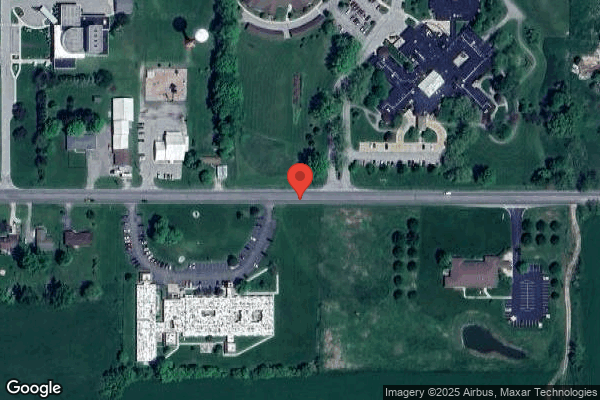

Regency at Fremont

4554 West 48th Street, Fremont, MI 49412 (231) 924-3990
For profit - Corporation 129 Beds CIENA HEALTHCARE/LAUREL HEALTH CARE Data: November 2025
Trust Grade
30/100
#328 of 422 in MI
Last Inspection: April 2025

Within standard 12-15 month inspection cycle. Federal law requires annual inspections.

Overview

Regency at Fremont has received a Trust Grade of F, indicating significant concerns and placing it in the bottom tier of nursing homes. It ranks #328 out of 422 facilities in Michigan, meaning it is in the bottom half of all facilities in the state, and is the second-best option in Newaygo County, with only one facility rated higher. The facility’s situation is worsening, with the number of issues increasing from 10 in 2024 to 16 in 2025. Staffing is below average with a rating of 2 out of 5 stars and a concerning turnover rate of 55%, significantly higher than the state average. While there are no fines on record, which is a positive aspect, the facility has been cited for serious deficiencies, including failing to properly manage falls for residents and maintain food safety standards, which could pose health risks. Overall, while there are some strengths, such as the absence of fines, the facility has critical areas that need improvement, making it essential for families to weigh these factors carefully.

Trust Score
F
30/100
In Michigan
#328/422
Bottom 23%
Safety Record
High Risk
Review needed
Inspections
Getting Worse
10 → 16 violations
Staff Stability
⚠ Watch
55% turnover. Above average. Higher turnover means staff may not know residents' routines.
Penalties
✓ Good
No fines on record. Clean compliance history, better than most Michigan facilities.
Skilled Nurses
⚠ Watch
Each resident gets only 25 minutes of Registered Nurse (RN) attention daily — below average for Michigan. Fewer RN minutes means fewer trained eyes watching for problems.
Violations
⚠ Watch
31 deficiencies on record. Higher than average. Multiple issues found across inspections.
★★☆☆☆
2.0
Overall Rating
★★☆☆☆
2.0
Staff Levels
★★★★★
5.0
Care Quality
★☆☆☆☆
1.0
Inspection Score
Stable
2024: 10 issues
2025: 16 issues

The Good

  • 5-Star Quality Measures · Strong clinical quality outcomes
  • Full Sprinkler Coverage · Fire safety systems throughout facility
  • No fines on record

Facility shows strength in quality measures, fire safety.

The Bad

2-Star Overall Rating

Below Michigan average (3.1)

Below average - review inspection findings carefully

Staff Turnover: 55%

Near Michigan avg (46%)

Higher turnover may affect care consistency

Chain: CIENA HEALTHCARE/LAUREL HEALTH CARE

Part of a multi-facility chain

Ask about local staffing decisions and management

The Ugly 31 deficiencies on record

1 actual harm
Apr 2025 13 deficiencies
CONCERN (D)

Potential for Harm - no one hurt, but risky conditions existed

Resident Rights (Tag F0550)

Could have caused harm · This affected 1 resident

**NOTE- TERMS IN BRACKETS HAVE BEEN EDITED TO PROTECT CONFIDENTIALITY** Based on observation, interview and record review, the facility failed to ensure dignified care and treatment of two facility re...

Read full inspector narrative →
**NOTE- TERMS IN BRACKETS HAVE BEEN EDITED TO PROTECT CONFIDENTIALITY** Based on observation, interview and record review, the facility failed to ensure dignified care and treatment of two facility residents (R136 and R66) and failed to ensure communication for self-determination of care for one resident (61) of three residents reviewed for dignity. Findings: R136 Review of the admission Record reflected R136 admitted to the facility on [DATE] with diagnoses that included Osteomyelitis (bone infection) of the left ankle and foot. The medical record reflected R136 was able to make his own medical decisions. Review of the Care Plan for R136 reflected Toileting. (name of R136) will require assistance to the toilet every two hours and as needed. He may utilize a urinal, bed pan, or use the full body lift to the toilet. Initiated 4/4/25. The Care Plan reflected Ambulation/Locomotion (name of R136) is unable to ambulate at this time (due to) NWB (non-weight bearing) status of BLE (bilateral lower extremities) initiated 4/4/25. And the Care Plan reflected Put the call light within reach and encourage him to use it for assistance as needed. Initiated 4/4/25 On 4/8/25 at 7:03 AM an observation and interview were conducted with R136 in his room at the end of the hall. R136 reported he recently admitted to the facility and that he is not a happy camper. R136 reported when he uses his call light staff don't come (to the room) or if staff do come they turn off his call light and don't come back and you have to turn on the light again. R136 reported he could not bear weight on his feet and was unable to walk to the bathroom. R136 displayed his legs which were wrapped with elastic bandages. A urinal was observed within reach. R136 reported he had difficulty holding the urinal in place and has wet himself and the bedding when he has tried to use it on his own. R136 reported he had told staff of this difficulty, but staff did not offer a solution which he reported frustrated him. R136 reported two days prior to this interview he had to have a bowel movement and asked for a bed pan since one had not yet been provided on admission. R136 reported staff could not find one and he was told no one had a key for the room where the bed pans were kept. R136 reported staff told him to 'just poop in the bed and they would clean him up later. R136 voiced harsh criticism of the facility for him having to do this adding, It's humiliating. R136 reported that, although he is continent, he started wearing a brief beginning the previous night (4/7/25) because I never know if they are coming back in five minutes or five hours. The policy provided by the facility titled Call Lights last revised 3/12/25 was reviewed. The policy reflected Call lights will be placed within the resident's reach and answered in a timely manner. And Responding to a Call Light: 1. Identify the location and answer the resident promptly 3. Go to the location of the call light and turn off the light if you are able to meet the resident request .5. When finished, turn the call light off and replace the call light within resident's reach. On 4/9/25 at 4:12 PM an interview was conducted with the Director of Nursing (DON) in her office. The DON reported she feels the facility have enough staff to meet the needs of the residents. The DON was informed of the issues raised by R136. The DON indicated that call lights should not be turned off until the need of the resident is met. On 4/10/25 at 9:32 AM a second interview was conducted with R136 in his room. R136 reported the DON had talked to him and that he told her just what I told you. R136 reported he continues to wear a brief because if they don't get to me in time I can just go (void in the brief). R66 Review of the admission record reflected R66 admitted to the facility 3/18/25 with pertinent diagnoses that included difficulty in walking and need for assistance with personal care. The medical record reflected R66 made her own medical decisions and is cognitively intact. On 4/10/25 at 9:44 AM an interview was conducted with R66 in her room. R66 reported delayed call light response or that staff will turn off the call light but not return to help. R66 reported that the due to the delays she has wet herself and reported this has made her feel terrible. R61 Review of the electronic Medical Record (EMR) admission Record reflected R61 admitted to the facility 3/20/25 with diagnoses that included absence of left and right legs. The Minimum Data Set (MDS) dated [DATE] reflected in Section GG the Resident was dependent on staff for toileting hygiene and all transfers. The medical record reflected R61 was her own decision maker and was a Spanish-speaking only resident. Review of the EMR for R61 did not reveal a communication Care Plan was in place to provide guidance to staff on how to engage this Spanish speaking Resident in her own care. Review of the EMR medical provider documentation of 4/4/25 at 0000 acknowledged the Resident is Spanish speaking only. The documentation reflected that She (R61) says she is painful today but cannot rate it. Denies chest pain, shortness of breath. The documentation reflected Exam Findings appears painful and Resident was weaning off narcotics, will try to continue this with family approval despite the medical record indicating R61 was her own decision maker. The documentation does not indicate the medical provider was Spanish speaking or if translation services were attempted to include input from the Resident in her evaluation. Review of the EMR Progress Note entry dated 4/1/25 at 4:07 AM reflected R61 fell on 3/27/25. The documentation reflected Resident is Spanish speaking and could not described (sic) what happened. This entry indicated the Resident could not describe what happened because she was Spanish speaking and does not reflect attempts were made to communicate with the Resident in a way she can communicate. On 4/9/25 at 4:17 PM an interview was conducted with the Director of Nursing (DON) in her office. The DON reported that the medical provider is not Spanish speaking, but some staff do speak the language. The DON indicated that translation services are available but could not indicate if these had been implemented to ascertain the concerns directly from R61 and engage the Resident in her own care. On 4/10/25 at 10:53 AM in the conference room the Nursing Home Administrator (NHA) acknowledged that R61 did not have a communication Care Plan prior to 4/9/25. The NH reported that R61 can tell staff if she is having pain by rubbing the area and stating Ow. The NHA reported the facility has one Certified Nurse Aide (CNA) and an Activities Aide that speak Spanish but could not say if these staff worked directly with R61.
CONCERN (D)

Potential for Harm - no one hurt, but risky conditions existed

Deficiency F0557 (Tag F0557)

Could have caused harm · This affected 1 resident

**NOTE- TERMS IN BRACKETS HAVE BEEN EDITED TO PROTECT CONFIDENTIALITY** Based on observation and record review, the facility failed to maintain the dignity of one of three residents (Resident #29) rev...

Read full inspector narrative →
**NOTE- TERMS IN BRACKETS HAVE BEEN EDITED TO PROTECT CONFIDENTIALITY** Based on observation and record review, the facility failed to maintain the dignity of one of three residents (Resident #29) reviewed for dignity and respect. Findings: Resident #29 (R29) Review of an admission Record revealed R29 was a [AGE] year old male, last admitted to the facility on [DATE], who suffered from severe cognitive impairment and depended on staff to meet all of his daily needs. During an observation on 04/09/25 at 11:56 AM, R29 sat in a broda chair at the dining room table and his pants were visibly wet with urine. During an observation on 04/09/25 at 01:04 PM, R29 remained in the broda chair at the dining room table, his pants were visibly wet with urine. During an observation on 04/09/25 at 01:07 PM staff brought R29 from the dining room to the nurses station and placed him next to two other residents. R29's sweat pants remained visibly wet in the crotch area. During an observation on 04/09/25 at 01:23 PM staff took R29 to his room to change his clothing and provide peri-care.
CONCERN (D)

Potential for Harm - no one hurt, but risky conditions existed

Assessment Accuracy (Tag F0641)

Could have caused harm · This affected 1 resident

Based on interview and record review, the facility failed to accurately complete the Minimum Data Set (MDS) assessments in 1 (R23) of 18 residents reviewed for accuracy of MDS assessment, from a total...

Read full inspector narrative →
Based on interview and record review, the facility failed to accurately complete the Minimum Data Set (MDS) assessments in 1 (R23) of 18 residents reviewed for accuracy of MDS assessment, from a total sample of 18. Findings include: Review of the Long-Term Care Facility Resident Assessment Instrument 3.0 User's Manual, Version 1.19.1, October 2024, Chapter 3 Section O: Special Treatments, Procedures and Programs, revealed .The intent of the items in this section is to identify any special treatments, procedures, and programs that the resident received or performed during the specified time periods .The treatments, procedures, and programs listed in Item O0110, Special Treatments, Procedures, and Programs, can have a profound effect on an individual's health status, self-image, dignity, and quality of life .Reevaluation of special treatments and procedures the resident received or performed, or programs that the resident was involved in during the 14-day look-back period is important to ensure the continued appropriateness of the treatments, procedures, or programs . J1. Dialysis, J2. Hemodialysis, J3. Peritoneal dialysis Review of the Facility Matrix provided at the beginning of this survey revealed R23 receives hemodialysis. In an interview on 4/8/29 at 11:40 AM, R23 reported he leaves the facility 3 days a week to go to dialysis. Review of an admission MDS assessment, with a reference date of 6/6/24, Section O for Special Treatments and Programs, entry J1 Dialysis, J2 Hemodialysis, revealed R23 was not checked for receiving dialysis. Review of an MDS assessment, with a reference date of 9/5/24, Section O for Special Treatments and Programs, entry J1 Dialysis, J2 Hemodialysis, revealed R23 was not checked for receiving dialysis. Review of an MDS assessment, with a reference date of 3/4/25, Section O for Special Treatments and Programs, entry J1 Dialysis, J2 Hemodialysis, revealed R23 was not checked for receiving dialysis. In an interview on 4/10/25 at 9:28 AM, the MDS Coordinator/ Registered Nurse (RN) W verified R23 was not triggered/marked for dialysis even though he does receive dialysis and reported it should have been marked on the MDS.
CONCERN (D)

Potential for Harm - no one hurt, but risky conditions existed

Comprehensive Care Plan (Tag F0656)

Could have caused harm · This affected 1 resident

Based on interview and record review, the facility failed to formulate and implement a comprehensive communication Care Plan for one non-English speaking resident (R61) of one resident reviewed for co...

Read full inspector narrative →
Based on interview and record review, the facility failed to formulate and implement a comprehensive communication Care Plan for one non-English speaking resident (R61) of one resident reviewed for communication. Findings: Review of the admission Record reflected R61 admitted to the facility 3/20/25 with diagnoses that included absence of left and right legs. The medical record reflected R61 was her own responsible party and was a Spanish speaking resident. Review of the Electronic Medical Record (EMR) for R61 did not reveal a communication Care Plan to provide guidance to staff on meeting the needs of this Spanish speaking Resident. Review of the medical provider documentation of 4/4/25 acknowledged the Resident is Spanish speaking only. The documentation reflected that She (R61) says she is painful today but cannot rate it. Denies chest pain, shortness of breath. The documentation reflected Exam Findings appears painful and Resident was weaning off narcotics, will try to continue this with family approval despite the medical record indicating R61 was her own decision maker. The documentation does not indicate the medical provider was Spanish speaking or if translation services were attempted to include input from the Resident in her evaluation. Review of the EMR Progress Note entry dated 4/1/25 at 4:07 AM reflected R61 fell on 3/27/25. The documentation reflected Resident is Spanish speaking and could not described (sic) what happened. This entry indicates the Resident could not describe what happened because she was Spanish speaking and does not reflect attempts were made to communicate with the Resident in a way she can communicate. On 4/9/25 at 4:17 PM an interview was conducted with the Director of Nursing (DON) in her office. The DON reported that the medical provider is not Spanish speaking, but some staff do speak the language. The DON was informed that no Care Plan to assist staff in communication with the Resident was located. The DON indicated she would conduct a review. On 4/20/25 at 10:53 AM in the conference room the Nursing Home Administrator (NHA) acknowledged that R61 did not have a communication Care Plan prior to 4/9/25. The NHA reported the facility has one Certified Nurse Aide (CNA) and an Activities Aide that speak Spanish but could not say if these staff worked directly with R61.
CONCERN (D)

Potential for Harm - no one hurt, but risky conditions existed

Quality of Care (Tag F0684)

Could have caused harm · This affected 1 resident

**NOTE- TERMS IN BRACKETS HAVE BEEN EDITED TO PROTECT CONFIDENTIALITY** Based on interview and record review, the facility failed to 1.) ensure comprehensive nursing assessments were completed and 2.)...

Read full inspector narrative →
**NOTE- TERMS IN BRACKETS HAVE BEEN EDITED TO PROTECT CONFIDENTIALITY** Based on interview and record review, the facility failed to 1.) ensure comprehensive nursing assessments were completed and 2.) identify and notify the provider of a change in condition for 1 resident (Resident #85) out of 3 residents reviewed for quality of care. Findings: Resident #85 (R85) Review of an admission Record revealed R85 was a [AGE] year-old male, admitted to the facility on [DATE], with pertinent diagnoses which included: Progressive multifocal leukoencephalopathy (progressive damage/inflammation of brains white matter.) Review of R85's provider Progress Note dated 1/9/25 revealed, .Resident guardian has continued to request resident be sent to hospital for any acute changes in health status. Due to resident decline it is expected that he will be resent to hospital at some point . Review of R85's Hospital Discharge Records revealed the following hospitalizations since his admission to the facility: *10/31/24-11/6/25 severe sepsis *11/9/24-11/10/24 fever with unspecified fever cause *11/21/24-11/26/24 recurrent aspiration pneumonia *12/4/24-12/10/24 sepsis and acute hypoxic respiratory failure *12/11/24-12/14/24 sepsis and recurrent aspiration pneumonia *12/29/24-1/8/25 acute respiratory distress *1/14/25-1/17/25 sepsis and recurrent aspiration pneumonia Review of R85's Electronic Health Record revealed R85 required suctioning on 12/11/24, 12/29/24, and 1/14/25 Confirming R85 had significant chronic respiratory conditions which required multiple hospitalizations and nursing interventions. Review of R85's Respiratory Care Plan revealed, Interventions .Observe for s/sx (signs and symptoms) of acute respiratory insufficiency: Anxiety, Confusion, Restlessness, SOB (shortness of breath) at rest, Cyanosis, Somnolence. Report abnormal findings to the physician .Observe for s/sx of respiratory infection: elevated temp, change in level of consciousness, malaise, Chills, increase in sputum (document the amount, color and consistency), chest pain, increased difficulty breathing (Dyspnea), increased coughing and wheezing. Report abnormal findings to the physician . Review of R85's Nurses Notes dated 1/21/25 revealed, Resident was reddened in color. pulse 119 alerted on call . (Normal adult heart rate is between 60-100 per [NAME] and [NAME]: Fundamentals of Nursing) Indicating a change in R85's condition. Review of R85's vital signs Summary revealed the last full assessment of vital signs (temperature, pulse, blood pressure, oxygen level, respirations) was completed on 1/21/25 at 3:10 PM. Review of R85's Temperature Summary revealed R85's last documented temperature was on 1/23/25 at 2:23 PM. Review of R85's Sepsis Screening Evaluation dated 1/24/25 at 1:33 AM revealed, Does the resident have two or more symptoms checked? Yes . This had not been previously identified on the evaluations following R85's return to the facility on 1/17/25. Indicating a change in R85's condition and the possibility of sepsis should have been further assessed/evaluated. Additionally, R85's last full set of vital signs (temperature, pulse, blood pressure, oxygen level, respirations) were noted in this assessment. There were no additional Sepsis Screening Evaluations completed prior to 1/26/25. Review of R85's Nurses Notes dated 1/24/25 at 12:21 PM revealed, Resident presenting with fever of 101.6, Tylenol given immediately. P.A (Physician's Assistant) notified and wants to manage fever in house for now, if unable to get fever to break will need to send him out to hospital. Will continue to monitor. (a fever is a temperature above 100.4°F (38°C) for an adult per [NAME] and [NAME]: Fundamentals of Nursing). Indicating temperature monitoring was to be implemented to ensure R85 was physiologically stable to remain in the facility. Review of R85's Order Summary dated 1/17/25 revealed, Acetaminophen (Tylenol) Liquid 160 MG/5ML Give 20 ml enterally every 8 hours as needed for Pain . Review of R85's Medication Administration Note dated 1/24/25 at 12:14 PM revealed a dose of Tylenol was administered for Fever 101.6. Review of R85's Medication Administration Note dated 1/24/25 at 12:51 PM revealed fever improving with no temperature results noted. Review of R85's Medication Administration Note dated 1/25/25 9:51 AM revealed a dose of Tylenol was administered for given for fever prevention with no temperature results noted. Review of R85's Electronic Medical Record from 1/17/25-1/26/25 revealed no documentation of a provider assessment following his readmission to the facility. There was no comprehensive respiratory assessment (lung sounds, rate, rhythm, depth, dyspnea, pain, sputum) completed by licensed nurses following his readmission assessment on 1/17/25 despite his significant and chronic respiratory conditions. Review of R85's Nurses Notes dated 1/26/25 revealed, Went into resident's room to change drain sponge and observed him non responsive, checked for a pulse and called (additional) nurse for assistance, checked code status. RN (Registered Nurse) pronounced time of death at 0535 (5:35 AM) . During an interview on 04/10/25 at 09:22 AM, Nursing Home Administrator (NHA) (NHA is a Registered Nurse and the previous Director of Nursing) reported that she would expect nurses to assess temperatures if administering Tylenol for a fever as well as the provider reporting he wanted to treat R85's fevers in the facility. NHA reported she would expect licensed nurses to complete respiratory assessments on someone that returned to the facility due to sepsis from a respiratory illness. NHA reported that the providers were to assess residents upon their return from a hospitalization but confirmed there was no provider assessment for R85. Review of Fundamentals of Nursing ([NAME] and [NAME]) 11th edition revealed, Perform respiratory assessment, including symmetry of chest wall expansion, chest wall abnormalities (e.g., kyphosis), temporary conditions (e.g., pregnancy, trauma) affecting ventilation, respiratory rate and depth, sputum production, lung sounds, and signs and symptoms associated with hypoxia .Observe for cognitive and/or behavioral changes (e.g., apprehension, anxiety, confusion, decreased ability to concentrate, decreased LOC, fatigue, and dizziness). CLINICAL JUDGMENT: Patients with sudden changes in their vital signs, LOC, or behavior may be experiencing profound hypoxia. Patients who demonstrate subtle changes over time may have worsening of a chronic or existing condition or a new medical condition ([NAME] et al., 2020). [NAME], [NAME] A.; [NAME], [NAME] G.; Stockert, [NAME] A.; Hall, [NAME]. Fundamentals of Nursing - E-Book (p. 1003). Elsevier Health Sciences. Kindle Edition.
CONCERN (D)

Potential for Harm - no one hurt, but risky conditions existed

Pressure Ulcer Prevention (Tag F0686)

Could have caused harm · This affected 1 resident

**NOTE- TERMS IN BRACKETS HAVE BEEN EDITED TO PROTECT CONFIDENTIALITY** Based on observation, interview and record review, the facility failed to follow policies and procedures and prevent a facility ...

Read full inspector narrative →
**NOTE- TERMS IN BRACKETS HAVE BEEN EDITED TO PROTECT CONFIDENTIALITY** Based on observation, interview and record review, the facility failed to follow policies and procedures and prevent a facility acquired pressure ulcer, had conflicting assessment documentation, and revise the care plan for one (R27) of three residents reviewed for pressure ulcers. Findings include: Review of the Facility Matrix provided by the facility at beginning of this survey on 4/8/25 revealed R27 was not documented as having a pressure ulcer. Resident #27 (R27) Review of a Face Sheet revealed R27 admitted to the facility on [DATE] with pertinent diagnoses of a displaced fracture of the left humerus (long bone in arm from the shoulder to the elbow), diabetes, and obesity. No pressure ulcers. Review of an admission Nursing Comprehensive Evaluation dated 2/24/25 for R27 revealed no pressure ulcers upon admission. Review of the admission Braden Scale for Predicting Pressure Sore Risk for R27 dated 2/24/25 revealed she was at a low risk for developing pressure sores. Review of a Skin and Wound Evaluation dated 3/18/25 for R27 revealed she had a new onset of an In-House Acquired stage II pressure ulcer on the left heel that measured 22.3 cm2 (centimeters squared) X 6.1 cm X 5.1 cm. Review of the Nurse Practitioner progress note dated 3/18/25 (the same day as the Skin and Wound Evaluation) for R27 revealed: Wounds Notes: L (left) heel: Affected area approx . 6.1x5.1cm (sic) with ?blister-like? film covering (sic). No significant drainage. So (sic) surrounding erythema . Pressure ulcer of left heel, unstageable- New onset. -Admits to previous pressure ulcer to left heel. (sic) Review of Nursing Progress note dated 4/3/25 at 2:06 PM for R27 revealed: Left heel pressure stage II is deteriorating this week. Treatment in place. MD (medical doctor) Aware. Action Taken: Continue with current plan of action. Educated patient on use of heel [NAME] and compliance. This intervention is not on the care plan. Review of a Practitioner Progress note dated 4/7/25 for R27 revealed: Per staff, unstageable area to her left heel started bleeding quite a bit in the night, appears to be from the superior end of the eschar (dead tissue that falls off from the skin). . Bordered foam dressing applied to the area. Review of a Skin & Wound Evaluation dated 4/8/27 for R27 revealed a Stage II In-House Acquired pressure ulcer on the left heel measuring 7.1cm2 X 3.6 cm X 3.0 cm, eschar. During an observation and an interview on 4/9/25 at 8:27 AM, R27 was observed sitting up in bed at a 90-degree angle and the heels of her feet were resting on top of the foot board and she confirmed she does have a pressure ulcer on her left heel. At this time, she turned her call light on for care and the Nursing Home Administrator (NHA) (who is also a Registered Nurse) answered the call light and observed R27's heels on the footboard and reported the resident is too far down in her bed. Review of a Care Plan for R27 revealed she is a risk for impaired skin integrity/pressure injury related to immobility, initiated on 2/24/25 and revised on 3/4/25. Despite the admission Braden Scale assessment indicated she was a low risk. No new interventions since the onset of her pressure ulcer on 3/18/25. In an interview on 4/9/25 at 11:33 AM, Nurse Practitioner (NP) V reported R27 does have an unstageable pressure ulcer and is not sure why the facility would document the wound as a stage II. NP V reported she was under the impression that R27 was admitted with a pressure ulcer. Review of a policy titled Skin Management last approved 9/19/24 revealed: It is the policy that the facility should identify and implement interventions to prevent development of clinically unavoidable pressure injuries. 3. Appropriate preventative measures will be implemented on residents identified at risk and the interventions are documented on the care plan. 5. The licensed nurse will initiate documentation in the electronic health record, which includes a description of the skin impairment as follows: o In Electronic Health Record (EHR) facilities, the licensed nurse will document on the skin and wound evaluation for pressure injury and vascular ulcers. 7. An initial care plan is developed upon admission/readmission if the resident is at risk or has a pressure injury and the comprehensive care plan may address: - Identifying the contributing risk factors for breakdown, including history of skin impairment or actual impairment, Hydration, Nutrition, Preventative devices, including recumbent and seated support surfaces, . Proper body alignment, Education - when appropriate. 13. Resident's with pressure injury and lower extremity ulcers will be evaluated, measured and staged weekly (pressure injury and vascular ulcers only) in accordance with the practice guidelines until resolved. 15. Care plan and resident [NAME] will be updated accordingly. 16. The DON (Director of Nursing) designee will document any changes in the care plan/[NAME] at the meeting.
CONCERN (D)

Potential for Harm - no one hurt, but risky conditions existed

Drug Regimen Review (Tag F0756)

Could have caused harm · This affected 1 resident

**NOTE- TERMS IN BRACKETS HAVE BEEN EDITED TO PROTECT CONFIDENTIALITY** Based in interview and record review the facility failed to act upon a Pharmacy recommendation for a psychoactive medication for...

Read full inspector narrative →
**NOTE- TERMS IN BRACKETS HAVE BEEN EDITED TO PROTECT CONFIDENTIALITY** Based in interview and record review the facility failed to act upon a Pharmacy recommendation for a psychoactive medication for one facility resident (R137). Findings: Review of the Electronic Medical Record (EMR) reflected R137 admitted to the facility 3/20/25 with diagnoses that included non-Traumatic Brain Dysfunction. The Minimum Data Set (MDS) dated [DATE] revealed a Brief Interview for Mental Status (BIMS) score of 10 out of 15 which indicated moderate cognitive impairment. Review the EMR revealed a medication pharmacy review for R137 was conducted on 3/22/25 and the pharmacist had documented a recommendation. Review of the EMR documentation titled Consultation Report dated 3/22/25 revealed a pharmacy recommendation that R137 had a (as needed) Doctor's Order for the anxiolytic medication Lorazepam without a stop date. The pharmacy recommendation reflected the requirement for as-needed non-antipsychotic psychotropic drugs be limited to 14 days unless the prescriber documents the diagnosed specific condition being treated, the rationale for the extended time period, and the duration of the (as-needed) order. This Consultation Report reflected the Physician's Response was I accept the recommendation(s) above . The consultation Report was signed and dated 3/26/25 by the medical provider. On 4/9/25 at 3:00 PM the Doctor's Orders for R137 reflected a current order for Lorazepam 0.5 milligram (mg) to be given every 4 hours as needed . with an order date and start date of 3/20/25. The order did not reflect a required 14 day stop date (4/2/25). Review of the EMR for R137 did not reveal documentation by the prescriber of a diagnosed specific condition being treated or a rationale for the extended time period. The review of the Doctor's Orders and the EMR reflected that, although the pharmacy recommendation was accepted, it was not acted upon and R137 was still receiving the Lorazepam seven days past the recommended stop date without documented rationale. On 4/9/25 at 4:11 PM the Director of Nursing (DON) was informed that no documentation was found that the acknowledged pharmacy review of 3/22/25 for R137 had been acted upon. The DON reported she would conduct a review. On 4/10/25 at 9:03 AM the DON acknowledged that the pharmacy review of 3/22/25 for R137 had not been acted upon
CONCERN (D)

Potential for Harm - no one hurt, but risky conditions existed

Infection Control (Tag F0880)

Could have caused harm · This affected 1 resident

**NOTE- TERMS IN BRACKETS HAVE BEEN EDITED TO PROTECT CONFIDENTIALITY** Resident #30 (R30) Review of the medical record reflected R30 admitted to the facility 5/16/18 and has a current pertinent diagn...

Read full inspector narrative →
**NOTE- TERMS IN BRACKETS HAVE BEEN EDITED TO PROTECT CONFIDENTIALITY** Resident #30 (R30) Review of the medical record reflected R30 admitted to the facility 5/16/18 and has a current pertinent diagnoses of diabetes mellitus. On 4/8/25 at 8:18 AM while awaiting breakfast service in the [NAME] Dining Room, Licensed Practical Nurse (LPN) O was observed wearing gloves performing a blood glucose level test on R30 at a dining table with another resident present sitting at the table and twenty other residents in the room. On 4/9/25 at 4:29 PM an interview was conducted with the Director of Nursing (DON) in her office. The DON was informed of the observation of a blood sugar test being performed in a communal dining area prior to meal service. The DON indicated that this is not OK and would be contrary to facility policy. A review of [NAME] and [NAME] (2021), revealed that when the nurse uses a blood glucose monitor, they should Provide privacy and prepare beside environment for patient safety. Therefore, the resident should be brought to their room before using a blood glucose monitor on a resident and/or administering an injection. (Fundamentals of Nursing- Tenth Edition, Chapter 31, p 652, p 659, and p. 1145, Mosby). Review of the documentation provided by the facility dated 11/19/24 and titled Blood glucose monitoring, long-term care was reviewed. The documentation reflected Implementation . provide privacy. Based on observation, interview and record review, the facility failed to implement infection control practices for wound and peri-care for two (R66 and R29) of two residents and follow blood borne practices for one (Resident #30) of one residents, reviewed for infection control. Findings include: Resident #66 (R66) Review of a Face Sheet revealed R66 re-admitted to the facility on [DATE] with pertinent diagnoses of necrotizing fasciitis and diabetes. During an observation on 4/8/25 at 7:37 AM, Licensed Practical Nurse (LPN) O was providing surgical wound care for R66. LPN O removed the old dressing that was packed into the wound and cleansed the wound with normal saline. She changed her gloves with no hand hygiene and proceeded to pack the wound with long gauze soaked with Dakins solution. The tail end of the gauze was touching the residents clean brief and her leg. LPN O continued with packing the wound. When LPN O completed the dressing change, she removed her gown that was caught on her hair tie and removed her gloves. She fixed her hair with no hand hygiene and walked into the hallway to find hand sanitizer. In an interview on 4/8/25 at 8:00 AM, LPN O reported she should have performed hand hygiene when changing her gloves and the gauze should not have touched R66's brief or leg. Review of a policy titled Clean Dressing Change last revised 9/18/23: 7. Remove old dressing and discard in the appropriate disposal bag. 8. Remove gloves. Perform hand hygiene. Apply clean gloves. 9. Cleanse wound/site gently with solution ordered. Wash from the center of the wound/site to the periphery. 13. Discard soiled materials in plastic bag. Remove gloves and wash hands. Resident #29 (R29) Review of an admission Record revealed R29 was a [AGE] year old male, last admitted to the facility on [DATE], who suffered from severe cognitive impairment and depended on staff to meet all of his daily needs. During an observation on 04/09/25 at 1:30 PM, Certified Nurse Aide (CNA) N assisted R29 from a broda chair to his bed to provide peri-care and a clothing change, after R29's sweatpants were observed to be saturated with urine. During the same observation, CNA N performed peri-care in the following manner: (a) cleaned the crease of R29's legs, (b) then cleaned the scrotum, (c) then wiped the shaft of the penis, and then cleaned the urethral opening. During the same observation, after R29 was cleaned up and staff left the room, CNA N did not sanitize or clean the broda chair that the resident had been sitting in with urine soaked pants on. Review of the facility policy/procedure Perineal (peri) care for the male patient reflected the following: wash the penis with a washcloth, beginning at the tip and working in a circular motion from the center to there periphery to avoid introducing microorganisms into the urethra. Wash the rest of the penis using downward strokes toward the scrotum.
CONCERN (E)

Potential for Harm - no one hurt, but risky conditions existed

Deficiency F0558 (Tag F0558)

Could have caused harm · This affected multiple residents

**NOTE- TERMS IN BRACKETS HAVE BEEN EDITED TO PROTECT CONFIDENTIALITY** DPS B Based on observation, interview and record review, the facility failed to assist in accommodating Durable Medical Equipmen...

Read full inspector narrative →
**NOTE- TERMS IN BRACKETS HAVE BEEN EDITED TO PROTECT CONFIDENTIALITY** DPS B Based on observation, interview and record review, the facility failed to assist in accommodating Durable Medical Equipment (DME) for one resident (R48) of one resident reviewed for DME to assist with an appropriate and comfortable fitting wheelchair that will accommodate his needs. Findings include: Review of a Face Sheet revealed R48 originally admitted to the facility on [DATE] with pertinent diagnoses of communicating hydrocephalus (excessive accumulation of cerebrospinal fluid (CSF) within your brain ventricles), hemiplegia and hemiparesis (one sided weakness), abnormal posture, stiffness of left hip, stiffness of left knee, contracture of right and left ankle. Review of the Minimum Data Set (MDS) dated [DATE] revealed R48 is cognitively intact and has limited range of motion (LROM) on one side of his upper and lower extremity. R48 requires a wheelchair for mobility and is dependent on staff for transfers. Review of an email correspondence dated from the Ombudsman (OB) Y dated 4/4/25 revealed concerns of R48 not receiving a proper DME assessment and consideration for an appropriate fitting wheelchair. Several attempts were made to assist in guiding the facility to get insurance to pay for it and the facility neglected to submit the paperwork in time. The resident (R48) wants to have an electric wheelchair, and the Medical Supply Providers are trained to fit residents for all types of DME which includes wheelchairs. The facility expressed concerns of safety for R48 in an electric wheelchair, but the Medical Supply Provider can equip the wheelchair with sensors and mirrors among other things to keep R48 comfortable, safe, and functional. The Ombudsman had talked with the Administration in the past advocating for R48 to be assessed for an appropriate fitting wheelchair and did not understand why the facility was not following through and doing what they need to do. The family had reached out to the Ombudsman several times with their concerns that the facility not addressing their needs. They have tried several different wheelchairs, but they were not a personalized approach to specifically fit R48's needs. The Ombudsman also stated that the DME Policy Specialist was also involved with assisting the facility getting insurance approved for an appropriate fitting wheelchair too. They have had several care conferences to explain the processes and the facility has failed to follow through. Review of an Email Correspondence between the Ombudsman and the Facility Social Worker on 1/7/25 revealed: Social Worker: We still have ongoing issues with the family of R48 complaining about wheelchairs again. They do not have an understanding of why we cannot order him a chair while he is in the facility. Insurance will not pay for a wheelchair while he is in facility. He has been assessed over and over and has changed wheelchairs several times. When he got his current chair, he liked it and would propel himself up and down the halls independently. We are reassessing him for a RoHo as he used to have one. Ombudsman response: Insurance actually will pay. I am happy to involve [DME Policy Specialist] again, if needed. The issue last time is that the paperwork was submitted late by the facility, and it must be submitted within the window given by Medicaid. Review of an Email Correspondence dated 2/28/25 revealed the Facility Social Worker had reached out to the Ombudsman regarding insurance coverage for wheelchairs (No resident was mentioned) and the Ombudsman responded with attachments which included power points, fact sheets and an application with instructions for an Evaluation and Medical Justification for Complex Seating Systems and Mobility Devices. Review of an Evaluation and Medical Justification for Complex Seating Systems and Mobility Devices- Completion Instructions revealed: This form should be completed for NEW or REPLACEMENT mobility device(s) and seating systems. It must be submitted with the Complex Seating and Mobility Device Prior Approval - Request/Authorization (MSA-1653-D). The evaluation and justification must be submitted within 90 days of the date the evaluation was completed. During an observation and an interview on 4/8/25 at 9:00 AM, R48 is in the dining room sitting in a soft back wheelchair with no head support. He is sitting upright at the table waiting for his breakfast with his mother who is also his Guardian. They reported they are not happy and have filed several grievances with the facility that are not being addressed and do not communicate with her. One concern was regarding a wheelchair that would fit R48 appropriately. R48 cannot sit in a regular wheelchair for long periods of time because of his pressure points and contractures. He does have painful bladder spasms that interfere with his movements. There is no cushion that is comfortable for him, and he needs a headrest to hold up/support his head. When R48 is leaning back in his wheelchair that tilts back, he is unable to hold his head up. He reported he is in pain all the time and said his pain is in his shoulder and his left hip mostly, but he has overall generalized pain. R48 wants an electric wheelchair, and the facility refuses to let him have one. The wheelchairs he has tried do not fit him appropriately and are uncomfortable. He can only be up so long in his current wheelchair before he lays down in bed to relieve the pressure in his body and his neck. In an interview on 4/9/25 at 1:53 PM, Occupational Therapist (OT)/Manager Z reported R48 was assessed for a high-backed wheelchair with no headrest due to the potential of losing his neck control. OT Z reported R48 can recline in his wheelchair but reiterated there is no headrest. OT Z reported the electric wheelchair is not good for R48 because he cannot turn his head and encourages him to use his neck muscles (even though he is contracted). He has had several wheelchairs in the past that did not work for him because he would either slide out of them or they were uncomfortable. His current wheelchair now is a High Back 22 and does not have a headrest. When asked if there was a way to get a head rest, OT Z reported there is one in the closet in the therapy room. When asked if she, having no contractures, would be comfortable in a recliner holding her head up without support after a while, she agreed she would not be comfortable. OT Z pulled out the head rest for R48's wheelchair that presented as a sling type device that slides on to the back of R48's wheelchair. OT Z reported they have not tried it before but will try it on his wheelchair today. OT Z then reported that the facility does not always have the resources for needed equipment and has discussed R48's wheelchair concerns in the Interdisciplinary (IDT) meetings and said, if they give the family what they want, they always want more. In an interview on 4/9/25 at 2:42 PM, the Director of Nursing (DON) reported she has had conversations about a head rest for R48 with his Guardian about a month ago, but not with R48 himself. The DON reported therapy saw R48 in the past and only knows what therapy had reported and is recommending. They are trying to help R48 keep good muscle and truck control so he can keep being as independent as possible. During an observation and an interview on 4/9/25 at 3:30 PM, R48 was lying in bed and reported he likes being in his wheelchair as long as he can but needs something to take the edge off his tailbone. When he reclines his chair to relieve the pressure from his tailbone, he must hold up his neck with no support and reported it is hard to do. In an interview on 4/10/25 at 9:44 AM, Social Worker (SW) U reported she is aware of the grievances from R48 and his mother (Guardian). R48 is young and has unrealistic expectations for endless therapy. R48 is not safe for a power wheelchair because of his left sided deficit. The therapy department did assessments for R48 to evaluate him for safety and said he is not safe in an electric wheelchair. The family is upset and now they want to go someplace else for care. When asked about R48's wheelchair not having any head support especially when he is reclined back, SW U reported he does look uncomfortable and then said he needs a specialty wheelchair. SW U then reported she thinks there is a way to get him approved for a new fitted wheelchair and said she reached out to the Ombudsman back in January. SW U then pulled up her emails to show she did reach out to the Ombudsman who replied to her on how to proceed but SW U had more questions and reported the Ombudsman never replied to the follow up email. When asked why she didn't follow up with it, she reported she will reply now at this time. During an observation and an interview on 4/10/25 at 10:47 AM, R48 was observed in the dining room with his sling headrest attached to his wheelchair. His head is contracted forward and does not touch the headrest. R48 reported he needs something between his head and the headrest so his neck and head would be supported. Review of a Grievance Form dated 2/24/25 for R48 revealed: INFORMATION ABOUT YOUR CONCERN: Getting (R48) a wheelchair that he can sit in without being in so much pain. Pressure point relief chair. (sic) Who else know about the problem or incident? The whole staff. Then the concern proceeded to explain how R48 was in so much pain, and this has been an ongoing problem for 3 years. The facility responded on 3/12/25 with Resident was provided with a high back, tilting wheelchair with a roho (pressure relieving device) cushion on 2/10/25 (before this complaint). ACTION TO BE TAKEN: Staff education on inflating ROHO cushion as needed. Resident continues to work with therapy for positioning and various other things to help relieve pressure. R48's Guardian marked the box at the end of this grievance I am not satisfied with the response to my request for assistance. I request that the administrator review my complaint and provide me with a response. No follow up response from the NHA is documented on the grievance form. Review of a Grievance From dated 3/12/25 for R48 revealed: INFORMATION ABOUT YOUR CONCERN: (R48) needs a headrest on his wheelchair to be able to lay back and rest his tail bone. (Staff name) says she wants him to hold his head up. The wheelchair still doesn't fit him right. He needs to be able to adjust himself, not have to wait until someone comes to help him. When did this problem or incident occur? Every day when he's up and laying back in his chair. Is this an ongoing problem? Yes, for 3 years. Have you contacted us in the past about this issue? Yes, All of the staff. Facility Response: Resident evaluated by Therapy for a headrest. Therapy not currently recommending a headrest because it will negatively affect what muscle tone resident has. Action to be Taken: Therapy will follow up and re-evaluate as needed. Documents signed by the Guardian on 3/31/25 that she is not satisfied with the outcome and requested the Administrator to review her complaint and provide a response. No follow up response from the NHA is documented on the grievance. In an interview on 4/10/25 at 11:35 AM, the Nursing Home Administrator (NHA) reported they are now setting up a care conference with the Ombudsman and the DME Policy Professional for R48 regarding his wheelchair needs. The NHA confirmed the family really wants him to have a power wheelchair, but he cannot be safe in the building with one. R48 has had several wheelchairs since he has been at the facility. One wheelchair hurt his buttocks too much, so they got him a high back wheelchair that tips back to relieve pressure, but he could not self-propel when it is tipped back. R48 wants to propel himself but he has pain sitting in the upright position. The NHA reported she is not sure what kind of wheelchair will help him. The NHA reported the Medical Supply Company did fit him for wheelchair but R48 needs to be at his maximum function before he can be fitted for one so they can establish a baseline. When asked when the last time the Medical Supply Company came in to assess R48, the NHA did not have an answer. When the NHA was asked to explain the process for getting an appropriate fitting wheelchair, the NHA reported that once the original paperwork is sent to the DME Provider, they assess the resident and try to build a potential wheelchair to see how the resident can fit in it and adjust accordingly. A timeline was requested for the efforts by the facility to find an appropriate wheelchair to accommodate R48's needs. No assessments provided to show the Medical Supply Company came out to assess the residents' special needs for an appropriate fitting wheelchair and no documentation provided to show the facility tried to submit the appropriate paperwork needed to the insurance provider by the end of this survey. This citation had two deficient practice statements. DPS A Based on observation and record review, the facility failed to ensure call lights were within reach for 4 of 6 residents (Resident #18, Resident #31, Resident #36, Resident #63) reviewed for accommodation of needs. Findings: Resident #18 (R18) Review of an admission Record revealed R18 was a [AGE] year old male with pertinent diagnoses of severe intellectual disabilities, seizure disorder, unsteadiness on feet, expressive language disorder, and muscle weakness. During an observation on 04/08/25 at 6:38 AM, R18 laid in bed resting with his eyes closed and the call light touch pad sat on the floor near the foot of the bed out of sight and out of reach of R18. Review of a fall prevention and safety Care Plan for R18 reflected the following intervention .provide R18 with a touch pad call light to assist in calling for staff assistance. Resident #31 (R31) Review of an admission Record revealed R31 was an [AGE] year old male with pertinent diagnoses of Alzheimer's and right sided weakness, impaired vision, and the inability to speak (aphasia) following a stroke. During an observation on 04/08/25 at 6:54 AM, R31 laid in bed resting with his eyes closed and the call light laid on the floor between the wall and the bed, near the foot of the bed out of sight and out of reach of the resident. During an observation on 04/08/25 at 9:44 AM, R31 sat in a wheelchair bedside in his room and the call light hung clipped near the over bed light, out of reach of the resident. Review of a fall and safety Care Plan for R31 reflected the following intervention .put the call light within reach and encourage him to use it for assistance as needed. Resident #36 (R36) Review of an admission Record revealed R36 was a [AGE] year old male with pertinent diagnoses of a stroke that caused difficulty speaking and right sided weakness. During an observation on 04/08/25 at 6:32 AM, R36 laid in bed resting with his eyes closed. The call light touch pad hung off the foot of the bed between the mattress and the footboard, out of sight and out of reach of the resident. During an observation on 04/08/25 at 8:49 AM, R36 laid in bed resting with his eyes closed. The door to his room was closed and the call light touch pad hung off the foot of the bed between the mattress and the footboard out of sight and out of reach of the resident. During an observation on 04/08/25 at 9:47 AM, R36 laid in bed resting with his eyes closed. The call light hung off the foot of the bed between the mattress and the footboard, out of sight and out of reach of R36. Review of a fall and safety Care Plan for R36 reflected the following intervention .keep (R36s) environment as safe as possible with the call light within reach .and put the call light within reach and encourage him to use it for assistance as needed. Resident #63 (R63) Review of an admission Record revealed R63 was a [AGE] year old male with pertinent diagnoses of aphasia and muscle weakness following a stroke and dementia. Review of the facility policy Call Lights reflected .when a resident is in bed or confined to a chair ensure the call light is within reach of the resident. During an observation on 04/08/25 at 6:57 AM, R63 laid in bed resting with his eyes closed and the call light touch pad sat on at chair at the foot of the bed on top of two pillows, out of sight and out of reach of the resident. Review of a safety and fall Care Plan for R63 reflected the following intervention .put the call light within reach and encourage him to use it.
CONCERN (E)

Potential for Harm - no one hurt, but risky conditions existed

Deficiency F0565 (Tag F0565)

Could have caused harm · This affected multiple residents

Based on observation, interview, and record review, the facility failed to respond to grievance issues raised by the Resident Council resulting in an ineffective forum for the presentation of grievanc...

Read full inspector narrative →
Based on observation, interview, and record review, the facility failed to respond to grievance issues raised by the Resident Council resulting in an ineffective forum for the presentation of grievances and recommendations to the facility affecting all facility residents. Findings: On 4/8/25 at 9:59 AM an interview was conducted with R60 who reported she was the Resident Council President. R60 reported two main issues are regularly raised by the Resident Council at monthly meetings. R60 reported one issue is delayed call light response. R60 also reported that call lights are often turned off and staff leave the room without meeting the resident's needs but claiming they will return shortly. R60 reported staff frequently fail to return to the resident's room after turning off a call light and indicated the Resident Council attendees have expressed frustration over this. The second issue is that meals are not served on time and that the Dining Room would be filled with residents waiting for long periods of time for food to be served. R60 reported the facility will say they will investigate these concerns but that the group is never given a follow up report on the issues. R60 reported that, consequently, these two issues are recurring topics at Resident Council meetings. On 4/9/25 at 1:40 PM an interview was conducted with Activities Director (AD) L who reported she acted as the facilitator for monthly Resident Council meetings. AD L reported that during the Resident Council meeting all departments were reviewed. AD L reported she documents the issues discussed and if there are any concerns a Concern Form is generated on the spot for the given issue. AD L reported the concerns are addressed with the appropriate departments and the response is reviewed at the next Resident Council meeting. AD L was asked to provide the Resident Council documentation for the previous six months. AD L reported she will provide the documentation and include any Concern Forms generated. The monthly Guest/Resident Council minutes for October 2024 through March 2025 were reviewed. The review did not reveal any documentation of resident concerns of delayed assistance requests or slow meal services. Review of generated Concern Forms revealed one resident had raised an individual concern of room cleanliness in February 2025 and this issue was revisited in March 2025. The documentation of the other four months reflected We didn't have any concerns from last council or this council. All Guest/ Resident Council minutes provided reflected a signature of the Nursing Home Administrator (NHA) indicating the minutes had been reviewed by the NHA. On 4/10/25 at 9:45 AM a Resident Council meeting was convened in the Dining Room. Members of the confidential group reported that call light timeliness is an ongoing issue. Members reported that staff will come into the room, turn off the light, and don't come back. One member reported she gets frustrated when you need a diaper, or you need to go to the bathroom, and you just sit there. The confidential group agreed that mornings are the worst time of the day to need assistance because of the slow response stating, we wait a lot. One member stated that she has not complained directly to staff and did not want her name mentioned because the staff might take it offensively. The confidential group also reported it is generally believed that residents must be in the Dining Room early especially for breakfast but end up waiting an hour to an hour and a half before the meal is served. One member stated that the long wait cuts into my personal time. The members of the confidential group also reported that when food starts to come out of the kitchen not everyone at a table will be served at the same time. The members reported that residents at the same table will finish their meal and leave the dining room before other residents, that have waited for an hour or more, have not been served. Another resident reported sometimes breakfast isn't served until almost 9;00 AM and that lunch follows soon after indicating a short time span between meals. The confidential group reported that AD L does take notes but that concerns raised at previous Resident Council meetings are not rehashed. The members reported that the group is not informed of any actions taken to address their concerns. Summary timeline of observations of morning meal Dining Service on 4/8/25 in the [NAME] Dining Room: 7:37 AM - 13 residents present. No staff present. Some residents have beverages. 7:55 AM -17 residents present. No staff in room. Some residents getting beverages for other residents from a cart. 8:04 AM- 20 residents present. Staff bringing residents in by wheelchair then leave after positioning the residents at tables. One staff member dispensing silverware. 8:27 AM- 28 residents in Dining Room. No meal has been served. 8:37 AM - First meal out of kitchen. 8:50 AM- 6 tables of 11 tables have been served. Two staff passing meals. One staff member taking orders for the noon meal. 9:00 AM - Last resident served meal. This resident was one of the 13 residents present in the room when the initial observation was documented at 7:37 AM. On 4/10/25 at 12:04 PM an interview was conducted with the NHA. The NHA was informed of the issues raised by the confidential group and that the group reported facility was not responding to their concerns. The NHA indicated she was not aware of the Resident Council's concerns. As of survey exit no further information was provided.
CONCERN (E)

Potential for Harm - no one hurt, but risky conditions existed

Deficiency F0658 (Tag F0658)

Could have caused harm · This affected multiple residents

**NOTE- TERMS IN BRACKETS HAVE BEEN EDITED TO PROTECT CONFIDENTIALITY** Based on interview and record review, the facility failed to 1.) accurately document the administration of controlled medication...

Read full inspector narrative →
**NOTE- TERMS IN BRACKETS HAVE BEEN EDITED TO PROTECT CONFIDENTIALITY** Based on interview and record review, the facility failed to 1.) accurately document the administration of controlled medications and 2.) ensure controlled medications were administered following the providers order for 4 of 7 residents (Resident #75, #78, #62, and #80), reviewed for controlled medication administration. Findings: Resident #75 (R75) Review of an admission Record revealed R75 was a [AGE] year-old male, admitted to the facility on [DATE]. Review of R75's Order Summary dated 8/9/24 revealed, Temazepam Oral Capsule 15 MG (Temazepam) *Controlled Drug* Give 1 capsule by mouth at bedtime for Severe Manic Bipolar 1 Disorder with Psychotic Behavior. Review of R75's Controlled Substances Proof of Use form revealed the temazepam was not documented as dispensed on 4/5/25. Review of R75's Medication Administration Record revealed the temazepam was documented as administered. Review of R75's Order Summary dated 2/9/25-2/12/25 revealed, LORazepam (Ativan) Oral Tablet 1 MG (Lorazepam) *Controlled Drug* Give 1 mg by mouth every 6 hours as needed for Anxiety and agitation for 3 Days. Review of R75's Controlled Substances Proof of Use form revealed: *On 2/8/25 at 8:00 PM a dose of Ativan was dispensed (prior to the start date of the Ativan). *On 4/6/25 at 7:53 PM a dose of Ativan was dispensed (without an active order for the Ativan.) Review of R75's Medication Administration Record revealed no documentation that the Ativan was administered. Review of R75's Electronic Medical Record revealed no documentation for the administration of the Ativan or a physicians one time order for the Ativan. Resident #78 (R78) Review of an admission Record revealed R78 was a [AGE] year-old male, admitted to the facility on [DATE]. Review of R78's Order Summary revealed LORazepam Oral Tablet 0.5 MG (Ativan) Give 1 tablet by mouth every 04 hours as needed for Agitation for the following dates: *1/19/25-2/2/25 *2/13/25-2/14/25 *2/14/25-2/28/25 Review of R78's Controlled Substances Proof of Use form revealed: *On 2/9/25 at 7:00 AM a dose of Ativan was dispensed (without an active order for the Ativan.) *On 2/9/25 at 8:30 PM a dose of Ativan was dispensed (without an active order for the Ativan.) *On 2/13/25 at 8:00 PM a dose of Ativan was dispensed. *On an illegible date (later confirmed by Nursing Home Administrator [NHA] and Director of Nursing [DON] as 2/14/25 at 4:00 AM) a dose of Ativan was dispensed. Review of R78's Medication Administration Record revealed no documentation that the Ativan was administered. Review of R78's Electronic Medical Record revealed no documentation for the administration of the Ativan on 2/9/25 or a physicians one time order for the Ativan. Resident #62 (R62) Review of an admission Record revealed R62 was a [AGE] year-old male, admitted to the facility on [DATE]. Review of R62's Order Summary dated 9/17/25 revealed, HYDROcodone-Acetaminophen (Norco) Oral Tablet 5-325 MG (Hydrocodone-Acetaminophen) *Controlled Drug* Give 1 tablet by mouth every 8 hours as needed for Mild Pain. Review of R62's Controlled Substances Proof of Use form revealed: *On 3/6/25 at 8:00 PM a dose of Norco was dispensed. *On 3/30/25 at 1:29 PM a dose of Norco was dispensed. Review of R62's Medication Administration Record revealed no documentation that the Norco was administered on 3/6/25 at 8:00 PM or on /30/25 at 1:29 PM. (Documentation that as needed medication is administered is necessary to ensure the ongoing need for the medication and adequate control of symptoms). Resident #80 (R80) Review of an admission Record revealed R80 was a [AGE] year-old female, admitted to the facility on [DATE]. Review of R80's Order Summary dated 3/25/25-3/26/25 and 3/26/25 revealed, LORazepam (Ativan) Oral Tablet 0.5 MG (Lorazepam) *Controlled Drug* Give 0.5 mg orally every 4 hours as needed for anxiety/excessive crying . Review of R80's Controlled Substances Proof of Use form revealed: *On 3/26/25 at 9:45 AM a dose of Ativan was dispensed. *On 3/26/25 at 10:00 PM a dose of Ativan was dispensed. *On 3/31/25 at 9:00 PM a dose of Ativan was dispensed. Review of R80's Medication Administration Record revealed no documentation that the Ativan was administered on 3/26/25 at 9:45 AM, on 3/26/25 at 10:00 PM, or on 3/31/25 at 9:00 PM. During an interview on 4/09/25 at 02:56 PM, DON and NHA confirmed the medication errors (medications administered without an order) for R75 and R78 as well as the documentation errors for R75, R78, R62, and R80. DON and NHA reported that nurses should be administering medications with a physician's order and should be documenting the administration of medications. DON and NHA reported the licensed nurses that made medication administration errors would be receiving 1:1 education as well as all licensed nursing staff. Review of the facility policy Medication Administration last revised 10/17/23 revealed, .Physician's Orders - Medications are administered in accordance with written orders of the attending physician .1. Verify the medication label against the medication administration record for resident name, time, drug, dose, and route .2. Record the result of medications administered as necessary .Record the dose, route, and time of medication on the Medication/Treatment Administration Record. Document if the resident refused.
CONCERN (E)

Potential for Harm - no one hurt, but risky conditions existed

Accident Prevention (Tag F0689)

Could have caused harm · This affected multiple residents

**NOTE- TERMS IN BRACKETS HAVE BEEN EDITED TO PROTECT CONFIDENTIALITY** Resident #1 (R1) Review of an admission Record revealed R1 was a [AGE] year old male with pertinent diagnoses of left sided weak...

Read full inspector narrative →
**NOTE- TERMS IN BRACKETS HAVE BEEN EDITED TO PROTECT CONFIDENTIALITY** Resident #1 (R1) Review of an admission Record revealed R1 was a [AGE] year old male with pertinent diagnoses of left sided weakness following a stroke, seizure disorder, and mood fluctuations related to a traumatic brain injury. During an observation on 04/09/25 at 1:36 PM, Certified Nurse Aide (CNA) F pushed R1 in a wheelchair without footrests from his doorway to the 400 hall spa room. Resident #7(R7) Review of an admission Record revealed R7 was an [AGE] year old female with pertinent diagnoses of dementia, restlessness and agitation, and anxiety disorder. During an observation on 04/08/25 at 8:59 AM, CNA D pushed R7 in a wheelchair without footrests from the nurses station to the resident's room on the 500 hall. Resident #37 (R37) Review of an admission Record revealed R37 was a [AGE] year old female with pertinent diagnoses of dementia and epilepsy. During an observation on 04/08/25 at 12:22 PM, employee E pushed R37 in a wheelchair without any footrests from the nurses station to the resident's room at the end of the 400 hall. Based on observation, interview, and record review, the facility failed to safely transport residents in wheelchairs for 6 residents (Resident #50, #43, #31, #1, #7, and #37) out of 6 residents reviewed for accidents and hazards. Findings: Resident # 50 (R50) Review of an admission Record revealed R50 was an [AGE] year-old female, admitted to the facility on [DATE], with pertinent diagnoses which included: Alzheimer's Disease, unsteadiness on feet, history of falling, and muscle weakness. Review of a Minimum Data Set (MDS) assessment for R50, with a reference date of 2/3/25 revealed a Brief Interview for Mental Status (BIMS) score of 3, out of a total possible score of 15, which indicated R50 was severely cognitively impaired. During an observation on 04/09/25 at 09:04 AM, Certified Nursing Assistant (CNA)F pushed R50 in a wheelchair without footrests from the dining room to the nurses station on the 500 hall. At 09:06 AM, CNA F pushed R50 in a wheelchair without footrests from the nurses station down the hall to her room. During an observation on 04/09/25 at 1:43 PM, CNA F pushed R50 in a wheelchair without footrests from the nurses station to the middle of the 500 hall. During an interview on 04/09/25 at 1:50 PM, Licensed Practical Nurse (LPN H) stated that for safety reasons, residents must have their feet securely on footrests when being pushed by staff. Resident #43 (R43) Review of an admission Record revealed R43 was an [AGE] year-old female, admitted to the facility on [DATE], with pertinent diagnoses which included: Alzheimer's Disease, unsteadiness on feet, history of falling, and muscle weakness. Review of a Minimum Data Set (MDS) assessment for R43, with a reference date of 1/13/25 revealed a Brief Interview for Mental Status (BIMS) score of 0, out of a total possible score of 15, which indicated R43 was severely cognitively impaired. During an observation on 04/09/25 at 08:53 AM, Activities Aide (AA) L pushed R43 in a wheelchair without her feet on footrests with her left foot dragging on the ground from the nurses' station to the activities/dining room. R43 was wearing grip socks. Resident #31 (R31) Review of an admission Record revealed R31 was an [AGE] year-old male, admitted to the facility on [DATE], with pertinent diagnoses which included: Alzheimer's Disease and muscle weakness. Review of a Minimum Data Set (MDS) assessment for R31, with a reference date of 3/5/25 revealed a Brief Interview for Mental Status (BIMS) score of 0, out of a total possible score of 15, which indicated R31 was severely cognitively impaired. During an observation on 04/09/25 at 09:15 AM, CNA N pushed R31 in a wheelchair without his feet on footrests from the main dining room to nurses station. R31 was wearing tennis shoes, and his feet were dragging on the floor. CNA N put his feet up on the footrests when his tennis shoes prevented her from pushing him further in the wheelchair.
CONCERN (F)

Potential for Harm - no one hurt, but risky conditions existed

Food Safety (Tag F0812)

Could have caused harm · This affected most or all residents

Based on observation, interview, and record review, the facility failed to maintain best practices in accordance with professional standards for food service safety. This deficient practice has the po...

Read full inspector narrative →
Based on observation, interview, and record review, the facility failed to maintain best practices in accordance with professional standards for food service safety. This deficient practice has the potential to result in food borne illness among all residents that consume food from the kitchen. Findings include: During the initial tour of the kitchen, starting at 7:15 AM on 4/8/25, an interview with Certified Dietary Manager (CDM) X, found that most food items are held for three days. An observation of the two door Victory refrigeration unit, at 7:25 AM on 4/8/25, found a bag of sliced turkey dated 3/31 to 4/6. During a tour of the Masterside Kitchenette, starting at 8:24 AM on 4/8/25, an interview with CDM X found that dietary comes and checks the refrigeration unit daily for restock and housekeeping cleans the refrigeration unit. Further observation inside of the unit found 10 expired yogurts with best by dates of March 8th, March 14th, and April 4th. Observation of the J Wing Kitchenette, at 8:34 AM on 4/8/25, found 12 nutritional juice drinks and shakes stored in the unit with no date to indicate when to discard the product. Review of the products manufacture label states the items are good for 14 days upon thaw. When asked if she would know when they were thawed, CDM X was unsure, stating that most of the time they have a name and date and should be used for a snack at night. Further observation of the unit found two expired yogurts with best by dates of April 4th. According to the 2022 FDA Food Code section 3-501.17 Ready-to-Eat, Time/Temperature Control for Safety Food, Date Marking. (A) Except when PACKAGING FOOD using a REDUCED OXYGEN PACKAGING method as specified under § 3-502.12, and except as specified in (E) and (F) of this section, refrigerated, READY-TOEAT, TIME/TEMPERATURE CONTROL FOR SAFETY FOOD prepared and held in a FOOD ESTABLISHMENT for more than 24 hours shall be clearly marked to indicate the date or day by which the FOOD shall be consumed on the PREMISES, sold, or discarded when held at a temperature of 5ºC (41ºF) or less for a maximum of 7 days. The day of preparation shall be counted as Day 1. (B) Except as specified in (E) -(G) of this section, refrigerated, READY-TO-EAT TIME/TEMPERATURE CONTROL FOR SAFETY FOOD prepared and PACKAGED by a FOOD PROCESSING PLANT shall be clearly marked, at the time the original container is opened in a FOOD ESTABLISHMENT and if the FOOD is held for more than 24 hours, to indicate the date or day by which the FOOD shall be consumed on the PREMISES, sold, or discarded, based on the temperature and time combinations specified in (A) of this section and: (1) The day the original container is opened in the FOOD ESTABLISHMENT shall be counted as Day 1; and (2) The day or date marked by the FOOD ESTABLISHMENT may not exceed a manufacturer's use-by date if the manufacturer determined the use-by date based on FOOD safety . According to the 2022 FDA Food Code section 3-501.18 Ready-to-Eat, Time/Temperature Control for Safety Food, Disposition. (A) A FOOD specified in 3-501.17(A) or (B) shall be discarded if it: (1) Exceeds the temperature and time combination specified in 3-501.17(A), except time that the product is frozen; (2) Is in a container or PACKAGE that does not bear a date or day; or (3) Is inappropriately marked with a date or day that exceeds a temperature and time combination as specified in 3501.17(A) . During an interview with CDM X, at 7:36 AM on 4/8/25, it was observed that the inside mechanism for creating ice was found to have hoses and surfaces with black accumulation. When asked who cleans the machine, CDM X stated staff clean the outside and we have vendor that deep cleans the inside. When asked when the last time the vendor was onsite, CDM X was unsure. During a tour of the clean utensils' drawers, at 7:48 AM on 4/7/25, two mechanical scoops were found stored with an accumulation of dried on food debris inside the scoop and behind the scoop arm. During a tour of the kitchen, at 8:03 AM on 4/7/25, it was observed that the inside top of the microwave was found with an accumulation of dried food debris. According to the 2022 FDA Food Code section 4-601.11 Equipment, Food-Contact Surfaces, Nonfood-Contact Surfaces, and Utensils. (A) EQUIPMENT FOOD-CONTACT SURFACES and UTENSILS shall be clean to sight and touch. (B) The FOOD-CONTACT SURFACES of cooking EQUIPMENT and pans shall be kept free of encrusted grease deposits and other soil accumulations. (C) NonFOOD-CONTACT SURFACES of EQUIPMENT shall be kept free of an accumulation of dust, dirt, FOOD residue, and other debris. During the initial tour of the kitchen, at 7:44 AM on 4/8/25, it was observed that a disposable Styrofoam coffee cup was stored in a large container of powdered milk. The cup was found with no handle and covered in powdered milk dust. During the initial tour of the kitchen, at 7:46 AM on 4/8/25, it was observed that five spatulas stored hanging over the preparation table, were found to be chipped and torn with missing pieces off the edge of the utensils. When asked if these spatulas were still used, CDM X stated yes. According to the 2022 FDA Food Code section 3-304.12 In-Use Utensils, Between-Use Storage. During pauses in FOOD preparation or dispensing, FOOD preparation and dispensing UTENSILS shall be stored: (A) Except as specified under (B) of this section, in the food with their handles above the top of the food and the container; . According to the 2022 FDA Food Code section 4-101.11 Characteristics. Materials that are used in the construction of UTENSILS and FOOD-CONTACT SURFACES of EQUIPMENT may not allow the migration of deleterious substances or impart colors, odors, or tastes to FOOD and under normal use conditions shall be: P (A) Safe; P (B) Durable, CORROSION-RESISTANT, and nonabsorbent; (C) Sufficient in weight and thickness to withstand repeated WAREWASHING; (D) Finished to have a SMOOTH, EASILY CLEANABLE surface; and (E) Resistant to pitting, chipping, crazing, scratching, scoring, distortion, and decomposition. During a tour of the facility, at 8:25 AM on 4/7/25, it was observed that the ice chest cooler, near the Masterside Kitchenette, was found with a visible accumulation of water, with no means for the water to self-drain and not accumulate among the ice. When asked about how the facility takes care of the ice coolers, CDM X stated they get cleaned daily. During a tour of the J Wing Kitchenette, at 8:33 AM on 4/7/25, it was observed that the ice chest cooler was found with an accumulation of water in the ice chest, with no means the water to self-drain and not accumulation among the ice. According to the 2022 FDA Food Code section 3-303.12 Storage or Display of Food in Contact with Water or Ice.(B) Except as specified in (C) and (D) of this section, unPACKAGED FOOD may not be stored in direct contact with undrained ice .
Feb 2025 2 deficiencies
CONCERN (D) 📢 Someone Reported This

A family member, employee, or ombudsman was alarmed enough to file a formal complaint

Potential for Harm - no one hurt, but risky conditions existed

Free from Abuse/Neglect (Tag F0600)

Could have caused harm · This affected 1 resident

**NOTE- TERMS IN BRACKETS HAVE BEEN EDITED TO PROTECT CONFIDENTIALITY** Based on interview and record review, the facility failed to protect the resident's (Resident #2) right to be free from sexual a...

Read full inspector narrative →
**NOTE- TERMS IN BRACKETS HAVE BEEN EDITED TO PROTECT CONFIDENTIALITY** Based on interview and record review, the facility failed to protect the resident's (Resident #2) right to be free from sexual abuse by a resident (Resident #1). Findings: Resident #1 (R1) Review of an admission Record reflected R1 admitted to the facility with diagnoses that included dementia, mood disorder due to known physiological reason and a personal history of traumatic brain injury. Review of a quarterly Minimum Data Set (MDS) assessment dated [DATE] revealed that R1 was severely cognitively impaired as evidenced by a Brief Interview for Mental Status (BIMS) score of 4/15. R1 exhibited A. Physical behavioral symptoms directed toward others (e.g., hitting, kicking, pushing, scratching grabbing, abusing others sexually as well as wandering behaviors in 1-3 days during the look back period. Review of a mental health consult note dated 12/10/24 reflected R1 had sexually inappropriate behavior on 11/19/25 (it was alleged R1 touched a female resident's breast). The note indicated R1 started to masturbate in public on 11/21/24. On 11/23/24 R1 attempted to walk out of his room with his penis exposed. On 12/4/24, R1 became aggressive with staff who were attempting to redirect R1 away from another resident's room. Resident #2 (R2) Review of an admission Record reflected R2 admitted to the facility with diagnoses that included dementia, schizophrenia, and anxiety. Review of a quarterly MDS assessment dated [DATE] reflected R2 was severely cognitively impaired as evidenced by a BIMS assessment score of 00/15. R2 exhibited D. Altered levels of consciousness - Did the resident have altered level of consciousness as indicated by any of the following criteria? -vigilant - startled easily to any sound or touch; - lethargic - repeatedly dozed off when being asked questions, but response to voice or touch; - stuporous - very difficult to arouse and keep aroused for the interview; - comatose - could not be aroused. The assessment indicated the behavior was continuously present, does not fluctuate. Review of a Facility Reported Incident (FRI) reported to the State Agency by the facility indicated that on 1/18/2025 at 9:11 PM it was discovered that there was a resident-to-resident sexual abuse incident. A statement provided by Certified Nurse Aide (CNA) B reflected the following: (CNA B) stated that she opened the door to (R2's) room and noticed that (R2) was lying bed naked on her right side facing the door. Her clothes were on the floor beside the bed and her brief was up by the head of the bed by the wall. (CNA B) is unable to recall where the blankets to (R2's) bed were at the time of the incident. She states (R2's) hands were crossed down in front of her body. She states that (R1) was standing at the head of the bed with his left side tight to the wall with his back to the wall with the door, his shirt was off and his pants were down around his ankles and both of his hands were on (R2's) head and he was pulling her head toward his body. (CNA B) stated that when she yelled get out (R1) replied 'why' and she stepped in between the two. She said that it all happened very quickly and that she isn't sure how or why (R1) fell but he fell on her his back to her front. She stated that when she entered the room and stepped between them (R2) looked at her with a blank look. When asked if (R2) was yelling or pushing him (R1) with her hands or any other type of defensive action (CNA B) stated no. Review of a Care Plan initiated on 10/16/23 and revised 8/26/24 reflected (R1) is experiencing episodes of hypersexuality. He tends to be sexually inappropriate towards staff, his lack of awareness/care for others being present, lack of awareness of others personal space and boundaries regarding personal spaces and masturbates compulsively in public areas or in view of others. He displays inappropriate sexual behaviors at inappropriate times. (R1) will exit his room with his pants down, exposed. Requires several reminders to pull up pants and cover self. An intervention on the care plan initiated on 11/20/24, resolved 1/27/24 (the intervention was active on 1/18/25) was (R1) needs to be in direct supervision of staff at all times when not in bed. Further review of the Care Plan reflected that on 11/29/23 is was identified (R1) has a (sic) actual behavior problem R/T (related to): entering other residents' rooms, turning lights on and off throughout the building, cleaning the bathrooms, etc. The goal of the care plan focus area was that R1 would be free of inappropriate behaviors through next review. Interventions included (R1) is on 15-minute checks r/t safety and behaviors. During an interview on 2/5/25 at 1:40 PM, CNA B reported she witnessed R1 and R2 on 1/18/25 as described in the FRI. CNA B said she knew R1 was on 15-minute checks and needed to be directly supervised by staff when out of bed. CNA B said she had been assisting another resident at the time of the incident and did not know who was responsible for directly supervising R1. CNA B had last seen R1 near the nurse desk. During an interview on 2/5/25 at 2:15 PM, Licensed Practical Nurse (LPN) A reported she was on the unit but was not supervising R1 at the time of the incident on 1/18/25. LPN A said she knew R1 was to be directly supervised by staff when out of bed and was also on 15-minute checks. LPN A did not know where or when R1 was last seen by staff. During an interview on 2/5/25 at 2:40 PM, CNA L reported they were in another resident's room at the time of the incident between R1 and R2 on 1/18/25. CNA L knew that R1 was on 15-minute checks and was to be directly supervised by staff when out of bed. CNA L was not sure where R1 was last observed and said It sucks, it (the resident-to-resident sexual abuse) should not have happened. During an interview on 2/6/25 at 3:05 PM, CNA M reported that she last saw R1 in the dining room at dinner time (approximately 6:15 PM). CNA M said she had just returned from the restroom when she heard yelling coming from R2's room. CNA M said she saw R1 on top of CNA B, R1's pant were around his ankles. CNA M said that R2 was naked on the bed, facing the door (on her right side) which was unusual for R2. CNA M said R2's brief was bunched up at the head of the bed, her clothes at the foot of the bed on the floor. CNA M said R2 had tears in her eyes and the bottom sheet at the top of the bed was wet with what appeared to be body fluids. Review of the facility Abuse Prohibition Policy last revised 9/2022 reflected To assure guests/residents are free from abuse, neglect, exploitation, or mistreatment, the facility shall monitor guest/resident care and treatments on an ongoing basis. It is the responsibility of all staff to provide a safe environment for the guests/residents. The policy defines sexual abuse Sexual Abuse is non-consensual sexual contact of any type with a guest/resident. Sexual abuse includes, but is not limited to: unwanted intimate touching of any kind especially of the breast or perineal area; all types of sexual assault or battery, such as rape, sodomy, fondling and/or intercourse or coerced nudity; forced observation of masturbation and/or pornography; and taking sexually explicit photographs and/or audio/video recordings of a guest/resident(s) and maintaining and/or distributing them (e.g. posting on social media). Guests/residents have the right to engage in consensual sexual activity. If at any time the facility has reason to suspect the guest/resident does not have the capacity to consent to sexual activity the facility should evaluate whether the guest/resident has the capacity to consent.
CONCERN (F) 📢 Someone Reported This

A family member, employee, or ombudsman was alarmed enough to file a formal complaint

Potential for Harm - no one hurt, but risky conditions existed

Deficiency F0838 (Tag F0838)

Could have caused harm · This affected most or all residents

Based on interview and record review the facility failed to review and revise the facility assessment. Findings: During an entrance conference interview with the Nursing Home Administrator (NHA) on 2/...

Read full inspector narrative →
Based on interview and record review the facility failed to review and revise the facility assessment. Findings: During an entrance conference interview with the Nursing Home Administrator (NHA) on 2/5/25 at 8:50 AM, the NHA reported the current census was 93 residents. Review of the Facility Assessment provided to the surveyor during the abbreviated survey reflected the assessment was based on a Resident Population Profile from July 11, 2023-July 10, 2024. At this time, the average daily census was 73 residents. The assessment had not been updated to reflect the increased census and acuity. A Core Staffing and Personnel Audit attached to the assessment had not been reviewed since August 6, 2024 . Further review of the facility assessment indicated the NHA and the Director of Nursing (DON) had not been updated to reflect individuals currently in those roles, which had changed since July 10, 2024. During an interview on 2/5/25 at 1:28 PM, the NHA reported she had been the facility Administrator for 90 days and did not know she needed to update the Facility Assessment.
Jan 2025 1 deficiency
CONCERN (D) 📢 Someone Reported This

A family member, employee, or ombudsman was alarmed enough to file a formal complaint

Potential for Harm - no one hurt, but risky conditions existed

Quality of Care (Tag F0684)

Could have caused harm · This affected 1 resident

**NOTE- TERMS IN BRACKETS HAVE BEEN EDITED TO PROTECT CONFIDENTIALITY** This citation pertains to intake MI000149220 Based on interview and record review, the facility failed to monitor blood pressure...

Read full inspector narrative →
**NOTE- TERMS IN BRACKETS HAVE BEEN EDITED TO PROTECT CONFIDENTIALITY** This citation pertains to intake MI000149220 Based on interview and record review, the facility failed to monitor blood pressures and/or follow physician ordered parameters prior to administering blood pressure medications for 1 of 3 residents (R3) reviewed for medication parameter monitoring, resulting in the potential for serious adverse effects of medications. Findings include: A review of the facility's Medication Administration policy, last revised 10/17/23, revealed, Medications are administered in accordance with written orders of the attending physician . 5. If applicable and/or prescribed, take vital signs or tests prior to administration of the dose, e.g , pulse with digitalis, blood pressure with anti-hypertensive, etc . A review of R3's admission Record, dated 1/24/25, revealed R3 was a [AGE] year-old resident admitted to the facility on [DATE]. In addition, R3's admission Record revealed multiple diagnoses that included hypertension (high blood pressure) and Torsades de Pointes (a potentially fatal abnormal fast heart rhythm where the heart's lower chambers beat faster than the upper chambers). A review of R3's physician order for amlodipine (a medication for high blood pressure), dated 6/22/24, revealed instructions to hold the medication if R3's systolic blood pressure (the top number in a blood pressure reading) was less than 110 mmHg (millimeters mursury). A review of R3's physician order for lisinopril (a medication for high blood pressure), dated 6/22/24, revealed instructions to hold the medication if R3's systolic blood pressure was less than 110 mmHg. A review of R3's physician order for metoprolol (a medication for high blood pressure), dated 6/22/24, revealed instructions to hold the medication if R3's systolic blood pressure (the top number in a blood pressure reading) was less than 110 mmHg A review of R3's Medication Administration Records (MARs), dated 11/1/24 to 1/21/25, revealed the following: - 11/16/24= amlodipine, lisinopril, and metoprolol were administered at 9:00 a.m. when R3's blood pressure reading was documented on the MAR as 92/56 mmHg. - 11/17/24= amlodipine, lisinopril, and metoprolol were administered at 9:00 a.m. when R3's blood pressure reading was documented on the MAR as 92/56 mmHg. - 11/25/24= amlodipine, lisinopril, and metoprolol were administered at 9:00 a.m. when R3's blood pressure reading was documented on the MAR as 106/58 mmHg. - 11/30/24= amlodipine, lisinopril, and metoprolol were administered at 9:00 a.m. when R3's blood pressure reading was 107/50 mmHg at 8:00 a.m. per R3's blood pressure log. - 12/1/25= amlodipine was administered at 9:00 a.m. when R3's blood pressure reading was 102/72 mmHg at 8:00 a.m. per R3's blood pressure log (there was not a space on the December MAR for documenting blood pressure readings- it appeared those boxes on the MAR had been removed by pharmacy starting with the December 2024 MAR). - 12/3/24= amlodipine, lisinopril, and metoprolol were administered at 9:00 a.m. However, R3's blood pressure reading was not obtained until 10:52 a.m. (almost 2 hours after the medications were documented as administered and it was 109/87 mmHg). - 12/4/24= amlodipine, lisinopril, and metoprolol were administered at 9:00 a.m. However, R3's blood pressure reading was not obtained that day per R3's blood pressure log. - 12/5/24= amlodipine, lisinopril, and metoprolol were administered at 9:00 a.m. However, R3's blood pressure reading was not obtained that day per R3's blood pressure log. - 12/7/24 to 12/10/24= amlodipine, lisinopril, and metoprolol were administered at 9:00 a.m. However, R3's blood pressure reading was not obtained that day per R3's blood pressure log. - 12/11/24= amlodipine, lisinopril, and metoprolol were administered at 9:00 a.m. However, R3's blood pressure reading was not obtained until 2:50 p.m. (almost 6 hours after the medications were documented as administered). - 12/12/24 to 12/15/24= amlodipine, lisinopril, and metoprolol were administered at 9:00 a.m. However, R3's blood pressure reading was not obtained that day per R3's blood pressure log. - 12/21/24= amlodipine, lisinopril, and metoprolol were administered at 9:00 a.m. However, R3's blood pressure reading was not obtained until 8:58 p.m. (almost 12 hours after the medications were documented as administered). - 12/22/24 and 12/23/24= amlodipine, lisinopril, and metoprolol were administered at 9:00 a.m. However, R3's blood pressure reading was not obtained that day per R3's blood pressure log. - 12/25/24 to 12/26/24= amlodipine, lisinopril, and metoprolol were administered at 9:00 a.m. However, R3's blood pressure reading was not obtained that day per R3's blood pressure log. - 12/27/24= amlodipine, lisinopril, and metoprolol were administered at 8:00 a.m. However, R3's blood pressure reading was not obtained that day per R3's blood pressure log. - 12/28/24= amlodipine, lisinopril, and metoprolol were administered at 8:00 a.m. However, R3's blood pressure reading was not obtained until 5:27 p.m. (almost 9 1/2 hours after the medications were documented as administered). - 12/29/24= amlodipine, lisinopril, and metoprolol were administered at 8:00 a.m. However, R3's blood pressure reading was not obtained that day per R3's blood pressure log. - 12/31/24 to 1/2/25= amlodipine, lisinopril, and metoprolol were administered at 8:00 a.m. However, R3's blood pressure reading was not obtained that day per R3's blood pressure log. - 1/4/25= amlodipine, lisinopril, and metoprolol were administered at 8:00 a.m. However, R3's blood pressure reading was not obtained until 3:07 p.m. (7 hours after the medications were documented as administered). - 1/5/25= amlodipine, lisinopril, and metoprolol were administered at 8:00 a.m. However, R3's blood pressure reading was not obtained that day per R3's blood pressure log. - 1/6/25= amlodipine, lisinopril, and metoprolol were administered at 8:00 a.m. However, R3's blood pressure reading was not obtained until 11:31 a.m. (3 1/2 hours after the medications were documented as administered). - 1/7/25= amlodipine, lisinopril, and metoprolol were administered at 8:00 a.m. However, R3's blood pressure reading was not obtained that day per R3's blood pressure log. - 1/8/25= amlodipine, lisinopril, and metoprolol were administered at 8:00 a.m. However, R3's blood pressure reading was not obtained until 3:05 p.m. (7 hours after the medications were documented as administered). - 1/9/25 to 1/11/25= amlodipine, lisinopril, and metoprolol were administered at 8:00 a.m. However, R3's blood pressure reading was not obtained that day per R3's blood pressure log. - 1/12/25= amlodipine, lisinopril, and metoprolol were administered at 8:00 a.m. However, R3's blood pressure reading was not obtained until 3:05 p.m. (7 hours after the medications were documented as administered). - 1/14/25= amlodipine, lisinopril, and metoprolol were administered at 8:00 a.m. However, R3's blood pressure reading was not obtained that day per R3's blood pressure log. - 1/15/25= amlodipine, lisinopril, and metoprolol were administered at 8:00 a.m. However, R3's blood pressure reading was not obtained until 12:40 p.m. ( 4 hours after the medications were documented as administered). - 1/16/25= amlodipine, lisinopril, and metoprolol were administered at 8:00 a.m. However, R3's blood pressure reading was not obtained that day per R3's blood pressure log. - 1/18/25 to 1/21/25= amlodipine, lisinopril, and metoprolol were administered at 8:00 a.m. However, R3's blood pressure reading was not obtained that day per R3's blood pressure log. During an interview on 1/21/25 at 3:50 p.m., the Nursing Home Administrator (NHA) stated she also reviewed R3's MAR and medical records. She stated she did not know why the pharmacy deleted the blood pressure boxes on R3's December 2024 and January 2025 MARs. She also stated she looked to see if the nurses did blood pressure readings at least daily from 11/28/24 to 1/21/25 prior to giving R3 her blood pressure medications. The NHA stated she did see that there were days that R3's blood pressure was not checked and the nurse administered the blood pressure medications anyway. The NHA further stated she did see that on some of the days R3's blood pressure readings were obtained, but they were obtained well after the nurse gave the blood pressure medications.
Sept 2024 1 deficiency
CONCERN (D) 📢 Someone Reported This

A family member, employee, or ombudsman was alarmed enough to file a formal complaint

Potential for Harm - no one hurt, but risky conditions existed

Free from Abuse/Neglect (Tag F0600)

Could have caused harm · This affected 1 resident

**NOTE- TERMS IN BRACKETS HAVE BEEN EDITED TO PROTECT CONFIDENTIALITY** This citation pertains to intake MI00146674 Based on observation, interview and record review, the facility failed to ensure one...

Read full inspector narrative →
**NOTE- TERMS IN BRACKETS HAVE BEEN EDITED TO PROTECT CONFIDENTIALITY** This citation pertains to intake MI00146674 Based on observation, interview and record review, the facility failed to ensure one resident (Resident #2) was free from abuse of three reviewed, resulting in Resident #2 being abused by a staff member. Findings include: Review of Abuse Prohibition Policy last revised 9/9/22 revealed Each guest/resident shall be free from abuse, neglect, mistreatment, exploitation, and misappropriation of property. Abuse shall include freedom from verbal, mental, sexual, physical abuse, corporal punishment, involuntary seclusion and any physical or chemical restraint imposed for purposes of discipline or convenience that are not required to treat guest's/resident's medical symptoms. Further review of the policy reflects Verbal Abuse is the use of verbal or nonverbal conduct which causes or has the potential to cause the guest/resident to experience humiliation, intimidation, fear, shame, agitation or degradation regardless of their age, ability to comprehend or disability. Verbal abuse may be considered mental abuse. Verbal abuse includes the use of oral, written, or gestured communication, or sounds, to guests/residents within hearing distance, regardless of age, ability to comprehend, or disability . Resident#2 (R2) Review of a facility admission Record reflected R2 re-admitted to the facility on [DATE] with diagnoses that included severe intellectual disabilities, major depressive disorder, anxiety disorders, dysphagia oropharyngeal phase (difficulty swallowing), dementia, and late onset Alzheimer's Disease. Review of an annual Minimum Data Set (MDS) assessment dated [DATE] reflected R2 was cognitively intact as evidenced by a Brief Interview for Mental Status (BIMS) score of 14/15. Resident resides in the facility's Memory Care Unit. Review of the facility reported incident dated 08/23/2024 reflected Certified Nursing Aide in Training (CNAT) C observed R2 being physically and verbally abused on two occasions by Certified Nursing Assistant (CNA) B while providing care before and after dinner. Further review of the facility reported incident documents reflected CNAT C reported allegations of abuse perpetrated by CNA B toward R2 to the Human Resources on 8/23/24. Review of the documents reflected CNAT C allegedly witnessed CNA B yelling and swearing at R2. CNAT C further alleged that CNA B placed the palm of her hand over R2's mouth. Review of CNAT C's interview by HR (Human Resources) (Name of HR H) and ADON (Assistant Director of Nursing) I on 08/23/24 reflected, that on 8/21/24 right before dinner she (CNAT C) was providing care to [Name of R2] in his room and needed additional help as he was not standing well. She asked [Name of CNA B] to assist her. [Name of CNA B] accompanied me to [Name of R2's] room and closed the door. While providing care [Name of R2] was yelling out and [Name of CNA B] said shut the f*ck up, I can't help you, if you keep yelling. We finished care and walked out of his room together. After dinner I went back to [Name of R2's] room where [Name of CNA B] was preparing to take his blood pressure. [Name of R2] was yelling and [Name of CNA B] said shut the f*ck up, don't yell at me like a retard, then she placed the palm of her hand over his mouth. [Name of R2] flailed his arms and hands up removing her hand from his mouth and [Name of CNA B] stated well than stop yelling. After this we left the room together. Review of CNA B's interview by ADON I on 8/23/24. CNA B initially stated that she did not call the resident a retard but that she stated to the resident You don't have to yell at me, you're not a retard, you can talk to me like a normal person. When asked if she covered his mouth she stated, I put my finger over his mouth and told him to sshhh. The NHA completed a follow up interview with CNA B on 8/27/24. CNA B stated that on 8/21/24 she was orientating a new employee. She entered into to R2's room to change him due to being incontinent. [Name of R2] was yelling so I raised my voice in attempt to get him to hear me over his yelling for him to calm down. I told him to stop yelling and stated that you're not a retard you don't have to yell. I tried several times to explain the cares I was going to provide however he kept cutting me off and continued to yell in my face, so I placed my finger over his mouth in attempts to get him to quiet down. [Name of R2] was flailing his arms and legs at this time and while doing so he used his arm/hand to move my fingers away from his mouth. We then finished his cares and left the room . [Name of CNA B] denied telling the resident to shut the f*ck up She admits to being frustrated with his yelling and behaviors and stated she was trying to get him to stop yelling. During an observation and interview on 9/3/24 at 11:10 AM, R2 was laying in bed awake and confused. R2 yelled and screamed when questions were asked and denied staff were mean to him. R2 cut off the interview by yelling GO. During an interview on 9/3/24 at 3:16 PM, CNAT C revealed that during care for R2, CNA B was swearing and name calling when she was doing his care. [Name of CNA B] was getting upset about his yelling and I saw her cover his mouth with her hand for a few seconds and stated, I can't take care of you when you're yelling at me like a retard. CNAT C further revealed that I was told the aide [Name of CNA B] would talk/swear like that when she was frustrated with residents and staff. CNAT C confirmed she was a new aide and stated, I was re-educated on reporting right away to my charge nurse any incidents of abuse and I had to sign a paper. Review of CNAT C's employee file reflected an Employee Education for Reporting abuse to the supervisor timely w/in (within) 2 hours of the incident occurring. Further review of the Employee Education reflected, CNAT C signed and dated the education on 8/23/24. During an interview on 9/3/24 at approximately 2:20 PM, the DON revealed that CNA B was not allowed to return to the facility. The DON provided a copy of Certified mail dated August 29, 2024, as a result of violation of HR Policy 311.00 Work Rules, #41 which states: 41) Employees may not physically, verbally, emotionally, or psychologically abuse a resident, visitor, or another employee or engage in a serious violation of a resident's rights or patient care standards. Review of the certified mail sent by [Name of HR H] reflected she (CNA C) was being separated from employment as of August 29, 2024. Further review of the Certified mail revealed, It was reported that you told a resident to Shut the f*ck up and placed the palm of your hand over the resident's mouth. As a result, this incident has been reported to the State Licensing Board per our legal requirement.
Apr 2024 8 deficiencies
CONCERN (D)

Potential for Harm - no one hurt, but risky conditions existed

Report Alleged Abuse (Tag F0609)

Could have caused harm · This affected 1 resident

**NOTE- TERMS IN BRACKETS HAVE BEEN EDITED TO PROTECT CONFIDENTIALITY** Based on observation, interview, and record review, the facility failed to report allegations of abuse for three (Resident #13, ...

Read full inspector narrative →
**NOTE- TERMS IN BRACKETS HAVE BEEN EDITED TO PROTECT CONFIDENTIALITY** Based on observation, interview, and record review, the facility failed to report allegations of abuse for three (Resident #13, #59 and #62) of 5 reviewed, resulting in allegations of sexual abuse that were not reported to the State Agency and the potential for further allegations of abuse to go unreported. Findings include: Review of the facility, Abuse Prohibition Policy, dated 9/9/22, reflected, Each guest/resident shall be free from abuse, neglect, mistreatment, exploitation, and misappropriation of property. Abuse shall include freedom from verbal, mental, sexual, physical abuse, corporal punishment, involuntary seclusion and any physical or chemical restraints imposed for purposes of discipline or convenience that are not required to treat the guest's/resident's medical symptoms .Sexual Abuse is non-consensual sexual contact of any type with a guest/resident .Sexual abuse includes, but is not limited to: unwanted intimate touching of any kind especially of breasts or perineal area; all types of sexual assault or battery, such as rape, sodomy, fondling and/or intercourse or coerced nudity; forced observation of masturbation and/or pornography . Resident #13 (R13) Review of the Face Sheet and Minimum Data Set (MDS) dated [DATE], reflected R13 was a [AGE] year old male admitted to the facility on [DATE], with diagnoses that included Alzheimer, heart disease, heart failure, pacemaker, hypertension (high blood pressure), cerebral vascular accident, frequent falls, anxiety and depression . The MDS reflected R13 had a BIM (assessment tool) score of 8 which indicated his ability to make daily decisions was moderately impaired. Resident #62(R62) Review of the Face Sheet and Minimum Data Set (MDS) dated [DATE], reflected R62 was a [AGE] year old female admitted to the facility on [DATE], with diagnoses that included Dementia with agitation and behavior disturbance, neurocognitive disorder due to known physiological condition, need for continuous supervision, and hypertension (high blood pressure). The MDS reflected R62 had a BIM (assessment tool) score of 6 which indicated her ability to make daily decisions was severely impaired. Resident #59(R59) Review of the Face Sheet and Minimum Data Set (MDS) dated [DATE], reflected R59 was a [AGE] year old male admitted to the facility on [DATE], with diagnoses that included aphyasia, hypertension (high blood pressure), cerebral vascular accident, and depression . The MDS reflected R59 had a BIM (assessment tool) score of 7 which indicated his ability to make daily decisions was severely impaired. During an observation on 4/16/24 at 11:05 AM, R13 was noted to be in bed with eyes closed with no roommate noted. Review of R13 Nurse Progress Notes, dated 4/16/2024 at 2:59 a.m., reflected, Res is on 15 min checks r/t behaviors. Noted during dinner in dinning room, was giving another female Res food from used trays already put in cart. When explained to Res that female Res was on a special diet and could not eat that food, Res stood up and pulled his fist back attempting to hit staff. Demanded staff return food to her and stated she is not on a special diet! He also stated that she is my wife. Res stood and pulled fist back 3 times while staff was attempting to explain situation to Res. Female Res left the dinning room. Res calmed at this point. During a telephone interview on 4/17/24 at 2:44 PM, Licensed Practical Nurse(LPN) M reported R13 was currently on 15 minute checks for frequent nudity and described R13 as cranky, impulsive, impatient, and have inappropriate adult behaviors. LPN M reported R13 had history of violent behaviors if prompted and staff attempted to keep separate from other residents. LPN M reported R13 asked other female residents and staff to have sex with him, would be located in halls nude and often start screaming if staff attempted to removed from situations. LPN M reported did not observe R13 touch R62 on 4/6/24 and reported housekeeping staff reported to her and was unsure if investigation was completed. LPN M reported was unable to recall if incident was reported to management and reported unit managers review all Progress Notes. LPN M reported R13 and R62 were separated because female resident was telling R13, no. LPN M reported neither R13 or R62 were their own responsible party. LPN M reported did not think at time R13 touching R62 was allegation of sexual abuse because R62 does not like anyone close or touching her and responded because of that. Review of the Nurse Progress Note, dated 4/6/2024 at 2:18 p.m., reflected, Resident behavior note: After lunch it was observed by housekeeping staff, resident self-propelled his wheelchair next to a female resident who was seated in front of the nurses station. He grabbed her leg and attempted to place his hand on her groin. Resident was removed from the area, staff requested resident stay away from the female residents. Female resident was very upset and told him to remove his hand. [Named R13] did not comply until staff intervened. Male resident was very upset and began yelling at the staff that he can do what he wants to do. Housekeeping notified CNA who continued to keep resident separated from female residents. Review of R13 Nurse Progress Note, dated 4/1/24, reflected, Res is on 15 min checks. Has wandered out of room x 3. Has not had clothes on and touching self in privates. Review of R13 Provider Note, dated 4/1/24, reflected, Staff note resident frequently takes all his close off. He mainly stays in his room in this states, but has attempted to walk around facility. Review of R13 Nurse Progress Note, dated 3/23/24, reflected, .Staff reported there was a conversation between [named R13] and a female resident, [named R13] asked the female resident do you want to fuck. Staff interviened and instructed male resident not to ask those questions because it is inappropriate. Female resident agreed and male resident said ok. Review of the Nurse Progress Note, dated 3/20/2024 at 4:24 a.m., reflected, Res noted walking around room with no bottoms on. Comes to door of room and is noted touching self and it is erect. Res states he likes to be naked at night he sleeps better. And states he is not going to stop exposing self. Review of R13 Behavior Monitoring Tasks, dated 3/20/24 through 4/18/24, reflected 11 occasions of sexually inappropriate behaviors, not including 4/6/24. During an interview on 4/17/24 at 2:16 PM, Nursing Home Administrator(NHA) A verified R13 did not have any Incident/Accident(I/A) reports in the past year. NHA A reported IA reports included all incidents not just falls. During an interview on 4/17/24 at 3:37 PM, Certified Nurse Aid (CNA) N reported R13 preferred to not wear clothes and had to frequently encourage R13 to put on clothes before exiting room. During an interview on 4/17/24 at 4:00 PM, CNA O reported R13 was on 15 minute checks related to sexually inappropriate behaviors with female residents and was not own responsible person. CNA O reported R13 makes sexually inappropriate comments to both residents and staff. CNA O reported had not witnessed R13 touch a female resident, however, if it was witnessed CNA O reported would separate residents and report to nurse immediately because potential allegation of sexual abuse. During a telephone interview on 4/17/24 at 4:45 PM, Confidential Staff (CS) P reported R13 was on 15 minute checks for nudity, and aggressive behaviors. CS P reported behavior monitoring was difficult related to staffing concerns with three CNA staff and one nurse at times with eight 2 person assist residents on secure unit., and up to five residents that require 15 minute checks at one time. CS P reported example of sexual abuse allegation was unwanted touching. During record review on 4/18/24 at 9:45 AM, NHA A provided list of abuse allegations for past six months that did not include R13. During a confidential telephone interview on 4/18/24 at 10:31 AM, Confidential Staff (CS) Q reported heard R13 had sexually inappropriate behaviors including touching female residents inappropriately and that was one reason R13 was on 15 minute behavior checks. CS Q reported was present on 4/7/24 when CNA R caught R59 and R62 with hands down each others pants on couch in activity room of secure unit. CS Q reported LPN M was notified immediately who reported to management. CS Q reported if she would have witnessed situation would immediately separate residents, report immediately to nurse because allegation of sexual abuse. CS Q reported neither R59 or R62 were able to consent to sexual relations with diagnosis of advanced dementia. CS Q reported often three CNA staff and one nurse on secure unit day shift with several behaviors and impossible to monitor all residents at all times. CS Q reported when R59 and R62 were located on couch together staff were attempting to assist other residents to and from scheduled activities and no staff available to monitor residents in common area. CS Q reported activities are not engaging for residents on secure unit and would have less behaviors if more activities. Review of R59 Nursing Progress Note, dated 4/7/24, reflected, At approximately 1020 CNA notified CNA that male resident and a female resident were in the activity (the end of the 500 hallway) room following an activity. When staff went in to remove male resident he was observed inappropriately touching himself. Staff immediately separated the residents and are continuing observation of both male and female resident. DON was notified via phone call at 10:44 AM. During a telephone interview on 4/18/24 at 11:55 AM, HSK T reported worked on 4/6/24 at the time of R13 and R62 incident. HSK T reported heard R62 yell, Don't touch me there. HSK T reported turned head and observed R13 near R62 located by Nurse station. HSK T reported HSK U observed the incident and reported to LPN M. HSK T reported if she would have witnessed would report to nurse because possible allegation of sexual abuse. HSK T reported was new employee and did not recall receiving abuse education. During an interview on 4/18/24 at 12:25 PM, HSK U reported had worked at the facility about 2 months and did not recall receiving abuse training from facility and was unable to name five types of abuse. HSK U reported was working on 4/6/24 and witnessed the resident to resident incident between R13 and R62 on the secure unite. HSK U reported was standing by shower room door located by Nurse Station and overheard R62 yell, don't touch me there. HSK U reported turned to look at both R13 and R62 located by the nurse station and observed R13 moving hand up R62's inner thigh to crotch area. HSK U reported turned to ask HSK T R13 name and as soon as R13 heard his name he moved away from R62. HSK U reported R62 was sitting in stationary chair and R13 was next to R62 sitting in wheelchair. HSK U reported knowledge of R13 history with preferences, including being naked in room and self pleasure behaviors and stated, that is why it caught my attention. HSK U reported overheard R13 say, did you like that? to R62 before R13 moved away from R62. During an interview on 4/18/24 at 1:00 PM, CNA G reported worked 4/7/24 did not witness R59 and R62 incident entered activity room, located at the end of the women's hall secure unit, after CNA R was attempting to separate R59 and R62. CNA G reported R59 and R62 were both on couch and CNA R reported R59 pants open with genital area exposed to R62. CNA G reported was reported to nurse because allegation of abuse. During a telephone interview on 4/18/24 at 1:15 PM, LPN M reported CNA R reported to her that R59 was inappropriately touching himself with genitals exposed to R62 while both sitting on couch in activity room on 4/7/24. LPN M reported incident immediately reported to the Director of Nursing(DON) B by telephone because allegation of sexual abuse. LPN M reported staff attempted to keep R59 off women's hall but was at the time of just before or just after activity and other staff assisting other residents. During a telephone interview on 4/18/24 at 1:44 PM, CNA R reported worked on 4/7/24 and witnessed incident between R59 and R62 in activity room. CNA R reported entered activity room and found R59 and R62 sitting on couch together. CNA R reported R59 had pants down with genitals exposed touching himself and R62 was staring at R59's genitals. CNA R reported immediately separated residents and redirected R59 from couch while R62 started yelling and became upset. CNA R reported incident to LPN M immediately because inappropriate behavior and called DON B. CNA R reported would be annoyed if either resident was her family and that behavior happened. CNA R reported three CNA staff and one nurse at that time and staff were assisting other residents on the unit at the time and no staff in activity room that that time. CNA R reported neither R59 or R62 were able to consent. Review of R13, R62 and R59 Electronic Medical Record, dated 4/6/24 through 4/16/24, reflected no evidence of social work follow up post 4/6/24 and 4/7/24 incidents. During an interview on 4/18/24 at 2:37 PM, DON B reported was responsible for staff schedules and used onshift system that used budget and facility census to staff facility. DON B reported goal for secure unit was one nurse and three to five CNA staff on day shift. DON B verified on 4/5/24, 4/6/24, and 4/7/24 the secure unit had one nurse and three CNA staff on day shift. DON B reported R59 and R62 were unable to consent and not their own responsible party. DON B reported did receive call from LPN M on 4/7/24 related to R59 and R62 incident and did not report to State of Michigan or Nursing Home Administrator (NHA) A because did not consider allegation of abuse related to information provided. DON B reported investigation was not completed. DON B reported allegation of sexual abuse would include non-consensual, unwanted touching. DON B reported was not aware of incident on 4/6/24 related to R13 and R62. During an interview on 4/18/24 at 3:45 PM, NHA A had been the facility Administrator for about 1.5 years, including abuse coordinator. NHA A reported would expect staff to notify NHA A immediately of all allegations of abuse if in building, and if not charge nurse then they would notify NHA immediately. NHA A reported initial investigation would then be started. NHA A reported she determines need for investigation after determining if intent through initial investigation. NHA A was queried, does it mater if intent or not related to residents with dementia? NHA A stated, depends. NHA A reported did not recall being informed of incident on 4/6/24 related to R13 and R62. NHA A reported recalled R13 on 15 minute checks related to inappropriate sexual comments and nudity. NHA A reported R13, R62 and R59 were not consenting adults and R62 had a very involved husband, with involved family who had recent discussion of providing R62 and husband private visits. NHA A reported unwanted intimate touch can be an example of sexual abuse. NHA A reported R13 and R62 inappropriate touching should have been reported to NHA A as allegation sexual abuse with need for investigation. NHA A reported aware R62 and R59 had history of believing one thinking the other was their spouse, however, no knowledge details related to 4/7/24 incident and reported should have been reported to the State Agency and investigation completed and was not done. NHA A reported they would expect Social Work to follow up with all allegations of abuse for three days and document in the medical record.
CONCERN (D)

Potential for Harm - no one hurt, but risky conditions existed

Investigate Abuse (Tag F0610)

Could have caused harm · This affected 1 resident

**NOTE- TERMS IN BRACKETS HAVE BEEN EDITED TO PROTECT CONFIDENTIALITY** Based on observation, interview and record review, the facility failed to ensure the protection of residents and thoroughly inve...

Read full inspector narrative →
**NOTE- TERMS IN BRACKETS HAVE BEEN EDITED TO PROTECT CONFIDENTIALITY** Based on observation, interview and record review, the facility failed to ensure the protection of residents and thoroughly investigate allegations of abuse that involved 3 residents (Resident #13, #59 and #62) of 5 reviewed for abuse, resulting in the potential for further abuse to occur and allegations of abuse not being thoroughly investigated. Findings include: Review of the facility, Abuse Prohibition Policy, dated 9/9/22, reflected, Each guest/resident shall be free from abuse, neglect, mistreatment, exploitation, and misappropriation of property. Abuse shall include freedom from verbal, mental, sexual, physical abuse, corporal punishment, involuntary seclusion and any physical or chemical restraints imposed for purposes of discipline or convenience that are not required to treat the guest's/resident's medical symptoms .Sexual Abuse is non-consensual sexual contact of any type with a guest/resident .Sexual abuse includes, but is not limited to: unwanted intimate touching of any kind especially of breasts or perineal area; all types of sexual assault or battery, such as rape, sodomy, fondling and/or intercourse or coerced nudity; forced observation of masturbation and/or pornography . Resident #13(R13) Review of the Face Sheet and Minimum Data Set (MDS) dated [DATE], reflected R13 was a [AGE] year old male admitted to the facility on [DATE], with diagnoses that included Alzheimer, heart disease, heart failure, pacemaker, hypertension (high blood pressure), cerebral vascular accident, frequent falls, anxiety and depression . The MDS reflected R13 had a BIM (assessment tool) score of 8 which indicated his ability to make daily decisions was moderately impaired. Resident #62(R62) Review of the Face Sheet and Minimum Data Set (MDS) dated [DATE], reflected R62 was a [AGE] year old female admitted to the facility on [DATE], with diagnoses that included Dementia with agitation and behavior disturbance, neurocognitive disorder due to known physiological condition, need for continuous supervision, and hypertension (high blood pressure). The MDS reflected R62 had a BIM (assessment tool) score of 6 which indicated her ability to make daily decisions was severely impaired. Resident #59(R59) Review of the Face Sheet and Minimum Data Set (MDS) dated [DATE], reflected R59 was a [AGE] year old male admitted to the facility on [DATE], with diagnoses that included aphyasia, hypertension (high blood pressure), cerebral vascular accident, and depression . The MDS reflected R59 had a BIM (assessment tool) score of 7 which indicated his ability to make daily decisions was severely impaired. During an observation on 4/16/24 at 11:05 AM, R13 was noted to be in bed with eyes closed with no roommate noted. Review of R13 Nurse Progress Notes, dated 4/16/2024 at 2:59 a.m., reflected, Res is on 15 min checks r/t behaviors. Noted during dinner in dinning room, was giving another female Res food from used trays already put in cart. When explained to Res that female Res was on a special diet and could not eat that food, Res stood up and pulled his fist back attempting to hit staff. Demanded staff return food to her and stated, she is not on a special diet! He also stated that she is my wife. Res stood and pulled fist back 3 times while staff was attempting to explain situation to Res. Female Res left the dinning room. Res calmed at this point. During a telephone interview on 4/17/24 at 2:44 PM, Licensed Practical Nurse(LPN) M reported R13 was currently on 15 minute checks for frequent nudity and described R13 as cranky, impulsive, impatient, and have inappropriate adult behaviors. LPN M reported R13 had history of violent behaviors if prompted and staff attempted to keep separate from other residents. LPN M reported R13 asked other female residents and staff to have sex with him, would be located in halls nude and often start screaming if staff attempted to removed from situations. LPN M reported did not observe R13 touch R62 on 4/6/24 and reported housekeeping staff reported to her and was unsure if investigation was completed. LPN M reported was unable to recall if incident was reported to management and reported unit managers review all Progress Notes. LPN M reported R13 and R62 were separated because female resident was telling R13, no. LPN M reported neither R13 or R62 were their own responsible party. LPN M reported did not think at time R13 touching R62 was allegation of sexual abuse because R62 does not like anyone close or touching her and responded because of that. Review of the Nurse Progress Note, dated 4/6/2024 at 2:18 p.m., reflected, Resident behavior note: After lunch it was observed by housekeeping staff, resident self-propelled his wheelchair next to a female resident who was seated in front of the nurses station. He grabbed her leg and attempted to place his hand on her groin. Resident was removed from the area, staff requested resident stay away from the female residents. Female resident was very upset and told him to remove his hand. [Named R13] did not comply until staff intervened. Male resident was very upset and began yelling at the staff that he can do what he wants to do. Housekeeping notified CNA who continued to keep resident separated from female residents. Review of R13 Nurse Progress Note, dated 4/1/24, reflected, Res is on 15 min checks. Has wandered out of room x 3. Has not had clothes on and touching self in privates. Review of R13 Provider Note, dated 4/1/24, reflected, Staff note resident frequently takes all his close off. He mainly stay is in his room in this states, but has attempted to walk around facility. Review of R13 Nurse Progress Note, dated 3/23/24, reflected, .Staff reported there was a conversation between [named R13] and a female resident, [named R13] asked the female resident, do you want to fuck. Staff intervened and instructed male resident not to ask those questions because it is inappropriate. Female resident agreed and male resident said ok. Review of the Nurse Progress Note, dated 3/20/2024 at 4:24 a.m., reflected, Res noted walking around room with no bottoms on. Comes to door of room and is noted touching self and it is erect. Res states he likes to be naked at night he sleeps better. And states he is not going to stop exposing self. Review of R13 Behavior Monitoring Tasks, dated 3/20/24 through 4/18/24, reflected 11 occasions of sexually inappropriate behaviors, not including 4/6/24. During an interview on 4/17/24 at 2:16 PM, Nursing Home Administrator(NHA) A verified R13 did not have any Incident/Accident(I/A) reports in the past year. NHA A reported IA reports included all incidents not just falls. During an interview on 4/17/24 at 3:37 PM, Certified Nurse Aid(CNA) N reported R13 preferred to not wear cloths and had to frequently encourage R13 to put on cloths before exiting room. During an interview on 4/17/24 at 4:00 PM, CNA O reported R13 was on 15 minute checks related to sexually inappropriate behaviors with female residents and was not own responsible person. CNA O reported R13 makes sexually inappropriate comments to both residents and staff. CNA O reported had not witnessed R13 touch a female resident, however, if it was witnessed CNA O reported would separate residents and report to nurse immediately because potential allegation of sexual abuse. During a telephone interview on 4/17/24 at 4:45 PM, Confidential Staff(CS) P reported R13 was on 15 minute checks for nudity, and aggressive behaviors. CS P reported behavior monitoring was difficult related to staffing concerns with three CNA staff and one nurse at times with eight 2 person assist residents on secure unit., and up to five residents that require 15 minute checks at one time. CS P reported example of sexual abuse allegation was unwanted touching. During record review on 4/18/24 at 9:45 AM, NHA A provided list of abuse allegations for past six months that did not include R13. During a confidential telephone interview on 4/18/24 at 10:31 AM, Confidential Staff (CS) Q reported heard R13 had sexually inappropriate behaviors including touching female residents inappropriately and that was one reason R13 was on 15 minute behavior checks. CS Q reported was present on 4/7/24 when CNA R caught R59 and R62 with hands down each others pants on couch in activity room of secure unit. CS Q reported LPN M was notified immediately who reported to management. CS Q reported if she would have witnessed situation would immediately separate residents, report immediately to nurse because allegation of sexual abuse. CS Q reported neither R59 or R62 were able to consent to sexual relations with diagnosis of advanced dementia. CS Q reported often three CNA staff and one nurse on secure unit day shift with several behaviors and impossible to monitor all residents at all times. CS Q reported when R59 and R62 were located on couch together staff were attempting to assist other residents to and from scheduled activities and no staff available to monitor residents in common area. CS Q reported activities are not engaging for residents on secure unit and would have less behaviors if more activities. Review of R59 Nursing Progress Note, dated 4/7/24, reflected, At approximately 1020 CNA notified CN that male resident and a female resident were in the activity (the end of the 500 hallway) room following an activity. When staff went in to remove male resident he was observed inappropriately touching himself. Staff immediately separated the residents and are continuing observation of both male and female resident. DON was notified via phone call at 1044. During a telephone interview on 4/18/24 at 11:55 AM, HSK T reported worked on 4/6/24 at the time of R13 and R62 incident. HSK T reported heard R62 yell, Don't touch me there. HSK T reported turned head and observed R13 near R62 located by Nurse station. HSK T reported HSK U observed the incident and reported to LPN M. HSK T reported if she would have witnessed would report to nurse because possible allegation of sexual abuse. HSK T reported was new employee and did not recall receiving abuse education. During an interview on 4/18/24 at 12:25 PM, HSK U reported had worked at the facility about 2 months and did not recall receiving abuse training from facility and was unable to name five types of abuse. HSK U reported was working on 4/6/24 and witnessed the resident to resident incident between R13 and R62 on the secure unite. HSK U reported was standing by shower room door located by Nurse Station and overheard R62 yell, don't touch me there. HSK U reported turned to look at both R13 and R62 located by the nurse station and observed R13 moving hand up R62's inner thigh to crotch area. HSK U reported turned to ask HSK T R13 name and as soon as R13 heard his name he moved away from R62. HSK U reported R62 was sitting in stationary chair and R13 was next to R62 sitting in wheelchair. HSK U reported knowledge of R13 history with preferences, including being naked in room and self pleasure behaviors and stated, that is why it caught my attention. HSK U reported overheard R13 say, did you like that? to R62 before R13 moved away from R62. During an interview on 4/18/24 at 1:00 PM, CNA G reported worked 4/7/24 did not witness R59 and R62 incident entered activity room, located at the end of the women's hall secure unit, after CNA R was attempting to separate R59 and R62. CNA G reported R59 and R62 were both on couch and CNA R reported R59 pants open with genital area exposed to R62. CNA G reported was reported to nurse because allegation of abuse. During a telephone interview on 4/18/24 at 1:15 PM, LPN M reported CNA R reported to her that R59 was inappropriately touching himself with genitals exposed to R62 while both sitting on couch in activity room on 4/7/24. LPN M reported incident immediately reported to the Director of Nursing(DON) B by telephone because allegation of sexual abuse. LPN M reported staff attempted to keep R59 off women's hall but was at the time of just before or just after activity and other staff assisting other residents. During a telephone interview on 4/18/24 at 1:44 PM, CNA R reported worked on 4/7/24 and witnessed incident between R59 and R62 in activity room. CNA R reported entered activity room and found R59 and R62 sitting on couch together. CNA R reported R59 had pants down with genitals exposed touching himself and R62 was staring at R59's genitals. CNA R reported immediately separated residents and redirected R59 from couch while R62 started yelling and became upset. CNA R reported incident to LPN M immediately because inappropriate behavior and called DON B. CNA R reported would be annoyed if either resident was her family and that behavior happened. CNA R reported three CNA staff and one nurse at that time and staff were assisting other residents on the unit at the time and no staff in activity room that that time. CNA R reported neither R59 or R62 were able to consent. Review of R13, R62 and R59 Electronic Medical Record, dated 4/6/24 through 4/16/24, reflected no evidence of social work follow up post 4/6/24 and 4/7/24 incidents. During an interview on 4/18/24 at 2:37 PM, DON B reported was responsible for staff schedules and used onshift system that used budget and facility census to staff facility. DON B reported goal for secure unit was one nurse and three to five CNA staff on day shift. DON B verified on 4/5/24, 4/6/24, and 4/7/24 the secure unit had one nurse and three CNA staff on day shift. DON B reported R59 and R62 were unable to consent and not their own responsible party. DON B reported did receive call from LPN M on 4/7/24 related to R59 and R62 incident and did not report to State of Michigan or Nursing Home Administrator(NHA) A because did not consider allegation of abuse related to information provided. DON B reported investigation was not completed. DON B reported allegation of sexual abuse would included non-consensual, unwanted touching. DON B reported was not aware of incident on 4/6/24 related to R13 and R62. During an interview on 4/18/24 at 3:45 PM, NHA A had been the facility Administrator for about 1.5 years, including abuse coordinator. NHA A reported would expect staff to notify NHA A immediately of all allegations of abuse if in building, and if not charge nurse then they would notify NHA immediately. NHA A reported initial investigation would then be started. NHA A reported she determines need for investigation after determining if intent through initial investigation. NHA A was queried, does it mater if intent or not related to residents with dementia? NHA A stated, depends. NHA A reported did not recall being informed of incident on 4/6/24 related to R13 and R62. NHA A reported recalled R13 on 15 minute checks related to inappropriate sexual comments and nudity. NHA A reported R13, R62 and R59 were not consenting adults and R62 had a very involved husband, with involved family who had recent discussion of providing R62 and husband private visits. NHA A reported unwanted intimate touch can be an example of sexual abuse. NHA A reported R13 and R62 inappropriate touching should have been reported to NHA A as allegation sexual abuse with need for investigation. NHA A reported aware R62 and R59 had history of believing one thinking the other was their spouse, however, no knowledge details related to 4/7/24 incident and reported should have been reported to the State Agency and investigation completed and was not done. NHA A reported would expect Social Work to follow up with all allegations of abuse for three days and document in the medical record.
CONCERN (D)

Potential for Harm - no one hurt, but risky conditions existed

Comprehensive Care Plan (Tag F0656)

Could have caused harm · This affected 1 resident

**NOTE- TERMS IN BRACKETS HAVE BEEN EDITED TO PROTECT CONFIDENTIALITY** Based on observation, interview, and record review, the facility failed to implement comprehensive care plans for 1 (Resident #5...

Read full inspector narrative →
**NOTE- TERMS IN BRACKETS HAVE BEEN EDITED TO PROTECT CONFIDENTIALITY** Based on observation, interview, and record review, the facility failed to implement comprehensive care plans for 1 (Resident #56) of 18 residents reviewed, resulting in the potential for unmet care needs and impaired wound healing/wound deterioration. Findings include: Review of the medical record revealed that Resident #56 (R56) was initially admitted to facility on 11/14/22 with ongoing diagnoses including unspecified dementia, adult failure to thrive, difficulty in walking, generalized muscle weakness, and pressure ulcer of right heel. Review of the Minimum Data Set (MDS) with Assessment Reference Date (ARD) of 1/11/24 reflected that R56 had a Brief Interview for Mental Status (BIMS-a cognitive screening tool) score of 7 (severe cognitive impairment). Section M of the same MDS revealed that R56 was at risk for developing pressure ulcers, had an unhealed facility acquired stage 3 pressure ulcer, and was not on a turning/repositioning program. Review of R56's ADL (Activities of Daily Living) Care Plan reflected that R56 required extensive assist with bed mobility, dressing, and bathing; was dependent for toilet use and transfers; and required supervision for meals. During an observation and interview on 4/16/24 at 10:21 AM, R56 was observed sitting in a high back wheelchair in an activity room at the end of the hallway on which she resided. Blue cushioned boots were noted to R56's bare feet which were positioned on a blue L shaped foot cradle attached to R56's wheelchair foot pedals. R56 opened eyes when questioned as to how she was doing, stated What do you want?, prior to closing eyes and providing no additional responses to follow-up questions. On 4/16/24 at 1:26 PM, R56 was observed lying in bed, on back, with the head of her bed at an approximate 30-degree angle. R56's eyes were noted to be closed and her bilateral legs were observed to be bent at knees with bottom of bare feet and heels resting directly on mattress. A soft, blue device used to bridge/offload/float (elevating the heel off the bed so it is free of pressure) heels was observed to be positioned against the foot of the bed not in use. R56's blue cushioned boots were noted on the counter just to the left of R56's television. On 4/16/24 at 3:05 PM, R56 was observed lying in bed, on back, with the head of the bed positioned at the same angle as in prior observation. R56's eyes were noted to remain closed, her lower extremities remained bent at knees but now positioned toward the right with R56's bare left medial foot and heel and bare right lateral foot and heel in direct contact with the mattress. R56's blue heel offloading device remained at the foot of the bed and blue cushioned boots were noted to remain on the counter just to the left of the television. On 4/17/24 at 9:44 AM, R56 was again observed sitting in a high back wheelchair in the activity room with the back of the wheelchair reclined slightly. R56 was observed to have blue nonskid socks on feet with feet and heels positioned directly on the foot cradle attached to R56's wheelchair foot pedals. R56's cushioned blue boots noted to remain on the counter, in her room, just to the left of the television. On 4/17/24 at 12:27 PM, R56 was observed eating lunch in the dining room located just after entry to locked unit. Blue nonskid socks were noted to R56's feet with feet positioned directly on the foot cradle attached to the foot pedals with R56's bilateral feet and heels in direct contact with the base of the cradle. R56's cushioned blue boots noted to remain on the counter, in her room, just to the left of the television. On 4/17/24 at 2:04 PM, R56 was observed with eyes closed, lying in bed positioned toward right side with legs bent at the knees. R56 was noted to have blue nonskid socks on feet with lower extremities positioned on blue elevating device with left medial foot and heel and right lateral foot and heel laying directly on device. Review of R56's medical record completed with the following findings noted: Skin & Wound Evaluation dated 3/19/24 at 11:47 AM reflected an in-house acquired Stage 3 pressure ulcer at right heel present since 4/4/23. The treatment section, of the same evaluation, was noted to include the use of a heel suspension/protection device with the progress section reflecting that the wound was stable with provided education indicated to Continue to encourage resident to allow staff in repositioning her frequently and to wear prevalon boots [heel protection boots that lift the heel to help prevent the development of heel pressure injuries] to both feet. Educate staff to be sure resident has Prevalon boot on and proper care. Skin & Wound Evaluation dated 4/2/24 at 10:42 AM reflected the same Stage 3 right heel pressure injury, the treatment section reflected use of a heel suspension/protection device, with the progress section reflecting wound improvement and provided education indicated to include Continue to encourage resident to allow staff in repositioning her frequently and to wear prevalon boots to both feet. Educate staff to be sure resident has Prevalon boot on and proper care. Skin & Wound Evaluation dated 4/9/24 at 9:43 AM reflected the same Stage 3 right heel pressure injury, the treatment section reflected use of prevalon boots, with the progress section reflecting wound improvement and provided education indicated to include Continue to educate staff to apply prevlon [sic] boots while up in chair and float heels while in bed. Skin & Wound Evaluation dated 4/16/24 at 10:29 AM reflected the same Stage 3 right heel pressure injury, the treatment section reflected use of prevalon boots, with the progress section reflecting wound improvement and provided education indicated to include Continue to educate staff to apply prevlon [sic] boots while up in chair and float heels while in bed. Order dated 1/11/2024 at 7:39 AM stated, Ensure Prevalon Boots are on Bilateral Feet every shift. Review of the corresponding Treatment Administration Record (TAR) dated 4/1/24-4/30/24 reflected the boots to be signed out as in place for every day and night shift from 4/1/24 through day shift of 4/17/24 with no refusal of boots indicated. Care Plan Focus .actual impaired skin integrity related to Pressure injury, R [right] heel, stage 3 . with a 12/1/23 date of revision included an associated Intervention with a 10/18/23 date of revision which stated, apply prevalon boots to [R56's name] while in bed, reapply when she removes. Review of the [NAME] (tool used by the Certified Nurse Aide to guide them as to the care needs of a specific resident) reflected the identical care plan intervention to apply prevalon boots to [R56's name] while in bed, reapply when she removes. Physician Assistant (PA) Progress Notes with an indicated Date of Service of 4/16/24 stated, .Visit type: Wound Care .History of Present Illnesses .Resident is being seen today for R heel wound .The surrounding tissue is fragile .Assessment and Plans .continue pressure relief boots . Review of Progress Notes over the last 30 days included no documentation to reflect R56's refusal of the ordered prevalon boots. Braden Scale for Predicting Pressure Sore Risk assessment dated [DATE] = 16 and 4/14/24 = 17 with both scores reflecting that R56 is At Risk for the development of pressure sores. In an interview on 4/17/24 at 2:06 PM, Certified Nurse Aide (CNA) G confirmed familiarity with R56 and stated that he was her assigned aide that date. CNA G stated that R56 was confused but that she could sometimes make her needs known and that she required extensive to total assist with bathing, dressing, and bed mobility. CNA G stated that R56 had mushy/soft heels and that her heels were floated while in bed with either the heel bridge cushion or her heels up boots. CNA G stated that R56 wore nonskid socks while up in wheelchair, denying that she used her cushioned boots when out of bed, but stated that she did have a special device on her wheelchair foot pedals to help in the positioning of her feet for safety. During the same interview, upon entering R56's room, R56's lower legs, heels, and feet were observed to be resting directly on a blue heel elevating device with CNA G stating that he considered R56's heels to be bridged as they were not resting directly on the mattress. In an interview on 4/17/24 at 2:13 PM, Licensed Practical Nurse (LPN) E confirmed familiarity with R56 and that she was her assigned nurse that date. Per LPN E, R56 had fluctuating cognition, required extensive assist with all cares, and had a resolving wound at her right heel. LPN E stated that R56 wore heel protector boots for pressure reduction continuously during the day and at night as otherwise there would be too much pressure to her heels, that the boots were removed for cares, skin checks, and treatments, and that the boots were an ordered treatment that were signed out on the TAR. LPN E confirmed that she had signed the boots out as administered earlier that date as thought that she had them on and had not been informed by the staff that she had refused or removed them. LPN E further confirmed that R56 generally allowed staff to place the boots both when in bed and in her wheelchair and to her knowledge and her prior experience with R56, that she did not generally refuse boot usage. In an interview on 4/17/24 at 2:24 PM, Registered Nurse/Unit Manager (RN/UM) C confirmed familiarity with R56, stated that she had an active but improving right heel pressure ulcer that she followed weekly with ongoing topical treatment along with pressure reduction. RN/UM C stated that R56 had an order for prevalon boots to be worn when in an out of bed but that sometimes she did not like the boots while in bed so that her heels were then floated so that no pressure was on her heels. Upon review of R56's medical record, RN/UM C confirmed that the 1/11/24 order to ensure the prevalon boots were on bilateral feet every shift was accurate as the boots should be in place both when in bed and in her wheelchair but that R56's care plan was not accurate as only indicated use while in bed and that she would be updating to accurately reflect usage while in wheelchair as well. During the same interview, upon entering R56's room, RN/UM C stated that as R56's lower legs, heels, and feet were resting directly on the heel elevating device that she would not consider her heels to be bridged but that R56 may have pulled her legs up since initial placement. RN/UM C was observed to remove R56's right nonskid sock with right heel noted to present with red to brown dry/flaky tissue surrounded by intact pink scar tissue. RN/UM C stated that although R56's right heel skin was intact, it was fragile and mushy and that would expect that if R56 was not tolerating or was refusing the use of the prevalon boots that the nurse was notified so that documentation could be completed. Per RN/UM C, she had to continually educate staff regarding the proper usage and placement of R56's prevalon boots as would sometimes see that she did not have them on as stated that sometimes staff just forgot and that at other times, staff were just unfamiliar with R56 as the CNAs routinely rotated to different halls. Review of the same Care Plan Focus .actual impaired skin integrity related to Pressure injury, R [right] heel, stage 3 . with a 12/1/23 date of revision was completed again on 4/17/23 at 3:15 PM. The Care Plan Intervention pertaining to R56's prevalon boots was now noted to state, apply prevalon boots to [R56's name] while up in wheelchair and in bed, reapply when she removes with an indicated revision date of 4/17/24. Review of the facility policy titled Care Planning with a 6/24/21 revised date stated, Purpose .Every resident in the facility will have a person-centered Plan of Care developed and implemented that is consistent with the resident rights, based on the comprehensive assessment .
CONCERN (D)

Potential for Harm - no one hurt, but risky conditions existed

Deficiency F0761 (Tag F0761)

Could have caused harm · This affected 1 resident

Based on observation, interview, and record review, the facility failed to ensure opened medications were appropriately labeled and that expired medications were disposed of in 2 of 3 medication carts...

Read full inspector narrative →
Based on observation, interview, and record review, the facility failed to ensure opened medications were appropriately labeled and that expired medications were disposed of in 2 of 3 medication carts reviewed for labeling and storage, resulting in the potential for decreased medication efficacy and adverse side effects. Findings include: On 4/17/24 at 8:00 AM, Oak Hall Medication Cart was reviewed in the presence of Registered Nurse/Unit Manager (RN/UM) D. During the review, an opened Lantus Solostar Insulin Pen with a pharmacy label reflecting R10's name was observed in the top left medication cart drawer. A separate label on the pen indicated, Date Opened__________Discard After 28 Days with no corresponding open date noted. RN/UM D confirmed that Lantus was an active medication for R10, that she did not know when it had been opened as lacked an open date and would be disposing of and getting a new one as had no way of knowing if the pen had been opened and used for more than the indicated 28 days. Review of R10's medical record revealed an active order, dated 12/14/2022, for Insulin Glargine (Lantus) with daily administration. Review of the corresponding Medication Administration Record (MAR) dated 4/1/24 - 4/30/24 reflected daily Lantus administration through 4/16/24. On 4/17/24 at 8:40 AM, Maple Hall Medication Cart was reviewed in the presence of Licensed Practical Nurse (LPN) F. During the review, an opened Fluticasone Propionate Inhaler with a pharmacy label reflecting R15's name on both the box and inhaler was noted with no open date indicated on either. LPN F confirmed that the inhaler was an active medication for R15, that she did not know when it had been opened as lacked an opened date, thought that it may be good for 60 days after opening, and would be disposing of and ordering a new. Review of R15's medical record revealed an active order, dated 1/4/24, for Fluticasone Propionate Inhaler with as needed administration for shortness of breath. Review of the corresponding MAR dated 4/1/24 - 4/30/24 reflected that the inhaler had been signed out as administered three times (4/11, 4/14, 4/16) for the current month. During the same medication cart review, an opened bottle of Latanoprost Ophthalmic Solution with a pharmacy label on both the box and bottle reflecting R3's name and a 2/12/24 dispense date was noted. Additionally, both the box and bottle contained a label with corresponding lines to indicate the open and expiration date of the eye drops with the lines on both noted to be blank. Printed instruction on the box indicated to discard 6 weeks after opening. LPN F confirmed that the eye drops were an active medication for R3, denied knowledge of when the eye drops were opened as confirmed that both the box and bottle lacked an open date and that as the eye drops were only good for 6 weeks after opening would be disposing of and ordering new ones as would be expired if opened on the indicated pharmacy dispense date of 2/12/24. Review of R3's medical record revealed an active order, dated 11/11/23, for Latanoprost Ophthalmic Solution with daily administration. Review of the corresponding MAR dated 4/1/24 - 4/30/24 reflected daily Latanoprost administration through 4/16/24. In an interview on 4/17/24 at 10:34 AM, Director of Nursing (DON) B stated that the pharmacy provided Medication Storage Guidance form was referenced to determine how long eye drops, inhalers, nasal sprays, and insulins were good for after opening as all had varying expiration dates based on the open date. Per DON B, the expectation was for all eye drops, inhalers, nasal sprays, and insulins to be labeled with an opened date by the assigned nurse upon initial use of the medication and that each nurse thereafter should check to ensure that the medication remained within the expiration date prior to subsequent administration. Review of the facility provided reference form dated 2023 and titled Medication Storage Guidance indicated for Latanoprost Ophthalmic Solution to .Date when opened and discard after 6 weeks . The Storage Recommendations for Injectable Diabetes Medications section of the same form indicated to dispose of a Lantus pen 28 days after opening. Review of the facility policy titled Medication Management with a 9/22/23 revised dated stated, Medications are stored, dispensed and destroyed in a manner to ensure safety and conformance with state and federal laws .
CONCERN (E)

Potential for Harm - no one hurt, but risky conditions existed

Free from Abuse/Neglect (Tag F0600)

Could have caused harm · This affected multiple residents

Based on interviews and record review, the facility failed to protect the resident's right to be free from physical abuse by other residents for 7 residents (R56, R62, R103, R104, R105, R106, R107) ou...

Read full inspector narrative →
Based on interviews and record review, the facility failed to protect the resident's right to be free from physical abuse by other residents for 7 residents (R56, R62, R103, R104, R105, R106, R107) out of 13 residents reviewed for abuse and neglect, resulting in the potential for physical harm, pain and mental anguish. Findings: During an revisit investigation, Facility Reported Incidents (FRIs) since the facility's stated date of compliance (5/14/2024) revealed there were 6 resident-to-resident abuse incidents. Each incident occurred between residents living on the secure unit and are summarized as follows: -In the evening on 5/28/2024 R105 was observed slapping R104's leg and saying, She's in my bed, get out. The nurse on duty at the time heard a commotion but did not witness the resident-to-resident abuse. The other CNA working on the secure unit at the time did not witness the incident. The residents were separated and placed on 15-minute checks. The facility changed rooms for R105. -In the afternoon on 5/29/2024 around shift change a laundry aide near the 500-hall lounge on the secure unit observed R62 using a closed hand to hit R106. The laundry aide said she heard another resident yelling Stop it, stop it and at that point saw R62 hit R106. The laundry aide said R106 told R62 don't hit me. 5 CNAs and an activity assistant were interviewed and did not witness the resident-to-resident abuse. Both residents were placed on 15-minute checks. -At 11:20 AM on 5/30/2024, R107 kicked R62 in the right shin. R62 told R107 to stop kicking me, what the hell are you doing. At the time of the incident, 3 of 4 CNAs were in unknown locations and did not witness the incident. The nurse on duty was at the nurse desk and did not witness the abuse. The CNA who witnessed the altercation had been charting at a kiosk down the hall and reported R62 had been in the lounge at the end of the 500-hall on the secure unit and said something unknown to R107 who was in the hall near the lounge door that may have provoked R107 to kick R62. R107 was place on 15-minute checks as the result of the resident-to-resident abuse. -At 11:30 AM on 5/30/2024, R62 approached the nurse desk where R56 was calling out to another resident. R62 told R56 to stop calling out to knock it off, then stuck R56 on the forehead with a closed hand, leaving a red mark. The residents were separated and R56 was placed on 15-minute checks despite being the victim. The Life Enrichment Director reported R56 appeared upset but did not recall the incident. R62 was already on 15-minute checks from a previous incident where R62 was the victim and returned to a previous dose of medication after a failed gradual dose reduction (GDR) of a psychotropic medication. Two CNAs were in the area near the nurse desk at the time of the incident, however only one CNA witnessed the resident-to-resident abuse. Another CNA was charting on the 400-hall on the secure unit and the 4th CNA was in an unknown location and did not witness the abuse. The nurse on duty was returning from a break and did not witness the abuse. -On 6/5/2024 at 10:30 AM near the activity office on the secure unit, R107 pulled R104's hair, causing R104 to yell in pain. LPN M heard R104 yell and noted R107 backing away from R104 with R104's hair in her hand. LPN M reported R104 saying ow, ow, it hurts and R107 saying she would do it again. R107 was placed on 15-minute checks and prescribed an antipsychotic as the result of an overall increase in behaviors and the resident-to-resident abuse. At the time of the incident, one CNA had been off the unit taking a resident to a meeting, 2 CNAs were on a break, a fourth CNA was providing patient care, LPN M was passing medications, and the activity assistant was in the lounge on the 500-hall of the secure unit running an activity. -In the afternoon on 6/5/2024 R106 and R103 were seated in the dining room for an activity. R62 had been in and out of the room a few times during the activity. R62 returned to the activity and used an open hand to strike R106. R106 backed away from the table and used an open hand to strike R62 on the cheek. As the activity assistant was redirecting R106, R62 struck R103. R103 was placed on 15-minute checks as the result of the incident, despite not being a perpetrator. R106 and R62 were already on 15-minute checks due to previous altercations. No other staff witnessed the resident-to-resident abuse. R62 was placed on a 1:1 for supervision. During an interview on 6/11/2024 at 3:02 PM, the Nursing Home Administrator (NHA) reported that in each of the FRI's reported to the state agency, the facility did not believe any abuse occurred. According to the NHA, all of the residents involved in each of the reports was severely cognitively impaired and therefore could not be willful. The facility abuse prohibition policy was reviewed with the facility administrator at this time. Review of the facility Abuse Prohibition Policy last reviewed 9/9/2022 reflected Each guest/resident shall be free from abuse, neglect, mistreatment, exploitation, and misappropriation of property. The policy definitions specified Abuse means the willful infliction of injury, unreasonable confinement or punishment with resulting physical harm, pain or mental anguish. This also includes the depravation by an individual, including a caretaker, of goods and services that are necessary to attain or maintain physical, mental and psychological well-being. Instances of abuse of all guests/residents, irrespective of any mental or physical condition, may cause physical harm, pain or mental anguish. It includes verbal abuse, sexual abuse, physical abuse, and mental abuse including abuse facilitated or enabled through the use of technology. Willful, as used in this definition of abuse, means the individual must have acted deliberately, not that the individual must have intended to inflict injury or harm .Physical Abuse includes hitting, slapping, pinching and kicking. It also includes controlling behavior through corporal punishment.
CONCERN (E)

Potential for Harm - no one hurt, but risky conditions existed

Deficiency F0725 (Tag F0725)

Could have caused harm · This affected multiple residents

**NOTE- TERMS IN BRACKETS HAVE BEEN EDITED TO PROTECT CONFIDENTIALITY** Based on observation, interview and record review, the facility failed to ensure sufficient levels of nursing staff to meet resi...

Read full inspector narrative →
**NOTE- TERMS IN BRACKETS HAVE BEEN EDITED TO PROTECT CONFIDENTIALITY** Based on observation, interview and record review, the facility failed to ensure sufficient levels of nursing staff to meet resident needs for three residents (Resident #13, #59, and #62), resulting in allegations of sexual abuse, fall with fracture, and the potential for unmet care needs and facility residents to not attain or maintain the highest practicable physical, mental, and psychosocial well-being. Findings include: Resident #13(R13) Review of the Face Sheet and Minimum Data Set (MDS) dated [DATE], reflected R13 was a [AGE] year old male admitted to the facility on [DATE], with diagnoses that included Alzheimer, heart disease, heart failure, pacemaker, hypertension (high blood pressure), cerebral vascular accident, frequent falls, anxiety and depression . The MDS reflected R13 had a BIM (assessment tool) score of 8 which indicated his ability to make daily decisions was moderately impaired. Resident #62(R62) Review of the Face Sheet and Minimum Data Set (MDS) dated [DATE], reflected R62 was a [AGE] year old female admitted to the facility on [DATE], with diagnoses that included Dementia with agitation and behavior disturbance, neurocognitive disorder due to known physiological condition, need for continuous supervision, and hypertension (high blood pressure). The MDS reflected R62 had a BIM (assessment tool) score of 6 which indicated her ability to make daily decisions was severely impaired. Resident #59(R59) Review of the Face Sheet and Minimum Data Set (MDS) dated [DATE], reflected R59 was a [AGE] year old male admitted to the facility on [DATE], with diagnoses that included aphyasia, hypertension (high blood pressure), cerebral vascular accident, and depression . The MDS reflected R59 had a BIM (assessment tool) score of 7 which indicated his ability to make daily decisions was severely impaired. During an observation on 4/16/24 at 11:05 AM, R13 was noted to be in bed with eyes closed with no roommate noted. Review of R13 Nurse Progress Notes, dated 4/16/2024 at 2:59 a.m., reflected, Res is on 15 min checks r/t behaviors. Noted during dinner in dinning room, was giving another female Res food from used trays already put in cart. When explained to Res that female Res was on a special diet and could not eat that food, Res stood up and pulled his fist back attempting to hit staff. Demanded staff return food to her and stated she is not on a special diet! He also stated that she is my wife. Res stood and pulled fist back 3 times while staff was attempting to explain situation to Res. Female Res left the dinning room. Res calmed at this point. During a telephone interview on 4/17/24 at 2:44 PM, Licensed Practical Nurse(LPN) M reported R13 was currently on 15 minute checks for frequent nudity and described R13 as cranky, impulsive, impatient, and have inappropriate adult behaviors. LPN M reported R13 had history of violent behaviors if prompted and staff attempted to keep separate from other residents. LPN M reported R13 asked other female residents and staff to have sex with him, would be located in halls nude and often start screaming if staff attempted to removed from situations. LPN M reported did not observe R13 touch R62 on 4/6/24 and reported housekeeping staff reported to her and was unsure if investigation was completed. LPN M reported was unable to recall if incident was reported to management and reported unit managers review all Progress Notes. LPN M reported R13 and R62 were separated because female resident was telling R13, no. LPN M reported neither R13 or R62 were their own responsible party. LPN M reported did not think at time R13 touching R62 was allegation of sexual abuse because R62 does not like anyone close or touching her and responded because of that. Review of the Nurse Progress Note, dated 4/6/2024 at 2:18 p.m., reflected, Resident behavior note: After lunch it was observed by housekeeping staff, resident self-propelled his wheelchair next to a female resident who was seated in front of the nurses station. He grabbed her leg and attempted to place his hand on her groin. Resident was removed from the area, staff requested resident stay away from the female residents. Female resident was very upset and told him to remove his hand. [Named R13] did not comply until staff intervened. Male resident was very upset and began yelling at the staff that he can do what he wants to do. Housekeeping notified CNA who continued to keep resident separated from female residents. Review of R13 Nurse Progress Note, dated 4/1/24, reflected, Res is on 15 min checks. Has wandered out of room x 3. Has not had clothes on and touching self in privates. Review of R13 Provider Note, dated 4/1/24, reflected, Staff note resident frequently takes all his close off. He mainly stay is in his room in this states, but has attempted to walk around facility. Review of R13 Nurse Progress Note, dated 3/23/24, reflected, .Staff reported there was a conversation between [named R13] and a female resident, [named R13] asked the female resident do you want to f*ck. Staff intervened and instructed male resident not to ask those questions because it is inappropriate. Female resident agreed and male resident said ok. Review of the Nurse Progress Note, dated 3/20/2024 at 4:24 a.m., reflected, Res noted walking around room with no bottoms on. Comes to door of room and is noted touching self and it is erect. Res states he likes to be naked at night he sleeps better. And states he is not going to stop exposing self. Review of R13 Behavior Monitoring Tasks, dated 3/20/24 through 4/18/24, reflected 11 occasions of sexually inappropriate behaviors, not including 4/6/24. During an interview on 4/17/24 at 2:16 PM, Nursing Home Administrator(NHA) A verified R13 did not have any Incident/Accident(I/A) reports in the past year. NHA A reported IA reports included all incidents not just falls. During an interview on 4/17/24 at 3:37 PM, Certified Nurse Aid(CNA) N reported R13 preferred to not wear cloths and had to frequently encourage R13 to put on cloths before exiting room. During an interview on 4/17/24 at 4:00 PM, CNA O reported R13 was on 15 minute checks related to sexually inappropriate behaviors with female residents and was not own responsible person. CNA O reported R13 makes sexually inappropriate comments to both residents and staff. CNA O reported had not witnessed R13 touch a female resident, however, if it was witnessed CNA O reported would separate residents and report to nurse immediately because potential allegation of sexual abuse. During a telephone interview on 4/17/24 at 4:45 PM, Confidential Staff(CS) P reported R13 was on 15 minute checks for nudity, and aggressive behaviors. CS P reported behavior monitoring as difficult related to staffing concerns with three CNA staff and one nurse at times with eight 2 person assist residents on secure unit., and up to five residents that require 15 minute checks at one time. CS P reported example of sexual abuse allegation was unwanted touching. During record review on 4/18/24 at 9:45 AM, NHA A provided list of abuse allegations for past six months that did not include R13. During a confidential telephone interview on 4/18/24 at 10:31 AM, Confidential Staff (CS) Q reported heard R13 had sexually inappropriate behaviors including touching female residents inappropriately and that was one reason R13 was on 15 minute behavior checks. CS Q reported was present on 4/7/24 when CNA R caught R59 and R62 with hands down each others pants on couch in activity room of secure unit. CS Q reported LPN M was notified immediately who reported to management. CS Q reported if she would have witnessed situation would immediately separate residents, report immediately to nurse because allegation of sexual abuse. CS Q reported neither R59 or R62 were able to consent to sexual relations with diagnosis of advanced dementia. CS Q reported often three CNA staff and one nurse on secure unit day shift with several behaviors and impossible to monitor all residents at all times. CS Q reported when R59 and R62 were located on couch together staff were attempting to assist other residents to and from scheduled activities and no staff available to monitor residents in common area. CS Q reported activities are not engaging for residents on secure unit and would have less behaviors if more activities. Review of R59 Nursing Progress Note, dated 4/7/24, reflected, At approximately 1020 CNA notified CN that male resident and a female resident were in the activity (the end of the 500 hallway) room following an activity. When staff went in to remove male resident he was observed inappropriately touching himself. Staff immediately separated the residents and are continuing observation of both male and female resident. DON was notified via phone call at 1044. During a telephone interview on 4/18/24 at 11:26 AM, Housekeeping staff(HSK) S reported worked weekend of 4/6/24 and 4/7/24 and stated, staffing on weekends is crazy. HSK S reported often assisted on floors as able because just not enough staff available. HSK S reported on 4/6/24 on Oak hall had one CNA staff on each hall with one float CNA between halls along with one nurse. HSK S reported a resident fell in room and fractured neck while cna staff were assisting other residents and unable to assist injured resident timely. HSK S reported another resident in same room had change of condition and required transfer to the hospital. During a telephone interview on 4/18/24 at 11:55 AM, HSK T reported worked on 4/6/24 at the time of R13 and R62 incident. HSK T reported heard R62 yell, Don't touch me there. HSK T reported turned head and observed R13 near R62 located by Nurse station. HSK T reported HSK U observed the incident and reported to LPN M. HSK T reported if she would have witnessed would report to nurse because possible allegation of sexual abuse. HSK T reported was new employee and did not recall receiving abuse education. During an interview on 4/18/24 at 12:25 PM, HSK U reported had worked at the facility about 2 months and did not recall receiving abuse training from facility and was unable to name five types of abuse. HSK U reported was working on 4/6/24 and witnessed the resident to resident incident between R13 and R62 on the secure unite. HSK U reported was standing by shower room door located by Nurse Station and overheard R62 yell, don't touch me there. HSK U reported turned to look at both R13 and R62 located by the nurse station and observed R13 moving hand up R62's inner thigh to crotch area. HSK U reported turned to ask HSK T R13 name and as soon as R13 heard his name he moved away from R62. HSK U reported R62 was sitting in stationary chair and R13 was next to R62 sitting in wheelchair. HSK U reported knowledge of R13 history with preferences, including being naked in room and self pleasure behaviors and stated, that is why it caught my attention. HSK U reported overheard R13 say, did you like that? to R62 before R13 moved away from R62. During an interview on 4/18/24 at 1:00 PM, CNA G reported worked 4/7/24 did not witness R59 and R62 incident entered activity room, located at the end of the women's hall secure unit, after CNA R was attempting to separate R59 and R62. CNA G reported R59 and R62 were both on couch and CNA R reported R59 pants open with genital area exposed to R62. CNA G reported was reported to nurse because allegation of abuse. During a telephone interview on 4/18/24 at 1:15 PM, LPN M reported CNA R reported to her that R59 was inappropriately touching himself with genitals exposed to R62 while both sitting on couch in activity room on 4/7/24. LPN M reported incident immediately reported to the Director of Nursing(DON) B by telephone because allegation of sexual abuse. LPN M reported staff attempted to keep R59 off women's hall but was at the time of just before or just after activity and other staff assisting other residents. During a telephone interview on 4/18/24 at 1:44 PM, CNA R reported worked on 4/7/24 and witnessed incident between R59 and R62 in activity room. CNA R reported entered activity room and found R59 and R62 sitting on couch together. CNA R reported R59 had pants down with genitals exposed touching himself and R62 was staring at R59's genitals. CNA R reported immediately separated residents and redirected R59 from couch while R62 started yelling and became upset. CNA R reported incident to LPN M immediately because inappropriate behavior and called DON B. CNA R reported would be annoyed if either resident was her family and that behavior happened. CNA R reported three CNA staff and one nurse at that time and staff were assisting other residents on the unit at the time and no staff in activity room that that time. CNA R reported neither R59 or R62 were able to consent. Review of R13, R62 and R59 Electronic Medical Record, dated 4/6/24 through 4/16/24, reflected no evidence of social work follow up post 4/6/24 and 4/7/24 incidents. During an interview on 4/18/24 at 2:37 PM, DON B reported was responsible for staff schedules and used on shift system that used budget and facility census to staff facility. DON B reported goal for secure unit was one nurse and three to five CNA staff on day shift. DON B verified on 4/5/24, 4/6/24, and 4/7/24 the secure unit had one nurse and three CNA staff on day shift. DON B reported R59 and R62 were unable to consent and not their own responsible party. DON B reported did receive call from LPN M on 4/7/24 related to R59 and R62 incident and did not report to State of Michigan or Nursing Home Administrator(NHA) A because did not consider allegation of abuse related to information provided. DON B reported investigation was not completed. DON B reported allegation of sexual abuse would included non-consensual, unwanted touching. DON B reported was not aware of incident on 4/6/24 related to R13 and R62. During an interview on 4/18/24 at 3:45 PM, NHA A had been the facility Administrator for about 1.5 years, including abuse coordinator. NHA A reported would expect staff to notify NHA A immediately of all allegations of abuse if in building, and if not charge nurse then they would notify NHA immediately. NHA A reported initial investigation would then be started. NHA A reported she determines need for investigation after determining if intent through initial investigation. NHA A was queried, does it mater if intent or not related to residents with dementia? NHA A stated, depends. NHA A reported did not recall being informed of incident on 4/6/24 related to R13 and R62. NHA A reported recalled R13 on 15 minute checks related to inappropriate sexual comments and nudity. NHA A reported R13, R62 and R59 were not consenting adults and R62 had a very involved husband, with involved family who had recent discussion of providing R62 and husband private visits. NHA A reported unwanted intimate touch can be an example of sexual abuse. NHA A reported R13 and R62 inappropriate touching should have been reported to NHA A as allegation sexual abuse with need for investigation. NHA A reported aware R62 and R59 had history of believing one thinking the other was their spouse, however, no knowledge details related to 4/7/24 incident and reported should have been reported to the State Agency and investigation completed and was not done. NHA A reported would expect Social Work to follow up with all allegation of abuse for three days and document in the medical record.
CONCERN (F)

Potential for Harm - no one hurt, but risky conditions existed

Food Safety (Tag F0812)

Could have caused harm · This affected most or all residents

Based on observation, interview, and record review the facility failed to ensure proper label and dating of foods and documentation of food temperatures effecting 70 residents receiving meals from the...

Read full inspector narrative →
Based on observation, interview, and record review the facility failed to ensure proper label and dating of foods and documentation of food temperatures effecting 70 residents receiving meals from the kitchen resulting in increased the risk of contaminated foods and the risk of food borne illness. Findings include: During an initial tour of the kitchen on 4/16/2024 at 9:57 AM the following was observed in the reach in the freezer: 12 cups of strawberry shortcake ice cream in Styrofoam cups without a label and date During an initial tour of the kitchen on 4/16/2024 at 9:57 AM the following was observed in the reach in the refrigerator: 1 peanut butter and jelly sandwich in a plastic bag in a shallow pan with no date Approximately 20-8 oz cups of juice on a tray with no label and date During the initial tour, Dietary Manager (DM) H stated that the ice cream, peanut butter and jelly sandwich and juices should have labels and dates on them. On 4/17/2024 at 11:26 AM, during kitchen rounds, review of the time/temperature food preparation log from 4/2/2024 revealed that the temperature for coleslaw at the dinner meal was not recorded. Review of the time/temperature food preparation log from 4/6/2024 revealed that temperatures for the entire dinner meal was not recorded. During the kitchen rounds, DM H said that she wasn't sure why the temperatures weren't recorded and that they should have been completed. According to the 2017 FDA Food Code revealed: 3-501.17 Ready-to-Eat, Time/Temperature Control for Safety Food, Date Marking. (A) Except when PACKAGING FOOD using a REDUCED OXYGEN PACKAGING method as specified under § 3-502.12, and except as specified in (E) and (F) of this section, refrigerated, READY-TO EAT, TIME/TEMPERATURE CONTROL FOR SAFETY FOOD prepared and held in a FOOD ESTABLISHMENT for more than 24 hours shall be clearly marked to indicate the date or day by which the FOOD shall be consumed on the PREMISES, sold, or discarded when held at a temperature of 5ºC (41ºF) or less for a maximum of 7 days. The day of preparation shall be counted as Day 1. Review of the Food Purchasing and Storage Policy with an origination date of 8/1/2011 and revision date of 11/11/2021 under procedures #5 Perishable Food Storage revealed, All food items in refrigerators will be properly dated, labeled, and placed in containers with lids, will be wrapped, or stored in sealed food storage bags. Review of the Food Temperatures Policy with an origination date of 8/1/2011 and revision date of 11/12/2021 under procedures #4 revealed, Food temperatures will be taken and recorded for all TCS (Time/Temperature Control for Safety) foods at all meals. Record temperatures on food usage and temperature log sheets, which are part of the menu extensions and spreadsheets.
CONCERN (F)

Potential for Harm - no one hurt, but risky conditions existed

Garbage Disposal (Tag F0814)

Could have caused harm · This affected most or all residents

Based on observation and interview the facility failed to effectively maintain the outdoor dumpsters effecting 70 residents, resulting in the increased potential for odors and the attraction of pests ...

Read full inspector narrative →
Based on observation and interview the facility failed to effectively maintain the outdoor dumpsters effecting 70 residents, resulting in the increased potential for odors and the attraction of pests and rodents. Findings include: On 4/17/2024 at 10:20 AM it was observed that 2 dumpsters, 1 trash dumpster and 1 cardboard boxes dumpster didn't have the lids closed. On 4/17/2024 at 1:32 PM, it was observed with Maintenance Assistant (MA) I that the same trash dumpster and cardboard boxes dumpster lids were not closed. MA I stated that the door to close the trash dumpster was stuck and he was not able to close the lid. MA I was able to close the cardboard boxes dumpster lid. On 4/17/2024 at 2:05 PM, Maintenance Director (MD) J stated that he wasn't aware that the trash dumpster lid didn't close until MA I told him. MD J said that MA I' told him that the frame was bent so he might have to call the dumpster company to come and fix it. When asked who makes sure the dumpster lids are shut, MD J said that anyone that uses it should shut it and stated, I close it a lot. On 4/17/2024 at 3:15 PM, MD J stated that he fixed the door on the trash dumpster so the lid was able to close now. During an interview on 4/18/2024 at approximately 4:00 PM, Nursing Home Administrator (NHA) A stated that she didn't have a policy regarding the outdoor dumpsters.
Feb 2024 1 deficiency
CONCERN (D) 📢 Someone Reported This

A family member, employee, or ombudsman was alarmed enough to file a formal complaint

Potential for Harm - no one hurt, but risky conditions existed

Quality of Care (Tag F0684)

Could have caused harm · This affected 1 resident

**NOTE- TERMS IN BRACKETS HAVE BEEN EDITED TO PROTECT CONFIDENTIALITY** This citation pertains to intake M100138378. Based on interview and record review, the facility failed to assess, document, moni...

Read full inspector narrative →
**NOTE- TERMS IN BRACKETS HAVE BEEN EDITED TO PROTECT CONFIDENTIALITY** This citation pertains to intake M100138378. Based on interview and record review, the facility failed to assess, document, monitor and treat for changes in condition, follow physician orders, notify physician, have effective communication with outside medical care providers, and thoroughly investigate a fall, and have complete and accurate medical records for 1 (Resident #1) of 4 residents reviewed for quality of care. Findings include: Resident #1 (R1) Review of a Face sheet revealed R1 admitted to the facility on [DATE] with pertinent diagnoses of dementia, diabetes, mixed incontinence, and stage III chronic kidney disease. Review of the Hospital emergency room (ER) medical records dated 7/19/23 with an arrival time of 4:49 PM for R1 revealed the reason for the visit was Altered mental status Pt (patient) has been unresponsive since 2 PM. Came in via EMS (emergency medical services) from the Nursing Home. Able to follow some commands. Nursing home staff was concerned about possible UTI (urinary tract infection) for 5 days. The assessment/Plan with the diagnosis at the time of disposition was 1. Altered mental status, unspecified altered mental status type and 2. Acute cystitis without hematuria. She also had 2 small pressure ulcers on both feet. The assessment upon arrival to the ER was that R1 was found to be hypothermic with a temperature of 35.5 degrees Celsius (95.9 degrees Fahrenheit (F), normal is (98.6 degrees F). Her Discharge diagnoses on 7/22/23 included but not limited to sepsis secondary to E. coli (Escherichia Coli- a type of bacteria) UTI (urinary tract infection) and diabetic ulcers on right and left ankle present for at least the last couple of weeks. Review of the Hospital Discharge education form titled Adult Urosepsis revealed: Urosepsis is a type of sepsis. Sepsis is a severe bodily reaction to an infection. Urosepsis is caused by a bacterial infection that starts in the urinary tract and spreads to the blood. The urinary tract is the system where urine is made, stored, and passed out of the body. Review of the Electronic Medical Records (EMR) for R1 revealed no documentation/nursing assessments prior to hospitalization for any changes in condition, wound assessments, dressing changes for wounds, or reason for transfer to the hospital on 7/19/23. Urinary Tract Infection Review of a Urine Culture lab collected on 6/6/23 for R1 revealed she was positive for E. coli in her urine indicating a UTI. No documentation indicating any changes in her condition or any assessments. Review of the June 2023 MAR for R1 revealed orders on 6/9/23 for Macrobid (Nitrofurantoin) 100 mg every 12 hours for a UTI for 5 days and did not receive the evening dose on 6/9/23. No progress notes indicating the physician was notified or any follow up to the missing dose. Review of the Physician Orders for R1 revealed the following: 1. Obtain a urinalysis and culture one time only for 3 days. (Start 7/13/23 and ended 7/16/23.) (This was not documented as done prior to being discontinued.) 2. Urinalysis with culture and sensitivity to rule out UTI (urinary tract infection). (created 7/13/23 and discontinued 7/13/23). (This was not documented as done.) Review of the urinalysis laboratory results for R1 revealed a urine sample was collected at the facility on 7/18/23 at 4:00 PM and the laboratory received it on 7/19/23 at 3:57 PM (the day R1 went to the hospital). The results were reported on 7/22/23 (the day she was discharged from the hospital) and was positive for a urinary tract infection with the Escherichia Coli (E. coli) organism. Review of the EMR revealed no documentation that the facility attempted to timely obtain urine samples when ordered, no assessments of the resident regarding her changes in condition. Review of a Practitioner Progress note dated 7/19/23 at 00:00 for R1 revealed: Visit Type: telehealth- asynchronous. Nursing reports they were sending the patient out for being unresponsive to stimuli, VS (vital signs) were within normal limits. Review of the Care Plan for R1 revealed was at risk for discomfort or adverse side effects receives antibiotic therapy related to infection for UTI. (Created and initiated 6/12/23.) No meaningful interventions. In an interview on 2/21/24 at 1:07 PM, the Director of Nursing (DON) was questioned about R1 and agreed there is a lack of documentation regarding her care, assessments, and changes in her condition. The DON reported R1 was able to use the bathroom without difficulty, but they had a hard time obtaining a urine sample. When the sample is collected, it should be documented as well as any attempts trying to get a urine sample. When questioned about the June 2023 order for Macrobid, the DON reported she thinks the Elderly Adult Program (a program that provides medical care and social services as well as other services outside the facility) that R1 attended twice a week, had started the antibiotic, and may have obtained the cultures to do so but did not have that information in the EMR. There is no supporting documentation showing R1 left the facility twice a week to attend the Elderly adult program, or communication from the program communicating back to the facility about the care and services they provided and reviewed, to ensure the continuity of care. When queried about the Physician Assistant (PA) encounter in the EMR back dated 7/18/23 at 00:00 and created on 7/19/23 does not clarify if the PA was at the facility and at what time. The DON reported all the practitioner notes are created like that with a default time of 00:00 and affirmed that does not clarify when they saw the residents. Wounds Review of the Nurse Practitioner Progress notes dated 7/17/23 at 00:00 (midnight) for R1 revealed the resident was being seen for wound care services related to an area of compromised skin integrity noted by staff that presents as abrasions noted to bilateral malleolus that are the result of swelling and friction from shoes. 1. Right malleolus abrasion measured .67 x .59 centimeters (cm) with a depth of 0.1 cm with scant serosanguineous drainage with 70% yellow adherent slough, 10% granulation tissue and 20% epithelial tissue. Treatment: Cleanse with saline, pat dry, apply Medihoney followed by calcium alginate and cover with bordered adhesive foam daily. 2. Left malleolus abrasion measured .99 x .52 cm with a depth of 0.1 cm and had scan amount of serosanguineous drainage with 100% epithelial tissue with scab development. Treatment: cleanse with saline, pat dry, wipe with skin prep and leave open to air daily. Review of the EMR for R1 revealed no skin assessments reflecting wounds prior to hospitalization on 7/19/23. Review of the Medication Administration and Treatment Administration Records (MAR/TAR) in July 2023 for R1 revealed no dressing changes to the right and left malleolus were initiated prior to hospitalization on 7/19/23. Review of the Care Plan for R1 revealed staff were to conduct weekly head to toe skin assessments, document and report abnormal findings to physician (7/22/2022). No Care Plan for wounds on feet. In an interview on 2/21/24 at 1:07 PM, the Director of Nursing (DON) was questioned about the wounds on R1's feet, the DON reported a previous practitioner who is no longer here was involved in diagnosing the wounds. The skin assessments reflecting the wounds of the residents should be documented in the EMR. Fall Review of Practitioner Progress notes dated 7/18/23 at 00:00 (midnight) revealed: The patient is being seen today for staff unwitnessed fall. Modifying factors include exercise, call button use, medications. The patient does not remember the fall. 07/17 Resident observed on floor, flat on her back, in front of her toilet. No signs of injury, ROM WNL (range of motion within normal limits). She told staff her ankles hurt. She was assisted back to bed. Today she appears to be at her baseline. She does briefly open eyes to acknowledge provider, but then goes back to resting. Staff report no acute changes at this time. Review of an Incident/Accident report for R1 dated 7/17/23 revealed R1 was observed on the floor flat on her back in front of the toilet. No signs of injury, ROM WNL, vitals WNL. Resident description: states her ankles hurt. Resident assisted to her wheelchair with gait belt, then into her bed by (staff). No witnesses found. No staff statements, and no documentation for post fall assessments including neurological checks. No clear assessment of what happened. Review of a Post Fall Evaluation for a fall dated 7/17/23 revealed R1 was lowered to the floor by a staff member because she was feeling pain/cramping in her ankles. The initial intervention to prevent future falls included a two assist with transfers and therapy evaluation. This is conflicting with the practitioner documentation and the incident report. Report does not reflect a clear picture of events that occurred. Review of the risk for fall related injury and falls related injury and falls related to decreased mobility, dementia, and antidepressant use Care Plan for R1 revealed it was initiated on 7/22/22 and revised on 8/2/23. Interventions included Do not leave (R1) in bathroom unattended. Review of the ADL (activities of daily living) Care Plan for R1 revealed it was created on 8/1/22 and initiated on 7/17/23 and revised on 8/2/23, Transfers: requires limited to extensive assistance with transfers with two staff assistance. Therapy to eval transfer status. Ambulation: needs to be propelled, can assist with propelling own wheelchair at times. (Created and initiated on 8/1/22.) Toilet Use: requires limited to extensive assistance to use toilet. (created and initiated on 8/1/22) In an interview on 2/21/24 at 1:07 PM, the Director of Nursing (DON) was questioned about the neurological assessments after R1 fell on 7/17/23 at 5:30 PM, the DON reported they documented fall assessments on paper back then and should have been scanned into the computer but could not find them or provide them by the end of this survey.
Aug 2023 1 deficiency 1 Harm
SERIOUS (G) 📢 Someone Reported This

A family member, employee, or ombudsman was alarmed enough to file a formal complaint

Actual Harm - a resident was hurt due to facility failures

Accident Prevention (Tag F0689)

A resident was harmed · This affected 1 resident

**NOTE- TERMS IN BRACKETS HAVE BEEN EDITED TO PROTECT CONFIDENTIALITY** This citation is related to intake #MI00137878 Based on interview and record review, the facility failed to follow facility poli...

Read full inspector narrative →
**NOTE- TERMS IN BRACKETS HAVE BEEN EDITED TO PROTECT CONFIDENTIALITY** This citation is related to intake #MI00137878 Based on interview and record review, the facility failed to follow facility policy and best practice standards related to fall management for two residents (Resident #3 and Resident #2) by (a) not providing increased supervision, (b) not notifying the physician of low blood pressures, (c) not completing and/or maintaining neurological assessments after falls, (c) not correctly completing a fall assessment, (d) moving a resident after a fall before being assessed by a nurse, and (e) not updating or accurately completing care plans, resulting in falls with injury. Findings: Resident #3 (R3) Review of an admission Record revealed R3 was a [AGE] year old female, admitted to the facility on [DATE], after a fall at home that required surgical intervention, and with pertinent diagnoses of end stage renal failure with dependence on dialysis, high blood pressure, and weakness/ paralysis of left arm and leg following a stroke. R3 was her own responsible person. Review of a Physician Note for R3, dated [DATE], listed R3's past medical history as follows: numerous falls, gout, diabetes, and decreased vision in both eyes. Review of Physician Orders for R3 reflected the following orders for medication taken for high blood pressure: (a) Amlodipine 10 mg (milligrams) one tab by mouth once daily-start date [DATE] and discontinue date [DATE] and (b) Lisinopril 20 mg one tab once daily-start date [DATE] and discontinue date [DATE]. Review of blood pressures for R3 reflected the following low blood pressures that were not immediately re-assessed: (a) 100/38 recorded on [DATE] at 2:34 PM- the next blood pressure check was not documented until [DATE] at 2:35 PM, (b) 97/57 recorded on [DATE] at 2:37 PM- the next blood pressure check was not documented until [DATE] at 1:49 AM, (c) 90/33 recorded on [DATE] at 9:55 PM- the next blood pressure check was not documented until [DATE] at 3:26 PM, (d) 97/64 recorded on [DATE] at 4:42 AM- the next blood pressure check was not documented until [DATE] at 2:19 PM, and (e) 88/47 recorded on [DATE] at 10:19 AM- the next blood pressure was not documented until [DATE] at 10:46 AM. Review of a Nursing Comprehensive-Quarterly Assessment for R3, dated [DATE], revealed 7 questions used to determine a residents risk for falls. Instructions on the assessment direct staff as follows: if yes is selected for any question, the resident is at risk for falls. The assessment completed by nursing staff reflected that R3 answered yes to 4 of the 7 questions. However, R3 received a total score of 4 and was determined to be at no risk for falls. Review of an Incident/Accident Report (IR) for R3 dated [DATE] at 1:40 AM, revealed the following: (a) fall occurred in R3's room when staff assisted R3 from the wheelchair to the bed, (b) R3's legs gave out and was lowered to the floor by staff, (c) no injuries were noted however injury location was documented as top of scalp, (d) did not indicate whether staff used a gait belt for the transfer, (e) did not list the names of staff who witnessed the fall, and (f) listed Predisposing Physiological Factors as drowsy and gait imbalance. Review of a Nursing Progress Note, dated [DATE] at 2:49 AM, revealed: resident did not fall, lowered to the floor. Review of the facility policy/procedure Fall Management, last reviewed on [DATE], reflected: FALL DEFINED-Fall refers to unintentionally coming to rest on the ground, floor, or other lowered level .an episode where where a resident lost his/her balance and would have fallen, if not for staff intervention, is considered a fall. A fall without injury is still a fall. Review of a facility Physician Progress Note dated [DATE], reflected the following: (a) R3 was seen by a facility prescriber following a staff witnessed fall the early morning of [DATE], (b) neuro assessment was at baseline, (c) no injuries were noted, and (d) plan- continue to monitor for change. The Physician Progress Note did not address the 3 low blood pressure readings, noted above, that were not immediately re-assessed by staff, and that occurred prior to the fall, on dates [DATE], [DATE], and [DATE]. During an interview on [DATE] at 9:40 AM, the Director of Nursing (DON) indicated that after a resident falls, the report and circumstances surrounding the fall were reviewed, and a post- fall assessment was completed by the IDT (interdisciplinary team). The DON stated that a post-fall assessment/evaluation was not completed for R3's fall on 06-20-23. The intervention put into place by staff on 06-20-23 to prevent further falls was to refer R3 to for a therapy screen. No immediate intervention was put into place by staff to ensure R3's safety until the therapy screen was completed. Review of a Fall Care Plan for R3 printed [DATE], initiated [DATE] and a target date of [DATE], reflected the following for R3: (a) was at risk for falls, (b) was not updated after fall on [DATE], nor updated after evaluated by therapy, (c) and was not updated after the fall on [DATE]. Review of the facility policy/procedure Fall Management, last reviewed on [DATE], revealed: OVERVIEW-If a fall occurs, the (IDT) conducts an evaluation to ensure appropriate measures are in place to minimize the risk for future falls. Review of an Incident/Accident Report (IR) for R3, dated [DATE] at 7:28 AM, revealed the following: (a) the fall occurred in R3's restroom while being assisted by one staff, certified nurse aide (CNA) C, (b) R3 was holding onto a grab bar in the bathroom and fell from a standing position, (c) at the time of the fall, R3 indicated some pain in her left upper extremity, (d) nursing assessment indicated that R3 had no abrasions, no areas of open skin, no lumps, and no bumps. The only injury noted on the IR was reddened skin to the face and left cheek, (e) neurological assessment was started and vitals obtained (no vitals listed on the IR nor in the EHR-electronic health record), (f) no detailed account was documented from CNA C , who witnessed the fall, (g) the portion of the IR where staff would document R3's mental status was left blank, (h) the portion of the IR where staff would document if there were any predisposing environmental factors that may have contributed to R3's fall, was left blank, (i) the portion of the IR where staff would document if there were any predisposing physiological factors that may have contributed to R3's fall, was left blank, (j) the portion of the IR where staff would document if there were any predisposing situation factors that may have contributed to R3's fall, only had the box indicating other checked, and no additional narrative to describe what the other situation factor may have been, (k) and that CNA C had moved and repositioned R3, after the fall and prior to the nurse arriving to the bathroom to assess R3 ( resident laying on right side with pillow under her head). Review of the facility policy/procedure Fall Management, last reviewed on [DATE], revealed: PRACTICE GUIDELINES-When a fall occurs, the licensed nurse will evaluate the resident for injury. Do not move the individual until he/she has been examined by a nurse. During an interview on [DATE] at 10:20 AM, CNA C indicated that after R3 fell, CNA C placed a pillow under R3's head before the nurse entered the room to assess R3. Review of R3's EHR, specifically; task monitoring blood pressure documentation and Electronic Medication Administration Record (Emar) for [DATE], revealed that R3's only blood pressure documented on [DATE] was a blood pressure obtained on [DATE] at 10:33 PM. (126/35). The next documented blood pressure after the fall on [DATE] at 7:28 AM, was recorded on [DATE] at 11:00 AM (128/65) and again on [DATE] at 11:41 AM (76/47). During an interview on [DATE] at 9:40 AM, the Director of Nursing (DON) stated the following related to R3's fall on [DATE]: (a) a neurological assessment, that should have been completed by nursing due to R3 hitting her head on the floor, could not be located, and (b) the immediate intervention put into place by staff to ensure R3's safety was to change R3's transfer status to 2 staff person assist and to refer to therapy. Per DON, the fall actually occurred on [DATE] and the IR was not completed until 24 hours after the fall. To help alleviate confusion in this report related to the fall, it will be referred to as the fall that occurred on [DATE]. Review of a Post Fall Evaluation for R3 was completed by the IDT regarding fall on [DATE] (date listed on the form). Review of R3's EHR revealed only 1 nursing note entered into the record on [DATE], time stamped 1:12 PM and it contained verbatim the information that was documented on the IR completed [DATE] at 7:28 AM. No nursing progress notes for R3 were found in the EHR on [DATE]. Review of a nursing progress note for R3, dated [DATE] and time stamped 5:45 AM, reflected that R3 was complaining of left upper arm pain and that an x-ray of the left arm was ordered. Whether or not the x-ray was completed was unclear in the EHR. Review of a nursing progress note for R3, dated [DATE] and time stamped 11:20 AM, reflected that R3's pain was increasing, blood pressure was 76/47 and the Physician Assistant was in the facility and assessed R3. Review of a physician progress note for R3, dated [DATE], revealed the following information regarding R3's fall on [DATE]: (a) R3 fell backwards and to the left, (b) R3 hit her head on the left side and left arm, (c) R3 describes a crushing chest pain, difficulty breathing due to the pain on the left side, (d) R3 is on 3.5 liters of oxygen via nasal cannula, has not been able to exceed 78% oxygen saturation, and was taking short shallow breaths, (e) positive for left arm and rib pain, and (f) send to the emergency department. Review of a Kardex ( bedside care guide that told staff how to care for each resident) for R3, as of [DATE] reflected the following assistance R3 needed to go to the bathroom: Toilet Use: (R3) requires extensive assist x 1 to use toilet. Review of Ambulance run records for R3, dated [DATE], revealed the following: (a) EMT (emergency medical technician) on scene at facility at 11:52 AM, (b) reason for dispatch-sick person, not alert, (c) fall on Saturday ([DATE]) with complaints of left arm and chest wall pain since, (d) paramedic comments include-EMS called to (facility) for a female with chest pain and elevated blood pressure, staff reported (R3) fell yesterday ([DATE]) and was not evaluated further do to no available x-ray, (e) (R3) advised that fall occurred on Saturday ([DATE]) not Sunday ([DATE]) as reported by facility, and (f) bruising noted on (R3) left side. Review of Emergency Department Records for R3, dated [DATE] reflected: (a) R3 had a ground level fall on Saturday [DATE], (b) complained of shortness of breath, (c) x-rays in ER showed left sided rib fractures in ribs 5-8 (each fractured in 2 places), (d) x-ray also showed left humerus (bone in the upper arm) fracture, (e) obvious bruising noted to left upper arm, (f) decreased oxygen saturation requiring supplemental oxygen-usually does not wear oxygen, and (g) hemoglobin level of 6.6, requiring blood transfusions. R3 transferred to [NAME] Michigan trauma center on [DATE] for trauma care. Review of a Trauma Center Hospital H&P (history and physical), dated 07-04-23 and dictated by Medical Doctor (MD) L , reflected the following medical concerns and treatment plans for R3: (a) life threatening rib fractures of left ribs # 5-8-treatment plan: APS (adult protective services) consult, nerve block for pain (b) acute hypoxic (low oxygen level) respiratory insufficiency-treatment plan: admit to ICU for aggressive pulmonary hygiene and close monitoring as given age and underlying medical co-morbidities, there is a high risk for respiratory decompensation secondary to rib fractures (c) left humerus (upper arm) fracture-treatment plan: sling for comfort and consult orthopedic specialist. Resident #2 (R2) Review of an admission Record revealed R2 was an [AGE] year old male, admitted on [DATE], following treatment in a local hospital from [DATE] to [DATE] for Atrial-Fibrillation, shortness of breath, decreased fluid intake, lightheadedness, and visual hallucinations over the previous week. R2 admitted to the facility for subacute rehabilitation. During a telephone interview on [DATE] at 5:50 PM, confidential informant and family member Q identified the following areas of concern regarding the care of R2: (a) family with R2 throughout the day visiting and staff entered the room once in 9 hours to check on R2, (b) on one occasion with family visiting, the call light was activated and not answered for 40 minutes, and (c) on one occasion the nurse handed R2 his medications in a small plastic cup and then left the room without making sure R2 took the medications correctly. Review of a Care Plan for R2, created on [DATE], revealed: (R2) is at risk for fall related injury and falls related to: left blank. INTERVENTIONS-did not include interventions and staff guidance related to R2's admission diagnoses of hallucinations, lightheadedness, and shortness of breath. Review of a Physician Progress Note, completed on [DATE] for R2's admission exam, included information regarding the fall, indicated that R2 had 2 small tears near the right elbow, vital signs were stable and that neurological assessments had been started. Also noted; R2 was minimally verbal and not responding to questions, R2 appeared to be struggling to breath and had shallow breathing, 02 (oxygen saturation) was in upper 90's. Review of a Post Fall Evaluation for R2, completed by the IDT, revealed: R2 attempted to self-transfer 3 times prior to the fall during the shift,, and that R2 was confused prior to the fall. R2 was not provided increased supervision to ensure his safety after the 3 attempts to self-transfer. During an interview on [DATE] at 9:40 AM, the Director of Nursing (DON) stated the following related to R2's fall on [DATE]: (a) a neurological assessment, that should have been completed by nursing due to R2's fall not being witnessed, could not be located, and (b) the immediate intervention put into place by staff to ensure R3's safety was to change R3's call light to a touch pad. Review of an emergency room Physician Progress Note for R2, dated [DATE] and time stamped 11:54 AM, indicated R2 .was brought to the ER today by EMS. Facility staff stated that R2 fell at 4:00 AM at the facility, but facility staff are unable to provide information as to how it is known that he fell. Apparently he was later found with a decreased level of consciousness in his room and he was brought tot the ER for further evaluation. EMS reported R2 was bradypneic ( abnormally slow breathing) EN route to the ER. Presented to the ER today with acute respiratory failure and hypercapnia (increased level of carbon dioxide in the blood) and altered mental status. Review of a 'Hospital Physician Clinical Note dated [DATE], revealed R2 expired at 4 AM on [DATE].
May 2023 3 deficiencies
CONCERN (D)

Potential for Harm - no one hurt, but risky conditions existed

Medical Records (Tag F0842)

Could have caused harm · This affected 1 resident

Based on observation, interview, and record review, the facility failed to safeguard the confidentiality of medical records for one resident (R34), resulting in the potential for unauthorized access a...

Read full inspector narrative →
Based on observation, interview, and record review, the facility failed to safeguard the confidentiality of medical records for one resident (R34), resulting in the potential for unauthorized access and the potential for the loss of resident privacy and confidentiality of their personal health information. Findings include: During an observation on 05/24/23 at 01:00 PM, the computer screen located on top of the 400/500 Hall Medication Cart was left open to R34's medication administration record (MAR), including her insulin order page. R34's name, room number, diagnoses, and medications were clearly visible to anyone walking by the medication cart. Residents were walking by the medication cart and the nurse (RN C) was in a resident's room out of sight of the medication cart. During an interview on 05/25/23 at 09:25 PM, LPN B, stated when she walks away from her medication cart, she will lock the computer screen. She stated she does this so unauthorized people cannot look at the residents' personal information on the computer screen. During an interview on 05/25/23 at 09:30 AM, RN D, stated when she steps away from her medication cart, the computer screens on the medication carts are supposed to be covered or locked. A review of the facility's Unattended Information Asset and System Security policy, dated 12/2014, revealed, When unattended, the facility assets and systems must be protected. This protection must be applied regardless if the information asset or system is located within the facility or offsite . Information Asset: A definable piece of information, stored in any manner which is recognized as valuable to the organization. Information may reside in many forms including hard copy, magnetic media, or on a computer display device . 1. Sensitive or critical business information (e.g., on paper or on electronic storage media) will be kept locked away or kept out of plain view when not required . 3. Users must terminate their user sessions (i.e., log off) or apply a logical locking mechanism (e.g., a password-protected screen saver) before leaving their workstation or other device unattended .
CONCERN (E)

Potential for Harm - no one hurt, but risky conditions existed

Deficiency F0761 (Tag F0761)

Could have caused harm · This affected multiple residents

**NOTE- TERMS IN BRACKETS HAVE BEEN EDITED TO PROTECT CONFIDENTIALITY** Based on observation, interview, and record review, the facility failed to properly label medications for 1 of 2 medication room...

Read full inspector narrative →
**NOTE- TERMS IN BRACKETS HAVE BEEN EDITED TO PROTECT CONFIDENTIALITY** Based on observation, interview, and record review, the facility failed to properly label medications for 1 of 2 medication rooms (Masters Unit Medication Room) and properly secure 1 of 3 medication carts (400/500 Hall Medication Cart), potentially affecting all residents admitted to the Masters Unit that receives a TB test and all residents of the 400/500 Hall (J-Wing), resulting in the potential for expired Tuberculin Protein Derivative being administered, the potential for inaccurate tuberculin test results from possible oxidation and degradation of the solution, and the potential for unauthorized access to the medication cart. Findings include: During an inspection of the Masters Unit Medication Room with Registered Nurse (RN) A on [DATE] at 05:00 PM, a vial of tuberculin purified protein derivative (TB PPD) was discovered without an open date on the vial. There was date of 4/27 written on the box. RN A stated that even though the box was labeled, she did not know for sure if that was when the vial was opened. RN A stated she was not sure if the vial should be labeled as well as the box. She stated if she opened the vial herself, she would have labeled the vial. RN A stated that was what she had been taught in the past. She stated the reason she labels the vial was so she knows when it was opened in the event that it becomes separated from the box. She also stated that if the vial is labeled with the open date, then she will know when to discard it. During an interview on [DATE] at 09:00 AM, Licensed Practical Nurse (LPN) B stated TB vials are good for a month after they are opened. During an observation on [DATE] at 01:00 PM, the 400/500 Hall Medication Cart was left unsecured in the 500 Hall (Dementia unit). Residents were walking by the medication cart and the nurse (RN C) was in a resident's room out of sight of the medication cart. During an interview on [DATE] at 09:25 PM, LPN B, stated when she walks away from her medication cart, she will lock the cart. She stated she does this so unauthorized people cannot get into the medication cart. During an interview on [DATE] at 09:30 AM, RN D, stated when she steps away from her medication cart, the medication carts are supposed to be locked. A review of the facility's Recommended Minimum Medication Storage Parameters (based on Manufacturer's guidance) for Injectable Medications chart, dated [DATE], revealed any unused portion of the tuberculin test serum was to be discarded 30 days after opening. A review of the facility's Medication/Treatment Cart Use policy, last revised [DATE], revealed, The medication/treatment cart and its storage bins are kept locked until the specified time of medication/treatment administration. If an emergency occurs during the medication/treatment pass, the nurse securely locks the medication/treatment cart before attending to the emergency situation.
CONCERN (E)

Potential for Harm - no one hurt, but risky conditions existed

Room Equipment (Tag F0908)

Could have caused harm · This affected multiple residents

Based on observation and interview, the facility failed to keep kitchen equipment in a state of repair that would allow for regular use and operation of the plate warmer, and proper maintenance of the...

Read full inspector narrative →
Based on observation and interview, the facility failed to keep kitchen equipment in a state of repair that would allow for regular use and operation of the plate warmer, and proper maintenance of the ice machine drain lines. This deficient practice has the potential to decrease food palatability/meal satisfaction and has the potential to contaminate ice inside the machine. During the initial tour of the kitchen, on 5/23/23 at 10:03 AM, Dietary Manager (DM) R revealed, the plate warmer has not been working for months. DM R further revealed, they (kitchen staff) sometimes heat the plates in the microwave to help with temperatures and food palatability. The purpose of a plate warmer is to assist in maintaining food temperatures and to aide in keeping hot foods hot while individual resident trays are prepared, placed in carts, and delivered to unit staff for residents eating in their rooms. During the initial kitchen tour on 5/23/23 at 10:03 AM, observation of submerged ice machine drain lines into a floor drain are observed. All ice machine drains require a few inches of space (known as an air gap) between the ice machine's drain termination point and the drain access point (the floor drain). The air gap will prevent sewer water from backing up into the industrial ice maker/ice bin should a problem arise with the floor drain. During an interview on 05/24/23 at 04:14 PM, Environmental Services Director (ESD) stated he was unaware of any issue with ice machine drain lines. During a breakfast meal service revisit of the kitchen on 5/25/23 at 8:10 AM, observation of submerged ice machine drain lines and an unusable plate warmer are noted. An interview on 5/25/23 at approximately 8:45 AM, DON was informed of the plate warmer not working for months, concerns with the potential of food palatability and the drain lines from the ice machine requiring an air gap.
Apr 2023 1 deficiency
CONCERN (D) 📢 Someone Reported This

A family member, employee, or ombudsman was alarmed enough to file a formal complaint

Potential for Harm - no one hurt, but risky conditions existed

Deficiency F0624 (Tag F0624)

Could have caused harm · This affected 1 resident

**NOTE- TERMS IN BRACKETS HAVE BEEN EDITED TO PROTECT CONFIDENTIALITY** Based on interview and record review, the facility failed to ensure that 1 of 3 residents (R4) reviewed for discharges to the co...

Read full inspector narrative →
**NOTE- TERMS IN BRACKETS HAVE BEEN EDITED TO PROTECT CONFIDENTIALITY** Based on interview and record review, the facility failed to ensure that 1 of 3 residents (R4) reviewed for discharges to the community had a safe and orderly discharge plan, resulting in R4 being discharged home without required skilled nursing care. Findings include: A review of R4's admission Record, dated 4/12/23, revealed he was a [AGE] year-old resident admitted to the facility on [DATE]. In addition, the admission Record revealed multiple diagnoses that included seizures, muscle wasting and atrophy, generalized muscle weakness, quadriplegia, a Stage 4 pressure ulcer of the sacrum (a deep wound on the tailbone that may extend down to and affect the bone), bladder neuromuscular dysfunction, and a cervical spine level C1 injury. A review of R4's Minimum Data Set (MDS) (a tool used for assessing a resident's care needs), dated 11/9/22, revealed R4 had a Brief Interview for Mental Status (BIMS) (a scale used to determine a resident's cognitive status) score of 15 which revealed he was cognitively intact. In addition, R4's MDS revealed he needed extensive physical assistance (resident involved in activity, staff providing weight-bearing support) of two or more people for bed mobility, transfers (moving between surfaces- for example to and from the bed, wheelchair, chair), toileting, and hygiene/bathing. R4's MDS also revealed he needed extensive physical assistance of one person for dressing. A review of R4's Post Discharge Plan and Summary, dated 12/12/22, revealed there were not any contact numbers and/or information (besides the names of the individual companies) listed for the Home Health/Community Agency Services, the Durable Medical Equipment company, and the preferred Pharmacy. In addition, R4's Post Discharge Plan and Summary revealed R4 needed continuing indwelling catheter care and pressure injury care. R4's Post Discharge Plan and Summary also revealed the dressing to R4's coccyx (sacrum) was to be changed daily. A review of R4's Discharge Summary progress note, dated 12/12/22, revealed R4 was discharged home where he lives at home with his mom and two brothers. R4 told the facility he felt confident that he had the help he needed at home with them. During an interview on 4/12/23 at 4:45 PM, R4 stated he went home in December 2022. R4 stated he had a care aide come in four to five times a week to help him with bathing and activities of daily living (ADL) care (e.g., clean him up, change his briefs, clean his catheter tubing and catheter site, assist with eating, assist with dressing). R4 stated he gets white stuff (sediment) in the catheter that will clog it if it doesn't get changed/cleaned regularly. R4 stated he felt because he had wounds, he should have had a nurse come in at least three times a week. However, he was told by the facility that a nurse and therapist would only come to his home once a week. He stated he felt this was inadequate, but he did not say anything to the facility before he was discharged because he wanted to go home and not wait for them to arrange something else. R4 also stated had two brothers and they helped him at home. But they are not certified to change dressings. He stated he told the facility he had two brothers at home that helped him when they asked him about his support system at home. R4 stated while he was at home (from 12/12/22 to 12/19/22) a nurse did not come to visit him. He stated when his care aide came to visit him, she saw his wound dressing had not been changed since he had been home and called 911 to have him sent back to the hospital (12/19/22). During an interview on 4/13/23 at 9:00 AM, Social Worker (SW) J stated she was not told to put the contact information down for any of the referred sources in the discharge paperwork, even though the form has Include contact information or Contact Information printed in parentheses after each category of assistance (e.g., Home Health/Community Agency Services, Durable Medical Equipment, Pharmacy Preference). She stated she just figures people can Google the information on the internet if they need it. SW J also stated that R4's Community Support Coordinator (CSC C) set up the in-home care (nurses and aides) because he requires 24-hour care. SW J stated she set up the occupational and physical therapists (OT and PT) for in-home visits through [name of Home Care Agency (HCA) #1] and the delivery of R4's medical equipment to his home through [name of Durable Medical Equipment (DME) company]. She stated CSC C had been R4's case manager for several years and knew him well. During a second interview on 4/13/23 at 11:45 AM, R4 stated after he was discharged home on [DATE], the only person that came to help him with his care was his care aide on 12/19/22. He stated his suprapubic catheter tubing gets clogged because of the sediment, but his brother helps with that and will unclog it. R4 stated his catheter tubing was clogged the day the aide came and he went to the hospital. In addition, R4 stated that a nurse did not come to his home to help him or his family with care or dressing changes. As a result, his wound dressing was not changed between 12/12/22 and 12/19/22. R4 also stated he did not know which company was supposed to provide skilled nursing care services to him during that time or how to contact them. He just knew how to contact CSC C for community services. He denied that CSC C had ever arranged skilled nursing care services for him in the past. On 4/13/23 at 5:30 PM, CSC C stated that her agency had an aide going out six hours a day, seven days a week to assist R4, and R4's family, with bathing, meals, housekeeping, transferring, toileting and personal care. CSC C stated they also provide transportation to medical appointments, deliver one meal a day to R4's home, and two cans of a high protein supplement a day to R4's home. CSC C stated when R4 was found by the care aide on 12/19/22, R4's mother and one brother were with him. However, R4's home was without heat because they had run out of fire wood. CSC C stated her primary issue was that R4 was discharged home on [DATE] without the facility verifying that a skilled nursing care company would provide services to R4 in his home. CSC C stated that in the past, R4's family had done the wound care. However, they had refused to help with it when he was discharged on 12/12/22. CSC C stated as a result of the facility's lack of verifying that a nursing care company would provide services to R4 in his home, R4 went without wound care or wound assessments until he was re-hospitalized on [DATE]. A review of CSC C's progress notes, dated 12/5/22 to 12/19/22, revealed on 12/12/22 the facility informed CSC C that R4 was being discharged home. On 12/13/22, CSC C contacted the facility requesting a copy of R4's discharge paperwork and medication list. SW J told her that HCA #1 would be providing skilled care services. On 12/13/22, CSC C contacted the facility to let them know that HCA #1 did not receive a referral for skilled services. SW J told CSC C that when they had come out (HCA #1) to evaluate R4 before discharge home, she asked if they needed a referral. They told her no. CSC C stated she needed to send the referral, because the HCA #1 staff may not have realized she was asking about skilled care. On 12/14/22, HCA #1 informed CSC C that they had received a referral, but could not take the case because R4 had an outstanding auto claim. CSC C then called SW J. CSC C informed SW J that HCA #1 could not provide skilled nursing services to R4 and told her she needed to get another health care agency to provide the services to R4. SW J told her that HCA #1 never told her they could not accept R4's case. SW J stated she would make another referral through HCA #2. On 12/15/22, SW J informed CSC C that HCA #2 could not accept R4's case. SW J then told CSCC that because R4 had already been discharged from the facility, someone else can find a skilled agency and refused to assist CSC C any further to find R4 a skilled nursing agency to provide care to R4 at home even though she had failed to ensure that R4 had skilled nursing care set up at home prior to discharge. On 12/15/22, CSC C spoke with R4 and he stated that his dressings had been changed that day and he had a few more left. On 12/19/22, CSC C spoke with R4 and R4 stated he still has not heard from a skilled agency on if someone was going to come to his home and provide wound care. In addition, R4's caregiver contacted CSC C and told her she was worried about R4. She stated it had been cold in R4's house and his wounds appeared to be infected. CSC C then called R4 and told him he needed to go to the emergency room (ER) because his caregiver felt his wounds were infected. R4 agreed and went to the ER. A review of R4's Weekly Service Authorization from HCA #1, dated 12/17/22, revealed the only services that were authorized for R4 to receive while at home starting on 12/12/22 were services such as bathing assistance (bed bath, sponge bath, tub bath/shower), dressing assistance, personal hygiene assistance (e.g., mouth care, hair care, skin care), range of motion assistance, ambulation assistance, transfer assistance, toileting assistance, catheter care (cleansing only), linen changes, laundry assistance, housekeeping assistance (e.g., dusting, vacuuming, floor sweeping, mopping, cleaning of R4's room), errands/shopping assistance, eating/fluids assistance, and snack meal preparation assistance. All of the approved services were approved for 7 days a week and only included services that were performed by non-skilled care aides (Caregiving Living Support (CLS) aides). During an interview on 4/14/23 at 10:00 AM, the Director of Nursing (DON) stated the facility does not have any documentation that skilled nursing services were set up for R4 prior to his discharge on [DATE]. She stated the services were arranged through collaboration between the facility's social worker (SW J) and R4's community support coordinator (CSC C). The DON stated the referral for skilled nursing services was done via phone and verbal communication only. She stated this was not documented anywhere. The DON verified that the only services that were provided to R4 while at home were caregiving living support (CLS) and not skilled nursing services. During a second interview on 4/14/23 at 10:45 AM, SW J stated she did not document the referral attempts she made for skilled nursing services for R4. She stated all of the skilled nursing agencies refused to accept R4 before he was discharged home because of the physical condition of his home (no heat, filthy environment, etc.). SW J stated she did not know this before today when she started to call these agencies to see if they had R4 on their caseload or had accepted him when he discharged home on [DATE]. She stated, I know if it's not documented, it's not done. I just thought it was good enough to just document it on the discharge paperwork.
Understanding Severity Codes (click to expand)
Life-Threatening (Immediate Jeopardy)
J - Isolated K - Pattern L - Widespread
Actual Harm
G - Isolated H - Pattern I - Widespread
Potential for Harm
D - Isolated E - Pattern F - Widespread
No Harm (Minor)
A - Isolated B - Pattern C - Widespread

Questions to Ask on Your Visit

  • "What safeguards are in place to prevent abuse and neglect?"
  • "Can I speak with families of current residents?"
  • "What's your RN coverage like on weekends and overnight?"

Our Honest Assessment

Strengths
  • • No fines on record. Clean compliance history, better than most Michigan facilities.
Concerns
  • • Multiple safety concerns identified: Federal abuse finding, 1 harm violation(s). Review inspection reports carefully.
  • • 31 deficiencies on record, including 1 serious (caused harm) violation. Ask about corrective actions taken.
  • • Grade F (30/100). Below average facility with significant concerns.
Bottom line: This facility has a substantiated abuse finding. Extreme caution advised. Explore alternatives.

About This Facility

What is Regency At Fremont's CMS Rating?

CMS assigns Regency at Fremont an overall rating of 2 out of 5 stars, which is considered below average nationally. Within Michigan, this rating places the facility higher than 0% of the state's 100 nursing homes. A rating at this level reflects concerns identified through health inspections, staffing assessments, or quality measures that families should carefully consider.

How is Regency At Fremont Staffed?

CMS rates Regency at Fremont's staffing level at 2 out of 5 stars, which is below average compared to other nursing homes. Staff turnover is 55%, compared to the Michigan average of 46%. RN turnover specifically is 70%, which is notably high. RNs provide skilled clinical oversight, so turnover in this role can affect medical care quality.

What Have Inspectors Found at Regency At Fremont?

State health inspectors documented 31 deficiencies at Regency at Fremont during 2023 to 2025. These included: 1 that caused actual resident harm and 30 with potential for harm. Deficiencies causing actual harm indicate documented cases where residents experienced negative health consequences.

Who Owns and Operates Regency At Fremont?

Regency at Fremont is owned by a for-profit company. For-profit facilities operate as businesses with obligations to shareholders or private owners. The facility is operated by CIENA HEALTHCARE/LAUREL HEALTH CARE, a chain that manages multiple nursing homes. With 129 certified beds and approximately 84 residents (about 65% occupancy), it is a mid-sized facility located in Fremont, Michigan.

How Does Regency At Fremont Compare to Other Michigan Nursing Homes?

Compared to the 100 nursing homes in Michigan, Regency at Fremont's overall rating (2 stars) is below the state average of 3.1, staff turnover (55%) is near the state average of 46%, and health inspection rating (1 stars) is much below the national benchmark.

What Should Families Ask When Visiting Regency At Fremont?

Based on this facility's data, families visiting should ask: "What safeguards and monitoring systems are in place to protect residents from abuse or neglect?" "Can you walk me through typical staffing levels on day, evening, and night shifts?" "Can I visit during a mealtime to observe dining assistance and food quality?" "How do you handle medical emergencies, and what is your hospital transfer rate?" These questions are particularly relevant given the substantiated abuse finding on record and the below-average staffing rating.

Is Regency At Fremont Safe?

Based on CMS inspection data, Regency at Fremont has documented safety concerns. The facility has 1 substantiated abuse finding (meaning confirmed case of resident harm by staff or other residents). The facility has a 2-star overall rating and ranks #100 of 100 nursing homes in Michigan. Families considering this facility should ask detailed questions about what corrective actions have been taken since these incidents.

Do Nurses at Regency At Fremont Stick Around?

Regency at Fremont has a staff turnover rate of 55%, which is 9 percentage points above the Michigan average of 46%. Moderate turnover is common in nursing homes, but families should still ask about staff tenure and how the facility maintains care continuity when employees leave.

Was Regency At Fremont Ever Fined?

Regency at Fremont has no federal fines on record. CMS issues fines when nursing homes fail to meet care standards or don't correct problems found during inspections. The absence of fines suggests the facility has either maintained compliance or corrected any issues before penalties were assessed. This is a positive indicator, though families should still review recent inspection reports for the full picture.

Is Regency At Fremont on Any Federal Watch List?

Regency at Fremont is not on any federal watch list. The most significant is the Special Focus Facility (SFF) program, which identifies the bottom 1% of nursing homes nationally based on persistent, serious quality problems. Not being on this list means the facility has avoided the pattern of deficiencies that triggers enhanced federal oversight. This is a positive indicator, though families should still review the facility's inspection history directly.