Munson Healthcare Otsego Memorial Hospital LTCU
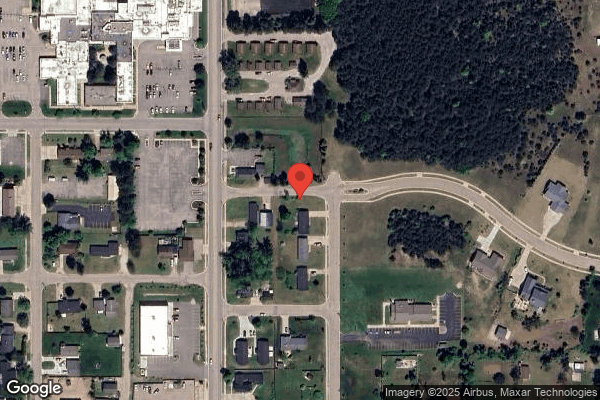
825 North Center Street, Gaylord, MI 49735 (989) 731-2131
Non profit - Corporation 34 Beds Independent Data: November 2025
Trust Grade
90/100
#64 of 422 in MI
Last Inspection: February 2025

Within standard 12-15 month inspection cycle. Federal law requires annual inspections.

Overview

Munson Healthcare Otsego Memorial Hospital LTCU has received an excellent Trust Grade of A, indicating it is highly recommended and performs above average. With a state rank of #64 out of 422 in Michigan, they are in the top half of facilities, and they are the best option in Otsego County. The facility is improving, having reduced its issues from five in 2024 to four in 2025, and it boasts strong staffing metrics with a 5/5 star rating and a 34% turnover rate, which is lower than the state average. Notably, they have no fines on record, indicating a good compliance history and more RN coverage than 98% of facilities in the state, ensuring better oversight of resident care. However, there are some concerns, including missed meetings for the Quality Assurance committee, which could impact care quality, and delays in providing access to electronic medical records during inspections, as well as potential medication review issues for some residents, highlighting areas that need attention.

Trust Score
A
90/100
In Michigan
#64/422
Top 15%
Safety Record
Low Risk
No red flags
Inspections
Getting Better
5 → 4 violations
Staff Stability
○ Average
34% turnover. Near Michigan's 48% average. Typical for the industry.
Penalties
✓ Good
No fines on record. Clean compliance history, better than most Michigan facilities.
Skilled Nurses
✓ Good
Each resident gets 92 minutes of Registered Nurse (RN) attention daily — more than 97% of Michigan nursing homes. RNs are the most trained staff who catch health problems before they become serious.
Violations
⚠ Watch
12 deficiencies on record. Higher than average. Multiple issues found across inspections.
★★★★★
5.0
Overall Rating
★★★★★
5.0
Staff Levels
★★★★☆
4.0
Care Quality
★★★★☆
4.0
Inspection Score
Stable
2024: 5 issues
2025: 4 issues

The Good

  • 5-Star Staffing Rating · Excellent nurse staffing levels
  • 4-Star Quality Measures · Strong clinical quality outcomes
  • Full Sprinkler Coverage · Fire safety systems throughout facility
  • No fines on record
  • Staff turnover below average (34%)

    14 points below Michigan average of 48%

Facility shows strength in staffing levels, quality measures, fire safety.

The Bad

Staff Turnover: 34%

11pts below Michigan avg (46%)

Typical for the industry

The Ugly 12 deficiencies on record

Feb 2025 4 deficiencies
CONCERN (D)

Potential for Harm - no one hurt, but risky conditions existed

Medication Errors (Tag F0758)

Could have caused harm · This affected 1 resident

**NOTE- TERMS IN BRACKETS HAVE BEEN EDITED TO PROTECT CONFIDENTIALITY** Resident #10 (R10) Review of R10's EMR revealed admission to the facility on [DATE] with diagnosis including dementia with beha...

Read full inspector narrative →
**NOTE- TERMS IN BRACKETS HAVE BEEN EDITED TO PROTECT CONFIDENTIALITY** Resident #10 (R10) Review of R10's EMR revealed admission to the facility on [DATE] with diagnosis including dementia with behaviors, depression and anxiety. R10 scored a 10/15 on the Brief Interview for Mental Status (BIMS) assessment dated [DATE] indicating moderate cognitive impairment. Review of R10's Physician Orders revealed the following medication: Seroquel 25 mg every day; start date 5/10/24. R10's last AIMS assessment was completed 8/27/24. An interview with Social Worker D on 2/13/25 at 1:30 p.m. confirmed R10 was missing the last two quarterly AIMS assessments which should have been completed in November 2024 and February 2024. Social Worker D stated AIMS assessments should be completed quarterly for residents on an antipsychotic medication. Based on interview and record review, the facility failed to: 1. Indicate a specific end date for as needed (PRN) psychotropic (drug that affects brain activity) medication for Residents #21. 2. Conduct an Abnormal Involuntary Movement Scale (AIMS) assessment (measures side effects of medications, i.e. tardive dyskinesia) for two Residents (#3 and #10), from a total of five residents reviewed for unnecessary medications. Findings include. Resident #21 (R21) Review of R21's Minimum Data Set (MDS) assessment dated [DATE], revealed admission to the facility on [DATE] with diagnoses including dementia. Section C of the MDS rated R21 as rarely or never is understood and requires cues or supervision regarding daily decision making. R21 was prescribed lorazepam (an antianxiety medication) every 12 hours PRN for anxiety. A review of the lorazepam order history revealed R21 was prescribed lorazepam PRN since 8/27/24, without a specific end date. Review of Physician notes in R21's medical record from 8/27/24 through 9/10/24 revealed no documented rationale by the physician for PRN lorazepam to continue, and no documentation was observed for rationale for continued use beyond the 14-day standard reevaluation criteria for PRN psychotropic medications. During an interview on 2/12/25 at 2:25 p.m., when asked about the PRN order for antipsychotics, the Director of Nursing (DON) stated, We can only write a PRN prescription for 14 days then the order would be stopped, and a new order would be written . Review of facility policy titled Chemical Restrains/Psychoactive Medications, last revised 4/22/24, read in part .antianxiety medications .as needed (PRN) orders not to exceed 14 days without physician documentation . Resident #3 (R3) Review of R3's MDS assessment dated [DATE], revealed admission to the facility on 2/8/24 with diagnoses including dementia, anxiety disorder, and depression. R3 scored a 10 of 15 on the Brief Interview for Mental Status (BIMS) assessment reflective of moderate cognitive impairment. Review of R3's Electronic Medical Record (EMR) revealed a Doctors order for Seroquel 25 mg, with an original start date of 8/16/24. Seroquel is an antipsychotic medication and requires periodic AIMS assessments. No AIMS assessment could be located in the EMR for R3. During an observation and interview on 2/13/25 at 11:54, Social Worker D was observed reviewing the chart for R21 for an AIMS assessment and stated, Oh my God, I do not see one .I guess we have not done one. During an interview on 2/13/24 at 11:58 am, Registered Nurse (RN) A acknowledged the nurses are supposed to complete an AIMS assessments quarterly for residents who are prescribed antipsychotics. Review of facility policy titled Chemical Restraints/Psychoactive Medications, last revised 4/22/24, read in part . the purpose of monitoring the use of psychoactive mediations are to .detect adverse consequences/side effects .the nursing staff is responsible for initiating an Abnormal Involuntary Movement Scale (AIMS) assessment .
CONCERN (D)

Potential for Harm - no one hurt, but risky conditions existed

Deficiency F0919 (Tag F0919)

Could have caused harm · This affected 1 resident

**NOTE- TERMS IN BRACKETS HAVE BEEN EDITED TO PROTECT CONFIDENTIALITY** Based on observation, interview, and record review, the facility failed to ensure a functional call light for one Resident (#129...

Read full inspector narrative →
**NOTE- TERMS IN BRACKETS HAVE BEEN EDITED TO PROTECT CONFIDENTIALITY** Based on observation, interview, and record review, the facility failed to ensure a functional call light for one Resident (#129) of 12 residents reviewed for operational call lights. This deficient practice resulted in dissatisfaction with the timeliness of the provision of care and fear that care needs may not be met in an emergency. Findings include: Resident #129 (R129) During an interview on 2/11/25 at 12:40 p.m., R129 said staff were slow to respond to care needs and added that the call light did not work. R129 said staff were notified and knew the call light was not working. R129 said they reported the non-functional call light to Certified Nurse Aides (CNAs), and Nurses. R129 stated, That is frustrating for me. I have never timed how long it takes them to respond. On 2/13/25 at 12:43 p.m., review of R129's Minimum Data Set (MDS) assessment, dated 9/26/24, revealed a Brief Interview for Mental Status (BIMS) score from his previous admission on [DATE], of 12 out of 15, indicative of moderate cognitive impairment. Resident 129 was able to answer all questions appropriately on 2/11/25 at 12:40 p.m., and cognitive impairment was not identified during the conversation. On 2/11/25 at 12:44 p.m., R129 was observed pressing the call light to signal staff of a care need. The indicator light on the call light box located on the wall, which shows when a call light is pressed did not turn on. The call light cord/button was observed connected to the call light box, and the indicator light above the door outside of R129's room was observed not triggered. On 2/11/25 at approximately 12:45 p.m., R129's roommate, R128 was asked to press their call light. Roommate R129's call light was observed functional both inside and outside of the room. Roommate R128 said they had been pushing their call light when their roommate (R129) needed assistance, since [R129's] call light didn't work. R129 stated, In an emergency it (a non-functional call light) would be a problem. Review of R129's Care Plans revealed the following, in part: Focus: [R129] has limited physical mobility r/t (related to) weakness, history of stroke with residual affecting . right side. Date Initiated: 2/7/25 . Interventions/Tasks: AMBULATION: Not at this time. Date Initiated: 2/7/25. Focus: [R129] is a for falls (sic) r/t deconditioning. Gait/balance problems. Date Initiated: 2/7/25 . Interventions/Tasks: Be sure [R129's] call light is within reach and encourage him to use it for assistance as needed. Date Initiated: 2/7/25. Review of Roommate R128's MDS assessment on 2/13/25 at 1:04 p.m., revealed R128 scored 15 of 15 on the BIMS, dated 2/6/25, reflective of intact cognition. R128 was lucid and answered all questions appropriately. During an interview on 2/11/25 at 12:56 p.m., CNA C confirmed R129 had a non-functional call light. CNA C stated, It (R129's call light) has been funky for a while and we put work orders in (to the facility maintenance department for repair). I am not sure when the last time it worked. The call light does not work, and I am going to put a call order in again today . I unplugged the call light and plugged it back in and it didn't work (at this time). It is just frustrating because I know that that there have been multiple work orders put in for the call light, but that is a maintenance thing, and they have not come to fix it (R129's call light). During an interview on 2/11/25 at 1:01 p.m., Registered Nurse (RN) B was asked about R129's call light. RN B stated, I am aware that [R129's] call light does not work. This morning, I had to give him an enema and I gave him [Roommate R128's call light] because [R128] was gone (out of the room) . There have been multiple work orders (put in to the maintenance department) for [R129's] call light, and they have not come to repair it. I don't know what is wrong with it. I have to do another work order (today). During an interview on 2/12/25 at 8:18 a.m., any and/or all work orders prepared or received by the facility maintenance department for R129's call light were requested from the Interim Nursing Home Administrator (NHA). The NHA said she would retrieve the requested information. During an interview on 2/12/25 at 8:24 a.m., Maintenance Director G was asked about work orders for R129's call light. Maintenance Director G said the nursing home did not put in work orders for call light repair into the hospital maintenance staff. Maintenance Director G said facility staff were supposed to call a third-party contractor to come and fix the call lights. On 2/12/25 at 8:40 a.m., an interview was conducted with both the NHA and the Director of Nursing (DON) . The NHA said they were working with the hospitals facilities department to get a copy of the work orders related to call lights. The DON stated, I want to tell you that they (maintenance department) do come here for call lights. They are supposed to come down and check the call light, and if it is something they can't fix then we are supposed to call [third party vendor for call lights.) The DON confirmed multiple work orders had been placed with the maintenance department for the call light in R129's room. During an interview on 2/12/25 at 10:40 a.m., Maintenance Director G acknowledged they did have all the work orders and asked why this Surveyor wanted to see them because they had a contract with a third party to repair the call lights in the facility. It was explained there were requested to review the work orders, to verify if they were closed out or attended to by maintenance staff. During an interview on 2/12/25 at 10:58 a.m., the NHA reported that they were unable to locate a call light policy, and they do not believe there is a policy regarding call lights. The NHA could not provide a third-party contractor agreement for call light repair at this time. During an interview on 2/12/25 at 3:18 p.m., the NHA reported they had contacted [the third-party contractor] and the facility does not have a contract with this company to come and repair the call lights. The third-party company said when they purchased the call light system, they (Company Name) agreed to service the call lights if they were called. The NHA said if the third-party company was called for a repair, they charge them $125 per hour to come out. When asked if facilities management provides other maintenance work within the facility, the NHA said Yes, they provide all of the other maintenance in the facility. The NHA expressed understanding of the concern related to R129's non-functional call light. Review of Work Orders for the call light in R129's room, entered into the electronic document submission program used during the survey on 2/12/25 at 3:23 p.m., revealed the following: 1. Work Order #351741 - Request Date 9/8/24 at 4:54 PM. Status: CLOSED. Problem: room [ROOM NUMBER] call light is not working properly. It will work once in a while but not all the time. Had a resident trying to get help for an hour and the light would not work.5 hours (1/2 hour) of Labor was documented on 9/11/24. 2. Work Order #364168 - Request Date 11/15/2024. Status: CLOSED. Problem: room [ROOM NUMBER] bed #2 . is having issues with call light. It is not working. Resident states someone came to fix it recently and they got it working however it appears to be broken again as of 11/15/24.5 hours (1/2 hour) of Labor was documented on 11/18/24. 3. Work Order #364297 - Request Date 11/18/24. Status: CLOSED. Problem: Call light in room [ROOM NUMBER]-2 is not working.5 hours (1.2 hour) of Labor was documented on 11/18/24. 4. Work Order #370113 - Request Date 12/20/24. Status: CLOSED. Problem: room [ROOM NUMBER] bed 2 both call lights not working correctly. Please fix asap.75 hours (3/4 hour) of Labor was documented on 12/23/24. 5. Work Order #380366 - Request Date 2/11/25. Status: OPEN. Problem: Call light does work in room [ROOM NUMBER]-2. Above Work Orders #1, #2, and #4 showed the call light in room [ROOM NUMBER]-2 was not repaired for three days after receiving notification of the non-functional call light.
CONCERN (E)

Potential for Harm - no one hurt, but risky conditions existed

Drug Regimen Review (Tag F0756)

Could have caused harm · This affected multiple residents

**NOTE- TERMS IN BRACKETS HAVE BEEN EDITED TO PROTECT CONFIDENTIALITY** Based on interview and record review the facility failed to provide evidence of documented monthly pharmacy medication regimen r...

Read full inspector narrative →
**NOTE- TERMS IN BRACKETS HAVE BEEN EDITED TO PROTECT CONFIDENTIALITY** Based on interview and record review the facility failed to provide evidence of documented monthly pharmacy medication regimen reviews (MRRs) and failed to appropriately follow a pharmacy recommendation for four Residents (3, 10, 15, 21) out of five residents reviewed for medication review. This deficient practice resulted in the potential for adverse medication side effects. Findings include: Resident #10 (R10) Review of R10's Electronic Medical Record (EMR) revealed admission to the facility on [DATE] with diagnosis including rheumatoid arthritis, dementia with behaviors, type 2 diabetes, depression and anxiety. R10 scored a 10/15 on the Brief Interview for Mental Status (BIMS) assessment dated [DATE] indicating moderate cognitive impairment. Review of document titled Consultant Pharmacist's Medication Regimen Review (MRR): for recommendations created between 1/1/25 and 1/31/25 read in part, .Please consider adding standing order labs for the following medications: 1. Clopidogrel (anticoagulant-blood thinner), Aspirin: CBC (complete blood count) every 12 months 2. Alendronate (calcium metabolism for bone structure): Calcium, Phosphate 3. Seroquel (antipsychotic): FLP (fasting lipid profile), A1C (blood sugar test-3 month average), BMP (basic metabolic panel) every 12 months 4. Vitamin D: Vitamin D levels every 12 months Review of the physician order recapitulation report did not reveal any labs ordered for the recommendations from pharmacy. Resident #15 (R15) Review of R15's EMR revealed admission to the facility on [DATE] with diagnosis including senile degeneration of brain, heart failure, dementia, depression, and anxiety. R15 scored a 3/15 on the BIMS assessment dated [DATE] indicating severe cognitive impairment. Review of document titled Consultant Pharmacist's Medication Regimen Review: for recommendations created between 1/1/25 and 1/31/25 read in part, .Please consider adding standing order labs for the following medications: 1. Ompeprazole (Stomach Acid Reducer): Magnesium every 12 months 2. Atorvastatin (Cholesterol reducer): FLP and LFT (liver function test) every 12 months 3. Eliquis (antiplatelet-blood thinner): CBC every 12 months 4. Lisinopril (blood pressure), Sertraline (antidepressant), Lasix (fluid balance): BMP every 12 months 5. Iron: HGB (hemoglobin), TIB (total iron binding capacity), Ferritin (iron test) every 12 months 6. Metformin (blood sugar contol): A1C Review of the physician order recapitulation report did not reveal any labs ordered for the recommendations from pharmacy. Resident #3 (R3) Review of R3's MDS assessment dated [DATE], revealed admission to the facility on 2/8/24 with active diagnoses that included: dementia, anxiety disorder and depression. R3 scored a 10 of 15 on the BIMS assessment reflective of moderate cognitive impairment. Review of document titled Consultant Pharmacist's Medication Regimen Review: for recommendations created between 1/1/25 and 1/31/25 read in part, .Please consider adding standing order labs for the following medications: 1. Atorvastatin: FLP, LFT every 12 months 2. Bumetanide (fluid balance) Lisinopril: BMP every 12 months 3. Vitamin D3: Vitamin D levels every 12 months 4. Iron: TIB, Ferritin, HGB levels every 12 months 5. Lantus (insulin): A1C 6. Levothyroxine (thyroid medication): Thyroid Stimulating Hormone (TSH) yearly Review of the physician order recapitulation report did not reveal any labs ordered for the recommendations from pharmacy. Resident #21 (R21) Review of R21's MDS assessment dated [DATE], revealed admission to the facility on [DATE] with active diagnoses that included dementia. Further review of the MDS revealed R3 rarely or never is understood and requires cues or supervision regarding daily decision making. Review of document titled Consultant Pharmacist Medication Regimen Review: for recommendations created between 1/1/25 and 1/31/25 read in part, .please consider adding standing order labs for the following medications: 1. Quetiapine: Orthostatic Blood pressure monthly, A1C, FLP every 12 months Review of the physician order recapitulation report did not reveal any labs ordered for the recommendations from pharmacy. During an interview on 2/12/25 at 3:47 p.m., the Medical Director E stated I have not seen all the recommendations on all the labs (from the pharmacy), I only get the recommendations regarding the medications . The Medical Director E acknowledged that the physician should see all the recommendations from the pharmacy. Review of facility policy titled Medication Regimen Review read in part, .The consultant pharmacists evaluation may include .reviewing are or evaluating .laboratory results, diagnostic, studies,, or other medication therapy measurements are obtained by staff/physician and acted upon . the prescriber's (physicians) response will be recorded on a copy of the Medication Regimen Review report that shall remain in the facility or in the individual residents clinical record
CONCERN (F)

Potential for Harm - no one hurt, but risky conditions existed

Deficiency F0868 (Tag F0868)

Could have caused harm · This affected most or all residents

Based on interview and record review, the facility failed to ensure the Quality Assurance and Performance Improvement (QAPI) committee met at least once per quarter with the required committee members...

Read full inspector narrative →
Based on interview and record review, the facility failed to ensure the Quality Assurance and Performance Improvement (QAPI) committee met at least once per quarter with the required committee members resulting in the potential for quality-of-care concerns for all 27 residents in the facility. Findings include: On 2/13/2025 at 2:00 p.m., a review of the available attendance documentation for QAPI meetings with the interim-Nursing Home Administrator (NHA) and the Director of Nursing (DON), revealed the following: Meeting held on 2/5/2025: The Medical Director or designee did not attend. Meeting held on 10/24/2024: No attendance record found. NHA reported she was unsure where the October 2024 attendance record was placed and confirmed the medical director or designee did not attend the February 2025 meeting. The missing attendance records were not provided by survey exit on 2/13/2025 at 3:00 p.m.
Mar 2024 5 deficiencies
CONCERN (D) 📢 Someone Reported This

A family member, employee, or ombudsman was alarmed enough to file a formal complaint

Potential for Harm - no one hurt, but risky conditions existed

Free from Abuse/Neglect (Tag F0600)

Could have caused harm · This affected 1 resident

**NOTE- TERMS IN BRACKETS HAVE BEEN EDITED TO PROTECT CONFIDENTIALITY** This citation pertains to intake: MI00143410 Based on interview and record review, the facility failed to prevent staff to resid...

Read full inspector narrative →
**NOTE- TERMS IN BRACKETS HAVE BEEN EDITED TO PROTECT CONFIDENTIALITY** This citation pertains to intake: MI00143410 Based on interview and record review, the facility failed to prevent staff to resident verbal and physical abuse for three Residents (R3, R14, R19) of three residents reviewed for abuse. This deficient practice resulted in R19 expressing fear of exposure to continued rough treatment during cares and fear of retaliation and the likelihood of feeling degraded by derogatory and profane comments by R3 and R14 based on the reasonable person concept. Findings include: Review of the facility's Investigation Summary/[Facility Name] dated [DATE] read, in part, .On [DATE]th (Certified Nurse Aide (CNA) K) reported to the (Director of Nursing (DON)) that resident (R19) had told her (CNA J) was rough with him, yanking on his arms and legs. 'I asked her to stop she does for a bit then does it again. She's mean to me and pulls and tugs on my arms. I'm scared of her. I especially don't like when she gets me out of bed in the mornings. I feel like she's going to pull my arms out of their sockets.' When asked if he was afraid of CNA J, (R19) said yes. CNA K said he was tearful and said he showed distress in his facial expression .R19 scored a 12/15 on the BIMS (Brief Interview for Mental Status) .[DATE]th, 2024 interview with CNA L stated that CNA J works too many hours and is always tired .she's so worn out and treats others poorly .when asked for examples CNA L gave in room with (R3) with cares CNA J stated 'Come on, (R3), roll your fat over.' And with (R14) crying all the time, CNA J stated Stop your God D*** crying! (R14) also grips hands of employees tightly and CNA J will yank her hand away and say, 'Don't F******* dig into me with your nails.' Review of CNA K and CNA L written statements confirmed the facility's Investigation Summary. An interview was conducted with R19 on [DATE] at 9:44 a.m., R19 declined to answer questions regarding his care with CNA J. R3 was noted to have expired prior to the survey start date of [DATE]. Review of R14's Minimum Data Set (MDS) assessment dated [DATE] revealed she scored a 99 on the BIMS score and was unable to be interviewed. An interview was conducted with CNA J on [DATE] at 12:37 p.m. When asked if she ever becomes frustrated with caring for residents, including those with cognitive impairments CNA J stated, I got frustrated with one resident who constantly rings her call light, or cries. In regard to the incident with R19, CNA J stated, I have taken care of (R19) for three years, he is a two person assist and cannot help you with his cares. When asked if CNA J has experienced burnout, she replied, I have worked 103 hours every two weeks, I'm always picking up and working shifts because I'm American. When asked if she has ever sworn in front of resident's CNA J stated, It may slip here and there. An interview was conducted with the Nursing Home Administrator (NHA) on [DATE] at approximately 1:00 p.m. The NHA confirmed that CNA J was terminated from employment due to the nature of the statements given to her from staff. The NHA confirmed the allegations were substantiated by the facility. Review of the facility's Resident Abuse Identification and Prevention revised on [DATE] read, in part, .[Facility Name] strictly prohibits mistreatment, neglect and abuse of residents and misappropriation of resident property, and does not tolerate verbal, mental, sexual, or physical abuse, corporal punishment, or involuntary seclusion for any reason .
CONCERN (D) 📢 Someone Reported This

A family member, employee, or ombudsman was alarmed enough to file a formal complaint

Potential for Harm - no one hurt, but risky conditions existed

Report Alleged Abuse (Tag F0609)

Could have caused harm · This affected 1 resident

**NOTE- TERMS IN BRACKETS HAVE BEEN EDITED TO PROTECT CONFIDENTIALITY** This citation pertains to intake: MI00143410 Based on interview and record review, the facility failed to report staff to reside...

Read full inspector narrative →
**NOTE- TERMS IN BRACKETS HAVE BEEN EDITED TO PROTECT CONFIDENTIALITY** This citation pertains to intake: MI00143410 Based on interview and record review, the facility failed to report staff to resident verbal abuse for two Residents (R3, R14) of three residents reviewed for abuse. Findings include: Review of the facility's Investigation Summary/[Facility Name] dated [DATE] read, in part, .[DATE]th, 2024 interview with CNA L stated that CNA J works too many hours and is always tired .she's so worn out and treats others poorly .when asked for examples CNA L gave in room with (R3) with cares CNA J stated 'Come on, (R3), roll your fat over.' And with (R14) crying all the time, CNA J stated Stop your God D*** crying! (R14) also grips hands of employees tightly and CNA J will yank her hand away and say, 'Don't F******* dig into me with your nails.' Review of CNA K and CNA L written statements confirmed the facility's Investigation Summary. R3 was noted to have expired prior to the survey start date of [DATE]. Review of R14's Minimum Data Set (MDS) assessment dated [DATE] revealed she scored a 99 on the BIMS score and was unable to be interviewed. An interview was conducted with CNA J on [DATE] at 12:37 p.m. When asked if she ever becomes frustrated with caring for residents, including those with cognitive impairments CNA J stated, I got frustrated with one resident who constantly rings her call light, or cries. In regard to the incident with R19, CNA J stated, I have taken care of (R19) for three years, he is a two person assist and cannot help you with his cares. When asked if CNA J has experienced burnout, she replied, I have worked 103 hours every two weeks, I'm always picking up and working shifts because I'm American. When asked if she has ever sworn in front of resident's CNA J stated, It may slip here and there. An interview was conducted with the Nursing Home Administrator (NHA) on [DATE] at approximately 1:00 p.m. The NHA confirmed that CNA J was terminated from employment due to the nature of the statements given to her from staff. The NHA confirmed the allegations were substantiated by the facility and she did not report these additional incidents involving R3 and R14 to the State Agency as they did not come to her knowledge until after the investigation into R19. When asked why staff did not report these incidents sooner, the NHA stated she did not know. Review of the facility's Resident Abuse Identification and Prevention revised on [DATE] read, in part, .[Facility Name] requires any employee who becomes aware of any such incident, or suspects any such incident to report the matter immediately to the Nursing Home Administrator (NHA) .Reporting: All alleged violations involving abuse, neglect, exploitation or mistreatment, including injuries of unknown source and misappropriation of resident property are reported immediately but no later than 2 hours after the allegation is made. If the events do not involve abuse and do not result in serious bodily injury, report is expected to be made immediately but no later than 24 hours.
CONCERN (D) 📢 Someone Reported This

A family member, employee, or ombudsman was alarmed enough to file a formal complaint

Potential for Harm - no one hurt, but risky conditions existed

Investigate Abuse (Tag F0610)

Could have caused harm · This affected 1 resident

**NOTE- TERMS IN BRACKETS HAVE BEEN EDITED TO PROTECT CONFIDENTIALITY** Based on interview and record review, the facility failed to conduct thorough investigations for allegations of verbal abuse for...

Read full inspector narrative →
**NOTE- TERMS IN BRACKETS HAVE BEEN EDITED TO PROTECT CONFIDENTIALITY** Based on interview and record review, the facility failed to conduct thorough investigations for allegations of verbal abuse for two Residents (R3, R14) of three residents reviewed for abuse. This deficient practice resulted in the potential for additional unidentified abuse. Findings include: Review of the facility's Investigation Summary/[Facility Name] dated [DATE] read, in part, .[DATE]th, 2024 interview with CNA L stated that CNA J works too many hours and is always tired .she's so worn out and treats others poorly .when asked for examples CNA L gave in room with (R3) with cares CNA J stated 'Come on, (R3), roll your fat over.' And with (R14) crying all the time, CNA J stated Stop your God D*** crying! (R14) also grips hands of employees tightly and CNA J will yank her hand away and say, 'Don't F******* dig into me with your nails.' Review of CNA K and CNA L written statements confirmed the facility's Investigation Summary. R3 was noted to have expired prior to the survey start date of [DATE]. Review of R14's Minimum Data Set (MDS) assessment dated [DATE] revealed she scored a 99 on the BIMS score and was unable to be interviewed. An interview was conducted with CNA J on [DATE] at 12:37 p.m. When asked if she ever becomes frustrated with caring for residents, including those with cognitive impairments CNA J stated, I got frustrated with one resident who constantly rings her call light, or cries. When asked if CNA J has experienced burnout, she replied, I have worked 103 hours every two weeks, I'm always picking up and working shifts because I'm American. When asked if she has ever sworn in front of resident's CNA J stated, It may slip here and there. An interview was conducted with the Nursing Home Administrator (NHA) on [DATE] at approximately 1:00 p.m. The NHA confirmed that CNA J was terminated from employment due to the nature of the statements given to her from staff. The NHA confirmed the allegations were substantiated by the facility and she did not report these incidents to the State Agency as they did not come to her knowledge right away. When asked why staff did not report these incidents sooner, the NHA stated she did not know. The NHA acknowledged investigations had just started and were not yet complete. Review of the facility's Resident Abuse Identification and Prevention revised on [DATE] read, in part, .Reporting: All alleged violations involving abuse, neglect, exploitation or mistreatment, including injuries of unknown source and misappropriation of resident property are reported immediately but no later than 2 hours after the allegation is made. If the events do not involve abuse and do not result in serious bodily injury, report is expected to be made immediately but no later than 24 hours .Upon notification of an alleged incident, the NHA or designee will take the following steps: Immediate preventative measures to ensure any further violation is prevented during the investigation .The NHA or appropriate designee will be responsible for reporting all alleged abuse/mistreatment/neglect to the appropriate State agency immediately but not more than 24 hours of the incident .Investigations will include but are not limited to confidential interview with staff, family members, residents as appropriate to their cognitive abilities, or anyone who may have been involved or witness to the incident. NHA or designee will notify resident's family or responsible person of alleged incident and investigation .Any substantiated abuse or mistreatment will be reported to the nurse licensing board or CENA (CNA) registry .
CONCERN (D)

Potential for Harm - no one hurt, but risky conditions existed

Deficiency F0688 (Tag F0688)

Could have caused harm · This affected 1 resident

**NOTE- TERMS IN BRACKETS HAVE BEEN EDITED TO PROTECT CONFIDENTIALITY** Based on observation, interview and record review, the facility failed to ensure one Resident (R22) with limited mobility was ap...

Read full inspector narrative →
**NOTE- TERMS IN BRACKETS HAVE BEEN EDITED TO PROTECT CONFIDENTIALITY** Based on observation, interview and record review, the facility failed to ensure one Resident (R22) with limited mobility was appropriately set up for meal service to maintain mobility out of three residents reviewed for Range of Motion (ROM). This deficient practice resulted in R22 appearing to experience not being able to feed himself easily and the potential for decreased mobility and ROM. Findings include: Review of R22's admission Record revealed he was admitted to the facility on [DATE] with diagnosis including cerebral infarction, hemiplegia and hemiparesis following cerebral infarction affecting right dominant side, aphasia, and dysphagia. His 3/1/24 Minimum Data Set (MDS) assessment revealed he scored a 3/15 on the Brief Interview for Mental Status (BIMS) score, indicating he was severely cognitively impaired. Further review of his MDS assessment revealed he had impairment of one side for both upper and lower extremity and required set-up for eating. On 3/25/24 at 11:42 a.m. R22 was observed to be eating his lunch in the television room attached to the main dining room. R22 was in his wheelchair with a bed side table sitting overtop of his lap, with his meal placed in front of him and his silverware noted to be on his right side. R22 was noted to have a severe contracture of his right hand and was unable to use it. An attempted interview was conducted with R22 but was unable to answer questions appropriately. R22 was observed to slurp soup from the bowl by using his left hand. When asked if he was able to grab the silverware located on his right side, R22 stated, No. Two unidentified staff members were noted to be in and out of the television room and did not stop to assist R22. R22 then began to eat his cherry pie out of the plastic container with his hands. On 3/26/24 at 11:57 p.m., R22 was noted to be in the same television room as the day before with a bedside table across his lap. R22 was only given a fork to complete his meal and placed the fork down to eat his apple pie with his fingers. R22 was asked if he could reach his spoon on his right side and he again stated, No. An interview was conducted with the Director of Nursing (DON) on 3/27/24 at approximately 3:30 p.m. The DON confirmed that R22's care plan did not identify that silverware should be placed on his left side so he could reach and feed himself. The DON stated that this would be corrected immediately.
CONCERN (F)

Potential for Harm - no one hurt, but risky conditions existed

Medical Records (Tag F0842)

Could have caused harm · This affected most or all residents

Based on observation, interview, and record review the facility failed to provide timely Electronic Medical Record (EMR) access for their annual recertification survey. Findings include: On 3/25/24 at...

Read full inspector narrative →
Based on observation, interview, and record review the facility failed to provide timely Electronic Medical Record (EMR) access for their annual recertification survey. Findings include: On 3/25/24 at 9:55 AM, an entrance conference was conducted with the Nursing Home Administrator (NHA). The NHA was informed of the requirements on the Entrance Conference Worksheet, dated 10/2023, read in part, .INFORMATION NEEDED BY THE END OF THE FIRST DAY OF SURVEY .37. Provide each surveyor with access to all resident electronic health records - do not exclude any information that should be a part of the resident's medical record. Provide specific information on how surveyors can access the EHRs outside of the conference room. Please complete the attached form on page 4 which is titled Electronic Health Record Information . On 3/25/24 at 10:00 AM, the NHA was asked what kind of EMR system the facility had and replied that they utilize two different name brand EMRs. At that time the NHA was made aware and acknowledged understanding that each member of the survey team would need access to both systems to assist with the completion of the annual survey. On 3/26/24 at approximately 10:00 AM, an observation and record review was made of one the facilities EMR and lacked physician notes, physician orders, physical therapy notes, wound care notes, occupational therapy notes, and other required annual survey process records for review. On 3/26/24 at 10:30 AM, the survey team conducted a meeting and confirmed with the team coordinator that they had not received access to the second EMR which included the majority of the residents' medical records. On 3/26/24 at 10:31 AM, an interview was conducted with the NHA and a second request was made for full access to the facilities EMR. The NHA stated she would work on it, but that since there had been some changes with Information Technology (IT) she would see what she could do. On 3/26/24 at 12:30 PM, the NHA came to discuss her frustration with the survey team regarding access to one of the EMRs. At that time, she was unable to get the survey team access and stated that she needed to call an IT representative that she thought would be able to help. On 3/26/24 at 3:00 PM, an observation and record review were made and at that time it was discovered that one member had a username and password, but was unable to access the second EMR system and a second surveyor still had no access at all to the second EMR system. On 3/27/24 at 9:45 AM, an observation was made by Registered Nurse (RN) B of the EMR system and replied, You (surveyors) don't have the access that you need to pull up the medication list. On 3/27/24 at 10:20 AM, an interview was conducted with RN B and was asked if she had a miscellaneous tab in the EMR system and replied, Yes. RN B was made aware that the survey team did not have access to this tab. On 3/27/24 at 2:00 PM, the Medical Director came to be interviewed by a member of the survey team and stated, He realizes that the medical records are all over the place and they are located in multiple different systems. The Medical Director alluded to challenging efforts to accessing resident medical records. On 3/27/24 at 4:11 PM, an interview was conducted with the NHA, and she stated, It was difficult and frustrating to obtain access to the EMR for the survey team. It should not be that complicated. We are in the process of building one EMR system for our facility and it can not happen soon enough.
May 2023 3 deficiencies
CONCERN (D)

Potential for Harm - no one hurt, but risky conditions existed

Respiratory Care (Tag F0695)

Could have caused harm · This affected 1 resident

Based on observation, interview and record review, the facility failed to ensure the delivery of oxygen services in a safe and sanitary manner for three Residents (#1, #3, & #14) of three residents re...

Read full inspector narrative →
Based on observation, interview and record review, the facility failed to ensure the delivery of oxygen services in a safe and sanitary manner for three Residents (#1, #3, & #14) of three residents reviewed for oxygen services. This deficient practice resulted in the potential for respiratory complications, including shortness of breath, infections, and rehospitalization. Findings include: Resident #1 On 5/9/23 at 10:59 a.m., the room of Resident #1 was observed with an oxygen concentrator located next to her bed. Resident #1 was not located in her room. There was a nasal cannula (oxygen delivery device that enters the nostrils) attached. The cannula was not contained in any type of sanitary bag, and the prongs of the nasal cannula were draped over the back of the machine in contact with the surface of the intake vent and filter area. On 5/10/23 at 4:33 p.m., Resident #1 was not observed in her room. The nasal cannula for Resident #1 was observed not contained in a sanitary bag and the prongs of the cannula were draped over the back in contact with the air intake vent and filter area. On 5/10/23 at 6:30 p.m. Registered Nurse (RN) A was asked to look into the details of oxygen usage for Resident #1 to find out when and how often she used the oxygen concentrator. RN A stated she was unaware there was even an oxygen concentrator in use for Resident #1. During a follow-up interview on 5/11/23 at 11:07 a.m., RN A stated Resident #1 last used the oxygen on the night of 4/25/23, because she was experiencing chest pain. The oxygen tubing was not dated. A review of the Progress Notes section of the Electronic Medical Record (EMR) revealed the following: 4/25/2023 (7:03 a.m.) Clinical Assessment . Resident (#1) reporting pressure in her chest. She states It doesn't hurt, but there is just pressure BP (blood pressure) 182/81, Pulse 68 Oxygen at 96% RA (room air). Resident (#1) seems calm. Call to hospice. Oxygen applied for comfort. They report they will send nurse and will be here at 7:30. Will continue to monitor. (Author RN B) Resident #3 On 5/9/23 at 11:14 a.m., Resident #3 was observed sitting in the common area in a chair between the nurses station and the dining room. Resident #3 was observed receiving oxygen from a nasal cannula attached to an E-tank (Tank Size) portable oxygen cylinder. An observation of the tank gauge read 0, indicating the tank was empty. This was verified by photograph and zoom enhancement of the image. A review of the EMR for Resident #3 revealed diagnoses including, congestive heart failure, chronic obstructive pulmonary disease, and oxygen dependence. On 5/9/23 at 11:33 a.m., when asked how much oxygen Resident #3 was supposed to be receiving RN C stated he was on 4 liters. RN C was asked to obtained an oxygen saturation for Resident #3, and obtained a reading of 88% (Normal Range 92-100%). An unidentified Certified Nurse Aide (CNA) was observed changing out the oxygen tank after the oxygen saturation reading. On 5/9/23 at 11:37 a.m., RN C rechecked the oxygen saturation of Resident #3. RN C obtained a reading of 90% with Resident #3 on oxygen at 4 liters by nasal cannula. On 5/10/23 at 11:30 a.m., Resident #3 was observed entering the dining room for the lunch meal. The oxygen tank was observed in the red area and the tubing was observed with an approximate 25 degree bend near where the tubing attached to the tank. CNA D observed this surveyor looking at the oxygen gauge and asked CNA E to check and change the oxygen tank if it was needed. CNA E was assisting Resident #3 with propelling his wheelchair into the dininig room at that point. When asked if the tubing should be kinked off as observed, CNA E stated the tubing should not be like it was. Once CNA E changed the oxygen tank, air flow could be heard audibly at the nasal cannula prong area entering the nose of Resident #3. On 5/10/23 at 5:06 p.m., Resident #3 was observed in the hallway. Air movement could not be detected audibly coming from the nasal cannula. The oxygen tank gauge was then observed, and visually verified in the red zone (1/8th full, suggestive of low or empty and tank change needed). On 5/10/23 at 5:35 p.m., the gauge attached to the tank delivering oxygen to Resident #3 was again observed and read at or close to 0 and verified by photograph enhancement. Staff were beginning to pass meal trays at that time. On 5/10/23 at 5:42 p.m., the oxygen tank gauge for Resident #3 read at 0 and verified via photograph enhancement. Resident #3's hands and lips were observed markedly cyanotic (blue/lack of oxygen) compared to prior observations. On 5/10/23 at 5:59 p.m., the oxygen tank gauge for Resident #3 was observed and remained at 0. and verified via photograph enhancement. Resident #3 continued to appear cyanotic. On 5/10/23 at 6:05 p.m., RN F was asked to take a pulse oximetry (oxygen percentage level and pulse rate) reading on Resident #3. RN F asked this Surveyor if this request was due to the appearance of his hands being blue. This Surveyor confirmed this was the reason for asking RN F to obtain a pulse oximetry. Resident #3 was saturating at 80-81 %. RN F then looked at the tank and realized the tank was empty. RN F replaced the oxygen tank at 6:06 p.m. Resident #3's pulse value was also observed at a highly variable range of 49 to 84 (Normal 60-90). At 6:13 p.m., RN F changed Resident #3 over to a non-rebreather (high flow oxygen delivery) mask and kept it at 4 liters. At 6:18 p.m. the oxygen reading was ranging between 81-86% and the pulse was observed at 30-91. RN F then stated she was turning the tank liter flow up to 6 liters. The oxygen saturation was taken via an ear probe at 88%. RN F stated they were going to lay Resident #3 down and see if the oxygen saturation improved. RN F stated another staff member had called Resident #3's representative who declined to send him to the emergency room. At 6:20 p.m., RN A came into the dining and told RN F the hospital respiratory therapist stated to turn up the liter flow all the way (10-15 liters max depending on the regulator). During a follow-up interview on 5/11/23 at 7:30 a.m., RN A stated Resident #3's oxygen level did return to 95% once they got him laid down the night prior. On 5/11/23 at 9:13 a.m., the oxygen concentrator Resident #3 uses at night was observed in the room. The non-rebreather mask used the night prior was observed laying on top of the oxygen concentrator with portion that comes in contact with the face of Resident #3 facing up and the end which attached to the oxygen source was laying on the floor. A nasal cannula was also sitting on top of the oxygen concentrator with the prongs draped down the front of the machine. Neither of these oxygen delivery devices were contained in a sanitary bag. On 5/11/23 at approximately 9:15 a.m., RN A was shown the sanitary storage concerns of the oxygen delivery devices for Resident #3. RN A acknowledged the concern and addressed it. RN A confirmed the staff used to keep delivery devices house in a plastic bag to keep them sanitary. On 5/11/23 at 9:28 a.m., a review of the care plan for Resident #3 reflected an intervention which stated he was receiving oxygen at 2 liters per minute. RN A confirmed he has been on 4 liters per minute for a long time. During an interview on 5/11/23 at 4:10 p.m., the Director of Nursing (DON) stated staff do not put oxygen orders in the EMR because staff have standing orders for all residents to give 2-4 liters per minute of oxygen to any resident in need of oxygen. The DON confirmed staff were correct in stating Resident #3 was on oxygen at 4 liters per minute continuously. This Surveyor informed the DON the liter flow Resident #3 was receiving conflicted with what was reflected in the care plan for Resident #3. The DON acknowledged the concern. Resident #14 On 5/11/23 at 9:29 a.m., the oxygen nasal cannula used by Resident #14 when in her wheelchair connected to a portable tank was observed. The nasal cannula prongs were observed laying on the surface of a wheelchair cushion. CNA G was asked how oxygen tubing should be stored when not in use. CNA G replied by stating the facility staff usually kept oxygen tubing and delivery devices in a plastic bag of some sort when not in use. CNA G was shown where the nasal cannula was and for Resident #14 and acknowledged where it was observed laying was not sanitary. A review of the website https://chinookrespiratorycare.com/oxygen-care/cylinder-duration-form/ revealed the following in part: Run times at 4 Liters for tanks at various content levels Full: 2.5 hours 3/4 Full: 1.75 hours 1/2 Full: 1 hour 1/4 Full: 0.5 hours
CONCERN (E)

Potential for Harm - no one hurt, but risky conditions existed

Safe Environment (Tag F0584)

Could have caused harm · This affected multiple residents

. Based on observation, interview, and record review, the facility failed to provide a homelike environment by serving residents their meals on institutional trays in the resident dining rooms. This d...

Read full inspector narrative →
. Based on observation, interview, and record review, the facility failed to provide a homelike environment by serving residents their meals on institutional trays in the resident dining rooms. This deficient practice resulted in residents being positioned farther back from the dining tables, further from tablemates, and the potential for decreased socialization. Findings include: On 5/09/23 at approximately 11:59 AM, lunch was observed being served to residents in the main dining areas. Individual meals were placed on round tables on serving trays in front of each resident. Residents were seated four per table and the trays did not fit on the table. The trays hung off the edge of the table, thus causing each resident to be farther back from their meal at the table and took up more space in the dining room. Resident conversation was noted to be minimal. The adjacent room also had Residents eating their meal served on a tray on bedside tables. On 5/10/23 at 11:40 AM, the lunch meal again was observed placed before the residents on an institutional tray. The Director of Nursing (DON) was alerted, and she replied, I have told them before, we want it to be homelike. On 5/10/23 at 11:46 AM, Certified Nurse Aide (CNA) D was removing the trays from the resident tables. CNA D stated, We used to remove the trays before covid, that was our thing. During an interview on 5/10/23 at 1:10 PM, the Nursing Home Administrator (NHA) stated the facility had a policy on the dining process which was currently under revision. The facility current policy titled: Dining Program/Snacks was presented by the NHA and read in part: Purpose: It is the policy of (name of facility) to meet the nutritional needs of its residents by enhancing the dining/eating experience . D. Dishes and items will be removed from the tray and set on the table and cloth napkins will be provided. Other practices may be utilized to provide a more homelike environment such as music, place mats, table clothes (sic), centerpieces, etc.
CONCERN (E)

Potential for Harm - no one hurt, but risky conditions existed

Accident Prevention (Tag F0689)

Could have caused harm · This affected multiple residents

**NOTE- TERMS IN BRACKETS HAVE BEEN EDITED TO PROTECT CONFIDENTIALITY** Based on observation, interview, and record review, the facility failed to maintain safe hot water temperatures, resulting in th...

Read full inspector narrative →
**NOTE- TERMS IN BRACKETS HAVE BEEN EDITED TO PROTECT CONFIDENTIALITY** Based on observation, interview, and record review, the facility failed to maintain safe hot water temperatures, resulting in the potential for scalding accidents, affecting all 28 residents in the facility. Finding include: On 5/9/23 at 12:08 PM, the hand sinks' hot water temperatures in the bathroom and living area of room [ROOM NUMBER] were observed to be 123 degrees Fahrenheit, by using a digital probe thermometer. On 5/9/23 at 12:10 PM, the hand sink, located in the bathroom of room [ROOM NUMBER], was observed to be measuring 124 degrees Fahrenheit. On 5/9/23 at 12:11 PM, the hand sink, located in the bathroom of room [ROOM NUMBER], was observed to be measuring 124 degrees Fahrenheit. During an interview on 5/9/23 at 12:19 PM, Plant Operations Lead (POL) P was queried on what the water temperature should be and stated 120 degrees. POL P continued to say that [NAME] Hall is provided hot water by one boiler system on a recirculating loop. At this time, the gauge for the mixing valve that tempers the hot water was reading 120 degrees. POL P stated that the gauge might not be accurate. During an interview on 5/9/23 at 1:31 PM, Maintenance Lead Q was queried if the hot water fixtures are monitored on [NAME] Hall and stated that it is not monitored routinely, but he believes it is monitored once a year. Maintenance Lead Q continue to say that the hot water mixing valve was adjusted and the hot water temperatures at the fixtures are measuring 118 degrees Fahrenheit. According to the facility's policy, Legionella, and other Waterborne Pathogens, FAC.1.03, Revised 6/1/2015, it noted under heading GENERAL INFORMATION, . Domestic Hot water systems are maintained, monitored, and recorded at a delivered temperature not to exceed 120 (degrees) Fahrenheit in accordance with applicable regulatory standards. According to the facility's Resident Census and Conditions of Residents, dated 5/9/23, it noted that 16 residents were identified to have Dementia or Alzheimer's Disease.
Understanding Severity Codes (click to expand)
Life-Threatening (Immediate Jeopardy)
J - Isolated K - Pattern L - Widespread
Actual Harm
G - Isolated H - Pattern I - Widespread
Potential for Harm
D - Isolated E - Pattern F - Widespread
No Harm (Minor)
A - Isolated B - Pattern C - Widespread

Questions to Ask on Your Visit

  • "Can I speak with families of current residents?"
  • "What's your RN coverage like on weekends and overnight?"

Our Honest Assessment

Strengths
  • • Grade A (90/100). Above average facility, better than most options in Michigan.
  • • No major safety red flags. No abuse findings, life-threatening violations, or SFF status.
  • • No fines on record. Clean compliance history, better than most Michigan facilities.
  • • 34% turnover. Below Michigan's 48% average. Good staff retention means consistent care.
Concerns
  • • 12 deficiencies on record. Higher than average. Multiple issues found across inspections.
Bottom line: Generally positive indicators. Standard due diligence and a personal visit recommended.

About This Facility

What is Munson Healthcare Otsego Memorial Hospital Ltcu's CMS Rating?

CMS assigns Munson Healthcare Otsego Memorial Hospital LTCU an overall rating of 5 out of 5 stars, which is considered much above average nationally. Within Michigan, this rating places the facility higher than 99% of the state's 100 nursing homes. This rating reflects solid performance across the metrics CMS uses to evaluate nursing home quality.

How is Munson Healthcare Otsego Memorial Hospital Ltcu Staffed?

CMS rates Munson Healthcare Otsego Memorial Hospital LTCU's staffing level at 5 out of 5 stars, which is much above average compared to other nursing homes. Staff turnover is 34%, compared to the Michigan average of 46%. This relatively stable workforce can support continuity of care.

What Have Inspectors Found at Munson Healthcare Otsego Memorial Hospital Ltcu?

State health inspectors documented 12 deficiencies at Munson Healthcare Otsego Memorial Hospital LTCU during 2023 to 2025. These included: 12 with potential for harm.

Who Owns and Operates Munson Healthcare Otsego Memorial Hospital Ltcu?

Munson Healthcare Otsego Memorial Hospital LTCU is owned by a non-profit organization. Non-profit facilities reinvest revenue into operations rather than distributing to shareholders. The facility operates independently rather than as part of a larger chain. With 34 certified beds and approximately 30 residents (about 88% occupancy), it is a smaller facility located in Gaylord, Michigan.

How Does Munson Healthcare Otsego Memorial Hospital Ltcu Compare to Other Michigan Nursing Homes?

Compared to the 100 nursing homes in Michigan, Munson Healthcare Otsego Memorial Hospital LTCU's overall rating (5 stars) is above the state average of 3.2, staff turnover (34%) is significantly lower than the state average of 46%, and health inspection rating (4 stars) is above the national benchmark.

What Should Families Ask When Visiting Munson Healthcare Otsego Memorial Hospital Ltcu?

Based on this facility's data, families visiting should ask: "Can I visit during a mealtime to observe dining assistance and food quality?" "How do you handle medical emergencies, and what is your hospital transfer rate?" "Can I speak with family members of current residents about their experience?"

Is Munson Healthcare Otsego Memorial Hospital Ltcu Safe?

Based on CMS inspection data, Munson Healthcare Otsego Memorial Hospital LTCU has a clean safety record: no substantiated abuse findings (meaning no confirmed cases of resident harm), no Immediate Jeopardy citations (the most serious violation level indicating risk of serious injury or death), and is not on the Special Focus Facility watch list (a federal program monitoring the lowest-performing 1% of nursing homes). The facility has a 5-star overall rating and ranks #1 of 100 nursing homes in Michigan. While no facility is perfect, families should still ask about staff-to-resident ratios and recent inspection results during their visit.

Do Nurses at Munson Healthcare Otsego Memorial Hospital Ltcu Stick Around?

Munson Healthcare Otsego Memorial Hospital LTCU has a staff turnover rate of 34%, which is about average for Michigan nursing homes (state average: 46%). Moderate turnover is common in nursing homes, but families should still ask about staff tenure and how the facility maintains care continuity when employees leave.

Was Munson Healthcare Otsego Memorial Hospital Ltcu Ever Fined?

Munson Healthcare Otsego Memorial Hospital LTCU has no federal fines on record. CMS issues fines when nursing homes fail to meet care standards or don't correct problems found during inspections. The absence of fines suggests the facility has either maintained compliance or corrected any issues before penalties were assessed. This is a positive indicator, though families should still review recent inspection reports for the full picture.

Is Munson Healthcare Otsego Memorial Hospital Ltcu on Any Federal Watch List?

Munson Healthcare Otsego Memorial Hospital LTCU is not on any federal watch list. The most significant is the Special Focus Facility (SFF) program, which identifies the bottom 1% of nursing homes nationally based on persistent, serious quality problems. Not being on this list means the facility has avoided the pattern of deficiencies that triggers enhanced federal oversight. This is a positive indicator, though families should still review the facility's inspection history directly.