Gladwin Pines Nursing and Rehabilitation Center
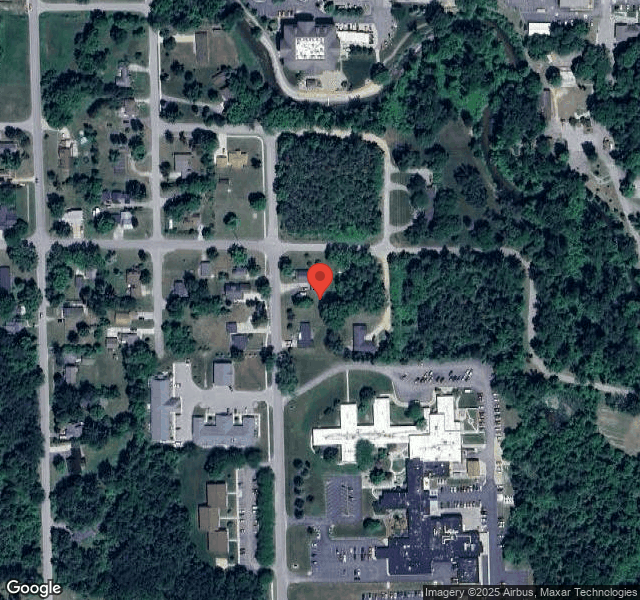
449 Quarter Street, Gladwin, MI 48624 (989) 426-3430
For profit - Limited Liability company 84 Beds THE PEPLINSKI GROUP Data: November 2025
Trust Grade
5/100
#374 of 422 in MI
Last Inspection: September 2025

Inspected within the last 6 months. Data reflects current conditions.

Overview

Gladwin Pines Nursing and Rehabilitation Center has a Trust Grade of F, indicating significant concerns about the quality of care provided, placing it in the poor category. It ranks #374 out of 422 facilities in Michigan, meaning it is in the bottom half, and is the second-best option out of only two in Gladwin County. The facility's performance is worsening, with issues increasing from 8 in 2024 to 17 in 2025. Staffing is a relative strength, rated 4 out of 5 stars, with a turnover rate of 39%, which is lower than the state average, indicating staff retention is not a major issue. However, the facility has concerning fines totaling $70,717, which is higher than 83% of similar facilities, suggesting ongoing compliance problems. Specific incidents highlight serious deficiencies, including a failure to assess and monitor changes in residents' conditions for five individuals, which could jeopardize their health. Additionally, the facility did not follow its policies for wound management for three residents, leaving them at risk for further complications. There was also a serious medication error that resulted in one resident needing hospitalization due to a low heart rate after receiving the wrong medications. While there are strengths in staffing, the overall picture raises significant red flags regarding the quality of care at Gladwin Pines.

Trust Score
F
5/100
In Michigan
#374/422
Bottom 12%
Safety Record
High Risk
Review needed
Inspections
Getting Worse
8 → 17 violations
Staff Stability
○ Average
39% turnover. Near Michigan's 48% average. Typical for the industry.
Penalties
○ Average
$70,717 in fines. Higher than 59% of Michigan facilities. Some compliance issues.
Skilled Nurses
✓ Good
Each resident gets 63 minutes of Registered Nurse (RN) attention daily — more than 97% of Michigan nursing homes. RNs are the most trained staff who catch health problems before they become serious.
Violations
⚠ Watch
30 deficiencies on record. Higher than average. Multiple issues found across inspections.
★☆☆☆☆
1.0
Overall Rating
★★★★☆
4.0
Staff Levels
★★★☆☆
3.0
Care Quality
★☆☆☆☆
1.0
Inspection Score
Stable
2024: 8 issues
2025: 17 issues

The Good

  • 4-Star Staffing Rating · Above-average nurse staffing levels
  • Full Sprinkler Coverage · Fire safety systems throughout facility
  • No fines on record
  • Staff turnover below average (39%)

    9 points below Michigan average of 48%

Facility shows strength in staffing levels, fire safety.

The Bad

1-Star Overall Rating

Below Michigan average (3.1)

Significant quality concerns identified by CMS

Staff Turnover: 39%

Near Michigan avg (46%)

Typical for the industry

Federal Fines: $70,717

Well above median ($33,413)

Moderate penalties - review what triggered them

Chain: THE PEPLINSKI GROUP

Part of a multi-facility chain

Ask about local staffing decisions and management

The Ugly 30 deficiencies on record

5 actual harm
Sept 2025 12 deficiencies 2 Harm
SERIOUS (G)

Actual Harm - a resident was hurt due to facility failures

Quality of Care (Tag F0684)

A resident was harmed · This affected 1 resident

**NOTE- TERMS IN BRACKETS HAVE BEEN EDITED TO PROTECT CONFIDENTIALITY** Based on interview and record review, the facility failed to ensure residents received timely and accurate assessments and monit...

Read full inspector narrative →
**NOTE- TERMS IN BRACKETS HAVE BEEN EDITED TO PROTECT CONFIDENTIALITY** Based on interview and record review, the facility failed to ensure residents received timely and accurate assessments and monitoring for changes in condition for five of eight residents (Resident #77, Resident #45, Resident #51, Resident #7, and Resident #46) reviewed for quality of care. Findings: Resident #77 (R77) Review of an admission Record revealed R77 was an [AGE] year-old-male, originally admitted to the facility on [DATE] following a 15-day hospital stay, with pertinent diagnoses of a urinary tract infection (UTI), a stage 4 pressure ulcer of the sacrum, congestive heart failure, diabetes mellitus, low blood pressure, and retention of urine. R77 was admitted to the facility as a full code and was able to answer questions. Review of an Inpatient Discharge Summary for R77 dated 07-24-25 at 10:58 AM reflected the following information regarding R77's hospital stay and discharge orders: (a) on 07-14-25, R77 had a surgical excision and debridement of a stage 4 sacral wound, and a wound vacuum (negative pressure wound therapy) was placed, (b) continue wound vac (vacuum) at discharge, and (c) Outpatient Wound Treatment Clinic will need referral placed. An additional hospital consultation note indicated that a diverting colostomy was not advised by the surgeon at that time because the wound vac dressing fit well and provided a tight barrier against stool leaking into the sacral wound. Review of a Medical Equipment Work Order for R77 revealed an order, placed by facility staff and delivered to the facility on [DATE], for a wound vac kit. During an interview on 09-10-25 at 2:10 PM, Medical Records Coordinator (MRC) Q stated that the wound vac was delivered to the facility on [DATE] but staff had not signed for it, and MRC Q did not know where the wound vac was placed after it arrived at the facility. Review of a Skin Assessment for R77, completed by nursing on 07-26-25, reflected no wound measurements nor mention of the ordered and delivered wound vac. Review of a nursing Progress Note for R77, dated 07-27-25, revealed a moderate amount of drainage was noted in the sacral wound. Review of a nursing Progress Note for R77, dated 07-28-25, revealed no documentation regarding the condition of the stage 4 sacral wound. Review of a nursing Progress Note for R77, dated 07-29-25, revealed a large amount of drainage was noted in the sacral wound. Review of a nursing Progress Note for R77, dated 07-30-25, revealed a moderate to large amount of drainage and a faint odor were detected in the sacral wound. Review of an Electronic Treatment Administration Record (Etar) for R77, dated 07-31-25, revealed an order for Negative Pressure Wound Therapy (NPWT) to sacrum. Set vacuum at 125 mmHg (millimeters of mercury). Set to continuous. Inspect settings and visualize dressing is intact every shift. Change every 3 days starting 07-31-25 (seven days after the wound vac equipment had been delivered to the facility). Review of the corresponding Wound Measurement assessment, also completed 07-31-25 for R77, revealed the wound measured 8 cm (centimeters) long x 7.8 cm wide x 2 cm deep that included undermining from 7 o'clock to 12 o'clock that measured approximately 2 cm. Additional documentation on the 07-31-25 Wound Measurement assessment included questions/answers regarding additional descriptives of the sacral wound and the current condition of other skin areas, as well as a narrative written by the nurse regarding assessment notes and review of treatment effectiveness. Review of a nursing Progress Note for R77, dated 08-01-25, revealed no documentation that the dressing for the wound vac was sealed and functioning properly. Review of a nursing Progress Note for R77, dated 08-02-25, revealed no documentation that the dressing for the wound vac was sealed and functioning properly. Review of a nursing Progress Note for R77, dated 08-03-25, revealed no documentation about the change to the wound vac and the condition of the wound including the size, color, amount of drainage, if an odor was detected, or if the dressing for the wound vac was sealed and functioning properly when the dressing change was completed. Review of the next Wound Measurement assessment for R77, completed on 08-05-25, revealed the exact same measurements as those obtained on 07-31-25, the exact same answers to the questions regarding additional descriptives of the sacral wound as those documented on 07-31-25, and the exact same narrative written by nursing regarding assessment notes and review of treatment effectiveness. Review of a nursing Progress Note for R77, dated 08-05-25, revealed no documentation about the change to the wound vac and the condition of the wound including the size, color, amount of drainage, if an odor was detected, or that the dressing for the wound vac was sealed and functioning properly when the dressing change was completed. Additional review of the Etar for R77, dated July 2025, revealed an order for daily weight upon admission for three days. A weight was obtained on 07-25-25 but not on 07-26-25 and 07-27-25. Review of nursing progress notes for 07-26-25 and 07-27-25 revealed no documentation that explained why the last two daily weights were not obtained. Review of the Emar's (Electronic Medication Administration Record) and Etar's for R77 dated July 2025 and August 2025, revealed an order for staff to monitor and record urine output twice daily when emptying the foley (catheter in the bladder to evacuate urine) drainage bag. No documentation for urine output was found for 07-26-25 in the morning, 07-27-25 in the morning, 07-30-25 in the morning, 08-05-25 in the morning, 08-09-25 both in the morning and in the evening, and 08-10-25 in the evening. Review of the Inpatient Discharge Summary for R77 revealed an order to continue Midodrine 5mg (milligrams) twice daily. Midodrine was used to treat hypotension (low blood pressure) and was prescribed with parameters. The hospital administered the medication and used a blood pressure of 90/50 or lower for the parameter. The facility administered Midodrine to R77 without the use of any parameters starting the evening of 07-28-25 until the evening of 08-10-25. (24 doses) Review of an interdisciplinary progress note for an Admission-5 day MDS (minimum data set) review for R77, with the interview documented as completed on 07-28-25, revealed the following: (R77) is here to continue with skilled therapy to regain his strength and endurance so he can return home and (R77) is usually understood and usually understands others verbally. Review of a physician order for R77, dated 07-31-25, revealed an order for a U/A with C&S (urine analysis with a culture and sensitivity) due to a change in R77's mentation (cognitive status). Review of the U/A with C&S for R77, resulted on 08-03-25, revealed R77 had a UTI caused by the bacteria Escherichia Coli (E.Coli) and further noted the phenotypic resistance profile of this isolate is suggestive of an ESBL-producing Enterobacterale. During an interview on 09-11-25 at 10:40 AM, Infection Control Preventionist (ICP) E reported that he had not notified the physician about the results of the U/A and C&S for R77 that were completed on 08-03-25. ICP E stated that R77 was already taking an antibiotic for the UTI identified in the hospital. When ICP E was asked if the antibiotic that R77 was currently prescribed (Linezolid) was resistant or susceptible (effective or not) against E.Coli, ICP E reported not knowing. When ICP E was asked if he notified anyone of the U/A and C&S results for R77, ICP E stated no. Review of a facility prescriber Progress Note dated 08/05/25 reflected no documentation that indicated the nurse-practioner (NP) was made aware of the results of the U/A and C&S for R77 that had been resulted on 08-03-25. Further review of R77's electronic health record (EHR) revealed no documentation that any facility prescriber was made aware of U/A results from 08-03-25 prior to the resident's passing on 08-12-25. Resident #45 (R45) Review of an admission Record revealed R45 was a [AGE] year-old female, admitted to the facility on [DATE], with pertinent diagnoses which included: acute on chronic congestive heart failure (CHF). Review of R45’s “Heart Failure Clinic” consultation report dated 1/10/25 revealed, “…weigh yourself every morning; if you notice a weight gain of > 2 lbs in one day or > 5 lbs in one week, call our office…” Review of R45’s “Order Summary” dated 7/9/24 revealed, “Order Summary: Daily Weights for CHF.” Review of R45’s “Weight Summary” revealed her weights were not obtained on the following days: 7/3/25, 7/5/25, 7/7/25, 7/11/25-7/13/25, 7/16/25, 7/18/25, 7/20/25, 7/21/25, 7/26/25, 7/27/25, or 7/31/25. Confirming the order to notify the provider with a 2 lb weight increase in 1 day could not be completed due to insufficient monitoring. *7/9/25 a weight of 244 lbs, 7/10/25 a weight of 245.3 lbs, (no weights 7/11/25-7/13/25), 7/14/25 a weight of 249.5 lbs, 7/15/25 a weight of 249.6, and no weight obtained 7/16/25. Indicating R45 had a 5.6 lb weight gain in 1 week. There was no documentation that the provider was notified of the weight gain. *7/24/25 a weight of 238.2 lbs and 7/25/25 a weight of 242.2 lbs. Indicating R45 had a 4 lb weight gain in 1 day. There was no documentation that the provider was notified of the weight gain. Review of R45’s July “Treatment Administration Record” revealed: The weight obtained on 7/2/25 (240 lbs) was documented for the 7/3/25 weight assessment. The weight obtained on 7/4/25 (240.3 lbs) was documented for the 7/5/25 weight assessment. The weight obtained on 7/6/25 (240 lbs) was documented for the 7/7/25 weight assessment. The weight obtained on 7/15/25 (249.6 lbs) was documented for the 7/18/25 and 7/19/25 weight assessments. The weight obtained on 7/30/25 (242.4 lbs) was documented for the 7/31/25 weight assessment. Review of R45’s “Weight Summary” revealed her weights were not obtained on the following days: 8/1/25, 8/9/25, 8/12/25, 8/14/25-8/17/25, or 8/22/25. Review of R45’s August “Treatment Administration Record” revealed: The weight obtained on 8/11/25 (243.3 lbs) was documented for the 8/12/25 weight assessment. The weight obtained on 8/13/25 (243.5 lbs) was documented for the 8/14/25 and 8/17/25 weight assessments. Review of R45’s “Weight Summary” revealed her weights were not obtained on the following days: 9/3/25, 9/4/25, 9/5/25, or 9/6/25. Review of R45’s September “Treatment Administration Record” revealed: The weight obtained on 9/2/25 (243. lbs) was documented for the 9/3/25 weight assessment. Review of R45’s “Electronic Health Record” revealed no documentation for the rationale for not obtaining R45’s weights as ordered. Resident #51 (R51) Review of an admission Record revealed R51 was a [AGE] year-old female, admitted to the facility on [DATE], with pertinent diagnoses which included: systolic and diastolic congestive heart failure. Review of R51’s “Order Summary” dated 2/17/25 revealed, Weight M-W-F (Monday, Wednesday, and Friday). If weight increases by more than 2-3 lbs (pounds) on consecutive measurements or more than 5 lbs. in a week, let provider know in the morning for Fluid overload/CHF (Congestive Heart Failure).” Review of R51’s “Weight Summary” revealed that on 5/6/2025 R51’s weight was 177.8 pounds and on 5/9/2025 R51’s weight was 184.0 pounds (6.2-pound weight gain). Review of R51’s “Weight Summary” revealed her weight was not obtained on 8/1/25, 8/18/25, or 8/25/25. Review of R51’s “Weight Summary” revealed R51’s weight was obtained on 6/30/25 (180.4 lbs) and was not obtained again until 7/7/25. Review of R51’s July “Treatment Administration Record” revealed that the weight obtained on 6/30/25 was documented for the 7/2/25 and 7/4/25 weight assessment. Review of R51’s “Weight Summary” revealed R51’s weight was obtained on 8/6/25 (180.9 lbs) and was not obtained again until 8/11/25. Review of R51’s August “Treatment Administration Record” revealed that the weight obtained on 8/6/25 was documented for the 8/8/25weight assessment. Review of R51’s “Electronic Health Record” revealed no documentation for the rationale for not obtaining R51’s weight on 8/1/25, 8/18/25, or 8/25/25 or documentation that the provider was notified of the 6.2-pound weight gain. A request for documentation that the provider was notified of the 6.2-pound weight gain was requested via email on 09/11/2025 at 10:59 AM. No supporting documentation was received prior to survey exit. Resident #7 (R7) Review of an admission Record revealed R7 was a [AGE] year-old female, admitted to the facility on [DATE], with pertinent diagnoses which included: chronic atrial fibrillation (abnormal beating of the heart). Review of R7’s “Order Summary” dated 7/3/25 revealed, “daily weight one time a day for chf.” Review of R7’s “Weight Summary” revealed no weights were obtained on 7/11/25, 7/12/25, 7/14/25, 7/19/25/25, or 7/20/25. Review of R7’s July “Treatment Administration Record” revealed: The weight obtained on 7/13/25 (100.8 lbs) was documented for the 7/14/25 weight assessment. The weight obtained on 7/18/25 (99.6 lbs) was documented for the 7/19/25 weight assessment. Review of R7’s “Weight Summary” revealed no weights were obtained on 8/2/25, 8/8/25, 8/16/25-8/18/25, 8/22/25, 8/25/25, or 8/31/25 Review of R7’s August “Treatment Administration Record” revealed: The weight obtained on 8/1/25 (100.6 lbs) was documented for the 8/2/25 weight assessment. The weight obtained on 8/7/25 (101.9 lbs) was documented for the 8/2/25 weight assessment. The weight obtained on 8/15/25 (103 lbs) was documented for the 8/17/25 weight assessment. The weight obtained on 8/21/25 (103.2 lbs) was documented for the 8/22/25 weight assessment. The weight obtained on 8/24/25 (104.6 lbs) was documented for the 8/25/25 weight assessment. The weight obtained on 8/30/25 (105.6 lbs) was documented for the 8/31/25 weight assessment. Review of R7’s “Electronic Health Record” revealed no documentation for the rationale for not obtaining R7’s weights. Resident #46 (R46) Review of an admission Record revealed R46 was an [AGE] year-old female, admitted to the facility on [DATE], with pertinent diagnoses which included: heart failure. Review of R46’s “Order Summary” dated 9/3/24 revealed, “Weigh M-W-F - If weight increase by more than 2-3 lbs. on consecutive measurements or more than 5 lbs. in a week, let provider know for chf.” Review of R46’s “Weight Summary” and “Medication Administration Record” revealed her weight was not obtained on 7/2/25, 7/9/25, 8/25/25 or 8/27/25. Review of R46’s “Electronic Health Record revealed no documentation for not obtaining R46’s weights. During an interview via email on 09/11/2025 at 4:23 PM, Regional Nurse Consultant (RNC) “A” confirmed the above residents had missing daily weights and confirmed licensed nurses were utilizing the previous weights in the “Treatment Administration Record” documentation. RNC “A” reported the licensed nurses would receive education regarding the assessment and documentation of daily weights. The facility did not have a policy for congestive heart failure. Review of Fundamentals of Nursing ([NAME] and [NAME]) 11th edition revealed, Daily weights are an important indicator of fluid status. Each kilogram (2.2 lb) of weight gained or lost overnight is equal to 1 L of fluid retained or lost…Weigh patients with heart failure daily…” [NAME], [NAME] A.; [NAME], [NAME] G.; Stockert, [NAME] A.; Hall, [NAME]. Fundamentals of Nursing - E-Book (p. 1059). Elsevier Health Sciences. Kindle Edition. Review of Fundamentals of Nursing ([NAME] and [NAME]) 11th edition revealed, A weight gain of 0.9 to 1.4 kg (2–3 lb) in 1 day indicates fluid-retention problems… daily weight is measured at the same time of day and on the same scale (Ball et al., 2019). This allows an objective comparison of subsequent weights. Accuracy of weight measurement is important because health care providers base medical and nursing decisions (e.g., drug dosage, medications) on changes…” [NAME], [NAME] A.; [NAME], [NAME] G.; Stockert, [NAME] A.; Hall, [NAME]. Fundamentals of Nursing - E-Book (p. 558). Elsevier Health Sciences. Kindle Edition.
SERIOUS (G)

Actual Harm - a resident was hurt due to facility failures

Pressure Ulcer Prevention (Tag F0686)

A resident was harmed · This affected 1 resident

**NOTE- TERMS IN BRACKETS HAVE BEEN EDITED TO PROTECT CONFIDENTIALITY** Based on interview and record review, the facility failed to implement the facility policy for pressure injury/wound management ...

Read full inspector narrative →
**NOTE- TERMS IN BRACKETS HAVE BEEN EDITED TO PROTECT CONFIDENTIALITY** Based on interview and record review, the facility failed to implement the facility policy for pressure injury/wound management and ensure treatments were ordered and completed, for 3 of 17 residents (Resident #15, #7, and #5), reviewed for the treatment and prevention of pressure injuries.Findings:Resident #15 (R15) Review of an admission Record revealed R15 was a [AGE] year-old female, admitted to the facility on [DATE], with pertinent diagnoses which included: pressure ulcer of the sacral region with osteomyelitis (infection in the bone.) Review of R15’s “Order Summary” dated 7/27/25 revealed an active order (as of 9/11/25) for “Dakins (full strength) External Solution 0.5 % (Sodium Hypochlorite) Apply to Coccyx Wound topically every shift for Wound cleansing.” Review of R15’s wound clinic “Physician Orders Details” dated 8/1/25 revealed, “…The periwound skin appearance exhibited: Maceration, Rubor…Wound Treatment-Wound #2 Coccyx Cleanser: Dakins Solution 0.5 % 3 X Per Day…Use FULL STRENGTH DAKIN’S SOLUTION to rinse wound then use to apply wet-to-dry dressing Peri-Wound Care: Clotrimazole and Betamethasone 3 X Per Day… Peri-Wound Care: Coloplast CitricAid Clear AF Antifungal 3 X Per Day…every 2 hours and as needed after incontinence episodes Secondary Dressing: Woven Gauze Sponge…3 X Per Day… Secondary Dressing: Tegaderm Film 4x4…3 X Per Day…use to secure dressing, sealed down on three sides, open at the top…” The top of the document was time stamped 08/01/2025 at 4:44 PM with the wound clinics name indicating a fax to the facility was successful/received. The document did not include a fax cover page (page 1) but pages 2-5 were present. Per the State Operations Manual, “Macerated skin has a white appearance and a very soft, sometimes “soggy” texture. The persistent exposure of perineal skin to urine and/or feces can irritate the epidermis and can cause severe dermatitis, skin erosion and/or ulcerations.” Review of R15's Wound Measurement dated 8/1/25 revealed her wound measured 4.1cm length x 1.4cm width x 1.5cm depth. The periwound skin assessment indicated “intact-unbroken skin. Maceration was not documented. Chronic sacral wound, managed by wound care clinic. The wound vac was discontinued by the wound clinic. New orders for cleansing with Dakin's solution 0.5% and wet to dry with Dakin's solution. Cleaning is provided day shift and day shift as well as PRN after bowel movements due to the location of the wound. Her stool tends to go up towards the wound when she has a bowel movement. Wound Clinic requests for resident to reposition every two hours and in a chair for only up to 1 hour maximum. Complicating factors include continued pressure on wound, uncleanly practices, lack of proteins and pt's (patients) dementia, incontinence, educated both pt and spouse about importance of offloading to treat this wound . The facility referenced a diagnosis of dementia indicating R15 would require reminders for offloading/repositioning. The interventions to reposition every two hours and for the resident to be up in a chair for only 1 hour maximum were not implemented on R15’s care plan. Review of R15's Wound Measurement dated 8/7/25 revealed her wound measured 4.0cm length x 1.4cm width x 1.4cm depth. The periwound skin assessment indicated “intact-unbroken skin. Maceration was not documented. Chronic sacral wound, managed by wound care clinic. Orders for cleansing with Dakin's solution 0.5% and wet to dry with Dakin's solution. Cleaning is provided day shift and day shift (sic-presumed night shift) as well as PRN (as needed) after bowel movements due to the location of the wound .Wound Clinic requests for resident to reposition every two hours and in a chair for only up to 1 hour maximum. Complicating factors include continued pressure on wound, uncleanly practices, lack of proteins and pt's (patients) dementia, incontinence, educated both pt and spouse about importance of offloading to treat this wound . The interventions to reposition every two hours and for the resident to be up in a chair for only 1 hour maximum were not implemented on R15’s care plan. Review of R15’s “Order Summary” dated 8/7/25 revealed, “Wound (Coccyx): 1. Use full strength Dakin's solution to rinse wound. 2. Use Dakin's to apply wet-to-dry dressing. 3. Secondary dressing: Woven Gauze Sponge. 4: Secure with Tegaderm Film 4x4, sealed down on three sides, leave open at the top. Peri-Wound (Coccyx): Apply Clotrimazole and Betamethasone to the peri-wound with dressing changes. three times a day for Wound Care.” Indicating the treatment change wasn’t implemented for 6 days following the order change at the wound clinic. Additionally, Coloplast CitricAid was not initiated as directed by the wound clinic. Review of R15’s wound clinic “Physician Orders Details” dated 8/15/25 revealed, “…Her wound is still being contaminated with her loose stool and it had to be extensively cleansed of stool contamination today and the debrided… the peri-wound skin appearance exhibited: Rash, Maceration, Rubor…” Additional treatments to initiate with the previous order included: “Impressions/Recommendations: Peri-Wound Care: Duoderm 3x Per Day…apply around wound as a donut Peri-Wound Care: Stoma paste 3 x Per Day…” Review of R15’s wound clinic “Consultation Report” (completed at the time of the wound clinic appointment) dated 8/15/25 revealed, “…Pt (patient) to be checked + (and) changed Q1 hr (every hour), while awake. Q2 (every 2 hours) during sleep. Peri wound- -ostomy paste-duoderm to periwound -Dakins W – D (wet to dry) to wound bed -Top Layer Tegaderm (change) BID +PRN (twice a day and as needed) Cheeks & between legs -Acetic acid wash -ATF & Lotrisone (antifungal cream)…” The fax cover indicated the fax was successful/received on 8/15/25. Review of R15's Wound Measurement dated 8/15/25 revealed her wound measured 2.7cm length x 1.9cm width x 1.5cm depth. The periwound skin assessment indicated “intact-unbroken skin. Maceration was not documented. Chronic sacral wound, managed by wound care clinic. Orders for cleansing with Dakin's solution 0.5% and wet to dry with Dakin's solution. Cleaning is provided day shift and day shift as well as PRN after bowel movements due to the location of the wound Wound Clinic requests for resident to reposition every two hours and in a chair for only up to 1 hour maximum. Complicating factors include continued pressure on wound, uncleanly practices, lack of proteins and pt's dementia, incontinence, educated both pt and spouse about importance of offloading to treat this wound. Wound clinic notes that stool continues to contaminate the wound The facility confirmed the wound clinic notes were reviewed, however, R15's treatment order was not changed in the TAR at that time. Additionally, the wound note indicated the dressing change was being completed twice a day and not three times as directed by the wound clinic. The interventions to reposition every two hours and for the resident to be up in a chair for only 1 hour maximum were not implemented on R15’s care plan. Review of R15's Wound Measurement dated 8/19/25 revealed her wound measured 2.7cm length x 1.9cm width x 1.5cm depth. The periwound skin assessment indicated “intact-unbroken skin. Maceration was not documented. Chronic sacral wound, managed by wound care clinic. Orders for cleansing with Dakin's solution 0.5% and wet to dry with Dakin's solution. Cleaning is provided day shift and day shift as well as PRN after bowel movements .Wound was cleaned as instructed by orders. No measurement changes since the wound clinic visit on Friday .She was given education on calling to be changed as soon as she realizes she has had an incontinence episode to help reduce the amount of feces that gets into the dressing and wound . The note indicated wound care completed as instructed by orders however R15's treatment changes from 8/15/25 continued to go unchanged. The interventions to reposition every two hours and for the resident to be up in a chair for only 1 hour maximum were not implemented on R15’s care plan. The wound was not assessed again until 8/29/25 (10 days). Review of R15's Wound Measurement dated 8/29/25 revealed her wound measured 2.6cm length x 1.9cm width x 1.5cm depth. The periwound skin assessment indicated “intact-unbroken skin. Maceration was not documented. Chronic sacral wound, managed by wound care clinic. Orders for cleansing with Dakin's solution 0.5% and wet to dry with Dakin's solution. Cleaning is provided day shift and day shift as well as PRN after bowel movements due to the location of the wound .Education provided about offloading, protein intake, hygiene, and letting staff at SNF (skilled nursing facility) know when she is incontinent. She states understanding, but has dementia . Confirming the facility was aware that R15 required reminders to offload pressure and frequent check and changes. R15's treatment changes from 8/15/25 continued to go unchanged. The interventions to reposition every two hours and for the resident to be up in a chair for only 1 hour maximum were not implemented on R15’s care plan. Review of R15's Wound Measurement dated 9/5/25 revealed her wound measured 2.5cm length x 1.5cm width x 1.5cm depth. The periwound skin assessment indicated “intact-unbroken skin. Maceration was not documented. Chronic sacral wound, managed by wound care clinic. Orders for cleansing with Dakin's solution 0.5% and wet to dry with Dakin's solution. Cleaning is provided day shift and day shift as well as PRN after bowel movements. Wound Clinic requests for resident to reposition every two hours and in a chair for only up to 1 hour maximum. Complicating factors include continued pressure on wound, uncleanly practices, lack of proteins and pt's dementia, incontinence, educated both pt and spouse about importance of offloading to treat this wound . The interventions to reposition every two hours and for the resident to be up in a chair for only 1 hour maximum were not implemented on R15’s care plan. Review of R15’s “Order Summary” dated 9/9/25 revealed, “Gently cleanse buttocks, groin and peri area and pat dry. Apply Bag Balm ointment to macerated areas. every shift for Skin protectant on macerated skin.” Bag Balm was ordered prior to the implementation of the wound clinic treatments for the periwound. The wound clinics treatment orders continued to go unordered (25 days). Review of R15’s “Interdisciplinary Documentation” dated 9/9/2025 revealed, “Wound: dressing to coccyx completed, large amount of wetness noted. wound bed is moist and pink, surrounding tissue red as well as buttocks and groin hot red, no odor. Bag balm being applied. (R15) is sleeping on a pressure reduction mattress. She does fairly well with bed mobility herself…” Indicating the resident required assistance with bed mobility and offloading pressure. Review of R15’s “Interdisciplinary Documentation” dated 9/10/2025 revealed, “(R15) dressing to her coccyx done large amount of drainage she has a red excoriated rash to her groin, peri area, between her legs and buttocks. She seems to have a constant stream of urine making it a wet environment. Bag balm being applied as ordered…” Indicating the worsening of R15’s skin breakdown. Review of R15’s “Order Summary” revealed no order for ostomy paste and Duoderm to periwound or for acetic acid wash and ATF & Lotrisone for “cheeks & between legs” as of 9/11/25 (27 days). Review of R15’s “Electronic Health Record” revealed no documentation/rationale for the lack of implementation of the wound clinics treatment orders. Review of R15’s “Interdisciplinary Documentation” dated 9/10/2025 revealed, “Resident experiencing frequent episodes of urinary incontinence. Spoke to resident about placing a foley catheter to help with moisture control in order to heal her macerated skin and coccyx wound. Resident voiced understanding and agreed with placement of indwelling foley cath…” Indicating R15’s wound did not show improvement and continued to present with maceration. The facility placed a foley catheter to prevent ongoing breakdown prior to implementing the wound clinics treatment for her periwound. Review of R15’s “Order Summary” dated 9/10/25 revealed, “Place foley catheter for skin integrity one time only for wound healing.” Review of R15’s August “Treatment Administration Record (TAR)” revealed multiple missed treatments for the coccyx treatment ordered on 8/7/25. Missed treatments as follows: 8/8/25 9:00 AM and 2:00 PM treatments, 8/9/25 10:00 PM treatment, 8/13/25 10:00 PM treatment, 8/16/25 10:00 PM treatment, 8/22/25 10:00 PM treatment, 8/25/25 9:00 AM, 2:00 PM, and 10:00 PM treatments, 8/31/25 2:00 PM treatment. Review of R15’s “Order Summary” and July, August, and September “Treatment Administration Record (TAR)” revealed: *An order for Dakins (full strength) External Solution 0.5 % (Sodium Hypochlorite) Apply to Coccyx Wound topically every shift (day shift and night shift)…” Began on 7/27/25 and was ongoing as of 9/10/25. The facility nurses continued to document on the TAR that the treatment was completed. *An order for Betamethasone Dipropionate External Cream 0.05 % (Betamethasone Dipropionate (Topical)) Apply to peri-wound (coccyx) topically every shift…” Began on 7/27/25 and continued until it was put on hold on 9/7/25. The facility nurses continued to document on the TAR that the treatment was completed. Review of R15's wound clinic “Physician Orders Details” intervention recommendations from 8/1/25, 8/15/25, and 8/29/25 revealed, .Off-Loading .Turn and reposition every 2 hours-limit time in wheelchair to 1 hour with each meal and then return to bed .Bathing/Shower/Hygiene .may shower, rewash wound after showering . Additionally, the wound “Consultation Report” dated 8/15/25 recommended R15 to be checked and changed every hour, while awake and every 2 hours during sleep. Review of R15’s “Care Plan” with revisions revealed none of the wound clinic’s intervention recommendations were transcribed or implemented. During an interview on 09/11/2025 at 9:57 AM, Regional Nurse Consultant (RNC) “A” was notified of concerns pertaining to R15’s treatment orders not initiated promptly or at all, her care plan not updated with wound clinic recommendations, treatments not completed, and previous treatments not discontinued. Resident #7 (R7) Review of an admission Record revealed R7 was a [AGE] year-old female, admitted to the facility on [DATE], with pertinent diagnoses which included: pressure ulcer of buttock. Review of R7’s “Order Summary” dated 7/17/25 revealed an active order (as of 9/11/25) for “Left Ischium: cleanse with acetic acid, apply Collagen prism to wound bed, Apply Mepilex border dressing 4x4. Every day shift for wound care.” Review of R7’s wound clinic “Physician Orders Details” dated 8/20/25 revealed, “Wound #3 (left ischium) is healed today…” Review of R7’s “Wound Measurement” report dated 8/21/25 revealed, “…The right Ischial wound has been noted as healed by the wound clinic. We will continue to monitor for changes but will heal the wound for weekly assessments. Wound care notes 8/20/25 Left ischium healed…” Confirming the facility reviewed the wound clinic “Physician Orders Details.” Review of R7’s wound clinic “Physician Orders Details” dated 8/27/25 revealed no documentation/assessments or any new treatments for R7’s Left Ischial wound. Confirming the wound had healed. Review of R7’s “Skin Assessment” dated 8/27/25 revealed, “…Left ischium wound is healing with continued treatment order…” Indicating an inaccurate assessment of R7’s skin. Review of R7’s “Wound Measurement” report dated 8/28/25 revealed, “…The right Ischial wound has been noted as healed by the wound clinic. Discontinue wound treatment .” Review of R7’s wound clinic “Physician Orders Details” dated 9/3/25 revealed no documentation/assessments or any new treatments for R7’s Left Ischial wound. Confirming the wound had healed. Review of R7’s “Skin Assessment” dated 9/3/25 revealed, “…Left ischium wound is healing with continued treatment order…” Indicating an inaccurate assessment of R7’s skin. Review of R7’s “Wound Measurement” report dated 9/3/25 revealed, “…The right Ischial wound has been noted as healed by the wound clinic. We will continue to monitor for changes but will heal the wound for weekly assessments after 2 weeks have passed and it remains healed. Wound clinic notes…” Review of R7's wound clinic “Physician Orders Details” dated 8/20/25, 8/27/25, and 9/3/25 revealed, “Wound Treatment…Wound #2-Sacrum-Cleanser: Acetic Acid Irrigation…with each dressing change do a 5 minute wound soak with acetic acid… Wound #3 (Left Ischium) Secondary Dressing: Mepilex Border Dressing, 4x4 every other day.” Review of R7’s “Order Summary” revealed no order for the Mepilex Border Dressing for the left ischium or for the acetic acid wound soak for the sacrum as ordered by the wound clinic. Review of R7’s August and September “Treatment Administration Record” revealed the treatment for “Left Ischium: cleanse with acetic acid, apply Collagen prism to wound bed, Apply Mepilex border dressing 4x4 every day shift for wound care” continued to be completed through 9/11/25. Review of R7's wound clinic “Physician Orders Details” intervention recommendations from 8/20/25, 8/27/25, and 9/3/25 revealed, .Off-Loading .Turn and reposition every 2 hours *Other: - Time in chair must be limited to 30 minutes to 1 hour MAX at a time (at mealtimes 3 times per day). Pressure on buttocks MUST be limited . Bathing/Shower/Hygiene *May shower with protection but do not get wound dressing(s) wet. Protect dressing(s) with water repellant cover (for example, large plastic bag) and may then take shower . Review of R7’s “Care Plan” with revisions revealed none of the wound clinic’s intervention recommendations were transcribed or implemented. During an interview via email on 09/11/2025 4:23 PM, RNC “A” stated, “treatment for (R7) should have been discontinued when noted (the left ischial wound) healed and was not.” During an interview on 09/11/2025 at 9:57 AM, RNC “A” and the Director of Nursing (DON) were notified of treatment order discrepancies and wound clinic care planned interventions not implemented for R15 and R7. RNC “A” and DON reported additional and/or supporting documentation would be provided if found. RNC “A” reported that they had identified that there was a delay in the wound clinic providing their progress notes/consultation reports which resulted in treatment order changes not being implemented promptly. On 09/11/2025 at 1:26 PM a request for any additional supporting documentation regarding R15 and R7’s pressure injuries was requested to be submitted by 5:30 PM. No additional documentation was received. R5 Review of an “admission Record” revealed R5 admitted to the facility on [DATE] with pertinent diagnoses which included dementia and complete paraplegia (loss of motor and sensory function). Review of a current end of life Care Plan intervention for R5, initiated revised 2/24/2025, revealed “…Hospice has been elected and the facility & hospice will coordinate care & services…” Review of activities of daily living “Care Plan” intervention for R5, initiated 9/6/2024, revealed R5 was using an Alternating Pressure Air Mattress (APM). (APM mattresses use a pump to inflate and deflate cells or channels within the mattress in a cyclical pattern to prevent the body’s weight from resting on one area too long to prevent pressure ulcers.) Further review revealed an intervention revised 4/9/2025 to “ensure mattress is on soft setting and static feature is not activated.” Review of R5’s “Wound Measurement”, dated 1/13/2025, revealed his left heel wound was healed and he had no other wounds at that time. Review of R5’s “Interdisciplinary Documentation” note, dated 1/30/2025 at 3:36 PM, revealed a new open area on his sacrum measuring 0.8 by 0.6 by 0.1 cm. Review of R5’s “Interdisciplinary Documentation” note, dated 2/3/2025 at 5:45 PM, revealed R5’s coccyx wound was significantly worsening, and Clinical Care Coordinator (CCC) “F” was notified. Review of R5’s “Interdisciplinary Documentation” note, dated 2/19/2025 and documented by former CCC/Wound Nurse “F”, revealed “…(R5) treated for wound infection with cephalexin (anti-biotic) …Wound occurred from unfavorable mattress setting…” Review of R5’s “Wound Measurement” documentation during this time frame revealed: 2/4/2025- Coccyx pressure- 8.5 by 5.0 by 0.2 cm, stage IV Left buttock blister- 4.0 by 2.0 cm, stage II Right scapula pressure- 11.2 by 9.0 cm, suspected deep tissue injury Left heel pressure- 7.4 by 6.0 cm, suspected deep tissue injury “…New orders placed for daily cares, confirmed air mattress on correct settings…” 2/10/2025- Coccyx pressure- 10 by 14.5 cm, stage IV Right scapula pressure- 4 by 3.8 by 0.2 cm, stage II Left heel pressure- 2.4 by 3.5 cm, suspected deep tissue injury “…buttock wound merged with coccyx wound…” 2/19/2025- Coccyx pressure- 8 by 5 by 4 cm, stage IV Left buttock pressure- 3 by 3 by 0.1 cm, stage II Right scapula pressure- 3 by 2.6 by 0.1 cm, stage II Left heel pressure- 2.6 by 3.6 cm, suspected deep tissue injury In a telephone interview on 9/10/2025 at 2:50 PM, former CCC/Wound Nurse “F” reported she performed an investigation when she was informed of R5’s new wounds and found that his APM mattress was in static mode (a setting where the mattress maintains a firm, constant pressure rather than the usual cyclic inflation and deflation of air cells). Former CCC/Wound Nurse “F” reported she could not confirm how long the bed had been in static mode and staff were educated to ensure that the bed was not left in static mode in the future. In in interview on 9/11/2025 at 8:15 AM, Regional Nurse “A” reported she completed an audit on the air mattresses in the facility on 2/4/2025 when R5’s APM mattress was found to be in static mode. Regional Nurse “A” reported R5’s mattress should always be left in alternating mode and not in static mode, according to his individualized care plan. R5’s Treatment Administration Record (TAR) was reviewed. Undocumented wound treatments in August 2025 were discussed, as well as incorrectly ordered frequency of dressing changes (scheduled too often in some cases). Regional Nurse “A” reported dressings should be performed as ordered, with no missing documentation. Regional Nurse “A” reported treatments should not be completed more often than ordered, as this can also cause wounds to worsen. Review of R5’s August 2025 TAR revealed: “Apply border foam dressing to right knee for skin breakdown preventative. Change every 5 days”- Dressing documented as completed on 8/1/25, 8/2/25, 8/3/25, 8/4/25, 8/5/25, 8/6/25, 8/11/25, 8/12/25, 8/16/25, 8/18/25, 8/19/25, 8/20/25, and 8/21/25 (more often than every 5 days). “Coccyx: cleanse with (normal saline), soap and water, or wound cleanser, apply calcium alginate dressing (cut to size), cover with nonstick telfa and foam every day shift for wound care”- Undocumented dressing changes on 8/17/25, 8/22/25, 8/24/35, and 8/25/25. “Coccyx: cleanse with (normal saline), soap and water, or wound cleanser, apply wet to dry dressing, cover with abd secure with paper tape every day shift for wound care”- Undocumented dressing changes on 8/1/25, 8/3/25, 8/7/25, 8/8/25, 8/9/25, 8/10/25, 8/13/25, 8/14/25, and 8/15/25. Review of facility policy/procedure “Skin at Risk Assessment: Documentation, Staging, & Treatment”, revised 1/2020, revealed “…It is the policy of this facility to assess resident risk factors for the development of impaired skin integrity and intervene as indicated utilizing the admission assessment, plan of care, and Minimum Data Set as formal assessment tools. It is the policy of this facility to assess skin on a regular basis to determine whether changes in the patient’s skin condition have occurred. Weekly measurements and narrative assessments are conducted on existing pressure injuries…”
CONCERN (D)

Potential for Harm - no one hurt, but risky conditions existed

Deficiency F0554 (Tag F0554)

Could have caused harm · This affected 1 resident

**NOTE- TERMS IN BRACKETS HAVE BEEN EDITED TO PROTECT CONFIDENTIALITY** Based on observation, interview, and record review the facility failed to determine a resident as safe to self-administer medica...

Read full inspector narrative →
**NOTE- TERMS IN BRACKETS HAVE BEEN EDITED TO PROTECT CONFIDENTIALITY** Based on observation, interview, and record review the facility failed to determine a resident as safe to self-administer medication for 1 resident (R73) of 2 residents reviewed for self-administration of medication. Findings include:Review of an admission Record revealed R73 admitted to the facility on [DATE] with pertinent diagnoses which included cerebral infarction and cognitive communication deficit (difficulty with effective verbal and nonverbal communication, stemming from impairments in cognitive functions like attention, memory, reasoning, and problem-solving). Review of R73's Self-Administration of Medication assessment, completed upon admission on [DATE], revealed R73 was deemed unsafe to self-administer medication. Further review revealed .The resident is able to identify the medications prescribed & verbalize knowledge of potential side effects.No.The resident is capable of getting medication out of the locked drawer.No.The resident has demonstrated the capability of asking for his/her medications at appropriate times of the day for two days.No. Review of R73's Physician's Orders on 9/10/2025 at 9:00 AM revealed an active order, started 8/7/2025, for Latanoprost (a prescription eye drop used to lower high pressure inside the eye) eye drops, instill 1 drop in both eyes one time a day. Review of R73's nursing Orders Administration Notes revealed the following:8/31/2025- Latanoprost.states she takes them independently at night9/8/2025- Latanoprost.independently administers9/9/2025- Latanoprost.self administers In an observation and interview on 9/10/2025 at 8:41 AM in R73's room, R73 reported her eye drops were in her top drawer and pointed across the room to a drawer on the wall. Two bottles of Latanoprost eye drops were in the drawer. Licensed Practical Nurse (LPN) G reported she was not sure whether R73 had been evaluated as safe to self-administer medication. In an interview on 9/10/2025 at 9:20 AM, the Director of Nursing (DON) reported she was not sure why R73's eye drops were in her room and the facility would re-assess her to determine whether she was safe to self-administer medication. Review of facility policy/procedure Self-Administration of Medication, revised 5/2020, revealed .Each resident has a right to self-administer drugs unless the interdisciplinary team. has determined that this practice is unsafe.Self-Administration is assessed only for those residents who. Have expressed the desire to self-administer. Have demonstrated minimal cognitive, visual, and physical abilities as determined by the interdisciplinary team. Have a written health care practitioner order to self-administer.
CONCERN (D) 📢 Someone Reported This

A family member, employee, or ombudsman was alarmed enough to file a formal complaint

Potential for Harm - no one hurt, but risky conditions existed

Report Alleged Abuse (Tag F0609)

Could have caused harm · This affected 1 resident

**NOTE- TERMS IN BRACKETS HAVE BEEN EDITED TO PROTECT CONFIDENTIALITY** This citation pertains to intake # 2569423Based on interview and record review, the facility failed to ensure facility staff imm...

Read full inspector narrative →
**NOTE- TERMS IN BRACKETS HAVE BEEN EDITED TO PROTECT CONFIDENTIALITY** This citation pertains to intake # 2569423Based on interview and record review, the facility failed to ensure facility staff immediately reported an allegation of neglect to the abuse coordinator for 1 resident (Resident #79) reviewed for neglect.Findings:Resident #79 (R79)Review of an admission Record revealed R79 was an [AGE] year-old female, admitted to the facility on from 6/24/25 to 7/17/25.Review of R79's Resident Assistance Form completed by R79's Family Member (FM) C revealed, It was reported to me when I arrived (07/04 ~9:45-10 AM) by (Certified Nursing Assistant [CNA] B) that PT (physical therapy) found mom soaked head to toe (and bed soaked) with urine and that the stench from her room was overwhelming. Her room still smelled when I arrived. PT almost had to cut of mom's clothes to remove them because they were so heavily soaked and clinging to her body.(CNA B) stated that he was told mom's assistant claimed mom refused care. For mom, this cannot be true! Mom is extra conscientious about her toileting and personal care. She was placed in bed, fully clothed, at 3:30 pm on 07/03. She fell asleep and I left @ 4:20 pm. She was still wearing those clothes when she was found by PT and (CNA B) in a urine soaked bed (on 7/4/25).Further review of the Resident Assistance Form revealed a handwritten note RECEIVED UNDER DOOR 7/7/25 REVIEWED AT 11AM. (3 days following the alleged neglect was identified).Review of the Facility Reported Incident (FRI) investigation revealed: Date/Time Incident Discovered: 7/7/2025 11:00 AMDate/Time Incident Occurred: 7/4/2025 07:00 AM.Allegation Details: Family member (daughter) completed a Resident Assistance Form and left under Administrators office door on 7/4/2025 along with other papers put there over the weekend and wasn't identified until 11:00am on 7/7/2025. The Assistance Form revealed an allegation of neglect for not being provided with incontinence care from the night of 7/3/2025.Review of CNA B's Witness Statement dated 7/11/25 revealed, (CNA B) reported to (FM C) on 7/4/2025 that Me and the therapist discovered (R79) soaked in urine. I explained the measures we took to clean her up. I found it strange because she always requests the bed pan. (FM C) expresses to her that this is bullshit she is a mandated reported and will be reporting it and I told her I was also reporting it to (Director of Nursing [DON]). (CNA B) did not report to (DON) he expressed his concerns to (Licensed Practical Nurse [LPN] D) the Charge nurse.On 7/14/2025 at 3:55pm a Clarification interview with (CNA B) revealed he did feel it was neglectful at the time. CNA B did not immediately notify the abuse coordinator at the time he identified the alleged neglect.Review of LPN D's Witness Statement dated 7/7/25 revealed, .(LPN D) was not called into the room to witness or assess the resident at the time staff discovered she was very wet. She states she was notified 2 hours into the shift the resident was very wet and explained she did not refuse care on the last rounds from nights. LPN D did not immediately notify the abuse coordinator at the time she was notified of the alleged neglect.During an interview on 09/11/2025 at 9:45 AM, the Nursing Home Administrator (NHA) reported that all staff are educated on the regulations of abuse reporting upon hire and during ad-hoc facility in-services. Review of CNA B's employee file confirmed completed education on abuse reporting in October 2024.During an interview on 09/11/2025 at 11:54 AM, R79's FRI investigation was reviewed with NHA. NHA confirmed that CNA B had not immediately reported the alleged neglect to the abuse coordinator per the facility policy and federal regulations and reported that there was no PNC (past noncompliance) completed regarding the deficient practice.Review of the facility policy Abuse Prevention Overview last revised March 2019 revealed, .1. Alleged incidents are reported immediately to the facility administrator and to the State Agency as required and outlined in the facility policy for reporting abuse.Review of the facility policy Abuse/Suspected Abuse; Crime Investigation & Reporting last revised February 2023 revealed, .2. Any person(s) witnessing or having knowledge of potential or actual abuse or crime must immediately report the incident to the Administrator and / or designee. In the case of a resident or family member, such a report can be made to the charge nurse or person assigned to receive complaints, who is responsible to follow through with reporting procedures. 3. When allegations of resident (S483.5) mistreatment, abuse, crime, neglect, exploitation, misappropriation, or injuries of unknown source are reported, the administrator and designees will investigate the allegation with the assistance of appropriate personnel.
CONCERN (D)

Potential for Harm - no one hurt, but risky conditions existed

ADL Care (Tag F0677)

Could have caused harm · This affected 1 resident

**NOTE- TERMS IN BRACKETS HAVE BEEN EDITED TO PROTECT CONFIDENTIALITY** Based on interview and record review the facility failed to honor bathing preferences for one resident (R39). Findings include:R...

Read full inspector narrative →
**NOTE- TERMS IN BRACKETS HAVE BEEN EDITED TO PROTECT CONFIDENTIALITY** Based on interview and record review the facility failed to honor bathing preferences for one resident (R39). Findings include:Review of the admission Record reflected R39 originally admitted to the facility 7/1/2022 with current pertinent diagnoses that included infection and inflammatory reaction due to internal right knee prothesis, polyneuropathy (a disease affecting peripheral nerves and features weakness and burning pain), and need for assistance with personal care. Review of the Minimum Data Set (MDS) dated [DATE] reflected R39 was cognitively intact and required partial/moderate assistance with transfers from bed to chair and to get in and out of a tub or shower.During an interview conducted on 9/9/2025 at approximately 10:45 AM, R39 reported he did not take showers because the beating of the water from the shower was too painful. R39 reported his last shower was about six months ago and has had only bed baths since then. R39 reported bed baths are not the same. R39 reported he had been offered a jacuzzi bath (whirlpool tub) but has not had any because no one knows how to use it.The Care Plan titled Altered functional mobility and ADL's (Activities of Daily Living) related to weakness. initiated 10/17/2023 was reviewed. Under Interventions for this Care Plan revealed Bathing: One person assist with bathing, encouraging the resident to do as much as for self as able. (R39) prefers bed baths only for comfort. Encourage whirlpool tub bathing experience initiated 10/17/2023 and revised 4/18/2025.On 9/10/2025 at 1:04 PM, the Director of Nursing (DON) reported she believed the whirlpool tub was operational. The DON was informed that the Care Plan reflected that R39 was to be encouraged to use the whirlpool tub but that R39 had been told by staff they do not know how to use it. The DON reported she believed that the Peer Mentors were to be the trainers on the use of the whirlpool.On 9/10/2025 at 12:51 PM Certified Nurse Aide (CNA) K reported she had showered residents but did not know how to use the whirlpool tub.On 9/10/2025 at 1:57 PM CNA N reported she had given residents showers but had never used the whirlpool tub.
CONCERN (D)

Potential for Harm - no one hurt, but risky conditions existed

Respiratory Care (Tag F0695)

Could have caused harm · This affected 1 resident

**NOTE- TERMS IN BRACKETS HAVE BEEN EDITED TO PROTECT CONFIDENTIALITY** Based on observation, interview, and record review, the facility failed to provide tracheostomy care using sterile technique for...

Read full inspector narrative →
**NOTE- TERMS IN BRACKETS HAVE BEEN EDITED TO PROTECT CONFIDENTIALITY** Based on observation, interview, and record review, the facility failed to provide tracheostomy care using sterile technique for one of three resident's (Resident #74) reviewed. Findings:Resident #74 (R74) Review of an admission Record revealed R74 was an [AGE] year-old female, last admitted to the facility on [DATE], with pertinent diagnoses of Parkinson's Disease, Alzheimer's, and a tracheostomy and ventilator dependent. During an observation on 09-09-25 at 11:45 AM, Registered Nurse (RN) P provided trach care to R74 which included replacing the inner cannula. RN P did not don sterile gloves to handle and place the inner cannula into the tracheostomy and while placing the sterile inner cannula, touched the flange of the outer cannula. During an interview on 09-09-25 at 1:46 PM, Respiratory Therapist (RT) O stated that trach care was completed twice daily and replacing the inner cannula was done utilizing sterile technique. During an interview on 09-10-25 at 8:45 AM, the Director of Nursing and the Regional Clinical Support Nurse stated that replacing the inner cannula when nurses performed tracheostomy care was completed with sterile technique.
CONCERN (D)

Potential for Harm - no one hurt, but risky conditions existed

Deficiency F0849 (Tag F0849)

Could have caused harm · This affected 1 resident

**NOTE- TERMS IN BRACKETS HAVE BEEN EDITED TO PROTECT CONFIDENTIALITY** Based on interview and record review, the facility failed to effectively communicate and coordinate resident care with hospice f...

Read full inspector narrative →
**NOTE- TERMS IN BRACKETS HAVE BEEN EDITED TO PROTECT CONFIDENTIALITY** Based on interview and record review, the facility failed to effectively communicate and coordinate resident care with hospice for one resident (R5) of 1 resident reviewed for hospice. Findings include: Review of an admission Record revealed R5 admitted to the facility on [DATE] with pertinent diagnoses which included dementia and complete paraplegia (loss of motor and sensory function). Review of R5's active Physician's Orders, revised 2/17/2025, revealed .Hospice to Eval and treat. Review of a current end of life Care Plan intervention for R5, revised 2/24/2025, revealed .Hospice has been elected and the facility & hospice will coordinate care & services. Review of R5's Electronic Medical Record (EMR) on 9/10/2025 at 1:58 PM revealed no hospice notes uploaded since the middle of August 2025. In an interview on 9/11/2025 at 9:39 AM, undocumented treatments of dressing changes on the Treatment Administration Record (TAR) were discussed with the Director of Nursing (DON) and Regional Nurse A. The DON reported some of the dressing change undocumented treatments on the TAR could be times when the hospice nurse changed the dressing. Regional Nurse A reported whether the hospice nurse or the facility nurse changed the dressing, the EMR should reflect the completion of the dressing change and there should be no undocumented treatments. Review of Hospice Registered Nurse (RN) Visit Note Report for R5, dated 8/28/2025, revealed .redness noted to back of (left) knee and top of (right) ankle, notified floor nurse, collaboration of care completed with (Clinical Care Coordinator (CCC) J) . Further review of the EMR revealed no documentation that these skin concerns were assessed or followed up by facility staff. In an interview on 9/11/2025 at 11:12 AM, the DON reported facility staff should have assessed the new areas of skin concern identified by the hospice nurse on 8/28/2025, documented an assessment, and initiated appropriate follow up. CCC J reported she responded to the conversation with the hospice nurse on 8/28/2025 by repositioning R5. CCC J reported she did not know whether the areas of redness identified by the hospice nurse were blanchable (skin that turns white or pale when pressed and returns to its original color indicating blood flow to the area) and she did not document an assessment of the skin concerns. Review of Hospice Licensed Practical Nurse (LPN) H Visit Note Report for R5, dated 8/21/2025, revealed identification of a new right heel unstageable deep tissue injury. Further review of the documentation revealed no clarification of whether this new wound was discussed with facility staff. Review of a hospice order written by Hospice LPN H on 8/21/2025 revealed .Cleanse with wound cleanser, pat dry wipe with skin prep wipe and apply heel foam cup. Further review of the EMR did not show any documentation the facility was aware of this new wound. Review of the TAR revealed no documentation this right heel wound dressing was completed by the facility. In an interview on 9/11/2025 at 12:59 PM, Hospice LPN H reported she discussed the new right heel deep tissue injury with the facility floor nurse and the facility Nurse Practitioner (NP) when she identified the wound on 8/21/2025. Hospice LPN H reported the facility NP instructed her to write an order for the dressing change. Hospice LPN H reported she was not aware whether R5 had a hospice binder to communicate with the facility. In an interview on 9/11/2025 at 11:12 PM, the DON reported the facility should be writing the orders for dressing changes and not hospice, and hospice should be following the facility orders. No documentation could be found that the facility was aware of R5's new right heel wound or that the hospice dressing order was completed by facility staff. R5's hospice binder was viewed and the last Hospice and Facility Coordinated Plan of Care was dated February of 2025 and the last time hospice staff had used the Sign in Log was 6/16/2025. The DON reported the Hospice and Facility Coordinated Plan of Care is updated quarterly and the up-to-date copy should be in the hospice binder. In an interview on 9/11/2025 at 1:21 PM, the DON acknowledged communication between the facility and hospice for R5 needed to improve. The DON reported the facility was unaware they had not received the last 30 days of hospice notes until this surveyor had requested them that day. Review of facility policy/procedure Hospice Care, Revised 6/2018, revealed .The plan of care will reflect the residents' current medical, physical, psychosocial, and spiritual needs. Hospice will reflect these coordinated services on the facilities template for the plan of care within the medical record. The plan of care will reflect which services are provided by the nursing facility and which are provided by hospice. The facility and hospice are responsible for performing their respective functions, which have been agreed upon and included in the jointly developed Plan of Care.
CONCERN (E)

Potential for Harm - no one hurt, but risky conditions existed

Deficiency F0658 (Tag F0658)

Could have caused harm · This affected multiple residents

**NOTE- TERMS IN BRACKETS HAVE BEEN EDITED TO PROTECT CONFIDENTIALITY** Based on observation, interview, and record review, the facility failed to follow standards of practice during medication admini...

Read full inspector narrative →
**NOTE- TERMS IN BRACKETS HAVE BEEN EDITED TO PROTECT CONFIDENTIALITY** Based on observation, interview, and record review, the facility failed to follow standards of practice during medication administration for three residents' (Resident #29, Resident #67, and Resident #58) out of 17 residents reviewed. Findings: Resident #67 (R67) Review of an admission Record revealed R67 was a [AGE] year-old female, admitted to the facility on [DATE]. Review of R67’s “Order Summary” dated 2/2/22 revealed, “Ultram Tablet 50 MG (traMADol HCl) .Give 1 tablet by mouth every 6 hours as needed for pain.” Review of R67’s “Controlled Drug Receipt/Record/Disposition Form” revealed that on 8/4/25 a dose of Ultram was dispensed at 5:08 AM and again at 8:04 AM. (Approximately 3 hours apart). Review of R67’s August “Medication Administration Record” confirmed that the doses of Ultram were administered at 5:08 AM and 8:04 AM. During an interview via email on 09/11/2025 at 4:23 PM, Regional Nurse Consultant (RNC) “A” confirmed R67’s Ultram was administered 3 hours apart which did not follow the providers order of every 6 hours. RNC “A” stated, “We filled out a medication discrepancy for the tramadol (Ultram) given too soon and we are doing education with the nurse.” Resident #29 (R29) Review of an admission Record revealed R29 was a [AGE] year-old-male, admitted to the facility on [DATE], with pertinent diagnoses of respiratory failure requiring a tracheostomy and dependence on a ventilator and muscular dystrophy. Review of a Physician Order Summary (POS) for R29 reflected an order for Ativan (an anti-anxiety medication and controlled substance) 0.5 mg (milligrams) one tablet by mouth three times a day. The POS also reflected an order for Morphine Sulfate (a pain reliever and controlled substance) 15 mg one tablet every 12 hours. Review of an Electronic Medication Administration Record (Emar) for R29 dated September 2025 revealed documentation that R29 received three doses of Ativan on 9-7-25. Review of a Controlled Drug Receipt/Record/Disposition Form (CDRRDF) reflected documentation that only two doses of Ativan 0.5 mg were signed out on 9-7-25 for R29. Further review of the Emar for R29 revealed documentation that on 9-7-25, the resident received two doses of Morphine 15mg. Review of the CDRRDF for R29 revealed that only one dose was signed out on 9-7-25. During an interview on 09-10-25 at 1:45 PM, the Director of Nursing stated that documentation on the Emar and CDRRDF's must match because that was the process used to reconcile controlled substances. Resident #58 (R58) Review of the admission Record reflected R58 originally admitted to the facility 10/21/2016 with a pertinent diagnosis of Diabetes Mellitus. Review of the medical record for R58 reflected current Doctor’s Orders for insulin to be administered from the Novolog FlexPen and a Lantus SoloStar pen injector. Review of the manufacturer’s instruction for the Novolog FlexPen reflected that after attaching a new needle onto the device the instructions reflect “Giving the airshot before each injection…Before each injection small amounts of air may collect in the cartridge during normal use. To avoid injecting air and to ensure proper dosing: …E. Turn the selector to select 2 units (see diagram…) F. Hold your Novolog FlexPen with the needle pointing up. Tap the cartridge gently with your fingers a few times to make any air bubbles collect at the top of the cartridge (see diagram…) G. Keep pointing the needle upwards, press the push-button all the way in (see diagram…) The dose selector returns to 0. A drop of insulin should appear at the needle tip, If not, change the needle and repeat the procedure no more than 6 times. If you do not see a drop of insulin after 6 times, do not use the Novolog FlexPen”. The instructions reflect if a drop of insulin does appear the user may proceed to set the dose selector to the required number of units and continue the administration process. Review of the manufacturer’s instructions for the Lantus SoloStar pen reflect a similar process as above and the user is to “Always perform the safety test before each injection” and “Do not select a dose or press the injection button without a needle attached”. The instructions reflect the safety test ensures an “accurate dose”, …” that pen and needle work properly” and removes “air bubbles”. The safety test requires selecting a dose of 2 units, tapping the device and ensuring insulin comes out of the needle tip as previously described. However, the Lantus SoloStar reflects two unsuccessful repeat attempts may indicate the device, or needle is “damaged” and to not use. On 9/10/2025 at 7:23 AM a medication administration observation and interview were conducted with Registered Nurse (RN) “I”. RN “I” was observed preparing two insulin pens for administration to R58. RN “I” was observed applying new needles to a Novolog Flexpen and a Lantus Solostar pen injector. RN “I” then dialed each pen to dispense the prescribed dose of insulin from each device when administered. RN “I” was asked if any preparation of the pen was required prior to dosing and administration. RN “I” stated, “No need, it has the volume”. Following administration of both insulins from the respective devices RN “I” was again asked if the insulin devices required any preparation prior to use. RN “I” stated “No”. On 9/10/2025 at 12:43 PM at interview was conducted with RN “I” at the nurse’s station. RN “I” reported she had reviewed the instructions on the use of insulin pens and had identified that the pens must be primed prior to use for administration. RN “I” stated “I didn’t know”. The document titled “Medication Administration” “Policy 5.3.9A Insulin Administration” effective 6/21/2017 provided by Regional Nurse “A” was reviewed. The document reflected “Procedure…2. There are also several insulin devices on the market, it is essential that the nurse is also familiar with the device prescribed. Always follow the manufacturer’s instructions .”.
CONCERN (E)

Potential for Harm - no one hurt, but risky conditions existed

Safe Environment (Tag F0921)

Could have caused harm · This affected multiple residents

Based on observation and interview, the facility failed to provide a safe, functional and sanitary environment resulting in an increased potential for contamination of the water supply and a possible ...

Read full inspector narrative →
Based on observation and interview, the facility failed to provide a safe, functional and sanitary environment resulting in an increased potential for contamination of the water supply and a possible decrease in safety for all residents: Findings include: On 9/9/2025 at 2:50PM, observed, in Hall 100 shower room, there was a call light cord wrapped around the handrail next to the toilet. Environmental Services Manager (ESM) M indicated the cord was not supposed to be wrapped around the handrail. On 9/9/2025 at 3:08PM, observed, in Hall 300 soiled linen room, the atmospheric vacuum breaker (AVB) on the sprayer line began spilling water when the foot pedal for the sprayer was engaged. ESM M was not aware the AVB was not working correctly.
CONCERN (F)

Potential for Harm - no one hurt, but risky conditions existed

Food Safety (Tag F0812)

Could have caused harm · This affected most or all residents

Based on observation, interview, and record review, the facility failed to maintain best practices in the kitchen resulting in the potential to spread food borne illness to all residents that consume ...

Read full inspector narrative →
Based on observation, interview, and record review, the facility failed to maintain best practices in the kitchen resulting in the potential to spread food borne illness to all residents that consume food from the kitchen. Findings Include:On 9/09/2025 at 11:00AM, during the initial walkthrough, it was observed that there was a resident's personal food item in the Therapy Room refrigerator dated 9/1-9/4. Certified Dietary Manager (CDM) L said that resident's personal food items were not usually stored in the Therapy Room refrigerator, and she noted it was past the use-by date on the sticker. According to the 2022 FDA Food Code section 3-501.18 Ready-to-Eat, Time/Temperature Control for Safety Food, Disposition. (A) A FOOD specified in 3-501.17(A) or (B) shall be discarded if it: (1) Exceeds the temperature and time combination specified in 3-501.17(A), except time that the product is frozen; (2) Is in a container or PACKAGE that does not bear a date or day; or (3) Is inappropriately marked with a date or day that exceeds a temperature and time combination as specified in 3501.17(A) . On 09/09/2025 at 1:05PM, two wastewater drain lines were observed draining from the ice machine and the attached ice bin, and the wastewater drain lines did not have air gaps. When asked CDM l indicated that they were unaware that the lines were not air gapped.According to the 2022 FDA Food Code section 5-402.11 Backflow Prevention. (A) Except as specified in (B), (C), and (D) of this section, a direct connection may not exist between the SEWAGE system and a drain originating from EQUIPMENT in which FOOD, portable EQUIPMENT, or UTENSILS are placed. P
CONCERN (F)

Potential for Harm - no one hurt, but risky conditions existed

Infection Control (Tag F0880)

Could have caused harm · This affected most or all residents

Based on interview and record review the facility failed to implement an effective Infection Prevention and Control Program for a physically compromised Resident (R74) resulting in frequent infections...

Read full inspector narrative →
Based on interview and record review the facility failed to implement an effective Infection Prevention and Control Program for a physically compromised Resident (R74) resulting in frequent infections and frequent and aggressive antibiotic therapy without analysis of recurrence, efforts to determine root cause, or actions to ensure proper implementation of infection prevention measures. Findings include:Review of the admission Record reflected R74 originally admitted to the facility 4/12/21 with current diagnoses that included: Chronic Respiratory Failure with Dependence on a Ventilator, Tracheostomy, and Gastrostomy (feeding or peg tube). The medical record reflected R74 also had a nephrostomy catheter. The medical record reflected Enhanced Barrier Precautions (EBP. An elevated level in the use of personal protective equipment) during high contact resident care.Review of the Electronic Medical Record (EMR) revealed a history of frequent infections with antibiotic therapy and included:April 2025The EMR reflected in April R74 had received Amoxicillin (an antibiotic) via peg tube for an oral infection. On 4/4/25 Doctor's Orders reflected this was discontinued and changed to intramuscular injections of Rocephin (an antibiotic) for the oral and an added bronchitis infection until 4/9/2025. On 4/16/25 at 7:02 PM the EMR Progress Notes reflected R74 presented with a fever and low oxygen saturation. The EMR Progress Notes on 4/17/25 at 9:21 AM reflected R74 was ultimately admitted to the Intensive Care Unit for treatment of septic shock. The EMR reflected R74 returned from the hospital at 7:00 PM on 4/24/25 and received an additional intramuscular injection of Rocephin for sepsis. May 2025The EMR Progress Note dated 5/4/25 at 11:00 PM reflected R74 had a temperature of 100.7 and had vomited. On 5/5/25 the Doctor's Order reflected the antibiotic Levofloxacin was ordered for five days to treat pneumonia. The EMR Progress Note of 5/14/25 at 11:25 AM reflect R74 had a notable swelling of her right cheek and antibiotic therapy of Amoxicillin had been initiated for an oral infection.June 2025 The EMR Progress Note dated 6/19/25 at 7:49 PM reflected R74 had an elevated temperature the previous day, presented with edema (swelling) in her right lower extremity and a lower than normal blood pressure. The EMR reflected lab work and a chest x-ray was ordered. The Medication Administration Record (MAR) for June 2025 reflected on 6/19/25 R74 received an intramuscular injection of Ertapenem (antibiotic) and started Amoxicillin for ten days due to an elevated white blood cell count (an indicator of an infection). The medical record reflected on 6/27/25 another chest x-ray was completed on R74, and antibiotic therapy was escalated to intramuscular injections of Cefepime for leukocytosis (elevated white blood cell count) and bilateral lung opacities for seven days. Additionally, an increased dose of the diuretic Lasix from 20 milligrams (mg) to 40 mg was initiated. The antibiotic intramuscular injection continued through 7/3/25.July 2025Review of the EMR Progress Notes of R74 reflected on 7/16/25 at 10:15 AM large amounts of yellow/green secretions were removed from the Residents airway. On 7/18/25 at 1:47 AM the Progress Notes reflected R74 again was suctioned of large amounts of yellow/green sputum, had increased work of breathing, a respiratory rate over forty breaths per minute, oxygen saturation levels in the 70 percent range and a heart rate over 130 beats per minute. The next Progress Note documented approximately one hour later at 2:46 AM reflected that R74 had been to and returned from the hospital. The documentation reflected that R74 had been diagnosed with pneumonia and an elevated white blood cell count. Antibiotic therapy of Levofloxacin for seven days with concurred orders for Zithromax for six days. Furthermore, a topical antifungal for an apparent fungal infection was ordered to be applied to the Resident's neck. The EMR reflected Interdisciplinary Documentation on 7/18/25 at 10:30 AM summarized that the condition of R74 meets the criteria for Loeb and McGeer (infection control tools used to determine an infectious process) and concluded R74 had a respiratory infection. This documentation reflected that the Resident was on a ventilator . had an increase of secretions and decreased (oxygen saturation levels) and termed these symptoms as the Root cause. The extent of the post-incident analysis involved medications were reviewed and the Resident would be monitored. August 2025Review of the medical record for R74 reflected on 8/11/25 the antibiotic therapy of Amoxicillin was initiated for oral infection for 10 days. September 2025Review of the medical record for R74 reflected a Doctor's Order on 9/6/2025 for treatment of a urinary tract infection (UTI) with intramuscular injections of ceftriaxone. This was discontinued on 9/9/25 and was changed to an intramuscular injection of Ertapenem (antibiotic) for five days. In summary, since April of 2025 R74 was admitted to the hospital for treatment of septic shock, treated with three antibiotics for an elevated white blood count of undetermined origin, one urinary tract infection, treated three times for pneumonia/bronchitis, and three times for oral infections with 14 antibiotics. Over this period the medical record reflected one root cause analysis that determined secretions and low oxygen levels were the root cause. No documentation was found in the medical record that reflected a review was conducted to ensure Enhanced Barrier Precautions were implemented. No documentation was identified that proper care of the peg tube and nephrostomy catheter were verified, or that sterile technique was executed with tracheotomy care, suctioning and oral care.In an interview conducted with 9/11/25 at 10:48 AM, Infection Preventionist (IP) E reported he assumed the role of IP on 7/2/25. IP E reported he had not detected any pattern of infections or antibiotic use and had not noted that anything had stuck out regarding the care of R74. IP E reported he had been to one monthly Quality Assurance meeting since assuming the role and did not indicate the collective infection and antibiotic use history had been reviewed. A review was conducted of the provided policy titled Infection Prevention and Control Plan, last reviewed by the facility 2/25/25. The policy reflected Policy: It is the policy of this facility to implement the Infection Prevention and Control Program utilizing . (established regulations) pertaining to infection control. The policy reflected 1, The infection control committee incorporates. on an ongoing basis .Surveillance, prevention and control of infections throughout the facility.Selects and implements the evidence-based processed to minimize adverse outcomes.Continually evaluates and monitors the results and presents recommendations for revision to policies and techniques. 2. Surveillance includes (Healthcare Acquired Infections - HAI's) among.residents. Infections are monitored when a treatment plan is ordered by a Health Care Practitioner.c, A collaborative corrective action plan is formulated when surveillance and/or evaluation detects an area of concern or opportunity for improvement.d. The Infection Prevention Manager (IP) assumes direct accountability for the surveillance, aggregation, and analysis of the data.e. Surveillance data may prompt auditing of specific procedures and/or a thorough infection control assessment.3. Targeted analysis will be conducted that are high risk. 4. Monitoring and evaluation of key performance aspects of infection control through preventing, identifying, reporting, investigating and controlling infections.8. Infection prevention is a multi-disciplinary activity with collaboration amongst departments to identify any HAI trends or patterns that may occur or opportunities to improve outcomes in the reduction ad control of infections.10. Confirmed infections are evaluated to assure proper implementation of blood and body fluid barriers. 11. A Departmental infection control inspections are completed and designated monthly.13. Monitoring is achieved through. i. Implementation of infection control practices for resident care such as urinary catheter care, wound care, IV care, incontinence care, respiratory care, dialysis or other invasive treatment.On 9/11/25 at 11:14 AM, an interview was conducted with the Director of Nursing (DON) and Regional Nurse A in the office of the DON. The DON acknowledged that three IP's held the position from April to July 2025. The DON indicated that the interim IP in May and June 2025 was in a corporate position and was onsite weekly or every couple of weeks. The DON was informed of the prevalence of infections and antibiotic treatment of R74 since April 2025. The DON was asked if she was aware of these and if the totality of these infections and treatment had been discussed in Quality Assurance meetings. The DON and Regional Nurse A indicated this would be reviewed.On 9/11/25 at 12:12 PM Regional Nurse A reported that since May of 2025 skin infections were reviewed at Quality Assurance meetings.As of survey exit, no additional information had been provided on the care and treatment of R74 from April to September 2025. No additional information was provided that concerned the implementation of the Infection Prevention and Control Plan consistent with facility policy.
CONCERN (F)

Potential for Harm - no one hurt, but risky conditions existed

Deficiency F0882 (Tag F0882)

Could have caused harm · This affected most or all residents

Based on interview and record review, the facility failed to ensure a qualified Infection Preventionist was in place to properly maintain, manage, and monitor the Infection Prevention and Control Prog...

Read full inspector narrative →
Based on interview and record review, the facility failed to ensure a qualified Infection Preventionist was in place to properly maintain, manage, and monitor the Infection Prevention and Control Program. Findings include: Review of the document provided by the facility reflected Infection Preventionist (IP) E was awarded an IP certification on 7/2/2025.On 9/11/2025 at 11:14 AM an interview was conducted with the Director of Nursing (DON) in her office. The DON reported, due to a staff vacancy, prior to 7/2/2025 an interim IP was in place. The DON later reported the previous IP left the position on 4/26/2025. The DON indicated an interim IP at the corporate level was in place from 4/26/2025 until 7/2/2025. The DON reported the interim IP monitored the Infection Prevention and Control Program from afar. The DON reported the Interim IP was in weekly or every couple of weeks. The DON reported she was not certain of the interim IP's schedule. As of survey exit no additional information was provided by the facility.
Jul 2025 2 deficiencies
CONCERN (D) 📢 Someone Reported This

A family member, employee, or ombudsman was alarmed enough to file a formal complaint

Potential for Harm - no one hurt, but risky conditions existed

Investigate Abuse (Tag F0610)

Could have caused harm · This affected 1 resident

**NOTE- TERMS IN BRACKETS HAVE BEEN EDITED TO PROTECT CONFIDENTIALITY** This citation refers to MI00152903. Based on interview and record review, the facility failed to conduct a thorough investigatio...

Read full inspector narrative →
**NOTE- TERMS IN BRACKETS HAVE BEEN EDITED TO PROTECT CONFIDENTIALITY** This citation refers to MI00152903. Based on interview and record review, the facility failed to conduct a thorough investigation for 1 of 3 residents (R2) reviewed for abuse/neglect. Findings include: A review of R2's admission Record, dated 7/8/25, revealed they were an [AGE] year-old resident that was admitted to the facility on [DATE]. In addition, R2's admission Record revealed multiple diagnoses that included late onset Alzheimer's Disease, anxiety, and generalized muscle weakness. A review of R2's Minimum Data Set (MDS) (a tool used for assessing a resident's care needs), dated 5/20/25, revealed a Brief Interview for Mental Status (BIMS) (a scale used to determine a resident's cognitive status) score of 1 which revealed R2 was severely cognitively impaired. A review of the facility's 5-Day Investigation, dated 5/7/25, revealed on 5/1/25 at 2:40 PM the social worker (Social Services Director (SSD) D) was assessing R2's psychosocial status when R2 indicated the night aide pushed her against the wall. R2 stated she reported this to someone from activities. R2's roommate, who was alert and oriented, stated she was awake all night and she did not hear anything. A skin assessment was completed, and no signs of redness or bruising were noted. In addition, the facility's 5-Day Investigation revealed R2 had documented bowel movements and care on 4/30/25 at 9:21 PM (afternoon shift) and 5/1/25 at 12:30 AM (night shift). A further review of the facility's 5-Day Investigation revealed the facility interviewed R2, Certified Nursing Assistant (CNA) A (the alleged perpetrator), CNA B (CNA A's hall partner from 2:30 PM to 10:30 PM), and Activity Aide (AA) C (who R2 named). However, the facility's 5-Day Investigation failed to reveal that CNA F (CNA A's hall partner from 10:00 PM to 6:30 AM), SSD D (whom R2 reported the allegation to), and/or Licensed Practical Nurse (LPN) G (who was R2's assigned nurse from 6:00 PM to 6:30 AM) provided written statements and/or were interviewed. During an interview on 7/9/25 at 8:40 AM, SSD D stated she did not document a statement or progress note in R2's medical record. She stated she probably gave a written note to the Nursing Home Administrator (NHA) about her interview with R2 when she reported the allegation to her but could not recall if she did. During an interview on 7/9/25 at 10:15 AM, the NHA stated she did not interview any staff members that worked from 10:00 PM to 6:00 AM the night of the alleged incident. She stated she realized that the alleged incident occurred at 12:30 AM, but she only interviewed CNA 's that worked with CNA A from 6:00 PM to 10:30 PM. The NHA confirmed that she also did not interview LPN G who worked from 6:00 PM to 6:30 AM the night of the alleged incident. The NHA also verbalized since she did not interview any staff members (besides CNA A) who worked from 10:30 PM to 6:30 AM (4/30/25 to 5/1/25), she does not know for sure what may/may not have happened when CNA A provided incontinence care to R2 on 5/1/25 at 12:30 PM. The NHA further stated CNA A would have provided incontinence care to R2 alone unless R2's care plan indicated two people were required. A review of R2's Altered Functional Mobility and ADL's (Activities of Daily Living) care plan, revised on 10/17/24, revealed R2 was a two-person assist for elimination (e.g., using the toilet and incontinence care). Therefore, CNA F should have been interviewed to determine if they assisted CNA A with incontinence care on 5/1/25 at 12:30 AM and what, if anything, they witnessed. A review of the State Operations Manual (SOM), revised 4/25/25, revealed, The facility must take the following actions in response to an alleged violation of abuse, neglect, exploitation or mistreatment: Thoroughly investigate the alleged violation . For all alleged violations of abuse, neglect, exploitation, misappropriation of resident property, exploitation, and mistreatment, including injuries of unknown source . the facility must thoroughly collect evidence to allow the Administrator to determine what actions are necessary (if any) for the protection of residents. Depending upon the type of allegation received, it is expected that the investigation would include, but is not limited to . Conducting interviews with, as appropriate, the alleged victim and representative, alleged perpetrator, witnesses . A review of the facility's Abuse/Suspected Abuse Investigation & Reporting Policy and Procedure, revised February 2023, revealed the facility's investigation may consist of an interview with the person(s) reporting the incident, interviews with any witnesses, and an interview with staff members having contact with the resident during the period/shift of the alleged incident. However, the facility's policy is not entirely consistent with the SOM as the facility's policy implies that interviews with the person(s) reporting the incident, witnesses, and staff members having contact with the resident during the period/shift of the alleged incident may be optional and the SOM indicates that interviews of witnesses (e.g., staff having contact with the resident during the period/shift of the alleged incident and the person(s) reporting the incident) are expected, as appropriate.
CONCERN (D) 📢 Someone Reported This

A family member, employee, or ombudsman was alarmed enough to file a formal complaint

Potential for Harm - no one hurt, but risky conditions existed

Medical Records (Tag F0842)

Could have caused harm · This affected 1 resident

**NOTE- TERMS IN BRACKETS HAVE BEEN EDITED TO PROTECT CONFIDENTIALITY** This citation refers to MI00152903. Based on interview and record review, the facility failed to maintain a complete and accurat...

Read full inspector narrative →
**NOTE- TERMS IN BRACKETS HAVE BEEN EDITED TO PROTECT CONFIDENTIALITY** This citation refers to MI00152903. Based on interview and record review, the facility failed to maintain a complete and accurate medical record for 1 of 3 residents (R2) reviewed. Findings include: Clear, accurate, and accessible documentation is an essential element of safe, quality, evidence-based nursing practice . Documentation of nurses' work is critical as well for effective communication with each other and with other disciplines . It also provides a basis for demonstrating and understanding nursing's contributions both to patient care outcomes and to the viability and effectiveness of the organizations that provide and support quality patient care . High quality documentation, however, is a necessary and integral aspect of the work of registered nurses in all roles and settings . Timely documentation of the following types of information should be made and maintained in a patient's EHR (electronic health record) to support the ability of the health care team to ensure informed decisions and high quality care in the continuity of patient care . Patient documentation frequently is used by professionals who are not directly involved with the patient's care. If patient documentation is not timely, accurate, accessible, complete, legible, readable, and standardized, it will interfere with the ability of those who were not involved in and are not familiar with the patient's care to use the documentation. (ANA's (American Nursing Association) Principles for Nursing Documentation- Guidance for Registered Nurses, 2010, www.nursingworld.org, retrieved on 7/10/25). A review of R2's admission Record, dated 7/8/25, revealed they were an [AGE] year-old resident that was admitted to the facility on [DATE]. In addition, R2's admission Record revealed multiple diagnoses that included late onset Alzheimer's Disease, anxiety, and generalized muscle weakness. A review of R2's Minimum Data Set (MDS) (a tool used for assessing a resident's care needs), dated 5/20/25, revealed a Brief Interview for Mental Status (BIMS) (a scale used to determine a resident's cognitive status) score of 1 which revealed R2 was severely cognitively impaired. A review of the facility's 5-Day Investigation, dated 5/7/25, revealed on 5/1/25 at 2:40 PM the social worker (Social Services Director (SSD) D) was assessing R2's psychosocial status when R2 indicated the night aide pushed her against the wall. R2 stated she reported this to someone from activities. R2's roommate, who was alert and oriented, stated she was awake all night and she did not hear anything. A skin assessment was completed, and no signs of redness or bruising were noted. In addition, the facility's 5-Day Investigation revealed the Nursing Home Administrator (NHA) and Director of Nursing (DON) were notified on 5/1/25 at 2:20 PM, the local authorities (law enforcement) was notified on 5/1/25 at 3:55 PM, the health care provider (HCP) was notified on 5/1/25 at 4:10 PM, and R2's guardian was notified on 5/1/25 at 4:10 PM. A review of R2's progress notes, dated 4/23/25 to 7/8/25, revealed the following: - Interdisciplinary Documentation, dated 5/9/25, revealed, SSD talked with [name of R2]. [Name of R2] said she was tired but doing ok. [Name of R2] was at activities enjoying reading and music. [Name of R2] was enjoying everyone's company. There were no signs of distress at all. However, the note did not indicate the reason for SSD's discussion with R2 (e.g., routine assessment/evaluation, follow-up for an incident, impromptu visit). - No note mentioning R2 reporting an incident to SSD D on, or around, 5/1/25. A review of R2's Skin Assessment, dated 5/1/25, failed to reveal any skin abnormalities, except for R2's heels were slightly red and mushy. However, it did not reveal why the skin assessment was performed (e.g., post-incident, routine). A further review of R2's complete electronic medical record (EMR), dated 4/23/25 to 7/8/25, failed to reveal any mention that R2 had alleged that a staff member had pushed her against the wall. In addition, R2's EMR failed to reveal that the NHA and DON, R2's guardian, the HCP, and/or the local authorities were notified of any alleged incident with R2. During an interview on 7/9/25 at 8:40 AM, SSD D stated when a resident makes an accusation, she will document it in a progress note. She stated she would also document if she notified anyone. SSD D reviewed R2's medical record and stated she did not see where she wrote a note. She stated she probably gave a written note to the NHA when she reported the incident to her. SSD D also stated that she reviewed her follow-up note on 5/9/25 and stated the note was not very clear on why she was interviewing R2 (e.g., follow-up to an incident, routine assessment, routine conversation about care and how the resident is doing). She stated she usually documents the reason why she talks to a resident in the progress note along with their response. During an interview on 7/9/25 at 9:00 AM, Registered Nurse (RN) E stated when a resident falls or has an incident with another resident or staff member, she would report it to the DON. She stated she would also document the incident in a progress note and who she called. RN E stated she would always document that she called someone for anything related to a resident. During an interview on 7/9/25 at 11:30 AM, the NHA stated SSD D should have written a progress note when R2 reported to her that staff had pushed her against the wall. She also stated that staff should have documented when they notified her, the DON, R2's guardian, the HCP, and local authorities (law enforcement) in a progress note.
Jan 2025 3 deficiencies 1 Harm
SERIOUS (G) 📢 Someone Reported This

A family member, employee, or ombudsman was alarmed enough to file a formal complaint

Actual Harm - a resident was hurt due to facility failures

Deficiency F0760 (Tag F0760)

A resident was harmed · This affected 1 resident

**NOTE- TERMS IN BRACKETS HAVE BEEN EDITED TO PROTECT CONFIDENTIALITY** This citation pertains to intake #MI00149026. Based on interview and record review, the facility failed to prevent significant m...

Read full inspector narrative →
**NOTE- TERMS IN BRACKETS HAVE BEEN EDITED TO PROTECT CONFIDENTIALITY** This citation pertains to intake #MI00149026. Based on interview and record review, the facility failed to prevent significant medication errors for 1 resident (Resident #101) of 4 residents reviewed for medication administration, resulting in Resident #101 (R101) becoming bradycardic (low heart rate) and requiring to be transferred to a local hospital for treatment. Findings include: Review of an admission Record revealed Resident #101 admitted to the facility on [DATE] with pertinent diagnoses which included dementia and congestive heart failure. Review of R101's Medication Discrepancy report, dated 12/13/2024 at 7:40 AM, revealed R101 received the wrong resident's medications the morning of 12/13/2024. Further review revealed the facility Medical Doctor (MD) K was contacted by Registered Nurse (RN) A. Facility MD K gave orders for nursing staff to monitor R101's vital signs and hold his morning medications. Review of R101's Provider Progress Notes, dated 12/13/2024 at 11:07 AM, revealed MD K documented R101 received the wrong patient's medications including 1) Colace 100mg (a stool softener laxative), 2) Aspirin 81mg (a nonsteroidal anti-inflammatory used to reduce pain, fever, and inflammation), 3) metoprolol 25mg (a beta-blocker used to treat high blood pressure that can cause bradycardia), 4) Renflexis 75mg (used to treat arthritis), 5) atorvastatin 20mg (used to treat hyperlipidemia), 6) sotalol 80mg (a beta-blocker used to treat arrhythmias that can cause bradycardia), 7) leflunomide 20mg (used to treat arthritis), 8) pantoprazole 40mg (used to treat gastroesophageal reflux disease, 9) gabapentin 100mg (used to treat nerve pain), 10) MiraLAX 17g (a laxative used to treat constipation), 11) bupropion 75mg (used to treat depression), 12) ibuprofen 400mg (a nonsteroidal anti-inflammatory used to reduce pain, fever, and inflammation), and 13) metformin 850mg (used to treat diabetes). Further review revealed R101's morning medications were held on 12/13/2024. R101's vital signs were monitored, and he developed bradycardia with his pulse confirmed by MD K to be in the high 40's (normal pulse range is between 60-100 beats per minute). Further review revealed .Given that low heart rate and that he got patient's wrong medications including metoprolol and sotalol will have ER (Emergency Room) evaluate . Review of R101's Emergency Department Provider Notes, dated 12/13/2024 at 4:45 PM, revealed R101 was evaluated and monitored at the local Emergency Department for 8 hours following the ingestion of the wrong medications per recommendations from Poison Control. In a telephone interview on 1/16/2025 at 9:10 AM, RN A reported that she set up R101's medications the morning of 12/13/2024 and another resident's medications with the same first name. RN A reported it was busy, and she asked RN E to give R101 the medications that she had prepared. RN A stated, We shouldn't do that, reporting nurses are expected to administer medications that they prepare. In at telephone interview on 1/17/2024 at 9:00 AM, RN E reported RN A handed medication to her the morning of 12/13/2024 and asked her to administer them to R101. RN E reported she administered the medications that RN A had prepared to R101, and then RN A realized that the medications were given to the wrong resident. RN E reported nurses should not give medications that were prepared by another nurse under normal circumstances. In an interview on 1/16/2025 at 9:50 AM, the Director of Nursing (DON) reported nursing staff should not administer medication that another nurse prepared. Review of facility policy/procedure Medication Administration by the Various Routes, reviewed December 2024, revealed .Only authorized personnel who prepare the medication may administer it . Medications supplied for one resident are not administered to another resident .
CONCERN (D) 📢 Someone Reported This

A family member, employee, or ombudsman was alarmed enough to file a formal complaint

Potential for Harm - no one hurt, but risky conditions existed

Grievances (Tag F0585)

Could have caused harm · This affected 1 resident

**NOTE- TERMS IN BRACKETS HAVE BEEN EDITED TO PROTECT CONFIDENTIALITY** This citation pertains to intake #MI00147001. Based on interview and record review, the facility failed to document resident con...

Read full inspector narrative →
**NOTE- TERMS IN BRACKETS HAVE BEEN EDITED TO PROTECT CONFIDENTIALITY** This citation pertains to intake #MI00147001. Based on interview and record review, the facility failed to document resident concerns according to facility policy for 2 residents (Resident #102 and #103), of 4 residents reviewed for grievance resolution. Findings include: R102 Review of an admission Record revealed Resident #102 (R102) admitted to the facility on [DATE] with pertinent diagnoses which included cerebral infarction (stroke), weakness, and hypertension. In an interview on 1/16/2025 at 2:40 PM, R102 reported ongoing issues with the facility regarding optometry care, receipt of mail, voting privileges, receipt of requested documents, and access to medical providers of her choice. R102 reported she had discussed these unresolved concerns many times with staff, including the Director of Nursing (DON), and had never received any written or formal response to her ongoing complaints. Review of R102's Progress Notes revealed a note written by the DON on 11/5/2023 at 10:34 AM at which time R102 was described as becoming angry after discussing her optometry complaints and told the DON that she would call the state and file a complaint. Per email correspondence from the Nursing Home Administrator (NHA) received on 1/16/2025 at 9:23 AM, the facility did not have any grievance/concern forms for R102 in the previous 3 months. In an interview on 1/16/2025 at 12:30 PM, the DON reported she had discussed some of R102's ongoing complaints with her, including her ongoing optometry complaint described in the Progress Note on 11/5/2024. The DON reported that she had not assisted R102 to fill out a formal grievance. The DON acknowledged she should have initiated the formal grievance process which includes a written response to the resident. R103 Review of an admission Record revealed Resident #103 (R103) admitted to the facility on [DATE] with pertinent diagnoses which included dementia, Parkinson's disease, and need for assistance with personal care. In a telephone interview on 1/15/2025 at 9:47 AM, Family Member (FM) of R103 J reported ongoing complaints regarding the care of R103 including being left wet, not being repositioned, inconsistent shaving, and care of R103's nails. In a telephone interview on 1/17/2025 at 10:17 AM, FM J reported she had frequent conversations with staff, including the DON and NHA, regarding her ongoing and unresolved complaints about the care of R103. FM J reported she had not received any written response from the facility regarding her concerns. In an interview on 1/17/2025 at 11:40 AM, the NHA reported the facility had not filled out any grievance forms regarding the concerns of Family Member of R103 J and had not provided a written response to the concerns. The NHA stated the facility needed to do better regarding concern documentation and follow up. Review of facility policy/procedure Complaint, Reviewed June 2010, revealed .Purpose . To ensure that complaints are investigated and the results of the investigation are reported back to the complainant within a reasonable time period . Any resident, guardian of a resident, authorized representative, or any interested party . may file a formal complaint related to: The care and service a resident is or is not receiving . Any violation of the resident's rights . Complaints made to the facility may be oral or in writing . If an oral complaint is not resolved to the satisfaction of the complainant, the individual receiving the complaint will assist in reducing an oral complaint to writing . Within 30 days, a written report of the investigation or a written report indicating when the report may be expected shall be delivered to the complainant .
CONCERN (D) 📢 Someone Reported This

A family member, employee, or ombudsman was alarmed enough to file a formal complaint

Potential for Harm - no one hurt, but risky conditions existed

Medical Records (Tag F0842)

Could have caused harm · This affected 1 resident

**NOTE- TERMS IN BRACKETS HAVE BEEN EDITED TO PROTECT CONFIDENTIALITY** Based on interview and record review, the facility failed to maintain an accurate Electronic Health Record (EHR) for two residen...

Read full inspector narrative →
**NOTE- TERMS IN BRACKETS HAVE BEEN EDITED TO PROTECT CONFIDENTIALITY** Based on interview and record review, the facility failed to maintain an accurate Electronic Health Record (EHR) for two residents (Resident #101 and #102), of 5 residents reviewed for accuracy of medical records. Findings include: R101 Review of an admission Record revealed Resident #101 (R101) admitted to the facility on [DATE] with pertinent diagnoses which included dementia and congestive heart failure (CHF). Review of R101's Medication Discrepancy report, dated 12/13/2024 at 7:40 AM, revealed R101 received the wrong resident's medications the morning of 12/13/2024. Further review revealed Facility Medical Doctor (MD) K was contacted by Registered Nurse (RN) A. Facility MD K gave the order for nursing staff to monitor R101's vital signs and hold his morning medications. Review of Resident #101's December 2024 Medication Administration Record (MAR) revealed 3 medications were documented as being given to R101 the morning of 12/13/2024 by Registered Nurse (RN) A, including 1) Claritin 10mg (used to treat allergic rhinitis), 2) Donepezil 10mg (used to treat dementia), and 3) furosemide 20mg (a diuretic used to treat CHF). In a telephone interview on 1/16/2025 at 9:10 AM, RN A reported she did not give any of R101's scheduled medications the morning of 12/13/2024 based on orders received from the medical provider. RN A stated, I thought I unchecked these. In an interview on 1/16/2025 at 9:50 AM, the Director of Nursing (DON) reviewed R101's December 2024 MAR and confirmed that Claritin, Donepezil, and furosemide were documented as being given by RN A the morning of 12/13/2025. R102 Review of an admission Record revealed Resident #102 (R102) admitted to the facility on [DATE] with pertinent diagnoses which included cerebral infarction (stroke), weakness, and hypertension. Further review revealed Family Member (FM) of R102 I to be R102's active Durable Power of Attorney (DPOA) as of 1/16/2025. Review of R102's Progress Notes revealed a note documented by Social Services Director (SSD) H on 10/22/2024 at 4:20 PM indicating R102 revoked FM I as her DPOA on that date. In an interview on 1/16/2025 at 11:20 AM, SSD H reported R102 revoked FM I from being her DPOA on 10/22/2024 and the EHR was incorrect and needed to be updated. SSD H reported FM I should be listed as a responsible party and not as the DPOA. Review of facility policy/procedure Interdisciplinary Documentation and admission Assessments, revised January 2017, revealed .Purpose: To communicate about the care provided, promote good interdisciplinary care and provide support to meet professional and legal standards. To enhance the continuity of care and decrease duplication of data collection and ensure that all those involved in resident care have access to reliable, pertinent, and up-to-date resident information upon which to plan and evaluate interventions .
Aug 2024 8 deficiencies 1 Harm
SERIOUS (G) 📢 Someone Reported This

A family member, employee, or ombudsman was alarmed enough to file a formal complaint

Actual Harm - a resident was hurt due to facility failures

Pressure Ulcer Prevention (Tag F0686)

A resident was harmed · This affected 1 resident

**NOTE- TERMS IN BRACKETS HAVE BEEN EDITED TO PROTECT CONFIDENTIALITY** This citation pertains to intake # MI00141875 Based on interview and record review, the facility failed to 1.) implement the fac...

Read full inspector narrative →
**NOTE- TERMS IN BRACKETS HAVE BEEN EDITED TO PROTECT CONFIDENTIALITY** This citation pertains to intake # MI00141875 Based on interview and record review, the facility failed to 1.) implement the facility policy for pressure injury/wound management 2.) ensure pressure injury/wound assessments were comprehensive and accurate, and 3.) ensure treatments were ordered and completed, for 3 of 6 residents (Resident #42, #44, and #17) reviewed for alterations in skin integrity, resulting in incomplete wound assessments, a delay in wound healing, and the worsening of wounds. Findings: Resident #42 (R42) Review of an admission Record revealed R42 was a [AGE] year-old female, admitted to the facility on [DATE], with pertinent diagnoses which included: dependence on ventilator, heart failure, and pressure injuries. Review of R42's Wound Measurement dated 5/1/24 revealed, .right heel 3.2 x 3.4 unstageable . Heel has large eschar cap . Consider wound care clinic referral . No additional wound description reflected in the wound assessment. Comprehensive wound assessments are to include location, dimensions, description of wound bed, exudate type, exudate amount, presence of odor, wound edges, peri-wound assessment, tunneling/undermining, and pain. Review of R42's Wound Measurement dated 5/21/24 revealed no measurements. The right heel was documented as unstageable, however, documentation then showed .The following questions apply to: abdomen, right and left lower leg, heel .Pressure wounds have beefy red granulation tissue at base . (The wound base on R42's right heel was documented as unstageable and therefor staff would be not be able to visualize the wound base). No additional wound description reflected in the wound assessment. Per [NAME] and [NAME], Unstageable pressure injury: Obscured full-thickness skin and tissue loss *Full-thickness skin and tissue loss in which the extent of tissue damage within the ulcer cannot be confirmed because it is obscured by slough or eschar (see Fig. 48.4F). If slough or eschar is removed, a Stage 3 or Stage 4 pressure injury will be revealed. Review of R42's Wound Measurement dated 6/5/24 revealed R42's right heel measured 3 x 3.1 x 0.2 and was documented as a Stage 4 pressure injury.R HEEL- sharp debridement of black eschar tissue completed by provider, lidocaine 4% applied 5 minutes prior to procedure, 80% of slough tissue to wound bed noted, minimal bleeding controlled with pressure, Vaseline gauze covered with dry gauze wrapped with Kerlix. resident tolerated well. No additional wound description reflected in the wound assessment. Debridement is the removal of non-viable/dead tissue: necrotic material, slough and biofilm. (15 days after the last wound assessment.) Review of R42's Wound Measurement dated 6/12/24 revealed, .R (right) HEEL- 3.5 X 3.2 X 0.5 sharp debridement of slough tissue completed by provider, see updated orders. resident tolerated well . No additional wound description reflected in the wound assessment. Review of R42's Order Summary dated 6/12/24 revealed, Right heel: cleanse with normal saline, apply santyl, cover with gauze, wrap with kerlix. every shift for wound. Review of R42's Wound Measurements revealed no comprehensive wound assessment was completed on 6/19/24. Review of R42's Wound Measurement dated 6/26/24 revealed the right heel measured 3.0 x 2.5 x 1.8 and was documented as a Stage 4 pressure injury.R HEEL- (nurse practitioner name omitted) performed sharp debridement to right heel immediately prior to wound measurements. no s/s of infection. no change to tx . No additional wound description reflected in the wound assessment. (14 days after the last wound assessment) Review of R42's Wound Measurements revealed no comprehensive wound assessment was completed on 7/3/24. Review of R42's Skin Assessment dated 7/7/24 revealed R42's right heel was documented as vascular indicating an inaccurate wound assessment. Review of R42's Wound Measurement dated 7/10/24 revealed the right heel measured 3 x 2 x 1.5 N/A stage.R HEEL- after wound measurements were taken by writer, (nurse practitioner name omitted) performed sharp debridement to right heel and obtained cultures r/t (related to) odor and purulent (pus filled) drainage . Indicating the worsening of the wound from the previous assessment. No additional wound description reflected in the wound assessment. (14 days after the last wound assessment). Review of R42's Wound Measurements revealed no comprehensive wound assessments were completed after the assessment dated [DATE] through her transfer to the hospital. Review of R42's Provider Progress Note dated 7/10/24 revealed, .multiple chronic wounds, measurements in (Electronic Health Record), right heel noted with foul smelling drainage . Sharp debridement completed to right heel, after procedure minimal bleeding was controlled with light pressure, wound measures 3.0 cm x 2.5 cm x 1.8 cm. Indicating the worsening of the wound. No additional wound description reflected in the progress note. Treatment changes for R42's right heel were not made despite the deterioration of the wound with increased exudate and odor documented. The treatment order had been in place since 6/12/24 (4 weeks). Review of R42's Provider Progress Note dated 7/11/24 revealed, There is open skin on the heel with foul odor . No additional wound description or measurements reflected in the progress note. Review of R42's Skin Assessment dated 7/14/24 revealed R42's right heel was documented as vascular indicating an inaccurate wound assessment. Review of R42's Provider Progress Note dated 7/15/24 revealed, .Start cefepime 1 g IV x 1 then cefepime IV 500 mg every 24 hours for wound infection . No additional wound description or measurements reflected in the progress note. Review of R42's Provider Progress Note dated 7/17/24 revealed, .Patient is being seen today for wound evaluation . right heel wound measures 2.2 cm x 2.5 cm x 1.5cm . No additional wound description reflected in the progress note. Review of R42's Skin Assessment dated 7/21/24 revealed R42's right heel was documented as vascular indicating an inaccurate wound assessment.Right heel has been recently debrided as well as continuing with Santyl application BID (twice a day) with noted signs of improvement . There were no measurements or further wound descriptions reflected in the skin assessment. (Improvement was noted despite the lack of assessment and inaccurate staging of the pressure injury.) Review of R42's Provider Progress Note dated 7/22/24 revealed, .Patient is being seen for irregular lab results .Nursing has no acute concerns at this time . There was no wound assessment and measurements reflected in the progress note. Review of R42's Skin Assessment dated 7/28/24 revealed no measurements or wound assessments.wound to right heel dressing bid wound is odorous and no improvement noted . Review of R42's Provider Progress Note dated 7/29/24 revealed, .worsening odor of wound (Rt heel) .staff reports of worsening right heel wound .Right heel noted with foul smell, boggy, skin is very thin and fragile . Right heel wound culture C&S (culture and sensitivity) if indicated . Indicating the worsening of the wound. A debridement was completed to remove dead tissue during this visit. This assessment was completed 12 days after last provider wound assessment. Review of R42's Skin Assessment dated 8/1/24 revealed the right heel was documented as vascular and measured 7.5 x 8 (centimeters). No additional wound description or measurements reflected in the skin assessment. Review of R42's Provider Progress Note dated 8/1/24 revealed, .Patient is being seen today for irregular labs and worsening heel wound .right lower extremity, without measurements .start cefepime 2g IV q 24 hours x 10 days .right heel xray stat . No treatment changes noted. Review of R42's vital signs dated 08/01/24 at 8:59 AM revealed a blood pressure of 82/50, a pulse of 100, and respirations of 30. R42's vital signs were indicative of sepsis. Review of R42's xray results revealed the xray was obtained on 8/1/24 and was reviewed by the radiologist on 8/3/24. Ulceration at the posterior aspect of the heel with underlying calcaneal osteomyelitis and extensive soft tissue gas that is concerning for necrotizing/gas-forming infection . Review of R42's Interdisciplinary Documentation dated 8/2/24 revealed, Wound care completed to BLE (bilateral lower extremities) and Right heel. right heel noted increased brown drainage and increased involvement of entire heel area. Notified on-call provider (name omitted) of findings . Review of R42's Interdisciplinary Documentation dated 8/3/24 revealed, Received orders to send [NAME] to ER for an evaluation of x-ray results showing possible osteomyitis (sic). Osteomyelitis is an infection in the bone. Review of R42's Interdisciplinary Documentation dated 8/3/24 revealed, Called (emergency department) for update on resident. Spoke with RN who stated that resident was slated to be transferred to [NAME] Ford Hospital in Detroit for further evaluation d/t (due to) necrotizing fasciitis in Right heel . Necrotizing fasciitis is a severe, rapidly spreading bacterial infection of the skin. During an interview on 08/07/24 at 01:25 PM, Regional Nurse Consultant (RNC) D confirmed R42 did not have wound assessments completed weekly and the wound assessments were not complete/comprehensive. RNC D reported that wound assessments were to be completed weekly utilizing the Wound Measurement assessment tool and should include a comprehensive description of the wounds, not just the measurement of the wound. There were no treatment changes for R42's right heel from 6/12/24 through her discharge to the hospital despite the deterioration of the wound and/or lack of wound healing. Wound assessments were not completed weekly, and the assessments were not thorough/comprehensive as required to promptly identify the deterioration of the wound. A time related assessment has also been applied to the process of healing of a wound that is diagnosed as chronic. If during 4 weeks of standard of care, the wound surface area is reduced by 50%, it is likely to heal on the same treatment in 12 weeks. If less than a 50% reduction occurs, it is unlikely to heal on this treatment and a reassessment and change of treatment should be considered. [NAME] E, [NAME] PY, [NAME] GS, [NAME]-Green MM, [NAME] R, [NAME] D, Gould LJ, [NAME] DG, [NAME] GW, [NAME] R, Olutoye OO, [NAME] RS, [NAME] GC. Chronic wounds: Treatment consensus. Wound Repair [NAME]. 2022 Mar;30(2):156-171. doi: 10.1111/wrr.12994. Epub 2022 [DATE]. Erratum in: Wound Repair [NAME]. 2022 Jul;30(4):536. doi: 10.1111/wrr.13035. PMID: 35130362; PMCID: PMC9305950. Chronic wounds are those that do not progress through a normal, orderly, and timely sequence of repair. They are common and are often incorrectly treated .The mainstay of treatment is the TIME principle: tissue debridement, infection control, moisture balance, and edges of the wound. After these general measures have been addressed, treatment is specific to the ulcer type . Assessment of wounds should begin with a thorough physical examination. A more focused examination of the wound itself can then help guide treatment. The wound location, size, and depth; presence of drainage; and tissue type should be documented. Based on the location and appearance, most chronic wounds can be categorized by etiology, which allows for adequate workup and treatment recommendations . Venous ulcers are the Moisture balance is an essential part of wound care. Chronic wounds should never be exposed to air to dry out, as is often recommended. Moist wounds heal more quickly and have less risk of infection. If a wound appears dry, moisture needs to be added; this is accomplished by choosing an appropriate dressing (Table 3). Conversely, if a wound is draining, the drainage needs to be controlled and kept off of the periwound. The proper dressing should hold the moisture on the wound bed to prevent desiccation. [NAME] S, [NAME] E. Chronic Wounds: Evaluation and Management. Am Fam Physician. 2020 [DATE];101(3):159-166. PMID: 32003952. Resident #44 Review of an admission Record revealed R44 was a [AGE] year-old female, admitted to the facility on [DATE], with pertinent diagnoses which included: dementia. Review of R44's Skin Assessment dated 7/3/24 revealed R44 had redness identified on her coccyx . Addendum 07/06/24: Res has a red area near her coccyx approximately 4cm round. It is not open at this time . Review of R44's Electronic Health Record revealed no documentation that R44's responsible party or the wound nurse were notified. There was no treatment ordered/initiated at that time. A short term care plan was not initiated and/or the care plan was not updated. Review of R44's Provider Progress Note dated 7/8/24 revealed, .nickel-sized area over coccyx that needs to be 'watched' per nursing XXX[AGE] year-old female with a long-term care resident being seen for staff reporting redness over coccyx .Skin: 1 cm x 1 cm x 0.1 cm circular open area noted to right buttock, skin is very thin and fragile . No treatment ordered for the Stage II open area. Review of R44's Skin Assessment dated 7/11/24 revealed no breakdown to coccyx. Review of R44's Provider Progress Note dated 7/17/24 revealed, .Nursing reports no significant concerns. Seen earlier this month by nurse practitioner (name omitted); had a nickel sized area over coccyx she started some treatment to the area . Skin not fully examined today but there is mention of her stage II buttock sore . No treatment ordered for the Stage II open area. Review of R44's Skin Assessment dated 7/17/24 revealed, .Redness to bilateral buttocks . Review of R44's Skin Assessment dated 7/22/24 revealed no breakdown to coccyx. Review of R44's Skin Assessment dated 7/28/24 revealed, .Res (resident) has an area of less than one cm in diameter open area where epidermis is missing on the inner aspect of the right buttock . Review of R44's Electronic Health Record revealed no documentation that R44's responsible party or the wound nurse were notified. Review of R44's Skin Assessment dated 7/31/24 revealed an open area Stage II to her right buttock measuring 1cm x 1cm.Res has an area of less than one cm in diameter open area where epidermis is missing on the inner aspect of the right buttock . Review of R44's Order Summary dated 7/31/24 revealed, right buttocks: cleanse with normal saline or soap and water, pat dry apply TAO and 2x2 q 2 (every 2) days and prn one time a day every 3 day(s) for wound care. Resident #17 (R17) Review of an admission Record revealed R17 was a [AGE] year-old female, admitted to the facility on [DATE], with pertinent diagnoses which included: stroke. Review of R17's Skin Assessment dated 6/26/24 revealed, .Redness to bilateral buttocks . Review of R17's Provider Progress Note dated 6/26/24 revealed, .being seen today for staff reported impaired skin integrity . Skin: 1.5cm x 1.0cm x 0.2 area of shearing noted to left buttocks, minimal drainage noted to dressing, skin is very thin and fragile . Indicating a Stage II pressure injury. Review of R17's Order Summary dated 6/26/24 revealed, Left buttocks: cleanse with soap and water, pat dry, apply TAO, cover with border foam dressing q day. one time a day for wound care. Review of R17's Electronic Health Record revealed no documentation that R17's responsible party or the wound nurse were notified or that a short term care plan was initiate/care plan was updated. Review of R17's Skin Assessment dated 7/3/24 revealed, .Skin is unremarkable other than on going (sic) redness to bil buttocks . Review of R17's Skin Assessment dated 7/6/24 revealed, .ADDENDUM; During care this morning it was observed that the inner aspect of res right thigh and groin area is excoriated, and has an open area. The first few layers of skin have open related to excoriation . Review of R17's Interdisciplinary Documentation dated 7/6/24 revealed, During personal care it was observed that res had excoriation with an open area to her inner right thigh/peri area. Area cleansed with mild soap and water, barrier cream applied and moisture wicking pad placed to help relieve some of the moisture that is causing the excoriation. Review of R17's Electronic Health Record revealed no documentation that R17's responsible party or the wound nurse were notified or that a short term care plan was initiate/care plan was updated. Review of R17's Skin Assessment dated 7/10/24 revealed R17 had redness noted to bilateral buttocks. There was no documentation of open areas. Review of R17's Provider Progress Note dated 7/11/24 revealed, .Skin: Treatment in place for groin excoriation, left buttock wound, treatment in place . Review of R17's Skin Assessment dated 7/17/24 revealed R17 had redness noted to bilateral buttocks. Coccyx-other (specify) was documented with no additional assessment findings. Review of R17's Skin Assessment dated 7/24/24 revealed R17 had redness noted to bilateral buttocks. Coccyx-other (specify) was documented with no additional assessment findings. Review of R17's Skin Assessment dated 7/31/24 revealed R17 had redness noted to bilateral buttocks. Coccyx-other (specify) was documented with no additional assessment findings. Review of R17's June Treatment Administration Record revealed the left buttock treatment was not completed on 6/28/24 or 6/30/24. Review of R17's July Treatment Administration Record revealed the left buttock treatment was not completed on 7/11/24, 7/17/24, 7/18/24, 7/20/24, 7/21/24, 7/27/24, 7/28/24, or 7/31/24. Review of R17's August Treatment Administration Record revealed the left buttock treatment was not completed on 8/3/24. During an interview on 08/07/24 at 02:37 PM, Director of Nursing (DON) and RNC D confirmed the R44 and R17's care plans were not updated/STCP initiated following the identification of the skin impairment. RNC D reported that changes in resident condition, including skin breakdown, was discussed in the managers morning meetings utilizing a 24-hour report. An addendum was made to R44 and R17's Skin Assessments and a progress note was not completed causing it to be missed by management in the morning meeting. Additionally, the nurse did not notify the responsible party and wound nurse of the skin breakdown. Review of the facility policy Skin at Risk Assessment Documentation, Staging & Treatment last revised January 2020 revealed, Policy: It is the policy of this facility to assess resident risk factors for the development of impaired skin integrity and intervene as indicated utilizing the admission assessment, plan of care, and Minimum Data Set as formal assessment tools. It is the policy of this facility to assess skin on a regular basis to determine whether changes in the patient's skin condition have occurred. Weekly measurements and narrative assessments are conducted on existing pressure injuries. Purpose: To provide prompt identification and intervention for residents at risk of impaired skin integrity corresponding to risk factors. To limit the development of avoidable pressure ulcers and provide evidenced based guidance on effective strategies to promote pressure ulcer healing . 6. The following guidelines are reviewed and implemented as indicated for each individual risk factors: a. Daily skin inspections with am and pm care b. C.N.A. reporting of abnormal skin inspections to the charge nurse . h. Communication of skin concerns to other team members on the 24 hour report summary . q. Implement standing orders for impaired skin and / or Consult the physician prn for treatment and orders for impaired skin integrity . 9. Re-assess and measure a pressure ulcer a minimum of weekly. a. Whenever possible assign a consistent licensed nurse to an individual wound measurement to improve the uniformity, accuracy and reliability of the measurement and documentation. b. With each treatment observe the ulcer for signs that indicate a change in treatment is indicated (e.g., wound improvement, wound deterioration, more or less exudate, signs of infection or other complication) 10. Document the appearance of the wound with considerations to the physical characteristics as applicable to the resident; a. Location b. Stage c. Size d. Color e. Peri-wound condition f. Wound edges g. Sinus tracts or tunneling h. Exudate i. Odor 11. Reassess the resident, the pressure ulcer and the plan of care if the ulcer does not show signs of healing as expected despite appropriate local wound care, pressure redistribution, and nutrition. a. Expect some signs of pressure ulcer healing within two weeks. b. Adjust expectations for healing in the presence of multiple factors that impair wound healing . Review of Fundamentals of Nursing ([NAME] and [NAME]) 11th edition revealed, When you care for a patient with a chronic complex wound, contact the wound care team if you note a change in the volume and/or consistency of the drainage, a presence of a strong odor in the drainage, and change in wound-healing status. It is also important to plan a dressing change with the wound care team to assess the wound together to determine effectiveness of the treatment plan and if the wound is showing progress toward healing. [NAME], [NAME] A.; [NAME], [NAME] G.; Stockert, [NAME] A.; Hall, [NAME]. Fundamentals of Nursing - E-Book (p. 1338). Elsevier Health Sciences. Kindle Edition. Review of Fundamentals of Nursing ([NAME] and [NAME]) 11th edition revealed, A wound assessment provides the foundation for developing a care plan, revealing data that aid in identification of nursing diagnoses and the selection of wound therapies best targeted for the condition of the patient's wound. [NAME], [NAME] A.; [NAME], [NAME] G.; Stockert, [NAME] A.; Hall, [NAME]. Fundamentals of Nursing - E-Book (p. 1384). Elsevier Health Sciences. Kindle Edition. Review of Fundamentals of Nursing ([NAME] and [NAME]) 11th edition revealed, When you identify the presence of a skin wound or pressure injury, closer assessment is required. Assess the type of tissue in the wound base and the factors influencing the patient's risks for poor healing so that you can plan appropriate interventions. The assessment includes the amount (percentage) and appearance (color) of viable and nonviable tissue .Measurement of the wound size provides information on overall changes in dimensions, which is an indicator for wound-healing progress ([NAME], 2016). This includes measuring the length and width of a wound, as well as determining its depth (see Skill 48.2). Use a disposable wound-measuring device to measure wound width and length. This approach offers a uniform, consistent method for measuring meaningful comparisons of wound status across time (EPUAP/NPIAP/PPPIA, 2019b). Measure depth by using a cotton-tipped applicator in the wound bed . Assessment of wound exudate should describe the amount, color, consistency, and odor of wound drainage. Normally a closed surgical wound has minimal serosanguineous drainage immediately after surgery (see Chapter 50). Excessive exudate indicates the presence of infection. Wound pain, including the location, distribution, type, quality, and intensity, and any aggravating or relieving factors also should be assessed ([NAME], 2016) (see Chapter 44). Examine the skin around a wound (periwound) for redness, warmth, and signs of maceration, and palpate the area for signs of pain or induration. The presence of any of these factors on the periwound skin indicates wound deterioration. [NAME], [NAME] A.; [NAME], [NAME] G.; Stockert, [NAME] A.; Hall, [NAME]. Fundamentals of Nursing - E-Book (p. 1333). Elsevier Health Sciences. Kindle Edition. Review of Fundamentals of Nursing ([NAME] and [NAME]) 11th edition revealed, Unstageable pressure injury: Obscured full-thickness skin and tissue loss o Full-thickness skin and tissue loss in which the extent of tissue damage within the ulcer cannot be confirmed because it is obscured by slough or eschar (see Fig. 48.4F). If slough or eschar is removed, a Stage 3 or Stage 4 pressure injury will be revealed. Stable eschar (i.e., dry, adherent, intact without erythema or fluctuance) on the heel or ischemic limb should not be softened or removed. [NAME], [NAME] A.; [NAME], [NAME] G.; Stockert, [NAME] A.; Hall, [NAME]. Fundamentals of Nursing - E-Book (p. 1322). Elsevier Health Sciences. Kindle Edition.
CONCERN (D) 📢 Someone Reported This

A family member, employee, or ombudsman was alarmed enough to file a formal complaint

Potential for Harm - no one hurt, but risky conditions existed

Investigate Abuse (Tag F0610)

Could have caused harm · This affected 1 resident

**NOTE- TERMS IN BRACKETS HAVE BEEN EDITED TO PROTECT CONFIDENTIALITY** This citation pertains to intake # MI00141875 Based on interview and record review, the facility failed to thoroughly and prompt...

Read full inspector narrative →
**NOTE- TERMS IN BRACKETS HAVE BEEN EDITED TO PROTECT CONFIDENTIALITY** This citation pertains to intake # MI00141875 Based on interview and record review, the facility failed to thoroughly and promptly investigate an allegation of abuse for 1 resident (Resident #44) out of 3 residents reviewed for abuse, resulting in the potential for ongoing abuse during the investigation Findings: Review of the State Operations Manual revealed, Injuries of unknown source - An injury should be classified as an injury of unknown source when all of the following criteria are met: *The source of the injury was not observed by any person; and *The source of the injury could not be explained by the resident; and *The injury is suspicious because of the extent of the injury or the location of the injury (e.g., the injury is located in an area not generally vulnerable to trauma) or the number of injuries observed at one particular point in time or the incidence of injuries over time. Resident #44 Review of an admission Record revealed R44 was a [AGE] year-old female, admitted to the facility on [DATE], with pertinent diagnoses which included: dementia. Review of a Minimum Data Set (MDS) assessment for R44, with a reference date of 6/18/24 revealed a Brief Interview for Mental Status (BIMS) score of 0, out of a total possible score of 15, which indicated R44 was severely cognitively impaired. Review of R44's Interdisciplinary Documentation dated 8/2/2024 at 6:24 PM revealed, This nurse was notified by CNA (Certified Nursing Assistant) (name omitted) that resident was complaining of pain on her left side. Resident was taken to the bathroom and a bruise was found on her left ribcage below her left arm. Bruise is tender to touch. Bruise measured and assessed. STCP (short term care plan) started. Skin assessment completed. Review of R44's Skin Assessment dated 8/2/24 at 12:42 AM revealed bruising on R44's left ribcage (back) measuring 8cm x 1cm and bruising left ribcage (back) measuring 8cm x 5cm. Resident had c/o (complaints of) pain on left back lower ribcage. found bruising, with deep purple coloring. painful to touch and movement of left arm (stretching). Pain med given. Review of R44's Incident Report-Bruise dated 8/2/24 at 6:14 PM (received on 8/7/24 at 9:47 AM) revealed, .Nursing Description: CNA (name omitted) came up to this nurse with concern that resident was complaining of pain on her left side. CNA took resident to the bathroom and notice (sic) a bruise on her left ribcage under her arm. Bruise was assessed and measured . Resident Description: Resident declined to describe the occurrence. (Indicating R44 was either unable to recall the injury or was fearful to report the injury) . R44's Incident Report did not reflect interviews or statements had been obtained from facility staff, residents, and/or visitors. R44's incident report was completed approximately 18 hours following the Skin Assessment identifying the injury. Review of R44's Electronic Health Record revealed no documentation the Director of Nursing or Nursing Home Administrator were notified of the abnormal skin assessment/injury of unknown source on 8/2/24 at 12:42 AM. Review of R44's Interdisciplinary Documentation dated 8/7/2024 at 07:58 AM revealed, Supervisor review of an unusual occurrence that occurred on 8.2.24: (R44) is A&O x O (alert and oriented x 0-not to person, place, time, or situation). Her cognition is severely impaired as evidence by her BIMS score of 00 and supported by her diagnosis of Vascular Dementia. She is a long-term resident here related to the prior. (R44) declined to respond to responding nurse. (R44) could not recall any event when interviewed by this writer on 8.2.24, stating I don't think so. (R44) was assessed on 8.2.24. Her skin was warm, dry, pink, and intact with one notable bruise to her left ribcage. This bruise was located under her left arm. Of note, there was no bruising, or any indication of trauma or possible impact observed on her left arm, left elbow, left wrist, left hip, of left knee. She had no areas of swelling and skeletal alignment was appropriate. Upon assessment the bruising matched the location and size of gait belt placement, wrapping around the ribcage under the left arm. (R44) was assessed for psychosocial stress. (R44) did not exhibit any fearful behaviors. She was cooperative with the above assessments to the best of her ability. There are no changes observed or reported from her baseline. (R44) is a one assist with ambulation and transfers related to her diagnosis of age-related debility and muscle weakness. Evaluation is congruent with (R44) being transferred with a gait belt on as care planned. During this time, (R44's) legs, particularly her left leg, became weak and she could no longer support her weight as seen with her history of falls. At this time, staff utilized the gait belt to regain and support (R44's) balance until the transfer was safely completed . During an interview on 08/06/24 at 03:18 PM, Social Services Director (SSD) C reported she was not aware of R44's injury of unknown source and had not completed resident and family/visitor interviews to identify the potential for abuse. SSD C reported she did not complete ongoing psychological monitoring following the identification of the injury of unknown source. During an interview on 08/07/24 at 11:37 AM, Director of Nursing (DON) reported that R44's injury of unknown source investigation was provided in the Incident Report and there were no additional investigation documents. DON reported that on 8/2/24 the nursing staff on duty were interviewed to rule out a fall. DON reported no other residents or visitors/family were interviewed regarding the incident to rule out physical abuse and/or neglect. DON reported that she had completed a skin assessment and did not identify any other trauma related to a fall such as impact or trauma sites and that the area of bruising would have been difficult to injure with a fall. DON reported the injury was unlikely from a fall and felt the injury could have been a result of the use of a gait belt. DON reported that further investigation should have been completed to rule out other potential causes of injury (abuse). DON confirmed the injury of unknown source had not been reported to the State Agency and that the investigation was concluded the morning of 8/7/24. There was no additional information provided to support that a complete investigation had been conducted into R44's injury. During an interview on 08/07/24 at 01:55 PM, DON reported that she began interviewing additional staff members to identify the root cause of R44's injury. Review of the facility policy Abuse Prevention Overview last revised March 2019 revealed, .1. Alleged incidents are reported immediately to the facility administrator and to the State Agency as required and outlined in the facility policy for reporting abuse. 2. The facility will identify, correct, and intervene in situations in which abuse, neglect and / or misappropriation of resident property is more likely to occur. 3. The facility will identify and investigate all suspicion or allegations of abuse (such as suspicious bruising of residents or injury of unknown origin); reviewing occurrence, patterns and trends that may constitute abuse and will be used to determine the direction of the investigation . Review of the facility policy Abuse/Suspected Abuse; Crime Investigation & Reporting last revised February 2023 revealed, .3. When allegations of resident (§483.5) mistreatment, abuse, crime, neglect, exploitation, misappropriation, or injuries of unknown source are reported, the administrator and designees will investigate the allegation with the assistance of appropriate personnel .6. The investigation may consist of: a. A review of the completed incident report b. An interview with the person (s) reporting the incident c. Interviews with any witnesses to the incident d. An interview with the resident if possible e. A review of the residents' medical record f. An interview with staff members having contact with the resident during the period / shift of the alleged incident g. Interviews with the resident's roommate, family members, and visitors if applicable h. A review of all circumstances surrounding the incident, reenactment of the event if possible . 8. In accordance with §483.12(b)(c) the facility will report all alleged violations to the state agency and to all other agencies as required and take all necessary corrective actions depending on the results of the investigations. The facility will reference The State Licensing and Regulatory Affairs ([NAME]) guidelines to make reporting determinations. 9. Reports are submitted online into the MI-FRI system: (1) Immediately but no later than 2 hours if the alleged violation involves abuse or results in serious bodily injury. (2) No later than 24 hours if the alleged violation involves neglect, exploitation, mistreatment, or misappropriation of resident property; and does not result in serious bodily injury . 12. Any and all available information that may be relevant to an investigation of any case of suspected resident abuse, neglect, or misappropriation is made available to the Bureau or other authorized agencies upon request . 16. The facility will thoroughly investigate allegations, prevent further abuse, neglect, exploitation and mistreatment from occurring while the investigation is in progress and take appropriate action as a result of the investigation findings which may include: a. Analyze the occurrences(s) to determine abuse, neglect, misappropriation of resident property or exploitation occurred, and what changes are needed to prevent further occurrences; b. Defining how care provisions will be changes and / or improved to protect residents receiving services; c. Training of staff on changes made and demonstration of staff competency after training is implements; d. Identification of staff responsible for implementation of corrective actions. e. The expected date for implementation; and f. Identification of staff responsible for monitoring the implementation of the plan. CMS .
CONCERN (D)

Potential for Harm - no one hurt, but risky conditions existed

Dental Services (Tag F0791)

Could have caused harm · This affected 1 resident

**NOTE- TERMS IN BRACKETS HAVE BEEN EDITED TO PROTECT CONFIDENTIALITY** Based on observation, interview and record review, the facility failed to ensure one resident (Resident #11) out of 18 residents...

Read full inspector narrative →
**NOTE- TERMS IN BRACKETS HAVE BEEN EDITED TO PROTECT CONFIDENTIALITY** Based on observation, interview and record review, the facility failed to ensure one resident (Resident #11) out of 18 residents reviewed for dental services, was promptly assisted in replacing dentures lost at the facility. Findings: Resident #11 (R11) Review of an admission Record reflected R11 admitted to the facility on [DATE] with diagnoses that included Chronic Obstructive Pulmonary Disease (COPD), acute respiratory failure with hypoxia, depression, anxiety, protein calorie malnutrition, and cachexia (wasting syndrome). Review of an undated Inventory of Personal Possessions reflected R11 had an upper denture. The inventory was scanned into the Electronic Medical Record (EMR) on 11/23/2023. Review of a Care Plan initiated on 11/21/2023 reflected R11 has Altered functional mobility and ADLs (Activities of Daily Living) related to weakness, weight loss and pain; (R11) is experiencing a end of life prognosis, declines are expected and unavoidable. The goal was for R11 to remain pain free and comfortable. Interventions listed indicated R11 was dependent for ADLs; Oral Hygiene: Edentulous (lacking teeth), assist with oral care; Oral Hygiene: Upper and Lower dentures assist with cleaning, inspect oral cavity and gums prn (as needed). Review of a Task menu in R11's EMR did not reflect staff documented specifically on the provision of oral hygiene, including denture care. During an observation and interview on 8/5/2024 at 12:46 PM, R11 was observed lying in bed, no dentures or teeth were seen in R11's mouth. R11's Power of Attorney (POA B) reported at this time that R11 used to have dentures but lost them at the facility some time ago and nothing was ever done about it. POA B said that she signed R11 onto a new dental service and that hopefully R11 would be fitted for dentures then. During an interview on 8/6/2024 at 1:18 PM, the Social Services Director (SSD) C reported that she was not aware that R11 was missing dentures but would look for any information about them. SSD C said she has had a set of dentures in her office that were found on the unit where R11 used to live a few months ago but did not know who they belonged to. SSD C said that if the facility could not find R11's dentures, the facility would replace them. During a follow-up interview on 8/6/2024 at 2:01 PM, POA B said that she and R11's daughter reported R11's missing dentures to facility staff when they were first noticed missing. POA B said that she and R11's daughter looked everywhere for them and that the dentures had been missing for 4-5 months. Review of a facility policy Ancillary Services effective November 2016 reflected 1. Dental Services . c. The facility will not charge a Medicare/Medicaid resident for the loss or damage of dentures in those instances when the loss or damage is the facilities responsibility e.g., accidental breakage by a caregiver, improper storage, d. The facility will make a prompt referral, within 3 business days, and provide an assessment and care plan interventions for providing nutrition during the interim; e. in collaboration with dental services, recommendations will be considered regarding replacement of the dentures in accordance with the highest practicable function, and the resident's ability to cooperate and tolerate with services.
CONCERN (D)

Potential for Harm - no one hurt, but risky conditions existed

Antibiotic Stewardship (Tag F0881)

Could have caused harm · This affected 1 resident

**NOTE- TERMS IN BRACKETS HAVE BEEN EDITED TO PROTECT CONFIDENTIALITY** Based on interview and record review, the facility failed to 1.) implement, and operationalize an antibiotic stewardship program...

Read full inspector narrative →
**NOTE- TERMS IN BRACKETS HAVE BEEN EDITED TO PROTECT CONFIDENTIALITY** Based on interview and record review, the facility failed to 1.) implement, and operationalize an antibiotic stewardship program and 2.) ensure accurate monitoring and documentation of an infection for 1 resident (Resident #32) out of 3 residents reviewed for antibiotic use and treatment. Findings: Resident #32 (R32) Review of an admission Record revealed R32 was an [AGE] year-old female, admitted to the facility on [DATE], with pertinent diagnoses which included: hypertension. Review of R32's Interdisciplinary Documentation dated 5/26/2024 revealed, Questionable result of urine dipstick showed possible Leuk. and Nit. Urine specimen collected and sent to lab for u/a (urinalysis). She has had frequency and urgency with low (out)put during those voids. (she) has had a possible change in cognition level. Review of R32's Provider Note dated 5/28/24 revealed, XXX[AGE] year-old female is a long-term care resident being seen today for positive UA (urinalysis). Patient is up in chair in no acute distress. Patient denies dysuria. Staff reports that patient has been having urinary frequency and urgency with decreased urine output and urine dipstick was positive for nitrates and leukocytes. Reviewed UA results with resident and education completed related to ciprofloxacin. Also reviewed that medication may need to be changed pending sensitivity results .Discussion/Summary-Start ciprofloxacin 500 mg 1 tab every 24 hours .Encourage p.o. (oral) fluids- Pending urine sensitivity results . Review of R32's Laboratory Services report dated 5/26/24 revealed a urinalysis was completed with no urine culture results. Review of R32's Electronic Health Record and the Infection Control Binder revealed no documentation of McGeer Criteria (McGeer Criteria is a national standard for infection surveillance in long-term care facilities) to ensure R32's urinary infection symptoms were tracked and appropriate treatment/testing was indicated. R32's Electronic Health Record did not reflect that at least one of the following microbiologic criteria had been met per McGeer Criteria . ? 105 cfu/mL of no more than 2 species of organisms in a voided urine sample and ? 102 cfu/mL of any organism(s) in a specimen collected by an in-and-out catheter. Review of R32's Medication Administration Record revealed, Ciprofloxacin HCl Oral Tablet 500 MG (Ciprofloxacin HCl) Give 1 tablet by mouth every 24 hours for + UA for 3 Days. Ciprofloxacin was administered on 5/28/24, 5/29/24, and 5/30/24. During an interview on 08/07/24 at 08:32 AM, Regional Nurse Consultant (RNC) D reported that the facility followed McGeer Criteria for infection surveillance and if an antibiotic was ordered prior to the results of a culture and sensitivity a risk vs benefit would be completed by the provider. RNC C reported that the provider note (referenced above) was the risk vs benefit documentation for the initiation of an antibiotic prior to culture results and confirmed there was no other McGeer Criteria documentation available. During an interview on 08/07/24 at 11:22 AM, Director of Nursing (DON) reported that R32's urinalysis was incorrectly ordered and did not automatically prompt the laboratory to conduct a culture and sensitivity. Indicating the Infection Control Preventionist did not review the urinalysis results and identify that further testing (culture and sensitivity) needed to be ordered to ensure an appropriate antibiotic was prescribed. Review of the facility policy Antimicrobial Stewardship last revised March 2020 revealed, .2. Antimicrobial therapy should only be prescribed if clinically indicated according to signs and symptoms of infection and/or sepsis .make every attempt to obtain appropriate cultures prior to administering antimicrobials .d. Document indications for antimicrobial therapy in the interdisciplinary note and or medication administration record including the indication for treatment .4. The infection control practitioner, pharmacist and/or licensed nurses will perform a prospective audit evaluating antibiotic orders to provide direct intervention and prescriber feedback if the order is deemed inappropriate for the condition, culture and sensitivity, renal function, and/or presentation of signs and symptoms. a. Microbiology reports will be reviewed to identify which residents may require changes to ordered anti-infective therapies . Review of Fundamentals of Nursing ([NAME] and [NAME]) 11th edition revealed, Many laboratory studies are often necessary when a patient is suspected of having an infectious or communicable disease (Box 28.14). You collect body fluids and secretions suspected of containing infectious organisms for culture and sensitivity tests. After a specimen is sent to a laboratory, the laboratory technologist identifies the microorganisms growing in the culture. Additional test results indicate the antibiotics to which the organisms are resistant or sensitive. Sensitivity reports determine which antibiotics used in treatment are effective and need to be ordered for treatment. [NAME], [NAME] A.; [NAME], [NAME] G.; Stockert, [NAME] A.; Hall, [NAME]. Fundamentals of Nursing - E-Book (p. 475). Elsevier Health Sciences. Kindle Edition.
CONCERN (E) 📢 Someone Reported This

A family member, employee, or ombudsman was alarmed enough to file a formal complaint

Potential for Harm - no one hurt, but risky conditions existed

Deficiency F0658 (Tag F0658)

Could have caused harm · This affected multiple residents

**NOTE- TERMS IN BRACKETS HAVE BEEN EDITED TO PROTECT CONFIDENTIALITY** This citation pertains to intake # MI00141875 Based on interview and record review, the facility failed to follow professional s...

Read full inspector narrative →
**NOTE- TERMS IN BRACKETS HAVE BEEN EDITED TO PROTECT CONFIDENTIALITY** This citation pertains to intake # MI00141875 Based on interview and record review, the facility failed to follow professional standards of nursing practice for treatment and medication administration for 4 residents (Resident #27, #32, #56, and #69), out of 10 residents reviewed for the provision of nursing services. Findings: Resident #27 (R27) Review of an admission Record revealed R27 was a [AGE] year-old female, admitted to the facility on [DATE], with pertinent diagnoses which included: heart failure. Review of R27's Order Summary dated 12/29/23 revealed, Weigh daily - If weight increase by more than 2-3 lbs. on consecutive measurements or more than 5 lbs. in a week, let provider know. in the morning for chf (congestive heart failure). Review of R27's July and August Weights and Vitals Summary, reviewed on 8/6/24, revealed R27 was not weighed daily as ordered. R27 was weighed on: 07/02/2024, 07/03/2024, 07/09/2024, 07/12/2024, 07/14/2024, 07/15/2024, 07/18/2024, 07/23/2024, 07/25/2024, 07/28/2024, 07/31/2024, 08/01/2024, and 08/02/2024. Review of R27's Electronic Health Record revealed R27's provider was not notified of weight gain as ordered on the following dates: On 07/31/2024 R27 weighed 168.2 pounds and on 08/01/2024 15:49 171.4 pounds. Resident #32 (R32) Review of an admission Record revealed R32 was a [AGE] year-old female, admitted to the facility on [DATE], with pertinent diagnoses which included: hypertension. Review of R32's Order Summary dated 4/27/23 revealed, cloNIDine HCl Oral Tablet 0.1 MG (Clonidine HCl) Give 1 tablet by mouth every 12 hours as needed for hypertension give for SBP greater than 189 or DBP greater than 89. Review of R32's December Medication Administration Record revealed: Review of R32's December Medication Administration Record revealed: *On 12/11/2023 R32's blood pressure was 189/85 and she received clonidine *On 12/15/2023 R32's blood pressure was 183/78 and she received clonidine. *On 12/20/2023 at 07:12 AM R32's blood pressure was 199/83 and she did not receive clonidine. *On 12/21/2023 at 6:19 PM R32's blood pressure was 193/82 and she did not receive clonidine. Review of R32's January Medication Administration Record revealed: *On 01/18/2024 at 10:23 AM R32's blood pressure was 174/91 and she did not receive clonidine. *On 01/27/2024 4:34 PM R32's blood pressure was 195/78 and she did not receive clonidine. Review of R32's February Medication Administration Record revealed: *On 02/11/2024 at 7:27 PM and at 9:37 PM R32's blood pressure was 195/83 and she did not receive clonidine. *On 02/13/2024 at 3:36 PM R32's blood pressure was 197/71 and she did not receive clonidine. Review of R32's March Medication Administration Record revealed: *On 03/14/2024 at 06:31AM and 07:48 AM R32's blood pressure was 194/82 and she did not receive clonidine. *On 03/26/2024 at 09:53 AM R32's blood pressure 162/97 and she did not receive clonidine. Review of R32's April Medication Administration Record revealed: *On 04/23/2024 07:03 AM and 10:05 AM R32's blood pressure was 194/77 and she did not receive clonidine. Resident #56 (R56) Review of an admission Record revealed R56 was an [AGE] year-old female, admitted to the facility on [DATE], with pertinent diagnoses which included: heart failure. Review of R56's Order Summary dated 12/11/22 revealed, Weigh daily - If weight increase by more than 2-3 lbs. on consecutive measurements or more than 5 lbs. in a week, let provider know. every day shift for chf (congestive heart failure). Review of R56's July and August Weights and Vitals Summary, reviewed on 8/6/24, revealed R56 was not weighed daily as ordered. R56 was weighed on: 7/1/2024, 7/2/2024, 7/3/2024, 7/8/2024, 7/12/2024, 7/14/2024, 7/15/2024, 7/18/2024, 7/22/2024, 7/24/2024, 7/25/2024, 7/28/2024, 7/30/2024, 7/31/2024, 8/1/2024, 8/2/2024, and 8/5/2024. Review of R56's Electronic Health Record revealed R56's provider was not notified of weight gain as ordered on the following dates: 8/1/2024 R56 weighed 209.2 pounds. On 8/2/2024 R56 weighed 214.0 pounds. R56 was not re-weighed until 8/5/24. During an interview on 08/07/24 at 08:32 AM, Regional Nurse Consultant (RNC) confirmed daily weights were not completed for R27 and R56 and confirmed clonidine was not administered as ordered for R32. Review of the facility policy Medication Administration by the various Routes last revised March 2022 revealed, It is the policy of this facility to administer medication in agreement with standards of practice as well as in accordance with applicable state and federal law . Review of Fundamentals of Nursing ([NAME] and [NAME]) 11th edition revealed, (Nurses) are also responsible for documenting any preassessment data required with certain medications such as a blood pressure measurement for antihypertensive medications or laboratory values, as in the case of warfarin, before giving the medication. After administering a medication, immediately document which medication was given on a patient's MAR per agency policy to verify that it was given as ordered. Inaccurate documentation, such as failing to document giving a medication or documenting an incorrect dose, leads to errors in subsequent decisions about patient care. [NAME], [NAME] A.; [NAME], [NAME] G.; Stockert, [NAME] A.; Hall, [NAME]. Fundamentals of Nursing - E-Book (pp. 643-644). Elsevier Health Sciences. Kindle Edition. Review of Fundamentals of Nursing ([NAME] and [NAME]) 11th edition revealed, Daily weights are an important indicator of fluid status ([NAME], 2021c). Each kilogram (2.2 lb) of weight gained or lost overnight is equal to 1 L of fluid retained or lost. These fluid gains or losses indicate changes in the amount of total body fluid, usually ECF, but do not indicate shift between body compartments. Weigh patients with heart failure and those who are at high risk for or actually have ECV excess daily .Interpretation of daily weights guides medical therapy and nursing care. [NAME], [NAME] A.; [NAME], [NAME] G.; Stockert, [NAME] A.; Hall, [NAME]. Fundamentals of Nursing - E-Book (p. 1059). Elsevier Health Sciences. Kindle Edition. Resident #69 (R69) Review of an admission Record reflected R69 admitted to the facility with diagnoses that included acute respiratory failure with hypoxia, severe protein calorie malnutrition, dysphagia, nutritional deficiencies, anxiety and a need for assistance with personal care. Review of a Care Plan initiated on 5/14/2024 reflects (R69) is at risk for altered nutritional status r/t (related to) dysphagia and requiring mechanically altered diet. He has a history of poor food acceptance PO (orally) however he has a PEG (percutaneous endoscopic gastrostomy) tube that meets 100% of his nutritional needs. Interventions on the care plan included: Monitor/Cleanse PEG tube site daily. Review of a Care Plan initiated on 5/14/2024 indicated R69 has Potential for impaired skin integrity related to: History of fragile skin, history of or actual impairment, poor nutritional intake, impaired functional mobility and or incontinence. The goal was for R69 to show improvement of impaired skin integrity as evidenced by no signs or symptoms of infection and decreased measurements and/or prevention of avoidable impaired skin integrity. Interventions to reach the goal of the care planned focus included: Skin inspections with am/pm care and showering; report abnormal to the charge nurse. During an interview and observation on 8/7/2024 at 8:39 AM, the dressing around the insertion site of R69's feeding tube was not dated or initialed and was soiled with dried bloody drainage on top of and underneath the flange of the tube feeding insertion site. R69 reported the nurse did not change the dressing the day before and that sometimes the skin around the area was painful. Review of a Nurse Practitioner Progress Notes dated 7/12/2024 reflected R69 was being seen for a follow-up of PEG tube pain. The note indicated R69 reported the drain sponge has not been changed x 3 days. Drain sponge at PEG tube site noted with dry crusty drainage. Review of R69's August 2024 Treatment Administration Record (TAR) reflects the order Peg tube site: cleanse with soap and water, pat dry, apply non-sting skin prep around insertion site, cover with drain sponge q (every) shift, every shift for wound care. The treatment is not documented as done on the day shift on 8/4/2024. Review of R69's July 2024 TAR reflects the order Peg tube site: cleanse with soap and water, pat dry, apply non-sting skin prep around insertion site, cover with drain sponge q (every) shift, every shift for wound care. The order was not documented as completed on the day shift 7/21/2024.
CONCERN (E) 📢 Someone Reported This

A family member, employee, or ombudsman was alarmed enough to file a formal complaint

Potential for Harm - no one hurt, but risky conditions existed

Deficiency F0761 (Tag F0761)

Could have caused harm · This affected multiple residents

**NOTE- TERMS IN BRACKETS HAVE BEEN EDITED TO PROTECT CONFIDENTIALITY** This citation pertains to intake # MI00141875 Based on observation, interview, and record review, the facility failed to secure ...

Read full inspector narrative →
**NOTE- TERMS IN BRACKETS HAVE BEEN EDITED TO PROTECT CONFIDENTIALITY** This citation pertains to intake # MI00141875 Based on observation, interview, and record review, the facility failed to secure 2 of 5 medication carts and date opened insulin pens. Findings: During an observation on 08/05/24 at 10:48 AM the 500 hall medication cart was unlocked and unattended by nursing staff. During the same observation, the following opened medications for the resident in bed 512-B were found undated: (1) Humalog Kwik pen, (2) Basaglar pen, and (3) Lantus solostar insulin pen. During an interview on 08/05/24 at 10:55 AM, Licensed Practical Nurse (LPN) D indicated that all medication carts were to be locked when nursing staff were not working at the cart and that insulin was to be dated when opened. During an observation on 08/07/24 at 8:05 AM the 600 hall medication cart was unlocked and unattended by nursing staff. During the same observation, a Humalog Kwik pen prescribed to the resident in room [ROOM NUMBER]-A was opened and not dated. Review of a facility policy titled Medication Storage and Stabilization, last reviewed April 2021, reflected .medication rooms, carts, and medication supplies are locked or attended by persons with authorized access.
CONCERN (F)

Potential for Harm - no one hurt, but risky conditions existed

Drug Regimen Review (Tag F0756)

Could have caused harm · This affected most or all residents

**NOTE- TERMS IN BRACKETS HAVE BEEN EDITED TO PROTECT CONFIDENTIALITY** Based on interview and record review, the facility failed to ensure that policies and procedures were developed and implemented ...

Read full inspector narrative →
**NOTE- TERMS IN BRACKETS HAVE BEEN EDITED TO PROTECT CONFIDENTIALITY** Based on interview and record review, the facility failed to ensure that policies and procedures were developed and implemented for one resident (R47) of five reviewed for Medication Regimen Review (MRR) that address time frames for steps in the MRR process and steps the pharmacist must take when an irregularity requires urgent action. Findings: Resident #47 (R47) Review of a Significant Change Minimum Data Set assessment dated [DATE] reflected R47 admitted to the facility on [DATE] with diagnoses that included high blood pressure, thyroid disorder, anxiety and depression. Review of R47's Pharmacist Medication Review 2.0 assessments in the Electronic Medical Record (EMR) reflected that in March and April 2024 the pharmacist documented potential irregularities noted. The Miscellaneous tab in the EMR did not include a written notice from the pharmacist to the physician indicating what potential irregularity was identified. During an interview on 8/7/2024 at 1:30 PM, the Nursing Home Administrator (NHA) was able to produce the memo distributed to the facility by the pharmacist pertaining to the irregularities, however the Physician/Prescriber Response section was left blank. The NHA reported at this time the facility did not have a written policy or procedures in place pertaining to Medication Regimen Reviews.
CONCERN (F)

Potential for Harm - no one hurt, but risky conditions existed

Infection Control (Tag F0880)

Could have caused harm · This affected most or all residents

Based on interview and record review, the facility failed to implement an effective and current system of surveillance for staff illnesses to identify possible communicable diseases and infections to ...

Read full inspector narrative →
Based on interview and record review, the facility failed to implement an effective and current system of surveillance for staff illnesses to identify possible communicable diseases and infections to prevent the spread of an illness/outbreak, resulting in the potential for an outbreak to go undetected. Findings: During an interview on 08/07/24 11:14 AM, Regional Nurse Consultant (RNC) D and Director of Nursing (DON) reported that they had been without an Infection Control Preventionist since July 15th/July 16th. RNC D reported that the infection control program had been a collaborative effort with the herself, the DON and the Regional Infection Control Preventionist (ICP). RNC D reported that the ICP was responsible for the tracking/surveillance of employee illness. RNC D reported that the process for employee call offs was for the personal taking the call to fill out a call-off slip and submit it to the Human Resource Director. The Human Resource Director would then turn the slips over to the ICP for tracking. RNC D reported that employee call offs were reviewed weekly in the Interdisciplinary Team meetings and were tracked in real time by the Infection Control Preventionist. Review of the February employee Nosocomial Infections Monthly Report revealed 2 employees had called off of work sick. Review of the February Employee Call-Off Log revealed: On 2/27/24 a CNA called off as sick. The employee last worked on 2/25/24 and could return to work on their Next Shift. There was no documentation of the type of illness, the unit last worked, or a specific date the employee could return to work. On 2/28/24 a CNA called off as sick. The employee last worked on 2/25/24 and could return to work on their Next Shift. There was no documentation of the type of illness, the unit last worked, or a specific date the employee could return to work. On 2/29/24 a CNA called off as sick. The employee last worked on 2/25/24 and could return to work on their Next Shift. There was no documentation of the type of illness, the unit last worked, or a specific date the employee could return to work. On 3/1/24 a CNA called off as sick. The employee last worked on 2/25/24 and could return to work on their Next Shift. There was no documentation of the type of illness, the unit last worked, or a specific date the employee could return to work. Further review of the February Employee Call-Off Log revealed that 2 additional CNAs called off on 2/27/24 and 2/28/24 for vomiting. Both CNAs last worked on 2/25/24. There was no documentation of the unit those CNAs last worked on and no investigation into 6 CNAs calling off for illness with the date of 2/25/24 as their date last worked. Review of the March employee Nosocomial Infections Monthly Report revealed 6 employees had called off of work sick. Review of the March Employee Call-Off Log revealed: On 3/1/24 a CNA called off as sick. The employee last worked on 2/25/24 and could return to work on their Next Shift. There was no documentation of the type of illness, the unit last worked, or a specific date the employee could return to work. On 3/3/24 a CNA called off as sick. The employee last worked on 2/28/24 and could return to work on their Next Shift. There was no documentation of the type of illness, the unit last worked, or a specific date the employee could return to work. On 3/4/24 a housekeeping staff member called off as sick. The employee last worked on 2/26/24 and could return to work on their Next Shift. There was no documentation of the type of illness, the residents they came in contact with, or a specific date the employee could return to work. On 3/11/24 a dietary staff member called off as sick. The employee last worked on 3/7/24 and could return to work on their Next Shift. There was no documentation of the type of illness, the residents they came in contact with, or a specific date the employee could return to work. On 3/12/24 a dietary staff member called off as sick. The employee last worked on 3/10/24 and could return to work on their Next Shift. There was no documentation of the type of illness, the residents they came in contact with, or a specific date the employee could return to work. On 3/27/24 a nurse called off as Not feeling good. The employee last worked on 3/24/24 and could return to work on their Next Shift. There was no documentation of the type of illness, the unit last worked, or a specific date the employee could return to work. On 3/28/24 a CNA called off as sick. The employee last worked on 3/24/24 and could return to work on their Next Shift. There was no documentation of the type of illness, the unit last worked, or a specific date the employee could return to work. A total of 7 employees called off of work without adequate tracking and surveillance from the Infection Control Preventionist in the month of March. There were no April employee Nosocomial Infections Monthly Reports or Employee Call-Off Logs available for review in the Infection Control Binder. There was no May employee Nosocomial Infections Monthly Report to review in the Infection Control Binder. Review of the May Employee Call-Off Log revealed: On 5/1/24 a medical records staff member called off as sick. The employee last worked on 4/29/24 and could return to work on their Next Shift. There was no documentation of the type of illness, the residents/staff they came in contact with, or a specific date the employee could return to work. On 5/2/24 a CNA called off as In ER (emergency room). The employee last worked on 4/27/24 and could return to work on their Next Shift. There was no documentation of the type of illness, the unit last worked, or a specific date the employee could return to work. On 5/5/24 a CNA Left at 11:30 AM and could return to work on their Next Shift. There was no documentation of the type of illness, the unit last worked, or a specific date the employee could return to work. On 5/7/24 a dietary staff member called off as Not feeling good. The employee last worked on 4/27/24 and could return to work on their Next Shift. There was no documentation of the type of illness, the residents they came in contact with, or a specific date the employee could return to work. On 5/8/24 a nurse called off as sick. The employee last worked on 5/5/24 and could return to work on their Next Shift. There was no documentation of the type of illness, the unit last worked, or a specific date the employee could return to work. On 5/9/24 a CNA called off as sick. The employee last worked on 5/5/24 and could return to work on their Next Shift. There was no documentation of the type of illness, the unit last worked, or a specific date the employee could return to work. On 5/13/24 a CNA called off as sick. The employee last worked on 5/6/24 and could return to work on their Next Shift. There was no documentation of the type of illness, the unit last worked, or a specific date the employee could return to work. On 5/17/24 a CNA called off as Not feeling good. The employee last worked on 5/15/24 and could return to work on their Next Shift. There was no documentation of the type of illness, the unit last worked, or a specific date the employee could return to work. On 5/19/24 a nurse called off but there was No slip (call off slip). The employee last worked on 5/17/24 and could return to work on their Next Shift. There was no documentation of follow up to rule out illness, the unit last worked, or a specific date the employee could return to work. On 5/21/24 a CNA left at 10PM. There was no documentation of follow up to rule out illness, the unit last worked, or a specific date the employee could return to work. On 5/22/24 a CNA called off as Not feeling good. The employee last worked on 5/21/24 and could return to work on their Next Shift. There was no documentation of the type of illness, the unit last worked, or a specific date the employee could return to work. On 5/24/24 a CNA called off for In ER. The employee last worked on 5/23/24 and could return to work on their Next Shift. There was no documentation of follow up to rule out illness, the unit last worked, or a specific date the employee could return to work. A total of 12 employees called off of work without adequate tracking and surveillance from the Infection Control Preventionist in the month of May. Review of the June employee Nosocomial Infections Monthly Report revealed 5 employees had called off of work not feeling good. Review of the June Employee Call-Off Log revealed: On 6/3/24 a nurse called off for Not feeling good. The employee last worked on 5/29/24 and could return to work on their Next Shift. There was no documentation of the type of illness or a specific date the employee could return to work. On 6/12/24 a CNA called off for Not feeling good. The employee last worked on 6/11/24 and could return to work on their Next Shift. There was no documentation of the type of illness or a specific date the employee could return to work. On 6/27/24 a nurse called off for illness. The employee last worked on 6/19/24 and could return to work on their Next Shift. There was no documentation of the type of illness or a specific date the employee could return to work. There were no August Employee Call-Off Logs available for review in the Infection Control Binder. During an interview on 08/07/24 at 01:25 PM, RNC D reported she would look for the missing employee surveillance for April and May. No reports/logs for April were received prior to survey exit. RNC D reported employee surveillance had not been completed for the month of August. Review of the facility policy Reportable health Symptoms; Return to Work Guidelines last revised May 2023 revealed, Employees are required to report information about their health and activities as they relate to transmissible diseases .1. The following symptoms are reportable to your supervisor or designated person in charge to receive a call-off notice; a. Vomiting b. Diarrhea c. Jaundice d. Sore throat with fever, or e. A lesion containing pus such as a boil or infected wound that is opening or draining .5. The infection control practitioner and/or the designated person in charge shall assume responsibility for excluding or restricting employees from work according to the guidelines set forth in Attachment A . Review of the facility policy Infection Prevention and Control Plan last updated March 2024 revealed, .1. The infection control committee incorporates the following on an ongoing basis: a. Surveillance, prevention and control of infections throughout the facility .d. Continually evaluates and monitors the results and presents recommendations for revision to policies and techniques as indicated. 2. Surveillance includes HAIs among staff and residents. Infections are monitored when a treatment plan is ordered by a Health Care Practitioner. a. Continuously collect and screen data to identify potential outbreaks .
Jun 2023 5 deficiencies 1 Harm
SERIOUS (G) 📢 Someone Reported This

A family member, employee, or ombudsman was alarmed enough to file a formal complaint

Actual Harm - a resident was hurt due to facility failures

Accident Prevention (Tag F0689)

A resident was harmed · This affected 1 resident

**NOTE- TERMS IN BRACKETS HAVE BEEN EDITED TO PROTECT CONFIDENTIALITY** This citation pertains to intake # MI0013669. Based on observations, interviews, and record reviews, the facility failed to prov...

Read full inspector narrative →
**NOTE- TERMS IN BRACKETS HAVE BEEN EDITED TO PROTECT CONFIDENTIALITY** This citation pertains to intake # MI0013669. Based on observations, interviews, and record reviews, the facility failed to provide adequate supervision and assistance to prevent falls for 3 residents (R26, R40 and R122) of 4 Residents reviewed for falls resulting in, R40 sustaining multiple injuries including a fracture of spine and hip, and R26 and R122 having multiple falls with injuries that required emergency room treatment. Findings included: R40 Review of R40's face sheet, dated 6/14/23 revealed she was a [AGE] year-old female admitted to the facility on [DATE] and had diagnoses that included: left femur fracture (4/24/23), Alzheimer's Disease, muscle weakness, dysphagia (difficulty swallowing), unsteadiness on feet, and cognitive communication deficit. R40 was not her own responsible party. Review of R40's incident and accident report dated 2/11/2023 at 6:43 PM revealed she had an unwitnessed fall and staff were notified of the fall by another resident. There was no indication if the resident's care plan was being followed at the time of the fall. The root cause listed was impaired cognition. There was no indication of the facility implementing any increased supervision or assistance after this fall. Review of R40's incident and accident report dated 2/20/2023 at 9:03 PM revealed R40 had an unwitnessed fall, R40 was found in her room on her back. R40 sustained a laceration on her left lower leg and a bruise on her left index finger. R40 was sent to the emergency room for treatment. When R40 returned to the facility she had 15 steri-strips and 5 sutures. R40 was noted to be wandering prior to being placed in bed. Root Cause: R40 was unable to state what she was attempting to do at the time of this incident due to her Dementia. She was toileted and ready for bed prior to the incident. After the investigation, it was conducted (sic) R40 was wandering with no known purpose due to Dementia. There were no interventions placed to increase supervision or assistance after this fall. Review of R40's incident and accident report dated 3/14/2023 at 12:45 AM revealed R40 was found on the bathroom floor. R40 had blood on the back of her head. R40 was sent to the emergency room for evaluation and treatment. The root cause was cognitive impairment and resident transferred herself to the bathroom. No intervention to increase supervision or assistance was noted. Review of R40's incident and accident report dated 3/21/2023 at 3:50 PM revealed R40 had an unwitnessed fall. R40 was found in her room on the floor with her head leaning against the bed and her nose was bleeding. R40 was sent to the emergency room for evaluation and treatment. The root cause was cognitive impairment. No intervention to increase supervision or assistance was noted. Review of R40's incident and accident report dated 4/11/2023 at 5:30 AM revealed R40 had an unwitnessed fall. R40 was found on the floor by the nurse's station with her head next to the fireplace. R40 had a hematoma and a laceration on the right side of her face. R40 was sent to the emergency room for evaluation and treatment. R40 was diagnosed with a T9 (spinal) fracture at the emergency room and was sent to another hospital for further treatment. The root cause was impaired cognition and resident does not understand her physical limitations. No interventions to increase supervision or assistance were noted. The intervention placed was adding anti-roll back device to wheelchair (Resident was care planned to have assistance with transfers and ambulation). Review of R40's incident and accident report dated 4/17/2023 at 10:16 PM revealed R40 had an unwitnessed fall. R40 was found on the floor near the nurse's station in the fetal position crying in pain. R40's left elbow and knee were bleeding. R40 was sent to the emergency room for evaluation and treatment. The root cause was impaired cognition. The intervention was to encourage R40 to be in a highly visible area when out of bed. R40 was in a highly visible area at the time of this fall and her last fall, however no staff witnessed this fall or the last fall. There was no indication that the facility had a plan to supervise R40 when she was awake. The physician note dated 4/25/23 revealed R40 returned from the hospital after this fall with a femur fracture and another spinal fracture at T1. Review of R40's physician note dated 4/14/23 revealed, 93 y.o. (year old) female is being re-admit. Patient was transferred to [name of Emergency Room] after a fall on 4/11/23. Patient was noted to have a fracture at T9 (spinal area). She was subsequently transferred to [name of town] for T9 fracture monitoring. Xray of right arm, shoulder, hip neg (negative) in addition to CT (computed tomography) of the head. Review of R40's physician note dated 4/25/23 revealed, [AGE] year-old female is being seen today for readmission related to fall with injury. Patient sustained a fracture of the neck of left femur, closed T1 (spinal area), closed fracture of the eighth thoracic vertebrae, scalp hematoma on 4/18/2023, in addition to T9 vertebral fracture on 4/14/23. Patient denies pain at rest during interview however movement of hands and lower extremities did cause significant disc comfort (sic) as evidenced by facial grimacing and moaning with grunting. Patient complains of lower left leg pain during wound treatment. Patient is alert to self only. Patient denies shortness of breath, chest pain or pressure, does not appear to be in acute distress patient is up in wheelchair. Care conference completed with patient's daughter-in-law regarding option for safety including clip alarm or seatbelt alarm and current interventions including bedroom layout, mattress next to bed, bed in low position, soft touch call light, antirollback (sic) breaking system on wheelchair and winged mattress. During an interview with the Director of Nursing (DON) and Clinical Specialist (CS) C on 6/15/23 at 9:19 AM, R40's timeline of falls provided by the DON was reviewed. R40 had 5 falls between 2/20/23 and 4/17/23. The DON and CS C were not able to locate any interventions placed to increase R40's supervision and assistance after her last 4 falls. R26 Review of R26's Minimum Date Set (MDS), nursing assessment tool dated 3/14/23 revealed R26 was admitted on [DATE] and had a primary diagnosis of stroke. She was [AGE] years old and required physical assistance of one person to transfer and walk. Her Brief Interview of Mental Status score was 4/15 (severely cognitively impaired). Review of R26's incident and accident report dated 12/12/2022 at 11:45 AM revealed she had an unwitnessed fall. Staff were notified by R26's roommate that R26 was on the floor in her room. The investigation revealed R26 was severely cognitively impaired. Root cause was resident does not consistently apply wheelchair brakes while transferring herself in and out of wheelchair. Intervention was to add anti-roll backs to resident's wheelchair. R26 was already assessed to need supervision and assistance for transfers and walking. No intervention was located to supervise R26 when she was awake. Review of R26's incident and accident report dated 2/17/23 at 11:06 PM revealed she had an unwitnessed fall in her room. There was no indication if the resident had been in bed and when the last time she was seen, or care had been provided. The root cause was impaired cognition. There was no indication of any increased supervision or assistance being implemented. Review of R26's incident and accident report dated 3/25/23 at 10:35 PM revealed R26 had an unwitnessed fall. R26 had been in bed and was found on the floor. R26 told staff she was trying to get to her recliner. There was no indication if R26 had been sleeping or when she had last received care. The root cause was R26 was attempting to self-transfer from bed to a recliner. R26 was assessed to have assistance with transfers. No interventions were located that would ensure R26 would be provided assistance with transfers and supervised when awake. Interventions in place were to encourage the use of gripper socks when in bed, mat next to bed, bed in lowest position when not providing care, soft touch call light for easy activation, and perimeter mattress for positioning. Review of R26's incident and accident report dated 5/11/23 at 11:22 PM revealed R26 had an unwitnessed fall. The report indicated that as the staff entered R26's room they saw her lower herself to the floor. R26 was not using her walker. There was no indication of the last time R26 was observed by staff or when care was last provided. There was no indication how long R26 was up walking. R26 was assessed to need assistance with walking and the report indicated R26 was walking independently. The intervention placed was to have R26 rest when walking. R26 was not her own responsible party and was severely cognitively impaired. There was no indication of how the facility planned to supervise R26 when she was walking. Review of R26's incident and accident report dated 5/20/23 at 9:41 PM revealed she had an unwitnessed fall. Staff reported R26's roommate alerted them R26 had fallen. R26 was found on the floor next to her bed. There was no indication how long R26 had been in bed. There was no indication when R26 last had any care provided. The interventions were to remove the green soaker pad from the bed and rearrange the room or remove the recliner. There was no indication of how the facility planned to supervise R26 when she was awake or meet her care needs to prevent R26 from doing unsafe transfers. During an interview with the Director of Nursing (DON) and Clinical Specialist (CS) C on 6/15/23 at 10:00 AM, R26's fall incident reports from 12/12/22 to 5/20/22 were reviewed. They confirmed that they had not implemented any increased supervision or assistance for R26 after the 5 known falls. They did not remove R26's recliner from her room. They reported they were aware that when R26 wakes up she immediately tries to get out of bed and remains at high risk for continued falls due to her impaired cognition. They reported they have had discussions in the quality assurance meeting of the need to improve safety and prevent falls. R122 Review of R122's face sheet dated 6/14/23 revealed she was a [AGE] year-old female admitted to the facility on [DATE] and had diagnoses that included: fracture of the first lumbar vertebra (4/24/23), unspecified fall (4/24/23), difficulty walking, need for assistance with personal care, diabetes mellitus II, and age-related physical debility. R122 was not her own responsible party. R122 was observe sitting on the edge of her bed yelling for help on 6/13/23 at 2:51 PM. R122 said she kicked the mat out of the way, and she needed to go to the bathroom now. R122's call light was on. No staff were observed in the hall and the light over the door was not on (no indication R122 had her call light on). The red light on the wall near the call light cord was lit. The Surveyor told R122 she would find help. Two staff were located at the nurse's station. The nurse's station was not in view of R122's hall or room. Certified Nurse Aide (CNA) D responded to come help R122. The Surveyor reported the call light over R122's door was not functioning. CNA D reported none of the lights over the doors are functional. CNA D said the call system uses pagers. The Surveyor asked CNA D where her pager was and CNA D reported when she started at 2:00 PM there were no more pagers. CNA D said her hall partner would have to yell out for her if a call light was on. CNA D denied knowing R122's call light was on prior to the surveyor notifying her it was on. CNA D took R122 to the bathroom. However R122 was wet prior to reaching the bathroom. Review of R122's incident and accident report dated 4/20/23 at 3:50 PM, revealed she had an unwitnessed fall. R122 was found on the floor in her room. R122 was bleeding from the back of her head and was sent to the emergency room for evaluation and treatment. The root cause was R122 stubbed her toe walking. The intervention was for R122 to slow down when walking and encourage her to wear shoes not slippers. The investigation indicated R122 required assistance of one person to transfer and walk with a walker. The investigation indicated the need for assistance had changed but did not give the date of the change. Review of R122's incident and accident report dated 4/28/23 at 6:30 AM revealed she had an unwitnessed fall. R122 was found on the floor in her room. Resident did not have grippy socks on, her bed was in a low position and her call light was in reach. (no indication if the call light was on). The root cause was R122 had a UTI (urinary tract infection). There was no indication when R122 had last been assisted with care. There was no indication of any interventions placed to increase supervision or assistance. Review of R122's incident and accident report dated 5/5/23 at 12:17 PM revealed she had an unwitnessed fall in her room. The root cause was R122 is very self-determined and prefers to do most things for herself and she does not use the call light to get assistance. R122 self-transfers. The intervention was to encourage R122 to be in the lounge area when awake (R122 is cognitively impaired and not her own responsible party). There was no indication of how the facility planned to supervise R122 if she did not want to sit in the lounge area when awake. Review of R122's incident and accident report dated 5/12/23 at 11:10 PM revealed she had an unwitnessed fall. Resident was found on the bathroom floor with a bump on the back of her head. There was no indication of the last time R122 had been provided assistance with care or using the toilet. The intervention placed was 15-minute checks for 3 days. No long-term intervention for increased supervision or assistance was located. The root cause was R122 needed to use the bathroom and failed to use the call light (R122 was cognitively impaired and not her own responsible party). Review of R122's incident and accident report dated 5/22/23 at 10:00 AM revealed she had an unwitnessed fall. R122 was on the floor in her room. R122 had been in her wheelchair and was reaching for her shoes and slid to the floor. The root cause was R122 is self-determined and chooses not to utilize the call light. (R122 was cognitively impaired and was not her own responsible party). There was no intervention located to increase R122's supervision or assistance. Review of R122's incident report dated 5/26/23 at 7:22 AM revealed R122 was found on the floor in her room bleeding from the back of her head. R122 reported she was getting up and putting on her shoes. Interventions were to place shoes in reach, mat next to bed and R122 is the first to get up and dressed. R122 was sent to the emergency room for evaluation and treatment of the head wound. During an interview with the Director of Nursing (DON) and Clinical Specialist (CS) C on 6/15/23 at 10:00 AM, the observation of the call light not functioning outside R122 door and the CNA not having a pager on 6/13/23 at 2:51 PM was discussed. The DON confirmed she has had problems with not having enough pagers for all staff when they come to work as staff are taking the pagers home. The DON reported she purchased 17 new pagers in May and sent a message out to staff Monday (6/12/23) that they needed to bring the pagers back. The DON said the lights above the door were made inactive years ago. The DON confirmed that R122 was cognitively impaired, has poor safety awareness and was not her responsible party. R122's incident and accident reports were reviewed along with her care plan. The DON was not able to locate any interventions that ensured the facility was supervising R122 when she was awake or ensuring they were able to assist her with her care needs. The DON confirmed that R122 continues to self-transfer and remains at risk for injuries when she is not supervised with her care.
CONCERN (D)

Potential for Harm - no one hurt, but risky conditions existed

Resident Rights (Tag F0550)

Could have caused harm · This affected 1 resident

**NOTE- TERMS IN BRACKETS HAVE BEEN EDITED TO PROTECT CONFIDENTIALITY** Based on interview, observation, and record review, the facility failed to protect the dignity and respect of two residents, (Re...

Read full inspector narrative →
**NOTE- TERMS IN BRACKETS HAVE BEEN EDITED TO PROTECT CONFIDENTIALITY** Based on interview, observation, and record review, the facility failed to protect the dignity and respect of two residents, (Resident #221 and Resident #171) reviewed for dignity and respect. The deficient practice resulted in Resident #221 (R221) and Resident #171 (R171) with feelings of frustration and disrespect when their care was not provided timely and in a dignified manner. Findings include: R221 Review of the Face Sheet revealed R221 admitted to the facility on [DATE]. R221's admission assessment revealed R221 was cognitively intact and required staff assistance with ambulation. During an interview on 6/14/23 at approximately 2:30 PM, R221 stated she had to wait 30-45 minutes for her call light to be answered. R221 stated that she waited so long for staff assistance to the bathroom that she used her cell phone to call the front desk to get staff assistance. R221 showed this Surveyor two outgoing calls to the facility phone number on her call log on 6/7/23 at 11:34 AM and 6/9/23 at 9:20 AM when she called for help. R221 stated she had feelings of frustration and fear that she may not be able to hold her bowel and bladder long enough for them to come and help her. During an interview on 6/15/23 at 9:30 AM, the Director of Nursing (DON) was informed that staff reported to this Surveyor that when they came in on 6/13/23 there were no pagers available. Staff did not respond to a resident's call light via the pager system because they did not have a pager. The DON said staff have been taking the pagers home and she had to purchase 17 new pagers in May. The DON stated that she sent a note to all staff on 6/12/23 requesting they bring the pagers back. The DON said the light outside residents rooms (over the doors) were disconnected from the call light system prior to 2016. The DON said they do not have any printout of call light activation. R171 A review of R171's admission Record, dated 6/15/23, revealed R171 was a [AGE] year-old resident admitted to the facility on [DATE] and re-admitted on [DATE]. In addition, R171's admission Record revealed multiple diagnoses that included diabetes. A review of R171's Minimum Data Set (MDS) (a tool used for assessing a resident's care needs), dated 3/14/23, revealed a Brief Interview for Mental Status (BIMS) (a scale used to determine a resident's cognitive status) score of 15 which revealed R171 was cognitively intact. During a medication administration observation on 06/13/23 at 04:45 PM, Registered Nurse (RN) F injected Humalog insulin 7 units to R171's right lower abdomen. During the injection, R171's room door was wide open, staff and residents were walking by R171's room, and R171 could be viewed from the hallway. During an interview on 06/13/23 at 04:50 PM, R171 stated, It takes 45 minutes to answer my call light. I'm sick of this sh*t. I have to lay in my stuff (urine and/or stool) for 45 minutes waiting. They say they carry pagers. Bulls**t! I have yet to see one (a pager) on them. During an interview on 06/14/23 at 11:45 AM, R171 stated his call light does not work. He stated usually the staff are pretty good answering his call light. R171 stated if staff are walking by his room, they will come right in. However, sometimes they are not so good. R171 stated he will see some staff with pagers and some without. He stated, A guy like me- when I have to go (use the restroom or bed pan), I have to go. He stated he will wet and/or soil himself waiting for staff to answer his light. Sometimes he will lay in his wet and/or soiled brief for 45 minutes. It don't make me feel so good. During an interview on 06/15/23 at 9:55 AM, RN J stated she always closes the resident's room door before she gives an injection or eye drops. She stated she especially does this when she gives an injection in order to provide the resident with privacy during the injection. During an interview on 06/15/23 at 10:05 AM, RN G stated she always closes the resident's door before she gives an injection or administers eye drops. She stated she does this to provide the resident with privacy. It's also common sense to close the door. During an interview on 06/15/23 at 12:35 PM, the Director of Nursing (DON) stated if the nurses do not close the resident's room door during an injection, then they should at least pull the privacy curtain to afford the resident some privacy during the procedure. During an interview on 06/15/23 at 01:25 PM, [NAME] President of Clinical Services (VPCS) C stated the nurses should provide privacy during insulin injections and eye drop administration. She stated the information is in the Lippincott Nursing Procedure manual at the nurse's station. She stated all of the nurses have access to the manual. A review of the Lippincott Nursing Procedures- Eighth Edition, dated 2019, revealed, Provide privacy prior to administering an injection (p. 429).
CONCERN (D) 📢 Someone Reported This

A family member, employee, or ombudsman was alarmed enough to file a formal complaint

Potential for Harm - no one hurt, but risky conditions existed

Quality of Care (Tag F0684)

Could have caused harm · This affected 1 resident

**NOTE- TERMS IN BRACKETS HAVE BEEN EDITED TO PROTECT CONFIDENTIALITY** Based on interview and record review, the facility failed to assess and monitor blood sugars for one resident, Resident #43 (R43...

Read full inspector narrative →
**NOTE- TERMS IN BRACKETS HAVE BEEN EDITED TO PROTECT CONFIDENTIALITY** Based on interview and record review, the facility failed to assess and monitor blood sugars for one resident, Resident #43 (R43) reviewed for diabetes management. This deficient practice had the potential for R43's symptoms of hypoglycemia and/or hyperglycemia to go untreated causing an avoidable complication and decline in health status. Findings include: The facility provided a copy of the policy/procedure for Assessment & Management of Diabetes with a last revised date of May 2015 for review. The policy reflected, 5) regular review of glycemic control; the residents medical condition, functional status, and prognosis will be taken into consideration when determining pharmaceutical control, the liberalization of diet and glycemic goals. Purpose: To systematically manage and improve the care of residents with diabetes. To promote evidence-based management of individuals with diabetes, and limit development of avoidable complications . R43 Review of the Face Sheet and Minimum Data Set (MDS) dated [DATE] revealed R43 admitted to the facility on [DATE] with diagnosis of (but not limited to) infection of a surgical site, diabetes, heart failure and chronic obstructive pulmonary disease. Brief Interview for Mental Status (BIMS) reflected a score of 15 out of 15 which represented R43 was cognitively intact. Record review of a physician note dated 5/23/23 reflected, She is not on home insulin only Metformin (an oral diabetic medication). Blood sugars have been normal here. Sliding scale DC'd (discontinued) and will monitor her Accu-Checks (blood sugar checks) before meals and at bedtime . A record review of the blood sugar log from 6/1/23-6/15/23 reflected no blood sugars obtained. During an interview on 6/15/23 at 8:50 AM, when asked how often the facility was monitoring her blood sugars R43 stated the staff was checking 4 times a day but are no longer monitoring them and did not know why they stopped. During an interview and record review on 6/15/23 at 1:53 PM, the Director of Nursing (DON) and the Corporate Clinic Services Nurse (CCS Nurse) C stated they were not able to locate any blood sugar checks from 6/1/23 - 6/15/23 in the electronic health record. The CCS Nurse C stated there was an issue noted in the way the order was entered in the system for monitoring and essential did not become an official order. The CCS Nurse C stated that the facility spoke to the provider and a new order was obtained to restart the blood sugar monitoring.
CONCERN (D)

Potential for Harm - no one hurt, but risky conditions existed

Deficiency F0694 (Tag F0694)

Could have caused harm · This affected 1 resident

**NOTE- TERMS IN BRACKETS HAVE BEEN EDITED TO PROTECT CONFIDENTIALITY** Based on interview, observation, and record review, the facility failed to assess and monitor a peripherally inserted central ca...

Read full inspector narrative →
**NOTE- TERMS IN BRACKETS HAVE BEEN EDITED TO PROTECT CONFIDENTIALITY** Based on interview, observation, and record review, the facility failed to assess and monitor a peripherally inserted central catheter (PICC) for one resident, Resident #43 (R43) reviewed for PICC management. The deficient practice placed R43 at risk for the PICC line to migrate and sustain a subsequent infection or the catheter to dislodge. Findings include: R43 Review of the Face Sheet and Minimum Data Set (MDS) dated [DATE] revealed R43 admitted to the facility on [DATE] with diagnosis of (but not limited to) infection of a surgical site, diabetes, heart failure and chronic obstructive pulmonary disease. Brief Interview for Mental Status (BIMS) reflected a score of 15 out of 15 which represented R43 was cognitively intact. Record review of the hospital record dated 5/16/23 reflected that R43 had a PICC line placed to the right upper arm for IV (intravenous) antibiotic therapy. During an interview and record review on 6/15/23 at 1:53 PM, the Director of Nursing (DON) and the Corporate Clinic Services Nurse (CCS Nurse) C stated they reviewed the health record and was unable to locate the care plan or assessments for the PICC since R43 admitted to the facility. CCS Nurses C stated the admission nurse should have initiated a short-term care plan for the PICC line which is what the facility uses to assess and monitor intravenous devices. The facility provided a blank copy of the Short-Term Care Plan Vascular Access Device. The form identified areas to assess such as length and gauge of catheter, number of lumens, visualize vascular site of insertion, signs and symptoms of infection, bleeding, warmth, surrounding edema, and itching or rash at site. This assessment was to be completed each shift.
CONCERN (E)

Potential for Harm - no one hurt, but risky conditions existed

Safe Environment (Tag F0921)

Could have caused harm · This affected multiple residents

**NOTE- TERMS IN BRACKETS HAVE BEEN EDITED TO PROTECT CONFIDENTIALITY** Based on observations, interviews, and record reviews, the facility failed to effectively clean and maintain the physical plant ...

Read full inspector narrative →
**NOTE- TERMS IN BRACKETS HAVE BEEN EDITED TO PROTECT CONFIDENTIALITY** Based on observations, interviews, and record reviews, the facility failed to effectively clean and maintain the physical plant effecting 73 residents, resulting in the increased likelihood for cross-contamination, bacterial harborage, and decreased air quality. Findings include: On 06/14/23 at 10:20 A.M., An interview was conducted with Environmental Services Supervisor E regarding the facility ventilation duct cleaning schedule. Environmental Services Supervisor E stated: The interior ducts have not been cleaned since I started. Environmental Services Supervisor E also stated: I started working here in this position about one year ago. On 06/14/23 at 10:35 A.M., A common area environmental tour was conducted with Environmental Services Supervisor E. The following items were noted: 100 Hall Staff Restroom: The return air ventilation grill was observed heavily soiled with accumulated dust and dirt deposits. 200 Hall The Main Dining Room return air exhaust ventilation grill was observed heavily soiled with accumulated dust and dirt deposits. Soiled Utility Room (Short Term Care): The return air ventilation grill was observed soiled with dust and dirt deposits. Shower Room: 3 of 3 return air ventilation grills were observed soiled with dust and dirt deposits. Staff Restroom [ROOM NUMBER]: The return air ventilation grill was observed soiled with dust and dirt deposits. Staff Restroom [ROOM NUMBER]: The return air ventilation grill was observed soiled with dust and dirt deposits. Staff Break Room: The microwave oven interior front plate and ceiling surfaces were observed etched, scored, particulate, and corroded. Environmental Services Supervisor E indicated he would replace the microwave oven as soon as possible. Female Locker Room: The commode stall return air ventilation grill was observed heavily soiled with accumulated dust and dirt deposits. Shower Room (Long Term Care): One of two commode grab bar side rails were observed loose-to-mount. The grab bar side rail could be moved from side to side approximately 2-4 inches. Eight of eight return air ventilation grills were also observed soiled with dust and dirt deposits. 300 Hall Staff Restroom: The return air ventilation grill was observed soiled with accumulated dust and dirt deposits. Emergency Supply Closet: The return air ventilation grill was observed soiled with dust and dirt deposits. Day room [ROOM NUMBER]: The fresh air supply ventilation grills and adjacent acoustical ceiling tiles were observed heavily soiled with accumulated dust and dirt deposits. Nursing Station B: The return air exhaust ventilation grill was observed heavily soiled with accumulated dust and dirt deposits. The restroom return air ventilation grill was also observed heavily soiled with accumulated dust and dirt deposits. The restroom hand sink faucet assembly was further observed etched, scored, particulate, creating a non-cleanable and non-sanitizable surface. Environmental Services Supervisor E indicated he would replace the worn hand sink faucet assembly as soon as possible. Oxygen Storage Room: The return air ventilation grill was observed soiled with dust and dirt deposits. Housekeeping Closet: The return air ventilation grill was observed soiled with dust and dirt deposits. The mop sink basin was also observed heavily soiled with accumulated and encrusted dirt and grime deposits. 400 Hall The return air exhaust ventilation grill was observed heavily soiled with accumulated dust and dirt deposits, adjacent to resident room [ROOM NUMBER]B. The return air exhaust ventilation grill was observed heavily soiled with accumulated dust and dirt deposits, adjacent to resident room [ROOM NUMBER]B. 500 Hall Dead insect carcasses were observed within the corridor overhead light assembly plastic lens cover, adjacent to resident rooms [ROOM NUMBERS]. On 06/14/23 at 11:25 A.M., An interview was conducted with Environmental Services Supervisor E regarding the facility maintenance work order system. Environmental Services Supervisor E stated: We have maintenance logbooks at each of the three nursing stations. On 06/14/23 at 03:45 P.M., An environmental tour of sampled resident rooms was conducted with Environmental Services Supervisor E. The following items were noted: 107: The restroom return air ventilation grill was observed heavily soiled with accumulated dust and dirt deposits. 108: The restroom return air ventilation grill was observed heavily soiled with accumulated dust and dirt deposits. On 06/15/23 at 08:55 A.M., An environmental tour of sampled resident rooms was continued with Environmental Services Supervisor E. The following items were noted: 207: The restroom return air ventilation grill was observed soiled with dust and dirt deposits. The restroom hand sink faucet assembly collar nuts were also observed loose-to-mount. 211: The restroom return air ventilation grill was observed soiled with dust and dirt deposits. The commode base was also observed loose-to-mount. 213: The restroom return air ventilation grill was observed soiled with dust and dirt deposits. 301: The restroom return air ventilation grill was observed soiled with dust and dirt deposits. 303: The restroom return air ventilation grill was observed soiled with dust and dirt deposits. 304: The restroom return air ventilation grill was observed soiled with dust and dirt deposits. The restroom hand sink faucet assembly collar nuts were also observed loose-to-mount. 305: The restroom return air ventilation grill was observed soiled with dust and dirt deposits. The drywall was observed etched, scored, particulate, adjacent to the Bed A headboard. The damaged drywall surface measured approximately 4-inches-wide by 8-inches-long. 306: The restroom return air ventilation grill was observed soiled with dust and dirt deposits. 310: The restroom return air ventilation grill was observed soiled with dust and dirt deposits. The Bed A return air ventilation grill was also observed soiled with dust and dirt deposits. 502: The restroom return air ventilation grill was observed soiled with dust and dirt deposits. The Bed A overbed upper 48-inch-long fluorescent light bulb was also observed non-functional. 504: The restroom return air ventilation grill was observed soiled with dust and dirt deposits. 505: The restroom return air ventilation grill was observed soiled with dust and dirt deposits. The restroom hand sink faucet assembly collar nuts were also observed loose-to-mount. 506: The restroom return air ventilation grill was observed soiled with dust and dirt deposits. The Bed A return air ventilation grill was also observed soiled with dust and dirt deposits. 507: The restroom return air ventilation grill was observed soiled with dust and dirt deposits. The restroom hand sink faucet assembly collar nuts were also observed loose-to-mount. 508: The restroom return air ventilation grill was observed soiled with dust and dirt deposits. 512: The restroom return air ventilation grill was observed soiled with dust and dirt deposits. 605: The restroom return air ventilation grill was observed soiled with dust and dirt deposits. On 06/15/23 at 11:30 A.M., Record review of the Policy/Procedure entitled: Environmental and Reusable Patient Care Equipment Cleaning and Sanitization dated 03/2021 revealed under Policy: It is the policy of this facility to provide routine cleaning of environmental surfaces and non-critical resident care items during occupancy, post isolation precaution, and post discharge. Record review of the Policy/Procedure entitled: Environmental and Reusable Patient Care Equipment Cleaning and Sanitization dated 03/2021 further revealed under Procedure: (1) Routine cleaning of environmental surfaces and non-critical resident care items should be performed according to a pre-determined schedule. (2) The cleaning schedule should be sufficient to keep surfaces clean and dust free. Cleaning is a shared responsibility between the Nursing, Non-Nursing, and Environmental Service Departments. On 06/15/23 at 11:45 A.M., Record review of the Maintenance Work Order Requests for the last 60 days revealed no specific entries related to the aforementioned maintenance concerns.
Understanding Severity Codes (click to expand)
Life-Threatening (Immediate Jeopardy)
J - Isolated K - Pattern L - Widespread
Actual Harm
G - Isolated H - Pattern I - Widespread
Potential for Harm
D - Isolated E - Pattern F - Widespread
No Harm (Minor)
A - Isolated B - Pattern C - Widespread

Questions to Ask on Your Visit

  • "Can I speak with families of current residents?"
  • "What's your RN coverage like on weekends and overnight?"

Our Honest Assessment

Strengths
  • • 39% turnover. Below Michigan's 48% average. Good staff retention means consistent care.
Concerns
  • • Multiple safety concerns identified: 5 harm violation(s), $70,717 in fines, Payment denial on record. Review inspection reports carefully.
  • • 30 deficiencies on record, including 5 serious (caused harm) violations. Ask about corrective actions taken.
  • • $70,717 in fines. Extremely high, among the most fined facilities in Michigan. Major compliance failures.
  • • Grade F (5/100). Below average facility with significant concerns.
Bottom line: Trust Score of 5/100 indicates significant concerns. Thoroughly evaluate alternatives.

About This Facility

What is Gladwin Pines Nursing And Rehabilitation Center's CMS Rating?

CMS assigns Gladwin Pines Nursing and Rehabilitation Center an overall rating of 1 out of 5 stars, which is considered much below average nationally. Within Michigan, this rating places the facility higher than 0% of the state's 100 nursing homes. A rating at this level reflects concerns identified through health inspections, staffing assessments, or quality measures that families should carefully consider.

How is Gladwin Pines Nursing And Rehabilitation Center Staffed?

CMS rates Gladwin Pines Nursing and Rehabilitation Center's staffing level at 4 out of 5 stars, which is above average compared to other nursing homes. Staff turnover is 39%, compared to the Michigan average of 46%. This relatively stable workforce can support continuity of care.

What Have Inspectors Found at Gladwin Pines Nursing And Rehabilitation Center?

State health inspectors documented 30 deficiencies at Gladwin Pines Nursing and Rehabilitation Center during 2023 to 2025. These included: 5 that caused actual resident harm and 25 with potential for harm. Deficiencies causing actual harm indicate documented cases where residents experienced negative health consequences.

Who Owns and Operates Gladwin Pines Nursing And Rehabilitation Center?

Gladwin Pines Nursing and Rehabilitation Center is owned by a for-profit company. For-profit facilities operate as businesses with obligations to shareholders or private owners. The facility is operated by THE PEPLINSKI GROUP, a chain that manages multiple nursing homes. With 84 certified beds and approximately 71 residents (about 85% occupancy), it is a smaller facility located in Gladwin, Michigan.

How Does Gladwin Pines Nursing And Rehabilitation Center Compare to Other Michigan Nursing Homes?

Compared to the 100 nursing homes in Michigan, Gladwin Pines Nursing and Rehabilitation Center's overall rating (1 stars) is below the state average of 3.1, staff turnover (39%) is near the state average of 46%, and health inspection rating (1 stars) is much below the national benchmark.

What Should Families Ask When Visiting Gladwin Pines Nursing And Rehabilitation Center?

Based on this facility's data, families visiting should ask: "Can I visit during a mealtime to observe dining assistance and food quality?" "How do you handle medical emergencies, and what is your hospital transfer rate?" "Can I speak with family members of current residents about their experience?"

Is Gladwin Pines Nursing And Rehabilitation Center Safe?

Based on CMS inspection data, Gladwin Pines Nursing and Rehabilitation Center has a clean safety record: no substantiated abuse findings (meaning no confirmed cases of resident harm), no Immediate Jeopardy citations (the most serious violation level indicating risk of serious injury or death), and is not on the Special Focus Facility watch list (a federal program monitoring the lowest-performing 1% of nursing homes). The facility has a 1-star overall rating and ranks #100 of 100 nursing homes in Michigan. While no facility is perfect, families should still ask about staff-to-resident ratios and recent inspection results during their visit.

Do Nurses at Gladwin Pines Nursing And Rehabilitation Center Stick Around?

Gladwin Pines Nursing and Rehabilitation Center has a staff turnover rate of 39%, which is about average for Michigan nursing homes (state average: 46%). Moderate turnover is common in nursing homes, but families should still ask about staff tenure and how the facility maintains care continuity when employees leave.

Was Gladwin Pines Nursing And Rehabilitation Center Ever Fined?

Gladwin Pines Nursing and Rehabilitation Center has been fined $70,717 across 2 penalty actions. This is above the Michigan average of $33,786. Fines in this range indicate compliance issues significant enough for CMS to impose meaningful financial consequences. Common causes include delayed correction of deficiencies, repeat violations, or care failures affecting resident safety. Families should ask facility leadership what changes have been made since these penalties.

Is Gladwin Pines Nursing And Rehabilitation Center on Any Federal Watch List?

Gladwin Pines Nursing and Rehabilitation Center is not on any federal watch list. The most significant is the Special Focus Facility (SFF) program, which identifies the bottom 1% of nursing homes nationally based on persistent, serious quality problems. Not being on this list means the facility has avoided the pattern of deficiencies that triggers enhanced federal oversight. This is a positive indicator, though families should still review the facility's inspection history directly.