Munson Healthcare Crawford Continuing Care Center
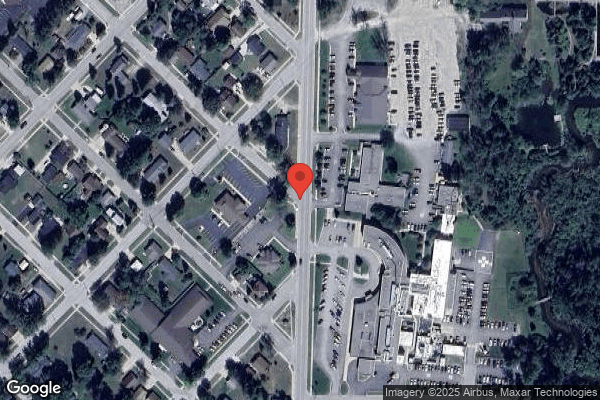

1100 Michigan Avenue, Grayling, MI 49738 (989) 348-0317
Non profit - Corporation 39 Beds Independent Data: November 2025 1 Immediate Jeopardy citation
Trust Grade
43/100
#217 of 422 in MI
Last Inspection: February 2025

Within standard 12-15 month inspection cycle. Federal law requires annual inspections.

Overview

Munson Healthcare Crawford Continuing Care Center holds a Trust Grade of D, indicating below-average performance with some concerns. It ranks #217 out of 422 facilities in Michigan, placing it in the bottom half of the state, but it is the second-ranked facility in Crawford County, meaning there is only one local option that performs better. The facility is improving, having reduced issues from 14 in 2024 to 6 in 2025. Staffing is a notable strength with a 4 out of 5-star rating and a turnover rate of 0%, well below the state average, which helps ensure consistent care. However, it has incurred $27,600 in fines, which is concerning as it is higher than 80% of Michigan facilities, suggesting recurring compliance issues. Specific incidents include a critical finding where a resident's pressure ulcer worsened significantly due to inadequate care, leading to hospitalization, and concerns about food safety practices that could pose risks to residents.

Trust Score
D
43/100
In Michigan
#217/422
Bottom 49%
Safety Record
High Risk
Review needed
Inspections
Getting Better
14 → 6 violations
Staff Stability
○ Average
Turnover data not reported for this facility.
Penalties
✓ Good
$27,600 in fines. Lower than most Michigan facilities. Relatively clean record.
Skilled Nurses
✓ Good
Each resident gets 78 minutes of Registered Nurse (RN) attention daily — more than 97% of Michigan nursing homes. RNs are the most trained staff who catch health problems before they become serious.
Violations
⚠ Watch
22 deficiencies on record. Higher than average. Multiple issues found across inspections.
★★★☆☆
3.0
Overall Rating
★★★★☆
4.0
Staff Levels
★★☆☆☆
2.0
Care Quality
★★★☆☆
3.0
Inspection Score
Stable
2024: 14 issues
2025: 6 issues

The Good

  • 4-Star Staffing Rating · Above-average nurse staffing levels
  • Full Sprinkler Coverage · Fire safety systems throughout facility
  • No fines on record

Facility shows strength in staffing levels, fire safety.

The Bad

3-Star Overall Rating

Near Michigan average (3.1)

Meets federal standards, typical of most facilities

Federal Fines: $27,600

Below median ($33,413)

Moderate penalties - review what triggered them

The Ugly 22 deficiencies on record

1 life-threatening
Aug 2025 1 deficiency
CONCERN (D) 📢 Someone Reported This

A family member, employee, or ombudsman was alarmed enough to file a formal complaint

Potential for Harm - no one hurt, but risky conditions existed

Accident Prevention (Tag F0689)

Could have caused harm · This affected 1 resident

This deficient practice pertains to intake 2588223.Based on interview and record review, the facility failed to prevent and readily detect an elopement for one Resident (#1) of three residents reviewe...

Read full inspector narrative →
This deficient practice pertains to intake 2588223.Based on interview and record review, the facility failed to prevent and readily detect an elopement for one Resident (#1) of three residents reviewed for accident hazards and supervision.Findings include:Resident #1 (R1):Review of R1's electronic medical record (EMR) revealed initial admission to the facility on 8/1/25 with a diagnosis of dementia with behavioral disturbances. Record review of R1's Nursing Clinical admission report, dated 8/1/25, revealed a level of cognitive impairment as, severe impairment (affecting all areas of judgement).Review of R1's Elopement Evaluation, dated 8/1/25, revealed a score of 6.0, indicating the resident was, at risk of elopement.Review of the FRI submitted to the State Agency (SA) on 8/7/25 at 5:15 PM, included an investigation report which read, in part: Resident [R1] was admitted to our department on 8/1/2025 at approximately 11:30 AM. Resident [R1] was noted by staff to be missing at 1600 [4:00 PM]. The resident was found at 1616 [4:16 PM]. Security camera footage was reviewed by security staff and administrator. Resident [R1] exited out of the west door at 1531 [3:31 PM] and moved quickly out of the sight line of the windows.1 CNA [certified nursing assistant] did not [sic] that while she and other staff were assisting the resident through the west door at admission the door was not alarming. She did not see anyone at the nurses' station. The door was open for a prolonged period due to assisting [the] resident into the building with her personal items. The CNA returned directly to work and did not notify any staff that the alarm was not going off. She stated she was very busy and did not realize there was an issue until after the report of the elopement. Resident [R1] was found close to the facility, at the next-door elementary school.On 8/19/25 at 9:10 AM, all documentation related to R1's elopement on 8/1/25 was requested from the Nursing Home Administrator (NHA).On 8/19/25 at 9:55 AM, the NHA presented this surveyor with two witness statements but confirmed the facility did not complete a Risk Watch report in accordance with facility policy following the elopement. The NHA stated, the process will be corrected.On 8/19/25 at 2:12 PM, security footage of the elopement event on 8/1/25 was reviewed with Security Officer (SO) J and the NHA which revealed the following events:At 3:22 PM, R1 was observed exiting the facility via the west hall emergency door and subsequently walked out of view from the outdoor camera.At 3:34 PM, R1 was observed walking in Parking Lot A near the emergency ambulance bay at the attached local acute care hospital.At 4:15 PM, Occupational Therapist (OT) H was observed locating R1 in an elementary school parking lock adjacent to the acute care hospital.At 4:18 PM, R1 is observed walking back toward facility entrance with OT H and an additional staff member. On 8/19/25 at 12:13 PM, an interview was conducted with CNA E who verified she was working the day of R1's elopement event. CNA E stated she assisted R1 off the bus at the west facility door after she arrived at the facility around 11:30 AM. CNA E explained the door was alarmed and will continue to sound if the door was open unless the reset button is continuously held at the nurse's station which will temporarily silence the alarm. CNA E recalled it took an extended amount of time to assist R1 and her belongings off the bus, but noticed the alarm was not sounding despite the open door. CNA E stated she did not observe anybody engaging the silence button as she walked by the nurses' station with R1. When asked if CNA E notified staff about the malfunctioning alarm, she stated she did not because her priority at the time was to ensure R1 was assisted with toileting needs and acclimated to her room and the facility. CNA E stated R1 became restless and somewhat agitated as the day progressed, wandering in and out of resident rooms and walking around the facility. CNA E recalled the nursing assistants started taking their afternoon breaks around 3:15 PM and stated she could not locate R1 upon her return around 3:45 PM - 4:00 PM. On 8/19/25 at 1:50 PM, an interview was conducted with Maintenance Worker (MW) I who confirmed the exit door alarm would continue to sound while open unless the reset button was continuously held. MW I further explained after the door is opened and shuts, the reset button must be pushed once to disengage the alarm.On 8/19/25 at 12:26 PM, a telephone interview was conducted with Registered Nurse (RN) C regarding the elopement event on 8/1/25. RN C recalled soon after R1 arrived at the facility, she appeared restless and began wandering in and out of other resident rooms. RN C stated she placed a WanderGuard (an electronic monitoring system used to prevent at-risk residents from leaving designated safe areas by triggering an automated alarm when the user nears a restricted exit). RN C stated she was notified by CNA E that R1 could not be located and began a facility search around 4:00 PM (38 minutes after R1 was observed exiting the facility via security footage). RN C stated, I am 100% positive I didn't hear a [door] alarm go off.On 8/19/25 at 1:12 PM, an interview was conducted with OT H who confirmed she had located R1 in an elementary school parking lot following the elopement incident on 8/1/25. OT H stated she was assigned to look for R1 in Parking Lot A which was in front of the attached hospitals' emergency department. OT H walked the elopement path with this surveyor and recalled she had looked across a side street and saw a person, eventually identified as R1, sitting on top of stairs leading to a stationed construction trailer in a parking lot. OT H confirmed R1 must have independently crossed the busy side street which served as the main entrance and exit for hospital employees as well as emergency vehicles. OT H stated she did not hear a door alarm prior to the elopement event.On 8/19/25 at 12:13 PM, an interview was conducted with CNA D who stated she was working at the time of the elopement and did not hear a door alarm prior to R1's exit.On 8/20/25 at approximately 9:20 AM, an interview was conducted with the NHA who stated the facility was unable to determine if R1's elopement occurred because of a door alarm malfunction or if a facility member silenced the alarm without conducting a visual search of the area. The NHA understood the concern regarding the extended period of time which elapsed prior to the initial elopement detection as well as the lack of post-incident documentation in accordance with facility standards.Review of the facility policy titled, Missing Resident/Elopement Policy, revised 9/12/24, read, in part: Purpose: Maintain the safety and security of our residents. All staff members within this facility are responsible for maintaining the safety of all residents. Documentation of the Wandering resident must include the following. A Risk Watch report must be filled out.
Feb 2025 5 deficiencies
CONCERN (D)

Potential for Harm - no one hurt, but risky conditions existed

Deficiency F0551 (Tag F0551)

Could have caused harm · This affected 1 resident

Based on interview and record review, the facility failed to ensure one Resident (#185) of one resident reviewed for end-of-life care (EOLC) had a care plan and physician's order for terminal care, an...

Read full inspector narrative →
Based on interview and record review, the facility failed to ensure one Resident (#185) of one resident reviewed for end-of-life care (EOLC) had a care plan and physician's order for terminal care, and appropriate activation of patient advocate/durable power of attorney prior to placing a resident on EOLC. Findings include: Resident #185 (R185) On 2/11/25 at approximately 10:45 AM, Resident R185 was observed in his room with his daughter present. R185's daughter said R185 was admitted to the facility on Thursday (2/6/25) and placed on EOLC on Sunday (2/9/25). R185's medical record was reviewed on 2/12/25 and revealed admission to the facility on 2/6/25 for skilled therapy services. Physician's orders dated 2/6/25 and 2/7/25 directed R185 receive occupational therapy and physical therapy five times per week. Nurses' progress notes dated 2/6/25 at 5:06 PM, 2/6/25 at 10:26 PM, 2/7/25 at 1:26 PM, and 2/7/25 at 9:58 PM documented R185 was alert and oriented times three (A/O X 3 - a normal level of consciousness and orientation). A progress note dated 2/9/25 at 9:30 AM documented, in part: .Family decided to make resident comfort care . No physician's order for EOLC was in R185's medical record. There was no care plan for EOLC. There were no documented physicians' assessments or statements indicating R185 was incapable of making medical treatment decisions to activate his patient advocate designation. A document Medical Treatment Decisions of Resident was completed and signed by R185 on 2/6/25. The area of the document to elect palliative care or comfort care was blank, indicating R185 did not choose to receive palliative or comfort care when the form was signed on 2/6/25. A Patient Advocate Designation/Durable Power of Attorney for Healthcare document, signed by R185 on 9/15/24 read, in part: .My patient advocate(s) may only act on my behalf if I am unable to participate in decisions regarding my medical or mental health treatment . The portion of the document for acceptance of patient advocate designation was signed by R185's daughter and read, in part: . This designation shall not become effective unless the individual is unable to participate in medical treatment decisions . The facility's social services director (SS D) was interviewed on 2/12/25 at 2:00 PM. SS D said two physicians were required to assess a resident and document if a resident was incapable of making his own decisions before a durable power of attorney (DPOA) could be activated. SS D confirmed there was no physician documentation of R185 being incapable of making medical treatment decisions. When asked why competency for medical decision-making wasn't completed before activating the POA (power of attorney), SS D said, I don't know how that happened. [R185] should have been assessed [for medical decision-making capability] by two doctors before the family was allowed to make that decision [EOLC]. The Director of Nursing (DON) was interviewed on 2/13/25 at 4:28 PM. The DON confirmed the DPOA for R185 should not have been activated until R185 was assessed by two physicians and declared incapable of making his own medical decisions. The DON said R185's daughter should not have been allowed to place R185 on EOLC until after R185's medical decision-making ability had been assessed by two physicians. The DON confirmed a physician's order and care plan were required for EOLC. The policy Advanced Directives dated as last revised 7/3/24 read, in part: . If a patient loses decision-making capacity and has executed a legally recognized Advance Directive that meets legal requirements: 1. The DPOAH [Durable Power of Attorney for Healthcare] must be activated . If the patient loses decision-making capacity or presents without decision-making capacity, the attending physician and one other physician will complete the activation of the patient advocacy form .
CONCERN (D)

Potential for Harm - no one hurt, but risky conditions existed

Deficiency F0604 (Tag F0604)

Could have caused harm · This affected 1 resident

**NOTE- TERMS IN BRACKETS HAVE BEEN EDITED TO PROTECT CONFIDENTIALITY** Based on observation, interview and record review, the facility failed to provide appropriate assessments and documentation warr...

Read full inspector narrative →
**NOTE- TERMS IN BRACKETS HAVE BEEN EDITED TO PROTECT CONFIDENTIALITY** Based on observation, interview and record review, the facility failed to provide appropriate assessments and documentation warranting the use of a physical restraint for one Resident (#10) of one resident reviewed for restraints, resulting in the potential for feelings of helplessness, agitation, decreased physical functioning and injury. Findings include: Resident #10 (R10) Review of the Minimum Data Set (MDS) assessment, dated 11/26/2024, revealed R10 was admitted to the facility on [DATE] with diagnoses including Alzheimer's dementia and Parkinson's Disease. Further review of the MDS assessment revealed R10 was unable to participate in the Brief Interview for Mental Status (BIMS) and was assessed by staff to have severely impaired cognition. On 2/11/25 at 12:10 p.m., R10 was observed at the nurse's station seated in a reclining wheelchair with the leg rest engaged in the up position. R10 was awake and alert, attempting to get out of the chair and had both legs hanging off the right side of the leg rest. R10 made no attempt to disengage the leg rest to allow their feet to touch the floor. Further observation revealed an unidentified staff member exit the nurse's station and reposition R10 back into a seated position with his legs positioned on the engaged leg rest. On 2/11/2025 at 4:00 p.m., R10 was observed to be seated in the reclining wheelchair with the leg rest engaged in the up position near the nurse's station. R10 was awake and alert, with his knees bent and feet flat on the leg rest of the chair. On 2/12/2025 at 10:49 a.m., R10 was observed in his room, awake and alert, seated in the reclining wheelchair with the leg rest engaged in the up position. R10 was sitting upright so their back was not in contact with the reclined backrest and had his right leg off the right side of the leg rest and right foot on the floor. R10 made no attempt to disengage and lower the leg rest. On 2/12/25 at 4:27 p.m., R10 was observed to be seated in the reclining wheelchair with the leg rest engaged and up, positioned in hall across from nurse's station. R10 was awake and interacted with this Surveyor by waving. R10 appeared fully awake and alert. During an interview on 2/13/25 at 2:22 p.m., Certified Nursing Assistant (CNA) G was queried as to whether R10 could lower the leg rest of the reclining wheelchair on his own accord. CNA G stated R10 was unable to disengage the leg rest of the chair independently. CNA G stated the mechanism was positioned under the leg rest, and staff had to lower the leg rest and bring the chair back to an upright position for R10. CNA G stated R10 is placed in the reclining wheelchair for safety and to prevent the Resident from falling forward when [R10] gets tired. During an interview on 2/13/2025 at 1:39 p.m., the Director of Nursing (DON) reported she was unsure if R10's reclining wheelchair should be considered a restraint. The DON confirmed R10 was unable to lower the leg rest and bring the back rest of the chair to an upright position independently. The DON reported R10 could self-propel in his standard wheelchair and was placed in the reclining wheelchair with the leg rest in the up position when they were exhibiting fidgety behavior. A review of R10's electronic medical record on 2/13/2025 at 1:45 p.m., revealed no documentation of behaviors or restlessness targeted by use of the reclining wheelchair for dates and times observed during the survey. Further review revealed no documentation of regular assessments of the resident while seated in the reclining wheelchair to ensure R10's safety and psychosocial well-being. On 2/13/2025 at 2:59 p.m., the DON reported an assessment was not completed prior to implementing the use of the reclining wheelchair or any time after, to ensure R10 was safe to use the reclining wheelchair or if the Resident could remove themselves from the chair independently. On 2/13/25 at 5:03 p.m., R10 was observed self-propelling in a standard wheelchair down the hall outside their room. R10 was bent forward fidgeting with the legs and wheels of the chair. Further observation revealed CNA G approach R10 and redirect the Resident to the upright position in the chair. R10 was then observed seated in the upright position in the chair. Review of R10's care plan revealed the following: [R10] is at risk for alteration in ADL [Activities of Daily Living] . May use geri chair [reclining wheelchair with leg rest] as needed for comfort/positioning when leaning significantly in w/c (wheelchair). Date initiated 8/25/2024 . is at risk for falls/injury [related to] Parkinson disease with noted tremors, Alzheimer disease with mood disorder/agitation . episodes of incontinence, impaired mobility, no safety awareness, bent/stooped over posture when in w/c and staff are unable to get [NAME] to sit upright as he fights it . will bend over and touch things such as his w/c wheels . [NAME] self-transfers ad lib, unable to understand safety concerns . Reviewed 11/10/24 [NAME] was observed lowering himself to the fall . Reviewed 1/8/25 observed sitting on the floor picking at stuff. Unwitnessed and [NAME] is unable to tell us if he lowered himself to the floor thus coded as fall. [NAME] will remain free from falls/injury [through] next review. Attempt to keep [NAME] upright in his w/c by offering him things to do fiddle with out of the busy box or therapy clips, etc. 10/29/2024. [R10] experiences episodes of exit seeking and attempting to open facility doors, Date Initiated: 9/03/2024 . Review of the undated facility policy titled Restraint Free Environment, revealed the following, in part: Physical Restraint: . Placing a resident in a chair that prevents the resident from rising independently . Behavioral interventions should be used and exhausted prior to the application of a physical restraint . Medical symptoms warranting the use of restraints should be documented in the resident's medical record. The resident's record needs to include documentation that less restrictive alternatives were attempted to treat the medical symptom but were ineffective, ongoing re-evaluation of the need for the restraint, and the effectiveness of the restraint in treating the medical symptom . Potential negative outcomes should also be explained including, but not limited to: Decline in physical functioning. Decreased muscle condition . Delirium. Agitation . Accidents such as falls, strangulation or entrapment. Loss of autonomy and dignity. Withdrawal or reduces social contact.
CONCERN (D)

Potential for Harm - no one hurt, but risky conditions existed

Drug Regimen Review (Tag F0756)

Could have caused harm · This affected 1 resident

**NOTE- TERMS IN BRACKETS HAVE BEEN EDITED TO PROTECT CONFIDENTIALITY** Based on interview and record review, the facility failed to ensure that Medication Regimen Reviews (MRR) were reviewed, address...

Read full inspector narrative →
**NOTE- TERMS IN BRACKETS HAVE BEEN EDITED TO PROTECT CONFIDENTIALITY** Based on interview and record review, the facility failed to ensure that Medication Regimen Reviews (MRR) were reviewed, addressed by the Physician, and maintained in the clinical record for two Residents (#3, #23) of five residents reviewed for MRR, resulting in the potential for the administration of unnecessary medications and adverse medication side-effects. Findings include: Resident #3 (R3) Review of the Minimum Data Set (MDS) assessment, dated 12/28/2024, revealed R3 was admitted to the facility on [DATE] and had diagnoses including heart failure and dementia. Further review of the MDS assessment revealed R3 scored two out of 15 (2/15) on the Brief Interview for Mental Status (BIMS), indicating R3 had severe cognitive impairment. Review of R3's electronic medical record (EMR) for August 2024 through January 2025, revealed the following: 1/28/2025 Medication Regimen Review . See Report - Lab Request. It was noted there was no previous MRR documentation found in R3's EMR for the period of August 2024 through December 2024. Further review of R3's EMR revealed no pharmacy report or recommendation related to the MRR dated 1/28/2025. On 2/13/2025 at 11:44 a.m., the Director of Nursing (DON) reported she kept paper records for the MRRs prior to contracting with a new pharmacy in January 2025. Review of the monthly paper MRR documentation listing residents reviewed for MRR, provided by the DON, revealed R3's medication regimen was reviewed by the pharmacist for the period between 12/01/2024 and 12/14/2024. Further review of the MRR listing revealed no order for [R3] in handwriting at the bottom of the document. During an interview on 2/13/2025 at 12:14 p.m., the DON reported the no order for R3 written on the MRR documentation meant there were no pharmacy recommendations for R3 during the referenced time period. On 2/13/2025 at 12:36 p.m., a request was made of the DON to provide the pharmacy recommendation referenced in the MRR dated 1/28/2025. On 2/13/2025 at 3:05 p.m., the DON reported during her search for the missing recommendation, she found recommendations for the period between 12/1/2024 through 12/14/2024 and the period between 1/1/2025 through 1/29/2025, were not addressed by her or the physician. The DON stated the recommendations were sent to the attention of nursing staff instead of the provider and the system is not set up to send notifications to her or the providers when addressed to nursing. Review of the missing pharmacy recommendations, provided by the DON at the time of the interview, revealed the following: 12/1/2024 through 12/14/2024: Resident is taking digoxin [drug used to treat heart failure and heart rhythm problems] daily. A digoxin level [blood test to determine how much medication is in the system, to rule out toxicity or inadequate dosing] is due to be obtained to assess. 1/1/2025 through 1/29/2025: Resident is taking digoxin daily. A digoxin level is due to be obtained to assess. Further review of R3's EMR for laboratory results revealed R3's last test for digoxin level was dated 3/27/2024. Resident #23 (R23) R23 was admitted to the facility on [DATE]. Review of the MDS, dated [DATE], revealed diagnoses of fractures, atrial fibrillation, renal insufficiency, respiratory failure, and others. The MDS documented R23 scored 14/15 on the BIMS, indicating R23 was cognitively intact. The medical record of R23 did not contain MRR recommendations or physician responses to MRR for November 2024 and December 2024. On 2/13/25 at approximately 4:00 PM, the DON was asked for R23's MRR for November 2024 and December 2024. On 2/13/25 at 4:11 PM, the DON reported the MRR for December 2024 was a recommendation by the pharmacist to the physician requesting blood tests on R23. The DON said only one of the recommended blood tests were obtained. The DON said no documentation by the physician was found regarding the reason for declination of the additional blood testing recommendations. A copy of the MRR for December 2024 was requested but not provided by the end of survey. On 2/13/25 at 4:46 PM, The DON said she was unable to locate R23's admission MRR for November 2024. The DON provided a paper document containing a list of residents with MRR activity between 11/1/24 and 11/26/24. The DON said she did not know what recommendations were made by the pharmacist to the physician in November 2024 and the DON stated she was unable to locate any documentation from the physician regarding the MRR. The undated policy Medication Regimen Review read, in part: .The consultant pharmacist will review the drug regimen of all the residents at least monthly and report any observed irregularities in drug use and other drug therapy recommendations to the director of nursing and attending physician . the prescriber's response will be recorded on a copy of the MRR report that shall remain in the facility or in the individual resident's clinical record. Recommendations are acted upon and documented by the facility staff or prescriber . Nursing and physician responses to the consultant pharmacist's observations and recommendations should be recorded in the resident's clinical record or on the consultant's written report and filed in the facility for at least two (2) years .
CONCERN (D)

Potential for Harm - no one hurt, but risky conditions existed

Medication Errors (Tag F0758)

Could have caused harm · This affected 1 resident

**NOTE- TERMS IN BRACKETS HAVE BEEN EDITED TO PROTECT CONFIDENTIALITY** Based on interview and record review, the facility failed to ensure documentation of target behaviors/symptoms with attempted us...

Read full inspector narrative →
**NOTE- TERMS IN BRACKETS HAVE BEEN EDITED TO PROTECT CONFIDENTIALITY** Based on interview and record review, the facility failed to ensure documentation of target behaviors/symptoms with attempted use of non-pharmacological interventions prior to the administration of as needed (prn) anti-anxiety medication for two Residents (#3, #10) of five residents reviewed for unnecessary medications, resulting in the potential for adverse side effects and decreased quality of life. Findings include: Resident #3 (R3) Review of the Minimum Data Set (MDS) assessment, dated 12/28/2024, revealed R3 was admitted to the facility on [DATE] with diagnoses including dementia and depression. Further review of the MDS assessment revealed R3 scored two out of 15 (2/15) on the Brief Interview for Mental Status (BIMS), indicating R3 had severe cognitive impairment. Review of R3's February 2025 Medication Administration Record (MAR) revealed the following order: Lorazepam [controlled drug used to treat anxiety] Tablet 0.5 MG [milligram]. Give 1 tablet by mouth every 8 hours as needed for anxiety. Start Date: 01/20/2024. Further review of R3's February 2025 MAR revealed lorazepam 0.5 mg was administered on the following dates/times: 2/1/2025 at 7:39 p.m., no behavior or symptom documented. 2/2/2025 at 3:51 a.m., no behavior or symptom documented. 2/2/2025 at 6:36 p.m., restless/anxiety. 2/3/2025 at 7:59 a.m., no behavior or symptom documented. 2/5/2025 at 1:40 a.m., no behavior or symptom documented. 2/9/2025 at 7:35 p.m., no behavior or symptom documented. The electronic medical record (EMR), including progress notes, behavior notes, assessments, miscellaneous documents, February 2025 MAR and Treatment Administration Record (TAR), for R3 were reviewed. No specific resident behaviors targeted by the administration of as needed lorazepam 0.5 mg were documented. No documentation of non-pharmacological interventions to coincide with the administration of the lorazepam 0.5 mg were referenced. Review of R3's care plan revealed the following, in part: [R3] is at risk for alteration in mood and/or adverse responses [related to diagnosis] depression . continual yelling out help me, help me, feed me, feed me, and is becoming louder and angrier with his yelling/demands, swearing more, unable to redirect/calm . [R3] is more vocal, obstinate and difficult to redirect . Interventions: . Attempt to redirect [R3] with snack/coffee, short conversation, Date Initiated: 1/10/2025 . Provide therapeutic listening, calm reassurance and support, Date Initiated: 4/24/2024 . During an interview on 2/13/25 at 1:41 p.m., the Director of Nursing (DON) reported the symptoms of anxiety and behaviors were a new sign of cognitive decline for R3. The DON reported staff had been attempting new interventions, including the administration of the as needed lorazepam 0.5 mg to address R3's behaviors. When asked if the implementation of non-pharmacological interventions was expected prior to the administration of the as needed lorazepam, the DON stated the expectation was to have all target behaviors documented in the EMR, along with non-pharmacological interventions attempted and failed prior to administration of any as needed lorazepam to allow for changes to be made to the resident's care plan and medication regimen, when warranted. Resident #10 (R10) Review of the MDS assessment, dated 11/26/2024, revealed R10 was admitted to the facility on [DATE] with diagnoses including Alzheimer's dementia and Parkinson's Disease. Further review of R10's MDS assessment revealed the Resident was unable to participate in the BIMS and was assessed by staff to have severely impaired cognition. Review of R10's February 2025 MAR revealed the following order: Lorazepam Tablet 1 MG. Give 1 mg by mouth every 12 hours as needed for anxiety related to dementia in other diseases classified elsewhere, unspecified severity, with agitation. Start Date: 1/14/2025 0600 [6:00 a.m.]. Further review of R10's February 2025 MAR revealed as needed doses of lorazepam 1 mg were administered as follows: 2/1/2025 at 10:59 p.m., Push at, attempting to swat at staff, yelling, trying to climb out of chair. 2/2/2025 at 7:29 p.m., anxiety. 2/3/2025 at 8:20 p.m., resident agitated. 2/5/2025 at 1:01 a.m., Was behavior observed? Yes. It was noted in review of the 2/5/2025 administration note, no specific behaviors were documented. The electronic medical record (EMR), including progress notes, behavior notes, assessments, miscellaneous documents, February 2025 MAR and Treatment Administration Record (TAR) for R10 were reviewed. No documentation of non-pharmacological interventions prior to the administration of the lorazepam 1 mg were referenced. Review of R10's care plan revealed the following, in part: [R10] has [diagnosis] of Alzheimer's disease with mood disorder and agitation . Episodes of [R10] grabbing onto staff's hands/ arms while trying to assist him and not letting go with a firm grip on staff . episodes of yelling out for [spouse] and yelling at staff . Interventions: . If refusing cares/uncooperative/aggressive with cares, stop/wait and reapproach, Date Initiated: 9/03/2024. Provide therapeutic listening and calm conversation to minimize stimulation and provide [R10] with a chance to relax/calm down, observe for alteration in mood and/or adverse responses and report/document accordingly, Date Initiated: 8/25/2024. Review of the undated facility policy titled Behavioral Health Services, revealed the following, in part: Non-Pharmacological Intervention refers to approaches to care that do not involve medications, generally directed toward stabilizing and/or improving a resident's mental, physical, and psychosocial well-being . Pharmacological interventions shall only be used when non-pharmacological interventions are ineffective or when clinically indicated. Review of the undated facility policy titled Behavior and Symptom Management, revealed the following, in part: Interventions will be monitored frequently to determine effectiveness. Nonpharmacological interventions must be tried and documented in the clinical record before administering medication and/or increases made to resident's psychotropic medication regime whenever possible .
CONCERN (E)

Potential for Harm - no one hurt, but risky conditions existed

Infection Control (Tag F0880)

Could have caused harm · This affected multiple residents

Based on observation, interview, and record review, the facility failed to implement infection prevention and control measures to ensure a safe and sanitary environment for five Residents (#5, #10, #2...

Read full inspector narrative →
Based on observation, interview, and record review, the facility failed to implement infection prevention and control measures to ensure a safe and sanitary environment for five Residents (#5, #10, #23, #15, and #13) of eight residents reviewed for infection prevention and control. Findings include: Resident #5 (R5 On 2/11/25 at 1:43 PM, R5 was observed with a urinary catheter drainage bag dragging on the floor beneath her wheelchair. There was no barrier beneath the drainage bag. R5's catheter drainage tubing was observed dragging on the floor beneath the wheelchair on 2/12/25 at 8:12 AM and 2/12/25 at 10:33 AM. Resident #10 (R10) On 2/11/25 at 1:13 PM, R10 was observed in a reclining geriatric care in the hallway. A plastic drinking cup with a straw was on the floor without a barrier beneath it next to R10's chair. At approximately 1:30 PM, Registered Nurse (RN) B picked up the cup from the floor and placed it on a mobile overbed table next to R10's chair. RN B did not sanitize the cup or obtain a clean cup of fluid for R10. Resident #23 (R23) R23 was diagnosed with Influenza A on 2/11/25. A review of R23's medical record on 2/13/25 revealed R23 did not have an infection care plan providing staff with interventions and direction to prevent the spread of Influenza. On 2/11/25 at 2:17 PM, Certified Nurse Aide (CNA) J was observed exiting R23's room and placing two bags of soiled linen on the floor in the hallway outside of R23's room. CNA J was asked if bags of soiled linen were typically placed on the floor. CNA J said bags of soiled linen should be taken to the soiled utility room and placed in soiled linen barrels to be taken to laundry. Resident #13 (R13)/Resident #15 (R15) On 2/11/25 at 12:31 PM, CNA I was observed sitting at a table with R15 sitting on the right side of CNA I and R13 sitting on left side of CNA I. CNA I was wearing examination gloves while simultaneously feeding R13 and R15. After providing approximately five forkfuls of food to each resident, CNA I removed the gloves and put on another pair of examination gloves without washing or sanitizing her hands. A clear plastic refuse bag containing clean and folded cloth clothing protectors was observed on the floor in the middle of the dining room on 2/11/25 at 1:15 PM. CNA J was asked the typical location to place the bag of clothing protectors. CNA J picked up the bag of clothing protectors from the middle of the dining room and placed the bag on the floor against the wall in the dining room next to a housekeeping cart. The Director of Nursing (DON) was interviewed on 2/13/25 at 4:10 PM. The DON said staff is expected to sanitize their hands between glove changes, and bags of linen should not be placed on the floor. The DON said staff should never place a drinking cup on the floor. The DON said a cup on the floor should be taken to the kitchen for appropriate cleaning and R10 should have been provided with a clean cup of fluids. The DON said urinary catheter drainage bags and tubing should never sit on the floor without a barrier. The DON confirmed flu interventions and precautions are required to be included in a resident's care plan. The undated policy Indwelling Urinary Catheter Care read, in part: . Never place urine collection bag on an unclean surface, such as the floor. This minimizes the potential for contamination . The policy Infection Control Surveillance and Outbreak Policy dated as last revised 6/27/24 read, in part: . Environmental rounds are conducted to assess the overall environmental risks of infection .
Jul 2024 14 deficiencies
CONCERN (D)

Potential for Harm - no one hurt, but risky conditions existed

Abuse Prevention Policies (Tag F0607)

Could have caused harm · This affected 1 resident

**NOTE- TERMS IN BRACKETS HAVE BEEN EDITED TO PROTECT CONFIDENTIALITY** Based on interview and record review, the facility failed to implement the abuse policy and investigate allegations of abuse for...

Read full inspector narrative →
**NOTE- TERMS IN BRACKETS HAVE BEEN EDITED TO PROTECT CONFIDENTIALITY** Based on interview and record review, the facility failed to implement the abuse policy and investigate allegations of abuse for one Resident (R8) of two residents reviewed for abuse, resulting in the potential for continued abuse, fear, anger, and mental anguish. Findings include: R8 was admitted on [DATE] with diagnoses including stroke, dementia, and right-side hemiparesis (weakness). Review of R8's Minimum Data Set (MDS) assessment, dated 3/19/2024, revealed R8 had severe cognitive impairment. Review of R8's Electronic Medical Record (EMR) revealed the following: 5/4/2024 1701 [5:01 p.m.]. Health Status Note. Staff alerted to dining room ([R8] yelling) staff noted a peer close to [R8] within her [sic] personal space (very close). Staff intervened and removed peer from area. No physical contact made by either resident. 4/16/2024 19:00 [7:00 p.m.] Behavior Note .resident was in the dining room after dinner listening to music per his preference. CNA [Certified Nurse Aide] heard yelling and observed [R8] and another resident from East Hall with their fists up, but no physical contact was made. [R8] reported that the other resident said that he was going to hit his genitals, although no contact was made. Both residents were separated without any further issues. will continue to monitor. On 7/02/2024 at 10:23 a.m., the Director of Nursing (DON) reported no investigations into the referenced incidents were conducted because no physical contact was made between the two residents. Review of the facility policy titled Abuse, Neglect, Mistreatment & Misappropriation of Resident Property, last revised 7/06/2023, revealed the following, in part: It is the policy of [the facility] to encourage and support all residents, staff, families, visitors, volunteers and resident representatives in reporting any suspected acts of abuse . Definitions . Verbal Abuse: The use of oral, written or gestured language that willfully includes disparaging and derogatory terms to resident Regardless of their age, ability to comprehend or disability. Examples of verbal abuse include, but are not limited to: threats of harm, saying things that frighten a resident . Investigation . It is the policy of this [facility] that reports of abuse are promptly and thoroughly investigated . The investigation will include . Who was involved. Resident statements . Involved staff and witness statements of events . a description of the resident's behavior and environment at the time of the incident . injuries present including a resident assessment, observation of resident and staff behaviors during the investigation . environmental considerations .
CONCERN (D)

Potential for Harm - no one hurt, but risky conditions existed

Comprehensive Care Plan (Tag F0656)

Could have caused harm · This affected 1 resident

**NOTE- TERMS IN BRACKETS HAVE BEEN EDITED TO PROTECT CONFIDENTIALITY** Based on observation, interview and record review, the facility failed to develop and implement a comprehensive care plan to add...

Read full inspector narrative →
**NOTE- TERMS IN BRACKETS HAVE BEEN EDITED TO PROTECT CONFIDENTIALITY** Based on observation, interview and record review, the facility failed to develop and implement a comprehensive care plan to address safety concerns for one Resident (R3) of 12 residents reviewed for care planning, resulting in the potential for unmet safety needs. Findings include: Review of R3's Minimum Data Set (MDS) assessment, dated 5/29/2024, revealed R3 was admitted on [DATE] and had a primary diagnosis of dementia. Further review of R3's MDS revealed a Staff Assessment for Mental Status indicating R3 had short- and long-term memory problems and had severely impaired cognitive skills for daily decision-making. An observation on 7/2/2024 at 8:41 a.m., revealed R3 in her room, seated in a reclining wheelchair. Further observation revealed a metal pan-type call light positioned on the seat of R3's chair near her left knee. There were no staff present in R3's room at the time of the observation. Review of R3's Electronic Medical Record (EMR) revealed the following clinical progress note: 2/27/2024 5:57 [a.m.]. At 0500 [5:00 a.m.] CNA [Certified Nurse Aide] staff alerted this nurse to [R3] wrapping the call light cord around her neck. [R3] fought with CNA staff as they were removing it. No marks or skin issues were observed. Call button was removed from reach and bell placed on her bedside table to use for calling for assistance. During a telephone interview on 7/8/2024 at 1:03 p.m., CNA O confirmed she found R3 on 2/27/24 in bed with the call light cord around her neck. CNA O stated she worked with R3 often and R3 was impulsive at times and was not aware of her own safety. CNA O stated R3 needed to be checked on frequently to ensure her safety. During an interview on 7/8/2024 at 12:22 p.m., RN M reported R3 was unaware of her own safety needs and exhibited impulsive behaviors. RN M stated staff performed frequent safety checks on R3, including keeping R3 near the nurses' station during waking hours, to ensure her safety. Review of R3's care plans provided on 7/3/2024 at 4:49 p.m., revealed no focus area to include R3's behavior of wrapping the call light around her neck and no interventions were developed related to R3's need for frequent safety checks or keeping R3 in sight during waking hours.
CONCERN (D)

Potential for Harm - no one hurt, but risky conditions existed

Respiratory Care (Tag F0695)

Could have caused harm · This affected 1 resident

Based on observation, interview, and record review, the facility failed to administer supplemental oxygen per physician orders for one Resident (#186) of one residents reviewed for respiratory care. F...

Read full inspector narrative →
Based on observation, interview, and record review, the facility failed to administer supplemental oxygen per physician orders for one Resident (#186) of one residents reviewed for respiratory care. Findings include: Resident #186 (R186): Review of R186's electronic medical record (EMR) revealed admission to the facility on 6/15/24 with diagnoses including chronic respiratory failure with hypoxia, dependence on supplemental oxygen, and dementia. Review of R186's admission Minimum Data Set (MDS) assessment revealed a Brief Interview for Mental Status (BIMS) score of 15, indicative of intact cognition. On 7/1/24 at 9:44 AM, R186 was observed sitting in a wheelchair in the hallway just outside her room. R186 was observed becoming frustrated with navigating the oxygen tubing and subsequently removed her supplemental oxygen. Registered Nurse (RN) G was observed walking down the corridor and noticed R186 had removed her supplemental oxygen. RN G stated, I guess we'll see how she [R186] does without it [supplemental oxygen]. On 7/2/24 at 9:28 AM, R186 was again observed sitting in a wheelchair in the hallway outside her room without supplemental oxygen donned. On 7/2/24 at 11:38 AM, R186 was observed sitting in the main dining room without supplemental oxygen donned. Review of R186's EMR revealed an order, revised 6/26/24, that read, Administer oxygen at 2L [liters] continuous and up to 6L with exertion. May need to reapply tubing as she will remove ad lib. Review of R186's Plan of Care listed a Focus, initiated on 6/17/24 which read, [R186] is at risk for completion of ADLs [activities of daily living] r/t [related to] recent fall resulting in left femur neck FX [fracture] with hemiarthroplasty, acute post op [operative] anemia, chronic respiratory failure with hypoxia and is O2 [oxygen] dependent On 6/27/24 the Focus was revised to include the following: [R186] is at risk for completion of ADLs r/t recent fall resulting .chronic respiratory failure with hypoxia and is O2 dependent, acute/chronic respiratory failure, bilateral subsegmental PEs [pulmonary embolisms], mucous plugging of bronchus, COPD [chronic obstructive pulmonary disease] with exacerbation, end stage emphysema . An intervention revised 6/27/24 read, Administer oxygen at 2L continuous and up to 6L with exertion. May need to reapply tubing as she will remove ad lib. Review of R186's transfer record revealed a hospitalization from 6/18/24 - 6/23/24. Review of R186's hospital discharge summary, read in part: .presents to the ER [emergency room] from [facility name] for sudden onset of rhonchi [a rattling or whistling respiratory sound during respiration] and decreased O2 after lunch . CT [computed topography scan] of the chest was done showing acute segmental subsegmental pulmonary emboli [blockage of a lung artery] .end-stage emphysema mucous plugging .home O2 evaluation at discharge showed need for 2L at rest and 6 with exertion . On 7/3/24 at 8:42 AM, an interview was conducted with Certified Nursing Assistant (CNA) R who was asked if R186 required supplemental oxygen. CNA R stated, She [R186] has an order for supplemental oxygen, but last time I worked she was at 97% [oxygen saturation] on room air so we've been trying without it. On 7/3/24 at 9:22 AM, an interview was conducted with RN G regarding R186's supplemental oxygen requirements. RN G stated, I was told to wean her off during the day. When asked for a physician's communication indicating an order for this action, RN G was unable to provide one. On 7/3/24 at 9:24 AM, an interview was conducted with Clinical Care Coordinator (CCC)/RN L and the Director of Nursing (DON) regarding supplemental oxygen expectations. The DON stated if a resident had an active order for continuous supplemental oxygen, it is expected to be worn at all times. CCC/RN L stated there should be a communication in R186's EMR from the physician indicating a directive to trial oxygen weaning. Review of R186's EMR did not reveal a physician order or communication to trial ceasing supplemental oxygen. Review of facility policy titled, Oxygen Delivery, revised 7/3/24, did not include expectations regarding physician orders on oxygen weaning.
CONCERN (D)

Potential for Harm - no one hurt, but risky conditions existed

Deficiency F0697 (Tag F0697)

Could have caused harm · This affected 1 resident

Based on observation, interview, and record review, the facility failed to assess and manage pain for one Resident (#2) of one resident reviewed for pain management. This deficient practice resulted i...

Read full inspector narrative →
Based on observation, interview, and record review, the facility failed to assess and manage pain for one Resident (#2) of one resident reviewed for pain management. This deficient practice resulted in untreated pain and unnecessary suffering. Findings include: Resident #2 (R2): Review of R2's electronic medical record (EMR) revealed admission to the facility on 6/11/24 with diagnoses including hypomagnesemia, acute pain due to trauma, and contusion of the left hip and knee. Review of R2's most recent Minimum Data Set (MDS) assessment revealed a Brief Interview for Mental Status (BIMS) score of 15, indicative of intact cognition. During the initial tour of the facility on 7/1/24 at 9:50 AM, R2 was observed in her room sleeping in her wheelchair. Upon entrance into the room, R2 stated she had a terrible of night of rest due to painful cramps in her legs that had kept her awake. On 7/8/24 at 1:01 PM, an interview was conducted with R2 who stated she had continued leg cramping at night. R2 stated, I was up for almost 3 hours last night with muscle spasms. When asked if her pain was addressed by the facility, R2 replied, I haven't been seen by a physician since I got here. Review of R2 EMR revealed the following progress notes: 1. 6/17/24: [R2] is A&Ox3 [aware of self, place, and time], and is able to make her needs/wants known . Resident is c/o [complaining of] BLE [bilateral lower extremities] restlessness/cramping that kept her up all night. Applied muscle rub to both Lower extremities. Communication left for the doctor . 2. 6/18/24: .She was up at approx. [approximately] 2 AM, c/o legs jumping . 3. 6/19/24: .C/o legs jumping . 4. 6/23/24: .C/o legs jumping . 5. 6/26/24: .C/o legs jumping . Review of a communication with the subject Med [Medication] Request by R2's primary care provider on 7/2/24 read, in part: [R2's] daughter .called in and stated that patient is at [Facility Name], and is having issues with her restless leg, and they are not helping her with it. She is asking for [Primary Care Physician] to call and advise them what can be done for her leg. Review of an addenda communication with the subject Med [Medication] Request to R2's primary care provider on 7/2/24 read, in part: I called [R2's daughter] .and explained while [R2] is at [Facility Name] she is under the care of the attending provider there . I did suggest [R2's daughter] advocate for her mom with the clinical team that cares for her mom to have her restless legs addressed. Review of R2's EMR revealed no physician communication or follow-up regarding her repeated complaints of leg pain. On 7/8/24 at 12:20 PM, an interview was conducted with Clinical Care Coordinator (CCC)/Registered Nurse (RN) L regarding pain management and interdisciplinary communication. CCC/RN L stated the usual process is for the floor nursing staff to complete a physician communication form for the provider to review and address. CCC/RN L verified R2's complains of muscle spasms were never addressed by a physician, despite a physician communication documented in a progress note on 6/17/24. CCC/RN L stated, It seems like it [the communication form] was lost in translation or it was some type of transcription error. Review of facility policy titled, Pain Management reviewed 7/3/24 read, in part: .At [Facility Name], aggressive pain prevention and control are organizational clinical goals. A holistic and interdisciplinary approach to pain management will be the standard of care for all patients experiencing acute or chronic pain . Patients have the right to appropriate assessment and management of pain . the patient's self-report of pain in the single most reliable indicator of pain .
CONCERN (D)

Potential for Harm - no one hurt, but risky conditions existed

Medication Errors (Tag F0758)

Could have caused harm · This affected 1 resident

Based on interview and record review, the facility failed to appropriately conduct a gradual dose reduction (GDR) for a psychotropic medication for one Resident (R23) of five residents reviewed for un...

Read full inspector narrative →
Based on interview and record review, the facility failed to appropriately conduct a gradual dose reduction (GDR) for a psychotropic medication for one Resident (R23) of five residents reviewed for unnecessary medications. This deficient practice resulted in the potential for adverse medication side effects. Findings include: Resident #23 (R23) Review of R23's Electronic Medical Record (EMR) revealed admission to the facility on 8/1/22 with diagnoses including: dementia with behavioral disturbances and delusional disorders. Review of her 4/17/24 Brief Interview for Mental Status (BIMS) score on her Minimum Data Set (MDS) assessment revealed an 8/15, indicating moderately impaired cognition. Review of the Consultant Pharmacist's Medication Regimen Review for 5/1/24 through 5/31/24 read, in part, .(23) Resident is currently due for a GDR evaluation on her olanzapine (antipsychotic medication Zyprexa) 2.5 mg (milligram) qd (every day). Please evaluate (R23) to determine if she is ready for a reduction at this time. If you feel that no GDR should be attempted, please document your reasoning for clinical contraindication at the bottom of this form or in your next progress note .Note written to physician . Review of the facility's Psychotropic & Sedative/Hypnotic Utilization by Resident between 6/1/24 through 6/26/24 read, in part, (R23) .Medication Class: Antipsychotic .Medication: Olanzapine .Dose and Directions: 2.5 mg qd .Ordered: 5/12/23 .Last GDR: (blank) .Next Eval (Evaluation): 5/25 . An interview was conducted with the Nursing Home Administrator (NHA) on 7/2/24 at 1:03 p.m. The NHA stated that the facility was made aware of the recommendations for R23's GDR but indicated the facility was having issues with the medical providers who oversee the facility and their understanding of GDR attempts per the regulations. The NHA further stated that the Medical Director was to be overseeing all GDR recommendations soon. Review of R23's Physician Orders on 7/3/24 revealed she was still receiving Olanzapine 2.5 mg every day. There was nothing in the EMR indicating the facility was addressing the original pharmacist recommendation for GDR or rationale for not performing a GDR of R23's psychotropic medication. Review of the facility's Gradual Dose Reduction of Psychotropic Drugs policy effective 9/19/23 read, in part, .Residents who use psychotropic drugs receive gradual dose reductions and behavioral interventions, unless clinically contraindicated, in an effort to discontinue these drugs .Within the first year in which a resident is admitted on a psychotropic medication or after the prescribing practitioner has initiated a psychotropic medication, the facility will attempt a GDR in two separate quarters (with at least one month between the attempts), unless clinically contraindicated .GDR consideration will be documented in the clinical record .
CONCERN (D)

Potential for Harm - no one hurt, but risky conditions existed

Unnecessary Medications (Tag F0759)

Could have caused harm · This affected 1 resident

Based on observation, interview and record review, the facility failed to ensure a medication administration error rate of less than five percent, with two errors identified out of 31 opportunities, a...

Read full inspector narrative →
Based on observation, interview and record review, the facility failed to ensure a medication administration error rate of less than five percent, with two errors identified out of 31 opportunities, affecting one Resident (R182) of four residents observed for medication administration, resulting in a medication error rate of 6.45 percent. Findings include: On 7/3/2024 at 7:59 a.m., Registered Nurse (RN) G was observed removing R182's morning medications from the automatic medication dispensing cabinet. RN G reported R182 was scheduled to receive one dose of gabapentin 800 milligrams with his morning medications, but the medication was not available. RN G reported the last dose must have been administered when last scheduled and was not yet restocked. After removing R182's available medications from the automatic dispensing cabinet, RN G reconciled the medications with R182's medication orders in the Medication Administration Record (MAR) and again reported R182 would not be receiving the gabapentin 800 mg as scheduled as she would need to wait for the medication to be refilled. RN G then reported R182's blood sugar was tested previously with a result of 243 mg/dL (milligrams per deciliter), requiring administration of five units of insulin. RN G removed R182's Humalog KwikPen (fast-acting insulin) and a packaged pen needle from the medication cart and left to administer R182's medications. On 7/3/2024 at 8:10 a.m., RN G was observed entering R182's room to administer his morning medication. RN G handed R182 the medication cup containing the medications. R182 looked into the cup and RN G told R182 the medications were his gabapentin and all that. After the administration of R182's oral medications, RN G prepared the Humalog KwikPen by attaching the needle and was observed dialing the pen to deliver five units of insulin. RN G then administered the insulin into the back of R182's left arm without priming the pen. RN G then returned to the medication cart and recorded the administration of the medications. During an interview immediately following the observations, RN G was asked if the Humalog KwikPen required priming prior to dialing up the dosage to be administered. RN G reported she was unsure but would check. RN G acknowledged she did not prime the pen prior to dialing up the dose and administering the insulin to R182. On 7/3/2024 at 8:57 a.m., RN G reported she researched the instructions for the Humalog KwikPen and determined the pen should have been primed with two units of insulin prior to dialing up the dose to be administered to ensure R182 received the full dosage required. On 7/8/2024 at 11:10 a.m., review of R182's MAR with RN L, revealed the following order: Gabapentin 800 mg, oral, cap, QID (four times daily), Start 6/23/2024 (7:00 p.m.), Routine. Further review of R182's MAR revealed a documented date and time of administration of the gabapentin 800 mg on 7/3/2024 at 8:31 a.m. RN L reported when medications are unavailable in the medication cart or the automatic dispensing cabinet, staff are to send a message or call the pharmacy to alert to the need for a refill. RN L reported there was no record of a message being sent to the pharmacy on 7/3/2024 regarding the need to refill R182's gabapentin 800 mg. Review of the facility policy titled Medication Administration, last revised 3/25/2024, revealed the following, in part: . When medication eligible for a scheduled dosing time are not administered within the defined time period: Document the reason the dose was missed or delayed . reschedule missed or delay doses . medication errors that are the result of missed or delayed doses must be reported to the attending provider . Review of the manufacturer's instructions for use of the Humalog KwikPen, accessed on 7/8/2024, revealed the following, in part: Priming your Pen means removing the air from the needle and cartridge that may collect during normal use and ensures that the pen is working correctly. If you do not prime before each injection, you may get too much or too little insulin .
CONCERN (E)

Potential for Harm - no one hurt, but risky conditions existed

Transfer Notice (Tag F0623)

Could have caused harm · This affected multiple residents

**NOTE- TERMS IN BRACKETS HAVE BEEN EDITED TO PROTECT CONFIDENTIALITY** Resident #186 (R186): A review of the facility census revealed R186 was sent to an acute care hospital with the primary diagnosi...

Read full inspector narrative →
**NOTE- TERMS IN BRACKETS HAVE BEEN EDITED TO PROTECT CONFIDENTIALITY** Resident #186 (R186): A review of the facility census revealed R186 was sent to an acute care hospital with the primary diagnosis of acute respiratory failure with hypoxemia (low blood oxygen levels) from 6/15/23 - 6/23/24. A review of R186's progress notes revealed the following: 1. 6/18/24: CNA [certified nursing assistant] wheeled resident out of dining room, verbalizing that she sounds course. Upon assessment VS [vital signs] were Sp02 [oxygen saturation] 55% on RA [room air], 110 pulse, 98.3 T [temperature], BP [blood pressure] 106/73, lungs course, resident unable to verbalize if she had SOB [shortness of breath] due to dementia .paged hospitalist .arrived to floor, assessed and ordered to send to ED [emergency department] . 2. 6/24/24 [late entry]: admission summary . Reported that Res [resident] arrived at the facility 1800 hrs [hours] . Review of the Electronic Medical Record (EMR) for R186 revealed no written transfer notice. Resident #27 (R27): A review of the facility census revealed R27 was sent to an acute care hospital with primary diagnosis of leukocytosis and severe hypokalemia from 5/19/24 - 6/6/24. A review of R27's progress notes revealed the following: 1. 5/19/24, Transfer to Hospital Summary: Notified on-call provider .of [R27]'s worsening decline with visual hallucinations .Her BMP [basic metabolic panel] resulted with a critically low potassium .received verbal orders to send to emergency room for evaluation and treatment 2. 6/6/24, Clinical admission: .Arrive by ambulance .readmit from hospital . Review of the EMR for R27 revealed no written transfer notice. On 7/3/24 at 2:04 PM, an interview was conducted with Business Officer Manager (BOM) P who verified residents and/or resident's representatives were not issued a notification in writing upon transfer or discharge. BOM P stated, I've never completed a transfer agreement .I wasn't trained to do so. A facility-initiated transfer policy was not provided by the time of survey exit. Based on interview and record review, the facility failed to notify the resident in writing with the reason for a transfer out of the facility for three Residents (R82, R186, R27) of three residents reviewed for transfers. Findings include: Resident #82 (R82) A review of the facility census revealed R82 was sent to an acute care hospital with primary diagnosis of acute anemia from 6/10/24-6/21/24. R82 was again sent to an acute care hospital with primary diagnosis of acute blood loss anemia from 6/24/24-6/28/24. A review of R82's progress notes revealed the following: 1. 6/10/24: Guest SpO2 (oxygen saturation) in mid to high 70's on 3 L (liters) while at rest .MD (Medical Director) updated via page .order received to send to ED (Emergency Department) for eval (evaluation) and treat . 2. 6/21/24 admission Details: arrived by ambulance. 3. 6/24/24: .Guest requested pain medication for 7/10 pain, something for nausea and dizziness. Approx (Approximately) 15 min (minutes) later CNA (Certified Nurse Aide) approached nurse stating (R82) is reporting she can't breathe. SpO2 taken 82% on 4 L via high flow tubing .order received to transport to ED .CNA and (R82) left unit via gurney . 4. 6/28/24: admission Details: Arrived by ambulance. Review of the EMR for R82 revealed no written transfer notice.
CONCERN (E)

Potential for Harm - no one hurt, but risky conditions existed

Accident Prevention (Tag F0689)

Could have caused harm · This affected multiple residents

**NOTE- TERMS IN BRACKETS HAVE BEEN EDITED TO PROTECT CONFIDENTIALITY** R186 An observation on 7/3/2024 at 8:10 a.m., revealed R186 in a wheelchair, self-propelling toward the nurses' station on the E...

Read full inspector narrative →
**NOTE- TERMS IN BRACKETS HAVE BEEN EDITED TO PROTECT CONFIDENTIALITY** R186 An observation on 7/3/2024 at 8:10 a.m., revealed R186 in a wheelchair, self-propelling toward the nurses' station on the East Hall. R186 stopping at the nurses' station and spoke with RN G, who advised R186 to continue down to the dining room for breakfast. R186 asked where the dining room was located at which time RN G called down the hall to an unidentified staff member to assist R186 to the dining room. The unidentified staff member was observed pushing R186 down the hall in her wheelchair with R186 holding her feet up approximately two inches off the floor. It was noted there were no foot pedals attached to the wheelchair for R186 to place her feet on. During an interview immediately following the observation, RN G stated staff rarely used foot pedals for residents that could self-propel. When asked the reason why foot pedals were not utilized, RN G reported staff would have to travel back to the resident's rooms to obtain the foot pedals and time did not allow for that. When asked if there was concern not using foot pedals could cause injury or accidents, RN G stated she understood the concerns and there was a potential for resident's to not understand the need to hold their feet off the floor resulting in injury or falls. R3 Review of R3's Minimum Data Set (MDS) assessment, dated 5/29/2024, revealed R3 was admitted on [DATE] with a primary diagnosis of dementia. Further review of R3's MDS assessment revealed a Staff Assessment for Mental Status indicating R3 had short- and long-term memory problems and severely impaired cognitive skills for daily decision-making. An observation on 7/2/2024 at 8:41 a.m., revealed R3 in her room, seated in a reclining wheelchair. R3 appeared restless and was observed moving her legs side to side while seated in the chair. A pan-type motion detection device was positioned on the footrest of the chair, near R3's left knee. Review of R3's Electronic Medical Record (EMR) revealed the following clinical progress note: 2/27/2024 5:57 [a.m.]. At 0500 [5:00 a.m.] CNA [Certified Nurse Aide] staff alerted this nurse to [R3] wrapping the call light cord around her neck. [R3] fought with CNA staff as they were removing it. No marks or skin issues were observed. Call button was removed from reach and bell placed on her bedside table to use for calling for assistance. The note was entered by Licensed Practical Nurse (LPN) N. Review of R3's Occurrence History documentation provided by the Director of Nursing (DON) revealed no report related to the incident on 2/27/2024 when R3 was found wrapping the call light cord around her neck. On 7/3/2024 at 11:39 a.m., the DON reported she was unaware of an incident involving R3 being found wrapping a call light around her neck. The DON confirmed there was no investigation initiated by the facility related to the incident. The DON was shown by this Surveyor, the entry in the progress notes dated 2/27/2024 at 5:57 a.m. The DON stated the incident should have been taken more seriously and reported to administration to allow for investigation into the root cause of the behavior to determine if R3 had thoughts of self-harm or other behavior posing a threat to her safety. The DON stated she was concerned the incident was not reported to her. The DON reported she would follow-up on the incident. A call was place to LPN N on 7/3/2024 at 1:29 p.m. and a message was left for a return call to discuss the survey. No call back was received by the end of the survey. During an interview on 7/8/2024 at 12:22 p.m., RN M reported the DON asked her about the incident involving R3 being found wrapping the call light cord around her neck on 2/27/2024. RN M stated she was unaware of the incident prior to the DON's inquiry on 7/3/2024. RN M stated she spoke to LPN N after being alerted to the incident but had no further information to offer. RN M reported R3 could not purposely use a call light and no longer had a call light within her sight but used a motion detection device placed near her thigh to alert staff of her movements. During a telephone interview on 7/8/2024 at 1:03 p.m., CNA O confirmed she found R3 on 2/27/24 in bed with the call light cord around her neck. CNA O stated she worked with R3 often and R3 was impulsive at times and not aware of her own safety. CNA O stated R3 needed to be checked on frequently to ensure her safety and after the incident they placed the call light cord out of R3's reach. CNA O was unsure why R3 wrapped the cord around her neck. CNA O reported R3 was not observed exhibiting self-harmful behaviors since the incident and the incident seemed to be isolated. On 7/8/2024 at 12:27 p.m., the DON reported no investigation into the incident was initiated after alerting her to the incident on 7/3/2024 at 11:39 a.m. The DON stated she did not know more information was required by the survey team regarding the incident therefore did not feel the need to investigate at that time. A query was made as to whether the DON spoke with RN N or CNA O regarding the incident to which she answered she did not. The facility policy related to resident supervision and safety was requested from the DON on 7/3/2024 at 2:45 p.m. No policy was received by the end of the survey on 7/8/2024. Based on observation, interview and record review the facility failed to safely provide assistance with wheelchair mobility for three Residents (R6, R14, R186) and failed to investigate the root cause of self-injurious behavior for one Resident (R3) of four residents reviewed for accidents and supervision. This deficient practice resulted in the potential for injury related to unsafe wheelchair mobility assistance and the potential for continued self-injurious behavior. Findings include: Resident #6 (R6) On 7/2/24 at approximately 12:30 p.m. during an observation of the lunch meal service in the main dining room, R6 was observed being provided assistance by Certified Nurse Aide (CNA) S to a table while sitting in his wheelchair. R6's wheelchair did not have foot pedals in place, and R6's feet were noted to be scraping on the ground as he was being pushed by CNA S. R6 was noted to be wearing socks with grippers on the bottom. Resident #14 (R14) On 7/2/24 at approximately 12:30 p.m. during an observation of the lunch meal service in the main dining room, R14 was observed to be assisted by CNA T to a table while sitting in her wheelchair. R14's wheelchair did not have foot pedals in place, and R14 was attempting to move her feet while being assisted to a table. R14 was noted to be wearing socks with grippers on the bottom.
CONCERN (F)

Potential for Harm - no one hurt, but risky conditions existed

Food Safety (Tag F0812)

Could have caused harm · This affected most or all residents

Based on observation, interview and record review, the facility failed to store, prepare, distribute, and serve food in accordance with professional standards for food service safety. This deficient p...

Read full inspector narrative →
Based on observation, interview and record review, the facility failed to store, prepare, distribute, and serve food in accordance with professional standards for food service safety. This deficient practice has the potential to result in food borne illness among any and all 26 residents. Findings include: On 7/2/24 at approximately 8:00 AM the morning meal was observed being served in the dining room. Included was a large pan of fresh cut cantalope melon. The temperature of the melon was measured using a Super fast Thermapen digital thermometer and found to vary between 45ºF and 48ºF. At this time an interview was conducted with Dietary Aide (DA) E related to the preparation of the melon. DA E stated They use some special wash. On 7/2/24 at approximately 8:30 AM an interview was conducted with prep cook (PC) F related to the preparation of the melon. PC F stated the kitchen no longer used any cleaner for the exterior of the melons prior to slicing. An interview with the Certified Dietary Manager (CDM) A confirmed there was no process to ensure thorough cleaning of the exterior of the melon, that the facility had discontinued the use of a fruit and vegetable wash a year prior. CDM A stated a fruit and vegetable wash product would be ordered immediately. The 2017 FDA Food Code states: 3-302.15 Washing Fruits and Vegetables. (A) Except as specified in ¶ (B) of this section and except for whole, raw fruits and vegetables that are intended for washing by the CONSUMER before consumption, raw fruits and vegetables shall be thoroughly washed in water to remove soil and other contaminants before being cut, combined with other ingredients, cooked, served, or offered for human consumption in READY-TOEAT form. On 07/02/24 at approximately 12:02 PM observations of the noon meal were made including a pan identified as mechanical chicken by DA E. DA E stated the temperatures of the foods had been taken and were ready for service. The temperature of the mechanical chicken was measured using a Super Fast thermapen and found to be between 119-131ºF. the FDA Food Code 2017 states: 3-501.16 Time/Temperature Control for Safety Food, Hot and Cold Holding. (A) Except during preparation, cooking, or cooling, or when time is used as the public health control as specified under §3-501.19, and except as specified under (B) and in (C ) of this section, TIME/TEMPERATURE CONTROL FOR SAFETY FOOD shall be maintained: (1) At 57ºC (135ºF) or above, except that roasts cooked to a temperature and for a time specified in 3-401.11(B) or reheated as specified in 3-403.11(E) may be held at a temperature of 54ºC (130ºF) or above
CONCERN (F)

Potential for Harm - no one hurt, but risky conditions existed

Staffing Data (Tag F0851)

Could have caused harm · This affected most or all residents

Based on interview and record review, the facility failed to report Payroll Based Journal (PBJ) information to CMS (Centers for Medicare and Medicaid). This deficient practice resulted in inaccurate r...

Read full inspector narrative →
Based on interview and record review, the facility failed to report Payroll Based Journal (PBJ) information to CMS (Centers for Medicare and Medicaid). This deficient practice resulted in inaccurate reporting of staffing levels with the potential to affect all 26 residents. Findings include: Review of the CMS PBJ Staffing Data Report FY (fiscal year) Quarter 2 2024 (January 1- March 31) revealed the metric Failed to have Licensed Nursing Coverage 24 Hours/Day and No RN Hours Triggered with daily infractions from 1/1/24 to 3/31/24. On 7/8/24 at 8:55 AM, an interview was conducted with the Business Office Manager (BOM) P who verified she was responsible for submitting PBJ information to CMS. BOM P was unable to produce confirmation emails from CMS from Quarter 2 2024 indicating the required information had been successfully submitted. Review of PBJ XML Submission Process found at https://www.cms.gov/medicare/quality/nursing-home-improvement/staffing-data-submission read, in part: .XML Submission Process: After your submitted PBJ data file is successfully received by the CASPER Reporting and PBJ systems, the PBJ system validates the file structure and data content. Within 24 hours of a successful submission, a system-generated Final Validation Report is created in the CASPER Reporting system. This report provides a detailed account of any errors found during the validation of the records in the PBJ submission file .
CONCERN (F)

Potential for Harm - no one hurt, but risky conditions existed

QAPI Program (Tag F0867)

Could have caused harm · This affected most or all residents

Based on interview, and record review, the facility failed to implement an effective Quality Assurance & Performance Improvement (QAPI) program that included development, monitoring, and evaluation of...

Read full inspector narrative →
Based on interview, and record review, the facility failed to implement an effective Quality Assurance & Performance Improvement (QAPI) program that included development, monitoring, and evaluation of performance indicators, identification of quality issues, and the conducting of distinct performance improvement projects to correct quality deficiencies and maintain sustained compliance. This failure had the potential to affect all 26 residents in the facility. Findings include: On the 7/8/24 at 12:41 PM, an interview was conducted with the Director of Nursing (DON) who verified she was in charge of leading the QAPI process. When asked about a current Performance Improvement Project (PIP), the DON was unable to provide a formal record of a PIP and stated, That's not a concept I was aware of, I guess. The DON could not present evidence of regular review or data analysis collected under the QAPI program including tracking and measuring performance, establishing goals and thresholds for performance improvements, nor monitoring and evaluating the effectiveness of corrective actions. The DON stated, I've struggled with what I had and what I needed to have [in reference to the QAPI program]. I didn't have a lot of orientation for this job. Review of facility policy titled, Quality Assurance and Performance Improvement, revised 7/12/23 read, in part: .The QAPI plan will address the following elements: .Process addressing how the committee will conduct activities necessary to identify and correct quality deficiencies. Key components of this process include, but are not limited to, the following: a. Tracking and measuring performance. b. Establishing goals and thresholds for performance improvements. c. Identifying and prioritizing quality deficiencies. d. Systematically analyzing underlying causes of systemic quality deficiencies. e. Developing and implementing corrective action or performance improvement activities. f. Monitoring and evaluating the effectiveness of corrective action/ performance improvement activities and revising as needed . .The facility will maintain documentation and demonstrate evidence of its ongoing QAPI program. Documentation may include, but is not limited to: 1. The written QAPI plan. 2. Systems and reports demonstrating systematic identification, reporting, investigation, analysis, and prevention of adverse events. 3. Data collection and analysis at regular intervals. 4. Documentation demonstrating the development, implementation, and evaluation of corrective actions or performance improvement activities . .The plan and supporting documentation will be presented to the State Survey Agency or Federal surveyor at each annual recertification survey and upon request .
CONCERN (F)

Potential for Harm - no one hurt, but risky conditions existed

Deficiency F0868 (Tag F0868)

Could have caused harm · This affected most or all residents

Based on interview and record review, the facility failed to ensure the Infection Preventionist (IP) attended the Quality Assurance and Performance Improvement (QAPI) meetings on a quarterly basis. Th...

Read full inspector narrative →
Based on interview and record review, the facility failed to ensure the Infection Preventionist (IP) attended the Quality Assurance and Performance Improvement (QAPI) meetings on a quarterly basis. This deficient practice resulted in the potential for ineffective interdisciplinary communications regarding facility process with the potential to affect all 26 residents residing in the facility. Findings include: On the 7/8/24 at 12:41 PM, an interview was conducted with the Director of Nursing (DON) regarding the QAPI process. Attendance documents from the previous 3 quarterly meetings were reviewed with the DON which revealed the IP was not in attendance. The DON confirmed the IP does not attend the QAPI meetings and instead, acts as a resource and is stationed in the acute-care portion of the facility. Review of facility policy titled, Quality Assurance and Performance Improvement, revised 7/12/23 read, in part: .The QAA Committee shall be interdisciplinary and shall: 1. Consist at a minimum of: a. The Director of Nursing (DON) Services; b. The Medical Director or his/her designee; c. At least three other members of the facility's staff, at least one of which must be the administrator, owner, a board member, or other individual in a leadership role; and d. The Infection Preventionist .
CONCERN (F)

Potential for Harm - no one hurt, but risky conditions existed

Infection Control (Tag F0880)

Could have caused harm · This affected most or all residents

This citation will have two deficient practice statements: A and B A. Based on interview and record review the facility failed to implement a system for recording and tracking communicable disease dur...

Read full inspector narrative →
This citation will have two deficient practice statements: A and B A. Based on interview and record review the facility failed to implement a system for recording and tracking communicable disease during an outbreak of respiratory illness (Covid-19), resulting in the potential for further spread of the virus to 23 un-infected residents. Findings include: During review of the facility's infection surveillance documents on 7/8/2024 at 10:31 a.m., the Director of Nursing (DON) reported the facility had an outbreak of Covid-19 in March 2024. The DON reported she was the acting facility Infection Preventionist. A request was made to review the outbreak investigation and surveillance. The DON stated she did not have a written summary of the outbreak but did have a record she used to present at the facility QAPI (Quality Assurance and Performance Improvement) meetings. Review of the Infection Control Monthly Report, dated 3/2024 and provided by the DON, revealed the following, in part: Covid positive, no hospitalizations, minor symptoms. No further positive after 3/5 [3/05/2024] . There were five resident names listed as being Covid-19 positive with the date 3/5/24 written next to each name. The DON reported 3/5/24 was the day testing was completed in the facility in response to a staff member becoming ill and subsequently testing positive for Covid-19. The DON could not provide information on the listed Covid-19 positive resident's symptoms, including what the symptoms were, when symptoms began or when the symptoms resolved. The DON stated all residents and staff were found to be negative through testing conducted on 3/06/24 and 3/08/24. The DON reported she did not systematically track infections which did not require antibiotic use. When asked if all communicable disease required antibiotic use, the DON stated no and that she understood the concern. The DON reported all residents with signs and symptoms of infectious disease were discussed with staff in a daily morning meeting, so staff were aware, but no official record of onset or resolution of illness was kept unless the resident was prescribed an antibiotic. Review of the facility policy titled Infection Control Surveillance and Outbreak Policy, last revised on 6/27/2024, revealed the following, in part: The purpose of the surveillance program is to determine the incidence and prevalence of nosocomial infections [facility-acquired infections] in order to implement strategies designed to prevent disease transmission . after the outbreak a Root Cause Analysis (RCA) will be done to identify and address performance improvement opportunities . On 7/8/2024 at 1:00 p.m., a request was made for all infection surveillance documents related to the March 2024 Covid-19 outbreak. A review of the documents revealed no RCA to identify what the facility did to mitigate the risk of spread of Covid-19, if the actions were effective, or if improvement was needed to mitigate the risk if another outbreak of respiratory illness should occur. Part B: Based on observation, interview and record review, the facility failed to develop and implement laundry policies and procedures for residents' personal laundry, to prevent the transmission of resistant and difficult to eliminate pathogen infection. This deficient practice had the potential to affect all 26 residents. Findings include: On 7/1/24 a review of the facility's infection control policy for performing laundry services for transmission based pathogen sourced (including residents with C. diff; MRSA and Covid) laundry was reviewed. The policy was titled: Laundry Policy with an origination date of 7/11/23; Last Approved Date of 6/27/2024; and a Last Revised Date of 7/11/2023. Components of the policy stated the following: D. Laundry equipment will be used and maintained according to manufacturer's instructions. E. Laundry may be processed with low-temperature processes: 1. Low-temperature cycles: Wash with chemicals suitable for low-temperature washing at the proper concentration. 2. A 125 part per million (PPM) chlorine bleach rinse will be used to destroy microorganisms whenever possible. The section titled: Potentially contaminated laundry with Clostridium Difficile (C. Diff) stated: A. Laundry considered contaminated by C. Diff will be bagged in a red bag. Only items in red bags will be washed in the same load. B. Staff will wash the clothing with the following procedure: 1. ½ cup of bleach will be added once washer is full of hot water. 2. ½ cup of detergent then let machine agitate briefly. 3. Dump red bag into washer and run through the normal cycle. C. Bleach water should be a 1:10 bleach dilution as recommended by CDC On 7/2/24 at approximately 10:00 AM an interview was conducted with the Director of Nursing (DON) regarding the handling of potentially contaminated resident's personal clothing. The DON acknowledged the above policy was used with staff were using washing machines located on the resident unit, but stated staff no longer conducted laundry services of personal items from TBP (Transmission Based Precaution) sourced rooms. The DON stated this potentially contaminated laundry was sent down stairs and done by hospital laundry staff. The DON also acknowledged the some of the policy statements did not make sense including the use of 1:10 bleach dilution for laundry, which is generally a housekeeping and cleaning of high touch surface criteria. On 7/2/24 at approximately 10:30 AM, an interview was conducted with the hospital laundry manager (LM) B; Laundry staff (LS) C and maintenance supervisor (MS) D. It was learned the laundry department used yellow bags for potentially contaminated TBP sourced laundry from the long term care unit, in difference to the stated red bags. Also learned was that no added bleach or high water temperature wash cycles were used when cleaning these laundries. Upon looking behind the one washing machine used for this purpose, MS D identified the chemicals being dispensed into the machine were not connected correctly, stating that two of the buckets of chemicals were the same. Both LM B and LS C stated they were unaware of the need to utilize a chlorine disinfectant or monitor the levels of the disinfectant when used. The facility policy did not address the need to ensure that proper levels of the disinfectant were met during the washing process of the TBP sourced residents' clothing.
CONCERN (F)

Potential for Harm - no one hurt, but risky conditions existed

Deficiency F0882 (Tag F0882)

Could have caused harm · This affected most or all residents

Based on interview and record review, the facility failed to ensure a qualified Infection Preventionist worked at least part-time at the facility and was present to properly assess, implement, and man...

Read full inspector narrative →
Based on interview and record review, the facility failed to ensure a qualified Infection Preventionist worked at least part-time at the facility and was present to properly assess, implement, and manage the Infection Prevention and Control Program resulting in the lack of outbreak surveillance and investigation and tracking of communicable diseases. Findings include: During an interview on 7/8/2024 at 10:31 p.m., the Director of Nursing reported she conducted all infection prevention and control duties for the facility. The DON reported she was in the process of completing an approved Infection Preventionist course but was having trouble finding the time. The DON stated Registered Nurse (RN) L was also in the process of completing the Infection Preventionist training, but neither the DON nor RN L had completed the courses as of 7/8/2024. The DON stated the hospital affiliate Infection Preventionist, RN Q acted as a resource for the facility Infection Prevention and Control Program. When asked how involved RN Q was in conducting infection prevention and control surveillance for the facility, the DON reported RN Q was a resource only, did perform actual oversight of the program and was not in the facility at least part-time. Review of the facility Infection Control Program with the DON at the time of the interview, revealed no outbreak investigation or symptom tracking for an outbreak of Covid-19 in March 2024. In addition, the DON reported she did not systematically track infections which did not require antibiotic use. When asked if all communicable disease required antibiotic use, the DON stated no and that she understood the concern. The DON reported all residents with signs and symptoms of infectious disease were discussed with staff in a daily morning meeting, so staff were aware, but no official record of onset or resolution of illness was kept unless the resident was prescribed an antibiotic. Review of the facility policy titled Infection Control Surveillance and Outbreak Policy, last revised 6/27/2024, and presented on 7/1/2024 at 11:31 a.m. as the facility guideline for the Infection Prevention and Control Program, revealed the policy did not include information regarding the regulatory need for a qualified Infection Preventionist to work on-site at least part-time in the facility.
Oct 2023 2 deficiencies 1 IJ
CRITICAL (J)

Immediate Jeopardy (IJ) - the most serious Medicare violation

Pressure Ulcer Prevention (Tag F0686)

Someone could have died · This affected 1 resident

**NOTE- TERMS IN BRACKETS HAVE BEEN EDITED TO PROTECT CONFIDENTIALITY** Based on observation, interview, and record review, the facility failed to prevent, assess, treat, and avoid worsening of a pres...

Read full inspector narrative →
**NOTE- TERMS IN BRACKETS HAVE BEEN EDITED TO PROTECT CONFIDENTIALITY** Based on observation, interview, and record review, the facility failed to prevent, assess, treat, and avoid worsening of a pressure ulcer which resulted in the development of cellulitis within a stage 2 pressure ulcer. These deficiencies resulted in worsening of a stage 2 pressure ulcer into a stage 4 pressure ulcer, additional multiple stage 2 pressure ulcers to develop, required hospitalization, and provided for the increased likelihood of serious complications including sepsis, further hospitalization, and death for one Resident (Resident #10) of two residents reviewed for pressure ulcers. Findings include: Resident #10 was admitted on [DATE] to the facility without pressure ulcer on his left buttocks. Resident #10 developed multiple stage 2 pressure ulcers on 4/28/23 including both buttocks. Resident #10 subsequently developed cellulitis in one of the pressure ulcers, was sent to the hospital on 5/17/23. While at the hospital Resident #10 required surgical debridement, additional antibiotics, and a wound vac. On 9/28/23, the Director of Nursing (DON) and the Nursing Home Administrator (NHA) were notified of the Immediate Jeopardy that began on 5/10/23, when R10 developed a facility acquired pressure ulcer, that worsened to a stage 4 pressure ulcer, leading to hospitalization, antibiotics, and surgical intervention. The Surveyor confirmed by observation, interview, and record review, that the Immediate Jeopardy was removed on 9/29/23 at 2:15 PM, but noncompliance remained at the lower scope and severity of potential for harm that was not immediate jeopardy due to sustained compliance that has not been verified by the State Agency. Resident #10 (R10) Review of a Face Sheet revealed R10 was originally admitted on [DATE], with pertinent diagnoses of diabetes mellitus, muscle weakness, and open wounds to bilateral feet. Review of R10's admission Minimum Data Set (MDS) assessment, dated 4/18/22 revealed a risk for developing pressure ulcers and R10 had an existing stage 2 pressure ulcer. A subsequent five-day MDS for R10, dated 6/8/22 revealed an existing stage 2 pressure ulcer and the development of two additional stage 2 pressure ulcers. R10 was cognitively intact, with a Brief Interview for Mental Status (BIMS) of 15/15. Review of R10's admission Assessment, completed 4/13/22, reflected a clinical note .Patient's skin is with issues. Bilateral feet have dressings that were completed prior to patient's hospital discharge 4/13/22. Feet have erupted bolus (sic) related to edema . Review of R10's Clinical Note, dated 4/14/22, read in part, Resident admitted to the facility with a stage 2 pressure ulcer to coccyx measures 2 x 2 x 0.1 . (Note: Did not specify unit of measurement.) Review of R10's Clinical Note, dated 4/15/22, read in part, .notified of an open area just below patient's right buttock 2.6 x 1 cm (centimeter) sheered open area . Review of the Care Plan for R10, date printed 9/27/23, read in part, Problems: .is at risk for alteration in skin integrity .range of motion deficit .bowel incontinence, Foley catheter .non-ambulatory .Interventions: 2 assist with bed mobility/repositioning during care rounds and as needed .Observe skin integrity during cares, bathing/showers and weekly skin checks for signs and symptoms of alterations and report accordingly .treatment to right buttock pressure ulcer as ordered .Foley catheter to aid in wound healing . Review of R10's Braden Scale (a tool used to predict the likelihood of a resident to develop a pressure ulcer), dated 4/18/23, reflected R10 was at risk for developing a pressure ulcer. Review of R10's Physician Orders, dated 4/14/22 through 9/27/23, revealed orders for Clear Zinc Barrier Cream, to buttocks, start date 4/14/22 through 1/18/23. A second order for Magic Butt Cream, to buttocks, had a start date 1/19/23 through 5/18/23. On 9/27/23 at 8:30 AM, an interview was conducted with R10 who was lying in bed on his back. R10 was asked about any skin conditions on his backside and confirmed he did have a stage 4 pressure ulcer to his right buttock. R10 had an observed wound vac (a type of therapy for wounds) powered on at the bedside on the nightstand with the tubing from the wound vac leading to R10's buttock area. The wound vac, per R10 was making a lot of racket. An observation was made of the wound vac, which indicated an improper seal and was fluctuating pressure from 65 to 125 millimeters of mercury (mmHg) on the screen. The wound vac canister was a third full of serosanguinous drainage from R10's stage IV pressure ulcer. R10 stated he had additional sores on his left buttocks. On 9/27/23 at 8:45 AM, an interview was conducted with Licensed Practical Nurse (LPN) D, who was asked if R10's wound vac was working properly and replied, I need to take a look at the dressing, but it sounds like the dressing is not properly sealed. On 9/27/23 at 12:00 PM, an observation was made of R10 sitting up in his wheelchair in his room. On 9/27/23 at 2:15 PM, a second observation was made of R10 sitting up in his wheelchair in his room. (Note: Remained in the same position and was not offered repositioning or off loading during this time or reminded to make small positioning changes while up in his wheelchair.) On 9/27/23 at 2:30 PM, an observation was made of R10's pressure ulcers to his bilateral buttock with Registered Nurse (RN) A and LPN D. LPN D had already removed all R10's dressings and cleaned his wounds. R10 was lying in bed on his right-side with his back side exposed. RN A did measurements as follows: a.) Left upper buttock, stage 2, measured 4.9 x 3.8 cm, and appeared yellow base tissue, b.) Left lower buttock, stage 2, measured 2.5 x 1.3, and appeared yellow base tissue, c.) Sacral mid, stage 2, measured 1.5 x 0.8 cm, and appeared yellow base tissue, d.) Right mid buttock to the 7 to 11 o'clock side of the stage 4 pressure ulcer a C shaped stage 2 mostly pink and open in the middle portion with a yellow base tissue and measured 0.5 cm, e.) Right buttock gluteal cleft, stage 4 (with wound vac), measured 6.5 x 5 x 4.3 cm depth, on the boarder dark purple portions at 1 - 11 - and 9 through 7 o'clock, and in the wound bed slough was noted, f.) Right buttock distal to the stage 4 in the 12 to 2 o'clock area, measured 5.5 x 5.5 unstageable circular area covered in patched of dark purple, yellow, and red in various portions. Review of facility Wound Care Log, no date, page one revealed R10 had five facility acquired wounds as follows: a.) Stage 2 on to left lower buttock, started on 3/3/23, and measured 2 x 2, b.) Stage 2 on right lower buttock, started on 3/3/23, and measured 3 x 3, c.) Split in gluteal cleft right side, started on 3/3/23, and measured 4 x 0.5, d.) Stage 2 left center buttock, started on 3/10/23, and measured 2 x 2, e.) Stage 2 right center buttock, started on 3/10/23, and measured 2 x 2. Review of R10's Long Term Care Physician Progress Note, dated 3/8/23 lacked any documentation of facility acquired stage 2 pressure ulcers or any new orders related to treatment of the pressure ulcers. On 9/28/23 at 10:00 AM, an interview was conducted with RN A, who was asked about R10's pressure ulcers. RN A stated that she and the DON recently took over wound care monitoring and management in the last two weeks. RN A confirmed R10 had some facility acquired pressure ulcers on his buttocks. RN A confirmed R10 had two stage 2 pressure ulcers on his left buttock and one stage 2 and a stage 4 pressure ulcer that were all facility acquired that started the end of April 2023. Further interview with RN A confirmed she and the DON took over wound care and management related to inconsistencies related to wound care measurements (not having unit of measurement in documentation and not completed weekly), interventions, lack of physician oversight, and communication with the physician regarding pressure ulcer care. RN A also confirmed the prior wound care nurse was not certified. On 9/28/23 at 10:30 AM, a policy for pressure ulcer care was requested. This surveyor was notified that the facility did not have a policy specific to pressure ulcer care and the only policy the facility had was titled, Wound Treatment Management. Review of the Census tab for R10, revealed an admission to the hospital on 5/17/23 through 5/23/23. Review of R10's Weekly Skin Assessments, dated from 2/6/23 through 5/15/23, revealed a single question, Did you notice any new skin issues? All R10's weekly skin assessments were answered with a No. Review of facility Wound Care Log, no date, page two revealed R10 had three facility acquired wounds as follows: a.) Stage 2 left buttock, started on 4/15/23, and measured 1 x 1, b.) Stage 2 left buttock, started on 4/28/23, and measured 1.5 x 1.5, c.) Stage 2 right buttock, started on 4/28/23, and measured 2 x 2. Review of R10's Clinical Note, dated 4/16/23, read Resident has a new stage 2 pressure ulcer to left buttock which measures approximately 1 x 1 with wound bed having pink granulation present, no odor or drainage noted, buttocks have large amounts of shearing on both sides, area is reddened but blanchable, will continue with .magic butt cream . Review of R10's Clinical Note, dated 4/19/23, from Certified Dietary Manager (CDM) B read in part .Left buttocks pink, sheared, small open area per nursing notes. Resident with level 7 diet with variable food average 50-100% with most meals 100% .multi-vitamin everyday ordered for resident to facilitate healing. Will monitor status ongoing. Review of R10's Clinical Note, dated 4/28/23, read in part Resident has a new stage 2 pressure ulcer to left buttock which measures approximately 1.5 x 1.5 with wound bed having pink granulation present, no odor or drainage noted, there is a new stage 2 pressure ulcer to right buttock that measures 2 x 2, buttocks have large amounts of shearing on both sides, area is reddened but blanchable, also a lot of scar tissue present in gluteal cleft will continue .magic butt cream . Review of R10's Clinical Note, dated 5/4/23 at 6:38 AM, read in part Notified by Certified Nurse Aide (CNA) of change in wound status from pink to red .per communications from management, notified on-call provider of change in patient status. Wound was reddened, hot, firm to touch, and painful when pressed per resident .probable cellulitis (a bacterial infection of the skin), started on amoxicillin and doxycycline .Nurse Practitioner (NP) stated need for follow-up and further monitoring by wound care nurse and day providers . Review of R10's Long Term Care Progress Note, from NP F dated 5/4/23, read in part Encounter info: Cellulitis; called by nursing in regards to concerns for possible cellulitis on the right hip, patient has what appears to be a pressure sore on the right gluteal fold, redness noted above that wound appears to be cellulitis. Reddened area is warm to touch, no fluctuance felt .Plan: .started on amoxicillin twice daily and doxycycline twice daily for 5 days. Wound care to evaluate patient for open wound and provide interventions .Patient will need follow-up to ensure resolution. Review of R10's Clinical Note, dated 5/4/23 at 3:14 PM, read in part, .he continues oral antibiotics for cellulitis .redness noted to right hip .there is an area that is firm, warm to the touch more erythematous than the other areas .the DON observed the area .Magic butt cream applied to buttocks per order .will continue to monitor for changes. Probiotic order was processed . Review of R10's Clinical Note, dated 5/6/23, read in part .magic butt paste applied to buttocks, open area with shearing present .will continue to monitor. Review of R10's Clinical Note, dated 5/9/23, read in part .Magic butt cream applied to buttocks per order .there is an area that is firm, warm to the touch more erythematous (and blanchable) on his right hip/butt .doctor was in to assess cellulitis today and extended his antibiotics .and also ordered a foley catheter to help promote wound healing to his buttocks, as he is incontinent .will continue to monitor for changes. (Note: No physician documentation dictated regarding the visit.) Review of R10's Clinical Note, dated 5/12/23, read in part Resident continues with stage 2 pressure ulcer to left buttock which measures approximately 1.5 x 1.5 with wound bed having pink granulation present, no odor or drainage noted, continues with stage 2 pressure ulcer to right buttock that now measures 8 x 3, some serosanguinous drainage noted peri wound is reddened but blanchable, continues with area of reddened and hard tissue on right buttocks which is being treated for cellulitis, buttocks have large amounts of shearing on both sides, area is reddened but blanchable, also a lot of scar tissue present in gluteal cleft will continue with .magic butt cream . (Note: measurements on wound care log were dated 5/10/23 and lacked physician communication of increase in wound size). Review of R10's Hospital Summary, dated 5/17/23, read in part .Diagnoses this visit: Pressure injury of buttock, stage 4 .Hospital Course: .Patient was continued on vancomycin, taken to OR (operating room) on 5/18/23 for incision and drainage, he was found to have a stage 4 pressure ulcer, it was unroofed and debrided. Final measurements of the wound 12 cm x 7 cm in area, 2 cm in depth and I cm of undermining at the superior edge with 1 cm of underlying at the inferior lateral aspect .Wound care was consulted, patient continues with enzymatic debridement .plan is to transition to a wound VAC (negative-pressure wound therapy, also known as a vacuum assisted closure, is a therapeutic technique using a suction pump, tubing and dressing to remove excess exudate and promote healing) . Review of facility Wound Care Log, no date, page three revealed R10 had three facility acquired wounds as follows: a.) Stage 2 left buttock, started on 4/28/23, and measured 1.5 x 1.5, b.) Stage 2 right buttock, started 4/28/23, and measured 2 x 2 - Measured 8 x 3 on 5/10/23 - Measured 14 x 6 x 2 on 5/24/23 with tunneling at bottom and at right of wound approximately 2 - 2.5 and now a stage 4 pressure ulcer. Review of R10's Clinical Note, dated 5/24/23, read in part Resident admitted back to the facility yesterday after hospitalization .stage 4 pressure ulcer measures 14 x 6 x 2 and there is tunneling at the bottom of the wound and the left side of the wound that measures approximately 2-2.5. The left and bottom of the wound still has yellow slough present in the wound bed, the rest of the wound bed has red beefy tissue present, there was no odor from the wound itself but the old dressing did have odor, there was some serous drainage noted from the wound, treatment at this time consists of flushing the wound with normal saline, applying a chemical wound debriding agent to the wound base, then applying a wet to dry dressing . Review of R10's Surgical Progress Note, dated 5/30/23, read in part Patient was briefly evaluated on Friday, 5/26/23 prior to placement of wound VAC on right buttock. He had debridement of a necrotic pressure ulcer .Wound bed is approximately 80% healthy pink granulation tissue. Recommend starting wound VAC today. Reevaluate next week to see if any further debridement is needed. Review of R10's EMR progress notes and wound care log, from 6/7/23 through 6/18/23, revealed the lack of measurements of his stage 4 pressure ulcer (thirteen days). Review of R10's EMR progress notes and wound care log, from 8/17/23 through 8/25/23, revealed the lack of measurements of his stage 4 pressure ulcer (nine days). Review of R10's Clinical Notes, from 9/6/23 through 9/20/23, lacked any wound care measurement notes (fourteen days). On 9/28/23 at 11:30 AM, an interview was conducted with the DON. The DON was asked where the pressure ulcer measurements are documented and replied, The pressure ulcer wound care measurements are documented in the progress notes weekly in the EMR and no other place. The DON agreed that it is difficult to see any changes in pressure ulcer conditions if they are not documented in the EMR consistently. The DON had no explanation of why the pressure ulcer lacked consistent documentation weekly or why communication of the pressure ulcer worsening and increasing in size was not consistent. On 9/28/23 at 12:30 PM, an interview was conducted with the DON and RN A regarding R10's stage 4 pressure ulcer to his left buttocks, gluteal fold area. The DON stated that she was the primary care provider for R10 up until mid-April 2023 and another group of physicians took over and there was an unknown gap in supervision of wound care by a provider. The DON was asked if she observed R10's skin on his backside/buttocks area when she completed a visit on 3/8/23 and replied, I do not recall if I looked at his skin. The DON was asked if she was aware that R10, at the time of her visit on 3/8/23, had three open areas on his buttocks which were documented to start on 3/3/23. The DON was also asked about the two additional open areas which developed on 3/10/23 and replied, I do not recall. If I did not chart on them, then I most likely did not see them. What I do remember is [RN A] coming to me and we looked at it together at the same time and that was about two weeks ago. The DON and RN A were asked when they both took over wound care in the facility and both replied, Two weeks ago when we decided we needed to make changes because of what we were seeing. RN A was asked if she felt the wound care logs were correct and replied, I think they do not match and there are some incorrect entries. I was always taught to go by the nurses' notes when completing the MDS forms. The DON replied, I think you might be able to refer back to the sizes in some instances, but I would say rely on the nurses' notes. In review of the physician notes R10 was seen on 3/8/23 and then the next physician note is dated 5/4/23 is that correct? RN A replied, That is probably correct. I believe we printed all of them. The DON was asked if the wound was seen by a physician when it increased in size and replied, If there was a note. No. I do not think so. I do not see a note. I just see orders for cream and no dressing changes. RN A was asked about the wound care log and the dates of the resolved wounds on 5/18/23 when R10 was not even in the facility and replied, He was discharged , and it was poor wording. The wounds were not resolved. The DON was asked if there were any additional wound care measurements after 9/6/23 and replied, Not until we measured it on 9/20/23. RN A replied, I have not put measurements in yet from 9/27/23. On 9/29/23 at 11:40 AM, an interview was conducted with R10, who stated, I have been lying on my left side for three hours. On 9/29/23 at 2:45 PM, a second observation was made of R10's bilateral buttock. RN A, the DON, and LPN D were present. RN A measured the wounds, and the DON recorded the findings as follows: a.) Left buttocks, stage 2, and measured 2 x 1.5 cm. b.) Left gluteal fold, stage 2, and measured 0.3 X 1.6 cm, c.) Sacral mid, stage 2, and measured 4 x 3.7 cm, d.) Right buttocks C shaped, stage 2, measured 5.5 x 0.4 cm, e.) Right buttock lateral redness, measured 2.7 x 1.9 cm, f.) Right buttocks lower, stage 2, measured 1.6 x 1 cm, g.) Right buttock gluteal fold, stage 4, measured 5.2 x 5.5 x at 4 o'clock depth 2.6, at 12 o'clock depth 3.9 cm, and at the distal base measured 4.5 x 5.8 cm, circular area and at 7 and 8 o'clock dark purple around crest, with approximately 35% dark within the circular area along with other tissue colors of red, yellow and slough. Review of facility policy titled, Wound Treatment Management, dated 2/1/23, read in part, Policy: To promote wound healing of various types of wounds, it is the policy of this facility to provide evidence-based treatments in accordance with current standards of practice and physician orders .8. The effectiveness of treatments will be monitored through ongoing assessment of the wound. Considerations for needed modifications include: a. Lack of progression towards healing. B. Changes in the characteristics of the wound . Review of facility policy titled, Skin Risk Assessment and Prevention Protocol, dated 6/14/22, read in part, Purpose: Prevention of pressure injuries begins with the identification of persons at risk for developing pressure injury .G. Communication of pressure injury development, risk assessment, skin inspection results, and treatments will be consistent. Any change in skin condition is communicated to Wound Care Nurse and providers as soon as observed .Minimize Pressure: a. Assess for immobility .J. Encourage patients to make frequent, small position changes. K. Use pillows or wedge to reduce pressure on bony prominences. L. At a minimum nurses should turn patient every two hours .N. If the patient's condition limits repositioning, still attempt to off-load pressure .P. Patient's in a sitting position: 1. Encourage patients to shift weight every 15 minutes. Reposition every hour if patient is unable to reposition self . Review of facility policy titled, Physician Visits, dated 7/12/23, read in part, Purpose: It is the policy of this facility to ensure the physician takes an active role in supervising the care of residents .3. The resident must be evaluated at a minimum once every 30 calendar days for the first 90 calendar days after admission and at least every 60 days thereafter by physician or physician delegate as appropriate by State law .B. The Director of Nursing or Designee should: 1. Conduct monthly audits for timeliness of physician visits. 2. Contact the physician regarding an overdue physician visit. Record the physician's response regarding the overdue visit in the nurse's notes. 3. Notify the Medical Director of the need to make a visit, for the attending physician, if he/she is unable to visit. The Immediate Jeopardy that began on 5/10/23 and was removed on 9/29/23 when the facility took the following actions to remove the immediacy. 9/28/2023 1. Developed new paper-based skin assessment for weekly nursing skin assessment. 2. Developed new paper-based skin assessment for Wound Team use. Used weekly and PRN as identified by Wound Team. 3. Wound Team formally identified as MDS coordinator and Director of Nursing. 4. All residents: skin assessment performed by nursing with any suspected deep tissue injury identified over the next 24 hours. 5. Staff notified at each change of shift of date and time of onset of citation and abatement plan. 6. Medical director notified of abatement plan, 1900. 7. Policy drafted for Pressure Injury Focus Meeting. Pressure Injury Focus Meeting will be added to the current weekly interdisciplinary team meeting each Thursday. 9/29/2023 1. Wound Team to re-assess variances identified in the skin assessments performed 9/28/2023 & 9/29/2023. Skin assessments were completed on all residents by 1000 9/29/2023. 2. Interdisciplinary team special meeting to review skin assessments, discuss changes to meetings, and review new policy regarding Pressure Injury Focus Meeting and draft policies, and to develop meeting schedule for ongoing changes regarding overall wound care process. Residents requiring physician/provider assessment to be identified and communicated to medical director. Scheduled for 1545. 3. Drafting pressure injury policy with specifics for pressure injury a. Twice weekly skin assessment by Wound Care Team b. Turning schedule reviewed with staff and placed in resident room c. Review of pressure injury every 10-14 days with medical director or designee 4. Hospital wound care nurse in-service at 1415 for CENAs, RNs, LPNs, recorded for staff not present today to review at next worked shift. 5. Drafting admission policy stating the initial skin assessment will be conducted with two nurses. Specifically for Resident #10: 9/29/2023 Assessment by Wound Team and Surgical Services provider 1300. Instituted new wound care orders and follow up scheduled for 10/4/2023 with surgical services for debridement. Current interventions: Magic Cup, air mattress, Roho cushion for wheelchair, Ensure once daily, Foley catheter, registered dietician review monthly. Interventions above instituted: Twice weekly skin assessment by Wound Care Team, turning schedule reviewed with staff and placed in resident room, review of pressure injury every 10-14 days with medical director or designee.
CONCERN (E)

Potential for Harm - no one hurt, but risky conditions existed

Deficiency F0700 (Tag F0700)

Could have caused harm · This affected multiple residents

Based on observation, interview, and record review, the facility failed to complete assessments to determine the need for bed rails for four Residents (#22, #23, #24, #27) of four residents reviewed f...

Read full inspector narrative →
Based on observation, interview, and record review, the facility failed to complete assessments to determine the need for bed rails for four Residents (#22, #23, #24, #27) of four residents reviewed for bed rail assessments. This deficient practice resulted in the potential for entrapment, severe injury, or harm, and/or potential of death for all facility residents using bed rails without assessment of safety and appropriateness for medical conditions. Findings include: Resident #22 (R22) Review of R22's medical record revealed admission to the facility on 5/20/22 with diagnoses including cognitive communication deficit, right femur fracture, and anxiety. R22 was noted to be extensive one person assist for bed mobility and was not marked for the use of bed rails on their 8/17/23 Minimum Data Set (MDS) assessment. On 9/27/23 at 10:30 a.m., an observation was made of R22 in their room. R22's bed was observed to have bilateral (right and left) side rails attached. On 9/28/23 at 9:38 a.m., an observation of R22's room found the same bilateral side rails identified on 9/27/23 were still attached to R22's bed. Resident #23 (R23) Review of R23's medical record revealed admission to the facility on 6/28/22 with diagnoses including dementia, osteoarthritis, and anxiety. R23 was noted to be independent with bed mobility and was not marked for the use of bed rails on their 6/30/23 MDS assessment. On 9/28/23 at 11:30 a.m., an observation was made of R23's bed. It was noted R23 had one side rail attached to their bed. On 9/29/23 at 10:30 a.m., an observation of R23's bed found the same side rail identified on 9/28/23 to still be attached. Resident #24 (R24) Review of R24's medical record revealed admission to the facility on 9/29/22 with diagnoses including chronic respiratory failure, dementia, osteoarthritis, and repeated falls. R24 was noted to be independent with bed mobility and was not marked for the use of bed rails on their 6/30/23 MDS assessment. On 9/27/23 at 9:20 a.m., an observation was made of R23 in their room. R24 was sitting in their recliner chair reading a newsletter. It was noted R24's bed was against the wall with a left side rail attached to their bed. On 9/28/23 at 9:38 a.m., an observation of R24's bed found the same side rail identified on 9/27/23 to still be attached. Resident #27 (R27) Review of R27's medical record revealed admission to the facility on 1/24/23 with diagnoses including muscle weakness, and mild cognitive impairment. R27 was noted to be extensive two person assist for bed mobility and was not marked for the use of bed rails on their 7/26/23 MDS assessment. On 9/28/23 at 11:30 a.m., an observation was made of R27's bed. It was noted that that R27's bed was pushed up against the wall with bilateral side rails attached to the bed. On 9/29/23 at 10:30 a.m., an observation of R27's bed found the same side rails identified on 9/28/23 to still be attached. An interview was conducted with Registered Nurse (RN)/MDS A on 9/28/23 at 9:58 a.m. RN A confirmed R22, R23, R24, and R27 did not have any assessments, consents, physician orders, or care plans for the use of side rails on their beds. Review of the facility's Bed Rail Usage policy created 10/19/17 read, in part, .Assistive devices to promote bed mobility include however are not limited to grab bars and quarter bed rails. The following procedure will be followed by the Facility while these devices are in use: Determination of need for a grab bar or quarter bed rail will be decided by the patient or resident request and IDT (Inter-Disciplinary Team) assessment based off the medical need or symptom that would require usage. The Care Plan and Summary will reflect the type of assistive device and location on the bed. All assistive devices have been pre-measured to meet the following safety restrictions .Patient or resident usage of these devices will be re-evaluated if a safety concern is noted. The device will be removed from usage at the time the safety concerns in noted .
Understanding Severity Codes (click to expand)
Life-Threatening (Immediate Jeopardy)
J - Isolated K - Pattern L - Widespread
Actual Harm
G - Isolated H - Pattern I - Widespread
Potential for Harm
D - Isolated E - Pattern F - Widespread
No Harm (Minor)
A - Isolated B - Pattern C - Widespread

Questions to Ask on Your Visit

  • "What changes have you made since the serious inspection findings?"
  • "Can I speak with families of current residents?"
  • "What's your RN coverage like on weekends and overnight?"

Our Honest Assessment

Strengths
  • • Licensed and certified facility. Meets minimum state requirements.
Concerns
  • • Multiple safety concerns identified: 1 life-threatening violation(s), $27,600 in fines, Payment denial on record. Review inspection reports carefully.
  • • 22 deficiencies on record, including 1 critical (life-threatening) violation. These warrant careful review before choosing this facility.
  • • $27,600 in fines. Higher than 94% of Michigan facilities, suggesting repeated compliance issues.
  • • Grade D (43/100). Below average facility with significant concerns.
Bottom line: Trust Score of 43/100 indicates significant concerns. Thoroughly evaluate alternatives.

About This Facility

What is Munson Healthcare Crawford Continuing Care Center's CMS Rating?

CMS assigns Munson Healthcare Crawford Continuing Care Center an overall rating of 3 out of 5 stars, which is considered average nationally. Within Michigan, this rating places the facility higher than 0% of the state's 100 nursing homes. This mid-range rating indicates the facility meets federal standards but may have areas for improvement.

How is Munson Healthcare Crawford Continuing Care Center Staffed?

CMS rates Munson Healthcare Crawford Continuing Care Center's staffing level at 4 out of 5 stars, which is above average compared to other nursing homes.

What Have Inspectors Found at Munson Healthcare Crawford Continuing Care Center?

State health inspectors documented 22 deficiencies at Munson Healthcare Crawford Continuing Care Center during 2023 to 2025. These included: 1 Immediate Jeopardy (the most serious level, indicating potential for serious harm or death) and 21 with potential for harm. Immediate Jeopardy findings are rare and represent the most serious regulatory concerns. They require immediate corrective action.

Who Owns and Operates Munson Healthcare Crawford Continuing Care Center?

Munson Healthcare Crawford Continuing Care Center is owned by a non-profit organization. Non-profit facilities reinvest revenue into operations rather than distributing to shareholders. The facility operates independently rather than as part of a larger chain. With 39 certified beds and approximately 25 residents (about 64% occupancy), it is a smaller facility located in Grayling, Michigan.

How Does Munson Healthcare Crawford Continuing Care Center Compare to Other Michigan Nursing Homes?

Compared to the 100 nursing homes in Michigan, Munson Healthcare Crawford Continuing Care Center's overall rating (3 stars) is below the state average of 3.1 and health inspection rating (3 stars) is at the national benchmark.

What Should Families Ask When Visiting Munson Healthcare Crawford Continuing Care Center?

Based on this facility's data, families visiting should ask: "What changes have been made since the serious inspection findings, and how are you preventing similar issues?" "Can I visit during a mealtime to observe dining assistance and food quality?" "How do you handle medical emergencies, and what is your hospital transfer rate?" "Can I speak with family members of current residents about their experience?" These questions are particularly relevant given the facility's Immediate Jeopardy citations.

Is Munson Healthcare Crawford Continuing Care Center Safe?

Based on CMS inspection data, Munson Healthcare Crawford Continuing Care Center has documented safety concerns. Inspectors have issued 1 Immediate Jeopardy citation (the most serious violation level indicating risk of serious injury or death). The facility has a 3-star overall rating and ranks #100 of 100 nursing homes in Michigan. Families considering this facility should ask detailed questions about what corrective actions have been taken since these incidents.

Do Nurses at Munson Healthcare Crawford Continuing Care Center Stick Around?

Munson Healthcare Crawford Continuing Care Center has not reported staff turnover data to CMS. Staff turnover matters because consistent caregivers learn residents' individual needs, medications, and preferences. When staff frequently change, this institutional knowledge is lost. Families should ask the facility directly about their staff retention rates and average employee tenure.

Was Munson Healthcare Crawford Continuing Care Center Ever Fined?

Munson Healthcare Crawford Continuing Care Center has been fined $27,600 across 1 penalty action. This is below the Michigan average of $33,355. While any fine indicates a compliance issue, fines under $50,000 are relatively common and typically reflect isolated problems that were subsequently corrected. Families should ask what specific issues led to these fines and confirm they've been resolved.

Is Munson Healthcare Crawford Continuing Care Center on Any Federal Watch List?

Munson Healthcare Crawford Continuing Care Center is not on any federal watch list. The most significant is the Special Focus Facility (SFF) program, which identifies the bottom 1% of nursing homes nationally based on persistent, serious quality problems. Not being on this list means the facility has avoided the pattern of deficiencies that triggers enhanced federal oversight. This is a positive indicator, though families should still review the facility's inspection history directly.