Lakeview Extended Care and Rehabilitation
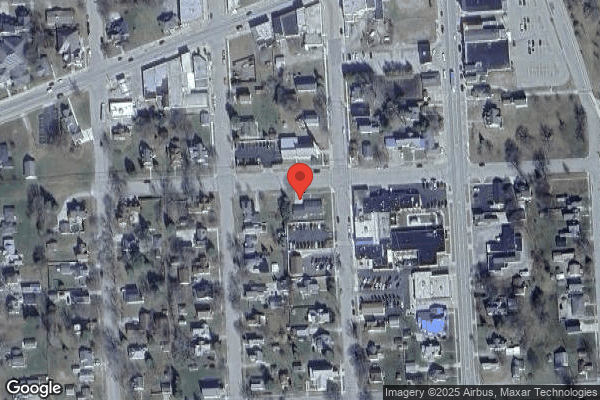
210 South First Street, Harbor Beach, MI 48441 (989) 479-3201
Non profit - Corporation 30 Beds Independent Data: November 2025 1 Immediate Jeopardy citation
Trust Grade
78/100
#36 of 422 in MI
Last Inspection: November 2024

Within standard 12-15 month inspection cycle. Federal law requires annual inspections.

Overview

Lakeview Extended Care and Rehabilitation has a Trust Grade of B, meaning it is a good choice, reflecting solid performance in various aspects of care. It ranks #36 out of 422 facilities in Michigan, placing it in the top half, and is the best option among the three facilities in Huron County. The facility is improving, having reduced issues from 8 in 2023 to 4 in 2024, and it reports no fines, which is a positive sign of compliance. Staffing is a strong point, with a 5-star rating and only a 23% turnover rate, significantly lower than the state average, ensuring continuity of care. However, there have been some concerning incidents, such as a failure to maintain accurate pharmaceutical services, which could jeopardize medication safety, and issues with cleanliness in resident bathrooms that could lead to infections. Overall, while there are strengths in staffing and improvement trends, families should be aware of these specific weaknesses.

Trust Score
B
78/100
In Michigan
#36/422
Top 8%
Safety Record
High Risk
Review needed
Inspections
Getting Better
8 → 4 violations
Staff Stability
✓ Good
23% annual turnover. Excellent stability, 25 points below Michigan's 48% average. Staff who stay learn residents' needs.
Penalties
✓ Good
No fines on record. Clean compliance history, better than most Michigan facilities.
Skilled Nurses
✓ Good
Each resident gets 87 minutes of Registered Nurse (RN) attention daily — more than 97% of Michigan nursing homes. RNs are the most trained staff who catch health problems before they become serious.
Violations
⚠ Watch
18 deficiencies on record. Higher than average. Multiple issues found across inspections.
★★★★★
5.0
Overall Rating
★★★★★
5.0
Staff Levels
★★★★☆
4.0
Care Quality
★★★★☆
4.0
Inspection Score
Stable
2023: 8 issues
2024: 4 issues

The Good

  • 5-Star Staffing Rating · Excellent nurse staffing levels
  • 4-Star Quality Measures · Strong clinical quality outcomes
  • Low Staff Turnover (23%) · Staff stability means consistent care
  • Full Sprinkler Coverage · Fire safety systems throughout facility
  • No fines on record
  • Staff turnover is low (23%)

    25 points below Michigan average of 48%

Facility shows strength in staffing levels, quality measures, staff retention, fire safety.

The Bad

No Significant Concerns Identified

This facility shows no red flags. Among Michigan's 100 nursing homes, only 1% achieve this.

The Ugly 18 deficiencies on record

1 life-threatening
Nov 2024 4 deficiencies
CONCERN (D)

Potential for Harm - no one hurt, but risky conditions existed

Deficiency F0578 (Tag F0578)

Could have caused harm · This affected 1 resident

**NOTE- TERMS IN BRACKETS HAVE BEEN EDITED TO PROTECT CONFIDENTIALITY** Based on interview and record review the facility failed to ensure that physicians' orders for code status was present in the EM...

Read full inspector narrative →
**NOTE- TERMS IN BRACKETS HAVE BEEN EDITED TO PROTECT CONFIDENTIALITY** Based on interview and record review the facility failed to ensure that physicians' orders for code status was present in the EMR (electronic medical record) for three residents (R15, R19 and R21) of four residents reviewed for advance directives, resulting in the absence of code status orders in the EMR and the potential for the resident's preference for life sustaining treatment to not be followed by the facility. Findings include: Resident #19: R19 is [AGE] years old and re-admitted to the facility most recently on 03/19/2019 with diagnoses that include paraplegia, chronic pain, muscle wasting and contractures of the bilateral upper extremities. R19 has a BIMS (brief interview for mental status) score of 15 indicating they are cognitively intact. On 11/18/24 at 02:24 PM, record review revealed there was no physician order for code status in the EMR (electronic medical record). A signed DNR (do not resuscitate) form was in the paper chart at the nurse's station. On 11/20/24 at 11:13 AM, record review revealed a physician's order for DNR was entered in the EMR, the order was created and signed by the physician on 11/18/24 at 20:58 (8:50 PM). This was after it was brought to the attention of the staff by this surveyor. Resident #21: R21 is [AGE] years old and most recently re-admitted to the facility on [DATE] with diagnoses that include hypertension, gout, urinary retention and chronic kidney disease. R21 has a BIMS score of 13 indicating they are cognitively intact. On 11/18/24 at 04:06 PM, record review revealed there was no physician's order for code status located in the EMR. A signed full code form was in the paper chart at the nurse's station. On 11/20/24 at 11:20 AM, record review revealed that a physician's order for full code status was entered in the EMR, the order was created and signed by the physician on 11/18/24 at 20:55 (8:55 PM). This was after it was brought to the attention of the staff by this surveyor. On 11/20/24 at 11:22 AM, an interview was conducted with the DON (director of nursing) The DON was asked how the staff members identify a resident's code status in an emergent situation. The DON replied that the outside binder on the paper charts has a sticker that says DNR and that is how staff would know what the code status is. The DON stated that if there is not a DNR sticker on the outside of the binder then the resident is a full code. The DON was asked if residents should have an order in the chart to identify their code status. The DON stated yes, they should have an active code status order in the EMR from the physician. Record review of the policy titled, Residents' Rights Regarding Treatment and Advance Directives, approved 6/04/2024, revealed: Policy: It is the policy of Lakeview Extended Care and Rehab to support and facilitate a resident's right to request, refuse, and/or discontinue medical or surgical treatment and to formulate an advance directive. Procedure: I. On admission, the facility will determine if the resident has executed an advance directive, and if not, determine whether the resident would like to formulate an advance directive. IX. Any decision making regarding the resident's choices will be documented in the resident's medical record and communicated to the interdisciplinary team and staff responsible for the resident's care. Resident #15: A review of Resident #15's medical record revealed an admission into the facility on 3/5/20 with a readmission on [DATE] with diagnoses that included non-traumatic brain dysfunction, abnormalities of gait and mobility, and dementia. A review of the Minimum Data Set assessment dated [DATE], revealed the resident was cognitively intact and needed substantial/maximal assistance with most activities of daily living and needed supervision or touching assistance to partial/moderate assistance with most transfers and mobility. On 11/18/24 at 4:00 PM, a record review of Resident #15's medical records revealed the Resident had a Do Not Resuscitate (DNR) status for code status. Review of the medical record with the Director of Nursing revealed no physician order for the DNR code status. On 11/19/24 at 9:59 AM, a record review of Resident #15's medical records revealed the Resident had Do Not Resuscitate status and an order was obtained by the facility with an order entry for the DNR code status dated for 11/18/24 at 8:50 PM. On 11/20/24 at 11:40 AM, an interview was conducted with the Director of Nursing (DON) regarding physician order for Resident #15's code status. The DON reported that for whatever reason, when they have a change in the medical record number, it did not carry over and stated, They should have an active order for code status.
CONCERN (D)

Potential for Harm - no one hurt, but risky conditions existed

Comprehensive Care Plan (Tag F0656)

Could have caused harm · This affected 1 resident

**NOTE- TERMS IN BRACKETS HAVE BEEN EDITED TO PROTECT CONFIDENTIALITY** Based on observation, interview and record review, the facility failed to develop and implement comprehensive person-centered ca...

Read full inspector narrative →
**NOTE- TERMS IN BRACKETS HAVE BEEN EDITED TO PROTECT CONFIDENTIALITY** Based on observation, interview and record review, the facility failed to develop and implement comprehensive person-centered care plans for two residents (Resident #6 and Resident #25), of 12 residents reviewed for care planning, resulting in the potential for unmet care needs and a decline in overall health and wellbeing. Findings include: Resident #6: A review of Resident #6's medical record revealed an admission into the facility on [DATE] with diagnoses that included right femur fracture, diabetes, poly arthritis, chronic pain and dementia. The Resident had an order, dated 5/31/24, Left hand resting hand splint at night-monitor skin integrity. On 11/18/24 at 11:10 AM, an observation was made of Resident #6 sitting in their room. A hand splint was observed among the Resident belongings. The Resident was observed to have right hand finger contracture. The Resident was interviewed, answered questions and engaged in limited conversation. When asked if the Resident could open her fingers up on her right hand, the Resident indicated the fingers would not open on their own. When asked about the hand splint, the Resident indicated they would wear it when I want to. On 11/20/24 at 12:07 PM, an interview was conducted with the Assistant Director of Nursing (ADON) regarding Resident #6's hand splint. The ADON indicated the Resident did not like to wear it and refused it a lot of times, and will hid the appliance in their drawer under clothing. The ADON was asked about care planning for the hand splint. On 11/20/24 at 1:17 PM, the ADON returned and was queried regarding Resident #6's care planning of the hand splint. A review of the care plan with the ADON revealed a care plan for skin integrity to address the potential for skin breakdown with the application of the hand splint. The care plan lacked a focus for the use of the hand splint, interventions or plan of care with the refusals. The Resident had a care plan for restorative therapy and the ADON indicated they should have it under both care plans. Resident #25: A review of Resident #25's medical record revealed an admission into the facility on 6/3/24 with diagnoses that included pneumonia left lower lobe, anxiety disorder and stroke. On 11/18/24 at 1:42 PM, an observation was made of Resident #25 in their room. The Resident was interviewed and answered questions. The Resident had an incentive spirometer (IS) and a smaller respiratory device. When asked about the items, the Resident reported he uses the incentive spirometer to suck the air up, and the other device the Resident reported it helps him breathe. The Resident reported he did not use the incentive spirometer very often. On 11/20/24 at 10:43 AM, an observation was made with the Assistant Director of Nursing (ADON) of Resident #25 in his room. The Resident was asked about the incentive spirometer and the Resident stated, I'm supposed to do it, don't do it much. The ADON indicated the other device was a flutter valve. The Resident used the flutter valve by blowing air out and the device made a fluttering sound. A review of Resident #25's care plan with the ADON revealed no care plan for the incentive spirometer or the flutter valve. The ADON indicated that there was not an order for the flutter valve or IS but indicated that they should be care planning for the items. On 11/20/24 at 11:36 AM, an interview was conducted with the Director of Nursing (DON) regarding Resident #25's lack of care planning for the IS and flutter valve. The DON reported Resident #25 had a history of pneumonia and reported for best practice, we want healthy lungs, and indicated a care plan would be implemented and will be included on the care guide as well. A review of facility policy titled, Comprehensive Resident Care Plans, revealed, C. The Interdisciplinary Team (IDT) in coordination with the resident/resident's responsible person will develop and maintain a comprehensive care plan that identifies the highest practicable level of physical, mental, and psychosocial well-being the resident may be expected to attain and/or maintain .
CONCERN (D)

Potential for Harm - no one hurt, but risky conditions existed

Deficiency F0710 (Tag F0710)

Could have caused harm · This affected 1 resident

**NOTE- TERMS IN BRACKETS HAVE BEEN EDITED TO PROTECT CONFIDENTIALITY** Based on interview and record review the facility failed to notify the physician of an unintended significant weight loss for on...

Read full inspector narrative →
**NOTE- TERMS IN BRACKETS HAVE BEEN EDITED TO PROTECT CONFIDENTIALITY** Based on interview and record review the facility failed to notify the physician of an unintended significant weight loss for one resident (Resident #17) of three residents reviewed for nutrition, resulting in a lack of physician oversight and potential interventions for weight loss. Findings include: Resident #17 (R17): R17 is [AGE] years old and re-admitted to the facility on [DATE] with diagnoses that include atrial fibrillation, nausea/vomiting, generalized weakness and GERD (gastroesophageal reflux disease). R17 has a BIMS (brief interview for mental status) score of 10 indicating moderate cognitive impairment. On 11/18/24 at 10:19 AM, R17 was asked if they felt like they had lost some weight since being in the facility. R17 stated they think they have lost some weight in the facility and believes it is because of their poor appetite. R17 stated, I really like the food but just don't always have the appetite to eat it. On 11/20/24 at 09:10 AM, record review revealed R17 has experienced an unintended significant weight loss of 10% in the last 6 months. On 04/01/24 R17 weighed 152.5 lbs and on 10/07/24 R17 weighed 135.4 lbs. Record review revealed R17 has a care plan in place for alteration in nutrition status, it last reviewed on 11/04/24. On 11/20/24 at 09:15 AM, a review of a dietary noted dated 10/22/24, indicated that R17 had experienced a significant weight loss in the last six months. The dietary note does not indicate that the physician was notified of the weight loss. On 11/20/24 at 09:27 AM, interview was conducted with CDM (Certified Dietary Manager) C. CDM C indicated that R17 had been acutely ill during the early months of the weight loss. CDM C stated that R17 is currently on a supplement and the current weight loss is being attributed to an acute condition from months ago. CDM C stated R17 is getting 4 oz juice with beneprotein in it for additional protein. CDM C stated R17 receives snacks at 10 am, PM and at bedtime. CDM C stated R17 is receiving monthly weights and their appetite is improving. R17 averages about 40% intake for meals but sometimes will eat 75% or more, R17 was experiencing nausea and at one point was taking Zofran for that. CDM C stated they visit R17 weekly and review the food menu with them. CDM C stated that R17 is always satisfied with her meals, and she likes the food at the facility. On 11/20/24 at 11:04 AM, an interview was conducted with ADON (Assistant Director of Nursing) B and the DON (Director of Nursing) ADON B was asked what the procedure was for getting resident weights in the facility. ADONB stated the aides weigh the resident and that gets recorded in the chart and given to the dietary managers. ADON B stated the dietary managers review the weights and discuss any weight loss during the care conferences quarterly. ADON B was asked if the physician should be made aware of a weight loss. ADON B stated yes, the physician should be made aware so they can make orders as needed. The DON stated she was unable to locate any documentation that showed the physician was notified of the weight loss. The DON stated nurses can notify the physician via tiger text, but the record of tiger text goes away after a while. The DON stated the nurses should make a progress note that they notified the physician of any weight loss. Review of the policy titled, Weight Monitoring Program, last reviewed 03/20/24 revealed: IX. Suggested Interdisciplinary Nutrition Interventions for Unintended Weight Loss. A. Dietary Considerations -Certified Dietary Manager (CDM) or Registered Dietitian to notify nursing via recommendation form. Nursing will then notify physician of significant weight changes via tiger text or another approved form of communication.
CONCERN (E)

Potential for Harm - no one hurt, but risky conditions existed

Safe Environment (Tag F0584)

Could have caused harm · This affected multiple residents

Based on observation, interview, and record review, the facility failed to ensure a sanitary and homelike environment in the residents' bathroom and communal shower room, for four residents (#9, #13, ...

Read full inspector narrative →
Based on observation, interview, and record review, the facility failed to ensure a sanitary and homelike environment in the residents' bathroom and communal shower room, for four residents (#9, #13, #15, #16), and residents that use the shower room), of five residents reviewed for homelike environment, resulting in the potential for embarrassment, dissatisfaction of living conditions, and spread of infection. ]Findings include: Resident #9: An observation was made on 11/18/24 at 9:55 AM in Resident #9's bathroom of a denture cup under the hot water faucet handle at the sink. The lid of the denture cup was positioned just under the faucet handle. On 11/18/24 at 1:24 PM, an observation was made in Resident #9's room of the denture cup that was positioned under the hot water faucet handle of the sink. The room was shared with two residents. Resident #13: An observation was made on 11/18/24 at 9:56 AM of a denture cup positioned under the hot water faucet handle of the sink. Can not wash hands without the potential to drip or come in contact with the top of the denture cup. The room was shared with two residents. An observation was made in the bathroom of a bedpan inside a bag and stored on top of toilet paper behind the toilet. On 11/18/24 a 12:37 PM, an observation was made in Resident #13's room of the denture cup stored under the hot water faucet handle of the sink. Resident #15: An observation was made on 11/18/24 at 9:52 AM of the Resident dressed and sitting up in their wheelchair. An observation was made in the Resident's bathroom of a denture cup under the hot water faucet handle where drips or hands can come in contact with the denture up when hands were washed. On 11/18/24 at 1:24 PM, an observation was made in Resident #15's room of a denture cup stored underneath the faucet handle of the sink. The room is shared by two residents. Resident #16: An observation was made on 11/18/14 at 9:50 AM in Resident #16's room of a denture cup stored under the cold-water faucet handle of the sink. In the bathroom a bed pan in a bag was stored in a bin under the sink with multiple bottles of shampoo and other bottles of personal items. Shower Room: On 11/18/24 at 1:48 PM, an observation was made of the shower room on the one end of the unit. The shower room had a shower chair positioned in the area of the shower stall. Positioned on the floor around the chair were buckets used in a commode chair or on the shower chair that had an opening on the seat for a bucket to be placed. One of the buckets was soiled with a brown substance that looked like bowel movement. Another bucket was turned over and on the floor. Under the sink in the shower room, two buckets were stacked together with the bucket on top with a lid on it. The two stacked buckets were positioned in a basin. There were no resident names on the buckets. On 11/18/24 at 2:00 PM, an observation was conducted with the Director of Nursing (DON) of the one shower room. The buckets stored under the sink were separated and appeared to have been used and not thoroughly cleaned. The buckets stored in the shower area had liquid in the bottom and was not thoroughly cleaned inside and on the outside. The bucket positioned upside down was wet inside and had not been thoroughly cleaned after being used with debris on the inside of the bucket. The DON indicated that was not the way to store the commode buckets and indicated they will be disposed and/or cleaned and stored off the floor. Observations were made, with the DON, of Resident rooms that had a denture cup stored under the faucet handles of the sinks. The DON indicated they should not be stored that way. An observation, of Resident #16's bathroom with the bed pan stored with personal bathing items, was made with the DON. The DON indicated the bedpan was to be stored in the wire rack and the shampoo bottles and lotions were not to be stored with the bedpan. The DON indicated the items might have been brought in by the Resident's family and due to volume of items, they were stored down in that wire rack and reported the lower rack was for the bedpan storage only and the other items can be stored at the Resident's bedside. On 11/18/24 at 2:32 PM, an interview was conducted with the Infection Control Preventionist (ICP), Nurse A regarding the storage of the commode buckets in the bathroom. The ICP Nurse reported conversations with staff about storage of items and stated, last week, talked to staff about the same issue. The ICP Nurse indicated they should be cleaned, dried and put away, not stacked wet or on the floor and stacked together. A review of the denture cups stored under the faucet handles in multiple Resident rooms was reviewed. The ICP Nurse reported the denture cups should not be stored under the faucet handles but should be in the Resident's rack in the bathroom or by the nightstands. A review of facility policy titled, Resident Environmental Quality, revealed, Policy: It is the policy of (facility name) to be designed, constructed, equipped, and maintained to provide a safe, functional, sanitary and comfortable environment for residents, staff and the public . A review of facility policy titled, Safe and Homelike Environment, revealed, .Definitions: . Sanitary includes, but is not limited to, preventing the spread of disease-causing organisms by keeping resident care equipment clean and properly stored. Resident care equipment includes, but is not limited to, equipment used in the completion of the activities of daily living .
Oct 2023 8 deficiencies
CONCERN (D)

Potential for Harm - no one hurt, but risky conditions existed

Deficiency F0645 (Tag F0645)

Could have caused harm · This affected 1 resident

Based on interview and record review, the facility failed to ensure that a timely Preadmission Screening/Annual Resident Review (PASARR) for a comprehensive level II OBRA evaluation was completed for ...

Read full inspector narrative →
Based on interview and record review, the facility failed to ensure that a timely Preadmission Screening/Annual Resident Review (PASARR) for a comprehensive level II OBRA evaluation was completed for one resident (Resident #14) of one resident reviewed for PASARR review, resulting in the potential for delayed mental health services and unmet care needs. Findings include: Resident #14: A review of Resident #14's medical record revealed an admission into the facility on 6/1/22 with diagnoses that included weakness, altered mental status, Alzheimer's dementia, PTSD (post-traumatic stress disorder), and depression with anxiety. Review of the Minimum Data Set assessment, dated 7/19/23 revealed the Resident had moderately impaired cognition and needed extensive assistance with bed mobility, dressing, and personal hygiene and was dependent on staff for transfers and toilet use. Further review of Resident #14's medical record revealed PASARR form DCH-3877, dated 2/15/23, had in Section II-Screening Criteria, was marked Yes 1. The person has a current diagnoses of Mental Illness and Dementia were marked; Yes 2. The person has received treatment for Mental Illness was marked; and 4. Yes There is presenting evidence of mental illness or dementia, including significant disturbances in thought, conduct, emotions, or judgment. Presenting evidence may include, but is not limited to, suicidal ideations, hallucinations, delusions, serious difficulty completing tasks, or serious difficulty interacting with others. The next portion of the form revealed, Explain any Yes and Resident has an Alzheimer Dementia diagnosis, PTSD, and depression. Resident is not on any psychotropic medications. The directions on the bottom indicated, Distribution: If any answer to items 1-6 in Section II is yes, send one copy to the local Community Mental Health Services Program (CMHSP), with a copy of form DCH-3878 if an exemption is requested. The nursing facility must retain the original in the patient record and provide a copy to the patient or legal representative. The same form was filled out with the same information dated 8/2/23. There was not a DCH-3878 in the medical records. On 10/18/23 at 1:02 PM, an interview was conducted with Social Services Director (SSD) B regarding Resident #14's PASARR documentation. The SSD reported that the DCH-3877 was completed in February 2023, and the Doctor was to fill out the DCH-3878 but had not done so and the Director of Nursing had filled out another DCH-3877 in August 2023 when they realized it was not completed back in February. The SSD indicated she would find out if it had been completed. The SSD indicated that the Resident had a diagnosis of Alzheimer's dementia diagnosis and the last one done in February of 2023 had a modified code in there and when the Social Worker was reviewing the PASARR's, they realized the 3878 was not completed. The SSD indicated that it should have been done back in February. On 10/18/23 at 2:38 PM, an interview was conducted with the SSD B. The SSD indicated that the last submitted annual review was in February of 2022. The SSD reported that the 3877 had gone to the Doctor and that it was still in their queue to be completed from August. The SSD indicated they had done a reminder, but it had not been followed through and stated, It's a fix that needed to be done. On 10/25/23 at 4:00 PM, the SSD was asked about facility policy for PASARR's. The SSD reported that their policy needed to be updated and she had the information from Leading Age to update the facility policy.
CONCERN (D)

Potential for Harm - no one hurt, but risky conditions existed

Deficiency F0657 (Tag F0657)

Could have caused harm · This affected 1 resident

**NOTE- TERMS IN BRACKETS HAVE BEEN EDITED TO PROTECT CONFIDENTIALITY** Based on observation, interview and record review, the facility failed to ensure that care plans were evaluated, revised and/or ...

Read full inspector narrative →
**NOTE- TERMS IN BRACKETS HAVE BEEN EDITED TO PROTECT CONFIDENTIALITY** Based on observation, interview and record review, the facility failed to ensure that care plans were evaluated, revised and/or updated for two residents (Resident #15 and Resident #17), of 14 residents reviewed for care planning, resulting in the lack of care plan revision and implementation of appropriate interventions and the potential for unmet care needs. Findings include: Resident #17: A review of Resident #17's medical records revealed an admission into the facility on 1/9/18 and re-admission on [DATE] with diagnoses that included dementia, Alzheimer's disease with behavioral disturbance, Parkinson's disease, generalized weakness, emphysema, and major neurocognitive disorder. Review of the Minimum Data Set (MDS) assessment, dated 9/14/23, revealed the Resident had severely impaired cognition and was total dependent on staff for activities of daily living such as bed mobility, transfer, locomotion on and off unit, dressing, eating, toilet use and personal hygiene. The MDS indicated the activity of walk in room and walk in corridor did not occur-activity was not performed by resident or staff at all over the entire 7-day period. A review of Resident #17's care plan included the following: -Dated 7/12/21 with a readmitted date 5/24/23-Problem: Resident has a potential for decline in ambulation that will affect locomotion on and off unit. Expected Outcome: Resident will not have a decline in ambulation to the point that a wheelchair will be the main source of locomotion for resident within the next 90 days. Interventions included: Resident is in the walk to dine program, unit staff to ambulate resident to and from day room for meals; dated 7/21/21, To enhance restorative program and increase ambulation, unit CNA's to ambulate res. To day-room for meals, 2 assist FWW gait belt, w/c (wheelchair) to follow; 4/10/23 See ADL (activities of daily living) care plan. -There was not an ADL care plan. -Yellow highlighted areas throughout the care plan but did not indicate if the highlighted areas were discontinued and not dated as discontinued. -Multiple entries written in and not dated of with the entry was started. -Multiple entries were crossed off but did not indicate the date the entry was discontinued. -Dated 5/24/23 readmitted , Problem: Altered Cognition/Communication. Expected Outcome: New Goal-7/11/23. Resident will continue to exhibit no sign of pain for next MDS Pain assessment for next care conference meeting. The expected outcome did not address the Problem. -Dated 5/24/23 readmitted , Problem: Bowel and Bladder maintenance with an expected outcome dated 7/11/23, New Goal: Resident will not obtain any skin breakdown at peri-area through to next care conf meeting review. The expected outcome did not address the bowel and bladder maintenance. On 10/18/23 at 1:49 PM, an interview was conducted with the Director of Nursing (DON) regarding the care plan for Resident #17. The care plans were reviewed. When asked if Resident #17 continues to walk to the dining room, the DON indicated he no longer walks to the dining room and will check to see when he last accomplished that intervention. When asked about the ADL care plan the DON reviewed the care plans and indicated there was not an ADL care plan and that there should be one. The DON was asked what the yellow highlighted areas indicated and if that was facility policy when that documentation was discontinued. The DON indicated she was not sure what the highlighted areas meant and stated, I can't answer you, and reported that discontinued items would be crossed off and marked as d/c. The bowel and bladder maintenance problem was reviewed with the outcome of skin breakdown and the DON indicated it could be a goal due to incontinence causing skin breakdown but that the expected outcome did not address bowel and bladder maintenance. The Altered cognition/communication problem with expected outcome addressing pain was reviewed and the DON agreed that expected outcome would be for the pain care plan. When asked about dating the discontinued items and the written-in entries, the DON indicated they should be dated. On 10/18/23 at 2:06 PM, an interview was conducted with MDS Nurse F regarding Resident #17's care plan. The Nurse indicated that she had other Nurses helping with care plans, but she had not had the chance to go through any issues with care plans. A review of the concerns of Resident #17's care plan was reviewed with the MDS Nurse. The Nurse indicated that her goal was to take the care plans and update them on the computer. When asked about the yellow highlighted areas, the MDS Nurse indicated that those were discontinued and that they should have initials and d/c by the entry. The MDS Nurse indicated that problems, goals, and interventions should be dated when a new entry into the care plan was made. A review of facility policy titled, Comprehensive Resident Care Plans, effective date 2/2008, revealed, Procedure: 1. Guidelines: . C. Following Interdisciplinary Team conference the care plan is reviewed and updated . a. In each resident's Comprehensive Care Plan the Interdisciplinary Team will: Address identified problem areas; Incorporate risk factors associated with identified problems; Build on resident strengths; Reflect the resident/responsible person's whishes regarding care and treatment goals; Identify treatment goals, timetables and objectives in measurable outcomes . G. Discontinued care plans or portions of the care plan are yellowed out and dated with initials . IV. Planning and Setting Goals A. Planning and setting goals are whenever possible, a team effort by the interdisciplinary team, resident and family/responsible party. B. Goals are realistic. C. Goals must be stated in terms of behavior that is both specific and measurable within a given time . VI. Evaluation . B. When the goal is achieved, the problem and goal are yellowed out with date and initials of the person deleting the problem/goal. C. Establish a new time frame or other approaches to be taken to meet the resident's needs more adequately . Resident #15: Care Planning: On 10/17/23 at 12:12 PM, Resident #15 was observed sitting in a wheelchair in his room. A door alarm was positioned across the top of his door and alarmed loudly when anyone attempted to enter or exit the room. The resident was asked why he had a door alarm and he shrugged his shoulders and said, I don't know. Nurse I said it was there so the staff could monitor him when he exits the room. She said he had behaviors and was verbally too friendly with the ladies at times. The resident was observed while 2 staff assisted him while he ambulated from his room to the dining room. A record review of the Face sheet and Minimum Data Set (MDS) assessment for Resident #15 indicated an admission to the facility on [DATE] with diagnoses: Hypertension, history of urinary urgency, benign prostatic hyperplasia, history of a stroke, depression, kidney disease, weakness and Dementia. The MDS assessment dated [DATE] identified the resident had full cognitive abilities with a Brief Interview for Mental Status (BIMS) score of 15/15 and needed assistance with all care. The Section E- Behavior section revealed the following: A.) Physical behavioral symptoms directed towards others . Behavior not exhibited; Verbal behavioral symptoms directed toward others . Behavior not exhibited; Other behavioral symptoms not directed toward others . Behavior not exhibited. E0900. Wandering -Presence & Frequency- Behavior not exhibited. On 10/18/23 at 2:43 PM, the Social Worker B was interviewed about the alarm on Resident #15's door. She stated, It was after he had Covid and came back from another facility. He was going in and out of other resident's rooms, possibly related to Covid. He also used to blow kisses to other residents. He is Italian and that could be from his culture. I tried to explain to him that not everyone has the same beliefs I just did his quarterly note, and he has done really well, he has had no instances of issues. He no longer wanders. I think it could have been from Covid. Asked the Social Worker if the resident will always have the laser alarm, as it is loud, and the resident is not sure why he has it. The Social Worker B said the resident's care conference was planned for next week and she would have a discussion with the team and family to determine if it is the most appropriate intervention. A review of a provider progress note dated 9/5/2023 had no mention of the door alarm or reason that it might be needed. A review of the physician orders report revealed: 1:1 supervision while in dayroom, undated. There was no mention of the door alarm. A review of the Care Plans for Resident #15 identified the following: I am at risk for altered impulse control and judgement in terms of interpersonal reactions and connections related to history of CVA (cerebrovascular accident/stroke); I have greeted people with gestures of hand kissing and/or blowing kisses as a sign of respect and politeness; I may need reminders that other resident may not share my same culture and diversity . dated 2/14/2023. There was no mention of a door alarm and each of the interventions was not dated to indicate when they were enacted. A review of Resident #15's Care Plan titled, Resident is at Risk for Accidents . dated 3/5/2020 and reentry 10/5/2021 identified 4/22/21 Doorway laser alarm-chime dc'd (discontinued), 10/24/2021. A review of each of the Care Plans for Resident #15 did not identify a current intervention of a door alarm or why it would be used.
CONCERN (D)

Potential for Harm - no one hurt, but risky conditions existed

Quality of Care (Tag F0684)

Could have caused harm · This affected 1 resident

**NOTE- TERMS IN BRACKETS HAVE BEEN EDITED TO PROTECT CONFIDENTIALITY** Based on observation, interview and record review, the facility failed to ensure proper communication/documentation of Hospice s...

Read full inspector narrative →
**NOTE- TERMS IN BRACKETS HAVE BEEN EDITED TO PROTECT CONFIDENTIALITY** Based on observation, interview and record review, the facility failed to ensure proper communication/documentation of Hospice services were provided to one resident (Resident #25), of one resident reviewed for Hospice services and end-of-life care, resulting in a lack of coordination of comprehensive services and care provided to the resident and the potential for unmet care needs. Findings include: Resident #25: A review of Resident #25's medical record revealed an admission into the facility on [DATE] with diagnoses that included non-traumatic brain dysfunction, anxiety, atrial fibrillation, mood disorder, and Alzheimer's dementia. A review of the Resident's Minimum Data Set assessment, dated 9/14/23, revealed the Resident had severely impaired cognition and needed limited assistance with bed mobility, transfer, walk in room, dressing, toilet use and personal hygiene. Further review of the medical record revealed the Resident was receiving Hospice services. On 10/17/23 at 2:14 PM, the Resident was seen sitting on the bench in the hallway. The Resident was dressed and clean. The Resident was asked some questions, but answers were not reliable, and the Resident did not engage in conversation but was pleasant in nature. Multiple observations were made earlier in the morning of the Resident sitting on the bench or walking unassisted near the Nurses' Station with staff interacting at times with the Resident. A review of Resident #25's medical record revealed no documentation of Hospice staff visits. A review of the binder for Resident #25's Hospice care was reviewed and lacked documentation of communication with the Hospice services and there was no calendar to indicate when Hospice services were to be conducted and who from the Hospice team had or will be seeing the Resident. There was no plan of care from the Hospice service. On 10/25/23 at 3:38 PM, an interview was conducted with the Director of Nursing (DON) of Resident #25's Hospice communication with the facility. When asked about the communication with the facility, the DON indicated that the binder should have the communication. When reviewing the binder with the DON and the paper chart, there was no documentation of the Hospice visits. The DON stated, They use to leave notes in the book. They should be in the notebook (binder). and made a call to have staff call the Hospice service for the visit notes to be sent to the facility. When asked when the Nurse was last in to see the Resident, the DON was unsure and stated, I think she was here last week. When asked what the CNA's (certified nursing assistants) accomplish when they come in, the DON indicated she did not think that a Hospice CNA comes in to work with the Resident. When asked for a calendar to indicate who was seeing the Resident and when, the DON indicated they did not have a calendar and that the Nurse usually comes in once a week. On 10/26/23 at 11:56 AM, an interview was conducted with the Assistant Director of Nursing (ADON) A regarding Resident #25's Hospice services. When asked about Hospice Nurse visits and when the Nurse was last in to visit the Resident, the ADON indicated the Hospice Nurse had been there last Friday. The ADON was asked for the communication of the visit, but the ADON indicated the facility did not have the communication of the Nurse visits. When asked about Hospice CNA visits, the ADON indicated that the facility CNA's shower the Resident and was unaware of CNA visits. A review of facility policy titled, Hospice Residents, effective date 8/2011, revealed, .D. Hospice Plan of Care-A written hospice plan of care must be established and maintained in consultation with a facility representative. All hospice care provided must be in accordance with this hospice plan of care. 1. The hospice plan of care will identify the care and services that are needed and specifically identify which provider is responsible for performing the respective functions that have been agreed upon and included in the hospice plan of care. 2. The hospice plan of care will reflect the participation of the hospice, the facility and the patient and family to the extent possible . E. Coordination of services. 1. The hospice will designate a member of each interdisciplinary group that is responsible for a resident of the facility. The designated interdisciplinary group member is responsible for: a. Providing overall coordination of the hospice care of the facility resident with the facility representatives; and b. Communicating with the facility representatives and other health care providers participating in the provision of care for the terminal illness and related conditions and other conditions to ensure quality of care for the patient and family.
CONCERN (D)

Potential for Harm - no one hurt, but risky conditions existed

Drug Regimen Review (Tag F0756)

Could have caused harm · This affected 1 resident

**NOTE- TERMS IN BRACKETS HAVE BEEN EDITED TO PROTECT CONFIDENTIALITY** Based on interview and record review, the facility failed to ensure that drug regimen review recommendations were reviewed by th...

Read full inspector narrative →
**NOTE- TERMS IN BRACKETS HAVE BEEN EDITED TO PROTECT CONFIDENTIALITY** Based on interview and record review, the facility failed to ensure that drug regimen review recommendations were reviewed by the physician in a timely manner for one resident (Resident #21) of five residents reviewed for medications, resulting in the potential for the resident to receive unnecessary medications with potential adverse effects. Findings Include: Resident #21: Unnecessary Meds, Psychotropic Meds, and Med Regimen Review A record Review of the Face sheet and Minimum Data Set (MDS) assessment indicated Resident #21 was admitted to the facility on [DATE] with diagnoses: diabetes, diabetic wound right great toe non/healing, chronic kidney disease, hypertension, peripheral vascular disease, gout, arthritis, anemia, sepsis, osteomyelitis (bone infection). The MDS assessment dated [DATE] revealed the resident had full cognitive abilities with a Brief Interview for Mental Status (BIMS) score of 15/15 and the resident needed some assist with all care. A review of the monthly pharmacy reviews of the resident's medications titled, Medication Regiment Reviews/MRR, for Resident #21 identified an August 10, 2023 MRR titled, Pharmacy Recommendations for Physician, with a heading titled, Potential side effects: A drug interaction between aspirin and Plavix has been noted. The use of these two medications together may cause increased risk of life-threatening bleeding . Carefully evaluate the increased risk of bleeding associated with coadministration of Aspirin-Low Oral and Plavix Oral with the potential therapeutic gain . The recommendations were signed by the pharmacist on 8/10/2023 and the Director of Nursing/DON on 8/17/2023, but not by the physician. The physician's choices for response were: I agree with Nursing response; I agree with Pharmacy, no order needed; I agree with Pharmacy, order written; I disagree with Pharmacy, comment needed. There was a space for comments, a physician signature and date, they were all blank. During an interview with the DON on 10/18/2023 at 1:30 PM, she confirmed the physician had not responded to the pharmacists recommendation from August 2023. A record review of the Medication Administration Record/MAR for Resident #21 dated 10/15/2023, indicated the resident was still receiving both medications: aspirin low dose (81 mg) and Plavix. A record review of the facility policy titled, Drug Regimen Review, dated effective December 2006 and revised 5/2023 provided, . the drug regime of each resident, must be reviewed at least monthly or more often as required . The report will address any irregularities and be forwarded to the Director of Nursing, the attending physician and Medical Director of Lakeview Extended Care and Rehab. Purpose of Policy: To prevent adverse outcomes . The attending physician will review by the end of each month . The Medical Director will be notified by the Pharmacist regarding any reports that have not been acted upon. The pharmacist will review physician response to recommendations at the next drug regimen review .
CONCERN (D)

Potential for Harm - no one hurt, but risky conditions existed

Deficiency F0761 (Tag F0761)

Could have caused harm · This affected 1 resident

Based on observation, interview and record review, the facility failed to properly secure a medication cart with medical supplies and prescription medications for the Long Hall medication cart, result...

Read full inspector narrative →
Based on observation, interview and record review, the facility failed to properly secure a medication cart with medical supplies and prescription medications for the Long Hall medication cart, resulting in the medication cart left unlocked and not under direct supervision of the Nurse with the potential for drug diversion and ingestion of prescription medications. Findings include: On 10/18/23 at 12:05 PM, an observation was made of the Long Hall medication cart not locked and without a Nurse within the vicinity of the medication cart. An observation was made of staff in and out of the Nurses' Station and Resident's in the hallway. While waiting for the Nurse to return, an observation was made of Nurse K coming from the short hallway and returned to the cart. The Nurse had a cup with medication in her hand. When asked about the unsecured medication cart, the Nurse reported that she was responding to a call for help with an altercation between the housekeeping staff and a resident, and reported she was just around the corner and had taken the medication with her which was the cup in her hand with medication in it. The observation was reviewed of the medication cart unlocked and not under supervision of the Nurse. The Nurse responded that she had responded to a call for help and had not locked her cart. The Nurse then left the medication cart area and delivered the medication to a Resident whose room was across the hall and down a short distance from where the medication cart was positioned. The Nurse walked into the Resident's room and was not able to be seen from where this surveyor stood by the unlocked medication cart. When the Nurse returned, the observation of the Nurse not within sight of the unsecured medication cart was reviewed with the Nurse. The explained that she had been right there and indicated the Resident's room where she had passed the medication. On 10/18/23 at 12:15 PM, an interview was conducted with Housekeeping Staff D regarding the altercation with a Resident. The Housekeeping staff was around the Nurses' Station in the shower room that was partially down the short hall of the unit. The Housekeeping Staff indicated she had a Resident that she needed help with, had called out for help and Nurse K came over and took care of the situation. When asked where the Resident and Nurse were at, the Housekeeping staff indicated in the hallway outside the door of the shower room. An observation was made of the medication cart in the long hall of the unit not within visual sight. On 10/25/23 at 3:30 PM, an interview was conducted with the Director of Nursing (DON) of the observation of the unsecured medication cart left unattended in the long hall of the unit. The DON indicated she was aware of the unsecured and unattended medication cart. A review of the facility policy titled Medication Administration General Guidelines, effective date March 2009, revealed, .Procedure: .XV. During routine administration of medications, the medication cart is kept locked with computer closed or under direct observation of authorized staff .
CONCERN (D)

Potential for Harm - no one hurt, but risky conditions existed

Infection Control (Tag F0880)

Could have caused harm · This affected 1 resident

**NOTE- TERMS IN BRACKETS HAVE BEEN EDITED TO PROTECT CONFIDENTIALITY** Based on interview and record review, the facility failed to follow evidence-based practices for Infection Control, including : ...

Read full inspector narrative →
**NOTE- TERMS IN BRACKETS HAVE BEEN EDITED TO PROTECT CONFIDENTIALITY** Based on interview and record review, the facility failed to follow evidence-based practices for Infection Control, including : 1) That Infection Prevention and Control Program (IPCP) policies were reviewed annually, and 2) That surveillance for infectious illnesses was analyzed for identification of infections, communicable diseases, trends, patterns, and reported routinely, resulting in the potential for a lack of guidance to ensure compliance with infection control standards and exposure to infectious organisms, which could lead to an unidentified outbreak. Findings Include: FACILITY Infection Control On 10/25/23 at 11:07 AM, during a review of the Infection Prevention and Control Program (IPCP) with Infection Preventionist/IP Q, the facilities Infection Control policies were reviewed. The Infection Prevention and Control Program, was dated effective December 1, 2018 and last reviewed 10/2021; the program plan had not been reviewed yearly to ensure it contained current information. The Legionella Policy titled, Reducing the Risk of Legionella, was last reviewed on 3/21/2022. The Hand Hygiene policy was last reviewed 3/1/2022. The Respiratory Protection Program, was effective September 2020 and last reviewed 1/2022. The IP said she began her role of IP at the facility in January 2023. During the review of the Infection Control Program on 10/25/2023 at 11:20 AM, Infection surveillance was reviewed for October 2022 to October 2023. Resident and employee infections were reviewed and identified the following: January 2023: There were 3 residents listed as having an infection. One resident was admitted with pneumonia. 2 employees had respiratory symptoms and 2 had GI (gastrointestinal) symptoms. February 2023: 4 residents were listed as having infections. 3 residents were admitted with pneumonia and 1 had a urinary tract infection. 3 employees had respiratory symptoms and 2 had GI symptoms. 2 of the employees with respiratory symptoms tested positive for Covid-19. March 2023: 2 residents were listed as having infections. 1 resident with GI symptoms was positive for C. difficile. 4 staff were listed as positive for Covid-19. 1 additional employee with respiratory symptoms was negative for Covid-19 and 1 employee had GI symptoms and was negative for Covid-19. Upon further interview with the IP on 10/25/2023 at 11:45 AM, it was identified that there was no summary report for 4th quarter 2022 infection surveillance data that should be reported at the Infection Control Committee meeting. The IP Q said the facility infection surveillance data was reported quarterly (January, April, July and October) with the hospital's Quality Assurance reporting. The IP was asked if the facility provided their own infection surveillance analysis, with comparisons to the facilities identified infections in the prior year or month to month. She said this was not done. With additional review, there was no Infection Surveillance summary report for January, February or March 2023 and the information was not reported for April 2023. The IP Q said the goal would be for the facility to meet monthly and report and compare their own infection surveillance findings to promote a decreased risk of the spread of infection. The IP also identified that the facility had an outbreak of Covid-19 beginning in February 2023 and continuing into March 2023. The facility was reporting data, but it was not analyzed to determine the facility's trends from month to month, quarter to quarter or year to year; to aid in identifying focus areas, and needed interventions to aid in decreasing the rates of infection. APIC Text: Long-Term Care- October 2, 2014, and 2023, Hospitals that participate in Medicare/Medicaid are required to use the National Healthcare Safety Network (NHSN) criteria for surveillance definitions. However, NHSN definitions do not address the unique issues of the LTCF (Long-term care facility) and therefore may not always be appropriate for meaningful surveillance in the LTCF. In 2012, the Society for Healthcare Epidemiology of America ([NAME]) and CEC released updated surveillance definitions for LTCF's (often referred to as the McGeer criteria). These definitions are widely used in LTCF's because they address common LTCF issues . APIC Text: Infection Prevention and Control Programs-, February 1, 2021, . dissemination of infection prevention information is a crucial component of an infection prevention and control program . Further review of the facility policy titled, Infection Prevention and Control Program, effective date December 1, 2018 and reviewed 10/2021 provided, . Purpose of Policy: To provide a guideline for establishing and maintaining an infection prevention and control program . Written standards, policies, and procedures for the program, which must include, but are not limited to: . When and whom possible incidents of communicable disease or infections should be reported . The facility will conduct an annual review of its infection prevention and control program and update their program, as necessary.
CONCERN (D)

Potential for Harm - no one hurt, but risky conditions existed

Deficiency F0909 (Tag F0909)

Could have caused harm · This affected 1 resident

Based on observation, interview and record review, the facility failed to conduct inspection of bed assist bars to monitor securement, bed safety and risk for entrapment for one resident (Resident #2)...

Read full inspector narrative →
Based on observation, interview and record review, the facility failed to conduct inspection of bed assist bars to monitor securement, bed safety and risk for entrapment for one resident (Resident #2) of two residents reviewed for bed assist bar safety, resulting the potential of injury and entrapment. Findings include: Resident #2: A review of Resident #2's medical record revealed an admission into the facility on 6/21/18 with diagnoses that included peripheral vascular disease, cellulitis of lower extremities, cerebrovascular disease, osteoporosis, non-traumatic brain dysfunction, depression, and dementia. A review of the Minimum Data Set assessment, dated 9/14/23, revealed the Resident had severe cognitive impairment, was independent in bed mobility, needed limited assistance with transfer, and extensive assistance with locomotion on unit, dressing, toilet use and personal hygiene. On 10/17/23 at 10:26 AM, an observation was made of Resident #2 dressed and sitting in her wheelchair in her room. An interview was conducted with the Resident who engaged in conversation. The Resident had a bed with partial siderails/assist bars on either side of the bed positioned towards the head of the bed. A review of Resident #2's care plan lacked a care plan that addressed the use of side rails. On 10/18/23 at 1:35 PM, an interview was conducted with the Director of Nursing regarding inspection and monitoring of assist bars for Resident #2. A review of the facility measurements of the assist bars revealed the Resident had not had her measurements completed in October 2023. The DON was asked for monitoring of Resident #2's assist bars prior to October. The DON indicated that they did not have any measurements prior. The DON produced the facility document titled Assessment/evaluation for conformance to FDS's bed system entrapment zones that was dated 8/22/23 but did not have any assessment questions completed and the facility document titled, Side Rail Monitoring Assessment for Resident #2 was not completed. On 10/18/23 at 1:43 PM an interview was conducted with Plant Operations Facilities Director (POFD) C and the DON regarding Resident #2's side rail monitoring. The POFD reported that they started with assessments in August and was unsure why Resident #2 was not completed. The DON reported that moving forward, the assessments with measurements will be completed monthly. A review of facility policy titled Proper Use of Bed Rails, effective date August 2023, revealed, .IV Installation and Maintenance of Bed Rails. A. The facility will assure the correct installation and maintenance of bed rails, prior to use. This include: .2. Ensuring that the bed's dimensions are appropriate for the resident by: .c. Inspecting and regularly checking the mattress and bed rails for areas of possible entrapment; e. Ensuring the bed frame, bed rail and mattress do not leave a gap wide enough to entrap a resident's head or body, regardless of mattress width, length, and/or depth. F. Checking bed rails regularly to make sure they are still installed correctly, and have not shifted or loosened over time . 4. Conducting routine preventative maintenance of bed rails to ensure they meet current safety standards and are not in need of repair . V. Ongoing Monitoring and Supervision: A. The facility will continue to provide necessary treatment and care to the resident who has bed rails in accordance with professional standards of practice and the resident's choices. This should be evidenced in the resident's records, including their care plan, including, but not limited to the following information: 1. The type of specific direct monitoring and supervision provided during the use of the bed rails, including documentation of the monitoring . B. Responsibilities of ongoing monitoring and supervision are specified as follows: 1. Direct care staff will be responsible for care and treatment in accordance with the plan of care . 4. The maintenance director, or designee, is responsible for adhering to a routine maintenance and inspection schedule for all bed frames, mattresses, and bed rails .
CONCERN (E)

Potential for Harm - no one hurt, but risky conditions existed

Deficiency F0726 (Tag F0726)

Could have caused harm · This affected multiple residents

Based on interview and record review, the facility failed to ensure that licensed nurses (RN-Registered Nurses, and LPN-Licensed Practical Nurses) and Certified Nursing Assistants (CNA) received yearl...

Read full inspector narrative →
Based on interview and record review, the facility failed to ensure that licensed nurses (RN-Registered Nurses, and LPN-Licensed Practical Nurses) and Certified Nursing Assistants (CNA) received yearly competencies and/or education/in-services for 4 of 12 staff reviewed for education and yearly competencies/education, resulting in the potential for nursing staff to lack the necessary qualifications and training to adequately care for the needs of all residents residing at the facility and according to the facility assessment. Findings include: On 10/19/23 at 2:05 PM, an interview was conducted with Director of Operations, Human Resources (HR) N during the Sufficient and Competent Nurse Staffing task of the survey. The training, Nurse licenses, CNA registrations, competencies, and backgrounds of five CNA's and five Nurses were reviewed with HR N. When asked about regular in-services, training and/or competencies for specific resident needs that were indicated in the Facility Assessment, such as hospice, the HR N indicated that the Relias training did not include Hospice training and stated, They are all going to be delinquent in hospice (training) because we don't offer that. The staff that was reviewed with the records of training and competencies provided by HR N was not identified to be sufficient and HR N indicated that the Director of Nursing might have some of the information needed to determine adequate staff training and competencies. Multiple documents titled Scorecard: All Competencies, had not been dated with a date of completion. On 10/19/23 at 3:30 PM, an interview was conducted with the Director of Nursing (DON) regarding documentation of staff competencies, training, and in-services. The DON had a binder with recent competencies for the last year. When asked about the Facility Assessment and capturing education for the needs of Residents that were identified in the Facility Assessment, for example, Hospice services, the DON indicated that they do not have a section in Relias for hospice, but they had an in-service where a Hospice Nurse came into the facility. The DON did not have a list of who attended the in-service that was readily available. The DON indicated they would look into adding hospice into the on-line training. On 10/25/23 at 9:12 AM, an interview was conducted with the DON regarding the review of staff training and competency records. Staff training provided by the facility included on-line training hours, Scorecard: All competencies that the DON indicated was CMS based, and competencies/varies testing that was reviewed by a preceptor. The review of LPN R was reviewed with the lack of competencies reviewed with a preceptor that was completed for 2022. LPN R had an Infection Prevention and Control Hand Hygiene Skills Competency Assessment completed 5/18/22 but did not have that competency completed for 2023. The DON indicated that was to be done yearly. The DON stated, She missed it, she needs to make it up. She was not here for that. LPN R had varied competency testing completed 3/3/23. When the DON was asked for competencies completed for 2022, the DON indicated they did not have any to show for 2022 except for the Hand Hygiene Skills Competency completed 5/18/22. A review of RN I's competencies and training revealed the document Scorecard: All Competencies, one dated 2/16/22 and one dated 10/13/23. The DON indicated the date was when it had been reviewed. The competencies were greater than a 12-month period. The DON indicated they were to be completed annually. A review of CNA O revealed a Scorecard dated 2/16/22 and 10/13/23, that was greater than an annual 12-month period, infection prevention and control competency completed 5/18/22 and then not until 7/26/23 that was greater than the annual 12-month period. A review of LPN E revealed infection prevention and control competency for hand hygiene skills was completed 5/17/22 and 8/14/23 that was greater than the annual 12-month period. Further review of education and competencies revealed no competencies completed for 2022. A Scorecard dated 2/23/22 and 10/13/23. The DON was unsure when the Scorecard had been completed but the Scorecard competencies had not been checked timely and were dated on 10/13/23. The time period was greater then the annual 12-month period. The DON indicated the Scorecard competencies were to be competed annually. On 10/25/23 at 11:11 AM, an interview was conducted with the DON and Social Services Director B regarding in-services. The SSD indicated she competed in-service education that included topics regarding dementia, elder justice act, abuse, resident rights, staff communication, infection control and corporate compliance. The SSD reviewed the attendance for the in-service and indicated CNA N had not attended the in-service. CNA P had attended an in-service 2/2022 and indicated the staff should have had the October in-service but the SSD did not have the documentation that she had attended the required in-service since 2/2022. A review of the Hospice in-service that had been provided to the facility by a hospice service Nurse for Nurses revealed Nurses I and R had not attended. The DON indicated that Nurse I had been a hospice nurse. The DON reported that they had added hospice and end of life care communication to the on-line training for CNA's and Nurses. On 10/25/23 at 1:10 PM, an interview was conducted with SSD B regarding the difficulty in producing the needed documentation of education/training/competencies/in-services for the Competent Nurse Staffing task for the survey process and for the facility to have records of staff easily accessible and knowledgeable of the needed/required staffing competencies and education. The SSD reported they were going to list staff and education needs and stated, It's too hard to find everything that everyone is needing. We will have it all right here. The SSD indicated that CNA N had attended the in-service she had presented in August 2022, and CNA P had completed the in-service presentation information on 1/1/23. On 10/25/23 at 2:00 PM, an interview was conducted with the DON regarding the difficulty in producing the needed documentation of education/training/competencies/in-services for Competent Nurse Staffing task for the survey process and for the facility to have records of staff easily accessible. The DON was asked about keeping track of staffing education. The DON indicated that moving forward, they will have a spread sheet and will put all the education needs and training together. The DON indicated that she will be monitoring the spreadsheet for completeness. The DON indicated that the CMS Scorecard Competencies, education testing and in-service provided by the SSD, and competencies were to be done on an annual basis. A review of the facility policy titled, Training Requirements, effective date 2/2023, revealed, Policy Statement: It is the policy of (name of facility) to develop, implement, and maintain an effective training program for all new and existing staff, individuals providing services under a contractual arrangement, and volunteers, consistent with their expected roles .II. The amount and types of training necessary are based on a facility assessment . V. Training requirements should be met prior to staff and volunteers independently providing services to residents, annually, and as necessary based on the facility assessment . IX. The Director of Nursing or designee maintains a training schedule and documentation system for completed training by all staff, contracted staff, and volunteers. X. Documentation of required training will be forwarded to the HR department to be placed into the individual's personnel file, in accordance with facility policy for retention of training records .
Oct 2021 6 deficiencies 1 IJ
CRITICAL (J)

Immediate Jeopardy (IJ) - the most serious Medicare violation

Deficiency F0760 (Tag F0760)

Someone could have died · This affected 1 resident

**NOTE- TERMS IN BRACKETS HAVE BEEN EDITED TO PROTECT CONFIDENTIALITY** Based on observation, interview and record review, the facility failed to institute, implement, and operationalize systemic poli...

Read full inspector narrative →
**NOTE- TERMS IN BRACKETS HAVE BEEN EDITED TO PROTECT CONFIDENTIALITY** Based on observation, interview and record review, the facility failed to institute, implement, and operationalize systemic policies and procedures to ensure the provision of comprehensive and accurate pharmaceutical services pertaining to and including 1) The acquisition and verification of delivered medication; 2) The accurate recording and documentation of dispensed medications; 3) Accurate medication labeling; 4) The accurate documentation of controlled (narcotic) medication counts on a shift-by-shift basis; 5) The documentation, reconciliation, and ongoing monitoring of medication orders; 6) Dating of medications; 7) The disposal of expired medications, and 8) The accurate documentation of narcotic medication administration for 10 sampled residents (Resident #13, Resident #101, Resident #102, Resident #103, Resident #104, Resident #105, Resident #106, Resident #107, Resident #108, Resident #109) and three unsampled of 11 Residents reviewed for pharmaceutical services. This deficient practice resulted in documentation of Resident #101 receiving double the prescribed dose of a controlled, antianxiety medication seven times in a two month period, Resident #13 and 101's controlled medication labels having inaccurate order information, incomplete documentation of a missing and then administered narcotic for Resident #103, administration of an expired medication to Resident #13, and medication labels with administration instructions different than the health care provider order, and the likelihood of residents not receiving prescribed medications, administration of incorrect medication dosages and/or at incorrect frequencies, undetected narcotic diversion, and possible alterations in overall health and well-being. Immediate Jeopardy: The Immediate Jeopardy began on 01/24/2022. The Immediate Jeopardy was identified on on 01/24/2022. The Administrator was notified of the Immediate Jeopardy on 1/25/2022 at 12:15 PM. A plan to remove the immediacy was requested. The IJ was removed on 01/25/2022 based on the facility's implementation of the plan removal as verified onsite on 01/27/2022. Although the IJ was removed, the facility's deficient practice remained at a scope isolated and a severity of no actual harm with potential for more than minimal harm that is not immediate jeopardy. Findings include: An interview was completed with Social Worker A on 1/24/21 at 1:45 PM. When queried regarding if any facility residents were currently receiving and/or had an order for as needed (PRN) psychoactive medications, Social Worker A replied, No. On 1/24/22 at 2:00 PM, an interview was conducted with the Director of Nursing (DON). When queried, the DON revealed there were no residents in the facility who were receiving PRN psychotropic medications. Upon request for a report of facility residents with PRN medication orders, the DON revealed they were unable to generate a report from their Electronic Medical Record (EMR). When queried how the facility monitored PRN medications, including psychoactive medications, the DON replied staff talk about it. When queried regarding facility policy/procedure to ensure new PRN medication orders are not missed if ordered on a weekend and/or night shift and not passed in nurse-to-nurse report, the DON was unable to provide an explanation. The DON revealed Unit Secretary/Certified Nursing Assistant (CNA) F was the EMR superuser and may be able to help. The DON also indicated they would check with pharmacy as well. An interview was conducted with Unit Secretary/Certified Nursing Assistant (CNA) F on 1/24/22 at 2:25 PM. When queried regarding facility policy/procedure pertaining to medication order entry and if nursing staff enter Health Care Provider orders into the EMR, Unit Secretary/CNA F stated, No, I put in the orders and then the nurse verifies. Unit Secretary/CNA F was asked for clarification regarding what type of orders they were entering into the EMR and revealed the facility had two physicians and both physicians entered orders differently. Per Unit Secretary F, Physician E entered their own orders electronically and Physician G wrote all their orders. Unit Secretary/CNA F indicated they entered all of Physician G's written orders into the EMR. When queried concerning telephone orders received by nursing staff, Unit Secretary/CNA F stated they enter the orders the nurse tells me to. With further inquiry, Unit Secretary/CNA F clarified they enter orders for medications and treatments when told to do so by nursing staff without a written physician order. Unit Secretary/CNA F was then asked about the process/procedure for controlled drugs and psychoactive medication initiation/orders and replied, If they (psychiatric provider) orders something then our doctors order it. Unit Secretary/CNA F indicated they would made aware of the order at that time. When asked about orders initiated when they are not working such as at night and on weekends, Unit Secretary/CNA F revealed nursing staff enter the orders and then communicate to the next shift. Unit Secretary/CNA F was then asked if it is possible for nursing staff to forget to communicate the information regarding the medication order and replied, Yes. When queried how they would know about the order/order change if not communicated, Unit Secretary/CNA F revealed they did not have a process in place to ensure validation and accuracy of medication orders with pharmacy. On 1/24/22 at 2:35 PM, the DON provided a list titled, Rx's for (facility) and revealed the facility pharmacy was able to print a report. Review of the report revealed the following for Resident #101, Lorazepam (controlled psychoactive antianxiety medication) 0.5 mg (milligrams): Take ½ tablet by mouth twice a day as needed . (Physician E) . Next Fill Due: 2/5/22 . An interview was conducted with Pharmacist C on 1/24/22 at 2:40 PM. When queried regarding the list of Resident medication orders they provided to the facility, Pharmacist C indicated the list provided was reflective of all the PRN medication orders for facility residents. Pharmacist C was then queried regarding Resident #101's PRN Lorazepam order including the date the medication was ordered and stated, That is the most recent script number. With further inquiry, Pharmacist C revealed Resident #101's original order was on 11/19/21 for Lorazepam 0.5 mg ½ tab PRN TID (three times a day) then got a clarification (order) for PRN BID (twice a day). Pharmacist C was queried regarding the process/procedure in which medications are ordered and how the pharmacy receives and fills medication orders and replied, For (Physician E) scripts are electronically sent though ChartLink (system). When queried regarding the end date for orders, Pharmacist C replied, (Physician E) reviews and approves the orders. When asked why facility staff had stated no residents had PRN psychotropic medications, Pharmacist C was unable to explain the discrepancies and reiterated that was the most recent order they had for (Resident #101's) Ativan (Lorazepam). Resident #101's medications, including controlled medications, within the medication cart was completed on 1/24/22 at 3:00 PM with Licensed Practical Nurse (LPN B). The label on the front of Resident #101's narcotic medication package detailed, Lorazepam 0.5 mg . Take ½ tablet by mouth twice a day as needed . The corresponding Receipt and Disposition of Scheduled Drugs form did not include the medication order. When queried regarding the label on Resident #101's Lorazepam indicating the medication was for PRN administration, LPN B replied, It is scheduled. When asked why the label did not indicate the medication was scheduled, LPN B was unable to provide an explanation. LPN B proceeded to open Resident #101's Medication Administration Record (MAR) in the EMR. The MAR indicated the medication was scheduled BID. When queried regarding facility policy/procedure regarding medication administration, including implementation of the Five Rights of medication administration, when the label did not match the order, LPN B replied, We scan the med. No further explanation was provided. An interview was conducted with the DON on 1/24/22 at 3:15 PM. The DON was asked about pharmacological services for the facility and revealed the facility had a contract with a local pharmacy. When queried regarding why the provided Rx's for (facility) list indicated Resident #101 had an order for PRN Lorazepam when they had stated no facility residents had PRN psychotropic medication orders, the DON stated, Pharmacy probably entered it (order) wrong. When asked why the label on Resident #101's Lorazepam medication container also specified the medication was PRN, the DON did not provide an explanation. On 1/24/22 at 4:30 PM, an interview was completed with Pharmacist D. When queried regarding the provided Rx's for (facility) list and Resident #101's Lorazepam medication container card both reflecting the Resident received the medication on a PRN basis, Pharmacist D replied, It does say that. Pharmacist D was queried regarding the facility/pharmacy procedures related to the acquisition, receipt, dispensing, and accounting for medications including controlled medications and replied, Whatever (order) is in CPSI (EMR system) is what is ordered. Pharmacist D indicated what medication ordered is then filled and sent to the facility. When asked about the discrepancy in Resident #101's Lorazepam medication order between the pharmacy, facility, and label, Pharmacist D stated, The PRN is based on the pharmacy. If it was PRN previously then possible that is correct. Pharmacist D was then asked where the problem occurred with the medication and stated, I would say it is with checking the order. When queried how to identify the cause of the error with the order, Pharmacist D stated, If (staff) are not double checking (order and label) here, then we wouldn't know. Resident #101 Record review revealed Resident #101 was admitted to the facility on [DATE] with diagnoses which included atrial fibrillation (abnormal heart rhythm), weakness, anxiety disorder, and Chronic Obstructive Pulmonary Disease (COPD). Review of the Minimum Data Set (MDS) assessment dated [DATE] revealed the Resident was cognitively intact and required extensive assistance to perform all Activities of Daily Living (ADLs) with the exception of eating. The MDS section titled, Medications Received revealed Resident #101 received an Antianxiety medication six out of the previous seven days. Review of Resident #101's Health Care Provider orders for Lorazepam revealed the following: - Lorazepam Dose: 0.25 mg; Administer Amount: 0.5 tablet . Frequency: PRN TID (three times a day) . Start Date: 11/19/21; Stop Date: 11/26/21 . Ordered: 11/19/21 (Physician E) . Entered 11/19/21 (Physician E) . Nursing Verified: 11/26/21 Pharmacy Verified: 11/20/21 . - Lorazepam Dose: 0.25 mg; Administer Amount: 0.5 tablet . Frequency: PRN TID . Start Date: 11/26/21; Stop Date: 12/1/21 . Ordered: 11/26/21: (Physician E) . Entered: 11/26/21: (Unit Secretary/CNA F) . Nursing Verified: 12/1/21 (Registered Nurse [RN] I) . Pharmacy Verified 11/26/21 . - Lorazepam Dose: 0.25 mg; Administer Amount: 0.5 tablet . Frequency: BID . Start Date: 12/1/21; Stop Date: 12/25/21 . Ordered: 12/1/21 (Physician E) . Entered: 12/1/21 (RN I) . Nursing Verified: (Blank); Pharmacy Verified: 12/25/21 . Further review of Resident #101's Receipt and Disposition of Scheduled Drugs forms included sections for date, drug name, strength, quantity, pharmacist, unit, who received the drug, date received, and prescription number. The form detailed, Nurse signing for drugs must fax this form to (Pharmacy) . and included the following sections for documentation of the controlled medication: Date . Time . Dose . Dosage Given . Dosage Wasted . Administered by . In-depth analysis of Resident #101's of Receipt and Disposition of Scheduled Drugs forms dated 12/3/21 and 12/21/21 revealed the following: -12/17/21 at 9:15 AM: Lorazepam dosage given: 0.5 mg, Wasted: None -12/24/21 at 8:19 AM: Lorazepam dosage given: 0.5 mg, Wasted: None -12/25/21: Unable to read Lorazepam dosage given amount -12/26/21 at 8:23 AM: Lorazepam dosage given: 0.5 mg, Wasted: None -12/27/21 at 8:16 AM: Lorazepam dosage given: 0.5 mg, Wasted: None -12/28/21 at 9:31 AM: Lorazepam dosage given: 0.5 mg, Wasted: None -12/29/21 at 9:06 PM: Lorazepam dosage given: 0.5 mg, Wasted: None -12/30/21 at 7:32 AM: Lorazepam dosage given: 0.5 mg, Wasted: None Additionally, there were noted discrepancies in the method of documentation of the Lorazepam dosage given for Resident #101's Receipt and Disposition of Scheduled Drugs forms dated 11/2/21, 12/3/21, 12/21/21, and 1/4/22. The actual milligrams administered was documented by some staff, others were documenting the number 1 or 1/2 tab in the Dosage Given category. Review of Resident #101's care plan revealed a care plan entitled, Resident is unable to function at previous ADL ability Medical status compromised by acute COPD . Xanax (Alprazolam- controlled, anti-anxiety medication) is a home med . Xanax being very effective for SOB (Shortness of Breath) . No psychiatric DX (diagnosis) . (Dated: 11/30/21). The care plan included the Expected Outcome . Resident will continue to verbalize Xanax being effective for SOB related to COPD by next review . Review of Resident #101's medication orders since admission revealed the Resident had never had an order for Xanax while a resident at the facility. On 1/24/22 at 5:09 PM, Pharmacist D indicated they had additional information related to Resident #101's Lorazepam. Pharmacist D stated, (Pharmacist C) was aware of the discrepancies and potential for errors. Pharmacist D continued, (Physician E) wants to be the one to enter orders. When queried when they identified the potential, Pharmacist D replied, Well, in December (2021) (Pharmacist H) did not catch the order change. When queried regarding policies and procedures related to double checking medications and orders, Pharmacist D indicated facility staff are responsible to check the medications. Pharmacist D was then asked if they were saying that facility staff are not checking resident medications/orders and stated, I would say that's probable. When queried regarding the process for Receipt and Disposition of Scheduled Drugs forms, Pharmacist D stated, Don't look at them. When queried how verbal orders for medications are received by the pharmacy to be filled, Pharmacist D replied, Prints to a printer at the pharmacy. When queried if pharmacy staff play a role in verification of a stop date on PRN psychoactive medications, Pharmacist D stated, I don't think so. An interview was conducted with the DON on 1/24/22 at 5:25 PM. When asked about facility policy/procedures regarding review of Receipt and Disposition of Scheduled Drugs forms to ensure accurate reconciliation and accounting for controlled medications, the DON revealed they do not review the forms. When queried how they account for the controlled medications to identify, evaluate, and resolve potential concerns, the DON did not provide further explanation. When queried regarding documentation for Resident #101 indicating they had received the incorrect dosage of Lorazepam seven times, the DON replied, I don't know. They got the right dose. We scan it. The DON was asked if staff are able to bypass scanning and still administer medications and indicated they were not aware that was possible. The process for bypassing medication scanning in CPSI EMR system was discussed with the DON at this time and a report of medications administered without being scanned for Resident #101 was requested. An interview was conducted with the DON and Assistant Director of Nursing (ADON) on 1/25/22 at 9:45 AM. When queried regarding facility policy/procedure for medication orders and communication with pharmacy, the DON indicated all orders are entered in CPSI and electronically transmitted to pharmacy. When queried regarding both them and the Pharmacist D stating they do not review the Receipt and Disposition of Scheduled Drugs forms and how the facility is able to ensure a system is in place to ensure accountability and prevent diversion of controlled medications, the DON indicated they look at the forms. When asked why they stated they did not look at the forms on 1/24/22, an explanation was not provided. When queried why they were not aware of nor had they addressed the administration dosage documentation discrepancies for Resident #101 if they were reviewing the forms, the DON did not provide an explanation. When queried regarding incorrect administration instructions and labels on narcotic medication, the DON stated, There are two labels (on controlled medication bubble packs). One on the front and one on the back. The back label is from CPSI and the front is from pharmacy. When asked why the labels would be different, the DON reiterated they were either printed from the pharmacy or from CPSI. When queried why the medication labels do not always match and how safe medication administration is completed with incorrect and/or contradictory medication labels, the DON did not provide an explanation. On 1/25/22 at 10:35 AM, an interview was conducted with RN I. When queried regarding facility policy/procedure for medication order entry, RN I revealed nurses, unit secretaries, and (Physician E) all enter orders into the EMR. When asked if nursing staff are supposed to verify medication orders prior to administrator, RN I indicated they were. Resident #101's Lorazepam orders were reviewed with RN I at this time. When asked why Resident #101's Lorazepam order (start date: 11/26/21) was ordered by Unit Secretary/CNA F on 11/26/21 and administered 14 times prior to being verified by nursing staff, RN I was unable to provide an explanation. With further inquiry, RN I revealed the Resident's Lorazepam order was changed to scheduled on 12/1/21 following a care conference and they had entered the order. When queried regarding other staff indicating Physician E always entered their own orders but had not entered the orders for Resident #101's Lorazepam, RN I revealed the Physician entered most of the orders. When queried regarding documentation of contacting the Physician, RN I stated, I contacted them via tiger text. When asked if tiger texts are part of the medical record, RN I revealed they would have to check. Review of Resident #101's Progress Note documentation in the EMR revealed a Social Services note dated 12/1/21. The note detailed, Psychiatric Diagnosis: Resident is on Ativan for anxiety related to COPD . (Physician E) ordered Ativan 0.25 mg PRN TID on 11/19/21 . Resident's use of PRN Ativan was discussed . at care conference . Resident had been taking Ativan at home . twice daily . According to MAR, Resident is taking Ativan 1-2 times daily . Resident would prefer it be scheduled for twice daily . Nursing will send a communication to (Physician E) . An interview was completed with the ADON on 1/25/22 at 11:00 AM. When queried regarding the rationale for Unit Secretaries entering verbal orders for medications in the EMR, the ADON stated, I don't know. Someone told them to. The ADON was then asked where there is documentation and/or proof showing that the medication was ordered. The ADON replied, I see what you are saying. When queried regarding facility policy/procedure related to verbal orders including what staff are allowed to take and/or enter orders, the ADON stated, Maybe we will not have the ward clerk enter orders anymore. An interview was completed with Unit Secretary/CNA F on 1/25/22 at 11:30 AM. When queried regarding medication order entry, Unit Secretary/CNA F revealed they entered orders received verbally from nursing staff when asked in order to assist nursing staff. At 4:00 PM on 1/25/22, an interview was conducted with Resident #101 in their room. When queried if they knew what medications they take, Resident #101 replied, I did but I probably couldn't say. I know I take Eliquis (anti-coagulation medication). Resident #101 was then asked if facility nursing staff tell them what their medications are when they administer their medications and stated, No, but I know I take a heart pill too. When queried if they took any medications for their nerves or anxiety, Resident #101 stated, No, I don't think so. A tour and count of the long hall facility medication cart, including the controlled substances, was completed with RN I on 1/25/22 at 15:15 PM. The following expired medications were noted in the medication cart: - Antidiarrheal, Loperamide 2 mg tablets; Expired 1/22. Quantity: 24 tablet container - Iron 324 mg tablets; 1000 count bottle; Expired 1/22. When queried regarding the date of the month medications expire when only a month is listed, RN I replied, The first and indicated they would dispose of the medications. Resident daily, non-controlled medications, were noted to be in plastic, reusable box containers with clear plastic, pop-open tops to access the medication. Labels with the resident name and medication were present on the container. The printing on the labels was dull, as though done with a printer with low ink. When queried regarding the process in which the medications are received/filled from pharmacy, RN I revealed the medication containers are filled at the local pharmacy and delivered to the facility. When asked if they had ever encountered any concerns with the process, RN I revealed they had received medications for resident that looked different than normal and had to verify the medications. RN I stated, It was the wrong meds. When asked how often that had happened, RN I replied, More than it should. RN I was asked what they did when that happened and replied, Contact the pharmacy and not give the med. When queried if they completed a variance report or Incident and Accident report, RN I indicated they did not and were just supposed to contact pharmacy. When asked, RN I was unable to recall a specific resident. The following controlled substances were noted in the medication cart: - Resident #13: Lorazepam 0.5 mg medication package. Directions: Take 1 tablet by mouth every four hours as needed. The corresponding Receipt and Disposition of Scheduled Drugs form revealed the medication was received by the facility on 10/25/21. - Resident #102: Norco (narcotic pain medication) 5/325 mg medication package. Directions: Take 1 tablet by mouth every six hours as needed for pain. The number 14 pill bubble was noted to be circled on the package in ink. Clear, office tape was present on the back of the number 14 pill bubble and there was no pill present in the bubble. The corresponding Receipt and Disposition of Scheduled Drugs form revealed Missing was written on the number 14 tablet line with a line drawn through it. The med was then documented as administered on 10/26/21 at 5:07 AM. When queried regarding Resident #13's Lorazepam order, RN I revealed the medication was ordered daily. When asked about Resident #102's Norco, RN I was unable to provide an explanation. An interview and review of medications was completed with the ADON on 1/25/22 at 4:50 PM. When queried regarding observation of Resident #102's Norco and how the medication was able to be administered if it was missing, the ADON was unable to provide an explanation. Upon review of the medication package, label, and narcotic sign out sheet, the ADON revealed the nurse signature who had administered the number 14 Norco was RN K. When queried by Resident #13's Lorazepam label indicated the Resident was to receive the medication on a PRN basis when the medication was ordered as scheduled daily, the ADON indicated they were unaware it was. A photocopy of Resident #13's medication bubble pack with label was reviewed with the ADON at this time. The ADON pointed out a small, unremarkable sticker, which was previously not noticed with the phase Directions Changed Refer to Chart was present below the label. The ADON revealed pharmacy would place the stickers instead of replacing the label. When asked why the pharmacy did not replace the label and/or why the sticker was not more noticeable, the ADON revealed that is just how pharmacy has always done it. The ADON did not elaborate further regarding pharmacy practices. The ADON then stated, They (pharmacy) should just replace it (label). The ADON then stated they had been informed by the DON that pharmacy already came to the facility updated the labels and stickers to ensure all the meds were correct and would scan. An interview was conducted with RN K on 1/25/22 at 7:55 PM. When queried regarding Resident #102's Norco including Controlled Substance sheet, RN K stated, I don't remember. RN K then stated, Maybe someone pulled it from the wrong pack, and it was missing but then we found it. RN K continued, I don't remember crossing off missing. I think it had to have been found before I gave it. With further inquiry, RN K stated, Someone may have pulled out (Resident #102's) card and scanned it. When queried how that could happen, RN K explained that the medication scanning is specific to the medication, not the Resident. RN K provided an example, Patient A and patient B are both on Norco. Someone could have pulled the Norco from patient B's card, scanned it, and given it to patient A. The scanner for the meds will scan and work no matter which patient is getting it. Then they replaced it. When asked if they were saying the medication was then removed from patient A's card and placed in patient B's card, RN K replied, Yes. RN K was queried hour the medication was able to be put back in the bubble pack after the seal was broken, RN K replied, Tape it. When queried if that happened frequently, RN K did not directly respond but revealed it does happen. RN K was then asked what nursing staff are supposed to do, per facility policy/procedure, if that situation were to happen and replied, Probably waste it (medication). An interview was conducted with the DON on 1/26/22 at 9:00 AM. When queried regarding accurate reconciliation and monitoring of controlled medications related to Resident #102's Norco, the DON stated, It was documented as given. Not missing. With further inquiry regarding how a narcotic medication be marked as missing and then administered without any documentation, waste, double staff signature, and/or administrative involvement to ensure prevention of diversion, the DON did not provide an explanation. When queried regarding Resident #13's Lorazepam continuing to be labeled as PRN on 1/25/22, the DON restated that the medication packs contain two labels. When queried if they were saying that it is acceptable for one label to be incorrect, the DON replied, No. No further explanation was provided. The DON then revealed all medications in the facility had been checked by pharmacy and were corrected. When queried how many Resident medication labels were incorrect and needed to be corrected the DON replied, None. When asked about the label on Resident #13's Lorazepam indicating the medication was PRN and not scheduled, the DON stated, I don't know. When queried if the label stating the Lorazepam was PRN was incorrect, the DON replied, Yes. The DON then stated, (It) was corrected. On 1/26/22 at 9:30 AM, a tour of the long hall medication/treatment cart was completed with RN I. The following were noted: - Flonase Nasal Spray for Resident #107. The open dates 12/15/21 and 12/28/21 were both written on the container. -Latanoprost 0.005% Ophthalmic Solution (prescription eye medication) for Unsampled Resident #1. The medication was opened and undated. -Carbamide Peroxide 6.5% solution for Unsampled Resident #1. The medication labeled indicated it was to be used BID. -Nystop Powder (prescription anti-fungal medication) 60 grams (gm) for Resident #109. The label detailed, Apply three times daily. RN I stated, No, this is PRN. -Brimonidine 0.2 % Ophthalmic Solution for Resident #13. The dated written on the medication included, Open: 12/14/21; Expire: 1/11/22. When queried if Resident #13 had an order and/or was receiving the Brimonidine 0.2% Ophthalmic Solution, RN I replied, Yes, I gave it last night. RN I revealed they had not seen the expiration date and that Resident #13 had been receiving the same eye drops at each administration past the expiration date. When queried regarding the dates on Resident #107's Flonase, RN I revealed a staff member must not have seen the date and then dated it. When asked if it was facility policy/procedure to date an open medication with an open date when they did not open the med and did not know the date the medication was actually opened, RN I indicated it was not. When queried regarding Unsampled Resident #1's Latanoprost 0.005% eye drops being opened and undated, RN I specified the medication should be dated when opened. When queried how long the medication can be used for after opening, RN I indicated most eye drops are good for 30 days but they would need to look up the specific medication. When queried regarding Unsampled Resident #1's Carbamide Peroxide 6.5% solution, RN I revealed the medication had been discontinued. When queried regarding Resident #109's Nystop powder, RN I revealed the label was incorrect and stated, (Resident #109's) powder is PRN. A tour of the short hall medication/treatment cart was completed with RN L on 1/26/22 at 10:10 AM. A Calmoseptine ointment, four-ounce container for Resident #103 with the label Apply to Butt twice daily until healed&quo[TRUNCATED]
CONCERN (D)

Potential for Harm - no one hurt, but risky conditions existed

Respiratory Care (Tag F0695)

Could have caused harm · This affected 1 resident

Based on observation, interview and record review, the facility failed to care plan, store and clean a Continuous Positive Airway Pressure (CPAP) mask/machine and supplies for one resident (Resident #...

Read full inspector narrative →
Based on observation, interview and record review, the facility failed to care plan, store and clean a Continuous Positive Airway Pressure (CPAP) mask/machine and supplies for one resident (Resident #10) of one resident reviewed for CPAP care and use, resulting in the CPAP mask being left out on the nightstand, the distilled water not being dated with an open date and with the likelihood of contamination/respiratory infection from a dirty CPAP mask. Findings include: Resident #10: On 10/21/21, at 10:30 AM, Resident #10 was lying in their bed. Their CPAP mask was lying on their nightstand. There was an open half-gallon of distilled water on the nightstand with no open date. On 10/22/21, at 9:31 AM, Resident #10 was sitting in their wheelchair. Their CPAP mask was lying on the nightstand. The open undated distilled water also remained. Nurse M entered the room and was asked if the CPAP mask was normally stored open on the nightstand and Nurse M stated, No. Normally it's in a plastic bag. Nurse M was asked if the distilled water was normally dated with an open date and Nurse M stated, yes, and discarded the distilled water. On 10/22/21, at 11:00 AM, a record review of Resident #10's medical record revealed an admission 8/26/2021 with diagnosis that included weakness, pancreatitis and abdominal pain. Resident Required assistance with Activities of Daily Living and had intact cognition. A review of the physician Order Chronology report provided by the facility revealed no order to clean or store the CPAP mask. A review of the care plans revealed no care plan for the CPAP mask. A review of the baseline care plan revealed no mention of the CPAP mask. On 10/26/21, at 11:00 AM, a further record review of Resident #10's medical record revealed the following: Order Chronology . 10/25/2021 10:34 CPAP @ NOC per home instructions . A further review of the care plans revealed Problem . 10/25/2021 Oxygen use via CPAP use at night Expected Outcome Will be able to tolerate CPAP use every night . Ensure mask and equipment are maintained . Monitor Application of CPAP mask at night and that machine is turned on correctly every night per home instructions . The care plan was signed 10/26/21 On 10/26/21, at 11:15 AM, the Director of Nursing (DON) was asked who is responsible for cleaning the CPAP mask and machine and the DON stated, that they haven't had a CPAP in a while and offered a document on how to care for a CPAP. On 10/26/21, at 2:00 PM, a record review of the facility provided Res Med Air Curve 10 . policy revealed Effective Date: October 2021 Policy Statement: It is the policy of (the facility) to provide cleaning of CPAP machines . Caring for the device A. It is important to regularly clean the AirCurve 10 device to make sure you receive optimal therapy. The following sections will help the with disassembling, cleaning, checking and reassembling the device. WARNING Regularly clean the tubing assembly, water tub and mask to receive optimal therapy and to prevent the growth of germs that an adversely affect the health . On 10/26/21, at 3:30 PM, the DON stated that the facility did not have a policy for dating or storing the open distilled water.
CONCERN (D)

Potential for Harm - no one hurt, but risky conditions existed

Medication Errors (Tag F0758)

Could have caused harm · This affected 1 resident

**NOTE- TERMS IN BRACKETS HAVE BEEN EDITED TO PROTECT CONFIDENTIALITY** Based on observation, interview and record review the facility failed to ensure that two residents (Resident #13 and Resident #1...

Read full inspector narrative →
**NOTE- TERMS IN BRACKETS HAVE BEEN EDITED TO PROTECT CONFIDENTIALITY** Based on observation, interview and record review the facility failed to ensure that two residents (Resident #13 and Resident #18) had appropriate orders and/or supporting rationale for PRN (as needed) psychotropic medications, resulting in Resident #13 and Resident #18 being ordered Ativan and Xanax, respectively, with no stop date and/or physicians' rationale to extend usage of the medications. Findings include: Resident #18: During initial tour on 10/21/21, Resident #18 was observed sitting in the hallway by the nurse's station. She did not appear to be in any distress. On 10/22/21 at approximately 11:45 AM, a review was completed of the Resident #18's records and it revealed she was initially admitted to the facility on [DATE] with diagnoses that included: Dementia, Depression, hypertension, and Hypertension. Review was completed of Resident #18's Physician orders and the following prn order was reviewed: - Alprazolam (Xanax) Tab 0.5 MG (milligram)- prn daily The Xanax was initially ordered on 4/2/21 for daily prn usage. On 10/22/21 at approximately 1:25 PM, a review was completed of Resident #18's Pharmacy Recommendations from April 2021 to September 2021. The following was noted about Resident #18's Xanax order: April 15, 2021: .Alprazolam 0.5 mg PRN daily has been added to the current Alprazolam dosing of TID due to increased anxiety . May 6,2021: Nothing was noted regarding the prn Xanax order June 3, 2021: Nothing was noted regarding the prn Xanax order July 13, 2021: Nothing was noted regarding the prn Xanax order August 3, 2021: Nothing was noted regarding the prn Xanax order September 9, 2021: The recommendation listed the possible side effects from the usage of Xanax and drug monitoring. During the six pharmacy reviews following the addition of the prn anti-anxiety medication, the pharmacist did not alert the facility to utilize a stop date and/or reassess and provide rationale for continued usage. Resident #13: During initial tour on 10/21/21, Resident #18 was observed resting in his bed. On 10/22/21 at 11:50 AM, a review was completed of Resident #13's medical record and it revealed the resident was admitted to the facility on [DATE] with diagnoses that included: Dementia, Hypoxia, Dehydration, Anxiety and Depression. Review was completed of Resident #13's Physician orders and the following psychotropic prn order was reviewed: - Lorazepam (Ativan) tab 0.5 mg prn q 4 (every 4 hours) The Ativan was initially ordered upon his admission to the facility on May 27, 2021. On 10/22/21 at approximately 1:30 PM, a review was completed of Resident #13's Pharmacy Recommendations from May 2021 to September 2021. The following was noted about Resident #13's Ativan order: June 3, 2021: .Ativan & Morphine & Seroquel - increased risk of CNS depression . July 15, 2021: Nothing was noted regarding the prn Ativan order August 3, 2021: Nothing was noted regarding the prn Ativan order September 1, 2021: Nothing was noted regarding the prn Ativan order During the four pharmacy reviews following the admission order of prn anti-anxiety medication, the pharmacist did not alert the facility to utilize a stop date and/or reassess and provide rationale for continued usage of Ativan. On 10/22/21 at 12:30 PM, and interview was conducted with Social Worker D regarding Resident #18 and #13's prn psychotropic medication. Social Worker D reported Resident #13 does have a prn order for Ativan since his admission in May 2021. The Social Worked stated the order is for every 4 hours and the usage amount per month has been declining. Social Worker D was queried regarding Resident #18's prn Xanax order. The Social Worker explained there was no stop date, and she has been prescribed the medication for over 14 days. The Social Worker further expressed the physician did not provide a stop day for the Xanax or Ativan and he will be educated on this as he is newer to the facility. It was agreed that both Resident #18 and #13 prn Ativan and Xanax orders were not in alignment with the federal regulation. According to the SOM (State Operations Manual) Appendix PP, .PRN orders for psychotropic drugs are limited to 14 days. Except as provided in §483.45(e)(5), if the attending physician or prescribing practitioner believes that it is appropriate for the PRN order to be extended beyond 14 days, he or she should document their rationale in the resident's medical record and indicate the duration for the PRN order. On 10/27/21 at 9:45 AM, a review was completed of the facility policy entitled, Psychotropic Medications, reviewed 3/2021. The policy stated, .PRN orders for psychotropic medications will be limited to 14 days unless the physician identifies the rationale to extend the medication beyond 14 days .
CONCERN (D)

Potential for Harm - no one hurt, but risky conditions existed

Infection Control (Tag F0880)

Could have caused harm · This affected 1 resident

This Citation was cited at Past Non-Compliance (PNC). Based on interview and record review, the facility failed to maintain Transmission-Based Precautions for one resident (Resident #14) of three resi...

Read full inspector narrative →
This Citation was cited at Past Non-Compliance (PNC). Based on interview and record review, the facility failed to maintain Transmission-Based Precautions for one resident (Resident #14) of three residents reviewed for isolation during a COVID-19 outbreak, resulting in the resident being allowed to leave their room and attend restorative therapy in the Community/Restorative Therapy Room prior to COVID-19 PCR results being confirmed and with the likelihood of transmission to staff and other residents. Findings include. On 10/22/21, at 11:30 AM, The Director of Nursing (DON) was interviewed regarding their COVID-19 outbreak. The DON offered the facility investigation summary and all education materials which revealed a Past Non-Compliance. The DON assured all staff had been reeducated on COVID-19 preventative measures. A record review along with the DON revealed Date: September 23,2021 To: All (facility) Extended Care Staff From: (Infection Control Nurse P) Subject: COVID-19 . The body of the memo revealed that all staff were reeducated on COVID-19 and the importance of preventative measures including following isolation precautions. There was a sign-in list attached with all staff signatures. On 10/26/21, at 1:30 PM, the DON was interviewed regarding their COVID-19 outbreak. The DON was asked if Resident #14 was allowed to come out of their room while under suspicion for COVID-19 and the DON stated, Yes and further offered that the nurse told the restorative aide that the resident most likely had a urinary tract infection (UTI) and that it would be ok. The DON stated that all staff were immediately educated on the importance of following isolation precautions at all times with residents under suspicion of being positive for COVID-19 and that the nurse was written up. Past Non-Compliance: On 10/26/21, at 1:35 PM, a record review of the facility provided investigation summary revealed Corrective Action Form Employee Name: (Nurse O) Date: 10/22/2021 Department: LTCU Corrective Action Step Verbal Notice . was check marked . A resident of the facility presented with fever, coarse lung songs with harsh non-productive cough early morning on 9/20/21. BinaxNow COVID 19 Ag rapid test was done twice (morning and evening) on 9/20/21 as precautionary measure, both with negative results. Other labs were also done including Urinalysis which showed 4+ bacteria. Resident was RX Rocephin IVPB. No fever, BinaxNow COVID 19 Ag rapid test was repeated 9/21/21, still with negative result. PCR test was done and sent to lab. Resident went to restorative on Wednesday 9/22/21 with Restorative Aide. Restorative Aide stated that resident had his mask on and didn't remember any other resident in the hallway. He was the only resident in the restorative room. He actively participated with the program . Resident's PCR came back positive early morning on 9/23/21. Resident was transferred to ER/Acute care for monoclonal antibodies then subsequently transferred to the Covid Relief Center (CRC) . Corrective Action Plan: A memo was sent immediately to all staff by the infection preventionist on 9/23/21, stressing the need to remain diligent and consistent with out preventative measures. All residents awaiting PCR results to be quarantined in their room and transmission-based precautions put in place . All staff were reeducated about COVID 19 precautions, quarantining, etc. since this all staff have been diligent and compliant with all COVID 19 precautions and actions to take to prevent COVID-19 transmission. Any resident that had any symptoms were tested with both antigen and PCR and placed on transmission-based-precautions . Currently all staff and residents are still tested twice a week as a precautionary measure due to High Community transmission rate in the county. On 10/26/21, at 1:40 PM, Restorative Aide N was interviewed regarding Resident #14 leaving their room and Restorative Aide N stated that they asked Nurse O if the resident could go to the restorative room for therapy and Nurse O stated yes that he only had a UTI. Restorative Aide N added that they felt terrible once the positive result came back. Restorative Aide N was asked if there were isolation signs on Resident #14's door alerting isolation and Restorative Aide N stated yes there was. On 10/26/21, at 2:04 PM, Infection Control Nurse P was interviewed regarding the facilities COVID-19 outbreak and Infection Control Nurse P stated that once they had their first case all the residents were placed in isolation precautions On quarantine and that they put signs on the doors. Infection Control Nurse P stated that Resident #11 and #2 were the first two positive cases on 9/20/21. Both residents were sent out to the ER/Acute care center then to the CRC and all the residents remaining in the facility were placed on quarantine. Infection Control Nurse P stated the last positive case was on 9/23/21 with no further cases noted. The Compliance Date is 09/23/2021.
CONCERN (E)

Potential for Harm - no one hurt, but risky conditions existed

Deficiency F0868 (Tag F0868)

Could have caused harm · This affected multiple residents

Based on interview and record review, the facility failed to ensure that the Medical Director attended quarterly QAPI meetings, was composed of the appropriate staff, and met at the appropriate interv...

Read full inspector narrative →
Based on interview and record review, the facility failed to ensure that the Medical Director attended quarterly QAPI meetings, was composed of the appropriate staff, and met at the appropriate intervals, resulting in, the potential for impaired resolution of identified issues or decreased quality of care with the potential to affect all 22 residents residing at the facility. Findings include: On 10/26/21 at 2:30 PM, an interview was conducted with DON (Director of Nursing), ADON (Assistant Director of Nursing) and Risk Management I regarding the facility's QAPI (Quality Assurance and Performance Improvement) Program. The DON and ADON explained their QAPI is in conjunction with the acute care hospital and is held monthly. They explained there are LTC (long term care) and acute care representatives and LTC disciplines do not report out at each monthly meeting, but rather quarterly, on their designated month. At the conclusion of each meeting the facilitator will indicate which department reports they will review at the next QAPI meeting. The DON and ADON were asked if their Medical Director L attended the QAPI meetings quarterly. The ADON stated he does not attend any of the meetings as he has clinics during the scheduled meeting times. The ADON added they do provide him with a summary of what was discussed at the meetings. The DON and ADON were queried about a designee for Medical Director L at the meetings and they stated he does not have one. The Chief of Staff (over acute care) K attended the QAPI meetings but he has nothing to do with LTC and the inner workings. A review was completed of their QAPI sign in sheets since January 2020, the following meetings were held with minimum attendance from LTC representatives: January 14,2020 - DON, Infection Control, Therapy and Social Services were present February 11, 2020 - Therapy was the only LTC representative present June 9, 2020 - DON, Therapy, Social Services, and Infection Control attended September 8, 2020 - DON and Infection Control attended March 9, 2021 - DON and Therapy attended April 27, 2021 - The DON attended May 11, 2021 - DON, ADON and Social Services attended June 8, 2021 - Dietary, DON, ADON, Therapy and Social Services attended September 14, 2021 - ADON, Infection Control and Therapy attended the meeting October 12, 2021 - Dietary, DON, Social Services and Therapy attended The DON, ADON and Risk Management were queried as to the multiple gaps in the QAPI meetings. Risk Management explained in 2020 they only met four times due to COVID and in 2021 they did not meet in January or February due to COVID as well. There was a gap of five months when there were no QAPI meetings. July and August 2021 meetings were not held as their QAPI facilitator was on medical leave and they were transitioning to a new facilitator. Conversation was held with the DON and ADON that while COVID did present challenges there were many avenues that could be utilized to hold the QAPI meetings per the regulations. The DON and ADON were also queried regarding the LTC departments and their attendance. It was pointed out that not all the required members were present monthly as required. They expressed their understanding of the concerns with their QAPI Program. According to the SOM (State Operations Manual) Appendix PP, .The committee should be composed of staff who understand the characteristics and complexities of the care and services delivered by each unit, and/or department. The QAA Committee must be composed of, at a minimum: o The director of nursing (DON), o The Medical Director or his/her designee, and o At least three other staff, one of whom must be the facility's administrator, owner, board member, or other individual in a leadership role who has knowledge of facility systems and the authority to change those systems . the Medical Director is a required member of the QAA committee. This requirement stems from the Medical Director's responsibility for the overall medical care provided and the implementation of all resident care policies in the facility. There should be evidence of meaningful participation by the Medical Director in the QAPI program . QAA committee meetings must be held at least quarterly or more often as necessary to fulfill the committee's responsibilities to identify and correct quality deficiencies effectively .
CONCERN (F)

Potential for Harm - no one hurt, but risky conditions existed

Food Safety (Tag F0812)

Could have caused harm · This affected most or all residents

Based on observation and interview the facility failed to maintain sanitary conditions in the kitchen, resulting in an increased potential for cross contamination of food and foodborne illness, potent...

Read full inspector narrative →
Based on observation and interview the facility failed to maintain sanitary conditions in the kitchen, resulting in an increased potential for cross contamination of food and foodborne illness, potentially affecting all residents who receive oral food meal services out of the facility's total census of 22 residents. Findings include: 1. On 10/21/21 at 10:46 AM and at 10:52 AM, [NAME] staff B was observed rinsing out a cloth towel at the one compartment sink and then wiping off counter tops. Upon observation the surveyor inquired with staff B on the purpose of the cloth towel to which they replied, cleaning up messes on the counters. On 10/21/21 at 10:54 AM, the surveyor asked the Certified Dietary Manager, staff A, how the facility cleans and sanitizes its work surfaces to which they stated, we have our red and green buckets. One has soapy water in it, and one has our Quat sanitizer. At this time the surveyor asked staff A if they could test the sanitizer bucket to verify its concentration to which they replied, of course we just changed it out a little bit ago. We try and make sure it is swapped out at least every two hours. On 10/21/21 at 10:57 AM, testing of the sanitizer concentration by staff A via a test strip revealed a concentration of zero. Upon observation staff A placed their hand in the solution and stated, oh this is cold. We will remake it now. At On 10/21/21 at 10:57 AM, testing of the sanitizer concentration by staff A via a test strip revealed a concentration of 300 ppm to which they stated, much better with warm water. We try to keep always keep it between 200 ppm - 400 ppm. At this time the surveyor asked staff A if the facility allowed cloth towels wet with water to be used to wipe down work surfaces for cleaning or sanitizing purposes to which they stated, just water? No, we would use our green and red buckets. Review of 2013 U.S. Public Health Service Food Code, Chapter 7-204.11 Sanitizers, Criteria, directs that: Chemical SANITIZERS, including chemical sanitizing solutions generated on-site, and other chemical antimicrobial's applied to FOOD-CONTACT SURFACES shall: (A) Meet the requirements specified in 40 CFR 180.940 Tolerance exemptions for active and inert ingredients for use in antimicrobial formulations (Food-contact surface sanitizing solutions)P
Understanding Severity Codes (click to expand)
Life-Threatening (Immediate Jeopardy)
J - Isolated K - Pattern L - Widespread
Actual Harm
G - Isolated H - Pattern I - Widespread
Potential for Harm
D - Isolated E - Pattern F - Widespread
No Harm (Minor)
A - Isolated B - Pattern C - Widespread

Questions to Ask on Your Visit

  • "What changes have you made since the serious inspection findings?"
  • "Can I speak with families of current residents?"
  • "What's your RN coverage like on weekends and overnight?"

Our Honest Assessment

Strengths
  • • No fines on record. Clean compliance history, better than most Michigan facilities.
  • • 23% annual turnover. Excellent stability, 25 points below Michigan's 48% average. Staff who stay learn residents' needs.
Concerns
  • • Multiple safety concerns identified: 1 life-threatening violation(s). Review inspection reports carefully.
  • • 18 deficiencies on record, including 1 critical (life-threatening) violation. These warrant careful review before choosing this facility.
Bottom line: Generally positive indicators. Standard due diligence and a personal visit recommended.

About This Facility

What is Lakeview Extended Care And Rehabilitation's CMS Rating?

CMS assigns Lakeview Extended Care and Rehabilitation an overall rating of 5 out of 5 stars, which is considered much above average nationally. Within Michigan, this rating places the facility higher than 99% of the state's 100 nursing homes. This rating reflects solid performance across the metrics CMS uses to evaluate nursing home quality.

How is Lakeview Extended Care And Rehabilitation Staffed?

CMS rates Lakeview Extended Care and Rehabilitation's staffing level at 5 out of 5 stars, which is much above average compared to other nursing homes. Staff turnover is 23%, compared to the Michigan average of 46%. This relatively stable workforce can support continuity of care.

What Have Inspectors Found at Lakeview Extended Care And Rehabilitation?

State health inspectors documented 18 deficiencies at Lakeview Extended Care and Rehabilitation during 2021 to 2024. These included: 1 Immediate Jeopardy (the most serious level, indicating potential for serious harm or death) and 17 with potential for harm. Immediate Jeopardy findings are rare and represent the most serious regulatory concerns. They require immediate corrective action.

Who Owns and Operates Lakeview Extended Care And Rehabilitation?

Lakeview Extended Care and Rehabilitation is owned by a non-profit organization. Non-profit facilities reinvest revenue into operations rather than distributing to shareholders. The facility operates independently rather than as part of a larger chain. With 30 certified beds and approximately 28 residents (about 93% occupancy), it is a smaller facility located in Harbor Beach, Michigan.

How Does Lakeview Extended Care And Rehabilitation Compare to Other Michigan Nursing Homes?

Compared to the 100 nursing homes in Michigan, Lakeview Extended Care and Rehabilitation's overall rating (5 stars) is above the state average of 3.2, staff turnover (23%) is significantly lower than the state average of 46%, and health inspection rating (4 stars) is above the national benchmark.

What Should Families Ask When Visiting Lakeview Extended Care And Rehabilitation?

Based on this facility's data, families visiting should ask: "What changes have been made since the serious inspection findings, and how are you preventing similar issues?" "Can I visit during a mealtime to observe dining assistance and food quality?" "How do you handle medical emergencies, and what is your hospital transfer rate?" "Can I speak with family members of current residents about their experience?" These questions are particularly relevant given the facility's Immediate Jeopardy citations.

Is Lakeview Extended Care And Rehabilitation Safe?

Based on CMS inspection data, Lakeview Extended Care and Rehabilitation has documented safety concerns. Inspectors have issued 1 Immediate Jeopardy citation (the most serious violation level indicating risk of serious injury or death). The facility has a 5-star overall rating and ranks #1 of 100 nursing homes in Michigan. Families considering this facility should ask detailed questions about what corrective actions have been taken since these incidents.

Do Nurses at Lakeview Extended Care And Rehabilitation Stick Around?

Staff at Lakeview Extended Care and Rehabilitation tend to stick around. With a turnover rate of 23%, the facility is 23 percentage points below the Michigan average of 46%. Low turnover is a positive sign. It means caregivers have time to learn each resident's needs, medications, and personal preferences. Consistent staff also notice subtle changes in a resident's condition more quickly. Registered Nurse turnover is also low at 17%, meaning experienced RNs are available to handle complex medical needs.

Was Lakeview Extended Care And Rehabilitation Ever Fined?

Lakeview Extended Care and Rehabilitation has no federal fines on record. CMS issues fines when nursing homes fail to meet care standards or don't correct problems found during inspections. The absence of fines suggests the facility has either maintained compliance or corrected any issues before penalties were assessed. This is a positive indicator, though families should still review recent inspection reports for the full picture.

Is Lakeview Extended Care And Rehabilitation on Any Federal Watch List?

Lakeview Extended Care and Rehabilitation is not on any federal watch list. The most significant is the Special Focus Facility (SFF) program, which identifies the bottom 1% of nursing homes nationally based on persistent, serious quality problems. Not being on this list means the facility has avoided the pattern of deficiencies that triggers enhanced federal oversight. This is a positive indicator, though families should still review the facility's inspection history directly.