Bay Bluffs-Emmet County Medical Care Facility
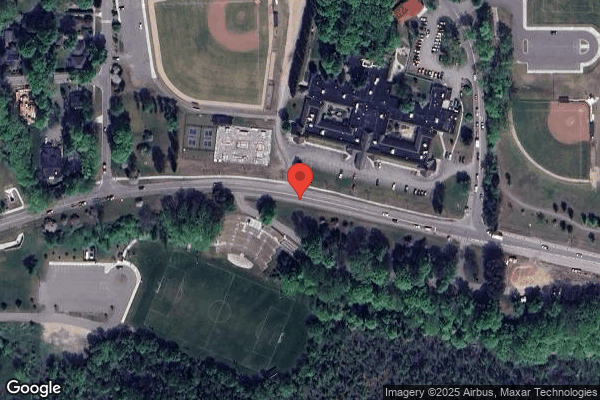
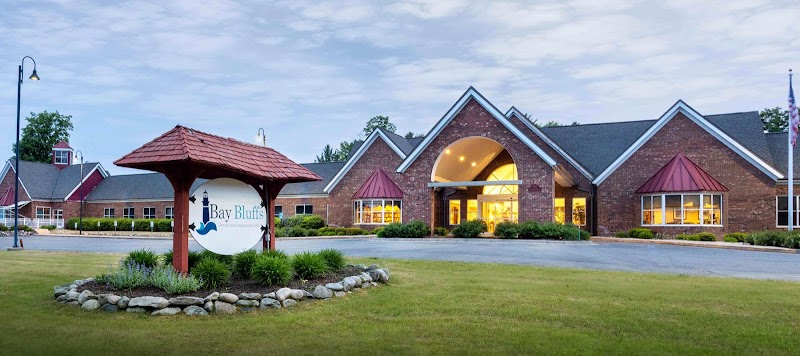
750 East Main Street, Harbor Springs, MI 49740 (231) 526-2161
Government - County 120 Beds Independent Data: November 2025
Trust Grade
95/100
#5 of 422 in MI
Last Inspection: April 2025

Within standard 12-15 month inspection cycle. Federal law requires annual inspections.

Overview

Bay Bluffs-Emmet County Medical Care Facility has earned an impressive Trust Grade of A+, indicating it is an elite facility with top-tier standards. It ranks #5 out of 422 nursing homes in Michigan, placing it in the top tier of options statewide, and is also ranked #1 out of 2 in Emmet County, meaning it is the best choice in the local area. Unfortunately, the facility is currently on a worsening trend, with the number of issues increasing from 2 in 2024 to 5 in 2025. Staffing is a strong point, boasting a 5/5 star rating and a low turnover rate of 21%, which is well below the state average, and offers more RN coverage than 88% of Michigan facilities. On the downside, there have been concerns regarding food safety practices, such as improper food labeling and storage, and unauthorized access to medication storage areas, which raises potential risks for residents. While the facility has no fines on record, these incidents highlight areas that need improvement.
Trust Score
A+
95/100
In Michigan
#5/422
Top 1%
Safety Record
Low Risk
No red flags
Inspections
Getting Worse
2 → 5 violations
Staff Stability
✓ Good
21% annual turnover. Excellent stability, 27 points below Michigan's 48% average. Staff who stay learn residents' needs.
Penalties
✓ Good
No fines on record. Clean compliance history, better than most Michigan facilities.
Skilled Nurses
✓ Good
Each resident gets 86 minutes of Registered Nurse (RN) attention daily — more than 97% of Michigan nursing homes. RNs are the most trained staff who catch health problems before they become serious.
Violations
⚠ Watch
12 deficiencies on record. Higher than average. Multiple issues found across inspections.
★★★★★
5.0
Overall Rating
★★★★★
5.0
Staff Levels
★★★★★
5.0
Care Quality
★★★★☆
4.0
Inspection Score
Stable
2024: 2 issues
2025: 5 issues

The Good

  • 5-Star Staffing Rating · Excellent nurse staffing levels
  • 5-Star Quality Measures · Strong clinical quality outcomes
  • Low Staff Turnover (21%) · Staff stability means consistent care
  • Full Sprinkler Coverage · Fire safety systems throughout facility
  • No fines on record
  • Staff turnover is low (21%)

    27 points below Michigan average of 48%

Facility shows strength in staffing levels, quality measures, staff retention, fire safety.

The Bad

No Significant Concerns Identified

This facility shows no red flags. Among Michigan's 100 nursing homes, only 1% achieve this.

The Ugly 12 deficiencies on record

Apr 2025 5 deficiencies
CONCERN (D)

Potential for Harm - no one hurt, but risky conditions existed

Deficiency F0657 (Tag F0657)

Could have caused harm · This affected 1 resident

**NOTE- TERMS IN BRACKETS HAVE BEEN EDITED TO PROTECT CONFIDENTIALITY** Based on interview and record review, the facility failed to revise care plans to reflect the needs of two Residents (R24 and R2...

Read full inspector narrative →
**NOTE- TERMS IN BRACKETS HAVE BEEN EDITED TO PROTECT CONFIDENTIALITY** Based on interview and record review, the facility failed to revise care plans to reflect the needs of two Residents (R24 and R29) of 12 residents reviewed for care plans. Findings include: Resident #24 (R24) Review of R24's physician order, dated [DATE], revealed an order of DNR (Do Not Resuscitate). Review of the facility document signed by R24 titled, Code Status, dated [DATE], revealed a selection of No Code, indicating R24 did not wish to receive cardiopulmonary resuscitation (CPR) in the event their heart or breathing stopped. Review of R24's care plan, date revised [DATE], read in part, Focus: I could have an alteration in respiratory status and psycho-social wellbeing related to COVID-19, Influenza, RSV [respiratory syncytial virus], etc. [and so on]. I am at high risk due to my age, comorbidities and residing in a facility setting. Goal: I am a full code and wish to be sent to the hospital for suspected or confirmed respiratory illness . On [DATE] at 3:50 PM, an interview was conducted with the Director of Nursing (DON), who was asked if the care plan was to reflect R24's advanced directives and physician orders. The DON replied, Yes, the care plan, advanced directives, and physician order should be the same on the care plan. Resident #29 (R29) Review of R29's progress notes, dated February 2025 through [DATE], revealed R29 experienced a health status decline as evidenced by spending more time in their bed as well as the development of two deep tissue pressure injuries to bilateral (both) heels on [DATE]. Review of R29's Braden scale, dated [DATE], revealed R29 was At risk for developing pressure sores. Review of R29's Minimum Data Set (MDS) assessment dated [DATE], reflected a significant change in status assessment. Review of R29's progress note, dated [DATE], read in part, Reviewed nursing assessments .collaborated with unit staff and IDT (interdisciplinary team) to discuss res (resident) usual performance with functional abilities/goals .Data will be reflected on MDS. Review of R29's care plan, dated [DATE], read in part, .Focus: I am at increased risk of skin breakdown r/t [related to] decreased immobility and incontinence. Goal: I will maintain or develop clean and intact skin by the review date. Interventions/Tasks . R29's care plan lacked any new interventions to address pressure injury prevention, such as floating heels, despite spending increased time in bed. On [DATE] at 11:55 AM, an interview was conducted with Registered Nurse/wound treatment nurse (RN) A who was asked if R29 required additional pressure reduction interventions due to an increased amount of time in bed. RN A replied, Yes, I was not made aware that they had declined and were spending increased time in bed. The care plan should have been updated to float heels, and the pressure injuries should have been avoidable. Review of policy titled, Comprehensive Person-Centered Care Plans, dated [DATE], read in part, Policy Statement - A comprehensive person-centered care plan that includes measurable objectives and timetables to meet the Resident's medical, nursing, mental and psychological needs is developed for each Resident, consistent with the comprehensive assessment and Resident Rights. Policy Interpretation and Implementation - 1. The Interdisciplinary Team (IDT), in conjunction with the resident and his/her family or legal representative, develops and implements a comprehensive, person-centered care plan for each resident . 8. The comprehensive, person-centered care plan will . j. Reflect the resident's expressed wishes regarding care and treatment goals . 13. Assessments of residents are ongoing and care plans are revised as information about the residents and the residents' conditions change . c. At least quarterly, in conjunction with the required quarterly MDS assessment .
CONCERN (D)

Potential for Harm - no one hurt, but risky conditions existed

Deficiency F0661 (Tag F0661)

Could have caused harm · This affected 1 resident

Based on interview and record review, the facility failed to ensure a comprehensive discharge summary was completed for one Resident (#2) of two residents reviewed for a discharge to the community. Fi...

Read full inspector narrative →
Based on interview and record review, the facility failed to ensure a comprehensive discharge summary was completed for one Resident (#2) of two residents reviewed for a discharge to the community. Findings include: Resident #2 (R2) Review of R2's electronic medical record (EMR) revealed admission to the facility on 3/5/25 with diagnoses including a fracture of the second cervical (neck) vertebra and repeated falls. R2 was discharged from the facility on 4/2/25. Review of R2's EMR revealed no discharge plan, recapitulation of stay, reconciliation of pre/post-discharge medications, or physician discharge orders. On 4/16/25 at 3:22 PM, an interview was conducted with the Director of Nursing (DON) regarding discharge documentation expectations. The DON confirmed a discharge summary by discipline was expected to be included in the EMR. The DON stated, There is a protocol for discharge documentation, there's just some new nurses on the rehab unit who don't know what to do. On 4/16/25 at 3:31 PM, an interview was conducted with MDS [Minimum Data Set] Coordinator P who confirmed a nursing progress note should be documented in the EMR, indicating a reconciliation of medications took place with the resident prior to discharge. Review of the facility policy titled, Resident Transfer and Discharge - Including AMA revised 4/15/25, read, in part: .Anticipated Discharge to the Community: Facility will obtain a physician's order for transfer or discharge and instructions or precautions for ongoing care . A member of the interdisciplinary team will complete relevant sections of the Discharge Summary. The nurse caring for the resident at the time of discharge is responsible for ensuring the Discharge Summary is complete and includes, but not limited to, the following: a. A recap of the resident's stay that includes diagnoses, course of illness/treatment or therapy, and pertinent lab, radiology and consultation results. b. A final summary of the resident's status. c. Reconciliation of all pre-discharge medications with the resident's post-discharge medications (both prescribed and over the counter). d. A post discharge plan of care that is developed with the participation of the resident, and the resident's representative(s) which will assist the resident to adjust to his or her new living environment .
CONCERN (D)

Potential for Harm - no one hurt, but risky conditions existed

Pressure Ulcer Prevention (Tag F0686)

Could have caused harm · This affected 1 resident

**NOTE- TERMS IN BRACKETS HAVE BEEN EDITED TO PROTECT CONFIDENTIALITY** Based on observation, interview, and record review, the facility failed to prevent the development of deep tissue injuries for o...

Read full inspector narrative →
**NOTE- TERMS IN BRACKETS HAVE BEEN EDITED TO PROTECT CONFIDENTIALITY** Based on observation, interview, and record review, the facility failed to prevent the development of deep tissue injuries for one Resident (R29) of one resident reviewed for the pressure ulcers. Findings include: Resident #29 (R29) Review of R29's Minimum Data Set (MDS) assessment, dated 12/12/24, revealed under section M skin conditions, R29 was at risk for developing pressure ulcers/injuries and had no open areas at the time of the assessment. Review of R29's MDS, dated [DATE], revealed under section M skin conditions, R29 had developed and had one unhealed pressure ulcer/injury rated as unstageable (wound bed obscured with dead tissue). Review of R29's progress notes, dated January 2025 through April 16, 2025, revealed R29 experienced a health status decline as evidenced by spending more time in their bed and developed a deep tissue pressure injury on both heels with a start date of 3/6/25. Review of R29's progress note, dated 3/6/25 at 10:45 AM, read in part, Notified by floor staff of new skin concerns to heels. On assessment: Left medial heel DTI (deep tissue injury) measures 2.0 x 2.5 cm (centimeters). There is a serous blister with intact roof leaking serous fluid to adjacent skin .Right lateral heel DTI measures 1.2 x 1.5 cm with no blistering noted. Both sites are faint discoloration at this time . Review of R29's Braden scale, dated 12/12/24, revealed R29 was At risk for developing pressure sores. Review of R29's care plan, dated 5/1/20, read in part, .Focus: I am at increased risk of skin breakdown r/t [related to] decreased immobility and incontinence. Goal: I will maintain or develop clean and intact skin by the review date. Interventions/Tasks . R29's care plan had no new interventions, such as floating heels, for pressure injury prevention despite spending increased time in bed. On 4/16/25 at 11:45 AM, an observation was made of R29 lying in their bed with a foot cradle to keep the sheets off their feet and a heels manager device below their feet. A dressing was observed on R29's left heel dated 4/14/25. Registered Nurse (RN) C' was observed peeling back the dressing revealing an unstageable pressure injury. R29's right heel was without a dressing and the skin was slightly discolored but intact. On 4/16/25 at 11:55 AM, an interview was conducted with Registered Nurse/wound treatment nurse (RN) A who was asked if R29 should have had interventions to float heels because of spending increased time in their bed. RN A replied, Yes, I was not made aware that they had declined and were spending increased time in bed. The care plan should have been updated to float heels, and the pressure injuries should have been avoidable. RN A further explained R29's right heel was a discoloration of skin only and the left heel was opened and unstageable.
CONCERN (D)

Potential for Harm - no one hurt, but risky conditions existed

Drug Regimen Review (Tag F0756)

Could have caused harm · This affected 1 resident

Based on interview and record review, the facility failed to ensure monthly pharmacy medication regimen reviews were performed for one Resident (R30) of five residents reviewed for pharmacy services. ...

Read full inspector narrative →
Based on interview and record review, the facility failed to ensure monthly pharmacy medication regimen reviews were performed for one Resident (R30) of five residents reviewed for pharmacy services. Findings include: Resident #30 (R30) Review of R30's pharmacy consultation progress notes, dated October 2024 through April 2025, revealed R30 did not have a pharmacy medication regimen review completed for the month of October 2024. On 4/16/25 at 3:50 PM, an interview was conducted with the Director of Nursing (DON), who was asked if R30 had a pharmacy medication regimen review for October 2024. The DON replied, I would have to look and get back with you. It may have not been scanned into the medical record or it could be in the hard chart. On 4/17/25 at 8:00 AM, the DON provided an audit of pharmacy medication regimen reviews for the month of October 2024, which revealed R30 did not have a pharmacy medication regimen review (MRR)/pharmacy consultation progress note completed. The DON stated R30 did not have a MRR for the month of October 2024 and revealed a total of three residents were overlooked during that same time period. Review of policy titled, Medication Regimen Review, dated 3/28/25, read in part, Policy Statement - The Consultant Pharmacist shall review the medication regimen of each Resident at least monthly. Policy Interpretation and Implementation - 1. The Consultant Pharmacist will perform a medication regimen review (MRR) for every Resident in the facility receiving medication. 2. Medication regimen reviews are done upon admission (or as close to admission as possible) and at least monthly thereafter, or more frequently if indicated .
CONCERN (F)

Potential for Harm - no one hurt, but risky conditions existed

Food Safety (Tag F0812)

Could have caused harm · This affected most or all residents

Based on observation, interview, and record review, the facility failed to store, prepare, distribute, and serve food in accordance with professional standards for food service safety as evidenced by:...

Read full inspector narrative →
Based on observation, interview, and record review, the facility failed to store, prepare, distribute, and serve food in accordance with professional standards for food service safety as evidenced by: A. Failure to properly label and date food products. B. Failure to ensure expired foods were discarded on or before the identified expiration date. C. Failure to ensure high temperature dish machines were routinely tested for proper sanitizing of food contact surfaces. D. Failure to ensure the kitchen area was restricted to food service staff during meal service. E. Failure to ensure staff washed their hands during identified opportunities for hand hygiene. F. Failure to demonstrate proper testing of sanitizing solution and maintain acceptable concentration parameters for meal preparation countertops and dining room surfaces. These deficient practices had the potential to result in food borne illness among any or all of the 61 residents in the facility. Findings include: The following were observed during the initial tour of the walk-in freezer in the main kitchen on 4/15/25 at 10:12 AM: 1. Opened frozen pancakes, separated from original packing, undated. 2. Opened frozen waffles, separated from original packing, undated. 3. Hamburger patties in original plastic bag, unsealed and open to air. On 4/15/25 at 10:18 AM, the following observations were made in the Lilac satellite kitchen: 1. Opened cartons of half and half and liquid egg mix in the reach-in refrigerator without a use-by date. 2. Opened frozen pancakes, separated from original packing, undated, in the reach-in freezer. On 4/15/25 at 10:24 AM, the following observations were made in the Trillium satellite kitchen: 1. Opened cartons of half and half, liquid egg mix, and chocolate milk in the reach-in refrigerator without a use-by date. 2. A plastic container labeled Chicken salad with a discard date of 4/14/25 in the reach-in refrigerator. 3. An unlabeled, uncovered stainless steel bowl containing what appeared to be pancake mix in the reach-in refrigerator. [NAME] J immediately removed the bowl and stated, This goes in the trash .it's from [breakfast service] this morning. 4. Opened frozen pancakes, separated from original packing, undated, in the reach-in freezer. On 4/15/25 at 10:29 AM, the following observations were made in a temporary food storage room on the 400 unit: 1. An open container of milk, undated. On 4/15/25 at 10:32, Certified Dietary Manager (CDM) I confirmed all opened food products should be labeled with a use-by date and discarded at that time. The Food and Drug Administration (FDA) 2022 Food Code states: 3-501.17 Ready-to-Eat, Time/Temperature Control for Safety Food, Date Marking (B) Except as specified in (E) -(G) of this section, refrigerated, READY-TO-EAT TIME/TEMPERATURE CONTROL FOR SAFETY FOOD prepared and PACKAGED by a FOOD PROCESSING PLANT shall be clearly marked, at the time the original container is opened in a FOOD ESTABLISHMENT and if the FOOD is held for more than 24 hours, to indicate the date or day by which the FOOD shall be consumed on the PREMISES, sold, or discarded, based on the temperature and time combinations specified in (A) of this section and: (1) The day the original container is opened in the FOOD ESTABLISHMENT shall be counted as Day 1; (2) The day or date marked by the FOOD ESTABLISHMENT may not exceed a manufacturer's use-by date if the manufacturer determined the use-by date based on FOOD safety. On 4/15/25 at 11:51 AM, the high-temperature dishwasher in the main kitchen was observed for appropriate sanitation temperatures. CDM I stated a temperature recording was expected for each meal service (3 times per day). Review of the dishwasher temperature log in the past 30 days revealed the following missing entries: April 3 - lunch service April 4 - breakfast and lunch service April 9 - breakfast and lunch service April 10 - breakfast and lunch service April 11 - breakfast and lunch service April 12 - dinner service April 13 - dinner service April 15 - breakfast service The FDA 2022 Food Code states: 4-703.11 Hot Water and Chemical. After being cleaned, equipment food-contact surfaces and utensils shall be sanitized in: (A) Hot water manual operations by immersion for at least 30 seconds and as specified under § 4-501.111; P (B) Hot water mechanical operations by being cycled through EQUIPMENT that is set up as specified under §§ 4-501.15, 4-501.112, and 4-501.113 and achieving a UTENSIL surface temperature of 71°C (160°F) as measured by an irreversible registering temperature indicator. On 04/15/25 at 11:46 AM, an unidentified staff member entered the main kitchen during the lunch time meal service without a hair net on. On 4/16/25 at 7:30 AM, Resident Assistant (RA) K was observed walking behind the Trillium satellite kitchen service line with 5-6 inches of loose hair hanging out of the bottom of her hair net during the breakfast meal service. On 4/16/25 at 7:32 AM, RA K was observed dropping a straw wrapper on the dining room floor. RA K picked up the wrapper, prepared a cranberry juice, placed it on a breakfast tray, and delivered it to a resident without performing hand hygiene. RA K then delivered another breakfast tray without performing hand hygiene. On 4/16/25 at 8:29 AM, RA M was observed delivering breakfast trays in the Lilac dining room. RA M was observed pulling her scrub top over her mouth, coughing into her hand, and then proceeded to pour coffee and roll silverware without performing hand hygiene. On 4/16/25 at 12:01 PM, an interview was conducted with Registered Nurse/Infection Preventionist (RN/IP) O regarding hand hygiene expectations. RN/IP O stated the facility has been providing ongoing education regarding handwashing and will continue to make it a focal point based on dining room observations. Review of the facility policy titled, Handwashing/Hand Hygiene, revised 6/17/24, read, in part: This facility considers hand hygiene the primary means to prevent the spread of infections .use an alcohol-based hand rub .or .soap .and water for the following situations: .before and after eating or handling food; before and after assisting a resident with meals . The FDA 2022 Food Code states: FOOD EMPLOYEES shall clean their hands and exposed portions of their arms as specified under § 2-301.12 immediately before engaging in FOOD preparation including working with exposed FOOD, clean EQUIPMENT and UTENSILS, and unwrapped SINGLE-SERVICE and SINGLE-USE ARTICLES P and: (A) After touching bare human body parts other than clean hands and clean, exposed portions of arms . Except as specified in 2-401.11(B), after coughing, sneezing, using a handkerchief or disposable tissue, using TOBACCO PRODUCTS, eating, or drinking . 2-402 Hair Restraints 2-402.11 Effectiveness. (A) Except as provided in (B) of this section, FOOD EMPLOYEES shall wear hair restraints such as hats, hair coverings or nets, beard restraints, and clothing that covers body hair, that are designed and worn to effectively keep their hair from contacting exposed FOOD; clean EQUIPMENT, UTENSILS, and LINENS; and unwrapped SINGLE-SERVICE and SINGLE-USE ARTICLES. On 4/16/25 at 7:40 AM, a 6-quart visual compliance sanitation bucket was observed in the Trillium dining room. A test strip submerged in the bucket was observed to be pink in color with a visual caution symbol, indicating the solution was out of compliance. RA L, who was assisting with the breakfast meal, was asked who was responsible for ensuring the sanitation buckets were maintained at the appropriate concentration. RA L stated the resident assistants were primarily responsible for filling the sanitizing buckets before each meal service. When asked if the sanitation bucket met appropriate concentration parameters, RA L retrieved a new test strip, submerged it in the bucket for approximately 2 seconds, and compared it to the graphic on the bucket. RA L stated, It's not as dark as that [graphic on the bucket], but I think it's okay. On 4/16/25 at 8:46 AM, a 6-quart visual compliance sanitation bucket was observed in the Lilac dining room without an indicator strip in the viewing window. [NAME] N confirmed she had prepared the sanitation bucket prior to breakfast service. When [NAME] N was asked to demonstrate compliance, she dripped a test strip in the solution for approximately 2-3 seconds. After removing the strip, it was observed to be pink in color with a visual caution symbol, indicating the solution was out of compliance. When asked to interpret the results, [NAME] N stated, Pink means it's good to go. On 4/16/25 at 2:33 PM, an interview was conducted with CDM I regarding proper testing of sanitizing solution. CDM I stated the test strips should be submerged in the sanitation bucket and the solution should be changed when the test strip turned pink and displayed a caution symbol. CDM I continued, The strips should be submerged .it's not a dip-stick test. Review of the manufacturer's guidelines for the sanitizing solution read: 1. Insert a test strip into the bucket window 2. Fill the bucket with Sink & Surface Cleaner Sanitizer 3. Clean and sanitize hard food contact surfaces according to product label 4. When the product goes out of compliance, the test strip will turn from blue to pink and a caution symbol will appear 5. Empty the bucket, replace the test strip, and refill with fresh solution to stay in compliance.
Apr 2024 2 deficiencies
CONCERN (D)

Potential for Harm - no one hurt, but risky conditions existed

Accident Prevention (Tag F0689)

Could have caused harm · This affected 1 resident

**NOTE- TERMS IN BRACKETS HAVE BEEN EDITED TO PROTECT CONFIDENTIALITY** . Based on observation, interview, and record review, the facility failed to ensure supervision and safety for one Resident (R16...

Read full inspector narrative →
**NOTE- TERMS IN BRACKETS HAVE BEEN EDITED TO PROTECT CONFIDENTIALITY** . Based on observation, interview, and record review, the facility failed to ensure supervision and safety for one Resident (R162) of two residents reviewed for unsafe wandering. This deficient practice resulted in R162 wandering into a non-resident area where chemicals were located and fell. Findings include: The Fall Report labeled Unwitnessed Date: 4/15/2024 00:00 (Midnight) gave an Incident Description: as follows: This nurse was off hallway to retrieve medication . CNA (Certified Nurse Aide) called writer during this time stating resident was in (sic) floor. Upon entering hallway, resident was observed lying on left side in janitor's closet facing towards back wall with head between mop bucket and shelf. Resident had pants pulled down and had urinated in (sic) floor. Her w/c (wheelchair) was outside of med (medication) room door. She is unable to appropriately describe incident to staff members r/t (related to) her dementia. Gripper socks were in place at time of incident. The Immediate Action Taken was documented as follows: .resident assessed for injuries; mild redness noted to left side of face but resident denied any pain . Janitor's closet door assessed and it is noted that although this door has keypad for entry, it can be opened without entering passcode . Maintenance to be notified via Worx (electronic work order system) Hub re: janitor's closet door not locking The electronic medical record (EMR) progress note dated as 4/16/24 Late Entry read in part: .fall occurred in unit hallway at midnight with minor injury. Unit CNA reports that, Me and (CNA named) were finishing up our midnight rounds, we had come out and saw (R162) car (wheelchair) sitting empty. We checked residents (sic) rooms/kitchen and lastly checked janitors closet because it's supposed to be locked. We saw her on the ground pants off laying on back/left side with urine on the ground. Her head was between the mop bucket and shelf. Wing nurse further reports that resident was lying on her left side . This nurse able to view camera footage leading up to incident. Resident observed at 2330 (11:30 PM) in wheelchair, propelling self in area around nursing station. In/out of dining room and transferring out of wheelchair multiple times . All staff leave the nursing station just before 2357 (11:57 PM) . She pushed her pants down around her thighs . she shuffled back along the handrail until she got to the closet door. Using the knob, the door opened easily and the light automatically triggered as resident stepped inside. At 00035 (12:03.5 AM) she is observed closing the door behind her . Resident admitted to the facility on 03-26 for LTC (Long Term Care) from (named facility). Had fallen at home on 02-07 sustaining a fracture to upper end of her L (left) humerus (upper arm) . Resident is pleasantly confused; unable to recall safety interventions. During an interview on 4/17/24 at 8:38 AM, the Nursing Home Administrator (NHA) discussed the incident and stated the halls were monitored with cameras and the video timeline revealed R162 was in the janitor's closet for 3.5 minutes. On 04/17/24 at 10:07 AM, the video footage was observed with the Director of Nursing (DON) and the timeline listed in the late entry progress note of 4/16/24 above was confirmed regarding the event on 4/15/24. R162 left her wheelchair, ambulated to several doors, pulled her pants down below her knees, and came to the janitor's closet and was able to enter the closet. The video footage confirms R162 was in the closet unattended for approximately 3.5 minutes. A review of R162's medical record, revealed admission to the facility on 3/26/24 with diagnoses including Alzheimer's disease, fracture of the left arm, cognitive communication deficit, stroke, and dementia. The fall risk assessment upon admission indicated R162 had a history of falling with a high-risk score for falls of 65. (Scores over 45 are high risk.) The Minimum Data Set (MDS) assessment dated [DATE] documented R162 had a fall with fracture within the last 2-4 months prior to admission and used a wander/elopement alarm daily. The care plan for R162 included: - I am a high risk to wander. I have Dementia and have been taken out of my environment. Date Initiated: 03/27/2024 - Please keep me safe when I wander. Date Initiated: 03/27/2024. - Distract me from wandering by offering pleasant diversions, structured activities, food, conversation, television, books. Date Initiated: 03/27/2024. - Provide structured activities: toileting, walking inside and outside, reorientation strategies including signs, pictures and memory boxes. Date Initiated: 03/27/2024. - WANDER ALERT: right ankle. Check for placement and light flashing every shift. Date Initiated: 03/27/2024. - I have an ADL (Activities of Daily Living) self-care performance deficit r/t Alzheimer's disease along with a history of a CVA (stroke) with RT (right) sided weakness. I recently had a fall with a LUE (left upper extremity ) fracture. Date Initiated: 03/26/2024. During an interview on 4/15/24 at 12:53 PM, CNA D stated R162 had a one on one today (a staff member assigned to only R162) due to getting out of bed and she was a fall risk. During an interview on 4/17/24 at 10:18 AM, the DON stated it was discovered the janitor storeroom was accessed by R162 when she randomly pushed the lock buttons. On 4/17/24 at 8:40 AM, the Director of Housekeeping/Laundry (Staff A) accompanied this surveyor on a tour of the building checking the doors assessed to need locks to ensure the safety of the residents. The janitor closet where R162 had accessed and fallen contained two chemical products: - A disinfectant with MSDS (Material Safety Data Sheet) warnings of eye irritant and - An odor eliminator available with MSDS warnings of Keep out of reach of children. All individual ingredients of this material have a known acute toxicity. During the lock checking facility tour on 4/17/24 at 9:02 AM, the lock on the kitchen storage room door was determined to be faulty. When the door was checked, it was not locked per coded badge swipe lock but was able to be easily pushed open. During the lock checking facility tour on 4/17/24 at 9:18 AM, the lock on the maintenance storage room with keypad was determined to be faulty. This room stored several hazardous chemical industrial use containers including ice [NAME], spot and stain remover, spray buffing solution, floor sealer, soil extractor carpet cleaner, and stone, tile, and grout sealer. Staff A observed the condition of the room with faulty lock and multiple hazardous chemical agents and said, It is dangerous for sure. During an interview regarding the maintenance door failing to lock on 4/17/24 at 9:51 AM, CNA D stated the door preceding the door in question did not have a lock. This door was alarmed by a wander guarded system whereby those wearing a protective device would trigger the locking of the preceding door. During an interview on 4/17/24 at 12:14 PM, Registered Nurse (RN) E reviewed the current MDS triggered report and stated the unit with the unlocked maintenance storage door and unlocked preceding door had 15 residents on that unit who had a diagnosis of dementia or Alzheimer's disease. RN E said, We have to have the diagnosis and physician acknowledgment of dementia or Alzheimer's Disease prior to completing the MDS. Of the 15 residents on that unit coded with dementia or Alzheimer's Disease, only one resident wore a protective device which would trigger the preceding door to be locked. The facility policy Hazardous Areas, Devices and Equipment dated 4/16/24 read in part, All hazardous areas, devices and equipment in the facility will be identified and addressed appropriately to ensure resident safety and mitigate accident hazards to the extent possible . A hazard is defined as anything in the environment that has the potential to cause injury or illness. Examples include . g. Access to toxic chemicals . k. Disabled locks, latches, or alarms.
CONCERN (F)

Potential for Harm - no one hurt, but risky conditions existed

Deficiency F0761 (Tag F0761)

Could have caused harm · This affected most or all residents

Based on observation, interview, and record review, the facility failed to prevent unauthorized access to the facility's three medication storage rooms by allowing unlicensed personnel to retain keys ...

Read full inspector narrative →
Based on observation, interview, and record review, the facility failed to prevent unauthorized access to the facility's three medication storage rooms by allowing unlicensed personnel to retain keys and access the three medication storage rooms. Findings include: On 4/17/24 at 8:55 a.m., 9:05 a.m., and 9:11 a.m., the Housekeeping Supervisor, Staff A, was observed using a magnetic swipe-card to enter three medication storage rooms without a licensed nurse in attendance. When questioned regarding access to medication storage rooms, Staff A said the housekeeping staff had magnetic-swipe cards to access the medication storage rooms for cleaning of the rooms. Medication storage audits were conducted on the 200 unit and 500 unit medication storage rooms on 4/17/24 at 9:43 a.m. Ophthalmic solutions, insulins, syringes, over-the-counter medications, and biological agents were observed in the medication storage rooms. Staff B was observed utilizing a magnetic swipe-card to enter the medication storage room on the 200 unit on 4/17/24 at 12:14 p.m. Staff B confirmed she was a housekeeper and said the building had three medication storage rooms. Staff B said, all housekeepers have access to the med rooms to clean them. Staff B confirmed the housekeepers were not accompanied by nurses when accessing and cleaning the medication rooms. Registered Nurse (RN) C was interviewed on 4/17/24 at 12:20 p.m. regarding the housekeepers' access to medication storage rooms. RN C confirmed housekeepers accessed the three medication rooms in the facility and the nurses were not required to accompany housekeepers during the cleaning tasks in the medication storage rooms. During an interview with the Nursing Home Administrator (NHA) on 4/17/24 at 12:42 p.m., the NHA was asked regarding staff access to the medication storage rooms. The NHA stated, Only nurses should have access to med rooms. When told the housekeeping staff have magnetic swipe-cards to enter the medication storage rooms, the NHA appeared surprised and said she was not aware of anyone having access to medication storage areas aside from licensed nursing personnel. The Director of Nursing (DON) was interviewed on 4/17/24 at 12:58 p.m. When asked regarding medication storage room access, the DON said the nurses and DON had access to those areas. When asked if housekeepers had access to the medication storage rooms, the DON stated, I don't think so - I think the nurses need to let them in, but I'm not sure. The policy 'Storage of Medications' dated 12/13/23 read in part: (name of facility) shall store all drugs and biologicals in a safe, secure, and orderly manner. 10. Only persons authorized to prepare and administer medications shall have access to the medication room, including any keys.
May 2023 2 deficiencies
CONCERN (D)

Potential for Harm - no one hurt, but risky conditions existed

Deficiency F0658 (Tag F0658)

Could have caused harm · This affected 1 resident

Based on observation, interview and record review, the facility failed to provide medication administration to meet professional standards [administer insulin according to physician order] for one Res...

Read full inspector narrative →
Based on observation, interview and record review, the facility failed to provide medication administration to meet professional standards [administer insulin according to physician order] for one Resident [R21] of five residents reviewed for medication administration. This deficient practice resulted in insulin being administered outside of the ordered time frame, inaccurate documentation of insulin administration and the potential for decreased efficacy of administered insulin and worsening of condition. Findings include: On 5/11/2023 at 8:35 a.m., Licensed Practical Nurse [LPN] A was observed preparing a dose of long-acting insulin to administer to R21. LPN A reported R21 was also ordered to receive 20 units of rapid-acting insulin [insulin used to lower mealtime blood sugar spikes]. LPN A stated she was not comfortable administering the medication until the Resident was finished eating her breakfast for fear the Resident's blood glucose level would bottom out. LPN A stated R21's blood glucose reading, obtained at the end of the previous shift [7:00 a.m.], was 160 [160 milligrams per deciliter (mg/dL)] and the Resident's normal blood glucose level was above 200 mg/dL. LPN A reported administering the rapid-acting insulin after meals every time R21 had a blood glucose level under 200 mg/dL. LPN A reported the dose of rapid-acting insulin was ordered to be administered before meals, but she always held the dose until after R21's meal if her most-recent blood sugar level was less than 200 mg/dL. LPN A stated she did not alert the physician of her concern or obtain a new order for administration of the fast-acting insulin. LPN A stated R21 was not exhibiting signs or symptoms of low blood glucose prior to breakfast. During an interview on 5/11/2023 at 8:52 a.m., the Director of Nursing [DON] reported when medications were not administered due to a resident's condition, the physician should be contacted to clarify the current order or receive a new order. The DON confirmed R21's order for 20 units of rapid-acting insulin to be administered before meals did not include parameters for when to hold administration of the medication. The DON stated LPN A should have phoned the physician to obtain guidance on administration of the insulin to be sure the physician was aware of the resident's condition and to allow for changes to the treatment plan. A review of R21's Medication Administration Record [MAR] for May 2023, on 5/11/2023 at 9:40 a.m., revealed the following order: Novolog Injection Solution 100 unit/ml (insulin aspart [rapid-acting insulin]) Inject 20 units subcutaneously before meals for DM [diabetes mellitus] Start Date: 4/25/2023 0730 [7:30 a.m.]. Further review of R21's May 2023 MAR revealed LPN A documented administering the insulin at 7:30 a.m. It was noted the morning blood glucose reading for R21 was documented as 165 [mg/dL]. There was no comment on the MAR to indicate the dose of rapid-acting insulin was administered after R21 ate breakfast and not prior to the meal, as ordered. During an interview on 5/11/2023 at 9:45 a.m., LPN A reported she administered R21's rapid-acting insulin at 9:30 a.m. LPN A stated she did not recheck R21's blood glucose level prior to administering the dose of insulin. Unit Coordinator, Registered Nurse [RN] B, present at the time of the interview, reported R21 was ordered to receive 20 units of rapid-acting insulin before each meal. RN B stated the insulin was regularly administered after the Resident ate because staff were concerned the Resident's would become hypoglycemic [blood glucose less than 70 mg/dL]. RN B was queried whether R21 experienced hypoglycemia since the initiation of administration of the rapid-acting insulin. RN B reported R21's lowest blood glucose levels were in the 70s. RN B reported R21's blood glucose levels were difficult to control. A review of R21's April and May MARs, revealed R21's lowest blood glucose level since the initiation of the order for the rapid-acting insulin on 4/25/2023, was 108 mg/dL on 5/01/2023 at 11:00 a.m. Further review revealed no documentation of R21's rapid-acting insulin being administered after meals as reported by LPN A and RN B. A review of the facility policy titled Administering Medications, last revised 9/08/2022, revealed the following, in part: Medications will be administered in a safe and timely manner, and as prescribed . Medications must be administered in accordance with the orders, including any required time frame. Medication administration times are determined by resident need and benefit . Factors that are considered include: Enhancing optimal therapeutic effect of the medication . If a dosage is believed to be inappropriate or excessive for a Resident, or a medication has been identified as having potential adverse consequences for the Resident or is suspected as being associated with adverse consequences, the person preparing or administering the medication shall contact the Resident's Attending Physician or the facility's medical Director to discuss the concerns . If a drug is withheld, refused, or given at time other than the scheduled time, the individual administering the medication shall note such in the eMAR .
CONCERN (F)

Potential for Harm - no one hurt, but risky conditions existed

Food Safety (Tag F0812)

Could have caused harm · This affected most or all residents

**NOTE- TERMS IN BRACKETS HAVE BEEN EDITED TO PROTECT CONFIDENTIALITY** Based on observation, interview and record review, the facility failed to store, prepare, distribute, and serve food in accordan...

Read full inspector narrative →
**NOTE- TERMS IN BRACKETS HAVE BEEN EDITED TO PROTECT CONFIDENTIALITY** Based on observation, interview and record review, the facility failed to store, prepare, distribute, and serve food in accordance with professional standards for food service safety as evidenced by: 1. Failing to properly cool and store food which was leftover and planned to be served at a later date. 2. Failing to provide adequate hand washing sinks and water temperatures for hand washing in food service areas. 3. Failing to dispose of expired food in kitchen refrigerators. 4. Failing to develop a system for identifying expired food which was not obviously stamped on manufacturer's containers. 5. Failing to ensure kitchen staff were wearing and using appropriate hair restraints when preparing and serving food. 6. Failing to equip new mechanical dish machines with appropriate devices to effectively monitor proper functioning. 7. Failing to install appropriate back flow prevention devices on three juice dispensing machines and two Combi ovens. These deficient practices have the potential to result in food borne illness among any and all 63 residents of the facility. Findings include: 1. On 5/09/23 at approximately 7:30 AM, the initial tour was conducted of the kitchen and associated satellite kitchens serving residents. During this observation period breakfast was being served. Temperatures of food on the steam table in the main kitchen were measured using a Super Fast steel probe Thermapen and found a pan of breakfast sausage was being held at 128°F. An interview was conducted with Certified Dietary Manager (CDM) C at this time who acknowledged the food was to be held at or above 135°F. On 5/09/23 at approximately 7:35 AM, observations of the walk in cooler, in the main kitchen were conducted. A large (2 gallon) Lexan container was observed to be filled to the top with a white sauce like food. The internal temperature was measured with a Thermapen thermometer and found to be 54°F. At this time an interview was conducted with (CDM) C and was learned the product was a rice pudding which had been cooked the previous evening. CDM C confirmed the product should have been cooled and a record of the cooling process made on the facility's cooling logs. A review of the cooling logs revealed there were no entries for the rice pudding. CDM C affirmed the product had not been cooled appropriately and subsequently discarded it. The FDA Food Code 2017 states: 3-501.16 Time/Temperature Control for Safety Food, Hot and Cold Holding. (A) Except during preparation, cooking, or cooling, or when time is used as the public health control as specified under §3-501.19, and except as specified under ¶ (B) and in ¶ (C ) of this section, TIME/TEMPERATURE CONTROL FOR SAFETY FOOD shall be maintained: (1) At 57°C (135°F) or above, except that roasts cooked to a temperature and for a time specified in ¶ 3-401.11(B) or reheated as specified in ¶ 3-403.11(E) may be held at a temperature of 54°C (130°F) or above; 3-501.14 Cooling. (A) Cooked TIME/TEMPERATURE CONTROL FOR SAFETY FOOD shall be cooled: (1) Within 2 hours from 57ºC (135ºF) to 21ºC (70°F); P and (2) Within a total of 6 hours from 57ºC (135ºF) to 5ºC (41°F) or less. 2. On 5/9/23 at 10:45 AM, observations of the dish washing rooms for the East and [NAME] halls were conducted. The rooms were located adjacent to the respective dining rooms and were provided with self closing doors separating them from the dining room area. Neither dish washing room was equipped with any hand washing sink. This required staff, conducting dish washing activities, to enter the dish room from the dining room and handle clean dishes for resident use, without being able to wash their hands after handling the door. At this same time, an interview was conducted with Dietary Staff J, who was working in the East unit's cook area. Staff J confirmed that staff were unable to wash their hands appropriately while in the dish room before handling clean dishes. On 5/10/23 at 10:30 AM, an interview with the Nursing home administrator (NHA) who acknowledged the deficiency related to lack of hand washing sinks in the dish rooms. On 5/9/23 at 11:00 AM, again at 1:30 PM and 3:45 PM, the hand sink in the main kitchen was used to wash this surveyor's hands. The hot water faucet was turned on and allowed to run, waiting for the arrival of hot water. After 3 minutes, the temperature of the water from the faucet, with only the hot spigot on, was measured to be only 65°F. An interview was conducted with [NAME] F at this time who stated it was common to not have hot water at the hand sink after about 9:00 AM. The FDA Food Code 2017 states: 2-301.14 When to Wash. FOOD EMPLOYEES shall clean their hands and exposed portions of their arms as specified under § 2-301.12 immediately before engaging in FOOD preparation including working with exposed FOOD, clean EQUIPMENT and UTENSILS, and unwrapped SINGLE-SERVICE and SINGLE-USE ARTICLES and: (E) After handling soiled EQUIPMENT or UTENSILS; P (F) During FOOD preparation, as often as necessary to remove soil and contamination and to prevent cross contamination when changing tasks; P (G) When switching between working with raw FOOD and working with READY-TO-EAT FOOD; P (H) Before donning gloves to initiate a task that involves working with FOOD; P and (I) After engaging in other activities that contaminate the hands. AND 5-202.12 Handwashing Sink, Installation. (A) A HANDWASHING SINK shall be equipped to provide water at a temperature of at least 38°C (100°F) through a mixing valve or combination faucet. Pf 3. On 5/9/23 at 9:45 AM, the two door Traulsen refrigerator was observed to have six expired containers of soup base. One container of Ham soup base had a received date of 11/19/20 written and manufacturer expiration date of September 2021; five containers of clam soup base had manufacturer expiration dates of December 12 2022. A 5 pound container of cottage cheese was observed in the walk in cooler with the following written in black marker: open 5/7/23; exp 5/17/23. The manufacturer expiration date was stamped as 5/12/23. 4. On 5/9/23 at 9:45 AM two 25 pound tubs of chicken soup base were observed in the two door Traulsen refrigerator, marked with an open date of 2/2/23. There was no obvious manufacturer expiration date stamped on the container, rather, a [NAME] calendar date of manufacturer. An interview with [NAME] F and Assistant Dietary Manager (ADM) E was conducted regarding the shelf life/expiration date of these large containers of food. Neither were aware of the manufacturer's coding and stated shelf life of the products. [NAME] F stated I thought they lasted forever with all the salt in them. The two staff acknowledged the kitchen did not have a system in place to identify containers stamped with [NAME] calendar coding and information regarding the shelf life the manufacturer identified for each product. The FDA Food Code 2017 states: 3-501.17 Ready-to-Eat, Time/Temperature Control for Safety Food, Date Marking. (A) Except when PACKAGING FOOD using a REDUCED OXYGEN PACKAGING method as specified under § 3-502.12, and except as specified in (E) and (F) of this section, refrigerated, READY-TO EAT, TIME/TEMPERATURE CONTROL FOR SAFETY FOOD prepared and held in a FOOD ESTABLISHMENT for more than 24 hours shall be clearly marked to indicate the date or day by which the FOOD shall be consumed on the PREMISES, sold, or discarded when held at a temperature of 5ºC (41ºF) or less for a maximum of 7 days. The day of preparation shall be counted as Day 1. Pf (B) Except as specified in (E) -(G) of this section, refrigerated, READY-TO-EAT TIME/TEMPERATURE CONTROL FOR SAFETY FOOD prepared and PACKAGED by a FOOD PROCESSING PLANT shall be clearly marked, at the time the original container is opened in a FOOD ESTABLISHMENT and if the FOOD is held for more than 24 hours, to indicate the date or day by which the FOOD shall be consumed on the PREMISES, sold, or discarded, based on the temperature and time combinations specified in (A) of this section and: Pf (1) The day the original container is opened in the FOOD ESTABLISHMENT shall be counted as Day 1; Pf and (2) The day or date marked by the FOOD ESTABLISHMENT may not exceed a manufacturer's use-by date if the manufacturer determined the use-by date based on FOOD safety. Pf (C) A refrigerated, READY-TO-EAT TIME/TEMPERATURE CONTROL FOR SAFETY FOOD ingredient or a portion of a refrigerated, READY-TO-EAT, TIME/TEMPERATURE CONTROL FOR SAFETY FOOD that is subsequently combined with additional ingredients or portions of FOOD shall retain the date marking of the earliest-prepared or first-prepared ingredient. (D) A date marking system that meets the criteria stated in (A) and (B) of this section may include: (1) Using a method APPROVED by the REGULATORY AUTHORITY for refrigerated, READY-TO-EAT TIME/TEMPERATURE CONTROL FOR SAFETY FOOD that is frequently rewrapped, such as lunchmeat or a roast, or for which date marking is impractical, such as soft serve mix or milk in a dispensing machine; (2) Marking the date or day of preparation, with a procedure to discard the FOOD on or before the last date or day by which the FOOD must be consumed on the premises, sold, or discarded as specified under (A) of this section; (3) Marking the date or day the original container is opened in a FOOD ESTABLISHMENT, with a procedure to discard the FOOD on or before the last date or day by which the FOOD must be consumed on the premises, sold, or discarded as specified under (B) of this section; or (4) Using calendar dates, days of the week, color-coded marks, or other effective marking methods, provided that the marking system is disclosed to the REGULATORY AUTHORITY upon request. 5. On 5/9/23 at approximately 8:30 AM, [NAME] D was observed in the kitchen preparing food, cleaning dishes and other food service related activities. [NAME] D had a full face beard, approximately 2-4 inches in length. Though, wearing a clinical face mask, the facial hair extended beyond the mask and was not restrained by a beard net or other hair restraint device. This same observation was made at 11:15 AM and again at 1:30 PM the same day. On 5/10/23 at approximately 7:20 AM, [NAME] D was observed in the kitchen conducting food service activities during the morning meal. A beard net was observed being worn, however, it was down around the staff's neck, and not covering any of the facial hair protruding above the clinical mask. On 5/9/23 at 11:15 AM, cook G was observed wearing a base ball type cap, with long hair, 15 to 20, extending below the cap and not fully restrained. This same observation was made again at approximately 1:30 PM the same day. An interview with Dietary Manager (DM) C was conducted on 5/10/23 at approximately 10:30 AM concerning the lack of hair restraints, who stated that the staff had been instructed to wear them correctly. The FDA Food Code 2017 states: 2-402.11 Effectiveness. (A) Except as provided in ¶ (B) of this section, FOOD EMPLOYEES shall wear hair restraints such as hats, hair coverings or nets, beard restraints, and clothing that covers body hair, that are designed and worn to effectively keep their hair from contacting exposed FOOD; clean EQUIPMENT, UTENSILS, and LINENS; and unwrapped SINGLESERVICE and SINGLE-USE ARTICLES. 6. On 5/9/23 at 2:30 PM, the mechanical dish machines were observed in the new dish cleaning rooms off each of the East and [NAME] dining rooms. The machines were identified as a high temperature sanitizing machine and lacked a pressure gauge to ensure the final rinse was at the correct pressure. The FDA Food Code 2017 states: 4-204.118 Warewashing Machines, Flow Pressure Device. (A) WAREWASHING machines that provide a fresh hot water SANITIZING rinse shall be equipped with a pressure gauge or similar device such as a transducer that measures and displays the water pressure in the supply line immediately before entering the WAREWASHING machine; and (B) If the flow pressure measuring device is upstream of the fresh hot water SANITIZING rinse control valve, the device shall be mounted in a 6.4 millimeter or one-fourth inch Iron Pipe Size (IPS) valve 7. On 5/10/23 at 8:15 AM, observations of the two Combi Vent ovens, located in the newly constructed kitchen facilities on both the [NAME] and East dining rooms, was made. These ovens were observed to have a potable water connection, entering the rear of the unit, to the building's draining water supply. There was no back flow prevention device observed between the oven and the location where the supply connected at the shut off valve. The manufacturer specification sheet: CTP7-SPC-0022-EN 06/20 was reviewed. It stated: Water supply shut-off valve and back-flow preventer when required by local code On 5/10/23 at 8:20 AM, three juice dispensing machines were observed. One in the main kitchen, and one each in the kitchens of the East and [NAME] dining rooms. The dispensers were observed to be connected to the building's potable water supply with a 3/8 water line and shut off valve. No backflow prevention device was observed on each of the three machines. On the back of each dispenser was a yellow label stating: This dispenser is to be installed with adequate back flow prevention protection to comply with local, state and federal regulations. The FDA Food Code 2017 states: 5-202.14 Backflow Prevention Device, Design Standard. A backflow or backsiphonage prevention device installed on a water supply system shall meet American Society of Sanitary Engineering (A.S.S.E.) standards for construction, installation, maintenance, inspection, and testing for that specific application and type of device.
Dec 2022 3 deficiencies
CONCERN (D) 📢 Someone Reported This

A family member, employee, or ombudsman was alarmed enough to file a formal complaint

Potential for Harm - no one hurt, but risky conditions existed

Free from Abuse/Neglect (Tag F0600)

Could have caused harm · This affected 1 resident

**NOTE- TERMS IN BRACKETS HAVE BEEN EDITED TO PROTECT CONFIDENTIALITY** This citation pertains to Intake MI00128120 Based on observation, interview and record review, the facility failed to prevent st...

Read full inspector narrative →
**NOTE- TERMS IN BRACKETS HAVE BEEN EDITED TO PROTECT CONFIDENTIALITY** This citation pertains to Intake MI00128120 Based on observation, interview and record review, the facility failed to prevent staff to resident abuse for one resident (Resident #101) of nine residents reviewed for abuse. This deficient practice resulted in the potential for injury and impaired psychosocial quality of life related to fear and intimidation. Findings include: Resident #101 was admitted to the facility on [DATE] and had medical diagnoses which included stroke, dementia with behavioral disturbances, wandering diabetes, and delusional disorders. R #101's Minimum Data Set (MDS) assessment dated [DATE] Cognitive Skills for Daily Decision Making assessment revealed Resident #101 was severely cognitively impaired. The facility's Investigation Summary/Actions Taken: document contained the following information, in part, INVESTIGATION SUMMARY - ALLEGATION OF ABUSE, On April 17, 2022, resident [Resident #101] exited her room. [Certified Nurse Aide (CNA) A] exited room [ROOM NUMBER]/06 to see if she could intervene with [Resident #101], she startled [Resident #101] as she walked in front of her causing [Resident #101 to strike out at [CNA A] .[CNA A] was alleged to have reacted to the residents' reaction to being startled by swatting or slapping at her shoulder per witness statement from the nurse on duty who was at the end of the hallway charting at the time of the incident. Due to concerns that the CENA had possibly struck the resident, the RN notified the DON on call [staff name] and sent the CENA home while an investigation was started . On 12/13/22 at 12:36 p.m., Human Resources Director (Staff J) reported CNA A had been terminated after the incident on 4/17/22 with Resident #101. Staff J reported there did not appear to be any options after interviewing CNA A because she admitted to using force to get Resident #101 to her room. The Employee counseling memorandum included the following information, in part, [CNA A] said 'I used force to get her down to her room'. On 12/13/22 at 1:02 p.m. Registered Nurse (RN) B reported she was working the night the night of 4/17/22 and had observed the incident between Resident #101 and CNA A. RN B said she witnessed CNA A bring her arm up and then bring it down onto Resident #101's arm/shoulder and could hear the slapping sound of CNA A's hand being brought down onto Resident #101's arm/shoulder. RNA said she was stunned and could not believe what she had witnessed. RN B when approached Resident #101 and CNA A she heard Resident #101 say to CNA A, You hit me. RN B then heard CNA A say to Resident #101, You hit me first. On 12/13/22 at 1:34 p.m., video footage of the incident between CNA A and Resident #101 was observed with the Director of Nursing (DON). The video included footage of CNA A taking Resident #101 by her hands and wrists, then placing her hand on Resident #101. Further footage revealed CNA A's right hand on Resident #101's back and propelling her down the hall with the look of force. The DON said with was difficult to tell if CNA A slapped Resident #101 but confirmed it did appear as though CNA A was using force to get Resident #101 down the hall. The DON said the expectation would have been for CNA A to take Resident #101 by the arm and walk with her or to get another staff member to assist if she felt she could not handle it (situation). During a telephone interview on 12/14/22 at 10:09 a.m. CNA A was asked to explain the events of the incident between CNA A and Resident #101. CNA A explained she was startled when she left a resident room and Resident #101 was outside of the door. CNA A said she took Resident #101 by the hands/wrists and Resident #101 swung and hit her. CNA A said she then placed her hand on Resident #101's arm/shoulder but did not clarify how much force she used when she did this. CNA A said she was trying to get Resident #101 back to her room and said, I had to use force to get her [Resident #101] redirected and back to her room .I had to be forceful to get her turned around so she wouldn't elope .I did not have to use physical force turn her around. CNA A said if she could do it over again, she would have just left her alone as the DON had directed. Facility's Abuse Neglect & Exploitation Prevention Program Policies & Procedures approved 11/17/22 Residents must not be subjected to abuse by anyone, including but not limited to staff, other residents, consultants, contractors or volunteers, staff of other agencies serving the residents, family members or legal guardians, friends or any other individuals. Abuse means the willful infliction of injury, unreasonable confinement, intimidation, or punishment resulting in physical harm, pain or mental anguish, which can include staff to resident abuse and certain resident to resident altercations.
CONCERN (D) 📢 Someone Reported This

A family member, employee, or ombudsman was alarmed enough to file a formal complaint

Potential for Harm - no one hurt, but risky conditions existed

Investigate Abuse (Tag F0610)

Could have caused harm · This affected 1 resident

**NOTE- TERMS IN BRACKETS HAVE BEEN EDITED TO PROTECT CONFIDENTIALITY** This citation pertains to intake MI00132658 Based on interview and record review, the facility failed to investigate injuries of...

Read full inspector narrative →
**NOTE- TERMS IN BRACKETS HAVE BEEN EDITED TO PROTECT CONFIDENTIALITY** This citation pertains to intake MI00132658 Based on interview and record review, the facility failed to investigate injuries of unknown origin for two ( Resident #106 and #108) of three residents reviewed for injuries of unknown origins. This deficient practice resulted in undetected injuries pertaining to potential abuse and other unidentified causes of injury. Findings include: Resident #106 Resident #106's face sheet revealed an admission date of [DATE] and medical diagnoses which included Alzheimer's dementia and a stroke. A Minimum Data Set (MDS) assessment dated [DATE] revealed a Brief Interview for Mental Status (BIMS) score of 3/15, indicating Resident #106 was severely cognitively impaired. Resident #106 expired on [DATE]. A nurse's note written on [DATE] at 04:34 a.m., contained the following information, Note Text: Resident has a group of 4 bruises in a line on her right fore arm. The lowest bruise is approx the size of a quarter the three above that are approx size of a dime. Bruises are dark purple/bright pink in color. [Resident #106 ] said I don't know what happened. Denies pain . Resident #108 Resident #108's care plan revealed an admission date of [DATE] and medical diagnoses which included Alzheimer's dementia, behavioral disturbances, and depression. Resident #106's Minimum Data Set, dated [DATE] contained a Staff assessment for Mental Status which indicated Resident #108 was severely cognitively impaired. Resident #108 expired on [DATE]. An incident note written on [DATE] at 15:56 (3:56 p.m.) included the following information, Note Text: Dark purple bruising to top of right foot and going up the ankle. [Resident #108] is resting in bed at this time, no signs of discomfort. She has not been up today to gauge impact with mobility. She pulls away when approached so tactile assessment not completed at this time. An additional incident note written on [DATE] at 03:47 a.m., contained the following information, Bruise to LFA [left forearm]: shades of purple, skin intact, denies pain or discomfort to site, moving extremity during cares . On [DATE] at 4:48 p.m. the Director of Nursing (DON) was asked about Resident #106's bruising and whether the pattern of four bruises on the inner part of the forearm could raise suspicion of abuse. The DON said I see what you're saying and said such patterns could raise a red flag. The DON was unable to provide any information pertaining to investigations around the bruising for either resident. #106 or #108. The DON confirmed an investigation should have been performed. The facility's Abuse, Neglect, & Exploitation Prevention Program Policies & Procedures with the most recent revision date of [DATE], included the following information, in part, Identification of abuse, neglect, or exploitation, the facility will consider factors indicating possible abuse, neglect, and/or exploitation of Resident's including, but not limited to, the following possible indicators, Physical marks such as bruises or patterned appearances such a a hand print, belt, or ring, mark on a resident's body. Physical injury of unknown source .
CONCERN (D) 📢 Someone Reported This

A family member, employee, or ombudsman was alarmed enough to file a formal complaint

Potential for Harm - no one hurt, but risky conditions existed

Accident Prevention (Tag F0689)

Could have caused harm · This affected 1 resident

**NOTE- TERMS IN BRACKETS HAVE BEEN EDITED TO PROTECT CONFIDENTIALITY** This citation pertain to intake MI 00130449 Based on observation, interview and record review, the facility failed to prevent ac...

Read full inspector narrative →
**NOTE- TERMS IN BRACKETS HAVE BEEN EDITED TO PROTECT CONFIDENTIALITY** This citation pertain to intake MI 00130449 Based on observation, interview and record review, the facility failed to prevent accidents and potential injuries pertaining to falls and supervision for two (Resident #103 and #113) of six residents reviewed for falls and injuries. This deficient practice resulted in the potential for resident injuries due to unsafe use of equipment and lack of supervision. Findings include: Resident #103 Resident #103's face sheet revealed an admission date of 9/6/19 and medical diagnoses which included Alzheimer's disease, dementia, anxiety, and wandering. Resident #103's Minimum Data Set (MDS) assessment dated [DATE] revealed a staff assessment for mental status in which Resident #103 was found to be severely cognitively impaired. Resident #103's care plan dated 9/6/19 with the most recent revision date of 11/2/22, included the following information, in part, I have confusion, difficulty remembering, following directions, problem solving, safety awareness r/t [related to] Alzheimer's Disease . My wander risk scale is high due to my lack of safety awareness and tendency to actively propel about my neighborhood and main lobby areas I often visit the reception area, at times I feel I am assisting them with work or managing. The reception team monitors my safety while I am in the lobby Date Initiated: 09/06/201,created on: 02/16/2022, on: 09/29/2022 . A progress noted dated 11/30/22 at 18:44 (6:44 p.m.) contained the following information, Text: Called by receptionist and notified that [Resident #103] had the hand sanitizer bottle in her hands, it was near her mouth and she was making a sour face. Moved away from hand sanitizer. Called Poison control. Gave something to drink and eat . She did not make a spitting out action which may indicate an amount of any size went into her mouth Poison control checked and the brand, [brand name] is not on a recall list. Instructions were to give something to eat and drink, consider something sugary . The [brand name] hand sanitizer's warning label contained the following information, in part, Keep out of reach of children, if swallowed, get medical help or contact a poison control center right away . On 12/14/22 at 2;19 p.m., the Nursing Home Administrator (NHA) was asked about Resident #103 potentially ingesting the hand sanitizer. The NHA said Resident #103 likes to wander, especially into the lobby. There is a receptionist present in the lobby between 10 a.m. and 8 p.m When the receptionist is not in the lobby, the hand sanitizer was placed behind the desk to prevent residents from having unsupervised access to it. The NHA said there are several residents who like to gather items from the counters in the lobby. During an observation of the lobby on 12/14/22 at 2:28 p.m., a bottle of hand sanitizer was present at the screening kiosk which was next to the receptionist desk. The receptionist was seen returning to the lobby area, going to the front door to provide assistance to a visitor, then returning to the desk to make a phone call, which took approximately five minutes. No other staff members were visible in the lobby. Several residents were present in the lobby for a musical activity. The hand sanitizer was accessible to any residents passing by. An additional bottle of hand sanitizer was visible in the library area which was open and accessible to residents. On 12/14/22 at 2:38 p.m., Receptionist/Staff D said she manned the reception desk from 10 a.m. through 8 p.m. Staff D explained Resident #103 had access to the hand sanitizer because it was always at the kiosk next to the receptionist desk. There was a blind spot in which Resident #103 could take the hand sanitizer and ingest it without Staff D seeing her do it. Staff D did not know Resident #103 had taken the hand sanitizer and possibly ingested it until she heard her gagging and saw the sour look on her face. Staff D said it was not the first time Resident #103 had taken the hand sanitizer and possibly ingested it. Staff D said the last time Resident #103 had gotten the hand sanitizer, staff had started putting it behind the desk to prevent her from accessing it. Staff D said there were times when she stepped away from the desk and did not have coverage and there may not be staff in the lobby. Staff D said the hand sanitizer was always left at the kiosk and not placed behind the desk when she was not there. Staff D said the hand sanitizer was available 24 hours a day 7 days a week and the lobby was open for residents at all times as well. Staff D did not recognize any potential for illness regarding residents having unsupervised access to the hand sanitizer. Resident #113 Resident #113's face sheet revealed an admission date of 6/3/22 and medical diagnoses which included schizophrenia, anxiety. Resident #113's MDS assessment date 10/20/22 revealed a Brief Interview for Mental Status (BIMS) score of 6/15, indicating moderate cognitive impairment. Resident #113's functional status information indicated he required extensive assistance for transfers. Resident #113's care plan dated 9/8/16 included the following information, in part, I have an ADL [activities of daily living] self-care performance deficit r/t (related to) Disease Process Parkinson's & Impaired balance. I also have chronic low back pain r/t an old back injury with multiple surgeries. I am a HIGH risk for falls .AMBULATION: It is no longer safe for me to walk, however, if you observe me attempting to do so, please help me to a safe seated position and then ascertain what I may have been attempting to do so you can offer assist TRANSFER: Although I would be safer with SBA for all transfers, I do still self-transfer in/out of bed and on/off toilet. When you observe this, please help me into bed, or onto the toilet for my safety. It is not unusual for me to stand nearly bent in half for transfers. I can self-correct this if you remind me to stand tall but please guide me safely into my intended location. I have been having orthostatic BP drops, please encourage me to wait a minute before standing to allow my BP to regulate. PRN [brand name lift] 3000. [Sit to stand lift as needed]. A progress note dated 12/12/22 2002 (8:03 P.M.) contained the following information, in part, CENA (Certified Evaluated Nursing Assistant) [Certified Nurse Aide Initials] put [Resident #113] in Sit to Stand lift. Attached strap around legs. Wrapped sling around [Resident #113's] waist. [Resident #113] was holding onto hand grips. CENA did not attach straps to bolts on lift frame. Lift was raised. CENA then moved [Resident #113's] wheelchair. [Resident #113] started to slide to floor. He continued to drop to floor hitting his head on floor. When this nurse entered room [Resident #113] was lying on his back on the floor. His feet were facing the window and head was toward the door. Resident was assessed and was placed in bed with a Maxi Lift. An additional progress note dated 12/12/22 20:05 (8:06 p.m.) contained the following information, in part, [Resident #113]'s back, legs, trunk and head were assessed. An abrasion was observed on the upper back side of his scalp .Scalp abrasion .Neuro assessments were started . In an interview with the Director of Nursing (DON) on 12/15/22 at 1:11 p.m., the DON said mistakes are going to happen at times, the CNA did not fasten the lift straps to the lift bolts and this caused Resident #113's fall. During an interview with CNA C on 12/14/22 at 3:02 p.m., CNA C said she was preparing Resident #113 for a sit to stand transfer. CNA C said she wrapped the transfer belt around Resident #113's waist and secured his legs. CNA C started to lift Resident #113 and he fell, striking his head on the floor. CNA C ran for help immediately. When additional staff were present in the room, CNA C observed the sit to stand lift and realized she had failed to ensure the safety clips on the waist sling had been fastened to the lift. CNA C said she had used lifts before and could not provide an explanation as to why she had failed to fasten the safety clips. CNA C realized the fact that the clips not being fastened had been the cause of the fall and Resident #113 could have been seriously injured. The [Brand Name] the Original Standing and Raising Aid manual contained the following information, in part, Always check to make sure the sling adjustment clips are locked into position before and during the lifting cycle.
Understanding Severity Codes (click to expand)
Life-Threatening (Immediate Jeopardy)
J - Isolated K - Pattern L - Widespread
Actual Harm
G - Isolated H - Pattern I - Widespread
Potential for Harm
D - Isolated E - Pattern F - Widespread
No Harm (Minor)
A - Isolated B - Pattern C - Widespread

Questions to Ask on Your Visit

  • "Can I speak with families of current residents?"
  • "What's your RN coverage like on weekends and overnight?"

Our Honest Assessment

Strengths
  • • Grade A+ (95/100). Above average facility, better than most options in Michigan.
  • • No major safety red flags. No abuse findings, life-threatening violations, or SFF status.
  • • No fines on record. Clean compliance history, better than most Michigan facilities.
  • • 21% annual turnover. Excellent stability, 27 points below Michigan's 48% average. Staff who stay learn residents' needs.
Concerns
  • • 12 deficiencies on record. Higher than average. Multiple issues found across inspections.
Bottom line: Generally positive indicators. Standard due diligence and a personal visit recommended.

About This Facility

What is Bay Bluffs-Emmet County Medical Care Facility's CMS Rating?

CMS assigns Bay Bluffs-Emmet County Medical Care Facility an overall rating of 5 out of 5 stars, which is considered much above average nationally. Within Michigan, this rating places the facility higher than 99% of the state's 100 nursing homes. This rating reflects solid performance across the metrics CMS uses to evaluate nursing home quality.
How is Bay Bluffs-Emmet County Medical Care Facility Staffed?
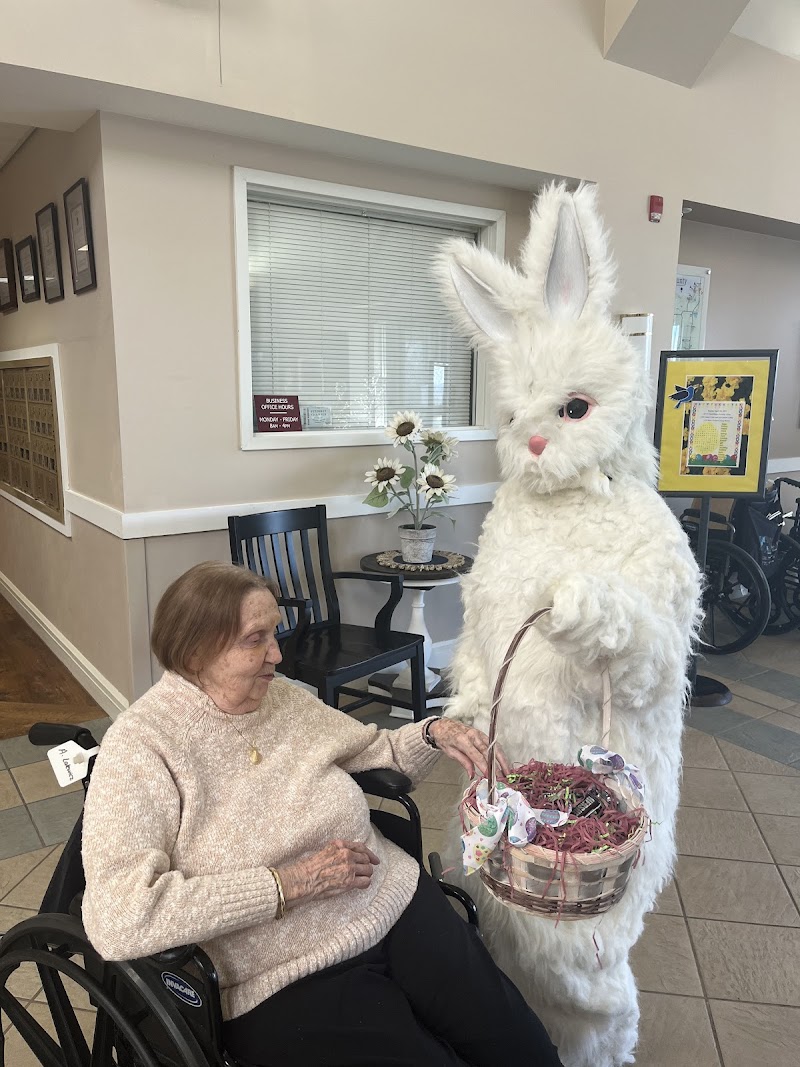
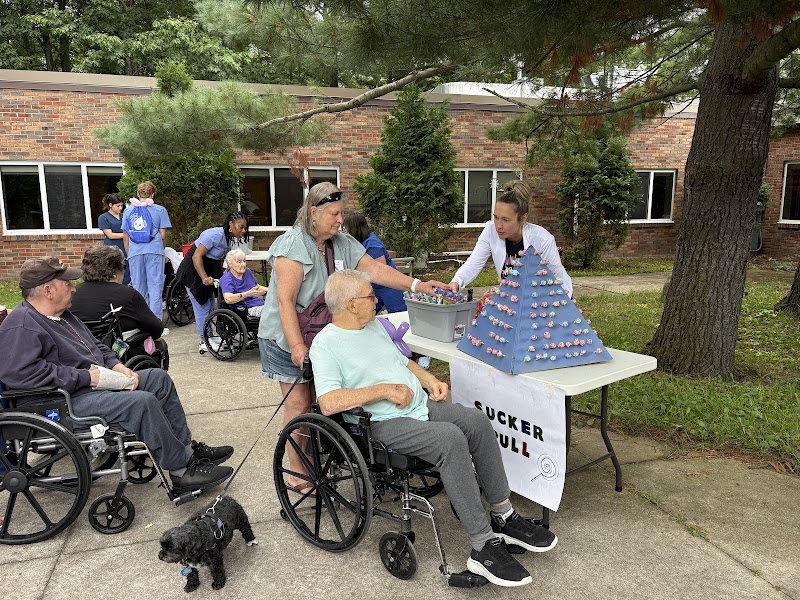
CMS rates Bay Bluffs-Emmet County Medical Care Facility's staffing level at 5 out of 5 stars, which is much above average compared to other nursing homes. Staff turnover is 21%, compared to the Michigan average of 46%. This relatively stable workforce can support continuity of care.

What Have Inspectors Found at Bay Bluffs-Emmet County Medical Care Facility?

State health inspectors documented 12 deficiencies at Bay Bluffs-Emmet County Medical Care Facility during 2022 to 2025. These included: 12 with potential for harm.

Who Owns and Operates Bay Bluffs-Emmet County Medical Care Facility?

Bay Bluffs-Emmet County Medical Care Facility is owned by a government entity. Government-operated facilities are typically run by state, county, or municipal agencies. The facility operates independently rather than as part of a larger chain. With 120 certified beds and approximately 64 residents (about 53% occupancy), it is a mid-sized facility located in Harbor Springs, Michigan.

How Does Bay Bluffs-Emmet County Medical Care Facility Compare to Other Michigan Nursing Homes?

Compared to the 100 nursing homes in Michigan, Bay Bluffs-Emmet County Medical Care Facility's overall rating (5 stars) is above the state average of 3.2, staff turnover (21%) is significantly lower than the state average of 46%, and health inspection rating (4 stars) is above the national benchmark.

What Should Families Ask When Visiting Bay Bluffs-Emmet County Medical Care Facility?

Based on this facility's data, families visiting should ask: "Can I visit during a mealtime to observe dining assistance and food quality?" "How do you handle medical emergencies, and what is your hospital transfer rate?" "Can I speak with family members of current residents about their experience?"

Is Bay Bluffs-Emmet County Medical Care Facility Safe?

Based on CMS inspection data, Bay Bluffs-Emmet County Medical Care Facility has a clean safety record: no substantiated abuse findings (meaning no confirmed cases of resident harm), no Immediate Jeopardy citations (the most serious violation level indicating risk of serious injury or death), and is not on the Special Focus Facility watch list (a federal program monitoring the lowest-performing 1% of nursing homes). The facility has a 5-star overall rating and ranks #1 of 100 nursing homes in Michigan. While no facility is perfect, families should still ask about staff-to-resident ratios and recent inspection results during their visit.

Do Nurses at Bay Bluffs-Emmet County Medical Care Facility Stick Around?

Staff at Bay Bluffs-Emmet County Medical Care Facility tend to stick around. With a turnover rate of 21%, the facility is 25 percentage points below the Michigan average of 46%. Low turnover is a positive sign. It means caregivers have time to learn each resident's needs, medications, and personal preferences. Consistent staff also notice subtle changes in a resident's condition more quickly. Registered Nurse turnover is also low at 22%, meaning experienced RNs are available to handle complex medical needs.

Was Bay Bluffs-Emmet County Medical Care Facility Ever Fined?

Bay Bluffs-Emmet County Medical Care Facility has no federal fines on record. CMS issues fines when nursing homes fail to meet care standards or don't correct problems found during inspections. The absence of fines suggests the facility has either maintained compliance or corrected any issues before penalties were assessed. This is a positive indicator, though families should still review recent inspection reports for the full picture.

Is Bay Bluffs-Emmet County Medical Care Facility on Any Federal Watch List?

Bay Bluffs-Emmet County Medical Care Facility is not on any federal watch list. The most significant is the Special Focus Facility (SFF) program, which identifies the bottom 1% of nursing homes nationally based on persistent, serious quality problems. Not being on this list means the facility has avoided the pattern of deficiencies that triggers enhanced federal oversight. This is a positive indicator, though families should still review the facility's inspection history directly.