Medilodge of Hillman
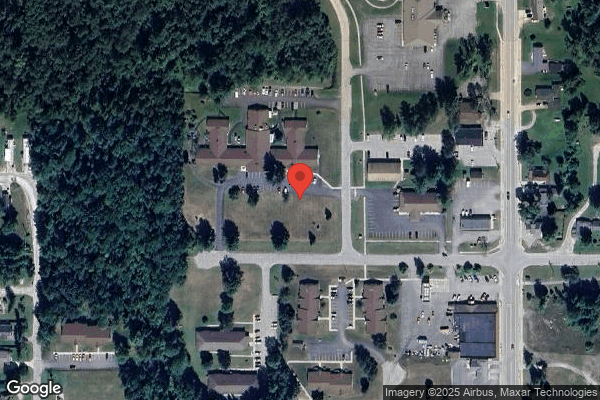

631 Caring Street, Hillman, MI 49746 (989) 742-4581
For profit - Corporation 39 Beds MEDILODGE Data: November 2025
Trust Grade
65/100
#144 of 422 in MI
Last Inspection: October 2024

Within standard 12-15 month inspection cycle. Federal law requires annual inspections.

Overview

Medilodge of Hillman has a Trust Grade of C+, indicating it is slightly above average but not exceptional. It ranks #144 out of 422 facilities in Michigan, placing it in the top half, and is the only nursing home in Montmorency County. The facility is showing improvement, with the number of reported issues decreasing from 12 to just 1 over the past year. Staffing is a strong point, with a 5-star rating and a turnover rate of only 24%, which is significantly lower than the state average. However, there have been serious incidents, including a fall that resulted in a resident's death due to inadequate assistance with mobility, and another case where a pressure ulcer worsened due to poor care practices. Despite these serious concerns, the facility has no fines on record and provides more RN coverage than 93% of Michigan facilities, which is a positive aspect.
Trust Score
C+
65/100
In Michigan
#144/422
Top 34%
Safety Record
Moderate
Needs review
Inspections
Getting Better
12 → 1 violations
Staff Stability
✓ Good
24% annual turnover. Excellent stability, 24 points below Michigan's 48% average. Staff who stay learn residents' needs.
Penalties
✓ Good
No fines on record. Clean compliance history, better than most Michigan facilities.
Skilled Nurses
✓ Good
Each resident gets 82 minutes of Registered Nurse (RN) attention daily — more than 97% of Michigan nursing homes. RNs are the most trained staff who catch health problems before they become serious.
Violations
⚠ Watch
29 deficiencies on record. Higher than average. Multiple issues found across inspections.
★★★★☆
4.0
Overall Rating
★★★★★
5.0
Staff Levels
★★★★☆
4.0
Care Quality
★★★☆☆
3.0
Inspection Score
Stable
2024: 12 issues
2025: 1 issues

The Good

  • 5-Star Staffing Rating · Excellent nurse staffing levels
  • 4-Star Quality Measures · Strong clinical quality outcomes
  • Low Staff Turnover (24%) · Staff stability means consistent care
  • Full Sprinkler Coverage · Fire safety systems throughout facility
  • No fines on record
  • Staff turnover is low (24%)

    24 points below Michigan average of 48%

Facility shows strength in staffing levels, quality measures, staff retention, fire safety.

The Bad

Chain: MEDILODGE

Part of a multi-facility chain

Ask about local staffing decisions and management

The Ugly 29 deficiencies on record

2 actual harm
Mar 2025 1 deficiency 1 Harm
SERIOUS (G) 📢 Someone Reported This

A family member, employee, or ombudsman was alarmed enough to file a formal complaint

Actual Harm - a resident was hurt due to facility failures

Accident Prevention (Tag F0689)

A resident was harmed · This affected 1 resident

**NOTE- TERMS IN BRACKETS HAVE BEEN EDITED TO PROTECT CONFIDENTIALITY** This citation pertains to intake MI00150640. Based on interview and record review the facility failed to provide safe and adequa...

Read full inspector narrative →
**NOTE- TERMS IN BRACKETS HAVE BEEN EDITED TO PROTECT CONFIDENTIALITY** This citation pertains to intake MI00150640. Based on interview and record review the facility failed to provide safe and adequate assistance with bed mobility for one Resident (#2) of three residents reviewed for accidents, hazards, and supervision. This deficient practice resulted in a fall with major injury, hospitalization, and death. Findings include: Resident #2 (R2) Review of a complaint submitted to the State Agency (SA) on [DATE], revealed, on [DATE], [Registered Nurse (RN) H] called the complainant and told them [R2] was having a routine brief exchange done by one staff member [Certified Nurse Assistant (CNA) D]. Complainant R stated that they were informed [CNA D] had rolled [R2] on her side. Complainant R stated that they were told that during this incident, [R2] fell out of bed, broke her shoulder and hip, and hit her head. Complainant R stated that [R2] passed away at the hospital on [DATE]. Complainant R stated that prior to this incident, there had always been two people present to change [R2]. Review of R2's hospital course, dated [DATE] through [DATE], revealed the following: a.) admitted to emergency department (ED) at 2:09 PM. b.) Results of x-rays suspected right proximal humeral fracture (broken bone in the upper arm that connects the shoulder and the elbow) and suspected impacted right subcapital femoral neck fracture (broken bone in the upper leg that connects the hip/pelvic area of the ball and socket joint that connects to the hip) at 3:50 PM. c.) Transferred to intensive care unit (ICU) and appeared toxic at 8:33 PM. d.) Went into rapid ventricular rate (RVR - irregular fast heartbeat), code blue (cardiac arrest), attempted arterial line (a thin, flexible tube inserted into an artery to monitor blood pressure and obtain blood samples), lifesaving emergency protocol was initiated including cardiopulmonary resuscitation (CPR) and advanced cardiovascular life support (ACLS), and emergently intubated (breathing tube inserted to assist with breathing) at 11:49 PM. e.) Death on [DATE] at 12:10 AM with death diagnosis of principle problem PEA (pulseless electrical activity) suspected embolic event. Some causes of a PEA are sepsis and trauma. Review of R2's death certificate, dated [DATE], read in part, .contributing cause of death: Complications of mechanical fall with fractures with approximate interval between onset and (death) .Hours . On [DATE] at 5:44 PM, Complainant R was called to review the allegations of the complaint intake. Complainant R stated, [R2] was undergoing a brief change with only one staff even though R2 was care planned to receive assistance from two. There were always two staff when we came to visit. The facility said [CNA D] was performing a brief change, [R2] was rolled onto her side. The facility claimed [R2] kicked her leg out, which contributed to the fall. Complainant R was asked if R2 was able to kick her leg out. Complainant R replied, No, [R2] could only stretch, and the facility staff had raised the bed. Emergency Medical Technician (EMT) said that they were not sure how [R2] got into the position she did. It made no sense to them. The facility said [R2] slid out of the bed and there is no way that she could do that. On [DATE] at 6:12 PM, an interview was conducted with Family Member (FM) Q regarding R2's fall at the facility. FM Q replied, The facility Nursing Home Administrator (NHA) and the Director of Nursing (DON) said that the report from the ED stated that a staff member was trying to stand [R2] up, but she hasn't stood her up in years. The NHA and the DON told them that there was a nurse in there and they were changing [R2], and she picked up her leg and slid off the bed and slid down to the floor as they were cleaning her. There was a bruise on [R2's] face. There was only one person in the room with her apparently. When I came to the facility to visit there was always two staff providing care to do a brief change. Review of R2's Emergency Medical Services (EMS) run report, dated [DATE] at 1:13 PM, read in part, .Dispatch priority: Critical (Priority 1) .Patient complaints: Right shoulder pain .Other symptoms: Pain: Hip .Cause: Fall from bed. Trauma criteria: Anticoagulants and bleeding disorders. Narrative: Dispatched via 911 to above address (local skilled nursing facility [SNF]) for a [AGE] year-old female who has fallen out of bed and has right arm pain. EMS arrive on scene to find patient lying supine [face up and on the back] on the floor next to her bed (at an approximate 45-degree angle from bed with head closer to bed and feet further from bed) .Staff x 3 at patient's side stating one staff was present and changing patients [brand name incontinence brief] when patient slid out of her bed. This staff states patient hit her head on the head of the bed rail as she was falling. Patient is on a blood thinner: Apixaban. No other details of fall were given .Patient states she has 9-10/10 pain in right shoulder. Patient says, Ow. Several times when there is a bump in the road .Approximately halfway through transport, patient states her hip hurts; this is a new onset per patient .Weight: 149.7 kg (kilograms) [329.34 pounds] . On [DATE] at 5:36 PM, an interview was conducted with Paramedic P who was asked if they had recalled R2 and her transfer out of the nursing facility. Paramedic P replied, Yes, it was very odd, and our team questioned what happened because [R2] was in an odd position from sliding out of bed and it did not add up. [R2] was at an angle to the bed, and she had hit her right arm on the left side of the bed. It was a weird situation. The CNA changed [R2] by herself. [R2] was three hundred pounds, and our team [EMS crew of three] could not move her by ourselves. The facility staff and our team had used the Hoyer lift to put [R2] on the gurney. I recall the CNA having a small body frame size. Review of R2's transfer form, dated [DATE] at 1:31 PM, revealed an unplanned transfer to a local hospital from a fall, hitting head, and complained of pain 10/10 in right shoulder and shoulder blade. Code status - full code. Usual functional status - Not ambulatory. Review of R2's initial fall report, dated [DATE] at 2:14 PM, read in part, .Description other intervention(s): Education to staff that 2 people assists (sic) need to be done with two people . Review of R2's progress note, dated [DATE] at 2:13 PM, read in part, This nurse [RN H] was heading down the hallway with medication cart to pass medications and [CNA D] come out of this resident's [R2] room and said [R2] fell out of bed! This nurse [RN H] instructed housekeeping to grab me the vitals cart and then grab the clinical management out of another residents room .This nurse [RN H] walked into [R2's] room at 1:10 PM to see her lying on the floor naked next to her bed with a pillow under her head .Once vitals obtained .called [on-call providers name] at 1:12 PM and he ordered to ship resident .EMS arrived .two CNAs and two people from EMS helped get this resident up with the Hoyer lift. [R2] was then taken out of the facility by EMS . Review of R2's progress note, dated [DATE] at 6:25 PM, read in part, .called [local ED] on a update .resident will be admitted up to ICU, residents blood pressures were very low and a central line had to be inserted, and [name brand medication - a vasoconstrictor] started. Resident also has a right femoral neck fracture. Review of facility investigation report, date [DATE], read in part, Resident: [R2] is a [AGE] year-old female resident, admitted on [DATE]. Primary diagnoses include .hemiplegia [muscle weakness or partial paralysis on one side of the body], morbid obesity and heart failure. Resident has a BIMS [brief interview for mental status] of 13 [indicative of intact cognition] and requires 2-person assistance for transfers and ambulates independently in her wheelchair .Reported Incident .had a witnessed fall on [DATE] .x-ray's showed right femur fracture and humeral fracture .Investigation .At 1:15 PM, Aide [CNA D], had checked on [R2]. [R2's] brief was soiled so the aide [CNA D] gathered up supplies she needed to change the resident [R2]. The aide [CNA D] was cleaning up the resident and had the resident roll to her [R2's] side and grab the side rails for assistance. The resident [R2] rolled to her side, then the resident crossed one leg over the other and as she did that she continued to roll and fell onto the floor. The aide [CNA D] attempted to prevent the resident from falling but was unable to stop the fall .Investigation Conclusion: [R2] is a 2-person assist for bed mobility. Review of R2's fall root cause analysis investigation tool, dated [DATE] at 1:10 PM, read in part, .Fall Huddle (What was different THIS time?): Resident being assisted with one-person assist instead of two-person like care planned. Root Cause of This Fall: Care plan not followed . On [DATE] at 10:00 AM, an interview was conducted with RN H who was asked if she recalled the fall in December for R2. RN H replied, Yes, I was heading down the East Hall with my medication cart to pass medication and [CNA D] came out of [R2's] room stating that she [R2] fell out of bed. I immediately went to assess [R2], who was lying on the floor next to her bed with her feet further away from the bed and her head closer to the bed and asked for clinical management to come. [R2] is not mobile, and she does not walk. [R2] was complaining of pain in her right shoulder. I asked [CNA D] what happened and [CNA D] told me she did not know. After EMS left [CNA D] said she rolled [R2] up on her side away from her to wipe her and [R2] rolled off the bed and [CNA D] told me she was by herself. On [DATE] at 10:35 AM, an interview was conducted with CNA D who was asked if she recalled the fall in December for R2. CNA D replied, Yes, I went in to [R2's] room because she had her call light on. [R2] was soiled so I went to get stuff to clean her up and, in the process, [R2] lifted her leg over her other leg, and she rolled off the bed onto the floor. CNA D was asked if there was another CNA working at the time she was providing care for R2 and replied, Yes, but she was with another resident. CNA D was asked if R2 was a one or two-person assistance for incontinence care and replied, I could have sworn she was a one-person assist, but I guess she was a two-person assist. [R2] had paralysis on her left side both upper and lower. On [DATE] at 10:55 AM, an interview was conducted with RN O / East Unit Manager who was asked if she recalled R2's fall in December. RN O replied, Yes, I was in the area. Staff came and got me and told me [R2] had fallen out of bed onto the floor. [R2] said her arm hurt. RN O was asked who was in the room at the time of the fall. RN O replied, [CNA D] was cleaning her up. RN O was asked how many staff should have been assisting with a brief change. RN O replied, [R2] required two staff assistance for a brief change. On [DATE] at 1:45 PM, an interview was conducted with the DON regarding R2's fall in December. The DON stated I was in the next room with the NHA doing a 72-hour care conference with another resident when staff came and got me. [CNA D] was not sure how [R2] fell exactly, but she put her leg over her other leg and lost her balance. [CNA D] tried to catch [R2] but could not. I interviewed [CNA D] and asked her why there was only one aide in the room and [CNA D] stated, I could do it by myself. The DON went on to further explain that [CNA D] was able to state what [R2's] [NAME] and care plan was and repeated it to me. [CNA D] rolled [R2] away from her while she was providing care and did not follow policy. Review of R2's care plan, dated [DATE], read in part, .Goal: Resident has an ADL (Activities of Daily Living) self-care performance deficit related to fluctuating ADLs, generalized weakness, hemiplegia .Interventions .Bed mobility: 2 person assist .Toileting: 2 person assist .Goal: Resident is at risk for falls/injury related to decreased strength and endurance, history of falls .hemiplegia and hemiparesis . Review of R2's ADL report, dated [DATE] through [DATE], revealed R2 was dependent for toileting and was assisted by one staff. Review of policy titled, Activities of Daily Living (ADLs), dated [DATE], read in part, Policy: The facility takes measures to minimize the loss of residents' functional abilities, including activities of daily living (ADLs) Policy Explanation and Compliance Guidelines .2. The facility provides maintenance and restorative programs to assist residents in achieving and maintaining the highest practicable outcome based on their comprehensive assessment. 3. A resident who is unable to carry out activities of daily living receives the necessary services to maintain good nutrition, grooming, and personal and oral hygiene .5. The facility maintains individualized objectives of the care plan through periodic review and evaluation. Review of policy titled, Accidents and Supervision, dated [DATE], read in part, Policy: Each resident will be assessed for accident risk and will receive care and services in accordance with their individualized care plan. Each resident will receive adequate supervision and assistive devices to prevent accidents .3. Implementing interventions to reduce hazard(s) and risk(s). 3. Implementation of Interventions - using specific interventions to try to reduce a resident's risk from hazards in the environment. The process includes .e. ensuring that the interventions are put into action .5. Supervision - Supervision is an intervention and means of mitigating accident risk. The facility provides adequate supervision to prevent accidents. Adequate supervision is .b. Based on the individual resident's assessed needs and identified hazards in their environment . Review of policy titled, Fall Prevention Program, dated [DATE], read in part, Policy: Each resident will be assessed for the risks of falling and will receive care and services in accordance with the level of risk to minimize the likelihood of falls .Policy Explanation and Compliance Guidelines .5. Each resident's risk factors, and environmental hazards will be evaluated when developing the resident's comprehensive plan of care . Review of policy titled, Falls - Clinical Protocol, dated [DATE], read in part, Policy Explanation and Compliance Guidelines .2. Based on the assessment an initial plan of care will be developed and implemented to address identified risks .5. Interventions should be developed and implemented per the assessed needs .6. In addition, interventions for direct care givers should be placed on the CNA care card or similar format .
Oct 2024 7 deficiencies
CONCERN (D)

Potential for Harm - no one hurt, but risky conditions existed

Deficiency F0578 (Tag F0578)

Could have caused harm · This affected 1 resident

**NOTE- TERMS IN BRACKETS HAVE BEEN EDITED TO PROTECT CONFIDENTIALITY** Based on interview and record review, the facility failed to ensure accurate advanced directive information was in place for one...

Read full inspector narrative →
**NOTE- TERMS IN BRACKETS HAVE BEEN EDITED TO PROTECT CONFIDENTIALITY** Based on interview and record review, the facility failed to ensure accurate advanced directive information was in place for one Resident (R16) of 13 residents reviewed for advanced directives (legal documents that allow a person to identify decisions about end-of-life care ahead of time). Findings include: The medical record revealed R16 was admitted to the facility on [DATE] with diagnoses of dementia, stroke (cerebrovascular accident), and traumatic brain injury. The Minimum Data Set (MDS) assessment, dated 9/8/2024, indicated R16 was classified with a primary diagnosis of Medically Complex Conditions including taking all nourishment via a tube feeding and had a Brief Interview for Mental Status (BIMS) score of 6 out of 15 indicating severe cognitive impairment. The medical record contained: - An ADVANCE DIRECTIVES / MEDICAL TREATMENT DECISIONS form which indicated a Medical Durable Power of Attorney and full resuscitation (full code) dated 9/1/2021. - A DO-NOT-RESUSCITATE ORDER PATIENT ADVOCATED CONSENT form which indicated do not resuscitate (DNR) dated 4/26/2022. - A DECISION MAKING DETERMINATION FORM which indicated R16 was Incapable of making decisions regarding medical treatment. This determination was based upon: Resident's mental status (explain): Dementia, cerebral hemorrhage, confusion. Resident's diagnosis of: Dementia. This form was signed by the attending physician on 9/28/2024 but no Second Physician Signature, Second Physician Name and Date was present. During an interview on 10/08/24 at 9:15 AM, the Social Service Designee (Staff A) was asked about the advance directive change from full code to DNR for R16. Staff A reviewed the medical record and could not find documentation explaining the change and stated, I see it changed in 2022 and I will look for the notes on the decision. During an interview on 10/08/24 at 9:42 AM, Staff A said, The original declaration of incompetency is determined by two physicians but annually this is reassessed by one. The original declaration of incompetency was not found in the medical record and was requested. During an interview on 10/09/24 at 9:58 AM, the Nursing Home Administrator (NHA) stated, We do not have two doctors evaluating competency (for R16). The NHA explained there was nothing found in the hospital transfer records and no documentation was in the facility records to indicate why the code status had been changed. During an interview on 10/09/24 at 10:06 AM, the Director of Nursing (DON) stated, The code status looks like it was changed in 2021 but there is no documentation. Our general practice is to review the code status but there is no documentation of this review. During an interview on 10/09/24 at 10:30 AM, the Regional Registered Nurse (RN) B said, There was not a policy on resident competency, but presented the facility policy titled 'Residents' Rights Regarding Treatment and Advanced Directives', dated as last reviewed/revised on 1/1/2022. This policy read in part, .Any decision making regarding the resident's choices will be documented in the resident's medical record .
CONCERN (D)

Potential for Harm - no one hurt, but risky conditions existed

Report Alleged Abuse (Tag F0609)

Could have caused harm · This affected 1 resident

**NOTE- TERMS IN BRACKETS HAVE BEEN EDITED TO PROTECT CONFIDENTIALITY** Based on interview and record review, the facility failed to develop and/or implement policies and procedures for ensuring the i...

Read full inspector narrative →
**NOTE- TERMS IN BRACKETS HAVE BEEN EDITED TO PROTECT CONFIDENTIALITY** Based on interview and record review, the facility failed to develop and/or implement policies and procedures for ensuring the identification and reporting of potential abuse or neglect for one Resident (#93) of two residents reviewed for abuse, resulting in the potential for unidentified abuse or neglect and further exposure to abusive situations. Findings include: Review of the Minimum Data Set (MDS) assessment, dated [DATE], revealed R93 was admitted to the facility on [DATE] and had diagnoses including dementia, stroke, right side hemiplegia (paralysis of right side of the body), and right hip fracture. Further review of the MDS data revealed R93 was dependent on staff for transfers and required partial/moderate assistance for rolling left and right in bed. The MDS data indicated R93 had short-term memory impairment and moderately impaired cognitive skills for daily decision making. Review of R93's MDS assessment, dated [DATE], revealed R93 expired in the facility on [DATE]. Review of R93's electronic medical record (EMR) revealed an assessment titled, Fall Follow Up, dated [DATE] at 1:24 p.m., for follow-up on R93's fall which occurred [DATE]. Further review of the assessment revealed the following: Additional Comments . order initiated . yesterday [DATE] for hematoma [right] upper arm . [R93] continues with linear scratch with tear to site. Cleansing provided and left open to air as ordered with discoloration/bruising now present by site and some bruising presented also to left forearm since additional fall documented in prior [follow-up] note to be [DATE] . Review of R93's assessments revealed no documentation or assessment related to a fall on [DATE] prior to the additional comments added to the follow-up dated [DATE] for R93's fall on [DATE]. Review of R93's Wound Evaluation, dated [DATE] at 8:22 a.m., revealed the following: Hematoma . Upper Right Arm (Inner), New - Minutes old . In-house Acquired . Area 3.26 cm2 [centimeters squared]. Length 5.56 cm. Width 3.38 cm . Review of photograph attached to the Wound Evaluation, revealed R93's right upper arm with noted dark purple bruising at the distal portion of the wound located on R93's inner arm, and reddened areas at the superior and lateral portions of the wound. The center portion of the wound was noted to have linear scratches with a round open area located at the lateral portion of the wound. During an interview on [DATE] at 9:25 a.m., the Director of Nursing (DON) was asked if a report or investigation was completed for R93's injuries noted on [DATE]. The DON presented a Statement of Witness, written, signed and dated by Certified Nursing Assistant (CNA) G on [DATE]. Review of the document revealed the following: I was in a resident's room getting them ready for breakfast. As I came out of the room . I was told that my [assistance] was needed as [R93] was found on the floor. We were able to get him back into bed . took [vitals] and two nurses were doing the skin assessment. At this time I had left the room. On [DATE] at 10:03 a.m., the Nursing Home Administrator (NHA) reported there was not an investigation initiated related to R93's injuries to his right upper arm and left forearm. The NHA confirmed the injuries were not reported to her or the State Agency (SA). On [DATE] at 2:00 p.m., the NHA presented an Incident Check off List for Nurses, as the summary of the incident related to R93's right upper arm injury. When asked when the form was completed, the NHA reported the DON had just completed the form as of that day, [DATE]. Review of the Incident Check Off List for Nurses, revealed the date of the incident as [DATE]. The time of the incident only listed the time as am [a.m.] The section of the form titled What Happened, was blank. It was noted the form did not include any information of where the resident was found, who found the resident or who, aside from CNA G, was present when the injury or fall was first identified. Further review of the document revealed R93's injuries included injuries to his right foot, a skin tear to his right knee and caught [right] arm, [no] bruises [at] time. Continued review revealed the following: Unwitnessed, [no] abuse verbalized. It was noted the form included no witness statements, including any statement or interview with R93. The form did not list a fall or any mechanism of injury. Review of the facility policy titled, Abuse, Neglect and Exploitation, last reviewed [DATE], revealed the following, in part: Possible indicators of abuse include . Physical injury of a resident, of unknown source . The facility will have written procedures that include: Reporting of alleged violations to the Administrator, state agency . No later than 24 hours if the events that cause the allegation do not involve abuse and do not result in serious bodily injury .
CONCERN (D)

Potential for Harm - no one hurt, but risky conditions existed

Investigate Abuse (Tag F0610)

Could have caused harm · This affected 1 resident

**NOTE- TERMS IN BRACKETS HAVE BEEN EDITED TO PROTECT CONFIDENTIALITY** Based on interview and record review, the facility failed to develop and/or implement policies and procedures for ensuring the t...

Read full inspector narrative →
**NOTE- TERMS IN BRACKETS HAVE BEEN EDITED TO PROTECT CONFIDENTIALITY** Based on interview and record review, the facility failed to develop and/or implement policies and procedures for ensuring the thorough investigation of potential abuse or neglect for one Resident (#93) of two residents reviewed for abuse, resulting in the potential for unidentified abuse or neglect and further exposure to abusive situations. Findings include: Review of the Minimum Data Set (MDS) assessment, dated [DATE], revealed R93 was admitted to the facility on [DATE] and had diagnoses including dementia, stroke, right side hemiplegia (paralysis of right side of the body), and right hip fracture. Further review of the MDS data revealed R93 was dependent on staff for transfers and required partial/moderate assistance for rolling left and right in bed. The MDS data indicated R93 had short-term memory impairment and moderately impaired cognitive skills for daily decision making. Review of R93's MDS assessment, dated [DATE], revealed R93 expired in the facility on [DATE]. Review of R93's electronic medical record (EMR) revealed an assessment titled, Fall Follow Up, dated [DATE] at 1:24 p.m., for follow-up on R93's fall which occurred [DATE]. Further review of the assessment revealed the following: Additional Comments . order initiated . yesterday [DATE] for hematoma [right] upper arm . [R93] continues with linear scratch with tear to site. Cleansing provided and left open to air as ordered with discoloration/bruising now present by site and some bruising presented also to left forearm since additional fall documented in prior [follow-up] note to be [DATE] . Review of R93's assessments revealed no documentation or assessment related to a fall on [DATE] prior to the additional comments added to the follow-up dated [DATE] for R93's fall on [DATE]. Review of R93's Wound Evaluation, dated [DATE] at 8:22 a.m., revealed the following: Hematoma . Upper Right Arm (Inner), New - Minutes old . In-house Acquired . Area 3.26 cm2 [centimeters squared]. Length 5.56 cm. Width 3.38 cm . Review of photograph attached to the Wound Evaluation, revealed R93's right upper arm with noted dark purple bruising at the distal portion of the wound located on R93's inner arm, and reddened areas at the superior and lateral portions of the wound. The center portion of the wound was noted to have linear scratches with a round open area located at the lateral portion of the wound. On [DATE] at 9:58 a.m., the Director of Nursing (DON) was asked to present all of R93's incident and fall investigations from [DATE] through [DATE]. Review of the reports provided by the DON revealed no investigation related to a fall or injury on [DATE], as referred to in the Wound Evaluation, dated [DATE] at 8:22 a.m. and the Fall Follow Up assessment dated [DATE] at 1:24 p.m. The DON reviewed R93's record and confirmed she could not fully determine the cause of R93's injury based on the information from CNA G's statement or the EMR. During an interview on [DATE] at 9:25 a.m., the DON was asked if a report or investigation was completed for R93's injuries noted on [DATE]. The DON presented a Statement of Witness, written, signed and dated by Certified Nursing Assistant (CNA) G on [DATE]. Review of the document revealed the following: I was in a resident's room getting them ready for breakfast. As I came out of the room . I was told that my [assistance] was needed as [R93] was found on the floor. We were able to get him back into bed . took [vitals] and two nurses were doing the skin assessment. At this time I had left the room. The DON reported she could not find any other investigative documents at that time but would look for more documentation related to the R93's right upper arm injury and to R93 being found on the floor in his room on [DATE] as referenced in the Fall Follow Up, dated [DATE]. On [DATE] at 10:03 a.m., the Nursing Home Administrator (NHA) reported there was not an investigation initiated related to R93's injury to his right upper arm or of the presumed fall on [DATE]. The NHA presented a hospice service progress note, dated [DATE]. Further review of the document revealed the following, in part: Safety: [R93] fell again this [morning], fell out of bed, caught [right] arm in part of bed, skinned first [and] second toes of [right] root and [right] knee. Bed in low position [and] fall mat next to bed. On [DATE] at 2:00 p.m., the NHA presented an Incident Check off List for Nurses, as the summary of the incident related to R93's right upper arm injury. When asked when the form was completed, the NHA reported the DON had just completed the form as of that day, [DATE]. Review of the Incident Check Off List for Nurses, revealed the date of the incident as [DATE]. The time of the incident only listed the time as am [a.m.] The section of the form titled What Happened, was blank. It was noted the form did not include any information of where the resident was found, who found the resident or who, aside from CNA G, was present when the injury or fall was first identified. Further review of the document revealed R93's injuries included injuries to his right foot, a skin tear to his right knee and caught [right] arm, [no] bruises [at] time. Continued review revealed the following: Unwitnessed, [no] abuse verbalized. It was noted the form included no witness statements, including any statement or interview with R93. The form did not list a fall or any mechanism of injury. Review of R93's care plan revealed the following: Resident has . self-care performance deficit related to CVA/TIA [stroke], dementia, generalized weakness, hemiplegia, impaired ability to make self understood, Date Initiated: [DATE] . Bed Mobility: 2 person assist, Date Initiated: [DATE] .Resident has impaired communication related to history of CVA/TIA with dysarthria [difficulty speaking], anarthria [complete loss of speech], dysphonia and aphasia [difficulty understanding and expressing written and spoken language] . Review of the facility policy titled, Abuse, Neglect and Exploitation, last reviewed [DATE], revealed the following, in part: Possible indicators of abuse include . Physical injury of a resident, of unknown source . An immediate investigation is warranted when suspicion of abuse, neglect or exploitation, or reports of abuse, neglect or exploitation occur. Written procedures for investigations include . Identifying and interviewing all involved persons, included the alleged victim, alleged perpetrator, witnesses, and other who might have knowledge of the allegations . Providing complete and thorough documentation of the investigation.
CONCERN (D)

Potential for Harm - no one hurt, but risky conditions existed

Accident Prevention (Tag F0689)

Could have caused harm · This affected 1 resident

Based on observation, interview, and record review, the facility failed to implement fall prevention precautions for one Resident (Resident 20) of three residents reviewed for falls. Findings include:...

Read full inspector narrative →
Based on observation, interview, and record review, the facility failed to implement fall prevention precautions for one Resident (Resident 20) of three residents reviewed for falls. Findings include: Resident 20 (R20) Review of R20's Electronic Medical Record (EMR), revealed a nursing quarterly/significant change evaluation, dated 9/17/24, indicated R20 had one to two falls in the last 90 days. R20 had fallen on 8/28/24. R20 had a risk fall score of 21, indicating a high risk for falls. Review of R20's care plan, dated 8/7/23, read in part, .Focus .has an ADL (activities of daily living) self-care performance deficit related to dementia, generalized weakness .Interventions: High back wheelchair to promote independence and comfort when up in wheelchair. Ambulation: 1 person assistance with a gait belt .uses a wheelchair for ambulation/transfer .Focus .is at risk for falls/injury related to generalized weakness, high risk of falls, history of falls, impaired cognition with decreased safety awareness .Interventions .Floor alarm mat to right side of bed when resident is in bed, so that staff know when resident is attempting to get self out of bed and staff can intervene to provide appropriate assistance for transfers . On 10/7/24 at 10:30 AM, an observation was made of the Assistant Director of Nursing (ADON) pushing R20 in their wheelchair from the east end nurses' station to their room without foot pedals. R20 was observed holding their feet up out in front of their wheelchair barely off the ground and nearly touching the floor. On 10/7/24 at 10:35 AM, an interview was conducted with the ADON, who was asked when they were with R20 in their room if R20 had foot pedals and replied, Yes. The ADON confirmed that R20's foot pedals were in a bag on the back of R20's wheelchair. The ADON was then asked if they should have put them on and replied, Yes. On 10/8/24 at 10:05 AM, an observation was made of R20 in his room. R20 was sitting on the side of their bed with both feet planted on their fall alarm mat. R20 was observed attempting to get up by pushing their arms on the bed mattress. R20 was unsuccessful and began to attempt to get up a second time. R20's floor alarm mat failed to alarm during R20's attempts to get up out of bed both times. On 10/8/24 at 10:07 AM, Registered Nurse (RN) E was alerted by this Surveyor that R20 was attempting to get out of bed and their floor alarm mat was failing to alarm. RN E walked down the east end hall towards R20's room and stopped at another resident's room to briefly talk with them, and then proceeded to R20's room. RN E asked R20 if they needed anything and R20 replied, 'Need to use the bathroom.' On 10/8/24 at 10:20 AM, an interview was conducted with RN E, who was asked why R20's floor alarm mat failed to alarm and replied, I am not sure. It should have alarmed when R20 was trying to stand up. RN E was asked if they knew how the floor alarm mats worked and replied, I am not exactly sure. I will get maintenance to look at the alarm. On 10/8/24 at 10:25 AM, an interview was conducted with Certified Nurse Aide (CNA) F, who was asked if they knew how the floor alarm mats worked and replied, No. On 10/8/24 at 10:27 AM, an interview was conducted with CNA D, who was asked if they knew how the floor alarm mats worked and replied, I think so. CNA D went into R20's room with this Surveyor to inspect R20's floor alarm mat. CNA D stated that, The floor mat alarm was acting like it was a hit or a miss when the floor alarm mat alarmed. I think they have a delay after they alarm for a few seconds. On 10/9/24 at 12:27 PM, an interview was conducted with the Director of Nursing (DON), who was asked if the cordless alarm mat was the best intervention for R20 and replied, Well, I am not too sure about them yet. They are new. I am not sure exactly how they work or how they reset. I need to get one in my office to look at it closer. I do not know why (R20's) did not go off if (R20) had both feet on the mat and was attempting to get up. The DON was asked if residents needed foot pedals applied to their wheelchairs during transport to a different location and replied, Yes. Staff should be applying foot pedals to prevent accident or injury. Review of policy titled, Fall Prevention Program, dated 10/26/23, read in part, Policy: Each resident will be assessed for the risks of falling and will receive care and services in accordance with the level of risk to minimize the likelihood of falls .Policy Explanation and Compliance Guidelines .5. Each resident's risk factors and environmental hazards will be evaluated when developing the resident's comprehensive plan of care. a.) Interventions will be monitored for effectiveness .
CONCERN (D)

Potential for Harm - no one hurt, but risky conditions existed

Deficiency F0757 (Tag F0757)

Could have caused harm · This affected 1 resident

Based on interview and record review, the facility failed to administer a blood pressure altering medication within ordered parameters for one Resident (#19) or five residents reviewed for unnecessary...

Read full inspector narrative →
Based on interview and record review, the facility failed to administer a blood pressure altering medication within ordered parameters for one Resident (#19) or five residents reviewed for unnecessary medications, resulting in the unwarranted administration of the medication and the potential for adverse side effects. Findings include: Resident #19 (R19) Review of R19's Medication Administration Records (MARs) for September 2024 through October 9, 2024, revealed the following physician order: Midodrine HCL [medication used to treat symptomatic low blood pressure] 10 MG [milligram]. Give 0.5 tablet by mouth three times a day for low blood pressure . hold SBP > 100 [when the top number of the blood pressure is greater than 100] . adjusted per [attending physician] . Start Date: 7/29/2024 . Further revealed the medication was administered outside of the ordered parameters on nine occasions per documentation on the MARs: 9/05/2024, 8:00 a.m., blood pressure 131/81. 9/05/2024, 5:00 p.m., blood pressure 103/67. 9/07/2024, 5:00 p.m., blood pressure 100/64. 9/08/2024, 5:00 p.m., blood pressure 101/62. 9/09/2024, 8:00 a.m., blood pressure 101/62. 9/26/2024, 8:00 a.m., blood pressure 121/63. 9/27/2024, 8:00 a.m., blood pressure 109/56. 9/28/2024, 5:00 p.m., blood pressure 116/71. 10/05/2024, 8:00 a.m., blood pressure 102/60. Further review of R19's electronic medical record (EMR) revealed no corresponding physician notification or order to administer the Midodrine10mg outside of the ordered parameters. During an interview on 10/09/24 at 9:39 a.m., the Director of Nursing (DON) reviewed R19's September 2024 and October 2024 MARs and confirmed the medication was administered outside of the ordered parameters. The DON stated the physician should be notified and a new order obtained if the resident's condition warrants administration outside of ordered parameters. Review of the facility policy titled, Medication Administration, last reviewed 1/17/2023, revealed the following, in part: Obtain and record vital signs, when applicable or per physician orders. When applicable, hold medication for those vital signs outside the physician's prescribed parameters . .
CONCERN (D)

Potential for Harm - no one hurt, but risky conditions existed

Medication Errors (Tag F0758)

Could have caused harm · This affected 1 resident

**NOTE- TERMS IN BRACKETS HAVE BEEN EDITED TO PROTECT CONFIDENTIALITY** Based on interview and record review, the facility failed to attempt a gradual dose reduction (GDR) for a psychotropic medicatio...

Read full inspector narrative →
**NOTE- TERMS IN BRACKETS HAVE BEEN EDITED TO PROTECT CONFIDENTIALITY** Based on interview and record review, the facility failed to attempt a gradual dose reduction (GDR) for a psychotropic medication for one Resident (R27) of five residents reviewed for unnecessary medications. Findings include: Review of R27's medical record, revealed an admission date on 5/6/2020 with diagnoses which included major depressive disorder and anxiety disorder. A review of R27's Minimum Data Set (MDS) assessment dated [DATE], revealed a score of 15 out of 15 on the Brief Interview for Mental Status (BIMS) indicating fully intact cognition. The medical record noted active Physician's Orders, dated 3/1/22 included: Fluoxetine HCl Capsule 40 mg (milligrams), one tablet a day for depression and busPIRone HCl tablet 10 mg one tablet three times a day for anxiety. During an interview on 10/08/24 at 9:42 AM, the Social Service Designee (Staff A) was asked about the process for GDRs and specifically for the documentation for R27. Staff A stated, The last GDR for busPIRone was on 2/2/2023 and they would look for further documentation on GDRs for R27. During an interview on 10/09/24 at 11:56 AM, the Director of Nursing (DON) stated, There was no GDR documentation for R27. During an interview on 10/09/24 at 12:30 PM, the Nursing Home Administrator (NHA) and Regional Clinical Consultant Registered Nurse (RN) B confirmed there was no GDR information for R27 that was found. The care plan for R27 included, Resident takes psychotropic/mood stabilizer medication as evidenced by antianxiety use, antipsychotic use. Date Initiated: 08/17/2023 Revision on: 08/17/2023. During an interview on 10/09/24 at 2:04 PM, the DON and NHA confirmed there was no GDR tracking that was taking place. The facility policy titled Use of Psychotropic Drugs and Gradual Dose Reductions, dated as reviewed/revised on 10/24/2022, read in part: .Gradual Dose Reduction (GDR) is the stepwise tapering of a dose to determine if symptoms, conditions, or risks can be managed by a lower dose or if the dose or medication can be discontinued . Reducing the need for and maximizing the effectiveness of medications shall be considered for all residents who use psychotropic drugs. Therefore, dose reductions and behavioral interventions are part of medication management. This policy pertains to gradual dose reductions . [NAME] the first year, a GDR will be attempted annually .
CONCERN (E)

Potential for Harm - no one hurt, but risky conditions existed

Deficiency F0761 (Tag F0761)

Could have caused harm · This affected multiple residents

Based on observation, interview and record review, the facility failed to ensure appropriate labeling of inhaled medications in one (East Hall) of two medication carts reviewed for medication storage,...

Read full inspector narrative →
Based on observation, interview and record review, the facility failed to ensure appropriate labeling of inhaled medications in one (East Hall) of two medication carts reviewed for medication storage, resulting in the potential for unrecognized expiration of medications, decreased medication efficacy and adverse side effects of expired medications with the potential to affect all 18 residents residing on the East Hall. Findings include: On 10/08/2024 at 8:33 a.m., the East Hall medication cart was reviewed with Registered Nurse (RN) E. Observation of stored inhaled medications revealed an open box containing a Proair HFA inhaler (inhaled medication used to treat wheezing and shortness of breath). Further observation revealed the inhaler had 27 of 200 doses remaining. The inhaler or the box the inhaler was housed in was not labeled with a resident name, open date or expiration date. Upon inspection, RN E reported she could not determine who the inhaler belonged to, if the medication was expired, or when the medication would expire. Further review of the East Hall medication cart with RN E revealed an open Breztri Aerosphere inhaler (inhaled medication used to decrease swelling in the lungs) with 50 of 120 doses remaining. Further review revealed writing in red ink on the outside of the inhaler. The writing was smudged and ineligible. The resident's name, open or expiration date could not be determined. RN E confirmed she could read the smudged writing on the inhaler. Review of the facility policy titled, Medications and Biologicals - Labeling of, last reviewed 6/220/2024, revealed the following, in part: All medications and biologicals will be labeled in accordance with applicable federal and state requirements and current accepted pharmaceutical principles and practices. Medication labels must be legible at all times . Labels for medication designed for multiple administrations (such as inhaler, eye drops), the label with identify the specific resident for whom it was prescribed .
Feb 2024 5 deficiencies 1 Harm
SERIOUS (G) 📢 Someone Reported This

A family member, employee, or ombudsman was alarmed enough to file a formal complaint

Actual Harm - a resident was hurt due to facility failures

Pressure Ulcer Prevention (Tag F0686)

A resident was harmed · This affected 1 resident

**NOTE- TERMS IN BRACKETS HAVE BEEN EDITED TO PROTECT CONFIDENTIALITY** This citation is linked to intake MI00141867. Based on observation, interview, and record review, the facility failed to provide...

Read full inspector narrative →
**NOTE- TERMS IN BRACKETS HAVE BEEN EDITED TO PROTECT CONFIDENTIALITY** This citation is linked to intake MI00141867. Based on observation, interview, and record review, the facility failed to provide pressure ulcer care per professional standards of practice for one Resident (R10) of three reviewed for pressure ulcer care. This deficient practice resulted in the worsening of a facility aquired pressure injury to an unsgateable pressure injury requiring antibiotics. Findings include: R10 R10 developed an in house Moisture Associated Skin Damage area on 11/24/23 which subsequently worsened to stage II, and ultimately progressed to an unstageable pressure injury on 2/5/24 with worsening measurements through 2/26/24. R10 also developed a wound infection, requring treatment with antibiotics. The facility failed to ensure the approriate pressure reducing surface for the bed was in place, failed to provide aspetic (clean technique) wound care, failed to consitently measure and document wound care, and failed to appropriately turn/reposition R10 for pressure relief. On 2/29/24 at 8:30 AM, an observation was made of R10 in her room lying on her left side in bed. R10's bed mattress was a regular mattress. R10 lacked a pressure reduction mattress or an air mattress. On 2/29/24 at 8:45 AM, an interview was conducted with the Nursing Home Administrator (NHA). The NHA was asked if the facility had an air mattress or a pressure reduction mattress for R10 and replied, We ordered one. The NHA was then asked when it was ordered and replied, I would have to check. On 2/29/24 at 9:20 AM, an observation was made of R10's incontinence care with Certified Nurse Aide (CNA) D. R10 had a very pungent odor when CNA D started to provide incontinence care. R10's wound dressing on her sacral area was observed to be a 4 x 4 cm (centimeter) foam boarder gauze which was completely saturated, and drainage was observed on her incontinence brief. CNA D replied to this Surveyor, Do you think I should let the nurse know so she can change the dressing? On 2/29/24 at 9:35 AM, an observation was made of Registered Nurse (RN) C providing a wound dressing change on R10. RN C failed to wash her hands prior to starting the wound dressing change and did not use wound cleaner to clean R10's wound prior to soaking up the wound drainage with gauze and applying medi honey, calcium alginate, and a new foam boarder gauze. RN C left the bottom of the foam boarder dressing unsealed just above the coccyx area which left the potential for stool incontinence to enter the open wound. RN C brought one 4 x 4 gauze to clean R10's wound that was saturated with drainage. On 2/29/24 at 9:45 AM, an interview was conducted with RN C who was asked how often she had to perform the dressing change for R10. RN C replied, Sometimes. The dressing change is ordered for evening shift to compete. RN C was asked how and if she documents that she completed the dressing change and replied, Um, I don't. On 2/29/24 at 10:15 AM, an observation was made of CNA D and CNA F repositioning R10 after her incontinence care and placed R10 on her left side. This surveyor asked CNA D which side R10 was lying on and replied, Oh yeah! I need to turn her on her other side she was just on her left side. On 2/29/24 at 10:45 AM, an interview was conducted with the Regional Clinical Nurse (RNC) N and asked what types of interventions were in place for R10 to help reduce and heal pressure ulcers and replied, We added an air mattress as an intervention. The RNC N was asked when the pressure reduction mattress was ordered for R10 and replied, I am not sure. I would have to ask the administrator. RNC N was asked if the frequency of dressing changes for R10 was sufficient for the amount of drainage R10 was having and replied, I will change the orders. On 2/29/24 at 12:30 PM, an interview was conducted with the Director of Nursing (DON) regarding R10's pressure ulcer. The DON was asked why dietary was not consulted sooner about the wound not healing and replied, Dietician comes on Thursday or Friday each week. I talked with her on the first or second of February about another resident and I am not sure why we did not talk about [R10] that same day. We did discuss her on 2/8/24 The DON was asked about a pressure reduction or distribution mattress and replied, I am not sure when we ordered it. I would have to ask the administrator. The DON was asked why wound evaluations were not documented between 12/19/23 through 1/16/24 and replied, That was when the old wound nurse manager was here, and we let her go. I think she purposely removed the wound measurements from the task list. The DON was asked if wounds are discussed regularly and replied, We talk about them daily. The DON was asked if wounds were discussed so frequently then why did the measurements get missed for almost a month and replied, I am not sure why. During the above interview, the DON was made aware of CNA D not knowing which way that R10 had been positioned during care rounds and repositioning and that CNA D had placed her back on the same side. The DON responded, Maybe a visual chart would benefit them with knowing which position in the correct way to place the resident on a turning schedule. The DON was asked if wound measurements should be documented weekly and replied, Yes. Including all previously measured areas such as depth and or tunneling. The following measurements are for the same sacral/coccyx wound for R10 as follows: Review of R10's wound evaluation, dated 11/24/23, revealed moisture associated skin damage (MASD) measuring 0.6 x 0.5 cm (centimeters) and in house acquired. Review of R10's wound evaluation, dated 12/18/23, revealed a stage II pressure ulcer measuring 0.8 x 0.6 cm. *Note: No wound evaluations documented 12/19/23 through 1/16/24. Review of R10's wound evaluation, dated 2/5/24, revealed an unstageable pressure ulcer measuring 3.5 x 1.7 cm. Review of R10's wound evaluation, dated 2/12/24, revealed an unstageable pressure ulcer, with interventions as follows: Incontinence management, mattress with pump, moisture barrier/control, and turning/repositioning program. Review of R10's wound evaluation, dated 2/19/24, revealed an unstageable pressure ulcer measuring 3.2 x 1.9 cm with a depth of 1.0 cm and undermining 0.8 cm. Review of R10's wound evaluation, dated 2/26/24, revealed an unstageable pressure ulcer measuring 3.9 x 2.1 cm and lacked any measurements for depth and undermining. Review of R10's care plan, date 8/23/23, read in part, .Focus: Resident has episodes of (bladder / bowel) incontinence .Interventions: Uses disposable briefs .Assist resident with toileting needs every 2 hrs [hours] .Check at regular intervals and change as needed .Observe peri (skin surrounding genitals and rectal area)/rectal-area for redness, irritation, skin excoriation/breakdown .Provide peri-care after each incontinence episode .Focus: Resident is at risk for impaired skin integrity . Review of R10's care plan, date 1/19/24, read in part, . Focus: Resident has impaired skin integrity as evidence by: unstageable pressure ulcer to coccyx .Goal: Healing and/or improvement . Interventions: Resident is to be repositioned q2h [every two hours] .Administer treatment(s) per orders . Complete wound evaluation to observe the progress of the resident's skin condition . Review of R10's physician order, dated 2/29/24, revealed the following, Amoxicillin-Pot Clavulanate Tablet 875-125 mg [milligram], give 1 tablet by mouth every 12 hours for bacterial infection for 10 days will pull first dose out of backup. Review of R10's progress note, dated 2/28/24 at 7:35 PM, read in part, . Site of infections: coccyx wound. Reason on antibiotics/new signs & symptoms: She went to the wound clinic apt. [appointment] today for her first visit for the assessment of the coccyx wound. Per wound clinic she will be started on [brand name antibiotic] b.i.d. [twice daily] give one tablet p.o. [by mouth] for 10 days. x-ray the right pelvis 3 views for osteomyelitis. Labs to be obtained on 2/29/24 . Review of R10's progress note, dated 2/29/24 at 7:31, read in part, .Wound appears to be infected, thick purulent drainage noted. Resident started on antibiotics today for possible sepsis. Area is deep, very dark base, tunneling noted at all edges. Wound with very pungent odor, odor is noted at doorway . Review of R10's physician order, dated 2/28/24 at 4:09 PM, revealed the following, Ceftriaxone sodium solution reconstituted 1 gm [gram], inject 1 gm intramuscularly one time only for infection . Review of R10's progress note, dated 2/22/24 at 2:53 PM, read in part, .Wound clinic consult .consult out to wound clinic, awaiting to be seen . Review of R10's physician order, dated 2/7/24 through 2/9/24, revealed the following, Cleanse with wound cleanser. Pat dry. Apply Medi honey/honey gel to wound bed. Apply calcium alginate AG (Silver) to wound bed. Cut to size of open area. Apply skin prep to peri wound. Cover with border foam. Every evening shift for wound care. Review of R10's physician order, dated 2/5/24, revealed the following, Ensure Roho is in place to w/c [wheelchair] at all times for weight distribution. Every shift, and Resident is to be repositioned q2 [every two] and PRN [as needed]. Assist resident to reposition in chair frequently. Limit time upright in w/c. Every shift for wound care. Review of R10's physician order, dated 11/25/23 through 12/11/23, revealed the following, Cleanse coccyx and (R) [right] buttock wounds r/t (related to) MASD with wound cleanser, pat dry with gauze, apply skin prep to peri wound, cover wounds with hydrocolloid (moisture absorbing dressing type) dressing. Change dressing Every evening shift every 3 day(s) for MASD. Review of R10's physician order, dated 12/12/23 through 12/18/23, revealed the following, Cleanse coccyx wounds r/t [related to] MASD with wound cleanser, pat dry with gauze, apply skin prep to peri wound, cover wounds with hydrocolloid dressing. Change dressing every 3 days and PRN if soiled or dislodged. Check placement of dressing Q [every] shift. Discontinue when healed. Every evening shift every 3 day(s) for MASD. Review of R10's physician order, dated 12/19/23 through 1/29/24, revealed the following, Cleanse with wound cleanser. Pat dry. Apply collagen as directed to (coccyx). Skin barrier wipe to peri wound. Cover with (border foam). Every evening shift. Review of R10's physician order, dated 1/29/24 through 2/7/24, revealed the following, Cleanse with wound cleanser. Pat dry. Apply calcium alginate AG (silver) to wound bed. Cut to size of open area. Apply dermaseptin (skin protection ointment) to peri wound. Cover with border foam. Every evening shift for wound care. Review of R10's treatment administration record (TAR), dated February 2024, revealed wound care was not documented as provided on the 7th and the 27th of the month. Review of R10's treatment administration record (TAR), dated January 2024, revealed wound care was not documented as provided for 10 opportunities of 31 days. Review of R10's progress notes, dated January 2024, lacked any nursing notes to support the above wound dressing changes not documented as completed. Review of R10's treatment administration record (TAR), dated December 2023, revealed wound care was not documented as provided for 9 opportunities of 20 days. Review of R10's progress notes, dated December 2023, lacked 8 of 9 nursing notes to support the above wound dressing changes not completed. Review of R10's tasks, dated 10/27/23, revealed a turning per care plan. Review of R10's tasks, dated 2/5/24, revealed a turning and repositioning every 2 hours. Review of R10's interdisciplinary team notes (IDT), dated 11/24/23 through 2/29/24, revealed one note entered in the electronic medical record on 1/29/24 when R10's pressure ulcer was noted to be worsening. Review of R10's minimal data set (MDS), dated [DATE], revealed in section E no refusals of care and in section M marked no pressure ulcers and at risk for developing. Review of R10's wound clinic visit report, dated 2/28/24, revealed a care plan for nutrition, osteomyelitis, pressure ulcer, soft tissue infection, and wound/skin impairment. At the time of survey exit, R10 remained on a bed without an air mattress. Review of policy titled, Clean Dressing Change, dated 12/28/23, read in part, Policy: It is the policy of this facility to provide wound care in a manner to decrease potential for infection and/or cross-contamination. Physician's orders will specify type of dressing and frequency of changes. Policy Explanation and Compliance Guidelines: . 3. Set up clean field with needed supplies for wound cleansing and dressing application .5. Wash hands and put on gloves . 10. Cleanse the wound as ordered, taking care to not contaminate other skin surfaces or other surfaces of the wound . 14. Secure dressing . Review of policy titled, Wound Treatment Management, dated 10/26/23, read in part, Policy: To promote wound healing of various types of wounds, it is the policy of this facility to provide evidenced-based treatments in accordance with current standards of practice and physician orders. Policy Explanation and Compliance Guidelines: 1. Wound treatments will be provided in accordance with physician orders, including the cleansing method, type of dressing, and frequency of dressing change . Review of policy titled, Pressure Injury Prevention and Management, dated 1/1/22, read in part, Policy: This facility is committed to the prevention of avoidable pressure injuries and the promotion of healing of existing pressure injuries . Policy Explanation and Compliance Guidelines: . 3. Assessment of Pressure Injury Risk . c. Assessment of pressure injuries will be performed by a licensed nurse, and documented in the medical record . 4. Interventions for Prevention and to Promote Healing . c. Evidence-based interventions for prevention will be implemented for all residents who are assessed at risk or who have a pressure injury present. Basic or routine care interventions . include . i. Redistribute pressure (such as repositioning, protecting and /or offloading heels, etc.); . iii. Provide appropriate, pressure-redistributing, support surfaces . f. Interventions will be documented in the care plan and communicated to all relevant staff . Review of policy titled, Pressure Ulcer/Skin Breakdown-Clinical Protocol, dated 1/1/22, read in part, Policy: Based on the comprehensive assessment of a resident, a resident receives care, consistent with professional standards of practice, to prevent pressure ulcers and does not develop pressure ulcers . and a resident with pressure ulcers receives necessary treatment and services, consistent with professional standards of practice to promote healing, prevent infection . Policy Explanation and Compliance Guidelines: . 4. The interdisciplinary team will assess and document and individual's significant risk factors for developing PU/PI [pressure ulcer/pressure injury] . 7. Continued assessment and management . PUSH [pressure ulcer scale for healing] tool completed on PU/PI weekly during the weekly wound measurements . 15. The IDT team will review each pressure ulcer weekly for progress and changes . Review of NPIAP (National Pressure Injury Advisory Panel) standards of practice recommendations access on 3/14/24 located at: https://static1.squarespace.com/static/6479484083027f25a6246fcb/t/647dc6c178b260694b5c9365/1685964483662/Quick_Reference_Guide-10Mar2019.pdf Revealed the following: 7.9 For individuals with a pressure injury, consider changing to a specialty support surface when the individual: · Cannot be positioned off the existing pressure injury · Has pressure injuries on two or more turning surfaces (e.g., the sacrum and trochanter) that limit repositioning options · Has a pressure injury that fails to heal or the pressure injury deteriorates despite appropriate comprehensive care · Is at high risk for additional pressure injuries · Has undergone flap or graft surgery · Is uncomfortable · ' Bottoms out ' on the current support surface.
CONCERN (D) 📢 Someone Reported This

A family member, employee, or ombudsman was alarmed enough to file a formal complaint

Potential for Harm - no one hurt, but risky conditions existed

Incontinence Care (Tag F0690)

Could have caused harm · This affected 1 resident

This citation is linked to intake MI00141867. Based on observation, interview, and record review, the facility to provide indwelling catheter care per standards of practice for two Residents (R5 and R...

Read full inspector narrative →
This citation is linked to intake MI00141867. Based on observation, interview, and record review, the facility to provide indwelling catheter care per standards of practice for two Residents (R5 and R7) of three residents reviewed for catheter care. Findings include: On 2/28/24 at 12:10 PM an observation was made of R5 in his room and lying in his bed. R5 was observed to have an indwelling urinary catheter with a drainage bag hanging off the right side of his bed. R5 was asked if he had a catheter securement device on his leg and pulled back his bed sheet and replied, No. See, I do not have one. On 2/28/24 at 12:30 PM an observation was made of R7 in his room with the Director of Nursing (DON). R7 was observed to have an indwelling urinary catheter with a drainage bag hanging of the right side of his bed. The DON was asked if R7 had a catheter securement device on his leg and the DON stated, He should. The DON then looked at R7's catheter which lacked a catheter securement device on his leg. On 2/28/24 at 12:45 PM an interview was conducted with the DON. When asked if residents with indwelling urinary catheters should be wearing a catheter securement device, the DON replied, Yes. Review of policy titled, Catheter Care Procedure - Urinary, dated 12/28/23, read in part, .5. Catheters should be secured to prevent pulling and damage to the urethral meatus (opening). This may be accomplished by: a. Utilizing the appropriate drainage device (leg bag or catheter bag); b. Leg strap; c. Velcro strap; d. Linen/clothing clamp; e. Adhesive securing device .
CONCERN (D) 📢 Someone Reported This

A family member, employee, or ombudsman was alarmed enough to file a formal complaint

Potential for Harm - no one hurt, but risky conditions existed

Pharmacy Services (Tag F0755)

Could have caused harm · This affected 1 resident

Based on observation, interview, and record review, the facility failed to assess safe self-administration of medication for one Resident (R5) of three residents reviewed for medication administration...

Read full inspector narrative →
Based on observation, interview, and record review, the facility failed to assess safe self-administration of medication for one Resident (R5) of three residents reviewed for medication administration. Findings include: On 2/28/24 at 12:10 PM, an observation was made of R5 in his room. R5 was lying in his bed holding a nebulizer treatment in his right hand and was asleep. R5's nebulizer machine was on, and the nebulizer medication cup had condensation inside. R5 was awakened and asked how long he had been asleep and if he completed his nebulizer treatment and replied, The nurse came in about ten or fifteen minutes ago and I was awake then. Review of R5's physician order, dated 2/22/24, revealed an order for albuterol sulfate inhalation nebulizer solution (2.5 mg [milligrams] / 3 ml [milliliters]) 0.083% (Albuterol Sulfate) . 2.5 mg inhale orally via nebulizer three times a day for pneumonia (scheduled at 8:00 AM, 12:00 PM, and 6:00 PM). Review of R5's nursing readmission evaluation, dated 2/7/24, section II. Medications, read in part, .Does the resident wish to self-administer medications - No . Review of R5's care plan, dated 2/6/24, showed it lacked a care plan for safe self-administration of medication. On 2/28/24 at 12:45 PM, an interview was conducted with the Director of Nursing (DON). When asked if residents should be left unattended during a nebulizer treatment and if residents should be assessed for safe self-administration of medications, the DON replied, Nurses are to stay with residents during a nebulizer treatment unless they are assessed to self-administer medications. When asked if R5 had an assessment to self-administer medications for nebulizer treatments, the DON replied, No. Review of policy titled, Nebulizer Therapy, dated 1/1/22, read in part, . 1. Care of the Resident . n. Observe resident during the procedure for any change in condition . Review of policy titled, Medication - Resident Self-Administration of, dated 1/30/24, read in part, Policy: It is the policy of this facility to support each resident's right to self-administer medication. A resident may only self-administer medications after the facility's interdisciplinary team has determined which medications may be self-administered safely. Policy Explanation and Compliance Guidelines: . 13. The care plan must reflect resident self-administration .
CONCERN (E) 📢 Someone Reported This

A family member, employee, or ombudsman was alarmed enough to file a formal complaint

Potential for Harm - no one hurt, but risky conditions existed

Respiratory Care (Tag F0695)

Could have caused harm · This affected multiple residents

This citation is linked to intake MI00141807. Based on observation, interview, and record review, the facility failed to provide respiratory care per standards of practice for five Residents (R2, R3, ...

Read full inspector narrative →
This citation is linked to intake MI00141807. Based on observation, interview, and record review, the facility failed to provide respiratory care per standards of practice for five Residents (R2, R3, R4, R7, and R8) of six residents reviewed for respiratory care. Findings include: On 2/28/24 at 11:30 AM, an observation was made of R8 in the East dining room. R8 was sitting in her wheelchair at a dining table with a portable oxygen tank on the back of her wheelchair and oxygen tubing draped over the back of her wheelchair. R8's oxygen tubing was two inches from touching the floor and was not stored in a plastic bag. On 2/28/24 at 11:32 AM, an observation was made of R8's room. R8 had an oxygen concentrator in her room, her oxygen tubing was connected to the concentrator and her tubing was draped over the arm of her recliner and the nasal cannula was tucked in between the armchair and the seat. On 2/28/24 at 11:33 AM, an observation was made of R7 in his room and lying in bed wearing a nasal cannula connected to an oxygen concentrator. R7's oxygen tubing was undated. Review of R7's treatment administration record (TAR), dated February 2024, lacked an order to change oxygen tubing weekly. On 2/28/24 at 11:40 AM, an observation was made of R2 in his room. R2 had a portable oxygen tank to the right of his door with oxygen tubing coiled up on top of the tank and not stored in a plastic bag. On 2/28/24 at 11:50 AM, an observation was made of R4's room. R4 lacked a 'oxygen in use' sign on the outside of her door. On 2/28/24 at 11:52 AM, an interview was conducted with Registered Nurse (RN) / unit manager B and asked about oxygen tubing storage and maintenance and replied, Tubing is changed weekly and dated and if not in use should be stored in a plastic bag. On 2/28/24 at 12:00 PM, an observation was made of R3 in the main dining room. R3 was observed sitting at a table in her wheelchair with a portable oxygen tank and wearing oxygen via nasal cannula. R3's oxygen tubing was observed to be dragging on the floor as she backed her wheelchair away from the table. An observation was made of a light brown colored liquid beneath the dining table where R3 was sitting. On 2/28/24 at 12:10 PM, an interview was conducted with the Director of Nursing (DON). The DON was asked what her expectations for oxygen maintenance and storage and replied, Tubing is stored in a plastic bag if not in use and tubing is changed weekly. Review of policy titled, Oxygen Administration, dated 10/26/23, read in part, Policy: Oxygen is administered to residents who need it, consistent with professional standards of practice, the comprehensive person-centered care plans, and the residents' goals and preferences .Policy Explanation and Compliance Guidelines: .5. Staff shall perform hand hygiene and don gloves when administering oxygen or when in contact with oxygen equipment. Other infection control measure include: . b. Change oxygen tubing and mask/cannula weekly and as needed if it becomes soiled or contaminated .e. Keep delivery devices covered in plastic bag when not in use. 6. Oxygen warning signs must be placed on the door of the resident's room where oxygen is in use .
CONCERN (E) 📢 Someone Reported This

A family member, employee, or ombudsman was alarmed enough to file a formal complaint

Potential for Harm - no one hurt, but risky conditions existed

Infection Control (Tag F0880)

Could have caused harm · This affected multiple residents

This citation is linked to intake MI00141807. Based on observation, interview, and record review the facility failed to ensure infection control practices were followed with respiratory equipment/stor...

Read full inspector narrative →
This citation is linked to intake MI00141807. Based on observation, interview, and record review the facility failed to ensure infection control practices were followed with respiratory equipment/storage and during a wound dressing change per standards of practice. Findings include: On 2/28/24 at 11:30 AM, an observation was made of R8 in the East dining room. R8 was sitting in her wheelchair at a dining table with a portable oxygen tank on the back of her wheelchair and oxygen tubing draped over the back of her wheelchair. R8's oxygen tubing was two inches from touching the floor and was not stored in a plastic bag. On 2/28/24 at 11:32 AM, an observation was made of R8's room. R8 had an oxygen concentrator in her room, her oxygen tubing was connected to the concentrator and her tubing was draped over the arm of her recliner and the nasal cannula was tucked in between the armchair and the seat. On 2/28/24 at 11:40 AM, an observation was made of R2 in his room. R2 had a portable oxygen tank to the right of his door with oxygen tubing coiled up on top of the tank and not stored in a plastic bag. On 2/28/24 at 11:50 AM, an observation was made of R4's room. R4 had an oxygen concentrator in her room and oxygen tubing that lacked a date. R4 lacked a 'oxygen in use' sign on the outside of her door. On 2/28/24 at 11:52 AM, an interview was conducted with Registered Nurse (RN) / unit manager B and asked about oxygen tubing storage and maintenance and replied, Tubing is changed weekly and dated and if not in use should be stored in a plastic bag. On 2/28/24 at 12:00 PM, an observation was made of R3 in the main dining room. R3 was observed sitting at a table in her wheelchair with a portable oxygen tank and wearing oxygen via nasal cannula. R3's oxygen tubing was observed to be dragging on the floor as she backed her wheelchair away from the table. An observation was made of a light brown colored liquid beneath the dining table where R3 was sitting. On 2/28/24 at 12:10 PM, an interview was conducted with the Director of Nursing (DON). The DON was asked what her expectations for oxygen maintenance and storage and replied, Tubing is stored in a plastic bag if not in use and tubing is changed weekly. On 2/29/24 at 9:35 AM, an observation was made of Registered Nurse (RN) C providing a wound dressing change on R10. RN C failed to wash her hands prior to starting the wound dressing change and did not use wound cleaner to clean R10's wound prior to soaking up the wound drainage with gauze and applying Medi honey, calcium alginate, and a new foam boarder gauze. RN C left the bottom of the foam boarder dressing not sealed just above the coccyx area and the potential for stool incontinence to enter the open wound. RN C brought one 4 x 4 gauze to clean R10's wound that was saturated with drainage. Review of policy titled, Oxygen Administration, dated 10/26/23, read in part, Policy: Oxygen is administered to residents who need it, consistent with professional standards of practice, the comprehensive person-centered care plans, and the residents' goals and preferences . Policy Explanation and Compliance Guidelines: . 5. Staff shall perform hand hygiene and don gloves when administering oxygen or when in contact with oxygen equipment. Other infection control measure include: . b. Change oxygen tubing and mask/cannula weekly and as needed if it becomes soiled or contaminated . e. Keep delivery devices covered in plastic bag when not in use. 6. Oxygen warning signs must be placed on the door of the resident's room where oxygen is in use . Review of policy titled, Clean Dressing Change, dated 12/28/23, read in part, Policy: It is the policy of this facility to provide wound care in a manner to decrease potential for infection and/or cross-contamination. Physician's orders will specify type of dressing and frequency of changes. Policy Explanation and Compliance Guidelines: . 3. Set up clean field with needed supplies for wound cleansing and dressing application . 5. Wash hands and put on gloves . 10. Cleanse the wound as ordered, taking care to not contaminate other skin surfaces or other surfaces of the wound . 14. Secure dressing .
Oct 2023 5 deficiencies
CONCERN (D)

Potential for Harm - no one hurt, but risky conditions existed

Quality of Care (Tag F0684)

Could have caused harm · This affected 1 resident

**NOTE- TERMS IN BRACKETS HAVE BEEN EDITED TO PROTECT CONFIDENTIALITY** Based on observation, interview, and record review the facility failed to provide dressing changes according to physician orders...

Read full inspector narrative →
**NOTE- TERMS IN BRACKETS HAVE BEEN EDITED TO PROTECT CONFIDENTIALITY** Based on observation, interview, and record review the facility failed to provide dressing changes according to physician orders for one Residents (R20) of three residents reviewed for quality of care. This deficient practice resulted in missed dressing changes and the potential for decline in wound status. Findings include: Review of R20's Electronic Medical Record (EMR) revealed an original admission to the facility on [DATE]. R20 had a readmission on [DATE] with diagnoses including type 2 diabetes with neuropathy and skin ulcer, dementia with agitation, muscle weakness, non-pressure chronic ulcer of right lower leg and pain. Review of his 7/17/23 Minimum Data Set (MDS) assessment revealed he scored a score of 14/15 on the Brief Interview for Mental Status (BIMS) score indicating he was cognitively intact. R20 scored a zero for rejection of care (Section E) and required one-to-two-person extensive assist for Activities of Daily Living (ADL's) which included bed mobility, transfers, dressing, and personal hygiene. Section M revealed R20 was noted to have two venous and arterial ulcers present, with foot problems including infection, diabetic foot ulcers, and other open lesions on the foot. On 10/18/23 at approximately 3:45 p.m., an observation was made of R20 in his room. R20 was observed to be lying in his bed, well groomed and stated he had just returned from the hospital after receiving an above right knee amputation. R20 stated his pain was being managed. An observation of the room showed that the room was well cleaned. Review of R20's progress notes revealed the following, 9/25/23 4:40 a.m. This nurse cleaned residents' foot as ordered. When removing bandage form [sic] residents' foot, that was from in AM (morning) shift, visible maggots were noted. Foot was then cleansed removing all visible maggots. Resident is unaware of findings. Residents second toe is discolored and grey in color, this is where the majority of the maggots were find [sic]. They were also resident in between each digit. Another progress note dated 9/25/23 at 14:13 (2:13 p.m.) read, Upon doing (R20) dressing change on his foot, he had several maggots on his foot. The foot was cleaned and redressed, and all maggots removed. (Registered Nurse (RN) B) is aware and saw them herself. The wound will now be dressed at night. Review of R20's Treatment Administration Record (TAR) for September 2023 revealed the following order, Cleanse RLE (right lower extremity) wounds with wound cleanser, pat dry with gauze, apply betadine to wound bed, apply calmoseptine to periwound then cover with ABD (abdominal) pad and mextra superabsorbent and then apply double layer tubigrip (Size D). Change dressing 3 times daily and PRN (as needed) if soiled or dislodged. Every shift for wound care. Start Date 9/19/23. D/C (discontinue) date 9/25/23 15:24 (3:24 p.m.) Review of this order for R20 revealed three missed dressing changes on 9/21/23 afternoon shift, 9/22/23 afternoon shift and 9/23/23 morning shift. Review of R20's progress notes revealed no documentation as to why the dressing changes were not completed on 9/21/23, 9/22/23 and 9/23/23. An interview was conducted with the Director of Nursing (DON) and Regional Clinical Nurse/Staff M on 10/18/23 at approximately 4:00 p.m. regarding the discovery of maggots on R20's wound. Further documentation regarding the wound and avoidability of maggots from entering the wound was requested. The DON stated R20 often refused to have his room cleaned daily and refused to allow staff to throw away food that was expired or open to air, causing flies to be noted in his room. An interview was conducted with Housekeeping Manager/Staff N on 10/19/23 at 11:30 a.m. Staff N provided documentation that R20's room was cleaned at least once a day from 9/1/23 through 9/25/23. Staff N confirmed that flies were noted to be in R20's room, along with housekeeping staff documenting that there was open food containers and frequent urine smells. When asked, Staff N stated the facility provided R20 with a fly swatter and a fan to deter the flies in his room. Review of the facility's cleaning sheets from 9/1/23 through 9/25/23 confirmed that R20's room was cleaned at least once a day. An interview was conducted with Licensed Practical Nurse (LPN) O on 10/19/23 at 12:20 p.m. LPN O stated that she was the nurse that worked on 9/21/23 and did not recall changing R20's afternoon dressing change. LPN O confirmed she did not document on why R20's dressing was not changed. An interview was conducted with RN B on 10/19/23 at 12:31 p.m. RN B stated that she was the wound nurse for the facility but had not completed the wound training. RN B stated that on 9/22/23, she was working as a floor nurse for the first time with R20 on her assigned hallway. RN B confirmed she had not changed R20's dressing and could not provide further information as to why R20's dressing change was missed. RN B also stated R20 often frequently sat in his wheelchair. When asked if R20's dressing changes could have been completed while he was in his wheelchair, RN B stated yes. Review of R20's SOC-Wound - V4 read, in part, .Collaboration with wound clinic occurred today due to changes to wound bed as maggots were found in wound bed during NOC (night) dressing change and would clinic recommendation to increase treatment from BID (twice) to TID (three). Education provided to resident on ways to prevent/deter flies such as keeping room clean, and food covered . Review of the facility's Clean Dressing Change policy dated 1/1/22 did not address what staff members should do if a dressing change is missed or refused.
CONCERN (D)

Potential for Harm - no one hurt, but risky conditions existed

Respiratory Care (Tag F0695)

Could have caused harm · This affected 1 resident

Based on observation, interview, and record review, the facility failed to ensure proper administration of oxygen services for one resident (#23) of three residents reviewed for oxygen services. This ...

Read full inspector narrative →
Based on observation, interview, and record review, the facility failed to ensure proper administration of oxygen services for one resident (#23) of three residents reviewed for oxygen services. This deficient practice resulted in the potential for respiratory complications. Findings include: Resident #23 (R23) A review of R23's face sheet, revealed an original admission to the facility on 2/16/21, and with the most recent readmission to the facility on 3/14/23. R23 had medical diagnoses of chronic obstructive pulmonary disease (a group of lung diseases that block airflow and make it difficult to breathe), respiratory failure (a serious condition that makes it difficult to breathe), anxiety, and obstructive sleep apnea (intermittent airflow blockage during sleep). On 10/17/23 at 1:00 PM, an observation and interview were made of R23 in his room. R23 had an oxygen concentrator in his room located on the right side of his bed sitting on the floor. R23's oxygen concentrator was running and there was oxygen tubing connected to the concentrator. R23 wore the oxygen tubing via nasal cannula and the oxygen concentrator was set at 3.5 liters of oxygen. R23 was asked how many liters of oxygen he was required to use and replied, I usually am set to 3 liters. A review of R23's electronic medical record (EMR), revealed no physician order for oxygen. On 10/18/23 at 7:45 AM, on observation was made of R23 in his room. R23 continued to wear oxygen tubing via nasal cannula and his oxygen concentrator continued to deliver 3.5 liters of oxygen via the nasal cannula. A review of R23's progress note, dated 10/5/23 at 2:41 PM, created by Unit Manger / Registered Nurse (RN) B, read in part, Oxygen saturation obtained on room air for (medical equipment company). Oxygen saturation was 95% on 3 liters per minute via nasal cannula oxygen, removed for 7 minutes and oxygen saturation on room air was 76%. Oxygen reapplied at 3 liters per minute via nasal cannula and saturation increased to 95%. A review of R23's EMR, oxygen saturation readings, dated 8/1/23 through 10/19/23, revealed the following: a.) 8/10/23 at 2:19 PM, value 95% on room air, b.) 9/9/23 at 6:59 PM, value 96% with oxygen via nasal cannula, c.) 10/2/23 at 6:57 PM, value 98% with oxygen via nasal cannula, d.) 10/3/23 at 4:40 PM, value 85% on room air, e.) 10/5/23 at 2:38 PM, value 95% with oxygen via nasal cannula and, f.) 10/5/23 at 2:40 PM, value 76% on room air. No other oxygen saturation readings were recorded in R23's EMR regarding his oxygen values between 8/1/23 through 10/19/23. A review of R23's care plan, dated 9/1/23, revealed, . Focus: Resident has an impaired pulmonary/respiratory status related to COPD ., respiratory failure, sleep apnea . Interventions: . Observe for signs/symptoms of respiratory distress and report to physician . Observe lung sounds for wheezing or crackles as needed. Observe vital signs and pulse oximetry as needed. Oxygen as ordered . On 10/19/23 at 10:35 AM, an interview was conducted with RN A, who was asked how many liters of oxygen R23 was required to have per physician orders, and replied, I would have to look, but I think his order is for 2 to 4 liters depending on his oxygen saturation as needed. RN A reviewed R23's orders in the EMR and stated, He does not have an order for oxygen. I will call the doctor and get an order right now. RN A was asked how R23's oxygen was titrated between 2 to 4 liters and reviewed R23's oxygen saturation values and replied, I can't answer that about the titration. RN A was asked if R23 had orders for oxygen saturation checks each shift to ensure proper oxygen titration was achieved and replied, There is not an order for oxygen checks. On 10/19/23 at 12:30 PM, an interview was conducted with the Director of Nursing (DON), who was asked if residents required orders for oxygen. The DON replied, Yes, residents need orders for oxygen from the physician and (the order) should specify how much oxygen is delivered. Review of facility policy titled, Oxygen Administration, dated 1/1/22, read in part, Policy: Oxygen is administered to residents who need it, consistent with professional standards of practice, the comprehensive person-centered care plans, and the residents' goals and preferences . Policy Explanation and Compliance Guidelines: 1. Oxygen is administered under orders of a physician, except in the case of an emergency . 3. Staff shall document the initial and ongoing assessment of resident's condition warranting oxygen and the response to oxygen therapy .
CONCERN (E)

Potential for Harm - no one hurt, but risky conditions existed

Unnecessary Medications (Tag F0759)

Could have caused harm · This affected multiple residents

Based on observation, interview, and record review, the facility failed to maintain a medication administration error rate less than 5% for two Residents (R33 & R21) of three residents reviewed for me...

Read full inspector narrative →
Based on observation, interview, and record review, the facility failed to maintain a medication administration error rate less than 5% for two Residents (R33 & R21) of three residents reviewed for medication administration. This deficient practice resulted in the potential for medical complications in resident treatment and conditions. Findings include: On 10/18/23 at 8:00 AM, a medication administration was observed with Registered Nurse (RN) H. The following was observed: Resident #21 (R21) was given (name brand) liquid advanced wound care protein, 30 ml (milliliters), mixed in six ounces of water in a cup, and dispensed orally by mouth. Review of R21's physician order, dated 10/11/23, revealed, (name brand) liquid advanced wound care protein, two times a day for wound healing. R21's order lacked a dose amount or route for his liquid advanced wound care protein. On 10/18/23 at 9:20 AM, a medication administration was observed with RN J. The following was observed: Resident #33 (R33) was given lorazepam 0.5 mg (milligrams), one tab, crushed, mixed with 5 ml of water, and administered via enteral tube (a tube that had be placed within the digestive system or intestine to allow liquid nutrition, water, and medications to enter the stomach). R33 was given hyoscyamine 0.125 mg, one tab, crushed, mixed with 5 ml of water, and administered via enteral tube. R33 was given vitamin B6 50 mg, one tab, crushed, mixed with 5 ml of water, and administered via enteral tube. R33 was given famotidine 10 mg, two tabs, crushed, mixed with 5 ml of water, and administered via enteral tube. R33 was given apixaban 5 mg, one tab, crushed, mixed with 5 ml of water, and administered via enteral tube. Review of R33's physician order, dated 8/21/23, revealed, lorazepam 0.5 mg, give one tablet by mouth three times a day for seizures. Review of R33's physician order, dated 10/13/23, revealed, hyoscyamine 0.125 mg, give one tablet by mouth every 12 hours for for (sic) secretions. Review of R33's physician order, dated 7/30/23, revealed, Vitamin B6, oral tablet 50 mg, give one tablet by mouth every day shift for supplement. Review of R33's physician order, dated 9/21/23, revealed, Famotidine, oral tablet 10 mg, give two tablets by mouth every morning and at bedtime .give a total of 20 mg BID (twice a day). Review of R33's physician order, dated 9/21/23, revealed, Apixaban, oral tablet 5 mg, give one tablet by mouth every morning and at bedtime for previous clots. R33's medications lacked complete physician orders to consistently direct administration of medications by either oral or enteral route. On 10/18/23 at 9:45 AM, an interview was conducted with RN J, who was asked how she administered medications to residents and what steps she would take to ensure accuracy to medication administration. RN J replied, I follow all the medication rights. On 10/19/23 at 10:35 AM an interview was conducted with Unit Manager, RN A, who was asked how much liquid advanced wound care protein R21 was to be administered by RN H. RN A replied, I would need to check the order. RN A reviewed the physician order for R21 originally placed by RN B, and replied, I don't see an amount to administer. I will need to review the dietary notes and call the physician for clarification. Review of R21's progress note, dated 10/10/23 at 3:56 PM, read in part, . Starting 30 cc (cubic centimeters/milliliters) (name brand) liquid advanced wound care protein to aid in wound healing . On 10/19/23 at 12:30 PM, an interview was conducted with the Director of Nursing (DON). The DON was asked what her expectations were for medication administration and physician orders, and replied, I would expect the nurses to be following the physician orders and following the rights of medication administration. The DON was asked if she expected physician orders to be complete with a dose amount, and replied, Yes, the orders should have a specified amount of medication to be administered. Review of facility policy titled, Medication Administration, dated 1/1/22, read in part, Policy: Medications are administered by licensed nurses, or other staff who are legally authorized to do so in this state, as ordered by the physician and in accordance with professional standards of practice, in a manner to prevent contamination or infection. Policy Explanation and Compliance Guidelines: . 11. Compare medication source with MAR (medication administration record) to verify resident name, medication name, form, dose, route, and time of administration . c. If other the PO (by mouth) route, administer in accordance with facility policy for the relevant route of administration . The medication error rate was calculated based on 6 of 26 opportunities for error and resulted in a 23.08% medication error rate.
CONCERN (E)

Potential for Harm - no one hurt, but risky conditions existed

Deficiency F0761 (Tag F0761)

Could have caused harm · This affected multiple residents

Based on observation, interview, and record review, the facility failed to securely store medications, for Resident #1 (R1) during review for medication storage. This deficient practice had the potent...

Read full inspector narrative →
Based on observation, interview, and record review, the facility failed to securely store medications, for Resident #1 (R1) during review for medication storage. This deficient practice had the potential to result in accidental ingestion of medications not prescribed to two unidentified residents with access and the potential for associated side effects. Findings include: On 10/19/23 at 8:30 AM, an observation was made of RN L preparing medications on the [NAME] Hall medication cart for Resident #1 (R1). RN L had dispensed several medications into the cup including a hydrocodone 7.5 mg (milligram) / 325 mg tablet. During the preparation of R1's medications, RN L had been interrupted by Certified Nurse Aide (CNA) M. CNA M had asked RN L for some paperwork. RN L locked his medication cart and computer screen and left the medication cup on top of the nurses' cart and proceeded to the nurses' station to look for the paperwork. RN L left the medication cup unattended. RN L then left the nurses station and entered the shower room briefly and returned out into the [NAME] Hall. RN L then proceeded down the main hall with CNA M looking for another staff member to assist in finding the paperwork (the pills remained on top of the medication cart in a cup unsecured). RN L was observed walking all the way down the main hall near the entrance of the building. Near the nurses' station and medication cart were two other unidentified residents in the immediate area and two other unidentified residents in the small dining room just east of the medication cart. On 10/19/23 at 8:42 AM, Unit Manger / RN B, was observed walking up the [NAME] Hall. RN B was asked if she could see the unattended medication cup on top of the medication cart, and replied, I don't see anything. and placed her right hand to her face and proceeded behind the nurses' station. Review of the medications observed by this Surveyor left unattended in the medication cup on top of the medication cart by RN L, revealed the following: hydrocodone/acetaminophen 7.5/325 mg, cholecalciferol 500 mg one tab, ascorbic acid 500 mg one tab, aspirin 81 mg one tab, chlorthalidone 25 mg one tab, citalopram hydrobromide 20 mg one tab, duloxetine 60 mg one capsule, empagliflozin 10 mg one tab, multivitamin one tab, mirabegron 50 mg one tab, potassium chloride 20 mEq (milliequivalent) and omeprazole 20 mg two tabs. On 10/19/23 at 8:49 AM, an observation was made of RN L returning to the medication cart where he left R1's medications unattended. RN L verified that he should not have left the medications on top of the medication cart unattended and unsecured. On 10/19/23 at 12:30 PM, an interview was conducted with the Director of Nursing (DON). The DON confirmed, at no time it is safe to leave any medication unattended and unsecure, and if nursing must walk away, then the medications should be locked in the medication cart where they are secured. The DON was asked about the narcotic count sheets and if they should be filled out completely between shift to shift. The DON replied, Yes. Both nurses should be counting the cards, and the pills, and then signing that the counts were correct and verified. There should not be any blank spots in the totals and signature columns. Review of facility policy titled, Controlled Substances Administration & Accountability, dated 1/1/22, read in part, Policy: It is the policy of this facility to promote safe, high quality patient care, compliant with state and federal regulations regarding monitoring the use of controlled substances. The facility will have safeguards in place in order to prevent loss, diversion or accidental exposure. Policy Explanation and Compliance Guidelines: . 5. Each time a controlled substance and control count sheet is received, it should be added to the shift verification sheet column for number of control count sheets present . 11. Nursing staff must count controlled drugs at the end of each shift. The nurse coming on duty and the nurse going off duty must make the count together. They must document and report any discrepancies to the Director of Nursing Services or His/her designee immediately. Documentation should be made on the shift verification sheet .
CONCERN (F)

Potential for Harm - no one hurt, but risky conditions existed

Pharmacy Services (Tag F0755)

Could have caused harm · This affected most or all residents

Based on observation, interview, and record review, the facility failed to consistently document narcotic drug disposition in two of two medication carts during review for medication storage. This def...

Read full inspector narrative →
Based on observation, interview, and record review, the facility failed to consistently document narcotic drug disposition in two of two medication carts during review for medication storage. This deficient practice had the potential to affect the entire facility population and resulted in the potential for drug diversion, misappropriation, and the potential for untreated conditions related availability of medications. Findings include: On 10/18/23 at 8:00 AM, an observation was made of medication administration on the [NAME] Hall with Registered Nurse (RN) H. This surveyor observed the narcotic count book with RN H. The narcotic count book was noted to have several missing narcotic count verification signatures by nurses when a shift-to-shift count of narcotics for this medication cart were completed. RN H was asked why she did not sign off on the medication cart count this morning and if she counted narcotics with the off going nurse from the prior shift. RN H replied, I usually do not sign the book until I take my first narcotic out of the box. I did verify the count with the last nurse. RN H was asked if this was standard of practice or facility policy to wait and sign the narcotic count as RN H had described, or if her signature should have been completed at the time of verification of narcotic counts. RN H replied, Well I guess it should be done at the same time the count has been completed. That is just normally how I do the signing. I wait. I do not know why. Review of the [NAME] controlled medication shift change sign out sheet, dated 8/1/23 through 10/18/23, revealed the following sections to be filled in by nursing: a date, time, number of medication cards received from pharmacy, number of empty medication cards, total current medication cards in the narcotic lock box, signature of outgoing nurse, and signature of incoming nurse. The following narcotic counts were observed missing signatures: August 2023 a. 8/3/23 missing signature on afternoon shift, b. 8/4/23 missing signature on afternoon and evening shift, c. 8/8/23 missing signature on afternoon shift, d. 8/10/23 missing signature on day and afternoon shift, e. 8/12/23 missing signature on day shift, f. 8/14/23 missing signature on day, afternoons, and evening shifts, g. 8/15/23 missing signature on day and afternoon shifts, h. 8/19/23 missing signatures on day, both signatures on afternoon, and one on evening shifts, i. 8/20/23 missing signature on afternoon shift, j. 8/24/23 missing signatures on day, both signatures on afternoon, and one for evening shifts, and k. 15 missing total count of cards blank for the month of August, and no sheets provided for 8/26/23 through 9/4/23. September 2023 a. 9/11/23 missing signatures on day, both signatures on afternoon, and one on evening shifts, b. 9/12/23 missing signature on day and afternoon shifts, c. 9/16/23 missing signature on day and afternoon shifts, e. 9/17/23 missing signature on afternoon shift, d. 9/20/23 missing signature on afternoon shift, f. 9/25/23 missing signature on both day signatures and one from afternoon shift, g. 9/26/23 missing signature on day and afternoon shifts, h. 9/28/23 missing signature on day, both afternoon signatures, and one signature for evening shifts, i. 9/30/23 missing signature on both day signatures and one from afternoon shift, and j. 17 missing total count of cards blank for the month of September. October 2023 a. 10/1/23 missing signature on day and afternoon shifts, b. 10/7/23 missing signature on day shift, c. 10/8/23 missing signature on day and evening shifts, d. 10/9/23 missing signature on afternoon and both signatures for evening shifts, e. 10/10/23 missing signature on both day signatures and one from afternoon shift, f. 10/12/23 missing signature on day and afternoon shifts, g. 10/15/23 missing signature on day and afternoon shifts, h. 10/18/23 missing signature on day shift, and i. 9 missing total count of cards blank for the month of September. Review of the East controlled medication shift change sign out sheet, dated 8/1/23 through 10/18/23, revealed the following sections to be filled in by nursing: a date, time, number of medication cards received from pharmacy, number of empty medication cards, total current medication cards in the narcotic lock box, signature of outgoing nurse, and signature of incoming nurse. The following narcotic counts were observed missing signatures: September 2023 a. 9/21/23 missing signature on day and afternoon shifts, and b. 2 missing total count of cards blank for the month of September. October 2023 a. 10/7/23 missing signature on both day signatures and one from afternoon shift, b. 10/17/23 missing signature on day and afternoon shifts, and c. 2 missing total count of cards blank for the month of October. On 10/19/23 at 12:30 PM, an interview was conducted with the Director of Nursing (DON). The DON was asked about the narcotic count sheets and if they should be filled out completely between shift to shift. The DON replied, Yes. Both nurses should be counting the cards, and the pills, and then signing that the counts were correct and verified. There should not be any blank spots in the totals and signature columns. Review of facility policy titled, Controlled Substances Administration & Accountability, dated 1/1/22, read in part, Policy: It is the policy of this facility to promote safe, high quality patient care, compliant with state and federal regulations regarding monitoring the use of controlled substances. The facility will have safeguards in place in order to prevent loss, diversion or accidental exposure. Policy Explanation and Compliance Guidelines: . 5. Each time a controlled substance and control count sheet is received, it should be added to the shift verification sheet column for number of control count sheets present . 11. Nursing staff must count controlled drugs at the end of each shift. The nurse coming on duty and the nurse going off duty must make the count together. They must document and report any discrepancies to the Director of Nursing Services or His/her designee immediately. Documentation should be made on the shift verification sheet .
Jun 2023 2 deficiencies
CONCERN (D) 📢 Someone Reported This

A family member, employee, or ombudsman was alarmed enough to file a formal complaint

Potential for Harm - no one hurt, but risky conditions existed

Resident Rights (Tag F0550)

Could have caused harm · This affected 1 resident

**NOTE- TERMS IN BRACKETS HAVE BEEN EDITED TO PROTECT CONFIDENTIALITY** This citation relates to Intake #MI00137183. Based on interview and record review, the facility failed to provide dignified com...

Read full inspector narrative →
**NOTE- TERMS IN BRACKETS HAVE BEEN EDITED TO PROTECT CONFIDENTIALITY** This citation relates to Intake #MI00137183. Based on interview and record review, the facility failed to provide dignified communication and care preferences for two Residents (#4, #11) of nine residents reviewed for dignity. This deficient practice resulted in Resident #4 expressing feelings of frustration and Resident #11 expressing feelings of sadness, with the potential for additional undignified care experiences. Findings include: Resident #4 Review of Resident #4's Minimum Data Set (MDS) assessment, dated 5/12/23, revealed Resident #4 was admitted to the facility on [DATE], with diagnoses including diabetes, stroke, hemiparesis (one sided weakness), Parkinson's disease, and schizoaffective disorder (a mental disorder). Resident #4 required one-person assistance for bed mobility, dressing, toileting, and transfers, and had a urinary catheter. The Brief Interview for Mental Status (BIMS) assessment revealed a score of 15/15, which showed Resident #4 was cognitively intact. The assessment revealed no behaviors or symptoms of depression. During an interview on 06/08/23 at 12:15 p.m., Resident #4 reported during medication administration on 5/04/23, Registered Nurse (RN) A spoke to him in an undignified manner. Resident #4 stated he initially declined to take two medications, and RN A rushed him during the medication pass. Resident #4 stated, [RN A] chewed me out for 15 minutes [when he did not want to take all his medications] . Resident #4 reported there were two nurses that spoke to him rudely at times, including RN A. Resident #4 also asked Surveyor to interview Resident #11 down his hall, who had told him (Resident #4) a nurse had been rude to her (Resident #11) and was upset by this. During an interview on 6/8/23 at 2:40 p.m., RN A was asked about their interaction with Resident #4 on 05/04/23 during the medication pass. RN A acknowledged they were working quickly during the medication pass, when Resident #4 had expressed concerns related to infection control and did not want to take all his medications initially. RN A reported they understood why Resident #4 may have felt rushed during the interaction. RN A denied being rude to Resident #4, per his report to the DON (Director of Nursing). Review of Resident #4's progress noted, dated 5/04/23, by the Director of Nursing (DON), revealed the following: . Followed up with resident [#4] feeling a nurse had been rude to him .[RN A] said she would try not to be rushed while in resident's room to not appear being rude . Resident #11 Review of Resident #11's MDS assessment, dated 3/31/23, revealed Resident #11 was admitted to the facility on [DATE], with diagnoses including Alzheimer's disease, osteoporosis, kyphosis (spine curvature), difficulty walking, and lung disease, unspecified. Resident #11 required one-person assistance with bed mobility, transfers, dressing, and toileting. The BIMS assessment revealed a score of 15/15, which showed Resident #11 was cognitively intact. The assessment showed no behaviors or symptoms of depression. During an interview on 06/09/23 at 12:25 p.m., Resident #11 was asked about her care at the facility. Resident #11 stated, There is a girl [nurse staff unnamed] that comes around who's sassy. She [unknown nursing staff] has an attitude. It's someone who works here, and she said, 'Get back in your room,'. She bites [talks] at me, and is not very safe .I told her, 'I don't think you like me,' and she said, 'I don't like you either.' Resident #11 reported she saw this staff frequently in the resident halls, but they did not provide direct care with her (such as toileting, dressing, etc ). Surveyor asked if this was a nurse, and Resident #11 reported she did not take medications regularly so she would not know. Resident #11 stated, I don't know which one she is and she's on [shift] at night and during the day .I said, 'I usually go to be at 10,' and she said, 'You wait your turn,' when I asked to go to bed, and I said, 'I don't want anyone to forget me.' When asked if she had told staff, Resident #11 responded, I told the girls [her nursing aides] who come in here, and reported she also had told Resident #4 what happened, who had provided her emotional support. When asked how this made her feel, Resident #11 stated, I feel sad. I could cry. She [unnamed nurse] is not an aide, more like a nurse . Resident #11 reported she was fearful of reporting this to Surveyor, as she did not want to experience retaliation, but agreed as she wanted it to stop as it was upsetting her. During further interview, Resident #11 reported she did not want male attendants providing her personal care. Resident #11 clarified she had asked nurses on numerous occasions to not have male aides providing her personal care, yet there were times when this would occur. Resident #11 stated, They [nurses] send the men at night for putting me to bed, and my friend told the front desk but they come back. I don't want the men [providing personal care]. Resident #11 reported she did not mind if the male aides came into her room and brought her tray, watered her plants, etc. but said she only wanted female aides to toilet her and put her to bed. Resident #11 clarified her friend had told staff her wishes the other night, but it happened again. Resident #11 denied any abuse concerns. Resident #11 was fully oriented and interviewable. Review of the Electronic Medical Record (EMR) confirmed Resident #11 was her own responsible party and had a friend who visited frequently and was an emergency contact. Review of Resident #11's Care Plan, accessed 06/09/23, revealed no care designation to have only female aides providing her personal care. During an interview on 06/09/23 at 12:54 p.m., CNA B was asked if they had any concerns with RN A's care interactions with residents. CNA B reported RN A was sometimes short with her residents in her communication but had not heard them being verbally abusive towards residents. During an interview on 06/09/23 at 3:48 p.m., the DON was asked about Resident #4's concern on 05/04/23. The DON acknowledged the concern with RN A reporting their care interaction with Resident #4 was rushed, and the concerns with Resident #11 reporting they experienced undignified communication from a facility staff, likely a nurse. The DON affirmed they were aware Resident #11 wanted only female aides providing personal care, and this was not care planned, although they had verbally shared with staff. The DON reported they were not aware Resident #11 was still receiving personal care from male aides. The DON stated they interviewed Resident #11 after this Surveyor conveyed Resident #11's concern to the DON. The DON indicated Resident #11 reported a female nurse (most likely) had spoken to her disrespectfully, causing her to feel upset and sad. The DON confirmed Resident #11 to be a reliable reporter. Review of the policy, Promoting/Maintaining Resident Dignity, revised 01/01/22, revealed, It is the practice of this facility to protect and promote resident rights and treat each resident with respect and dignity as well as care for each resident in a manner and in an environment that maintains or enhances resident's quality of life by recognizing each resident's individuality. Compliance guidelines: 1. All staff members are involved in providing care to residents to promote and maintain resident dignity and respect resident rights .Speak respectfully to residents .
CONCERN (D) 📢 Someone Reported This

A family member, employee, or ombudsman was alarmed enough to file a formal complaint

Potential for Harm - no one hurt, but risky conditions existed

Infection Control (Tag F0880)

Could have caused harm · This affected 1 resident

This citation related to Intake #MI00137183. Based on observation, interview, and record review, the facility failed to implement appropriate infection control practices related to catheter care/stor...

Read full inspector narrative →
This citation related to Intake #MI00137183. Based on observation, interview, and record review, the facility failed to implement appropriate infection control practices related to catheter care/storage and medication delivery for one Resident (#4) of eight residents reviewed for infection control. This deficient practice had the potential for transmission of infection and adverse outcomes. Findings include: Review of Resident #4's Minimum Data Set (MDS) assessment, dated 5/12/23, revealed admission to the facility on 1/4/22, with diagnoses including diabetes, stroke, hemiparesis (one sided weakness), Parkinson's disease, and schizoaffective disorder. Resident #4 required one-person assistance for bed mobility, dressing, toileting, and transfers, and had a urinary catheter. The Brief Interview for Mental Status (BIMS) assessment revealed a score of 15/15, which showed Resident #4 was cognitively intact. The assessment revealed no behaviors or symptoms of depression. During an interview on 6/8/23 at 12:15 p.m., Resident #4 reported Registered Nurse (RN) A recently administered pills to him left in a medication cup, after it had already been tossed in the garbage container in his room. Resident #4 explained he took a significant number of medications, so he did not realize there were still three pills left, two in a medication cup, and one in a Kleenex. Resident #4 reported, RN A asked him why he wasn't taking his pills, reached in the garbage, retrieved the medication cup, and gave him the pills from the cup and Kleenex in the garbage. Resident #4 stated, It bothered me as they [my pills] were in the garbage. I will never do it again [take pills from the garage]. It happened a month ago . Review of the Resident #4's nursing progress note dated 5/4/23 at 4:06 p.m., by RN A, revealed, Spoke to res [Resident #4] about his c/o [complaint] of this nurse [RN A] giving him his med [medication] after it fell in the garbage. Reminded res [Resident #4] that the med stuck to the inside of the cup which he tossed in the garbage, and this nurse gave the stuck med from inside the cup back to him that he missed. Res [Resident #4] stated he was sorry about saying this nurse took a med that was on a dirty Kleenex in his garbage and giving it back to him too. During an interview on 06/09/23 at 2:40 p.m., RN A was asked about Resident #4, who had reported they were given medications which were in their garbage. RN A affirmed they did administer two medications on 5/4/23 from Resident #4's pill cup, which was retrieved from Resident #4's garage container in the room. RN A reported since the medication cup was clean and on a flat paper towel in the garbage, and the pills were not touching the garbage, they quickly retrieved the pill cup and gave the two medications to Resident #4. RN A stated they did not believe this was a concern at the time, as the pill cup had landed on a clean paper towel. RN A reported this happened quickly, after Resident #4 had tossed the medication cup into the garbage with two pills left. RN A denied there was a pill administered from a wadded-up tissue, and clarified only two pills were in the pill cup in the garbage, not three. Surveyor asked if there was garbage in the wastebasket under the paper towel, and RN A responded, Yes. When asked if they would do anything different if this situation recurred, RN A reported, I'll never do that again .[going forward] I would take them out [the pills], leave the room, try to figure out what the pills were, and replace the pills [with new pills]. Because if a pill dropped to the floor, I would have got a new one [pill]. RN A acknowledged they were working quickly and did not think about this option when the situation occurred. RN A acknowledged the infection control concern regarding administering medications from an unsanitary surface. During an observation on 06/08/23 at 2:43 p.m., Certified Nurse Aide (CNA) B, opened Resident #4's bottom dresser drawer, and found Resident #4's large urine catheter bag lying in the bottom of the drawer, unbagged. CNA B stated, You [staff] have to put this [catheter bag] in a [plastic] bag . Resident #4 was wearing a urinary catheter leg bag at the time of the observation. CNA B reported finding Resident #4's large catheter bag in their drawer, unbagged, on other occasions when Resident #4 was using his smaller catheter leg bag. CNA B stated they had educated other CNAs to keep it bagged to prevent bacterial contamination and the potential for infection, including CNA C. During an interview on 6/9/23 at 8:30 a.m., CNA C was asked if they had placed Resident #4's large catheter bag being used, in the bottom dresser drawer, uncovered. CNA C acknowledged they had done this on one or two occasions. CNA C indicated this was done when another resident required care, but acknowledged the infection control concern. CNA C was asked if Resident #4's urinary catheter bag was emptied regularly. CNA C reported Resident #4 would let staff know when the bag was close to full, however he drank fluids excessively, which required the bag to be changed very frequently. During an observation on 06/09/23 at 9:59 a.m., Resident #4 was observed in his room in his bed, and the room smelled strongly of urine. Surveyor observed his large urinary catheter bag was attached to his bed. The bottom of the catheter bag was nearly touching a white towel underneath and was soaked in urine. Urine was draining from the catheter bag onto the towel. There was no barrier between the white, absorbent bath towel and the linoleum tiled floor. The bag was actively leaking urine at the spout and from a bag crease on the left side. Resident #4 was asked about the leaking of urine from the large urinary catheter bag. Resident #4 reported staff were aware the large urinary catheter bag leaked sometimes. Resident #4 stated staff did not know why the catheter bag was leaking urine. Resident #4 reported his catheter bag sometimes became full of urine, and was not always emptied timely. During an interview on 6/9/23 at approximately 10:03 a.m., CNA D was asked why Resident #4's urine bag was left dripping on a towel, without obtaining a new catheter bag. CNA D reported they were aware Resident #4's large urinary bag was leaking, and they were providing other residents' care. CNA D stated, It's [the large urine catheter bag] always leaking, and they [the bags] keep leaking . I don't know why but it keeps happening. CNA D reported the large urine catheter bag was changed weekly, and even the new bags leaked. CNA D confirmed they had not told their nurse of this concern. During an observation on 6/9/23 at 10:10 a.m., the Director of Nursing (DON) was shown Resident #4's leaking large urinary catheter bag by this Surveyor. CNA D was in the room during this observation and was asked if they had placed the towel underneath the catheter bag. CNA D reported CNA C was Resident #4's assigned aide and confirmed with the DON, who was still present, they had not made the nurse aware of the leaking catheter bag. During an interview on 6/9/23 at 10:15 a.m., the DON asked CNA C if they had placed the towel underneath Resident #4's leaking large catheter bag and if the nurse assigned was informed of the concern. CNA C confirmed they had placed the towel underneath Resident #4's leaking catheter bag and had not notified the nurse the bag was leaking. CNA C also confirmed they did not attempt to change the leaking urinary catheter bag. During an interview on 6/9/23 at 10:20 a.m., the DON confirmed Resident #4's catheter bag should not have been left leaking onto a towel underneath the bag,. The DON understood the concern with the bag having an open portal for potential infection and urine found leaking onto a towel with no barrier. The DON acknowledged the CNAs should have informed Resident #4's nurse of the concern. The DON reported they understood the risk for the development a UTI due to bacteria which could enter through the drain valve in the catheter bag where it was leaking. During an interview on 6/9/23 at 4:20 p.m. and 4:30 p.m., the DON and the Nursing Home Administrator (NHA) both acknowledged they respectively understood the Infection Control concerns. Review of the policy, Infection Prevention and Control Program, revised 10/24/2022, revealed, This facility has established and maintains an infection prevention and control program designed to provide a safe, sanitary, and comfortable environment, and to help prevent the development and transmission of communicable diseases and infections as per accepted national standards and guidelines 13. Staff Education. C. Direct care staff shall demonstrate competence in resident care procedures established by our facility . Review of the policy, Catheterization, revised 1/1/2022, revealed, .Indwelling urinary catheters .will be utilized in accordance with current standards of practice, with interventions to prevent complications to the extent possible. Possible complications include, but are not limited to, urinary tract infection . Review of the article, NHS: Risks: Urinary Catheter, accessed on 6/16/23, retrieved from NHS (www.nhs.uk), revealed the following: The main risk of using a urinary catheter is that it can sometimes allow bacteria to enter your body. This can cause an infection in the urethra [tube connecting the bladder to the urinary meatus (external opening of urethra)], bladder, or less commonly, in the kidneys. These types of infections are known as urinary tract infections. Urinary Tract Infections [UTI's]: UTI's caused by using a catheter are one of the most common types of infection that affect people staying in hospital This risk is particularly high if your catheter is left in place continuously [an indwelling catheter] .Other risks and side effects: Bladder spasms, which feel like stomach cramps, are quite common when you have a catheter in your bladder .Leakage around the catheter is another problem associated with indwelling catheters. This can happen as a result of bladder spasms, or when you poo [defecate]. Leakage can also be a sign that the catheter is blocked, so it's essential to check that it's draining . Review of the article, How to Empty a Catheter Bag ., accessed 06/16/23, How to Empty a Catheter Bag: Step-by-Step Instructions, Tips, and Best Practices - The Knowledge Hub (jyfs.org), revealed, .It is important to know how to properly empty the contents of a catheter bag in order to maintain good hygiene and avoid infection. This article will provide step-by-step instructions on how to empty a catheter bag, as well as tips and best practices for cleaning and disposing of used urinary catheter bags . Best practices for Cleaning and Disposing of Catheter Bags . Label and store used catheter bags appropriately. Used catheter bags should be labeled and stored in sealed plastic bags . Review of the article, Administering Medications by Mouth [Oral Medications] Module skill checklist, accessed 6/16/23, Administering medications by mouth (oral medications) (ncbon.com), revealed, .3. If the pill falls onto an unclean surface or onto the floor, dispose of the pill per agency policy .Record that it was properly disposed .
Nov 2022 9 deficiencies
CONCERN (D)

Potential for Harm - no one hurt, but risky conditions existed

Deficiency F0561 (Tag F0561)

Could have caused harm · This affected 1 resident

Based on observation, interview, and record review, the facility failed to promote self-determination by honoring Resident choice to participate in planned smoking times for two Residents (R19 and R21...

Read full inspector narrative →
Based on observation, interview, and record review, the facility failed to promote self-determination by honoring Resident choice to participate in planned smoking times for two Residents (R19 and R21) of three residents reviewed for self-determination. This deficient practice resulted in feelings of frustration when planned smoking times were not being honored. Findings include: On 11/15/22 at 12:34 PM, a confidential group meeting was held with interested and engaged residents. Resident #19 (R19) expressed he desires to smoke and the facility smoking times available are 8 AM,10 AM,1:15 PM, 3 PM, 6:30 PM, and 8:30 PM. Resident #21 (R21) concurred but added, There are long periods in the day when we have to wait, like from 10 AM to 1:15 PM and 3 PM to 6:30 PM. R19 and R21 stated there were not enough smoking times. R21 stated he was often rushed and would like to enjoy his time outside smoking. On 11/16/22 at approximately 1:15 PM, several residents were observed to be exiting the building to smoke. During an interview on 11/16/22 at 11:02 AM, the Nursing Home Administrator (NHA) discussed the issues around smoking including times, supervision, and place. The NHA stated a smoking agreement and the smoking policy were reviewed with each resident who wished to smoke, and they signed both documents. The documents that R19 and R21 signed were requested for review. The resident smoking policy read in part: A smoking schedule is established every two hours from 8am to 8:30pm. The residents had each signed an agreement in which they would be offered a time to smoke every two hours and this schedule was not being honored.
CONCERN (D)

Potential for Harm - no one hurt, but risky conditions existed

Transfer Notice (Tag F0623)

Could have caused harm · This affected 1 resident

**NOTE- TERMS IN BRACKETS HAVE BEEN EDITED TO PROTECT CONFIDENTIALITY** Based on interview and record review, the facility failed to notify the Resident and Representative in writing within a reason t...

Read full inspector narrative →
**NOTE- TERMS IN BRACKETS HAVE BEEN EDITED TO PROTECT CONFIDENTIALITY** Based on interview and record review, the facility failed to notify the Resident and Representative in writing within a reason timeframe for a transfer out of the facility for three Residents (R2, R9, and R22) of three residents reviewed for transfers out of the facility. This deficient practice resulted in the potential for the Resident's Representatives to be uninformed regarding the Resident's conditions and locations, as well as a potential for inappropriate discharge/transfers. Findings include: Resident #2 (R2) During an interview on 11/15/22 at 10:57 AM, Resident #2 stated he might have been sent out to the hospital during his stay at the facility, but he was unsure. He did not think he had any paperwork regarding a transfer. The medical record for R2 revealed a nursing progress note on 10/14/2022 at 9:07 AM which read in part: Note Text: late entry for 10/13/22: Resident was going out to a wound apt (appointment) on 10/13/22 and we got word that he had a BP (blood pressure) drop and had more confusion noted upon arrival for wound clinic apt and they advised EMS (Emergency Medical Services) transport to take res to the ER (Emergency Room). Noted that he went to the ER around 11:15am on 10/13/22. The medical record did not indicate a written notification of transfer was given to R2 or sent to their representative. Resident #9 (R9) A medical record review revealed Resident #9 was transferred to the hospital on [DATE] with increased abdominal pain and distention to right side, GI (Gastrointestinal) related. The medical record did not indicate a written notification of transfer was given to R9 or sent to their representative. Resident #22 Record review of Resident #22's electronic medical record under section admission record revealed an original admission date of 11/03/2021 and a re-admission on [DATE]. Further record review of Resident #22's medical diagnoses revealed diagnoses of type 2 diabetes mellitus, dementia, dysphagia (difficulty swallowing), and hemiplegia and hemiparesis (muscle weakness or partial paralysis on one side of the body). Record review of the census revealed a discharge on [DATE] to a local hospital where Resident #22 was admitted and then re-admitted to the facility on [DATE]. A medical record review revealed Resident #22 was transferred to the hospital on 9/15/22 and admitted . The medical record did not indicate a written notification of transfer was given to Resident #22 or sent to their representative. During an interview on 11/17/22 at 11:13 AM, written transfer notices were discussed with the Nursing Home Administrator (NHA). These notices had not been found in the medical record and the NHA stated she would follow up. On 11/17/22 at 11:37 AM, the NHA stated she could not find the discharge transfer notices for the three residents requested. She stated, I can't guarantee that my nurses did that. They are to send the bed hold and the transfer notice and keep a copy. The facility policy titled Transfer and Discharge dated as reviewed/revised: 1/1/2022 read in part: Provide transfer notice as soon as practicable to resident and representative.
CONCERN (D)

Potential for Harm - no one hurt, but risky conditions existed

PASARR Coordination (Tag F0644)

Could have caused harm · This affected 1 resident

**NOTE- TERMS IN BRACKETS HAVE BEEN EDITED TO PROTECT CONFIDENTIALITY** Based on interview and record review, the facility failed to complete a Level II Pre-admission Screening/Annual Resident Review ...

Read full inspector narrative →
**NOTE- TERMS IN BRACKETS HAVE BEEN EDITED TO PROTECT CONFIDENTIALITY** Based on interview and record review, the facility failed to complete a Level II Pre-admission Screening/Annual Resident Review (PASARR) form or complete an exemption criterion form in a timely manner for one Resident (R30) of two residents reviewed for PASARR. This deficient practice resulted in the potential for unmet psychosocial services. Findings include: On 11/14/22 at 2:21 PM, R30 was observed in bed smiling, lying on his back, gazing off into the distance, and unable to answer questions. A review of R30's medical record revealed an admission date of 5/13/2020 with diagnoses including: schizoaffective disorder (mental health disorder), alcohol-induced psychotic disorder with delusions, adjustment disorder, and chronic obstructive pulmonary disease (COPD). The Minimum Data Set (MDS) assessment dated [DATE] revealed a Brief Interview for Mental Status (BIMS) score of 5 of 15 indicating severe mental impairment. R30's DCH-3877 (Level II) PASARR form dated 7/8/22 was reviewed and Section 2 of the form revealed the following: - Numbers 1 and 2 on the form were checked Yes with the diagnoses of Mental Illness and Dementia checked. - Number 3 was checked Yes indicating The person has routinely received one or more prescribed antipsychotic or antidepressant medications within the last 14 days. - Number 4 was checked Yes indicating There is presenting evidence of mental illness or dementia, including significant disturbance in thought, conduct, emotions, or judgement. Presenting evidence may include, but is not limited to, suicidal ideations, hallucinations, delusions, serious difficulty completing tasks, or serious difficulty interacting with others. The form indicated: If any answer to items 1-6 in Section 2 is Yes, send one copy to the local Community Mental Health Services Program (CMHSP), with a copy of the form DCH-3878 if an exemption is requested . During an interview on 11/16/22 at 1:55 PM, Registered Nurse (RN) B stated she recently took on the social services role as of 11/7/22. She was not certain if a DCH-3878 had been completed and would look into it. The medical record was reviewed and the only DCH-3878 found, had been completed on 5/11/2020. RN B did not believe the facility had been completing the DCH-3878's. On 11/17/22 at 8:09 AM, RN B said she had just completed the DCH-3878 for R30. RN B stated as of yesterday she did not know how to do it and will be doing it from now on. The facility policy titled PASARR - Pre-admission Screen and Resident Review dated as updated 1/1/2022, read in part: A facility must coordinate assessments with the pre-admission screening and resident review program under Medicaid in part 483, subpart C to the maximum extent practicable to avoid duplicative testing and efforts.
CONCERN (D)

Potential for Harm - no one hurt, but risky conditions existed

Deficiency F0645 (Tag F0645)

Could have caused harm · This affected 1 resident

**NOTE- TERMS IN BRACKETS HAVE BEEN EDITED TO PROTECT CONFIDENTIALITY** Based on interview and record review the facility failed to ensure one resident (R30) of two residents reviewed for PASARR (Prea...

Read full inspector narrative →
**NOTE- TERMS IN BRACKETS HAVE BEEN EDITED TO PROTECT CONFIDENTIALITY** Based on interview and record review the facility failed to ensure one resident (R30) of two residents reviewed for PASARR (Preadmission Screening/Annual Resident Review) had a level one DCH-3877 screen sent to the Community Mental Health Services Program (CMHSP) for a level two evaluation. This deficient practice resulted in the potential for unmet mental health needs. Findings include: A review of R30's medical record revealed an admission date of 5/13/2020 with diagnoses including: schizoaffective disorder (mental health disorder), alcohol-induced psychotic disorder with delusions, adjustment disorder, and chronic obstructive pulmonary disease (COPD). The Minimum Data Set (MDS) assessment dated [DATE] revealed a Brief Interview for Mental Status (BIMS) score of 5 of 15 indicating severe mental impairment. R30's DCH-3877 (Level II) PASARR form dated 7/8/22 was reviewed and Section 2 of the form revealed the following: - Numbers 1 and 2 on the form were checked Yes with the diagnoses of Mental Illness and Dementia checked. - Number 3 was checked Yes indicating The person has routinely received one or more prescribed antipsychotic or antidepressant medications within the last 14 days. - Number 4 was checked Yes indicating There is presenting evidence of mental illness or dementia, including significant disturbance in thought, conduct, emotions, or judgement. Presenting evidence may include, but is not limited to, suicidal ideations, hallucinations, delusions, serious difficulty completing tasks, or serious difficulty interacting with others. The form indicated: If any answer to items 1-6 in Section 2 is Yes, send one copy to the local Community Mental Health Services Program (CMHSP), with a copy of the form DCH-3878 if an exemption is requested . During an interview on 11/16/22 at 1:55 PM, Registered Nurse (RN) B stated she recently took on the social services role as of 11/7/22. She was not certain if a DCH-3878 had been completed and would look into it. The medical record was reviewed and the only DCH-3878 found, had been completed on 5/11/2020. RN B did not believe the facility had been completing the DCH-3878s. RN B stated she had a conversation on 11/11/22 with the behavioral care service provider and found, There has not been any (behavioral care) referrals since 2021. On 11/17/22 at 12:05 PM, the Director of Nursing (DON) presented documentation of a behavioral care services visit dated 6/11/2020, but no further visits or follow up had been done. When the DON was asked if she would expect further follow up, she replied, Oh yes. The DON elaborated the evaluation did not even give plans for follow up. There were no further visits or plans found. The Care Plan for R30 had a concern of Altered thought process r/t (related to) delusions, hallucinations rt/ dx (diagnosis) of alcohol induced psychosis, Wernicke's encephalopathy, poor impulse control, schizoaffective disorder with interventions including: Psychiatric evaluation as ordered/required. Date initiated: 07/29/2020. The facility policy titled Social Services reviewed on 1/1/2022 read in part: The facility, regardless of size, will provide medically related social services to each resident, to attain or maintain the resident's highest practicable physical, mental, and psychosocial well-being . The social worker, or social service designee, will pursue the provision of any identified need for medically-related social services of the resident. Attempts to meet the needs of the resident will be handled by the appropriate discipline(s). Services to meet the resident's needs may include: .Providing or arranging for needed mental and psychosocial counseling services.
CONCERN (D)

Potential for Harm - no one hurt, but risky conditions existed

Quality of Care (Tag F0684)

Could have caused harm · This affected 1 resident

**NOTE- TERMS IN BRACKETS HAVE BEEN EDITED TO PROTECT CONFIDENTIALITY** Based on interview and record review, the facility failed to thoroughly assess and notify the doctor of a medical condition obta...

Read full inspector narrative →
**NOTE- TERMS IN BRACKETS HAVE BEEN EDITED TO PROTECT CONFIDENTIALITY** Based on interview and record review, the facility failed to thoroughly assess and notify the doctor of a medical condition obtained from the fall for one Resident (#191) out of two residents reviewed for falls. This deficient practice resulted in the worsening of a medical condition and a transfer to a hospital for further evaluation. Findings include: Review of Resident #191's electronic medical record, revealed an original admission to the facility on [DATE] with medical diagnoses of heart failure, atherosclerotic heart (narrowing of the coronary arteries, limiting flow to the heart), Parkinson's disease, muscle weakness, and frequent falls. Further review Resident #191's census revealed that they were discharged on 10/03/2022 to a local hospital. Review of Resident #191's Minimal Data Set (MDS) annual assessment, dated 07/05/2022, under section C revealed a Brief Interview for Mental Status (BIMS) of 15 out of 15, which indicated cognitively intact. Further review under section G Functional Status, toilet use revealed, a score of zero, indicating independent with this function. Resident #191's MDS, dated [DATE], under section H Bowel and Bladder revealed, urinary continence - always continent. Review of Resident #191's medical record, revealed an Initial Fall Assessment, dated 10/01/2022 and timed 14:25 (2:25 PM), read in part, Res. (resident) had another fall observed on his left side on the floor. See I & A (Incident and Accident) for more details. Further review of Initial Fall Assessment revealed, under section B Neurological Evaluation #6 New onset of confusion or increased confusion noted? (marked yes). Review of progress note dated 10/01/2022 at 14:33 (2:33 PM) revealed an open nursing evaluation summary which was left blank. Review of Resident #191's Incident and Accident report, dated 10/01/2022 and timed 14:25 (2:25 PM), read in part, Incident Description: Nursing Description: Observed resident on the floor at the start of the shift. He could not give me an explanation on how he fell but when the staff walked in the room he was lying on his left side and his eyes were closed like he had fallen asleep. He has a small skin tear on his right upper shin area 1cm (centimeter) x 2cm. Treatment initiated. The staff hoyer lifted Res. (resident) off the floor into bed .There was also a bruise on the right shoulder area discovered by the CNA's (certified nurse assistants). Resident Description: He just stated he fell but no explanation was given on the details . Further review of Resident #191's Incident and Accident report, dated 10/01/2022, revealed a witness statement from CNA M and read in part, Saturday October 1, 2022 @ (at) approximately 2:30 PM/ My co-worker approached me at the nurses station, stating (Resident #191's first name) was lying on the floor in his bedroom. We quickly went to his room and I observed (Resident #191) laying on the floor, on his left side .The charge nurse proceeded to examine him and gave us clearance to hoyer lift him off the floor and onto his bed. (Resident #191) had a goose egg size lump on the back of his head that was discovered by my co-worker and he also had a quarter size abrasion to the front of his .leg. (Resident #191) had a urinary accident while on the floor so we proceeded to give him a bed bath, where we discovered a new bruise to the rear of his left shoulder. He behaved as if he was slightly confused about the situation and was calling out and it seemed he was hallucinating. Review of Resident #191's Fall Follow-Up, dated 10/01/2022 at 18:17 (6:17 PM), revealed new onset of confusion or increased confusion noted? Marked yes, with describe noted confusion, Slight confusion at times. Review of Resident #191's Fall Follow-Up, dated 10/02/2022 at 04:30 (4:30 AM), read in part under the additional comments section, Resident has been sleeping all shift . Under the neurological evaluation section indicating yes for new onset of confusion or increased confusion, with staff response, Slight confusion with staff member names, resident is tired. Review of Resident #191's Fall Follow-Up, dated 10/02/2022 at 15:33 (3:33 PM), revealed new onset of confusion or increased confusion noted? Marked yes, with describe noted confusion, Res (resident) has been in bed all day R/T (related to) increased weakness. Res also knows who this nurse is & makes sense when no one is in the room res is doing a lot of talking & mumbling to himself. Res with no further falls & has been in bed all day. Res using the urinal or incontinent in bed. Review of Resident #191's Fall Follow-Up, dated 10/03/2022 at 04:57 (4:57 AM), revealed again new onset of confusion or increased confusion noted? Marked yes, with describe noted confusion, Resident has been talking to himself and mumbling to himself, at times mixes up staff members. Further review of this document under additional comments revealed, Resident has been sleeping all shift, staff continues checking on resident frequently, has been incontinent at times and he sometimes doesn't use his call light. Review of Resident #191's Fall Follow-Up, dated 10/03/2022 at 10:55 (10:55 AM), revealed under additional comments section, Resident woke up for breakfast, but has been sleeping since . Review of Resident #191's Fall Follow-Up, dated 10/03/2022 at 18:25 (6:25 PM), revealed under neurological evaluation, new complaint of a headache - c/o (complained of) headache as EMS (Emergency Medical Services) was taking him out of the facility. Also, under this same section regarding confusion read in part, Resident was confused and jumbling his words. Difficult to follow his line of conversation because he was mixing his words up. He was also saying things that did not happen such as a van selling candy bars across the street or that one of the CNAs was bleeding. Progress notes for Resident #191 were reviewed for October and progress note dated 10/03/2022 at 18:55 (6:55 PM), read in part, Resident was sent to the hospital via ambulance and 2 EMS staff. He had fallen 3 times within the last few days with the most recent fall occurring on Saturday 10/1. Today it was noticed that he was having episodes of confusion and jumbling his words up. He was difficult to follow his conversation due to this. He stated that he was not feeling right . Called Dr .who ordered for him to be sent to the hospital . Resident #191's progress noted dated 10/03/2022 at 21:36 (9:36 PM), read in part, Called the ER for an update. ER nurse reports that they are running tests. Waiting for results of CT and some labs . Resident #191's progress noted dated 10/04/2022 at 05:23 (5:23 AM), read in summary, Called local hospital for status update at approximately 0510. Spoke with ER staff nurse. I was told they transferred him to downstate hospital, for a subarachnoid hemorrhage (bleeding in the brain). No further info at this time. Resident #191's progress noted dated 10/09/2022 at 15:29 (3:29 PM), read in part, Res. is here long-term care. He was signed on to Hospice Services today. Resident #191's progress noted, dated 10/22/2022 at 00:38 (12:38 AM), read in part, This nurse went to give medication to resident at 0010 (12:10 AM) and resident was noted to be absent of heart beat and respirations, all extremities noted to be mottled as well as some areas of torso. Call was placed for Hospice .and return call of the on call nurse stating she would be on her way to pronounce resident . On 11/17/2022 at 2:05 PM, a phone call was placed to Nurse Practitioner (NP) O, no answer at this time, but a message was left to return phone call. On 11/17/2022 at 2:08 PM, NP O returned phone call to surveyor. NP O was asked if he recalled Resident #191 and him falling on 10/01/22 and responded, Yes, I remember a nurse calling me about this. NP O was asked if he recall the nurse reporting any type of head injury and responded, No. NP O was asked if he was aware of any head injury what orders if any he would provide to nursing and responded, Well at the very least neuro's (neurochecks) and possible send out for evaluation, but if there were mental status changes definitely send out. On 11/17/2022 at 3:31 PM, an interview was conducted with Licensed Practical Nurse (LPN) N. LPN N was asked if she recalled Resident #191 and if she did if she recalled his fall on October 1, 2022, and could provide any information and responded, He fell that weekend one fall on the 30th (September) and on the 1st (October) during the 2 to 10:30, my shift. CNAs called me down, assessed, Hoyer lift and we got vitals. He did not really have an explanation. There were no injuries that I saw and 10 min later in bed no injuries I lifted his shirt felt his hips. His back had no skin tears - bruise later on told to me by my CNA - L shoulder. No other injuries . I did not do neuros . He was on the floor as soon as I got on . I called the nurse practitioner on call. I told him he was on his left side did not look hurt - I called later in the evening (the nurse practitioner) (Time of notification on the Incident and Accident report revealed, time of notification to nurse practitioner at 14:43 [10/01/2022 at 2:43 PM]) . he did not give any orders On 11/17/22 a review of physician orders for Resident #191, revealed an order for a dressing change and read in part, Cleanse skin tear/abrasion area on right shin with wound cleanser, apply a small amt. (amount) of ABT (antibiotic) ointment and apply a bordered gauze dressing and change every day until healed. every evening shift for Skin tear/abrasion. Order date 10/01/2022. On 11/17/22 at 4:28 PM, an interview was conducted with CNA M. CNA M was asked if she recalled Resident #191 and his fall on 10/01/22 and if she did to provide information on the event and responded, He (Resident #191) was lying on the floor on his left side with his head up against his unit dresser. Nurse assessed him - found nothing. As my-coworker the other care assistant and I were transferring him with the Hoyer lift and he (other care assistant) had his hand on the back of his (residents) head and felt a goose egg on the back of his head - the nurse was still in the room and was aware of the goose egg. He had voided all over himself we (CNA's) cleaned him up and we moved the room around because the bed was not working properly and changed beds. Gave a bed bath to Resident #191. Checked on him every 15 minutes to ensure he was not getting out of bed. He did not try to get up for the rest of the night and he was pretty shaken up over the fall. He was exhausted .He stated he was tired and wanted to sleep . On 11/17/2022 at approximately 5:15 PM, an interview was conducted with the Director of Nursing (DON). The DON was asked if a resident falls and it is unwitnessed are neurological checks to be started at that time and they responded, Yes. Review of facility policy titled, Incidents and Accidents Reporting, date revised 8/11/2022, read in part, Policy: It is the policy of this facility for staff to utilize electronic and /or approved form to report, investigate, and review any accidents or incidents that occur or allegedly occur, on facility property and may involve or allegedly involve a resident .Compliance Guidelines: 8.) Any injuries will be assessed by the licensed nurse or practitioner and the affected individual will not be moved until safe to do so. First aid will be given for minor injuries such as cuts or abrasions .10.) The nurse will notify the resident's practitioner to inform them of the incident/accident, report any injuries or other findings, and obtain orders, if indicated, which may include transportation to the hospital dependent upon the nature of the injury(ies) . Review of facility policy titled, Accidents and Supervision, date revised 8/11/2022, read in part, Policy: Each resident will be assessed for fall risk and will receive care and services in accordance with their individualized level of risk to minimize the likelihood of falls .Identification of risk: .6.) When any resident experiences a fall, the facility will: a.) Assess the resident .
CONCERN (D)

Potential for Harm - no one hurt, but risky conditions existed

Tube Feeding (Tag F0693)

Could have caused harm · This affected 1 resident

Based on observation, interview, and record review the facility failed to ensure proper management of a tube feeding for one Resident (#15) of two reviewed for tube feeding. This deficient practice ha...

Read full inspector narrative →
Based on observation, interview, and record review the facility failed to ensure proper management of a tube feeding for one Resident (#15) of two reviewed for tube feeding. This deficient practice has the potential for decrease calorie intake and dehydration. Findings include: Review of Resident #15's admission record, date printed 11/16/2022, revealed an admission date of 10/04/2021 and medical diagnoses of dysphagia (difficulty swallowing), type 2 diabetes mellitus, hypertension, muscle weakness, and dementia. Review of Resident #15's physician orders, date printed 11/16/2022, read in part, Enteral Feed Order every shift flush tube with 100 ML H20 before and after medication administration and feedings to total 800 ml H20/day -Start Date- 10/04/2021 and Enteral Feed Order every shift SPECIFY - Promote with Fiber at 80cc/hour continuous to provide 1920 kcals, 121 grams protein, and 1396 ml free water. Document total volume administered per shift. Res to receive water flushes in conjunction with tube feed of 200 mL every 4 hours. -Start Date- 09/16/2022. Both orders reviewed included documentation of volume given for day/evening/night shifts by nursing staff daily. On 11/16/22 at 10:36 AM, an observation was made of Resident #15's morning medication pass completed by Licensed Practical Nurse (LPN) J. LPN J failed to give the 100 ml (milliliter) flush of water prior to medication administration per physician order and failed to flush between each of the seven medications given via peg tube with at least 15 ml of water. LPN J confirmed that the 100 ml of water prior to medication administration was not given and that she did not flush in between medications per facility policy. On 11/16/22 at 12:35 PM and interview was conducted with Regional Director of Clinical Services P. Regional Director of Clinical Services P confirmed that flushes need to be done in between each medication and that at least 15 ml of water is used between each medication that is administered via peg tube unless specified by the physician orders. Review of Resident #15's Medication Administration Record (MAR) was made on 11/16/22 at 4:18 PM. The MAR of Resident #15 for November 1, 2022 through November 15, 2022 revealed that for 15 consecutive days the resident has not received her full amount of enteral feeding and/or water. The November 2022 MAR for Resident #15 reveled inconsistent amounts recorded as follows: Day one: 2388 ml total fluids recorded, Day two: 2161 ml total fluids recorded, Day three: 2749 ml total fluids recorded, Day four: 2117 ml total fluids recorded, Day five: 2611 ml total fluids recorded, Day six: 3057 ml total fluids recorded, Day seven: 2682 ml total fluids recorded, Day eight: 2091 ml total fluids recorded, Day nine: 2468 ml total fluids recorded, Day ten: 2243 ml total fluids recorded, Day eleven: 2418 ml total fluids recorded, Day twelve: 2199 ml total fluids recorded, Day thirteen: 2316 ml total fluids recorded, Day fourteen: 2368 ml total fluids recorded, Day fifteen: 2036 ml total fluids recorded. Resident #15 was to have continuous tube feed at 80 ml per hour (1920 ml) and water bolus of 200 ml every four (1200 ml) hours and an additional 100 ml prior to medications and 100 ml after medications for a total of 800 ml of water with medication flushes for a grand total of 3120 ml per day with all totals added up. On 11/16/2022 at 3:45 PM, an interview was conducted with LPN J. LPN J was asked how she records the enteral totals given to Resident #15 in the MAR. It was confirmed that LPN J was not recording accurately in the MAR for Resident #15 and/or consistently. LPN J stated that, I think someone forgot to clear the pump out last night because the number was off when I got the total amount and recorded it in the MAR. On 11/16/2022 at 3:50 PM, an interview was conducted with Unit Manager/LPN D. Unit Manager/LPN D was asked how the nurses are to record enteral tube feed and water and questioned why the totals were not consistent and responded, It appears to be they (nurses) are not adding the bolus water. They should be adding the tube feed and the water together and recording it there on the MAR and the medication flush water here on the MAR. Review of facility policy titled Feeding Tubes, date revised 06/30/2022, read in part, Policy: Feeding tubes will be used only as necessary to address malnutrition and dehydration, or when the resident's clinical condition deems the intervention medically necessary to maintain in accordance with current clinical standards of practice, with interventions to prevent complications to the extent possible .Policy Explanation and Compliance Guidelines: .11.) Direction for staff regarding nutritional products and meeting the resident's nutritional needs will be provided to include: .e.) Ensuring that the administration of enteral nutrition is consistent with and follows the practitioner's orders . Review of facility policy titled, Medication Administration via Enteral Tube, date revised 01/01/2022, read in part, Policy: It is the policy of this facility to ensure the safe and effective administration of medications via enteral feeding tubes by utilizing best practice guidelines .9.) Procedure: .i.) Flush enteral tube with at least 15 ml of water prior to administering medications unless otherwise ordered by prescriber .k.) Flush tube again with at least 15 ml water .l.) Repeat with the next medication (if appropriate) .
CONCERN (D)

Potential for Harm - no one hurt, but risky conditions existed

Unnecessary Medications (Tag F0759)

Could have caused harm · This affected 1 resident

Based on observation, interview and record review, the facility failed to maintain a medication administration error rate of less than five percent, with three medication errors out of 27 opportunitie...

Read full inspector narrative →
Based on observation, interview and record review, the facility failed to maintain a medication administration error rate of less than five percent, with three medication errors out of 27 opportunities observed during the medication administration survey task. This deficient practice resulted in a medication administration error rate of 11.11 percent and the potential for undesirable therapeutic effect of medications. Findings include: On 11/15/22 at 8:50 AM, an observation was made of medication preparation for Resident #19 being prepared by Licensed Practical Nurse (LPN) K. LPN K failed to prime the prefilled medication pen with medication teripartide (medication to treat osteoporosis, which is low bone mass) before entering and administering the medication to Resident #19. On 11/15/22 at 8:53 AM, an observation was made of a medication administration for Resident #19 performed by LPN K. LPN K was observed giving Resident #19 an insulin injection via a prefilled pen. LPN K was asked how long she was to hold the injection after delivering the medication and responded, I usually hold the insulin pen for two to three seconds. I think that is the correct amount of time to hold. LPN K failed to hold the injection site per the manufactures recommended time. During this same observation Resident #19 had a second injectable medication that was administered subcutaneously (medication inserted beneath the skin) by LPN K. LPN K was observed administering Resident #19's medication teripartide via subcutaneous route into Resident #19's right thigh. LPN K failed to hold the medication until it was completely injected per manufacture recommendations. On 11/15/22 at 9:06 AM, an interview was conducted with LPN K. LPN K confirmed that she did not prime the prefilled pen of teripartide after applying a new needle to the tip and confirmed that she only held the injection sites for two seconds each. LPN K stated, I never prime the teripartide pen and I usually only hold the subcutaneous injections for that and the insulin for two to three seconds. I am not aware of a specific amount of time to hold the injection site. On 11/15/22 at 11:30 AM, an interview was conducted with the Director of Nursing (DON) and she confirmed that insulin pens and the teripartide should be held for ten seconds after the subcutaneous injection administration. On 11/16/22 at 9:04 AM an observation was made of LPN J administering insulin to Resident #22 in his room. During the post injection the prefilled insulin pen was noted to be dripping medication from the tip. LPN J failed to hold the injection site per manufactures recommendations. LPN J was interviewed regarding the administration of the injection and confirmed that she held for two seconds. LPN J stated, Did I do it correctly. A review of teriparatide prefilled delivery device user manual located at http://www.accessdata.fda.gov/drugssatfda_doc/label/2007/021318s009lbl.pdf, accessed on 11/15/22, read in part, .You must prime the pen to make sure the medicine is flowing and that you are receiving the correct dose. Priming removes bubbles that might affect the dose you get. Small air bubbles may collect in the teriparatide cartridge during normal use .Injecting the Dose: .4.) Continue to hold down the blue injection button firmly and count s-l-o-w-l-y to 5 to ensure that the teripartide has been completely injected into the skin. Remove the needle from the skin when you finish counting . A review of insulin glargine injection prefilled pen user manual located at http://www.lantus.com/dam/jcr:817aed9c-a677-4cd6-a6b3-d93d8aba629a/lantus-solostra-pen-guide.pdf, accessed on 11/15/22, read in part, .Step 5.) Inject Your Dose: .Use your thumb to press the injection button all the way down. When the number in the dose window returns to 0 as you inject, slowly count to 10 before removing. (Counting to 10 will make sure you get your full insulin dose Review of facility policy titled, Medication - Injections, date revised 01/01/2022, read in part, Policy: Injections are administered by licensed nurses as ordered by the physician and in accordance with professional standards of practice .
CONCERN (D)

Potential for Harm - no one hurt, but risky conditions existed

Deficiency F0761 (Tag F0761)

Could have caused harm · This affected 1 resident

Based on observation, interview, and record review, the facility failed to ensure all drugs and biologicals were stored in locked compartments. This deficient practice resulted in the potential for me...

Read full inspector narrative →
Based on observation, interview, and record review, the facility failed to ensure all drugs and biologicals were stored in locked compartments. This deficient practice resulted in the potential for medication diversion from an outside source with unsecured storage of resident medications. Findings include: On 11/15/22 at 11:04 AM, an observation was made of Resident #190 in her room lying in her bed with the TV on. An observation was made of her room and the surroundings, and it was noted that she had two medication inhalers (fluticasone furoate and triotropium) on her bedside nightstand. Resident #190 was asked about the inhalers, and she responded, I brought them in with me from the hospital when I was admitted here, and I kept them in case I need them. On 11/14/22 at 1:38 PM, an observation was made of Resident #25 lying in his bed, watching his TV. Surveyor observed an inhaler (albuterol) on the bedside table and within reach of Resident #25. Resident #25 was asked about the inhaler and stated, It is my rescue inhaler. I got it from the hospital when I was discharged a couple weeks ago. On 11/15/22 at 12:50 PM, a second observation of Resident #25 in his room with the same inhaler observed the previous day. On 11/15/2022 at 1:20 PM, a second observation was made of Resident #190's two inhaler medications still remained sitting on her bedside nightstand. On 11/15/22 at 1:25 PM, another observation was made of Resident #25 in his room and the inhaler medication still on his bedside table within his reach. Resident #25 was asked if he had used the inhaler today or yesterday and responded, I had to use it last night, but not today yet. On 11/16/22 at 12:50 PM, an interview and observations were made with Unit Manger LPN D of Resident #25 and Resident #190's rooms and the medications that were in with them and the access they had to these medications. Unit Manager LPN D confirmed that the medications were in Resident #25 and Resident #190's rooms and immediately removed them. Unit Manger LPN D was asked if either of the residents should have access to the medications and responded, No. Review of facility policy titled, Medication Storage, date implemented 1/1/2021, read in part, Policy: It is the policy of this facility to ensure all medications housed on our premises will be stored in the pharmacy and/or medication rooms according to the manufacture's recommendations and sufficient to ensure proper sanitation, temperature, light, ventilation, moisture control, segregation, and security. Policy Explanation and Compliance Guidelines 1.) General Guidelines: a.) All drugs and biologicals will be stored in locked compartments (i.e., medication carts, cabinets, drawers, refrigerators, medication room, under proper temperature controls .
CONCERN (E)

Potential for Harm - no one hurt, but risky conditions existed

Deficiency F0572 (Tag F0572)

Could have caused harm · This affected multiple residents

Based on interview and record review, the facility failed to provide ongoing communication to the residents about their rights as expressed by five residents in a confidential group meeting. This defi...

Read full inspector narrative →
Based on interview and record review, the facility failed to provide ongoing communication to the residents about their rights as expressed by five residents in a confidential group meeting. This deficient practice resulted in the potential for the inability of these residents to make informed decisions regarding their rights. Findings include: On 11/15/22 at 12:34 PM, a confidential group meeting was held with interested and engaged residents. When asked the question: Does staff talk about and review the rights of residents in the facility?, the five residents present did not recall any discussion of resident rights since signing paperwork on admission. All agreed that they would like to know their rights. A record review of the minutes of the Resident Council monthly meetings was conducted and revealed the following: 06/13/22: Section of minutes titled: Old business (List follow up from last month's minutes and identify staff person responsible) Issues resolved: The only notation was, Resident Rights with no further clarification. 09/9/22: Section of minutes titled: Residents Right(s) Reviewed: was observed to be blank. 10/7/22: Section of minutes titled: Residents Right(s) Reviewed: was observed to be blank. 11/7/22: Section of minutes titled: Residents Right(s) Reviewed: was observed to be blank. During an interview on 11/17/22 at 10:05 AM, the Activity Director (Staff E) stated she had recently started in the Activity Director position, and she did not know the issue with the resident rights referenced in the 6/2022 minutes. Staff E said she had conducted the Resident Council on 11/7/22 and resident rights were not reviewed, but she would review these rights in future meetings.
Understanding Severity Codes (click to expand)
Life-Threatening (Immediate Jeopardy)
J - Isolated K - Pattern L - Widespread
Actual Harm
G - Isolated H - Pattern I - Widespread
Potential for Harm
D - Isolated E - Pattern F - Widespread
No Harm (Minor)
A - Isolated B - Pattern C - Widespread

Questions to Ask on Your Visit

  • "Can I speak with families of current residents?"
  • "What's your RN coverage like on weekends and overnight?"

Our Honest Assessment

Strengths
  • • No fines on record. Clean compliance history, better than most Michigan facilities.
  • • 24% annual turnover. Excellent stability, 24 points below Michigan's 48% average. Staff who stay learn residents' needs.
Concerns
  • • 29 deficiencies on record, including 2 serious (caused harm) violations. Ask about corrective actions taken.
Bottom line: Mixed indicators with Trust Score of 65/100. Visit in person and ask pointed questions.

About This Facility

What is Medilodge Of Hillman's CMS Rating?

CMS assigns Medilodge of Hillman an overall rating of 4 out of 5 stars, which is considered above average nationally. Within Michigan, this rating places the facility higher than 99% of the state's 100 nursing homes. This rating reflects solid performance across the metrics CMS uses to evaluate nursing home quality.
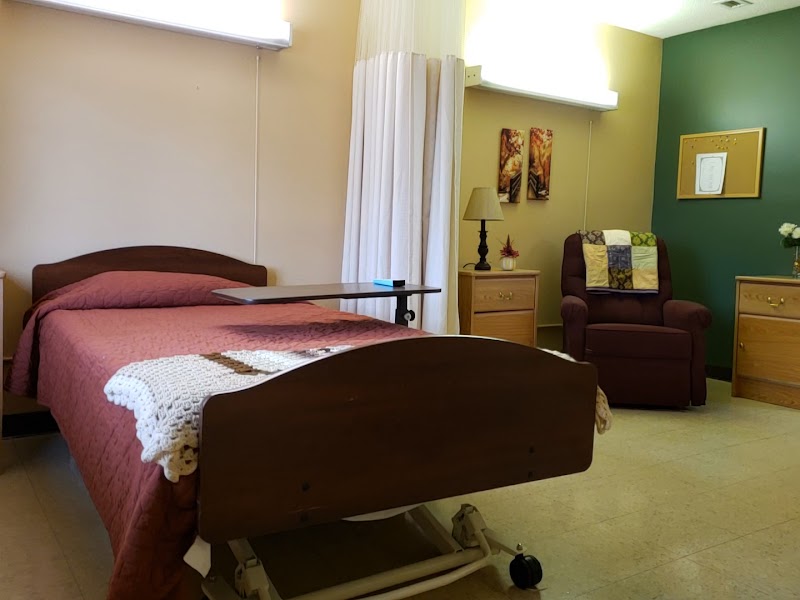
How is Medilodge Of Hillman Staffed?

CMS rates Medilodge of Hillman's staffing level at 5 out of 5 stars, which is much above average compared to other nursing homes. Staff turnover is 24%, compared to the Michigan average of 46%. This relatively stable workforce can support continuity of care.

What Have Inspectors Found at Medilodge Of Hillman?

State health inspectors documented 29 deficiencies at Medilodge of Hillman during 2022 to 2025. These included: 2 that caused actual resident harm and 27 with potential for harm. Deficiencies causing actual harm indicate documented cases where residents experienced negative health consequences.
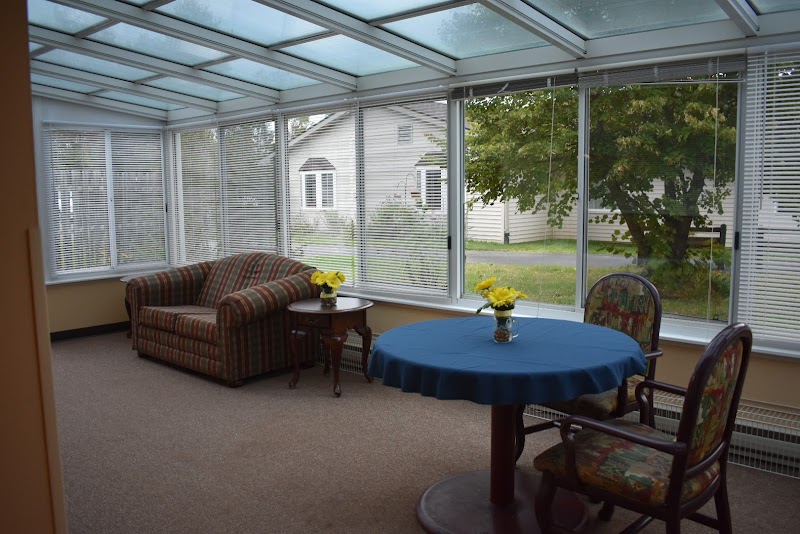
Who Owns and Operates Medilodge Of Hillman?

Medilodge of Hillman is owned by a for-profit company. For-profit facilities operate as businesses with obligations to shareholders or private owners. The facility is operated by MEDILODGE, a chain that manages multiple nursing homes. With 39 certified beds and approximately 37 residents (about 95% occupancy), it is a smaller facility located in Hillman, Michigan.

How Does Medilodge Of Hillman Compare to Other Michigan Nursing Homes?

Compared to the 100 nursing homes in Michigan, Medilodge of Hillman's overall rating (4 stars) is above the state average of 3.1, staff turnover (24%) is significantly lower than the state average of 46%, and health inspection rating (3 stars) is at the national benchmark.

What Should Families Ask When Visiting Medilodge Of Hillman?

Based on this facility's data, families visiting should ask: "Can I visit during a mealtime to observe dining assistance and food quality?" "How do you handle medical emergencies, and what is your hospital transfer rate?" "Can I speak with family members of current residents about their experience?"

Is Medilodge Of Hillman Safe?

Based on CMS inspection data, Medilodge of Hillman has a clean safety record: no substantiated abuse findings (meaning no confirmed cases of resident harm), no Immediate Jeopardy citations (the most serious violation level indicating risk of serious injury or death), and is not on the Special Focus Facility watch list (a federal program monitoring the lowest-performing 1% of nursing homes). The facility has a 4-star overall rating and ranks #1 of 100 nursing homes in Michigan. While no facility is perfect, families should still ask about staff-to-resident ratios and recent inspection results during their visit.

Do Nurses at Medilodge Of Hillman Stick Around?

Staff at Medilodge of Hillman tend to stick around. With a turnover rate of 24%, the facility is 21 percentage points below the Michigan average of 46%. Low turnover is a positive sign. It means caregivers have time to learn each resident's needs, medications, and personal preferences. Consistent staff also notice subtle changes in a resident's condition more quickly. Registered Nurse turnover is also low at 20%, meaning experienced RNs are available to handle complex medical needs.

Was Medilodge Of Hillman Ever Fined?

Medilodge of Hillman has no federal fines on record. CMS issues fines when nursing homes fail to meet care standards or don't correct problems found during inspections. The absence of fines suggests the facility has either maintained compliance or corrected any issues before penalties were assessed. This is a positive indicator, though families should still review recent inspection reports for the full picture.

Is Medilodge Of Hillman on Any Federal Watch List?

Medilodge of Hillman is not on any federal watch list. The most significant is the Special Focus Facility (SFF) program, which identifies the bottom 1% of nursing homes nationally based on persistent, serious quality problems. Not being on this list means the facility has avoided the pattern of deficiencies that triggers enhanced federal oversight. This is a positive indicator, though families should still review the facility's inspection history directly.