Resthaven Care Center
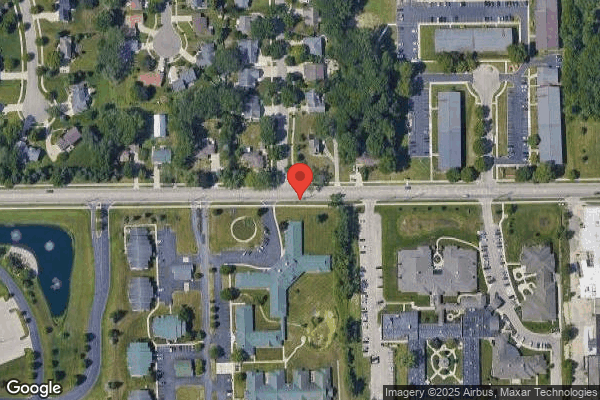
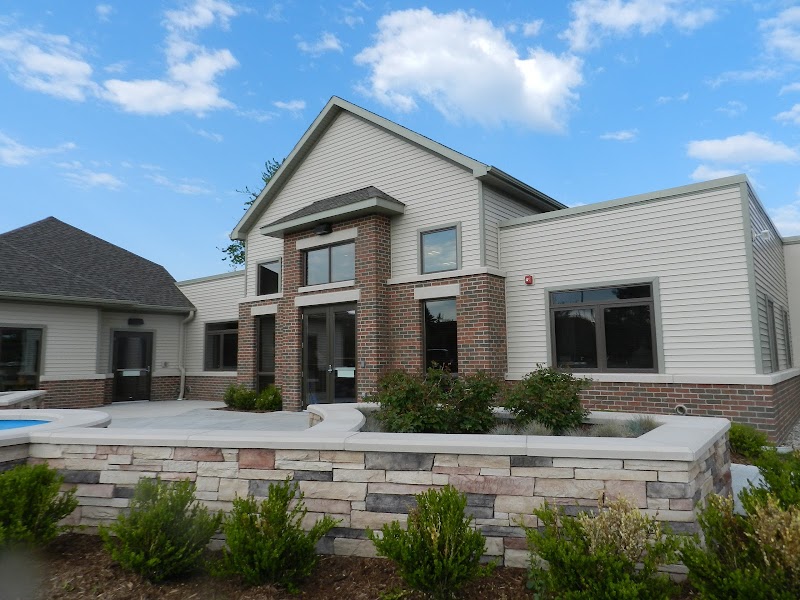
280 W 40th St, Holland, MI 49423 (616) 796-3600
Non profit - Corporation 145 Beds Independent Data: November 2025
Trust Grade
55/100
#225 of 422 in MI
Last Inspection: June 2025

Inspected within the last 6 months. Data reflects current conditions.

Overview

Resthaven Care Center in Holland, Michigan has a Trust Grade of C, indicating it is average and situated in the middle of the pack among nursing homes. It ranks #225 out of 422 facilities in Michigan, placing it in the bottom half, but it is #2 out of 6 in Allegan County, meaning only one local option is better. The facility's performance trend is stable, with 11 issues reported in both 2024 and 2025, and although it has no fines, which is a positive sign, it has less RN coverage than 81% of Michigan facilities, which raises some concern. Staffing is a strength with a rating of 4 out of 5 stars and turnover at 45%, which is average, indicating that while staff retention is decent, it could be improved. Specific incidents include a serious fall of a resident who was left unattended, leading to significant injuries, and failures in maintaining sanitary kitchen conditions that could risk foodborne illness. Overall, while there are strengths in staffing and no fines, the facility does have critical areas needing attention, particularly regarding resident safety and infection control.
Trust Score
C
55/100
In Michigan
#225/422
Bottom 47%
Safety Record
Moderate
Needs review
Inspections
Holding Steady
11 → 11 violations
Staff Stability
○ Average
45% turnover. Near Michigan's 48% average. Typical for the industry.
Penalties
✓ Good
No fines on record. Clean compliance history, better than most Michigan facilities.
Skilled Nurses
○ Average
Each resident gets 30 minutes of Registered Nurse (RN) attention daily — about average for Michigan. RNs are the most trained staff who monitor for health changes.
Violations
⚠ Watch
29 deficiencies on record. Higher than average. Multiple issues found across inspections.
★★★☆☆
3.0
Overall Rating
★★★★☆
4.0
Staff Levels
★★★★☆
4.0
Care Quality
★★★☆☆
3.0
Inspection Score
Stable
2024: 11 issues
2025: 11 issues

The Good

  • 4-Star Staffing Rating · Above-average nurse staffing levels
  • 4-Star Quality Measures · Strong clinical quality outcomes
  • Full Sprinkler Coverage · Fire safety systems throughout facility
  • No fines on record
  • Staff turnover below average (45%)

    3 points below Michigan average of 48%

Facility shows strength in staffing levels, quality measures, fire safety.

The Bad

3-Star Overall Rating

Near Michigan average (3.1)

Meets federal standards, typical of most facilities

Staff Turnover: 45%

Near Michigan avg (46%)

Typical for the industry

The Ugly 29 deficiencies on record

1 actual harm
Aug 2025 1 deficiency 1 Harm
SERIOUS (G) 📢 Someone Reported This

A family member, employee, or ombudsman was alarmed enough to file a formal complaint

Actual Harm - a resident was hurt due to facility failures

Accident Prevention (Tag F0689)

A resident was harmed · This affected 1 resident

**NOTE- TERMS IN BRACKETS HAVE BEEN EDITED TO PROTECT CONFIDENTIALITY** This citation pertains to intake # 2574196Based on interview and record review the facility failed to ensure the safety of 1 res...

Read full inspector narrative →
**NOTE- TERMS IN BRACKETS HAVE BEEN EDITED TO PROTECT CONFIDENTIALITY** This citation pertains to intake # 2574196Based on interview and record review the facility failed to ensure the safety of 1 resident (Resident #1) of 3 residents reviewed for accidents/hazards resulting in Resident #1 having a fall in the facility parking lot while she was left unattended and as a result suffered frontal and temporal lobe hemorrhages, a 4th left rib fracture and a change in capacity.Findings include:Resident #1 (R1)Review of the admission Record and Minimum Data Set (MDS) dated [DATE] revealed R1 admitted to the facility on [DATE] with pertinent diagnoses including cerebral infarction (stroke), chronic fatigue and cognitive communication deficit. R1 was in the hospital from [DATE] to 7/16/2025. Brief Interview for Mental Status (BIMS) on 5/5/2025 reflected a score of 10 out of 15 which indicated R1 was moderately cognitively impaired (8-12 is moderate cognitive impairment) prior to the fall and BIMS on 7/21/2025 reflected a score of 7 out of 15 which indicated R1 was severely cognitively impaired (0-7 is severe cognitive impairment) after the fall.An email correspondence received on 8/1/2025 at 1:08 PM from Family Member (FM) P stated that he was told during transport, the hairstylist stopped to retrieve something from her car, leaving (R1) unattended in the wheelchair. The wheelchair rolled unattended and tipped off a curb, causing (R1) to fall and hit her head on the pavement. It was not stated by the RN but for the wheelchair to move the wheel brakes must not have been engaged. The RN did also mention that there would be some additional training that would be done, referring to the person that was handling the transfer of my mom. She was left unattended during wheelchair transport across a parking lot.and ultimately lost the ability to make her own medical decisions.Review of R1's Fall Risk Assessments dated 11/1/2024, 2/3/2025 and 5/5/2025 revealed that R1 had a history of falls in the past 3 months. Review of R1's Care Plan revealed Focus: I have an ADL self-care performance deficit r/t (related to) activity intolerance, stroke affecting left side. Date initiated 11/1/2024. Interventions/Tasks: Transportation: I use a wheelchair with no footrest, self propel in room, to and from dining, with footrests to activities.Date initiated: 3/31/2025, revision 4/25/2025. Revision on 7/16/2025 revealed Transportation: I use a standard wheelchair for mobility. Please assist me as needed for propulsion.Review of R1's Fall Report dated 7/10/2025 revealed Nursing Description: Direct cares staff informed nurse that resident had fallen out of w/c (wheelchair) outdoors while being transported to the main building to get her hair done. Description: upon arrival resident was noted on ground lying in the fetal position on her left side. Resident was alert and responding appropriately ROM (range of motion) completed to bilateral upper/lower extremities with no verbal visual indicators of discomfort. Resident positioned to the sitting position. A gait belt was placed; resident was assisted to the standing position and placed into w/c (wheelchair) without complication and or indication of discomfort. Resident assisted into facility/room. Swelling/abrasion to left side of forehead evident. Ice pack applied for precautionary measures. Further assessment noted no other s/s (signs/symptoms) of injury. Neuro assessments initiated with no adverse indicators. NP (Nurse Practitioner) notified of occurrence. Voicemail left with POA (power of attorney) with request to contact (facility name omitted) for information associated with fall. Beautician to be educated not to leave residence unattended outdoors.Review of R1's Progress Note dated 7/11/2025 completed by Nurse Practitioner (NP) Q revealed She (R1) did begin complaining of pain in her left side/ribs in the early morning hours today and this was relieved with PRN (as needed) Tylenol. No changes noted to patient mentation as of 0338 today. Provider notified at 0935 today that patient was having some changes in multi-tasking abilities and orientation. In person assessment at 0950. Patient is alert and interactive, LEFT facial droop appears at baseline. Patient oriented to self and location per baseline, with seemingly normal conversational ability. No new focal deficits noted. Patient working on puzzle and several pieces are placed incorrectly which is unusual for her. Patient largely at baseline with some possible mild alteration in mentation. She does take aspirin and clopidogrel related to previous CVA (cerebrovascular accident). Nursing advised to send patient out to ED (emergency department) related to fall with head injury on clopidogrel with possible mentation changes.Review of R1's Progress Note dated 7/11/2025 revealed Transfer Details: Resident Sent To: (Hospital name deleted) Date: 7/11/2025. Reason(s) for Transfer: Trauma (fall-related or other) -- Fall and fluctuating orientation. Transfer is Unplanned. Other: Specify in Explanation area below CT scan of head secondary to fall occurrence dated 7/10/25. Resident also voicing left side discomfort.Review of the hospital notes from R1's hospital stay from 7/11/2025 to 7/16/2025 revealed . She (R1) lives in a facility and was going to get her hair done last night when the person driving the wheelchair forgot to put the brakes on.she fell out and struck her left forehead. Impression/ Plan: left frontal and temporal intraparenchymal hemorrhages (bleeding in brain tissue on the left side of the brain) .left 4th rib fracture.During a phone interview on 8/4/2025 at 11:40 AM, Beautician (B) N stated that on 7/10/2025 in the morning, she went to the cottage to get R1 and wheeled her in her wheelchair with her feet on the foot pedals to the main building for a permanent (perm) hair treatment because she had more supplies to do a perm there. B N said she put R1 on the sidewalk in front of her van by the passenger side, facing sideways with her left side parallel to the van. Then she left R1 to get into her van on the passenger side to get perm rods that she needed for the treatment and R1 said that the gardeners were there and she looked out the window from the van and saw R1's wheelchair was rolling forward and B N saw R1 went down the slope of the sidewalk and her left side hit the van and she ended up face down by the driver's side of the van in the parking lot. B N stated that she did not lock the brakes when she left R1 unattended which was a lapse in judgement. B N said that she didn't receive any formal training with wheelchair safety when she started at the facility until she received a write up and education from Recreation Therapy Manager (RTM) I after the incident. B N stated she had to learn what she could about wheelchair safety on her own and continued to take residents from 1 building to another at times as a favor to help staff.Review of the Employee Corrective Action Report for B N dated 7/10/2025 revealed Type of Violation: Violation of Company Policies and Procedures.Date of Violation: 7/10/25. Time: 9:10 AM. While helping transport resident from building to building resident was left briefly unattended which resulted in a fall. It was signed and dated by B N.During an interview on 8/4/2025 at 1:15 PM, RTM I stated that she gave B N the education piece surrounding safety protocol and awareness after the incident on 7/10/2025. RTM I During another interview on 8/4/2025 @3:10 PM, RTM I stated that B N transferred residents from building to building since she started at the facility 3 years ago but this was the first time she had to give a corrective action and educate B N on wheelchair safety and awareness because of the fall on 7/10/2025. RTM I wasn't sure if B N received any education when she started at the facility. During an interview on 8/4/2025 at 1:31 PM, Education and Infection Control Nurse (EIC) J stated that she does staff education and new employee education but doesn't do any education with contract staff which includes the therapy department and the beautician. EIC J said that Rehab Director (RD) O does education with her therapy staff while RTM I does any education with the beautician. During an interview on 8/4/2025 at 12:25 PM, RD O stated that R1 had poor safety awareness and needed reminders and cueing for safety prior to the fall due to her judgement being off. During an interview on 8/4/2025 at 1:03 PM, Certified Nursing Assistant (CNA) D stated that R1 had poor safety awareness since she first got to the facility and she needs constant reminders to not scoot herself in her wheelchair without supervision/assistance. During an interview on 8/4/2025 at 3:20 PM, Licensed Practical Nurse (LPN) F stated that he was working on 7/10/2025 and completed the fall report and contacted the family. LPN F said he worked at the facility for many years and B N had always taken residents back and forth from building to building depending on what supplies she needed and what hair treatment she was going to do but an incident like this didn't happen before that he knew of. During another phone correspondence on 8/4/2025 at 3:39 PM, B N stated that she had been taking residents from building to building maybe one person every 1-2 months on average since she started working at the facility and stated that she didn't receive any formal training on safety.During an interview on 8/4/2025 at 4:05 PM, Nursing Home Administrator (NHA) A stated that B N started at the facility in November/December 2018. NHA A also said that B N did not have any writeups or education since she started that he could locate. During an interview on 8/5/2025 at 10:41 AM, Social Worker (SW) K stated that R1 had the capacity to make her own decisions before the fall on 7/10/2025 but she couldn't make her own decisions now. SW K said that R1 couldn't look around and use context clues to be successful and her BIMS score declined from moderate impairment to severe cognitive impairment after the fall. SW K stated that the facility started the deeming process (where two physicians evaluate a resident's capacity to make healthcare decisions regarding their treatment options and about their care) and was waiting for 1 more physician signature and then her son FM P would be the activated POA.During an interview on 8/5/2025 at 12:50 PM, when discussing the incident on 7/10/2025, Director of Nursing (DON) B stated that the fall report didn't say whether the brakes on R1's wheelchair were locked or not. DON B verified after the fall that R1 had left frontal and temporal intraparenchymal hemorrhages, a left 4th rib fracture and had neurological changes and increased confusion and would be deemed due to her capacity changes. During an interview on 8/5/2025 at 1:05 PM, NHA A stated if the facility completes education, then they would include the contractors (therapy department and beautician) if needed and when it's in their scope. NHA A said he was aware that B N transported residents and stated that anyone can transport residents in a wheelchair as long as it's in the scope of what they are doing and had education. NHA A verified again that he couldn't locate any wheelchair safety education for B N.According to Wheelchair - Family & Caregiver OT Training Checklist (June, 2020) revealed, This contains a list of topics to cover when providing wheelchair education to family and caregivers. Education about wheelchair types (weight, width, material, etc.), Wheelchair Safety (hills, inclines, curb cuts), Precautions and Contraindications (if any), Brakes, Address psychosocial factors .
Jun 2025 10 deficiencies
CONCERN (D)

Potential for Harm - no one hurt, but risky conditions existed

Resident Rights (Tag F0550)

Could have caused harm · This affected 1 resident

**NOTE- TERMS IN BRACKETS HAVE BEEN EDITED TO PROTECT CONFIDENTIALITY** Based on observation, interview, and record review the facility failed provide a dignified environment and assist residents with...

Read full inspector narrative →
**NOTE- TERMS IN BRACKETS HAVE BEEN EDITED TO PROTECT CONFIDENTIALITY** Based on observation, interview, and record review the facility failed provide a dignified environment and assist residents with care needs in 1 (Resident #52) of 2 residents reviewed for dignity, resulting in feelings of frustration and the potential for depression, loss of self-worth, and an overall deterioration of psychological well-being.Findings include:Resident #52 Review of an admission Record revealed Resident #52 was originally admitted to the facility on [DATE] with pertinent diagnoses which included dysphagia (difficulty swallowing) and depression. Review of a Minimum Data Set (MDS) assessment for Resident #52, with a reference date of 5/23/25 revealed a Brief Interview for Mental Status (BIMS) score of 7/15 which indicated Resident #7 was severely cognitively impaired. Review of Resident #52's Orders revealed, Aspiration precautions: Sit upright for all PO(by mouth) intake and 30 minutes after, check for oral residue, excellent oral care including denture cleaning, encourage small bites, slow rate, drink to follow every 2-3 bites. every shift . Start date: 4/26/25. Review of Resident #52's Care Plan revealed, I have an ADL (Activities of Daily Living) self-care performance deficit r/t (related to) activity intolerance, deconditioning. Date initiated: 4/22/25. Interventions: Eating: I require feed assist. Date initiated: 4/22/25 .In an interview on 6/23/25 at 11:29 AM Resident #52 was lying in her bed. Resident #52 reported that she felt like staff at the facility did not want to help her, and that they did not like to take care of her. Resident #52 reported that she needed help with eating, and that staff would tell her that she could feed herself, and refuse to help her. Resident #52 reported that she felt like some of the staff did not like her. It was noted that Resident #52 was tearful during the interview. In an observation on 6/24/25 at 8:32 AM, Resident #52's breakfast tray was sitting on her table next to her bed untouched. Resident #52 was noted to be lying in bed flat on her back. It was noted that Resident #52's breakfast tray had not been set up for Resident #52. In an observation on 6/24/25 at 9:13 AM, Certified Nursing Assistant (CNA) P entered Resident #52's room and asked Resident #52 if she was going to eat her breakfast. CNA P set up Resident #52's food tray and said All right (Resident #52) here you go, you can do it. As CNA P began to walk out of Resident #52's room, Licensed Practical Nurse (LPN) FF told CNA P that Resident #52 needed help with eating her breakfast. CNA P said loudly in front of Resident #52 (Resident #52) can do it herself, I know she can. She does not need help. CNA P then turned to Resident #52 and said to her again You can do it yourself. CNA P then exited Resident #52's room. Resident #52 was noted to be sitting up in bed staring at her breakfast tray. In an interview on 6/24/25 at 9:19 AM, LPN FF confirmed that Resident #52 required assistance with eating, and that staff were supposed to assist Resident #52 with eating. During an interview on 6/24/25 at 11:44 AM, CNA P reported that sometimes Resident #52 required assistance with feeding, and sometimes she did not. CNA P reported that staff followed the Resident care plan to determine if the resident required assistance with feeding. CNA P confirmed that Resident #52's care plan indicated that she needed assistance with feeding. CNA P then reported that even though Resident #52's care plan noted that she required assistance with feeding, that she felt that Resident #52 could feed herself. CNA P was unable to report on why she felt that Resident #52 could feed herself. In an interview and observation on 6/25/25 at 9:07 AM, Resident #52 was sitting up in her bed with her breakfast tray in front of her. When this writer entered her room, Resident #52 asked this writer to please help me with my breakfast. Resident #52 reported that she wanted to eat, but that she needed help. Resident #52 was trying to take a drink from her cup, and was struggling to bring the cup to her mouth. This writer found CNA P in the hallway and informed her that Resident #52 was asking for assistance with eating her breakfast. CNA P then entered the room and began to assist Resident #52 with her meal. After Resident #52 took a few bites of her food, she told CNA P that she was having a hard time swallowing. CNA P began asking her over and over, Well do you want to be done then, do you want to be done then? Resident #52 told CNA P that she wanted to eat, but that she was struggling to swallow. CNA P replied to Resident #52 and said Well, I would have a hard time eating too if I was swallowing the way you are. You need to put your head in the right alignment. Do you want to be done then? Resident #52 again said that she wanted to eat, and CNA P assisted Resident #52 to a better position to swallow more easily. CNA P continued to assist Resident #52 with her meal and frequently asked her if she wanted to be done every few bites. In an interview on 6/25/25 at 9:21 AM, CNA P reported that she was assisting Resident #52 with her meal prior to when this writer entered her room, but she had to leave to pick up trays and keep up with the tasks on the floor. CNA P confirmed that Resident #52 was having trouble swallowing because of the way her head was tilted and that she needed to help Resident #52 adjust it. CNA P confirmed that Resident #52 was not able to adjust her head on her own. When this writer asked if she felt like she had enough time to assist Resident #52 to eat at her own pace, CNA P' was not able to answer.Review of the facility's Resident Rights policy revealed, Policy: The facility will provide written guidelines that will aid our facility in protecting and promoting each resident's right to a dignified existence, self-determination, and communication with and access to persons and services inside and outside the facility that enhances the resident's quality of life. Policy Explanation and Compliance Guidelines: The objectives of Resident Rights are: 1. To provide each resident with a clear statement of how he or she will be treated by the facility, its personnel, volunteers, and others involved in providing care/services. 2. To protect and promote the rights of each resident as guaranteed to them under federal and state law to include: A. Privacy and respect .Review of the facility's Dignity policy last revised 6/2/23 revealed, It is the practice of this facility to treat each resident with respect and dignity and care, recognizing each resident's individuality and protecting the rights of each resident. Guidelines. Cares: Follow the care plan/Kardex for daily cares, transfers, and person centered care outlined in the care plan .
CONCERN (D)

Potential for Harm - no one hurt, but risky conditions existed

Deficiency F0578 (Tag F0578)

Could have caused harm · This affected 1 resident

**NOTE- TERMS IN BRACKETS HAVE BEEN EDITED TO PROTECT CONFIDENTIALITY** Based on interview and record review the facility failed to ensure accurate documentation of advance directives - code status (r...

Read full inspector narrative →
**NOTE- TERMS IN BRACKETS HAVE BEEN EDITED TO PROTECT CONFIDENTIALITY** Based on interview and record review the facility failed to ensure accurate documentation of advance directives - code status (resident wishes for life sustaining interventions an emergency) for 1 (Resident #389) of 28 residents reviewed for advance directive - code status documentation resulting in the lack of an order or other documentation for the first 5 days of Resident #389's stay. Findings include:Review of an admission Record revealed Resident #389 was a female who admitted to the facility on [DATE] and had pertinent diagnoses which included: vascular dementia (dementia related to blood flow through narrowed blood vessels) and Alzheimer's disease. Review of a Minimum Data Set (MDS) assessment for Resident #389, with a reference date of [DATE] revealed a Brief Interview for Mental Status (BIMS) score of 6/15 which indicated Resident #389 was severely cognitively impaired. (BIMS score 0-7 indicates severe cognitive impairment).Review of Order Summary for Resident #389 on [DATE] revealed no noted order in place regarding the resident's code status. In an interview on [DATE] at 3:41 pm, Resident #389 reported that she wished to be a Do Not Resuscitate (DNR), (no cardiopulmonary resuscitation to be done in the facility if her heart stopped or she stopped breathing). Review of Resident #389 medical record revealed she had an appointed guardian and was not able to sign or speak for herself regarding her medical choices. In an interview on [DATE] at 12:12 pm, Social Worker (SW) QQ reported that the admitting nurse was who should complete advance directive forms. SW QQ reported that an order was required for every resident related to code status. SW QQ reported if a resident was to be a DNR then the resident or their representative and the doctor needed to sign the DNR form; once the DNR form was signed then the order could be placed for code status of DNR. SW QQ reported while waiting for the DNR form to be signed then nurse needed to ensure that here was an order for full code in place in the resident's record. SW QQ at this time reviewed Resident #389's record and confirmed that there was no order in place for a code status. In an interview on [DATE] at 12:21 pm, Clinical Manager (CM) O reviewed Resident #389's record and confirmed that there was no order for code status and CM O asked can I add it now? CM O then added an order for full code to Resident #389's record. In an interview on [DATE] at 12:23 pm, Licensed Practical Nurse (LPN) C reported that the admitting nurse was responsible for inputting code status orders into a resident's record. LPN C reported that a resident was a full code until the DNR form was signed by the resident and the doctor. LPN C reported that once the form was signed then the order could be changed to DNR. LPN C reported that a physician order was required for code status. In an interview on [DATE] at 12:34 pm, LPN X reported that a physician order was required code status and that every resident needed a code status in their record. LPN X reported that all resident who wanted to be a DNR had to have a DNR form signed by the physician before the order could be changed and that the resident was a full code until the form was signed. Review of Order Summary for Resident #389 revealed .Full code (Attempt CPR) with a start date of [DATE] and a discontinue date of [DATE] authored by CM O . Code status DNR (NO CPR) . with a start date of [DATE] authored by CM O .Review of Michigan Physician Orders For Scope of Treatment for Resident #389 revealed signatures from the resident representative and the physician and a date of [DATE]. Review of facility policy Code Status with a review date of [DATE] revealed . as part of the admission process, each resident/elder/responsible part will be asked to complete (Name Omitted) code status form . once the resident/elder/responsible party has completed the code status form, it will be reviewed and signed by the physician .The code status will be found in the resident's/elder's medical record .
CONCERN (D)

Potential for Harm - no one hurt, but risky conditions existed

Deficiency F0645 (Tag F0645)

Could have caused harm · This affected 1 resident

Based on interview and record review, the facility failed to ensure a Preadmission Screening (PAS) / Annual Resident Review (ARR) Level I Screening Form DCH-3877 was completed annually for 1 (Resident...

Read full inspector narrative →
Based on interview and record review, the facility failed to ensure a Preadmission Screening (PAS) / Annual Resident Review (ARR) Level I Screening Form DCH-3877 was completed annually for 1 (Resident #37) of 2 residents reviewed for preadmission screening / annual resident review screening, resulting in the potential for unmet mental health care needs. Findings include: Review of an admission Record revealed Resident #37 was a male, with pertinent diagnoses which included: anxiety disorder, unspecified; dementia in other diseases classified elsewhere, unspecified severity, with psychotic disturbance; and delusional disorders. Review of a Minimum Data Set (MDS) assessment for Resident #37, with a reference date of 3/14/25 revealed a Brief Interview for Mental Status (BIMS) score of 13, out of a total possible score of 15, which indicated Resident #37 was cognitively intact. Review of an OBRA (Omnibus Budget Reconciliation Act) PASARR Correspondence letter for Resident #37 dated 3/7/23 revealed, .The recipient may be admitted to or remain in the nursing facility and receive mental health services. Further PASARR Level II Evaluations (Annual Resident Reviews) are not required unless a significant change has been reported by the nursing facility. This does not alter the nursing facility's requirement for completing the annual Level I (DCH-3877) or reporting significant changes .A copy of this notice is required to remain in the recipient's medical record along with the current Level I (DCH 3877) . A review of Resident #37's electronic medical record on 6/24/25 at 9:07 AM revealed the most recent Level I (DCH-3877) Form had been completed for Resident #37 on 11/20/23. No subsequent Level I (DCH-3877) Forms for Resident #37 were found. In an interview on 6/24/25 at 12:30 PM, Social Services Technician (SST) HHH reported the last Level I (DCH-3877) Form that had been completed for Resident #37 was done in 2023 (referring to the form completed on 11/20/23). SST HHH reported Resident #37 should have had another Level I (DCH-3877) Form completed in 2024. SST HHH reported Social Worker (SW) Y was the social worker responsible for completing this form for Resident #37. In an interview on 6/24/25 at 1:37 PM, SW Y reported Resident #37 should have had a Level I (DCH-3877) Form completed in 2024 and they had it marked in their system as being completed but they couldn't find it. In a subsequent interview on 6/25/25 at 9:43 AM, SW Y reported she had contacted the OBRA coordinator who also could not locate a more recent Level I (DCH-3877) Form since the one completed in 2023.
CONCERN (D)

Potential for Harm - no one hurt, but risky conditions existed

Deficiency F0658 (Tag F0658)

Could have caused harm · This affected 1 resident

Based on observation, interview and record review, the facility failed to ensure professional standards of nursing were followed for treatment of a skin tear for 1 (Resident #43) of 1 resident reviewe...

Read full inspector narrative →
Based on observation, interview and record review, the facility failed to ensure professional standards of nursing were followed for treatment of a skin tear for 1 (Resident #43) of 1 resident reviewed for professional standards of nursing practice. Findings include: Review of an admission Record revealed Resident #43 was a female with pertinent diagnoses which included Alzheimer's disease, dementia with behavioral disturbance, and pressure inducted deep tissue damage of right heel. Review of Care Plan for Resident #43 revised on 6/8/25 revealed the focus, .The resident has potential impairment to skin integrity due to limited mobility and incontinence. She can be resistant and refuse care and toileting at times with combativeness - hitting, kicking - that could cause skin injury and delay in care . with the intervention .Derma Sleeves- to bilateral arms when up . Review of Treatment Administration Record (TAR) for June 2025 revealed, documentation of Resident #43 with bilateral derma sleeves noted as on for day, evening, and night shifts. Review of Order for Resident #43 revealed, .Monitor skin tear to left outer forearm, steri-strips in place, clean and reapply if needed, every shift .Start Date: 05/23/2025 . Review of TAR for June 2025 for Resident #43 revealed, .Complete wound UDA-skin tear to outer left forearm every evening shift every Fri .Start Date: 05/30/2025 . During an observation on 06/23/25 at 11:01 AM, Resident #43 was seated in the atrium, and she had a bandage on her left forearm with no date or initials. No derma sleeves were observed on resident's arms. During an observation on 06/23/25 at 12:27 PM, Resident #43 was seated in her wheelchair in the dining room, and she had a bandage on her left forearm with no date or initials noted on it. No derma sleeves were observed on resident's arms. During an observation on 06/23/25 at 12:41 PM, Resident #43 was seated in her wheelchair in the dining room and was observed to have a bandage on her left forearm with no date or initials noted on it. Review of Skin Assessment dated 6/17/2025 at 5:12 PM for Resident #43, revealed, .Reason for Assessment: Weekly/Biweekly skin Observation .Notes: Skin assessment, Skin warm and dry, See wound UDA for Right forearm, left dorsal palm/hand, Left forearm, right heel, Treatments done per order .Uses a high back wheelchair for mobility, does not self-propel in wheelchair .Unit Director was previously notified of the skin impairment .Interventions: Pressure reducing device for chair in place .Pressure reducing device for bed in place .Nutritional supplements in place. Ointment applied to the area of skin impairment . Review of orders revealed no order for a dressing for Resident #43's left forearm skin tear. In an interview on 06/25/25 at 11:12 AM, Licensed Practical Nurse (LPN) HH reported when a resident had a skin tear, the floor nurses were the ones who completed the wound assessment and took the photos, type of treatments discussed with the provider on what they would like for the floor nurses to do. LPN HH reported if the resident had a pressure ulcer then the wound nurse would be consulted to review. LPN HH reported the nurse would contact the provider to obtain an order for any changes in treatment. LPN HH reported the bandage should have had initials and a date written on it. In an interview on 06/25/25 at 11:18 AM, Wound Nurse (WN) SSS reported she would not be involved in the care of the skin tears unless there was a flap of skin missing or it was a significant skin tear. WN SSS reported for residents with fragile skin an intervention used was application of extra cream to help prevent skin tears. In an interview on 06/25/25 at 01:31 PM Director of Nursing (DON) B reported Resident #43 had fragile skin with lots of risk reports. DON B reported she had multiple interventions such as protective sleeves, or at least long sleeves to protect her skin.
CONCERN (D)

Potential for Harm - no one hurt, but risky conditions existed

Pressure Ulcer Prevention (Tag F0686)

Could have caused harm · This affected 1 resident

**NOTE- TERMS IN BRACKETS HAVE BEEN EDITED TO PROTECT CONFIDENTIALITY** Based on observation, interview, and record review, the facility failed to provide the necessary care and services to prevent, t...

Read full inspector narrative →
**NOTE- TERMS IN BRACKETS HAVE BEEN EDITED TO PROTECT CONFIDENTIALITY** Based on observation, interview, and record review, the facility failed to provide the necessary care and services to prevent, treat, and promote healing of pressure ulcers in 1 of 2 residents (Resident #126) reviewed for pressure ulcers, resulting in the lack of repositioning and implementation of care planned interventions, delayed healing of pressure ulcers for the resident, and the potential for infection and the development of new ulcers.Findings include: Review of an admission Record revealed Resident #126 was a female with pertinent diagnoses which included pressure ulcer of right buttock, stage 3, dementia, diabetes and adult failure to thrive. Review of Care Plan for Resident #126 revised on 06/09/2025, revealed the focus, .The resident has open area to right buttocks. Healing complicated by poor intake, incontinence and diabetes . with the interventions .Administer treatments as ordered and monitor for effectiveness .Assess/record/monitor wound healing Measure length, width and depth where possible. Assess and document status of wound perimeter, wound bed, drainage and healing progress. Report improvements and declines to the MD (Medical Doctor) .Educate the resident/family/caregivers as to causes of skin breakdown; including: transfer/positioning requirements; importance of taking care during ambulating/mobility, good nutrition and frequent repositioning .Instruct/assist to shift weight in chairs/recliner chair regularly .Pressure Relief- cushion in her recliner and wheelchair . Review of Kardex dated 06/23/2025 for Resident #126, revealed, .Bed Mobility: I need minimal assistance to turn and reposition in bed .Encourage resident to stay in common areas when awake .Skin Health: Apply a sheer layer of barrier cream with each incontinence .INCONTINENT: Check regularly and as required for incontinence. Wash, rinse and dry perineum. Change clothing PRN (as needed) after incontinence episodes .Instruct/assist to shift weight in chairs/recliner chair regularly .Pressure Relief- cushion in her recliner and wheelchair .Reposition after meals, with toileting, with cares in bed and in chair/recliner chair .Review of Order dated 04/28/2025 for Resident #126, revealed, .Wound Care to see patient for area on right buttocks . Review of Order dated 05/14/2025 for Resident #126, revealed, .Monitor open areas to right inner gluteal cleft (groove or crease located between the buttocks) w/ (with) ordered border gauze dressing in place every shift . Review of Order dated 06/04/2025 for Resident #126, revealed, .Right buttock wound - cleanse and flush with NS (normal saline)/wound cleanser. Lightly Pack with collagen. Cover with silicone bordered foam dressing. every day shift every other day for Wound care . Review of Order dated 06/04/2025 for Resident #126, revealed, .Right buttock wound - cleanse and flush with NS/wound cleanser. Lightly Pack with collagen. Cover with silicone bordered foam dressing. as needed for dressing disruption/soilage . Review of Minimum Data Set (MDS) Significant Change dated 03/31/2025, revealed, .(Resident #126) is at risk for pressure ulcers because she has incontinence, fluctuating intake of food and fluids (however this has improved within the last several months) her blood sugars fluctuate, and she has assistance with bed mobility at times. (Resident #126)'s overall mobility and time spent in bed has changed in the last months showing improvement in her ability to change positions and she makes position changes now in bed and chairs independently most often and she is spending much of her day out in the common area as well. (Resident #126) remains at risk for skin breakdown however therefore has a care plan for risk for impaired skin integrity with interventions to help prevent pressure ulcers. (Resident #126) does not have any pressure ulcers, see care plan .Review of Nursing Progress Note dated 4/26/2025 23:15 for Resident #126 revealed, .Resident noted to have superficial open area to intergluteal cleft, cleaned affected area with normal saline wipe and applied dermaseptin. Notified NP (Nurse Practitioner) (Name) .Wound UDA (assessment) completed, no new orders at this time. Resident resting in bed with even and unlabored respirations, pressure reducing interventions implemented .Review of Skin & Wound assessment dated [DATE] for Resident #126 , revealed, .Pressure ulcer, Stage 2, In house acquired .Discovered 4/25/25 .0.2 x 0.5 x 0.5 CM, treatment - Dermaseptin applied per orders, no dressing and no cleansing .interventions: turning / repositioning, and other .Review of Skin & Wound assessment dated [DATE] at 1:03 PM for Resident #126, revealed, .0.3 x 0.9 x 0.5 depth 0.9 and undermining 0.7 CM .Review of Skin & Wound assessment dated [DATE] at 11:56 AM for Resident #126, revealed, .0.3 CM x 0.7 CM x 0.6 CM depth 0.3 CM .undermining 0.2 CM . Review of Skin & Wound assessment dated [DATE] at 11:01 AM for Resident #126, revealed, .Pressure Stage 3 intergluteal cleft, medial, superior 1-3 months <0.1 CM Area x 0.5 CM Length x 0.3 CM Width x 0.3 CM Depth x 0.4 Undermining .Granulation 100% of wound filled .Moderate exudate . Serosanguineous Discoloration - black/blue .Extent: 1.5 CM .Review of Skin & Wound Evaluation dated 6/18/25 at 10:54 PM for Resident #126, revealed, .Exact date: 4/26/25 .in house acquired .1-3 months .Area: 0.2 CM x 0.7 CM length x 0.4 CM width .Depth: 0.2 CM .Undermining 0.3 CM .granulation 100% of wound filled .moderate exudate, serosanguineous, no odor. surrounding tissue: unbroken skin .Normal in color .Review of Skin Observation dated 6/24/25 at 2:42 PM for Resident #126, revealed, .Skin warm and dry, See wound UDAs for right outer lower leg, right Buttocks, Dressing done to right buttocks per order, tolerated dressing change, senile purpura to upper and lower extremities, Continent/incontinent of bowel and bladder .Interventions: Pressure reducing device for chair, Pressure reducing device for bed, Turning/Repositioning program, Nutrition or Hydration intervention to manage skin problems .Applications of ointments/medications other than to feet .Review of Hospice Comprehensive Assessment Details dated 06/18/2025, revealed, .the need for antibiotic therapy for chronic stage three to the right buttocks, several wound care adjustments, increased need of PRN (as needed) Morphine (effective), and a poor appetite. (Resident #126) is frail at her baseline and does not walk often; she sleeps 16+ hours daily .During an observation on 06/23/25 10:51 AM Resident #126 was observed seated in the atrium in a recliner, she had her feet up on the footrest, blanket over her legs, she laid in a supine position, head of recliner was approximately 60 degrees.During an observation on 06/24/25 at 2:36 PM, Resident #126 was observed in the recliner in the atrium, she had her feet up, was lying in a supine position. The head of the recliner was approximately 40 degrees. During an observation on 06/25/25 at 10:15 AM, Resident # 126 was observed in the recliner, she had her feet up, non-slip socks on her feet, and the recliner was placed at approximately 60-70 degrees. She was in a supine position. In an interview on 06/25/25 at 11:05 AM, Licensed Practical Nurse (LPN) HH reported Resident #126 had a special gel pad placed under her for when she was seated in the recliner in her room or common area. LPN HH reported the head of a bed should be under 45 degrees and definitely should not have her seated at 90 degrees. LPN HH reported the wound was debrided and then it opened up and she began to see the wound nurse and provider. LPN HH reported the providers would let the nurses know the orders for treatment. This writer observed LPN HH assist Resident #126 to a standing position and there was no gel pad in the seat of the reclinerDuring an observation on 06/25/25 10:36 AM LPN HH went to Resident #126's room and the pad was on a black chair in the corner off to the right side as you enter the room. LPN HH grabbed the gel pad and went back to the atrium and asked Resident #126 to stand up again to place the gel pad under her while in the recliner. When queried, LPN HH reported the gel pad should have been under Resident #126 while she was in the recliner. In an interview on 06/25/25 11:18 AM, Wound Nurse (WN) SSS reported Resident #126's pressure ulcer was debrided by the wound provider, developed an abscess and had to be debrided again by the wound provider. WN SSS reported it had initially started as a stage 2 pressure ulcer and developed into a stage 3 pressure ulcer. WN SSS showed this writer photos of Resident #126's wound progression as it worsened from a stage 2 to a stage 3. WN SSS reported it appeared to develop the abscess approximately on 5/7/25 when reviewing the photos. WN SSS reported when the wound opened, the wound team was called in to provide care and monitor the pressure ulcer. In an interview on 06/25/25 10:39 AM LPN HH reported if a resident refused cares, it would be documented in the record, the resident would be reapproached by staff, then different staff, and/or the nurse and the resident continued to say no, this was documented in the treatment administration record which would have a pop up for the nurse to enter a progress note. In an interview on 06/25/25 at 01:31 PM, Director of Nursing (DON) B reported if a resident refused cares the aides would use an alternative intervention, reapproach, walk away, try to reapproach at a later time, if the resident was still refusing the CNA would notify the nurse and the nurse would attempt to persuade the resident to allow the care to be performed.In an interview on 06/25/25 01:39 PM, DON B reported when the skin assessment was completed, nurses would complete a risk management report (incident report), and ongoing assessment and wound UDAs would be completed. DON B reported she reviewed the assessments weekly to determine if the wounds were improving or declining, change interventions/treatments needed to be changed and the facility had a wound committee would review as well to determine if the treatments were effective as well. DON B reported the skin assessments were completed at admission, weekly, and when a resident had a shower/bath. DON B reported skin assessments would be completed more than the standard if the resident had an actual wound. DON B reported if there were changes the provider would be notified to help get the wound going in another direction for healing.Review of policy, Prevention of Pressure Ulcers revised on 12/12/24, revealed, .To provide guidelines for skin care to assist in preventing the development of pressure ulcers in residents identified to be at risk .4. For a person in bed'. change position at least every two hours; if indicated, use a special mattress that contains foam, air, gel, or water; and raise the head of the bed as little and for as short a time as possible, and only as necessary for meals, treatments and as medically necessary. Use supportive devices per resident ' s Plan of Care. Repositions the top covers. Leave the bed covers loose so that air can circulate to all parts of the body and to prevent pressure on toes, feet and heels .5. For a person in a chair. Change position at least every two hours and use foam, gel or air cushion as indicated to relieve pressure .6. Reduce friction and shear by. lifting, using appropriate lifting technique and equipment, rather than dragging when repositioning .
CONCERN (D)

Potential for Harm - no one hurt, but risky conditions existed

Accident Prevention (Tag F0689)

Could have caused harm · This affected 1 resident

**NOTE- TERMS IN BRACKETS HAVE BEEN EDITED TO PROTECT CONFIDENTIALITY** Based on observation, interview, and record review, the facility failed to provide adequate supervision and ensure appropriate t...

Read full inspector narrative →
**NOTE- TERMS IN BRACKETS HAVE BEEN EDITED TO PROTECT CONFIDENTIALITY** Based on observation, interview, and record review, the facility failed to provide adequate supervision and ensure appropriate transfer techniques were implemented for 2 (Resident #96 and Resident #102) of 9 residents reviewed for accidents resulting in an increased risk for falls and injuries. Findings include: Resident #96Review of an admission Record revealed Resident #96 was originally admitted to the facility on [DATE] with pertinent diagnoses which included: unspecified dementia (general term for loss of memory, language, problem-solving and thinking abilities that are severe enough to interfere with daily life). Review of a Minimum Data Set (MDS) assessment for Resident #96 with a reference date of 4/21/25, revealed a Brief Interview for Mental Status (BIMS) score of 0/15 which indicated Resident #96 was severely cognitively impaired. Section GG revealed Resident #96 needed supervision or light touching to transfer from sitting to standing. Review of a Care Plan for Resident #96 with a reference date of 2/25/21, revealed a focus/goal/interventions of: Focus: (Resident #96) needs assistance with her ADL's (activities of daily living) because she has dementia. Goal: Resident will accept assistance with care he/she is not able to do for her/himself .Interventions: TRANSFER: .Assist as needed, may need assist getting up from low or soft furniture. During an observation on 6/24/25 at 12:22pm, Resident #96 sat in a small recliner in the common area of the facility's memory care unit. Certified Nursing Assistant's (CNA) J and BB stood facing Resident #96, on either side of the recliner, placed their flexed forearms under Resident #96's armpits and simultaneously lifted the resident from the low seated position to a standing position. The CNA's held on to the waistband of Resident #96's pants with their opposite hands as they lifted the resident. No gait belt was in place on Resident #96; however, CNA BB had a gait belt looped across her own body from shoulder to waist. CNA J then turned to the surveyor and stated Sorry, our little lady (Resident #96) needed help getting up from that low chair. In an interview on 6/24/25 at 12:24pm, CNA J confirmed that she and CNA BB completed a sit to stand transfer of Resident #96 without the use of a gait belt and instead, hooked their arms under the resident's and held on to the resident's waistband as they lifted her from the chair. In an interview on 6/24/25 at 1:02pm, Physical Therapist (PT) EEE reported a gait belt should always be used by staff when assisting residents with transferring from one position to another. PT 'EEE reported it was the expectation that any time a staff member is providing physical support of a resident, the safest way to do so was with the use of a gait belt. PT EEE reported staff that transfer residents by hooking their arms under the residents could easily result in injuring the resident's should joint. In an interview on 6/25/25 at 1:57pm, Nursing Home Administrator (NHA) A confirmed it was the expectation that staff members use a gait belt to assist resident's with transfers. Review of a facility Gait Belt policy with a reference date of 2025 revealed Purpose: To ensure the safe ambulation and transfer of residents through the standardized use of gait belts, thereby reducing the risk of injury to residents and staff. Policy Statement: Gait belts will be used by all direct care staff when assisting resident with transfers .Proper use of gait belts enhances resident stability, supports mobility, and minimizes the risk of falls and injury. Procedures .Residents refusing gait belt use will have that preference addressed and documented . Resident #102:Review of an admission Record revealed Resident #102 was a male with pertinent diagnoses which included dementia, Parkinson's disease with dyskinesia with fluctuations (dyskinesia symptoms are jerky movements they can't control such as swaying, wriggling around, [NAME] your head and can spread to the whole body), muscle wasting and atrophy (decrease in size or wasting away of a body part or tissue), dysphagia (damage to the brain responsible for production and comprehension of speech), anxiety, cerebellar ataxia (the cerebellum that coordinates voluntary movements is damaged) and osteoarthritis (the protective cartilage that cushions the ends of the bones wears down). Review of admission summary dated [DATE] at 6:52 PM, revealed, .Not processing well for new information, hx (history) of falls, will try to get out of bed .has confusion .unable to ambulate .has hx of frequency urinating .continent of bowels . Review of Nursing Progress Note dated 4/20/25 at 7:53 PM, revealed, .Daughter called to this nurse that guest was on the floor. Upon arrival, guest was on his hands and knees facing the bed, wheelchair behind him. Call light was on, alarm was not sounding. Guest stated I fell, as you can see .with x3 assist pt assisted to wheelchair. Guest reported he needed to use the restroom, guest toileted, Large BM result . Note: No incident or risk management report was provided to this writer when requested all reports for Resident #102. Review of Incident Report - Unwitnessed Fall dated 4/22/25 at 10:40 PM, revealed, .Nursing Description: This nurse was alerted by staff that the resident had fallen and was on the floor. This nurse went to the resident's room and noted him lying on his right side with his right arm underneath him in front of his recliner clutching an incontinence pad that staff stated was in the recliner under him originally. The resident's alarm pad was noted in the recliner seat and was on, but staff stated that it was not sounding when they noted the resident on the floor .Resident was toileted after the incident and staff believes that was his initial goal due to the resident having an incontinence episode of BM at the time .Injury: Right shoulder (rear) .This nurse noted a reddened area to his right should blade .Predisposing Environmental Factors: Alarm not Functioning .Predisposing Situation Factors: Attempting to toilet self .Ambulating without assist .Fall Investigation: Date of Last Fall: 4/20/25 .This is resident's 2nd fall r/t (related to) need for toileting .New intervention to implement toileting schedule and do bowel and bladder log to establish patterns . Review of Nursing Progress Note dated 4/23/25 at 06:33 AM, revealed, .Replaced guest alarm and it appears to be functioning properly without issue . Review of Nursing Progress Note dated 4/23/25 at 3:18 PM, revealed, .Guest's alarm started beeping and this nurse got up to check on guest. Guest was observed on floor crawling to bed from his recliner .Guest brought to common area . Review of Incident Report - Un-Witnessed Fall dated 4/23/25 at 3:00 PM, revealed, .Guest's alarm started beeping and this nurse got up to check on guest. Guest was observed on floor crawling to bed from his recliner .Guest brought to common area .Notes: 4/23/25: Guest last seen by Nurse an hour ago .Last fall was night prior .New intervention for q2h (every 2 hours) toileting .4/25/25: New intervention to encourage resident to sit in common area to increase supervision . Review of Secure Conversations dated 4/24/25 at 07:02 AM, revealed, .Guest had another unwitnessed fall. Walked in and guest was on hands and knees crawling to bed . Review of Incident Report - Unwitnessed Fall dated 4/24/25 at 8:45 PM, revealed, .The nurse was alert to resident being on hands and knees in common area by the tv. Resident observed on hands and knees by chair near tv .resident stated he was going to grab his iPad, unable to give more of a description .Predisposing Physiological Factors: Gait imbalance, impaired memory, poor standing balance, confused, antidepressants .Other info: is on alarms currently .Immediate Intervention: keep iPad close to the resident . Review of Order dated 5/1/25 for Resident #102 revealed, .Check chair alarm for function and placement q shift. every shift for fall .Start date: 5/1/25 . Review of Social Work admission assessment dated [DATE] at 11:11 AM, revealed, .Resident is deemed incapacitated. Current level of cognitive functioning: Resident had a diagnosis of dementia. He presents with disorientation and confusion. His cognition has the potential to fluctuate. His executive functioning is impaired .History of attempting to self-transfer and stand, rummaging, wandering, delusions, and agitation . Review of Nursing Progress Notes dated 5/15/25 at 2:48 PM, revealed, .Required 1 person assist with pivot transfer/sit to stand 2 assist as needed. Requires sensor alarm when in bed and chair alarm when in chair or wheelchair . Review of Concern Form - Cares dated 5/15/25 at 9:00 PM, revealed, .Nursing Description: (First Name), Daughter, expressed concern after returning to visit (Resident #102) at around 9pm just before the storm. Family expressed concern that no staff nearby. Resident was almost out of recliner. Back of knees were still in contact with foot area of recliner. Family assisted resident back in recliner and observed what appeared to be blood on nose (later discovered it was chocolate ice cream). Daughter then went to seek out CNA (Certified Nursing Assistant). Family expressed concern with CNA ' s responses once found .Resident Description: Resident Unable to give Description .Immediate Action Taken: CNA supervisor was notified of situation by on shift nurse. CNA supervisor assisted resident with cares and repositioning from recliner to bed. Nurse administered medications 9:30pm. Resident alarms in place and functioning properly .Statements: .(Licensed Practical Nurse (LPN) YYY): Family was upset with resident sliding down out of recliner, and they came to get me. The family was upset because they didn't like their interaction with the CNA. The family relayed to me that CNA seemed dismissive. I reached out to unit manager on phone and CNA supervisor .(Certified Nursing Assistant (CNA) ZZZ): I was getting towels and helping 110 to go to bed. I went to get her linen and, on my way, back to her room, A lady came up to me and approached me. She said, what happened to my dad ' s nose, do you know what happened? I didn't know who she was or who her dad was. Then she told me who her dad was. I said I'm not sure if you want to talk to the nurse she is probably in the office. I went in there 2-3 times, and I went in to take his tray and never saw anything. She thought he was injured. The new nurse came over and she has been giving me a hard time. I overheard her talking about me to the family. Saying I hadn't checked on him. They found that it was chocolate ice cream on his nose. After the nurse talked with family, she called someone else to come do his cares. The nurse came up to me and told me she wasn't in the office.(R102 Family Member (FM) AAAA: We were visiting my dad in the afternoon and then left to get dinner. When we came back around 9pm we saw my dad with his knees down to recliner. He had slid down, and he would normally be in bed at this time. He had what looked like blood on his nose. I walked out of room to find assistance and found a CNA. I asked the aide, who had my dad and why did it look like blood was on his nose? The aide was dismissive towards me and when I asked for some assistance, the aide said, I don't know, go ask the nurse. I asked her where the nurse was. The aide said, Probably in the office sitting down. I went to the office to find the nurse and she was not in the office. I found her coming out of a room and then she helped me. We went to room to see what happened to my dad ' s nose and discovered it was chocolate. The CNA supervisor came around to assist my dad into bed and get washed up. I do not want that aide taking care of my dad . Notes: Reviewed statements from nurse, family, and CNA. Reviewed times in (Medical Record System) that staff was documented in room. Resident was assisted with toileting at 1700 (5:00 PM) by CNA. Nurse administered medications at 1742 (5:42 PM). Resident had meal and dinner tray removed .At the time the resident was slipping out of recliner, CNA was giving cares to another resident. Implemented Dycem to recliner and wheelchair . This writer attempted to contact FM AAAA prior to exit and was unable to speak with them. Review of Order Note dated 5/21/25 at 11:23 PM, revealed, .Re-added Motion sensor alarm to alert staff of resident attempting to move out of bed. Resident was reported attempting to get up during the night 5/20 via 3rd shift staff Start Date: 5/22/2025 . Review of Nursing Progress Note dated 5/21/25 at 11:45 PM, revealed, .the resident was restless after supper. The staff transferred him into his chair to watch TV .He continued to press his call light five different times after 7pm but could not tell the staff what was needed. He appeared confused. He asked the CNA to help him call his wife. She did and the resident was left talking to his wife in hopes to calm the resident. Soon after the resident was found on the floor by another staff member. She notified this nurse and the CNA that was taking care of him. He was found on the floor on his hands and knees .When the resident was hoyered off the floor, he c/o (complained of) back pain but denied pain when in bed . Note: No incident or risk management report was provided to this writer when requested all reports for Resident #102. Review of Order dated 5/22/25 for Resident #102 revealed, .Ensure motion sensor is on and working when guest in room .Start date: 5/22/25 . Review of Nursing Progress Note dated 5/24/25 at 3:06 PM, revealed, .Staff responding to chair alarm. Upon entry to room resident was observed crawling on hands and knees. Resident stated he was looking for wife and needed his transportation(wheelchair) which was located in the bathroom . Note: No incident or risk management report was provided to this writer when requested all reports for Resident #102. Review of Nursing Progress Note dated 5/24/25 at 11:53 PM, revealed, .Resident was found on his knees in front of the chair at 1935 (7:35 PM). He had his medicine and an ice-cream previously. Note: No incident or risk management report was provided to this writer when requested all reports for Resident #102. Review of Nursing Progress Note dated 6/5/25 at 00:29 AM, revealed, .Resident was agitated after supper. He was given ice-cream but wondered where his wife was and waited for her to return. After 2000, he was trying to get out of his chair. The CNA was able to get him out of the chair into bed. HS meds were given. However, the resident was restless, trying to get out of his bed. The alarms went off and the staff had to put his legs in bed many times. Finally, it didn't seem he could relax from his high anxiety . Review of Incident/Accident/Unusual Occurrence Progress Note dated 6/6/25 at 11:08 AM, revealed, .Direct care staff reports responding to sounding alarm. Upon entering room resident was observed lying on his right side .Resident assisted back into recliner via two assist and gait belt. Assessment noted an abrasion to the right temple measuring 0.7cm x 0.1cm . During an observation on 06/24/25 at 3:01 PM, observed Resident #102 was seated at the edge of his recliner in his room, no alarm was sounding, call light was pressed. This writer observed no staff supervising residents during this time as there were no staff in the common area/dining area. This writer went to the front office and informed Recreation Therapy Aide (RTA) UUU of Resident #102's current situation. RTA UUU appeared bothered in body language and tone, she reported can't move him, maybe distract him until staff comes and headed to Resident #102's room. During an observation on 06/24/25 at 3:06 PM, CNA KKK exited a resident's room with soiled linen in her hands. She was informed of the current situation for Resident #102 and appeared agitated and reported she was responsible for 10 residents over here, and 3 of them had alarms. CNA KKK proceeded to dispose of soiled linen and returned to the area and obtained her call light/bed alarm tablet from the counter. (Note: CNA KKK did not have her tablet on her person while in a room with another resident). CNA KKK went into Resident #102's room and scooted him back in the recliner. Resident #102's chair alarm was not alerting as the resident was still providing pressure on half the pad as it had slid down when the resident scooted forward in the chair with Dycem on the top and alarm on the bottom. CNA KKK asked Resident #102 if he wanted to get into his bed, Resident #102 indicated her did want to get in bed. CNA KKK informed Resident #102 she had to obtain the sit to stand to transfer Resident #102 to his bed. CNA KKK proceeded to obtain the sit to stand and went into Resident #102's room and closed the door. Note: CNA KKK transferred resident #102 by herself into his bed. On 06/24/25 at 3:09 PM, This writer went to other attached cottage and observed three staff members in the front office and second CNA exited from a resident's room with soiled linen. Clinical Manager E and Licensed Practical Nurse (LPN) LLL were seated in the front office. LPN LLL was speaking with another staff member and indicated he was giving report to additional staff member. This writer asked if they were able to hear an alarm while in the office, they reported they did not hear an alarm alert. This writer requested if they would set off the alarm for the resident for the cottage they were currently located on, this writer walked to the other side to determine if able to hear the alarm on the other cottage. This writer was unable to hear the alarm in the common/tv/dining room area. This writer informed them Resident #102 had attempted to get up out of his recliner and was seated on the edge of the seat, leaning forward and was currently being assisted by CNA KKK. LPN LLL and this writer went to Resident #102's room, and he indicated the resident had a chair alarm which was a pressure alarm and was not connected to a motion sensor alarm which alerted to the sensors plugged in to the outlets at the counter as well as the tablet carried by the CNAs. There were two sensors plugged in, and they were numbered as 106 and 108 to indicate the room it was connected to. LPN LLL reported Resident #102 was restless and confused and previously had attempted to get up or slide out of his recliner to the floor. In an interview on 06/24/25 at 3:12 PM, CNA NNN reported the chair pressure pad alarm was not able to be heard when she was on the other attached cottage where she was assigned. CNA NNN was noted to not have her tablet on at the time. In an interview on 06/24/25 at 3:11 PM, Clinical Manager (CM) E reported the pressure pad alarm would not alert to anyone in the other cottage, where she was located at, only the alarms that were motion sensored. CM E reported the alarms were not a guarantee to keep a resident safe, the alarms were a tool to assist staff, not all falls can be prevented but the hope was staff would hear the alarm prior to the resident falling. CM E reported she did not believe there was a supervision requirement for residents. In an interview on 06/25/25 at 01:44 PM, Director of Nursing (DON) B reported supervision for the residents on the cottages the facility does not have a constant intervention for one to one supervision. DON B reported typically there would always be staff there and available to intervene for a resident. DON B reported the facility does use other interventions to help notify the staff such as chair and motion alarms. DON B reported for a resident who was impulsive and/or a fall risk the staff would conduct frequent rounds and investigate for the root cause of the fall(s). DON B reported there were interventions the facility could attempt such as if it was determined to be a toileting concern, then could schedule toileting for the resident. DON B reported she hoped that when the staff would hear a resident's alarm, they would be able to reach the resident in time. DON B reported it was proven that alarms do not prevent falls and could also be cause more agitation or distress for a resident especially for one with dementia. In an interview on 06/25/25 at 2:00 PM, Nursing Home Administrator A reported the facility had implemented multiple alarms for Resident #102 and he was unsure of what else could possibly be done for Resident #102's situation other than to provide a one to one for the resident and his situation did not warrant a one to one. NHA A reported the facility had the appropriate number of staff in the cottages based on the resident numbers. NHA A reported he did not think the facility was able to provide constant supervision of the residents as staff have to provide resident cares for all residents. Review of policy Fall Intervention Review Procedure implemented on 4/2025, revealed, .5. Supervision Enhancements: o Consider supplemental remote monitoring (sensor alarms and motion detectors) .o Consider increasing intermittent supervision (staff nearby or periodic check ins) .o Consider implementing more frequent observations at set intervals (hourly safety checks) .o Consider temporary direct supervision (1 :1 supervision) when unsafe to self or others while root cause of fall can be further evaluated and alternative interventions can be implemented .o Encourage participation in group activities to increase supervision .o A recreational therapy assessment may help identify appropriate engagement strategies .
CONCERN (D)

Potential for Harm - no one hurt, but risky conditions existed

Deficiency F0806 (Tag F0806)

Could have caused harm · This affected 1 resident

**NOTE- TERMS IN BRACKETS HAVE BEEN EDITED TO PROTECT CONFIDENTIALITY** Based on observation, interview and record review, the facility failed to ensure residents received food items within their pref...

Read full inspector narrative →
**NOTE- TERMS IN BRACKETS HAVE BEEN EDITED TO PROTECT CONFIDENTIALITY** Based on observation, interview and record review, the facility failed to ensure residents received food items within their preferences for 1 (Resident #27) of 2 residents reviewed for food, resulting in dissatisfaction and the potential for nutritional decline and gastrointestinal upset. Findings include: Review of Choice on the menu in residential aged care: An underrated tool for maintaining resident autonomy [NAME] PhD, APD, [NAME] L. [NAME] PhD, APD, [NAME] M. [NAME] PhD, Adv APD First published: 25 February 2025, revealed Food and mealtimes are areas where residents want to express their autonomy. In the community, individuals make decisions about food based on preferences, which have been shaped by a lifetime of experiences. Being able to choose foods that align with these preferences is a sign of normality and a continuation of self-identity. Resident #27 Review of an admission Record revealed Resident #27 was originally admitted to the facility on [DATE] with pertinent diagnoses which included: vascular dementia (type of dementia caused by reduced blood flow to the brain, leading to damage and impaired cognitive function), barrett's esophagus with dysplasia (cells within the throat have undergone abnormal changes due to chronic acid reflux), diabetes mellitus (chronic condition in which the body doesn't produce enough insulin causing abnormal blood sugar levels), and dysphagia (difficulty swallowing). Review of a Minimum Data Set (MDS) assessment for Resident #27 with a reference date of 4/28//25, revealed a Brief Interview for Mental Status (BIMS) score of 00/15 which indicated Resident #27 was severely cognitively impaired. Review of a Care Plan for Resident #27 with a reference date of 5/20/24, revealed a focus/goal/interventions of: Focus: I am at risk for malnutrition as evidenced by Dx (diagnosis) of dementia, Barrett's esophagus, hx (history) of dysphagia DM (diabetes) receives insulin, hx diverticulitis with GI (gastrointestinal) bleed. Goal: Weight without consistent, ongoing significant change while tolerating diet and consistency without difficulty. Interventions: .Likes seafood, dislikes mac n cheese, likes tomato juice at meals .monitor and report to nurse s/sx (signs and symptoms) of GERD (gastroesophageal reflux disease) (condition in which stomach contents leak backward from stomach into esophagus that can be triggered by spicy foods). Review of a Kardex care guide for Resident #27 revealed Nutrition: Diet Per Physician Order .Likes seafood, dislikes mac n cheese, Likes tomato juice at meals. In an interview on 6/24/25, at 9:40am, Durable Power of Attorney (DPOA) SS reported she visited Resident #27 daily to assist him with his evening meal. DPOA SS reported she repeatedly told staff Resident #27 preferred foods that were prepared without spices, but he continued to receive spicy foods. DPOA SS reported she told staff who worked on Resident #27's unit and the staff who attended his most recent care conference, but the problem continued. DPOA SS reported Resident #27 had avoided spicy foods for many years because they caused him to have heartburn. DPOA SS stated some of the foods he's given would really bother his stomach if he ate them. DPOA SS reported one of the foods that he would not eat were the potatoes wedges the facility provided because they were spicy. DPOA SS reported Resident #27 put a bite of a potato wedge recently and promptly spit it back out. DPOA SS reported she was concerned because she was only present for 1 meal per day and Resident #27 would not voice why he wasn't eating if he was served certain foods and staff might assume he was not hungry. During an observation on 6/25/25 at 9:32am, Dietary Aide (DA) Q prepared breakfast plates for Resident #27's unit in the satellite kitchen. DA Q reviewed the meal ticket for each resident and then selected foods from a serving cart. In an interview on 6/25/25 at 9:37am, DA Q reported the meal tickets for each resident included their diet, likes, dislikes, and beverages of choice. DA Q reported she normally worked on Resident #27's unit and was responsible for setting up meals on each resident's plate. DA Q reported on Resident #27's unit, every resident received the meal listed on the facility menu because the residents did not have the cognitive ability to choose foods. DA Q reported she referred to the likes and dislikes on the meal ticket to ensure preferences for those residents were honored. When queried about Resident #27's preferences, DA Q reported I know his family does not want him to have tomato juice but other than that, I don't know of any food preferences for him. DA Q reported the facility's dietician was responsible for obtaining each resident's food preferences and the information was then placed on the meal tickets. In an interview on 6/25/25 at 11:57am, Dietary Services Director (DSD) RR reported food preferences were gathered by the dietician at the time of a resident's admission. In an interview on 6/25/25 at 1:11pm, Registered Dietician (RD) S reported she recorded a resident's preferences at the time of their admission and again as things come up. RD S reported Resident #27 had a diagnosis of barrett's esophagus, but she did not know if he had any issues with increased acid reflux related to the foods he consumed. RD S reported she relied on floor staff or members of the IDT (Interdisciplinary Team) to communicate additional food preferences to her and only reached out to family members for additional food preference information if the resident experienced weight loss, ongoing gastrointestinal upset or other food related issues. RD S reported Resident #27 was not able to tell her his food preferences. RD S reported she was not able to attend all care conference meetings because of her large caseload and was not aware Resident #27's DPOA had food concerns related to his preferences. RD S stated I don't know about any food preferences for him other than what's on his meal ticket. RD S appeared dismissive when told Resident #27's DPOA had a concern regarding the food he received, and stated You have to remember that when a family member tells you something, it might be something that was taken care of 20 years ago. We honor food preferences much better than most other places. Review of Resident #27's meal tickets for 6/25/25 revealed Lunch: dislikes: none, prefers: NO PREFERENCE meal: american chop suey .Dinner: dislikes: none, prefers: NO PREFERENCE meal: Salisbury steak .seasoned brussels sprouts. DO NOT GIVE TOMATO JUICE PER RESIDENT FAMILY REQUEST. Review of a Week at a Glance menu with a reference date of 6/22-6/28/25 revealed 6/25/25 Dinner: Salisbury Steak .potato wedges . Review of a Meal Preference-Prescreen assessment for Resident #27 with a reference date of 5/20/24 revealed A. Meal Preference .Resident able to make meal preferences known: yes .3. Any Food Allergies/Intolerances: No .7. Are there food items you like to have at meals: 7a. seafood .8. Are there food items you dislike and do not want to receive: 8a. Mac n cheese . Review of a Nutritional admission Assessment for Resident #27 with a reference date of 6/3/25 revealed .C. Nutrition Related Functional and Cognitive Issues: .5a. Dementia .6a. Aphasia (language disorder that affects a person's ability to communicate) .D. Estimated Nutritional Needs and Intake: .6. Food Allergies/Intolerance (Digestive problems that occur after a certain food is eaten) b) No .E. Details of Nutrition Summary .reviewed with IDT no concerns voiced . Review of a Nutrition Screening/preferences policy with a reference date of 1/23/25 revealed Policy: Dietary Supervisors, RDN (Registered Dietitian Nutritionist) or other designated associate with (sic) visit each resident within approximately 72 hours .following admission and complete .meal preference assessment. PROCEDURE .2. Obtain food preferences, allergies or intolerances .5. The frequency of subsequent visitations will depend on the nutritional status of the resident and as requested by the interdisciplinary team and/or family. 6. Selective menus are used with meal and beverage preferences obtained on a daily basis.
CONCERN (D)

Potential for Harm - no one hurt, but risky conditions existed

Infection Control (Tag F0880)

Could have caused harm · This affected 1 resident

**NOTE- TERMS IN BRACKETS HAVE BEEN EDITED TO PROTECT CONFIDENTIALITY** Based on observation, interview, and record review the facility failed to properly sanitized resident shared equipment, specific...

Read full inspector narrative →
**NOTE- TERMS IN BRACKETS HAVE BEEN EDITED TO PROTECT CONFIDENTIALITY** Based on observation, interview, and record review the facility failed to properly sanitized resident shared equipment, specifically a glucometer between uses during medication administration for 1 (Resident #129) of 5 residents observed for medication administration, resulting in the potential for the spread of infection, cross-contamination, and disease transmission. Findings include: Resident #129 Review of an admission Record revealed Resident #129 was a female who admitted to the facility on [DATE] and had pertinent diagnoses which included: Type 1 diabetes (a chronic condition where the pancreas produces little to no insulin for the body). Review of Order Summary for Resident #129 revealed .blood glucose scans QAC (before every meal) and HS (bedtime). Notify physician if blood glucose is less than 60 or over 400 unless individual parameters dictate otherwise four times a day for Type 1 Diabetes with a start date of 3/14/2025. On 6/24/25 at 11:45 am, Licensed Practical Nurse (LPN) C was observed completing a blood sugar check (obtaining a sample of blood from the tip of a finger that was then placed onto a test strip in a glucometer (a machine that measures sugar levels of the blood) and the machine resulted a value) on Resident #129. Once LPN C exited Resident #129's room, he returned to the medication cart and deposited the glucometer into a box for alcohol wipes in the bottom drawer of the medication cart. LPN C then opened the top drawer and proceeded to prep Resident #129's medications. LPN C did not clean or sanitized the glucometer after using it to check Resident #129's blood sugar and returning it to the cart. In an interview and observation on 6/24/25 at 11:55 pm, LPN C reported the glucometer should be cleaned after each use and LPN C confirmed he returned the glucometer to the medication cart after he checked Resident #129's blood sugar and he did not clean it. LPN C reported everything in the drawer that the glucometer touched was now contaminated. LPN C then retrieved the glucometer from the bottom drawer of the medication cart and immediately cleaned it. In an interview on 6/24/25 at 9:32 am LPN G reported the glucometer should be cleaned after every use and before being stored in the medication cart. In an interview on 6/24/25 at 9:40 am LPN T reported the glucometer should be cleaned after every use and before being stored in the medication cart. In an interview on 6/24/25 at 10:59 am, Education and Infection Control Nurse (EICN) OO reported her expectations were that the glucometer should be cleaned after every use. Review of facility policy titled Blood Glucose Monitoring with a revised date of 3/2024 revealed .the nurse will abide by the infection control practices of cleaning and disinfection of the glucometer as per the manufacture's instructions and in accordance with the facility's glucometer disinfection policy The nurse is responsible for cleaning and disinfection of the machine between residents following the manufacturer's instructions and in accordance with the facility's glucometer disinfection policy .
CONCERN (E)

Potential for Harm - no one hurt, but risky conditions existed

Deficiency F0568 (Tag F0568)

Could have caused harm · This affected multiple residents

Based on interview and record review, the facility failed to provide quarterly resident trust fund financial statements to 8 of 8 residents utilizing resident trust accounts resulting in the residents...

Read full inspector narrative →
Based on interview and record review, the facility failed to provide quarterly resident trust fund financial statements to 8 of 8 residents utilizing resident trust accounts resulting in the residents not being systematically informed about personal funds. Findings include: Review of electronic correspondence received from Nursing Home Administrator (NHA) A on 6/25/25 at 1:36 PM revealed, We currently have 8 residents utilizing resident trust. In an interview on 6/25/25 at 10:27 AM, Accounting Associate (AA) ZZ reported that resident trust fund financial statements were provided annually and upon request to the residents utilizing resident trust accounts. AA ZZ reported she did not provide quarterly trust fund financial statements but thought Resident Services Coordinator (RSC) V might send them. In an interview on 6/25/25 at 10:46 AM, RSC V reported she did not provide quarterly trust fund financial statements to the residents utilizing resident trust accounts but could let the resident know the balance of their account if they inquired about it. In an interview on 6/25/25 at 1:04 PM, NHA A reported the facility did not currently provide quarterly trust fund financial statements to the residents utilizing resident trust accounts but could provide a statement upon request at any time.
CONCERN (E)

Potential for Harm - no one hurt, but risky conditions existed

Safe Environment (Tag F0584)

Could have caused harm · This affected multiple residents

**NOTE- TERMS IN BRACKETS HAVE BEEN EDITED TO PROTECT CONFIDENTIALITY** Based on observation, interviews and record review, the facility failed to maintain a comfortable ambient temperature between 71...

Read full inspector narrative →
**NOTE- TERMS IN BRACKETS HAVE BEEN EDITED TO PROTECT CONFIDENTIALITY** Based on observation, interviews and record review, the facility failed to maintain a comfortable ambient temperature between 71-81 degrees for 20 residents within a memory care unit (Rooms 401-415), resulting in resident's experiencing ambient room temperatures higher than 81 degrees and a potential for overheating and dehydration.Findings include: Review of Heat and Older Adults published by the Centers for Disease Control and Prevention, 6/25/24 revealed People aged 65 years or older are more prone to heat-related health problems .older adults .are more likely to have a chronic medical condition that changes normal body responses to heat .they are more likely to take prescription medicines that affect the body's ability to control its temperature or sweat .During an observation on 6/23/25 at 10:21am, a wall mounted oscillating fan was blowing in the common area of the memory care unit but could not be felt in the area where several residents sat.During an observation on 6/23/25 at 11:01am, Resident #112 in his bed with a comforter wrapped around his body and covering the back of his head. The ambient temperature in his room was 81.1 degrees. The resident's cheeks were mildly reddened. In an interview on 6/23/25 at 11:02am, Resident #112 reported he felt a little too warm in his room and that the air conditioning was not working well. In an interview on 6/23/25 at 1:42pm, Family Member (FM) TT reported she was concerned for Resident #112 when she visited him over the weekend of 6/21-6/22/25 because it was very hot on the memory care unit. FM TT reported Resident #112 was not able to recognize how hot or cold he was due to his type of dementia, and she was concerned he would overheat, especially since he usually kept himself wrapped up in a comforter in his room most of the time.In interview on 6/23/25 at 11:07am, Certified Nursing Assistant (CNA) BBBB reported she worked on the memory care unit over the weekend (6/21-6/22/25) and the air conditioning system stopped working. CNA BBBB reported some residents complained that they were too hot, and several family members voiced concern for their loved ones when they came to visit. CNA BBBB reported the nurse had asked for extra fans from the facility but when they weren't provided, staff moved some resident's personal fans into the common areas to try to keep residents cooler. CNA BBBB reported the facility's wall mounted falls were on but couldn't be felt where the resident's sat in the lounge. CNA BBBB reported the facility installed portable air conditioning units in the common areas at approximately 10:30am on 6/23/25, following entry by the State Agency. During an observation on 6/23/25 at 12:30pm, residents ate their lunch in the dining area. The ambient temperature registered at 81.3 degrees. A portable air conditioning unit was present in the dining area and running at that time. In an interview on 6/23/25 at 2:06pm, FM UU reported she visited Resident #104 on the afternoon of 6/22/25 and was concerned for the resident's well-being because it was extremely warm back there. FM UU reported she assisted Resident #104 with eating dinner and there was no portable air conditioning unit in the dining room at that time. FM UU reported the resident was sweating a lot and his arms felt warm and moist. FM UU reported she decided if it was as hot in the dining room when she arrived on 6/23/25, she was going to insist Resident #104 ate in his room, next to his fan. During an observation on 6/23/25 at 2:32pm in room [ROOM NUMBER]-1 the ambient temperature measured at 82 degrees. During an observation on 6/23/25 at 2:35pm, in room [ROOM NUMBER]-2 the ambient temperature measured at 81.3 degrees. During an observation on 6/23/25 at 2:37pm, the ambient temperature in Resident #112's room measured 82 degrees.In an interview on 6/24/25 at 9:40am, FM SS reported she assisted Resident #27 with his evening meal on 6/22/25 and when she arrived, his shirt was soaked with sweat. FM SS reported Resident #27 looked like he'd gone swimming because his shirt was so wet. FM SS reported she was concerned about Resident #27 becoming overheated and reported her concern to the nurse. In an interview on 6/24/25 at 10:10am, Licensed Practical Nurse (LPN) HH reported she called and reported the hot temperature on the unit to Building Services Specialist (BSS) PP on 6/21/25. LPN HH reported she was concerned for the residents and the staff because the unit was uncomfortably warm.In an interview on 6/24/25 at 10:23am, LPN C reported the air conditioning on the unit was not working on 6/21 or 6/22/25. LPN C reported she informed the on-call maintenance on 6/21/25 that the memory care unit was hot and was told they were working on the system. LPN C reported she was concerned for the resident's wellbeing due to the excessive level of heat and asked the on-call maintenance staff to bring extra fans to the unit. LPN C reported the facility did not provide any extra fans or portable air conditioning units over the weekend. LPN C reported the CNA's told her some residents felt sweaty and family members voiced concern about the temperature level/safety of the residents. LPN C reported she felt the facility should have at least provided extra fans right away. In an interview on 6/25/25 at 10:30am, FM YY reported she visited Resident #27 over the weekend and the memory care unit was very hot. FM YY reported the facility knew the cooling system was broken before and had mentioned they hoped to get it fixed before their annual certification survey. In an interview on 6/25/25 at 10:37am, BSS PP reported he was the on-call maintenance staff over the weekend of 6/21-6/22/25. BSS PP reported he got approximately 4 calls about the air conditioning over the weekend, 1 of which described extreme heat on the unit. BSS PP reported when he came to the facility on 6/22/25 in the morning to work on the air conditioning system, the temperature on the memory care unit was 78 degrees. BSS PP reported he did not know what time it was when the temperature was 78 degrees. BSS PP reported he did not provide extra fans, that he was very busy that day, and he did not speak to his manager to discuss the situation. BSS PP reported he knew it was hot on the unit and because of that, he and Building Services Manager (BSM) II purchased and installed portable air conditioning units on the unit on 6/23/25, the following day. In an interview on 6/25/25 at 12:13pm, BSM II reported BSS PP texted him at 10:47am on 6/22/25 and reported the temperature on the unit felt ok and it was 78 degrees inside at the time. BMS II reported at that time he and BSS PP opted to shut down the outside air intake on the cooling system because it was just blowing hot air. When further queried about monitoring the temperatures on the unit for the remainder of the day on 6/22/25, BSM II reported the system did not have remote temperature monitoring capabilities and he did not pursue monitoring of the ambient temperature on the unit in any other way. BSM II reported he did not pursue purchasing/installing portable air conditioning units on 6/22/25. Review of official outdoor temperatures recorded by the National Weather Service for the city in which the facility was located, revealed the outdoor temperature ranged from 80-92 degrees on 6/22/25. The facility did not have any portable air conditioning units installed in the memory care unit on 6/22/25. The outdoor temperatures on 6/23/25 ranged from 73-94 degrees. Temperatures higher than 81 degrees were measured on 6/23/25 on the memory care unit, after 6 portable air conditioning units were installed and had run for several hours on 6/23/25. Review of a Air Conditioning Response Timeline provided by Nursing Home Administrator A revealed .A/C (air conditioning) not operating at 100% due to partial chiller failure .capital request approved for replacement (January 2025) . unit operating at approximately 25-30% efficiency .6/22/25 on-call maintenance responded to the building shutting down make-up air system .unit remained off overnight .6/23/25 multiple portable A/C units installed throughout common areas .
Jun 2024 9 deficiencies
CONCERN (D)

Potential for Harm - no one hurt, but risky conditions existed

Transfer Notice (Tag F0623)

Could have caused harm · This affected 1 resident

**NOTE- TERMS IN BRACKETS HAVE BEEN EDITED TO PROTECT CONFIDENTIALITY** Based on interview and record review the facility failed to provide a written notice of transfer for 1 of 2 residents (Resident ...

Read full inspector narrative →
**NOTE- TERMS IN BRACKETS HAVE BEEN EDITED TO PROTECT CONFIDENTIALITY** Based on interview and record review the facility failed to provide a written notice of transfer for 1 of 2 residents (Resident #98) reviewed for hospitalization, resulting in the potential of residents and/or resident representatives being uninformed of the reason for transfer and their rights, and failed to provide timely notification to a representative of the Office of the State Long-Term Care Ombudsman for emergency transfer of residents being discharged , residents left without an advocate to inform them of their rights, and for the Office of the State Long-T erm Care Ombudsman to be unaware of the facilities practices related to transfers and discharges. | Findings include: Resident #98: Review of an admission Record revealed Resident #98 was a male with pertinent diagnoses which included benign prostatic hyperplasia with lower urinary tract symptoms (BPH has frequent urination, weak stream, leaking or dribbling of urine), obstructive and reflux uropathy (urine flow is blocked causing urine to back up into the kidneys) and bladder neck obstruction, and cystostomy status (suprapubic catheter). Review of current Care Plan for Resident #98, revised on 10/25/22, revealed the focus, .The resident has a suprapubic catheter: due to BPH, urinary retention related to CVA (stroke), and obstructive and reflux uropathy. He has a history of urinary tract infections .Suprapubic was placed on 1/13/22. New surgical placement on 6/28/22 . with the intervention .Enhanced barrier precautions .Monitor for s/sx of discomfort on urination and frequency .Monitor/document for pain/discomfort due to catheter . Review of Secure Conversations dated 2/9/2024 at 7:06 PM, revealed, .(Licensed Practical Nurse (LPN) OO: Resident sent out to (Local Hospital) for an eval via AMR for severe distention of abdomen, severe pain, and fever. UA sent out to (Local Hospital) today at 2pm. Family has been notified and will meet resident at the hospital . Review of Nursing Progress Note dated 2/10/2024 at 2:58 PM, revealed, .Update from (Local Hospital): Resident was admitted late last night for obstructed kidney stone, currently in surgery and will likely stay another 1-2 days . Review of admission Summary dated 2/13/2024 at 5:08 PM, revealed, .Resident admitted to facility on 7/20/2020 from [NAME] Community Hospital r/t Ureterolithiasis .INFECTION STATUS: Resident is being treated for an infection. Bactrim DS as preventative for kidney stone removal Resident is not receiving IV antibiotics . Resident does not have an active MDRO infection. Resident does not require TBP, continue with standard precautions .GUASSESSMENT: Relevant History/Current GU Problems: SP CATH d/t obstructive and reflux uropathy, BPH. Resident has a catheter Catheter Type: suprapubic catheter. Resident is continent of bladder. Urinary symptoms/complaints noted upon admission include: None . Review of Antibiotic Charting dated 2/16/2024 at 11:36 PM, revealed, .Resident is on Sulfamethoxazole-Trimethoprim Oral Tablet 800-160 MG for Urinary Tract Infection,,. Resident has a suprapubic catheter. No adverse reactions noted to antibiotic. No improvement noted to symptoms. Describe symptoms: Emptied foley bag, 700 output at 2248. Noted left flank has large amount of swelling, resident rated pain 5/10. Flushed foley catheter with 60cc. Resident appears relaxed. Afebrile . In an interview on 06/06/24 at 01:29 PM, LPN JJ reported when a resident was sent to the hospital, there was a packet which was sent and it included the bed hold and resident information. The paperwork was handed to the ambulance service. LPN JJ reported the interact form used for transfer was sent with the paperwork. In electronic correspondence received on 06/06/24 from the local Ombudsman, she reported she had not received the transfer notices since 2022. In an interview on 06/06/24 at 01:32 PM, Clinical Manager (CM) E reported the facility would call the resident or the representative about the bed hold. CM E was not sure the resident initiated or facility initiated transfer form was sent with the resident. The interact form was sent with the paperwork. In an interview on 06/06/24 at 01:35 PM, Social Worker (SW) MM reported she does not send the resident emergent transfer information to the Ombudsman. In an interview on 06/06/24 at 01:42 PM, Director of Nursing (DON) B reported the unit clerks gathered the paperwork for a transfer out to the hospital. The admissions coordinator would contact the resident or representative to determine if they would like to go with the bed hold. DON B reported there was no documentation in the medical record the communication had happened. DON B reported she was not familiar with the resident initiated or facility initiated transfer form which would have been sent with a resident at a discharge and that the Ombudsman would need to receive documentation of the transfers.
CONCERN (D)

Potential for Harm - no one hurt, but risky conditions existed

Deficiency F0625 (Tag F0625)

Could have caused harm · This affected 1 resident

**NOTE- TERMS IN BRACKETS HAVE BEEN EDITED TO PROTECT CONFIDENTIALITY** Based on interview and record review, the facility failed to provide written notification of the bed hold policy upon transfer t...

Read full inspector narrative →
**NOTE- TERMS IN BRACKETS HAVE BEEN EDITED TO PROTECT CONFIDENTIALITY** Based on interview and record review, the facility failed to provide written notification of the bed hold policy upon transfer to the hospital for 1 of 2 residents (Resident #98) reviewed for transfer and discharge requirements, resulting in the potential for residents and/or their representatives to be unaware of their rights in regard to facility bed holds. Findings include: Resident #98: Review of an admission Record revealed Resident #98 was a male with pertinent diagnoses which included benign prostatic hyperplasia with lower urinary tract symptoms (BPH has frequent urination, weak stream, leaking or dribbling of urine), obstructive and reflux uropathy (urine flow is blocked causing urine to back up into the kidneys) and bladder neck obstruction, and cystostomy status (suprapubic catheter). Review of current Care Plan for Resident #98, revised on 10/25/22, revealed the focus, .The resident has a suprapubic catheter: due to BPH, urinary retention related to CVA (stroke), and obstructive and reflux uropathy. He has a history of urinary tract infections .Suprapubic was placed on 1/13/22. New surgical placement on 6/28/22 . with the intervention .Enhanced barrier precautions .Monitor for s/sx of discomfort on urination and frequency .Monitor/document for pain/discomfort due to catheter . Review of Secure Conversations dated 2/9/2024 at 7:06 PM, revealed, .(Licensed Practical Nurse (LPN) OO: Resident sent out to (Local Hospital) for an eval via AMR for severe distention of abdomen, severe pain, and fever. UA sent out to (Local Hospital) today at 2pm. Family has been notified and will meet resident at the hospital . Review of Nursing Progress Note dated 2/10/2024 at 2:58 PM, revealed, .Update from (Local Hospital): Resident was admitted late last night for obstructed kidney stone, currently in surgery and will likely stay another 1-2 days . Review of admission Summary dated 2/13/2024 at 5:08 PM, revealed, .Resident admitted to facility on 7/20/2020 from [NAME] Community Hospital r/t Ureterolithiasis .INFECTION STATUS: Resident is being treated for an infection. Bactrim DS as preventative for kidney stone removal Resident is not receiving IV antibiotics . Resident does not have an active MDRO infection. Resident does not require TBP, continue with standard precautions .GUASSESSMENT: Relevant History/Current GU Problems: SP CATH d/t obstructive and reflux uropathy, BPH. Resident has a catheter Catheter Type: suprapubic catheter. Resident is continent of bladder. Urinary symptoms/complaints noted upon admission include: None . Review of Antibiotic Charting dated 2/16/2024 at 11:36 PM, revealed, .Resident is on Sulfamethoxazole-Trimethoprim Oral Tablet 800-160 MG for Urinary Tract Infection,,. Resident has a suprapubic catheter. No adverse reactions noted to antibiotic. No improvement noted to symptoms. Describe symptoms: Emptied foley bag, 700 output at 2248. Noted left flank has large amount of swelling, resident rated pain 5/10. Flushed foley catheter with 60cc. Resident appears relaxed. Afebrile . In an interview on 06/06/24 at 01:29 PM, LPN JJ reported when a resident was sent to the hospital, there was a packet which was sent and it included the bed hold and resident information. The paperwork was handed to the ambulance service. In an interview on 06/06/24 at 01:32 PM, Clinical Manager (CM) E reported the facility would call the resident or the representative about the bed hold. In an interview on 06/06/24 at 01:38 PM, CM D reported the bed hold was in a prepacked envelope. The next day, admissions would call and follow up with the resident/representative. CM D reported there was a checklist the nurse completed when the resident was sent to the hospital. In an interview on 06/06/24 at 01:42 PM Director of Nursing (DON) B reported the unit clerks gathered the paperwork for a transfer out to the hospital. The admissions coordinator would contact the resident or representative to determine if they would like to go with the bed hold. DON B reported there was no documentation in the medical record the communication had happened. Review of policy, Bed Hold reviewed/revised 1/24/2024, revealed, .(Facility) has established the following policy to provide notification of options of holding a bed when a resident is discharged from the facility for hospitalization or leave of absence .C. The responsible party must sign a facility form stating he or she wishes to hold the bed .3. Notice of Bed Hold Policy Before/Upon Transfer .a. At the time the admission contract is reviewed, the resident representative will be provided with written notice of this bed hold policy and Bed Hold Authorization Form (See Admissions Form Bed Hold Authorization) .i. Upon transfer for hospitalization or therapeutic leave, the facility will provide to the resident and/or the resident representative written notice of this bed hold policy. In the case of emergency transfers, the facility will attempt to contact the resident ' s representative to provide notice of the bed hold policy .ii. All attempts to reach the resident ' s representative must be documented .
CONCERN (D)

Potential for Harm - no one hurt, but risky conditions existed

Deficiency F0658 (Tag F0658)

Could have caused harm · This affected 1 resident

**NOTE- TERMS IN BRACKETS HAVE BEEN EDITED TO PROTECT CONFIDENTIALITY** Resident #291: Review of an admission Record revealed Resident #291 was a male with pertinent diagnoses which included lung canc...

Read full inspector narrative →
**NOTE- TERMS IN BRACKETS HAVE BEEN EDITED TO PROTECT CONFIDENTIALITY** Resident #291: Review of an admission Record revealed Resident #291 was a male with pertinent diagnoses which included lung cancer, heart failure, pneumonia, asthma, sepsis, MRSA, diabetes, muscle wasting, and low back pain. Review of current Care Plan for Resident #291, revised on 5/30/24, revealed the focus, .The resident has MRSA in his sputum . with the interventions .CONTACT ISOLATION: Wear gowns and masks when changing contaminated linens. Place soiled linens in bags marked biohazard. Bag linens and close bag tightly before taking to laundry (follow protocol (policy) .Educate the resident/family/caregivers regarding the importance of hand washing. Use antibacterial soap and disposable towels. Wash hands immediately after ADLs, care tasks, and activities .Give antibiotic therapy as ordered . During an observation on 06/04/24 at 12:05 PM, Resident #291's door was shut to the room. On the door was hanging a personal protective equipment (PPE) pocketed door caddy, a sign which indicated Droplet Precautions and how to don and doff PPE. In an interview on 06/04/24 at 12:57 PM, Licensed Practical Nurse (LPN) Charge Nurse HH reported the resident was on droplet precautions and full PPE would be used when entering the room. LPN HH reported Resident #291 was admitted on [DATE] with pneumonia, sepsis, congestive heart failure, and MRSA. In an interview on 06/06/24 at 11:46 AM, Infection Control Nurse (ICN) YY reported there was no order in the medical record for droplet precautions or contact precautions. ICN YY reviewed the order checks for the admission orders and observed LPN T had completed both the first check and the second check for the admission orders on the same day and at the same time and that should not have happened. ICN YY reported the order checks should have been completed by different nurses, not on the same day, at the same time to ensure the accuracy of the orders. In an interview on 06/06/24 at 12:00 PM, ICN YY reported the resident did not come to the facility with precautions as he didn't need it as he was not productive coughing and he had been on multiple antibiotics for extended lengths of time. ICN YY reported he was on an antibiotic as a prophylactic measure, the resident was not symptomatic, and infectious disease had treated him extensively with multiple antibiotics and basically released him. ICN YY reported she ran an antibiotic report every day and that was how she was aware of Resident #291 being admitted . ICN YY reported the resident would have been on enhanced barrier precautions (EBP). ICN YY reported since EBP had started the nurses see certain diagnoses and get confused and had a hard time with implementing EBP. In an interview on 06/06/24 at 12:37 PM, IFC YY reported she went through the chart and was not sure how the staff decided to implement the droplet precautions. IFC YY reported no one asked her for clarification and she assumed the nurse saw MRSA in sputum and placed the resident on droplet precautions. IFC YY reported the care plan should have been updated for enhanced barrier precautions for Resident #291. IFC YY reported the unit managers have been the ones to update the care plans when they review the admission, as they were responsible for the MDS as well. In an interview on 06/06/24 at 01:57 PM, Director of Nursing (DON) B reported the admission paperwork came to the nurse and the nurse would take it to the unit clerks who would enter the orders, then the nurses make the updated first check of the orders, the Unit Manager does the other checks. DON B reported the unit managers created the baseline care plans. Once the care plan was created, it was a collaborative effort between members of the interdisciplinary team to update the care plans as it was treated as a working document for the resident and accessed on a frequent basis. DON B reported when there was a new admission the referral was reviewed and complete a work up to see the diagnoses, if any specialty equipment was needed, what the potential residents functional status was, diets needed, etc. DON B reported contact precautions was the option available to the nurses when the care plan was created and she needed to have the other precautions added but there was in there the option to select enhanced barrier precautions (EBP). DON B reported the resident should have been placed on EBP. DON B reported because of the MRSA diagnosis and the antibiotic use, the nurses felt Resident #291 was supposed to be on droplet precautions and the order did not get entered for droplet precautions as it was not on his discharge orders from the hospital. The medical record is a legal document and is used to protect the patient as well as the professional practice of those in healthcare. Documentation of the care you give is proof of the care you provide .Charting is objective, not subjective. This means chart only what you see, hear, feel, measure, and count, not what you infer or assume. All nurses know that if it wasn't charted, it wasn't done the patient's complete and accurate medical record the most reliable source of information on the care of that patient. Proper nursing documentation prevents errors and facilitates continuity of care. (https: //www. asrn.org/journal-chronicle-nursing/341-charting-and- documentation.html) The quality of patient care depends on your ability to communicate with other members of the healthcare team. Regardless of whether documentation is entered electronically or on paper, each member of the health care team needs to document patient information in an accurate, timely, concise, and effective manner to develop and maintain an effective, organized, and comprehensive plan of care. When a plan is not communicated to all members of the health care team. Care becomes fragmented tasks are repeated and delays or omissions in care often occur. [NAME], [NAME] A.; [NAME], [NAME] Griffin; Stockert, [NAME]; Hall, [NAME]. Fundamentals of Nursing - E-Book (Kindle Locations 23982-23986). Elsevier Health Sciences. Kindle Edition. Based on observation, interview, and record review, the facility failed to ensure professional standards of practice for physician orders were obtained/followed for two residents (R91 and R291) of two residents reviewed for professional standards of care, resulting in the lack of documentation, and the potential for the worsening of a condition and a delay in treatment. Findings include: R91 According to the Minimum Data Set (MDS) dated [DATE], R91 scored 14/15 (cognitively intact) on his BIMS (Brief Interview Mental Status), required a fistula/port for dialysis for a medical diagnosis of chronic kidney disease stage V. Review of R91's Summary Order, dated 2/23/23, revealed, Change dressing to hemodialysis site daily. Review of R91's Medication Administration Record/Treatment Administration Record (MAR/TAR) dated February 2023 did not contain the order for Change dressing to hemodialysis site daily on it. Subsequently, the order was not added to the resident's MARs/TARs from February 23, 2023, through June 5, 2024. Review of R91's Care Plan, revised on 5/16/24, revealed, The resident needs dialysis related to renal failure three times a week. The goal, revised on 3/2/24, was for the resident to have no signs or symptoms of complications from dialysis with interventions that included check and change dressing daily at access site. Document. (date initiated 1/16/2023). During an observation and interview on 6/5/24 at 9:28 AM, R91 stated, I go to dialysis Monday, Wednesday, and Friday. I have a port in my right arm. It gets a lot of use. Observed a dialysis port in resident's right arm with no dressing. The skin covering the port had three small openings that were scabbed over. During an interview and record review on 6/5/24 at 2:57 PM, Licensed Practical Nurse (LPN) JJ stated while reviewing R91's medical chart, When (R91) comes back from dialysis the night shift changes his dressing that night. That is what I assume because I've never done a dressing change over his dialysis port. I do not see an order on the MAR to do a dressing change on my shift, 7a-7p. For the night shift, 7p-7a, the order it is not there either. There is no order for R91 to have a dressing change over his port. During an interview and record review on 6/5/24 at 3:02 PM, Clinical Manager (CM) D, reviewed R91's Order Summary, MAR/TAR, and Care Plan stating, I see the order dated 2/23/23 to do a dressing change daily for the dialysis port and it is on the care plan. It is not on his MAR/TAR to be done daily. It should have been a routine schedule to be done and it was not. When the facility does a resident's MDS we look through Care Plans for each department, we look at orders with new orders double-checked. The nurse double-checks with the Provider when they put the order in, and a second nurse double checks the MAR/TAR to make sure the orders are in. (R91's) order was missed.
CONCERN (D)

Potential for Harm - no one hurt, but risky conditions existed

Quality of Care (Tag F0684)

Could have caused harm · This affected 1 resident

**NOTE- TERMS IN BRACKETS HAVE BEEN EDITED TO PROTECT CONFIDENTIALITY** Based on observation, interview and record review, the facility failed to follow orders for monitoring of blood sugars for 1 res...

Read full inspector narrative →
**NOTE- TERMS IN BRACKETS HAVE BEEN EDITED TO PROTECT CONFIDENTIALITY** Based on observation, interview and record review, the facility failed to follow orders for monitoring of blood sugars for 1 resident, (R292), and to follow orders for dressing changes for 1 resident, (R119) resulting in the lack of monitoring and the resident not receiving appropriate interventions with the potential of worsening health status. Findings include: Resident #292: The quality of patient care depends on your ability to communicate with other members of the healthcare team. Regardless of whether documentation is entered electronically or on paper, each member of the health care team needs to document patient information in an accurate, timely, concise, and effective manner to develop and maintain an effective, organized, and comprehensive plan of care. When a plan is not communicated to all members of the health care team. Care becomes fragmented tasks are repeated and delays or omissions in care often occur. [NAME], [NAME] A.; [NAME], [NAME] Griffin; Stockert, [NAME]; Hall, [NAME]. Fundamentals of Nursing - E-Book (Kindle Locations 23982-23986). Elsevier Health Sciences. Kindle Edition. Review of an admission Record revealed Resident #292 was a female with pertinent diagnoses which included gastrostomy status (artifical entrance to the stomach, tube feeding), parkinson's disease, irritable bowel syndrome (IBS), acquired absence of parts of digestive tract, cancer of small intestine, muscle wasting, GERD, disease of the esophagus, kidney disease, and dysphagia (a condition that affects your ability to produce and understand spoken language). Review of current Care Plan for Resident #292, revised on 5/16/2024, revealed the focus, .I am at risk for malnutrition as evidenced by Dx (diagnosis) Parkinson's, depression, GERD, metastatic neuroendodrine tumor of ileum/jejunum (NET) (small bowel tumor that can spread to the liver and regional lymph nodes with symptoms which include weight loss, diarrhea, nausea/vomitting, tired, bloated) s/p (status post) small bowel resection, dysphagia requiring enteral feeding/NPO status . with the intervention .Administer medications per physician orders .Diet per physician order: NPO (nothing by mouth) Jevity 1.5 enteral feeding and flushes per physician order .Obtain labs as ordered and notify physician of abnormal results . Review of Orders for Resident #292 revealed, .Please check BS (blood sugar) Q AM before breakfast and before dinner x5 days dtr says pts BS was low at times .dated 5/13/24 . Review of Resident #292's record revealed there were no blood sugar results taken prior breakfast and prior to dinner. In an interview on 06/06/24 at 11:23 AM, Licensed Practical Nurse (LPN) O the orders for Resident #292 and reported the order was written on 5/13/24, was only to be done for 5 days, before breakfast and dinner. LPN O reviewed the vitals section for Resident #292 and there were no blood sugar results, reviewed the results section for lab work and reported on 6/4/24 the blood sugar results were 78. In an interview on 06/06/24 at 11:31 AM, Clinical Manager (CM) C reviewed the vitals section on the profile and reported there were no blood sugar results. CM C reviewed the treatment administration record (TAR) and reported there were no results there as well. CM C reviewed the order and reported it was entered by the provider and checked by RN EEE. CM C when an order was entered by a provider, the double check of the order was the nurse who reviewed it. CM C opened the order and discovered the order did not have a routine or schedule attached to it and without that it would not transfer over to the medication administration record (MAR) so the nurse would be prompted to check the blood sugar on their screens. CM C since the provider entered the order, there would only be the two checks and if it was a verbal order then there would be three checks. CM C reported RN EEE should have caught there was no routine/schedule attached to the order when she completed her check. CM C reviewed the Skilled Dcoumentation assessment which would pull over to a progress note to verify if a blood sugar had been documented in the assessment and there were no progress notes with blood sugars noted in them. In an interview on 06/06/24 at 02:11 PM, Director of Nursing (DON) B reported the provider's template did contain a schedule and in review of the medical record for Resident #292 the provider entered the order manually and did not include a schedule which did not prompt the nurses to complete blood sugar checks for Resident #292 as she was a resident who received nutrition through a tube feeding with the potential for variations with her blood sugar levels. Resident #119: According to [NAME], [NAME] A.; [NAME], [NAME] Griffin; Stockert, [NAME]; Hall, [NAME]. Fundamentals of Nursing - E-Book (Kindle Locations 72648-72650). Elsevier Health Sciences. Kindle Edition.A health care provider's order for changing a dressing indicates the dressing type, the frequency of changing, and any solutions or ointments to be applied to the wound . According to [NAME], [NAME] A.; [NAME], [NAME] Griffin; Stockert, [NAME]; Hall, [NAME]. Fundamentals of Nursing - E-Book (Kindle Locations 20790-20791). Elsevier Health Sciences. Kindle Edition.Nurses are responsible for performing all procedures correctly and exercising professional judgment as they carry out health care providers' orders . Review of an admission Record revealed Resident #119 was a male with pertinent diagnoses which included cancer of the temporal lobe and brain. Review of current Care Plan for Resident #119, revised on 7/10/2018, revealed the focus, .The resident has wound on his head (right lateral) related to cancer. At times his wife removes the dressing on her own. This was something she did for him at home . with the intervention .Change wound dressings as ordered .EBP (Enhanced Barrier Precautions) .Keep skin clean and dry .Monitor/document locations, size, and treatment of skin injury. Report abnormalities, failur eot heal, s/sx (signs and symptoms) of infection, maceration (excessive moisture, leading to the softening and breaking down of the surrounding skin) . During an observation on 06/04/24 at 02:15 PM, Resident #119 was observed lying in his bed on the phone with the head of the bed at approximately 45 degrees with pillows behind him. There was another male in the room with him. room [ROOM NUMBER]: Sverre [NAME]: was on the phone when attempted to speak to him, had a male visitor in the room. During an interview and observation, Hospice Volunteer BBB exited Resident #119's room and informed me the resident was on the phone with his daughter and he was a volunteer with hospice who went to visit residents in the facility. Review of Order dated 4/19/24, revealed, .Dressing Change: change dressing to right skull wound daily. Remove old bandage, lay patient flat on right side in bed with pad underneath head and allow woudn to drain for 10 minutes, cleanse surrounding ares with NS (normal saline), apply 1/3 ABD pad over wound and wrap head with coban (a bandage wrap that adheres to itself with no sticky adhesives) to secure, then secure coban wiht tape .every day shift . During an observation on 06/04/24 at 02:31 PM, Licensed Practical Nurse (LPN) OO had entered Resident #119's room as he was lying in the bed with the head of the bed at approximately 60 degrees. LPN OO was observed to not have a gown or face mask on. LPN OO began to remove the bandages wrapped around Resident #119's head. LPN OO reported she was cleaning the inside of the wound with normal saline and gauze. LPN OO reported it was a chronic surgical wound. Resident #119 reported he had a craniontomy performed due to a lesion on his brain and the wound was from the surgery. LPN OO used a tablet to take a photo of the wound and reported it would upload to the medical record. LPN OO placed a non stick pad to the dressing and wrapped his head with gauze. Note: LPN OO did not allow the wound to drain for 10 minutes prior to changing the dressing and did not wrap the head with coban. In an interview on 06/04/24 at 02:51 PM, LPN OO reported she did not don a gown when she performed a dressing change on Resident #119 and she did not allow the wound to drain for 10 minutes prior to cleaning and applying a new bandage. In an interview on 06/05/24 at 02:37 PM, Registered Nurse (RN) Y reported prior to the dressing change for Resident #119, the bandage had to be removed and allowed to drain, lying on the right side to help it drain, before she could replace the bandage. RN Y reported the wound was opened more due to the tumor started growing again, it opened the wound back open and it has to drain. In an interview on 06/06/24 at 02:15 PM, Director of Nursing (DON) B reported for the wound dressing change for Resident #119, the gown and gloves were appropriate for the dressing change as there was no risk of splashing from the wound care. DON B reported the wound had to be allowed to drain for 10 minutes prior to applying the new dressing. DON B reported the spouse of Resident #119 was permitted to change the dressing on Resident #119 using the supplies per the hospice order. DON B reported this order was entered when Resident #119 was at the facility earlier in the year for respite but was unable to locate it when asked to review the order. DON B reported the facility did not rediscuss the order for allowing the wife to do the dressing change as the wound was draining more and upon his return for long term care. This writer requested the order to allow the sposue to change the dressing and it was not received prior to exit from the facility.
CONCERN (D)

Potential for Harm - no one hurt, but risky conditions existed

Deficiency F0688 (Tag F0688)

Could have caused harm · This affected 1 resident

**NOTE- TERMS IN BRACKETS HAVE BEEN EDITED TO PROTECT CONFIDENTIALITY** Based on observation, interviews, and record review, the facility failed to ensure services to maintain and prevent further decr...

Read full inspector narrative →
**NOTE- TERMS IN BRACKETS HAVE BEEN EDITED TO PROTECT CONFIDENTIALITY** Based on observation, interviews, and record review, the facility failed to ensure services to maintain and prevent further decrease in ROM (range of motion) for 1 of 2 residents (Resident #7) reviewed for limited ROM, resulting in the potential for decreased ROM, contractures (hardening of the muscles, tendons, and other tissues) and pain. Findings include: Resident #7 Review of an admission Record revealed Resident #7 was originally admitted to the facility on [DATE], with pertinent diagnoses which included: cerebral palsy (a disorder of movement, muscle tone, or posture). Review of a Minimum Data Set (MDS) assessment for Resident #7, with a reference date of 4/18/2024 revealed a Brief Interview for Mental Status (BIMS) score of 15, out of a total possible score of 15, which indicated Resident #7 was cognitively intact. Review of Resident #7's Care Plan revealed, .Restorative: Active Range of Motion Date Initiated: 08/29/2022. Goal: Maintain ROM to Extremities. Revision on: 11/07/2023. Interventions: Notify nurse if decline or significant change in performance. Revision on: 05/01/2024. Notify nurse if pain is present/increased or presents with performance of plan. Revision on: 05/01/2024. PROM (passive ROM: staff moves the joint) to upper and lower extremity Joints 5 reps each daily with cares. Revision on: 05/01/2024. Review of Resident #7's Kardex (CNA care guide) revealed, .PROM to upper and lower extremity Joints 5 reps each daily with cares. In an interview on 06/04/24 at 01:03 PM, Resident #7 reported concerns with increasing pain and cramps in her legs. Resident #7 reported that she was not getting any type of therapy for her arms and legs and stated, .they are supposed to do it every day, but don't .I wish the therapist would show them how to do it . In an interview on 06/05/24 at 01:59 PM, Resident #7 reported that the CNA's had not done any ROM with her yet that day. During an observation on 06/05/24 at 02:17 PM, CNA Z and CNA III transferred Resident #7 into bed, performed incontinence care and then transferred her back into her wheelchair. There was no observation on ROM activities performed. In an interview on 06/05/24 at 02:32 PM, CNA Z reported that she does ROM with Resident #7 when she gets the resident dressed in the morning, and she had done it that morning. CNA Z reported that when she was educated by the facility, she was told that getting the resident dressed in the morning is considered ROM and stated, .no, I do not bend her arms or legs .I try not to . In an interview on 06/05/24 at 02:33 PM, CNA III reported that the only time ROM involves repetitions of bending legs and arms is when therapy does it. In an interview on 06/06/24 at 11:09 AM, Clinical Manager (CM) C reported that Resident #7 was very aware of her ROM needs and would prefer to be in therapy all of the time. CM C reported that Resident #7 becomes anxious when she does not have Biofreeze (pain relieving cream) and also if she has a decrease in her ROM abilities. In an interview on 06/06/24 at 11:10 AM, CM D reported that the CNA's should be performing PROM per Resident #7's care plan, which consists of repetitious movement of her arms and legs. CM D reported that she had not heard that Resident #7 had any concerns with her ROM being performed, but that she had not specifically asked the resident about it. In an interview on 06/06/24 at 11:11 AM, CNA Manager (CNA-MA) S reported that the staff that get Resident #7 dressed in the morning are typically who would be expected to perform the PROM, and that she expected that CNA's perform repetitions of moving the residents arms and legs per the care plan, and not just once when they put her arms through her shirt and/or legs through her pants. Review of the CNA Tasks revealed that CNA's were documenting Resident #7's tolerance of PROM exercises to the upper and lower extremity joints 5 reps daily with cares. The documentation over the past 30 days indicated at the resident tolerated well 12 of 30 days, tolerated poorly 10/30 days, resident refused due to pain 1/30 days, and not applicable 5/30 days. Review of Resident #7's Occupational Therapy Evaluation dated 12/28/23 revealed, .Diagnoses: .cerebral palsy, muscle wasting and atrophy .Contracture Functional Limitations Present d/t (due to) Contracture = Yes; Functional Limitations as Result of Contracture(s): ADL tasks; Is skilled therapy needed to address impairment? = No (Staff educated on PROM restorative care) . Review of the facility policy ROM (Range of Motion) dated 12/4/2023 revealed, Policy: To exercise the resident ' s joints and muscles and to maintain function and prevent decline for as long as possible. Guidelines: 1. Review resident ' s Plan of Care for special needs. 2. Support the extremity at the joint as it is being exercised. 3. Move each joint through its range of motion three (3) times unless otherwise instructed. 4. Move each joint gently, smoothly and slowly through its range of motion. 5. Remember to stop an exercise before the point of pain. 6. Include range of motion in dressing and undressing the resident as much as possible. 7. Encourage resident to actively stretch and move joints .
CONCERN (D)

Potential for Harm - no one hurt, but risky conditions existed

Deficiency F0698 (Tag F0698)

Could have caused harm · This affected 1 resident

**NOTE- TERMS IN BRACKETS HAVE BEEN EDITED TO PROTECT CONFIDENTIALITY** Based on interview, and record review the facility failed ensure physician orders were in place for dialysis treatment (the proc...

Read full inspector narrative →
**NOTE- TERMS IN BRACKETS HAVE BEEN EDITED TO PROTECT CONFIDENTIALITY** Based on interview, and record review the facility failed ensure physician orders were in place for dialysis treatment (the process of removing excess fluid and toxins in people with insufficient kidney function) and monitoring, and post dialysis assessments were documented for 2 residents (Resident #65 and #91) of 2 residents reviewed for dialysis care, resulting in the potential for the resident to not meet their highest practicable physical, mental, and psychosocial well-being. Findings include: Resident #65 Review of an admission Record revealed Resident #65 was originally admitted to the facility on [DATE], with pertinent diagnoses which included: stage 4 chronic kidney disease. Review of a Minimum Data Set (MDS) assessment for Resident #65, with a reference date of 5/15/2024 revealed a Brief Interview for Mental Status (BIMS) score of 15, out of a total possible score of 15, which indicated Resident #65 was cognitively intact. In an interview and observation on 06/04/24 at 04:40 PM, Resident #65 reported that he had returned from dialysis about 90 minutes prior. Resident #65 reported that normally he did not go to dialysis on Tuesdays, but that it was a make up day because he wasn't able to finish his treatment the day before. Resident #65 reported that he had not seen any facility staff yet, but was waiting to be laid down. Observed a dressing on Resident #65's right chest, and he reported that it was his port, where they hook up the dialysis. Review of Resident #65's Care Plan revealed, I need dialysis r/t (related to) renal failure. Date initiated 7/3/2023, Interventions: Check and change dressing daily at access site. Document, Do not draw blood or take B/P (blood pressure) in arm with graft . The care plan did not indicate the type of dialysis, when or where the dialysis took place, and/or monitoring of the dialysis port located on the right chest. Review of Resident #65's Physician Orders revealed no current or discontinued orders for Dialysis. Review of Resident #65's Treatment Administration Record revealed no treatments and/or monitoring for a dialysis port. In an interview on 06/06/24 at 08:21 AM, Resident #65 reported that he did not know who was supposed to be changing the dressing that covered his dialysis port and stated, .they have never change it here .when I go to dialysis they change it . In an interview on 06/06/24 at 08:24 AM, Licensed Practical Nurse (LPN) F, who was assigned to Resident #65, reported not normally working on that unit and stated, .I know he (Resident #65) does dialysis, but I don't see orders .not sure where his port is . In an interview on 06/06/24 at 08:28 AM, Clinical Manager (CM) D reported that based on review of the medical record, she was not able to confirm where or when Resident #65 received dialysis, when he started dialysis, and/or where specifically his dialysis port was located. CM D reported that there were no orders in Resident #65's record related to dialysis and/or monitoring of his dialysis port. CM D reported that the facility nurse should be visually monitoring Resident #65's dialysis port site at least daily, but there was no documentation to support that it was being done. Review of Resident #65's Vital Signs Record indicated that vital signs were not obtained regularly, nor were they consistently recorded on Dialysis days (Monday, Wednesday and Friday). For the month of May blood pressure findings were recorded on 8 days. For the month of May 2024, 4 of the 8 days that blood pressures were recorded, coincided with Dialysis days. Review of the facility policy Dialysis date last reviewed/revised 1/2/2024 revealed, Policy: the facility will provide the necessary care and treatment, consistent with professional standards of practice, physician orders, the comprehensive person-centered care plan, and the resident's goals and preferences, to meet the special medical, nursing, mental, and psychosocial needs of residents receiving hemodialysis (dialysis). Purpose: .The ongoing assessment of the resident's condition and monitoring for complications before and after dialysis treatments received at a certified dialysis facility. Ongoing assessment and oversight of the resident before, during and after dialysis treatments, including monitoring of the resident's condition during treatments, monitoring for complications, implementation of appropriate interventions, and using appropriate infection control practices .7. The nurse will monitor and document the status of the resident's access site upon return from the dialysis treatment to observe for bleeding or other complications .10. The facility will ensure that the physician's orders for dialysis include: a. The type of access for dialysis and location. b. The dialysis schedule .d. The dialysis facility name and phone number .11. The nurse will ensure that the dialysis access site is checked before and after dialysis treatments and every shift . R91 According to the Minimum Data Set (MDS) dated [DATE], R91 scored 14/15 (cognitively intact) on his BIMS (Brief Interview Mental Status), required a fistula/port for dialysis for a medical diagnosis of chronic kidney disease stage V. Review of R91's Order Summary did not have orders for dialysis including the days of the week or designated dialysis facility. Review of R91's Care Plan, revised on 5/16/24, revealed, The resident needs dialysis related to renal failure three times a week. Further review of R91's Care Plan, did not include the days of the week or which dialysis facility the resident received treatment from. During an observation and interview on 6/5/24 at 9:28 AM, R91 stated, I go to dialysis Monday, Wednesday, and Friday. During an interview and record review on 6/5/24 at 3:02 PM, Clinical Manager (CM) D, reviewed R91's Order Summary, stated, I do not see an order for (R91's) dialysis. Staff double-check orders when new orders come in. The nurse double-checks with the Provider when they put the order in, and a second nurse double checks the MAR/TAR to make sure the orders are in. (R91's) order was missed. Review of R91's Patient Transfer admit date [DATE] revealed, .Mon/Wed/Fri (name of Nephrologist) (name of dialysis facility) (address) . Review of facility policy Dialysis dated 1/2/24, revealed, .10. The facility will ensure that the physician's orders for dialysis include: a. They type of access for dialysis .and location. b. The dialysis schedule. c. The nephrologist's name and phone number. d. The dialysis facility name and phone number. e. Transportation arrangements to and from the dialysis facility. f. Any medication administration or withholding of specific medications prior to dialysis treatments. g. Any fluid restriction if ordered by the physician.
CONCERN (F)

Potential for Harm - no one hurt, but risky conditions existed

Food Safety (Tag F0812)

Could have caused harm · This affected most or all residents

**NOTE- TERMS IN BRACKETS HAVE BEEN EDITED TO PROTECT CONFIDENTIALITY** Based on observation, interview, and record review, the facility failed to maintain sanitary conditions in the kitchen resulting...

Read full inspector narrative →
**NOTE- TERMS IN BRACKETS HAVE BEEN EDITED TO PROTECT CONFIDENTIALITY** Based on observation, interview, and record review, the facility failed to maintain sanitary conditions in the kitchen resulting in the potential to spread food borne illness to all residents that consume food from the kitchen. Findings Include: 1. During the initial tour of the main kitchen, at 11:09 AM on 6/4/24, observation of the Blueair Refrigeration unit found the digital thermometer on the outside stated it was 34F. Upon opening the door it was noticed that the ambient temperature of the unit felt warm and there was no ambient air thermometer in the unit. A temperature of an open half gallon of fat free milk was taken with a digital rapid read thermometer and found to be 55F. When asked how long it had been since the last temperature of the unit was taken, Kitchen Supervisor BB stated that a temperature of 39F was logged at 8:00 AM this morning, when asked if they would have used the outside digital thermometer to record that that temp, KS BB stated yes. When asked what was going to happen to the drinks and the food product in the unit, KS BB stated they would be discarded. According to the 2017 FDA Food Code section 3-501.16 Time/Temperature Control for Safety Food, Hot and Cold Holding. (A) Except during preparation, cooking, or cooling, or when time is used as the public health control as specified under §3-501.19, and except as specified under (B) and in (C ) of this section, TIME/TEMPERATURE CONTROL FOR SAFETY FOOD shall be maintained: .(2) At 5C (41F) or less. 2. During the initial tour of the kitchen, at 11:23 AM on 6/4/24, it was observed that eight packages of beef roasts were thawing in the wash compartment of the three compartment sink. The drain line from the wash compartment was found to be directly connected to the waste water line. When asked about thawing in the wash compartment, KS BB stated it should be done in a different location. According to the 2017 FDA Food Code guidelines section 4-501.16 Warewashing Sinks, Use Limitation. If the wash sink is used for functions other than warewashing, such as washing wiping cloths or washing and thawing foods, contamination of equipment and utensils could occur. According to the 2017 FDA Food Code section 5-402.11 Backflow Prevention. (A) Except as specified in (B), (C), and (D) of this section, a direct connection may not exist between the SEWAGE system and a drain originating from EQUIPMENT in which FOOD, portable EQUIPMENT, or UTENSILS are placed . 3. During the intial tour of the kitchen, at 11:35 AM on 6/4/24, it was observed that a green mechanical scoop with stuck on food debris was found stored with clean utensils. During a tour of Rachels' and Davids' Kitchens, starting at 12:48 PM on 6/4/24, it was observed that the underside of the juice dispensers were found with an accumulation of dried on sticky orange debris in the corners and underside of the spouts. During a tour of the Borsma Cottage kitchen, at 1:25 PM on 6/4/24, it was observed that the resident silverware drawer was found with an accumulation of food crumbs and debris inside the drawers plastic insert. Further observation found that some of the utensil drawers in this area are pitting and chipping on the inside, no longer making it a smooth and easily cleanable surface. According to the 2017 FDA Food Code section 4-601.11 Equipment, Food-Contact Surfaces, Nonfood-Contact Surfaces, and Utensils. (A) EQUIPMENT FOOD-CONTACT SURFACES and UTENSILS shall be clean to sight and touch. (B) The FOOD-CONTACT SURFACES of cooking EQUIPMENT and pans shall be kept free of encrusted grease deposits and other soil accumulations. (C) NonFOOD-CONTACT SURFACES of EQUIPMENT shall be kept free of an accumulation of dust, dirt, FOOD residue, and other debris. 4. During the initial tour of the kitchen, at 11:44 AM on 6/4/24, it was observed that the mop sink on the kitchen was found left on, putting undue back pressure on the faucet's internal vacuum breaker. Although a wasting tee was installed, it had failed and was not working properly. During a tour of the Cottages, at 1:15 PM on 6/4/24, it was observed that the janitors sink, used by kitchen staff for getting sanitizer, was found to be left on, putting undue back pressure on the faucets internal vacuum breaker. The device has a wasting tee that is clogged and not working. According to the 2017 FDA Food Code section 5-205.15 System Maintained in Good Repair. A PLUMBING SYSTEM shall be: .(B) Maintained in good repair. 5. During a tour of Rachels' Kitchen, at 12:48 PM on 6/4/24, it was observed that a container of a dozen shake supplements was found in the refrigeration unit. Most shakes had a smeared writing and could not be identified with a legible discard date. A couple that were legible had discard dates of 6/3. The product information states it has to be used within 14 days of thaw. When asked what she was going to do to the product, KS BB stated discard it. Further review of the refrigeration unit found a couple containers of thickened water and juice. These items were found dated with receive by dates, but not dated for discard once opened. A review of the thickened water product found it was to be used within seven days of opening. During a tour of the [NAME] kitchen area, at 1:05 PM on 6/4/24, it was observed that front fridge had a package of sliced ham with a smeared date. It was also found that two ready care shakes were found with no date to indicate discard (item is good 14 days from thaw). Observation of the back pantry fridge found an open package of red skin potatoes dated 5/11 to 8/11, staff and KS BB was unsure why it was dated this way and was discarded. According to the 2017 FDA Food Code section 3-501.17 Ready-to-Eat, Time/Temperature Control for Safety Food, Date Marking. (A) Except when PACKAGING FOOD using a REDUCED OXYGEN PACKAGING method as specified under § 3-502.12, and except as specified in (E) and (F) of this section, refrigerated, READY-TOEAT, TIME/TEMPERATURE CONTROL FOR SAFETY FOOD prepared and held in a FOOD ESTABLISHMENT for more than 24 hours shall be clearly marked to indicate the date or day by which the FOOD shall be consumed on the PREMISES, sold, or discarded when held at a temperature of 5ºC (41ºF) or less for a maximum of 7 days. The day of preparation shall be counted as Day 1. (B) Except as specified in (E) -(G) of this section, refrigerated, READY-TO-EAT TIME/TEMPERATURE CONTROL FOR SAFETY FOOD prepared and PACKAGED by a FOOD PROCESSING PLANT shall be clearly marked, at the time the original container is opened in a FOOD ESTABLISHMENT and if the FOOD is held for more than 24 hours, to indicate the date or day by which the FOOD shall be consumed on the PREMISES, sold, or discarded, based on the temperature and time combinations specified in (A) of this section and: (1) The day the original container is opened in the FOOD ESTABLISHMENT shall be counted as Day 1; and (2) The day or date marked by the FOOD ESTABLISHMENT may not exceed a manufacturer's use-by date if the manufacturer determined the use-by date based on FOOD safety . According to the 2017 FDA Food Code section 3-501.18 Ready-to-Eat, Time/Temperature Control for Safety Food, Disposition. (A) A FOOD specified in 3-501.17(A) or (B) shall be discarded if it: (1) Exceeds the temperature and time combination specified in 3-501.17(A), except time that the product is frozen; (2) Is in a container or PACKAGE that does not bear a date or day; or (3) Is inappropriately marked with a date or day that exceeds a temperature and time combination as specified in 3501.17(A) . 6. During an observation of the [NAME] pantry refrigeration unit, at 1:10 PM on 6/4/24, it was observed that a container of shell eggs was found stored on the middle shelf of the unit, over ready to eat product (including shredded cheese and cooked potatoes). According to the 2017 FDA Food Code section 3-302.11 Packaged and Unpackaged Food -Separation, Packaging, and Segregation. (A) FOOD shall be protected from cross contamination by: (1) Except as specified in (1)(d) below, separating raw animal FOODS during storage, preparation, holding, and display from: (a) Raw READY-TO-EAT FOOD including other raw animal FOOD such as FISH for sushi or MOLLUSCAN SHELLFISH, or other raw READY-TO-EAT FOOD such as fruits and vegetables,(b) Cooked READY-TO-EAT FOOD .
CONCERN (F)

Potential for Harm - no one hurt, but risky conditions existed

Infection Control (Tag F0880)

Could have caused harm · This affected most or all residents

**NOTE- TERMS IN BRACKETS HAVE BEEN EDITED TO PROTECT CONFIDENTIALITY** During an observation on 6/4/24 at 11:01am signage was posted on the wall, at eye level outside the memory care unit that stated...

Read full inspector narrative →
**NOTE- TERMS IN BRACKETS HAVE BEEN EDITED TO PROTECT CONFIDENTIALITY** During an observation on 6/4/24 at 11:01am signage was posted on the wall, at eye level outside the memory care unit that stated, We are experiencing a respiratory infection on (name of locked unit) our masks must be worn by all family, visitors, and employees. Hand sanitizer and masks were provided on a raised table under the sign. The same sign hung at eye level on the double doors leading into the unit. During an observation on 6/4/24 at 11:03am, Kitchen Supervisor (KS) XX and Dining Room Supervisor (DRS)WW, walked past the signage, table, and PPE, and entered the locked memory care unit without donning a surgical mask or completing hand hygiene. During an observation on 6/4/24 at 11:05am, KS XX and DRS WW were observed completing rounds in the kitchen area of the locked memory care unit. Neither staff member wore any personal protective equipment (PPE). During an observation on 6/4/24 at 11:07am, KS XX and DRS WW worked in the kitchen area that was open and easily seen by those passing by. Several other staff members passed by but did not alert KS XX or DRS WW about the need to wear PPE. In an interview at 6/4/24 at 11:07am, KS XX and DRS WW reported they were not aware that the use of a surgical mask was required on the locked memory care unit at this time. Both staff members denied awareness of a suspected infectious illness outbreak on the unit. In an interview on 6/4/24 at 11:46am, Infection Preventionist (IP) YY reported all staff were required to use a surgical mask while on the locked memory care unit because the unit had 1 confirmed case of parainfluenza 3 and 2 more suspected cases of the illness. When further queried about how staff were educated on the need to wear masks, IP YY reported staff were educated by the signage present, a message sent on the electronic medical record and by their supervisors. IP YY reported masking throughout the unit was important to reduce the risk of spreading the illness, especially since some of the residents who were suspected of being ill could not comply with staying in their rooms. In an interview on 6/6/24 at 11:17am, KS XX reported on 6/4/24 she was told by her supervisor to come to the locked memory care unit to do her weekly rounding of the kitchen. KS XX reported her supervisor did not tell her about the infection prevention precautions underway on the unit. KS XX reported she quickly went to the unit to complete her assigned task. KS XX stated To be honest, I was in a hurry and didn't notice the signage. When further queried about the areas in which she worked, KS XX reported she was primarily in the administrative office at this time but could go to any of the company's facilities/kitchens as needed. Based on observation, interview, and record review the facility failed to: 1.) ensure resident shared equipment was properly cleaned and sanitized between each use, 2.) ensure personal protective equipment (PPE) was worn by staff and visitors in care units where required and by staff when caring for 1 (Resident #119) of 29 sampled residents, 3.) ensure clean laundry bins used for transport were free from dirt and debris; and 4.) ensure 1 (Resident #91) of 2 residents sampled for dialysis had a dressing applied to their dialysis access site (an indwelling device). These deficient practices resulted in the increased potential for the spread of infection, bacterial harborage, cross contamination, and disease transmission for residents residing in the facility. Findings include: Resident Shared Equipment During an observation on 6/5/24 at 1:21 PM, noted Licensed Practical Nurse (LPN) LL in the activity room near the front entrance of the facility taking vitals on a resident. After LPN LL had finished taking vitals on the first resident, a second resident in the activity room requested LPN LL take her vitals as well. LPN LL did not clean and sanitize the vitals machine after taking vitals on the first resident before taking vitals on the second resident. LPN LL finished taking vitals on the second resident, exited the activity room with the vitals machine, and took the vitals machine into a third resident's room to take their vitals. LPN LL did not clean and sanitize the vitals machine after taking vitals on the second resident before taking vitals on the third resident. In an interview on 6/5/24 at 1:29 PM, LPN LL reported the vitals machine was supposed to be cleaned and sanitized between each use to prevent the spread of infection. LPN LL reported she had not cleaned nor sanitized the vitals machine between use on the three residents but should have. In an interview on 6/6/24 at 1:03 PM, Infection Control Nurse (ICN) YY reported resident shared equipment (including vitals machines) should be cleaned and sanitized between every resident every time. ICN YY reported that practice was important to prevent the spread of infection. Personal Protective Equipment Review of signage posted on the wall outside the entry to the Good [NAME] Home (GSH) locked memory care units (Rachel's House and David's House) revealed, NOTICE WE ARE EXPERIENCING A RESPIRATORY INFECTION ON GSH. OUR MASKS MUST BE WORN BY ALL FAMILY, VISITORS AND EMPLOYEES WHEN VISITING. IF YOU HAVE RESPIRATORY SYMPTOMS, WE ASK THAT YOU CONSIDER NOT VISITING AT THIS TIME. THANK YOU, FOR SUPPORTING OUR EFFORTS TO KEEP OUR RESIDENTS, EMPLOYEES AND VISITORS SAFE. Review of signage posted at eye level directly on the double door entry to the GSH revealed, Notice: MASKS ARE REQUIRE (sic) FOR VISITORS AND EMPLOYEES UPON ENTERING GSH, [NAME] AND [NAME] Visitation is not restricted however our masks are required when visiting. Thank you, for your support We appreciate your support and understanding as we all work together to protect our residents and one another. We will keep you informed, and again Thank you. During an observation on 6/5/24 at 2:28 PM, noted two visitors standing at the signage posted on the wall outside the entry to the Good [NAME] Home (GSH). They appeared to be reading the signage. There was hand sanitizer and a box of surgical masks on a tray table underneath the signage on the wall. The visitors did not don (put on) surgical masks prior to entering the GSH. During an observation/interview on 6/5/24 beginning at 2:33 PM in GSH David's House, noted the two visitors, still not wearing surgical masks, seated at a table in the common area with two residents. Licensed Practical Nurse (LPN) N was conversing with the visitors. LPN N did not direct the visitors to don surgical masks. During this observation, Clinical Manager (CM) EE walked past the visitors, into the nursing office. CM EE then walked back out of the nursing office and again past the visitors. CM EE did not direct the visitors to don surgical masks. CM EE and LPN N then walked over to this surveyor. CM EE was queried as to whom should be wearing surgical masks and why. CM EE reported all visitors and staff were required to wear surgical masks when in GSH, regardless of whether they were in Rachel's House or David's House, because residents in Rachel's House had parainfluenza (a respiratory virus) and the facility was trying to prevent the spread of the virus to all resident's of GSH. This surveyor queried CM EE and LPN N if the two visitors should be wearing surgical masks and LPN N reported she had caught other visitors earlier that were not wearing masks and directed them to put masks on but had not noticed the current visitors were not wearing masks. LPN N reported she should have educated the visitors and directed them to don surgical masks. In an interview on 6/6/24 at 1:03 PM, Infection Control Nurse (ICN) YY reported all staff and visitors were expected to wear surgical masks when in GSH. ICN YY reported if anyone, including visitors, entered through the double doors and into one of the houses (David's or Rachel's), any staff who saw them should educate them on the importance of wearing the surgical masks and then provide them with a surgical mask at that time. Review of Centers for Disease Control and Prevention (CDC) dated March 20,2024, revealed, .Enhanced Barrier Precautions (EBP) refer to an infection control intervention designed to reduce transmission of multidrug-resistant organisms that employs targeted gown and glove use during high contact resident care activities .EBP are used in conjunction with standard precautions and expand the use of PPE to donning of gown and gloves during high-contact resident care activities that provide opportunities for transfer of MDROs to staff hands and clothing .EBP are indicated for residents with any of the following: *Infection or colonization with a CDC-targeted MDRO when Contact Precautions do not otherwise apply; or *Wounds and/or indwelling medical devices even if the resident is not known to be infected or colonized with a MDRO .Effective Date: April 1, 2024 . Resident #119: Review of an admission Record revealed Resident #119 was a male with pertinent diagnoses which included cancer of the temporal lobe and brain. Review of current Care Plan for Resident #119, revised on 7/10/2018, revealed the focus, .The resident has wound on his head (right lateral) related to cancer. At times his wife removes the dressing on her own. This was something she did for him at home . with the intervention .Change wound dressings as ordered .EBP (Enhanced Barrier Precautions) .Keep skin clean and dry .Monitor/document locations, size, and treatment of skin injury. Report abnormalities, failure to heal, s/sx (signs and symptoms) of infection, maceration (excessive moisture, leading to the softening and breaking down of the surrounding skin) . During an observation on 06/04/24 at 02:15 PM, Resident #119 was observed lying in his bed on the phone with the head of the bed at approximately 45 degrees with pillows behind him. There was another male in the room with him. room [ROOM NUMBER]: Sverre [NAME]: was on the phone when attempted to speak to him, had a male visitor in the room. During an interview and observation, Hospice Volunteer BBB exited Resident #119's room and informed me the resident was on the phone with his daughter and he was a volunteer with hospice who went to visit residents in the facility. Review of Order dated 4/19/24, revealed, .Dressing Change: change dressing to right skull wound daily. Remove old bandage, lay patient flat on right side in bed with pad underneath head and allow wound to drain for 10 minutes, cleanse surrounding areas with NS (normal saline), apply 1/3 ABD pad over wound and wrap head with coban (a bandage wrap that adheres to itself with no sticky adhesives) to secure, then secure coban with tape .every day shift . During an observation on 06/04/24 at 02:31 PM, Licensed Practical Nurse (LPN) OO had entered Resident #119's room as he was lying in the bed with the head of the bed at approximately 60 degrees. LPN OO was observed to not have a gown or face mask on. LPN OO began to remove the bandages wrapped around Resident #119's head. LPN OO reported she was cleaning the inside of the wound with normal saline and gauze. LPN OO reported it was a chronic surgical wound. Resident #119 reported he had a craniotomy performed due to a lesion on his brain and the wound was from the surgery. LPN OO used a tablet to take a photo of the wound and reported it would upload to the medical record. LPN OO placed a non stick pad to the dressing and wrapped his head with gauze. Note: LPN OO did not allow the wound to drain for 10 minutes prior to changing the dressing and did not wrap the head with coban. In an interview on 06/04/24 at 02:51 PM, LPN OO reported she did not don a gown when she performed a dressing change on Resident #119. In an interview on 06/05/24 at 02:37 PM, Registered Nurse (RN) Y reported prior to the dressing change for Resident #119, the bandage had to be removed and allowed to drain, lying on the right side to help it drain, before she could replace the bandage. RN Y reported the wound was opened more due to the tumor started growing again, it opened the wound back open and it has to drain. In an interview on 06/06/24 at 01:04 PM, LPN V reported Resident #119's wife was in today and she completed the wound dressing change for his chronic surgical wound on his head. In an interview on 06/06/24 at 02:15 PM, Director of Nursing (DON) B reported for the wound dressing change for Resident #119, the gown and gloves were appropriate for the dressing change as there was no risk of splashing from the wound care. DON B reported the wound had to be allowed to drain for 10 minutes prior to applying the new dressing. DON B reported the spouse of Resident #119 was permitted to change the dressing on Resident #119 using the supplies per the hospice order. DON B reported this order was entered when Resident #119 was at the facility earlier in the year for respite but was unable to locate it when asked to review the order. DON B reported the facility did not rediscuss the order for allowing the wife to do the dressing change as the wound was draining more and upon his return for long term care. This writer requested the order to allow the spouse to change the dressing and it was not received prior to exit from the facility. Review of policy, Enhanced Barrier Precautions reviewed/revised on 4/15/24, revealed, .b. An order for enhanced barrier precautions will be obtained for residents with any of the following: i. Wounds (e.g., chronic wounds such as pressure ulcers, diabetic foot ulcers, unhealed surgical wounds, and chronic venous stasis ulcers) .even if the resident is not known to be infected or colonized with a MDRO.3. Implementation of Enhanced Barrier Precautions: a. Make gowns and gloves available immediately near or outside of the resident ' s room. Note: face protection may also be needed if performing activity with risk of splash or spray (i.e., wound irrigation, tracheostomy care) . During a tour of the laundry room, at 2:37 PM on 6/4/2024, it was observed that both clean laundry bins (used to transport clean laundry from the washer to the dryers and from the dryers to folding area) were found with an increased amount of debris underneath their false bottom support. Observation underneath the carts bottoms found three socks, rolled up paper trash, some rubber bands, and an accumulation of dirt and crumbs. R91 According to the Minimum Data Set (MDS) dated [DATE], R91 scored 14/15 (cognitively intact) on his BIMS (Brief Interview Mental Status), required a fistula/port for dialysis for a medical diagnosis of chronic kidney disease stage V. Review of R91's Summary Order, dated 2/23/23, revealed, Change dressing to hemodialysis site daily. Review of R91's Medication Administration Record/Treatment Administration Record (MAR/TAR) dated February 2023 did not contain the order for Change dressing to hemodialysis site daily on it. Subsequently, the order was not added to the resident's MARs/TARs from February 23, 2023, through June 5, 2024. Review of R91's Care Plan, revised on 5/16/24, revealed, The resident needs dialysis related to renal failure three times a week. The goal, revised on 3/2/24, was for the resident to have no signs or symptoms of complications from dialysis with interventions that included check and change dressing daily at access site. Document. (date initiated 1/16/2023). During an observation and interview on 6/5/24 at 9:28 AM, R91 stated, I go to dialysis Monday, Wednesday, and Friday. I have a port in my right arm. It gets a lot of use. Observed a dialysis port in resident's right arm with no dressing. The skin covering the port had three small openings that were scabbed over. During an interview and record review on 6/5/24 at 2:57 PM, Licensed Practical Nurse (LPN) JJ stated while reviewing R91's medical chart, When (R91) comes back from dialysis the night shift changes his dressing that night. That is what I assume because I've never done a dressing change over his dialysis port. I do not see an order on the MAR to do a dressing change on my shift, 7a-7p. For the night shift, 7p-7a, the order it is not there either. There is no order for R91 to have a dressing change over his port. During an interview and record review on 6/5/24 at 3:02 PM, Clinical Manager (CM) D, reviewed R91's Order Summary, MAR/TAR, and Care Plan stating, I see the order dated 2/23/23 to do a dressing change daily for the dialysis port and it is on the care plan. It is not on his MAR/TAR to be done daily. It should have been a routine schedule to be done and it was not. The port is direct access to the resident's blood and should have a dressing after dialysis if there are open wounds from access for infection control.
MINOR (C)

Minor Issue - procedural, no safety impact

Staffing Information (Tag F0732)

Minor procedural issue · This affected most or all residents

Based on observation, interview, and record review, the facility failed to post required nurse staffing information on a daily basis, for all 135 residents in the facility, resulting in a lack of avai...

Read full inspector narrative →
Based on observation, interview, and record review, the facility failed to post required nurse staffing information on a daily basis, for all 135 residents in the facility, resulting in a lack of available staffing information for residents and visitors. Findings include: During multiple observations on 06/04/24 from 10:30 AM-5:30 PM throughout the facility halls and common areas, there were no postings found indicating the daily nurse staffing hours. During an observation on 06/05/24 at 08:10 AM there were no postings found indicating the daily nurse staffing hours. In an interview on 06/05/24 at 8:15 AM, Director of Nursing (DON) B reported that she did not know anything about the nurse staffing hours posting. In an interview on 06/05/24 at 8:20 AM, Nursing Home Administrator (NHA) A reported that he did not know anything about the nurse staffing hours posting. In a subsequent interview on 06/05/24 at approximately 10:00 AM, DON B reported that the daily nurse staffing hours posting was the responsibility of the scheduler, but that she had not been working in the facility for approximately 8 weeks.
Apr 2024 2 deficiencies
CONCERN (D) 📢 Someone Reported This

A family member, employee, or ombudsman was alarmed enough to file a formal complaint

Potential for Harm - no one hurt, but risky conditions existed

Resident Rights (Tag F0550)

Could have caused harm · This affected 1 resident

This citation pertains to intake: MI00136097, MI00136440, MI00137896, MI00139274 Based on observation, interview, and record review, the facility failed to provide an environment that promoted a digni...

Read full inspector narrative →
This citation pertains to intake: MI00136097, MI00136440, MI00137896, MI00139274 Based on observation, interview, and record review, the facility failed to provide an environment that promoted a dignified experience and respond to resident call lights timely for 2 residents (Resident #100, Resident #103) of 8 residents, resulting in the feelings of humiliation, embarrassment, concern about receiving a timely response in the event of a medical emergency and a negative psychosocial outcome for the residents impacting their quality of life. Findings include: Resident #100: Review of an admission Record revealed Resident #100 was a male with pertinent diagnoses which included muscle wasting and atrophy, pain in left shoulder, dementia, acquired absence of right leg above knee, diabetes, depression, heart failure, kidney disease, and abdominal pain. Review of current Care Plan for Resident #100, revised on 1/29/24, revealed the focus, .I am at risk for falls r/t (related to) neuropathy, recent above the knee amputation .I do attempt to get up independently at times . with the intervention .Be sure the resident's call light is within reach and encourage the resident to use it for assistance as needed .Re-Educate to use call light to ask for help to get up (4/2/24) . In an interview on 4/18/24 at 9:23 AM, Resident #100 reported he felt no one seems to care for him and he felt bad and mad the staff didn't give a da** as he could have had a heart attack or had been throwing up and needed assistance. Resident #100 reported he had reported to the administration and felt that no one cares how long the call lights took and what could be happening to the resident. Resident #100 reported he had a loose bowel movement and asked for assistance and was told the staff member had to go to the dining room and would take care of him when they came back and let me stay like that. Resident #100 reported if the staff do not treat him with care and respect, he did not want them assigned to take care of him. Resident #100 became tearful and reported he did not feel like some staff treated him like a man, with dignity, who wants to be left like that? In an interview on 4/17/24 at 4:20 PM, Family Member (FM) M reported if (Resident #100) reported he waited long periods of time for the call lights to be answered that was what it was. FM M reported he was pretty good at measuring the time, if he said it was 30 minutes, it was 30 minutes. The facility does have staffing issues at times. FM M reported Resident #100 reported to her he was tired of staff not coming in to see him or check on him. Review of Call Light Reports for Resident #100 for the time period of 2/12/23 - 2/18/23, 5/17/23 - 5/24/23, 6/19/24 - 6/24/23, 9/5/23 - 9/12/23. There were multiple incidents where Resident #100's call light was on for 30 minutes or greater. In an interview on 4/18/24 at 10:08 AM, Nursing Home Administrator (NHA) A reported last Thursday or possibly Friday, Resident #100 had reported to him he had concerns with a staff member returning timely to provide assistance to him and the frustration Resident #100 felt about that. NHA A reported when he had inquired of the date or day when the incident occurred the resident could not remember the date and wanted to speak to a staff member who was present when the incident occurred to get the date of the incident. NHA A reported he had checked in with Resident #100 on 4/16/24 to see if he had any additional information on the date the incident occurred and the resident reported he had not obtained the exact date. NHA A did not elaborate on why the call light logs for Resident #100 were not reviewed to determine probable cause. Resident #103: Review of an admission Record revealed Resident #103 was a female with pertinent diagnoses which included cerebral palsy, pain, anxiety, embolism (blood clot), abnormal posture, anemia (blood doesn't have enough red blood cells), and osteoporosis (disease that weakness bones, making them thinner). Review of current Care Plan for Resident #103, revised on 10/27/22, revealed the focus, .The resident is at risk for falls r/t (related to) diagnosis of cerebral palsy and scoliosis. Resident is unable to use her legs and she does not try to get up on her own . with the intervention .Be sure the resident's call light is within reach and encourage the resident to use it for assistance as needed .Ensure that resident can reach her push pad call light and turn it on . In an interview on 4/198/24 at 11:29 AM, Resident #103 reported when she had to wait for the call light her anxiety would increase, and she would worry if and when they would come to assist her. Resident #103 reported the staff could have come and told her that they would be there soon as that was common decency to let her know so she was not waiting and unsure of what was happening. Review of Call Light Reports for Resident #103 for the time period of 9/5/23 - 9/12/23 revealed, Resident #103 had call light requests for assistance greater than 30 minutes on multiple occassions. During an observation on 4/18/24 at 9:03 AM, where the halls meet in the back corner by the activity/tv room area on the wall was a small monitor that shows which room had their call lights activated. In an interview on 4/18/24 at 9:14 AM, CNA L reported the staff could turn their phone on vibrate or turn it up so can hear it instead of having to pull the phone out and look at the phone or see if it alerted you. In an interview on 4/18/24 at 11:15 AM, CNA J reported the staff did set up the phones for your assignment on the unit. The phones always vocalized the room and bed. CNA J reported the phone could get turned down in volume and you can set it up to choose where you get notified from. CNA J reported can set up for your side of the unit and the phones always vocalize the room and bed but the volume could be turned down. CNA J reported if the call light was not answered within 3 minutes, the charge nurse would be notified, then the unit manager and the Director of Nursing would be notified. CNA J reported when a staff member pulled the pin in the wall the alert would flash red and sound would repeat. CNA J reported sometimes when the phone was in their pockets it would be turned down or shut off. In an interview on 4/18/24 at 11:15 AM, CNA I reported the staff could set up the cell phone system to tell them of who needed assistance from their unit assigned to them. CNA I demonstrated there was a menu to select where staff would get alerts from while in possession of the phone. CNA I reported there were screens located across from the tv/activity room by the entrance to the rehab unit and one back in the corner across from the tv/activity room. CNA I reported the cell phone would vocalize the room, bed, station, and if it was the toilet or the spa. In an interview on 4/18/24 at 12:18 PM, Unit Manager (UM) E reported the acceptable time for call lights to be answered was up to 15 minutes. UM E reported the managers were able to see when the call lights were illuminated as they were notified by their phones as it would alert them after a number of minutes of the call light going unanswered. UM E reported we switched offices and indicated she was not getting the alerts. UM E reported all staff should assist with call lights but not all have phones and would need to look at the screens located at the end of the hallways to see which rooms had call lights illuminated. In an interview on 4/18/24 at 3:01 PM, Assistant Director of Nursing (ADON) B reported call lights should be responded to within a 7 minute timeframe. The CNAs had the phones which alerts them to the call lights, the Interdisciplinary team (IDT) had access to pull the call lights up on the laptops. ADON B reported she did have the capability to review call lights on her phone as well as the Unit managers. ADON B reported there were screens set up so the call lights would be triaged and prioritized based on the indicated need and all staff could respond to the call lights. There were screens located throughout the building for staff to visualize the call lights locations. Review of policy, Call Lights revised on 5/12/2023, revealed, .The purpose of this policy is to assure the facility is adequately equipped with a call light at each residents' bedside, toilet, and bathing facility to allow residents to call for assistance .Call lights will directly relay to a staff member or centralized location to ensure appropriate response .5. Staff will ensure the call light is within reach of resident and secured, as needed .6. The call system will be accessible to residents while in their bed or other sleeping accommodations within the resident's room .10. All staff members who see or hear an activated call light are responsible for responding. If the staff member cannot provide what the resident desires, the appropriate personnel should be notified . According to website: https://www.ncbi.nlm.nih.gov/pmc/articles/PMC71 48550/, dated March 27, 2020, .In conclusion, the call light system is critical for interactions between the nursing home staff and residents. Research conducted in other health care settings has demonstrated that the call light system not only significantly improves the communication between staff and patients together but also helps ensure the safety of patients .In this study, it has been observed that the call light system is perceived to be an important factor affecting the outcomes of the care process and the satisfaction of both residents and staff as well in addition to the staffs performance . According to https://journals.lww.com/ regarding call light use, It is one of the few means by which patients can exercise control over their care on the unit. When patients use the call light, it is usually to summon the nurse .Patients expect that when they push the call light button, a nursing staff member will answer or come to them.
CONCERN (D) 📢 Someone Reported This

A family member, employee, or ombudsman was alarmed enough to file a formal complaint

Potential for Harm - no one hurt, but risky conditions existed

Accident Prevention (Tag F0689)

Could have caused harm · This affected 1 resident

Based on interview and record review, the facility failed to ensure resident safety during a Hoyer (mechanical life) transfer in 1 of 8 residents (Resident #103), resulting in a fall with minor injury...

Read full inspector narrative →
Based on interview and record review, the facility failed to ensure resident safety during a Hoyer (mechanical life) transfer in 1 of 8 residents (Resident #103), resulting in a fall with minor injury. Findings include: Review of an admission Record revealed Resident #103 was a female with pertinent diagnoses which included cerebral palsy, pain, anxiety, embolism (blood clot), abnormal posture, anemia (blood doesn't have enough red blood cells), and osteoporosis (disease that weakness bones, making them thinner). Review of current Care Plan for Resident #103, revised on 10/27/22, revealed the focus, .Transfer 2A (2 assist) . Note: Care Plan does not indicate Resident #103 required a Hoyer for transfers. Review of Minimum Data Set (MDS) Section GG - Functional Abilities and Goals dated 1/17/24, revealed, .E. Chair/bed-to-chair transfer: The ability to transfer to and from a bed to a chair (or wheelchair) .1. Dependent: Helper does ALL the effort. Resident does none of the effort to complete the activity . In an interview on 4/18/24 at 10:03 AM, Resident #102 who was Resident #103's spouse reported a few weeks ago she was dropped out of the Hoyer onto her head. Resident #102 reported Resident #103 was on concussion watch for three days, he stated, .I was so worried about her having a concussion and I am so concerned for her safety, wish the staff were more careful . Review of Incident/Accident/Unusual Occurrence Progress Note dated 1/20/24 at 12:40 PM, revealed, .On 1/19/24 resident slipped out of Hoyer lift onto floor. Hoyer loop came off the hook during transfer . Review of Secure Conversations dated 120/24 at 12:47 PM, Clinical Manager F documented, .She fell last night 1/19/2024. Hit head and Neuro checks implemented . Review of Skin Assessment dated 1/19/2024 at 9:30 PM, revealed, .Reason for Assessment: Unusual Occurrence Notes: skin warm and dry. red abrasion noted to mid and upper portion of back. no open skin. lump on posterior back of head which was tender to touch. no other areas of concern. Unit Director was not notified as there is no impairment. Wound UDA was not completed Interventions: Other pertinent information: . Review of Incident Report dated 1/19/2024, revealed, .Incident Description: Nursing Description: around 2120, this nurse was notified by a CNA that the resident slipped out of Hoyer lift onto the floor. 2 CNAs were assisting resident from her wheelchair to her bed when the Hoyer loop came off the hook during transfer. Resident Description: was transferring from my chair to my bed via Hoyer lift with my aide and landed on the floor .Immediate Action Taken: Nursing intervention: reviewed Hoyer safety policies with CNAs .Injuries Observed at Time of Incident: Abrasion .Vertebrae (upper-mid) .Other .Back of head .lump on posterior of head, tender to touch .Predisposing Environmental Factors: Uses Mechanical Lift .Witnesses: (Certified Nursing Assistant (CNA) C) . Review of Incident Report dated 1/19/24 on 4/18/24 at 12:27 PM, Clinical Manager (CM) E provided this writer with incident report reviewed during when queried, revealed, .(CNA C) date 1/2124 .Around nine twenty, myself and (CNA D) were lifting a resident up in a Hoyer, after the resident was up and (sic) of the wheelchair the top right loop slipped off and the resident fell out and onto the floor .I asked (CNA D) to (sic) and get the nurse .1/22/2024: Root Cause: Hoyer sling strap came off machine hook .New intervention: reviewed Hoyer transfer policy with staff . In an interview on 4/18/24 at 1:39 PM, Licensed Practical Nurse (LPN) G reported there were two aides there were assisting Resident #103 back to bed, LPN G reported she was not in the room during the transfer. LPN G reported CNA C came to her and reported Resident #103 was on the floor. LPN G reported she was told the loop slipped out or did not get on hanger all the way. LPN G reported the CNAs reported Resident #103 was barely up and out of her wheelchair, not very high, and she then ended up on the floor. LPN G reported Resident #103 had hit her head and had a bump on the back of her head. LPN G reported she provided some education to the two aides to ensure the loops were attached or to have two loops attached in case one were to come off then there was an additional loop. Also, to double check they had the loops on the Hoyer before pushing the button before raising the resident up. In an interview on 4/18/24 at 11:29 AM, Resident #103 reported the staff were hooking up the pad, the hook/pad let loose, and she fell to the floor and bumped her head. Resident #103 reported she had fallen by my room door and the staff had to come in the bathroom door to come and assist the other staff after the fall. Review of policy, Safe Handling/Transfers received on 4/18/24, revealed, .It is the policy of this facility to ensure that residents are handled and transferred safely to prevent or minimize risks for injury and provide and promote a safe, secure and comfortable experience for the resident . 8. Two staff members must be utilized when transferring residents with all full-body lifts and as indicated for sit- to-stand lifts .11. Staff members are expected to maintain compliance with safe handling/transfer practices. Failure to maintain compliance may lead to disciplinary action up to and including termination of employment .12. Resident lifting and transferring will be performed according to the resident's individual plan of care .13. Staff will perform mechanical lifts/transfers according to the manufacturer's instructions for use of the device . Review of procedure, Transferring Clients with a Mechanical Lift received on 4/18/24, revealed, .This checklist identifies the steps needed to transfer a person using a mechanical lift .Operate the Lift To operate the lift for transfer from a chair/wheelchair to a bed: o Follow the manufacturer's instructions to operate the lift .o Raise the person about 2 inches above the height of the chair .o Check on the person and ensure they are well balanced .o Check that all hooks remain secure .o Unlock lift wheels and move the lift toward the bed .o Help the person straighten their legs .Rationale: Promotes safety .
Apr 2023 7 deficiencies
CONCERN (D)

Potential for Harm - no one hurt, but risky conditions existed

Deficiency F0561 (Tag F0561)

Could have caused harm · This affected 1 resident

Based on interview and record review, the facility failed to ensure all residents maintained their right to self determination for 1 of 29 residents (Resident #37), reviewed for choices, resulting in ...

Read full inspector narrative →
Based on interview and record review, the facility failed to ensure all residents maintained their right to self determination for 1 of 29 residents (Resident #37), reviewed for choices, resulting in frustration with not being able to go to sleep at a preferred bedtime, due to waiting for medication administration and catheter (tube inserted into bladder to drain urine from the body) care to be completed. Findings Include: Resident #37 Review of a Minimum Data Set (MDS) assessment for Resident #37, with a reference date of 2/13/23 revealed a Brief Interview for Mental Status (BIMS) score of 14, out of a total possible score of 15, which indicated Resident #37 was cognitively intact. Review of Preferences for Customary Routine and Activities with a reference date of 8/14/22 revealed that Resident #37 indicated that being able to choose a bedtime, was very important. In an interview on 04/24/23 at 01:49 PM, Resident #37 reported that she preferred to go to bed early, at about 7:30 PM, but would frequently have trouble getting to sleep and/or staying asleep due to waiting for staff to empty her catheter and the nurse to administer her bedtime medications. Resident #37 reported that she wanted to be asleep by 8:00 PM, but stays awake worrying about her catheter bag overflowing and waiting for the nurse to bring her pills. Resident #37 reported that she would like her medication before she lays down, but that sometimes the nurse doesn't come until 9:00-9:30 PM. Resident #37 reported that the facility put orders in for the staff to empty her catheter bag at 1:00 AM so that it doesn't overflow during the night, but that she also needs it emptied before bedtime and stated, .I put my light on but it takes them a long time to come .I have to wait .otherwise I worry about it . In an interview on 04/26/23 at 09:20 AM, Registered Nurse (RN) L reported that Resident #37 likes to go to bed early and prefers to have her medications at 7:30-8:00 PM. RN L reported that Resident #37's medications are ordered to be administered at 9:00 PM, but that they can be given as early as 8:00 PM and stated, .we just have to try to remember to do them at 8:00 PM when they pop up on the computer . RN L reported that Resident #37's medication administration time could easily be changed to earlier to accommodate her preference for bedtime and stated, .I knew about it .and have thought about it, but didn't write it down .I will do it right now . In an interview on 04/26/23 at 09:41 AM Certified Nursing Assistant (CNA) HHH reported that Resident #37 puts her call light on when her catheter bag is full and stated, .I don't think she has any concerns with it . Review of Resident #37's Care Plan revealed, .The resident has difficulty sleeping at night, as a result, resident complains about being tired and fatigued during the daytime. Resident worries about her catheter being emptied at night. Revision on 2/27/23. Interventions: .Nursing to empty catheter at night. Revision 2/27/23 .The resident has suprapubic (lower abdomen) catheter .Revision on 12/21/22. Interventions: Empty catheter drainage bag every 8 hours and report output to charge nurse. She likes it emptied at 1 AM so she can sleep through the night without worrrying about it. Revision on: 2/27/23 . There was no plan or interventions related to Resident #37's bedtime preference. Review of Resident #37's SW (Social Work) MDS Progress Note dated 3/5/23 revealed, .Resident stated the only thing she worry's (sic) about is her cath/urine bag getting too full at night. Nursing is addressing this issue . Review of Resident #37's Concern and Grievance forms revealed no documents.
CONCERN (D) 📢 Someone Reported This

A family member, employee, or ombudsman was alarmed enough to file a formal complaint

Potential for Harm - no one hurt, but risky conditions existed

ADL Care (Tag F0677)

Could have caused harm · This affected 1 resident

**NOTE- TERMS IN BRACKETS HAVE BEEN EDITED TO PROTECT CONFIDENTIALITY** Resident #47 Review of a Face Sheet revealed Resident #47 was a female, with pertinent diagnoses which included: difficulty in w...

Read full inspector narrative →
**NOTE- TERMS IN BRACKETS HAVE BEEN EDITED TO PROTECT CONFIDENTIALITY** Resident #47 Review of a Face Sheet revealed Resident #47 was a female, with pertinent diagnoses which included: difficulty in walking, not elsewhere classified; depression; hypertensive heart and chronic kidney disease with heart failure and stage 1 through stage 4 chronic kidney disease. Review of a Minimum Data Set (MDS) assessment for Resident #47, with a reference date of 2/20/23 revealed a Brief Interview for Mental Status (BIMS) score of 14, out of a total possible score of 15, which indicated Resident #47 was cognitively intact. Further review of same MDS revealed Resident #47 was total dependence with one-person physical assist for bathing, and that Resident #47 felt it was very important to choose between a tub bath, shower, bed bath, or sponge bath. In an interview on 4/24/23 at 12:44 PM, Resident #47 reported she had not been given in shower in 3-4 weeks. Resident #47 reported it was her preference to get a shower. A review of Resident #47's ADL-Bathing Task Report for Look Back 30 days conducted by State Agency (SA) on 4/26/23 at 12:47 PM revealed 4 entries (3/29/23, 4/5/23, 4/12/23, and 4/19/23), all of which had a checkmark under the column Activity itself did not occur or family and/or non-facility staff provided care 100% of the time for that activity. In an interview on 4/26/23 at 12:44 PM, Registered Nurse, Clinical Manager (RNCM) WW reviewed Resident #47's ADL-Bathing Task Report for Look Back 30 days with SA and confirmed 4 entries (3/29/23, 4/5/23, 4/12/23, and 4/19/23), all of which had a checkmark under the column Activity itself did not occur . RNCM reviewed Resident #47's behavior tracking report with SA and reported Resident #47 did not have documented behaviors of refusing care. RNCM WW was requested to provide SA with any documentation that Resident #47 had received or refused a shower in the last 30 days. In an interview on 4/26/23 at 1:47 PM, RNCM WW reported when Resident #47 had recently moved rooms, the task was not set up for her new shower day on the unit. RNCM WW reported there was no documentation that Resident #47 had received or refused a shower in the last 30 days, but that one CNA who had verbally reported giving Resident #47 a shower on 4/15/23. This citation pertains to intake numbers MI00133713 and MI00134025 Based on observation, interview, and record review, the facility failed to provide appropriate Activities of Daily Living (ADL) care for 2 of 29 residents (Resident #30 and #47 ) reviewed for ADL care, resulting in the potential for avoidable negative physical and psychosocial outcomes for resident's who are dependent on staff for assistance. Findings Include: Review of an admission Record revealed Resident #30 was originally admitted to the facility on [DATE], with pertinent diagnoses which included: urinary incontinence and constipation. Review of a Minimum Data Set (MDS) assessment for Resident #30, with a reference date of 1/30/23 revealed a Brief Interview for Mental Status (BIMS) score of 7, out of a total possible score of 15, which indicated Resident #30 was cognitively impaired. Review of the Functional Status revealed that Resident #30 required extensive assistance of 1 staff member for toileting and personal hygiene. Review of Bowel and Bladder revealed, Resident #30 was frequently incontinent of urine, always continent of bowels, and did not have a urine or bowel toileting program. Review of Resident #30's ADL (activities of daily living) Care Plan revealed, .ADL self care performance deficit . Interventions: .The resident requires assistance from staff for toileting . Review of Resident #30's Incontinence Care Plan revealed, .The resident has incontinence . Interventions: .Apply barrier creams as needed, Clean peri-area after each incontinence episode, Encourage toileting before and after meals .Check regularly and as required for incontinence, wash, rinse and dry .change clothing PRN (as needed) after incontinence episodes .Date initiated 1/21/23 . During an observation on 04/25/23 at 09:12 AM Resident #30 was in the dining room, had finished eating her breakfast and had walked her plate to the counter. Resident #30's pants were observed with a wet spot on the back and a bulging noted, which appeared to be a saggy incontinence brief. There was a strong urine odor. Resident #30 walked to her room, into the restroom and then back out to the TV room, where she sat down in a recliner. Staff did not provide assistance and/or supervise Resident #30. During an observation on 04/25/23 at 11:14 AM Resident #30 was in the TV room sitting in the recliner as previously observed, but was now leaning forward in the chair with her eyes closed. Certified Nursing Assistant (CNA) CCC was walking through the area and did not approach Resident #30. During an observation on 04/25/23 at 11:37 AM Resident #30 was in the TV room, stood up from the chair and her pants were observed soaking wet. Resident #30 was trying to adjust her pants and brief, and then walked to her room and into the restroom. There was a very strong odor of urine in the TV room. During constant observation on 04/25/23 at 11:37 AM - 11:54 AM Resident #30 was in the restroom and there were no staff supervising or assisting the resident. At 11:54 AM Resident #30 walked out of her restroom and an a maintenance staff member noticed that the resident's pants were soaking wet and notified Nurse Aide (NA) R. At 11:55 AM, NA R walked Resident #30 into a restroom in the hallway. At 12:01 PM Resident #30's brief was removed, completely saturated, heavy with urine and her pants were removed and placed in the soiled laundry bin. In an interview on 04/25/23 at 12:15 PM, NA R reported that residents should be toileted before and after meals and she had not offered toileting to Resident #30 that day and stated, .maybe (CNA CCC) did . In an interview on 04/25/23 at 12:22 PM CNA CCC reported that he had not offered toileting to Resident #30 today and stated, .at times she toilets herself . Review of Resident #30's Weekly Skin Observation dated 4/21/22 revealed, .Groin and abdomen fold appearing to improve from last week's skin assessment d/t (due to) usage of Antifungal cream .Buttocks continues to be mildly excoriated .
CONCERN (D)

Potential for Harm - no one hurt, but risky conditions existed

Pressure Ulcer Prevention (Tag F0686)

Could have caused harm · This affected 1 resident

**NOTE- TERMS IN BRACKETS HAVE BEEN EDITED TO PROTECT CONFIDENTIALITY** Based on observation, interview and record review, the facility failed to prevent the development of pressure ulcer for 1 (Resid...

Read full inspector narrative →
**NOTE- TERMS IN BRACKETS HAVE BEEN EDITED TO PROTECT CONFIDENTIALITY** Based on observation, interview and record review, the facility failed to prevent the development of pressure ulcer for 1 (Resident #52) of 2 sampled residents reviewed for pressure ulcers, resulting in the development of a facility acquired pressure ulcer. Findings include: Review of an admission Record revealed Resident #52 was a male with pertinent diagnoses which included Parkinson's disease, dementia, muscle wasting and atrophy, lack of coordination, stroke, pacemaker, and muscle weakness. Review of current Care Plan for Resident #52, revised on 01/23/2023, revealed the focus, .The resident has an nonhealing, non-blanchable, dark area on his left heel .Moon boots and bridging heels added to care plan .Area did not show signs of healing . with the interventions .Avoid positioning the resident on heel .Educate the resident/family/caregivers as to causes of skin breakdown; including: transfer/positioning requirements; importance of taking care during ambulating/mobility, good nutrition and frequent repositioning .Pressure Relief- moon boots .The resident needs to turn/reposition at least every 2 hours, more often as needed or requested . Review of current Care Plan for Resident #52, revised on 12/08/2023, revealed the focus, The resident has potential impairment to skin integrity r/t decreased mobility. He is dependent on staff to turn and reposition and is at increased risk for sheering .' with the intervention Bridge heels in bed .Foot cradle on bed Date Initiated: 02/21/2023 . Review of Braden Scale for Predicting Pressure Sore Risk dated 03/28/2023 at 1:42 PM, revealed, .1. Sensory Perception: 3. Slightly Limited: Responds to verbal commands but cannot always communicate discomfort or the need to be turned OR has some sensory impairment which limits the ability to feel pan or discomfort in 1 or 2 extremities .3. Activity: 2. Chairfast: Ability to walk severely limited or non -existent. Cannot bear own weight and/or must be assisted into chair or wheelchair .4. Mobility: 2. Very Limited: Makes occasional slight changes in body or extremity position but unable to make frequent or significant changes independently . Review of Minimum Data Set (MDS) Section: M - Skin Conditions dated 12/02/2022, revealed, .A. Resident has a pressure ulcer/injury, a scar over bony prominence, or a non-removable dressing/device .No . Review of Minimum Data Set (MDS) Section M - Skin Conditions dated 01/24/2023, revealed, .A. Resident has a pressure ulcer/injury, a scar over bony prominence, or a non-removable dressing/device .Yes .Does the resident have one or more unhealed pressure ulcers/injuries .Yes .Number of these unstageable pressure ulcers/injuries that were present upon admission/entry or reentry .0 .Unstageable - Slough and/or eschar .1 .Turning/Repositioning Program .No . Review of Minimum Data Set (MDS) Section G: Functional Status dated 03/28/2023, revealed, .1. Bed Mobility: Total Dependence, Two+ persons physical assist . Review of Skin Observation Tool dated 12/6/2022 at 7:19 PM, revealed, .Elders skin assessment complete. Skin is warm, dry and intact. Elder has a picc line in place right upper arm - clean and dry with no sign of infection or irritation noted. No other concerns noted at this time .3. Does resident have a wound? B. No . Review of Skin & Wound Assessment dated 01/20/2023, revealed, .Type: Pressure .Stage: Deep Tissue Injury .Location: Left heel .In House Acquired .1 month .Exact Date: 12/20/2022 .Wound Measurements: Area: 0.7 cm Length 0.8 Width: 1.1 . Review of Skin & Wound Assessment dated 01/27/2023, revealed, .Type: Pressure .Stage: Deep Tissue Injury .Location: Left heel .In House Acquired .1 month .Exact Date: 12/20/2022 .Wound Measurements: Area: 1.1 cm Length 1.4 Width: 0.9 . Review of Skin & Wound Assessment dated 02/10/2023, revealed, .Type: Pressure .Stage: Deep Tissue Injury .Location: Left heel .In House Acquired .1 month .Exact Date: 12/20/2022 .Wound Measurements: Area: 3.0 cm Length 1.8 Width: 1.9 . Review of Skin & Wound Assessment dated 03/10/2023, revealed, .Type: Pressure .Stage: Deep Tissue Injury .Location: Left heel .In House Acquired .1 month .Exact Date: 12/20/2022 .Wound Measurements: Area: 0.2 cm Length 0.5 Width: 0.6 . Review of Skin & Wound Assessment dated 04/14/2023, revealed, .Type: Pressure .Stage: Deep Tissue Injury .Location: Left heel .In House Acquired .1 month .Exact Date: 12/20/2022 .Wound Measurements: Area: 0.5 cm Length 0.8 Width: 0.8 . Review of Skin & Wound assessment dated [DATE], revealed, .Type: Pressure .Stage: Deep Tissue Injury .Location: Left heel .In House Acquired .1 month .Area: 0.2 cm Length 0.2 Width: 0.4 . During an observation on 04/25/23 at 08:47 AM, Resident #52 was observed lying in his bed, being assisted with his breakfast. Resident was in a supine position while in bed with head of his bed at approximately 45 degrees. In an interview on 04/25/23 03:01 PM. Registered Nurse (RN) N reported Resident #52's dressing would get changed every 3 days. In an interview on 04/25/23 at 03:34 PM, Resident #52 was lying in supine position in bed. Resident #52 reported his heels hurt. During an observation, the resident had on moon boots on both of his feet with socks on his feet, but resident reported his heels hurt, and the boots were too tight. Observed at sign behind resident's head of his bed which stated, .Resident's head of bed to remain at 30 degrees but his chin not touching his chest, aspiration concern Resident #52 observed to be positioned at approximately 30 degrees while in bed. During an observation on 04/25/23 at 09:15 AM, Resident #52 was observed lying in his bed, supine position with the head of his bed at approximately 70 degrees with no moon boots on his feet. During an observation on 04/26/23 11:16 AM, Resident # 52 was observed lying in his bed, supine position with the head of the bed at approximately 30 degrees. Resident #52's blanket was not tented at the foot of the bed as it had slipped off the tent frame. Resident #52 had his feet elevated, socks on his feet, but the heels were placed on a folded tan blanket. During an observation on 04/26/23 at 1:15 PM, Resident # 52 was observed in his room seated in his wheelchair with socks on his feet with his moon boots over them. Resident #52 had a folded washcloth in his right hand for his contracture. During an observation on 04/26/23 at 1:21 PM, Resident #52's heel wound was observed to be approximately the diameter of an ink pen, it was a thick dry scab with skin scaling around the scab. The heel wound was directly on the back of his heel where the pressure point of the heel would be when lying in a supine position while in bed.
CONCERN (D) 📢 Someone Reported This

A family member, employee, or ombudsman was alarmed enough to file a formal complaint

Potential for Harm - no one hurt, but risky conditions existed

Accident Prevention (Tag F0689)

Could have caused harm · This affected 1 resident

**NOTE- TERMS IN BRACKETS HAVE BEEN EDITED TO PROTECT CONFIDENTIALITY** Resident #91 Review of admission Record revealed Resident #91 was originally admitted to the facility on [DATE] with pertinent d...

Read full inspector narrative →
**NOTE- TERMS IN BRACKETS HAVE BEEN EDITED TO PROTECT CONFIDENTIALITY** Resident #91 Review of admission Record revealed Resident #91 was originally admitted to the facility on [DATE] with pertinent diagnoses which included muscle wasting and atrophy, dementia, and osteoporosis. During an observation and interview on 4/26/23 at 9:47 AM, Certified Nursing Assistant (CNA) SS took Resident #91 to her room to complete incontinence care. CNA SS reported that Resident #91 did not require two staff members to assist during transfers. CNA SS placed a gait belt around Resident #91 and and lifted her from her geri-chair (specialized recliner to help with mobility) to her bed. After CNA SS completed her incontinence care check, she assisted Resident #91 up to a sitting position on her bed, placed a gait belt around her back, and lifted Resident #91 up and back into the geri-chair. During an interview on 4/26/23 at 12:13 PM, Licensed Practical Nurse (LPN) HH reported that Resident #91 is the only resident on the unit that required two staff member assistance for transfers. LPN HH reported that she was aware that CNA SS transferred Resident #91 by herself. LPN HH reported that CNA SS should check the [NAME] for each resident to know what assistance is needed during transfers. During an interview on 4/26/23 at 12:24 PM, CNA SS reported to surveyor that knew that she had transferred Resident #91 incorrectly. CNA SS reported that after the observation, she checked the with LPN HH and realized Resident #91 required two staff members to assist with transfers. During an interview on 4/26/23 at 1:15 PM, Registered Nurse Clinical Manager/MDS (RN CM-MDS) XX reported that she was aware that CNA SS transferred Resident #91 alone. RN CM-MDS XX reported that after she found out about the incident, she asked every CNA on the floor to review the [NAME] for each resident on the unit and ensure they were aware of the correct transfer status. Review of Bedside [NAME] Report revealed, Transfer: Two assist for transfers to/from bed and geri- chair. This citation pertains to intake numbers MI00135243 and MI00134025. Based on observation, interview, and record review, the facility failed to ensure a safe environment and implement safety interventions for 3 (R191, R134, and R91) of 29 residents reviewed for accidents and hazards, resulting in feelings of being scared (R191), a fall with injury (R134), unsafe transfer (R91), and the increased potential for further feelings of being scared, and falls with injuries. Findings include: R191 According to the Minimum Data Set (MDS) dated [DATE], R191 scored 15/15 (cognitively intact) on her BIMS (Brief Interview Mental Status) required transfers to have limited assistance (Limited Assistance - resident highly involved in activity; staff provide guided maneuvering of limbs or other non-weight-bearing assistance) of one-person physical assistance. The resident's balance during transition from moving seated to standing position was not steady. Review of R191's Concern Form dated 2/28/2023 reported the resident was assisted into the shower by a CNA (Certified Nursing Assistant) who left R191 there and did not return to help to dry off or get dressed. The resident's Care Plan states R191 requires assist of 1 with shower. The concern was investigated by facility with staff being investigated. The staff stated R191 was assisted into the shower and left her sitting on shower chair. Review of R191's Care Plan ADL (Activities of Daily Living) reported to have self-care performance deficit related to activity intolerance (3/6/2023). The goal for the resident was to improve her current level of function. To meet this goal, interventions included requiring the assistance of 1 person during bathing/showering. During an interview on 4/25/2023 at 4:37 PM Family Member (FM) J stated, My mother went to the facility for rehab. She was very weak. She used a walker. She was not steady. It was her first shower after hospitalization. She was taken to the shower by a CNA. The CNA was the only one on the unit. The CNA left my mother alone in the shower and did not come back. My mother was afraid, cold, and knew she had to get out. She was trying to transfer herself from the shower chair to the wheelchair. She is [AGE] years old. What would have happened if she had fallen in there? Her children were scared and angry. She was scared. She left there and went back to her home. Now she must go back to the hospital with the possibility of having to go back to rehab. She told me the other day she was afraid she was going to have to go back to that facility. Her family won't let her go back to that facility. My sister told someone at the facility what had happened. They did not respond in a positive way to my mother or her family. They just acted like they were short-staffed and what did we want them to do? During a telephone interview on 4/26/2023 at 8:23 AM CNA FFF stated, I was working February 28 (2023). I was the only CNA on the unit that day. I am always the only CNA on the unit, no matter the day. I did leave (R191) in the shower by herself. I was going in and out checking on her because, again, I was the only CNA on the floor. She was independent and could bathe herself. Rehab cleared her to be independent in her ADLs and do self-cares. Nothing happened to her. She did not fall. When I went back to check on her, she was already in her room in her recliner and dressed. I had laid clothes out for her, and she must have dressed herself. I knew by interacting with her what level of care she needed. The Care Plan can be looked at to learn the cares a resident need. R134 According to the Minimum Data Set (MDS) dated [DATE], R134 scored 5/15 (cognitively impaired) on her BIMS (Brief Interview Mental Status), required two-plus persons physical assistance to transfer between surfaces including to/from bed, chair, wheelchair, standing position. R134's fall history on admission reported she had falls in the 6 months prior to admission that resulted in a fracture. Diagnoses included knee replacement, hip fracture with a replacement, and Alzheimer's disease. Review of R134's Incident Report #3867 dated 3/17/2023 20:30 (8:30 PM) reported the resident was found lying on the floor of her room from an unwitnessed fall. Upon assessment a 1.0 cm abrasion to right elbow was found. The resident's mobility status at the time of the unwitnessed fall was documented ambulatory with assistance. Predisposing physiological factors included confusion, incontinence, and poor standing balance. The predisposing situation factors included her ambulating without assistance and a recent room change. R134 appeared to have been attempting to transfer herself from recliner to wheelchair. No immediate intervention was documented to ensure the resident's safety. Review of R134's Incident Report #3870 dated 3/18/2023 2000 (8:00 PM) reported the resident was found lying on the floor behind her bed. Upon assessment a small amount of blood was found under her nose. The resident was reported as saying, My husband TOLD me not to get up by myself. Predisposing physiological factors included analgesic medications, gait imbalance, impaired memory, confused, incontinent, and poor sitting/standing balance. Predisposing situation factors included ambulating without assistance and recent room change. The root cause was resident fell when trying to transfer herself right after her husband left. Her husband told staff it would be better to put the resident to bed prior to him leaving at night so she would not try to find him. New intervention that was discussed with the interdisciplinary team was to instruct staff to put the resident to bed before her husband leaves so she would not try to look for him afterwards as she had a pattern of doing that. She had just fallen the day prior (Incident Report #3867) with the same scenario. Review of R134's Care Plan At Risk for Falls reported the resident had a recent fall resulting in a left hip fracture with diagnoses including dementia and incontinence (2/11/2023). The goal was to be free from falls. There was no immediate intervention to meet this goal after either fall. During an interview on 4/24/2023 at 10:30 AM, R134 was in her room visiting with a family member. FM H stated, My wife had a fall at home. She came to the facility for rehab and then moved to the LTC (Long Term Care) section. I am here 12 hours a day. I help take care of her. Sometimes her call light does not get answered and we have to wait. That is why I am here. During an interview on 4/25/23 at 10:19 AM, FM H stated, (R134) fell when I was not here. She thinks she can still walk. She skinned her nose and top of her head. Staff cannot be here all the time but I am. During an interview and record review on 4/26/23 at 2:57 PM, Director of Nursing (DON) B stated, The Unit Manager (UM) should be updating care plans with significant events and change in condition including falls. The DON reviewed R134's Care Plan with Surveyor stating, The incident report said the care plan was reviewed. There is an intervention on 3/22 for physical and occupational therapy but not an immediate intervention. During an interview and record review on 04/26/23 01:07 PM, Registered Nurse (RN) UM UU stated, It was discovered after the falls in March (2023) (R134) was seeking husband who visits daily. After he would leave she would attempt to self-transfer to search for him. UM reviewed resident's Care Plan, stating, A new intervention after the falls were added to her Care Plan that included to put her to bed when he (husband) is still here. UM UU showed surveyor intervention was initiated in Care Plan on 3/22/23 stating, The falls happened on a weekend. The IDT team meets after interviewing staff and determining the root cause so the care plan can be individualized. The intervention was not added immediately. Review of facility policy Fall Risk Assessment (reviewed 10/22/2022) reported, every resident residing at the facility will have a fall risk assessment completed on admission, quarterly (every 3 months) and with any significant change of condition. The fall care plan is to be reviewed following each fall, with any additions or changes added to be dated and initialed.
CONCERN (D)

Potential for Harm - no one hurt, but risky conditions existed

Medical Records (Tag F0842)

Could have caused harm · This affected 1 resident

**NOTE- TERMS IN BRACKETS HAVE BEEN EDITED TO PROTECT CONFIDENTIALITY** Resident #80 Review of an admission Record revealed Resident #80, was originally admitted to the facility on [DATE] with pertine...

Read full inspector narrative →
**NOTE- TERMS IN BRACKETS HAVE BEEN EDITED TO PROTECT CONFIDENTIALITY** Resident #80 Review of an admission Record revealed Resident #80, was originally admitted to the facility on [DATE] with pertinent diagnoses which included: Dementia. Review of Resident #80 Code Status revealed no code status in Resident's chart. In an interview on [DATE] at 03:30 PM, SW P reported that when a resident has not completed an advance directive, they should remain a code A, which would indicate a full code (CPR). SW P reported that Resident #80 did not have an advanced directive or code status on record. In an interview on [DATE] at 12:13 PM, LPN HH reported that if there was no code status in a resident's chart, the nurse would assume and treat the resident as a full code. LPN HH was unaware that Resident #80 did not have any code status entered into her chart. In an interview on [DATE] at 03:22 PM, SW P reported that Resident #80's DPOA was planning to complete an advanced directive for Resident #80 to be desginated as Code C status. Based on interview and record review, the facility failed to maintain a complete and accurate medical record related to Advance Directives / Code Status for 2 of 29 sampled residents (Resident #62 and #80) reviewed for Advance Directives / Code Status, resulting in an incomplete/inconsistent reflection of the resident records and the potential for care wishes not being honored as desired. Findings include: Resident #62 Review of a Face Sheet revealed Resident #62 was a female. Review of Resident #62's Designation of Code Category and Resuscitation Orders signed by Resident #62's responsible party on [DATE] revealed the choice, CATEGORY C: NO CODE OR DO NOT RESUSCITATE DIRECTIVE WITH PREVENTATIVE MEDICATIONS Measures will be taken by using medicines, to maintain breathing and heart function, as medically appropriate. However, if heart or breathing failure does occur, a Code will NOT be called. As always medication will be used to prevent pain or manage discomfort. Y .Intravenous hydration will be used Y .Feeding tube will be used if appropriate Y .transfer to hospital will be arranged if necessary . was selected. Review of Resident #62's Designation of Code Category and Resuscitation Orders signed by Resident #62's responsible party on [DATE] revealed the choice Category D: NO CODE OR DO NOT RESUSCITATE DIRECTIVE WITHOUT PREVENTATIVE MEDICATIONS. This category acknowledges that death is inevitable and possibly imminent. As in the other Code Categories, medications will be given to alleviate pain and manage discomfort, but there will be no interventions or medications to attempt to sustain life. If the heart or breathing stops, a Code will NOT be called. No feeding tube for nutrition/hydration will be initiated was selected. Review of Resident #62's Electronic Medical Record Dashboard (home screen) revealed, Code Status Code C, Yes IV Hydration, Yes transfer to hospital. Review of Resident #62's current Order Summary revealed an order for Code C .Active .Order Date [DATE]. In an interview on [DATE] at 3:05 PM, Social Worker (SW) O reviewed Resident #62's Designation of Code Category and Resuscitation Orders dated [DATE] with State Agency (SA) and reported that was the most recent signed form. SW O reviewed Resident #62's Electronic Medical Record Dashboard (home screen) with SA and reported it did not match the signed Code Status declaration form dated [DATE]. SW O reviewed Resident #62's physician order for Code Status C and reported it did not match the signed Code Status declaration form dated [DATE]. SW O stated, We will have to look at why the order did not get changed with the most recent Code Status Paperwork. In an interview on [DATE] at 3:25 PM Registered Nurse, Clinical Manager (RNCM) WW reported when a resident signed a code status form, the Social Work received the paperwork and they would then ask nursing to update the order to match whatever the paperwork said, and then the original form would be given to the Unit Clerk to scan the document and upload it into the resident's electronic medical record. RNCM WW reported it was important for all the code status information to match so that the resident's wishes were appropriately honored. In an interview on [DATE] at 9:36 AM, Licensed Practical Nurse (LPN) U reported a resident's code status information was located on the Electronic Medical Record Dashboard (home screen). LPN U reported, if a resident had a crisis, that would be the first place I would look.
CONCERN (F) 📢 Someone Reported This

A family member, employee, or ombudsman was alarmed enough to file a formal complaint

Potential for Harm - no one hurt, but risky conditions existed

Food Safety (Tag F0812)

Could have caused harm · This affected most or all residents

**NOTE- TERMS IN BRACKETS HAVE BEEN EDITED TO PROTECT CONFIDENTIALITY** This citation pertains to intake number MI00133713 Based on observation, interview, and record review the facility failed to: 1...

Read full inspector narrative →
**NOTE- TERMS IN BRACKETS HAVE BEEN EDITED TO PROTECT CONFIDENTIALITY** This citation pertains to intake number MI00133713 Based on observation, interview, and record review the facility failed to: 1. Ensure proper working order of the dish machine; 2. Datemark and discard potentially hazardous foods; 3. Store raw animal product in a manner that decreases contamination of ready to eat foods; and 4. Properly store clean and sanitary items and equipment. These conditions resulted in an increased risk of contaminated foods and an increased risk of food borne illness that affected 142 residents who consume food from the kitchen. Findings Include: 1. During the initial tour of the main kitchen, at 12:20 PM on 4/24/23, it was observed that the pressure indicator for the rinse cycle was reading between 50 and 55 pressure per square inch (psi). Observation over the course of three cycles, found the rinse pressure stayed in the 50-55 psi range when engaged. When asked if the machine had been working properly, Dining Services Manager (DSM) III stated that a vendor had been out to perform maintenance on the unit a couple weeks ago, but thought the unit was in working order. At this time, a review of the facilities Temperature Log - High Temperature Dish Machine, not dated, found recorded wash and rinse temperatures for breakfast, lunch, and dinner through the 23rd of his month. It was noted that 50 rinse temperatures were recorded below 180F with nothing noted in the column on the log for corrective action. When asked if she was aware of the low rinse temperatures being recorded, DSM III was unsure and stated staff may have been writing down the first temperature they see instead of the highest, and that more education will be needed. Observation of the dish machines data plate, at 12:29 PM on 4/24/23, found that the flow pressure for the sanitizing rinse should be 20 +/- 5 psi and that the sanitizing rinse temperature should be 180F - 194F. According to the 2017 FDA Food Code section 4-501.112 Mechanical Warewashing Equipment, Hot Water Sanitization Temperatures. (A) Except as specified in (B) of this section, in a mechanical operation, the temperature of the fresh hot water SANITIZING rinse as it enters the manifold may not be more than 90C (194F), or less than: .(2) For all other machines, 82C (180F). 2. During a tour of the [NAME] Pantry area, at 12:37 PM on 4/24/23, it was found that a resident's leftover taco meal was observed in the pantry refrigeration unit with no date to indicate when the item should be discarded. During a tour of Anna's Day room, at 12:46 pm on 4/24/23, it was observed that an open container of thickened cranberry was found with no date (item states its good for 10 days once opened), an open half gallon of milk was found not dated with a best by date of 4/20, it was also observed that an open container of salsa and packages of sandwiches were found in the unit with no date. During a tour of the [NAME] Cottage, at 1:02 PM on 4/24/23, it was found that four orange nutritional drinks and four vanilla shakes supplements were found not dated in the refrigeration unit. These products state the items are good for 14 days from thaw. During a tour of the Borsma Cottage, at 1:16 PM on 4/24/23, it was observed that two nutritional shakes were found with no date indicating proper discard. During a tour of [NAME] House, at 1:35 PM on 4/24/23, it was observed that two nutritional drinks and one nutritional shake was found with no date to indicate discard. According to the FDA Food Code section 3-501.17 Ready-to-Eat, Time/Temperature Control for Safety Food, Date Marking. (A) Except when PACKAGING FOOD using a REDUCED OXYGEN PACKAGING method as specified under § 3-502.12, and except as specified in (E) and (F) of this section, refrigerated, READY-TOEAT, TIME/TEMPERATURE CONTROL FOR SAFETY FOOD prepared and held in a FOOD ESTABLISHMENT for more than 24 hours shall be clearly marked to indicate the date or day by which the FOOD shall be consumed on the PREMISES, sold, or discarded when held at a temperature of 5ºC (41ºF) or less for a maximum of 7 days. The day of preparation shall be counted as Day 1. (B) Except as specified in (E) -(G) of this section, refrigerated, READY-TO-EAT TIME/TEMPERATURE CONTROL FOR SAFETY FOOD prepared and PACKAGED by a FOOD PROCESSING PLANT shall be clearly marked, at the time the original container is opened in a FOOD ESTABLISHMENT and if the FOOD is held for more than 24 hours, to indicate the date or day by which the FOOD shall be consumed on the PREMISES, sold, or discarded, based on the temperature and time combinations specified in (A) of this section and: (1) The day the original container is opened in the FOOD ESTABLISHMENT shall be counted as Day 1; and (2) The day or date marked by the FOOD ESTABLISHMENT may not exceed a manufacturer's use-by date if the manufacturer determined the use-by date based on FOOD safety . According to the 2017 FDA Food Code section 3-501.18 Ready-to-Eat, Time/Temperature Control for Safety Food, Disposition. (A) A FOOD specified in 3-501.17(A) or (B) shall be discarded if it: (1) Exceeds the temperature and time combination specified in 3-501.17(A), except time that the product is frozen; (2) Is in a container or PACKAGE that does not bear a date or day; or (3) Is inappropriately marked with a date or day that exceeds a temperature and time combination as specified in 3501.17(A) . 3. During a tour of the [NAME] Cottage, at 1:04 PM on 4/24/23, it was observed that shell eggs were stored in the bottom drawer of the refrigeration unit along with ready to eat items such as puddings and cheeses. An interview with Kitchen Supervisor (KS) JJJ found that there is enough room in the refrigeration unit to keep raw and ready to eat items properly separated. According to the 2017 FDA Food Code section 3-302.11 Packaged and Unpackaged Food -Separation, Packaging, and Segregation. (A) FOOD shall be protected from cross contamination by:(1) Except as specified in (1)(d) below, separating raw animal FOODS during storage, preparation, holding, and display from: (a) Raw READY-TO-EAT FOOD . 4. During a tour of the [NAME] Cottage, at 1:06 PM on 4/24/23, it was observed that clean and sanitary items were being stored underneath the wastewater line of the hand sink. At this time, disposable gloves, paper towel, and a food mixer was found. According to the 2017 FDA Food Code section 4-401.11 Equipment, Clothes Washers and Dryers, and Storage Cabinets, Contamination Prevention. (A) Except as specified in (B) of this section, EQUIPMENT, a cabinet used for the storage of FOOD, or a cabinet that is used to store cleaned and SANITIZED EQUIPMENT, UTENSILS, laundered LINENS, and SINGLE-SERVICE and SINGLE-USE ARTICLES may not be located: .(5) Under sewer lines that are not shielded to intercept potential drips; .
CONCERN (F)

Potential for Harm - no one hurt, but risky conditions existed

Deficiency F0888 (Tag F0888)

Could have caused harm · This affected most or all residents

Based on interview and record review, the facility failed to ensure staff received all required doses of COVID-19 vaccine and maintain complete and accurate records of the COVID-19 vaccination status ...

Read full inspector narrative →
Based on interview and record review, the facility failed to ensure staff received all required doses of COVID-19 vaccine and maintain complete and accurate records of the COVID-19 vaccination status for all required facility staff. Findings include: A COVID-19 STAFF VACCINATION MATRIX was requested from Nursing Home Administrator (NHA) A during the entrance conference interview on 4/24/23. Review of the COVID-19 STAFF VACCINATION MATRIX submitted to State Agency (SA) by Nursing Home Administrator (NHA) A revealed a total of six (6) staff members (Certified Nurse Aide (CENA)s Q, II and GGG; Diet Aide (DA)s LL and MM and Housekeeping Assistant (HA) DD) were documented as having been partially vaccinated. In an interview on 4/26/23 at 10:07 AM, NHA A reported the 6 facility staff members were not fully vaccinated against COVID-19, nor did they have an approved exemption from receiving the COVID-19 vaccination. In an interview on 4/26/23 at 10:13 AM, Director of Nursing (DON) B reported it was a requirement that all staff were fully vaccinated for COVID-19 or have an approved medical or non-medical exemption. DON B reported the Human Resources department was responsible for maintaining the vaccination documentation of staff members and ensuring staff were fully vaccinated. In an interview on 4/26/23 at 10:34 AM, Director of Human Resources (DHR) D reported had been in their role for 98 days. DHR D reported since starting in their role, new employees must provide documentation of at least 1 Vaccination for the 2 part-series for COVID-19 or have an approved exemption before starting work. DHR D reported the 6 partially vaccinated employees had been on the list of staff who should be testing every week after they had received their first dose (of a 2-part series) until they became eligible for the second dose. DHR D reported once those 6 partially vaccinated staff became eligible for the second dose, they should have been removed from work until proof was received by the facility that they had received their second dose. DHR D reported those 6 employees had not been followed-up on to ensure proof of their second dose or to ensure they received their second dose. DHR D reported a system was already planned to be put into place for better tracking and follow-up in the future. Review of a document Partially Vaccinated Staff Information provided by NHA A revealed: CENA Q received their first dose of a 2-part series of COVID-19 Vaccination on 4/8/21, had not received their second dose, and had been permitted to continue to work in the facility. CENA II received their first dose of a 2-part series of COVID-19 Vaccination on 7/7/21, had not received their second dose, and had been permitted to continue to work in the facility. CENA GGG received their first dose of a 2-part series of COVID-19 Vaccination on 12/1/21, had not received their second dose, and had been permitted to continue to work in the facility. DA LL received their first dose of a 2-part series of COVID-19 Vaccination on 2/23/23, had not received their second dose, and had been permitted to continue to work in the facility. HA DD received their first dose of a 2-part series of COVID-19 Vaccination on 1/5/23, had not received their second dose, and had been permitted to continue to work in the facility. DA MM received their first dose of a 2-part series of COVID-19 Vaccination on 5/18/22, had not received their second dose, and had been permitted to continue to work in the facility. In an interview on 4/26/23 at 1:26 PM, NHA A reported that the facility staff COVID-19 vaccinations were discussed at the QAPI (Quality Assurance and Performance Improvement) meeting last month and stated, .there were no concerns identified . Review of a policy Employee COVID-19 Vaccinations revised 2/22/23 revealed, Policy: It is the policy of this facility to ensure that all eligible employees are vaccinated against COVID-19 as per applicable Federal, State and local guidelines. Definition .Fully vaccinated - Refers to staff for whom it has been 2 weeks or more since completion of their primary vaccination series for COVID-19. (For the purposes of this policy, the fully vaccinated definition does not include additional doses or booster doses at this time, as per CDC guidance.) .Compliance Guidelines: 1. The facility will ensure that all eligible employees are fully vaccinated (CMS term) or up to date (CDC term) against COVID-19, unless religious or medical exemptions are granted as per CMS guided timeframes. 2. Employees who provide any care, treatment, or other services for the facility and/or its residents regardless of clinical responsibility or resident contact are required to be fully vaccinated (CMS term) or up to date (CDC term) against COVID-19. These include the following: a. Facility employees b. Licensed practitioners c. Students, trainees, and volunteers; and d. Individuals who provide care, treatment, or other services for the facility and/or its residents, under contract or by other arrangement .5. The facility will ensure that all staff (except for staff who have been granted exemptions to the vaccination requirements, or those staff for whom COVID-19 must be temporarily delayed, as recommended by the CDC, due to clinical precautions and considerations) are fully vaccinated (CMS term) or up to date (CDC term) for COVID-19.
Understanding Severity Codes (click to expand)
Life-Threatening (Immediate Jeopardy)
J - Isolated K - Pattern L - Widespread
Actual Harm
G - Isolated H - Pattern I - Widespread
Potential for Harm
D - Isolated E - Pattern F - Widespread
No Harm (Minor)
A - Isolated B - Pattern C - Widespread

Questions to Ask on Your Visit

  • "Can I speak with families of current residents?"
  • "What's your RN coverage like on weekends and overnight?"

Our Honest Assessment

Strengths
  • • No fines on record. Clean compliance history, better than most Michigan facilities.
  • • 45% turnover. Below Michigan's 48% average. Good staff retention means consistent care.
Concerns
  • • 29 deficiencies on record, including 1 serious (caused harm) violation. Ask about corrective actions taken.
  • • Grade C (55/100). Below average facility with significant concerns.
Bottom line: Mixed indicators with Trust Score of 55/100. Visit in person and ask pointed questions.

About This Facility

What is Resthaven Care Center's CMS Rating?

CMS assigns Resthaven Care Center an overall rating of 3 out of 5 stars, which is considered average nationally. Within Michigan, this rating places the facility higher than 0% of the state's 100 nursing homes. This mid-range rating indicates the facility meets federal standards but may have areas for improvement.
How is Resthaven Care Center Staffed?
CMS rates Resthaven Care Center's staffing level at 4 out of 5 stars, which is above average compared to other nursing homes. Staff turnover is 45%, compared to the Michigan average of 46%. This relatively stable workforce can support continuity of care. RN turnover specifically is 56%, which is notably high. RNs provide skilled clinical oversight, so turnover in this role can affect medical care quality.

What Have Inspectors Found at Resthaven Care Center?

State health inspectors documented 29 deficiencies at Resthaven Care Center during 2023 to 2025. These included: 1 that caused actual resident harm, 27 with potential for harm, and 1 minor or isolated issues. Deficiencies causing actual harm indicate documented cases where residents experienced negative health consequences.

Who Owns and Operates Resthaven Care Center?

Resthaven Care Center is owned by a non-profit organization. Non-profit facilities reinvest revenue into operations rather than distributing to shareholders. The facility operates independently rather than as part of a larger chain. With 145 certified beds and approximately 140 residents (about 97% occupancy), it is a mid-sized facility located in Holland, Michigan.

How Does Resthaven Care Center Compare to Other Michigan Nursing Homes?

Compared to the 100 nursing homes in Michigan, Resthaven Care Center's overall rating (3 stars) is below the state average of 3.1, staff turnover (45%) is near the state average of 46%, and health inspection rating (3 stars) is at the national benchmark.

What Should Families Ask When Visiting Resthaven Care Center?

Based on this facility's data, families visiting should ask: "Can I visit during a mealtime to observe dining assistance and food quality?" "How do you handle medical emergencies, and what is your hospital transfer rate?" "Can I speak with family members of current residents about their experience?"

Is Resthaven Care Center Safe?

Based on CMS inspection data, Resthaven Care Center has a clean safety record: no substantiated abuse findings (meaning no confirmed cases of resident harm), no Immediate Jeopardy citations (the most serious violation level indicating risk of serious injury or death), and is not on the Special Focus Facility watch list (a federal program monitoring the lowest-performing 1% of nursing homes). The facility has a 3-star overall rating and ranks #100 of 100 nursing homes in Michigan. While no facility is perfect, families should still ask about staff-to-resident ratios and recent inspection results during their visit.

Do Nurses at Resthaven Care Center Stick Around?

Resthaven Care Center has a staff turnover rate of 45%, which is about average for Michigan nursing homes (state average: 46%). Moderate turnover is common in nursing homes, but families should still ask about staff tenure and how the facility maintains care continuity when employees leave.

Was Resthaven Care Center Ever Fined?

Resthaven Care Center has no federal fines on record. CMS issues fines when nursing homes fail to meet care standards or don't correct problems found during inspections. The absence of fines suggests the facility has either maintained compliance or corrected any issues before penalties were assessed. This is a positive indicator, though families should still review recent inspection reports for the full picture.

Is Resthaven Care Center on Any Federal Watch List?

Resthaven Care Center is not on any federal watch list. The most significant is the Special Focus Facility (SFF) program, which identifies the bottom 1% of nursing homes nationally based on persistent, serious quality problems. Not being on this list means the facility has avoided the pattern of deficiencies that triggers enhanced federal oversight. This is a positive indicator, though families should still review the facility's inspection history directly.