Medilodge of Lansing
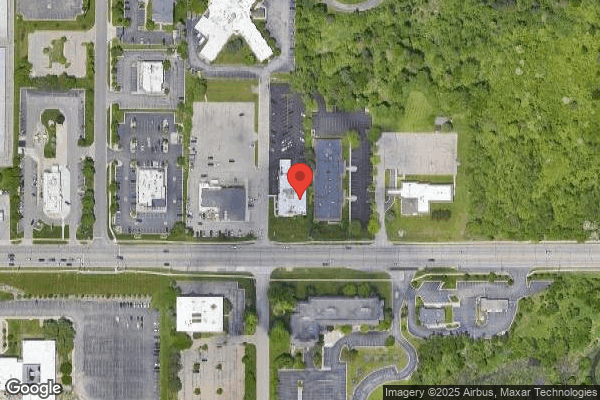
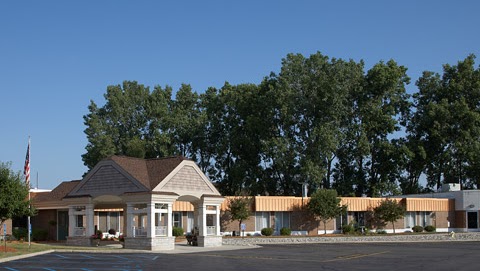
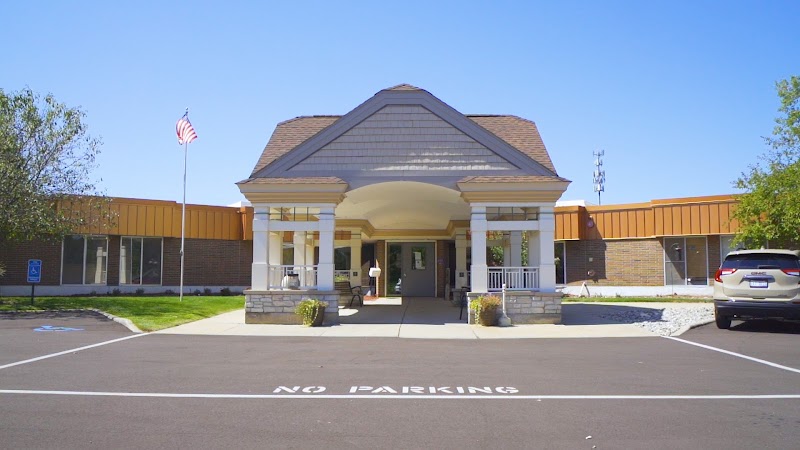
731 Starkweather Drive, Lansing, MI 48917 (517) 323-9133
For profit - Limited Liability company 85 Beds MEDILODGE Data: November 2025 1 Immediate Jeopardy citation
Trust Grade
33/100
#211 of 422 in MI
Last Inspection: October 2024

Within standard 12-15 month inspection cycle. Federal law requires annual inspections.

Overview

Medilodge of Lansing has a Trust Grade of F, indicating significant concerns about the facility's quality and care. It ranks #211 out of 422 nursing homes in Michigan, placing it in the top half, but it is #3 out of 4 in Eaton County, meaning only one local option is better. The facility is on an improving trend, reducing its issues from seven in 2024 to just one in 2025. Staffing is a relative strength with a 4/5 star rating, although the turnover rate is average at 53%. However, the facility has concerning fines totaling $42,764, higher than 76% of Michigan facilities, suggesting ongoing compliance problems. Specific incidents include a critical finding where a resident with a tracheostomy did not receive the necessary care as per their plan, which could lead to life-threatening situations. Additionally, there were serious issues with resident care, including a resident requiring two-person assistance for hygiene being assisted by only one staff member, which raises safety concerns. While the facility does have good RN coverage, families should weigh these strengths against the notable weaknesses when considering care for their loved ones.
Trust Score
F
33/100
In Michigan
#211/422
Top 50%
Safety Record
High Risk
Review needed
Inspections
Getting Better
7 → 1 violations
Staff Stability
⚠ Watch
53% turnover. Above average. Higher turnover means staff may not know residents' routines.
Penalties
✓ Good
$42,764 in fines. Lower than most Michigan facilities. Relatively clean record.
Skilled Nurses
✓ Good
Each resident gets 52 minutes of Registered Nurse (RN) attention daily — more than average for Michigan. RNs are trained to catch health problems early.
Violations
⚠ Watch
41 deficiencies on record. Higher than average. Multiple issues found across inspections.
★★★☆☆
3.0
Overall Rating
★★★★☆
4.0
Staff Levels
★★★★☆
4.0
Care Quality
★★★☆☆
3.0
Inspection Score
Stable
2024: 7 issues
2025: 1 issues

The Good

  • 4-Star Staffing Rating · Above-average nurse staffing levels
  • 4-Star Quality Measures · Strong clinical quality outcomes
  • Full Sprinkler Coverage · Fire safety systems throughout facility
  • No fines on record

Facility shows strength in staffing levels, quality measures, fire safety.

The Bad

3-Star Overall Rating

Near Michigan average (3.1)

Meets federal standards, typical of most facilities

Staff Turnover: 53%

Near Michigan avg (46%)

Higher turnover may affect care consistency

Federal Fines: $42,764

Above median ($33,413)

Moderate penalties - review what triggered them

Chain: MEDILODGE

Part of a multi-facility chain

Ask about local staffing decisions and management

The Ugly 41 deficiencies on record

1 life-threatening 2 actual harm
Aug 2025 1 deficiency
CONCERN (D) 📢 Someone Reported This

A family member, employee, or ombudsman was alarmed enough to file a formal complaint

Potential for Harm - no one hurt, but risky conditions existed

Quality of Care (Tag F0684)

Could have caused harm · This affected 1 resident

**NOTE- TERMS IN BRACKETS HAVE BEEN EDITED TO PROTECT CONFIDENTIALITY** This Citation Pertains to Intake # 2567245Based on interview and record the facility failed to ensure adequate care, follow up a...

Read full inspector narrative →
**NOTE- TERMS IN BRACKETS HAVE BEEN EDITED TO PROTECT CONFIDENTIALITY** This Citation Pertains to Intake # 2567245Based on interview and record the facility failed to ensure adequate care, follow up and documentation were in place regarding Advanced Directives, resident alleging fear of certain family members, and failure to assess, monitor and investigate allegations of unwanted visitors giving a resident medication that was not prescribed by facility physician and provided by facility pharmacy. Findings include: Resident #1 (R1) admitted to facility on [DATE] with diagnoses that includes heart disease, diabetes and dementia. Review of the Minimum Data Set (MDS) with an Assessment Reference Date (ARD) of [DATE] revealed a Brief Interview Status score of 9 (moderate) cognitive impairment. Review of R1's physician orders reflected R1 was a full code, further review of R1's electronic medical record reflected R1 that Niece P had durable power of attorney and signed a form titled Advanced Directives Acknowledgement/CPR Consent on [DATE] the box do not resuscitate in the event of a cardiac arrest was checked. Further review of medical record revealed on [DATE] family member N (whom has several alias's) came into the facility and signed an Advanced Directive for R1. The form listed facility employee Social Worker (SW)C and Registered Nurse (RN) Q as the witnesses to the signing. The acknowledgement of receipt for the signed advanced directive R1's family member N added as 'DPOA (Durable Power of Attorney) as their relationship to R1.On [DATE] at 10:25 am during an interview with SW C she reported Adult Protective Services (APS) came to the facility on [DATE] regarding concerns for R1. SW C stated she had little information as APS met with admission Director (AD) E . SW C stated she was waiting on correct paperwork from Niece P When queried how she knew who had the correct paperwork for Power of Attorney, SW C said the APS worker brought it in, but facility staff did not ask for a copy. SW C elaborated after being made aware that family members N didn't have legal authority to make decisions the Physician reverted the status and made R1 a full code. SW C stated she believed family member P had legal authority and was waiting for them to provide documentation. SW C elaborated that family member N and family member O have been banned from visiting because R1 reported he was fearful of family member O. There was no documentation in the clinical record from SW C about the Advanced Directives, what concerns APS had or that R1 was fearful of a particular visitor, or that any visitors had been banned from visiting. When queried more about APS, SW C suggested admission Director E be interviewed because SW C wasn't really involved. SW C offered no explanation for the lack of documentation for the above noted concerns. On [DATE] at 11:20am, during an interview with R1's nurse RN D, she reported there was a sign posted at the nurse's station that two of R1's family members with several aliases have been banned from visiting. When queried about the reason form the ban, RN D reported it was due to family member O bringing in and administering medications from the community. RN D did not know the specifics of when or what medications. The sign was only there for a few days then removed RN D was not sure why the sign was removed or if the situation resolved itself. On [DATE] at 12:30pm, during an interview with Director of Nursing (DON) B she reported not having any knowledge of R1 receiving mediations from an outside source. DON B stated that she knew some lady came in about concerns for R1 but assumed she was a case manager from the hospital, did not know she was from Adult Protective Services. DON B stated she was made aware that R1 was fearful of family member O and possibly afraid of family member N too but wasn't sure. When queried why R1 was afraid of family members DON B didn't know and should have followed up with R1. On [DATE] at 12:50pm, during an interview with admission Director E she reported family member N and O came in the facility with DPOA papers, but family member P signed the admission contract. admission Director E stated she asked for both of their ID's and both family member ID reflected the same first name but looked legitimate so they were allowed to sign the documents but then family P called from out of state and APS got involved about 6 weeks ago and family member N and O are now banned. When queried the reason for the ban, admission Director E stated that because R1 stated he was afraid of them and that family member O gave him pills. When queried about the pills admission Director E stated she met with R1 and asked about the pills being brought which R1 didn't know the names of the pills. admission Director E stated the Nursing Home Administrator (NHA) A was on vacation otherwise she would have called him but instead notified DON B. when queried why this was not documented in the medical record, admission Director E stated she did not have access/authorization to document in the medical record.
Oct 2024 6 deficiencies
CONCERN (D)

Potential for Harm - no one hurt, but risky conditions existed

Deficiency F0657 (Tag F0657)

Could have caused harm · This affected 1 resident

**NOTE- TERMS IN BRACKETS HAVE BEEN EDITED TO PROTECT CONFIDENTIALITY** Resident #R57 (R57) On 10/1/24 at 9:22 AM during observation and interview R57 was alert and able to participate in an interview...

Read full inspector narrative →
**NOTE- TERMS IN BRACKETS HAVE BEEN EDITED TO PROTECT CONFIDENTIALITY** Resident #R57 (R57) On 10/1/24 at 9:22 AM during observation and interview R57 was alert and able to participate in an interview. R57 was up independently in the room with a steady gait. R57 talked about interests such as going to the store which he does independently. Review of the electronic medical record (EMR) revealed R57 was admitted to the facility 4/17/24 with pertinent diagnoses of Memory Deficit following other Cerebral Vascular Disease (a disease which includes a variety of medical conditions that affect the blood vessels of the brain and cerebral circulation) and Schizoaffective Disorder, Bipolar type (a mental health condition that is marked by a mix of symptoms such as hallucinations, delusions, and mood disorder). According to a Minimum Data Set (MDS) report dated 7/27/24 R57 had a Brief Interview for Mental Status score of 09 indicating moderate cognitive impairment. R57 is listed as his own representative. Further review of the EMR revealed a note entered 9/16/24 by Physician Assistant (PA) AA which stated in part that R57 had an episode of . acute alcohol intoxication again. after drinking a bottle of Tequila. The note further said that R57 (at the time of the visit) did not . appear altered. but had . some upset stomach and nausea. PA AA discussed with R57 the importance of avoiding drinking and potential medication interactions with alcohol. On 10/2/24 at 3:33 PM during interview with the Director of Nursing (DON) B the care plan was reviewed. It was noted that there was no entry in the care plan concerning R57's risk related to alcohol consumption. The DON confirmed this and said there should be a care plan item in place addressing the problem. On 10/2/24 at 3:53 PM Social Worker (SW) C submitted a care plan item which addresses R57's history of substance abuse disorder. SW C explained this was previously a part of the main care plan and when the care plan was updated it did not come through but as of the day of survey had been added. The care plan states in part, Resident will remain free of substance abuse (unless physician prescribed) and will not have evidence of a relapse through the next review. Date initiated 10/2/24. Resident #62 (R62) Review of the medical record reflected R62 was admitted to the facility on [DATE]. Diagnoses of other fractures of lower end of right radius, multiple fractures of ribs, right side, bi-polar, and muscle weakness. Record review of the Minimum Data Set (MDS) dated [DATE], revealed Resident #62 had a Brief Interview for Mental Status (BIMS) score of 5 out of 15, which indicated severe cognition impairment. Record review of a physician's orders dated 08/27/2020, revealed an order for Resident #62 to use a wheelchair. The order also clarified that physical therapy recommended skilled physical therapy (PT) 5-6 days a week for a duration of 8 weeks to provide therapeutic exercise, therapeutic activities, neuromuscular re-education, and wheelchair training in 1:1/group/concurrent settings as indicated due to unsteady gait. Record review of the care plan Intervention dated 08/09/24 revealed R62 used a walker for ambulation/transfer. R62 had an Activities of Daily Living (ADL) self-care performance deficit related to cognitive impairment, delirium, dementia, generalized weakness, history of falls, poor balance, psychoactive drug use, Bipolar, difficultly walking Date Initiated: 08/09/2024 Revision on: 08/13/2024. During an Observation of 10/02/24 at 08:25 AM, R62 was sitting at the table in the common area eating his breakfast while sitting in his wheelchair. During an interview and observation on 10/02/24 at 4:09 PM, R62 was sitting on his bed watching [NAME] on TV with a Certified Nursing Assistant (CNA) T sitting in a chair close to his bed watching TV with him. CNA T stated R62 needed one on one supervision at all times due to the right sided non-weight bearing from his fall on 08/20/2024. Observation of a large wheelchair sitting in his room, and no walker within site. During an interview and observation on 10/03/24 at 08:21 AM, R62 was in the physical therapy department using the sci-fit bike (a special exercise bike). Physical Therapy Assistant (PTA) K stated after his fall on 08/20/24, R62 is none weight bearing on the right side, and required a one on one CNA supervision at all times due to safety. PTA K also stated they stopped using the walker after his fall on 08/20/24. PTA K added that it is easier and safer for him to use wheelchair. During an interview on 10/03/24 at 08:26 AM, Physical Therapy Manager U stated they took away the walker when he fractured his right arm and ribs, and start using the wheelchair due to non-weight bearing on the right side. Physical Therapy Manager U also stated they updated R62 orders and recommendations within their department then it went to the unit manager M to update the care plan. During an interview and observation on 10/03/24 at 08:31 AM, Unit Manager M stated R62 used the walker on 08/20/24 when he fell. R62 was sent out to the hospital and due to multiple fractures, R62 was non- weight bearing on the right side. Unit Manager M also stated that when R62 came back to the facility, he was more unsteady. Unit Manager M also stated R62 was using the wheelchair for his safety as well as the one-on-one CNA supervision for safety reasons. During this same observation, Unit Manager M looked up R62's care plan, and stated that it did not have the use of the wheelchair on the care plan. Unit Manager M stated she removed the walker and added wheelchair to R62's care plan. Based on observation, interview, and record review, the facility failed to revise care plans for three (Resident #34, #57, and #62) of 16 reviewed. Findings include: Resident #34 (R34) Review of the medical record revealed R34 was admitted to the facility on [DATE] and readmitted [DATE] with diagnoses that included Parkinson's Disease and unsteadiness on feet. The Minimum Data Set (MDS) with an Assessment Reference Date (ARD) of 8/9/24 revealed R34 scored 15 out of 15 (cognitively intact) on the Brief Interview for Mental Status (BIMS-a cognitive screening tool). Review of the fall care plan initiated on 2/1/24 revealed the following interventions: - Place walker within reach of bed on the left side - Resident often chooses to use four wheeled walker despite therapy recommendations and education of risks. Therapy gave resident standard front wheeled walker - Encourage resident to slow down with his motorized wheelchair - Dycem to wheelchair Review of the Activities of Daily Living (ADL) care plan initiated 2/1/24 revealed the following: - Ambulation: 1 person assist with 2ww [two wheeled walker]. Often chooses to ambulate independently. Please encourage [R34] to allow someone to be with him while using walker and not use 4ww [four wheeled walker] (as it is not safe at this time). - Transfers: 1 person assist with 2ww - Uses a motorized wheelchair for locomotion throughout the facility On 10/01/24 at 11:49 AM and 10/02/24 at 8:13 AM, R34 was observed in their bed. R34's standard (non-motorized) wheelchair was against the wall on the left side of the bed. There was no dycem in the wheelchair. R34's four wheeled walker was against the wall on the other side of the wheelchair. The walker was not in reach of the bed per the care plan. R34 did not have a two wheeled walker in his room per the care plan. On 10/02/24 at 8:50 AM, R34 was observed self-propelling his standard wheelchair throughout the hallway. In an interview on 10/02/24 at 11:12 AM, Director of Nursing (DON) B reported R34 was only able to safely use their motorized wheelchair outside, therefore the motorized wheelchair was stored in the lobby of the facility. DON B reported R34 was not safe to use the four wheeled walker but was unsure of where R34's two wheeled walker was located. DON B reported the dycem to wheelchair was for R34's motorized wheelchair. DON B agreed R34's care plans needed to be updated. Review of the Power-Mobility Indoor Driving assessment dated [DATE] revealed R34 had poor safety awareness with power w/c [wheelchair] indoors, at risk of causing harm to himself or others. Recommend manual w/c indoors, able to utilize power chair for outdoor mobility with supervision. On 10/02/24 at 5:00 PM, R34 was observed in the parking lot, driving their motorized wheelchair without staff supervision.
CONCERN (D)

Potential for Harm - no one hurt, but risky conditions existed

Accident Prevention (Tag F0689)

Could have caused harm · This affected 1 resident

**NOTE- TERMS IN BRACKETS HAVE BEEN EDITED TO PROTECT CONFIDENTIALITY** Based on observation, interview and record review, the facility failed to prevent an elopement and respond timely to a door alar...

Read full inspector narrative →
**NOTE- TERMS IN BRACKETS HAVE BEEN EDITED TO PROTECT CONFIDENTIALITY** Based on observation, interview and record review, the facility failed to prevent an elopement and respond timely to a door alarm for one (Resident #33) of one reviewed. Findings include: Review of the medical record reflected Resident #33 (R33) admitted to the facility on [DATE] and readmitted [DATE], with diagnoses that included unspecified dementia, unsteadiness on feet and disorientation. The modified admission Minimum Data Set (MDS), with an Assessment Reference Date (ARD) of 5/9/24, reflected R33 scored three out of 15 (severe cognitive impairment) on the Brief Interview for Mental Status (BIMS-a cognitive screening tool). R33 was coded for wandering one to three days during the assessment look-back period that placed them at significant risk of getting to a potentially dangerous place, such as stairs or outside of the facility. On 10/01/24 at 10:10 AM, R33 was observed ambulating in the hallway, using a rolling walker. A wanderguard bracelet was observed on their left ankle. On 10/03/24 at 7:29 AM, R33 was observed lying in bed. A wanderguard bracelet was observed on their left ankle. R33's Care Plan, which was initiated on 5/3/24 and revised on 7/16/24, reflected they were at risk for elopement related to unsafe wandering and attempts of exiting a door at the end of a hall. An intervention, which was initiated on 5/3/24, reflected R33 wore a wanderguard device. An Incident Report for 6/10/24 at 11:40 PM reflected the nurse was notified by the Certified Nurse Aide (CNA) that R33 was not in their room and not accounted for in the facility. Staff began looking for R33 after discovering they were missing. A facility timeline reflected the following: -At 11:35 PM, R33 exited their room on D hall. -At 11:36 PM, R33 walked around the nurse's station and down B hall. -At 11:37:10 PM, the B hall door alarm went off, lights at the nurse's station began flashing and R33 exited the door. -At 11:37:26 PM, Licensed Practical Nurse (LPN) G walked to the nurse's station to check for the source of the alarm. CNA I met LPN G at the nurse's station and had a brief conversation. -At 11:37:50 PM, LPN G checked the B hall door with CNA I. -At 11:38 PM, the alarm was turned off by CNA I, but the flashing light alarm continued. -At 11:38:40 PM, LPN G notified the D hall CNA to check that residents were in the building. -At 11:39 PM, CNA H exited C hall. -At 11:40 PM, R33's room was checked, and it was noted they were not in bed. Staff ran down the hall to alert other staff. -At 11:41 PM, LPN G exited the facility to find R33. -At 11:42 PM, the remainder of the staff looked for R33 in the building. A CNA exited the facility to check the perimeter. -At 11:51 PM, the nurse and R33 entered the facility through the front door. A statement by CNA H reflected they last saw R33 when giving them water around 11:20 PM. R33 was in bed, sleeping, at that time. It was not long after when CNA H saw lights at the nurse's station blinking. CNA H went to check the panel, and it showed the alarm was from B hall. CNA H went to B hall immediately and met two other staff. A code yellow was called. CNA H went to R33's room and could not locate them. Staff went outside to look, and a nurse got in their car. During a phone interview on 10/03/24 at 8:02 AM, LPN G reported that when the door alarm went off, she immediately went to the panel at the nurse's station and saw that it was for the B hall exit door. LPN G reported she ran to the door and did not see anyone. A code yellow was called for everyone to check if any residents were gone. A CNA said R33 wasn't there. Staff checked the entire building and perimeter and could not locate R33. LPN G reported she got in her car, drove around and located R33 walking. R33 was on a road adjacent to the facility. LPN G reported R33 must have gone through the bushes on the facility's property to get to where they were, otherwise she would have seen R33 on the facility's road when she went to the exit door. According to a written statement by LPN G, the B hall exit door was open when staff approached it in response to the alarm. During an interview with former Nursing Home Administrator (NHA) R on 10/03/24 at 10:11 AM, she confirmed that R33 had a wanderguard at the time of the elopement, but the B hall exit door did not have a wanderguard alarm on it. She reported R33 was in the parking lot of a hotel behind the facility when located by staff. Former NHA R stated she did not know how long R33 was outside for, but her understanding was that it was not long. During an interview on 10/03/24 at 10:24 AM, Director of Nursing (DON) B stated staff checked the nurse's station first, rather than the door. She reported when an alarm sounded, you could hear where it was coming from without checking the panel first. During the onsite survey, past noncompliance (PNC) was cited after the facility implemented actions to correct the noncompliance which included: -Residents who were at risk for elopement had elopement assessments completed. -An extra alarm was placed on the B hall door to alert staff to the location of a door alarm more quickly. All end exit hall doors have this alarm. -Staff were educated on the Elopement Prevention and Response policy and code yellow process prior to working their next shift. -An ad hoq QAPI meeting was completed on 6/11/24. -Code yellow drills were conducted weekly on each shift for four weeks, then monthly thereafter on different shifts. The facility was able to demonstrate monitoring of the corrective action and maintained compliance. An observation on 10/03/24 at 11:47 AM with Maintenance Director (MD) S revealed all hallway exit doors had two alarms. The first alarm was a 15 second delayed egress. The alarm sounded when the door bar was pushed. The alarm continued to sound for 15 seconds before the door could be opened. Once the door was opened, the alarm continued to sound and a second, louder, alarm sounded. Overhead lights flashed at the nurses' station and the monitor at the nurses' station indicated what door alarmed. In an interview on 10/03/24 at 12:06 PM, Director of Nursing (DON) B reported the second, louder alarms were the new alarms installed on the doors after R33 eloped from the facility.
CONCERN (D)

Potential for Harm - no one hurt, but risky conditions existed

Medication Errors (Tag F0758)

Could have caused harm · This affected 1 resident

**NOTE- TERMS IN BRACKETS HAVE BEEN EDITED TO PROTECT CONFIDENTIALITY** Based on observation, interview and record review, the facility failed to ensure monitoring of an antipsychotic medication accor...

Read full inspector narrative →
**NOTE- TERMS IN BRACKETS HAVE BEEN EDITED TO PROTECT CONFIDENTIALITY** Based on observation, interview and record review, the facility failed to ensure monitoring of an antipsychotic medication according to provider recommendations for one (Resident #58) of five reviewed. Findings include: Review of the medical record reflected Resident #58 (R58) admitted to the facility on [DATE] and readmitted [DATE], with diagnoses that included mood disorder due to known physiological condition, major depressive disorder and anxiety disorder. The modified quarterly Minimum Data Set (MDS), with an Assessment Reference Date (ARD) of 7/24/24, reflected R58 had short-term and long-term memory impairments. On 10/01/24 at 1:34 PM, R58 was observed seated on their bed. R58's medical record reflected an order for 25 milligrams (mg) of Quetiapine Fumarate (Seroquel/antipsychotic medication) to be given in the morning for mood disorder due to known physiological condition. An additional order reflected R58 was to receive 100 mg of Quetiapine Fumarate at bedtime for mood disorder due to known physiological condition. A Psychiatric Services Progress Note for 5/2/24 reflected the risks of Seroquel included but were not limited to hyperglycemia (high blood sugar) and postural hypotension (orthostatic hypotension/low blood pressure when standing, after sitting or lying down). A Psychiatric Services Progress Note for 8/29/24 reflected recommendations to increase R58's Seroquel dose to 50 mg at bedtime for one week, then 75 mg at bedtime for one week, then 100 mg at bedtime, ongoing, for mood instability and impaired sleep. The note reflected Seroquel risks included but were not limited to hyperglycemia and postural hypotension. The note further reflected orthostatic blood pressures should be taken every shift when an antipsychotic medication was started or when the dose was increased. According to the note, hemoglobin A1C (blood test that reflects the average blood sugar level for the past two to three months) and a lipid profile (blood test to measure the amount of cholesterol and triglycerides (a type of fat) in the blood) should have been monitored every six months. An electrocardiogram (EKG/test that measures electrical activity of the heart) was also recommended, if not recently obtained. R58's medical record did not reflect that a lipid profile, hemoglobin A1C or an EKG had been performed. R58's medical record did not reflect that orthostatic blood pressures were being monitored. R58's medical record did not reflect documentation that their Physician declined the recommended tests. On 10/02/24 at 10:32 AM, an email was sent to Nursing Home Administrator (NHA) A for R58's EKG results, hemoglobin A1C results and lipid profile results, if available. Orthostatic blood pressures since the date of admission were also requested. The items were not received prior to the survey exit on 10/3/24. During an interview on 10/02/24 at 10:36 AM, Director of Nursing (DON) B reported orthostatic blood pressures should have been monitored monthly for residents that were receiving antipsychotic medications. DON B reported there was usually a physician's order for orthostatic blood pressures. She stated she did not see an order for orthostatic blood pressures for R58 since May 2024. DON B reported she did not locate hemoglobin A1C, lipid profile or EKG results for R58. DON B stated when Psychiatric Services providers recommended tests, the facility would typically order them, as the facility's Physician and Nurse Practitioner usually followed Psychiatric Services recommendations.
CONCERN (D)

Potential for Harm - no one hurt, but risky conditions existed

Unnecessary Medications (Tag F0759)

Could have caused harm · This affected 1 resident

**NOTE- TERMS IN BRACKETS HAVE BEEN EDITED TO PROTECT CONFIDENTIALITY** Resident #22 (R22) Review of the medical record reflected R22 admitted to the facility on [DATE] and readmitted [DATE], with dia...

Read full inspector narrative →
**NOTE- TERMS IN BRACKETS HAVE BEEN EDITED TO PROTECT CONFIDENTIALITY** Resident #22 (R22) Review of the medical record reflected R22 admitted to the facility on [DATE] and readmitted [DATE], with diagnoses that included type 2 diabetes. On 10/02/24 at 07:38 AM, Registered Nurse (RN) D was observed to begin preparing medications for R22, including Tresiba FlexTouch 100 units per milliliter (u/mL) (long-acting insulin pen). Without placing a needle on the insulin pen, RN D turned the dose selector to two units, then pressed the injection button. RN D stated she always pushed two units of air out of the pen. She then applied a needle to the insulin pen and turned the dose selector to R22's prescribed dose of 55 units. On 10/02/24 at 08:36 AM, RN D reported she usually primed insulin pens without a needle on the pen. RN D could not recall if that was how she had been trained. In an interview on 10/02/24 at 10:36 AM, Director of Nursing (DON) B described that priming an insulin pen consisted of placing a needle on the insulin pen, setting the dose selector to two units and pressing the injection button. The insulin pen would then be set to the prescribed dose for administration. According to Cleveland Clinic, .Prime the insulin pen. Priming means removing air bubbles from the needle. It ensures that the needle is open and working. You must prime the pen before each injection. To prime the insulin pen, turn the dosage knob to the 2 units indicator. With the pen pointing upward, push the knob all the way. At least one drop of insulin should appear. You may need to repeat this step until a drop appears . (https://my.clevelandclinic.org/health/treatments/17923-insulin-pen-injections) Based on observation, interview, and record review, the facility failed to ensure their medication error rate was below 5% when two medication errors were observed from a total of 25 opportunities for two residents (Resident #22 and Resident #36) of four reviewed resulting in a medication error rate of 8%. Findings include: Resident #36 (R36) Review of the medical record revealed R36 was admitted to the facility on [DATE] and readmitted on [DATE] with diagnoses that included urosepsis (urinary tract infection that leads to sepsis). Review of the Minimum Data Set (MDS) with an Assessment Reference Date (ARD) of 8/26/24 revealed R36 scored 15 out of 15 (cognitively intact) on the Brief Interview for Mental Status (BIMS-a cognitive screening tool). Review of the Physician's Order dated 10/1/24 revealed ertapenem sodium solution (antibiotic) 1 gram intravenously (IV) every 24 hours for infection, complicated urinary tract infection, for four days. Review of the Medication Administration Record (MAR) revealed the last dose of ertapenem was administered on 10/1/24 at 6:01 PM. On 10/02/24 at 8:28 AM, Registered Nurse (RN) F was observed preparing and administering ertapenem 1 gram/100 milliliters IV over one hour through a peripherally inserted central catheter (PICC line). The dose was administered approximately 14.5 hours after the last dose. RN F reported R36's antibiotic was delivered late on 10/1/24 and therefore given after the scheduled time. RN F agreed R36 received the last dose the evening before and that it had not yet been 24 hours. In an interview on 10/02/24 at 10:36 AM, Director of Nursing (DON) B reported R36 was ordered to receive ertapenem every 24 hours. DON B agreed R36 received a dose on 10/1/24 at 6:01 PM and then again, the morning of 10/2/24, approximately 14.5 hours later. DON B reported they would expect the timing of the order to be changed after the first dose was administered late.
CONCERN (E)

Potential for Harm - no one hurt, but risky conditions existed

Deficiency F0907 (Tag F0907)

Could have caused harm · This affected multiple residents

Based on observation and interview the facility failed to provide and maintain therapy equipment in a manner that would allow for safe and consistent operation that meets the needs of all residents. F...

Read full inspector narrative →
Based on observation and interview the facility failed to provide and maintain therapy equipment in a manner that would allow for safe and consistent operation that meets the needs of all residents. Findings Include: An interview with Physical Therapy Manager (PTM) U, at 2:50 PM on 10/1/24, found that some equipment in therapy has not been working properly for all residents. When asked what issues have been occurring, PTM U went on to state that the parallel bars are not wide enough to be used properly for our residents who are bariatric. When asked how they are used for those residents now, PTM U stated that those residents have to use the side of the parallel bars and that makes them unable to use both sides to stabilize as they walk down. When asked about any other equipment, PTM U stated that the ScitFit elliptical bike doesn't seem to be working properly and that the resistance doesn't increase sometimes as the dial gets turned up. PTM U stated that some residents have noticed that as they want to increase the resistance and work harder on their recovery, the bike doesn't seem to aid in a way that allows for those residents to achieve their goals. During a tour of therapy, at 2:55 PM on 10/1/24, an interview with Physical Therapy Aide Z, found that the therapy department uses the kitchenette area in therapy for residents. At this time, the stove top oven was able to be turned on with the dials on the back of the unit and was getting hot quickly. An interview with Maintenance Director S found that there is a control panel shut off for the stove and it should be locked out whenever it is not in use. At this time, Maintenance Director S went and shut off the breaker and stated he would be putting a lock on the breaker from now on.
CONCERN (F)

Potential for Harm - no one hurt, but risky conditions existed

Food Safety (Tag F0812)

Could have caused harm · This affected most or all residents

Based on observation, interview, and record review, the facility failed to store, prepare, distribute, and serve food in accordance with professional standards for food service safety. This deficient ...

Read full inspector narrative →
Based on observation, interview, and record review, the facility failed to store, prepare, distribute, and serve food in accordance with professional standards for food service safety. This deficient practice has the potential to result in food borne illness among all residents who consume food from the kitchen with a current facility census of 62 residents. Findings include: During a tour of the kitchen, starting at 9:00 AM on 10/1/24, it was observed that the top portion of the gasket, on the left door of the Raetone three door refrigeration unit, was found to have an accumulation of spotted debris. During a tour of the kitchen, at 9:15 AM on 10/1/24, it was observed that the underside of the juice machine was found with fuzzy and sticky debris between the spouts of the unit, especially in and around areas where screws are located. When showed to Regional Dietary Manager (RDM) V, he stated they would get them cleaned. During a tour of the kitchen, at 9:17 AM on 10/1/24, observation under the single compartment preparation sink found water accumulation that spanned under the juice and coffee area, the hand sink, and under the three-door refrigeration unit. Further observation found that the air gap to the preparation sink was not installed in a manner that made it easy for staff to dispense the sink when finished and would routinely cause water to accumulate on the floor. At this time, observation of the dish machine air gap also found that it caused excess splash onto the floor. These air gaps should prevent contamination from backflow, but also be installed in a manner that causes minimal issues with general cleaning and environment of the kitchen. During a tour of the kitchen, at 9:20 AM on 10/1/24, it was found that accumulation of debris, dirt, and some stagnant water, had found its way behind the three large cold hold units along the back of the floor juncture. Observation found two of the units are on fitted legs and one unit has caster wheels. Observation of the three-compartment sink area, at 9:35 AM on 10/1/24, found a shelf above the three compartment sink, next to the cook line, that was used for storing half and quarter size stainless steel pans. Feeling the stacked pans, found that they were covered in a greasy substance and not clean. When asked why the pans were in this location, RDM V was unsure, and stated he would cleaned the area, and move the pans to the storage rack near the back of the kitchen with other pots and pans. Observation of the ice machine area, at 10:05 AM on 10/1/24, found accumulation of dust and dirt debris behind the ice machine as well as plastic wrapping and Styrofoam cups. During a revisit to the kitchen, at 11:35 AM on 10/1/24, it was observed that a 14-inch saucepan was on the stove top for cooking grilled cheese. Observation of the saucepan found heavy encrusted grease deposits which blackened most of the cooking surface of the pan, leaving minimal stainless steel visible. When asked if there were other pans that could be used, [NAME] X stated it was the only one they had to use. According to the 2017 FDA Food Code section 4-601.11 Equipment, Food-Contact Surfaces, Nonfood-Contact Surfaces, and Utensils. (A) EQUIPMENT FOOD-CONTACT SURFACES and UTENSILS shall be clean to sight and touch. (B) The FOOD-CONTACT SURFACES of cooking EQUIPMENT and pans shall be kept free of encrusted grease deposits and other soil accumulations. (C) NonFOOD-CONTACT SURFACES of EQUIPMENT shall be kept free of an accumulation of dust, dirt, FOOD residue, and other debris. According to the 2017 FDA Food Code section 6-501.11 Repairing. PHYSICAL FACILITIES shall be maintained in good repair. According to the 2017 FDA Food Code section 6-501.12 Cleaning, Frequency and Restrictions. (A)PHYSICAL FACILITIES shall be cleaned as often as necessary to keep them clean . Observation of Activities Aide Y at 10:07 AM on 10/1/24, found they used the hand wash sink faucet, near the ice machine, in order to fill a cup of water. An interview with RDM V found that staff should not use the hand sink for water pass and that the facility has a water dispenser right next to the ice machine. When questioned why the water dispenser wasn't used, staff had stated at this time that the water spigot for water pass comes out slow compared to the hand sink. According to the 2017 FDA Food Code section 5-205.11 Using a Handwashing Sink. (A) A HANDWASHING SINK shall be maintained so that it is accessible at all times for EMPLOYEE use.(B) A HANDWASHING SINK may not be used for purposes other than handwashing . A revisit to the kitchen, at 12:06 PM on 10/1/24, observed staff plating meal service for lunch. As meals were being plated in the kitchen and passed through a window, Staff on the other side of the window were checking tickets and stacking meal trays on carts. At this time, some grilled cheeses were requested to be made and Dietary Manager in Training (DMT) W came from outside the kitchen, put on gloves, and started making two grilled cheese. No observation of hand sink use was found after entering the kitchen and starting food preparation. According to the 2017 FDA Food Code section 2-301.14 When to Wash. FOOD EMPLOYEES shall clean their hands and exposed portions of their arms as specified under § 2-301.12 immediately before engaging in FOOD preparation including working with exposed FOOD, clean EQUIPMENT and UTENSILS, and unwrapped SINGLE-SERVICE and SINGLE-USE ARTICLES and . (H) Before donning gloves to initiate a task that involves working with FOOD; .
Apr 2024 1 deficiency
CONCERN (D) 📢 Someone Reported This

A family member, employee, or ombudsman was alarmed enough to file a formal complaint

Potential for Harm - no one hurt, but risky conditions existed

Deficiency F0760 (Tag F0760)

Could have caused harm · This affected 1 resident

**NOTE- TERMS IN BRACKETS HAVE BEEN EDITED TO PROTECT CONFIDENTIALITY** This citation pertains to intake: MI00143250, MI00143278 Based on observation, interview, and record review the facility failed ...

Read full inspector narrative →
**NOTE- TERMS IN BRACKETS HAVE BEEN EDITED TO PROTECT CONFIDENTIALITY** This citation pertains to intake: MI00143250, MI00143278 Based on observation, interview, and record review the facility failed to insure that one resident #1 (R1) was free from significant medications errors out of four residents reviewed for significant medication errors resulting in the potential for adverse physical reactions/outcomes to residents. Findings Included: Resident #1 (R1) Review of the medical record revealed R1 was admitted to the facility 03/17/2023 with diagnoses that included nontraumatic intracerebral hemorrhage (stroke), Schizoaffective Disorder Bipolar type, hemiplegia (paralysis) affecting right dominate side, post-traumatic stress disorder (PTSD), dysphagia (swallowing difficulties), depression, hypertension, adjustment disorder with mixed anxiety and depression, muscle weakness, cognitive communication deficit, and hypokalemia (lower than normal potassium in bloodstream). The most recent Minimum Data Set (MDS), with an Assessment Reference Date (ARD) of 02/07/2024, demonstrated R1 had a Brief Interview for Mental Status (BIMS) of 6 (severe impaired cognition). Resident #9 (R9) Review of the medical record revealed R9 was admitted to the facility 01/12/2024 with diagnoses that included bipolar disorder with psychotic features, intellectual disabilities, intermittent explosive disorder (frequent episodes of impulsive anger), anxiety disorder, seizures, restlessness and agitation, irritability and anger, developmental disorder or speech and language, and muscle weakness. The most recent Minimum Data Set (MDS), with an Assessment Reference Date (ARD) of 01/28/2024, demonstrated R9 had a Brief Interview for Mental Status (BIMS) of 3 (severe impaired cognition). Review of R1's medical record demonstrated a progress note from 03/08/2024 at 07:21 a.m. which stated, Resident was given wrong medication and posin (sp) was notified with orders to do 1-hour vitals and neuro (neurological) checks for 8 hours then Q (every) 4 hours for 24 hours if any changes to send to hospital. R1's medical record also demonstrated a progress note from 03/08/2024 at 07:25 a.m. which stated, Writer accidentally passed the wrong medication from the wrong cup. The same note explains that the physician assistant and the nurse manager were notified of the incident. The same note also demonstrated orders are to watch for tremors and increased sedation, vitals Q 4 hours X (for) 24 hours. No c/o (complaint) pain or discomfort, Resident A&O (alert and orientated) x 1. R1's medical record demonstrated that he was sent to the hospital on [DATE] at approximately 02:00 p.m. R1's medical record demonstrated that he returned to the facility on [DATE] at 02:25 a.m. and demonstrated a progress note that stated, .spoke with ER physician. The physician reported that (R1's) lab work, vital signs and monitoring was stable and that his cognition/neurological status had returned to base line. No further orders received at this time other than to continuous monitoring of neurological status/vital signs. In an interview on 04/10/2024 at 02:15 p.m. Nurse Manager (NM) C explained that she was aware of the incident involving R1, that occurred on 03/08/2024 and that R1 was given R9's medication. NM C explained that Registered Nurse L had prepared the medication for R1 and had also prepared medication for R9. Licensed Practical Nurse K then took both residents medication and proceeded to administer R9's medication to R1. NM C provided this surveyor with the facility incident report. Review of the facility incident report, 03/08/2024 at 07:15 a.m., demonstrated Writer administered incorrect medications to incorrect patient at AM morning pass. Medication that was incorrectly passed were as follows: Keppra 1500mg (milligrams), Lamotrigine 200mg, Oxcarbazepine 900mg, Seroquel 300mg, Topamax 100mg. The same incident report also demonstrated that R1's at 01:00 p.m. vital signs had become tachycardic (heart rate greater than 120 beats per minute) and he had become lethargic. At 02:00 pm. R1 became more lethargic and had a pulse rate of 40 beats per minute and he was taken to the hospital by Emergency Management Services (EMS). During a telephone interview on 04/11/2024 at 08:39 a.m. Licensed Practical Nurse (LPN) K explained that she was finishing her shift, on the morning of 03/08/2023, and explained that she was assisting the on-coming nurse (Registered Nurse (RN) K) with medication administration. She explained that RN L had prepared the medication that was to be given to R1 and to be given to R9. LPN K explained that she took both medication cups that contained R1's and R9's medication and went into R1's room to administer the medication. She explained that then came R1 the medication of R9 by accident. She explained that she immediately identified the error and proceeded to notify the physician assistant and the nurse manager. LPN K explained that she should not have administered medication that were provided by another nurse or have taken two different residents medications during the same time to administer. In an interview on 04/11/2024 at 12:13 p.m. Registered Nurse (RN) L explained that she had worked 03/08/2024 during the day shift. She explained that she had prepared the medication for R9 and had placed those medications in a medication cup. She explained that Licensed Practical Nurse (LPN) K was going to take those medication and provide them to R9. She further explained that LPN K did not immediately take those medication and walked away from the medication cart. She explained that continued preparing the medication for R1 by placing them in a different mediation cup. LPN K then returned to the medication cart and took both medication cups for R1 and for R9. She explained that shortly after LPN K returned and informed her that she had given R9 medication to R1. During observation and interview on 04/11/2024 at 12: 21 p.m. R1 was observed lying down in his bed. He explained that he was aware of receiving the wrong medication but could not recall the date that it had occurred. He explained that no medication errors had occurred since that time. In an interview on 04/11/2024 at 01:41 p.m. Director of Nursing (DON) B' explained that it was her expectation and a professional standard that medication be prepared and administered by the same nurse. Medication should not be prepared by one nurse and then provided to a resident by a different nurse. She explained that if medication is prepared and dispensed by a different nurse could place the resident at risk for a significant medication error. DON B explained that she was aware of the significant medication error that had occurred with R1 on 03/08/2024. She explained that the root cause was because one nurse prepared the medication, and a different nurse gave the medication. During onsite survey, past none compliance (PNC) was cited after the facility implemented actions to correct the noncompliance which included: 1). A root cause analysis of the deficient practice. 2). completed and audit of all residents on the same unit that could have been potentially impacted. 3). Immediate re-education of the two-nursing staff involved in the deficient practice. 4). All licensed nursing staff were re-educated regarding professional standards for medication administration. 5). The Director of Nursing/Designee completed observation of all licensed nursing staff during medication administration. 6). The facility Quality Improvement Committed implemented a quality assurance plan to correct the deficient practice and implemented on going monitoring of medication administration. 7). The Director of Nursing/designee will audit significant medication errors at least one time weekly for four weeks. After which the frequency of those audits will be one time weekly for three months. 8). The Director of Nursing/designee will audit licensed nursing staff for appropriate medication administration, by observation during medication administration, one time weekly for four weeks. After which, the frequency of those audits will be one time weekly for three months. Finding will be presented to the Quality Assurance Performance Improvement (QAPI) team for recommendations and follow-up. The Facility was able to demonstrate the correction action and maintained compliance as of 03/25/2024.
Jul 2023 16 deficiencies
CONCERN (D)

Potential for Harm - no one hurt, but risky conditions existed

Deficiency F0578 (Tag F0578)

Could have caused harm · This affected 1 resident

**NOTE- TERMS IN BRACKETS HAVE BEEN EDITED TO PROTECT CONFIDENTIALITY** Based on observation, interview and record review, the facility failed to ensure current Letters of Guardianship were accessible...

Read full inspector narrative →
**NOTE- TERMS IN BRACKETS HAVE BEEN EDITED TO PROTECT CONFIDENTIALITY** Based on observation, interview and record review, the facility failed to ensure current Letters of Guardianship were accessible in the medical record for one (Resident #43) of one reviewed for advance directives, resulting in the potential for medical and treatment decisions to be made by an inactive Guardian. Findings include: Review of the medical record reflected Resident #43 (R43) admitted to the facility on [DATE], with diagnoses that included traumatic hemorrhage of cerebrum, chronic respiratory failure and tracheostomy status. The annual Minimum Data Set (MDS), with an Assessment Reference Date (ARD) of [DATE], reflected R43 did not walk and required total assistance of one to two or more people for activities of daily living. On [DATE] at 8:02 AM, R43 was observed up, in a broda chair (specialty chair), with his eyes closed. Orthotic devices were in place to both hands, and pillow boots were in place to both feet. A pillow was observed between his knees. R43 was non-verbal. Upon review of R43's medical record on [DATE] at 11:10 AM, it was noted that Temporary Letters of Guardianship appointed R43's family member as temporary Guardian. The document reflected the Letter of Temporary Guardianship expired on [DATE]. An Order Regarding Appointment of Temporary Guardian of Incapacitated Individual reflected the temporary Guardianship terminated on [DATE] . No updated Guardianship documents were noted in R43's medical record. During an interview on [DATE] at 9:37 AM, Social Worker (SW) J acknowledged the Guardianship documents in R43's medical record were temporary, until 7/2022.
CONCERN (D)

Potential for Harm - no one hurt, but risky conditions existed

Deficiency F0582 (Tag F0582)

Could have caused harm · This affected 1 resident

**NOTE- TERMS IN BRACKETS HAVE BEEN EDITED TO PROTECT CONFIDENTIALITY** Based on interview and record review, the facility failed to provide sufficient notice of medicare non-coverage for one (Residen...

Read full inspector narrative →
**NOTE- TERMS IN BRACKETS HAVE BEEN EDITED TO PROTECT CONFIDENTIALITY** Based on interview and record review, the facility failed to provide sufficient notice of medicare non-coverage for one (Resident #3) of three reviewed, resulting in Resident #3 not having sufficient time to allow for an appeal Findings include: Review of the medical record revealed Resident #3 (R3) admitted to the facility on [DATE] and readmitted [DATE]. Medicare A services began on 1/19/23 and ended on 5/2/23. Review of the Notice of Medicare Non-Coverage (NOMNC) revealed request for an immediate appeal should be made as soon as possible, but no later than noon of the day before the effective date indicated above. The effective date listed on R3's NOMNC was 5/2/23. The form was signed by R3 on 5/2/23. In an interview, 07/19/23 at 3:57 PM, Nursing Home Administrator (NHA) A reported R3's last covered day of Medicare A services was 5/2/23 and R3 received the notice on 5/2/23. NHA A reported the facility was first notified on 5/2/23, via email, that R3's coverage was ending. When asked to provide documentation of the notification the facility received on 5/2/23, NHA A reported the email was no longer available.
CONCERN (D)

Potential for Harm - no one hurt, but risky conditions existed

Report Alleged Abuse (Tag F0609)

Could have caused harm · This affected 1 resident

Based on interview and record review the facility failed to report allegations of abuse for one resident (#61) of 3 residents reviewed abuse resulting in allegations of abuse not being reported to the...

Read full inspector narrative →
Based on interview and record review the facility failed to report allegations of abuse for one resident (#61) of 3 residents reviewed abuse resulting in allegations of abuse not being reported to the State Agency and the potential for further allegations of abuse to go unreported and not thoroughly investigated. Findings Included: Resident #61 (R61) Review of the medical record revealed R61 was admitted to the facility 05/02/2023 with diagnoses that included supraventricular tachycardia, stage 4 kidney disease, atrial fibrillation, type 2 diabetes, ischemic heart disease, anemia (low red blood cell count), morbid obesity, adjustment disorder with anxiety and depression, gastro-esophageal reflux, hypothyroidism (low thyroid hormone), chronic congestive heart failure (CHF), major depression, hyperlipidemia (high fat in blood), pain of the right hip, and hypertension. The most recent Minimum Data Set (MDS), with an Assessment Reference Date (ARD) of 05/08/2023, revealed R61 had a Brief Interview for Mental Status (BIMS) of 14 (cognitively intact) out of 15. R61 was discharged from the facility on 05/26/23 after signing out of the facility against medical advice (AMA). In an interview on 07/19/2023 at 09:35 a.m. Director of Nursing (DON) B explained that R61 had decided to go home with her daughter and had signed herself out of the facility against medical advice (AMA). She explained that she had called adult protective services after R61 was discharged because she was concerned with R61 going home with the daughter. She explained that her concern was as of a result of R61 telling DON B that she was concerned that her daughter was stealing her money. DON B could not provide documentation in the medical record that this allegation of stealing her money was record, nor could DON B provide documentation that Adult Protective Services had been contacted. DON B explained that the allegation was reported to Nursing Home Administrator (NHA) A. In an interview on 07/19/2023 at 09:55 a.m. Business Officer Manager (BOM) F explained that R61 was concerned with having access to her personnel bank account. BOM F explained that she had assisted R61 with calling the bank seeking information regarding her account. BOM F explained that the bank could not verify the account because R61 could not provide an acute e-mail address for her account. BOM F explained that R61's daughter had assisted opening her account but R61 could not reach her daughter to obtain the e-mail address for the account verification. BOM F explained that after the call, R61 voiced that she was concerned that her daughter was stealing her money. BOM F explained that she reported this allegation to Nursing Home Administrator (NHA) A. In an interview on 10:09 a.m. Nursing Home Administrator (NHA) A explained that she did not have knowledge that R61 had made an allegation of misappropriation of property. NHA A explained that if it had been reported to her that she would have contacted the policy and the appropriate state agency as an allegation of abuse. She acknowledged that R61's allegation was not report to the policy or the appropriate state agency as an allegation of abuse. Review of facility policy entitled Abuse, Neglect, and Exploitation, implementation date of 07/28/2023 and revision date of 10/24/2022, demonstrated section V. Investigation of Abuse, Neglect, and Exploitation A. An immediate investigation is warranted when suspicion of abuse, neglect or exploitation, or reports of abuse, neglect or exploitation occur.
CONCERN (D) 📢 Someone Reported This

A family member, employee, or ombudsman was alarmed enough to file a formal complaint

Potential for Harm - no one hurt, but risky conditions existed

ADL Care (Tag F0677)

Could have caused harm · This affected 1 resident

**NOTE- TERMS IN BRACKETS HAVE BEEN EDITED TO PROTECT CONFIDENTIALITY** This citation pertains to Intake MI00138169 Based on interview and record review, the facility failed to shower/bathe one reside...

Read full inspector narrative →
**NOTE- TERMS IN BRACKETS HAVE BEEN EDITED TO PROTECT CONFIDENTIALITY** This citation pertains to Intake MI00138169 Based on interview and record review, the facility failed to shower/bathe one resident (Resident #64) of one reviewed, resulting in the potential for uncleanliness and embarrassment. Findings include: Review of the medical record revealed Resident #64 (R64) was admitted to the facility on [DATE] and discharged [DATE] with diagnoses that included diabetes, lymphedema, major depressive disorder, acute kidney failure, hypertension, pain, and cellulitis. The admission Minimum Data Set (MDS) revealed R64 scored 15 out of 15 (cognitively intact) on the Brief Interview for Mental Status (BIMS) and required total dependence on one person for bathing. R64's tasks revealed she was to receive a bath Mondays and Fridays. Review of R64's Bath Report revealed R64's first bath was provided on 9/11/22. R64 had been in the facility for 14 days before a shower/bath was documented. The medical record did not reveal any refusals of showers/baths during that time. In an interview on 7/19/23 at 4:03 PM and 4:54 PM, Nursing Home Administrator (NHA) A reported the facility did not have any additional documentation of showers/baths for R64.
CONCERN (D)

Potential for Harm - no one hurt, but risky conditions existed

Quality of Care (Tag F0684)

Could have caused harm · This affected 1 resident

**NOTE- TERMS IN BRACKETS HAVE BEEN EDITED TO PROTECT CONFIDENTIALITY** Resident #17 (R17) Review of the medical record revealed that Resident #17 (R17) was admitted to facility on 4/5/23 with diagnos...

Read full inspector narrative →
**NOTE- TERMS IN BRACKETS HAVE BEEN EDITED TO PROTECT CONFIDENTIALITY** Resident #17 (R17) Review of the medical record revealed that Resident #17 (R17) was admitted to facility on 4/5/23 with diagnoses including schizophrenia, unspecified protein-calorie malnutrition, type 2 diabetes mellitus, unspecified dementia, and history of stage 3 pressure ulcer of left heel. Review of the Minimum Data Set (MDS) with an Assessment Reference Date (ARD) of 4/11/23 revealed that R17 was rarely/never understood with staff assessment for mental status reflecting short and long-term memory problems and severely impaired cognitive skills for daily decision making. Section G of the same MDS indicated that R17 required two-person extensive assist with bed mobility and Section M indicated that R17 was at risk of developing pressure ulcers and was not on a turning/repositioning program. In an observation and interview on 7/18/23 at 9:40 AM, R17 was observed lying in bed, on back, with head of bed at an approximate 30-degree angle. R17 was dressed in a facility gown, observed to have legs extended straight out with two pillows positioned under lower legs with right heel observed to be hanging over the edge of the pillows and left heel resting on mattress to left of pillows. A white, bordered gauze dressing was observed to be securely adhered to R17's right heel. R17 responded to questions with unintelligible, garbled, rambling speech. In observations on 7/18/23 at 10:45 AM and 11:35 AM, R17 was again observed lying in bed, on back, with head of bed at an approximate 30-degree angle. R17's legs remained extended straight out with two pillows positioned under lower legs with right heel observed to be hanging over the edge of the pillows and left heel resting on mattress to left of pillows. In an observation on 7/18/23 at 4:34 PM, R17 was observed lying in bed, on back, with head of bed elevated at an approximate 15-degree angle. R17's legs were observed to be extended straight out with one pillow positioned under lower legs with both heels noted to be resting directly on mattress. Review of R17's medical record completed with the following findings noted: Skin Assessments dated 6/6/23 and 6/13/23 indicated that R17 was free from existing or new abnormal skin areas. Skin assessment dated [DATE] indicated that R17 had a new abnormal skin area described as right heel red and that a treatment was initiated with no additional assessment information noted. Skin assessment dated [DATE] indicated that R17 had existing abnormal skin areas at right heel described as an unstageable blister treatment in progress and at left heel described as an unstageable blister treatment in progress with no additional assessment information noted for either alteration. Skin assessment dated [DATE] indicated that R17 had existing abnormal skin areas at left heel described as a re absorbed blister, at right heel described as blister treatment in progress, and other described as rt (right) great toe, treatment in progress with no additional assessment information noted for any of the alterations. Skin assessment dated [DATE] indicated that R17 had existing abnormal skin areas at right and left heel with no additional assessment information noted for either alteration. Further review of nursing progress notes dated 6/9/23 through most current note dated 7/9/23 included no assessment information on either R17's right or left heel presentation. Review of Physician Assistant Encounter Note dated 6/20/23 stated, .Chief Complaint/Nature of Presenting Problem: Diabetes, skin evaluation .History of Present Illness .Nursing requesting evaluation secondary to left heel issues possible early skin wound. No open areas no pain .Physical Exam .Skin .Left heel with area of boggy skin no open area .Plan .Skin left heel we will treat with Skin-Prep (a liquid that forms a transparent film over the skin to protect it) cover with border gauze encourage movement . Further review of note included no assessment information pertaining to R17's right heel. Physician Encounter Note dated 6/23/23 stated, .Visit Type: Follow Up .Physical Exam .Skin .Warm and dry. Chronic BLE (bilateral lower extremity) chronic venous status changes. Further review of note included no assessment information pertaining to R17's right or left heel. Braden Scale for Predicting Pressure Sore Risk dated 4/5/23, 4/12/23, 4/19/23, 4/26/23, 7/6/23 reflected scores of 11-12 which indicated that R17 had High Risk for skin breakdown. Order dated 6/21/23 at 9:31 AM, written by Licensed Practical Nurse/Minimum Data Set Coordinator/Unit Manager (LPN/MDS Coordinator/UM) G, and discontinued 6/22/23 stated, Cleanse with wound cleanser. Pat dry. Apply Calcium Alginate (a nonwoven fabric dressing designed for moderately to heavily draining wounds) as directed to Right heel. Skin barrier wipe to peri wound. Cover with Border foam dressing every day shift and as needed. Order dated 6/22/23 at 10:55 AM, written by LPN/Wound Nurse D, and discontinued 6/23/23 stated, Cleanse with wound cleanser. Pat dry. Apply xeroform (a non-adherent dressing used for low draining wounds to maintain a moist wound environment) to Right heel. Skin barrier wipe to peri wound. Cover with Border foam dressing every day shift every other day for protection and as needed. Order dated 6/23/23 at 4:11 PM, written by LPN/Wound Nurse D, and discontinued 7/16/23 stated, Cleanse with wound cleanser. Pat dry. Apply calcium alginate to Right heel. Skin barrier wipe to peri wound. Cover with Border foam dressing every day shift every other day for protection and as needed. Order dated 7/16/23 at 12:33 PM, written by LPN/MDS Coordinator/UM G, stated, Skin prep to inner side of right foot for protection and bilateral heels every day and evening shift for protection. Review of R17's Treatment Administration Record (TAR) dated 7/1/23 - 7/31/23 reflected the 6/23/23 every other day right heel calcium alginate treatment order as well as it's discontinuation on 7/16/23. Further review of the same TAR did not reflect R17's protective bilateral heel skin prep treatment order written on 7/16/23. In an interview on 7/19/23 at 8:42 AM, LPN/MDS Coordinator/UM G stated that she was the facility's sole MDS Nurse, was the UM on C Unit, and helped to oversee both A and D wings. Per LPN/MDS Coordinator/UM G, the facility had a wound nurse that completed weekly assessments on all residents with new or existing pressure and venous ulcers as well as some surgical wounds and that these assessments included wound pictures, physician follow-up as warranted, and the completion of documentation within the specific residents' electronic medical record. During the same interview, LPN/MDS Coordinator/UM G confirmed that R17 had a history of pressure ulcers at heels and buttocks prior to facility admission but denied knowledge of current alterations in R17's skin integrity. LPN/MDS Coordinator/UM G referenced R17's Skin assessment dated [DATE], confirmed that she had completed, stated that blanchable redness was observed to right heel on that date, and believed that skin prep had been initiated for protection. Upon review of R17's orders, LPN/MDS Coordinator/UM G confirmed that on 6/21/23 she had received a physician order for calcium alginate treatment to R17's right heel but that treatment was discontinued on 6/22/23 and skin prep was ordered as the original order for calcium alginate was not an appropriate treatment for the blanchable redness present at R17's right heel identified with the 6/22/23 assessment. Upon further review of R17's orders, LPN/MDS Coordinator/UM G confirmed that R17 did not have a skin prep treatment order to right heel written on 6/22/23, as previously stated. LPN/MDS Coordinator/UM G stated that she did not reassess R17's right heel on 6/23/23 and could not explain why a physician order was again obtained on 6/23/23 for calcium alginate treatment to right heel. LPN/MDS Coordinator/UM G further stated that although she completed assessments of R17's heels on both 6/21/23 and 6/22/23 that she did not complete documentation to reflect heel presentation, physician notification, or treatment implementation on these dates and also confirmed that R17's medical record contained no heel assessment documentation completed by the wound nurse on 6/22/23 or 6/23/23 to indicate status of R17's right heel alteration, physician notification, or rationale for re-implementation of the calcium alginate treatment. Additionally, LPN/MDS Coordinator/UM G stated that she did not assess R17's heels again until 7/16/23 denying knowledge of R17's 6/29/23 and 7/6/23 Skin Assessments which reflected heel blisters or any knowledge that R17 had heel blisters during that time frame. LPN/MDS Coordinator/UM G further stated that with the 7/16/23 assessment, R17's right heel presented with intact blanchable redness, and that left heel was boggy but without open areas and therefore a physician order was received for the discontinuation of the calcium alginate with skin prep again ordered for protection. LPN/MDS Coordinator/UM G stated although both heels were assessed, physician was contacted, and treatment orders were changed, she again did not complete any documentation to reflect. LPN/MDS Coordinator/UM G further confirmed that the active treatment order for both of R17's heels was for skin prep and stated that the order would come up on the Treatment Administration Record (TAR) for the nurses to complete. Upon review of order, LPN/MDS Coordinator/UM G stated that the order was written incorrectly as was not triggered to appear on the TAR, would not have been completed by the nurses, and proceeded to update the order so that it appeared on R17's TAR. On 7/19/23 at 9:21 AM, R17's bilateral heels were assessed in the presence of LPN/MDS Coordinator/UM G. Upon assessment, LPN/MDS Coordinator/UM G stated that R17's left heel was boggy but without open areas. R17's left heel was observed to present with soft but intact dark brown pigmented scar tissue. R17's right heel was noted to present with white, bordered gauze dressing dated 7/17/23. LPN/MDS Coordinator/UM G removed dressing with scant amount bloody drainage noted on removed dressing. Right heel presented with dry light brown callous tissue at central aspect of heel surrounded by intact pink scar tissue with small superficial open area noted toward distal aspect of heel with pink to red tissue in base. LPN/MDS Coordinator/UM G stated that current open area was not present with her prior 7/16/23 assessment and confirmed that R17 had no active order for the bordered gauze dressing as was discontinued on 7/16/23, was uncertain as to why it was in place or why she had not been updated as to the open area that was now present at R17's right heel. In an interview on 7/19/23 at 9:52 AM, LPN/Wound Nurse D stated that she was Wound Care Certified, had recently submitted her resignation as the facility wound nurse, but that was continuing to assist in the role of wound nurse until a new one was hired. LPN/Wound Nurse D stated that the facility's wound management program included weekly wound assessments and documentation as well as weekly interdisciplinary team meetings for collaboration on wound and overall resident status. LPN/Wound Nurse D stated that she was alerted to new wounds by the certified nurse aides, nurses/unit managers and by the review of progress notes and new wound care orders. LPN/Wound Nurse D stated that the goal was for her to assess an identified skin alteration within 24 hours and that she would then complete weekly assessments thereafter on all pressure ulcers as well as significant diabetic, vascular, and surgical wounds but would not always follow if wound was superficial and rapid healing was anticipated. LPN/Wound Nurse D stated that she was prompted to assess R17's right heel on 6/22/23 as was alerted by LPN/MDS Coordinator/UM G of a small open area to R17's right heel. LPN/Wound Nurse D stated that she recalled R17's right heel presenting with a small, superficial slit and that upon physician notification received an order for xeroform treatment. LPN/Wound Nurse D stated that she would have completed a nurse's progress note to reflect R17's right heel alteration, physician notification, and treatment order but upon review of R17's medical record, confirmed that she did not see any documentation. LPN/Wound Nurse D further stated that as the wound nurse she would have generally completed weekly wound assessments to include measurements, wound base description, drainage, and peri wound presentation for R17's right heel wound but that she had routinely been assigned as a floor nurse on her normal wound assessment days and therefore R17's initial and weekly assessments were missed. On 7/19/23 at 10:31 AM, R17's right heel was assessed in the presence of LPN/Wound Nurse D. Upon assessment, LPN/Wound Nurse D confirmed that the right heel wound was indeed not healed as she had been informed by LPN/MDS Coordinator/UM G on 7/17/23, that skin prep treatment was not appropriate, and that she would be updating the physician and likely restarting a calcium alginate dressing. In an interview on 07/19/23 at 10:57 AM, Registered Nurse/Regional Director of Clinical Services I stated that a facility wide skin sweep would be conducted to identify any additional skin alterations that were not currently being followed and a chart review to ensure that care plans were up to date. On 7/20/23 at 10:08 AM, after the survey exit conference, Registered Nurse/Regional Director of Clinical Services I stated that R17's right heel had been assessed by a Nurse Practitioner earlier that morning and provided a document titled Pressure Ulcer Identification Pocket Pad with a handwritten note toward bottom right of page indicating, Dx (diagnosis): R (right) heel open Diabetic wound with 20 (percent) eschar, 40 (percent) Dermal, 40 (percent) fragile epithelial. Prior to the documentation provided on 7/20/23, R17's medical record contained no physician progress notes to reflect an alteration of any kind to R17's right heel. On 7/19/23 at 10:35 AM, the facility's wound management/pressure ulcer management policy was requested with Nursing Home Administrator (NHA) A providing a facility policy titled Pressure Injury Prevention and Management with a 1/1/2022 reviewed/revised date. Review of the policy stated, Policy: This facility is committed to the prevention of avoidable pressure injuries and the promotion of healing of exiting pressure injuries .4 Interventions for Prevention and to Promote Healing .d. Evidence-based treatments in accordance with current standards of practice will be provided for all resident who have a pressure injury present .i .Pressure injuries will be differentiated from non-pressure injuries, such as arterial, venous, diabetic, moisture or incontinence related skin damage . However, the type of ulcer at R17's right heel was not assessed and diagnosed by a medical practitioner until 7/20/23, one full month from the time the right heel skin alteration was identified by LPN/MDS Coordinator/UM G and LPN/Wound Nurse D. Based on observation, interview and record review, the facility failed to 1) ensure coordination of care with an outside provider for one (Resident #28) of 15 reviewed for quality of care; and 2) identify, assess and monitor a wound for one (Resident #17) of 15 reviewed for quality of care, resulting in the potential for lack of care coordination, worsening wounds and delayed wound healing. Findings include: Resident #28 (R28): Review of the medical record reflected R28 admitted to the facility on [DATE], with diagnoses that included aphasia, tracheostomy status and history of malignant neoplasm of the larynx. The annual Minimum Data Set (MDS), with an Assessment Reference Date (ARD) of 5/17/23, reflected R28 scored 15 out of 15 (cognitively intact) on the Brief Interview for Mental Status (BIMS-a cognitive screening tool) and was independent with activities of daily living. On 07/18/23 at 9:07 AM, R28 was observed lying in bed. A Larytube (silicone tube designed to maintain an airway of a laryngectomy) was in place, secured with a collar/strap. R28 was not able to speak, but she communicated by mouthing words or writing. R28 wrote that when she arrived to the facility, she had a neck piece so she could talk. She did not know where that piece was. A Physician Assistant (PA) Note for 12/30/22 reflected, . Patient with continued pain at site of stoma, history of lagyngeal [sic] cancer. Schedule followup with ENT (Otolaryngologist/ear, nose, throat doctor) regarding this. We will monitor site closely . A PA Note for 2/14/23 reflected, . We will set up with ENT consult for evaluation for possible voice box . A PA Note for 2/16/23 reflected, .Patient requesting voice box for Larynex [sic] ENT consult ordered awaiting appointment . A PA Note for 4/4/23 reflected, . Patient with history of laryngeal cancer, still awaiting evaluation by ENT for possible voicebox . A Progress Note for 4/23/23 reflected, Called [Health System] to schedule appt [appointment] for her [sic] just waiting for call back. The note did not specify what the appointment was for or the type of provider. R28's medical record did not reflect any ENT consult notes. During an interview on 07/19/23 at 12:15 PM, Director of Nursing (DON) B reported R28 went to an ENT and was not a candidate for a voicebox because she did not have vocal cords. DON B stated they called the ENT the day prior (7/18/23) and verified that information. During the interview, a request was made for R28's last visit to the ENT. On 07/19/23 at 4:44 PM, DON B stated she had reached out to the scheduler and sent a medical records request to R28's ENT. DON B reported nothing had been documented about R28 seeing an ENT since she had been at the facility. On 7/20/23 at approximately 10:10 AM, after the survey exit conference, DON B stated R28 had been to the ENT on 9/22/22 and 4/2023. No visit notes were provided prior to the exit of the survey on 7/20/23.
CONCERN (D)

Potential for Harm - no one hurt, but risky conditions existed

Tube Feeding (Tag F0693)

Could have caused harm · This affected 1 resident

**NOTE- TERMS IN BRACKETS HAVE BEEN EDITED TO PROTECT CONFIDENTIALITY** Based on observation, interview and record review, the facility failed to ensure tube feeding was provided according to physicia...

Read full inspector narrative →
**NOTE- TERMS IN BRACKETS HAVE BEEN EDITED TO PROTECT CONFIDENTIALITY** Based on observation, interview and record review, the facility failed to ensure tube feeding was provided according to physician's orders for one (Resident #43) of one reviewed for tube feeding, resulting in the administration of a tube feeding formula that was not ordered and the potential for weight loss and nutritional deficits. Findings include: Review of the medical record reflected Resident #43 (R43) admitted to the facility on [DATE], with diagnoses that included traumatic hemorrhage of cerebrum, chronic respiratory failure and tracheostomy status. The annual Minimum Data Set (MDS), with an Assessment Reference Date (ARD) of 6/23/23, reflected R43 did not walk and required total assistance of one to two or more people for activities of daily living. On 07/18/23 at 11:21 AM, R43 was observed lying in bed, with the head of the bed elevated. A tube feeding pump was observed to the left bedside, not actively infusing. A bottle of Jevity 1.2 cal tube feeding formula was hanging, dated 7/18, for what appeared to be 5:10 AM. Upon review of R43's July 2023 Medication Administration Record (MAR), it was noted that his tube feeding formula was ordered for TwoCal HN to infuse at 85 milliliters (mL) per hour for 14 hours. The start time was 1700 (5:00 PM), and the stop time was 0900 (9:00 AM), which was 16 hours. The feeding was to deliver 1190 mL, 2380 kcal (kilocalorie) and 99 grams of protein. The order start date was 5/17/23. On 07/19/23 at 8:02 AM, R43 was observed up, in a broda chair (specialty chair), with his eyes closed. Orthotics were in place to both hands, and pillow boots were in place to both feet. A pillow was observed between his knees. A tube feeding of Jevity 1.5 cal was infusing at 85 mL per hour, with a 75 mL (water) flush every hour. The pump reflected 1053 mL had been infused. The Jevity bottle was labeled for 7/19/23 at 5:15 AM. During an interview and observation on 07/19/23 at 8:10 AM, Director of Nursing (DON) B showed the contents of the feeding tube supply closet, which included but was not limited to bottles of Jevity 1.2 cal, Jevity 1.5 cal and other tube feeding formulas. Cartons of TwoCal HN tube feeding formula were observed. DON B stated R43's orders should have indicated Jevity 1.5 was ok to administer. In review of R43's orders with DON B, an order to substitute TwoCal HN with Jevity 1.5 was not noted. At 8:15 AM, DON B stated she was emailing the Registered Dietitian, as she could not locate the order to substitute TwoCal HN with Jevity 1.5. DON B acknowledged the times on R43's MAR were reflective of 16 hours (versus the ordered 14 hours). On 07/19/23 at 8:24 AM, Licensed Practical Nurse (LPN) D reported the tube feeding pump was set for the total volume to be infused, then it would alarm. It was not set by the amount of hours. A physician's order for 7/19/23 reflected R43's tube feeding had been changed to Jevity 1.5 cal at a rate of 90 mL per hour, for a duration of 17 hours. The tube feeding was to begin at 4:00 PM, until a total volume of 1530 mL was administered.
CONCERN (D)

Potential for Harm - no one hurt, but risky conditions existed

Respiratory Care (Tag F0695)

Could have caused harm · This affected 1 resident

**NOTE- TERMS IN BRACKETS HAVE BEEN EDITED TO PROTECT CONFIDENTIALITY** Based on observation, interview and record review, the facility failed to ensure an additional LaryTube (silicone tube designed ...

Read full inspector narrative →
**NOTE- TERMS IN BRACKETS HAVE BEEN EDITED TO PROTECT CONFIDENTIALITY** Based on observation, interview and record review, the facility failed to ensure an additional LaryTube (silicone tube designed to maintain an airway of a laryngectomy) was in the room for one (Resident #28) of one reviewed for respiratory care, resulting in the potential for delay in obtaining necessary supplies in an emergency situation. Findings include: Resident #28 (R28): Review of the medical record reflected R28 admitted to the facility on [DATE], with diagnoses that included aphasia, tracheostomy status and history of malignant neoplasm of the larynx. The annual Minimum Data Set (MDS), with an Assessment Reference Date (ARD) of 5/17/23, reflected R28 scored 15 out of 15 (cognitively intact) on the Brief Interview for Mental Status (BIMS-a cognitive screening tool) and was independent with activities of daily living. On 07/18/23 at 9:07 AM, R28 was observed lying in bed. A Larytube was in place, secured with a collar/strap. R28 was not able to speak, but she communicated by mouthing words or writing. R28 wrote that when she arrived to the facility, she had a neck piece so she could talk. She did not know where that piece was. R28 indicated she had the Larytube for three years. On 07/19/23 at 11:28 AM, MDS Coordinator G reported R28 had the Larytube long before she admitted to the facility and performed her own Larytube care. MDS Coordinator G reported R28 often removed the Larytube independently. Upon entering R28's room with MDS Coordinator G, an ambu bag was hanging on the closet, in a bag. A bag of suction supplies was also present. When MDS Coordinator G asked R28 where her extra LaryTube was, R28 put up her index finger and appeared to mouth that she had one more. R28 indicated it was in a bag. She then looked in her closet and indicated she did not know where it was. MDS Coordinator G looked through three storage drawers in R28's room and reported there were extra ties but no tube. MDS Coordinator G then went to Licensed Practical Nurse (LPN) D, who stated there were extra in the tracheostomy room, as well as in an office, as they kept extra on hand. It was reported that R28 sometimes went to staff to request additional tubes. LPN D obtained an extra LaryTube from an office, for MDS Coordinator G to put in R28's room. On 07/19/23 at 11:47 AM, LPN D stated she briefly looked in the tracheostomy supply closet and did not see any additional LaryTubes. She reported placing them on a list to be ordered and that needed to check with central supply, as it was possible they had more. LPN D indicated the manager's office, where the additional LaryTube was obtained, may not have always been open/unlocked. LPN D stated the tracheostomy closet was unlocked and could be looked in. Upon opening the closet, boxes of supplies and clear plastic totes were noted. There was no observation of anything labeled as being LaryTubes for R28. During an interview on 07/19/23 at 12:15 PM, Director of Nursing (DON) B reported R28 did her own Larytube care, and additional supplies were in her room. When asked what staff would do in an emergency situation if R28 needed a new tube, as one was not noted to be in her room or the tracheostomy supply closet, DON B reported they should have been stored in R28's room.
CONCERN (D)

Potential for Harm - no one hurt, but risky conditions existed

Pharmacy Services (Tag F0755)

Could have caused harm · This affected 1 resident

Based on observation, interview, and record review the facility failed to follow pharmacy policy and acceptable practice for maintaining controlled medication for two out of three medication carts res...

Read full inspector narrative →
Based on observation, interview, and record review the facility failed to follow pharmacy policy and acceptable practice for maintaining controlled medication for two out of three medication carts resulting in the potential for controlled medication diversion. Finding Included: During observation of D hall 1st medication cart on 07/19/2023 at 11:20 a.m. it was observed that the facility Narcotic Shift Count record was last signed by two nurses on 07/18/2023 at 07:00 p.m. The off going nurse section was signed for the date of 7/19/2023 at 06:30 a.m. The on coming nurse section for the date of 07/19/2023 at 06:30 a.m. was blank. During this observation Licensed Practical Nurse (LPN) E signed the on coming nurse section for the date of 07/19/2023 at 06:30 a.m. During observation of D hall 2nd medication cart on 07/19/2023 at 11:32 a.m. it was observed that the facility Narcotic Shift Count record was last signed by two nurses on 07/18/2023 at 07:00 p.m. The off going nurse section was signed for the date of 7/19/2023 at 06:30 a.m. The on coming nurse section for the date of 07/19/2023 at 06:30 a.m. was blank. Licensed Practical Nurse (LPN) E was requested to copy the Narcotic Shift Count sheet for D hall 2nd shift medication cart. She provided this surveyor with a copy. In an interview on 07/19/2023 at 11:32 a.m. Licensed Practical Nurse (LPN) E explained that controlled (to include narcotics) medication was to be counted by the nurse that was leaving the previous shift and by the oncoming nurse. She explained that both nurses would sign the Narcotic Shift Count sheet at that time. LPN E explained that the counting had occurred but that she had not signed the Narcotic Shift Count sheets for both D hall medication carts because she usually works the midnight shift and must have forgotten to sign it at 06:30 a.m. In an interview on 07/19/2023 at 11:39 a.m. the Director of Nursing (DON) B explained that it was facility policy and professional standards that controlled medication was to be counted by the nurse that was leaving the previous shift and by the oncoming nurse. She explained that both nurses would sign. DON B explained that the D hall medication carts would have to re-counted by herself and the nurse currently responsible for the medication carts. DON B could not explain why the nurses, that were responsible for the medication carts identified, did not follow facility policy or professional practice. At the end of this interview a copy of the D Hall 2nd medication Narcotic Shift Count sheet was handed to DON B and asked that the document be scanned to this surveyor. Instead, a signed copy of the Narcotic Shift Count sheet was provided. Review of the facility policy entitle Controlled Substance Administration & Accountability, implementation date of 10/30/2020 and revision date of 01/01/2022, demonstrated number 11 stated, Nursing staff must count controlled medication at the end of each shift. The nurse coming on duty and the nurse going off duty must make the count together Documentation should be made on the shift verification.
CONCERN (D)

Potential for Harm - no one hurt, but risky conditions existed

Deficiency F0757 (Tag F0757)

Could have caused harm · This affected 1 resident

**NOTE- TERMS IN BRACKETS HAVE BEEN EDITED TO PROTECT CONFIDENTIALITY** Based on observation, interview, and record review, the facility failed to follow physician ordered parameters upon the administ...

Read full inspector narrative →
**NOTE- TERMS IN BRACKETS HAVE BEEN EDITED TO PROTECT CONFIDENTIALITY** Based on observation, interview, and record review, the facility failed to follow physician ordered parameters upon the administration of blood pressure medications for one (Resident #56) of five residents reviewed, resulting in the potential for unnecessary medications and adverse reactions. Findings include: Review of the medical record revealed Resident #56 (R56) admitted to the facility on [DATE] with diagnoses that included starvation, bipolar disorder, and hypertension. The Minimum Data Set (MDS) with an Assessment Reference Date (ARD) of 6/7/23 revealed R56 scored 13 out of 15 (cognitively intact) on the Brief Interview for Mental Status (BIMS). On 7/18/23 at 8:23 AM, R56 was observed lying in bed. Review of the physician's order dated 6/2/23 revealed an order for metoprolol 25 mg by mouth in the morning for hypertension (high blood pressure). Hold for systolic blood pressure less than 110 or heartrate less than 60. This order started on 6/3/23 and ended 7/14/23. Review of the Medication Administration Record (MAR) revealed metoprolol was administered on 7/13/23 when R56's systolic blood pressure was 109. A physician's order dated 7/14/23 for metoprolol 12.5 mg two times a day for hypertension. Hold for systolic blood pressure less than 100 or heartrate less than 60. This order started on 7/14/23. Review of the MAR revealed metoprolol was administered to R56 in the evening on 7/14/23 without a documented blood pressure or pulse. Metoprolol was administered in the morning on 7/16/23 with a documented systolic blood pressure of 94. In an interview on 7/19/23 at 12:12 PM, Director of Nursing (DON) B agreed the documentation reflected R56 received metoprolol on 7/13/23 and 7/16/23 outside of parameters and did not have a documented blood pressure or pulse the evening of 7/14/23.
CONCERN (D)

Potential for Harm - no one hurt, but risky conditions existed

Medication Errors (Tag F0758)

Could have caused harm · This affected 1 resident

**NOTE- TERMS IN BRACKETS HAVE BEEN EDITED TO PROTECT CONFIDENTIALITY** Based on observation, interview, and record review the facility failed to provide clinical justification for the use of psychotr...

Read full inspector narrative →
**NOTE- TERMS IN BRACKETS HAVE BEEN EDITED TO PROTECT CONFIDENTIALITY** Based on observation, interview, and record review the facility failed to provide clinical justification for the use of psychotropic for two residents (#26,#38) of five residents reviewed for unnecessary medication, resulting in the potential for unnecessary medication. Findings Included: Resident #38 (R38) Review of the medical record revealed R38 was admitted to the facility 11/17/2022 with diagnoses that included stage 4 pressure ulcer to right buttock, pressure ulcer of right upper back, stage 4 pressure ulcer of left elbow unstageable stage 2 pressure ulcer of sacral region, anemia (low red blood cells in blood), severe protein calorie malnutrition, quadriplegia (paralysis of all four limbs), cervical disc displacement at cervical 5 through cervical 6 level, hypotension, major depression, migraines, post-traumatic stress disorder, bradycardia (low heart rate), chronic pain, anxiety disorder, colostomy, and neuromuscular dysfunction of the bladder. The most recent Minimum Data Set (MDS), with an Assessment Reference Date (ARD) of 05/26/2023, revealed R38 had a Brief Interview for Mental Status (BIMS) of 15 (cognitively intact) out of 15. Section N (Medications) of the MDS, with the same ARD, demonstrated R38 had received 7 days of anti-anxiety medication during the seven days look back period of the MDS. During observation and interview on 07/20/2023 at 07:48 a.m. R38 was observed lying down in his bed. R38 explained that he had been in a car accident two years in the past. R38 explained that he was taking anti-anxiety medication on a routine basis and also takes more anti-anxiety medication on an as needed basis. R38 explained that when he needs the as needed anti-anxiety medication he has feeling of the walls closing in. R38 explained that the motor vehicle accident had changed his life totally and that he was still having a hard time with all the change in his life. R38 explained that he had tried non- pharmacological interventions, in the past, put could not explain what non-pharmacological interventions he had tried. Review of the R38's medical record demonstrated that he was receiving Buspirone HCL (hydrochloride) 5 milligrams (MG) one tablet three times a day. R38 had physician order, started 07/07/2023, for Ativan 0.5 mg every 6 hours as needed for anxiety for 14 days. R38's medical record also demonstrated past orders for Ativan 0.5mg for anxiety for 14 days, started on 6/7/2023 and 07/07/23. R38's medical record demonstrated that he had received regular contracted psychiatric services 06/08/2023, 06/09/2023, 06/22/2023, and 06/29/2023. None of those contracted psychiatric services records demonstrated why R38's anti-anxiety medication had been renewed for another 14 days for the dates of 6/07/2023 and 7/07/2023. No other physician progress notes could be located in the medical record that provided any rational for the renewal of the anti-anxiety medication. Review of R38's Point of Care (POC) behavior tracking since 03/28/2023. Review of R38's plan of care demonstrated a focus state of The resident has potential psychosocial well-being problem r/t (related to) age, depression, anxiety, PTSD (Post-Traumatic Stress Disorder). R38's plan of also demonstrated the resident uses anit-anxiety medications r/t anxiety. No non- pharmacological interventions were list in R38's plan of care. In an interview on 07/20/2023 at 08:04 a.m. Nursing Home Administrator (NHA) A explained that R38 was receiving consulted psychological services for his depression and anxiety related to his Post Traumatic Stress Disorder, which was related to his motor vehicle accident. She explained that R38 was frequently anxious but could not explain what behaviors were exhibited as a result. NHA A confirmed that clinical justification was not found in the medical record that would demonstrate the need for the anti-anxiety medication to be renewed multiple times after 14 days of use. NHA A explained that she would have to have the consulting psychological services provide documentation for the justification of the continued renewal of anti-anxiety medication for an as needed basis. During review of the facility policy entitled Psychotropic Medication, with a implementation date of 10/30/2020 and revision date of 01/01/2022, demonstrated the following: 8. PRN orders for psychotropic drugs shall be used only when the medication is necessary to treat a diagnosed specific condition that is documented in the clinical record, and for a limited duration (i.e.14 days). a. If the attending physician or prescribing practitioner believes that it is appropriate for the PRN order to be extended beyond 14 days, he or she shall document their rationale in the resident' medical record and indicate the duration for the PRN order. b. PRN orders for antipsychotic drugs are limited to 14 days and cannot be renewed unless the attending physician or prescribing practitioner evaluates the resident for the appropriateness of that medication. Resident #26 (R26): Review of the medical record reflected R26 admitted to the facility on [DATE] and readmitted [DATE], with diagnoses that included cerebral infarction due to unspecified occlusion or stenosis of other cerebral artery, diabetes and vascular dementia. The Significant Change in Status (SCSA) Minimum Data Set (MDS), with an Assessment Reference Date (ARD) of 4/21/23, reflected R26 had short-term and long-term memory problems and required limited to total assistance of one to two or more people for activities of daily living. The SCSA MDS with an ARD of 4/21/23 reflected, D0500. Staff Assessment of Resident Mood (PHQ-9-OV*) score was zero out of a possible score of 30. R26 was not coded as having any behaviors during the look-back period for the MDS. The annual MDS with an ARD 1/19/23 reflected, D0500. Staff Assessment of Resident Mood (PHQ-9-OV*) score was zero out of a possible score of 30. R26 was not coded as having any behaviors during the look-back period for the MDS. The SCSA MDS with an ARD of 10/31/22 reflected, D0500. Staff Assessment of Resident Mood (PHQ-9-OV*) score was zero out of a possible score of 30. R26 was not coded as having any behaviors during the look-back period for the MDS. On 07/20/23 at 7:44 AM, R26 was observed seated in a broda chair, watching TV in her room. R26 was non-verbal when spoken to. On 7/19/23, review of R26's behavior tracking for the prior 30 days reflected no data was found (no behaviors). Review of R26's physician's orders reflected Escitalopram Oxalate (Lexapro/antidepressant medication) 10 milligrams (mg) daily had been in place since 9/24/21. Additionally, R26 had an order for Ativan (antianxiety medication) 0.5 mg twice daily for anxiety since 10/2022. During an interview on 7/20/23 at 7:47 AM, Certified Nurse Aide (CNA) K reported R26 had a behavior of crawling out of bed, which was why there was a bedside mattress on the floor. According to CNA K, R26 would get on the mattress, then crawl into the hallway. R26 also had two male residents that she always wanted to meet and kiss. CNA K was not aware of any other behaviors for R26. During an interview on 07/20/23 at 8:04 AM, Nursing Home Administrator (NHA) A reported R26 did not have any behaviors. She looked back three months, and there were no behaviors documented for R26. NHA A reported R26 was not being seen by the facility's behavioral care provider, but they were going to ask for her Guardian's consent to have her seen. NHA A reported R26 had previously graduated from hospice, and her condition had been fairly stable.
CONCERN (D)

Potential for Harm - no one hurt, but risky conditions existed

Unnecessary Medications (Tag F0759)

Could have caused harm · This affected 1 resident

**NOTE- TERMS IN BRACKETS HAVE BEEN EDITED TO PROTECT CONFIDENTIALITY** Based on observation, interview, and record review, the facility failed to ensure the medication error rate was less than 5% whe...

Read full inspector narrative →
**NOTE- TERMS IN BRACKETS HAVE BEEN EDITED TO PROTECT CONFIDENTIALITY** Based on observation, interview, and record review, the facility failed to ensure the medication error rate was less than 5% when two medication errors were observed from a total of 25 opportunities for one resident (Resident #49) of six residents reviewed for medication administration, resulting in a medication error rate of 8% and the potential for adverse reactions/side effects. Findings include: Review of the medical record revealed Resident #49 (R49) admitted to the facility on [DATE] with diagnoses that included pseudobulbar affect and anxiety. On 7/19/23 at 7:27 AM, Licensed Practical Nurse (LPN) E was observed prepared and administered medications to R49 which included a Nuedexta 20-10 milligram (mg) tablet and a hydroxyzine pamoate 25 mg tablet. R49 took the medications by mouth. Review of the physician's order dated 6/15/23 revealed hydroxyzine (Vistaril) was ordered to administer through R49's feeding tube. The physician's order dated 6/21/23 revealed Nuedexta was ordered to administer through R49's feeding tube. In an interview on 7/19/23 at 11:42 AM, LPN E reported R49 had been taking all her medications by mouth for approximately one week. In an interview on 7/19/23 at 12:12 PM, Director of Nursing (DON) B agreed that the physician's orders for Nuedexta and hydroxyzine reflected to administer through R49's feeding tube.
CONCERN (D)

Potential for Harm - no one hurt, but risky conditions existed

Deficiency F0883 (Tag F0883)

Could have caused harm · This affected 1 resident

**NOTE- TERMS IN BRACKETS HAVE BEEN EDITED TO PROTECT CONFIDENTIALITY** Based on interview and record review, the facility failed to track and provide the pneumococcal vaccination timely for one (Resi...

Read full inspector narrative →
**NOTE- TERMS IN BRACKETS HAVE BEEN EDITED TO PROTECT CONFIDENTIALITY** Based on interview and record review, the facility failed to track and provide the pneumococcal vaccination timely for one (Resident # 13) of five residents reviewed for immunizations, resulting in the potential for incomplete vaccination, and the potential for serious illness and complications from pneumococcal disease. Findings include: Review of the medical record revealed that Resident #13 (R13) was readmitted to facility 8/16/2021 with diagnoses including Chronic Obstructive Pulmonary Disease, Hemiplegia and Hemiparesis following Cerebral Infarction, and Vascular Dementia. Review of the Minimum Data Set (MDS) with an Assessment Reference Date (ARD) of 5/26/23 revealed that R13 had a Brief Interview for Mental Status (BIMS-a cognitive screening tool) score of 14 (cognitively intact). Section O of the same MDS indicated that R13 received the Influenza Vaccination on 10/28/2022 and that R13's Pneumococcal Vaccine was up to date. Review of the paperwork titled Letters of Guardianship, scanned into R13's medical record, indicated that R13 was a legally incapacitated individual with a court appointed guardian. Review of the facility consent titled Informed Consent for Pneumococcal Vaccine indicated within section titled Informed Consent that I hereby GIVE the facility permission to administer a pneumococcal vaccination, unless medically contraindicated. To the best of my knowledge, I have not received a pneumococcal vaccination in the past five years. Verbal consent for the vaccination was indicated to have been received by R13's guardian. Review of R13's prior vaccination history contained within Immunization tab reflected that R17 had received the PCV23 vaccination on 8/15/2012 (at age [AGE]) and the PCV13 Vaccination on 1/24/2015 (at age [AGE]). In an interview on 7/20/23 at 7:42 AM, Director of Nursing (DON) B stated that she had served as the facility's Infection Preventionist for 4 months, that she reviewed MICR (Michigan Immunization Portal) and hospital records and interviewed resident/responsible party upon admission to determine vaccination status and eligibility of COVID 19, Pneumonia, and Influenza Vaccinations. Per DON B, Pneumococcal 13, 15, 20, and 23 vaccinations were currently available at the facility for administration. Upon review of R13's pneumococcal immunization history and undated pneumococcal consent form scanned into R13's medical record, DON B stated that as R13 had received pneumococcal vaccinations in 2012 and 2015, prior to the age of 65, that he was eligible to receive either the Prevnar20 (PCV20) or Pneumovax (PPSV23) and would be following up with his guardian to obtain a new consent for administration of the vaccination as the current consent was not dated. Per the Center for Disease Control PneumoRecs VaxAdvisor (Tool to help determine which pneumococcal vaccines children and adults need), recommendation noted to Give one dose of PCV20 at least 5 years after the last pneumococcal vaccine dose OR Give one more dose of PPSV23 at least 1 year after PCV13 and at least 5 years after previous PPSV23 dose. (https//www2a.cdc.gov/vaccines/m/pneumo/pneumo.html) Review of the facility policy titled Pneumococcal Vaccine (series) with a 5/1/2022 reviewed/revised date stated, Policy: It is our policy to offer our residents, staff, and volunteer workers immunization against pneumococcal disease in accordance with current CDC guidelines and recommendations .Policy Explanation and Compliance Guidelines: 1. Each resident will be assessed for pneumococcal immunization upon admission .2. Each resident will be offered a pneumococcal immunization unless it is medically contraindicated, or the resident has already been immunized .3. Prior to offering the pneumococcal immunization, each resident or the resident's representative will receive education regarding the benefits and potential side effects .5. The type of pneumococcal vaccine (PCV15, PCV20, or PPSV23/PPSV) offered will depend upon the recipient's age and susceptibility to pneumonia, in accordance with current CDC guidelines and recommendations .
CONCERN (D)

Potential for Harm - no one hurt, but risky conditions existed

Deficiency F0887 (Tag F0887)

Could have caused harm · This affected 1 resident

Based on interview and record review, the facility failed to provide a requested COVID-19 bivalent booster in a timely manner for one (Resident #7) of five residents reviewed for immunizations, result...

Read full inspector narrative →
Based on interview and record review, the facility failed to provide a requested COVID-19 bivalent booster in a timely manner for one (Resident #7) of five residents reviewed for immunizations, resulting in an increased risk for infection, and the potential spread of COVID-19 infection to other residents, staff, and visitors. Findings included: Review of the medical record revealed that Resident #7 (R7) was admitted to facility 4/12/23 with diagnoses including Unspecified Dementia, Parkinson's Disease, and unspecified heart failure. Review of the Minimum Data Set (MDS) with an Assessment Reference Date (ARD) of 6/30/23 revealed that R7 had a Brief Interview for Mental Status (BIMS-a cognitive screening tool) score of 15 (cognitively intact). Durable Power of Attorney for Health Care (DPOA-HC) paperwork indicated that R7 named his son as DPOA-HC, and to make decisions for R7, when he was no longer able to make his own decisions. Review of R7's prior vaccination history contained within Immunization tab reflected that R7 had received a COVID 19 vaccination on 1/30/21 and 2/27/21 and indicated Consent Required for the Bivalent Booster. In an interview on 7/20/23 at 7:42 AM, Director of Nursing (DON) B stated that she had served as the facility's Infection Preventionist for 4 months, that she reviewed MICR (Michigan Immunization Portal) and hospital records and interviewed resident/responsible party upon admission to determine vaccination status and eligibility of COVID 19, Pneumonia, and Influenza Vaccinations. Upon review of R7's COVID-19 vaccination history, DON B stated that she recalled reviewing R7's COVID-19 Bivalent eligibility with his POA (Power of Attorney) at the time of R7's 4/12/23 admission and that his son, as POA, had verbally consented to the bivalent vaccination. DON B stated that the COVID-19 Bivalent was available through the pharmacy and once at least 5 residents or staff members within the facility consented to the vaccination, a COVID-19 vaccination vial would be ordered from the pharmacy and a clinic would be hosted at the facility. DON B recognized that an extended period (greater than 3 months) had lapsed since R17's responsible party had consented to the bivalent booster and would be coordinating with the pharmacy to order the vaccination and host a clinic. DON B stated that once the vaccination was received, a formal verbal/written consent would be received from R7's son for administration of the vaccination. Review of the facility policy titled COVID-19 Vaccination with a 6/6/23 reviewed/revised date stated, Policy: It is the policy of this facility to minimize the risk of acquiring, transmitting, or experiencing complications from COVID-19 by education and offering our residents and staff the COVID-19 vaccine .Policy Explanation and Compliance Guidelines: 1. It is the policy of this facility, in collaboration with the medical director, to have an immunization program against COVID-19 in accordance with national standard of practice .14. COVID-19 vaccinations will be offered to resident when supplies are available, as per CDC and/or FDA guidelines .17. The facility may administer the vaccine directly or the vaccine may be administered indirectly through an arrangement with a pharmacy partner or local health department .
CONCERN (E)

Potential for Harm - no one hurt, but risky conditions existed

Assessment Accuracy (Tag F0641)

Could have caused harm · This affected multiple residents

**NOTE- TERMS IN BRACKETS HAVE BEEN EDITED TO PROTECT CONFIDENTIALITY** Resident #2 Review of the medical record revealed that Resident #2 (R2) was admitted to facility on 4/12/2022 with diagnoses inc...

Read full inspector narrative →
**NOTE- TERMS IN BRACKETS HAVE BEEN EDITED TO PROTECT CONFIDENTIALITY** Resident #2 Review of the medical record revealed that Resident #2 (R2) was admitted to facility on 4/12/2022 with diagnoses including mild protein-calorie malnutrition, schizoaffective disorder, and unspecified dementia. Review of the Minimum Data Set (MDS) with an Assessment Reference Date (ARD) of 5/11/23 revealed that R2 had a Brief Interview for Mental Status (BIMS-a cognitive screening tool) score of 7 (severely impaired cognition). Section O of the same MDS indicated that R2 was receiving Hospice care. Review of R2's Significant Change MDS with an ARD of 11/8/2022 indicated that R2 had not received Hospice care in the prior 14-day assessment period. R2's Physician Order dated 11/2/2022 at 8:48 AM stated, Resident is a hospice resident of (name of Hospice Company) for DX (diagnosis): Mild Protein-Calorie Malnutrition effective 11/1/22 . In an interview on 7/19/23 at 12:26 PM, Licensed Practical Nurse/Minimum Data Set Coordinator/Unit Manager (LPN/MDS Coordinator/UM) G stated that a Significant Change MDS would be completed with a change in a resident's health status that impacted more than one area and when a resident enrolled or disenrolled from hospice services. Upon review of R2's medical record, LPN/MDS Coordinator/UM G confirmed that R2 was admitted to hospice care on 11/1/22 and that a Significant Change MDS was completed at that time to reflect hospice enrollment. Upon review of R2's Significant change MDS with an ARD of 11/8/22, LPN/MDS Coordinator/UM G confirmed that Section O of the MDS was coded incorrectly as did not reflect the hospice care that R2 was enrolled in effective 11/1/22 and was the reason that the Significant Change MDS had been completed. LPN/MDS Coordinator/UM G stated that she would be completing a Modification of Significant Change for the Significant Change MDS with an ARD of 11/8/22 to accurately reflect the Hospice care that R2 had received effective 11/1/22. Based on observation, interview and record review, the facility failed to ensure the Minimum Data Set (MDS) assessment was accurately coded for four (Resident #2, #26, #44 and #64) of 17 reviewed for MDS, resulting in the potential for inaccurate care plans and unmet care needs. Findings include: Resident #26 (R26): Review of the medical record reflected R26 admitted to the facility on [DATE] and readmitted [DATE], with diagnoses that included cerebral infarction due to unspecified occlusion or stenosis of other cerebral artery, diabetes and vascular dementia. The Significant Change in Status (SCSA) MDS, with an Assessment Reference Date (ARD) of 4/21/23, reflected R26 had short-term and long-term memory problems and required limited to total assistance of one to two or more people for activities of daily living (ADLs). R26 was coded as receiving an anticoagulant (blood thinning medication) for seven days during the look-back periods of the SCSA MDS, with an ARD of 4/21/23, as well as the annual MDS, with an ARD of 1/19/23 and the SCSA MDS, with an ARD of 10/31/22. According to R26's physician's orders, she had not received an anticoagulant medication since 2021. R26 had an order for Clopidogrel (Plavix/anti-platelet medication) 75 milligrams daily. During an interview on 07/19/23 at 10:20 AM, MDS Coordinator G reported she had recently realized she made a mistake and had been coding Plavix as an anticoagulant. Resident #44 (R44): Review of the medical record reflected R44 was admitted to the facility on [DATE], with diagnoses that included chronic obstructive pulmonary disease (COPD), diabetes and heart failure. The quarterly MDS, with an ARD of 5/26/23, reflected R44 scored 12 out of 15 (moderate cognitive impairment) on the Brief Interview for Mental Status (BIMS-a cognitive screening tool), did not walk and required extensive to total assistance of one to two or more people for most ADLs. R44 was coded for daily bed rail use. According to Section P of the MDS, pertaining to Restraints and Alarms, P0100 .Physical restraints are any manual method or physical or mechanical device, material or equipment attached or adjacent to the resident's body that the individual cannot remove easily which restricts freedom of movement or normal access to one's body. On 07/19/23 at 11:34 AM, R44 was observed lying in bed with bed rails in place to both sides of the bed. A physician's order, with a revision date of 5/22/23, reflected R44 had enabler bars to both sides of the bed to assist with bed mobility. During an interview on 07/19/23 at 10:20 AM, MDS Coordinator G reported her understanding was that bed rails were a restraint. MDS Coordinator G reported R44's bed rails did not restrict her movement or access to her body, but she could not remove them easily. MDS Coordinator G reported R44 spent most of her time in bed. Resident #64 (R64) Review of the medical record revealed R64 was admitted to the facility on [DATE] and discharged [DATE] with diagnoses that included diabetes, lymphedema, major depressive disorder, acute kidney failure, hypertension, pain, and cellulitis. Review of the Nursing admission Evaluation dated 8/26/22 revealed R64 had a right heel pressure ulcer. Review of the Skin & Wound Evaluation dated 8/30/22 revealed R64's wound was a diabetic ulcer. Review of the Physician's Progress Note dated 9/22/22 revealed R64 had a right heel diabetic wound. Review of the Physician's Progress Note dated 9/26/22 revealed R64 had a diabetic foot ulcer. Review of the admission Minimum Data Set (MDS) with an Assessment Reference Date (ARD) of 9/1/22 revealed R64 had an unstageable pressure ulcer. Review of the discharge MDS with an ARD of 9/27/22 revealed R64 had an unstageable pressure ulcer. In an interview on 07/19/23 at 10:19 AM, MDS Coordinator G reported she coded R64's skin based on the admission skin assessment. MDS Coordinator G was unaware that R64's wound had been later diagnosed as a diabetic ulcer, even though the additional wound assessments were completed prior the MDS.
CONCERN (E)

Potential for Harm - no one hurt, but risky conditions existed

Deficiency F0657 (Tag F0657)

Could have caused harm · This affected multiple residents

**NOTE- TERMS IN BRACKETS HAVE BEEN EDITED TO PROTECT CONFIDENTIALITY** Resident #17 (R17) Review of the medical record revealed that Resident #17 (R17) was admitted to facility on 4/5/23 with diagnos...

Read full inspector narrative →
**NOTE- TERMS IN BRACKETS HAVE BEEN EDITED TO PROTECT CONFIDENTIALITY** Resident #17 (R17) Review of the medical record revealed that Resident #17 (R17) was admitted to facility on 4/5/23 with diagnoses including schizophrenia, unspecified protein-calorie malnutrition, type 2 diabetes mellitus, unspecified dementia, and history of stage 3 pressure ulcer of left heel. Review of the Minimum Data Set (MDS) with an Assessment Reference Date (ARD) of 4/11/23 revealed that R17 was rarely/never understood with staff assessment for mental status reflecting short and long-term memory problems and severely impaired cognitive skills for daily decision making. Section G of the same MDS indicated that R17 required two-person extensive assist with bed mobility and Section M indicated that R17 was at risk of developing pressure ulcers but was not on a turning/repositioning program. In an observation and interview on 7/18/23 at 9:40 AM, R17 was observed lying in bed, on back, with head of bed at an approximate 30-degree angle. R17 was dressed in a facility gown, observed to have legs extended straight out with two pillows positioned under lower legs with right heel observed to be hanging over the edge of the pillows and left heel resting on mattress to left of pillows. A white, bordered gauze dressing was observed to be securely adhered to R17's right heel. R17 responded to questions with unintelligible, garbled, rambling speech. In observations on 7/18/23 at 10:45 AM and 11:35 AM, R17 was again observed lying in bed, on back, with head of bed at an approximate 30-degree angle. R17's legs remained extended straight out with two pillows positioned under lower legs with right heel observed to be hanging over the edge of the pillows and left heel resting on mattress to left of pillows. In an observation on 7/18/23 at 4:34 PM, R17 was observed lying in bed, on back, with head of bed elevated at an approximate 15-degree angle. R17's legs were observed to be extended straight out with one pillow positioned under lower legs with both heels noted to be resting directly on mattress. Review of R17's medical record completed with the following findings noted: Skin Assessments dated 6/6/23 and 6/13/23 indicated that R17 was free from existing or new abnormal skin areas. Skin assessment dated [DATE] indicated that R17 had a new abnormal skin area described as right heel red and that a treatment was initiated with no additional assessment information noted. Skin assessment dated [DATE] indicated that R17 had existing abnormal skin areas at right heel described as an unstageable blister treatment in progress and at left heel described as an unstageable blister treatment in progress with no additional assessment information noted for either alteration. Skin assessment dated [DATE] indicated that R17 had existing abnormal skin areas at left heel described as a re absorbed blister, at right heel described as blister treatment in progress, and other described as rt (right) great toe, treatment in progress with no additional assessment information noted for any of the alterations. Skin assessment dated [DATE] indicated that R17 had existing abnormal skin areas at right and left heel with no additional assessment information noted for either alteration. Review of Physician Assistant Encounter Note dated 6/20/23 stated, .Chief Complaint/Nature of Presenting Problem: Diabetes, skin evaluation .History of Present Illness .Nursing requesting evaluation secondary to left heel issues possible early skin wound. No open areas no pain .Physical Exam .Skin .Left heel with area of boggy skin no open area .Plan .Skin left heel we will treat with Skin-Prep (a liquid that forms a transparent film over the skin to protect it) cover with border gauze encourage movement . Further review of note included no assessment information pertaining to R17's right heel. Braden Scale for Predicting Pressure Sore Risk dated 4/5/23, 4/12/23, 4/19/23, 4/26/23, 7/6/23 reflected scores of 11-12 which indicated that R17 had High Risk for skin breakdown. Review of R17's Comprehensive Care Plans was noted to include a Care Plan Focus which stated, (R17's name) has potential impairment skin integrity of the following location heels and bony prominence with a 4/5/23 initiated and 6/20/23 revised date and a Care Plan Goal which stated, (R17's name) will have no complications related to skin impairment through review date with a 4/5/23 initiated and 6/20/23 revised date. The only 2 associated Care Plan Interventions stated, Educate resident/family/caregivers of causative factors and measures to present skin injury and Use caution during transfers and bed mobility to prevent striking arms, legs, and hands against any sharp or hard surface with a 4/5/23 initiated date for both. No Care Plan Interventions noted pertaining to the repositioning of R17 or the offloading/floating (relief of pressure) of R17's heels. Further review of all Care Plans included no Care Plan Focus that identified the actual skin alteration noted to R17's right heel on 6/22/23. Review of R17's [NAME] (tool used by the Certified Nurse Aide to guide them as to the care needs of a specific resident) indicated, BED MOBILITY: Total with assist of (2) staff members but provided no guidance as to frequency of repositioning and offloading/floating of R17's heels while in bed. Review of R17's Tasks included Task: MONITOR-Floating Heels with the follow up question, Were resident's heels floated while in bed? with multiple dates during the 6/20/23 through 7/19/23 period not noted to be signed out by the Certified Nurse Aide as completed each shift including 6/24/23 (signed out at 2:59 PM and 8:40 PM), 6/26/23 (signed out at 5:10 PM), 6/27/23 (signed out at 8:34 AM and 3:33 PM), 7/8/23 (signed out at 1:55 PM and 8:59 PM), 7/12/23 (signed out at 8:53 AM and 5:09 PM), and 7/18/23 (signed out at 11:44 AM and 4:54 PM). In an interview on 7/19/23 at 8:42 AM, Licensed Practical Nurse/Minimum Data Set Coordinator/Unit Manager (LPN/MDS Coordinator/UM) G stated that she was the facility's sole MDS Nurse, was the UM on C Unit, and helped to oversee both A and D wings. LPN/MDS Coordinator/UM G confirmed familiarity with R17, stated that she had a history of pressure ulcers at heels and buttocks prior to facility admission but denied knowledge of current alterations in R17's skin integrity. LPN/MDS Coordinator/UM G stated that upon R17's facility admission, implemented precautions included turning/repositioning in bed, pressure reducing mattress, and floating of heels while in bed and that these precautions would be listed as interventions on R17's potential for impaired skin integrity care plan. Upon review of R17's Care Plan Focus (R17's name) has potential impairment to skin integrity, LPN/MDS Coordinator/UM G stated that although these interventions were not indicated on R17's care plan, floating of heels and turning/repositioning in bed were every shift tasks that the assigned CNA needed to sign out when completed and that would be how the aides were alerted to R17's specific care needs. LPN/MDS Coordinator/UM G stated that the expectation was for R17's bilateral heels to be offloaded with pillows or a foam elevating device, at all times, while in bed. In an interview on 7/19/23 at 9:52 AM, LPN/Wound Nurse D stated that she was Wound Care Certified, had recently submitted her resignation as the facility wound nurse, but that was continuing to assist in the role of wound nurse until a new one was hired. LPN/Wound Nurse D stated that she was prompted to assess R17's right heel on 6/22/23 as was alerted by LPN/MDS Coordinator/UM G of a small open area to R17's right heel. LPN/Wound Nurse D stated that she recalled R17's right heel presenting with a small, superficial slit and that upon physician notification received an order for xeroform treatment. LPN/Wound Nurse D stated that she would generally complete a nurse's progress note to reflect right heel alteration, physician notification, and treatment order but upon review of R17's medical record, confirmed that she did not see any documentation. LPN/Wound Nurse D further stated that as the wound nurse, she would have generally completed a weekly wound assessment on R17's right heel wound but that she had routinely been assigned as a floor nurse on her normal wound assessment days and therefore R17's initial and weekly assessments were missed. Additionally, LPN/Wound Nurse D stated that upon identification of R17's right heel alteration that she would have generally updated R17's care plan to reflect an actual alteration in skin integrity as well as reviewed and revised interventions. Upon review of R17's current potential impairment in skin integrity care plan, LPN/Wound Nurse D stated that the potential impairment care plan generally contained preventative interventions and that she would have also included the interventions in the actual alteration in skin integrity care plan as stated that the certified nurse aides used the [NAME] that was generated by the care plan as guidance to each individual resident's care needs. In an interview on 7/19/23 at 10:42 AM, Certified Nurse Aide (CNA) H confirmed that she was R17's assigned CNA along with a second CNA on the unit and that she wasn't real familiar with R17 as only worked C Unit, where R17 resided, about once per month. CNA H stated that R17 required assist with all aspects of care and that the nurse had provided instruction to her that morning to place pillows underneath her lower legs when she was in bed so that R17's heels were off the mattress. CNA H stated that she referenced a resident's [NAME] for guidance as to the required care needs when not familiar with a resident and confirmed that she would not have known to offload R17's heels as there was no indication on the [NAME] to guide staff to do that. In an interview on 07/19/23 at 10:57 AM, Registered Nurse/Regional Director of Clinical Services I stated that a facility wide skin sweep would be conducted to identify any additional skin alterations that were not currently being followed and a chart review to ensure that care plans were up to date. Review of the facility policy titled Comprehensive Care Plans with a 6/30/2022 revised date stated, Policy: It is the policy of this facility to develop and implement a comprehensive person-centered care plan for each resident, consistent with resident rights, that includes measurable objectives and timeframes to meet a resident's medical, nursing, and mental and psychosocial needs .Policy Explanation and Compliance Guidelines: 1. The care planning process will include an assessment of the resident's strengths and needs, and will incorporate the resident's personal and cultural preference .3. The comprehensive care plan will describe, at a minimum, the following: a. The services that are to be furnished to attain or maintain the resident's highest practicable physical, mental, and psychosocial well-being .5. The comprehensive care plan will be reviewed and revised by the interdisciplinary team after each comprehensive and quarterly MDS assessment . Resident #38 (R38) Review of the medical record revealed R38 was admitted to the facility 11/17/2022 with diagnoses that included stage 4 pressure ulcer to right buttock, pressure ulcer of right upper back, stage 4 pressure ulcer of left elbow unstageable stage 2 pressure ulcer of sacral region, anemia (low red blood cells in blood), severe protein calorie malnutrition, quadriplegia (paralysis of all four limbs), cervical disc displacement at cervical 5 through cervical 6 level, hypotension, major depression, migraines, post-traumatic stress disorder, bradycardia (low heart rate), chronic pain, anxiety disorder, colostomy, and neuromuscular dysfunction of the bladder. The most recent Minimum Data Set (MDS), with an Assessment Reference Date (ARD) of 05/26/2023, revealed R38 had a Brief Interview for Mental Status (BIMS) of 15 (cognitively intact) out of 15. Section N (Medications) of the MDS, with the same ARD, demonstrated R38 had received 7 days of anti-anxiety medication during the seven days look back period of the MDS. During observation and interview on 07/20/2023 at 07:48 a.m. R38 was observed lying down in his bed. R38 explained that he had been in a car accident two years in the past. R38 explained that he was taking anti-anxiety medication on a routine basis and also takes more anti-anxiety medication on an as needed basis. R38 explained that when he needs the as needed anti-anxiety medication he has feeling of the walls closing in. R38 explained that the motor vehicle accident had changed his life totally and that he was still having a hard time with all the change in his life. R38 explained that he had tried non- pharmacological interventions, in the past, put could not explain what non-pharmacological interventions he had tried. Review of the R38's medical record demonstrated that he was receiving Buspirone HCL (hydrochloride) 5 milligrams (MG) one tablet three times a day. R38 had physician order, started 07/07/2023, for Ativan 0.5 mg every 6 hours as needed for anxiety for 14 days. R38's medical record also demonstrated past orders for Ativan 0.5mg for anxiety for 14 days, started on 6/7/2023 and 07/07/23. R38's medical record demonstrated that he had received regular contracted psychiatric services 06/08/2023, 06/09/2023, 06/22/2023, and 06/29/2023. None of those contracted psychiatric services records demonstrated why R38's anti-anxiety medication had been renewed for another 14 days for the dates of 6/07/2023 and 7/07/2023. No other physician progress notes could be located in the medical record that provided any rational for the renewal of the anti-anxiety medication. Review of R38's Point of Care (POC) behavior tracking since 03/28/2023. Review of R38's plan of care demonstrated a focus state of The resident has potential psychosocial well-being problem r/t (related to) age, depression, anxiety, PTSD (Post-Traumatic Stress Disorder). R38's plan of also demonstrated the resident uses anit-anxiety medications r/t anxiety. No non- pharmacological interventions were list in R38's plan of care. In an interview on 07/20/2023 at 08:04 a.m. Nursing Home Administrator (NHA) A confirmed that R38 did not have behavior monitoring completed since 03/28/2023. NHA A confirmed that there were not any non-pharmacological interventions included in R38's plan of care. She explained that non-pharmacological interventions should have been included on the plan of care. Based on observation, interview and record review, the facility failed to revise care plans for four (Resident #17, #26, #35 and #38) of 16 reviewed for Care Plans, resulting in inaccurate care plans and the potential for unmet care needs. Findings include: Resident #26 (R26): Review of the medical record reflected R26 admitted to the facility on [DATE] and readmitted [DATE], with diagnoses that included cerebral infarction due to unspecified occlusion or stenosis of other cerebral artery, diabetes and vascular dementia. The Significant Change in Status (SCSA) Minimum Data Set (MDS) assessment, with an Assessment Reference Date (ARD) of 4/21/23, reflected R26 had short-term and long-term memory problems and required limited to total assistance of one to two or more people for activities of daily living (ADLs). On 07/20/23 at 7:44 AM, R26 was observed seated in a broda chair, watching TV in her room. R26 was non-verbal when spoken to. A Progress Note by the physician on 4/14/23, reflected, .I was requested to evaluate for capacity to consent to sexual activities. Patient answers questions with head nods but is nonverbal. I was asked to answer the following questions: 1. Is the resident aware of who is initiating sexual contact? -unable to determine as patient is nonverbal. 2. Does the reisdnet [sic] believe that the other person is a spouse and thus, acquiesces out of a delusional believer, or is she cognizent [sic] of the other's identity and intent? -Again, unable to determine with patient's nonverbal status. 3. Can the resident state what level of sexual intimacy she would be comfortable with? -No as patient is nonverbal. 4. Is the behavior consistent with formerly held beliefs? -Unable to determine due to nonverbal status. 5. Does the residnet [sic] have capcity [sic] to say no to any uninvited sexual contact? -No. 6. Does the resident realize that this relationship may be time limited (placement on unit is temporary)? -No 7. Can the resident describe how she will react whenthe [sic] relationship ends? -No .at this time patient does NOT have capcity [sic] to consent to sexual activities in my medical opinion . Resident #35 (R35) Review of the medical record reflected R35 admitted to the facility on [DATE] and readmitted [DATE], with diagnoses that included bipolar disorder and dementia. The annual MDS, with an ARD of 5/25/23, reflected R35 scored nine out of 15 (moderate cognitive impairment) on the Brief Interview for Mental Status (BIMS-a cognitive screening tool) and was independent to extensive assistance for ADLs. A Provider Note for 4/14/23 reflected, .I was asked to evaluate his capacity to consent to sexual activities. He has been known to enter a specific resident's room, bringing beverages that the other resident is not to have and concern for possible advancement of their relationship. I was asked to answer the following questions. 1. Is the resident aware of who is initiating sexual contact? -No. He states that he is not aware of the other resident, has no plans for a relationshp. [sic] 2. Does the resident believe that the other person is a spouse and thus, acquiesces out of a delusional believer, or is he cognizent [sic] of the other's identity and intent? -No, states he does not know who the other resident is. 3. Can the residentstate [sic] what level of sexual intimacy she would be comfortable with? -Yes 4. Is the behavior consistent with formerly held beliefs? -Unclear. patient reports he has not had a relationship since his wife passed away. 5. Does the resident have capacityto [sic] say no to any uninvited sexual contact? -Yes 6. Does the resident realize that this relationship may be time limited (placement on unit is temporary)? -Yes. 7. Can the resident describe how he will react when the relationship ends? -No.At this time, patient does not have the capacity to consent to sexual activities in my medical opinion . During an interview on 07/19/23 at 12:15 PM, Director of Nursing (DON) B reported R26 and another resident liked to hang out. They held hands, which was not necessarily sexual, according to DON B. The facility had them evaluated in case they wanted to have that kind of relationship. DON B reported family was ok with the residents holding hands. During an interview on 07/19/23 at 2:23 PM, MDS Coordinator G reported assessments had to be done if anyone displayed behaviors of wanting to be around the opposite sex, and R26 was doing that. According to MDS Coordinator G, R26's family was aware that she was holding R35's hand and wanting to sit by him, and R26's family was ok with that. MDS Coordinator G stated the only thing they said was that they did not want R35 in R26's room alone. During an interview on 07/20/23 at 8:04 AM, Nursing Home Administrator (NHA) A reported there was a male resident that R26 liked to sit with, hold hands, kiss each others hands and try to kiss each other. She stated both residents had consent from family to hold hands. NHA A reported they liked to show affection towards each other, and their Guardians were ok with hand holding and kissing affection. If they were together, they were kept in a common area, with eyes on them, and were never alone. When asked how staff knew that information, NHA A stated it was a known fact and probably needed to be in their care plans, if it was not. R26 and R35's Care Plans were not reflective of behavior and interactions with one another that were reported to be acceptable versus unacceptable by their Guardians, such as R35 not being permitted to be in R26's room alone.
CONCERN (F)

Potential for Harm - no one hurt, but risky conditions existed

Food Safety (Tag F0812)

Could have caused harm · This affected most or all residents

Based on observation, interview, and record review, the facility failed to maintain a sanitary kitchen, date mark potential hazardous foods, and maintain the ice machine, resulting in the potential bi...

Read full inspector narrative →
Based on observation, interview, and record review, the facility failed to maintain a sanitary kitchen, date mark potential hazardous foods, and maintain the ice machine, resulting in the potential biological contamination of food products, affecting all residents that consume food from the kitchen. Findings include: On 7/18/23 at 8:07 AM, during an inspection of the kitchen, the floor/wall juncture behind the stainless steel coffee table was observed to be soiled with soil and food debris. Additionally, the floor tile grout around the dish machine drain board and underneath the dish machine was observed to be dissolving, leaving gaps for water to accumulate. During an interview on 7/18/23 at 8:23 AM, Dietary Manager L was queried on how often the floor are cleaned and stated, I don't really keep track. According to the 2017 FDA Food Code Section 6-501.12 Cleaning, Frequency and Restrictions. (A) PHYSICAL FACILITIES shall be cleaned as often as necessary to keep them clean. (B) Except for cleaning that is necessary due to a spill or other accident, cleaning shall be done during periods when the least amount of FOOD is exposed such as after closing. On 7/18/23 at 8:12 AM, a container of tomato sauce was observed to be dated 7/17 - 8/17 in reach-in refrigerator #1. At this time, Dietary Manager L stated that the tomato sauce came from a can and hasn't been heated up yet. On 7/18/23 at 8:36 AM, almond based yogurt was observed in the resident food refrigerator, located in the dining room, without a date labeling when the container was opened. Additionally, a carton of almond milk and a carton of strawberry banana juice were observed with no open date label. At this time, Dietary Manager L discarded the unlabeled products. On 7/18/23 at 8:40 AM, excessive water was observed to be puddled on the floor between the ice machine and the hand sink. Dietary Manager L was not aware of the source of the standing water. Additionally, the ice machine deflector plate was observed to have pink staining. At this time, Dietary Manager L stated that the maintenance department is responsible for cleaning the ice machine. According to the 2017 FDA Food Code Section 4-602.11 Equipment Food-Contact Surfaces and Utensils. (E) Except when dry cleaning methods are used as specified under § 4-603.11, surfaces of UTENSILS and EQUIPMENT contacting FOOD that is not TIME/TEMPERATURE CONTROL FOR SAFETY FOOD shall be cleaned: . (4) In EQUIPMENT such as ice bins and BEVERAGE dispensing nozzles and enclosed components of EQUIPMENT such as ice makers, cooking oil storage tanks and distribution lines, BEVERAGE and syrup dispensing lines or tubes, coffee bean grinders, and water vending EQUIPMENT: (a) At a frequency specified by the manufacturer, or (b) Absent manufacturer specifications, at a frequency necessary to preclude accumulation of soil or mold. On 7/18/23 at 8:42 AM, the reach-in refrigerator, located in the dining room service area, was observed to not be provided with an internal ambient thermometer. At this time, Dietary Manager L could not located a thermometer. According to the 2017 FDA Food Code Section 4-204.112 Temperature Measuring Devices. (A) In a mechanically refrigerated or hot FOOD storage unit, the sensor of a TEMPERATURE MEASURING DEVICE shall be located to measure the air temperature or a simulated product temperature in the warmest part of a mechanically refrigerated unit and in the coolest part of a hot FOOD storage unit. On 7/18/23 at 8:45 AM, the resident refrigerator located in The Lakes hall, was observed to have a thickened liquid med pass beverage that was opened but did not contain an open date label. Additionally, a deli sandwich was observed to not have a date mark.
Dec 2022 5 deficiencies 2 Harm
SERIOUS (G) 📢 Someone Reported This

A family member, employee, or ombudsman was alarmed enough to file a formal complaint

Actual Harm - a resident was hurt due to facility failures

Free from Abuse/Neglect (Tag F0600)

A resident was harmed · This affected 1 resident

**NOTE- TERMS IN BRACKETS HAVE BEEN EDITED TO PROTECT CONFIDENTIALITY** Resident #2(R2) Review of the Face Sheet and Minimum Data Set (MDS) dated [DATE], reflected R2 was a [AGE] year old female admit...

Read full inspector narrative →
**NOTE- TERMS IN BRACKETS HAVE BEEN EDITED TO PROTECT CONFIDENTIALITY** Resident #2(R2) Review of the Face Sheet and Minimum Data Set (MDS) dated [DATE], reflected R2 was a [AGE] year old female admitted to the facility on [DATE], with diagnoses that included schizoaffective disorder, bipolar disorder, dementia, post-traumatic stress disorder, major depressive disorder, hypertension (high blood pressure), chronic obstructive pulmonary disease, and muscle weakness. The MDS reflected R2 had a BIM (assessment tool) score of 11 which indicated her ability to make daily decisions was moderately impaired, and she required one person physical assist with bed mobility, transfers, locomotion on unit, dressing, toileting, and two person physical assist with hygiene. The MDS reflected R2 had no behaviors including verbal or physical including discharge MDS, dated [DATE]. Resident #3(R3) Review of the Face Sheet and Minimum Data Set (MDS) dated [DATE], reflected R3 was a [AGE] year old female admitted to the facility on [DATE], with diagnoses that included schizoaffective disorder, bipolar disorder, traumatic brain injury, diabetes mellitus, congestive heart failure, anxiety disorder, hypertension (high blood pressure), chronic obstructive pulmonary disease, and lack of coordination. The MDS reflected R3 had a BIM (assessment tool) score of 8 which indicated her ability to make daily decisions was moderately impaired, and she required one person physical assist with transfers, walking, dressing, toileting, hygiene and bathing. Resident #10(R10) Review of the Face Sheet and Minimum Data Set (MDS) dated [DATE], reflected R10 was a [AGE] year old female admitted to the facility on [DATE], with diagnoses that included cerebral infarction, schizoaffective disorder, dementia, major depressive disorder, hypertension (high blood pressure), extrapyramidal and movement disorder. The MDS reflected R10 had a BIM (assessment tool) score of 00 which indicated her ability to make daily decisions was severely impaired, and she required two person physical assist with bed mobility, transfers, toileting, and hygiene and one person physical assist with locomotion on unit, dressing and showering. Continued review of the MDS reflected R10 vision was not impaired. The MDS reflected R10, dated 10/27/22, reflected death in facility. Review of the complaint, reported to the State Agency 10/20/22, reflected R2 had several bruises with unknown cause. Review of the witnessed Facility Reported Incident(FRI), dated 9/16/22 at 6:00 p.m., reflected R10 tightly grabbed R2 arm and dug nails into skin resulting in injuries that included bruising and two crescent shaped skin scratches. The FRI named R10 as the perpetrator. Review of the witnessed FRI, dated 10/14/22 at 6:40 a.m., reflected R2 and R3 had a verbal altercation that developed into physical altercation on the C hallway near the nurse's station. The FRI reflected named R3 as the perpetrator and indicated the incident was witnessed by Housekeeper (HK) M. The report reflected, type of alleged incident: Mistreatment . During an observation and interview on 12/6/22 at 11:25 a.m., C hall was noted to be a locked unit with one Nurse and one Certified Nurse Aid observed on the unit. Registered Nurse (RN) L, who was present, reported there was another CNA on break who was currently working on C hall. R3 was observed sitting in Dining Room with several other Residents and appeared anxious and asking why this surveyor was present. The medication cart was parked by entrance to Dining Room, across from Nurse Station door with items top of cart including heavy medal pill crusher, medication and drinking cups. Review of the requested FRI investigation, dated 10/14/22 at 6:40 a.m., reflected a witness statement written by HK M and signed by Nursing Home Administrator(NHA) A. The statement reflected, I was cleaning the C-hall dining room & [named R2] was sitting in a chair next to the med cart & [named R3] was sitting in the wheelchair near the door of the nurse's station. They were having some type of argument that I was not paying attention to, when thighs started to escalate. [Named R3] approached [named R2] and grabbed her by her feet & started hitting her & taking her shoes off. [Named R2] started kicking and flailing and ended up kicking [named R3] directly in the face. [Named R3] then grabbed a large metal object off the med cart and started hitting [named R2] with it. At this point I stepped in and tried to get them to stop & I took the metal object from [named R3] and set it back on the med cart. As soon as I turned around, they resumed fighting, which started with [named R3] grabbing at [named R2] breasts and squeezing & pulling tightly. When that happened I went to go find someone to help, which was [named Scheduler N]. They continued fighting until other arrived. Continued review of the same investigation indicated based on the dementia diagnosis and cognitive disabilities for the resident involved, they did not feel that it was willful and did not substantiate abuse. During an interview on 12/7/22 at 8:25 a.m., HK M witnessed resident to resident verbal and physical altercation on 10/14/22 at 6:40 a.m. HK M reported R3 and R2 were located by the C-hall nurse station and started yelling at each other and escalated to throwing punches. HK M reported did not recall who started verbal altercation and reported R3 had history of over reacting and R3 pushed R2 with hands and R2 started kicking then R3 picked up metal object from medication cart and hit R2 with it several times to front of left shoulder area. HK M reported no other staff present at the time and had to leave the locked unit to get help after failing to deescalate the situation. HK M reported Scheduler N was located at the Main Nurse Station, outside the locked c-hall, who assisted to separate R2 and R3. HK M reported both residents appeared upset. HK M verified witness statement. HK M reported did not recall nurse present on c-hall prior to altercation and reported was also working on d-hall at the time and reported was unsure who Certified Nurse was at the time. HK M reported usually worked the c-hall three to four times weekly. During an interview on 12/7/22 at 9:10 a.m., Scheduler N reported had worked at the facility for nine years and was currently the scheduler, medical records and also a CNA. Scheduler N verified assisted HK M separate R2 and R3 after a physical altercation on 10/14/22 on unit C. Scheduler N verified was sitting at the Main Nurse Station, outside of the locked c-hall, when HK M exited the unit and requested assistance. Scheduler N reported no other staff present at the time of the incident and verified residents were separated. During an interview on 12/7/22 at 9:15 a.m., HK M reported had worked at the facility for nine months after transferring from another facility in the area. HK M reported did not receive abuse training from current facility and was able to report 3 of 8 types of abuse. HK M reported not aware of any resources available to utilize. HK M reported 10/14/22 resident to resident altercation was an example of an allegation of abuse and was reported to management. During an interview on 12/7/22 at 9:25 a.m., Scheduler N reviewed the schedule and reported Unit Manager(UM) I was the nurse from 6:30 a.m. to 9:00 a.m. and CNA O was the aid on the C-hall. Scheduler N reported Director of Nursing (DON) B had been the night nurse for the entire facility until 6:30 a.m. and CNA P had been only night CNA on c-hall. During an interview on 12/7/22 at 9:35 a.m., UM I reported had worked at the facility for two months and verified worked 10/14/22 from 6:30 a.m. to 9:00 a.m. UM I reported was not aware of R2 and R3 verbal and physical altercation on c-hall at 6:40 a.m. UM I reported worked on d-hall from 6:30 a.m. to 9:00 a.m. and reported usually obtained two resident blood sugars around breakfast time on c-hall before breakfast. UM I reported unsure if she had been on c-hall prior to altercation and again reported had not knowledge of R2 and R3 physical altercation on 10/14/22 at 6:40 a.m. During an interview on 12/7/22 at 10:41 a.m., Payroll Staff (PR) Q provided missed punches for DON B on 10/13/22 at 6:30pm to 10/14/22 at 7:00am. PR Q provided missed punches for UM I on 10/14/22 at 6:30am to 10:50am. During a telephone interview on 12/7/22 at 10:52 a.m., CNA R reported was not involved in R2 and R3 altercation on 10/14/22 at 6:40 a.m. CNA R reported had worked d-hall night shift until 10/14/22 at 7:00 a.m. CNA R reported frequent resident altercation on, psych unit (hall c) that often occur in the morning hours and reported R3 had frequent history of provoking other residents. During a telephone interview on 12/7/22 at 11:12 a.m., CNA O reported was not present for R2 and R3 altercation on 10/14/22 at 6:40 a.m. CNA O reported had heard about incident after arriving for shift on 10/14/22 at 7:00 a.m. and did not recall any changes in interventions to prevent further altercations. During a telephone interview on 12/7/22 at 11:23 a.m., RN E reported was not working c-hall on 10/14/22 at the time of R2 an R3 altercation and recalled UM I present at Main Nurse Station who was just getting report related to a call in and reported was maybe her first day. RN E reported was present for day shift on another hall but had good rapport with R3 and assisted after the altercation with attempts to defuse R3. Review of R3 Electronic Medical Record, dated 5/28/22 to 10/14/22, reflected R3 had 10 documented physical altercations with other residents on c-hall. Review of R3 Care Plans, dated 5/28/22 to current(12/7/22), reflected, The resident has impaired cognition and difficulty making decisions r/t a TBI and Schizoaffective Disorder and Bipolar Disorder Revision on: 12/11/2020 . Cue, reorient and supervise as needed. Date Initiated: 12/11/2020 .The resident has potential to be physically aggressive or agitated r/t Anger, History of harm to others, Poor impulse control .Goal .The resident will not harm self or others through the review date. Date Initiated: 08/11/2021 Revision on: 04/05/2022 .Interventions .Resident given soft stuffed animal to hit with when upset. Date Initiated: 06/14/2022 . Continued review of the Care Plans reflected no evidence of revision of interventions or new interventions added with exception 6/14/22 intervention for R3's 11 documented physical altercations with other residents including R2 on 10/14/22. During a telephone interview on 12/7/22 at 4:06 p.m., R2 Case Worker(CW) S reported was R2 and R3 Case Worker for local mental health organization. CW S reported between her and another case worker they visit facility weekly. CW S reported they make several recommendations for residents but facility has had issues with no follow up related to implementing recommendations possibly related to staffing changes but continue to make recommendations. CW S reported activities for residents on c-hall had been a concern but getting slightly better. CW S reported aware of recent change in facility Social Worker and reported every consult visit sent to facility staff in PDF form after each visit. CW S verified 12 missing consult notes for R3 since September. R3 facility EMR reflected no evidence of (local mental health) consult since 9/7/22. During an observation on 12/8/22 from 8:20 a.m. to 10:00 a.m., on the locked c-hall, reflected one nurse, RN T and one aid, CNA D for day shift 6:30 a.m. to 2:30 p.m. Continued observation reflected UM/MDS H in and out of unit, Social Worker(SW) F in and out of unit, and male staff wearing street clothes assisted a resident back to room from Dining Room in wheelchair with no foot pedals at 8:35 a.m. and then exited unit. At 8:56 a.m. two residents noted wandering hall with one resident who appeared very anxious repeatedly asking if it was time to smoke. UM H, CNA D and RN T off the unit at that time for more than 5 minutes with SW F as only staff on the unit(not observed). CNA D returned to the unit at 9:03 a.m., Activity staff entered the unit at 9:04 a.m. with RN T and tended to resident who wanted to smoke. Housekeeping entered unit at 9:08 a.m. and UM H returned at about 9:25 a.m. During a telephone interview on 12/8/22 at 8:42 a.m., CNA P reported worked night shift 10/13/22 to 10/14/22 on c-hall as only cna staff and DON B was only nurse on night shift for entire facility. CNA P reported staff document behaviors in tasks. CNA P reported was unsure who she gave report to on the morning of 10/14/22 but was not present at time of R2 and R3 verbal and physical altercation. When ask how staff prevent resident to resident altercations CNA P reported she tried to keep residents apart and reported did not recall change in R2 or R3 interventions after 10/14/22. CNA P reported did care for R2 and R3 after the 10/14/22 altercation and reported R2 had scratches on chest. In review of the facility's 5-day investigation of an allegation of resident-to-resident sexual abuse that occurred on 10/12/22 at 12:10 PM; the facility was notified by staff that they had reason to believe male resident had touched R2 in her private areas; R2 was visibly upset afterward, anxious and required medication. Witness statement dated 10/12/22, indicated Certified Nurse Assistant (CNA) K witnessed male resident grab R2's vagina from behind. In review of R2's October 2022's Medication Administration Record, Ativan 0.5 milligrams (mg) was ordered every 8 hours, as needed (PRN), for 14 days on 10/05/22. R2 did not require PRN Ativan from 10/05/22 through 10/08/22 and did not need Ativan PRN on 10/10/22 and 10/11/22. R2 had used Ativan 2 times on 10/09/22 and at 4:35 AM on 10/12/22. Ativan was administered on 10/12/22 at 12:46 PM following the incident with male resident, 10/13/22 at 4:46 AM and again at 1:16 PM, 10/14/22 at 9:40 AM(after resident-to-resident physical altercation at 6:40 a.m.that day), 10/15/22 at 10:45 AM, 10/17/22 at 2:43 PM, 10/18/22 at 1:26 PM, and 10/19/22 at 7:18 PM. Review of R2 EMR, dated 10/14/22 through 10/18/22, reflected no evidence that SW assessed/address residual effects from the 10/14/22 incident including Progress Notes. Continued Review of EMR reflected no evidence of completed skin assessments between 10/14/22 and 10/17/22(included existing abnormal skin with no documentation). The EMR reflected no evidence of Pain assessment between 10/14/22 and 10/23/22(discharge). During an interview on 12/8/22 at 4:23 p.m., DON B reported had been DON at the facility for 18 months with three different Nursing Home Administrators. DON B reported behaviors reviewed daily Monday through Friday at morning meetings that consisted of clinical managers. DON B reported morning meetings were the same as IDT meetings and all events were reviewed and if any changes in immediate interventions were need they add IDT Progress Notes and add interventions including on Care Plans. DON B reported would expect interventions to be added to care plans and implemented after each altercation to prevent further altercations. This surveyor requested DON B provided evidence of what measures were taken by facility to prevent resident to resident altercation. DON B reported R3 had incentive program started but was unsure where it was documented with frequent changes. DON B would expect SW to follow up with residents after each allegation of abuse including resident to resident altercations for 72 hours and document in Progress Notes. DON B reported noticed yesterday SW had not completed 72 hour follow up assessments for residents after allegations of abuse when reviewing surveyor requested documents and education was provided to SW F. DON B reported SW F had worked at the facility for three months with no prior SW experience. DON B reported she was covering role of SW as well as DON with regional staff to cover behavior unit(c-hall). DON B verified had been working to relocate R3 per resident and POA request with documentation for at least past six months. Request for evidence of follow up. DON B reported would expect consulted mental health documents to be in resident EMR prior to next visit or 48 hours. DON B reported they have access to reports but had not educated new SW on how to obtain or if she knows she is responsible for obtaining records. DON B verified R3's last record of community mental health consult visit was 9/7/22 and reported R3 had been seen several times since then. DON B reported had provided all staff with Dementia training and would provide evidence. Review of provided Dementia Training Report, dated 12/8/22, reflected no evidence of Dementia Training for HK M. In review of the facility's 5-day investigation of an allegation of resident-to-resident physical abuse that occurred on 9/16/22 at 6:00 PM; R10 was moving through out the dining room and hall and R2 was sitting in the dining room who R10 rolled past R2 and then lounged and grabbed R2 arm. Skin and pain for R2 reflected pain of 4 to bilateral legs( residents normal pain) and R2 had 2 crest shaped scratches with bruising noted. Review of R2 Physician Progress Note, dated 9/19/22, reflected, CHIEF COMPLAINT: Resident-to-resident incident. HISTORY OF PRESENT ILLNESS: [AGE] year-old female here for long-term care, locked psych unit. Patient with known history of dementia, bipolar disorder, schizoaffective disorder, bipolar type, PTSD, major depressive disorder. Patient had a resident-to-resident incident, was grabbed on her right arm via fellow resident which gouged arm pretty hard. Patient does not remember incident occurring. Patient confused at baseline .Skin: Warm and dry. Patient does have deep nail marks from another resident on her right forearm .IMPRESSION AND PLAN: 1. Schizoaffective disorder, bipolar type. 2. Fingernail gouging. 3. Bipolar disorder. 4. Major depressive disorder. Patient with resident-to-resident incident, had fingernail gouging from another resident on right forearm. We will monitor the site closely . Review of R2 Physician Progress Notes, dated 9/21/2022 at 11:58 a.m., reflected, HISTORY OF PRESENT ILLNESS .Patient is with recent injury to right arm, had nails scratched from another resident. Skin appears more red and tender . IMPRESSION AND PLAN: 1. Skin infection right forearm .Patient did have recent injury to right forearm from another resident ' s nails appears infected. We will start doxycycline 100 mg b.i.d. and monitor. Site red, swollen, tender. Injury with human nails, high risk for infection. We will start antibiotic and monitor . Review of R2 Skin assessment, dated 9/16/22 through 10/20/22, reflected on 9/16/22 R2 had two new abnormal skin areas to right hand purple discoloration with scab near thumb and right posterior forearm with 2 crescent shaped skin tears and purple discoloration. The Skin Assessment, dated 9/17/22, 9/24/22, 10/6/22, 10/10/22, reflected no existing abnormal skin areas. The Skin Assessments, dated 10/1/22 and 10/12/22, reflected R2 had bruising and discoloration right arm. The Skin Assessments, dated 10/12/22, and 10/17/22 and 10/20/22 reflected existing abnormal skin areas with no documentation completed. The Skin Assessments did not reflect increased redness and tenderness or signs of infection as indicated in Physician assessment dated [DATE]. Review of the Physician Orders, dated 9/21/22, reflected, Doxycycline Hyclate Tablet 100 MG Give 1 tablet by mouth two times a day for Skin infection for 7 Days. During an interview on 12/9/22 at 12:05 p.m., Regional staff V reported had been at facility for two months and had reviewed all FRI and tracked and identified need for full time activity staff on c-hall. During a telephone interview on 12/8/22 at 12:26 p.m., CNA W reported R10 and R2 had a resident-to-resident altercation on 9/16/22 at 6:04 p.m. CNA W reported there was another CNA on c-hall that was in another resident room. CNA W reported had her back turned and heard R2 scream for help from the Dining Room, turned and saw R10 grabbing at R2 arms. CNA W attempted to separate residents with moderate about of bleeding from R2 right arm from R10 nails that had gouged into skin and had to pry one finger off at a time. CNA W reported Nurse not on the unit at the time of the incident. CNA W reported only intervention implemented was R10 nails trimmed after incident. CNA W reported had never observed 1:1 for any residents on c-hall. CNA W reported times when she had to work c-hall by alone and nurse had to splits with d-hall. CNA W reported very stressful for one person related to residents with behaviors on c-hall. Review of the Nursing Working Schedule, dated 9/16/22, reflected one nurse split between c-hall and d-hall at time of resident-to-resident physical altercation between R10 and R2. During an interview on 12/8/22 at 3:20 p.m., Regional staff V and UM H reported aware increased, frequent FRI and reviewed with plan to add full time activity staff for 2023. UM H reported after creating surveyor requested time line for R3 noticed times and locations of resident-to-resident altercations that occurred mostly during meal time and discussed with team possible interventions to implement and possible plan to use both common areas for two Dining Rooms on c-hall instead of one. During a telephone interview on 12/8/22 at 4:51 p.m., RN X reported several residents on c-hall have manipulative behaviors and reported 12-15 residents on unit will gang up on you. RN X reported not safe for one staff to control entire c-hall on own and resident-to-resident altercation occur when nurse staff split between C and D halls. RN X reported nurses had been told they did not have document abnormal exiting skin on weekly assessments if it had been documented prior, only new skin issues. During a telephone interview on 12/8/22 at 5:30 p.m., RN T reported verbal cussing every day on c-hall and staffing had improved over past 30 days, however, times with one cna and nurse spilt between C and D hall. RN T reported medical event and resident-to-resident altercation occur at same time on both halls and impossible for nurse to be in two places at one time. RN T reported R2 son had questioned her related bruises and marks on R2 arms and reported she reassured him reports had been completed related to resident-to-resident incidents including when R10 grabbed R2 arm and dug her nails into R2 arm that caused open wounds and bruising. Review of R2 EMR dated, 7/25/22 through 10/23/22(admission to discharge), reflected R2 had no evidence of monthly behavioral meeting notes. During an interview on 12/13/22 at 9:10 a.m. SW F reported had worked at the facility about three months. SW F reported was familiar with R3 and reported R3 had behaviors that included cussing, yelling and often difficult to redirect and occasionally able to redirect with calls to sister. SW F reported did not have any involvement with R2 and R10 resident-to-resident altercation on 9/16/22 or R2 and R3 resident-to-resident altercation on 10/14/22. SW F reported received training from prior part time SW. SW F reported was informed by DON B within past week, need to follow up with residents for three days after an allegation of abuse or resident-to-resident altercation and document in Progress Notes to assess for both emotional and physical residual of event. SW F reported was not aware of that requirement prior to last week. SW F reported if community mental health involved in resident care facility has a monthly behavior meeting and should be documented. SW F verified no behavior meeting notes for R2 and reported prior SW was part time between another facility and may not of had time to complete. When SW F was quarried what was was being done to protect other resident on c-hall from R3 on-going physical altercations, SW F reported plan to continue to focus on R3 and DPOA request to transfer to another facility because nothing else had worked. SW F reported c-hall was not a homelike environment related to daily yelling, cussing and repeat resident-to-resident events. During an interview on 12/13/22 at 11:20 a.m., NHA A reported had worked at the facility since 7/18/22 and was also the facility Abuse Coordinator. NHA A reported R3 FRI were not substantiated because investigations did not reflect evidence of contact including staff eye witness events and recording devices have not been functioning. NHA A reported they have cleared congestion in c-hall at nurses station into dining room by removing medication cart one month ago. NHA A they have implemented mental health training for all staff, re-educated all staff on abuse, and continue to work on activity engagement. NHA A reported monthly meetings with consulting mental health groups and reported would expect facility to implement consulting mental health recommendation and have records of consults in resident records within 7 to days post visits. NHA A reported did not think meetings were happening on regular basis with current plans to have SW F and Medical Records N responsible for that task moving forward. During an interview on 12/13/22 at 1:15 p.m. DON B reported skin assessments should be completed through including existing skin alteration. This citation pertains to intake MI00132648, MI00132380, MI00132653, MI00131631, MI00132101 and MI00132397. Based on observation, interview, and record review, the facility failed to protect the resident ' s right to be free from abuse including sexual abuse by another resident in one of 20 residents reviewed for abuse (R1, R2 R3, R10), , resulting in Resident #2 observed visibly upset, anxious and required anti-anxiety medication following the incident. Findings include: Resident #1 (R1) On 12/06/22 at 11:45 AM R1 was observed sitting in a wheelchair, wearing pajamas, hair not combed, and eating lunch in the dining room. R1's significant change Minimum Data Set (MDS) dated [DATE] indicated he admitted to the facility on [DATE] and was re-admitted from a psychiatric hospital on [DATE]. The same MDS indicated R1's cognition was severely impaired, required limited assistance with eating and locomotion. Physician progress note dated 11/09/22 at 11:32 AM indicated R1 had a history of schizo-affective disorder (comination of symptoms), bipolar disorder, cognitive communication deficit, dementia, and anxiety. Resident #2 (R2) R2's admission MDS assessment dated [DATE] indicated she was admitted to the facility on [DATE] and had a Brief Interview for Mental Status for Mental Status (BIMS, a performance-based screening tool for cognition) score was 11 (08-12 indicated moderate impairment). Psychiatry notes dated 9/29/22 revealed R2 was seen for follow-up and the exam indicated she was alert, calm, attentive and not in acute distress. R2's judgement was impaired and was able to follow conversation. The assessment and plan included supportive therapy to help improve current mood and functioning. R2's MDS dated [DATE] revealed she was discharged to a community setting. Progress note dated 9/30/22 at 9:32 AM indicated R2 had diagnoses of schizo-affective disorder, bipolar, dementia, post-traumatic stress disorder (PTSD), and depression. In review of the facility's 5-day investigation of an allegation of resident-to-resident sexual abuse that occurred on 10/12/22 at 12:10 PM; the facility was notified by staff that they had reason to believe R1 had touched R2 in her private areas; R2 was visibly upset afterward, anxious and required medication. Witness statement dated 10/12/22, indicated Certified Nurse Assistant (CNA) K witnessed R1 grab R2's vagina from behind. In an interview on 12/06/22 at 2:20 PM, CNA K stated she witnessed the incident that occurred between R1 and R2 on 10/12/22. R2 was standing, facing the nurses' station; R1 came up behind R2 and grabbed her over her clothing and between her legs. R1 was re-directed and let go of R2. R2 was visibly upset. CNA K stated before this event, on a different day, she had witnessed R2 sitting on R1's lap, but the incident on 10/12/22 had taken her by surprise. In review of R1's progress notes dated 10/12/22, he was transferred to the hospital following the incident. Social Services Progress Note dated 10/13/22 at 2:45 PM indicated R2 was seen in follow-up to incident with another resident on the unit the day before. The same note indicated R2 was anxious on the same day as the note and was exit seeking. Ativan was administered by the nurse at 1:15 PM to help with anxiety. The same note revealed R2 was .unable to express appropriately to any great extent but just says it's not a good day. Plan was to refer to psychiatric services to address needs. There were no Social Services progress notes in R2's record to assess/address residual effects from the 10/12/22 incident on 10/14/22 or 10/15/22. Nurses' Notes dated 10/17/22 at 10:31 AM, revealed R2 was asked to use walker or take a seat for safety and R2 threw the walker against the wall. In review of R2's October 2022's Medication Administration Record, Ativan 0.5 milligrams (mg) was ordered every 8 hours, as needed (PRN), for 14 days on 10/05/22. R2 did not require PRN Ativan from 10/05/22 through 10/08/22 and did not need Ativan PRN on 10/10/22 and 10/11/22. Prior to the 10/12/22 incident R2 had used Ativan 2 times on 10/09/22 and at 4:35 AM on 10/12/22. Ativan was administered on 10/12/22 at 12:46 PM following the incident with R1, 10/13/22 at 4:46 AM and again at 1:16 PM, 10/14/22 at 9:40 AM, 10/15/22 at 10:45 AM, 10/17/22 at 2:43 PM, 10/18/22 at 1:26 PM, and 10/19/22 at 7:18 PM. Social Services Progress Note was dated 10/20/22 at 9:28 AM, indicated the Guardian requested R2 to be discharged the following Sunday. Facility investigation of incident that occurred on 10/12/22 at 10:10 PM, revealed R1 was sent to the hospital for a neuropsychiatric care. The same investigation indicated based on R1's dementia diagnosis and cognitive disabilities, they did not feel that it was willful and did not substantiate abuse. Director of Nursing (DON) B was interviewed on 12/06/22 at 2:15 PM and stated they were not able to review camera footage of the 10/12/22 incident between R1 and R2, because the cameras were not able to record and had needed to be fixed since July 2022. Nursing Home Administrator (NHA) A was interviewed on 12/13/22 at 11:19 AM and stated residents were followed for 72 hours after an incident for any behaviors and psychosocial distress and documentation was expected.
SERIOUS (G) 📢 Someone Reported This

A family member, employee, or ombudsman was alarmed enough to file a formal complaint

Actual Harm - a resident was hurt due to facility failures

Accident Prevention (Tag F0689)

A resident was harmed · This affected 1 resident

**NOTE- TERMS IN BRACKETS HAVE BEEN EDITED TO PROTECT CONFIDENTIALITY** Resident #2(R2) Review of the Face Sheet and Minimum Data Set (MDS) dated [DATE], reflected R2 was a [AGE] year old female admit...

Read full inspector narrative →
**NOTE- TERMS IN BRACKETS HAVE BEEN EDITED TO PROTECT CONFIDENTIALITY** Resident #2(R2) Review of the Face Sheet and Minimum Data Set (MDS) dated [DATE], reflected R2 was a [AGE] year old female admitted to the facility on [DATE], with diagnoses that included schizoaffective disorder, bipolar disorder, dementia, post-traumatic stress disorder, major depressive disorder, hypertension (high blood pressure), chronic obstructive pulmonary disease, and muscle weakness. The MDS reflected R2 had a BIM (assessment tool) score of 11 which indicated her ability to make daily decisions was moderately impaired, and she required one person physical assist with bed mobility, transfers, locomotion on unit, dressing, toileting, and two person physical assist with hygiene. The MDS reflected R2 had no behaviors including verbal or physical including discharge MDS, dated [DATE]. Resident #3(R3) Review of the Face Sheet and Minimum Data Set (MDS) dated [DATE], reflected R3 was a [AGE] year old female admitted to the facility on [DATE], with diagnoses that included schizoaffective disorder, bipolar disorder, traumatic brain injury, diabetes mellitus, congestive heart failure, anxiety disorder, hypertension (high blood pressure), chronic obstructive pulmonary disease, and lack of coordination. The MDS reflected R3 had a BIM (assessment tool) score of 8 which indicated her ability to make daily decisions was moderately impaired, and she required one person physical assist with transfers, walking, dressing, toileting, hygiene and bathing. Resident #10(R10) Review of the Face Sheet and Minimum Data Set (MDS) dated [DATE], reflected R10 was a [AGE] year old female admitted to the facility on [DATE], with diagnoses that included cerebral infarction, schizoaffective disorder, dementia, major depressive disorder, hypertension (high blood pressure), extrapyramidal and movement disorder. The MDS reflected R10 had a BIM (assessment tool) score of 00 which indicated her ability to make daily decisions was severely impaired, and she required two person physical assist with bed mobility, transfers, toileting, and hygiene and one person physical assist with locomotion on unit, dressing and showering. Continued review of the MDS reflected R10 vision was not impaired. The MDS reflected R10, dated 10/27/22, reflected death in facility. Resident #16(R16) Review of the Face Sheet and Minimum Data Set (MDS) dated [DATE], reflected R16 was a [AGE] year old female admitted to the facility on [DATE], with diagnoses that included dysphagia, aphasia, stroke, anoxic brain damage, vascular dementia, hypertension, and major depressive disorder. The MDS reflected R16 had a BIM (assessment tool) score of 6 which indicated her ability to make daily decisions was severely impaired, and she required one person physical assist with transfers, dressing, toileting, hygiene and bathing. Resident #17(R17) Review of the Face Sheet and Minimum Data Set (MDS) dated [DATE], reflected R17 was a [AGE] year old female admitted to the facility on [DATE], with diagnoses that included schizoaffective disorder, bipolar disorder, kidney disease, congenital malformation of brain, hypertension, major depressive disorder' The MDS reflected R17 had a BIM (assessment tool) score which indicated her ability to make daily decisions was severely impaired, and she required one person physical assist with transfers, locomotion, dressing, toileting, hygiene and bathing. Continued review of the MDS assessments reflected R17 was transferred to the hospital 11/22/22. Review of the witnessed Facility Reported Incident, date 7/5/22 at 10:00a.m., reflected R3 and R17 had been verbally arguing all morning including call each other names. Physical contact was made when R3 struck R17 in head with closed fist. Review of the witnessed Facility Reported Incident(FRI), dated 9/16/22 at 6:00 p.m., reflected R10 tightly grabbed R2 arm and dug nails into skin resulting in injuries that included bruising and two crescent shaped skin scratches. The FRI named R10 as the perpetrator. Review of the witnessed FRI, dated 10/14/22 at 6:40 a.m., reflected R2 and R3 had a verbal altercation that developed into physical altercation on the C hallway near the nurse's station. The FRI reflected named R3 as the perpetrator and indicated the incident was witnessed by Housekeeper (HK) M. The report reflected, type of alleged incident: Mistreatment . Review of R3 Electronic Medical Record(EMR) and requested incident reports for R3, dated 5/28/22 to 11/22/22, reflected R3 had 14 documented physical altercations with other residents on the c-hall. Continued review of the EMR reflected three of the physical altercations occurred with R16 that included; 9/16/22 at 2:30 p.m. when payroll staff observed R3 hitting R16 leg with hand near nurse station; 10/25/22 at 11:00a.m. when two staff from housekeeping/cota observed R3 strick R16 at least three timed with closed fists in arm and call names. The investigation reflected nurse was not on the unit at the time and was working both c and d hall; 11/22/22 at 535 p.m. when staff observed R3 punching R16 in back three to 4 times during the meal. Continued review reflected no Social work follow up after 14 of 14 resident-to-resident physical altercations. During an observation and interview on 12/6/22 at 11:25 a.m., C hall was noted to be a locked unit with one Nurse and one Certified Nurse Aid observed on the unit. Registered Nurse (RN) L, who was present, reported there was another CNA on break who was currently working on C hall. R3 was observed sitting in Dining Room with several other Residents and appeared anxious and asking why this surveyor was present. The medication cart was parked by entrance to Dining Room, across from Nurse Station door with items top of cart including heavy medal pill crusher, medication and drinking cups. During a telephone interview and record review 12/8/22 at 9:34 a.m., Prior DON U reported witnessed physical altercation between R3 and R17 on 7/5/22 and was reported as Facility Reported Incident because R3 made physical contact with R17's head with closed fist. Prior DON U reported immediate interventions was to separate residents and redirect and unable to recall if interventions added. Prior DON U reported they would attempt to separate residents and involve in activities and reported no activites at the time and R3 very impulsive. The facility incident report reflected action as residents educated and seeking activity staff. Review of the facility Working Schedule, dated 7/5/22, reflected one CNA on c-hall and one Nurse split between C and D hall at time of the resident-to-resident event. Review of the requested FRI investigation, dated 10/14/22 at 6:40 a.m., reflected a witness statement written by HK M and signed by Nursing Home Administrator(NHA) A. The statement reflected, I was cleaning the C-hall dining room & [named R2] was sitting in a chair next to the med cart & [named R3] was sitting in the wheelchair near the door of the nurse's station. They were having some type of argument that I was not paying attention to, when thighs started to escalate. [Named R3] approached [named R2] and grabbed her by her feet & started hitting her & taking her shoes off. [Named R2] started kicking and flailing and ended up kicking [named R3] directly in the face. [Named R3] then grabbed a large metal object off the med cart and started hitting [named R2] with it. At this point I stepped in and tried to get them to stop & I took the metal object from [named R3] and set it back on the med cart. As soon as I turned around, they resumed fighting, which started with [named R3] grabbing at [named R2] breasts and squeezing & pulling tightly. When that happened I went to go find someone to help, which was [named Scheduler N]. They continued fighting until other arrived. Continued review of the same investigation indicated based on the dementia diagnosis and cognitive disabilities for the resident involved, they did not feel that it was willful and did not substantiate abuse. During an interview on 12/7/22 at 8:25 a.m., HK M witnessed resident to resident verbal and physical altercation on 10/14/22 at 6:40 a.m. HK M reported R3 and R2 were located by the C-hall nurse station and started yelling at each other and escalated to throwing punches. HK M reported did not recall who started verbal altercation and reported R3 had history of over reacting and R3 pushed R2 with hands and R2 started kicking then R3 picked up metal object from medication cart and hit R2 with it several times to front of left shoulder area. HK M reported no other staff present at the time and had to leave the locked unit to get help after failing to deescalate the situation. HK M reported Scheduler N was located at the Main Nurse Station, outside the locked c-hall, who assisted to separate R2 and R3. HK M reported both residents appeared upset. HK M verified witness statement. HK M reported did not recall nurse present on c-hall prior to altercation and reported was also working on d-hall at the time and reported was unsure who Certified Nurse was at the time. HK M reported usually worked the c-hall three to four times weekly. During an interview on 12/7/22 at 9:10 a.m., Scheduler N reported had worked at the facility for nine years and was currently the scheduler, medical records and also a CNA. Scheduler N verified assisted HK M separate R2 and R3 after a physical altercation on 10/14/22 on unit C. Scheduler N verified was sitting at the Main Nurse Station, outside of the locked c-hall, when HK M exited the unit and requested assistance. Scheduler N reported no other staff present at the time of the incident and verified residents were separated. During an interview on 12/7/22 at 9:15 a.m., HK M reported had worked at the facility for nine months after transferring from another facility in the area. HK M reported did not receive abuse training from current facility and was able to report 3 of 8 types of abuse. HK M reported not aware of any resources available to utilize. HK M reported 10/14/22 resident to resident altercation was an example of an allegation of abuse and was reported to management. During an interview on 12/7/22 at 9:25 a.m., Scheduler N reviewed the schedule and reported Unit Manager(UM) I was the nurse from 6:30 a.m. to 9:00 a.m. and CNA O was the aid on the C-hall. Scheduler N reported Director of Nursing (DON) B had been the night nurse for the entire facility until 6:30 a.m. and CNA P had been only night CNA on c-hall. During an interview on 12/7/22 at 9:35 a.m., UM I reported had worked at the facility for two months and verified worked 10/14/22 from 6:30 a.m. to 9:00 a.m. UM I reported was not aware of R2 and R3 verbal and physical altercation on c-hall at 6:40 a.m. UM I reported worked on d-hall from 6:30 a.m. to 9:00 a.m. and reported usually obtained two resident blood sugars around breakfast time on c-hall before breakfast. UM I reported unsure if she had been on c-hall prior to altercation and again reported had not knowledge of R2 and R3 physical altercation on 10/14/22 at 6:40 a.m. During an interview on 12/7/22 at 10:41 a.m., Payroll Staff (PR) Q provided missed punches for DON B on 10/13/22 at 6:30pm to 10/14/22 at 7:00am. PR Q provided missed punches for UM I on 10/14/22 at 6:30am to 10:50am. During a telephone interview on 12/7/22 at 10:52 a.m., CNA R reported was not involved in R2 and R3 altercation on 10/14/22 at 6:40 a.m. CNA R reported had worked d-hall night shift until 10/14/22 at 7:00 a.m. CNA R reported frequent resident altercation on, psych unit (hall c) that often occur in the morning hours and reported R3 had frequent history of provoking other residents. During a telephone interview on 12/7/22 at 11:12 a.m., CNA O reported was not present for R2 and R3 altercation on 10/14/22 at 6:40 a.m. CNA O reported had heard about incident after arriving for shift on 10/14/22 at 7:00 a.m. and did not recall any changes in interventions to prevent further altercations. During a telephone interview on 12/7/22 at 11:23 a.m., RN E reported was not working c-hall on 10/14/22 at the time of R2 an R3 altercation and recalled UM I present at Main Nurse Station who was just getting report related to a call in and reported was maybe her first day. RN E reported was present for day shift on another hall but had good rapport with R3 and assisted after the altercation with attempts to defuse R3. Review of R3 Care Plans, dated 5/28/22 to current(12/7/22), reflected, The resident has impaired cognition and difficulty making decisions r/t a TBI and Schizoaffective Disorder and Bipolar Disorder Revision on: 12/11/2020 . Cue, reorient and supervise as needed. Date Initiated: 12/11/2020 .The resident has potential to be physically aggressive or agitated r/t Anger, History of harm to others, Poor impulse control .Goal .The resident will not harm self or others through the review date. Date Initiated: 08/11/2021 Revision on: 04/05/2022 .Interventions .Resident given soft stuffed animal to hit with when upset. Date Initiated: 06/14/2022 . Continued review of the Care Plans reflected no evidence of revision of interventions or new interventions added with exception 6/14/22 intervention for R3's 11 documented physical altercations with other residents including R2 on 10/14/22. During a telephone interview and record review on 12/7/22 at 4:06 p.m., R2 Case Worker(CW) S reported was R2 and R3 Case Worker for local mental health organization. CW S reported between her and another case worker they visit facility weekly. CW S reported they make several recommendations for residents but facility has had issues with no follow up related to implementing recommendations possibly related to staffing changes but continue to make recommendations. CW S reported activities for residents on c-hall had been a concern but getting slightly better. CW S reported aware of recent change in facility Social Worker and reported every consult visit sent to facility staff in PDF form after each visit. CW S verified 12 missing consult notes for R3 since September. R3 facility EMR reflected no evidence of (local mental health) consult since 9/7/22. During an observation on 12/8/22 from 8:20 a.m. to 10:00 a.m., on the locked c-hall, reflected one nurse, RN T and one aid, CNA D for day shift 6:30 a.m. to 2:30 p.m. Continued observation reflected UM/MDS H in and out of unit, Social Worker(SW) F in and out of unit, and male staff wearing street clothes assisted a resident back to room from Dining Room in wheelchair with no foot pedals at 8:35 a.m. and then exited unit. At 8:56 a.m. two residents noted wandering hall with one resident who appeared very anxious repeatedly asking if it was time to smoke. UM H, CNA D and RN T off the unit at that time for more than 5 minutes with SW F as only staff on the unit(not observed). CNA D returned to the unit at 9:03 a.m., Activity staff entered the unit at 9:04 a.m. with RN T and tended to resident who wanted to smoke. Housekeeping entered unit at 9:08 a.m. and UM H returned at about 9:25 a.m. During a telephone interview on 12/8/22 at 8:42 a.m., CNA P reported worked night shift 10/13/22 to 10/14/22 on c-hall as only cna staff and DON B was only nurse on night shift for entire facility. CNA P reported staff document behaviors in tasks. CNA P reported was unsure who she gave report to on the morning of 10/14/22 but was not present at time of R2 and R3 verbal and physical altercation. When ask how staff prevent resident to resident altercations CNA P reported she tried to keep residents apart and reported did not recall change in R2 or R3 interventions after 10/14/22. CNA P reported did care for R2 and R3 after the 10/14/22 altercation and reported R2 had scratches on chest. In review of the facility's 5-day investigation of an allegation of resident-to-resident sexual abuse that occurred on 10/12/22 at 12:10 PM; the facility was notified by staff that they had reason to believe male resident had touched R2 in her private areas; R2 was visibly upset afterward, anxious and required medication. Witness statement dated 10/12/22, indicated Certified Nurse Assistant (CNA) K witnessed male resident grab R2's vagina from behind. Review of R2 EMR, dated 10/14/22 through 10/18/22, reflected no evidence that SW assessed/address residual effects from the 10/14/22 incident including Progress Notes. Continued Review of EMR reflected no evidence of completed skin assessments between 10/14/22 and 10/17/22(included existing abnormal skin with no documentation). The EMR reflected no evidence of Pain assessment between 10/14/22 and 10/23/22(discharge). During an interview on 12/8/22 at 4:23 p.m., DON B reported had been DON at the facility for 18 months with three different Nursing Home Administrators. DON B reported behaviors reviewed daily Monday through Friday at morning meetings that consisted of clinical managers. DON B reported morning meetings were the same as IDT meetings and all events were reviewed and if any changes in immediate interventions were need they add IDT Progress Notes and add interventions including on Care Plans. DON B reported would expect interventions to be added to care plans and implemented after each altercation to prevent further altercations. This surveyor requested DON B provided evidence of what measures were taken by facility to prevent resident to resident altercation. DON B reported R3 had incentive program started but was unsure where it was documented with frequent changes. DON B would expect SW to follow up with residents after each allegation of abuse including resident to resident altercations for 72 hours and document in Progress Notes. DON B reported noticed yesterday SW had not completed 72 hour follow up assessments for residents after allegations of abuse when reviewing surveyor requested documents and education was provided to SW F. DON B reported SW F had worked at the facility for three months with no prior SW experience. DON B reported she was covering role of SW as well as DON with regional staff to cover behavior unit(c-hall). DON B verified had been working to relocate R3 per resident and POA request with documentation for at least past six months. Request for evidence of follow up. DON B reported would expect consulted mental health documents to be in resident EMR prior to next visit or 48 hours. DON B reported they have access to reports but had not educated new SW on how to obtain or if she knows she is responsible for obtaining records. DON B verified R3's last record of community mental health consult visit was 9/7/22 and reported R3 had been seen several times since then. DON B reported had provided all staff with Dementia training and would provide evidence. Review of provided Dementia Training Report, dated 12/8/22, reflected no evidence of Dementia Training for HK M. In review of the facility's 5-day investigation of an allegation of resident-to-resident physical abuse that occurred on 9/16/22 at 6:00 PM; R10 was moving through out the dining room and hall and R2 was sitting in the dining room who R10 rolled past R2 and then lounged and grabbed R2 arm. Skin and pain for R2 reflected pain of 4 to bilateral legs( residents normal pain) and R2 had 2 crest shaped scratches with bruising noted. Review of R2 Physician Progress Note, dated 9/19/22, reflected, CHIEF COMPLAINT: Resident-to-resident incident. HISTORY OF PRESENT ILLNESS: [AGE] year-old female here for long-term care, locked psych unit. Patient with known history of dementia, bipolar disorder, schizoaffective disorder, bipolar type, PTSD, major depressive disorder. Patient had a resident-to-resident incident, was grabbed on her right arm via fellow resident which gouged arm pretty hard. Patient does not remember incident occurring. Patient confused at baseline .Skin: Warm and dry. Patient does have deep nail marks from another resident on her right forearm .IMPRESSION AND PLAN: 1. Schizoaffective disorder, bipolar type. 2. Fingernail gouging. 3. Bipolar disorder. 4. Major depressive disorder. Patient with resident-to-resident incident, had fingernail gouging from another resident on right forearm. We will monitor the site closely . Review of R2 Physician Progress Notes, dated 9/21/2022 at 11:58 a.m., reflected, HISTORY OF PRESENT ILLNESS .Patient is with recent injury to right arm, had nails scratched from another resident. Skin appears more red and tender . IMPRESSION AND PLAN: 1. Skin infection right forearm .Patient did have recent injury to right forearm from another resident ' s nails appears infected. We will start doxycycline 100 mg b.i.d. and monitor. Site red, swollen, tender. Injury with human nails, high risk for infection. We will start antibiotic and monitor . Review of R2 Skin assessment, dated 9/16/22 through 10/20/22, reflected on 9/16/22 R2 had two new abnormal skin areas to right hand purple discoloration with scab near thumb and right posterior forearm with 2 crescent shaped skin tears and purple discoloration. The Skin Assessment, dated 9/17/22, 9/24/22, 10/6/22, 10/10/22, reflected no existing abnormal skin areas. The Skin Assessments, dated 10/1/22 and 10/12/22, reflected R2 had bruising and discoloration right arm. The Skin Assessments, dated 10/12/22, and 10/17/22 and 10/20/22 reflected existing abnormal skin areas with no documentation completed. The Skin Assessments did not reflect increased redness and tenderness or signs of infection as indicated in Physician assessment dated [DATE]. Review of the Physician Orders, dated 9/21/22, reflected, Doxycycline Hyclate Tablet 100 MG Give 1 tablet by mouth two times a day for Skin infection for 7 Days. During an interview on 12/9/22 at 12:05 p.m., Regional staff V reported had been at facility for two months and had reviewed all FRI and tracked and identified need for full time activity staff on c-hall. During a telephone interview on 12/8/22 at 12:26 p.m., CNA W reported R10 and R2 had a resident-to-resident altercation on 9/16/22 at 6:04 p.m. CNA W reported there was another CNA on c-hall that was in another resident room. CNA W reported had her back turned and heard R2 scream for help from the Dining Room, turned and saw R10 grabbing at R2 arms. CNA W attempted to separate residents with moderate about of bleeding from R2 right arm from R10 nails that had gouged into skin and had to pry one finger off at a time. CNA W reported Nurse not on the unit at the time of the incident. CNA W reported only intervention implemented was R10 nails trimmed after incident. CNA W reported had never observed 1:1 for any residents on c-hall. CNA W reported times when she had to work c-hall by alone and nurse had to splits with d-hall. CNA W reported very stressful for one person related to residents with behaviors on c-hall. Review of the Nursing Working Schedule, dated 9/16/22, reflected one nurse split between c-hall and d-hall at time of resident-to-resident physical altercation between R10 and R2. During an interview on 12/8/22 at 3:20 p.m., Regional staff V and UM H reported aware increased, frequent FRI and reviewed with plan to add full time activity staff for 2023. UM H reported after creating surveyor requested time line for R3 noticed times and locations of resident-to-resident altercations that occurred mostly during meal time and discussed with team possible interventions to implement and possible plan to use both common areas for two Dining Rooms on c-hall instead of one. During a telephone interview on 12/8/22 at 4:51 p.m., RN X reported several residents on c-hall have manipulative behaviors and reported 12-15 residents on unit will gang up on you. RN X reported not safe for one staff to control entire c-hall on own and resident-to-resident altercation occur when nurse staff split between C and D halls. During a telephone interview on 12/8/22 at 5:30 p.m., RN T reported verbal cussing every day on c-hall and staffing had improved over past 30 days, however, times with one cna and nurse spilt between C and D hall. RN T reported medical event and resident-to-resident altercation occur at same time on both halls and impossible for nurse to be in two places at one time. RN T reported R2 son had questioned her related bruises and marks on R2 arms and reported she reassured him reports had been completed related to resident-to-resident incidents including when R10 grabbed R2 arm and dug her nails into R2 arm that caused open wounds and bruising. Review of R2 EMR dated, 7/25/22 through 10/23/22(admission to discharge), reflected R2 had no evidence of monthly behavioral meeting notes. During an interview on 12/13/22 at 9:10 a.m. SW F reported had worked at the facility about three months. SW F reported was familiar with R3 and reported R3 had behaviors that included cussing, yelling and often difficult to redirect and occasionally able to redirect with calls to sister. SW F reported did not have any involvement with R2 and R10 resident-to-resident altercation on 9/16/22 or R2 and R3 resident-to-resident altercation on 10/14/22. SW F reported received training from prior part time SW. SW F reported was informed by DON B within past week, need to follow up with residents for three days after an allegation of abuse or resident-to-resident altercation and document in Progress Notes to assess for both emotional and physical residual of event. SW F reported was not aware of that requirement prior to last week. SW F reported if community mental health involved in resident care facility has a monthly behavior meeting and should be documented. SW F verified no behavior meeting notes for R2 and reported prior SW was part time between another facility and may not of had time to complete. When SW F was quarried what was was being done to protect other resident on c-hall from R3 on-going physical altercations, SW F reported plan to continue to focus on R3 and DPOA request to transfer to another facility because nothing else had worked. SW F reported c-hall was not a homelike environment related to daily yelling, cussing and repeat resident-to-resident events. During an interview on 12/13/22 at 11:20 a.m., NHA A reported had worked at the facility since 7/18/22 and was also the facility Abuse Coordinator. NHA A reported R3 FRI were not substantiated because investigations did not reflect evidence of contact including staff eye witness events and recording devices have not been functioning. NHA A reported they have cleared congestion in c-hall at nurses station into dining room by removing medication cart one month ago. NHA A they have implemented mental health training for all staff, re-educated all staff on abuse, and continue to work on activity engagement. NHA A reported monthly meetings with consulting mental health groups and reported would expect facility to implement consulting mental health recommendation and have records of consults in resident records within 7 to days post visits. NHA A reported did not think meetings were happening on regular basis with current plans to have SW F and Medical Records N responsible for that task moving forward. During an interview on 12/13/22 at 1:15 p.m. DON B reported skin assessments should be completed through including existing skin alteration. This citation pertains to intakes MI00132318, MI00132309, MI00130769, MI00130733, MI00132653, MI00131631, MI00132101 and MI00130749. Based on observation, interview, and record review the facility failed to effectively supervise residents and implement effective interventions in 6 of 20 residents reviewed for abuse (Resident #1, #2, #3, #5, #10, #16, #17), resulting in continued resident to resident altercations. Findings include: Resident #1 (R1) On 12/06/22 at 11:45 AM R1 was observed sitting in a wheelchair, wearing pajamas, hair not combed, and eating lunch in the dining room. R1's significant change Minimum Data Set (MDS) dated [DATE] indicated he admitted to the facility on [DATE] and was re-admitted from a psychiatric hospital on [DATE]. The same MDS indicated R1's cognition was severely impaired, required limited assistance with eating and locomotion. Physician progress note dated 11/09/22 at 11:32 AM indicated R1 had a history of schizo-affective disorder (combination of symptoms), bipolar disorder, cognitive communication deficit, dementia, and anxiety. Resident #2 (R2) R2's admission MDS assessment dated [DATE] indicated she was admitted to the facility on [DATE] and had a Brief Interview for Mental Status (BIMS, a performance-based screening tool for cognition) score of 08 (08-12 Moderate Impairment). Progress note dated 9/30/22 at 9:32 AM indicated R2 had diagnoses of schizo-affective disorder, bipolar, dementia, post-traumatic stress disorder (PTSD), and depression. Investigation summary dated 8/13/22 at 3:24 PM indicated R1 [NAME] a glass of iced tea at R2, hitting her on the left side of her head. Resident #3 (R3) R3's MDS dated [DATE] revealed a BIMS score of 08 (08-12 Moderate Impairment). According to the facility 5-day investigation, date of incident 10/07/22 at 5:50 PM, R3 had diagnoses of schizoaffective disorder-bipolar Type, traumatic brain Injury, and generalized anxiety disorder. The same investigation revealed R1 hit R3 on top of her head at approximately 5:50 PM on 10/07/22 in the hallway, and there were not any witnesses. The same investigation indicated the nurse had responded to residents yelling. The incident report dated 10/07/22 at 5:50 PM, indicated predisposing environmental factors included crowding. Resident #5 (R5) R5's MDS dated [DATE] revealed she had a BIMS score of 08 (08-12 moderate cognitive impairment). Witness statement dated 10/11/22 indicated R5 yelled at R1 and R1 threw juice in R5's face. In review of R5's progress notes, there were no social services daily follow-up notes for 72 hours following the altercation. R5 was interviewed on 12/07/22 at 3:45PM and she recalled juice thrown in her face and stated there was a mean guy there. R5 became tearful and stated her nerves could not take much more. Resident #16 (R16) R16's MDS dated [DATE] revealed a BIMS score of 06 (00-07 severely impaired cognition). According to witness statement dated 12/01/22 at 9:30 AM, the nurse walked up to the nurse's station and was informed by residents, that R1 hit R16. The same statement indicated the nurse asked R16 she had been hit, and she replied yes and started crying. The same statement indicated R1 and R16 began kicki[TRUNCATED]
CONCERN (D) 📢 Someone Reported This

A family member, employee, or ombudsman was alarmed enough to file a formal complaint

Potential for Harm - no one hurt, but risky conditions existed

Deficiency F0745 (Tag F0745)

Could have caused harm · This affected 1 resident

**NOTE- TERMS IN BRACKETS HAVE BEEN EDITED TO PROTECT CONFIDENTIALITY** This citation pertains to MI00131631 Based on interview and record review the facility failed to ensure medically related social...

Read full inspector narrative →
**NOTE- TERMS IN BRACKETS HAVE BEEN EDITED TO PROTECT CONFIDENTIALITY** This citation pertains to MI00131631 Based on interview and record review the facility failed to ensure medically related social services were provided for three residents (R2, R3, R10) of 20 residents reviewed for social services with likelhood to effect all 56 resident. Findings include: Resident #2(R2) Review of the Face Sheet and Minimum Data Set (MDS) dated [DATE], reflected R2 was a [AGE] year old female admitted to the facility on [DATE], with diagnoses that included schizoaffective disorder, bipolar disorder, dementia, post-traumatic stress disorder, major depressive disorder, hypertension (high blood pressure), chronic obstructive pulmonary disease, and muscle weakness. The MDS reflected R2 had a BIM (assessment tool) score of 11 which indicated her ability to make daily decisions was moderately impaired, and she required one person physical assist with bed mobility, transfers, locomotion on unit, dressing, toileting, and two person physical assist with hygiene. The MDS reflected R2 had no behaviors including verbal or physical including discharge MDS, dated [DATE]. Resident #3(R3) Review of the Face Sheet and Minimum Data Set (MDS) dated [DATE], reflected R3 was a [AGE] year old female admitted to the facility on [DATE], with diagnoses that included schizoaffective disorder, bipolar disorder, traumatic brain injury, diabetes mellitus, congestive heart failure, anxiety disorder, hypertension (high blood pressure), chronic obstructive pulmonary disease, and lack of coordination. The MDS reflected R3 had a BIM (assessment tool) score of 8 which indicated her ability to make daily decisions was moderately impaired, and she required one person physical assist with transfers, walking, dressing, toileting, hygiene and bathing. Resident #10(R10) Review of the Face Sheet and Minimum Data Set (MDS) dated [DATE], reflected R10 was a [AGE] year old female admitted to the facility on [DATE], with diagnoses that included cerebral infarction, schizoaffective disorder, dementia, major depressive disorder, hypertension (high blood pressure), extrapyramidal and movement disorder. The MDS reflected R10 had a BIM (assessment tool) score of 00 which indicated her ability to make daily decisions was severely impaired, and she required two person physical assist with bed mobility, transfers, toileting, and hygiene and one person physical assist with locomotion on unit, dressing and showering. Continued review of the MDS reflected R10 vision was not impaired. The MDS reflected R10, dated 10/27/22, reflected death in facility. Review of the witnessed Facility Reported Incident(FRI), dated 9/16/22 at 6:00 p.m., reflected R10 tightly grabbed R2 arm and dug nails into skin resulting in injuries that included bruising and two crescent shaped skin scratches. The FRI named R10 as the perpetrator. Review of the witnessed FRI, dated 10/14/22 at 6:40 a.m., reflected R2 and R3 had a verbal altercation that developed into physical altercation on the C hallway near the nurse's station. The FRI reflected named R3 as the perpetrator and indicated the incident was witnessed by Housekeeper (HK) M. The report reflected, type of alleged incident: Mistreatment . Review of the requested FRI investigation, dated 10/14/22 at 6:40 a.m., reflected a witness statement written by HK M and signed by Nursing Home Administrator(NHA) A. The statement reflected, I was cleaning the C-hall dining room & [named R2] was sitting in a chair next to the med cart & [named R3] was sitting in the wheelchair near the door of the nurse's station. They were having some type of argument that I was not paying attention to, when thighs started to escalate. [Named R3] approached [named R2] and grabbed her by her feet & started hitting her & taking her shoes off. [Named R2] started kicking and flailing and ended up kicking [named R3] directly in the face. [Named R3] then grabbed a large metal object off the med cart and started hitting [named R2] with it. At this point I stepped in and tried to get them to stop & I took the metal object from [named R3] and set it back on the med cart. As soon as I turned around, they resumed fighting, which started with [named R3] grabbing at [named R2] breasts and squeezing & pulling tightly. When that happened I went to go find someone to help, which was [named Scheduler N]. They continued fighting until other arrived. Continued review of the same investigation indicated based on the dementia diagnosis and cognitive disabilities for the resident involved, they did not feel that it was willful and did not substantiate abuse. During an interview on 12/7/22 at 8:25 a.m., HK M witnessed resident to resident verbal and physical altercation on 10/14/22 at 6:40 a.m. HK M reported R3 and R2 were located by the C-hall nurse station and started yelling at each other and escalated to throwing punches. HK M reported did not recall who started verbal altercation and reported R3 had history of over reacting and R3 pushed R2 with hands and R2 started kicking then R3 picked up metal object from medication cart and hit R2 with it several times to front of left shoulder area. HK M reported no other staff present at the time and had to leave the locked unit to get help after failing to deescalate the situation. HK M reported Scheduler N was located at the Main Nurse Station, outside the locked c-hall, who assisted to separate R2 and R3. HK M reported both residents appeared upset. HK M verified witness statement. HK M reported did not recall nurse present on c-hall prior to altercation and reported was also working on d-hall at the time and reported was unsure who Certified Nurse was at the time. HK M reported usually worked the c-hall three to four times weekly. During a telephone interview on 12/7/22 at 4:06 p.m., R2 Case Worker(CW) S reported was R2 and R3 Case Worker for local mental health organization. CW S reported between her and another case worker they visit facility weekly. CW S reported they make several recommendations for residents but facility has had issues with no follow up related to implementing recommendations possibly related to staffing changes but continue to make recommendations. CW S reported activities for residents on c-hall had been a concern but getting slightly better. CW S reported aware of recent change in facility Social Worker and reported every consult visit sent to facility staff in PDF form after each visit. CW S verified 12 missing consult notes for R3 since September. R3 facility EMR reflected no evidence of (local mental health) consult since 9/7/22. Review of R2 EMR, dated 10/14/22 through 10/18/22, reflected no evidence that SW assessed/address residual effects from the 10/14/22 incident including Progress Notes. Continued Review of EMR reflected no evidence of completed skin assessments between 10/14/22 and 10/17/22(included existing abnormal skin with no documentation). The EMR reflected no evidence of Pain assessment between 10/14/22 and 10/23/22(discharge). During an interview on 12/8/22 at 4:23 p.m., DON B reported had been DON at the facility for 18 months with three different Nursing Home Administrators. DON B reported behaviors reviewed daily Monday through Friday at morning meetings that consisted of clinical managers. DON B reported morning meetings were the same as IDT meetings and all events were reviewed and if any changes in immediate interventions were need they add IDT Progress Notes and add interventions including on Care Plans. DON B reported would expect interventions to be added to care plans and implemented after each altercation to prevent further altercations. This surveyor requested DON B provided evidence of what measures were taken by facility to prevent resident to resident altercation. DON B reported R3 had incentive program started but was unsure where it was documented with frequent changes. DON B would expect SW to follow up with residents after each allegation of abuse including resident to resident altercations for 72 hours and document in Progress Notes. DON B reported noticed yesterday SW had not completed 72 hour follow up assessments for residents after allegations of abuse when reviewing surveyor requested documents and education was provided to SW F. DON B reported SW F had worked at the facility for three months with no prior SW experience. DON B reported she was covering role of SW as well as DON with regional staff to cover behavior unit(c-hall). DON B verified had been working to relocate R3 per resident and POA request with documentation for at least past six months. Request for evidence of follow up. DON B reported would expect consulted mental health documents to be in resident EMR priot to next visit or 48 hours. DON B reported they have access to reports but had not educated new SW on how to obtain or if she knows she is responsible for obtaining records. DON B verified R3's last record of community mental health consult visit was 9/7/22 and reported R3 had been seen several times since then. DON B reported had provided all staff with Dementia training and would provide evidence. In review of the facility's 5-day investigation of an allegation of resident-to-resident physical abuse that occurred on 9/16/22 at 6:00 PM; R10 was moving through out the dining room and hall and R2 was sitting in the dining room who R10 rolled past R2 and then lounged and grabbed R2 arm. Skin and pain for R2 reflected pain of 4 to bilateral legs( residents normal pain) and R2 had 2 crest shaped scratches with bruising noted. Review of R2 Physician Progress Notes, dated 9/21/2022 at 11:58 a.m., reflected, HISTORY OF PRESENT ILLNESS .Patient is with recent injury to right arm, had nails scratched from another resident. Skin appears more red and tender . IMPRESSION AND PLAN: 1. Skin infection right forearm .Patient did have recent injury to right forearm from another resident ' s nails appears infected. We will start doxycycline 100 mg b.i.d. and monitor. Site red, swollen, tender. Injury with human nails, high risk for infection. We will start antibiotic and monitor . During a telephone interview on 12/8/22 at 12:26 p.m., CNA W reported R10 and R2 had a resident-to-resident altercation on 9/16/22 at 6:04 p.m. CNA W reported there was another CNA on c-hall that was in another resident room. CNA W reported had her back turned and heard R2 scream for help from the Dining Room, turned and saw R10 grabbing at R2 arms. CNA W attempted to separate residents with moderate about of bleeding from R2 right arm from R10 nails that had gouged into skin and had to pry one finger off at a time. CNA W reported Nurse not on the unit at the time of the incident. CNA W reported only intervention implemented was R10 nails trimmed after incident. CNA W reported had never observed 1:1 for any residents on c-hall. CNA W reported times when she had to work c-hall by alone and nurse had to splits with d-hall. CNA W reported very stressful for one person related to residents with behaviors on c-hall. During an interview on 12/13/22 at 9:10 a.m. SW F reported had worked at the facility about three months. SW F reported was familiar with R3 and reported R3 had behaviors that included cussing, yelling and often difficult to redirect and occasionally able to redirect with calls to sister. SW F reported did not have any involvement with R2 and R10 resident-to-resident altercation on 9/16/22 or R2 and R3 resident-to-resident altercation on 10/14/22. SW F reported received training from prior part time SW. SW F reported was informed by DON B within past week, need to follow up with residents for three days after an allegation of abuse or resident-to-resident altercation and document in Progress Notes to assess for both emotional and physical residual of event. SW F reported was not aware of that requirement prior to last week. SW F reported if community mental health involved in resident care facility has a monthly behavior meeting and should be documented. SW F verified no behavior meeting notes for R2 and reported prior SW was part time between another facility and may not of had time to complete. When SW F was quarried what was was being done to protect other resident on c-hall from R3 on-going physical altercations, SW F reported plan to continue to focus on R3 and DPOA request to transfer to another facility because nothing else had worked. SW F reported c-hall was not a homelike environment related to daily yelling, cussing and repeat resident-to-resident events. During an interview on 12/13/22 at 11:20 a.m., NHA A reported had worked at the facility since 7/18/22 and was also the facility Abuse Coordinator. NHA A reported R3 FRI were not substantiated because investigations did not reflect evidence of contact including staff eye witness events and recording devices have not been functioning. NHA A reported they have cleared congestion in c-hall at nurses station into dining room by removing medication cart one month ago. NHA A they have implemented mental health training for all staff, re-educated all staff on abuse, and continue to work on activity engagement. NHA A reported monthly meetings with consulting mental health groups and reported would expect facility to implement consulting mental health recommendation and have records of consults in resident records within 7 to days post visits. NHA A reported did not think meetings were happening on regular basis with current plans to have SW F and Medical Records N responsible for that task moving forward.
CONCERN (D) 📢 Someone Reported This

A family member, employee, or ombudsman was alarmed enough to file a formal complaint

Potential for Harm - no one hurt, but risky conditions existed

Medical Records (Tag F0842)

Could have caused harm · This affected 1 resident

**NOTE- TERMS IN BRACKETS HAVE BEEN EDITED TO PROTECT CONFIDENTIALITY** Resident #2(R2) Review of the Face Sheet and Minimum Data Set (MDS) dated [DATE], reflected R2 was a [AGE] year old female admit...

Read full inspector narrative →
**NOTE- TERMS IN BRACKETS HAVE BEEN EDITED TO PROTECT CONFIDENTIALITY** Resident #2(R2) Review of the Face Sheet and Minimum Data Set (MDS) dated [DATE], reflected R2 was a [AGE] year old female admitted to the facility on [DATE], with diagnoses that included schizoaffective disorder, bipolar disorder, dementia, post-traumatic stress disorder, major depressive disorder, hypertension (high blood pressure), chronic obstructive pulmonary disease, and muscle weakness. The MDS reflected R2 had a BIM (assessment tool) score of 11 which indicated her ability to make daily decisions was moderately impaired, and she required one person physical assist with bed mobility, transfers, locomotion on unit, dressing, toileting, and two person physical assist with hygiene. The MDS reflected R2 had no behaviors including verbal or physical including discharge MDS, dated [DATE]. Resident #3(R3) Review of the Face Sheet and Minimum Data Set (MDS) dated [DATE], reflected R3 was a [AGE] year old female admitted to the facility on [DATE], with diagnoses that included schizoaffective disorder, bipolar disorder, traumatic brain injury, diabetes mellitus, congestive heart failure, anxiety disorder, hypertension (high blood pressure), chronic obstructive pulmonary disease, and lack of coordination. The MDS reflected R3 had a BIM (assessment tool) score of 8 which indicated her ability to make daily decisions was moderately impaired, and she required one person physical assist with transfers, walking, dressing, toileting, hygiene and bathing. Review of R3 Electronic Medical Record, dated 5/28/22 to 10/14/22, reflected R3 had 10 documented physical altercations with other residents on c-hall. In review of the facility's 5-day investigation of an allegation of resident-to-resident physical abuse that occurred on 9/16/22 at 6:00 PM; R10 was moving through out the dining room and hall and R2 was sitting in the dining room who R10 rolled past R2 and then lounged and grabbed R2 arm. Skin and pain for R2 reflected pain of 4 to bilateral legs( residents normal pain) and R2 had 2 crest shaped scratches with bruising noted. Review of R2 Physician Progress Note, dated 9/19/22, reflected, CHIEF COMPLAINT: Resident-to-resident incident. HISTORY OF PRESENT ILLNESS: [AGE] year-old female here for long-term care, locked psych unit. Patient with known history of dementia, bipolar disorder, schizoaffective disorder, bipolar type, PTSD, major depressive disorder. Patient had a resident-to-resident incident, was grabbed on her right arm via fellow resident which gouged arm pretty hard. Patient does not remember incident occurring. Patient confused at baseline .Skin: Warm and dry. Patient does have deep nail marks from another resident on her right forearm .IMPRESSION AND PLAN: 1. Schizoaffective disorder, bipolar type. 2. Fingernail gouging. 3. Bipolar disorder. 4. Major depressive disorder. Patient with resident-to-resident incident, had fingernail gouging from another resident on right forearm. We will monitor the site closely . Review of R2 Physician Progress Notes, dated 9/21/2022 at 11:58 a.m., reflected, HISTORY OF PRESENT ILLNESS .Patient is with recent injury to right arm, had nails scratched from another resident. Skin appears more red and tender . IMPRESSION AND PLAN: 1. Skin infection right forearm .Patient did have recent injury to right forearm from another resident ' s nails appears infected. We will start doxycycline 100 mg b.i.d. and monitor. Site red, swollen, tender. Injury with human nails, high risk for infection. We will start antibiotic and monitor . Review of R2 Skin assessment, dated 9/16/22 through 10/20/22, reflected on 9/16/22 R2 had two new abnormal skin areas to right hand purple discoloration with scab near thumb and right posterior forearm with 2 crescent shaped skin tears and purple discoloration. The Skin Assessment, dated 9/17/22, 9/24/22, 10/6/22, 10/10/22, reflected no existing abnormal skin areas. The Skin Assessments, dated 10/1/22 and 10/12/22, reflected R2 had bruising and discoloration right arm. The Skin Assessments, dated 10/12/22, and 10/17/22 and 10/20/22 reflected existing abnormal skin areas with no documentation completed. The Skin Assessments did not reflect increased redness and tenderness or signs of infection as indicated in Physician assessment dated [DATE]. During a telephone interview on 12/7/22 at 4:06 p.m., R2 Case Worker(CW) S reported was R3 Case Worker for local mental health organization. CW S reported between her and another case worker they visit facility weekly. CW S reported they make several recommendations for residents but facility has had issues with no follow up related to implementing recommendations possibly related to staffing changes but continue to make recommendations. CW S reported activities for residents on c-hall had been a concern but getting slightly better. CW S reported aware of recent change in facility Social Worker and reported every consult visit sent to facility staff in PDF form after each visit. CW S verified 12 missing consult notes for R3 since September. R3 facility EMR reflected no evidence of (local mental health) consult since 9/7/22. During an interview on 12/8/22 at 4:23 p.m., DON B reported had been DON at the facility for 18 months with three different Nursing Home Administrators. DON B reported behaviors reviewed daily Monday through Friday at morning meetings that consisted of clinical managers. DON B reported morning meetings were the same as IDT meetings and all events were reviewed and if any changes in immediate interventions were need they add IDT Progress Notes and add interventions including on Care Plans. DON B reported would expect interventions to be added to care plans and implemented after each altercation to prevent further altercations. This surveyor requested DON B provided evidence of what measures were taken by facility to prevent resident to resident altercation. DON B reported R3 had incentive program started but was unsure where it was documented with frequent changes. DON B would expect SW to follow up with residents after each allegation of abuse including resident to resident altercations for 72 hours and document in Progress Notes. DON B reported noticed yesterday SW had not completed 72 hour follow up assessments for residents after allegations of abuse when reviewing surveyor requested documents and education was provided to SW F. DON B reported SW F had worked at the facility for three months with no prior SW experience. DON B reported she was covering role of SW as well as DON with regional staff to cover behavior unit(c-hall). DON B verified had been working to relocate R3 per resident and POA request with documentation for at least past six months. Request for evidence of follow up. DON B reported would expect consulted mental health documents to be in resident EMR prior to next visit or 48 hours. DON B reported they have access to reports but had not educated new SW on how to obtain or if she knows she is responsible for obtaining records. DON B verified R3's last record of community mental health consult visit was 9/7/22 and reported R3 had been seen several times since then. During an interview on 12/13/22 at 11:20 a.m., NHA A reported had worked at the facility since 7/18/22 and was also the facility Abuse Coordinator. NHA A reported monthly meetings with consulting mental health groups and reported would expect facility to implement consulting mental health recommendation and have records of consults in resident records within 7 to days post visits. NHA A reported did not think meetings were happening on regular basis with current plans to have SW F and Medical Records N responsible for that task moving forward. During an interview on 12/13/22 at 1:15 p.m. DON B reported skin assessments should be completed through including existing skin alteration. This citation pertains to intake MI00132101 Based on interview and record review, the facility failed to maintain resident medical records in 3 residents(R2, R3 and R20) of 20 residents reviewed for abuse, resulting in records not readily assessable. Findings include: Resident 20 (R20) Quality Assistance Form dated 7/04/22 indicated R20 had a concern regarding a wait of 45 minutes for his call light to be answered and that a nurse told him he was out of Oxycodone medication. The response to R20's concern did not indicate a reconciliation of oxycodone medication or referance to an interview with a nurse. In review of R20's June 2022 Medication Administration Record (MAR), R20 was admitted to the facility on [DATE] and Oxycodone controlled release (HCI, offered longer lasting pain control than immediate-release oxycodone) 5 milligrams (mg) every 6 hours, as needed (PRN) for moderate to severe pain was ordered. There were no Oxycodone signed out as administered in June 2022. In review of R20's July 2022 MAR, R20 an order for Oxycodone HCI 15 mg was ordered every 12 hours for moderate to severe pain on 7/01/22. The same MAR indicated R20 did not receive any Oxycodone IR 5 mg PRN on 7/03/22, the day before his complaint. The Pharmscript document, dated 12/08/22, provided by facility indicated narcotic blister cards for R20 dispensed between 6/30/22 through 7/27/22 included: Oxycodone Immediate release (IR), 5 milligrams (mg), 12 tablets, delivered to facility on 6/30/22 (R20's June and July 2022 MAR indicated Oxycodone HCI, controlled release was ordered). Oxycodone Extended Release (ER) 15 mg, 30 tablets, delivered to facility on 7/01/22 Oxycodone IR 5 mg, 30 tablets, delivered on 7/05/22 Oxycodone IR 5 mg, 30 tablets, delivered on 7/15/22 Oxycodone ER 15 mg, 30 tablets, delivered on 7/15/22 Oxycodone IR 5 mg, 30 tables, delivered on 7/20/22 Control Substance Records for R20 were requested on 12/08/22 at 11:26 AM. The facility was not able to produce Controlled Substance Records for Oxycodone IR 5 mg, 12 tablets, delivered on 6/30/22; Oxycodone ER 15 mg, 30 tablets, delivered on 7/01/22; or Oxycodone IR 5 mg, 30 tablets delivered on 7/15/22. Nursing Home Administrator (NHA) A was interviewed on 12/13/22 at 11:19 AM and stated she did not investigate R20's concern from 7/04/22, that it was before she started in current position on 7/18/22.
CONCERN (D) 📢 Someone Reported This

A family member, employee, or ombudsman was alarmed enough to file a formal complaint

Potential for Harm - no one hurt, but risky conditions existed

Safe Environment (Tag F0921)

Could have caused harm · This affected 1 resident

This citation pertains to intake MI00130391. Based on observation and interview the facility failed to maintain a sanitary dining room conditions in one of two dining rooms, resulting in unsanitary an...

Read full inspector narrative →
This citation pertains to intake MI00130391. Based on observation and interview the facility failed to maintain a sanitary dining room conditions in one of two dining rooms, resulting in unsanitary and lack of home-like environment. Findings include: C-Hall Dining room was observed on 12/06/22 at 11:45 AM during lunch, one dining chair was observed at one table missing upholstery on the back of the chair, leaving plywood exposed and there was dried liquid splashes on the chair. Slashes from white and pink liquids were noted on several chair arms and seat cushions. On 12/07/22 at 8:16 AM C-Hall dining room was observed with white and pink splashes on 7 dining chairs. Dried liquids noted on bottom of table legs, not from breakfast meal. Chair with plywood back exposed was still in the condition as previous observation on 12/06/22. Nursing Home Administrator A was interviewed on 12/13/22 at 11:19 AM and stated dining chairs were cleaned following meals.
Jun 2022 12 deficiencies 1 IJ
CRITICAL (J)

Immediate Jeopardy (IJ) - the most serious Medicare violation

Respiratory Care (Tag F0695)

Someone could have died · This affected 1 resident

**NOTE- TERMS IN BRACKETS HAVE BEEN EDITED TO PROTECT CONFIDENTIALITY** Resident #357 (R357) Review of the medical record revealed R357 was admitted to the facility on [DATE] with diagnoses that inclu...

Read full inspector narrative →
**NOTE- TERMS IN BRACKETS HAVE BEEN EDITED TO PROTECT CONFIDENTIALITY** Resident #357 (R357) Review of the medical record revealed R357 was admitted to the facility on [DATE] with diagnoses that included malignant neoplasm of the larynx, acute kidney failure, and severe protein-calorie malnutrition. R357 had a tracheostomy (a surgical procedure to create an opening in the windpipe to assist with breathing). Review of the Minimum Data Set (MDS) with an Assessment Reference Date (ARD) of 6/8/22 revealed R357 scored 13 out of 15 (cognitively intact) on the Brief Interview for Mental Status (BIMS-cognitive screening tool). R357's medical record revealed he was a Full Code. Review of R357's tracheostomy care plan initiated 6/5/22 revealed interventions that included TUBE OUT PROCEDURES: Keep extra trach tube and obturator at bedside. If tube is coughed out, open stoma with hemostat. If tube cannot be reinserted, monitor/document for signs or respiratory distress. If able to breathe spontaneously, elevate HOB [head of bed] 45 degrees and stay with resident. Obtain medical help IMMEDIATELY. Review of the Physician's Order dated 6/2/22 revealed an order for 6 liters of continuous oxygen via tracheostomy. Review of the Physician's Order dated 6/2/22 revealed R357 had an order for a tracheostomy with inner diameter (ID) of 5.0 millimeters (mm) and outer diameter (OD) of 9.4 mm. On 6/16/22 at 11:00 AM, the order was changed to reflect a size 4 tracheostomy with an ID of 5.0 mm and an outer diameter of 9.4 mm. On 6/16/22 at 11:40 AM, R357 was observed lying in bed. R357 reported his tracheostomy care was not being performed twice a day and was last performed a couple days ago. R357 reported his inner cannula was last changed a couple days ago and reported he did not have any more inner cannulas. R357 pointed to the garbage bag of supplies sitting on the floor in his room. Observation of the supplies in the bag revealed there were not any tracheostomy care/cleaning kits or inner cannulas. There was no ambubag or emergency equipment readily available. R357 reported he performed his own suctioning. R357 was observed with 4 liters of oxygen running through a tracheostomy mask. Review of R357's Treatment Administration Record (TAR) on 6/16/22 at 11:46 AM, revealed tracheostomy care was signed out as completed three times per day, including the morning of 6/16/22. On 06/16/22 at 12:18 PM, Registered Nurse (RN) R reported she was caring for R357 that day. When asked about the tracheostomy and emergency equipment at bedside, RN R entered R357's room. R357 was observed suctioning his tracheostomy. RN R emptied the garbage bag of supplies and located a Shiley (tracheostomy tube) 5.0 mm ID, 9.4 mm OD/size 4. When asked if she performed R357's tracheostomy care yet that day, RN R stated, No, not yet. RN R agreed there was no ambubag located in R357's room. When asked about his oxygen order, RN R stated, I believe its 4 to 5 [liters]. In a telephone interview on 6/17/22 at 5:14 PM, RN R reported she did not perform tracheostomy care for R357 on 6/16/22 but acknowledged that she signed it out as completed. When asked why, RN R reported because the care was scheduled for morning, but she did not usually complete it until later in the day. On 06/16/22 at 1:16 PM, R357 was observed in bed with his oxygen running at 4 liters. In an interview on 06/16/22 at 2:06 PM, Unit Manager (UM) AA reported R357 had a disposable inner cannula, performed his own tracheostomy care, suctioning, and replaced his own inner cannula. When asked where supplies were kept, UM AA stated, should be in the supply room. The supply room was observed with UM AA, but only size 6 tracheostomies were observed. UM AA then went into R357's room and was able to locate one size 4 tracheostomy. R357 was again observed on 4 liters of oxygen. When asked about his oxygen order, UM AA reviewed R357's orders and reported he should be on 6 liters of oxygen. In an interview on 6/16/22 at 4:23 PM, MDS Nurse BB reported she was working A hall and caring for R357. When asked about crash carts, MDS Nurse BB reported the facility had two crash carts: one outside of the Director of Nursing's office (outside of C hall) and another on C hall. MDS Nurse BB reported R357 did not have an ambubag in his room. Review of the Physician's Order dated 6/16/22 at 9:15 PM revealed R357's tracheostomy order was changed to a size 5. On 06/17/22 at 1:00 PM, R357 held up a pad of paper which read can you change my inner cannula. R357 was observed on 4 liters of oxygen. His suction cannister was approximately 50% full of yellowish secretions. RN EE was notified of R357's request for an inner cannula change. RN EE searched R357's room and supply closet and was unable to locate the correct size inner cannula for R357. RN EE then asked UM AA who was also unable to locate the correct size inner cannula. As of 6/17/22 at 1:11 PM, staff were still unable to locate a replacement inner cannula for R357. In an interview on 06/17/22 at 1:13 PM, Director of Nursing (DON) B could not explain why the facility did not have any replacement inner cannulas for R357. DON B was also unaware that R357 had been on 4 liters of oxygen and reported the facility had 10 liter concentrators delivered last night. When asked how resident supplies were audited as their plan to remove the immediacy, DON B reported the facility focused on emergency equipment, replacement tracheostomy, and inner cannulas for R48. On 06/17/22 at 1:35 PM, R357's emergency supply bag was observed in his room. Inside the bag was an ambubag and two different size tracheostomies. One was a 7.0 mm ID, 10.1 mm OD shiley adult flexible tracheostomy tube with taperguard cuff and the other was a 5.0 mm ID, 9.4 mm OD tracheostomy tube cuffless with disposable inner cannula. On 06/17/22 at 1:36 PM, DON B reported the facility obtained an order that it was okay for R357 to be without an inner cannula. DON B reported R357's tracheostomy order was changed back to a size 4 on 6/17/22. When asked why the size was changed to a 5 on 6/16/22, DON B reported she was unable to answer that. DON B reported the facility did not have any inner cannulas for R357. At approximately 1:46 PM, DON B was observed attempting to increase R357's oxygen from 4 liters to 6 liters, but the concentrator would not increase the rate. DON B reported R357 had a bad tank and she would order a new one. In a telephone interview on 06/17/22 at 2:07 PM, Physician's Assistant (PA) Y reported he was notified on 6/17/22 that R357 did not have any inner cannulas and he gave the order that it was okay for R357 to not have an inner cannula in place. This citation pertains to intake number MI00128132. Based on observation, interview, and record review, the facility failed to ensure tracheostomy (a tube placed into the trachea in the neck to create an alternative airway) supplies were available, nursing staff were trained and competent in tracheostomy (trach) care for three out of three residents (Resident #42, 48, and 357) resulting in Immediate Jeopardy when the facility did not have the needed tracheostomy supplies, and an observation of tracheostomy care revealed a staff nurse who was not competent to provide tracheostomy care attempted to remove R48's entire tracheostomy before being stopped by the State Surveyor, including an attempt by the Director of Nursing to insert the incorrect inner cannula (tube that goes into a tracheostomy tube that is either disposable or non-disposable) into R48's tracheostomy. Findings Included: Resident #48 (R48): Per the facility face sheet R48 was admitted to the facility on [DATE]. Diagnoses included tracheostomy and respiratory failure. Record review of a Physician's order, dated 5/19/2022, revealed R48 was to have, Trach care every shift and as needed. Another Physician's order, dated 5/19/2022, revealed R48 was to have his oxygen set at 6 liters per minute. In an observation on 6/15/2022, at 9:34 AM , R48 was observed to have trach tubing that was connected to an oxygen concentrator (machine that delivers oxygen) that supplied oxygen into his trach site. R48's oxygen was observed to be set at 2.5 liters per minute. In an observation on 6/16/2022, at 8:32 AM, R48 was observed to have oxygen via an oxygen concentrator delivered at 2.5 liters per minute. A box was observed on a bedside table that contained an Adult Flexible Tracheostomy Tube with TaperGuard Cuff (tracheostomy tube), and an inner cannula (fits inside the trach tube and acts as a liner) which was a disposable size 7.5 millimeter (mm). No tracheostomy cleaning kits, and no ambu bag (bag used to manually breath for a person and supply oxygen in an emergency) was observed in R48's room, drawers or closet. Additionally R48 was observed to not have a dressing around his trach site. In an interview on 6/16/2022, at 8:41 AM, Registered Nurse (RN) FF was asked if R48 had trach supplies available, and when was R48's trach care performed and how often. RN FF asked what was meant by the question, and the question was asked again, in which RN FF then reviewed R48's Treatment Administration Record (TAR), and stated that at 7:39 AM on 6/16/2022 she did provide trach care which she stated consisted entirely of her wiping around R48's trach site with a sterile gauze and peroxide. RN FF stated she did not know anything about R48's trach, then directed all further questions to RN EE, who was the Unit Manager (UM) and staff educator. RN FF stated to RN EE that she did not know anything about trachs. RN EE was not able to answer the questions, and only stated there were trach cleaning kits in the hall way closet on the D-hall (where R48 resided). In an observation on 6/16/2022, during the interview with RN EE, the D-hall closet observed with RN EE and revealed no trach cleaning kits in the D-hall closet. In an interview on 6/16/202, at 9:06 AM, Central Supply (CS) GG staff member stated the tracheostomy supplies were kept in the central supply closet that was located between the A and B halls. During the interview an observation of the central supply closet was made with CS GG which revealed no trach cleaning kits, and no disposable inner cannula's #8 or size 7.5 mm. CS GG stated she did not order trach cleaning kits or supplies, and the only way she would know to order those things was by the nursing staff telling her. CS GG was asked to provide an invoice of all trach supplies that were ordered and receipts of delivery of those items for the last two months. On 6/16/2022, at 12:00 PM, CS GG provided a document from from a supplier of tracheostomy supplies that was dated 6/16/20222, which revealed five inner cannula's were ordered for R48, however CS GG was not able to provide the receipt for the date of delivery of the supplies, nor an invoice of supplies ordered for R48 prior to or at the time of R48's admission to the facility. In an observation on 6/16/2022, at 1:05 PM, RN FF was observed providing R48's trach care, which included changing R48's disposable inner cannula and replacing it with a new one, with Licensed Practical Nurse (LPN) AA, who was the UM of the A-hall. R48 was observed to not have a dressing around his tracheostomy site. Upon observation R48's disposable inner cannula was not in place. RN FF said R48's inner cannula had already been removed and disposed of prior to her beginning trach care. RN FF was then observed to open the box that contained a tracheostomy tube and a disposable inner cannula. RN FF then stated to LPN AA that she was ready to change R48's trach, then took the tracheostomy out of the box, and placed the disposable inner cannula into the tracheostomy tube, then reached over and placed her hand on R48's tracheostomy tube to remove it, which would have resulted in the complete removal of R48's entire artificial airway. LPN FF was immediately stopped from continuing the tracheostomy care, and a request for the Director of Nursing (DON) A to be retrieved was made. On 6/16/2022, at 1:43 PM, DON B entered R48's room, and upon asking what the concern was it was brought to DON B's attention that RN FF and LPN AA were providing trach care and upon RN FF stating she was ready to replace R48's disposable inner cannula, that was stated by RN FF to have already been removed and disposed of prior to beginning the trach care, RN FF was observed to attempt to remove R48's entire tracheostomy tube which would have removed R48's entire artificial airway. DON B then proceeded to suction R48's secretions and clean R48's trach site. DON B removed a size 7.5 mm disposable inner cannula that was located in R48's bedside table, and the only one in R48's room. DON B was asked what size inner cannula was ordered for R48, in which she did not know, and therefore requested RN FF to check R48's Physician orders to verify the correct size. RN FF reported to DON B R48's inner cannula size was an 8. DON B was then observed to attempt to put the inner cannula in place inside R48's tracheostomy tube, however the inner cannula did not fit into R48's tracheostomy tube, and was not able to be all the way inserted to allow the side clips to snap into place. During the observation RN FF stated to DON B that the inner cannula she had removed prior to trach care did not have the clips on the side of it. DON B stated that R48's trach supplies would be located in the supply closet by B-hall, but when informed that no inner cannula's in the correct size were observed in the supply closet, DON B stated she would have to send an employee to another facility, which was approximately 20 miles round trip and 50 minutes to drive round trip, to retrieve the correct inner cannula for R48. DON B also confirmed that an ambu bag was required to be in R48's room for emergency purposes, which she then asked RN FF to retrieve. Review of a care plan, initiated 5/21/2022, and revised 6/8/2022 revealed, (R48) has a tracheostomy, size 8, related to respiratory failure secondary to trauma. The care plan listed the interventions of OXYGEN SETTINGS: O2 via trach mask @ 6L 24 hours per day., and TUBE OUT PROCEDURES: Keep extra trach tube and obturator at bedside. If tube cannot be reinserted, monitor/document for signs of respiratory distress. If able to breathe spontaneously, elevate HOB 45 degrees and stay with resident. Obtain medical help IMMEDIATELY., however both interventions were not added to R48's plan of care until the dated of 6/16/2022 as indicated on the care plan. In an interview on 6/16/2022 at 2:20 PM, RN FF stated she had never been trained by the facility on tracheostomy care, nor had completed a competency on tracheostomy care. In an interview on 6/16/2022, at 3:26 PM, DON B stated the staff member who she sent the other facility to get the correct trach size for R48 was still in route, and at 4:13 PM DON B stated that the inner cannula's had arrived in which she was observed to have four size 7.5 mm inner cannula's, and then proceeded to go replace R48's inner cannula was not replaced until 4:15 PM, resulting in R48 not having an inner cannula in place for 3 hours and 8 minutes. On 6/16/2022, at 4:02 PM, a request was made to provide all nurse's competencies regarding tracheostomy care be provided. As of 6/16/2022, at 4:31 PM, no nursing competencies were received. DON B provided a sign in record for an inservice titled Tracheostomy Care, which was dated 2/28/2022, however DON B, LPN AA, and RN FF were not one of the 10 staff member's names signed in on the inservice record. In an interview on 6/17/2022, at 1:00 PM, DON B stated no competency skills were performed after the inservice, and said the inservice was conducted because the facility was going to begin to admit residents with a tracheostomy. DON B provided two Annual Competency Checklist which revealed one was dated June of 2020, the other July of 2020, and did not include tracheostomy care as one of the competencies listed. DON B provided no other nurses's competency checklist, and stated that was because no nursing competencies had been conducted since 2020. Review of the facility's policy and procedure, titled Tracheostomy Care, and dated 1/1/2021, revealed under, Policy: The facility will ensure that residents who need respiratory care, including tracheostomy care and tracheal suctioning, is provided such care consistent with professional standards of practice, the comprehensive person-centered care plan and resident goals and preferences. Under Compliance Guidelines the policy revealed under #2, The facility will provide necessary respiratory care and services, such as oxygen therapy, treatments, mechanical ventilation, tracheostomy care and/or suctioning, #3 .General considerations include: a. Perform tracheostomy care at least twice daily. b. Keep a suction machine, a supply of suction catheters, and correctly sized cannula's easily accessible for immediate emergency care, #5 The facility will ensure staff responsible for providing tracheostomy care including suctioning are trained and competent according to professional standards of practice, and #7 Procedure with Use of Disposable Cannula: a. Verify that the inner cannula is disposable. Verify correct size . Review of the facility's Census and Conditions of Resident report, dated 6/15/2022, revealed the facility had three residents who resided at the facility with a tracheostomy (an artificial airway through the neck into ones airway). Review of the Facility Assessment Tool, dated 6/6/2022, revealed the assessment did not an assessment of the need for nurses competent in providing care for tracheostomy residents. The assessment revealed the facility, under Respiratory Services provided trach care, however the assessment did not include under, Facility Resources Needed to Provide Competent Support and Care for our Resident Population Every Day and during Emergencies. the assessed need for nursing staff trained and competent in tracheostomy care. Review of the facility's MDS (Minimum Data Set) Resident Matrix, printed 6/15/2022, revealed the facility had three residents with a tracheostomy, with two having admission dates of 5/10/2022 and 5/19/2022. Review of the previous Facility Assessment Tool revealed the assessment had been completed on 10/11/2021. No other assessment was provided or completed between 10/11/2021 and 6/6/2022, and no Facility Assessment Tool was completed or provided prior to the admission of a tracheostomy resident on 5/10/2022. In an interview on 6/22/2022, at 10:11 AM, Administrator A stated she did not include on the 6/6/2022 facility assessment the need of trained nursing staff competent in the care of tracheostomy residents, because she only included MDS data from January 2022 through March 2022. Administrator A said she did not assess what supplies were needed prior to the first tracheostomy resident who was admitted in May of 2022. On 6/16/2022, at 5:09 PM, the Administrator was notified of the Immediate Jeopardy that began on 6/16/2022, and was identified on 6/16/2022 when an observation of tracheostomy care revealed that staff attempted to remove Resident #48's entire tracheostomy before being stopped by the State Surveyor, attempted to insert a clipped inner cannula for Resident #48, however Resident #48 required an unclipped inner cannula, and the facility did not have an unclipped cannula and had to send staff to another facility (approximately 20 miles away and a 50-minute drive, round trip) to retrieve the correct inner cannula for Resident #48. On 6/17/2022 this surveyor verified that as of 6/17/2022 the facility implemented the following to remove the Immediate Jeopardy: 1). Beginning 6/16/2022, Resident R48 was assessed by the Director of Nursing and licensed Respiratory Therapist, 98.9 temperature, 124/82 blood pressure, pulse 114, respirations 18, oxygen level 97%, R48 remained at baseline. 2). Beginning 6/16/2022, 3 out of 3 residents requiring trach care have been assessed by a licensed nurse and remain at baseline. 3). Beginning 6/16/2022, 3 out of 3 resident bedside emergency supplies have been assessed and correct amount of supplies are present at the bedside. (this was not verified to be in place until 6/17/2022). 4). Beginning 6/16/2022, all supplies were reviewed and signed of by a licensed Respiratory Therapist. 5). Beginning 6/16/2022, Nurse Management team had verified that orders are correct for those residents receiving trach care. 6). Beginning 6/16/2022, 3 out of 3 residents trach care plans have been reviewed and updated as appropriate. 7). Beginning 6/16/2022, any residents admitted with a tracheostomy will be reviewed following this process. 8). Beginning 6/16/2022, the policy for tracheostomy care was reviewed by the Regional Director of Clinical and Regional Director of Operations and deemed appropriate. 9). Beginning 6/16/2022, at 10:45 PM, 10 out of 19 nurses had been re-educated on the policy for tracheostomy care including immediate notification to nurse management and central supply of trach supplies were not available. 10). Beginning 6/16/2022, Licensed Nurses who are educated but cannot successfully complete competency education will not be assigned to care for tracheostomy residents until they are able to successfully demonstrate competency and return demonstration of tracheostomy care. 11). Beginning 6/16/2022, any nurse not educated will receive education prior to their next scheduled shift. 12). Beginning 6/16/2022, random trach care observations will be started and conducted every shift for seven days. Each nurse working will be audited at a minimum of one time per working shift for 7 days. 13). Beginning 6/16/2022, upon observation if a nurse is found to not be completing care per trach policy, the nurse will be immediately educated on the spot regarding the concerns found at observation. The nurse will not be allowed to complete trach care until education is completed and return demonstration is successful. 14). Beginning 6/16/2022, an audit was started every shift for seven days to verify that the four out of four current residents tracheostomy supplies and emergency supplies are available and appropriate to the residents ordered tracheostomy supplies/size and need. Although the Immediate Jeopardy was removed on 6/17/2022, the facility remained out of compliance at a scope of no actual harm with potential for more than minimal harm that is not immediate Jeopardy due to the fact that sustained compliance had not yet been verified by the State Agency. Resident #42 According to the clinical record, including the Minimum Data Set (MDS) dated [DATE], R42 was a [AGE] year old female admitted to the facility on [DATE] with diagnoses that included old tracheostomy due to larynges for cancer and chose to be a full code. Review of the Brief Interview for Mental Status (BIMS) reflected R42 scored 15 out of 15 (cognitively intact). Review of 5/10/22 physician's order for tracheostomy care every shift. Change tracheostomy ties with baths. Change tracheostomy ties every 3 days. Assess stoma site and under tracheostomy ties. Review of June 2022 Medication Administration Record reflected tracheostomy care every shift and as needed. On 06/16/2022 a review of R42's current care plans reflected The resident has a Treacheostomy {sic} R/T (related to) Cancer of the Larynx. The goal was R42 to have clear and bilaterally equal breath sounds, was dated 5/11/22 with target date of 8/25/22, some of the interventions were Trach care twice in a 24 hour period. Changing inner cannula one time in a 24 hour period or more as necessary. Tracheostomy care every shift and as needed. On 06/16/22 at 11:40 AM during an interview at bedside, Resident # 42 resting in bed, she was observed to have an airway stoma, there were no emergency airway supplies including ambubag in room in plain sight. R42 stated there weren't any supplies including cleaning kits and granted permission to search room including night stand and closet for airway supplies. None were located. On 06/16/22 at 01:16 PM, during an interview with Registered Nurse (RN) R she stated Resident # 42 does her own Tracheostomy care but she watches to ensure its done appropriately. RN R further stated supplies should be kept at bedside and it was the responsibility of R42 to let them know if supplies are low. Review of R42's Medication Administration Record (MAR) was signed off by RN R that tracheostomy care was completed for 6/16/2022 however, RN R stated it was not done today. It was requested Tracheostomy care be observed , RN R requested surveyor return around 4:00PM, which was when she normally did R42's tracheostomy care. On 06/16/22 at 01:22 PM during a follow up interview with R 42 in the main dining room. R42 reported the facility did not provide tracheostomy supplies or cleaning kits and hadn't had any in a while and that she had been cleaning it rinsing it in the bathroom sink, velcro collar has not been changed since admission on [DATE]. When queried the last time her airway care was done R42 reported she did it herself earlier that day, when queried if Nursing staff observed her do her airway care R42 stated no. There was no documentation that R42 was able to perform her airway care without staff supervision. On 6/16/22 at 4:13 pm in Licensed Practical Nurse (LPN) BB stated RN R had to leave early and that R42 did her own trachestomy care, when queried about the residents airway supplies and ambubag, LPN BB stated ambubag was kept on a crash cart, not in R42's room. In a telephone interview on 6/17/22 at 5:14 PM, RN R reported she did not perform or observe tracheostomy care for R42 on 6/16/22 but acknowledged that she signed it out as completed. When asked why, RN R reported because the care was scheduled for morning, but she did not usually complete it until later in the day. During an interview with Director of Nursing (DON) B on 06/17/22 01:19 PM it was queried Who/how decided if airway care was to be /can be self performed and how individual training, teaching and what oversight was inplace to assure resident self perform appropriately. DON B reported she was not aware that R42 was doing her own tracheostomy care until last night when she was working on a removal plan for the immediate jeopardy, at which time she had the Physician Assistant (PA) Y assess R42 to perform her own care. 06/17/22 at 01:43 PM , during an observation of R42's room and airway supplies, DON B stated she was educated last night and R42 did not have an actual tracheostomy but instead had a larytube. (A flexible silicone tube designed to maintain the stoma airway following laryngectomy). When queried if the facility had a back up or replacement larytube onsite, DON B stated No but one was ordered last night and should arrive today. DON B stated when she spoke with PA Y she was told R42 could go without her larytube for a while. DON B could not articulate what time frame a while was, and offered no explanation as to why there were no larytubes in backup since R42's admission on [DATE]. In a telephone interview on 06/17/22 at 2:07 PM, PA Y reported he would expect the facility to have had an extra larytube on site for R 42.
CONCERN (D)

Potential for Harm - no one hurt, but risky conditions existed

Deficiency F0625 (Tag F0625)

Could have caused harm · This affected 1 resident

**NOTE- TERMS IN BRACKETS HAVE BEEN EDITED TO PROTECT CONFIDENTIALITY** Based on observation, interview, and record review the facility failed to provide written notification of the bed hold policy up...

Read full inspector narrative →
**NOTE- TERMS IN BRACKETS HAVE BEEN EDITED TO PROTECT CONFIDENTIALITY** Based on observation, interview, and record review the facility failed to provide written notification of the bed hold policy upon transfer to the hospital for one (Resident #13) of two residents reviewed for transfer to the hospital resulting in the potential for lack of understanding and knowledge of the facility bed hold policy. Finding Included: Resident #13 (R13) Review of the medical record revealed R13 was admitted to the facility 02/27/2021 with diagnoses that include chronic obstructive pulmonary disease (COPD), congestive heart failure (CHF), sleep apnea, atherosclerotic heart disease, morbid obesity, plaque parapsoriasis (skin condition), depression, transient cerebral ischemic attack, atrial fibrillation, dysphagia (difficulty swallowing), dementia, chronic pain, hyperlipidemia (high lipids), and gastro-esophageal reflux. The most recent Minimum Data Set (MDS), with an Assessment Reference Date (ARD) of 06/13/2022, revealed R13 had a Brief Interview of Mental Status (BIMS) of 12 (moderate impairment) out of 15. During observation and interview on 06/15/2022 at 11:35 a.m. R13 was observed sitting up on the side of his bed. R13 explained that he recently had a transfer to the hospital because he was sleeping to much. Review of R13's medical record revealed that he had most recently been discharge to the hospital on [DATE] because he was found to had been unresponsive. R13 had received treatment for exacerbation of chronic obstructive pulmonary disease (COPD) at the hospital. R13 returned to the facility 06/07/2022. The medical record did not reveal that R13's guardian had been provided a copy of the facility bed hold policy. Review of the facility policy titled Policy Bed Hold Notice Upon Transfer Bed Hold Notice Upon Transfer with a date implemented of 01/01/2021 and a revision date of 07/28/2020 stated, At the time of transfer for hospitalization or therapeutic leave, the facility will provide to the resident and/or the resident representative written notice which specifies the duration of the bed-hold policy and addresses information explaining the return of the resident to the next available bed. The following day, In an interview on 06/16/2022 at 01:13 p.m. Nursing Home Administrate (NHA) A explained that she had audited R13's medical record and was aware that the guardian had not been provided the bed hold policy. In a telephone interview on 06/17/2022 at 12:15 p.m. R13's guardian S explained that she had not received a bed hold policy from the facility when R13 had been discharged from the facility on 05/29/2022. Guardian S further explained that she was not aware of the facility requirement to notify her of the facility bed hold policy after a resident is discharged and had never received such a policy with previous discharges from the facility over the years.
CONCERN (D)

Potential for Harm - no one hurt, but risky conditions existed

Comprehensive Care Plan (Tag F0656)

Could have caused harm · This affected 1 resident

**NOTE- TERMS IN BRACKETS HAVE BEEN EDITED TO PROTECT CONFIDENTIALITY** Based on observation, interview and record review the facility failed to follow the resident plan of care for one (resident #257...

Read full inspector narrative →
**NOTE- TERMS IN BRACKETS HAVE BEEN EDITED TO PROTECT CONFIDENTIALITY** Based on observation, interview and record review the facility failed to follow the resident plan of care for one (resident #257) of sixteen residents reviewed resulting in potential risk of injury during resident care. Findings include: Resident #257 (R257) Review of the medical record revealed R257 was admitted to the facility 06/01/2022 with diagnoses that included hemiplegia and hemiparesis of left side (paralysis to one side of the body), type 2 diabetes, alcohol dependence, hypertension, dysphagia (difficulty swallowing), intercranial injury, hypercholesteremia (high cholesterol), and hyperlipidemia (high lipids). The most recent Minimum Data Set (MDS), with an Assessment Reference Date (ARD) of 06/07/2022, revealed R257 had a Brief Interview for Mental Status (BIMS) of 14 (cognitively intact) out of 15. Section G (functional status) of the MDS with the same ARD revealed R257 required extensive assistance with two-person physical assistance. During observation and interview on 06/15/2022 at 11:49 a.m. R257 was observed laying in the bed. R257 explained that he recently had falls. He explained that a staff member had tried to transfer him alone, with a gait belt, and was not strong enough and had to lower him to the bed. R257 explained that the staff was nurse aide Q. He also explained that this had occurred on 06/05/2022 on the afternoon shift. R257 explained that he should not be transferred by only one person but should be transferred with two people. During record review it was revealed that R257 's plan of care had the intervention Transfer: the resident requires 2 person assist pivot with walker and gait belt toward left side. This intervention had an initial date of 06/02/2022. Review of the resident Visual /Bedside [NAME] Report (used nurse aides to direct care of the resident) revealed Transfer: The resident requires 2 person assist pivot with walker and gait belt toward left side. R257's progress notes were reviewed and had not provided any information of the situation reported by the resident. The facility reported that no incident reports had been completed for R257 since admission to the facility. In an interview on 06/16/20 at 12:23 p.m. nurse aide Q explained that he had been assigned to R257 on 06/05/2022. Nurse aide Q explained that he attempted to transfer R257 from the bed to his wheelchair during his shift on 6/5/2022. He explained that he had not had two people present during the transfer but had used a gait belt at the time. Nurse aide Q explained that during the transfer he was unable to complete the transfer with R257 and had to lower him back onto the bed. Nurse aide Q explained that R257 did not fall put was lowered back on the bed in a sitting position but R257 leaned back on the bed with his back laying on the bed and his feet on the floor. He then explained that he went and requested the assistance of Registered Nurse (RN) R. He explained that both went back into the room of R257 and completed the transfer. Nurse aide Q explain that he had not reviewed R257 Visual/Bedside [NAME] Report prior to attempting the transfer of R257 and could not explain why he had not prior to the attempted transfer of R257. In an interview on 06/16/2022 at 12:41 p.m. Registered Nurse R explained that she had assisted nurse aide Q with the transfer of R257 on 06/05/2022. She explained that she had known that nurse aide Q had attempted to transfer R257 one person and had verbally educated him at the completion of the transfer to always follow the Visual/Bedside [NAME] Report prior to attempting a resident transfer.
CONCERN (D)

Potential for Harm - no one hurt, but risky conditions existed

Deficiency F0692 (Tag F0692)

Could have caused harm · This affected 1 resident

**NOTE- TERMS IN BRACKETS HAVE BEEN EDITED TO PROTECT CONFIDENTIALITY** Based on observation, interview and record review the facility failed to ensure that weights were done as ordered, or according ...

Read full inspector narrative →
**NOTE- TERMS IN BRACKETS HAVE BEEN EDITED TO PROTECT CONFIDENTIALITY** Based on observation, interview and record review the facility failed to ensure that weights were done as ordered, or according to policy for one of five residents (#46) valuated for nutrition resulting in undetected weight loss and the potential for unacceptable parameters of nutrition. Findings include: admitted to the facility on [DATE] for diagnoses that included recurrent falls, spinal cord compression, spinal stenosis, motor neuron disease, weakness, urinary retention and need for assistance for personal care. On 6/16/22 at 10:38 AM, R 46 was interviewed while lying in his bed. R46 was wearing a hospital gown and had difficulty moving his extremities. R46 said his sister would bring in food from their family, but that hadn't happened for a few weeks. I came here to live because my sister and mom live close and agreed to provide three to four meals every week, but this has only happened three times. When asked, R46 says he does tell the staff person feeding him the food doesn't taste good. I try to eat it, but not very much, he said. I mostly like junk food, and rarely eat fruits or vegetables. A review of the facility's Minimum Data Set (MDS - resident assessment) dated 5/26/22, reflected R46 required the extensive assist of two staff for all activities of daily living, and needed to be fed and had mild cognitive impairment. A review of the electronic medical record (EMR), reflected R46 weighed 165 pounds on 5/20/22. He was weighed on the total lift scale at admission, but records have no documentation of other weights. On 6/16/22 at 4:00 pm Registered Dietician (RD) E was interviewed. When asked, RD E did not recall talking with R46 about his sister and mom bringing in meals 2-3 times a week. Rd E said she had R46 down as weekly weights currently, but there was no physician's order. RD E said, We do have a problem getting residents weighed in this building. When asked how weights were supposed to be done in the facility, RD E said that the Certified Nurse Assistants mostly weighed residents. When weights are not being done, the issue was brought up in morning meeting. A weight might also pop up on the medication administration record for the nurse to follow-up. RD E also speaks with the unit managers about missing weights, and says they attend morning meeting on Tuesday and Thursday. RD E says they especially monitor new admissions, tube feeding and residents with a history of weight loss or gain. On 6/17/22 at 8:20 am Unit Manager/RN AA was interviewed as follows: RN AA said they usually check weights monthly. The RD prints a list for the unit managers. We speak to staff nurses and let the aides know, and we follow-up to see that the weights were done. Weights not done are discussed in morning meeting and may pop up on the medication administration record (MAR) for the nurses to document, but there was no weight request on R46's MAR. He does refuse cares, showers and personal cares. A review of a facility policy titled, Weight Monitoring, revised 1/1/22, reflected: Policy: Based on the resident's comprehensive assessment, the facility will ensure that all residents maintain acceptable parameters of nutritional status, such as usual body weight or desirable body weight range and electrolyte balance, unless the resident's clinical condition demonstrates that this is not possible or resident preferences indicate otherwise 5. A weight monitoring schedule will be developed upon admission for all residents: a. Weights should be recorded at the time obtained. b. Newly admitted residents - monitor weight weekly for 4 weeks c. Residents with weight loss - monitor weight weekly d. If clinically indicated - monitor weight daily e. All others - monitor weight monthly . 6. Weight Analysis: The newly recorded resident weight should be compared to the previous recorded weight. A significant change in weight is defined as: a. 5% change in weight in 1 month (30 days) b. 7.5% change in weight in 3 months (90 days) c. 10% change in weight in 6 months (180 days).
CONCERN (D)

Potential for Harm - no one hurt, but risky conditions existed

Tube Feeding (Tag F0693)

Could have caused harm · This affected 1 resident

**NOTE- TERMS IN BRACKETS HAVE BEEN EDITED TO PROTECT CONFIDENTIALITY** Based on observation, interview, and record review, the facility failed to ensure one out of one resident (Resident #48) had the...

Read full inspector narrative →
**NOTE- TERMS IN BRACKETS HAVE BEEN EDITED TO PROTECT CONFIDENTIALITY** Based on observation, interview, and record review, the facility failed to ensure one out of one resident (Resident #48) had the correct rate of water infusing into a peg tube (feeding tube via the abdomen into the stomach) per the Physician's order resulting in the potential a compromised hydration/nutritional status. Findings Included: Per the facility face sheet R48 was admitted to the facility on [DATE]. Diagnoses included tracheostomy, respiratory failure, and multiple fractures. Record review of a Physician's order, dated 5/19/2022, revealed R48 was to received Peptid 1.5 tube feeding at a rate of 70 cc per hour with a 250 cc water flush four times in 24 hours, which would require the rate of the water flush via an infusion pump to run at 250 cc every six hours. In an observation on 6/15/2022 9:34 AM, R48's tube feeding was observed to be infusing at 70 cc per hour along with the water flush of 250 cc. The infusion pump was observed to be set for the water flush to infuse at the rate of 250 cc every four hours and not every six hours. In an observation on 6/15/2022, at 3:24 PM, R48's 250 cc water flushes were observed to remain at the infusion rate of 250 cc every four hours. On 6/16/2022, at 8:26 AM, R48 250 cc water flushes were observed to remain at the infusion rate of 250 cc every four hours. On 6/17/2022, at 8:40 AM, R48's 250 cc water flushes were observed to remain at the infusion rate of 250 cc every four hours. In an interview on 6/17/2022, at 8:43 AM, Licensed Practical Nurse (LPN) HH stated R48's water flush was set at the rate of 250 cc every 4 hours on the pump. LPN HH was asked to verify R48's Physician order for the water flush amount and rate, in which LPN HH reviewed and stated R48's water flushes were ordered to run at the rate of 250 cc four times a day and not every four hours, and stated the pump rate had been set up incorrectly. On 6/17/2022, at 9:07 AM, Director of Nursing (DON) B entered R48's room and confirmed R48's water flush settings on the pump were incorrect at the setting of 250 cc every 4 hours. DON B stated that the pump should have been set at 250 cc every 6 hours. LPN HH did not know how to change the setting on the pump in order to change the rate, in which DON B educated her on while making the change on the pump for R48's water flushes to infuse at 250 cc every six hours.
CONCERN (D)

Potential for Harm - no one hurt, but risky conditions existed

Deficiency F0745 (Tag F0745)

Could have caused harm · This affected 1 resident

**NOTE- TERMS IN BRACKETS HAVE BEEN EDITED TO PROTECT CONFIDENTIALITY** This citation pertains to intake MI00128132 Based on observation, interview and record review, the facility failed to provide me...

Read full inspector narrative →
**NOTE- TERMS IN BRACKETS HAVE BEEN EDITED TO PROTECT CONFIDENTIALITY** This citation pertains to intake MI00128132 Based on observation, interview and record review, the facility failed to provide medically related social services pertaining to discharge planning for two (Resident #1 and #23) of two reviewed, resulting in the potential for residents not to attain or maintain the highest practicable physical, mental, and psychosocial well-being. Findings include: Resident #23 (R23) Review of the medical record revealed R23 was admitted to the facility on [DATE] with diagnoses that included diabetes, alcoholic cirrhosis of liver, anxiety, bipolar disorder, dementia with behavioral disturbance, dementia with Lewy bodies, constipation, and major depressive disorder. The Minimum Data Set (MDS) with an Assessment Reference Date (ARD) of 4/8/22 revealed R23 scored 14 out of 15 (cognitively intact) on the Brief Interview for Mental Status (BIMS-cognitive screening tool). On 06/15/22 at 9:17 AM, R23 was observed lying in bed. Review of R23's Comprehensive Level II Evaluation dated 2/17/22 revealed Determination: Nursing Facility-Specialized Mental Health Services .The individual's physical, mental, and psychosocial needs can be adequately met in a nursing facility provided specialized services are implemented .meets criteria for a severe persistent mental illness and has been diagnosed with dementia which is likely to progress. In this writer's clinical opinion, these diagnoses should be treated equally at this time. He is able to engage in treatment and would benefit from ongoing psychiatric monitoring and medication review. He would also benefit from being offered additional specialized mental health services while in a nursing facility setting. Recommendations: .Facility social worker should complete referrals to appropriate housing agencies .Specialized mental health services including psychiatric evaluation, consultation, and medication review .At this time, it does not appear that [R23] requires the level of care in which a nursing facility setting provides. He remains fairly independent with his daily tasks, is not receiving any therapies and does not require skilled nursing care .will need to remain in the nursing facility setting until a safe and appropriate discharge is in place for him .He deserves the opportunity to explore least restrictive placement which he is agreeable to .It is in this writer's clinical opinion that [R23's] needs could be met in a less restrictive setting. Review of the countersigner notes revealed I agree with the recommendations as reviewed above. Patient does not appear to meet criteria for ongoing 24-hour care and supervision at this level. A less restrictive setting would be more suitable/appropriate, and patient will be transitioned to such a setting as soon as the treatment team has outlined a safe and suitable discharge plan .R23] expressed a desire to obtain placement in the community. His guardian reported several failed AFC [Adult [NAME] Care] placements in the past, but is open to exploring appropriate alternative placement options at this time . In an interview on 06/16/22 at 1:22 PM, Director of Nursing (DON) B reported the facility had not had a social worker since January 2022. DON B reported herself, Nursing Home Administrator (NHA) A, and Social Work Consultant (SWC) Z were assisting with social work duties. When asked about any referrals to outside agencies related to R23's discharge, DON B reported those questions should be directed to SWC Z. In an interview on 06/16/22 at 01:42 PM, SWC Z reported she did not have the full Level II evaluation, therefore referrals to outside agencies were not made. (Of note, the full Level II assessment was scanned into R23's medical record on 2/24/22). SWC Z reported she was not aware of anyone else sending referrals and reported that recommendation may not have been communicated to the facility. Resident #1 (R1) According to the clinical record, including the Minimum Data Set (MDS) dated [DATE] Resident 1 (R1) was a [AGE] year old female admitted to the facility with diagnoses that included traumatic brain injury, chronic obstructive pulmonary disease, congestive heart failure and diabetes. R1 scored a 9 out of 15 (moderate cognitive impairment) on the Brief Interview for Mental Status (BIMS). On 06/15/22 at 12:18 PM, during a phone interview with R1's legal guardian CC, she stated she had spoken to Registered Nurse/Assisted Director of Nursing (RN/ADON) V who also serves as the Unit Manager for R1's designated unit, requesting R1's health information /referrals be made to some facilities that were in her area, (guardian lives out of state). legal guardian CC further reported R1 was originally from that particular state and due to distance Legal Guardian CC had not been able to visit, she elaborated she has had more than one conversation where shed requested R1 be transferred and had previously provided the names and contact information about the facilities she'd like R1's information sent to for transfer, however she had not not heard back from anyone. On 06/17/22 at 08:24 AM during an interview with RN/ADON V she agreed she had spoken with R1's guardian via phone several times over the last few months related to R1's behavior and other issues including discharge planning. RN/ADON V was aware of R1 and Legal Guardian CC's request to transfer R1 out of state to be closer to family. RN/ADON V acknowledged she had not sent any referrals for R1 to be transferred as requested, nor had she documented Guardian CC's request for transfer in R1's the medical record. RN/ADON V stated the facility has not a Social Worker in several months and did not know how to go about transferring from facility to facility especially to another state. RN/ADON V stated the Nursing Home Administrator (NHA) A had a Social Work background and she had planned to discuss it with her but had not done so because NHA A Wears so many hats here, she is very busy. When queried why she had not approached the facility's Social Work consultant Z; RN/ADON V did not respond to the specific question but added that she was not overly concerned about not acting on the transfer request because R1 had a lot of behavior problems and probably wouldn't be accepted anyway.
CONCERN (D)

Potential for Harm - no one hurt, but risky conditions existed

Medication Errors (Tag F0758)

Could have caused harm · This affected 1 resident

**NOTE- TERMS IN BRACKETS HAVE BEEN EDITED TO PROTECT CONFIDENTIALITY** Based on observation, interview, and record review the facility failed to ensure monitoring and gradual dose reductions of psych...

Read full inspector narrative →
**NOTE- TERMS IN BRACKETS HAVE BEEN EDITED TO PROTECT CONFIDENTIALITY** Based on observation, interview, and record review the facility failed to ensure monitoring and gradual dose reductions of psychotropic medications for one (Resident #23) of five reviewed, resulting in the potential for unnecessary medications and adverse reactions. Findings include: Review of the medical record revealed R23 was admitted to the facility on [DATE] with diagnoses that included diabetes, alcoholic cirrhosis of liver, anxiety, bipolar disorder, dementia with behavioral disturbance, dementia with Lewy bodies, constipation, and major depressive disorder. The Minimum Data Set (MDS) with an Assessment Reference Date (ARD) of 4/8/22 revealed R23 scored 14 out of 15 (cognitively intact) on the Brief Interview for Mental Status (BIMS-cognitive screening tool). On 06/15/22 at 9:17 AM, R23 was observed lying in bed. Review of the Pharmacy's Note to Attending Physician/Prescriber dated 1/19/22 revealed This resident receives multiple medications which prolong the QTc interval, increasing risk of torsades de pointes and sudden cardiac death: Zyprexa, Cymbalta, Abilify, Wellbutrin, Remeron and trazodone. Consider ordering a baseline EKG to assess for QTc prolongation and monitor Q6M [every 6 months]. The Physician/Prescriber response was OK and the form was signed on 2/3/22. Review of the Physician's Order dated 12/31/21 revealed R23 was taking 15 milligrams (mg) of Remeron (antidepressant) daily at bedtime. Review of the psychiatry and psychosocial note dated 5/18/22 revealed Note that resident is currently taking four antidepressants .Resident is new to [name of service provider], will recommend for Remeron to be GDR to 7.5 mg HS [at bedtime] at this time. The note also revealed Please obtain annual/baseline EKG. The medical record did not contain documentation as to why the Remeron dose was not reduced per recommendation. In an interview on 06/16/22 at 3:58 PM, DON B reported the facility did not have the psychiatric and psychosocial services note dated 5/18/22 until 6/16/22. DON B reported today, after inquiry, she noticed the recommendation for a gradual dose reduction (GDR) of Remeron. On 06/16/22 at 4:22 PM, DON B reported the facility did not have an EKG for R23.
CONCERN (D)

Potential for Harm - no one hurt, but risky conditions existed

Deficiency F0849 (Tag F0849)

Could have caused harm · This affected 1 resident

**NOTE- TERMS IN BRACKETS HAVE BEEN EDITED TO PROTECT CONFIDENTIALITY** Based on observation, interview and record review, the facility failed to ensure proper communication/documentation of Hospice s...

Read full inspector narrative →
**NOTE- TERMS IN BRACKETS HAVE BEEN EDITED TO PROTECT CONFIDENTIALITY** Based on observation, interview and record review, the facility failed to ensure proper communication/documentation of Hospice services provided to one Resident (#40) of one resident reviewed for Hospice services, resulting in the lack of coordination of comprehensive services and care provided. According to the clinical record, including the Minimum Data Set (MDS) dated [DATE] R 40 was admitted to the facility with diagnoses of end stage chronic obstructive pulmonary disease. Further record review revealed a physician order reflected R40 was admitted to Hospice care on 2/4/22. Review of R40's facility progress notes revealed no hospice documentation, the electronic medical record (EMR) contained the hospice admission paperwork dated 02/04/22 and a medication list dated 5/19/22. On 06/16/22 08:22 AM, during an interview with Registered Nurse/Assisted Director of Nursing (RN/ADON) V who also serves as the Unit Manager for R40's designated unit, (C hall) she stated she thought hospice charted in the emr but wasn't sure as she had been employed at the facility for a few months. RN/ADON V had no schedule for hospice and was not sure what discipline from hospice was providing services for R40. Licensed Practical Nurse/ Unit Manager (LPN/UM) AA approached and entered the interview and stated hospice staff did not document in the facility EMR but instead all of their documentation was kept in a binder on the unit for which the resident resided. Both RN/ADON V and LPN/UM AA were unable to locate a hospice binder that contained information that pertained to R40's care. Neither could Nurse could verbalize what disciplines from hospice were involved with R40 or what currently the expectation of care and services were. On 06/16/22 at 08:37 AM, during an interview with Medical Records Staff GG reported hospice staff leave their documentation in a basket located in the front office and when she receives it she will scan it into the medical record. Medical Records Staff GG stated she checks the basket daily and could not account for why hospice staff had not left any documentation/progress notes. On 06/16/22 at 08:57 AM, during an interview with Director Of Nursing (DON) B she stated hospice notes were in a binder at the nurses station, and was not aware C hall had no binder or system in place that addressed coordination of hospice care. DON B offered no explanation for the lack of coordination of care. According to the facility policy titled Hospice with a date of 10/30/20 with a reviewed/revised date of 1/01/22 reflected : 1. The facility maintains written agreements with hospice providers that specify the care and services to be provided and the process for hospice and nursing home communication of necessary information regarding the residents care. 2. The facility and hospice provider will coordinate a plan of care and will implement interventions in accordance with the residents needs, goals, and recognized standards of practice in consultation with the residents attending physician/practitioner and residents representative, to the extent possible. 3. The plan of care will identify the care and services that each entity will provide in order to meet the needs of the resident and his/her expressed desire for hospice care. a. The hospice provider retains primary responsibility for the provision of hospice care and services that are necessary for the care of the residents' terminal illness and related conditions. b. The facility retains primary responsibility for implementing those aspects of care that are not related to the duties of the hospice. 4. The facility will communicate with hospice and identify, communicate, follow and document all interventions put into place by hospice and the facility. 5. The facility will monitor and evaluate the resident response to the hospice care plans. 6. The facility will maintain communication with hospice as it relates to the resident's plan of care and services to ensure each entity is aware of their responsibilities. 7. The plan of care will include directives for managing pain and other uncomfortable symptoms and will be revised and updated as necessary. 8. The facility will monitor for medications and medical supplies to ensure they are provided by hospices' indicated in the plan of care for palliation and management of the terminal illness. 9. All residents receiving hospice will continue to receive the same facility services as residents who have to elected hospice. This includes, but is not limited to the following: ongoing comprehensive and quarterly assessments, personal care/support with activities of daily living, medication administration, physician visits, medication regimen review, social services and activities programming, nutritional support and services, and ongoing monitoring of resident conditions. 10. The facility will immediately contact and communicate with the hospice staff, attending physician/practitioner and the family resident representative regarding any significant changes in the resident's status, clinical complications or emergent situations.
CONCERN (F)

Potential for Harm - no one hurt, but risky conditions existed

Deficiency F0726 (Tag F0726)

Could have caused harm · This affected most or all residents

This citation pertains to intake number MI00128132. Based on interview and record review the facility failed to ensure all 19 licensed nurses, who worked at the facility, had appropriate documented co...

Read full inspector narrative →
This citation pertains to intake number MI00128132. Based on interview and record review the facility failed to ensure all 19 licensed nurses, who worked at the facility, had appropriate documented competencies necessary to provide care for all 50 residents who resided at the facility, resulting in the potential for inappropriate care, and unmet care needs. Findings Included: In an interview on 6/17/2022, at 10:00 AM, Director of Nursing (DON) B was requested to provide all 19 licensed nursing staff competency skills checklist for the last two years. In another interview on 6/17/2022, at 11:30 AM, DON B provided two Annual Competency Checklist for licensed staff, and stated she knew there was a problem because she only had two documented checklists. Review of the two Annual Competency Checklist revealed that one was dated 6/10/2020, and the other 7/8/2020. No other licensed nursing competency checklists were provided. In another interview on 6/17/2022, at 1:00 PM, DON B stated she had no other licensed nurse's competency checklists. DON B stated that she had not been performing, nor tracking any of the licensed nurse's yearly or upon hire competency checklists to ensure the nurses were competent to care for the resident's needs. DON B also stated that she was not able to provide any competency checklist for nurses who train other nurses, because no competency checklists had been completed since 2020.
CONCERN (F)

Potential for Harm - no one hurt, but risky conditions existed

Food Safety (Tag F0812)

Could have caused harm · This affected most or all residents

Based on observations, interviews, and record reviews, the facility failed to effectively clean food service equipment effecting 48 residents, resulting in the increased likelihood for cross-contamina...

Read full inspector narrative →
Based on observations, interviews, and record reviews, the facility failed to effectively clean food service equipment effecting 48 residents, resulting in the increased likelihood for cross-contamination and bacterial harborage. Findings include: On 06/15/22 at 08:32 A.M., An initial tour of the food service was conducted with Dietary [NAME] K. The following items were noted: The oscillating wall mounted fan was observed soiled with accumulated dust and dirt deposits, adjacent to the three-compartment sink. The three-compartment sink garbage disposal overhead spray arm spring and valve handle assembly were observed soiled with accumulated dust, dirt, and food residue deposits. The Vulcan convection oven interior and exterior surfaces were observed soiled with accumulated food residue. The South Bend ovens (2) exterior surfaces were observed soiled with accumulated and encrusted food residue. The upper door ledges were also observed soiled with accumulated and encrusted food residue. The Univex stand mixer spindle gear assembly and backsplash plate were observed soiled with accumulated food residue. The manual can opener assembly was observed soiled with accumulated food residue. The cutting blade was also observed coated with accumulated and encrusted food residue. The Juice Machine (backsplash plate, undersplash surface, and drip tray assembly) was observed soiled with accumulated and encrusted food residue. Dietary [NAME] K was queried regarding the Juice Machine cleaning schedule frequency. Dietary [NAME] K stated: Once a week. The Microwave Oven interior surfaces were observed soiled with accumulated food residue. The dish machine garbage disposal overhead spray arm spring and valve handle assembly were observed soiled with accumulated dust, dirt, and food residue deposits. Numerous paper coffee filters were observed stored within a plastic bin without a lid, adjacent to the sole food production kitchen hand sink. The coffee filters were also observed encapsulated within an open plastic sleeve liner, exposing the single-use coffee filters to the atmosphere. The hand sink basin and faucet assembly were observed soiled with accumulated/encrusted dirt and grime, within the food tray preparation area. The 2013 FDA Model Food Code section 4-601.11 states: (A) EQUIPMENT FOOD-CONTACT SURFACES and UTENSILS shall be clean to sight and touch. (B) The FOOD-CONTACT SURFACES of cooking EQUIPMENT and pans shall be kept free of encrusted grease deposits and other soil accumulations. (C) NonFOOD-CONTACT SURFACES of EQUIPMENT shall be kept free of an accumulation of dust, dirt, FOOD residue, and other debris. On 06/16/22 at 12:49 P.M., An interview was conducted with Account Manager N regarding a specific Policy/Procedure for cleaning food service equipment. Account Manager N indicated she would provide the requested information as soon as possible. On 06/16/22 at 01:15 P.M., Record review of the Policy/Procedure entitled: Kitchen Sanitation dated 07/31/2020 revealed under Policy: The food service area shall be maintained in a clean and sanitary manner. Record review of the Policy/Procedure entitled: Kitchen Sanitation dated 07/31/2020 further revealed under Policy Explanation and Compliance Guidelines: (3) Equipment, food contact surfaces and utensils shall be washed to remove or completely loosen soils by using the manual or mechanical means necessary and sanitized using hot water and/or chemical sanitizing solutions.
CONCERN (F)

Potential for Harm - no one hurt, but risky conditions existed

Deficiency F0838 (Tag F0838)

Could have caused harm · This affected most or all residents

Based on observation, interview, and record review the facility failed to ensure an accurate facility assessment was conducted and documented to determine what resources were necessary to care for res...

Read full inspector narrative →
Based on observation, interview, and record review the facility failed to ensure an accurate facility assessment was conducted and documented to determine what resources were necessary to care for residents competently, resulting in the potential for care provided by staff who were not competent in resident care needs, and unmet care needs in a current facility census of 50 residents. Findings Included: Review of the facility's Census and Conditions of Resident report, dated 6/15/2022, revealed the facility had three residents who resided at the facility with a tracheostomy (an artificial airway through the neck into ones airway). Review of the Facility Assessment Tool, dated 6/6/2022, revealed the assessment did not an assessment of the need for nurses competent in providing care for tracheostomy residents. The assessment revealed the facility, under Respiratory Services provided trach care, however the assessment did not include under, Facility Resources Needed to Provide Competent Support and Care for our Resident Population Every Day and during Emergencies. the assessed need for nursing staff trained and competent in tracheostomy care. Review of the facility's MDS (Minimum Data Set) Resident Matrix, printed 6/15/2022, revealed the facility had three residents with a tracheostomy, with two having admission dates of 5/10/2022 and 5/19/2022. Review of the previous Facility Assessment Tool revealed the assessment had been completed on 10/11/2021. No other assessment was provided or completed between 10/11/2021 and 6/6/2022, and no Facility Assessment Tool was completed or provided prior to the admission of a tracheostomy resident on 5/10/2022. In an interview on 6/22/2022, at 10:11 AM, Administrator A stated she did not include on the 6/6/2022 facility assessment the need of trained nursing staff competent in the care of tracheostomy residents, because she only included MDS data from January 2022 through March 2022. Administrator A said she did not assess what supplies were needed prior to the first tracheostomy resident who was admitted in May of 2022.
CONCERN (F)

Potential for Harm - no one hurt, but risky conditions existed

Safe Environment (Tag F0921)

Could have caused harm · This affected most or all residents

**NOTE- TERMS IN BRACKETS HAVE BEEN EDITED TO PROTECT CONFIDENTIALITY** Based on observations, interviews, and record reviews, the facility failed to effectively clean and maintain the physical plant ...

Read full inspector narrative →
**NOTE- TERMS IN BRACKETS HAVE BEEN EDITED TO PROTECT CONFIDENTIALITY** Based on observations, interviews, and record reviews, the facility failed to effectively clean and maintain the physical plant effecting 50 residents, resulting in the increased likelihood for cross-contamination, bacterial harborage, and decreased illumination. Findings include: On 06/16/22 at 09:40 A.M., A common area environmental tour was conducted with Director of Maintenance O and Director of Housekeeping and Laundry Services P. The following items were noted: Entrance Foyer The facility entrance threshold door sweep was observed worn and missing, creating an air gap between the door and metal threshold plate. The air gap measured approximately 1-2 inches in height. On 06/16/22 at 09:45 A.M., An interview was conducted with Director of Maintenance O regarding the facility work order system. Director of Maintenance O stated: We use the TELS software system. [NAME] Hall Mail Room: The return exhaust ventilation grill was observed heavily soiled with accumulated dust and dirt deposits. Staff Restroom: The overhead light was observed non-functional. The return exhaust ventilation grill assembly was also observed loose to mount. 1 of 2 mounting screws were observed missing. Bio-Hazard Room: Miscellaneous items (Numerous Intravenous (IV) Stands, Phlebotomist Specimen Collection Transport Cart, Plastic Bins, etc.) were observed stored within the room. The flooring surface was also observed soiled with dust, dirt, and debris (paper products, plastic products, etc.). Supply Closet: The overhead light was observed non-functional. Soiled Linen Room: The flooring surface was observed severely stained and soiled with accumulated dust and dirt deposits. Corridor: Three acoustical ceiling tiles were observed stained from previous moisture leaks surrounding the ceiling mounted Air Conditioning Unit perimeter. Ontario Hall Salon: The oscillating wall mounted fan was observed soiled with accumulated dust and dirt deposits. Three acoustical ceiling tiles were also observed stained from previous moisture leaks. The return exhaust ventilation grill was further observed heavily soiled with accumulated dust and dirt deposits. Staff Break Room: One acoustical ceiling tile was observed stained from a previous moisture leak. Activity Room: Six acoustical ceiling tiles were observed stained from previous moisture leaks. The oscillating wall mounted fan was also observed soiled with accumulated dust and dirt deposits. Main Dining Room: The oscillating wall mounted fan was observed soiled with accumulated dust and dirt deposits. Lakes Hall (Dementia Unit) Activity Storage Room: The flooring surface and storage shelves were observed soiled with accumulated dust, dirt, and debris (multi-colored paper confetti). Supply Closet: The overhead light was observed non-functional. Activity Room: The activity workstation chair was observed (etched, scored, particulate), exposing the inner foam padding. One of two arm rests were also observed worn and torn, exposing the inner foam padding. Director of Maintenance O indicated he would replace the damaged chair as soon as possible. Michigan Hall Soiled Linen Room: The overhead light was observed non-functional. Clean Linen Room: The overhead light was observed non-functional. On 06/16/22 at 01:35 P.M., An environmental tour of sampled resident rooms was conducted with Director of Maintenance O and Director of Housekeeping and Laundry Services P. The following items were noted: A-7: The room return air exhaust ventilation grill was observed soiled with accumulated dust and dirt deposits. A-9: The oscillating wall mounted fan was observed soiled with accumulated dust and dirt deposits. The room return air exhaust ventilation grill was also observed soiled with accumulated dust and dirt deposits. C-4: The restroom commode support was observed loose to mount. The commode support could be moved from side to side approximately 2-4 inches. C-10: The oscillating wall mounted fan was observed soiled with accumulated dust and dirt deposits. C-11: The corner vinyl wall coving strip was observed loose to mount, directly below the Bed 2 oscillating wall mounted fan. D-3: The restroom return air exhaust ventilation grill was observed soiled with accumulated dust and dirt deposits. D-4: The oscillating wall mounted fan was observed soiled with accumulated dust and dirt deposits. The restroom return air exhaust ventilation grill was also observed soiled with accumulated dust and dirt deposits. D-5: The oscillating wall mounted fan was observed soiled with accumulated dust and dirt deposits. The restroom return air exhaust ventilation grill was also observed soiled with accumulated dust and dirt deposits. D-9: The Bed 1 overbed light assembly upper 48-inch-long fluorescent light bulb was observed non-functional. On 06/16/22 at 03:30 P.M., Record review of the Policy/Procedure entitled: Preventative Maintenance Program dated 08/14/2020 revealed under Policy: A Preventative Maintenance Program shall be developed and implemented to ensure the provision of a safe, functional, sanitary, and comfortable environment for residents, staff, and the public. On 06/16/22 at 03:45 P.M., Record review of the Direct Supply TELS Work Orders for the last 60 days revealed no specific entries related to the aforementioned maintenance concerns.
Understanding Severity Codes (click to expand)
Life-Threatening (Immediate Jeopardy)
J - Isolated K - Pattern L - Widespread
Actual Harm
G - Isolated H - Pattern I - Widespread
Potential for Harm
D - Isolated E - Pattern F - Widespread
No Harm (Minor)
A - Isolated B - Pattern C - Widespread

Questions to Ask on Your Visit

  • "What changes have you made since the serious inspection findings?"
  • "Can I speak with families of current residents?"
  • "What's your RN coverage like on weekends and overnight?"

Our Honest Assessment

Strengths
  • • Licensed and certified facility. Meets minimum state requirements.
Concerns
  • • Multiple safety concerns identified: 1 life-threatening violation(s), 2 harm violation(s), $42,764 in fines. Review inspection reports carefully.
  • • 41 deficiencies on record, including 1 critical (life-threatening) violation. These warrant careful review before choosing this facility.
  • • $42,764 in fines. Higher than 94% of Michigan facilities, suggesting repeated compliance issues.
  • • Grade F (33/100). Below average facility with significant concerns.
Bottom line: Trust Score of 33/100 indicates significant concerns. Thoroughly evaluate alternatives.

About This Facility

What is Medilodge Of Lansing's CMS Rating?

CMS assigns Medilodge of Lansing an overall rating of 3 out of 5 stars, which is considered average nationally. Within Michigan, this rating places the facility higher than 0% of the state's 100 nursing homes. This mid-range rating indicates the facility meets federal standards but may have areas for improvement.
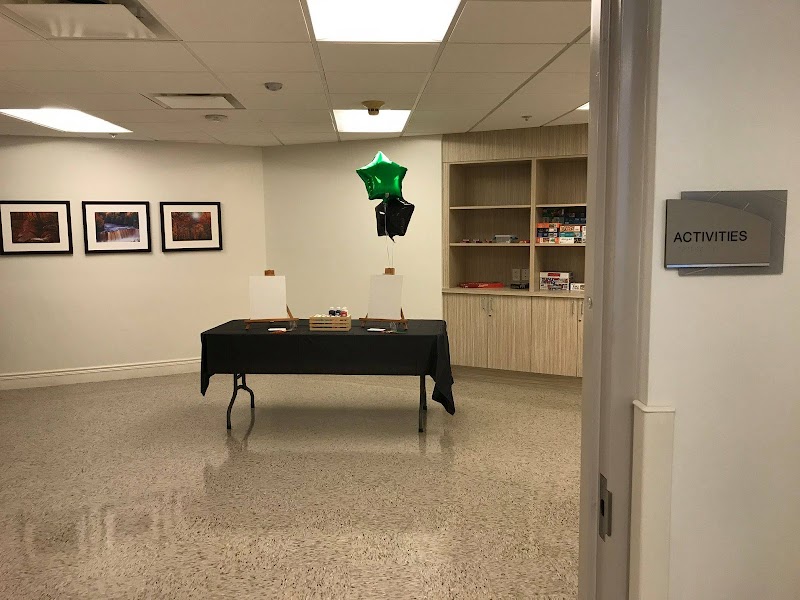
How is Medilodge Of Lansing Staffed?

CMS rates Medilodge of Lansing's staffing level at 4 out of 5 stars, which is above average compared to other nursing homes. Staff turnover is 53%, compared to the Michigan average of 46%.

What Have Inspectors Found at Medilodge Of Lansing?

State health inspectors documented 41 deficiencies at Medilodge of Lansing during 2022 to 2025. These included: 1 Immediate Jeopardy (the most serious level, indicating potential for serious harm or death), 2 that caused actual resident harm, and 38 with potential for harm. Immediate Jeopardy findings are rare and represent the most serious regulatory concerns. They require immediate corrective action.

Who Owns and Operates Medilodge Of Lansing?

Medilodge of Lansing is owned by a for-profit company. For-profit facilities operate as businesses with obligations to shareholders or private owners. The facility is operated by MEDILODGE, a chain that manages multiple nursing homes. With 85 certified beds and approximately 72 residents (about 85% occupancy), it is a smaller facility located in Lansing, Michigan.

How Does Medilodge Of Lansing Compare to Other Michigan Nursing Homes?

Compared to the 100 nursing homes in Michigan, Medilodge of Lansing's overall rating (3 stars) is below the state average of 3.1, staff turnover (53%) is near the state average of 46%, and health inspection rating (3 stars) is at the national benchmark.

What Should Families Ask When Visiting Medilodge Of Lansing?

Based on this facility's data, families visiting should ask: "What changes have been made since the serious inspection findings, and how are you preventing similar issues?" "Can I visit during a mealtime to observe dining assistance and food quality?" "How do you handle medical emergencies, and what is your hospital transfer rate?" "Can I speak with family members of current residents about their experience?" These questions are particularly relevant given the facility's Immediate Jeopardy citations.

Is Medilodge Of Lansing Safe?

Based on CMS inspection data, Medilodge of Lansing has documented safety concerns. Inspectors have issued 1 Immediate Jeopardy citation (the most serious violation level indicating risk of serious injury or death). The facility has a 3-star overall rating and ranks #100 of 100 nursing homes in Michigan. Families considering this facility should ask detailed questions about what corrective actions have been taken since these incidents.

Do Nurses at Medilodge Of Lansing Stick Around?

Medilodge of Lansing has a staff turnover rate of 53%, which is 7 percentage points above the Michigan average of 46%. Moderate turnover is common in nursing homes, but families should still ask about staff tenure and how the facility maintains care continuity when employees leave.

Was Medilodge Of Lansing Ever Fined?

Medilodge of Lansing has been fined $42,764 across 1 penalty action. The Michigan average is $33,507. While any fine indicates a compliance issue, fines under $50,000 are relatively common and typically reflect isolated problems that were subsequently corrected. Families should ask what specific issues led to these fines and confirm they've been resolved.

Is Medilodge Of Lansing on Any Federal Watch List?

Medilodge of Lansing is not on any federal watch list. The most significant is the Special Focus Facility (SFF) program, which identifies the bottom 1% of nursing homes nationally based on persistent, serious quality problems. Not being on this list means the facility has avoided the pattern of deficiencies that triggers enhanced federal oversight. This is a positive indicator, though families should still review the facility's inspection history directly.