Lincoln Haven Nursing & Rehabilitation Community
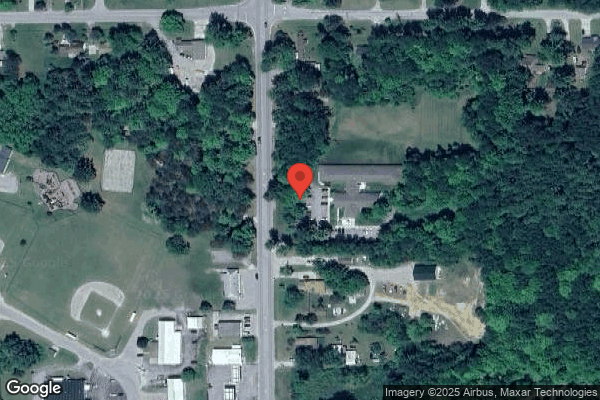
950 Barlow Road, Lincoln, MI 48742 (989) 736-8481
For profit - Limited Liability company 39 Beds ATRIUM CENTERS Data: November 2025
Trust Grade
70/100
#133 of 422 in MI
Last Inspection: February 2025

Within standard 12-15 month inspection cycle. Federal law requires annual inspections.

Overview

Lincoln Haven Nursing & Rehabilitation Community has a Trust Grade of B, indicating it is a good choice for families seeking care, with solid performance overall. Ranked #133 out of 422 in Michigan, they are in the top half of facilities in the state, but they're the second option in Alcona County, with only one better local choice. The facility is currently improving, having reduced the number of issues from 10 in 2024 to 5 in 2025. Staffing is rated 4 out of 5 stars, but with a concerning turnover rate of 60%, higher than the state average, meaning that while staff are generally experienced, there may be frequent changes. Notably, there have been no fines reported, which is a positive sign, and the facility boasts more RN coverage than 79% of Michigan facilities, ensuring better oversight of resident care. However, there are some weaknesses to consider. Recent inspections found issues such as the absence of a qualified Certified Dietary Manager and complaints from residents about limited meal choices and food quality. Additionally, equipment maintenance concerns were identified, with some residents' wheelchairs in disrepair, posing a risk for injury. There were also lapses in hand hygiene practices in the kitchen, which could lead to foodborne illnesses. Overall, while Lincoln Haven has strengths in RN coverage and a good trust grade, families should weigh these issues carefully when making their decision.

Trust Score
B
70/100
In Michigan
#133/422
Top 31%
Safety Record
Low Risk
No red flags
Inspections
Getting Better
10 → 5 violations
Staff Stability
⚠ Watch
60% turnover. Above average. Higher turnover means staff may not know residents' routines.
Penalties
✓ Good
No fines on record. Clean compliance history, better than most Michigan facilities.
Skilled Nurses
✓ Good
Each resident gets 52 minutes of Registered Nurse (RN) attention daily — more than average for Michigan. RNs are trained to catch health problems early.
Violations
⚠ Watch
20 deficiencies on record. Higher than average. Multiple issues found across inspections.
★★★★☆
4.0
Overall Rating
★★★★☆
4.0
Staff Levels
★★★☆☆
3.0
Care Quality
★★★★☆
4.0
Inspection Score
Stable
2024: 10 issues
2025: 5 issues

The Good

  • 4-Star Staffing Rating · Above-average nurse staffing levels
  • Full Sprinkler Coverage · Fire safety systems throughout facility
  • No fines on record

Facility shows strength in staffing levels, fire safety.

The Bad

Staff Turnover: 60%

14pts above Michigan avg (46%)

Frequent staff changes - ask about care continuity

Chain: ATRIUM CENTERS

Part of a multi-facility chain

Ask about local staffing decisions and management

Staff turnover is elevated (60%)

12 points above Michigan average of 48%

The Ugly 20 deficiencies on record

Feb 2025 5 deficiencies
CONCERN (D)

Potential for Harm - no one hurt, but risky conditions existed

Notification of Changes (Tag F0580)

Could have caused harm · This affected 1 resident

**NOTE- TERMS IN BRACKETS HAVE BEEN EDITED TO PROTECT CONFIDENTIALITY** Based on interview and record review, the facility failed to notify the physician of a change in condition related to blood gluc...

Read full inspector narrative →
**NOTE- TERMS IN BRACKETS HAVE BEEN EDITED TO PROTECT CONFIDENTIALITY** Based on interview and record review, the facility failed to notify the physician of a change in condition related to blood glucose monitoring for one Resident (#5) of thirteen residents reviewed for a change in condition. Findings include: Resident #5 (R5): Review of R5's electronic medical record (EMR) revealed initial admission to the facility on 2/4/22 with diagnoses including Parkinson's disease, and type two diabetes mellitus. Review of R5's most recent Minimum Data Set (MDS) assessment dated [DATE], revealed a Brief Interview for Mental Status (BIMS) score of 15, indicative of intact cognition. Review of R5's EMR revealed the following physician's order: Insulin lispro insulin pen; 100 unit/mL (millimeter); amt (amount): Per Sliding Scale; If Blood Sugar is 200 to 250 [milligrams/deciliter, mg/dL] give 2 Units. If Blood Sugar is 251 to 300, give 4 Units. If Blood Sugar is 301 to 350, give 6 Units. If Blood Sugar is 351 to 399, give 8 Units. If Blood Sugar is greater than 400, call MD (medical doctor). Subcutaneous (under the skin) Four Times A Day 05:00, 11:00, 16:00 [4:00 PM], 20:00 [8:00 PM]. Review of R5's blood glucose levels in the prior 3 months revealed the following elevated blood glucose levels: 1. 2/25/25 at 19:52 [7:52 PM]: 425 mg/dL 2. 2/10/25 at 16:22 [4:22 PM}: 450 mg/dL 3. 12/8/24 at 15:13 and 15:17 [3:13 PM and 3:17 PM]: 472 mg/dL 4. 12/3/24 at 11:13 AM: 470 mg/dL 5. 11/25/24 at 11:11 AM: 493 mg/dL 6. 11/24/24 at 10:11 AM: 475 mg/dL Review of R5's EMR revealed the physician had not been notified of the blood glucose levels out of the acceptable parameters. On 2/27/25 at 9:08 AM, an interview was conducted with Registered Nurse (RN) B regarding the facility's blood glucose monitoring protocol. RN B indicated if a blood glucose reading is out of range, either greater than 400 mg/dL or less than 70 mg/dL, the facility physician should be notified. RN B stated a corresponding progress note should be entered into the resident's EMR indicating the blood glucose level, the physician's response, any symptoms experienced by the resident, and the results of the follow-up monitoring. RN B identified the potential dangers of hyperglycemia [high blood glucose levels] as an accumulation of ketones in the blood which may lead to a diabetic coma and even death. On 2/27/25 at 11:33 AM an interview was conducted with the Director of Nursing (DON) regarding blood glucose monitoring expectations. The DON confirmed a physician should be notified if blood glucose levels are less than 70 mg/dL or greater than 400 mg/dL. Review of the facility's Physician Standing Orders read, in part: .Notify physician of any glucose above 400 [mg/dL] . Review of the facility policy, Notification of Change, reviewed 1/2025, read, in part: .the resident's physician .must be notified when an event involving the resident occurs or when the resident experiences a change in condition . Call the physician and document using the SBAR [Situation-Background-Assessment-Recommendation] Communication Form and/or Progress note .document physician's orders and implement .document the resident's condition change and new orders on the 24 hr [hour] report log .monitor and reassess the residents status and response to interventions . Review of the facility policy, Diabetic Management Program, reviewed 1/2025, read, in part: This policy is designed to provide standardized guidance for diabetic management and ensure appropriate treatment is initiated for hyperglycemic and hypoglycemic episodes . call the physician immediately if blood sugar is > [greater than] 300 [mg/dL], or as determined by a physician's order .
CONCERN (D)

Potential for Harm - no one hurt, but risky conditions existed

Quality of Care (Tag F0684)

Could have caused harm · This affected 1 resident

**NOTE- TERMS IN BRACKETS HAVE BEEN EDITED TO PROTECT CONFIDENTIALITY** Resident #177 (R177) Review of R177's face sheet, dated 2/25/25, revealed R177 was admitted to the facility on [DATE] with medic...

Read full inspector narrative →
**NOTE- TERMS IN BRACKETS HAVE BEEN EDITED TO PROTECT CONFIDENTIALITY** Resident #177 (R177) Review of R177's face sheet, dated 2/25/25, revealed R177 was admitted to the facility on [DATE] with medical diagnoses including, osteomyelitis of the right ankle and foot, peripheral vascular disease, hypertension, and diabetes mellitus. R177 was recently admitted for rehabilitation and was post-operative from an orthopedic surgery which included amputation of his right five toes and partial foot. Review of the EMR initial admission assessment for R177, dated 2/24/25, revealed arrival to the facility at 6:20 PM. There was no baseline care plan that could be located in the EMR for the date range of 2/24/25 through 2/27/25. On 2/27/25 at 10:00 AM, during an interview regarding R177's care plans, Licensed Practical Nurse (LPN) C was asked who creates the care plans, and where they are kept. LPN C replied, The admitting nurse does a baseline care plan and then either the Director of Nursing or the Minimum Data Set nurse builds a comprehensive care plan. (R177's) baseline care plan is in this folder right here along with other admission papers. R177's admission papers had not been fully completed and were not accessible to Certified Nursing Assistance. Review of R177's baseline care plan, was not dated. Review of R177's physician orders, dated 2/24/25, revealed an order for insulin glargine pen and to give 35 units subcutaneous in the morning between 6:30 AM and 10:30 AM, and a second order for finger stick blood sugar monitoring before meals and at bedtime to be checked at 6:00 AM, 11:00 AM, 4:00 PM, and 8:00 PM. Review of R177's medication administration record (MAR) and vital sign monitoring, dated 2/24/25 through 2/27/25, revealed no recorded blood glucose monitoring on 2/24/25 at 8:00 PM, 2/25/25 at 6:00 AM, 11:00 AM, 4:00 PM, or 8:00 PM, and 2/26/25 at 6:00 AM. R177 had no recorded vital signs for new admission monitoring on 2/25/25. On 2/27/25 at 11:00 AM, an interview was conducted with the DON who was asked about the new admission process, glucose monitoring, and vital signs. The DON replied, I have been busy and have not scanned in or started the comprehensive care plan yet. New admissions should be getting a full set of vital signs twice a day. If a resident is on insulin or is diabetic, then blood glucose monitoring should be completed, especially if they are on a sliding scale. Review of the facility policy, Diabetic Management Program, reviewed 1/2025, read, in part, This policy is designed to provide standardized guidance for diabetic management and ensure appropriate treatment is initiated for hyperglycemic and hypoglycemia . Based on interview and record review, the facility failed to monitor and assess 2 Residents (#5 & #177) of 13 residents reviewed for quality of care. Findings include: Resident #5 (R5): Review of R5's electronic medical record (EMR) revealed initial admission to the facility on 2/4/22 with diagnoses including Parkinson's disease, and type two diabetes mellitus. Review of R5's most recent Minimum Data Set (MDS) assessment dated [DATE], revealed a Brief Interview for Mental Status (BIMS) score of 15, indicative of intact cognition. Review of R5's EMR revealed the following physician's order in part: Insulin lispro insulin pen; 100 unit/mL (millimeter); amt (amount): Per Sliding Scale; . If Blood Sugar is greater than 400, call MD (medical doctor). . Four Times A Day 05:00, 11:00, 16:00 [4:00 PM], 20:00 [8:00 PM]. Review of R5's EMR revealed the following progress note written by Licensed Practical Nurse (LPN) C on 2/14/25 at 4:51 PM: Resident with blood sugar of 518 [mg/dL]; asymptomatic. [Nurse Practitioner] .made aware. Verbal order received to give 15 units of insulin lispro x 1 now and recheck blood sugar in one hour; if not under 400 [mg/dL] call back . Review of R5's EMR did not revealed a follow-up blood glucose level. On 2/27/25 at 10:53 AM, an interview was conducted with LPN C regarding R5's blood glucose level of 2/14/25. LPN C confirmed general protocol is to notify a physician if a blood glucose level is above 400 mg/dL or below 70 mg/dL. LPN C stated the physician typically orders a re-check of blood glucose levels within an hour to determine if the level is trending up or now and determine if further interventions are needed. LPN C was unsure why a re-check in blood glucose levels was not documented on 2/14/25. On 2/27/25 at 11:33 AM, an interview was conducted with the Director of Nursing (DON) regarding expectations on blood glucose monitoring. The DON stated R5's blood glucose levels should have been re-checked and documented in the EMR per physician's orders. Review of the facility policy, Notification of Change, reviewed 1/2025, read, in part: The Residents physician and responsible party must be notified when an event involving the resident occurs or when a resident experiences a change in condition . document physician's orders and implement .monitor and reassess the residents status and response to interventions .
CONCERN (D)

Potential for Harm - no one hurt, but risky conditions existed

Pressure Ulcer Prevention (Tag F0686)

Could have caused harm · This affected 1 resident

Based on observation, interview, and record review, the facility failed to ensure interventions were implemented per physician's orders for one Resident (#16) of three residents reviewed for positioni...

Read full inspector narrative →
Based on observation, interview, and record review, the facility failed to ensure interventions were implemented per physician's orders for one Resident (#16) of three residents reviewed for positioning and pressure ulcers. Findings include: Resident #16 (R16): Review of R16's electronic medical record (EMR) revealed initial admission to the facility on 7/26/22 with diagnoses including peripheral vascular disease (a disorder that causes narrowing or blocking of the blood vessels) and cellulitis of the left lower limb. Review of R16's most recent Minimum Data Set (MDS) assessment, dated 12/20/24, revealed a Brief Interview for Mental Status (BIMS) score of 15, indicative of intact cognition. On 2/25/25 at 1:03 PM, R16 was observed lying in bed. A pair of protective boots were observed placed on a recliner across the room. When R16 was asked if she wears the boots she replied, Sometimes. R16 indicated the staff did not always put them on. R16 denied refusing to wear the protective boots. On 2/26/25 at 11:44 AM, R16 was again observed resting in bed, with the pair of protective boots placed on a recliner across the room. Review of R16's EMR revealed the following physician order, initiated 9/30/24: Soft offloading boots to BLE [bilateral lower extremities] while in bed QS [every shift]. On 2/27/25 at 10:48 AM, an interview was conducted with Certified Nursing Assistant (CNA) A regarding R16's adaptive equipment needs. When asked if R16 wore the protective boots in her room, CNA A responded, Not very often. CNA A was asked if R16 was care planned to wear the protective boots to which she responded, I don't think so, but I can check. CNA A acknowledged they were unaware of the protective boots intervention for R16 because it wasn't listed in the care plan. On 2/27/25 at 11:05 AM an interview was conducted with Licensed Practical Nurse (LPN) C regarding R16's care plan. LPN C verified R16 had an existing physician's order to have soft boots applied at all times while in bed, however, it was not reflected in the care plan. LPN C indicated CNAs did not have access to residents' physician orders. Review of R16's EMR revealed the following progress note dated 9/30/24, which read in part: [R16's] bilateral heels are soft and slightly red/blanchable. Soft off-loading boots applied while in bed to help with pressure reduction . Review of R16's Braden Scale for Prediction of Pressure Sore Risk Assessment, dated 1/1/25, revealed a score of 14, indicative of a moderate risk. On 2/27/25 at 11:33 AM, an interview was conducted with the Director of Nursing (DON) regarding adaptive equipment expectations. The DON responded, At a bare minimum, splints should be entered into orders, but ideally they should be in the plan of care. The DON agreed CNAs would not know if a resident required adaptive equipment if it isn't in their plan of care. The DON stated, I'm going to add them right now [to the plan of care]. Review of the facility policy titled, Use of Assistive Devices, revised 1/2025, read, in part: .the use of assistive devices with be based on the resident's comprehensive assessment, in accordance with the resident's plan of care .a nurse with responsibility for the resident will monitor for the consistent use of the device .refusals of use .will be documented in the medical record .
CONCERN (D)

Potential for Harm - no one hurt, but risky conditions existed

Deficiency F0697 (Tag F0697)

Could have caused harm · This affected 1 resident

Based on observation, interview, and record review, the facility failed to treat pain timely for one Resident (#177) of one resident reviewed for pain. Findings include: Resident #177 (R177) Review of...

Read full inspector narrative →
Based on observation, interview, and record review, the facility failed to treat pain timely for one Resident (#177) of one resident reviewed for pain. Findings include: Resident #177 (R177) Review of R177's face sheet, dated 2/25/25, revealed admission to the facility on 2/24/25 with diagnoses including, osteomyelitis (bone infection) of the right ankle and foot, peripheral vascular disease, hypertension, and diabetes mellitus. R177 was recently admitted for rehabilitation and was post-operative from an orthopedic surgery which included amputation of his right five toes and partial foot. On 2/25/25 at 12:26 PM, R177 was observed lying in his bed with a dressing on his right foot. R177 was asked what kind of operation he had on his foot. R177 replied, I had an infection, and they had to removed part of my foot including my toes. R177 was asked about pain and stated that he was comfortable when he left the hospital and when he first got to the facility, but now he was very uncomfortable. R177 stated his current pain level was an 8-9 (pain scale 0-10). R177 further explained his primary doctor prescribed him oxycodone with acetaminophen 10/325 milligrams (mg) one every four hours as needed. R177 was asked when the last time he had his pain medication and replied, Yesterday, before I left the hospital. Review of discharge paperwork, dated 2/24/25, revealed R177 underwent surgical amputation of his right foot on 2/20/25 and was sent to the facility with an order for oxycodone with acetaminophen 10/325 mg, one tablet by mouth every six hours as needed. Review of the initial admission assessment, dated 2/24/25, revealed R177 arrived in the facility at 6:20 PM. On 2/25/25 at 12:30 PM, an interview was conducted with Medical Director (MD) G who was asked about R177 and his pain medication. MD G replied, The staff called me last night and I told them to fax it to me and I never got the fax. I got a call this morning from the Director of Nursing (DON), and so I told them again to fax it and never received it, so I came in to sign the C-2 [controlled substance-2] form. MD G expressed he was frustrated he did not receive the C-2 form sooner. On 2/27/25 at 11:35 AM, an interview was conducted with the DON who was asked how new admissions receive controlled substance pain medications. The DON replied, Nursing must fill out a C-2 form and fax it to the doctor for an authorization signature. Then after the C-2 is signed, it is faxed to pharmacy for an authorization code. After nursing receives the code from the pharmacy, the medication can be pulled from back-up medication box and given to the resident until the medication is sent from the pharmacy. The DON was asked why the C-2 form did not get sent to the doctor after R177 was admitted to the facility. The DON replied, I left that to the admitting night nurse who did not send it to the doctor. On 2/25/25 at 12:39 PM, an interview was conducted with Licensed Practical Nurse (LPN) D who confirmed that there was oxycodone with acetaminophen 10/325 mg in the back-up medication box. LPN D also confirmed the same process for obtaining medication from the back-up box as the DON described. LPN D stated that she just faxed the C-2 form for R177 to the pharmacy and was going to check if the pharmacy had sent a response back in a little while. Review of R177's medication administration record (MAR), dated February 2025, revealed that R177 received a dose of oxycodone with acetaminophen 10/325 mg on 2/25/25 at 1:54 PM, approximately 20 hours after being admitted to the facility. R177 also underwent a dressing change in the morning of 2/25/25 without pain medication. On 2/26/25 at 8:10 AM, an interview was conducted with R177 who was asked how his pain management was going. R177 replied, I am so happy to finally get pain medication now. On 2/26/25 at 2:35 PM, an observation was made of R177 receiving a wound dressing change. R177 was asked to compare yesterday's wound dressing change to today's wound dressing change. R177 replied, Today went much better because I now have may pain medication. Review of policy, tilted, Pain Management, dated 01/2025, read in part Purpose: to provide an approach to pain management that provides the resident with optimal comfort, dignity and quality of life .7. The provider will be notified if comfort is not achieved following pain management interventions, for changes in pain characteristics, and/or with new onset pain or breakthrough pain.
CONCERN (D)

Potential for Harm - no one hurt, but risky conditions existed

Pharmacy Services (Tag F0755)

Could have caused harm · This affected 1 resident

**NOTE- TERMS IN BRACKETS HAVE BEEN EDITED TO PROTECT CONFIDENTIALITY** Based on observation, interview, and record review, the facility failed to ensure proper storage of medications in two of two me...

Read full inspector narrative →
**NOTE- TERMS IN BRACKETS HAVE BEEN EDITED TO PROTECT CONFIDENTIALITY** Based on observation, interview, and record review, the facility failed to ensure proper storage of medications in two of two medication carts reviewed for pharmacy services. Findings include: On [DATE] at 10:30 AM, the [NAME] medication cart was observed, which was found to have three controlled substance medications that had been discontinued and remained in the medication cart as follows: a.) One blister pack from Resident #19 of tramadol 50 mg tablets that was ordered on [DATE] and discontinued on [DATE] with 9 of 15 remaining. b.) One blister pack from Resident #180 of lorazepam 0.5 mg tablets ordered on [DATE] and who was discharged from the facility on [DATE] with 15 of 15 remaining. c.) One blister pack from Resident #181 of lorazepam 1 mg tablets ordered on [DATE] and who was discharged from the facility on [DATE] with 11 of 13 remaining. On [DATE] at 1:24 PM, an interview was conducted with the Nursing Home Administrator (NHA) who was asked about the destruction of controlled substances. The NHA replied, The nurses give them to the Director of Nursing (DON) and that nurse, and the DON destroy them at that time. Pharmacy destruction policy is followed by the two of them. The NHA was unclear as to how often this occurs. On [DATE] at 10:15 AM, an observation was made of the East medication cart, which revealed two loose tabs of alendronate 10 milligrams (mg) and a blister pack of the same medication that held 7 tabs of alendronate 10 mg that were to be dispensed every Tuesday to an unidentified resident. Registered Nurse B confirmed via the medication administration record (MAR) that the unidentified resident was given the medication on [DATE] at 5:42 AM by the night shift nurse, RN H. On [DATE] at 2:30 PM, an observation was made of the [NAME] medication cart-controlled substance log and the three controlled substances remained in the active medication cart supply. On [DATE] at 10:35 AM, and interview was conducted with the Director of Nursing (DON) who was asked how long discontinued controlled substances should be left in the active medication cart supply. The DON replied, I have been very busy lately and have not had time to destroy them. They should be destroyed as soon as possible if they have been discontinued so there is no concern for misappropriation. When asked about the loose pill in the medication cart, the DON explained they should not have loose pills, and stated the carts were just cleaned. The DON replied, It sounds like the resident did not get their full dose of the medication prescribed. I will look into this. On [DATE] at 10:50 AM, and interview was conducted with the NHA who was asked how often and when the last time the medication carts were cleaned out. The NHA replied, I just did them with Licensed Practical Nurse (LPN) E on Monday morning, the 24th of this week. The NHA was asked if loose pills should be left in the medication carts. The NHA replied, No, there should not be any loose pills in the carts, they were just cleaned out. Review of policy, Control Substances Discontinued/Disposal of Medications, dated 01/2025, read in part Policy: When medications are discontinued by the Physician or if a resident is transferred / discharged and medications are not taken with him / her, or in the event of resident's death and the medication require destruction / disposal or if the prepared medication was refused or contaminated (dropped on the floor) the following procedures will be followed, all changes will be in accordance with state or pharmacological regulations. Procedure: 1. Reason for Destruction: Facility will remove medication(s) from the medication cart to be destroyed for the following reasons: a.) When an order to discontinue a medication is received. b.) The resident has been discharged from the facility; including transfer and expiration . Review of policy, Disposal / Destruction of Expired or Discontinued Medication, dated [DATE], read in part .2. Once an order to discontinue a medication is received, facility staff should remove this medication from the resident's medication supply . Review of policy, Maintenance of Medication Storage Areas, dated 04/2020, read in part .A. Cart: 1. Clean inside and out, including crushing devices .
Jun 2024 4 deficiencies
CONCERN (D) 📢 Someone Reported This

A family member, employee, or ombudsman was alarmed enough to file a formal complaint

Potential for Harm - no one hurt, but risky conditions existed

Deficiency F0561 (Tag F0561)

Could have caused harm · This affected 1 resident

**NOTE- TERMS IN BRACKETS HAVE BEEN EDITED TO PROTECT CONFIDENTIALITY** This citation relates to Intake #Mi00144666 and #MI00144651. Based on observation, interview, and record review, the facility f...

Read full inspector narrative →
**NOTE- TERMS IN BRACKETS HAVE BEEN EDITED TO PROTECT CONFIDENTIALITY** This citation relates to Intake #Mi00144666 and #MI00144651. Based on observation, interview, and record review, the facility failed to provide four Residents (R1, R2, R4, and R7) of 12 residents reviewed for food preferences and alternate meal options, who were reviewed for food concerns. Findings include: Some identifiers have been changed to Staff, as some of the interviewees requested confidentiality. R2 Review of R2's Minimum Data Set (MDS) assessment, dated 5/01/24, revealed R2 was admitted to the facility on [DATE], with diagnoses including Parkinson's disease and depression. The assessment revealed R2 required set up with eating and moderate assistance with transfers. The Brief Interview for Mental Status (BIMS) assessment revealed a score of 15/15, which showed R2 was cognitively intact. During an observation on 6/03/24 at 12:10 p.m., R2 was observed eating in the facility dining room, seated in a manual wheelchair. R2's was observed feeding herself mashed potatoes and wax beans from her plate. R2 was asked about her lunch meal. R2 stated, The mashed potatoes and gravy is ok. It's all I had. I didn't want the fish .The only food they had today was fish and ravioli, so I didn't get a sandwich ;. I asked for something else. I don't like that either [ravioli]. I'm done. I'm a little hungry. On 6/03/24 at 12:20 p.m., Surveyor confirmed with the facility kitchen staff fish and ravioli were the only entrees available for the lunch meal. R2 reported she was offered snacks in the evening when she did not like the entrée, but this was not acceptable to her, as she wanted meal alternatives, which were not always available. R2 described further how she never received fresh fruit, and liked oranges, apples, and grapes. R2 added, I have lost some weight. One day, I got a sandwich in a bag, fried bologna, and I just left it [did not eat the meal] .It was a few weeks ago, when they had no cook here. I went hungry . R4 Review of R4's MDS admission assessment, dated 4/15/24, revealed R4 was admitted to the facility on [DATE], with diagnoses including kidney disease, diabetes, malnutrition, and depression. The assessment revealed R4 required set-up for eating and moderate assistance for transfers. The BIMS assessment revealed a score of 15/15, which showed R4 was cognitively intact. During an interview on 6/3/24 at 12:30 p.m. R4 reported, The food should be a better quality, and explained, The salisbury steak meal is not real meat; it is like a TV dinner. R4 reported she sometimes missed meals, as she was not given another option if she did not like the meal. R4 described she did not like the sausage or ham, and stated, I don't eat the ham as it is really thick and I can't eat it. R4 reported one egg and a piece of toast was not an adequate breakfast, stating, I would like two eggs. When asked if they received any alternative meal selections, R4 reported, I am never given another option. Sometimes I don't eat . R4 reported she was frustrated with the food quality and lack of alternate choices offered, and said she was hungry sometimes. During an interview with the Nursing Home Administrator (NHA) on 6/4/24 at approximately 4:10 p.m., it was confirmed there were days residents received one egg and toast, as the egg served as a protein, and only 1 ounce was required to be served for breakfast, or an omelet, which was larger and had about 2 oz of protein. During an observation on 6/4/24 at approximately 4:30 p.m., Surveyor asked to see the portion size for a one ounce serving of eggs, with the NHA and Staff B. The NHA showed Surveyor a two-ounce ice cream style scoop and said this was typically the amount provided to residents. Staff B showed Surveyor a smaller scoop, ½ the size of the first scoop, which was one ounce, which they reported they sometimes used to serve the egg portion for each resident. It appeared to be a small serving size for an egg entrée. Staff B was asked if they believed this would be an adequate serving size for the average resident. Staff B stated, It would not be enough for me . During a phone interview on 6/4/24 at 3:50 p.m., Staff G reported R4 had requested healthier food choices for the meals, and reported R4 did not like the meals at the facility, and there was nothing extra available. During an interview on 6/4/24 at approximately 2:30 p.m., Registered Dietician (RD) L was asked about kitchen staff providing 1 oz of eggs (small scoop) at some meals, and if this was considered an adequate portion of eggs. RD L reported the small scoop was equivalent to 1 oz, and there was no requirement for the facility to provide 2 oz or 2 eggs to facility residents. R1 A confidential complaint was received by the State Agency on 5/22/24, which noted R1 was not receiving an appropriate diet for her low salt needs, given her cardiac diagnosis. The complainant also reported R1 received a fried bologna sandwich and cream of mushroom soup for dinner during the past week, with no alternate offered, and was told, Everyone gets the same thing. The complainant noted there was no fresh fruit served, and kool-aide was served at meals as the beverage. The complaint alleged R1 did not receive dinner on 5/13/24, Mother's Day, and the food and drinks were not palatable. Review of R1's MDS assessment, dated 4/5/24, revealed R1 was admitted to the facility on [DATE], with diagnoses including heart failure, diabetes, malnutrition, and depression. The assessment revealed R1 required set-up with eating and was dependent for transfers. The BIMS assessment revealed R1 scored 15/15, which showed R1 was cognitively intact. During an interview on 6/3/24 at approximately 5:10 p.m., R1 was asked about their meals. It was observed R1 was wearing oxygen, a gown, and was in a bariatric bed. R1 stated, There is a lot of salt. I just don't like salt. I have two leaky heart valves. I did have swelling and it has gone down. Some of the food is horrible. Their chicken and dumpling soup .I wouldn't know what it is by looking at it . R1's dinner meal arrived during the interview. The meal was a ham sandwich, with a fruity appearing red watered-down drink, which R1 reported tasted good as it was cherry flavored. A banana was served with the meal. R1 stated she would have wanted soup with the meal, and stated, I don't remember if it was offered, and stated she does not like cream of mushroom soup but would take an alternate soup. R1 looked at her tray, and stated, Where is my dessert? Surveyor saw an unnamed staff member in the hall and asked about dessert. The aide reported the banana was the dessert. It was noted R1's tray card stated, NAS [no added salt] and a regular diet. During a phone interview on 6/3/23 at 6:27 p.m., the confidential complainant reported, They [facility staff] are not taking [R1's] preferences into account, and clarified R1 did not like the sandwiches, especially the bologna sandwiches, nor the cream of mushroom soup, which was frequently the only choice, canned gravy. The complainant clarified R1 had a heart condition and lymphedema, and should be receiving a heart-healthy meal. The complainant stated there were sometimes alternative choices offered, but not always. Per the complainant, R1 stated, It's crap for food. The complainant reported, On Mother's Day (5/13/24), [R1] did not even get dinner, I went there at 4:30 p.m., they had juice boxes, a sandwich [on the hall] and explained, [R1] said, 'I am getting hungry and frustrated,' and she did not get a sack lunch like the other residents. R1 reportedly receiving nothing to eat for dinner and thought the afternoon snack was her dinner. Her nurse reportedly asked what happened at 6:30 p.m., and said, 'I'm going to have to scrounge her up some food from the staff potluck today. It was confirmed R1 received a sack lunch, but later in the evening, well after the other residents. During a phone interview on 6/4/24 at approximately 3:00 p.m., Certified Dietary Manager (CDM) L acknowledged the residents received a bagged lunch passed by the Certified Nurse Aides (CNAs) on Mother's Day due to staff call-ins. CDM L confirmed R1's meal was not initially received, but clarified R1 received a bagged fried bologna sandwich meal later that evening, and reported she had a snack earlier that day. CDM L confirmed R1 was on a NAS (no added salt) diet, and this meant no extra salt packs, or extra food portions for salted food. CDM L conveyed they had no concern with R1 eating bologna sandwiches, cream of mushroom soup, bacon, or other salted food, and indicated the menu was adequate for R1 and a resident on an NAS diet. CDM L reported this alternate meal of fried bologna sandwich and cream of mushroom soup was considered adequate to meet the nutritional expectations for all facility residents. During a phone interview on 6/4/24 at 4:00 p.m., Staff G reported R1 told them they did not like the food, and reported they observed it was sometimes burnt, and there was not much food for the residents, who only had one choice for the meal most of the time. Staff G stated R1's family sometimes brought them food due to R1's food complaints. Staff G explained the dietary staff were allowed to leave the facility immediately after the dinner meal was served, so when residents had a food request for an alternate or for additional food, there was no kitchen staff available. Staff G clarified they had brought this to the Nursing Home Administrator's (NHA's) attention, and to the dietary staff, and were told this was acceptable. Staff G confirmed this resulted in an occasional missed meal for a resident when they did not like the meal being served, or no second helping was available when requested. When asked if any residents had missed a meal, Staff G reported R13 had missed extra food, as they had a big appetite and sometimes requested second helpings after staff had left the building. R7 During an interview on 6/3/24 at 12:44 p.m., R7 was asked about the food at the facility. R7 stated, Sometimes it is good, and sometimes it is not. Some of them [the kitchen staff] can't cook so much. R7 reported she skipped the meals sometimes, as there were sandwiches for dinner, as she did not like most of them. R7 reported she would like a regular dinner, with a meat, potato and vegetable, and bean soup. Review of R7's recent BIMS assessment revealed a score of 15/15, which revealed R7 was cognitively intact. An observation of the kitchen on 6/3/24 with the NHA following the lunch meal revealed an ample supply and variety of snacks, and an Always Available alternate menu, when requested. This included always available items like soup, peanut butter sandwiches, and items available upon request, including chicken patties, hot dogs, and hamburgers. The NHA reported they had distributed this to the facility residents, and these items were 'always available'. The NHA showed this Surveyor a one-page, undated paper which showed if residents wanted the meal or an alternate, and reported it was from today, and the CNA's had queried residents about the meal choices each day. Surveyor asked for the past two weeks of logs, and the NHA reported they were not saved and discarded daily. The NHA clarified they were the contact person for any food concerns, as they were acting supervisor of the dietary department, as the Director of Nursing (DON) would soon be assuming the role, however they were needed as a floor nurse to work the midnight shift this week. Review of the four-week menus, provided by the NHA on 6/3/24, revealed a four-week menu cycle, which was reportedly repeated each month. The menus provided were labeled on the top of each page (four total), Flexible Menu Fall/Winter 2019 -2020. It was noted there was an entrée for each meal, however there was no alternate listed, or second meal choice. During an interview on 6/3/24 at approximately 4:10 p.m., the NHA was asked for clarification, and reported the alternate was usually leftovers from the day before, and they kept leftovers and served them again for up to three days, and they were not on the menu as they were typically served until they ran out. The NHA confirmed the menus rotated each month to the same menus every four-week cycle. It was noted the menu showed the larger meal was served at lunch, a heavier meal with a meat, potato or rice and a vegetable with a roll, and a lighter meal was served at dinner, frequently soup and sandwiches, and a few other types, such as a burger, a hot dog, ravioli, pizza, or chili. The menu items were basic, such as lasagna, fish, meat loaf, goulash, sloppy joes, spaghetti, salisbury steak, chicken, pork, or meatballs. The NHA reported regionally these types of foods were resident-preferences, and the menus were reviewed with residents. During a phone interview on 6/3/24 at 7:00 p.m., Staff D reported the menu was always the same each month, and rotated again the next month, and residents wanted more variety. Staff D reported the food had tons of salt, and residents were served a fruity drink mix sometimes, when they were supposed to be getting juice. Staff D explained, They [kitchen staff] cook for 27 residents and only have food for 27 residents. The NHA only buys enough food to cook for the number of residents. Anything else we cook extra we are told we are using too much . Staff D reported the alternates such as hot dogs could not be used per the NHA as they were needed for meals, and reported they could only use supplies for whatever was on the menu, so they could only give residents peanut butter and jelly sandwiches as the alternate. Staff D stated, We have the same food [for meals] we are giving as an alternate on the menu, like chicken noodle soup and a vegetable for dinner. Sometimes residents only get soup for dinner . During an observation on 6/3/24 at approximately 5:30 p.m. this Surveyor taste tested a dinner tray provided by the NHA and kitchen staff. The NHA and kitchen staff reported there were two extra sandwiches and an extra beverage, with a choice of grape or cherry. Surveyor tested the bologna sandwich, with two slices of meat, which had cheese, lettuce and tomatoes, and the ham salad sandwiches, and the grape beverage. Surveyor noted the sandwich was adequate in presentation, and the sandwiches were palatable although both tasted salty, especially the ham salad sandwiches, and the juice tasted like Kool-aide and was not grape juice. There was also a cherry beverage available. Review of the order supply sheets, requested for four weeks, showed orders for orange, apple, and cranberry juice, and for powered drink mixes, such as orange drink mix. The menus show a choice of juice and milk in the morning, and coffee or tea at dinner. During a phone interview on 6/5/24 at 5:17 p.m., Staff M reported concerns related to residents not receiving adequate meals, portions, and alternates. Staff M reported there had been no always available menu for entrees, and when they had recently requested a hot dog for a resident, they were told by kitchen staff the package could not be opened for one serving. Staff M added in the past few weeks goulash was served three days in a row. Staff M clarified they only saw the Always Available alternate menu the week of the survey. Staff M stated there was no Dietary Manger in the kitchen for the past couple months. Staff M expressed frustration for the residents, as they were reportedly not receiving adequate food portions and palliative, nutritive food. Staff M continued, sometimes the food was served too early, due to kitchen staffing reasons, and there was too long a gap between dinner and breakfast when this occurred. Staff M conveyed they had reported their concerns to the NHA, especially during the past couple of months, and the situation had not resolved. Review of the policy, Know Your Rights, by the (State) Department of Community Health, revealed, As a resident of a Medicaid Nursing Home, you have the same rights about your life, medical care, and personal treatment as others who live in the community. These rights are protected by rules made by both the State and Federal government .Quality of Your Medical Care. You have the right to receive necessary nursing, medical, and social services to reach and maintain the highest practicable physical, mental, and social well-being .Food: Most types of food are supplied by the nursing home. Nursing Homes must provide substitutes to food you don't like .Some food and items the home must provide: Daily nutritious meals and snacks, reasonable food substitutes of a similar nutritive value, dietary supplements .
CONCERN (D) 📢 Someone Reported This

A family member, employee, or ombudsman was alarmed enough to file a formal complaint

Potential for Harm - no one hurt, but risky conditions existed

Grievances (Tag F0585)

Could have caused harm · This affected 1 resident

This citation relates to Intake #MI00144651. Based on observation, interview, and record review, the facility failed to act on a concern for one Resident (R8) of one resident reviewed for grievances....

Read full inspector narrative →
This citation relates to Intake #MI00144651. Based on observation, interview, and record review, the facility failed to act on a concern for one Resident (R8) of one resident reviewed for grievances. This deficient practice resulted in feelings of frustration for R8, and lack of timely follow-up for damaged clothing. Findings include: Review of R8's recent BIMS assessment revealed a score of 15/15, which showed R15 was cognitively intact. R8 was interviewable and fully oriented. During an interview on 6/3/24 at 2:46 p.m., R8 revealed he was the resident council president, and had a concern about his pajama pants and other items returning from the facility laundry with bleach stains. R8 explained they reported their concern to laundry staff about two weeks prior and had not received any explanation of his pants being ruined, or follow-up, and expressed feeling frustrated. During an observation on 6/3/24 at 2:50 p.m., R8's red and black checkered pajama pants were observed in his closet with his permission. The pants had three holes in them, and there were bleach stains on the lower pant legs, at least 6 up on one side covering the pant leg. The threading was worn thin and the bottom of the pant legs were frayed. R8 reported he could not wear the pants anymore. It appeared the pants were damaged beyond wearing and needed to be replaced. R8 confirmed his pants had been sent to laundry undamaged. During an interview on 6/3/24 at 3:25 p.m., Laundry Staff B was asked about R8's damaged pants. Staff B reported R8 had made her aware of the concern over a week before, and acknowledged they were recently damaged by bleach in the laundry. Staff B explained the normal process was to report the concern to the Business Office Manager, Staff F, who would follow-up. Staff B clarified they had not reported the damaged pants to Staff F, as they did not have time over a week prior when R8 told them, and they had been off work a week since then. Staff B reported they should have filed a grievance form and confirmed they did not file one. During an interview on 6/03/24 at approximately 4:10 p.m., the Nursing Home Administrator (NHA) was asked about R8's damaged pajama pants, and the lack of follow-up. The NHA understood the concern, and reported they would replace R8's pants. The NHA confirmed the expectation was Staff B would have completed a grievance form and reported the damaged pants. Review of the (State) nursing home publication, Know your Rights . by the (State) Department of Community Health, undated, revealed, Basic rights .You have the same rights about your life, medical care and personal treatment as others who live in the community. These rights are protected by rules made by the State and local government. You are entitled to a clean, home-like living space. You may keep and use personal clothing .The following must be provided by the nursing home .Laundry Services .
CONCERN (F) 📢 Someone Reported This

A family member, employee, or ombudsman was alarmed enough to file a formal complaint

Potential for Harm - no one hurt, but risky conditions existed

Deficiency F0801 (Tag F0801)

Could have caused harm · This affected most or all residents

This citation relates to Intake #Mi00144666 and #MI00144651. Based on interview and record review, the facility failed to employ a qualified Certified Dietary Manager (CDM) to manage the food service...

Read full inspector narrative →
This citation relates to Intake #Mi00144666 and #MI00144651. Based on interview and record review, the facility failed to employ a qualified Certified Dietary Manager (CDM) to manage the food service department. Findings include: During the lunch meal on 6/3/24 at approximately 12:10 p.m., residents were asked about their meal. Five residents (R1, R2, R4, R6, and R7) reported concerns with minimal entrée choices, limited or no alternates being offered, decreased palatability, and some missed meals due to the limited choices and poor quality of the food at some of the meals. During an interview on 6/4/24 beginning at 12:40 p.m. Registered Dietician (RD) L confirmed the was no current CDM (Certified Dietary Manager) or DM (Dietary Manager) working in the food services department. RD L clarified a CDM or DM working on becoming certified was expected to be working in the food services department consistently and regularly and understood the concern. RD L explained they only worked four to eight hours per month and were not acting as the CDM at the facility. RD L reported the Director of Nursing (DON) had assumed the role of Dietary Manger and had enrolled in a CDM class but had not yet started the classes. During the interview, this Surveyor reviewed R4's significant weight loss with RD L of 5% in the past month. RD L acknowledged they were not notified of R4's significant weight loss in one month of 5%, and the expectation is they would be made aware. RD L reported there had been no nutritional supplementation added per standards of practice, other than vitamins, and reported they would be following up. During an phone interview on 6/5/24 at 5:17 p.m., Staff M reported the Director of Nursing (DON) had been pulled from the DM role this past winter, around February, due to nursing staff needed to work on the midnight shift. Staff M reported they had intermittently observed or heard from the residents about food quality concerns, including inadequate food portions, palatability concerns, lack of consistent choices and alternates, and meal timeliness concerns. Staff M confirmed they were not aware of any foodborne illness. During an interview on 6/4/24 at approximately 1:30 a.m., the Nursing Home Administrator (NHA) confirmed there was no acting CDM or DM in the facility, as the DON was working on the midnight shift during the survey. The NHA reported they oversaw the kitchen staff and food services department in the interim. The NHA was asked about resident-reported concerns related to limited choice, decreased palatability, timeliness, and some missed meals and R4's weight loss. The NHA denied the concerns, and reported the DON was unavailable for interview at that time as they were sleeping the next couple hours at least due to working the midnight shift. The NHA reported they could answer questions about the kitchen and food, as they were supervising the department. The NHA confirmed they were not a CDM or DM, and they had not enrolled in the dietary management classes. The NHA reported they were ordering the food, addressing the menus, scheduling staff, and completing all the DM roles in the absence of a working DM. During an interview on 6/4/24 at approximately 5:15 p.m., the Regional Director of Operations, NHA, J, acknowledged there was no current acting CDM or DM in the facility recently, and understood the concern. NHA J reported they had not been made aware of resident-reported food concerns, or weight loss, and planned to follow-up.
CONCERN (F) 📢 Someone Reported This

A family member, employee, or ombudsman was alarmed enough to file a formal complaint

Potential for Harm - no one hurt, but risky conditions existed

Room Equipment (Tag F0908)

Could have caused harm · This affected most or all residents

This citation relates to Intake #MI00144651. Based on observation and interview, the facility failed to properly maintain resident equipment in safe, operating condition including two Residents (R2, ...

Read full inspector narrative →
This citation relates to Intake #MI00144651. Based on observation and interview, the facility failed to properly maintain resident equipment in safe, operating condition including two Residents (R2, R10) wheelchairs and residents' bed remote controls. This deficient practice resulted in two resident's wheelchairs being in disrepair, and the risk of injury to residents from lack of access to bed remote controls. Findings include: R2 Review of the Electronic Medical Record (EMR) revealed R2 had a recent score of 15/15 on the Brief Interview for Mental Status (BIMS) assessment, which showed R2 was cognitively intact. During an interview on 6/3/24 at 12:10 p.m., R2 was seated in a manual wheelchair at lunch, and reported staff were having problems operating their wheelchair. R2 stated, I have problems with the wheels on my wheelchair, it [the wheels] wants to go one way [to the side instead of straight]. During an observation on 6/3/24 at 12:15 p.m., R2's wheelchair was observed with worn wheels. There was no wheelchair cushion observed. R2 stated, I would like a wheelchair cushion. When I sit on it [the chair] it is very uncomfortable. R2 reported they did not have a bedsore. Surveyor did not test the wheelchair maneuverability at that time, as R2 was eating their lunch meal. R10 Review of the EMR revealed R10 had a recent score of 13/15 on the BIMS assessment, which showed R10 was cognitively intact. During an interview on 6/3/24 at approximately 3:10 p.m., R10 was asked about their care at the facility. R10 explained he was at the facility for therapy, and his wheelchair did not work, which concerned him as he was afraid of falling when the brakes did not lock. R10 added the brakes hurt his hands when he pushed them. During an observation on 6/3/24 at approximately 3:15 p.m., this Surveyor observed R10's high back reclining wheelchair had no plastic or rubber break covers, only thin metal brakes which were typically covered on wheelchairs. It was observed the wheelchair appeared worn, with foam covers worn and frayed where the headrest was prior attached and cracked left armrest upholstery. With the brakes activated, it was apparent the left brake did not lock or 'hold', as the wheelchair slid backward when the brakes were applied. R10 reported he had made staff aware, and they could all see it happening when they transferred him and the brakes did not fully engage. It was observed there was no seat cushion in the chair. R10 reported he would like his wheelchair repaired, and a cushion for comfort. During an observation on 6/3/24 beginning at 3:30 p.m., the Maintenance Director, Staff C was asked to observe R2's and R10's wheelchair with this Surveyor. Staff C confirmed both wheelchairs needed repair and observed the concerns regarding R2's wheelchair turning to the side when pushed forward, and R10's wheelchair brake not locking, the sharp metal edge where the headrest had been attached, covered by broken foam, no wheelchair brake covers, and no wheelchair cushions in both wheelchairs. The Nursing Home Administrator (NHA) arrived and observed the same concerns and planned to follow-up. Bed remote concerns During a phone interview on 6/4/24 at approximately 3:50 p.m., Staff G reported they learned several of the bed remotes were not working in the past few months, and Staff C was only able to order one replacement at a time per the NHA. During an interview on 6/4/24 at approximately 4:30 p.m., Staff C was asked if residents' bed remotes were removed from the residents' beds in the facility. Staff C confirmed they removed all the remotes from the residents' beds per the NHA, after the facility received a citation from the annual survey related to a hospital bed remote. Staff C stated, Our administrator made us pull all the remotes from the beds and I put them back on the same day, only a few hours later. Staff C confirmed the remotes were removed from all the residents' beds, not just those with cognitive impairment. Staff C was asked if this was a concern for any the residents, not being able to operate their bed remotes, especially for those who could do so independently. Staff C reported they did not hear resident complaints, but the staff reported concerns. Staff C stated they were removed to repair them, and there were no resident falls or other outcomes per their awareness. Staff C stated the NHA told them they could only order one bed remote a month for those which were in disrepair, so they did some finagling and switching of the bed remotes in lieu of replacement, which was needed for some of the remotes, and reported was not ideal. During an interview on 6/4/24 at approximately 5:30 p.m., the Regional Director of Operations, NHA J, was asked about the equipment concerns, and confirmed they were investigating administrative and employee concerns brought forward by facility staff. NHA J reported they had rounded the facility including equipment concerns on 6/4/24 and had found one bed remote not working, which they were addressing. NHA J reported their Director of Environment would be following up on any environmental concerns including equipment the next day. During a phone interview on 6/5/24 at 5:17 p.m., Staff M reported concerns regarding all the residents bed remotes being removed from the walls by directive of the NHA to maintenance staff. Staff M reported afterwards the cords were messed up and they were finicky on working since we got a citation. The Administrator pulled the bed remotes off the beds as part of her Plan of Correction and put three at the desk and made the aides share them. Staff M clarified the bed remotes were pulled off all the beds, for all the residents, not just the ones in the citations. Staff M noted they had trouble providing care for an ill, dependent resident because their bed was too low, and it took over 45 minutes to get a remote to feed the resident and provide care. Staff M reported the remotes were off the beds over 24 hours, and they were unaware of any accidents from this, or other outcomes. Staff M reported they and the aides had trouble getting to the remotes after they were replaced, causing awkward body mechanics, as they were zip tied under the beds when they were added back, and they were told they would be fired if they cut the zip ties.
Feb 2024 5 deficiencies
CONCERN (D)

Potential for Harm - no one hurt, but risky conditions existed

Pressure Ulcer Prevention (Tag F0686)

Could have caused harm · This affected 1 resident

**NOTE- TERMS IN BRACKETS HAVE BEEN EDITED TO PROTECT CONFIDENTIALITY** Based on observation, interview, and record review, the facility failed to prevent the development of new pressure ulcers and fa...

Read full inspector narrative →
**NOTE- TERMS IN BRACKETS HAVE BEEN EDITED TO PROTECT CONFIDENTIALITY** Based on observation, interview, and record review, the facility failed to prevent the development of new pressure ulcers and failed to provide adequate care to heal facility acquired pressure ulcers for one Resident (R27) out of two residents reviewed for pressure ulcers. This deficient practice resulted in development of additional pressure ulcers and the potential for delayed healing. Findings include: Review of R27's census, revealed admission to the facility on [DATE] with medical diagnoses including sepsis, traumatic subdural hemorrhage (bleeding inside the skull, and pressure against the brain caused by a blow to the head or fall), obstructive sleep apnea (when throat muscles relax and block the airway), hypertension (elevated blood pressure), and diabetes mellitus. R27 had a discharge on [DATE] and then a readmission back to the facility on 1/12/24. Review of R27's skin observation dated 12/4/23, revealed an area of skin impairment described on the sacrum/coccyx area as left side bruised/red and other area left hip bruised. Review of R27's Braden Scale (skin assessment tool), dated 12/4/23, revealed he was at risk for developing pressure ulcers. *Note R27 lacked a week 2 Braden Scale assessment and after the discovery of the pressure injury on 12/14/23. Review of R27's admission Minimal Data Set (MDS) dated [DATE], revealed under section M, a risk for developing pressure ulcers and no unhealed existing pressure ulcers, and under section GG revealed rolling left to right substantial max assist and sitting to lying/lying to sitting, sit to stand, chair to bed, and bathroom dependent on staff. Review of R27's care plan, date 12/13/23, read in part, .Problem .is at risk for skin breakdown r/t [related to] impaired mobility .Goal .skin will remain intact .Approach .Treat, reduce and eliminate risk factors to extent possible .Conduct systemic skin inspection. Pay particular attention to bony prominences. CNA to observe skin integrity with daily cares .Encourage resident to turn / reposition q [every] 2 hours, assist PRN .Pressure reduction cushion to chair . Review of R27's skin observation dated 12/13/23, revealed an area on the buttocks and scattered bruising resolved. Review of R27's wound management detail report, dated 12/14/23, revealed the development of a venous ulcer measuring 4 x 2 centimeters (cm) with bloody drainage and lacked a location. R27's physician order, dated 12/14/23, read in part, Cleanse are to right buttock near coccyx with wound cleaner and cover with border foam dressing. Review of R27's care plan, date 12/14/23, read in part, .Problem .has a pressure ulcer R/T [related to] decreased mobility .Goal .Resident's ulcer will heal without complications .Approach .assess pressure ulcer for location, stage, size (length, width, and depth), presence/absence of granulation tissue and epithelization (sic .new skin cell development), and condition of surrounding skin and tissue .conduct skin inspection Q week .Encourage resident to reposition and adjust self in recliner frequently .Treatment to area as ordered . Review of R27's admission MDS dated [DATE], revealed under section M, a risk for developing pressure ulcers and no unhealed existing pressure ulcers. Review of R27's Braden Scale, dated 1/12/24, revealed he was at risk for developing pressure ulcers. *Note R27 lacked an assessment after discovery of new pressure injury on 1/20/24. Review of R27's skin monitoring, dated 1/14/24 and timed 10:50 AM, revealed no skin issues and signed by certified care assistant (CNA) and license practical nurse (LPN). Review of R27's skin observation, dated 1/15/24 through 1/27/24, lack any weekly skin observation during this time. *Note R27's skin assessments were not consistently inspected weekly. Review of R27's 5-day MDS dated [DATE], revealed under section M, a risk for developing pressure ulcers and one stage II existing pressure ulcers, under section C, Brief Intellectual Mental Status (BIMS) revealed moderately impaired cognition, and under section GG revealed rolling left to right substantial max assist and sitting to lying/lying to sitting, sit to stand, chair to bed, and bathroom dependent on staff. Review of R27's wound management detail report, dated 1/20/24, revealed the development of two stage II pressure ulcers, one on the right buttocks measuring 3 x 3 cm, and a second on the left buttocks measuring 4 x 3 cm. R27's physician order, dated 1/20/24, read in part, Cleanse wound (s) bilateral inner buttocks with wound cleaner. Pat dry, apply hydrocolloid (dressing type) dressing Q [every] 3 days and PRN [as needed]. Review of R27's wound management detail report, dated 1/20/24 through 2/15/24, revealed a lack of weekly measurements between 2/4/24 and 2/14/24. *Note R27's pressure ulcers were not consistently measured weekly. On 2/20/24 at 10:30 AM, an observation was made of R27 sitting in his room, in a recliner with a soaker pad underneath him. R27 lacked any cushion under his buttocks. On 2/20/24 at 10:35 AM, an interview was conducted with R27 in his room and was asked if he had ever acquired a pressure ulcer or sore on his buttocks when he resided at his home and replied, No. R27 was asked if he received regular dressing changes and if he used the bathroom or was he incontinent. R27 replied, The care aids usually put cream on me and the nurse at night does a dressing change most of the time. R27 was asked if the staff remind him to turn and reposition and replied, Not normally are they supposed to? . On 2/21/24 at 12:15 PM, an observation was made of R27 in his room with Registered Nurse (RN) D. R27's buttocks was observed bleeding on the right side with an open stage II pressure ulcer and on the left a smaller open stage II pressure ulcer. Both areas had no dressing in place and were covered with a light pink barrier cream. RN D was asked about dressing changes and replied, I didn't know what it looks like because I don't do dressing changes. That is done on midnights. On 2/21/24 at 1:00 PM, an interview was conducted with Regional Clinical Nurse (Staff) L who brought in the wound management detail report. Staff L stated she had entered the wound documentation incorrectly as a venous ulcer and should have documented the initial wound was a stage II pressure ulcer to the right buttocks area. Staff L confirmed R27 had two stage II pressure ulcers on the buttocks which were both facility acquired pressure ulcers. Staff L was asked about wound dressing changes, when the dressing was last changed, and how often these were completed. Staff L replied, Well I know at least once a day. It is hard to determine when the dressing was last changed. I just changed that order for nursing to be able to check off dressing changes as a prn and increased monitoring. On 2/21/24 at 2:30 PM, an interview was conducted with the Director of Nursing (DON) who was asked what her expectation was for pressure ulcer dressing changes, weekly skin assessments, and weekly wound measurements. The DON replied, I would expect them to be done weekly for skin and wound assessments and measurements and details all record. Dressing changes should be documented and dated and be in the proper location. Review of facility policy Skin Care, dated 3/23, read in part, .Purpose: To promote and facilitate skin integrity with appropriate interventions and treatment of skin impairments to promote resolution of impaired areas. Procedure: 1. Nurses will complete a skin body assessment upon admission/readmission, then weekly and as needed. 3. Interventions will be implemented, and care planned to reduce risk of skin impairment. Examples of interventions based on individualized resident needs may include the following .C. Keep skin clean and dry .G. Encourage repositioning of residents; and assist as needed . Review of facility policy Pressure Injury Prevention and Care, dated 1/24, read in part, .Purpose: To promote and facilitate pressure injury prevention and impairment appropriate interventions and treatment of pressure injuries to promote and facilitate resolution of pressure injuries. Procedure: 1. Nurses will complete the Skin Body Assessment Observation upon admission/readmission, then weekly and as needed. 2. Nurses will complete Braden Scale for residents on admission/readmission, weekly for 4 weeks, quarterly, at the time of new pressure injury identification, and as needed .5. Pressure injuries will be assessed and documented .upon discovery, and weekly thereafter. Assessment may include the size, location, category/stage, odor (if any), drainage (if any) .and current treatment order .
CONCERN (D)

Potential for Harm - no one hurt, but risky conditions existed

Accident Prevention (Tag F0689)

Could have caused harm · This affected 1 resident

**NOTE- TERMS IN BRACKETS HAVE BEEN EDITED TO PROTECT CONFIDENTIALITY** Based on observation, interview, and record review, the facility failed to ensure bed safety by permitting physical access to th...

Read full inspector narrative →
**NOTE- TERMS IN BRACKETS HAVE BEEN EDITED TO PROTECT CONFIDENTIALITY** Based on observation, interview, and record review, the facility failed to ensure bed safety by permitting physical access to the electronic bed remote (pendant) to one cognitively impaired Resident (#14) of seven residents reviewed for bed safety. This deficient practice resulted in the potential for accidents including falls and/or other injuries. Findings include: Resident #14 (R14): Review of R14's electronic medical record (EMR) revealed a most recent admission to the facility on 3/28/23 with diagnoses including Alzheimer's disease and dementia. Review of R14's most recent Minimum Data Set (MDS) assessment dated [DATE] revealed a Brief Interview for Mental Status (BIMS) score of 1, indicative of severe cognitive impairment. An observation made during the initial tour of the facility on 2/20/24 at 10:56 AM found R14 positioned at the highest bed height possible with a fall mat placed adjacent to the bed. The electronic bed remote control was observed within reach on R14's right side, hooked on the drawer handle on bedside table. On 2/20/24 at 11:26 AM, R14 was heard repeatedly shouting, straighten me out! due to uncomfortable positioning in bed. R14 was observed attempting to independently perform bed mobility while the bed remained at the highest bed height. Additional observations on 2/21/24 at 11:20 AM and 2/22/24 at 7:46 AM revealed R14 positioned in bed with the electronic bed remote control within reach, stationed to R14's right side. A fall mat was not noted in R14's room during these observations. On 2/22/24 at 7:46 AM, an interview was conducted with Certified Nursing Assistant (CNA) H, who was asked why R14 was observed with a fall mat next to his bed on 2/20/24 but not 2/21/24 or 2/22/24. CNA H stated, I think it's been discontinued. He's not a fall risk. CNA H was asked the expectation for bed elevation after leaving R14's room. CNA H stated the bed was supposed to be left in the lowest position but R14 frequently raised his own bed. Review of R14's fall event reports revealed the following: 1. 12/15/23: Resident has poor cognition with a BIMS score of 1, He stated he got to (sic) close to the edge of the bed and slipped off . 2. 12/2/23: CNA went to check on resident and found him on the floor next to the bed .resident stated he wanted to get up . 3. 9/13/23: Resident was found to be sitting on the floor next to his bed with his legs and feet bent . Review of a Fall [Witness] Statement dated 9/13/23 at 1945 (7:45 PM) by Registered Nurse (RN) M read, in part: Bed was not in low position at time of fall. Pt (patient) uses bed remote to self-adjust and often raises bed from floor . Review of R14's Plan of Care revealed a Problem with a start date of 10/8/15 that read, in part: At risk for fall and subsequent injury .will attempt to transfer self to bed without assist .Resident will adjust height of his bed independently from the low position . An approach with a start date listed as 9/20/23 read, Encourage resident to keep bed in low position. On 2/22/24 at 8:07 AM, an interview was conducted with R14, and was asked if he knew what the electronic bed remote was used for. R14 was observed able to locate the bed pendant and retrieve it from the bedside dresser. R14 stated, You just push the buttons for whatever you want to do. On 2/22/24 at 8:40 AM, an interview was conducted with the Director of Nursing (DON) who stated a formal assessment for electronic bed remote safety had not been conducted on R14. The DON acknowledged the safety concern of R14's access to the bed pendant given his cognitive status and history of rolling out of bed. The DON acknowledged a risk of serious injury if R14 were to roll out of bed at an elevated bed height. Review of the [Company Name] User-Service Manual, copyright 2023, revealed the following Important Precautions: Warning: Possible Injury or Death. Resident/patients may become entangled in pendant (electronic bed remote) cord. Resident/patients with reduced mental acuity should not be allowed access to pendant. Unsupervised use of pendant could result in injury or death.
CONCERN (D)

Potential for Harm - no one hurt, but risky conditions existed

Deficiency F0692 (Tag F0692)

Could have caused harm · This affected 1 resident

. Based on observation, interview, and record review the facility failed to meet the fluid needs for one Resident (R23) of one Resident reviewed for hydration. This deficient practice resulted in feel...

Read full inspector narrative →
. Based on observation, interview, and record review the facility failed to meet the fluid needs for one Resident (R23) of one Resident reviewed for hydration. This deficient practice resulted in feelings of thirst and fluid seeking for a resident solely dependent on fluids via a tube. Findings include: On 2/20/24 at 11:07 AM, R23 was observed propelling his wheelchair over toward his roommate's (R10's) bedside table where 2 cups of fluid were sitting. R10 exclaimed, That guy is after my water. R10 stated his roommate (R23) often tried to drink his water and R23 was not supposed to have water to drink. R23 then moved away from the water and transferred himself onto his bed. A tube feeding apparatus was located next to R23's bed. The tube feeding was not connected and was not delivering tube feeding or fluids. During an interview at 11:15 AM, R23's family member K stated he was a frequent visitor. When Family member K was asked about R23 being hesitant to communicate verbally. Family member K stated R23 used to talk to everyone all the time, but R23 was not talking now because his throat was dry. The Electronic Medical Record (EMR) revealed that R23 had admitting diagnoses including encephalopathy (disease of the brain), loss of hearing, and lack of expected normal physiological development in childhood. R23 had current physician orders which included an enteral feeding (a method of delivering nutrition through a tube, in this case directly inserted through the skin into the stomach). The feeding was ordered . run for 10 hrs (hours) at night Once A Day flowing at night from 7:00 PM until 5:00 AM. The physician's orders also included three tube flushes of water at 7:00 PM, midnight and 5:00 AM. Medications were ordered to be given from 8:00 AM to 10:00 AM or at 8:00 PM to 10:00 PM with water flushes for the medications. No water or other fluid or food was ordered or allowed during the day from 10:00 AM until 7:00 PM (when the enteral feeding started). There was an order for a trial of fluids: water and ice chip intake trial with therapy department only Once A Day at 8:00 AM. During an interview on 2/21/24 at 12:40 PM, Occupational Therapist (OT) O stated she had been working with R23 who had completed an ice chip trial on 1/31/24 successfully, but R23 had refused all further trials as he rejected both mouth care and treatment. OT O stated R23 had frequently gone after cups of liquid in the therapy room and has had to be redirected. Review of EMR progress notes written by Registered Dietitian (RD) P on 1/26/2024 read in part: Discussed with facility staff resident (R23) to do therapy and be up during the day, and potential to advance to PO (by mouth) foods. Will recommend changing . feeding to run for 10 hours at night . resident does get ice chips PO and will keep same flushes . Review of an RD P progress note dated 2/16/2024 read in part: Resident continues with feeding of Osmolite 1.2, feeding to run for 10 hours at night . resident does get ice chips PO continuing same flushes 375 (or slightly more than 1.5 cups) TID (three times per day) to meet resident needs. Resident reported as doing well with TF (tube feeding). Swallow study results pending. Will monitor ongoing. The Director of Nursing (DON) made a progress note on 2/18/2024, which read in part: CNA (Certified Nurse Aide) made this DON aware of Resident (R23) drinking water out of a cup in the dining room. Unaware of how much water (R23) consumed. No s/s (signs or symptoms) of distress noted. DON educated Resident on the importance of him remaining NPO (no food or fluids by mouth) until his Swallow Study. Due to cognitive function, Resident requires reminding and educated often. Swallow study order on 2/14/24 and has not been done yet. During an interview on 2/22/24 at 10:53 AM, the DON confirmed R23 received his medication between 8:00 AM to 10:00 AM and between 8:00 PM to 10:00 PM with water flushes for the medications as well as three tube flushes of water at 7:00 PM, midnight and 5:00 AM and no other fluids. During a phone interview on 2/22/24 at 5:03 PM, RD P stated she had been following the progress of R23. She stated she thought R23 was receiving ice chips by mouth (as her progress notes indicated). RD P was not aware no ice, water or any other liquid was given to R23 during his waking hours. She was not aware that R23 was actively searching for water to drink and did not understand due to his childlike mentality. .
CONCERN (E)

Potential for Harm - no one hurt, but risky conditions existed

Deficiency F0761 (Tag F0761)

Could have caused harm · This affected multiple residents

Based on observation, interview, and record review, the facility failed to ensure a secured/locked medication cart, expired medications were removed from the active medication supply room and maintain...

Read full inspector narrative →
Based on observation, interview, and record review, the facility failed to ensure a secured/locked medication cart, expired medications were removed from the active medication supply room and maintain clean and sanitary medication cart for one of two medication carts and one of one medication rooms reviewed for medication storage. This deficient practice had the potential for complications related to delivery of expired medications and or medications to be lost, stolen, accidental consumed by cognitively impaired residents. Findings include: On 2/20/24 at 10:44 AM, during a tour of the facility an observation was made of the [NAME] medication cart unlocked and unattended by nursing staff. The Director of Nursing (DON) was observed sitting in her office located down an adjacent hall from the medication cart which was out of her field of vision. The DON was asked who the nurse on duty was and replied, Here she (RN D) is right now, walking down the hall. On 2/20/24 at 10:46 AM, an interview was conducted with Registered Nurse (RN) D, and when asked, indicated she had just come from the kitchen which was on the opposite side of the building from the medication cart location. RN D was asked if the medication cart [NAME] should be unlocked and unattended with four residents and two non-nursing staff in the immediate area of the cart and replied, No. I must have forgot to lock it. On 2/20/23 at 12:05 PM, an inspection was conducted of the facility medication storage room with RN D. In the medication storage room refrigerator, an observation was made of a [name brand] purified protein derivative (PPD) solution [used to perform tuberculin (TB) testing on residents and staff] of 10 milliliters (ml), with a lot number of 66808, and opened date of 12/26/23. The PPD solution multi-dose vial had approximately one dose left. RN D was asked how long the solution was good to use after it was opened and replied, I am not sure. I would have to check with pharmacy. *Note the facility had three new admissions after the expired date. On 2/20/24 at 12:23 PM, an inspection was made of the medication cart West. The medication cart was found to have two loose pills in the second drawer. One capsule, colored blue and green, and identified as duloxetine 60 milligram (mg), and a second pill, half tab, colored white, oval shaped, and identified as losartan 50 mg. The medication cart [NAME] also contained in the second drawer multiple small pieces or paper in the bottom of the cart and tiny white round beads. RN D was asked if medication should be loose in the cart and if the cart should be clean and replied, No loose pills should be left in the cart. The medication cart needs to be cleaned. On 2/21/24 at 7:53 AM, the DON was interviewed regarding the medication cart being unlocked and unattended by nursing staff and the loose pills in the medication cart. The DON confirmed that medication carts are to be lock at all times unless nursing staff were at the cart. The DON also confirmed that any dropped and loose pills should be discarded at the time they are identified and placed in the drug buster. The DON was then asked about the multi-dose vial of PPD solution in the medication room and replied, I already threw that out. It is only good for 30 days. Review of facility policy titled Med Pass, dated 4/20, read in part, .IV. Maintenance of Medication Storage Areas, A. Cart, 1. Clean inside and out, including crushing devices. 2. Cart security is maintained during entire med pass .B. Med room .3. Multiple dose vials must be dated when first opened .it is the nursing staff's responsibility to make sure there are no excessive quantities or expired medications .D. Expiration Dates For Certain Drugs, Biologicals, and Records .Miscellaneous .tuberculin PPD vial, 30 days after opening .
CONCERN (F)

Potential for Harm - no one hurt, but risky conditions existed

Food Safety (Tag F0812)

Could have caused harm · This affected most or all residents

Based on observation, interview, and record review, the facility failed to maintain sanitary conditions in the kitchen resulting in an increased potential for cross contamination of food and foodborne...

Read full inspector narrative →
Based on observation, interview, and record review, the facility failed to maintain sanitary conditions in the kitchen resulting in an increased potential for cross contamination of food and foodborne illness, potentially affecting the facility's total census of 25 residents. Findings include: 1. On 2/20/24 at 11:16 AM, at 11:42 AM and at 12:11 PM, Dietary Aide, staff B, was observed not using a hand barrier to shut off the faucet when done washing their hands. On 2/20/24 at 11:44 AM, the surveyor requested the facility's hand hygiene policy from Dietary Manager, staff I, to review. At this time the surveyor asked staff I if they had conducted any training with staff on the proper procedure to wash their hands to which they stated, Yes, and we have a sign posted above our sink. On 2/20/24 at 11:23 AM, and at 11:57 AM, Cook, staff A, was observed not using a hand barrier to shut off the faucet when done washing their hands. On 2/20/24 at 11:58 AM, the surveyor inquired with staff A if they were aware of the hand washing procedure requirements posted above the sink to which they replied, I forgot to use the paper towel didn't I? I'm used to working in kitchens with foot pedal sinks instead of the handles being on the faucet. On 2/20/24 at 2:25 PM, record review of an undated policy titled, When and how to wash your hands revealed, that the facility has a hand washing procedure in place identifying when it is required to wash hands and how it should be conducted. Review of the U.S. Public Health Service 2017 Food Code, Chapter 2-301.12 Cleaning Procedure, directs that: (C) TO avoid recontaminating their hands or surrogate prosthetic Devices, FOOD EMPLOYEES may use disposable paper towels or similar clean barriers when touching surfaces such as manually operated faucet handles on a HANDWASHING SINK or the handle of a restroom door.
Feb 2024 1 deficiency
CONCERN (E) 📢 Someone Reported This

A family member, employee, or ombudsman was alarmed enough to file a formal complaint

Potential for Harm - no one hurt, but risky conditions existed

Deficiency F0807 (Tag F0807)

Could have caused harm · This affected multiple residents

Based on observation, interview and record review, the facility failed to ensure fresh water was consistently offered and provided for four residents (R3, R4, R5, and R6) of four residents reviewed. T...

Read full inspector narrative →
Based on observation, interview and record review, the facility failed to ensure fresh water was consistently offered and provided for four residents (R3, R4, R5, and R6) of four residents reviewed. This deficient practice resulted in resident dissatisfaction and the potential for feelings of thirst and dehydration. Findings include: Observations began on 2/6/24 at 9:00 a.m. of the two hallways at the facility. When entering R3's room, it was observed that he had a large pink water pitcher at his bedside table. R3's cup was noted to be warm to the touch with less than a quarter water left inside. An interview was conducted with R3 who stated that he has not had his water filled since last night and had requested a new cup of water this morning. R3 stated he requested new water over an hour ago and was still waiting, which left him frustrated. Review of R3's 1/19/24 Brief Interview for Mental Status (BIMS) score revealed an 11/15, indicative of moderate cognitive impairment. On 2/6/24 at 9:05 a.m., R6 was observed sitting in her wheelchair with her bedside table across her lap watching television in her room. It was noted that R6 did not have a water cup in her room during this observation. R6 stated that she had not had fresh water since last night and requested to have fresh water. Review of R6's 11/3/23 BIMS score revealed a 15/15, indicative of no cognitive impairment. On 2/6/24 at 9:10 a.m., R5 was observed to be sitting in his bed in his room. It was observed that R5 had one empty pink water cup on his bedside table. An interview was conducted with R5 who stated the facility staff have a difficult time passing out water, so he will just fill his own pitcher in the bathroom sink. Review of R5's 11/21/23 BIMS score revealed an 8/15, indicative of moderate cognitive impairment. On 2/6/24 at 9:15, R4 was observed laying in her bed watching television. It was noted that R4 had two pink water pitchers in her room that were warm to the touch and did not have any water inside the cups. An interview was conducted with R4 who stated her water pitchers have not been filled since last night and requested a new cup of water. Review of R4's 12/23/23 BIMS score revealed 14/15, indicative of no cognitive impairment. An observation of a sign posted at the nurse's station, signed by the Director of Nursing (DON) on 1/27/24 read, in part, Attention CNA's (Certified Nurse Aides) .4) Ice/water is to be passed out each shift . Review of the Nursing Staff Assignment sheet dated 2/6/24 revealed three CNA's working from 6:30 a.m. until 6:30 p.m. An observation on 2/6/23 at 10:00 a.m. revealed that R3 did have a fresh cup of water present and stated it was delivered about five minutes ago. R4 was still observed laying in bed in her room with the two cups of empty water still on her bedside table. R5 was observed in his room with one cup of empty water on his bedside table. R6 was observed sitting in her wheelchair with her bedside table over top of her lap with no cup of water present. An observation on 2/6/23 at 11:12 a.m. revealed that R4 was not in her room with two pink water cups remaining at her bedside table. R6 was still sitting in her wheelchair with no water present in her room. An interview was conducted with CNA C on 2/6/24 at 11:15 a.m. CNA C stated that fresh water is to be passed out at the start of each shift, but indicated staff are having a difficult time receiving clean water cups from the kitchen. On 2/6/24 at 12:40 p.m. it was observed that R3, R4, R5 and R6 all received fresh cups of water. An interview was conducted with CNA E on 2/6/24 at 12:45 p.m. CNA E stated that fresh water was passed for the first time today around 11:30 a.m. An interview was conducted with the DON on 2/6/24 at 12:55 p.m. The DON stated night shift was supposed to pick up used water cups to send back to the kitchen to be cleaned. Then fresh water is to be passed out at each shift starting in the morning. The DON confirmed that residents should not have waited until this afternoon to receive fresh water.
May 2023 1 deficiency
CONCERN (F)

Potential for Harm - no one hurt, but risky conditions existed

Infection Control (Tag F0880)

Could have caused harm · This affected most or all residents

**NOTE- TERMS IN BRACKETS HAVE BEEN EDITED TO PROTECT CONFIDENTIALITY** Based on observation, interview, and record review, the facility failed to ensure proper implementation of enhanced barrier prec...

Read full inspector narrative →
**NOTE- TERMS IN BRACKETS HAVE BEEN EDITED TO PROTECT CONFIDENTIALITY** Based on observation, interview, and record review, the facility failed to ensure proper implementation of enhanced barrier precautions (EBP), personal protective equipment (PPE) usage, and hand hygiene to prevent potential spread of infectious diseases. This deficient practice had the potential to spread infectious diseases to other residents and staff throughout the facility. Findings include: On 5/23/23 at 1:30 PM, an interview was conducted with Registered Nurse (RN) C. RN C was asked about two rooms identified as Enhanced Barrier Precaution (EBP) rooms and responded, room [ROOM NUMBER] has a skin infection and a PICC line [peripherally inserted central catheter] (an intravenous access that is placed in the vein to deliver medication and or fluids) and room [ROOM NUMBER] was out of the facility at the local hospital at this time. On 5/23/23 at approximately 2:30 PM, a request was made for contact tracing from the Nursing Home Administrator (NHA) regarding the Covid-19 outbreak that started on March 20th, 2023. The NHA stated that the first case was with a resident who had family in to visit. The NHA did not mention who the staff was that worked with the resident or who else would have been in close contact. The NHA provided a Covid-19 positive tracing sheet that indicated 19 residents and 6 staff who contracted the virus. The NHA also reported two resident deaths during this time and related one to Covid-19 virus. The NHA stated that in conclusion to the outbreak they had identified that poor hand hygiene was the source of transmission. The NHA was asked who was acting as the Infection Preventionist and replied, The Director of Nursing was the acting Infection Preventionist for the facility. According to the Covid-19 tracking sheet provided, the first resident contracted Covid-19 on 3/20/23, then on 3/21/23 a second resident acquired, on 3/22/23 six additional residents contracted Covid-19, on 3/23/23 four more residents contracted Covid-19, on 3/27/23 two other residents contracted Covid-19, on 3/29/23 three additional residents contracted Covid-19, and the last resident case was contracted on 4/3/23. Staff first Covid-19 positive case was on 3/20/23, another on 3/21/23, two more staff on 3/23/23, and then last on 3/29/23 two other staff. On 5/25/23 at 7:37 AM, an unidentified resident was observed to be ambulating in the East hallway without sock on in her bare feet. Certified Nurse Aide (CNA) G was asked if the resident should have socks on and replied, Yes. CNA G took the resident to her room and assisted her with socks, when CNA G exited the room and no hand hygiene was observed. On 5/25/23 at 7:40 AM, an observation was made of a PPE cart outside of room [ROOM NUMBER] and no EBP signage was on the outer door to alert staff of his EBP related to having a wound. During a tour of the facility on 5/25/23 at 7:45 AM, breakfast tray distribution among staff to residents was observed. The following observations were made: a.) At 7:46 AM, the Director of Nursing (DON), grabbed a tray from the dining cart and proceeded to room [ROOM NUMBER] for delivery of the tray, then she exited, and no hand hygiene was observed prior to the tray being taken and after distribution. b.) At 7:48 AM, the DON, grabbed a second tray from the dining cart and proceed to room [ROOM NUMBER] and delivered the tray and then exited and returned to the dining cart. No hand hygiene was observed. The DON then poured a cup of coffee and returned to room [ROOM NUMBER] and delivered the coffee. No hand hygiene was observed. c.) At 7:50 AM, the DON, returned to the dining cart to get another tray and entered room [ROOM NUMBER] and exited carrying a lid. The DON placed the lid down on the dining cart and returned to room [ROOM NUMBER]. No hand hygiene was observed. d.) At 7:52 AM, CNA G, grabbed a tray from the dining cart and delivered it to room [ROOM NUMBER] and then returned to the dining cart. No hand hygiene was observed prior or exiting the resident room. e.) At 7:54 AM, Licensed Practical Nurse (LPN) D, removed a tray from the dining cart and proceeded to room [ROOM NUMBER] (an EBP room) and delivered the tray and then exited the room and proceeded to the medication cart. No hand hygiene was observed. CNA G was also in the room with LPN D and helped LPN D. CNA G failed to perform hand hygiene after exiting the room. f.) At 7:56 AM, the DON, removed a tray from the dining cart and walked into room [ROOM NUMBER] and set his tray on a bedside table. The DON set up the meal tray for room [ROOM NUMBER] and excited room [ROOM NUMBER] with no hand hygiene. The DON then proceeded to walk to the kitchen to get room [ROOM NUMBER] an extra piece of French toast per his request. The DON grabbed a glass and filled it with ice at the ice machine in the kitchen as she waited for the French toast. The DON took the extra piece of French toast and the glass of ice to room [ROOM NUMBER] and delivered the glass of ice and then walked out to room [ROOM NUMBER] to deliver the French toast. No hand hygiene was observed during this time. g.) At 8:02 AM, the DON, proceeded to her office. The DON was asked if she had any pocket hand sanitizer and confirmed that she did not. On 5/25/23 at 8:05 AM, an interview was conducted with the DON. The DON was asked if she should be using hand hygiene in between delivering trays and entering and exiting each residents' room and replied, I guess. I am not aware of all the rules, and this is new to me being in long term care. The DON was asked about room [ROOM NUMBER] and if they should have an EBP signage on their outer door related to the cart being outside of the door and replied, Yes, he should for a wound. I thought he had one posted on his door. On 5/25/23 at 8:10 AM, an observation was made of the dining cart centrally located in the resident hallway and no hand sanitizer was observed to be on top of the cart for staff to utilize during tray distribution. On 5/25/23 at 8:15 AM, an observation was made of CNA G, providing feeding assistance to an unidentified resident in their room. CNA G was observed walking out of the room and failed to perform hand hygiene before proceeding to room [ROOM NUMBER] to perform a task. During a tour on 5/25/23 at 8:20 AM, of the East and [NAME] hallway where residents' rooms are located an observation was made of hand sanitizer dispensers. On the [NAME] hallway there were two dispensers, one at the end of the hall on the North side and one at the beginning of the [NAME] hallway on the South end. Both dispensers were checked for working operation and were found to have hand sanitizer and working without problems. On the East hallway one hand sanitizer dispenser was located between room [ROOM NUMBER] and the Therapy room. This Surveyor attempted to use the dispenser and took six or seven pumps before it started to work and had a clogged dispenser end. Another sanitizer dispenser was located between room [ROOM NUMBER] and 4 and was found to be empty. A third sanitizing dispenser located between room [ROOM NUMBER] and 2 was found to take seven pumps before it began to work. A final sanitizing dispenser located between room [ROOM NUMBER] and 10 and worked on the first try. On 5/25/23 at 8:54 AM, Licensed Practical Nurse (LPN) D, was observed passing medication in room [ROOM NUMBER] (an EBP room). LPN D entered the room without a gown or gloves and proceeded to the sink to wash her hands. LPN D then walked over to Resident #10 and inspected his PICC line and equipment without gloves on. After LPN D exited the room, she was asked if she had seen the sign and replied, No. LPN D was asked if she noticed the cart outside the doorway on the right while she entered the room, and replied, No. On 5/25/23 at approximately 10:30 AM, a second request was made for contact tracing from the NHA regarding the Covid-19 outbreak that started on March 20th, 2023. During this time, an interview was also conducted with the NHA. The NHA was asked about hand hygiene and replied, Staff should be performing in between tray passes and any entering or exiting of the resident rooms' if touching personal items to prevent any cross contamination. On 5/25/23 at approximately 11:00 AM, the maintenance director, was interviewed and asked about the hand sanitizers and who oversaw ensure they worked properly and replied, I do the audits for housekeeping. The maintenance director was then asked if the audits included the hand sanitizing dispensers were full and working properly and he handed audits to this Surveyor which lacked a check off if hand sanitizers were full or empty and or working properly. On 5/26/23 at 7:15 AM, an observation was made of the main dining room area. There were seven residents seated around various tables. No hand sanitizer dispensers or bottles of hand sanitizer were visible in the main dining room area. On 5/26/23 at 7:25 AM, an interview was conducted with Resident #15. Resident #15 was asked if she was offered any type of hand cleansing prior to her meal and replied, No. Resident #15's Brief Interview for Mental Status (BIMS), dated 5/12/23 reflected her to be cognitively intact with a score of 15 out of 15. On 5/26/23 at 7:28 AM, an interview was conducted with Resident #16. Resident #16 was asked if she was offered any type of hand cleansing prior to her meal and replied, No. Resident #16's Brief Interview for Mental Status (BIMS), dated 5/19/23 reflected her to be cognitively intact with a score of 15 out of 15. On 5/26/23 at 7:30 AM, LPN B was asked about providing hand cleansing to the residents prior to meal serving and replied, We used to during the beginning of Covid we had a wash tub in the dining area with wash cloths and towels, but we do not anymore. On 5/26/23 at 8:30 AM, the NHA was asked if she was able to obtain the contact tracing for the Covid-19 outbreak in March of this year and replied, No, not yet. I will get it to you. At 8:45 AM the NHA handed a piece of paper titled Facility: [Facility Name] to this Surveyor and stated that it was the Covid-19 outbreak summary, no date (dates mentioned in the paragraph range from 3/20/23 through 3/21/23), read in part, Covid outbreak began 3/20/23 first resident to test positive .No direct contact able to be identified, staff wearing appropriate PPE. (A six-sentence paragraph stating how the outbreak began, no 72 hour prior staff contact or resident interactions noted in the paragraph, no further mention of the other 23 Covid cases among residents and staff and contact tracing with these, and no mention of hand hygiene utilization among staff was noted to be observed appropriate per the document). Review of facility policy titled, Resident Dining Services, dated 4/2021, read in part, .Procedure: .14. Associates involved in dining services will wash their hands prior to distributing trays to the residents and when serving food to residents after handling soiled dinnerware . Review of facility policy titled, Enhanced Barrier Precautions, dated 10/2022, read in part, Policy: It is the policy of this facility to implement enhanced barrier precautions for the prevention of transmission of multidrug-resistant organisms .Policy Explanation and Compliance Guidelines: 1. Prompt recognition of need: c. Clear signage will be posted on the door or wall outside of the resident room indicating the type of precautions, required personal protective equipment (PPE), and the high-contact resident care activities that require the use of gown and gloves .3. Implementation of Enhanced Barrier Precautions - .b. Ensure access to hand hygiene supplies .d. The infection Preventionist will incorporate periodic monitoring and assessment of adherence to determine the need for additional training and education .4. High-contact resident care activities include: .g. Device care or use: central lines, urinary catheters . Review of facility policy titled, Infection Control Program Introduction, dated 3/2023, read in part, .Purposes of Infection Control Program - The major purpose of Infection Control Programs in the nursing facility are to minimize the effects of infections on residents and employees, and to educate the staff .The elements of an infection control program consist of; coordination/oversight .surveillance .outbreak management, prevention of infection, and employee health and safety .This Infection Control Program contains components under which it - 1. Investigates, controls, and prevents infections in the facility .The duties of an Infection Preventionist may include: .surveillance activities .Helping ensure that procedures and protocols are followed properly . Review of facility policy titled, Hand Washing/Hand Hygiene, dated 4/2023, read in part, Policy: Practicing Hand Hygiene is a simple effective way to prevent infections by preventing the spread of germs. Wash hands and other skin surface when: .3. After care of each resident .7. Before and after eating, preparing or handling food .
Mar 2023 4 deficiencies
CONCERN (D)

Potential for Harm - no one hurt, but risky conditions existed

Deficiency F0657 (Tag F0657)

Could have caused harm · This affected 1 resident

**NOTE- TERMS IN BRACKETS HAVE BEEN EDITED TO PROTECT CONFIDENTIALITY** . Based on observation, interview, and record review, the facility failed to appropriately revise, update, and follow care plans...

Read full inspector narrative →
**NOTE- TERMS IN BRACKETS HAVE BEEN EDITED TO PROTECT CONFIDENTIALITY** . Based on observation, interview, and record review, the facility failed to appropriately revise, update, and follow care plans to reflect resident status for two Residents (R13, and R20) of 12 Residents reviewed for care plans. This deficient practice resulted in residents not receiving the care and services necessary to promote health. Findings include: Resident #13 (R13) On 2/28/23 at 12:22 PM, R13 was observed in bed with cloth sleeves for leg skin protection (tubigrips) noted lying at the foot of her bed. On 3/01/23 at 10:55 AM, R13 was observed sitting up in her wheelchair. The tubigrip sleeves for skin protection for the legs were noted to be in the same position at the foot of the bed. When R13 was asked about her tubigrips, she said the staff had not put them on yet, but she would ask them to do so. On 3/01/23 at 01:28 PM, R13 was lying in bed with the tubigrips remaining in the same position at the foot of the bed and not on R13 who was napping. The medical record revealed a Physician Order of Apply tubigrips in the AM to legs bilaterally from just above toes to just below knees, remove at bedtime. The Care Plan for R13 had a problem of (R13) was Admit with Stage 4 decubitus coccyx. and at risk for further skin breakdown R/T impaired mobility . dated 4/21/2022. The approaches for this problem included: Tubigrips as ordered on AM, above toes to below knee, off at bedtime implemented on 1/27/2023. Resident #20 (R20) R20 was admitted on [DATE] with diagnoses including chronic obstructive pulmonary disease (COPD), congestive heart failure, weakness, hypertension, depression, and anxiety disorder. The Minimum Data Set (MDS) assessment dated [DATE] indicated a score of 11 out of 15 (moderate cognitive impairment) on the Brief Interview for Mental Status. The Physician Orders for R20 included an order for 1800 cc/day (fluid per day) ordered on 6/16/22. The care plan for R20 listed a problem of (R20) has diastolic heart failure, she is on fluid restriction and diuretic medication with a Start Date: 06/15/2022. This problem included Assess for fluid excess . This care plan also listed another problem of: Resident is at Nutritional / Hydration risk r/t (related to) with a Problem Start Date: 06/15/2022. The goal for this problem was listed as Resident will receive adequate intake and hydration. The approaches for this concern included (R20) is on a regular diet, observe for s/s (signs and symptoms) of fluid imbalance and honor food preferences within acceptable dietary limits for residents quality of life concerns. Neither care plan for heart failure or hydration risk included the amount of fluid R20 could have per day or how the fluid restriction was to be divided. On 3/1/23 at 3:30 PM, R20 was observed in her room with two 16.9 oz (ounce) bottles of cola on her bedside small dresser. One bottle was empty, and one was 50% full. There were also two more 16.9 oz bottles of cola on her bedside table. One bottle was empty, and one was 50% full. The bedside table also had a pink 22 oz facility insulated mug filled with ice water. (This was a total of 89.6 oz or 2,688 cc fluid when the Physician Orders limited the fluid to 1800 cc per day.) When asked about her fluids, R20 said she knew she was on a fluid restriction, but she had been on one at home and she could drink whatever she wanted. During an interview on 3/1/23 at 3:44 PM, Certified Nurse Aide (CNA) K and CNA I said the CNA Care Sheets which had special instructions listed for each resident indicated R20 should have 1800 FR (fluid restriction) 240 (cc cubic centimeters or 1 cup at each) meal 60 (cc or ¼ cup fluid with) med pass. CNA I said she did not know or remember R20 was on a fluid restriction, and she had delivered a full mug of bed side ice water to R20. On 3/01/23 at 1:24 PM, R20 was observed ready to go out for a smoking break. A Staff member was to accompany R20. The care plan for R20 listed a problem of At risk for injury r/t smoking with a Problem Start Date: 06/20/2022. Approaches include: Quarterly smoking assessment to ensure continued safe smoking ability. During an interview on 3/02/23 at 10:52 AM, the Social Services Director (Staff) E the medical record was reviewed, and the only smoking assessment found was on admission dated 6/11/22. (No quarterly assessments from 9/22, or 12/22 were found.) The facility policy titled Smoking Policy dated as revised 1/23 was presented. It read in part: Each resident who expresses the desire to smoke will be assessed by the safe smoking assessment (form 16.2.A) to evaluate their physical and cognitive abilities to comprehend safe handling of smoking materials. This evaluation will be done on admission, quarterly, annually, at significant change of condition and will determine if the resident is capable of safe smoking practices and determine if assistance needed. The facility policy titled Resident Assessment Comprehensive Care Plans dated as updated on 11/28/2017 read in part, .Each resident will have a person-centered comprehensive care plan developed and implemented to meet other preferences and goals, and address the resident's medical, physical, mental and psychosocial needs . The care plan must reflect intermediate steps for each outcome objective if identification of those steps will enhance the resident's ability to meet his/her objectives . .
CONCERN (D)

Potential for Harm - no one hurt, but risky conditions existed

Accident Prevention (Tag F0689)

Could have caused harm · This affected 1 resident

Based on observation, interview and record review, the facility failed to ensure safety was maintained during transfers for two Residents (#28 and #29) of two residents reviewed for transfers. This de...

Read full inspector narrative →
Based on observation, interview and record review, the facility failed to ensure safety was maintained during transfers for two Residents (#28 and #29) of two residents reviewed for transfers. This deficient practice resulted in the potential for mechanical lift related injuries, including falls. Findings include: Resident #28 On 2/28/23 at 2:45 p.m., Certified Nurse Aide (CNA) J and CNA I were observed performing a sit-to-stand transfer of Resident #28 to the bed from his wheelchair. The CNA's used a yellow sling for the transfer. A green sling was observed hanging from the back of the door. The CNA's failed to lock the lift wheels prior to performing the lifting process. Resident #28 was observed with multiple bruises at various stages of healing on his arms. During an interview on 3/1/23 at 9:04 a.m., Family Member (FM) S stated she had noticed some bruising on Resident #28's sides and arms and was concerned that they were coming from how the staff used the lift. On 3/02/23 at 2:05 p.m., CNA L and Licensed Practical Nurse (LPN) C were observed performing a sit-to-stand transfer of Resident #28 to the bed from his wheelchair. Staff failed to lock the lift wheels prior to performing the lifting process. The correct sling size (green) was used during this observation. A review of Resident #28's weights revealed the most recent weight was greater than 175 lbs and based on the lift sling sizing instructions would have required a green sling and not a yellow sling. Resident #29 On 2/28/23 at 11:45 a.m., CNA I and CNA H were observed performing a sit-to stand transfer of Resident #29. The staff used a yellow sling for the transfer and failed to lock the lift wheels prior to performing the lifting process. On 3/2/23 at 10:20 a.m., CNA K and CNA L were observed performing a sit-to-stand transfer of Resident #29. The staff failed to lock the lift wheels prior to performing the lifting process. Resident #29 was observed using his leg muscles to push off the lift foot plate before the lift could catch up and support his weight during the transfer. The correct sling size (green) was used during this observation. A review of Resident #29's weights revealed the most recent weight was greater than 175 lbs and based on the lift sizing instructions would have required a green sling and not a yellow sling. A review of the [Brand Name] lift instructions with a revised date of 11/1/12, read in part: . 5.) Locking Wheels Lock wheels on lift when lifting patients, and unlock when lowering. For lifting or lowering always lock wheels on bed or wheelchair . . Sling Application Guide . Medium 123 -174 lbs (pounds) Yellow . Large 175 - 249 lbs Green . DO NOT exceed lift or sling maximum weight . On 3/2/23 at approximately 4:30 p.m., an interview was conducted with the Nursing Home Administrator (NHA). When the NHA was informed of the use of the wrong size sling for both Resident #28 and #29, the NHA stated she educated the staff on this topic which was why staff were using the right size sling for the second day of observations. The NHA stated she was unaware of the concern with staff not locking the wheel brakes of the lift prior to lifting the residents.
CONCERN (D)

Potential for Harm - no one hurt, but risky conditions existed

Deficiency F0692 (Tag F0692)

Could have caused harm · This affected 1 resident

**NOTE- TERMS IN BRACKETS HAVE BEEN EDITED TO PROTECT CONFIDENTIALITY** . Based on observation, interview, and record review the facility failed to recognize, address, and evaluate the fluid needs of ...

Read full inspector narrative →
**NOTE- TERMS IN BRACKETS HAVE BEEN EDITED TO PROTECT CONFIDENTIALITY** . Based on observation, interview, and record review the facility failed to recognize, address, and evaluate the fluid needs of one resident (Resident #20 - R20). This deficient practice resulted in the potential for fluid overload and medical complications. Findings include: On 3/1/23 at 3:30 PM, R20 was observed in her room with two 16.9 oz (ounce) bottles of cola on her bedside small dresser. One bottle was empty, and one was 50% full. There were also two more 16.9 oz bottles of cola on her bedside table. One bottle was empty, and one was 50% full. The bedside table also had a pink 22 oz facility insulated mug filled with ice water. (This was a total of 89.6 oz or 2,688 cc fluid.) When asked about her fluids, R20 said she knew she was on a fluid restriction, but she had been on one at home and she could drink whatever she wanted. She thought there was a slip of paper explaining the fluid restriction in her bedside small dresser, but after going through the drawers she was unable to find it. During an interview on 3/1/23 at 3:44 PM, Certified Nurse Aide (CNA)K and CNA I said the CNA Care Sheets which had special instructions listed for each resident indicated R20 should have 1800 FR (fluid restriction) 240 (cc cubic centimeters or 1 cup at each) meal 60 (cc or ¼ cup fluid with) med pass. CNA I said she did not know or remember R20 was on a fluid restriction, and she had delivered a full mug of bed side ice water to R20. R20 was admitted on [DATE] with diagnoses including chronic obstructive pulmonary disease (COPD), congestive heart failure, weakness, hypertension, depression, and anxiety disorder. The Minimum Data Set (MDS) assessment dated [DATE] indicated a score of 11 out of 15 (moderate cognitive impairment) on the Brief Interview for Mental Status. The Physician Orders for R20 included an order for 1800 cc/day (fluid per day) ordered on 6/16/22. The care plan for R20 listed a problem of (R20) has diastolic heart failure, she is on fluid restriction and diuretic medication with a Start Date: 06/15/2022. This problem included approaches including Assess for fluid excess . This care plan also listed another problem of: Resident is at Nutritional / Hydration risk r/t (related to) with a Problem Start Date: 06/15/2022. The goal for this problem was listed as Resident will receive adequate intake and hydration. The approaches for this concern included (R20) is on a regular diet, observe for s/s (signs and symptoms) of fluid imbalance and honor food preferences within acceptable dietary limits for residents quality of life concerns. Neither care plan for heart failure or hydration risk included the amount of fluid R20 could have per day or how the restriction was to be divided. The Registered Dietitian's (RD) Quarterly Nutritional Assessment of 2/21/23 read in part: Quarterly Note: Resident with reg (regular) diet with 1800 ML FR (fluid restriction) . potential for weight changes and fluid shifts . During an interview on 3/02/23 at 11:51 AM, R20 was angry and stated she did not know why they came and took all of my fluids away. R20 also said, It has to be a state law that they give me something. I have controlled my fluids at home, and it has never been a problem. During an interview on 3/02/23 at 2:03 PM, Licensed Practical Nurse (LPN) B was asked about documentation of fluid intake. She stated they only sign off that the resident received 1800 cc one time per day on the Medication Administration Record (MAR). The medical record was reviewed and showed this was the case. LPN B said they did not track the amount ingested, and she could not answer how much fluid R20 was receiving from the facility with medication and meals. During a phone interview on 3/02/23 at 2:16 PM, the RD stated she was aware R20 was on a fluid restriction but had not reviewed the nursing documentation of fluids ingested. The facility presented a policy titled: Fluid Restrictions dated 6/14/22. The policy read in part: - It is the policy of this facility to adhere to physicians' orders for fluid restrictions. - A fluid restriction worksheet will be completed for each resident on a fluid restriction. The fluid restriction worksheet will be placed in an area accessible for reference, and a copy will be placed in the resident's medical record. - Water will not be provided at the resident's bedside unless otherwise indicated on the resident's care plan. - The resident has the right to refuse the fluid restriction . - Intake should be recorded each shift to evaluate adherence to the fluid restrictions . During an interview with the Nursing Home Administrator (NHA), the documentation of fluid acceptance was discussed. The NHA was not aware of the fluid restriction worksheet cited in the facility policy. No further licensed nursing documentation of fluid ingested, or any assessment of total fluid consumed was presented. .
CONCERN (E)

Potential for Harm - no one hurt, but risky conditions existed

Deficiency F0761 (Tag F0761)

Could have caused harm · This affected multiple residents

Based on observation, interview and record review, the facility failed to properly store and/or remove loose or expired drugs, biologicals, and medical supplies. This deficient practice resulted in th...

Read full inspector narrative →
Based on observation, interview and record review, the facility failed to properly store and/or remove loose or expired drugs, biologicals, and medical supplies. This deficient practice resulted in the potential for medications and/or medical supplies to be utilized beyond their safe and effective use and/or expiration date. Findings include: On 02/28/23 at 12:22 PM, the medication storage room was reviewed with Registered Nurse (RN) A. The following items were observed and found to be expired and / or without an opened date: a.) Two boxes of Acetaminophen 650 milligram (mg) suppositories expired on 12/2022; lot numbers 0AT0294 and 0AT0293, b.) Proximel silicone foam dressing with border 4 x 4 expired on 10/14/2022; lot number 19101327, c.) Petroleum jelly white 5 grams, 27 packets, expired on 06/2022; lot number 90257, d.) Name Brand tuberculosis testing solution, not dated (opened on 02/03/23), expiration date 5/24, lot number 57798, e.) Name Brand Covid-19 antigen testing reagent solution, 7.5 milliliter bottle, expired on 11/09/21, lot number 138783, f.) Name Brand Covid-19 antigen testing reagent solution, 7.5 milliliter bottle, expired on 12/29/22, lot number 902945070, g.) Name Brand Covid-19 antigen testing reagent solution, 7.5 milliliter bottle, expired on 01/09/22, lot number 148626, h.) Name Brand Covid-19 antigen testing reagent solution, 7.5 milliliter bottle, expired on 11/06/21, lot number 902937565, i.) Name Brand Covid-19 antigen testing reagent solution, 7.5 milliliter bottle, expired on 10/23/21, lot number 101538020, j.) Name Brand Covid-19 antigen testing reagent solution, 7.5 milliliter bottle, expired on 02/04/22, lot number 902939959, k.) One needle size 22 gauge one inch, expired on 01/31/22; lot number 170209B. On 02/28/23 at 12:50 PM, and interview was conducted with RN A. RN A was asked if he knew when the tuberculosis testing agent had been opened and responded, Let me go check on the medication administration record. It was opened on 02/03/23. I should have dated it when I opened it. [RN A then dated the testing agent for 02/28/23]. RN A was asked if the expired items found in the medication supply room should be in the active medication supply room and responded, No. It is the responsibility of the night nurse to go through weekly and discard the expired items. On 02/28/23 at 1:35 PM, an inspection of the [NAME] medication cart was performed with RN A. The [NAME] medication cart was found to have the following: a.) One iotropium bromide multidose inhaler opened and without an opened date, b.) One fluticasone propionate/salmeterol multidose inhaler opened and without an opened date, c.) One albuterol sulfate multidose inhaler opened and without an opened date, d.) One loose pill (capsule blue and white) identified as sodium valproate 125 mg in the bottom of the second main drawer, e.) One loose pill (capsule white) identified as omeprazole 20 mg delayed release in the bottom of the second main drawer, f.) A second albuterol sulfate multidose inhaler opened and without an opened date, g.) One unidentified (white oblong) pill with a z imprinted on one side and no imprint on the opposite side, h.) A sticky gooey red substance on the base of the smaller second drawer on the right of the cart and identified as a liquid thick protein supplement. On 02/28/23 at 1:50 PM, RN A verified that the loose pills should not be left in the medication cart, and the cart should be clean and not have the sticky gooey substance left where other items can encounter it and potentially stick to it. RN A immediately put the loose pills in the drug buster solution in the medication supply room and cleaned up the red substance. RN A was able to identify that items a, b, and c were opened on 02/03/23 by a newer admitted resident. On 02/28/23 at 2:00 PM, an inspection was made of the East medication cart with RN A. The East medication cart was also found to have loose pills as follows: a.) One half tab of aripiprazole 5 mg, b.) One sacubitril/valsartan 24 mg / 26 mg, c.) One half tab (oval shape) with an imprint of a 5 on one side and no imprint on the adjacent side - unable to be identified. On 02/28/23 at 2:15 PM, RN A verified that there should be no loose pills wandering around the medication cart and promptly wasted them in the drug busting solution. On 03/02/23 at 11:30 AM, and interview was conducted with the Director of Nursing (DON). The DON explained that pharmacy goes through the medication carts monthly and checks for expired medications and dates on items that are multidose use. The DON verified that the night nurse is to check for expired medications and biologicals in the medication supply storage room. The DON verified that her expectation was to not have expired medications and medical supplies and the medication carts should be clean and free of loose pills. Review of facility policy titled, Maintenance of Medication Storage Areas, dated 05/2019, read in part, A.) Cart - 1. Clean inside and out .7. Insulins, eye gtt (drops), saline solutions, multi dose are to be dated on date opened .B.) Med (medication) Room .3. Multiple dose vials must be dated when first entered .6. Cupboards must be clean, organized and externals must be stored separately from internals. Also, it is the nursing staff's responsibility to make sure there are no excessive quantities or expired medications .
Understanding Severity Codes (click to expand)
Life-Threatening (Immediate Jeopardy)
J - Isolated K - Pattern L - Widespread
Actual Harm
G - Isolated H - Pattern I - Widespread
Potential for Harm
D - Isolated E - Pattern F - Widespread
No Harm (Minor)
A - Isolated B - Pattern C - Widespread

Questions to Ask on Your Visit

  • "Why is there high staff turnover? How do you retain staff?"
  • "Can I speak with families of current residents?"
  • "What's your RN coverage like on weekends and overnight?"

Our Honest Assessment

Strengths
  • • No major safety red flags. No abuse findings, life-threatening violations, or SFF status.
  • • No fines on record. Clean compliance history, better than most Michigan facilities.
Concerns
  • • 20 deficiencies on record. Higher than average. Multiple issues found across inspections.
  • • 60% turnover. Above average. Higher turnover means staff may not know residents' routines.
Bottom line: Mixed indicators with Trust Score of 70/100. Visit in person and ask pointed questions.

About This Facility

What is Lincoln Haven Nursing & Rehabilitation Community's CMS Rating?

CMS assigns Lincoln Haven Nursing & Rehabilitation Community an overall rating of 4 out of 5 stars, which is considered above average nationally. Within Michigan, this rating places the facility higher than 99% of the state's 100 nursing homes. This rating reflects solid performance across the metrics CMS uses to evaluate nursing home quality.

How is Lincoln Haven Nursing & Rehabilitation Community Staffed?

CMS rates Lincoln Haven Nursing & Rehabilitation Community's staffing level at 4 out of 5 stars, which is above average compared to other nursing homes. Staff turnover is 60%, which is 14 percentage points above the Michigan average of 46%. High turnover can affect care consistency as new staff learn residents' individual needs. RN turnover specifically is 60%, which is notably high. RNs provide skilled clinical oversight, so turnover in this role can affect medical care quality.

What Have Inspectors Found at Lincoln Haven Nursing & Rehabilitation Community?

State health inspectors documented 20 deficiencies at Lincoln Haven Nursing & Rehabilitation Community during 2023 to 2025. These included: 20 with potential for harm.

Who Owns and Operates Lincoln Haven Nursing & Rehabilitation Community?

Lincoln Haven Nursing & Rehabilitation Community is owned by a for-profit company. For-profit facilities operate as businesses with obligations to shareholders or private owners. The facility is operated by ATRIUM CENTERS, a chain that manages multiple nursing homes. With 39 certified beds and approximately 24 residents (about 62% occupancy), it is a smaller facility located in Lincoln, Michigan.

How Does Lincoln Haven Nursing & Rehabilitation Community Compare to Other Michigan Nursing Homes?

Compared to the 100 nursing homes in Michigan, Lincoln Haven Nursing & Rehabilitation Community's overall rating (4 stars) is above the state average of 3.1, staff turnover (60%) is significantly higher than the state average of 46%, and health inspection rating (4 stars) is above the national benchmark.

What Should Families Ask When Visiting Lincoln Haven Nursing & Rehabilitation Community?

Based on this facility's data, families visiting should ask: "How do you ensure continuity of care given staff turnover, and what is your staff retention strategy?" "Can I visit during a mealtime to observe dining assistance and food quality?" "How do you handle medical emergencies, and what is your hospital transfer rate?" "Can I speak with family members of current residents about their experience?" These questions are particularly relevant given the facility's high staff turnover rate.

Is Lincoln Haven Nursing & Rehabilitation Community Safe?

Based on CMS inspection data, Lincoln Haven Nursing & Rehabilitation Community has a clean safety record: no substantiated abuse findings (meaning no confirmed cases of resident harm), no Immediate Jeopardy citations (the most serious violation level indicating risk of serious injury or death), and is not on the Special Focus Facility watch list (a federal program monitoring the lowest-performing 1% of nursing homes). The facility has a 4-star overall rating and ranks #1 of 100 nursing homes in Michigan. While no facility is perfect, families should still ask about staff-to-resident ratios and recent inspection results during their visit.

Do Nurses at Lincoln Haven Nursing & Rehabilitation Community Stick Around?

Staff turnover at Lincoln Haven Nursing & Rehabilitation Community is high. At 60%, the facility is 14 percentage points above the Michigan average of 46%. Registered Nurse turnover is particularly concerning at 60%. RNs handle complex medical decisions and coordinate care — frequent RN changes can directly impact care quality. High turnover means new staff may not know residents' individual needs, medications, or preferences. It can also be disorienting for residents, especially those with dementia who rely on familiar faces. Families should ask: What is causing the turnover? What retention programs are in place? How do you ensure care continuity during staff transitions?

Was Lincoln Haven Nursing & Rehabilitation Community Ever Fined?

Lincoln Haven Nursing & Rehabilitation Community has no federal fines on record. CMS issues fines when nursing homes fail to meet care standards or don't correct problems found during inspections. The absence of fines suggests the facility has either maintained compliance or corrected any issues before penalties were assessed. This is a positive indicator, though families should still review recent inspection reports for the full picture.

Is Lincoln Haven Nursing & Rehabilitation Community on Any Federal Watch List?

Lincoln Haven Nursing & Rehabilitation Community is not on any federal watch list. The most significant is the Special Focus Facility (SFF) program, which identifies the bottom 1% of nursing homes nationally based on persistent, serious quality problems. Not being on this list means the facility has avoided the pattern of deficiencies that triggers enhanced federal oversight. This is a positive indicator, though families should still review the facility's inspection history directly.