Manistee County Medical Care Facility
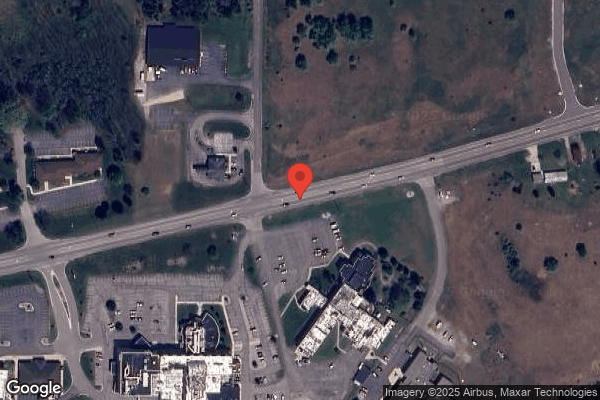
1505 East Parkdale Avenue, Manistee, MI 49660 (231) 723-2543
Government - County 78 Beds Independent Data: November 2025
Trust Grade
80/100
#134 of 422 in MI
Last Inspection: October 2024

Within standard 12-15 month inspection cycle. Federal law requires annual inspections.

Overview

Manistee County Medical Care Facility has a Trust Grade of B+, indicating it is recommended and above average in quality. It ranks #134 of 422 nursing homes in Michigan, placing it in the top half of facilities statewide, and it is the only option in Manistee County. While staffing is a strength, earning a perfect 5/5 stars with a low turnover rate of 23%, the facility's trend is concerning as it has worsened from 3 issues in 2023 to 9 in 2024. Specific incidents have raised alarms, such as improper food safety practices that could lead to foodborne illness and reports of staff not providing dignified care, which has caused residents feelings of intimidation. Overall, while staffing is strong and there have been no fines, the facility needs to address significant quality concerns to improve resident care.

Trust Score
B+
80/100
In Michigan
#134/422
Top 31%
Safety Record
Low Risk
No red flags
Inspections
Getting Worse
3 → 9 violations
Staff Stability
✓ Good
23% annual turnover. Excellent stability, 25 points below Michigan's 48% average. Staff who stay learn residents' needs.
Penalties
✓ Good
No fines on record. Clean compliance history, better than most Michigan facilities.
Skilled Nurses
✓ Good
Each resident gets 115 minutes of Registered Nurse (RN) attention daily — more than 97% of Michigan nursing homes. RNs are the most trained staff who catch health problems before they become serious.
Violations
⚠ Watch
20 deficiencies on record. Higher than average. Multiple issues found across inspections.
★★★★☆
4.0
Overall Rating
★★★★★
5.0
Staff Levels
★☆☆☆☆
1.0
Care Quality
★★★★☆
4.0
Inspection Score
Stable
2023: 3 issues
2024: 9 issues

The Good

  • 5-Star Staffing Rating · Excellent nurse staffing levels
  • Low Staff Turnover (23%) · Staff stability means consistent care
  • Full Sprinkler Coverage · Fire safety systems throughout facility
  • No fines on record
  • Staff turnover is low (23%)

    25 points below Michigan average of 48%

Facility shows strength in staffing levels, staff retention, fire safety.

The Bad

No Significant Concerns Identified

This facility shows no red flags. Among Michigan's 100 nursing homes, only 1% achieve this.

The Ugly 20 deficiencies on record

Oct 2024 9 deficiencies
CONCERN (D) 📢 Someone Reported This

A family member, employee, or ombudsman was alarmed enough to file a formal complaint

Potential for Harm - no one hurt, but risky conditions existed

Report Alleged Abuse (Tag F0609)

Could have caused harm · This affected 1 resident

**NOTE- TERMS IN BRACKETS HAVE BEEN EDITED TO PROTECT CONFIDENTIALITY** This deficiency pertains to Intake MI00147245 and MI147343 Based on interview and record review, the facility failed to notify t...

Read full inspector narrative →
**NOTE- TERMS IN BRACKETS HAVE BEEN EDITED TO PROTECT CONFIDENTIALITY** This deficiency pertains to Intake MI00147245 and MI147343 Based on interview and record review, the facility failed to notify the state agency timely of reportable occurrences for one Residents (R199) of two residents reviewed for abuse. Findings include: Resident #199 On 9/26/24 at 1:00 a.m., Resident #199 (R199) was found unresponsive in his wheelchair. A nurse's progress note dated 9/26/24 at 1:44 a.m. documented R199 had been resting in his wheelchair until 1:00 a.m. when staff approached R199 about going to bed. Documentation in nurse progress notes indicate R199's arms and legs were flaccid, and the resident had a blank gaze when staff performed sternal rubbing. R199 was transferred to the Emergency Department (ED) on 9/26/24 at 1:35 a.m. where a urine drug screen (UDS) was performed. The results of the UDS were positive for cocaine. The ED physician documented, in part: .I reviewed the nursing home note and also his medication list. Nothing can account for the cocaine in his urine .A confirmation test quantitatively was sent out . In a hospital Discharge summary dated [DATE], the physician documented the UDS was repeated and returned positive results for the presence of cocaine. The Discharge Summary documented pharmacy involvement to verify potential cross-reactions with medications, but there were none found. R199 returned to the facility on 9/27/24. On 10/2/24, R199's attending physician documented, in part: . I am aware of the call that they made last week that he was obtunded [diminished response to stimuli, often due to a state of reduced consciousness]. He was sent to the hospital and this is attending I followed this case there [sic]. It was found that his urine tested positive in the preliminary testing for cocaine. I spoke with the hospitalist and [R199] had been rechecked and again tested positive. Just now we found out that the confirmatory test was positive for the metabolite of cocaine benzoylecgonine which in my research is the main metabolite for cocaine, can persist in the urine for 5 days and is usually how ingestion is diagnosed, he has very few if any false positives, but I did read where he [sic]could be from some sort of teas from Latin America. Cocaine must have been ingested somehow. In my clinical practice we find this fairly commonly due to adulterated marijuana . During a phone interview with the Durable Power of Attorney (DPOA) and Family Member (FM) N on 10/7/24 at 2:13 p.m., FM N said she was notified by the hospital about the cocaine identified in R199's UDS. FM N conveyed R199 had never used illicit drugs. The Director of Nursing (DON) was interviewed on 10/8/24 at 8:45 a.m. The DON said she and the Administrator (NHA) were made aware R199 tested positive for cocaine when R199 was readmitted to the facility on [DATE]. The DON confirmed a facility-reported incident was not filed with the state agency until 10/2/24.
CONCERN (D)

Potential for Harm - no one hurt, but risky conditions existed

Deficiency F0659 (Tag F0659)

Could have caused harm · This affected 1 resident

Based on interview and record review, the facility failed to ensure invasive blood sugar (glucometer) testing and insulin injections were administered by licensed nursing staff for one Resident (R19) ...

Read full inspector narrative →
Based on interview and record review, the facility failed to ensure invasive blood sugar (glucometer) testing and insulin injections were administered by licensed nursing staff for one Resident (R19) out of 13 residents reviewed for qualified staffing. This deficient practice resulted in Certified Nurse Aide (CNA) B providing care outside the scope of practice when they administered insulin via injection and completed invasive blood glucose monitoring for R19. Findings include: During an interview on 10/08/24 at 9:22 a.m., R19 said [CNA B] came into their room and gave them two insulin shots. R19 stated, [CNA B] gave me the insulin . [CNA B] came in and gave it (insulin) to me on one side . and then came in later and gave it to me on the other side. This happened in May or June. It is almost like a bad dream . I knew it wasn't right . Review of R19's Physician Order Summary, as of 10/9/24, revealed the following orders to be administered by licensed nursing staff, in part: Humalog Injection Solution 100 Unit/ML (milliliter) (Insulin Lispro) Inject as per sliding scale; if 0-100 = 0 units; 101-150 = 5 units; 151-400 = 10 units, subcutaneously three times a day for DM (diabetes mellitus). Lantus Subcutaneous Solution 100 Unit/ML (Insulin Glargine) Inject 20 unit subcutaneously one time a day for DM. Review or R19's Care Plan Interventions revealed the following, in part: Accu-Chek's and insulin as ordered by physician. Date Initiated: 02/02/2024 . Administer medications as ordered by physician . Date Initiated: 02/02/2024. During an interview on 10/08/24 at 9:56 a.m., the Director of Nursing (DON) reported, The Date of Infraction was 8/12/24. This is the RN's (RN A's) corrective action. He received a written warning. It is pretty severe to have a CNA giving medication (insulin). The DON confirmed [CNA B] was spoken to about the administration of insulin to [R19]. Discipline documentation for both CNA B and RN A were requested at that time from the DON. The DON said they would have to look in CNA B's personnel file. Review of RN A's personnel filed on 10/08/24 at 11:36 a.m., revealed the following, in part: 1. 8/12/24 Corrective Action Notice, with all duplicate pages attached, received directly from the DON was not found in RN A's personnel file. Review of the Corrective Action Notice, dated 8/12/24 for [RN A], revealed the following Section 2: [RN A] gave insulin to [CNA B] to give to Resident in room (Room Number). Work Rules #1 - Conduct harmful to the reputation and purpose of [Facility Name]. #9 - Unprofessional conduct while in the workplace or while on [Facility Name] work. Review of CNA B's Disciplinary Action in Personnel File revealed only one disciplinary action documentation found in CNA B's personnel file. No documentation was present regarding administration of insulin, or completion of an invasive blood sugar (glucometer) check by CNA B without a nursing license. During a telephone interview on 10/9/24 at 4:50 a.m., RN A acknowledged he had given CNA B the tasks of blood sugar monitoring, and insulin injection for R19. RN A stated, I didn't pressure her (CNA B), I asked her, and it was completely 100% my idea . [CNA B] did the [blood glucose monitoring] reading . [The DON] took my statement. It was my final written warning . RN A said it (CNA B giving insulin and blood sugar test) happened on a weekend: a Saturday. [RN A] . asked [CNA B] to perform the [blood sugar monitoring] and administer insulin two times to R19. RN A said he knew it was a mistake, and they should have asked another nurse in the building to perform those tasks if [RN A] was not going to enter R19's room. RN A confirmed they had documented on the Medication Administration Record (MAR), that [RN A] had administered the insulin two times on that Saturday. RN A stated, I knew it was wrong. I thought to myself, 'What was I thinking.' I should not have asked CNA B to do that.
CONCERN (D)

Potential for Harm - no one hurt, but risky conditions existed

Quality of Care (Tag F0684)

Could have caused harm · This affected 1 resident

Based on observation, interview, and record review, the facility failed to provide the necessary standards of care and services for diabetes management in one Resident (Resident #37) of one resident r...

Read full inspector narrative →
Based on observation, interview, and record review, the facility failed to provide the necessary standards of care and services for diabetes management in one Resident (Resident #37) of one resident reviewed for diabetic management. This deficient practice resulted in the potential for diabetic related complications including organ damage, stroke, and death. Findings include: Resident #37 (R37) Review of R37's electronic medical record (EMR) revealed admission to the facility on 2/14/24 with diagnoses including Type 2 diabetes mellitus. R37's 8/19/24 Minimum Data Set (MDS) assessment revealed a Brief Interview for Mental Status (BIMS) score of 2, indicative of severe cognitive impairment. R37 was also noted to have received seven insulin injections in Section N of the 8/19/24 MDS assessment. Review of R37's Medication Administration Record (MAR) revealed the following: Basaglar Tempo Pen Subcutaneous Solution Pen-injector 100 Unit/ML (milliliters) (Insulin Glargine) Inject 20 unit subcutaneously one time a day for DM (diabetes mellitus) HumaLOG Injection Solution 100 UNIT/ML (Insulin Lispro) Inject 5 unit subcutaneously with meals related to type 2 diabetes mellitus without complications plus sliding scale insulin HumaLOG Injection Solution 100 UNIT/ML (Insulin Lispro) Inject as per sliding scale: if 150-200 = 2 units; 201-250 = 4 units; 251-300 = 6 units; 301-350 = 8 units; 351-400 = 10 units; 401-500 = call DR (doctor); subcutaneously three times a day for DM Review of R37's MAR revealed no orders, including frequency or method, to monitor blood glucose levels or an order for Glucagon Emergency Kit. Review of R37's Blood Sugar Summary from 7/1/24 through 10/8/24 revealed R37 was being monitored for blood sugar values three times a day and ranging from 63-334. An interview was conducted with Registered Nurse (RN) L on 10/9/24 at 9:40 a.m. RN L confirmed R37 was diagnosed with type 2 diabetes with orders for insulin. RN L stated that the Glucagon Emergency Kit was a standing order and would notify the physician after the event if Glucagon was used for R37. Review of R37's Standing Orders dated 2/14/24 revealed no order for the use of Glucagon. An interview was conducted with the Director of Nursing (DON) on 10/9/24 at 9:55 a.m. The DON confirmed that R37 did not have physician orders for blood glucose monitoring despite being tested daily. The DON also confirmed that Glucagon is not part of the facility's standing order and R37 should have access to Glucagon if needed. Review of the facility's Hypoglycemia Management policy dated 9/24 revealed, .Compliance Guidelines .Diabetic residents will have their blood sugar tested per the physician's orders and at the residents' request .If the blood glucose reading is 70 mg/dL or below, the nurse will utilize the '15'15 Rule' per the American Diabetes Association. The 15-15 rule: The nurse will provide 15 grams of carbohydrate to resident to raise blood glucose and complete a follow up blood glucose test in 15 minutes .Per American Diabetes Association examples of 15 grams of carbohydrates may be: 4 ounces of juice or regular soda, 1 tablespoon of sugar, honey, or corn syrup, Glucose tablets, Gel tube . The facility's policy did not indicate the use of Glucagon.
CONCERN (D)

Potential for Harm - no one hurt, but risky conditions existed

Pressure Ulcer Prevention (Tag F0686)

Could have caused harm · This affected 1 resident

Based on observation, interview, and record review, the facility failed to provide appropriate support surfaces for residents with wounds, develop care plan interventions for pressure-reducing support...

Read full inspector narrative →
Based on observation, interview, and record review, the facility failed to provide appropriate support surfaces for residents with wounds, develop care plan interventions for pressure-reducing support surfaces, accurately document the stage of a pressure injury, and provide ongoing weekly skin assessments for one (Residents R43) of four residents reviewed for pressure injury, resulting in the potential for worsening pressure ulcers. Findings include: Resident #43 On 10/7/24 at 12:20 p.m., Resident #43 (R43) said she hurt, and indicated the pain was in her gluteal area. R43 was sitting in a recliner with no visible chair cushion on the recliner. The mattress on R43's bed was a standard facility mattress. R43 was unable to answer questions regarding potential skin impairment. R43 had a quarterly Minimum Data Set (MDS) assessment completed on 7/22/24. The MDS documented R43 was dependent on staff for Activities of Daily Living (ADL), including dependence on staff for bed mobility, turning and repositioning. Physician's orders for R43 included treatment orders for a Stage 4 (Full-thickness skin and tissue loss with exposed or directly palpable fascia, muscle, tendon, ligament, cartilage or bone in the ulcer) pressure injury to the sacrum. Progress notes in the medical record dated 9/14/24, 9/23/24, 9/27/24, 9/28/24, 9/29/24, and 9/30/24 documented a Stage 4 pressure injury to R43's sacrum. Wound Evaluation Forms dated 9/10/24 and 10/7/24 documented the pressure injury on the sacrum as a Stage 3 (Full-thickness loss of skin, in which subcutaneous fat may be visible in the ulcer and granulation tissue with the presence of slough and/or eschar that does not obscure the depth of tissue loss). The wound evaluation forms documented the pressure injury as developing in the facility. Skin assessment records revealed no documented skin assessments for R43 from 9/4/24 to 10/2/24. The skin assessment of 9/4/24 reflected no skin impairment. The skin assessment of 10/2/24 documented, in part: .[R43] is frequently offered fluids and assisted with position changes when [R43] allows, however [R43] frequently refuses these position changes. Interventions remain in place to mitigate these risks and are reflected in her plan of care. These interventions include pressure reducing devices to [R43] bed and chair as well as frequent rounding to include assisting and offering position changes . A review of R43's care plan did not reveal interventions for pressure reducing devices to the bed or chair. The care plan did not document refusals of position changes or contain interventions to alleviate pressure if R43 refused to be turned or repositioned. The Director of Nursing (DON) was interviewed on 10/8/24 at 2:00 p.m. The DON confirmed there were no skin assessments completed for R43 between 9/4/24 and 10/2/24. The DON said skin assessments are expected to be completed at least weekly. The DON reviewed the care plan and confirmed there were no care plan interventions for support surfaces. When asked why R43 did not have a therapeutic support surface such as a low air loss mattress on the bed, the DON replied, She should have one. The policy Skin Assessments dated 7/2024 read, in part: .A full body, or head to toe skin assessment will be completed by the licensed nurse and documented in the electronic health record (EHR) on admission/readmission and weekly thereafter . The policy Standards of Care dated 7/2024 read, in part: .It is the policy of (name of facility) to use facility standards of care in developing resident-directed, individualized care plans .with resident-specific approaches .Standards of care promote consistent quality and the provision of clear, concise direction for staff providing care .
CONCERN (D)

Potential for Harm - no one hurt, but risky conditions existed

Deficiency F0688 (Tag F0688)

Could have caused harm · This affected 1 resident

Based on observation, interview, and record review, the facility failed to implement interventions to address range of motion (ROM) for one resident (Resident #11) of two residents reviewed for limite...

Read full inspector narrative →
Based on observation, interview, and record review, the facility failed to implement interventions to address range of motion (ROM) for one resident (Resident #11) of two residents reviewed for limited range of motion. This deficient practice resulted in the potential for extreme pain, discomfort, and worsening of positions. Findings include: Review of R11's Electronic Medical Record (EMR) revealed an admission date of 3/17/20 and diagnoses including cerebral palsy, epilepsy, anoxic brain damage, and anxiety disorder. Review of R11's 8/19/24 Quarterly Minimum Data Set (MDS) assessment revealed they were unable to complete the Brief Interview for Mental Status (BIMS) score and was marked with severely impaired cognition. In Section O of the 8/19/24 MDS, R11 was noted to have received zero days of treatment for therapy services and restorative nursing program services. On 10/7/24 at approximately 3:00 p.m., R11 was observed sitting in her bed watching television. R11's bed was noted to be elevated at the head. R11 was nonverbal during this interaction but was observed with her head leaning down and towards the right with her right ear resting on her shoulders. There were no assistive devices in place. On 10/8/24 at 9:53 a.m., R11 was observed sleeping in her bed. The head of R11's bed was elevated with her head slumped down onto her right shoulder. On 10/8/24 at 10:17 a.m., R11 was observed after being changed by two staff members. R11 was placed in the same position, with the head of her bed elevated and her head slumped down onto her right shoulder. An interview was conducted with Certified Nurse Aide (CNA) P who stated that R11's head positioning had been this way for quite some time. CNA P stated that R11's neck will become excoriated and red due to the position of her head on her shoulder. An observation was made of R11's neck which showed a pinkish red excoriation mark starting underneath R11's chin and ending at the base of her neck on the right side. CNA P stated that nursing will put cream on her neck to help with pain and healing. CNA P confirmed that after changing R11 she did not turn or reposition her into a new position. On 10/8/24 at approximately 10:40 a.m., an interview was conducted with Director of Rehabilitation (DOR) Q in R11's room. DOR Q observed R11's head positioning and confirmed that R11's head going down and touching her right shoulder has gotten significantly worse since admission. DOR Q confirmed that R11 had not been screened by therapy for her positioning and was not made aware of the excoriation on her neck. Review of R11's Care Plan revealed the following, .(R11) is at risk for skin breakdown related to incontinence and contractures, need for total care from staff for transfers/skincare/repositioning, incontinence, and history of skin issues .Interventions: Assist with repositioning and incontinence care at least every two hours. Reposition side-to-side . An interview was conducted with the Director of Nursing on 10/9/24 at 10:16 a.m. The DON confirmed that R11's head positioning has gotten worse and confirmed that a therapy screen should have been conducted. Review of the facility's Standards of Care policy reviewed 7/24 revealed the following, .A resident who is unable to carry out activities of daily living will receive the necessary services to maintain good nutrition, grooming, and personal and oral hygiene .CNA - Standards of Care: .Turn/reposition residents who cannot turn/reposition themselves, every two (2) hours and as needed. Support body alignment with pillows, wedges, ordered splints, etc. Chair bound residents, once (1x) every hour .Stop and watch tool will be utilized to communicate changes in condition of residents to the nurses .If the concern is not addressed by the nurse and the problem persists then report this finding to DON/ADON (Assistant Director of Nursing) .Responding to decline in ADL (activities of daily living) skills as a change in medical condition, Evaluating reasons for decline in ADL skills .
CONCERN (D)

Potential for Harm - no one hurt, but risky conditions existed

Deficiency F0761 (Tag F0761)

Could have caused harm · This affected 1 resident

Based on observation, interview, and record review, the facility failed to ensure all medications and biologicals were stored in locked compartments accessible only by authorized personnel in one medi...

Read full inspector narrative →
Based on observation, interview, and record review, the facility failed to ensure all medications and biologicals were stored in locked compartments accessible only by authorized personnel in one medication room, of one medication storage room reviewed during the medication storage task. This deficient practice resulted in the potential for medication diversion when the medication room door was propped open without supervision and the medication refrigerator was unlocked and utilized for staff food items. Findings include: During an observation on 10/09/24 at 7:27 a.m. the second floor medication storage room was found propped wide open and unattended by any facility staff. This Surveyor walked into the medication storage room without supervision. Registered Nurse (RN) S, upon seeing this Surveyor walked into the second floor medication room. RN S acknowledged the medication room door was not supposed to be left open, unattended, and stated, I already shut this door once. When the unlocked, medication refrigerator was opened, three small plastic, storage containers with food, an aluminum foiled wrapped sandwicn, and a protein drink were observed in the medication refrigerator with the back-up resident medication requiring refrigeration. RN S stated, That is not supposed to be here. I will get that out of here right now. RN S removed all of the food items from the medication storage room refrigerator and placed them on top of her purse/bag on the medication storage room counter next to the refrigerator. RN S closed the medication room door upon exit from the medication storage room with this Surveyor. During an observation on 10/09/24 at 7:55 a.m., the medication room door was found again propped open and unsupervised to the second floor medication room. This Surveyor entered the second floor medication room, unsupervised through the open, unsecured door. Unlocked, unsecured medication observed included discarded medication for Resident (R199) found in a carboard box with one pharmacy prepared packed of medications. All medication stored in the medication refrigerator was unlocked and unsecured. During an interview on 10/09/24 at 7:58 a.m., the Director of Nursing (DON) was asked to observed the second floor medication room door that was propped open with no staff supervision. The DON said the nurse around the corner was supervising the open medication room. When the DON looked for the nurse and confirmed the nurse was not within view of the open medication room door, the DON confirmed the medication room door should not be left open unattended. The DON shut the second floor medication room door on 10/09/24 at 8::00 a.m. During an interview on 10/9/24 at 8:00 a.m., when asked if it was acceptable for staff to place their lunch food items in the medication room refrigerator for storage, the DON looked at this Surveyor in apparent disbelief and stated, No, it is not acceptable for staff to put their lunch in the medication refrigerator. Review of the Medication and Nursig Storage Rooms policy, on 10/9/24 at 10:00 a.m., revealed the following, in part: : .It is the policy of [Facility Name] to ensure medications housed on our premises will be stored in the medication rooms according to the manufacturer's recommendations and sufficient to ensure proper sanitation, temperature, light, ventilation, moisture control, segregation, security and expiration . 1. General Guidelines: a. Drugs and biologicals will be stored in locked compartments (i.e., medication carts, cabinets, drawers, refrigerators, medication rooms) under proper temperature controls. b. Only authorized personnel will have access to the keys to locked compartments. c. During a medication pass, medications must be under the direct observation of the person administering medications or locked in the medication storage area/cart .
CONCERN (D)

Potential for Harm - no one hurt, but risky conditions existed

Infection Control (Tag F0880)

Could have caused harm · This affected 1 resident

Based on observation, interview and record review, the facility failed to adhere to Enhanced Barrier Precautions and follow infection control standards of practice in 2 of 2 residents (Resident #43 an...

Read full inspector narrative →
Based on observation, interview and record review, the facility failed to adhere to Enhanced Barrier Precautions and follow infection control standards of practice in 2 of 2 residents (Resident #43 and Resident #12) review for infection control, resulting in the potential for the spread of infection. Findings include: Resident #43 Signage was posted outside the door to R43's room that read, in part, .Enhanced Barrier Precautions [EBP] . Put on PPE [Personal Protective Equipment] before entering for high contact care: 1. Hand Hygiene 2. Gown 3. Gloves . On 10/9/24 at 9:50 a.m., the Wound Nurse (Registered Nurse (RN) M) was observed completing treatments and dressing changes to R43's pressure injuries. The sacral wound was observed to be a Stage 3 pressure injury without a dressing. A stage 2 pressure injury was observed on the right buttock lateral to the superior gluteal fold. RN M wore gloves but did not wear a gown throughout the dressing change procedure in accordance with EBP instructions. Resident #12 Resident #12 (R12) had a stage 3 pressure injury on the right gluteus. EBP signage posted outside the door to R12's room instructed staff to wear gowns and gloves for high-contact care. On 10/9/24 at 10:17 a.m., RN M was observed completing a dressing change to R12's pressure injury. RN M did not wear a gown throughout the dressing change procedure. RN M was interviewed on 10/9/24 at 10:38 a.m. RN M was asked regarding EBP. RN M said Enhanced Barrier Precautions are for catheters, wounds, or the immunocompromised. RN M said EBP consists of wearing gowns and gloves, and confirmed dressing changes were considered high contact care. When asked why a gown was not worn during treatments and dressing change procedures, RN M said, I know should have had a gown on. I thought about that when I was done. The policy Enhanced Barrier Precautions dated 3/28/24 read, in part: .'Enhanced barrier precautions' refer to the use of gown and gloves for use during high-contact resident care activities .4. High-contact resident care activities include .h. Wound care .
CONCERN (E)

Potential for Harm - no one hurt, but risky conditions existed

Resident Rights (Tag F0550)

Could have caused harm · This affected multiple residents

Based on interview and record review, the facility failed to ensure the provision of dignified care and services for five Confidential Residents (C1, C2, C3, C4, and C5)) out of 13 residents reviewed ...

Read full inspector narrative →
Based on interview and record review, the facility failed to ensure the provision of dignified care and services for five Confidential Residents (C1, C2, C3, C4, and C5)) out of 13 residents reviewed for dgnity. This deficient practice resulted in feelings of intimidation, frustration, and fear of retaliation from facility staff. Findings include: Confidential Resident C2 Review of C2's Minimum Data Set (MDS) assessment, dated 9/23/24, revealed a Brief Interview for Mental Status (BIMS) score of 13 of 15, reflective of intact cognition. During an interview on 10/07/24 at 12:29 p.m., Confidential Resident C2 was asked about the provision of dignified and respectful care and services by facility staff. C2 initially spoke in a whisper and said she did not want to discuss it, but then motioned this Surveyor closer and said there was one staff member that did not like her and did not treat her properly. When asked who the staff member was, C2 noted it was Staff T, who had refused to clean up a beverage C2 had spilled at lunch. C2 said she had spilled a lunch beverage, and it was all over the floor. Staff T entered the room and did not clean/pick up the spilled beverage. C2 said they had yelled for Staff T to come back, but Staff T never returned to the room, and the beverage remained on the floor for approximately an hour. During an interview on 10/7/24 at approximately 12:35 p.m., Staff U entered C2's room, and C2 asked Staff U to confirmed what they had just reported to this Surveyor. Staff U said they had heard C2 yelling for Staff T and came to the room to investigate what was going on. Staff U confirmed C2 had a beverage spilled on the floor and it had not been cleaned up by Staff T. Staff U said they had come into C2's room and had to finish cleaning up the floor. Staff U said the spilled had remained on C2's floor for over an hour. Staff U said she was aware of resident complaints regarding how Staff T treated some of the residents. Review of Staff T's personnel file on 10/08/24 at 12:10 p.m., revealed no disciplinary action present in their personnel file for the last year. Confidential Resident C4 Review of C4's Minimum Data Set (MDS) assessment, dated 8/5/24, revealed a Brief Interview for Mental Status (BIMS) score of 12 of 15, reflective of moderate cognitive impairment. During an interview on 10/07/24 at 2:34 p.m., Confidential Resident C4 was asked if they had any concerns related to respectful and dignified care. C4 said that Staff V had taken them to the bathroom and had not adequately cleaned up the feces that was present in her perineal area. C4 said Staff T had found the feces and showed her the amount of stool that was left in and on her body. C4 stated, I went to the office, and I told the office staff about it. I got really sick. When she (Staff V) come in here and [they] work on you, you have to take [them] if there is nobody else . C4 said the office staff were supposed to talk to Staff V about the lack of care and said she did not want Staff V caring for her any more. During an interview on 10/08/24 at 10:47 a.m., the Director of Nursing (DON) was asked if there was an investigation file for allegations made by C4 that Staff V did not provide toileting hygiene properly for the Resident. The DON stated, I don't have anything on [C4]. I know [they] did not like [Staff V]. When asked if Staff V was able to provide care for C4 currently, the DON stated, I don't have [Staff V] in that section. No, I don't. I can't have continuity all the time. I don't want [Staff V] in that section. When asked if other Residents had complained about [Staff V's] undignified and disrespectful treatment, the DON stated, Yes, other residents like C1. When asked if C1 was the only one to complain about Staff V, the DON stated, No, C5 also complained about [Staff V]. When asked if there was any other resident, the DON stated, C3 on 8/12/24. When asked documentation of the Confidential Resident complaints about Staff V's care would be found in their personnel file, the DON acknowledged that no written documentation of those resident allegations/complaints would be found in Staff V's personnel file. The DON said she had completed interviews with Staff V, but they were not documented as evidence of the allegations. The DON confirmed that Staff V had been re-assigned to a different area with different residents. The DON acknowledged [Staff V] did have a pattern of behavior and people were feeling a little uneasy around her. When asked if they have received staff reports that Staff V was not performing her duties properly, the DON stated, I get multiple complaints a day from staff - some I take to heart, some I don't. I have received a complaint from one of my complainers . I do agree that I have heard [Staff W] curse before. Do I know that Staff W swore at C5? I believe C5 (that Staff W swore at him). The DON acknowledged she had previously heard Staff W swear while working in the facility. Review of C5's Minimum Data Set (MDS) assessment, dated 8/5/24, revealed a Brief Interview for Mental Status (BIMS) score of 13 of 15, reflective of intact cognition. Confidential Resident C3 Review of C3s Minimum Data Set (MDS) assessment, dated 9/16/24, revealed a Brief Interview for Mental Status (BIMS) score of 12 of 15, moderate cognitive impairment. During an interview on 10/08/24 at 9:12 a.m., Confident Resident C3 was asked if she had ever been treated in an undignified or disrespectful manner by facility staff. C3 said she was in the facility for a short time period and had a couple of disagreements with facility staff. C3 said she had brought it up to the DON, and everything was settled, and the Staff member in question no longer provided care to her. C3 said she did not remember the Staff members name, but when several names were mentioned, C3 confirmed it was Staff V. C3 stated, The first time, before [they] did anything else, [they] would walk over to my window and shut my blinds. I told [them] to open the blinds. I told them I was the patient, and you are going to open those blinds, and [they] left (without opening the blinds). I guess they (administration) gave her hell. [Staff V] got hall bent out of shape. I didn't want Staff V here. [Staff V] doesn't come and take care of me anymore. Confident Resident C1 Review of C21s Minimum Data Set (MDS) assessment, dated 9/23/24, revealed a Brief Interview for Mental Status (BIMS) score of 15 of 15, reflective of intact cognition. During an interview on 10/08/24 at 3:11 p.m., C1 stated, [Staff V] was very disrespectful to both myself, and my wife. How was she disrespectful? If I couldn't turn on my side, she would yell at me and say, 'You can do it', and she would not turn me . Staff V would leave me on urine stained, wet pads . I complained to [The DON] about it. I probably (first) complained about three to four months (ago). When asked what the DON did in response to the complaints, C1 stated, I am not sure what [the DON] did, because nothing changed. [The DON] did not give me any feedback. I told [the DON] the same things I told you . [Staff V's] lack of hygienic care for me was the most troublesome to me . I was laying in my own pee. [Staff V] had an air of superiority, like [they were] better than me. That is how I felt anyway. I would say about a month after the initial complaint about [Staff V] I complained to [the DON] again. I told her the same issues were going on. She says, 'That it is hard to hire good people.' [The DON] said she would take care of it. She initially banned [Staff V] from the hallway, but now she is allowed in my room if she has at least one aide with her. I am still not comfortable with having Staff V in my room. I agreed to it because they are short-staffed, but I don't feel comfortable about it . I think administration has not dealt with these individuals appropriately, and I think people are afraid to speak up. Staff are very intimidated here . During a telephone interview on 10/08/24 at 3:46 p.m., Family Member (FM) F of C1 was asked about the provision of respectful and dignified care by facility staff. FM F stated, One day the green (privacy) curtain was shut, and I arrived earlier than expected. I waited to tell [Staff V] that I was here. I heard her say, to C1, 'I don't care what you want. I am going to do what I want to do.' C1 wanted the nurse to come and look at his bottom before [Staff V] covered it up . I told [Staff V] that was so inappropriate. I asked [them] why [they] didn't get the nurse. [Staff V] said I will get her when I want to. I [FM F] went and got the nurse and she acted like I was the problem. I said to [Staff V], why do I have problems with you, when I have no problems with anyone else here. [Staff V] rolled her eyes and made an obvious smirk to the nurse. The nurse was saying it needed to be treated right away. [Staff V] wanted to get c1 dressed right away - and what [Staff V] was doing was ripping the skin and it was bleeding. Even though [C1] was repeated saying 'Please, please get the nurse before you put anything on me, because there is something wrong, it is hurting so bad.' [Staff V] said 'You are not in charge here'. During a continued telephone interview on 10/08/24 at 3:51 p.m., FM F stated, Another time I had trouble, C1 was saying [Staff V] was leaving wet (urine soaked) pads on [their] bed. I put my hand under the blanket, and the mat was soaked. It was wet . I told the nurse I was going to make C1's bed. The nurse took everything off the bed and remade the bed. The nurse told [Staff V] what was going on and [Staff V] started acting like she was going to make the bed. After the nurse left, [Staff V] turned and said, 'it is all taken care of now isn't it. Now you don't have anything to say about it' . When [Staff V] was by themselves, they were ornery. I stayed away from [them] as much as I could . C1 just reported it to [the DON]. I thought everything would be taken care of because [Staff V] seemed to be having trouble with other people at the same time. It is up to the facility to take care of this. We are not in charge of anything here. Review of the Resident Rights Policy, reviewed 07/24, revealed the following, in part: .The resident has the right to a dignified existence, self-determination, and communication with and access to persons and services inside and outside the facility . The resident has a right to be treated with respect and dignity .
MINOR (C)

Minor Issue - procedural, no safety impact

Staffing Information (Tag F0732)

Minor procedural issue · This affected most or all residents

Based on interview and record review, the facility failed to complete, post, and retain the required daily nurse staffing information. This deficient practice resulted in the inability of residents an...

Read full inspector narrative →
Based on interview and record review, the facility failed to complete, post, and retain the required daily nurse staffing information. This deficient practice resulted in the inability of residents and visitors to determine the number of staff available to provide resident care and had the potential to affect all 45 residents in the facility. Findings include: A review of the Daily Nursing Staff sheets from July - August, provided by the Director of Nursing (DON), revealed no postings were completed for the following dates: July (2024) 1, 3-7, 9, 11-14, 16-21, 23-25, 27-29, 31; and August (2024) 2-19, 21, 22, 24-26, 28, 31; and September (2024) 1, 2, 6-8, 10-16, 18, 19, 21-30. It was noted staffing sheets were not completed, posted, or retained on 73 of 92 days reviewed. On 10/9/24 at 10:37 AM, an interview was conducted with Nursing Administrative Assistant/Scheduler R who verified she was in responsible for completing and retaining the daily nursing staff postings. Scheduler R stated she worked on a part-time basis and only completes the required daily nurse staffing information on the days she works. When asked if the task was delegated to a different employee on the days she was not scheduled to work, Scheduler R verified it was not. On 10/9/24 at 10:53 AM, an interview was conducted with the DON regarding her expectations related to completion and retention of daily nurse staffing information. The DON stated, My expectation is that they should be completed daily. It's a regulation.
Nov 2023 3 deficiencies
CONCERN (D)

Potential for Harm - no one hurt, but risky conditions existed

Unnecessary Medications (Tag F0759)

Could have caused harm · This affected 1 resident

Based on observation, interview, and record review, the facility failed to maintain a medication administration error rate less than 5%, for 3 of 25 medication administrations. This deficient practice...

Read full inspector narrative →
Based on observation, interview, and record review, the facility failed to maintain a medication administration error rate less than 5%, for 3 of 25 medication administrations. This deficient practice resulted in a medication administration error rate of 12.00%, with the potential for medical complications in resident treatment and conditions. Findings include: On 11/15/23 at 9:45 AM, an observation was made of Registered Nurse (RN) D preparing medication pass for Resident #15 (R15) in the medication storage room on the first floor. RN D grabbed a tray to place individual medication cups on, with one medication per cup, crushed, and dissolved in a small amount of water. RN D prepared three medications from a stock source including: aspirin, multivitamin, and vitamin D. RN D then grabbed a packet of medication pre-prepared by pharmacy which contained four medications. RN D opened the packet and dumped the medications in a cup and spilled three on the floor. RN D failed to notice she dropped three of the four medications on the floor. RN D dropped two white pills and one pink pill (identified on the floor where she stood at the medication cart as carbamazepine 200 mg, hydrocortisone 20 mg, and metoprolol tartrate 25 mg). RN D proceeded to crush and dissolve the one she had in the medication cup. RN D then grabbed the tray and placed it on the counter near the medication storage door. RN D grabbed her stethoscope and the tray and was proceeding to exit the medication storage room. This Surveyor stopped RN D and asked her in an interview, if she was going to replace the medications she had dropped on the floor and replied, What medications. This Surveyor pointed to the floor and RN D replied, I did not realize I dropped them. My eyesight is bad. I would not have noticed if you did not stop me and let me know I dropped them. On 11/15/23 at 9:55 AM, an observation was made of RN D accidentally signing out all the medications for R15 prior to dispensing them to R15 to ensure she took her medications. RN D stated, Oh no. I did not mean to do that. I just hit one to many buttons. RN D failed to do a double check on the medications she prepared for R15. Review of R15's Physician Orders on 11/15/23, revealed the following orders: aspirin 81 mg (milligram), hydrocortisone 20 mg, cholecalciferol 25 mcg, multiple vitamins with minerals, metoprolol tartrate 25 mg, sodium chloride 1 gm (gram), and carbamazepine 200 mg. Review of facility policy, Resident Medication Administration, dated 07/23, read in part, Policy: Medications are administered by licensed nurses, or other staff who are legally authorized to do so in this state, as ordered by the physician and in accordance with professional standards of practice, in a manner to prevent contamination or infection. Policy Explanation and Compliance Guidelines: .10. Review MAR (Medication Administration Record) to identify medication to be administered. 11.) Compare medication source (bubble pack, vial, ect.) with MAR to verify resident name, medication name, form, dose, route, and time .17.) Sign MAR after administered .
CONCERN (E)

Potential for Harm - no one hurt, but risky conditions existed

Accident Prevention (Tag F0689)

Could have caused harm · This affected multiple residents

Based on observation, interview, and record review, the facility failed to prevent proper supervision of coffee carts for three of four hallways during an observation of the lunch service meal. This d...

Read full inspector narrative →
Based on observation, interview, and record review, the facility failed to prevent proper supervision of coffee carts for three of four hallways during an observation of the lunch service meal. This deficient practice resulted in the potential for residents who were deemed unsafe to handle hot liquids independently, to subsequently suffer burns and burn related medical complications. Findings include: An observation was made of the lunch meal service on 11/14/23 at 11:50 a.m. During this time, carts were being delivered to their designated hallways. Observation of the first cart for rooms 101-116 with three staff members assisting in passing the hallway meals. It was observed that Registered Nurse (RN) D prepared coffee from a separate coffee cart, placing the coffee cups without lids on top of the trays, and then allowing the trays to go into resident rooms. After all meals were delivered, the coffee cart was left unattended in the hallway. An observation was made of the second hallway cart for rooms 117-131 on 11/1/243 at 12:00 p.m. RN D was again assisting in pouring coffee into a cup, placing on the trays uncovered, and assisting with the other two staff members in delivering the trays to the correct rooms. Once all meals were delivered, the coffee cart was left unattended in the hallway. An observation was made of the third hallway cart for rooms 203-213 on 11/14/23 at 12:15 p.m. The meals had already been delivered to the residents with the coffee cart left unattended in the hallway. An interview was conducted with the Nursing Home Administrator (NHA) and Dietary Manager (DM) F who both stated the facility implemented the separate coffee carts during COVID-19 restrictions. Both the NHA and DM F agreed the coffee should have been supervised or removed from the hallways when completed with passing meals. Review of the temperature log for the lunch meal with Dietary Manager F revealed the coffee had a temperature of 139 degrees Fahrenheit when leaving the kitchen. Review of the facility's Hot Beverage policy revised on 1/6/20 and reviewed on 11/14/23 read, in part, Purpose: To ensure safety while allowing residents to enjoy hot beverages. Background: To allow the residents of [facility name] to safely consume hot beverages safely while maintaining their dignity while maintaining safety. Educate staff members regarding serving hot beverages to residents .
CONCERN (E)

Potential for Harm - no one hurt, but risky conditions existed

Deficiency F0761 (Tag F0761)

Could have caused harm · This affected multiple residents

Based on observation, interview, and record review, the facility failed to securely store medications, for Resident #6 (R6), two of two medication rooms and one of two medication carts reviewed. This ...

Read full inspector narrative →
Based on observation, interview, and record review, the facility failed to securely store medications, for Resident #6 (R6), two of two medication rooms and one of two medication carts reviewed. This deficient practice resulted in the potential for expired medication use and misappropriation of Resident property. Findings include: On 11/14/23 at 12:35 PM, an observation was made of Resident #6 (R6) in her room. R6 was sitting up in her wheelchair and watching television. R6 had a dresser just to the right of her doorway and on top of the dresser was a plastic container with various items inside. Inside R6's plastic container on her dresser, two tubes of diphenhydramine cream and one tube of hydrocortisone cream were observed. R6 was asked why she had the creams in her room and replied, I use them for itching and for the rash on my back, and the Certified Nurse Aides will rub it on my back. On 11/15/23 at 7:50 AM, an observation was made of R6's room, and the three tubes of cream remained on top of her dresser inside the plastic container. A review of R6's care plan, physician orders, and assessments all lacked any documentation, orders, or safe assessment for self-administration of medications. A review of R6's Minimum Data Set (MDS), section C for cognition, revealed a BIMS (brief interview for mental status) score of 11, which indicated R6 had moderately impaired cognition. On 11/15/23 at 8:45 AM, an observation was made of the first-floor medication cart which was found to have 36 packets of triple antibiotic ointment 0.03 ounces in the top drawer, with lot number 1327, and expiration date 08/23. On 11/15/23 at 8:55 AM, an observation was made of the first-floor medication room which was found to have one box of [Name Brand] fiber thins, 12 count, with unknown lot number (nurse grabbed and threw it in the trash), and expiration date 09/22. Other items found to be expired were one box of ostomy supplies, and one box of 100 count hemoccult testing cards and solution. On 11/15/23 at 8:15 AM, an observation was made of the second-floor medication room which was found to have two [Name Brand] rapid test for influenza, covid, and other respiratory infections, with lot number 2035380, and expiration date 02/06/2023, 7 individual universal catheterization trays with lot number 2132135264, and expiration date 07/26/2023, and one box of ostomy supplies which the nurse threw out before this Surveyor could verify the expiration date. On 11/15/23 at 9:15 AM, after reviewing the first floor medication room with the Director of Nursing (DON) there were expired supplies and some ointment. The DON, Infection Preventionist/Registered Nurse (RN) B and both nurses confirmed no medications were to be stored in the residents' room and there should not be any medications of any type in their rooms. The DON and RN B also confirmed no expired medications or biologicals should be in the medication rooms. On 11/15/23 at 11:20 AM, RN B brought in a piece of paper titled, Weekly Rounds - Night Shift (Sunday into Monday), and read in part, .Check med-room for expired medications . RN B confirmed these are routinely checked on night shift Sunday into Monday both floors. In review of the routine check paper from the second-floor revealed that a check was completed for the night shift on 11/13/23. No routine check list was provided to this Surveyor for the first-floor medication room to ensure no expired medications and or biologicals. On 11/15/23 at 3:15 PM, in an interview and observation, the DON was brought to R6's room and showed the three tubes of medication on top of her dresser in a plastic container. The DON asked R6 where she had gotten the medication from and R6 replied, Family had brought it in from home. The DON also confirmed the three tubes of medication should not be in R6's room and indicated R6 lacked an assessment for safe self-administration of medications, physicians order, and care plan to do so. Review of facility policy, Self-Administration of Medications, dated 9/19/23, read in part, Policy: Each resident who wishes to self-administer medication and for their ability to safely do so. Guideline: 1. If a resident requests to self-administer medications, the Nurse will determine if it is safe to do so before the resident can exercise that right by completing an assessment in .[the electronic medical record Name Brand]. 2. An order will be obtained from the physician for self-administration by the Nurse. 3. A self-administration of medication care plan will be developed by the Nurse, for the resident who is deemed capable and will include which medications and routes of administration this applies to. The care plan will also address storage and documentation of administration of medications as well as the location of medication administration .5. Those residents who have medications at their bedside and can properly administer them will be provided with a tackle box or a locking bag with a padlock and/or key. One key will be provided to the resident and the matching key by the licensed nurse. 6. The nurse will ask every shift for the usage of medication and document in the MAR (medication administration record). Review of the facility policy, Storing Medications, undated, read in part, Policy: Medications and biologicals will be stored in a safe, secure and orderly manner, at proper temperatures and accessible only to licensed nursing and pharmacy personnel or others authorized by law to administer medications. Procedure: .14. Any outdated, contaminated or deteriorated medication, or those in containers which are cracked, soiled, or without secure closures must be removed from stock and destroyed according to procedures for medication destruction .
Oct 2022 8 deficiencies
CONCERN (D)

Potential for Harm - no one hurt, but risky conditions existed

Deficiency F0552 (Tag F0552)

Could have caused harm · This affected 1 resident

**NOTE- TERMS IN BRACKETS HAVE BEEN EDITED TO PROTECT CONFIDENTIALITY** Based on interview and record review, the facility failed to ensure that the responsible party was notified regarding the initia...

Read full inspector narrative →
**NOTE- TERMS IN BRACKETS HAVE BEEN EDITED TO PROTECT CONFIDENTIALITY** Based on interview and record review, the facility failed to ensure that the responsible party was notified regarding the initiation of antiviral treatment for one Resident (#41) out of three residents reviewed for infection. This deficient practice resulted in unwanted treatment and the potential for adverse side effects. Findings include: A review of Resident #41 (R41's) medical record revealed she admitted to the facility on [DATE] with diagnoses of dementia, diabetes type 2, heart disease, osteoarthritis, and asthma. A review of the 9/26/22 Minimum Data Set (MDS) assessment revealed she scored 13/15 on the Brief Interview for Mental Status. A review of a document in R41's medical record titled, Activation of Patient Advocate/DPOA revealed that she was deemed incompetent and her DPOA was activated on 7/15/22. A progress note for R41 dated 8/5/22 revealed she tested positive for COVID-19 infection. Further review of R41's progress notes revealed the following: 8/5/22 .Verbal order received: Paxlovid Tablet Therapy Pack 10 x 150 MG (milligrams) & 10 x 100MG (Nirmatrelvir & Ritonavir) Give 2 capsule by mouth two times a day for Covid-19 . 8/5/22 Resident moved to Covid unit. Isolation precautions are in place. Daughter . called to check on resident, and she stated that she does not wish for her mother to receive Paxlovid, unless symptoms become more intense. Currently, resident seems asymptomatic, and denies coughing, sneezing, sniffling, headache. Will continue to monitor . 8/6/22 Received call from (Daughter of. She does not want (R41) to receive Paxlovid as long as she continues to be asymptomatic. (Daughter) is concerned about the possible cardiac s/e (side effects) of Paxlovid . Paxlovid is d/c'd (discontinued) for now. On 10/12/22 at 11:35 a.m., the Director of Nursing (DON) was asked to provide information on why the Pluvaxid was started for R41 before her DPOA could consent to the antiviral treatment. On 10/12/22 at 12:40 p.m., the DON provided a progress note for R41 dated 8/5/22 which revealed, Attempt to contact residents daughter . to update on positive rapid Covid results. No answer via home or cell phone. Left message for her to call facility. When asked if this meant that because DPOA did not immediately answer the phone, the treatment was started without first discussing it with her, the DON made no comment. A review of a progress note for R41 dated 8/17/22 revealed, During the month of August (name of R41) tested positive for Covid-19. She was transferred to the facilities Covid wing and placed under multi-route transmission precautions. She accepted a 1-day course of Paxlovid for the respiratory illness prior to family requesting it to be discontinued . A review of R41's Medication Administration Record (MAR) for August 2022 revealed she received two doses of Paxlovid (an antiviral medication to treat COVID-19 infections), one 8/5/22 and 8/6/22.
CONCERN (D)

Potential for Harm - no one hurt, but risky conditions existed

Quality of Care (Tag F0684)

Could have caused harm · This affected 1 resident

**NOTE- TERMS IN BRACKETS HAVE BEEN EDITED TO PROTECT CONFIDENTIALITY** Based on interview and record review, the facility failed to monitor blood glucose levels and vital signs for a neuro assessment...

Read full inspector narrative →
**NOTE- TERMS IN BRACKETS HAVE BEEN EDITED TO PROTECT CONFIDENTIALITY** Based on interview and record review, the facility failed to monitor blood glucose levels and vital signs for a neuro assessment for one Resident (#41) out of five residents reviewed for falls. This deficient practice resulted in the potential for falls and adverse outcomes related to elevated blood glucose levels. Findings include: Resident #41 A review of Resident #41 (R41's) medical record revealed she admitted to the facility on [DATE] with diagnoses of dementia, diabetes type 2, heart disease, osteoarthritis, and asthma. A review of the 9/26/22 Minimum Data Set (MDS) assessment revealed she scored 13/15 on the Brief Interview for Mental Status. A review of a Fall report dated 6/25/22 revealed, Staff heard resident calling out for help. Upon entering residents room resident observed sitting on floor in front of wheelchair A review of the Post Fall Evaluation dated 6/25/22 revealed no review of the Residents blood sugar when the fall occurred. A review of R41's Fall report dated 7/1/22 revealed, Called to room per CENA (Certified Nurse Aide). Res sitting on floor, with her back against dresser . Res (resident) states she was sitting in her W/C (wheelchair), bent over to pick up a kleenex and fell forward. Res states, 'I hit my nose on dresser.' .Injury: Bruise Face . A review of the Post Fall Assessment dated 7/1/22 revealed no assessment of R41's blood glucose levels post fall. A review of R41's blood sugar log in the vitals tabs of her Electronic Medical Record (EMR) revealed the first blood sugar documented for 2022 was on 6/26/22 at 436 mg/dL. No blood glucose levels were check from 9/9/21 through 6/26/22 per the vitals tab. A review of R41's blood glucose log from 1/1/22 through 7/15/22 revealed the following: 6/26/22: 436.0 (mg/dL); 7/11/22: 499.0; 7/12/22 511.0; 7/12/22: 437.0; 7/12/22 437.0; 7/13/22 384.0; 7/13/22: 450.0; 7/13/22: 450.0; 7/14/22: 291.0; 7/14/22: 398.0; 7/15/22:214.0; These blood sugars would represent high blood sugar readings. A review of the labs for R41 in her electronic medical record (EMR) revealed hgbA1c's (test to indicate blood glucose control) revealed the following: 3/2/22 8.5% High (reference average is 4.0-5.6%) indicating poor control of blood glucose levels. 9/7/22 hgbA1c 7.8% (high). A review of R41's July 2022 Medication Administration Record (MAR) receiving an oral diabetic medication, Glucotrol XL, but was not having her blood sugars checked, since September 2021. A review of the Neuro Checks sheet dated 7/1/22-7/3/22 revealed no documentation of R41's vital signs (temperature, pulse, heart rate, or blood pressure). A review of the vital signs tabs revealed her blood pressure was taken twice on 7/1/22 post fall, but was only taken once per day on 7/2 and 7/3. R41's pulse was only taken once per day after the fall on 7/1/22, 7/2/22, and 7/3/22. On 10/12/22 at 11:13 a.m., the Director of Nursing (DON) was asked to provide the neurological assessment policy, but reported they did not have a policy specific to that. The DON provided the Incident/Accident Report policy with highlighted section on neuro checks. When asked about the missing vital signs, the DON reported it wasn't in their policy to include those. On 10/12/22 at 12:45 p.m., an interview was conducted with the DON who when asked why no blood sugars had been taken for the 7/1/22 fall assessment reported she could no answer why. When asked why if the 6/26/22 post fall blood sugar was extremely elevated was blood sugar not identified as a potential causative factor, the DON reported she didn't have an answer. The DON was asked if it was the facility policy or a standard of practice to not check blood sugars when diabetic residents were treated with oral medication or insulin and reported it was not. The DON was unable to comment on why the monitoring was missed. A review of the facility policy titled, Incident/Accident Reporting reviewed 9/24/20 revealed, Incident Reports: . Staff or visitor falls or injuries will be immediately reported to the nurse in charge. A written report will be made on the facilities incident report form . All head injuries will have PERRLA (pupils equal, round, react to light, accommodation). Neuro-checks will be done every fifteen (15) minutes for the first hour, then every hour for the next four (4) hours, then every shift for three (3 days) .
CONCERN (D)

Potential for Harm - no one hurt, but risky conditions existed

Accident Prevention (Tag F0689)

Could have caused harm · This affected 1 resident

**NOTE- TERMS IN BRACKETS HAVE BEEN EDITED TO PROTECT CONFIDENTIALITY** Based on interview and record review, the facility failed to thoroughly complete fall investigations and implement interventions...

Read full inspector narrative →
**NOTE- TERMS IN BRACKETS HAVE BEEN EDITED TO PROTECT CONFIDENTIALITY** Based on interview and record review, the facility failed to thoroughly complete fall investigations and implement interventions based on root cause analysis for one Resident (#41) out three residents reviewed for falls. This deficient practice resulted in repeated falls and the potential for further injury. Findings include: Resident #41 A review of Resident #41 (R41's) medical record revealed she admitted to the facility on [DATE] with diagnoses of dementia, diabetes type 2, heart disease, osteoarthritis, and asthma. A review of the 9/26/22 Minimum Data Set (MDS) assessment revealed she scored 13/15 on the Brief Interview for Mental Status. A review of a Fall report dated 6/25/22 revealed, Staff heard resident calling out for help. Upon entering residents room resident observed sitting on floor in front of wheelchair A review of the Post Fall Evaluation dated 6/25/22 revealed no documentation on new interventions and no review of the Residents blood sugar when the fall occurred. A review of R41's Fall report dated 7/1/22 revealed, Called to room per CENA (Certified Nurse Aide). Res sitting on floor, with her back against dresser . Res (resident) states she was sitting in her W/C (wheelchair), bent over to pick up a kleenex and fell forward. Res states, 'I hit my nose on dresser.' .Injury: Bruise Face . A review of the Post Fall Assessment dated 7/1/22 revealed no assessment of R41's blood glucose levels during the fall, but did not that her blood pressure was elevated at 170/86 mm/Hg. A review of the Neuro Check sheet for this fall revealed four missing sets of neurological checks. A review of R41's blood sugar log in the vitals tabs of her Electronic Medical Record (EMR) revealed the first blood sugar documented for 2022 was on 6/26/22 at 436 mg/dL. There were no blood sugars taken after this one until 7/11/22. On 10/12/22 at 12:45 p.m., an interview was conducted with the DON who when asked why no blood sugars had been taken for the 7/1/22 fall assessment reported she could no answer why. When asked why if the 6/26/22 post fall blood sugar was extremely elevated was blood sugar not identified as a potential causative factor, the DON reported she didn't have an answer. A review of the facility policy titled, Fall and Injury Prevention reviewed by the facility on 4/22 revealed, It is the policy and procedure of the (facility name) to continuously strive to maintain a safer and more secure environment; to prevent falls and injury, and for each resident to receive adequate supervision and assist devices to prevent falls . A review of the facility policy titled, Incident/Accident Reporting reviewed 9/24/20 revealed, Incident Reports: . Staff or visitor falls or injuries will be immediately reported to the nurse in charge. A written report will be made on the facilities incident report form . All head injuries will have PERRLA (pupils equal, round, react to light, accommodation). Neuro-checks will be done every fifteen (15) minutes for the first hour, then every hour for the next four (4) hours, then every shift for three (3 days) .
CONCERN (D)

Potential for Harm - no one hurt, but risky conditions existed

Respiratory Care (Tag F0695)

Could have caused harm · This affected 1 resident

Based on observation, interview and record review, the facility failed to maintain oxygen equipment in a safe and hygienic manner for two Residents (#7 & #18) of two residents reviewed for respiratory...

Read full inspector narrative →
Based on observation, interview and record review, the facility failed to maintain oxygen equipment in a safe and hygienic manner for two Residents (#7 & #18) of two residents reviewed for respiratory care. This deficient practice resulted in the potential for respiratory illness and respiratory-associated complications. Findings include: Resident #7 On 10/10/22 at approximately 11:46 a.m., Resident #7 had an oxygen concentrator in use in the room. Resident #7 was not in the room at the time of the observation. The nasal cannula was observed resting on a material pad covering the surface of the recliner. The pad is designed to soak up excess urine and was being used to protect the sitting surface of the recliner. The humidification chamber filled with water was undated. On 10/10/22 at approximately 11:47 a.m., an unidentified staff member brought Resident #7 back to the room who immediately left for another task without placing Resident #7 back on any oxygen. On 10/10/22 at approximately 11:49 a.m., the facility hair dresser entered the room and brought back a portable oxygen tank and placed Resident #7 back on oxygen via the nasal cannula connected to the portable oxygen tank. The nasal cannula tubing connected to the tank was observed kinked and potentially restricting the flow of oxygen. The tank nasal cannula was also observed to be undated. On 10/10/22 at 11:51 a.m., Registered Nurse (RN D) entered the room and changed Resident #7 over to the contaminated nasal cannula connected to the oxygen concentrator located in the room and failed to replace the contaminated nasal cannula. On 10/12/22 at 12:47 p.m., the humidification chamber connected to the oxygen concentrator remained undated and was in use on Resident #7 at the time of the observation. A review of the Minimum Data Set (MDS) assessment for Resident #7, dated 7/18/22 revealed diagnoses including chronic respiratory failure, coronary artery disease and heart failure. Resident #18 On 10/10/22 at 3:25 p.m., during an interview, Resident #18 was observed connected to the oxygen concentrator in the room by a nasal cannula. There was also a portable oxygen tank located on the back of Resident #18's wheelchair with another nasal cannula which was laying on the floor with the part which inserts into the nose in contact with the floor. The nasal cannula tubing connected to the portable oxygen tank was dated 9/16/22. On 10/11/22 at approximately 8:41 a.m., Resident #18 was observed in his room connected to the portable oxygen tank running and the tubing was kinked off near the regulator potentially restricting the flow of oxygen. The tubing was dated 9/16/22. On 10/11/22 at 8:48 a.m., during an interview, the Director of Nursing (DON) was asked how often disposable oxygen equipment should be changed. The DON stated she believed disposable oxygen equipment should be changed out weekly but wanted to check for sure. The DON acknowledged the nasal cannula tubing connected to the portable oxygen tank had been in place for Resident #18 for almost a month. On 10/11/22 at 8:50 a.m., during a follow-up interview, the DON confirmed disposable oxygen equipment should be changed out weekly. On 10/11/22 at approximately 8:58 a.m., during a subsequent observation, the nasal cannula tubing connected to the oxygen concentrator for use by Resident #18 was dated 8/27/22. On 10/12/22 at approximately 12:41 p.m., during an interview, Certified Nurse Aide (CNA) C stated Resident #18 required assistance with changing his oxygen source from the oxygen concentrator to a portable oxygen tank and back. CNA C stated Resident #18 did not historically take his own nasal cannula off. CNA C stated Resident #18 in fact always waited for staff to help him transfer from one oxygen source to another and would ring if no one came to change his oxygen over. A review of the MDS for Resident #18 dated 8/8/22 revealed diagnoses including coronary artery disease, heart failure, and was marked for chronic lung disease. A review of the facility policy, Oxygen Therapy Policy, with a reviewed date of 4/19/22, read in part: .Oxygen cannula's will be changed weekly and as needed by the night shift nurse and dated . .Oxygen cannula's when not in use will be placed in an oxygen bag. All oxygen administration procedures shall adhere to infection control policies and procedures .
CONCERN (D)

Potential for Harm - no one hurt, but risky conditions existed

Drug Regimen Review (Tag F0756)

Could have caused harm · This affected 1 resident

**NOTE- TERMS IN BRACKETS HAVE BEEN EDITED TO PROTECT CONFIDENTIALITY** Based on interview and record review, the facility failed to: 1. ensure the physician addressed pharmacy recommendations, 2. ens...

Read full inspector narrative →
**NOTE- TERMS IN BRACKETS HAVE BEEN EDITED TO PROTECT CONFIDENTIALITY** Based on interview and record review, the facility failed to: 1. ensure the physician addressed pharmacy recommendations, 2. ensure the reviewed pharmacy consults are including in the medical record, and 3. ensure the facility has a policy in place for medication regimen reviews (MRR's) for one Resident (#28) out of five residents reviewed for MRR's. This deficient practice resulted in the potential for continued fall risk, unnecessary medications, and unmonitored conditions. Findings include: Resident #28 A review of Resident #28 (R28's) medical record revealed she admitted to the facility on [DATE] with diagnoses including dementia, major depression, and osteoarthritis. A review of her 8/29/22 Minimum Data Set (MDS) assessment revealed she scored 3/15 on the Brief Interview for Mental Status (BIMS) assessment indicating severely impaired cognition. A review of R28's progress notes revealed that pharmacy recommendations based on the MRR's were made on 5/12/22, 6/16/22, 8/17/22, and 9/14/22. On 10/11/22 at 4:30 p.m., these recommendations were requested from the DON as they were not in R28's medical record. On 10/12/22 at 10:20 a.m., the DON reported that R28's 8/17/22 MRR was not found in her medical record and it was retrieved from the pharmacist. This 8/17/22 MRR recommendation was regarding a psychotropic gradual dose reduction. This recommendation was not addressed or signed by the physician. On 10/12/22 at 12:55 p.m., the DON provided R28's missing 5/12/22 MRR recommendation report that she had received from pharmacy for a gradual dose reduction of an antidepressant medication. This recommendation was unsigned by the physician and was not a part of the medical record or onsite within the facility. When asked for the facilities process, the DON reported she received the recommendations from pharmacy, then she put them in the physicians chart to review, and then they were sent back to her or another nurse who signed the corner that they had completed the recommendation. Then they were sent to medical records to be scanned into the medical record. The DON was asked to provide the facility policy regarding the physician response to pharmacy recommendations or medication regimen reviews On 10/12/22 at 11:13 a.m., the DON reported that the facility did not have a policy on medication regimen reviews or pharmacy recommendations.
CONCERN (D)

Potential for Harm - no one hurt, but risky conditions existed

Deficiency F0761 (Tag F0761)

Could have caused harm · This affected 1 resident

Based on observation, interview, and record review the facility failed to monitor for expired medication for 2 residents (R143 and R243). This deficient practice resulted in the potential for reduced ...

Read full inspector narrative →
Based on observation, interview, and record review the facility failed to monitor for expired medication for 2 residents (R143 and R243). This deficient practice resulted in the potential for reduced medication efficacy. Findings include: The facility provided a policy for Medication Expiration for review. The policy reflected, Any product dispensed by the pharmacy whose expiration date is dependent on the date of opening shall bear a DATE OPENED sticker or a place on the label to accommodate the date opened. During an observation on 10/12/22 at approximately 11:00 AM, Registered Nurse/Infection Control (RN IC) H and this nurse reviewed the contents of the medication storage refrigerator on the 1st floor. A vial of Tuberculin Purified Protein Derivative, Diluted Aplisol 5 TU/0.1 ml was observed opened and Ex 9/21/22 was handwritten on the side of the vial. The Lot number was 520070 with an expiration date of 12/23. When asked if Ex 9/21/21 was the open date or the expiration date, RN IC H stated she did not know but could find out. The RN IC was asked to check the new resident's Tuberculin (TB) tests lot numbers as well. During a subsequent interview and record review on 10/12/22 at approximately 11:25 AM, RN IC H stated that the bottle seemed to be dated with the expiration date of 9/21/22 and 2 residents received TB tests from the vial after it had expired. RN IC H stated the facility has a system that the midnight nurse checks for expiration dates and discards all expired medications. RN IC H also provided the following documents for review and stated both residents received their tests from the expired vial. Immunization information for R143 dated 10/7/22 that reflected R143 received a TB test from the vial with a lot number of 52070 and expiration date of 12/1/23. Immunization information for R243 dated 10/7/22 that reflected R243 received a TB test from the vial with a lot number of 52070 and expiration date of 12/1/23.
CONCERN (E)

Potential for Harm - no one hurt, but risky conditions existed

Unnecessary Medications (Tag F0759)

Could have caused harm · This affected multiple residents

Based on observation, interview, and record review, the facility failed to ensure a medication error rate less than 5% for 2 of 4 residents (R28 and R37) reviewed during the medication pass. This defi...

Read full inspector narrative →
Based on observation, interview, and record review, the facility failed to ensure a medication error rate less than 5% for 2 of 4 residents (R28 and R37) reviewed during the medication pass. This deficient practice resulted in R28 and R37 receiving their medications crushed against the manufacture's guidance placing both residents at risk for additional side effects and a medication error rate of 16%. Findings include: During an observation on 10/11/22 at approximately 7:30 AM, Registered Nurse (RN) E prepared 8 medications which included one tablet of Duloxetine HCL 30 mg and placed them into a medication cup. RN E then placed the medications in a clear paper sleeve and crushed all of them together, poured them into a small cup with applesauce and administered them to R37. During an observation on 10/11/22 at approximately 7:40 AM, RN E prepared 7 medications which included one capsule of Duloxetine HCL 20 mg, one tablet of Isosorbide Mononitrate ER (extended release) 30 mg, one tablet of Potassium Chloride ER 10 meq and placed them into medication cup. RN E then placed all the prepared medications in a plastic sleeve and crushed all of them together and poured the contents back into the medication cup with applesauce and administered them to R28. The facility provided a copy of Medications Not to Be Crushed form #MP5950 Rev 02/17 for review. The list reflected the following medications that should not be crushed: Duloxetine, Isosorbide mononitrate, and Potassium chloride. Reasons listed at the bottom of the list reflected, 1. Enteric coated formulation, 2. Time release formulation and 5. Capsule maybe opened, and contents removed for administration without crushing, chewing, or dissolving. During an interview on 10/11/22 at approximately 9:15 AM, the Director of Nursing (DON) was advised of this surveyor's observation of the 4 medications on the do not crush list that were crushed resulting in 4 errors in medication administration when medications were not provided according to the manufactures recommendations. There were no further documents provided for review prior to the exit of the survey.
CONCERN (F)

Potential for Harm - no one hurt, but risky conditions existed

Food Safety (Tag F0812)

Could have caused harm · This affected most or all residents

Based on observation, interview and record review, the facility failed to store, prepare, distribute, and serve food in accordance with professional standards for food service safety as evidenced by: ...

Read full inspector narrative →
Based on observation, interview and record review, the facility failed to store, prepare, distribute, and serve food in accordance with professional standards for food service safety as evidenced by: A. Dried food stores left open to air and uncovered. B. Spoiled and/or outdated foods left in the walk-in cooler. C. Food items stored in the walk-in cooler undated and unlabeled. This deficient practice has the potential to result in food borne illness among any, most, or all of the 42 residents who resided in the facility. Findings include: On 10/10/22 at approximately 10:26 a.m., during the initial tour of the kitchen, a container labeled instant potato granules was observed with the lid ajar and left an approximate 3 inch gap opening allowing for potential contamination. On 10/10/22 at approximately 10:58 a.m., during inspection of the left walk-in cooler, a container labeled diced chicken for pot pie was stored on one of the shelves and had no date. There was also a container of food located on one of the shelves which was undated and unlabeled and appeared to be some type of soup consistency product. On 10/10/22 at approximately 11:03 a.m., during inspection of the right walk-in cooler, a container with food product which appeared to be ham was observed on a rolling cart which was undated and unlabeled. There were two heads of cabbage located on one of the shelves sitting on a food delivery tray in proximity to other food items. Both heads of cabbage had observed black mold appearing spots on the surfaces. The tray had a label affixed which noted a date received of 8/31/22, a date washed of 9/22/22, and a used by date of 9/29/22. A tray of 9 single serve bowls of prepared sugar-free jello with a prepared date of 9/23/22 and an out date of 10/3/22 was also observed located on one of the storage shelves. There was an undated/unlabeled container of sliced product which appeared to be cucumbers located on a rolling cart. On 10/10/22 at approximately 11:05 a.m., these concerns were brought to Certified Dietary Manager (CDM) A who stated both heads of cabbage would be thrown in the garbage. CDM A acknowledged the outdated sugar-free jello products were kept beyond the discard date and threw them away. CDM A stated the cucumbers were cut that day and staff would label and date them. CDM A Acknowledged all food products stored in the walk in cooler should have been labeled and dated. On 10/11/22 at approximately 3:00 p.m., [NAME] B was asked what food product was located in the left walk-in cooler which remained undated and unlabeled. [NAME] Bstated it was potato soup which was pulled from the freezer some time earlier to thaw before use for the evening meal. [NAME] B was shown the product lacked a label or date. [NAME] B then labeled and dated the product and stated the label must have fallen off. On 10/12/22 at approximately 3:01 p.m., during an interview, CDM A was asked if dried stored foods should be covered when not in use. CDM A confirmed dried goods should be covered when not in use. CDM A was informed of the potato granules container cover being ajar leaving an opening to the environment with the potential for contamination. CDM A agreed the potato granules should have been covered with a lid if they were not in use and stated someone must have just been using them and forgot to close the lid. CDM A was then informed of the container of the unlabeled/undated food product, subsequently identified as potato soup. CDM Aagreed the potato soup should have been caught, labeled, and dated. 2013 FDA Food Code references: 3-307.11 Miscellaneous Sources of Contamination. FOOD shall be protected from contamination that may result from a factor or source not specified under Subparts 3-301 - 3-306 A review of the facility policy, Food Storage, with a revised date of 11/3/20, read in part: Policy: Sufficient storage facilities are provided to keep foods safe, wholesome, and appetizing. Food is stored, prepared and transported at an appropriate temperature and by methods designed to prevent contamination . 4. Plastic containers with tight fitting covers must be used for storing cereals, cereal products, flour, sugar, dried vegetables, and broken lots of bulk foods . 13. Leftover food is stored in covered containers or wrapped carefully and securely. Each item is clearly labeled and dated before being refrigerated. Leftover food is used within 2 days for dairy products, 5 days for all other foods or discarded . 15. Refrigeration: .e. All foods should be covered, labeled, and dated .
Understanding Severity Codes (click to expand)
Life-Threatening (Immediate Jeopardy)
J - Isolated K - Pattern L - Widespread
Actual Harm
G - Isolated H - Pattern I - Widespread
Potential for Harm
D - Isolated E - Pattern F - Widespread
No Harm (Minor)
A - Isolated B - Pattern C - Widespread

Questions to Ask on Your Visit

  • "Can I speak with families of current residents?"
  • "What's your RN coverage like on weekends and overnight?"

Our Honest Assessment

Strengths
  • • Grade B+ (80/100). Above average facility, better than most options in Michigan.
  • • No major safety red flags. No abuse findings, life-threatening violations, or SFF status.
  • • No fines on record. Clean compliance history, better than most Michigan facilities.
  • • 23% annual turnover. Excellent stability, 25 points below Michigan's 48% average. Staff who stay learn residents' needs.
Concerns
  • • 20 deficiencies on record. Higher than average. Multiple issues found across inspections.
Bottom line: Generally positive indicators. Standard due diligence and a personal visit recommended.

About This Facility

What is Manistee County Medical Care Facility's CMS Rating?

CMS assigns Manistee County Medical Care Facility an overall rating of 4 out of 5 stars, which is considered above average nationally. Within Michigan, this rating places the facility higher than 99% of the state's 100 nursing homes. This rating reflects solid performance across the metrics CMS uses to evaluate nursing home quality.

How is Manistee County Medical Care Facility Staffed?

CMS rates Manistee County Medical Care Facility's staffing level at 5 out of 5 stars, which is much above average compared to other nursing homes. Staff turnover is 23%, compared to the Michigan average of 46%. This relatively stable workforce can support continuity of care.

What Have Inspectors Found at Manistee County Medical Care Facility?

State health inspectors documented 20 deficiencies at Manistee County Medical Care Facility during 2022 to 2024. These included: 19 with potential for harm and 1 minor or isolated issues.

Who Owns and Operates Manistee County Medical Care Facility?

Manistee County Medical Care Facility is owned by a government entity. Government-operated facilities are typically run by state, county, or municipal agencies. The facility operates independently rather than as part of a larger chain. With 78 certified beds and approximately 37 residents (about 47% occupancy), it is a smaller facility located in Manistee, Michigan.

How Does Manistee County Medical Care Facility Compare to Other Michigan Nursing Homes?

Compared to the 100 nursing homes in Michigan, Manistee County Medical Care Facility's overall rating (4 stars) is above the state average of 3.1, staff turnover (23%) is significantly lower than the state average of 46%, and health inspection rating (4 stars) is above the national benchmark.

What Should Families Ask When Visiting Manistee County Medical Care Facility?

Based on this facility's data, families visiting should ask: "Can I visit during a mealtime to observe dining assistance and food quality?" "How do you handle medical emergencies, and what is your hospital transfer rate?" "Can I speak with family members of current residents about their experience?"

Is Manistee County Medical Care Facility Safe?

Based on CMS inspection data, Manistee County Medical Care Facility has a clean safety record: no substantiated abuse findings (meaning no confirmed cases of resident harm), no Immediate Jeopardy citations (the most serious violation level indicating risk of serious injury or death), and is not on the Special Focus Facility watch list (a federal program monitoring the lowest-performing 1% of nursing homes). The facility has a 4-star overall rating and ranks #1 of 100 nursing homes in Michigan. While no facility is perfect, families should still ask about staff-to-resident ratios and recent inspection results during their visit.

Do Nurses at Manistee County Medical Care Facility Stick Around?

Staff at Manistee County Medical Care Facility tend to stick around. With a turnover rate of 23%, the facility is 23 percentage points below the Michigan average of 46%. Low turnover is a positive sign. It means caregivers have time to learn each resident's needs, medications, and personal preferences. Consistent staff also notice subtle changes in a resident's condition more quickly.

Was Manistee County Medical Care Facility Ever Fined?

Manistee County Medical Care Facility has no federal fines on record. CMS issues fines when nursing homes fail to meet care standards or don't correct problems found during inspections. The absence of fines suggests the facility has either maintained compliance or corrected any issues before penalties were assessed. This is a positive indicator, though families should still review recent inspection reports for the full picture.

Is Manistee County Medical Care Facility on Any Federal Watch List?

Manistee County Medical Care Facility is not on any federal watch list. The most significant is the Special Focus Facility (SFF) program, which identifies the bottom 1% of nursing homes nationally based on persistent, serious quality problems. Not being on this list means the facility has avoided the pattern of deficiencies that triggers enhanced federal oversight. This is a positive indicator, though families should still review the facility's inspection history directly.