Norlite Nursing Center

701 Homestead Street, Marquette, MI 49855 (906) 228-9252
For profit - Corporation 99 Beds Independent Data: November 2025 1 Immediate Jeopardy citation
Trust Grade
38/100
#159 of 422 in MI
Last Inspection: November 2024

Within standard 12-15 month inspection cycle. Federal law requires annual inspections.

Overview

Norlite Nursing Center has received a Trust Grade of F, indicating significant concerns about the facility's operations and care quality. It ranks #159 out of 422 nursing homes in Michigan, which places it in the top half, but it is at the bottom position in Marquette County, #4 out of 4. The facility's trend is stable, with 8 issues reported in both 2023 and 2024, so there is little improvement. Staffing is rated 4 out of 5 stars, but the turnover rate is 48%, which is average for Michigan. Additionally, the center has concerning fines totaling $113,129, indicating compliance issues more severe than 89% of facilities statewide, and it has less RN coverage than 91% of Michigan facilities, which may affect resident care. Specific incidents of concern include a critical finding where the facility failed to perform accurate assessments upon resident re-admission, which could lead to serious health risks, and a serious finding of resident-to-resident physical abuse, resulting in bruising and fear for one resident. Another concern was improper food safety practices, where food was served at unsafe temperatures, raising the risk of foodborne illness for the residents. While staffing and overall quality ratings are relatively strong, the high fines and serious incidents highlight significant weaknesses that families should consider.

Trust Score
F
38/100
In Michigan
#159/422
Top 37%
Safety Record
High Risk
Review needed
Inspections
Holding Steady
8 → 8 violations
Staff Stability
⚠ Watch
48% turnover. Above average. Higher turnover means staff may not know residents' routines.
Penalties
✓ Good
$113,129 in fines. Lower than most Michigan facilities. Relatively clean record.
Skilled Nurses
○ Average
Each resident gets 32 minutes of Registered Nurse (RN) attention daily — about average for Michigan. RNs are the most trained staff who monitor for health changes.
Violations
⚠ Watch
27 deficiencies on record. Higher than average. Multiple issues found across inspections.
★★★★☆
4.0
Overall Rating
★★★★☆
4.0
Staff Levels
★★★★★
5.0
Care Quality
★★★☆☆
3.0
Inspection Score
Stable
2023: 8 issues
2024: 8 issues

The Good

  • 4-Star Staffing Rating · Above-average nurse staffing levels
  • 5-Star Quality Measures · Strong clinical quality outcomes
  • Full Sprinkler Coverage · Fire safety systems throughout facility
  • No fines on record

Facility shows strength in staffing levels, quality measures, fire safety.

The Bad

Staff Turnover: 48%

Near Michigan avg (46%)

Higher turnover may affect care consistency

Federal Fines: $113,129

Well above median ($33,413)

Significant penalties indicating serious issues

The Ugly 27 deficiencies on record

1 life-threatening 1 actual harm
Nov 2024 6 deficiencies
CONCERN (D)

Potential for Harm - no one hurt, but risky conditions existed

Deficiency F0692 (Tag F0692)

Could have caused harm · This affected 1 resident

**NOTE- TERMS IN BRACKETS HAVE BEEN EDITED TO PROTECT CONFIDENTIALITY** Based on interview, and record review, the facility failed to ensure adequate nutritional assessment, and interventions for one ...

Read full inspector narrative →
**NOTE- TERMS IN BRACKETS HAVE BEEN EDITED TO PROTECT CONFIDENTIALITY** Based on interview, and record review, the facility failed to ensure adequate nutritional assessment, and interventions for one Resident (#63) of one resident reviewed for significant weight loss. Findings include: Resident #63 (R63): On 11/19/24 at 8:03 AM, R63 said they had been losing weight. R63 denied issues with their teeth or swallowing difficulties that could affect their eating habits. R63 stated they had spoken with the Certified Dietary Manager (CDM) to discuss food preferences, but did not have much hope that the food wood change to R63's liking. Review of R63 Electronic Medical Record (EMR) indicated R63 was admitted to the facility on [DATE]. On 10/24/24, a Brief Interview for Mental Status (BIMS) assessment was completed for R63, resulting in a score of 13 out of 15, indicating R63 was cognitively intact. Review of a progress note dated 11/15/24 at 1:13 PM, CDM note read in part [R63] has experienced an 11# or 9% weight loss over the course of one month . [R63] told the writer she didn't know how to fill out a menu so dietary could honor her meal preferences. So, the writer sat with her and filled out a few days so she would get the idea of how it worked. [R63] had complaints of cold scrambled eggs; stating: I love scrambled eggs but they're always cold . [R63] will be referred to the RD [Registered Dietician] per significant weight policy . R63's diet order was changed to a regular diet on 11/15/24. The care plan was not updated to reflect nutritional interventions based on the order change. While conducting a phone interview with the RD on 11/20/24 at 8:47, the RD said she had not been made aware of R63's weight loss. The RD said the process for referral for evaluation was for the facility staff to write the resident on the RD referral list located in the facility. The RD stated someone from the facility should call her via phone if the resident was experiencing nutritional concerns of significant weight loss. The RD stated she would look at R63 now that she was aware of the resident's significant weight loss. On 11/20/24 at 10:15 AM, during an interview, the Director of Nursing (DON) stated if a significant weight loss was identified they would call the RD. The DON stated that it would be any resident that would have a 5% or greater weight loss in a month, or 10% or greater in 6 months. A progress note dated 11/20/24 by the RD: RD referral for wt. [weight] loss. I spoke with the State Surveyor over the phone. She gave me a brief report on [R63] and made me aware of wt. loss. Diet: Regular. Wt.: 113 lbs. on 11/14/24. Previous wts (weights).: 124 lbs. on 10/10/24 --- 1 month ago 130 lbs. on 7/18/24 -- 4 months ago Wt. is down 11 lbs. (8.8%) in 1 month. This is considered significant wt. loss in the look back period. I see that the Dietary Manager has intervened and spoke with her to update food preferences . Intake has been 25-50% of meals . The doctor was made aware, and her diet was liberalized from Consistent Carbohydrate, No Added Salt to Regular. I agree with that, but because of her minimal intake at meals, I would recommend (Name Brand Meal Supplement) once a day . [R63's] wt. did go down 5 lbs. in ~1 week, so I also asked for a re-weight to ensure we have an accurate wt . On 11/21/24 09:11 AM, while conducting a follow up interview with DON, the DON stated the process for calling the RD would start with a message on their facility messaging system to check with the team to see if this resident was thought to have a significant weight loss. The DON stated they would reweigh the resident to make certain there was no user error. The DON could not state why R63 had not been re-weighed or why the RD was not notified timely of R63's significant weight loss. The facility's Nutritional Assessment policy dated 12/9/14 read in part . K. Dietician will be notified of any dietary concerns . M. More frequent assessments of resident nutritional status will be at the discretion of the Dietician and Food Service Director based on resident condition and care planned interventions
CONCERN (D)

Potential for Harm - no one hurt, but risky conditions existed

Deficiency F0710 (Tag F0710)

Could have caused harm · This affected 1 resident

**NOTE- TERMS IN BRACKETS HAVE BEEN EDITED TO PROTECT CONFIDENTIALITY** Based on interview and record review, the facility failed to ensure a change in condition was assessed and monitored by the atte...

Read full inspector narrative →
**NOTE- TERMS IN BRACKETS HAVE BEEN EDITED TO PROTECT CONFIDENTIALITY** Based on interview and record review, the facility failed to ensure a change in condition was assessed and monitored by the attending physician for one Resident (#22) of 19 sampled residents. Findings include: Resident #22 (R22) Review of R22's electronic medical record (EMR) revealed initial admission to the facility on [DATE] with diagnoses including acute kidney failure and retention of urine. Review of R22's most recent Minimum Data Set (MDS) assessment, dated 9/26/24, revealed a Brief Interview for Mental Status (BIMS) score of 13, indicative of intact cognition. On 11/21/24 at 8:02 AM, R22 was observed sitting in a wheelchair at a dining room table, slowly propelling forward and backward with his legs. When asked why R22 preferred the continued rocking motion, he stated, My leg still aches . I had a blood clot not too long ago. Review of R22's EMR revealed the following progress notes: 1. 2/27/24 at 14:00 [2:00 PM] written by Licensed Practical Nurse (LPN) G: Resident has 3+ [moderate] pitting edema to BLE [bilateral lower extremities]; L [left] lower leg is pink and warm to touch; [physician] paged; no return call from Dr. [Doctor] prior to leaving for day; passed information to 400 [unit] charge nurse . 2. 2/27/24 at 16:55 [4:55 PM]: [Physician] updated on resident weight increase and BLE 3+ pitting edema. Residents left lower leg is red and warm to the touch. [Physician] to come to facility to assess resident . R22's EMR revealed no physician assessment following identification of bilateral pitting edema of the lower extremities, as well as warmth and redness to the left lower leg. On 11/21/24 at approximately 10:00 AM, an interview was conducted with LPN G who verified she assessed R22 on 2/27/24 and identified the acute change in condition, which included a swollen, red, and warm left leg. LPN G stated she communicated concerns for a deep vein thrombosis [blood clot] to the charge nurse who was responsible for contacting the provider. LPN G stated, I didn't know [R22] was never evaluated by the physician. If I would have known that I would have followed up with the doctor myself .that's unacceptable. Review of R22's progress notes revealed he was transferred to the emergency room (ED) via ambulance on 3/4/24 for an unrelated concern: During routine shower CNA [certified nursing assistant] notified staff of swelling to resident's [R22's] penis . new order to send resident to ER for further evaluation and treatment . Review of a progress note dated 3/4/24 at 21:51 [9:51 PM] read, in part: Resident [R22] returned to [facility] with a diagnosis of L DVT [left leg deep vein thrombosis], paraphimosis (trapped foreskin) , and cystitis (bladder infection) . Review of the Radiology Report from the acute care hospital dated 3/4/24 read, in part: .nonocclusive (no blockage) thrombus [clot] noted in the left popliteal (vessel behind knee) vein and left peroneal (lower leg) vein . concerning for acute nonocclusive DVT . On 11/21/24 at 8:49 AM an interview was conducted with the Director of Nursing (DON) and Clinical Consultant/Registered Nurse (RN) M who confirmed R22 was never evaluated by the physician following identification of clinical symptoms which correlated with a possible blood clot. The DON stated the clinical expectations following a change in condition included notification of the physician, monitoring the resident, and ensuring follow-up by the provider. Both the DON and RN M stated the diagnosis of a DVT 6 days after initial identification of signs and symptoms was untimely. Review of facility policy titled, Change in Condition, Acute revised 12/10/14 read, in part: .Observations, subjective information from the resident, and clinical signs will be documented in the Nursing Notes and on the Change of Condition form .after the physician is notified .the completed notification will be forwarded to the RN Supervisor file [at] the Nursing Station . No Change in Condition form for R22 was located following identification of signs/symptoms of a DVT on 2/27/24. Review of The Clinical Diagnosis of Deep Venous Thrombosis Integrating Incidence, Risk Factors, and Symptoms and Signs, published by the Archives of Internal Medicine (https://doi.org/10.1001/archinte.158.21.2315), read, in part: Typical symptoms of DVT are pain, warmth, redness, and swelling of the lower extremity . Accurate and timely diagnosis and treatment of DVT are essential. Early treatment of DVT with anticoagulants has been demonstrated to (1) reduce the incidence of pulmonary embolism and its associated mortality, (2) relieve acute symptoms in the leg, and (3) prevent extension of DVT from calf veins to more proximal veins .
CONCERN (D)

Potential for Harm - no one hurt, but risky conditions existed

Deficiency F0808 (Tag F0808)

Could have caused harm · This affected 1 resident

**NOTE- TERMS IN BRACKETS HAVE BEEN EDITED TO PROTECT CONFIDENTIALITY** . Based on observation, interview, and record review, the facility failed to ensure a correct therapeutic diet was prescribed fo...

Read full inspector narrative →
**NOTE- TERMS IN BRACKETS HAVE BEEN EDITED TO PROTECT CONFIDENTIALITY** . Based on observation, interview, and record review, the facility failed to ensure a correct therapeutic diet was prescribed for 2 Residents (#25 and #41) of 5 Residents reviewed for nutritional issues. This deficient practice resulted in the potential for unmet nutritional needs and the potential for health complications. Findings include: Resident #25 (R25) R25 was admitted to the facility 8/19/2020 with diagnoses including dementia, psychotic disturbance, mood disturbance, anxiety, dysphagia (difficulty swallowing) and diabetes mellitus. The Minimum Data Set (MDS) assessment dated [DATE] revealed R25 was totally dependent for eating meaning the helper does ALL of the effort. R25 was also coded as dependent for dressing, bathing, toileting and personal hygiene. The Brief Interview for Mental Status (BIMS) assessment was not attempted and was coded No (resident is rarely/never understood). The physician orders included a Diet order: CCD NAS, Pureed (carbohydrate controlled diet, no added salt, pureed). On 11/19/24 at 8:25 AM, the breakfast meal for R25 was observed served in a three-compartment divided dish with only one compartment containing a beige scoop of a pureed item. The tray card indicated R25 should receive: Pureed Breakfast Skillet - 3 oz (ounces) and Pureed Toast - #8 Scp (#8 scoop is 3.75 oz). R25 was also to receive apple sauce - ½ cup, but was served a pre-portioned ready to serve ¼ cup. The tray card included instructions of No Pepper Packets. This tray included pepper. During an interview on 11/19/24 at approximately 8:30 AM, dietary cook C, who prepared the breakfast, stated I just mixed the bread with the breakfast skillet and gave 2 ladles (2 oz each). During an interview on 11/19/24 at 3:16 PM, Certified Dietary Manager (CDM) A reviewed the therapeutic menus and stated the cook should have pureed breakfast skillet and pureed toast separately and the residents should be served the serving sizes and preferences listed on the tray card. R25 received 4 oz of a mixed product and should have received approximately 4 oz of toast and 3 oz of the breakfast skillet recipe. On 11/20/24 at 8:27 AM, R25 was observed with breakfast served in a three-compartment divided dish with only one compartment containing a beige scoop of Krupsua (a Finish baked breakfast custard). All other residents received a square formed serving of the Krupsua. R25 was also to receive apple sauce - ½ cup, but again was served a pre-portioned ready to serve ¼ cup. The tray card included instructions of No Pepper Packets. Two pepper packets were served on the tray. On 11/20/24 at approximately 11:55 AM, R25 was observed with two pepper packets on her tray and the tray card read No Pepper Packets. The staff member (Staff L) assisting R25 with her meal stated, They continue to put pepper on the tray. I guess some people don't read. During an interview on 11/20/24 at 2:45 PM, CDM A was unsure why R25 should not get pepper packets and stated it may be because she would eat the paper packets of pepper. CDM A stated he would expect the cooks to follow the recipes and the tray cards and the puree Krupsua should be a square formed serving for all residents including those receiving a pureed diet. Resident #41 (R41) R41 was admitted on [DATE] with diagnoses including chronic (CHF) congestive heart failure (primary diagnosis),high blood pressure, fluid overload and diabetes mellitus. The physician orders included Diet Order Instructions: 2,000 ml (milliliters) Fluid Restriction 480 ml with meals 240 ml BID (twice daily) with medication pass 40 ml excess fluid per day. On 11/19/24 at 8:12 AM, the breakfast tray for R41 was observed and contained 120 ml of orange juice, 180 ml of coffee, and 120 ml of cranberry juice. R41 requested he substitute his 120 ml of cranberry juice for milk so he could use it with his dry cereal. He was given 240 ml of milk resulting in a total of 540 ml for the meal. On 11/19/24 at 3:47 PM, R41 was observed to have a water jug with ice water filled past the top 280 ml mark on the vessel. R41 stated the staff had just passed the ice water and he usually got ice water once a day or so. On 11/19/24 at 4:04 PM, R41 was frustrated and stated, I keep peeing all the time. Something is wrong. On 11/20/24 at 7:45 AM, R41 was in the main dining room waiting for his breakfast to be served. He had a 180 ml cup of coffee and had an empty 180 ml of coffee in front of him. R41 stated, I haven't got to that one yet. Eleven minutes later at 7:56 AM, R41 had his breakfast tray served with two cups of 120 ml orange juice and 180 ml of coffee. R41 stated he only wanted one glass of orange juice. The Licensed Practical Nurse (LPN) K who was assisting in the main dining room said, I don't know why you got two, if you don't want them you don't have to drink them. LPN K seemed unaware of the fluid restriction. Later during the breakfast meal R41 was observed drinking his third cup of coffee. (The total observed fluid consumption for the meal was 660 ml.) On 11/20/24 at 10:01 AM, R41 was observed in activities watching a musical group. Many of the residents had beverages while they listened to the entertainment. R41 had a 180 ml mug in front of him even though the ordered fluid restriction plan only included fluids with meals and medication passes. During an interview on 11/21/24 at 9:16 AM, a fluid report was reviewed by the Director of Nursing (DON) and the Clinical Consultant Registered Nurse (RN) M. The report did not reflect all the fluids consumed by R41. For example: breakfast of 11/20/24 with 3 cups of coffee (180 ml each) and a glass of orange juice (120 ml) was recorded as 120 ml rather than the actual 660 ml. The water pass sheet indicated R41 should not receive bed side water due to the physician ordered fluid restriction but approximately 300 ml of ice water was served on 11/19/24. The care plan in the medical record for R41 included concerns for weight fluctuations with CHF and edema with a diuretic and indicated a plan, I will attempt to maintain my recommended 2,000 ml Fluid Restriction 480 ml with meals, 240 ml BID with medication pass 40 ml excess fluid per day with nursing assistance. The policy titled Intake and Output and dated as most recently revised 12/22/2015, read in part: Policy: To ensure adequate hydration and provide a monitoring system for potential over-hydration or dehydration . Procedure: A. Intake and Output (I&O) will be initiated for the following: . 8. For specific diagnoses that include, but are not limited to: . h. Fluid Restriction . B. I&O should be measured and recorded ACCURATELY every shift . .
CONCERN (E)

Potential for Harm - no one hurt, but risky conditions existed

Resident Rights (Tag F0550)

Could have caused harm · This affected multiple residents

. Based on observation, interview, and record review, the facility failed to provide a dignified dining experience in their Dining Room (DR) by standing over seated residents while assisting with feed...

Read full inspector narrative →
. Based on observation, interview, and record review, the facility failed to provide a dignified dining experience in their Dining Room (DR) by standing over seated residents while assisting with feeding and failing to serve all residents at the same table together. This deficient practice had the potential to affect all residents dining in the main dining room. Findings include: During the lunch meal service on 11/19/24 at 12:30 PM, approximately 30 residents were observed in the DR. Six of the seven tables with multiple residents seated at them each were partially served. Some residents at each of the six tables were eating while other residents sitting at the tables did not have their meals. One table had one resident eating while three residents and several visitors at the same table were waiting. Approximately 20 minutes later at 12:50 PM, two of the three residents waiting at this table were served while one resident continued to wait. At 1:05 PM, the last resident at this table was served. During an interview on 11/19/24 at approximately 1:10 PM, the visitors at this table who had visited with their family member during the meal service acknowledged the last resident to be served at this table had been sitting and waiting with them before 12:30 PM. During the lunch meal observation on 11/19/24 at 12:39 PM, staff member L assisting with the serving of the meals told one resident after serving the first tray at a round table, Yes you are all going to get lunch. Thanks for your patience. The resident replied, I am just waiting and watching. I hope they bring me something pretty soon. At 12:47 PM the resident was served, but the other two residents waiting at the table were not served and watched the other residents at the table eat. One resident at the table moved the tablecloth and laid her forehead on the edge of the table to rest. At 12:56 PM she was served, and the last resident at the table was served at 12:57 PM. During this lunch meal observation of 11/19/24 at 12:45 PM, Resident #41 said he had been waiting quite a while. He stated, I was five minutes late coming in and now I will have to wait longer. Both of his table mates were eating. He sat there and dozed off while his other two table mates continued eating until 12:53 PM when his tray arrived. During the breakfast meal observation on 11/20/24 at 7:06 AM, several residents were in the DR awaiting the meal. At 7:43 AM, four residents were at the round table near the service area and the first resident was served. At 7:57 AM, the next table mate at this table was served. At 7:58 AM the resident who was observed in the dining room at 7:06 was served, and at 8:01 AM the last member of the table was served. During this time multiple staff members were assisting in the dining room and serving others at different tables in no particular order. One table had two residents eating by 7:48 AM and others were waiting. At 7:55 AM, five residents were served at this table and one last resident continued to wait for his breakfast. By 8:09 AM, two of the residents at the table had finished and were leaving but the final resident continued to wait. At 8:11 AM, the last resident at this table was served. This breakfast observation of 11/20/24 at 8:00 AM included five tables with multiple residents and four of those tables had been partially served while the others watched them eat and wait. During the breakfast observation on 11/20/24 at 8:34 AM, two dependent residents were being fed by staff who were standing over the residents while the residents were seated. Registered Nurse (RN) F was consulted and stated, No they should not be standing. Sitting is more personable. On 11/20/24 at 8:52 AM, staff member I who had been observed assisting residents while standing over residents, stated, We should sit (when feeding). During an interview on 11/20/24 at 2:58 PM, Certified Dietary Manager (CDM) stated the standard of practice was, We should serve the same table at the same time. On 11/20/24 at 8:55 AM, the Director of Nursing (DON) stated the expectation was staff should be seated while feeding the residents. The DON provided the training program for assisting and feeding residents but positioning while feeding or tray distribution per table was not found in this document. No further policies concerning these issues were provided prior to the conclusion of the survey. .
CONCERN (E)

Potential for Harm - no one hurt, but risky conditions existed

Deficiency F0761 (Tag F0761)

Could have caused harm · This affected multiple residents

**NOTE- TERMS IN BRACKETS HAVE BEEN EDITED TO PROTECT CONFIDENTIALITY** Based on observation, interview, and record review, the facility failed to ensure one medication cart remained locked when unatt...

Read full inspector narrative →
**NOTE- TERMS IN BRACKETS HAVE BEEN EDITED TO PROTECT CONFIDENTIALITY** Based on observation, interview, and record review, the facility failed to ensure one medication cart remained locked when unattended of four medication carts reviewed, and failed to discard two expired glucose meter control solutions of six control solutions reviewed. This deficient practice resulted in the potential for misappropriation of medications for the nine residents on the 500 unit, and the potential for inaccurate blood glucose readings for six residents receiving blood glucose testing. Findings include: On [DATE] at 3:42 p.m. and [DATE] at 1:53 p.m., the medication cart on the 500 unit was unlocked and unattended. The Director of Nursing (DON) was questioned on [DATE] at 8:05 a.m. regarding the expectation for securing the medication carts. The DON said the expectation is for medication carts to be kept locked when not in use and for nurses to lock the medication carts when walking away from them. On [DATE] at 2:44 p.m., the medication storage room was inspected with Licensed Practical Nurse D (LPN D). Two blood glucose meter control solution bottles were observed on the countertop in a clear plastic bag. The date written on both bottles was [DATE]. LPN D said the dates were written when the bottles were opened. Both control solution bottles contained instructions that read, in part: .discard 3 months after first opening . LPN D was asked if other bottles of control solutions were available or in use. LPN D replied, I don't know. One of the cupboards in the medication room revealed two unopened boxes of glucose meter control solutions. During an interview with the DON on [DATE] at 8:05 a.m., the DON said the glucose control solutions should have been discarded within 90 days of opening. The policy Medications dated as revised [DATE] read, in part: .The medication cart will be locked when unattended . The policy Glucometer: Control Testing and Cleaning dated as last revised on [DATE] read, in part: .Policy- to ensure that blood glucose results are accurate .Glucose Control Solutions .Use before expiration date and discard any unused portion 90 days after opening. Date opened to be written on solution box . The manufacturer instruction manual for the blood glucose meter used by the facility read, in part: .Discard the used control solution and repeat the test using a new bottle of control solution .when the control solutions is past its discard date (the date the bottle was opened plus three (3) months) .
CONCERN (F)

Potential for Harm - no one hurt, but risky conditions existed

Food Safety (Tag F0812)

Could have caused harm · This affected most or all residents

Based on observation, interview and record review, the facility failed to store, prepare, distribute, and serve food in accordance with professional standards for food service safety. This deficient p...

Read full inspector narrative →
Based on observation, interview and record review, the facility failed to store, prepare, distribute, and serve food in accordance with professional standards for food service safety. This deficient practice has the potential to result in food borne illness among any and all 76 residents of the facility. Findings include: On 11/19/24 at approximately 7:20 AM, during morning meal service, a stainless steel pan of the pureed meal was observed on the steam table. [NAME] B was asked to identify the pureed food, to which she stated was, eggs, sausage and hashbrown potatoes. The temperature was measured with a metal stem probe thermometer and found to be 115°F. An interview with [NAME] B was conducted at this time and learned the food was put through a blender process and placed in the steam table. When the measured temperature was shared with [NAME] B, she stated that's not good. [NAME] B then placed the pan into the steamer to reheat. At 7:50 AM an interview was conducted with [NAME] B who was asked what temperature she had re-heated the food to. [NAME] B stated it had been reheated to 135°F. When asked if she knew what the temperature of reheated food was to be to, [NAME] B stated 165? [NAME] B also stated the temperature of the food had not been measured following the puree process. The FDA Food Code 2017 states: 3-501.16 Time/Temperature Control for Safety Food, Hot and Cold Holding. (A) Except during preparation, cooking, or cooling, or when time is used as the public health control as specified under §3-501.19, and except as specified under (B) and in (C ) of this section, TIME/TEMPERATURE CONTROL FOR SAFETY FOOD shall be maintained: (1) At 57°C (135°F) or above, except that roasts cooked to a temperature and for a time specified in 3-401.11(B) or reheated as specified in 3-403.11(E) may be held at a temperature of 54°C (130°F) or above; Also: 3-403.11 Reheating for Hot Holding. (A) Except as specified under ¶¶ (B) and (C) and in ¶ (E) of this section, TIME/TEMPERATURE CONTROL FOR SAFETY FOOD that is cooked, cooled, and reheated for hot holding shall be reheated so that all parts of the FOOD reach a temperature of at least 74°C (165°F) for 15 seconds. On 11/19/24 at approximately 11:15 AM, Food Service Worker (FSW) C was observed conducting dish washing activities in the three compartment sink. FSW C was observed to wash and rinse food preparation equipment (blender bowl, mixing bowls, utensils), then place into the sanitizing solution for approximately two seconds, after which they were removed and placed on a rack to drain and dry. An interview with FSW C was conducted at this time and asked what his understanding was of using the sanitizing solution. FSW C stated he was taught to dunk the equipment in the solution and had never been told that a minimum of 60 seconds of immersion was required for proper sanitizing of the equipment. A review of the container of sanitizer, identified as a quaternary ammonium (Quat) and required a contact, or immersion time, of a minimum of 60 seconds. the FDA Food Code states: 4-501.114 Manual and Mechanical Warewashing Equipment, Chemical Sanitization -Temperature, pH, Concentration, and Hardness. A chemical SANITIZER used in a SANITIZING solution for a manual or mechanical operation at contact times specified under 4-703.11(C) shall meet the criteria specified under §7-204.11 Sanitizers, Criteria, shall be used in accordance with the EPA-registered label use instructions, P and shall be used as follows: (C) A quaternary ammonium compound solution shall: (1) Have a minimum temperature of 24°C (75°F), P (2) Have a concentration as specified under § 7-204.11 and as indicated by the manufacturer's use directions included in the e labeling, On 11/20/24 at 11:11 AM [NAME] B was observed preparing the noon meal, which included the use of the steamer equipment, located under the exhaust hood. [NAME] B was observed to open the door of the steamer, which at that time, released an enormous volume of steam. It was further observed the exhaust hood was unable to capture the volume of steam created and released by the equipment, and was estimated to allow over 60% of the released steam to roll up the front of the canopy of the hood and then roll across the kitchen ceiling. The steam was then observed to condense on the ceiling creating droplets of water which then dripped down to the floor potentially contaminating food being carried in the area. This condition was observed an additional three times during the food preparation. An interview was conducted with [NAME] B on 11/20/24 at approximately 11:25 AM concerning the release of the steam into the working area. [NAME] B stated this had been ongoing for as long as she could remember and felt it was a problem. On 11/20/24 at approximately 12:45 PM, an interview with Kitchen Manager (KM) A was conducted, who confirmed the ongoing problem with the inability of the exhaust hood to capture the volume of steam and smoke produced by the cooking equipment. On 11/20/24 at approximately 1:10 PM additional observations of the exhaust hood were made. Using a simple test of holding a paper towel to the filters of the hood, there was a demonstrated weak pull, or negative pressure being created by the motors of the unit. Further, the hood, not being a compensating type hood, in which exterior air is pushed into the kitchen to aid in funneling smoke and steam into the canopy and out the exhaust, created a low volume of make up air in the kitchen. It appeared the exhaust volume was not properly engineered to capture the volume of smoke and steam produced, nor was it capable of providing an equal volume of incoming air to balance the exhaust volume. Additional interview with KM A at this time confirmed the ongoing problem with the exhaust system in the kitchen. The FDA Food Code 2017 states: 4-301.14 Ventilation Hood Systems, Adequacy. Ventilation hood systems and devices shall be sufficient in number and capacity to prevent grease or condensation from collecting on walls and ceilings. And 6-304.11 Mechanical. If necessary to keep rooms free of excessive heat, steam, condensation, vapors, obnoxious odors, smoke, and fumes, mechanical ventilation of sufficient capacity shall be provided.
Aug 2024 2 deficiencies
CONCERN (D) 📢 Someone Reported This

A family member, employee, or ombudsman was alarmed enough to file a formal complaint

Potential for Harm - no one hurt, but risky conditions existed

Deficiency F0692 (Tag F0692)

Could have caused harm · This affected 1 resident

**NOTE- TERMS IN BRACKETS HAVE BEEN EDITED TO PROTECT CONFIDENTIALITY** Based on interview and record review, the facility failed to assess and/or prevent or a significant weight loss for one Resident...

Read full inspector narrative →
**NOTE- TERMS IN BRACKETS HAVE BEEN EDITED TO PROTECT CONFIDENTIALITY** Based on interview and record review, the facility failed to assess and/or prevent or a significant weight loss for one Resident (R2), of three residents reviewed for nutrition. This deficient practice resulted in a significant weight loss of 12.9% within three weeks of admission to the facility for R2. Findings include: Review of R2's Face Sheet revealed the Resident was admitted on [DATE] from an acute care hospital with the following diagnoses, in part: fracture of lower end of right femur, orthopedic aftercare, cellulitis of right lower limb, fall on same level from slipping, tripping, and stumbling without subsequent striking against object, and pressure ulcer of unspecified buttock, Stage 2 . Review of R2's Minimum Data Set (MDS) admission assessment, dated 7/18/24, revealed R2 had one Stage II pressure injury present upon admission, as well as a surgical wound. R2 scored 14 of 15 on the Brief Interview for Mental Status (BIMS) reflective of intact cognition. The Resident's height and weight were documented as 63 inches and 155 pounds, respectively. During a telephone interview on 8/15/24 at 4:25 p.m., Complainant M said R2 was transferred out of the facility because they were not satisfied with the care provided. Complainant M said [R2] lost weight while they were in the facility. Review of R2's weight vitals, revealed the following documentation of their weight while in the facility: 7/11/24 (Date of Admission): Weight 155 pounds, BMI 27.45 7/12/24: Weight 155 pounds, BMI 27.45 7/29/24: Weight 135 pounds, BMI 23.91 8/2/24: Weight 140 pounds, BMI 24.8 There was no evidence to show R2 was re-weighed to verify the significant 20 pound, 12.9% body weight reduction between 7/12/24 and 7/29/24. Review of R2's Electronic Medical Record (EMR) found no dietary progress notes, completed by Certified Dietary Manager (CDM) K, or Consultant Registered Dietitian (RD) L, available for review. During an interview on 8/20/24 at 2:35 p.m., when asked about the completion of any dietary progress notes related to [R2], Assistant Dietary Manager (Staff) J said she was not responsible for any dietary progress notes and referred this Surveyor to CDM K. When asked if there was a dietitian that provided assessments for facility residents, Staff J stated, The dietitian doesn't come when I am here. She shows up, because she drops off paperwork. I don't know her name. She never introduced herself to me. During an interview on 8/20/24 at 2:40 p.m., the Director of Nursing (DON) was asked about the lack of dietary progress notes for R2. The DON said she would look into the matter and find whatever dietary information was available related to R2's significant weight loss. During an interview on 8/20/24 at 2:50 p.m., when asked about R2's significant weight loss, CDM K stated, What I was told is that it was an error from the hospital. It looks like weight loss like I have never seen before. They (nursing) sent me a note and they would send the physician a note as well. A copy of the note from nursing to CDM K was requested at that time. When asked what happens if someone experiences a significant weight loss. CDM said nursing would put it in a progress notes. When asked why there was not a progress note related to R2's significant weight loss, CDM K stated, Good question. CDM K said that he did not write a note about R2's significant weight loss because of the Significant Weight Loss policy, which required a referral to the dietitian, per CDM K. CDM K continued, Every month there is a dietary referral sheet. Nursing is responsible to put all the new admits on there for the dietitian. She (RD) comes about 2 weekends a month. CDM K was unaware if R2's significant weight loss had been assessed and/or addressed by Consultant RD L. During a telephone interview on 8/20/24 at 3:24 p.m., Consultant RD L was asked about assessment of R2's significant weight loss during the first few weeks in the facility. RD L stated, I will check my referral sheet. Usually, they put her on a list in the DON's office. There is a chance that she (R2) is on there (the list), and I didn't get to her yet. RD L stated, I don't even know how she could have lost that much weight. During an interview on 8/20/24 at 3:45 p.m., the DON acknowledged there was no progress note documentation in the Electronic Medical Record (EMR) for R2's significant weight loss. RN A, also present during the interview, provided a list of dietitian referrals for July 2024, revealing R2's name at the bottom of the list, documented as a New Admission. R2's name was not crossed off, indicating RD L had not completed a new admission dietary assessment of the Resident. No reference or indication of the 20-pound documented significant weight loss was present on the referral information line. The DON confirmed RD L had last been in the building on 8/7/24, but no dietary assessment based on the referral had been completed. The DON also acknowledged R2 had not received an RD or CDM dietary consult during the course of their stay in the facility (7/11/24 - 8/8/24) to address the significant weight loss or any other new admission concerns. Review of the Weight Management policy, last revision 11/2/16, revealed the following, in part: I. POLICY: To ensure proper weight measurement, prompt dietary notification and assessment of changes. II. PROCEDURE . The Skin Assessment sheets will already have the resident's prior weight noted on it by the Bath Nurse, so if a discrepancy of five (5) pounds or more is noted, the resident is to be re-weighed immediately. Both weights are to be recorded on the Skin Assessment sheet . The Bath Nurse will document the resident's weight and vital signs in Matrix, and make notifications, if necessary, as follows: 1. If resident's documented weight is more than a five (5) pound loss or gain, the Dietary Department will be notified by completing a Dietary Slip and forwarding it to the Food Service Director.
CONCERN (D) 📢 Someone Reported This

A family member, employee, or ombudsman was alarmed enough to file a formal complaint

Potential for Harm - no one hurt, but risky conditions existed

Deficiency F0697 (Tag F0697)

Could have caused harm · This affected 1 resident

**NOTE- TERMS IN BRACKETS HAVE BEEN EDITED TO PROTECT CONFIDENTIALITY** Based on interview and record review, the facility failed to provide pain management as prescribed by the physician consistent w...

Read full inspector narrative →
**NOTE- TERMS IN BRACKETS HAVE BEEN EDITED TO PROTECT CONFIDENTIALITY** Based on interview and record review, the facility failed to provide pain management as prescribed by the physician consistent with professional standards of practice for one Resident (R2), of three residents reviewed for pain management. This deficient practice resulted in the consistent late administration of prescribed pain medication and non-administration of available PRN (as needed) pain medication to address R2's pain. Findings include: Review of R2's Face Sheet revealed the Resident was admitted on [DATE] from an acute care hospital with the following diagnoses, in part: fracture of lower end of right femur, orthopedic aftercare, cellulitis of right lower limb, fall on same level from slipping, tripping, and stumbling without subsequent striking against object, and pressure ulcer of unspecified buttock, Stage 2 . Review of R2's Minimum Data Set (MDS) assessment, dated 7/18/24, revealed R2 had one Stage II pressure injury that was present upon admission, as well as a surgical wound. R2 scored 14 of 15 on the Brief Interview for Mental Status (BIMS) reflective of intact cognition. Review of R2's Discharge, Return not Anticipated MDS assessment, dated 8/8/24, revealed the following documentation of pain: almost constant pain in the last five days, with the worst level of pain in the last five days noted as 10 (highest rating on pain scale). During a telephone interview on 8/15/24 at 4:25 p.m., Complainant M said R2 was transferred out of the facility because they were not satisfied with the care provided. Complainant M stated, [R2] went so long between her pain medications . Pain medication concern was expressed many times. I would call the nurses' station and ask to talk to the nurse on duty. [R2] would call me crying in pain, and it would take two hours after that to get the pain medication . the afternoon shift nurse was the problem with (getting) the pain medication. Review of R2's Physician Orders, retrieved 8/20/24 at 11:48 a.m., revealed the following prescribed pain medications: 1. Acetaminophen, 500 mg, every 6 Hours - PRN, Start Date: 7/11/24. 2. Cyclobenzaprine, (muscle relaxer) 10 mg, Three Times a Day - PRN. Start Date 7/11/24. 3. Fentanyl, Schedule II patch 72 hours; 50 mcg/hr (micrograms per hour), transdermal, Once a Day Every 3 days. Start Date 7/13/24. 4. Gabapentin, 500 mg, Three Times a Day. Start Date 7/11/24. 5. Hydrocodone-acetaminophen, Schedule II tablet; 7.5-325 mg; Special Instructions: To be given prior to therapy, therapy to work with resident between 8:00 am - 11:00 am correlate with therapy department to give medication appropriately. Once a Day 08:00 - 11:00 (8:00 a.m. to 11:00 a.m.). 6. Hydrocodone-acetaminophen, 7.5 - 325 mg, 1 tablet, oral, Every 4 Hours PRN. Start Date: 7/11/24. Review of R2's Progress Notes, retrieved 8/20/24 at 1:50 p.m., revealed the following, in part: 7/11/24 22:32 (10:32 p.m.) . Pain? Yes (Pain Scale) 10/10. 7/13/24 23:54 (11:54 p.m.) . Pain? Yes (Pain Scale) 5 . 7/14/24 18:15 (6:15 p.m.) . Pain? Yes (Pain Scale) (no rating documented) . 7/15/24 2:16 a.m., Res (resident) requested Norco at 2300 (11:00 p.m.) for pain. 7/15/24 13:42 (1:42 p.m.), A Care Conference was held for [R2] .[R2] did state that she would like to have her pain medication scheduled as she is waiting too long to receive them. She is wondering if she can have it scheduled to receive her pain meds before therapy . 7/17/24 0:00 (midnight), Res requested Norco at 2200 (10:00 p.m.). 7/22/24 16:34 (4:34 p.m.), Experiencing pain? Yes (pain scale) 10/10. 7/23/24 15:40 (3:40 p.m.), Experiencing pain? Yes (pain scale) 10. 7/23/24 23:31 (11:31 p.m.), At approximately 1915 (7:15 p.m.), staff was called in to see the resident to ask her if she would get up to the toilet to attempt to relieve herself of hard stool rather than on a bedpan. She (R2) adamantly declined, and stated, It takes so long to be seen around here, and my pain medication is late! 7/24/24 0:50 (12:50 a.m.), Pain? Yes (Pain Scale) 7/10 . 7/24/24 16:58 (4:58 p.m.), Pain? Yes (Pain Scale) 9/10 . 7/24/24 19:56 (7:56 p.m.), Pain? Yes (Pain Scale) 9 . 7/25/24 22:00 (10:00 p.m.), Pain? Yes (Pain Scale) 7 . 7/27/24 17:40 (5:40 p.m.), Pain? Yes (Pain Scale) 8/10 . 7/28/24 19:36 (7:36 p.m.), Pain? Yes (Pain Scale) 8/10 . 7/29/24 16:16 (4:16 p.m.), Pain? Yes (Pain Scale) 8/10 . 7/30/24 16:43 (4:43 p.m.), Pain? Yes (Pain Scale) 6/10 . 8/5/24 18:44 (6:44 p.m.), Pain? Yes (Pain Scale) 8/10 . 8/7/24 18:57 (6: 57 p.m.), Pain? Yes (Pain Scale) 7/10 . Review of R2's Medication History Report, for the duration of R2's facility stay (7/11/24 - 8/8/24) revealed the following pain medication documentation: 1. Gabapentin, Not Administered: Drug/Item Unavailable on 7/11/24 and 7/12/24 at 14:00 (2:00 p.m.) 2. Gabapentin, Late Administration, every day of stay, with the exception of 7/13, 7/18, 7/19, and 8/5/24. 3. Hydrocodone/acetaminophen, 7.5-325 mg, 1 tablet, once daily: Special Instructions: To be given prior to therapy, therapy to work with resident between 11:00 a.m. - 12:00 p.m., correlate with therapy department to give medication appropriately. Late Administration (given after 12:00 p.m.) on 7/16, 7/17, 7/22, 7/24, 7/28, and 7/29/24. 4. Acetaminophen tablet, 500 mg, every 6 Hours PRN; only administered one time, on the day of admission 7/11/24 at 12:02 p.m., for pain. 5. Cyclobenzaprine, 10 mg, Three Times a Day PRN, for Pain, was only administered one time daily, on 7/11, 7/12, 7/13, 7/18, and 7/25/24. 6. Hydrocodone/acetaminophen (Norco) tablet, 7.5-325, 1 tablet, every 4 Hours PRN for pain was administered, as follows: PRN 1: Administered on 7/11, 7/12, 7/13, 7/14, 7/15, 7/16, 7/17, 7/18, 7/20, 7/21 7/23, 7/24, 7/25, 7/26, 7/28, and 7/29/24. PRN2: Administered on 7/12, 7/13, 7/14, 7/15, 7/16, 7/18, 7/20, 7/24, 7/25, and 7/28. PRN3: Administered on 7/14/24. No Administration of PRN Norco was documented on 7/19, 7/22, 7/27, 7/30, 7/31, 8/1, 8/2, 8/3, 8/4, 8/5, 8/6, 8/7, or 8/8/24. Review of R2's Pain Care Plan, revealed the following: Problem Start Date: 7/25/24. Category: Pain, I have been having pain at times 10/10 since my fall and hospital stay. Goal . I would like my pain to be around a 2/10 at worst 5/10. Approach Start Date: 07/26/2024. Evaluate effectiveness of pain management interventions. Adjust if ineffective or adverse side effects emerge. Resident wears a fentanyl patch and is taking gabapentin. She can have PRN Tylenol and Hydrocodone . Approach Start Date: 7/25/2024. Encourage resident to request pain medication before pain becomes unbearable. Encourage resident to ask for pain medication when pain is around 5/10 and not wait until pain reaches 10/10 . Approach Start Date: 07/25/2024. Position for comfort with physical support as necessary . Review of the Pain Management policy, last revision 3/16/15, revealed the following, in part: I. Policy: To ensure and provide pain management to residents in a consistent, timely, and safe manner that produces resident, family/representative, physician and caregiver satisfaction with resident comfort level. To assure effective communication between residents, nurses, caregivers, families/representatives, and physician through the use of pain assessment/management tools, resulting in optimal pain management. II. Procedure: A. A Pain Assessment will be performed by licensed staff: 1. Upon admission to the facility . 2. Quarterly, 3. Upon significant change(s) in condition, and 4. When the resident and/or family reports current or new pain. B. Resident preferences will be respected when determining methods to be used for pain management. C. Family members and/or resident representatives will be involved with pain management as appropriate. D. Pain will be re-assessed at: . 2. Each new report of pain by resident . The single, most reliable indicator of the existence and intensity of pain, and any resulting distress, is the resident's own verbalizations and/or behaviors. That is the basis of pain management. E. . F. Re-Assessments of Pain 1. Continual assessment of pain is crucial. Changes in pain intensity and duration should trigger evaluation and modification of the treatment plan . Review of the Medications policy, last revision date of 9/20/19, revealed the following, in part: .D. must be given within one (1) hour of scheduled time . During an interview on 8/20/24 at 2:40 p.m., the Director of Nursing (DON) acknowledged awareness of R2's and Family Member N's concern with the late administration of Norco (pain medication). The DON stated, I got a phone call from the Ombudsman, and I spoke with [FM N]. [RN Supervisor A] and I had a conference call with [FM N], and I told her that I took full accountability (for the late administration of pain medication), and I would speak with her (R2's) nursing) staff. It continued to be late.
Dec 2023 7 deficiencies 1 Harm
SERIOUS (G) 📢 Someone Reported This

A family member, employee, or ombudsman was alarmed enough to file a formal complaint

Actual Harm - a resident was hurt due to facility failures

Free from Abuse/Neglect (Tag F0600)

A resident was harmed · This affected 1 resident

**NOTE- TERMS IN BRACKETS HAVE BEEN EDITED TO PROTECT CONFIDENTIALITY** Based on observation, interview, and record review, the facility failed to prevent a Resident-to-Resident physical abuse, result...

Read full inspector narrative →
**NOTE- TERMS IN BRACKETS HAVE BEEN EDITED TO PROTECT CONFIDENTIALITY** Based on observation, interview, and record review, the facility failed to prevent a Resident-to-Resident physical abuse, resulting in minimal harm for one Resident (R38) of two residents reviewed for abuse. This deficient practice resulted in numerous bruising sites and persistent fear of further abuse. Findings include: Intake Number: MI00139309 Review of the Facility Reported Incident (FRI) dated 9/10/23, revealed the following, .On 9/10/23 at 1556 (3:56 p.m.), (R50) exited his room on foot wearing socks, a shirt, and his brief. He glanced up the hall for a moment, and then proceeded to walk across the hall into (R38's) room. This had occurred 3 times prior in the past two weeks per (R38's) report. Upon seeing (R50) in her room again, (R38) removed her TB headphones and said to (R50), This isn't your room. Go back to your room. (R50) became agitated with (R38's) request, and began grabbing, slapping, and flailing at (R38), causing bruising to her R (right) thigh and pain in her upper arms and face. Certified Nurse Aide (CNA) N overheard the commotion and escorted (R50) back to his own room. (R38) was very upset . A witness statement, written by CNA N, dated 9/10/23 read, in part, .as I was walking to the linen closet (R38) was yelling help. (R50) was in (R38's) room without pants only a brief and shirt leaning over the bedside table hitting and slapping (R38). (R50) was also cussing. I proceeded to pull him out of her room and redirect him to his room across the hallway. While trying to redirect (R50) he was trying to get closer to her head part of her bed . Review of the facility's investigation report revealed the following, .Interview with (R38) 10:15 a.m. 9/11/23 .(R38) reported that she tried to tell (R50) that it wasn't his room and to 'go back to his own room.' (R38) described (R50) as coming up to her right side (as she lied on her back in bed, head elevated, per her usual, watching TB with 'TV ears' on). He moved to the R side over bed table a bit so he could reach her more easily. (R38) reports she was slapped in the face one time; she described it as having mostly avoided hard contact by pulling away into her pillow but noted that he still hit her. (R38) reported (R50) then squeezed her R thigh 'with this evil look on his face.' (R38) continued describing that (R50) then squeezed both of her upper arms. When asked for more description of hitting vs squeezing, (R38) described his actions as 'flailing at me.' (R38) was calling her 'a b****' - and may have stated he 'was going to get me' per (R38s) report .(R38) noted this is the 4th time in the past 10-14 days that (R40) has wandered into her room .(R38) did report during the most recent visit before this event, she similarly told (R50) 'this isn't your room, go back to your room,' and (R50) responded, 'you don't have to tell me that,' and appeared agitated . On 12/12/23 at 2:10 p.m., R38 was observed lying in her bed going through her mail on her bedside table. An interview was conducted with R38 about her stay at the facility. When asked about the incident between her and R50, she stated, It was more than a scuffle, he beat the crap out of me! He came into my room and beat me up for no reason. When asked how she felt after the incident, R38 stated, It was very traumatic. At first, they put a doorbell on his door frame so when he would get up, I would always hear it and think he was coming into my room. They have since moved him down the hallway and now I can't hear the doorbell anymore. I have no idea if he is going to come in or not. R38 appeared to be nervous talking about the incident that occurred on 9/10/23. Review of R38's Observation Detail List dated 9/11/23 read, in part, Observation date 9/11/23 12:27 a.m.Any bruises? Yes - Right inner thigh and right elbow from resident-to-resident altercation 9/10/23 . There were no measurements of the bruises on the 9/11/23 observation. Review of R38's progress notes dated 9/15/23 read, in part, Resident body assessed for bruising related to altercation; R medial to posterior upper thigh has a dk (dark) purple bruising; Bilateral elbows have brownish/fading bruising; L (left) upper arm fading bruising; no txs (treatments) at this time. Review of R38's Electronic Medical Record (EMR) revealed admission to the facility on [DATE] with diagnoses including age-related physical debility, depression, and pain. R38's 6/14/23 Minimum Data Set (MDS) assessment revealed she scored a 15/15 on the Brief Interview for Mental Status (BIMS) score, indicating she was cognitively intact. Review of R50's EMR revealed admission to the facility on 2/28/22 with diagnoses including dementia with behavioral disturbance, visual hallucinations, and insomnia. R50's 8/17/23 MDS assessment revealed he scored a 7/15 on the BIMS, indicating moderate cognitive impairment. An attempted phone call was conducted to CNA N on 12/13/23 at 1:37 p.m. No return call was made before the exit date of 12/14/23. On 12/12/23 at approximately 1:45 p.m. an observation was made of R50 in his bedroom. R50 stated that he was doing well today and had no concerns at this time. It was noted that when entering R50's room, his door egress alarm did not sound. An interview was conducted with CNA I on 12/13/23 at approximately 1:30 p.m. CNA I stated that she primarily works the hallway that (R38) and (R50) reside on. CNA I stated R50 has a history of wandering and will wander more frequently during the late afternoon. CNA I stated when R50 is up and out of his room staff were instructed to keep supervision on him, and that he does prefer male caregivers over females. When asked if R50 had been wandering prior to the incident on 9/10/23, CNA I stated Yes, he was wandering the halls and into other rooms prior to the incident with (R38) . An interview was conducted with the Director of Nursing (DON) on 12/13/23 at approximately 4:00 p.m. The DON stated that R50 had been showing signs of confusion about a month prior. R50 would go into the hallway and forget where his room was or would state he was trying to find the bathroom. The DON stated that she did not know that he was wandering more frequently as the floor staff were stating. The DON stated that after the incident, the facility needed to wait for a single bed to open prior to moving R50 and proceeded to use the doorbell as a way of notifying staff that R50 was exiting his room. The DON stated she liked the doorbell and that it was a way for her to also know that he was leaving. The DON stated that R38 and her sister were requesting pepper spray as a means of protection from R50 after the incident, but that the facility could not allow that. The DON was asked to provide any additional documentation that disproved R50's wandering had increased prior to the incident on 9/10/23. There was no further documentation provided prior to the exit date on 12/14/23. An interview was conducted with Social Worker (SW) E on 12/14/23 at 8:51 a.m. SW E stated she was not made aware of R50's increase in behavior and confusion prior to the incident on 9/10/23. SW E stated that if she would have been notified through the behavior charting, a care plan would have been developed for R50 for his increase in behaviors and wandering. SW E stated R50 was made an elopement risk on admission but was discontinued because he had not attempted to leave the facility. SW E stated she was surprised about the incident on 9/10/23 and questioned why R38 had not mentioned the previous incidents of R50 coming into her room. SW E stated R38 had been receiving therapy services since the incident and provided documentation for the first and only visit to have taken place on 11/3/23, approximately 54 days after the incident had occurred. Review of R50's Care Plans revealed the following, Behavioral Symptoms Resident experiences wandering (moves with no rational purpose, seemingly oblivious to needs or safety). Created 12/13/23 . Review of the facility's Abuse Prevention- Education/Training revised on 12/10/14 read, in part, . [Facility name] will provide abuse prevention education, training and ongoing supervision .for all employees and regular volunteers during General Orientation to the facility and at least annually .Education/in-services will be held at least annually and include, but are not limited to: Cognitive Impairment in Residents, Redirecting Wanderers/Managing Aggressive Behaviors .
CONCERN (D) 📢 Someone Reported This

A family member, employee, or ombudsman was alarmed enough to file a formal complaint

Potential for Harm - no one hurt, but risky conditions existed

Comprehensive Care Plan (Tag F0656)

Could have caused harm · This affected 1 resident

**NOTE- TERMS IN BRACKETS HAVE BEEN EDITED TO PROTECT CONFIDENTIALITY** Resident #39 (R39) Review of R39's EMR revealed initial admission to the facility on 6/6/23 with diagnoses including incontinenc...

Read full inspector narrative →
**NOTE- TERMS IN BRACKETS HAVE BEEN EDITED TO PROTECT CONFIDENTIALITY** Resident #39 (R39) Review of R39's EMR revealed initial admission to the facility on 6/6/23 with diagnoses including incontinence, obesity, and congestive heart failure. Review of R39's most recent Minimum Data Set (MDS) assessment dated [DATE] revealed a Brief Interview for Mental Status (BIMS) score of 12, indicative of moderate cognitive impairment. Review of, Skin Conditions on the MDS indicated Moisture Associated Skin Damage (MASD). An interview was conducted with R39 on 12/12/23 at 12:54PM. R39 stated he had not been consistently receiving his prescribed topical medications (medications applied to the skin) for the groin area and under the abdominal pannus (an apron of excess tissue hanging from the abdomen). R39 stated this caused burning, irritation, and redness to those locations. Review of R39's care plan read in part, Problem: I am at risk for skin breakdown related to h/o (history of) Rhabdomyolysis (a condition in which skeletal muscle breaks down rapidly), CHF, (congestive heart failure), chronic incontinence . with a start date of 4/18/23. The following approaches were listed with a start date of 9/6/23: Groin- apply thin layer antifungal ointment twice daily w/a.m. (with morning) and HS (hour of sleep) cares. Middle apron fold- apply dusting antifungal powder twice daily with a.m. and HS cares. Special Instructions: apply even if no visible pinkness. Review of the MAR from 10/31/23 to 11/28/23 revealed R39 was not administered a second dose of antifungal cream nor a second dose of antifungal powder per orders on nine days (10/31/23 at 12:42AM, 11/9/23 at 5:46AM, 11/12/23 at 11:30PM, 11/14/23 at 7:09AM, 11/19/23 at 11:06AM, 11/21/23 at 4:49AM, 11/26/23 at 11:23PM, 11/27/23 at 9:20PM, and 11/28/23 at 4:53AM). On six of nine missed opportunities, sleeping on shift, asleep, did not want to be woken to apply, and/or in bed already, were reasons listed for missed administration. On 12/13/23 at approximately 11:20 AM, a follow-up interview was conducted with R39. When asked if he would want to be woken up to receive antifungal medications he replied, Yes, but I don't see why they [nursing staff] can't offer it at a more reasonable time. On 12/13/23 at 11:40 AM, an interview was conducted with Licensed Practical Nurse (LPN) K. When questioned regarding medication administration timing accommodations and refusals, LPN K stated nursing staff should attempt to offer medications multiple times if refused and, especially if they're sleeping. Based on observation, interview, and record review, the facility failed to develop and implement interventions to address care needs for three Residents (R39 & R50) of 18 residents reviewed for care planning. This deficient practice resulted in lack of adequate care plans to ensure appropriate care was provided. Findings include: Intake: MI00139309 R50 Review of R50's Electronic Medical Record (EMR) revealed admission to the facility on 2/28/22 with diagnoses including dementia with behavioral disturbance, visual hallucinations, and insomnia. R50's 8/17/23 MDS assessment revealed he scored a 7/15 on the BIMS, indicating moderate cognitive impairment. Review of the Facility Reported Incident (FRI) dated 9/10/23, revealed the following, .On 9/10/23 at 1556 (3:56 p.m.), (R50) exited his room on foot wearing socks, a shirt, and his brief. He glanced up the hall for a moment, and then proceeded to walk across the hall into (R38's) room. This had occurred 3 times prior in the past two weeks per (R38's) report. Upon seeing (R50) in her room again, (R38) removed her TB headphones and said to (R50), This isn't your room. Go back to your room. (R50) became agitated with (R38's) request, and began grabbing, slapping, and flailing at (R38), causing bruising to her R (right) thigh and pain in her upper arms and face. Certified Nurse Aide (CNA) N overheard the commotion and escorted (R50) back to his own room. (R38) was very upset . Review of the facility's investigation report revealed the following, .IDT (interdisciplinary) discussion 9:30 a.m. 9/12/23 .Direct supervision when out-of-room seems much more appropriate; door chime will alert staff to wandering attempts and allow staff to respond to supervision needs . On 12/12/23 at approximately 1:45 a.m. an observation was made of R50 in his bedroom. R50 stated that he was doing well today and had no concerns at this time. It was noted that when entering R50's room, his doorbell did not sound. On 12/13/23 at 1:07 p.m., this Surveyor noted that a second door chime was added to R38's door frame. This Surveyor set off the door chime at 1:07 p.m., 1:08 p.m. and 1:13 p.m. and waited 10 minutes with no response from approximately six staff members who were noted to be in the hallway. Review of R50's Care Plans did not note the addition of the door chime to his interventions, including to check the functioning of the door chime.
CONCERN (D)

Potential for Harm - no one hurt, but risky conditions existed

Deficiency F0657 (Tag F0657)

Could have caused harm · This affected 1 resident

**NOTE- TERMS IN BRACKETS HAVE BEEN EDITED TO PROTECT CONFIDENTIALITY** Based on interview and record review, the facility failed to update or revise care plan interventions in a timely manner for two...

Read full inspector narrative →
**NOTE- TERMS IN BRACKETS HAVE BEEN EDITED TO PROTECT CONFIDENTIALITY** Based on interview and record review, the facility failed to update or revise care plan interventions in a timely manner for two Resident (#48 & #56) of eighteen residents reviewed for care plans. This deficient practice resulted in the potential for unmet care needs. Findings Include: Resident #56 (R56) Review of R56's electronic medical record (EMR) revealed initial admission to the facility on 3/3/22 with diagnoses including dementia and cognitive communication deficit. Review of R56's most recent Minimum Data Set (MDS) assessment dated [DATE] revealed a Brief Interview for Mental Status (BIMS) score of 11, indicative of moderate cognitive impairment. Review of R56's EMR revealed nine falls occurred between the dates of 9/20/23 - 11/16/23 (9/20/23, 9/22/23, 9/27/23, 9/30/23, 10/1/23, 10/18/23, 10/19/23, 10/20/23, 11/16/23). One fall (which occurred on 10/1/23) resulted in R56's transfer to the emergency department for further evaluation secondary to a head injury including facial bruising. Review of Event Report documentation following each fall revealed an Intervention/Education subheading. No was selected under the question, Were new interventions care planned in the FALLS CARE PLAN? on all nine reports. The following were identified as fall prevention interventions on the Event Report (indicated by a check box): Anti-Rollback Brakes on 9/22/23, 9/27/23, 9/30/23, 10/1/23, and 10/20/23. Chair Sensor - Pressure/Audible (Discouraged), on 9/22/23, 10/18/23, 10/20/23, and 11/1/23. Chair Alarm Placed, on 10/1/23. Low bed, on 9/30/23. Anti-Tip Bars, on 10/20/23 Review of R56's care plan did not identify anti-rollback brakes, chair sensor, chair alarm, low bed, or anti-tip bars as fall interventions. Review of R56's care plan identified, Problem: I am at risk for falls related to diagnosis of Dementia, edema, muscle weakness, CKD (chronic kidney disease) stage III, history of UTI (urinary tract infection and URI (upper respiratory tract infection) and medication use: anti-hypertensive (high blood pressure) use, laxatives use and anti-depressant use. Fall Risk Score: 17 (5/23). An approach with the start date of 6/8/23 read, Falling Star Program. An interview was conducted with Registered Nurse (RN) M on 12/14/23 at approximately 9:15AM regarding Falling Star Program. RN M indicated Falling Star was a program initiated to promote staff awareness of residents who have had multiple falls or are at risk of falling. Review of facility policy, [Facility Name] Nursing Center Falling Star Program with no effective date read in part, The CRT (Clinical Rounds Team) will meet weekly to review, implement interventions, and discuss when appropriate to remove a resident form the Falling Star Program. Review of facility policy titled, Falls; Resident, revised 7/10/19 read in part, Clinical Rounds will meet, at a minimum, every week, but typically most business days to ensure interventions implemented are timely and appropriate to prevent the recurrence of the fall. Resident #48 (R48) Review of R48's EMR revealed a most recent admission to the facility on [DATE] with diagnoses including Alzheimer's disease, Parkinson's Disease, age-related physical debility, and adult failure to thrive. R48 was admitted to hospice services on 8/21/23. Review of R48's most recent Minimum Data Set (MDS) assessment dated [DATE] revealed a Brief Interview for Mental Status (BIMS) score of 6, indicative of severe cognitive impairment. Review of R48's hospice plan of care (POC) on file revealed a certification period of 8/21/23 to 11/18/23. An interview was conducted on 12/13/23 at 8:18AM with the Director of Nursing (DON) regarding R48's hospice POC. The DON was unable to locate an updated POC in R48's EMR. The DON indicated that POCs were filed in a hard chart until they could be uploaded into the EMR. The DON was subsequently unable to locate an updated POC in R48's hard chart. On 12/13/23 at 8:52AM, the DON presented this writer with R48's current POC with a certification period of 11/19/23 to 2/16/24, which was faxed from the hospice provider that same day on 12/13/23.
CONCERN (D)

Potential for Harm - no one hurt, but risky conditions existed

Deficiency F0685 (Tag F0685)

Could have caused harm · This affected 1 resident

**NOTE- TERMS IN BRACKETS HAVE BEEN EDITED TO PROTECT CONFIDENTIALITY** Based on observation, interview, and record review, the facility failed to ensure one resident (R32) with missing hearing aids o...

Read full inspector narrative →
**NOTE- TERMS IN BRACKETS HAVE BEEN EDITED TO PROTECT CONFIDENTIALITY** Based on observation, interview, and record review, the facility failed to ensure one resident (R32) with missing hearing aids of two residents reviewed for assistive devices was assisted in making an appointment with a professional specializing in the provision of hearing assistive devices. This deficient practice resulted in the potential for impaired communication in social interactions and voiced frustration due to inability to adequately hear others when they are speaking. Findings include: During an interview on 12/12/23 at 1:10 p.m., Resident 32 (R32) was observed having difficulty hearing the questions that were being asked during a resident interview with the surveyor. A loud volume of voice had to be utilized and questions had to be repeated several times for R32 to understand what was being asked. R32 said she used to wear hearing aids in both ears but hasn't had them in a couple of months. R32 said it's frustrating to talk with others without her hearing aids. She said she wished she had her hearing aids and voiced hopefulness that she would have them back soon. On 12/12/23 at 1:12 p.m. Licensed Practical Nurse G (LPN G) was interviewed regarding R32's hearing aids. LPN G said R32's hearing aides were broken. LPN G confirmed R32 wore her hearing aids until they broke. When questioned regarding the length of time the hearing aids had been broken, LPN G responded she would have to check. R32 was admitted to the facility on [DATE]. Her diagnoses included but were not limited to: dementia, encounter for other orthopedic aftercare, anxiety disorder, cognitive communication deficit, unspecified fracture of the left femur, and peripheral vascular disease. A care plan for R32's Activities of Daily Living (ADL) was reviewed and contained an intervention Hearing: hard of hearing. Hearing aid: bilateral hearing aid. R32's most recent Minimum Data Set (MDS) assessment was an annual assessment dated [DATE]. Section B0200 assessed R32 as having moderate difficulty hearing (speaker has to increase volume and speak distinctly). Section B0300 is coded as yes for hearing aid or other hearing appliance used. Physician's orders for R32 included an order by Dr. [NAME], M.D. for R32 to have hearing aids. The order read, Hearing Aids: Place in ear(s) every morning and clean and place in medication cart every night. The order, dated 10/27/23, was on the physician order report to be placed on the Medications Flow Sheet (Medication Administration record or MAR) to ensure nurses were initialing daily to attest the physician's order was being followed. A review of R32's November 2023 and December 2023 MAR's did not contain any documentation or nurses' initials confirming the physician's order for daily hearing aid placement and removal was followed. R32's November 2023 and December 2023 Treatment Administration Records (TAR's) were also reviewed. The TARs did not contain any documentation that the physician's orders were followed regarding R32's hearing aids. A progress note dated 10/17/23 at 5:43 p.m. revealed the following: Residents right hearing aid is not working, a new battery was put into it. It is in the med cart in a blue. Granddaughter [NAME] notified and she will call hearing aid place tomorrow. A progress note in R32's medical record on 11/28/23 at 5:23 p.m. documented, Resident was asked on Monday 11/27 where her hearing aids are, she says they are lost. One of her hearing aids is broken and in the medication cart and her granddaughter was notified about this and would like us to keep it in the cart. Resident's room was searched this afternoon and a missing report sheet was filled out and given to the DON. On 12/13/23 at 9:45 a.m., the facility social worker was interviewed regarding R32's missing hearing aids. The social worker stated she did not know R32 wore hearing aids because R32 told her she doesn't like them. The social worker was informed of the conversations with R32, LPN G, and documentation in R32's record regarding the hearing aids regarding the resident electing to wear hearing aids and wanting to have hearing aids. The social worker stated she would call the family today and follow-up. The social worker did not say anything about talking with R32 about choosing to have her hearing aids. The Director of Nursing (DON) was interviewed on 12/13/23 at 1:19 p.m. regarding R32's missing hearing aids. The DON said she was aware of the missing hearing aids and received a missing items report. When queried regarding what was done in response to the missing hearing aids, the DON stated, We looked for them - we called the laundry service, and we searched the room. When asked what was done when those endeavors did not result in the hearing aids being found, the DON said she did not know because the housekeeping supervisor had the missing items report. The DON was asked if the facility had assisted R32's resident representative by offering to make an appointment with a hearing specialist, or if the facility had assisted R32's resident representative in locating available resources to ensure the hearing aids were repaired, the DON said, we're not responsible for hearing aids. The DON said the facility would call R32's family and see if there are old hearing aids the resident could use, or to see if the family is going to replace them. The DON placed a call through a walkie-talkie-type handheld communication device to contact the housekeeping supervisor to locate and determine the follow-up on the missing items report. The DON began going through a pile of paperwork on her desk and located the missing items report for R32's hearing aids under the paperwork. The missing items report contained three sections, including: Missing Item Information, Follow-up, and Outcome sections. Under the section Missing Item Information, the description stated, hearing aid RT (right)?. Under the portion for situation description, the nurse documented, Monday 11/27/23 this writer asked resident where her HA is, she had no idea. The nurse who filed the report signed the report in the Missing Item Information Section. Under the section of the report for Follow-up all lines were blank except the line for Date/Time [NAME] Laundry notified. The remainder of the form was entirely blank lines. The surveyor received a missing item report for R32's missing hearing aids on 12/13/23 at 2:41 p.m. The form provided to the surveyor had all sections filled out and was signed by the DON and Housekeeping Supervisor, including signatures and dates of 11/30/23 for the Housekeeping Supervisor and 12/8/23 for the Director of Nursing. The facility provided a policy labeled 'Missing Items (Resident Personal Belongings).' The policy was dated as effective 9/13/95 with the most recent revision date documented as 5/23/18. Under Procedure C (5) the policy said notify the family and document the notification. At the time of survey exit on 12/14/23, no documentation had been entered into R32's progress notes regarding follow-up with R32's resident representative concerning the missing or broken hearing aids. No documentation was provided by the facility or located in R32's health record related to the facility assisting R32's representative with making an appointment with a professional specializing in the provision of hearing assistive devices. No documentation was located in R32's health record or provided by the facility related to the facility assisting R32's representative with locating resources to provide for the resident's bilateral hearing devices.
CONCERN (D)

Potential for Harm - no one hurt, but risky conditions existed

Deficiency F0740 (Tag F0740)

Could have caused harm · This affected 1 resident

Based on observation, interview, and record review, consistently monitor and assess effectiveness of behavioral interventions and provide behavioral health services for 1 resident (R10) of 2 residents...

Read full inspector narrative →
Based on observation, interview, and record review, consistently monitor and assess effectiveness of behavioral interventions and provide behavioral health services for 1 resident (R10) of 2 residents reviewed for behaviors. This deficient practice resulted in continued severe outbursts of anger and mental distress and the potential for harm to self or others due to exhibited untreated behaviors. Findings include: Resident 10 (R10) was admitted to the facility 12/18/19 with diagnoses that included but were not limited to: generalized anxiety disorder, major depressive disorder, and Alzheimer's disease. R10's most recent Minimum Data Set (MDS) assessment was a quarterly assessment on 9/27/23. Section C1310(A) of the MDS coded R10 with inattention and disorganized thinking, documenting the behavior was present and fluctuated (comes and goes, changes in severity). Section E0200 assessed R10 as displaying behavioral symptoms directed toward others and verbal behavioral symptoms directed toward others. On 12/12/23 at 1:00 p.m., R10 was observed in her room. R10 was very agitated and talking to a small toy deer and her drinking cup. R10 was yelling at the deer get out of here! R10 pointed at the corner of the room and yelled This is not right! as if speaking to someone in the corner. No one was in the corner to which the resident was pointing. This Surveyor approached the resident calmly and inquired if R10 needed assistance and R10 yelled she did not need help but stated she could kill some people. They're in my way all the time. R10's roommate was present in the room during the time of the observation. R10's roommate told this Surveyor R10's behaviors were worsening. The roommate stated, [R10] is getting a lot worse with yelling and getting angry. On 12/13/23 at 09:22 a.m., this Surveyor heard R10 screaming down the hallway, Don't hurt me! Stop! You're killing me - you're murderers. When the surveyor arrived at the room, R10 was being assisted with cares and toileting by staff. Licensed Practical Nurse D (LPN D) said R10 was receiving cares and was having difficulty with a bowel movement. This Surveyor asked LPN D about pain medications and bowel medications. LPN D said R10 received pain medication routinely and received medication for her bowels. LPN D said R10 has definite behaviors and said R10 often displayed aggressive behaviors. LPN D said R10 only receives an antidepressant for behaviors. On 12/13/23 at 9:29 a.m., during an interview, Social Worker (SW) E stated she was aware of R10's behaviors. SW E described the behaviors as R10 talking to self on a regular basis and experiencing hallucinations and delusions. SW E said R10 had an anxiety disorder for which R10 received medication. SW E said R10 had behavior charting and had multiple care plans for behaviors. SW E said R10 had verbal outbursts and combativeness with staff - she refuses cares at times. When asked if R10 had a history of verbal or physical altercations with other residents, SW E conveyed, If another resident gets in her space, she can become loud and frustrated. [R10] has a history of striking another resident. Last year, she pulled another resident's hair. SW E stated R10 was at high risk for potential to harm other residents and was placed on the high-risk list. When asked if [name of contracted mental health services provider] had ever assessed R10 for behavioral health concerns, SW E reviewed R10's record and said R10 had never been assessed by a behavioral health specialist due to R10's family declining the services of a mental health provider when they were offered a mental health consult for R10. SW E said the declination of mental health services was not documented in R10's medical record nor was the offering of the services documented. SW E stated she would contact the family today for approval for R10 to be assessed by the contracted mental health services provider. No progress note regarding resident representative notification requesting a mental health consultation for R10 was entered in the medical record or progress notes at the time of survey exit the following day (12/14/23). Progress note entries in R10's electronic record from 12/1/23 to 12/13/23 contained twelve progress notes regarding behaviors displayed by R10. Seven of the twelve progress notes (12/1/23 at 4:42 p.m., 12/2/23 at 3:44 a.m., 12/2/23 at 3:34 p.m., 12/7/23 at 10:38 a.m., 12/8/23 at 10:54 a.m., 12/9/23 at 2:59 a.m., and 12/11/23 at 10:46 a.m.) did not include any documented interventions that were attempted to address R10's behaviors. Nine of the twelve progress notes (12/1/23 at 4:42 p.m., 12/2/23 at 3:44 a.m., 12/2/23 at 3:34 p.m., 12/7/23 at 10:38 a.m., 12/8/23 at 10:54 a.m., 12/9/23 at 2:59 a.m., 12/11/23 at 10:46 a.m., 12/12/23 at 12:41 a.m., and 12/12/23 at 11:24 p.m.) did not have documentation regarding the effectiveness of the behavior interventions attempted by staff. During an interview with the DON on 12/13/23 at 2:30 p.m., the DON said all behavior documentation is contained in progress notes in resident medical records on a behavior template. The DON showed the surveyor the behavior template and verified there is nowhere on the template for nurses to document the effectiveness of interventions. The DON confirmed the facility does not have behavioral tracking logs or additional methods of documenting behavioral concerns, interventions, or evaluation of the effectiveness of interventions. The behavior documentation in R10's progress notes was reviewed with the DON. When questioned regarding the absence of documentation concerning interventions that were attempted and the absence of documentation regarding the effectiveness of attempted interventions, the DON said nurses should be documenting the interventions and effectiveness in progress notes. The DON said, we should add that to the template - this is our template, we made it. R10's care plans were reviewed and included at least 3 different care plans for behaviors. The care plans included but were not limited to the following: Resident is on the high risk list d/t (due to) being a high risk for resident-to-resident behaviors/altercations. Ensure distance between resident and others in the hallway to avoid an altercation, when possible.The resident often gets agitated when other residents are in her personal space. When resident becomes physically abusive, move to a quiet, calm environment. Remove the resident from the situation and move to a calm environment to allow de-escalation. If resident has delusions/hallucinations, do not try to reason with or confront resident. When resident becomes physically abusive, keep distance between resident and others (e.g., staff, other residents, visitors) . The resident often yells out and calls people names d/t her metabolic encephalopathy dx (diagnosis). Remain calm and remove the resident from unsafe situations. The resident is at high risk for resident-to-resident alterations/behaviors. She is on the high- risk list. A facility behavioral care referral procedure was provided on 12/13/23 at 2:41 p.m. The procedure was labeled Mental Health Services with an effective date of 10/01/1992 and a most recent revision date of 9/30/16. The procedure contained the following: Policy: [Name of Facility] and [name of contracted mental health services provider] have entered into an agreement to assure provision of mental health services to residents of the nursing facility. Under the procedure portion of the form A. (1) it read: Residents with or without a diagnosis of dementia, who are deemed by nursing facility staff to require mental health or mental retardation services, shall be referred to [name of contracted mental health services provider] per consultation order by attending physician, after the resident or representative has signed a consent agreeing to receive services.
CONCERN (D)

Potential for Harm - no one hurt, but risky conditions existed

Unnecessary Medications (Tag F0759)

Could have caused harm · This affected 1 resident

Based on observation and record review, the facility failed to maintain a medication administration error rate of less than 5% based on two medication errors of 26 medication administration opportunit...

Read full inspector narrative →
Based on observation and record review, the facility failed to maintain a medication administration error rate of less than 5% based on two medication errors of 26 medication administration opportunities. This deficient practice resulted in a medication administration error rate of 7.7% and the potential for inaccurate dosage of medications. Findings include: On 12/13/23 at approximately 8:00 a.m., Resident #27 (R27) was observed receiving two ophthalmic drops in each eye from LPN D. LPN D instructed R27 to hold open his eyelids. LPN D then placed two drops of ophthalmic solution directly onto the cornea of each eye instead of in the conjunctival sac per standards of practice and facility policy. LPN D Provided R27 with 2 tissues and instructed R27 to hold the tissues against his closed eyelids for at least 60 seconds instead of instructing R27 to hold the tissues against the inner canthus (corner of eye) per standards of practice and facility policy. According to the physician's orders, R27 was prescribed Artificial Tears ophthalmic solution 1% with directions to instill 1-2 drops in each eye daily. An untitled medication administration procedure with the subject line Eye Medication was reviewed. The procedure was dated as effective 12/13/94 with the most recent revision date of 2/11/15. The procedure included: II. (E) Place finger of non-dominant hand just beneath the lower eyelid, pulling the lower eyelid slightly away from the eye to make a space/pocket. II.(F) If able, have resident tilt head back slightly and look up at ceiling. II.(G) With the dominant hand, hold dropper so that a drop of medication falls directly into the conjunctival sac, space above lower lid, not corneal surface. II. (I) With eyes closed, apply pressure to the inner corner (tear duct) of the eye with your finger for 2-3 minutes to allow medicine to be absorbed by the eye and to prevent systemic absorption. II.(K) If two (2) drops or ointment are ordered, wait 3 minutes between drops of same medication or 5 minutes if different medications. On 12/13/23 at approximately 8:30 a.m., Registered Nurse F (RN F) was observed administering medications to Resident #59 (R59). RN F placed R59's Flovent Diskus in R59's hand. R59 placed the Diskus in her mouth, and took a shallow breath without sliding the lever on the Diskus to load the medication. R59 said to RN F, I don't know what's wrong with it. RN F took the Diskus from R59 and slid the lever on the Diskus to load the medication. RN F gave the Diskus back R59 and failed to provide administration instructions following demonstrated confusion with administration. R59 placed the mouthpiece of the Diskus in her mouth and took a sudden, shallow breath and immediately exhaled. According to the physician's orders, R59 was prescribed Flovent Diskus Inhaler 50 mcg with directions to instill 1 inhalation. RN F was asked why the resident wasn't assisted with the Diskus administration. RN F replied, she usually does it herself. She was assessed and approved to do it herself When asked about the resident taking a sudden, shallow breath with immediate exhale, RN F replied R59 should have breathed deeply and held her breath before exhaling. The manufacturer's instructions for use for the Flovent Diskus (FLOVENT DISKUS (fluticasone propionate inhalation powder) (gskpro.com) read as follows: Follow these steps every time you use Flovent Diskus. Step 1: Open your Flovent Diskus. Step 2: Slide the lever until you hear it click. Step 3: Inhale your medicine. Before you breathe in your medicine from the Diskus, breathe out (exhale) as long as you can while you hold the Diskus level and away from your mouth. Do not breathe into the mouthpiece. Put the mouthpiece to your lips. Breath in quickly and deeply through the Diskus. Do not breath in through your nose. Remove the Diskus from your mouth and h old your breath for about 10 seconds, or for as long as is comfortable for you. Breathe out slowly as long as you can.
CONCERN (F)

Potential for Harm - no one hurt, but risky conditions existed

Food Safety (Tag F0812)

Could have caused harm · This affected most or all residents

Based on observation, interview and record review, the facility failed to store, prepare, distribute, and serve food in accordance with professional standards for food service safety as evidenced by: ...

Read full inspector narrative →
Based on observation, interview and record review, the facility failed to store, prepare, distribute, and serve food in accordance with professional standards for food service safety as evidenced by: 1. Failing to ensure food contact surfaces were maintained in a clean and sanitary condition. 2. Failing to ensure expired food was discarded. 3. Failing to demonstrate proper testing of the sanitizing solution 4. Failing to maintain non-food contact surfaces in a clean manner. 5. Failing to label food in the walk in freezer which had been removed from its original packaging. 6. Failing to ensure the drain from the ice machine was not subject to back siphonage of contaminated water. 7. Failing to maintain two hand sinks in good repair 8. Failing to maintain walls and floors in a clean condition. These deficient practices have the potential to result in food borne illness among any and all 76 residents of the facility. Findings include: 1. On 12/12/23 at approximately 4:20 PM, the counter mounted slicer, located in the kitchen next to the bread rack and covered with a plastic bag. This slicer was observed to have dried and decomposing meat behind the circular blade. At this time Certified Dietary Manager (CDM) A was shown the slicer to which he responded That's gross. CDM A immediately began disassembling the unit to clean it. The FDA Food Code 2017 states: 4-601.11 Equipment, Food-Contact Surfaces, nonfoodContact Surfaces, and Utensils. (A) EQUIPMENT FOOD-CONTACT SURFACES and UTENSILS shall be clean to sight and touch. (B) The FOOD-CONTACT SURFACES of cooking EQUIPMENT and pans shall be kept free of encrusted grease deposits and other soil accumulations. (C) NonFOOD-CONTACT SURFACES of EQUIPMENT shall be kept free of an accumulation of dust, dirt, FOOD residue, and other debris. 2. On 12/12/23 at approximately 2:40 PM, the walk in cooler (WIC) was observed having many containers of soup base, including beef, chicken, pork and vegetable. Four containers of chicken base were observed to have expiration date of 8/3/23, and six were identified having expiration date of 6/17/23. Three containers of vegetable base were identified as having expiration date of 6/3/23. Stick on labels on top of the containers were read to have been received on 9/5/22 and 10/31/22. A 5 pound container of sour cream with an expiration date of 12/5/23 was observed in the WIC next to other containers which were not expired. At 3:05 PM Certified Dietary Manager (CDM) A was observed with a wheeled cart containing multiple containers of soup base. An interview at this time revealed CDM A had found 18 total containers in the WIC which were expired. CDM A stated That's what's happening, some kind of rotational problem. On 12/13/23 at approximately 10:30 AM, the clean utility room was observed having a juice machine dispenser. To the side of the machine, a cartridge of orange juice was observed with an expiration date of 11/30/23. 3. On 12/12/23 at approximately 9:30 AM, observations of the kitchen were conducted. It was observed the three compartment sink was actively being used to wash, rinse and sanitize food contact surfaces, including cooking utensils, mixing and blending utensils, pots, pans and other food preparation equipment. Kitchen Staff (KS) B was requested to demonstrate the procedure used to determine the concentration of sanitizing chemical in the sanitizing compartment of the three compartment sink. KS B obtained a dispenser of quaternary test strips, removed a strip from the vial, dipped the strip into the sanitizing solution for one second and removed it, reading the strip at more than 150 PPM (parts per million). The package directions for the quaternary test strips was reviewed with KS B and revealed the immersion time for the strip was 90 seconds. KS B stated, I didn't know that. The FDA Food Code 2017 states: 2-102.11 Demonstration. Based on the RISKS inherent to the FOOD operation, during inspections and upon request the PERSON IN CHARGE shall demonstrate this knowledge by: (C) Responding correctly to the inspector's questions as they relate to the specific FOOD operation. The areas of knowledge include: 11) Explaining correct procedures for cleaning and SANITIZING UTENSILS and FOOD-CONTACT SURFACES of EQUIPMENT; 4. Throughout the days of the survey, 12/12/23 to 12/14/23, observations of the kitchen were made. The following non-food contact surfaces were observed being soiled with food debris, grease, and other grime: a. The bins containing sugar and flour, located under the food preparation table. b. The side of the gas stove, was soiled with the same spilled food debris each day of the survey. c. The walls behind the cooking equipment were splattered with red food debris on every day of the survey. d. The stand up mixer was covered with old dried food debris. e. The floors throughout the food preparation area were dirty with the same grime in the same location on each observed day. f. The floors under the overhead sprayer/soiled dish area was observed with the same dirt and grime on subsequent days. An interview with CDM A was conducted on 12/13/23 at approximately 11:00 AM and asked about cleaning schedules and cleaning logs. CDM A produced two logs titled Weekly Cleaning Duties which had been hanging from a cork board near the dietary office. The most recent documented cleaning was 10/7. The FDA Food Code 2017 states: 4-601.11 Equipment, Food-Contact Surfaces, nonfoodContact Surfaces, and Utensils. (C) NonFOOD-CONTACT SURFACES of EQUIPMENT shall be kept free of an accumulation of dust, dirt, FOOD residue, and other debris. 5. On 12/13/23 at approximately 7:15 AM, two clear plastic bags containing food were observed in the walk in freezer (WIF). The two bags' contents were not identified with any labels indicating the food, original open date or manufacturer expiration date. An interview was conducted with KS C at this time, and was shown the bags. KS C stated the bags were supposed to be labeled with the food identified, the date removed from the original container and the manufacturer's expiration date. The FDA Food Code 2017 states: 3-602.11 Food Labels. (A) FOOD PACKAGED in a FOOD ESTABLISHMENT, shall be labeled as specified in LAW, including 21 CFR 101 - Food labeling, and 9 CFR 317 Labeling, marking devices, and containers. (B) Label information shall include: (1) The common name of the FOOD, or absent a common name, an adequately descriptive identity statement; 3-501.17 Ready-to-Eat, Time/Temperature Control for Safety Food, Date Marking. (D) A date marking system that meets the criteria stated in ¶¶ (A) and (B) of this section may include: (1) Using a method APPROVED by the REGULATORY AUTHORITY for refrigerated, READY-TO-EAT TIME/TEMPERATURE CONTROL FOR SAFETY FOOD that is frequently rewrapped, such as lunch meat or a roast, or for which date marking is impractical, such as soft serve mix or milk in a dispensing machine; (2) Marking the date or day of preparation, with a procedure to discard the FOOD on or before the last date or day by which the FOOD must be consumed on the premises, sold, or discarded as specified under ¶ (A) of this section; (3) Marking the date or day the original container is opened in a FOOD ESTABLISHMENT, with a procedure to discard the FOOD on or before the last date or day by which the FOOD must be consumed on the premises, sold, or discarded as specified under ¶ (B) of this section; or (4) Using calendar dates, days of the week, color-coded marks, or other effective marking methods, provided that the marking system is disclosed to the REGULATORY AUTHORITY upon request. 6. On 12/13/23 at approximately 9:10 AM, the ice machine was observed in the clean utility room. The drain from the machine's holding bin was observed to be a ¾ inch PVC pipe which exited the bottom of the bin and terminated in a condensate pump. The pump then had a clear plastic 3/8 inch tubing which then terminated in an elevated drain approximately 30 inches above the floor elevation. The ¾ inch PVC pipe was permanently connected and sealed to the pump, which would not allow the waste water to spill onto the floor, rather, would back up into the ice cube bin of the ice machine in the event of a pump failure. The waste water is classified as contaminated water, and therefore would contaminate the ice used for residents' drinking water. On 12/13/23 at approximately 11:55 AM an interview was conducted with Maintenance Supervisor (MS) L while observing the ice machine drain. When the potential for back flow of contaminated waste water entering the ice machine bin was explained, MS L stated I see what you mean. The FDA Food Code 2017 states: 5-205.12 Prohibiting a Cross Connection. (A) A PERSON may not create a cross connection by connecting a pipe or conduit between the DRINKING WATER system and a nonDRINKING WATER system or a water system of unknown quality. 7. On 12/12/23 at approximately 12:40 PM, during the initial tour of the kitchen, the wall mounted hand sink in the dish cleaning room was observed with a 5 gallon plastic bucket under the drain line. When water was turned on and allowed to flow into the sink, water was observed to leak from the bottom of the sink into the bucket. At this time an interview was conducted with CDM A who acknowledged the sink was leaking and stated: I know. I think they have the parts ordered for it. On 12/12/23 at approximately 12:45 PM, the sink in the food prep area, adjacent to the two compartment sink, was observed to be tilted forward. The seal at the back splash where the sink was supposed to be sealed to the wall was pulled away from the wall. The sink was hanging loosely and not secured to the wall. The FDA Food Code 2017 states: 4-501.11 Good Repair and Proper Adjustment. (A) EQUIPMENT shall be maintained in a state of repair and condition that meets the requirements specified under Parts 4-1 and 4-2. 8. On all days of the survey (12/12/23 to 12/14/23), the floors and walls throughout the kitchen were observed to dirty with food debris, grease and grime. This included the floors under preparation tables and cooking equipment, sinks and storage racks as well as the walls behind the cooking equipment, dish washing sinks and machines, around storage racks and shelves. An interview was conducted with CDM A on 12/13/23 at approximately 1:00 PM who acknowledged that the kitchen was in need of a deep clean. At this time, CDM A provided a stack of newly printed Daily cleaning log sheets. None of the cleaning on the logs had been completed. The FDA Food Code 2017 states: 4-602.13 Nonfood-Contact Surfaces. NonFOOD-CONTACT SURFACES of EQUIPMENT shall be cleaned at a frequency necessary to preclude accumulation of soil residues
Sept 2023 1 deficiency
CONCERN (F)

Potential for Harm - no one hurt, but risky conditions existed

Infection Control (Tag F0880)

Could have caused harm · This affected most or all residents

Based on interview and record review, the facility failed to consistently monitor resident infections, as evidenced by, lack of a real-time resident surveillance log of all residents with symptoms of ...

Read full inspector narrative →
Based on interview and record review, the facility failed to consistently monitor resident infections, as evidenced by, lack of a real-time resident surveillance log of all residents with symptoms of infections, lack of employee/resident infection comparisons, and lack of timely identification and analysis of infectious organism clusters. This deficient practice resulted in the potential for the spread of infectious organisms in the entire susceptible population of 74 residents. Findings include: Record review of the Infection Control program documentation on 9/7/23 at 8:36 a.m., in the presence of Licensed Practical Nurse (LPN)/Infection Preventionist (IP) A revealed the following, in part: 1) Documentation of monthly Resident Surveillance Logs, January 2023 through July 2023 delineated only diagnosed infections that were treated by physician prescribed antibiotics. No residents were identified with signs/symptoms of potentially communicable/infectious diseases, including fever, nausea, vomiting, diarrhea, cough, congestion, etc., nor were they documented on the infection control line listings. 2) August 2023 surveillance, cluster maps, Monthly Infection Control Report, and any other monthly infection control documentation was not completed and available for review. The August 2023 infection control information was not provided prior to the end of the survey, including the Antibiotic Stewardship - Supervisor Infection/Antibiotic Tracking Table, which was the line listing used to document resident infection surveillance. 3) No cluster maps of the facility showed the locations of residents with infections were completed to include all of the infections for the months of March 2023 through August 2023. 4) No documentation showing employee illnesses were monitored and compared with resident infections in the monthly summaries from May 2023 through August 2023. The Employee Illness Log did not detail where the employee last worked in the facility, preventing contact tracing of infectious disease outbreaks. 5) Monthly summaries for May 2023 through July 2023 showed the number of infections on each hall in the facility but did not identify the type of infections on each hall. Clusters of infections were not able to be identified by review of the one page Monthly Infection Control Report. R8 During an interview on 9/7/23 at approximately 8:45 a.m., IP A was asked about the July 2023 Monthly Infection Control Report, which indicated three respiratory infections had occurred that were attributable to Rhinovirus (the most frequent cause of the common cold). Review of the July 2023 Antibiotic Stewardship-Supervisor Infection/Antibiotic Tracking Table infection line listing showed only one Resident (R8) was identified with an URI (upper respiratory infection). No symptoms of the infection were noted, and the physician was notified three days after the Progress Notes revealed symptoms of Rhinovirus. Review of R8's Progress Notes revealed the following, in part: 7/7/23 22:02 (10:22 p.m.), Resident has had a cough today, and has had his meals in his room . He requested cough medication at 1900 (7:00 p.m.) for his cough . When asked who the other Residents were that had Rhinovirus, IP A listed Resident (R6) and Resident (R7). IP A said R6 and R7 were not added to the infection control line listing because they had not been put on antibiotics. Both Residents were placed in droplet precautions and had symptoms of the Rhinovirus infection. IP A said the infection cluster map was usually completed at the end of the month, and acknowledged no cluster map was completed for July 2023. IP A confirmed only residents with antibiotics were added to the infection control line listing. Symptomatic residents were not included if they had untreated symptoms of potentially infectious diseases. R6 During the interview on 9/7/23 at approximately 8:50 a.m., IP A was asked when R6's symptoms began. IP A said R6 had symptoms of Rhinovirus that started on 7/6/23, with cough, wheezing, and slight fever. IP A confirmed R6 had been diagnosed with Rhinovirus with completion of a respiratory panel but was not included in the July 2023 infection line listing. Review of R6's Progress Notes revealed the following, in part; 7/2/23 02:07 (2:07 a.m.) . Resident with several episodes of emesis (vomiting) earlier in shift . Resident states she feels hot and is using a cool washcloth on forehead . 7/2/23 13:06 (1:06 p.m.), .refusing lunch as she does not feel well. She did have an emesis today x (times) 3 . R7 During the interview on 9/7/23 at approximately 8:55 a.m., IP A confirmed R7 had symptoms of Rhinovirus that began on 7/11/23 including audible wheezes, flushed in appearance, cough, and lung rhonchi. IP A said R7 was confirmed positive for Rhinovirus through a respiratory panel completed on 7/11/23. R7 was not placed on the July 2023 infection control line listing because he did not receive antibiotic treatment, per IP A. When asked about the absence of infection cluster mapping, IP A stated, Back then (January and February 2023) I was not on (working) on the floor (as a floor nurse), and I was able to do the mapping. When asked if McGeer's criteria for all of the identified infections would be found in the Electronic Medical Record (EMR), IP A stated, Honestly, you probably will not find McGeer's criteria completed for all the residents. I am not done with my August stuff (infection control documentation) yet. During an interview on 9/7/23 at 9:50 a.m., the Nursing Home Administrator (NHA) acknowledged the entirety of the August 2023 Infection Control documentation had not been completed, nor provided to this Surveyor. The NHA expressed understanding of the importance of real-time completion of the infection control surveillance for the facility to be proactive in assessment and potential treatment of infectious processes within the facility. During an interview on 9/7/23 at 12:17 p.m., the Director of Nursing (DON) was asked about the absence of diagnosed, symptomatic Residents, R6 and R7 on the July 2023 infection control line listing. The DON stated, I would agree all three (R6, R7, and R8) should have been included on the July 2023 line listing because it (Rhinovirus) is infectious . I also think R6 should have been on the line listing for [the] nausea and vomiting. The DON expressed understanding of the importance of including residents with symptoms that may be infectious on the infection control line listing, and the importance of real-time documentation as symptoms and infections occur. Review of the facility Infection Control - Outbreak identification, policy, revision date 2/1/20, revealed the following, in part: I. POLICY To identify, assess, and prevent the spread of infection to residents, employees, and visitors. II. PROCEDURE A. Infection control surveillance data will be used to detect outbreaks of infection in the facility . Review of the Infection Prevention and Control Program policy, revision date 2/20/20, revealed the following, in part: The Infection Control Program / Preventionist will: . 2) Perform surveillance to identify areas of concern. Surveillance will be done utilizing audits, environmental rounds, nursing reports (24-hour sheets) / documentation, employee illness reports, antibiotic and organism review. Results will be reported utilizing nosocomial reports, graphs, and facility maps. 3) Corrective actions will be instituted based on surveillance results that indicate trends, clusters, and increased rates to decrease the incidence of infections and communicable disease for residents, employees, contractual employees, volunteers, and visitors. 4) Identify outbreaks to contain infectious organisms as early as possible along with investigation, implementation of interventions to control the spread, reporting, education for family and residents and maintaining documentation on the outbreak .
Nov 2022 11 deficiencies 1 IJ
CRITICAL (J)

Immediate Jeopardy (IJ) - the most serious Medicare violation

Quality of Care (Tag F0684)

Someone could have died · This affected 1 resident

**NOTE- TERMS IN BRACKETS HAVE BEEN EDITED TO PROTECT CONFIDENTIALITY** DPS B: Based on interview and record review, the facility failed to perform accurate assessments to reflect the resident's statu...

Read full inspector narrative →
**NOTE- TERMS IN BRACKETS HAVE BEEN EDITED TO PROTECT CONFIDENTIALITY** DPS B: Based on interview and record review, the facility failed to perform accurate assessments to reflect the resident's status and needs on re-admission after a short discharge or hospital stay for Residents (#9 and #42). This deficient practice has the potential for unidentified skin breakdown, a change in fall risk status and / or other care areas. Findings include: Resident #9 Resident #9 was admitted to the facility on [DATE] and had diagnoses including: unspecified dementia, morbid (severe) obesity, anxiety disorder, muscle weakness generalized, major depressive disorder, bipolar disorder, and type 2 diabetes mellitus with diabetic neuropathy. A review of the most recent, complete Minimal Data Set (MDS) assessment for Resident #9, dated 7/26/2022, revealed a Brief Interview for Mental Status (BIMS) of 15, which indicated that Resident #9 was cognitively intact. Further review of Resident #9's MDS assessment, dated 7/26/2022, revealed Resident #9 required total dependence for bathing with one-person physical assistance. Review of Resident #9's census, date printed 10/31/22, revealed a discharge on [DATE], a return to facility on 5/24/2021, a discharge on [DATE], a return to facility on 6/30/2021, another leave on 1/10/22 with a return to facility on 1/11/2022, a hospital leave on 1/13/2022, and a return on 1/14/2022. Review of Resident #9's observations (assessments) in the electronic medical record (EMR), revealed the lack of a fall risk assessment, an admission assessment, and a skin assessment after her readmissions. On 11/4/2022 at 10:20 AM, an interview with Infection Control Preventionist (ICP) / Licensed Practical Nurse (LPN) G confirmed Resident #9 did not have an observation admission assessment completed from her original admission on [DATE]. Resident #42 Resident #42 was admitted to the facility on [DATE] and had diagnoses including: weakness, bipolar disorder, attention and concentration deficit, and cognitive communication deficit. A review of the most recent, complete MDS assessment for Resident #9, dated 7/26/2022, revealed a BIMS of 12, which indicated Resident #42 had moderately impaired cognition. Review of Resident #42's census, date printed 10/31/2022, revealed a discharge on [DATE] and a return to the facility on 6/29/2022. Review of Resident #42's observations (assessments) in the EMR, revealed a lack of a fall risk assessment and a skin assessment after her readmission. Review of Resident #42's medications for bipolar disorder as follows: a.) clonazepam 1 mg at bedtime 1900 (7 PM), for bipolar disorder. Started on 6/28/2018, b.) risperidone (antipsychotic) 2 mg at bedtime at 1900 (7 PM), for bipolar disorder. Started on 6/27/2018, c.) divalproex 1250 mg at 0800 (8 AM) and 1900 (7 PM), for bipolar disorder. Started on 6/23/2022. Review of observations for Abnormal Involuntary Movement Scale (AIMS) in Resident #42's EMR revealed, the lack of assessments for AIMS from admission on [DATE] through September 2021, January 2022, March 2022, June 2022, and September 2022. Resident #42's EMR revealed only one AIMS scale completed on 10/6/2021 and no others were provided when requested by the surveyor. On 11/3/2022 at 11:35 AM, an interview was conducted with the Director of Nursing (DON). The DON confirmed that both residents should have had a re-assessment of their skin and fall risk assessments after they returned to the facility to ensure that their skin was intact and that their fall risk had not changed. The DON also confirmed that any resident that is on an antipsychotic medication is required to have an AIMS quarterly and is documented under observation in the EMR. Review of facility document titled facility name Charge Nurse admission and re-admission Check List, no date, revealed assessments to include: nursing report, nursing admission note, nursing admission assessment observation, and admission pain assessment. Review of facility document titled New Resident Daily Care Plan, no date, revealed sections for name, diagnoses, code status, neurological, feeding, bathing, elimination, skin care, activity, restraints, special observations, special needs, and a section at the bottom for a nurse signature and date. On 11/4/2022 at 10:40 AM, the DON confirmed that these two documents should be filled out and completed by the nurse who is responsible for the admission or re-admission and should be scanned into the EMR of the residents who is being assessed. A request was made by this surveyor for a facility policy on admissions and AIMS screening for residents on antipsychotic medications and the DON confirmed there is not a policy for admissions or AIMS screening. This deficient practice has two separate DPS's part A and part B: DPS A: Based on interview and record review, the facility failed to maintain an effective bowel management program for 17 Residents (#19, #4, #8, #9, #17, #27, #31, #46, #48, #49, #50, #52, #55, #59, #63, #66, & #225) of 73 residents reviewed. This deficient practice was identified as an immediate jeopardy (IJ) when one Resident (#19) developed signs and symptoms consistent with a bowel obstruction on 6/13/22. The facility failed to send Resident #19 to the emergency room (ER) per Resident #19's request and developed a perforated bowel which required emergency surgery on 6/20/22 and placement of a colostomy on 6/21/22. The sample was expanded to include all residents in the facility and subsequently there were 18 additional residents identified as requiring bowel management intervention. This deficient practice had the potential to affect all residents in the facility. Resident #19 On 11/1/22 at 11:29 a.m., during an interview, Resident #19 stated she did have to go to the hospital recently but could not remember when. The Electronic Medical Record (EMR) had D/C (discharge) Ret (return) Anticipated 6/20/22 in the census section. Resident #19 stated this sounded accurate. A review of the progress notes for Resident #19 revealed the following: On 5/5/22 (5:43 p.m.) (Resident #19) assessed due to report from (LPN CC) . Resident (#19) was reporting uterus and vagina pain. (Resident #19) wanted to go to ER due to pain. Resident (#19) reports sharp pain to abd (abdomen), It is rigid and flat, no swelling noted. Bowel sounds hypoactive, unable to state is passing gas. (Local Hospital) reported a large loose BM (Bowel Movement) before transport to (The Facility). Currently on exam resident (#19) is incontinent of stool which is loose . Pain at that time had not changed and was continuous . Has already taken Norco (Narcotic Pain Medication) at (2:45 p.m.) and this was not helpful per resident (#19) . Will continue to monitor and residents (#19) states understanding that (Resident #19) has right to transport to ER. Encouraged to stay in bed and relax at this time and report if pain becomes unbearable or changes. Report any nausea, vomiting, blood in stools. (Author: Registered Nurse (RN) GG) On 5/5/22 (8:38 p.m.) Resident (#19) continues to have abdominal pain unrelieved by Maalox and Norco. Resident (#19) had 2 large black emesis . on call for MD FF updated and resident will be sent to ER for eval (evaluation). (Author: RN CC) On 5/9/22 10:01 DCRA (discharge return anticipated) ASSESSMENT: Resident (#19) was readmitted to facility on 5/5/2022 and later that day (Resident #19) was sent back to the hospital for emesis and abdominal pain . She spent more than 24 hrs (hours) at hospital and that initiated a dcra ASSESSMENT. MDS (Author: RN HH) On 5/11/22 (7:47 p.m.) The resident (#19) is day #4 without a bowel movement. (Resident #19) declined a suppository. (Resident #19) accepted & was given MOM (milk of magnesia) at this time. Will continue to monitor. (Author: LPN II) On 5/30/22 (9:07 p.m.) The resident (#19) had Prune juice with MOM at (7:30 p.m.). It is day # 5 without a charted bowel movement. (Resident #19) declined a suppository or rectal check when asked earlier this evening. Will continue to monitor. (Author: LPN II) On 6/13/22 (11:48 p.m.) Around (11:10 p.m.) resident (#19) told CNA that she needed to go to the hospital. Current writer went and talked to resident (#19) to see what was going on, c/o (complaint of) nausea and 7/10 (seven out of 10 on pain scale) abd (abdominal) pain. No vomiting at this time. Vital signs stable: Temp (temperature)- 97.0 Resp (respirations)- 18 HR (heart rate)- 81 O2 (oxygen saturation)- 91% RA (room air) BP (blood pressure)- 139/88 Pain- 7/10 Resident (#19) appears to be acting the same as normal, when stating (Resident #19) needs to go to the hospital (Resident #19) keeps mentioning, I need that stuff they give me in my IV. When asked to clarify what (Resident #19) thinks she needs, as waving her arms around in the air (Resident #19) states, ummm, Morphine (narcotic pain medication). On Call provider, (Nurse Practitioner (NP) EE), for (Medical Director FF) called at (11:25 p.m.), telephone order given for Zofran (anti-nausea) 4mg (milligram) PO (orally) one time. If resident (#19) still complains of nausea and pain after PO Zofran is given, send resident (#19) to the ER per her own request for evaluation. Zofran given to to (sic)resident (#19) at (11:40 p.m.). Will continue to monitor. (Author: LPN V) On 6/16/22 (1:42 p.m.) Resident (#19) had small emesis during breakfast this morning. Resident (#19) refused AM (morning) medications and said she was unsure if she could keep them down. New order for PRN (as needed) Zofran 4mg 3 times a day obtained, PRN Zofran given at (10:21 a.m.). Resident (#19) stated that PRN Zofran was effective, offered resident (#19) AM medications again and she refused them. (Author: RN JJ) On 6/19/22 (8:45 p.m.) Resident (#19) had a small emesis. Bowel sounds present X4 (All four abdominal quadrants) but hypo (hypoactive). Resident (#19) given Zofran which was effective. Resident (#19) able to take medications. Resident (#19) says she has not wanted to eat much today. Resident (#19) is requesting IV (intravenous) Morphine. I told (Resident #19) that is not what is given for N & V (nausea and vomiting). Resident (#19) does not appear to be in any pain. (Author: LPN CC) On 6/20/22 12:37 (p.m.) CNA notified RN that resident c/o (complains of) SOB (shortness of breath) and refusing albuterol nebulizer. Upon entrance to room, resident (#19) was found to have RR (respiratory rate) =28 with use of accessory muscles (more muscles used than usually necessary to breathe). HR was 124 and regular. Lung sounds were diminished. Unable to obtain pulse ox either on ear or hand, or BP with a cuff. Next of kin notified. Report called to (ER). (Emergency Medical Services) called and resident taken (to the ER) hooked to telemetry monitor. (Author: RN KK) On 6/20/22 (4:14 p.m.) Phone call to ER for update, resident (#19) is currently in the OR (operating room), having abdominal surgery on a hernia. (Resident #19) will be admitted to the ICU (intensive care unit) after surgery. The (ER) couldn't give writer any more info, she is having the nurse that cared for (Resident #19) give a call back with a complete update. (Author: Unit Manager RN J) On 6/20/22 (4:40 p.m.) (ER nurse) from the ER called back. (Resident #19) went to the OR for a perforated bowel. So far (Resident #19) is doing ok from what (ER nurse) could tell in the notes. (Author: RN J) On 6/21/22 (9:58 a.m.) Spoke with (Physician LL) who is following (Resident #19) at the hospital, resident (#19) will be going back in (to surgery) for a colostomy today. (Author: RN J) A review of the facility diagnosis listing for Resident #19 read in part: Constipation 11/1/19 Nausea 6/13/22 Colostomy 6/27/22 A review of a hospital History and Physical provided by the facility for Resident #19, dated 4/30/22, read in part: . CT (Cat Scan) ABD (Abdomen) PELVIS ENHAN (Enhanced) DOS (Date of Service): Apr (April) 29 2022 10:26 PM IMPRESSION: 1. Small right inguinal hernia containing a loop of small bowel and surrounding free fluid. There are fluid-filled nondilated small bowel loops with air-fluid levels suggestive of early or partial small bowel obstruction. 2. Small hiatal hernia . A review of a hospital Discharge Summary dated 5/7/22, for Resident #19, read in part: Reason for admission: Dark emesis .Initial hemoglobin showed a 2 point hemoglobin drop and (Resident #19) was admitted for further management. She had no further episodes of nausea or vomiting. Subsequent hemoglobin checks were consistent with her previous baseline of 12. She tolerated oral intake on the day following admission and is stable for discharge . A review of a hospital Progress Note-Hospitalist, dated 6/26/22, for Resident #19, read in part: Minimal oral intake yesterday . complaining of pain in her abdomen .Family members have discussed, feels that comfort care is most appropriate at this time . ASSESSMENT/PLAN: 1. Perforated intestinal viscous status post exploratory laparotomy -incarcerated (trapped) hernia ruptured, went to OR (operating room) 6/20 (2022), closed 6/21 (2022) . 2. Klebsiella (bacterial organism) pneumonia and clostridium perfringens bacteremia (infectious organism) in the setting of bowel perforation 3. Septic shock, resolved 4. suspected pneumonia . A review of the hospital Discharge Summary, dated 6/27/22, for Resident #19, read in part: .admission DIAGNOSES: Pneumoperitoneum (abnormal presence of gases in the abdomen) DISCHARGE DIAGNOSES: Incarcerated femoral hernia with perforation, status post exploratory laparotomy and ileostomy Comfort care status Septic shock, resolved Klebsiella pneumonia and clostridium perfringens bacteremia Acute on chronic Hypoxic respiratory failure . HISTORY OF PRESENTATION: . In brief, the patient presented with complaints of mental status changes and abdominal pain from nursing home. She was found to be in septic shock with distended abdomen and was taken by General surgery to the operation room for exploratory laparotomy. HOSPITAL COURSE: Following this surgery, she remained intubated on multiple vasopressors and broad spectrum antibiotics in the ICU. She improved enough to be transferred to the floor, however was not able to maintain good oral intake. In discussion with family, decision was made to transition to comfort focused care . On 11/2/22 at 11:37 a.m., during an interview, Licensed Practical Nurse (LPN) V was asked about the details of her progress note dated 6/13/22. LPN V stated Resident #19 had complained on and off of nausea and vomiting and did make comments about needing a hernia repair. LPN V indicated abdominal pain and lack of appetite were somewhat normal for Resident #19. LPN V recalled Resident #19 had asked to go to the hospital so she could get morphine and indicated her Norco (narcotic pain medication) was not working. LPN V stated (Resident #19) never really expressed signs or symptoms of pain (verbal only per LPN V observations). LPN V stated a bowel assessment was performed at the time of this complaint and Resident #19's abdomen was not distended at the time. When asked why a bowel assessment was not documented, LPN V did not have an answer, but acknowledged documentation was missing and should not have been. When asked what Resident #19's bowel sounds were, LPN V stated she believed Resident #19 was positive in all four quadrants and they were hyperactive. LPN V stated she called Nurse Practitioner EE who was the on-call provider for Medical Director (MD) FF. LPN V stated she called the on-call physician and got an order for Zofran (anti-nausea). LPN V then verified she gave the one time dose of Zofran and scheduled Norco for Resident #19. When asked about a 5-day stretch with no bowel movement (BM) just prior to Resident #19 going to the hospital for emergency surgery, LPN V stated she was not aware Resident #19 had a recent stretch of 5 days with no BM. LPN V indicated it was possible the provider would have been encouraged to do more for Resident #18 if LPN V was aware of the BM issue. LPN V stated the bowel lists were printed daily and after bowel concerns are addressed for the residents, the documents are shredded. On 11/2/22 at 1:22 p.m., during an interview, RN KK stated one of the CNA's communicated Resident #19 didn't look good. RN KK stated she went down and assessed Resident #19 and called the provider to get an order to send Resident #19 to the ER. She requested to go when I talked to her. RN KK stated the primary nurse, RN MM, .was unavailable in that moment so I went down and addressed the concern. RN KK stated Resident #19 was ashen in appearance and had been complaining of nausea for a couple of days. After I talked to (RN J) we agreed (Resident #19) needed to go out to the ER. I knew just looking at (Resident #19) and after assessing her, (Resident #19) needed to go to the ER. On 11/02/22 at 1:01 p.m., during an interview, LPN CC stated she had passed on in report (Resident #19) had nausea and Zofran was effective and reported hearing hypoactive bowel sounds. LPN CC stated she was aware of other clinical staff speaking to Resident #19's physician providers a couple of days prior. LPN CC stated she did not think Resident #19 was having any pain, just nausea and vomiting. On 11/2/22 at 1:30 p.m., during an interview, RN GG stated Resident #19 had emesis on several days before the ER visit on 6/20/22 and (Resident #19) had requested to go to the ER. RN GGG stated when (Resident #19) came back, the staff didn't think she was going to make it because she had a dramatic decline in functional ability and had a significant change triggered by the Minimum Data Set (MDS) team. RN GG stated Resident #19 developed Anasarca Edema (generalized swelling of the whole body) and could not even lift her hands and arms to feed herself. RN GG stated Resident#19 returned from the hospital on comfort care. RN GG stated she had recalled Resident #19 had returned from a hospitalization on 4/30/22 with a diagnosis of suspected partial bowel obstruction. RN GG stated Resident #19 came back to the facility with a suspected partial bowel obstruction, pneumonia, and no real plan. On 11/2/22 at 11:50 a.m., during an interview, the Director of Nursing (DON) stated she did not have a colostomy prior to the hospitalization on 6/20/22 but returned from the hospital with a colostomy. On 11/2/22 at 3:55 p.m., during a phone interview, NP EE stated was unaware Resident #19 had gone 4 to 5 days without bowel movements. NP EE stated she was not made aware Resident #19 had been to the hospital previously for similar issues of nausea and vomiting and had a suspected small bowel obstruction with the presence of an intestinal hernia. NP EE stated she could only confirm she was called about Resident #19 having nausea and gave an order for Zofran. NP EE confirmed she would have likely sent Resident #19 to the hospital at the time she was notified of the concerns had she known all the details. On 11/3/22 at 11:39 a.m., during an interview, RN J stated Resident #19 she first had issues with abdominal pain at the beginning of May 2022. RN J stated Resident #19 was sent out due to vomiting stool. RN J was asked what the policy was for bowel care management and stated at day 3 with no results, a bowel assessment should be completed, and physician should be called. RN J was asked to review the progress note from LPN II on 5/11/22 and 5/30/22. RN J confirmed a bowel assessment should have been charted and the physician should have been notified for each of those entries and acknowledged neither were documented. RN J was asked if nurses not being on a consistent assignment could have played a role in staff not being aware of the full clinical picture of their residents. RN J agreed staffing plays a contributing factor to lack of awareness of residents' clinical picture when nurses are not consistently on the same assignment. LPN J confirmed this was an issue at the facility. RN J stated staff should have recognized (Resident #19's) right to go to the hospital and advocated for such. When asked why Resident #19's request to go to the hospital was delayed, RN J stated, That's a good question. RN J agreed LPN V should have documented a bowel assessment for continuity of care. RN J stated Resident #19's clinical picture was . text book bowel obstruction. and agreed the pain concern of 7 (scale 0-10) was pretty significant because Resident #19 had a high pain tolerance. When asked if there should have been a bowel management care plan in place for Resident #19 given her clinical picture, RN J stated Yes. and confirmed there was no care plan in place. RN J stated, It makes me sad because you're correct, we could have done better. RN J stated Resident #19 had six days with no BM and the doctor should have been notified on day 3 to address the situation. RN J confirmed no PRN bowel medications charted for that six-day period. RN J stated it was confirmed no PRN bowel medications were documented as administered per Nursing Supervisor RN K and LPN G. RN J stated there may be notes showing refusals, and then reviewed the progress notes which did not show PRN bowel medications were offered or refused. On 11/3/22 at 12:52 p.m., during an interview, RN JJ stated she recalled having a conversation with MD FF on 6/13/22. RN JJ stated she received an order for Resident #19 to receive Zofran PRN for 3 days, and if effective, then do not send Resident #19 to the hospital. RN J stated she had no idea if Resident #19 needed bowel medication interventions and agreed this should have been in her progress notes. When asked if she had completed a bowel assessment, RN J stated she could not be sure but thinks she did. RN JJ agreed she should have charted her bowel assessment and that not charting the bowel assessment is a problem. On 11/3/22 1:00 PM, during an interview, LPN II stated she did not call the physician for either note on 5/11/22 or 5/30/22. When asked if a bowel assessment had been completed, LPN II stated she believes she did bowel assessment. LPN II then confirmed bowel assessments were not charted. LPN II confirmed she was aware a bowel assessment should be documented, and the physician should be called per the protocol, after day 3 with no bowel movement, for further orders. LPN II stated she is on a different hall quite frequently and doesn't have the ability to recall what's going on with a particular resident at any given time. On 11/3/22 at 1:16 p.m., during an interview, MD FF stated if the providers had been made aware of the recurrent issues surrounding Resident #19's bowels, they would have likely done additional testing to determine the next course of action such as x-rays and other additional testing. When asked about the lack of bowel assessments being performed and/or not documented, MD FF stated, I think the documentation and assessment is key to knowing what's going on. MD FF agreed the lack of communication was likely a key issue in the response to resident #19's condition. MD FF confirmed she could not say for certain the outcome would have changed related to the placement of a colostomy for Resident #19. MD FF reviewed the on-call provider note generated by NP EE on 6/13/22 and stated the note did not include any detail regarding bowel assessment or recent clinical picture was relayed by the nurse who placed the call. This surveyor informed MD FF, LPN V stated she had relayed the information of hyperactive bowel sounds to the provider on call. MD FF stated the on-call providers document everything the nurse placing the call relays in their note. On 11/3/22 at 12:15 p.m., upon completion of the interview with RN J, Bowel movement records, and MAR (Medication Administration Record) history containing any delivery of as needed bowel medications were requested for time period March 2022 through June 20th, 2022, when Resident #19 was sent to the hospital. Pain ratings were requested for the same time period. A review of the Vitals Report for Bowel Movement, provided by the facility, for Resident #19, with a date range of 2/28/22 - 6/20/22 revealed the following: A 3-day period between 3/9/22 and 3/11/22 with no BM charted. A 4-day period between 4/10/22 and 4/13/22 with no BM charted. A 4-day period between 5/8/22 and 5/11/22 with no BM charted. (This is the time period charted in the progress notes which stated day 4 no BM.) A 5-day period between 5/26/22 and 5/30/22 with a BM charted by RN J on 5/29/22 however CNA NN documented No BM for Resident #19. (This is the time period charted in the progress notes which stated day 5 with no BM on 5/30/22.) A 6-day period between 6/15/22 and 6/20/22 with no BM charted, before Resident #19 was sent to the hospital and subsequently went for emergency surgery related to a perforated bowel. There were multiple days and shifts on the vitals report where no information was recorded, whether Resident #19 had a BM or not. A review of Resident #19's Medication Administration History reports for the time period of 4/1/22 through 4/30/22 revealed the following: No Delivery of Milk of Magnesia (MOM) 30 ml (milliliters) 400 mg (milligram)/ml was charted as administered during this time period. A review of Resident #19's Medication Administration History reports for the time period of 5/1/22 through 5/31/22 revealed the following: Delivery of MOM 30 ml, 400 mg/ml was charted as administered on 5/11/22 and 5/31/22 for this time period. This was a standing order If no BM after 48 hours (2 days), give 30 ml of MOM. No Medication Administration History reports, regarding Resident #19, for the time period of 3/1/22 through 3/31/22 were received. Medication Administration History reports for time period 6/19/22 through 6/28/22 were received, but nothing for 6/1/22 through 6/20/22. Resident #19 was in the facility from 6/1/22 until 6/20/22 when she was sent to the hospital for emergency surgery and colostomy placement. Resident #19 returned from the hospital on 6/27/22. A review of the Vitals Report for Pain, provided by the facility, for Resident #19, with a date range of 3/28/22 - 6/28/22 revealed the following: Resident #19 rated pain complaints at an average of 7 (scale of 0 - 10) between 3/28/22 and 5/12/22. Pain complaints tapered off between 5/13/22 and 6/4/22, with variable ratings between 2 and 6. Pain complaints dropped to 0 between 6/5/22 and 6/12/22. Pain complaints resumed on 6/13/22, when Resident began requesting to be sent to the hospital. Pain complaints ranged between 3 and 7 on several occasions before Resident #19 was ultimately sent out to the hospital and subsequently underwent surgery for a perforated bowel and colostomy placement. Resident #9 No BM recorded for six days from 10/25/22 through 10/30/22. Progress notes revealed no documented interventions for Resident #9 until 10/31/22 as follows: Resident (#9) is day 7 with no BM. Resident (#9) requested Miralax (oral powder laxative dissolved in fluid) in apple juice 10-30-22 in the early am and also last night at (11:30 p.m.). No results at this time. No other interventions, no bowel assessment, and no notifications to the physician were documented prior to the above note. No documentation was observed confirming the bowel concern was taken care of. Resident #27 No BM recorded from 10/25/22 through 10/27/22 with no documented actions taken in the progress notes, no bowel assessment recorded, and no notification to the physician was documented. Resident #31 No BM recorded for 7 days from 10/24/22 through 10/30/22 with no documented actions taken in the progress notes, no bowel assessment recorded, and no notifications to the physician were documented. Resident #48 No BM recorded for 3 days from 10/25/22 through 10/27/22 with no documented actions taken in the progress notes, no bowel assessment recorded, and no notifications to the physician were documented. Resident #49 No BM recorded for 4 days from 10/24/22 through 10/27/22 with no documented actions taken in the progress notes, no bowel assessment recorded, and no notifications to the physician were documented. Resident #50 No BM recorded for 3 days from 10/22/22 through 10/24/22 with no documented actions taken in the progress notes, no bowel assessment recorded, and no notifications to the physician were documented. Resident #59 No BM recorded for 3 days from 10/28/22 through 10/30/22 with no documented actions taken in the progress notes, no bowel assessment recorded, and no notifications to the physician were documented. Resident #63 No BM recorded for 4 days from 10/25/22 through 10/28/22 with no documented actions taken in the progress notes, no bowel assessment recorded, and no notifications to the physician were documented. Resident #66 No BM recorded for 3 days from 10/24/22 through 10/26/22 with no documented actions taken in the progress notes, no bowel assessment recorded, and no notifications to the physician were documented. No BM for 4 days from 10/31/22 through 11/3/22. There were no interventions, no bowel assessment, and no notifications to the physician were documented. On 11/3/22 at 1:30 p.m., during an interview, LPN BB stated 'Bowel Reports' for the facility were supposed to be pulled by the nursing staff daily. LPN BB was asked to provide Bowel Reports for the entire facility population. LPN BB reviewed and identified additional residents who would have been currently checked for bowel concerns based on the reports. Those identified as needing intervention included Residents #4, #8, #17, #46, #52, #55, & #225. Each of the residents identified had 3 or more days with no bowel movement recorded. LPN BB was asked to look up in each of their records to see if any as needed bowel medications or documentation of assessments/interventions had been recorded. LPN BB reviewed each resident's PRN medications and progress notes and confirmed no bowel medications outside of scheduled bowel medication were given for any of the residents identified. LPN BB also confirmed of all the residents looked at, there was no documentation showing the bowel protocol had been initiated, no bowel assessments were completed, nor had the physician been called as appropriate per the facility policy. On 11/3/22 at 2:00 p.m., during an interview, the DON stated the residents who have been identified with bowel concerns are report[TRUNCATED]
CONCERN (D)

Potential for Harm - no one hurt, but risky conditions existed

Deficiency F0558 (Tag F0558)

Could have caused harm · This affected 1 resident

**NOTE- TERMS IN BRACKETS HAVE BEEN EDITED TO PROTECT CONFIDENTIALITY** Resident #9 Resident #9 was admitted to the facility on [DATE] and had diagnoses including: unspecified dementia, morbid (severe...

Read full inspector narrative →
**NOTE- TERMS IN BRACKETS HAVE BEEN EDITED TO PROTECT CONFIDENTIALITY** Resident #9 Resident #9 was admitted to the facility on [DATE] and had diagnoses including: unspecified dementia, morbid (severe) obesity, anxiety disorder, muscle weakness generalized, major depressive disorder, bipolar disorder, and type 2 diabetes mellitus with diabetic neuropathy. A review of the most recent, complete MDS assessment for Resident #9, dated 7/26/2022, revealed a BIMS of 15, which indicated that Resident #9 was cognitively intact. Further review of Resident #9's MDS assessment, dated 7/26/2022, revealed Resident #9 required total dependence for bathing with one-person physical assistance. Review of Resident #9's care plan, date last revised 3/29/2022, read in part, Category: ADL Functional / Rehabilitation Potential I need assistance from staff with my Activities of Daily Living (ADL's) Pivot Bars to right and left side of bed to facilitate position changes and bed mobility. Goal: My needs will be met daily through the next 90 days. Staff to encourage movement during ADL's to improve or maintain optimal level of function and maintain what independence is left. Approach: Bathing: Extensive assist x 2. On 11/4/2022 at 1:20 PM, an interview was conducted with Resident #9 regarding her ADL care. Resident #9 was asked if she had any concerns about bathing/showering and responded, Yes, I do not like to get up at 6:15 AM and take a shower. I would prefer a shower around 10:00 AM. When the staff get me up at 6:15 AM to take a shower it wipes me out. There are times when I get back from my shower and sleep through breakfast. The staff does not wake me up when they bring me my breakfast tray, so I either miss breakfast or it is cold because no one wakes me up when they deliver it to me. Based on interview and record review, the facility failed to accommodate the needs of two Residents (R18 and R9) of three residents reviewed for resident choices. This deficient practice resulted in resident dissatisfaction with shower times based on the availability of hot water rather than the choice of the residents. Findings include: Resident #18 (R18) On 11/02/22 at 8:30 AM, R18 wheeled her wheelchair to the end of the 500 hall to voice her concern regarding the lack of hot water when she desired to take a shower. R18 reported she had to get up very early to take a shower with hot water or wait for dishes to be washed. R18 stated, If they run the dish machine, it uses all of the hot water and there is not enough for us. She further explained, You can't even get hot water to wash up. During an interview on 11/03/22 at 1:33 PM, Certified Nurse Aide (CNA) M confirmed after the meals the kitchen washes the dishes. CNA M stated, (R18) doesn't really get her shower when she wants it due to the kitchen using the hot water. CNA M reportedly always tried to run the water for a long period of time to attempt to get hot water. CNA M stated, Sometimes running the water won't even get it there. (The water does not get warm.) . We try very hard to get to the water in between the times the kitchen is using the water. The electronic medical record revealed R18 had a Minimum Data Set Assessment (MDS) dated [DATE] with a score of 15 of 15 on her Brief Interview for Mental Status (BIMS) This score indicated R18 was scored as cognitively intact. On 11/01/22 at approximately 4:22 PM an interview with the nursing home administrator (NHA) was conducted concerning the inadequate hot water at the dish machine. NHA stated the facility had turned the temperature of the hot water down due to a citation on a previous survey for water being too hot in resident areas. The NHA further stated since then residents were not able to have showers because the dish machine was using all the hot water and there was not adequate amounts of hot water for both the dish machine and showers and residents had to wait until the dish washing activities were completed for the hot water to recharge and provide enough hot water.
CONCERN (D)

Potential for Harm - no one hurt, but risky conditions existed

Deficiency F0578 (Tag F0578)

Could have caused harm · This affected 1 resident

Based on interview and record review, the facility failed to ensure advance directives were signed by an authorized resident representative for one Resident (#62) of two residents reviewed for advance...

Read full inspector narrative →
Based on interview and record review, the facility failed to ensure advance directives were signed by an authorized resident representative for one Resident (#62) of two residents reviewed for advance directives. This deficient practice resulted in the potential for an unauthorized individual to make decisions for life saving treatment against resident's wishes. Findings include: A review of the face sheet in Electronic Medical Record (EMR) for Resident #62 revealed admission to the facility on 2/1/22 with diagnoses including Alzheimer's disease and dementia with behavioral disturbance. A review of the admission Minimum Data Set (MDS) assessment, dated 2/8/22, revealed Resident #62 was unable to complete a Brief Interview for Mental Status (BIMS) assessment. Resident #62 was also rated as having short-term and long-term memory problems with moderately impaired cognitive skills for daily decision making. A review of the POLST (Provisions of Life Saving Treatment) document scanned into the EMR on admission, revealed an unknown signature on the form and a selection of do-not-resuscitate. On 11/2/22 at 12:00 p.m., during an interview, Social Worker (SW) Q stated the daughter signed the POLST form on admission. SW Q stated the only thing she could find on file was a copy of her medical Durable Power of Attorney (DPOA). SW Q stated she could not find a document where two physicians had evaluated and confirmed Resident #62 was unable to make medical decisions for herself. On 11/2/22 at 5:14 p.m., during an interview, the Nursing Home Administrator (NHA) stated Resident #62 was deemed incompetent long before coming to this facility. The NHA stated the facility could not find evidence of this at that time. On 11/2/22 at 5:26 p.m., during a follow-up interview, the NHA stated Resident #62 had admitted from the home setting and confirmed no competency evaluation was completed. The NHA stated usually admissions come from the hospital and we make sure this is completed before admissions are sent to us. The NHA stated this was likely why no competency was completed because Resident #62 came from home.
CONCERN (D)

Potential for Harm - no one hurt, but risky conditions existed

Incontinence Care (Tag F0690)

Could have caused harm · This affected 1 resident

**NOTE- TERMS IN BRACKETS HAVE BEEN EDITED TO PROTECT CONFIDENTIALITY** Based on observation, interview, and record review, the facility failed to maintain a Foley drainage bag in proper position for ...

Read full inspector narrative →
**NOTE- TERMS IN BRACKETS HAVE BEEN EDITED TO PROTECT CONFIDENTIALITY** Based on observation, interview, and record review, the facility failed to maintain a Foley drainage bag in proper position for one resident (Resident #68). This deficient practice resulted in the potential for infection. Findings include, On 11/1/22 at 9:50 a.m., the urinary catheter collection bag for Resident #68 was placed on the bed surface by Certified Nurse Aide (CNA) Z during placement of a sling for a shower. Resident #68 was then covered back up to address another issue on the floor before being able to take Resident #68 for his shower. Licensed Practical Nurse (LPN) L assisted CNA Z with placement of the sling under Resident #68 and both LPN L and CNA Z failed to recognize the sling should not remain at or above the level of the bladder for an extended period of time. On 11/1/11 at approximately 10:20 a.m., Resident #68 was taken to the shower. Approximately 30 minutes had passed with the urinary catheter collection bag remaining at or above the level of the bladder before being corrected by placing Resident #68 in the shower chair and hanging the collection bag appropriately. On 11/3/22 at 8:49 a.m., the urinary collection bag was observed housed in a privacy bag and laying on the floor due to the bed height of Resident # 68. A portion of the collection bag tubing was also observed laying on the floor. During a concurrent interview, CNA AA acknowledged the tubing and privacy bag should not in contact with the floor and corrected the problem. On 11/3/22 at 9:24 a.m., during an interview, RN J stated catheter tubing should not be laying on the floor and the urinary collection bag should not have extended periods of laying on the bed at the level of the bladder. RN J acknowledged the urinary collection bag laying on the bed posed a potential for urine to flow back into Resident #68's bladder and an increased risk of infection. RN J was asked for urinary catheter policy. A review of care planning for Resident #68 revealed a catheter in use on the ADL care plan but no interventions in place to assure staff provide appropriate monitoring and care of the Foley catheter. There was also no specific urinary catheter care plan in place. On 11/3/22 at 10:59 a.m., during an interview, when asked about individualized care plans, RN K confirmed a urinary catheter care plan should have been in place. RN K was informed no urinary catheter care plan was in the EMR. RN K stated she would look into this. A policy for urinary catheters was also requested at that time. On 11/3/22 at approximately 2:30 p.m., the DON provided an indwelling catheter care plan to this Surveyor which was written and and entered on 11/3/22 at 2:08 p.m. A review of the EMR face sheet revealed Resident #68 admitted to the facility on [DATE] with diagnoses including stroke, urinary tract infection, and urinary retention. No facility policy was received regarding the use of urinary catheters by the time of the exit conference on 11/4/22 at approximately 11:40 a.m. A review of urinary catheter collection device guidance located at https://www.drugs.com/cg/foley-catheter-placement-and-care.html read in part: .Keep the drainage bag below the level of your waist. This helps stop urine from moving back up the tubing and into your bladder. Do not loop or kink the tubing. This can cause urine to back up and collect in your bladder. Do not let the drainage bag touch or lie on the floor .
CONCERN (D)

Potential for Harm - no one hurt, but risky conditions existed

Respiratory Care (Tag F0695)

Could have caused harm · This affected 1 resident

**NOTE- TERMS IN BRACKETS HAVE BEEN EDITED TO PROTECT CONFIDENTIALITY** Based on observation, interview and record review, the facility failed to maintain respiratory equipment per standards of practi...

Read full inspector narrative →
**NOTE- TERMS IN BRACKETS HAVE BEEN EDITED TO PROTECT CONFIDENTIALITY** Based on observation, interview and record review, the facility failed to maintain respiratory equipment per standards of practice for three residents (Resident #7, Resident #29 and Resident #50). This deficient practice resulted in potential for infection. Findings include: Resident #7 On 10/31/22 at 3:39 p.m., a suction machine was observed in-service and being used for Resident #7. The suction machine canister set-up (disposable/replaceable parts) had no dates on any of the parts. There was oral secretions observed in the suction canister. On 11/1/22 at 10:41 a.m., the suction machine set-up remained undated and oral secretions were observed in the suction canister. On 11/1/22 at 11:16 a.m., during an interview, Resident #7 responded to questions by this Surveyor, via an electronic pad. Resident #7 stated he had to remind the staff to change the suction canister set-up because they forget. When asked how often the staff forgot to change the suction canister set-up, Resident #7 indicated often. On 11/3/22 at 9:05 a.m., an observation of the suction canister set-up for Resident #7 revealed no dates on the disposable equipment and approximately 100 cc's of oral secretions were observed in the canister. During a concurrent interview, Registered Nurse (RN) X acknowledged there were no dates on any of the suction canister set-up. When asked how often the suction canister set-up needed to be replaced, RN X stated it was completed weekly. When asked how staff would know when the suction canister set-up needed to be changed out, RN X stated she was not sure because nothing was dated. On 11/3/22 at 9:27 a.m., during an interview, RN J confirmed the suction canister set-up should be changed weekly and agreed having no dates presented an opportunity for failing to replace the set-up timely. A review of the EMR face sheet revealed Resident #7 admitted to the facility on [DATE] with diagnoses including anoxic brain injury, traumatic subdural hemorrhage, gastroesophageal reflux disease, pneumonia, aphasia, and dysphagia. Resident #29 On 10/31/22 at 2:06 p.m., during an observation, Resident #29 was visibly Short of Breath (SOB) during her interview. Resident #29 stated the nurse was supposed to have her breathing medication already. Resident #29 stated she had already asked the Certified Nurse Aide (CNA) to ask the nurse for her breathing treatment. On 10/31/22 at 2:55 p.m., Licensed Practical Nurse (LPN) BB stated she could not find the nurse, so she proceeded to assist Resident #29 with administering two puffs from Albuterol 90 mcg (microgram)/act (actuation) inhaler. Resident #29 was visibly short of breath and had visible accessory muscle as she struggled to breathe. Resident #29 also had observable cyanosis (blue colored) lips and she had a dusky appearance. On 10/31/22 at 3:03 p.m., during an interview, LPN CC stated Resident #29 had received her Duoneb (Ipratropium/Albuterol [nebulizer]) around 12:30 p.m. and did not want to double Resident #29 up on Albuterol, so she did not give the inhaler at the time. LPN CC stated Resident #29 was also receiving a Trelegy (maintenance inhaler) and had received a dose that morning. LPN CC informed this Surveyor, Resident #29 had 3 recent courses of Prednisone (anti-inflammatory) & antibiotics for COPD (Chronic Obstructive Pulmonary Disease) exacerbation and questionable pneumonia. On 11/2/22 at 8:20 a.m., Resident #29 was given her Duoneb with no respiratory assessment completed by LPN DD. LPN DD did finally obtain a pulse oximetry (oxygen saturation level) after the Duoneb was completed. Just prior to administration, LPN DD noted the tubing was dangling from the wall and decided to change the tubing prior to the nebulizer breathing treatment. LPN DD decided to use the existing nebulizer chamber with the new tubing. The tubing and chamber for the original nebulizer set-up was observed undated. Following administration, LPN DD acknowledged she should have changed the nebulizer chamber as well since she did not know when the set-up was put in service. LPN DD stated the nebulizer set-up is supposed to be changed out weekly and acknowledged she would have no way of knowing when it was changed out last with no date on the original set-up. After the treatment was completed, LPN DD then proceeded to replace the old nebulizer chamber with the new nebulizer chamber. On 11/3/22 at 9:27 a.m., RN J confirmed the nebulizer set-up should be changed out weekly and that it should have been dated. Resident #50 On 10/31/22 at 2:07 p.m., during a room observation, Resident #50 had a nasal cannula (oxygen delivery device type) and oxygen concentrator located in his room. The nasal cannula tubing was draped over the oxygen concentrator and the tips that go into the nostrils were in contact with the floor. An Minimum Data Set (MDS) assessment indicator was indicated Resident #50 had a recent major infection with pneumonia. The oxygen tubing was dated 10/27/22. There was an empty plastic bag affixed to the oxygen concentrator. On 11/1/22 at 9:01 a.m., during an interview, Resident #50 stated he used the oxygen nightly. The nasal cannula in service was dated 10/27/21. Resident #50 stated his eye sight was also extremely impaired and was waiting for eye surgery so he could have some vision restored. On 11/2/22 at 10:42 a.m., the oxygen tubing was again observed draped over the back of the oxygen concentrator with the tips that go into the nostrils touching the floor. The oxygen tubing was dated 10/27/22. On 11/3/22 at 8:44 a.m., the oxygen tubing was dated 10/27/22 and was observed hanging over a wall shelf near the head of the bed. A pair of hearing aides in a charging unit for Resident #50's room mate were also located on that shelf. On 11/3/22 at 9:31 a.m., during an interview, RN J stated she would not want to put a nasal cannula back in her nostrils after it was laying on the floor. RN J stated the expectation would be that staff should recognize and change the tubing once it was discovered contaminated. RN J agreed having multiple staff in and out of the room, coupled with Resident #50 having severely impaired vision, staff should have had the opportunity and recognized the contaminated oxygen tubing needed to be changed. RN J agreed Resident #50's recent pneumonia increased the risk for re-infection from contaminated equipment. A review of the EMR face sheet revealed Resident #50 admitted to the facility on [DATE] with diagnoses including acute respiratory failure, unspecified visual loss, glaucoma, pneumonia, and shortness of breath. A review of the facility policy, Nebulizer, Administering Treatment and Cleaning Compressor System, with a revised date of 3/2/15, read in part: Policy To ensure proper infection control practices, decrease the incidence of respiratory infections and promote improved respiratory status. Procedure .e. Open the storage lid and remove the nebulizer kit (nebulizer, mouthpiece, Tee adapter, and air tubing). F. Date and initial the items in the kit. G. Replace the kit weekly . A review of the facility policy, Oxygen Administration and Cleaning with a revised date of 7/15/10, read in part: Policy: To ensure safe and correct administration of oxygen and to promote infection control practices. Procedure: .B Gather equipment as follows and bring to the residents room: 1. O2 concentrator with connecting tube, 2. Pre-filled, disposable, packaged sterile water humidifier bottle and nasal cannula, 3. Zip lock bag marked with name and start date, using black permanent marker . .E. [NAME] the tubing and humidifier bottle with start date . .J. When cannula is not being used, it is to be placed in the bag that is attached to the side of the concentrator. 1. All tubing, humidifier bottle, adapter, cannula and plastic bag are to be replaced every seven (7) days . A review of the facility policy, Suctioning, orally and/or nasopharyngeal, with a revised date of 7/31/15, read in part: III Cleaning/Changing Suction Equipment Policy: To provide a clean, safe environment for all residents to ensure proper infection control. Procedure: A. Equipment change schedule. 1. Suction canisters and lid - Every 24 hours or when full. 2. Bacteria Filter - Every two months or if overflow occurs. 3. Connective Tubing - Every 24 hours. 4. Yankauer Catheter or soft catheter - Every 24 hours . .B. Equipment change/cleaning procedure to be done every 24 hours by night shift. .
CONCERN (E)

Potential for Harm - no one hurt, but risky conditions existed

Comprehensive Care Plan (Tag F0656)

Could have caused harm · This affected multiple residents

**NOTE- TERMS IN BRACKETS HAVE BEEN EDITED TO PROTECT CONFIDENTIALITY** . Based on observation, interview and record review, the facility failed to develop and implement a person centered, comprehensi...

Read full inspector narrative →
**NOTE- TERMS IN BRACKETS HAVE BEEN EDITED TO PROTECT CONFIDENTIALITY** . Based on observation, interview and record review, the facility failed to develop and implement a person centered, comprehensive care plan for six Residents (#7, #9, #36, #42, #50, and #68) of 21 residents reviewed for care planning. This deficient practice resulted in the potential for unidentified and unmet care needs. Findings include: Resident #42 Resident #42 was admitted to the facility on [DATE] and had diagnoses including: weakness, bipolar disorder, attention and concentration deficit, and cognitive communication deficit. A review of the most recent, complete Minimal Data Set (MDS) assessment for Resident #9, dated [DATE], revealed a Brief Interview for Mental Status (BIMS) of 12, which indicated that Resident #42 had moderately impaired cognition. Review of Resident #42's care plan, date last revised [DATE], revealed the lack of development regarding her diagnosis of bipolar disorder. On [DATE] at 8:40 AM, unit manager / Registered Nurse (RN) J, confirmed that Resident #42's care plan did not address her diagnosis individualized care plan needs for her bipolar disorder. Resident #9 Resident #9 was admitted to the facility on [DATE] and had diagnoses including: unspecified dementia, morbid (severe) obesity, anxiety disorder, muscle weakness generalized, major depressive disorder, bipolar disorder, and type 2 diabetes mellitus with diabetic neuropathy. A review of the most recent, complete MDS assessment for Resident #9, dated [DATE], revealed a BIMs of 15, which indicated that Resident #9 was cognitively intact. Further review of Resident #9's MDS assessment, dated [DATE], revealed Resident #9 required total dependence for bathing with one-person physical assistance. On [DATE] at approximately 3:00 PM, an observation was made of Resident #9 lying in her bed watching TV. Resident #9 was asked if she had any concerns about her stay at the facility and responded, I have not heard anything on when I am to see a neurologist. There are two tests that I need before I see the neurologist and I have not heard if these are scheduled yet. On [DATE] at 7:43 AM, an interview was conducted with Licensed Practical Nurse (LPN) D. LPN D was asked if she was aware of any appointment or testing for a neurology consult for Resident #9 and responded, No, not that I am aware of, but the unit manager may know something more. On [DATE] at 8:54 AM, an interview was conducted with unit manager / Registered Nurse (RN) J. RN J was asked about Resident #9 and is she was aware of any neurological consult and prior testing to the appointment and responded, Yes, she needs two tests prior to seeing the neurologist and I have put in a request to the local hospital for the one test, but now her blood work is expired and we will need to redraw that prior to the test and I am working on that. Unit manager / RN J was asked if Resident #9's care plan included problem, goal, and interventions identified for Resident #9's medical diagnoses of dementia and bipolar and responded, Let me check. No, the care plan does not address those diagnoses. On [DATE] at 11;45 AM, an interview was conducted with the Director of Nursing (DON). The DON was asked if care plans should reflect medical diagnoses and assessments and responded, Yes, they should be included in the care plans individually. Review of Resident #9's care plan, date last revised [DATE], revealed the lack of interventions to address dementia and bipolar disorder to help meet her care needs. Resident #36 A review of the Electronic Medical Record (EMR) for Resident #36 revealed an admission date of [DATE] with a Primary Clinical Category of cancer. A nursing progress note on [DATE] at 12:37 PM read in part: .referral was sent to (Name of) Hospice for hospice care per the request of her daughter and DPOA (Durable Power of Attorney). A further nursing progress note of [DATE] at 10:25 AM read: Order was entered to admit to hospice. Hospice to be in to assess. A significant change MDS was completed on [DATE] and indicated Resident #36 was admitted to hospice. The care plan for Resident #36 did not include a plan for hospice services. During an interview on [DATE], the Nursing Home Administrator stated the goal for the residents was a collaboration of care. An interview was conducted on [DATE] at 3:05 PM, RN K stated, When the sig (significant) change was done (on [DATE]), the care plan was not updated to include hospice. I have added it today. The Hospice Services contract dated [DATE] read in part: The facility will assist with periodic review and modification of the Plan of Care. Resident #7 On [DATE] at 3:39 p.m., a suction machine was observed in-service and being used for Resident #7. The suction machine canister set-up (disposable/replaceable parts) had no dates on any of the parts. There was oral secretions observed in the suction canister. On [DATE] at 10:41 a.m., the suction machine set-up remained undated and oral secretions were observed in the suction canister. On [DATE] at 11:16 a.m., during an interview, Resident #7 responded to questions by this Surveyor, via an electronic pad. Resident #7 stated he had to remind the staff to change the suction canister set-up because they forget. When asked how often the staff forgot to change the suction canister set-up, Resident #7 indicated often. On [DATE] at 9:05 a.m., an observation of the suction canister set-up for Resident #7 revealed no dates on the disposable equipment and approximately 100 cc's of oral secretions were observed in the canister. During a concurrent interview, Registered Nurse (RN) X acknowledged there were no dates on any of the suction canister set-up. When asked how often the suction canister set-up needed to be replaced, RN X stated it was completed weekly. When asked how staff would know when the suction canister set-up needed to be changed out, RN X stated she was not sure because nothing was dated. On [DATE] at 9:27 a.m., during an interview, RN J confirmed the suction canister set-up should be changed weekly and agreed having no dates presented an opportunity for failing to replace the set-up timely. On [DATE] at 11:00 a.m., a review of the care plans for Resident #7 revealed no respiratory care planning and no direction on set-up and use of a suction machine. On [DATE] at approximately 11:12 a.m., the Director of Nursing (DON) was asked if a respiratory care plan was in place for Resident #7. On [DATE] at approximately 2:30 p.m., the DON provided a respiratory care plan to this Surveyor which was written and and entered on [DATE] at 2:13 p.m. A review of the EMR face sheet revealed Resident #7 admitted to the facility on [DATE] with diagnoses including anoxic brain injury, traumatic subdural hemorrhage, gastroesophageal reflux disease, pneumonia, aphasia, and dysphagia. Resident #50 On [DATE] at 2:07 p.m., during a room observation, Resident #50 had a nasal cannula (oxygen delivery device type) and oxygen concentrator located in his room. The nasal cannula tubing was draped over the oxygen concentrator and the tips that go into the nostrils were in contact with the floor. An MDS assessment indicator revealed Resident #50 had a recent major infection with pneumonia. On [DATE] at 9:01 a.m., during an interview, Resident #50 stated he used the oxygen nightly. The nasal cannula in service was dated [DATE]. Resident #50 stated his eye sight was also extremely impaired and was waiting for eye surgery so he could have some vision restored. On [DATE] at 10:42 a.m., the oxygen tubing was again observed draped over the back of the oxygen concentrator with the tips that go into the nostrils touching the floor. The oxygen tubing was dated [DATE]. On [DATE] at 8:44 a.m., the oxygen tubing was dated [DATE] and was observed hanging over a wall shelf near the head of the bed. A pair of hearing aides in a charging unit for Resident #50's room mate were also located on that shelf. On [DATE] at 9:31 a.m., during an interview, RN J stated she would not want to put a nasal cannula back in her nostrils after it was laying on the floor. RN J stated the expectation would be that staff should recognize and change the tubing once it was discovered contaminated. RN J agreed having multiple staff in and out of the room, coupled with Resident #50 having severely impaired vision, staff should have had the opportunity and recognized the contaminated oxygen tubing needed to be changed. RN J agreed Resident #50's recent pneumonia increased the risk for re-infection from contaminated equipment. On [DATE] at 11:00 a.m., a review of the care plans for Resident #50 revealed no respiratory care planning. On [DATE] at approximately 11:12 a.m., the DON was asked if a respiratory care plan was in place for Resident #50. On [DATE] at approximately 2:30 p.m., the DON provided a respiratory care plan to this Surveyor which was written and and entered on [DATE] at 1:16 p.m. A review of the EMR face sheet revealed Resident #50 admitted to the facility on [DATE] with diagnoses including acute respiratory failure, unspecified visual loss, glaucoma, pneumonia, and shortness of breath. Resident #68 On [DATE] at 9:50 a.m., the urinary catheter collection bag for Resident #68 was placed on the bed surface by Certified Nurse Aide (CNA) Z during placement of a shower sling. Resident #68 was then covered back up to address another issue on the floor before being able to take Resident #68 for his shower. LPN L assisted CNA Z with placement of the sling under Resident #68 and both LPN L and CNA Z failed to recognize the sling should not remain at or above the level of the bladder for an extended period of time. On [DATE] at approximately 10:20 a.m., Resident #68 was taken to the shower. Approximately 30 minutes had passed with the urinary catheter collection bag remaining at or above the level of the bladder before being corrected by placing Resident #68 in the shower chair and hanging the collection bag appropriately. On [DATE] at 8:49 a.m., the urinary collection bag was observed housed in a privacy bag and laying on the floor due to the bed height of Resident # 68. A portion of the collection bag tubing was also observed laying on the floor. During a concurrent interview, CNA AA acknowledged the tubing and privacy bag should not in contact with the floor and corrected the problem. On [DATE] at 9:24 a.m., during an interview, RN J stated catheter tubing should not be laying on the floor and the urinary collection bag should not have extended periods of laying on the bed at the level of the bladder. RN J acknowledged the urinary collection bag laying on the bed posed a potential for urine to flow back into Resident #68's bladder and an increased risk of infection. RN J was asked for urinary catheter policy. A review of care planning for Resident #68 revealed a catheter in use on the ADL care plan but no interventions in place to assure staff provide appropriate monitoring, placement, and care of the Foley catheter. There was also no specific urinary catheter care plan in place. A review of the EMR face sheet revealed Resident #68 admitted to the facility on [DATE] with diagnoses including stroke, urinary tract infection, and urinary retention. On [DATE] at 10:59 a.m., during an interview, when asked about individualized care plans, RN K confirmed a urinary catheter care plan should have been in place. RN K was informed no urinary catheter care plan was in the EMR. RN K stated she would look into this. On [DATE] at approximately 2:30 p.m., the DON provided an indwelling catheter care plan to this Surveyor which was written and and entered on [DATE] at 2:08 p.m. A review of the facility policy Care Plans: Initiation, Review, & Revision, with a revised date of [DATE], read in part: B. Care Plans will be initiated immediately upon admission of all residents. 1. Problems and needs will be identified and assessed upon admission by Licensed Staff and other facility disciplines; Social Services, Dietary, Activities, and Wound Care, as appropriate. 2. Strategies will be formulated with measurable goals identified. 3. Care plans will be individualized to include resident and staff interventions, incorporating a step-by-step process, and approaches appropriate to the measurable goal to maximize independence, foster dignity, and provide quality of care, ultimately promoting quality of life. 4. Comprehensive Care Plans will be completed on all residents within 14 days of their admission to the facility. C. Information from the care plans will be reflected on the CNA Profile (care guide). Licensed staff are responsible for updating the CNA profile, and sharing information with the CNA's working with that resident . E. All Licensed Staff and other facility disciplines, as appropriate, are responsible to initiate and update/revise Care Plans when the following occur: 1. Resident is admitted . 2. New orders received. 3. Resident condition changes. 4. Problems/needs change or arise. 5. New goals needed. 6. Interventions/strategies not effective. 7. Recommendations for trial interventions, and 8. Any other changes occurring that affect the resident's care . .
CONCERN (E)

Potential for Harm - no one hurt, but risky conditions existed

Unnecessary Medications (Tag F0759)

Could have caused harm · This affected multiple residents

. Based on observation, interview and record review, the facility failed to maintain a medication error rate below 5%. This deficient practice resulted in the potential for undesirable therapeutic eff...

Read full inspector narrative →
. Based on observation, interview and record review, the facility failed to maintain a medication error rate below 5%. This deficient practice resulted in the potential for undesirable therapeutic effect of medications. Findings include: On 11/1/22 at 4:35 p.m., Licensed Practical Nurse (LPN) N was observed for administration of eye drops. LPN N proceeded to administer Azopt 1% eye drops, one in each eye, and Combigan (Timolol 0.5%/Brimonidine 0.2%) eye drops, one drop in each eye to Resident #25. LPN provided Resident #25 with a facial tissue after each administration but failed to hold the inner canthus or direct Resident #25 to do so following each administration. On 11/2/22 at 7:38 a.m., medication administration was observed for Resident #5 and performed by LPN D. During administration, LPN D failed to instruct Resident #5 to tilt her head back and failed to prevent the eye dropper from touching Resident #5's eye lashes during administration. LPN D also failed to notice the eye dropper had been contaminated by Resident #5's eye lashes touching the eye dropper tip. LPN D also performed a blood glucose check during this observation. Upon completion of the blood glucose, LPN D was observed wrapping the lancet device in a paper towel and pulled her gloves over the paper towel. LPN D was then observed throwing the gloves containing the lancet device in a trash receptacle and not a puncture resistant sharps bin. On 11/2/22 at 2:25 p.m., during an interview, the Director of Nursing (DON) stated the eye dropper should have been wiped with an alcohol pad or discarded. The DON also acknowledged nasal spray tips and inhaler mouthpieces should be wiped off with an alcohol pad following each administration. On 11/2/22 at 2:30 p.m., during an interview, LPN D acknowledged she should have either cleaned the eye dropper with an alcohol swab or discarded the dropper and reordered it. On 11/2/22 at 8:03 a.m., medication administration was observed for Resident #13 and performed by LPN DD. Resident #13 was administered Flonase 50 mcg (microgram)/act (actuation [spray]), one spray in each nostril. Following administration, LPN DD failed to cleanse the applicator tip prior to placing it back in the medication cart On 11/2/22 at 8:20 a.m., medication administration was observed for Resident #29 and performed by LPN DD. During the administration, Resident #29 was given a Duoneb (nebulizer) treatment. LPN DD failed to perform a respiratory assessment at any time before, during, or after the nebulizer treatment. LPN DD also failed to obtain an oxygen saturation or pulse prior to, or during the administration. LPN DD only obtained an oxygen saturation and pulse after administration had been completed. LPN DD acknowledged the tubing for the nebulizer was touching the wall and decided to change the tubing, but used the same nebulizer chamber. Following administration, LPN DD acknowledged the original nebulizer set-up had no dates on it. LPN DD stated she thought about it and realized she should have changed the nebulizer chamber as well because she did not know when the set-up was changed last. On 11/2/22 at 8:56 a.m., additional medications were administered to Resident #29 by LPN DD. Resident #29 was administered Flonase 50 mcg/act in each nostril. Following administration, LPN DD failed to cleanse the applicator tip prior to replacing it in the medication cart. remainder of medications given. Nasal Spray Actuator not cleaned following administration. A review of the package insert for Flonase Nasal spray, found at https://www.drugs.com/pro/flonase.html, accessed on 11/10/22, read in part: .Step 7. Wipe the nasal applicator with a clean tissue and replace the dust cover (See Figure F) . A review of inhaler care located at https://www.verywellhealth.com/cleaning-hfa-inhaler-200900, accessed on 11/10/22, read in part: In order for your asthma inhaler to work effectively, you'll need to care for it properly. If it isn't cleaned regularly and stored correctly, it can harbor debris or bacteria. That, in turn, can prevent you from getting the adequate amount of medication in your lungs or lead to respiratory infections-which, as a person with asthma, you already are at an increased risk of. A review of proper eye drop administration technique located at https://www.registerednursern.com/eye-drop-administration-with-punctal-occlusion/#:~:text=Steps%20on%20How%20to%20Administer%20Eye%20Drops%201,right%20time%20and%20right%20route.%20 .%20More%20items, accessed on 11/10/22, read in part .5. Position the patient by having the patient look-up and tilt the head back. If they are unable to do this, have them lay back and extend the head with pillows . .7. Squeeze the prescribed amount of drops into eye with your dominant hand by holding the bottle between the index finger and thumb. NOTE: be very careful not to touch any parts of the eye with the tip of the eye drop container because it will become contaminated . .Why is punctal occlusion performed? Some glaucoma medications (beta-blocker, alpha-adrenergic agonist etc.) require you or the patient to perform punctal occlusion (also called nasolacrimal duct occlusion) AFTER instilling the eye drops for approximately 2-3 minutes. This prevents the medication from draining down into the nasal passages via the nasolacrimal duct and eventually to the bloodstream, which decreases the effectiveness of the drug in the eye and can cause systemic signs and symptoms in the body . A review of proper administration of inhaled medications located at https://opentextbc.ca/clinicalskills/chapter/inhaled-and-topical-medications/, accessed on 11/10/22, read in part: .CHECKLIST 51: MEDICATION BY SMALL-VOLUME NEBULIZER . .Complete necessary focused assessments and/or vital signs, and document on MAR . .8. Assess pulse, respiratory rate, breath sounds, pulse oximetry, and peak flow measurement (if ordered) before beginning treatment. 9. Turn on air to nebulizer and ensure that a sufficient mist is visible exiting nebulizer chamber . .14. Monitor patient ' s pulse rate during treatment, especially if beta-adrenergic bronchodilators are being used . .
CONCERN (E)

Potential for Harm - no one hurt, but risky conditions existed

Deficiency F0849 (Tag F0849)

Could have caused harm · This affected multiple residents

**NOTE- TERMS IN BRACKETS HAVE BEEN EDITED TO PROTECT CONFIDENTIALITY** . Based on interview and record review, the facility failed to ensure communication/documentation occurred for hospice services ...

Read full inspector narrative →
**NOTE- TERMS IN BRACKETS HAVE BEEN EDITED TO PROTECT CONFIDENTIALITY** . Based on interview and record review, the facility failed to ensure communication/documentation occurred for hospice services provided to one Resident (#36) of one resident reviewed for hospice services. This deficient practice resulted in the potential for a lack of coordination of comprehensive services multiple occassions and unmet needs. Findings include: Resident #36 was admitted to the facility on [DATE] with diagnoses including: cancerous tumor of the brain, high blood pressure, kidney disease, diabetes, and heart disease. The Minimum Data Set (MDS) assessment dated [DATE] indicated Resident #36 was on hospice. During a room visit on 11/01/22 at 9:06 AM, Resident #36 stated, I have hospice nurses who come to check on me. A facility progress note of 9/20/2022 read in part, A referral was sent to (name of Hospice Provider) for hospice care per the request of her daughter and DPOA (Durable Power of Attorney) . A facility progress note of 9/21/2022 read in part, Order was entered to admit to hospice. Hospice to be in to assess. During an interview on 11/02/22 at 1:27 PM, Licensed Practical Nurse (LPN) V said hospice came in to visit Resident #36 and they updated the floor nurse or a supervisor. LPN V stated the hospice schedule was in a binder on her medication cart, but upon review of the binder LPN V stated, Unfortunately, there is not one here for (Resident #36). LPN V did not know when hospice had been in or when the next scheduled visit was. During an interview on 11/2/22 at approximately 1:30 PM, Registered Nurse (RN) K reported the Hospice RN and the Hospice aide each visited Resident #36 at least one time per week. The Hospice binder included a COMMUNICATION LOG which was blank. The binder held a hospice sign in sheet on which the Hospice RN had signed in for her weekly visits only 9/23/22, 9/30/22, 10/6/22 and 10/27/22. There were no signatures indicating the Hospice aide had visited Resident #36. RN K was unable to locate any hospice documentation on visits, progress, communication, comprehensive care plans, or services provided by the Hospice RN or the Hospice Aide. During an interview on 11/02/22 at 1:54 PM, the Director of Nursing (DON) and RN K both stated the hospice providers used to send progress notes over via fax. The DON stated she planned to call over and obtain progress notes for Resident #36. The Nurse Practitioner for hospice had a dictated note in the electronic medical record which included action on two points of a care plan, but a full hospice care plan was not found. On 11/2/22 the Nursing Home Administrator (NHA) stated the goal is collaboration of care between the facility and hospice, and the hospice documentation was needed for this to happen. The facility care plan was reviewed and there was no reference to hospice services in Resident #36's care plan. RN K said she would review the chart. On 11/02/22 at 3:05 PM, RN K stated when Resident #36 had a significant change and was admitted to hospice, the care plan was not updated to include hospice services. RN K said, I have added it today. The Hospice Nursing Facility Services Agreement entered into on 4/11/18, read in part, Coordination of Care. General . Hospice and Facility shall communicate with one another regularly and as needed for each particular Hospice Patient. Each party is responsible for documenting such communications . Hospice shall promote open and frequent communication with Facility and shall provide Facility with sufficient information to ensure that the provision of Facility Services under this Agreement is in accordance with the Hospice Patient's Plan of Care, assessments, treatment planning and care coordination. .
CONCERN (E)

Potential for Harm - no one hurt, but risky conditions existed

Infection Control (Tag F0880)

Could have caused harm · This affected multiple residents

**NOTE- TERMS IN BRACKETS HAVE BEEN EDITED TO PROTECT CONFIDENTIALITY** . Based on observation, interview, and record review, the facility failed to ensure timely implementation of transmission-based ...

Read full inspector narrative →
**NOTE- TERMS IN BRACKETS HAVE BEEN EDITED TO PROTECT CONFIDENTIALITY** . Based on observation, interview, and record review, the facility failed to ensure timely implementation of transmission-based precautions (TBP), demonstrate proper use personal protective equipment (PPE), and failed to properly dispose of medical sharps. This deficient practice resulted in the potential for spread of transmission-based infectious disease and blood borne pathogens to other residents and staff throughout the facility. Findings include: On 11/1/2022 at 9:05 AM, an interview was conducted with Licensed Practical Nurse (LPN) D. LPN D was asked if Resident #46 in room [ROOM NUMBER] was Covid-19 tested this morning and responded, Yes, she had developed a cough and congestion last night (10/31/2022) and this is her second day with symptoms. She started having chills and shivers this morning. Now her roommate is complaining of a cough and lethargy. On 11/1/2022 at 9:07 AM, an observation was made of room [ROOM NUMBER] and revealed no isolation or infection control precautions or PPE cart outside the door of any type. Surveyor observed two nursing students entering the room without TBP PPE of any sort on and other facility staff entering and exiting with no regard to Residents in room [ROOM NUMBER] signs and symptoms of possible respiratory or other infectious diseases. On 11/1/2022 at 9:20 AM, LPN D stated, I am keeping both residents in their room until I know what is going on because of their signs and symptoms. Review of electronic medical records (EMR) under progress notes for Resident #46, dated 10/31/2022 at 22:13 (10:13 PM) revealed, no s/s (signs and symptoms) at this time. Further review of EMR under progress notes for Resident #46, dated 10/31/2022 at 00:18 (12:18 AM) revealed, had a cough yesterday. ICP (Infection Control Preventionist) aware. On 11/1/2022 at approximately 9:25 AM, an interview was conducted with ICP / LPN G. The ICP / LPN G was asked when she was aware that Resident #46 had a cough and congestion and responded, I did not know until about 7:45 AM this morning. Resident #46 was tested for Covid-19 using a rapid test this morning at 8:20 AM and was negative. I took two nursing students in with me. The ICP / LPN G was asked if she sent out a polymerase chain reaction (PCR) to the local hospital to confirm the rapid Covid-19 test was negative and responded, No. The ICP / LPN G was asked if she called the local hospital to see if their machine was now working and responded, No, I did not do that. I was going to fax the doctor to see if they wanted a chest x-ray or an RSV (Respiratory Syncytial Virus) test but have not done that yet. According to the ICP / LPN G, two nursing students did an assessment on Resident #46 this morning and found her to be congested with rhonchi in her lung fields and then she was made aware. The ICP / LPN G stated she felt contact precautions should be in place, but there are none thus far. Review of Resident #46's EMR under progress notes, event, and observation reports, revealed a lack of any respiratory assessment, nursing assessment or charting was done related to the Covid-19 test being completed and the reasoning why the test was performed. On 11/1/2022 at approximately 9:35 AM, the ICP / LPN G was asked if she suspected that Resident #46's had something respiratory going on and responded, She's got something going on. The ICP / LPN G was asked what she should do if she suspected she may have a respiratory infectious disease and responded, I would put her in isolation to be totally honest. All around until we figure out what it is. The ICP / LPN G confirmed that she had not added any TBP or PPE cart outside of the door of Resident #46's room and it had been now approximately nine hours after she first started to have signs and symptoms. On 11/1/2022 at 9:46 AM, the ICP / LPN G was asked if she was aware the roommate of Resident #46 was having signs and symptoms of lethargy and cough and responded, I should probably test the roommate to for Covid-19 and RSV. On 11/1/2022 at 10:00 AM, an interview was conducted with LPN D down the 400-hall where she was working. LPN D was asked if she was made aware of the Covid-19 rapid test results for Resident #46 and responded, No, I do not know what the results of the test are yet. I do not know what is going on. LPN G then voiced concern regarding isolation for room [ROOM NUMBER] because the nursing students were going in and out of the room along with other facility staff and there was no TBP or PPE cart to minimize the potential spread of an infectious disease. Still no TBP precautions on room [ROOM NUMBER] currently. On 11/1/22 at 10:10 AM, an observation was made of ICP / LPN G walking down the 400 hall and talking with staff. Surveyor overheard the ICP / LPN G say to Certified Nurse Assistances (CNA's) standing in the 400-hall, Normally I would just figure it out, but she (surveyor) was like don't you think you should put her (Resident #46) under TBP as PUI (Person Under Investigation) precautions? So, I am adding isolation precautions until we figure out what is going on. On 11/1/2022 at 10:14 AM, an interview was conducted with LPN D. LPN D confirmed that the statement made above by the ICP / LPN G was what she had stated to staff working on the 400-hall. On 11/1/2022 at 10:35 AM, an interview with Director of Nursing (DON). The DON was asked what she would do knowing the respiratory signs and symptoms were present on both residents in room [ROOM NUMBER] and she responded, I would limit nurse students from going in and out and designate one CNA for the room. Also, do temperatures and oxygen saturations once a day related to the possibility of being Covid-19infection. At 10:40 AM, the DON responded further with, I would isolate, separate as much as possible, wipe down the bathroom in between use and limit staff entering the room. Then stated Honestly, the floor nurse last night should have implemented the TBP. Knowing state is here the ICP / LPN G should have placed TBP immediately. On 11/1/2022 at 2:13 PM, an observation was made of CNA E entering the TBP room [ROOM NUMBER] labeled for contact and droplet precautions. CNA E was wearing a regular surgical mask and no face shield when he entered and then exited room at 2:18 PM and failed to clean eyeglasses (his regularly eyeglasses) and failed to change his surgical mask out. On 11/1/2022 at 2:19 PM, an interview was conducted with CNA E. CNA E was asked about wearing a face shield and changing his mask and responded, I should have worn one (face shield) and I should have changed my mask before I exited the room. On 11/1/2022 at 4:45 PM, an observation was made of CNA F entering the TBP room [ROOM NUMBER] labeled for contact and droplet precautions. CNA F was wearing a regular surgical mask and no face shield when he entered and then exited room at 4:48 PM and failed to clean eyeglasses (her regularly eyeglasses) and failed to change his surgical mask out. On 11/2/2022 at 8:58 AM, an observation was made of CNA H entering room [ROOM NUMBER] a TBP for contact and droplet entered wearing full PPE and then exited at 9:01 AM and failed to disinfect her goggles and took them off and left them lying on the cart and then failed to change her mask and proceeded to room [ROOM NUMBER] which is not under TBP. During an interview with LPN D on 11/2/22 at 9:15 AM, LPN D confirmed that the RSV test for Resident #46 was positive, but she was not sure about the test on her roommate. On 11/2/2022 at 9:20 AM, LPN D went to get Unit Manger / RN J to assist her with a resident in room [ROOM NUMBER] because he was de-saturating and developed a cough today. Unit Manager / RN J came to assist LPN D and then shortly after brought a Covid-19 rapid test to room [ROOM NUMBER] to test this resident exhibiting respiratory signs and symptoms. On 11/2/22 at 11:45 AM, an interview with ICP / LPN G. ICP / LPN G was asked what the results were from Resident #46's roommate and responded, The RSV test for Resident #46's roommate was left sitting out by the local hospital and was discarded. So now I have to repeat the RSV test on her. I am also going to test room [ROOM NUMBER] both residents because of this morning one of them was experiencing respiratory signs and symptoms. ICP / LPN G now added TBP contact and droplet to room [ROOM NUMBER]. On 11/2/2022 at 1:36 PM, an observation was made of CNA H exited room [ROOM NUMBER] a TBP droplet and contact precaution room. CNA H failed to change her mask or disinfect her goggles. She then took her goggles off and set them down on a cart where the CNA's chart. Shortly after exiting room [ROOM NUMBER], she donned with PPE using the same non-disinfected goggles and mask and entered room [ROOM NUMBER] at 1:44 PM another TBP room for droplet and contact precautions. On 11/2/2022 at 1:47 PM, an interview LPN D. LPN D confirmed that the only clean PPE available is located outside of the rooms on the TBP carts and verified it was not possible for CNA H to change her mask unless she exited the room without it and donned a clean one. On 11/2/2022 at 2:03 PM, an observation was made of CNA H. CNA H exited room [ROOM NUMBER] at 2:03 PM with same non-disinfected goggles and placed them on the TBP cart without sanitizing them again and with a mask and again failed to change her mask and then proceeded to do CNA charting on the cart located on the 400-hall midway down. On 11/2/2022 at 3:24 PM, ICP / LPN G brought in the results for the chest x-ray from Resident #46 and it read in part, Negative for pneumonia and impression is mild central congestion without overt edema and mild cardiomegaly. On 11/03/22 at 9:13 AM, ICP / LPN G reported that the test results were back from room [ROOM NUMBER] for both residents and results were negative for Covid-19 and RSV and the roommate of room [ROOM NUMBER] was also negative for RSV. ICP / LPN G removed the isolation precautions under contact and droplet for room [ROOM NUMBER] but remain on room [ROOM NUMBER] related to Resident #46 being positive for RSV. On 11/3/22 at 8:34 AM, an observation was made of CNA I in room [ROOM NUMBER] the TBP droplet and contact isolation room donned in proper PPE and then she exited at 8:39 am and failed to change her surgical mask out. Review of facility policy titled, Infection Prevention and Control Program, date revised 2/20/20, read in part, Policy - To provide a system for identifying, preventing, reporting, investigating, and controlling infections and communicable disease for residents, employees, contractual employees, volunteers, and visitors in accordance with sate and federal regulations .C.) 4.) Identify outbreaks to contain infectious organisms as early as possible along with investigations, implementation of interventions to control the spread, reporting, education for family and residents and maintaining documentation on the outbreak. Review of facility policy titled, Transmission Based Precautions, date revised 10/5/22, read in part, I.) Policy: To determine and ensure implementation of infection control practices, policies and procedures to decrease the spread of infections. II.) Procedure: A.) Upon suspicion by a nurse that a resident has an infectious / communicable disease the facility will implement the appropriate Transmission Based Precautions and Isolation .to effectively prevent transmission of the infectious agent .E.) The following categories of Transmission Based Precautions will be utilized by the facility. ** Transmission Based Precautions are always in addition to Standard Precautions** 1.) Contact Precautions are utilized when transmission involves transfer of a microorganism via direct transmission (person to person) or indirect transmission through a contaminated intermediate object or person. PPE will include, but is not limited to, gloves and gown. 2.) Droplet Precautions are required when respiratory droplets carrying microorganisms are transferred directly form the respiratory tract to susceptible mucosal surfaces of the recipient. Droplets are generated when the infected person talks, coughs, or sneezes or during procedures such as suctioning. PPE will include, but is not limited to, gloves, gowns, and masks. Droplets can travel 6-10 feet .F.) Orders and setup for Transmission Based Precautions / Isolation should be carried out as quickly as possible to prevent the spread of the microorganism. G.) Appropriate staff will be informed of the Transmission Based Precautions / Isolation as soon as possible . On 11/2/22 at 7:38 a.m., medication administration was observed for Resident #5 and performed by LPN D. LPN D performed a blood glucose check during this observation. Upon completion of the blood glucose, LPN D was observed wrapping the lancet device in a paper towel and pulled her gloves over the paper towel. LPN D was then observed throwing the gloves containing the lancet device in a trash receptacle and not a puncture resistant sharps bin. A review of the facility policy, Medical Waste, with a revised date of 5/10/21, read in part: .F. All contaminated sharps will not be recapped. They will be placed in a puncture resistant, biohazard labeled container specifically made for sharps disposal.
CONCERN (F)

Potential for Harm - no one hurt, but risky conditions existed

Food Safety (Tag F0812)

Could have caused harm · This affected most or all residents

Based on observation, interview and record review, the facility failed to store, prepare and serve food in accordance with professional standards for food service safety as evidenced by: 1. Failing to...

Read full inspector narrative →
Based on observation, interview and record review, the facility failed to store, prepare and serve food in accordance with professional standards for food service safety as evidenced by: 1. Failing to properly operate and test the sanitizing solution in the three compartment sink. 2. Failing to ensure proper temperature was achieved by the mechanical dish machine. 3. Failing to label and date food in the walk in cooler and discard food once it had expired. 4. Failing to clean a fan directing air flow in the dish room toward clean dishes. These deficient practices have the potential to result in food borne illness among any or all the 74 residents of the facility. Findings include: 1. On 10/31/22 at approximately 1:27 PM observations of the kitchen were conducted. It was observed the three compartment sink was actively being used to wash, rinse and sanitize food contact surfaces, including cooking utensils, mixing and blending utensils, pots, pans and other food preparation equipment. Kitchen Staff (KS) B was requested to demonstrate the procedure used to determine the concentration of sanitizing chemical in the sanitizing compartment of the three compartment sink. KS B obtained a dispenser of QT 40 quaternary test strips, removed approximately 3 of the strip roll, dipped the strip into the sanitizing solution for five seconds and removed it, reading the strip at more than 300 ppm (parts per million). The temperature of the solution was not measured prior to conducting the test. This surveyor measured the temperature of the solution, using a metal stem digital super fast Thermapen thermometer, and determined the temperature to be 96°F. Using a facility thermometer, KS B confirmed the temperature of the solution was 96°F. The package directions for the QT 40 quaternary test strips was reviewed with KS B and revealed the immersion time for the strip was 10 seconds and the temperature range for accuracy of the strip was between 65°F and 75°F. The accuracy of the strips could not be relied on at temperatures above 75°F. On 11/01/22 at approximately 7:30 AM, the three compartment sink was observed to be in use with food contact/preparation equipment and utensils in all three compartments and draining on the right side flanking drain boards. The temperature of the sanitizing solution was measured with a Thermapen metal stem thermometer and found to be 64°F. This temperature was confirmed by FS B using a facility thermometer. The FDA Food Code 2017 states: 4-501.114 Manual and Mechanical Warewashing Equipment, Chemical Sanitization - Temperature, pH, Concentration, and Hardness. A chemical SANITIZER used in a SANITIZING solution for a manual or mechanical operation at contact times specified under ¶4-703.11(C) shall meet the criteria specified under §7-204.11 Sanitizers, Criteria, shall be used in accordance with the EPA-registered label use instructions, P and shall be used as follows: (C) A quaternary ammonium compound solution shall: (1) Have a minimum temperature of 24°C (75°F), (2) Have a concentration as specified under § 7-204.11and as indicated by the manufacturer's use directions included in the labeling. 2. On 11/01/22 at approximately 1:50 PM, observations of the mechanical dish machine were made. KS C was observed loading soiled dishes from the noon meal into the machine. It was determined the machine was a low temperature machine, using a hypochlorite solution to sanitize food contact surfaces. Four cycles were observed during this observation period with the machine thermometer monitored for washing and rinsing temperatures. Each of the four cycles observed demonstrated the maximum wash and rinse temperature was 116°F. An interview with KS C was conducted at this same time who stated that the thermometer on the machine was always below 120°F. A review of the data plate, affixed to the machine, the minimum temperature for washing and rinsing cycles was 120°F. On 11/01/22 at approximately 3:30 PM, an interview was conducted with the Nursing Home Administrator (NHA) concerning the water temperature of the dish machine. The NHA explained that the facility had lowered the temperature of the water heaters in response to a previous year's State Agency citation of water being too hot in resident areas. The NHA further stated he was not aware the dish machine was not operating at proper temperature. The FDA Food Code 2017 states: 4-501.15 Warewashing Machines, Manufacturers' Operating Instructions. (A) A WAREWASHING machine and its auxiliary components shall be operated in accordance with the machine's data plate and other manufacturer's instructions. 3. On 11/01/22 at approximately 8:00 AM observations of the walk in cooler were conducted. A container of Orange Sanguine was observed on the shelf in cooler and did not have any date written. An interview was conducted with KS W was conducted related to the container of the Orange Sanguine who stated the product was received in a frozen state and it was her understanding once thawed the facility had up to a year to use it. The product was identified as a fruit puree which was used for residents needing specialized textures. On 11/01/22 at approximately 8:20 AM an interview with KS B was conducted who stated staff were expected to write the date the product was removed from the freezer. KS B was not aware that staff thought the product could be used for a year after thawing. On 11/01/22 at 8:50 AM, an interview was conducted with KS B who stated that she had researched the product and found it was to be used within 5 days of being removed from the freezer. The container was discarded. The FDA Food Code 2017 states: 3-501.17 Ready-to-Eat, Time/Temperature Control for Safety Food, Date Marking. (A) Except when PACKAGING FOOD using a REDUCED OXYGEN PACKAGING method as specified under § 3-502.12, and except as specified in (E) and (F) of this section, refrigerated, READY-TOEAT, TIME/TEMPERATURE CONTROL FOR SAFETY FOOD prepared and held in a FOOD ESTABLISHMENT for more than 24 hours shall be clearly marked to indicate the date or day by which the FOOD shall be consumed on the PREMISES, sold, or discarded when held at a temperature of 5ºC (41ºF) or less for a maximum of 7 days. The day of preparation shall be counted as Day 1. 4. On 10/31/22 at approximately 2:20 PM, a wall mounted fan in the dish machine room was observed to have the protective grate and fan blades covered with excessive amount of dust, allowing tendrils of the dust blowing in the direction of clean dishes.
CONCERN (F)

Potential for Harm - no one hurt, but risky conditions existed

Deficiency F0868 (Tag F0868)

Could have caused harm · This affected most or all residents

. Based on interview and record review, the facility failed to ensure that the Quality Assessment and Assurance (QAA) committee was composed of the required committee members. This deficient practice ...

Read full inspector narrative →
. Based on interview and record review, the facility failed to ensure that the Quality Assessment and Assurance (QAA) committee was composed of the required committee members. This deficient practice resulted in the potential for ineffective coordination of medical care and delayed resolution of facility issues placing all 73 residents of the facility at risk for quality care concerns. Findings include: During an interview on 11/03/22 at 12:00 PM, the Nursing Home Administrator reviewed the quarterly Quality Management (QM) sign in sheets for the required members and identified the following: - Meeting titled: Quality Assurance, Infection Control and Corporate Compliance Meeting dated 12/6/22 had the NHA, Director of Nursing (DON), Medical Director, and five other members. (No Infection Preventionist [IP] was present.) - Untitled notebook lined sheet with the date 3/14/22, listed the signatures of NHA, two IPs, Medical Director, and ten other members. (No DON was present.) - Notebook lined sheet with QM dated 4/25/22, listed the signatures of two NHAs, IP, Medical Director, and ten other members. (No DON was present.) - Notebook lined sheet with QM dated 7/21/22, listed the signatures of two NHAs, IP, Medical Director, DON and seven other members. The NHA stated the quarterly meetings did not have all the required members, but the DON was involved in other meetings. The policy titled Quality Assurance Performance dated 01/16/17, read in part: POLICY: (Facility Name) shall have a Quality Assurance Performance Improvement (QAPI) Committee Program. This committee meets the Quality Assessment and Assurance requirement . The committee shall consist of the Director of Nursing, the Medical Director, as needed, and at least three other members of the facility's staff, at least one of whom must be the Administrator, owner, a board member or other individual in a leadership role and the infection control and prevention officer . The purpose of QAPI in our facility is to take a proactive approach to continually improve the way we care for our residents by adhering to quality standards that not only exceed regulatory compliance but also achieve excellence. Our staff will participate in ongoing QAPI efforts which support our vision. The QAPI Committee oversees and identifies all efforts that improve the quality of care in the facility by monitoring performance measures, develop and implement appropriate performance improvement plans to correct quality concerns, and evaluating the effectiveness of the performance improvement plans. .
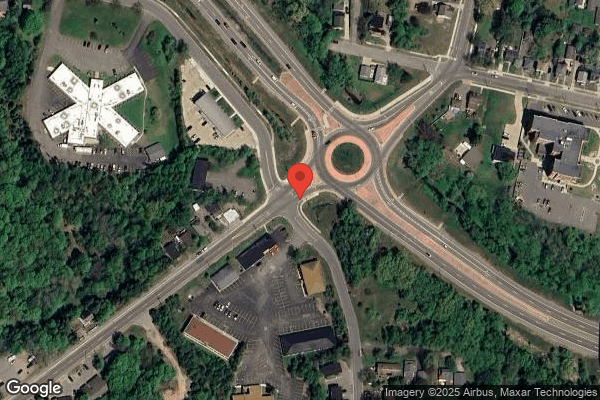
Understanding Severity Codes (click to expand)
Life-Threatening (Immediate Jeopardy)
J - Isolated K - Pattern L - Widespread
Actual Harm
G - Isolated H - Pattern I - Widespread
Potential for Harm
D - Isolated E - Pattern F - Widespread
No Harm (Minor)
A - Isolated B - Pattern C - Widespread

Questions to Ask on Your Visit

  • "What changes have you made since the serious inspection findings?"
  • "Can I speak with families of current residents?"
  • "What's your RN coverage like on weekends and overnight?"

Our Honest Assessment

Strengths
  • • Licensed and certified facility. Meets minimum state requirements.
Concerns
  • • Multiple safety concerns identified: 1 life-threatening violation(s), 1 harm violation(s), $113,129 in fines. Review inspection reports carefully.
  • • 27 deficiencies on record, including 1 critical (life-threatening) violation. These warrant careful review before choosing this facility.
  • • $113,129 in fines. Extremely high, among the most fined facilities in Michigan. Major compliance failures.
  • • Grade F (38/100). Below average facility with significant concerns.
Bottom line: Trust Score of 38/100 indicates significant concerns. Thoroughly evaluate alternatives.

About This Facility

What is Norlite Nursing Center's CMS Rating?

CMS assigns Norlite Nursing Center an overall rating of 4 out of 5 stars, which is considered above average nationally. Within Michigan, this rating places the facility higher than 99% of the state's 100 nursing homes. This rating reflects solid performance across the metrics CMS uses to evaluate nursing home quality.

How is Norlite Nursing Center Staffed?

CMS rates Norlite Nursing Center's staffing level at 4 out of 5 stars, which is above average compared to other nursing homes. Staff turnover is 48%, compared to the Michigan average of 46%.

What Have Inspectors Found at Norlite Nursing Center?

State health inspectors documented 27 deficiencies at Norlite Nursing Center during 2022 to 2024. These included: 1 Immediate Jeopardy (the most serious level, indicating potential for serious harm or death), 1 that caused actual resident harm, and 25 with potential for harm. Immediate Jeopardy findings are rare and represent the most serious regulatory concerns. They require immediate corrective action.

Who Owns and Operates Norlite Nursing Center?

Norlite Nursing Center is owned by a for-profit company. For-profit facilities operate as businesses with obligations to shareholders or private owners. The facility operates independently rather than as part of a larger chain. With 99 certified beds and approximately 76 residents (about 77% occupancy), it is a smaller facility located in Marquette, Michigan.

How Does Norlite Nursing Center Compare to Other Michigan Nursing Homes?

Compared to the 100 nursing homes in Michigan, Norlite Nursing Center's overall rating (4 stars) is above the state average of 3.1, staff turnover (48%) is near the state average of 46%, and health inspection rating (3 stars) is at the national benchmark.

What Should Families Ask When Visiting Norlite Nursing Center?

Based on this facility's data, families visiting should ask: "What changes have been made since the serious inspection findings, and how are you preventing similar issues?" "Can I visit during a mealtime to observe dining assistance and food quality?" "How do you handle medical emergencies, and what is your hospital transfer rate?" "Can I speak with family members of current residents about their experience?" These questions are particularly relevant given the facility's Immediate Jeopardy citations.

Is Norlite Nursing Center Safe?

Based on CMS inspection data, Norlite Nursing Center has documented safety concerns. Inspectors have issued 1 Immediate Jeopardy citation (the most serious violation level indicating risk of serious injury or death). The facility has a 4-star overall rating and ranks #1 of 100 nursing homes in Michigan. Families considering this facility should ask detailed questions about what corrective actions have been taken since these incidents.

Do Nurses at Norlite Nursing Center Stick Around?

Norlite Nursing Center has a staff turnover rate of 48%, which is about average for Michigan nursing homes (state average: 46%). Moderate turnover is common in nursing homes, but families should still ask about staff tenure and how the facility maintains care continuity when employees leave.

Was Norlite Nursing Center Ever Fined?

Norlite Nursing Center has been fined $113,129 across 1 penalty action. This is 3.3x the Michigan average of $34,210. Fines at this level are uncommon and typically indicate a pattern of serious deficiencies, repeated violations, or failure to correct problems promptly. CMS reserves penalties of this magnitude for facilities that pose significant, documented risk to resident health or safety. Families should request specific documentation of what issues led to these fines and what systemic changes have been implemented.

Is Norlite Nursing Center on Any Federal Watch List?

Norlite Nursing Center is not on any federal watch list. The most significant is the Special Focus Facility (SFF) program, which identifies the bottom 1% of nursing homes nationally based on persistent, serious quality problems. Not being on this list means the facility has avoided the pattern of deficiencies that triggers enhanced federal oversight. This is a positive indicator, though families should still review the facility's inspection history directly.