Menominee Health Services
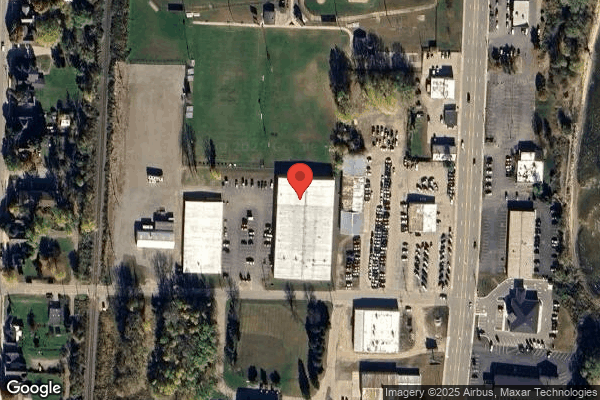
501 Second Street, Box 246, Menominee, MI 49858 (906) 863-9941
For profit - Limited Liability company 39 Beds NORTH SHORE HEALTHCARE Data: November 2025
Trust Grade
80/100
#154 of 422 in MI
Last Inspection: March 2025

Within standard 12-15 month inspection cycle. Federal law requires annual inspections.

Overview

Menominee Health Services has a Trust Grade of B+, indicating it is above average in quality and recommended for families considering a nursing home. With a state rank of #154 out of 422 facilities in Michigan, they are in the top half, and they rank #1 out of 3 in Menominee County, meaning they are the best option in the area. The facility is improving, with the number of issues decreasing from 7 in 2024 to 3 in 2025. Staffing is a strength, with a 4 out of 5 stars rating and a turnover rate of 35%, which is better than the state average. Notably, there have been no fines reported, and the facility boasts higher RN coverage than 86% of Michigan facilities, ensuring better oversight of care. However, there are areas of concern. Recent inspections revealed issues such as medications not being properly labeled and stored, a lack of certified management in the food service department, and insufficient training for food service staff, which could impact resident safety and nutrition. While these findings highlight weaknesses, the overall positive trends in staffing and RN coverage signal a commitment to improving care quality.

Trust Score
B+
80/100
In Michigan
#154/422
Top 36%
Safety Record
Low Risk
No red flags
Inspections
Getting Better
7 → 3 violations
Staff Stability
○ Average
35% turnover. Near Michigan's 48% average. Typical for the industry.
Penalties
✓ Good
No fines on record. Clean compliance history, better than most Michigan facilities.
Skilled Nurses
✓ Good
Each resident gets 51 minutes of Registered Nurse (RN) attention daily — more than average for Michigan. RNs are trained to catch health problems early.
Violations
○ Average
10 deficiencies on record. Average for a facility this size. Mostly minor or procedural issues.
★★★★☆
4.0
Overall Rating
★★★★☆
4.0
Staff Levels
★★★☆☆
3.0
Care Quality
★★★★☆
4.0
Inspection Score
Stable
2024: 7 issues
2025: 3 issues

The Good

  • 4-Star Staffing Rating · Above-average nurse staffing levels
  • Full Sprinkler Coverage · Fire safety systems throughout facility
  • No fines on record
  • Staff turnover below average (35%)

    13 points below Michigan average of 48%

Facility shows strength in staffing levels, fire safety.

The Bad

Staff Turnover: 35%

11pts below Michigan avg (46%)

Typical for the industry

Chain: NORTH SHORE HEALTHCARE

Part of a multi-facility chain

Ask about local staffing decisions and management

The Ugly 10 deficiencies on record

Mar 2025 3 deficiencies
CONCERN (D)

Potential for Harm - no one hurt, but risky conditions existed

Pressure Ulcer Prevention (Tag F0686)

Could have caused harm · This affected 1 resident

**NOTE- TERMS IN BRACKETS HAVE BEEN EDITED TO PROTECT CONFIDENTIALITY** Based on observation, interview, and record review, the facility failed to: 1. Accurately identify wounds as pressure injuries 2...

Read full inspector narrative →
**NOTE- TERMS IN BRACKETS HAVE BEEN EDITED TO PROTECT CONFIDENTIALITY** Based on observation, interview, and record review, the facility failed to: 1. Accurately identify wounds as pressure injuries 2. Document accurately on wound types, and 3. Develop a care plan for pressure injuries, for one Resident (#11) of one resident reviewed for pressure injuries. Findings include: All times are in Eastern Daylight Time (EDT) unless otherwise noted. Resident #11 (R11) R11 was admitted to the facility on [DATE] with a primary diagnosis of cerebral infarction (stroke). According to a quarterly Minimum Data Set (MDS) assessment dated [DATE], R11 was at-risk for developing pressure injuries but did not have pressure injuries. The MDS coded R11 as having diabetic foot ulcers. On 3/10/25 at 3:45 PM, R11 was observed lying in bed with both heels lying directly on the mattress of the bed. A pair of pressure-reduction boots were observed laying in a chair in the room. On 3/10/25 at 4:41 PM, and on 3/11/25 at 7:30 AM additional observations of R11 were made with both heels directly on the mattress and the pressure-reduction boots laying in a chair in the room . A review of R11's Electronic Medical Record (EMR) revealed a physician's order for dressings to R11's right heel and the lateral plantar (bottom) portion of the right foot. There was no physician's order for pressure-reduction boots. A care plan for pressure injuries was not present in R11's medical record. An impaired skin integrity care plan was reviewed that read, in part: . [R11] has actual impairment to skin integrity, DM (diabetes mellitus)/non-pressure wounds to right heel and right lateral plantar area of foot . The care plan did not include pressure-reduction boots or directions indicating where and when pressure-reduction boots should be applied or removed. On 3/10/25 at approximately 1:23 PM, Regional Nurse J said R11's wound assessments were in the EMR under the non-pressure assessments because R11's wounds were not pressure injuries. Regional Nurse J said R11's wounds were diabetic ulcers. Review of the wound assessment form Non-Pressure Weekly Tracker dated 11/12/24 documented R11 developed a facility-acquired wound on the right heel on 11/9/24. The type of wound was documented as diabetic (neuropathic) ulcer. No documentation was found for the assessment of the wound when it was first identified on 11/9/24. Subsequent facility wound assessments of the right heel dated 11/26/24, 12/3/24, 12/10/24, 12/17/24, 12/24/24, 12/31/24, 1/7/25, 1/14/25, 1/21/25, 1/28/25, 2/4/25, 2/11/25, 2/18/25, 2/25/25, and 3/4/25 documented the wound on the right heel was a diabetic ulcer. Further review of wound documentation indicated R11 developed a facility-acquired right plantar wound on 1/7/25. The type of wound was documented as diabetic (neuropathic) ulcer. Facility wound assessments on 1/14/25, 1/21/25, 1/28/25, 2/4/25, 2/11/25, 2/18/25, 2/25/25, and 3/4/25 documented the wound on the right plantar was a diabetic ulcer. The EMR revealed R11 attended the wound clinic for the wounds on the right foot. Wound clinic documentation dated 12/5/24 documented in part .Pressure injury of right heel, stage 3 . Pressure injury of right foot, stage 3 . Wound clinic reports for the wounds on R11's foot dated 1/16/25, 1/23/25, 1/30/25, 2/6/25, 2/13/25, 2/21/25, 2/27/25, and 3/6/25 documented the right foot wounds as: stage 3 pressure injuries (Full-thickness loss of skin, in which subcutaneous fat may be visible in the ulcer and granulation tissue and epibole (rolled wound edges) are often present). Handwritten documentation by R11's attending physician was scanned into the EMR. Physician documentation dated 1/8/25 read, in part: . Draining wound right heel, plantar surface. Severe ulcers despite wound clinic .Stage III [3] heel, unstageable distal right lateral foot with ulceration . The attending physician for R11 documented on 1/13/25, in part: . decubitus [pressure injury] right (illegible handwriting) and heel . The Director of Nursing was unavailable during survey. The Administrator (NHA) said clinical questions were to be referred to RN J or RN C. The NHA said RN C was the wound nurse and Infection Preventionist. RN C was interviewed on 3/11/25 at 10:04 AM. When asked about R11's wounds, RN C said R11 had non-pressure, diabetic wounds on the right heel and right lateral plantar surface of the right foot. RN C said R11 was expected to have both heels floated (pillows placed under the legs to lift the heels from the mattress) because he spilled coffee on his pressure-reduction boots over the weekend, so the boots were sent to the laundry. RN C said R11 went to the wound clinic and floor nurses were responsible for reviewing documentation from the wound clinic. Dressing changes were observed being completed by RN C on 3/11/25 at 11:22 AM. R11 had a stage 3 pressure injury on the right heel measuring approximately 0.5 centimeters (cm) long and 0.3 cm wide, and a stage 3 pressure injury on the lateral right plantar measuring approximately 0.7 cm long and 0.9 cm wide. When asked how R11's wounds were determined to be non-pressure diabetic wounds, RN C answered R11 was diabetic and went to dialysis. When asked if the wounds appeared as diabetic wounds, RN responded, I don't know how to describe them. They're not very big. Wound clinic documentation was reviewed with RN C on 3/11/25 at 11:40 AM. RN C admitted she had not read the wound clinic reports documenting the wounds as stage 3 pressure injuries and she had been erroneously documenting them weekly as diabetic wounds. RN C said R11's attending physician said the wounds were diabetic wounds. RN C was shown R11's attending physician's documentation of 1/8/25 and 1/13/25. RN C did not provide a comment regarding the documentation.
CONCERN (D)

Potential for Harm - no one hurt, but risky conditions existed

Deficiency F0692 (Tag F0692)

Could have caused harm · This affected 1 resident

**NOTE- TERMS IN BRACKETS HAVE BEEN EDITED TO PROTECT CONFIDENTIALITY** . Based on observation, interview, and record review, the facility failed to provide the care and services to monitor and mainta...

Read full inspector narrative →
**NOTE- TERMS IN BRACKETS HAVE BEEN EDITED TO PROTECT CONFIDENTIALITY** . Based on observation, interview, and record review, the facility failed to provide the care and services to monitor and maintain acceptable parameters of nutritional status for two residents (R11 and R22) of three residents reviewed for nutritional concerns. This deficient practice resulted in the potential for fluid imbalance for R11 and unaddressed weight loss for R22. Findings include: All times are recorded in Eastern Daylight Time (EDT) unless otherwise noted. Resident #11 (R11) R11 was admitted [DATE] with diagnoses including stroke, dementia, diabetes, and dependence on renal dialysis. The diet order for R11 included a specialized renal diet with consistent carbohydrates and a 1500 ml (milliliters or cc cubic centimeters) fluid restriction per day. On 3/12/25 at 12:30 PM, the lunch meal tray for R11 was observed. The tray contained a 240 cc coffee and a 120 cc apple juice. The supper meal ticket was observed to have planned beverages including a 240 cc coffee and a 120 cc apple juice. The total fluids planned and served by the dietary department for each lunch equaled 360 cc and for each supper equaled 360 cc. The facility did not have an individualized plan for the allotment of the 1500 cc fluid restriction for R11. There was no guidance by the physician, nursing personnel or Registered Dietitian on the division of the fluids between the dietary department (with meals) and the nursing department (for fluids with medication pass and at bedside). The facility presented a form titled Fluid Restriction Template which indicated a plan for any residents on a 1500 cc fluid restriction was to be divided as follows 300 cc AM nursing, 200 cc PM nursing, 60 cc NOC (at night), 360 cc with breakfast, 240 cc with lunch and supper. The observed tray card plan exceeded the Fluid Restriction Template serving 360 cc at lunch and supper rather than the planned 240 cc at lunch and supper. A progress note was entered by Registered Dietitian (RD) K on 2/28/2025 at 9:22 AM included documentation of the fluid restriction but did not coordinate the amounts and times of the fluids to be given to R11. The progress note read, Nutrition/Dietary Note . RD Note . Continues with CCHO (consistent carbohydrate) Renal diet and 1500 cc FR (fluid restriction). Continues with phos (phosphorus) binder. Meal intakes avg (average) 50-100%. It was noted that resident ate meal in dining room on 2/27/25 with improved intakes noted. Continue to encourage resident to eat meals in dining room to optimize oral intakes/nutritional status. No new nutritional concerns/recommendations. Continue to monitor and follow up as needed. The care plan for R11 reviewed 3/11/25 included a focus of, At risk for nutritional status change r/t (related to) diabetes, end stage renal disease - on dialysis, on diuretics, potential for weight changes, wound to right foot. The interventions included: - Eating - independent - Fluid restriction as ordered, 1500 ml/24 hours - Offer large portions - Offer protein rich snack BID (twice daily) - Provide diet as ordered - CCHO Renal, regular texture, thin consistency. - Record weight per facility protocol - Review weights and notify RD, MD (physician), and responsible party of significant weight change - See tray card for specific food preferences. The Certified Nurse Aide (CNA) task list for amount of fluids taken was reviewed. On 2/10/25 and on 2/16/25 the fluid restriction was exceeded for R11 with 1920 cc fluids documented as given by the CNAs. These totals did not include the fluids given by the nurse with medications. During a telephone interview on 3/11/25 at 2:07 PM, RD K: stated she had not divided the 1500 cc fluid restriction between the dietary and nursing departments. She was not aware of the amount of fluid R11 was receiving. On 3/11/25 at 2:49 PM, Regional Registered Nurse (RN) J said there was a breakdown in the facility with this expectation. RN J added it was expected the facility nurse would coordinate with dietary and would designate the fluids between departments in the physician's fluid restriction orders. RN J said, We were certainly not doing the best documentation, and we will be focusing and working on this. The policy Fluid Restriction dated as implemented 7/21/22 read, in part: .The food and nutrition services department and the nursing department will determine how much fluid will be provided at meals and medication passes. Resident #22 (R22) On 3/9/25 at 2:04 PM, R22 was observed in the dining room being fed lunch by his wife. His wife stated the resident could not always fed himself, so she assisted him. She said his (R22) hands do not always work. On 3/10/25 at 9:15 AM, R22 was observed in the dining room being fed breakfast by staff. The electronic medical record indicated the following recorded weights for R22: - 11/2/24 - 216 pounds - 11/4/24 216 pounds - 12/1/24 - 215.5 pounds - 12/5/24 - 215.5 pounds - 1/1/25 - 213 pounds - 2/1/25 - 207 pounds - 3/5/25 - 195.5 pounds The Nutrition Assessment Note dated 2/20/25, noted a Current weight: 207.0 lb (pounds) . Gradual weight change present. Wt Hx (weight history) 1 mo (month) ago: 213# (pounds). There was no re-weight for the six pound weight loss from 1/2025 to 2/2025 or the 11.5 pound weight loss from 2/2025 to 3/2025. The care plan for R22 included a focus of at risk for nutritional status change including weight changes. The goal for this focus was R22 will maintain weight. This care plan included interventions of: - Record weight per facility protocol/MD orders and Review weights and - Notify RD, MD, and responsible party of significant weight change. During a telephone interview on 3/11/25 at 2:07 PM, RD K: stated there were At Risk resident meetings weekly on Wednesdays where weight loss was a part of the discussion. The RD confirmed they had written a nutrition progress note on 3/5/25 (the date of the last weight) but no recommendations to re-check the weight or any additional interventions had been made. RD K stated the expectation was weights were taken by the 7th of the month with re-weight taken if there was a five pound variance as soon as possible. RD K discussed the 12 pound weight loss recorded for R22 and stated they would not expect to wait six days to re-check the weight. RD K stated, I don't recall if we reviewed (R22) in the At Risk meeting. I notified them (the facility) on Saturday (3/8/25) for a reweigh. No follow up weight had been obtained. The facility policy titled Weight Monitoring and dated as last Reviewed/Revised on 12/21/2022 did have a statement of Any weight change of five (5) pounds or more since the last weight assessment will be retaken for confirmation. However, there were no parameters of the timeframe for this assessment. .
CONCERN (D)

Potential for Harm - no one hurt, but risky conditions existed

Infection Control (Tag F0880)

Could have caused harm · This affected 1 resident

**NOTE- TERMS IN BRACKETS HAVE BEEN EDITED TO PROTECT CONFIDENTIALITY** Based on observation, interview, and record review, the facility failed to update infection control policies annually and implem...

Read full inspector narrative →
**NOTE- TERMS IN BRACKETS HAVE BEEN EDITED TO PROTECT CONFIDENTIALITY** Based on observation, interview, and record review, the facility failed to update infection control policies annually and implement appropriate infection prevention and control practices for two Residents (R28 and R4) of six residents reviewed for infection control. Findings include: All times are in Eastern Daylight Time (EDT) unless otherwise noted. Resident #28 (R28) was admitted to the facility on [DATE]. A quarterly Minimum Data Set (MDS) assessment dated [DATE] documented R28 was free from infections and had no pulmonary conditions or diseases. The MDS documented R28 had received the seasonal influenza vaccination on 10/18/24. According to a nurse's progress note in the Electronic Medical Record (EMR) dated 3/10/25 at 12:57 PM CT (Central Time), R28 experienced a cough with gray-colored sputum, chills, weakness, and decreased appetite. R28's physician ordered a Quad respiratory pathogen panel (a laboratory test for four respiratory pathogens). A nurse progress note on 3/10/25 at 2:36 PM CT documented R28 tested positive for influenza type A (a contagious viral respiratory infection that can lead to serious medical and health outcomes including death). On 3/11/25 at 8:57 AM, R28 was observed in his room lying in bed. The door to the room was open and did not contain signage indicating R28 was in Transmission-Based Precautions (TBP - isolation) for a transmissible respiratory illness. R28 had a room mate who was occupying the other bed in the room. The Administrator (NHA) was asked on 3/11/25 at 8:57 AM how staff and visitors were aware R28 had a contagious respiratory illness. The NHA said R28 should have a posting for isolation precautions on the door to the room. The NHA was informed the posting was not present. When asked if the facility posted signage at the entrance door to make visitors aware a contagious respiratory illness had been identified in the building and to instruct visitors on recommended infection control precautions while visiting, the NHA said they only post precautionary information at the entrance door when COVID-19 was identified in the facility. The door to R28's room was observed open on 3/11/25 at 8:57 AM, 11:20 AM, 11:44 AM, 2:36 PM, and 4:26 PM. Review of R28's EMR revealed no physician's order for droplet precautions (TBP for residents with known or suspected infectious pathogens transmitted by respiratory droplets). The physician ordered an antibiotic medication on 3/10/25 but there was no order for any antiviral medication. The antibiotic medication read, Give 1 tablet by mouth one time a day for influenza A . On 3/11/25 at 9:36 AM, during an interview, Infection Preventionist (Registered Nurse (RN) C) said a posting should be placed at the entrance door to let visitors know a contagious respiratory illness was identified in the facility and masks were encouraged while visiting and to perform hand hygiene upon entering and exiting the facility. RN C said residents with influenza should be placed on droplet precautions. RN C confirmed signage should be posted on the door of R28's room indicating droplet precautions, a physician's order was required to put a resident in any type of TBP, and infections should be care planned. When asked why an antibiotic medication was ordered instead of an antiviral medication, RN C said she was not aware an antibiotic had been ordered but said she would contact R28's physician. RN C stated the door to the room of a resident on droplet precautions for influenza A should remain closed unless closing the door was contraindicated for a resident's safety according to the resident's care plan. RN C did not say R28 required the door to the room to be open for safety. RN C confirmed the roommate of R28 had not tested positive for any respiratory illness including influenza A. RN C acknowledged unoccupied rooms were available in the facility. When asked why R28 had not been provided one of the unoccupied rooms when influenza A was identified, RN C said that decision was not hers to make. RN C confirmed she had never seen that done in the facility and said, but it would be a best practice. R28 did not have a care plan for influenza to direct staff on interventions to help prevent the spread of respiratory pathogens to other residents and staff. None of R28's care plans included a need to keep the door of the room open. R28's physician was interviewed on 3/11/25 at 3:37 PM. The physician stated an antibiotic was ordered for R28 due to suspected presence of a secondary infection that was most-likely bacterial in nature. The physician confirmed antiviral therapy was not started after R28 was identified with influenza A. Review of infection prevention and control policies disclosed the policies were not updated or reviewed annually. The policy Infection Outbreak Response and Investigation was dated as last reviewed/revised on 2/26/23. The policy COVID-19 Prevention, Response and Reporting was dated as last reviewed/revised on 5/18/23. The policy Antibiotic Stewardship Program was dated as last reviewed/revised on 11/18/22. The Centers for Disease Control (CDC) guidelines Interim Guidance for Influenza Outbreak Management in Long-Term Care and Post-Acute Care Facilities (www.cdc.gov/flu/hcp/infection-control/ltc-facility-guidance.html) state, in part: . once a single laboratory-confirmed case of influenza has been identified in a resident, it is likely there are other cases among exposed persons . Implement Droplet Precautions . Droplet Precautions include: Placing ill residents in a private room. If a private room is not available, place (cohort) residents suspected of having influenza with one another . All long-term care facility residents who have confirmed or suspected influenza should receive antiviral treatment immediately. Initiation of antiviral treatment should not wait for laboratory confirmation of influenza . The policy Influenza Exposure Control dated as implemented 9/23/24 read, in part: .Droplet Precautions shall be implemented for residents with suspected or confirmed influenza . Request to limit visitation and exclude ill persons from visiting the facility via posted notices . The policy Transmission-Based (Isolation) Precautions dated as reviewed/revised on 9/24/24 read, in part: . The facility will use standard approaches, as defined by the CDC, for transmission-based precautions .When implementing transmission-based precautions, the facility will consider the following: . b. The provision of a private room as available/appropriate; c. Cohorting residents with the same pathogen . Visitors coming to visit a resident who is on transmission-based precautions or quarantine, will be informed by the facility of the potential risk of visiting and precautions necessary when visiting the resident .Signage that includes instructions for use of specific PPE (Personal Protective Equipment) will be placed in a conspicuous location outside the resident's room, wing, or facility wide . Droplet Precautions: . b. A private room is preferential, but if not available, the resident can be cohorted with a resident with the same infectious agent . Resident #4 (R4) Review of an admission Record revealed R4 was originally admitted to the facility on [DATE] with pertinent diagnoses which included: malnutrition. Review of the MDS assessment for R4, with a reference date of 1/9/25 revealed a Brief Interview for Mental Status (BIMS) score of 15/15, indicating R4 was cognitively intact. On 3/9/25 at 9:00 AM., during an observation, Registered Nurse (RN) A was setting up R4's medications to administer via G-Tube (gastrointestinal tube-for nutritional feeding and medications). RN A donned Personal Protective Equipment (PPE) including a gown, gloves and a surgical mask, while outside of R2's room. R4 had a sign on his door which indicated he was on Enhanced Barrier Precautions (EBP-Contact Precautions) due to having a G-Tube in place. While RN A was setting up R4's medication wearing the gloves she had put on, she opened the laptop computer, grabbing the control mouse to access the computers Electronic Medical Record (EMR) to view R4s medication orders. RN A grabbed the medication cart keys from her pocket, unlocked the medication cart, and opened the 2nd drawer pulling R2's medication cards out. RN A proceeded to open each medication to dispense into small clear medication cups. RN A wore the same gloves to unlock the narcotic drawer pulling out a medication and placing it into the small medication cups. RN A realized the narcotic count sheets in a 3-ring binder/book was not on the medication cart. RN A then walked to nurse's station wearing the gown, gloves and mask. RN A returned to the medication cart holding the narcotic book. The book was noted to be visibly soiled and was visibly old and worn. RN A grabbed onto the tab inside for R4's narcotic medication count sheet, proceeded to grab a pen from the top of the medication cart, and signed out the medication. RN A at no time changed the gloves she had initially put on. RN A then used the same gloves to reach into the med cart, drawing up a liquid medication with a syringe and dispensing it into the small med cup. RN A finished with the setup of R4's medications, grabbed the cups and a water cup, and entered R4's room. RN A then proceeded with the same gloves on to lift R4's shirt up to expose the G-Tube. RN A then grabbed her stethoscope from around her neck, placed the ear pieces into her ears and without cleaning it, she placed the end of it on R4s upper quadrant of his stomach to check placement of the G-Tube. RN A then put the stethoscope back around her neck. RN A took the opening of the G-Tube, uncapped it, pulling back on syringe she had inserted into it to check for residual (stomach contents). Once RN A pulled the syringe out of the opening of the G-Tube, liquid (stomach content) leaked out of the syringe onto R4s upper pant leg. RN A then began to administer R4's medication via his G-Tube. RN A at no time, changed her gloves or performed hand hygiene during this process. After administering R4's medication RN A cleaned up the supplies and placed them in a container in R4's room for future use. RN A then exited R4's room after taking her gloves, gown and mask off. RN A took her stethoscope from around her neck and hung it on the end of the medication cart. RN A did not sanitize the stethoscope nor use an appropriate amount of hand sanitizer to cover her entire hands, nor did RN A wash her hands with soap and water. In an interview on 3/10/25 at 10:10 AM., RN A reported R4 was in Enhanced Barrier Precautions (EBP) because of the feeding/G-tube. After being asked what the protocol was for EBP use for a resident on Contact Precautions-EBP and overall infection control measures, RN A reported she should have ensured she did not have PPE on while walking in hallway to the nurses' station, nor should she have used the same gloves as long as she did. RN A reported she should have taken her gloves off while setting up the medications, using hand sanitizer along the way. RN A reported that was not properly donning/doffing PPE per policy or proper infection control techniques. RN A reported she wasn't thinking about it when she was setting up the medications for R4, she was just trying to get through her medication pass. Review of a facility Policy and Procedure titled Transmission-Based (Isolation) Precautions with a revision date of 9/24/2024 revealed: Policy: It is our policy to take appropriate precautions to prevent transmission of pathogens, based on the pathogens' modes of transmission. For training and quick referencing purposes, a summary of precautions is contained at the end of this policy Definitions: Airborne precautions refer to actions taken to prevent or minimize the transmission of infectious agents/organisms that remain infectious over long distances when suspended in the air . Droplet precautions refer to actions designed to reduce/prevent the transmission of pathogens spread through close respiratory or mucous membrane contact with respiratory secretions. Transmission-based precautions (a.k.a. Isolation Precautions) refer to actions (precautions) implemented in addition to standard precautions that are based upon the means of transmission (airborne, contact and droplet) in order to prevent or control infections .10. Contact Precautions- a. Intended to prevent transmission of pathogens that are spread by direct or indirect contact with the resident or the resident's environment. b. Make decisions regarding private room on case-by-case basis, balancing infection risks to other residents, the presence of risk factors that increase the likelihood of transmission, and the potential adverse psychological impact on the infected or colonized resident. c. Healthcare personnel caring for residents on Contact Precautions wear a gown and gloves for all interactions that may involve contact with the resident or potentially contaminated areas in the resident's environment. d. Donning personal protective equipment (PPE) upon room entry and discarding before exiting the room is done to contain pathogens, especially those that have been implicated in transmission through environmental contamination (e.g. VRE (Vancomycin Resistant Enterococcus [bacteria difficult to treat with antibiotics]), C. difficile (Clostridium difficile [infection of the bowel]), noroviruses (respiratory viral infections) and other intestinal tract pathogens, RSV (Respiratory Syncitial Virus [respiratory virus]). e. Residents experiencing wound drainage, fecal incontinence or diarrhea, or other discharges from the body that cannot be contained and suggest an increased potential for extensive environmental contamination and risk of transmission of a pathogen, should be placed on contact precautions even before a specific organism has been identified. f. Contact precautions will be used for residents infected or colonized with MDROs (Multi-drug resistant organisms) in the following situations: i. When a resident has wounds, secretions, or excretions that are unable to be covered or contained; and ii. On units or in facilities where, despite attempts to control the spread of the MDRO, ongoing transmission is occurring .
Apr 2024 7 deficiencies
CONCERN (D)

Potential for Harm - no one hurt, but risky conditions existed

Transfer Notice (Tag F0623)

Could have caused harm · This affected 1 resident

. Based on interview and record review, the facility failed to notify the Resident/Representative in writing with the reason for a transfer out of the facility for three Residents (#3, #13 and #17) of...

Read full inspector narrative →
. Based on interview and record review, the facility failed to notify the Resident/Representative in writing with the reason for a transfer out of the facility for three Residents (#3, #13 and #17) of three residents reviewed for transfers out of the facility. Findings include: (All times are recorded in Eastern Daylight Time) Resident #3 (R3) A review of R3's medical record revealed a transfer to the hospital on 3/30/24. There was not a written notification of transfer sent to R3's representative. Resident #13 (R13) A review of R13's medical record revealed a transfer to the hospital on 1/3/24. Nursing progress note read in part: 1/3/2024 22:11 (2:11 PM) Nursing Note Narrative: Resident sent to (hospital name) at 2200. There was not a written notification of transfer sent to R13's representative. Resident #17 (R17) A review of R17's medical record revealed a transfer to the hospital on 9/13/23. There was not a written notification of transfer sent to R3's representative. During an interview on 4/3/24 at 8:40 AM, Social Services Director M explained she kept a log but did not do a written notification to the resident or responsible party. During an interview on 4/03/24 at 2:41 PM, the Director of Nursing (DON) stated, We only call the POA (Power of Attorney). I'm not positive but social services might do that. Nursing does not send a (written) notification. During an interview on 4/03/24 at 2:43 PM, the Nursing Home Administrator was not aware of a written notification and stated .maybe the social worker does it. During a follow up interview on 4/03/24 at 3:18 PM, the DON stated the facility did have the form but .We have not been sending it out. .
CONCERN (F)

Potential for Harm - no one hurt, but risky conditions existed

Deficiency F0761 (Tag F0761)

Could have caused harm · This affected most or all residents

**NOTE- TERMS IN BRACKETS HAVE BEEN EDITED TO PROTECT CONFIDENTIALITY** Based on observation, interview, and record review, the facility failed to ensure two controlled medications were labeled when o...

Read full inspector narrative →
**NOTE- TERMS IN BRACKETS HAVE BEEN EDITED TO PROTECT CONFIDENTIALITY** Based on observation, interview, and record review, the facility failed to ensure two controlled medications were labeled when opened and securely stored in two medication carts out of two medication carts reviewed during the medication storage and medication administration tasks. Findings include: All times noted are Eastern Daylight Savings Time (EDST) unless otherwise noted. Observation of the 100/200 medication cart manned by Licensed Practical Nurse (LPN) B on [DATE] at 8:32 a.m., found an opened bottle morphine sulfate 100 mg (milligrams)/(per) 5 mL (milliliters) prescribed to R2 in the locked narcotic storage drawer. No 'open date' was noted on the open bottle of morphine. During an interview at this same time, LPN B confirmed the facility policy and practice was to date opened bottles and vials of medication when they were first opened. Review of R2's Resident Controlled Substance Record with LPN B, revealed the morphine sulfate was received by the facility on [DATE] at 0445 (4:45 a.m.) (Central Standard Time) (CST). Two doses had been administered: one on [DATE] at 0840 (8:40 a.m.) by LPN E, and a second dose on [DATE] by RN H. On [DATE] at 4:39 p.m., the 300-hall medication cart, manned by LPN O, was observed during medication pass to Resident R19. Seven medications had been prepared in a 30 cc (cubic centimeter) plastic medication cup, when R19's blister pack of Tramadol HCL 50 mg tablets was pulled from the locked narcotics drawer. A small white tablet was popped from the number four pill pocket on the blister pack but did not fall into the medication cup. LPN O and this Surveyor counted the medications in the cup, which should have totaled eight pills, and found only seven. This Surveyor had visualized the white pilled suspended from the aluminum backing of the blister pack as LPN O placed the blister pack back into the narcotics drawer. LPN O looked through the narcotics drawer three times, and this Surveyor also looked through the drawer, but the white tablet could not be found, and was not in the medication cup of the blister pack. LPN O stated, I hope it didn't go on the floor. This Surveyor found the pill on the floor, pointed it out to LPN O who immediately picked up the pill and placed it in the sharp's container. During an interview at this same time, LPN O was asked for the process of narcotic disposal, to which she replied she did need two nurses to dispose of narcotics, and they were disposed of in a drug buster, not in the sharp's container. Examination of R19's Tramadol blister pack with LPN O, found paper tape covering a previously opened number four pill slot on the back of the blister pack. When asked if it was acceptable to tape a previously opened narcotic package closed, LPN O confirmed it was not, and said the pill should have been wasted when it was found to be unsecured in the blister pack. During an interview on [DATE] at 4:30 p.m., the Director of Nursing (DON) confirmed that it was not acceptable for facility nursing staff to tape a previously opened narcotic closed and store it in the narcotic drawer for future use. Review of the Medication Administration General Guidelines, dated 1/2024, revealed the following, in part: . 8. Check expiration date on package/container. No expired medication will be administered to a resident. a. Drugs dispensed in the manufacturer's original container will be labeled with the manufacturer's expiration date. b. The nurse shall place a 'date opened' sticker on the medication if one is not provided by the dispensing pharmacy and enter the date opened . Once removed from the package/container, unused medication doses shall be disposed of according to the nursing care center policy .
CONCERN (F)

Potential for Harm - no one hurt, but risky conditions existed

Deficiency F0801 (Tag F0801)

Could have caused harm · This affected most or all residents

Based on interview and record review the facility failed to employ a full time dietitian, certified dietary manager or a certified food service manager to manage the food service department. Findings ...

Read full inspector narrative →
Based on interview and record review the facility failed to employ a full time dietitian, certified dietary manager or a certified food service manager to manage the food service department. Findings include: (All reported times are in EDT) On 4/2/24 at approximately 8:15 AM, an interview was conducted with Kitchen Manager (KM) A about her certification as a dietary manager. KM A stated she had not completed the Certified Dietary Manager's (CDM) course work, nor had begun or signed up for the course. Additionally, KM A stated she had no other food service training likened to a Certified Food Manager, Serve Safe certification or other. KM A stated the Registered Dietitian (RD) did not provide consultation on food service sanitation or other kitchen issues, rather, focused efforts on clinical needs. On 4/3/24 at approximately 1:30 PM, an interview with the Nursing Home Administrator (NHA) confirmed that the RD provided clinical support to the facility. A document provided by the NHA documenting the RD hours for the facility demonstrated the RD was on-site in the building a total of 13 hours for the three months January, February, and March 2024.
CONCERN (F)

Potential for Harm - no one hurt, but risky conditions existed

Deficiency F0802 (Tag F0802)

Could have caused harm · This affected most or all residents

Based on observation, interview and record review the facility failed to employ sufficient staff with the appropriate competencies and skill to carry out the functions of the food and nutrition servic...

Read full inspector narrative →
Based on observation, interview and record review the facility failed to employ sufficient staff with the appropriate competencies and skill to carry out the functions of the food and nutrition services. Findings include: (All reported times in EDT) On 4/2/24 at approximately 8:15 AM, an interview was conducted with Kitchen Manager (KM) A about her certification as a dietary manager. KM A stated she had not completed the Certified Dietary Manager's (CDM) course work, nor had begun or signed up for the course. Additionally, KM A stated she had no other food service training likened to a Certified Food Manager, Serve Safe certification or other. On 4/2/24 between 8:00 AM and 10:30 AM continued interviews were conducted with KM A and learned she was not familiar with the testing of the sanitizing solutions used in the three compartment sink and spray bottles used on food preparation surfaces, was not familiar with the chemicals used as sanitizing agents in the kitchen, stated staff were not using cooling logs to track left over foods being cooled to be served at a later date. On 4/2/24 at approximately 11:15 AM, KM A was observed operating the mechanical dish machine. KM A was observed going from the soiled end to the clean end and handling clean dishes without washing her hands in between tasks. An interview was conducted at this time with KM A stating We just don't have the staff to get this done. A review of the facility's employee list revealed the kitchen had only 6 people to perform dietary services, which includes: food preparation, food service, dish washing, kitchen cleaning, food ordering, food storage, ordering and other tasks necessary to operate a kitchen.
CONCERN (F)

Potential for Harm - no one hurt, but risky conditions existed

Food Safety (Tag F0812)

Could have caused harm · This affected most or all residents

**NOTE- TERMS IN BRACKETS HAVE BEEN EDITED TO PROTECT CONFIDENTIALITY** Based on observation, interview and record review, the facility failed to store, prepare, distribute, and serve food in accordan...

Read full inspector narrative →
**NOTE- TERMS IN BRACKETS HAVE BEEN EDITED TO PROTECT CONFIDENTIALITY** Based on observation, interview and record review, the facility failed to store, prepare, distribute, and serve food in accordance with professional standards for food service safety. Findings include: (All reported times are in EDT) On 4/2/24 at approximately 7:30 AM, during the initial observation period in the kitchen, a 2 gallon Lexan container was observed in the Traulsen refrigerator. A label on the top identified the contents as Spag sauce and had a date of 3/31 then UB (use by) or Freeze by 4/3. An interview with Kitchen Manager (KM) A was conducted at this time and learned the cook responsible for putting the product had not documented the cooling process. KM A stated she was working on making a form for staff to follow. On 4/3/24 at approximately 2:30 PM, the same container was observed in the same refrigerator. An interview was conducted with KM A at this time who stated that it would be discarded. At 3:30 PM, KM A reported the product had been discarded. On 4/2/24 at approximately 8:30 AM two buckets with wiping cloths were observed on a food preparation table in the kitchen. An interview with KM A revealed that one bucket contained a detergent and water mixture and the other a clear water. When asked about sanitizing solution, KM A pointed to and lifted a spray bottle and stated that staff sprayed the work surfaces with it and it was the sanitizer. When asked if the product was pre-mixed and ready-to-use (RTU), KM A stated yes. When further questioned, it was learned the contents of the bottle were filled with a mixing dispenser located at the three compartment sink, which was a quaternary ammonium product. KM A was requested to test the solution but was unable to locate any test strips. When the contents of the spray bottle were tested, using QAC test strips, (provided by the surveyor) the result was 0 (zero) parts per million (PPM). The dispenser was activated at the three compartment sink, a container filled and tested with a new QAC test strip. The result showed the absence of any level of sanitizer. A review of the bottle of Quat revealed that a concentration of between 200 and 400 ppm were to be present to provide a proper sanitizing solution. On 4/3/24 at approximately 7:30 AM an interview was conducted with KM A related to the sanitizer used in the spray bottle. KM A explained that she had filled the bottle at the housekeeper's sink dispenser down the hall. When asked what the chemical being used to sanitize, KM A did not know. When asked if she knew what the proper concentration of the chemical was for sanitizing, she did not know. When asked if there were test strips available to test the concentration of the chemical, she did not know. It was learned the chemical was a hydrogen peroxide, dispensed from a housekeeping closet from a mixing dispenser. No information was available related to the proper concentration of the peroxide for food service use. On 4/2/24 at approximately 10:15 AM, KM A was observed conducting dish washing operations in the kitchen at the mechanical dish machine. KM A was observed to go from handling the soiled dishes from returned resident trays to the clean end, removing dishes from the racks after exiting the machine, without washing her hands. When asked if she knew what she had done in the situation, KMA acknowledged she had not washed her hands between functions. KM A further stated that due to the limited staff in the kitchen appropriate procedures were missed. On 4/2/24 at approximately 7:45 AM [NAME] B was observed to have dropped a plastic container on the floor, proceeded to pick it up, take it to the dish machine area, then return to preparing the meal, without washing her hands. On 4/2/24 at approximately 10:25 AM KM A was requested to demonstrate proper sanitizing by the mechanical dish machine. A [NAME] digital maximum registering thermometer (MRT) was placed on a rack and placed into the machine. At the end of the cycle the MRT was removed and reported the temperature of sanitization was 145.7°F. When asked what the appropriate action would be, KM A stated she was not sure. The MRT was run an additional two cycles with similar results. KM A was asked if there were other mechanisms to test the machine. KM A produced test strips rated at 180°F. One of the strips was placed in the machine and allowed to run the entire cycle. When the dish machine was opened, the strip could not be located. It was explained these strips were not appropriate for testing the sanitizing cycle, in that, they confirmed the temperature of the water and not the temperature of the food contact surface. KM A stated she was not aware of this condition or procedure. KM A could not produce any previous logs demonstrating proper sanitizing of the machine. At 10:45 AM this surveyor returned to the kitchen and produced adhesive Thermolabels which were placed on a plate and allowed to run the entire cycle. Proper sanitizing was demonstrated using an appropriate and reliable test procedure. KM A was not aware of what the appropriate corrective action was necessary once the MRT did not validate the machine was properly sanitizing the food contact surfaces. KM A did not make any effort to re-wash the dishes that had been washed prior to the machine being identified as having a final rinse/food contact surface temperature of 160°F. KM A was not able to produce any testing mechanism which reliably ensured the dish machine was properly sanitizing food contact surfaces. On 4/2/24 at approximately 2:30 PM, the Folgers coffee machine located in the kitchen was observed to have a direct connection to the potable water supply. An approved (A.S.S.E. 1022) backflow preventer was not observed between the connection to the supply and the machine. On the back of the machine was stamped the following instructions to the installer: This dispenser is to be installed with adequate back flow protection to comply with local, state and federal regulations. On 4/3/24 at approximately 8:30 AM, an interview was conducted with Maintenance Supervisor (MS) C. MS C produced a picture on his phone showing a device on the water supply line. MS C stated there is an arrow on it, that what it is meaning an approved back flow prevention device. The device did not meet the standards for an approved back flow prevention device. On all days of the survey, (4/2 to 4/3/24) two hand sinks observed in the main kitchen (near the dietary office) and one near the dish washing room were noted to be constantly running. The faucets were unable to be shut off. An interview with [NAME] B revealed this condition had been ongoing for over two years. The FDA Food Code 2017 states: 2-102.11 Demonstration. Based on the RISKS inherent to the FOOD operation, during inspections and upon request the PERSON IN CHARGE shall demonstrate to the REGULATORY AUTHORITY knowledge of foodborne disease prevention, application of the HAZARD Analysis and CRITICAL CONTROL POINT principles, and the requirements of this Code. The PERSON IN CHARGE shall demonstrate this knowledge by: (A) Complying with this Code by having no violations of PRIORITY ITEMS during the current inspection; Pf (B) Being a certified FOOD protection manager who has shown proficiency of required information through passing a test that is part of an ACCREDITED PROGRAM; Pf or (C) Responding correctly to the inspector's questions as they relate to the specific FOOD operation. The areas of knowledge include: (1) Describing the relationship between the prevention of foodborne disease and the personal hygiene of a FOOD EMPLOYEE; Pf (11) Explaining correct procedures for cleaning and SANITIZING UTENSILS and FOOD-CONTACT SURFACES of EQUIPMENT; Pf 2-301.14 When to Wash. FOOD EMPLOYEES shall clean their hands and exposed portions of their arms as specified under § 2-301.12 immediately before engaging in FOOD preparation including working with exposed FOOD, clean EQUIPMENT and UTENSILS, and unwrapped SINGLE-SERVICE and SINGLE-USE ARTICLESP and: (E) After handling soiled EQUIPMENT or UTENSILS; P (F) During FOOD preparation, as often as necessary to remove soil and contamination and to prevent cross contamination when changing tasks; P (G) When switching between working with raw FOOD and working with READY-TO-EAT FOOD; P (H) Before donning gloves to initiate a task that involves working with FOOD; P and (I) After engaging in other activities that contaminate the hands.P 4-302.13 Temperature Measuring Devices, Manual and Mechanical Warewashing. (A) In manual WAREWASHING operations, a TEMPERATURE MEASURING DEVICE shall be provided and readily accessible for frequently measuring the washing and SANITIZING temperatures. Pf (B) In hot water mechanical WAREWASHING operations, an irreversible registering temperature indicator shall be provided and readily accessible for measuring the UTENSIL surface temperature.P 4-302.14 Sanitizing Solutions, Testing Devices. A test kit or other device that accurately measures the concentration in MG/L of SANITIZING solutions shall be provided. 4-501.11 Good Repair and Proper Adjustment. (A) EQUIPMENT shall be maintained in a state of repair and condition that meets the requirements specified under Parts 4-1 and 4-2. 5-202.14 Backflow Prevention Device, Design Standard. A backflow or backsiphonage prevention device installed on a water supply system shall meet American Society of Sanitary Engineering (A.S.S.E.) standards for construction, installation, maintenance, inspection, and testing for that specific application and type of device. P 6-501.11 Repairing. PHYSICAL FACILITIES shall be maintained in good repair.
CONCERN (F)

Potential for Harm - no one hurt, but risky conditions existed

Infection Control (Tag F0880)

Could have caused harm · This affected most or all residents

**NOTE- TERMS IN BRACKETS HAVE BEEN EDITED TO PROTECT CONFIDENTIALITY** . Based on observation, Interview, and record review, the facility failed to perform process and outcome surveillance for all 34...

Read full inspector narrative →
**NOTE- TERMS IN BRACKETS HAVE BEEN EDITED TO PROTECT CONFIDENTIALITY** . Based on observation, Interview, and record review, the facility failed to perform process and outcome surveillance for all 34 facility residents. This deficient practice possibly contributed to an outbreak of Covid-19 resulting in the infection of 15 residents. Findings include: (All times are recorded in Eastern Daylight Time) On 4/2/24 at 7:18 AM, the facility door was observed to have a sign indicating there was a current Covid-19 outbreak in the facility. The Director of Nursing (DON) stated the Covid-19 outbreak included 15 residents and had begun with one Covid-19 positive resident on 3/28/24. On 4/3/24 at approximately 9:00 AM, the DON (who was also functioning as the facility Infection Preventionist [IP]) was interviewed on the infection control practices of the building. The DON/IP was asked about the tracking and trending of infections. The Covid-19 outbreak had started in March and the DON/IP was asked about her March tracking. She replied, I did not do my March infection control yet. We have QAPI (the Quality Assurance Performance Improvement meeting) on the third Tuesday of the month. I pull everything together from the previous month on the second or third week (to prepare for that meeting.) The facility did not have ongoing analysis of surveillance data and documentation of follow up activity in response to infections. The facility did not have real time tracking or a system of surveillance designed to identify possible communicable diseases or infections before they could spread to other persons in the facility. The policy titled: Infection Prevention and Control Program dated as reviewed/revised on 3/14/2023, read in part: . A system of surveillance is utilized for prevention, identifying, reporting, investigating, and controlling infections and communicable diseases for all residents, staff, volunteers, visitors, and other individuals providing services under a contractual arrangement based upon a facility assessment and accepted national standards. On 4/2/24 at 9:20 AM, Administrative Staff D was observed to remove a breakfast meal tray from the food cart and carry it into R22's room. This room had signage on the doorway indicating Personal Protective Equipment (PPE) should be worn into the room as R22 was Covid-19 positive. Staff D did not put on a protective gown, nor face shield, nor gloves. When Staff D exited the room the door signage was pointed out and Staff D was asked if she should have worn PPE into the Covid-19 positive room. Staff D replied, Oh yes, I did not even realize he is positive. I have been gone from work. The policy titled: Infection Prevention and Control Program dated as reviewed/revised on 3/14/2023, read in part: Standard Precautions: a. All staff shall assume that all residents are potentially infected or colonized with an organism that could be transmitted during the course of providing resident care services.c. All staff shall use personal protective equipment (PPE) according to established facility policy governing the use of PPE. The policy titled: Personal Protective Equipment dated as reviewed/revised on 3/17/2023, read in part: This facility promotes appropriate use of personal protective equipment to prevent the transmission of pathogens to residents, visitors, and other staff. Definitions: Personal protective equipment, or PPE, refers to a variety of barriers used alone or in combination to protect mucous membranes, skin, and clothing from contact with pathogens. It includes gloves, gowns, face protection (facemasks, goggles, or face shields), and respiratory protection (respirators). Policy Explanation and Compliance Guidelines: 1. All staff who have contact with residents and/or their environments must wear personal protective equipment as appropriate during resident care activities and at other times in which exposure to blood, body fluids, or potentially infectious materials is likely. 2. PPE will be utilized as part of standard precautions regardless of a resident's suspected or confirmed infection status. During an observation on 4/2/24 at 7:42 a.m., CNA K exited room [ROOM NUMBER] wearing only an N95 face mask. CNA K removed the N95 mask with bare hands, set the dirty N95 mask on top of the PPE cart outside of room [ROOM NUMBER]. CNA D used her contaminated hands to go through the clean masks on the PPE cart to get a new surgical mask and placed it on her head. CNA K picked up the dirty N95 face mask by touching the front of the mask with her bare hands, picked up plastic bags, and a piece of garbage from the floor. CNA K walked down the entire length of the hall with the dirty PPE (in a plastic bag) and garbage in her bare hands to dispose of the garbage near the kitchen. CNA K returned back down the 300-hall and was not observed to complete hand hygiene anywhere during the above observation. During an interview at this same time, CNA K confirmed she had removed her dirty N95 face mask with bare hands and contaminated her hands. She had not performed hand hygiene since touching the dirty mask and the garbage. CNA K said she should have performed hand hygiene after picking up the garbage from the floor but acknowledged she had not done that. During an observation on 4/2/24 at 9:30 a.m., Maintenance Director (Staff) C exited a COVID positive room on the 300-hall wearing a face shield and face mask. Staff C was observed placing the face shield back on his head as he exited the room. Staff C did not disinfect the face shield following room exit. During an interview at this same time, when asked what he would do to the faceshield when he exited the room of a COVID-19 positive resident after delivering a meal tray into the room, Staff C stated, I probably need to sanitize it. I will get some wipes. During an observation on 4/02/24 at 12:50 p.m., CNA N exited a Covid positive resident room, removed all PPE, but did not perform hand hygiene. CNA N reached into the clean PPE supplies with contaminated hands. CNA N donned a new surgical mask and reached into the Covid-19 positive room and removed the partially eaten meal try from the room. The meal tray was removed with bare hands, and the tray rested on the front of her scrub uniform as she walked the meal tray down the hall to the kitchen. Signage posted on the PPE bin How to Safely Remove Personal Protective Equipment read: Wash hands or use an alcohol-based hand sanitizer immediately after removing all PPE. An observation of medication administration and tube feeding for R6 on 4/3/24 at 10:19 a.m., was completed with Registered Nurse (RN) G. RN G wore a gown, surgical mask, and face shield into R6's Enhanced Barrier Protection (EBP) room. No gloves were donned, and all medication and tube feeding administrations, including wiping of the feeding tube itself were performed with bare hands by RN G. RN G spilled water on R6's overbed table, and the overbed table was wiped with a permeable paper cloth and bare hands. At 10:45 a.m. on 4/3/24 RN G was observed with long, polished fingernails, as she used her bare hands to remove her isolation gown and face shield at the medication cart in the hallway, outside of R6's room. The isolation gown was placed in the medication cart small garbage can, sticking out of the top of the can. During an interview during this time RN G was asked what PPE was to be donned for tube feeding administrations with EBP. RN G stated, Gowns and Masks. Review of the Enhanced Barrier Precautions policy, dated 3/25/24, revealed the following, in part: Enhanced barrier precautions (EBP) refer to an infection control intervention designed to reduce transmission of multidrug-resistant organisms that employs targeted gown and gloves use during high contact resident care activities . 3. Implementation of enhanced Barrier Precautions: a. Make gowns and gloves available immediately near or outside of the resident's room. Note: face protection may also be needed if performing activity with risk of splash or spray . d. Position a trash can inside the resident room and near the exit for discarding PPE after removal, prior to exit of the room or before providing care for another resident in the same room. 4. High-contact resident care activities include . g. Device care or use: central lines, urinary catheters, feeding tubes . Review of Contact/Droplet Precautions Signage on the PPE cart outside of room [ROOM NUMBER] read: Any resident on Contact/Droplet Precautions: 1. Keep privacy curtains pulled between residents. 2. Keep door shut and check on residents frequently. 3. Prior to entering room: a. Complete hand hygiene b. Put on gown. c. Put on N95 if fit, otherwise use a surgical mask. d. Put on face shield. e. Put on gloves. 4. Prior to leaving room: a. Remove gloves, b. Remove gown and discard in trash (DO NOT REUSE). c. Exit room and perform hand hygiene. d. Remove face shield (wipe off with bleach wipe, contact time 1 minute). e. Remove mask and discard in trash. f. Perform hand hygiene. g. Apply new mask. Remember: you must wear full PPE every time you enter a room with Transmission-based Precautions. If able, leave dedicated equipment in the resident's room (i.e. glucometer, stethoscope, etc.) All share equipment must be disinfected before using on another resident (i.e. lifts, thermometer, etc.) Any new or worsening symptoms noted for a resident: place on precautions, obtain a rapid COVID test, if negative, complete a PCR test.
CONCERN (F)

Potential for Harm - no one hurt, but risky conditions existed

Deficiency F0882 (Tag F0882)

Could have caused harm · This affected most or all residents

. Based on observation, interview, and record review, the facility failed to provide sufficient time for the Infection Preventionist (IP) to implement the Infection Control program for all 34 resident...

Read full inspector narrative →
. Based on observation, interview, and record review, the facility failed to provide sufficient time for the Infection Preventionist (IP) to implement the Infection Control program for all 34 residents residing in the building. This deficient practice impacted the ability of the IP to perform the duties of infection surveillance activities. Findings include: (All times are recorded in Eastern Daylight Time.) On 4/2/24 at 7:18 AM, the facility door was observed to have a sign indicating there was a current Covid-19 outbreak in the facility. The Director of Nursing (DON) stated the Covid-19 outbreak involving 15 residents had begun on 3/28/24. The surveyors were advised the DON was also the Infection Preventionist (IP) but that day she would be working the floor or be taking on a floor nurse assignment passing medications and performing duties specifically for the residents on one assignment due to staffing issues. On 4/2/24 at approximately 11:00 AM, the DON/IP was asked when she could be interviewed to discuss the infection control practices in the facility. The DON/IP requested the discussion of the facility infection prevention and the current outbreak of Covid-19 take place on the following day as she was filling in for a floor nursing position and was short on time. On 4/3/24 at approximately 9:00 AM, the DON/IP was interviewed on the infection control practices of the building. The DON/IP was asked about the tracking and trending of infections. It was determined that the facility did not have ongoing analysis of surveillance data and documentation of follow up activity in response to infections. The facility did not have real time tracking or a system of surveillance designed to identify possible communicable diseases or infections before they could spread to other persons in the facility. Several infection control issues on Personal Protective Equipment and hand hygiene were discussed with the DON/IP who stated education had occurred, but maybe more was needed. During a further interview on 4/3/24 at 4:48 PM, the time necessary for the IP to properly assess, develop, implement, monitor, and manage the infection control program for the facility was discussed with the DON/IP. She stated, I have been working the floor due to staffing issues. The staffing schedule was reviewed with the DON/IP and it was noted that 12 of the last 23 days in March and 12 of the first 21days of April the DON/IP was scheduled as a floor nurse. (Five of the April shifts were scheduled for 12-hour shifts of 6 AM to 6 PM.) The DON/IP said this made it hard to do all the tasks for both positions of DON and IP. The policy titled: Infection Prevention and Control Program dated as reviewed/revised on 3/14/2023, read in part: Policy Explanation and Compliance Guidelines: 1. The designated Infection Preventionist is responsible for oversight of the program and serves as a leader to our staff on infectious diseases, resident room placement, implementing isolation precautions, staff and resident exposures, surveillance, and epidemiological investigations of exposures of infectious diseases . The Infection Preventionist serves as the leader in surveillance activities, maintains documentation of incidents, findings, and any corrective actions made by the facility and reports surveillance findings to the facility's QAA/QAPI (Quality Assurance Programs) . The Infection Preventionist, with oversight from the Director of Nursing, serves as the leader of the antibiotic stewardship program . Information on various infectious diseases is available from our Infection Preventionist . The Infection Preventionist shall coordinate screening procedures in case of widespread exposure of staff to any infectious disease .
Understanding Severity Codes (click to expand)
Life-Threatening (Immediate Jeopardy)
J - Isolated K - Pattern L - Widespread
Actual Harm
G - Isolated H - Pattern I - Widespread
Potential for Harm
D - Isolated E - Pattern F - Widespread
No Harm (Minor)
A - Isolated B - Pattern C - Widespread

Questions to Ask on Your Visit

  • "Can I speak with families of current residents?"
  • "What's your RN coverage like on weekends and overnight?"

Our Honest Assessment

Strengths
  • • Grade B+ (80/100). Above average facility, better than most options in Michigan.
  • • No major safety red flags. No abuse findings, life-threatening violations, or SFF status.
  • • No fines on record. Clean compliance history, better than most Michigan facilities.
  • • 35% turnover. Below Michigan's 48% average. Good staff retention means consistent care.
Concerns
  • • No significant concerns identified. This facility shows no red flags across CMS ratings, staff turnover, or federal penalties.
Bottom line: Generally positive indicators. Standard due diligence and a personal visit recommended.

About This Facility

What is Menominee Health Services's CMS Rating?

CMS assigns Menominee Health Services an overall rating of 4 out of 5 stars, which is considered above average nationally. Within Michigan, this rating places the facility higher than 99% of the state's 100 nursing homes. This rating reflects solid performance across the metrics CMS uses to evaluate nursing home quality.

How is Menominee Health Services Staffed?

CMS rates Menominee Health Services's staffing level at 4 out of 5 stars, which is above average compared to other nursing homes. Staff turnover is 35%, compared to the Michigan average of 46%. This relatively stable workforce can support continuity of care.

What Have Inspectors Found at Menominee Health Services?

State health inspectors documented 10 deficiencies at Menominee Health Services during 2024 to 2025. These included: 10 with potential for harm.

Who Owns and Operates Menominee Health Services?

Menominee Health Services is owned by a for-profit company. For-profit facilities operate as businesses with obligations to shareholders or private owners. The facility is operated by NORTH SHORE HEALTHCARE, a chain that manages multiple nursing homes. With 39 certified beds and approximately 34 residents (about 87% occupancy), it is a smaller facility located in Menominee, Michigan.

How Does Menominee Health Services Compare to Other Michigan Nursing Homes?

Compared to the 100 nursing homes in Michigan, Menominee Health Services's overall rating (4 stars) is above the state average of 3.1, staff turnover (35%) is significantly lower than the state average of 46%, and health inspection rating (4 stars) is above the national benchmark.

What Should Families Ask When Visiting Menominee Health Services?

Based on this facility's data, families visiting should ask: "Can I visit during a mealtime to observe dining assistance and food quality?" "How do you handle medical emergencies, and what is your hospital transfer rate?" "Can I speak with family members of current residents about their experience?"

Is Menominee Health Services Safe?

Based on CMS inspection data, Menominee Health Services has a clean safety record: no substantiated abuse findings (meaning no confirmed cases of resident harm), no Immediate Jeopardy citations (the most serious violation level indicating risk of serious injury or death), and is not on the Special Focus Facility watch list (a federal program monitoring the lowest-performing 1% of nursing homes). The facility has a 4-star overall rating and ranks #1 of 100 nursing homes in Michigan. While no facility is perfect, families should still ask about staff-to-resident ratios and recent inspection results during their visit.

Do Nurses at Menominee Health Services Stick Around?

Menominee Health Services has a staff turnover rate of 35%, which is about average for Michigan nursing homes (state average: 46%). Moderate turnover is common in nursing homes, but families should still ask about staff tenure and how the facility maintains care continuity when employees leave.

Was Menominee Health Services Ever Fined?

Menominee Health Services has no federal fines on record. CMS issues fines when nursing homes fail to meet care standards or don't correct problems found during inspections. The absence of fines suggests the facility has either maintained compliance or corrected any issues before penalties were assessed. This is a positive indicator, though families should still review recent inspection reports for the full picture.

Is Menominee Health Services on Any Federal Watch List?

Menominee Health Services is not on any federal watch list. The most significant is the Special Focus Facility (SFF) program, which identifies the bottom 1% of nursing homes nationally based on persistent, serious quality problems. Not being on this list means the facility has avoided the pattern of deficiencies that triggers enhanced federal oversight. This is a positive indicator, though families should still review the facility's inspection history directly.