IHM Senior Living Community
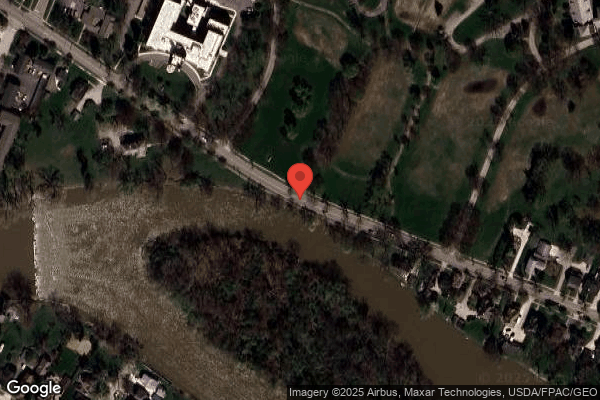

610 West Elm Avenue, Monroe, MI 48162 (734) 241-3660
Non profit - Corporation 58 Beds SAINT THERESE SENIOR COMMUNITIES Data: November 2025
Trust Grade
93/100
#31 of 422 in MI
Last Inspection: February 2025

Within standard 12-15 month inspection cycle. Federal law requires annual inspections.

Overview

IHM Senior Living Community in Monroe, Michigan has received an excellent Trust Grade of A, indicating it is highly recommended and performs well compared to other facilities. It ranks #31 out of 422 nursing homes in Michigan, placing it in the top half, and #3 out of 7 in Monroe County, suggesting there are only two local options that are better. The facility is improving, with issues decreasing from three in 2024 to none in 2025. Staffing is a strong point, with a 5/5 star rating and a low turnover rate of 28%, which is significantly better than the state average. However, there have been some concerns, including a failure to properly obtain advance directives for a resident with impaired cognition and inadequate monitoring of psychotropic medication side effects, as well as improper storage of a nebulizer mask, which poses a risk for infection. Overall, while there are strengths in staff stability and quality ratings, families should be aware of these specific incidents and the need for improvement in certain areas.

Trust Score
A
93/100
In Michigan
#31/422
Top 7%
Safety Record
Low Risk
No red flags
Inspections
Getting Better
3 → 0 violations
Staff Stability
✓ Good
28% annual turnover. Excellent stability, 20 points below Michigan's 48% average. Staff who stay learn residents' needs.
Penalties
✓ Good
No fines on record. Clean compliance history, better than most Michigan facilities.
Skilled Nurses
✓ Good
Each resident gets 57 minutes of Registered Nurse (RN) attention daily — more than average for Michigan. RNs are trained to catch health problems early.
Violations
✓ Good
Only 3 deficiencies on record. Cleaner than most facilities. Minor issues only.
★★★★★
5.0
Overall Rating
★★★★★
5.0
Staff Levels
★★★★★
5.0
Care Quality
★★★★★
5.0
Inspection Score
Stable
2024: 3 issues
2025: 0 issues

The Good

  • 5-Star Staffing Rating · Excellent nurse staffing levels
  • 5-Star Quality Measures · Strong clinical quality outcomes
  • Low Staff Turnover (28%) · Staff stability means consistent care
  • Full Sprinkler Coverage · Fire safety systems throughout facility
  • No fines on record
  • Staff turnover is low (28%)

    20 points below Michigan average of 48%

Facility shows strength in staffing levels, quality measures, staff retention, fire safety.

The Bad

Chain: SAINT THERESE SENIOR COMMUNITIES

Part of a multi-facility chain

Ask about local staffing decisions and management

The Ugly 3 deficiencies on record

Mar 2024 3 deficiencies
CONCERN (D)

Potential for Harm - no one hurt, but risky conditions existed

Deficiency F0578 (Tag F0578)

Could have caused harm · This affected 1 resident

**NOTE- TERMS IN BRACKETS HAVE BEEN EDITED TO PROTECT CONFIDENTIALITY** R16 Record review of the Electronic Medical Record (EMR) revealed R16 was admitted into facility on 3/14/2024 with pertinent dia...

Read full inspector narrative →
**NOTE- TERMS IN BRACKETS HAVE BEEN EDITED TO PROTECT CONFIDENTIALITY** R16 Record review of the Electronic Medical Record (EMR) revealed R16 was admitted into facility on 3/14/2024 with pertinent diagnoses of dementia, after care of surgery on the digestive system. Review of the EMR revealed R16 had impaired cognition with a durable power of attorney (DPOA) A. Review of R16's advanced directives revealed R16 signed a no code status (do not perform cardiopulmonary resuscitation) on 3/14/2024. Review of R16's Physician Statement of Capacity dated 4/26/2023 revealed R16 was found to be unable to make financial and medical decisions. On 3/27/24 at 11:44 AM Social Worker (SW) B was interviewed and said nursing was responsible for obtaining advance directives upon admission. On 3/28/24 at 9:28 AM the Director of Nursing (DON) was interviewed and agreed R16 should not have signed her own code status and that R16's DPOA should have signed code status since R16 was deemed incompetent. Review of the facility policy titled Advance Directives Policy and Procedure revised 1/26/17 revealed in part . During the admission process, the admission coordinator will ascertain whether the resident has an advance directive in place. For those who have completed an advance directive prior to admission a copy will be obtained and placed in the resident chart. For those who have not completed an advance directive, information will be provided on what an advance directive is and how to complete one. Sample advance directive forms are available if desired. If the resident decides to complete an advance directive, the social worker may assist with this process, however, no [NAME] SLC employees may serve as DPOAs, nor may they serve as witnesses. When the resident is being admitted to the nursing unit, they will complete a code status form with the nurse. The resident will inform the nurse of his/her wishes. Until this form is completed including a physician order, the resident is a full code. If the resident is unable to make his/her wishes known and they have an advance directive in place, the designated medical power of attorney will complete the form IF the advance directive has been enacted (resident deemed unable to make care decisions by 2 physicians or 1 physician and 1 psychologist). Based on observation, interview, and record review the facility failed to ensure legal representatives completed or revised DNR (Do Not Resuscitate- Withholding life sustaining treatment) for two (R16 and R40) cognitively impaired residents reviewed for Advance Directives, potentially resulting in inaccurate life sustaining or life withholding medical treatment. Findings include: Resident #40 (R40) On 3/26/24 at 10:44 a.m., R40 was observed in the room, in a wheelchair sitting at the bedside. R40 appeared disheveled and agitated. R40 did not verbalize the reason for the agitation and did not want to participate in an interview. On 3/26/24 at 2:34 p.m. review of the clinical record documented R40 was initially admitted into the facility on 2/24/23 with diagnoses that included vascular dementia, mood disorder, anxiety disorder, and psychotic disorder. According to quarterly Minimum Data Set (MDS) assessment dated [DATE], R40 had moderately impaired cognition (BIMS 12) and required extensive one-person assistance with activities of daily living (ADLs). Review of the resident's profile on the electronic medical record indicated R40 had a DNR code status. The clinical record documented R40 had a court appointed legal guardian effective March 7, 2024. Review of the resident's advance directive indicated a Full Code status dated 7/15/23 that was signed by the legal guardian. Another code status was completed and signed by the legal guardian on 11/28/23 that documented R40 had a Full Code status. Review of the physician's order dated 3/8/24 documented DNR code status. The physician's order was signed by the physician on 3/11/24. On 3/28/24 at 1:40 p.m. Social Service Director (SSD) B was interviewed regarding R40's current code status. SSD B said R40 had a DNR code status. SSD B acknowledged the two advance directives in the electronic medical record documented Full Code statuses and was not able to confirm when the code status changed to DNR status. On 3/28/24 at 2:48 p.m. the Nursing Home Administrator and Director of Nurses was interviewed and acknowledged the discrepancy of the code statuses on the resident profile and physician's order versus the advance directive documents in the electronic medical record. The Director of Nurses said it appeared the code status appeared to be changed on the physician's order and resident profile before the advance directive was made official (signed by legal guardian, the physician, and two witnesses).
CONCERN (D)

Potential for Harm - no one hurt, but risky conditions existed

Medication Errors (Tag F0758)

Could have caused harm · This affected 1 resident

**NOTE- TERMS IN BRACKETS HAVE BEEN EDITED TO PROTECT CONFIDENTIALITY** Based on interview and record review the facility failed to adequately monitor the effectiveness of a psychotropic medication (t...

Read full inspector narrative →
**NOTE- TERMS IN BRACKETS HAVE BEEN EDITED TO PROTECT CONFIDENTIALITY** Based on interview and record review the facility failed to adequately monitor the effectiveness of a psychotropic medication (taken to exert an effect to the chemical makeup of brain) for two residents (R5 and R39) out of five residents reviewed for unnecessary medications. Findings include: R5 Record review of R5's electronic medical record revealed admission to facility on 8/17/23 with a pertinent diagnosis of Alzheimer's disease. According to the Minimum Data Set (MDS) dated [DATE], R5 had impaired cognition and required assistance with Activities of Daily Living (ADLS). Review of physician's orders documented, Lorazepam (anti-anxiety) oral tablet 0.5 mg (milligrams)- Give one tablet by mouth at bedtime for anxiety, and Risperdal (antipsychotic) oral tablet- Give one tablet by mouth one time a day for psychosis (psychiatric illness). Review of Medication Administration Record (MAR) for the month of March 2024 revealed no documentation to assess or monitor the effectiveness or side effects of psychotropic medications given. Review of R5's psychotropic care plan documented the following: Monitor/record/report to physician as needed, any side effects and adverse reactions of psychoactive medications: unsteady gait, tardive dyskinesia, EPS (shuffling gait, rigid muscles, shaking), frequent falls, refusal to eat, difficulty swallowing, dry mouth, depression, suicidal ideations, social isolation and blurred vision. R39 Record review of R39's electronic medical record revealed admission to facility on 2/9/24 with a pertinent diagnosis of depression. According to the Minimum Data Set (MDS) dated [DATE], R39 had impaired cognition and required assistance with Activities of Daily Living (ADLS). Review of physician's orders documented; Lexapro Oral Tablet 10 MG (antidepressant)-Give 1 tablet by mouth one time a day for Depression -Start Date- 03/01/2024 8:00 AM. Review of Medication Administration Record (MAR) for the month of March 2024 revealed no documentation to assess or monitor the effectiveness or side effects of psychotropic medications given. Review of R39's antidepressant care plan documented the following: Monitor/document/report to the physician as needed if ongoing s/s (signs and symptoms) of depression unaltered by antidepressant meds: Does not enjoy usual activities, changes in condition, changes in weight/appetite, fear of being alone or with others, unrealistic fears, attention seeking, concern with body functions, anxiety, and constant reassurance. Date Initiated: 02/23/2024. During an interview on 3/28/24 at 10:43 AM with Director of Nursing (DON), when asked if nursing should be monitoring residents on psychotropic drugs daily, the DON reported that nursing should be monitoring the residents daily and it was usually documented on the MAR. It was further reported that there was no evidence documented that R5 and R39 had been monitored daily by nursing staff. Record review of policy Use of Psychotropic Medication dated 10/5/22 documented the following: Residents are not given psychotropic drugs unless the medication is necessary to treat a specific condition, as diagnosed and documented in the clinical record, and the medication is beneficial to the resident, as demonstrated by monitoring and documentation of the resident's response to the medication(s).
CONCERN (D)

Potential for Harm - no one hurt, but risky conditions existed

Infection Control (Tag F0880)

Could have caused harm · This affected 1 resident

**NOTE- TERMS IN BRACKETS HAVE BEEN EDITED TO PROTECT CONFIDENTIALITY** Based on observation, interview, and record review the facility failed to properly store a nebulizer mask (used for breathing tr...

Read full inspector narrative →
**NOTE- TERMS IN BRACKETS HAVE BEEN EDITED TO PROTECT CONFIDENTIALITY** Based on observation, interview, and record review the facility failed to properly store a nebulizer mask (used for breathing treatments), for one resident (R23) out of 14 residents reviewed for infection control, resulting in the potential for placing a vulnerable population at high risk for cross-contamination and infection. Findings include: On 3/26/24 at 10:19 AM R23's nebulizer mask was observed lying on a paper towel in a plastic tray not in a bag. R23 stated I use the nebulizer two to three times per day. The staff keeps my mask in the tray. On 3/27/24 at 9:06 AM R23's nebulizer mask was observed covered by paper towel in a tray. On 3/27/24 at 1:13 PM R23's nebulizer mask was observed lying directly on the bedside table and not properly stored. On 3/28/24 at 9:20 AM the Director of Nursing (DON) was interviewed and agreed nebulizer masks should be stored in a bag when not in use per the manufacturer guidelines. Review of the Electronic Medical Reord (EMR) revealed, R23 admitted to the facility on [DATE] with most recent readmission on [DATE] with pertinent diagnoses which included Chronic Respiratory Failure with Hypoxia, and Chronic Obstructive Pulmonary Disease (COPD). Review of a Minimum Data Set (MDS) assessment, with a reference date of 1/31/2024 revealed R15 had intact cognition with a Brief Interview for Mental Status (BIMS) score of 15, out of a total possible score of 15 and required oxygen therapy. Review of the manufacturer guidelines titled Nebulizer Instruction Guide undated revealed in part . Disinfect Daily: Using a clean container or bowl, soak items in three parts hot water to one part white vinegar for 30 minutes OR use a medical bacterial-germicidal disinfectant available through your provider. Be sure to follow manufacturer's instructions carefully. With clean hands, remove items from disinfectant solution, rinse under hot tap water, and air dry on a clean paper towel. Store in a zip-lock bag. NOTE-Do not towel dry nebulizer parts; this could cause contamination.
Understanding Severity Codes (click to expand)
Life-Threatening (Immediate Jeopardy)
J - Isolated K - Pattern L - Widespread
Actual Harm
G - Isolated H - Pattern I - Widespread
Potential for Harm
D - Isolated E - Pattern F - Widespread
No Harm (Minor)
A - Isolated B - Pattern C - Widespread

Questions to Ask on Your Visit

  • "Can I speak with families of current residents?"
  • "What's your RN coverage like on weekends and overnight?"

Our Honest Assessment

Strengths
  • • Grade A (93/100). Above average facility, better than most options in Michigan.
  • • No major safety red flags. No abuse findings, life-threatening violations, or SFF status.
  • • No fines on record. Clean compliance history, better than most Michigan facilities.
  • • Only 3 deficiencies on record. Cleaner than most facilities. Minor issues only.
Concerns
  • • No significant concerns identified. This facility shows no red flags across CMS ratings, staff turnover, or federal penalties.
Bottom line: Generally positive indicators. Standard due diligence and a personal visit recommended.

About This Facility

What is Ihm Senior Living Community's CMS Rating?

CMS assigns IHM Senior Living Community an overall rating of 5 out of 5 stars, which is considered much above average nationally. Within Michigan, this rating places the facility higher than 99% of the state's 100 nursing homes. This rating reflects solid performance across the metrics CMS uses to evaluate nursing home quality.
How is Ihm Senior Living Community Staffed?

CMS rates IHM Senior Living Community's staffing level at 5 out of 5 stars, which is much above average compared to other nursing homes. Staff turnover is 28%, compared to the Michigan average of 46%. This relatively stable workforce can support continuity of care.

What Have Inspectors Found at Ihm Senior Living Community?

State health inspectors documented 3 deficiencies at IHM Senior Living Community during 2024. These included: 3 with potential for harm.
Who Owns and Operates Ihm Senior Living Community?

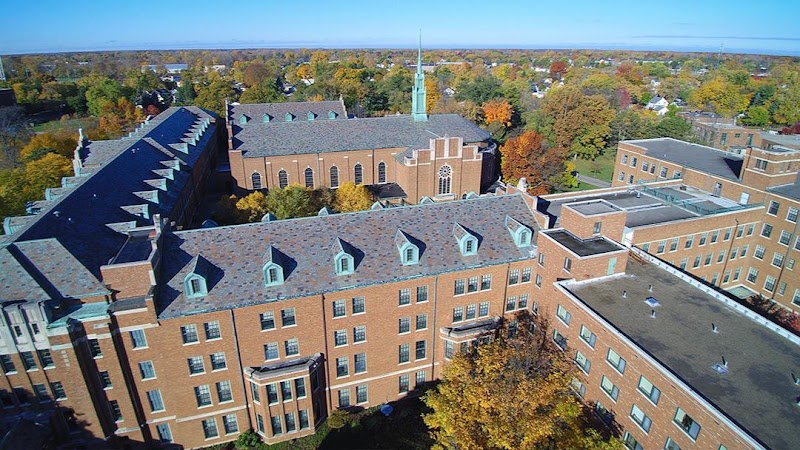
IHM Senior Living Community is owned by a non-profit organization. Non-profit facilities reinvest revenue into operations rather than distributing to shareholders. The facility is operated by SAINT THERESE SENIOR COMMUNITIES, a chain that manages multiple nursing homes. With 58 certified beds and approximately 50 residents (about 86% occupancy), it is a smaller facility located in Monroe, Michigan.

How Does Ihm Senior Living Community Compare to Other Michigan Nursing Homes?

Compared to the 100 nursing homes in Michigan, IHM Senior Living Community's overall rating (5 stars) is above the state average of 3.2, staff turnover (28%) is significantly lower than the state average of 46%, and health inspection rating (5 stars) is much above the national benchmark.

What Should Families Ask When Visiting Ihm Senior Living Community?

Based on this facility's data, families visiting should ask: "Can I visit during a mealtime to observe dining assistance and food quality?" "How do you handle medical emergencies, and what is your hospital transfer rate?" "Can I speak with family members of current residents about their experience?"

Is Ihm Senior Living Community Safe?

Based on CMS inspection data, IHM Senior Living Community has a clean safety record: no substantiated abuse findings (meaning no confirmed cases of resident harm), no Immediate Jeopardy citations (the most serious violation level indicating risk of serious injury or death), and is not on the Special Focus Facility watch list (a federal program monitoring the lowest-performing 1% of nursing homes). The facility has a 5-star overall rating and ranks #1 of 100 nursing homes in Michigan. While no facility is perfect, families should still ask about staff-to-resident ratios and recent inspection results during their visit.

Do Nurses at Ihm Senior Living Community Stick Around?

Staff at IHM Senior Living Community tend to stick around. With a turnover rate of 28%, the facility is 18 percentage points below the Michigan average of 46%. Low turnover is a positive sign. It means caregivers have time to learn each resident's needs, medications, and personal preferences. Consistent staff also notice subtle changes in a resident's condition more quickly. Registered Nurse turnover is also low at 14%, meaning experienced RNs are available to handle complex medical needs.

Was Ihm Senior Living Community Ever Fined?

IHM Senior Living Community has no federal fines on record. CMS issues fines when nursing homes fail to meet care standards or don't correct problems found during inspections. The absence of fines suggests the facility has either maintained compliance or corrected any issues before penalties were assessed. This is a positive indicator, though families should still review recent inspection reports for the full picture.

Is Ihm Senior Living Community on Any Federal Watch List?

IHM Senior Living Community is not on any federal watch list. The most significant is the Special Focus Facility (SFF) program, which identifies the bottom 1% of nursing homes nationally based on persistent, serious quality problems. Not being on this list means the facility has avoided the pattern of deficiencies that triggers enhanced federal oversight. This is a positive indicator, though families should still review the facility's inspection history directly.