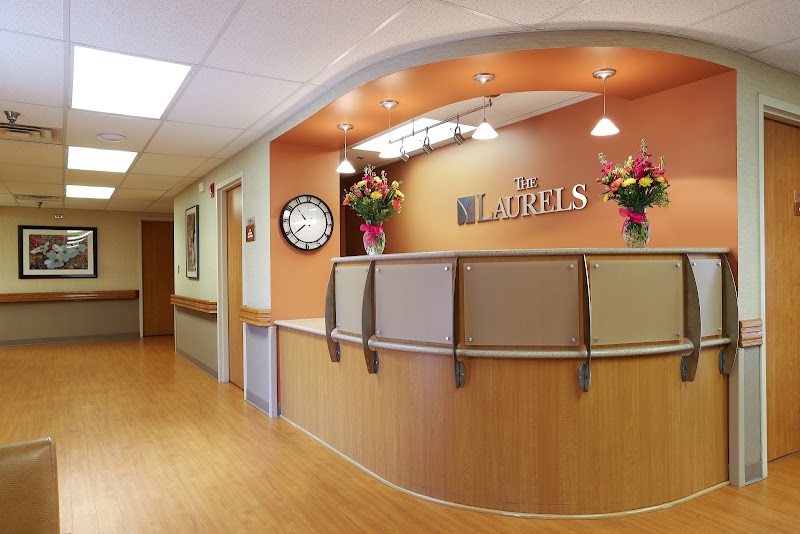
The Laurels of Mt. Pleasant
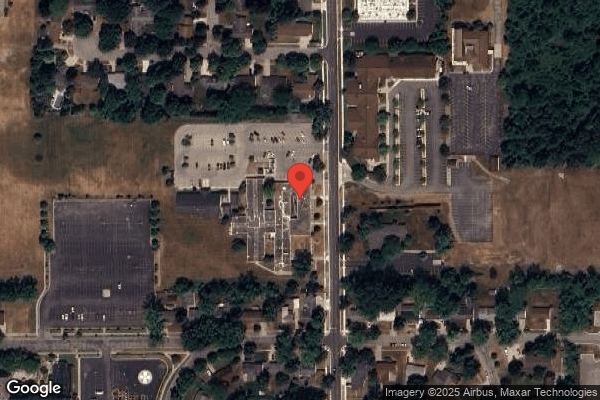

400 South Crapo Street, Mt. Pleasant, MI 48858 (989) 773-5918
For profit - Limited Liability company 100 Beds CIENA HEALTHCARE/LAUREL HEALTH CARE Data: November 2025
Trust Grade
95/100
#86 of 422 in MI
Last Inspection: June 2025

Inspected within the last 6 months. Data reflects current conditions.

Overview

The Laurels of Mt. Pleasant has received a Trust Grade of A+, indicating it is an elite facility that stands out among nursing homes. It ranks #86 out of 422 in Michigan, placing it in the top half of the state's facilities, and #2 out of 3 in Isabella County, meaning only one local option is rated higher. The facility's performance is stable, with the same number of issues reported in both 2024 and 2025. Staffing is a strength here, with a rating of 4 out of 5 stars and a turnover rate of 24%, significantly lower than the state average of 44%. Notably, there have been no fines reported, and the facility has more registered nurse coverage than 81% of Michigan facilities. However, there are some concerns. Seven issues were identified during inspections, including a failure to ensure that call lights were within reach for residents, which could leave them without assistance when needed. Additionally, there were lapses in using proper infection control procedures, raising potential risks for cross-contamination. While the facility excels in many areas, families should be aware of these specific incidents to make an informed decision.
Trust Score
A+
95/100
In Michigan
#86/422
Top 20%
Safety Record
Low Risk
No red flags
Inspections
Holding Steady
3 → 3 violations
Staff Stability
✓ Good
24% annual turnover. Excellent stability, 24 points below Michigan's 48% average. Staff who stay learn residents' needs.
Penalties
✓ Good
No fines on record. Clean compliance history, better than most Michigan facilities.
Skilled Nurses
✓ Good
Each resident gets 51 minutes of Registered Nurse (RN) attention daily — more than average for Michigan. RNs are trained to catch health problems early.
Violations
○ Average
7 deficiencies on record. Average for a facility this size. Mostly minor or procedural issues.
★★★★★
5.0
Overall Rating
★★★★☆
4.0
Staff Levels
★★★☆☆
3.0
Care Quality
★★★★★
5.0
Inspection Score
Stable
2024: 3 issues
2025: 3 issues

The Good

  • 4-Star Staffing Rating · Above-average nurse staffing levels
  • Low Staff Turnover (24%) · Staff stability means consistent care
  • Full Sprinkler Coverage · Fire safety systems throughout facility
  • No fines on record
  • Staff turnover is low (24%)

    24 points below Michigan average of 48%

Facility shows strength in staffing levels, staff retention, fire safety.

The Bad

Chain: CIENA HEALTHCARE/LAUREL HEALTH CARE

Part of a multi-facility chain

Ask about local staffing decisions and management

The Ugly 7 deficiencies on record

Jun 2025 3 deficiencies
CONCERN (D)

Potential for Harm - no one hurt, but risky conditions existed

Deficiency F0552 (Tag F0552)

Could have caused harm · This affected 1 resident

**NOTE- TERMS IN BRACKETS HAVE BEEN EDITED TO PROTECT CONFIDENTIALITY** Based on interview and record review, the facility failed to inform the resident of the risks and benefits of a new psychotropic...

Read full inspector narrative →
**NOTE- TERMS IN BRACKETS HAVE BEEN EDITED TO PROTECT CONFIDENTIALITY** Based on interview and record review, the facility failed to inform the resident of the risks and benefits of a new psychotropic medication prior to initiation for 1 resident (R51) of 5 residents reviewed for unnecessary medications. Findings include: Review of an admission Record revealed R51 admitted to the facility on [DATE] with pertinent diagnoses which included anxiety disorder and major depressive disorder. Review of a Minimum Data Set (MDS) (a tool used for assessing a resident's care needs) assessment for R51, with a reference date of 4/23/2025 revealed a Brief Interview for Mental Status (BIMS) (a scale used to determine a resident's cognitive status) score of 15, out of a total possible score of 15, which indicated R51 was cognitively intact. Review of R51's Social Services Note, dated 3/28/2025 at 4:21 PM, revealed the medical provider reviewed a recommendation from the mental health nurse practitioner for R51 to begin taking Pristiq (a psychotropic medication used to treat major depressive disorder). Review of R51's active Physician's Orders on 6/26/2025 at 11:00 AM revealed an order for Pristiq started 3/29/2025. Further review of the Electronic Medical Record (EMR) revealed no documentation that the risks versus benefits of Pristiq were reviewed with R51 prior to initiating treatment. In an interview on 6/26/2025 at 11:10 AM, Social Services Assistant E reported she could not find evidence that the facility had reviewed the risks versus benefits of Pristiq with R51. Social Services Assistant E reported the facility performed risk versus benefit education for antipsychotic medications but not for antidepressant medications. Review of facility policy/procedure Psychoactive Medication Management, revised 4/22/2025, revealed .Psychotropic Medication: Any drug that affects brain activities associated with mental processes and behavior. These drugs include, but are not limited to, drugs in categories of antipsychotics, antidepressants, antianxiety, sedatives or hypnotics, anticonvulsants, cognitive enhancers, herbal supplements, and melatonin . Before initiating or increasing a psychotropic medication, the resident, family, and/or resident representative must be informed of the benefits, risks, and alternatives for the medication, including any black box warnings for antipsychotic medications, in advance of such initiation or increase. An Antipsychotic Risk Benefit Medication Evaluation form will be completed . In an interview on 6/26/2025 at 11:54 AM, R51 reported she did not know that she was taking Pristiq, and she did not remember receiving education regarding the risks versus benefits of Pristiq prior to starting this new medication. In an interview on 6/26/2026 at 12:16 PM, the Director of Nursing (DON) reported she had reviewed the EMR and could find no documentation that the risks versus benefits of Pristiq were reviewed with R51 prior to initiating this new medication.
CONCERN (D)

Potential for Harm - no one hurt, but risky conditions existed

Deficiency F0692 (Tag F0692)

Could have caused harm · This affected 1 resident

**NOTE- TERMS IN BRACKETS HAVE BEEN EDITED TO PROTECT CONFIDENTIALITY** Based on observation, interview and record review, the facility failed to access, monitor and identify significant weight loss f...

Read full inspector narrative →
**NOTE- TERMS IN BRACKETS HAVE BEEN EDITED TO PROTECT CONFIDENTIALITY** Based on observation, interview and record review, the facility failed to access, monitor and identify significant weight loss for 1 resident (R79) out of 18 residents reviewed for weight loss. Review of policy Weight Management last revised 9/22/23 revealed, Policy: Residents will be monitored for significant weight changes on a regular basis. Residents are expected to maintain acceptable parameters of nutritional status, such as unusual body weight and protein levels; . Further review of the Weight Management policy revealed, The Dietary Manager/RD and DON are responsible for coordination of an interdisciplinary approach to managing the processes for prediction, prevention, treatment, monitoring and calculation of unintended weight loss/gain. Review of Practice Guidelines reflects, .5. Residents determined to be at risk or have significant weight changes will be weighed on a weekly basis. Residents at risk are: . e. All new admits/re-admits for 4 weeks, f. Residents with insidious weight loss and; 5% in one month, 7.5% in 3 months, 10% in six months; g. Residents with the following clinical condition may also be at risk, this is determined by the IDT, Refusing to eat, Cancer, Diabetes, Depression, Dialysis, COPD, Malnutrition, Infection, Dehydration, Alzheimer's/dementia, . 7. Dietary Manager, Unit Manager and or/RD are to communicate weight changes to the IDT, attending physician and resident's responsible party. This is documented in the medical record. 8. Once an insidious weight loss is identified, the RD further assesses the guest/resident and makes recommendations as indicated to prevent/treat unintended weight loss. Findings include: Resident#79 (R79) Review of R79's admission Record, dated 6/25/25, revealed R79 was admitted to the facility on [DATE] with multiple diagnosis including: Partial Traumatic Amputation of Right Foot, Acute Osteomyelitis Right Ankle and Foot, Vascular Dementia, Depression, Anxiety Disorder, and Type 2 Diabetes Mellitus with Foot Ulcer. Review of the Minimum Data Set (MDS) dated [DATE] revealed R79 had a Brief Interview for Mental Status (BIMS) indicated he was severely cognitively impaired. A review of R79's Nutritional care plan, last reviewed on 5/23/25, revealed resident had a nutritional risk with interventions that included: obtain weight at a minimum of monthly. Report significant weight changes of 5% x 30 days, 7.5% X 90 days, or 10% X 180 days to physician and dietician. Further review of the Nutritional care plan reflected on 5/13/2025 the dietitian recommended ongoing weekly weights. A review of R79's weights reflected, On 5/07/25 he weighed 206.0 pounds. On 6/02/25 he weighed 188.4 pounds and reflected a weight loss of 8.54%. Further review of R79's weights reflected his weekly weight monitoring was discontinued on 6/02/25. During an interview on 06/25/25 at 11:25 AM, NHA was asked about weight loss concerns and monitoring of weights for R79. NHA revealed since February the facility had been without a dietary manager and they only had contract dietician working offsite for them one day a week. On 6/25/25 at 2:41 PM, DON revealed the facility had a new dietary manager starting on Monday and stated they would be going through and checking residents' weights. During interview DON provided further confirmation that R79 was trending downwards for significant weight loss. A review of R79's weight reflected, on 5/07/25 he weighed 206.0 pounds. On 06/25/2025, R79 weighed 184.6 pounds reflecting a weight loss of 10.39 %. Review of R79's progress notes on 6/25/25 at 1549, revealed Med Pass was added TID instead of once daily and Health Shake was added TID to residents food plan due to weight loss. Will continue weekly weights with resident. Review of R79's medical record on 6/25/25 reflected the facility failed to complete a Diet History / Food Preferences Evaluation. Further review of R79's record revealed the evaluation was 45 days overdue.
CONCERN (E)

Potential for Harm - no one hurt, but risky conditions existed

ADL Care (Tag F0677)

Could have caused harm · This affected multiple residents

**NOTE- TERMS IN BRACKETS HAVE BEEN EDITED TO PROTECT CONFIDENTIALITY** Based on observation, interview, and record review, the facility failed to provide care to dependent residents for three residen...

Read full inspector narrative →
**NOTE- TERMS IN BRACKETS HAVE BEEN EDITED TO PROTECT CONFIDENTIALITY** Based on observation, interview, and record review, the facility failed to provide care to dependent residents for three residents (R49, R30, and R81) of four residents reviewed for Activities of Daily Living. Findings: R49 Review of the Electronic Medical Record (EMR) revealed R49 was admitted to the facility 5/19/2023 with pertinent diagnoses that included generalized weakness and medically complex conditions. Review of the Minimum Data Set (MDS) (a tool used for assessing a resident's care needs) dated 5/21/2025 reflected Brief Interview for Mental Status (BIMS) (a scale used to determine a resident's cognitive status) score of 13 out of 15 which indicated R49 was cognitively intact. The MDS Section GG on functional abilities reflected R49 could eat if staff set up the meal and was dependent on staff to roll the Resident in bed. The MDS reflected R49 was incontinent of bowel and bladder. On 6/24/25 at 12:38 AM the room of R49 was observed to be the last room on the hall and was around the corner making it the farthest room from the nurse's station. On entry to the room, R49 was observed laying on her left side on a flat bed. Next to the bed on an over-the-bed table was a lunch tray with the food covered in plastic and bowls with lids on them. R49 was asked why she had not touched her lunch. R49 reported she had been waiting for about thirty minutes for someone to prop her up so she can eat. R49 reported a staff member brought in her lunch tray and said, you need to get propped up and left the room. R49 reported she can eat on her own if staff will prop her up. R49 was asked if she had attempted to use her call light but replied that she didn't know where her call light was. The cord for the call light was observed behind and out of sight and out of the reach of the Resident. R49 also reported she did not know where her bed control was. On 6/24/25 at 12:51 PM, Certified Nurse Aide (CNA) C was observed collecting food trays from rooms post-meal. CNA C reported she was familiar with R49. CNA C was informed that R49 had now been waiting for over forty minutes for someone to return to her room to assist her to a position so she could eat. CNA C reported that R49 can use her call light, but no call light had been initiated by the resident requesting assistance. CNA C was informed that the Resident said she could not find her call light or her bed control. CNA C reported these were clipped to her dog and immediately went to the room. On entry CNA C observed the untouched meal and the Resident laying on her left side. CNA C retrieved the call light and bed control clipped to a stuffed dog and appeared to have fallen off the bed behind the Resident. R49 reported to CNA C that she was wet (with urine) and needed to be cleaned up. R49 had not been positioned to eat her meal while it was hot, was wet with urine and did not have access to a call light to summon staff when in need. The policy provided by the facility titled Call Lights last revised 3/12/2025 was reviewed. The policy reflected Policy: Call lights will be placed within the resident's reach and answered in a timely manner. And Procedure .3. When a resident is in bed or confined to a chair ensure the call light is within easy reach of the resident. Resident #81 (R81) Review of R81's admission Record, dated 06/25/25, revealed R81 was re-admitted to the facility on [DATE] with multiple diagnoses that included Hemiplegia and Hemiparesis following cerebral infraction affecting right dominant side, aphasia, dysphagia, protein calorie malnutrition, depression and anxiety. R81's 06/03/25 admission MDS reflected resident was unable to participate due to her diagnosis. Review of the ADL's (Activities of Daily Living) revealed R81's Eating Self -Care as Needing Substantial/maximal assistance- Helper does MORE THAN HALF the effort. A review of R81's ADL care plan, last review dated 6/13/25, revealed R81 dependent on one staff member to assist to eat Date Initiated 5/20/2025. A review of R81's weights reflected, On 5/20/25 she weighed 168.4 pounds. On 6/23/25 she weighed 152.6 pounds and reflected a weight loss of 9.38%. On 6/25/25 at 12:10 PM, Certified Nurse Aide (CNA) K was observed closing the nearly empty 200 Hallway lunch cart as this surveyor entered R81's room. R81 was observed to be awake, lying in bed, without a meal tray on her bedside table. However, resident's roommate was observed sitting up eating her lunch. During an observation/interview on 6/25/25 at 12:10 PM, CNA K revealed R81's lunch was not in the 200-hallway meal cart. CNA K further revealed, her lunch might be in another cart I will go check. During an interview on 6/25/24 at 12:12 PM, Certified Nurse Aide (CNA) L revealed (Name of R81) typically does not eat lunch. She does not eat much at all. CNA L stated, she usually needs assistance and goes down to Dining room [ROOM NUMBER], however, (Name of R81) did not want to go. CNA L stated, we should assist (Name of R81) with her lunch in her room when she doesn't want to go (to the dining room), and she probably will just eat a couple bites if she eats. On 6/25/25 at 12:14 PM, R81 was observed sleeping in her bed. R81's Roommate was asked if they offered (Name of R81) any lunch? R81's Roommate stated, No, they just gave me my lunch and left. They didn't say anything to (Name of R81). On 6/25/25 at 12:19 PM, CNA K reported, they were making her a new tray for R81 and she would assist the resident with eating. On 6/25/25 at 12:22 PM, observation of R81's plate revealed that her lunch was pureed. R81 looked at her lunch, curled her nose up in disgust and shook her head no. One of the pureed items had a very thin consistency and was bright green in color. The other pureed food was dark brown and had a thin consistency. The food items were noted to be touching and mixing together. Overall, residents' lunch did not look appealing. CNA K asked R81 again if she would like a drink and to try just a little bite. R81 pointed at the plate and stated NO. During an interview on 6/25/25 at 12:37 PM, DON was informed about a concern with R81's recent weight loss and the lunch observation. DON stated she would have the Unit Manager follow up on it. On 6/25/25 at 3:39 PM, Registered Nurse Unit Manager (RNUM) F provided a signed Educational Opportunity form. The form reflected that All residents should be offered and given a tray whether the resident refuses. The form also reflected under Goals/Expectations to Always give a food tray to resident. Resident #30 Review of an admission Record revealed R30 admitted to the facility on [DATE] with pertinent diagnoses which included heart failure and end stage renal disease. Review of a Minimum Data Set (MDS) (a tool used for assessing a resident's care needs) assessment for R30, with a reference date of 6/9/2025 revealed a Brief Interview for Mental Status (BIMS) (a scale used to determine a resident's cognitive status) score of 15, out of a total possible score of 15, which indicated R30 was cognitively intact. Further review of same MDS assessment revealed R30 required assistance with bathing. Review of a current functional ability Care Plan for R30, initiated 5/7/2024, revealed resident preferred showers on non-dialysis days and required supervision of staff for baths and showers. In an interview on 6/24/2025 at 11:18 AM, R30 reported she did not always receive her showers. R30 reported staff would say she refused when she did not refuse or would say they would come back and then not come back. R30 reported she went to dialysis on Mondays, Wednesdays, and Fridays and wanted her showers to be on off days. R30 reported she had communicated to staff her desire to have showers on days that she did not have dialysis, but staff continued to offer her showers on dialysis days. Review of the facility shower schedule updated 10/30/2024 revealed R30's showers were scheduled to be completed on Thursdays and Sundays. This was handwritten on a typed schedule and therefore the start date of this schedule was unable to be determined. In an interview on 6/25/2025 at 3:30 PM, R30's shower sheets and task documentation were reviewed with Registered Nurse (RN) Unit Manager H. RN Unit Manager H reported staff were required to document showers on shower sheets and in the Electronic Medical Record (EMR) under tasks. RN Unit Manager H acknowledged there were dates she could not verify that showers were offered as scheduled on Thursdays and Sundays. RN Unit Manager H reported staff at times offered R30 showers on days she went to dialysis. RN Unit Manager H reported she was not sure when R30's shower days were changed to Thursdays and Sundays, as this was handwritten on the shower schedule. Review of R30's Census revealed she was out of the facility from 4/23/2025 to 4/26/2025, from 5/8/2025 to 5/15/2025, from 5/26/2025 to 5/29/2025, and from 6/13/2025 to 6/14/2025. Review of R30's shower documentation, including tasks and shower sheets, from 4/1/2025 through 6/25/2025 revealed the following . 4/13/2025 (Sunday)- received shower 4/18/2025 (Friday)- per task documentation refused shower 4/27/2025 (Sunday)- received shower There was no documentation that a shower was offered or refused on scheduled shower days in April 2025 on 4/3/2025, 4/6/2025, 4/10/2025, 4/17/2025, or 4/20/2025. 5/7/2025 (Wednesday)- Shower sheet showed R30 refused shower. 5/21/2025 (Wednesday)- Shower sheet showed R30 refused shower and requested showers be offered on days she did not have dialysis. There was no documentation R30 was offered or refused a shower on scheduled shower days in May 2025 on 5/1/2025, 5/4/2025, 5/8/2025, 5/15/2025, 5/18/2025, 5/22/2025, or 5/25/2025. There was no documentation R30 received a shower on any of the 23 days she was in the facility in May 2025. 6/11/2025 (Wednesday)- Shower sheet showed R30 refused due to dialysis. 6/22/2025 (Sunday)- Shower sheet showed R30 received bed bath. There was no documentation R30 was offered or refused a shower on scheduled shower days in June 2025 on 6/1/2025, 6/5/2025, 6/8/2025, 6/12/2025, 6/15/2025, or 6/19/2025. According to provided documentation R30 received 1 shower/bed bath the 23 days she was at the facility through 6/25/2025. Review of the documentation of showers given, refused, and offered reflected an inconclusive record that gave support to the concern raised by R30.
Jul 2024 3 deficiencies
CONCERN (D)

Potential for Harm - no one hurt, but risky conditions existed

PASARR Coordination (Tag F0644)

Could have caused harm · This affected 1 resident

**NOTE- TERMS IN BRACKETS HAVE BEEN EDITED TO PROTECT CONFIDENTIALITY** Based on interview and record review, the facility failed to ensure a Mental Illness/Intellectual Disability/Related Condition E...

Read full inspector narrative →
**NOTE- TERMS IN BRACKETS HAVE BEEN EDITED TO PROTECT CONFIDENTIALITY** Based on interview and record review, the facility failed to ensure a Mental Illness/Intellectual Disability/Related Condition Exemption Criteria Certification Level II Screening (DCH-3878) was completed for 1 resident (Resident #43) of 1 resident reviewed for PASARR assessments, resulting in the potential for unmet mental health needs. Findings include: Resident #43 Review of an admission Record revealed Resident #43 admitted to the facility on [DATE] with pertinent diagnoses which included dementia, bipolar disorder, depression, and anxiety. Review of Resident #43's Annual Resident Review (ARR), form (DCH-3877), dated 2/20/2024, revealed section II was checked yes for lines 1, 2, 3, and 4 related to diagnoses of anxiety disorder, mood disorder, bipolar disorder, depression, and dementia and prescriptions for Depakote and Zyprexa. Further review of DCH-3877 revealed .If any answer to items 1-6 in SECTION II is Yes, send ONE copy to the local Community Mental Health Services Program . with a copy of form DCH-3878 if an exemption is requested . Further review reviewed no documentation that the Level II Screening (DCH-3878) was completed. In an interview on 7/24/2024 at 2:00 PM, Social Services Supervisor B reported Resident #43's Level II Screening (DCH-3878) was not completed as it should have been when the last ARR was completed 2/20/2024 and they were past due for a Level II Screening. Social Services Supervisor B was not sure why this was missed but was working on a plan of correction. In an interview on 7/23/2024 at 1:19 PM, the Director of Nursing (DON) reviewed Resident #43's PASARR history and reported the Level II Screening had not been completed since their admission to the facility in October of 2020. The DON reported Resident #43 required a Level II Screening. The DON reported the Social Services Director was working on a plan of correction for this oversight.
CONCERN (E)

Potential for Harm - no one hurt, but risky conditions existed

Deficiency F0558 (Tag F0558)

Could have caused harm · This affected multiple residents

**NOTE- TERMS IN BRACKETS HAVE BEEN EDITED TO PROTECT CONFIDENTIALITY** Based on observation, interview, and record review, the facility failed to ensure call lights were left within reach for 3 resid...

Read full inspector narrative →
**NOTE- TERMS IN BRACKETS HAVE BEEN EDITED TO PROTECT CONFIDENTIALITY** Based on observation, interview, and record review, the facility failed to ensure call lights were left within reach for 3 residents (Resident #5, #8, and #68) of 3 residents reviewed for availability of call lights, resulting in the potential for unmet care needs and the potential for residents to not meet their highest practicable physical, mental, and psychosocial well being. Finding include: Resident #5 Review of an admission Record revealed Resident #5 admitted to the facility on [DATE] with pertinent diagnoses which included memory deficit and dementia. Review of a current fall Care Plan intervention for Resident #5, initiated 5/2/2019, directed staff to place the resident's call light in reach and encourage her to use it for assistance as needed. In an observation and interview on 7/23/2024 at 8:51 AM in Resident #5's room, Resident #5's call light was clipped to the bed sheet under the edge of her pillow and not visible to the resident. When asked if she knew where her call light was located, Resident #5 looked around and reported she could not find it. In an interview on 7/23/2024 at 8:55 AM, Certified Nursing Assistant (CNA) F reported Resident #5 was able to use her call light to request assistance. In an observation and interview on 7/24/2023 at 9:44 AM in Resident #5's room, Resident #5's call light was clipped next to her pillow on the right side, out of sight and reach of the resident. When asked where her call light was, Resident #5 stated Oh, I don't know, down here somewhere. Resident #5 reached down beside her left hand and was unable to find the call light. Resident #8 Review of an admission Record revealed Resident #8 admitted to the facility on [DATE] with pertinent diagnoses which included mild cognitive impairment and dementia. Review of a current fall Care Plan intervention for Resident #8, initiated 12/11/2023, directed staff to place the resident's call light in reach and encourage her to use it for assistance as needed. In an observation and interview on 7/23/2024 at 9:06 AM in Resident #8's room, Resident #8's call light was coiled up on a small organizer next to her bed and against the wall, out of reach of Resident #8. Resident #8 was in her wheelchair and her bedside table was between her and the call light. When asked where her call light was located, Resident #8 reported she did not know and was unable to find the call light. In an observation and interview on 7/23/2024 at 12:47 PM in Resident #8's room, Resident #8's call light was coiled up on a small organizer next to her bed and against the wall, out of reach of Resident #8. Resident #8 was in her wheelchair and her bedside table was between her and the call light. When asked where her call light was located, Resident #8 stated, I don't know where it is. Resident #68 Review of an admission Record revealed Resident #68 admitted to the facility on [DATE] with pertinent diagnoses which included cerebral infarction (stroke) and depression. Review of a current fall Care Plan intervention for Resident #68, initiated 7/20/2023, directed staff to place the resident's call light in reach and encourage her to use it for assistance as needed. In an observation and interview on 7/23/2024 at 10:13 AM in Resident #68's room, Resident #68 was in her geriatric chair and her call light was in the middle of her bed and out of reach of the resident. Resident #68 reported staff often left her call light out of reach. Resident #68 reported she had to yell to get the attention of staff when her call light was not in reach. In an observation on 7/24/2024 at 9:19 AM in Resident #68's room, Resident #68 was resting in bed and her call light was below her feet in the bed and out of reach of the resident. In an observation and interview on 7/24/2024 at 9:27 AM, CNA G reported Resident #68 was unable to use her call light because of her contractures. CNA G entered Resident #68's room and observed Resident #68's call light lying at the foot of her bed. CNA G asked Resident #68 if she was able to press the call light if it were near her hands and Resident #68 stated Yes. CNA G placed the call light near Resident #68's right hand and she was able to immediately activate the call light purposefully by moving her hand over the pressure activated call light. In an interview on 7/24/2024 at 9:27 AM, CNA G reported Resident #8 and Resident #5 were also able to use their call lights to request staff assistance.
CONCERN (E)

Potential for Harm - no one hurt, but risky conditions existed

Infection Control (Tag F0880)

Could have caused harm · This affected multiple residents

**NOTE- TERMS IN BRACKETS HAVE BEEN EDITED TO PROTECT CONFIDENTIALITY** Based on observation, interview, and record review, the facility failed to: 1) ensure proper use of Enhanced Barrier Precautions...

Read full inspector narrative →
**NOTE- TERMS IN BRACKETS HAVE BEEN EDITED TO PROTECT CONFIDENTIALITY** Based on observation, interview, and record review, the facility failed to: 1) ensure proper use of Enhanced Barrier Precautions (EBP), 2) ensure proper use of Personal Protective Equipment (PPE), and 3) ensure proper sanitizing of shared medical equipment for 2 residents (Resident #12 and #5) of 3 residents reviewed for Transmission Based Precautions (TBP), resulting in the increased potential for cross-contamination, bacterial harborage and spread of infection to the entire 400 hallway. Findings include: Resident #12 Review of an admission Record revealed Resident #12 admitted to the facility on [DATE] with pertinent diagnoses which included paralysis following a stroke, tracheostomy, and neuromuscular dysfunction of the bladder. Review of a current respiratory Care Plan need for Resident #12, revised 4/2/2024, revealed .Enhanced barrier precautions dcd d/t (discontinued due to) psychosocial detriment resident expressed . Review of Resident #12's Physician's Orders, active 7/22/2024, revealed no order for EBP's or any other type of TBP's. In an observation on 7/22/2024 at 10:33 AM, Resident #12 was resting in their room in bed with a tracheostomy and a urinary catheter. There was no signage visible entering the room regarding PPE requirements or EBP's. In an interview on 7/22/2024 at 11:03 AM, Licensed Practical Nurse C reported Resident #12 required EBP's but the signage embarrassed Resident #12, so the facility took the signage down. In an observation on 7/22/2024 at 11:10 AM, Certified Nursing Assistant (CNA) E performed hand hygiene and entered Resident #12's room with a vitals cart without donning (putting on) PPE and without sanitizing the vitals cart prior to entrance. CNA E took Resident #12's vital signs and left the room. CNA E left the vitals cart next to the nursing station and did not sanitize the cart after performing vital signs on Resident #12. In an interview on 7/22/2024 at 11:21 AM, CNA D reported Resident #12 went to the unit manager because she was embarrassed by the PPE signage for EBP's, and the facility removed the signage. In an interview on 7/22/2024 at 11:24 AM, CNA E reported the vitals tower should be sanitized with sanitizing wipes in between every resident use. CNA E reported she forgot to sanitize the vitals tower before or after taking Resident #12's vital signs. In an interview on 7/23/2024 at 1:20 PM, the Director of Nursing (DON) reported Resident #12 allowed nursing staff to use PPE when performing tracheostomy care but refused to allow CNA's to wear PPE when entering the room for care, including care of the urinary catheter. The DON reported there was not a physician's order directing staff to use EBP's or PPE. The DON reported Resident #12 spoke to the unit manager demanding the signage be removed from her door when EBP's were put into place and the facility was respecting the resident's decision as a resident right and dignity issue. The DON reported shared medical equipment, such as vitals equipment, should be sanitized in between every resident use. Review of facility policy/procedure Enhanced Barrier Precautions, revised 3/26/2024, revealed .Enhanced Barrier Precautions are indicated for residents with any of the following: 1) infection or colonization with a CDC (Centers for Disease Control)-targeted MDRO (Multi-drug Resistant Organism) when contact precautions do not otherwise apply or 2) a wound or indwelling medical device, even if the resident is not known to be infected or colonized with a MDRO and should remain in place for the duration of the resident's stay . Indwelling medical devices include central lines, urinary catheters, feeding tubes, and tracheostomies . Implementation . Post signage for precautions on the door or wall outside of the residents room indicating the type of precautions and required PPE . Health care personnel caring for residents on Enhance Barrier Precautions should wear gloves and gowns during high-contact resident care . Examples of high contact resident care activities requiring gown and glove use: Dressing . Bathing/showering . Transferring . Review of the Centers for Disease Control Long-term Care Facilities Frequently Asked Questions (FAQs) about Enhanced Barrier Precautions in Nursing Homes, dated 6/28/2024, revealed .28 . Does posting signs specifying the type of precautions and recommended PPE outside the resident room violate Health Insurance Portability and Accountability Act (HIPAA) and resident dignity? . No. Signs are intended to signal to individuals entering the room the specific actions they should take to protect themselves and the resident. To do this effectively, the sign must contain information about the type of precautions and the recommended PPE to be worn when caring for the resident . Review of facility policy/procedure Infection Prevention Program, revised 10/11/2023, revealed .Routine cleaning and disinfection of resident care equipment including equipment shared among resident (e.g., blood pressure cuffs) . Review of facility policy/procedure Cleaning and Disinfecting Multi-Use Resident Equipment, revised 10/11/2023, revealed .Cleaning and disinfection are essential for ensuring that multi-use medical equipment does not transmit infectious pathogens to residents . Resident #5 Review of an admission Record revealed Resident #5 admitted to the facility on [DATE] with pertinent diagnoses which included memory deficit and dementia. Review of a current shingles Care Plan intervention for Resident #5, revised 7/22/2024, directed staff to observe isolation precautions as ordered. In an observation on 7/23/2024 at 8:51 AM, while donning PPE CNA F dropped an unwrapped disposable plastic gown on the hallway floor and proceeded to pick the same gown up off the floor, donned the gown, and entered Resident #5's room to provide care. In an interview on 7/23/2024 at 1:20 PM, the DON reported dropped PPE should be disposed of and not used for patient care.
Jun 2023 1 deficiency
CONCERN (E) 📢 Someone Reported This

A family member, employee, or ombudsman was alarmed enough to file a formal complaint

Potential for Harm - no one hurt, but risky conditions existed

Accident Prevention (Tag F0689)

Could have caused harm · This affected multiple residents

**NOTE- TERMS IN BRACKETS HAVE BEEN EDITED TO PROTECT CONFIDENTIALITY** This intake pertains to intakes: MI00134885, MI00136472, MI00137258. Based on interview and record review, the facility failed t...

Read full inspector narrative →
**NOTE- TERMS IN BRACKETS HAVE BEEN EDITED TO PROTECT CONFIDENTIALITY** This intake pertains to intakes: MI00134885, MI00136472, MI00137258. Based on interview and record review, the facility failed to provide adequate supervision to prevent resident to resident altercations for 6 residents (R21, R22, R26, R33, R35 and R36), resulting the potential for injury. Findings include: R22 Review of R22's face sheet, dated 6/1/23 revealed she was a [AGE] year-old female admitted to the facility on [DATE] and had diagnoses that included: Senile degeneration of brain, vascular dementia, anxiety disorder, seizures, and weakness. R22 was not her own responsible party. Review of R22's care plan created on 8/10/22, revealed, R22 is at risk for decline in cognition and has impaired cognitive function or impaired thought process R/T (related to): dx (diagnosis) of cognitive communication deficit, metabolic encephalopathy (problem in the brain) and dementia, resident will stop off and lay down in beds at times when she is propelling herself around the facility in her wheelchair. There were not interventions listed to supervise R22 or prevent this known behavior. Review of R22's care plan created on 8/4/22, revealed, R22 has an ADL (activities of daily living) Self Care Performance Deficit and requires assistance with ADL's and mobility r/t (related to) impaired mobility, Afib (irregular heartbeat), CHF (congestive heart failure) seizures, arthritis, impaired mobility. Guest will become combative with care, hitting, pinching, kicking towards staff. Has been observed defecating in inappropriate behaviors. No interventions were located to ensure R22 was supervised to avoid combative behaviors when around other residents. Review of the facility timeline for R22's incident reports revealed R22 was in 7 resident to resident altercations from 10/24/22 to 5/28/22. R22 wandered into other residents' room on 10/24/22, 1/13/22, 2/8/23, 4/25/23 and 5/28/23. These incidents involved R21, R26, R33, and R35. Each of these events resulting in physical and verbal confrontation with residents. R21 Review of R21's face sheet dated, 6/1/23 revealed she was an [AGE] year-old female admitted to the facility on [DATE] and had diagnoses that included: memory deficit, vascular dementia, muscle weakness, anxiety and major depressive disorder. R21 was not her own responsible party. Review of R21's progress note dated 2/8/23 at 2:55 PM revealed, Resident was resting in her own bed, had a resident who is known wonderer and alert to person only, crawled into her bed. Resident was upset and a physical altercation took place. Review of the facility incident and accident report for R21, dated 2/8/23 at 1:30 PM revealed R22 got into R21's bed and a physical altercation took place with R22. There was no indication R22 was being supervised when the incident occurred. R26 Review of R26's face sheet dated 6/1/23, revealed he was a [AGE] year-old male admitted to the facility on [DATE] and had diagnoses that included: muscle weakness, difficulty in walking, chronic pain, and Schizophrenia. R26 was not his own responsible party. Review of the facility incident and accident report for R22, dated 1/13/23 at 2:36 PM revealed, R22 was in another resident's room. When R26 asked R22 to leave R22 hit R26 on his hand. R26 then turned, yelled, and hit R22 on her left arm. There was no indication R22 was being supervised when she entered R26's room. R33 Review of R33's face sheet dated 6/1/23, revealed she was an [AGE] year-old female admitted to the facility on [DATE] and had diagnoses that included: chronic pain syndrome, major depressive disorder, and chronic obstructive pulmonary disease. R33 was her own responsible party. Review of R33's incident report for R33 dated, 4/25/23 at 2:05 PM revealed, Another resident was observed near the doorway of this resident's room, back (sp) strap across doorway was between them at this time. This writer heard this resident yelling at other resident to get out and leave her alone. Other resident had this resident's O2 tubing in her hands. That's when this resident was observed slapping other resident several times, attempting to remove 02 tubing from her hands, other resident then began slapping his resident as well. Residents were separated. Resident was tearful about incident, stated that other resident actually went under the black strap and into her room, yelling at her to get out of the bed that this was her room. This resident moved toward other resident and was able to her out of the room, back under the strap. Review of the facility timeline revealed R22 was the resident that was involved in the resident-to-resident altercation with R33 on 4/25/23. There was no indication in the timeline or in the incident report that R22 was being supervised when this event occurred. R35 Review of R35's face sheet dated 6/1/23, revealed she was a [AGE] year-old female admitted on [DATE] and had diagnoses that included, hemiplegia and hemiparesis following nontraumatic subarachnoid hemorrhage affecting left non-dominant side (brain bleed causing weakness of the left side), chronic pain, and muscle spasms. Review of R22's progress note dated 5/28/23 at 10:19 PM revealed R22 was found in R35's room with her right hand holding R35's right arm and her left hand over R35's mouth. Staff heard screams for help and entered R35's room and redirected R22 out of the room. R22 was last observed at 8:50 PM and the incident occurred at 9:00 PM. During an interview with Certified Nurse Aide (CNA) E on 6/1/23 at 12:09 PM, CNA E confirmed she was working on 5/28/23 and was assigned to care of R22. CNA E' recalled seeing R22 just prior going into a room to do care. CNA E said the resident she was caring for required her to put on a complete set of personal protective equipment (PPE) which takes time to put on and take off. When CNA E had removed the PPE, R22 was nowhere near where she had seen her last. CNA E said R22 was found by other staff in R35's room. CNA E was asked how she was to supervise R22 when she was assigned to her care and CNA E said she just does her best to redirect her. CNA E said there was no location where R22 could be supervised as all staff scheduled were assigned to do care which requires them to go in and out of resident rooms. R36 Review of R36's face sheet, dated 6/1/23 revealed he was a [AGE] year-old male admitted to the facility on [DATE] and had diagnoses that included: cognitive social or emotional deficit following cerebral infarction (stroke), dementia, muscle weakness, difficulty in walking, and traumatic brain injury. Review of R36's progress note dated 5/17/23 at 6:02 PM revealed, Resident was attacked by another resident in the dining room. Attack was unprovoked and witnessed by other residents. Review of the facility timeline of incidents revealed R22 was the resident that attacked R36 in the dinning room on 5/17/23. During an interview with Unit Manager (UM) C and facility Social Worker (SW) D on 6/1/23 at 1:00 PM, the facility timeline of the resident-to-resident altercations for R22 was reviewed. They confirmed they were aware of R22's aggressive behaviors and all the incidents with other residents. They denied implementation of any supervision for R22 when she was around other residents. They said normally staff just try to redirect R22.
Understanding Severity Codes (click to expand)
Life-Threatening (Immediate Jeopardy)
J - Isolated K - Pattern L - Widespread
Actual Harm
G - Isolated H - Pattern I - Widespread
Potential for Harm
D - Isolated E - Pattern F - Widespread
No Harm (Minor)
A - Isolated B - Pattern C - Widespread

Questions to Ask on Your Visit

  • "Can I speak with families of current residents?"
  • "What's your RN coverage like on weekends and overnight?"

Our Honest Assessment

Strengths
  • • Grade A+ (95/100). Above average facility, better than most options in Michigan.
  • • No major safety red flags. No abuse findings, life-threatening violations, or SFF status.
  • • No fines on record. Clean compliance history, better than most Michigan facilities.
  • • 24% annual turnover. Excellent stability, 24 points below Michigan's 48% average. Staff who stay learn residents' needs.
Concerns
  • • No significant concerns identified. This facility shows no red flags across CMS ratings, staff turnover, or federal penalties.
Bottom line: Generally positive indicators. Standard due diligence and a personal visit recommended.

About This Facility

What is The Laurels Of Mt. Pleasant's CMS Rating?

CMS assigns The Laurels of Mt. Pleasant an overall rating of 5 out of 5 stars, which is considered much above average nationally. Within Michigan, this rating places the facility higher than 99% of the state's 100 nursing homes. This rating reflects solid performance across the metrics CMS uses to evaluate nursing home quality.
How is The Laurels Of Mt. Pleasant Staffed?

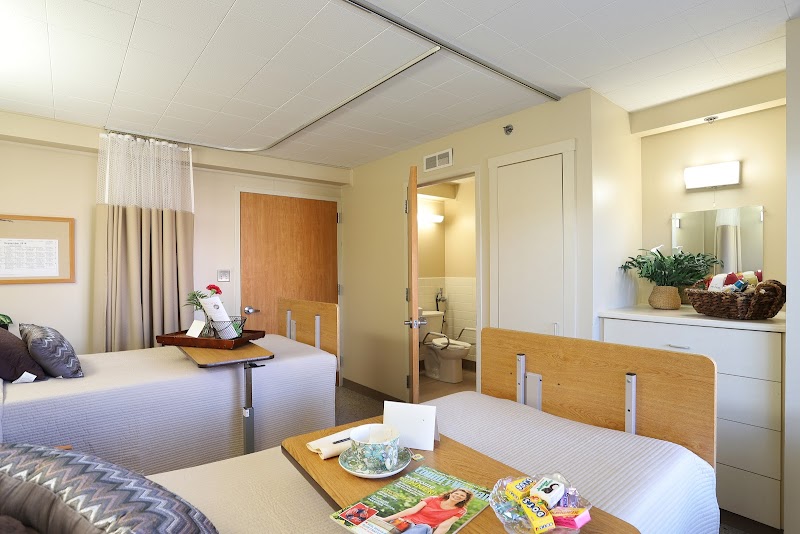
CMS rates The Laurels of Mt. Pleasant's staffing level at 4 out of 5 stars, which is above average compared to other nursing homes. Staff turnover is 24%, compared to the Michigan average of 46%. This relatively stable workforce can support continuity of care.

What Have Inspectors Found at The Laurels Of Mt. Pleasant?

State health inspectors documented 7 deficiencies at The Laurels of Mt. Pleasant during 2023 to 2025. These included: 7 with potential for harm.
Who Owns and Operates The Laurels Of Mt. Pleasant?

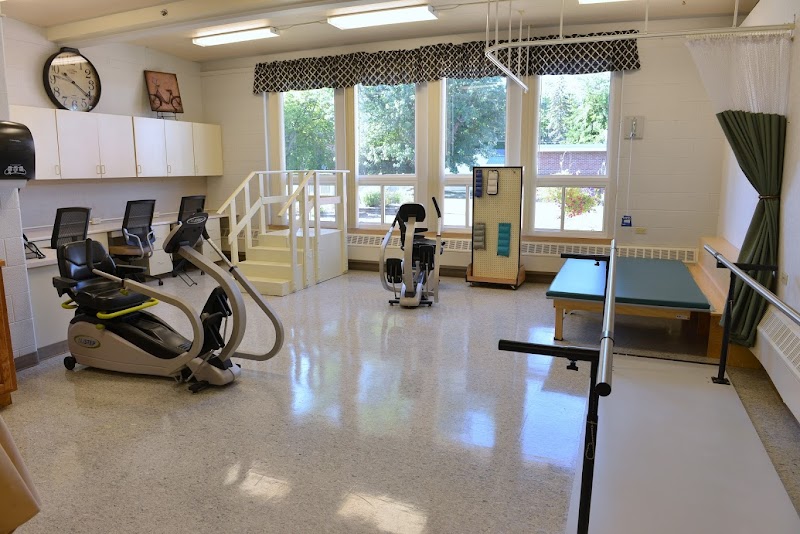
The Laurels of Mt. Pleasant is owned by a for-profit company. For-profit facilities operate as businesses with obligations to shareholders or private owners. The facility is operated by CIENA HEALTHCARE/LAUREL HEALTH CARE, a chain that manages multiple nursing homes. With 100 certified beds and approximately 86 residents (about 86% occupancy), it is a mid-sized facility located in Mt. Pleasant, Michigan.

How Does The Laurels Of Mt. Pleasant Compare to Other Michigan Nursing Homes?

Compared to the 100 nursing homes in Michigan, The Laurels of Mt. Pleasant's overall rating (5 stars) is above the state average of 3.2, staff turnover (24%) is significantly lower than the state average of 46%, and health inspection rating (5 stars) is much above the national benchmark.

What Should Families Ask When Visiting The Laurels Of Mt. Pleasant?

Based on this facility's data, families visiting should ask: "Can I visit during a mealtime to observe dining assistance and food quality?" "How do you handle medical emergencies, and what is your hospital transfer rate?" "Can I speak with family members of current residents about their experience?"

Is The Laurels Of Mt. Pleasant Safe?

Based on CMS inspection data, The Laurels of Mt. Pleasant has a clean safety record: no substantiated abuse findings (meaning no confirmed cases of resident harm), no Immediate Jeopardy citations (the most serious violation level indicating risk of serious injury or death), and is not on the Special Focus Facility watch list (a federal program monitoring the lowest-performing 1% of nursing homes). The facility has a 5-star overall rating and ranks #1 of 100 nursing homes in Michigan. While no facility is perfect, families should still ask about staff-to-resident ratios and recent inspection results during their visit.

Do Nurses at The Laurels Of Mt. Pleasant Stick Around?

Staff at The Laurels of Mt. Pleasant tend to stick around. With a turnover rate of 24%, the facility is 21 percentage points below the Michigan average of 46%. Low turnover is a positive sign. It means caregivers have time to learn each resident's needs, medications, and personal preferences. Consistent staff also notice subtle changes in a resident's condition more quickly.

Was The Laurels Of Mt. Pleasant Ever Fined?

The Laurels of Mt. Pleasant has no federal fines on record. CMS issues fines when nursing homes fail to meet care standards or don't correct problems found during inspections. The absence of fines suggests the facility has either maintained compliance or corrected any issues before penalties were assessed. This is a positive indicator, though families should still review recent inspection reports for the full picture.

Is The Laurels Of Mt. Pleasant on Any Federal Watch List?

The Laurels of Mt. Pleasant is not on any federal watch list. The most significant is the Special Focus Facility (SFF) program, which identifies the bottom 1% of nursing homes nationally based on persistent, serious quality problems. Not being on this list means the facility has avoided the pattern of deficiencies that triggers enhanced federal oversight. This is a positive indicator, though families should still review the facility's inspection history directly.