Chalet of Niles, LLC
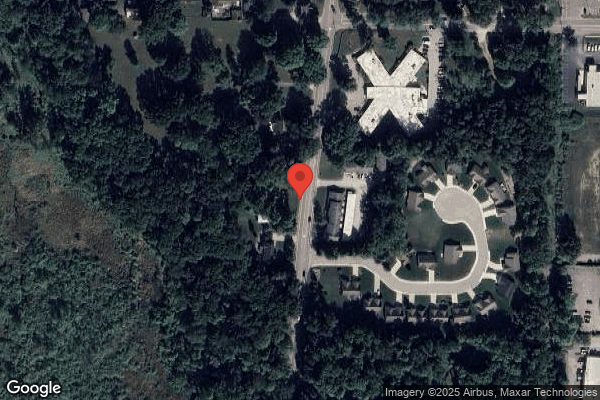

911 S 3rd St, Niles, MI 49120 (269) 684-4320
For profit - Limited Liability company 100 Beds A&M HEALTHCARE INVESTMENTS Data: November 2025 3 Immediate Jeopardy citations
Trust Grade
0/100
#270 of 422 in MI
Last Inspection: December 2024

Within standard 12-15 month inspection cycle. Federal law requires annual inspections.

Overview

Chalet of Niles, LLC holds a Trust Grade of F, indicating a poor rating with significant concerns about the care provided. It ranks #270 out of 422 facilities in Michigan, placing it in the bottom half, and #4 out of 7 in Berrien County, meaning only three local options are better. The facility is improving, with a reduction in issues from 18 in 2024 to just 2 in 2025. Staffing is average with a turnover rate of 32%, which is better than the state average, but the facility has incurred $119,162 in fines, which is concerning and suggests ongoing compliance problems. There have been critical incidents, including a resident's death due to missed emergency care and another resident who was able to leave the facility unnoticed despite being considered at risk for elopement, which raises serious safety concerns.
Trust Score
F
0/100
In Michigan
#270/422
Bottom 37%
Safety Record
High Risk
Review needed
Inspections
Getting Better
18 → 2 violations
Staff Stability
○ Average
32% turnover. Near Michigan's 48% average. Typical for the industry.
Penalties
✓ Good
$119,162 in fines. Lower than most Michigan facilities. Relatively clean record.
Skilled Nurses
○ Average
Each resident gets 31 minutes of Registered Nurse (RN) attention daily — about average for Michigan. RNs are the most trained staff who monitor for health changes.
Violations
⚠ Watch
49 deficiencies on record. Higher than average. Multiple issues found across inspections.
★★☆☆☆
2.0
Overall Rating
★★★☆☆
3.0
Staff Levels
★★★★★
5.0
Care Quality
★☆☆☆☆
1.0
Inspection Score
Stable
2024: 18 issues
2025: 2 issues

The Good

  • 5-Star Quality Measures · Strong clinical quality outcomes
  • Full Sprinkler Coverage · Fire safety systems throughout facility
  • No fines on record
  • Staff turnover below average (32%)

    16 points below Michigan average of 48%

Facility shows strength in quality measures, fire safety.

The Bad

2-Star Overall Rating

Below Michigan average (3.1)

Below average - review inspection findings carefully

Staff Turnover: 32%

13pts below Michigan avg (46%)

Typical for the industry

Federal Fines: $119,162

Well above median ($33,413)

Significant penalties indicating serious issues

Chain: A&M HEALTHCARE INVESTMENTS

Part of a multi-facility chain

Ask about local staffing decisions and management

The Ugly 49 deficiencies on record

3 life-threatening 3 actual harm
Aug 2025 2 deficiencies 2 IJ
CRITICAL (J) 📢 Someone Reported This

A family member, employee, or ombudsman was alarmed enough to file a formal complaint

Immediate Jeopardy (IJ) - the most serious Medicare violation

Quality of Care (Tag F0684)

Someone could have died · This affected 1 resident

**NOTE- TERMS IN BRACKETS HAVE BEEN EDITED TO PROTECT CONFIDENTIALITY** This citation pertains to intake #2588471 and #2594155.Based on interview and record review, the facility failed to ensure resid...

Read full inspector narrative →
**NOTE- TERMS IN BRACKETS HAVE BEEN EDITED TO PROTECT CONFIDENTIALITY** This citation pertains to intake #2588471 and #2594155.Based on interview and record review, the facility failed to ensure residents received care in accordance with professional standards and advance directives were honored in 1 resident (Resident #101) of 4 residents reviewed for quality of care, resulting in an immediate jeopardy when, beginning on [DATE] at approximately 3:00 PM the resident had a serious acute change of condition (shortness of breath) and staff failed to assess, monitor and act promptly by notifying emergency services, resulting in death from cardiac arrest. This deficient practice placed all residents at risk for serious harm, injury and/or death.Findings include:The facility failed to assess, monitor and promptly notify emergency services for Resident #101, who was a full code and reported by Certified Nursing Assistant (CNA) J to be experiencing respiratory difficulties on [DATE] beginning at approximately 3:00 PM. Resident #104 was identified by Registered Nurse (RN) C at approximately 9:00 PM unresponsive and displaying agonal breathing (gasping for air that sound like snoring or gurgling). RN C contacted hospice services at 9:04 PM, who returned the call at 9:24 PM and instructed RN C to call 911 due to Resident #101's full code status. EMS arrived to transport Resident #101 to the hospital at 9:28 PM, and the resident was pronounced dead 1 hour later in the hospital.The Immediate Jeopardy began on [DATE] when the facility failed to assess, monitor and act promptly, by notifying emergency services when Resident #101 complained of respiratory difficulties and was found unresponsive approximately 6 hours later. The Nursing Home Administrator (NHA) A was notified of the Immediate Jeopardy on [DATE] at 12:15 PM. The surveyor confirmed by observation, interview, and record review that the Immediate Jeopardy was removed on [DATE], but noncompliance remains at a scope of isolated and severity of actual harm that is not immediate jeopardy due to sustained compliance has not been verified by the State Agency.Review of an admission Record revealed Resident #101 was originally admitted to the facility on [DATE], with pertinent diagnoses which included: diabetes and heart failure. Review of a Minimum Data Set (MDS) assessment for Resident #101, with a reference date of [DATE] revealed a Brief Interview for Mental Status (BIMS) score of 13, out of a total possible score of 15, which indicated Resident #13 was cognitively intact. Review of the Functional Abilities revealed that Resident #13 was dependent on staff to transfer out of bed. Review of Resident #101's Advance Directive dated and signed on [DATE] by Resident #101 and a physician indicated Code Status: Full code.Treatment Options: Intubation, IV fluids, Antibiotics, Feeding tube, Hospitalization, Dialysis. All options were marked Yes. Review of Resident #101's Care Plan revealed, Advanced Directives.date initiated: [DATE] Interventions: Nursing will honor my code status by initiating CPR. Full Code. Intubation, antibiotics, hospitalization, IV fluids, Feeding tube, Dialysis.Review of Resident #101's Hospital Records dated [DATE] revealed, .At 9:47 PM: BIBA (brought in by ambulance) unresponsive, IGEL (artificial airway inserted through the mouth) in place with bag mask ventilation. No pulse per EMS (emergency medical services), pulse check completed, no pulse, CPR (cardiopulmonary resuscitation) initiated. Per EMS has been unresponsive for over 1 hour.Time of death: 10:25 PM.In an interview on [DATE] at 1:04 PM EMS Responder (MM) reported that they arrived to the facility on [DATE] at 9:28 PM and received report from a Registered Nurse (RN). EMS MM reported that the RN could not tell them anything except for Resident #101 had been unresponsive and demonstrated agonal breathing for 45-60 minutes, and there had not been any reports that he was having any issues earlier that day. EMS MM reported that the RN kept saying that she was not familiar with Resident #101 because she had not worked the day before, but that he was on hospice and a full code (wanted all necessary life-saving medical treatment). When EMS MM assessed Resident #101, he was completely unconscious, his skin was pale and cool, he had no response to stimuli or sternal rub, he had a weak pulse, and he was taking sporadic (infrequent, irregular) agonal breaths.In an interview on [DATE] at 1:01 PM, RN-Hospice (RN-H) O reported that she had received a message from her hospice on-call triage nurse on [DATE] at 9:17 PM to notify her that RN C had called hospice requesting a nurse visit due to Resident #101 being unresponsive and in respiratory distress. RN-H O reported that she returned the call to RN C at 9:24 PM and explained that she would be arriving in about an hour; RN C responded frantically and stated, (Resident #101) is a full code.he will be dead by then! RN-H O replied by instructing RN C to call 911 immediately. RN-H O reported that when a hospice resident has full code advance directives and is in acute respiratory distress, they would expect that the facility staff implement their own emergency polices and procedure prior to calling hospice.In an interview on [DATE] at 10:21 AM, RN C reported on [DATE] around 9:00 PM she went to administer medications to Resident #101 and noticed he was unresponsive, and his breathing sounded like he was snoring. RN C reported that she had not been in the room prior to 9:00 PM because Resident #101's room was at the end of the 400 hall and he was one of the last residents on her medication pass. RN C reported that she had not been notified of any concerns during report that day and/or from CNA's (Certified Nursing Assistant). RN C reported that she did not ask for assistance from other facility staff; RN C obtained vital signs and when they were abnormal, she gave Resident #101 oxygen and then called hospice to inform them of the resident's condition. RN C reported that Resident #101's blood pressure was very low and his blood oxygen level was 70%. RN C reported that she knew Resident #101 was full code, but thought she needed to contact hospice first for guidance with his care. RN C reported that she waited about 15 minutes for hospice to call back and then was instructed by the hospice nurse to call 911 due to Resident #101 being a full code. RN C reported that she had discussed the situation afterwards with other facility nurses and was told that she did the right thing by calling hospice first.In an interview on [DATE] at 1:25 PM, CNA J reported that Resident #101 put his call light on at the beginning of the shift around 3:00 PM on [DATE], he looked very tired, and complained of not feeling well and being short of breath; CNA J notified RN C and RN C said that she would give him a breathing treatment. CNA J reported that she had checked on him from the doorway several times before dinner; Resident #101 was snoring, and his chest was rising and falling. CNA J thought that the resident needed to rest, so she did not bother him. CNA J reported that Resident #101 would not wake up after dinner, and again CNA J reported that to RN C. CNA J reported that she was busy for the rest of the night and did not know anything until she saw Resident #101 leaving with EMS towards the end of the shift.In an interview on [DATE] at 10:48 AM, CNA AA reported that she remembered that Resident #101 was always putting his call light on and hollering to get up in his chair. CNA AA reported that Resident #101required the assistance of two people so she would turn the call light off and then tell his CNA. CNA AA reported that most of the time Resident #101 requested to get up during the busy meal time. CNA AA reported that call lights for Resident #101's hall could be heard but not seen from other halls.In an interview on [DATE] at 3:01 PM, Licensed Practical Nurse (LPN) F reported that RN C never asked for her help with Resident #101 on [DATE]. LPN F did not even know anything was wrong until the EMS arrived.Review of Resident #101's EMS report dated [DATE] revealed, .Call received at 9:24 PM.On scene: 9:28 PM.Chief Complaint: Unconscious. Duration: 1 hour. Arrived on scene, nurse met EMS at the door and let us in. Nurse advised that the patient was laying in his bed, unconscious but breathing. Nurse was not able to provide EMS with any medical history about the patient. Nurse stated that she was unsure of anything. Inside the patient room, patient was laying in bed. Patient was unconscious. Patient respiratory rate was 8-10 times a minute. Patient skin was pale, cool and cyanotic. Nurse stated that he has been in this state for 45-60 minutes now. Nurse also advised that his SpO2 (measurement of oxygen in the blood) level was reading very low, along with his blood pressure. When nurse was asked why the patient was on hospice, she replied with I'm not sure, but I'm sure it's on my other computer. Nurse was asked as to what his medical history was she again replied with I'm not sure, I didn't work yesterday. Nurse was also asked if there was any complaints from 1st shift or even 2nd shift and she stated I'm not too sure, not that I was told. Nurse stated that the patient was normally awake and talking to staff .When EMS asked the nurse any question, she would respond with many times with I'm not sure as I didn't work yesterday. Initial blood pressure was 68/30 - manually obtained. Nurse then left the room. Nurse was asked to come back and help move the patient from the facility bed to EMS cot.Patient did have a palpable carotid pulse at this time. Patient was agonal breathing with a rate of 6-8 breaths a minute.Arrived at (hospital).Patient still had a palpable carotid pulse but was getting weaker. Patient was sheet lifted from the cot and placed onto the hospital bed where he lost his pulse. They began CPR. Patient was full code per the nursing home.Review of Resident #101's Hospice report dated [DATE] revealed, .XXX[DATE] at 9:04 PM (RN C) Caller.requesting PRN (as needed) visit by (hospice nurse) at this time d/t (due to) change in pt (patient) condition; Caller states pt is unresponsive to stimuli, BP 87/43.O2 sat 60% on 4L (liters) (supplemental oxygen) via simple mask with noted terminal secretions; Caller denies any s/s (signs and symptoms) of acute respiratory distress or discomfort at this time;.offered support, reviewed comfort measures/medications.attempted to provide education on s/s to expect in EOL (end of life) and disease progression to the caller. (hospice triage nurse) inquired if the caller understood and was satisfied with the plan of care;.XXX[DATE] at 9:24 PM Call to (facility) by (RN-H O) Spoke with (RN C) regarding patients status and patient would probably pass soon and to inform her of ETA (estimated time of arrival), (RN C) stated But he's a full code. Instructed (RN C) to send patient to ER (emergency room) due to full code status and her concerns about patients declining vitals and being unresponsive. (RN C) voiced understanding and that she would call 911.Review of Resident #101's Progress Note dated [DATE] at 9:28 PM revealed, Found non-responsive, BP 87/43.oxygen in the 70s. Breath sounds adventitious. Placed on oxygen with mask. Hospice, 911 called.Picked up by EMS.The Immediate Jeopardy that began on [DATE] was removed on [DATE] when the facility took the following actions to remove the immediacy.Resident no longer resides at the facility.Nurse (RN C) was removed from the facility schedule on [DATE].On [DATE] 51 of 51 residents that reside in the facility had a head-to-toe assessment completed by a licensed nurse to ensure the residents had not experienced a change in condition. Any change in condition noted will be documented in the medical record and communicated to the attending physician. No change of condition with current residents were identified.On [DATE] the facility completed an audit of hospital transfers since [DATE]. Two other residents were transferred out and there were no concerns identified with the hospital transfers.A Facility Call List was placed at each nurse's station to ensure they know who to contact for emergencies in the facility, [DATE].On [DATE], education was initiated for Licensed Nurses, CENAs, Dietary and Housekeeping, Activities, Maintenance and Administrative staff members. Education will be completed by the DON or a designated nurse manager and included the following topics: Change of Condition, Life Threatening Change, Change of Condition- Monitoring, Change of Condition- Reporting, Alert Charting Process, Stop and Watch, Facility Call List, Rounding- beginning of shift and periodically throughout the shift, DNR/Advance Directives [DATE]. (As of [DATE] 6 out of 15 Licensed Nurses have been educated. Any staff member who has not received the education, will receive before the start of their next shift. They will not be allowed to work until education has been completed), EMS/Hospital Transfer (As of [DATE] at 430PM, 27 out of 71 staff members have received the education. Any staff member who has not received the education, will receive before the start of their next shift. They will not be allowed to work until education has been completed.)Medical Director was notified of these findings on [DATE].
CRITICAL (J) 📢 Someone Reported This

A family member, employee, or ombudsman was alarmed enough to file a formal complaint

Immediate Jeopardy (IJ) - the most serious Medicare violation

Accident Prevention (Tag F0689)

Someone could have died · This affected 1 resident

**NOTE- TERMS IN BRACKETS HAVE BEEN EDITED TO PROTECT CONFIDENTIALITY** This pertains to intake #2592743.Based on observation, interview and record review the facility failed to prevent an elopement a...

Read full inspector narrative →
**NOTE- TERMS IN BRACKETS HAVE BEEN EDITED TO PROTECT CONFIDENTIALITY** This pertains to intake #2592743.Based on observation, interview and record review the facility failed to prevent an elopement and ensure safety in 1 resident (Resident #104) of 4 residents reviewed for safety/supervision, resulting in an Immediate Jeopardy when on 8/15/25 at approximately 7:00 P.M., Resident #104 (who was a known elopement risk) exited the facility unbeknownst to facility staff through an emergency exit door and was discovered outside by another resident and EMS (emergency medical services) who notified facility staff. Resident #104 was approximately 350 feet from the facility driveway walking alongside the main road, when he was first attended by facility staff at approximately 7:15 PM. This deficient practice placed 6 residents, identified as at risk for elopement, at risk for serious harm, injury, and/or death. Findings include:The facility failed to provide adequate supervision to prevent elopement for an exit seeking resident, Resident #104, who had been actively exit seeking for 2 days, and ensure that door alarms are functioning as intended for the wanderguard system (a device that triggers an alarm when near a restricted area). Resident #104 was found by another resident and EMS approximately 350 feet away from the facility driveway, walking on the side of a 30 MPH (miles per hour) road. The Immediate Jeopardy began on 8/15/25 when the facility failed to supervise Resident #104 and he eloped from the facility between 7:00 PM-7:15 PM. Nursing Home Administrator (NHA) A was notified of the Immediate Jeopardy on 8/19/25 at 9:00 AM. The surveyor confirmed by observation, interview, and record review that the Immediate Jeopardy was removed on 8/20/25, but noncompliance remains at a scope of isolated and severity of no actual harm with potential for more than minimal harm that is not immediate jeopardy due to sustained compliance has not been verified by the State Agency.Review of an admission Record revealed Resident #104 was originally admitted to the facility on [DATE], with pertinent diagnoses which included: dementia. Review of Resident #104's Wandering Risk Scale Assessment dated 8/12/25 at 3:43 PM revealed a score of 14, indicating a high risk for wandering. Further details were that Resident #104 cannot follow instructions, is ambulatory, has a history of wandering, has a medical diagnosis of dementia/cognitive impairment; diagnosis impacting gait/mobility or strength. Review of Resident #104's Social Services Note dated 8/13/25 revealed, Resident admitted to facility on 8/12/25 for long term care placement. Resident has severe complications with comprehension and memory.Resident's cognition assessed scoring a 03 on the BIMS Brief Interview for Mental Status exam. Resident assessed for wandering and confirmed an elopement risk. Wander guard placed. A BIMS score of 3, out of a total possible score of 15, indicated Resident #104 was severely cognitively impaired. Review of Resident #104's Progress Note dated 8/13/25 at 9:08 PM revealed, .No exit-seeking this shift, however resident was wandering up to doors stating he needs to leave and find his dad.Alarms are not functioning even though bracelet is in good working order.Review of Resident #104's Progress Note dated 8/15/25 at 2:55 PM revealed, .Resident is agitated and wants to see his son.Review of Resident #104's Progress Note dated 8/15/25 at 4:59 PM revealed, Resident ambulates independently on unit. Resident very anxious on shift and repeats that he is getting tire (sic) of this he has things to do and he is walking out of here. Staff redirected resident and ensured that his family is returning tomorrow, for family visited resident earlier and stated that they will be back tomorrow. Resident attempted to be redirected with activities, which is short lived.Review of Resident #104's Event Note dated 7:30 PM revealed, Resident wandering the halls of the facility. Resident baseline is confused. Resident is ambulate without assistive device. Ambulance personal (sic) came back into the building and stated that one of the residents is outside that is not supposed to be outside. The writer of this note exited the building and ran into one of the alert residents out on loa (leave of absence) in the parking lot that stated that the resident went down that why (sic) pointing to the left of the facility. The writer of this note followed after the resident. The writer of this note followed behind the resident and redirected and assisted the resident back into the building. In an interview on 8/18/25 at 3:01 PM, Licensed Practical Nurse (LPN) F reported that Resident #104 had dementia and in the evening it got worse; he talked about going home and pushed on doors. LPN F reported that she had noticed a while back that the doors did not alarm when the wanderguard bracelets were near them, and she was told by other staff that the managers were already aware of the issue. In an interview and observation on 8/18/25 at 3:52 PM, Maintenance Director (MD) LL reported that he had not checked doors or alarms since 8/15/25 because there were no extra wanderguard bracelets to use to engage the alarms. MD LL reported that prior to 8/15/25 he checked every door, every day, and was not aware of any issues. Review of logs for the past 3 months revealed, new sheets of paper, perfectly dated and checked for every day; there were zero issues noted. An observation was then made, along with DON B; where a resident that was wearing a wanderguard bracelet was walked up to and through the main entrance and there was no alarm sound observed. DON B reported that it was supposed to sound when the resident was near the doorway. MD LL reported that he was not aware that the door was not alarming with the wanderguard bracelets. All other doors (4) were checked and none of them alarmed when the wanderguard was in the area.In an interview on 8/19/25 at 3:23 PM, Registered Nurse (RN) H reported that she was the nurse assigned to Resident #104 the night he left the building. RN H reported that the resident was wandering a lot, talking about his family and wondering when they were coming to get him. RN H reported that staff tried to redirect the resident and encouraged him to participate in an activity earlier in the evening, but that it did not work. RN H reported that she had last saw Resident #104 standing at the nurse's station when the EMS (emergency medical services) were leaving the building. RN H reported that she had gone to administer medication to another resident, and all other staff were down halls and/or in rooms when she left Resident #104 at the nurse's station. RN H reported that she did not hear any alarms but when she returned to the nurse's station a few minutes later, there was an EMT (emergency medical technician) from the EMS standing at the nurse's station. RN H reported that the EMT informed her of Resident #104 being outside of the building. RN H reported that she then exited the building and found Resident #104 walking on the side of the road. RN H reported that Resident #104's wanderguard bracelet did not alarm when he exited the building and that she was not aware of a device that was supposed to be used to check that the wanderguard was functioning properly. In an interview on 8/19/26 at 10:26 AM, EMT W reported that the EMS were in the building on 8/15/25 around 7:00 PM and when they went to leave the facility, they waited at the door to be let out. EMT W reported that a staff member outside of the door yelled the code so that they could open the door; the staff member came in and the EMT's went out. EMT W reported that while cleaning the ambulance and preparing for their next run, a man (Resident #104) came up to the door and started talking to them, then walked away and down the street. EMT W reported that shortly after that another man (Resident #106) told them the resident was not supposed to be outside, so they went back into the facility to inform staff.In an interview on 8/19/25 at 4:30 PM, EMT Y reported that when they left the building on 8/15/25 there was no staff around to let them out the door, and they waited at the nurse's station for a few minutes, until finally a facility staff member told them the code to the door. EMT Y reported that there were no residents nearby when they exited the facility, but then a few minutes later Resident #104 walked up to the back door of the ambulance and started conversing with them; EMT Y did not know he was a resident until she heard someone outside in a wheelchair start yelling, hey, he's not supposed to be out here! EMT Y went back into the facility to let staff know that there was a resident outside.In an interview on 8/19/25 at 10:15 AM, Resident #106 reported that he was outside on 8/15/25 when the EMS left the building. Resident #106 reported that he spotted Resident #104 outside after the EMS had walked out; he tried to alert the EMS and was about to go get Resident #104 himself had EMS not done something. Resident #106 reported that he wasn't sure if Resident #104 walked out with EMS or just afterwards.In an interview on 8/20/25 at 9:00 AM, Activities Aide (AA) II reported that she had tried to encouraged Resident #104 to participate in activities on 8/15/25 prior to the end of her shift (5:00 PM) but he was not interested and continued to wander around the facility. AA II reported that the facility does not offer activities after 5:30 PM.In an interview on 8/19/25 at 12:34 PM, DON B reported that she was not aware that the wanderguard alarms were not working properly until they were tested with this surveyor on 8/18/25. DON B reported that it was her understanding that EMS personnel must have known the door code and opened it themselves on 8/15/25 allowing Resident #104 to exit. DON B reported that all facility staff she interviewed had said they did not give EMS the door code, but she had not interviewed anyone from the EMS about the incident.In an interview on 8/20/25 at 9:11 AM, Human Resources staff (HR) P reported that the facility normally had 4 CNA's on second shift, but that there was a call in on 8/15/25 which left only 3 CNA's, a nurse and DON B who was filling in as a floor nurse. HR P reported that the activities staff clocked out at 5:00 PM, and there were no housekeepers working after 5:00 PM. In an interview and observation on 8/19/25 at 1:28 PM, Door Security Company (DSC) NN reported that the main entrance to the facility (the door that Resident #104 exited) did not have sufficient sensitivity to engage the alarm system when the wanderguard bracelets were near the door. DSC NN reported that he had suggested the facility replace the system 4 years ago due to the system frequently failing to work properly. Observed the wanderguard alarm now sound loudly when the wanderguard bracelet was within 2 feet of the main entrance door. DSC NN reported that the wanderguard bracelet will not make the other doors in the facility alarm, unless the bracelet goes through the doorway. Review of Resident #104's Baseline Care Plan revealed, RESOLVED: I am an elopement risk from the facility based upon the elopement risk assessment and secondary to confusion, disorientation, history of wandering, and an actual elopement on 8/15/25. Dated initiated: 8/12/25. Resolved Date: 8/15/25.Interventions: RESOLVED: Nursing to check wanderguard placement each shift. Date initiated: 8/12/25, Resolved Date: 8/15/25. Resident placed on 1:1 d/t (due to) elopement for 72 hours. Date initiated: 8/15/25. Resolved Date: 8/15/25. This plan of care had been deleted and was not active. Review of Resident #104's current Care Plan revealed, .is an elopement risk and/or exhibits wandering behavior r/t (related to) dementia, mental and behavioral disturbances. Date initiated: 8/16/25, Created on 8/15/25.Interventions: 8/15/25 Resident to be monitored by one-to-one staff member due to elopement risk increase/attempt. Date initiated: 8/16/25.Distract resident when increased wandering by offering pleasant diversions, structured activities, food, conversation, television, book, etc. per resident preferences. Date initiated: 8/15/25., May wander or attempt to leave facility unattended: triggers for wandering/eloping are watching visitors & family enter and leave building, wanting to go home. De-escalate by redirection, giving simple tasks to do . Date initiated: 8/15/25., Resolved: Wander alert: check for placement q (every) shift and function per policy. Date initiated: 8/15/25, Resolved Date: 8/16/25 (by DON B). This was Resident #104's active care plan.In an interview on 8/20/25 at 12:03, DON B reported that Resident #104 should have the wanderguard/wander alert bracelet as an active intervention on his care plan; DON B reported that it was not showing up. DON B then found the intervention resolved (removed) from the care plan and could not explain why. DON B reported that a resolved intervention is not available for staff to view.In a subsequent interview on 8/20/25 at 12:21 PM, DON B and Corporate Nurse Consultant (CNC) U reported that the wanderguard intervention was on Resident #104's current care plan and they did not see what the concern was. This surveyor reviewed a copy of Resident #104's care plan that revealed, DON B had created a new intervention on 8/20/25 that indicated, Check Wander guard for placement q shift and function per policy. CNC U acknowledged the discrepancy/error and reported that the intervention for Resident #104's wanderguard alert bracelet had accidentally been removed from his care plan on 8/16/25 and had been recreated on 8/20/25 to reflect the resident's current status. The Immediate Jeopardy that began on 8/15/25 was removed on 8/20/25 when the facility took the following actions to remove the immediacy.1. Resident #104:8/15/2025 Resident returned to the facility.8/15/2025 Skin assessment completed and no injuries noted.8/15/2025 Neuro check completed and resident remains at baseline.8/15/2025 Wander Risk Scale UDA completed.8/20/2025 Resident #104's Care plan reviewed and updated.8/15/2025 Physician notified of event and order for one on one supervision. 8/15/2025 D.O.N and Administrator were notified.8/15/2025 Attempted to notify emergency contact #1 and #2, message was left 8/15/2025 All doors/alarms were checked to ensure they are properly secured and functioning. It was determined all doors were properly secured and functioning at that time.8/16/2025 Facility has contacted Securitas to come out and service wanderguard system.8/18/2025 Facility will have a staff member at the nursing station monitoring the facility doors that go outside during non-business hours to ensure any resident at risk for wandering with a wanderguard in place do not exit the doors to the outside. During business hours the receptionist will monitor doors. This will be in place until the wanderguard system is serviced.8/19/2025 service was completed- it determined all doors were properly secured and were functioning and in working order. The front door needed the sensitivity increased, which was completed by the technician during his visit.8/16/2025 Signage was placed at door for family and visitors to stop at nursing station for assistance.2. On 8/15/2025 the facility completed a head count of residents to ensure no other residents were affected. 52 out of 52 residents were accounted for.3. 8/16/2025 All residents were reviewed to ensure a wander assessment was completed in the last 90 days and residents at risk for wander/elopement were reviewed to ensure resident safety and proper plan of care in place.4. On 8/15/2025, education was initiated for All Staff which includes Licensed Nurses, CENAs, Dietary, Housekeeping, Activities, Maintenance and Administrative staff members.a. Education will be completed by the DON or a designated nurse manager and included the following topics: 1. Elopement Policy and Procedures, Door Alarm and Wanderguard Alarm. 2. Verbal education provided on redirecting residents with exit seeking behaviors. 8/19/2025 facility added additional education on exit seeking behaviors- redirection includes offering snacks, walking with resident, calling family, seeing if personal needs are met (i.e. need to use bathroom, ensuring they are not too warm or cold, tired, looking for their room etc.), place on 15 minute supervision to keep in line of sight.b. As of 8/19/2025 at 1000AM, 47 out of 62 staff members have received the education.Any staff member who has not received the education, will receive before the start of their next shift. They will not be allowed to work until education has been completed.5. Medical Director was notified of these findings on 8/15/2025.6. 8/18/2025 QAA Committee has reviewed the plan and will continue to review the audits to ensure adherence to scope of practice, specifically elopement policy and procedures.7. On 8/20/2025 Errors were identified for resident 104, therefore, all residents at risk for elopement had care plans reviewed and updated.
Dec 2024 11 deficiencies
CONCERN (D)

Potential for Harm - no one hurt, but risky conditions existed

Deficiency F0554 (Tag F0554)

Could have caused harm · This affected 1 resident

Based on observation, interview, and record review the facility failed to ensure proper assessment for self-administration of medication was completed for 1 (Resident #300) of 1 resident reviewed for ...

Read full inspector narrative →
Based on observation, interview, and record review the facility failed to ensure proper assessment for self-administration of medication was completed for 1 (Resident #300) of 1 resident reviewed for self-administration of medications resulting in the potential for a resident to not receive medications as ordered. Finding included: Resident #300 Review of an admission Record revealed Resident #300 had pertinent diagnoses which included: complications of amputation stump, weakness, and noncompliance with other medical treatments and regimens. Review of a Minimum Data Set (MDS) assessment for Resident #300, with a reference date of 12/31/2024 revealed a Brief Interview for Mental Status (BIMS) score of 15/15 which indicated Resident #300 was cognitively intact (BIMS score of 12-15 indicates cognitively intact). On 2/10/25 at 3:57 PM, Registered Nurse (RN) F was observed entering Resident #300's room with a medication cup with pills in it and a second medication cup with vanilla pudding and a spoon in it. RN F placed the two medication cups on a dresser top in the room and exited the room. This surveyor stood in the hallway and observed Resident #300 pick up the medication cup with pills, tip them into his mouth, set it down, and pick up the cup of pudding and spoon into his mouth a bite of pudding. Resident #300 then answered a phone call. Once Resident #300 was done speaking on the phone, he picked up the medication cup with pills in it, tipped it up, and then ate a spoonful of pudding again. Resident #300 then discarded both medication cups and the spoon into the trash can in his room. During this time RN F was present in the hallway at the medication cart that was parked outside of Resident #300's room, facing a closet door, and did not have any visual contact of Resident #300 while he consumed the medications administered by RN F. Review of Resident #300's medical record revealed no documented assessment for self-administration of medications. In an interview on 2/10/25 at 4:15 PM, RN F reported no current residents were able to self-administer medication. In an interview on 2/11/25 at 9:30 AM, Assistant Director of Nursing/Infection Preventionist (ADON/IP) M reported no current resident was able to self-administer medications. ADON/IP M reported a resident needed to be assessed before they could self-administer medications, and residents were to be observed by the nurse to ensure they took their medications. In an interview on 2/11/25 at 2:35 PM, Licensed Practical Nurse (LPN) V reported no current resident was able to self-administer medications and the resident had to be observed when taking their medications. In an interview on 2/12/25 at 10:45 AM, Resident #300 reported that sometime the nurses leave his cup of medications for him to take because they know he will take them. Resident #300 reported that the nurses don't stay every time to watch him take his medications. Resident #300 reported he did not want to administer his own medications. In an interview on 2/12/25 at 12:21 PM, Director of Nursing (DON) B reported no current resident was assessed to self-administer medications. DON B reported her expectation was the nurses observe residents while they took their medications. Review of facility policy 5.3 Self-Administration of Medications by Resident with no date revealed .if the resident desires to self-administer medications, an assessment is conducted by an interdisciplinary team .
CONCERN (D)

Potential for Harm - no one hurt, but risky conditions existed

Deficiency F0658 (Tag F0658)

Could have caused harm · This affected 1 resident

Based on observation, interview, and record review the facility failed to ensure professional standards of nursing were maintained during administration of an enteral feeding (also known as a tube fee...

Read full inspector narrative →
Based on observation, interview, and record review the facility failed to ensure professional standards of nursing were maintained during administration of an enteral feeding (also known as a tube feeding- the delivery of nutrients through a feeding tube directly into the stomach) for 1 (Resident #4) of 1 resident reviewed for professional nursing standards, resulting in an inaccurate administration of daily nutrition. Findings include: Resident #4 Review of an admission Record revealed Resident #4 had pertinent diagnoses which included: dysphagia (difficulty swallowing) following cerebral infarction (stroke) and gastrostomy status (feeding tube inserted directly into the stomach used to provide nutrients directly into the stomach). Review of Order Summary for Resident #4 revealed NPO (nothing by mouth) diet. Enteral Feed Order every shift Vital 1.5 (formula brand) @ (at) 75cc/hr (cubic centimeters (milliliters) per hour) x (for) 20 hours, on at 1500 (3:00 pm) off at 1100 (11:00 am) with a start date of 11/15/2024. During an observation on 12/3/24 at 9:47 AM., Resident #4 was in bed and her tube feeding pump located next to her bed in her room was noted to be powered off. During an observation on 12/4/24 at 8:41 AM., Resident #4 was in bed tube feeding pump located next to her bed in her room was noted to be powered off. Review of Care Plan for Resident #4 dated 10/14/24 revealed Focus, Goals, and Interventions to include: is receiving all of her nutrition and hydration through the gastrostomy tube (also known as a feeding tube); will maintain nutritional status; the feeding tube will be utilized in compliance with current clinical standards of practice . Review of Dietary Progress Notes for Resident #4 dated 11/13/24 revealed Resident is being reviewed .due to tube feeding and weight loss X 30d (days). Tolerating tube feeding without any concerns. Recommend to increase to Vital 1.5 at 75ml/hr x 20 hours . During an observation on 12/4/24 at 10:23 AM., Resident #4 was in bed and her feeding pump located next to her bed in her room was noted to be powered off. During an interview on 12/4/24 at 10:27 AM., Licensed Practical Nurse (LPN) O reported Resident #4's tube feeding was started on second shift, and it was turned off on day shift at 10:00 AM. During a telephone interview on 12/4/24 at 11:57 AM., Registered Dietitian (RD) X reported Resident #4's tube feeding should be started at 3:00 PM and should end at 11:00 AM. RD X stated the total amount of formula Resident #4 should receive each day is 1500 ML. RD X reported her expectation regarding Resident #4's tube feeding was the nurses start the feeding at 3:00 PM and turn it off at 11:00 AM, and the total volume of formula administered be documented in Resident #4's medication administration record (MAR). In an interview on 12/4/24 at 2:34 PM., LPN M reported that Resident #4's tube feeding did not start until 6:00 PM. During an observation on 12/4/24 at 4:10 PM., Resident #4 was in bed and her feeding pump located next to her bed in her room was noted to be powered off. During an observation on 12/5/24 at 7:40 AM., Resident #4 was in bed and her tube feeding was running via a feeding pump at 75cc/hr with a total volume administered at that time was noted on the pump to be 943 ml. During an observation on 12/5/24 at 9:21 AM., Resident #4 was in bed and her tube feeding was not running, the total administered volume noted on the pump was 1043 ml. The formula bottle and tubing set were noted to be empty with several air bubbles in the tubing and feeding pump was alarming. During an observation on 12/5/24 at 9:45 AM., Resident #4's feeding pump was heard alarming from the hallway outside of her room. LPN O was observed entering Resident #4's room, powering down her feeding pump and exiting the room. In an interview on 12/5/24 at 9:47 AM., This surveyor asked LPN O if Resident #4's feeding was completed and LPN O stated her feeding is done for me now, I don't do anything else with her feeding, she is done for the day. This surveyor asked LPN O if she ever hung a second bottle of formula for Resident #4 and LPN O stated I have never hung a bottle of formula for Resident #4, her formula is hung on second shift. Review of Medication Administration Record for the months of November and December of 2024 for Resident #4 revealed no documented actual start or stop time nor the total volume of tube feeding formula administered. Review of Medication Administration Record for Resident #4 for the date of 12/3/24 revealed LPN M documented starting Resident #4's enteral feeding at 15:00 PM as ordered and on 12/4/24 LPN O documented ending Resident #4's enteral feeding at 11:00 AM as ordered. During an interview on 12/5/24 at 12:48 PM., Director of Nursing (DON) B reported her expectations were that Resident #4's tube feeding should be started at 15:00 and turned off at 11:00 as per the order. DON B reported Resident #4 should receive a total of 1500 ml of formula, 1 and 1/2 bottles of the 1000mL bottles of Vital 1.5, for every feeding. DON B reported if the nurses did not hang a second bottle of formula, Resident #4 was not getting enough of her food.
CONCERN (D)

Potential for Harm - no one hurt, but risky conditions existed

ADL Care (Tag F0677)

Could have caused harm · This affected 1 resident

**NOTE- TERMS IN BRACKETS HAVE BEEN EDITED TO PROTECT CONFIDENTIALITY** Based on observation, interview and record review, the facility failed to ensure assistance with activities of daily living (ADL...

Read full inspector narrative →
**NOTE- TERMS IN BRACKETS HAVE BEEN EDITED TO PROTECT CONFIDENTIALITY** Based on observation, interview and record review, the facility failed to ensure assistance with activities of daily living (ADL) were provided for 3 residents (Residents #46, Residents #27, Resident #38) of 4 residents reviewed for ADL care potentially resulting in dissatisfaction with care and hygiene concerns. Findings include: Resident #46 (R46) Review of the admission Record and Minimum Data Set (MDS) dated [DATE] revealed R46 admitted to the facility on [DATE] with diagnoses including type 2 diabetes, cellulitis (bacterial skin infection) and need for assistance with personal care. Brief Interview for Mental Status (BIMS) reflected a score of 13 out of 15 which indicated R46 was cognitively intact (13 to 15 cognitively intact). During an interview on 12/03/2024 at 11:17 AM, R46 sat in his room watching television. R46 stated that he only had a couple of showers since he was admitted to the facility. R46 stated that his preference was to have showers instead of bed baths and he wanted to receive 2 showers a week. Review of the shower schedule revealed R46 should receive showers on second shift on Wednesdays and Sundays. Review of R46's Skin Monitoring: Comprehensive CNA Shower Review sheets revealed that R46 had a shower on 11/13, 11/20 and refused a shower on 11/27. Review of R46's 30-day record of showers/sponge baths revealed he received a sponge bath on 11/12 and 11/21 and showers on 11/13, 11/20 and 12/2. Review of R46's care plan revealed (R46, resident name omitted) requires maximal assistance from staff with showers. During an interview on 12/04/2024 at 8:27 AM, Certified Nursing Assistant (CNA) T stated that all residents should get 2 showers a week and CNAs should document when refusals occur. During an interview on 12/04/2024 at 8:51 AM, CNA P and CNA R stated that the shower schedule for residents should be 2 showers a week and CNAs need to document refusals on the shower sheet and in the electronic medical record. During an interview on 12/04/2024 at 2:11 PM, Director of Nursing (DON) B stated that everyone should receive at least 2 showers a week unless they want it more often. DON 'B verified that R46 should be receiving showers 2 times a week on Wednesdays and Sundays. DON B reported that there weren't any staffing issues in the last month that would have prevented him from receiving his scheduled 2 showers a week. Resident #27 Review of an admission Record revealed Resident #27 was originally admitted to the facility on [DATE], with pertinent diagnoses which included: mild cognitive impairment of unknown origin, unspecified lack of coordination, history of falling, and weakness. Review of a Minimum Data Set (MDS) assessment for Resident #27, with a reference date of 9/12/24 revealed a Brief Interview for Mental Status (BIMS) score of 9/15 which indicated Resident #27 was moderately cognitively impaired. Section GG of the MDS revealed Resident #27 required supervision or touching assistance to complete a shower/bathe self. Review of a Care Plan for Resident # 27, with a reference date of 9/25/24, revealed a focus/goal/interventions of: Focus: (Resident #27) requires staff assistance with ADL's (activities of daily living) d/t (due to) impaired balance, and poor activity endurance. Goal: (Resident #27) will maintain current level of self-care ability through the next review. Interventions: . (Resident #27) requires maximal assistance with showering. In an interview on 12/3/24 at 12:29am, Resident #27 was asked about the assistance he received with bathing, but he did not respond. In an interview on 12/3/24 at 2:22pm, Family Member (FM) EE reported she was concerned that Resident #27 was not being assisted with showers and nail care often enough based on his appearance when she visited him. FM EE reported Resident #27 would not initiate self-care without encouragement and cueing and he appeared disheveled and had long fingernails during visits. In an interview on 12/4/24 at 2:58pm, Certified Nursing Assistant (CNA) S reported nail care should be done for a resident on their shower days, but sometimes nailcare was missed. During an observation on 12/4/24 at 3:04pm, Resident #27 was observed while in a group activity, his hair appeared greasy and disheveled, his fingernails extended beyond his fingertips and had brown debris on their underside. During an observation on 12/5/24 at 12:31pm, Resident #27 was observed while eating lunch in the dining room. Resident #27's hair appeared greasy, and his fingernails remained long with brown debris on their underside. Review of a shower schedule provided by the facility revealed Resident #27 was scheduled to receive assistance with showering on Thursday and Saturday of each week. Review of Resident #27's shower sheets for the last 90 days, provided by the facility, revealed the resident was offered a shower on 16 of 27 scheduled opportunities during that period. Resident #38 Review of an admission Record revealed Resident #38, was originally admitted to the facility on [DATE] with pertinent diagnoses which included: aphasia (inability to express self verbally), cerebral infarction (stroke), and major depressive disorder (persistent depressed mood or loss of interests causing significant impairment in daily living). Review of a Minimum Data Set (MDS) assessment for Resident #38, with a reference date of 9/5/24 revealed a Brief Interview for Mental Status (BIMS) score of 14/15 which indicated Resident #38 was cognitively intact. Section E revealed Resident #38 had no episodes of refusing care. Review of a Care Plan for Resident # 38, with a reference date of 5/28/24, revealed a focus/goal/interventions of: Focus: (Resident #38) requires staff assistance with ADL's (activities of daily living) related to impaired balance, poor activity endurance, and debility (overall deconditioning). Goal: (Resident #38) will maintain current level of self-care ability though the next review. Interventions: (Resident #38) requires maximal assistance from 1 staff for .showering .and personal hygiene. During an observation on 12/3/24 at 1:59pm, Resident #38 sat in the hallway with a peer. It was noted that Resident #38's fingernails were soiled with a dark brown substance under several nails. During an observation on 12/4/24 at 3:05pm, Resident #38 was in group activity. It was noted that several of her fingernails were soiled with a dark brown substance under several nails. In an interview on 12/4/24 at 3:27pm Therapy Director (TD) H reported Resident #38 very accurate with expressing her wishes when asked yes/no questions. In an interview on 12/4/24 at 3:29pm, Resident #38 indicated through the use of yes/no questions, that she felt frustrated and embarrassed by the dirty appearance of her fingernails. Resident #38 reported she needed help from staff to maintain the cleanliness of her fingernails but sometimes it was not provided. In an interview on 12/5/24 at 9:28am, Family Member (FM) FF reported Resident #38's fingernails were often dirty when she visited, and the resident expressed a desire to have more assistance with keeping her nails clean.
CONCERN (D)

Potential for Harm - no one hurt, but risky conditions existed

Tube Feeding (Tag F0693)

Could have caused harm · This affected 1 resident

Based on observation, interview, and record review the facility failed to ensure that enteral feeding (also known as a tube feeding- the delivery of nutrients through a feeding tube directly into the ...

Read full inspector narrative →
Based on observation, interview, and record review the facility failed to ensure that enteral feeding (also known as a tube feeding- the delivery of nutrients through a feeding tube directly into the stomach) was administered as ordered to 1 (Resident #4) of 1 resident reviewed for enteral feeding, resulting in the potential for weight loss, dehydration, and/or an overall deterioration of wellbeing. Findings include: Resident #4 Review of an admission Record revealed Resident #4 had pertinent diagnoses which included: dysphagia (difficulty swallowing) following cerebral infarction (stroke) and gastrostomy status (also known as G-tube) a feeding tube inserted directly into the stomach used to provide nutrients directly into the stomach). On 12/3/24 at 9:47 AM., Resident #4 was in bed and her tube feeding pump, located next to her bed in her room, was noted to be powered off. A bottle and tubing set with approximately 200 ml (milliliters) of noted formula was hanging from the pole with the tubing inserted into the pump for feeding administration. The feeding tubing was not connected to Resident #4's G-tube. During an observation on 12/4/24 at 8:41 AM., Resident #4 was in bed in her room, tube feeding pump located next to her bed was noted to be powered off. A bottle and tubing set with an unmeasurable (below the bottle marking for 100 ml of a total 1000mL volume bottle) amount of formula present was hanging from the pole with the tubing inserted into the pump for feeding administration. The feeding tubing was not connected to Resident's G-tube. Review of Order Summary for Resident #4 revealed NPO (nothing by mouth) diet. Enteral Feed Order every shift Vital 1.5 (formula brand) @ (at) 75cc/hr (cubic centimeters (milliliters) per hour) x (for) 20 hours, on at 1500 (3:00 pm) off at 1100 (11:00 am) with a start date of 11/15/2024. During an observation on 12/4/24 at 10:23 AM., Resident #4 was in bed in her room, and her feeding pump located next to her bed was noted to be powered off and no bottle or tubing set was present. During an interview on 12/4/24 at 10:27 AM., Licensed Practical Nurse (LPN) O reported Resident #4's tube feeding was started on second shift, and it was turned off on her shift at 10:00 AM. LPN O reviewed Resident #4's enteral feeding order and stated Oh, it should be off at 11 (am). LPN O reported she had taken care of Resident #4 for a long time, and she just knew when her feeding should be turned off. LPM O reported she had an hour before and after the scheduled time to stop Resident #4's tube feeding. Review of Dietary Progress Notes for Resident #4 dated 11/13/24 revealed Resident is being reviewed .due to tube feeding and weight loss X 30d (days). Tolerating tube feeding without any concerns. Recommend to increase to Vital 1.5 at 75ml/hr x 20 hours . During a telephone interview on 12/4/24 at 11:57 AM., Registered Dietitian (RD) X reported Resident #4's tube feeding should be started at 3:00 PM and should end at 11:00 am. RD X stated the total amount of formal Resident #4 should receive each day is 1500 ML. RD X reported her expectations regarding Resident #4's tube feeding was that the nurses start the feeding at 3:00 PM and turn it off at 11:00 AM, and the total amount of formula should be documented in Resident #4's medication administration record (MAR). Review of Medication Administration Record for the months of November and December of 2024 for Resident #4 revealed no documented total volume of tube feeding formula administered. In an interview on 12/4/24 at 2:34 PM., LPN M reported that Resident #4's tube feeding did not start until 6:00 PM and she would start Resident #4's tube feeding between 5:00 PM and 6:00 PM. LPN M reported she had taken care of Resident #4 a while and her tube feeding had not changed. During an observation on 12/4/24 at 4:10 PM., Resident #4 was in bed in her room, and her feeding pump located next to her bed was noted to be powered off. No tube feeding bottle of formula or tubing present in the room. During an observation on 12/5/24 at 7:40 AM., Resident #4 was in bed and her tube feeding was running via a feeding pump at 75cc/hr with a total volume noted on the pump to be 943 ml. The formula bottle and tubing set with an unmeasurable (below the bottle marking for 100 ml) amount of formula present was hanging from the pole with the tubing inserted into the pump and the pump running. During an observation on 12/5/24 at 9:21 AM., Resident #4 was in bed and her tube feeding pump was on, alarming, and displaying a total volume administered 1043 ml. The formula bottle and tubing set were noted to be empty with several air bubbles in the tubing between the bottle and the feeding pump connection. During an observation and interview on 12/5/24 at 9:38 AM., Resident #4's feeding pump was heard alarming from the hallway outside of Resident #4's room. Certified Nurse Assistant (CNA) P entered the room and exited the room and said to this surveyor I know what that is, but the nurse has to turn off her feeding pump. During an observation and interview on 12/5/24 at 9:45 AM., Resident #4's feeding pump was heard alarming from the hallway outside of Resident #4's room. LPN O was observed entering Resident #4's room, powering down Resident #4's feeding pump and exiting the room. This surveyor asked LPN O if Resident #4's feeding was completed and LPN O stated her feeding is done for me now, I don't do anything else with her feeding, she is done for the day. This surveyor asked LPN O if she ever started a second bottle of formula for Resident #4 and LPN O stated I have never hung (started) a bottle of formula for Resident #4, her formula is hung on second shift. Review of Medication Administration Record for Resident #4 for the date of 12/3/24 revealed LPN M documented starting Resident #4's enteral feeding at 15:00 PM as ordered and on 12/4/24 LPN O documented ending Resident #4's enteral feeding at 11:00 AM. During an interview on 12/5/24 at 12:48 PM., Director of Nursing (DON) B reported her expectations were that Resident #4's tube feeding should be started at 15:00 and turned off at 11:00. DON B reported Resident #4 should receive a total of 1500 ml of formula, a bottle and a half of formula, as each bottle was 1000mL. DON B reported if the nurses did not hang a second bottle of formula Resident #4 was not getting enough of her food.
CONCERN (D)

Potential for Harm - no one hurt, but risky conditions existed

Medication Errors (Tag F0758)

Could have caused harm · This affected 1 resident

Based on interview and record review the facility failed to ensure that gradual dose reductions (GDRs) for the ongoing use of psychotropic medications were completed for 1 (Resident #12) of 5 resident...

Read full inspector narrative →
Based on interview and record review the facility failed to ensure that gradual dose reductions (GDRs) for the ongoing use of psychotropic medications were completed for 1 (Resident #12) of 5 residents reviewed for unnecessary medications. Findings include: Resident #12 Review of an admission Record revealed Resident #12 had pertinent diagnoses which included: major depressive disorder. Review of Order Summary for Resident #12 revealed Duloxetine (antidepressent) 60 mg HCL powder give 60 mg (milligrams) enterally (via g tube) one time a day related to major depressive disorder. Review of Psychotropic and Sedative/Hypnotic Utilization by resident dated 3/1/2024 to 3/6/2024, provided by Director of Nursing (DON) B revealed Resident #12 recommended next eval (evaluation) date (s) for the use of Duloxetine was March of 2024. In an interview on 12/5/24 at 12:32 PM., DON B reported that Resident #12's dosage for Duloxetine had remained the same for over a year. DON B reported Resident #12 had not had an attempted gradual dose reduction of her ordered Duloxetine at any time during 2024. By the time of exit the facility was unable to provide any documentation regarding Resident #12 undergoing a gradual dose reduction or any documented physician rationale against a gradual dose reduction for Duloxetine.
CONCERN (E)

Potential for Harm - no one hurt, but risky conditions existed

Unnecessary Medications (Tag F0759)

Could have caused harm · This affected multiple residents

Based on observation, interview, and record review the facility failed to maintain a medication error rate less than 5% (total error rate of 20%) in 4 residents (Resident #15, Resident #25, Resident #...

Read full inspector narrative →
Based on observation, interview, and record review the facility failed to maintain a medication error rate less than 5% (total error rate of 20%) in 4 residents (Resident #15, Resident #25, Resident #30, Resident #43) of 9 residents reviewed for medication administration resulting in improper injection location, late oral medication administration, missed dose of medication, and the potential for reduced medication effectiveness. Findings include: Resident #15 Review of an admission Record revealed Resident #15 had pertinent diagnoses which included: diabetes mellitus (a disease that results in high blood sugar levels in the blood due to a body's decreased ability to produce insulin). Review of Order Summary for Resident #15 revealed insulin aspart injection solution 100 unit/ML (milliliter) (short acting insulin) inject as pre sliding scale : if 201-250 = 3 units; 251-300 = 5 units; 301-350 = 7 units; 351-400 = 9 units; 401-999 = 11 units, subcutaneously (administered just under the skin into the fatty areas of the abdomen, back of arms, or outer side of the thighs) three times a day related to diabetes, dated ordered 11/22/2024. Mounjaro subcutaneous solution auto-injector 7.5 mg/0.5ml (milligrams/milliliters) inject 7.5 mg subcutaneously in the afternoon every Wed (Wednesday) related to diabetes mellitus, date ordered 11/22/2024. On 12/4/2024 at 11:31 AM., Licensed Practical Nurse (LPN) L was observed administering a Mounjaro subcutaneous injection into the left arm deltoid (a thick triangular muscle that forms the rounded area of upper arm and the shoulder) area of Resident #15. On 12/4/2024 at 11:43 AM., LPN L was observed administering an insulin aspart injection into the right arm deltoid area of Resident #15. In an interview on 12/4/24 at 11:46 AM., when asked, LPN L reported that Resident #15's injections should be given subcutaneously. LPN L reported acceptable locations for subcutaneous injections were the deltoid muscle of the arm and the abdomen. In an interview on 12/4/24 at 4:11 PM., LPN M reported that insulin was a subcutaneous injection and could be administered in the arm, LPN M gestured to her own arm pointing to and touching the deltoid muscle as a demonstration of where a subcutaneous insulin injection should be given. In an interview on 12/5/24 at 12:32 PM., Director of Nursing (DON) B and Assistant Director of Nursing (ADON) C reported that subcutaneous injections should be given in the back of the arms, abdomen, and the outer side of the thighs into fatty areas. DON B reported it was not acceptable to give subcutaneous injections into the deltoid muscle of the arms. Resident #25 Review of an admission Record revealed Resident #25 had pertinent diagnoses which included: nontraumatic intracerebral hemorrhage (stroke, not resulting from trauma). Review of Order Summary for Resident #25 revealed Baclofen 15mg give one tablet by mouth three times a day, ordered on 7/20/24. On 12/4/24 at 4:29 PM., LPN M was observed administering baclofen 15 mg tablet to Resident #25. Visualization of the computer Medication Administration Record (MAR) during the observation revealed an ordered time of administration of 15:00 (3:00 PM). When asked, LPN M reported that Resident #25's baclofen 15 mg tablet could be given an hour early (between 2:00 pm and 3:00 pm) or an hour later (between 3:00 pm and 4:00 pm) from the time it was ordered to be given. In an interview on 12/5/24 at 12:32 PM., DON B reported medication could be given an hour before and an hour after the ordered time. DON B confirmed a medication ordered at 3:00 pm and given at 4:28 pm was a late administration. Resident #30 Review of an admission Record revealed Resident #30 had pertinent diagnoses which included: Type 2 diabetes with diabetic neuropathy (nerve pain). Review of Order Summary for Resident #30 revealed gabapentin capsule 100 mg give one capsule by mouth three times a day for neuropathy, ordered on 8/22/24. On 12/4/24 at 4:11 PM., LPN M was observed preparing medications for Resident #30. During medication preparations for Resident #30, LPN M reported Resident #30 did not have gabapentin 100 mg capsules available in the medications cart and Resident #30 would not get this dose. Resident #30 did not receive gabapentin 100 mg as ordered. In an interview on 12/4/24 at 4:18 PM., this surveyor asked LPN M if gabapentin 100 mg capsule was available from the facilities back up medication box, and LPN M reported she did not have time to deal with it right now. In an observation and interview on 12/5/24 at 10:15 AM., DON B accessed the facility's back up medication storage box and confirmed that gabapentin 100 mg was available for use if a resident's supply was gone, or a resident was waiting for a refill from the pharmacy. DON B reported her expectations were nurses pull a resident's missing medication from the backup medication box if available to ensure that residents did not miss a dose. Resident #43 Review of an admission Record revealed Resident #43 had pertinent diagnoses which included: alcohol abuse. Review of Order Summary for Resident #43 revealed Acamprosate Calcium Oral Tablet Delayed Release 333 MG give 333 mg three times a day for reduce desire to drink alcohol, order started on 8/10/24. On 12/4/24 at 11:47 AM., LPN L was observed preparing acamprosate calcium oral tablet delayed release 333mg tablet for Resident #43. During the observation LPN L stated Resident #43 takes his medications crushed. LPN L was observed crushing acamprosate and mixing the crushed medication with vanilla pudding and providing the mixture to Resident #43 who ate the mixture of crushed medications and vanilla pudding. In an interview on 12/4/24 at 11:50 AM., LPN L reported that acamprosate could be crushed. Review of Medication Label on Resident #43's acamprosate prescription supply revealed Do Not Crush. In a telephone interview on 12/5/24 at 9:02 AM., Pharmacist (P) Y reported that acamprosate was a delayed release medication and should not be crushed, it should be swallowed whole. P Y reported when Acamprosate was crushed, the medication absorption by the body was altered. In an observation and interview on 12/5/24 at 12:41 PM., DON B reported delayed release medications should not be crushed. DON B reported Resident #43 takes his medication crushed in pudding or applesauce. DON B accompanied this surveyor to the medication cart and was observed removing Resident #43's prescription supply of acamprosate from the medication cart and confirming the pharmacy's prescription label did indicate do not crush.
CONCERN (E)

Potential for Harm - no one hurt, but risky conditions existed

Deficiency F0925 (Tag F0925)

Could have caused harm · This affected multiple residents

**NOTE- TERMS IN BRACKETS HAVE BEEN EDITED TO PROTECT CONFIDENTIALITY** During an observation on 12/04/2024 at 3:27 PM, the visitor bathroom contained a pile of ants on the floor by the toilet. The co...

Read full inspector narrative →
**NOTE- TERMS IN BRACKETS HAVE BEEN EDITED TO PROTECT CONFIDENTIALITY** During an observation on 12/04/2024 at 3:27 PM, the visitor bathroom contained a pile of ants on the floor by the toilet. The corner wall by the toilet had a small pile of dirt that appeared to be an ant hill. During an observation on 12/04/2024 between 3:30 PM and 5:00PM, staff were seen going in and out of the visitor bathroom. During an observation on 12/04/2024 at 5:00 PM, the visitor bathroom still had a pile of ants on the floor by the toilet and the small pile of dirt in the corner. During an observation on 12/05/2024 at 9:55 AM, the visitor bathroom contained several ants on the floor by the toilet. The corner wall by the toilet still had a small pile of dirt in the corner. During an interview on 12/5/2024 at 12:00 PM, Nursing Home Administrator (NHA) A stated that she was unaware of an ant issue in the visitor bathroom. When this surveyor brought to her attention that there were ants in the visitor bathroom for a few days and that staff uses that bathroom too, NHA A said she was unaware of it. Based on observations, and interviews, the facility failed to maintain an effective pest control program resulting in presence of live pests (ants), resulting in the potential for food infestation and resident discomfort. Findings include: During an observation on 12/3/24 at 9:43am, seven live ants were noted on the bathroom floor of room [ROOM NUMBER]. During an observation on 12/3/24 at 10:15am, several open food containers with resident food inside were stored on the floor of room [ROOM NUMBER]. During an observation on 12/3/24 at 2:47pm, 2 live ants were noted on the hallway floor outside room [ROOM NUMBER]. In an interview on 12/3/24 at 2:48pm, housekeeping aide (HSK) W confirmed 2 live ants were on the floor outside room [ROOM NUMBER]. During an observation on 12/4/24 at 1:21pm 4 live ants were noted on the floor outside room [ROOM NUMBER]. During an observation on 12/4/24 at 4:18pm, 25 live ants were noted on the floor of the visitor restroom in the 200 hall. In an interview on 12/5/24 at 1:51pm, Housekeeping aide (HSK) V reported she saw ants everywhere in the building. HSK V reported she regularly saw many ants gathered around crumbs on the floor in resident areas throughout the building. In an interview on 12/5/24 at 2:20pm, Maintenance Assistant (MA) K reported the facility had a pest control service that came out monthly to treat the facility and that MA K could chemically treat the building for ants between visits, but he had not done so.
CONCERN (F)

Potential for Harm - no one hurt, but risky conditions existed

Food Safety (Tag F0812)

Could have caused harm · This affected most or all residents

Based on observation, interview, and record review, the facility failed to prepare food in accordance with professional standards for food service safety. This deficient practice has the potential to ...

Read full inspector narrative →
Based on observation, interview, and record review, the facility failed to prepare food in accordance with professional standards for food service safety. This deficient practice has the potential to result in food borne illness among all residents that consume food in the kitchen. Findings include: During the initial tour of the kitchen, at 9:40 AM on 12/3/24, observation of the walk-in cooler found a one-gallon container and a half gallon container both full of cooked roast beef. The roast beef was dated for 12/2 and was found covered with condensation and moisture on the inside tops of the containers. At this time, the surveyor took a temperature of the product with a Thermoworks Rapid Read thermometer and found the half gallon container was 40F and the gallon container was 43F. When asked what we should do to the product, Director of Housekeeping (DOH) F (Filling in for the Dietary Manager on Maternity leave) stated they should be discarded. When asked if there was a cooling log on the items, DOH F was unsure and was going to ask the cook after she was back from rounds. An interview with [NAME] GG, at 9:56 AM on 12/3/24, found that she didn't work last night and doesn't cool down or save food from meal service. [NAME] GG stated that they should have a log, but she's not sure where it is as its not in its usual spot. [NAME] GG stated that the cook who worked last night is new and has only been here a week or so. According to the 2017 FDA Food Code section 3-501.14 Cooling. (A) Cooked TIME/TEMPERATURE CONTROL FOR SAFETY FOOD shall be cooled: (1) Within 2 hours from 57ºC (135ºF) to 21ºC (70°F); and (2) Within a total of 6 hours from 57ºC (135ºF) to 5ºC (41°F) or less . According to the 2017 FDA Food Code section 3-501.15 Cooling Methods. (A) Cooling shall be accomplished in accordance with the time and temperature criteria specified under § 3-501.14 by using one or more of the following methods based on the type of FOOD being cooled: (1) Placing the FOOD in shallow pans; (2) Separating the FOOD into smaller or thinner portions; (3)Using rapid cooling EQUIPMENT; (4) Stirring the FOOD in a container placed in an ice water bath; (5) Using containers that facilitate heat transfer; (6) Adding ice as an ingredient; or (7) Other effective methods. (B) When placed in cooling or cold holding EQUIPMENT, FOOD containers in which FOOD is being cooled shall be: (1) Arranged in the EQUIPMENT to provide maximum heat transfer through the container walls; and (2) Loosely covered, or uncovered if protected from overhead contamination as specified under Subparagraph 3-305.11(A)(2), during the cooling period to facilitate heat transfer from the surface of the FOOD. Observation of the walk-in cooler, at 9:48 AM on 12/3/24, found the following items: sliced sausage dated 11/26, applesauce dated 11/25, orange slices dated 11/26, and a container of fruit cocktail with no date. Observation of the nourishment room, at 10:35 AM on 12/3/24, found a container of thanksgiving leftovers dated for 11/28 and another container of leftovers with no date. A sign on the front of the refrigeration unit states items are held for three days. According to the 2017 FDA Food Code section 3-501.17 Ready-to-Eat, Time/Temperature Control for Safety Food, Date Marking. (A) Except when PACKAGING FOOD using a REDUCED OXYGEN PACKAGING method as specified under § 3-502.12, and except as specified in (E) and (F) of this section, refrigerated, READY-TOEAT, TIME/TEMPERATURE CONTROL FOR SAFETY FOOD prepared and held in a FOOD ESTABLISHMENT for more than 24 hours shall be clearly marked to indicate the date or day by which the FOOD shall be consumed on the PREMISES, sold, or discarded when held at a temperature of 5ºC (41ºF) or less for a maximum of 7 days. The day of preparation shall be counted as Day 1. (B) Except as specified in (E) -(G) of this section, refrigerated, READY-TO-EAT TIME/TEMPERATURE CONTROL FOR SAFETY FOOD prepared and PACKAGED by a FOOD PROCESSING PLANT shall be clearly marked, at the time the original container is opened in a FOOD ESTABLISHMENT and if the FOOD is held for more than 24 hours, to indicate the date or day by which the FOOD shall be consumed on the PREMISES, sold, or discarded, based on the temperature and time combinations specified in (A) of this section and: (1) The day the original container is opened in the FOOD ESTABLISHMENT shall be counted as Day 1; and (2) The day or date marked by the FOOD ESTABLISHMENT may not exceed a manufacturer's use-by date if the manufacturer determined the use-by date based on FOOD safety . According to the 2017 FDA Food Code section 3-501.18 Ready-to-Eat, Time/Temperature Control for Safety Food, Disposition. (A) A FOOD specified in 3-501.17(A) or (B) shall be discarded if it: (1) Exceeds the temperature and time combination specified in 3-501.17(A), except time that the product is frozen; (2) Is in a container or PACKAGE that does not bear a date or day; or (3) Is inappropriately marked with a date or day that exceeds a temperature and time combination as specified in 3501.17(A) . During a tour of the clean utensil drawers, at 10:00 AM on 12/3/24, it was observed that four mechanical scoops were found with dried stuck on food debris. During an observation of the drink station, at 10:02 AM on 12/3/24, it was observed that the underside of the coffee spout was heavily layered with an accumulation of coffee splash over time. Observation of the Microwave, at 10:10 AM on 12/3/24, found an accumulation of crusted debris on the top ceiling of the unit. According to the 2017 FDA Food Code section 4-601.11 Equipment, Food-Contact Surfaces, Nonfood-Contact Surfaces, and Utensils. (A) EQUIPMENT FOOD-CONTACT SURFACES and UTENSILS shall be clean to sight and touch. (B) The FOOD-CONTACT SURFACES of cooking EQUIPMENT and pans shall be kept free of encrusted grease deposits and other soil accumulations. (C) NonFOOD-CONTACT SURFACES of EQUIPMENT shall be kept free of an accumulation of dust, dirt, FOOD residue, and other debris. During a tour of the kitchen at 10:05 AM on 12/3/24, it was observed that some of the ventilation filters on the cook line were found with excess grease accumulation. When asked if staff take these down and clean them, [NAME] GG stated they have a service that cleans them, but staff doesn't know how to take them down. During an observation of the three-compartment sink area, at 10:11 AM on 12/3/24, it was observed that the undershelf of the microwave table was found with heavy accumulation of yellow crusted debris. According to the 2017 FDA Food Code section 6-501.12 Cleaning, Frequency and Restrictions. (A)PHYSICAL FACILITIES shall be cleaned as often as necessary to keep them clean . During the initial tour of the kitchen, at 10:08 AM on 12/3/24, it was observed that the one compartment preparation sink, near the three-compartment sink, was found with no waste water line attached and set up in a manner that allowed water to dispense onto the floor. When asked about the sink, Dietary Aide HH stated that it's been that way for a while and staff just don't use it for now. During a tour of the chemical closet, at 10:29 AM on 12/3/24, it was observed that the sink was left on and connected to a pre-dispense chemical unit, allowing staff to just hit the button on the chemical unit for dispensing. This current set up of the mop sink faucet puts undue back pressure on the faucets internal vacuum breaker (VB) of which it is not rated to handle. During a revisit to the kitchen, at 12:10 PM on 12/3/24, it was observed that the water line to the garbage grinder would not shut off. When asked about the issue with [NAME] GG, she stated usually we just hit the stop button, but it doesn't seem to work. According to the 2017 FDA Food According to the 2017 FDA Food Code section 5-205.15 System Maintained in Good Repair. A PLUMBING SYSTEM shall be: (A) Repaired according to LAW; and (B) Maintained in good repair. During a tour of the dish machine area, at 10:13 AM on 12/3/24, it was observed that Dietary Aide HH was doing dishes. When asked how the unit has been running, Dietary Aide HH stated good. Observation of the Dish Machine Log-Low Temp dated November 2024, found that the dish machine had been meeting the minimum requirements of 120F or higher for the wash and rinse temperatures and 50-100 parts per million of bleach as stated on the machines data plate. After running the machine three times, the water temperature never reached over 100F on the dish machines gauge or the surveyors thermometer. When asked if the dish gauge is the one that is used to record temperatures from, Dietary Aide HH stated Yes. According to the 2017 FDA Food Code section 4-501.15 Warewashing Machines, Manufacturers' Operating Instructions. (A) A WAREWASHING machine and its auxiliary components shall be operated in accordance with the machine's data plate and other manufacturer's instructions. During a tour of the dry storage room, at 10:27 AM on 12/3/24, it was observed that an open gallon of soy sauce was found on the dry storage shelf. A review of the manufacture's directions state Refrigerate After Opening. According to the 2017 FDA Food Code section 3-501.16 Time/Temperature Control for Safety Food, Hot and Cold Holding. (A) Except during preparation, cooking, or cooling, or when time is used as the public health control as specified under §3-501.19, and except as specified under (B) and in (C ) of this section, TIME/TEMPERATURE CONTROL FOR SAFETY FOOD shall be maintained: (1) At 57C (135F) or above, except that roasts cooked to a temperature and for a time specified in 3-401.11(B) or reheated as specified in 3-403.11(E) may be held at a temperature of 54C (130F) or above; or (2) At 5C (41F) or less. During an observation of tray line, at 12:32 PM on 12/3/24, it was observed that [NAME] GG touched multiple baked potatoes with her bare hands while placing and opening up baked potatoes for meal service. In the beginning of service [NAME] GG used utensils and gloved hands to help slice, open, and sometimes scrap the baked potato onto the plate. After roughly 2/3rds of the meals were plated, [NAME] GG started to get away from regularly using utensils and gloves to handle the ready to eat food and was osberved using her bare hands to plate numerous meals. According to the 2017 FDA Food Code section 3-301.11 Preventing Contamination from Hands. (A) FOOD EMPLOYEES shall wash their hands as specified under § 2-301.12. (B) Except when washing fruits and vegetables as specified under §3-302.15 or as specified in (D) and (E) of this section, FOOD EMPLOYEES may not contact exposed, READY-TO-EAT FOOD with their bare hands and shall use suitable UTENSILS such as deli tissue, spatulas, tongs, single-use gloves, or dispensing EQUIPMENT .
CONCERN (F)

Potential for Harm - no one hurt, but risky conditions existed

Infection Control (Tag F0880)

Could have caused harm · This affected most or all residents

**NOTE- TERMS IN BRACKETS HAVE BEEN EDITED TO PROTECT CONFIDENTIALITY** Resident #11 (R11) Review of the admission Record and Minimum Data Set (MDS) dated [DATE] revealed R11 admitted to the facility ...

Read full inspector narrative →
**NOTE- TERMS IN BRACKETS HAVE BEEN EDITED TO PROTECT CONFIDENTIALITY** Resident #11 (R11) Review of the admission Record and Minimum Data Set (MDS) dated [DATE] revealed R11 admitted to the facility on [DATE] with diagnoses including pressure ulcer (injury to skin and underlying tissue resulting from prolonged pressure on skin), gastronomy tube (tube surgically inserted through the abdominal wall and into the stomach used for artificial nutrition, feeding tube), anxiety and depression. Brief Interview for Mental Status (BIMS) reflected a score of 14 out of 15 which indicated R11 was cognitively intact (13 to 15 cognitively intact). During an observation on 12/3/2024 at 10:30 AM, it was noted that R11's door had an Enhanced Barrier Precautions (EBP) sign on her door. The sign revealed Everyone must clean their hands, including before entering and when leaving their room. Providers and staff must also wear gloves and a gown for the following high contact resident care activities: dressing .device care or use: .urinary catheter, feeding tube .wound care: any skin opening requiring a dressing. Review of R11's physician orders revealed that R11 had an indwelling catheter, 2 pressure wounds-one on her right buttocks and 1 on her right trochanter (hip bone) and an enteral feeding (feeding tube). Review of R11's physician orders revealed that there wasn't an order for EBP. Review of R11's care plan revealed there wasn't a care plan for EBP. During an observation on 12/04/2024 at 8:41 AM, Assistant Director of Nursing (ADON) C and Certified Nursing Assistant (CNA) P went into R11's room with gloves on and no gown. ADON C stated to R11 that they were there to provide treatment to R11's wounds. R11's door was slightly ajar and surveyor observed wound treatment was performed. During an interview on 12/04/2024 at 8:55 AM, ADON stated that she was working with R11's wound and wasn't by her gastronomy feeding site on her body so she only wore gloves in R11's room. ADON stated that R11 was on EBP for her feeding tube and not for her wound. ADON reported that she is new to long term care and is still learning what needs to be done in relation to EBP. During an interview on 12/04/2024 at 9:11 AM, Director of Nursing (DON) B stated that any resident with a port of entry on their body such as a catheter, feeding tube and wounds should be under EBP. DON B said that staff should wear a gown and gloves when entering EBP rooms. During another interview on 12/04/2024 at 4:31 PM, DON B stated that physician orders and care plans should be put in the resident chart when they are under EBP. DON B reported that the admitting nurse or herself puts EBP physician orders in the chart and the Minimum Data Set (MDS) nurse puts the EBP care plan in. During an interview on 12/04/2024 at 4:31 PM, MDS nurse D verified that she did not see a physician order for EBP or a care plan for EBP in R11's chart. Resident #299 (R299) Review of the admission Record and Minimum Data Set (MDS) dated [DATE] revealed R299 admitted to the facility on [DATE] with diagnoses including end stage renal disease and kidney transplant. Brief Interview for Mental Status (BIMS) reflected a score of 14 out of 15 which indicated R299 was cognitively intact. Review of R299's physician order revealed Enhanced barrier precautions d/t (due to) dialysis port in right chest. During observations on 12/03/2024 at 11:15 AM and 12/04/2024 at 11:46 AM, there wasn't EBP signage on R299's door. During an interview on 12/04/2024 at 2:04 PM, DON B reported that R299 should be under EBP with his chest port and she stated that she forgot to put the sign up. Review of the Guidelines for Enhanced Barrier Precautions (EBP) An Extension of Personal Protective Equipment (PPE) Policy with a revision date of December 2022 revealed Procedure: 2. Obtain a physician's order for the enhanced barrier precaution (EBP) and any additional precautions other than universal/standard precautions. 3. Ensure that proper signage is posted on the residence room door instructing those who plan to enter the room to check first at the nurses' station for education/instruction 6. Ensure that the resident's care plan is reflective of the resident's care regarding EBP or any additional precautions other than universal standard precautions as indicated. Resident #2 Review of an admission Record revealed Resident # had pertinent diagnoses which included: artificial left knee joint, and methicillin resistant staphylococcus aureus infection (MRSA). On 12/3/24 at 10:15 AM signage was noted on the door to Resident #2's room that indicated resident was in contact precautions and that anyone entering the room must clean their hands, including before entering and when leaving the room. Providers and staff must also put on gloves before entering the room, discard gloves before room exit. Put on gown before room entry. Discard gown before room exit. Do not wear the same gown and gloves for the care of more than one person. use dedicated or disposable equipment. Clean and disinfect surfaces and equipment with a sporicidal agent. Review of Order Summary for Resident #2 revealed contact isolation related to MRSA in wound ordered on 11/28/2023. Review of Care Plan for Resident #2 revealed Goal : is on contact isolation due to MRSA in left knee . On 12/4/24 at 2:36 PM., Housekeeping Aide (HA) V was observed in Resident #2's room, removing trash from the bag in the trash can next to Resident #2's bed, picking up paper debris from the floor around Resident #2's bed, and exiting the room to dispose of gathered trash into the bag on her housekeeping cart in the hallway outside of Resident #2's room. HA 'V did not wear any PPE (personal protective equipment including gown and gloves) while in Resident #2's room. HA V was then observed applying gloves, HA V wore no other PPE, and gathering a rag, soaking the rag in a bucket of cleaning solution on her cart, and entering Resident #2's room and wiping off Resident #2's over the bed table with the rag. HA V then walked to Resident #2's roommates over the bed table and wiped the top of that table too. HA V then exited Resident #2's room, placed rag into the plastic bag on her housekeeping cart, removed, gloves. HA V did not perform hand hygiene before pushing her housekeeping cart down the hallway. In an interview on 12/4/24 at 2:42 PM., HA V reported she was a former certified nursing assistant, and the signage on Resident #2's door indicated Resident #2 was on contact precautions and PPE was to be worn by staff when Resident #2 received cares. HA V reported the signage did not apply to the housekeeping staff, only nursing. In an interview on 12/4/24 at 2:50 PM., Director of Nursing (DON) B reported Resident #2 was on contact isolation precautions and every staff member should wear PPE when encountering any item in her room. DON B reported contact precautions included housekeeping staff as well. In an interview on 12/4/24 at 2:59 PM., Director of Housekeeping (DH) F reported Resident #2 was the only resident on contact precautions. DH F reported contact precautions were for clinical staff only and did not apply to housekeeping staff. In an interview on 12/4/24 at 3:15 PM., Licensed Practical Nurse (LPN) L reported that Resident #2 was on enhanced barrier precautions (EBP) PPE was only required when providing direct care to Resident #2. In an interview on 12/4/24 at 3:20 PM., DON B Resident #2 was on contact precautions and her expectations was that all staff including housekeeping staff wear PPE when encountering anything in Resident #2's room. On 12/5/24 at 8:35 AM., Inservice Attendance dated 12/4/24 at 4:11 PM with a topic of EBP and contact precautions provided by the facility was reviewed and was noted to include signatures for 4 facility housekeeping staff members in attendance. Resident #4 Review of an admission Record revealed Resident #4 had pertinent diagnoses which included: dysphagia (difficulty swallowing) following cerebral infarction (stroke) and gastrostomy status (feeding tube inserted directly into the stomach used to provide nutrients directly into the stomach). On 12/3/24 at 9:47 AM., Resident #4 was noted to have a G-tube present in her stomach and no signage was noted on the door to Resident #4's room to indicate she was in enhanced barrier precautions. Review of Order Summary for Resident #4 revealed pt (patient) receiving EBP (enhanced barrier precautions) due to Peg tube (g-tube) every shift, ordered on 5/29/2024. Review of Care Plan for Resident #4 revealed intervention of : Enhanced barrier precautions should be followed for all hands-on care with a revision date of 10/14/2024. On 12/4/24 at 4:10 PM no noted signage on Resident #4's room door to indicate the need for enhanced barrier precautions. Resident #12 Review of an admission Record revealed Resident #12 had pertinent diagnoses which included: dysphagia (difficulty swallowing) following cerebral infarction (stroke) and gastrostomy status (feeding tube inserted directly into the stomach used to provide nutrients directly into the stomach). On 12/3/24 at 9:47 AM., Resident #12 was noted to have a G-tube present in her stomach and no signage was noted on the door to resident #12's room to indicate she was in enhanced barrier precautions. Review of Order Summary for Resident #12 revealed pt receiving EBP due to Peg tube (g-tube) every shift, ordered on 5/29/2024. Review of Care Plan for Resident #12 revealed intervention of : Enhanced barrier precautions while providing care to Resident #12 a revision date of 10/3/2024. On 12/4/24 at 4:10 PM no noted signage on Resident #12's room door to indicate the need for enhanced barrier precautions. In an interview on 12/4/24 at 2:17 PM., DON B reported EBP signage was to be posted on the door to the room for residents who were in enhanced barrier precautions. DON B reported nurses could access a resident's physician orders and see if there was an order for EBP, but certified nursing assistants would not know if a resident was in enhanced barrier precautions if there was no signage posted. DON B confirmed that Resident #4 and Resident #12 were both in enhanced barrier precautions but there was not signage posted on their doors to notify staff of enhanced barrier precautions. Based on observation, interview, and record review, the facility failed to: 1. implement infection control practices during resident care for 5 (Resident #2, #4, #12, #11, and #299) of 12 residents reviewed for infection control, 2. maintain an ongoing infection control surveillance program, and 3. have an active and ongoing plan for reducing the risk of legionella and other opportunistic pathogens of premise plumbing (OPPP), resulting in the increased risk of transmission of pathogenic organisms and cross contamination between residents. Findings include: Review of a facility policy titled Guidelines for Infection Prevention and Control revealed: .The INFECTION PREVNTION and CONTROL PROGRAM is designed to provide a safe, sanitary, and comfortable environment and to help prevent the development and transmission of communicable diseases and infections. This will be accomplished through preventing, identifying, reporting, investigating, and controlling infections and communicable diseases for all residents, staff, consultants, volunteers, visitors, and other individuals who provide services to residents in the facility . In an interview on 12/05/24 at 11:02am, Director of Nursing/ Infection Preventionist DON/IP B reported the facility relied on department managers to communicate to the Infection Preventionist when a staff member called in sick but often that information was not conveyed, and no tracking of employee illnesses had been completed. When further queried, DON/IP B reported the lack of tracking employee illnesses resulted in the potential for spread of illness for residents. In an interview on 12/05/24 at 11:02am, DON/IP B reported the facility had not completed ongoing hand hygiene or Personal Protective Equipment (PPE)audits to ensure staff were using proper techniques. DON/IP B reported no auditing had been completed since May 2024. When further queried, DON/IP B reported the lack of auditing created the potential for an increased likelihood of cross contamination between residents and/or staff to residents. Observation of the facility, starting at 11:28 AM on 12/3/24 , found multiple stagnant lines, including a hopper, a wall mounted hopper spray, soiled utility room sink, the bathing tub, fixtures in the 500 hall bath (that's mainly used for just weights), the one compartment sink in kitchen with no waste water line, and a water line on the cook line of the kitchen that used to be used to fill equipment with water. During an interview with Maintenance (M) K and Director of Housekeeping (DOH) F, at 3:25 PM on 12/3/24, it was found that between the housekeeping and maintenance department, they do keep up on the flushing of water to resident fixtures as they clean and take water temperatures. When asked if there was a risk assessment or policy and procedure that had been done on the facility, M K and DOH F stated that they were both newer to the facility and would have to look on the computer to find that information. When asked how they knew to flush water lines on a regular basis, M K stated it came up on a weekly task list. When asked if there were other control measures and limits put in place, M K was unsure. During a review of the facility provided policy Water Systems - Legionella Risk Prevention, not dated, found that under the Procedure section it states Complete the worksheet titled Identifying Buildings at Increased Risk to determine if the entire buildings or parts of it are at increased risk for Legionella growth. No record review of the worksheet being completed was found. Following along on the procedure, the expectation is that the facility would create a building specific list of areas and equipment that should be monitored for as they are areas of risk associated with the growth of OPPP. The end of the policy gives directions on how to develop the water management plan: 1. Establish a Water Management Program Team 2. Describe the building water system using text and diagrams 3. Identify areas where Legionella could grow and spread. 4. Describe where control measures should be applied and how to monitor . No documentation was provided that showed that the plan was active and ongoing while fulfilling the requirements of the Water Management Plan.
CONCERN (F)

Potential for Harm - no one hurt, but risky conditions existed

Deficiency F0887 (Tag F0887)

Could have caused harm · This affected most or all residents

Based on interview, and record review, the facility failed to maintain staff documentation of COVID-19 screening, education, offering and current COVID-19 vaccination status of one of one staff review...

Read full inspector narrative →
Based on interview, and record review, the facility failed to maintain staff documentation of COVID-19 screening, education, offering and current COVID-19 vaccination status of one of one staff reviewed, resulting in increased risk for COVID-19 infections. This deficient practice has the potential to impact all residents within the facility. Findings include: Review of Infection Control Guidance: SARS-CoV-2 published 6/24/24 by the Centers For Disease Control, revealed: 1. Recommended routine infection prevention and control practices .Encourage everyone to remain up to date will all recommended COVID-19 vaccine doses .health care providers .should be offered resources and counseling about the importance of receiving the COVID-19 vaccine . Review of covid vaccination/education for Certified Nursing Assistant (CNA) DD revealed the staff member was last vaccinated for COVID 19 on 11/24/21. At the conclusion of the survey, the facility did not provide further documentation of annual offering of a covid vaccination or education related to the vaccination for this staff member. In an interview on 12/5/24 at 11:02am, the Director of Nursing (DON) who is also the Infection Preventionist (IP) B reported the facility had not offered staff members the COVID-19 vaccination for 2024 and had not tracked the immunization status or education of staff regarding COVID-19 vaccinations. DON B confirmed the facility was responsible to do so to reduce the risk of transmission to residents.
CONCERN (F)

Potential for Harm - no one hurt, but risky conditions existed

Safe Environment (Tag F0921)

Could have caused harm · This affected most or all residents

**NOTE- TERMS IN BRACKETS HAVE BEEN EDITED TO PROTECT CONFIDENTIALITY** During an observation on 12/4/24 at 4:24pm, the north wall of the facility's lobby area had 35 damaged areas in the dry wall. Th...

Read full inspector narrative →
**NOTE- TERMS IN BRACKETS HAVE BEEN EDITED TO PROTECT CONFIDENTIALITY** During an observation on 12/4/24 at 4:24pm, the north wall of the facility's lobby area had 35 damaged areas in the dry wall. The damaged areas ranged from 1cm to 5 cm's in length, some exposed the brown underside of the drywall, and the damage extended across a 5ft wide section of the wall. 2 residents sat in the lobby area during this observation. During an observation on 12/5/24 at 1:49pm, bubbled up wallpaper that had been painted over was present on the east wall of the dining room, under the windows. Painted over wallpaper was bubbled up along the south wall of the dining room, near the ice machine, as well as along the north wall, under the 3rd window. The floor vent under the window on the east wall of the dining room was rusted across 75% of its surface, with the remaining 25% of the surface covered in chipped paint. During an obervation on 12/5/24 at 1:55pm, brown, built up debris was present around the door frames throughout the dining room and around much of the room. Based on observation and interview the facility failed to maintain a safe, functional, sanitary, and comfortable environment for residents, staff and the public. This resulted in an increased potential for contamination and a possible decrease in the satisfaction of living, affecting all residents. Findings include: During a tour of the nourishment room, at 10:34 AM on 12/3/24, observation under the sink found a large hole in the wall exposing the back of the wall and leaving an opening for pests. Further review found old moisture damage and a black staining-like substance on the back wall inside of the hole. During a tour of the facility, at 11:29 AM on 12/3/24, observation of empty resident room [ROOM NUMBER] found a large brown splash stain in the far right corner of the room. The wall in this corner of the room was bubbling from the ceiling to the floor. During a tour of the 200 hall bath, at 11:35 AM on 12/3/24, it was observed that five towels and six washcloths were stored open and exposed between the sink and the shower. Items were stacked on top of a cabinet laying on the floor. Further review of the bath found a large green shower chair with dried brown splash staining a white support bar below the seat. During a tour of the 200 Hall Soiled Utility room, at 11:40 AM on 12/3/24, it was observed that brown tinted water came out of the hot and cold water lines of the hoppers mop sink faucet. Further observation found the sink had a slow leak when turned on. Observation in the cabinetry below the sink found dilapidated wood swollen with moisture with a sprawling black stain covering most of the wood. The odor of the cabinet was noticeably musty. During a tour of the 300 Hall Soiled Utility room, at 11:48 AM on 12/3/24, it was observed that the [NAME] valve, for flushing the hopper, would leak onto the floor when the unit was used. Further observation found the hopper was not able to completely flush with debris staying in the basin of the hopper. Further review found that the sink in the 300 hall Soiled Utility room was not operational, leaving a stagnant line that is not able to be flushed. Under the sink counter was found to have a disconnected wastewater line and a large hole on the back of the cabinet exposing the back wall. During a tour of the 200 hall Janitors closet, at 12:40 AM on 12/3/24, it was observed that a chemical pre dispense system was in place and that staff leave the faucet on and just use the pre dispense to run when needed. This set up puts undue back pressure on the faucets internal vacuum breaker (VB) of which will ruin the integrity of the mechanism. At 2:15 PM on 12/3/24, Observation of the boiler room with Maintenance (M) K found that one of the two water heaters was down and not operational. When asked about the issue, M K stated he has only been in the position a month but its something he would like to get fixed. When asked if they can keep up with current demand for hot water, M K stated yes. During a tour of the 500 hall bath, at 2:50 PM on 12/3/24, observation found an 8 inch by 12 inch piece of floor where the tile was smashed and missing. An interview with M K found that the floor was like that way when he started. M K went on to state that staff only use this bath to weigh residents on the scale. Further review of the two shower beds found excess debris and staining under the mats and an accumulation of hair caught on some of the structural tubing of the bed. A tub in the back of the room was found with two crayons along with dirt and debris. When asked if the tub is used or flushed, M K stated he didn't think it was used and wasn't something that was regularly flushed.
Oct 2024 3 deficiencies
CONCERN (D) 📢 Someone Reported This

A family member, employee, or ombudsman was alarmed enough to file a formal complaint

Potential for Harm - no one hurt, but risky conditions existed

Free from Abuse/Neglect (Tag F0600)

Could have caused harm · This affected 1 resident

**NOTE- TERMS IN BRACKETS HAVE BEEN EDITED TO PROTECT CONFIDENTIALITY** This citation pertains to Intake Number MI00147372 Based on interview and record review, the facility failed to prevent resident...

Read full inspector narrative →
**NOTE- TERMS IN BRACKETS HAVE BEEN EDITED TO PROTECT CONFIDENTIALITY** This citation pertains to Intake Number MI00147372 Based on interview and record review, the facility failed to prevent resident to resident abuse in 1 of 5 residents (Resident #104) reviewed for abuse, resulting in Resident #104 experiencing physical abuse from Resident #103. Findings include: Resident #104: Review of an admission Record revealed Resident #104 was a male with pertinent diagnoses which included Alzheimer's disease, weakness, cervical disc degeneration (condition affecting the neck's spinal discs causing pain and discomfort), cognitive communication deficit (progressive degenerative brain disorder resulting in difficulty with thinking and how someone uses language) and back pain. Review of current Care Plan for Resident #104, revised on 9/19/24, revealed the focus, .(Resident #104) has severe barriers related to poor memory, cognition, and comprehension. He has a history of Alzheimer's . with the intervention .Nursing staff to provide reminders, support, and simple logical communication to promote (Resident #104's) quality of life to resolve comprehension and memory deficits . Review of Nursing Progress Note dated 9/15/2024 at 1:43 PM, revealed, .The resident (Resident #104) was approached by another resident (Resident #103) in dining room, and was flipped over in his chair, threats were said from this resident to the other to resident and vice versa, removed resident from the situation, and police were called, assessment and vital done . In an interview on 10/23/24 at 3:48 PM, Certified Nursing Assistant (CNA) M reported Resident #104 was a character, he likes to fix things and some of the residents get irritated when he messes with their table cloths and his arranging. CNA M reported most times he was easily redirected and would have him move to another area. Resident #103: Review of an admission Record revealed Resident #103 was a male with pertinent diagnoses which included dementia, anxiety, and traumatic hemorrhage of cerebrum (a brain bleed that occurs due to a head injury). Review of Care Plan for Resident #103, revised on 9/16/24, revealed the focus, .(Resident #103) expresses maladaptive behavioral symptoms related to dx of anxiety, depression, and dementia with mood disorder. He has had several outbursts and arguments with other residents and staff. He quickly escalates from verbal arguments to aggressive behavior . with the intervention .Explain the desired behavior to (Resident #103). Remind him that he is expected to behave respectfully & with maturity. Review rules/behavior expectations to help him improve judgment & self-control .Use behavior management techniques to promote & shape the desired behavior such as: controlling the environment to the degree possible to moderate stress. Reduce noise, over-stimulation, commotion, movement, crowds, close contact. Direct (Resident #103) to stay away from persons who appear to increase his agitation. Provide opportunities for him to have space and fresh air .Teach stress/anxiety, psychiatric symptom & sobriety management techniques to help (Resident #103) cope w/ anger, poor ability to deal with frustration, impulsivity, hallucinations & delusions, etc . Review of Incident dated 9/10/24 at 12:15 PM, revealed, .Res in DR (dining room) for lunch. Had verbal altercation w/another res. Was heard yelling and cursing @ other res. This res attempted to pick up walker and swing it at @ other res, resulting in this res falling. Both res heard yelling profanities @ each other. States other res was at my table, messing with the tablecloth States, I was going to beat his a**. I don't play that and he was going to find out real quick . This incident indicated a history of resident to resident altercations. Review of Incident dated 9/15/24 at 2:17 PM, revealed, .The resident (Resident #103) approached another resident (Resident #104) in dining room and flipped them in the chair, threats to resident and staff continued with agitation, policed called and emts escorted the resident too (sic) hospital for evaluation, expected return this evening. The resident approached another resident in dining room and flipped them in the chair, threats to resident and staff continued with agitation, policed (sic) called and emts escorted the resident too (sic) hospital for evaluation, expected return this evening .Immediate Action Taken: Description: The resident approached another in the dining room and flipped them in the chair, threats to resident and staff continued with agitation, police called and emts escorted too (sic) hospital for evaluation, expected return this evening . Review of Social Service Note dated 9/16/2024 at 2:15 PM, revealed, .IDT met to review resident's behavior that occurred on 9/15/24. Behavior: Resident was involved in a resident to resident is altercation Root Cause Analysis: Involved resident was sitting at this resident's table prior to lunch. Residents had a verbal altercation, and this resident tipped other resident out of his w/c. Intervention: staff separated residents immediately and removed involved resident from the situation. Resident placed on 1:1 supervision and sent to ER for evaluation. Returned from ER with no new orders and 1:1 re-instated. SSD (Social Service Director) working on evaluation at inpatient psych. Care plan reviewed and updated as appropriate . Review of History and Physical Examination dated 9/17/24, revealed, .HISTORY OF PRESENT ILLNESS: This is a [AGE] year-old male with BPH, hypertension, glaucoma, seizure disorder, and TBI, a resident at a nursing facility, who has had increased aggression and agitation towards peers. He approached another resident during meals and flipped the resident over in the chair .He was yelling and verbally threatening to peer and staff. Police were called and they brought the patient to emergency department. The patient apparently returned to the facility since there was no incident in the emergency department, but upon arrival, he began verbally threatening people again. He is not sleeping at night. He is requiring hospitalization for stabilization . In an interview on 10/23/24 at 1:58 PM, Licensed Practical Nurse (LPN) Z reported she witnessed (Resident #104) in the dining room around the tables and moving them like he does. LPN Z reported she was at the medication cart, on the wall in front of the dining room doors on the right side entry. (Resident #103) entered the dining room and walked to the back part of the dining room and then she heard a Thud sound. LPN Z reported she put the items way she was working with, locked the cart, and a family member walked up to me and reported (Resident #103) had just flipped (Resident #104) over in his chair. LPN Z reported she proceeded to the back half of the dining room area, (Resident #104) was on the floor and his wheelchair was flipped on it's right side. LPN Z assessed (Resident #104) and got him up and placed him back into his wheelchair. LPN Z reported she removed (Resident #104) from the dining room for his safety. She reported she completed a skin assessment, did his vitals and there was no skin tears and his vitals where within normal limits. LPN Z reported (Resident #103) had wrapped a belt around his hand, he was aggressive and threatening, and we had to call the police to come and assist with (Resident #103) going back to his room and he was sent out to a psychiatric hospital. LPN Z reported she had been informed after there had been an incident the prior weekend that was not reported to her when she came on shift. In an interview on 10/23/24 at 3:27 PM, Visitor KK reported (Resident #104) was straightening tables like he always did and was at (Resident 103)'s table. Visitor KK reported (Resident #103) told (Resident #104) he needed to move away from his table and was being kind of cranky with him. He then stepped away from his walker and flipped (Resident #104's) wheelchair over. Review of policy, Abuse Prevention Program dated 10/22/22, revealed, .1. Abuse: the willful infliction of injury, unreasonable confinement, intimidation or punishment with resulting physical harm, pain, mental anguish or deprivation by an individual .
CONCERN (D) 📢 Someone Reported This

A family member, employee, or ombudsman was alarmed enough to file a formal complaint

Potential for Harm - no one hurt, but risky conditions existed

Report Alleged Abuse (Tag F0609)

Could have caused harm · This affected 1 resident

**NOTE- TERMS IN BRACKETS HAVE BEEN EDITED TO PROTECT CONFIDENTIALITY** Based on interview and record review, the facility failed to develop and/or implement policies and procedures for ensuring the r...

Read full inspector narrative →
**NOTE- TERMS IN BRACKETS HAVE BEEN EDITED TO PROTECT CONFIDENTIALITY** Based on interview and record review, the facility failed to develop and/or implement policies and procedures for ensuring the reporting of a reasonable suspicion of a crime in accordance with section 1150B of the Act for one resident (Resident #102) of five residents reviewed for abuse. Findings include: Resident #102 (R102) Review of the admission Record and Minimum Data Set (MDS) dated [DATE] revealed R102's original admit date was 2/11/2021 with diagnoses including schizophrenia (disorder that affects a person's ability to think, feel, and behave clearly), anxiety, depression, dementia (thinking and social symptoms that interferes with daily functioning) and aphasia (language disorder that affects the ability to communicate). Brief Interview for Mental Status (BIMS) was not completed since R102 was not understood. During an interview on 10/23/2024 at 9:40 AM, Certified Nursing Assistant (CNA) Y stated on 8/17/2024 she was in R102's room changing her brief with CNA EE. CNA Y stated that R102 was standing up by the bed and she was on the left side of R102 and CNA EE was on the right side. Then, CNA Y said she bent down to grab R102's brief and saw CNA EE was holding R102's breast. Review of the MI (Michigan) FRI (Facility Reported Incident) submitted by Nursing Home Administrator (NHA) C regarding R102 revealed that the incident occurred on 8/17/2024 at 3:45 PM and it was reported to the charge nurse and then to the NHA. NHA C submitted the initial report on 8/17/2024 at 5:28 PM and Law Enforcement was not notified. During an interview on 10/23/2024 at 3:19 PM, NHA A stated that she wasn't sure if this incident was reported to Law Enforcement since she wasn't the NHA at the time. NHA A stated that she would report an incident like this to Law Enforcement. During an interview on 10/24/2024 at 9:55 AM, Director of Nursing (DON) D stated that she wasn't sure if the incident was reported to Law Enforcement. DON D reported that she would report an incident like this to Law Enforcement since it's an abuse allegation. During an interview on 10/24/2024 at 11:00 AM, NHA B stated that Law Enforcement was not called for this incident. NHA B said that she would have called Law Enforcement if she was the NHA at the time since this was an abuse allegation. Review of the Abuse Prevention Program Policy dated 10/22/2022 revealed, Procedure: When an alleged or suspected case of abuse or neglect is reported to the Administrator, the Administrator, or person in charge of the facility, will notify the following persons or agencies of such incident immediately . 3. Law Enforcement Officials as per the Policy on reporting Reasonable Suspicions of a crime in LTC facility Section 1150B of the Social Security Act. Policy No (Number) 2.11a.
CONCERN (E) 📢 Someone Reported This

A family member, employee, or ombudsman was alarmed enough to file a formal complaint

Potential for Harm - no one hurt, but risky conditions existed

Accident Prevention (Tag F0689)

Could have caused harm · This affected multiple residents

**NOTE- TERMS IN BRACKETS HAVE BEEN EDITED TO PROTECT CONFIDENTIALITY** This citation pertains to Intake: MI00147456 & MI00146518 Based on observation, interview and record review the facility failed ...

Read full inspector narrative →
**NOTE- TERMS IN BRACKETS HAVE BEEN EDITED TO PROTECT CONFIDENTIALITY** This citation pertains to Intake: MI00147456 & MI00146518 Based on observation, interview and record review the facility failed to: 1. minimize the risk of scalding and burns by allowing hot water to exceed 120°F (degrees Fahrenheit) and not monitoring hot water temperatures consistently resulting in an increased risk of injury among residents who reside in the facility, and 2. prevent an elopement for 1 resident (Resident #101) of 5 residents reviewed for elopement, resulting in Resident #101 exiting from the facility without staff knowledge and the potential for injury. Findings include: During an interview on 10/22/2024 at 1:51 PM, FF stated the facility has only one boiler that is currently working and the other one needs to be replaced. FF said it is difficult to keep the water temperatures below 120°F in some resident rooms. During a tour of resident rooms with Maintenance Director (MD) AA on 10/23/2024 at 10:20 AM, hot water was checked in several resident rooms and shower rooms with a digital thermometer. The following temperatures were observed in the bathroom sink in resident rooms and the shower room: room [ROOM NUMBER]- 121.6°F room [ROOM NUMBER]- 124.9°F 200 Hall shower room- temperatures ranged from 117°F to 125.4°F During the tour, MD AA stated that the goal is for the water temperature to not exceed 120°F in resident rooms and 117°F to 118°F in the shower rooms. Review of the Domestic Hot Water Temperature Log Daily Check for the last 3 months revealed that August and October were missing. During an interview on 10/23/2024 at 4:20 PM, Nursing Home Administrator (NHA) A stated that they have a water temperature log for resident rooms for September but they couldn't find August, and the log for October wasn't started yet since the former maintenance director left at the beginning of October. NHA A stated MD AA was educated and will start recording temperatures this week. Observation of the boiler room with MD AA on 10/24/2024 at 2:00 PM found that the thermometer showed outgoing hot water to the hallways was at 122°F. Review of the Monitoring of Water Temperatures Policy and Procedure revealed Purpose: To ensure that the facility provides an environment that is free from hazards and to provide water for personal care that is comfortable and home like. Policy: The facility maintenance director or designee will monitor water temperatures randomly on a weekly basis to assure that all water temperatures are maintained comfort for the resident during bathing, showering and other personal care procedures. Resident #101: Review of an admission Record revealed Resident #101 was a male with pertinent diagnoses which included stroke, post-traumatic stress disorder (PTSD), dementia, lack of coordination, obsessive compulsive disorder (excessive thoughts that lead to repetitive behaviors), and cognitive communication deficit (progressive degenerative brain disorder resulting in difficulty with thinking and how someone uses language). Review of current Care Plan for Resident #101, revised on 10/16/24, revealed the focus, .(Resident #101) has been identified as a high risk for elopement r/t (related to) cognitive impairment, wandering behavior, and previous attempts at elopement in WC (wheelchair) . with the intervention .(Resident #101) should have a wander guard. Staff to check function and placement each shift .If (Resident #101) is wandering in a potentially unsafe are or situation, redirect to safer area and remain with him until safe .If (Resident #101) is missing from facility, follow elopement protocol, notify MD and family immediately and document .Monitor (Resident #101)'s location with frequent visual checks (Initiated on 2/15/24) .Monitor door when staff and visitors come and go . Review of Elopement Risk Review dated 7/2/24 at 2:15 PM, revealed, .Does resident have a diagnosis of Dementia/Alzheimer's or severe Mental Illness and or periods of confusion? Yes .Does resident pace or wander? Yes .Does resident try to get outdoors, to find family or friends? Do they perceive the need to be somewhere else, doing something other than what they are doing e.g., going to work or home, picking up children? Yes .Total Score: 16 .High Risk for Elopement . Review of Incident dated 8/1/24 at 11:54 PM, revealed, .Resident found outside @ 11:03 sitting in w/c (wheelchair) outside therapy door; 0 s/sx (signs/symptoms) of injury or distress noted; Resident told CNA he was trying to get back into the building but was stuck. Resident was assisted into the building and safety was ensured. Resident was fully dressed in a flannel shirt and pants .Resident Description: I went out this door. I was trying to get back in, but I was stuck. Immediate Action Taken: Resident was assisted into the building and head to toe assessment revealed 0 issues; 0 distress noted; Resident denies pain; VS WNLs (within normal limits); Keypad lock added to therapy door .Verified wander guard in place and functioning properly .Predisposing Physiological Factors: Confused .Predisposing Situation Factors: Wanderer . Review of Nursing Progress Note dated 8/1/2024 at 10:56 PM, revealed, .At approximately 2203 on 8/1/2024, Resident was found outside the back therapy door, sitting calmly in his w/c; CNA immediately went to Resident to ensure safety and assisted Resident into the building after oncoming nurse (who was outside coming in to work) assessed Resident; Resident stated I came out that door.(pointing to the outside therapy entrance door.). Resident stated I was trying to come back in, but I was stuck.; Resident denies pain and there are 0 s/sx of injuries; Resident wander guard is on his w/c and functional per order; Resident skin from head to toe has 0 issues noted; Resident Eyes are PERRLA; ROM intact to all extremities per usual; Resident VS WNLs per usual; Resident states I ain't in no distress.; Resident is calm and resting in bed with eyes closed at this time. Administrator and DON contacted; All parties aware . In an interview on 10/22/24 at 3:34PM, Certified Nursing Assistant (CNA) V reported she went on break outside at the service hallway exit door and was not able to see Resident #101 as there was a wall and an alcove to where the door to therapy was located. CNA V reported she happened to hear him talk and went around the corner and saw him sitting on the sidewalk in his wheelchair. CNA V reported she stayed with Resident #101 and there was another staff member there as well. CNA V reported she couldn't believe he was outside, and she was unsure how long he had could have been outside. CNA V reported it was thought that the therapy exit door was not locked when the last staff member from therapy left for the day. She reported now the therapy door was bolted shut and they put keypads on the entry doors from the hallway to therapy. CNA V reported the door was not alarmed like the other exit doors in the building. In an interview on 10/23/24 at 2:15 PM, CNA JJ reported she had exited out the service hallway door to take the trash out after her shift, she was walking to the dumpster, and she happened to see something different out of the corner of her eye, looked over and she saw Resident #101 seated in his wheelchair on the sidewalk by the air conditioning unit. He was facing out towards the left side of the building (when facing the back door). In an interview on 10/22/24 at 2:26 PM, Licensed Practical Nurse (LPN) Q reported Resident #101 was his usual self, wandering throughout the building. LPN Q reported he had exited out the therapy exit door that someone didn't lock that night. LPN Q reported he was located in the parking lot, someone went outside for break and discovered he was sitting right there trying to get back into the building. LPN Q reported there were no alarms on the door then, now have an alarm/lock. LPN Q reported he wants a task, something to do, he gets bored and with his dementia he forgets why he was in the facility. In an interview on 10/23/24 at 1:26 PM, Registered Nurse (RN) I reported she had just pulled into the parking lot, she worked 3rd shift that day, and CNA JJ and CNA V were out there with him. In an interview on 10/24/24 at 3:05 PM, CNA II reported she was assigned to work with Resident #101, and she last saw him after dinner in his room at approximately 6:00-7:00 PM. Review of Orders dated 7/30/24, revealed, .Debroz Otic Solution (Carbamie Peroxide (Otic)) Instill 3 drop in both ears two times a day for ear wax buildup for 5 days .Scheduled for 8/1/24 at 20:00 (8:00 PM) . Review of Medication Admin Audit Report dated 8/1/24, revealed, Resident #101 had no medications administered by facility staff from 2:30 PM until 8/2/24 at 00:12 AM. In an interview on 10/23/24 at 10:49 AM, Director of Nursing (DON) D reported Resident #101 later at night had gone into the therapy dept, out the back door there and sitting out there on the sidewalk when the nursing staff brought him back into the building. There were keypads now to enter into the therapy dept and the door locked behind after entry but before the entry to therapy was keyed and would have to make sure to monitor and make sure the door shut and locked. DON D reported Resident #101 kind of hung around in the hallways or the dining room. DON D reported staff found him when they had gone out back to throw the trash away. She reported it was a hard angle as the therapy door was tucked back there. In an interview on 10/22/24 at 10:53 AM, LPN G reported he was unable to hear the alarm for the service hallway exit door while seated at the nurse's station. Note: On 10/23/24, Administrator A reported the alarm had been disabled to sound at the nurse's station and was now the wires were hooked back up to sound again. Review of Nursing Progress Note dated 9/17/24 at 1:54 PM, revealed, .Resident (#101) was at front entrance requesting to go outside. Administrator had one on one conversation with resident and assisted him to the courtyard to participate in activities. Resident (#101) was in courtyard with the activities department and other residents. Activities assistant had noted resident propelling down sidewalk towards the gate. Resident was able to press the button to release the gate and wheel through gate. As resident propelled w/c through the gate and into the back parking lot, the admissions director had pulled into the lot and re-directed resident back into the courtyard. Admissions director stayed with resident at this time while activities continued with other residents. Once activities were completed, resident was brought back into the facility and placed on 1:1 supervision. Wander guard remains in place and functioning . In an interview on 10/23/24 at 10:23 AM, Activities Supervisor (AS) S reported she was in her office and the administrator came in and suspended my Activity Aide (AA) R and reported Resident #101 had gotten through the gate of the fenced in area. AS S reported she had been outside prior doing Bible Study with residents and Resident #101 was brought out by the Administrator C. AS S reported when she came back inside AA R was outside with the residents and Resident #101 was out there still. AS S reported her staff had been trained to sit in a certain location when outside with residents so they could keep an eye on all the residents. The staff sat with their back to the fence gait on the sidewalk which wound around to the gait. In an interview on 10/23/24 at 10:26 AM, AA R reported there were a lot of residents outside and he was assisting other residents and he lost track of where (Resident #101) was and he got out the gait. AA R reported there were no other staff outside with him when Resident #101 made it out of the fenced in area. In an interview on 10/23/24 at 11:13 AM, Admissions Director (AD) P reported when she pulled into the parking lot, she did not observe Resident #101 in the parking lot but wasn't really paying attention as she was focused on parking in her spot. AD P reported she got out of her car and walked towards the back of her car and observed Resident #101 in the parking lot. She asked him what he was doing, he said he was leaving, and would not go back into the building. AD P reported she stayed out there with him, got him out of the parking lot and called in to the building to see if someone could assist with getting him back into the building. Staff were not able to get him back in the building, so she stayed out there with him talking to him before she was able to get him to go back in. AD P reported she parked near the entrance to the back parking lot and was not able to see passed the end of the fence or able to see the fence gait when she parked. AD P reported she didn't know how long Resident #101 was outside as she had just arrived. In an interview on 10/23/24 at 10:49 AM, Director of Nursing (DON) D reported on 9/17/24, Resident #101 had been exit seeking and he was outside with activities. DON D reported he was trying the back gait there and the admissions had to stay with him outside and he was getting aggressive, pushed his hands down on the wheelchair wheels. AD P would eventually be able to get him to get back in the facility. DON D reported the resident was trying the back gait and AD P was out there with him. DON D reported the facility did not report the incident as he had been accompanied at all times. Note: AD P reported she did not have eyes on the resident when she drove into the parking lot and AA R reported he had lost sight of the resident. Review of Drug Regimen Review dated 10/3/2024 at 10:41 AM, revealed, .Resident readmitted to facility following stay in neuropsych hospital. No medication changes upon readmission. Resident taking Haloperidol while inpatient but medication dc (discontinued) prior to readmission d/t (due to) no supportive diagnosis . During an observation on 10/24/24 at 3:00 PM Resident #101 was in the 200 hallway in his wheelchair and he had a wander guard placed on the back of his wheelchair on the right side frame back area. Review of Orders dated 10/17/24 at 2:30 PM, revealed, .Check placement and function of wander guard to wheelchair. every shift for Elopement Risk . Note: Review of orders revealed no order for a wander guard after admission on [DATE]. Review of Treatment Administration Record (TAR) for October 24, revealed, no order or checks for a wander guard from 10/2/24 to 10/17/24 Eve (evening). In an interview on 10/23/24 at 11:08 AM, DON D reported Resident #101 admitted back to the facility on [DATE]. DON D reported Resident #101 had a wander guard placed on 5/23/22 and this order was discontinued on 9/18/24 when he had went out to a neuropsychiatric facility and was not put back in the orders. DON D reported the orders were entered manually. DON D reported the residents with wander guards should be checked the device was in place and functioning. DON D reported the devices were used to help maintain the resident's safety. Review of Guidelines for Alarms Used for Exit Seeking Residents dated 9/13/23, revealed, .Remember: a) Alarms cannot be a substitution for diligent care and observation of a resident .b) Alarms are not to give the staff a false sense of surveillance .c) Alarms are not in place to lessen the care and services and checking on a resident . Review of policy, Missing Residents and Elopement provided on 10/24/24, revealed, .it is the policy of this facility that all residents are provided adequate supervision to meet each resident's nursing and personal care needs .At no time will any door alarm or personal safety device be deactivated without direct visual supervision of the exit .
Jul 2024 2 deficiencies
CONCERN (D) 📢 Someone Reported This

A family member, employee, or ombudsman was alarmed enough to file a formal complaint

Potential for Harm - no one hurt, but risky conditions existed

Deficiency F0655 (Tag F0655)

Could have caused harm · This affected 1 resident

**NOTE- TERMS IN BRACKETS HAVE BEEN EDITED TO PROTECT CONFIDENTIALITY** Based on interview and record review, the facility failed to develop and implement a baseline care plan related to skin integrit...

Read full inspector narrative →
**NOTE- TERMS IN BRACKETS HAVE BEEN EDITED TO PROTECT CONFIDENTIALITY** Based on interview and record review, the facility failed to develop and implement a baseline care plan related to skin integrity for one resident (Resident #1) of three residents reviewed for admission, transfer, and discharges resulting in ineffective skin care to be provided to the resident. Findings include: Resident #1(R1) R1 was admitted to the facility on [DATE] under Hospice care for a 5-day respite stay with diagnoses of heart failure, dementia, and depression. She was discharged back to her daughter's residence on 6/25/2024. Review of the Admission/re-admission Screener dated 6/20/2024 revealed that R1 had a rash under her right breast. The screener also indicated that R1 had a history of skin integrity issues prior to admission. Review of the Baseline Care Plan assessment dated [DATE] on page 6 revealed that the section for skin risk which included current skin integrity issues and history of skin integrity issues was left blank. Review of R1's Care Plan which was initiated on 6/21/2024 revealed that there wasn't a care plan for skin integrity. During an interview on 7/3/2024 at 10:35, DON B verified that R1's baseline care plan assessment did not address her skin risk and area under her right breast. DON B also acknowledged that skin integrity wasn't listed as a problem in the initial care plan. Review of the Baseline Care Plan Assessment/Comprehensive Care Plans Policy with a revision date of 3/23/2021 revealed, The Baseline Care Plan will continue to be updated with changes in risk factors, goals and interventions until the Comprehensive Care Plan is completed. Procedure 1. Upon admission to the facility, the admitting nurse will initiate the Baseline Care Plan Assessment to establish an initial plan of care to identify potential problems and to initiate appropriate goals and interventions. The Baseline Care Plan Assessment will be completed within 48 hours of admission and will address areas of imminent concern.
CONCERN (D) 📢 Someone Reported This

A family member, employee, or ombudsman was alarmed enough to file a formal complaint

Potential for Harm - no one hurt, but risky conditions existed

Deficiency F0658 (Tag F0658)

Could have caused harm · This affected 1 resident

**NOTE- TERMS IN BRACKETS HAVE BEEN EDITED TO PROTECT CONFIDENTIALITY** Based on interview and record review, the facility failed to conduct a thorough assessment upon admission, follow-up on a skin c...

Read full inspector narrative →
**NOTE- TERMS IN BRACKETS HAVE BEEN EDITED TO PROTECT CONFIDENTIALITY** Based on interview and record review, the facility failed to conduct a thorough assessment upon admission, follow-up on a skin concern and communicate findings to Hospice for one resident (Resident #1) of three residents reviewed for admission, transfer, and discharges, resulting in a rash under the breast not being treated for 4 days, worsening to occur and a lapse in the continuity of care. Findings include: Resident #1(R1) R1 was admitted to the facility on [DATE] under Hospice care for a 5-day respite stay with diagnoses of heart failure, dementia, and depression. She was discharged back to her daughter's residence on 6/25/2024. During an interview on 7/2/2024 at 9:48 AM, Family Member (FM) C stated that the Hospice Nurse found an area under R1's breast on 6/24/2024 that wasn't there upon admission. FM C said that she could smell the yeast from the infection when she visited her. During an interview on 7/2/2024 at 12:30 PM, Hospice Social Worker (HSW) E stated that R1 developed a yeast infection under her breast within a couple of days of her admission. During an interview on 7/2/2024 at 12:49 PM, Hospice Licensed Practical Nurse (LPN) F stated that when she gave R1 a bed bath on 6/24/2024, she noticed that R1 had a lot of yeast under one of her breasts that she didn't have upon admission. LPN F stated that it was pretty bad so she ordered nystatin powder (medicated cream or ointment that treats fungal or yeast infections on skin) that day. During an interview on 7/3/2024 at 12:45, Hospice Clinical Manager (HCM) D explained that Hospice doesn't see R1 everyday or do a full body assessment at each visit so it's up to the facility to communicate concerns to them since they may not be aware of it. During an interview on 7/2/2024 at 2:05 PM, Licensed Practical Nurse (LPN) G stated that upon admission R1 had a red area where her brief was but he was unaware of a red area or yeast under her breast. Review of the Admission/re-admission Screener dated 6/20/2024 revealed that R1 had a rash under her right breast. The screener also indicated that R1 had a history of skin integrity issues prior to admission. The assessment was created by LPN G and was revised by Director of Nursing (DON) B. Review of the Documentation Survey Report for June 2024 revealed that R1 had a full bed bath on 6/20/2024 upon admission and a sponge bath on 6/21, 6/24 and 6/25. Review of R1's Shower Sheet dated 6/20/2024 revealed that resident had a bed bath and had a red area under her breast. The Shower sheet was signed by Certified Nursing Assistant (CNA) O and LPN G. No other shower/bath sheets for R1 were provided from the other days. Review of R1's progress notes revealed that the red area under R1's right breast wasn't addressed. Review of R1's Care Plan which was initiated on 6/21/2024 revealed that there wasn't a care plan for skin integrity. Review of R1's June 2024 Treatment record revealed that R1 didnt have any treatments for the red area under her breast. During an interview on 7/3/2024 at 10:35, DON 'B stated that R1 had a skin area near the brief area and it healed up before she left. DON B wasn't aware of the area under R1's right breast and acknowledged there weren't any orders for treatment to that area. During another interview on 7/3/2024 at 11:35 AM, DON B said that when a resident is admitted the nurse will open the screener assessment and another nurse may have to complete it. DON B' wasn't sure who completed the skin portion of the screener assessment upon R1's admission and acknowledged that her name is under revised by for the assessment. During another interview on 7/3/2024 at 11:15 AM, LPN F stated that the yeast area she discovered on 6/24/2024 covered the entire underside of her breast and the area where it was touching on her abdomen. LPN F stated that she had to educate FM C after discharge on how to take care of the area. During an interview on 7/3/2024 at 1:30 PM, Licensed Practical Nurse (LPN) N stated that she spoke with FM C to get more information about R1 and FM C told her that R1 sweats under her breast when she is nervous and has had areas there in the past. LPN N said that she changed R1 once but didn't look under her breast and didn't look under her breast after FM C told her about R1's skin history. During an interview on 7/3/2024 at 1:56 PM, CNA O stated that she found the rash under R1's right breast the day she was admitted when she was giving her a bed bath. She said it was red but not moist and there wasn't any yeast. CNA O said she filled out the shower sheet and gave it to LPN G to review and follow up on her findings.
Jun 2024 2 deficiencies
CONCERN (D) 📢 Someone Reported This

A family member, employee, or ombudsman was alarmed enough to file a formal complaint

Potential for Harm - no one hurt, but risky conditions existed

Grievances (Tag F0585)

Could have caused harm · This affected 1 resident

**NOTE- TERMS IN BRACKETS HAVE BEEN EDITED TO PROTECT CONFIDENTIALITY** Based on interview and record review, the facility failed to thoroughly investigate and resolve grievances for one (resident #1)...

Read full inspector narrative →
**NOTE- TERMS IN BRACKETS HAVE BEEN EDITED TO PROTECT CONFIDENTIALITY** Based on interview and record review, the facility failed to thoroughly investigate and resolve grievances for one (resident #1) of three residents reviewed for grievance resolution, resulting in unresolved concerns and unmet needs. Findings include: Resident #1(R1) Review of the Face Sheet and Minimum Data Set (MDS) dated [DATE] revealed R1 admitted to the facility on [DATE] with diagnoses of diabetes, hypertension (high blood pressure) and cognitive communication deficit. Brief Interview for Mental Status (BIMS) reflected a score of 10 out of 15 which indicated R1's cognition was moderately impaired (8-12 is moderately impaired). The I Would Like to Know Form is the facility process for resident's and resident's representatives to file a concern/grievance. Review of R1's form dated 4/12/2024 showed it was filled out by Social Service Director (SSD) I on behalf of R1. The form revealed R1's question related to Indv(individual) stated on Thursday April 11th (night shift) CNAs (Certified Nursing Assistants) left indv in a soiled depends for 6 plus hours when changed. CNA did not cleanse periarea or put powder on her. CNA's did not change soaked bed. Indv mentioned having tape on her body but was unclear. Indv reported 2 hour wait time once call light was pressed. This form was assigned to Unit Manager (UM) G and under Results/Answer to Question it stated, Resident confirmed that 2 nurses answered her call light, 2 older white ladies and they didn't clean her properly and left her bed soiled. She stated she waited 4 plus hours to be changed. Stated they didn't use wipes to clean her periarea. The form also displayed that the question had been successfully answered and resolved on 4/12/2024 and a systemic or operational change rolled out as a result of the question. And Inservice provided to staff (verbally at the nurses station) about asking resident if satisfied with the care after providing care. During an interview on 6/20/2024 at 9:00 AM, R1 stated that she remembered the incident and said that it happened over the midnight shift but R1 couldn't remember all the details from that night besides having to wait a long time for help. During an interview on 6/18/2024 at 4:39 PM, SSD I stated that education was done with support staff regarding R1's I Would Like to Know Form dated 4/12/2024. SSD I' stated she wasn't sure what was done with the investigation since she just started that month so Nursing Home Administrator (NHA) A' helped with it. During an interview on 6/20/2024 at 10:05 AM, UM G stated that he only did an education with staff regarding no double briefing, 2 hour checks and change. UM G said this was verbal at the nurse's station at shift change so there wasn't any documentation. Review of the I Would Like To Know Policy with an updated date of 2/9/2016 revealed, Procedure 7. The assigned Dept (Department) Head should be prepared to share what has been done to date to answer/resolve that question/concern. This includes any interviews with staff or residents, or other activity (such as searching various areas or making phone contacts, etc) in an effort to define the root cause of the question/concern. 8. When the root cause is identified corrective action can be taken to resolve the issue as much to the satisfaction of the resident or the residence representative as possible.12. The question/concern and/or answer may require the intervention of the Admin (administrator), DON (Director of Nursing) and/or SSD (Social Service Director) in the course of the process or after the question/concern has been answered as a follow up and/or to show that the facility took genuine interest in their issue.
CONCERN (D) 📢 Someone Reported This

A family member, employee, or ombudsman was alarmed enough to file a formal complaint

Potential for Harm - no one hurt, but risky conditions existed

Report Alleged Abuse (Tag F0609)

Could have caused harm · This affected 1 resident

**NOTE- TERMS IN BRACKETS HAVE BEEN EDITED TO PROTECT CONFIDENTIALITY** Based on interview and record review, staff failed to report an allegation timely to the Nursing Home Administrator and as a res...

Read full inspector narrative →
**NOTE- TERMS IN BRACKETS HAVE BEEN EDITED TO PROTECT CONFIDENTIALITY** Based on interview and record review, staff failed to report an allegation timely to the Nursing Home Administrator and as a result to the State Agency, to law enforcement, and failed to report a concern/allegation to the State Agency for one resident (Resident #1) of three residents reviewed for abuse resulting in delayed reporting, an incomplete investigation and the resident not being protected from abusive individuals. Findings include: Resident #1(R1) Review of the Face Sheet and Minimum Data Set (MDS) dated [DATE] revealed R1 admitted to the facility on [DATE] with diagnoses of diabetes, hypertension (high blood pressure) and cognitive communication deficit. Brief Interview for Mental Status (BIMS) reflected a score of 10 out of 15 which indicated R1's cognition was moderately impaired (8-12 is moderately impaired). During an interview on 6/18/2024 at 3:30 PM, R1 stated that on 3/5/2024, Certified Nursing Assistant (CNA J) was trying to change her and the nurse {Licensed Practical Nurse (LPN) D}was helping and she was tossed into bed and almost hit her head on the bed frame. Review of the MI (Michigan) FRI (Facility Reported Incident) regarding R1's allegation revealed that the Incident Occurred on 3/5/2024 at 11:05 PM, it was Discovered on 3/6/2024 by Nursing Home Administrator (NHA) A at 10:20 AM and the initial report was submitted on 3/6/2024 at 11:18 PM and Law Enforcement was not notified. During an interview on 6/20/2024 at 7:12 AM, Licensed Practical Nurse (LPN) D stated that she waited until the next day to tell NHA A because the allegation that was made by R1 wasn't true since she was there and knew nothing happened. During an interview on 6/20/2024 at 8:48 AM, Sergeant H at the [NAME] Police Department stated that law enforcement should be called when there is any allegation of physical abuse which includes a staff member being rough with a resident. During an interview on 6/18/2024 at 2:13 PM, Nursing Home Administrator (NHA) 'A stated that her staff knows they must report an allegation right away to her but sometimes they don't report it immediately. NHA A also stated that she only reports harm or big incidents to the police. When asked if she reports to law enforcement when a resident alleges that a staff member was rough with them or they were hit, NHA A said no. During another interview on 6/20/2024 at 11:00 AM, NHA A stated that she found out about R1's allegation the next morning (3/6/20204) when she read it in morning report and she spoke to the nurse (LPN D) about her reporting the incident to her late. The I Would Like to Know Form is the facility process for resident's and resident representatives to file a concern/grievance. Review of R1's form dated 4/12/2024 showed it was filled out by Social Service Director (SSD) I on behalf of R1. The form revealed R1's question related to, Indv(individual) stated on Thursday April 11th (night shift) CNAs (Certified Nursing Assistants) left indv in a soiled depends for 6 plus hours when changed. CNA did not cleanse periarea or put powder on her. CNA's did not change soaked bed. Indv mentioned having tape on her body but was unclear. Indv reported 2 hour wait time once call light was pressed. This form was assigned to Unit Manager (UM) G and under Results/Answer to Question stated, Resident confirmed that 2 nurses answered her call light, 2 older white ladies and they didn't clean her properly and left her bed soiled. She stated she waited 4 plus hours to be changed. Stated they didn't use wipes to clean her periarea. The form also displayed that the question had been successfully answered and resolved on 4/12/2024 and a systemic or operational change rolled out as a result of the question. And Inservice provided to staff (verbally at the nurses station) about asking resident if satisfied with the care after providing care. During an interview on 6/20/2024 at 9:00 AM, R1 stated that she remembered the incident and said that it happened over the midnight shift but R1 couldn't remember all the details from that night besides having to wait a long time for help. During an interview on 6/18/2024 at 4:39 PM, SSD I stated that education was done with support staff regarding R1's I Would Like to Know Form dated 4/12/2024. SSD I' stated she wasn't sure what was done with the investigation since she just started that month so Nursing Home Administrator (NHA) A' helped with it. During an interview on 6/20/2024 at 10:05 AM, UM G stated that he only did an education with staff regarding no double briefing, 2 hour checks and change. UM G said this was verbal at the nurse's station at shift change so there wasn't any documentation. Review of the State Agency Website for FRIs revealed this alleged neglect on 4/12/2024 wasn't reported. During an interview on 6/20/2024 at 11:00 AM, while discussing R1's I Would Like to Know Form dated 4/12/2024, Nursing Home Administrator (NHA) A stated if there was abuse/neglect that she would report this to the State Agency. NHA 'A also said that she can't find any documents regarding the education at shift change provided by UM G. During discussion, NHA A was aware this was considered alleged neglect and she wasn't able to provide an investigation into this concern. NHA A also said this wasn't reported to the State Agency. Review of the I Would Like To Know Policy with an updated date of 2/9/2016 revealed, Procedure 2. If the question/concern is related to alleged abuse and/or alleged neglect, then immediately follow the facility Abuse Policy and Procedure Protocol . Review of the Abuse Prevention Policy Program dated 10/22/2022 revealed, all personnel must promptly report any incident or suspected incident of resident abuse, mistreatment or neglect including injuries of unknown origin. Neglect is defined as, the failure to provide, or willful withholding of adequate medical care, mental health treatment, psychiatric rehabilitation, personal care or assistance with activities of daily living that is necessary to avoid physical harm mental anguish or mental illness of a resident. Under Procedure, must IMMEDIATELY report such incidents to the Charge Nurse, regardless of the time lapse since the incident occurred. The Charge Nurse will immediately report the incident to the Administrator or to the individual in charge of the facility during the Administrator's absence. Also, When an alleged or suspected case of abuse or neglect is reported to the Administrator, the Administrator, or person in charge of the facility, will notify the following persons or agencies of such incident immediately. 3. Law Enforcement Officials as per the Policy on reporting Reasonable Suspicions of a crime in LTC facility Section 1150B of the Social Security Act. Policy No (Number) 2.11a.
Oct 2023 6 deficiencies
CONCERN (D)

Potential for Harm - no one hurt, but risky conditions existed

Deficiency F0810 (Tag F0810)

Could have caused harm · This affected 1 resident

Based on observation, interview, and record review, the facility failed to ensure adaptive dining equipment was provided per physician order in 1 (Resident #30) of 1 sampled resident reviewed for nutr...

Read full inspector narrative →
Based on observation, interview, and record review, the facility failed to ensure adaptive dining equipment was provided per physician order in 1 (Resident #30) of 1 sampled resident reviewed for nutrition, resulting in the potential for difficulty with self-feeding and continued weight loss. Findings include: Review of an admission Record revealed Resident #30 was a male, with pertinent diagnoses which included: dysphagia (swallowing difficulty), unspecified lack of coordination, and unspecified severe protein-calorie malnutrition. Review of a Minimum Data Set (MDS) assessment for Resident #30, with a reference date of 9/7/23 revealed a Brief Interview for Mental Status (BIMS) score of 6, out of a total possible score of 15, which indicated Resident #30 was cognitively impaired. Review of Resident #30's current Order Summary Report revealed, Client use of built up utensils and use of divider plate meals as needed .Order Status Active .Order Date 6/27/23 During an observation on 10/24/23 at 1:40 PM, Resident #30 was seated in his wheelchair in the hall just outside of the dining room and across from the nurses' station eating his lunch meal at a bedside table. His lunch meal was on a standard dinner plate, and he was using a standard fork and his fingers to eat. Approximately 50% of the meal had been consumed at the time the observation began. Certified Nurse Aide (CENA) N was queried as to why resident was not eating in the dining room. CENA N reported resident needed supervision while eating and the staff was cleaning the dining room and since Resident #30 took so long to eat, staff brought him out in the hall to finish his meal. In an interview on 10/24/23 at 1:44 PM, Director of Nursing (DON) B, who was standing at the nurses' station, was also queried as to why Resident #30 was not eating in the dining room. DON B reported Resident #30 was very slow eating so staff moved him out to the hallway because they were getting ready to clean the dining room. During an observation on 10/25/23 at 12:15 PM, Resident #30 was seated in his wheelchair in the dining room eating his lunch meal, which was served on a standard dinner plate. Resident #30 was using a standard fork and spoon and his fingers to eat. Review of Resident #30's Electronic Medical Record Vitals screen revealed the following pertinent weight entries: 6/7/23 17:52 (5:52 PM) 187.1 Lbs (pounds); 7/7/23 10:16 (10:16 AM) 164.0 Lbs (12% loss) compared to 6/7/23 weight = significant; 8/2/23 10:36 (10:36 AM) 156.8 Lbs (4.3% loss) compared to 7/7/23 indicating continued weight loss. In an interview on 10/24/23 at 3:50 PM, Dietary Manager (DM) M provided this surveyor with a copy of Resident #30's meal Tray Ticket on request. This surveyor and DM M reviewed the requested Tray Ticket which revealed no notation that Resident #30 was to receive built up utensils and divider plate (hereinafter referred to as adaptive dining equipment) for his meals as ordered per the physician active order dated 6/27/23. DM M reported if a resident was to receive adaptive dining equipment, it should be on their tray ticket to ensure the equipment was provided on the resident's meal tray. DM M reported she was not aware that Resident #30 required adaptive dining equipment and was not sure where the communication broke down. DM M reported normally someone let the kitchen know if a resident required adaptive dining equipment so it could be put on their tray ticket. In an interview on 10/25/23 at 2:35 PM, Registered Dietitian (RD) X reported the process for adaptive dining equipment should be that if therapy or nursing entered an order (referring to a telephone physician order) into the computer, they should communicate that to the dietary department so the resident's tray ticket could be updated to reflect that order. RD X reported thought there might have been a mix up in the communication when the order got entered. RD X reviewed Resident #30's physician order for adaptive dining equipment and confirmed the order had been entered by therapy staff. RD X reported the adaptive dining equipment got missed and that it should have been addressed.
CONCERN (D)

Potential for Harm - no one hurt, but risky conditions existed

Infection Control (Tag F0880)

Could have caused harm · This affected 1 resident

**NOTE- TERMS IN BRACKETS HAVE BEEN EDITED TO PROTECT CONFIDENTIALITY** Based on observation, interview, and record review, the facility failed to follow standards of infection control practices relat...

Read full inspector narrative →
**NOTE- TERMS IN BRACKETS HAVE BEEN EDITED TO PROTECT CONFIDENTIALITY** Based on observation, interview, and record review, the facility failed to follow standards of infection control practices related to ensuring resident shared equipment was sanitized between uses, resulting in the potential for the transmission/transfer of pathogenic organisms and cross contamination for vulnerable residents. Findings include: During an observation on 10/23/23 at 11:27 AM., noted a hoyer and sit to stand lift outside room [ROOM NUMBER]. The sit to stand lifts foot base (where residents plant their feet while being raised up) was heavily soiled with dust, debris and food crumbs. The black knee pad on the sit to stand lift (which stabilizes residents shins to stand) was noted to be soiled with dried crusted substances, the handles on the lift were noted to be soiled with grime. During an observation on 10/23/23 at 1:40 PM., noted a hoyer and sit to stand lift outside room [ROOM NUMBER]. The sit to stand lifts foot base was heavily soiled with dust, debris and food crumbs. The black knee pad on the sit to stand lift (which stabilizes residents shins to stand) was noted to be soiled with dried crusted substances, the handles on the lift were noted to be soiled with grime. During an observation on 10/24/23 at 9:14 AM., noted a hoyer and sit to stand lift outside room [ROOM NUMBER]. The sit to stand lifts foot base was heavily soiled with dust, debris and food crumbs. The black knee pad on the sit to stand lift (which stabilizes residents shins to stand) was noted to be soiled with dried crusted substances, the handles on the lift were noted to be soiled with grime. During an observation on 10/24/23 at 11:56 AM., noted the medication cart for the 200 unit parked next to room [ROOM NUMBER]. Noted in a bin on the left side of the cart were stacked small clear cups, stacked clear medication cups in the top bin. In the lower bin noted a box of medical gloves, straws and plastic spoons. Both styrofoam cups holding the straws, and un-packaged spoons were noted to be heavily soiled with dried spillage in a brown color. The cup holding the spoons was noted to have a tattered top many areas of the styrofoam were chipped off, and the cup was heavily soiled inside, along with quite a few plastic spoons noted to have a brown dried spillage on them. Both bins underneath the contents had dust, debris and an overall soiled appearance. In an interview on 10/24/23 at 12:01 PM., Licensed Practical Nurse (LPN) R reported the bins and medication cart are suppose to be cleaned by each nurse who uses the cart. LPN R reported the bins on the side of the medication cart should be cleaned on a regular basis. LPN R reported the bins on the 200 hall medication cart should have been cleaned, and new plastic spoons placed in the area at the beginning of the shift. LPN R reported the med cart was not properly cleaned. During an observation on 10/24/23 12:09 PM., noted a sit to stand lift stored on the 500 unit parked outside room [ROOM NUMBER]. The base of the lift was heavily soiled with dirt, debris and food crumbs. The black padded knee area was noted to be soiled with a dried crusted substance. The handle bars on the lift were noted to be soiled with grime. During an interview on 10/24/23 at 1:10 PM., Certified Nurse Aide (CNA) K reported all lifts and resident shared equipment should be cleaned/sanitized between uses. Review of a facility Policy with no date titled Cleaning DME (Durable Medical Equipment) Wheel chairs/Mechanical Lifts/ Stand Up Lifts/Shower Chairs/Bedside Commodes/Walkers/Other revealed: Policy: It is the policy of the facility to ensure that DME (Durable Medical Equipment) is clean and in good repair. Procedure: (For personal equipment belonging to the resident) 1. Designated staff will examine the equipment for obvious soiling/spills prior to use. A mild detergent with water can be used to clean the affected area. 2. Allow to dry prior to use .
CONCERN (E)

Potential for Harm - no one hurt, but risky conditions existed

Safe Environment (Tag F0584)

Could have caused harm · This affected multiple residents

Based on observation, interview, and record review, the facility failed to effectively maintain domestic hot water temperatures between 105 - 120 degrees Fahrenheit in 9 (207, 209, 211, 212, 215, 216,...

Read full inspector narrative →
Based on observation, interview, and record review, the facility failed to effectively maintain domestic hot water temperatures between 105 - 120 degrees Fahrenheit in 9 (207, 209, 211, 212, 215, 216, 303, 304, 307) of 12 sampled resident restrooms effecting 38 residents, resulting in the increased likelihood for resident discomfort and/or personal injury. Findings include: On 10/24/23 at 10:20 A.M., An environmental tour of sampled resident rooms was conducted with Maintenance Director H and Environmental Services Director U. Domestic hot water temperatures were monitored at the restroom hand sink basin utilizing a ThermoWorks Super-Fast Thermapen model CR2032 digital thermometer. The following temperature values were noted: 207: 125.0 degrees Fahrenheit* 209: 126.3 degrees Fahrenheit* 211: 130.8 degrees Fahrenheit* 212: 121.8 degrees Fahrenheit* 215: 131.8 degrees Fahrenheit* 216: 126.5 degrees Fahrenheit* 303: 130.5 degrees Fahrenheit* 304: 127.3 degrees Fahrenheit* 307: 130.5 degrees Fahrenheit* (*) Note: Domestic hot water temperatures are required to be maintained between 105-120 degrees Fahrenheit per Centers for Medicare/Medicaid Services (CMS) regulatory guidance. On 10/24/23 at 11:30 A.M., an interview was conducted with Maintenance Director H regarding monitoring and recording domestic hot water temperatures. Maintenance Director H indicated domestic hot water temperatures are monitored routinely and documented on the log sheet. Maintenance Director H also stated: We started the TELS computer program about 3-4 weeks ago. On 10/24/23 at 11:35 A.M., an interview was conducted with Maintenance Director H regarding excessive domestic hot water temperatures. Maintenance Director H indicated he adjusted the hot water system mixing valve set point to 132 degrees Fahrenheit this morning erroneously. Maintenance Director H further indicated he intended to reduce the mixing valve set point to 120 degrees Fahrenheit, but instead increased the mixing valve set point to 132 degrees Fahrenheit. On 10/24/23 at 11:45 A.M., record review of the Direct Supply TELS computer program domestic hot water temperature log revealed no specific entries had been recorded since the inception of the computer program. On 10/24/23 at 12:45 P.M., record review of the Policy/Procedure entitled: Physical Plant - Daily Inspections dated (no date) revealed under Domestic Water Temperatures: Take water temperature readings twice daily (once during morning rounds and once in the afternoon during the high usage times) from one area of each hot water system and document in the Domestic Water Temperature Log to be kept on file.
CONCERN (F)

Potential for Harm - no one hurt, but risky conditions existed

Deficiency F0727 (Tag F0727)

Could have caused harm · This affected most or all residents

**NOTE- TERMS IN BRACKETS HAVE BEEN EDITED TO PROTECT CONFIDENTIALITY** Based on interview and record review, the facility failed to assure that a Registered Nurse was on duty for eight consecutive ho...

Read full inspector narrative →
**NOTE- TERMS IN BRACKETS HAVE BEEN EDITED TO PROTECT CONFIDENTIALITY** Based on interview and record review, the facility failed to assure that a Registered Nurse was on duty for eight consecutive hours a day seven days a week resulting in the potential for inadequate coordination of emergent or routine care with negative clinical outcomes affecting all 38 residents in the facility. Findings include: Review of Fundamentals of Nursing, [NAME], [NAME] A.; [NAME], [NAME] Griffin; Stockert, [NAME]; Hall, [NAME]. Tenth Edition-E-Book (Kindle Location 1265 of 76897) revealed .There is a positive correlation between direct patient care provided by an RN (Registered Nurse) and positive patient outcomes, reduced complication rates, and a more rapid return of the patient to an optimal functional status .Research also correlates poor staffing with missed nursing assessments and missed nursing care . Review of a Payroll Based Journal Data Report dated 4/1-6/30/23 revealed the facility reported 9 incidences of no Registered Nurse coverage during the third quarter of 2023. Review of a Job Description for a Registered Nurse (RN) provided by the facility revealed a position summary that stated: responsible to .evaluate physical, emotional, and social needs of residents; prepares and administers medications, .treatments; consults with physicians . A section titled essential duties revealed RN responsibilities included: recognizing changes in health conditions of residents .ensure rehabilitative nursing procedures are performed .administers parenteral, intramuscular, and sub-cutaneous injections .ensures Resident Assessment and Comprehensive Care Plan is followed .assists in writing and updated Resident Assessment and Comprehensive Care Plans . Review of a Job Description for a Licenses Practical Nurse (LPN) provided by the facility revealed a position summary that stated: .provides direct nursing care to residents and supervises the day-to-day nursing activities performed by nursing assistants. A section titled essential duties revealed an LPN: Directs the day-to-day functions of nursing assistants .charts nurses' notes .ensures nursing personnel are performing assignments in an accordance with nursing standards, carries out rehabilitation programs, ensures personnel are providing care in accordance with a resident's care plan. In an interview on 10/24/23 at 12:01pm, Nursing Home Administrator (NHA) A reported the facility continued to have difficulty meeting the requirement of having a Registered Nurse onsite for a minimum of 8 hours per day, 7 days per week. NHA A reported the facility had a total of 16 occurrences from 7/1-9/24/23 in which the facility did not have a Registered Nurse onsite for a minimum of 8 hours per day. The facility requested a Registered Nurse be provided (when available) by their contractual staffing agency, continued to attempt to hire Registered Nurses, but had not pursued scheduling corporate or management level Registered Nurses when the facility did not have coverage. Review of a document titled RN Coverage provided by the facility confirmed 16 dates in which the facility did not have 8 hours of RN coverage from 7/1-9/24/23.
CONCERN (F)

Potential for Harm - no one hurt, but risky conditions existed

Food Safety (Tag F0812)

Could have caused harm · This affected most or all residents

Based on observation, interview, and record review, the facility failed to effectively clean and maintain the food production kitchen physical plant effecting 38 residents, resulting in the increased ...

Read full inspector narrative →
Based on observation, interview, and record review, the facility failed to effectively clean and maintain the food production kitchen physical plant effecting 38 residents, resulting in the increased likelihood for cross-contamination, bacterial harborage, and decreased illumination. Findings include: On 10/23/23 at 10:20 A.M., an initial tour of the food service was conducted with Dietary Manager M. The following items were noted: The Dry Storage Room vinyl tile flooring surface was observed (cracked, chipped, missing). Numerous vinyl flooring tiles were also observed severely worn and stained. The Janitor Closet vinyl tile flooring surface was observed (cracked, stained, chipped). Dietary Manager M indicated she would contact maintenance for necessary repairs as soon as possible. The 2017 FDA Model Food Code section 6-201.11 states: Except as specified under § 6-201.14 and except for anti-slip floor coverings or applications that may be used for safety reasons, floors, floor coverings, walls, wall coverings, and ceilings shall be designed, constructed, and installed so they are SMOOTH and EASILY CLEANABLE. 1 of 2 overhead light assemblies were observed non-functional within the Dish Machine Room. Dietary Manager M indicated she would contact maintenance for necessary repairs as soon as possible. The 2017 FDA Model Food Code section 6-303.11 states: The light intensity shall be: (A) At least 108 lux (10 foot candles) at a distance of 75 cm (30 inches) above the floor, in walk-in refrigeration units and dry FOOD storage areas and in other areas and rooms during periods of cleaning; (B) At least 215 lux (20 foot candles): (1) At a surface where FOOD is provided for CONSUMER self-service such as buffets and salad bars or where fresh produce or PACKAGED FOODS are sold or offered for consumption, (2) Inside EQUIPMENT such as reach-in and under-counter refrigerators; and (3) At a distance of 75 cm (30 inches) above the floor in areas used for handwashing, WAREWASHING, and EQUIPMENT and UTENSIL storage, and in toilet rooms; and (C) At least 540 lux (50 foot candles) at a surface where a FOOD EMPLOYEE is working with FOOD or working with UTENSILS or EQUIPMENT such as knives, slicers, grinders, or saws where EMPLOYEE safety is a factor. The Dish Machine Room return-air-exhaust ventilation grill was observed heavily soiled with accumulated dust and dirt deposits. The 2017 FDA Model Food Code section 6-501.12 states: (A) PHYSICAL FACILITIES shall be cleaned as often as necessary to keep them clean. (B) Except for cleaning that is necessary due to a spill or other accident, cleaning shall be done during periods when the least amount of FOOD is exposed such as after closing. The 3-compartment sink faucet assembly was observed leaking water, adjacent to the left-hand collar nut. Dietary Manager M indicated she would contact maintenance for necessary repairs as soon as possible. The 2017 FDA Model Food Code section 5-205.15 states: A PLUMBING SYSTEM shall be: (A) Repaired according to LAW; and (B) Maintained in good repair. On 10/24/23 at 01:15 P.M., review of the Policy/Procedure entitled: Dietary - Monthly Inspections dated (no date) revealed under Kitchen Space: (1) Insure all lighting is operational. (3) Inspect floors and ceilings to insure they are clean and meet set standards.
CONCERN (F)

Potential for Harm - no one hurt, but risky conditions existed

Safe Environment (Tag F0921)

Could have caused harm · This affected most or all residents

**NOTE- TERMS IN BRACKETS HAVE BEEN EDITED TO PROTECT CONFIDENTIALITY** During an observation on 10/24/23 at 9:46am, the resident phone room was noted to have 12 holes in the drywall, along with multi...

Read full inspector narrative →
**NOTE- TERMS IN BRACKETS HAVE BEEN EDITED TO PROTECT CONFIDENTIALITY** During an observation on 10/24/23 at 9:46am, the resident phone room was noted to have 12 holes in the drywall, along with multiple wall anchors and screws exposed. The drywall in the room was marred with etching and scoring, one damaged area measured 2' in length. The floor of the room had a 6x9 area of black residue. The baseboard in the room had multiple areas in which the paint was scraped off. The door to the room had a 4 gouge, midway between the hinges on the side facing the hallway. The gouge was surrounded by jagged edges and left the inner materials of the door exposed. During an observation on 10/23/23 at 10:36 AM in room [ROOM NUMBER], noted the wall behind the head of the resident bed had multiple dark scuff marks, and multiple deep gouges with scraped paint exposing the drywall. During an observation on 10/23/23 at 10:58 AM in room [ROOM NUMBER], noted a dried, dark brown stain (approximately the size of a small dessert plate) on the ceiling tile above the resident's television and a dried, light brown stain (approximately half the size of the previously described stain) on the ceiling tile above the resident's recliner. During an observation on 10/23/23 at 1:37 PM in the resident dining room, noted the return air ventilation grills above the activity area and the dining tables where the residents eat were heavily soiled with accumulated dust and dirt deposits. During an observation on 10/23/23 at 12:03 PM., noted in room [ROOM NUMBER], the toilet bowl on the outside had a large smear of feces. The toilet rises was noted to be heavily rusted in various spots, the under seat of the riser had dried urine, and feces noted on it. The caulking around the base of the toilet was noted to be heavily soiled with dried urine, and and overall dirty/grimy appearance. The bathroom had a strong odor of urine. During an observation on 10/23/23 at 3:10 PM., noted in room [ROOM NUMBER], the toilet bowl on the outside had a large smear of feces. The toilet rises was noted to be heavily rusted in various spots, the under seat of the riser had dried urine, and feces noted on it. The caulking around the base of the toilet was noted to be heavily soiled with dried urine, and and overall dirty/grimy appearance. The bathroom had a strong odor of urine. During an observation on 10/24/23 at 11:52 AM., noted in room [ROOM NUMBER], the toilet bowl on the outside had a large smear of feces. The toilet rises was noted to be heavily rusted in various spots, the under seat of the riser had dried urine, and feces noted on it. The caulking around the base of the toilet was noted to be heavily soiled with dried urine, and and overall dirty/grimy appearance. The bathroom had a strong odor of urine. During an observation on 10/24/23 at 2:35 PM., noted in room [ROOM NUMBER], the toilet bowl on the outside had a large smear of feces. The toilet rises was noted to be heavily rusted in various spots, the under seat of the riser had dried urine, and feces noted on it. The caulking around the base of the toilet was noted to be heavily soiled with dried urine, and and overall dirty/grimy appearance. The bathroom had a strong odor of urine. During an observation on 10/25/23 at 9:23 AM., noted in room [ROOM NUMBER], the toilet bowl on the outside had a large smear of feces. The toilet rises was noted to be heavily rusted in various spots, the under seat of the riser had dried urine, and feces noted on it. The caulking around the base of the toilet was noted to be heavily soiled with dried urine, and and overall dirty/grimy appearance. The bathroom had a strong odor of urine. During an observation on 10/25/23 at 1:27 PM., noted in room [ROOM NUMBER], the toilet bowl on the outside had a large smear of feces. The toilet rises was noted to be heavily rusted in various spots, the under seat of the riser had dried urine, and feces noted on it. The caulking around the base of the toilet was noted to be heavily soiled with dried urine, and and overall dirty/grimy appearance. The bathroom had a strong odor of urine. In an interview on 10/25/23 at 2:10 PM., Housekeeper (Hsk) V reported when cleaning resident rooms and bathrooms all surfaces are suppose to be cleaned and sanitized including but not limited to: the call lights, tables, bed rails, night stands, over bed tables, sinks, floors and toilets. Hsk V reported the bathrooms should be cleaned including the entire toilet, the tank, topper, toilet seat (top and bottom) and the toilet bowl (inside and out). Hsk V reported the toilet in room [ROOM NUMBER] should have been cleaned each day, but it appears that the outside of the bowl was not cleaned thoroughly. In an interview/observation on 10/25/23 at 2:20 PM., Hsk Supervisor (Hsk-S) U and this surveyor entered room [ROOM NUMBER] and observed the soiled toilet. Hsk-S U reported resident rooms are to be cleaned daily. Hsk-S U reported cleaning of resident rooms includes but not limited to each and every toilet should be cleaned daily and as needed, including the entire toilet. Hsk-S U reported the toilet in room [ROOM NUMBER] should be not be soiled, and the caulking should be cleaned and or replaced. Hsk-S U reported the staff both CNA and Housekeeping should be communicating their need for assistance and supplies if there are issues on that. Hsk-S U reported the toilet in room [ROOM NUMBER] riser in room [ROOM NUMBER] should be replaced or take out and cleaned/sanitized, as well as the entire toilet. Hsk-S U reported housekeeping is responsible to inform him if they notice things such as replacing rusted items, heavily soiled caulking and substances that he and the Maintenance department can work together to ensure a clean, functional and homelike environment. Hsk-S 'U reported he was disappointed to see the condition of the bathroom in room [ROOM NUMBER], and it was clear staff did not complete the cleaning properly and up to facility standards, and his expectations for the environment. Review of a facility policy with a revision date of 6/13/18 revealed: SECTION #1 - ENVIRONMENT OF CARE MANUAL GENERAL CLEANING POLICIES AND PROCEDURES RESIDENT ROOM - CLEAN PURPOSE: To provide a clean, attractive, and safe environment for residents, visitors, and staff. RESPONSIBILITY: Housekeeping Staff 16. Clean and Sanitize Toilets: a. Use a separate cloth and a disinfectant to wipe every surface area of the commode including the tank, seat, bowl, flush handles, exposed pipes, and base. b. Do not leave the seat wet; it must be dry before being used. c. Use a [NAME] mop to disinfect the inside of the toilet bowl d. Flush the toilet as the final step to ensure all cleaner is removed from the toilet bowl water. e. Remove gum or sticky residue from the floor by gently prying it loose with a putty knife. f. Clean and disinfect handrails, nurse call, and cord .8. Clean Toilets: a. Scrub the inside of the toilet and urinals with the bowl brush and disinfectant cleaner. Flush the toilets and urinals. Use the flush water to rinse your bowl mop or brush. Spray disinfectant cleaner on a cloth and clean all toilet seats, flush handles, exposed pipes and outside surfaces of the toilets and urinals. Clean base also where urine may be. When gum or sticky residue from the floor by gently prying it loose with a putty knife . Based on observation, interview, and record review, the facility failed to effectively clean and maintain the physical plant effecting 38 residents, resulting in the increased likelihood for cross-contamination, bacterial harborage, and decreased illumination. Findings include: On 10/24/23 at 09:00 A.M., A common area environmental tour was conducted with Maintenance Director H and Environmental Services Director U. The following items were noted: Main Dining Room: Three acoustical ceiling tiles were observed stained from previous moisture exposure. The return-air exhaust ventilation grill was also observed heavily soiled with accumulated dust and dirt deposits. The courtyard entrance/exit door, located adjacent to the Activity Room, was observed missing the threshold door sweep creating an air gap. The air gap between the metal threshold plate and lower door slab surface measured approximately 1-2 inches high by 42 inches wide. Activity Room: The return-air ventilation grill was observed heavily soiled with accumulated dust and dirt deposits. Staff/Visitor Restroom [ROOM NUMBER]: The commode base caulking was observed (etched, scored, stained, particulate). Staff/Visitor Restroom [ROOM NUMBER]: The commode base caulking was observed (etched, scored, stained, particulate). Environmental Services Director U indicated he would contact maintenance for necessary repairs as soon as possible. The 200 Hall and 500 Hall Certified Nursing Assistant (CNA) computer kiosk black pedestal chairs were observed (etched, worn, torn), exposing the inner Styrofoam padding. Environmental Services Director U indicated he would have the facility replace the worn chairs as soon as possible. 200 Hall Soiled Utility Room: The countertop laminate surface was observed loose-to-mount and stained. 1 of 2 overhead light assembly plastic lens covers was also observed missing. The laboratory specimen refrigerator freezing compartment was further observed one-third occluded with ice [NAME]. One corridor acoustical ceiling tile was observed stained from a previous moisture leak, adjacent to resident room [ROOM NUMBER]. 300 Hall Soiled Utility Room: The return-air exhaust ventilation grill was observed heavily soiled with accumulated dust and dirt deposits. Resident Phone Lounge: Twelve holes were observed within the drywall surface, from metal anchors being removed. Janitor Closet: The return-air exhaust ventilation grill was observed soiled with accumulated dust and dirt deposits. 400 Hall Copier Room: The return-air exhaust ventilation grill was observed soiled with accumulated dust and dirt deposits. Environmental Services Director U stated: I will have staff clean the vents today. Bath Room: The return-air exhaust ventilation grill was observed soiled with accumulated dust and dirt deposits. Biohazard Room: The return-air exhaust ventilation grill was observed soiled with accumulated dust and dirt deposits. Staff Break Room: 2 of 2 interior refrigerator appliance light bulbs were observed missing. Environmental Services Director U indicated he would install new bulbs today. On 10/24/23 at 10:20 A.M., an environmental tour of sampled resident rooms was conducted with Maintenance Director H and Environmental Services Director U. The following items were noted: 207: The restroom commode base caulking was observed (etched, scored, stained). 212: The restroom hand sink basin was observed draining very slow. 215: Two acoustical ceiling tiles were observed stained from a previous moisture leak. 216: Two acoustical ceiling tiles were observed stained from a previous moisture leak. 304: 1 of 2 restroom over sink light bulbs were observed non-functional. 307: The Bed 1 and Bed 2 headboard drywall surfaces were observed (etched, scored, particulate). The damaged drywall surfaces measured approximately 3-feet-wide by 4-feet-long (12 square feet). 309: The restroom hand sink basin was observed draining very slow. On 10/24/23 at 02:00 P.M., review of the Policy/Procedure entitled: Environmental Care Manual dated 06/13/18 revealed under General Cleaning Policies and Procedures Resident Room - Clean Procedure: (2) General Inspection: (c) Inspect room and report all damage including to walls, furniture, cubicle and window curtains (note cleanliness), resident belongings and sinks. (4) High Dust Wall Articles: (a) High dust the tops of items along the resident's room and restroom walls (door frames, picture frames, clocks, over bed lighting, door closures, etc.) that are at or above your shoulder height. (8) Clean bedside commodes, toilet, handrails, nurse call and cord, light switch and cover plate, safety bar, toilet paper holder, light cover, door frame, and doorknobs. Clean bathroom exhaust fan cover. On 10/24/23 at 02:15 P.M., review of the Policy/Procedure entitled: Environmental Care Manual dated 06/13/18 revealed under General Cleaning Policies and Procedures Dining Room - Resident/Employee - Clean Procedure: (4) High Dust: (a) Using the long-handled duster, high dust the tops of items on the walls that are at or above your shoulder height. On 10/24/23 at 02:30 P.M., review of the Policy/Procedure entitled: Environmental Care Manual dated 06/13/18 revealed under General Cleaning Policies and Procedures Utility Room - Clean Procedure: (4) High Dust: (b) Include items such as pictures, plaques, mirrors, bulletin boards, tops of partitions, vents, tops of cabinets, coat racks and window/door frames. On 10/24/23 at 02:45 P.M., review of the Maintenance Request Log sheets for the last 180 days revealed no specific entries related to the aforementioned maintenance concerns.
Oct 2023 2 deficiencies 2 Harm
SERIOUS (G) 📢 Someone Reported This

A family member, employee, or ombudsman was alarmed enough to file a formal complaint

Actual Harm - a resident was hurt due to facility failures

Accident Prevention (Tag F0689)

A resident was harmed · This affected 1 resident

This citation pertains to intake # MI00139483 Based on observation, interview, and record review, the facility failed to provide adequate supervision and assistance during cares for 1 (Resident #100) ...

Read full inspector narrative →
This citation pertains to intake # MI00139483 Based on observation, interview, and record review, the facility failed to provide adequate supervision and assistance during cares for 1 (Resident #100) of 3 reviewed for falls, from a total sample of 5, resulting in Resident #100 sustaining a fall, fractured femur, decreased functional abilities, increased pain, and emotional distress. Findings include: Review of a admission Record for Resident #100 dated 7/27/23 revealed the resident was admitted to the facility with the following pertinent diagnoses: Heart Failure ( a condition in which the heart does not pump blood as well as it should), Chronic Respiratory Failure(condition in which the lungs cannot get enough oxygen into the blood), Muscle Weakness, Major Depressive Disorder, Weakness, Unspecified Lack of Coordination, Morbid Obesity, and Blindness of One Eye. Review of a Minimum Data Set (MDS) assessment for Resident #100 dated 8/3/23 revealed a Brief Interview for Mental Status (BIMS) score of 15/15 which indicated the resident was cognitively intact. Section GG of the MDS revealed Resident #100 required maximal assistance (helper does more than half the effort) for moving from a sitting to lying position and moving from lying to a sitting position. Resident #100 required moderate assistance (helper does less than half the effort but holds or supports limbs) to roll from lying on her back to resting on her side. Section J of the MDS revealed Resident #100 reported she occasionally experienced pain during the 5-day assessment period, had no difficulty sleeping due to pain and was not limited in her day-to-day activities due to pain. Section J also revealed Resident #100 had no falls between her admission date and 8/3/23. Review of a Minimum Data Set (MDS) assessment initiated on 9/1/23 due a significant change of status for Resident #100, revealed the resident required dependent (helper does all the effort) for moving from a sitting to lying position, moving from lying to sitting, and for rolling from her back to her side. Section J of the MDS revealed Resident #100 reported she frequently experienced pain during the 5-day assessment period, had difficulty sleeping and was limited with her day-to-day activities due to her pain level. Resident #100 rated her pain level a 9 on a zero to ten scale. Section J revealed Resident #100 had a fall since her admission and the fall resulted in a major injury (bone fracture). Review of a Care Plan for Resident #100 dated 11/13/17 revealed the following focus/goal/interventions: Focus: I am at risk for falls related to .requires ADL (activities of daily living) assist .loss of functional movement of joints .decreased strength .endurance .respiratory and heart diagnosis. Goal: I will have a safe environment. Interventions: enabler bars to help with turning .ensure proper positioning while in bed . Review of a Kardex (method for communicating important care information) for Resident #100 revealed instructions as follows: Communication: always have 2 staff members for all care at all times (sic). Bed Mobility: I require extensive assist of 1-2 for bed mobility Personal Hygiene: extensive assist x 2 staff. Review of an Emergency Medical Report hospital record dated 9/1/23 at 2:16am revealed Resident #100 was seen for a ground level fall and diagnosed with a right femur fracture. During her time in the emergency room, Resident #100 rated her pain level at a 10- unbearable. Review of form labeled Incident provided by the facility, dated 9/1/23 at 12:20am, revealed the following: Incident Summary: Staff (Certified Nursing Assistant (CENA) I) providing care for (Resident #100). Resident was on left side hand leaning on wall. Staff turned to reach for cleaning items . (Resident #100) rolled off the bed. Staff (CENA I)in-serviced in regards to (sic) (Resident #100) 2 -assist when providing care. In an interview on 10/2/23 at 10:41am, Resident #100 reported she fell from her bed while Certified Nursing Assistant (CENA)I provided personal care to her. Resident #100 reported she knew she was supposed to receive care from 2 staff members, but it was often difficult for staff members to find help. Resident #100 reported she tried to steady herself by placing her hand on the wall next to her, while laying on her left side, but when the CENA let go of her lower body to reach for more supplies, Resident #100 could not maintain the position of her body, rolled off the bed, and fell to the floor. Resident #100 reported after the fall she experienced increased pain that interferred with her sleep, worried frequently about falling again and was preoccupied about ensuring her body was in the middle of the bed. Resident #100 stated sometimes I would wake up in the middle of the night and was scared because I felt like I was falling again. In an interview on 10/2/23 at 11:02am, Certified Nursing Assistant (CENA) C reported Resident #100 required assistance of 2 staff for all care at the time of her fall. CENA C reported Resident #100 expressed more anxiety and pain following the fall. In a telephone interview on 10/2/23 at 1:20pm, Certified Nursing Assistant (CENA) I reported she proved cares alone to Resident #100 at approximately 2:00am on 9/1/23. CENA I reported all other staff were unavailable and that it was often difficult to find another staff member to assist with residents who required 2 staff members during cares. CENA I reported she thought Resident #100's care plan indicated the resident required assist of 2 staff for care. During cares on 9/1/23, CENA I assisted Resident into a side lay position on her left side. Resident #100 pressed her left hand against the wall. CENA I placed one hand on Resident #100's body to stabilize the resident and completed peri-care with the other hand. CENA I released her hand from Resident #100's body and turned around to gather more wipes. At that time, Resident #100 rolled off the bed and fell to the floor. In an interview on 10/3/23 at 10:50am, Director of Nursing (DON) B reported Resident #100 was supposed to receive care from 2 staff members at the time of her fall. DON reported Resident #100 required maximal assistance for cares which meant that 2 staff members were needed. In an interview on 10/3/234 at 11:13 am, Licensed Practical Nurse (LPN) G reported she was called to Resident #100's room on 9/1/23 at approximately 2 am. LPN G reported Resident #100 was lying face down on the floor between her bed and the wall. LPN G reported Resident #100 was sent to the hospital due to right leg pain and was diagnosed with a femur fracture. LPN G reported Resident #100 suffered from increased anxiety in the weeks following the fall. LPN G reported the resident experienced Night Terrors during which she awoke suddenly and was fearful that she was falling. Review of a Progress Note for Resident #100 dated 9/25/23 revealed the resident has moderate pain with turning and positioning .also has PTSD (post traumatic stress disorder) regarding her fall .states how close am i to the edge? Review of a an Order Summary Report revealed a physician added additional pain medication (Hydrocodone-Acetaminophen) to Resident #100's medication regimen. Review of Falls in Nursing Homes published by the Center for Disease Control, 2012 revealed Falls among nursing home residents occur frequently and repeatedly. About 1,800 older adults living in nursing homes die each year from fall-related injuries and those who survive falls frequently sustain hip fractures and head injuries that result in permanent disability and reduced quality of life. About 1,800 people living in nursing homes die each year from falls. About 10% to 20% of nursing home falls cause serious injuries; 2% to 6% cause fractures.
SERIOUS (G) 📢 Someone Reported This

A family member, employee, or ombudsman was alarmed enough to file a formal complaint

Actual Harm - a resident was hurt due to facility failures

Deficiency F0725 (Tag F0725)

A resident was harmed · This affected 1 resident

**NOTE- TERMS IN BRACKETS HAVE BEEN EDITED TO PROTECT CONFIDENTIALITY** This citation pertains to intake: MI00134983, MI00138043 Based on interview, observation, and record review, the facility failed...

Read full inspector narrative →
**NOTE- TERMS IN BRACKETS HAVE BEEN EDITED TO PROTECT CONFIDENTIALITY** This citation pertains to intake: MI00134983, MI00138043 Based on interview, observation, and record review, the facility failed to ensure adequate staff to meet resident needs for 4 (Resident #100, Resident #102, Resident #101, Resident #103) of 5 residents reviewed for staffing, resulting in residents being transferred unsafely, residents receiving personal care unsafely, missed showers and lack of nail care. Findings include: Resident #100 Review of a admission Record for Resident #100 dated 7/27/23 revealed the resident was admitted to the facility with the following pertinent diagnoses: Heart Failure ( a condition in which the heart does not pump blood as well as it should), Chronic Respiratory Failure(condition in which the lungs cannot get enough oxygen into the blood), Muscle Weakness, Major Depressive Disorder, Weakness, Unspecified Lack of Coordination, Morbid Obesity, and Blindness of One Eye. Review of a Minimum Data Set (MDS) assessment for Resident #100 dated 8/3/23 revealed a Brief Interview for Mental Status (BIMS) score of 15/15 which indicated the resident was cognitively intact. Section GG of the MDS revealed Resident #100 required maximal assistance (helper does more than half the effort) for moving from a sitting to lying position and moving from lying to a sitting position. Resident #100 required moderate assistance (helper does less than half the effort but holds or supports limbs) to roll from lying on her back to resting on her side. Section J of the MDS revealed Resident #100 reported she occasionally experienced pain during the 5-day assessment period, had no difficulty sleeping due to pain and was not limited in her day-to-day activities due to pain. Section J also revealed Resident #100 had no falls between her admission date and 8/3/23. Review of a Kardex (method for communicating important care information) for Resident #100 revealed instructions as follows: Communication: always have 2 staff members for all care at all times (sic). Bed Mobility: I require extensive assist of 1-2 for bed mobility Personal Hygiene: extensive assist x 2 staff. In a telephone interview on 10/2/23 at 1:20pm, Certified Nursing Assistant (CENA) I reported she proved cares alone to Resident #100 at approximately 2:00am on 9/1/23. CENA I reported all other staff were unavailable and that it was often difficult to find another staff member to assist with residents who required 2 staff members during cares. CENA I reported she thought Resident #100's care plan indicated the resident required assist of 2 staff for care. During cares on 9/1/23, CENA I assisted Resident into a side lay position on her left side. Resident #100 pressed her left hand against the wall. CENA I placed one hand on Resident #100's body to stabilize the resident and completed peri-care with the other hand. CENA I released her hand from Resident #100's body and turned around to gather more wipes. At that time, Resident #100 rolled off the bed and fell to the floor. CENA I reported she regularly struggled to find another staff member who could assist her with caring for Resident #100. CENA I reported she cared for Resident #100 by herself so often that she had developed a system. Review of an Emergency Medical Report hospital record dated 9/1/23 at 2:16am revealed Resident #100 was seen for a ground level fall and diagnosed with a right femur fracture. During her time in the emergency room, Resident #100 rated her pain level at a 10- unbearable. In an interview on 10/4/23 at 10:24am, Confidential Informant (CI) M revealed she reported the need for additional staffing to corporate leadership and was told additional staff would not be provided. CI M reported the facility had many residents who required assistance of 2 staff members for care and the current staffing level was a safety concern. In an interview on 10/4/23 at 11:48am, Director of Nursing (DON) B the staff were doing the best they could, that she'd asked about increasing staffing and was told the current staffing level was what you have to work with. DON B reported she felt staff would not resort to doing 2-person assist with 1 person if more staff were available to help. Resident #102 Review of an admission Record for Resident #102 dated 8/27/23 revealed the resident was admitted to the facility with the following pertinent diagnoses: Metabolic Encephalopathy (alteration in consciousness caused by brain dysfunction), Seizures, Depression, Cerebral Infarction (Stroke), Hemiplegia (paralysis on one side of the body), and Muscle Weakness. Review of a Minimum Data Set (MDS) assessment for Resident #102 dated 9/20/23 revealed the resident was dependent (helper does all the effort) for showering/bathing and required assistance of a staff member for personal hygiene. Review of a Kardex (method of communicating important care metinformation) revealed the following care instructions: resident to have 2 to 3 showers a week .transfer: hoyer (mechanical lift) with 2-person assist .keep fingernails short. During an observation on 10/3/23 at 2:11pm, the door to room [ROOM NUMBER] (Resident #102's room) was closed. Certified Nursing Assistant (CENA) K was inside the room, opened door, pushed a mechanical lift from the room to the hallway. No other staff members emerged from the room. In an interview on 10/3/23 at 2:16pm, Certified Nursing Assistant (CENA) K reported she transferred Resident #102 to bed, using a mechanical lift, did so alone. CENA K reported she resorted to transferring Resident #102 by herself because no other staff was available to assist with the transfer, the resident was extremely tired and had been waiting for a long time. CENA K confirmed managers had provided education regarding the need to complete mechanical lift transfers with 2 staff members present, but she felt this was unrealistic given current staffing ratios. CENA K reported sometimes the residents didn't receive showers or nail care because there was not enough staff to complete these tasks. In an interview on 10/3/23 at 1:00pm, a Confidential Informant (CI) L reported she spoke to several members of the leadership team, including one manager at the corporate level, regarding the need for more staffing due to the high number of residents who require assistance of 2 staff members. CI L reported she was told the facility was not going to add additional staff. CI L reported residents who required 2-person assist were frequently transferred and cared for by 1 staff member. CI L acknowledged that due to staffing levels, showers and nail care were often missed. During an observation on 10/4/23 at 1:45pm Resident #102 was awake, sitting supported in bed. Resident # 102's fingernails were noted to extend beyond her fingertip's, jagged edges were present on 2 fingernails. Dried dark brown material coated the underside of several nails. In an interview on 10/4/23 at 1:47pm Resident #102 was asked if she liked to keep her nails long, in response, Resident #102 stated My nails are awful. Review of Shower Sheets for Resident # 102 revealed 8 documented showers, 2 refusals for the twelve-week period of 7/23-9/23. In an interview on 10/4/23 at 11:48am, Director of Nursing (DON) B reported all shower sheets available for Resident #102 had been provided. DON B reported the staff should fill out a shower sheet each time and shower or bed bath was performed and that it was possible the Resident missed a shower if no shower sheet was completed. Resident #101 Review of an admission Record dated 7/5/23 revealed Resident #101 was admitted to the facility with the following pertinent diagnoses: Huntington's Disease (inherited condition in which nerve and brain cells break down over time), Cerebral Infarction (Stroke), Encephalopathy (disturbance of the brain's functioning), Muscle Weakness, Repeated Falls, and Unspecified Lack of Coordination. Review of a Minimum Data Set (MDS) assessment dated [DATE] revealed Resident #101 scored 12 of 15 on a Brief Interview for Mental Status (BIMS) assessment, which indicated the resident was cognitively impaired. Section E of the MDS revealed Resident #101 did not refuse care. Section GG of the MDS revealed Resident #101 required maximal assistance (helper does more than half the effort) for bathing and personal hygiene. Review of a Care Plan for Resident #101 dated 8/19/21 revealed the following focus/goal/interventions: Focus: Late loss of ADLs .requires staff assist with ADL's due to debility, impaired balance, excessive movements .CVA. Goal: Will maintain current level of self-care ability .requires extensive assist of 1-2. Interventions: set up with personal hygiene every am and pm .encourage resident to complete as much as possible. During an observation on 10/2/23 at 10:15am, Resident #101 was awake, lying on a mattress on his floor, fingernails on both hands were noted to extend beyond his fingertips. The underside of several fingernails was coated with dried brown material. Review of Shower Sheets provided by the facility for Resident #101 revealed documentation of 11 showers/bed baths during a twelve-week period. In an interview on 10/4/23 at 11:48am, Director of Nursing (DON) B reported all shower sheets available for Resident #101 had been provided. DON B reported the staff should fill out a shower sheet each time and shower or bed bath was performed and that it was possible the Resident missed a shower if no shower sheet was completed. Resident #103 Review of a Minimum Data Set (MDS) assessment completed upon Resident #103's admission to the facility, dated 6/22/22 revealed the resident was admitted with the following pertinent diagnoses: Mood Disorder, Unsteadiness on Feet, Unspecified Abnormality of Gait and Mobility, Lack of Coordination, Weakness, and Osteoarthritis (degenerative joint disease). Review of a Minimum Data Set (MDS) assessment for Resident #103 dated 8/22/23, revealed the resident scored 15/15 on a Brief Interview for Mental Status (BIMS) assessment which indicated she was cognitively intact. Section GG of the MDS revealed Resident #100 was dependent (required assistance of 2 staff members) for showering/bathing and required extensive assistance for personal hygiene. Review of a Kardex (method of communicating important care information) a section titled Bathing/Dressing revealed Will have two showers with hair washed twice weekly. In a section titled Communication stated 2 staff members for all care at all times. A section titled Bathing stated Bathing-Schedule Preferred: Tuesday and Friday. In an interview on 10/4/23 at 9:51am, Resident #103 reported she was not sure she always got her showers and would like to have her nails taken care of. Resident #103's fingernails were chipped and jagged. Review of Shower Sheets provided by the facility revealed documentation that Resident #103 received 9 showers within a 12-week period. Based on the resident's preferred schedule for showering Tuesday and Friday, the resident should have been offered a shower 26 times. In an interview on 10/4/23 at 11:48am, Director of Nursing (DON) B reported all shower sheets available for Resident #103 had been provided. DON B reported the staff should fill out a shower sheet each time and shower or bed bath was performed and that it was possible the Resident missed a shower if no shower sheet was completed. In a telephone interview on 10/4/23 at 3:19pm, Nursing Home Administrator (NHA) A reported a staff member expressed to her that the floor staff were struggling to meet care needs due to the number of residents who required 2-person assistance for cares. In response, NHA A coordinated moving residents' rooms to attempt to make caring for the residents more convenient. In an interview on 10/4/23 at 2:46pm, Regional Director of Nursing Services (RDON) N referred to the facilities PPD staffing ratio (calculation of how many nurses need to be on a shift during a given day based on the number of residents) and stated, You can't find higher numbers than that. When asked if she was aware of the number of residents who required assistance of 2 staff members for care, Regional RDON N reported she was not aware of data until it was requested by the surveyor and shared with RDON N. Review of a facility provided list revealed 22 of 42 residents residing in the facility, required assistance of 2 staff members for cares. According to [NAME], [NAME] A.; [NAME], [NAME] Griffin; Stockert, [NAME]; Hall, [NAME]. Fundamentals of Nursing - E-Book (Kindle Locations 50742-50744). Elsevier Health Sciences. Kindle Edition.Personal hygiene affects patients' comfort, safety, and well-being. Hygiene care includes cleaning and grooming activities that maintain personal body cleanliness and appearance. Personal hygiene activities such as taking a bath or shower and brushing and flossing the teeth also promote comfort and relaxation, foster a positive self-image, promote healthy skin, and help prevent infection and disease .
Dec 2022 21 deficiencies 1 IJ
CRITICAL (J) 📢 Someone Reported This

A family member, employee, or ombudsman was alarmed enough to file a formal complaint

Immediate Jeopardy (IJ) - the most serious Medicare violation

Deficiency F0678 (Tag F0678)

Someone could have died · This affected 1 resident

**NOTE- TERMS IN BRACKETS HAVE BEEN EDITED TO PROTECT CONFIDENTIALITY** This citation pertains to intake MI00132852. Based on interview and record review, the facility failed to follow and implement t...

Read full inspector narrative →
**NOTE- TERMS IN BRACKETS HAVE BEEN EDITED TO PROTECT CONFIDENTIALITY** This citation pertains to intake MI00132852. Based on interview and record review, the facility failed to follow and implement their CPR (cardiopulmonary resuscitation) policy regarding AED use for 1 of 1 resident (Resident #143) reviewed for events surrounding death, resulting in an immediate jeopardy when beginning on [DATE] at approximately 9:20 AM, the facility failed to ensure that staff had access to a working AED (automated external defibrillator) per facility policy and Resident #143 was found unresponsive with no pulse or respirations and CPR was initiated. Resident #143 was pronounced dead at the hospital. This deficient practice placed all residents who were full code status (15 residents on [DATE]) at risk for serious harm, injury, and/or death. Findings include: Review of an admission Record revealed Resident #143 admitted to the facility on [DATE] with pertinent diagnoses which included kidney disease, congestive heart failure, type II Diabetes, and cardiomyopathy. Review of a Minimum Data Set (MDS) assessment for Resident #143, with a reference date of [DATE] revealed a Brief Interview for Mental Status (BIMS) score of 14, out of a total possible score of 15, which indicated Resident #143 was cognitively intact. Review of Resident #143's active orders on [DATE] at 3:21 PM revealed that Resident #143 was full code status. Review of a current Care Plan focus for Resident #143, initiated [DATE], revealed that Resident #143 had elected full code status. Review of Nursing Progress Note, dated [DATE] at 12:03 PM, revealed LPN (Licensed Practical Nurse) R was called to Resident #143's room at approximately 9:20 AM and assisted another nurse with CPR as resident was unresponsive with no pulse or respirations until EMT's (Emergency Medical Technicians) arrived. Resident #143 was then transferred to the local Emergency Department. In a telephone interview on [DATE] at 10:24 AM, CNA (Certified Nursing Assistant) X reported that she walked past Resident #143's room that morning and saw Resident #143 sitting up in bed facing the window. CNA X reported that she came back a minute or two later and Resident #143 was slumped onto her back with blue lips, not breathing. CNA X reported that Resident #143 was not eating at the time. CNA X reported that she called for help and two nurses responded and initiated CPR, performing chest compressions and giving her air. CNA X reported that the nurses looked for the AED (automated external defibrillator) and could not find it. In a telephone interview on [DATE] at 4:01 PM, LPN (Licensed Practical Nurse) R reported that she was called to the room of Resident #143 along with another nurse by CNA X because Resident #143 was not breathing. LPN R reported that she yelled to the desk to call 911. LPN R reported that the other nurse had already begun chest compressions when she arrived to Resident #143's room. LPN R reported that she grabbed the crash cart and continued CPR with the other nurse for about 5 minutes until EMT's (Emergency Medical Technicians) arrived. LPN R reported that there was no AED in the crash cart or able to be found. LPN R reported that EMT's worked on Resident #143 for approximately 15 minutes before leaving the facility to transport Resident #143 to the local hospital. In an interview on [DATE] at 4:44 PM, NHA (Nursing Home Administrator) A reported that the facility AED was locked in the Director of Nursing's office on [DATE] when CPR was being performed on Resident #143 and not available for responding staff. NHA reported that she did not know why the AED was locked in the Director of Nursing's office. Review of facility policy/procedure CPR Policy, effective [DATE], revealed .CPR sequence . Check patient for responsiveness . If unresponsive, call for help and activate EMS, or direct others to do so . Obtain AED and emergency equipment or direct others to do so . Check for breathing and pulse . if no pulse and not breathing, begin CPR cycle . Use AED as soon as it is available . On [DATE] at 9:48 AM, NHA (Nursing Home Administrator) A was notified of an Immediate Jeopardy that began on [DATE] and was identified on [DATE] when Resident #143 was found unresponsive without a pulse or respirations and staff were unable to fully implement the CPR Policy including use of an AED (automated external defibrillator). On [DATE], this surveyor verified the facility completed the following to remove the Immediate Jeopardy. 1- Resident #143 expired. 2- A facility wide audit was conducted to define which residents had the Advanced Directive of desiring to be a FULL CODE, as far as their documented wishes, orders and care plans. All residents with Full Code status were reviewed [DATE] by Social Service Director and DON. 3- On [DATE], the AED was assessed and all necessary supplies needed to perform a FULL CODE were available in the crash cart. 4- Beginning [DATE], the charge nurse on each shift will check for the accessibility of the AED. This will be ongoing. This will be documented. This will be done on a checklist and given to DON. 5- On [DATE], the CPR policy was reviewed by the Administrator, the DON, and the RNC. 6- Beginning [DATE], the DON/ADON/Nurse Manager will monitor 7 days weekly on various shifts to include some weekend shifts. This monitoring will go on for 4 weeks. After that the monitoring will be done 3 days weekly on various shifts, to include some weekend days for a period of not less than 6 months for ongoing compliance. After that, random checks will be conducted. Any concerns with any of the monitoring will be immediately addressed by the Administrator and DON. 7- Beginning [DATE], as additional oversight, the Regional Nurse Consultant will monitor the AED accessibility weekly. 8- Beginning [DATE], all nurses were in-serviced on the use of the AED and CPR/Advanced Directives. The in-servicing was conducted by the DON And MDS Coordinator with input from the Regional Nurse Consultant. Knowledge was measured by a POST TEST requiring 100% of the answers to be correct to pass. No staff will work after [DATE] until they have successfully completed and passed the test. This includes agency staff, prn staff, staff on any leave of any kind to include vacation or FMLA. The topics of the in-service include: 1- CPR/Advanced Directives, 2- What is an AED? Who can use it? When is it used? When should it be available? Where is it kept? Who keeps it ready to go?, 3- What is MY ROLE in my position, during a FULL CODE?, 4- What is a CRASH CART? When is it used? What is on it? Any staff who fail to comply with the points of the in-service will be further educated and/or progressively disciplined as indicated. Although the Immediate Jeopardy was removed on [DATE], the facility remained out of compliance at a scope of actual harm that is not immediate jeopardy, and severity of isolated due to not all education had been completed and sustained compliance had not yet been verified by the State Agency.
SERIOUS (G) 📢 Someone Reported This

A family member, employee, or ombudsman was alarmed enough to file a formal complaint

Actual Harm - a resident was hurt due to facility failures

Safe Transfer (Tag F0626)

A resident was harmed · This affected 1 resident

**NOTE- TERMS IN BRACKETS HAVE BEEN EDITED TO PROTECT CONFIDENTIALITY** This citation pertains to intake #: MI00130545, MI00130529, MI00130495 Based on interview and record review, the facility failed...

Read full inspector narrative →
**NOTE- TERMS IN BRACKETS HAVE BEEN EDITED TO PROTECT CONFIDENTIALITY** This citation pertains to intake #: MI00130545, MI00130529, MI00130495 Based on interview and record review, the facility failed to 1.) allow a resident to return to the facility after an emergency room (ER) evaluation and 2.) notify the residents guardian in writing of their appeal rights for 1 of 5 residents (Resident #12) reviewed for facility initiated transfers, resulting in Resident #12 being denied return and entrance to the facility, the inability of Resident #12's guardian to appeal the involuntary discharge, and Resident #12 to have feelings of fear, betrayal and frustration. Findings include: Review of an admission Record revealed Resident #12, was originally admitted to the facility on [DATE] with pertinent diagnoses which included: left leg above the knee amputation. Review of a Minimum Data Set (MDS) assessment for Resident #12, with a reference date of 11/18/22 revealed a Brief Interview for Mental Status (BIMS) score of 15/15 which indicated Resident #12 was cognitively intact. Review of Resident #12's Electronic Medical Record (EMR)-Progress Noted dated 8/16/22 revealed: 8/16/2022 at 3:54 Nursing Note Text: Assigned staff entered into resident's (Resident #12's) room to do care and note noticed that resident (Resident #12's) had parasites (maggots) on him at his left hand and side. Writer went into resident's (Resident #12's) room to assess resident and observed that there were parasites at resident (Resident #12's) left side of his body and at left hand Physician then gave the order to send resident out to hospital . In an interview on 12/20/22 at 9:47 AM., Hospital Social Worker/Case Manager (HSW) W reported Resident #12 arrived at the Emergency Department (ED) on 8/16/22. HSW W reported when he arrived he (Resident # 12) had maggots coming out of a wound. HSW W reported (Resident #12) was refusing treatment, and upset that the facility sent him out to the ED, (Resident #12) was refusing treatment at the facility, and once at the ED he refused treatment as well. HSW W reported attempts to reach (Resident #12's) guardian were attempted, but was unsuccessful. HSW W reported there was nothing we could do for him, as he (Resident #12) was refusing treatment in the ED and wanted to go back home (the facility). HSW W reported the ED decided until the guardian was involved they had to return him back to the facility until a court order or petition came through to sedate and treat his (Resident #12's) infected wound. HSW W reported the facility management (NHA A) was called numerous times, and (NHA A) refused to readmit him. HSW W reported (NHA A) told us (hospital staff-doctors) to send him out to psychiatric services and that she (NHA A) would not allow (Resident #12) back to the facility until he was treated for his wounds. HSW W reported many phone calls and communication from the hospital staff and social workers, including herself (HSW W) informed (NHA A) that they could not treat him, or send him to psychiatric services because he has the right to refuse treatment, and until his guardian was contacted he (Resident #12) would be sent back to the facility. HSW W reported (NHA A) informed her that she (NHA A) would lock the doors, and he would not be able to be re-admitted . HSW W reported the facility felt it was okay to dump him (Resident #12) here and try for a psych evaluation. HSW W reported we (hospital staff) couldn't do a psych screen because the attending physician didn't see a reason, and he (Resident #12) would have to come back after the proper process and paperwork was completed by the guardian and courts. HSW W reported the second time she (HSW W) reached out to the facility she spoke with (NHA A) and then (NHA A) hung up on her (HSW W). HSW W reported when we (hospital staff) discharged him and sent him in the ambulance back to the facility they (facility staff) locked him (Resident #12) out of the building. HSW W reported the police were called by the ambulance drivers, because the facility locked the doors, and would not answer the door or phone. HSW W reported once the police arrived, the facility again refused to let him (Resident #12) back in, they (the police) decided they did not think it was safe for him due to the locked doors and situation itself, that (Resident #12) stay at the facility at that time. HSW W reported the hospital staff, and herself took (Resident #12) back in and admitted him for safety reasons. HSW W reported after 8/16/22 the guardian called and asked what was going on and then started the process of paperwork to sedate to treat the wound. HSW W reported we were able to get the court order and (Resident #12) was treated and released back to the facility a few days later. HSW W reported (Resident #12) was very upset, fearful he wouldn't have a home to go to, and worried about the situation the entire time he was in the hospital. HSW W reported the days (Resident #12) was in the hospital, there was a lot of push back and little communication collaborating with (NHA A). HSW W reported she had informed (NHA A) after speaking to (Resident #12's) guardian, that the facility wound have to take him back once discharged from the hospital because it was an improper facility initiated discharge. HSW W informed this surveyor she reached out to the local Ombudsman (Omb II) about the refusal to let (Resident #12) back into the building until things could be straightened out with his guardian once contact was made. Review of Resident #12's Hospital Social Worker (HSW) W notes to the (OmbII) dated 8/16/22 revealed: regarding a [AGE] year old patient, (Resident #12) He (Resident #12) was sent for wound care but is refusing treatment and when they (hospital ED staff) contacted the facility for a discharge plan they are refusing to take him back and said (NHA A) he (Resident #12) should to psych for treatment. He (Resident #12) was sent back by ambulance to (facility name) but they (facility) would not open the door. Police came and said he (Resident #12) has the right to return. He (Resident #12) was sent back to hospital for safety reasons and they (hospital ED staff) are trying to reach the guardian to get permission to sedate and treat the wound . During an interview on 12/20/22 at 12:43 PM.,Ombudsman (Omb) II reported on 8/16/22 she was contacted by (HSW W) about the facility failing to allow (Resident #12) to return back into the building. Omb II reported (Resident #12's) rights were violated and he (Resident #12) had every right to be able to re-enter the facility on 8/16/22. Omb II stated there was a much better way to handle this instead of locking him (Resident #12) out of the building, and involving the police. Omb II reported there is a system in place for facility initiated transfers/discharges that must be followed, and in this case that system/process was not followed. Omb II reported he (Resident #12) should not have been forced to go to the ED until contact had actually occurred with is guardian by the facility. Omb II reported no residents should be in fear of losing their home, and have to go through what (Resident #12) went through during those days. Omb II reported once (Resident #12's) guardian was reached, she (guardian) was 100% in favor of a court order to sedate and treat in the ED, and promptly got that information to the hospital. Omb II reported (Resident #12's) guardian was quick to respond, and worked with the hospital staff to get (Resident #12) treated and back to the facility. During an interview on 12/20/22 at 2:41 PM., Resident #12 report he went to the hospital a few months ago because he had maggots crawling out of a wound he hand on his arm. Resident #12 reported they (the facility) wound not let him back in that day, the police came and and he felt betrayed because its his home. Resident 12 reported he had to go back to the hospital for a few days. Resident 12 reported he was very upset, and frustrated with the entire ordeal. During an interview on 12/20/22 at 5:11 PM., Nursing Home Administrator (NHA) A reported (Resident #12) was sent out on 8/16/22 to the ED because he had maggots in a wound on his arm. NHA A reported when they brought him back to the facility, and he was not treated she (NHA A) would not allow (Resident #12) back into the building. NHA A reported initially his (Resident #12's) guardian was not available, when staff noted the maggots on his arm. NHA A reported the ambulance brought Resident #12 back to the facility, and re-entry was denied. NHA A the police came, and (Resident #12) was then escorted back to the hospital via ambulance for treatment. NHA A reported she had a conversation with (HSW W) and reiterated they (facility-NHA A) had no intention on allowing (Resident #12) to return to the facility without treatment. Review of Resident #12's Hospital Records dated 8/16/22-8/20/22 revealed the following communications for Resident #12 8/16/22 at 10:40 am- (HSW V) notified EMS (ambulance) attempted to take pt (patient-Resident #12) back to his former place of residency; (facility name omitted). However, when EMS brought pt. (Resident #12) to (Facility), (Facility) had all their building doors locked and refused to accept pt. (Resident #12) back into building. Per chart review, (Facility) is refusing to take pt (Resident #12) back d/t (due to) him (Resident #12) refusing treatment. Pt (Resident #12) is alert and 0x3 (alert and oriented x3-person, place, and time), which pt. (Resident #12) is able to make decisions for self (Facility name omitted) also did not provide any eviction notice to pt. (Resident #12) prior to coming to the ED. Due to (Facility) neglect of accepting pt. (Resident #12) back to their facility, an APS (Adult Protective Services) report will be filed .Electronically signed at 8/16/2022 10:42 AM .further review of R#12's Hospital Records dated 8/16/22 at 10:40 am revealed . (HSW V) spoke with pt.'s Guardian (Grd) FF regarding (Facility) not accepting pt. (Resident #12) back. Grd FF in agreement with (HSW V) that this is not acceptable as this is pt's (Resident #12) place of residency. (Grd FF) stated she will make attempts to contact the ombudsman and speak with (Facility name omitted) (Grd FF) will also follow up with (HSW V) .Further review of (Resident #12) hospital record revealed: At 11:47 (HSW V) informed (Grd FF) pt (Resident #12) was brought back to ED d/t police making the decision of not feeling comfortable leaving pt (Resident #12) in the (Facilities) care. (Grd FF) indicated she was writing a petition for the court, asking the judge to approve an order for pt (Resident #12) to be sedated in order for hospital to provide the proper wound care treatment for pt. (Resident #12). (Grd FF) will file petition today (8/16/22) for the judge to review. If order is given for sedation, (Grd FF) will fax order to hospital to proceed with care. Review of Resident #12's Hospital Records dated 8/16/22-8/20/22 revealed the following communications for Resident #12 (Previous facility Social Worker (SW-KK) Progress Notes Date of Service: 8/17/2022 1:48 PM Social Worker .Care Management .1348 - Call to pt's (Resident #12) (Grd FF) to update pt (Resident #12) has agreed to permit surgery today and not knowing if that means pt (Resident #12) will be agreeable to this tomorrow, knowing it likely will not be able to be scheduled yet today. She made note of this and reported they served the petition to the court yesterday at PM, requesting permission to consent to Tx (treatment)- for pt. (Resident #12) and have yet heard back .1530 Call from (Grd FF), stating they just received court orders permitting them to consent to pt's (Resident #12) medical treatment. She (Grd FF) will fax this to writer shortly. She (Grd FF) noted this does not include amputation 1550 pm- Received faxed order of the (Grd FF) consenting to Tx apply necessary soft restraints and/or sedation for the purpose of providing medical treatment to wounds while hospitalized . This legal document was placed in pt's (Resident #12) paper chart. Updated entire Tx team to receive of this document . During an interview on 12/20/22 at 5:38 PM., Resident #12's Guardian (Grd) FF reported she did not receive a notice of transfer when Resident #12 was discharged /transferred to the ED on 8/16/22. (Grd) FF reported she was made aware of a situation from the hospital about (Resident #12) being sent there from the facility due to maggots in his wound. Grd FF reported she could not understand why the facility was not allowing (Resident #12) back into the facility. Grd FF reported she responded the same day, and informed both the hospital staff (HSW V and HSW W) as well as (NHA A) that she was working on the petition to treat from the court, due to the fact (Resident #12) has the right to refuse. Grd FF reported she started the petition as soon as she possibly could, but in the meantime the facility cannot lock him (Resident #12) out of the building, that is his home. Grd FF reported she made it clear to (NHA A) that he had the right to return until she (Grd FF) could get the petition completed in the next day or so. Grd FF reported there is a process's for these types of discharges, and the correct process was not followed. Grd FF reported it was completely stressful, and unnecessary to do this to (Resident #12). Grd FF reported (Resident #12) was extremely upset about not being able to return to his home, and especially that he sat in the parking lot in an ambulance and the police had to come. Grd FF reported this incident was completely avoidable if the proper process and communication on the facilities behalf would have been done.
CONCERN (D)

Potential for Harm - no one hurt, but risky conditions existed

Deficiency F0561 (Tag F0561)

Could have caused harm · This affected 1 resident

**NOTE- TERMS IN BRACKETS HAVE BEEN EDITED TO PROTECT CONFIDENTIALITY** Based on interview and record review, the facility failed to honor the resident's preferences related to frequency of toileting,...

Read full inspector narrative →
**NOTE- TERMS IN BRACKETS HAVE BEEN EDITED TO PROTECT CONFIDENTIALITY** Based on interview and record review, the facility failed to honor the resident's preferences related to frequency of toileting, bathing, overall hygeine for 3 Residents (R#1, R#12 & R#17) of 5 resident reviewed for choices, resulting in unkept and dishevled appearance, unclean hands, face, and fingernails. Findings include: Resident #1 Review of an admission Record revealed Resident #1 was originally admitted to the facility on [DATE] with pertinent diagnoses which included: alzheimers disease. Review of a Minimum Data Set (MDS) assessment for Resident #1, with a reference date of 9/21/22 revealed a Brief Interview for Mental Status (BIMS) score of 10/15 which indicated Resident #1 was cognitively impaired. During an interview/observation on 12/18/22 at 11:10 AM., Resident #1 reported she needs 2 showers a week, but doesn't always get them. Resident #1 appeared disheveled, her hair was uncombed and greasy, her clothing was soiled, and her hands and fingernails were visibly soiled. During an interview on 12/19/22 at 2:36 PM., Certified Nurse Aide (CNA) G reported Resident #1 should be showered twice weekly. CNA G reported some resident do not get their showers 2 times weekly because there are a lot of agency staff, and new staff. CNA G reported Resident #1 should at least be assisted with overall hygiene and or a bed bath, if a complete shower or bath cannot be given. CNA G reported nursing staff (nurses and CNA's) should be charting/documenting if residents are getting one or the other type of hygeine care. During an observation on 12/18/22 at 3:40 PM., Resident #1 was clothing was soiled. Resident #1's hair was unkept and appeared greasy. Resident #1's hands and fingernails were visibly soiled. Resident #12 Review of an admission Record revealed Resident #12, was originally admitted to the facility on [DATE] with pertinent diagnoses which included: left leg above the knee amputation. Review of a Minimum Data Set (MDS) assessment for Resident #12, with a reference date of 11/18/22 revealed a Brief Interview for Mental Status (BIMS) score of 15/15 which indicated Resident #12 was cognitively intact. In an observation on 12/18/22 at 3:02 PM., noted Resident #12's call light was not within his reach. Resident #12's call light cord was hanging off the right side of his headboard, with the hand pushed button device near the floor. During an interview on 12/18/22 at 3:48 PM., CNA JJ reported it is the policy of the facility to leave residnet call lights on until the residents need is met. CNA JJ reported some residnets need 2-3 staff member to assist them with toileting and transfers. CNA JJ reported leaving the call light on, was beneficial to call lights being answered in a timly manner, but also ensuring the residnets preferences and needs are honored. During an interview/observation on 12/20/22 at 2:41 PM., Resident #12 reports he had a bowel movement and has soiled his adult brief which needs to be changed. Resident #12's call light was noticed hanging over the right side of his bed. The call light was not within Resident #12's reach. Resident #12 reported staff often leaves his call light out of his reach. Resident #12 reported most of the time he has to yell out to get staff attention. (which is how this surveyor noted to enter Resident #12, after observing him hollering out for help). Noted CNA EE at approximately 2:57 PM., CNA EE entered the room, after hearing Resident #12 again holler out for help. CNA EE asked Resident #12 what he needed. Resident#12 responded to CNA EE that he had a bowel movement, and needed to be changed. CNA EE reported she would go get help. CNA EE did not place Resident #12's call light within reach, nor did she turn it on for him so an available staff may be able to meet his (Resident #12's). CNA EE exited Resident #12's room, walked down the hall past the nurses station where other staff were standing. CNA EE did not ask for help, or let any other staff know that Resident #12 needed to be changed. CNA EE then proceeded to go down another hall/unit and enter a residents room. During an interview on 12/20/22 at 3:10 PM., Nursing Home Administrator (NHA) reported CNA EE was in another residents room, and was believed to be assisting another staff member. NHA A reported call lights should always be within reach of the residents. NHA A reported the call light is suppose to stay on until the actual need is met. NHA EE reported the residents call light should be left on so that another available staff may be able to assist the resident until the staff who initially went into the residents room was available. During an interview on 12/20/22 at 3:20 PM., CNA EE reported she heard Residnet #12 holler out for help which is why she entered the room. CNA EE reported she should have placed the call light within his reach, and turned it on for him. CNA EE reported it is the policy to leave the call light on until the resident needs are met. CNA EE reported she did not turn Residnet #12's call lgiht on for other staff to see/hear nor did she (CNA EE) let anyone else know that Resident #12 needed to be changed from his soiled brief. During an interview on 12/20/22 at 3:25 PM., Director of Nursing (DON) B reported all staff should leave the call lgiht on if that staff cannot meet the need of the residnet hwen they (staff) cannot meet the need of the residnet. DON B reported this was best practice so that other staff may see/hear a residnets call light and assist them as needed. Resident #17 Review of an admission Record revealed Resident #17, was originally admitted to the facility on [DATE] with pertinent diagnoses which included: paraplegia. Review of a Minimum Data Set (MDS) assessment for Resident #17, with a reference date of 11/29/22 revealed a Brief Interview for Mental Status (BIMS) score of 05/15 which indicated Resident #17 was cognitively impaired. In an observation on 12/18/22 at 2:10 PM., noted Resident #17's fingernails heavily soiled under and around the nail bed/cuticles, notcied Residnet #17's hands were visibly soiled with what appeared to be dried stuck on food. Resident #12's call light was noted to be out of reach, placed under the pillow behind his left shoulder.Resident #12 was noted to have dried stuck on food near his mouth, and his lips and mouth appeared dry when Resident #12 tried to communicate wtih this surveyor. Noted on Residnet #12's bedside table which was not within his reach, was water and an oranged drink, both wihch were not within his reach. In an observation on 12/19/22 at 9:30 AM., noted Resident #17's fingernails heavily soiled under and around the nail bed/cuticles, noticed Resident #17's hands were visibly soiled with what appeared to be dried stuck on food. Resident #12's call light was noted to be out of reach, placed under the pillow behind his left shoulder. Resident #12 appeared unkept, and disheveled. During an interview on 12/20/22 at 3:02 PM., Resident #17 'Hospice Nurse (Registeed Nurse-RN) AA reported Residnet #12 has been left wet and soiled at times when hospice staff have come into his room. RN AA reported many times his call light is not in reach, he is dishevled in appearance, his drinks are not within reach, and an overall unkep appearance. In an observation on 12/20/22 at 3:16 PM., Resident # 17's fingernails heavily soiled under and around the nail bed/cuticles, noticed Resident #17's hands were visibly soiled with what appeared to be dried stuck on food. Resident #12's call light was noted to be out of reach, placed under the pillow behind his left shoulder. Resident #12 appeared unkept, and disheveled. Further review of Resident #17's Electronic Medical Record (EMR) and MDS assessement section Rejection of Care - Presence & Frequency revealed Residnet #17 had no behaviors of refusal of care, or any behaviors during the look back period. Review of a facility Policy titled Activities of Daily Living (ADL-care) with no date revealed: Policy: Residents are given routine daily care and HS (evening) care by a C.N.A. or a Nurse to promote hygiene, provide comfort and provide a homelike environment. ADL care is provided throughout the day, evening, and night as care planned and/or as needed. ADL care is coordinated between the resident and the care givers with emphasis on resident preference as much as possible. Prior to entrance to the resident's room to perform ADL care, the staff will knock on the door, announce themselves and request permission to enter. ADL care of the resident includes: Assisting the resident in personal care such as bathing, showering, dressing, eating, hair care, oral care, nail care, appropriate skin care (as indicated and as per care plan) as well as encouraging participation in physical, social and recreational activities .Assisting with movement and ambulation and ROM as indicated and care planned . Assisting in maintenance of belongings and the immediate environment of the resident Providing privacy and personal space for the resident . Monitoring for any physical, mental or behavioral changes in the resident Do all required ADL documentation as required per policy and regulations.
CONCERN (D)

Potential for Harm - no one hurt, but risky conditions existed

Deficiency F0583 (Tag F0583)

Could have caused harm · This affected 1 resident

Based on observation, interview, and record review the facility failed to maintain the confidentiality of the electronic health record for 2 residents (Resident #15 and Resident #19) of 13 residents r...

Read full inspector narrative →
Based on observation, interview, and record review the facility failed to maintain the confidentiality of the electronic health record for 2 residents (Resident #15 and Resident #19) of 13 residents reviewed for protected health information, resulting in the potential for unauthorized disclosure of personal and medical information. Findings include: Resident #15 In an observation and interview on 12/18/2022 at 11:07 AM in the 200 hall, the medication cart laptop computer screen was open to Resident #15's medication information and unattended. Director of Nursing (DON) B walked by and stated, Did she leave that open? DON B then locked the computer screen. LPN (Licensed Practical Nurse) DD walked up to the medication cart and reported that she must have left the computer screen open when she walked away from the medication cart. Resident #19 In an observation on 12/20/2022 at 2:53 PM, Licensed Practical Nurse (LPN) CC left the laptop on the medication cart in the 200 hall opened to Resident #19's medication information and unattended while she entered the room to administer medication. In an interview on 12/20/2022 at 3:10 PM, Licensed Practical Nurse (LPN) CC reported that she should have hidden the laptop computer screen before leaving in unattended while passing medication. Review of facility policy/procedure Resident Rights revealed .You have a right of privacy over your personal and clinical records .
CONCERN (D) 📢 Someone Reported This

A family member, employee, or ombudsman was alarmed enough to file a formal complaint

Potential for Harm - no one hurt, but risky conditions existed

Deficiency F0625 (Tag F0625)

Could have caused harm · This affected 1 resident

**NOTE- TERMS IN BRACKETS HAVE BEEN EDITED TO PROTECT CONFIDENTIALITY** This citation pertains to intake #: MI00130545, MI00130529, MI00130495 Based on interview and record review the facility failed ...

Read full inspector narrative →
**NOTE- TERMS IN BRACKETS HAVE BEEN EDITED TO PROTECT CONFIDENTIALITY** This citation pertains to intake #: MI00130545, MI00130529, MI00130495 Based on interview and record review the facility failed to provide appropriate bed hold notice during an emergent situation for 1 (Resident #12) of 5 residents reviewed for transfers, resulting in increased stress, snap judgement, and the potential for decline in resident condition due to establishment of care. Findings include: Resident #12 Review of an admission Record revealed Resident #12, was originally admitted to the facility on [DATE] with pertinent diagnoses which included: left leg above the knee amputation. Review of a Minimum Data Set (MDS) assessment for Resident #12, with a reference date of 11/18/22 revealed a Brief Interview for Mental Status (BIMS) score of 15/15 which indicated Resident #12 was cognitively intact. During an interview on 12/20/22 at 2:41 PM., Resident #12 report he went to the hospital a few months ago because he had maggots crawling out of a wound he hand on his arm. Resident 12 reported no bed hold or paperwork was was given to him when he left the facility to go to the Emergency Department (ED). Review of Resident #12's Electronic Medical Record (EMR)-Progress Noted dated 8/16/22 revealed: 8/16/2022 at 3:54 Nursing Note Text: Assigned staff entered Progress into resident's (Resident #12's) room to do care and note noticed that resident (Resident #12's) had parasites (maggots) on him at his left hand and side. Writer went into resident's (Resident #12's) room to assess resident and observed that there were parasites at resident (Resident #12's) left side of his body and at left hand Physician then gave the order to send resident out to hospital . During an interview on 12/20/22 at 4:12 PM., Nursing Home Administrator (NHA) A reported she could not find the bed hold Resident #12's discharge/transfer to the ED for the date of 8/16/22. NHA A reported it is the policy of the facility to ensure residents and or representatives receive a a bed hold policy whenever a resident is transferred/discharged . During an interview on 12/20/22 at 5:38 PM., Resident #12's Guardian (Grd) FF reported she did not receive a bed hold policy/notice when Resident #12 was discharged /transferred to the ED on 8/16/22.
CONCERN (D)

Potential for Harm - no one hurt, but risky conditions existed

PASARR Coordination (Tag F0644)

Could have caused harm · This affected 1 resident

**NOTE- TERMS IN BRACKETS HAVE BEEN EDITED TO PROTECT CONFIDENTIALITY** Based on interview and record review, the facility failed to ensure annual PASARR assessment was completed timely for 1 resident...

Read full inspector narrative →
**NOTE- TERMS IN BRACKETS HAVE BEEN EDITED TO PROTECT CONFIDENTIALITY** Based on interview and record review, the facility failed to ensure annual PASARR assessment was completed timely for 1 resident (Resident #3) of 3 residents reviewed for PASARR, resulting in the potential for this resident to not maintain or achieve their highest practicable psychosocial well-being. Findings include: Review of an admission Record revealed Resident #3 admitted to the facility on [DATE] with pertinent diagnoses which included anxiety, schizophrenia, and depression. Review of a Minimum Data Set (MDS) assessment for Resident #3, with a reference date of 11/28/2022 revealed a Brief Interview for Mental Status (BIMS) score of 14, out of a total possible score of 15, which indicated Resident #3 was cognitively intact. Review of Resident #3's medical record revealed a PASARR Level II screening last being completed on 1/7/2021. In an interview on 12/19/2022 at 8:50 AM, Social Services Administrator S reported that the last PASARR II screening for Resident #3 was completed on 1-7-2021 and the next screening had been due on 1-7-2022. In an interview on 12/19/2022 at 9:30 AM, Nursing Home Administrator A reported that PASARR screenings were not being performed timely because the previous social worker was not completing these as required.
CONCERN (D)

Potential for Harm - no one hurt, but risky conditions existed

Deficiency F0655 (Tag F0655)

Could have caused harm · This affected 1 resident

**NOTE- TERMS IN BRACKETS HAVE BEEN EDITED TO PROTECT CONFIDENTIALITY** Based on observation, interview and record review, the facility failed to provide baseline care plans for 1 (Resident #93) of 8 ...

Read full inspector narrative →
**NOTE- TERMS IN BRACKETS HAVE BEEN EDITED TO PROTECT CONFIDENTIALITY** Based on observation, interview and record review, the facility failed to provide baseline care plans for 1 (Resident #93) of 8 residents reviewed for care plans, resulting in the potential for inappropriate care and decreased quality of life. Findings include: Resident #93 Review of an admission Record revealed Resident #93, was originally admitted to the facility on [DATE] with pertinent diagnoses which included: type 2 diabetes. In an observation/interview on 12/18/22 at 4:15 PM., Resident #93 was observed wearing oxygen, and appeared unkept. Resident #93 reported staff here does not know how to care for me, they haven't even given me a shower yet, or let me take one. Resident #93 reported he wears supplemental oxygen, has diabetes, and needs assistance with Activities of Daily Living (ADL's) and that is why he (Resident #93) is here (at the facility) for rehabilitation. Review of Resident # 93 Electronic Medical Record (EMR) revealed on 12/16/22 at 4:39 PM., Resident #93 admitted to the facility. On 12/18/22 at 4:30 PM., (an off-hours survey) noted Resident #93 had no baseline care plan in place. In an interview on 12/19/22 at 3:45 PM., Minimum Data Set (MDS-Registered Nurse-RN) I reported Resident #93 should have had a baseline care plan in place within 48 hours of admission if not sooner. MDS I reported Resident #93 did not have a baseline care plan in place until today (12/19/22) because she was not working over the weekend. MDS I reported Resident #93 admitted on Friday December 16 th 2022 late in the afternoon. MDS I reported she did not put his care plan into place as she (MDS I) is required to do with all new admissions within 48 hours. MDS I reported if a resident admits to the facility on a Friday, the expectation and policy of the facility is to ensure a baseline care plan is completed to ensure weekend and agency staff are informed on the residents plan of care. MDS I reported Resident #93's baseline care plan should have been completed before she left her shift on Friday 12/16/22.
CONCERN (D)

Potential for Harm - no one hurt, but risky conditions existed

Deficiency F0657 (Tag F0657)

Could have caused harm · This affected 1 resident

**NOTE- TERMS IN BRACKETS HAVE BEEN EDITED TO PROTECT CONFIDENTIALITY** Based on observation, interview, and record review, the facility failed to revise care plans with changes in resident status in ...

Read full inspector narrative →
**NOTE- TERMS IN BRACKETS HAVE BEEN EDITED TO PROTECT CONFIDENTIALITY** Based on observation, interview, and record review, the facility failed to revise care plans with changes in resident status in 1 of 15 residents (Resident #17) reviewed for complete and accurate care plans, resulting in inaccurate plan of care and the potential for care to be provided that is inconsistent with physician orders and resident preferences. Findings include: Resident #17 Review of an admission Record revealed Resident #17, was originally admitted to the facility on [DATE] with pertinent diagnoses which included: paraplegia (inability to move lower extremities, hips, buttock, and feet). Review of a Minimum Data Set (MDS) assessment for Resident #17, with a reference date of 11/29/22 revealed a Brief Interview for Mental Status (BIMS) score of 05/15 which indicated Resident #17 was cognitively impaired. Review of Resident #17's current Care Plan with a Focus of: (Resident #17) has an alteration in skin integrity and is at risk for additional and/or worsening of skin integrity issues related to: Hx (history) of Pressure injury to coccyx, Left buttocks, , and hx. MASD (moisture associated skin damage) .(Resident #17) is at increased risk for alteration in skin integrity related to: Impaired Mobility Status, Comorbidities Date Initiated: 11/15/2021 Revision on: 03/09/2022 Further review of Resident #17's Care Plan revealed no new or updated Interventions were put into place since 1/26/22. Review of Resident #17's Physicians Orders dated 11/11/22 revealed: (Resident #17) Magic butt cream to MASD (moisture associated skin damage) QS (every shift-3 times daily) and PRN (as needed) every shift for Wound Healing related to PRESSURE ULCER Active 11/11/2022 . (this order was not reflective on Resident #17's Care Plan) Review of Resident #17's Weekly Wound Evaluation dated 12/7/22 revealed: Site-left buttock .MASD Length 4 cm X width 3 cm .when was wound identified? 12/7/22 current treatment-Magic Butt Cream QS (every shift) and PRN (as needed) date treatment ordered 11/11/22 . In an observation on 12/19/22 at 4:12 PM., Resident #17 was observed laying in his bed. Licensed Practical Nurse (LPN) L was performing wound dressing change. LPN L and CNA N removed Resident #17's brief, it was noticed that there was a small open area (approximately nickel size) on his left buttock which was blood tinged. Noted on Resident #17's left buttock was also various small open areas of friction and shearing (areas caused by improper repositioning of fragile skin/and moisture). further observation of Resident #17's buttock area, it was noted no moisture barrier cream was applied to his buttock, his skin was bare, with no visible residue of a moisture barrier cream. Noted on Resident #17's night stand was a jar of prescription moisture barrier cream. LPN L and CNA N continued to clean Resident #17's buttock and peri-area. LPN L and CNA N applied a new adult brief and did not apply any moisture barrier cream to Resident #17's buttock. LPN L was noted to look at the barrier cream on the night stand, and then place the jar of cream inside the drawer of the night stand. During an interview on 12/19/22 at 4:50 PM., LPN L reported he did not know Resident #17 was suppose to have the barrier cream on every shift and as needed. LPN L reported he does not usually perform the wound dressing changes, and or update resident care plans. During an interview on 12/19/22 at 5:00 PM., MDS-RN I reported Resident #17's care plan should have been updated to reflect the new and or worsened pressure ulcer on his left buttocks. MDS-RN I reported she had not updated Resident #17's care plan.
CONCERN (D)

Potential for Harm - no one hurt, but risky conditions existed

Deficiency F0658 (Tag F0658)

Could have caused harm · This affected 1 resident

**NOTE- TERMS IN BRACKETS HAVE BEEN EDITED TO PROTECT CONFIDENTIALITY** Based on observation, interview, and record review, the facility failed to follow professional standards of practice for medicat...

Read full inspector narrative →
**NOTE- TERMS IN BRACKETS HAVE BEEN EDITED TO PROTECT CONFIDENTIALITY** Based on observation, interview, and record review, the facility failed to follow professional standards of practice for medication administration regarding sharing of resident medications in 2 of 5 residents (R200 and R17-1) reviewed for medication administration and quality of care, resulting in the potential for missed medications. Findings include: Review of facility policy Medication Administration Guidelines revealed, .Standards of Practice .You are held accountable for professional standards of care . R200 According to the Minimum Data Set (MDS) dated [DATE], R200's Section M Skin Conditions reported a formal assessment tool (Braden) and clinical assessment was done for the resident. The results indicated R200 was at risk for developing pressure ulcers/injuries and did not have an unhealed pressure ulcer/injury or MASD. Review of R200's Order Summary reported on 2/20/2023 Mepilex border flex external pad (wound dressings) apply to coccyx topically every night shift for wound. Cleanse with NS (normal saline), pat dry, apply medi-honey and cover with mepilex daily and prn (as needed) R17-1 Review of R17-1's Order Summary 11/2/2022 reported leptospermum (leptospermum honey is the primary component in MEDIHONEY) was used for wound treatment. During an observation and interview 2/21/2023 at 11:49 AM during incontinence care, R200 did not have a dressing over an open wound on his coccyx. MDS RN G brought in supplies, including a border dressing with a drop of Medi-honey the size of a quarter on it. MDS RN G stated, I borrowed the Medi-honey from (R17-1's) prescription. (R200) does not have any. I will have to put an order in. It was noted an order for Medi-honey was placed 2/20/2023. During an interview on 2/22/2023 at 10:00 AM Licensed Practical Nurse (LPN) Q stated, Prescribed medications should not be shared. The prescription should be ordered, and a back-up medication used if available. If a medication is shared it shorts the other resident. During an observation and interview on 2/22/2023 at 9:42 AM MDS RN G applied Medi-honey to a small border dressing and placed it over an open wound on R200's coccyx. MDS RN G stated, This is (R17-1's). (R200's) Medi-honey has not come in yet. MDS RN then showed the tube of medication to Surveyor that observed the medication to be labeled with R17-1's information. During an interview on 2/22/2023 at 10:15 AM DON B stated, Medications should not be shared. It will short the resident it is borrowed from. An order should be placed for the medication, sent to pharmacy, which should come the next day by 6 AM. The emergency back-up kit may have the medication in it and taken from there to be used. Or the doctor could be called for a substitute. (R200's) Medi-honey should have been ordered yesterday (2/21/2023) and come in this morning by 6 AM. I do not know if the tote from the pharmacy has been opened yet or not.
CONCERN (D)

Potential for Harm - no one hurt, but risky conditions existed

Quality of Care (Tag F0684)

Could have caused harm · This affected 1 resident

**NOTE- TERMS IN BRACKETS HAVE BEEN EDITED TO PROTECT CONFIDENTIALITY** Based on observation, interview and record review, the facility failed to provide care per professional standards of practice to...

Read full inspector narrative →
**NOTE- TERMS IN BRACKETS HAVE BEEN EDITED TO PROTECT CONFIDENTIALITY** Based on observation, interview and record review, the facility failed to provide care per professional standards of practice to prevent the potential for worsening skin breakdown in 1 of 3 sampled residents (Resident #17) reviewed for alterations in skin integrity, resulting in the the potential for delaying wound healing, infection, and overall deterioration in health status. Findings include: Resident #17 Review of an admission Record revealed Resident #17, was originally admitted to the facility on [DATE] with pertinent diagnoses which included: paraplegia (inability to move lower extremities, hips, buttock, and feet). Review of a Minimum Data Set (MDS) assessment for Resident #17, with a reference date of 11/29/22 revealed a Brief Interview for Mental Status (BIMS) score of 05/15 which indicated Resident #17 was cognitively impaired. Review of Resident #17's Physicians Orders dated 11/11/22 revealed: (Resident #17) Magic butt cream to MASD (moisture associated skin damage) QS (every shift-3 times daily) and PRN (as needed) every shift for Wound Healing related to PRESSURE ULCER Active 11/11/2022 . In an observation on 12/18/22 at 9:20 AM., Resident #17's prescription magic butt cream noted on the nightstand, pushed toward the back of the nightstand near the wall, with the label facing the wall. In an observation on 12/18/22 at 1:32 PM Resident #17's prescription magic butt cream noted on the nightstand, pushed toward the back of the nightstand near the wall, with the label facing the wall. In an observation on 12/19/22 at 9:36 AM., Resident #17's prescription magic butt cream noted on the nightstand, pushed toward the back of the nightstand near the wall, with the label facing the wall. In an observation on 12/19/22 at 4:12 PM., Resident #17 was observed laying in his bed. Licensed Practical Nurse (LPN) L was performing wound dressing change on Resident #17's lower left leg, and foot. During the observation Resident #17 was noted to have a bowel movement. LPN L had Certified Nurse Aide (CNA) N assist with changing Resident #17's soiled brief. Once LPN L and CNA N removed Resident #17's brief, it was noticed that there was a small open area (approximately nickel size) on his left buttock which was blood tinged. Noted on Resident #17's left buttock was also various small open areas of friction and shearing (areas caused by improper repositioning of fragile skin/and moisture). further observation of Resident #17's buttock area, it was noted no moisture barrier cream was applied to his buttock, his skin was bare, with no visible residue of a moisture barrier cream. Noted on Resident #17's night stand was a jar of prescription moisture barrier cream. LPN L and CNA N continued to clean Resident #17's buttock and peri-area. LPN L and CNA N applied a new adult brief and did not apply any moisture barrier cream to Resident #17's buttock. LPN L was noted to look at the barrier cream on the night stand, and then place the jar of cream inside the drawer of the night stand. During an interview on 12/19/22 at 4:45 PM., CNA N reported Resident #17's brief had just recently been changed. CNA N reported she did no apply any of the moisture barrier cream to Resident #17's buttock when she had recently changed him before his bowel movement. CNA N reported she thought the nurses were suppose to apply the cream. During an interview/observation on 12/20/22 at 3:02 PM., Resident #17 'Hospice Nurse (Registered Nurse-RN) AA reported Resident #12 has been left wet and soiled at times when hospice staff have come into his room. RN AA reported many times his call light is not in reach, he is disheveled in appearance, his drinks are not within reach, and an overall unkept appearance. RN AA reported he was unsure what the treatment was for Resident #17's buttock to prevent MASD or a pressure ulcer. RN AA reported he believes Resident #17 was suppose to have a moisture barrier cream put on with each brief change, and as needed. RN AA reported he has noticed a jar of cream on the nightstand in previous visits. RN AA looked in Resident #17's nightstand drawer, pulling out Resident #17's magic butt cream and stated here, this is it, he is suppose to have this on his bottom. In an interview on 12/20/22 at 5:30 PM., Wound Nurse Practitioner (WNP) Y reported Resident #17 has a moisture barrier cream which is a prescription mixed cream to help prevent pressure ulcers and skin break down. WNP Y reported the cream (Magic Butt Cream) is suppose to be applied 3 times daily, and as needed. WNP Y reported she was not informed Resident #17 had a new open area on his left buttocks. WNP Y reported she was in for wound measurements yesterday 12/19/22, and the expectation is the staff who change Resident #17 report skin changes to the nurse on duty, and or the Director of Nursing (DON) B so the wound/skin issue can be addressed when she (WNP Y) or the Wound Medical Doctor (WMD) U can assess the skin, and make changes to any current orders if needed. WNP Y reported if Resident #17 has an open area on his left buttock, it would be considered a facility acquired pressure ulcer. WNP Y reported if proper care, repositioning, and proper application of the moisture cream is being performed, the wound could have been prevented. Review of Resident #17's Weekly Wound Evaluation dated 12/7/22 revealed: Site-left buttock .MASD Length 4 cm X width 3 cm .when was wound identified? 12/7/22 current treatment-Magic Butt Cream QS (every shift) and PRN (as needed) date treatment ordered 11/11/22 .
CONCERN (D)

Potential for Harm - no one hurt, but risky conditions existed

Incontinence Care (Tag F0690)

Could have caused harm · This affected 1 resident

**NOTE- TERMS IN BRACKETS HAVE BEEN EDITED TO PROTECT CONFIDENTIALITY** Based on observation, interview, and record review, the facility failed to provide adequate assessment for the need of an indwel...

Read full inspector narrative →
**NOTE- TERMS IN BRACKETS HAVE BEEN EDITED TO PROTECT CONFIDENTIALITY** Based on observation, interview, and record review, the facility failed to provide adequate assessment for the need of an indwelling catheter (catheter inserted in through the urethra and into the bladder) for 1 of 1 resident (Resident #41) reviewed for catheter care, resulting in the potential for the development of urinary infection and decline in overall health status. Findings include: According to the Minimum Data Set (MDS) dated [DATE], R41 scored 14/15 (cognitively intact) on his BIMS (Brief Interview Mental Status), had an indwelling catheter, with diagnoses that included end-stage-renal disease and an initial admission date of 11/21/2022. During an observation and interview on 12/18/22 at 1:40 PM, R41 was in bed asking Certified Nursing Assistant (CNA) E to let his nurse know he thought his catheter was not working. It was hurting him, and he did not think it was draining. Observed approximately 650 ml of orange-colored urine in a catheter bag hanging from the side of the bed. R41's foley catheter tubing was seen coming out of the front of pajamas pulling his penis into the opening of the clothing. The catheter tubing was pulled across the resident's right hip and over the top of the bed. No leg strap was noted. During an interview and record review on 12/20/2022 at 3:51 PM Director of Nursing (DON) B stated, (R41) has a foley catheter. I do not know why he has one. Review of R41's medical records with DON revealed there was no assessment or documentation for the trial removal of the catheter. There was an order for prophylaxis for his BPH on 11/22 (2022) but no order or documentation regarding why it (foley) is not being discontinued. Review of R41's General Medicine Inpatient Note based on assessment and plan of care for discharge to facility, dated 11/3/2022, reported the resident was positive for a UTI (urinary tract infection) with a plan to continue foley and consider transition to straight cath PRN (as needed) in AM (morning). Further review of R41's General Medicine Inpatient Note, revealed a diagnosis of BPH (benign prostatic hyperplasia (prostate gland enlargement)) with a history of urinary retention, receiving bladder scans q4h (every 4 hours), and a foley in place. The resident wanted to straight cath with his son to bring in his home catheters and prefers the foley in place for the time of note. Review of R41's Progress Note 11/22/2022 13:34 (1:34 PM) reported the resident's foley was patent (draining) with doctor in to see him. No physician's note addressing the indwelling catheter. Review of R41's Progress Note 11/25/2022 12:17 (AM) reported the resident's foley was patent with doctor coming in today to see him. No physician's note addressing the indwelling catheter.
CONCERN (D)

Potential for Harm - no one hurt, but risky conditions existed

Respiratory Care (Tag F0695)

Could have caused harm · This affected 1 resident

**NOTE- TERMS IN BRACKETS HAVE BEEN EDITED TO PROTECT CONFIDENTIALITY** Based on observation, interview, and record review, the facility failed to maintain oxygen tubing and nebulizer for infection co...

Read full inspector narrative →
**NOTE- TERMS IN BRACKETS HAVE BEEN EDITED TO PROTECT CONFIDENTIALITY** Based on observation, interview, and record review, the facility failed to maintain oxygen tubing and nebulizer for infection control for 1 of 3 residents (R41) reviewed for respiratory care, resulting in the potential for respiratory infection and unmet medical needs. Findings include: Review of R41's Order Summary reported the resident was to use oxygen 2LPM (2 liters per minute) continuously as of 11/21/2022 and to have his oxygen tubing changed weekly every Sunday related to COPD. Further review of R41's Order Summary revealed the resident was ordered on 11/21/2022 to receive treatment for shortness of breath and wheezing via a nebulizer. According to the Minimum Data Set (MDS) dated [DATE], R41 scored 14/15 (cognitively intact) on his BIMS (Brief Interview Mental Status), with diagnoses that included COPD (chronic obstructive pulmonary disease) and pneumonia. During an observation on 12/28/2022 at 1:40 PM R41 was wearing oxygen via a nasal cannula (NC) that was connected to an oxygen concentrator (machine that takes in air from the room and filters out nitrogen providing oxygen needed for oxygen therapy). The tubing connecting the NC and concentrator was not dated. On top of R41's dresser was a nebulizer with the nasal mask not on a barrier, with the tubing and electrical cord on top of the mask. During an observation and interview on 12/20/2022 at 7:40 AM Director of Nursing (DON) B along with Surveyor observed R41 in his bed wearing oxygen tubing that was not dated/labeled. DON B stated, The tubing should be dated/labeled by the night shift for infection control. I see his (R41) is not. Observed (R41) nebulizer on the dresser not labeled, not in a bag, a yellowish film around the mouthpiece. DON B stated, The nebulizer should not be like that. It needs to be cleaned after each use, left to dry, and keep in a clean place. That needs to be taken care of. Review of facility policy Oxygen Administration not dated, reported, .Tubing .will be changed, cleaned, and maintained no less than weekly and PRN (as needed) . will be labeled with date, time, and initialed by staff completing this service to equipment .
CONCERN (D)

Potential for Harm - no one hurt, but risky conditions existed

Medical Records (Tag F0842)

Could have caused harm · This affected 1 resident

**NOTE- TERMS IN BRACKETS HAVE BEEN EDITED TO PROTECT CONFIDENTIALITY** Based on interview and record review, the facility failed to maintain complete and accurate medical records in 2 of 13 residents...

Read full inspector narrative →
**NOTE- TERMS IN BRACKETS HAVE BEEN EDITED TO PROTECT CONFIDENTIALITY** Based on interview and record review, the facility failed to maintain complete and accurate medical records in 2 of 13 residents (Resident #42 and #143) of 13 reviewed for accuracy of medical records, resulting in incomplete medical records and the potential for mismanagement of care by facility staff. Findings include: Resident #42 Review of an admission Record revealed Resident #42 admitted to the facility on [DATE] with pertinent diagnoses which included paralysis of an arm, malignant neoplasm of the brain and spinal cord, and seizures. Review of a Minimum Data Set (MDS) assessment for Resident #42, with a reference date of [DATE] revealed a Brief Interview for Mental Status (BIMS) score of 14, out of a total possible score of 15, which indicated Resident #42 was cognitively intact. Review of a current Care Plan for Resident #42 revealed no focus for discharge planning. Review of the electronic health record on [DATE] at 3:08 PM revealed no progress notes explaining the circumstances of the discharge. In an interview on [DATE] at 2:40 PM, Social Services Administrator S reported that Resident #42 was concerned about his apartment and belongings and decided to leave the facility against medical advice. Social Services Administrator S reported that she should have documented something about this in the medical record. In an interview on [DATE] at 3:30 PM, LPN (Licensed Practical Nurse) L reported that he signed the Against Medical Advice Discharge Form with Resident #42 on [DATE]. LPN L reported that he did not document information in the medical record. In an interview on [DATE] at 2:51 PM, NHA (Nursing Home Administrator) A reported that staff have not been documenting in the electronic health record like they should. Resident #143 Review of an admission Record revealed Resident #143 admitted to the facility on [DATE] with pertinent diagnoses which included kidney disease, congestive heart failure, type II Diabetes, and cardiomyopathy. Review of a Minimum Data Set (MDS) assessment for Resident #143, with a reference date of [DATE] revealed a Brief Interview for Mental Status (BIMS) score of 14, out of a total possible score of 15, which indicated Resident #143 was cognitively intact. Review of Nursing Progress Note, dated [DATE] at 12:03 PM, revealed LPN (Licensed Practical Nurse) R was called to Resident #143's room at approximately 9:20 AM and assisted another nurse with CPR as resident was unresponsive with no pulse or respirations until EMT's (Emergency Medical Technicians) arrived. Resident #143 was then transferred to the local Emergency Department. No other information could be found in the electronic medical record regarding this event or Resident #143's eventual death in the local hospital on [DATE]. In an interview on [DATE] at 4:00 PM, NHA (Nursing Home Administrator) A reported that there should have been extensive documentation in the electronic medical record of Resident #143 regarding the events leading up to her death from the Director of Nursing and herself.
CONCERN (D)

Potential for Harm - no one hurt, but risky conditions existed

Deficiency F0886 (Tag F0886)

Could have caused harm · This affected 1 resident

**NOTE- TERMS IN BRACKETS HAVE BEEN EDITED TO PROTECT CONFIDENTIALITY** Based on observation, interview, and record review, the facility failed to ensure staff followed Centers for Disease Control (CD...

Read full inspector narrative →
**NOTE- TERMS IN BRACKETS HAVE BEEN EDITED TO PROTECT CONFIDENTIALITY** Based on observation, interview, and record review, the facility failed to ensure staff followed Centers for Disease Control (CDC) guidelines for infection control and manufacturer's guidelines during Covid-19 testing of one resident (R4), of one resident reviewed for Covid-19 testing, resulting in the potential for unmitigated spread of COVID-19 among staff, 38 vulnerable residents, and visitors to the facility. Findings include: According to the Minimum Data Set (MDS) dated [DATE], R4 scored 13/15 (cognitively intact) on her BIMS (Brief Interview Mental Status), with diagnoses that included diabetes mellitus, and COPD (chronic obstructive pulmonary disease). During an observation and interview on 12/19/22 at 11:37 AM Licensed Practical Nurse (LPN) H stated, I am going to test (R4) because she had symptoms of aching all over, decreased appetite, groggy, and tired. LPN donned gloves. LPN did not don gown, N95 mask, or face shield. LPN stated, (R4) was tested yesterday with the same symptoms. She was negative yesterday. LPN placed the test card on a barrier on the bedside table next to resident. Resident name and date/time of specimen taken was not placed on card. LPN then added seven (7) drops of the reagent to the designated area on card. LPN stated, You are to put seven (7) drops on the card for the test to work. LPN then used the provided swab and swirled in both nares (nostrils) of R4 three (3) times and put it in the test card and closed it at 11:40 AM. LPN stated, You have to wait 2-3 minutes like a pregnancy test for the results to appear. If there are two pink lines, the test is positive. A single pink line is a negative test result. At 11:42 AM LPN H read the test card and told R4 Your test result was negative. LPN then went to the 200-hall medication cart and threw the test card in the garbage container attached to the side of the cart at 11:45 AM. LPN H did not fill out a Covid-19 form indicating resident name, date, time, and results of test. During an interview on 12/19/2022 at 1:40 PM Director of Nursing (DON) B stated, When a nurse tests a resident for Covid-19, my expectations are they put on a gown, gloves, N95, and face protection while they test. The name of the resident, the date, and time the test was taken should be put on the test card. Once the test has been taken, the staff must wait 15 minutes for the test to be completed. Results will be ready between 15-30 minutes. Test results will not be ready before 15 minutes. Review of the ABBOTT BINAXNOW Covid-19 AG Card Test Helpful Testing Tips https://www.cdc.gov/csels/dls/preparedlabs/documents/Lessons-Learned-Antigen- Test-BinaxNOW-Ag-Card.pdf, revealed, BEFORE THE TEST .Make sure to label specimen or test card correctly to avoid recordkeeping issues . Gloves should be changed immediately after collecting, handling, and processing a new specimen. Discard used gloves in a biohazardous waste container . dispose of the sample swab in a biohazardous waste container .DURING THE TEST . Use only the correct volume of extraction reagent: no more, no less. When adding the reagent, hold the bottle vertically (not at an angle) ½ inch above the card and slowly add 6 drops directly to the top hole of the swab well using the dropper bottle provided with the kit . close the card and turn on a timer . Visually read test results 15 to 30 minutes after the swab is inserted and the card is closed for processing. Results may be invalid if read before 15 minutes or after 30 minutes .AFTER THE TEST . Record test results and safely dispose of the card in a biohazardous waste container .
CONCERN (E) 📢 Someone Reported This

A family member, employee, or ombudsman was alarmed enough to file a formal complaint

Potential for Harm - no one hurt, but risky conditions existed

Transfer Notice (Tag F0623)

Could have caused harm · This affected multiple residents

**NOTE- TERMS IN BRACKETS HAVE BEEN EDITED TO PROTECT CONFIDENTIALITY** This citation pertains to intake #: MI00130545, MI00130529, MI00130495 Based on interview and record review, the facility failed...

Read full inspector narrative →
**NOTE- TERMS IN BRACKETS HAVE BEEN EDITED TO PROTECT CONFIDENTIALITY** This citation pertains to intake #: MI00130545, MI00130529, MI00130495 Based on interview and record review, the facility failed to notify residents and/or representatives and the Office of State Long-Term Care Ombudsman at least 30 days prior to a facility initiated impending discharge or provide notices of involuntary discharge with appeal rights for 1 resident (Resident #12) of 5 residents reviewed for proper transfer/discharge notification, resulting in residents and families not knowing their rights, confusion, anger, and increased stress for residents and representatives/families. Findings include: Resident #12 Review of an admission Record revealed Resident #12, was originally admitted to the facility on [DATE] with pertinent diagnoses which included: left leg above the knee amputation. Review of a Minimum Data Set (MDS) assessment for Resident #12, with a reference date of 11/18/22 revealed a Brief Interview for Mental Status (BIMS) score of 15/15 which indicated Resident #12 was cognitively intact. During an interview on 12/20/22 at 2:41 PM., Resident #12 report he went to the hospital a few months ago because he had maggots crawling out of a wound he hand on his arm. Resident 12 reported no notice was given to him when he left the facility to go to the Emergency Department (ED). Review of Resident #12's Electronic Medical Record (EMR)-Progress Noted dated 8/16/22 revealed: 8/16/2022 at 3:54 Nursing Note Text: Assigned staff entered Progress into resident's (Resident #12's) room to do care and note noticed that resident (Resident #12's) had parasites (maggots) on him at his left hand and side. Writer went into resident's (Resident #12's) room to assess resident and observed that there were parasites at resident (Resident #12's) left side of his body and at left hand Physician then gave the order to send resident out to hospital . During an interview on 12/20/22 at 4:12 PM., Nursing Home Administrator (NHA) A reported she could not find the notice of transfer or communication for Resident #12's guardian for his discharge/transfer to the ED for the date of 8/16/22. NHA A reported it is the policy of the facility to ensure residents and or representatives receive a written notice per policy when any resident is discharged or transferred. During an interview on 12/20/22 at 5:38 PM., Resident #12's Guardian (Grd) FF reported she did not receive in writing a notice of transfer when Resident #12 was discharged /transferred to the ED on 8/16/22. During an interview on 12/20/22 at 12:43 PM., the facility Ombudsman (Omb) II stated: .The only transfer report I (Omb II) received in 2022 was for November. I (Omb II) did review this requirement with (NHA A) in an email on 9/27/22 and I spoke to (Administration- Social Services (SS) S about it when I (Omb II) was at the facility last week .
CONCERN (E)

Potential for Harm - no one hurt, but risky conditions existed

Deficiency F0761 (Tag F0761)

Could have caused harm · This affected multiple residents

**NOTE- TERMS IN BRACKETS HAVE BEEN EDITED TO PROTECT CONFIDENTIALITY** Based on observation and interview the facility failed to store drugs and medicated treatments in locked compartments for 2 of 3...

Read full inspector narrative →
**NOTE- TERMS IN BRACKETS HAVE BEEN EDITED TO PROTECT CONFIDENTIALITY** Based on observation and interview the facility failed to store drugs and medicated treatments in locked compartments for 2 of 3 residents (Resident #17 & Resident #7) reviewed for medication storage, resulting in the potential for diversion and/or misappropriation of medication, and missed opportunities to apply prescription topical creams to prevent pressure ulcers. Finding include: Resident #17 Review of an admission Record revealed Resident #17, was originally admitted to the facility on [DATE] with pertinent diagnoses which included: paraplegia (inability to move lower extremities, hips, buttock, and feet). Review of a Minimum Data Set (MDS) assessment for Resident #17, with a reference date of 11/29/22 revealed a Brief Interview for Mental Status (BIMS) score of 05/15 which indicated Resident #17 was cognitively impaired. Review of Resident #17's Physicians Orders dated 11/11/22 revealed: (Resident #17) Magic butt cream to MASD (moisture associated skin damage) QS (every shift-3 times daily) and PRN (as needed) every shift for Wound Healing related to PRESSURE ULCER Active 11/11/2022 . In an observation on 12/18/22 at 9:20 AM., Resident #17 noted a prescription jar of Magic Butt Cream on his nightstand, dated 11/9/22. In an observation on 12/18/22 at 1:32 PM.,Resident #17 noted a prescription jar of Magic Butt Cream on his nightstand, dated 11/9/22. In an observation on 12/19/22 at 9:36 AM., Resident #17 noted a prescription jar of Magic Butt Cream on his nightstand, dated 11/9/22. Resident #7 Review of an admission Record revealed Resident #7, was originally admitted to the facility on [DATE] with pertinent diagnoses which included: high blood pressure. Review of a Minimum Data Set (MDS) assessment for Resident #7, with a reference date of 12/7/22 revealed a Brief Interview for Mental Status (BIMS) score of 05/15 which indicated Resident #7 was cognitively impaired. In an observation on 12/18/22 at 9:20 AM., Resident #7's prescription powder was noted to be up on a shelf in a small medication cup. Next to the powder was a cup of med pass ( a chocolate drink containing protein) which was extremely dark in color, and was solidified into a hard texture. In an observation on 12/18/22 at 1:32 PM Resident #7's prescription powder was noted to be up on a shelf in a small medication cup. Next to the powder was a cup of med pass ( a chocolate drink containing protein) which was extremely dark in color, and was solidified into a hard texture. In an observation on 12/19/22 at 9:40 AM., Resident #7's prescription powder was noted to be up on a shelf in a small medication cup. Next to the powder was a cup of med pass ( a chocolate drink containing protein) which was extremely dark in color, and was solidified into a hard texture. There was also noted a small medication cup with a lotion inside of it. In an observation on 12/20/22 2:30 PM Resident #7's prescription powder was noted to be up on a shelf in a small medication cup. Next to the powder was a cup of med pass ( a chocolate drink containing protein) which was extremely dark in color, and was solidified into a hard texture. During an interview on 12/20/22 at 2:33 PM., Licensed Practical Nurse (LPN) L reported Resident #17's prescription cream (magic butt cream) should not be at his bedside, it is suppose to be put in the treatment cart and locked. LPN L reported Resident #7's medications left on the shelf should not be there. LPN L reported the powder is 'Nystatin for moisture protection and the spoiled med pass clearly has been there a long time if it is curdled and almost solid in texture. LPN L reported he is unsure how they got there, and how left them without ensuring the residents received their treatments. LPN L reported no residents in the facility, especially Resident #17 and Resident #7 should have any medications or treatments in their room, as these 2 residents are no cognitively intact.
CONCERN (E) 📢 Someone Reported This

A family member, employee, or ombudsman was alarmed enough to file a formal complaint

Potential for Harm - no one hurt, but risky conditions existed

Infection Control (Tag F0880)

Could have caused harm · This affected multiple residents

**NOTE- TERMS IN BRACKETS HAVE BEEN EDITED TO PROTECT CONFIDENTIALITY** Medication Administration In an observation on 12/20/2022 at 2:53 PM, LPN (Licensed Practical Nurse) CC knocked on the conferenc...

Read full inspector narrative →
**NOTE- TERMS IN BRACKETS HAVE BEEN EDITED TO PROTECT CONFIDENTIALITY** Medication Administration In an observation on 12/20/2022 at 2:53 PM, LPN (Licensed Practical Nurse) CC knocked on the conference room door and touched the doorknob to open the door to notify me that she was preparing to pass medications. LPN CC walked directly from touching the conference room doorknob to her medication cart, set up resident medications, and walked the medications into the resident room for administration without performing hand hygiene. In an interview on 12/20/2022 at 3:10 PM, LPN (Licensed Practical Nurse) CC reported that she washed her hands when leaving another resident's room prior to retrieving me in the conference room to observe medication pass. LPN CC reported that she should have performed hand hygiene after touching the conference room doorknob prior to setting up and passing resident medications. This citation pertains to intake MI0012848 Based on observation, interview, and record review the facility failed to implement an adequate and appropriate Infection Control and Prevention (ICP) program: 1.) ensure appropriate staff fingernail/hand hygiene, 2.) ensure appropriate glucose monitor cleaning, 3.) follow infection prevention standards for resident cleanliness of shared equipment, and 5.) ensure appropriate infection control techniques/hand hygiene during a medication administration, resulting in the potential for increased infections, cross-contamination and bacterial harborage. Findings include: Fingernails According to the Minimum Data Set (MDS) dated [DATE], R15 was unable to complete his BIMS (Brief Interview Mental Status) with diagnoses that included septicemia and diabetes. During an observation on 12/18/2022 at 10:35 AM Licensed Practical Nurse (LPN) H was at the 200-hall medication cart wearing artificial nails that extended more than 1/2 past her fingertips. The nurse was putting together a resident's medications for administration. During an observation and interview on 12/19/22 at 7:57 AM LPN H was at the 200-hall medication cart preparing medications and blood glucose monitoring for R15. The LPN then administer R15's medications to him. Four pills were visible in the back of the resident's mouth. The LPN then took a towel and wiped the pills out of the resident's mouth. LPN H was wearing artificial nails extending more than 1/2 past fingertips on all 10 fingers. During an interview on 12/20/2022 at 7:40 AM Director of Nursing (DON) B stated, I saw on Sunday (12/18/2022) (LPN H) had on artificial nails and talked to her about them. I told her they should not be that long. (Nursing Home Administrator (NHA A)) saw the long nails yesterday (12/19/2022). Staff should not be wearing long nails past fingertips for infection control. She is an agency nurse. When agency staff come in the building to work, they go right to the floor to work. They are not given training or orientation. Review of facility Employee Handbook reported .Artificial nails should not be worn when having direct contact with residents. Glucose Monitor Care/Cleaning During an observation and interview on 12/19/22 at 7:57 AM Licensed Practical Nurse (LPN) H was at the 200-hall medication cart preparing medications and blood glucose monitoring for R15. The LPN took the blood glucose monitor into resident's room and placed resident's bedside table without a barrier. The bedside table had a clear sticky substance on it. LPN H used a lancet to obtain a drop of blood from the resident's finger, placed the droplet on a monitor strip and put the strip in the blood glucose machine. After reading the machine for the blood glucose level and administering medications, LPN H returned to the 200-hall medication cart, placed the glucose monitor on top of cart with no barrier under it, opened the top drawer of the medication cart, and placed the glucose monitor in with insulin pens belonging to other 200-hall residents without the monitor being cleaned. During an observation and interview on 12/19/22 at 11:35 AM LPN H stated, The glucose monitor must be cleaned after each resident. It should be wiped down and let dry for 2 minutes. I know yesterday I used the purple top wipes. LPN looked in the medication cart for wipes stating, I do not see the wipes in here today. LPN found a yellow package of disinfectant wipes Lysol and small individual wipes labeled alcohol in the bottom drawer of the cart. LPN H held up the yellow package and stated, I used these today to clean the monitor after (R15). During an observation and interview on 12/20/2022 at 8:00 AM Director of Nursing (DON) B was at the 200-hall medication cart with Surveyor and LPN R. DON B stated, A glucometer (glucose monitor) should be cleaned after each use with bleach wipes and let dry. LPN R stated, Bleach wipes have to be used to clean the glucometer after each resident use. Observed in the 200-hall medication cart with DON B and LPN R a glucometer in the top drawer placed with the LPN's personal ink pens. The LPN went through the medication cart looking for bleach wipes. None were found. LPN R pulled a package of Lysol non-bleach disinfectant wipes from the bottom drawer stating, There are no bleach wipes in this cart. I have been using these Lysol wipes to clean the glucometer today. I have used the glucometer once so far today. During an observation and interview on 12/20/2022 at 10:00 AM LPN R was walking down the hall with a glucometer towards a resident's room. The LPN stated, I have used the glucometer with five (5) residents since this morning. I did not get the bleach wipes. I have been using the Lysol wipes on them. I did not get the bleach wipes yet. LPN R then walked away to a resident's room to continue using the glucometer. During an interview and record review of medical records on 12/20/2022 at 4:30 PM, DON B reported there were 8 residents that required the use of the blood glucose monitor on the 200-hall. Review of facility policy and procedure, Cleaning/Disinfecting/Maintaining Glucose Meters, revised 05/04/16, reported, The glucose meters will be disinfected between each residents use to prevent the spread of microorganisms including blood borne pathogens. Disinfection of the machine will be completed with PDI Super Sani Germicidal wipe or Bleach Wipes as per guidelines of the manufacturer of the glucometer .two disposable wipes will be needed for each cleaning and disinfecting procedure; one wipe for cleaning and the second wipe for disinfecting .always create a dry barrier between the meter and any surface on which it is placed during actual use or cleaning. In an observation on 12/18/22 at 12:55 PM., noted a soiled hoyer lift (lifts residents for transfers to and from beds, wheelchairs, toileting etc ) next to room [ROOM NUMBER]. The base of the lift had dark brown dried stuck on substance in various spot which appeared to be feces. The handle bars were visibly soiled with grime, and a dried stuck on substance. In a observation on 12/19/22 at 8:50 AM., noted a soiled hoyer lift next to room [ROOM NUMBER]. The base of the lift had dark brown dried stuck on substance in various spot which appeared to be feces. The handle bars were visibly soiled with grime, and a dried stuck on substance. In a observation on 12/19/22 at 9:27 AM., noted the bedside tables in room [ROOM NUMBER] were both visibly soiled with stuck on food, dried cup rings, and an overall dirty appearance. The night stands in the room had copious amounts of dust and debris, and the bed frames, call lights and table bases were heavily soiled. In a observation on 12/19/22 at 9:47 AM., noted in room [ROOM NUMBER] the toilet was heavily soiled with feces on the seat, in the bowl, around the rim. The shower was heavily soiled, noted a soiled toilet plunger which was in the corner of the shower, placed in a urine catching hat with spider webs all over it, with insects stuck in the spider web. Noted numerous ants crawling around the shower and bathroom toilet. In an observation on 12/19/22 at 4:25 PM., noted a soiled hoyer lift next to room [ROOM NUMBER]. The base of the lift had dark brown dried stuck on substance in various spot which appeared to be feces. The handle bars were visibly soiled with grime, and a dried stuck on substance. In an observation on 12/20/22 at 2:26 PM., noted a soiled hoyer lift next to room [ROOM NUMBER]. The base of the lift had dark brown dried stuck on substance in various spot which appeared to be feces. The handle bars were visibly soiled with grime, and a dried stuck on substance. During an interview/observation on 12/20/22 at 2:28 PM., Certified Nurse Aide (CNA) EE reported all shared resident equipment should be wiped down with a disinfectant wipe before and after each use. CNA EE reported the lift parked by room [ROOM NUMBER] does appear to have feces on the base and legs of the lift. CNA EE reported the handle bars appeared to have stuck on dried food, most likely from residents being transferred with the lift after meals into their beds, or to the toilet. In an observation on 12/20/22 at 2:34 PM., noted the bedside table in room [ROOM NUMBER] was heavily soiled with dried stuck/sticky liquid spillage, as well as food crumbs, and and overall soiled appearance.
CONCERN (E)

Potential for Harm - no one hurt, but risky conditions existed

Antibiotic Stewardship (Tag F0881)

Could have caused harm · This affected multiple residents

Based on interview, and record review the facility failed to implement and maintain an Antibiotic Stewardship Program, which affects all residents who get admitted and reside in the facility, resultin...

Read full inspector narrative →
Based on interview, and record review the facility failed to implement and maintain an Antibiotic Stewardship Program, which affects all residents who get admitted and reside in the facility, resulting in the potential for unnecessary medications and antibiotic resistance. Findings include: During an interview on 12/20/2022 at 3:30 PM Licensed Practical Nurse (LPN) L stated, At one time I was the infection control nurse then I went to PRN (as needed). The facility has had so many DONs (Director of Nursing) lately. I heard the infection control data and documents got thrown out after I left, the program got so bad. During an interview and record review on 12/20/2022 at 3:51 PM Director of Nursing (DON) B stated, I do not know what happened to the infection control program, including documents, here at the facility. I have been in this position since 11/21/2022. I have a list of residents on antibiotics, but I do not have a line-listing form that explains what antibiotic they are on, why they are taking them, when they started, labs that were done or need to be done. When I find a good line-listing form I'll use it. I have not looked on the internet for a line listing form. I suppose I have not seen any trends in the need for antibiotics. There is nothing I am concerned about just yet. In regard to antibiotic stewardship, the facility's doctor does not always follow it. He laughed at me when I talked to him about it. He does have residents on prophalytic antibiotics (to prevent infection). I do not know who the residents are. I explained to him the State does not like residents always on them and he laughed it off. I've got a floor map I will use for tracking and trending for infections, but I've not done anything with it. The Administrator told me I would have to start from scratch when I came here, and she was not kidding. Reviewed resident medical records with DON B. DON had to search through the Order Summary of each resident to find prescribed antibiotics. DON B stated, It looks like there are a few resident taking antibiotics. I do not have them all on the list. I have worked the floor 7-8 times since starting 11/28 (2022) so it has been hard to get the data together and documents started. I have not done anything with infection control. During an interview on 12/20/2022 at 4:35 PM, Nursing Home Administrator (NHA) A stated, I know the DON has not been able to put together data and documents for infection control. She works the floor a lot. I do not know what happened to all the infection control books, data, and documents. The former DON got rid of everything. On 12/20/22 at 4:43 PM a telephone call was made to former DON/Infection Control Preventionist GG. No voice mail was set-up and unable to make contact.
CONCERN (E) 📢 Someone Reported This

A family member, employee, or ombudsman was alarmed enough to file a formal complaint

Potential for Harm - no one hurt, but risky conditions existed

Safe Environment (Tag F0921)

Could have caused harm · This affected multiple residents

**NOTE- TERMS IN BRACKETS HAVE BEEN EDITED TO PROTECT CONFIDENTIALITY** During an observation on 12/18/2022 at 1:40 PM, on the seat of R41's bedside commode was a quarter-sized piece of a brown fibrou...

Read full inspector narrative →
**NOTE- TERMS IN BRACKETS HAVE BEEN EDITED TO PROTECT CONFIDENTIALITY** During an observation on 12/18/2022 at 1:40 PM, on the seat of R41's bedside commode was a quarter-sized piece of a brown fibrous material. On the top of the oxygen concentrator and on the floor were dime-size pieces of the same substance. During an observation and interview on 12/20/2022 at 7:40 AM Director of Nursing (DON) B along with Surveyor went to R41 room. R41's floor had multiple pieces of the brown fibrous material on the floor. DON stated, (R41's) floor is dirty. It should be cleaned daily. I'll have housekeeping come in here. During an interview on 12/20/2022 at 10:00 AM Housekeeping T stated, Daily duties for resident rooms are to clean bathroom, sweep, and mop floors. I am going to (R41's) room now to clean. I could not clean his room yesterday as I was pulled off my duties to help with other things. The brown pieces on his floor around his bed and all over is his chew (chewing tobacco). He spits it all over. It stinks. This citation pertains to intake MI0012848 Based on observation and interview, the facility failed to maintain a sanitary environment resulting in the potential for cross-contamination and the development and worsening spread of infection to a vulnerable population. Findings include: In an observation on 12/18/22 at 12:24 PM., noted on the 500 hall, the emergency exit door at the end of the hall had no bottom threshold/weather striping. This surveyor could see daylight, and felt cold air coming in. The open area measured approximately 1/2 inch X 12 inches in width/length. In a observation on 12/19/22 at 12/19/22 09:50 AM., noted in room [ROOM NUMBER] a chair with a urine soaked blue pad. floor soiled sticky. Noted papers and tissue on the floor, a large 12 gallon garbage can no bag, and the lid for the garbage can was shoved in shower corner, with soiled toilet plunger and toilet hat. Noted multiple ants around toilet, and in shower area. The caulking around the base of the toilet was tattered, soiled and 4-5 sand piles (from the ants crawling out of the sand piles) were noted around the toilet. In an observation on 12/19/22 at 10:16 AM., noted in room [ROOM NUMBER]'s bathroom, numerous ants crawling around the floor. The bathroom floor was visibly soiled with a strong urine smell, and the floor was sticky.
CONCERN (F) 📢 Someone Reported This

A family member, employee, or ombudsman was alarmed enough to file a formal complaint

Potential for Harm - no one hurt, but risky conditions existed

Food Safety (Tag F0812)

Could have caused harm · This affected most or all residents

This citation pertains to intake MI0012848 Based on observation and interview, the facility failed to: 1. properly date mark and discard food products and 2. ensure cleanliness of non-food contact sur...

Read full inspector narrative →
This citation pertains to intake MI0012848 Based on observation and interview, the facility failed to: 1. properly date mark and discard food products and 2. ensure cleanliness of non-food contact surfaces to prevent cross contamination. These conditions resulted in an increased risk of food borne illness and an increased risk of contaminated foods that affected 38 residents who consume food from the kitchen. Findings Include: During the initial tour of the main kitchen area starting at 1:45 PM., on 12/18/22, accompanied by Dietary Manager (DM) LL, the following items were observed: 2 large containers of 1 with sugar, 1 with flour were open to air with tattered tinfoil as the cover. DM LL reported both bins should have tightly secured lids on them. 1 gallon of Italian salad dressing had a use by date of 12/17/22, 1 gallon of French salad dressing with a use by date of 12/10/22 and a thousand island dressing with a use by date of 12/16/22. 2- large cans of tomato soup with a use by date of 12/8/22. DM LL reported all expired good should not be in the dry storage area, they should be discarded. Review of the 2013 Food and Drug Administration's Food Code stated, 3-501.17 Ready-to-Eat, Time/Temperature Control for Safety Food, Date Marking . refrigerated, READY-TO -EAT, TIME/TEMPERATURE CONTROL FOR SAFETY FOOD prepared and held in a FOOD ESTABLISHMENT for more than 24 hours shall be clearly marked to indicate the date or day by which the FOOD shall be consumed on the PREMISES, sold, or discarded when held at a temperature of 5ºC (41ºF) or less for a maximum of 7 days. The day of preparation shall be counted as Day 1. and (B) . refrigerated, READY-TO-EAT TIME/TEMPERATURE CONTROL FOR SAFETY FOOD prepared and PACKAGED by a FOOD PROCESSING PLANT shall be clearly marked, at the time the original container is opened in a FOOD ESTABLISHMENT and if the FOOD is held for more than 24 hours, to indicate the date or day by which the FOOD shall be consumed on the PREMISES, . or discarded .(2) The day or date marked by the FOOD ESTABLISHMENT may not exceed a manufacturer's use-by date if the manufacturer determined the use-by date based on FOOD safety. Review of the 2013 Food and Drug Administration's Food Code stated, 3-304.12 In-Use Utensils, Between-Use Storage. During pauses in FOOD preparation or dispensing, FOOD preparation and dispensing UTENSILS shall be stored: .(B) In FOOD that is not TIME/TEMPERATURE CONTROL FOR SAFETY FOOD with their handles above the top of the FOOD within containers or EQUIPMENT that can be closed, such as bins of sugar, flour, or cinnamon . Inside a food preparation table drawer it was noticed that drawer was heavily soiled with stuck on dried food, sticky substances, and food crumbs on the drawers bottom, as well as in the crevasse. The bottom of the table had a serving tray with individual ketchup containers (small plastic cups with plastic lids). The ketchup was dark in appearance and none of the containers had a date on them. DM LL reported the ketchup should have been dated when it was prepped. DM LL reported all food contact surfaces including inside drawers and lower shelving should be clean without debris, food crumbs or grime. In an follow tour of the kitchen on 12/20/22 at 1:50 PM., noticed the microwave which was heavily soiled with food splatter on the inside top, and sides. The outside of the microwave was soiled with stuck on food substances Observed a rack of dishes near the dishwasher area, all of the pots and pans were noted to be greasy to the touch, as well as heavily soiled with hard water spots (lime/calcium buildup). The floors throughout the kitchen were noted to be heavily soiled with dust, debris, food crumbs, and underneath food preparation areas it was noted random containers, wrappers, lids, and cups were strewn. The grease trap was noted to have a heavy buildup of grease, and stuck on food. Noticed on the bottom shelf near underneath the dishwasher area was noted a 5 gallon bucket of peanut butter. The bucket and lid were heavily soiled with dried stuck on peanut butter. The dried peanut butter was darker in color and crusted in some areas. Noticed the coffee machine, and pop machine (drink area) was heavily soiled with built up dried coffee, and dried pop syrup. The wall next to the coffee machine was heavily soiled with dried stuck on coffee splatter. Review of the 2013 Food and Drug Administration's Food Code stated, 4-602.11 Equipment Food-Contact Surfaces and Utensils. (A) EQUIPMENT FOOD-CONTACT SURFACES and UTENSILS shall be cleaned: .(4) In EQUIPMENT such as ice bins . and enclosed components of EQUIPMENT such as ice makers . EQUIPMENT: . at a frequency necessary to preclude accumulation of soil or mold. Noticed on a drying/storage rack numerous bowel, plates cups, and other food containers were soiled with stuck on food, as well as the plastic cups and bowls an overall appearance of being dated, and they were etched and scored around the rims of the dishes. Noticed the dishwasher was heavily soiled on the stainless steel areas inside and out. The dishwasher was also leaking onto the floor causing a good amount of water build up underneath the dishwasher, and areas surrounding the dishwashing areas. The dishes and utensil coming out of the dishwasher and placed on the drying rack were not clean. many of the dishes were noted to have dried stuck on food particles, and many of the dishware pieces and utensils were stained, etched and scored as well as having an overall overused, dated appearance. In an interview on 12/20/22 at 2:20 PM., DM LL reported the dishwasher has been leaking for a few weeks, and she informed maintenance. DM LL reported the water at the facility is hard water, and often leaves a residue on the dishes. DM LL reported they could use new dishes, and some new pots and pans, and the buildup of grease on some of the pans will no longer come off, even after scrubbing. Review of the 2013 Food and Drug Administration's Food Code stated, 4-201.11 Equipment and Utensils. EQUIPMENT and UTENSILS shall be designed and constructed to be durable and to retain their characteristic qualities under normal use conditions. and 4-101.11 Characteristics. Materials that are used in the construction of UTENSILS and FOOD-CONTACT SURFACES of EQUIPMENT .(D) Finished to have a SMOOTH, EASILY CLEANABLE surface; and E) Resistant to pitting, chipping, crazing, scratching, scoring, distortion, and decomposition.
CONCERN (F)

Potential for Harm - no one hurt, but risky conditions existed

Deficiency F0945 (Tag F0945)

Could have caused harm · This affected most or all residents

During an interview on 12/20/2022 at 7:40 AM, Director of Nursing (DON) B stated, I saw on (LPN H) had on artificial nails and talked to her about them. I told her they should not be that long. Staff ...

Read full inspector narrative →
During an interview on 12/20/2022 at 7:40 AM, Director of Nursing (DON) B stated, I saw on (LPN H) had on artificial nails and talked to her about them. I told her they should not be that long. Staff should not be wearing long nails past fingertips for infection control. She is an agency nurse. When agency staff come in the building to work, they go right to the floor to work. They are not given training or orientation. Based on observation and interview, the facility failed to ensure all staff working in the facility received adequate infection control training, resulting in the potential for the spread of diseases and infectious processes to a vunerable population. Findings include: In an interview on 12/20/22 at 3:20 PM, Agency Licensed Practical Nurse (LPN) CC reported that she had no idea what was in the med cart to clean glucometers or the medication cart. LPN CC opened the cart and found finds bleach wipes. LPN CC reported those wipes are not right for glucometer cleaning. LPN CC reported she usually uses Super Sani-Cloth for glucometer clearning but did not know where to get correct wipes or who to ask. LPN CC reported that this was her first day onsite and has had no orientation to the facility, doesn't know where to find anything or what is expected of her. LPN CC reported she was scheduled to work on this day, 2nd shift on one hall. During an interview on 12/20/2022 at 3:51 PM, Director of Nursing (DON) B stated, When agency nurses come to work here, they do not get a training or education when they come in to work.
Understanding Severity Codes (click to expand)
Life-Threatening (Immediate Jeopardy)
J - Isolated K - Pattern L - Widespread
Actual Harm
G - Isolated H - Pattern I - Widespread
Potential for Harm
D - Isolated E - Pattern F - Widespread
No Harm (Minor)
A - Isolated B - Pattern C - Widespread

Questions to Ask on Your Visit

  • "What changes have you made since the serious inspection findings?"
  • "Can I speak with families of current residents?"
  • "What's your RN coverage like on weekends and overnight?"

Our Honest Assessment

Strengths
  • • 32% turnover. Below Michigan's 48% average. Good staff retention means consistent care.
Concerns
  • • Multiple safety concerns identified: 3 life-threatening violation(s), Special Focus Facility, 3 harm violation(s), $119,162 in fines, Payment denial on record. Review inspection reports carefully.
  • • 49 deficiencies on record, including 3 critical (life-threatening) violations. These warrant careful review before choosing this facility.
  • • $119,162 in fines. Extremely high, among the most fined facilities in Michigan. Major compliance failures.
  • • Grade F (0/100). Below average facility with significant concerns.
Bottom line: This facility is on CMS's Special Focus list for poor performance. Consider alternatives strongly.

About This Facility

What is Chalet Of Niles, Llc's CMS Rating?

CMS assigns Chalet of Niles, LLC an overall rating of 2 out of 5 stars, which is considered below average nationally. Within Michigan, this rating places the facility higher than 0% of the state's 100 nursing homes. A rating at this level reflects concerns identified through health inspections, staffing assessments, or quality measures that families should carefully consider.
How is Chalet Of Niles, Llc Staffed?

CMS rates Chalet of Niles, LLC's staffing level at 3 out of 5 stars, which is average compared to other nursing homes. Staff turnover is 32%, compared to the Michigan average of 46%. This relatively stable workforce can support continuity of care. RN turnover specifically is 71%, which is notably high. RNs provide skilled clinical oversight, so turnover in this role can affect medical care quality.

What Have Inspectors Found at Chalet Of Niles, Llc?

State health inspectors documented 49 deficiencies at Chalet of Niles, LLC during 2022 to 2025. These included: 3 Immediate Jeopardy (the most serious level, indicating potential for serious harm or death), 3 that caused actual resident harm, and 43 with potential for harm. Immediate Jeopardy findings are rare and represent the most serious regulatory concerns. They require immediate corrective action.
Who Owns and Operates Chalet Of Niles, Llc?

Chalet of Niles, LLC is owned by a for-profit company. For-profit facilities operate as businesses with obligations to shareholders or private owners. The facility is operated by A&M HEALTHCARE INVESTMENTS, a chain that manages multiple nursing homes. With 100 certified beds and approximately 44 residents (about 44% occupancy), it is a mid-sized facility located in Niles, Michigan.

How Does Chalet Of Niles, Llc Compare to Other Michigan Nursing Homes?

Compared to the 100 nursing homes in Michigan, Chalet of Niles, LLC's overall rating (2 stars) is below the state average of 3.1, staff turnover (32%) is significantly lower than the state average of 46%, and health inspection rating (1 stars) is much below the national benchmark.

What Should Families Ask When Visiting Chalet Of Niles, Llc?

Based on this facility's data, families visiting should ask: "What changes have been made since the serious inspection findings, and how are you preventing similar issues?" "Can I visit during a mealtime to observe dining assistance and food quality?" "How do you handle medical emergencies, and what is your hospital transfer rate?" "Can I speak with family members of current residents about their experience?" These questions are particularly relevant given the facility's Immediate Jeopardy citations.

Is Chalet Of Niles, Llc Safe?

Based on CMS inspection data, Chalet of Niles, LLC has documented safety concerns. Inspectors have issued 3 Immediate Jeopardy citations (the most serious violation level indicating risk of serious injury or death). The facility is currently on the Special Focus Facility watch list (a federal program monitoring the lowest-performing 1% of nursing homes nationwide). The facility has a 2-star overall rating and ranks #100 of 100 nursing homes in Michigan. Families considering this facility should ask detailed questions about what corrective actions have been taken since these incidents.

Do Nurses at Chalet Of Niles, Llc Stick Around?

Chalet of Niles, LLC has a staff turnover rate of 32%, which is about average for Michigan nursing homes (state average: 46%). Moderate turnover is common in nursing homes, but families should still ask about staff tenure and how the facility maintains care continuity when employees leave.

Was Chalet Of Niles, Llc Ever Fined?

Chalet of Niles, LLC has been fined $119,162 across 2 penalty actions. This is 3.5x the Michigan average of $34,270. Fines at this level are uncommon and typically indicate a pattern of serious deficiencies, repeated violations, or failure to correct problems promptly. CMS reserves penalties of this magnitude for facilities that pose significant, documented risk to resident health or safety. Families should request specific documentation of what issues led to these fines and what systemic changes have been implemented.

Is Chalet Of Niles, Llc on Any Federal Watch List?

Chalet of Niles, LLC is currently an SFF Candidate, meaning CMS has identified it as potentially qualifying for the Special Focus Facility watch list. SFF Candidates have a history of serious deficiencies but haven't yet reached the threshold for full SFF designation. The facility is being monitored more closely — if problems continue, it may be added to the official watch list. Families should ask what the facility is doing to address the issues that led to this status.