Riveridge Rehabilitation and Healthcare Center
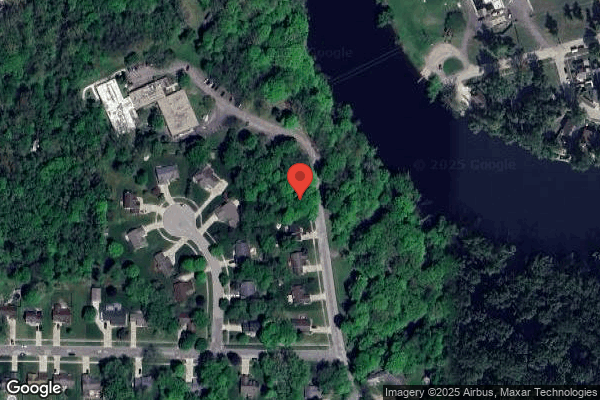
1333 Wells St, Niles, MI 49120 (269) 684-1111
For profit - Limited Liability company 84 Beds SIMCHA HYMAN & NAFTALI ZANZIPER Data: November 2025
Trust Grade
25/100
#409 of 422 in MI
Last Inspection: September 2024

Within standard 12-15 month inspection cycle. Federal law requires annual inspections.

Overview

Riveridge Rehabilitation and Healthcare Center has received a Trust Grade of F, indicating significant concerns about the facility's overall care and management. It ranks #409 out of 422 nursing homes in Michigan, placing it in the bottom half, and #6 out of 7 in Berrien County, meaning only one local option is better. Although the facility's trend is improving, reducing issues from 50 in 2024 to just 1 in 2025, there are still serious deficiencies. Staffing is average with a 3/5 star rating, but a high turnover rate of 58% raises concerns about continuity of care. Notably, specific incidents include a resident sustaining multiple fractures due to inadequate supervision and another resident facing risks related to nutrition and hydration. On a positive note, the facility has no fines on record and offers average RN coverage, which is crucial for patient safety. Families considering this facility should weigh these strengths against the significant weaknesses.

Trust Score
F
25/100
In Michigan
#409/422
Bottom 4%
Safety Record
Moderate
Needs review
Inspections
Getting Better
50 → 1 violations
Staff Stability
⚠ Watch
58% turnover. Above average. Higher turnover means staff may not know residents' routines.
Penalties
✓ Good
No fines on record. Clean compliance history, better than most Michigan facilities.
Skilled Nurses
○ Average
Each resident gets 36 minutes of Registered Nurse (RN) attention daily — about average for Michigan. RNs are the most trained staff who monitor for health changes.
Violations
⚠ Watch
78 deficiencies on record. Higher than average. Multiple issues found across inspections.
★☆☆☆☆
1.0
Overall Rating
★★★☆☆
3.0
Staff Levels
★★★★☆
4.0
Care Quality
★☆☆☆☆
1.0
Inspection Score
Stable
2024: 50 issues
2025: 1 issues

The Good

  • 4-Star Quality Measures · Strong clinical quality outcomes
  • Full Sprinkler Coverage · Fire safety systems throughout facility
  • No fines on record

Facility shows strength in quality measures, fire safety.

The Bad

1-Star Overall Rating

Below Michigan average (3.1)

Significant quality concerns identified by CMS

Staff Turnover: 58%

12pts above Michigan avg (46%)

Frequent staff changes - ask about care continuity

Chain: SIMCHA HYMAN & NAFTALI ZANZIPER

Part of a multi-facility chain

Ask about local staffing decisions and management

Staff turnover is elevated (58%)

10 points above Michigan average of 48%

The Ugly 78 deficiencies on record

2 actual harm
Jul 2025 1 deficiency
CONCERN (D) 📢 Someone Reported This

A family member, employee, or ombudsman was alarmed enough to file a formal complaint

Potential for Harm - no one hurt, but risky conditions existed

Report Alleged Abuse (Tag F0609)

Could have caused harm · This affected 1 resident

**NOTE- TERMS IN BRACKETS HAVE BEEN EDITED TO PROTECT CONFIDENTIALITY** This citation pertains to MI 1241872.Based on interview and record review, the facility failed to report a resident-to-resident ...

Read full inspector narrative →
**NOTE- TERMS IN BRACKETS HAVE BEEN EDITED TO PROTECT CONFIDENTIALITY** This citation pertains to MI 1241872.Based on interview and record review, the facility failed to report a resident-to-resident physical incident to the State Agency for 2 (Resident #3, Resident #5) of 5 residents reviewed for abuse, resulting in the potential for continued resident to resident incidents, an incomplete investigation and residents not being protected from abusive individuals. Findings include:Resident #3 (R3)Review of the admission Record and Minimum Data Set (MDS) dated [DATE] revealed R3 admitted to the facility on [DATE] with pertinent diagnoses including schizophrenia (disorder that affects a person's ability to think, feel, and behave clearly and is characterized by thoughts or experiences that seem out of touch of reality, disorganized speech or behavior and decreased participation in daily activities), anxiety, and adult failure to thrive. Brief Interview for Mental Status (BIMS) was not able to be completed due to R3 being cognitively impaired. R3 was discharged to a psychiatric hospital on 6/19/2025 and did not return to the facility prior to exit. Resident #5 (R5)Review of the admission Record and Minimum Data Set (MDS) dated [DATE] revealed R5 admitted to the facility on [DATE] with pertinent diagnoses including Alzheimer's disease, depression, anxiety and dementia (memory loss and impaired judgement that interferes with daily functioning). Brief Interview for Mental Status (BIMS) reflected a score of 3 out of 15 which indicated R5 was severely cognitively impaired (00 to 07 is severe cognitive impairment).Review of R3's progress note dated 5/12/2025 revealed Nursing Note: Pt {Patient (R3)} went up to pt. {resident name omitted (R5)} yelled at her and hit her in the right upper arm. No bruising, swelling, redness, or pain noted.Another progress note dated 5/12/2025 revealed Nursing Note: The incident was unprovoked. The incident was observed by (Certified Occupational Therapist Assistant (COTA) F).Review of R3's Progress note dated 5/13/2025 revealed an IDT NOTE (interdisciplinary note) completed by Director of Nursing (DON) R Intended to document: Resident struck out at another resident.Review of the incident report dated 5/12/2025 at 7 AM revealed (R5) encountered (R3) yelling at her and got hit in the right upper arm while wheeling around the dining room, no bruising, swelling, redness, or pain noted. Incident was unprovoked. (COTA F) witnessed the incident. Under Agencies/People Notified, the State Agency was not notified. Review of the MI (Michigan) FRI (Facility Reported Incident) website revealed that the facility did not submit an initial report of the resident-to-resident incident and a final investigation to the State Agency.During an interview on 7/15/2025 at 11:44 AM, COTA F stated on 5/12/2025 she came through the front door at the facility and glanced into the dining room and saw R5 entering the dining room. R3 was sitting in the dining room and all of a sudden R3 got upset and hit R5 on her arm. COTA F' said she told the nurse about the incident but didn't let Nursing Home Administrator (NHA) Q know about it since it was early and he wasn't in the building yet.During an interview on 7/15/2025 at 11:51 AM, Registered Nurse (RN) P stated that she prepared the incident report and that COTA F witnessed the incident. RN P said that she reported the incident to NHA Q and DON R. RN P stated that DON R said she would handle the paperwork and contact the appropriate parties related to the incident. During an interview on 7/15/2025 at 11:57 AM, Social Services Director (SSD) E stated that the IDT (interdisciplinary team) discussed the incident between R3 and R5 on the morning of 5/12/2025 and they decided to send R3 to the psychiatric hospital that day. SSD E said that DON R was in the meeting and put a note in, but she wasn't sure if DON R or NHA Q reported the incident to the State Agency. SSD E stated that any resident-to-resident incident must be reported to the NHA. During an interview on 7/15/2025 at 1:17 PM, Unit Manager (UM) D stated that she didn't witness the incident on 5/12/2025 but it was discussed in IDT and both NHA Q and DON R were aware of the incident. UM D stated that any resident-to-resident incident must be reported to the NHA. During an interview on 7/15/2025 at 1:30 PM, NHA A stated that she couldn't find a file on the resident-to-resident incident with supporting documentation and whether it was reported to the State Agency since she wasn't the NHA at that time. Review of the Abuse, Neglect and Exploitation Policy with a review date of 10/20/2022 revealed .VII. Reporting/Response: A. The facility will have written procedures that include: 1. Reporting of all alleged violations to the Abuse Coordinator/Administrator, State Agency, Adult Protective Services and to all other required agencies.B. The Administrator will follow up with government agencies during business hours to confirm the initial report was received, and to report the results of the investigation when final within 5 working days of the incident as required by state agencies.
Nov 2024 4 deficiencies
CONCERN (D) 📢 Someone Reported This

A family member, employee, or ombudsman was alarmed enough to file a formal complaint

Potential for Harm - no one hurt, but risky conditions existed

Deficiency F0688 (Tag F0688)

Could have caused harm · This affected 1 resident

Based on observations, interviews, and record review, the facility failed to ensure a positioning device (a left resting hand splint) was applied per therapy recommendations for 1 (Resident #201) of 3...

Read full inspector narrative →
Based on observations, interviews, and record review, the facility failed to ensure a positioning device (a left resting hand splint) was applied per therapy recommendations for 1 (Resident #201) of 3 residents reviewed for therapy services, resulting in the potential for contracture progression (hardening of the muscles, tendons, and other tissues), pain, and decline in range of motion. Findings include: Resident #201 Review of an admission Record revealed Resident #201 was a female, with pertinent diagnoses which included: vascular dementia, unspecified severity; and stiffness of unspecified hand. Review of a current Care Plan for Resident #201 revealed a focus of (Resident #201) has an ADL (activities of daily living) self-care performance deficit r/t (related to) dementia, HTN (high blood pressure), lack of coordination, balance issues . last revised on 10/18/24 with care planned interventions which included (Resident #201) is to wear left resting hand splint (a positioning device) when out of bed with a date initiated of 10/22/24. A review of Resident #201's current Order Summary Report on 11/14/24 at 10:50 AM, revealed no physician order for Resident #201 for a left resting hand splint. During an observation on 11/13/24 at 12:28 PM, Resident #201 was seated at a table in the dining room waiting for her lunch meal. Resident #201 was not wearing a left resting hand splint. During an observation on 11/13/24 at 1:49 PM, Resident #201 was seated in her wheelchair across from the nurses' station on the unit where she resided. Resident #201 was not wearing a left resting hand splint. During an observation on 11/14/24 at 10:26 AM, Resident #201 was seated at a table in the dining room observing other residents who were engaged in a kickball activity. Resident #201 was not wearing a left resting hand splint. During an observation on 11/14/24 at 12:41 PM, Resident #201 was seated at a table in the dining room waiting for her lunch meal to be served to her. Resident #201 was not wearing a left resting hand splint. In an interview on 11/13/24 at 3:14 PM, Certified Nurse Aide (CNA) G was queried by this surveyor about Resident #201's left resting hand splint. CNA G reported thought Resident #201 had something for her wrist at some point, but haven't seen that in a while and that therapy usually handled that. In an interview on 11/14/24 at 10:34 AM, Physical Therapist (PT) P reported therapy had recommended the left resting hand splint for Resident #201 because of hand pain. PT P reported Resident #201 had previously had a different hand splint but that she would remove it, so therapy recommended the current left resting hand splint in hopes that Resident #201wear it without trying to remove it. PT P reported the purpose of the splint was to prevent/manage contracture progression and pain of Resident #201's left hand. PT P reported therapy had given nursing staff training on applying the splint and instructed on the splint wearing schedule. Review of Resident #201's Occupational Therapy Treatment Encounter Note dated 10/23/24 revealed, .Manual tx (treatment): provided joint mobilization techniques and stretching of shortened connective tissue left hand .pt (patient) indicated no pain with movement this date; resting hand splint applied following manual tx .Skilled interventions focused on caregiver education for resting hand splint application and wearing schedule, instruction provided to unit nurse and CNAs (certified nurse aides) . In an interview on 11/14/24 at 1:32 PM, Licensed Practical Nurse (LPN) K reported she regularly worked with Resident #201. LPN K reported hadn't seen a splint for Resident #201 for quite some time. LPN K reported knew Resident #201 had a splint at one point and thought maybe it had been discontinued. LPN K reported if a CNA attempted to apply the splint to Resident #201's hand and she refused to wear it, the refusal should be documented in the medical record. LPN K reported there should be a physician order if a resident was to wear a splint or other positioning device. In an interview on 11/14/24 at 12:50 PM, Director of Nursing (DON) B reported there was no physician order entered for Resident #201's left resting hand splint but there should have been. DON B reported if staff attempted to apply the splint and Resident #201 refused, there would be documentation in Resident #201's medical record. DON B reported there was no documentation in Resident #201's medical record to show that she was offered or refused to wear the left resting hand splint that was recommended by therapy.
CONCERN (D) 📢 Someone Reported This

A family member, employee, or ombudsman was alarmed enough to file a formal complaint

Potential for Harm - no one hurt, but risky conditions existed

Incontinence Care (Tag F0690)

Could have caused harm · This affected 1 resident

**NOTE- TERMS IN BRACKETS HAVE BEEN EDITED TO PROTECT CONFIDENTIALITY** This citation pertains to intake #MI00147923. Based on interview and record review, the facility failed to ensure adequate monit...

Read full inspector narrative →
**NOTE- TERMS IN BRACKETS HAVE BEEN EDITED TO PROTECT CONFIDENTIALITY** This citation pertains to intake #MI00147923. Based on interview and record review, the facility failed to ensure adequate monitoring, assessment and care for 1 resident (Resident #202) of 3 residents, with an indwelling catheter, reviewed for urinary catheter/UTI (urinary tract infection) care, resulting in hospitalization due to severe UTI and Sepsis. Findings include: Review of an admission Record revealed Resident #202 was originally admitted to the facility on [DATE], with pertinent diagnoses which included: urinary retention. In an interview on 11/13/24 at 1:51 PM, Licensed Practical Nurse (LPN) K reported that she had noticed on 11/10/24 that Resident #202 was not himself, was pale in color, not eating and drinking, had a large amount of sediment and blood in his urine, and was not using his typical sign language to communicate. LPN K reported that she had come across UA results that clearly indicated an infection, but were incomplete, so she called for the final results. LPN K reported that the results were from several days prior, but did not appear to have been addressed. LPN K reported that she called DON B and MD C to get permission to send Resident #202 to the hospital. In an interview on 11/14/24 at 2:56 PM, LPN M reported that she was concerned about Resident #202's UA results on 11/8/24 and had sent MD C an email, but did not hear anything back prior to finishing her shift on 11/9/24. LPN M reported that Resident #202's urine was cloudy and bloody, and based on the UA result, he had a UTI. LPN M reported that UA results are available in 48 hours or less and C&S takes at least 48 hours. LPN M reported that Resident #202's urine color and clarity should have been documented in his progress notes, the CNA's are expected to document color and amount of output, and the nurses should have orders to ensure catheter care is being provided. Review of Resident #202's Urology Visit Notes dated 10/31/24 revealed, .Hospital follow up .Exam: .foley draining cloudy urine .Assessment/Plan: 1. Urolithiasis (stone in urinary system) .Discussed with caregiver that we need permission from (guardian) to proceed with cystoscopy (procedure to see the inside of the bladder and urethra), litholapaxy (procedure to break up bladder stones), bilateral ureteroscopy (procedure to examine and treat the upper urinary tract), laser lithotripsy (procedure to break up kidney stones) and bilateral stent exchange once his infection is cleared .plan for this 11/6. In the meantime, we will have (facility) change foley and submit urine for C&S in the next 24 hours .4. UTI and suspect upper tract involvement - last urine culture with morganella (bacteria), pseudomonas (bacteria) and proteus (bacteria), he completed tx (treatment) with Cefepime (antibiotic) on 10/18 .(facility) change foley and submit urine for C&S (culture and sensitivity test to determine which antibiotic will be needed to treat the bacteria) in the next 24 hours . The visit note was printed by facility staff on 11/5/24. There were no nurse's notes, and/or physician visits recorded between 10/23/24 and 11/3/24. Review of Resident #202's Progress Note dated 11/3/24 at 7:20 PM revealed, at 7:30 PM urine specimen collected and sent to (lab name). The urine test was obtained 36 hours after Resident #202's urology appointment, and not 24 hours as ordered. There were no nurse's notes, and/or physician visits recorded between the above note on 11/3/24 and 11/8/24. Review of Resident #202's Progress Note dated 11/8/24 at 10:02 PM revealed, sent a message to Dr. to review resident's UA (urinalysis: urine test) results. There were no nurse's notes, and/or physician visits recorded between the above note on 11/8/24 and 11/10/24. Review of Resident #202's Progress Note dated 11/10/24 at 2:16 PM revealed, observed UA results at nurse's station today with no susceptibility results. Called for results to be faxed. Called (Medical Director (MD) C) who says to send to ER (emergency room). Resident's V/S (vital signs): 92/70 (blood pressure) 113 (heart rate) 97.3 (temperature) 93% (blood oxygen level) .Resident is not eating and drinking as per his normal and appears weak. Called DON (Director of Nursing) with update . Review of Resident #202's UA Results were collected on 11/3/24 at 8:08 PM, and resulted on 11/3/24 at 8:49 PM. The results indicated the urine was turbid (cloudy), contained a moderate amount of blood, a large amount of Leukocyte esterase (indicates a UTI or inflammation), greater than 100 WBC (white blood cells: indicates infection), 48 RBC (red blood cell count: indicates issues such as infection), and a moderate amount of bacteria (indicates an infection). The report had a print stamp by facility staff on 11/4/24 at 10:52 AM. Based on the abnormal results, a Urine C&S was automatically added to the UA test. The C&S results were final on 11/8/24 at 9:10 AM. The results indicated greater than 100,000 CFU/ml Pseudomonas Aeruginosa (indicating a serious bacterial infection), and the recommended antibiotics to treat the infection. The C&S report was received via fax by facility staff on 11/10/24 at 1:54 PM. Review of Resident #202's Ambulance Report dated 11/10/24 revealed, .On scene 2:28 PM .Patient was found laying in bed .Patient skin was pale, extremely warm and dry. Patient had a urinary catheter and it was cloudy and thick sediment in the tubing and blood was noted as well. Staff on scene advised that the patient got a UA done on November 3rd and got the results on November 4th that he had a UTI and was septic. Nurse advised that since she last worked there has been no new notes in the system and no vital signs charted on the patient. Nurse also advised that the facility doctor was made aware of the UA results on November 8th .Nurse stated that when she called the facility doctor today to get permission to send the patient out and the doctor stated on the phone that she had zero idea of the results . Review of Resident #202's Hospital Records course of stay 11/10/24 to present (11/14/24) revealed, .significant medical history of recurrent urinary tract infections with a chronic indwelling Foley catheter .presented to the emergency department for altered mental status .Review of previous microbiology (urine test) showed susceptibility to Zosyn (antibiotic) and this was started in the ED (emergency department). Vancomycin (antibiotic) also started. Labs were remarkable for elevated WBC and creatinine. Due to most recent history, obtained a CT (detailed x-ray image) of the abdomen and pelvis without contrast. Imaging was remarkable for misplaced Foley catheter and severely distended urinary bladder. Likely contributing to AKI (acute kidney injury). Replaced catheter in the ED with good output .Attempted to call (facility) however unable to reach RN (registered nurse). Patient is also unable to give history. He has a significant medical history of a chronic indwelling Foley catheter, bilateral deafness, learning delay. Of note, patient was recently in the hospital on October 2, 2024 for septic shock secondary to urosepsis .Clinical impression/plan: .Septic shock due to Pseudomonas .secondary to urologic infection as noted by CT scan with hydronephrosis (back up of urine into the kidney), Foley catheter balloon inflation in urethra, both urine and blood cultures showing both Pseudomonas and Proteus . Review of Resident #202's documentation of Vital Signs indicated that the resident had normal vital signs, including temperatures on 11/3/24 and 11/7/24, but there were no vital signs recorded after that until 11/10/24 when the resident was sent to the hospital. Review of Resident #202's Treatment Administration Record (TAR) revealed no orders for catheter care and/or monitoring. Review of Resident #202's documentation of CNA (Certified Nursing Assistant) Tasks from the past 30 days revealed, Catheter Care was recorded as performed 0/30 days, and Catheter Output (urine) Amount was recorded as performed 0/30 days. In an interview on 11/14/24 at 1:38 PM, DON/Infection Preventionist B reported that she was not made aware that Resident #202's urologist had wanted Resident #202's catheter changed and a urine C&S obtained immediately after his appointment on 10/31/24. DON/IP B reported that the facility did not send a communication sheet along with residents and/or have a process in place to receive information such as visit notes and test results, timely and efficiently. DON/IP B reported that due to Resident #202's upcoming surgery, they changed his catheter and obtained a urine specimen for testing. DON/IP B reported that Resident #202 was lethargic (drowsy) and suspected to have a UTI on 11/3/24, but that was not the reason that the UA was obtained. DON/IP B reported that Resident #202 did not have any documentation of his signs or symptoms related to a UTI, and was not being regularly monitored for a UTI. DON/IP B reported that with Resident #202 being lethargic, and considering his history of repeated UTI's, he should have had regular monitoring of vital signs, and prompt follow up of his urine test results. In an interview on 11/14/24 at 2:47 PM, CNA I reported that Resident #202 had decrease appetite, and his urine was cloudy a couple days prior to his hospitalization. CNA I reported that the CNA's are expected to report catheter output to the nurse and then the nurse documents it in the record. In an interview on 11/14/24 at 2:25 PM, CNA J reported that catheter output amounts are reported to the nurse. In an interview on 11/14/24 at 2:30 PM, LPN K reported that the CNA's should be documenting catheter output amounts.
CONCERN (D) 📢 Someone Reported This

A family member, employee, or ombudsman was alarmed enough to file a formal complaint

Potential for Harm - no one hurt, but risky conditions existed

Deficiency F0810 (Tag F0810)

Could have caused harm · This affected 1 resident

Based on observation, interview, and record review, the facility failed to ensure adaptive dining equipment was provided per physician's order for 1 (Resident #201) of 3 residents reviewed for food, r...

Read full inspector narrative →
Based on observation, interview, and record review, the facility failed to ensure adaptive dining equipment was provided per physician's order for 1 (Resident #201) of 3 residents reviewed for food, resulting in the potential for difficulty with self-feeding and weight loss. Findings include: Resident #201 Review of an admission Record revealed Resident #201 was a female, with pertinent diagnoses which included: vascular dementia, unspecified severity; unspecified lack of coordination; and stiffness of unspecified hand. Review of a current Physician's Order for Resident #201 revealed, Regular diet Mechanical Soft texture, Thin Liquids consistency, Divided plates for all meals .Order Status Active Order Date 5/12/2023 Start Date 5/12/2023 . Review of a current Care Plan for Resident #201 revealed a focus of (Resident #201) is at risk for nutritional problem or potential nutritional problem r/t (related to) Dementia secondary HTN (high blood pressure), hyperlipidemia (elevated levels of fat in the blood), vascular dementia with behavioral disturbance, mild cognitive impairment, obesity, wt (weight) fluctuations with diuretics in place, dysphagia (swallowing difficulty) with mech (mechanical) soft diet in place last revised 7/18/24 with pertinent interventions which included Provide divided plate for all meals with a date initiated of 8/9/24. During an observation on 11/13/24 at 12:53 PM in the dining room, noted Resident #201 was seated at a table with her lunch meal in front of her. The entrée, which appeared to be chicken casserole, was served on a regular flat plate, and not in a divided dish as specified on Resident #201's Tray Ticket. Review of a Tray Ticket for Resident #201 revealed .INSTRUCTIONS: Real Silverware, NO Styrofoam, Divided Plate In an interview on 11/14/24 at 11:31 AM, Registered Dietitian (RD) Q reported sometimes Resident #201 needed help to eat and sometimes she was able to eat on her own. RD Q reported Resident #201 used a divided dish to help with self-feeding ability because it made it a little easier for her to see what food she had and helped her to get food onto her utensils because of the edges in each of the wells of the plate. RD Q reported Resident #201 should have a divided plate for all meals.
CONCERN (D) 📢 Someone Reported This

A family member, employee, or ombudsman was alarmed enough to file a formal complaint

Potential for Harm - no one hurt, but risky conditions existed

Medical Records (Tag F0842)

Could have caused harm · This affected 1 resident

**NOTE- TERMS IN BRACKETS HAVE BEEN EDITED TO PROTECT CONFIDENTIALITY** This citation pertains to intake #MI00147923. Based on interview and record review, the facility failed to maintain complete and...

Read full inspector narrative →
**NOTE- TERMS IN BRACKETS HAVE BEEN EDITED TO PROTECT CONFIDENTIALITY** This citation pertains to intake #MI00147923. Based on interview and record review, the facility failed to maintain complete and accurate medical records for 1 of 4 residents (Resident #202) reviewed for medical records, resulting in the lack of documentation pertaining to catheter care, test results, vital signs, and resident status, as it related to an impending UTI (urinary tract infection). Findings include: Review of an admission Record revealed Resident #202 was originally admitted to the facility on [DATE], with pertinent diagnoses which included: urinary retention. In an interview on 11/13/24 at 1:51 PM, Licensed Practical Nurse (LPN) K reported that she had noticed on 11/10/24 that Resident #202 was not himself, was pale in color, not eating and drinking, had a large amount of sediment and blood in his urine, and was not using his typical sign language to communicate. LPN K reported that she had come across UA (Urinalysis:urine test) results that clearly indicated an infection, but were incomplete, so she called for the final results. LPN K reported that the results were from several days prior, but did not appear to have been addressed. In an interview on 11/14/24 at 2:56 PM, LPN M reported that she was concerned about Resident #202's UA results on 11/8/24 and had sent MD (Medical Director) C an email, but did not hear anything back prior to finishing her shift on 11/9/24. LPN M reported that Resident #202's urine was cloudy and bloody, and based on the UA result, he had a UTI. LPN M reported that typically UA results were available in 48 hours or less, and C&S takes at least 48 hours. LPN M reported that Resident #202's urine color and clarity should have been documented in progress notes, the CNA's (Certified Nursing Assistants) are expected to document color and amount of output, and the nurses should have orders in place to ensure catheter care was being provided. Review of Resident #202's Progress Note dated 11/3/24 at 7:20 PM revealed, at 7:30 PM urine specimen collected and sent to (lab name). There were no nurse's notes, and/or physician visits recorded between the above note on 11/3/24 and 11/8/24. Review of Resident #202's Progress Note dated 11/8/24 at 10:02 PM revealed, sent a message to Dr. to review resident's UA (urinalysis: urine test) results. There were no nurse's notes, and/or physician visits recorded between the above note on 11/8/24 and 11/10/24. Review of Resident #202's Progress Note dated 11/10/24 at 2:16 PM revealed, observed UA results at nurse's station today with no susceptibility results. Called for results to be faxed. Called (Medical Director (MD) C) who says to send to ER (emergency room). Resident's V/S (vital signs): 92/70 (blood pressure) 113 (heart rate) 97.3 (temperature) 93% (blood oxygen level) .Resident is not eating and drinking as per his normal and appears weak. Called DON (Director of Nursing) with update . Review of Resident #202's UA Results were collected on 11/3/24 at 8:08 PM, and resulted on 11/3/24 at 8:49 PM. The results indicated the urine was turbid (cloudy), contained a moderate amount of blood, a large amount of Leukocyte esterase (indicates a UTI or inflammation), greater than 100 WBC (white blood cells: indicates infection), 48 RBC (red blood cell count: indicates issues such as infection), and a moderate amount of bacteria (indicates an infection). The report had a print stamp by facility staff on 11/4/24 at 10:52 AM. Based on the abnormal results, a Urine C&S was automatically added to the UA test. The C&S results were final on 11/8/24 at 9:10 AM. The results indicated greater than 100,000 CFU/ml Pseudomonas Aeruginosa (indicating a serious bacterial infection), and the recommended antibiotics to treat the infection. The C&S report was received via fax by facility staff on 11/10/24 at 1:54 PM. Review of Resident #202's documentation of Vital Signs indicated that the resident had normal vital signs, including temperatures on 11/3/24 and 11/7/24, but there were no vital signs recorded after that until 11/10/24 when the resident was sent to the hospital. Review of Resident #202's Treatment Administration Record (TAR) revealed no orders for catheter care and/or monitoring. Review of Resident #202's documentation of CNA (Certified Nursing Assistant) Tasks from the past 30 days revealed, Catheter Care was recorded as performed 0/30 days, and Catheter Output (urine) Amount was recorded as performed 0/30 days. In an interview on 11/14/24 at 1:38 PM, DON/Infection Preventionist B reported that Resident #202 did not have any documentation of his signs or symptoms related to a UTI, and was not being regularly monitored for a UTI. DON/IP B reported that with Resident #202 being lethargic, and considering his history of repeated UTI's, he should have had regular monitoring of vital signs, and prompt follow up of his urine test results. In an interview on 11/14/24 at 2:47 PM, CNA I reported that Resident #202 had decrease appetite, and his urine was cloudy a couple days prior to his hospitalization. CNA I reported that the CNA's are expected to report catheter output to the nurse and then the nurse documents it in the record. In an interview on 11/14/24 at 2:25 PM, CNA J reported that catheter output amounts are reported to the nurse. In an interview on 11/14/24 at 2:30 PM, LPN K reported that the CNA's should be documenting catheter output amounts.
Sept 2024 23 deficiencies
CONCERN (D)

Potential for Harm - no one hurt, but risky conditions existed

Resident Rights (Tag F0550)

Could have caused harm · This affected 1 resident

Based on interview and record review the facility failed to maintain the dignity of 1 (Resident #20) of 1 reviewed for dignity resulting in feelings of anger and frustration. Findings include: Resid...

Read full inspector narrative →
Based on interview and record review the facility failed to maintain the dignity of 1 (Resident #20) of 1 reviewed for dignity resulting in feelings of anger and frustration. Findings include: Resident #20 Review of an admission Record revealed Resident #20 had pertinent diagnoses which included: osteomyelitis (an infection in a bone) and end stage renal disease with dialysis (a condition when the kidneys no longer function, and dialysis- a procedure to filter the blood of the body when the kidneys no longer function). Review of a Minimum Data Set (MDS) assessment for Resident #20, with a reference date of 8/6/24 revealed a Brief Interview for Mental Status (BIMS) score of 15/15 which indicated Resident #20 was cognitively intact. In an interview on 9/11/24 at 4:14 PM., Resident #20 reported he recently had asked to go to the hospital, and when Medical Director (MD) WW spoke with him (Resident #20) on the phone, MD 'WW's tone was short and curt when MD WW told Resident #20 he did not think he needed to go to the hospital and would not approve a transfer to the emergency room. Resident #20 reported he was angry and frustrated when MD WW told him he did not need to go to the hospital. Review of Progress Notes for Resident #20 dated 8/29/24, 11:23 PM., authored by Licensed Practical Nurse (LPN) EE revealed . I (LPN EE) spoke with him (Resident #20) about having the physician here look at it and prescribe an antibiotic if need and he (Resident #20) said no I am in so much pain and you don't have the proper pain meds (medications) to treat me here . called MD WW and he spoke with the resident as well stating this is not a life-threatening emergency and that a trip to the ER (emergency room) is not necessary .MD WW did tell resident he was not approving this transport to the emergency room as he did not feel it was an emergency . resident (#20) refused to stay here (in the facility) and insisted on being treated at the hospital .MD WW was informed of the resident (#20) insistence of going to the emergency room and stated that was fine, but that he is not in approval of him going to the emergency room . In an interview on 9/12/24 at 7:09 AM., LPN EE reported Resident #20 asked to go to the hospital and she called MD WW. LPN EE reported that she informed MD WW that Resident #20 wanted to go to the ER, and that MD WW told LPN EE Resident #20 could be treated at the facility, and they have to watch their numbers. LPN EE explained that numbers refer to residents who are sent to the hospital. LPN EE reported MD WW did speak to Resident #20 via a cell phone speaker phone, and LPN EE did hear MD WW tell Resident #20 that he did not approve or support his (Resident #20) transfer to the hospital. LPN EE reported she sent Resident #20 to the emergency room that night. In a telephone interview on 9/12/24 at 11:32 AM., MD WW recalled the telephone conversation with Resident #20 regarding his wish to be transferred to the ER. MD WW reported that he had to watch his numbers with transfers to the hospital. When asked what watching his numbers means, MD WW reported too many transfers to the hospital is not good. MD WW reported he did tell Resident #20 that he did not think he needed to go to the hospital and that he did not support his (Resident #20) choice to go to the emergency room. During the telephone conversation, MD WW referred to Resident #20 as a frequent flyer. When asked what a frequent flyer was, MD WW stated someone who go to the emergency room often.
CONCERN (D)

Potential for Harm - no one hurt, but risky conditions existed

Deficiency F0559 (Tag F0559)

Could have caused harm · This affected 1 resident

Based on observation and interview the facility failed to provide proper notification of a room change to 1 (Resident #20) of 1 resident reviewed for room change resulting in feelings of anger and fru...

Read full inspector narrative →
Based on observation and interview the facility failed to provide proper notification of a room change to 1 (Resident #20) of 1 resident reviewed for room change resulting in feelings of anger and frustration. Findings include: Resident #20 Review of an admission Record revealed Resident #20 had pertinent diagnoses which included: osteomyelitis (an infection in a bone) and end stage renal disease with dialysis (a condition when the kidneys no longer function, and dialysis- a procedure to filter the blood of the body when the kidneys no longer function). Review of a Minimum Data Set (MDS) assessment for Resident #20, with a reference date of 8/6/24 revealed a Brief Interview for Mental Status (BIMS) score of 15/15 which indicated Resident #20 was cognitively intact. In an interview on 9/11/24 at 4:18 PM., Resident #20 reported he had been moved rooms after he complained to administration about a confrontation he had with his former roommate. Resident #20 reported he refused to move rooms when administration asked him to move rooms, but he still was the one that was moved. Resident #20 reported he was not provided any paperwork regarding a room change. Review of Census for Resident #20 revealed a documented room change on 5/7/24. Review of Social Service Note for Resident #20 dated 4/24/24 at 16:23 PM., revealed .received a phone call .demanding that I moved his roommate .offered a room change . Res (resident) refused room change stating that he was there first . In an interview on 9/12/24 at 11:42 AM., Nursing Home Administrator (NHA) A reported there was no reported or documented confrontation between Resident #20 and his former roommate. In an interview on 9/12/24 at 11:57 AM., Social Services Director (SSD) NN reported there was no reported or documented confrontation between Resident #20 and his former roommate. SSD NN reported Resident #20 had asked for his roommate to be moved, and the roommate refused to move. SSD NN reported that she offered a room changed to Resident #20 and he refused a room change because he was there first. When asked why Resident #20 was moved rooms, SSD NN reported that Resident #20 agreed to move rooms. This surveyor asked SSD NN for documentation that supported Resident #20's agreeance to move or written notice of a room change, and SSD NN was unable to provide any documentation. SSD NN stated she documented in Resident #20's record that that he refused a room change, but she did not document when Resident #20 agreed to move rooms. In an interview on 9/12/24 at 12:10 PM., NHA A reported she was aware of Resident #20's room change. NHA A reported Resident #20 told her him and his former roommate did not get along. NHA A reported Resident #20 was presented with the opportunity to change rooms several times, and he refused. NHA A reported she was informed Resident #20 did finally agree to move rooms. NHA A reported SSD NN was the staff member residents discuss a room change with, and SSD NN was responsible for documentation and notification of room change. When asked for the documentation regarding Resident #20 agreeance or written notification for Resident #20's room change, NHA A stated I don't have any. Review of facility policy Change of Room or Roommate with a reviewed date of 7/2024 revealed .the notice of a change in room or roommate will be provided in writing .will include the reason (s) why the move or changed is required .
CONCERN (D)

Potential for Harm - no one hurt, but risky conditions existed

Deficiency F0578 (Tag F0578)

Could have caused harm · This affected 1 resident

**NOTE- TERMS IN BRACKETS HAVE BEEN EDITED TO PROTECT CONFIDENTIALITY** Resident #60: Review of an admission Record revealed Resident #60 was a male with pertinent diagnoses which included dementia, b...

Read full inspector narrative →
**NOTE- TERMS IN BRACKETS HAVE BEEN EDITED TO PROTECT CONFIDENTIALITY** Resident #60: Review of an admission Record revealed Resident #60 was a male with pertinent diagnoses which included dementia, borderline personality disorder, anxiety, PTSD, high cholesterol, injury to head, and glaucoma (nerve connecting the eye to the brain is damaged, leads to vision loss). Review of current Care Plan for Resident #10, revised on [DATE], revealed the focus, .(Resident #60) and family have elected DNR (do not resuscitate) . with the intervention .Update code status if resident decided to change their preference .Ensure code status is available in electronic health record and send a copy with (Resident #60) on any trips to outside providers . Review of current Code Status on resident's profile page the resident was listed as a DNR. Review of Medical Treatment Decisions dated [DATE], revealed, the guardian designated no CPR (cardiopulmonary resuscitation) was to be performed. Review of Medical Treatment Decisions dated [DATE], revealed, the guardian had updated the resident's code status to indicate Resident #60 would have CPR performed. In an interview on [DATE] at 11:52 AM, Family Member BBB reported that his father wants CPR if something were to happen like a cardiac arrest. In an interview on [DATE] 02:49 PM, Unit manager LL reported if she witnessed the completion of an advanced directive she would make the change in the medical record, if not, the nurse who initiated the advanced directive would make the change. Based on interview and record review, the facility failed to ensure updated and accurate advanced directive information was in place for 2 (Resident #12 & #60) of 3 residents reviewed for advanced directives (legal documents that allow a person to identify decisions about end-of-life care ahead of time), resulting in the potential for a resident's preferences for medical care to not be followed by the facility, or other healthcare providers. Findings include: Resident #12 Review of Resident #12's current Code Status Order in the electronic medical record indicated, Full Code, with a linked advance directive document from 2019 indicating Full Code, including CPR (cardiopulmonary resuscitation/chest compressions). Review of Code Status binder at the nurses station on [DATE] at 3:11 PM revealed Resident #12 had a green sheet of paper, indicating full code, initiate CPR, and an Advance Directive document dated [DATE] indicating that Resident #12 did not want CPR (DNR) do not resuscitate). These documents contradicted each other, and were inconsistent with the resident's medical record. In an interview on [DATE] at 11:38 AM, Director of Nursing (DON) B reported that Resident #12 had full code orders in the electronic medical record, to include CPR, based on an advanced directive from 2019. DON reported that Resident #12's advance directive that was found in the code status binder had not been recorded in the resident's medical record. DON B reported that the hospice service had been trying to reach Resident #12's POA (power of attorney) to discuss updating code status to DNR (do not resuscitate) due to her hospice status, and that DON B was not aware that the advance directive document indicating DNR had been completed in 2022 because it was not uploaded into the resident's medical record. DON B was not able to find an explanation as to why Resident #12's code status orders had not been updated to DNR. In an interview on [DATE] at 11:40 AM, Unit Manager (UM) LL was not able to explain why Resident #12's code status orders had not been updated to DNR. In an interview on [DATE] at 11:43 AM, Social Services Director (SSD) NN reported that she had completed Resident #12's DNR advance directive in 2022 with her POA, then gave it to the physician to sign. SSD NN reported that the facility policy is, after the physician signs the document, nursing staff are responsible for entering the order and to have the document scanned into the electronic medical record. Resident #12's code status should have been changed to DNR in 2022. In a subsequent review of Resident #12's record on [DATE] at 02:51 PM, indicated that the medical record had now been updated to include an advance directive indicating DNR, completed by her POA on [DATE]. It was unknown where this document was prior to the survey.
CONCERN (D) 📢 Someone Reported This

A family member, employee, or ombudsman was alarmed enough to file a formal complaint

Potential for Harm - no one hurt, but risky conditions existed

Free from Abuse/Neglect (Tag F0600)

Could have caused harm · This affected 1 resident

**NOTE- TERMS IN BRACKETS HAVE BEEN EDITED TO PROTECT CONFIDENTIALITY** This citation pertains to intake #MI00146430. Based on interview and record review, the facility failed to protect the resident'...

Read full inspector narrative →
**NOTE- TERMS IN BRACKETS HAVE BEEN EDITED TO PROTECT CONFIDENTIALITY** This citation pertains to intake #MI00146430. Based on interview and record review, the facility failed to protect the resident's right to be free from physical abuse (corporal punishment) by staff in 1 (Resident #37) of 5 residents reviewed for abuse, when staff covered Resident #37's mouth and sprayed water in her face, to keep Resident #37 from being heard yelling during a shower. This deficient practice resulted in increased agitation and mental anguish. Findings include: Review of an admission Record revealed Resident #37 was originally admitted to the facility on [DATE], with pertinent diagnoses which included: dementia and alzheimer's disease. Review of a Minimum Data Set (MDS) assessment for Resident #37, with a reference date of 7/27/24 revealed a Brief Interview for Mental Status (BIMS) score of 7, out of a total possible score of 15, which indicated Resident #37 was cognitively impaired. Review of Resident #37's Care Plan revealed, .has a behavior problem such as combativeness, refusing care, verbal aggression .r/t (related to) dementia. Date initiated: 11/23/22 .Interventions: .Assist (Resident #37) to develop more appropriate methods of coping and interacting, encourage to express feelings .Explain all procedures before starting and allow her time to adjust to changes . Review of a Facility Reported Incident (FRI) dated 8/5/24 revealed, .(Certified Nursing Assistant (CNA) XX) was showering (Resident #37). (CNA O) was assisting with shower. During the shower (Resident #37) began yelling out. Allegedly (CNA XX) then placed his hand on residents mouth. (CNA O) immediately told (CNA XX) not to do that .(CNA XX) was immediately suspended pending investigation .Per (CNA XX), he jokingly covered her mouth for a second .(CNA O) stated that (Resident #37) began screaming and yelling. He noticed that (CNA XX) was getting frustrated. When he noticed (CNA XX) put his hand briefly over (Resident #37's) mouth, he immediately told him that was not appropriate and he removed his hand. (Resident #37) then hit (CNA XX) in the face with a towel . Review of Resident #37's Physical Abuse Questionnaire dated 8/5/24 revealed, .Do you feel you have ever been handled roughly? Yes .I had a terrible shower this morning with two guys. They sprayed water all in my face and both ears. The one guy cusses me out sometimes . In an interview on 09/11/24 at 10:05 AM, Certified Nursing Assistant (CNA) O reported that it was typical for CNA XX to be inconsiderate and disrespectful to residents; CNA XX spoke rudely to residents, and during cares would intentionally cause residents to feel uncomfortable. CNA O reported that on 8/5/24 during Resident #37's shower, CNA XX got frustrated because Resident #37 was yelling, so he sprayed her in the face with the water and then covered her mouth with his hand. CNA O reported that this made Resident #37 more agitated and he told CNA XX to stop. CNA O reported that CNA XX stopped and they finished giving Resident #37 her shower. CNA O reported that CNA XX had done similar things in the past with other residents, and that CNA O had tried to talk to him about it, but that CNA XX got very defensive. CNA O had spoken to coworkers about the concerns, but did not report the concerns to management until 8/5/24. In an interview on 09/11/24 at 08:37 AM, CNA Y reported that on 8/5/24 she heard yelling in the shower room, and when she went to see what was going on, she saw CNA XX with his hand over Resident #37's mouth and stated, .(CNA O) was telling him to stop, but he kept doing it . CNA Y reported that CNA XX had abused several other residents, but had blackmailed coworkers, so that they would not report the abuse to management. CNA Y reported that she notified the charge nurse Licensed Practical Nurse (LPN) EE when she observed CNA XX holding his hand over Resident #37's mouth. In an interview on 09/12/24 at 09:41 AM, LPN EE reported that she was notified by CNA Y that she had witnessed CNA XX holding his hand over Resident #37's mouth because she was yelling in the shower room that morning. LPN EE reported that she immediately reported the concern to Nursing Home Administrator (NHA) A, and then found Resident #37 sitting in the hallway in her wheelchair a few minutes later. In an interview on 09/12/24 at 02:06 PM, NHA A reported that the allegation that CNA XX had abused Resident #37, was the first concern that was reported against CNA XX while employed at the facility. NHA A reported that since CNA XX's termination on 8/5/24, she had received additional allegations of past abuse by CNA XX, but could not tell this surveyor the names of the residents involved. NHA A reported that there was an all staff in-service held on 7/23/24, but it did not include education related to abuse. In an interview on 09/13/24 at 09:11 AM, CNA XX reported that he put his gloved hand over Resident #37's mouth on 8/5/24 because she was yelling while being showered. CNA XX reported that the reason he did it, was because he did not want the hot headed residents on the hall to hear Resident #37 yelling. CNA XX reported that he had been a CNA for a long time and did not think that his actions constituted abuse, because he did not hurt Resident #37.
CONCERN (D) 📢 Someone Reported This

A family member, employee, or ombudsman was alarmed enough to file a formal complaint

Potential for Harm - no one hurt, but risky conditions existed

Investigate Abuse (Tag F0610)

Could have caused harm · This affected 1 resident

**NOTE- TERMS IN BRACKETS HAVE BEEN EDITED TO PROTECT CONFIDENTIALITY** Based on interview and record review, the facility failed to submit the investigation of an allegation to the State Agency for 1...

Read full inspector narrative →
**NOTE- TERMS IN BRACKETS HAVE BEEN EDITED TO PROTECT CONFIDENTIALITY** Based on interview and record review, the facility failed to submit the investigation of an allegation to the State Agency for 1 resident (Resident #21) of 5 residents reviewed for abuse resulting in the potential for the allegation to not be thoroughly investigated and for the State Agency to not be notified of the status of the allegation. Findings include: Resident #21 (R21) Review of the Face Sheet and Minimum Data Set (MDS) dated [DATE] revealed R21 admitted to the facility on [DATE] with diagnoses of bipolar disorder, type 2 diabetes, depression and anxiety. Brief Interview for Mental Status (BIMS) reflected a score of 15 out of 15 which indicated R21 was cognitively intact (13 to 15 cognitively intact). Per the facility report to the State Agency on 6/20/2024, R21 alleged that someone stole a wad of ones and two fifties from his room and he called the police to file a report and notified facility staff. Nursing Home Administrator (NHA) A reported the allegation to the State Agency on 6/20/2024, the day it was discovered. During an interview on 9/10/2024 at 10:41 AM, R21 stated that he remembered calling the police on 6/20/2024 regarding his stolen money but he didn't remember exactly what happened with the investigation. Review of the Michigan Facility Reported Incident (MI FRI) website revealed that an investigation wasn't received from the facility. During an interview on 9/10/2024 at 4:49 PM NHA A stated that she went on vacation the next day after she submitted the initial report to the State Agency on 6/20/2024 and no one on her management team submitted the final investigation and report to the State Agency within the 5 working days of the incident. NHA A said that the investigation should have been submitted.
CONCERN (D)

Potential for Harm - no one hurt, but risky conditions existed

Deficiency F0645 (Tag F0645)

Could have caused harm · This affected 1 resident

Based on interview, and record review the facility failed to ensure PASSAR (Preadmission Screening/Annual Resident Review, 3877) documentation and OBRA Level II (3878) exemption criteria were complete...

Read full inspector narrative →
Based on interview, and record review the facility failed to ensure PASSAR (Preadmission Screening/Annual Resident Review, 3877) documentation and OBRA Level II (3878) exemption criteria were completed appropriately for 2 (Resident #39 and #60) of 3 residents, resulting in the potential for unmet behavioral health needs. Findings include: .Under the PASRR program, all persons seeking admission to a nursing facility who are seriously mentally ill and/or have an intellectual/developmental disability are required to be evaluated to determine whether the nursing facility is the most appropriate place for them to receive services and whether they require specialized behavioral/mental health services . https://www.michigan.gov/mdhhs/keep-mi-healthy/mentalhealth/mentalhealth/obra Resident #39: Review of an admission Record revealed Resident #39 was a male with pertinent diagnoses which included dementia, anxiety, psychotic disorder with delusions (severe mental disorders that cause abnormal thinking and perceptions), major depressive disorder, insomnia, and traumatic brain injury (brain dysfunction caused by an outside force, usually a violent blow to the head). Review of current Care Plan for Resident #39, revised on 6/1/23, revealed the focus, .(Resident #39) had a behavior problem of putting foreign objects in mouth and chewing on them .(Resident #39) uses antipsychotic medications r/t (related to) a history of TBI, psychotic disorder with delusions and behavior management . with the intervention .Administer medications as ordered. Observe for side effects and effectiveness .Anticipate and meet (Resident #139's) needs .Praise any indication of progress/improvement in behavior .Reward for appropriate behavior .(Resident #39) not to have paper or plastics products . Review of Resident #39's medical record revealed the last PASARR was completed on 4/28/23. Resident did not have an ARR (Annual review) from 2024 in the medical record. In an interview on 09/11/24 at 03:32 PM, Social Worker (SW) NN reported her completed portion of Resident #39's PASRR was uploaded into the PASRR system. The provider would have to log in and go to their que to complete his part of the assessment. When queried who was responsible for ensuring the completion of the PASRR, SW NN reported she was unsure who was responsible for ensuring the provider completed their portion of the PASRR. The provider would receive a notice and have to log in to the system to check. SW NN reported his had been 5 months since Resident #39's PASARR should have been completed. Resident #60: Review of an admission Record revealed Resident # 60 was a male with pertinent diagnoses which included dementia, borderline personality disorder, anxiety, PTSD (post traumatic stress disorder), and insomnia. Review of current Care Plan for Resident #60, revised on 1/16/2024, revealed the focus, .PASRR . with the intervention .Refer to OBRA and Psych service recommendations . Review of current Care Plan for Resident #60, revised on 1/16/2024, revealed the focus, .(Resident #60) has potential to be physically aggressive r/t (related to) anger, dementia, depression, history of harm to others, poor impulse control . with the intervention .Observe (Resident #60) frequently and Document observed behavior and attempted interventions in behavior log .Observe for any s/sx of (Resident #60) posing danger to self and others .Psychiatric/Psychogeriatric consult as indicated .When (Resident #60) becomes agitated: Intervene before agitation escalates; Guide away from source of distress; Engage calmly in conversation; If response is aggressive, staff to walk calmly away. and approach later . Review of Resident #60's medical record revealed no letter from Obra indicated exemption from continued level II assessment/review or a completed Obra level II assessment. In an interview on 09/11/24 09:57 AM, Social worker (SW) NN reported she would submit the level 2 requests as well, Obra would come and review someone and then send a copy via the electronic system and paper. When queried if Resident #60 had a level II Obra assessment completed recently SW NN reported as the resident had dementia he was exempt from a level II Obra assessment. Note: Resident #60 had a diagnosis of borderline personality disorder. In an interview on 09/11/24 at 03:30 PM, SW NN reported the original PASRR completed prior to Resident #60's admission was not in the Obra system. The referring facility had hand written the PASARR and never submitted it to Obra. SW NN reviewed the Obra system to determine if a letter was in Resident #60's Obra system to indicate he was exempt from any further level II examinations due to his dementia diagnosis. SW NN reported there was no letter currently and she had submitted a new level I PASRR into the Obra system for Resident #60 for the coordinator review.
CONCERN (D)

Potential for Harm - no one hurt, but risky conditions existed

ADL Care (Tag F0677)

Could have caused harm · This affected 1 resident

**NOTE- TERMS IN BRACKETS HAVE BEEN EDITED TO PROTECT CONFIDENTIALITY** Based on observation, interview, and record review, the facility failed to ensure assistance with activities of daily living (AD...

Read full inspector narrative →
**NOTE- TERMS IN BRACKETS HAVE BEEN EDITED TO PROTECT CONFIDENTIALITY** Based on observation, interview, and record review, the facility failed to ensure assistance with activities of daily living (ADL) care was provided for 3 (Resident #16, #61, #178) of 4 residents reviewed for ADL care, resulting in the potential for avoidable negative physical and psychosocial outcomes for resident's dependent on staff for assistance. Findings include: According to [NAME], [NAME] A.; [NAME], [NAME] Griffin; Stockert, [NAME]; Hall, [NAME]. Fundamentals of Nursing - E-Book (Kindle Locations 50742-50744). Elsevier Health Sciences. Kindle Edition.Personal hygiene affects patient's comfort, safety, and well-being. Hygiene care included cleaning and grooming activities that maintain personal body cleanliness and appearance. Personal hygiene activities which as taking a bath or shower and brushing and flossing the teeth also promote comfort and relaxation foster a positive self-image, promote healthy skin, and help prevent infection and disease . Resident #16: Review of an admission Record revealed Resident #16 was a female with pertinent diagnoses which included dementia, anxiety, muscle weakness, depression, and need for assistance with personal care. Review of current Care Plan for Resident #16, revised on 3/8/2024, revealed the focus, .(Resident #16) has an ADL self-care performance deficit r/t (related to) dementia, muscle wasting and atrophy to multiple sites . with the intervention .Personal Hygiene: Requires limited to extensive assist of 1 staff member . During an observation on 09/10/24 at 04:08 PM, Resident #16 was observed in the tv room area and she had white/dark 1/2 inch long whiskers on her chin, under her chin, and on her jawline. During an observation on 09/12/24 at 10:59 AM, Resident #16 was in the tv room area and she was observed to have hairs on her chin, under her chin, and on her jaw. Resident #61: Review of an admission Record revealed Resident #61was a female with pertinent diagnoses which included Alzheimer's disease, dementia, and stroke. Review of current Care Plan for Resident #61, revised on 12/13/2023, revealed the focus, .(Resident #61) has an ADL self-care performance deficit r/t unspecified dementia . with the intervention .PERSONAL HYGIENE: Requires limited to extensive assist of 1 staff member .Observe for facial hair, grooming as needed and per (Resident #61's) choices/preferences . During an observation on 09/10/24 at 12:23 PM, Resident #61 had walked out of her room into the hallway and she was observed to have approximately 2 inch long hairs on her chin and under her chin. During an observation on 09/10/24 at 12:41 PM, Resident #61 was seated at a table in the dining room and she was observed to have approximately 2 inch long hairs on her chin and under her chin. During an observation on 09/11/24 at 02:42 PM, Resident #61 was observed in the hallway and she had approximately 2 inch long hairs on her chin, under her chin, and down the front of her neck area. During an observation on 09/12/24 at 01:41 PM, Resident #61 was seated in the dining room at a table and she was finishing up her lunch. she was observed to have approximately 2 inch long hairs on her chin, under her chin, and down the front of her neck area. Resident #178: Review of an admission Record revealed Resident #178 was a male with pertinent diagnoses which included fracture of right humerus and dementia. Review of current Care Plan for Resident #10, revised on 8/29/2024, revealed the focus, .(Resident #178) has an ADL self-care performance deficit r/t right Humerus, Dementia, HTN, Insomnia . with the intervention PERSONAL HYGIENE: Requires extensive assist of 1 staff member . During an observation on 09/10/24 at 10:14 AM, Resident #178 was wearing an immobilizer on his right wrist and upper right arm which had a band that wrapped around his waist. Splattered dried food and splattered dried blood was observed on the wrist wrap and on the space between the wrist wrap and his waist and then on his waist wrap as well. He was wearing a dark green shirt which had dried food down the chest and stomach area. During an observation on 09/11/24 at 11:14 AM, Resident #178 was self ambulating in the hallway and he was observed to have an unshaven face, hair uncombed, and wearing the same food stained shirt and grey sweatpants from the previous day. During an observation on 09/11/24 at 02:40 PM, Resident #178 was observed in the hallway and CNA T took his hand and walked him back into the tv room. He was unshaven, hair uncombed, shirt soiled with food, and the immobilizer on his wrist, arm, and waist was soiled with splattered dried food and dried blood. During an observation on 09/11/24 09:44 AM, Resident #178 was observed attempting to pick something up off the floor, his immobilizer was covered in dried food and dried blood. He had on the same dark green shirt and grey sweat pants he had had on the day before. His facial hair was approximately 1 inch long and his hair was uncombed. In an interview on 09/12/24 at 10:40 AM, CNA X reported takes to two of us to give (Resident #178) a shower as he moves so much. During an observation and interview on 09/12/24 01:31 PM, Licensed Practical Nurse (LPN) DDD reported the staff did not have razors as they were down stairs and you have to have a code to get in to get them, She was able to get some, bunch of them were brought up to shave those who need to be shaved. On 09/12/24, review of the shower sheets for September 2024 showed no shower sheet completed for Resident #178. In an interview on 09/12/24 at 02:33 PM, Director of Nursing (DON) B reported the Assistant Director of Nursing (ADON) was looking into whether Resident #178 still required the use of the immobilizer as when he returned from his doctor appointment there was not mention of the immobilizer use. In an interview on 09/12/24 at 2:33 PM, Director of Nursing (DON) B reported the staff only needed to ask for more razors. and that staff should have obtained an additional immobilizer for him so we could change it out when it became soiled. Review of policy, Activities of Daily Living (ADLS) revised on 12/2023, revealed, .Care and services will be provided for the following activities of daily living: 1. Bathing, Dressing, grooming and oral care; 2. Transfer and ambulation; 3. Toileting; 4. Eating to include meals and snacks; and 5. Using speech, language or other functional communication systems .
CONCERN (D)

Potential for Harm - no one hurt, but risky conditions existed

Quality of Care (Tag F0684)

Could have caused harm · This affected 1 resident

Based on observation, interview and record review, the facility failed to maintain professional standards in response to a change of condition in 1 (Resident #202) of 19 residents reviewed for quality...

Read full inspector narrative →
Based on observation, interview and record review, the facility failed to maintain professional standards in response to a change of condition in 1 (Resident #202) of 19 residents reviewed for quality of care, when facility staff failed to ensure a physician was notified of Resident #202's abnormal blood work results, and continued monitoring of the resident's condition was documented, resulting in the potential for delay in treatment of anemia (lack of healthy oxygenated blood). Findings include: During an observation on 12/10/24 at 12:21 PM Resident #202 was lying in his bed, and his skin was observed very pale (loss of color from skin). Review of Resident #202's Progress Note dated 12/2/24 at 2:30 PM revealed, Seen by (Medical Doctor (MD) C) .new order for CBC (complete blood count), CMP (comprehensive metabolic profile) d/t (due to) possible anemia, res (resident) pale. There was no other documentation related to the resident status. Review of Resident #202's Bloodwork obtained on 12/5/24, indicated that the hemoglobin level (a protein containing iron that distributes oxygen to muscles and tissues in your body) was 8.2 (normal range 14-18), red blood cell (RBC) level (responsible for oxygen transportation through the bloodstream) was 2.73 (normal range 4-6.6) , and the hematocrit level (measures how much of your blood consists of RBC's) was 25.2% (normal range of 42-54%). In an interview on 12/12/24 at 12:11 PM, Licensed Practical Nurse-Unit Manager (LPN-UM) M reported that he did not know the current status or follow up from Resident #202 being observed as pale. LPN-UM M reported that Resident #202 had abnormal blood work results from 12/6/24 that were still pending review from the physician, and there was no further documentation related to the resident having signs and symptoms of being anemic. LPN-UM M reported that she did not know how the physician would have been informed when there were blood work results to be reviewed. In an interview on 12/12/24 at 1:00 PM, LPN-UM M reported that she just contacted MD C to review Resident #202's blood work. LPN-UM M reported that per MD C, Resident #202's hemoglobin was 8.2, and the criteria for a blood transfusion was below 8. LPN-UM M reported that Resident #202 had been prescribed iron supplements during his hospital stay on 11/10/24-11/16/24. LPN-UM M did not know why Resident #202 was taking the iron supplements, but that it may have been to treat the low hemoglobin levels. In an interview on 12/12/24 at 1:53 PM, Director of Nursing (DON) B reported that she had recently provided education to staff related to documentation and follow up of urine test results directly related to Resident #202.
CONCERN (D) 📢 Someone Reported This

A family member, employee, or ombudsman was alarmed enough to file a formal complaint

Potential for Harm - no one hurt, but risky conditions existed

Pressure Ulcer Prevention (Tag F0686)

Could have caused harm · This affected 1 resident

**NOTE- TERMS IN BRACKETS HAVE BEEN EDITED TO PROTECT CONFIDENTIALITY** Based on observation, interview and record review, the facility failed to ensure residents received the necessary care and servi...

Read full inspector narrative →
**NOTE- TERMS IN BRACKETS HAVE BEEN EDITED TO PROTECT CONFIDENTIALITY** Based on observation, interview and record review, the facility failed to ensure residents received the necessary care and services to prevent the development of pressure ulcers in 1 (Resident #54) of 4 residents reviewed for pressure ulcers, resulting in not receiving preventative interventions and protective skin treatments per physician orders, based on a history of multiple pressure wounds, and the potential for the development of new pressure injuries. Findings include: Review of an admission Record revealed Resident #54 was originally admitted to the facility on [DATE]. Review of Resident #54's Care Plan revealed, .has actual skin issues r/t (related to) impaired physical mobility, spinal stenosis (immobility, generalized weakness. Open area to R (right) upper thigh and L (left) lower inner leg. Resolved. Date initiated: 09/15/23. Revision on: 09/05/24 .Interventions: .administer treatments as ordered and monitor effectiveness. Date initiated: 09/15/23 .Follow facility policies/protocols for the prevention/treatment of skin breakdown. Date initiated: 09/15/23 . Review of Resident #54's most recent Braden Assessment (to determine risk of developing pressure injuries) dated 10/6/23 indicated that the resident was at risk. During an observation on 09/10/24 at 11:58 AM Resident #54 was sitting in his broda (specialized chair to provide comfort) wheelchair, across from the nurses station. During a subsequent observation on 09/10/24 at 01:53 PM Resident #54 was sitting in his broda wheelchair, across from the nurses station. During an observation on 09/11/24 at 08:06 AM Resident #54 was sitting in his broda wheelchair, across from the nurses station. During an observation on 09/11/24 at 09:54 AM Resident #54 was sitting in his broda wheelchair, in the TV room. During an observation on 09/11/24 at 10:57 AM Resident #54 was sitting in his broda wheelchair, in the TV room. During an observation and interview on 09/11/24 at 02:38 PM in Resident #54's room, Certified Nursing Assistant (CNA) O had transferred Resident #54 to bed, and was providing incontinence care. Resident #54 did not have any wound dressings on his buttocks and/or hips. Resident #54's right hip was observed with discolored lighter skin, and CNA O reported that the resident previously had bad wounds in that area, but that he had not seen a bandage on the area in about a month. CNA O reported that Resident #54 had been up in his chair since 6:30 AM that morning (8 hours ago), and had not been transferred to bed after breakfast, that he typically stays up in his chair until after lunch. CNA O reported that Resident #54 was completely dependent on staff for all cares. Review of Resident #54's Physician Orders/Treatment Administration Record (TAR) revealed, .Right hip. Cleanse area with NS (normal saline) or wound wash, and apply hydrocolloid (waterproof bandage that promotes healing) dressing for prevention, change q (every) 7 days and PRN (as needed). Every day shift every 7 days for wound care. May change PRN for soilage or dislodgement. Start date 06/05/24 at 7:00 AM . According to the TAR documentation, Resident #54 missed 10 of 13 opportunities for treatment administration since the order was placed on 6/5/24. In an interview on 09/11/24 at 02:45 PM, Licensed Practical Nurse (LPN) CC reported that Resident #54's wound dressing was ordered as a protection due to previous wounds, but that she did not do any treatments for the resident yesterday or this day, so she was not sure if the dressing was still in place. In an interview on 09/12/24 at 09:51 AM, LPN EE reported that Resident #54 had admitted to the facility with 11 wounds, and all of them have healed. LPN EE reported that there were no orders for a protective dressing that she was aware of, and that the only treatment at this time was barrier cream. LPN EE reported that Resident #54's skin was extremely fragile, and it was very important to frequently reposition the resident to offload pressure. In an interview on 09/12/24 at 01:25 PM, Registered Nurse (RN) FF reported that Resident #54 does not currently have a treatment ordered for his right hip, and that the CNA's just apply cream. In an interview on 09/12/24 at 02:20 PM, Unit Manager (UM) LL reported that Resident #54 should be getting a once a week protective dressing applied to his right hip, where he previously had a pressure wound. UM LL reported that she had spoken to the wound doctor about it last week, and he wanted the treatment in place. UM LL reported that Resident #54 is at risk for developing pressure wounds due to him not being able to reposition himself, and history of pressure wounds. UM LL reported that Resident #54 should be up in his chair for meal, and laid down between meals to offload pressure. UM LL reported that Resident #54 should be assessed for his risk of developing pressure wounds quarterly, but was last assessed in October of 2023 (11 months ago). Review of Resident #54's Wound Visit dated 5/28/24 revealed, .Right hip is a Stage 2 pressure injury pressure ulcer and has received a status of not healed .
CONCERN (D)

Potential for Harm - no one hurt, but risky conditions existed

Accident Prevention (Tag F0689)

Could have caused harm · This affected 1 resident

**NOTE- TERMS IN BRACKETS HAVE BEEN EDITED TO PROTECT CONFIDENTIALITY** Based on observation, interview, and record review the facility failed to ensure 1. facility staff followed the care plan for tr...

Read full inspector narrative →
**NOTE- TERMS IN BRACKETS HAVE BEEN EDITED TO PROTECT CONFIDENTIALITY** Based on observation, interview, and record review the facility failed to ensure 1. facility staff followed the care plan for transfer techniques for 1 (Resident #29) of 5 residents reviewed for falls, resulting in the potential for a fall, and/or an injury. Findings include: Resident #29 Review of an admission Record revealed Resident #29 had pertinent diagnoses which included: Dementia, abnormalities of gait (walking) and mobility, and lack of coordination. Review of a Minimum Data Set (MDS) assessment for Resident #29, with a reference date of 6/24/24 revealed a Brief Interview for Mental Status (BIMS) score of 5/15 which indicated Resident #29 was severely cognitively impaired. On 9/10/24 at 10:27 AM., Certified Nurse Assistant (CNA) R was observed positioning Resident #29 into a seated position on the side of his bed, reaching under both of his arms, picking Resident #29 up and transferring him into his wheelchair that was positioned to the right of CNA R, next to Resident #29's bed, parked on top of the fall mat on the floor. CNA D did not use a gait belt for the transfer. In an interview on 9/10/24 at 10:30 AM., CNA R reported she had a gait belt in her possession but did not use it to transfer Resident #29. CNA R reported that she should have used the gait belt during the transfer. CNA R reported that she had worked 6 other shifts, and this was the first time she cared for Resident #29. CNA R reported she thought Resident #29 was a one-person transfer and that the [NAME] (a form with resident specific information related to their care needs) was printed by the nurse. Review of Care plan for Resident #29 revealed .Focus .self-care performance deficit r/t (related to) . abnormal gait, dementia .Interventions .Transfers requires limited to extensive assistance of 2 staff members . In an interview on 9/12/24 between 7:02 AM and 2:55PM., CNA Z, CNA Q, Licensed Practical Nurse (LPN) EE, CNA V, and Registered Nurse (RN) F all reported Resident #29 was a two person transfer with a gait belt for transfers. In an interview on 9/12/24 at 5:55 PM., Director of Nursing (DON) B reported her expectation was a gait belt should be used for every transfer, except a mechanical lift.
CONCERN (D)

Potential for Harm - no one hurt, but risky conditions existed

Deficiency F0744 (Tag F0744)

Could have caused harm · This affected 1 resident

**NOTE- TERMS IN BRACKETS HAVE BEEN EDITED TO PROTECT CONFIDENTIALITY** Based on observation, interview, and record review, the 1. facility failed to develop person centered interventions and approach...

Read full inspector narrative →
**NOTE- TERMS IN BRACKETS HAVE BEEN EDITED TO PROTECT CONFIDENTIALITY** Based on observation, interview, and record review, the 1. facility failed to develop person centered interventions and approaches for dementia care and implement a plan of care to engage and enrich the quality of life, 2. failed to provide qualified staff for dementia care for 1 (Resident #56) of 4 residents reviewed for dementia care, resulting in the potential for negatively affecting the residents' highest practicable physical, mental, and psychosocial well-being. Findings include: Review of an admission Record revealed Resident #56 was a female with pertinent diagnoses which included dementia, anxiety, major depressive disorder, lack of coordination, muscle weakness, cognitive communication deficit ( (progressive degenerative brain disorder resulting in difficulty with thinking and how someone uses language) and need for assistance with personal care. Review of a Minimum Data Set (MDS) assessment for Resident #56, with a reference date of 7/11/24, revealed Section F: Very important to the resident to: do things with groups of people; do your favorite activities, and to go outside to get fresh air when the weather is good . Review of current Care Plan for Resident #56, revised on 6/26/23, revealed the focus, .(Resident #56) has impaired cognitive function/dementia or impaired thought processes r/t vascular dementia . with the intervention .Administer medications as ordered. Monitor/document for side effects and effectiveness .Ask yes/no questions to determine what (Resident #56) needs .Communicate with family/caregivers regarding capabilities and needs . Review of current Care Plan for Resident #56, revised on 3/27/24, revealed the focus, .(Resident #56) has depression r/t dementia, disease process, and major depressive disorder. (Resident #56) becomes tearful every afternoon about different subjects . with the intervention .Administer medications as ordered. Monitor/document for side effects and effectiveness .Arrange for psych consult, follow up as indicated .Assist the resident in developing/Provide (Resident #56) with a program of activities that is meaningful and of interest. Encourage and provide opportunities for exercise, physical activity .Monitor/document/report PRN (as needed) an s/sx (signs and symptoms) of depression, including: hopelessness, anxiety, sadness, insomnia, anorexia, verbalizing, negative statements, repetitive anxious or health-related complaints, tearfulness . Review of Behavior/Mood Symptom Tracking Tool was reviewed for the dates 7/1/24 - 8/31/24 revealed the following: 8/17/24: 2:00 PM, TV room .Multiple stimuli .Tried to direct her attention by going out of room .Unable to redirect .2. Behavior got worse . Note: There was not other documentation on the behavior log. Review of Care Conference Note dated 7/16/2024 at 1:50 PM, revealed, .Quarterly Care Conference held today with res daughter/POA (First Name) via phone and IDT team to review res plan of care. Activities preferences reviewed with no changes reported. Dietary preferences and nutritional status reviewed with no changes reported. (Daughter) brought new glasses and New Balance shoes that are labeled. Res conts to ambulate with a wheelchair. Nursing care reviewed with no concerns noted. Res mood and behavior are stable at this time . Review of Nursing Progress Note dated 7/18/2024 at 4:02 PM, revealed, .Resident crying and mildly agitated before before/at lunchtime, wanting to see husband. Not easily distracted. Improved after routine lorazepam given, some weepy moments but more easily distracted/redirected. Review of Nursing Progress Note dated 7/29/2024 at 10:52 PM, revealed, .Resident very distraught this shift, believes her house is on fire and she has to get home to save her kids, unable to redirect, staff doing 1:1 with her, she is trying to get out of the door, when in bed she tries to get up and walk . Review of Social Service Progress Note dated 7/31/2024 at 11:32 PM, revealed, .Nursing report res having increased behaviors that include hallucinations, delusions, anxiety, and crying. Resident has dx (diagnosis) of Generalized Anxiety, Vascular dementia, major depressive disorder, and cognitive communication deficit and has (Psychiatric Services Provider) Services. IDT discussed resident's behaviors with plans to complete UA and consult with (Psychiatric Services Provider) on 8/5/24 regarding behaviors. Will document as needed . Review of Nursing Note dated 8/5/2024 at 02:56 AM, revealed, .Resident removed her brief while in her bed, Bed linens had to be changed 3 x. Resident up walking in her room x2. She is brought to the tv room. Resident continues to attempt to stand. Yelling and fighting with staff for most of the last 2 hours, unable to be consoled. Brief is dry, Tylenol given with no change in behavior . Review of Progress Note dated 8/9/24, revealed, .Chief complaint: Crying and Delusional .Patient was seen crying and delusional. Patient says that the onset of the problem was acute .Plan: Refer to psyche services .Ensure proper administration of prescribed medication .Monitor patient B.S (blood sugar) closely for 24 hrs .Review medications .Address patient concerns .Continue management for other chronic conditions .Assess for possible complications .Patient education . Review of Nursing Note dated 8/19/24 at 6:42 AM, revealed, .Note Text: resident not feeling well when she got up 6:15am was crying and carrying on unable to console her. T 99.7 Coughing and congested, given tylenol and cough syrup, put in Doctors book to be seen . Review of Encounter dated 8/19/24 at 1:00 PM, revealed, .Session Summary: Resident is a [AGE] year old caucasian woman who was sitting in the common areas in her wheelchair when clinician arrived and agreed to participate in a session. During session resident was tearful, crying, however answered all inquiries and was cooperative with congruent affect. She responded to all inquiries and made good eye contact. She stated she has did know what was wrong. She asked for a shirt (had a long sleeve on) and CNA got her a sweater as well. They noted she had a fever. She stated she felt better. Got her a graham cracker and this pacified her and she stopped crying. She stated she has a good appetite and is eating well yeah. She reported she is sleeping well Yes. She denied depression. She denied anxiety. Clinician provided supportive therapy, reorientation, reassurance, behavioral therapy and neurocognitive stimulation to help explore and promote adaptive management of negative affect and behaviors. Communication with staff completed. Staff report she is still crying daily . Review of Nursing Progress Note dated 8/22/24 at 8:31 AM, revealed, .Resident crying, stating I need my glasses, she was told they were on her face she felt them and stated no there (sic) not, and continued to cry. Stated she had no clothes on, I need clothes, when she was told she was dressed, she stated no I'm not. Very hard to redirect . Review of Encounter dated 9/4/24 at 01:00 PM, revealed, .Chief Complaint / Nature of Presenting Problem: Follow up visit with (Psychiatric Services provider) NP for ongoing management of psychotropic medications and neuropsychiatric conditions .History Of Present Illness: (Resident #56) is a [AGE] year-old woman who admitted to (Facility) on 06/22/2023 .She was under (Psychiatric Services provider) services at that SNF as well. Clinical Update 9/4/2024: Behavior and mood remain at baseline per SSD/staff. (Resident #56) continues to have intermittent periods of crying. Today, she is seen in common area as she is sitting with peers. She is calm at this time. No acute distress observed .Mood Symptoms: Intermittent tearfulness and anxiety as reported by staff .7/29/2024: 34/132, moderate neuropsychiatric symptoms (21-50 pts); w/ clinically significant elevations in domain(s):delusions, hallucinations, dysphoria (Feeling uneasy, unhappy or unwell), anxiety and irritability/lability=6s' agitation=4 .Follow Up: Nursing staff to monitor and document any new or worsening moods/behaviors and notify (Psychiatric Services provider). Resident to continue with behavioral health services .Assess and monitor severity of mood symptoms. During an observation on 09/10/24 at 01:18 PM, Licensed Practical Nurse (LPN) DD reported she wants to go and see her husband but he had passed away. LPN DD reported the husband had been a resident at the facility as well and he used to come and visit her every day. Resident #56 was unconsolable and was loud and tearful disrupting the rest of the residents seated in the dining room. During an observation on 09/10/24 at 01:26 PM, Resident #56 was noted to be in the dining room. She was very tearful, her face expressed sadness. Certified Nursing Assistant (CNA) W went to her to speak to her to calm her down but no change in her expression of sadness/tearfulness. LPN DD spoke to Resident #56 and was unable to calm her down. Review of Behavior/Mood Symptom Tracking Tool was reviewed for the dates 9/1/24 - 9/13/24 revealed the following: No documentation. Review of Behavior/Mood Symptom Tracking Tool revealed, .Symptom/Behavior: 1. Combative .2. Tearful .3. Wandering .Interventions: A. Reassure/comfort .B. Redirect .C. Reapproach .D. Assess needs . In an interview on 09/11/24 09:33 AM, Psychologist FFF reported (Resident #56) had always been tearful, she needs to be reminded to take a deep breath and that works to calm her down. Psychologist FFF reported staff have to mirror the breathing for her to do it, it helps to calm her down, her tearfulness. Psychologist FFF reported has been so much turnover with the staff over here not sure how many know this with her. In an interview on 09/12/24 at 10:18 AM, Social Worker (SW) NN reported the psychologist would stop in to discuss if there were any residents with concerns, if anyone, will go and see them. Also, if she noted immediate concerns or issues on the floor, she would stop and tell SW NN.: SW NN reported the provider for the psychiatric services were able to go into the electronic medical record to enter their notes in the system. SW NN reported she would also review the provider notes after visits to verify if there were any changes and diagnosis changes. SW NN reported she and the MDS nurse would review the notes, but the provider was pretty good at stopping and express who they were concerned about, if there were any changes in interventions to be entered in the care plan for dementia care and behaviors. SW NN reported the care plan was updated between her and nursing department. SW NN reported she would review the notes for morning meeting and enter IDT notes as well. SW NN reported she was just not placing the behavior monitoring tracking tools in the binder for September as she had been on vacation and it was not done by another staff member. Social worker (SW) NN reported she pulled the behavior tracking toll every day and review them. The CNAs and Nurses were able to update them and they were to document on the tracking tool and enter a note into the medical record in the task section. SW NN reported we encourage the CNAs to document in the medical record. In an interview on 09/12/24 at 02:16 PM, Director of Nursing (DON) B reported the nurse would document the residents' behaviors in a progress note as well as complete a the referral form located in the behavior log book. DON B reported the Interventions were on the behavior sheet, not inclusive to those as sometimes interventions work and sometimes they do not. DON B reported and if the staff determine an intervention which works with the resident, they would notify the social worker and she would update the tracking tool sheet. Review of Resident #56's clinical record revealed there was not a person-centered plan, that staff were not consistently implementing a person-centered plan that reflects the resident's goals and maximizes the resident's dignity, autonomy, socialization, independence, and choice. The care plan provided was not comprehensive person-centered plan of care and services. Review of the facility's Employee training records, revealed the facility was unable to provide evidence that 39 out of 104 employees received dementia care training prior to the beginning of the survey on 09/10/24.
CONCERN (D)

Potential for Harm - no one hurt, but risky conditions existed

Medical Records (Tag F0842)

Could have caused harm · This affected 1 resident

Resident #21 (R21) During an interview on 9/10/2024 at 10:28 AM, R21 stated that he has a pressure ulcer on his bottom and it's been there for a while. R21 said he wants it cleaned every day and it wa...

Read full inspector narrative →
Resident #21 (R21) During an interview on 9/10/2024 at 10:28 AM, R21 stated that he has a pressure ulcer on his bottom and it's been there for a while. R21 said he wants it cleaned every day and it wasn't being done every day. Review of R21's physician order with a start date of 7/18/2024 revealed, Cleanse L (left) and R (right) buttocks with NS (normal saline) pat dry and apply Xeroform to open/excoriated area and cover with ABD (wound dressing) q (every) night shift for wound care; change PRN (as needed) for soilage or dislodgement at bedtime for wound. Review of R21's September 2024 Treatment Administration Record (TAR) revealed that R21 didn't receive treatment to his wound on 9/3, 9/4, 9/5, 9/6, 9/7, 9/9 and 9/11. Review of R21's August 2024 TAR revealed R21 didn't receive treatment to his wound on 8/2, 8/3, 8/5, 8/6, 8/7, 8/8, 8/9, 8/10, 8/14, 8/22, 8/23, 8/24, 8/26, 8/27 and 8/31. Review of R21's July 2024 TAR revealed R21 didn't receive treatment to his wound on 7/18, 7/23, 7/24, 7/28 and 7/29. During an interview on 9/11/2024 at 12:05 PM, Licensed Practical Nurse (LPN) CC verified that R21's wound treatments should be done at night and daily. During an interview on 9/12/2024 at 9:52 AM, Unit Manager (UM) LL stated that she didn't know why R21's wound treatments weren't done every day and she said she can't speak to what happened with that. During an interview on 9/12/2024 at 1:56 PM, Director of Nursing (DON) B stated that R21 refuses treatments quite often but the nurses should have documented that in the TAR if this was the case. Based on observation, interview, and record review failed to maintain complete and accurate medical records in 3 (Resident #13, Resident #69, and Resident #21) of 19 residents reviewed for complete and accurate medical records resulting in an incomplete and inaccurate documented information in the medical records. Findings include: Resident #13 Review of an admission Record revealed Resident #13 had pertinent diagnoses which included: Type 2 diabetes (a condition that occurs when the body cannot regulate blood sugar). Review of a Minimum Data Set (MDS) assessment for Resident #13, with a reference date of 6/12/24 revealed a Brief Interview for Mental Status (BIMS) score of 15/15 which indicated Resident #13 was cognitively intact. On 9/11/24 at 9:31 AM., Registered Nurse (RN) JJ was observed administering Humalog (insulin) 20 units to Resident #13. In an interview on 9/11/24 at 9:35 AM., RN JJ reported that Resident #13 had an order for Novolog and had Humalog insulin available in the medication cart. RN JJ reported that the two insulins could be interchanged. Review of Physician Order Summary for Resident #13 revealed .Novolog flex pen 100 unit/mL, solution pen-injector (insulin, medication to decrease blood sugar in the body) inject 20 units subcutaneously (under the skin) with meals related to Type 2 diabetes . ordered on 8/13/2024 . No order noted for Humalog. In an interview on 9/11/24 at 2:40 PM., Director of Nursing (DON) B reported the pharmacy will send whatever insulin was available, either Humalog or Novolog for Resident #13. DON B reported the pharmacy will complete a therapeutic interchange with Humalog and Novolog. In a telephone interview on 9/11/24 at 2:58 PM., Pharmacist (P) UU reported that Humalog and Novolog can be therapeutically interchanged. P UU reported there should be a physician order in place for the insulin that was available in the facility for the resident. P UU reported that Resident #13 had an order for Novolog insulin and Resident #13 should be administered Novolog insulin, not Humalog. In an interview on 9/11/24 at 3:09 PM., RN JJ reported the pharmacy would do therapeutic interchanges for insulin according to what the pharmacy had in stock. RN JJ reported the nurses administer to the residents the insulin that was available in the facility. RN JJ reported they did not change the order in the computer record to match what insulin was available in the facility. In an interview on 9/11/24 at 3:24 PM., Unit Manager/Licensed Practical Nurse (UM/LPN) LL reported the pharmacy will input orders into the computer record when they therapeutically change an insulin to match what was sent to the facility for a resident. UM/LPM LL reported the nurse had to confirm the new order for the therapeutically interchanged insulin. In an interview on 9/11/24 at 3:29 PM., DON B reported her expectations were, the physician order must match the medication that was being administered to the resident. If they order did not match, the nurse should update the order before administration of the medication. On 9/12/24 at 1:08 PM., RN II was observed administering 20 units of Humalog to Resident #13. In an interview on 9/12/24 at 1:15 PM., RN II reported she obtained a telephone order from MD WW to administer Humalog until the ordered Novolog was delivered by the pharmacy. When asked if she administered the ordered insulin RN II replied we use what was on hand, we do not change the order in the computer record. In an interview on 9/12/24 at 1:25 PM., DON B reported Resident #13's insulin order should have been corrected yesterday to the insulin that was available in the facility. Review of Medication Administration Record for Resident #13 for the month of September revealed .documentation of administration of Novolog insulin on 9/11/24 by RN JJ at 8:00 AM and 9/12/24 by RN II at 12:00 PM . Resident #69 Review of an admission Record revealed Resident #69 had pertinent diagnoses which included: asthma (a lung disorder, causing narrowing and constriction of the airway, and shortness of breath) and systolic (congestive) heart failure (a condition where the heart muscle is not able to pump enough blood throughout the body). Review of a Minimum Data Set (MDS) assessment for Resident #69, with a reference date of 8/6/24 revealed a Brief Interview for Mental Status (BIMS) score of 5/15 which indicated Resident #69 was severely cognitively impaired. In an observation on 9/10/24 at 10:33 AM., on the bedside stand next to Resident #69's bed was a nebulizer machine (Medical equipment that uses air through tubing into a mask with a liquid medication in it to make a mist that is breathable into the lungs) the with tubing and a mask laying out in the open. The tubing had tape on it with the date of 8/19 written in black ink. Review of Physician Order Summary for Resident #69 revealed .Albuterol Sulfate inhalation nebulization solution 2.5MG/3ML) 0.083% 3 ml inhale orally via nebulizer every 6 hours related to systolic (congestive) heart failure .ordered on 6/11/2024 . In observations on 9/10/24 at 4:00 PM., 9/11/24 at 8:00 AM., 9/11/24 at 2:00 PM., 9/12/24 at 6:55 AM., and 9/12/24 at 1:12 PM., in Resident #69's room, on top of the bedside table next to his bed was a nebulizer machine wrapped in a plastic bag. No tubing or mask noted. In an interview on 9/11/24 RN HH reported Resident #69 has nebulizer treatments scheduled four times a day and they are given. RN HH reported Resident #69 does refuse to take them, and the nurse could chart when he refused. In an interview on 9/12/24 at 7:18 AM., LPN EE reported that Resident #69 has refused his nebulizer treatments. RN EE reported Resident #69 refused his nebulizer treatment that was scheduled for 12:00 AM (Midnight) but that she had not been in to offer him his 6 am dose. Review of Medication Administration Record (MAR) for Resident #69's order for Albuterol Sulfate inhalation nebulization solution indicated by a check mark and LPN EEs initials that the doses on 9/12/24 at 12:00 am and 6:00 am were both administered by LPN EE. In an interview on 9/12/24 at 7:52 AM., when shown Resident #69's MAR, LPN EE confirmed that the documentation entered for Albuterol Sulfate inhalation nebulization solution indicated that the nebulizer treatments had been administered to Resident #69. LPN EE verbally agreed that she had previously told this surveyor that Resident #69 had refused his 12:00 am dose, and she had not administered his 6:00 am dose.
CONCERN (D)

Potential for Harm - no one hurt, but risky conditions existed

Infection Control (Tag F0880)

Could have caused harm · This affected 1 resident

Based on observation, interview, and record review the facility failed to ensure proper use of personal protective equipment during care was used for residents in enhanced barrier precautions (EBP) in...

Read full inspector narrative →
Based on observation, interview, and record review the facility failed to ensure proper use of personal protective equipment during care was used for residents in enhanced barrier precautions (EBP) in 2 (Resident #29 and Resident #41) of 2 reviewed for enhanced barrier precautions care resulting in the potential for the introduction of and/or the spread of infection. Findings include: Resident #29 Review of Physician Order Summary for Resident #29 revealed .Enhanced barrier Precautions due to open wound . started 7/17/2024 . Review of Care plan for Resident #29 revealed .Focus .wound management .date initiated on 7/17/24 . Interventions .enhanced barrier precautions due to open area toe . On 9/10/24 at 10:27 AM., observed signage on the door to Resident #29's room indicated that the room including a resident in enhanced barrier precautions. Certified Nurse Assistant (CNA) R was observed assisting Resident #29 to complete a transfer from his bed to his wheelchair. CNA R was not wearing a gown during care. In an interview on 9/10/24 at 10:30 AM., CNA R reported she had worked at the facility for 7 days, and she did not know what the sign on the door indicated. CNA R stated It's on every door in the building, I don't know what it means. On 9/12/24 at 7:02 AM., CNA Z was observed in Resident #29's room assisting him with dressing for the day. CNA Z was not wearing a gown. On 9/12/24 at 7:08 AM., CNA Q and CNA Z were observed in Resident #29's room assisting him with dressing for the day and transferring Resident #29 into his wheelchair. Neither CNA Q nor CNA Z were wearing a gown during care. In an interview on 9/12/24 at 7:10 AM CNA Z reported the signage on Resident #29's door indicated a resident in the room was in enhanced barrier precautions. CNA Z reported staff should wear PPE (gown and gloves). CNA Z reported Resident #29 was not the resident in the room that was on enhanced barrier precautions. In an interview on 9/12/24 at 7:28 AM., Licensed Practical Nurse (LPN) EE reported Resident #29 was not in enhanced barrier precautions. LPN EE reported that staff should wear PPE during high contact care like bathing, dressing and wound care. In an interview on 9/12/24 at 1:51 PM., CNA V reported Resident #29 was in enhanced barrier precautions and staff should wear a gown and gloves when providing care, including transfers. In an interview on 9/12/24 at 2:55 PM., Registered Nurse (RN) FF reported enhanced barrier precautions were used for residents who had wounds, catheters, and IV and staff should wear a gown and gloves during close contact care. In an interview on 9/12/24 at 5:55 PM., Director of Nursing (DON) B reported her expectation was PPE was used during high contact care activities for residents who were in enhanced barrier precautions. DON B reported that transfers were included in the high contact care activities. DON B reported that Resident #29 was in enhanced barrier precautions. Resident #41 During an observation on 09/10/24 at 09:59 AM Resident #41's room was observed with EBP signage. Review of Resident #41's Physician Orders revealed, Enhanced barrier precautions due to open malignant (cancerous) lesion on back. Active 5/8/24. During an observation on 09/10/24 at 10:16 AM Hospice Nurse (HN) HHH visiting Resident #41 at the bedside, reported that the resident had a very large, open, draining wound on her back. HN HHH was touching the resident and the resident's bedding, and was not wearing a gown. During an observation on 09/11/24 at 11:06 AM in Resident #41's room, Certified Nursing Assistant (CNA) W was providing incontinence care, washing the residents private area and changing her soiled brief. CNA W was wearing gloves, but was not wearing a gown. In a subsequent interview on 09/11/24 at 11:13 AM, CNA W reported that EBP are in place due to Resident #41's wound, and would require a gown to be worn when changing the wound bandage, but not with incontinence care. Review of Resident #41's Nursing Progress Note dated 9/9/2024 revealed, Dressing changed to upper back, large amount of serosanguinous (blood and watery fluid) drainage noted, the top of her right shoulder is red and non-blanchable (redness does not disappear when pressed on), and the right side of her face is deep purble dark red in color, non-blanchable. In an interview on 09/12/24 at 10:09 AM, Director of Nursing (DON) B reported that when a resident has orders for EBP, the expectation would be to wear a gown and gloves with any direct, hands on care of the resident.
CONCERN (D)

Potential for Harm - no one hurt, but risky conditions existed

Deficiency F0883 (Tag F0883)

Could have caused harm · This affected 1 resident

Based on interview and record review, the facility failed to ensure residents who were eligible for recommended Pneumococcal vaccines were offered the vaccinations in a timely manner for 2 residents (...

Read full inspector narrative →
Based on interview and record review, the facility failed to ensure residents who were eligible for recommended Pneumococcal vaccines were offered the vaccinations in a timely manner for 2 residents (Resident #5& #14) out of 5 residents reviewed for immunizations resulting in the potential for developing vaccine preventable disease. Findings include: Resident #5 Review of Resident #5's Immunization Record revealed historical vaccines prior to admission including, Pneumococcal PPSV23 received on 3/2/23, and PCV (Prevnar) 13 received on 11/9/15. In an interview on 09/12/24 at 10:09 AM, Director of Nursing (DON) B reported that Resident #5 was over the age of 65, admitted to the facility in February 2024, and was eligible for additional doses of Pneumococcal vaccination (PCV15 or PCV20). DON B reported that the facility would order the vaccine to be administered. DON B reported that there was not education, consent, and/or declination documentation in the resident's record. Resident #14 Review of Resident #14's Immunization Record revealed one historical dose of Pneumococcal PPSV23 given on 9/22/17. In an interview on 09/12/24 at 10:09 AM, Director of Nursing (DON) B reported that Resident #14 was eligible for additional doses of Pneumococcal vaccination (PCV15 or PCV20). DON B reported that there was no record of Resident #14 being educated, offered or declining the vaccination.
CONCERN (D)

Potential for Harm - no one hurt, but risky conditions existed

Deficiency F0887 (Tag F0887)

Could have caused harm · This affected 1 resident

Based on interview and record review, the facility failed to maintain documentation related to staff COVID-19 vaccination to include, that staff were provided education regarding the benefits and pote...

Read full inspector narrative →
Based on interview and record review, the facility failed to maintain documentation related to staff COVID-19 vaccination to include, that staff were provided education regarding the benefits and potential risks associated with COVID-19 vaccine, that staff were offered the COVID-19 vaccine or information on obtaining COVID-19 vaccine, and maintain a record of current vaccination status of facility staff. Findings include: In an interview on 09/12/24 at 10:09 AM, Director of Nursing (DON) B reported regarding facility staff COVID-19 vaccinations, that the vaccination is available for staff to receive. DON B reported that she did not maintain documentation of the vaccination being offered, and/or declined by facility staff. In an interview on 09/12/24 at 02:13 PM, Nursing Home Administrator (NHA) A reported that she was not aware that they needed to keep records of educating, offering, or track status of the facility staff's COVID-19 vaccination status.
CONCERN (E)

Potential for Harm - no one hurt, but risky conditions existed

Deficiency F0679 (Tag F0679)

Could have caused harm · This affected multiple residents

**NOTE- TERMS IN BRACKETS HAVE BEEN EDITED TO PROTECT CONFIDENTIALITY** Based on observation, interview and record review, the facility failed to provide consistent, meaningful and person-centered act...

Read full inspector narrative →
**NOTE- TERMS IN BRACKETS HAVE BEEN EDITED TO PROTECT CONFIDENTIALITY** Based on observation, interview and record review, the facility failed to provide consistent, meaningful and person-centered activities for 4 of 7 residents (Resident #16, #56, #60, #178) reviewed for activities provided by the facility, resulting in the potential for loss of interaction, joy, self-esteem, growth, sense of wellbeing, autonomy, connectedness, identity, creativity, independence, pleasure, and comfort. This has the potential to affect all 15 residents residing on the dementia care unit. Findings include: Review of Facility Assessment dated 8/6/24, revealed, .Activities: Assistant 4 FT .Activity Assistant- High School Diploma or GED, prior experience in a resident activities program in a health setting preferred, prior completion of a state-approved training course or willingness to complete such a course within 6 months of employment .Previous experience within a healthcare setting .Activities Management Administration 1 Experience with persons with dementia Previous experience within a healthcare setting . Review of the September 2024 activity calendar revealed, Tuesday, September 10, 24: 9:30 Roll N Stroll .10:30 Board Games .12:00 Day in History .2:45 Pool Noodle Hockey .4:00 Ants on a log .7:15 Lucky Bingo; Wednesday, September 11, 24: 9:30 Bible Stories, 10:30 Dominoes, 12:00 BlackJack .2:30 [NAME] (music entertainer) .4:15 Men's Club; Thursday, September 12, 24: 9:30 Short Stories .10:30 Coffee Club .11:30 Book Club .12:15 YouTube Trivia .2:30 PM Movie & Popcorn . Review of the September 2024 activity calendar on the Memory Care Unit (MU), revealed, .Tuesday, September 10, 24: Room visits, Pictionary, Coffee Time, Manicures, Cooking Ants on Log, Outside/Exercise .Wednesday, September 11, 24: Room visits, Chair Exercise, Coffee Time, 2:30 [NAME], Ball toss, Word Games, Outside/Reminiscence .Thursday, September 12, 24: Room visits, Fish Bowl Game, Coffee Time, Devotional, Card game, Movie + Popcorn, Ball Toss . During an observation on 9/10/24 on the memory care unit, no activities that were posted on the scheduled activities on the board in the TV room area were observed from 10:00 am through 3:30 pm. Also noted, no individualized activities throughout initial tour, unit observations, sampled resident observations, as well as individual non-sampled residents in their rooms/hallways were observed throughout the day. During an observation on 09/10/24 at 10:34 AM, located in the TV room under the TV was the activity cart which had a radio, bible stories book, dominoes, magnet tiles and items in the cart. Next to the cart on the floor were a smaller ball and an inflatable medium beach ball. There was a basket with items to fold in it on the cart, a container with blocks under it and a bag with Lilo and stitch on it on top of it which had stuffies and babies. There were a couple books of word searches and a few magazines as well. Resident #16: Review of an admission Record revealed Resident #16 was a female with pertinent diagnoses which included dementia, anxiety, stroke, and dysphagia (damage to the brain responsible for production and comprehension of speech). Review of a Minimum Data Set (MDS) assessment for Resident #16, with a reference date of 9/11/23 revealed, .Section F: Somewhat important: Books, newspapers, and magazines to read; listen to music you like; around animals, keep up with the news, get fresh air when weather is good, participate in religious services or practices, do things with groups of people, and do your favorite activities . Review of current Care Plan for Resident #16, revised on 9/13/23, revealed the focus, .Care Plan: (Resident #16) is new to healthcare facility environment little to no involvement r/t (related to) participation in therapy and or family visits .She enjoys music and singing, crafts, socializing. She used to work at the school . with the intervention .Encourage invite and assist as needed to activities of choice/interest as tolerated by (Resident #16) .Offer 1 step instruction or demonstration as needed for task related activities .(Resident #16) interests include crafts, music, socializing, church .ACTIVITIES: Invite to activity programs that encourage physical activity, physical mobility, such as exercise group, walking activities to promote mobility . Review of Activities Interview -Daily and Activity Preferences was last completed on 9/11/23. Review of Resident #16's Activity Task in the electronic medical record was conducted for a 30-day look back period. Documentation revealed R#16 had only two documented one-on-one activities. Review of Resident #16's Activity Task in the electronic medical record was conducted for a 30 day look back period. Documentation revealed R#16 did not have any group activities documented for 8/15/24, 8/21/24, 8/23/24, 8/24/24, 9/1/24, 9/4/23, 9/7/24, and 9/10/24. During an observation on 09/10/24 at 10:05 AM, Resident #16 was observed seated next to Resident #39 in the TV room in the recliners. She had her eyes closed. During an observation on 09/10/24 at 10:22 AM and 09/10/24 at 11:05 AM, Resident #16 was seated in a recliner in the tv room. During an observation on 09/10/24 at 12:27 PM, Resident #16 was observed ambulating in the hallway and went into the TV room area and was asking if she should stay right here. She took a seat in the TV room. During an observation on 09/10/24 at 12:40 PM, Resident #16 was observed exiting her room and went down the hallway towards another resident's room and closed the door and then came back down the hallway. During an observation on 09/10/24 at 01:15 PM, Resident #16 was observed seated at a table in the dining room and she had a cup of coffee. During an observation on 09/10/24 at 01:10 PM, Resident #16 was attempting to gather meal trays from the cart in the tv room. During an observation on 09/11/24 at 11:16 AM, Resident #16 was observed seated in a recliner in the tv room area. During an observation on 09/12/24 at 10:59 AM, Resident #16 was ambulating in the tv and dining room area and appeared confused. She left the room and headed to her room. Resident #16 was not observed to be involved in church activities, crafts, singing and walking activities for the duration of the survey. Resident #56: Review of an admission Record revealed Resident #56 was a female with pertinent diagnoses which included dementia, anxiety, major depressive disorder, lack of coordination, muscle weakness, cognitive communication deficit (progressive degenerative brain disorder resulting in difficulty with thinking and how someone uses language) and need for assistance with personal care. Review of a Minimum Data Set (MDS) assessment for Resident #56, with a reference date of 7/11/24, revealed Section F: Very important to the resident to: do things with groups of people; do your favorite activities, and to go outside to get fresh air when the weather is good . Review of current Care Plan for Resident #56, revised on 6/26/23, revealed the focus, .(Resident #56) is dependent on staff for activities, cognitive stimulation, social interaction r/t cognitive deficits. She had stated her interests as being reading, music, going outside, church, games, puzzles, crafts . with the intervention .All staff to converse with (Resident #56) while providing care .Assure the activities (Resident #56) is attending are: compatible with physical and mental capabilities; compatible with known interests and preferences; Adapted as needed (such as large print, holders if (Resident #56) lacks hand strength, task segmentation, Compatible with individual needs and abilities, and age appropriate .Invite and escort as needed to activities of choice. Target music, religious groups, outdoor groups crafts, games and social groups .Offer (Resident #56) materials for independent use. (Resident #56) likes mysteries, word search and stated she knits and crochets . Review of Resident #56's Activity Task in the electronic medical record was conducted for a 30 day look back period. Documentation revealed Resident #56 did not have any group activities documented for 8/15/24, 8/21/24, 8/23/24, 8/24/24, 9/1/24, 9/4/23, and 9/7/24. Review of Resident #56's Activity Task in the electronic medical record was conducted for a 30-day look back period. Documentation revealed Resident #56 only had 6 days of documented one-on-one activities. Note Resident #56 had only one Activities Interview - Daily and Activity Preferences completed on 6/28/23. Resident #56 was not observed to be reading, completed word searches, knitting, or crocheting during the duration of the survey. Resident #60: Review of an admission Record revealed Resident #60 was a male with pertinent diagnoses which included dementia, borderline personality disorder, anxiety, PTSD, and glaucoma. Review of a Minimum Data Set (MDS) assessment for Resident #60, with a reference date of 11/16/23 revealed, .Section F: Preferences for Routine & Activities revealed, Somewhat important - to have books, newspapers, and magazines to read, to do things with groups of people, to do your favorite activities, to go outside to get fresh air when the weather is good, participate in religious services and practices .Very important - have music you like . Review of current Care Plan for Resident #60, revised on 7/10/2018, revealed the focus, .(Resident #60) is dependent on staff for meeting emotional, intellectual, physical, and social needs r/t cognitive deficits . with the intervention .(Resident #60) needs assistance/escort to activity functions .Prefers to socialize with staff and other residents .Invite to scheduled activities .Provide a program of activities that is of interest and empowers (Resident #60) by encouraging/allowing choice, self-expression, and responsibility .Ensure that the activities (Resident #60) is attending are: Compatible with physical and mental capabilities; Compatible with known interests and preferences; Compatible with individual needs and abilities . Review of Activities Initial Assessment dated 11/8/23, revealed, .(Resident #60) likes to talk about life experiences. His conversation is disorganized. During this interview he did not answer any questions .Try to phrase questions so they can be answered with yes or no . Note: this was the only assessment completed for Activities. During an observation on 09/10/24 at 11:05 AM, Resident #60 was seated in his wheelchair next to a recliner in the doorway to the dining room area. He was not participating in an activity. During an observation on 09/11/24 at 11:16 AM, Resident #60 was observed seated in his wheelchair next to the sink in the tv room area, he appeared between sleepiness and awake. During an observation on 09/12/24 at 10:59 AM, Resident #60 was observed in the tv room area and he was asleep in his wheelchair. During an observation on 09/12/24 at 01:28 PM, Resident #60 was observed asleep in his wheelchair, had his chin resting on his chest area while seated in the dining room. Review of Resident #60's Activity Task in the electronic medical record was conducted for a 30 day look back period. Documentation revealed Resident #60 did not have any group activities documented for 8/15/24, 8/21/24, 8/23/24, 8/24/24, 9/1/24, and 9/7/24 and only had 3 days of documented one-on-one activities other than watching television Resident #60 was not observed to have books, newspapers, and magazines to read, to do things with groups of people, to do his favorite activities, participate in religious services and practices and listened to music he liked. Resident #178: Review of an admission Record revealed Resident #178 was a male with pertinent diagnoses which included fracture of right humerus, restlessness and agitation, anxiety, dementia, and fall on same level from slipping, tripping, and stumbling. Review of a Minimum Data Set (MDS) assessment for Resident #178, with a reference date of 9/3/24 revealed, .Section F: Staff Assessment: snacks between meals, listening to music, doing things with groups of people, participating in favorite activities, and spending time outdoors . Review of current Care Plan for Resident #178, revised on 9/2/24, revealed the focus, .(Resident #178) is dependent on staff for activities, cognitive stimulation, social interaction r/t dementia. (Resident #178) was a computer technician, he loves trains, and train models. (Resident #178) likes camping and going for walks. He likes pets, kids and is friendly. (Resident #178) does not watch TV with the intervention .All staff to converse with resident while providing care .(Resident #178) needs assistance/escort activity functions .Encourage ongoing family involvement. Invite (Resident #178's) family to attend special events, activities, meals .Introduce (Resident #178) to residents with similar background, interests and encourage/facilitate interaction .Invite (Resident #178) to scheduled activities .Thank resident for attendance at activity function .When (Resident #178) chooses not to participate in organized activities, respect his decision and allow him to just observe, to provide sensory stimulation . Review of Resident #178's Activity Task in the electronic medical record was conducted for a 30 day look back period. Documentation revealed R#178 did not have any group activities documented for 8/27/24, 8/29/24, 8/30/24, 9/1/24, 9/2/24, 9/4/24, 9/6/24, 9/7/24, 9/8/24, 9/9/24, 9/10/24, and 9/11/24. Resident #178 was not observed to have any activities which dealt with computers, trains or model trains. (Resident #178) liked camping and going for walks. There were no pet visits for the duration of the survey. During an observation on 09/10/24 at 10:14 AM, Resident #178 got up from the recliner and headed to the sink area and looked at items around the sink. He headed out of the tv room area and went to the hallway to self ambulate. During an observation on 09/10/24 at 10:22 AM, Resident #178 was observed pushing on the back door and set off the alarm. During an observation 09/10/24 at 11:05 AM, Resident #178 was observed seated in a recliner in the corner in the tv room area. During an observation 09/10/24 at 12:23 PM, Resident #178 was observed ambulating by the door on the hallway where you enter the unit. During an observation on 09/10/24 at 12:27 PM, Resident #178 continued to self ambulate up and down the hallway. During an observation on 09/11/24 at 11:16 AM, Resident #178 was self ambulating in the dining room area, walked around, left and walked back out to the tv room area. During an observation on 09/12/24 at 10:59 AM, Activities Director (AD) D came to the memory care unit and gathered residents to go to the coffee time in the main dining room. Only 3 residents were brought out of the unit to the main dining room. In an interview on 09/10/24 10:55 AM, Activities Director (AD) D reported she was going around and checking to ensure the activity calendars were still up as they tend to get taken down. She reported Activity Aide (AA) E was the only AA today as the other person called in sick, and the other AA was out on personal time off. In an interview on 09/12/24 10:26 AM, Activity Aide (AA) E reported she would go around and ask everybody, document the refusals, and for those residents who were bed bound we would do a sensory group every morning for those who were impaired. AA E reported she had time between each activity and she would take that time to document in the records of those residents who participated in the activity. In an interview on 09/12/24 01:20 PM, AD D reported she was an assistant last fall and when the previous director left she was placed in that position. AD D reported then she was out the end of April 24 for a few months and she was new to the position really, still trying to catch up on the assessments, training of the activity aides as there were two new ones. AD D reported the residents should have had an activities assessment completed yearly and quarterly. AD D reported she would look at the likes and dislikes of each resident, talk to family about the resident's interests, and confer with staff as they would pick up on things the residents like or dislike. AD D reported she had been training the AAs to complete the documentation in the electronic medical record for each resident as prior it had been done on paper. AD D reported there were processes which needed tweaked and there needs to be some improvement. Review of policy, Dementia revised on 7/2024, revealed, .Our focus in the care of the resident with Dementia is on functioning, not etiology or pathology. Activities: Activities should be available around the clock. There are meaningful activities that can be done if the resident cannot sleep, that would not disturb other residents. Group activities should not have more than 10-15 in a group. Mentally stimulating activities should occur early in the day when cognitive function is at its highest . Review of Activity Involvement and Quality of Life of People at Different Stages of Dementia in Long Term Care Facilities, [NAME] & Twist (2015), published in Aging Mental Health, revealed Despite a Resident's cognitive status, their activity involvement was significantly related to better scores on care relationships, positive affect, restless tense behavior, social relations and having something to do. Review of The Needs of Older People with Dementia in Residential Care, Woods & [NAME] (2006), published in the International Journal of Geriatric Psychiatry revealed Determining which activities have high degree of meaningfulness can aide recreation staff in creating programs more likely to promote health and wellness for persons with dementia.
CONCERN (E)

Potential for Harm - no one hurt, but risky conditions existed

Deficiency F0801 (Tag F0801)

Could have caused harm · This affected multiple residents

Based on interview and record review, the facility failed to employ a dietary manager with appropriate training and certifications to provide oversight of the kitchen increasing the potential for food...

Read full inspector narrative →
Based on interview and record review, the facility failed to employ a dietary manager with appropriate training and certifications to provide oversight of the kitchen increasing the potential for food service sanitation failures and food borne illness for all residents that consume food from the kitchen. Findings include: During the initial tour of the kitchen on 9/10/2024 at 9:30 AM, Dietary [NAME] (DC) H stated that they haven't had a dietary manager in the kitchen for over a month since the last dietary manager left. DC H said she wasn't sure when the Registered Dietitian (RD) comes in and if she monitors the kitchen when she is there. During an interview on 9/10/2024 at 4:58 PM, Nursing Home Administrator (NHA) A stated that she was aware that there isn't a manager in the kitchen and she tries to go back there to help but she is busy with her own job. During another interview on 9/11/2024 at 9:26 AM, NHA A stated that the RD comes in about 8 hours a month and doesn't monitor the kitchen when she is there.
CONCERN (E)

Potential for Harm - no one hurt, but risky conditions existed

Food Safety (Tag F0812)

Could have caused harm · This affected multiple residents

Based on observation, interview and record review, the facility failed to ensure proper label and dating of foods in the kitchen resulting in the potential to spread food borne illness to all resident...

Read full inspector narrative →
Based on observation, interview and record review, the facility failed to ensure proper label and dating of foods in the kitchen resulting in the potential to spread food borne illness to all residents that consume food from the kitchen. Findings include: During the initial tour of the main kitchen on 9/10/2024 at 9:30 AM, the cook's reach in refrigerator was observed to have the following: bag of open cheese slices in a ziploc bag with no label and date shredded pork thawing on the middle rack on a cookie sheet with ready to eat food below it The dietary aide's reach in refrigerator was observed to have the following: 1 gallon open Vit D milk jug with no label and date 1 gallon open 2% milk jug with no label and date 1 8-ounce milk in cup, covered with plastic wrap on tray with no label or date During another tour of the kitchen on 9/11/2024 at 9:26 AM, the dietary aide's reach in refrigerator was observed to have the following: cranberry concentrate in a plastic container which was open and had a use by date of 8/14/2024 The main kitchen was observed to have the following: bread crumbs stored in big plastic container which had a preparation date of 6/20/2024 with no use by date thickener stored in big plastic container which had a preparation date of 7/25/2024 with no use by date sugar stored in big plastic container with no label or date The reach in freezer was observed to have the following: open bacon bits in a package with no label and date According to the 2017 FDA Food Code revealed: 3-501.17 Ready-to-Eat, Time/Temperature Control for Safety Food, Date Marking. (A) Except when PACKAGING FOOD using a REDUCED OXYGEN PACKAGING method as specified under § 3-502.12, and except as specified in (E) and (F) of this section, refrigerated, READY-TO EAT, TIME/TEMPERATURE CONTROL FOR SAFETY FOOD prepared and held in a FOOD ESTABLISHMENT for more than 24 hours shall be clearly marked to indicate the date or day by which the FOOD shall be consumed on the PREMISES, sold, or discarded when held at a temperature of 5ºC (41ºF) or less for a maximum of 7 days. The day of preparation shall be counted as Day 1. Review of the Date Marking for Food Safety Policy with an implementation date of 12/2023 and a review date of 5/2024 revealed Policy Explanation and Compliance Guidelines for Staffing: 2. The food shall be clearly marked to indicate the date or day by which the food shall be consumed or discarded. 3. The individual opening or preparing a food shall be responsible for date marking the food at the time the food is opened or prepared. 4. The marking system shall consist of the day/date of opening, and the day/date the item must be consumed or discarded. 5. The discard day or date may not exceed the manufacturer's use-by date, or three days, whichever is earliest. The date of opening or preparation counts as day 1. (For example, food prepared on Tuesday shall be discarded on or by Friday). 6. The Head Cook, or designee, shall be responsible for checking the refrigerator daily for food items that are expiring, and shall discard accordingly. 7. The Dietary Manager, or designee, shall spot check refrigerators weekly for compliance, and document accordingly. Corrective action shall be taken as needed.
CONCERN (E)

Potential for Harm - no one hurt, but risky conditions existed

Deficiency F0949 (Tag F0949)

Could have caused harm · This affected multiple residents

Based on interview and record review, the facility failed to ensure the provision of training for behavioral health care and services for 104 staff reviewed for behavioral health care training. This d...

Read full inspector narrative →
Based on interview and record review, the facility failed to ensure the provision of training for behavioral health care and services for 104 staff reviewed for behavioral health care training. This deficient practice had the potential to result in unmet behavioral health care needs and services for residents. Findings include: In an interview on 09/11/24 at 11:06 AM, Certified Nursing Assistant (CNA) V reported (Vendor) training application was on a schedule to be completed. CNA V reported there was not much time at work to complete the trainings as would get pulled to the floor to work and/or they have their charting to do for the residents and it doesn't leave much time to complete the assigned trainings. CNA V reported they were able to access the application at home and could complete the training at home and would submit a slip to the timekeeper to get paid for completion of the training. In an interview on 09/11/24 at 12:34 PM, Receptionist EEE reported she would run reports, employees needed certain classes to start work on the floor for any department. Receptionist EEE reported she would during orientation, checked completed the classes to ensure they were finished prior to the staff working on the floor. Receptionist EEE reported the staff have different due dates for the training to be finished based on their hire dates. Receptionist EEE reported she would send reminders to each employee to complete the trainings, a report would be generated by department each month and sent to the supervisor to remind the employees. In an interview on 09/11/24 at 12:29 PM, Administrator A reported nursing would complete any trainings when needed as well as the training required for completion in the (Vendor) program. The electronic training in (Vendor) program was tracked by Receptionist EEE. Review of the facility's Employee training records, revealed the facility was unable to provide evidence 78 out of 104 staff members received annual abuse prevention training prior to the beginning of the survey on 9/10/24.
CONCERN (F)

Potential for Harm - no one hurt, but risky conditions existed

Deficiency F0868 (Tag F0868)

Could have caused harm · This affected most or all residents

Based on interview and record review, the facility failed to ensure that Quality Assessment and Assurance (QAA) meetings were held at least quarterly and the required individuals attended the meetings...

Read full inspector narrative →
Based on interview and record review, the facility failed to ensure that Quality Assessment and Assurance (QAA) meetings were held at least quarterly and the required individuals attended the meetings resulting in the potential for quality deficiencies not being identified or corrected. Findings include: Review of the Quality Assurance and Performance Improvement (QAPI) meeting sign in sheets revealed that the facility had QAPI meetings on 10/20/2023, 12/21/2023, 1/25/2024 and 8/29/2024. The Medical Director did not attend the QAPI meeting on 1/25/2024 and on 8/29/2024. There were no QAPI meetings from 1/25/2024 to 8/29/2024. During an interview on 9/12/2024 at 11:08 PM, Nursing Home Administrator (NHA) A stated that there wasn't a QAPI meeting since 1/25/2024 until 8/29/2024 but she had been meeting with each department head individually and goes over information for the month. Review of the Quality Assurance and Performance Improvement (QAPI) Policy with an implementation date of 3/2023 and a review date of 2/2024 revealed Policy Explanation and Compliance Guidelines: 1. The QAPI program includes the establishment of a Quality Assessment and Assurance (QAA) Committee and a written QAPI Plan. 2. The QAA Committee shall be interdisciplinary and shall: a. Consist at a minimum of: i. The Director of Nursing Services; ii. The Medical Director or his/her designee; iii. At least three other members of the facility's staff, at least one of which must be the Administrator, Owner, a Board Member or other Individual in a leadership role; and iv. The Infection Preventionist. b. Meet at least quarterly and as needed to coordinate and evaluate activities under the QAPI program, such as identifying issues with respect to which quality assessment and assurance activities, including performance improvement projects under the QAPI program, are necessary.
CONCERN (F)

Potential for Harm - no one hurt, but risky conditions existed

Deficiency F0882 (Tag F0882)

Could have caused harm · This affected most or all residents

Based on interview and record review, the facility failed to ensure the Infection Preventionist (IP) completed specialized training in infection prevention and control, resulting in the potential for ...

Read full inspector narrative →
Based on interview and record review, the facility failed to ensure the Infection Preventionist (IP) completed specialized training in infection prevention and control, resulting in the potential for knowledge deficits pertaining to current infection prevention and control standards. Findings include: In an interview on 09/12/24 at 10:09 AM, Director of Nursing (DON) B reported that she was the facilities IP, and ran the infection control program for the facility, with the assistance of Unit Manager (UM) LL. DON B reported that she had completed all of the modules from the CDC (Center for Disease Control and Prevention) IP certification training program, but did not complete the post test. DON B reported that she did not have an IP certificate. DON B reported that the facility does not have anyone from corporate overseeing their infection control program, and that it had been DON B's sole responsibility. In an interview on 09/12/24 at 10:10 AM, UM LL reported that she had not completed the IP certification training, therefore was not a certified IP. In an interview on 09/12/24 at 02:13 PM , Nursing Home Administrator (NHA) A reported that she was not aware that DON B had not completed the IP certification training.
CONCERN (F) 📢 Someone Reported This

A family member, employee, or ombudsman was alarmed enough to file a formal complaint

Potential for Harm - no one hurt, but risky conditions existed

Deficiency F0943 (Tag F0943)

Could have caused harm · This affected most or all residents

Based on interview and record review, the facility failed to provide annual required abuse prevention education for all employees. This has the potential to affect all 79 residents residing in the fac...

Read full inspector narrative →
Based on interview and record review, the facility failed to provide annual required abuse prevention education for all employees. This has the potential to affect all 79 residents residing in the facility at the time of the survey. Findings include: Review of Preventing The Abuse of Residents with Dementia or Alzheimer's Disease In The Long-Term Care Setting: A Systematic Review, Published by The National library of Medicine, 2019, revealed . there is an increasing rate of abuse in the long-term care setting, specifically for those individuals with either dementia or Alzheimer's. Common causes and risk factors leading to this abuse include poor training . In an interview on 09/11/24 at 11:06 AM, Certified Nursing Assistant (CNA) V reported (Vendor) training application was on a schedule to be completed. CNA V reported there was not much time at work to complete the trainings as would get pulled to the floor to work and/or they have their charting to do for the residents and it doesn't leave much time to complete the assigned trainings. CNA V reported they were able to access the application at home and could complete the training at home and would submit a slip to the timekeeper to get paid for completion of the training. In an interview on 09/11/24 at 12:34 PM, Receptionist EEE reported she would run reports, employees needed certain classes to start work on the floor for any department. Receptionist EEE reported she would during orientation, checked completed the classes to ensure they were finished prior to the staff working on the floor. Receptionist EEE reported the staff have different due dates for the training to be finished based on their hire dates. Receptionist EEE reported she would send reminders to each employee to complete the trainings, a report would be generated by department each month and sent to the supervisor to remind the employees. In an interview on 09/11/24 at 12:29 PM, Administrator A reported nursing would complete any trainings when needed as well as the training required for completion in the (Vendor) program. The electronic training in (Vendor) program was tracked by Receptionist EEE. Review of the facility's Employee training records, revealed the facility was unable to provide evidence 33 out of 104 staff members received annual abuse prevention training prior to the beginning of the survey on 9/10/24. Review of (Vendor) Training Plans received on 9/11/24, revealed, .New Hire Orientation: All courses marked with an asterick (*) must be completed prior to working independently .All Staff: Preventing, Recognizing, and Reporting Abuse . Review of policy Abuse, Neglect, and Exploitation revised on 10/20/22, revealed, .11. Employee Training .A. New employees will be educated on abuse, neglect, exploitation and misappropriation of resident property during initial orientation .B. Existing staff will receive annual education through planned in-services and as needed .C. Training topics will include: 1. Prohibiting and preventing all forms of abuse, neglect, misappropriation of resident property, and exploitation; 2. Identifying what constitutes abuse, neglect, exploitation, and misappropriation of resident property; 3. Recognizing signs of abuse, neglect, exploitation and misappropriation of resident property, such as physical or psychosocial indicators; 4. Reporting process for abuse, neglect, exploitation, and misappropriation of resident property, including injuries of unknown sources; 5. Understanding behavioral symptoms of residents that may increase the risk of abuse and neglect such as: a. Aggressive and/or catastrophic reactions of residents; b. Wandering or elopement-type behaviors; c. Resistance to care; d. Outbursts or yelling out; and e. Difficulty in adjusting to new routines or staff .
MINOR (C) 📢 Someone Reported This

A family member, employee, or ombudsman was alarmed enough to file a formal complaint

Minor Issue - procedural, no safety impact

Deficiency F0730 (Tag F0730)

Minor procedural issue · This affected most or all residents

Based on interview and record review, the facility failed to ensure annual performance evaluations for certified nursing assistants were completed, resulting in the potential for the delivery of nursi...

Read full inspector narrative →
Based on interview and record review, the facility failed to ensure annual performance evaluations for certified nursing assistants were completed, resulting in the potential for the delivery of nursing and related services that does not support or maintain the residents highest practicable physical, mental, and psychosocial well-being. Findings include: Review of The Essentials Guide to Healthcare Performance Reviews, www.hrforhealth.com. 2024, revealed The benefits of healthcare performance reviews go beyond creating a better experience for your team .the most important [benefit) is performance reviews lead to improved performance .greater productivity and better overall experience for your patients. Review of the Facility Assessment dated 8/2024, revealed, .CNA: 31 FT (full time), 8 PT (part time) and 8 PRN (As needed) . Total of 47 CNAs employed by the facility. Review of Employee Personnel Files on 09/11/24 at 03:12 PM, revealed, Certified Nursing Assistant (CNA) V, CNA W and CNA T had not received their annual performance evaluations. In an interview on 09/11/24 at 11:06 AM, Certified Nursing Assistant (CNA) V reported she had not received an annual performance evaluation since she worked at the facility and she had worked for the facility for 4 years. CNA V reported she worked 3 days a week one week and 4 days a week the next week. In an interview on 09/12/24 at 12:51 PM, CNA U reported she worked on Thursday, Friday, and Saturdays at the facility. CNA U reported she had not received an annual performance evaluation since she had been employed with the facility. In an interview on 09/11/24 at 03:15 PM, Receptionist EEE reported she had not received any annual performance evaluations for the facilities CNAs for a while. Receptionist EEE reported the document was paper before and wasn't sure if they were electronic now. She reported she was not the generator of the annual performance evaluations for the CNAs to be completed by the nursing department. In an interview on 09/11/24 at 03:16 PM, Director of Nursing (DON) B reported the annual performance evaluation for the CNAs would get generated by human resources for the nursing department to complete. DON B reported Receptionist EEE and Business Office Manager (BOM) K were the employees who covered the duties of human resources. In an interview on 09/11/24 10:35 AM, Administrator A reported the nursing department would be responsible for generating and completing the annual performance evaluations for the CNAs and they have not been done.
Jun 2024 7 deficiencies
CONCERN (D) 📢 Someone Reported This

A family member, employee, or ombudsman was alarmed enough to file a formal complaint

Potential for Harm - no one hurt, but risky conditions existed

Resident Rights (Tag F0550)

Could have caused harm · This affected 1 resident

This citation pertains to intakes: MI00145073, MI00144852, MI00145032. Based on observation, interview, and record review, the facility failed to provide an environment that promoted and enhanced res...

Read full inspector narrative →
This citation pertains to intakes: MI00145073, MI00144852, MI00145032. Based on observation, interview, and record review, the facility failed to provide an environment that promoted and enhanced resident dignity in 2 (Resident #111 and #101) of 17 residents reviewed for dignity, resulting in the potential of feelings of humiliation and embarrassment. Findings include: Resident #111: Review of an admission Record revealed Resident #111 was a female with pertinent diagnoses which included muscle weakness, muscle wasting, need for assistance with personal care, abnormal weight loss, and severe protein calorie malnutrition. Review of current Care Plan for Resident #111, revised on 12/29/2022 revealed the focus, .(Resident #111) is at risk for nutritional problem or potential nutritional problem r/t (related to) dx (diagnosis) of Malnutrition, hx of weight loss and Anorexia. I have a terminal illness. Anticipate decline in nutritional status with continued decline in overall health status . with the intervention .Offer hydration qshift (every shift) and with cares. Assist (Resident #111) as needed with hydration and keep hydration within reach of resident . During an observation on 6/21/24 at 2:45 PM, R#111 was observed lying in her bed, with her head leaning to the right side towards her right shoulder area. It was observed on her right side near the neck and shoulder area were multiple chunks of baked potatoe from the lunch today on her blanket. In an interview on 6/26/24 at 11:54 AM, Licensed Pratical Nurse (LPN) HH reported when the staff were finished assisting a resident with a meal, the staff would ensure the resident's face, clothes, and surfaces were clean and free of food and debris. LPN HH reported if the resident was being fed in their bed, the staff would ensure there was no foot or crumbs in the bed with the resident. In an interview on 6/26/24 at 11:26 AM, Unit Manager (UM) O reported prior to leaving the resident, staff would ensure the resident's face was clean, there was no food on the bed at all and would have sueveyed the area to make sure. UM O reported this would be done for the dignity of the resident and she would not want food left in the bed with her. Using the reasonable person concept, though Resident #111 had decreased ability to verbally express her own thoughts due to her medical diagnoses, any reasonable person would likely feel a decreased sense of self-worth, frustration, and humiliation in the situations observed. Resident #101: Review of an admission Record revealed Resident #101 was a female with pertinent diagnoses which included heart failure, fall, pain in left knee, restless leg syndrome, high blood pressure, low back pain, asthma, epilepsy (seizures), embolism of deep veins of lower extremity, dependence on oxygen and kidney disease. Review of Kardex received on 6/21/24, revealed, .Safety: Be sure (Resident #101)'s call light is within reach .(Resident #101) needs prompt response to all requests for assistance .Toileting: Provide pericare after each incontinent episode . In an interview on 6/25/24 at 10:27 AM, Family Member (FM) JJ reported Resident #101 had expressed to her the way the night CNAs had treated her. FM JJ reported the resident had told her the CNAs had said to her she did not need to be changed but every 2 hours, and one stated she was only obligated to only change her every two hours, and if the resident turned on her call light before the two hours was up, she would tell her she doesn't have to t have to change her and had stated to the resident, This is f*$@&#% ridiculous. Review of Concern & Comment Form dated 5/18/24, revealed, .Complaint Acknowledged: Nursing customer service- long call light wait, being rude, and making rude statements .Person Designated to Investigate and Follow-Up: (Director of Nursing B) .Date/Time/Findings/Action Plan Share wtih Concerned Party: Spoke with CNAs, staff to go in 2 at a time .Lights to be answered timely . Review of Concern & Comment Form dated 5/29/24, revealed, .Complaint Acknowledged: Waited a long time to be cleaned up called at 10 PM at night .Were the FOUR STEPS TO GREAT SERVICE RECOVERY Followed? .Yes .1. Apoligized and asked for forgiveness due to state of dissatification of service .2. Reviewed the complaint, listened and asked how we can fix it .3. Fixed the problem within 20 minutes or followed-up within 20 minutes with progress to resolve .4. Documented with your Admininstrator, including the FORM, with intention for discussing at next business day's Morning Meeting .Date/Time/Findings/Action Plan Share wtih Concerned Party: Staff reminded to answer call light in a timely manner. Will go in 2 at a time, to continue . In an interview on 6/26/24 at 11:26 AM, Unit Manager (UM) O reported Resident #101 had complained about numerous staff members but she never reported anything about verbal abuse to her. If she had, UM O reported she would speak to the staff members about the concerns. In an interview on In an interview on 6/26/24 at 10:44 AM, Anonymous interviewee OO reported Resident #101 reported the night shift staff would be mean and rude to her but she never indicated if there was a specific staff member. In an interview on 6/26/24 at 12:04 PM, Director of Nursing (DON) B reported she had not received a complaint of verbal abuse by a staff member towards Resident #101 but there were the concern forms submitted by the resident and she would go to speak to the resident to find out what the issue was and then would follow up with the staff on the issue.
CONCERN (D) 📢 Someone Reported This

A family member, employee, or ombudsman was alarmed enough to file a formal complaint

Potential for Harm - no one hurt, but risky conditions existed

Comprehensive Care Plan (Tag F0656)

Could have caused harm · This affected 1 resident

Based on observation, interview, and record review, the facility failed to implement resident comprehensive care plans for 1 resident of 17 (Resident #113) reviewed for care planning resulting in a la...

Read full inspector narrative →
Based on observation, interview, and record review, the facility failed to implement resident comprehensive care plans for 1 resident of 17 (Resident #113) reviewed for care planning resulting in a lack of service for residents to maintain their highest practicable physical, mental, and psychosocial well-being. Findings include: Resident #113: Review of an admission Record revealed Resident #113 was a female with pertinent diagnoses which included cerebral palsy (caused by damage to or abnormalities in the brain that permanently affect body movement, muscle and coordination), epilepsy (disorder nerve cell activity in the brain is disturbed causing seizures), intellectual disabilities, and Rett's syndrome (rare genetic brain disorder and development disorder with loss of motor skills, language, causes seizures, unusual hand movements, and slowed growth). Review of current Care Plan for Resident #113, revised on 10/30/23, revealed the focus, .(Resident #113) has an ADL self-care performance deficit r/t cerebral palsy, epilepsy, generalized anxiety disorder, depression, Rett's syndrome, osteoarthritis . with the intervention .Palm protectors to be worn at all times as (Resident #113) allows, remove to wash and dry hands . Review of current Care Plan for Resident #113, revised on 6/7/24, revealed the focus, .(Resident #113) has an actual impairment to skin integrity of the left and right posterior ankles . with the intervention .Identify/document potential causative factors and eliminate/resolve where possible .Therapy department to assess wheelchair for proper positioning, alignment and pressure reduction . Review of Nutrition Note dated 6/8/2024 at 1:53 PM, revealed, .Resident seen for wound review. scabs/unstageable to heels r/t (related to) rubbing on wheelchair. Interventions in place, puree diet with fortified foods. Recommend Zn/Vit C x 28d (days) to promote healing, wheelchair is pending replacement, if areas do not resolve, will recommend additional interventions . Review of Nursing Note dated 4/23/2024 at 3:20 PM, revealed, .Left foot 2nd digit noted slight redness, no swelling. Podiatrist here today seen resident N.O. Left 2nd toenail bed, cleanse with WC/NS apply antibiotic ointment and cover with Band-Aid change daily x14days for cellulitis . Review of Nursing Progress Note dated 6/7/2024 at 10:56 AM, .This writer was asked by staff nurse to assess bil posterior ankles abrasions remain from patient spastic movements and scrapping of her ankles on the footplate of her wheelchair. Spoke with (Medical Director) new order to continue with skin prep but cover with duoderm and change q (every) 3 days and PRN. Therapy to assess wheelchair for proper positioning placement with feet ankles to prevent injury. Guardian made aware of above . Review of Nursing Progress Note dated 6/7/2024 at 11:07 AM, revealed, .This writer spoke with (Rehab Director) PT director who states that he is working with social work and OT to coordinate the wheelchair vendor and therapist on time to evaluate patient and be fitted for possible wheelchair adjustments and or replacement wheelchair all together. Therapist (Rehab Director) states that he will look at the footplate today to see if he can add padding or make adjustments to help prevent resident from rubbing her posterior ankles on the foot plate. Soft fleece lap blanket used at this time with long fluffy socks to assist in positioning and protecting the posterior ankles. Staff aware and updated on above . Review of Social Service Progress Note dated 6/12/2024 at 2:54 PM, revealed, .Referral for new customized wheelchair made to (Durable equipment company). Will cont to follow-up and document as needed . During an observation on 6/21/24 at 12:40 PM. Resident #113 was observed in the dining room with ankle socks on with the fleece blanket dragging on the floor. She did not have on long fluffy socks. During an observation on 6/25/24 at 11:53 AM, Resident #113 was observed in the tv room area without her sheepskin braces for her hands. She had on socks which came to her ankles, no fleece blanket for protector of her legs and feet, she had nothing in the foot cradle area except for the rubber lining pad which were splitting at the middle on the ends. On the left foot side, the metal plate was exposed. She had her left foot under the foot rubber lining and it was curled back behind her heel. Her right foot was hanging over the edge of the foot rest and the back of her heel was rubbing on the edge of the foot cradle. During an observation and interview on 6/25/24 at 12:00 PM, Unit Manager (UM) O requested Rehab Director RR come to adjust the foot cradle for Resident #113's chair. CNA J was sent into Resident #113's room to look for the pad to help protect Resident #113's feet on the foot cradle but she was unable to locate it. UM O reported at 12:03 PM, therapy had put foam padding on her foot cradle until we get the new wheelchair for her. CNA J was observed to retrieve Resident #113's hand sheepskin braces for UM O to place on the resident's hands as well as a maroon fleece blanket to place under her feet in the foot cradle. UM O reported it was better than having nothing, and reported the resident had rubbed the back of her heels on the foot cradle and it was causing breakdown. UM O reported the facility had ordered a new foot cradle for the chair but it had not arrived yet and the pad was supposed to be in there to protect her feet until the foot cradle comes in. UM O reported the hand braces were to be in place to help prevent further contractures of her hands. She reported if the resident had refused them, the staff were able to place hand rolls in there. In an interview on 6/26/24 at 09:43 PM, Registered Nurse (RN) C reported for a resident who had an order for monitoring the administration of a device like a brace or boots there was an option in the medical record to document the refusal of the resident to wear the device. In an interview on 6/26/24 at 11:26 AM, UM O reported she was able to determine if care plan interventions were being implemented by observations of the residents, staff, and would conduct on the spot questions of staff about the resident. UM O reported if a resident refused to wear a device, it would be document in the medical record.
CONCERN (D) 📢 Someone Reported This

A family member, employee, or ombudsman was alarmed enough to file a formal complaint

Potential for Harm - no one hurt, but risky conditions existed

ADL Care (Tag F0677)

Could have caused harm · This affected 1 resident

**NOTE- TERMS IN BRACKETS HAVE BEEN EDITED TO PROTECT CONFIDENTIALITY** Based on observation, interview, and record review, the facility failed to ensure a resident was provided daily personal hygiene...

Read full inspector narrative →
**NOTE- TERMS IN BRACKETS HAVE BEEN EDITED TO PROTECT CONFIDENTIALITY** Based on observation, interview, and record review, the facility failed to ensure a resident was provided daily personal hygiene care in 3 (Resident #110, #111, #113) of 17 residents reviewed for activities of daily living resulting in unmet personal hygiene needs. Findings include: According to [NAME], [NAME] A.; [NAME], [NAME] Griffin; Stockert, [NAME]; Hall, [NAME]. Fundamentals of Nursing - E-Book (Kindle Locations 50742-50744). Elsevier Health Sciences. Kindle Edition.Personal hygiene affects patient's comfort, safety, and well-being. Hygiene care included cleaning and grooming activities that maintain personal body cleanliness and appearance. Personal hygiene activities which as taking a bath or shower and brushing and flossing the teeth also promote comfort and relaxation foster a positive self-image, promote healthy skin, and help prevent infection and disease . Resident # 110: Review of current Care Plan for Resident #110, revised on 5/2/24, revealed the focus, .(Resident #110) has an ADL self-care performance deficit r/t (related to) Alzheimer's, glaucoma, confusion, impaired balance, limited mobility, limited ROM (range of motion) . with the intervention .Personal Hygiene: Requires limited to extensive assist of 1 staff member . During an observation on 6/21/24 at 12:29 PM, Resident #110 was observed in the TV room and observed the resident's teeth had plaque buildup on them and had not been brushed. Resident #110 had rotten and decaying teeth upper and lower jaw. Review of Shower Schedule located in the shower book, Resident #110 was to have a shower on Mondays and Thursdays. Showers were missed on 4/2/24, 4/6/24, 5/23/24, and 5/27/24. Resident #111: Review of current Care Plan for Resident #111, revised on 12/29/2022 revealed the focus, .(Resident #111) has an ADL self-care performance deficit r/t (related to) limited mobility . with the intervention .Persona Hygiene: Requires limited to extensive assist of 1 staff . During an observation on 6/21/24 at 10:50 AM, Resident #111 was observed lying in her bed. Observed Resident #111 had plaque buildup on her teeth as her teeth had not been brushed. Her hair had not been combed and had a braid in the back which was in disarray. During an observation on 6/21/24 at 12:38 PM, Resident #111 was observed lying in her bed and her teeth had still not been brushed and her hair was still disheveled. Resident #113: Review of an admission Record revealed Resident #113 was a female with pertinent diagnoses which included cerebral palsy (caused by damage to or abnormalities in the brain that permanently affect body movement, muscle and coordination), epilepsy (disorder nerve cell activity in the brain is disturbed causing seizures), intellectual disabilities, and Rett's syndrome (rare genetic brain disorder and development disorder with loss of motor skills, language, causes seizures, unusual hand movements, and slowed growth). Review of current Care Plan for Resident #113, revised on 10/30/23, revealed the focus, .(Resident #113) has an ADL self-care performance deficit r/t cerebral palsy, epilepsy, generalized anxiety disorder, depression, Rett's syndrome, osteoarthritis . with the intervention .Personal Hygiene/Oral Care: (Resident #113) is totally dependent on staff for personal hygiene and oral care .Requires extensive assist of 1 staff member . During an observation on 06/20/24 at 10:12 AM, Resident #113 was observed in the tv room across the hall from her room. Her hair was disheveled and greasy appearing like it had not been washed. Resident #113 had plaque built up on her teeth as they had not been brushed. During an observation on 6/25/24 at 11:53 AM, Resident #113 was observed in the tv room area, and she had greasy hair which was uncombed. Her harness had dried liquid material on it and was covered with dried white flaky material which appeared to be hair dander. During an observation on 6/26/24 at 10:07 AM, Resident #113 was observed seated in her heelchair, she had on her hand braces, but she had a sling under her, and it went to her feet, she had on ankle socks and her left foot was hanging over the edge of the foot rest for her chair. The right was placed on the bottom of the footrest area. She had a blanket there, but it was behind the rubber protective cover for the metal foot board, and she had it behind her heel of her right foot. Her hair was greasy . and uncombed. Review of Shower Sheets for Resident #113 revealed, her last shower was conducted on 6/14/24. Review of Shower Schedule located in the shower book, Resident #113 was to have a shower on Mondays and Fridays. Showers were missed on 4/22/24, 5/6/24, 5/24/24, 6/4/24, 6/17/24 and 6/21/24. In an interview on 6/26/24 at 09:27 AM, CNA CC reported when she gets a resident up and ready for the day, she would ensure their face was washed, teeth were brushed, hair was combed, and dressed. CNA CC reported this would not be considered a partial bed bath as that would entail more areas of the body being cleaned like arms and underarms. In an interview on 6/26/24 at 09:41 AM, Registered Nurse (RN) C reported if a resident a shower/bath, the CNA would then come to her after they had attempted a couple of times, then she would go in and talk to the resident to determine why they were refusing, as maybe they wanted a different time of the day or another day. If the resident still refused, the CNA would make a notation on the shower sheet, she would review it and sign off on it. RN C reported she would then complete a progress note which would indicate the resident still refused after multiple attempts. In an interview on 6/26/24 at 10;17 AM, CNA J reported when she gets a ready up and ready for the day, she would get them dressed, shave them if they needed shaved, clean their face, brush their teeth, clean brief and comb their hair. In an interview on 6/26/24 at 10:18 AM, CNA J reported if a resident refused a shower/bed bath, she would reapproach twice, and the second time let the nurse and nurse know. The refusal would be documented on the shower sheet and the medical record. CNA J reported a partial bed bath would not be documented in the record as a bed bath as it was not a full bed bath. In an interview on 6/26/24 at 11:26 AM, Unit Manager (UM) O reported a resident's teeth should be brushed every day and if a resident refused cares the CNAs can document the refusals in the medical record. In an interview on 6/26/24 at 12:04 PM, Director of Nursing (DON) B reported a resident's teeth should be brushed daily when they get up in the morning. DON B reported if a resident refused the shower/bath, the CNA would let the nurse know and she can go back and ask them if the resident wanted one, if they still refused the refusal would be noted on the shower sheet, and the nurse would put in a note.
CONCERN (D) 📢 Someone Reported This

A family member, employee, or ombudsman was alarmed enough to file a formal complaint

Potential for Harm - no one hurt, but risky conditions existed

Deficiency F0692 (Tag F0692)

Could have caused harm · This affected 1 resident

Based on observation, interview and record review the facility failed to maintain sufficient hydration in 1 (Resident #111) of 17 residents reviewed for hydration resulting in the potential for dehydr...

Read full inspector narrative →
Based on observation, interview and record review the facility failed to maintain sufficient hydration in 1 (Resident #111) of 17 residents reviewed for hydration resulting in the potential for dehydration, unmet resident needs, and unnecessary negative physical, mental and psychosocial outcomes. Findings include: Resident #111: Review of an admission Record revealed Resident #111 was a female with pertinent diagnoses which included muscle weakness, muscle wasting, need for assistance with personal care, abnormal weight loss, and severe protein calorie malnutrition. Review of current Care Plan for Resident #111, revised on 12/29/2022 revealed the focus, .(Resident #111) is at risk for nutritional problem or potential nutritional problem r/t (related to) dx (diagnosis) of Malnutrition, hx of weight loss and Anorexia. I have a terminal illness. Anticipate decline in nutritional status with continued decline in overall health status . with the intervention .Offer hydration qshift (every shift) and with cares. Assist (Resident #111) as needed with hydration and keep hydration within reach of resident . Review of Order dated 3/8/2022 at 1:19 PM, revealed, .Regular diet, Regular texture, Thin Liquids consistency fortified foods . Review of Nutrition Note dated 6/13/2024 at 12:58 PM, revealed, .Resident seen for Q nutritional ARD . Regular diet with fortified foods. Est needs: 1100-1400kcal (MSJ x 1.3), 1100-1400ml fluid (1ml/kcal) . Review of Task-Nutrition- Fluid Intake for the last 30 days, revealed, .5/28/24: 500 cc's; 5/31/24: 400 cc's; 6/1/24: 420 cc's; 6/2/24: nothing documented; 6/3/24: nothing documented; 6/4/24: 400 cc's; 6/5/24: 400 cc's; 6/6/24: 1040 cc's documented; 6/7/24: 720 cc's; 6/8/24: nothing documented, 6/9/24: nothing documented; 6/10/24: 1200 cc's; 6/11/24: nothing documented; 6/12/24: 240 cc's; 6/13/24: 1200 cc's; 6/14/24: nothing documented; 6/15/24: nothing documented; 6/16/24: 215 cc's; 6/17/24: 380 cc's; 6/18/24: 140 cc's; 6/19/24: 400 cc's; 6/20/24: 730 cc's; 6/21/24: nothing documented; 6/22/24: 320 cc's; 6/23/24: 400 cc's; 6/25/24: 500 cc's . During an observation on 6/20/24 at 11:03 AM, Resident #111 was observed lying in her bed, her water was on the night stand next to her bed. It was noted to be full. During an observation on 6/20/24 at 1:00 PM, Resident #111 was observed lying in her bed, her ice in her water had melted and she had not drank any water from the sytrofoam cup. It had sweat running down the side of the cup and had not been touched. During an observation on 6/21/24 at 09:11 AM, Resident #111 was lying in her bed and her water was placed on the night stand out of her reach and had not been drank. During an observation on 6/21/24 at 10:50 AM, Resident #111 was still in the same position she was earlier. Her water was at the same level and had not been touched. During an observation on 6/21/24 at 12:38 PM, Resident #111's water was at the same leave as it was earlier. During an observation on 6/21/24 at 2:45 PM, Resident #111's water was down approximately a 1/4 inch from the previous level. In an interview on 6/21/24 at 4:13 PM, Licensed Practical Nurse (LPN) V reported Resident #111 did not get out of bed, she ate between 25-50% of meals. LPN V reported she will call out when she wants a drink. She reported she tried to have her medication cart stay on the wall by her room. Note: Residents two rooms down on the left had the TV so loud it was very difficult to hear in the location of the cart as well as other TVs in rooms close to the cart. Resident #113 was in a 3 person room and she was at the far left in the room far away from the doorway. During an observation on 6/25/24 at 11:28 AM, Resident #111 was lying in her bed, same position. Her water was full. During an observation on 6/25/24 at 2:19 PM, Resident #111 had a medium glass of milk and nothing else on her tray to drink. Resident #113 had drank approximately 2/3 of her cup of milk. Staff had pulled the straw from her water to use for her milk and did not replace it, her water had not been touched, it was still full. In an interview on 6/26/24 at 9:55 AM, Dietary Aide Y reported the medium cup was 8 oz and the smaller slender cup was 6 oz. During an observation on 6/25/24 at 4:14 PM, Resident #111 was lying in her bed, her styrofoam cup for water did have a new straw in it but it was marked as AM and there was approximately 1/4 inch drank from the cup. In an interview on 6/26/24 at 09:27 AM, Certified Nursing Assistant (CNA) CC reported she would go in a resident's room every two-three hours to check on the resident, make sure to rotate them in the bed, or place them chair and can keep an eye on them, do the rounds, especially for the more dependent residents. CNA CC reported if a resident was unable to drink much or at all the facility had green sponges to get the water in there for them. During an observation on 6/26/24 at 10:00 AM, Resident #111 was lying in her bed, she had an 8oz cup of milk on her night stand with a lid on it, but no straw. She had drank approximately 20z of the milk. Her water on the night stand was full, had a lid but did not have a straw. In an interview on 6/26/24 at 10:35 AM,, LPN V reported she expected the CNAs to round regularly and offer drinks to the residents especially with the heat lately. In an interview on 6/26/24 at 12:04 PM, Director of Nursing (DON) B reported she expected the staff to go and offer the residents water or a drink at least every 2-3 hours. Review of policy, Hydration provided on 6/25/24, revealed, .The facility offers each resident sufficient fluid, including water and other liquids, consistent with resident needs and preferences to maintain proper hydration and health .b. Interventions will be individualized to address the specific needs of the resident. Examples include, but are not limited to: i. Offer the resident a variety of fluids during and between meals .ii. Provide assistance with drinking .iii. Ensure beverages are available and within reach .e. The resident will be monitored for conditions that may increase fluid needs: i. hot or humid weather . According to Bunn (2019), .Older people are more at risk of developing low-intake dehydration because, with age, kidney function decreases and muscle mass drops, reducing water stores in muscle. Older people may also develop difficulties remembering to drink, accessing drinks, and swallowing. If an older person is concerned about continence or needs help to get to the toilet, they often choose to drink less, thereby increasing their risk of low-intake dehydration. The risk of dehydration is increased in care homes residents because they are more likely to experience these problems, relying on staff to help with drinking .Residents rarely helped themselves to, or asked for, drinks, which puts the onus on nursing and care staff .Tips for improving hydration in care homes: Offer more drinks more frequently .Do not rely on residents asking for, or helping themselves to, drinks, but proactively offer them .If drinks are not finished, offer more frequent drinks .Improve continence support and access to toilets .Involve all care home staff in promoting residents' hydration . https://cdn.ps.emap.com/wp-content/uploads/sites/3/2019/09/054-058_RevDehydration-CT1.pdf
CONCERN (E) 📢 Someone Reported This

A family member, employee, or ombudsman was alarmed enough to file a formal complaint

Potential for Harm - no one hurt, but risky conditions existed

Safe Environment (Tag F0584)

Could have caused harm · This affected multiple residents

**NOTE- TERMS IN BRACKETS HAVE BEEN EDITED TO PROTECT CONFIDENTIALITY** This citation pertains to intake: MI00145073. Based on observation, interview, and record review the facility failed to maintai...

Read full inspector narrative →
**NOTE- TERMS IN BRACKETS HAVE BEEN EDITED TO PROTECT CONFIDENTIALITY** This citation pertains to intake: MI00145073. Based on observation, interview, and record review the facility failed to maintain a safe and comfortable temperature in resident rooms in 2 of 17 residents (Resident #111, #114) reviewed for homelike environment, resulting in the potential for hyperthermia and dehydration. Findings include: Review of Portable A/C Unit Placement received on 6/26/24, revealed, .6/12/13- portable that we have in house placed in room [ROOM NUMBER] .6/13/24-four units purchased and placed in rooms 18, 29, 34, and 36 .6/18 24 - Unit purchased and placed in room [ROOM NUMBER] .6/20/24- units purchased and placed in Rooms 10, 16, 20, 28, and 42 . During an observation on 6/20/24 at 10:58 AM, Resident #111's room was located at the end of the hallway and it was noted for the temperature to increase as you approached the end of the hallway were the room was located. The sun was shining through the exit doors. The room was very stuffy and hot even with fans running in the room. No AC unit was noted in the room. Resident #111: Review of an admission Record revealed Resident #111 was a female with pertinent diagnoses which included muscle weakness, muscle wasting, need for assistance with personal care, abnormal weight loss, and severe protein calorie malnutrition. Review of current Care Plan for Resident #111, revised on 12/29/2022 revealed the focus, .(Resident #111) is at risk for nutritional problem or potential nutritional problem r/t (related to) dx (diagnosis) of Malnutrition, hx of weight loss and Anorexia. I have a terminal illness. Anticipate decline in nutritional status with continued decline in overall health status . with the intervention .Offer hydration qshift (every shift) and with cares. Assist (Resident #111) as needed with hydration and keep hydration within reach of resident . In an interview on 6/20/24 at 11:06 AM, Maintenance Director (MD) H reported the temperatures for the rooms should be between 71-81 degrees to be incompliance. The temperature for Resident #110's room was noted to be 80 degrees. In an interview on 6/21/24 at 1:00 PM, Maintenance Director (MD) H reported she had obtained a quote for a split unit, the ac was not making it into the rooms, the ones the facility had were for big box stores and didn't make it into the rooms like it should. MD D reported she had noticed at the end of the hallways on the square, the rooms were too warm and the facility had to do something that was why the portable air conditioners were purchased. In an interview and observation on 6/20/24 at 1:28 PM, Assistant Director of Nursing (ADON) P was performing temperature checks of the rooms on the memory care unit. ADON P reported they were completing temperature checks every hour. She reported she was handed the infrared temperature gun today and instructed to go do it. She reported she was not provided any direction on how to complete the task. She reported usually the facilities staff did it when the temperatures rise. ADON P reported they took the temperature for the resident's safety and would move them out of their rooms to cool spaces like the dining room. Note: For the duration of the survey, residents were not removed from their rooms and taken to the dining room or areas which were cooler. The residents who were typically up by the nurse's station for supervision were the residents located there. This writer did not note any offer of ice cream or popsicles to the residents to help cool them as well as no fans in the hallways to help ciculate the air in the hallways. Review of Temperature Logs dated 6/20/24 revealed, 10:00 AM, room [ROOM NUMBER] - 82 degrees, room [ROOM NUMBER] - 82 degrees, room [ROOM NUMBER] - 81 degrees, room [ROOM NUMBER]- 81 degrees, room [ROOM NUMBER] - 81 degrees, room [ROOM NUMBER] - 83 degrees, room [ROOM NUMBER] -81 degrees. On 6/21/24 at 10:53 AM, the door to room [ROOM NUMBER] was closed and this writer entered the room and was overcome with the temperature of the room and the density of the heat with no fans circulating the air. There was no air conditioning unit in the room. No fan noted in the hallway to circulate air. During an observation on 6/21/24 at 12:36 PM, noted no AC unit in room [ROOM NUMBER]. Only fan in the room was in the far left corner faced at the resident in bed 3. No fan noted in the hallway to circulate air. During an observation on 6/21/24 at 4:05 PM, a temperature log was located at the nurse's station and it was documented room [ROOM NUMBER] had a temperature of 81.5 degrees and room [ROOM NUMBER] was 82 degrees at 4:00 PM today. room [ROOM NUMBER] was located midway down the hallway on the unit and the door was shut to the room due to isolation. Per the Portable A/C Unit Placement documentd received on 6/26/24, revealed, .6/20/24- units purchased and placed in Rooms 10, 16, 20, 28, and 42 . Review of Temperature Logs dated 6/21/24 revealed, .6/21/24 at 4:00 PM, room [ROOM NUMBER] - 82 degrees, room [ROOM NUMBER] - 81.5 degrees, 6/21/24 at 5:00 PM, room [ROOM NUMBER] - 82.9 degrees, room [ROOM NUMBER] - 82.2 degrees (located midway down the hallway). Resident #114: Review of an admission Record revealed Resident #114 was a male with pertinent diagnoses which included diabetes, edema, and need for assistance with personal care. In an interview on 6/21/24 at 2:46 PM, Resident #114 reported his room did not have an air conditioner in the room and the room was designated to have an AC unit assigned to it on 6/20/24. Noted there was no fan in the room as well. The lights in the room were dimmed. Resident #114 reported the room had been so hot in there and it was very uncomfortable for him. Resident #114 reported he did not feel like doing much because of the heat. Review of Temperature Logs dated 6/22/24 revealed, .2:00 PM, room [ROOM NUMBER] - 81.5 degrees, 7:00 PM, room [ROOM NUMBER] - 83 degrees. Review of Temperature Logs dated 6/24/24, revealed, .room [ROOM NUMBER] - 81 degrees, room [ROOM NUMBER] - 81 degrees, room [ROOM NUMBER] - 88 degrees, room [ROOM NUMBER] - 81 degrees, room [ROOM NUMBER] - 82 degrees, room [ROOM NUMBER] - 81 degrees, room [ROOM NUMBER] - 83 degrees, room [ROOM NUMBER] - 82 degrees. Note: no times of checks were documented. In an interview on 6/25/24 at 11:17 AM, Maintenance Director (MD) H reported the facility began checking temperatures of the rooms which were noted to be the hottest in the facility and had purchased portable AC units for those rooms. MD H reported one of the facility roof top units had frozen over as it had been working overtime to cool everything and getting the AC into the rooms. The rooms do not have individual AC units so when the door was closed, the rooms were not getting the AC from the hallways. During an observation on 6/25/24 at 11:24 AM, Certified Nursing Assistant (CNA) X was observed standing in the hallway outside of a resident's doorway and pointed the infrared thermometer into the room. MD H intervened and informed the CNA she was completing the temperature check incorrectly and demonstrated the proper process to take the temperature of the room by entering the resident's room and point the infrared thermometer towards the center of the room. In an interview on 6/25/24 at 11:25 AM, CNA X reported she was educated on how to take the temperature of the room from another CNA and she had completed the taking room temperatures for the previous two days. In an interview on 6/25/24 at 2:00 PM, Anonymous interviewee OO reported the residents in room [ROOM NUMBER], room [ROOM NUMBER], room [ROOM NUMBER], and room [ROOM NUMBER] had complained to them about the heat and the temperature of the rooms. Review of the temperatures for June 2024 for [NAME] Michigan revealed, 6/20/24 was 93 degrees, 6/21/24: 93 degrees, and 6/22/24: 92 degrees. Review of Safe and Homelike Environment provided on 6/26/24, revealed, .7. The facility will maintain comfortable and safe temperature levels .Comfortable and safe temperature levels means that the ambient temperature should be in a relatively narrow range that minimizes residents ' susceptibility to loss of body heat and risk of hypothermia/ hyperthermia and is comfortable for the residents .
CONCERN (E) 📢 Someone Reported This

A family member, employee, or ombudsman was alarmed enough to file a formal complaint

Potential for Harm - no one hurt, but risky conditions existed

Infection Control (Tag F0880)

Could have caused harm · This affected multiple residents

This citation pertains to intake: MI00143691 Based on observation, interview, and record review the facility failed to ensure proper infection control protocols and practices including enhanced barri...

Read full inspector narrative →
This citation pertains to intake: MI00143691 Based on observation, interview, and record review the facility failed to ensure proper infection control protocols and practices including enhanced barrier precautions (EBP) for 2 residents (#110, #114) of 5 residents, resulting in the increased potential for the spread of infection, bacterial harborage, cross contamination, and disease transmission for residents residing in the facility. Findings include: Review of Centers for Disease Control and Prevention (CDC) dated March 20,2024, revealed, .Enhanced Barrier Precautions (EBP) refer to an infection control intervention designed to reduce transmission of multidrug-resistant organisms that employs targeted gown and glove use during high contact resident care activities .EBP are used in conjunction with standard precautions and expand the use of PPE to donning of gown and gloves during high-contact resident care activities that provide opportunities for transfer of MDROs to staff hands and clothing .EBP are indicated for residents with any of the following: o Infection or colonization with a CDC-targeted MDRO when Contact Precautions do not otherwise apply; or Wounds and/or indwelling medical devices even if the resident is not known to be infected or colonized with a MDRO .Effective Date: April 1, 2024 . Resident #110: Review of an admission Record revealed Resident #110 was a female with pertinent diagnoses which included diabetes, heart failure, dementia, pressure ulcer of sacral region, stage 3, and muscle weakness. Review of current Care Plan for Resident #110, revised on 5/2/24, revealed the focus, .(Resident #110) has the potential for skin breakdown r/t (relate to) fragile skin, immobility and incontinence, dementia, DMII (diabetes), depression, arthritis, hx (history) of pressure ulcer . with the intervention .Staff to use enhanced barrier precautions to prevent infections . Review of Orders dated 5/8/24, revealed, .Enhanced barrier precautions due wounds. every shift for wounds/ prevent infection . During an observation on 6/20/24 at 10:16 AM, Hospice RN L was observed to have no gown on in the room with Resident #110. There was an enhanced barrier precautions sign outside of entrance to room on the wall as well as a personal protective equipment (PPE) cart. RN L reported the resident had a bed sore and she needed a staff member to come and assist her with rolling the resident so she can take a look at the sore on her bottom. RN L had adjusted the height of the bed and came out and was looking in the hallway to see if someone was coming to assist her. When she went back in to the room, RN L told Resident #110 to not touch herself down there. Certified Nursing Assistant (CNA) J entered the room without donning PPE to assist the nurse with the rolling/transferring of Resident #110 so the nurse could assess the wound. Review of IDT NOTE dated 6/6/2024 at 10:40 AM, revealed, .IDT met to review for stage 2 pressure ulcer to coccyx, being followed by wound care physician, area noted to be improving, treatment in place . In an interview on 6/20/24 at 10:29 AM, Certified Nursing Assistant (CNA) J entered the room to assist Hospice Registered Nurse (RN) L with rolling Resident #110 so RN L could assess her wound. CNA J reported while she was in there, she also performed a brief change and pericare for Resident #110. CNA J reported as the resident was on enhanced barrier precautions she should have donned a gown and gloves prior to direct care for Resident #110. In an interview on 6/20/24 at 10:51 AM, Hospice RN L reported she was not aware of the changes in the requirements implemented a few months ago for to enhanced barrier precautions to be in place for residents who had wounds. RN L indicated it was her first time here and she should have asked the nurse if she was unsure who was in bed b as noted on the enhanced barrier precautions sign on the wall outside of Resident #110's door. When queried if Resident #110 had a wound, RN L reported she did. During an observation on 6/21/24 at 2:36 PM, Resident #110 was calling out from the TV room asking to be taken back to her room. Certified Nursing Assistant (CNA) T and CNA U responded and wheeled her back into her room as she was asking to lie down, go back to bed, and indicated her back hurt. CNA T and CNA U entered the room and placed Resident #110 into her bed without donning personal protective equipment (PPE) prior to entry. Resident #114 Review of an admission Record revealed Resident #114 was a male with pertinent diagnoses which included diabetes, edema, chronic ulcer of other part of left foot, and need for assistance with personal care. Review of current Care Plan for Resident #114, revised on 6/4/24, revealed the focus, .Diabetic Ulcer to skin integrity of the Left great toe . with the intervention .Enhanced barrier precautions due to wound . Review of Nursing note dated 6/7/2024 at 7:34 PM, revealed, .Resident continues on ABT for infection of the legs. No adverse reaction noted. Bilateral legs noted to have non-pitting edema . During an observation on 6/21/24 at 2:49 PM, sign on wall outside of Resident #114's door indicated he was under enhanced barrier precautions. Sign indicated for transfers, staff would have to don a gown and gloves. This writer observed Certified Nursing Assistant (CNA) T and CNA U enter the resident's room without donning a gown. CNA U did not have on gloves when she entered the room as they were pushing a hoyer lift into the room. Resident #114 was observed to be seated in his wheelchair prior to entry. In an interview on 6/21/24 at 2:57 PM, CNA U reported they placed the resident in the bed and CNA T was positioning him, removing the sling from under him, and was unsure what else he was doing. She was pushing the hoyer out of the room and did not have gloves or did not perform hand hygiene. In an interview on 6/21/24 at 2:59 PM, CNA T reported he did not think the enhanced barrier precautions was for Resident #114, he thought it was for his roommate. This writer and CNA T reviewed the enhanced barrier precautions sign on the wall and it indicated Bed A & Bed B on the top of the document. CNA T reported whenever direct care like transferring happened the staff were to wear a gown and gloves. In an interview on 6/26/24 at 11:24 AM, CNA DD reported when a resident was on enhanced barrier precautions a gown and gloves should be donned prior to providing care to the resident, like feeding a resident who was dependent for care, pericare, transfers, had a catheter, infections, wounds, or fluids. In an interview on 6/26/24 at 12:04 PM, Director of Nursing (DON) B reported when a resident was placed on enhanced barrier precautions, the staff were to don gloves and gown anytime direct care was provided to the resident. This was put in placed for residents with MDROs or infections so it was not passed on to staff and to other residents. Review of policy, Enhanced Barrier Precautions reviewed/revised on 9/203, revealed, .It is the policy of this facility to implement enhanced barrier precautions for the prevention of transmission of multidrug-resistant organisms .Definitions: Enhanced barrier precautions (EBP) refer to an infection control intervention designed to reduce transmission of multidrug-resistant organisms that employs targeted gown and gloves use during high contact resident care activities .b. An order for enhanced barrier precautions will be obtained for residents with any of the following: i. Wounds (e.g., chronic wounds such as pressure ulcers, diabetic foot ulcers, unhealed surgical wounds, and chronic venous stasis ulcers) and/or indwelling medical devices (e.g., central lines, urinary catheters, feeding tubes, tracheostomy/ventilator tubes, hemodialysis catheters, PICC lines, midline catheters) even if the resident is not known to be infected or colonized with a MDRO. (Peripheral IVs, continuous glucose monitors, insulin pumps, or ostomies without an associated indwelling medical device are not an indication for EBP.) .ii. Infection or colonization with a CDC-targeted MDRO when Contact Precautions do not otherwise apply .3. Implementation of Enhanced Barrier Precautions: a. Make gowns and gloves available immediately near or outside of the resident's room. Note: face protection may also be needed if performing activity with risk of splash or spray (i.e., wound irrigation, tracheostomy care). b. PPE for enhanced barrier precautions is only necessary when performing high-contact care activities and may not need to be donned prior to entering the resident's room. c. Ensure access to alcohol-based hand rub in every resident room (ideally both inside and outside of the room) .4. High-contact resident care activities include: a. Dressing .b. Bathing. C. Transferring .d. Providing hygiene .e. Changing linens .f. Changing briefs or assisting with toileting .g. Device care or use: central lines, urinary catheters, feeding tubes, tracheostomy/ventilator tubes, hemodialysis catheters, PICC lines, midline catheters .h. Wound care: any skin opening requiring a dressing .
CONCERN (F) 📢 Someone Reported This

A family member, employee, or ombudsman was alarmed enough to file a formal complaint

Potential for Harm - no one hurt, but risky conditions existed

Safe Environment (Tag F0921)

Could have caused harm · This affected most or all residents

**NOTE- TERMS IN BRACKETS HAVE BEEN EDITED TO PROTECT CONFIDENTIALITY** This citation pertains to intake: MI00145073, MI00143691 Based on observation, interview, and record review, the facility failed...

Read full inspector narrative →
**NOTE- TERMS IN BRACKETS HAVE BEEN EDITED TO PROTECT CONFIDENTIALITY** This citation pertains to intake: MI00145073, MI00143691 Based on observation, interview, and record review, the facility failed to ensure clean and sanitary environment, resulting in the potential for cross contamination, infections, and bacterial harborage. Findings include: During an observation on 6/20/24 at 10:58 AM, room [ROOM NUMBER] had dried material spilled on the floor midway through the room. During an observation on 6/20/24 at 12:54 PM, outside of room [ROOM NUMBER] on the wall there was dried liquid material running down the wall. There were chunks of dirt, like dried mud in a boot tread and scattered dirt/paper/debris on the floor outside of room [ROOM NUMBER]. During an observation on 6/20/24 at 12:57 PM on the floor outside of room [ROOM NUMBER] there were pieces of straw paperand scattered dirt/debris. In front of the nurse's station, there was various dirt and debris scattered on the floor in front of it. The hallway had scattered locations of dirt/debris/pieces of straw paper scattered from one end to the other, espcially in the outer part of the hallway closer to the walls. During an observation on 6/20/24 at 1:07 PM, outside of the clean linen room.storage by the double doors there was dried material on the floor, outside of room [ROOM NUMBER] there were chunks of dirt and debris on the floor. During an observation on 6/21/24 at 12:37 PM, Outside of Resident #113's room, the housekeeper was mopping just outside the doorway but not across the whole hallway. Housekeeper E reported she mopped outside of the room as the mop was excessively wet and to get the excess water out of it. In an interview on 6/21/24 at 1:54 PM, Family Member S pointed towards the window in her family member's room to the big mess of cob webs in the upper left corner of the window and reported those had been there since her family member had moved into this room. In an interview on 6/21/24 at 4:08 PM, Housekeeper W reported the housekeepers were responsible for mopping the hallways, half the hallway at a time. In an interview on 6/26/24 at 11:42 AM, Maintenance Director (MD) H reported she does not have a housekeeping supervisor she was the supervisor. During the duration of the survey, this writer noticed various dried liquid spots on the hallway floors throughout the building, scrapes on the walls, dried liquid/dirt spots on the hallway walls. The main hallway upon entry had dirt and debris and various spots of dried liquid scarttered across the hallway all the way down the hallway to the nurse's station. In an interview on 6/26/24 at 11:44 AM, Maintenance Director (MD) H reported the floors for the hallway would be cleaned as the housekeepers do the rooms, and then they would mop one hall of the hallway and then the other half so the entire hallway was mopped. They do this so as to let one side dry and then mop the other. MD H reported the wall get cleaned as needed and the deep cleans were done once a month, this was when every room, every space would be cleaned. Observed dirt and dried liquid on the wall where the laundry shoot was which is just below the crown molding running down the bottom 1/3 of the wall and MD H reported it was dirty as they were placing soiled laundry down the shoot.
Mar 2024 4 deficiencies
CONCERN (D) 📢 Someone Reported This

A family member, employee, or ombudsman was alarmed enough to file a formal complaint

Potential for Harm - no one hurt, but risky conditions existed

Comprehensive Care Plan (Tag F0656)

Could have caused harm · This affected 1 resident

This citation pertains to intake #MI00142839 Based on observation, interview, and record review, the facility failed to develop, implement, and update person centered care plans in 3 (Resident #101, R...

Read full inspector narrative →
This citation pertains to intake #MI00142839 Based on observation, interview, and record review, the facility failed to develop, implement, and update person centered care plans in 3 (Resident #101, Resident #104, and Resident #109) of 4 residents reviewed for care planning, resulting in the potential for unmet care needs and a potential for injury to resident. Findings include: Resident #101 Review of an admission Record revealed Resident #101 had pertinent diagnoses which included: dependence on renal dialysis (treatment to remove waste and excess water from the body when the kidneys are no longer able to do it), muscle weakness, and urinary tract infection. Review of Care Plan for Resident #101 revealed no care plan related to allergies and Resident #101 was listed as having no known allergies. Review of Transfer Care Record from (Name Omitted) acute care hospital, printed on 12/29/24 at 5:24 PM., revealed .Allergies Not on File. Review of Discharge Service Communication dated 2/23/24 at 13:49 PM., revealed .Allergies . allergen-penicillin reaction-anaphylaxis, allergen-morphine reaction-itching, allergen-fluoxetine reaction-hallucinations, allergen-meperidine reaction-unknown, allergen-tramadol reaction-nausea . During an interview on 3/7/24 at 1:55 PM., Unit Manager/Licensed Practical Nurse (UM/LPN) X reported that allergies should be verified on admission and a care plan should be created for any allergies. Resident #104 Review of an admission Record revealed Resident #104 had pertinent diagnoses which included: End stage renal disease (decreased function of the kidneys), sepsis (full system infection), and hypotension (low blood pressure). Review of a Minimum Data Set (MDS) assessment for Resident #104, with a reference date of 2/18/24 revealed a Brief Interview for Mental Status (BIMS) score of 15/15 which indicated Resident #104 was cognitively intact. Review of Care Plan for Resident #104 revealed . Focus: resident limited physical mobility r/t (related to) Interventions: Ambulation: The resident requires (SPECIFY: assistance) by (X) staff to walk (SPECIFY FREQ) the resident uses (SPECIFY assistive devices) for walking. Clean (SPECIFY FREQ) initiated on 2/1/2024 . Focus: the resident has impaired visual function r/t Interventions: ensure appropriate visual aids (SPECIFY) are available .initiated 2/1/2024. It was noted that there was no resident specific information provided when (SPECIFY) was indicated in Resident #104's care plan and there was no related information listed for either focus area. During an observation and interview on 3/6/24 at 11:00 AM., Resident #104 was in his room lying in his bed, and it was noted that Resident #104 had bilateral BKA (both sides of the body, and below the knee) amputation. Resident #104 reported he does not have prosthesis (artificial legs) legs and does not ambulate (walk). Resident #104 reported he requires the use of a mechanical lift for transfers. R#104 reported he was legally blind, and his vision was very bad. Review of CVW - Admit/readmit Nursing UDA bundle w/BCP dated 2/15/24 at 19:59 revealed admitting diagnosis to include unspecified complications of amputation stump (the part of the limb left attached to the body), and surgical procedures of BKA . Vision and Hearing . check boxed was vision adequate. During an interview on 3/7/24 at 9:15 AM., Licensed Practical Nurse (LPN) S reported that Resident #104 is a two-person hoyer (mechanical) lift transfer because he was a double amputee (both right and left legs were removed below the knee). LPN S reported Resident #104 does not have a prosthesis for either leg. During an interview on 3/7/24 at 1:55 PM., UM/LPN X reported care plans were triggered with the admission assessment in the electronic medical record. UM/LPN X reported that she was responsible to look over initial care plans, personalize them, and create the comprehensive care plan. UM/LPN X reported that the expectation was that a nurse manager would complete and update a care plan. UM/LPN X reported that care plans should be updated quarterly, when changes occurred for a resident, and as needed. Resident #109 Review of an admission Record revealed Resident #109 had pertinent diagnoses which included: Cerebral Infarction, unspecified (stroke), Parkinson' disease (disease that causes muscle weakness and a loss of coordination), and seizures. Review of a Minimum Data Set (MDS) assessment for Resident #109, with a reference date of 12/8/23 revealed a Brief Interview for Mental Status (BIMS) score of 9/15 which indicated Resident #109 was mildly cognitively impaired. During an observation and interview on 3/5/24 at 3:33 PM., Certified Nurse Assistant (CNA) I and CNA M transferred Resident #109 in his room from his reclining chair to his wheelchair using a sit to stand mechanical lift. CNA I reported that Resident #109 has been using the sit to stand lift for months. Review of Care Plan for Resident #109 revealed .Focus: has an ADL (activities of daily living) self-care deficit r/t impaired balance, stroke, history of seizures . interventions: Transfer: is able to transfer with 2 assist and gait belt, rolling walker . initiated on 10/29/21 with a revision on 7/6/23. Review of Lift Assessment for Resident #109 dated 2/3/24 revealed . what can the resident do to assist with transfer? Full lift transfer .Lift recommendation sit-to-stand lift. During an interview on 3/7/24 at 2:13 PM., CNA J reported that Resident #109 has been a sit to stand lift transfer since she started employment in early December 2023. During an interview on 3/7/24 at 3:17 PM., RN U reported that Resident #109 was a sit to stand transfer. During an interview on 3/7/24 at 2:23 PM., Physical Therapist Assistant (PTA) EE reported Resident #109 was a two-person transfer. During an interview on 3/7/24 at 2:24 PM., Director of Therapy (DOT) D reported that on the last quarterly screening on 12/12/23. Resident #109 was a two person transfer with a gait belt. DOT D reported she was not aware of any request for evaluation for a change in transfer status for Resident #109.
CONCERN (D) 📢 Someone Reported This

A family member, employee, or ombudsman was alarmed enough to file a formal complaint

Potential for Harm - no one hurt, but risky conditions existed

Accident Prevention (Tag F0689)

Could have caused harm · This affected 1 resident

This citation pertains to intake #MI00142839 Based on observation, interview, and record review, the facility failed to ensure safe transfers of residents with gait belt use during transfer and two st...

Read full inspector narrative →
This citation pertains to intake #MI00142839 Based on observation, interview, and record review, the facility failed to ensure safe transfers of residents with gait belt use during transfer and two staff members during mechanical lift transfer in two (Resident #102 and Resident #109) of four residents reviewed for transfers, resulting in the potential for injury during transfer. Findings include: Resident #102 Review of an admission Record revealed Resident #102 had pertinent diagnoses which included: Alzheimer's disease with late onset, lack of coordination, and unsteadiness of feet. During an observation and interview on 3/5/24 at 10:13 AM., Certified Nurse Assistant (CNA) G placed her hands/arms into Resident #102's armpits, with the palm of her hand against Resident #102's back near his shoulder blades and lifted Resident #102 from a seated position in his wheelchair (parked parallel to his bed) and transferred Resident #102 onto his bed. CNA G did not use a gait belt during the transfer. CNA G reported that she can find transfer status information for a resident in their care plan. CNA G stated I know Resident #102 is a one-person transfer. During an interview on 3/5/24 at 10:23 AM., CNA I reported that all resident transfers not using a mechanical lift required the use of a gait belt. CNA I reported that she did not have a gait belt with her at that time. During an interview on 3/5/24 at 10:30 AM., Unit Manager/Licensed Practical Nurse (UM/LPN) X reported that all transfers of resident without a mechanical lift required the use of a gait belt. UM/LPN X reported that all mechanical lift transfers required two staff members be present. Review of Care Plan for Resident #102 revealed has an ADL (activities of daily living) self-care performance .will maintain current level .transfers require limited to extensive assistance of 1 staff member initiated on 8/26/21 with a revision on 12/30/22 . During an interview on 3/5/24 at 11:36 AM., CNA L reported that all mechanical lift transfers required two people and all non-mechanical lift transfers required the use of a gait belt. During an interview on 3/5/24 at 1:24 PM., Registered Nurse (RN) T reported that a transfer without a mechanical lift required the use of a gait belt. During an observation and interview on 3/5/24 at 1:30 PM., CNA G was standing at the nurse's station wearing a bright green gait belt over her uniform top. When asked CNA G provided a description of a one person transfer that included the use of a gait belt. When asked CNA G reported that she did not use a gait belt when she transferred Resident #102, and she should have. During an interview on 3/5/24 at 2:22 PM., Director of Therapy (DOT) DD reported that the use of a gait belts was not always specified in a resident's care plan or communication form from therapy department to nursing department. DOT DD reported that no transfer should be completed without a gait belt unless the transfer was a mechanical lift. Resident #109 Review of an admission Record revealed Resident #109 had pertinent diagnoses which included: Cerebral Infarction, unspecified (stroke), Parkinson' disease (disease that causes muscle weakness and a loss of coordination), and seizures. Review of a Minimum Data Set (MDS) assessment for Resident #109, with a reference date of 12/8/23 revealed a Brief Interview for Mental Status (BIMS) score of 9/15 which indicated Resident #109 was mildly cognitively impaired. During an observation and interview on 3/6/24 at 12:17 PM., CNA O exited Resident #109's room with a sit to stand lift. When asked, CNA O reported she was the only staff member in the room. During an interview on 3/6/24 at 12:17 PM., Resident #109 reported that CNA O transferred him from the bathroom commode into his recliner chair with the sit to stand lift by herself. Resident #109 reported she was the only staff member who was in the room. During an interview on 3/6/24 at 12:24 PM., CNA O reported that one staff member can transfer a resident by themselves with a mechanical lift and she did transfer Resident #109 by herself. Review of facility policy Safe Resident Handling/Transfers reviewed 1/2024, revealed .or other approved transferring aids will be used based on the resident's needs to prevent manual lifting except in medical emergencies .handling aids may include gait belts .two staff members must be utilized when transferring residents with a mechanical lift .
CONCERN (D) 📢 Someone Reported This

A family member, employee, or ombudsman was alarmed enough to file a formal complaint

Potential for Harm - no one hurt, but risky conditions existed

Deficiency F0698 (Tag F0698)

Could have caused harm · This affected 1 resident

This citation pertains to intake #MI00142839. Based on interview and record review the facility failed to ensure that (1) pre and post dialysis treatment assessment and monitoring communication betwee...

Read full inspector narrative →
This citation pertains to intake #MI00142839. Based on interview and record review the facility failed to ensure that (1) pre and post dialysis treatment assessment and monitoring communication between themselves (the facility) and the dialysis provider (Name Omitted) was maintained and (2) a physician order was in place for dialysis treatments in 2 (Resident #101 and Resident #104) of 2 residents reviewed for dialysis services, resulting in the potential for unrecognized adverse reactions or resident decline related to dialysis treatments and the disruption in the continuity of care. Findings include: Resident #101 Review of an admission Record revealed Resident #101 had pertinent diagnoses which included: dependence on renal dialysis (treatment to remove waste and excess water from the body when the kidneys are no longer able to do it), muscle weakness, and urinary tract infection. Resident #104 Review of an admission Record revealed Resident #104 had pertinent diagnoses which included: End stage renal disease (decreased function of the kidneys), sepsis (full system infection), and hypotension (low blood pressure). Review of a Minimum Data Set (MDS) assessment for Resident #104, with a reference date of 2/18/24 revealed a Brief Interview for Mental Status (BIMS) score of 15/15 which indicated Resident #104 was cognitively intact. Review of Physician Orders for Resident #101 revealed no order for dialysis treatments. Review of Physician Orders for Resident #104 revealed no order for dialysis treatments. During an interview on 3/6/24 at 10:55 AM., Unit Manager/Licensed Practical Nurse (UM/LPN) X reported that a resident going to dialysis needed to have a dialysis sheet printed from the electronic medical record and sent with the resident to treatment. Requested dialysis communication sheets for Resident #101 and Resident #104 for the month of January and February 2024. During an interview on 3/6/24 at 2:32 PM., Licensed Practical Nurse (LPN) S reported that a dialysis communication sheet was to be sent out with the resident every time they went to dialysis. LPN S reported that the dialysis communication sheet included vital signs, medications given, and other assessment information the dialysis center needed to know about the resident. LPN S reported that the dialysis center nurse would complete the bottom half of the dialysis communication form and sent it back to the facility with information regarding the resident's treatment tolerance and medications given. LPN S reported that the dialysis communication forms were given to medical records to be placed into the resident's medical record. During a telephone interview on 3/7/24 at 12:15 PM., Registered Nurse (RN) CC reported that the facility should send a communication form with Resident #101 to the dialysis center appointment. RN CC reported that after Resident #101's treatment is complete the dialysis center nurse completed the other half of the communication form and return the form to the facility with the resident. RN CC reported the dialysis center does not keep a copy of the communication form. During an interview on 3/7/24 at 12:43 PM., RN W reported that she would complete the dialysis communication form for Resident #101, place it into a binder that went with Resident #101 to the dialysis center. RN W reported that she would check the communication log in the binder when Resident #101 returned from dialysis for notes following Resident #101's treatment. RN W was unable to locate any dialysis communication forms for Resident #101. During an interview on 3/7/24 at 1:26 PM., UM/LPN X reported a physician order is required for dialysis treatments. No dialysis communication forms for Resident #101 and Resident #104 were provided by the time of exit.
CONCERN (E) 📢 Someone Reported This

A family member, employee, or ombudsman was alarmed enough to file a formal complaint

Potential for Harm - no one hurt, but risky conditions existed

Medical Records (Tag F0842)

Could have caused harm · This affected multiple residents

**NOTE- TERMS IN BRACKETS HAVE BEEN EDITED TO PROTECT CONFIDENTIALITY** This citation pertains to intake #MI00142839 Based on interview and record review, the facility failed to maintain ensure accura...

Read full inspector narrative →
**NOTE- TERMS IN BRACKETS HAVE BEEN EDITED TO PROTECT CONFIDENTIALITY** This citation pertains to intake #MI00142839 Based on interview and record review, the facility failed to maintain ensure accurate medical records for 1 resident (Resident #101) of 9 sampled residents reviewed for accurate medical records, resulting in inaccurate documentation of allergies. Findings include: Resident #101 Review of an admission Record revealed Resident #101 had pertinent diagnoses which included: dependence on renal dialysis (treatment to remove waste and excess water from the body when the kidneys are no longer able to do it), muscle weakness, and urinary tract infection. Review of Allergies for Resident #101 revealed No Known Allergies. Review of Census for Resident #101 revealed 12/29/23 In house, 1/2/24 in house, 1/20/24 in house, and 2/16/24 stop billing. Indicating Resident #101 resided in the facility from [DATE] until discharge on [DATE]. Review of Transfer Care Record from (Name Omitted) acute care hospital, printed on 12/29/24 at 5:24 PM., revealed .Allergies Not on File. Review of Care Plan for Resident #101 revealed Allergies No Known Allergies. Review of Discharge Service Communication dated 2/23/24 at 13:49 PM., revealed .Allergies . allergen-penicillin reaction-anaphylaxis, allergen-morphine reaction-itching, allergen-fluoxetine reaction-hallucinations, allergen-meperidine reaction-unknown, allergen-tramadol reaction-nausea . During an interview on 3/6/24 at 10:51 AM., Licensed Practical Nurse (LPN) S reported that allergies listed on acute care hospital discharge paperwork as not on file does not indicate no known allergies. LPN S reported a resident's allergies could be verified by calling the discharging hospital, asking the resident themselves, or asking a family member. During an interview on 3/6/24 at 10:55 AM., Registered Nurse (RN) W reported that allergies listed on acute care hospital discharge paperwork as not on file indicates the hospital did not know the resident's allergies. RN W reported that a resident's allergies should be verified by the resident or a family member at admission. During an interview on 3/6/24 at 11:11 AM., Unit Manager/Licensed Practical Nurse (UM/LPN) X reported that allergies should be verified on admission with the resident or a family member. UM/LPN X reported that allergies listed on acute care hospital discharge paperwork as not on file indicated no known allergies. During an interview on 3/6/24 at 11:18 PM., Vice President of Clinical Operations (VPoCO) reported that if there were no allergies documented on the discharge papers the expectation was to document no known allergies. During a telephone interview on 3/6/24 at 12:15 PM., RN CC reported that Resident #101 has been a patient at (Name Omitted) dialysis care center since 2019. RN CC reported that patient allergies are obtained at admission and updated as needed. RN CC reported that Resident #101's listed allergies were morphine, penicillin, Prozac (Fluoxetine), meperidine, and tramadol.
Feb 2024 12 deficiencies
CONCERN (D) 📢 Someone Reported This

A family member, employee, or ombudsman was alarmed enough to file a formal complaint

Potential for Harm - no one hurt, but risky conditions existed

Transfer Requirements (Tag F0622)

Could have caused harm · This affected 1 resident

**NOTE- TERMS IN BRACKETS HAVE BEEN EDITED TO PROTECT CONFIDENTIALITY** This citation pertains to intake: MI00142287 Based on interview and record review, the facility failed to facilitate a resident ...

Read full inspector narrative →
**NOTE- TERMS IN BRACKETS HAVE BEEN EDITED TO PROTECT CONFIDENTIALITY** This citation pertains to intake: MI00142287 Based on interview and record review, the facility failed to facilitate a resident initiated discharge per resident choice, in 1 of 1 residents (Resident #102) reviewed for resident initiated discharge, resulting in the resident's delay in discharge and the accumulation of a bill for services which were no longer required. Findings include: Resident #102: Review of an admission Record revealed Resident #102 was a male with pertinent diagnoses which included diabetes, diabetic neuropathy (nerve damage which can occur with diabetes), fracture of right tibia (larger lower leg weight bearing bone between knee and foot), wound right great toe, falls, heart disease, muscle weakness, retention of urine (difficulty urinating), acquired absence of left leg below knee, peripheral vascular disease (narrowed blood vessels reduce blood flow to the limbs), and malignant neoplasm of prostate (cancer in the prostate). Review of Care Management Assessment completed by referring hospital on [DATE] at 12:24 PM, revealed, .CM updated Family Member (FM) GG on admission. FM GG informed CM that he and patient have been looking at assisted living, Local AFC) and (Local AFC) in Grayling. FM GG stated that he is going to contact them to see if the (sic) can accommodate patient with his current needs .FM GG stated that he and patient have been discussing having patient move into assisted living . Review of Care Management Assessment completed by referring hospital on [DATE] at 10:53 AM, revealed, .Patient states that he is independent with his transfers from bed to WC (wheelchair) and WC to toilet .CM asked patient if he uses the broken leg to walk himself in the WC, patient stated yes .CM explained that patient will not be able to weight bear, per (Orthopedic surgeon) . Review of IDT (Interdisciplinary Team) NOTE dated 11/16/2023 at 10:18 AM, revealed, .IDT met to review for new admit on 11/13/23 with dx on unspecified fx of tibia, PVD, falls at home, BKA left, DM2, Diabetic neuropathy, BPH, prostate CA, heart disease .Wound to right great toe, treatment is in place. Resident and resident POA plan to rehab and transition into ALF (Assisted Living Facility). Will continue to follow in IDT . Review of Care Conference Note dated 12/8/2022 at 10:10 AM, revealed, .Care conference held today with Daughter and resident, therapy looking for resident to discharge soon from therapy as resident has reached his baseline and is able to transfer independently. Family and resident discussing possible transition to Assisted living . Review of record showed Resident #102 was discharged from physical therapy on 12/13/23. Review of Social Service Progress Note dated 12/21/2023 at 09:56 AM, .Resident and his family request referral be sent to (Local AFC home) ALF. SSD completed today. Will document as needed . No follow up in the medical record with the referral to the local AFC home. Review of Social Services Note dated 1/3/2024 at 3:11 PM, .Resident and his family request referral be sent to (Local AFC home) AFC Home. SSD completed. AFC Home visited res (resident) today and request Healthcare appraisal to be completed. Will document as needed . In an interview on 2/21/24 at 12:59 PM, Social Work Director (SSD) Z reported she was on maternity leave from September 27th to January 1st. SSD Z reported she was not present for Resident #102's care conference and was not sure who was managing his care. SSD Z reported when she came back from maternity leave, she was asked to make a referral to (Local AFC home) which she did complete and let the daughter and Ombudsman know. SSD Z reported she was back one or two days in December and then back out until the first of January. SSD Z reported the facility usually tried to do the referrals right away, if it was noted in the care conference notes than that was what we would do. SSD Z reported As soon as it was requested of me, I had completed it. In an interview on 2/14/24 at 3:05 PM. Family Member (FM) EE reported she had left several messages for them to send a referral to the (Local) AFC home and they wouldn't send it, I left several messages with the facility to send a referral. FM EE reported the AFC needed a referral from the facility in order for Resident #102 to be discharged to the AFC home. FM EE stated, This postponed him leaving the facility and I have to get in contact with the Ombudsman for them to send out referrals to facilities. FM EE reported she contacted the initial AFC home to see if they had received the referral and they reported they had not received a referral from the facility. FM EE stated, This was two weeks before Christmas, we asked them to send a referral to them so we could get him into (Local AFC home) before Christmas. He ended up being private pay as we could not get them to send a referral, and this postponed him leaving there. FM EE reported they finally sent a referral two weeks ago, and we were able to get him discharged on 1/8/24. FM EE reported she had left messages with several staff member including the Administrator and never heard back from any of them.
CONCERN (D) 📢 Someone Reported This

A family member, employee, or ombudsman was alarmed enough to file a formal complaint

Potential for Harm - no one hurt, but risky conditions existed

Assessment Accuracy (Tag F0641)

Could have caused harm · This affected 1 resident

**NOTE- TERMS IN BRACKETS HAVE BEEN EDITED TO PROTECT CONFIDENTIALITY** This citation pertains to intake: MI00142287. Based on interview and record review, the facility failed to complete accurate ass...

Read full inspector narrative →
**NOTE- TERMS IN BRACKETS HAVE BEEN EDITED TO PROTECT CONFIDENTIALITY** This citation pertains to intake: MI00142287. Based on interview and record review, the facility failed to complete accurate assessments for 1 of 13 residents (Resident #102) reviewed for assessments, resulting in an inaccurate reflection of the resident's status and the potential for impaired medical and functional problems due to unidentified needs. Findings include: .Gerontological nursing provides care that addresses mutually established goals for an older adult, his or her family, and health care team members. A comprehensive assessment, including strengths, limitations, and resources, provides a baseline of the older adult's health and functional status. Nursing diagnoses and interventions are selected to either maintain or enhance physical abilities and activity .and to create environments for psychosocial and spiritual well-being . [NAME], [NAME] A.; [NAME], [NAME] Griffin; Stockert, [NAME]; Hall, [NAME]. Fundamentals of Nursing, Tenth Edition - E-Book (Kindle Location 11794 of 76897). Elsevier Health Sciences. Resident #102: Review of an admission Record revealed Resident #102 was a male with pertinent diagnoses which included diabetes, diabetic neuropathy (nerve damage which can occur with diabetes), fracture of right tibia (larger lower leg weight bearing bone between knee and foot), wound right great toe, falls, heart disease, muscle weakness, retention of urine (difficulty urinating), acquired absence of left leg below knee, peripheral vascular disease (narrowed blood vessels reduce blood flow to the limbs), and malignant neoplasm of prostate (cancer in the prostate). Review of Problem List provided by referring hospital it was noted Resident #102 had a non-healing ulcer of foot .peripheral artery disease .debility . Review of AFC/ECF Transfer Hand-Off form dated 11/13/23 at 11:21 AM revealed, .Report called: Given to (LPN W) .Present Illness/Reason for admission: Rt (right) tibial fracture - knee immobilizer at all times .0 SX (non surgical) .Patient Goals: F/U (follow up) ortho 1-2 weeks .Skin: Blisters inner R (right) knee .R skin red, bruising .R great toe wound .See wound clinic .Last changed on 11/10/23 at 2:30 PM . Review of the Admit/Readmit Nursing UDA Bundle dated 11/15/23 at 7:56 AM , revealed, .A. Head to Toe Skin Check: 1. Skin integrity: a. skin intact .2. Skin Observation Details - For any areas identified, document the site and a thorough description .Site: Other (specify) .Description: No description was provided .9. Additional Notes: Nothing was noted here. In an interview on 02/21/24 at 2:08 PM, Director of Nursing (DON) B reviwed the skin assessment in the medical record and reported a skin assessment was completed which did not include the description of what Other meant in the assessment completed on 11/15/23 with no notation of the two blisters, redness to the shin area, or the wound on the right great toe in the assessment. The nurses were educated during initial orientation on the completion of assessments when they were with the nurse on the floor. DON B reported during morning meeting the staff discussed the new admissions and their needs. When queried whether the blisters, redness or the right great toe ulcer were noted on the skin assessment, the DON B reported they were not.
CONCERN (D) 📢 Someone Reported This

A family member, employee, or ombudsman was alarmed enough to file a formal complaint

Potential for Harm - no one hurt, but risky conditions existed

Deficiency F0655 (Tag F0655)

Could have caused harm · This affected 1 resident

**NOTE- TERMS IN BRACKETS HAVE BEEN EDITED TO PROTECT CONFIDENTIALITY** This citation pertains to intake: MI00142287 Based on interview and record review, the facility failed to completely assess and ...

Read full inspector narrative →
**NOTE- TERMS IN BRACKETS HAVE BEEN EDITED TO PROTECT CONFIDENTIALITY** This citation pertains to intake: MI00142287 Based on interview and record review, the facility failed to completely assess and establish a baseline care plan for 1 resident (Resident #102) of 13 residents reviewed for baseline care plans, that included measurable goals, and interventions to address priority risk factors and individual needs resulting in the potential for ineffective care and continuity of care to be provided to the resident. Findings include: Resident #102: Review of an admission Record revealed Resident #102 was a male admitted on [DATE] with pertinent diagnoses which included diabetes, diabetic neuropathy (nerve damage which can occur with diabetes), fracture of right tibia (larger lower leg weight bearing bone between knee and foot), wound right great toe, falls, heart disease, muscle weakness, retention of urine (difficulty urinating), acquired absence of left leg below knee, peripheral vascular disease (narrowed blood vessels reduce blood flow to the limbs), and malignant neoplasm of prostate (cancer in the prostate). Review of a Minimum Data Set (MDS) assessment for Resident #102, with a reference date of 11/20/23 revealed a Brief Interview for Mental Status (BIMS) score of 15 out of 15 which indicated Resident #102 was cognitively intact. Record review revealed there was no plan of care for activities of daily living (ADL) as Resident #102 had an ADL self care performance deficit related to right tibia fracture, urinary foley catheter, left lower leg amputation, vascular disease, gout, right great toe wound, and diabetes. Resident #102's baseline care plan was not in place for nursing staff to provide person centered, resident specific ADL care for R#102 within 48 hours. Review of the Section 3: Baseline Care Plan Summary indicated it was completed on 12/4/23 at 1:28 PM. Review of the record showed no signature by Resident #102 to verify that the summary was provided. Review of the comprehensive care plan indicated a care plan was not initiated for Resident #102's focuses, goals and interventions until 11/16/23. In an interview on 02/21/24 at 2:15 PM, Director of Nursing (DON) B reported he was admitted on [DATE] and the baseline care plan should have been completed prior to 11/16/23 to ensure nursing staff have the care plan focuses and interventions to ensure person centered care. Review of policy, Baseline Care Plan revised on 1/2024, revealed, .The facility will develop and implement a baseline care plan for each resident that includes the instructions needed to provide effective and person-centered care of the resident that meet professional standards of quality care .1. The baseline care plan will: a. Be developed within 48 hours of a resident's admission .b. Include the minimum healthcare information necessary to properly care for a resident including, but not limited to: i. Initial goals based on admission orders .ii. Physician orders .iii. Dietary orders .iv. Therapy services .v. Social services .6. The person providing the written summary of the baseline care plan shall: a. Obtain a signature from the resident/representative to verify that the summary was provided .b. Make a copy of the summary for the medical record .
CONCERN (D) 📢 Someone Reported This

A family member, employee, or ombudsman was alarmed enough to file a formal complaint

Potential for Harm - no one hurt, but risky conditions existed

Comprehensive Care Plan (Tag F0656)

Could have caused harm · This affected 1 resident

Based on observation, interview, and record review, the facility failed to implement resident comprehensive care plans for 1 resident (Resident #108) of 9 residents reviewed for care planning, resulti...

Read full inspector narrative →
Based on observation, interview, and record review, the facility failed to implement resident comprehensive care plans for 1 resident (Resident #108) of 9 residents reviewed for care planning, resulting in a lack of service for residents to maintain their highest practicable physical, mental, and psychosocial well-being. Findings include: Resident #108: Review of an admission Record revealed Resident #108 was a female with pertinent diagnoses which included cerebral palsy (caused by damage to or abnormalities in the brain that permanently affect body movement, muscle and coordination), epilepsy (disorder nerve cell activity in the brain is disturbed causing seizures), intellectual disabilities, and rett's syndrome (rare genetic brain disorder and development disorder with loss of motor skills, language, causes seizures, unusual hand movements, and slowed growth). Review of current Care Plan for Resident #108, revised on 10/27/23, revealed the focus, .(Resident #108) has an ADL self-care performance deficit r/t (related to) cerebral palsy, epilepsy, generalized anxiety disorder, depression, Rett's syndrome, osteoarthritis . with the intervention .Palm protectors to be worn at all times, remove to wash and dry hands . Review of Resident #108's order summary revealed no order written for the use of hand paddles for contractures to both upper extremities. Review of Skilled Nursing Facility History & Physical dated 10/24/23, revealed, .Musculoskeletal: Comments: Contractures and atrophied muscles of all 4 extremities - left > right .Hand splints in place . During an observation on 2/16/24 at 11:31 AM, Resident #108 was seated across from the nurse's station in her wheelchair, observed a paddle pad in her left hand, and her arm was contracted upward at the elbow as well. She was able to move her right arm, but her right hand the last three fingers were tighter closed shut like a fist and her index finger was more relaxed but still contracted. No hand paddle pad was noted in her right hand. In an interview on 2/21/24 at 9:54 AM, Certified Nursing Assistant (CNA) U reported the CNAs can look at the resident's information in the medical record, she reported she uses a paper as she was still new and learning the residents. CNA U reported she likes the paper as she had it right with her. In an interview on 2/21/24 at 09:53 AM, Licensed Practical Nurse (LPN) BB reported the resident assignment sheets for the CNAs were kept in the desk at the nurse's station and they were updated on third shift if there were any new changes to the resident's plan of care. In an interview on 2/21/24 at 2:07 PM, Director of Nursing (DON) B reported an order would be needed, not noted in the order summary as well as when reviewed the therapy notes .Came to us from an AFC and she had them when she was admitted . DON B reported she knew staff were implementing care plan interventions when completing walking rounds through the facility.
CONCERN (D) 📢 Someone Reported This

A family member, employee, or ombudsman was alarmed enough to file a formal complaint

Potential for Harm - no one hurt, but risky conditions existed

Deficiency F0658 (Tag F0658)

Could have caused harm · This affected 1 resident

**NOTE- TERMS IN BRACKETS HAVE BEEN EDITED TO PROTECT CONFIDENTIALITY** This citation pertains to intake MI00142287. Based on observation, interview, and record review, the failed to follow professio...

Read full inspector narrative →
**NOTE- TERMS IN BRACKETS HAVE BEEN EDITED TO PROTECT CONFIDENTIALITY** This citation pertains to intake MI00142287. Based on observation, interview, and record review, the failed to follow professional standards of nursing practice in 1 (Resident #102) of 13 residents reviewed for standards of practice when the facility 1). failed to ensure orders were in place for catheter care and monitoring 2.) failed to ensure Resident #102's wound was assessed and treated and 3.) failed to ensure Resident #102 received follow up care with an orthopedic surgeon as recommended resulting in the potential for worsening of health conditions. Findings include: Resident #102: Review of an admission Record revealed Resident #102 was a male with pertinent diagnoses which included diabetes, diabetic neuropathy (nerve damage which can occur with diabetes), fracture of right tibia (larger lower leg weight bearing bone between knee and foot), wound right great toe, falls, heart disease, muscle weakness, retention of urine (difficulty urinating), acquired absence of left leg below knee, peripheral vascular disease (narrowed blood vessels reduce blood flow to the limbs), and malignant neoplasm of prostate (cancer in the prostate). Review of a Minimum Data Set (MDS) assessment for Resident #102, with a reference date of 11/20/23 revealed a Brief Interview for Mental Status (BIMS) score of 15 out of 15 which indicated Resident #102 was cognitively intact. Review of Instructions for Standing Orders revised on 5/17/22, .Instructions for Standing Orders .*Order must be in place on that individual residents order list in (EMR) stating the physician has reviewed and approved the routine standing orders in order to implement an order from the standing order sheet without notifying the physician prior to starting the order .Order must then be written for the specific order from the standing orders page that you are implementing so that the physician signs the specific order and we can document the administration on the MAR/TAR (Medication Administration Record/Treatment Administration Record) .Remember to notify the physician and resident/resident representative as needed regarding any change in condition, as required. Document notification of physician and resident/resident representative . Review of Nursing Note dated 11/13/2023 at 7:39 PM, revealed, .Resident arrived about 1830 (6:30) pm accompany with his daughter and son. He uses wheelchair to ambulates. He wear glasses and hearing aids. He is alert, oriented to place and time. He has a fracture on R/tibia and is wearing a splint. He has a hx L/BKA (left below the knee amputation), diabetes, HTN. He requested to be transfer with sliding board. He has a foley catheter due to chronic urinary retention. He is regular diet. He has a wound on R/great toe . Review of admission Note dated 11/14/2023 at 09:05 AM, revealed, .Resident is A & O X 3 with some cognitive issues; he is pleasant and co-operative with staff; he wears glasses, 2 hearing aids & has a full set of Dentures .Resident 69 inches and weighs 168 pounds .He is NON WEIGHT BEARING .Resident arrived per day shift nurse at approx. 1830 via ambulance with daughter and 2 other family members following him in. He is a patient of (Medical Director) MD .House medical Director. Allergies include: Cefepine & Cephalexin. Skin is warm and dry with a dark bruise on his RLE (right lower extremity), measuring 18 cm X 12.5 cm. He has a C/D/I (clean, dry, and intact) dressing on his right great toe. He has a Knee immobilizer on his RLE relating to recent tibial fracture. Has Left BKA with no s/sx (signs/symptoms) of breakdown. HRR @ 72/minute; Lungs are clear throughout bilaterally; Bowel sounds are + X 4 quads with last BM stated yesterday, he is incontinent of bowel and wears a brief/pull-up .Resident has a foley catheter which is draining to gravity clear, yellow urine with a scant amount of sediment, no hematuria or foul odor noted. Fluids are encouraged and provided at bedside. Medications have arrived from pharmacy as well as a clarification with Pharmacist about his Lupron 45 mg/6 months IM, which is due on May 1st, 2024 .Resident is requesting Grab Bars for strengthening, repositioning and transfers .Resident demonstrates use of call light and bed controls. Cares rendered Q 2-3 hours and Prn, leaving bed in low position and call light in reach . Review of written Nurse to Nurse report for Resident #102's admission, revealed, .2 blisters knee and bruises .R (right) great toe wound .Foley catheter last changed November 4 .Continent of bowel .Follow up with ortho (Orthopedic) .Slide board .Needs Trapeze . 1. Catheter care: In an interview on 2/16/23 at 10:53 AM, Licensed Practical Nurse (LPN) W reported she did not remember Resident #102 at admission. LPN W reported at admission received a report from the referring facility, for example if he had a catheter there would need to be a reason for it, a diagnosis which supported the use of it. LPN W reported that you would inform the doctor of the resident having a catheter and the expectation would be that he would give you orders on care and monitoring of the resident with the catheter and if the doctor does not then it is expected the nurse would follow up with the provider and obtain those orders for care and monitoring. Review of Order Summary for Resident #102 revealed, no orders for catheter care/foley size, catheter secure device, change catheter bag, monitor input/output, catheter bag positioning or any order relevant for the care of Resident #102' urinary foley catheter when he was admitted on [DATE]. Review of Standing Physician Orders document revised on 5/17/22, revealed, no orders for the care of urinary foley catheter care. Review of Treatment Administration Record (TAR) for Resident #102 for November 23 and December 23 revealed no treatments/orders for catheter care. Review of Order Summary for Resident #102 revealed order entered on 1/2/24 to start on 1/3/24, revealed, .Indwelling Urinary (Foley) Catheter measure and record output every shift .DC'd on 1/8/24. Review of medical record revealed no indication as to why the order for 1/3/24 was entered. Review of Treatment Administration Record (TAR) for Resident #102 for January 2024, revealed, missing entries for .1/4/24, Night shift .1/5/24, Day shift . 2. Skin Assessment/Wound Management: Review of AFC/ECF Transfer Hand-Off form dated 11/13/23 revealed, .Report called: Given to (LPN W) .Present Illness/Reason for admission: Rt (right) tibial fracture - knee immobilizer at all times .0 SX (non-surgical) .Patient Goals: F/U (follow up) ortho 1-2 weeks .Skin: Blisters inner R (right) knee .R skin read, bruising .R great tow wound .See wound clinic .Last changed on 11/10/23 at 2:30 PM .Genitourinary: Foley k- has changed 1st of the month .Last changed 11/1/23 Dated 11/13/23 at 11:21 AM . Review of Resident #102's Treatment Administration Record (TAR) for November 23, December 23, and January 24 revealed, No dressing changes were completed on the 11/14, 11/18, 11/28, 12/2, 12/12, 12/16, 12/26, and 12/30 with no documentation of dressing change refusals noted in the medical record. Review of the medical record for Resident #102 revealed no skin/wound notes, measurements/depth/volume/stage, documentation of the wound condition, and progress of healing/non-healing. In an interview on 2/21/24 at 11:46 AM, Licensed Practical Nurse (LPN) X reported she did not have Resident #102 on the wound report. LPN X reported she received notification of a resident with a wound when a referral for admission was submitted, and if not, then there would be a note placed in her box by the admitting nurse/nurse. LPN X reported she had been working third shift to assist the facility with nursing coverage and had not been able to participate in any interdisciplinary team meetings or other administration staff meetings where the resident's conditions were discussed. LPN X reported the nurses do the skin assessments and she completed assessments relative to the residents on her wound report. LPN X reported when a resident had a new wound or arrived with a wound, she would verify there was a treatment in place, measure and document the condition of the wound, and if necessary, have the wound provider complete an assessment on the resident. LPN X reported sometimes she hears of a wound during report when taking over for the off going nurse or at times had been informed by the Director of Nursing. LPN X reported she tried to have Monday and Tuesdays off from the floor so she would be able to complete wound rounds with the wound provider. 3. Fractured tibia/Referral to orthopedics: Review of CT Lower Extremity W/O (without) Contrast dated 11/8/23 at 10:01 PM, revealed, .Findings: Severe osteopenia (condition when the body doesn't make new bone as quickly as it reabsorbs old bone) .Impression: Depressed medial lateral tibial plateau fracture (break of the larger lower leg bone below the knee that breaks into the knee joint that can involve the bone, meniscus, ligaments, muscles, tendons) with lipohemarthrosis (escape of fat and blood from the bone marrow into the joint) . Review of Follow Up after Discharge from the Hospital document from referring hospital revealed, .Facility to schedule .Follow up with (Name of Orthopedic surgeon) office .Within 1 to 2 weeks . Review of paper Order in Resident #102's medical record revealed, .Right tibia x-ray, multi views. Please send results to ortho office .Ordered on 12/22/23 . The order was not completed, and no results were located in the medical record. Review of Order dated 1/4/24 revealed, .Xray right lower leg (tib/fib) 2 views .Discontinued . Resident discharged on 1/8/24. Review of paper Order in Resident #102's medical record revealed, .12/19/23 .Ortho referral r/t (related to) R fx of femur . No order for referral to orthopedic surgeon was entered at admission on [DATE]. Review of facsimile cover paper sent on 12/20/23 revealed, faxed over the need for a follow up appointment with a local orthopedic for cast removal and status of healing. In an interview on 02/16/24 at 11:03 AM, Senior Receptionist II reported Resident #102 did have an appointment scheduled on 12/26/23 but the appointment was cancelled by the facility due to lack of transportation. Resident #102 was not scheduled again to see an orthopedic surgeon until 1/12/24. In an interview on 02/16/24 at 3:24 PM, Medical Records AA reported she was the person who arranged transportation for appointments for the residents. Medical Records AA reported there were two drivers until recently within the last few weeks. Medical Records AA reported if there was a problem where the facility would not be able to transport or it was an urgent need, the facility would use another transportation company to transport the residents. This writer requested the December appointments which required transportation. Medical Records AA reported she did not have it due to it deleting. This writer reviewed the schedule for Medical Records AA and Transporter Y, and both worked on 12/26/23 and requested maintenance logs for the facility bus and there was no maintenance conducted on 12/26/23. In an interview on 2/16/24 at 10:19 AM, Unit Manager - LPN O reported the nurse would call the doctor and verify orders, place orders in computer, initial review of systems, in there would be the bowel and bladder, skin assessment, elopement, wounds had on admission. LPN O reported she would assist with the admission was completed to review the medications and orders, make sure the orders were correct, would review the admission packet and the hospital records to verify order. If the resident had a wound, would have ensured a would referral have bene completed for those new admissions who have a pressure ulcer, anything big and for chronic conditions. Would tell the wound nurse so would determine the need for referral to the wound provider. For catheters, there were standing orders for them such as the order to change the catheter monthly, catheter care every shift, and depending on the needs of the resident would monitor outputs. LPN O reported catheter bag changes were completed when the foley catheter was changed that was the facility process. In an interview on 2/21/24 at 0946 AM, Licensed Practical Nurse (LPN) BB reported the admission checklist/assessment on the computer was separated, done within 24 hours. LPN BB reported when the resident was admitted there would be weights, skin assessment - really a head to toe, full body assessment involving the lungs, heart, abdomen. LPN BB reported if a resident admitted with a brace, she would undo the brace and take a look at the skin underneath. LPN BB reported she would review the orders from the referring facility and review those with the doctor. If the provider wrote no orders for the care of a wound, LPN BB reported she would review the orders from the referring facility as they should specify and suggest the orders to the provider and use those orders until the wound provider was able to complete an assessment on the new resident. LPN BB reported if the mention of a foley catheter was in the discharge paperwork, she would bring the discharge paperwork to the doctor's attention that the resident had a foley catheter and obtain orders for further care. LPN BB reported in the discharge paperwork if the resident had an appointment or one needed to be scheduled, she would contact the transporter as she was the one who would set up transportation for the appointments as well as scheduled appointments. We would get the referral from the doctor that the resident needed to be seen by a provider like the orthopedic surgeon, he would write a referral to one of our orthopedics the facility used. In an interview on 2/21/24 at 1:27 PM, Director of Nursing (DON) B reported with new admissions, the nurse would have reviewed the orders, assessed the residents from head to toe, skin, completed vital signs, completed the whole admission checklist the facility had, reviewed standing orders for the new admissions. Reviewed the admission bundle for Resident #102 and under Skin observation: Other - description for other - no notes or no additional notes we added to determine what other had been. The nurse would make note of the catheter present on admission, for the right great toe wound the nurse would write down the information of the resident and place it in the wound nurse's box on her door. DON B reported the wound nurse had been helping the facility out by working third shift. DON B reported the responsibilities of the wound nurse would have included measurements of the wound, follow up and follow through to ensure treatment was in place, contact the wound doctor if needed and send a referral over to him. DON B reviewed the orders for treatment and the treatment administration record for Resident #102 and reported there were missed dressing changes for November and December as well as no treatment or monitoring for the blisters or the redness on his shin. DON B reported the treatment does automatically pop up when the nurse reviewed the work to be done and the nurse would have to click through or put in the whatever was completed from the order. When queried what the condition of Resident #102's wound was she reported you would not know if you didn't do the dressing changes and assessed the wound. Review of the medical record, DON B was able to determine the resident attended a wound clinic for his right great toe wound prior to his hospitalization for the fracture. DON B reported there were standing orders for catheter care and when to change the foley catheter. DON B also reported if there were any follow up appointments the nurse would inform the provider for an order for a referral. When queried why an order was written on 1/1/24, DON B reviewed the treatment administration record for January and there was no explanation as to why the nurse put in a treatment to monitor the output for Resident #102's catheter. The medical record was reviewed and there was no explanation in the progress notes and no order for the treatment as well. DON B reported the orders and admissions were double checked by herself and the Unit managers. DON B reported we try to check them the next day unless they admit on a Friday then it would be completed on Monday. When queried why there was no completed orders for x-rays or assessments completed by the doctor for the fractured tibia. The doctor was responsible to assess the leg and order the x-rays. When queried why the x-ray ordered on 12/22/23 was not completed and a new order was entered on 1/4/23 she was unsure why and indicated an x-ray should have been completed sooner. DON B reported the facility would not be sure on how the fracture was healing or if there was anything else which happened to the fracture until an x-ray was completed. In an interview on 2/21/24 at 2:03 PM, Director of Nursing (DON) B reported the admitting nurse would go through the list of orders with the MD prior to entering them in the system. In an interview on 2/21/24 at 2:17PM, Administrator A reported she expected good customer services from her staff, expect staff to greet the resident, staff member to show the new resident their room and help to get them settled. Administrator A reported the paperwork was given directly to the nurse, report was called prior to their arrival, complete the admission packet - most of it is now in (EMR), the nurses would do skin assessment, medications, consents to treat, etc. This writer made multiple attempts to contact the admitting nurse LPN CC while on survey even requesting from Administrator A of a possible additional contact number. This writer left multiple messages with LPN CC. Review of policy, Physician Visits and Physician Delegation revised on 1/2024, revealed, .To ensure the physician takes an active role in supervising the care of residents . 1. The Licensed Nurse should: a. Track due dates of physician visits .b. Notify the resident when a physician visit is due .c. Gather medical records and other documents for review by the physician during the visit .d. Make rounds with the physician and provide a verbal update on the resident's condition .e. Provide records such as weight and vital sign records, accident reports, risk assessments, etc. for physician review .f. Remind the physician to date and sign all orders and write a progress note .g. When possible, review the medical record for completeness, prior to the physician leaving the facility .h. Write a note to reflect the date and time of the physician visit, an indication as to whether new orders were written or no new orders were received and any special discussions between the resident and/or family and physician during the visit .I. Inform the Director of Nursing when a physician visit does not occur within the required timeframes. (Note: A physician visit is considered timely if it occurs no later than 10 days after the date the visit was required.) .j. Execute a verbal order with the attending physician for approval of any orders for care written by the Medical Director or alternate physician when visiting for the attending physician .
CONCERN (D) 📢 Someone Reported This

A family member, employee, or ombudsman was alarmed enough to file a formal complaint

Potential for Harm - no one hurt, but risky conditions existed

ADL Care (Tag F0677)

Could have caused harm · This affected 1 resident

**NOTE- TERMS IN BRACKETS HAVE BEEN EDITED TO PROTECT CONFIDENTIALITY** This citation pertains to intake: MI00142287 Based on observation, interview and record review, the facility failed to ensure as...

Read full inspector narrative →
**NOTE- TERMS IN BRACKETS HAVE BEEN EDITED TO PROTECT CONFIDENTIALITY** This citation pertains to intake: MI00142287 Based on observation, interview and record review, the facility failed to ensure assistance with Activities for Daily Living (ADL) care was provided for 2 (Resident #102 and #108) of 9 residents reviewed for ADL care, resulting in the potential for avoidable negative physical and psychosocial outcomes for residents who are dependent on staff for assistance. Findings include: Resident #102: Review of an admission Record revealed Resident #102 was a male with pertinent diagnoses which included diabetes, diabetic neuropathy (nerve damage which can occur with diabetes), fracture of right tibia (larger lower leg weight bearing bone between knee and foot), wound right great toe, falls, heart disease, muscle weakness, retention of urine (difficulty urinating), acquired absence of left leg below knee, peripheral vascular disease (narrowed blood vessels reduce blood flow to the limbs), and malignant neoplasm of prostate (cancer in the prostate). Review of current Care Plan for Resident #102, revised on 7/10/2018, revealed the focus, .(Resident #102) has an ADL self-care performance deficit r/t (related to) tibia fx (fracture) right, left BKA (below the knee amputation), PVD (peripheral vascular disease), gout, DM2 (type 2 diabetes) . with the intervention .Bathing/Showering: (Resident #102) requires extensive staff assistance with bathing/showering as needed .Provide sponge bath when a full bath or shower cannot be tolerated .Toilet Use: Requires limited to extensive assist of 1 staff member .(Resident #102) is able to: use slide board with 1 staff assist . Review of Shower sheet document revealed, .If resident refuses, a nurse's note is required, and supervisor need to be notified. Time of refusals are to be documented here and in nurses note (must be offered multiple times throughout shift) . Review of Shower Sheets dated 11/20/23 revealed, .11/20/23: bed bath - nurse approval for bed bath, no items inspected . No nurse signature on sheet reflecting review of document. Review of Shower Sheet dated 12/8/23, revealed, .Bed Bath requested by family . No nurse signature on sheet reflecting review of document. Review of Shower Sheet dated 12/11/23, revealed, .Bed bath per resident request . No nurse signature on sheet reflecting review of document. Review of Shower Sheet dated 12/18/23, revealed .Bed bath . No nurse signature on sheet reflecting review of document. Review of Shower Sheet dated 12/21/23, revealed, .Bed bath . No nurse signature on sheet reflecting review of document. Review of Shower Sheet dated 12/25/23, revealed, .Refused both below: (Shower and Bed Bath) .Note: Cast he does not want to get wet . No documentation on the sheet of 1st attempt, reason .2nd attempt, reason .Nurse re-approached .Time and Reason. No nurse signature on sheet reflecting review of document. Review of progress notes showed Resident #102 refused a shower/bed bath on 12/25/23. No other progress notes for shower/bed bath refusals noted in the medical record. Review of Shower Sheet dated 12/28/23, revealed, .Bed bath . No nurse signature on sheet reflecting review of document. Review of Resident #102's bathing schedule, he should have been provided with a shower/bed bath on 11/16/23, 11/20/23, 11/23/23, 11/27/23, 11/20/23, 12/4/23, 12/7/23, 12/11/23, 12/14/23, 12/18/23, 12/21/23, 12/25/23, 12/28/23, 1/1/24, 1/4/24, 1/8/23 . Note: 16 opportunities for the resident to receive a shower/bed bath. Review of Bowel and Bladder Review completed on 11/16/3 at 2:11 PM, revealed, .What is this resident's current bowel status? A. Continent of bowel . Review of Care Management Assessment completed by referring hospital on [DATE] at 10:53 AM, revealed, .Patient states that he is independent with his transfers from bed to WC (wheelchair) and WC to toilet .CM asked patient if he uses the broken leg to walk himself in the WC, patient stated yes .CM explained that patient will not be able to weight bear, per (Orthopedic surgeon) . In an interview on 2/14/24 at 3:05 PM, Family Member (FM) EE reported Resident #102 reported to her he never received a shower and for two weeks he had laid in his bed, was not assisted to get out of bed to get up in his wheelchair and was not taken to use the toilet. FM EE reported the resident was placed in briefs until his release even though he was continent. FM EE reported when Resident #102 discharged to his new residence, the staff had a commode in his room. FM EE stated he was so happy to be out of the briefs, he was embarrassed to wear the briefs as he was continent, and this really bothered him they didn't maintain his dignity and forced him to wear the briefs. FM EE reported the trapeze would have been very helpful for him to have as he would have been able to get himself out of his bed to his wheelchair as he used a trapeze at home. FM EE reported she did not understand why they would not get him out of bed. Review of the written nurse to nurse report received on 11/13/23 revealed Resident #102 did request a trapeze for over his bed. Resident #108: Review of an admission Record revealed Resident #108 was a female with pertinent diagnoses which included cerebral palsy (caused by damage to or abnormalities in the brain that permanently affect body movement, muscle and coordination), epilepsy (disorder nerve cell activity in the brain is disturbed causing seizures), intellectual disabilities, and Rett's syndrome (rare genetic brain disorder and development disorder with loss of motor skills, language, causes seizures, unusual hand movements, and slowed growth). Review of current Care Plan for Resident #108, revised on 10/27/23, revealed the focus, .(Resident #108) has an ADL self-care performance deficit r/t (related to) cerebral palsy, epilepsy, generalized anxiety disorder, depression, Rett's syndrome, osteoarthritis . with the intervention .(Resident #108) is totally dependent on staff to provide shower as necessary. 2 person assist for constant supervision during bathing using reclining shower chair .Palm protectors to be worn at all times, remove to wash and dry hands .Personal Hygiene/Oral Care: (Resident #108) is totally dependent on staff for personal hygiene and oral care .Observe for facial hair, grooming as needed and per resident's choice/preferences . During an observation on 2/15/24 at 1:07 PM, Resident #108 was observed in the dining room with her hair matted, uncombed, and facial hairs on her chin approximately ¾ inch in length. During an observation on 2/16/24 at 11:31 AM, Resident #108 was seated across from the nurse's station in her wheelchair, observed a paddle pad in her left hand, and her arm was contracted at the elbow as well. She was able to move her right arm, but her right hand the last three fingers were tighter closed shut like a fist and her index finger was more relaxed but still contracted. Resident #108's hair was all matted, uncombed, and had knots in her hair. Observed to have a dry mouth and had hairs on her chin approximately ¾ inch in length. During an observation on 2/16/24 at 1:50 PM, Resident #108 was observed seated across from the nurse's station in her wheelchair with her hair matted and uncombed. Her hand paddles for the contractures to her left and right hands were observed to be soiled with brown/tan substances appearing like dirt. Resident #108 had white liquid running down the corners of her mouth/chin area. During an observation on 2/21/24 at 9:38 AM, Resident #108 was observed seated across from the nurse's station in her wheelchair with her hair matted, uncombed, and facial hairs on her chin approximately ¾ inch in length. Review of Resident #108's bathing schedule, she should have been provided with a shower/bed bath on 10/27/23, 10/31/23, 11/3/23, 11/6/23, 11/10/23, 11/10/23, 11/14/23, 11/17/23, 11/21/23, 11/24/23, 11/18/23, 12/1/23, 12/5/23, 12/8/23, 12/12/23, 12/25/23, 12/19/23, 12/22/23, 12/26/23, 12/29/23, 1/2/24, 1/5/24, 1/9/24, 1/12/24, 1/16/24, 1/19/24, 1/23/24, 1/26/24, 1/30/24, 2/2/24, 2/5/24, 2/9/24, 2/12/24, 2/16/24 . No shower sheets were completed for the following dates: 10/27/23, 11/21/23, 11/24/23, 12/1/23, 12/5/23, 12/15/23, 1/2/24, 1/5/24, 1/12/24, 1/19/24, 1/23/24, 1/30/24, 2/2/24, and 2/9/24. In an interview on 2/16/24 at 12:00 PM, Certified Nursing Assistant (CNA) U reported the skin sheets were completed with each shower, documented in the task section as well, try two times, third time would be the nurse, and the reason for refusal was documented on the shower sheet. Review of a document posted at the nurse's station on 02/21/24 at 10:03 AM, revealed, .Shower schedule and completed skin sheets are to be given to the unit manager after Charge Nurse reviews, signs and make a progress note if necessary . In an interview on 2/21/24 at 09:46 AM, Licensed Practical Nurse (LPN) BB reported the staff would reapproach the resident to see if they had changed their mind about the shower/bed bath. Maybe had another staff member approach to see if more willing with them. If the resident continued to refuse, as the nurse she would reapproach and if the resident still refused, it would be documented in a progress note as well as the CNA would document on the shower sheets. In an interview on 2/21/24 at 2:03 PM, Director of Nursing (DON) B reported when a resident refused a shower, the resident would be offered a second time, then a third time we might have offered a bed bath. If the resident refused both, a progress note would be completed to document the refusal as well as the shower sheet would note the attempts and refusal. The nurse would sign off on the shower sheet regardless.
CONCERN (D) 📢 Someone Reported This

A family member, employee, or ombudsman was alarmed enough to file a formal complaint

Potential for Harm - no one hurt, but risky conditions existed

Quality of Care (Tag F0684)

Could have caused harm · This affected 1 resident

**NOTE- TERMS IN BRACKETS HAVE BEEN EDITED TO PROTECT CONFIDENTIALITY** This citation pertains to intake MI00142075 and MI00142287. Based on interview and record review, the failed to ensure quality ...

Read full inspector narrative →
**NOTE- TERMS IN BRACKETS HAVE BEEN EDITED TO PROTECT CONFIDENTIALITY** This citation pertains to intake MI00142075 and MI00142287. Based on interview and record review, the failed to ensure quality of care for 2 (Resident #101 and #102) of 13 residents reviewed for quality of care when the facility failed to 1.) ensure assessment and treatment were completed for reported pain and elevated blood glucose levels for Resident #101 and 2.) ensure diabetic monitoring was in place for Resident #102 resulting in the lack of assessment, monitoring, and documentation and the potential for the worsening of a medical condition and the delay in treatment. Findings include: Resident #101 Review of an admission Record revealed Resident #101, was originally admitted to the facility on [DATE] with pertinent diagnoses which included muscle weakness and type 2 diabetes. During an interview on 2/15/24 at 11:34 AM, Family Member (FM) P reported that Resident #101 began reporting left foot pain on 12/24/23. FM P reported that Resident #101 had reported her foot pain to staff, but they were not addressing the concern. FM P reported that Resident #101's foot began to swell, was painful to touch, and she was unable to walk. FM P reported that on 12/28/23 an x-ray was ordered for Resident #101's foot which was negative for any fractures. FM P reported that Resident #101 continued to report pain and staff did not assess her foot after the x-ray was completed. FM P reported that on January 6th, 2024, therapy staff observed Resident #101's foot and noted Resident #101's foot and ankle to be swollen and bruised with a possible pressure ulcer on her ankle. Review of Resident #101's Radiology Results Report dated 12/29/24 revealed, Procedure: Foot 2V (2 views). Reason for study: . Pain in left foot . Conclusion: No obvious or acutely displaced fracture. 2. Repeat radiographs recommended if symptoms persist or worsen . Procedure: Ankle 2V. Reason for study Pain in left ankle and joints of left foot . Conclusion: No obvious or acutely displaced fracture. 2. Repeat radiographs recommended if symptoms persist or worsen . Review of Resident #101's Orders for December 2023 and January 2024 did not reveal any orders related to her left foot or ankle. Review of the facility's Physician Log Book revealed a request written on 1/2/24 which noted Comments/concerns to be addressed: Resident #101 left foot edema with discoloration Action taken by provider: This was initialed by Medical Doctor (MD) Q and dated 1/4/24. The log did not indicate what actions were taken. Review of Resident #101's Progress note completed by MD Q on 12/28/23 revealed, Physical Examination .Skin: No rashes. No lesions. No ulcers present Musculo: (Musculoskeletal) No clubbing. No cyanosis. No edema. Normal range of motion noted in extremities . It was noted that the progress note did not address Resident #101's foot pain or elevated blood glucose levels. Review of Resident #101's Progress note completed by MD Q on 1/4/24 revealed, Discharge Planning. Patient is being seen today by MD Q for face to face discharge visit. Patient was admitted following a a recent hospital course. During admission in the facility patient received rehabilitation services involving physical therapy, speech and occupational therapy. Patient has made significant gain in gait, strength and mobility . Patient is stable now and ready of discharge . Physical Examination: SKIN: No rashes. No lesions. No ulcers present. Musculo: No clubbing. No cyanosis. No edema. Normal range of motion noted in extremities . It was noted that the note did not address Resident #101's foot pain or elevated blood glucose levels. Review of Resident #101's Daily skilled note dated 1/3/24 revealed, . Cardiac/Circulation: 2b. Edema present. 2c. Location: left lower leg and foot Review of Resident #101's Daily skilled note dated 1/7/24 revealed, . Cardiac/Circulation: 2b. Edema present. 2c. Location: left lower leg and foot During an interview on 2/21/24 at 10:46 AM, PTA N reported that Resident #101 began reporting pain in her left foot on 12/29/23 and it was noted that swelling was present at Resident #101's left ankle. PTA N reported that Resident #101 was struggling to participate in therapy due to her foot pain, and that therapy did not have an active discharge date for Resident #101. During an interview on 2/21/24 at 12:40 PM, Occupational Therapy Assistant (OTA) R reported that during her session with Resident #101 on 1/6/24, she was complaining of foot and ankle pain. OTA R reported that she had observed what she believed to be a pressure sore on Resident #101's left heel and bruising on her inner and outer ankle. OTA R reported that the pressure sore was dark in color with redness noted around the edge of the pressure sore, and the bruising on her ankle was blue to purple in color. OTA R reported that as soon as she saw the pressure sore, she asked Registered Nurse (RN) S to look at Resident #101's foot and ankle. OTA R reported that RN S assessed Resident #101's foot, took measurements of the sore, and applied a prevlon boot (heel protector device) to Resident #101's foot. OTA R reported that Resident #101 was not able to participate in therapy due to the pain she was experiencing with her foot. During an interview on 2/21/24 at 1:22 PM, RN S reported that she did recall calling MD Q on 12/28/23 to request a foot x-ray because Resident #101 was reporting pain in her foot and she had observed it as swollen. RN S did not know if the MD Q had followed up with Resident #101 after the x-ray results were reviewed. RN S reported that she could not recall what Resident #101's foot looked like on the day that OTA R asked her to assess her foot. RN S reported that she did recall placing a prevlon boot on her foot. RN S reported that she did not recall if she had notified the wound nurse or the doctor regarding the skin condition on Resident #101's foot, or to report that Resident #101 was still experiencing significant pain in her foot. During an interview on 2/21/24 at 10:33 AM, MD Q reported that he did not recall assessing Resident #101's left foot or ankle before or after the x-ray of her foot was completed on 12/29/23. MD Q reported that he would have not followed up with Resident #101 if the result of the foot x-ray was negative. MD Q reported that if his progress notes did not discuss as assessment and there were no new orders placed by him, he would assume he had not assessed Resident #101's foot. Review of Resident #101's Orders for December 2023 and January 2024 revealed, NovoLIN N Suspension 100 UNIT/ML (Insulin medication for diabetes) Inject 26 unit subcutaneously one time a day for diabetes. Start date 12/23/23. Review of Resident #101's Orders for December 2023 revealed, Finger Stick Blood Sugar two times a day for diabetes for 7 Days notify MD if below 60 or above 400. Start date 12/24/23. Review of the facility's Physician Log Book revealed a request written on 12/29/23 which noted Comments/concerns to be addressed: Resident #101 blood sugar high Action taken by provider: This was initialed by Medical Doctor (MD) Q and dated 1/4/24. The log did not indicate what actions were taken. Review of Resident #101's Blood Sugar Summary revealed elevated blood glucose levels on the following dates: 12/26/23: 239.0, 12/27/23: 210.0, 12/27/23: 388.0, 12/28/23: 185.0, 12/29/23: 205.0, 12/29/23: 370.0, 12/30/23: 296.0, 12/30/23: 274.0, 12/31/23: 182.0, 1/3/24: 243.0, and 1/4/24: 264.0. During an interview at 2/21/24 at 2:05 PM, LPN-UM O reported that Resident #101 had blood glucose monitoring in place starting on her admission date of 12/23/23 and the order was discontinued on 12/31/23. LPN-UM O reported that she was unaware that nursing staff had requested that MD Q assess Resident #101 for high blood glucose levels. LPN-UM O was not able to provide any evidence that MD Q had assessed Resident #101's high blood glucose levels. LPN-UM O reported that she was not able to find any orders in place to continue to assess Resident #101's blood glucose levels after 12/31/23. LPN-UM O reported that she was not able to provide any documentation that MD Q had assessed Resident #101's foot or addressed the reported concerns that Resident #101 was experiencing significant pain in her foot with swelling and a pressure ulcer/skin condition noted on her ankle. LPN-UM O reported that nursing staff had noted edema in two skilled nursing notes on 1/3/24 and 1/7/24. LPN-UM O reported that the facility did not have any staff monitoring the skilled nursing notes to ensure that reported concerns were being addressed. LPN-UM O reported that nurses were expected to call the physician for urgent concerns or write a request in the physician log book if the concern was not urgent. LPN-UM O reported that the facility did not have any staff members monitoring the physician log book to ensure that reported concerns were being addressed by the physician. Resident #102: Review of an admission Record revealed Resident #102 was a male with pertinent diagnoses which included diabetes, diabetic neuropathy (nerve damage which can occur with diabetes), fracture of right tibia (larger lower leg weight bearing bone between knee and foot), wound right great toe, falls, heart disease, muscle weakness, retention of urine (difficulty urinating), acquired absence of left leg below knee, peripheral vascular disease (narrowed blood vessels reduce blood flow to the limbs), and malignant neoplasm of prostate (cancer in the prostate). Review of current Care Plan for Resident #102, revised on 7/10/2018, revealed the focus, .(Resident #102) has diabetes mellitus . with the intervention .Diabetes medication as ordered by doctor. Monitor/document for side effects and effectiveness .Fasting serum blood sugar as ordered by doctor .check all of body for breaks in skin and treat promptly as ordered by doctor .dietary consult for nutritional regimen and ongoing monitoring . Review of Orders revealed .Regular diet order date 11/13/23 .Gilmepiride Oral tablet 2 mg, Give 1 tablet by mouth one time a day for diabetes . Review of Routine Labs revised on 5/17/22, revealed, .Dx of Diabetes .Lab test: hgA1c .Frequency: Once during first week . Review of Hospital progress notes revealed on 11/10/23 at 8:44 PM, bedside blood sugar resulted 144, insulin Lispro held per parameters. Type 2 Diabetes Mellitus: continue home regimen, start ISS (insulin sliding scale), Accu-Cheks .Lab results: 11/10/23: Glucose Assay: 179 mg/dl High . Review of hospital Gluclose results revealed, .11/8/23 at 8:40 PM, Glucose Assay: 179 .11/9/23 at 6:09 PM, Bedside glucose: 189 .11/9/23 at 8:44 PM, Bedside glucose: 144 .11/10/23 at 6:00 AM, Glucose Assay: 92 .11/10/23 at 11:32 AM, Bedside glucose: 192 . Review of Medication Administration Record from discharging hospital revealed, .Administration date: 11/10/23 at 11:45 AM .Insulin lispro .2 units . Review of Progress Note for Initial encounter dated 11/13/23, revealed, .Assessment and Plan: Diabetes Mellitus .Plan: Nursing staff to monitor patient closely . Review of Treatment admission Records (TAR) for November 2023, December 2023, and January 2024 revealed no monitoring of Resident 102's blood sugar, labs, and side effects/effectiveness. In an interview on 2/21/24 at 2:15 PM, Director of Nursing (DON) B reported there should have been at least monthly labs to test blood glucose levels and an A1C would be completed. DON B reported since Resident #102 was monitoring daily using Accu-Checks she would continue the monitoring at the facility as well.
CONCERN (D) 📢 Someone Reported This

A family member, employee, or ombudsman was alarmed enough to file a formal complaint

Potential for Harm - no one hurt, but risky conditions existed

Pressure Ulcer Prevention (Tag F0686)

Could have caused harm · This affected 1 resident

**NOTE- TERMS IN BRACKETS HAVE BEEN EDITED TO PROTECT CONFIDENTIALITY** This citation pertains to intake MI00138391 and MI00142287. Based on observation, interview, and record review, the facility fai...

Read full inspector narrative →
**NOTE- TERMS IN BRACKETS HAVE BEEN EDITED TO PROTECT CONFIDENTIALITY** This citation pertains to intake MI00138391 and MI00142287. Based on observation, interview, and record review, the facility failed to accurately assess, monitor, treat, and implement interventions for a residents with pressure ulcers for 2 (Resident #100 and Resident #102) of 6 residents reviewed for pressure ulcers resulting in the potential for worsening condition of a pressure ulcer. Findings include: Resident #100 Review of an admission Record revealed Resident #100, was originally admitted to the facility on [DATE] with pertinent diagnoses which included muscle weakness. Review of a Minimum Data Set (MDS) assessment for Resident #100, with a reference date of 11/27/23 revealed a Brief Interview for Mental Status (BIMS) score of 15/15 which indicated Resident #100 was cognitively intact. Review of Resident #100's Orders revealed, Cleanse right buttock with NS (normal saline) pat dry apply xeroform (dressing cover for wounds) to open / excoriated area cover with bordered gauze. Change daily and as needed, document refusals. every day shift for wound care. Start date: 4/19/23. During an interview on 2/15/24 at 1:31 PM, Resident #100 reported that the facility staff were not completing dressing changes for his pressure ulcer as ordered. Resident #100 reported that he was supposed to have his wound dressing changed every day, but staff were typically only completing the dressing change a few days a week. During an interview on 2/16/24 at 1:01 PM, Resident #100 reported that he had not had his wound dressing changed the day before, and he was not sure the last time that facility staff had changed it. Resident #100 reported that staff were frequently missing the daily wound dressing change. During a wound care observation on 12/16/24 at 3:31 PM, Licensed Practical Nurse (LPN) M had all wound care supplies sitting on Resident #100's tray table and she and Physical Therapy Assistant (PTA) N assisted Resident #101 to roll onto his left side. After Resident #100 rolled onto his left side, LPN M reported that she was not aware that Resident #100's wound required two bordered gauze pads, as she thought the wound on Resident #100 was only on one side. LPN M left Resident #100's room to obtain more supplies and returned. It was noted that the dressing on Resident #100 was dated for 2/14/24. Review of Resident #100s Treatment Administration Record (TAR) revealed that the order Cleanse right buttock with NS (normal saline) pat dry apply xeroform (dressing cover for wounds) to open / excoriated area cover with bordered gauze. Change daily and as needed,document refusals. every day shift for wound care was documented as completed on 2/15/24 by LPN M. It was also noted that there was no documentation completed for 2/17/24. Review of Resident #100s Progress Notes did not reveal any refusals for wound care treatment on 2/15/24 or on 2/17/24 by Resident #100. During an interview on 2/21/24 at 2:05 PM, LPN Unit Manager (LPN-UM) O reported that it was her expectation that nurses would not document completing a wound dressing change until after the treatment was administered. LPN-UM O reported that nurses were expected to document the reason the treatment was missed in the TAR and complete a progress note any time a treatment was missed. LPN-UM O reported that she was not able to explain why the dressing observed on 2/16/24 was dated for 2/14/24, but the dressing change was documented as completed on 2/15/24 for Resident #100's wound. LPN-UM O was not able to report why there was missing documentation for wound care on 2/17/24. LPN -UM O reported that the facility did not have anyone monitoring documentation of care and treatment to ensure that residents were receiving the ordered treatments and care, and following up when staff were not completing treatments and care. Resident #102 Review of an admission Record revealed Resident #102 was a male with pertinent diagnoses which included diabetes, diabetic neuropathy (nerve damage which can occur with diabetes), fracture of right tibia (larger lower leg weight bearing bone between knee and foot), wound right great toe, falls, heart disease, muscle weakness, retention of urine (difficulty urinating), acquired absence of left leg below knee, peripheral vascular disease (narrowed blood vessels reduce blood flow to the limbs), and malignant neoplasm of prostate (cancer in the prostate). Review of current Care Plan for Resident #102, revised on 11/16/23, revealed the focus, .(Resident #102) has potential/actual impairment to skin integrity of the right great toe r/t (related to) DMII (diabetes mellitus) . with the intervention .Follow facility protocols for treatment of injury .Keep skin clean and dry. Use lotion on dry skin .Monitor/document location, size and treatment of skin injury. Report abnormalities, failure to heal, s/sx (signs & symptoms) of infection, maceration, etc. to MD .Weekly treatment documentation to include measurement of each area of skin breakdown's width, length, depth, type of tissue and exudate and any other notable changes or observations . Review of (Referral Hospital) 11/9/23 at 1:05 PM, revealed, .Pt (patient) states being treated for after(sic) toe didn't heal right. Being treated in (Wound Clinic) . Review of (Referral Hospital) Progress Notes dated 11/10/23 at 08:26 AM, revealed, .Skin/Wound .2 blisters noted to inner right knee, closed with fluid filled sac .Color skin./wound .Blue/Purple . Review of AFC/ECF Transfer Hand-Off form dated 11/13/23 revealed, .Report called: Given to (LPN W) .Present Illness/Reason for admission: Rt (right) tibial fracture - knee immobilizer at all times .0 SX (non-surgical) .Patient Goals: F/U (follow up) ortho 1-2 weeks .Skin: Blisters inner R (right) knee .R skin read, bruising .R great tow wound .See wound clinic .Last changed on 11/10/23 at 2:30 PM .Genitourinary: Foley k- has changed 1st of the month .Last changed 11/1/23 Dated 11/13/23 at 11:21 AM . Review of admission Checklist document, revealed, .Day of admission: Physician order sheet. Completed & reviewed with MD .Don't forget O2, CPAP, etc .Second Nurse Verification of Physician Order Entry .admission Nursing UDA Bundle w/BCP Part 1, including: skin observation, Braden .Assessments-sign and save after you complete each section .Skin Issues measured and reflected on the Height/Weight/Skin Check form .Within 48 hours: List any F/U (follow up) Appointments in (EMR) so transportation can be arranged .Resident admission reflected in MD book. Resident MUST be seen within 72 hours of admission by MD .admission UDA Bundle Part 2 . Requested the admission checklist completed for Resident #102 and did not receive it prior to exit. It was not located in the paper medical chart for the resident. Review of the Order Summary revealed, .R/(Right) great toe: cleanse with NS, pat dry with gauze. Cover with prizma (biodegradable gel has collagen, ORC, and silver designed to kick start healing protecting against bacteria) cut to size and cover with xeroform (nonadherent dressing with antimicrobial properties) . Cover with 2x2 gauze secured with medipore tape. Change two times weekly and needed. Every day shift on Tues, Sat for wound on R/great toe. Start on 11/14/23 DC date 01/08/24 . No order for treatment/monitoring of blisters and shin redness for right leg noted in the medical record. Review of completed weekly skin assessments revealed no documentation on blisters and shin redness. Review of Resident #102's Treatment Administration Record (TAR) for November 23, December 23, and January 24 revealed, No dressing changes were completed on the 11/14, 11/18, 11/28, 12/2, 12/12, 12/16, 12/26, and 12/30 with no documentation of dressing change refusals noted in the medical record. Review of the medical record for Resident #102 revealed no skin/wound notes, measurements/depth/volume/stage, documentation of the wound condition, and progress of healing/non-healing. In an interview on 2/21/24 at 11:46 AM, Licensed Practical Nurse (LPN) X reported she did not have Resident #102 on the wound report. LPN X reported she received notification of a resident with a wound when a referral for admission was submitted, and if not, then there would be a note placed in her box by the admitting nurse/nurse. LPN X reported she had been working third shift to assist the facility with nursing coverage and had not been able to participate in any interdisciplinary team meetings or other administration staff meetings where the resident's conditions were discussed. LPN X reported the nurses do the skin assessments and she completed assessments relative to the residents on her wound report. LPN X reported when a resident had a new wound or arrived with a wound, she would verify there was a treatment in place, measure and document the condition of the wound, and if necessary, have the wound provider complete an assessment on the resident. LPN X reported sometimes she hears of a wound during report when taking over for the off going nurse or at times had been informed by the Director of Nursing. LPN X reported she tried to have Monday and Tuesdays off from the floor so she would be able to complete wound rounds with the wound provider. In an interview on 2/21/24 at 1:27 PM, Director of Nursing (DON) B reported the floor nurse would write a note to the wound nurse informing her of the new wound. DON B reported she had been helping out on the night shift and not participating in IDT team meetings or other meetings where she would be informed of the new wound. DON B reported she would expect the wound nurse to take measurements and follow up and follow through, contact wound doctor if needed and send a referral over to him. When queried on how else the wound nurse would be informed of a new wound, the DON indicated she would have to refer to the policy and did not report another process on notification of the wound nurse. Review of policy, Wound Treatment Management revised on 1/2024, revealed, .To promote wound healing of various types of wounds, it is the policy of this facility to provide evidence-based treatments in accordance with current standards of practice and physician orders .5. Treatment decisions will be based on: a. Etiology of the wound: i. Pressure injuries will be differentiated from non-pressure ulcers, such as arterial, venous, diabetic, moisture or incontinence related skin damage. ii. Surgical. iii. Incidental (i.e. skin tear, medical adhesive related skin injury). iv. Atypical (i.e. dermatological or cancerous lesion, pyoderma, calciphylaxis). b. Characteristics of the wound: I. Pressure injury stage (or level of tissue destruction if not a pressure injury). ii. Size - including shape, depth, and presence of tunneling and/or undermining. iii. Volume and characteristics of exudate. iv. Presence of pain. v. Presence of infection or need to address bacterial bioburden. vi. Condition of the tissue in the wound bed. vii. Condition of peri-wound skin. c. Location of the wound. d. Goals and preferences of the resident/representative .
CONCERN (D) 📢 Someone Reported This

A family member, employee, or ombudsman was alarmed enough to file a formal complaint

Potential for Harm - no one hurt, but risky conditions existed

Deficiency F0711 (Tag F0711)

Could have caused harm · This affected 1 resident

**NOTE- TERMS IN BRACKETS HAVE BEEN EDITED TO PROTECT CONFIDENTIALITY** This citation pertains to intake MI00142075. Based on interview and record review, the facility failed to complete a medical ev...

Read full inspector narrative →
**NOTE- TERMS IN BRACKETS HAVE BEEN EDITED TO PROTECT CONFIDENTIALITY** This citation pertains to intake MI00142075. Based on interview and record review, the facility failed to complete a medical evaluation of resident's condition, review the appropriateness of the resident's medical treatment, and implement orders for 1 (Resident #101) of 8 residents reviewed for physician orders and treatment resulting in Resident #101 experiencing unresolved pain and untreated high blood glucose levels. Findings include: Resident #101 Review of an admission Record revealed Resident #101, was originally admitted to the facility on [DATE] with pertinent diagnoses which included muscle weakness and type 2 diabetes. During an interview on 2/15/24 at 11:34 AM, Family Member (FM) P reported that Resident #101 began reporting left foot pain on 12/24/23. FM P reported that Resident #101 had reported her foot pain to staff, but they were not addressing the concern. FM P reported that Resident #101's foot began to swell, was painful to touch, and she was unable to walk. FM P reported that on 12/28/23 an x-ray was ordered for Resident #101's foot which was negative for any fractures. FM P reported that Resident #101 continued to report pain and staff did not assess her foot after the x-ray was completed. FM P reported that on January 6th, 2024, therapy staff observed Resident #101's foot and noted Resident #101's foot and ankle to be swollen and bruised with a possible pressure ulcer on her ankle. FM P reported that the facility staff did not indicate what they were planning to do to treat Resident #101's foot. Review of Resident #101's Radiology Results Report dated 12/29/24 revealed, Procedure: Foot 2V (2 views). Reason for study: . Pain in left foot . Conclusion: No obvious or acutely displaced fracture. 2. Repeat radiographs recommended if symptoms persist or worsen . Procedure: Ankle 2V. Reason for study Pain in left ankle and joints of left foot . Conclusion: No obvious or acutely displaced fracture. 2. Repeat radiographs recommended if symptoms persist or worsen . Review of Resident #101's Orders for December 2023 and January 2024 did not reveal any orders related to her left foot or ankle. Review of Resident #101's Progress note completed by MD Q on 12/28/23 revealed, Physical Examination .Skin: No rashes. No lesions. No ulcers present Musculo: (Musculoskeletal) No clubbing. No cyanosis. No edema. Normal range of motion noted in extremities . It was noted that the progress note did not address Resident #101's foot pain. During an interview on 2/21/24 at 1:22 PM, RN S reported that she did recall calling MD Q on 12/28/23 to request a foot x-ray because Resident #101 was reporting pain in her foot and she had observed it as swollen. RN S did not know if the MD Q had followed up with Resident #101 after the x-ray results were reviewed. RN S reported that she could not recall what Resident #101's foot looked like on the day that OTA R asked her to assess her foot. RN S reported that she did recall placing a prevlon boot on her foot. RN S reported that she did not recall if she had notified the wound nurse or the doctor regarding the skin condition on Resident #101's foot, or to report that Resident #101 was still experiencing significant pain in her foot. Review of Resident #101's Orders for December 2023 and January 2024 revealed, NovoLIN N Suspension 100 UNIT/ML (Insulin medication for diabetes) Inject 26 unit subcutaneously one time a day for diabetes. Start date 12/23/23. Review of Resident #101's Orders for December 2023 revealed, Finger Stick Blood Sugar two times a day for diabetes for 7 Days notify MD if below 60 or above 400. Start date 12/24/23. Review of the facility's Physician Log Book revealed a request written on 12/29/23 which noted Comments/concerns to be addressed: Resident #101 blood sugar high Action taken by provider: This was initialed by Medical Doctor (MD) Q and dated 1/4/24. The log did not indicate what actions were taken. Review of Resident #101's Blood Sugar Summary revealed elevated blood glucose levels on the following dates: 12/26/23: 239.0, 12/27/23: 210.0, 12/27/23: 388.0, 12/28/23: 185.0, 12/29/23: 205.0, 12/29/23: 370.0, 12/30/23: 296.0, 12/30/23: 274.0, 12/31/23: 182.0, 1/3/24: 243.0, and 1/4/24: 264.0. Review of the facility's Physician Log Book revealed a request written on 1/2/24 which noted Comments/concerns to be addressed: Resident #101 left foot edema with discoloration Action taken by provider: This was initialed by Medical Doctor (MD) Q and dated 1/4/24. The log did not indicate what actions were taken. Review of Resident #101's Daily skilled note dated 1/3/24 revealed, .Cardiac/Circulation: 2b. Edema present. 2c. Location: left lower leg and foot Review of Resident #101's Progress note completed by MD Q on 1/4/24 revealed, Discharge Planning. Patient is being seen today by MD Q for face to face discharge visit. Patient was admitted following a a recent hospital course. During admission in the facility patient received rehabilitation services involving physical therapy, speech and occupational therapy. Patient has made significant gain in gait, strength and mobility . Patient is stable now and ready of discharge . Physical Examination: SKIN: No rashes. No lesions. No ulcers present. Musculo: No clubbing. No cyanosis. No edema. Normal range of motion noted in extremities . It was noted that the note did not address Resident #101's foot pain, elevated blood glucose levels, or the lower left leg and foot edema. Review of Resident #101's Daily skilled note dated 1/7/24 revealed, .Cardiac/Circulation: 2b. Edema present. 2c. Location: left lower leg and foot During an interview on 2/21/24 at 10:46 AM, PTA N reported that Resident #101 began reporting pain in her left foot on 12/29/23 and it was noted that swelling was present at Resident #101's left ankle. PTA N reported that Resident #101 was struggling to participate in therapy due to her foot pain, and that therapy did not have an active discharge date for Resident #101. During an interview on 2/21/24 at 12:40 PM, Occupational Therapy Assistant (OTA) R reported that during her session with Resident #101 on 1/6/24, she was complaining of foot and ankle pain. OTA R reported that she had observed what she believed to be a pressure sore on Resident #101's left heel and bruising on her inner and outer ankle. OTA R reported that the pressure sore was dark in color with redness noted around the edge of the pressure sore, and the bruising on her ankle was blue to purple in color. OTA R reported that as soon as she saw the pressure sore, she asked Registered Nurse (RN) S to look at Resident #101's foot and ankle. OTA R reported that RN S assessed Resident #101's foot, took measurements of the sore, and applied a prevlon boot (heel protector device) to Resident #101's foot. OTA R reported that Resident #101 was not able to participate in therapy due to the pain she was experiencing with her foot. During an interview on 2/21/24 at 10:33 AM, MD Q reported that he did not recall assessing Resident #101's left foot or ankle before or after the x-ray of her foot was completed on 12/29/23. MD Q reported that he would have not followed up with Resident #101 if the result of the foot x-ray was negative. MD Q reported that if his progress notes did not discuss as assessment and there were no new orders placed by him, he would assume he had not assessed Resident #101's foot. During an interview at 2/21/24 at 2:05 PM, LPN-UM O reported that Resident #101 had blood glucose monitoring in place starting on her admission date of 12/23/23 and the order was discontinued on 12/31/23. LPN-UM O reported that the facility pharmacy had recommended discontinuing the blood glucose monitoring if the resident's blood glucose was stable. LPN-UM O reported that she was unaware that nursing staff had requested that MD Q assess Resident #101 for high blood glucose levels. LPN-UM O was not able to provide any evidence that MD Q had assessed Resident #101's high blood glucose levels. LPN-UM O reported that she was not able to find any orders in place to continue to assess Resident #101's blood glucose levels after 12/31/23. LPN-UM O reported that she was not able to provide any documentation that MD Q had assessed Resident #101's foot or addressed the reported concerns that Resident #101 was experiencing significant pain in her foot with swelling and a pressure ulcer/skin condition noted on her ankle. LPN-UM O reported that nursing staff had noted edema in two skilled nursing notes on 1/3/24 and 1/7/24. LPN-UM O reported that the facility did not have any staff monitoring the skilled nursing notes to ensure that reported concerns were being addressed. LPN-UM O reported that nurses were expected to call the physician for urgent concerns or write a request in the physician log book if the concern was not urgent. LPN-UM O reported that the facility did not have any staff members monitoring the physician log book to ensure that reported concerns were being addressed by the physician.
CONCERN (D) 📢 Someone Reported This

A family member, employee, or ombudsman was alarmed enough to file a formal complaint

Potential for Harm - no one hurt, but risky conditions existed

Deficiency F0712 (Tag F0712)

Could have caused harm · This affected 1 resident

**NOTE- TERMS IN BRACKETS HAVE BEEN EDITED TO PROTECT CONFIDENTIALITY** Based on interview and record review, the facility failed to ensure timely physician visits for 1 resident (Resident #102) out o...

Read full inspector narrative →
**NOTE- TERMS IN BRACKETS HAVE BEEN EDITED TO PROTECT CONFIDENTIALITY** Based on interview and record review, the facility failed to ensure timely physician visits for 1 resident (Resident #102) out of 9 residents reviewed, resulting in the potential for unmet medical needs. Findings include: Resident #102: Review of an admission Record revealed Resident #102 was a male with pertinent diagnoses which included diabetes, diabetic neuropathy (nerve damage which can occur with diabetes), fracture of right tibia (larger lower leg weight bearing bone between knee and foot), wound right great toe, falls, heart disease, muscle weakness, retention of urine (difficulty urinating), acquired absence of left leg below knee, peripheral vascular disease (narrowed blood vessels reduce blood flow to the limbs), and malignant neoplasm of prostate (cancer in the prostate). Review of a Minimum Data Set (MDS) assessment for Resident #102, with a reference date of 11/20/23 revealed a Brief Interview for Mental Status (BIMS) score of 15 out of 15 which indicated Resident #102 was cognitively intact. Review of admission Checklist document, revealed, .Day of admission: Physician order sheet. Completed & reviewed with MD .Don't forget O2, CPAP, etc .Second Nurse Verification of Physician Order Entry .admission Nursing UDA Bundle w/BCP Part 1, including: skin observation, Braden .Assessments-sign and save after you complete each section .Skin Issues measured and reflected on the Height/Weight/Skin Check form .Within 48 hours: List any F/U (follow up) Appointments in (EMR) so transportation can be arranged .Resident admission reflected in MD book. Resident MUST be seen within 72 hours of admission by MD .admission UDA Bundle Part 2 . Review of the medical record for Resident #102 revealed, .11/13/23 - MD initial visit, 11/20/23 - acute visit, 11/27/23, acute visit, 1/4/24 follow up visit, 1/8/24 - discharge visit. Note: No visit was conducted for December 2023 per the requirements for frequency of visits for the first 90 days. Review of Physician Progress Note dated 11/13/23, revealed, .Initial visit The patient is being seen today by (Medical Director) to establish care. This is the initial encounter. A [AGE] year old on management for Unspecified fracture of shaft of right tibia, Fall on same level, Peripheral vascular disease, COVID-19 Malignant neoplasm of prostate Type 2 diabetes mellitus with diabetic neuropathy, Type 2 diabetes mellitus without complications Atherosclerotic heart disease of native coronary artery Gastro-esophageal reflux disease Idiopathic gout, Muscle weakness (generalized) Benign prostatic hyperplasia with lower urinary tract symptoms ,Retention of urine, Bacteriuria, Personal history of other venous thrombosis and embolism, Acquired absence of left leg below knee. Patient was admitted to the facility to get access to skilled nursing care. No new complaints. Denies any nausea, vomiting, fever, chills, chest pain, shortness of breath. Historical vitals reviewed and are WNL. No acute issues noted .SKIN: No rashes. No lesions. No ulcers present .Plan: Nursing staff to monitor patient closely review medications .Address patient concerns .Continue management for other chronic conditions . No mention of catheter present, no mention of right great toe ulcer/wound, no mention of immobilizer present and care for Resident #102, and no mention of a referral for orthopedic appointment. In an interview on 2/16/24 at 3:16 PM, Medical Records AA reported the provider would email her the progress notes. Medical Records AA reported she had a list of residents who need notes, and she would send a request to the provider for the notes. Medical Records AA reported the provider came to the facility twice a week to see residents who needed to be seen. In an interview on 2/16/23 at 3:20 PM, Licensed Practical Nurse (LPN) HH reported the medical doctor was here on Mondays and Thursdays every week. Review of Physician Visit Log for date 11/14/23 revealed, .New admit, requesting grab bars for strengthening repositioning and transfers. Review of the physician visit log for the remained of the year to present showed no other visits in the log for Resident #102. In an interview on 2/21/24 at 1:27 PM, Director of Nursing (DON) B reviewed the medical record for physician visits for Resident #102 and there was no visit for him for December 2023. During an interview on 2/21/24 at 10:33 AM, MD Q reported that if his progress notes did not discuss an assessment and there were no new orders placed by him, he would assume he had not assessed Resident #102 for those conditions. Review of policy, Physician Visits and Physician Delegation revised on 1/2024, revealed, .To ensure the physician takes an active role in supervising the care of residents .2. The Physician should: a. See resident within 30 days of initial admission to the facility .b. The resident must be seen at least once every 30 calendar days for the first 90 calendar days after admission and at least every 60 days thereafter by physician or physician delegate as appropriate by State law. c. Review the resident's total program of care including medications and treatments at each visit. d. Date, write and sign a progress note for each visit. e. Sign and date all orders except for the flu and pneumococcal vaccines, which may be administered per physician-approved policy after an assessment for contraindications .
CONCERN (E) 📢 Someone Reported This

A family member, employee, or ombudsman was alarmed enough to file a formal complaint

Potential for Harm - no one hurt, but risky conditions existed

Resident Rights (Tag F0550)

Could have caused harm · This affected multiple residents

Based on observation and interview, the facility failed to provide an environment that promoted a dignified dining experience for 5 residents (R#104, #108, #109, #110, #111, #112) of 13 residents revi...

Read full inspector narrative →
Based on observation and interview, the facility failed to provide an environment that promoted a dignified dining experience for 5 residents (R#104, #108, #109, #110, #111, #112) of 13 residents reviewed for dignity, resulting in feelings of disappointment with the dining experiences. Findings include: Resident #104: Review of an admission Record revealed Resident #104 was a female with pertinent diagnoses which included dementia, anxiety, adult failure to thrive, need for assistance with personal care, diabetes, and sacral pressure ulcer stage 3. Resident #108: Review of an admission Record revealed Resident #108 was a female with pertinent diagnoses which included cerebral palsy (caused by damage to or abnormalities in the brain that permanently affect body movement, muscle and coordination), epilepsy (disorder nerve cell activity in the brain is disturbed causing seizures), intellectual disabilities, and rett's syndrome (rare genetic brain disorder and development disorder with loss of motor skills, language, causes seizures, unusual hand movements, and slowed growth). Resident #109: Review of an admission Record revealed Resident #109 was a female with pertinent diagnoses which included diabetes, dysphagia (difficulty swallowing foods and liquids), Alzheimer's disease, anemia, and muscle weakness. Review of Nutrition Initial assessment completed on 11/3/23 .Mechanical soft diet provided to ease chewing/swallowing. HT is pending, requested. CBW is low at 67#. House supplement appropriate and writer is in agreement with this plan. ST in place 10/26. ENN: 1050kcals (35kcals/kg), 42gms protein (minimum requirements), 1500ml fluid (minimum requirements). Resident is dependent on staff for feeding. Continue POC, monitor weights, labs, PO intakes as indicated. Completed by: Registered Dietician FF, RD . Resident #110: Review of an admission Record revealed Resident #110 was a male with pertinent diagnoses which included cerebral palsy, severe protein-calorie malnutrition, anemia, GERD, autistic disorder, and deformity of musculoskeletal system. Resident #111: Review of an admission Record revealed Resident #111 was a male with pertinent diagnoses which included down syndrome, weakness, myelopathy (nervous system disorder affects the spinal cord), intellectual disabilities, GERD, and adult failure to thrive. Resident #112: Review of an admission Record revealed Resident #112 was a male with pertinent diagnoses which included dysphagia, lack of coordination, anxiety, stroke, paralysis left side, and aphasia (language disorder that affects ability to communicate), During an observation on 2/15/24 at 1:00 PM, Resident #109 was observed seated in her wheelchair at a table on the far back left of the dining room. Seated with her at the table was Resident #111. Both residents had received their lunch trays, but no staff were present to assist them with their meals. Resident #108 was seated at a table in the far right back of the dining room and she had her lunch in front of her with no staff present to assist her with her meal. Resident #110 was brought to the table to sit with Resident #108. During an observation at 1:07 PM, Certified Nursing Assistant (CNA) J brought Resident #110 his lunch tray and walked away. Resident #104 and R#112 were seated near the entrance to the dining room with four other residents with three who had already received their lunch trays upon this writer's entry to the dining room at 1:00 PM. CNA J brought a tray to another resident seated at the table and Resident #112 stated I need my plate too; hope you haven't forgotten me. Resident #112 appeared visibly worried about not receiving his lunch tray. And mumbled under his breath about his concern. Resident #104 reported she needed hers too as she hadn't received hers yet either. Resident #104 received her lunch tray at 1:12 PM following her Resident #112 received his tray. Both sat without lunch trays as others at the table had theirs since prior to 1:00 PM as they had their meals when this writer entered the dining room at that time. At 1:13 PM, CNA J went to assist R#108 with eating her lunch meal. Registered Nurse (RN) H proceeded to assist Resident #109 with her meal. At 1:14 PM, CNA I sat with Resident #111 and proceeded to assist him with his meal. Director of Nursing (DON) B sat with Resident #110 and proceeded to assist him with his lunch tray. In an interview on 2/22/24 at 2:11 PM, DON B reported it was a dignity concern for the residents to have their food in front of them and not to be assisted with their meal as well as the food would be getting cold sitting there waiting for staff to assist the resident with their meal. DON B reported all residents who were sitting at the same table should all have their meals at the same time as the others at their table as that was not maintaining their dignity. Review of policy, Promoting/Maintaining Resident Dignity revised on 2/17/23, revealed, .It is the policy of this facility to protect and promote resident rights and treat each resident with respect and dignity as well as care for each resident in a manner and in an environment, that maintains or enhances resident's quality of life .
CONCERN (E) 📢 Someone Reported This

A family member, employee, or ombudsman was alarmed enough to file a formal complaint

Potential for Harm - no one hurt, but risky conditions existed

Medical Records (Tag F0842)

Could have caused harm · This affected multiple residents

**NOTE- TERMS IN BRACKETS HAVE BEEN EDITED TO PROTECT CONFIDENTIALITY** Based on observation, interview, and record review, the failed to maintain accurate medical records for 1 of (Resident #100) of ...

Read full inspector narrative →
**NOTE- TERMS IN BRACKETS HAVE BEEN EDITED TO PROTECT CONFIDENTIALITY** Based on observation, interview, and record review, the failed to maintain accurate medical records for 1 of (Resident #100) of 12 residents reviewed for comprehensive and accurate medical records, resulting in an inaccurate reflection of the resident's medical treatments administered resulting in the potential for providers to not have an accurate picture of resident status and condition. Findings include: Resident #100 Review of an admission Record revealed Resident #100, was originally admitted to the facility on [DATE] with pertinent diagnoses which included muscle weakness. Review of a Minimum Data Set (MDS) assessment for Resident #100, with a reference date of 11/27/23 revealed a Brief Interview for Mental Status (BIMS) score of 15/15 which indicated Resident #100 was cognitively intact. Review of Resident #100's Orders revealed, Cleanse right buttock with NS (normal saline) pat dry apply xeroform (dressing cover for wounds) to open / excoriated area cover with bordered gauze. Change daily and as needed,document refusals. every day shift for wound care. Start date: 4/19/23. Review of Resident #100's Orders revealed, Bed bath. Every day shift every Mon, Wed, Fri, Sat for skin care. Start date 12/27/23. During an interview on 2/15/24 at 1:31 PM, Resident #100 reported that the facility staff were not completing dressing changes for his pressure ulcer as ordered. Resident #100 also reported that the facility staff were not completing bed baths for him as often as ordered, and that he would often go several days without receiving a bed bath. It was noted that Resident #100's hair was greasy, and he had pieces of food crumbs throughout his beard. Food crumbs and stains were also noted on Resident #100's hospital gown. During an interview on 2/16/24 at 1:01 PM, Resident #100 reported that he had not had his wound dressing changed the day before, and he was not sure the last time that facility staff had changed it. Resident #100 reported that staff were frequently missing the daily wound dressing change. During a wound care observation on 12/16/24 at 3:31 PM, Licensed Practical Nurse (LPN) M had all wound care supplies sitting on Resident #100's tray table and she and Physical Therapy Assistant (PTA) N assisted Resident #100 to roll onto his left side. After Resident #100 rolled onto his left side, LPN M reported that she was not aware that Resident #100's wound required two bordered gauze pads, as she thought the wound on Resident #100 was only on one side. LPN M left Resident #100's room to obtain more supplies and returned. It was noted that the dressing on Resident #100 was dated for 2/14/24. Review of Resident #100s Treatment Administration Record (TAR) revealed that the order Cleanse right buttock with NS (normal saline) pat dry apply xeroform (dressing cover for wounds) to open / excoriated area cover with bordered gauze. Change daily and as needed,document refusals. every day shift for wound care was documented as completed on 2/15/24 by LPN M. It was also noted that there was no documentation completed for 2/17/24. Review of Resident #100s Progress Notes did not reveal any refusals for wound care treatment on 2/15/24 or on 2/17/24 by Resident #100. Review of Resident #100's Shower Sheets did not reveal shower sheets for the following dates: 1/5/24, 1/6/24, 1/8/24, 1/29/24, 1/31/24, 2/2/24, 2/3/24. Review of Resident #100's Treatment Administration Record revealed that staff had documented the bed bath treatment as administered on the following dates: 1/5/24, 1/6/24, 1/8/24, 1/31/24, 2/2/24, 2/3/24 and there was no documentation completed for 1/29/24. Review of Resident #100's Progress Notes did not reveal and documented refusals for bed baths by Resident #100 on the following dates: 1/5/24, 1/6/24, 1/8/24, 1/29/24, 1/31/24, 2/2/24, 2/3/24. During an interview on 2/21/24 at 2:05 PM, LPN Unit Manager (LPN-UM) O reported that it was her expectation that nurses would not document completing a wound dressing change until after the treatment was administered. LPN-UM O reported that nurses were expected to document the reason the treatment was missed in the TAR and complete a progress note any time a treatment was missed. LPN-UM O reported that she was not able to explain why the dressing observed on 2/16/24 was dated for 2/14/24, but the dressing change was documented as completed on 2/15/24 for Resident #101's wound. LPN-UM O reported that for bed baths, staff were to document the bed bath as completed after the task was done, and complete a shower sheet with each bed bath to turn into LPN-UM O. LPN-UM O reported that if the resident refused, staff were expected to document the refusal on the shower sheet, progress note, and the TAR. LPN-UM O reported that she was not able to provide any shower sheets for the missing dates, and that staff had missed providing bed baths for Resident #100. LPN-UM O was not able to report why there was missing documentation for wound care on 2/17/24. LPN -UM O reported that the facility did not have anyone monitoring documentation of care and treatment to ensure that residents were receiving the ordered treatments and care, and following up when staff were not completing treatments and care.
Jul 2023 12 deficiencies
CONCERN (D)

Potential for Harm - no one hurt, but risky conditions existed

Resident Rights (Tag F0550)

Could have caused harm · This affected 1 resident

Based on observation, interview, and record review, the facility failed to provide an environment that promoted and enhanced resident dignity in 1 (Resident #6) of 3 residents reviewed for dignity, re...

Read full inspector narrative →
Based on observation, interview, and record review, the facility failed to provide an environment that promoted and enhanced resident dignity in 1 (Resident #6) of 3 residents reviewed for dignity, resulting in the likelihood of feelings of humiliation, embarrassment, and a negative psychosocial outcome for the resident impacting their quality of life. Findings include: Resident #6: Review of an admission Record revealed Resident #6 was a female with pertinent diagnoses which included Alzheimer's disease, dysphagia (damage to the brain responsible for production and comprehension of speech), anemia (blood doesn't have enough red blood cells), muscle weakness, and diabetes. Review of a Minimum Data Set (MDS) assessment for Resident #6, with a reference date of 6/12/23 revealed, .Section G: Eating: Extensive Assistance, One person Assist . Review of current Care Plan for Resident #6, revised on 12/28/22, revealed the focus, .(Resident #6) has an ADL self-care performance deficit r/t (related to) Alzheimer's, Dementia, Impaired balance, Limited mobility . with the intervention .(Resident #6) requires assist by 1 staff to eat . During an observation on 07/17/23 at 12:40 PM, staff on the memory care unit were passing out the lunch trays to the residents. During an observation on 07/17/23 at 12:42 PM, Resident #6 was observed seated in her wheelchair, in the day room of the memory care unit. Resident #6 had a fidget square rectangle, while seated in front of the TV, speaking in nonsensical language, increasing in volume and agitation. Resident #6 was not being assisted with her lunch. During an observation on 07/17/23 at 12:49 PM, Unit Manager D took Resident #6 out of the day room and down the hallway to her room. Resident #6 had not eaten her lunch. During an observation on 07/17/23 at 12:55 PM, Assistant Director of Nursing (ADON) C entered Resident #6's room to assist her with her lunch. In an interview on 07/19/23 at 02:07 PM, Director of Nursing (DON) B reported the resident should have received and been assisted with her meal at the same time as the other residents. DON B reported Resident #6 should not have sat there without a meal. Review of the policy, Promoting/Maintaining Resident Dignity revised on 2/17/23, revealed, .It is the practice of this facility to protect and promote resident rights and treat each resident with respect and dignity as well as care for each resident in a manner and in an environment, that maintains or enhances resident ' s quality of life by recognizing each resident ' s individuality 1. All Staff members are involved in providing care to residents to promote and maintain resident dignity and respect resident rights .
CONCERN (D)

Potential for Harm - no one hurt, but risky conditions existed

Deficiency F0561 (Tag F0561)

Could have caused harm · This affected 1 resident

**NOTE- TERMS IN BRACKETS HAVE BEEN EDITED TO PROTECT CONFIDENTIALITY** Based on observation, interview and record review, the facility failed to provide residents with their preferred practice to mai...

Read full inspector narrative →
**NOTE- TERMS IN BRACKETS HAVE BEEN EDITED TO PROTECT CONFIDENTIALITY** Based on observation, interview and record review, the facility failed to provide residents with their preferred practice to maintain hygiene for 1 of 3 residents (Resident #25) reviewed for self-determination, resulting in feelings of frustration, feeling dirty and the potential for the residents to not meet their highest practicable well-being. Findings include: Resident #25 Review of an admission Record revealed Resident #25, was originally admitted to the facility on [DATE] with pertinent diagnoses which included: heart failure. Review of a Minimum Data Set (MDS) assessment for Resident #25, with a reference date of 5/17/23 revealed a Brief Interview for Mental Status (BIMS) score of 15/15 which indicated Resident #25 was cognitively intact. Further review of Resident #25's MDS assessment revealed: G-Functional Status-How resident takes full-body bath/shower, sponge bath, and transfers in/out of tub/shower (excludes washing of back and hair) . Code for most dependent in self-performance and support. Personal hygiene - how resident maintains personal hygiene, including combing hair, brushing teeth, shaving, applying makeup, washing/drying face and hands (excludes baths and showers) .3. Extensive assistance - resident involved in activity, staff provide weight-bearing support . 2. One-person physical assist Resident #25 was coded 3/2 for both personal hygiene and bathing. Which indicated she needed one person to assist with showers, personal hygiene, including brushing her hair. In an observation/interview on 7/17/23 at 12:02 PM., Resident #25 reported she often misses her showers on Saturdays. Resident #25 reported she needed to be assisted from her wheelchair to the shower chair with a transfer lift (sit to stand) with 2 staff, and 1 staff to help her once she is in the shower chair to assist with her full body shower. Resident #25 reported she was supposed to get showers on Wednesdays and Saturdays but has missed a lot of her Saturday showers because staff gets busy on weekends because the staffing is often short. Resident #25's hair was noted to be un-brushed and appeared greasy. In an interview on 7/17/23 at 2:12 PM., Certified Nurse Aide (CNA) QQ reported staffing especially on weekends is short and a lot of times residents do not get their showers. CNA QQ reported Resident #25 does not refuse her showers or care. CNA QQ reported so if she missed a shower, it was because of short staffing, or someone got busy and could not get to it. CNA QQ reported on weekends a lot of the time there is only 1 CNA on the Rivers unit where Resident #25 resides. In an interview on 7/18/23 at 2:40 PM., CNA AA reported Resident #25 has missed showers on Saturdays due to short staffing on the Rivers unit. CNA AA reported staff try their best to get to the showers, but at times it is difficult CNA AA reported Resident #25 does not refuse showers or her personal hygiene. Review of a facility Policy dated 8/1/20 revealed: Policy: It is the practice of this facility to assist residents with bathing to maintain proper hygiene, stimulate circulation and help prevent skin issues as per current standards of practice Policy Explanation and Compliance Guidelines: .1. Residents will be provided showers as per request or as per facility schedule protocols and based upon resident safety .
CONCERN (D)

Potential for Harm - no one hurt, but risky conditions existed

MDS Data Transmission (Tag F0640)

Could have caused harm · This affected 1 resident

**NOTE- TERMS IN BRACKETS HAVE BEEN EDITED TO PROTECT CONFIDENTIALITY** Based on interview and record review, the facility failed to ensure a Minimum Data Set (MDS) discharge assessment was transmitte...

Read full inspector narrative →
**NOTE- TERMS IN BRACKETS HAVE BEEN EDITED TO PROTECT CONFIDENTIALITY** Based on interview and record review, the facility failed to ensure a Minimum Data Set (MDS) discharge assessment was transmitted to the Centers for Medicare and Medicaid Services (CMS) for 1 (Resident #54) of 15 sampled residents, resulting in the potential for inaccurate tracking of the resident's assessment and discharge status. Findings include: Review of an admission Record revealed Resident #54 was admitted to the facility on [DATE]. Review of a Progress Note dated 3/7/23 at 4:52 PM for Resident #54 revealed, Note Text: Pleasantly confused. Appetite good. Discharge today, daughter transporting. Daughter read and signed discharge papers. Medications called and faxed to (pharmacy name omitted) . Review of Resident #54's electronic medical record MDS Screen revealed a Discharge Return Not Anticipated . MDS with a reference date of 3/7/23 and a status of Completed (the status was not Accepted to indicate it had been transmitted successfully and accepted by CMS). In an interview on 7/19/23 at 9:04 AM, Minimum Data Set Coordinator (MDSC) E reported when MDS assessments for residents were completed, they were batched and submitted to CMS. MDSC E reviewed Resident #54's electronic medical record and confirmed the Discharge MDS for Resident #54 had not been submitted to CMS as required. MDSC E reported did not know why Resident #54's Discharge MDS had not been submitted. MDSC E reported it likely had not been double checked to ensure transmission.
CONCERN (D)

Potential for Harm - no one hurt, but risky conditions existed

Assessment Accuracy (Tag F0641)

Could have caused harm · This affected 1 resident

**NOTE- TERMS IN BRACKETS HAVE BEEN EDITED TO PROTECT CONFIDENTIALITY** Based on interview, and record review, the facility failed to accurately complete a Minimum Data Set (MDS) assessment for 1 of 3...

Read full inspector narrative →
**NOTE- TERMS IN BRACKETS HAVE BEEN EDITED TO PROTECT CONFIDENTIALITY** Based on interview, and record review, the facility failed to accurately complete a Minimum Data Set (MDS) assessment for 1 of 3 residents (Resident #60) reviewed for closed records, resulting in an inaccurate reflection of the resident's disposition upon discharge from the facility. Findings include: Review of an admission Record revealed Resident #60 was originally admitted to the facility on [DATE]. Review of a Minimum Data Set (MDS) assessment for Resident #60, with a reference date of 5/31/23, indicated that Resident #60 discharged on 5/31/23 to an Acute Hospital. Review of Resident #60's Discharge Note dated 5/26/2023 at 10:48 AM revealed, Note Text: Resident and his family plans to have him dc to (Assisted Living Facility name omitted) on 5/31/2023 with homecare and a wheelchair. Family agrees to pay privately for a few days and will pay balance at discharge. Review of Resident #60's Nurses Note dated 5/31/2023 at 2:55 PM revealed, Nursing Note Text: Alert and oriented. Unusually anxious about discharge today .Resident has been discharged with all his left over medications and belongings. Daughter read discharge papers and signed it . In an interview on 7/18/23 at 3:41 PM, Minimum Data Set Coordinator (MDSC) E reported Resident #60 had not been discharged to an acute care hospital, Resident #60 had been discharged home (referring to the Assisted Living Facility). MDSC E reviewed Resident #60's MDS dated [DATE] and reported the MDS had been coded incorrectly.
CONCERN (D)

Potential for Harm - no one hurt, but risky conditions existed

Deficiency F0658 (Tag F0658)

Could have caused harm · This affected 1 resident

**NOTE- TERMS IN BRACKETS HAVE BEEN EDITED TO PROTECT CONFIDENTIALITY** Based on observation, interview, and record review, the facility failed to follow professional standards of practice for adminis...

Read full inspector narrative →
**NOTE- TERMS IN BRACKETS HAVE BEEN EDITED TO PROTECT CONFIDENTIALITY** Based on observation, interview, and record review, the facility failed to follow professional standards of practice for administering a subcutaneous injection of insulin in 1 of 1 resident (Resident #412) reviewed for standards of practice, resulting in the potential for inaccurate dose administration. Finding include: Resident # 412 Review of an admission Record revealed Resident #412, a male with pertinent diagnoses which included: Type 2 diabetes mellitus with unspecified complications, protein-calorie malnutrition, and heart disease. Review of a Minimum Data Set (MDS) assessment for Resident #412, with a reference date of 7/18/23 revealed a Brief Interview for Mental Status (BIMS) score of 12/15 which indicated Resident #412 was cognitively intact. During an observation on 7/18/23 at 12:00 PM., Registered Nurse (RN) N cleansed Resident #412's right deltoid (top part of the arm at the shoulder) area with an alcohol swab, pressed needle attached to insulin pen with pressure into the deltoid area to inject insulin into Resident #412's arm. RN N held the needle in place against Resident #412's arm until the dosage dial reached zero, then immediately removed needle from Resident #412's arm. RN N did not hold needle to Resident #412's arm for the manufacture's recommended 5 seconds after depressing the dosing knob all the way down. During an interview on 7/18/23 at 12:10 PM, RN N reported that insulin can be given in the back of the arm or abdomen. RN N reported that she did not know if you had to hold the injection for 5 seconds after injection. Review of a [NAME], manufacturer instruction titled Instructions for use Kwik-Pen dated June 2020 revealed: Instructions for Use . Step 10 choose your injection site . under your skin (subcutaneously) of your stomach area, buttock, upper legs, or upper arms . Step 11 insert needle into your skin. Push the dose knob all the way in. Continue to hold the dose knob in and slowly count to 5 before removing the needle .
CONCERN (D) 📢 Someone Reported This

A family member, employee, or ombudsman was alarmed enough to file a formal complaint

Potential for Harm - no one hurt, but risky conditions existed

ADL Care (Tag F0677)

Could have caused harm · This affected 1 resident

**NOTE- TERMS IN BRACKETS HAVE BEEN EDITED TO PROTECT CONFIDENTIALITY** This citation pertains to intake: MI00132310 Based on interview and record review, the facility failed to ensure a resident was ...

Read full inspector narrative →
**NOTE- TERMS IN BRACKETS HAVE BEEN EDITED TO PROTECT CONFIDENTIALITY** This citation pertains to intake: MI00132310 Based on interview and record review, the facility failed to ensure a resident was consistently provided with showers/bathing for 1 of 4 residents (Resident #18) reviewed for activities of daily living, resulting in unmet personal hygiene needs with the potential for isolation, psychosocial harm, skin breakdown, harboring infection, and decreased self-esteem. Findings include: Resident #18: Review of an admission Record revealed Resident #18 was a male with pertinent diagnoses which included traumatic brain injury (TBI), heart failure, muscle weakness, abnormalities of gait and mobility, abnormal posture, anxiety, morbid obesity, mild cognitive impairment, and need for assistance with personal care. Review of a Minimum Data Set (MDS) assessment for Resident #18, with a reference date of 5/29/23 revealed a Brief Interview for Mental Status (BIMS) score of 15 out of 15 which indicated Resident #18 was cognitively intact. Review of current Care Plan for Resident #18, revised on 10/12/21, revealed the focus, .(Resident #18) has an ADL self-care performance deficit r/t (related to) chronic wounds to bilateral buttock, weakness secondary to lack of movement and body stiffening, diabetes, COPD, morbid obesity, heart failure, mild cognitive impairment, muscle weakness . with the intervention .(Resident #18's) preferred dressing/grooming routine is to sleep in doesn't likes to be woken up early. allow to naturally wake before offering AM care .BATHING/SHOWERING: Check nail length and file and clean on bath day and as necessary .BATHING/SHOWERING: (Resident #18) is totally dependent on (2) staff to provide bathing care .BED MOBILITY: (Resident #18) is totally dependent on (1) staff for repositioning and turning in bed .SHOWERING: Provide sponge bath. (Resident #18) prefers not to have a shower .PERSONAL HYGIENE: (Resident #18) requires assistance with ADL by (1) staff with personal hygiene and oral care .TRANSFER: (Resident #18) requires Full Mechanical Lift with 2 staff assistance for transfers . Review of Order dated 6/22/23, revealed, .BED BATH every night shift every Mon, Wed, Sat . In an interview on 07/18/23 at 09:22 AM, Resident #18 reported he only received bed baths now and he was lucky to get one a week and definitely not getting two a week. Resident #18 stated, .I haven't been clean for 2-3 weeks .They don't even give me anything to wash my face . Resident #18 reported when staff have come to perform a bed bath or care, they are rough with me, flipping me this way and that way. Resident #18 stated, .I tried to tell them my head was very sensitive and when they go wash it or comb it .and even if they barely pull it, it hurts .I tried to tell them, but they don't listen to me .They do things that I tell them not to do . During an observation on 07/18/23 at 09:25 AM, Resident #18's hair was very disheveled, very greasy, hair was wadded up in the back. In an interview on 07/18/23 at 10:28 AM, Certified Nursing Assistant (CNA) DD reported a shower sheet was completed when a shower or bed bath was provided. CNA DD reported the nurse was to sign the shower sheet to prove that we had done the shower or bed bath. CNA DD reported if a resident refused a shower or a bath, the CNAs still fill one out, the nurse signs, and the nurse documents the resident refused. Review of Shower Sheets provided on 07/19/23, revealed, no bed baths or refusals documented for the dates of 7/1, 7/3, 7/5, 7/8, 7/15 and 7/17. In an interview 07/19/23 at 02:01 PM, Director of Nursing (DON) B reported when a resident refused a shower or bath the staff were to wait and then go back and ask them again. DON B reported the CNAs were to approach 3 times and if the resident still refused, the nurse was to go in there and approach the resident. DON B reported when a resident refused a shower sheet was to be completed each and every time. According to [NAME], [NAME] A.; [NAME], [NAME] Griffin; Stockert, [NAME]; Hall, [NAME]. Fundamentals of Nursing - E-Book (Kindle Locations 50742-50744). Elsevier Health Sciences. Kindle Edition.Personal hygiene affects patient's comfort, safety, and well-being. Hygiene care included cleaning and grooming activities that maintain personal body cleanliness and appearance. Personal hygiene activities which as taking a bath or shower and brushing and flossing the teeth also promote comfort and relaxation foster a positive self-image, promote healthy skin, and help prevent infection and disease .
CONCERN (D)

Potential for Harm - no one hurt, but risky conditions existed

Deficiency F0692 (Tag F0692)

Could have caused harm · This affected 1 resident

**NOTE- TERMS IN BRACKETS HAVE BEEN EDITED TO PROTECT CONFIDENTIALITY** Based on interview and record review, the facility failed to ensure a timely, comprehensive nutritional assessment and follow-up...

Read full inspector narrative →
**NOTE- TERMS IN BRACKETS HAVE BEEN EDITED TO PROTECT CONFIDENTIALITY** Based on interview and record review, the facility failed to ensure a timely, comprehensive nutritional assessment and follow-up was completed for 1 (Resident #20) of 1 newly admitted resident reviewed nutritional status, resulting in a newly admited resident with indicators of significant nutritional risk not being comprehensively assessed, and the potential for unidentified nutritional status decline. Findings include: Resident #20 Review of an admission Record revealed Resident #20, a female, originally admitted to the facility on [DATE] with pertinent diagnoses which included: Abscess of the buttock, pressure injury of the coccyx (lowest part of the back above the tailbone), dependence of renal dialysis (a blood purifying treatment), kidney failure, and type 2 diabetes (a condition where the body is not able to properly use sugar from the blood). Review of a Minimum Data Set (MDS) assessment for Resident #20, with a reference date of 6/28/23 revealed a Brief Interview for Mental Status (BIMS) score of 15/15 which indicated Resident #20 was cognitively intact. Further review of said MDS, for Resident #20 revealed Section K (nutritional status) was completed by MDS Cordinator (MDSC) E. Review of Resident #20's diet order upon discharge from acute care hospital (Name Omitted) was a regular renal diet order. Diet order entered at admission to the facility on 6/27/23 was a regular diet, and a dietary notification on 6/28/23 requested a change to renal diet. During an interview on 7/17/23 at 12:34 PM, Registered Nurse (RN) M reported Resident #20 receives hemodialysis treatment three times weekly on Monday, Wednesday, and Friday. During an interview on 7/18/23 at 12:15 PM, Resident #20 reported that she had not spoken to a dietitian since arriving to the facility. Electronic request made on 7/19/23 at 12:19 PM to Regional Director of Clinical Services Registered Nurse (RDCS, RN) I for any and all documentation related to Resident #20's nutritional status by a qualified nutritional professional. Review of record received on 7/19/23 at 1:54 PM provided by RDCS, RN I titled Nutritional Progress Note composed on 6/28/2023 at 11:19, and authored by Registered Dietitian (RD) J revealed: . admission review. Pt dx includes cutaneous abscess of buttock (an pus filled sac), UTI (Urinary tract infection), CKD4 (chronic kidney disease level 4), anemia (low red blood cells), DM (Diabetes Mellitus, HTN (hypertension, high blood pressure). Current diet NAS (no added salt), puree with puree as a request r/t sensory/vision issues. CBW (current body weight): 229.6#, BMI (body mass index): 42 morbidly obese. IBW (ideal body weight): 110#. Pt noted with wound to coccyx, wound care to assess and stage. Pt receives House supplement 120ml TID (three times a day) for support. Meds reviewed- pt noted on antibiotic. Estimated needs based on AdjBW (adjusted body weight) 140#: 2000-2250kcal, 89-100g protein, and 1ml/kcal fluid. Recommendations: Add Probiotic BID Add Prostat30ml BID for wound healing Resident #20 diet order did not match the Registered Dietitian's notes of a no added salt (NAS) diet with a pureed consistency. During an interview on 7/19/23 at 1:08 PM, MDSC E reported they completed the Minimum Data Set (MDS) nutritional assessment section K dated 7/4/23 and the nutritional care plan for Resident #20 with information from the physician orders and the knowledge they themselves had of the resident. MDSC E reported standard nutritional care plan interventions for every newly admitted resident include a referral to a RD. MDSC E reported the RD makes recommendations to the dietary manager (DM) for implementation. MDSC E reported she does not receive information or have access to the RD's notes or reports. MDSC E reported Resident #20 was on the interdisciplinary team (IDT) list as a new admission and was discussed at the IDT meeting on 7/13/23. MDSC E reported that dietary should be represented at the IDT meetings. During an interview on 7/19/23 at 1:20 PM, RDCS, RN I reported that the RD was not present in the building on a regular basis. RDCS, RN I reported the registered dietitian was always available to complete nutritional assessments for new admissions, readmissions, and any residents with significant changes. RDCS, RN I reported the expectation is that the Director of Nursing (DON) would complete nutritional assessments if the DM or the RD were not available. During an interview on 7/19/23 at 1:20 PM, RDCS, RN I and DON B reported that Resident #20 had not had any nutritional assessments competed since admission. DON B reported that Resident #20 is at nutritional risk related to her pressure wound and dependence on hemodialysis. On 7/19/23 at 1:32 PM, phone call placed to RD J with no answer. Message left on voicemail requesting a return call. No return call received by exit conference. Review of a facility policy titled Nutritional Management with implementation date of 8/01/20 revealed: Policy- . Identifying and assessing each resident's nutritional status and risk factors . a comprehensive nutritional assessment will be completed within 72 hours of admission, annually, and upon significant change in condition. Follow up assessments will be completed as needed . The dietitian shall use data gathered from the nutritional assessment to estimate resident's calorie, nutrient, and fluid needs .
CONCERN (D)

Potential for Harm - no one hurt, but risky conditions existed

Deficiency F0699 (Tag F0699)

Could have caused harm · This affected 1 resident

**NOTE- TERMS IN BRACKETS HAVE BEEN EDITED TO PROTECT CONFIDENTIALITY** Based on interview and record review, the facility failed to ensure that residents diagnosed with Post Traumatic Stress Disorder...

Read full inspector narrative →
**NOTE- TERMS IN BRACKETS HAVE BEEN EDITED TO PROTECT CONFIDENTIALITY** Based on interview and record review, the facility failed to ensure that residents diagnosed with Post Traumatic Stress Disorder (PTSD) received trauma informed care for 2 (Resident #7 and Resident #26) of 15 sampled residents resulting in the potential for exposure to trauma triggers and re-traumatization. Findings include: Review of an admission Record revealed Resident #7 was originally admitted to the facility on [DATE] with pertinent diagnoses which included PTSD. Review of a Minimum Data Set (MDS) assessment for Resident #7, with a reference date of 5/23/23 revealed a Brief Interview for Mental Status (BIMS) score of 15/15 which indicated Resident # 7 was cognitively intact. Review of Resident #7's Care Plan did not reveal any care planned focus areas related to Resident #7's PTSD diagnosis. Review of Resident #7's Behavioral health progress notes from a local behavioral health provider indicated that Resident #7 was being treated for behavioral health services, but Resident #7's PTSD diagnosis had not been addressed during the months of May 2023, June 2023, and July 2023. During an interview on 7/18/23 at 1:02 PM, Social Worker (SW) F reported that they (SW F) had not created a trauma informed care plan which addressed PTSD and trauma triggers for residents diagnosed with PTSD. SW F could not identify potential trauma triggers that Resident #7 may have. SW F reported that they (SW F) had not completed a trauma assessment on Resident #7. During an interview on 7/18/23 at 2:22 PM, Licensed Practical Nurse (LPN) P reported that they (LPN P) were not aware of Resident #7's was PTSD diagnosis, and were unable to report any trauma triggers related to Resident #7's trauma history. LPN P reported that Resident #7 does cry often, and sometimes refuses care from staff. During an interview on 7/19/23 at 9:13 AM, LPN Unit Manager (UM) D reported that Resident #7 experienced delusions frequently, was often concerned about getting kicked out of the facility, and had made statements before about being concerned that people were coming to get her. LPN UM D was unable to report any care plan interventions related to Resident #7's PTSD diagnosis and was unable to identify any potential trauma triggers related to Resident #7's PTSD diagnosis. A subsequent review of Resident #7's Care Plan on 7/19/23 revealed a revision to Resident #7's care plan dated 7/18/23 which noted: (Resident #7) can have behavior problems at times r/t psychological diagnosis and PTSD. Delusion, tearfulness surrounding family and staff, (Resident #7) is a current patient of (local behavioral health provider). Date Initiated: 05/19/2021. Revision on: 07/18/2023. There were no additional goals or interventions added to Resident #7's care plan related to Resident #7's PTSD diagnosis or trauma triggers. Resident #26 Review of an admission Record revealed Resident #26, was originally admitted to the facility on [DATE] with pertinent diagnoses which included: chronic post-traumatic stress disorder (PTSD). Review of a Minimum Data Set (MDS) assessment for Resident #26, with a reference date of 5/27/23 revealed a Brief Interview for Mental Status (BIMS) score of 12/15 which indicated Resident #26 was cognitively intact. Review of Resident #26's Care Plan revealed: Focus- During Life Event assessment (Resident #26) reports that she was sexually abused when she was in the services during her younger years. (Resident #26) does not appear to be in any distress when discussing the abuse. (Resident #26) does not identify any triggers to this abuse and does not prefer any type of certain care related to this abuse. (Resident #26) may re-live these events during delirium and have delusions about being currently abused when she (Resident #26) has not. Date Initiated: 02/09/2023 In an interview on 7/19/23 at 12:13 PM., Nursing Home Administrator (NHA) A reported (SW F) had not completed PTSD, trauma informed care plans or trauma assessments for Resident #26. NHA A reported the facility did not know exactly what Resident #26's PTSD triggers were, but it appears that Resident #26's current Care Plan dated 2/9/23 did not reflect any triggers. In an interview on 7/19/23 at 12:25 PM., Licensed Practical Nurse/Unit Manager (LPN/UM) D reported Resident #26's does have triggers but typically they are when she has a Urinary Tract Infection (UTI). LPN/UM D reported about the time Resident #26 Care Plan dated 2/9/23 Resident #26 did have a UTI and had made accusations of being sexually assaulted recently and was sent to the hospital where sexual assault testing was completed and it was determined Resident #26 had no signs of being sexually assaulted, but did in fact have a UTI, which resulted in delusions/delirium.
CONCERN (D)

Potential for Harm - no one hurt, but risky conditions existed

Deficiency F0883 (Tag F0883)

Could have caused harm · This affected 1 resident

**NOTE- TERMS IN BRACKETS HAVE BEEN EDITED TO PROTECT CONFIDENTIALITY** Based on interview and record review, the facility failed to track and offer the pneumococcal vaccine for 1 (Resident #40) of 5 ...

Read full inspector narrative →
**NOTE- TERMS IN BRACKETS HAVE BEEN EDITED TO PROTECT CONFIDENTIALITY** Based on interview and record review, the facility failed to track and offer the pneumococcal vaccine for 1 (Resident #40) of 5 residents reviewed for immunizations, resulting in a delay in Resident #40 being given the opportunity to receive or decline the pneumococcal vaccination. Findings include: Review of an admission Record revealed Resident #40 originally admitted to the facility on [DATE]. Review of the Immunization screen in Resident #40's electronic medical record revealed no evidence that a pneumococcal vaccination had been offered to or declined by Resident #40, or their representative, and no evidence of tracking of historical data of previous pneumococcal immunization for Resident #40. On 7/18/23 at 11:35 AM, State Agency (SA) requested evidence of administration or declination of pneumococcal vaccination for Resident #40 from facility administration. In an interview on 7/19/23 at 11:04, Director of Nursing, Infection Control and Preventionist (DONICP) B reported pneumococcal vaccination status of a resident should be obtained on admission to the facility. DONICP B reported if a resident had not previously received a pneumococcal vaccination, they would be offered the opportunity to receive or decline the vaccination at that time. DONICP B reported had looked for evidence that Resident #40 had received or declined the pneumococcal vaccination but could not find anything in Resident #40's medical record. DONICP B reported Regional Director of Clinical Services (RDSC) I was also looking for said documentation for Resident #40. On 7/10/23 at 1:13 PM, SA received the following electronic correspondence from RDSC I, I confirmed with (DONICP B) that we do not have any additional documentation to provide for (Resident #40) pneumonia vaccination. Review of the policy, Pneumococcal Vaccine (Series) with a date implemented of 3/25/21 revealed, Policy: It is our policy to offer our residents immunization against pneumococcal disease in accordance with CDC (Centers for Disease Control) guidelines and recommendations. Policy Explanation and Compliance Guidelines: 1. Each resident will be assessed for pneumococcal immunization upon admission. Self-report of immunization shall be accepted. Any additional efforts to obtain information shall be documented, including efforts to determine date of immunization or type of vaccine received. 2. Each resident will be offered a pneumococcal immunization unless it is medically contraindicated or the resident has already been immunized. Following assessment for any medical contraindications, the immunization may be administered in accordance with physician-approved standing orders .12. The resident's medical records shall include documentation that indicates at a minimum, the following: a. The resident or resident's representative was provided education regarding the benefits and potential side effects of pneumococcal immunization. b. The resident received the pneumococcal immunization or did not receive due to medical contraindication or refusal .
CONCERN (E)

Potential for Harm - no one hurt, but risky conditions existed

Infection Control (Tag F0880)

Could have caused harm · This affected multiple residents

**NOTE- TERMS IN BRACKETS HAVE BEEN EDITED TO PROTECT CONFIDENTIALITY** Resident #57 Review of an admission Record revealed Resident #57, a male with pertinent diagnoses which included: Pneumonia and ...

Read full inspector narrative →
**NOTE- TERMS IN BRACKETS HAVE BEEN EDITED TO PROTECT CONFIDENTIALITY** Resident #57 Review of an admission Record revealed Resident #57, a male with pertinent diagnoses which included: Pneumonia and Multi-Drug Resistant Organism (MRDO) infection in the nares (nostrils of the nose). Review of a Minimum Data Set (MDS) assessment for Resident #57, with a reference date of 7/12/23 revealed a Brief Interview for Mental Status (BIMS) score of 14/15 which indicated Resident #57 was cognitively intact. Finding include: During an interview on 7/17/23 at 11:40 AM, Registered Nurse (RN) M reported that Resident #57 was in contact isolation related to an infection of a Multi-Drug Resistant Organism (MRDO) in the nares (nostrils of the nose). Review of a facility policy titled Transmission Based (Isolation) Precautions with implementation date of 9/02/20 revealed: Policy - . Contact Precautions refer to measures that are intended to prevent transmission of infections agents which are spread by direct or indirect contact with the resident or the resident's environment . During an observation on 7/17/23 at 11:53, Certified Nursing Assistant (CNA) DD assisted Resident #57 in his room. The door to the room displayed contact isolation signage. The contact isolation signage revealed visitors to the room should stop, speak to the nurse, wash hands, put on a gown, and gloves before entering the room. A three-drawer plastic bin with gowns, gloves, and masks was present outside of Resident #57's room and CNA DD did not perform hand hygiene, apply gown, or gloves prior to entering Resident # 57's room. CNA DD assisted Resident #57's roommate by holding a cup for the resident to drink from the straw. CNA DD then assisted Resident #57 with moving his bedside table, held the cup for Resident #57 to drink from the straw, and then entered the bathroom to retrieve a paper towel. CNA DD handed Resident #57 the paper towel. Resident #57 then wiped his mouth, nose, and a spill on the table and handed the towel back to CNA DD who then disposed of the towel in the shared bathroom trash bin. CNA DD then helped Resident #57's roommate to adjust his bedside table. During an interview on 7/17/23 at 11:53 AM, CNA DD reported that before entering Resident #57's room she should have performed hand hygiene and put on a personal protective equipment (PPE) for contact isolation rooms including a gown and gloves. During an interview on 7/19/23 at 9:59 AM, Assistant Director of Nursing (ADON) C reported the expectations were that staff would perform hand hygiene and apply gown and gloves before entering Resident #57's room. Review of a facility policy titled MDRO Infection with implementation date of 3/25/21 revealed: Policy- . Infection Control Precautions, Staff will use contact precautions in addition to standard precautions when caring for a resident with MDRO infection . During an observation on 7/18/23 at 8:16 AM, RN N did not perform hand hygiene prior to placing Resident #57's pills into a medication cup. RN N did not perform hand hygiene prior to entering Resident #57's room or after donning a gown and glove to enter Resident #57's room under contact isolation. Resident #3 Review of an admission Record revealed Resident #-3, a male with pertinent diagnoses which included: Acute respiratory failure. Review of a Minimum Data Set (MDS) assessment for Resident #3, with a reference date of 7/2/23 revealed a Brief Interview for Mental Status (BIMS) score of 15/15 which indicated Resident #3 was cognitively intact. During an observation on 7/18/23 at 8:43 AM, Licensed Practical Nurse (LPN) E and Certified Nursing Assistant (CNA) DD did not clean resident shared equipment, a Hoyer lift, located on the Woods Unit, after it was used to transfer Resident #3 into his wheelchair. During an observation on 7/18/23 at 9:01 AM, Registered Nurse (RN) N did not perform hand hygiene prior to placing Resident #3's pills into a medication cup. RN N did not perform hand hygiene prior to entering Resident #3's room to administer medications. RN N did not perform hand hygiene or apply gloves before she placed Resident #3's pills into his mouth from the medication cup. RN N did not perform hand hygiene prior to exiting Resident #3's room after medication administration and returning to the medication cart. Resident #20 Review of an admission Record revealed Resident #20, a female, with pertinent diagnoses which included: Abscess of the buttock, pressure injury of the coccyx, dependence of renal dialysis, kidney failure stage 4 and type 2 diabetes. Review of a Minimum Data Set (MDS) assessment for Resident #20, with a reference date of 6/28/23 revealed a Brief Interview for Mental Status (BIMS) score of 15/15 which indicated Resident #20 was cognitively intact. During an observation on 7/18/23 at 9:20 AM, RN N did not perform hand hygiene prior to placing Resident #20's pills into a medication cup. RN N did not perform hand hygiene prior to entering Resident #20's room and placing Resident #20's pills into her hand from the medication cup. Resident # 412 Review of an admission Record revealed Resident #412, a male, with pertinent diagnoses which included: Type 2 diabetes mellitus with unspecified complications, protein-calorie malnutrition, heart disease. Review of a Minimum Data Set (MDS) assessment for Resident #412, with a reference date of 7/18/23 revealed a Brief Interview for Mental Status (BIMS) score of 12/15 which indicated Resident #412 was cognitively intact. During an observation on 7/18/23 at 12:00 PM, RN N did not perform hand hygiene prior to entering Resident #412's room. RN N applied gloves and used a disinfecting wipe to wipe down the bedside table and the glucometer. RN N then opened and closed the bathroom door with the same gloves on her hands. RN N removed gloves, exited Resident #412's room and walked to the medication cart to retrieve supplies from the drawers. RN N did not perform hand hygiene when she reentered Resident #412's room. RN N' pierced Resident #412's right middle finger with a lancet (needle) to retrieve blood sample, applied blood to test strip in the glucometer, removed gloves, and exited the room without performing hand hygiene. Resident #313 Review of an admission Record revealed Resident #313, a female, with pertinent diagnoses which included: Fracture of the left femur (leg). Review of a Minimum Data Set (MDS) assessment for Resident 313, with a reference date of 7/5/23 revealed a Brief Interview for Mental Status (BIMS) score of 13/15 which indicated Resident #313 was cognitively intact. During an observation on 7/18/23 at 8:43 AM, RN N did not perform hand hygiene prior to placing Resident #313's pills into a medication cup. RN N did not perform hand hygiene prior to entering Resident #313's room. During an observation on 7/18/23 at 10:00 AM in the Woods Unit Spa, noted a soap dispenser at the handwashing sink across from the toilet. State Agency (SA) placed hand under the dispenser to check functionality; no soap dispensed from the machine. In a follow-up observation on 7/19/23 at 12:48 PM in the Woods Unit Spa, SA placed hand under the soap dispenser across from the toilet to check for functionality; no soap dispensed from the machine. During an observation on 7/18/23 at 10:16 AM in the [NAME] Café, noted a hand sanitizer dispenser in the room on the wall next to the door of the Café. SA placed hand under the dispenser to check functionality; no hand sanitizer dispensed from the machine. In a follow-up observation on 7/19/23 at 12:51 PM in the [NAME] Café, SA placed hand under the hand sanitizer dispenser to check functionality; no hand sanitizer dispensed from the machine. During an observation on 7/18/23 at 11:49 AM in the [NAME] Unit Spa, noted a strong musty smell. There was a shower chair in the shower area that had a stain on the mesh backrest of the chair. There was a bariatric chair in the corner of the spa that had dried brown spillage on the top of the seat. In a follow-up observation on 7/19/23 at 12:56 PM in the [NAME] Unit Spa, noted the musty smell remained from previous observation. The stain on the mesh backrest of the shower chair had not been cleaned. The dried brown spillage on the top of the seat of the bariatric shower chair had not been cleaned. During an observation on 7/18/23 at 11:56 AM, noted a sit-to-stand machine in the hallway located outside the Director of Nursing office. The machine had a small amount (size of a nickel) of liquid spillage and brown debris on the base of the machine. The footrest had a moderate amount of dust and debris. In a follow-up observation on 7/19/23 at 12:58 PM, noted the sit-to-stand machine that had originally been located outside the Director of Nursing office was now located farther down the hall in the same general vicinity/unit. The liquid spillage had dried but was still evident and the brown debris on the base of the machine remained. A moderate amount of dust and debris remained on the footrest of the machine. An interview was conducted on 7/19/23 beginning at 11:04 AM, with Director of Nursing, Infection Control and Preventionist (DONICP) B who reported the following: Regarding Hand Hygiene, DONICP B reported hand hygiene should be performed before entering a resident room, before donning (putting on) gloves, after doffing (removing) gloves, after exiting a resident room, prior to medication administration, throughout the process of dressing changes or incontinence care, any time the hands were contaminated by touching something, between touching residents, and between resident interactions when assisting multiple residents during meals. DONICP B reported wearing gloves did not preclude someone from performing hand hygiene between said instances. Regarding resident shared equipment, DONICP B reported staff was responsible for cleaning resident shared equipment between uses. Regarding cleaning empty resident rooms, for new admissions, DONICP B reported housekeeping was responsible to perform a deep clean (meaning cleaning and disinfection) of the room following a discharge to prepare the room for a new admission and then admissions staff was responsible to inspect the room outright just prior to a new admission entering the room. Regarding monitoring the cleanliness of privacy curtains and cleaning schedule, DONICP B reported housekeeping staff monitored the curtains during room cleaning and when a curtain was found to be soiled, the housekeeper took the curtain down to laundry to be washed. DONICP B reported the cleanliness of the privacy curtains was also monitored as part of the environmental audits done by maintenance and by administrative staff when conducting their assigned residents/rooms audits. Regarding window cleaning, DONICP B reported housekeeping staff was responsible to clean the inside and outside of the windows. Regarding PPE (personal protective equipment) requirements for residents on contact isolation precautions, DONICP B reported when a resident was on contact precautions, staff should wear a gown and gloves when providing care. Review of a facility policy titled Medication Administration with implementation date of 8/01/20 revealed: . perform hand hygiene prior to administering medications per facility protocol and policy .wash hand using facility protocol and product . Review of a facility policy titled Hand Hygiene with implementation date of 03/24/21 revealed: . All staff will perform proper hand hygiene procedures to prevent the spread of infection to other personnel, residents, and visitors. This applies to all staff working in all locations of the facility . Based on observation, interview, and record review, the facility failed to follow standards of infection control practices related to 1. hand hygiene while providing assistance with meals. 2. hand hygiene during medication admininstration. 3. Donning personal protective equipment before entering a resident's room who was on transmission based precautions. and 4. Ensuring resident shared equipment was sanitized after use, for 8 (Resident #23, #50, #51, #57, #3, #20, #412, and #313) out of 15 residents reviewed for infection control, resulting in the potential for the transmission/transfer of pathogenic organisms and cross contamination between residents. Findings include: During an observation on 07/17/23 at 12:16 PM, Maintenance Director R was observed going room to room checking the water temperatures in the bathroom sinks. MD R was observed not performing hand hygiene prior to entering a room and not performing hand hygiene when he exited a room prior to going in another room. MD R used his shirt to wipe off the thermometer as he was walking down the hallway. Resident #23: Review of an admission Record revealed Resident #23 was a male with pertinent diagnoses which included diabetes, dysphagia (damage to the brain responsible for production and comprehension of speech), dementia, anemia, COPD, lack of coordination, need for assistance with personal care. Review of current Care Plan for Resident #23, revised on 12/28/22, revealed the focus, .(Resident #23) is at risk for nutritional problem or potential nutritional problem r/t (related to) dx (diagnosis) of Dementia, Dysphagia, Anxiety .a swallowing problem r/t difficulty with thin liquids .(Resident #23) need to continue with his therapy for his swallowing issues . with the intervention .EOB (edge of bed) or Upright in WC (wheelchair) for ALL meals. Cue for smaller bites when eating. Supervision and Cue for all meals .Provide and serve pureed diet with honey thick liquids .Alternate small bites and sips. Use a teaspoon for eating. Do not use straws .Instruct to eat in an upright position, to eat slowly, and to chew each bite thoroughly .Monitor for s/sx (signs/symptoms) of dysphagia: Pocketing, choking, coughing drooling, holding food in mouth, Several attempts at swallowing . Resident #50: Review of an admission Record revealed Resident #50 was a female with pertinent diagnoses which included diabetes, dementia, Alzheimer's disease, anxiety, muscle weakness, lack of coordination, and feeding difficulties. Review of current Care Plan for Resident #50, revised on 5/3/23, revealed the focus, .(Resident #500 is at risk for nutritional problem or potential r/t (related to) Alzheimer's, dementia, diabetes, heart failure . with the intervention .EATING: The resident requires 1 staff to feed her to eat .Regular diet with thin liquids .Provide encouragement when poor intake noted and offer alternate prn (as needed) . Resident #51: Review of an admission Record revealed Resident #51 was a female with pertinent diagnoses which included heart failure, Alzheimer's disease, dementia, anxiety, muscle weakness, dysphagia, systemic sclerosis (chronic disorder excessive production of collagen which results in hardening and thickening of body tissues). Review of a Minimum Data Set (MDS) assessment for Resident #51, with a reference date of 4/21/23 revealed, Section G: Eating: Supervision - Oversight, encouragement or cueing with setup help only . During an observation on 07/17/23 at 12:46 PM, Speech Language Pathologist (SLP) NN went to assist Resident #51, who was using a spoon to feed herself, by guiding her and prompting her to take a bite. SLP NN proceeded to go to another table in the dining room and assist Resident #50 by completing the set-up assistance for her meal touching her silverware and preparing items on her plate for her to eat. SLP NN was observed to not perform hand hygiene between assisting both residents with their meals. During an observation on 07/17/23 at 12:47 PM, SLP NN was observed to have donned blue gloves, walked over to the trash container in the day room, placed something in the trash and came back to assist Resident #50 with her meal. SLP NN did not remove her gloves nor perform hand sanitization. SLP NN proceeded to assist Resident #23 with consuming his meal by touching his orange juice glass and moved it around on the table and prompted him to eat his meal and not drink all his liquids. Resident #23 was attempting to position the spoon in his hand and SLP NN the proceeded to touch his hand with the spoon and guided him with taking a bite of his meal. SLP NN proceeded to grab his wheelchair and was repositioning him at the table. SLP NN did not perform hand sanitization after touching Resident #23's wheelchair. SLP NN then grabbed Resident #23's spoon off the table and helped with positioning it in his hand and prompting him to take small bites. SLP NN moved from Resident #23 to Resident #50 and proceeded to touch one of her hands and repositioned the milk cup on the table moving it closer to Resident #50. SLP NN did not sanitize her hands between residents and did not remove the blue gloves and replaced with a clean pair. SLP NN proceeded to place her hand over Resident #50's hand which contained a sausage in a bun and guided her to take a bite. During an observation on 07/17/23 at 12:53 PM, SLP NN moved from assisting Resident #50 to prompt Resident #23 with eating his meal. In an interview on 07/19/23 at 01:15 PM, Speech Therapist (SLP) NN reported hand hygiene was completed when go out of a resident's room and prior to going another resident's room. SLP NN reported if she knew she would be touching another resident she would wash her hands prior. When asked if she completed hand hygiene between each resident, she had assisted on the memory care unit during a meal, she reported she did not perform hand hygiene. In an interview on 07/19/23 at 01:11 PM, Certified Nursing Assistant (CNA) AA reported staff would sanitize their hands between each resident they were assisting with feeding during meals. CNA AA reported the staff would sanitize their hands or wash their hands, if visibly dirty, so they do not cross contaminate the residents. In an interview on 07/19/23 at 11:04 AM, Director of Nursing (DON) reported hand hygiene would need to be performed between working with each resident. Wearing gloves would not preclude them from performing hand hygiene. In an observation on 7/17/23 at 12:36 PM., a sit to stand lift parked near room [ROOM NUMBER] was noted to be soiled on the base (where residents plant their feet while being lifted) with crumbs, dust, and debris. The black pad where residents' knees are placed to stabilize during the lift was noted to be soiled with dried stuck on substance and over soiled appearance. ([NAME] unit equipment) In an observation on 7/18/23 at 9:38 AM., a sit to stand lift near room [ROOM NUMBER] was noted to be soiled on the with crumbs, dust, and debris. The black pad where residents' knees are placed to stabilize during the lift was noted to be soiled with dried stuck on substance and over soiled appearance. On the right leg of the lift a brown dried substance (appeared to be feces) was noticed. In an observation on 7/18/23 at 3:23 PM., a sit to stand lift near room [ROOM NUMBER] was noted to be soiled on the with crumbs, dust, and debris. The black pad where residents' knees are placed to stabilize during the lift was noted to be soiled with dried stuck on substance and over soiled appearance. On the right leg of the lift a brown dried substance (appeared to be feces) was noticed. In an observation on 7/19/23 at 10:01 AM., a sit to stand lift near room [ROOM NUMBER] was noted to be soiled on the with crumbs, dust, and debris. The black pad where residents' knees are placed to stabilize during the lift was noted to be soiled with dried stuck on substance and over soiled appearance. On the right leg of the lift a brown dried substance (appeared to be feces) was noticed. In an interview on 7/19/23 at 10:38 AM., Housekeeper (Hsk) EE reported that the nursing staff should be cleaning and sanitizing the lifts and resident shared equipment. In an observation/interview on 7/19/23 at 11:27 AM., Certified Nurse Aide (CNA) AA reported the sit to stand lift on [NAME] unit was soiled and should have been cleaned and sanitized by CNA staff between uses. CNA AA reported the brown substance appears to be feces. CNA AA reported he had not cleaned and sanitized the equipment between residents during transfers today. CNA AA reported he was busy and forgot to wipe the lift from top to bottom.
CONCERN (E) 📢 Someone Reported This

A family member, employee, or ombudsman was alarmed enough to file a formal complaint

Potential for Harm - no one hurt, but risky conditions existed

Safe Environment (Tag F0921)

Could have caused harm · This affected multiple residents

**NOTE- TERMS IN BRACKETS HAVE BEEN EDITED TO PROTECT CONFIDENTIALITY** During an environmental tour of the facility, at 1:16 PM 7/17/23, it was observed that boxes and cleaning supplies were found st...

Read full inspector narrative →
**NOTE- TERMS IN BRACKETS HAVE BEEN EDITED TO PROTECT CONFIDENTIALITY** During an environmental tour of the facility, at 1:16 PM 7/17/23, it was observed that boxes and cleaning supplies were found stored underneath the wastewater line in the Wooods hall Soiled Utility (on top of a facility made sign stating not to store items under the sink). During an environmental tour of the facility, at 1:22 PM on 7/17/23, it was observed that cleaning supplies were found stored underneath the sink in the middle hall Soiled Utility. During a tour of the laundry area, at 2:00 PM on 7/17/23, it was observed that the ceiling tiles above the entrance of the laundry were found stained and moved. An interview with Maintenance Director R found that the ventilation for this area has been causing condensation to leak into the room/tiles. The facility was aware of the issue but had not had time to wrap up the ventilation to reduce condensation drip. During a tour of the chemical storage and dry storage of kitchen equipment, at 3:20 PM on 7/17/23, it was observed that numerous ceiling tiles were removed from this service hall storage area. At this time, open and exposed pipes were over cleaning supplies and stored kitchen equipment with visible accumulation of moisture on the pipes. This citation pertians to intake: MI00132310. Based on observation, interview and record review the facility failed to 1. ensure a clean, comfortable and homelike environment 2. ensure proper storage of items underneath sinks/waste water lines, and contain open and dripping ventilation/pipes in laundry and dry storage were sealed and not leaking resulting in the potential for cross contamination, bacterial harborage and feelings of dissatisfaction for residents residing in the facility. Findings include: In an observation on 7/19/23 at 9:57 AM., room [ROOM NUMBER] window to the outside on the right-hand side had a large linear crack in the glass which ran across the entire window. The entire window was heavily soiled on the inside with a film, noted on the outside a film of dried water spots covering the entire surface of the window. In an observation on 7/19/23 at 10:00 AM., room [ROOM NUMBER] window inside and out was heavily soiled with a thick film on the inside, and heavy accumulation of water spots on the outside. In an observation on 7/19/23 at 10:04 AM., room [ROOM NUMBER] window inside and out was heavily soiled with a thick film on the inside, and heavy accumulation of water spots on the outside. The inside of the window had many pieces of old discolored scotch tape stuck on in random areas. In an observation on 7/19/23 at 10:05 AM., room [ROOM NUMBER] window inside and out was heavily soiled with a thick film on the inside, and heavy accumulation of water spots on the outside. In an observation on 7/19/23 at 10:13 AM., room [ROOM NUMBER] window inside and out was heavily soiled with a thick film on the inside, and heavy accumulation of water spots on the outside. The privacy curtains were soiled, and missing clips on the top to hang properly. In an observation on 7/19/23 at 10:14 AM., room [ROOM NUMBER] windows inside and out was heavily soiled with a thick film on the inside, and heavy accumulation of water spots on the outside. The screen had holes and the window curtains inside plastic (room darkening/draft resistant) material was dry rotted. The 2 privacy curtains were noted to be heavily soiled in various areas. In an observation on 7/19/23 at 10:17 AM., room [ROOM NUMBER] window inside and out was heavily soiled with a thick film on the inside, and heavy accumulation of water spots on the outside. Noted both call lights soiled, there was a missing pillowcase on bed 2 (this room was set up for new guests- no residents residing in room [ROOM NUMBER] at this time). In an observation on 7/19/23 at 10:19 AM., room [ROOM NUMBER] had fist size hole in bathroom door which had an activity calendar covering it. The calendar had fallen slightly and was stuck on by a [NAME] style sticky adhesive, only half the activity calendar was hung on the door exposing the hole. The window inside and out was heavily soiled with a thick film on the inside, and heavy accumulation of water spots on the outside. The window had multiple pieces of discolored tape stuck on, and the curtain to the window soiled on the inside facing the widow and the plastic covering was dry rotten and an overall aged appearance. In an observation on 7/19/23 at 10:24 AM., room [ROOM NUMBER] windows were heavily soiled, and the curtain was torn, tattered and soiled. In an observation on 7/19/23 at 10:28 AM., room [ROOM NUMBER] windows were heavily soiled, and the curtain was torn, tattered and soiled. In an observation on 7/19/23 at 10:30 AM., on Rivers unit a picture on the wall had a steam of a white dried substance accumulation dripping down from what appeared to be an air freshening dispenser. In an observation on 7/19/23 at 10:34 AM., on the Rivers unit in front of the nurse's station a overhead lighting assembly covering was missing, exposing the light bulbs. During an interview on 7/19/23 at 10:35 AM., Licensed Practical Nurse (LPN) Q reported there should be a cover on the overhead lighting assembly and (LPN Q) was not sure how long light assembly has been missing. During an interview on 7/19/23 10:38 AM., Housekeeper (Hsk) EE reported the housekeeping department was responsible for cleaning the privacy curtains, and window curtains as needed and when visibly soiled. Hsk EE reported that all empty rooms which are ready for new guest should be thoroughly cleaned with everything including pillowcases should be completed by housekeeping. Hsk EE reported she was unsure who audited the rooms. During an interview on 7/19/23 at 11:27 AM., Certified Nurse Aide (CNA) AA reported clean the lifts In an observation on 7/19/23 at 1:18 PM., room [ROOM NUMBER] window inside and out was heavily soiled with a thick film on the inside, and heavy accumulation of water spots on the outside. The privacy curtains were visibly soiled. In an observation on 7/19/23 at 1:25 PM., room [ROOM NUMBER] window inside and out was heavily soiled with a thick film on the inside, and heavy accumulation of water spots on the outside. The privacy curtains were visibly soiled. The 2 call lights handles were soiled, this room was not in use and ready for new guests. In an observation on 7/19/23 at 1:30 PM., room [ROOM NUMBER] window inside and out was heavily soiled with a thick film on the inside, and heavy accumulation of water spots on the outside. The curtain was soiled and tattered along the bottom. In an observation on 7/19/23 at 1:35 PM., room [ROOM NUMBER] window inside and out was heavily soiled with a thick film on the inside, and heavy accumulation of water spots on the outside. During an interview on 7/19/23 at 1:45 PM., Maintenance Director (MD) R reported he oversees maintenance, laundry, and housekeeping. MD R reported he was aware of room [ROOM NUMBER] had a broken window, and he had placed an order for a new window. MD R reported he was unaware and his staff had not informed him of anything about the windows being soiled, and the housekeepers are suppose to change over any soiled curtains, privacy curtains and let him know if new supplies including curtains are needed.
CONCERN (F)

Potential for Harm - no one hurt, but risky conditions existed

Food Safety (Tag F0812)

Could have caused harm · This affected most or all residents

Based on observation, interview, and record review the facility failed to: 1. Properly store raw animal product in order to reduce the risk of contamination; 2. Provide accurate test strips; 3. Ensure...

Read full inspector narrative →
Based on observation, interview, and record review the facility failed to: 1. Properly store raw animal product in order to reduce the risk of contamination; 2. Provide accurate test strips; 3. Ensure proper working order of the hot water sanitizing dish machine; 4. Ensure cleanliness of ice scoop holder; 5. Properly air-dry pots and pans; and 6. Ensure general cleanliness of kitchen exhaust ventilation. These conditions resulted in an increased risk of contaminated foods and an increased risk of food borne illness that affected 53 residents who consume food from the kitchen. Findings Include: 1. During the initial tour of the kitchen, starting at 11:35 AM on 7/17/23, observation of the two door True cooler found raw chicken thawing on the second to bottom shelf over pork loin and bacon. An interview with [NAME] U, found that staff should store raw animal products according to the poster on the front of the door. A review of the poster found that chicken and poultry products should be stored on the bottom shelf, under ingredients that require lower cooking temperatures and food that is ready to eat. [NAME] U stated she didn't see pork on the poster so was unsure. According to the 2017 FDA Food Code section 3-302.11 Packaged and Unpackaged Food -Separation, Packaging, and Segregation. (A) FOOD shall be protected from cross contamination by: (1) Except as specified in (1)(d) below, separating raw animal FOODS during storage, preparation, holding, and display from: (a) Raw READY-TO-EAT FOOD including other raw animal FOOD such as FISH for sushi or MOLLUSCAN SHELLFISH, or other raw READY-TO-EAT FOOD such as fruits and vegetables . 2. During the initial tour of the kitchen, at 12:06 PM on 7/17/23, it was observed that quaternary ammonium test strips, used to test the accuracy of the sanitizer in the kitchen, was found to have expired on 3/15/22. According to the 2017 FDA Food Code section 4-302.14 Sanitizing Solutions, Testing Devices. A test kit or other device that accurately measures the concentration in MG/L of SANITIZING solutions shall be provided. 3. During the initial tour of the kitchen, at 12:20 PM on 7/17/23, it was observed that the dish machine was not engaging the rinse cycle to effectively clean and sanitized dishes. It was found that the machine would run a wash cycle, but was not discharging the wash water, engaging the rinse cycle, and properly sanitizing dishes. At this time, cups and dishes were pulled from the dish machine with soap suds visible on all dishes after the dish machine stopped running. An interview with staff found that the dish machine was working today, but they have had some issues the past month or so, of which the unit was serviced and repaired. Maintenance Director (MD) R was informed on the issue and stated he called their vendor and he should be out today. A revisit to the dish machine, at 3:13 PM on 7/17/23, found the equipment in the same condition as tested before, no vender had checked out the machine yet today. A revisit to the kitchen, at 10:15 AM on 7/19/23, found that the dish machine was still not working, but being worked on by MD R. MD R stated that the vendor came out to assess the dish machine and stated the vacuum breaker had failed and a new vacuum breaker should be installed. MD R stated the vendor was out of state and couldn't fix the problem himself, so MD R was going to change the vacuum breaker. A revisit to the kitchen, at 1:30 PM on 7/19/23, found that the vacuum breaker was installed and the dish machine was still not engaging the sanitizing rinse cycle after the wash cycle. According to the 2017 FDA Food Code section 4-501.112 Mechanical Warewashing Equipment, Hot Water Sanitization Temperatures. (A) Except as specified in (B) of this section, in a mechanical operation, the temperature of the fresh hot water SANITIZING rinse as it enters the manifold may not be more than 90C (194F), or less than: (1) For a stationary rack, single temperature machine, 74C (165F); or (2) For all other machines, 82C (180F) . 4. During a revisit to the kitchen, at 3:15 PM on 7/17/23, observation of the ice scoop holder found increased amounts of black and and brown crusted debris in the bottom of the holder. According to the 2017 FDA Food Code section 4-601.11 Equipment, Food-Contact Surfaces, Nonfood-Contact Surfaces, and Utensils. (A) EQUIPMENT FOOD-CONTACT SURFACES and UTENSILS shall be clean to sight and touch . 5. During a revisit to the kitchen, at 3:20 PM on 7/17/23, observation of the clean pots and pans storage rack round 1/4 and 1/2 pans that were stacked wet. An interview with [NAME] T found that they should be dried before they are stacked. According to the 2017 FDA Food Code section Equipment and Utensils, Air-Drying Required. After cleaning and SANITIZING, EQUIPMENT and UTENSILS: (A) Shall be air-dried or used after adequate draining as specified in the first paragraph of 40 CFR 180.940 Tolerance exemptions for active and inert ingredients for use in antimicrobial formulations (food-contact surface SANITIZING solutions), before contact with FOOD . 6. During an initial tour of the kitchen, at 12:25 PM on 7/17/23, it was observed that two exhaust vents, on the ceiling of the kitchen, were found with increased amounts of dust and debris accumulation. An interview with MD R found that he had made a filter for the vent over the three-door cooler, but it should be changed out. According to the 2017 FDA Food Code section 6-501.12 Cleaning, Frequency and Restrictions. (A)PHYSICAL FACILITIES shall be cleaned as often as necessary to keep them clean.
Dec 2022 2 deficiencies
CONCERN (D) 📢 Someone Reported This

A family member, employee, or ombudsman was alarmed enough to file a formal complaint

Potential for Harm - no one hurt, but risky conditions existed

Free from Abuse/Neglect (Tag F0600)

Could have caused harm · This affected 1 resident

**NOTE- TERMS IN BRACKETS HAVE BEEN EDITED TO PROTECT CONFIDENTIALITY** This citation pertains to Intake: MI00133089 Based on interviews and record review, the facility failed to protect the resident'...

Read full inspector narrative →
**NOTE- TERMS IN BRACKETS HAVE BEEN EDITED TO PROTECT CONFIDENTIALITY** This citation pertains to Intake: MI00133089 Based on interviews and record review, the facility failed to protect the resident's right to be free from sexual abuse by a resident in 1 (Resident #200) of 4 residents reviewed for abuse, resulting in a sexual abuse incident by Resident #201 to Resident #200 and the potential for mental anguish. Findings include: Resident #200 Review of a Face Sheet revealed Resident #200 was a female, originally admitted to the facility on [DATE], with pertinent diagnoses which included: other displaced fracture of upper end of right humerus (the upper arm bone that runs from the shoulder to the elbow), major depressive disorder, anxiety disorder, Alzheimer's disease (a form of dementia) with late onset, and unspecified lack of coordination. Review of a Minimum Data Set (MDS) assessment for Resident #200, with a reference date of 11/18/22 revealed Staff Assessment for Mental Status indicated Resident #200 had a Memory problem with short and long-term memory and that Cognitive skills for Daily Decision Making were Moderately impaired. Review of Resident #200's assessed Functional Status revealed Resident #200 required extensive, 2-person physical assistance for bed mobility (how resident moves to and from lying position, turns side to side, and positions body while in bed .); was totally dependent with 2-person physical assistance for transfers (how resident moves between surfaces including to or from bed, chair .); and required extensive, 1-person physical assistance for dressing (how resident puts on, fastens and takes off all items of clothing .). Review of a Facility Reported Incident (FRI) document dated 11/19/22 revealed, Incident Summary On 11/18/22 at approximately 3:10pm, Administrator and Director of Nursing were notified of a sexual abuse allegation between two residents. While locating the male resident on the unit, he was spotted coming out of a female resident's room. When asked what he was doing in that room, he told the CNA (Certified Nursing Assistant) he was invited in for sexual relations. The male resident initially did not describe what happened while he was in the room. The female resident was found in her room resting in bed. The curtain was pulled around her bed and the resident had her brief down . In an interview on 12/7/22 at 2:54 PM, Police Officer (PO) N reported had responded to the facility on [DATE] for a CSC (criminal sexual conduct) report. PO N reported had interviewed Resident #201 who said that he touched Resident #200 and pulled her diaper (brief) down and that she (Resident #200) had called him (Resident #201) into the room because she (Resident #200) wanted to be screwed (have sex) and that she (Resident #200) was laying there (on her bed) and stripped down. PO N reported knew that was not true because Resident #200 could not have done that for herself because she had a brace on one side of her body, and she was basically nonverbal and would not have said that to Resident #201 either. PO N reported when Resident #201 was asked if he had touched Resident #200, Resident #201 had replied that he had touched her down below in her vagina area. PO N reported Resident #201 had reported that once he spread Resident #200's legs apart he was getting into something he didn't want to be involved with and left. In an interview on 12/7/22 at 10:48 AM, Family Member (FM) M reported that Nursing Home Administrator (NHA) A had called them on 11/18/22 sometime between 7:00 pm - 8:00 pm to report that a male resident (Resident #201) had been in Resident #200's room, that Resident #200 had been found by staff with her brief open, and that Resident #201 had told staff, when asked, that Resident #200 had invited him in to the room. FM M reported it would have been impossible for Resident #200 to invite Resident #201 into her room because she was not verbal. FM M stated, She (Resident #200) was in their care, and they didn't keep her safe. In an interview on 12/7/22 beginning at 12:14 PM, Certified Nursing Assistant (CNA) H reported had been the CNA assigned to care for Resident #200 and Resident #201 as well as other residents on the unit on 11/18/22 from 7:00 AM - 7:00 PM and that there was one other staff member assigned to that unit, Licensed Practical Nurse (LPN) K. CNA H reported had been sitting on the couch across from the nurses' station with Resident #201, which is where Resident #201 usually sat, when they (CNA H) got up to answer a call light to toilet another resident. CNA H reported when got done toileting that resident, they (CNA H) answered another call light to assist a different resident off the toilet and back to bed, and when got back to the couch, noticed Resident #201 was no longer sitting there. CNA H reported had asked Licensed Practical Nurse (LPN) K, who was on the phone at the nurses' station at the time, if they knew where Resident #201 was, and LPN K had reported they were not sure. CNA H reported went to look for Resident #201 at around 3:00 PM or so and when walked toward his room, saw Resident #201 come out of Resident #200's room and close the door behind him. CNA H reported asked Resident #201 what he was doing in Resident #200's room to which Resident #201 replied that she (Resident #200) called him in there for some pussy and that she wanted to have sex with him. CNA H reported got an aide from another unit to come and sit with Resident #201 and called for LPN K so they (CNA H and LPN K) could check on Resident #200. CNA H reported when entered Resident #200's room, noted that the privacy curtain was pulled such that it obscured view to Resident #200's bed, Resident #200's blankets were pulled down to her feet, and Resident #200's brief was open. CNA H reported later that afternoon at approximately 5:00 PM, Resident #201 had stated to them that Resident #200 had told him (Resident #201) that she was going to blow him (perform oral sex) but that she (Resident #200) kept going back to sleep. CNA H reported it would have not been possible for Resident #200 to remove her own brief, she was not even able to feed herself, staff did everything for her, and she barely even talked. CNA H reported the last time had seen Resident #200 prior to discovering Resident #201 coming out of her room was around 2:00 to 2:15 PM when they (CNA H) changed her brief and recalled pulling the privacy curtain back before leaving the room so that Resident #200 could be visualized by staff from the hallway. CNA H reported Resident #200 had never tried to open/remove her own brief. CNA H reported besides Resident #201, hadn't seen anyone else in Resident #200's room and that Resident #200's roommate wasn't even there because was out of the building at the time. In an interview on 12/7/22 at 12:32 PM, LPN K reported had been the nurse assigned to care for Resident #200 and Resident #201 as well as other residents on the unit on 11/18/22 and that there was one other staff member assigned to that unit, CNA H. LPN K reported the last time had seen Resident #201 prior to learning that he had been seen by CNA H coming out of Resident #200's room was when he was sitting on the couch across from the nurses' station. LPN K reported they (LPN K) had walked around the desk to make a phone call and was still on the phone when CNA H had called for assistance with Resident #200. LPN K reported that CNA H had reportedly seen Resident #201 come out of Resident #200's room and that they (CNA H) had opened Resident #200's door and peeked in and saw that the curtain was pulled and Resident #200's brief was open. LPN K reported that both staff had Resident #201 sit back on the couch and they started one on ones with him (one staff member stayed with Resident #201 to ensure his safety as well as the safety of others). LPN K reported went into Resident #200's room to assess her and noted that the blankets were pulled all the way down to her feet and her brief was open. LPN K reported Resident #200 did not respond during the assessment and had her eyes closed except would open them briefly when her name was called. LPN K reported had later asked Resident #201 what had happened, but he did not respond. LPN K reported did not recall the exact time had seen Resident #200 prior to learning that Resident #201 had been in her room, but that Resident #200 had had her brief securely on and her privacy curtain had been pulled back so that Resident #200 could be visualized by staff from the hallway. LPN K reported, in their opinion, there was no way Resident #200 could have pulled the blanket down to her feet or opened her brief by herself because she was a total care. LPN K reported had never seen Resident #200 try to remove her own brief. Resident #201 Review of a Minimum Data Set (MDS) assessment for Resident #201, with a reference date of 10/18/22 revealed resident was a male, with pertinent diagnoses which included depression and vascular dementia, with a Brief Interview for Mental Status (BIMS) score of 10, out of a total possible score of 15, which indicated Resident #201 was cognitively impaired. Review of Resident #201's assessed Functional Status revealed Resident #201 was independent with walking, had no upper or lower extremity impairment, and normally used a walker or wheelchair for mobility. Review of Resident #201's Nursing Note dated 8/4/22 at 11:00 PM authored by LPN J revealed, Note Text: it was reported to this nurse by CNA (CNA T) that the patient was being inappropriate with his comments to the aide when she was offering a shower, he stated he would get a hard on, he then told this nurse something on the lines related to sex with me and my husband. he was redirected and did try to control his comments to the staff Review of Resident #201's electronic Behavior Observation record revealed an entry of 10, 11 on 8/4/22 at 11:04 PM. Review of the Legend Report for MONITOR - Behavior Symptoms revealed a code of 10 indicated a Sexually Inappropriate behavior and a code of 11 indicated a Rejection of Care behavior. In an interview on 12/8/22 at 8:42 AM, LPN J reported that on 8/4/22 had told CNA T to go give Resident #201 a shower so the aide went to Resident #201 and came back and said did not feel comfortable giving him a shower and proceeded to report that he told them he would get a hard on. LPN J reported that same day, they were talking with another staff amongst themselves, and Resident #201 made a comment about having sex with LPN J and their spouse. LPN J reported had written the note which should have come up for management to see the next day. LPN J reported nobody ever followed up or asked about the note or the documented behavior until after the incident that occurred on 11/18/22. In an interview on 12/8/22 at 1:12 PM, CNA T reported that on 8/4/22 on Resident #201's shower day, told Resident #201 we needed to get him in the shower and Resident #201 had commented that they were very attractive and then Resident #201 reportedly stated, I am afraid if I get in the shower, I will get a raging hard on. CNA T reported in a subsequent interaction, Resident #201 had asked CNA T if they had noticed the size of his boots and said, you know what they say about a man's feet (referring to the size of his male genitalia). CNA T reported had told the nurse on duty at the time and knew they put a note in the chart but that nobody had followed up with them on the comments until after the FRI incident on 11/18/22. Review of Resident #201's electronic Behavior Observation record revealed an entry of 10 on 11/7/22 at 11:23 PM. Review of a Witness Statement revealed, Interview reason: This interview was completed due to behavior documentation entry on 11/7/22. This was completed over the phone by the Administrator .Director of Nursing .and Unit Manager .Interviewee and date: (CNA U), 11/21/22 around 9:43 am Interview: (CNA U) stated (Resident #201) and his roommate .were sitting on the couch outside the nurse's station. (Resident #201) said to (roommate name omitted) he, needed some pussy. (CNA U) told (Resident #201) that these kinds of conversations are not appropriate and that they needed to happen in the privacy of their room . (Note that this interview occurred after the FRI incident on 11/18/22 and not at the time the behavior occurred). Review of Resident #201's Skilled Nursing Facility Acute Visit Progress Note signed by Nurse Practitioner (NP) V dated 11/18/22 at 12:30 PM revealed, .Staff also note pt (patient) cont's (continues) w/ (with) inappropriate sexual behaviors, makes freq (frequent) inapprop (inappropriate) comments to staff and had attempted inapprop touching of female resident . (Note this visit occurred prior to the FRI incident on 11/18/22 that occurred later that same day.) Review of a Witness Statement authored and signed by NP V revealed, On Wednesday 11/16/22 I observed (Resident #201) attempting to reach for a female resident who was sitting in a wheelchair next to him. Staff (name omitted) immediately intervened and moved the female pt (name omitted) further away and assisted (Resident #201) to sit at the other end of the sofa, while verbally telling him that behavior is inappropriate .On Friday 11/18/22 .Upon the conclusion of my visit with (Resident #201), I asked him if there was anything further he needed or that I could do for him, he replied I need a women!.We also discussed changing pt's paxil to Zoloft in hopes of decreasing his libido. A Review of Resident #201's electronic Behavior Observation record revealed an entry of 12 on 11/16/22 at 10:54 PM. Review of the Legend Report for MONITOR - Behavior Symptoms revealed a code of 12 indicated None of the above occurred (indicating no behaviors. Inconsistent with the above interview). Review of Resident #201's Care Plan in place at the time of the FRI on 11/18/22 revealed no Care Planned focus, goals, or interventions related to documented behaviors. In an interview on 12/7/22 beginning at 12:14 PM, Certified Nursing Assistant (CNA) H reported had worked with (Resident #201) prior to the FRI incident on 11/18/22. CNA H reported knew that Resident #201 had previously reached out to another female resident but that the nurse intervened before he could touch the resident. In an interview on 12/7/22 at 3:42 PM with NHA A and Regional Director of Operations (RDO) O, NHA A reported the facility did not have a Care Plan in place to address Resident #201's documented behaviors prior to the FRI incident on 11/18/22. NHA A reported the facility would normally have a Care Plan in place for those types of behaviors to let staff know how to recognize, redirect and care for the resident. In an interview on 12/8/22 at 12:33 PM Licensed Practical Nurse Unit Manager (LPNUM) P reported was the Unit Manager in chart of the unit for which Resident #201 resided. LPNUM P reported hadn't seen the 8/4/22 nurse's note about Resident #201's behavior and had not heard about Resident #201's documented behavior on 11/7/22 until his chart was reviewed following the FRI incident on 11/18/22. LPNUM P reported had not heard about Resident #201 reaching for the female resident on 11/16/22 until the next day. LPNUM P reported had spoken to NP V on 11/18/22 after they had seen Resident #201 for an Acute Care Visit (prior to the FRI incident on 11/18/22) but it was more about Resident #201 being restless and not sleeping well. In a subsequent interview on 12/8/22 at 10:07 AM, NHA A was queried about the documented behaviors for Resident #201 that occurred on 8/4/22, 11/7/22, and 11/16/22. NHA A reported those behaviors had not been brought to the facility's attention and were only discovered through the investigation process related to the FRI incident that occurred on 11/18/22. NHA A reported the facility had not had a thorough/robust discussion at the time that those incidents occurred. At 10:48 AM, NHA A reapproached surveyor and reported had followed up with the nursing management staff and they all reported that none of the incidents (referring to 8/4, 11/7, or 11/16) had been followed up on.
CONCERN (D) 📢 Someone Reported This

A family member, employee, or ombudsman was alarmed enough to file a formal complaint

Potential for Harm - no one hurt, but risky conditions existed

Comprehensive Care Plan (Tag F0656)

Could have caused harm · This affected 1 resident

**NOTE- TERMS IN BRACKETS HAVE BEEN EDITED TO PROTECT CONFIDENTIALITY** This citation pertains to Intake: MI00133089 Based on interviews and record review, the facility failed develop and implement a ...

Read full inspector narrative →
**NOTE- TERMS IN BRACKETS HAVE BEEN EDITED TO PROTECT CONFIDENTIALITY** This citation pertains to Intake: MI00133089 Based on interviews and record review, the facility failed develop and implement a comprehensive, person-centered care plan to address behaviors in 1 (Resident #201) of 4 residents reviewed for care plans resulting in documented behaviors not addressed and Resident #201's sexual abuse incident toward a female resident (Resident #200). Findings include: Review of a Facility Reported Incident (FRI) document dated 11/19/22 revealed, Incident Summary On 11/18/22 at approximately 3:10pm, Administrator and Director of Nursing were notified of a sexual abuse allegation between two residents. While locating the male resident on the unit, he was spotted coming out of a female resident's room. When asked what he was doing in that room, he told the CNA (Certified Nursing Assistant) he was invited in for sexual relations. The male resident initially did not describe what happened while he was in the room. The female resident was found in her room resting in bed. The curtain was pulled around her bed and the resident had her brief down . Resident #200 Review of a Face Sheet revealed Resident #200 was a female, originally admitted to the facility on [DATE], with pertinent diagnoses which included: other displaced fracture of upper end of right humerus (the upper arm bone that runs from the shoulder to the elbow), major depressive disorder, anxiety disorder, Alzheimer's disease (a form of dementia) with late onset, and unspecified lack of coordination. Review of a Minimum Data Set (MDS) assessment for Resident #200, with a reference date of 11/18/22 revealed Staff Assessment for Mental Status indicated Resident #200 had a Memory problem with short and long-term memory and that Cognitive skills for Daily Decision Making were Moderately impaired. Resident #201 Review of a Minimum Data Set (MDS) assessment for Resident #201, with a reference date of 10/18/22 revealed resident was a male, with pertinent diagnoses which included depression and vascular dementia, with a Brief Interview for Mental Status (BIMS) score of 10, out of a total possible score of 15, which indicated Resident #201 was cognitively impaired. Review of Resident #201's assessed Functional Status revealed Resident #201 was independent with walking, had no upper or lower extremity impairment, and normally used a walker or wheelchair for mobility. Review of Resident #201's Nursing Note dated 8/4/22 at 11:00 PM authored by LPN J revealed, Note Text: it was reported to this nurse by CNA (CNA T) that the patient was being inappropriate with his comments to the aide when she was offering a shower, he stated he would get a hard on, he then told this nurse something on the lines related to sex with me and my husband. he was redirected and did try to control his comments to the staff Review of Resident #201's electronic Behavior Observation record revealed an entry of 10, 11 on 8/4/22 at 11:04 PM. Review of the Legend Report for MONITOR - Behavior Symptoms revealed a code of 10 indicated a Sexually Inappropriate behavior and a code of 11 indicated a Rejection of Care behavior. In an interview on 12/8/22 at 8:42 AM, LPN J reported had written the note on 8/4/22 which should have come up for management to see the next day. LPN J reported nobody ever followed up or asked about the note or the documented behavior until after the incident that occurred on 11/18/22. In an interview on 12/8/22 at 1:12 PM, CNA T reported that on 8/4/22 had told the nurse that Resident #201 had made inappropriate sexual comments and knew the nurse put a note in the chart but that nobody had followed up with them on the comments until after the incident on 11/18/22. Review of Resident #201's electronic Behavior Observation record revealed an entry of 10 on 11/7/22 at 11:23 PM. Review of a Witness Statement revealed, Interview reason: This interview was completed due to behavior documentation entry on 11/7/22. This was completed over the phone by the Administrator .Director of Nursing .and Unit Manager .Interviewee and date: (CNA U), 11/21/22 around 9:43 am Interview: (CNA U) stated (Resident #201) and his roommate .were sitting on the couch outside the nurse's station. (Resident #201) said to (roommate name omitted) he, needed some pussy. (CNA U) told (Resident #201) that these kinds of conversations are not appropriate and that they needed to happen in the privacy of their room . (Note that this interview occurred after the FRI incident on 11/18/22 and not at the time the behavior occurred). Review of Resident #201's Skilled Nursing Facility Acute Visit Progress Note signed by Nurse Practitioner (NP) V dated 11/18/22 at 12:30 PM revealed, .Staff also note pt (patient) cont's (continues) w/ (with) inappropriate sexual behaviors, makes freq (frequent) inapprop (inappropriate) comments to staff and had attempted inapprop touching of female resident . (Note this visit occurred prior to the FRI incident on 11/18/22 that occurred later that same day.) Review of a Witness Statement authored and signed by NP V revealed, On Wednesday 11/16/22 I observed (Resident #201) attempting to reach for a female resident who was sitting in a wheelchair next to him. Staff (name omitted) immediately intervened and moved the female pt (name omitted) further away and assisted (Resident #201) to sit at the other end of the sofa, while verbally telling him that behavior is inappropriate .On Friday 11/18/22 .Upon the conclusion of my visit with (Resident #201), I asked him if there was anything further he needed or that I could do for him, he replied I need a women!.We also discussed changing pt's paxil to Zoloft in hopes of decreasing his libido. A Review of Resident #201's electronic Behavior Observation record revealed an entry of 12 on 11/16/22 at 10:54 PM. Review of the Legend Report for MONITOR - Behavior Symptoms revealed a code of 12 indicated None of the above occurred (indicating no behaviors. Inconsistent with the above interview). In an interview on 12/7/22 beginning at 12:14 PM, Certified Nursing Assistant (CNA) H reported had worked with (Resident #201) prior to the FRI incident on 11/18/22. CNA H reported knew that Resident #201 had previously reached out to another female resident but that the nurse intervened before he could touch the resident. In an interview on 12/8/22 at 11:40 AM, Registered Nurse (RN) D reported that behavior tracking and care planning was important so staff would know how to individualize the patient care. In an interview on 12/8/22 at 12:52 PM, RN Q reported that behaviors should be on the care plan so staff knows how to take care of the residents especially if they are doing the behaviors when staff were caring for them so they would know how to handle it. In an interview on 12/8/22 at 12:59 PM, CNA R reported that when a resident had new behaviors, they should be reported immediately in the electronic medical chart and also on the paper behavior log. CNA R reported the behavior should also be reported to the nurse in charge. CNA R reported that it was important to report any new behaviors because you never know if it may end up being something worse that could escalate. Review of Resident #201's Care Plan in place at the time of the FRI on 11/18/22 revealed no Care Planned focus, goals, or interventions related to documented behaviors. In an interview on 12/7/22 at 3:42 PM with Nursing Home Administrator (NHA) A and Regional Director of Operations (RDO) O, NHA A reported the facility did not have a Care Plan in place to address Resident #201's documented behaviors prior to the FRI incident on 11/18/22. NHA A reported the facility would normally have a Care Plan in place for those types of behaviors to let staff know how to recognize, redirect and care for the resident.
Apr 2022 13 deficiencies 2 Harm
SERIOUS (G)

Actual Harm - a resident was hurt due to facility failures

Accident Prevention (Tag F0689)

A resident was harmed · This affected 1 resident

**NOTE- TERMS IN BRACKETS HAVE BEEN EDITED TO PROTECT CONFIDENTIALITY** This citation has 2 Deficiency Practice Statements (DPS), 1 and 2. DPS #1: Based on observation, interview, and record review t...

Read full inspector narrative →
**NOTE- TERMS IN BRACKETS HAVE BEEN EDITED TO PROTECT CONFIDENTIALITY** This citation has 2 Deficiency Practice Statements (DPS), 1 and 2. DPS #1: Based on observation, interview, and record review the facility failed to provide adequate supervision for 1 of 3 residents (Resident #68) reviewed for accidents/hazards/supervision, resulting in Resident #68 sustaining a fall with fracture to left femur, left hip and right femur which negatively affected the residents highest practicable physical, mental, and psychosocial well-being. Findings include: Resident #68: Review of admission Record revealed for Resident #68 was a female, with pertinent diagnoses which included Alzheimer's disease, psychosis, anxiety, dementia with behavioral disturbances, psychotic disorder with delusions, restlessness and agitation, sleep disorders, lack of coordination, abnormalities of gait and mobility, COPD, high blood pressure, displaced fracture of left femur, and fracture of neck of right femur. Review of a current comprehensive Care Plan for Resident #61 revised on 4/28/21 revealed the focus, .I am at risk for falls r/t Confusion, Gait/balance problems, Incontinence, Poor communication/comprehension, Psychoactive drug use, Unaware of safety needs, Wandering . with the intervention .Assist resident to common room to attempt activities with staff as she allows when increased restlessness is noted .Monitor for increased S&S of pain/restlessness and give PRN pain medication as indicated .Resident working with (Behavior Services Group) to lessen behaviors .Staff to anticipate resident's needs .Follow facility fall protocol .Resident is at HIGH Risk for falls .Be sure the resident's call light is within reach and encourage the resident to use it for assistance as needed. The resident needs prompt response to all requests for assistance .Ensure that the resident is wearing appropriate footwear (SPECIFY and describe correct client footwear i.e. brown leather shoes, tartan bedroom slippers, black non- skid socks) when ambulating or mobilizing in w/c (wheelchair) . Fall #1: Review on Incident Note dated 7/5/2021 at 18:31 PM, .Note Text: Resident attempting to pull DVD player off cabinet. Nurse was redirecting her to her supper tray and resident swung fist at nurse and lost balance. Nurse could not stop her from sitting on floor she fell on buttocks. She c/o (complains of) some pain but did move all extremities and stated to nurse and CNA help me up. She sat in chair in tv room and ate most of supper. Call to on call MD service and left message to call us. Call to guardianship and left message to call us about fall. She did not hit head, nurse did witness fall. Informed manager (LPN E) of incident. In an interview on 4/7/21 at 10:35 AM, Unit Manager (UM) T reported (Resident #68) was trying to take the DVD player off the shelf, with one hand, she had other hand occupied with her baby doll, and when I was trying to get her to leave the DVD player alone she turned around and swung at me, lost her balance and she went down and sat on the floor. UM T reported resident yelled at her to get her up off the floor, assisted off the floor after assessing her, and placed her in a chair in the day room where she took a nap. Review of Progress Notes dated 7/5/2021 at 19:21 PM, revealed, .Note Text: Call back from (On call NP) on call person and informed of witnessed fall. Resident sleeping in recliner at this time. She states monitor resident and if she has increased c/o pain send to ED for assess and treat . Review of Progress Note dated 7/5/2021 at 21:16 PM, revealed, .Note Text: Per day nurse report, resident had a ground level fall at approx. 1810 which resulted in resident having an increased amount of pain in her bottom area. Day nurse called this nurse on other unit to inform me that resident was currently sleeping at change of shift. Also the day nurse informed me that she had spoken with the on call physician and day nurse stated that she was worried about this resident. And that it would be fine to send resident to the ER if she was having increased pain. Review of Progress Note dated 7/5/21 at 21:16 PM, revealed, .At approx. 2040 this nurse was called to (Memory care unit) to assist in helping get this resident sent to the ER ASAP due to resident's pain of 10/10 and inability to bare weight. Placed call to 911 at approx. 2048 for transfer to ER. At approx. 2055, EMS arrived and then left with resident to (Local Hospital) at approx. 2100. Review of Patient Transfer Nurse Assessment - Extended Care dated 7/12/21, revealed, .Nurse Discharge Summary/Current Problem: L femur fx (fracture) . Review of Progress Note dated 7/12/2021 at 09:14 PM, revealed, .Nursing admission Late Entry: Note Text: Resident arrived via stretcher accompanied by EMT/Paramedics. admitted from (Local Hospital) .MORSE Fall Risk Score of 65.0 indicates that (Resident #68) is at High Risk. Wander/Elopement Risk Score of 15.0 indicates that (Resident #68) is at High Risk for elopement/wandering. Physical and Supplemental Assessments completed. Baseline Care Plan implemented accordingly . Review of the Fall care plan dated 4/28/21 revealed there were no modifications to comprehensive care plan to prevent falls. No individualized care plan interventions to meet/anticipate resident's needs and protect resident from additional falls. Fall #2: Review of Progress Note dated 7/16/2021 at 01:07 AM, revealed, .Note Text: 7/15/21 7:20pm The resident in (Resident #68's room) came to the TV room and said she needed help getting her roommate up that she was sitting on the floor. CNA and this nurse went to see and observed this resident sitting on the floor close to the bathroom door. no cuts bumps or bruises noted at this time. Resident could move all extremities but did say her left hip hurt some. Resident alert but confused as usual tried to get vitals but not holding still enough for accurate B/P . B/P 195/106 T 97 P98 R 18. Resident was assisted to w/c and taken to TV room to sit by CNA as she kept trying to get up and walk. No bumps noted on her head. Neuro checks were initiated resident not very cooperative would not hold still kept trying to get up and walk. DON notified 7:35pm On Call (Nurse Practitioner) NP notified 7:37pm N/O May get Mobile Xray of right and left hips due to recent Fx of Left femur. Message left for (Resident #68's Guardianship) 7:45pm Mobile Xray ordered # 35184217 . Review of Progress Note dated 7/18/21 at 11:35 AM, .She (Resident #68) is nwb (non weight bearing) and on bed rest d/t nondisplaced hip fx . Review of the Fall care plan dated 4/28/21 revealed there were no modifications to comprehensive care plan to prevent falls. No individualized care plan interventions to meet/anticipate resident's needs and protect resident from additional falls. Fall #3: Review of Incident Report dated 8/24/21 at 3:09 PM, revealed, .Incident Description: Was observed in a sitting position in her room by roommate bed .No injuries observed post incident .Predisposing Physiological Factors: Confused, Gait imbalance, Impaired memory .Predisposing Situation Factors: Ambulating without assist, Wanderer . Review of Post Fall Review dated 8/24/21 at 15:09 PM, revealed, .Where was the resident prior to the fall .Bed .Predisposing Diseases .f. Dementia/Alzheimer's .Conditions that may contribute .a. Unsteady gait .b. History of fall(s) .f. Cognitive Deficits .Call Light Use: 7. Can resident demonstrate use of call light in room? .b. No .8. Can resident demonstrate use of call light in bathroom? .b. No .MORSE Fall Risk Scale: Score 75 .High Risk for Falling . Review of Progress Notes dated 8/25/21 at 1:23 PM, revealed, .CNA doing care found resident on the toilet in her room, she has ambulated herself without assistance . Fall #4: Review of Incident Report dated 9/2/21 at 1:25 PM, revealed, .Resident slipped from w/c while sitting at the table eating lunch . Review of Progress Note dated 9/2/21 at 1:30 PM, revealed, .Resident was observed on sitting floor in front of w/c. Resident was assessed by nurse, (Nurse), no injuries noted. Moves all extremities without difficulty .Transferred to bed x2 assist .Complaints et denies pain at this time .Will cont to monitor . Review of IDT Review: Root Cause Analysis dated 9/2/21 at 1:25 PM, .Resident was observed on floor at table .She was unable to tell staff what happened .Non skid pad to w/c (wheelchair) to be placed in w/c . During an observation and interview on 4/6/22 at 12:51 PM, RN W asked a CNA to come sit in the day room to sit with residents in the day room. RN W reported staff need to be present in the day room at all times to supervise the residents. Review of the Fall care plan dated 4/28/21 revealed the fall intervention for non-skid pad was not placed in the comprehensive care plan. Comprehensive care plan shows no care plan interventions included following 9/2/21 fall. Fall #5: Review of Incident Report on 11/9/21 at 5:11 AM, revealed, Resident found in room on floor by roommate. Injury noted to right thigh. Pain level was scored at 8 due to calling out, moaning, groaning, crying, facial grimacing, unable to console/reassure, rigid/fists clenched/knees pulled up/pulling or pushing away/striking out. Resident was diagnosed with dementia, restlessness, agitation, anxiety, and history of falls. Resident was unable to use call light per evaluation completed by nurse. Resident was transferred to the local hospital for evaluation and treatment. Review of IDT (Interdisciplinary Team) Review on 11/16/21 at 12:25 PM, revealed, Resident was noted to be in a sitting position on the floor by her bed. Call light was in reach and non-skid footwear on. Review of Progress Note dated 11/9/21 at 5:21 AM, revealed, .Note Text: Staff alerted this writer that Resident found on floor after her roommate came and informed them that she was in need of help, Upon assessing resident unable to complete ROM on Right lower extremity Resident crying and guarding limb saying it hurt, Resident unable to describe what happened Nuero (sic) assessment initiated, Telephone order obtained to Transfer for evaluation and treatment to nearest ER. Report called in to charge (LPN E), Message left for (Guardian for Resident #68) to inform of resident Transfer, DON (Director of Nursing) notified, and chart noted Resident transferred via stretcher at 0452 . Review of IDT Note dated 11/11/2021 at 11:06 AM, revealed, .Note from hospital from eval shows xray R femoral fracture, surgery 11/10 for repair. UA was negative, Covid tests negative . In an interview on 4/6/22 at 2:27 PM, Certified Nursing Assistant (CNA) CC reported resident was found on the floor in her room. CNA CC reported she and anther CNA went to assist the nurse. CNA CC stated, .When the nurse completed her assessment the resident was saying Ouch, ouch, ouch. The nurse told us to get her up but she couldn't put any weight on her legs .We had to pick her up and place her in her chair to get her off the floor like the nurse told us to do .She wanted us to then move her to the bed but (Resident #68) was very painful .We picked her up by arm and leg (placing there arms under her arm pit and using their other arm/hand to pick her up under her legs) to get her off the floor . CNA CC reported the resident's recliner had been moved around in the room as it was over by the roommate's side of the room. The other CNA who assisted CNA CC on 11/9/21 no longer works at the facility and her phone number was out of service. In an interview on 4/6/22 at 2:42 PM, spoke with LPN D and she reported she was not working when the incident occurred and the resident had already been sent to the hospital. Her name was on documents as she as completing the necessary documentation for the previous nurse. LPN D reported she believed it was Unit Manager T who was working. In an interview on 4/7/21 at 10:35 AM, Unit Manager (UM) T reported she could not remember if she worked that night but she stated, Her nature she was always busy, has a baby doll she carries around and involved in different activities . Note: Comprehensive care plan interventions shows no individualized care plan interventions to meet/anticipate resident's needs and protect resident from additional falls. Care plan intervention mentions to ensure call light was within reach. Resident has been assessed as unable to use call light due to her diagnoses. In an interview on 4/7/22 at 2:15 PM, Director of Nursing (DON) B reported the facility was unable to find any incident reports completed for Resident #68's falls on 7/5/21 and 7/15/21. DON B reported the nurses would follow the policy when a resident has a fall like completing an incident report in (electronic medical record program). DON B reported when a resident was on the floor and assessed for an injury following the fall, the resident would remain on the floor until EMS arrived to assist the resident for transport. Review of policy Fall Management Program revised 10/10/21, revealed, .Policy: Each resident will be assessed for fall risk and will receive care and services in accordance with their individualized level of risk to minimize the likelihood of falls .5. High Risk Protocols: a. The resident will be placed on the facility's Fall Prevention Program . i. Indicate fall risk on care plan .b. Implement interventions from Low/Moderate Risk Protocols .c. Provide interventions that address unique risk factors measured by the risk assessment tool: medications, psychological, cognitive status, or recent change in functional status .d. Provide additional interventions as directed by the resident's assessment, including but not limited to: i. Assistive devices .ii. Increased frequency of rounds .iii. Medication regimen review .iv. Low bed .v. Alternate call system access .vi. Scheduled ambulation or toileting assistance .vii. Family/caregiver or resident education .viii. Therapy services referral .6. Each resident's risk factors, and environmental hazards will be evaluated when developing the resident's comprehensive plan of care .a. Interventions will be monitored for effectiveness .b. The plan of care will be revised as needed .7. When any resident experiences a fall, the facility will: a. Assess the resident .b. Complete a post-fall assessment .c. Complete an incident report .d. Notify physician and responsible party, if applicable .e. Review the resident's care plan and update as indicated .f. Document all assessments and actions .g. Obtain witness statements in the case of injury . According to The Fundamentals of Nursing ([NAME] and [NAME], 6th Edition, 2005), Nursing interventions are prioritized to provide safe and efficient care .The client's mobility problem is an obvious priority because of its influence on skin integrity and risks for falls. The nurse plans individualized interventions based on the severity of risk factors and the client's developmental stage, level of health, lifestyle, and culture .nursing interventions are directed toward maintaining the client's safety in all types of settings. Nursing measures for providing a safe environment include health promotion, developmental interventions, and environmental interventions .To promote an individual's health, it is necessary for the individual to be in a safe environment to practice a lifestyle that minimizes risk of injury. DPS #2 Based on observation, interview, and record review the facility failed to minimize the risk of scalding and burns by allowing domestic hot water to exceed 120°F. This resulted in an increased risk of injury and burn among residents who reside in the [NAME] Section. Findings include: During an initial tour of the facility, at 1:09 PM on 4/5/22, it was found that all rooms in the memory care and woods section of the facility shown temperatures below 120°F. During an initial tour of the facility, at 1:33 PM on 4/5/22, a rapid read thermoworks thermometer (RRTT) found the hot water in the family room bathroom to reach a temperature of 136.4°F. During an initial tour of the facility, at 1:38 PM on 4/5/22, a RRTT found the hot water in the bathroom of resident room [ROOM NUMBER] at 134°F. During an initial tour of the facility, at 1:40 PM on 4/5/22, a RRTT found the hot water in the bathroom of resident room [ROOM NUMBER] at 133.2°F. During an initial tour of the facility, at 1:43 PM on 4/5/22, a RRTT found the hot water in the bathroom of resident room [ROOM NUMBER] at 133.7°F. During an initial tour of the facility, at 1:45 PM on 4/5/22, a RRTT found the hot water in the bathroom of resident room [ROOM NUMBER] at 134.1°F. During an initial tour of the facility, at 1:49 PM on 4/5/22, a RRTT found the hot water in the bathroom of resident room [ROOM NUMBER] at 132°F. In an interview with DON B, at 1:53 PM on 4/5/22, the surveyor informed the facility of concerns regarding excessive hot water in the central hall and the [NAME] section of the building. During a tour to the facility's main boiler room, at 2:05 PM on 4/5/22, it was observed that the thermometer stating Hot Water To Rooms of the main hall and the [NAME] section of the facility, read 133°F. An interview with Housekeeping LL, at 2:10 PM on 4/5/22, found that the Woods and Memory Care unit was on a different hot water supply, as this section of the building was added on in 1987. In an interview on 4/05/22 at 2:01 PM., Housekeeper (Hsk) Q reported the water does get pretty hot here, sometimes we have to wait for it to get hot but it does get very hot. In an interview with NHA A, at 2:19 PM on 4/5/22, the surveyor informed NHA A of concerns regarding excessive hot water in rooms on the main hall and the [NAME] section of the facility. NHA A stated the issue would be addressed immediately and Maintenance Director KK would be in the next day. During a tour of the facility, at 9:07 AM on 4/6/22, a review of the thermometer stating Hot Water To Rooms of the main hall and the [NAME] section, was shown to be 115°F. An interview with Maintenance KK, at 9:56 AM on 4/6/22, found that he does keep track of domestic temperatures throughout the facility and was unsure why the hot water reached as high as it did yesterday. MD KK stated he takes three hot water temperatures everyday, with no issues noted, however he had been away from the facility since the start of April, and hadn't yet taken any April water temperatures. When asked about his process for taking temperatures, MD KK stated that he would let the water run for five seconds and place the thermometer under for another five seconds and that usually the water temperature was steady by then. A review of the Water Temps Log, dated March 2022, provided by MD KK, found the last time the hot water had been tested was 3/21/22.
SERIOUS (G)

Actual Harm - a resident was hurt due to facility failures

Deficiency F0692 (Tag F0692)

A resident was harmed · This affected 1 resident

**NOTE- TERMS IN BRACKETS HAVE BEEN EDITED TO PROTECT CONFIDENTIALITY** Resident #5 Review of a Face Sheet revealed Resident #5 was a female, originally admitted to the facility on [DATE] and readmitt...

Read full inspector narrative →
**NOTE- TERMS IN BRACKETS HAVE BEEN EDITED TO PROTECT CONFIDENTIALITY** Resident #5 Review of a Face Sheet revealed Resident #5 was a female, originally admitted to the facility on [DATE] and readmitted to the facility on [DATE], with pertinent diagnoses which included: chronic obstructive pulmonary disease (COPD), chronic respiratory failure, irritable bowel syndrome (IBS), and gastro-esophageal reflux disease. Review of a Minimum Data Set (MDS) assessment for Resident #5, with a reference date of 3/30/22 revealed a Brief Interview for Mental Status (BIMS) score of 6, out of a total possible score of 15, which indicated Resident #5 was cognitively impaired. Review of Resident #5's current nutrition/hydration Care Plan revealed a focus of I am at nutrition and/or hydration risk and dx (diagnosis) COPD, hypothyroidism, IBS; poor/varying PO (by mouth) intake; muscle mass depletion noted; thyroid medication with a date initiated of 9/24/21 and revision on 2/4/22 with a complete list of interventions, all of which were initiated on 9/24/21 which included Monitor & record weights per facility policy .Provide and serve diet as ordered .Provide and serve supplements as ordered .Provide, serve diet as ordered .Monitor intake and record q (every) meal .RD (Registered Dietitian) to evaluate and make diet change recommends PRN (as needed). Review of a Weight Summary report for Resident #5 on 4/6/22 at 1:43 PM revealed the following weight measurement entries since readmission: 9/23/21 - 157.0 Lbs; 10/10/21 - 145.5 Lbs (a 7.3% decrease in less than 30 days from 9/23/21); 11/4/21 - 139.5 Lbs (an 11.1% decrease in less than 90 days from 9/23/21); 11/16/21 - 139.5 Lbs (an 11.1% decrease in less than 90 days from 9/23/21); 12/13/21 - 138.5 Lbs (an 11.8% decrease in less than 90 days from 9/23/21); 1/11/22 - 137.0 Lbs (a 12.7% decrease in less than 180 days from 9/23/21); 1/19/22 - 127.0 Lbs (a 19% decrease in less than 180 days from 9/23/21); 2/3/22 - 105 Lbs (indicating a 33% decrease in less than 180 days from 9/23/21); 2/16/22 - 115.6 Lbs; 2/24/22 - 115.0 Lbs; 3/9/22 - 117.5 Lbs; 4/5/22 - 110.0 Lbs (indicating Resident #5 had lost a total of 47 pounds, or 29.9% of body weight from 9/23/21). A review of Resident #5's Nutritional Status Review dated 9/23/21 and completed by Certified Dietary Manager (DM) Z revealed, SUMMARY / PLAN / PROGRESS NOTE .CBW (current body weight) 157# (pounds), BMI (body mass index) 27.8, Wt hx (weight history) stable Skin: intact. Avg (average) meal acceptance of ~38% .Monitor and refer to RD (Registered Dietitian) as needed A review of Resident #5's Nutritional Status Review dated 12/24/21 and completed by DM Z revealed Resident #5's weight was 138.5#'s. DM Z documented in the assessment that Resident #5 had no change in her weight status. A review of Resident #5's medical record revealed no subsequent completed Nutritional Status Review documents. A review of Resident #5's Progress Notes was conducted for the period 9/23/21 to 4/5/22 for evidence of nutrition progress notes related to ongoing monitoring of Resident #5's nutritional status and weight loss by a qualified nutrition professional. A total of two (2) Dietary (nutrition) progress notes, dated 9/24/21 at 12:19 PM (the day after resident was readmitted and before a weight loss had occurred) and 12/24/21 at 11:25 AM, were found. The nutrition progress note dated 12/24/21 did not address Resident #5's significant weight loss. Review of a SNF (skilled nursing facility) Routine Visit nurse practitioner note dated 10/21/21 revealed, no assessment of Resident #5's weight loss of 11.5 lbs between 9/23/21 and 10/10/21. Review of a Skilled Nursing Facility 60d (60 day) post admit physician Progress Note dated 11/23/21 revealed no assessment of Resident #5's continued weight loss to 139.5 lbs as of 11/4/21. Review of a SNF Acute Visit nurse practitioner note dated 1/26/22 revealed, .Patient is seen at the request of staff to evaluate for decline, loss of appetite and nausea .Per staff she is eating minimally and report nausea most of the time. She has a loss of 10lbs in last month noted .Assessment .2. Weight Loss .6. Severe protein-calorie malnutrition .follow up next week for evaluation of decline. It is noted that as of 1/26/22, Resident #5's weight had declined from 157.0 lbs on 9/23/21 to 127 lbs on 1/19/22 without added interventions. Review of a Skilled Nursing Facility 60d (60 day) post admit physician Progress Note dated 2/22/22 revealed, Subjective .Wt (weight change): net loss 42 lb .HPI (history of present illness) .Of late she has been losing wt (weight) rapidly; is confused; complains of dysuria (pain when urinating), and health is generally in decline, such that hospice is being consulted .Assessment .steady wt loss; not eating well; FTT (failure to thrive) .With her age and decline, son here; lengthy discussion; he is in favor of hospice; I would anticipate demise in the coming days or weeks . In an interview on 4/6/22 beginning at 12:57 PM, DM Z reported they completed a nutrition progress note when a resident was admitted and completed the regularly scheduled nutrition assessments. DM Z reported when a resident had a weight change, the contracted Registered Dietitian was alerted to further evaluate the resident's nutrition status and suggest/implement nutritional interventions. DM Z reported all nutritional charting for residents was located in the electronic medical record under dietary/nutrition Progress Notes and Nutritional Status Review and would not be located anywhere else in the chart. DM Z reviewed Resident #5's electronic medical record for dietary/nutrition Progress Notes and reported there were notes on 9/24/21 at 12:19 PM and 12/24/21 at 11:25 AM. DM Z stated, I don't see any other charting from us. DM Z reported the facility had a Weight Monitoring policy and that when a resident was weighed and there was a 3-5# difference from the previously recorded weight, the resident should be re-weighed. DM Z reported if the reweight confirmed a weight loss of 3-5# or more, the resident would be referred to the Registered Dietitian for Nutrition at Risk review and would be weighed weekly for closer monitoring until their weight stabilized. DM Z reported Resident #5 should have been weighed weekly but was not. In an interview on 4/6/22 at 1:15 PM, contracted Registered Dietitian (RD) GG reported had worked with the facility since September, 2021. RD GG reported it was the facility's responsibility to inform them (RD GG) of resident weights or nutritional concerns that needed further evaluation by the Registered Dietitian. RD GG reported had written a nutrition progress note for Resident #5 yesterday. RD GG reported the facility had not previously alerted them (RD GG) that Resident #5 had experienced a significant weight loss and would need ongoing monitoring and evaluation for nutritional intervention. RD GG stated, she should have been seen by me more frequently .that may have been missed. Review of the facility policy Nutritional Management with a date implemented of 8/1/21 revealed, Policy: 2. Identification/assessment .A comprehensive nutritional assessment will be completed by a dietitian within 72 hours of admission, annually, and upon significant change in condition. Follow-up assessments will be completed as needed .5. Monitoring/revision: Monitoring of the resident's condition and care plan interventions will occur on an ongoing basis .d. The physician will be notified of: Significant changes in weight, intake, or nutritional status . Lack of improvement toward goals . Any complications associated with interventions . Review of the facility policy, Weight Monitoring with a date implemented of 8/1/21 revealed, Policy: .5. A weight monitoring schedule will be developed upon admission for all residents .b. Newly admitted residents - monitor weight weekly for 4 weeks, c. Residents with weight loss - monitor weight weekly, d. If clinically indicated - monitor weight daily, e. All others - monitor weight monthly 6. Weight Analysis: The newly recorded resident weight should be compared to the previous recorded weight. A significant change in weight is defined as: a. 5% change in weight in 1 month (30 days) b. 7.5% change in weight in 3 months (90 days) c. 10% change in weight in 6 months (180 days) .7. Documentation: Documentation: a. The physician should be informed of a significant change in weight and may order nutritional interventions .e. The Registered Dietitian or Dietary Manager should be consulted to assist with interventions; actions are recorded in the nutrition progress notes. f. Observations pertinent to the resident's weight status should be recorded in the medical record as appropriate . Resident #22: During an interview on 04/05/22 at 10:39 AM, Resident #22 reported he used to weigh approximately 230 pounds and couldn't remember if he spoke with the registered dietitian or not and couldn't remember if anyone had educated/discussed his weight loss with him. During an interview on 04/06/22 at 11:02 AM, Dietary Manager Z reported she didn't know why Resident #22 didn't have a January 2022 weight. During an interview on 04/06/22 at 01:30 PM, Registered Dietitian (RD) GG reported she didn't remember getting a nutrition referral to assess Resident #22 on or around 1/18/2022 or 10/25/2021 (The dates of Dietary Manager Z 's nutrition assessments that indicated a referral was made; admission and quarterly). RD GG reported if she would have received a referral she would have a note in the resident record and confirmed she had no documentation of any notes/assessments for Resident #22. RD GG confirmed there was no January 2022 weight for Resident #22 and there was no notes that assessed/addressed the resident's weight loss. During an interview on 04/06/22 at 04:50 PM, Dietary Manager Z reported she only had proof that one referral was sent to the Registered Dietitian. During an interview on 04/07/22 at 09:34 AM, Registered Dietitian GG reported she couldn't find any documentation that showed a referral was received to see/assess Resident #22. Review of Resident #22's weight summary, dated 10/22/2021-4/5/2022, revealed Resident #22 had a 7.21 percent weight loss since admission over approximately 6 months. This was a 16.5 pound weight loss since admission. On 10/22/21 Resident #22 weighed 229 pounds and on 4/5/2022 he was 212.5 pounds. The facility failed to obtain a January 2022 weight so it was unknown the extent of weight loss during the time period from 12/5/2021 to 2/3/2022. On 12/5/2021 Resident #22 weighed 223 pounds and on 2/3/2022 Resident #22 was down to 216 pounds. Review of Resident #22's Nutritional Status Review, dated 10/25/2021, the summary stated, New admit: .Current weight 229# (pounds), .Will monitor and refer to RD., and Refer to RD (Registered Dietitian) .Yes. Review of Resident #22's Nutritional Status Review, dated 1/18/2022, the summary stated, Quarterly Review: .(Resident #22) has had a 5% weight loss over one month. Current weight 223# (pound) .Will monitor and refer to RD (Registered Dietitian)., and Refer to RD (Registered Dietian) .Yes. Review of Resident #22's most recent Minimum Data Set, dated [DATE], had a brief interview for mental status score of 3 which reflected he had severe cognitive impairment. Review of Resident #22's Resident's ability to participate in own healthcare decisions, dated 3/5/2022, indicated Resident #22 was not able to make healthcare decisions due to TBI (traumatic brain injury) .very poor s/t (short term) and l/t (long term) memory. Review of Resident #22's physician diagnoses, print date 4/7/2022, included, Benign Neoplasm (abnormal mass) of Brain, convulsions, anxiety, and depression. Review of Resident #22's nutrition care plan, dated 10/25/2021, stated, I am at risk for nutritional problem or potential nutritional problem r/t (related to) long term care placement .I will maintain adequate nutritional status . with an intervention of RD (Registered Dietitian) to evaluate and make diet change recommendations PRN (as needed). This citation pertains to intake MI00127388. Based on observation, interview and record review the facility failed to maintain sufficient hydration/nutrition in 4 of 4 residents (Resident #5, #22, #26, and #38) reviewed for hydration/nutrition resulting in weight loss and the potential for dehydration, unmet resident needs, unnecessary negative physical, mental and psychosocial outcomes. Findings include: Resident #26 Review of a Face Sheet revealed Resident #26 was a male, with pertinent diagnoses which included: dementia. Review of a Minimum Data Set (MDS) assessment for Resident #26, with a reference date of 2/3/22, revealed a Brief Interview for Mental Status (BIMS) score of 99 which prompted a staff assessment for Resident #26's cognitive status and revealed a score of 3 indicating severe cognitive impairment. Further review of Resident #26's MDS revealed: Section GG-Self Care- (Resident #26) was coded as 01-for EATING .Dependent - Helper does ALL of the effort. Resident does none of the effort to complete the activity. Or the assistance of 2 or more helpers is required for the resident to complete the activity EATING: The ability to use suitable utensils to bring food and/or liquid to the mouth and swallow food and/or liquid once the meal is placed before the resident . In an observation on 4/5/22 at 11:03 AM., Resident #26's water was on his bedside table out of Resident #26's reach. The water had no date, no straw and was full to the top. In an observation on 4/5/22 at 11:40 AM., Resident #26's water was on his bedside table out of Resident #26's reach. The water had no date, no straw and was full to the top. In an observation on 4/5/22 at 12:15 PM., Resident #26's water was on his bedside table out of Resident #26's reach. The water had no date, no straw and was full to the top. In an observation on 4/5/22 at 1:01 PM., Resident #26 was propped up in his waiting for lunch. Resident #26's water was on his bedside table out of Resident #26's reach. The water had no date, no straw and was full to the top. In an observation on 4/05/22 at 1:29 PM., during peri care Resident #26's water was on the bedside table the water had no straw, and was out of Resident #26's reach. While 2 Certified Nurse Aides (CNA's) CNA's M & O , did not offer drinks of water at any point during Resident #26's care. In an observation on 4/05/22 at 1:41 PM., Resident #26's water was on his bedside table out of Resident #26's reach. The water had no date, no straw and was full to the top. In an observation on 4/06/22 at 8:08 AM., Resident #26's water was on his nightstand and out of Resident #26's reach. The water had no date and was full to the top. In an observation on 4/06/22 at 9:12 AM., Resident #26's water was on his nightstand and out Resident #26's of reach. The water had no date and was full to the top. In an observation on 4/06/22 at 9:29 AM., observed wound care for Resident #26. Licensed Practical Nurse (LPN) J and CNA M provided Resident #26 with morning cares (bed bath, peri are cleaned and wound dressing change) which lasted from 9:29 AM-10:00 AM. Noted neither LPN J & CNA M offered or provided any water during this time. During an interview on 4/6/22 at 10:40 AM., LPN J reported Resident #26 is dependant on staff for nutrition and hydration needs. LPN J reported water should be offered to dependant residents (including Resident #26) every time direct care staff enter the residents room. In an observation on 4/06/22 at 11:25 AM., Resident # 26's water was on his nightstand and out of Resident #26's reach. The water had no date and was full to the top. In an observation on 4/06/22 at 1:10 PM., Resident #26's water was on his nightstand and out of Resident #26's reach. The water had no date and was full to the top. In an interview on 4/06/22 at 4/06/22 01:40 PM., Resident #26's water was on his nightstand and out of Resident #26's reach. The water had no date and was full to the top. In an observation on 4/07/22 at 8:01 AM., Resident #26 was observed with no water at bedside. Resident #38 Review of a Face Sheet revealed Resident #38 was a female, with pertinent diagnoses which included: Alzheimer's disease. Review of a Minimum Data Set (MDS) assessment for Resident #38, with a reference date of 2/11/22, revealed a Brief Interview for Mental Status (BIMS) score of 00 which prompted a staff assessment for Resident #38's cognitive status and revealed a score of 3 indicating severe cognitive impairment. Further review of Resident #38's MDS revealed: Section GG-Self Care- (Resident #38) was coded as 01-for EATING .Dependent - Helper does ALL of the effort. Resident does none of the effort to complete the activity. Or the assistance of 2 or more helpers is required for the resident to complete the activity EATING: The ability to use suitable utensils to bring food and/or liquid to the mouth and swallow food and/or liquid once the meal is placed before the resident . In an observation on 4/5/22 at 11:06 AM., noted Resident #38's water was on her bedside table out of Resident #38's reach, with no straw and was completely full. In an observation on 4/05/22 at 11:44 AM., noted on Resident #38's bedside table a cup of water. The cup was noted to be full, with no straw in it, and no date of the cup. Noted next to the water was a full cup of orange juice, with a straw. Both liquids were out of Resident #38's reach. In an observation on 4/5/22 at 12:29 PM., noted Resident #38's water was on her bedside table out of Resident #38's reach, with no straw and was completely full. In an observation on 4/5/22 at 1:14 PM., noted Resident #38's water was on her bedside table out of Resident #38's reach, with no straw and was completely full. In an observation on 4/5/22 at 1:29 PM., noted Resident #38's water was on her bedside table out of Resident #38's reach, with no straw and was completely full. In an observation on 4/5/22 at 1:48 PM., noted Resident #38's water was on her bedside table out of Resident #38's reach, with no straw and was completely full. In an observation on 4/5/22 at 3:40 PM., noted Resident #38's water was on her bedside table out of Resident #38's reach, with no straw and was completely full. In an observation on 4/6/22 at 8:00 AM., noted Resident #38's water was on her bedside table out of Resident #38's reach, with a straw and was completely full. In an observation on 4/6/22 at 8:45 AM., noted Resident #38's water was on her bedside table out of Resident #38's reach, with no straw and was completely full. In an observation on 4/6/22 at 9:15 AM., noted Resident #38's water was on her bedside table out of Resident #38's reach, with no straw and was completely full. In an observation on 4/06/22 at 1:15 PM., noted Resident #38's water was on her bedside table out of Resident #38's reach, with no straw and was completely full. In an observation on 4/07/22 at 8:02 AM., Resident #38 was observed with no water at bedside. Review of Resident #38's Care Plan revealed: Focus I (Resident #38) at risk for Nutritional Problem or Potential Nutritional Problem r/t (related to) dx of Alzheimer's. Date Initiated: 11/23/2021 Revision on: 11/23/2021 .Goal I (Resident #38) will maintain adequate nutritional status as evidenced by maintaining weight within 5# +/- (pounds) of usual body weight range, have no s/sx of malnutrition, and consuming at least 75% of all meals daily through review date. Date Initiated: 11/23/2021 Revision on: 02/22/2022 Target Date: 06/01/2022 Interventions: Provide and serve diet as ordered. Date Initiated: 11/23/2021 Provide: serve diet as ordered. Monitor intake and record (every) meal. Date Initiated: 11/23/2021 .RD (Registered Dietician) to evaluate and make diet change recommendations PRN. Date Initiated: 11/23/2021 Diet Weigh per doctor orders. Date Initiated: 11/23/2021 Revision on: 11/23/2021 . further review of Resident #38's Care Plans revealed no specific indication of a hydration care plan noted to be resident focused, nor did Resident #38's Care Plan reflect her hydration needs. During an interview on 4/06/22 at 3:27 PM., Certified Nurse Aide (CNA) M reported all dependant resident should be offered water to drink every time staff who are certified (nurses & CNA's) enter resident rooms. CNA M reported all resident should be reminded to drink water regardless of their functional status. CNA M reported both Resident #26 and Resident #38 are dependant on staff to assist them with eating and drinking. CNA M reported Resident #26 and Resident #38 are able to hold water cups without assistance from staff.
CONCERN (D)

Potential for Harm - no one hurt, but risky conditions existed

Free from Abuse/Neglect (Tag F0600)

Could have caused harm · This affected 1 resident

This citation pertains to Intake: MI00126661 and MI00126662 Based on interview and record review, the facility failed to prevent resident to resident abuse in 1 of 3 sampled residents (Resident #61) r...

Read full inspector narrative →
This citation pertains to Intake: MI00126661 and MI00126662 Based on interview and record review, the facility failed to prevent resident to resident abuse in 1 of 3 sampled residents (Resident #61) reviewed for abuse, resulting in Resident #42, who had a history of physical aggression towards others in a loud/noisy environment, hitting Resident #61. Findings include: Resident #42: Review of admission Record revealed for Resident #42 was admitted with pertinent diagnoses which included dementia with behavioral disturbances, anxiety, Alzheimer's disease, disruptive mood dysregulation (extreme irritability, anger, and frequent intense temper outbursts). Review of a current comprehensive Care Plan for Resident #42 revised on 9/30/21, revealed the focus .I use anti-anxiety medications Ativan r/t anxiety disorder . with the intervention .Monitor/record occurrence of for target behavior symptoms (SPECIFY pacing, wandering, disrobing, inappropriate response to verbal communication, violence/aggression towards staff/others. Etc.) and document per facility protocol . Resident #40: Review of admission Record revealed for Resident #40 was admitted with pertinent diagnoses which included dementia with behavioral disturbance, anxiety, restlessness and agitation, psychotic disorder with delusions, TBI (traumatic brain injury), and aphasia (language disorder that affects a person's ability to communicate). Review of a current comprehensive Care Plan for Resident #40 revised on 4/28/21, revealed the focus .I have a communication problem r/t difficulty expressing ideas or wants . with the intervention .Avoid isolation .Observe/document frustration level .Wait 30 seconds before providing resident with word .Report to Nurse changes in: Ability to communicate, Possible factors which cause/make worse/make better any communication problems .Speak on an adult level, speaking clearly and slower than normal . Review of facility reported incident Incident Summary dated 1/25/22 at 9:25 AM, revealed Resident #42 hit roommate Resident #40 with his shoe in the face. The Summary indicated Resident #40 was moved to another room. The Summary indicated the root cause of the incident was that Resident #42 showed aggression and agitation towards residents who are loud or make repetitive noises. Review of Social Services Note dated 1/25/2022 at 1:03 PM, revealed, .Note Text: Res (Resident #40) POA gave consent for room move d/t (due to) res to res incident . Resident #61: Review of admission Record revealed for Resident #61 was a male, with pertinent diagnoses which included profound intellectual disabilities, schizophrenia, anxiety, dementia with behavioral disturbance, and dysphagia (language disorder deficiency in generation of speech). Review of a current comprehensive Care Plan for Resident #61 revised on 5/10/21 revealed the focus .(Resident #61) has a behavior of yelling out during the night and morning, calling out different unknown names . with the interventions .Observe for behavior episodes and attempt to determine underlying cause. Consider location, time of day, persons involved, and situations. Document behavior and potential causes . Review of Progress Notes dated 1/25/22 at 1:02 PM, revealed, .Note Text: Res (Resident #61) and his guardian gave consent for room move . Resident #61 was moved into the room with Resident #42. Review of facility reported incident Incident Summary dated 1/25/22 at 1:55 PM, revealed, .Housekeeper was cleaning a room down the unit when she heard a noise coming from the other room. Upon entering the room, she saw resident (Resident #42) make open handed contact with resident (Resident #61)'s face on the right side .(Housekeeper S) immediately separated the residents. Upon leaving the room, resident (Resident #42) went back over to resident (Resident #61) and continued to make physical contact. (Housekeeper S) separated the residents again and notified staff on the unit . Review of facility reported incident Investigation Summary revealed, .(Social Services Director G) conducted another follow up with resident (Resident #42) on 1/27/2022. According to documentation, Resident #42 was more anxious due to his roommate's loud, disruptive noises . In an interview on 4/6/22 at 3:37 PM, in regards to resident to resident incident which occurred on 1/25/22, Housekeeper S stated, .I was cleaning the unit and (Resident #42) just kept attacking him (Resident #61) .First pushed him (Resident #61) while in wheelchair and wouldn't let him (Resident #61) come into the room .(Resident #61) switched rooms earlier in the day and he was trying to get into his room .He (Resident #42) jumped up and beat him (Resident #61) .He (Resident #61) went into the room to lay down and rolling into the room (Resident #42) jumped out of the bed and hit him (Resident #61) .I was trying to stop them .I separated them and pulled him (Resident #61) out into the hallway .(Resident #42) was hitting him (Resident #61) in the eye .The activity girl came on the unit and she told me to go tell the director .She stayed with the residents .I had no idea where the nurse was .or the other staff .He (Resident #42) kept hitting him (Resident #61) .and screaming at him (Resident #61) and the other guy (Resident #61) never said anything to (Resident #42) no matter he (Resident #42) was hitting him (Resident #61) in the face .He (Resident #61) never did anything . In an interview on 4/6/22 at 4:10 PM, Activity Aide (AA) NN reported she was not present when the incident occurred. AA NN reported at one point she was assigned to be with him (Resident #42), and she was told to keep the residents separated and they couldn't be in the same room together. In an interview on 4/7/22 at 11:11 AM, Social Services Director (SSD) G reported on 1/25/22, (Resident #61) was moved into the room with (Resident #42) after talking with staff and getting their input on who would be best to move in the room with (Resident #42). SSD G stated they decided (Resident #61) would be a good choice as he was in the TV room watching TV, dining room, and out of the room most times and (Resident #42) always was in the room and might come out for meals and then go back to his room. SSD G reported she assisted staff in helping (Resident #61) moved into the room. SSD G stated, .When I went back to the unit, (Resident #42) hit (Resident #61) and he was yelling out and crying out making sounds like a crying noise he makes. SSD G reported the report from the current hospitalization with the change in diagnosis to autism makes sense as he had behaviors associated with autism like hitting himself, tapping his head, overstimulated by noises. SSD G reported when (Resident #61) went to the psychiatric hospital on 2/8/22 and when he returned, he was not any better, he came back worse, his behaviors didn't change and now he was currently in another psychiatric hospital discharged on 3/27/22 . In an interview on 4/7/22 at 10:45 AM, Administrator A reported we made the decision to move (Resident #61) into the room (even though he also has a history of making noises) with (Resident #42) as we did not have another bed available to isolate (Resident #42) and we had to move someone in there. Administrator A reported staff on the unit were consulted and the thought process was (Resident #61) was typically out of the room watching TV and doing activities most of the day. Administrator A stated, .We really didn't have time to dive into the root cause analysis after the first incident and then to have that same thing happen again . Review of policy Abuse, Neglect, and Exploitation implemented on 8/1/2020, revealed, .Abuse means the willful infliction of injury, unreasonable confinement, intimidation, or punishment with resulting physical harm, pain or mental anguish .VI. Protection of Resident: The facility will make efforts to ensure all residents are protected from physical and psychosocial harm during and after the investigation. Examples include but are not limited to: A. Responding immediately to protect the alleged victim and integrity of the investigation: C. Increased supervision of the alleged victim and residents; D. Room or staffing changes, if necessary, to protect the resident(s) from the alleged perpetrator .
CONCERN (D)

Potential for Harm - no one hurt, but risky conditions existed

Deficiency F0625 (Tag F0625)

Could have caused harm · This affected 1 resident

**NOTE- TERMS IN BRACKETS HAVE BEEN EDITED TO PROTECT CONFIDENTIALITY** Resident #64 Review of a Face Sheet revealed Resident #64 was a female, readmitted to the facility on [DATE], with pertinent dia...

Read full inspector narrative →
**NOTE- TERMS IN BRACKETS HAVE BEEN EDITED TO PROTECT CONFIDENTIALITY** Resident #64 Review of a Face Sheet revealed Resident #64 was a female, readmitted to the facility on [DATE], with pertinent diagnoses which included: type 2 diabetes mellitus (a condition where the body is not able to properly use sugar from the blood), edema (swelling, fluid retention). In an interview on 4/5/22 at 12:56 PM, Resident #64 reported that she had recently gone to hospital for an infection. Review of Resident #64's Nursing Progress Note dated 2/22/2022 at 3:33 PM revealed, Note Text: Resident at 10am (physician name omitted) in building doing rounds and visited and assessed resident notes dictated.New (sic) orders received.To (sic) ER for left knee abscess immediately after shower.Resident (sic) is own self POA (Power of Attorney).Family was called for update and after three attempts this writer message on voicemail for family (sister) to call back facility. Call light within reach. On 4/7/22 at 1:46 PM, Nursing Home Administrator (NHA) A was requested to provide evidence that Resident #64 received a copy of the bedhold that was provided to her when she was transferred to the hospital on 2/22/22. On 4/7/22 at 1:57 PM, surveyor received the following electronic correspondence from NHA A, .We do not have documentation about the bed hold Based on interview and record review, the facility failed to provide written notification of the facility bed hold policy upon therapeutic leave/discharge to an acute care hospital for 3 of 3 residents (Resident #61, #68, #64) reviewed for bed hold, resulting in possible unanticipated expense or the loss of desired room placement in the facility. Findings include: Based on interview and record review, the facility failed to provide written notification of the facility bed hold policy upon therapeutic leave/discharge to an acute care hospital for 2 of 2 residents (Resident #61, #68) reviewed for bed hold, resulting in possible unanticipated expense or the loss of desired room placement in the facility. Findings include: Resident #61: Review of admission Record revealed for Resident #61 was a male, with pertinent diagnoses which included profound intellectual disabilities, schizophrenia, anxiety, dementia with behavioral disturbance, and dysphagia (language disorder deficiency in generation of speech). Review of a current comprehensive Care Plan for Resident #61 revised on 5/10/21 revealed the focus .(Resident #61) has a behavior of yelling out during the night and morning, calling out different unknown names . with the interventions .Observe for behavior episodes and attempt to determine underlying cause. Consider location, time of day, persons involved, and situations. Document behavior and potential causes . Review of Progress Notes dated 2/8/22 at 11:50 AM, revealed, Resident #61 was discharged to a psychiatric hospital . Review of Progress Notes dated 2/18/22 at 12:15 PM, revealed, Resident #61 returned to the facility. Review of Progress Notes dated 3/27/22 at 7:28 PM, revealed, Resident #61 was sent to the (local hospital) emergency department after being petitioned for psychiatric hospitalization. Resident #68: Review of admission Record revealed for Resident #68 was a female, with pertinent diagnoses which included Alzheimer's disease, psychosis, anxiety, dementia with behavioral disturbances, psychotic disorder with delusions, restlessness and agitation, sleep disorders, lack of coordination, abnormalities of gait and mobility, COPD, high blood pressure, displaced fracture of left femur, and fracture of neck of right femur. Review of a current comprehensive Care Plan for Resident #61 revised on 4/28/21 revealed the focus, .I am at risk for falls r/t Confusion, Gait/balance problems, Incontinence, Poor communication/comprehension, Psychoactive drug use, Unaware of safety needs, Wandering . with the intervention .Assist resident to common room to attempt activities with staff as she allows when increased restlessness is noted .Monitor for increased S&S of pain/restlessness and give PRN pain medication as indicated .Resident working with (Behavior Services Group) to lessen behaviors .Staff to anticipate resident's needs .Follow facility fall protocol .Resident is at HIGH Risk for falls . Review of Progress Note dated 7/5/21 at 21:16 PM, revealed, .At approx. 2040 this nurse was called to (Memory care unit) to assist in helping get this resident sent to the ER ASAP due to resident's pain of 10/10 and inability to bare weight. Placed call to 911 at approx. 2048 for transfer to ER. At approx. 2055, EMS arrived and then left with resident to (Local Hospital) at approx. 2100. Review of Progress Note dated 7/12/2021 at 09:14 PM, revealed, .Nursing admission Late Entry: Note Text: Resident arrived via stretcher accompanied by EMT/Paramedics. admitted from (Local Hospital) . Review of Progress Note dated 11/9/21 at 5:21 AM, revealed, .Note Text: Staff alerted this writer that Resident found on floor after her roommate came and informed them that she was in need of help, Upon assessing resident unable to complete ROM on Right lower extremity Resident crying and guarding limb saying it hurt, Resident unable to describe what happened Nuero (sic) assessment initiated, Telephone order obtained to Transfer for evaluation and treatment to nearest ER. Report called in to charge (LPN E), Message left for (Guardian for Resident #68) to inform of resident Transfer, DON (Director of Nursing) notified, and chart noted Resident transferred via stretcher at 0452 . Review of admission Record dated 4/7/22, revealed, Resident #68 re-admitted to the facility on [DATE]. No progress note was entered it the medical record to indicate date of return. Review of Progress Notes dated 11/16/21 at 1:16 PM, revealed, .Readmit Assessment: Dx: R (right ) hip fx (fracture) surgical repair. Resident with incision to R hip . On 4/7/22 at 8:54 AM, Nursing Home Administrator (NHA) A was requested to provide evidence that Resident #61 and Resident #68 received a copy of the bedhold that was provided to them when they was transferred to the hospital. In an interview on 4/7/22 at 1:45 PM, Licensed Practical Nurse (LPN) BB reported the facility nurse would complete the Acute Care Transfer Documentation Checklist and provide the listed documents and the bed hold information to the resident/representative or transport. The nurse would be responsible for copying the needed documents for placement in the medical record by the medical records department. In an interview on 4/7/22 at 1:22 PM, Director of Nursing (DON) B reported the facility had been remiss on providing the bed hold to the resident/representative and transport or made copies of the documents for the checklist for placement in the chart. Review of policy Bed Hold Notice Upon Transfer revised on 8/1/20, revealed, the facility would make a copy of the completed signed and dated copy of the bed-hold notice information given to the resident and/or resident representative and will place it in the resident's file. If time does not permit, then a note stating the completion of the process must be documented in the medical record. Review of progress notes for Resident #61 and #68 revealed no notes in the record.
CONCERN (D)

Potential for Harm - no one hurt, but risky conditions existed

Deficiency F0657 (Tag F0657)

Could have caused harm · This affected 1 resident

**NOTE- TERMS IN BRACKETS HAVE BEEN EDITED TO PROTECT CONFIDENTIALITY** Resident #5 Review of a Face Sheet revealed Resident #5 was a female, originally admitted to the facility on [DATE] and readmitt...

Read full inspector narrative →
**NOTE- TERMS IN BRACKETS HAVE BEEN EDITED TO PROTECT CONFIDENTIALITY** Resident #5 Review of a Face Sheet revealed Resident #5 was a female, originally admitted to the facility on [DATE] and readmitted to the facility on [DATE], with pertinent diagnoses which included: chronic obstructive pulmonary disease (COPD), chronic respiratory failure, irritable bowel syndrome (IBS), and gastro-esophageal reflux disease. Review of a Minimum Data Set (MDS) assessment for Resident #5, with a reference date of 3/30/22 revealed a Brief Interview for Mental Status (BIMS) score of 6, out of a total possible score of 15, which indicated Resident #5 was cognitively impaired. Review of a Weight Summary report for Resident #5 on 4/6/22 at 1:43 PM revealed the following weight measurement entries since readmission: 9/23/21 - 157.0 Lbs; 10/10/21 - 145.5 Lbs (a 7.3% decrease in less than 30 days from 9/23/21); 11/4/21 - 139.5 Lbs (an 11.1% decrease in less than 90 days from 9/23/21); 11/16/21 - 139.5 Lbs (an 11.1% decrease in less than 90 days from 9/23/21); 12/13/21 - 138.5 Lbs (an 11.8% decrease in less than 90 days from 9/23/21); 1/11/22 - 137.0 Lbs (a 12.7% decrease in less than 180 days from 9/23/21); 1/19/22 - 127.0 Lbs (a 19% decrease in less than 180 days from 9/23/21); 2/3/22 - 105 Lbs (indicating a 33% decrease in less than 180 days from 9/23/21); 2/16/22 - 115.6 Lbs; 2/24/22 - 115.0 Lbs; 3/9/22 - 117.5 Lbs; 4/5/22 - 110.0 Lbs (indicating Resident #5 had lost a total of 47 pounds, or 29.9% of body weight from 9/23/21). Review of Resident #5's current nutrition/hydration Care Plan revealed a focus of I am at nutrition and/or hydration risk and dx (diagnosis) COPD, hypothyroidism, IBS; poor/varying PO (by mouth) intake; muscle mass depletion noted; thyroid medication with a date initiated of 9/24/21 and revision on 2/4/22 with a complete list of interventions, all of which were initiated on 9/24/21 which included Monitor & record weights per facility policy .Provide and serve diet as ordered .Provide and serve supplements as ordered .Provide, serve diet as ordered .Monitor intake and record q (every) meal .RD (Registered Dietitian) to evaluate and make diet change recommends PRN (as needed). Resident #5's nutrition/hydration plan of care did not include revisions/new interventions to address her significant weight loss and nutritional status decline. Resident #26 Review of a Face Sheet revealed Resident #26 was a male, with pertinent diagnoses which included: dementia. Review of a Minimum Data Set (MDS) assessment for Resident #26, with a reference date of 2/3/22, revealed a Brief Interview for Mental Status (BIMS) score of 99 which prompted a staff assessment for Resident #26's cognitive status and revealed a score of 3 indicating severe cognitive impairment. Review of Resident #26's Care Plan revealed: Focus Position Freq/Resolved I have 2LNC (2 liters nasal cannula) oxygen therapy r/t (related to) Ineffective gas exchange. Date Initiated: 09/28/2021 .Goal: The resident will have no s/sx (signs or symptoms) of poor oxygen absorption through the review date. Date Initiated: 09/28/2021 Revision on: 02/10/2022 Target Date: 5/31/2022 .Interventions: Give medications as ordered by physician. Monitor/document side effects and effectiveness. Date Initiated: 09/28/2021 Monitor for s/sx of respiratory distress and report to MD PRN: Respirations, Pulse oximetry, Increased heart rate (Tachycardia), Restlessness, Diaphoresis, Headaches, Lethargy, Confusion, Atelectasis, Hemoptysis, Cough, Pleuritic pain, Accessory muscle usage, Skin color. Date Initiated: 09/28/2021 OXYGEN SETTINGS: O2 via nasal prong @ 2 liters PRN. Date Initiated: 09/28/2021 Revision on: 03/14/2022 . Further review of Resident #26's Care Plan revealed no intervention or mention of ensuring the oxygen filter was to be cleaned on a regular basis. In an observation on 4/05/22 at 11:02 AM., noted Resident #26's oxygen concentrator filter heavily soiled with a thick coating of dust accumulation. In an observation on 4/06/22 at 7:49 AM., noted Resident # 26's oxygen concentrator filter was heavily soiled with a thick coating of dust accumulation. In an observation on 4/05/22 at 11:02 AM., noted Resident #26's oxygen concentrator filter heavily soiled with a thick coating of dust accumulation. In an observation on 4/06/22 at 7:49 AM., noted Resident # 26's oxygen concentrator filter was heavily soiled with a thick coating of dust accumulation. In an observation on 4/06/22 at 3:26 PM., noted Resident # 26's oxygen concentrator filter was heavily soiled with a thick coating of dust accumulation. Review of Resident #26 Physician Orders dated 5/11/21 revealed: Order Summary: Oxygen tubing to be changed every Sunday on night shift and wipe down concentrator one time a day every Sunday for SOB (shortness of breath). During an interview on 4/06/22 at 1:30 PM., MDS Nurse (MDSN) EE reported Resident #26 should have interventions to reflect his oxygen status and maintain clean oxygen tubing and filter on his oxygen concentrator. During an interview on 4/6/22 at 2:00 PM., Licensed Practical Nurse-Supervisor (LPN/S) V reported right now the resident Care Plans and the Kardex's that nurses and Certified Nurse Aides (CNA's) use are not updated as they should be, nor do they have the person-centered care approach. LPN/S V reported she used to complete the MDS assessments that prompt Care Plans, and the Care Plans prompt the Kardex's and the two together drive the care provided to each individual resident. Based on observation, interview and record review the facility failed to revise care plans for 3 of 21 residents (Resident #171, Resident #26 and Resident #5) resulting in the potential for inconsistent care provided to residents. Findings include: Resident #171: Review of the Face Sheet revealed Resident #171 was a [AGE] year old admitted to the facility in 2022 and diagnosed with need for assistance with personal care. Review of the Minimum Data Set (MDS) dated [DATE] revealed Resident #171 was at risk for developing a pressure sore. During an observation on 04/05/22 at 10:46 AM, Resident #171 was noted to be in bed with moon boots on the window sill and not on Resident #171's feet. During an observation on 04/05/22 at 12:02 PM, Resident #171 was noted to be in bed with moon boots on the window sill and not on Resident #171's feet. During an observation on 04/05/22 at 1:18 PM, Resident #171 was noted to be in bed with moon boots in Resident #171's closet. During an observation on 04/05/22 at 02:29 PM, Resident #171 was noted to be in bed with moon boots in Resident #171's closet. Review of the Nurses Notes dated 3/17/22 at 3:12 AM revealed, She (Resident #171) is unable to move her right leg without help. Her (Resident #171) bilateral heels are pink, yet blanchable .Moon boots (indicated new intervention to prevent skin breakdown) applied to float her heels to keep zero pressure from her heels. Review of the Nurses Notes dated 3/21/22 at 23:13 PM revealed Resident #171's .socks donned along with moon boots to preclude any breakdown of resident's heels. Review of the Care Plan I have the potential for pressure ulcer (sore) development dated 3/16/22 revealed no updated interventions on 3/17/22 or 3/21/22. During an interview on 04/07/22 at 11:12 AM, MDS Nurse (MDSN) EE reviewed Resident #171's care plans for updates and stated, yes the moon boots were a new intervention to prevent skin breakdown and they (nursing staff) should be adding an intervention and no the care plan was not revised or updated. Review of the Policy Care Plan Revisions Upon Status Change dated 4/30/21 revealed, The purpose of this procedure is to provide a consistent process for reviewing and revising the care plan for those residents experiencing a status change. The Policy further revealed, The comprehensive care plan will be reviewed, and revised as necessary, when a resident experiences a status change.
CONCERN (D)

Potential for Harm - no one hurt, but risky conditions existed

Deficiency F0658 (Tag F0658)

Could have caused harm · This affected 1 resident

Based on interview and record review, the facility failed to follow the nursing standards of practice to complete and document an assessment of a resident following an unwitnessed fall including a neu...

Read full inspector narrative →
Based on interview and record review, the facility failed to follow the nursing standards of practice to complete and document an assessment of a resident following an unwitnessed fall including a neurological assessment in 1 (Resident #20) of 15 sampled residents reviewed for professional standards of practice, resulting in a delay of treatment of an injury and the potential for serious negative outcomes for Resident #20. Findings include: In an interview on 4/7/22 at 1:30 PM, Director of Nursing (DON) B reported when a resident fell, a head-to-toe assessment, including ROM (range of motion) check, should be completed right away and neuro (neurological) checks should be initiated. DON B was requested to provide evidence that ROM check was completed, and neuro checks were initiated at the time of Resident #20's fall. Review of documents received by DON B on 4/7/22 at 1:44 PM as evidence that ROM check was completed, and neuro checks were initiated at the time of Resident #20's fall that occurred on 4/1/22 at 7:00 PM revealed an electronic copy of Resident #20's Incident Report completed by Licensed Practical Nurse (LPN) P. No other documentation provided revealed evidence that ROM check was completed, or that neuro checks were initiated at the time of the fall. Resident #20 Review of a Face Sheet revealed Resident #20 was a male, with pertinent diagnoses which included: Huntington's Disease (a condition in which the nerve cells in the brain break down over time resulting in a progressive decline in movement and thinking) and dysphagia (swallowing difficulty). The Face Sheet revealed that Family Member (FM) HH was Resident #20's emergency contact. Review of a Minimum Data Set (MDS) assessment for Resident #20, with a reference date of 2/1/22, revealed a Brief Interview for Mental Status (BIMS) score of 12, out of a total possible score of 15, which indicated Resident #20 was moderately cognitively impaired. Review of Resident #20's Incident Report for the fall that occurred on 4/1/22 at 7:00 PM, completed by Licensed Practical Nurse (LPN) P revealed, Nursing Description: When nurse enter (sic) room. He was on the floor with his w/c (wheelchair) behind him. ROM (range of motion) done to all extremities WNL (within normal limits, V/S (vital signs) and neuros wnl. Denied pain at time of incident. 2 staff assisted resident back to w/c using gait belt .Immediate Action Taken Description: Assessed resident, assisted back to w/c. No injury observed at time of incident .Notes: Has skin tear on right hand, middle finger 2.1 - 0.8 x 0.1cm (centimeter); has 4 x 3 cm light reddened mark below left knee; on left arm has 3.0 x 2.1cm reddened area upper arm .Agencies / People Notified POA (power of attorney) Care (FM HH) 4/1/22 22:48 (10:48 PM), Physician (name omitted) 4/1/22 22:48. In an interview on 4/7/22 at 9:19 AM, LPN P reported had arrived to work on 4/1/22 sometime after 10:00 PM for a shift that started at 11:00 PM. LPN P reported got report from LPN J just before 11:00 PM and learned that Resident #20 had fallen earlier in the evening. LPN P reported didn't know exactly what happened. LPN P reported that they had completed the incident report themselves because it had not been done by the other nurses (Referring to LPN J and LPN N). LPN P reported entered post fall neuro checks for Resident #20 in the computer. In an interview on 4/7/22 at 9:39 AM, LPN J reported had worked on Resident #20's unit on 4/1/22 from 7:00 PM - 11:00 PM but had not been on duty at the time of Resident #20's fall, and that LPN N had been on duty when Resident #20 fell. LPN J reported when LPN N gave report, LPN N had said that Resident #20 was fine. LPN J reported when had gone into Resident #20's room, noted that his finger was bleeding and had to put a dressing on it for him. Review of Resident #20's Nursing Note dated 4/1/22 at 10:48 PM, and written by LPN J revealed, Late Entry: Note Text: Daytime nurse got a report from the aide that resident fell from his W/C (wheelchair). Incoming nurse was notified that resident did not receive any injuries. While doing the med pass, nurse was notified by the aid that resident was bleeding. Assessed him and found a skin tear (2.1 X 0.8 X 01 size) on his R (right) middle finger. Cleaned his wound and applied dressing to stop the bleeding. Came back later to dress it. Resident did not complain of pain as he was sleeping during the dressing of his wound. Notified POA (Power of Attorney), DON (Director of Nursing) and NP (sic) (Nurse Practitioner) about his injury. In an interview on 4/7/22 at 9:46 AM, LPN N reported a nurse aide had found Resident #20 on the floor in his room on 4/1/22 just before 7:00 PM and called for assistance. LPN N reported went to assist and when went into the room, checked Resident #20's vitals, completed a head-to-toe assessment but did not see his finger bleeding, checked to make sure he could move his arms and fingers, and helped him back into the wheelchair. LPN N reported did not start neuro checks on Resident #20 because I think it was the night nurse that did that. Review of Resident #20's medical record reviewed Neurological Observation was not started until 4/2/22 by LPN P, who came on duty at 11:00 PM. (4 hours after Resident #20's fall).
CONCERN (D)

Potential for Harm - no one hurt, but risky conditions existed

Respiratory Care (Tag F0695)

Could have caused harm · This affected 1 resident

Based on observation and interview, the facility failed to maintain sanitary oxygen concentrator filters for 1 of 1 resident (Resident #26) reviewed for respiratory care resulting in the potential for...

Read full inspector narrative →
Based on observation and interview, the facility failed to maintain sanitary oxygen concentrator filters for 1 of 1 resident (Resident #26) reviewed for respiratory care resulting in the potential for unsanitary conditions and the transmission of disease. Findings include: Resident #26 In an observation on 4/05/22 at 11:02 AM., noted Resident #26's oxygen concentrator filter heavily soiled with a thick coating of dust accumulation. In an observation on 4/06/22 at 7:49 AM., noted Resident # 26's oxygen concentrator filter was heavily soiled with a thick coating of dust accumulation. In an observation on 4/05/22 at 11:02 AM., noted Resident #26's oxygen concentrator filter heavily soiled with a thick coating of dust accumulation. In an observation on 4/06/22 at 7:49 AM., noted Resident # 26's oxygen concentrator filter was heavily soiled with a thick coating of dust accumulation. In an observation on 4/06/22 at 3:26 PM., noted Resident # 26's oxygen concentrator filter was heavily soiled with a thick coating of dust accumulation. Review of Resident #26 Physician Orders dated 5/11/21 revealed: Order Summary: Oxygen tubing to be changed every Sunday on night shift and wipe down concentrator one time a day every Sunday for SOB (shortness of breath). During an interview on 4/06/22 at 3:27 PM., Certified Nurse Aide (CNA) M reported the nurse supervisor changes over the oxygen tubing and cleans filters weekly. CNA M reported if we (CNA) staff notice one is dirty or clogged, we (CNA) staff will go to the nurse and let them know of any concerns with the oxygen concentrators. During an interview on 4/6/22 at 3:30 PM., Licensed Practical Nurse (LPN) DD reported nurses change the oxygen tubing and clean filters on Sunday nights. LPN DD reported a notice should pop up in the MAR's (Medication Administration Record) for residents on oxygen to complete the tasks of changing oxygen tubing, and cleaning the filters.
CONCERN (D)

Potential for Harm - no one hurt, but risky conditions existed

Deficiency F0849 (Tag F0849)

Could have caused harm · This affected 1 resident

Based on interview and record review, the facility failed to 1.) communicate a change in condition to hospice and 2.) implement orders from the hospice service physician in a timely fashion, for 1 (Re...

Read full inspector narrative →
Based on interview and record review, the facility failed to 1.) communicate a change in condition to hospice and 2.) implement orders from the hospice service physician in a timely fashion, for 1 (Resident #20) of 1 residents reviewed for hospice services resulting in a disruption in the collaboration of care and delayed care and services. Findings include: Review of a Hospice-Nursing Facility Services Agreement, between (Resident #20's Hospice service name omitted) and facility, dated 6/6/19, revealed, .2. Responsibilities of Facility (a) Provision of Services. (i) Facility Services .Facility's primary responsibility is to provide Facility Services based on each Hospice Patient's Hospice Plan of Care and ensure that the level of care provided is appropriately based on the individual Hospice Patient's needs .(e) Coordination of Care .(iv) Notification of Change in Condition. Facility shall immediately inform Hospice of any change in the condition of a Hospice Patient. This includes, without limitation, a significant change in a Hospice Patient's physical, mental, social or emotional status, clinical complications that suggest a need to alter the Hospice Plan of Care, a need to transfer a Hospice Patient to another facility, or the death of a Hospice Patient . Resident #20 Review of a Face Sheet revealed Resident #20 was a male, with pertinent diagnoses which included: Huntington's Disease (a condition in which the nerve cells in the brain break down over time resulting in a progressive decline in movement and thinking) and dysphagia (swallowing difficulty). The Face Sheet revealed that Family Member (FM) HH was Resident #20's emergency contact. Review of a Minimum Data Set (MDS) assessment for Resident #20, with a reference date of 2/1/22, revealed a Brief Interview for Mental Status (BIMS) score of 12, out of a total possible score of 15, which indicated Resident #12 was moderately cognitively impaired. In an interview on 4/5/22 at 12:30 PM, Resident #20 granted permission for surveyor to interview FM HH who was also present. Resident #20 reported that he had fallen on 4/1/22 and broken his middle finger and scraped his left knee. Resident #20 stated, my hand was bleeding real bad. FM HH reported that Resident #20 had fallen at approximately 7:00 PM on that day but that they had not been notified by the facility until 11:00 PM. FM HH reported the facility had not notified Resident #20's hospice provider of the fall. FM HH reported another concern that the hospice provider had put in an order for Resident #20 to receive adaptive dining equipment because of his loss of coordination but that hadn't been implemented by the facility. Review of Resident #20's Incident Report for 4/1/22 at 7:00 PM and completed by Licensed Practical Nurse (LPN) P revealed, Nursing Description: When nurse enter room. He was on the floor with his w/c (wheelchair) behind him. ROM (range of motion) done to all extremities WNL (within normal limits, V/S (vital signs) and neuros wnl. Denied pain at time of incident. 2 staff assisted resident back to w/c using gait belt .Immediate Action Taken Description: Assessed resident, assisted back to w/c. No injury observed at time of incident .Notes: Has skin tear on right hand, middle finger 2.1 - 0.8 x 0.1cm (centimeter); has 4 x 3 cm light reddened mark below left knee; on left arm has 3.0 x 2.1cm reddened area upper arm .Agencies / People Notified POA (power of attorney) Care (FM HH) 4/1/22 22:48 (10:48 PM), Physician (name omitted) 4/1/22 22:48. In an interview on 4/7/22 at 9:19 AM, LPN P reported had arrived to work on 4/1/22 sometime after 10:00 PM for a shift that started at 11:00 PM. LPN P reported got report from LPN J just before 11:00 PM and learned that Resident #20 had fallen earlier in the evening. LPN P reported didn't know exactly what happened. LPN P reported that LPN J had contacted FM HH and the physician. LPN P stated, I don't know who called hospice. In an interview on 4/7/22 at 9:39 AM, LPN J reported had worked on Resident #20's unit on 4/1/22 from 7:00 PM - 11:00 PM, was not on duty at the time of Resident #20's fall, and that LPN N had been on duty when he fell. LPN J reported they had notified FM HH, the nurse practitioner, and the director of nursing. LPN J stated, I did not notify hospice. When somebody is on hospice, we are supposed to notify them. I did not remember that he was on hospice. I am not on the floor all the time. I did everything except I forgot to notify hospice - I forget that part. In an interview on 4/07/22 at 10:34 AM, Hospice Case Manager (HCM) JJ reported that the facility had not notified them of Resident #20's fall; hospice learned of the fall when FM HH had called to inform them. HCM JJ reported the facility should notify hospice of any falls, of any changes in condition, medications, anything. HCM JJ reported that communication was necessary in order to collaborate together and for hospice to direct the residents plan of care, to be made aware of any additional care needs, and to be able to identify the root cause of the concern. HCM JJ reported the facility should notify hospice whether or not there was an injury. During the same interview, HCM JJ reported that a nurses aide at the facility had reported to hospice that Resident #20 was having difficulty eating because his food fell off of his plate and he needed a divided plate (adaptive dining equipment). HCM JJ reported an order was obtained from the hospice physician and faxed to the facility on 3/25/22. HCM JJ reported had followed up on 4/5/22 to see if the divided dish was working for Resident #20 but that it had not been initiated. HCM JJ reported a second order for the same was written on 4/5/22. Review of a hospice Care Coordination Note Report dated 3/25/22 revealed, .Pt (patient) has good appetite and eats 100% of 3 meals per day is on nectar thickened liquid and pureed diet. Staff reports pt is however having difficulty keeping food on his plate when eating as it does not have any edges. Staff requesting order for pt to have divided plate which will be edged and keep food from running off. Staff advised order will be faxed to them once signed by physician . Review of a hospice physician order dated 3/25/22 at 9:04 AM revealed, Order Description: PROBLEM- CLIENT STRUGGLING TO KEEP FOOD ON REGULAR PLATE INTERVENTION- USE DIFICED PLAT AT MEALTIMES GOAL- CLIENT COMFORT . Review of a hospice Care Coordination Note Report dated 3/25/22 revealed, Faxed MD order to facility . Review of Resident #20's Nursing Progress Note dated 4/5/22 at 7:18 PM revealed, .Resident Hospice in building doing rounds and new orders received; Diet Order: Divided plate .
CONCERN (E)

Potential for Harm - no one hurt, but risky conditions existed

Comprehensive Care Plan (Tag F0656)

Could have caused harm · This affected multiple residents

**NOTE- TERMS IN BRACKETS HAVE BEEN EDITED TO PROTECT CONFIDENTIALITY** Based on observation, interview, and record review the facility failed to ensure care plans were complete and person-centered fo...

Read full inspector narrative →
**NOTE- TERMS IN BRACKETS HAVE BEEN EDITED TO PROTECT CONFIDENTIALITY** Based on observation, interview, and record review the facility failed to ensure care plans were complete and person-centered for 7 (Residents #16, 22, 31, 66, 171, 26, and 38) of 21 residents reviewed for care plans resulting in care plans being incomplete with the potential for staff to be ill-informed of resident care needs leading to inadequate resident cares. Findings include: Resident #16: Review of Resident #16's activities of daily living care plan, revised 10/24/2021, stated, BATHING/SHOWERING: The resident is totally dependent on (X) staff to provide (SPECIFY bath/shower)(SPECIFY FREQ (frequency)) and as necessary., BATHING/SHOWERING: The resident requires (SPECIFY what assistance) by (X) staff with (SPECIFY bathing/showering) (SPECIFY FREQ) and as necessary, DRESSING: The resident is totally dependent on (X) staff for dressing., EATING: The resident is totally dependent on (X) staff for eating. The care plan lacked specifics and person-centered information to direct resident cares. Review of Resident #16's respiratory care plan, revised 10/24/2021, included interventions of BIPAP/CPAP/VPAP (respiratory equipment) SETTINGS: Titrated pressure: (SPECIFY)cmH2O via (SPECIFY: nasal pillow, nose mask or full-face mask) (SPECIFY FREQ(frequency)) and Elevated head of bed to (SPECIFY) degrees. (with a revision date of 3/14/2022). The care plan lacked specifics and person-centered information to direct resident cares. Resident #22: Review of Resident #22's activities of daily living care plan, revised 10/22/2021, had interventions that stated, EATING: The resident is able to: (SPECIFY), ORAL CARE ROUTINE (AM, PC, HS): SPECIFY brush teeth, rinse dentures, clean gums with toothette, rinse mouth with wash., and TRANSFER: The resident is able to: (SPECIFY). These care planned interventions didn't have specifics and were not person-centered. Review of Resident #22's nutrition care plan, revised 10/25/2021, included interventions that stated, Provide and serve diet as ordered and Provide, serve diet as ordered. The care plan didn't indicate what the resident's diet was. The care plan was not person-centered. Resident #31: During an interview on 04/06/22 at 11:24 AM, Director of Nursing (DON) B reported Resident #31 required a wheelchair and he self-propelled it. DON B confirmed Resident #31's care plan had blank spots for that information. Review of Resident #31's limited physical mobility care plan, revised 3/14/2022, included a goal of The resident will demonstrate the appropriate use of (SPECIFY adaptive device(s) to increase mobility through the review date. and an intervention of LOCOMOTION: The resident requires (SPECIFY assistance) by (X) staff for locomotion using (SPECIFY). The care plan lacked specifics and was not person-centered. Review of Resident #31's vision care plan, revised 3/14/2022, stated, I (Resident #31) experience impaired visual function r/t (related to) CVA (stroke). The goals were The Resident will use appropriate visual devices (SPECIFY) to promote participation in ADLs and other activities and The resident will maintain optimal quality of life within limitation imposed by visual function (SPECIFY how) through the review date. The intervention stated, Ensure appropriate visual aids (SPECIFY) are available to support resident's participation in activities. The care plan lacked specifics and was not person-centered. Review of Resident #31's nutrition care plan, revised 11/4/2021, and whole care plan didn't indicate what diet Resident #31 was to receive. The care plan stated, Provide and serve diet as ordered. The care plan was not person-centered. Resident #26 Review of a Face Sheet revealed Resident #26 was a male, with pertinent diagnoses which included: dementia. Review of a Minimum Data Set (MDS) assessment for Resident #26, with a reference date of 2/3/22, revealed a Brief Interview for Mental Status (BIMS) score of 99 which prompted a staff assessment for Resident #26's cognitive status and revealed a score of 3 indicating severe cognitive impairment. Further review of Resident #26's MDS revealed: Section GG-Self Care- (Resident #26) was coded as 01-for EATING .Dependent - Helper does ALL of the effort. Resident does none of the effort to complete the activity. Or the assistance of 2 or more helpers is required for the resident to complete the activity EATING: The ability to use suitable utensils to bring food and/or liquid to the mouth and swallow food and/or liquid once the meal is placed before the resident . Review of Resident #26's Care Plans revealed Resident #26 did not have a person-centered Hydration care plan in place. In an observation on 4/5/22 at 11:03 AM., Resident #26's water was on his bedside table out of Resident #26's reach. The water had no date, no straw and was full to the top. In an observation on 4/5/22 at 11:40 AM., Resident #26's water was on his bedside table out of Resident #26's reach. The water had no date, no straw and was full to the top. In an observation on 4/5/22 at 12:15 PM., Resident #26's water was on his bedside table out of Resident #26's reach. The water had no date, no straw and was full to the top. In an observation on 4/5/22 at 1:01 PM., Resident #26 was propped up in his waiting for lunch. Resident #26's water was on his bedside table out of Resident #26's reach. The water had no date, no straw and was full to the top. In an observation on 4/5/22 at 1:29 PM., during peri care Resident #26's water was on the bedside table the water had no straw, and was out of Resident #26's reach. While 2 Certified Nurse Aides (CNA's) CNA's M & O , did not offer drinks of water at any point during Resident #26's care. In an observation on 4/5/22 at 1:41 PM., Resident #26's water was on his bedside table out of Resident #26's reach. The water had no date, no straw and was full to the top. In an observation on 4/6/22 at 8:08 AM., Resident #26's water was on his nightstand and out of Resident #26's reach. The water had no date and was full to the top. In an observation on 4/6/22 at 9:12 AM., Resident #26's water was on his nightstand and out Resident #26's of reach. The water had no date and was full to the top. In an observation on 4/6/22 at 9:29 AM., observed wound care for Resident #26. Licensed Practical Nurse (LPN) J and CNA M provided Resident #26 with morning cares (bed bath, peri are cleaned and wound dressing change) which lasted from 9:29 AM-10:00 AM. Noted neither LPN J & CNA M offered or provided any water during this time. During an interview on 4/6/22 at 10:40 AM., LPN J reported Resident #26 is dependant on staff for nutrition and hydration needs. LPN J reported water should be offered to dependant residents (including Resident #26) every time direct care staff enter the residents room. In an observation on 4/6/22 at 11:25 AM., Resident # 26's water was on his nightstand and out of Resident #26's reach. The water had no date and was full to the top. In an observation on 4/6/22 at 1:10 PM., Resident #26's water was on his nightstand and out of Resident #26's reach. The water had no date and was full to the top. In an interview on 4/06/22 at 4/6/22 01:40 PM., Resident #26's water was on his nightstand and out of Resident #26's reach. The water had no date and was full to the top. In an observation on 4/7/22 at 8:01 AM., Resident #26 was observed with no water at bedside. Resident #38 Review of a Face Sheet revealed Resident #38 was a female, with pertinent diagnoses which included: Alzheimer's disease. Review of a Minimum Data Set (MDS) assessment for Resident #38, with a reference date of 2/11/22, revealed a Brief Interview for Mental Status (BIMS) score of 00 which prompted a staff assessment for Resident #38's cognitive status and revealed a score of 3 indicating severe cognitive impairment. Further review of Resident #38's MDS revealed: Section GG-Self Care- (Resident #38) was coded as 01-for EATING .Dependent - Helper does ALL of the effort. Resident does none of the effort to complete the activity. Or the assistance of 2 or more helpers is required for the resident to complete the activity EATING: The ability to use suitable utensils to bring food and/or liquid to the mouth and swallow food and/or liquid once the meal is placed before the resident . In an observation on 4/5/22 at 11:06 AM., noted Resident #38's water was on her bedside table out of Resident #38's reach, with no straw and was completely full. In an observation on 4/5/22 at 11:44 AM., noted on Resident #38's bedside table a cup of water. The cup was noted to be full, with no straw in it, and no date of the cup. Noted next to the water was a full cup of orange juice, with a straw. Both liquids were out of Resident #38's reach. In an observation on 4/5/22 at 12:29 PM., noted Resident #38's water was on her bedside table out of Resident #38's reach, with no straw and was completely full. In an observation on 4/5/22 at 1:14 PM., noted Resident #38's water was on her bedside table out of Resident #38's reach, with no straw and was completely full. In an observation on 4/5/22 at 1:29 PM., noted Resident #38's water was on her bedside table out of Resident #38's reach, with no straw and was completely full. In an observation on 4/5/22 at 1:48 PM., noted Resident #38's water was on her bedside table out of Resident #38's reach, with no straw and was completely full. In an observation on 4/5/22 at 3:40 PM., noted Resident #38's water was on her bedside table out of Resident #38's reach, with no straw and was completely full. In an observation on 4/6/22 at 8:00 AM., noted Resident #38's water was on her bedside table out of Resident #38's reach, with a straw and was completely full. In an observation on 4/6/22 at 8:45 AM., noted Resident #38's water was on her bedside table out of Resident #38's reach, with no straw and was completely full. In an observation on 4/6/22 at 9:15 AM., noted Resident #38's water was on her bedside table out of Resident #38's reach, with no straw and was completely full. In an observation on 4/6/22 at 1:15 PM., noted Resident #38's water was on her bedside table out of Resident #38's reach, with no straw and was completely full. In an observation on 4/7/22 at 8:02 AM., Resident #38 was observed with no water at bedside. Review of Resident #38's Care Plan revealed: Focus I (Resident #38) at risk for Nutritional Problem or Potential Nutritional Problem r/t (related to) dx of Alzheimer's. Date Initiated: 11/23/2021 Revision on: 11/23/2021 .Goal I (Resident #38) will maintain adequate nutritional status as evidenced by maintaining weight within 5# +/- (pounds) of usual body weight range, Interventions: Provide and serve diet as ordered. Date Initiated: 11/23/2021 Provide: serve diet as ordered. Monitor intake and record (every) meal Date Initiated: 11/23/2021 Revision on: 11/23/2021 . further review of Resident #38's Care Plans revealed no specific indication of a hydration care plan noted to be resident focused, nor did Resident #38's Care Plan reflect her hydration needs. During an interview on 4/6/22 at 2:00 PM., Licensed Practical Nurse-Supervisor (LPN/S) V reported right now the resident Care Plans and the Kardex's that nurses and Certified Nurse Aides (CNA's) use are not updated as they should be, nor do they have the person-centered care approach. LPN/S V reported she used to complete the MDS assessments that prompt Care Plans, and the Care Plans prompt the Kardex's and the two together drive the care provided to each individual resident. Resident #66: Review of the Face Sheet revealed Resident #66 was a [AGE] year old admitted to the facility in 2022 and diagnosed with atrial fibrillation (a heart condition). During an interview on 04/05/22 at 11:43 AM, Resident #66 stated, yes I take pills as an anticoagulant (blood thinner). Review of the Physician's orders dated 4/2022 revealed Resident #66 was ordered to be given Clopidogrel (Plavix, anticoagulant) . for anticoagulants. Review of the Care Plans revealed no documented care plan for anticoagulant for Resident #66. Resident #171: Review of the Face Sheet revealed Resident #171 was a [AGE] year old admitted to the facility in 2022 and diagnosed with need for assistance with personal care. Review of the Minimum Data Set (MDS) dated [DATE] revealed Resident #171 was at risk for developing a pressure sore. Review of the Care Plan I have the potential for pressure ulcer (sore) development dated 3/16/22 revealed, The resident requires (SPECIFY: Pressure relieving/reducing device) on (SPECIFY:bed/chair) (indicated no resident specific interventions for Resident #171 for pressure ulcer relief) During an interview on 04/07/22 at 08:40 AM, MDS Nurse (MDSN) EE reviewed the care plans and stated, I don't see anything checked for treatment or evaluation for specific interventions for Resident #171. MDSN EE stated there were no specific person centered interventions just that the pressure relieving reducing device on bed and chair.
CONCERN (E)

Potential for Harm - no one hurt, but risky conditions existed

Deficiency F0744 (Tag F0744)

Could have caused harm · This affected multiple residents

**NOTE- TERMS IN BRACKETS HAVE BEEN EDITED TO PROTECT CONFIDENTIALITY** Based on observation, interview, and record review, the facility failed to develop person centered interventions and approaches ...

Read full inspector narrative →
**NOTE- TERMS IN BRACKETS HAVE BEEN EDITED TO PROTECT CONFIDENTIALITY** Based on observation, interview, and record review, the facility failed to develop person centered interventions and approaches for dementia care and implement a plan of care to engage and enrich the quality of life for 3 of 15 three residents diagnosed with dementia (Resident #68, #42, #40, #21, #8, #48) reviewed for dementia care, resulting in the potential for not maintaining their highest practicable physical, mental, and psychosocial well-being. Findings include: Review of Facility Assessment dated 4/28/21, revealed, .Other Specific Clinical Needs That may require special staff training, equipment, etc .Dementia/Alzheimer's care with licked Memory Care Unit providing specialized activities and behavior management . Social Services Director completed assessment on admission, quarterly and annually with all new admissions to identify any religious, ethnic, cultural factors or personal resident preferences that may potentially effect the care provided to residents . Resident 68: Review of admission Record revealed for Resident #68 was a female, with pertinent diagnoses which included Alzheimer's disease, psychosis, anxiety, dementia with behavioral disturbances, psychotic disorder with delusions, restlessness and agitation, sleep disorders, lack of coordination, abnormalities of gait and mobility, COPD, high blood pressure, displaced fracture of left femur, and fracture of neck of right femur. Review of a Minimum Data Set (MDS) Significant Change assessment for Resident #68, with a reference date of 12/10/21, revealed, .Section F: Preferences for Customary Routine and Activities .Staff Assessment: shower, bed bath, sponge bath, stay up past 8:00 PM, snacks between meals. Listening to music, being around animals such as pets, doing things with groups of people, participating in favorite activities, spending time outdoors, and participating in religious activities or practices . Review of Dementia Care Plan for Resident #68 revised on 4/28/21, revealed the focus, .I sometimes have delirium or an acute confusional episode r/t disorganized thinking . with the interventions of .Engage the resident in simple, structured activities that avoid overly demanding tasks. The resident prefers (Specify the activities) . The care plan was not person centered to reflect the resident's goals and maximized Resident #68's dignity, autonomy, privacy, socialization, independence, and choice. The care plan did not address the use of non-pharmacological interventions. Review of facility reported incident Investigation Summary revealed, .On 10/5/2021 at approximately 5:30pm, Registered Nurse (RN) W was in the day room with (Resident #68) and another resident .began to assist the other resident when (Resident #68) wandered out of the day room .CNA C and CNA Y were in another resident's room providing care when they heard (Resident #21) raise his voice .CNA C came out of the room to see what was going on and found (Resident #21) and (Resident #68) standing in doorway .(Resident #21) had his hands on (Resident #68's) shoulders trying to redirect her out of his room .(Resident #21) stated (Resident #68) scratched his forehead and to get (Resident #68) out of his room. CNA C immediately separated the residents. Review of facility reported incident Investigation revealed, .An in-service through (Behavioral Services Group) will be scheduled with nursing staff to educate staff on navigating and re-directing behaviors .An activities assistant will be placed on the memory unit to ensure adequate stimulation to decrease wandering of residents . On 4/6/22, requested from the Administrator the training provided to staff by (Behavioral Services Group) and was not provided with the covered topics for the training. On 4/7/22, received a sign in sheet dated 12/8/21 from Administrator A which included 8 staff members from nursing (DON, Wound Nurse, 2 LPNs, 2 CNAs, 1 Unknown), 3 activities staff, and 1 social worker. Note: Comprehensive care plan was not updated with person centered interventions following this incident to implement for the prevention of wandering behavior. Review of Activity Participation Assessment Quarterly dated 3/9/22, revealed, .(Resident #68) has participated during active games such as table volleyball, ball toss. She listens to stories, reminisce. She has a short attention span, but it able to follow simple instructions. Resident 42: Review of admission Record revealed for Resident #42 was admitted with pertinent diagnoses which included dementia with behavioral disturbances, anxiety, Alzheimer's disease, disruptive mood dysregulation (extreme irritability, anger, and frequent intense temper outbursts). Review of a Minimum Data Set (MDS) assessment for Resident #42, with a reference date of 4/19/21, revealed, .Section F: Preferences for Customary Routine and Activities .Very important: snacks available between meals, Choose your own bedtime, Have your family or a close friend involved in discussions about your care .Somewhat important: use the phone in the private, to have a place to lock your things to keep them safe, listen to music you like, to do your favorite activities, outside to get fresh air . Review of Dementia Care Plan for Resident #42 revised on 9/30/21, revealed the focus, .I have a behavior problem Wanders r/t (related to) Dementia w/ Behaviors . with the interventions of .Anticipate and meet the resident's needs .Administer medications as ordered .Discuss resident's behavior -Explain/reinforce why behavior is inappropriate .Observe for behavior episodes and attempt to determine underlying cause .Provide a program of activities that is of interest and accommodates residents status . The care plan was not person centered to reflect the resident's goals and maximized Resident #42's dignity, autonomy, privacy, socialization, independence, and choice. The care plan did not address the use of non-pharmacological interventions. Resident 40: Review of admission Record revealed for Resident #40 was admitted with pertinent diagnoses which included dementia with behavioral disturbance, anxiety, restlessness and agitation, psychotic disorder with delusions, TBI (traumatic brain injury), and aphasia (language disorder that affects a person's ability to communicate). Review of a Minimum Data Set (MDS) assessment for Resident #40, with a reference date of 2/12/22, revealed, .Section F: Preferences for Customary Routine and Activities .Staff assessment: shower, bed bath, sponge bath, family, or significant other involvement in care discussions, listening to music, doing things with groups of people participating in favorite activities and spend time outdoors . Review of Dementia Care Plan for Resident #40 revised on 4/28/21, revealed the focus .I have impaired cognitive function/dementia or impaired thought processes r/t difficulty making decisions, impaired decision making, psychotropic drug use . with the interventions of .Administer medications as ordered .Ask yes/no questions in order to determine the resident's needs .Cue, reorient, and supervise as needed .Observe PRN (as needed) any changes in cognitive function . The care plan was not person centered to reflect the resident's goals and maximized Resident #40's dignity, autonomy, privacy, socialization, independence, and choice. The care plan did not address the use of non-pharmacological interventions. Review of facility reported incident Incident Summary dated 1/25/22 at 9:25 AM, revealed Resident #42 hit roommate Resident #40 with his shoe in the face. The Summary indicated Resident #40 was moved to another room. The Summary indicated the root cause of the incident was that Resident #42 showed aggression and agitation towards residents who are loud or make repetitive noises. Resident 21: Review of admission Record revealed for Resident #40 was admitted with pertinent diagnoses which included stroke, dementia, depression, cognitive communication deficit, sleep disorders, muscle weakness, unsteadiness on feet, and abnormalities of gait and mobility. Review of a Minimum Data Set (MDS) assessment for Resident #21, with a reference date of 5/19/21, revealed, .Section F: Preferences for Customary Routine and Activities .Very important: outside to get fresh air and use the phone in private .Somewhat Important: choose what clothes to wear, take care of your personal belongings, choose between a tub bath, shoer, bed bath, or sponge bath, snacks available between meals, have your family or a close friend involved in discussions about your care, to have a place to lock your things to keep them safe, to listen to music you like, be around animals such as pets, to keep up with the news, things with groups of people, favorite activities . Review of Dementia Care Plan for Resident #21 revised on 5/12/21 revealed the focus, .I have impaired cognitive function/dementia or impaired thought processes r/t dementia . with the interventions of .Ask yes/no questions in order to determine the resident's needs .Cue, reorient, and supervise as needed .Observe PRN any changes in cognitive function .Present just one thought, idea, question, or command at a time . The care plan was not person centered to reflect the resident's goals and maximized Resident #40's dignity, autonomy, privacy, socialization, independence, and choice. The care plan did not address the use of non-pharmacological interventions. Resident 8: Review of an admission Record revealed Resident #8 was a female, with pertinent diagnoses which included Alzheimer's disease, high blood pressure, diabetes, dementia, anxiety, depression, and malnutrition. Review of a Minimum Data Set (MDS) assessment for Resident #8, with a reference date of 12/31/21, revealed, .Section F: Preferences for Customary Routine and Activities . Very important to participate in religious services or practices .Somewhat important: listen to music, keep up with the news, do things with groups of people, to do favorite activities, and go outside to get fresh air . Resident 48: Review of admission Record revealed Resident #48 was a male, with pertinent diagnoses which included dementia with Lewy bodies, high blood pressure, lack of coordination, mild cognitive impairment, dysphagia (language disorder generating speech), unsteadiness on feet, abnormalities of gait and mobility, and need assistance with personal care. Review of a Minimum Data Set (MDS) assessment for Resident #48, with a reference date of 11/21/21, revealed, .Section F: Preferences for Customary Routine and Activities . Somewhat important: choose what clothes to wear, take care of your personal belongings or things, phone in private, have books, newspapers, and magazines to read, listen to music, keep up with the news, do things with groups of people, to do your favorite activities .Very important: participate in religious service or practices, to go outside to get fresh air, to be around animals, have a place to lock your things to keep them safe, to have your family or a close friend involved in discussions about your care, choose your own bedtime, have snacks available between meals, choose between a tub bath, shower, bed bath, or sponge bath . Review of the posted Activities Calendar on the wall in the common room, revealed, .4/5/22: 9:30 Short shorties; 1:00 Room visits; 4:30 basketball and 5:30 coffee social .4/6/22: 9:30 Exercise, 10:30 Craft, 11:30 coffee social, 2:00 Dominoes, 3:30 Kick ball and 4:30 Trivia .4/7/22: 9:30 Reminisce, 10:30 Spring Cleaning, 11:00 Coffee social, 1:00 Room Visits, 2:30 Movie and Popcorn . Continuous observation on the memory care unit on 4/5/22 from 10:20 am - 1:00 pm, in the facility's locked dementia unit, revealed the following residents remained in the dining room and common area after breakfast with the television on: R8, R48 and R68. Posted activities from the activity calendar were not completed during this timeframe (Room visits). No activity aide was observed on the unit on this day during this time frame. In an observation on 4/5/22 at 10:20 am to 1:00 pm, two residents were in the day room, Resident #8 and #48 remained in the day room during this time frame. Resident #40 was in his room lying down in his bed, calling out making groaning noises in various volumes. Resident #42 was in his lying down in his bed with the lights dimmed. Resident #68 was observed in the day room sitting in her wheelchair with her baby doll on her lap and she remained in the day room for the duration of the observation. Resident #21 was observed in his room lying down on his bed with the lights dimmed. During an observation on 4/5/22 at 12:12 PM, Resident #40 walked out of his room and went to the day room to eat his lunch. Resident #40 was making groaning noises at various volumes. Once he finished lunch, he went back to his room and laid down. During an observation on 4/5/22 at 12:13 PM, Resident #48 was observed in the dining room area by himself seated in his wheelchair up to the table. During an observation on 4/5/22 at 12:24 PM, Resident #42 sat up from lying in his bed when staff brought his lunch into the room. Resident #42 remained in room during the time frame of 10:20 am to 1:00 pm. During an observation on 4/5/22 at 12:19 PM, Resident #40 was making groaning noises at various volumes in the day room. During an observation on 4/5/22 at 12:44 PM, Resident #21 was observed walking up and down the hallway with his wheeled walker. At 12:56 PM, Resident #21 was still observed walking up and down the hallway. Continuous observation on the memory care unit on 4/6/22 from 9:20 am - 10:20 am, 11:30 am - 1:00 pm, 2:40 pm - 3:20 pm, 4:00 pm - 4:35 pm, revealed posted activities from the activity calendar were not completed during this timeframe (Exercise, Craft, Coffee social, Kick ball and Trivia). During an observation on 4/6/22 at 9:20 AM, Resident #48 was observed seated in his wheelchair in the day room. Resident #21 was observed in his room sitting on his bed with his legs over the side and leaning back across the bed. Resident #40 was heard yelling out making moaning he was observed sitting on the side of bed looking at a book on his rolling bedside table. Resident #42's lights were out in his room and the door is cracked open about a quarter of the way. Resident #68 was observed in her room with the lights dimmed and the door partially opened. During an observation on 4/6/22 at 9:44 AM, Resident #8 was observed exiting her room and heading to down the hallway to the day room. In an interview on 4/6/22 at 10:13 AM, Activities Assistant NN reported she had worked for the facility for 5 years and completed activities on the unit as well as the whole building through out her day. AA NN reported she was not specifically assigned to the memory care unit. Note: Per an investigation for a resident to resident incident, the unit was to have an assigned activities assistant. During an observation on 4/6/22 at 11:50 AM, Resident #68 was brought to the day room, and she has her baby doll with her and she was trying to give her baby doll a drink of her fortified vanilla shake. AA NN was talking to her about her children. During an observation on 4/6/22 at 11:50 AM, Resident #21 was observed up walking in the hallway with his wheeled walker. During an observation on 4/6/22 at 12:10 PM, Resident #40 was in his room making moaning noises and this writer was able to hear him in the dayroom. During an observation on 4/6/22 at 12:28 PM, Resident #21 was observed walking the hallway with is wheeled walker. During an observation on 4/6/22 at 12:33 PM, Resident #42 was observed walking down the hallway and into the day room and sat in the recliner. During an observation on 4/6/22 at 12:40 PM, Resident #68 was observed in the day room, and she had her baby doll sitting on her lap while she was seated in her wheelchair. During an observation on 4/6/22 at 2:40 PM, Resident #48 was observed in the day room. Resident #68 was in her wheelchair with two babies in her lap. Resident #8 was sitting in a chair, and she had an empty ice cream cup sitting in her lap. During an observation on 4/6/22 at 2:53 PM, Resident #21 was observed in his room sitting on the side of his bed and he has his foot up on the seat of his wheeled walker. During an observation on 4/06/22 at 2:54 PM, Resident #42 was observed in his room lying down, the lights were dimmed, and the door was cracked open. Continuous observation on the memory care unit on 4/7/22 from 9:10 am -11:00 am, 12:40 pm - 1:45 pm revealed, posted activities from the activity calendar were not completed during this timeframe (Reminisce, Spring Cleaning, Coffee social, and Room visits). During an observation on 4/7/22 at 9:16 AM, in the day room was observed Resident #42 in the recliner, #8 seated in the orange chair by the window, and #68 seated in her wheelchair with the tv on. During an observation on 4/7/22 at 9:18 AM, Resident #21 was observed in his room lying in the bed. During an observation on 4/7/22 at 9:19 AM, Resident #40 was observed in his room and he was coughing and then making some groaning while he was lying in his bed. During an observation on 4/7/22 at 9:21 AM, Resident #42 was observed walking in the hallway to his room and then turned around and walked back to the other end of the hallway and entered the day room. Resident #40 was heard still making the moaning noises while in his room. During an observation on 4/7/22 at 9:31 AM, Resident #40 was observed sitting on the side of his bed with the big book on the rolling table in front of him. He was stomping with his feet on the floor without non slip socks on his feet. During an observation on 4/7/22 at 9:32 AM, Resident #42 was observed getting up out of the chair and exiting the day room and went partway down the hallway and then stopped turned and walked back to the day room. During this time Resident #40 stopped making noises. During an observation on 4/07/22 at 9:35 AM, In the dayroom, AA NN was observed looking at a book and talking to Resident #68. During an observation on 4/7/22 at 9:36 AM, Resident #48 was observed sitting next to the counter by the sink in his wheelchair with his head tilted forward and his eyes closed. During an observation on 4/7/22 at 9:47 AM, AA NN was observed seated in the day room with Resident #48, Resident #8, Resident #68 and she was signing Twinkle, Twinkle Little Star and prompting the residents to help her finish the line in the song. During an observation on 4/7/22 at 12:45 PM, seated in the day room was Resident #8, Resident #48, and Resident #68. During an observation on 4/7/22 at 12:56 PM, Resident #21 was observed in his room sitting on his bed. Resident #40 was observed lying in his bed in his room. Resident #42 was observed lying in his bed in his room. During an observation on 4/7/22 at 12:58 PM, Resident #68 was in the day room and she had a baby doll sitting on her lap and became tearful. During an observation on 4/7/22 at 1:41 PM, AA NN was observed in the day room and talking with Resident #68 about her baby doll. During an observation on 4/7/22 AT 1:42 pm, Resident #21 was observed walking up and down the hallway with his wheeled walker. In an interview on 4/6/22 at 3:15 PM, CNA Y and AA NN reported the staff were assigned dementia training on (the online training program) but they had not attended an additional training provided by the (Behavioral Services Group) for the staff who work on the memory care unit. They reported they were not provided any additional training on how to work with residents with dementia care beyond the (online training program) to help them understand on how to work with residents with dementia. CNA Y reported the staff figure it out on their own. In an interview on 4/6/22 at 3:23 PM, Social Services Director G reported staff received dementia training via an online education program. SSD G' reported she does not remember receiving any additional training provided by (Behavioral Services Group). SSD G reported the staff were assigned to complete the online training program divided up into each month. Review of the assigned Dementia Training Program completion report received on 4/7/22, revealed, 29 staff of which 15 were CNAs out of a total of 94 staff members, completed at least 1 module out of 10 assigned. No staff completed all 10 assigned modules. Review of the CNA Mandatory Annual Training revealed, .ASSIGN 7/1/21 .DUE 09/30/21 .o Caring for the person with Dementia: Behaviors and Communication 1hour . Challenging behaviors in dementia care 1hour .Care of the cognitively Impaired 1hour . Dementia Care: Performing ADL's .5 hour .A Day in The Life of [NAME] .25 hour .Dementia Care: CMS Hand in Hand Module 1: Understanding the World of Dementia: The Person and Disease 1hr .Dementia Care: CMS Hand in Hand Module 2: Being with a Person with Dementia: Listening and Speaking 1hr .Dementia Care: CMS Hand in Hand Module 3: Being with a Person with Dementia: Actions and Reactions 1hr .Dementia Care: CMS Hand in Hand Module 4: Being with a Person with Dementia: Making a Difference 1hr .Dementia Care: CMS Hand in Hand Module 5: Preventing and Responding to Abuse 1hr . In an interview on 4/7/22 at 1:11 PM, Director of Nursing (DON) B reported the expectation would be the nursing staff would assist with activities and have interactions with residents such as, reading to them, looking at books/magazines, complete crafts with them, during the holidays we have special activities we do with the residents. The facility has unit managers who complete rounds on the units, observing what was happening on the units, daily notes and documentation review would be how we ensure the care plan interventions were implemented. The facility staff also have (online education program) dementia training they complete yearly. Interventions implemented for residents depends on what has been determined by the facility staff who have communicated what interventions work for those residents who may have had a situation were there were aggressive or agitated behaviors present and what had worked for them. The staff would speak to the resident would calm voice, come to their level - not stand over them, don't touch them from behind. Ensure other residents are safe and they would notify the nurse. The IDT team meets daily to discuss resident's behavioral, indications of distress, effectiveness of interventions and any changes in condition that have occurred since the prior day. We review the nurse reports and discuss any events that have occurred like falls and behaviors. We discuss it right then and there if something comes up during the day. If there are changes to the care plan(s), the CNAs would be able to see when reviewing the [NAME] in (electronic medical chart). Also, the nurse would discuss any changes and with shift changes information was relayed. The human resources person would be responsible for tracking the completion of the staff assigned (online education program) dementia and behavior training. The (Behavioral Services Group) had come to the facility and provided education to the staff but that was prior to COVID-19. Review of policy Dementia Care revised on 8/1/21, revealed, .It is the policy of this facility to provide the appropriate treatment and services to every resident who displays signs of, or is diagnosed with dementia, to meet his or her highest practicable physical, mental, and psychosocial well-being .3. The care plan interventions will be related to each resident's individual symptomology and rate of dementia (or related disease) progression with the end result being noted improvement or maintained of the expected stable rate of decline associated with dementia and dementia-like illnesses .4. Care and services will be person-centered and reflect each resident's individual goals while maximizing the resident's dignity, autonomy, privacy, socialization, independence, choice, and safety .5. Individualized, non-pharmacological approaches to care will be utilized, to include meaningful activities aimed at enhancing the resident's well-being .9. All staff will be trained on dementia and dementia care practices upon hire, annually, and as needed to ensure they have the appropriate competencies and skill sets to ensure residents' safety and help residents attain or maintain the highest practicable physical, mental, and psychosocial well-being .
CONCERN (E)

Potential for Harm - no one hurt, but risky conditions existed

Infection Control (Tag F0880)

Could have caused harm · This affected multiple residents

**NOTE- TERMS IN BRACKETS HAVE BEEN EDITED TO PROTECT CONFIDENTIALITY** DPS#2 Based on interview the facility failed to have an active plan for reducing the risk of legionella and other opportunistic ...

Read full inspector narrative →
**NOTE- TERMS IN BRACKETS HAVE BEEN EDITED TO PROTECT CONFIDENTIALITY** DPS#2 Based on interview the facility failed to have an active plan for reducing the risk of legionella and other opportunistic pathogens of premise plumbing (OPPP). This deficient practice has the increased potential to result in water borne pathogens to exist and spread in the facility's plumbing system and an increased risk of respiratory infection among any or all of the 71 residents in the facility. Findings include: During an interview with Maintenance Director (MD) KK, at 10:13 AM on 4/6/22, it was found that there was not an active Water Management Plan (WMP) being implemented at the facility. When asked if there was a facility risk assessment that had been performed to identify where legionella and other OPPP could grow and spread, MD KK was unsure. When asked if the facility had a WMP that incorporated the CDC tool-kit and the ASHRAE guidelines, MD KK was unsure and stated that he wasn't left with much to work with when he started less than a year ago. MD KK stated that he was worried he didn't have the personnel or staff to complete what was required of the WMP. When asked if the facility had any routine sampling or testing of the water supply, MD KK stated that the testing sounds familiar, but his email hasn't been working, so the surveyor should check with NHA A. During an interview with NHA A, at 11:07 AM on 4/6/22, it was found that she wasn't aware of any current sampling being performed as part of the WMP. DPS #1 Based on observation, interview, and record review, the facility failed to: 1.)ensure facility staff practiced effective hand washing and glove use techniques for 1 of 1 resident (Resident's #26) and 2.) ensure commonly used items were sanitized reviewed for infection control, resulting in the increased potential for cross-contamination, bacterial harborage and spread of infection to a vulnerable population. Findings include: Resident #26 In an observation on 4/5/22 at 10:57 AM., noted outside of room [ROOM NUMBER] a twin mattress with no linen leaned up against the wall. The mattress was noted to have a plastic/vinyl like covering on it. The vinyl covering on the light blue side was noted to be visibly soiled, tattered and torn, as well as random holes on it. In an observation on 4/5/22 at 11:14 AM., noted Resident #26's fall mat on floor was heavily soiled with dirt and debris. The mat was gray in color, with noted spillage, and dark spots in various areas. In an observation on 4/5/22 at 1:09 PM., noted the medication cart parked near Rivers Station. The top of the cart was visibly soiled with medication dust (from crushing medications), dried stuck on spillage. The laptop computer keyboard was noted to be heavily soiled with dust, debris and grime on the keyboard. The mouse-pad and mouse were noted to be visibly soiled. In an observation on 4/5/22 at 1:13 PM., noted the medication cart parked across from room [ROOM NUMBER] visibly soiled. The laptop computer keyboard was noted with dust/debris and medication dust. The mouse pad and mouse were noted to be visibly soiled as well. In an observation on 4/6/22 at 7:45 AM., noted Resident #26's fall mat on floor was heavily soiled with dirt and debris. The mat was gray in color, with noted spillage, and dark spots in various areas. In observation on 4/6/22 09:12 AM., Resident #26 observed wound care for coccyx wound.Certified Nurse Aide (CNA) M assisted Licensed Practical Nurse (LPN) J while performing wound care on Resident #26's coccyx area. CNA M started by removing Resident #26's adult brief, while doing so, CNA M noted Resident #26 had a small bowel movement (BM). CNA M had gloves on and proceeded to reach into Resident #26's top nightstand drawer. CNA M took out a package of wet wipes and then with one hand held Resident #26 on his left side. CNA M took the package of wet wipe and placed them on the bed next to Resident #26's buttocks. CNA M took wipes out of the package, and clean the BM from Resident #26's anal area. CNA M used 3-4 wet wipes, and discarded the soiled wipes into the garbage can. CNA M then tossed the package of wet wipes onto the top of Resident #26's night stand. CNA M then took wash clothes out of the (already set up, prior to this surveyor entering room) soapy wash basin. CNA M cleansed Resident #26's peri-area. CNA M proceeded to touch Resident #26's linens, fluff pillow, touch oxygen tubing, footboard, remote control to the bed, garbage can, and bed side rails. CNA M at no time after washing Resident #26's BM, changed gloves or used hand sanitizer. CNA M continued to assist LPN J with wound dressing change and positioning Resident #26. CNA M took gloves off putting them into the garbage can. CNA M then proceeded to grab the garbage can with bare hands and moved it from the end of the bed, up towards the head of the bed. CNA M again, did not use hand sanitizer. CNA M then proceeded by removing the wash basins, clean linen (wash clothes/hand towels) from Resident #26's bedside table, all the while at no point washed hands, sanitized hands or put clean gloves on. During an interview on 4/6/22 at 9:29 AM., CNA M reported staff are required to remove gloves and sanitize hand after cleansing an residents bowl movement/peri-care. CNA M reported she should have changed her gloves and sanitized hands immediately after cleaning Resident #26's bowl movement. CNA M reported nothing should be touched with soiled gloves or hands.
CONCERN (F)

Potential for Harm - no one hurt, but risky conditions existed

Safe Environment (Tag F0921)

Could have caused harm · This affected most or all residents

**NOTE- TERMS IN BRACKETS HAVE BEEN EDITED TO PROTECT CONFIDENTIALITY** This citation pertains to Intake MI00127388. Based on observation, interview, and record review, the facility failed to upkeep g...

Read full inspector narrative →
**NOTE- TERMS IN BRACKETS HAVE BEEN EDITED TO PROTECT CONFIDENTIALITY** This citation pertains to Intake MI00127388. Based on observation, interview, and record review, the facility failed to upkeep general cleanliness and general repair of the premises. This resulted in an increased potential for contamination and a possible decrease in the satisfaction of living affecting all 71 residents in the facility. Findings include: During an initial tour of the kitchen, at 10:25 AM on 4/5/22, it was observed that the light fixtures above the cook line and the steam table were observed without protective shielding. During an initial tour of the facility, at 1:09 PM on 4/5/22, a review of the woods spa room found a dark stained ring in the commode, a light fixture missing a protective shield, paper trash and plastic debris on the floor of the shower area, and a stained teal solution on the floor on the opposite side of the shower wall as the shower. It was also observed that there was no paper towel was observed in the shower room. During an initial tour of the facility, at 1:20 PM on 4/5/22, it was observed that the floor of the Woods hall clean linen room was found with an accumulation of dirt and debris on the floor around the perimeter of the linen shelving. During an initial tour of the facility, at 1:24 PM on 4/5/22, a review of resident room [ROOM NUMBER] found used gloves next to the trash receptacle and the alarm cord in the bathroom was found to be heavily stained showing a yellow and brown color. During an initial tour of the facility, at 1:35 PM on 4/5/22, a review of the clean linen room, by resident room [ROOM NUMBER], was found with an accumulation of dirt and trash debris in and around the shelving. During an initial tour of the facility, at 1:57 PM on 4/5/22, a review of resident room [ROOM NUMBER] found the bathroom alarm cord heavily stained with yellow and brown discoloration. During an initial tour of the facility, at 2:55 PM on 4/5/22, it was observed that some items were being stored underneath the sink at the [NAME] nursing station. These items were a gallon of distilled water, a gallon jug of hand sanitizer, two containers of bleach wipes, and a small portable fan. During an initial tour of the facility, at 3:26 PM on 4/5/22, observation of the [NAME] housekeeping closet found the mop sink faucet was left in the on position, while a hose connected the faucet to a pre-dispense system for housekeeping staff to only have to push a button to dispense cleaning chemicals. The internal atmospheric vacuum breaker located in the mop sink faucet, is not rated for constant back pressure. Install wasting tee or side kick. During an initial tour of the facility, at 3:30 PM on 4/5/22, a review of the River station shower room found pieces of wet paper trash on the shower floor and a large dark ring stain in the commode with bowel movement smeared on the inside surface. During a tour of the facility, at 9:10 AM on 4/6/22, it was observed that a light in the laundry folding room was missing a protective light shield. During an interview with Maintenance Director KK, at 9:15 AM on 4/6/22, it was found that the dark rings in the spa and resident toilets are hard to get out. MD KK went on to state the he felt the cleaning chemicals the facility receives make it hard to get the job done effectively. When asked about the light shields missing in the kitchen and the laundry folding room, MD KK stated that he had the tubes, but has a hard time keeping up with everything that needs to be repaired as he is the only person in Maintenance. An interview with MD KK, at 10:30 AM on 4/6/22, found that he has seen staff leave the faucets on before in the housekeeping closets. During an observation on 04/05/22 at 12:28 PM, the ceiling vent's cover outside room [ROOM NUMBER] and the [NAME] Café was visibly soiled with built up gray debris. There were two unoccupied wheelchairs located underneath the ceiling vent which had the potential to be contaminated with debris. During an observation on 04/05/22 at 12:33 PM, outside of room [ROOM NUMBER] across the hall the baseboard was falling off the wall and there were paint chips on the floor. There was missing paint on the wall in this area. Between rooms [ROOM NUMBERS] the baseboard was lifting off the wall and the paint was chipping off onto the floor at the baseboard. During an observation on 04/05/22 at 12:38 PM, in the [NAME] Café the high back chair had a torn seat pad and torn arm pads. The tears on the seat pad were approximately 9 inches and 11 inches in length. There was debris underneath the round table and on top of the table at the end of the room closest to room [ROOM NUMBER]. The table had what appeared to be dried food covering approximately 25% of the surface and no resident had been observed eating at this spot. On 04/05/22 at 12:40 PM the overhead facility speaker announced the first meal cart was being delivered to this area; the food wasn't from today as lunch hadn't been served yet. The dried food on the table and floor appeared to be peas, bread, and some red bell peppers. The surface of the table was approximately 25% covered in smeared debris which appeared to be old dried-up food. There were two white puddles of substance approximately 2 by 3 inches on the floor and droplets of another unidentified liquid under the table. There was debris at the foot of the computer desk. There was a sticky spill, approximately 7 inches x 7 inches, in front of the trash bin which appeared dried up and next to this area was two footprints on the floor (which appeared to have transferred some of the spill into shoe sole stains on the floor) next to it. There were 15 mayonnaise packets scattered on the middle shelf of the television entertainment center and the packets had no dates on them. During an observation on 04/06/22 at 07:35 AM, the [NAME] Café presented the same way it did on 04/05/22 at 12:38 PM. All of the debris remained in the same places. The hallway outside the [NAME] Café from rooms 25 to 29 had debris on the floor and along the baseboards. The floors were visibly soiled. There was no housekeeping staff observed in the area. There was a ceiling tile hanging down past the light frame outside room [ROOM NUMBER] in the hallway. The ceiling vent outside of room [ROOM NUMBER] was still heavily soiled with gray debris on its surface. During an observation on 04/05/22 at 12:42 PM, there was yellow, white, and red debris outside of room [ROOM NUMBER] on the floor in the hallway. During an observation on 04/05/22 at 12:48 PM, the baseboard was peeling off the wall at the wall/floor between rooms [ROOM NUMBERS]. There was debris on the floor that was colored white and gray. The paint was peeling off the wall in an approximately 6 by 2 inch area leaving the wall exposed. The floor debris ran along the baseboards of the floor from room [ROOM NUMBER] to room [ROOM NUMBER]. The windows on the [NAME] Café, across from room [ROOM NUMBER], had streaks of residue on four of the panes of glass. During an observation on 04/05/22 at 12:52 PM, the fire door was open between rooms [ROOM NUMBERS], but there was accumulation of what appeared to be spider webs and unknown debris behind the door and in front of the door. There was debris on the floor in front of room [ROOM NUMBER], room [ROOM NUMBER] and along the baseboards along the hall. During an observation on 04/07/22 at 10:45 AM, the floor behind the fire door just outside of room [ROOM NUMBER] remained soiled with debris. During an observation on 04/05/22 at 12:54 PM, there was a cracked ceiling tile outside room [ROOM NUMBER] with the corner separated from the rest of the ceiling tile. The area was roughly 4 by 7 inches. The floor and area along the floor/baseboards outside rooms [ROOM NUMBER] were visibly soiled. During an observation on 04/05/22 at 01:00 PM, the ceiling tile outside the kitchen entrance door in the dining room near the main facility entrance, located 6 ceiling tiles from the thermostat on the wall outside the kitchen entrance door was missing pieces of the ceiling tile and the corner. One ceiling tile in the middle of dining room was hanging down from the ceiling. There were seven dining room ceiling tiles with circular stains of various dimensions which appeared to be water damage. In the dining room the window covering/drapes near the back corner (third window from the corner that was across from the emergency exit) had black splattered debris on it. The doors were open to this area and accessible for use. During an observation on 04/07/22 at 08:00 AM, the stains on the window curtain/covering in the dining room near the main entrance remained the same as the observation on 04/05/22 at 01:00 PM. During an observation on 04/06/22 at 07:43 AM, the floors from room [ROOM NUMBER] down to rooms [ROOM NUMBERS] were visibly soiled along the baseboards with accumulated debris. During an observation on 04/06/22 at 08:17 AM, the ceiling tile was bowed and hanging down on the ceiling outside of room [ROOM NUMBER] in the hallway. During an observation on 04/06/22 at 08:18 AM, there was debris along the baseboards on the floor from rooms 15 down to rooms [ROOM NUMBERS]. The debris on the floor appeared to be dust, hair, and chips of paint. There was a dried yellow spill on floor in the hallway across from room [ROOM NUMBER] that appeared to be old pudding or something similar in consistency. During an observation on 04/06/22 at 07:49 AM, the hallway from room [ROOM NUMBER] to room [ROOM NUMBER] smelled like stale urine. The strongest scent was observed when standing in the hallway outside of room [ROOM NUMBER]. During an observation on 04/06/22 at 02:02 PM, the smell that smelled like stale urine was still present in the hallway outside of room [ROOM NUMBER] in the hallway. During an observation on 04/07/22 at 07:56 AM, the smell that smelled like stale urine was still present in the hallway outside of room [ROOM NUMBER] in the hallway. During an observation on 04/06/22 at 08:15 AM, the hallway outside of rooms [ROOM NUMBERS] and the hall outside of room [ROOM NUMBER] presented with what smelled like stale urine. During an interview on 04/06/22 at 08:03 AM, Housekeeping Aide Q reported the facility has two housekeepers to clean the building. Housekeeping Aide Q reported the [NAME] Café (a shared resident space) is supposed to be cleaned everyday, it should be (cleaned) everyday, it should be cleaned twice a day if there are three housekeepers, and hallway floors should be cleaned at least once a day. Housekeeping Aide Q reported the last time she had cleaned the [NAME] Café was on 4/1/2022. Housekeeping Aide Q reported hallway floors get dust mopped daily but if there is only one housekeeper working then it doesn't get done because they are cleaning the resident's rooms. During an observation and interview on 04/05/22 at 11:55 AM, Resident #271 was pleasantly confused lying in bed. Resident #271 reported she couldn't get up, but told staff she was warm and they opened her window. The window was observed open approximately 3 inches and there was no screen on the window. Looking out the window the screen was to the left on the ground leaning up against the building, to the right was a blue pallet leaning up against the building and there was a bed frame on the ground outside the window. Resident #271 reported she didn't like bugs and didn't like there wasn't a screen to stop them from coming in. During an observation on 04/06/22 at 07:34 AM, the bed frame was still outside Resident #271's window on the ground sitting in the rain. The screen and blue pallet remained in the same places as well. In an observation on 4/05/22 at 10:33 AM., noted the toilet seat in room [ROOM NUMBER] to be loose, and was easily moved approximately 2-3 inches in each direction when this surveyor moved the seat to observe for cleanliness. In an observation on 4/05/22 at 11:17 AM., noted the lighting assembly in room [ROOM NUMBER]-bed 1 was broken/cracked on the end. The plastic covering was noted to be pulled away from the metal frame. Noted in the plastic lighting covering were multiple dead insect carcasses. In an observation on 4/05/22 at 11:24 AM., noted on the floor next to the bed in room [ROOM NUMBER]-bed 1 the gripper tape (assists with traction if not wearing skid proof shoes/slippers) which was tattered and peeling up. Noted the tape to be heavily soiled with dust and debris. Noted in the bathroom a wash basin under the sink with a broken piece of PVC (white plastic plumbing pipe) The plumbing pipe under the sink was noted to have black tape around pipe which was tattered and torn away from the pipe exposing tape residue which had stuck one hair, dust and debris stuck to it. Noted both privacy curtains to be heavily soiled. The floor in the room was noted to be soiled with accumulation of spillage, dried stuck on substances throughout the room, under the beds, and between dressers, shelving, and bedside tables. In an observation on 4/05/22 at 11:53 AM., noted the bathroom sink in room [ROOM NUMBER] with standing water in it. The sink was approximately half full. In an observation on 4/05/22 at 2:45 PM., noted the bathroom sink in room [ROOM NUMBER] with standing water in it. The sink was approximately half full. In an observation on 4/06/22 at 7:50 AM., noted the toilet seat in room [ROOM NUMBER] to be loose, and was easily moved approximately 2-3 inches in each direction when this surveyor moved the seat to observe for cleanliness. In an observation on 4/06/22 at 8:02 AM., noted the sink in room [ROOM NUMBER] had a small amount of standing water in it. On the floor next to the sink was a small plunger which was visibly soiled. During an observation on 04/06/22 at 08:47 AM, the bathroom adjacent to room [ROOM NUMBER] was noted. Observed in the toilet bowl were dark black stains to the upper interior rim of the bowl and brown stains noted down the interior sides of the toilet bowl. During an interview on 04/06/22 at 09:12 AM, Family Member (FM) MM stated Resident #173's room wasn't very clean. During an observation on 04/06/22 at 09:28 AM, Resident #173's bathroom was noted adjacent to room [ROOM NUMBER]. Observed in the toilet bowl were dark black stains to the upper interior rim of the bowl and brown stains noted below the water level in the toilet bowl.
MINOR (C)

Minor Issue - procedural, no safety impact

Transfer Notice (Tag F0623)

Minor procedural issue · This affected most or all residents

Based on interview and record review, the facility failed to provide written notification to the State Long-Term Care (LTC) Ombudsman of facility-initiated transfers/discharges in 15 of the past 15 mo...

Read full inspector narrative →
Based on interview and record review, the facility failed to provide written notification to the State Long-Term Care (LTC) Ombudsman of facility-initiated transfers/discharges in 15 of the past 15 months, resulting in the potential for all residents to be discharged without an advocate who can inform them of their options and rights. Findings Include: Review of electronic correspondence received by surveyor on 4/6/22 at 11:24 AM from Long Term Care Ombudsman (LTCO) UU revealed, .I am not receiving a monthly log of emergency discharges. They could be sending them to SLTCO (State Long Term Care Ombudsman Office) as required. I sent an email just now and asked if they are receiving them. I will let you know as soon as I hear back. Review of follow-up electronic correspondence received by surveyor on 4/6/22 at 8:19 AM from LCTO UU revealed, I received the report going back to January 2021 and (facility name omitted) has not submitted any Emergency Transfer reports from 1/1/21-4/1/22 . In an interview on 4/7/22 at 1:25 PM, Nursing Home Administrator (NHA) A was requested to provide documentation of emergency transfer/discharges. NHA A was not able to provide requested documentation.
Understanding Severity Codes (click to expand)
Life-Threatening (Immediate Jeopardy)
J - Isolated K - Pattern L - Widespread
Actual Harm
G - Isolated H - Pattern I - Widespread
Potential for Harm
D - Isolated E - Pattern F - Widespread
No Harm (Minor)
A - Isolated B - Pattern C - Widespread

Questions to Ask on Your Visit

  • "Why is there high staff turnover? How do you retain staff?"
  • "Can I speak with families of current residents?"
  • "What's your RN coverage like on weekends and overnight?"

Our Honest Assessment

Strengths
  • • No fines on record. Clean compliance history, better than most Michigan facilities.
Concerns
  • • Multiple safety concerns identified: 2 harm violation(s), Payment denial on record. Review inspection reports carefully.
  • • 78 deficiencies on record, including 2 serious (caused harm) violations. Ask about corrective actions taken.
  • • Grade F (25/100). Below average facility with significant concerns.
  • • 58% turnover. Above average. Higher turnover means staff may not know residents' routines.
Bottom line: Trust Score of 25/100 indicates significant concerns. Thoroughly evaluate alternatives.

About This Facility

What is Riveridge Rehabilitation And Healthcare Center's CMS Rating?

CMS assigns Riveridge Rehabilitation and Healthcare Center an overall rating of 1 out of 5 stars, which is considered much below average nationally. Within Michigan, this rating places the facility higher than 0% of the state's 100 nursing homes. A rating at this level reflects concerns identified through health inspections, staffing assessments, or quality measures that families should carefully consider.

How is Riveridge Rehabilitation And Healthcare Center Staffed?

CMS rates Riveridge Rehabilitation and Healthcare Center's staffing level at 3 out of 5 stars, which is average compared to other nursing homes. Staff turnover is 58%, which is 12 percentage points above the Michigan average of 46%. High turnover can affect care consistency as new staff learn residents' individual needs. RN turnover specifically is 56%, which is notably high. RNs provide skilled clinical oversight, so turnover in this role can affect medical care quality.

What Have Inspectors Found at Riveridge Rehabilitation And Healthcare Center?

State health inspectors documented 78 deficiencies at Riveridge Rehabilitation and Healthcare Center during 2022 to 2025. These included: 2 that caused actual resident harm, 74 with potential for harm, and 2 minor or isolated issues. Deficiencies causing actual harm indicate documented cases where residents experienced negative health consequences.

Who Owns and Operates Riveridge Rehabilitation And Healthcare Center?

Riveridge Rehabilitation and Healthcare Center is owned by a for-profit company. For-profit facilities operate as businesses with obligations to shareholders or private owners. The facility is operated by SIMCHA HYMAN & NAFTALI ZANZIPER, a chain that manages multiple nursing homes. With 84 certified beds and approximately 75 residents (about 89% occupancy), it is a smaller facility located in Niles, Michigan.

How Does Riveridge Rehabilitation And Healthcare Center Compare to Other Michigan Nursing Homes?

Compared to the 100 nursing homes in Michigan, Riveridge Rehabilitation and Healthcare Center's overall rating (1 stars) is below the state average of 3.1, staff turnover (58%) is significantly higher than the state average of 46%, and health inspection rating (1 stars) is much below the national benchmark.

What Should Families Ask When Visiting Riveridge Rehabilitation And Healthcare Center?

Based on this facility's data, families visiting should ask: "How do you ensure continuity of care given staff turnover, and what is your staff retention strategy?" "Can I visit during a mealtime to observe dining assistance and food quality?" "How do you handle medical emergencies, and what is your hospital transfer rate?" "Can I speak with family members of current residents about their experience?" These questions are particularly relevant given the facility's high staff turnover rate.

Is Riveridge Rehabilitation And Healthcare Center Safe?

Based on CMS inspection data, Riveridge Rehabilitation and Healthcare Center has a clean safety record: no substantiated abuse findings (meaning no confirmed cases of resident harm), no Immediate Jeopardy citations (the most serious violation level indicating risk of serious injury or death), and is not on the Special Focus Facility watch list (a federal program monitoring the lowest-performing 1% of nursing homes). The facility has a 1-star overall rating and ranks #100 of 100 nursing homes in Michigan. While no facility is perfect, families should still ask about staff-to-resident ratios and recent inspection results during their visit.

Do Nurses at Riveridge Rehabilitation And Healthcare Center Stick Around?

Staff turnover at Riveridge Rehabilitation and Healthcare Center is high. At 58%, the facility is 12 percentage points above the Michigan average of 46%. Registered Nurse turnover is particularly concerning at 56%. RNs handle complex medical decisions and coordinate care — frequent RN changes can directly impact care quality. High turnover means new staff may not know residents' individual needs, medications, or preferences. It can also be disorienting for residents, especially those with dementia who rely on familiar faces. Families should ask: What is causing the turnover? What retention programs are in place? How do you ensure care continuity during staff transitions?

Was Riveridge Rehabilitation And Healthcare Center Ever Fined?

Riveridge Rehabilitation and Healthcare Center has no federal fines on record. CMS issues fines when nursing homes fail to meet care standards or don't correct problems found during inspections. The absence of fines suggests the facility has either maintained compliance or corrected any issues before penalties were assessed. This is a positive indicator, though families should still review recent inspection reports for the full picture.

Is Riveridge Rehabilitation And Healthcare Center on Any Federal Watch List?

Riveridge Rehabilitation and Healthcare Center is not on any federal watch list. The most significant is the Special Focus Facility (SFF) program, which identifies the bottom 1% of nursing homes nationally based on persistent, serious quality problems. Not being on this list means the facility has avoided the pattern of deficiencies that triggers enhanced federal oversight. This is a positive indicator, though families should still review the facility's inspection history directly.