Corewell Health Reed City Hospital Rehabilitation
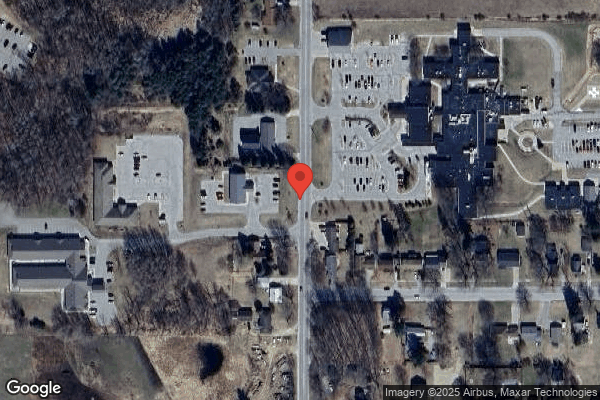
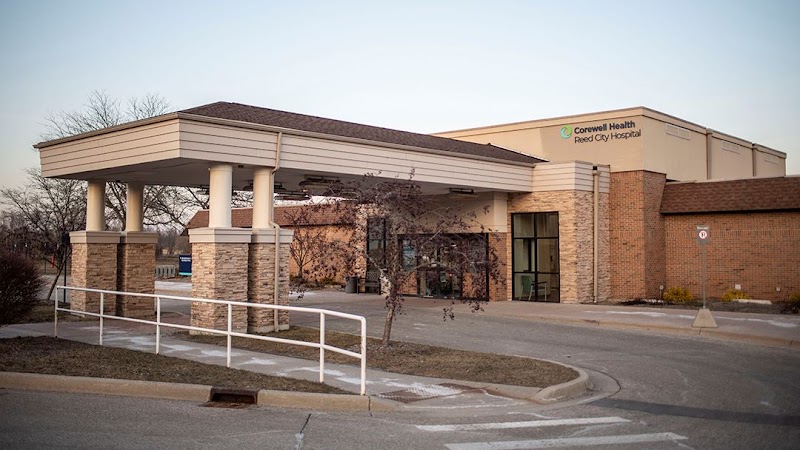
300 North Patterson Road, Reed City, MI 49677 (231) 832-7120
Non profit - Corporation 39 Beds COREWELL HEALTH Data: November 2025
Trust Grade
90/100
#15 of 422 in MI
Last Inspection: November 2024

Within standard 12-15 month inspection cycle. Federal law requires annual inspections.

Overview

Corewell Health Reed City Hospital Rehabilitation has received an impressive Trust Grade of A, indicating an excellent reputation and high recommendations from residents and families. It ranks #15 out of 422 facilities in Michigan, placing it in the top half of the state, and is the only option in Osceola County. The facility is newly inspected, so it does not have a trend of improvement or decline yet. Staffing is a strong point with a 5/5 star rating and a turnover rate of 41%, lower than the state average, which means staff are likely to have good relationships with residents. There have been no fines reported, and the facility boasts more RN coverage than 91% of Michigan facilities, ensuring a higher level of care. However, there are some concerns to be aware of. Recent inspections noted deficiencies in food safety practices, such as improper food storage temperatures and expired food that could pose a risk of foodborne illness. Additionally, there were concerns regarding the documentation of medication administration and the security of medication storage, with unlocked medication carts and refrigerators observed during inspections. While the facility excels in many areas, these weaknesses highlight the importance of ongoing monitoring and improvement in care practices.

Trust Score
A
90/100
In Michigan
#15/422
Top 3%
Safety Record
Low Risk
No red flags
Inspections
Too New
0 → 3 violations
Staff Stability
○ Average
41% turnover. Near Michigan's 48% average. Typical for the industry.
Penalties
✓ Good
No fines on record. Clean compliance history, better than most Michigan facilities.
Skilled Nurses
✓ Good
Each resident gets 85 minutes of Registered Nurse (RN) attention daily — more than 97% of Michigan nursing homes. RNs are the most trained staff who catch health problems before they become serious.
Violations
✓ Good
Only 3 deficiencies on record. Cleaner than most facilities. Minor issues only.
★★★★★
5.0
Overall Rating
★★★★★
5.0
Staff Levels
★★★☆☆
3.0
Care Quality
★★★★★
5.0
Inspection Score
Stable
: 0 issues
2024: 3 issues

The Good

  • 5-Star Staffing Rating · Excellent nurse staffing levels
  • Full Sprinkler Coverage · Fire safety systems throughout facility
  • No fines on record
  • Staff turnover below average (41%)

    7 points below Michigan average of 48%

Facility shows strength in staffing levels, fire safety.

The Bad

Staff Turnover: 41%

Near Michigan avg (46%)

Typical for the industry

Chain: COREWELL HEALTH

Part of a multi-facility chain

Ask about local staffing decisions and management

The Ugly 3 deficiencies on record

Nov 2024 1 deficiency
CONCERN (D)

Potential for Harm - no one hurt, but risky conditions existed

Medical Records (Tag F0842)

Could have caused harm · This affected 1 resident

**NOTE- TERMS IN BRACKETS HAVE BEEN EDITED TO PROTECT CONFIDENTIALITY** Based on observation, interview, and record review, the facility failed to accurately document medication administration times f...

Read full inspector narrative →
**NOTE- TERMS IN BRACKETS HAVE BEEN EDITED TO PROTECT CONFIDENTIALITY** Based on observation, interview, and record review, the facility failed to accurately document medication administration times for 1 of 4 residents (R2) observed during the medication administration observation. Findings include: A review of R2's Face Sheet, dated 11/20/24, revealed R2 was a [AGE] year-old resident admitted to the facility on [DATE]. In addition, R2's Face Sheet revealed they had multiple diagnoses that included osteoarthritis, neuropathic (nerve) pain of both feet, closed lumbar spine closed fractures with delayed healing, chronic pain syndrome, pneumonia, closed fracture of the humerus (bone in the upper arm), and right hand pain. During the medication administration observation on 11/19/24 from 6:45 AM to 7:30 AM, the surveyor observed Registered Nurse (RN) A administer Tylenol, docusate sodium (a stool softener), Vitamin B Complex, metoprolol (a blood pressure medication), Eliquis (a blood thinner), Lasix (a water pill), pantoprazole (a medication for gastric reflux- heartburn), gabapentin (a pain medication), and Oxycontin (a pain medication) to R2. RN A stated R2 also had a potassium packet (powered potassium) ordered. However, RN A did not have the packet because it looks like it's a new order, so pharmacy did not send it. She stated she will have to wait until pharmacy makes their next delivery of medications, which will probably be tomorrow. In addition, RN A stated R2 had an order change where she was only receiving 25 milligrams (mg) of metoprolol. She had 50 mg ordered before. But the doctor changed her pain medication, so she has not required that high of a dose. RN A verbally verified R2's medications and doses as she prepared them. The surveyor observed these medications being administered to R2. In addition, the surveyor heard RN A tell R2 that she was only receiving 25 mg of metoprolol because the physician changed her pain medications and the new pain medications had been helped to lower her blood pressure by reducing her pain. A review of R2's Medication Administration Record (MAR), dated 11/19/24 from 7:01 AM to 9:53 PM, revealed the following: - Voltaren (diclofenac sodium) gel (a medication for osteoarthritis) was documented as given at 7:16 AM (not observed by the surveyor during the medication administration observation) - Flonase (fluticasone) nasal spray was documented as given at 7:01 AM (not observed by the surveyor during the medication administration observation) - Metoprolol succinate (Toprol-XL- a medication for high blood pressure) 50 mg was documented as given at 7:01 AM (the surveyor only observed RN A administer a 25 mg dose to R2 during the medication administration observation) - Potassium chloride 20 mEq (millequivalents) packet (a medication for low potassium levels) was documented as given at 7:01 AM (not observed by the surveyor during the medication administration observation) A review of R2's physician orders revealed the physician discontinued R2's metoprolol 25 mg dose on 11/18/24 at 10:54 AM and started R2 on metoprolol 50 mg beginning with her daily morning dose on 11/19/24. During an interview on 11/20/24 at 10:26 AM, RN A stated stated she administered R2 her potassium packet later (she did not specify the time) after she received it from the pharmacy. She also stated she administered the Voltaren and Flonase after the nursing assistant had settled R2 in her chair with her blankets (the nursing assistant had toileted and dressed R2 immediately prior to the medication administration observation and had finished up getting her settled in her chair after RN A had administered the medications that the surveyor observed). RN A stated she did not remember the exact dose of metoprolol that she had administered to R2, but was sure that she had verified the dose with R2's MAR and the surveyor when she prepared it. However, the surveyor's procedure (which was adhered to) was to only check the medications when they are prepared with the packages that they come in, to have the nurse verbalize the medications and their doses, and to not view the MAR during the medication administration observation in case the physician's order does not match the MAR (this would be discovered when the medications are reconciled with the physician's orders after the observation was completed). During an interview on 11/20/24 at 11:32 AM, the Director of Nursing (DON) was notified that the surveyor had a concern with the administration times that were documented for R2's potassium chloride packet, Voltaren gel, and Flonase. The surveyor shared with the DON that these medications were administered after the medication administration observation was completed (after 7:30 AM) and RN A had verified this during their interview with the surveyor an hour before. The DON stated RN A should have documented the actual times that these medications were given and should not have documented that they were given at 7:01 AM or 7:16 AM if those were not the times they were given. A review of the facility's Medication Management policy, dated 4/21/23, revealed, All medications will be prepared and administered for one resident at a time following the rights of medication administration . right dose . right time, and right documentation .
Jan 2024 2 deficiencies
CONCERN (D)

Potential for Harm - no one hurt, but risky conditions existed

Deficiency F0761 (Tag F0761)

Could have caused harm · This affected 1 resident

Based on observation, interview, and record review, the facility failed to secure 1 of 1 medication refrigerators and 2 of 3 medication carts, resulting in the potential for misappropriation of medica...

Read full inspector narrative →
Based on observation, interview, and record review, the facility failed to secure 1 of 1 medication refrigerators and 2 of 3 medication carts, resulting in the potential for misappropriation of medications. Findings: During an observation on 01/03/23 at 9:58 AM, the refrigerator in the medication storage room, that contained controlled substances, was unlocked. During an interview at the same time, the Director of Nursing (DON) indicated that the refrigerator was to remain locked at all times. During an observation on 01/03/24 at 12:58 PM, the medication cart, identified as team 2 med cart, was unlocked and unattended by nursing staff. During an observation on 01/04/24 at 11:00 AM, the medication cart next to the bird aviary was unlocked and unattended by nursing staff. Review of the facility policy Medication Management, effective 04/21/23, revealed (a) the purpose was to outline safe storage of medications, (b) storage- all medications are securely stored in a locked cabinet/cart or locked medication room that is inaccessible to residents and visitors, and (c) after receiving controlled substances and adding them to inventory, they are immediately placed into a double locked secure storage area.
CONCERN (F)

Potential for Harm - no one hurt, but risky conditions existed

Food Safety (Tag F0812)

Could have caused harm · This affected most or all residents

Based on observation, interview and record review, the facility failed to store, prepare, distribute, and serve food in accordance with professional standards for food service safety as evidenced by: ...

Read full inspector narrative →
Based on observation, interview and record review, the facility failed to store, prepare, distribute, and serve food in accordance with professional standards for food service safety as evidenced by: 1. Failing to maintain proper temperature of sliced roast beef on the food preparation line. 2. Failing to discard expired food in the walk in cooler. These deficient practices have the potential to result in food borne illness among any and all 29 residents of the facility. Findings include: 1. On 1/3/2 at approximately 11:45 AM, during the noon meal observations in the kitchen, a stainless steel container was observed sitting on a bed of ice cubes. Sliced sandwich roast beef was observed in the pan, elevated above the bottom of the pan on a plastic grid. The internal temperature of the roast beef was measured using a metal stem probe digital thermometer, and found to be 50°F. An interview was conducted with [NAME] B at this time and learned the product had been in the pan for about 20 minutes. [NAME] B was requested to use a facility thermometer to measure the temperature of the roast beef, who then agreed and reported a temperature of 52°F. [NAME] B was then asked if the temperature of the product had been recorded 20 minutes prior, to which was the response Yes. It was 37°F When asked how the temperature had risen so much so fast, no explanation was given. The FDA Food Code 2017 states: 3-501.16 Time/Temperature Control for Safety Food, Hot and Cold Holding. (A) Except during preparation, cooking, or cooling, or when time is used as the public health control as specified under §3-501.19, and except as specified under (B) and in (C ) of this section, TIME/TEMPERATURE CONTROL FOR SAFETY FOOD shall be maintained: (1) At 57°C (135°F) or above, except that roasts cooked to a temperature and for a time specified in 3-401.11(B) or reheated as specified in 3-403.11(E) may be held at a temperature of 54°C (130°F) or above;P or (2) At 5ºC (41ºF) or less. 2. On 1/3/24 at approximately 9:30 AM, the walk in cooler was observed during the initial tour of the kitchen. A 32 oz container of garlic in water was observed on a shelf with a stamp: Best if used by 7/15/23. A 30 oz container of Basis Pesto was observed on the same shelf labeled: Opened 11/7. Further review of the Pesto container revealed the following information about the product: Keep Frozen. Once thawed is considered perishable. An interview with Certified Dietary Manager (CDM) A was conducted on 1/3/24 at approximately 9:55 AM. CDM A confirmed the two mentioned products were expired and disposed of them. Additionally, CDM A stated the Pesto product was no longer used for menu items for the residents, as the residents didn't like it. On 1/4/24 the three week menu cycle provided to the survey team, was reviewed. Week 2, Thursday Dinner listed Basil Pesto Pizza for the entree. On 1/4/24 at approximately 10:40 AM, an interview with CDM A was conducted related to the disparity between the menu and the statement of the Pesto product not being used. CDM A stated, Oh. I gave you the wrong menus.
Understanding Severity Codes (click to expand)
Life-Threatening (Immediate Jeopardy)
J - Isolated K - Pattern L - Widespread
Actual Harm
G - Isolated H - Pattern I - Widespread
Potential for Harm
D - Isolated E - Pattern F - Widespread
No Harm (Minor)
A - Isolated B - Pattern C - Widespread

Questions to Ask on Your Visit

  • "Can I speak with families of current residents?"
  • "What's your RN coverage like on weekends and overnight?"

Our Honest Assessment

Strengths
  • • Grade A (90/100). Above average facility, better than most options in Michigan.
  • • No major safety red flags. No abuse findings, life-threatening violations, or SFF status.
  • • No fines on record. Clean compliance history, better than most Michigan facilities.
  • • Only 3 deficiencies on record. Cleaner than most facilities. Minor issues only.
Concerns
  • • No significant concerns identified. This facility shows no red flags across CMS ratings, staff turnover, or federal penalties.
Bottom line: Generally positive indicators. Standard due diligence and a personal visit recommended.

About This Facility

What is Corewell Health Reed City Hospital Rehabilitation's CMS Rating?

CMS assigns Corewell Health Reed City Hospital Rehabilitation an overall rating of 5 out of 5 stars, which is considered much above average nationally. Within Michigan, this rating places the facility higher than 99% of the state's 100 nursing homes. This rating reflects solid performance across the metrics CMS uses to evaluate nursing home quality.

How is Corewell Health Reed City Hospital Rehabilitation Staffed?

CMS rates Corewell Health Reed City Hospital Rehabilitation's staffing level at 5 out of 5 stars, which is much above average compared to other nursing homes. Staff turnover is 41%, compared to the Michigan average of 46%. This relatively stable workforce can support continuity of care.

What Have Inspectors Found at Corewell Health Reed City Hospital Rehabilitation?

State health inspectors documented 3 deficiencies at Corewell Health Reed City Hospital Rehabilitation during 2024. These included: 3 with potential for harm.

Who Owns and Operates Corewell Health Reed City Hospital Rehabilitation?

Corewell Health Reed City Hospital Rehabilitation is owned by a non-profit organization. Non-profit facilities reinvest revenue into operations rather than distributing to shareholders. The facility is operated by COREWELL HEALTH, a chain that manages multiple nursing homes. With 39 certified beds and approximately 33 residents (about 85% occupancy), it is a smaller facility located in Reed City, Michigan.

How Does Corewell Health Reed City Hospital Rehabilitation Compare to Other Michigan Nursing Homes?

Compared to the 100 nursing homes in Michigan, Corewell Health Reed City Hospital Rehabilitation's overall rating (5 stars) is above the state average of 3.2, staff turnover (41%) is near the state average of 46%, and health inspection rating (5 stars) is much above the national benchmark.

What Should Families Ask When Visiting Corewell Health Reed City Hospital Rehabilitation?

Based on this facility's data, families visiting should ask: "Can I visit during a mealtime to observe dining assistance and food quality?" "How do you handle medical emergencies, and what is your hospital transfer rate?" "Can I speak with family members of current residents about their experience?"

Is Corewell Health Reed City Hospital Rehabilitation Safe?

Based on CMS inspection data, Corewell Health Reed City Hospital Rehabilitation has a clean safety record: no substantiated abuse findings (meaning no confirmed cases of resident harm), no Immediate Jeopardy citations (the most serious violation level indicating risk of serious injury or death), and is not on the Special Focus Facility watch list (a federal program monitoring the lowest-performing 1% of nursing homes). The facility has a 5-star overall rating and ranks #1 of 100 nursing homes in Michigan. While no facility is perfect, families should still ask about staff-to-resident ratios and recent inspection results during their visit.

Do Nurses at Corewell Health Reed City Hospital Rehabilitation Stick Around?

Corewell Health Reed City Hospital Rehabilitation has a staff turnover rate of 41%, which is about average for Michigan nursing homes (state average: 46%). Moderate turnover is common in nursing homes, but families should still ask about staff tenure and how the facility maintains care continuity when employees leave.

Was Corewell Health Reed City Hospital Rehabilitation Ever Fined?

Corewell Health Reed City Hospital Rehabilitation has no federal fines on record. CMS issues fines when nursing homes fail to meet care standards or don't correct problems found during inspections. The absence of fines suggests the facility has either maintained compliance or corrected any issues before penalties were assessed. This is a positive indicator, though families should still review recent inspection reports for the full picture.

Is Corewell Health Reed City Hospital Rehabilitation on Any Federal Watch List?

Corewell Health Reed City Hospital Rehabilitation is not on any federal watch list. The most significant is the Special Focus Facility (SFF) program, which identifies the bottom 1% of nursing homes nationally based on persistent, serious quality problems. Not being on this list means the facility has avoided the pattern of deficiencies that triggers enhanced federal oversight. This is a positive indicator, though families should still review the facility's inspection history directly.