Medilodge of Rogers City

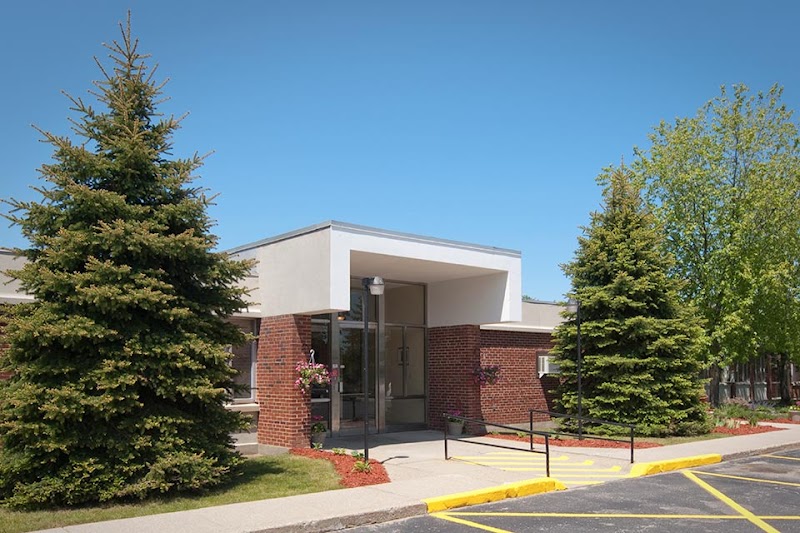
555 North Bradley Highway, Rogers City, MI 49779 (989) 734-2151
For profit - Corporation 90 Beds MEDILODGE Data: November 2025
Trust Grade
83/100
#54 of 422 in MI
Last Inspection: May 2025

Inspected within the last 6 months. Data reflects current conditions.

Overview

Medilodge of Rogers City has a Trust Grade of B+, indicating it is above average and recommended for families considering this option. It ranks #54 out of 422 nursing homes in Michigan, placing it in the top half of the state, and is the only facility in Presque Isle County. However, the facility is experiencing a worsening trend, with issues increasing from 2 in 2024 to 7 in 2025. Staffing is a strong point, receiving a 5/5 star rating with a low turnover rate of 29%, which is significantly below the state average, indicating that staff members are likely familiar with residents' needs. While there have been no fines, a serious concern was noted where a resident's bowel movements were not adequately monitored, and there were issues with food safety standards not being met due to improper sanitizing of dishware. Overall, while Medilodge has strengths in staffing and a solid reputation, the recent rise in issues is a point for families to consider carefully.

Trust Score
B+
83/100
In Michigan
#54/422
Top 12%
Safety Record
Moderate
Needs review
Inspections
Getting Worse
2 → 7 violations
Staff Stability
✓ Good
29% annual turnover. Excellent stability, 19 points below Michigan's 48% average. Staff who stay learn residents' needs.
Penalties
✓ Good
No fines on record. Clean compliance history, better than most Michigan facilities.
Skilled Nurses
✓ Good
Each resident gets 73 minutes of Registered Nurse (RN) attention daily — more than 97% of Michigan nursing homes. RNs are the most trained staff who catch health problems before they become serious.
Violations
⚠ Watch
14 deficiencies on record. Higher than average. Multiple issues found across inspections.
★★★★★
5.0
Overall Rating
★★★★★
5.0
Staff Levels
★★★★★
5.0
Care Quality
★★★★☆
4.0
Inspection Score
Stable
2024: 2 issues
2025: 7 issues

The Good

  • 5-Star Staffing Rating · Excellent nurse staffing levels
  • 5-Star Quality Measures · Strong clinical quality outcomes
  • Low Staff Turnover (29%) · Staff stability means consistent care
  • Full Sprinkler Coverage · Fire safety systems throughout facility
  • No fines on record
  • Staff turnover is low (29%)

    19 points below Michigan average of 48%

Facility shows strength in staffing levels, quality measures, staff retention, fire safety.

The Bad

Chain: MEDILODGE

Part of a multi-facility chain

Ask about local staffing decisions and management

The Ugly 14 deficiencies on record

1 actual harm
Aug 2025 1 deficiency
CONCERN (D) 📢 Someone Reported This

A family member, employee, or ombudsman was alarmed enough to file a formal complaint

Potential for Harm - no one hurt, but risky conditions existed

Infection Control (Tag F0880)

Could have caused harm · This affected 1 resident

**NOTE- TERMS IN BRACKETS HAVE BEEN EDITED TO PROTECT CONFIDENTIALITY** This citation pertains to intakes 2589937 and 2580729.Based on observation, interview and record review, the facility failed to ...

Read full inspector narrative →
**NOTE- TERMS IN BRACKETS HAVE BEEN EDITED TO PROTECT CONFIDENTIALITY** This citation pertains to intakes 2589937 and 2580729.Based on observation, interview and record review, the facility failed to ensure the use of enhanced barrier precautions during wound care and high contact care activities for one Resident (#10) and failed to ensure the appropriate use of standard precautions was implemented during resident care for one Resident (#24) of three residents reviewed for infection control. Findings include: Review of the electronic medical record (EMR) revealed Resident #10 (R10) was admitted to the facility on [DATE] and had diagnoses including diabetes, stroke, dysphagia (difficulty swallowing) and a Stage II (partial-thickness tissue loss) injury to his left heel. Review of the Minimum Data Set (MDS) assessment, dated 8/18/2025, revealed R10 was dependent on staff for all Activities of Daily Living (ADLs) and required substantial/maximal assistance with transfers. Further review of the MDS revealed R10 had a percutaneous endoscopic gastronomy tube ([PEG-tube] an indwelling tube inserted through the abdominal wall used to administer nutrition, hydration and medications directly into the stomach). Review of the August 2025 Medication and Treatment Administration Records (MARs, TARs) revealed R10 was receiving bolus feedings five times daily and daily wound care for a left heel injury.An observation on 8/27/2025 at 9:35 a.m. revealed R10 seated in bed wearing a hospital gown. Upon approaching R10's bed, a strong smell of urine in the room was observed. Immediately following the observation, Certified Nursing Assistant (CNA) C was queried regarding the smell of urine in R10's room. CNA C entered R10's room and with gloved hands proceeded to unfasten R10's incontinence brief, pulling the brief out slightly from between R10's legs to check the brief for urine. It was noted, CNA C was not wearing a protective gown while checking R10's incontinence brief. CNA C reported R10's brief was dry, and she was unsure why the room smelled of urine. CNA C was then observed immediately approaching R10's roommate, Resident #24 (R24), who was observed lying in his bed. CNA C did not remove the gloves used in the care of R10 or perform hand hygiene prior to approaching and making physical contact with R24 and their environment. CNA C was observed rearranging items on R24's over bed table before proceeding to loosen R24's brief to check for incontinence, while wearing the soiled gloves used in the care of R10.Further review of R10's EMR revealed the following active order: Use enhanced barriers (EBP) while performing high-contact activity with the resident, every day and night shift, peg tube. Active 5/06/2025 23:00 [11:00 p.m.].Review of R10's care plan revealed the following: [R10} requires enhanced barrier precautions related to PEG tube. Date Initiated: 5/06/2025 . Use gown and gloves when providing direct care .On 8/27/2025 at 1:40 p.m. Registered Nurse (RN) D was observed providing wound care for R10. R10 was observed lying in bed, partially covered with a blanket and wearing blue heel protection boots on both of his feet. RN D was observed approaching R10, and with gloved hands, proceeded to remove the blue heel protection boots. A left heel pressure injury on R10 was observed left open to air. RN D proceeded to perform the ordered wound care wearing only gloves and no protective gown. It was noted there was no signage posted outside or inside R10's room alerting staff to the use of EBP during the care of R10.During an interview on 8/28/2025 at 8:45 a.m., RN D was queried about the use of EBP during wound care and other high contact care activities for R10. RN D reported she realized R10 required the use of EBP during wound care and high contact care after a sign was posted on R10's doorway. RN D pointed to a sign adhered to the right of R10's doorway. Review of the sign revealed the following: Enhanced Barrier Precautions. Everyone must: Clean their hands, including before entering and when leaving the room. Providers and staff must also: Wear gloves and a gown for the following high-contact resident care activities . providing hygiene, changing briefs and assisting with toileting, device care or use: . feeding tube . wound care . Do not wear the same gown and gloves for the care of more than one person.Review of the CDC (Centers for Disease Control and Prevention) guidance titled, Implementation of Personal protective Equipment (PPE) Use in Nursing Homes to Prevent Spread of Multidrug-resistant Organisms (MDROs), dated 4/2/2024, revealed the following: Nursing home residents with wounds and indwelling medical devices are at especially high risk of both acquisition of and colonization with MDROs. The use of gown and gloves for high-contact resident care activities is indicated, when contact precautions do not otherwise apply, for nursing home resident with wounds and/or indwelling medical devices regardless of MDRO colonization .During an interview on 8/28/2025 at 11:10 a.m., the facility Infection Preventionist, RN E confirmed EBP was ordered to be utilized for all high-contact care including the PEG tube for R10. RN E reported the signs indicating the use of EBP in the care of R10 were posted on the Resident's doorway but must have fallen off at some point and not replaced. RN E was asked about same glove use in the care of multiple residents, which RN E confirmed the same gloves should not be used in the care of multiple residents and hand hygiene should be performed after resident contact, prior to contact with a different resident.
May 2025 5 deficiencies 1 Harm
SERIOUS (G)

Actual Harm - a resident was hurt due to facility failures

Quality of Care (Tag F0684)

A resident was harmed · This affected 1 resident

**NOTE- TERMS IN BRACKETS HAVE BEEN EDITED TO PROTECT CONFIDENTIALITY** Resident #22 (R22) R22 was first admitted to the facility on [DATE] and had diagnoses including dementia, anxiety disorder, depr...

Read full inspector narrative →
**NOTE- TERMS IN BRACKETS HAVE BEEN EDITED TO PROTECT CONFIDENTIALITY** Resident #22 (R22) R22 was first admitted to the facility on [DATE] and had diagnoses including dementia, anxiety disorder, depression and cognitive communication deficit. A review of the most recent MDS assessment, dated 3/21/2025, revealed R22 was coded as always incontinent and was dependent for toileting hygiene (helper does ALL of the effort. Resident does none). The routine medication regimen included Senna (herbal bowel supplement) Plus (containing colace-additional bowel laxative) Oral Tablet 8.6-50 MG (milligrams) . Give 1 tablet by mouth two times a day for Constipation which was ordered 2/2/25. The MAR indicated R22 regularly accepted this constipation medication twice per day for the month of April 2025. The EMR task list was reviewed on 4/29/25 and revealed R22 had not had a bowel movement (BM) on 4/17/25, 4/18/25, 4/19/25, 4/20/25, and not until 11:43 PM on 4/21/25. The EMR physician's orders and administration of these orders for R22 included: - Milk of Magnesia Oral Suspension (Magnesium Hydroxide) Give 30 ml (milliliters) by mouth as needed for Constipation. Start date 10/12/24. - MiraLax (Powdered Bowel Laxative) Oral Powder 17 GM (gram)/SCOOP Give 1 scoop by mouth every 24 hours as needed for Constipation. Start Date 2/28/2025. - Bisacodyl Rectal Suppository 10 MG (Bisacodyl) Insert 1 suppository rectally every 96 hours as needed for constipation Start (ordered on) Date 07/02/2024. The April 2025 MAR indicated these medications were not given when the resident had not had a bowel movement for 5 days from 4/17/25 until the end of day 4/21/25. - Bisacodyl EC (enteric coated) Oral Tablet Delayed Release 5 MG Give 5 mg by mouth every 72 hours as needed for constipation Start Date 07/02/2024. The April 2025 MAR indicated this medication was not given for the entire month. Resident #44 (R44) R44 was admitted on [DATE] and had diagnoses including dementia, chronic kidney disease, cognitive communication deficit and constipation. The routine medication regime included Senna Plus Oral Tablet 8.6-50 MG (milligrams) . Give 2 tablets by mouth at bedtime related to CONSTIPATION which was ordered 10/13/24. The Medication Administration Record (MAR) indicated R44 regularly accepted the constipation medication every day for the month of April. A review of the EMR revealed the care plan included a focus of (R44) has an impaired gastrointestinal status related to history of constipation. Date Initiated: 10/01/2024. The interventions for this focus included in part: - Medications as ordered Date Initiated: 10/01/2024 - Observe for abdominal pain, abdominal cramping, increase in abdominal girth, hyperactive/hypoactive bowel sounds, frequency, urgency and loose stools Date Initiated: 10/01/2024 - Observe for no BM in 3 days Date Initiated: 10/01/2024 . A review of the EMR task list on 4/29/25 revealed R44 had not had a bowel movement for four days from 4/17/25 at 1:59 PM and then not until 1:59 PM on 4/21/25. The EMR physician's orders for R44 included: - Milk of Magnesia Oral Suspension (Magnesium Hydroxide) Give 30 ml by mouth every 64 hours as needed for Constipation. Start date 04/12/2022. The April 2025 MAR indicated this medication was not given for the entire month. During an interview on 4/30/25 at 8:21 AM, the DON stated the facility did not have a policy/protocol or standing orders to treat constipation. The DON said their EMR dashboard included an alert after three days without a BM. The nurses and DON receive the alerts and should follow up by checking individual orders and if none are written they should contact the physician for actions to be taken. When asked about the order for R44 which included Milk of Magnesia (MOM) to be given every 64 hours as needed for Constipation, the DON did not know why the order was written for that time frame. She stated MOM orders were usually given every 24 hours. Based on observation, interview and record review the facility failed to assess, monitor and treat changes in respiratory, skin and bowel patterns for four Residents (#55, #10, #22 and #44). This deficient practice resulted in a decline in transfer ability, eating, and alertness and ultimately delayed response including hospitalization for treatment of pneumonia for Resident #55, delayed assessment, diagnosis and treatment of a potentially cancerous skin lesion for R10, and the potential for bowel complications from delayed treatment for Resident #55, #22 and #44. Findings include: Respiratory Care Resident #55 (R55) Review of the Minimum Data Set (MDS) assessment, dated 1/22/2025, revealed R55 was admitted to the facility on [DATE] and had diagnoses including Parkinson's Disease, dementia, and dysphagia (difficulty swallowing). R55 scored 6/15 on the Brief Interview for Mental Status (BIMS), indicating severe cognitive impairment. The MDS assessment revealed R55 was transferred to an acute care hospital on 1/30/2025 and returned to the facility on 2/1/2025. On 4/29/2025 at 10:35 a.m., R55 was observed being transferred from a wheelchair to his bed by Certified Nursing Assistant (CNA) N and CNA P. R55 appeared weak, with his head hung down toward his chest with his eyes closed as CNA P placed a gait belt around his torso in preparation for a stand and pivot transfer. CNA P stated to CNA N, He's awfully tired, is he going to be able to transfer? CNA N replied, He [R55] gets like this sometimes. CNA P then left the room and returned with a mechanical sit-to-stand lift and sling. CNAs N and P proceeded to transfer R55 to the bed with minimal participation from R55. R55's eyes remained closed, and his head hung toward his chest during the transfer. Review of R55's electronic medical record (EMR) revealed a physician progress note, dated 2/10/2025 at 9:40 a.m., that read in part, . He is reported to have increased difficulty swallowing. [Speech Therapy] is working with him on this. He has been hospitalized and treated for pneumonia repeatedly . Further review of the EMR revealed a nurse's note, dated 1/30/2025 at 3:10 a.m., that read in part, Resident was complaining of back pain to CNA. Nurse went to see if resident could have anything for pain. When nurse came in resident was grunting and having difficulty breathing. O2 [oxygen level] was at 69% and resident was taking quick shallow breaths . Resident was complaining of chest pain and was holding his left hand over the right side of his chest. [Physician] called and ordered resident to be sent to ER for evaluation . EMS [emergency medical services] arrived and resident was breathing faster, grunting louder and O2 was 81% on 4 L [4 liters per of oxygen per minute] . Review of the hospital H&P [History and Physical], dated 1/30/2025 at 5:24 a.m., revealed the following: . [R55] with Parkinson's disease and recurrent pneumonia felt to be secondary to aspiration . sent from [facility] after complaining of right-sided chest pain and having a pulse ox of 80% on room air . He was seen by speech therapy last time and was discharged on a modified diet . SpO2 100% on 6 L/min supplemental oxygen via BiPAP [a non-invasive ventilator to assist in breathing] . He has rhonchi [abnormal lung sound indicative of fluid in the lung] in the right middle field and right lower field . Further review of the H&P revealed, Imaging Study Results . XR Chest . Impression: Interval development of a moderate to large area of airspace disease/pneumonia of the right lung. Recommend follow-up upon completion of any anticipated therapy . Assessment & Plan: Acute hypoxic respiratory failure . Sepsis secondary to pneumonia . Right lower lobe pneumonia, fairly dense consolidation, suspect aspiration . Review of the assessments section of R55's EMR revealed an SBAR (Situation, Background, Assessment, Response) Communication Form, dated 12/25/2025 at 9:42 p.m. that read in part: Situation: increased audible bronchial secretions, refusal to get out of bed, increased lethargy . Mental Status Changes . decreased consciousness . Functional Status Changed (compared to baseline) . needs more assistance with ADLs, decreased mobility, weakness . Respiratory . abnormal lung sounds . possible aspiration, wet vocals and increased [sic] in dysphagia that could lead to infection . Further review of the SBAR Communication Form, revealed, RN spoke with Resident's [daughter] via phone call. Discussed decline in condition, resident receiving food from family in bed, current wet rattle/gurgle during insp [inspiration] and expirations . [daughter] decided to monitor resident in facility and to follow up with necessary testing tomorrow . It was noted physician notification of the concerns was documented as 12/26/2025 at 9:00 a.m., nearly 12 hours after the change in condition was identified. Review of the physician note for R55, dated 12/27/2024 at 8:20 a.m., revealed the following: Patient is seen for therapies, however he has missed several treatments due to sleepy/lethargy per nursing . given patients continued decline and repeated hospitalizations a discussion with family regarding hospice/palliative care is warranted. It was noted R55 maintained the status of Full Resuscitation, as of the survey date of 5/1/2025. Further review of R55's EMR, including progress notes, assessments, scanned documents, vital signs and the Medication and Treatment Administration records, for the period of 12/25/2024 through the date of R55's most recent hospitalization on 1/30/2025, revealed no follow-up testing, including a chest x-ray, was ordered for R55 in response to the suspected aspiration, increased lethargy and abnormal lung sounds documented on 12/25/2024. Review of the EMR revealed no pertinent charting for change in condition was initiated in response to the SBAR documentation of R55's change in condition on 12/25/2024. Continued review of the EMR revealed R55's condition continued to decline after 12/25/2024. Review of a nurse's note, dated 12/28/2024 at 3:54 p.m., read in part: Notified daughter of resident refusing meals and meds (medications). Resident preferring to sleep and minimal responses. Review of a Skilled Daily, nursing note, dated 12/30/2024 at 11:52 a.m., read in part: Resident has had increased lethargy . decreased po (oral) intake per staff report. Review of the Skilled Daily, nursing note, dated 12/31/2024 at 11:51 a.m., read in part: He did not eat or drink today. Refused his meds. Would not open mouth. [Physician] informed of how his condition is been declining. He just sleeps most of the time. Physician documentation for the period of 12/28/2024 through R55's hospitalization on 1/30/2025, revealed the resident was evaluated as follows: 12/31/2024 at 11:01 a.m., Patient is seen for continued decline. Staff state patient has not been eating or drinking for the last week and spends most of this time in bed . Assessment: weakness, AMS [altered mental status]. 1/16/2025 4:26 p.m., Assessment: weakness. 1/22/2025 10:49 a.m., Assessment: weakness. It was noted in review of the EMR, the required skilled nursing care charting ended on 12/31/2024. No further respiratory assessments were documented by nursing until 1/30/2025 when R55 was found with right sided chest pain and an oxygen saturation level of 69% on room air, as documented in the nursing note previously referenced and dated 1/30/2025 at 3:10 a.m. Further review of R55's EMR revealed he was previous hospitalized on [DATE] and returned to the facility on [DATE] after being treated for pneumonia and acute encephalopathy (decreased brain function). Review of EMR for the period of 12/1/2024 through 12/9/2024, prior to the resident's transfer to the hospital, revealed the following: 12/4/2024 at 10:30, Change identified . Would not respond to me verbally when trying to find out what was wrong . combative with care . he has been this way before when he is not getting enough sleep or when he had aspiration pneumonia . Assessment: His vss [vital signs stable]. Lung sounds CTA [clear to auscultation]. His moaning stopped when he was put back to bed and he went to sleep . 12/09/2024 at 10:43, Transcribed Physician Progress Note: Patient is seen for report of general decline. He is obtunded upon exam. He has been refusing medications and [has] mental status changes . Assessment: weakness, AMS . Orders given to transfer to ED for AMS. It was noted in review of the physician note, R55's pulmonary exam was negative for cough, dyspnea, and congestion. During an interview on 5/01/2025 at approximately 10:45 a.m., the B-Hall Unit Manager, Registered Nurse (RN) O reviewed R55's EMR and confirmed there were no comprehensive nursing assessments after the skilled daily nurse charting ended on 12/31/2024 until R55 was transferred to the hospital on 1/30/2025. RN O reported the documentation in the skilled nursing and physician notes indicated a change in condition but the pertinent charting for monitoring for infection or change in condition was not initiated. RN O was asked why R55 did not have a follow-up chest x-ray to assess response to treatment following his return from hospitalization for pneumonia on 12/16/2024, to which she reported a repeat x-ray was only ordered if abnormal findings were identified on assessment. During an interview on 5/1/2025 at 1:25 p.m., the Director of Nursing (DON) was queried regarding the process staff were expected to follow when assessment revealed abnormal findings. The DON reported staff were to complete an SBAR note and notify the physician. The DON reported completion of an SBAR note indicated the need to initiate the pertinent charting for change in condition to ensure completion of comprehensive assessments each shift for monitoring. The DON reported she was aware of the concern related to R55's change in condition remaining undiagnosed prior to his hospitalization on 1/30/2025. The DON reviewed R55's EMR during the interview and when asked if a chest x-ray should have been completed after the identification of abnormal lung sounds, increased lethargy and suspicion of aspiration on 12/25/2024, the DON responded, yes and chest x-ray was warranted at that time. The DON confirmed changes in condition do not always present clearly in the elderly and staff should be documenting resident condition consistently and clearly to ensure continuity of care and recognition of acute changes. Skin/Wound Care Resident #10 (R10) Review of the MDS assessment, dated 3/18/2025, revealed R10 was admitted to facility on 12/9/2020 and had diagnoses including diabetes and dementia. Further review of the MDS assessment revealed R10 required partial/moderate assistance with most ADLs (activities of daily living) and scored 9/15 on the BIMS, indicating she had moderate cognitive impairment. Section M - Skin Conditions, revealed R55 was assessed as having no Other Ulcers, Wounds and Skin Problems. On 4/29/2025 at 9:52 a.m., R10 was observed seated in a wheelchair in the doorway of her room. R10 had a black scab noted on the left side tip of her nose. When asked what caused the wound, R10 reported I just have a small sore, it bleeds sometimes. Review of R10's EMR for the period of 1/2/2025 through 5/1/2025, revealed no treatment ordered or wound evaluations documented in relation to the wound on R10's nose. During an interview on 4/30/2025 at 8:11 a.m., RN L reported the wound on R10's nose was not being treated. RN L reported the wound was not caused by an injury and at times was only a small scaly patch of skin that opens when R10 picks at it. On 4/30/2025 at 8:24 p.m., R10 was observed self-propelling from the main dining room toward her room. The wound on the right side of the tip of R10's nose was devoid of the scab. Closer observation revealed an open lesion with slightly raised edges and a marbled appearance to the wound bed. During an interview on 5/1/2025 at 8:04 a.m., the DON was asked about the open lesion on R10's nose. The DON reported the wound appeared to be chronic and had been present for at least six months. The DON stated she would check with the B-Hall Unit Manager, RN O for information related to the wound. The DON reported she checked the EMR for documentation related to the wound but was unable to find any. When asked if the non-healing wound should initiate a concern of skin cancer or an infection with a multi drug-resistant organism (MDRO), the DON reported staff should always be aware of non-healing wounds and report to the physician for further assessment. On 5/1/2025 at 10:17 a.m., RN O was interviewed and reported the condition of the wound on R10's nose was discussed at a care conference on 1/9/2025. Review of the, Care Plan Conference Summary, dated 1/9/2025 at 3:04 p.m., revealed, Nursing concerns with scab on her nose that [R10] continues to pick at out of habit . The Summary included no further information related to R10's wound. When asked if the wound had been reported to the physician for evaluation, RN O was unable to provide an answer. RN O stated she thought she remembered a provider looking at the wound but was unable to find documentation of the event or any orders provided, therefore, R10 was placed on the list for the provider to assess during the next provider rounds. RN O reported she phoned R10's patient advocate who reported the wound was present prior to admission. R10's patient advocate agreed a referral to dermatology was warranted for evaluation for skin cancer. Bowel Care Resident #55 (R55) Review of the MDS dated [DATE], revealed R55 was admitted to the facility on [DATE] and had diagnoses including Parkinson's Disease, dementia, and dysphagia (difficulty swallowing). Further review of the MDS revealed R55 scored 6/15 on the BIMS, indicating severe cognitive impairment. Further review revealed R55 required substantial/maximal assistance with toilet transfers and toileting hygiene. Review of R55's point of care documentation for Bowel Elimination for the period of 4/3/2025 through 4/30/2025 revealed documentation of No bowel movement, as follows: 4/3/2025 at 1:59 p.m. through 4/8/2025 at 9:59 p.m., a total of more than five days with no bowel movement. Review of R55's April 2025 Medication Administration Record (MAR) revealed the following active physician orders and administration documentation: Milk of Magnesia Suspension [MOM] 400 MG [milligrams]/5 ML [milliliters] . Give 30 ML by mouth as needed for constipation if no BM [bowel movement] in 3 days. Start Date: 2/01/2025. Documented as administered on 4/8/2024 at 9:19 p.m., the fifth day of no bowel movement for R55. Bisacodyl Suppository 10 MG. Insert 1 suppository rectally as needed for constipation daily if no results for MOM. Start Dated: 4/07/2025 . Documented as administered on 4/7/2025 at 6:33 a.m. the fourth day of no bowel movement for R55. It was noted no administration of the ordered MOM was administered prior to administration of the bisacodyl suppository per physician order. During an interview on 5/1/2025 at 1:25 p.m., the DON reported it was a standard of practice for nursing staff to review bowel elimination patterns for residents daily to allow for the identification abnormalities and to allow for initiation of appropriate interventions for constipation. The DON confirmed prolonged constipation can cause severe discomfort and serious adverse consequences such as bowel obstruction, especially in residents with decreased mobility. When asked when treatment for constipation should be initiated, the DON reported treatment should be initiated after three days without a bowel movement.
CONCERN (D) 📢 Someone Reported This

A family member, employee, or ombudsman was alarmed enough to file a formal complaint

Potential for Harm - no one hurt, but risky conditions existed

Notification of Changes (Tag F0580)

Could have caused harm · This affected 1 resident

**NOTE- TERMS IN BRACKETS HAVE BEEN EDITED TO PROTECT CONFIDENTIALITY** This deficiency pertains to intake MI00152410 Based on interview and record review, the facility failed to notify the resident r...

Read full inspector narrative →
**NOTE- TERMS IN BRACKETS HAVE BEEN EDITED TO PROTECT CONFIDENTIALITY** This deficiency pertains to intake MI00152410 Based on interview and record review, the facility failed to notify the resident representative of a change in condition requiring testing and treatment for one Resident (R2) of one resident reviewed for notifications of change. Findings include: Resident #2 (R2) Review of Intake #MI00152410 filed with the state agency revealed an allegation that read, in part: .[R2] has never been tested for UTI before . [R2's Durable Power of Attorney (DPOA)] was not notified that [R2] was being tested for a UTI or that [R2] was receiving the [medication] . During an interview on 4/30/25 at 8:09 AM, R2 confirmed a recent urinary tract infection (UTI) with subsequent administration of an antibiotic. Review of the Electronic Medical Record (EMR) indicated R2 was re-admitted to the facility on [DATE] with a primary diagnosis of bipolar disorder. A quarterly Minimum Data Set (MDS) assessment dated [DATE] documented R2 was dependent on staff for toileting/hygiene. A physician's order dated 4/8/25 indicated a urinalysis (UA) with culture and sensitivity (C&S) needed to be obtained due to behaviors. The EMR documented the laboratory specimen was obtained as ordered with resultant proliferation of two different bacteria measuring greater than 100,000 CFU/ml (colony-forming units per milliliter). A physician's order dated 4/12/25 revealed R2 was to receive an antibiotic to be administered through intramuscular injection. The order read: ceftriaxone sodium injection solution reconstituted 1 GM [gram] Inject 1 GM intramuscularly one time a date for UTI for 7 days. No documentation was in the EMR indicating the DPOA was made aware R2 had symptoms of an infection or that a UA/C&S was obtained. Documentation was not located in the EMR indicating R2's DPOA was notified of the specimen results or the need for an antibiotic ordered to treat the UTI. Registered Nurse (RN) B was interviewed on 4/30/25 at 9:52 AM and confirmed she was the facility's Infection Preventionist. RN B said UA/C&S testing was obtained on R2 due to displaying symptoms of a UTI. RN S said R2 had a change in behaviors, a cloudy appearance to the urine, and verbalized a burning sensation when urinating. RN S said R2 was also experiencing urinary urgency, frequency, and dysuria (painful urination). When asked the expectation for DPOA notification, RN B said the expectation was for the Resident Representative (RR) of a resident to be notified with any change in a resident's condition, including a need for testing such as UA/C&S, the outcome of any testing, and any follow-up such as the implementation of antibiotic therapy. RN B said the nurses are expected to document RR notifications of testing in the progress notes in the EMR. RN B reviewed the EMR of R2 and confirmed there was no documentation the DPOA for R2 had been notified of symptoms, change in behavior, urine testing, or the antibiotic. The DPOA of R2 was interviewed on 5/1/25 at 7:57 AM. The DPOA confirmed they were not notified by staff of R2 was exhibiting a change of condition and was experiencing symptoms of a UTI. The DPOA said staff did not make them aware R2 had a UA/C&S completed and was placed on an antibiotic. The DPOA said they were informed by R2 of the testing, infection, and antibiotic when R2 went to the hospital on 4/14/25 for an unrelated matter. The Director of Nursing (DON) was interviewed on 5/1/25 at 9:23 AM. The DON agreed there was no documentation of R2's DPOA being contacted with R2's symptoms of infection, change in behaviors, need for UA/C&S testing, or placement of R2 on an antibiotic. The DON was asked the expectation for DPOA notification, and responded, I expect immediate notification of RR with multiple attempts to re-call them [RR] if needed, and the documentation should be in progress notes. The policy titled Notification of Changes dated as revised 8/29/24 read, in part: .The purpose of this policy is to ensure the facility promptly informs the resident, consults the resident's physician; and notified, consistent with his or her authority, resident's representative when there is a change requiring notification. The facility must inform the resident, consult with the resident's physician and/or notify the resident's family member or legal representative when there is a change requiring such notification .Circumstances requiring notifications include: . 3. Circumstances that require a need to alter treatment. This may include: a. New treatment . Additional considerations: 1. Competent individuals: a. The facility must still contact the resident's physician and notify resident's representative .
CONCERN (D)

Potential for Harm - no one hurt, but risky conditions existed

Deficiency F0605 (Tag F0605)

Could have caused harm · This affected 1 resident

**NOTE- TERMS IN BRACKETS HAVE BEEN EDITED TO PROTECT CONFIDENTIALITY** Based on interview, and record review, the facility failed to limit the duration of a PRN (as needed) psychotropic medication to...

Read full inspector narrative →
**NOTE- TERMS IN BRACKETS HAVE BEEN EDITED TO PROTECT CONFIDENTIALITY** Based on interview, and record review, the facility failed to limit the duration of a PRN (as needed) psychotropic medication to 14 days and/or ensure the physician documented rationale to extend the duration of use, and failed to document the behavioral symptoms and non-pharmacological interventions prior to administering a PRN psychotropic medication for one Resident (#74) of five residents reviewed for unnecessary medications. Findings include: Resident #74 (R74) R74 was admitted to the facility on [DATE] with a primary diagnosis of unspecified dementia. R74 had a court-appointed guardian for medical, legal, and mental health decisions. An admission Minimum Data Set (MDS) assessment dated [DATE] assessed R74 with a Brief Interview for Mental Status (BIMS) score of seven, indicating severe cognitive impairment. Further review of the MDS revealed R74 displayed no behavioral symptoms. Review of R74's physician's orders revealed an active order dated 3/23/25 for Xanax (a psychotropic medication for anxiety) dosed at 2.5 mg (milligrams) every six hours PRN. The order did not contain a stop or end date and no documentation was found indicating R2 was re-evaluated for continued use. The Medication Administration Records (MAR) for March 2025 and April 2025 were reviewed on 5/1/25. The MAR for March 2025 documented R74 was administered Xanax on 3/29/25 and 3/30/25. The April 2025 MAR documented the Xanax was administered to R74 on 4/11/25, 4/12/25, twice on 4/13/25, 4/18/25, 4/19/25, 4/20/25, 4/23/25, 4/24/25, 4/25/25, 4/26/25, 4/27/25, and twice on 4/30/25. Review of the Electronic Medical Record (EMR) did not reveal physician documentation documenting the rationale for extending the PRN Xanax beyond 14 days. Documentation regarding the behavioral symptoms leading to the PRN Xanax administration in March 2025 and April 2025 was not located in the EMR. Documentation of non-pharmacological interventions attempted before administering the Xanax was not located in the EMR. Medication Regimen Reviews (MRR) by the licensed pharmacist were not found in the EMR. When the MRR was requested, the Director of Nursing (DON) provided the pharmacist's documented recommendations to nursing dated 4/9/25 and said there were no other recommendations by the pharmacist. The recommendation did not note or propose recommendations for the PRN Xanax. The DON was interviewed on 5/1/25 at 10:57 AM. The DON said PRN Xanax was limited to a 14-day duration. The DON said the physician should assess and document in the medical record if the Xanax was indicated beyond 14 days. Registered Nurse (RN) O was interviewed on 5/1/25 at 12:47 PM and confirmed she was the nurse manager for the unit where R74 resided. RN O said psychotropic medications were limited to 14 days, then the order was reviewed with the provider to determine if the medication needed to be continued or discontinued. RN O was asked if the Xanax for R74 was reviewed with the provider. RN O said the facility process was to enter an order for nurses to review PRN psychotropic medications with the physician after 14 days, but said the order to review the Xanax with R74's physician was not entered. RN O reviewed R74's EMR and said there was no documentation the medication was reviewed with the physician. RN O confirmed there was no documentation by the physician indicating rationale for continuing the PRN Xanax. RN O said behaviors warranting the administration of psychotropic medications were documented in the EMR in progress notes or under the tasks tab. RN O added that behavioral information and interventions were also found as medication administration notes with the MAR. The progress notes, tasks tab, and medication administration notes were reviewed by RN O who acknowledged there was no documentation of behaviors or non-pharmacological interventions leading to the administration of PRN Xanax to R74. The policy Use of Psychotropic Drugs and Gradual Dose Reductions dated as revised 10/30/23 read, in part: . The indications for use of any psychotropic drug will be documented in the medical record . Non-pharmacological interventions that have been attempted, and the target symptoms for monitoring shall be included in the documentation . Residents who use psychotropic drugs shall also receive non-pharmacological interventions to facilitate reduction or discontinuation of the psychotropic drugs . PRN orders for psychotropic drugs shall be used only when the medication is necessary to treat a diagnosed specific condition that is documented in the clinical record, and for a limited duration (i.e. 14 days). a. If the attending physician or prescribing practitioner believes that it is appropriate for the PRN order to be extended beyond 14 days, he or she shall document their rationale in the resident's medical record and indicate the duration for the PRN order . The policy Behavior Management Program dated as revised 10/27/23 read, in part: . a. Resident documentation of observed behaviors will be maintained and monitored using our electronic medical records (EMR) system . Documentation may include but not limited to the following . A description of the behavior or symptom observed and or reported behavior may include the following: Reason, Place, Intervention, and outcome .
CONCERN (D)

Potential for Harm - no one hurt, but risky conditions existed

Incontinence Care (Tag F0690)

Could have caused harm · This affected 1 resident

Based on observation, interview, and record review, the facility failed to ensure a physician's order was obtained for independent urinary catheterization, and failed to ensure safe and sanitary pract...

Read full inspector narrative →
Based on observation, interview, and record review, the facility failed to ensure a physician's order was obtained for independent urinary catheterization, and failed to ensure safe and sanitary practices were assessed prior to self-catheterization for one Resident (#329) of three residents reviewed for bowel and bladder. Findings include: On 4/29/25 at 10:49 AM, an observation was made of R329 lying in their bed resting. The bathroom had an empty 14 french (size)/4.7 mm (millimeters) 38 cm (centimeters)/14.9 in. (inch) brand name straight catheter kit. On 4/29/25 at 3:31 PM, an interview was conducted with the Director of Nursing (DON) who was asked what the process was for resident self-catheterization. The DON replied, Nursing needs to ensure that the resident is safe to perform and that they are doing it in a sanitary manner. The DON was asked if R329 was assessed to be able to safely and sanitarily self-catheterize and had a physician order to perform. The DON replied, No, there was not an order for the resident to self-catheterize and no documentation for assessment or progress note. On 4/30/25 at 9:35 AM, a record review of R329's electronic medical record, dated 4/24/25 through 4/30/25, revealed a lack of any documentation of a progress note, an evaluation for safe and sanitary self-catheterization or a physician order. R329 did not have any nursing assessment that they were physically able to safe and sanitary for self-catheterization. Review of R329's progress note, dated 4/24/2025 at 9:40 PM, read in part, Resident arrived with daughter .via private vehicle, and was admitted .is alert to person at this time .is unable to void, however is able to self cath (catheterize) .does have some slight urine leakage .does wear a pull up for moisture .can be very unsteady .at times and should use a walker, but needs frequent encouragement to use. Review of R329's care plan, dated 4/25/25, read in part, .Focus: (R329) has a need for self-catheter use related to inability to urinate .Goal: (R329) will have reduced catheter-related complications through the next review. Interventions: Assist resident with self-catheter care as needed. Observe for signs and symptoms of UTI and report to the Physician: blood in urine, cloudiness, foul smell, fever, change in mental status. Review of R329's nursing admission assessment, dated 4/18/25, read in part, .section II: Activities of Daily Living - Section A: Number 2 Most support needed for toileting marked supervision/cueing needed. Section C: ADL (Activities of Daily Living) Care Plan - Focus: Resident has an ADL self-care performance deficit related to: Goal: Resident's Activities of Daily Living (ADL) needs will be met through next review. Intervention: Toileting: Supervision - offer setup help as needed . Review of facility document titled, Self-intermittent catheterization (IC), not dated, Guidelines should prioritize resident safety, comfort, and adherence to facility protocols. Focus should be on preventing UTI's (urinary tract infections), maintaining bladder function, and promoting independence while respecting individual needs and preferences .
CONCERN (D)

Potential for Harm - no one hurt, but risky conditions existed

Deficiency F0726 (Tag F0726)

Could have caused harm · This affected 1 resident

**NOTE- TERMS IN BRACKETS HAVE BEEN EDITED TO PROTECT CONFIDENTIALITY** Based on interview and record review, the facility failed to accurately transcribe medication orders for one Resident (#330) out...

Read full inspector narrative →
**NOTE- TERMS IN BRACKETS HAVE BEEN EDITED TO PROTECT CONFIDENTIALITY** Based on interview and record review, the facility failed to accurately transcribe medication orders for one Resident (#330) out of three new admissions reviewed for competent nursing staff. Findings include: Resident #330 (R330) Review of R330's census section of the Electronic Medical Record (EMR) revealed admission to the facility on 4/18/25 from a local hospital for rehabilitation. R330's progress note, dated 4/18/25 at 6:18 PM, read in part, Resident is alert, confused, mostly non verbal (sic) per his wife he rarely talks to anyone. He is very stiff, no skin issues noted on assessment . admission note entered by Registered Nurse (RN) E. On 4/29/25 at 12:35 PM, a record review of R330's progress notes were conducted. R330's progress note, dated 4/22/25 at 4:39 PM, revealed the following: Resident is new admit from hospital. His Metoprolol was entered in (EMR) incorrectly. It was entered at Metoprolol 25 mg (milligrams) bid (twice daily), it should have been Metoprolol 25 mg daily. He received 3 extra doses of the medication. Progress note entered by RN J Unit Manger. Review of R330's hospital discharge instructions, dated [DATE], revealed the following medication order, metoprolol Metoprolol Succinate ER [extended release] 25 mg, oral tablet, one tab oral every day. Review of R330's medication administration record, dated April 2025, revealed an order dated 4/18/25 for metoprolol succinate ER oral tablet extended release 24-hour 25 mg, give 1 tablet by mouth two times a day for HTN (hypertension - elevated blood pressure) at 8:00 AM and 4:00 PM. Review of R330's drug regimen review, dated 4/18/25, originally transcribed by RN E had scribble marks on it and had not been verified where the information was obtained. On 4/30/25 at 10:45 AM, an interview was conducted with RN J who was asked if the physician was made aware of the medication transcription error and if the nurse's error in transcribing the medication orders from the local hospital discharge paperwork was addressed. RN J replied, Yes, the Director of Nursing (DON) has the performance improvement form. RN J stated this was the second time RN E had made a medication transcription error. On 4/30/25 at 10:50 AM, the DON provided a copy of RN E's performance improvement form for the medication error. Review of RN E's performance improvement form, dated 4/23/25, revealed this was not the first time RN E had made a medication error, and RN E had made other medication errors on 2/4/25, 7/29/24, and 12/27/24. A request was made for the other medication error performance improvement forms for RN E. Review of RN E's performance improvement form and re-education revealed the following: a.) On 12/27/23 - No performance improvement form was provided. b.) On 7/29/24 - Topic: Entering medications for new admits medications were entered the page was not flipped over to see additional medications. c.) On 2/4/25 - Reason for counseling/corrective action: Failure to report medication error immediately following knowledge of error. Failure to contact the Dr (doctor) immediately following knowledge of medication error. Administration of medications to the wrong resident. Failure to complete assessment of res (resident) involved in the medication error. Has this concern been previously discussed with the employee: Yes. Staff has had previous history of corrective actions in regard to medication errors. d.) On 4/23/25 - Reason for counseling/corrective action: Failure to transcribe medication properly on admission. Has this concern been previously discussed with the employee: Yes. e.) RN E had the same education, Prevention of Medical Errors on 2/4/25 and 4/30/25. f.) RN E work on 4/28/25 and 4/29/25 prior to completing their medication error education. On 4/30/25 at 10:52 AM, an interview was conducted with the DON who was asked the process for transcribing medication orders for a new admission. The DON replied, The nurses are supposed to have a second nurse double check the orders with the original medication list and not with the drug regimen review list. The DON was asked if education and competencies were provided for RN E. The DON replied, Yes, competencies and education were provided. The DON was asked if RN E had completed her education that was due on 4/30/25. The DON replied, I asked for them to complete it yesterday before they left. Let me check. Upon review by the DON, RN E had not completed their education. Review of R330's progress note, dated 4/23/25 at 8:49 AM, entered by Nurse Practitioner (NP) M, read in part, Patient .recently admitted for therapy services, he is confused and not able to make his needs known. Patient did recently receive 3 extra doses of Metoprolol due to a transcription error which has since been corrected. VS (vital signs) are reviewed and per nursing no ill effects noted . Review of the policy titled, Medication Reconciliation, dated 1/30/24, read in part, Policy: This facility reconciles medication upon admission and as needed .Policy Explanation and Compliance Guidelines: 1. Medication reconciliation involves collaboration with the resident/representative and multiple disciplines, including admission liaisons, licensed nurses, physicians, and pharmacy staff .3. Pre-admission Processes: a. Obtain current medication list from referral source (i.e. hospital, home health, hospice, or primary care provider). b. Obtain current medication/admission orders. 4. admission Processes: a. Verify resident information received. b. Compare orders to hospital records .e. Verify medications received match the medication orders. f. Licensed staff to verify that all medications are accounted for, and that medications on hand match physician orders .
Apr 2025 1 deficiency
CONCERN (E) 📢 Someone Reported This

A family member, employee, or ombudsman was alarmed enough to file a formal complaint

Potential for Harm - no one hurt, but risky conditions existed

Free from Abuse/Neglect (Tag F0600)

Could have caused harm · This affected multiple residents

**NOTE- TERMS IN BRACKETS HAVE BEEN EDITED TO PROTECT CONFIDENTIALITY** This citation pertains to intake: MI00150288. Based on interview, and record review, the facility failed to provide an environme...

Read full inspector narrative →
**NOTE- TERMS IN BRACKETS HAVE BEEN EDITED TO PROTECT CONFIDENTIALITY** This citation pertains to intake: MI00150288. Based on interview, and record review, the facility failed to provide an environment free from abuse for 3 residents (#1, #2, and #6) of 5 reviewed for abuse resulting in Residents #2 & 6 being physically abused, the potential for further resident to resident physical and verbal abuse to continue and the potential for decline in physical, mental, and psychosocial well-being for residents who may come into contact with Resident #1. Findings include: Resident #1 (R1) Review of an admission Record revealed R1, was originally admitted to the facility on [DATE] with pertinent diagnoses which included: dementia-moderate with agitation. Review of a Minimum Data Set (MDS) assessment for R1, with a reference date of 1/8/25 revealed a Brief Interview for Mental Status (BIMS) score of 00/15, indicating Resident #1 was severely cognitively impaired. Review of Section E - Behaviors revealed R1 had physical behavioral symptoms directed towards others (e.g., hitting, kicking, pushing, scratching, grabbing, abusing others sexually), and verbal behavioral symptoms directed toward others (e.g., threatening others, screaming at others, cursing at others .) 1-3 days, and wandering 4-6 days in the 7 day look back period. Review of R1's MDS dated [DATE] revealed: Section E - Behaviors had physical behavioral symptoms 1-3 days, verbal behavioral symptoms daily, and other behavioral symptoms not directed toward others (e.g., physical symptoms such as hitting or scratching self, pacing, rummaging, public sexual acts, disrobing in public, throwing or smearing food or bodily wastes, or verbal/vocal symptoms like screaming, disruptive sounds) daily. Review of a Facility Reported Incident (FRI) dated 1/8/25 revealed: On 1-8-25 at about 9:50 am, (R1) was outside of her room in the hallway upset by another male resident in the hallway due to him clearing his throat. This upset (R1) as she thought it was too loud. Staff were able to intervene and were able to redirect (R1) who was going back towards her door. Staff members went to notify nurse of her behaviors. At this time, (R6) who shares a bathroom with (R1) came out of her room and approached (R1) One aide approaching the situation from another hall could see (R6) laughing and clapping her hands at (R1). This action upset (R1) and she pushed (R6) in the middle of her chest . Resident #6 (R6) Review of an admission Record revealed Resident #6, was originally admitted to the facility on [DATE] with pertinent diagnoses which included: dementia. Review of a Minimum Data Set (MDS) assessment for Resident #6, with a reference date of 3/12/25 revealed a Brief Interview for Mental Status (BIMS) score of 04/15, indicating R6 was severely cognitively impaired. The MDS revealed no noted behaviors in Section E. In an interview on 4/10/25 at 8:30 a.m., CNA G reported R1 was much more ambulatory than she presently is. CNA G reported R1 was physically and verbally aggressive towards other residents and has made physical contact in the past with other residents. CNA G stated she did not witness R1 strike R2 or R6, but R1 was ambulatory and moved quickly before recently showing decline due to the flu and other medical issues which made her less mobile. CNA G reported R1 was very verbally and physically aggressive towards others and has made physical contact with other residents besides just R2 and R6. Review of multiple 'Progress Notes' for R1 from 12/15/24-1/8/25 revealed: 12/15/2024 Nurses' Notes Text: While (R1) neighbor was utilizing the bathroom, R1 opened the door and began yelling at the resident telling them You don't belong here, get out of my bathroom and then grabbed their shirt trying to pull them off the toilet . 12/28/2024 the resident-to-resident altercation. (R1) has refused all her medication today (R1) has been very aggressive today 12/28/2024 Resident to resident verbal and physical abuse took place .12/31/2024 09:47:11 Physician Progress Note Text: (R1) is seen for follow-up of recent resident event occurring on 12/28/24. Patient is reported started yelling and swearing at another patient, then grabbed her arm and slapped her across the left side of the face. Patient then yelled back at this resident and slapped her across the face . 1/8/2025 17:06 Nurses Notes Text: This writer contacted Inpatient Psych unit. Discussed possible need for direct admission for (R1) due to behaviors, physical aggression towards others and threats of physically harming other residents .(R1) has had multiple physical altercations with other res in the past 3 weeks. She has voiced wanting to hurt others and is impulsive and explosive. She had PRN Ativan (anti-anxiety medication) today following incident of physical aggression towards another resident (R1) also has had some recent paranoia and increase in her verbal aggressiveness as well. She recently had her Depakote (antipsychotic medication) increased from .following a previous altercation and aggressiveness towards another resident 2 weeks ago .1/8/2025 10:48 (R1) became angry at another resident for coughing, she started yelling then pushed another resident .1/8/2025 20:25 Physicians Orders - Administration Note Text: LOA (leave of absence) to (psychiatric hospital) R1 returned to the facility on 1/22/25 . Review of R1's Progress notes revealed: 1/30/2025 Note Text: After lunch, resident (R1) approached another female resident and was verbally bashing her. Other resident left in tears . Review of R1's Progress notes revealed: 2/3/2025 03:44 Pertinent Charting-Behavior Note Text: R1 showed behaviors earlier in shift. she was very loud and verbally aggressive towards residents who share bathroom with her. She did not want them in her bathroom. She was slamming doors and yelling at them. She kept going in other resident rooms and being rude, loud and mean. Residents were scared and afraid for safety because of her behavior . Review of R1's Progress notes revealed: 2/6/2025 20:23 Pertinent Charting-Behavior Note Text: (R1) had behaviors such as assisting to push residents in wheelchairs and when RN tried to navigate/ redirect this behavior resident proceeded to yell at RN and cuss and swear that the RN need to take better care of her children then . Review of R1's Progress notes revealed: 2/9/2025 18:40 Nurses' Notes Text: This nurse was standing at the desk talking with a family member and heard a male resident talking loudly. This nurse turned her head toward TV area and witnessed this (R1) sprinting towards male resident in wheelchair with right fist clenched and arm drawn back behind her head in a striking position. Resident's face was tensed with furrowed brows indicating anger. This nurse yelled very loudly for resident to stop as ran towards the situation. This resident stopped when she got to resident sitting in w/c, arm still in striking position, no change in facial expression and stared at resident. This nurse was able to get in between both resident's, no contact was made. After approx. 15 seconds with nurse in between resident's this resident finally put her arm down, face relaxed and stated, I wasn't gonna hit him. Review of a Facility Reported Incident (FRI) dated 2/10/25 Revealed: Incident Summary R1 was seen smiling and talking to R2 in dining room. Prior to walking back to her (R1) table, speech therapist stated she (R1) swatted him (R2) in the side of the head/forehead twice before leaving . Investigation Summary (R1) .admitted to facility on 8-15-24 for long term care. Primary diagnosis are dementia, anxiety disorder, memory deficit following cerebrovascular disease, personality disorder, impulsiveness, morbid obesity, type 2 diabetes, and cognitive communication deficit. Per resident's care plan, resident is independent with ambulation, transfers and bed mobility .Resident can be verbally aggressive towards others at times related to her dementia .Speech therapist stated, While I was feeding a patient in the dining room, I witnessed R1 get up from her chair and walk 3 tables away and approach R2 . She (R1) hit him 2 times in the side of the head/close to forehead. She then walked away. He (R2) cowered away but said nothing Resident #2 (R2) Review of an admission Record, revealed R2 was originally admitted to the facility on [DATE] with pertinent diagnoses which included: dementia-without behavioral disturbance. Review of a Minimum Data Set (MDS) assessment for R2, with a reference date of 3/22/25 revealed a Brief Interview for Mental Status (BIMS) score of 00/15, indicating R2 was severely cognitively impaired. R2's MDS dated [DATE] revealed no noted behaviors in Section E. R2's MDS dated [DATE] also had no noted behaviors. In an interview on 4/9/25 at 8:15 AM., Certified Nurse Aide (CNA) E stated they were present on 2/10/25 when R1 struck R2 in the head. CNA E reported R1 has a long history of aggressive physical and verbal behaviors towards other residents and staff. CNA E reported this was not the first time R1 has hit or made physical contact with another resident. CNA E reported R1 is combative with cares and will often say very vulgar and rude comments to both residents. CNA E reported a lot of residents are fearful of R1. Review of R1's Progress notes revealed the following: 3/2/2025 07:28 Pertinent Charting-Behavior Resident approached another resident at 0720 who stated don't touch me when this resident was reaching out for them, nursing staff intervened and this resident scratched the nurses arm, they then continued I've been taking care of them you guys must have pissed her off, get out of my house, no contact was made between the residents . 3/3/2025 01:23 Pertinent Charting-Behavior R1 has been very confused, agitated and aggressive with redirection. She had a bowel movement and threw it all over in her room. 3/8/2025 19:15 Pertinent Charting-Change in Condition Note Text: Event Date: 03/06/2025 Originally identified change: Weakness, lethargy Resident has been confused and agitated through the day, (R1) sneer anytime another resident walks by or talks to another. 3/20/2025 19:12 Pertinent Charting-Behavior Text: Resident continues to have agitation, combativeness/anxiety towards staff and residents. Resident was seen getting into other residents faces and needed to be redirected multiple times during this shift. Resident becomes upset when redirected or feeling like she is getting in trouble On 4/10/25 at 9:40 AM., Observed/Interviewed R1 while she was sitting in her wheelchair outside the doorway to her bedroom. R1 told this surveyor I was nosey for asking her questions, when asked about what she enjoys doing R1 said that is none of my business. This Surveyor ended any further discussion due to physical facial expressions and body language appearing to show signs of increased agitation. On 4/10/25 at 2:10 PM., Registered Nurse (RN) K reported R1's behaviors have been an ongoing concern for a long time. RN K reported medication changes, and a recent illness has caused her to be less mobile. RN K reported R1 is very verbally aggressive towards anyone near her on any given day, and it comes on quickly. RN K reported she has had multiple altercation with other residents, and many residents fear her, and when she comes out of her room those residents will either come closer to the nurses' station or return to their rooms. RN K reported she should always have eyes on her, but not a complete close contact 1:1 which would increase her behavior and agitation. RN K reported she would benefit from a distant 1:1, a staff member who's primary duty is to keep their eyes on her. Review of a facility Policy with a revision date of 1/10/24 revealed: It is the policy of this facility to provide protections for the health, welfare, and rights of each resident by developing and implementing written policies and procedures that prohibit and prevent abuse, neglect, exploitation, and misappropriation of resident property. Definitions: Abuse means the willful infliction of injury, unreasonable confinement, intimidation, or punishment with resulting physical harm, pain, or mental anguish, which can include staff to resident abuse and certain resident to resident altercations. Abuse also includes the deprivation by an individual, including a caretaker, of goods or services that are necessary to attain or maintain physical, mental, and psychosocial well-being. Instances of abuse of all residents, irrespective of any mental or physical condition, cause physical harm, pain, or mental anguish. It includes verbal abuse, sexual abuse, physical abuse, and mental abuse including abuse facilitated or enabled through the use of technology . Verbal Abuse means the use of oral, written, or gestured communication or sounds that willfully includes disparaging and derogatory terms to residents or their families, or within their hearing distance regardless of their age, ability to comprehend, or disability. Physical Abuse includes, but is not limited to hitting, slapping, punching, biting, and kicking. It also includes controlling behavior through corporal punishment . Past noncompliance occurs when noncompliance has occurred in the past, but the facility corrects the deficiency and is in substantial compliance at the time of the current survey. More specifically, a deficiency citation at past noncompliance (PNC) meets the following three criteria: 1. The facility was not in compliance with the specific regulatory requirement(s) at the time the situation occurred. 2. The noncompliance occurred after the exit date of the last standard (recertification) survey and before the survey (standard, complaint, or revisit) currently being conducted, and 3. There is sufficient evidence that the facility corrected the noncompliance and is in substantial compliance at the time of the current survey for the specific regulatory requirement(s), as referenced by the specific Ftag. Substantial compliance means a level of compliance with the requirements of participation such that any. identified deficiencies pose no greater risk to resident health or safety than the potential for causing minimal harm .
May 2024 2 deficiencies
CONCERN (D)

Potential for Harm - no one hurt, but risky conditions existed

Incontinence Care (Tag F0690)

Could have caused harm · This affected 1 resident

Based on observation, interview, and record review the facility failed to evaluate the removal of a urinary catheter and ensure urology services were provided for one Resident (#20) of four residents ...

Read full inspector narrative →
Based on observation, interview, and record review the facility failed to evaluate the removal of a urinary catheter and ensure urology services were provided for one Resident (#20) of four residents reviewed for urinary catheter/UTI (urinary tract infection). Findings include: Resident #20 (R20) Review of R20's Minimum Data Set (MDS) admission assessment, dated 9/11/23 revealed admission to the facility on 9/7/23, with active diagnoses that included: anemia, hypertension, diabetes mellitus, arthritis, anxiety, and depression. R20 scored a 15 of 15 on the Brief Interview for Mental Status (BIMS) reflective of intact cognition. On 4/29/24 at 2:05 p.m., R20 was observed in her room sitting in her recliner with a catheter drainage bag near her recliner. R20 acknowledged having a catheter and would like to have the catheter removed. R20 said hospitalized occurred earlier this year due to pneumonia and R20 also had a UTI (urinary tract infection). R20 explained the UTI was due to the catheter but did not understand why the facility had not taken the catheter out. During an interview on 4/30/24 at 2:02 p.m., DON acknowledged the facility had not attempted to remove the catheter since R20's admission. The DON also acknowledged the medical director did not provide a medical reason and/or R20 does not have a clinical condition for continued placement of the catheter. During an interview on 5/1/24 at 11:30 a.m., the DON acknowledged the facility had not offered or attained a urology appointment for R20. DON later acknowledged the facility has no information for the need of the catheter for R20. Review of nurse's notes dated 1/27/24 revealed R20 was started on Rocephin IM (intramuscular) for UTI and possible infected foley (urinary) catheter. Review of facility policy Appropriate Use of Indwelling Catheters Policy Explanation and Compliance Guidelines dated 10/10/20 1. b., read in part, revealed residents who are admitted with an indwelling urinary catheter will be assessed for removal of the as soon as possible .unless clinical condition demonstrates that catheterization is necessary.
CONCERN (F)

Potential for Harm - no one hurt, but risky conditions existed

Food Safety (Tag F0812)

Could have caused harm · This affected most or all residents

**NOTE- TERMS IN BRACKETS HAVE BEEN EDITED TO PROTECT CONFIDENTIALITY** Based on observation, interview and record review, the facility failed to identify and implement corrective action in response t...

Read full inspector narrative →
**NOTE- TERMS IN BRACKETS HAVE BEEN EDITED TO PROTECT CONFIDENTIALITY** Based on observation, interview and record review, the facility failed to identify and implement corrective action in response to the mechanical dish machine's failure to demonstrate proper sanitizing, in accordance with professional standards for food service safety. Findings include: On 4/29/24 at approximately 1:00 PM, Kitchen Staff B was observed placing soiled dishes from the residents' noon meal into the mechanical dish machine. Staff B was requested to demonstrate the food contact surfaces were reaching the required 160°F for proper sanitizing. Staff B placed a [NAME] Maximum Registering (MRT) puck on a rack and allowed it to proceed through the conveyor machine. Once the MRT exited the machine, the puck was read to be 159°F. Staff B proceeded to remove clean dishes from the racks and put them on shelves. Staff B was requested to put the MRT through the dish machine again. At the end of the cycle the puck read 154°F. Staff B continued to remove dishes from the racks at the clean end of the conveyor and put the dishes away. The dish machine dial thermometer was reporting a final rinse temperature of 190°F. An interview with Registered Dietitian was conducted at this time who stated we will put the dishes through again. Three racks of dishes which had been sitting at the clean end of the machine were returned to soiled end and allowed to run through the machine. An interview was then conducted with RD A and asked for the reason to put the dishes through again. RD A stated To get them up to temperature. On 4/29/24 at approximately 1:45 PM RD A presented the MRT with a reading of 163°F. A return to the kitchen to observe the dish machine was conducted with RD A. The MRT was again placed on a rack and allowed to run through the machine. At the exit of the machine, the MRT was read to have 143°F. RD A stated I don't understand. I'll call our {vendor}. The temperature reported by the machine's thermometer for final rinse was again showing over 185°F, even in the absence of any steam coming out of the machine. This surveyor placed a heat sensitive Thermo on a plate and placed it next to the facility's MRT and ran through the machine again. The Terminable did not turn black, indicating the food contact surface of the plate did not reach the minimum temperature of 160°F, and the facility's MRT read 146°F RD A stated I guess we'll wait to get the machine fixed and run everything through again. At 1:55 PM the interview continued with RD A and learned the facility did not have any back up or alternate for the MRT or quality assurance device to use in the event the MRT accuracy was in question or failed. The FDA Food Code 2017 states: 4-703.11 Hot Water and Chemical. After being cleaned, EQUIPMENT FOOD-CONTACT SURFACES and UTENSILS shall be SANITIZED in: (A) Hot water manual operations by immersion for at least 30 seconds and as specified under § 4-501.111; P (B) Hot water mechanical operations by being cycled through EQUIPMENT that is set up as specified under §§ 4-501.15, 4-501.112, and 4-501.113 and achieving a UTENSIL surface temperature of 71°C (160°F) as measured by an irreversible registering temperature indicator; P
Mar 2023 5 deficiencies
CONCERN (D)

Potential for Harm - no one hurt, but risky conditions existed

Quality of Care (Tag F0684)

Could have caused harm · This affected 1 resident

**NOTE- TERMS IN BRACKETS HAVE BEEN EDITED TO PROTECT CONFIDENTIALITY** Based on interview and record review, the facility failed to ensure appropriate written communication was shared in a timely man...

Read full inspector narrative →
**NOTE- TERMS IN BRACKETS HAVE BEEN EDITED TO PROTECT CONFIDENTIALITY** Based on interview and record review, the facility failed to ensure appropriate written communication was shared in a timely manner for one (Resident #24) of one resident reviewed for hospice communication. This deficient practice resulted in the potential for unmet care needs and potential for residents to not receive the resident's highest practicable physical, mental, and psychosocial well-being due to impaired communication. Findings include: Resident #24 Resident #24's Electronic Medical Record (EMR) indicated Resident #39 was admitted to the facility on [DATE] and had medical diagnoses which included malignant neoplasm (tumors) of the kidney and lung, morbid obesity, and falls. Resident #39's EMR revealed Resident #39 was admitted to hospice on 2/16/23. Further review revealed Resident #39's EMR did not include a hospice care plan, hospice medication orders, or hospice progress notes. During an interview with the Director of Nursing (DON) on 3/16/23 at 2:35 p.m., the DON said she had to request the hospice documentation because it is not provided until they met with hospice staff monthly. The documentation then goes to medical records to be scanned into the resident's records after the meetings. When the DON was asked if a month was an acceptable time frame to have to wait for hospice documentation, the DON said it should be sooner than that to ensure effective communication. The DON confirmed Resident #39's hospice documentation had not been received and they were waiting on clarification from medical records for an update on when it would be received. The facility's Agreement to Provide Hospice Service which was signed by the facility corporation on 5/27/20 contained the following information, in part, Communication and Documentation. The hospice staff will follow the protocol set forth between the facility and the hospice for communication and documentation. All hospice staff will leave documentation in the clinical record per facility protocol. Hospice staff will communicate with the facility identified in the facility protocol .Clinical records Facility and Hospice will each maintain and .make available to each other for inspection and copying, detailed clinical records, concerning each hospice patient, as necessary for the proper evaluation, screening, and provision of services to Hospice patient under this agreement, and in accordance with federal and state laws and regulations, applicable Medicare and Medicaid guidelines . The facility's Hospice agreement with the most recent revision date of 1/1/22 contained the following information, in part, Policy: When a resident chooses to receive hospice care and services, the facility will coordinate and provide care in cooperation with hospice staff to promote the resident's highest practicable physical, mental, and psychosocial well-being .the facility maintains written agreements with hospice provided that specify the care and services to be provided and the process for hospice and nursing home communication of necessary information regarding the resident's care .
CONCERN (D)

Potential for Harm - no one hurt, but risky conditions existed

Incontinence Care (Tag F0690)

Could have caused harm · This affected 1 resident

**NOTE- TERMS IN BRACKETS HAVE BEEN EDITED TO PROTECT CONFIDENTIALITY** Based on observation, interview, and record review, the facility failed to maintain appropriate measures to prevent Catheter Ass...

Read full inspector narrative →
**NOTE- TERMS IN BRACKETS HAVE BEEN EDITED TO PROTECT CONFIDENTIALITY** Based on observation, interview, and record review, the facility failed to maintain appropriate measures to prevent Catheter Associated Urinary Tract Infections (CAUTI) in two (Resident #39 and #59) of three residents reviewed for indwelling catheter care. This deficient practice resulted in the potential for increased risk of urinary tract infections. Findings include: Resident #39 Resident #39 Electronic Medical Record (EMR) revealed an admission date of 11/27/22 and medical diagnoses which included malignant neoplasm's (tumors) of the kidney and lung, obesity, and falls. On 03/14/23 at 12:32 p.m., Resident #39's indwelling catheter bag was observed clipped to end of bed, the urinary collection bag was observed on the floor, there was no privacy bag. An additional observation of Resident #39's indwelling catheter bag was made on 03/15/23 at 11:27 a.m. in which the catheter bag was inside a privacy bag. Both the privacy bag and drainage tube were observed to be laying on the floor. On 03/15/23 at approximately 12:30 p.m., Non Certified Nurse Aide (staff) F and this surveyor observed Resident #39 in bed. The catheter bag and drainage tube were on the floor. Staff F said the bag and tubing should not be on the floor. Resident #59 Resident #59's EMR indicated Resident #59 was admitted to the facility on [DATE] and had medical diagnoses which included a stroke with right sided weakness. dysphagia, and failure to thrive. On 03/14/23 at 1:20 p.m., Resident #59 was observed in bed. The catheter bag was inside a privacy bag and laying on the floor. The cathetar tubing was also observed resting on the floor. On 03/15/23 at 11:00 a.m., Resident #59's was seen in bed. The catheter bag which was inside a privacy bag was observed on the floor. On 03/15/23 at 12:21 p.m. Registered Nurse (RN) E and this surveyor observed Resident #59's catheter bag and tubing on floor. RN E said the bag and tubing should not be on the floor and said she would change out the bag because there was a risk of infection. During an interview on 03/15/23 at 1:29 p.m., the Director of Nursing (DON) and Nursing Home Administrator (NHA) said catheter bags should not be on the floor due to increased risk of infection. The facility's Catheter policy did not contain information pertaining to the need to keep urine collection bags off the floor. The Centers for Disease Control (CDC) website contained the following information pertaining to preventing catheter associated urinary tract infections, in part, Indwelling Catheter Insertion and Maintenance .maintain unobstructed urine flow, keep the urine collection bag off the floor . https://www.cdc.gov/infectioncontrol/pdf/strive/CAUTI104-508.pdf retrieved 3/15/23.
CONCERN (D)

Potential for Harm - no one hurt, but risky conditions existed

Deficiency F0757 (Tag F0757)

Could have caused harm · This affected 1 resident

Based on observation, interview, and record review, the facility failed to ensure residents were free from unnecessary medications for two Residents (#26 and #39) out of five residents reviewed for un...

Read full inspector narrative →
Based on observation, interview, and record review, the facility failed to ensure residents were free from unnecessary medications for two Residents (#26 and #39) out of five residents reviewed for unnecessary medications. This deficient practice resulted in the potential for unwanted medication therapy, over medicating, and drug diversion to occur. Findings include: Resident #26 Review of Resident #26's face sheet, date printed 3/16/23, revealed an admission date of 12/17/19, and medical diagnoses of Parkinson's disease, pain in right hip, difficulty walking, and weakness. Review of Resident #26's Minimum Data Set (MDS) quarterly assessment, dated 2/14/23, revealed in section J - Health Conditions, section J0100; B. Receiving PRN pain medications? Marked no, section J0200; Should pain assessment interview be conducted? Marked yes, section J0300; Pain presence - marked no. Resident #26 was noted to be cognitively intact with a score of 14 out of 15 on her Brief Interview for Mental Status (BIMS). Review of Resident #26's MDS significant change assessment, dated 8/24/22, revealed in section J - Health Conditions, section J0100; B. Receiving PRN pain medications? Marked no, section J0200; Should pain assessment interview be conducted? Marked yes, section J0300; Pain presence - marked no. Review of Resident #26's MDS annual assessment, dated 8/11/22, revealed in section J - Health Conditions, section J0100; B. Receiving PRN pain medications? Marked no, section J0200; Should pain assessment interview be conducted? Marked yes, section J0300; Pain presence - marked no. Review of Resident #26's MDS quarterly assessment, dated 6/6/22, revealed in section J - Health Conditions, section J0100; B. Receiving PRN pain medications? Marked no, section J0200; Should pain assessment interview be conducted? Marked yes, section J0300; Pain presence - marked no. Review of Resident #26's MDS quarterly assessment, dated 5/31/22, revealed in section J - Health Conditions, section J0100; B. Receiving PRN pain medications? Marked no, section J0200; Should pain assessment interview be conducted? Marked yes, section J0300; Pain presence - marked no. Review of Resident #26's MDS quarterly assessment, dated 3/1/22, revealed in section J - Health Conditions, section J0100; B. Receiving PRN pain medications? Marked no, section J0200; Should pain assessment interview be conducted? Marked yes, section J0300; Pain presence - marked no. Review of Resident #26's physician orders, date accessed 3/16/23, revealed an order for hydrocodone/acetaminophen 5/325 mg (milligram), give one tab via G-tube every six hours as needed for pain, order date 2/8/22, acetaminophen 650 mg, via G-tube every six hours as needed for pain, and pain assessment every shift, days, evening, and nights. On 3/14/22 at 3:30 PM, an observation was made of Resident #26 in her room resting in her bed with her eyes closed and covered with a blanket. On 3/15/22 at approximately 3:00 PM, an observation was made of Resident #26 in her room in her wheelchair resting with her eyes closed. On 3/16/22 at 2:30 PM, an observation was made of Resident #26 in her room resting in bed with her eyes closed. Review of Resident #26's Medication Administration Record's (MAR) from February 1, 2022 through March 16, 2023, date printed 3/16/23, revealed the following administration of her hydrocodone/acetaminophen 5/325 mg on tab every six hours as needed: a. March 2023 MAR - not administered, b. February 2023 MAR - not administered, c. January 2023 MAR - given once on 1/5/23, d. December 2022 MAR - not administered, e. November 2022 MAR - given once on 11/13/22, f. October 2022 MAR - given once on 10/3/22, g. September 2022 MAR - not administered, h. August 2022 MAR - given once on 8/28/22, i. July 2022 MAR - given once on 7/5/22, j. June 2022 MAR - not administered, k. May 2022 MAR - given one time during the day of 5/1/22, 5/7/22, and 5/14/22, l. April 2022 MAR - not administered, m. March 2022 MAR - given once on 3/19/22, n. February 2022 MAR - not administered. Review of Resident #26's MAR's from February 1, 2022 through March 16, 2023, date printed 3/16/23, revealed the following administration of her acetaminophen 650 mg on tab every six hours as needed: a. February 2023 MAR - not administered, b. January 2023 MAR - not administered, c. December 2022 MAR - not administered, d. November 2022 MAR - given once on 11/8/22, e. October 2022 MAR - given once on 10/3/22, f. September 2022 MAR - given once on 9/23/22, g. August 2022 MAR - not administered, h. July 2022 MAR - given once on 7/15/22, i. June 2022 MAR - not administered, j. May 2022 MAR - not administered, k. April 2022 MAR - given once on 4/2/22, l. March 2022 MAR - given once on 3/19/22, m. February 2022 MAR - not administered. Review of Resident #26's MAR's from February 1, 2022 through March 16, 2023, date printed 3/16/23, revealed the following pain assessment every shift for either days, evening, or nights: a. February 2023 MAR - pain at 2/10 recorded on two different shifts, b. January 2023 MAR - pain at 1/10 recorded on one shift, c. December 2022 MAR - pain at 1/10 recorded on six different shifts, d. November 2022 MAR - pain 2/10 recorded on one shift, e. October 2022 MAR - pain at 1/10 recorded on four different shifts, f. September 2022 MAR - no pain reported during all assessments, g. August 2022 MAR - no pain reported during all assessments, h. July 2022 MAR - pain at 1/10 recorded on two different shifts, i. June 2022 MAR - pain at 1/10 recorded on one shift, j. May 2022 MAR - pain at 1/10 recorded on one shift and pain at 2/10 recorded on one shift, k. April 2022 MAR - pain 3/10 recorded on one shift, l. March 2022 MAR - pain at 1/10 recorded on one shift, m. February 2022 MAR - pain at 1/10 recorded on two different shifts. Review of Resident #26's Progress Notes from physician visits, revealed on 2/28/23, 1/4/23, 12/26/22, 12/20/22, 11/22/22, 11/18/22, 10/24/22, 10/17/22, 10/10/22, 10/3/22, 9/9/22, 6/23/22, 6/9/22, 5/12/22, and 3/7/22 the practitioner gave no new orders. No concerns or complaints of pain for Resident #26 were noted or discussed during these visits. No review of as needed narcotic use or administration was reviewed per practitioner notes during these visits. On 3/16/23 at 3:30 PM an interview was conducted with Registered Nurse (RN) H. RN H was asked if Resident #26 had any narcotic pain medication of hydrocodone/acetaminophen 5/325 mg tabs in the narcotic lock box and she responded, I would have to check. I am not even sure if she is on that medication. RN H looked through her medication cart in both double locked box compartments and was unable to locate Resident #26's hydrocodone/acetaminophen. RN H was then asked to verify the order on her electronic medical record. RN H confirmed that Resident #26 had an order for the medication and stated that Resident #26 was last administered this medication on 1/5/23. RN H was asked why Resident #26 did not have any hydrocodone/acetaminophen in the double locked compartment and if the medication was administered in January where would staff obtain the medication. RN H responded, I am not sure why she has none in the double locked compartment. I guess staff would have to pull it from backup. RN H was asked if she felt the narcotic pain medication was appropriate for Resident #26 and responded, Not if she is not using it. The frequency should at least be decreased. Pharmacy normally will discontinue a narcotic if it is not used in 30 days. On 3/16/23 at 4:00 PM an interview was conducted with the Director of Nursing (DON). The DON was asked when the last time the physician reviewed the medications for Resident #26 and responded, Let me check. Doctor was in on 2/28/23 and did not make any changes to her medications at that time. The DON was asked why Resident #26 had an order for as needed narcotic up to four times a day and responded, I have to ask the Minimal Data Set (MDS) RN. On 3/16/23 at 4:15 PM an interview was conducted with the MDS RN G. MDS RN G was asked why Resident #26 had an order for narcotic pain medication if she was not utilizing it and responded, She fractured her right hip over a year ago. I think it was in August of 2022. On 3/16/23 at 4:20 PM an interview was conducted with the DON. The DON was asked if she thought it was appropriate to have an order for Resident #26 for a narcotic pain medication up to four time a day if she was not using it and responded, No. It is not necessary. The DON was asked if she knew if there should be a card in the double lock box for this medication and responded, There should be. Both the DON and the MDS RN G went to look with the Surveyor in the medication cart on D-hall wing and were unable to locate the medication. Upon further investigation of the narcotic medication for Resident #26 it was revealed that the narcotic medication had been deactivated and exhausted with the remaining narcotic had been destroyed on 2/8/22. The DON stated that any medication administered after that date would have been pulled from backup. The DON further stated that the narcotic pain medication was requested to be filled on 5/14/22 and was to be dispensed on 5/17/22 but never arrived at the facility. On 3/16/23 at approximately 5:30 PM an interview was conducted with the DON and the Nursing Home Administrator (NHA). The NHA and the DON confirmed that there was no narcotic medication in the D-hall medication cart after 2/8/22 and nurses had been pulling the medication from backup. The NHA and the DON both stated that it was more expensive to use medication this way. The NHA and the DON were asked if they felt this was warranted and cost effective and responded, No. It is a hassle for the nurses as well because they need to get a prior authorization code before they obtain and administer the narcotic medication. The DON immediately called the Nurse Practitioner and requested to discontinue the order for Resident #26 related to the lack of use of the medication. This Surveyor voiced concerns for possible drug diversion and both the NHA and DON acknowledged the concern during the investigation. Resident #59 Resident #59's face sheet revealed an admission date of 12/7/22 and medical diagnoses which included a stroke with right sided weakness, dysphasia (difficulty swallowing) which required a percutaneous endoscopic gastronomy tube (PEG)(a tube inserted into the digestive tract to facilitate artificial feedings) , and failure to thrive. Resident #59's physician orders contained the following information, in part: Order date 1/2/23 acetaminophen 325 mg [milligram] Give 2 tablet via PEG-Tube every 6 hours as needed for Temperature >101 F [Fahrenheit] DO NOT EXCEED 3 GM/24 HOURS AND Give 2 tablet via PEG-Tube every 6 hours as needed for Pain DO NOT EXCEED 3 GM/24 HOURS. Order date 12/8/22 Morphine Sulfate (Concentrate) Solution 100 MG /5 ML[milliliter] *Controlled Drug* Give 0.25 ml via PEG-Tube every 2 hours as needed for pain. A Nursing Quarterly/Significant Change Evaluation which was performed on 3/10/23 revealed the following information regarding Resident #59's pain, Pain Intensity 1. Most Recent Pain Pain Level: 0 Date: 3/10/2023 07:11 Most Recent Pain Level. On 03/14/23 at 1:20 p.m., Resident #59 was observed sleeping in bed. Resident #59 did not demonstrate any grimacing, wincing or any other signs of pain. On 03/15/23 at 11:00 a.m., Resident #59 was observed sleeping in bed. He did not demonstrate any signs of pain. Resident #59's January 2023 MAR indicated the following information, in part: Acetaminophen tablet 325 mg give two via PEG-Tube every 6 hours as needed for pain DO NOT EXCEED 3 GM [GRAM]/24 HOURS was not administered during the month of January. Morphine Sulfate (concentrate) solution 100 mg/ml give 9.25 ml via PEG-tube every 2 hours as needed for pain was given on 1/3/23 for an assessed pain level of 2 out of 10 scale and again on 1/13/23 for an assessed level of 2 out of 10 scale. Resident #59's February 2023 MAR indicated the following information, in part: Acetaminophen tablet 325 mg give two via PEG-Tube every 6 hours as needed for pain DO NOT EXCEED 3 GM/24 HOUR was given on 1/8/23 for an assessed pain level of 3/10 and again on 1/22/23 for an assessed pain level of 2/10. Morphine Sulfate (concentrate) solution 100 mg/ml give 9.25 ml via PEG-tube every 2 hours as needed for pain was given on 2/1/23 for an assessed pain level of 5/10, on 2/2/23 for an assessed level of 3/10, on 2/13/23 for a pain level of 3/10 on 2/14/23 for a pain level 4/10. Resident #59's March 2023 MAR for the dates of 3/1/23-3/16/23 indicated the following information, in part: Acetaminophen tablet 325 mg give two via PEG-Tube every 6 hours as needed for pain DO NOT EXCEED 3 GM [GRAM]/24 HOURS was not administered. Morphine Sulfate (concentrate) solution 100 mg/ml give 9.25 ml via PEG-tube every 2 hours as needed for pain was given on 3/3/23 for an assessed pain level of 3/10 and again on 3/13/23 for an assessed pain level of 2/10. On 03/16/23 at 4:21 p.m., RN E was asked about Resident #59's pain medication orders. RN E reported Resident #59 had both acetaminophen and morphine ordered. RN E said residents should always start with the least aggressive pain medication when giving medications and explained she gave morphine because Resident #59 seemed like he had been in a lot of pain. RN E was unable to explain the low rating she had recorded on the MAR and said the acetaminophen possibly should have been given first. During an interview with the DON on 3/16/23 at approximately 4:30 p.m., the DON said nurses should start with the least aggressive pain medications when administering pain medication.
CONCERN (D)

Potential for Harm - no one hurt, but risky conditions existed

Infection Control (Tag F0880)

Could have caused harm · This affected 1 resident

Based on observation, interview, and record review, the facility failed to maintain proper transmission based precautions for two (Resident #3 and Resident #24) of three residents in transmission base...

Read full inspector narrative →
Based on observation, interview, and record review, the facility failed to maintain proper transmission based precautions for two (Resident #3 and Resident #24) of three residents in transmission based precautions. This deficient practice resulted in the potential for cross contamination and the spread of infectious organisms to non infected residents. Findings include: Resident #3 Resident #3's Electronic Medical Record (EMR) revealed an admission date of 1/7/23 and medical diagnoses including, c-diff (clostridioides difficile- Infection of the large intestine (colon) caused by long-term use of antibiotics), osteomyelitis (infection in the bone), the need for assistance with personal care, and difficulty walking. On 03/14/23 at 12:06 p.m., signage was posted outside of Resident #3's room notifying staff and visitors Resident #3 was in contact transmission based precautions (personal protective equipment and precautions were required prior to entering and exiting resident's room). Certified Nurse Aide (CNA) D was observed exiting Resident #3's room. CNA D was asked if hand washing had been performed. CNA D reported she had just used the hand sanitizer which was present on the Personal Protective Equipment (PPE) stand next to Resident #3's door. When asked what Resident #3 was in transmission based precautions for, CNA D said, Hand sanitizer doesn't work for c-diff. I would have had to go all the way down (the hall] to wash my hands. I should have washed my hands [with soap and water]. On 03/14/23 at approximately 3:33 p.m., the Director of Nursing (DON) reported CNA D had came to her and notified her of failure to wash hands with soap and water. The DON said handwashing should have been performed and not hand sanitizer because Resident had c-diff and sanitizer was not effective. The facility's Hand Hygiene policy with the most recent revision date of 1/1/22 contained the following information, in part, All staff will perform proper hand hygiene procedures to prevent the spread of infection to other personnel, residents, and visitors .Policy Explanation and Compliance Guidelines: 3. Alcohol-based hand rub is the preferred method for cleaning hands in most clinical situations (*see notation for c-diff) .*For conditions involving a resident, or the resident's The policy included a Hand Hygiene Table which revealed the following information, in part, Exposure to clostridioides difficile is suspected or likely (i.e. isolation room for C. diff) [soap and water] box indicated. the facility's environment, who is isolated for clostridioides difficile or other infectious diarrhea, handwashing with soap and water is required . R 24 Resident #24 's EMR indicated an admission date of 2/27/23 and medical diagnoses which included Parkinson's disease, heart attack, and falls. During an interview on 03/14/23 at 11:57 a.m. Resident # 24 reported she had a sore throat which had been present since the previous day. On 03/14/23 12:10 p.m., Registered Nurse (RN) H said she was unaware of Resident #24's sore throat. RN H reported Resident #24 was going to be tested to rule out Covid-19 as the underlying cause of her sore throat. On 03/14/23 at 2:10 p.m., RN H notified this surveyor Resident #24's rapid Covid test was negative, but a vickr test to be sent out [to a laboratory] for confirmation. Resident #24 had been placed in transmission based droplet precautions as a precautionary measure until the vickr test results were determined. On 03/16/23 at 1:14 p.m., an observation of Resident #24' door was made. Signage was posted informing staff and visitors that Resident #24 was in transmission-based droplet precautions and PPE (including a gown, gloves, mask, and booties) was required prior to entering the room. Resident #24's husband was observed next to Resident #24's bed and was not wearing any PPE. On 3/16/23 at 1:18 p.m. RN G said Resident #24's husband was there to take Resident #24 home, but he still should have PPE on because Resident #24 was in precautionary transmission based precautions. A copy of the facility's Transmission Based (Isolation) Precautions policy with the most recent revision date of 10/24/22 contained the following information, in part Policy: it is our policy to take appropriate precautions to prevent transmission of pathogens, based on the pathogens modes of transmissions . Initiation of Transmission based precautions (isolation precautions). f. The facility will have PPE readily available near the entrance of the resident's room. Staff and visitors will don appropriate PPE before or upon entry into the environment of a resident on transmission-based precautions.
CONCERN (F)

Potential for Harm - no one hurt, but risky conditions existed

Safe Environment (Tag F0921)

Could have caused harm · This affected most or all residents

Based on observation, and interview the facility failed to provide a safe, functional, and sanitary environment in the facility's laundry, and at two exterior entrances, resulting in the increased pot...

Read full inspector narrative →
Based on observation, and interview the facility failed to provide a safe, functional, and sanitary environment in the facility's laundry, and at two exterior entrances, resulting in the increased potential for harm to all 65 residents and staff. Findings include: On 3/14/23 at 3:40 PM, an accumulation of dust and debris was observed on the blades and protective grate of the laundry's wall mounted fan. At this time the surveyor inquired with Environmental Services Director, staff B, on the current state of fan to which they stated, we try to clean it weekly, but it looks like it was missed. I just came back from vacation so it probably wasn't done. On 3/14/23 at 3:49 PM, the facility's shipping and receiving door was observed tilted in its frame with visible daylight shining into the building from the top, bottom and sides of the door. At this time further inspection by the surveyor revealed an opening in the bottom right side of the doors frame approximately four inches by four inches continuing throughout the frame into the exterior of the building. At this time the surveyor inquired with Laundry Aide, staff C, on the current state of the door to which they replied, yeah, it's crooked. It doesn't close from the inside. You have to close it from the outside, and when you do close it you then have to come around to the side door to get back into the building. It's been like that for a long time. On 3/14/23 at 4:00 PM, visible daylight was observed throughout the bottom threshold of the employee entrance's double doors. On 3/15/23 at 12:21 PM, upon interview with the Maintenance Director, staff A, regarding the current state of the shipping and receiving, and employee entrance doors they stated, yes, I'm aware. They get a lot of use. It's hard to do much with it in the winter, but when it warms up we'll be back at it and make the repairs.
Understanding Severity Codes (click to expand)
Life-Threatening (Immediate Jeopardy)
J - Isolated K - Pattern L - Widespread
Actual Harm
G - Isolated H - Pattern I - Widespread
Potential for Harm
D - Isolated E - Pattern F - Widespread
No Harm (Minor)
A - Isolated B - Pattern C - Widespread

Questions to Ask on Your Visit

  • "Can I speak with families of current residents?"
  • "What's your RN coverage like on weekends and overnight?"

Our Honest Assessment

Strengths
  • • Grade B+ (83/100). Above average facility, better than most options in Michigan.
  • • No fines on record. Clean compliance history, better than most Michigan facilities.
  • • 29% annual turnover. Excellent stability, 19 points below Michigan's 48% average. Staff who stay learn residents' needs.
Concerns
  • • 14 deficiencies on record, including 1 serious (caused harm) violation. Ask about corrective actions taken.
Bottom line: Generally positive indicators. Standard due diligence and a personal visit recommended.

About This Facility

What is Medilodge Of Rogers City's CMS Rating?

CMS assigns Medilodge of Rogers City an overall rating of 5 out of 5 stars, which is considered much above average nationally. Within Michigan, this rating places the facility higher than 99% of the state's 100 nursing homes. This rating reflects solid performance across the metrics CMS uses to evaluate nursing home quality.

How is Medilodge Of Rogers City Staffed?

CMS rates Medilodge of Rogers City's staffing level at 5 out of 5 stars, which is much above average compared to other nursing homes. Staff turnover is 29%, compared to the Michigan average of 46%. This relatively stable workforce can support continuity of care.

What Have Inspectors Found at Medilodge Of Rogers City?

State health inspectors documented 14 deficiencies at Medilodge of Rogers City during 2023 to 2025. These included: 1 that caused actual resident harm and 13 with potential for harm. Deficiencies causing actual harm indicate documented cases where residents experienced negative health consequences.
Who Owns and Operates Medilodge Of Rogers City?

Medilodge of Rogers City is owned by a for-profit company. For-profit facilities operate as businesses with obligations to shareholders or private owners. The facility is operated by MEDILODGE, a chain that manages multiple nursing homes. With 90 certified beds and approximately 79 residents (about 88% occupancy), it is a smaller facility located in Rogers City, Michigan.

How Does Medilodge Of Rogers City Compare to Other Michigan Nursing Homes?

Compared to the 100 nursing homes in Michigan, Medilodge of Rogers City's overall rating (5 stars) is above the state average of 3.2, staff turnover (29%) is significantly lower than the state average of 46%, and health inspection rating (4 stars) is above the national benchmark.

What Should Families Ask When Visiting Medilodge Of Rogers City?

Based on this facility's data, families visiting should ask: "Can I visit during a mealtime to observe dining assistance and food quality?" "How do you handle medical emergencies, and what is your hospital transfer rate?" "Can I speak with family members of current residents about their experience?"

Is Medilodge Of Rogers City Safe?

Based on CMS inspection data, Medilodge of Rogers City has a clean safety record: no substantiated abuse findings (meaning no confirmed cases of resident harm), no Immediate Jeopardy citations (the most serious violation level indicating risk of serious injury or death), and is not on the Special Focus Facility watch list (a federal program monitoring the lowest-performing 1% of nursing homes). The facility has a 5-star overall rating and ranks #1 of 100 nursing homes in Michigan. While no facility is perfect, families should still ask about staff-to-resident ratios and recent inspection results during their visit.

Do Nurses at Medilodge Of Rogers City Stick Around?

Staff at Medilodge of Rogers City tend to stick around. With a turnover rate of 29%, the facility is 17 percentage points below the Michigan average of 46%. Low turnover is a positive sign. It means caregivers have time to learn each resident's needs, medications, and personal preferences. Consistent staff also notice subtle changes in a resident's condition more quickly. Registered Nurse turnover is also low at 24%, meaning experienced RNs are available to handle complex medical needs.

Was Medilodge Of Rogers City Ever Fined?

Medilodge of Rogers City has no federal fines on record. CMS issues fines when nursing homes fail to meet care standards or don't correct problems found during inspections. The absence of fines suggests the facility has either maintained compliance or corrected any issues before penalties were assessed. This is a positive indicator, though families should still review recent inspection reports for the full picture.

Is Medilodge Of Rogers City on Any Federal Watch List?

Medilodge of Rogers City is not on any federal watch list. The most significant is the Special Focus Facility (SFF) program, which identifies the bottom 1% of nursing homes nationally based on persistent, serious quality problems. Not being on this list means the facility has avoided the pattern of deficiencies that triggers enhanced federal oversight. This is a positive indicator, though families should still review the facility's inspection history directly.