Mission Point Nursing & Physical Rehabilitation of

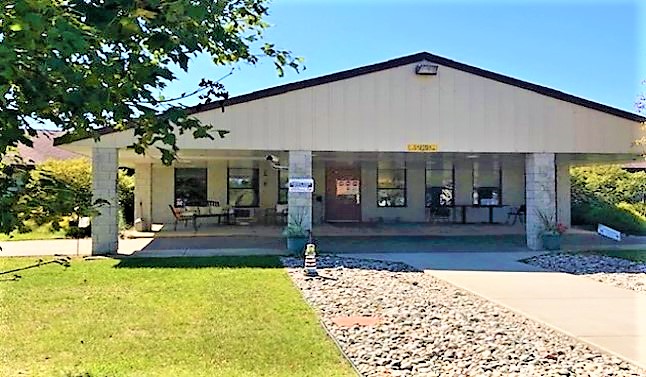
1290 East Michigan Highway, Roscommon, MI 48653 (989) 275-8936
For profit - Corporation 39 Beds MISSION POINT HEALTHCARE SERVICES Data: November 2025
Trust Grade
75/100
#157 of 422 in MI
Last Inspection: February 2025

Within standard 12-15 month inspection cycle. Federal law requires annual inspections.

Overview

Mission Point Nursing & Physical Rehabilitation in Roscommon, Michigan has earned a Trust Grade of B, indicating it is a good choice for families seeking care, as it is solidly positioned above average. It ranks #157 out of 422 facilities in Michigan, placing it in the top half, but is the second-best option in Roscommon County with only one local competitor. Unfortunately, the facility's performance has been worsening, with issues increasing from 5 in 2024 to 6 in 2025. Staffing is a relative strength, with a turnover rate of 33%, which is better than the state average, though the staffing rating is average at 3/5 stars. Notably, the home has had no fines, which is a positive sign, and offers more RN coverage than 90% of facilities in Michigan, ensuring better oversight of resident care. However, there are some concerning incidents; for example, staff failed to maintain proper food safety protocols, which could lead to foodborne illnesses, and issues were found with hand hygiene and infection control during a flu outbreak, potentially putting residents at risk. Overall, while there are strengths like good RN coverage and low fines, families should be aware of the recent decline in the facility's performance and specific health and safety concerns.

Trust Score
B
75/100
In Michigan
#157/422
Top 37%
Safety Record
Low Risk
No red flags
Inspections
Getting Worse
5 → 6 violations
Staff Stability
○ Average
33% turnover. Near Michigan's 48% average. Typical for the industry.
Penalties
✓ Good
No fines on record. Clean compliance history, better than most Michigan facilities.
Skilled Nurses
✓ Good
Each resident gets 58 minutes of Registered Nurse (RN) attention daily — more than average for Michigan. RNs are trained to catch health problems early.
Violations
⚠ Watch
13 deficiencies on record. Higher than average. Multiple issues found across inspections.
★★★★☆
4.0
Overall Rating
★★★☆☆
3.0
Staff Levels
★★★☆☆
3.0
Care Quality
★★★★☆
4.0
Inspection Score
Stable
2024: 5 issues
2025: 6 issues

The Good

  • Full Sprinkler Coverage · Fire safety systems throughout facility
  • No fines on record
  • Staff turnover below average (33%)

    15 points below Michigan average of 48%

Facility shows strength in fire safety.

The Bad

Staff Turnover: 33%

13pts below Michigan avg (46%)

Typical for the industry

Chain: MISSION POINT HEALTHCARE SERVICES

Part of a multi-facility chain

Ask about local staffing decisions and management

The Ugly 13 deficiencies on record

Mar 2025 2 deficiencies
CONCERN (D) 📢 Someone Reported This

A family member, employee, or ombudsman was alarmed enough to file a formal complaint

Potential for Harm - no one hurt, but risky conditions existed

Accident Prevention (Tag F0689)

Could have caused harm · This affected 1 resident

**NOTE- TERMS IN BRACKETS HAVE BEEN EDITED TO PROTECT CONFIDENTIALITY** Based on observation, interview and record review, the facility failed to ensure interventions to address fall prevention were i...

Read full inspector narrative →
**NOTE- TERMS IN BRACKETS HAVE BEEN EDITED TO PROTECT CONFIDENTIALITY** Based on observation, interview and record review, the facility failed to ensure interventions to address fall prevention were implemented for two Residents (#5 & #6) of four residents reviewed for falls. Findings Include: Resident #5 (R5) Review of the care plan revealed R5 was identified on 11/21/23 at risk for accidents, injuries, and falls r/t (related to) hx (history) of falls with major injury, insomnia, heart failure, COPD (Chronic Obstructive Pulmonary disease) & emphysema with dependence on oxygen, impaired mobility and balance, generalized weakness, forgetfulness, impaired vision . Interventions on 11/21/23 included: Be sure my call light is within reach and encourage me to use it for assistance as needed. I need prompt response to all requests for assistance. Ensure that I am wearing non-skid footwear prior to assisting me with transfers and/or ambulation. Reduce my risk for falling by cleaning up spills or clutter from my floor, provide glare-free lighting, accessible working call light, bed set at height deemed appropriate by PT (Physical Therapy)/OT (Occupational Therapy)/Nurse (as applicable), my personal items within reach. Review fall risk factors on admission, quarterly, change of condition and with each fall. Review information on past falls and attempt to determine cause of falls. Record possible root cause(s) and remove any potential causes as applicable. On 11/27/23 R5's care plan was updated to include: Encourage me to participate in activities that promote exercise, physical activity for strengthening and maintain mobility. On 5/5/24 the care plan was updated with: Offer reminders with routine checks to use call light for assistance with mobility needs. O 8/14/24 R5's care plan was update to include 15-minute visual safety checks. Review of R5's progress notes revealed the following: Event occurred on 08/14/2024 3:30 AM. Heard yelling coming from (R5's) room. Upon arrival to room, (R5) observed on floor laying on right side between bed and bathroom. [NAME] noted to be tipped over to the left of resident. Small amount of blood noted on floor, (R5) yelling my leg! Right lower leg noted to have bone protruding through skin. Minimal bleeding noted on floor and to pant leg. No other injuries observed. Floor was noted clean and dry, resident had grip socks in place. Call light within reach, but (R5) did not use call light at time of occurrence. Physician and responsible party notified. R5's care plan was update on 8/14/24 to include 15-minute visual safety checks. R5 fell again on 10/4/24, where the progress notes at 3:41 AM indicated (R5) was assisted to the commode next to her bed in her room. CNA went back into assist (R5) back to bed and resident asked for a few more minutes. (R5) was attempting to wipe herself falling forward, she did use her call light for assistance at that time. (R5) was observed on the floor on her right-side walker was laying on its side above her. noted urine on floor, (R5) did not have footwear on. (R5) stated she went down on her right knee; (R5) denied hitting her head and she denied any pain. Head to Toe assessment was completed no noted injuries . The facility failed to ensure R5 was wearing non-skid footwear per her care plan prior to getting up to the commode. Review of the progress note dated 11/29/24 at 5:10 AM, revealed R5 was found on the floor in their room .sitting on floor on buttock with back to bed and feet toward bathroom door . Review of facility incident report's root cause analysis revealed the facility did not include an analysis for effectiveness of 15-minute safety checks. The EMR (electronic medical record) revealed the last documented 15-minute check was more than an hour before the fall occurred. 15-minute checks on the 11/29/24 were documented as follows 12:03 AM, 3:00 AM, 4:07 AM, 8:05 AM, 8:05 AM, 10:07 AM, 2:07 PM, 2:07 PM, 4:17 PM, 6:55 PM, 8:52 PM, and 11:00 PM. The documentation on the date of the incident revealed inconsistencies with completing and documenting the required 15-minute checks. Resident #6 (R6) R6 was admitted to the facility on [DATE] with diagnoses including Parkinsonism, diabetes type II, generalized osteoarthritis, encephalopathy, motor and sensory neuropathy. R6 had a BIMS score of 15 indicating R6 was cognitively intact. R6's care plan implemented on 1/27/25, revealed : I am at risk for accidents, injuries, and falls r/t (related to) generalized weakness, diabetic neuropathy, Parkinsonism, impaired balance and mobility, Charcot-Marie-Tooth disease, and elevated ammonia levels. R6's care plan was updated on 3/5/25 post fall, to include: 15-minute visual safety checks with frequent reminders on call light use. R6's Current Care Record was updated to include: observe resident for visual safety check, offer frequent reminders on call light use every 15 minutes, charting Q2 hours. On 3/11/25, R6 was observed for a continuous period of 30 minutes revealed no staff completing the care planned 15-minute safety checks of R6, from 2:00 PM -2:30 PM. On 3/12/25 at 11:09 AM during an interview, the Director of Nursing (DON) stated the Q2 hour time frame for charting close supervision was to ensure staff were completing the 15-minute checks. When asked how the facility could ensure the checks were being completed if charting was only to be documented every 2 hours, the DON stated the documentation every two hours is the Certified Nursing Assistant's way of stating they had completed the 15-minute checks during that 2-hour time span. The DON explained the multiple exact times documented were due to staff charting at the end of their shifts and staff do not remember to change the time. When asked how the facility could determine 15-minute checks were being completed or if they were effective when staff are charting at the end of their shift, or only being required to chart in 2-hour increments, the DON did not provide an answer.
CONCERN (D) 📢 Someone Reported This

A family member, employee, or ombudsman was alarmed enough to file a formal complaint

Potential for Harm - no one hurt, but risky conditions existed

Medical Records (Tag F0842)

Could have caused harm · This affected 1 resident

**NOTE- TERMS IN BRACKETS HAVE BEEN EDITED TO PROTECT CONFIDENTIALITY** Based on observation, interview and record review, the facility failed to implement and maintain accurate and complete documenta...

Read full inspector narrative →
**NOTE- TERMS IN BRACKETS HAVE BEEN EDITED TO PROTECT CONFIDENTIALITY** Based on observation, interview and record review, the facility failed to implement and maintain accurate and complete documentation for 15-minute safety checks for two Residents (#5 & #6) of two residents reviewed for documentation related to 15-minute safety checks. Findings include: Resident #5 (R5) Review of R5's Electronic Medical Record (EMR) revealed diagnoses including Chronic Obstructive Pulmonary Disease (COPD), dependence of supplemental oxygen, heart failure, Type II diabetes, presence of artificial eye, and legal blindness. R5 had a Brief Interview for Mental Status (BIMS) score of 15 indicating R5 was cognitively intact. R5 was identified as a fall risk on 11/21/23 as indicated during review of their care plan. R5's care plan was updated on 8/14/24 after a fall with injury, to include 15-minute visual safety checks due to cognitive impairment, failure to use call light consistently, and frequent attempts to ambulate unassisted. R5's Current Care Record was updated to 15-minute checks Q (every) 2 hours. A review of R5's EMR tasks for 15 minute checks revealed 133 days of missing 2-hour charting and/or several entries at the exact same time, on the same date, from August 2024 to February 2025. Staff did not properly document whether the checks were completed. Resident #6 (R6) R6 was admitted to the facility on [DATE] with diagnoses including Parkinsonism, diabetes type II, generalized osteoarthritis, encephalopathy, motor and sensory neuropathy. R6 had a BIMS score of 15 indicating R6 was cognitively intact. R6's care plan implemented on 1/27/25, revealed : I am at risk for accidents, injuries, and falls r/t (related to) generalized weakness, diabetic neuropathy, Parkinsonism, impaired balance and mobility, Charcot-Marie-Tooth disease, and elevated ammonia levels. R6's care plan was updated on 3/5/25 post fall, to include: 15-minute visual safety checks with frequent reminders on call light use. R6's Current Care Record was updated to include: observe resident for visual safety check, offer frequent reminders on call light use every 15 minutes, charting Q2 hours. Review of R6's EMR tasks for 15 minute checks from implementation date of 3/5/25 through 3/11/25 indicated 5 days of inconsistencies in completing the required 15-minute safety checks. On 3/11/25, R6 was observed for a continuous period of 30 minutes revealed no staff completing the care planned 15-minute safety checks of R6, from 2:00 PM -2:30 PM. On 3/12/25 at 11:09 AM during an interview, the Director of Nursing (DON) stated the Q2 hour time frame for charting close supervision was to ensure staff were completing the 15-minute checks. When asked how the facility could ensure the checks were being completed if charting was only to be documented every 2 hours, the DON stated the documentation every two hours is the Certified Nursing Assistant's way of stating they had completed the 15-minute checks during that 2-hour time span. The DON explained the multiple exact times documented were due to staff charting at the end of their shifts and staff do not remember to change the time. When asked how the facility could determine 15-minute checks were being completed or if they were effective when staff are charting at the end of their shift, or only being required to chart in 2-hour increments, the DON did not provide an answer.
Feb 2025 4 deficiencies
CONCERN (D)

Potential for Harm - no one hurt, but risky conditions existed

Incontinence Care (Tag F0690)

Could have caused harm · This affected 1 resident

**NOTE- TERMS IN BRACKETS HAVE BEEN EDITED TO PROTECT CONFIDENTIALITY** Based on observation, interview, and record review, the facility failed to assess and monitor a resident's urostomy for complica...

Read full inspector narrative →
**NOTE- TERMS IN BRACKETS HAVE BEEN EDITED TO PROTECT CONFIDENTIALITY** Based on observation, interview, and record review, the facility failed to assess and monitor a resident's urostomy for complications, skin integrity, and proper function for one Resident (#238) of one resident reviewed for bowel and bladder. Findings include: Resident #238 (R238) A review of medical records indicated R238 was admitted to the facility on [DATE] with diagnoses including urinary tract infection, history of malignant neoplasm of bladder, acquired absence of other parts of urinary tract, and chronic kidney disease stage 3. On 2/9/25 at 1:54 PM, R238 was interviewed and indicated they had a urostomy (a surgical procedure that creates an opening [stoma] in the abdomen to divert urine from the kidneys directly into a bag on the outside of the body) and was currently being treated for a urinary tract infection (UTI). R238 stated the urostomy had been present for about three years and they were accustomed to caring for it themselves. R238 stated facility staff had asked R238 to alert the facility if there were any changes noted to the urine or urostomy. R238 could not remember if the staff had ever assessed the urostomy upon admission or thereafter. R238 orders read in part: Follow-up with established nephrologist for dx (diagnosis): Chronic kidney disease, stage 3. Change Urostomy pouch and wafer (Size: 25 mm(millimeter)) twice weekly after showers and PRN (as needed) every night shift every Wed(Wednesday), Sun(Sunday) for urostomy cares AND as needed for if loose or soiled. Urostomy care q (every) shift every shift for urostomy care. Cipro oral tablet 500 Mg (Milligram) (Ciprofloxacin HCl antibiotic) Give 1 tablet by mouth two times a day for UTI for 20 Administrations which culture and sensitivity indicated UTI is susceptible. On 2/10/25 at 11:40 AM, R238 stated the facility had not performed their urostomy care since being admitted . On 2/10/25 at 1:08 PM, an interview was conducted with Registered Nurse (RN) D regarding urostomy care charting for R238. RN D stated that when they charted the urostomy care q shift that the resident does the urostomy care. RN D stated they checked to see if R238 had any issues, but RN D indicated they did not assess the urostomy themselves, before charting the urostomy care for 2/10/25 on the day shift. On 2/10/25 at 1:19 PM, while describing their urostomy care during a follow up interview, R238 stated they do not wash their hands prior to urostomy care self-performance. While conducting an interview on 2/10/25 at 1:52 PM, the Director of Nursing (DON) stated they do not have a policy for a urostomy. The DON stated if an order for urostomy care was in the chart it would be expected that the nurse evaluates the fit, color and amount of the urine, or any irritation at the site. R238's care plan dated 2/4/25, read in part: I have a urostomy r/t (related to) bladder cancer s/p (status post) cystectomy Change Urostomy pouch and wafer (Size: 25 mm Pouch Precut with 1 flex) twice weekly and PRN. Monitor for s/sx (signs/symptoms) of discomfort on urination and frequency. Record/report to MD (Doctor of Medicine) for s/sx UTI: pain, burning, no output, increased pulse, increased temp, urinary frequency, fever, chills, altered mental status, change in behavior, change in eating patterns. Urostomy output and care - Notify nurse if output is less than 250 cc (cubic centimeters) in 8 hours. Toilet use x 1 assist with toileting and urostomy care. I will perform my own urostomy care. Please assure I have adequate supplies available as I need. During a follow up interview with the DON on 2/11/25 at 10:30 AM, when asked if the facility had assessed R238's ability to care for the urostomy prior to care planning and that R238 would care for their own urostomy, the DON stated No. The DON was unaware R238 had admitted to not washing his hands prior to urostomy care. The DON acknowledged the facility should assess and educate R238, since R238 was admitted to the facility with a UTI, and was not washing his hands prior to urostomy care.
CONCERN (D)

Potential for Harm - no one hurt, but risky conditions existed

Deficiency F0761 (Tag F0761)

Could have caused harm · This affected 1 resident

**NOTE- TERMS IN BRACKETS HAVE BEEN EDITED TO PROTECT CONFIDENTIALITY** Based on observation, interview, and record review, the facility failed to appropriately store topical treatment medication for ...

Read full inspector narrative →
**NOTE- TERMS IN BRACKETS HAVE BEEN EDITED TO PROTECT CONFIDENTIALITY** Based on observation, interview, and record review, the facility failed to appropriately store topical treatment medication for one Resident (#1) of twelve residents reviewed for medication storage. Findings include: Resident #1 (R1) Review of R1's Minimum Data Set (MDS) assessment dated [DATE], revealed admission to the facility on 1/18/21, with diagnoses including obesity. R1 scored a 15 of 15 on the Brief Interview of Mental Status (BIMS) assessment reflective of intact cognition. On 2/9/25 at 10:10 AM, R1 was observed in her room, lying in bed. R1 had a tube of Nystatin (an antifungal or anti-yeast cream) 100,000 units per 30 grams sitting on her nightstand. The topical cream order for application was completed two days ago according to the physician's order below. Review of R1's physician order, dated 12/1/24, read, Nystatin External Cream 100,000 units/gram, apply to vaginal folds topically every shift starting on the 1st and ending on the 7th every month for preventative skin care and candidiasis [fungal/yeast infection] prophylaxis. On 2/11/25 at 11:20 AM, R1 was observed in her room, lying in her bed resting. R1 had a tube of Nystatin cream 100,000 units per 30 grams sitting on her nightstand next to the left side of her bed. The topical cream order for application was completed four days ago according to the physician's order above. When asked about the cream, R1 replied, Sometimes when the nurses are busy the aides put the cream on me. On 2/11/25 at 11:40 AM, an interview was conducted with the Nursing Home Administrator (NHA) who was asked if treatment creams should be left at the bedside, if Certified Nurse Aides (CNAs) were able to administer treatments, and if R1 had a self-administration of medications assessment. The NHA replied, No, treatment creams are stored in the treatment carts, CNAs are not to administer treatments, and R1 does not have a self-administer medications safety assessment. Review of R1's physician orders, assessments, and care plan, had no interventions, orders, or assessment for self-administration of medications.
CONCERN (D)

Potential for Harm - no one hurt, but risky conditions existed

Deficiency F0810 (Tag F0810)

Could have caused harm · This affected 1 resident

**NOTE- TERMS IN BRACKETS HAVE BEEN EDITED TO PROTECT CONFIDENTIALITY** Based on observation, interview, and record review, the facility failed to provide dining adaptive equipment for one Resident (#...

Read full inspector narrative →
**NOTE- TERMS IN BRACKETS HAVE BEEN EDITED TO PROTECT CONFIDENTIALITY** Based on observation, interview, and record review, the facility failed to provide dining adaptive equipment for one Resident (#17) of three residents reviewed for dining assistive devices. Findings include: Resident #17 (R17) Review of R17's Minimum Data Set (MDS) assessment dated [DATE], revealed admission to the facility on [DATE], with diagnoses including ataxia (impaired coordination). R17 scored a 13 of 15 on the Brief Interview of Mental Status (BIMS) assessment reflective of intact cognition. On 2/9/25 at 1:02 PM, R17 was observed in his room, lying in his bed when his lunch tray was delivered. R17 sat upright in his bed and looked at his lunch meal. R17's meal tray and ticket were reviewed, and it was identified R17 did not get his adaptive equipment of built-up utensil handles on silverware. R17 was asked how often he does not receive the adaptive equipment and replied, It happens quite frequently. It seems like every other day. On 2/11/25 at 8:45 AM, R17's breakfast tray was observed in his room. R17 had one single red tube-like foam device laying on his tray which was not attached to any of the three pieces of silverware on R17's meal tray. On 2/11/25 at 12:50 PM, R17 was observed in his room, sitting on the side of his bed getting ready to eat his lunch. R17 received no built-up silverware as directed on the meal tray card and ticket. A single red tube-like foam device was observed laying on his tray and not attached to any of the three pieces of silverware on R17's meal tray. R17 was asked if he was able to place the single red tube-like foam device on any of the silverware and replied, I have a hard time gripping smaller things. I prefer the built-up silverware. Review of R17's [NAME], date printed 2/9/25, read in part, .Eating/Nutrition - Built up tubing on silverware for improved grip with self-feeding . Review of R17's care plan, dated 7/29/24, read in part, .Focus: I have an ADL (activities of daily living) Self Care Performance Deficit related to generalized weakness, right-sided hemiplegia (muscle weakness or partial paralysis on one side of the body) .Goal: To minimize decline in my current level of function in my ADLs through the review date .Interventions/Tasks .Eating: Set-up and offer assist as needed .Focus: I have the potential for a nutritional/hydration problem .Goal: My nutrition goal, while I am here, is to maintain my nutritional health and weight .Interventions/Tasks: Built up tubing on silverware for improved grip with self-feeding . On 2/10/25 at 1:45 PM, an interview was conducted with Registered Dietician (RD) I regarding R17's adaptive equipment requirements. RD I stated, R17 is supposed to have built-up silverware with every meal that should be applied to the silverware (by facility staff). I will ensure he receives the correct adaptive equipment on his tray and talk with the dietary staff. On 2/10/25 at 2:00 PM, the Nursing Home Administrator (NHA) was asked to provide a policy regarding adaptive equipment and again on 2/11/25 at 9:15 AM and no policy was provided prior to the exit of the survey.
CONCERN (E)

Potential for Harm - no one hurt, but risky conditions existed

Infection Control (Tag F0880)

Could have caused harm · This affected multiple residents

**NOTE- TERMS IN BRACKETS HAVE BEEN EDITED TO PROTECT CONFIDENTIALITY** Based on observation, interview, and record review, the facility failed to: (1) Ensure proper hand sanitizing during hall tray p...

Read full inspector narrative →
**NOTE- TERMS IN BRACKETS HAVE BEEN EDITED TO PROTECT CONFIDENTIALITY** Based on observation, interview, and record review, the facility failed to: (1) Ensure proper hand sanitizing during hall tray pass; (2) Ensure donning of proper personal protective equipment (PPE) in droplet precaution resident rooms and; (3) Ensure disinfection of an insulin pen prior to returning it to the medication storage cart during a facility influenza outbreak, (4) Ensure infection control practice was maintained for respiratory equipment, (5) Ensure opened containers of distilled water were dated for proper identification of expiration and discarding. These deficient practices resulted in the potential for transmission of infections and further spread of an influenza outbreak to all 36 facility residents and staff. Findings include: Resident #1 (R1) Review of R1's Minimum Data Set (MDS) assessment dated [DATE], revealed admission to the facility on 1/18/21, with diagnoses including: chronic obstructive pulmonary disease, and sleep apnea. R1 scored a 15 of 15 on the Brief Interview of Mental Status (BIMS) assessment reflective of intact cognition. On 2/9/25 at 10:10 AM, R1 was observed in her room, lying in her bed resting, with a C-pap [continuous positive airway pressure] machine (a device for delivering oxygen during sleeping), and a gallon of distilled water that was opened on top of her nightstand undated. R1 also had oxygen tubing hanging off the back of her wheelchair without a protective covering. On 2/10/25 at 8:50 AM, an observation was made of R1 in her room lying in her bed resting and the gallon of distilled water remained undated on top of her nightstand. On 2/11/25 at 11:20 AM, an observation was made of R1 in her room lying in her bed resting and the gallon of distilled water remained undated on top of her nightstand. Resident #28 (R28) Review of R28's MDS assessment dated [DATE], revealed admission to the facility on [DATE], with diagnoses including: chronic obstructive pulmonary disease, sleep apnea, diabetes mellitus, and hypertension. R28 scored a 15 of 15 on the BIMS assessment reflective of intact cognition. On 2/9/25 at 10:36 AM, R28's room was observed with a C-pap mask and machine located on top of his bedside dresser with tubing coiled up around the machine. The C-pap mask was not bagged and was sitting behind the machine. The mask surface designed to make contact with the resident's face was resting on the bedside dresser surface. R28's room also had an assembled nebulizer with oxygen tubing and a mouthpiece that was hanging off a second bedside dresser drawer handle. There was visible condensation observed inside the medication chamber and the nebulizer oxygen tubing was touching the floor. R28 had a bag hanging off the second dresser and in the bag was approximately 5 vials of used nebulizer solution. On 2/10/25 at 8:45 AM, R28 was observed resting in his bed with his c-pap on. R28's wheelchair was observed with oxygen tubing coiled up and not in a bag and the nasal cannula tips in contact with the wheelchair seat. R28's nebulizer remained hanging off the second bedside dresser drawer handle, assembled with condensation observed in the medication chamber. On 2/10/25 at 12:40 PM, meal tray pass on the 300-hall was observed. Certified Nurse Aide (CNA) J was observed entering room [ROOM NUMBER] to deliver a food tray. CNA J did not use hand hygiene after setting up the meal tray for an unidentified resident and exiting the room. CNA J returned to the food cart to retrieve salt and pepper and returned to room [ROOM NUMBER] to deliver the salt and pepper without performing hand hygiene. CNA J proceeded to get a second meal tray for room [ROOM NUMBER] off the food cart. CNA J delivered Resident #17 their tray and assisted by opening ketchup packets and exited the room without performing hand hygiene. On 2/10/25 at 12:50 PM, an interviewed was conducted with CNA J who was asked if she performed hand hygiene in between rooms [ROOM NUMBERS] and replied, I don't recall. I probably did not. I'm sorry. The facility was noted to be in an influenza outbreak during the time of the observations. On 2/11/25 at 10:00 AM, an interview was conducted with the Director of Nursing (DON) regarding the origin of the influenza outbreak. The DON replied, We had one CNA call in this past Sunday [2/9/25] with a cough who tested positive for influenza and then we sent out a resident on the 100-hall Sunday [2/9/25] whom we received information that they were positive for influenza. We began testing throughout the facility and then had two other residents down the 100-hall test positive for influenza. Today we added another resident down the 300-hall with influenza. Resident #21 (R21) On 2/10/25 at 11:01 AM, signage was observed posted on R21's private door which read: DROPLET PRECAUTIONS. EVERYONE MUST: clean their hands, including before entering and when leaving the room. Make sure their eyes, nose and mouth are fully covered before room entry. Remove face protection before room exit. Review of R21's EMR revealed the following order: Droplet precautions r/t [related to] cough s/s [signs/symptoms] respiratory illness. On 2/10/25 at 12:52 PM, CNA G was observed delivering R21's lunch tray without eye protection. Upon exiting R21's room, CNA G did not change their surgical mask and continued delivering lunch trays on the unit, including residents without signs and symptoms of respiratory illness. On 2/11/25 at 11:43 AM, Housekeeper H was observed entering R21's room without eye protection. On 2/11/25 at 12:55 PM, CNA G was observed removing R21's lunch tray from the mobile meal cart and setting it on top of a storage bin filled with personal protective equipment (PPE) outside R21's room. CNA G donned a gown and gloves but entered the room without eye protection. On 2/11/25 at 12:57 PM, an interview was conducted with CNA G who confirmed R21 was on droplet precautions because they tested positive for influenza. When asked about the PPE requirements for droplet precaution rooms, CNA G stated, I have to put a gown and gloves on. When I leave the room, I have to take everything off, put it in the trash, and get a new mask. When asked if eye protection was a requirement in droplet precaution rooms, CNA G examined the signage posted on R21's door and stated, It looks like I should have had a [face] shield or goggles on. I didn't realize that . On 2/11/25 at 2:22 PM, an interview regarding facility infection control expectations was conducted with the DON who also served as the facility Infection Preventionist (IP). The DON confirmed residents with influenza are on droplet precautions and the signage posted on the door indicated eye protection is a PPE requirement upon entry. The DON indicated hand hygiene was expected to be performed between patient rooms and before/between handling meal trays. When asked about respiratory equipment expectations, the DON stated all equipment should be stored in protective bags when not in use and distilled water should be dated when opened. The DON verified nebulizers should be disassembled and cleaned between uses. Review of the facility policy titled, Standard and Transmission-Based Precautions, revised 2/25, read, in part: It is our policy to take appropriate precautions, including isolation, to prevent transmission of infectious agents. This policy specifies the different types of precautions, including when and how isolation should be used for a resident.The facility will use standard approaches, as defined by the CDC, for transmission-based precautions: airborne, contact, and droplet precautions. The category of transmission-based precautions will determine the type of personal protective equipment (PPE) to be used . Intended to prevent transmission of pathogens spread through close respiratory or mucous membrane contact with respiratory secretions (i.e. respiratory droplets that are generated by a resident who is coughing, sneezing, or talking) . Review of the facility policy titled, Nebulizer Therapy, revised 6/23, read, in part: .Care of Equipment: Disassemble parts after every treatment .store dry nebulizers [in] mesh bags, clear plastic bag or proper clean storage per the facility's preference . Review of the facility policy titled, BIPAP-CPAP (positive pressure breathing devices), revised 6/23, read, in part: Store mask or nasal pillows in mesh bag or other approved storage container approved by the facility when not in use . Review of the facility policy titled, Oxygen Administration and Concentrator Policy, revised 6/24, read, in part: .infection control measures include: keep delivery devices stored in a sanitary manner . Review of the facility policy titled, Hand Hygiene, revised 1/24, read, in part: All staff will perform proper hand hygiene procedures to prevent the spread of infection to other personnel, residents, and visitors .Staff will perform hand hygiene when indicated, using proper technique consistent with accepted standards of practice . On 2/11/25 at 8:10 AM, medication pass was observed with Registered Nurse (RN) F who entered room [ROOM NUMBER] under droplet precautions for Influenza A, wearing only a surgical mask. RN F administered insulin via pen injector, left room [ROOM NUMBER] and placed the insulin pen in the medication cart without cleaning the insulin pen, where it came into contact with insulin pens for other residents. On 2/11/25 at 8:25 AM, RN F was observed entering room [ROOM NUMBER] under droplet precautions for Influenza A, while only wearing a surgical mask and no eye protection. According to the Center for Disease Control (CDC) and Prevention's droplet precaution signage, everyone must Make sure their eyes, nose, and mouth are fully covered before room entry. The Center for Medicare & Medicaid Services require's insulin pens should be stored in a sanitary manner to prevent cross-contamination. A review of the CDC 2007 Guideline for Isolation Precautions: Preventing Transmission of Infectious Agents in Healthcare Settings Last update: September 2024, located at https://www.cdc.gov/infection-control/media/pdfs/Guideline-Isolation-H.pdf, accessed on 2/21/25, revealed the following: I.B.3.a.ii. Indirect contact transmission. Indirect transmission involves the transfer of an infectious agent through a contaminated intermediate object or person. In the absence of a point-source outbreak, it is difficult to determine how indirect transmission occurs. However, extensive evidence cited in the Guideline for Hand Hygiene in Health Care Settings suggests that the contaminated hands of healthcare personnel are important contributors to indirect contact transmission 16. Examples of opportunities for indirect contact transmission include: · Hands of healthcare personnel may transmit pathogens after touching an infected or colonized body site on one patient or a contaminated inanimate object, if hand hygiene is not performed before touching another patient.72, 73. · Patient-care devices (e.g., electronic thermometers, glucose monitoring devices) may transmit pathogens if devices contaminated with blood or body fluids are shared between patients without cleaning and disinfecting between patients 74 75-77. (This would include single use patient care devices stored in the same area and that come into contact with patient care devices used for other residents. i.e. insulin pens are stored in the same area and come into contact with each other.) . · Instruments that are inadequately cleaned between patients before disinfection or sterilization (e.g., endoscopes or surgical instruments)81-85 or that have manufacturing defects that interfere with the effectiveness of reprocessing 86, 87 may transmit bacterial and viral pathogens. . I.B.3.b. Droplet transmission. Droplet transmission is, technically, a form of contact transmission, and some infectious agents transmitted by the droplet route also may be transmitted by the direct and indirect contact routes.
Mar 2024 5 deficiencies
CONCERN (D)

Potential for Harm - no one hurt, but risky conditions existed

Respiratory Care (Tag F0695)

Could have caused harm · This affected 1 resident

**NOTE- TERMS IN BRACKETS HAVE BEEN EDITED TO PROTECT CONFIDENTIALITY** Based on observation, interview, and record review, the facility failed to store oxygen supplies per standards of practice and a...

Read full inspector narrative →
**NOTE- TERMS IN BRACKETS HAVE BEEN EDITED TO PROTECT CONFIDENTIALITY** Based on observation, interview, and record review, the facility failed to store oxygen supplies per standards of practice and administer oxygen services per physician orders for one Resident (#30) of two residents reviewed for oxygen services. This deficient practice resulted in the potential for respiratory infection and hypoxia (below-normal level of blood oxygen) resulting in respiratory and/or medical decline. Findings include: Resident #30 (R30): During an initial tour of the facility on 3/11/24 at 10:50 AM, a CPAP (continuous positive airway pressure) machine was observed on R30's bedside nightstand. The CPAP hosing and facemask were in direct contact with the nightstand with no protective covering. On 3/11/24 at 10:51 AM, an interview was conducted with R30. R30 reported he had a concern regarding a connection piece on his CPAP machine because it had been damaged and was no longer functioning. Review of R30's electronic medical record (EMR) revealed initial admission to the facility on 8/24/22 with diagnoses including obstructive sleep apnea (a disorder in which a person frequently stops breathing during sleep) and congestive heart failure. Review of R30's most recent Minimum Data Set (MDS) assessment dated [DATE] revealed a Brief Interview for Mental Status (BIMS) score of 14, indicative of intact cognition. Review of R30's plan of care revealed the following focus: I have altered respiratory status r/t (related to) obstructive sleep apnea, CHF (congestive heart failure), morbid obesity, initiated 8/25/2022. An intervention initiated 8/25/2022 read, C-PAP at HS (at bedtime) with 2L (liters) O2 (oxygen)- Prior to each night: wipe mask with damp cloth adn (sic) rinse the humidifier and refill with sterile water. Observations on 3/12/24 at 2:22 PM and 3/13/24 at 10:09 were made of R30's CPAP hosing and facemask in direct contact with the nightstand with no protective covering. On 3/13/24 at 11:54 AM, during a follow-up interview, R30 reported the connection piece for oxygen tubing into the CPAP machine had been broken for approximately one week. R30 then pointed out he was not receiving supplemental oxygen per orders. R30 stated he reported the damaged piece to the facility but had not heard back regarding a replacement. R30 stated, It's probably important to have that [CPAP] fixed. On 3/13/24 at 12:21 PM, an interview was conducted with the Director of Nursing (DON) who confirmed R30's order for a CPAP with 2 liters of supplemental oxygen at bedtime. The DON was unaware about the broken connection piece stating, nobody communicated that to me. Review of facility policy titled BIPAP-CPAP reviewed 6/23 read, in part: .oxygen flow should be set according to sleep study results or most recent settings from the referring facility. Oxygen is bled into CPAP/BIPAP machines via oxygen concentrators or other oxygen delivery systems . .Store mask or nasal pillows in mesh bag or other approved storage container approved by the facility when not in use .
CONCERN (D)

Potential for Harm - no one hurt, but risky conditions existed

Infection Control (Tag F0880)

Could have caused harm · This affected 1 resident

**NOTE- TERMS IN BRACKETS HAVE BEEN EDITED TO PROTECT CONFIDENTIALITY** Based on observation, interview, and record review, the facility failed to ensure: a) Staff donned appropriate personal protecti...

Read full inspector narrative →
**NOTE- TERMS IN BRACKETS HAVE BEEN EDITED TO PROTECT CONFIDENTIALITY** Based on observation, interview, and record review, the facility failed to ensure: a) Staff donned appropriate personal protective equipment (PPE) for one (Resident #8) of five residents reviewed for Enhanced Barrier Precautions (EBP). b) Catheter care was performed in accordance with acceptable standards of practice for one (Resident #30) of one residents reviewed for urinary catheters. These deficient practices resulted in the potential for the development and transmission of communicable disease and infections. Findings Include: Resident #8 (R8): Review of R8's electronic medical record (EMR) revealed initial admission to the facility on [DATE] with diagnoses including a non-pressure chronic ulcer of the left ankle, acquired absence of the right leg below the knee, and history of infectious and parasitic diseases. Review of R8's most recent Minimum Data Set (MDS) assessment dated [DATE] revealed a Brief Interview for Mental Status (BIMS) score of 13, indicative of intact cognition. During an initial tour of the facility on 3/11/24 at 10:38AM, a sign was observed on the door of R8's room titled, Enhanced Barrier Precautions. The signage indicated: Everyone Must: Clean their hands, before entering and when leaving the room . .Providers and staff must also: Wear gloves and a gown for the following High-Contact Resident Care Activities: -Dressing -Bathing/Showering -Transferring -Changing Linens -Providing Hygiene -Changing briefs or assisting with toileting -Device care or use: central line, urinary catheter, feeding tube, tracheostomy -Wound Care: any skin opening requiring a dressing. On 3/11/24 at 10:38AM, an interview was conducted with R8 who verified she had an open wound on her left ankle. R8 stated that floor staff generally did not wear a gown when assisting her with personal cares. On 3/11/24 at 11:06AM, Certified Nursing Assistant (CNA) E was observed entering R8's without a gown or gloves. CNA E exited the room approximately 10 minutes later carrying soiled containments in a clear plastic bag. On 3/11/24 at approximately 11:16AM, an interview was conducted with CNA E. CNA E verified that R8 was on EBP. When asked the PPE expectations for EBP, CNA E stated, to wear gloves. After CNA E reviewed the signage posted on R8's door she stated, it looks like I was supposed to gown up. I didn't know that. Review of a Consultation Report with an Infectious Disease specialist on 12/18/23 read, in part: .she [R8] grew GBS [gram B Streptococcus] on 11/17 .she [R8] is certainly at risk for infection with size of open wound . Review of R8's EMR did not reveal orders for EBP. Review of facility policy titled, Enhanced Barrier Precautions revised 9/23 read, in part: .Enhanced barrier precautions refer to the use of gown and gloves for use during high-contact resident care activities for residents known to be colonized or infected with a MDRO [multidrug-resistant organisms] as well as those at increased risk of MDRO acquisition . .an order for enhanced barrier precautions will be obtained for residents with any of the following: Wounds (e.g., chronic wounds such as pressure ulcers, diabetic foot ulcers, unhealed surgical wounds, and chronic venous status ulcers) and/or indwelling medical devices (e.g., central lines, hemodialysis catheters, urinary catheters, feeding tubes, tracheostomy/ventilator tubes). Resident #30 (R30): Review of R30's electronic medical record (EMR) revealed initial admission to the facility on 8/24/22 with diagnoses including urine retention prostatic hyperplasia (an enlargement of the prostate gland) with lower urinary tract symptoms. Review of R30's most recent Minimum Data Set (MDS) assessment dated [DATE] revealed a Brief Interview for Mental Status (BIMS) score of 14, indicative of intact cognition. During initial tour of the facility on 3/11/24 at 10:50AM, a sign was observed on the door of R30's room titled, Enhanced Barrier Precautions. Review of R30's EMR did not reveal orders for EBP. On 3/12/24 at 11:12AM, R30 was observed walking with a four-wheel walker from the therapy gym to his private room (the length of two long hallways) with his urinary catheter tubing dragging on the floor. Three clinical staff recognized the tubing dragging the floor but made no attempts to secure it. On 3/12/24 at approximately 2:12PM, R30 was observed walking with a four-wheel walker in a common area with his urinary catheter tubing dragging on the floor. Review of R30's EMR revealed the following order with a start date of 10/19/23: Secure foley catheter with leg strap Q (every) shift. On 3/13/24 at 11:54AM, an interview was conducted with R30. R30 acknowledged his catheter tubing drags on the floor, quite a bit. R30 stated he has had UTIs (urinary tract infections) in the past requiring hospitalizations and had a concern regarding germs on the facility floor contaminating his catheter tubing and bag. Review of a hospitalization admission History and Physical on 11/4/23 read, in part: Chief Complaint . In via EMS (emergency medical services) from [facility name] for fall today with no known injuries, blood in urine x3 days . Assessment/Plan . 1. Sepsis - likely secondary to urinary tract infection . Review of a Hospitalization Summary on 2/11/24, read in part: .hospital course .1. Sepsis with organ dysfunction .likely secondary to urinary tract infection .patient noted to have blood clots plugging Foley catheter, like secondary to urinary tract infection . On 3/13/24 at 12:47AM, an interview was conducted with the Director of Nursing (DON). The DON confirmed that PPE expectations with EBP would be to wear both a gown and gloves during high-contact care. The DON stated she was concerned with the lack of gown donning when performing high-contact cares for vulnerable residents and re-education of the floor staff was necessary. The DON confirmed no EBP orders were placed in R8 or R30's EMR. The DON acknowledged a keeping catheter tubing off the floor is important and expected for infection prevention. Review of facility policy, Clinical Nursing Skills & Techniques 10th edition, read, in part: .Prevention of Catheter-Associated Urinary Tract Infection .secure indwelling catheters to prevent movement and pulling on the catheter .maintain a sterile, closed urinary drainage system .
CONCERN (E)

Potential for Harm - no one hurt, but risky conditions existed

Deficiency F0583 (Tag F0583)

Could have caused harm · This affected multiple residents

**NOTE- TERMS IN BRACKETS HAVE BEEN EDITED TO PROTECT CONFIDENTIALITY** Resident #9 (R9): Review of R9's Electronic Medical Record (EMR) revealed initial admission to the facility on 2/8/22 with diag...

Read full inspector narrative →
**NOTE- TERMS IN BRACKETS HAVE BEEN EDITED TO PROTECT CONFIDENTIALITY** Resident #9 (R9): Review of R9's Electronic Medical Record (EMR) revealed initial admission to the facility on 2/8/22 with diagnoses including congestive heart failure, bipolar disorder, panic disorder, and cognitive communication deficit. Review of R9's most recent Minimum Data Set (MDS) assessment dated [DATE] revealed a Brief Interview for Mental Status (BIMS) score of 9, indicative of moderate cognitive impairment. On 3/12/24 at 9:30AM, R9 was observed sleeping in bed in his private room. A white [Brand Name] camera was observed on the bedside dresser, aimed at R9. A green light was observed next to the camera power switch reading, ON, indicating the unit was in use. On 3/12/24 at 9:32AM, R9 was observed on a [Brand Name] video monitor screen which was unattended at the nurse's station in a high traffick, central location within the facility. A review of a Nursing Progress note dated 1/25/24 at 9:01AM, read in part: .Remote video monitor placed in [R9's] room upon return from ED (emergency department) last night for closer staff supervision for safety d/t (due to) continued confusion and attempts to self transfer . On 3/12/24 at 1:16PM, an interview was conducted with R9 who was seated in his wheelchair facing the bedside table with the [Brand Name] camera facing him. R9 was unable to identify the camera or its purpose. R9 indicated no facility staff had explained what the device was or its purpose. When R9 was informed of the camera's video and audio features, he asked, So, they've [facility staff] been listening to me when I'm talking to myself, and I don't even know it? No signage which indicated a camera was in use was observed posted on R9's door. No orders or written consent for use of a video and/or audio monitoring system was located in R9's EMR. On 3/13/24 at 1:01PM, an interview was conducted with the Nursing Home Administrator (NHA). The NHA verified the camera system was capable of both audio and video monitoring. When asked the purpose of the monitoring system the NHA stated, it's helpful for the staff to have video monitoring .if a resident gets up or down a lot, it helps keep extra eyes on them. The NHA was asked if the residents had knowledge of the devices in their rooms to which she replied, I don't know. The NHA was unsure if residents required a physician's order, or a consent for care planned intervention for use of the monitors. On 3/13/24 at 1:19PM, an interview was conducted with the Director of Nursing (DON) who estimated the first video monitor was implemented approximately a year ago. The DON verified there was no documentation of consent from a resident and/or resident representative, but the facility had recently acknowledged privacy and dignity concerns. The DON stated that in addition to viewing the monitors at the nurse's station, some night staff elect to carry the monitors on their medication carts to allow increased supervision. When questioned if unauthorized individuals (visitors, vendors, or other residents) could view the monitor at either the nurse's station or the medication cart, the DON said, Yes, that could easily happen. Review of [Brand Name] Full Color Pan and Tilt Video Monitor read, in part: IMPORTANT SAFETY INSTRUCTIONS . .This product is intended as an aid. It is not a substitute for responsible and proper adult supervision and should not be used as such . .This product is not intended for use as a medical monitor . Review of facility policy titled, Abuse, Neglect, and Exploitation, revised 6/22 read, in part: .Possible indicators of abuse include, but are not limited to: .evidence of photographs or videos of a resident that are demeaning or humiliating in nature, regardless of whether the resident provided consent and regardless of the residents cognitive status . Review of the Michigan Penal Code, Act 328 of 1931 read, in part: 750.539d. Installation, placement, or use of device for observing, recording, transmitting, photographing or eavesdropping in private place. Sec. 539d. (1) Except as otherwise provided in this section, a person shall not do either of the following: (a) Install, place, or use in any private place, without the consent of the person or persons entitled to privacy in that place, any device for observing, recording, transmitting, photographing, or eavesdropping upon the sounds or events in that place . Based on observation and interview, the facility failed to maintain personal privacy for four Residents (R9, R11, R24, and R31) of 12 residents reviewed for privacy. This deficient practice resulted in the potential to cause feelings of embarrassment and humiliation. Findings include: Resident #31 (R31) Review of R31's Electronic Medical Record (EMR) revealed initial admission to the facility on [DATE] with diagnoses including dementia, mood disorder, depression, and urinary incontinence. Review of 31's most recent Minimum Data Set (MDS) assessment dated [DATE] revealed a Brief Interview for Mental Status (BIMS) score of 8, indicative of moderate cognitive impairment. On 3/11/24 at 12:37 PM, an observation was conducted with R31 in her room. In R31's room on her nightstand was a small white in color device with a lens facing towards the wall. This surveyor viewed it as a device to face time family members during a voice call and to be able to view her. R31 was asked what it was and replied, Oh. That needs to be turned and pointed at me. R31 did not elaborate on the device and to what it was for. A green light was observed next to the camera power switch reading, ON, indicating the unit was in use. There was no signage posted on R31's door to indicate a camera was in use within the room. On 3/13/24 at 12:15 PM, an interview was conducted with R31 in her room and was asked about the device specifically and replied, It is from the hospital. They can see me. It has been here ever since I got here, and I don't know why. R31 was asked where she currently was and replied, In Roscommon at the nursing facility. Review of R31's care plan, dated 10/26/23, read in part, .I am at risk for accidents, injuries, and falls related to dementia .Interventions: Remote video monitor in my room for closer staff observation to allow for increased response to safety concerns and/or need for assistance . Review of R31's physician orders and scanned documents, revealed the lack of an order for remote video monitoring and lacked written family consent. Resident #24 (R24) Review of R24's EMR revealed initial admission to the facility on [DATE] with diagnoses including chronic obstructive pulmonary disease, hypertension, depression, and alcohol dependence with alcohol induced persisting dementia. Review of R24's most recent MDS assessment dated [DATE] revealed a BIMS score of 11, indicative of moderate cognitive impairment. On 3/11/24 at 1:27 PM, an observation was made of R24 entering his room. While R24 was in his room an interview was conducted and during the interview he was observed to have the same device as R31 in his room on top of his nightstand. A green light was observed next to the camera power switch reading, ON, indicating the unit was in use. R24 was without concerns or complaints at that time. No signage which indicated a camera was in use was observed posted on R24's door. On 3/13/24 at 1:30 PM, an interview was conducted with R24 in his room and was asked about the device that was on his nightstand and replied, I am not sure how long it has been there. I do not know what it is for. R24 was then asked if he was aware, it was a visual and audio monitor and replied, I am not sure. Review of R24's care plan, dated 10/3/23, read in part, I have potential for altered mood state related to potential causes of: fatigue, discomfort, hunger/thirst, boredom, confusion .Interventions: Provide support/reassurance .Redirect from exit doors if demonstrating exit seeking behavior. Remote video monitor in my room for closer staff observation to allow for increased response to safety concerns and/or need for assistance. Date Initiated: 10/3/23 . Review of R24's physician orders and scanned documents, revealed the lack of an order for remote video monitoring by physician and lacked written family consent. Resident #11 (R11) Review of R11's EMR revealed initial admission to the facility on [DATE] with diagnoses including chronic obstructive pulmonary disease, hypertension, depression, and alcohol dependence with alcohol induced persisting dementia. Review of R11's most recent MDS assessment dated [DATE] revealed a BIMS score of 00, indicative of severe cognitive impairment. On 3/11/24 at approximately 12:45 PM, an observation was made of R11 in her room and lying in her bed. R11 had a device just like R31 and R24 located in her room. R11's device was sitting on her sink counter pointing at her bed. A green light was observed next to the camera power switch reading, ON, indicating the unit was in use. R11 was unable to be interviewed regarding the device. No signage which indicated a camera was in use was observed posted on R11's door. On 3/13/24 at 12:23 PM, a review of R11's EMR was made. R11's care plan read in part, .[Resident's name] is at risk for accidents/falls/injuries related to Dementia, forgetful .Remote video monitor in my room for closer staff observation to allow for increased response to safety concerns and/or need for assistance. Date Initiated: 03/31/2023 .Staff to perform 15-minute visual safety checks. Date Initiated: 11/12/23 . Review of R11's progress note, dated 3/31/23, read in part, IDT Review Note .New intervention of a remote video monitor in room for closer staff observation to allow for increased response to safety concerns and/or need for assistance was recommended . On 3/12/24 at 11:35 AM, all three Residents (R31, R24, and R11) were observed on the video monitor screen which was unattended at the nurses' station in a high trafficked area, centrally located in the facility. There was no gate between the two open ends near the 100 and 200 halls for entering and exiting the area. On 3/12/24 at 2:30 PM, a request for a policy regarding the remote video monitoring was made to the Nursing Home Administrator (NHA). On 3/13/24 at 1:00 PM, the NHA confirmed that the facility does not have a policy for the remote video monitors/monitoring. The NHA stated that she felt the devices should be reassessed quarterly and/or with a change in condition. The NHA was unsure if reassessment was being completed and deferred to the Director of Nursing (DON). On 3/13/24 at 1:20 PM, an interview was conducted with the DON and was asked to provide documentation of family written consent for the four monitors and replied, I do not have any. The DON was asked about dignity and privacy and replied, Both are a risk to the residents.
CONCERN (E)

Potential for Harm - no one hurt, but risky conditions existed

Deficiency F0761 (Tag F0761)

Could have caused harm · This affected multiple residents

Based on observation, interview, and record review, the facility failed to ensure a secured/locked medication cart and maintain clean and sanitary medication carts for two of two medication carts revi...

Read full inspector narrative →
Based on observation, interview, and record review, the facility failed to ensure a secured/locked medication cart and maintain clean and sanitary medication carts for two of two medication carts reviewed for medication storage and one of one medication rooms. This deficient practice had the potential for medications to be misappropriated, medication loss, and contamination. Findings include: On 3/12/24 at 8:20 AM, and inspection was conducted in the medication storage room and was found to have lorazepam [a scheduled IV medication] 2 mg (milligram) vials approximately three stored in the refrigerator in a plastic clear box with labeling on the outside and secured with a single plastic serial numbered device. The medication storage room refrigerator did not have a key lock on the outside of the door or key looking device affixed to the inside of the refrigerator so the lorazepam was easily accessible and removable to anyone that entered the medication storage room door. On 3/12/24 at 10:15 AM, an inspection was conducted of the medication cart for 100 hall and was found to have one loose pill tab of mirtazapine 15 mg (milligrams). Registered Nurse (RN) F verified and confirmed no loose pills should be in the cart. On 3/12/24 at 10:20 AM, an inspection was conducted of the medication cart for 300 hall and was found to have one loose pill 1/2 tab of carbidopa - levodopa 25 - 100 mg. Licensed Practical Nurse (LPN) G verified and confirmed that no loose pills should be left in the cart. On 3/12/24 at 10:25 AM, both RN F and LPN G were requested to go into the medication storage room, and both were asked about how controlled substance were to be locked and both responded, Double locked. Both RN F and LPN G were asked about the controlled substance in the refrigerator medication storage room both replied, We recently change pharmacy groups, and we were given a box and told to store it this way. We used to keep in in a locked key box. Yeah, I guess we need to change that. On 3/12/24 at approximately 12:30 PM, and interview was conducted with the Director of Nursing (DON) who was asked about the storage for controlled substances in the medication storage room and replied, Well it has a lock on it. The DON was asked if the same type of lock would be acceptable on the medication carts in the hall for the controlled substance medication box and replied, Well. No. We changed pharmacies within the last year, and we mentioned that, and they told us we could buy a new box or lock and we just never did. I guess we better get a lock or a box that will work to store the medication safely. The DON was asked about loose medications in the medication carts and replied, No. There should not be. They should be discarded. Review of policy titled, LTC [long term care] Facility's Pharmacy Services and Procedures Manual, dated 1/1/22, read in part, .Dispose of unused medication portions in accordance with Facility policy .Controlled Substances Storage: Facility should ensure that Schedule II-V controlled substances are only accessible to licensed nursing, Pharmacy, and medical personnel designated by Facility .Controlled Substances stored in the refrigerator must be in a separate container and double locked .
CONCERN (F)

Potential for Harm - no one hurt, but risky conditions existed

Food Safety (Tag F0812)

Could have caused harm · This affected most or all residents

Based on observation, interview and record review, the facility failed to store, prepare, distribute, and serve food in accordance with professional standards for food service safety. This deficient p...

Read full inspector narrative →
Based on observation, interview and record review, the facility failed to store, prepare, distribute, and serve food in accordance with professional standards for food service safety. This deficient practice has the potential to result in a food borne illness among any and all 38 residents. Findings include: On 3/11/24 at approximately 11:55 AM, [NAME] C was observed to be preparing food for the noon meal. [NAME] C removed his gloves, lifted the lid to the 35 gallon garbage can, disposed of the gloves, removed two clean gloves from a box of gloves on the food serving line, and returned to prepare additional food. An interview with [NAME] C at this time who acknowledged that he didn't think to wash his hands prior to donning the clean gloves after contamination from the lid of the garbage can. The FDA Food Code 2017 states: 2-301.14 When to Wash. FOOD EMPLOYEES shall clean their hands and exposed portions of their arms as specified under § 2-301.12 immediately before engaging in FOOD preparation including working with exposed FOOD, clean EQUIPMENT and UTENSILS, and unwrapped SINGLE-SERVICE and SINGLE-USE ARTICLES and: (E) After handling soiled EQUIPMENT or UTENSILS; P (F) During FOOD preparation, as often as necessary to remove soil and contamination and to prevent cross contamination when changing tasks; P (I) After engaging in other activities that contaminate the hands. On 3/11/24 at approximately 10:15 AM, during the initial tour of the kitchen, a juice dispensing machine was observed on the counter in the kitchen. The machine had a direct connection with the potable water supply via a 3/8 flexible water line, plumbed from a ½ supply line located below the counter. No back flow prevention device was observed on the water line between the supply and the machine. At this time, an interview was conducted with Kitchen Manager (KM) A and learned the machine was installed by a food vendor with the facility leasing the machine. On the rear of the machine, near the water supply connection, a label informed the installer that proper back flow protection devices were required. At approximately 3:15 PM that same day, an interview was conducted with KM A who stated she had contacted the vendor with the information concerning the absent back flow prevention device. KM A stated the vendor informed A that it wasn't their (vendor's) responsibility to install the back flow prevention device. The FDA Food Code 2017 states: 5-202.14 Backflow Prevention Device, Design Standard. A backflow or backsiphonage prevention device installed on a water supply system shall meet American Society of Sanitary Engineering (A.S.S.E.) standards for construction, installation, maintenance, inspection, and testing for that specific application and type of device. P On 3/11/24 at approximately 10:15 AM, during the initial tour of the kitchen, an area of wall, near the dish washing area was observed to be poor condition, as evidenced by the absence of a cleanable material. It was observed that fiberglass reinforced plastic (FRP) panels were present throughout the area, with this localized area missing the panels. The floor in the same area, measuring approximately 2' x 2' was observed to have loose tiles and was depressed below the elevation of the surrounding floor. An interview with KM A at this time revealed that this condition of the wall and floor had occurred a few months ago due to a water leak in the housekeeping closet behind the wall and an obstruction in the sanitary sewer line below the floor. On 3/12/24 at approximately 10:45 AM, an interview was conducted with Maintenance Supervisor (MS) B who verified the condition and the time frame of a few months since the damage had occurred. MS B stated What is that material on the wall? referring to the FRP. When explained to MS B, he stated he would try and order it as soon as possible. The FDA Food Code 2017 states: 6-501.11 Repairing. PHYSICAL FACILITIES shall be maintained in good repair.
Apr 2023 2 deficiencies
CONCERN (F)

Potential for Harm - no one hurt, but risky conditions existed

Food Safety (Tag F0812)

Could have caused harm · This affected most or all residents

Based on observation, interview and record review, the facility failed to store, prepare, distribute, and serve food in accordance with professional standards for food service safety as evidenced by: ...

Read full inspector narrative →
Based on observation, interview and record review, the facility failed to store, prepare, distribute, and serve food in accordance with professional standards for food service safety as evidenced by: 1. Failing to ensure food handling staff handled food serving utensils in a sanitary manner. 2. Failing to ensure food handling staff washed their hands after contamination. 3. Failing to remove expired food from the walk in cooler. 4. Failing to ensure the testing of the sanitizing chemical was conducted in accordance with directions. These deficient practices have the potential to result in food borne illness among any and all 35 residents of the facility. Findings include: 1. On 4/5/23 at approximately 12:05 PM Dietary [NAME] (DC) B was observed to drop a food scoop onto the floor, then reached down, picked up the scoop and placed it on the stainless steel counter where plate covers and other utensils were lying waiting to be used for the noon meal. The FDA Food Code 2017 states: 4-602.11 Equipment Food-Contact Surfaces and Utensils. (A) EQUIPMENT FOOD-CONTACT SURFACES and UTENSILS shall be cleaned: (5) At any time during the operation when contamination may have occurred. 2. On 4/5/23 between 11:30 AM and 12:15 PM, observations were made in the kitchen during the preparation and service of the noon meal. Dietary [NAME] (DC) B was observed on four different occasions pulling the mask away from his face, touching his face, then returning to food preparation and food service. At 12:05 PM, DC B dropped a food scoop onto the floor, picked it up and failed to wash his hands before retuning to the work station to serve food. The FDA Food Code 2017 states: 2-301.14 When to Wash. FOOD EMPLOYEES shall clean their hands and exposed portions of their arms as specified under § 2-301.12 immediately before engaging in FOOD preparation including working with exposed FOOD, clean EQUIPMENT and UTENSILS, and unwrapped SINGLE-SERVICE and SINGLE-USE ARTICLES and: (A) After touching bare human body parts other than clean hands and clean, exposed portions of arms; 3. On 4/5/23 at approximately 11:15 AM, two half gallon containers of lemon juice were observed on the top shelf of the walk in refrigerator. Both containers had the expiration date of 3/11/23 stamped at the bottom of the plastic container. At 1:45 PM, an interview was conducted with Dietary Manager DM A, and asked about the containers of lemon juice. DM A stated the lemon juice was not used as a food product, rather, was used to clean the heated cooking surfaces in the kitchen. The FDA Food Code 2017 states: 7-201.11 Separation. POISONOUS OR TOXIC MATERIALS shall be stored so they can not contaminate FOOD, EQUIPMENT, UTENSILS, LINENS, and SINGLESERVICE and SINGLE-USE ARTICLES by: (A) Separating the POISONOUS OR TOXIC MATERIALS by spacing or partitioning; and (B) Locating the POISONOUS OR TOXIC MATERIALS in an area that is not above FOOD, EQUIPMENT, UTENSILS, LINENS, and SINGLE-SERVICE or SINGLE-USE ARTICLES. This paragraph does not apply to EQUIPMENT and UTENSIL cleaners and SANITIZERS that are stored in WAREWASHING areas for availability and convenience if the materials are stored to prevent contamination of FOOD, EQUIPMENT, UTENSILS, LINENS, and SINGLE-SERVICE and SINGLE-USE ARTICLES 4. On 4/6/23 at approximately 8:45 AM, DM A was requested to demonstrate that the wiping cloth buckets contained an approved concentration of sanitizer. DM A identified the sanitizer as a quaternary product, removed a strip of QT 40 test strip and held it in the solution for 5 seconds, as recorded by the second hand of a wrist watch. The result read by DM A was less than 150 PPM (parts per million). DM A was requested to conduct the test again, and held the strip in the solution for six seconds. An interview was conducted at this time with DM A and asked about the time period the strip was to be immersed into the solution. DM A responded it was to be ten seconds, which was correct pursuant to the package instructions. When told the strip was held for only five and six seconds, DM A stated I guess I count fast. The FDA Food Code 2017 states: 4-501.116 Warewashing Equipment, Determining Chemical Sanitizer Concentration. Concentration of the SANITIZING solution shall be accurately determined by using a test kit or other device.
MINOR (C)

Minor Issue - procedural, no safety impact

Infection Control (Tag F0880)

Minor procedural issue · This affected most or all residents

This citation will have two components: A and B with individual deficiency practice statements. A. Based on observation, interview and record review, the facility failed to ensure proper disinfection ...

Read full inspector narrative →
This citation will have two components: A and B with individual deficiency practice statements. A. Based on observation, interview and record review, the facility failed to ensure proper disinfection of laundry when transmission based precaution (TBP) sourced laundry was present in the building. This included a laundry chemical which could not be demonstrated to disinfect TBP sourced linens, and a failure to implement a verification procedure to ensure proper levels of disinfectant chemicals were present during the washing process of TBP sourced linens. This deficient practice has the potential to result in transmission of TBP pathogens to all 35 residents. No TBP residents were identified in the facility. Findings include: On 4/5/23 at approximately 3:30 PM observations were made of the laundry department with Environmental Director (ED) C. It was learned the facility was not using a chlorinated bleach product to disinfect TBP sourced linens, rather, an oxygenated bleach product. An interview with ED C was conducted at this time and learned there had not been any concentration specified for an effective elimination of TBP pathogens, and the facility did not have any testing regiment to test the concentration of the product. It was further learned, by review of the container of oxygenated bleach, the active ingredient was an undefined peroxide agent. The container did not have an EPA (Environmental Protection Agency) approval number indicating its approval for TBP pathogens relative to concentration or contact time. A review of the facility policy Laundry with a date implemented 04/1720 (sic), and revised date of 12/20, Item 6 states: Laundry may be processed with hot or low-temperature processes: a. Hot water cycle: Wash with detergent in a water temperature of 160 degrees or above for at least 25 minutes. b. Low temperature cycle: wash with chemicals suitable for low temperature washing at the proper concentration. c. A 125 part-per-million (ppm) chlorine bleach rinse will be used to destroy microorganisms when applicable. ED C stated there was not a mechanism to ensure the washers held a water temperature of 160°F for 25 minutes, and did not have a process to test any chemical or know what concentration was acceptable. B. Based on interview and record review, the facility failed to develop a comprehensive Water Management Plan (WMP) to address the control and spread of Legionella bacteria in the facility water system, in accordance with QSO 17-30 Hospitals/CAHs/NH, Revised 7-6-2018. The facility failed to Develop and implement a water management program that considers the ASHRAE 188 (American Society of Heating, Refrigerating and Air-Conditioning Engineers) and the CDC (Centers for Disease Control) tool kit. The failure to develop a comprehensive Water Management Plan has the potential for the proliferation and transmission of Legionella in the circulating water of the building and the spread of Legionella infections in all 35 residents. Findings include: On 4/6/23 a review of the facility's WATER MANAGEMENT PROGRAM (dated 04/2017)(Revised Date 12/2020) document was conducted. This document were presented in its entirety as the facility's WMP for Legionella control. This document was a policy which defined the specific components of a water management plan including: creation of a water management team; conducting an annual risk assessment of the premise plumbing to identify where water born pathogens could grow and spread; creating control points and control measures which limit the growth and spread of water pathogens; testing protocols; and annual evaluation of the program's effectiveness. No specific parameters for the facility's WMP were identified. Absent from the facility's WMP documents were: 1. Identification of a water management team (WMT) comprised of current facility staff and others designated to assess and review the facility's water system for potential risks associated with water borne pathogens. 2. An assessment as to the locations of plumbing fixtures posing a risk for harborage and/or transmission of Legionella bacteria. 3. Specific Control measures at specific locations for the elimination/control of Legionella. 4. Specific measurable Critical limits within the control measures of areas within the building. 5. Defined monitoring of parameters, which were identified as control measures and their associated limits, to determine targeted interventions were present. 6. Documentation of any monitoring. 7. Review of data from defined monitoring documented to demonstrate interventions were either functional or requiring to be refined. On 4/06/23 at approximately 10:30 AM, an interview with Environmental Director (ED) C was conducted to review the WMP. ED C acknowledged the above components could not be located, no data collection had been located, and review of data to determine the efficacy of the entire Water Management program implementation had not been conducted.
Understanding Severity Codes (click to expand)
Life-Threatening (Immediate Jeopardy)
J - Isolated K - Pattern L - Widespread
Actual Harm
G - Isolated H - Pattern I - Widespread
Potential for Harm
D - Isolated E - Pattern F - Widespread
No Harm (Minor)
A - Isolated B - Pattern C - Widespread

Questions to Ask on Your Visit

  • "Can I speak with families of current residents?"
  • "What's your RN coverage like on weekends and overnight?"

Our Honest Assessment

Strengths
  • • No major safety red flags. No abuse findings, life-threatening violations, or SFF status.
  • • No fines on record. Clean compliance history, better than most Michigan facilities.
  • • 33% turnover. Below Michigan's 48% average. Good staff retention means consistent care.
Concerns
  • • 13 deficiencies on record. Higher than average. Multiple issues found across inspections.
Bottom line: Generally positive indicators. Standard due diligence and a personal visit recommended.

About This Facility

What is Mission Point Nursing & Physical Rehabilitation Of's CMS Rating?

CMS assigns Mission Point Nursing & Physical Rehabilitation of an overall rating of 4 out of 5 stars, which is considered above average nationally. Within Michigan, this rating places the facility higher than 99% of the state's 100 nursing homes. This rating reflects solid performance across the metrics CMS uses to evaluate nursing home quality.
How is Mission Point Nursing & Physical Rehabilitation Of Staffed?

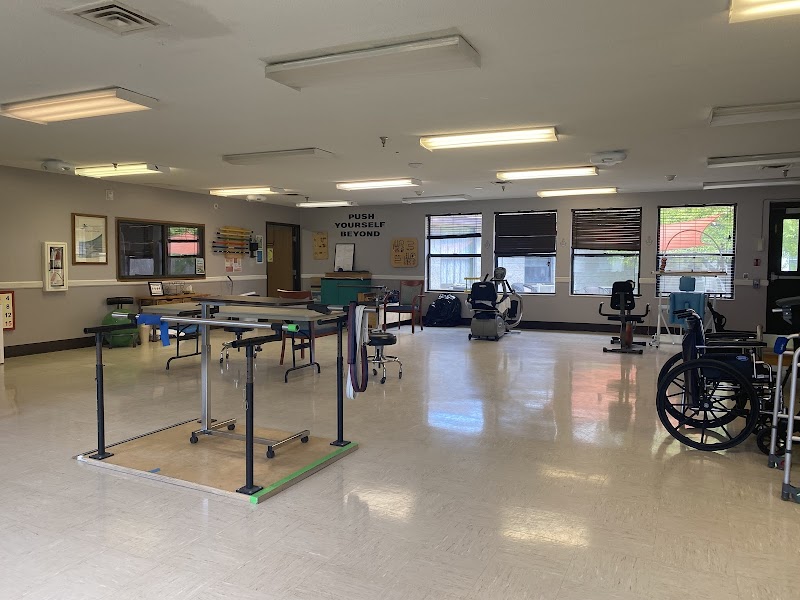
CMS rates Mission Point Nursing & Physical Rehabilitation of's staffing level at 3 out of 5 stars, which is average compared to other nursing homes. Staff turnover is 33%, compared to the Michigan average of 46%. This relatively stable workforce can support continuity of care.

What Have Inspectors Found at Mission Point Nursing & Physical Rehabilitation Of?

State health inspectors documented 13 deficiencies at Mission Point Nursing & Physical Rehabilitation of during 2023 to 2025. These included: 12 with potential for harm and 1 minor or isolated issues.
Who Owns and Operates Mission Point Nursing & Physical Rehabilitation Of?

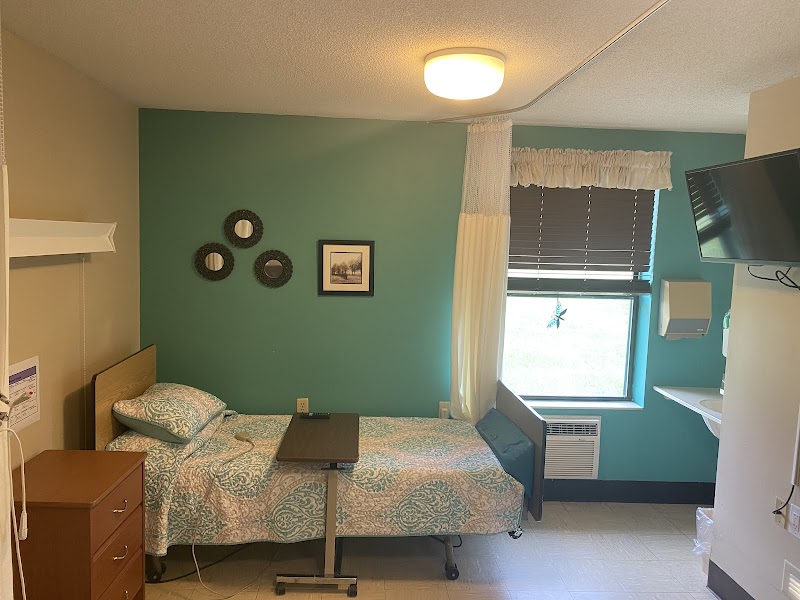
Mission Point Nursing & Physical Rehabilitation of is owned by a for-profit company. For-profit facilities operate as businesses with obligations to shareholders or private owners. The facility is operated by MISSION POINT HEALTHCARE SERVICES, a chain that manages multiple nursing homes. With 39 certified beds and approximately 37 residents (about 95% occupancy), it is a smaller facility located in Roscommon, Michigan.
How Does Mission Point Nursing & Physical Rehabilitation Of Compare to Other Michigan Nursing Homes?

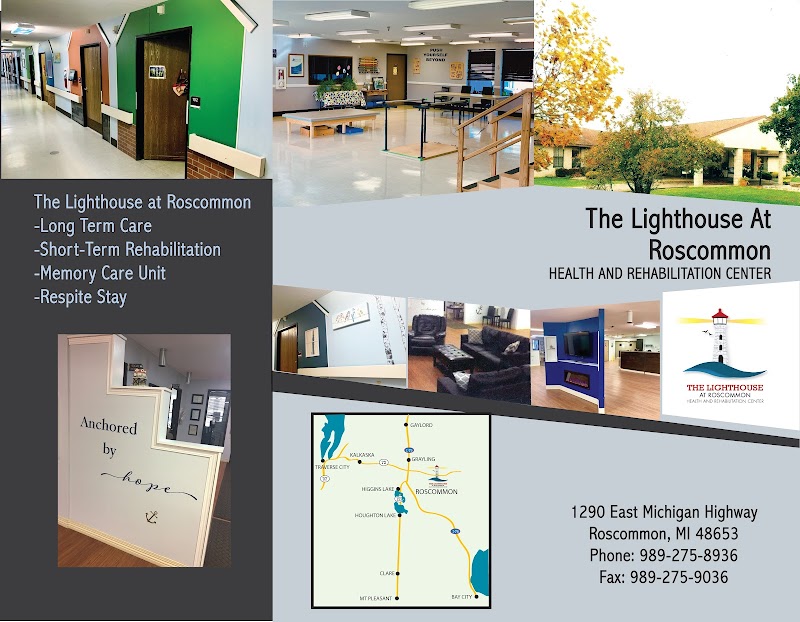
Compared to the 100 nursing homes in Michigan, Mission Point Nursing & Physical Rehabilitation of's overall rating (4 stars) is above the state average of 3.1, staff turnover (33%) is significantly lower than the state average of 46%, and health inspection rating (4 stars) is above the national benchmark.

What Should Families Ask When Visiting Mission Point Nursing & Physical Rehabilitation Of?

Based on this facility's data, families visiting should ask: "Can I visit during a mealtime to observe dining assistance and food quality?" "How do you handle medical emergencies, and what is your hospital transfer rate?" "Can I speak with family members of current residents about their experience?"

Is Mission Point Nursing & Physical Rehabilitation Of Safe?

Based on CMS inspection data, Mission Point Nursing & Physical Rehabilitation of has a clean safety record: no substantiated abuse findings (meaning no confirmed cases of resident harm), no Immediate Jeopardy citations (the most serious violation level indicating risk of serious injury or death), and is not on the Special Focus Facility watch list (a federal program monitoring the lowest-performing 1% of nursing homes). The facility has a 4-star overall rating and ranks #1 of 100 nursing homes in Michigan. While no facility is perfect, families should still ask about staff-to-resident ratios and recent inspection results during their visit.

Do Nurses at Mission Point Nursing & Physical Rehabilitation Of Stick Around?

Mission Point Nursing & Physical Rehabilitation of has a staff turnover rate of 33%, which is about average for Michigan nursing homes (state average: 46%). Moderate turnover is common in nursing homes, but families should still ask about staff tenure and how the facility maintains care continuity when employees leave.

Was Mission Point Nursing & Physical Rehabilitation Of Ever Fined?

Mission Point Nursing & Physical Rehabilitation of has no federal fines on record. CMS issues fines when nursing homes fail to meet care standards or don't correct problems found during inspections. The absence of fines suggests the facility has either maintained compliance or corrected any issues before penalties were assessed. This is a positive indicator, though families should still review recent inspection reports for the full picture.

Is Mission Point Nursing & Physical Rehabilitation Of on Any Federal Watch List?

Mission Point Nursing & Physical Rehabilitation of is not on any federal watch list. The most significant is the Special Focus Facility (SFF) program, which identifies the bottom 1% of nursing homes nationally based on persistent, serious quality problems. Not being on this list means the facility has avoided the pattern of deficiencies that triggers enhanced federal oversight. This is a positive indicator, though families should still review the facility's inspection history directly.