Shelby Crossing Health Campus
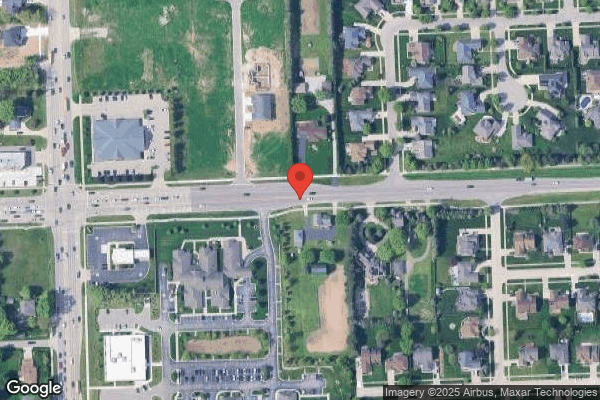
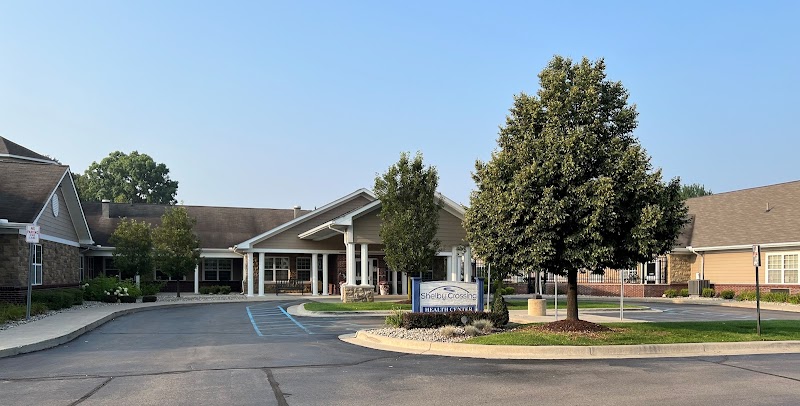
13794 21 Mile Road, Shelby Townhip, MI 48315 (586) 532-2100
For profit - Corporation 57 Beds TRILOGY HEALTH SERVICES Data: November 2025
Trust Grade
95/100
#81 of 422 in MI
Last Inspection: March 2025

Within standard 12-15 month inspection cycle. Federal law requires annual inspections.

Overview

Shelby Crossing Health Campus has received a Trust Grade of A+, indicating it is an elite facility with top-tier care. It ranks #81 out of 422 facilities in Michigan, placing it in the top half, and #5 out of 30 in Macomb County, meaning only four local options are better. The facility is improving, as the number of issues found decreased from 5 in 2024 to just 2 in 2025. Staffing is a strong point, with a 4/5 star rating and a turnover rate of 22%, significantly lower than the Michigan average of 44%. However, there were concerns noted during inspections, including improper food storage practices and staff failing to perform hand hygiene during meal service, which could potentially affect residents' health.
Trust Score
A+
95/100
In Michigan
#81/422
Top 19%
Safety Record
Low Risk
No red flags
Inspections
Getting Better
5 → 2 violations
Staff Stability
✓ Good
22% annual turnover. Excellent stability, 26 points below Michigan's 48% average. Staff who stay learn residents' needs.
Penalties
✓ Good
No fines on record. Clean compliance history, better than most Michigan facilities.
Skilled Nurses
✓ Good
Each resident gets 63 minutes of Registered Nurse (RN) attention daily — more than 97% of Michigan nursing homes. RNs are the most trained staff who catch health problems before they become serious.
Violations
○ Average
9 deficiencies on record. Average for a facility this size. Mostly minor or procedural issues.
★★★★★
5.0
Overall Rating
★★★★☆
4.0
Staff Levels
★★★★★
5.0
Care Quality
★★★★★
5.0
Inspection Score
Stable
2024: 5 issues
2025: 2 issues

The Good

  • 4-Star Staffing Rating · Above-average nurse staffing levels
  • 5-Star Quality Measures · Strong clinical quality outcomes
  • Low Staff Turnover (22%) · Staff stability means consistent care
  • Full Sprinkler Coverage · Fire safety systems throughout facility
  • No fines on record
  • Staff turnover is low (22%)

    26 points below Michigan average of 48%

Facility shows strength in staffing levels, quality measures, staff retention, fire safety.

The Bad

Chain: TRILOGY HEALTH SERVICES

Part of a multi-facility chain

Ask about local staffing decisions and management

The Ugly 9 deficiencies on record

Mar 2025 2 deficiencies
CONCERN (D)

Potential for Harm - no one hurt, but risky conditions existed

Deficiency F0761 (Tag F0761)

Could have caused harm · This affected 1 resident

Based on observation, interview, and record review, the facility failed to ensure opened biologicals were dated or had an identifier on the medication in three of four medication carts reviewed. Findi...

Read full inspector narrative →
Based on observation, interview, and record review, the facility failed to ensure opened biologicals were dated or had an identifier on the medication in three of four medication carts reviewed. Findings include: On 03/25/25 at 8:56 AM, the 300 unit medication cart was observed with Licensed Practical Nurse (LPN) A. Four inhalers were not dated when opened or noted with an identifier on the inhaler these included Advair, albuterol and Symbicort. In the 300 medication room a tuberculin multi-use vial was not dated when opened. On 03/25/25 at 9:58 AM, during a medication pass observation the 200 B medication cart was observed with LPN B. An Incruse inhaler and a fluticasone inhaler were observed to be without a date opened on the inhaler and without a resident identifier on the inhaler. Two opened insulin pens were observed without an opened date on the pen. On 03/25/25 at 10:24 AM, the 200 A medication cart was observed with LPN C. A Lantus insulin pen and a Lispro insulin pen for the same resident were without a date opened on the pen. A Humalog insulin pen and a Lantus insulin for a second resident were without a resident identifier and an opened date on the pen. LPN C reported they had come with the resident from the hospital. Two albuterol Inhalers for a third resident were not dated when opened on the inhaler. On 03/26/25 at 10:33 AM, the Director of Health Services reported staff should date items on the actual vial for the tuberculin. It was also reported that at times the pharmacy does not provide a patient label for the medications such as inhalers and the insulin pens. A review of the facility policy titled, .when the original seal of a manufacturer's container or vial is initially broken the container or vial will be dated. A date opened sticker will be placed on the medication. The expiration date of the vial or container will be 30 days unless the manufacturer recommends another date . A review of the prescribing information from the Incruse.com web site revealed, How should I store Incruse Ellipta? Store Incruse Ellipta in the unopened tray and only open when ready for use. Safely throw away Incruse Ellipta in the trash 6 weeks after you open the tray or when the counter reads 0, whichever comes first. Write the date you open the tray on the label on the inhaler .
CONCERN (D)

Potential for Harm - no one hurt, but risky conditions existed

Infection Control (Tag F0880)

Could have caused harm · This affected 1 resident

Based on observation, interview, and record review, the facility failed to perform appropriate hand hygiene and or sanitize a blood pressure cuff during two of six medication pass observations. Findin...

Read full inspector narrative →
Based on observation, interview, and record review, the facility failed to perform appropriate hand hygiene and or sanitize a blood pressure cuff during two of six medication pass observations. Findings include: On 03/25/25 at 8:25 AM, Licensed Practical Nurse (LPN) A was observed to bring a machine to measure vital signs into the room of R 30. LPNA place a blood pressure cuff on the right arm of R30. R30 was on enhanced barrier precautions related to a foot wound. Upon completion of the medication pass, LPN A was observed to wheel the machine into the common area. The blood pressure cuff was not observed to be be cleaned. On 03/25/25 at 9:58 AM, LPN B was observed to exit the room of a resident and move the medication cart and a vitals machine to the doorway of another resident. LPN B was observed to bring the vitals machine into the room and check the blood pressure of the resident on their bare left arm. Upon completion of the vitals checks the machine was placed outside the room. The cuff was not observed to be cleaned. LPN B was then observed to prepare 11 medications from the medication cart. The medications were placed on a barrier and transported into the room and placed on the overbed table. LPN B tore open the packages of pill to put them into a medication cup. During this process one of the pills popped out and onto the barrier. LPN B picked up the pill and placed it into the medication cup without first completing hand hygiene or putting on a glove. LPN B picked up a pill splitter and gloves from the medication cart. No hand hygiene was completed before application of the gloves and the return to the medication cart. The pill was cut and the gloves were doffed. No hand hygiene was observed and the pill splitter was not observed to be cleaned. LPN B returned to the medication cart and used a spoon to place some applesauce into the pill cup for the resident. No hand hygiene was observed prior to return to the medication cart. LPN B completed the medication pass after the resident was assisted with two inhalers. LPN B then washed their hands and exited the room. On 03/25/25 at 11:30 AM, the infection control nurse reported gloves should be used to pick up any pill designated for consumption by a resident. On 03/26/25 at 10:33 AM, the Director of Health Services confirmed: the need for gloves to pick up the pills if dropped on the barrier and returned to the cup; the need to complete hand hygiene before and after glove use; and the need to clean the blood pressure cuff after each resident use. A review of the facility policy titled, Medication Administration - General Guidelines revised 11/2018 revealed, .The person administering medication adheres to good hand hygiene: before beginning a medication pass, prior to handling any medications, after coming into direct contact with a resident, .examination gloves are worn when necessary, .hand sanitization is done with an approved sanitizer between handwashings, when returning to the medication cart or preparation area, .at regular intervals during the medication pass .
Feb 2024 5 deficiencies
CONCERN (D)

Potential for Harm - no one hurt, but risky conditions existed

Deficiency F0655 (Tag F0655)

Could have caused harm · This affected 1 resident

**NOTE- TERMS IN BRACKETS HAVE BEEN EDITED TO PROTECT CONFIDENTIALITY** Based on interview and record review, the facility failed to develop a baseline care plan for an armpit/chest wall wound for one...

Read full inspector narrative →
**NOTE- TERMS IN BRACKETS HAVE BEEN EDITED TO PROTECT CONFIDENTIALITY** Based on interview and record review, the facility failed to develop a baseline care plan for an armpit/chest wall wound for one resident (R354) of three residents reviewed for timely initiation of a base line care plan. Findings include: R354 On 2/13/2024 at 12:32 PM, an interview with R354 revealed that they currently had an armpit/chest wall wound that was healing and being treated daily. A medical record review revealed that R354 was admitted on [DATE] with the following pertinent diagnoses: Cellulitis of chest wall, Diabetes, type 2 with chronic kidney disease stage 3. Further review of the record noted a physician order for the left chest wound as follows: Cleanse left lower axilla (armpit/chest wall) wound with normal saline, pack with small piece of Aquacel AG and cover with dry dressing. A second order documented clean left upper extremity near armpit skin tear with normal saline and cover with island dressing daily. Further review revealed that there was not a base line care plan for a chest/armpit wound requiring specialized care within 48 hours. On 2/13/2024 at 12:24 PM, an interview was conducted with the Director of Nursing (DON) regarding the expectations for baseline care plans. The DON stated that the expectation was that residents should have a base line care plan for specialized issues within 48 hours.
CONCERN (D)

Potential for Harm - no one hurt, but risky conditions existed

Pressure Ulcer Prevention (Tag F0686)

Could have caused harm · This affected 1 resident

Based on observation, interview, and record review, the facility failed to apply offloading heel boots per physician orders for one resident (R5) out of one reviewed for wounds. Findings include: On 2...

Read full inspector narrative →
Based on observation, interview, and record review, the facility failed to apply offloading heel boots per physician orders for one resident (R5) out of one reviewed for wounds. Findings include: On 2/13/2024 at 9:30 AM, R5 was observed laying in bed. R5 was noted to have wound care products in the room with a positioning wedge on their right side. R5's ankles were noted to be on a pillow with their heels resting on the mattress. On 2/14/2024 at 6:36 AM, R5 was observed in bed with a wedge on their left side. R5's heels were observed to be resting on the mattress. On 2/14/2024 at 8:48 AM, R5 heels were observed resting on the mattress. On 2/14/2024 at 11:35 AM, R5 heels were observed resting on the mattress. On 2/15/2024 at 9:46 AM, R5 was noted to have on their offloading boots. A review of the medical record revealed that R5 admitted into the facility on 1/26/2024 with the following diagnoses, Pressure ulcer of left heel, unstageable (Full-thickness skin and tissue loss in which the extent of tissue damage within the ulcer cannot be confirmed because the wound bed is obscured by slough or eschar) and Pressure Ulcer of Right Buttocks, unstageable. A review of the progress notes revealed that R5 required staff assistance with bed mobility and transfers. Further review of the physician orders revealed the following, Received Date: 1/26/2024. Start Date 1/26/2024. Order Description: Offloading Boots used while in bed. A review of the skin care plan dated 2/14/2024 revealed the following approach, .Offloading boots WIB (While in Bed) . Further review of a wound note dated 2/9/2024 revealed the following, .Interventions in place will continue such as APM (Alternate Pressure Mattress), roho, float heels using offloading boots while in bed, turning and repositioning, and supplements. On 2/15/2024 at 10:51 AM, an interview was conducted with the Director of Nursing (DON). The DON stated that the order should include as tolerated for the offloading boots. The DON stated that if R5 refused the offloading boots, then a progress note should be entered. On 02/15/24 11:28 AM, an interview was conducted with the Nursing Home Administrator (NHA) during a Quality Assurance and Performance Improvement (QAPI) meeting. The NHA reported their expectation for following wound interventions is to ensure order is accurate, treat as ordered, monitor wound progress, and report any concern or lack of progress. A review of a facility policy titled, Guidelines for General Wound and Skin Care noted the following, Purpose: To provide measures that will promote and maintain good skin integrity.
CONCERN (D)

Potential for Harm - no one hurt, but risky conditions existed

Deficiency F0919 (Tag F0919)

Could have caused harm · This affected 1 resident

Based on observation, interview, and record review, the facility failed to ensure a call light was within reach for one resident (R48) out of two reviewed for call lights. Findings include: On 2/13/20...

Read full inspector narrative →
Based on observation, interview, and record review, the facility failed to ensure a call light was within reach for one resident (R48) out of two reviewed for call lights. Findings include: On 2/13/2024 at 9:20 AM, R48 was observed sitting in their wheelchair with their head resting on their bedside table. R48's call light was noted to be behind them resting on the headboard of the bed, it appeared to be out of reach. On 2/13/2024 at 9:27 AM, R48 could be heard yelling out, Nurse, Nurse, I don't have my call light! On 2/13/2024 at 9:28 AM, a dining worker pushing another resident to their room stopped and handed R48 their call light. On 2/13/2024 at 9:29 AM, an interview was conducted with R48. R48 stated that them not having their call light happens often. R48 stated that it mostly happens at night, and they have to scream out for the nurse to hand them their call light. On 2/13/2024 at 9:30 AM, R48 activated their call light to ask for some coffee. The call light was showing that it was activated from the hallway by a light at the top of the door and answered by a Nurse. A review of the medical record revealed that R48 admitted into the facility on 2/7/2024 with the following diagnoses, Repeated Falls and Muscle Weakness. A review of the progress notes revealed that R48 had an intact cognition. On 2/15/2024 at 10:49 AM, an interview was conducted with the Director of Nursing (DON). The DON stated that they expect for a call light to always be within reach. A review of a facility Policy titled, Guidelines for Answering Call Lights noted the following, .2. Ensure the call light is plugged in securely to the outlet and in reach of the resident.
CONCERN (F)

Potential for Harm - no one hurt, but risky conditions existed

Food Safety (Tag F0812)

Could have caused harm · This affected most or all residents

Based on observation, interview, and record review, the facility failed to store and serve food under sanitary conditions. This deficient practice had the potential to affect all residents that consum...

Read full inspector narrative →
Based on observation, interview, and record review, the facility failed to store and serve food under sanitary conditions. This deficient practice had the potential to affect all residents that consume food from the kitchen. Findings include: On 2/13/24 between 8:45 AM-9:15 AM, during an initial tour of the kitchen with Dietary Staff F, the following items were observed: In the walk-in cooler, there was a container of prepped vegetables with a use by date of 2/10, an opened bag of deli turkey with a use by date of 2/8, and an opened bag of salami with a use by date of 2/10. Dietary Staff F confirmed the items should have been discarded. In the True refrigerator, there was an undated container of chick peas. Dietary Staff F stated she believed they were opened yesterday, but confirmed that they should have been dated. According to the 2017 FDA Food Code section 3-501.17: Ready-to-eat, potentially hazardous food prepared and held in a food establishment for more than 24 hours shall be clearly marked to indicate the date or day by which the food shall be consumed on the premises, sold, or discarded when held at a temperature of 41 degrees Fahrenheit or less for a maximum of 7 days. Refrigerated, ready-to- eat, potentially hazardous food prepared and packed by a food processing plant shall be clearly marked, at the time the original container is opened in a food establishment and if the food is held for more than 24 hours, to indicate the date or day by which the food shall be consumed on the premises, sold, or discarded, and: (1) The day the original container is opened in the food establishment shall be counted as Day 1; and (2) The day or date marked by the food establishment may not exceed a manufacturer's use-by date if the manufacturer determined the use-by date based on food safety. The bulk bins of oatmeal and flour were soiled on the outside with dried on food debris. According to the 2017 FDA Food Code section 4-602.13 Nonfood-Contact Surface, Nonfood-contact surfaces of equipment shall be cleaned at a frequency necessary to preclude accumulation of soil residues. In the refrigerator utilized for the storage of resident food items brought in from outside, there was an undated container of fried rice. On 2/13/24 at 11:45 AM, the 3 shelf cart utilized for the storage of beverages and meal trays was observed to be soiled with crumbs and sticky spills. According to the 2017 FDA Food Code section 4-601.11 Equipment, Food-Contact Surfaces, Nonfood-Contact Surfaces, and Utensils, .(C) Nonfood-contact surfaces of equipment shall be kept free of an accumulation of dust, dirt, food residue, and other debris.
CONCERN (F)

Potential for Harm - no one hurt, but risky conditions existed

Infection Control (Tag F0880)

Could have caused harm · This affected most or all residents

Deficient Practice Statement #2 Based on observation, interview and record review, the facility failed to ensure staff performed hand hygiene while providing meals to multiple residents in a common di...

Read full inspector narrative →
Deficient Practice Statement #2 Based on observation, interview and record review, the facility failed to ensure staff performed hand hygiene while providing meals to multiple residents in a common dining area. Findings include: On 02/14/24 at 12:12 PM, during lunch service in the resident dining room where approximately 25 residents were eating, Food Service Worker (FSW) A was observed having two episodes of coughing into their right hand while moving between resident tables. FSW A then retrieved a cup of water from the counter dispenser and returned to the resident dining table they were servicing without washing or sanitizing their hands. On 02/15/24 at 10:25 AM, the facility Infection Preventionist (IP) reported their expectations for hand hygiene for employees in the dining room is that staff should wash their hands after handling a resident wheelchair and after they have covered a cough. On 02/15/24 at 10:50 AM, the facility Director of Nursing (DON) reported that the expectation regarding staff who have coughed into their hands is to wash their hands prior to further resident interaction. On 02/15/24 at 11:33 AM, the facility Administrator (NHA) reported their expectation is that staff should wash or sanitize their hands after coughing into them. Review of the facility policy Guideline for Handwashing/Hand Hygiene dated 12/21/23 includes the Purpose statement Handwashing is the single most important factor in preventing transmission of infections. Hand hygiene is a general term that applies to either handwashing or the use of an antiseptic hand rub . The policy further states 3. Health Care Workers shall use hand hygiene at times such as: a. Reporting to work; before/after eating; after smoking, toileting, blowing nose, coughing, sneezing, etc. b. Before/after preparing/serving meals, drinks, tube feedings, etc. This citation has two deficient practice statements Deficient Practice Statement # 1 Based on observation, interview, and record review the facility failed to transport clean linen in sanitary manner. Findings Include: On 2/13/2024 at 10:41 AM, a cart with clean linen was observed being transported in the hallway uncovered. Subsequently, clean linen was observed to be getting stocked (in the clean linen storage closet on the 200 hallway) on top of the linen that was observed being transported uncovered in the hallway. On 2/15/2024 at 10:37 AM, an interview was conducted with Laundry Manager C. Laundry Manager C stated that laundry should always be covered when being transported. On 2/15/2024 at 10:49 AM, an interview was conducted with the Director of Nursing (DON). The DON stated that laundry should be covered when they are transporting it in the hallway. A review of a facility policy titled, Guidelines for Handling Linen noted the following, .1.Clean linen should be transported to and from the laundry in a clean, covered cart.
Jan 2023 2 deficiencies
CONCERN (D)

Potential for Harm - no one hurt, but risky conditions existed

Medication Errors (Tag F0758)

Could have caused harm · This affected 1 resident

**NOTE- TERMS IN BRACKETS HAVE BEEN EDITED TO PROTECT CONFIDENTIALITY** Based on interview, and record review the facility failed to ensure 1) a comprehensive assessment was completed, 2) effective no...

Read full inspector narrative →
**NOTE- TERMS IN BRACKETS HAVE BEEN EDITED TO PROTECT CONFIDENTIALITY** Based on interview, and record review the facility failed to ensure 1) a comprehensive assessment was completed, 2) effective non-pharmacological interventions were implemented and 3) an appropriate diagnosis for the use of a psychotropic medication for one resident (R82) of five reviewed for psychotropic medications, resulting in potential for unnecessary medication and side effects. Findings include: On 01/05/23 at 10:45 AM, a review of the medical record for R82 revealed, R 82 was admitted into the facility on [DATE]. Diagnoses included: Unspecified Dementia without behavioral disturbance, psychotic disturbance, mood disturbance and anxiety; Metabolic Encephalopathy (mental status change related to chemical imbalance in the blood) and Delirium (mental status change) related to known physiological condition and Idiopathic (disease of one's own) Normal Pressure Hydrocephalus (fluid on the brain). A review of the Minimum Data Set (MDS) assessment dated [DATE] revealed R82 did not trigger for Delirium on the Care Area Assessment for section V and care planning. R82 did trigger for psychotropic drug use. The psychotropic drug Seroquel was discontinued by the primary care physician (Dr. G) on 10/26/22. R82 was not on additional psychotropic medications until prescribed Risperidone 0.25 mg (milligrams) by mouth two times a day was for 7 days on 11/02/22 by the Psychiatrist (Dr. H) for seven days for Delirium. The November 2022 Medication Administration Record (MAR) documented R82 received the Risperidone for seven days. A review of the Drug to Condition Interaction Alert dated 11/03/22 revealed, Resperidone oral tablet .25 mg should be used with extreme caution when senile dementia a condition which exists with diagnoses code for Delirium due to known physiological condition exists . A review the progress note by Dr. H dated 10/31/22 (corrected to be 11/01/22) and printed/signed 11/02/22. The note revealed: Initial psychiatric assessment to assist in treatment planning .Patient is new to writer . The note referenced a urinary tract infection diagnosed in the hospital and two nurse notes. One which indicated a fall on 10/26/22 which stated the resident tried to get up because they wanted to go home and a second note dated 10/27/22 which indicated, Resident alert with confusion, up in wheelchair in common area, observed to be very fidgety, messing with wheelchair locks, wheels, anything in reach .Plan: Patient not seen however chart was reviewed and discussed with staff. (R82) is reported to be exhibiting symptoms that are indicative of Delirium. Will therefore start Risperdal .25 mg BID (two times a day) for seven days . A note by Dr. H dated 11/15/22 indicated an onsite visit and R82 .presented a calm and pleasantly confused .appeared to be in no distress . A review of the hospital consult note dated 10/20/22 at 3:59 PM for Altered Mental Status revealed, .discussed delirium treatment and prevention .(family member stated (R82) is always busy moving things or adjusting things .redirect patient as first line of care for any behavior issue, use medications as second line of treatment only when patient's behavior is negatively impacting care . A progress note by Social Worker (SW) F dated 10/27/22 at 2:38 PM, documented, No mood/behavior concerns. A progress note dated 10/28/22 at 10:06 AM, by Dr. G documented, .cooperative in care . A nursing progress note dated 11/02/22 at 11:25 PM, documented R82 slid out of the seat of their wheelchair an some non slip material was placed in the seat of the wheelchair. A progress note dated 11/04/22 at 10:08 AM, by Dr. G did not include acknowledgement of the Risperdal use under the medications listed and documented, .sitting in chair. No acute distress .cooperative in care . A progress note dated 11/08/22 at 2:59 PM, by the Nurse Practitioner did not include acknowledgement of the Risperdal use under the medications listed and documented, .very forgetful .possible underlying dementia .cooperative in care . A progress note dated 11/11/22 at 3:27 PM, documented and unwitnessed fall and Resident was given some towels. Very busy folding towels. Resident was very pleasant and seemed to enjoy folding the towels. A review of the care plan with created date of 10/26/22 revealed the folding of the towels and coloring were documented as added to the falls prevention plan approach on 11/14/22. The care plan approach dated 11/04/22 documented, Redirect resident when agitated behaviors are present or potential for injury is evident. The care plan approach dated 10/27/22 indicated, Encourage resident outing common area while awake . On 01/05/23 at 12:52 PM, the identified concerns were reviewed with Social Worker (SW) F. SW F reported that is was not the practice of the facility to prescribe medications such as Risperdal without a physical visit by the doctor. On 01/06/23 at 9:25 AM, SW F was asked about the concerns identified and indicated they had not heard back from Dr. H. SW E indicated they noted R82 was not actually seen by Dr. H but the doctor did physically visit the facility regularly. An email provided by SW E documented SW F had emailed the office of Dr. H on 11/14/22 for an appropriate diagnosis for the Risperdal. On 01/06/23 at 9:53 AM, Registered Nurse (RN) I reported they recalled R82 as prone to falls, confused, easy to give medications two and sat out in the common area. On 01/06/23 at 11:28 AM, Dr. G reported the facility was very aggressive about anti-psychotics and noted the Seroquel discontinued. The Administrator reported that the quality measures indicated no anti-psychotic use at the facility for the reported period of 05/02/22 to 10/31/22. SW E presented the email by SW F and indicated a review of the practices of the behavioral care group was conducted. A review of the Psychotropic Medication Usage and Gradual Dose Reductions policy dated 11/07/22 revealed, Purpose: To ensure every effort is made for residents receiving psychoactive medications to obtain the maximum benefit with minimal unwanted side effects through appropriate use, evaluation, and monitoring by the interdisciplinary team. 1. Residents shall receive psychotropic medications only if designate medically necessary by the prescriber, with appropriate diagnosis, or documentation to support its usage .'.
CONCERN (D)

Potential for Harm - no one hurt, but risky conditions existed

Infection Control (Tag F0880)

Could have caused harm · This affected 1 resident

Based on observation, interview and record review the facility failed to ensure hand hygiene was done appropriately and/or gloves were used consistently during the care of three patients (R62, R204, R...

Read full inspector narrative →
Based on observation, interview and record review the facility failed to ensure hand hygiene was done appropriately and/or gloves were used consistently during the care of three patients (R62, R204, R205) of six reviewed during care resulting in standard precautions not being used and the potential for the spread of hand borne microbes and infection. Findings include: On 01/04/23 at 4:26 PM, Nurse C was observed to prepare medications for R205 and R206. Nurse C prepared a syringe of insulin for R205 and one pain pill for R206. Nurse C entered the room of R205 and R206. Nurse C handed the pill to R206 with the right hand while holding the syringe of insulin for R205 in the left hand. Nurse C then placed on gloves without hand hygiene and proceeded to inject the insulin from the syringe into the abdomen of R205. Nurse C then removed their gloves and exited the room. Hand hygiene was not completed prior to exit. Nurse C then walked to the medication cart at the nurse station, lifted the lid of the computer, signed off the medication they had given. Nurse C was then asked about hand hygiene and reported they had forgotten and then proceeded to use the hand sanitizer on top of the medication cart. On 01/05/23 at 1:30 PM, the Infection Preventionist was asked about hand hygiene during medication pass and reported the expectation was for hand hygiene to be completed and that education and spot checks are done to ensure that staff is following hand hygiene practices. On 01/06/23 at 7:36 AM, Nurse D was observed to provide R62 there oral medications. Nurse D helped R62 with there pills and bed positioning. Nurse D then went to the hand sink and washed their hands. The first two happy birthdays of the happy birthday song were counted as Nurse D washed their hands. Nurse D finished washing their hands before the second two lines were counted. Nurse D was asked about their hand washing and acknowledged it was short of the 15-20 seconds recommended. On 01/06/23 at 7:48 AM, Nurse C was observed to fill a syringe with heparin for R206. Nurse C cleansed the site on the abdomen with alcohol and administered the heparin. Nurse C did not wear gloves for the administration of the heparin which carries the potential for exposure to blood and or body fluids. On 01/06/23 at 10:00 AM, the Administrator was asked about the hand hygiene concerns. The Administrator reported hand hygiene should be performed between patients; hand hygiene should be performed If contact was made with the resident, hand hygiene should be completed after removal of gloves, hands should be washed for twenty seconds and gloves should be worn for the heparin administration. A review of the facility policy titled, Infection Prevention and Control Guidelines with revised dated of 11/15/21 revealed, Purpose: to provide guidelines to prevent the spread of infection from one person to another. 3. Handwashing is the most important method of infection prevention and control. 5. Hands should be washed between direct contact with any resident, after doing cleaning tasks. after using the restroom or any other task that provides and opportunity for infection. 6. Gloves should be worn when coming in contact with blood or body secretions . A review of the Guideline for Handwashing/Hand Hygiene revised 02/09/17, revealed .1. All healthcare workers should utilize hand hygiene frequently and appropriately. 3. Healthcare workers shall use hand hygiene at times such as: C. Before or after having direct physical contact with residents. D. After removing gloves, worn per standard precautions for direct contact with secretions or excretions .
Understanding Severity Codes (click to expand)
Life-Threatening (Immediate Jeopardy)
J - Isolated K - Pattern L - Widespread
Actual Harm
G - Isolated H - Pattern I - Widespread
Potential for Harm
D - Isolated E - Pattern F - Widespread
No Harm (Minor)
A - Isolated B - Pattern C - Widespread

Questions to Ask on Your Visit

  • "Can I speak with families of current residents?"
  • "What's your RN coverage like on weekends and overnight?"

Our Honest Assessment

Strengths
  • • Grade A+ (95/100). Above average facility, better than most options in Michigan.
  • • No major safety red flags. No abuse findings, life-threatening violations, or SFF status.
  • • No fines on record. Clean compliance history, better than most Michigan facilities.
  • • 22% annual turnover. Excellent stability, 26 points below Michigan's 48% average. Staff who stay learn residents' needs.
Concerns
  • • No significant concerns identified. This facility shows no red flags across CMS ratings, staff turnover, or federal penalties.
Bottom line: Generally positive indicators. Standard due diligence and a personal visit recommended.

About This Facility

What is Shelby Crossing Health Campus's CMS Rating?

CMS assigns Shelby Crossing Health Campus an overall rating of 5 out of 5 stars, which is considered much above average nationally. Within Michigan, this rating places the facility higher than 99% of the state's 100 nursing homes. This rating reflects solid performance across the metrics CMS uses to evaluate nursing home quality.

How is Shelby Crossing Health Campus Staffed?
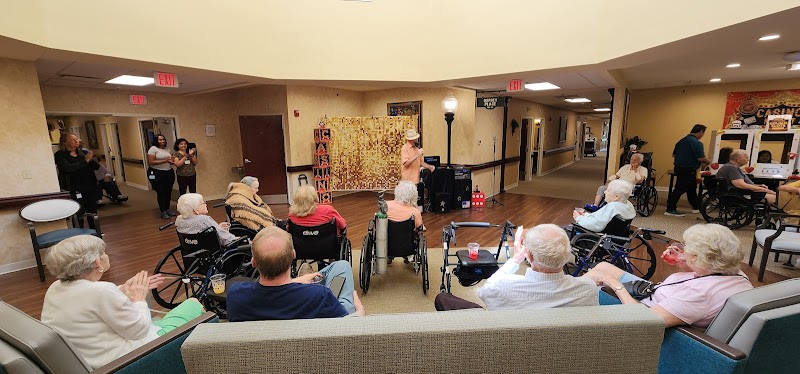
CMS rates Shelby Crossing Health Campus's staffing level at 4 out of 5 stars, which is above average compared to other nursing homes. Staff turnover is 22%, compared to the Michigan average of 46%. This relatively stable workforce can support continuity of care.

What Have Inspectors Found at Shelby Crossing Health Campus?

State health inspectors documented 9 deficiencies at Shelby Crossing Health Campus during 2023 to 2025. These included: 9 with potential for harm.

Who Owns and Operates Shelby Crossing Health Campus?

Shelby Crossing Health Campus is owned by a for-profit company. For-profit facilities operate as businesses with obligations to shareholders or private owners. The facility is operated by TRILOGY HEALTH SERVICES, a chain that manages multiple nursing homes. With 57 certified beds and approximately 55 residents (about 96% occupancy), it is a smaller facility located in Shelby Townhip, Michigan.

How Does Shelby Crossing Health Campus Compare to Other Michigan Nursing Homes?

Compared to the 100 nursing homes in Michigan, Shelby Crossing Health Campus's overall rating (5 stars) is above the state average of 3.2, staff turnover (22%) is significantly lower than the state average of 46%, and health inspection rating (5 stars) is much above the national benchmark.

What Should Families Ask When Visiting Shelby Crossing Health Campus?

Based on this facility's data, families visiting should ask: "Can I visit during a mealtime to observe dining assistance and food quality?" "How do you handle medical emergencies, and what is your hospital transfer rate?" "Can I speak with family members of current residents about their experience?"

Is Shelby Crossing Health Campus Safe?

Based on CMS inspection data, Shelby Crossing Health Campus has a clean safety record: no substantiated abuse findings (meaning no confirmed cases of resident harm), no Immediate Jeopardy citations (the most serious violation level indicating risk of serious injury or death), and is not on the Special Focus Facility watch list (a federal program monitoring the lowest-performing 1% of nursing homes). The facility has a 5-star overall rating and ranks #1 of 100 nursing homes in Michigan. While no facility is perfect, families should still ask about staff-to-resident ratios and recent inspection results during their visit.

Do Nurses at Shelby Crossing Health Campus Stick Around?

Staff at Shelby Crossing Health Campus tend to stick around. With a turnover rate of 22%, the facility is 23 percentage points below the Michigan average of 46%. Low turnover is a positive sign. It means caregivers have time to learn each resident's needs, medications, and personal preferences. Consistent staff also notice subtle changes in a resident's condition more quickly. Registered Nurse turnover is also low at 18%, meaning experienced RNs are available to handle complex medical needs.

Was Shelby Crossing Health Campus Ever Fined?

Shelby Crossing Health Campus has no federal fines on record. CMS issues fines when nursing homes fail to meet care standards or don't correct problems found during inspections. The absence of fines suggests the facility has either maintained compliance or corrected any issues before penalties were assessed. This is a positive indicator, though families should still review recent inspection reports for the full picture.

Is Shelby Crossing Health Campus on Any Federal Watch List?

Shelby Crossing Health Campus is not on any federal watch list. The most significant is the Special Focus Facility (SFF) program, which identifies the bottom 1% of nursing homes nationally based on persistent, serious quality problems. Not being on this list means the facility has avoided the pattern of deficiencies that triggers enhanced federal oversight. This is a positive indicator, though families should still review the facility's inspection history directly.