
Coventry House Inn

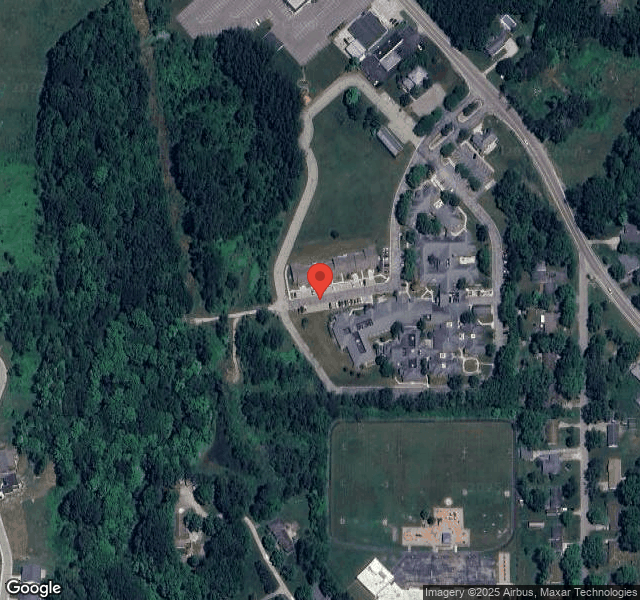
3905 Lorraine Path, St Joseph, MI 49085 (269) 428-1111
For profit - Corporation 32 Beds SYMPHONY CARE NETWORK Data: November 2025
Trust Grade
73/100
#110 of 422 in MI
Last Inspection: December 2024

Within standard 12-15 month inspection cycle. Federal law requires annual inspections.

Overview

Coventry House Inn in St. Joseph, Michigan, has a Trust Grade of B, indicating it is a good choice, solidly above average in quality. Ranked #110 out of 422 nursing homes in Michigan, it falls in the top half of facilities statewide, and it is the best option out of 7 in Berrien County. The facility is improving, with issues decreasing from 14 in 2023 to 8 in 2024, and it boasts excellent staffing with a 5-star rating and a low turnover of 30%, significantly below the state average. While there are no fines recorded, indicating compliance, recent inspections revealed concerns such as improper food handling practices that could lead to foodborne illnesses and the lack of a qualified Activities Director, which may affect residents' psychosocial needs. Overall, Coventry House Inn has strengths in staffing and compliance but needs to address its food safety practices and activity programming.

Trust Score
B
73/100
In Michigan
#110/422
Top 26%
Safety Record
Low Risk
No red flags
Inspections
Getting Better
14 → 8 violations
Staff Stability
✓ Good
30% annual turnover. Excellent stability, 18 points below Michigan's 48% average. Staff who stay learn residents' needs.
Penalties
✓ Good
No fines on record. Clean compliance history, better than most Michigan facilities.
Skilled Nurses
✓ Good
Each resident gets 122 minutes of Registered Nurse (RN) attention daily — more than 97% of Michigan nursing homes. RNs are the most trained staff who catch health problems before they become serious.
Violations
⚠ Watch
31 deficiencies on record. Higher than average. Multiple issues found across inspections.
★★★★☆
4.0
Overall Rating
★★★★★
5.0
Staff Levels
★★★★☆
4.0
Care Quality
★★★☆☆
3.0
Inspection Score
Stable
2023: 14 issues
2024: 8 issues

The Good

  • 5-Star Staffing Rating · Excellent nurse staffing levels
  • 4-Star Quality Measures · Strong clinical quality outcomes
  • Low Staff Turnover (30%) · Staff stability means consistent care
  • Full Sprinkler Coverage · Fire safety systems throughout facility
  • No fines on record
  • Staff turnover is low (30%)

    18 points below Michigan average of 48%

Facility shows strength in staffing levels, quality measures, staff retention, fire safety.

The Bad

Chain: SYMPHONY CARE NETWORK

Part of a multi-facility chain

Ask about local staffing decisions and management

The Ugly 31 deficiencies on record

Dec 2024 8 deficiencies
CONCERN (D)

Potential for Harm - no one hurt, but risky conditions existed

Deficiency F0658 (Tag F0658)

Could have caused harm · This affected 1 resident

**NOTE- TERMS IN BRACKETS HAVE BEEN EDITED TO PROTECT CONFIDENTIALITY** Based on observation, interview, and record review, the facility failed to follow professional standards of practice for medicat...

Read full inspector narrative →
**NOTE- TERMS IN BRACKETS HAVE BEEN EDITED TO PROTECT CONFIDENTIALITY** Based on observation, interview, and record review, the facility failed to follow professional standards of practice for medication administration for 1 resident (Resident #84) of 7 residents reviewed for medication administration, resulting in medication being administered without a physician order, and the potential for less than therapeutic effects of medications, and the worsening of medical conditions. Findings include: Resident #84 Review of an admission Record revealed Resident #84 was originally admitted to the facility on [DATE], with pertinent diagnoses which included: diabetes mellitus (a disorder in which the amount of sugar in the blood is elevated) . In an interview on 12/3/24 at 11:32 AM, Resident #84 reported that she had been managing her blood sugar using insulin for 70 years, and that the facility didn't seem to understand how to manage her Type 1 diabetes. Review of Resident #84's Physician Orders revealed, Insulin (helps to regulate blood sugar levels) Lispro (1 Unit Dial) 100 UNIT/ML Solution pen-injector. Inject as per sliding scale .before meals and at bedtime for DM (diabetes mellitus). Active 12/3/2024. During a medication administration observation on 12/04/24 at 12:10 PM at the medication cart, Registered Nurse (RN) R was preparing to administer insulin to Resident #84. RN R reviewed the orders and prepared 5 units of Insulin Lispro via pen-injector, then entered Resident #84's room and administered the medication. During a subsequent medication administration observation on 12/05/24 at 12:06 PM at the medication cart, RN J was preparing to administer insulin to Resident #84. RN J reviewed the orders and prepared 3 units of Novolog insulin via a glass vial using a syringe, then entered Resident #84's room and administered the medication. RN J reported that Novolog and Insulin Lispro were the same medication. RN J reported that Resident #84 had both types available to use, and that they would notify the doctor to discuss getting an order for the Novolog insulin. In an interview on 12/5/24 at 3:20 PM, Director of Nursing (DON) B reported that she was not aware that Resident #84 had two different types of fast acting insulin in the medication cart. DON B reported that Resident #84 did not have an order for Novolog insulin, and the vial may have been the resident's insulin from home, and was inadvertently placed in the medication cart.
CONCERN (D)

Potential for Harm - no one hurt, but risky conditions existed

Quality of Care (Tag F0684)

Could have caused harm · This affected 1 resident

**NOTE- TERMS IN BRACKETS HAVE BEEN EDITED TO PROTECT CONFIDENTIALITY** Based on observation, interview and record review the facility failed to ensure residents received coordination of care in accor...

Read full inspector narrative →
**NOTE- TERMS IN BRACKETS HAVE BEEN EDITED TO PROTECT CONFIDENTIALITY** Based on observation, interview and record review the facility failed to ensure residents received coordination of care in accordance with physician orders and professional standards for skin conditions in 1 resident (Resident #13) of 1 resident reviewed for skin conditions, resulting in burning pain, the potential for an exacerbation of stasis dermatitis and an increased risk for infection due to compromised (weakened) skin integrity. Findings include: Resident #13 Review of Resident #13's Skin Integrity Care Plan revealed, .BLE (bilateral lower extremity) redness from stasis dermatitis (a skin condition caused by poor blood circulation in the lower legs) .Interventions: Monitor for signs and symptoms of infection (swelling, redness, increased pain, firmness, drainage) . There were no interventions specific to dry skin, and/or the lower legs. During an observation on 12/03/24 at 10:17 AM in the hallway, Resident #13 was walking with Occupational Therapist (OT) T. Resident #13's lower legs were observed with brown ace wraps around them. In an interview on 12/03/24 at 01:54 PM, Resident #13 reported that his legs have been wrapped for a while now, and he did not know how long the wraps had been in place. Resident #13 reported that the facility does not change the wraps regularly, and that when they apply the lotion to his legs, it causes a burning pain. Review of Resident #13's Concern Form dated 10/14/24 revealed, .observed (Director of Nursing (DON) B) scraping his legs very roughly while telling (Resident #13) no pain, no gain .told (DON B) to stop and she didn't, and continued to put a dressing on his legs against doctors order . The follow up and resolution did not include a review of the residents treatment orders to ensure appropriateness. In an interview on 12/04/24 at 02:33 PM, Registered Nurse (RN) U reported that they had not observed Resident #13's legs that day, but that there were orders to apply Ammonium Lactate lotion twice a day to his legs, and stated that the lotion helped to remove the dead skin. During an observation and interview on 12/04/24 at 02:35 PM in Resident #13's room, the resident was observed sitting in a chair, and both of his lower legs were wrapped with brown ace bandages. Resident #13 reported that the wraps had been in place for a long time, that his legs were raw. RN U and RN R removed multiple ace wraps and thick absorbent pads that were in place on the resident's lower legs. The wraps did not have a date written on them to indicate when they were applied. The absorbent pads were observed with a small amount of clear fluid. The skin on Resident #13's lower legs was bright red, firm, and slightly shiny. RN V was called to the room, and reported that Resident #13 should have the Ammonium Lactate lotion applied to his lower legs as ordered, and they had a new physician's order to wrap Resident #13's legs as needed if they were weeping. RN V reported that she would call the physician for further instructions regarding if Ammonium Lactate lotion was recommended when the skin on Resident #13's legs was draining fluid. Resident #13 then stated, when they put that white stuff on there it burns for days . In an interview on 12/04/24 at 02:55 PM, RN V reported that the physician (Medical Director (MD) O) had said to discontinue using the Ammonium Lactate lotion for Resident #13, due to his legs being open and draining fluid. RN V reported that she was informed that Resident #13's legs were draining fluids that morning, but could not remember where that information came from. RN V reported that she did not assess the skin on Resident #13's legs, but observed that they were wrapped with brown ace bandages, therefore she called MD O and put an order in for as needed application of the wraps. Review of Resident #13's Treatment Administration Record (TAR)/Physician Orders revealed, Ammonium Lactate External Lotion 12 % (Lactic Acid) apply to BLE topically every shift for Stasis Dermatitis. Start Date 11/13/24. The lotion was documented as refused for 3 of 6 opportunities, administered for 2 of 6 opportunities, and not documented for 1 of 6 opportunities. There was no additional documentation for the refused treatments. According to the Food and Drug Administration (www.fda.org) Ammonium Lactate is used to treat dry, scaly skin. Apply a thin layer of this medication to the affected areas of the skin, usually twice daily or as directed by your doctor. Be careful to avoid your eyes, lips, inside your mouth/nose, the vaginal area, and any areas of broken skin. This medication may cause stinging or burning when applied to skin with fissures, erosions, or abrasions. In an interview on 12/05/24 at 02:15 PM, DON B reported that Resident #13 admitted in a couple months ago with thick dry skin on his lower legs, and an order to use ammonium lactate lotion to the dry skin on legs was in place already. DON B reported that Resident #13 had been in and out of the hospital twice since his admission to the facility, and the order for ammonium lactate lotion had been re-ordered upon hospital discharge. DON B reported that Resident #13's thick dry scaly skin had improved since admission, but that the Ammonium Lactate lotion order had not been discontinued. DON B reported that Resident #13 did not have any record of a skin condition being monitored on his lower legs, except for the ammonium lactate lotion orders, that indicated he was being treated for the dry skin and/or stasis dermatitis. DON B reported that Resident #13 did not have any documentation related to his lower legs draining fluids, and there were no notes about the lotion causing a burning pain. DON B reported that she did not know who applied the wraps and absorbent pads to Resident #13's legs, and/or how long the dressings had been in place, prior to being changed the day before (as noted in above observation). DON B reported that she did not know the current status of Resident #13's skin condition on his legs because there were no assessments documented, and that the current order for as needed application of wraps to the resident's legs, did not include how long the wraps should stay in place, therefore the orders were not appropriate. DON B reported that Resident #13 should have scheduled dressing changes, and regular monitoring of the skin condition on his lower legs. In an interview on 12/05/24 at 03:15 PM, MD O reported that they were not informed that Resident #13's legs were open and draining, until this surveyor questioned RN V about the Ammonium Lactate lotion orders. MD O reported that they did not give an order for the residents legs to be wrapped as needed for the fluid drainage. Review of Resident #13's initial admission from the hospital on [DATE] revealed, Physician Discharge Summary: .Ammonium lactate 12% cream, apply topically if needed for dry skin, apply to legs .
CONCERN (D) 📢 Someone Reported This

A family member, employee, or ombudsman was alarmed enough to file a formal complaint

Potential for Harm - no one hurt, but risky conditions existed

Accident Prevention (Tag F0689)

Could have caused harm · This affected 1 resident

**NOTE- TERMS IN BRACKETS HAVE BEEN EDITED TO PROTECT CONFIDENTIALITY** This citation pertains to intake #MI00146244. Based on interview, and record review, the facility failed to maintain profession...

Read full inspector narrative →
**NOTE- TERMS IN BRACKETS HAVE BEEN EDITED TO PROTECT CONFIDENTIALITY** This citation pertains to intake #MI00146244. Based on interview, and record review, the facility failed to maintain professional standards of care for 1 resident (Resident #83) of 1 resident reveiwed for accidents and hazards, from a total sample of 12 residents, resulting in the potential for unidentified internal bleeding when Resident #83, who was taking an antiplatelet medication (which decreases blood clotting ability) was not sent to the hospital after sustaining head trauma following a fall. Findings include: Resident #83 Review of Resident #83's Care Plan revealed, .Focus: .receiving an antiplatelet medication r/t (related to) CAD (coronary artery disease: common type of heart disease) . Review of Resident #83's Fall Report dated 8/3/24 revealed, .guest was seen laying on the floor in the hallway .Neuro's (neurological checks) initiated due to being unwitnessed. Resident taken to hospital? NO . Review of Resident #83's Fall Report dated 8/4/24 revealed, .Resident was on the floor next to the bed in front of wheelchair with foot pedals .Resident unable to give description .Resident taken to hospital? NO .Appears as if guest attempted to self-transfer and ambulate . Review of Resident #83's Fall Report dated 8/7/24 revealed, .Resident was being combative, and throwing items while being walked around by two CNAs (certified nursing assistant). She tripped over a decorative bag that she threw, CNA unable to avoid her falling. Witnessed by nurse and two CNAs .neuros initiated. Resident taken to hospital? NO .Injuries observed at time of incident: .Hematoma (a bump that forms after trauma due to a collection of blood), Face .Both CNA's and nurse state gait belt was in use and a second CNA was present due to increased agitation and guest wanting to speed up pace. Guest picked up a decorative sack outside of room [ROOM NUMBER] and as she threw it fell forward .momentum was too fast and was unable to keep guest from falling forward onto her face .sustained facial bruising and hematoma from fall . Review of Resident #83's Physician Orders revealed, .Clopidogrel Bisulfate Oral Tablet 75 mg . In an interview on 12/05/24 at 02:55 PM, Director of Nursing (DON) B reported that they did not send Resident #83 for an evaluation at the hospital after her unwitnessed falls, and/or after her witnessed fall with head trauma, considering that she was taking an antiplatelet medication. DON B reported that the facility policy was to monitor for neurological abnormalities post fall with head trauma, and the decision to send to the hospital would be strictly based on the neurological assessment. In an interview on 12/05/24 at 03:08 PM, Medical Director (MD) O reported that the standard of care after an un-witnessed fall, and/or a fall with known head trauma for all residents that take antiplatelet medication, would be to send to the hospital for an evaluation. MD O reported that minor neurological changes may go unnoticed by facility staff, and it would be difficult to identify a slow bleed, without a brain CT (catscan:a detailed xray). MD O reported that antiplatelet medication increase the risk of a brain bleed, and if not identified timely could result in brain injury. MD O reported that they would expect nursing staff to be knowledgeable about these standards of care.
CONCERN (D)

Potential for Harm - no one hurt, but risky conditions existed

Drug Regimen Review (Tag F0756)

Could have caused harm · This affected 1 resident

Based on interview and record review, the facility failed to ensure the physician reviewed and responded to the registered pharmacist's monthly medication regimen review recommendations for 1 (Residen...

Read full inspector narrative →
Based on interview and record review, the facility failed to ensure the physician reviewed and responded to the registered pharmacist's monthly medication regimen review recommendations for 1 (Resident #2) of 5 residents reviewed for medications, resulting in the registered pharmacist's recommendations not being addressed in a timely fashion and the potential for negative medication side effects as a result of unaddressed recommendations. Findings include: Resident #2 Review of an admission Record revealed Resident #2 was a female, with pertinent diagnoses which included: generalized anxiety disorder. Review of a Pharmacist Clinical Record Review dated 11/7/24 for Resident #2 revealed, .5. Recommendations I would make the following recommendations: Medication regimen reviewed see report .(also referred to as Prescriber Recommendations). On 12/4/24 at 1:40 PM, Nursing Home Administrator (NHA) A was requested, electronically, to provide this surveyor with a copy of Resident #2's 11/7/24 Pharmacist Medication Review Report. In an interview on 12/5/24 at 11:03 AM, NHA A reported she had received this surveyors request and was unable to locate the report for Resident #2 but had been in touch with the physician who had a copy of said report and was going to send it to the facility. In an interview on 12/5/24 at 11:56 AM, Director of Nursing (DON) B reported the physician was unable to locate a signed copy of the 11/7/24 Pharmacist Medication Review Report for Resident #2, but signed it today and, as a result, the facility would be making the recommended changes. Review of the Prescriber Recommendations report related to Pharmacist Clinical Record Review on 11/7/24 for Resident #2 revealed, The resident was started on the psychotropic Hydroxyzine 10 mg (milligrams) to be taken PRN (as needed). Per regulatory guidelines, orders for psychotropic medications on a PRN basis must be limited to 14 days with no exceptions. If a new order for the psychotropic medication is to be written, a direct examination of the resident by the attending physician or prescribing practitioner is required to determine if the medication is still needed .Please consider the continued need for this medication. If discontinuation is contraindicated, please document continued need, including any improvement and benefit experienced by the resident as a result of the medication .signature: (prescriber name omitted) 12/5/24. Review of a Physician's Order for Resident #2 revealed, hydrOXYzine HCl Oral Tablet (Hydroxyzine HCl) Give 10 mg by mouth every 6 hours as needed for Anxiety Pharmacy Active 11/6/2024 In a follow up interview on 12/5/24 at 12:05 PM, DON B reported the process to address pharmacist medication review reports was that the pharmacist sent the recommendations to the facility via electronic mail to the DON, the Minimum Data Set (MDS) Nurse, and the doctor. At that point, either the DON or the MDS Nurse printed the report from the computer and placed it in the doctor book for the next time the doctor came to the facility and if there were any recommendations that needed to be addressed, the facility would contact the doctor for an immediate response. Once completed, the doctor signed the report and placed it into the pile to be scanned in the resident medical record. DON B reported was unsure why this process was not followed for Resident #2's 11/7/24 Pharmacist Medication Review Report.
CONCERN (D)

Potential for Harm - no one hurt, but risky conditions existed

Medication Errors (Tag F0758)

Could have caused harm · This affected 1 resident

Based on interview and record review, the facility failed to discontinue psychotropic medications (drugs that alter brain chemistry and can affect mood and behavior) prescribed on an as needed (PRN) b...

Read full inspector narrative →
Based on interview and record review, the facility failed to discontinue psychotropic medications (drugs that alter brain chemistry and can affect mood and behavior) prescribed on an as needed (PRN) basis after 14 days and/or document rationale to extend PRN psychotropic medication use in 2 of 5 residents (Resident #2 and #134) reviewed for unnecessary medications, resulting in the potential for unnecessary medication use with the increased potential for adverse side effects. Findings include: Resident #2 Review of an admission Record revealed Resident #2 was a female, with pertinent diagnoses which included: generalized anxiety disorder. On 12/4/24 at 2:40 PM, a review of Resident #2's current physician's Order Summary revealed a Physician's Order for hydrOXYzine HCl Oral Tablet (Hydroxyzine HCl) Give 10 mg by mouth every 6 hours as needed for Anxiety Pharmacy Active 11/6/2024 It should be noted that there was no stop date identified for this PRN psychotropic medication. Review of a pharmacist clinical record review report for Resident #2 dated 11/7/24 and titled Prescriber Recommendations revealed, The resident was started on the psychotropic Hydroxyzine 10 mg (milligrams) to be taken PRN (as needed). Per regulatory guidelines, orders for psychotropic medications on a PRN basis must be limited to 14 days with no exceptions. If a new order for the psychotropic medication is to be written, a direct examination of the resident by the attending physician or prescribing practitioner is required to determine if the medication is still needed .Please consider the continued need for this medication. If discontinuation is contraindicated, please document continued need, including any improvement and benefit experienced by the resident as a result of the medication .signature: (prescriber name omitted) 12/5/24. In an interview on 12/4/24 beginning at 2:54 PM, Social Services Director (SSD) I confirmed that Resident #2 was prescribed Hydroxyzine 10 mg as needed for anxiety. SSD I reported when the order was entered, there should also have been a 14-day stop date entered to prompt a review of the medication effectiveness and continued need. Resident #134 Review of an admission Record revealed Resident #134 was a male, with pertinent diagnoses which included: anxiety disorder, unspecified. On 12/4/24 at 2:45 PM, a review of Resident #134's current Order Summary revealed a Physician's Order for KlonoPIN Oral Tablet 0.5 MG (Clonazepam) Give 1 tablet by mouth every 12 hours as needed for anxiety Pharmacy Active 11/18/2024 It should be noted that there was no stop date identified for this PRN psychotropic medication. In an interview on 12/4/24 beginning at 2:54 PM, Social Services Director (SSD) I reported Resident #134's order for the psychotropic medication Klonopin should have been discontinued after 14 days or there should have been a documented rationale for continued use.
CONCERN (D)

Potential for Harm - no one hurt, but risky conditions existed

Infection Control (Tag F0880)

Could have caused harm · This affected 1 resident

Based on observation, interview, and record review the facility failed to follow the standards of infection control for hand hygiene and glucometer (handheld machine used to check blood sugar level) c...

Read full inspector narrative →
Based on observation, interview, and record review the facility failed to follow the standards of infection control for hand hygiene and glucometer (handheld machine used to check blood sugar level) cleaning for 3 residents (Resident #84, #8, and #85) of 3 residents receiving blood sugar assessments, resulting in the potential for cross contamination and the spread of disease to a vulnerable population. Findings include: During an observation on 12/05/24 at 12:06 PM in the hall at the medication cart, Registered Nurse (RN) J was preparing to perform a blood sugar check for Resident #84. RN J donned gloves, entered Resident #84's room, poked Resident #84's left right finger to obtain a blood specimen, and then picked up the glucometer with a test strip in it, and touched it to the drop of blood on the resident's fingertip. RN J sat the glucometer on the resident's table, wiped the blood from the resident's finger, removed his gloves, then picked up the glucometer and exited the resident's room. RN J did not perform hand hygiene after removing his gloves, returned to the medication cart and placed the uncleaned glucometer on the cart, with the used test strip still in place. There was no barrier sheet on the medication cart, and RN J did not clean the glucometer. RN J then used the computer to review the resident's orders, and then obtained a vial of insulin (medication used to manage high blood sugar levels) and prepared Resident #84's dose of the medication using a syringe. RN J donned clean gloves, entered Resident #84's room and administered the syringe of insulin. RN J removed his gloves and exited the room, and did not perform hand hygiene. During an immediate subsequent observation on 12/05/24 at 12:21 PM RN J donned gloves, and with the same glucometer, inserted a new test strip and then entered Resident #8's room. RN J poked Resident #8's right index finger to obtain a blood specimen, and then picked up the glucometer touched the test strip to the drop of blood on the resident's fingertip. RN J sat the glucometer on the resident's table, wiped the drop of blood off the resident's finger, removed his gloves, then picked up the glucometer and exited the resident's room. RN J did not perform hand hygiene after removing his gloves, returned to the medication cart where he removed the test strip without gloves on, and placed the uncleaned glucometer on the cart. There was no barrier sheet on the medication cart, and RN J did not clean the glucometer. During a third subsequent observation on 12/05/24 at 12:26 PM RN J put a new test strip into the same glucometer, donned gloves without performing hand hygiene, and entered Resident #85's room. RN J poked Resident #85's left index finger to obtain a blood specimen, and then picked up the glucometer and touched the test strip to the drop of blood on the resident's fingertip. RN J wiped the drop of blood from the resident's finger, removed his gloves, and then with the uncleaned glucometer in hand, exited the resident's room. RN J returned to the medication cart and placed the uncleaned glucometer on the cart. There was no barrier sheet on the medication cart, and RN J did not clean the glucometer. In an interview on 12/05/24 at 12:32 PM, RN J reported that he should have used hand sanitizer after every resident, and cleaned the glucometer with a bleach or alcohol wipe between each resident. In an interview on 12/05/24 at 3:15 PM, Director of Nursing (DON) B reported that it was expected that the nurses disinfect the glucometer between residents. Review of a facility policy Blood Glucose (sugar) Monitoring Machine Cleaning review date 5/2021 revealed, To provide guidance on how to clean the blood glucose monitoring machine between residents . 3. Take a pre-moistened disinfecting wipe and squeeze out any excess liquid in order to prevent damage to the meter, wipe down the body of the meter, being careful not to allow any liquid to get inside the battery compartment, strip port, or screen for appropriate length of contact time. 4. Cleanse and disinfect meter between each use. 5. Remove gloves and wash hands.
CONCERN (E)

Potential for Harm - no one hurt, but risky conditions existed

Deficiency F0804 (Tag F0804)

Could have caused harm · This affected multiple residents

Based on observation, interview, and record review, the facility failed to ensure food products were served at a palatable temperature for 2 of 12 sampled residents (Resident #22 and #133) reviewed fo...

Read full inspector narrative →
Based on observation, interview, and record review, the facility failed to ensure food products were served at a palatable temperature for 2 of 12 sampled residents (Resident #22 and #133) reviewed for food palatability, and 5 of 6 residents from the confidential resident meeting, resulting in dissatisfaction with meals, and the potential for decreased food acceptance and nutritional decline. Findings include: Resident #22 Review of an admission Record revealed Resident #22 was a male. Review of a Minimum Data Set (MDS) assessment for Resident #22, with a reference date of 9/15/24 revealed a Brief Interview for Mental Status (BIMS) score of 15, out of a total possible score of 15, which indicated Resident #22 was cognitively intact. In an interview on 12/3/24 at 11:16 AM, Resident #22 reported concerns with food served at the facility. Resident #22 reported despite going to the dining room for some meals, his food was not consistently hot enough (not served at a palatable temperature). Resident #133 Review of an admission Record revealed Resident #133 was a female. Review of a Minimum Data Set (MDS) assessment for Resident #133, with a reference date of 11/28/24 revealed a Brief Interview for Mental Status (BIMS) score of 15, out of a total possible score of 15, which indicated Resident #133 was cognitively intact. In an interview on 12/3/24 at 10:28 AM, Resident #133 reported the food at the facility was consistently not hot enough (not served at a palatable temperature). Resident Council Meeting During a confidential resident meeting held on 12/4/24 at 2:02 PM, 1 of 6 residents reported the food could be better; 1 of 6 residents reported they have had to send meals back due to hot foods being served cold. This same resident reported food temperatures were usually warm to cool. When asked about the lunch served that day, 5 of 6 residents reported the temperature of the food served was barely warm. During a tray line/meal service observation that began on 12/4/24 at 12:15 PM, noted pans of food set up in the steam table ready for service. Temperatures of the food on the tray line were as follows: Meatballs/Gravy - 128 degrees, Buttered Noodles - 126 degrees, and Spinach - 128 degrees. At 12:15 PM, dietary staff plated 4 plates of food, each with 3 meatballs, a scoop of buttered noodles, and a scoop of spinach. The plates were covered and placed on the non-heated portion of the steam table. At 12:28 PM, Certified Nursing Assistants (CNAs) retrieved the 4 plates of food for delivery to residents. In an interview on 12/5/24 at 9:22 AM, Certified Nursing Assistant (CNA) L reported residents had complained to her about the food, specifically that it was not hot enough when it was served to them.
CONCERN (F)

Potential for Harm - no one hurt, but risky conditions existed

Food Safety (Tag F0812)

Could have caused harm · This affected most or all residents

Based on observation, interview, and record review, the facility failed to: 1. Clean non-food contact surfaces; 2. Label and date cooked potentially hazardous food products with a prepared and discard...

Read full inspector narrative →
Based on observation, interview, and record review, the facility failed to: 1. Clean non-food contact surfaces; 2. Label and date cooked potentially hazardous food products with a prepared and discard date; 3. Repair or replace a water-damaged temperature gauge on the dish machine; 4. Ensure dish machine was at proper temperature prior to use; 5. Ensure food products reached safe internal temperature prior to service; and 6. Ensure prepared food was properly cooled. These conditions resulted in an increased risk of contaminated foods and an increased risk of food borne illness for all residents who consume food from the kitchen. Findings include: An initial kitchen/food service tour was conducted on 12/3/24 beginning at 9:15 AM with Food Service Director (FSD) M. The following observations/interviews/record reviews were completed: At 9:24 AM in the walk-in cooler it was noted that the floor had a build-up of dirt and debris under the food racks and in the corners. There was a pan of roast beef that was not labeled or dated. FSD M confirmed that the floor needed to be cleaned and that the roast beef had been cooked the day before for use at an upcoming meal. At 9:35 AM, Dietary Aide (DA) F was observed washing dishes from the breakfast meal. It was noted that there was a dish machine temperature log for December 2024 on the wall across from the dish machine that had no temperature entries on it. This surveyor queried DA F if he had taken the temperature of the dish machine prior to washing dishes to which DA F reported he had not. FSD M reported the dish machine was a high temperature dish machine, and the wash cycle had to get to 155 degrees in order for the dishes to be properly sanitized. Visual inspection of the wash cycle temperature gauge on the dish machine revealed water damage and condensation in the interior of the gauge rendering it potentially inaccurate and difficult to read. At 9:43 AM, a review of cooked food temperature logs in a blue binder across from the cooks' station revealed no documented food temperatures of cooked food since 9/17/24 (the last page in the temperature log binder was for the month of September 2024). [NAME] G was queried if she had checked the internal temperatures of the breakfast meal that morning before serving to the residents to which she stated she had not because she .didn't get to it . At 9:53 AM, it was noted that the vent above the meat freezer was caked with a moderate amount of dust build-up. At 9:54 AM in the salad cooler, the following items were noted: cut-up roast beef in a crock pot bowl that was not covered, labeled, or dated. FSD M reported it was more of the roast beef from the walk-in cooler that was going to be used for an upcoming meal. There was a large container of what appeared to be Spanish rice that was not labeled or dated. FSD M reported the rice had been prepared the day before and was for enchiladas that day. At 10:07 AM, FSD M was requested to show this surveyor the cooling log for the precooked roast beef and Spanish rice to ensure proper time/temperature cooling was followed. FSD M reported there was no cooling log. At 10:15 AM in the nourishment room, there was a half empty container of nutrition supplement drink that was not labeled with an opened or discard date; an opened gallon of French dressing that was not labeled with an opened or discard date; and leftover containers of prepared chicken salad and tomato soup that were not labeled with a prepared or discard date. FSD M reported the items should have been labeled with an opened and discard date in order to know when to discard them. In an interview on 12/4/24 at 11:58 AM, Dietary Technician (DT) E was queried about proper time/temperature cooling practices for foods prepared ahead of time. DT E reported they had not been keeping a cooling log for products prepared ahead of time. DT E reported since he and FSD M started, they have been polishing up on all temperature logging with the staff but they were still working on it. According to the 2017 FDA Food Code section 3-501.14 Cooling. (A) Cooked TIME/TEMPERATURE CONTROL FOR SAFETY FOOD shall be cooled: (1) Within 2 hours from 57ºC (135ºF) to 21ºC (70°F); and (2) Within a total of 6 hours from 57ºC (135ºF) to 5ºC (41°F) or less . According to the 2017 FDA Food Code section 3-501.15 Cooling Methods. (A) Cooling shall be accomplished in accordance with the time and temperature criteria specified under § 3-501.14 by using one or more of the following methods based on the type of FOOD being cooled: (1) Placing the FOOD in shallow pans; (2) Separating the FOOD into smaller or thinner portions; (3)Using rapid cooling EQUIPMENT; (4) Stirring the FOOD in a container placed in an ice water bath; (5) Using containers that facilitate heat transfer; (6) Adding ice as an ingredient; or (7) Other effective methods. (B) When placed in cooling or cold holding EQUIPMENT, FOOD containers in which FOOD is being cooled shall be: (1) Arranged in the EQUIPMENT to provide maximum heat transfer through the container walls; and (2) Loosely covered, or uncovered if protected from overhead contamination as specified under Subparagraph 3-305.11(A)(2), during the cooling period to facilitate heat transfer from the surface of the FOOD.
Nov 2023 14 deficiencies
CONCERN (D)

Potential for Harm - no one hurt, but risky conditions existed

Resident Rights (Tag F0550)

Could have caused harm · This affected 1 resident

Based on observation, interview and record review, the facility failed to treat residents with dignity and respect and failed to provide an environment that promoted and enhanced resident quality of l...

Read full inspector narrative →
Based on observation, interview and record review, the facility failed to treat residents with dignity and respect and failed to provide an environment that promoted and enhanced resident quality of life for 1 of 3 residents (Resident #128), reviewed for dignity, resulting in the potential for feelings of frustration, depression, and loss of self-worth and an overall deterioration of psychological well-being. Findings include: Review of an admission Record revealed Resident #128 was a female, with pertinent diagnoses which included: essential (primary) hypertension (high blood pressure) and chronic obstructive pulmonary disease. During an observation/interview of the lunch meal service on 10/31/23 at 12:30 PM in the main dining room, Resident #128 motioned this surveyor over to where she was seated at the dining table. Resident #128 was seated at a table with 6 other residents who had finished eating their meals. Resident #128 had a bowl of salad and a cup of juice in front of her and no other food. Resident #128 reported that she had been the first one to arrive in the dining room that day at 11:45 AM and that nobody had brought her a plate of food yet. Resident #128 stated, I think they forgot about me as she pointed to the 6 other residents who had finished their meals by this time and then requested the surveyor to find a staff member to get her some food. In an interview on 11/1/23 at 3:19 PM, Dietary Manager (DM) Q reported the nurse aides and activities staff were the ones who served the meals to the residents. When queried about Resident #128's lunch meal the day before, DM Q reported the staff may have missed her ticket but thought they would have gotten to her. DM Q reported had asked Certified Nurse Aide (CENA) L later what had happened with Resident #128's lunch meal and CENA L had reported that there had been a lot of residents who arrived in the dining room all at once and they would have gotten to Resident #128 eventually. In an interview on 11/1/23 at 3:22 PM, CENA L reported what had happened with Resident #128's lunch meal on 10/31/23 was that Resident #128 usually ate in her room, and when trays were assembled, room trays got assembled last. CENA L explained that there were separate piles of tickets - dining room tickets and room tray tickets. CENA L reported therapy staff had brought Resident #128 to the dining room at her request, but that nobody had moved her ticket from the room tray pile to the dining room pile. CENA L reported there had also been extra helpers in the dining room on 10/31/23 and that not all of them knew that everyone at the same table should be served their meals at the same time.
CONCERN (D)

Potential for Harm - no one hurt, but risky conditions existed

Deficiency F0554 (Tag F0554)

Could have caused harm · This affected 1 resident

Based on observation, interview, and record review, the facility failed to assess and ensure the right to safe self-administration of medication in 1 of 3 residents (Resident #9) reviewed for medicati...

Read full inspector narrative →
Based on observation, interview, and record review, the facility failed to assess and ensure the right to safe self-administration of medication in 1 of 3 residents (Resident #9) reviewed for medication administration, resulting in the potential for unsafe self-administration of medication, medication errors, and medications not being stored in a secure manner. Findings include: Review of an admission Record revealed Resident #9 was a female, with pertinent diagnoses which included: type 2 diabetes mellitus without complications (a condition where the body is not able to properly use sugar from the blood), syndrome of inappropriate secretion of antidiuretic hormone (high levels of a hormone causing the body to retain water) and hypo-osmolality and hyponatremia (retention of water and low levels of sodium). During an observation/interview on 10/31/23 at 9:06 AM, Resident #9 was observed in her room seated up in her bed eating her breakfast. There was a medication cup that contained 3 tablets on Resident #9's bedside table next to her meal tray. When queried about the tablets in the medication cup, Resident #9 stated those are my pills and reported a staff member left them for her to take when she was ready. In an interview on 10/31/23 at 9:46 AM, Registered Nurse (RN) C reported he was Resident #9's nurse for the shift that day. RN C reported no residents at the facility had been assessed to self-administer medications. RN C reported had left the medications (which were Sodium Chloride, Calcium Carbonate, and Metformin) in Resident #9's room because Resident #9 didn't want to take the medications until her food came. RN C reported wanted to make sure Resident #9 had the medications on time and available to her when she was ready to take them, so he left them in the room with Resident #9 and planned to go back later and check to make sure she took them. RN C reported he had worked with Resident #9 enough to know she could take the medications on her own. RN C reported, ideally, the nurse should observe the resident take medications to ensure the medication was taken, taken properly, and to make sure the resident did not choke when swallowing the medication. Review of a current physician order for Resident #9 revealed, Sodium Chloride Tablet Give 1 tablet by mouth one time a day for hyponatremia Start Date 04/08/2022. Review of a current physician order for Resident #9 revealed, Calcium Carbonate-Vitamin D Tablet 600-400 MG-UNIT (milligrams per unit) Give 1 tablet by mouth two times a day for Supplement Start Date 10/05/2020. Review of a current physician order for Resident #9 revealed, metFORMIN HCl Tablet 500 MG Give 1 tablet by mouth two times a day for Diabetes Take one tablet by mouth with breakfast Start Date 02/21/2023. Review of Resident #9's current Care Plan revealed no care planned focus, goals, or interventions to indicate that resident was able to self-administer medications. Review of Resident #9's current Order Summary revealed no physician order for Resident #9 to self-administer medications. In an interview on 11/1/23 at 2:02 PM, Director of Nursing (DON) B reported no residents had been assessed for self-administration of medications at the facility. DON B reported for a resident to be able to self-administer medications, a self-administration assessment would be completed with the resident, and the assessment would then be used to help the interdisciplinary team determine whether the resident was appropriate to self-administer their medications. DON B reported it was not okay for a nurse to leave a resident's medications at their bedside for them to take later. DON B reported if a resident did not want to take the medication until their food came, the nurse should not leave the medication in the room, but rather, return to the resident room with the medication once the resident's food arrived. Review of the policy Self-Administration of Medications and Treatments last reviewed 3/2023 revealed, GENERAL: Self-Administration of medications and treatments are done to prepare a resident for discharge and to help the resident maintain their independence. The decision for self-administration is done by the interdisciplinary team .PROCEDURE .1. If it is determined by a member of the interdisciplinary team, or if the resident requests to self-administer, it is documented in the chart and the Health Care Provider is called for an order to self-administer medications and keep the medications at bedside .6. A care plan is for resident who self-administer .
CONCERN (D)

Potential for Harm - no one hurt, but risky conditions existed

Deficiency F0583 (Tag F0583)

Could have caused harm · This affected 1 resident

Based on observation, interview, and record review the facility failed to ensure a resident's privacy during wound care for 1 resident (Resident #226) of 3 residents reviewed for wound care of a total...

Read full inspector narrative →
Based on observation, interview, and record review the facility failed to ensure a resident's privacy during wound care for 1 resident (Resident #226) of 3 residents reviewed for wound care of a total sample of 12, resulting in the potential for embarrassment, humiliation, frustration and anger. Findings include: Review of an admission Record for Resident #226 dated 10/21/23 revealed the resident was admitted to the facility with the following pertinent diagnoses: major depressive disorder (mental condition characterized by a persistently depressed mood and long-term loss of pleasure or interest in life, often with other symptoms such as disturbed sleep, feelings of guilt or inadequacy), and abscess of liver (swollen area within body tissue, containing an accumulation of pus). Review of a Minimum Data Set (MDS) assessment for Resident #226 dated 10/27/23 revealed a Brief Interview for Mental Status (BIMS) score of 15/15 which indicated the resident was cognitively intact. Section D of the MDS revealed Resident #226 expressed feeling down, depressed, or hopeless 2-6 days during the 14 day observation period. Review of physician orders for Resident #226 dated 10/21/23 revealed an order that stated: hepatic (liver) drain tube care: Flush liver drain with 10cc normal saline every shift. Compress accordion suction on drain. Empty drainage bag and record drainage amount every shift. Change drain sponge daily: rinse with normal saline and apply drain sponge and secure. During an observation on 10/31/23 at 10:22am, Resident #226 sat in her wheelchair in her room, facing the hallway, approximately 3' from the doorway. Licensed Practical Nurse (LPN) M approached the resident and prepared supplies for hepatic drain (abdominal drain tube placed into liver duct to drain fluid) care. LPN M instructed Resident #226 to lift her shirt which she did, leaving the resident's abdomen and right breast exposed. The door to the room remained open, others were noted walking by the room in the common area, an area that visitors, other residents, and staff frequented. LPN M completed the wound care, instructed Resident #226 to lower her shirt, gathered supplies, and left the room. Resident #226 lowered her shirt, tucked the drain tube and drain pouch under her shirt, patted the area of her shirt covering the drain pouch and stated, I don't like people seeing this thing. In an interview on 10/31/23 at 11:01 am, LPN M reported she should have closed the door or pulled Resident #226's privacy curtain while providing wound care but had forgotten to do so. LPN M reported providing care of this nature should be done in a manner that protected the resident's right to privacy. In an interview on 10/31/23 at 10:49 am, Resident #226 reported she felt embarrassed about having her abdomen and breast exposed during the hepatic drain care procedure. Resident #226 reported she felt uncomfortable and frustrated about the possibility of others passing by her room and seeing her unclothed. Resident #226 stated I don't like people seeing me like that. Review of a facility policy titled Resident Rights dated 10/23 revealed a statement: Employees shall treat all residents with kindness, respect, and dignity. Federal laws . guarantee certain basic rights to all residents of this facility. These rights include the resident's right to .privacy and confidentiality .
CONCERN (D)

Potential for Harm - no one hurt, but risky conditions existed

Deficiency F0655 (Tag F0655)

Could have caused harm · This affected 1 resident

**NOTE- TERMS IN BRACKETS HAVE BEEN EDITED TO PROTECT CONFIDENTIALITY** Based on observation, interview and record review, the facility failed to provide a baseline care plan for 1 resident (Resident ...

Read full inspector narrative →
**NOTE- TERMS IN BRACKETS HAVE BEEN EDITED TO PROTECT CONFIDENTIALITY** Based on observation, interview and record review, the facility failed to provide a baseline care plan for 1 resident (Resident #124) reviewed for care plans, resulting in the potential for inappropriate care and decreased quality of life. Findings include: Review of an admission Record revealed Resident #124, was originally admitted to the facility on [DATE] with pertinent diagnoses which included: Dementia. Review of a Minimum Data Set (MDS) assessment for Resident #124, with a reference date of 10/22/23 revealed a Brief Interview for Mental Status (BIMS) indicated Resident #124 was cognitively impaired. Review of Resident #124's Care Plan revealed: (Resident #124) has Oxygen Therapy r/t (related to) Ineffective gas exchange .Created on: 10/30/2023 by: .Minimum Data Assessment-Registered Nurse (MDS-RN) G . INTERVENTIONS: Administer oxygen per physicians orders Date Initiated: 10/30/2023 Created on: 10/30/2023 Created by: Minimum Data Assessment-Registered Nurse (MDS-RN) G . During an interview on 11/01/23 at 10:08 AM., Minimum Data Assessment-Registered Nurse (MDS-RN) G reported (Resident #124's) Baseline Care Plans should have been completed upon admission on [DATE] or within 48 hours of admission depending on if it is a weekend. MDS/RN G reported (Resident #124) did not have an Supplement Oxygen (Oxygen Therapy) baseline care plan upon admission. MDS/RN G reported (Resident #124's) baseline care plan for supplemental oxygen was not put into place until yesterday 10/31/23 when she (MDS/RN G) noted there was no Supplemental Oxygen care plan at all for (Resident #124). MDS/RN G reported any nurse admitting a resident can put in place baseline care plans. MDS/RN G reported she was unsure why Resident #124 did not have one in place, as (Resident #124) was admitted with a physicians order for continuous supplemental oxygen. MDS/RN G reported ultimately it was her responsible to ensure all care plans are up to date, ensure care plans person centered and and in place for the residents. Review of a facility Policy with a revision date of 5/2021 revealed: GENERAL: Each resident will have a care plan that is current, individualized, and consistent with their medical regimen RESPONSIBLE PARTY: Care Plan/MDS Coordinator, Social Services, Activities, Rehab, Dietary, Nursing and any other members of the Interdisciplinary Team POLICY: 1. A preliminary (baseline) care plan is developed for each resident within 48 of admission to the facility. This care plan includes the admission assessments and orders by the physician that address the resident's immediate needs
CONCERN (D)

Potential for Harm - no one hurt, but risky conditions existed

Comprehensive Care Plan (Tag F0656)

Could have caused harm · This affected 1 resident

Based on interview and record review, the facility failed to develop and implement a comprehensive care plan in 1 of 12 residents (Resident #8) reviewed for comprehensive care plans, resulting in Resi...

Read full inspector narrative →
Based on interview and record review, the facility failed to develop and implement a comprehensive care plan in 1 of 12 residents (Resident #8) reviewed for comprehensive care plans, resulting in Resident #8's diuretic therapy not being care planned and the potential for unrecognized medication side effects and a lack of resident-centered interventions. Findings include: Review of an admission Record revealed Resident #8 was a female, with pertinent diagnoses which included: atherosclerotic heart disease of native coronary artery without angina pectoris and essential (primary) hypertension (high blood pressure). Review of Resident #8's current Order Summary revealed Torsemide Tablet 10 MG (milligrams) Give 2 tablet by mouth one time a day for CHF (congestive heart failure)/Fluid overload Pharmacy Active 7/12/2022. Review of Resident #8's current Care Plan revealed no care planned focus, goals, or interventions related to Resident #8's prescribed diuretic medication. In an interview on 11/1/23 at 9:32 AM, Minimum Data Set Registered Nurse (MDSRN) G reported she was responsible for developing care plans related to resident medications including psychotropics, blood thinners, diuretics, and opioids. MDSRN G reviewed Resident #8's current Care Plan and reported there was no care planned focus, goals, or interventions related to Resident #8's prescribed diuretic therapy, but there should have been. MDSRN G reported it was necessary to have diuretic therapy as part of the resident comprehensive care plan because of the risk involved with diuretic use including such things as fluid and electrolyte imbalance.
CONCERN (D)

Potential for Harm - no one hurt, but risky conditions existed

Unnecessary Medications (Tag F0759)

Could have caused harm · This affected 1 resident

**NOTE- TERMS IN BRACKETS HAVE BEEN EDITED TO PROTECT CONFIDENTIALITY** Based on observation, interview and record review, the facility failed to maintain a medication error rate less than 5% (error r...

Read full inspector narrative →
**NOTE- TERMS IN BRACKETS HAVE BEEN EDITED TO PROTECT CONFIDENTIALITY** Based on observation, interview and record review, the facility failed to maintain a medication error rate less than 5% (error rate was 16% - 4 errors in 25 opportunities) in 2 (Resident #226, and Resident #9) of 7 residents reviewed for medication administration, resulting in the potential for reduced medication effectiveness and increased risk of infections, adverse reaction/side effects, medication errors, and medications not being stored in a secure manner. Findings include: Resident #226 Review of an admission Record revealed Resident #226, was originally admitted to the facility on [DATE] with pertinent diagnoses which included: asthma, chronic obstructive pulmonary disease (COPD). Review of a Minimum Data Set (MDS) assessment for Resident #226, with a reference date of 10/27/23 revealed a Brief Interview for Mental Status (BIMS) score of 15/15 which indicated Resident #226 was cognitively intact. Review of Resident #226's Physicians Orders dated 10/22/23 revealed: Spiriva Respimat-Inhalation Aerosol-Solution 2.5 MCG (micrograms) give 2 puffs- inhale orally one time daily 10/22/2023 In an observation on 10/31/23 at 10:18 AM., Licensed Practical Nurse (LPN) M was completing medication administration for Resident #226. LPN M assisted Resident #226 with the Spiriva inhaler ordered for Resident #226's asthma/COPD. LPN M administered the Sprivia 2 puffs by mouth. Noted after Resident #226 inhaled the Spriva inhaler LPN M did not have water, or a swish and spit cup for Resident #226 to rinse her mouth after use. Review of Spiriva Respimat-Inhalation Aerosol-Solution manufacturer recommendations revealed Rinse mouth and or swish and spit after use to prevent dry mouth and throat irritation In an interview on 10/31/23 at 10:30 AM., LPN M reported she did not offer (Resident #226) water and/or a swish and spit after administration of (Resident #226's) Spriva inhaler. LPN M reported it is recommended that residents using multiple inhalers and nebulizer treatments rinse their mouths after those treatments to prevent thrush (fungal infection often caused by oral inhalers), and dry mouth. LPN M reported she just forgot. Review of Fundamentals of Nursing ([NAME] and [NAME]) 10th edition revealed, 14. About 2 minutes after last dose, instruct patient to rinse mouth with warm water and spit water out .Steroids may alter normal flora of oral mucosa and lead to development of fungal infection. Rinsing out patient's mouth reduces risk of fungal infection. [NAME], [NAME] A.; [NAME], [NAME] Griffin; Stockert, [NAME] A.; Hall, [NAME]. Fundamentals of Nursing - E-Book (p. 652). Elsevier Health Sciences. Kindle Edition. Resident #9 Review of an admission Record revealed Resident #9 was a female, with pertinent diagnoses which included: type 2 diabetes mellitus without complications (a condition where the body is not able to properly use sugar from the blood), syndrome of inappropriate secretion of antidiuretic hormone (high levels of a hormone causing the body to retain water) and hypo-osmolality and hyponatremia (retention of water and low levels of sodium). During an observation/interview on 10/31/23 at 9:06 AM, Resident #9 was observed in her room seated up in her bed eating her breakfast. There was a medication cup that contained 3 tablets on Resident #9's bedside table next to her meal tray. When queried about the tablets in the medication cup, Resident #9 stated those are my pills and reported a staff member left them for her to take when she was ready. In an interview on 10/31/23 at 9:46 AM, Registered Nurse (RN) C reported he was Resident #9's nurse for the shift that day. RN C reported no residents at the facility had been assessed to self-administer medications. RN C reported had left the medications (which were Sodium Chloride, Calcium Carbonate, and Metformin) in Resident #9's room because Resident #9 didn't want to take the medications until her food came. RN C reported wanted to make sure Resident #9 had the medications on time and available to her when she was ready to take them, so he left them in the room with Resident #9 and planned to go back later and check to make sure she took them. RN C reported he had worked with Resident #9 enough to know she could take the medications on her own. RN C reported, ideally, the nurse should observe the resident take medications to ensure the medication was taken, taken properly, and to make sure the resident did not choke when swallowing the medication. Review of a current physician order for Resident #9 revealed, Sodium Chloride Tablet Give 1 tablet by mouth one time a day for hyponatremia Start Date 04/08/2022. Review of a current physician order for Resident #9 revealed, Calcium Carbonate-Vitamin D Tablet 600-400 MG-UNIT (milligrams per unit) Give 1 tablet by mouth two times a day for Supplement Start Date 10/05/2020. Review of a current physician order for Resident #9 revealed, metFORMIN HCl Tablet 500 MG Give 1 tablet by mouth two times a day for Diabetes Take one tablet by mouth with breakfast Start Date 02/21/2023. Review of the October 2023 Medication Administration Record revealed the Sodium Chloride Tablet Give 1 tablet by mouth one time a day was to be administered at 8:00am, Calcium Carbonate-Vitamin D Tablet 600-400 MG-UNIT was to be administered at 8:00am and 6:00pm, metFORMIN HCl Tablet 500 MG Give 1 tablet by mouth two times a day and was to be administered at 8:00am and 6:00pm. Review of Resident #9's current Care Plan revealed no care planned focus, goals, or interventions to indicate that resident was able to self-administer medications. Review of Resident #9's current Order Summary revealed no physician order for Resident #9 to self-administer medications. In an interview on 11/1/23 at 2:02 PM, Director of Nursing (DON) B reported no residents had been assessed for self-administration of medications at the facility. DON B reported for a resident to be able to self-administer medications, a self-administration assessment would be completed with the resident, and the assessment would then be used to help the interdisciplinary team determine whether the resident was appropriate to self-administer their medications. DON B reported it was not okay for a nurse to leave a resident's medications at their bedside for them to take later. DON B reported if a resident did not want to take the medication until their food came, the nurse should not leave the medication in the room, but rather, return to the resident room with the medication once the resident's food arrived. Review of the policy Self-Administration of Medications and Treatments last reviewed 3/2023 revealed, GENERAL: Self-Administration of medications and treatments are done to prepare a resident for discharge and to help the resident maintain their independence. The decision for self-administration is done by the interdisciplinary team .PROCEDURE .1. If it is determined by a member of the interdisciplinary team, or if the resident requests to self-administer, it is documented in the chart and the Health Care Provider is called for an order to self-administer medications and keep the medications at bedside .6. A care plan is for resident who self-administer .
CONCERN (D)

Potential for Harm - no one hurt, but risky conditions existed

Safe Environment (Tag F0921)

Could have caused harm · This affected 1 resident

Based on observation, interview, and record review, the facility failed to effectively clean and maintain the resident privacy curtains, resulting in the increased likelihood for cross-contamination, ...

Read full inspector narrative →
Based on observation, interview, and record review, the facility failed to effectively clean and maintain the resident privacy curtains, resulting in the increased likelihood for cross-contamination, bacterial harborage, and decreased illumination. Findings include: In an observation on 10/31/23 at 12:23 PM., noted both privacy curtains in room A-83 were heavily soiled in various areas of the curtains. Noted stains, dark colored spots that appeared to be dried blood, and an overall soiled appearance. In an observation on 10/31/23 at 12:31 PM., noted in room A-75 both privacy curtains and the toilet riser were heavily soiled with dark stains, dried blood and dried feces. In an observation on 10/31/23 at 12:34 PM., noted in room A-79 both privacy curtains were heavily soiled. The privacy curtain for bed-2 was noted to have dried dark red blood stains in various areas of the curtain. In an observation on 10/31/23 at 12:37 PM., noted in room A-82 both privacy curtains were heavily soiled with dark stains in various areas. In an observation on 10/31/23 at 12:45 PM., noted in room A-81 both privacy curtains were heavily soiled with dark red and brown stains in various areas. In an observation on 11/01/23 at 9:10 AM., noted both privacy curtains in room A-83 were heavily soiled in various areas of the curtains. Noted stains, dark colored spots that appeared to be dried blood, and an overall soiled appearance. In an observation on 11/01/23 at 9:15 AM., noted in room A-79 both privacy curtains were heavily soiled. The privacy curtain for bed-2 was noted to have dried dark red blood stains in various areas of the curtain. In an observation on 11/01/23 at 9:40 AM., noted A-82 both privacy curtains were heavily soiled with dark stains in various areas. In an observation on 11/01/23 at 9:55 AM., noted A-81 both privacy curtains were heavily soiled with dark red and brown stains in various areas. During an interview on 11/1/23 at 10:10 AM., Housekeeper (Hsk) O reported housekeeping should notice and replace privacy curtains as needed and when visibly soiled. Hsk O reported it appears the privacy curtains in the long term rooms have not been changed over and are clearly visibly soiled. Hsk O reported the privacy curtains should be cleaned and changed at least monthly, and whenever a staff or resident notices that they are soiled. Review of a facility Policy titled Infection Prevention and Control Program with a revision date of 2/14/22 revealed: Intent: Facility is responsible for protecting and promoting quality of life and health for all their patients and residents by developing and implementing Infection Prevention and Control Programs and systems that provide information and education, effective regulation and oversight, quality services, and surveillance of diseases and conditions Guideline: 1. The facility has written infection prevention and control policies and procedures which are based on current nationally recognized evidence-based guidelines regulations or standards for its Infection Prevention and Control Program (IPCP) .15. Cleaning and Disinfection of Environmental Surfaces and Reusable Equipment: a. The facility has cleaning/disinfection policies which include routine and terminal cleaning and disinfection of resident rooms, and high-touch surfaces in common areas. b. The facility cleaning/disinfection policies include handling of equipment shared among residents (e.g., blood pressure cuffs, rehab therapy equipment, etc.)
CONCERN (D)

Potential for Harm - no one hurt, but risky conditions existed

Deficiency F0947 (Tag F0947)

Could have caused harm · This affected 1 resident

Deficiency Text Not Available

Read full inspector narrative →
Deficiency Text Not Available
CONCERN (E)

Potential for Harm - no one hurt, but risky conditions existed

Deficiency F0761 (Tag F0761)

Could have caused harm · This affected multiple residents

Based on observation, interview and record review the facility failed to follow their policy and ensure the storage of medications and biologicals were in locked medication carts for 2 of 2 medication...

Read full inspector narrative →
Based on observation, interview and record review the facility failed to follow their policy and ensure the storage of medications and biologicals were in locked medication carts for 2 of 2 medication carts reviewed for medication storage, resulting in the potential for diversion and/or misappropriation of medications. Findings include: In an observation on 10/31/23 at 10:18 AM., Licensed Practical Nurse (LPN) M was preparing medications for a resident on the unit. LPN M finished the preparation of the medications. LPN M then walked away from the medication cart, and left the cart unlocked, and did not return to the medication cart. In an observation/interview on 10/31/23 at 10:28 AM., Registered Nurse (RN) H walked up to the medication cart and noticed it was unlocked. RN H quickly locked the medication cart. RN H reported she was unsure which nurse left the medication cart unlocked, but that she (RN H) and (LPN M) were both using the medication cart to pass their medications to their assigned residents. RN H reported the medication carts should always be locked when not in use, and whenever a nurse leaves the medication cart. During an observation/interview on 10/31/23 at 10:29 AM., LPN M returned to the medication cart. LPN M reported she did not realize she left the medication cart unlocked after she prepared medications. LPN M reported the medication carts are to be locked at all times when not in use, or when a nurse walks away for any reason. LPN M reported it is facility policy to ensure the medication carts are always locked. LPN M reported she got busy, and forgot to lock the medication cart. In an observation on 10/31/23 at 12:20 PM., noted the medication cart near room A-82 was unlocked and no staff present near the cart. (long term care room) In an observation on 10/31/23 at 12:37 PM., noted the medication cart near room A-82 was unlocked and no staff present near the cart. During an interview on 10/31/23 at 12:51 PM., Registered Nurse (RN) C reported he got side tracked and forgot to lock the medication cart. RN C reported the medication carts should always be locked whenever a nurse is not present or when a nurse walks away to administer prepared medications, or walks away from the medication cart for any other reason. Review of a facility Policy titled Medication Administration with a revision date of 3/2023 revealed: GENERAL: All medications are administered safely and appropriately to aid residents to overcome illness, relieve and prevent symptoms and help in diagnosis .GUIDELINE: 1. An order is required for administration of all medication. 2. Medications are administered by licensed personnel only. 3. Cleanse hands before and after administration of medication. 4. Bring the cart to the area adjacent to the resident ' s room or area 25. Never leave the medication chart open and unattended 26. Return the locked medication cart to the front of the nursing station after the medication pass is complete
CONCERN (E)

Potential for Harm - no one hurt, but risky conditions existed

Infection Control (Tag F0880)

Could have caused harm · This affected multiple residents

**NOTE- TERMS IN BRACKETS HAVE BEEN EDITED TO PROTECT CONFIDENTIALITY** This citation has 2 Deficient Practice Statements (DPS) A & B. DPS A Based on observation, interview, and record review, the fa...

Read full inspector narrative →
**NOTE- TERMS IN BRACKETS HAVE BEEN EDITED TO PROTECT CONFIDENTIALITY** This citation has 2 Deficient Practice Statements (DPS) A & B. DPS A Based on observation, interview, and record review, the facility failed to have an active plan for reducing the risk of Legionella and other opportunistic pathogens of premise plumbing (OPPP). This deficient practice has the increased potential to result in water borne pathogens to exist and spread in the facility's plumbing system and an increased risk of respiratory infection for all the 27 residents in the facility. Findings include: Review of Overview of Water Management Programs, Center for Disease Control (CDC) 3/25/21, revealed Water management programs .minimize the growth and transmission of Legionella and other waterborne pathogens .Developing and maintaining a water management program is a .process that requires continuous review. Review of a water analysis report provided by the facility revealed the facility's water had not been tested for legionella since 5/12/22. Review of a Water Management Plan policy dated 2018 revealed the purpose statement: To ensure the safety of (facility name) patients, visitors, and employees by which (facility name) manages the safety of its building water systems .verification of plan execution and environmental sampling .will be reported. The policy further revealed the facility should have a Water Management Team, perform hazard analysis, and establish a monitoring plan of its water. Review of CIR Ice Machine Sanitizing reports provided by the facility revealed the most recent documented sanitization occurred on 4/2022. A Hazard Analysis spreadsheet dated 2018 provided by the facility stated, High Risk: Ice machines have been associated with cases of waterborne pathogen disease based on the potential for water aspiration by a patient .proper maintenance of equipment is important for safe and reliable operation. Review of a Hazard Analysis spreadsheet dated 2018 revealed the facility's water supply was provided by a municipal source with potential hazards that included: coliforms, legionella, pseudomonas, virus, and protozoa. Control measures were to include obtaining water quality test results from the municipal water provider every six months. At the time of the exit conference, no municipal water quality tests results were provided. The Hazard Analysis spreadsheet also identified a need for systematic water flushing to move disinfectant through the piping system. At the time of exit, no record of systematic water flushing was provided. In an interview, Nursing Home Administrator (NHA) A reported the facility had no current Water Management Team and that the facility's water had not been monitored for an extended length of time. When queried about a water management plan, NHA A reported we don't have it and we'll own it. NHA A reported the staff member who had previously overseen this area was no longer with the facility and no other staff member had taken over the responsibilities of ensuring the facility's water supply was safe for use. DPS B Based on observation, interview and record review the facility failed to: 1.) ensure proper infection control techniques were followed during a Peripherally Inserted Central Catheter (PICC- a long, thin tube inserted through a vein and passed through to the larger veins near your heart) medication administration and PICC line flush in 1 of 1 resident (Resident #1) reviewed for infection control, and 2.) ensure effective hand hygiene during meal service , resulting in the potential for the spread of infection. Findings include: Review of an admission Record revealed Resident #1, was originally admitted to the facility on [DATE] with pertinent diagnoses which included: Multi Drug Resistant Organism (MDRO) needing intravenous (IV) therapy. Review of a Minimum Data Set (MDS) assessment for Resident #1, with a reference date of 8-10-2023 revealed a Brief Interview for Mental Status (BIMS) score of 15/15 which indicated Resident #1 was cognitively intact. Review of Resident #1's Physicians Order Summary dated 10/17/23 revealed: Meropenem (antibiotic-used to treat a wide variety of bacterial infections) .Intravenous (IV) Solution Reconstituted Use 1 gram intravenously (via IV-PICC line) every 8 hours for Psuedomonas infection until 11/28/2023 . During an observation on 10/31/23 at 2:16 PM., observed Licensed Practical Nurse (LPN) M prepare Resident #1's IV antibiotic medication (Meropenem solution bag-to be hung on an IV pole). Resident #1 was sitting up in his bed, with the IV pole on the right side of the bed. LPN M grabbed the IV pole with her bare hands. The IV pole was noted to be visibly soiled with multiple areas of dried, crusted substances on the pole, face of the the IV pump (where medication settings are adjusted), and the base of the IV pole. LPN M proceeded to place the bag of IV medication solution (Meropenem antibiotic) on the hanging portion of the pole. LPN M did not wipe/sanitize any of the pole or pump prior to hanging the bag of solution. LPN M proceeded to touch the outside package of the IV antibiotic solution, without using hand sanitizer or gloves. LPN M then opened the infusion tubing and attached it to the IV medication solution bag. LPN M did not wash hands, or use hand sanitizer prior to attaching the infusion tubing to the IV medication. LPN M then hooked up the infusion tubing through the infusion pump, and set the pump to the infusing settings for the medication rate. LPN M then went into the bathroom, washed her hands and came back to her supplies to hook up the infusion tubing to Resident #1's PICC line. LPN M removed her supplies from their packages, set them on the barrier and placed the wrappers into the garbage can. LPN M took her right hand using it to push down the wrappers into the garbage can. LPN M did not use hand sanitizer, or wash hands after reaching into the garbage can. LPN M proceeded to open and touch the syringe (filled with normal saline (NS) for cleaning the PICC line in Resident #1). At this time, Registered Nurse (RN) H spoke to LPN 'M and reminded her to use hand sanitizer/wash hands prior to completing the attachment of the IV medication tubing into the IV-PICC line attached to Resident #1. LPN M stated oh, thank you In an interview on 10/31/23 at 2:45 PM., LPN M reported she did not follow the proper policy and procedure for hand hygiene and infection control techniques for IV-PICC line medication administration. LPN M reported she should have cleaned the IV pole in its entirety, as well as kept a cleaner barrier for all her PICC line supplies. LPN M reported reaching into a garbage can and not washing her hands was a mistake, and she (LPM M) should have completed proper hand hygiene after reaching into the garbage. LPN M reported she did not bring a bottle of hand sanitizer into the room, and should have had that near her supplies. LPN M reported IV-PICC line insertion, medication administration and care of these items are extremely important due to the fact the PICC line is inserted into the residents (Resident #1's) veins, and can have serious complications if not done in a very clean technique if not sterile. In an interview on 10/31/23 at 2:50 PM., RN H reported while she was doing other things in Resident #1's room during the PICC line medication administration (LPN M) was completing she (RN 'H) had not noticed the breach in infection control. RN H reported once she noticed there was a breach made by (LPN M) she (RN 'H) kindly reminded her (LPN 'M) of the proper technique because PICC-IV- medications, care and overall infection control measures must be performed properly. Review of a facility Policy with a revision date of 8/2022 revealed: GENERAL: Resident-care equipment, including reusable items and durable medical equipment will be cleaned and disinfected according to current CDC recommendations for disinfection and the OSHA Bloodborne Pathogens Standard .RESPONSIBLE PARTY: IDT POLICY: 1. The following categories are used to distinguish the levels of cleaning and disinfection necessary for items used in resident care:a. Critical items consist of items that carry a high risk of infection if contaminated with any microorganism. Objects that enter sterile tissue (e.g., urinary catheters) or the vascular system (e.g., intravenous catheters) are considered critical items and must be sterile In an observation during meal service on 10/31/23 at 12:08 PM in the skilled nursing dining room, noted Life Enrichment Aide (LEA) P, who was wearing gloves, pulled her mask down, touched her pant leg, touched the back of a resident wheelchair, touched her mask to pull it back up over her face, picked up a resident's cup, traveled to the ice machine, retrieved the ice scoop from the holder and scooped ice, put ice in the resident cup, filled the cup with water, and gave the cup back to the resident. LEA P then touched her mask again, got another resident's cup and filled it with juice and gave it back to the resident. LEA P did not perform hand hygiene between these tasks. In an observation during meal service on 10/31/23 at 12:42 PM in the skilled nursing dining room, noted LEA V to be assembling a meal tray. LEA V was wearing gloves. LEA V touched the frames of his glasses with both gloved hands, applied hand sanitizer to his gloved hands, and resumed assembly of the resident meal tray. LEA V then touched his glasses frames for a second time, picked up silverware from the pile of rolled silverware, and placed the silverware on the resident meal tray. LEA V then picked up a clean cup, poured milk into the cup, and placed it on the resident meal tray. LEA V when removed gloves and washed hands before delivering the meal tray to the resident.
CONCERN (E)

Potential for Harm - no one hurt, but risky conditions existed

Deficiency F0883 (Tag F0883)

Could have caused harm · This affected multiple residents

**NOTE- TERMS IN BRACKETS HAVE BEEN EDITED TO PROTECT CONFIDENTIALITY** Based on interview and record review, the facility failed to educate all residents regarding the benefits and potential side eff...

Read full inspector narrative →
**NOTE- TERMS IN BRACKETS HAVE BEEN EDITED TO PROTECT CONFIDENTIALITY** Based on interview and record review, the facility failed to educate all residents regarding the benefits and potential side effects of 23-valent pneumococcal polysacaride (PPSV 23) vaccination and offer PPSV23 vaccination to those residents who were eligible, therefore increasing the risk of acquiring, transmitting, or experiencing complications from pneumococcal pneumonia. Findings include: Review of a facility policy titled Pneumococcal Vaccination dated 6/22 revealed under a category labeled General a statement: The most effective way to treat pneumococcal disease to prevent it though immunization. Under Guidelines the policy stated: Nursing will assess the pneumococcal vaccination status of reach resident upon admission .it is reasonable to expect administration or documentation of pneumococcal vaccine by the first quarterly assessment or patient discharge, whichever comes first. Nurse will provide education regarding pneumococcal vaccination, and administer the vaccine when indicates, unless refused . Review of the Centers for Disease Control and Prevention (CDC) Pneumococcal Vaccine Recommendations, page dated 2/13/23, revealed .CDC recommends routine administration of pneumococcal conjugate vaccine (PCV15 or PCV20) for all adults 65 years or older who have never received any pneumococcal conjugate vaccine or whose previous vaccination history is unknown .If PCV15 is used, this should be followed by a dose of PPSV23 one year later. The minimum interval is 8 weeks and can be considered in adults with an immuno-compromising condition, cochlear implant, or cerebrospinal fluid leak .If PCV20 is used, a dose of PPSV23 is NOT indicated . Retrieved from https://www.cdc.gov/vaccines/vpd/pneumo/hcp/recommendations.html Review of the Centers for Disease Control and Prevention (CDC) Morbidity and Mortality Weekly Report (MMWR), Vol. 71 No. 4, dated 1/28/22, revealed .In 2021, 20-valent pneumococcal conjugate vaccine (PCV) (PCV20) .and 15-valent PCV (PCV15) .were licensed by the Food and Drug Administration for adults aged (18 years and older), based on studies that compared antibody responses to PCV20 and PCV15 with those to 13-valent PCV (PCV13) .Antibody responses to two additional serotypes included in PCV15 were compared to corresponding responses after PCV13 vaccination, and antibody responses to seven additional serotypes included in PCV20 were compared with those to the 23-valent pneumococcal polysaccharide vaccine (PPSV23) .On October 20, 2021, the Advisory Committee on Immunization Practices (ACIP) recommended use of either PCV20 alone or PCV15 in series with PPSV23 for all adults aged (65 years and older), and for adults aged 19-64 years with certain underlying medical conditions or other risk factors who have not previously received a PCV or whose previous vaccination history is unknown .Use of PCV20 alone or PCV15 in series with PPSV23 is expected to reduce pneumococcal disease incidence in adults aged (65 years and older) and in those aged 19-64 years with certain underlying conditions. Findings from studies suggested that the immunogenicity and safety of PCV20 alone or PCV15 in series with PPSV23 were comparable to PCV13 alone or PCV13 in series with PPSV23. Cost-effectiveness studies demonstrated that use of PCV20 alone or PCV15 in series with PPSV23 for adults at age [AGE] years was cost-saving. The new policy simplifies adult pneumococcal vaccine recommendations .and is expected to improve vaccine coverage among adults and prevent more pneumococcal disease . Retrieved from https://www.cdc.gov/mmwr/volumes/71/wr/pdfs/mm7104a1-H.pdftherof In an interview on 11/1/23 at 10:04 am Director of Nursing (DON) B reported the facility was behind on educating and offering the 23-valent pneumococcal polysaccharide vaccine (PPSV23) to both short-term and long-term stay residents. DON B reported pneumonia vaccination education was supposed to be provided to each resident at the time of their admission. DON B reported it is difficult to determine which residents were eligible to receive PPSV23 and the facility had not offered it. At the time of exit, the facility provided no evidence of any resident being educated or offered the PPSV23 prior to 11/1/23.
CONCERN (F)

Potential for Harm - no one hurt, but risky conditions existed

Deficiency F0680 (Tag F0680)

Could have caused harm · This affected most or all residents

Based on interview, and record review, the facility failed to employ an Activity Director who possessed the required qualifications for the position, resulting in the potential for unmet met psychosoc...

Read full inspector narrative →
Based on interview, and record review, the facility failed to employ an Activity Director who possessed the required qualifications for the position, resulting in the potential for unmet met psychosocial needs, feelings of boredom and a lack of person-centered activities. This citation has the potential to impact all 27 residents within the facility. Findings include: In an interview on 11/1/23 at 3:22pm, Activities Director (AD) R revealed resident involvement in group and individual activity attendance was currently not being tracked in a manner that would allow for her to ensure residents were being provided with activities of interest and attending activities consistently each week. AD R reported the current system of activity attendance documentation also would not result in timely awareness of a resident's decline in involvement. AD R reported prior to working as the Activities Director, she worked as an Admissions Coordinator at the facility. When queried about her training, AD R revealed she did not possess any of the qualifications required to oversee the activities program. AD R reported she and the facility had been looking into the specialized training she needed to gain those qualifications. AD R reported she had held the position of Activities Director for over a year, and was not under the supervision of a consultant or other staff member who possessed the necessary qualifications for the role. Review of Activity Attendance reports provided by AD R revealed a list of residents with a total number of activities attended over a 3-month period. The report did not allow for tracking of attendance of specific activities listed in the residents' care plans, resident responses to activities, or trending in the residents' level of involvement. In an interview on 11/1/23 at 3:23pm, Nursing Home Administrator (NHA) A reported AD R did not possess the qualifications required to oversee the activities program. NHA A reported she was aware of this deficient practice for some time and had been exploring options to ensure compliance was obtained, but no action had been taken. Review of certification standards of a nationally recognized Activities Professional organization revealed ADC (Activity Director Certified) Certification ensures an individual has the knowledge and skills to lead and direct an activities and life enrichment department. ADC Certification validates the competencies necessary to be an Activity Director including leadership, management, advocacy, care planning and documentation. Review of Participating in Activities You Enjoy as You Age, published by the National Institute on Aging, 3/28/22, revealed: Research has shown that older adults with an active lifestyle: Are less likely to develop certain diseases. Participating in hobbies and other social activities may lower risk for developing some health problems, including dementia, heart disease, stroke, and some types of cancer . Studies looking at people's outlooks and how long they live show that happiness, life satisfaction, and a sense of purpose are all linked to living longer. Doing things that you enjoy may help cultivate those positive feelings . Studies suggest that older adults who participate in activities they find meaningful, .say they feel happier and healthier . When people feel happier and healthier, they are more likely to be resilient, which is our ability to bounce back and recover from difficult situations. Positive emotions, optimism, physical and mental health, and a sense of purpose are all associated with resilience .research suggests that participating in certain activities, such as those that are mentally stimulating or involve physical activity, may have a positive effect on memory - and the more variety the better. Other studies are providing new information about ways that creative activities, such as music or dance, can help older adults with memory problems or dementia.
CONCERN (F)

Potential for Harm - no one hurt, but risky conditions existed

Food Safety (Tag F0812)

Could have caused harm · This affected most or all residents

Based on observation and interview, the facility failed to: 1. properly date and discard food items, 2. securely store packaged food product after opening, 3. clean food and non-food contact surfaces,...

Read full inspector narrative →
Based on observation and interview, the facility failed to: 1. properly date and discard food items, 2. securely store packaged food product after opening, 3. clean food and non-food contact surfaces, 4. properly store clean cooking utensils and pans to prevent bacterial harborage and contamination. Findings include: On 10/30/23 beginning at 9:33 AM, an initial tour of the kitchen/food service was conducted with Dietary Manager (DM) Q. The following observations/interviews occurred during this initial tour: At 9:33 AM in the dry storage area, noted the following: an opened, bulk-sized container of baking soda labeled with an opened date of 12/2/22 and a discard date of 5/2/23; an opened, bulk-sized bag of puffed rice cereal labeled with an opened date of 4/19/23 and a use by date of 8/19/23; 2 opened bottles of food coloring labeled with a delivery date of 12/17/18 but no label for opened or discard dates; 4 unopened cans of evaporated milk with a best by date of July, 2023; an opened, 8 ounce container of baking powder that was not labeled with opened or discard dates; and opened bulk boxes of rice (1 box) and breadcrumbs (1 box), both of which were opened with the bags inside the boxes that contained the food product not securely closed. DM Q immediately discarded the items that were past the discard dates and the items that were opened but not labeled, all of which were discovered by this surveyor. DM Q reported the bulk rice and breadcrumbs should have been securely sealed to prevent contamination. At 9:45 AM at the stand-up meat freezer, noted a heavy accumulation of dust on the grate of the air vent above the freezer. DM Q reported maintenance usually cleaned the vent, but that they hadn't been in to do it for about 3 months. Also noted a significant amount of debris, food crumbs, and spillage (both wet and dried) on the bottom shelf of the stand-up breakfast freezer and a moderate amount of debris and frozen spillage on the bottom shelf of the stand-up vegetable freezer. At 10:02 AM in the skilled nursing kitchenette serving area, noted the following: an opened bag of potato chips that was not securely sealed was in the cupboard; an opened, bulk-sized jar of peanut butter that was not labeled with an opened or use by date on the counter; there was spillage and debris found on the bottom shelf of the cooler; 6 nutritional shakes in the cooler and 1 case plus 2/3 case of nutritional shakes in the freezer. DM Q reported nursing usually took the shakes out of the freezer and put into the refrigerator to thaw but was unable to state the timeframe that the shakes had to be used after thawing. There was no notation on the nutritional shake cartons in the refrigerator to indicate when they had been removed from the freezer to thaw. The delivery date label on each of the nutritional shake case boxes was 10/20/22. There was a date stamp on the nutritional shake case boxes with a BB date of 10/20/23. DM Q reported thought the BB stamp stood for best by date but was unsure. There was a collection of black dirt and grime around the perimeter of the floor where the floor and walls meet. On 10/31/23 beginning at 11:40 AM, a follow-up tour of the kitchen/food service was conducted with Dietary Manager (DM) Q. The following observations/interviews occurred during this follow-up tour: At 11:40 AM, at the spice shelf area in the kitchen near the cook's food preparation area, noted the following: curry powder labeled as opened 5/30/22 and discard 5/30/23; ground cloves labeled as opened 12/15/21 and discard 12/15/22; rosemary leaves labeled as opened 5/11/22 and discard 5/11/23; dill weed labeled as opened 9/2/22 and discard 9/2/23; and ground mustard labeled as opened 10/16/22 and discard 10/16/23. DM W reported the spices should have been discarded by the discard dates. At 11:47 AM in the kitchen on the rack at the end of the cooks' food preparation area, noted multiple blue plastic bins that contained cooking and serving utensils (one utensil type per bin). DM Q reported the bins were where the clean cooking and serving utensils were stored after they had been washed. There was a moderate amount of food crumbs and debris found in the bottom of each of the bins that contained tongs, spatulas, and scoops. DM Q reported the bins were supposed to be cleaned out and washed once a month or so and reported the crumbs were likely breadcrumbs that had fallen down from the upper shelf of the rack. DM Q reported there were no lids for the bins and the bins were not covered when not in use. At 11:52 AM in the kitchen at the clean pan storage rack, noted 2 full size pans that had dried food residue on the inside food contact surface of the pans, 2 third pans stacked one inside the other that were still wet, 1 half pan stacked inside another half pan that was wet and had dried food residue on the interior and exterior of the pan surfaces, and 2 sixth pans that were stacked inside one another that were wet and had dried food residue on the interior of the pan surfaces.
CONCERN (F)

Potential for Harm - no one hurt, but risky conditions existed

Administration (Tag F0835)

Could have caused harm · This affected most or all residents

Based on observation, interview, and record review, the facility failed to use it's resources to effectively administer the facility to attain and maintain the highest practicable physical, mental, an...

Read full inspector narrative →
Based on observation, interview, and record review, the facility failed to use it's resources to effectively administer the facility to attain and maintain the highest practicable physical, mental, and psychosocial well-being for all 27 residents that resided at the facility. This deficient practice resulted in a staff member holding a position without the required qualifications, and a potential for unmet psychosocial needs. Findings include: Review of a Facility Assessment Tool dated 6/19/23, a section 3 titled Facility Resources Needed to Provide Competent Support and Care for our Resident Population revealed the staffing plan included an Activities/Life Enrichment Director. Section 3.4 Staffing training/education and competencies revealed: Those with professional certification are authenticated before hire. In an interview on 11/1/23 at 3:22pm, Activities Director (AD) R revealed she did not possess any of the qualifications required to oversee the activities program. AD R reported she and the Nursing Home Administrator had been looking into the specialized training she needed to gain those qualifications. AD R reported she had held to role of Activities Director for over a year without any training. AD R reported they (facility administration) came to her one day and suggested she take the job. In an interview on 11/1/23 at 3:23pm, Nursing Home Administrator (NHA) A reported upon accepting her role as NHA at the facility, she became aware that AD R did not possess the qualifications required to oversee the activities program. NHA A reported she would not have made the decision to place unqualified staff members in those roles, but the decision was made before she arrived. NHA A reported she was aware of this deficient practice for several months, was aware of resources for AD R to receive the necessary training, but had not taken action to ensure AD R obtained the required qualifications NHA A reported she should have taken steps to ensure AD R received the required education and thereby ensure the activities program was meeting the needs of each resident. Review of certification standards of a nationally recognized Activities Professional organization revealed ADC (Activity Director Certified) Certification ensures an individual has the knowledge and skills to lead and direct an activities and life enrichment department. ADC Certification validates the competencies necessary to be an Activity Director including leadership, management, advocacy, care planning and documentation.
Oct 2022 9 deficiencies
CONCERN (D)

Potential for Harm - no one hurt, but risky conditions existed

Deficiency F0554 (Tag F0554)

Could have caused harm · This affected 1 resident

**NOTE- TERMS IN BRACKETS HAVE BEEN EDITED TO PROTECT CONFIDENTIALITY** Based on observation, interview, and record review the facility failed to perform a resident assessment and obtain a physician o...

Read full inspector narrative →
**NOTE- TERMS IN BRACKETS HAVE BEEN EDITED TO PROTECT CONFIDENTIALITY** Based on observation, interview, and record review the facility failed to perform a resident assessment and obtain a physician order for the self-administration of medication for 1 of 13 residents (Resident #28) reviewed for self-administration of medication, from a total sample of 13 residents, resulting in the potential for the mismanagement of medication and adverse side effects. Findings include: Resident #28 Review of an admission Record revealed Resident #28 admitted to the facility on [DATE] with pertinent diagnoses which included dementia and need for assistance with personal care. Review of a Minimum Data Set (MDS) assessment for Resident #28, with a reference date of 10/3/2022 revealed a Brief Interview for Mental Status (BIMS) score of 1, out of a total possible score of 15, which indicated Resident #28 was severely cognitively impaired. In an observation and interview on 10/18/2022 at 1:04 PM, a bottle of Miralax was sitting on top of Resident #28's bedside table, accessible to him. Resident #28's Family Member X reported that family brought the Miralax a couple days prior just in case it was needed. Resident #28's Family Member X reported that Resident #28 is dependent on nursing staff to administer his medications. In an observation and interview on 10/20/2022 at 8:20 AM, the bottle of Miralax was sitting on Resident #28's bedside table, accessible to him. Registered Nurse (RN) L removed the bottle of Miralax from Resident #28's bedside table, informing Resident #28 that the facility will supply any necessary medication and that he was concerned that he might take too much of the medication. In an interview on 10/20/2022 at 9:40 AM, Director of Nursing (DON) B reported that Resident #28 has not been evaluated for self-administration of medication. Review of Resident #28's active physician orders on 10/19/2022 at 10:15 AM revealed no physician order for Resident #28 to administer medication to himself. Review of facility policy/procedure Self-Administration of Medications and Treatments, revised 2/5/2021, revealed .Self-administration of medications and treatments is determined by an order after determining that the resident is able to self-administer . Medications and treatments for self-administration are kept in a locked drawer/box in the resident room .
CONCERN (D)

Potential for Harm - no one hurt, but risky conditions existed

Comprehensive Care Plan (Tag F0656)

Could have caused harm · This affected 1 resident

**NOTE- TERMS IN BRACKETS HAVE BEEN EDITED TO PROTECT CONFIDENTIALITY** Based on observation, interview and record review, the facility failed to develop and implement a comprehensive person-centered ...

Read full inspector narrative →
**NOTE- TERMS IN BRACKETS HAVE BEEN EDITED TO PROTECT CONFIDENTIALITY** Based on observation, interview and record review, the facility failed to develop and implement a comprehensive person-centered care plan that addresses the resident's goals, preferences, and the resident's medical, physical, and psychosocial needs, resulting in the potential for: 1.) Resident #25 to receive inaccurate care in an emergent situation and 2.) Resident #25's psychosocial needs not being met. Findings include: Review of a Face Sheet revealed Resident #25, originally admitted to the facility on [DATE] with pertinent diagnoses which included: Acute on chronic hypoxic respiratory failure, COPD (chronic obstructive pulmonary disease), pneumonia. During an interview with Resident #25 on [DATE] at 11:51 AM, resident stated I told my daughter if they find me again with no heartbeat, let me go Review of the Physician's Orders dated [DATE] indicated Resident #25's code status as DNR (do not resuscitate), and that Resident #25 signed the DO-NOT-RESUSCITATE ORDER on [DATE]. Review of the Advance Directive for Health Care dated [DATE], revealed Resident #25 indicated my specific wishes concerning health care are the following: no CPR Record also includes a signed Advance Directive for Health Care, dated [DATE], in which the resident states my specific wishes concerning health care are the following: no CPR Review of the Care Plan with a focus of Full Code dated [DATE] revealed I am a FULL CODE. Interventions included: Staff to initiate CPR if necessary. Record Review of the facility's Care Plans policy revealed it is the facility's policy that each resident will have a care plan that is current, individualized, and consistent with their medical regimen. In an interview on [DATE] at 1:59 PM, Minimum Data Set Registered Nurse (MDS RN) I reported that on [DATE] it was discovered Resident #25's care plan indicated a full code but the resident had a DNR order and signed/witnessed DNR advanced directives in medical record, so she updated the care plan to reflect the resident's preference at that time. A review of Resident #25 medications was completed on [DATE] at 2:53pm and revealed Resident #25s medication list included 3 psychotropic medications: hydroxyzine HCI oral tablet 25mg prn with a start date of [DATE], Lorazepam oral tablet .5mg, prn, start date [DATE], end date [DATE], Zoloft 25mg daily, start date [DATE]. Resident #25 was admitted with the following Physician Order for psychotropic medication, hydroxyzine HCI oral tablet 25mg with a start date of [DATE]. During an interview with Social Service Director (SSD) M on [DATE] at 11:15am, SSD M acknowledged that Resident #25s diagnosis list does not include a specific condition that would support the use of psychotropic medications. SSD M stated the resident had been demonstrating signs of anxiety, but a care plan had not been generated to assist with the management of the resident's symptoms. SSD M stated she failed to generate a care plan to support Resident #25s psychosocial needs. Review of the psychiatry consultation dated [DATE], section labeled Diagnosis, A/P & [NAME] and Plan contained: Generalized anxiety disorder. Moderately stable. SSD M (Social Service Director) reports (Resident #25) has been very anxious since admission. Follow up: Nursing staff to monitor and document any new or worsening moods/behaviors and notify. Resident to continue with behavioral health services.
CONCERN (D)

Potential for Harm - no one hurt, but risky conditions existed

Respiratory Care (Tag F0695)

Could have caused harm · This affected 1 resident

Based on observation, interview, and record review, the facility failed to ensure respiratory equipment was properly stored when not in use for 1 (Resident #19) of 1 resident reviewed for respiratory ...

Read full inspector narrative →
Based on observation, interview, and record review, the facility failed to ensure respiratory equipment was properly stored when not in use for 1 (Resident #19) of 1 resident reviewed for respiratory care and services resulting in the potential for equipment contamination and respiratory infection. Findings include: Review of the policy Bi-PAP/CPAP Administration with a date created of 8/2022 revealed, GENERAL: To provide for the safe administration of CPAP/BiPAP therapies. TERMS: BiPAP (Bi-level positive airway pressure) is a low pressure electronically driven device intended for use as a ventilator assistance through the use of a nasal or face mask. CPAP (continuous positive airway pressure) provides constant low-flow pressure into the airways .CPAP is also used to treat chronic obstructive apnea because it prevents the palate and tongue from collapsing and obstructing the airway .IV. Infection Control .B. Once dried items will be stored in a plastic bag at the resident's bedside to protect the equipment from dust and dirt when not in use . Resident #19 Review of a Face Sheet revealed Resident #19 was a female, with pertinent diagnoses which included: asthma and obstructive sleep apnea. Review of a Brief Interview for Mental Status (BIMS) Assessment for Resident #19, dated 9/6/22 revealed a score of 12, out of a total possible score of 15, which indicated Resident #19 was moderately cognitively impaired. Review of an active Physician order for Resident #19 revealed, CPAP/12 pressure setting with a revision date of 9/6/22. Review of an active Physician Order for Resident #19 revealed, CPAP/BiPAP mask is placed in plastic bag when not in use .in the morning with a start date of 9/7/22. During an observation on 10/18/22 at 11:15 AM in Resident #19's room, noted a CPAP machine located on top of the nightstand next to Resident #19's bed. The CPAP mask was found on the floor underneath Resident #19's bed. The mask was not in use. The mask was not covered or contained in a plastic bag. During an observation/interview on 10/18/22 at 2:42 PM, Resident #19 was in her room seated on her bed. Resident #19 reported used her breathing machine (referring to CPAP machine) at night to help her breathe. At this time, Resident #19's CPAP mask was located directly on the surface of the nightstand with no barrier. The mask was not in use. The mask was not covered or contained in a plastic bag. During an observation on 10/19/22 at 8:40 AM in Resident #19's room, noted Resident #19's CPAP mask was located on the floor next to Resident #19's nightstand. The mask was not in use. The mask was not covered or contained in a plastic bag. During an observation on 10/19/22 at 2:48 PM in Resident #19's room, noted Resident #19's CPAP mask was located on Resident #19's nightstand, with the front of the mask (the part that directly touches the face) directly on the nightstand surface. There was no barrier. The mask was not in use. The mask was not covered or contained in a plastic bag. In an interview on 10/19/22 at 2:53 PM Registered Nurse (RN) L reported a CPAP mask should be stored in a bag when not in use for infection control purposes to prevent from contamination. In an interview on 10/19/22 at 2:59 PM, RN P reported a CPAP mask should be placed in a plastic bag when not in use to keep it clean and to protect from dust and debris and to prevent contamination for infection control. In an interview on 10/20/22 at 9:26 AM, Director of Nursing (DON) B reported CPAP masks were supposed to be stored in a bag when not in use to prevent contamination for infection control.
CONCERN (D)

Potential for Harm - no one hurt, but risky conditions existed

Medication Errors (Tag F0758)

Could have caused harm · This affected 1 resident

Based on interviews and record reviews, the facility failed to ensure psychotropic medications are not given to a resident unless the medication is necessary to treat a specific condition as diagnosed...

Read full inspector narrative →
Based on interviews and record reviews, the facility failed to ensure psychotropic medications are not given to a resident unless the medication is necessary to treat a specific condition as diagnosed and documented in the clinical record, resulting in Resident #25 having an order for psychotropic medication from 9/24/2022-10/19/2022 without behavioral interventions and a supporting diagnosis. Findings include: A record review of Resident #25s EMR (electronic medical record) on 10/20/2022 at 11:04am revealed admission to the facility on 9/25/2022 with a physician's order for 1 psychotropic medication (Hydroxyzine). Additional psychotropic medications were added on 10/13/2022 (Lorazepam) and 10/17/2022 (Zoloft). Record review completed on 10/20/2022 at 11:04am of Resident #25s care plan revealed no focus, goal, interventions related to psychosocial wellness, mood/ behavior monitoring or use of antipsychotic medications. During an interview with MDS RN (Minimum Data Set Registered Nurse) I on 10/20/22 09:04 AM, the MDS RN I stated she reviewed the psychiatry consultation report from 10/17/2022 and added Generalized Anxiety Disorder to Resident #25s diagnosis list on 10/19/2022. MDS RN I reported the resident was not admitted with a diagnosis of anxiety and had no diagnosis prior to a psychiatric evaluation completed on 10/17/2022. She agreed to complete a record review and email this writer with any additional information. A follow up email from MDS RN I was received on 10/20/2022 with the following information provided: Guest admitted 9/25. No antianxiety medication ordered at that time. No known or listed diagnosis of anxiety. NP (Nurse Practitioner) note from 10/11/2022 does not include a diagnosis of anxiety. Antianxiety medication ordered on 10/13/2022. (Behavior Health Practice name omitted) note 10/17/2022 includes anxiety diagnosis. A review of the facility's policy titled Psychotropic Medications revealed, The purpose is to promote the safe and effective use of psychotropic medications that are used in lowest possible dose and time frame and have indication for use that enhances the resident's quality of life. Psychotropic drugs are defined as any drug that affects the brain activities associated with mental processes and behaviors. The second purpose of this process is to ensure that the resident is evaluated and the indication for the medication is documented within the medical record including but not limited to the nursing staff, social services, activities and the physician .
CONCERN (D)

Potential for Harm - no one hurt, but risky conditions existed

Deficiency F0813 (Tag F0813)

Could have caused harm · This affected 1 resident

Based on observation, interview, and record review the facility failed to ensure safe and sanitary storage, handling of foods brought to the residents by family and other visitors. This deficient prac...

Read full inspector narrative →
Based on observation, interview, and record review the facility failed to ensure safe and sanitary storage, handling of foods brought to the residents by family and other visitors. This deficient practice has the potential to result in perishable food being held past safe holding time, not properly reheated, or in a manner resulting in food borne illness for Resident #25. Findings include: During an observation of Resident #25s personal refrigerator on 10/18/2022 at 11:40am, 0 food items present were not dated, partially eaten food was stored in an open container. Food items included sour cream, apple sauce, multiple additional containers of food. Review of the Refrigerator temperature log dated October 2022 revealed there were no entries for 5 of 19 dates during October 2022. Review of the facility policy, Food Brought in By Family or Visitors Personal Refrigerators dated 2021 revealed Personal refrigerator temperatures are maintained at 41ºF or below. Refrigerated foods that have been opened or left-over foods stored in the refrigerator will be marked with use-by date. The use-by date is six days from the day the food was opened or the day the leftover food was put in the refrigerator. Perishable foods are discarded on the sixth day after preparation/opening or on the expiration date. In an interview on 10/20/2022 at 12:06 PM, Housekeeper Q reported the temperature for personal refrigerators must be checked and recorded daily and that it is the responsibility of the housekeeper cleaning the room to do so as well as cleaning the personal refrigerators. Housekeeper Q stated she asks the resident and/or family members for permission to remove old food and she determines the edibility based on the appearance of the food.
CONCERN (F)

Potential for Harm - no one hurt, but risky conditions existed

Food Safety (Tag F0812)

Could have caused harm · This affected most or all residents

Based on observations, interviews, and record reviews, the facility failed to: (1) effectively clean and maintain food service equipment, and (2) effectively date mark all potentially hazardous ready-...

Read full inspector narrative →
Based on observations, interviews, and record reviews, the facility failed to: (1) effectively clean and maintain food service equipment, and (2) effectively date mark all potentially hazardous ready-to-eat food products effecting 29 residents, resulting in the increased likelihood for cross-contamination, bacterial harborage, decreased interior food service equipment illumination, and increased risk for resident foodborne illness. Findings include: On 10/18/22 at 10:45 A.M., An initial tour of the food service was conducted with Dietary Chef Y. The following items were noted: The Randell 1-door reach-in freezer door gasket was observed torn, approximately 12-inches in length. Dietary Chef Y indicated maintenance had ordered a new door gasket and was planning to replace the existing worn and torn door gasket as soon as possible. The 2013 FDA Model Food Code section 4-501.11 states: (A) EQUIPMENT shall be maintained in a state of repair and condition that meets the requirements specified under Parts 4-1 and 4-2. (B) EQUIPMENT components such as doors, seals, hinges, fasteners, and kick plates shall be kept intact, tight, and adjusted in accordance with manufacturer's specifications. The Randell 1-door reach-in freezer interior light bulb was observed non-functional. The McCall 1-door reach-in refrigerator interior light bulb was observed missing. The McCall 2-door reach-in refrigerator/freezer unit refrigeration interior light bulb was observed non-functional, within the Skilled Nursing Unit Kitchenette. The 2013 FDA Model Food Code section 6-303.11 states: The light intensity shall be: (A) At least 108 lux (10 foot candles) at a distance of 75 cm (30 inches) above the floor, in walk-in refrigeration units and dry FOOD storage areas and in other areas and rooms during periods of cleaning; (B) At least 215 lux (20 foot candles): (1) At a surface where FOOD is provided for CONSUMER self-service such as buffets and salad bars or where fresh produce or PACKAGED FOODS are sold or offered for consumption, (2) Inside EQUIPMENT such as reach-in and under-counter refrigerators; and (3) At a distance of 75 cm (30 inches) above the floor in areas used for handwashing, WAREWASHING, and EQUIPMENT and UTENSIL storage, and in toilet rooms; and (C) At least 540 lux (50 foot candles) at a surface where a FOOD EMPLOYEE is working with FOOD or working with UTENSILS or EQUIPMENT such as knives, slicers, grinders, or saws where EMPLOYEE safety is a factor. The ventilation hood filters were observed soiled with accumulated dust and dirt deposits. The Randell 1-door reach-in freezer door gasket was observed soiled with accumulated dust and dirt deposits. The Vulcan convection oven (upper and lower) unit interior surfaces were observed soiled with accumulated and encrusted food residue. The South Bend oven (side by side) unit exterior surfaces were observed soiled with accumulated and encrusted food residue. The food production kitchen overhead light assembly diffuser panels were observed soiled with accumulated dust and dirt deposits. Dietary Chef Y indicated she would initiate a maintenance work order for cleaning the overhead light assembly diffuser panels. The garbage disposal overhead spray arm handheld valve assembly was observed soiled with accumulated and encrusted food residue. The wall mounted air conditioning unit filter and directional fins were observed soiled with accumulated dust and dirt deposits, within the Skilled Nursing Unit Kitchenette. The 2013 FDA Model Food Code section 4-601.11 states: (A) EQUIPMENT FOOD-CONTACT SURFACES and UTENSILS shall be clean to sight and touch. (B) The FOOD-CONTACT SURFACES of cooking EQUIPMENT and pans shall be kept free of encrusted grease deposits and other soil accumulations. (C) NonFOOD-CONTACT SURFACES of EQUIPMENT shall be kept free of an accumulation of dust, dirt, FOOD residue, and other debris. One gallon (1/4 full) of Country Fresh 2% milk was observed resting within a plastic beverage caddy over ice without an effective open or discard date, within the Skilled Nursing Unit Main Dining Room. The manufacturers use-by-date printed on the milk container read 10/24/22. The 2013 FDA Model Food Code section 3-501.17 states: (A) Except when PACKAGING FOOD using a REDUCED OXYGEN PACKAGING method as specified under § 3-502.12, and except as specified in (E) and (F) of this section, refrigerated, READY-TO -EAT, TIME/TEMPERATURE CONTROL FOR SAFETY FOOD prepared and held in a FOOD ESTABLISHMENT for more than 24 hours shall be clearly marked to indicate the date or day by which the FOOD shall be consumed on the PREMISES, sold, or discarded when held at a temperature of 5ºC (41ºF) or less for a maximum of 7 days. The day of preparation shall be counted as Day 1. The soiled area hand sink faucet assembly was observed loose-to-mount. The faucet valve handle and spout were also observed loose-to-mount, within the Skilled Nursing Unit Kitchenette. The 2013 FDA Model Food Code section 5-205.15 states: A PLUMBING SYSTEM shall be: (A) Repaired according to LAW; and (B) Maintained in good repair. The soiled area laminate countertop was observed (etched, scored, stained, worn), creating a non-cleanable and non-sanitizable surface. The damaged laminate countertop measured approximately eight-feet-long, within the Skilled Nursing Unit Kitchenette. The 2013 FDA Model Food Code section 6-501.11 states: PHYSICAL FACILITIES shall be maintained in good repair. On 10/19/22 at 02:30 P.M., Record review of the Policy/Procedure entitled: Labeling and Dating Foods dated 2017 revealed under Policy: To decrease the risk of foodborne illness and to provide the highest quality, food is labeled with the date received, the date opened, and the date by which the item must be discarded. Record review of the Policy/Procedure entitled: Labeling and Dating Foods dated 2017 further revealed under Procedure: Refrigerated Food: Refrigerated food prepared in the healthcare community is labeled with the date to discard or to use-by. This includes leftovers. The discard/use-by-date will be a maximum of six days after preparation. The day of preparation is counted as Day 1. For example, food prepared on June 10th will be marked to discard on or use by June 15th. Note: The example given above should have read: Food prepared on June 10th will be marked to discard on of use by June 16th. The day of preparation plus 6 days for a total of 7 days maximum. Please refer to the 2013 FDA Model Food Code section 3-501.17 Ready-to-Eat Food, Dating. On 10/19/22 at 02:40 P.M., Record review of the Policy/Procedure entitled: Cleaning Procedure for Equipment and Utensils dated 2021 revealed under Policy: Equipment and utensils used in food preparation will be cleaned and sanitized according to standard procedure. Person-in-charge may post a schedule for cleaning assignments. Record review of the Policy/Procedure entitled: Cleaning Procedure for Equipment and Utensils dated 2021 further revealed under Procedure: Range and Grill: The cook on each shift is responsible for keeping the stove as clean as possible during the preparation of the meal. All other employees are to assist the cook.
CONCERN (F)

Potential for Harm - no one hurt, but risky conditions existed

Deficiency F0838 (Tag F0838)

Could have caused harm · This affected most or all residents

Based on interview and record review, the facility failed to conduct and document a facility wide assessment resulting in the potential for inadequate knowledge of the facility population and potentia...

Read full inspector narrative →
Based on interview and record review, the facility failed to conduct and document a facility wide assessment resulting in the potential for inadequate knowledge of the facility population and potential for unmet care needs for all facility residents. Findings include: Review of facility survey binder on 10/20/2022 at 11:56 AM revealed no facility assessment. In an email correspondence on 10/20/2022 at 12:01 PM, the facility assessment was requested from Nursing Home Administrator A and Director of Nursing B. In an email correspondence on 10/20/2022 at 1:31 PM, the facility assessment was requested again from Nursing Home Administrator A, by 1:45 PM. The facility assessment was never received for the survey team to review.
CONCERN (F)

Potential for Harm - no one hurt, but risky conditions existed

Deficiency F0868 (Tag F0868)

Could have caused harm · This affected most or all residents

Based on interview and record review, the facility failed to ensure that Quality Assessment and Assurance (QAA) meetings were held at least quarterly, resulting in the potential for unrecognized quali...

Read full inspector narrative →
Based on interview and record review, the facility failed to ensure that Quality Assessment and Assurance (QAA) meetings were held at least quarterly, resulting in the potential for unrecognized quality of care and quality of life issues. Findings include: In an interview on 10/20/22 at 10:38 A.M., NHA reported that the facility tried to hold a QAA meeting monthly and certainly at least every quarter. NHA reported that he started working at the facility in March 2022, and held the first two meetings about 60 days apart, in April and June. NHA reported that these first two meetings were not to discuss identified quality concerns, but to go over the principles of QAA with staff, due to a lack of understaning of the program. NHA was not able to provide dates or documentation for these meetings in April or June. NHA reported that he had another meeting in July to discuss quality issues, but did not have proper documentation of the dates and attendees. NHA reported that the first official QAA meeting the he documented was in September, and provided the meeting minutes and attendee list. Review of QAA documentation revealed, no documentation of meetings held from January - August 2022. In an interview on 10/20/22 at 12:14 P.M., DON reported that the facility had not been doing QAA meetings prior to the new NHA, due to COVID-19. DON reported that the first formal QAA meeting was in September. Review of the facility policy Quality Assurance and Performance Improvement Plan dated 1/20/21 revealed .Responsibility: The operations manager is responsible for establishing and implementing an overall quality assurance and performance improvement plan at the governing body level. The facility administrator is responsible for implementing and augmenting/evaluating the plan at the facility level .
CONCERN (F)

Potential for Harm - no one hurt, but risky conditions existed

Safe Environment (Tag F0921)

Could have caused harm · This affected most or all residents

**NOTE- TERMS IN BRACKETS HAVE BEEN EDITED TO PROTECT CONFIDENTIALITY** An initial tour of the facility environment revealed the following observations: During an observation on 10/18/22 at 11:14 AM ...

Read full inspector narrative →
**NOTE- TERMS IN BRACKETS HAVE BEEN EDITED TO PROTECT CONFIDENTIALITY** An initial tour of the facility environment revealed the following observations: During an observation on 10/18/22 at 11:14 AM in the bathroom of room [ROOM NUMBER], noted a thick brown substance smeared around the interior of the toilet bowl and on the underside of the toilet seat. In the bedroom portion of room [ROOM NUMBER], there was a window blind with multiple missing and broken slats. During an observation on 10/18/22 at 11:23 AM, noted multiple gouges of various sizes with exposed drywall on the wall at the head of the bed and multiple scuff marks of varying lengths on the wall across from the bed in room [ROOM NUMBER]. During an observation on 10/18/22 at 12:09 PM, noted multiple scuff marks and chipped paint on the wall across from the bed in room [ROOM NUMBER]. During an observation on 10/18/22 at beginning at 12:30 PM in the bathroom of room [ROOM NUMBER], noted a dried, black, tar-like smudge about 2 cm in length on the outside of the toilet bowl near where the left shin would rest when seated on the toilet. In the bedroom portion of room [ROOM NUMBER], noted large gouges in the wall on the right side of the bed and multiple scuff marks of various lengths and small gouges on the wall above the chair rail on the wall next to the closet. Follow-up observations of the facility environment revealed the following: During an observation on 10/19/22 at 8:39 AM in the bathroom of room [ROOM NUMBER], noted a thick brown substance smeared around the interior of the toilet bowl and on the underside of the toilet seat remained. During an observation on 10/19/22 at 8:46 AM in the bathroom of room [ROOM NUMBER], noted a dried, black, tar-like smudge remained on the outside of the toilet bowl. During an observation on 10/20/22 at 10:38 AM in the bathroom of room [ROOM NUMBER], noted a dried, black, tar-like smudge remained on the outside of the toilet bowl. Based on observations, interviews, and record reviews, the facility failed to effectively clean and maintain the physical plant effecting 29 residents, resulting in the increased likelihood for cross-contamination, bacterial harborage, and decreased illumination. Findings include: On 10/19/22 at 08:40 A.M., A common area environmental tour was conducted with Director of Environmental Services F. The following items were noted: Staff Break Room: The overhead light assembly and control switch were observed non-functional. The restroom overhead light assembly was also observed non-functional. Soiled Utility Room: The hand sink faucet hot water valve assembly was observed leaking water upon actuation. Director of Environmental Services F indicated he would replace the faulty faucet assembly as soon as possible. Main Dining Room: 6 of 16 overhead light assemblies were observed non-functional. Director of Environmental Services F indicated he would repair the non-functional lighting assemblies as soon as possible. Restorative/Assistive Dining Room: 5 of 12 overhead light assemblies were observed non-functional. Director of Environmental Services F indicated he would repair the non-functional lighting assemblies as soon as possible. On 10/19/22 at 11:30 A.M., An environmental tour of sampled resident rooms was conducted with Director of Environmental Services F. The following items were noted: 60: The window ledge was observed (etched, scored, particulate), creating a non-cleanable and non-sanitizable surface. The damaged window ledge surface measured approximately 4-inches-wide by 12-inches-long. 63: The restroom hand sink faucet aerator was observed partially obstructed with debris, creating an erratic water spray pattern. Director of Environmental Services F stated: I will replace the aerator today. 71: The drywall surface was observed (etched, scored, particulate), adjacent to the Bed 1 headboard. The damaged drywall surface measured approximately 18-inches-wide by 12-inches-long. The wooden chair rail was also observed (etched, scored, particulate), adjacent to Bed 1. The damaged wooden chair rail section measured approximately 36-inches-long. 74: The drywall was observed (etched, scored, particulate), adjacent to the Bed 1 headboard. The damaged drywall surface measured approximately 12-inches-wide by 60-inches-long. 78: The restroom overhead light assembly was observed non-functional. The restroom overhead light assembly protective lens cover was also observed missing. The drywall surface was additionally observed (etched, scored, particulate), adjacent to the Bed 1 headboard. The damaged drywall surface measured approximately 12-inches-wide by 8-feet long. The drywall surface was further observed (etched, scored, particulate), adjacent to Bed 1. The damaged drywall surface measured approximately 12-inches-wide by 36-inches-long. 82: The restroom overhead light assembly was observed non-functional. The drywall corner edge was also observed (etched, scored, particulate), exposing the metal corner bead strip. Director of Environmental Services F indicated he would repair the damaged drywall surface as soon as possible. On 10/19/22 at 02:15 P.M., Record review of the Policy/Procedure entitled: Preventative Maintenance and Inspections dated (no date) revealed under I. Policy Guidelines: In order to provide a safe environment for residents, employees, and visitors, a preventative maintenance program has been implemented to promote the maintenance of equipment in a state of good repair and condition. Record review of the Policy/Procedure entitled: Preventative Maintenance and Inspections dated (no date) further revealed under III. Procedural Components: (C) Inspections (1) A schedule is developed to delineate all inspections that are to be completed on a regular basis. Inspections verify that all equipment and furnishings are in working order and free from safety hazards. On 10/19/22 at 02:30 P.M., Record review of the Microsoft Office 365 Forms maintenance work orders for the last 30 days revealed no specific entries related to the aforementioned maintenance concerns.
Understanding Severity Codes (click to expand)
Life-Threatening (Immediate Jeopardy)
J - Isolated K - Pattern L - Widespread
Actual Harm
G - Isolated H - Pattern I - Widespread
Potential for Harm
D - Isolated E - Pattern F - Widespread
No Harm (Minor)
A - Isolated B - Pattern C - Widespread

Questions to Ask on Your Visit

  • "Can I speak with families of current residents?"
  • "What's your RN coverage like on weekends and overnight?"

Our Honest Assessment

Strengths
  • • No major safety red flags. No abuse findings, life-threatening violations, or SFF status.
  • • No fines on record. Clean compliance history, better than most Michigan facilities.
  • • 30% annual turnover. Excellent stability, 18 points below Michigan's 48% average. Staff who stay learn residents' needs.
Concerns
  • • 31 deficiencies on record. Higher than average. Multiple issues found across inspections.
Bottom line: Mixed indicators with Trust Score of 73/100. Visit in person and ask pointed questions.

About This Facility

What is Coventry House Inn's CMS Rating?

CMS assigns Coventry House Inn an overall rating of 4 out of 5 stars, which is considered above average nationally. Within Michigan, this rating places the facility higher than 99% of the state's 100 nursing homes. This rating reflects solid performance across the metrics CMS uses to evaluate nursing home quality.

How is Coventry House Inn Staffed?

CMS rates Coventry House Inn's staffing level at 5 out of 5 stars, which is much above average compared to other nursing homes. Staff turnover is 30%, compared to the Michigan average of 46%. This relatively stable workforce can support continuity of care.

What Have Inspectors Found at Coventry House Inn?

State health inspectors documented 31 deficiencies at Coventry House Inn during 2022 to 2024. These included: 31 with potential for harm.

Who Owns and Operates Coventry House Inn?

Coventry House Inn is owned by a for-profit company. For-profit facilities operate as businesses with obligations to shareholders or private owners. The facility is operated by SYMPHONY CARE NETWORK, a chain that manages multiple nursing homes. With 32 certified beds and approximately 28 residents (about 88% occupancy), it is a smaller facility located in St Joseph, Michigan.

How Does Coventry House Inn Compare to Other Michigan Nursing Homes?

Compared to the 100 nursing homes in Michigan, Coventry House Inn's overall rating (4 stars) is above the state average of 3.1, staff turnover (30%) is significantly lower than the state average of 46%, and health inspection rating (3 stars) is at the national benchmark.

What Should Families Ask When Visiting Coventry House Inn?

Based on this facility's data, families visiting should ask: "Can I visit during a mealtime to observe dining assistance and food quality?" "How do you handle medical emergencies, and what is your hospital transfer rate?" "Can I speak with family members of current residents about their experience?"

Is Coventry House Inn Safe?

Based on CMS inspection data, Coventry House Inn has a clean safety record: no substantiated abuse findings (meaning no confirmed cases of resident harm), no Immediate Jeopardy citations (the most serious violation level indicating risk of serious injury or death), and is not on the Special Focus Facility watch list (a federal program monitoring the lowest-performing 1% of nursing homes). The facility has a 4-star overall rating and ranks #1 of 100 nursing homes in Michigan. While no facility is perfect, families should still ask about staff-to-resident ratios and recent inspection results during their visit.

Do Nurses at Coventry House Inn Stick Around?

Staff at Coventry House Inn tend to stick around. With a turnover rate of 30%, the facility is 16 percentage points below the Michigan average of 46%. Low turnover is a positive sign. It means caregivers have time to learn each resident's needs, medications, and personal preferences. Consistent staff also notice subtle changes in a resident's condition more quickly.

Was Coventry House Inn Ever Fined?

Coventry House Inn has no federal fines on record. CMS issues fines when nursing homes fail to meet care standards or don't correct problems found during inspections. The absence of fines suggests the facility has either maintained compliance or corrected any issues before penalties were assessed. This is a positive indicator, though families should still review recent inspection reports for the full picture.

Is Coventry House Inn on Any Federal Watch List?

Coventry House Inn is not on any federal watch list. The most significant is the Special Focus Facility (SFF) program, which identifies the bottom 1% of nursing homes nationally based on persistent, serious quality problems. Not being on this list means the facility has avoided the pattern of deficiencies that triggers enhanced federal oversight. This is a positive indicator, though families should still review the facility's inspection history directly.