Ascension Standish Hospital & Skilled Nursing Faci
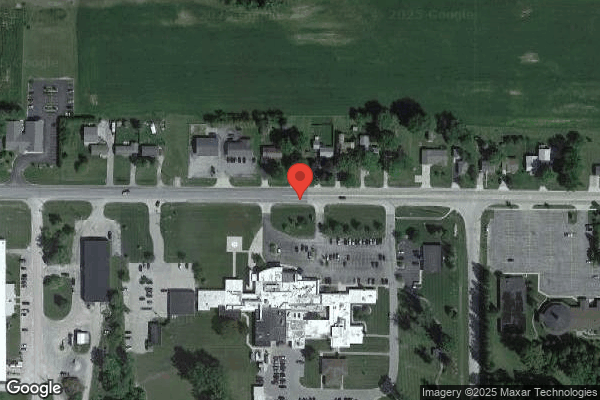
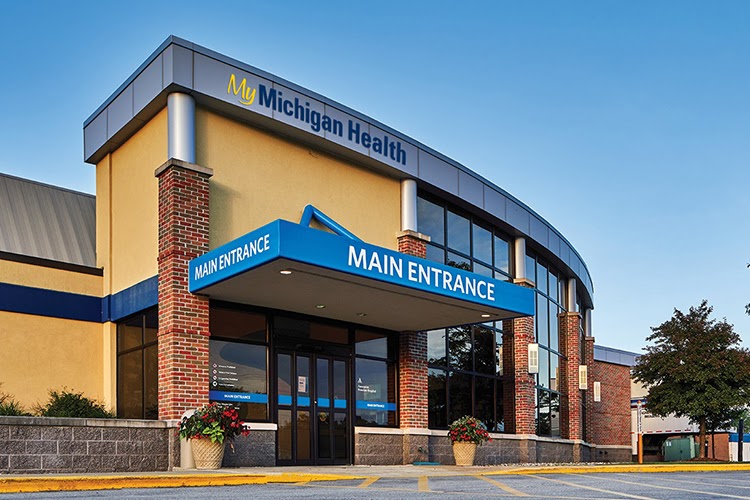
805 West Cedar, Standish, MI 48658 (989) 846-4521
Non profit - Corporation 29 Beds ASCENSION HEALTH Data: November 2025
Trust Grade
70/100
#4 of 422 in MI
Last Inspection: February 2025

Within standard 12-15 month inspection cycle. Federal law requires annual inspections.

Overview

Ascension Standish Hospital & Skilled Nursing Facility has a Trust Grade of B, indicating it is a good choice for care, but there are areas for improvement. It ranks #4 out of 422 facilities in Michigan, placing it in the top half, and is the best option in Arenac County. The facility is improving, with issues decreasing from 7 in 2024 to 4 in 2025. Staffing is a strength, boasting a 5-star rating with only 7% turnover, significantly lower than the state average, and it has more registered nurse coverage than 98% of facilities in Michigan. However, the facility has incurred $32,175 in fines, which is a concern as it is higher than 88% of Michigan facilities, suggesting some compliance issues. Specific incidents include a resident developing pressure ulcers due to inadequate care, another resident falling and sustaining a head injury due to a lack of fall prevention measures, and a third resident suffering burns from hot coffee due to being left unsupervised. While there are solid strengths in staffing and overall ratings, these serious incidents highlight critical areas that need attention.

Trust Score
B
70/100
In Michigan
#4/422
Top 1%
Safety Record
High Risk
Review needed
Inspections
Getting Better
7 → 4 violations
Staff Stability
✓ Good
7% annual turnover. Excellent stability, 41 points below Michigan's 48% average. Staff who stay learn residents' needs.
Penalties
✓ Good
$32,175 in fines. Lower than most Michigan facilities. Relatively clean record.
Skilled Nurses
✓ Good
Each resident gets 119 minutes of Registered Nurse (RN) attention daily — more than 97% of Michigan nursing homes. RNs are the most trained staff who catch health problems before they become serious.
Violations
⚠ Watch
20 deficiencies on record. Higher than average. Multiple issues found across inspections.
★★★★★
5.0
Overall Rating
★★★★★
5.0
Staff Levels
★★★★★
5.0
Care Quality
★★★★☆
4.0
Inspection Score
Stable
2024: 7 issues
2025: 4 issues

The Good

  • 5-Star Staffing Rating · Excellent nurse staffing levels
  • 5-Star Quality Measures · Strong clinical quality outcomes
  • Low Staff Turnover (7%) · Staff stability means consistent care
  • Full Sprinkler Coverage · Fire safety systems throughout facility
  • No fines on record
  • Staff turnover is low (7%)

    41 points below Michigan average of 48%

Facility shows strength in staffing levels, quality measures, staff retention, fire safety.

The Bad

Federal Fines: $32,175

Below median ($33,413)

Moderate penalties - review what triggered them

Chain: ASCENSION HEALTH

Part of a multi-facility chain

Ask about local staffing decisions and management

The Ugly 20 deficiencies on record

3 actual harm
Feb 2025 4 deficiencies
CONCERN (D)

Potential for Harm - no one hurt, but risky conditions existed

Deficiency F0558 (Tag F0558)

Could have caused harm · This affected 1 resident

Based on observation, interview and record review, the facility failed to ensure that a call bell communication device was responded to for two residents (#9, #72), of 22 sampled residents, resulting ...

Read full inspector narrative →
Based on observation, interview and record review, the facility failed to ensure that a call bell communication device was responded to for two residents (#9, #72), of 22 sampled residents, resulting in Resident #9 and #72 being seated in the dining room with a silver metal service bell which was rung with no response from facility staff. Findings include: Observation on 2/19/2025 during the initial tour of the facility resident dining room at the noon meal revealed that there was no electronic call bell system with resident push buttons noted in the dining room area. Observation and interview was made on 02/19/25 at 09:34 AM with Resident #9 who stated that she was thirsty and wet (wet brief) and wanted to lay down. Resident #9 was observed with a silver metal service bell in dining room on the table. Resident #9 was able to demonstrate ringing the bell which rang 3-4 times. The State surveyor observed two staff members seated across the hall at the nursing station, Certified Nurse Assistant (CNA)/ward clerk H and Registered Nurse (RN) E. Neither staff member responded to see what the resident needed. The state surveyor went out into the hallway to look and see if there were other staff members available. Resident #9 stated to yell out while she was seated in the dining room to get attention of the staff. On 02/19/25 at 09:52 AM, Certified Nurse Assistant (CNA) B came into the room when Resident #9 was yelling out to get attention. CNA B asked Resident #9 what she needed and then Brought the resident a glass of water. The state surveyor asked CNA B about the manual silver call bell on the table and the response was if she (Resident #9) needs something, she will just yell out. Observation was made on 02/19/25 at 10:21 AM with Certified Nurse Assistant (CNA) B and Registered Nurse (RN) D of a Hoyer transfer of Resident #9 back to bed, a brief change and peri-care. Observation on 02/20/25 at 11:38 AM of the dining/TV room revealed Resident #9 and #72 and 6 other residents seated in the room with only a silver manual call bell on one table. No staff were present. The silver manual call bell was located in the middle of a large round table and out of reach of both Resident #9 and Resident #72, who were seated at the table. Record review of the facility 'Emergency/Call Bell' policy and procedure, dated 4/5/2024, revealed the purpose was to establish guidelines to alert staff when the call light system is down, or when a resident is in a non-centralized location without a call light system. To provide safety for all residents of the skilled nursing unit, and to ensure that residents needs are being met . Call bells will be located in non-centralized areas that do not have a call light system. When needed call bells will be placed within the resident's reach at all times when in their rooms or in non-centralized locations without a call light system . All staff are to respond as promptly and as soon as possible to call bells . Observation on 2/20/2025 of the Resident/Family visitor lounge revealed that there was a manual silver call bell located on a table. The state surveyor rang the bell and staff did not respond to the bell.
CONCERN (D)

Potential for Harm - no one hurt, but risky conditions existed

Accident Prevention (Tag F0689)

Could have caused harm · This affected 1 resident

**NOTE- TERMS IN BRACKETS HAVE BEEN EDITED TO PROTECT CONFIDENTIALITY** Based on observation, interview and record review, the facility failed to provide for safe wheelchair transport for two resident...

Read full inspector narrative →
**NOTE- TERMS IN BRACKETS HAVE BEEN EDITED TO PROTECT CONFIDENTIALITY** Based on observation, interview and record review, the facility failed to provide for safe wheelchair transport for two residents (#7 and 17) of two residents reviewed, resulting in residents being pushed in wheelchairs without footrests and the potential for injury. Findings include: Resident #7: On 2/19/25 at 10:14 AM, Activity Staff L was observed pushing Resident #7 down the hallway in their wheelchair without footrests. Record review revealed Resident #7 was admitted to the facility on [DATE] with diagnoses which included dementia, anxiety, left hip injury, and bone density disorder. Review of the Minimum Data Set (MDS) assessment, dated 1/31/25, revealed the Resident was severely cognitively impaired and required substantial assistance with toileting, personal hygiene, and dressing. The MDS specified the Resident was independent with wheelchair mobility. Review of Resident #7's Electronic Medical Record (EMR) revealed a care plan entitled, (Resident #7) is at risk of falls r/t (related to) history of falls, weakness (Start Date: 11/18/23; Edited: 1/28/25). Resident #17: On 2/20/25 at 10:32 AM, Certified Nursing Assistant (CNA) M was observed pushing Resident #17 down the hallway in their wheelchair without footrests. At 11:44 AM on 2/20/25, CNA M was observed pushing Resident #17 down the hallway in their wheelchair without footrests again. Record review revealed Resident #17 was admitted to the facility on [DATE] with diagnoses which included depression, dementia, anxiety, and repeated falls. Review of the MDS assessment dated [DATE] revealed the Resident was severely cognitively impaired and required substantial to total assistance with toileting, personal hygiene, and dressing. The MDS specified the Resident was independent with wheelchair mobility. An interview was completed with the Director of Nursing (DON) on 2/20/25 at 2:02 PM. When queried regarding staff pushing residents down the hallway in wheelchairs, the DON stated, Should have foot pedals. Observations of Resident #7 and Resident #17 being pushed without footrests/pedals were discussed with the DON at this time. The DON reiterated foot pedals should always be utilized when pushing residents in wheelchairs for safety but did not provide further explanation. Review of facility provided policy/procedure entitled, Transportation Guidelines for LTC Residents (Effective: 1/2025) did not address wheelchair mobility/transport.
CONCERN (D)

Potential for Harm - no one hurt, but risky conditions existed

Medication Errors (Tag F0758)

Could have caused harm · This affected 1 resident

**NOTE- TERMS IN BRACKETS HAVE BEEN EDITED TO PROTECT CONFIDENTIALITY** Based on interview and record review, the facility failed to implement and operationalize policies and procedures for psychotrop...

Read full inspector narrative →
**NOTE- TERMS IN BRACKETS HAVE BEEN EDITED TO PROTECT CONFIDENTIALITY** Based on interview and record review, the facility failed to implement and operationalize policies and procedures for psychotropic medication use for one resident (Resident # 7) of five residents reviewed resulting in a lack of appropriate diagnoses and indications for treatment, a lack of Gradual Dose Reductions (GDR), and the potential for ineffective and inappropriate treatment. Findings include: Resident #7: On 2/19/25 at 10:00 AM, Resident #7 was observed sitting in their wheelchair in their room with a forlorn look on their face. An interview was completed at this time. When asked how they were doing, Resident #7 made eye contact but did not provide a verbal response. When asked if they were sad, Resident #7 shook their head yes and began to cry. On 2/19/25 at 10:05 AM, the Director of Nursing (DON) was informed the Resident began crying when asked if they were sad but did not provide any information regarding the reason they were sad. The DON stated, That is (Resident #7's) normal. (Resident #7) startles easy. With further inquiry, the DON stated, Anything or anyone new and (Resident #7) begins to cry. The DON was then asked if the Resident was receiving behavioral health services and treatment and responded that they were not. Record review revealed Resident #7 was admitted to the facility on [DATE] with diagnoses which included dementia without behavioral disturbance and with anxiety, Chronic Obstructive Pulmonary Disease (COPD), and bone density disorder. Review of the Minimum Data Set (MDS) assessment, dated 1/31/25, revealed the Resident was severely cognitively impaired and required substantial assistance with toileting, personal hygiene, and dressing. The MDS specified the Resident displayed no behaviors and no signs/symptoms of depression. The MDS assessments. dated 5/1/24 and 10/31/24. also specified the Resident displayed no behaviors. An interview was completed with Certified Nursing Assistant (CNA) P on 2/20/25 at 10:38 AM. When queried regarding Resident #7, CNA P stated, (Resident #7) gets upset easy and indicated the Resident cries frequently for no reason. CNA P verbalized Resident #7 has a history of trauma but was unable to provide any additional information related to the type of trauma and/or triggers. Review of Resident #7's Electronic Medical Record (EMR) revealed the Resident was deemed incompetent to make medical decisions on 8/11/24. A review of Resident #7's Medication Administration Record (MAR) and Health Care Provider (HCP) orders revealed the Resident was taking the following psychotropic medications: - Buspirone (Buspar- anti-anxiety medication) . 10 mg (milligrams) . Every 12 hours . (for) Unspecified dementia, unspecified severity, without behavioral disturbance, psychotic disturbance, mood disturbance, and anxiety . (Start Date: 11/18/24) - Fluoxetine (Prozac- antidepressant medication) . 20 mg . at bedtime . (for) Unspecified dementia . with anxiety . (Start Date: 11/18/24) Review of Resident #7's EMR revealed a care plan entitled, Psychotropic Drug Use . Resident is at risk for adverse consequence from receiving psychotropic medication: Prozac, Buspar (Start Date: 8/28/24; Edited: 1/28/25). The care plan included the interventions: - Assess/record effectiveness of drug treatment. Monitor and report signs of sedation, anticholinergic and/or extrapyramidal symptoms (Start Date: 8/28/24) - Attempt a gradual dose reduction (if not contraindicated) (Start Date: 8/28/24) - Attempt to give the lowest dose possible (Start Date: 8/28/24) - Monitor resident's behavior and response to medication. Prior to starting Prozac would have multiple outbursts of crying, shaking, saying 'I'm sorry' repeatedly and 'please don't hurt me'. (Start Date: 8/28/24) - Try non-pharmacological interventions before initiating drug therapy. Staff approach from the front. Talk . throughout any cares given explaining each step prior to completing (Start Date: 8/28/24) An interview was conducted with Social Services Designee (SSD) Registered Nurse (RN) A and the Director of Nursing (DON) on 2/21/25 at 9:38 AM. When queried regarding the facility policy/procedure related to informed consent for psychotropic medications, SSD RN A revealed a paper consent is obtained. When asked where Resident #7's consent was located as it was not noted in their EMR, SSD RN A revealed they were having issues scanning paper documents into the EMR and indicated they the paper consent form. SSD RN A provided a paper Informed Consent/Risk Benefit Analysis form for Prozac for Resident #7. The form detailed the Reason for use and benefits expected: anxiety, tearfulness, crying out . The form was signed by Resident #7 and a facility RN on 8/12/24. The Form included a section for physician documentation which detailed, Doctor's Statement: I have reviewed and recommend the medication plan and included the following areas for the physician to check as completed, Resident gives consent to take these medications . Resident gives verbal consent, but unwilling/unable to sign . Emergency. Given medication without consent . Unable to understand risks and benefits, therefore cannot consent . other . comments . The Physician signed the form on 8/23/24 but all the sections were blank (not checked). A consent for Buspar was also provided by SSD RN A. The consent form specified, Reason for use and benefits expected: decreased anxiety . The consent form indicated verbal consent was obtained by the Resident's Durable Power of Attorney (DPOA) on 10/25/24. When queried why the consent for Prozac was signed by the Resident on 8/12/24 when they were deemed incompetent to make medical decisions on 8/11/24, SSD RN A stated, I really can't give you that answer. When asked if a resident who is deemed incompetent is able to provide consent for psychotropic medications, SSD RN A verified they cannot. When queried if Resident #7 was seen by a mental health provider, SSD RN A replied, No. SSD RN A was asked of the facility had a mental health provider who came to the facility and stated, No. SSD RN A then stated, We would have to send them out to community mental health if needed. When asked if Resident #7 goes out to see community mental health, SSD RN A stated they do not. When asked why they do not, RN A replied, (DPOA) does not want (Resident #7) to go out because leaving is scary to them. RN A then stated, I can't even get the notes from (community mental health) when residents do go out for treatment. When asked how they are able to coordinate care if they are not able to get notes, RN A did not provide an explanation. When asked, SSD RN A indicated the Resident's physician manages psychotropic medications. When asked if unspecified dementia, unspecified severity, without behavioral disturbance, psychotic disturbance, mood disturbance, and anxiety is an appropriate indication for use for Buspar, both the DON and SSD RN A indicated they were unable to provide comment or explanation.
CONCERN (D)

Potential for Harm - no one hurt, but risky conditions existed

Food Safety (Tag F0812)

Could have caused harm · This affected 1 resident

Based on observation, interview and record review, the facility Failed to 1) Ensure that kitchen food items are dated with received by dates and use by dates and 2) Ensure that foods brought into the ...

Read full inspector narrative →
Based on observation, interview and record review, the facility Failed to 1) Ensure that kitchen food items are dated with received by dates and use by dates and 2) Ensure that foods brought into the facility from family are dated, resulting in an increased likelihood for food borne illness with the potential to affect 22 Residents residing at the facility who consumed oral nutrition from the kitchen. Findings include: Review of the U.S. Public Health Service 2009 Food Code, as adopted by the Michigan Food Law, effective 10/1/2012, directs that open or partially used foods that are refrigerated. ready-to-eat and potentially hazardous are required to have use-by-date or date to be consumed. During the initial tour of the facility kitchen done on 2/19/2025 from 8:50 AM through 10:00 AM accompanied by Certified Dietary Manager I, the following was identified: Observation and interview on 02/19/25 at 08:50 AM with Certified Dietary Manager (CDM) I, of the line of in kitchen refrigerators revealed in a refrigerator clear elongated manual thermometers to be reading 8 degrees, and the outside thermometer reading of 38.4 degrees. Observation of the next in line refrigerator observed in refrigerator thermometer of 5 degrees and when checked electronic thermometer 38.8 degrees. Observation of the in refrigerator clear elongated manual thermometers were noted to be clipped to the front of the shelves next to the refrigerator doors and not in the middle of the refrigerator for a more accurate temperature. Observation and interview on 2/19/2025 at 9:10 AM with CDM I of the bread rack in the kitchen noted a full 12 pack bag of hamburger buns and a partially used bag with 4-6 buns left in the bag to be located on the top shelf with no use-by-date noted. The CDM I stated that those should have had a date on them and tossed the unmarked items out. Observation and interview on 02/20/25 at 10:17 AM with CDM I of the dry storage area and walk-in cooler freezer area revealed three (3) 16 oz. bags of marshmallows not dated and out of the manufactures box. CMD I stated that the marshmallows should have a received by date on those, but they are out of the box, and we now don't know when they came in or how old they are. The CDM I stated that everyone is responsible for dating the food items. Either she or the Supervisor assist in the shipments and putting items away. We do mark the boxes that the items come in when placing in the dry goods area. Record review of the facility 'Food and Supply Storage' policy, dated 1/2024, revealed all food, non-food items and supplies used in food preparation shall be stored in such a manner as to prevent contamination to maintain the safety and wholesomeness of the food for human consumption . Cover, label, and date unused portions and open packages. Complete all sections on a touchpoint orange label or use and approved labeling system. Products are good through the close of business on the date noted on the label . In an observation on 02/19/25 at 1:40 AM, Registered Nurse (RN) C was observed with the zip lock bag of 5-6 tangerines going into the Director of Nursing (DON) office . Observation on 02/20/25 at 10:30 AM of the Resident pantry refrigerator located in the resident/family dining room revealed the zip lock bag of 5-6 tangerines labeled with resident's name with no date and a box of blueberries 12 oz with the resident's hospital name tag on the box but there was no orange sticker of use-by-date. In an observation and interview on 02/20/25 at 10:54 AM with the Director of Nursing (DON, the state surveyor walked to the resident/family dining room refrigerator and observed the bag of 5-6 tangerine undated, and the box of blueberries undated. The DON stated that there should have been dates put on when placed in the refrigerator. Both items were tossed out by the DON at this time and resident name label form hospital was not removed. An interview was conducted on 02/20/25 at 11:23 AM with Certified Dietary Manager (CDM) I. When asked about foods brought into the facility and placed in the Residents/family dining room refrigerator, it was stated that food brought in from outside/family items we (facility) follow policy. Record review of the facility 'Food Brought in to Patients from the Outside' policy ,dated 4/2024, revealed: 1.) the patient/resident food must be clearly labeled with the patient/resident's name, room number, and date the food was brought to the patient/resident. If not eaten within 3 days, the refrigerated foods should be discarded . 2.) When food/beverages have been labeled with patient/resident identification, this label and product are now considered 'protected health information' (PHI) and will need to be disposed of appropriately .
Mar 2024 7 deficiencies 2 Harm
SERIOUS (G)

Actual Harm - a resident was hurt due to facility failures

Pressure Ulcer Prevention (Tag F0686)

A resident was harmed · This affected 1 resident

**NOTE- TERMS IN BRACKETS HAVE BEEN EDITED TO PROTECT CONFIDENTIALITY** Based on observation, interview and record review, the facility failed to prevent the development of facility-acquired pressure ...

Read full inspector narrative →
**NOTE- TERMS IN BRACKETS HAVE BEEN EDITED TO PROTECT CONFIDENTIALITY** Based on observation, interview and record review, the facility failed to prevent the development of facility-acquired pressure ulcer injuries for one resident (Resident #8), resulting in facility-acquired (in-house) development of pressure ulcers, pain, discomfort, and the likelihood for prolonged illness or hospitalization. Findings include: Record review of the facility provided 'Skilled Nursing Facility Skin Conditions Prevention and Treatment' policy, dated 11/20/2023, revealed the purpose was to promote the prevention of pressure ulcer development, healing of those that are present and prevention of additional pressure wounds. Pressure injury- is localized damage to the skin and underlying soft tissue usually over a bony prominence or related to a medical or other device. The injury can present as intact skin or an open ulcer and may be painful. The injury occurs as a result of intense and/or prolonged pressure or pressure in combination of shear. Stage II (2): Partial thickness skin loss with exposed dermis. The wound bed is viable, pink, or red, moist, and may also present as an intact or ruptured serum-filled blister. Stage IV (4): Full-thickness skin and tissue lose with exposed or directly palpable fascia, muscle, tendon, ligament. cartilage or bone in the ulcer. Slough and/or eschar may be visible. Epibole (rolled edges), undermining and/or tunneling often occur. Depth varies by anatomical location. Record review of the facility- provided Department of Health and Human Services Centers for Medicare & Medicaid Services Form CMS-802 matrix revealed Resident #8 to have a facility-acquired Stage IV pressure ulcer. Resident #8: Record review of Resident #8's Minimum Data Set (MDS), dated [DATE], revealed an elderly female with a Brief Interview of Mental Status (BIMS) score of 14 out of 15, cognitively intact and able to make decisions. Medical diagnoses included: Debility, heart failure, high blood pressure, diabetes, anxiety, and depression. Section GG: Functional abilities assessed Resident #8 as substantial/maximal assistance (helper/staff does more than half the effort) for: laying to sitting on side of bed, sit-to- standing, chair/bed-to chair transfer, toileting transfer and tub/shower transfers. Record review of the Section M: Skin Conditions- revealed no pressure ulcers or skin injuries. Record review of Resident #8's Electronic Medical Record (EMR) census tab revealed that the resident was out of the facility for hospital care in October of 2023, returned/re-admitted to the facility and has remained at the facility since that date. An interview on 03/04/24 at 10:41 AM with Resident #8 revealed that she did have a left hip wound. Resident #8 stated that she did not know if she came with it, but that they (staff) are doing dressing daily and they measure it. Resident #8 stated that she did believe that she got the sore at the facility because she went to the hospital last October and when she came back, she wasn't moving a lot. Record review of Resident #8's Minimum Data Set (MDS), dated [DATE], revealed an elderly female with a Brief Interview of Mental Status (BIMS) score of 14 out of 15, cognitively intact able to make decisions. Medical diagnoses included: Debility, heart failure, high blood pressure, diabetes, anxiety, and depression. Section GG: Functional abilities assessed Resident #8 as substantial/maximal assistance (helper/staff does more than half the effort) for: laying to sitting on side of bed, sit-to- standing, chair/bed-to chair transfer, and toileting transfer. Record review of the Section M: Skin Conditions- revealed a pressure ulcer staged at Level IV-full thickness skin and tissue loss. An interview on 03/04/24 02:31 PM with Registered Nurse (RN)/Wound Care Nurse I revealed that Resident #8 likes to lay on her left side. The left hip wound started in December 2023 at the facility and was a facility-acquired pressure ulcer. RN I stated that skin assessments found a bump or sack on the outside aspect of the left hip in November 2023. In December of 2023 the left hip bump/sack sides/rim of wound became necrotic with dry eschar. The facility started treatment of Santyl ointment debridement of the wound area, and the necrotic tissue came off. RN I stated that he was able to see wound bed and depth and staged the wound at a Stage IV pressure ulcer. RN I stated that the wound has a depth of around 2.7 cm (centimeters) and changed treatment to Melgisorb antimicrobial alginate cut to fit the wound bed and used to absorb exudate (drainage). Record review of Resident #8's 'Wound Management Detail Reports', dated 12/19/2023 through 2/28/2024, revealed a left hip wound that started on 12/19/2023 at 11:27 AM measuring length 3 cm X width 3.2 cm X depth 0.2 cm with serosanguineous exudate, Stage III. The wound management report on 01/19/2024 at 3:13 PM noted length 2.4 cm X width 1.5 cm X depth 1 cm with moderate exudate of seropurulent (yellow or tan, cloudy and thick) drainage with mild foul odor. The wound was staged as a Stage IV pressure ulcer-full thickness skin and tissue loss. Observation of wound care on 03/05/24 at 09:04 AM with Registered Nurse (RN) I (wound care nurse) revealed an old dressing date 3/4/24 was removed. Observed wound bed pink and with moderate serosanguineous drainage, no odor. Dermal wound cleanser spray was applied and the wound bed was dabbed with 4 x 4 gauze. Wound measurements taken: 1.3 cm length, X 1.1 cm width, X depth 1.9 cm. Observed treatment of Melgisorb alginate cut to size, (debride with silver per RN I), applied to wound bed, and covered with an Allevyn 4 x 4 foam border dressing. An interview was conducted on 03/05/24 at 09:12 AM with Resident #8 while in the room with Registered Nurse (RN) I, Resident #8 stated that the wound was painful, and rated at a scale of 7-8 out of 10. Resident #8 stated that it goes down to a 5 after she gets her pain pill. Resident #8 stated that she kept complaining of pain after her fall a while ago. RN I and state surveyor observe Fentanyl patch to right shoulder, dated 03/04/24, for pain control. In an interview on 03/06/24 at 10:35 AM with the Director of Nursing (DON) regarding Resident #8's Stage IV pressure ulcer, the DON stated that the Stage IV pressure ulcer was facility-acquired and Resident #8 had a [NAME]-sized lump to that area. Resident #8 had a fall on October 10/26/2023, where she slid off of the edge of the bed. There was no noted injury at that time, but she kept complaining of pain. The facility did further testing and found a hematoma to the left hip area in November 2023, which is how they believe it opened. It was facility-acquired. Record review of Resident #8's 10/26/2023 at 1:30 AM 'Event Report' noted a fall in the resident's room with no witnesses. The resident complained of pain rated at moderate (distressing/miserable per report). The resident put on the (call) light and was found on her knees next to bed, laying over the bed. Record review of Resident #8's left hip X-Ray dated, 11/24/2023 (30-days post fall), revealed a contusion/hematoma peri trochanteric without an acute fracture noted.
SERIOUS (G)

Actual Harm - a resident was hurt due to facility failures

Accident Prevention (Tag F0689)

A resident was harmed · This affected 1 resident

**NOTE- TERMS IN BRACKETS HAVE BEEN EDITED TO PROTECT CONFIDENTIALITY** Based on observation, interview and record review, the facility failed to implement and operationalize policies and procedures f...

Read full inspector narrative →
**NOTE- TERMS IN BRACKETS HAVE BEEN EDITED TO PROTECT CONFIDENTIALITY** Based on observation, interview and record review, the facility failed to implement and operationalize policies and procedures for fall prevention for one resident (Resident #6) of five residents reviewed, resulting in a lack of implementation of Physical Therapy recommendations, lack of enactment and reevaluation of planned care plan interventions, and Resident #6 experiencing a fall with a head laceration necessitating emergency medical treatment, staples, unnecessary pain, and the likelihood for additional falls with injury. Findings include: Resident #6: On 3/4/24 at 11:23 AM, Resident #6 was not in their room. An observation of their room was completed. There were no fall prevention interventions, including a fall mat observed in the room. Record review revealed Resident #6 was admitted to the facility on [DATE] with diagnoses which included dementia, left hemiplegia and hemiparesis (one sided paralysis) following cerebral infarction (stroke), atrial fibrillation (irregular heart rhythm), and weakness. Review of the Minimum Data Set (MDS) assessment dated [DATE] revealed the Resident was moderately cognitively impaired and required substantial/maximum assistance for toileting hygiene and transferring. Review of Resident #6's Electronic Medical Record (EMR) revealed an Event Report dated 11/07/23 pertaining to an unwitnessed fall. The Event detailed, Fall . Shower room bathroom . Does resident exhibit or complain of pain related to the fall? . Yes, LLE (Left Lower Extremity) . Note any injury to the head, extremities, or trunk . Abrasion . Laceration . ROM (Range of Motion) Painful/Limited in Lower Extremity . Possible Contributing Factors . Recent Change in Appetite . Recent Decline in ADL Abilities . adaptive equipment in use at the time of the fall? No . Immediate measure taken . First Aid . Direct Pressure to Wound . Sent to ER . Change in Mental Status of new onset . Laceration with uncontrolled bleeding . New onset of moderate to severe pain . Evaluation Notes: Per documentation and statements, resident was put on the toilet in the large shower room between 0845-0850. At 0905 resident was observed on the floor on left side with head between the front wheels of wheelchair . taken to the ER due to bleeding from the Occipital head and pain with palpation of the left hip was positioned angled to the right on the toilet seat. Resident has a history of falling asleep sitting in wheelchair. Resident has left hemiplegia from a previous CVA. The wheelchair was positioned in front of the toilet and the brakes were locked. Resident receives many medications that increase the risk for falls. Resident has a suprapubic catheter in place . recently placed on Part B services (therapy) due to increased weakness post COVID. Root Cause: Resident most likely fell asleep and leaned to the left and fell off of the toilet . most likely received the laceration to the left Occipital area from the inner foot pedal mechanism on the wheelchair . received a large contusion to left hip . was care planned to not be left alone in the bathroom . Further review of Resident #6's EMR documentation revealed the following: - 11/7/23 at 9:05 AM: Resident on floor in large shower room laying on left side with head laying in between lock wheelchair front wheels complaining of lower back hurting. Noted blood on floor under left side of head. Resident does not know how fell on floor . Resident does complain of head hurting . to head where bleeding was happening . complains of left hip pain upon palpation and redness noted . Resident was assisted on back board and onto gurney and taken to ER . Unable to obtain BP due to position of resident . - 11/7/23 at 9:05 AM: At approximately 0905 on 11-7-2023. This writer heard a faint voice yelling for help. Thinking it was another resident's TV, I initially checked room with loud TV playing. When I made my way back to the station, I heard resident's voice faintly from shower room bathroom, saying 'help me.' I opened shower room door and observed resident on floor, partially under wheelchair with head between front wheels, left side lying, pants down between legs, with catheter attached to bag under chair. This writer yelled for help, stating resident was on floor. When asking what happened, resident said they did not know how they fell . Staff moved wheelchair out of way and observed moderate amount of dark red blood to resident's hair, sweater, and puddle on floor. Observed resident's head, coagulated blood appeared to be coming from left posterior side of head. Resident states head hurts. Applied pressure using washcloth until DON (Director of Nursing) arrived, who then held pressure. This writer assessed, limited ROM to both LUE (Left Upper Extremity) and LLE (Left Lower Extremity), as per resident baseline d/t (due to) history of CVA (Cerebrovascular Accident- Stroke) with left affected side . pain to left hip with palpation, with noted redness . Unable to check upper back and complete LUE due to heavy sweater. Attempted to check mentation, resident alert to self only. Vitals attempted by aides. Back board applied under resident, and resident lifted onto hospital bed to be transported to ER. - 11/7/23 at 10:59 AM: Resident brought back to room with head x-ray negative along with x-ray of left hip was negative. 2 staples to back of left side of head present . abrasion noted on left buttock region and back of left side of head has 2 staples intact with dried blood noted . - 11/7/23 at 12:40 PM: Resident . was given Tylenol . due to head hurting . - 11/7/23 at 8:35 PM: Resident with complaint of left hip pain, upon assessment left hip with large firm protrusion approximately the size of palm of hand, red in color, no noted bruising. Noted internal rotation of left hip and difficult for resident to have moved without increased pain. Will notify Doctor. - 11/7/23 at 8:38 PM: Doctor notified by phone with resident condition, order received for CT stat . and Norco (narcotic pain medication) 5-325 mg (milligrams) every 6 hours as needed for pain . Review of Resident #6's EMR revealed a care plan entitled, (Resident #6) at risk for falling R/T (related to) CVA (stroke) with Left Hemiparesis, history of falls at home, impaired mobility, weakness . (Start: 1/14/19; Edited: 12/12/23). The care plan included the interventions: - Provide resident with safety device/appliance: bilateral bed bolsters for awareness of edge of bed (Start: 4/7/20; Edited: 12/12/23) - Soft mat to active side of bed . (Start: 6/10/19) - Place resident in a fall prevention program (Start: 1/14/19) Review of Resident #6's hospital documentation dated 11/7/23 at 9:24 AM revealed, ED Provider Note . Patient has longstanding history of dementia . atrial fibrillation (currently on Xarelto [blood thinner]) . and prior stroke . presents to the emergency room . after fell from the toilet . struck the left occiput (back) area of head on the floor and was complaining of left hip pain. The incident was not witnessed by (staff) did hear the patient hollering for help . did have some active bleeding from the left occiput . unknown loss of consciousness . mild left hip pain . (Resident #6) is heavily demented .does not remember the fall . The hospital ER documentation revealed Resident #6's head laceration was closed with staples and the Resident was transferred back to the facility. Review of left hip CT results dated 11/7/23 at 9:11 PM in Resident #6's EMR revealed the Resident had a subcutaneous contusion (bruise under the skin) in their upper, outer left thigh. On 3/6/24 at 8:51 AM, Resident #6's room was dark with the lights off and the window blinds closed. The Resident was in bed, positioned on their back with their eyes closed. A fall mat was not present in the room. An interview was completed on 3/6/24 at 8:58 AM with Certified Nursing Assistant (CNA) N. When queried if they were working on 11/7/23, CNA N revealed they were. When queried regarding Resident #6's fall on 11/7/23, CNA N stated, I wasn't in there. (Resident #6) was in the shower room alone. When asked the reason Resident #6 was in the shower room, CNA N indicated the Resident was using the restroom. CNA N was asked if Resident #6 required assistance to use the restroom in November 2023 and revealed they did. CNA N stated, (Resident #6) leans so bad and I don't like leaving them alone anyway. When asked to clarify if they were referring to the Resident currently or in November at the time of the fall, CNA N verbalized they were referring to when the Resident fell in November but indicated the Resident still leans. When queried if they had assisted Resident #6 to use the restroom in November 2023 prior to their fall, CNA N revealed they had and specified they always stayed with them because they were uncomfortable leaving them alone due to the Resident being unable to sit up straight without assistance. CNA N was then asked if Resident #6 is supposed to have a fall mat in their room and replied, Used to but they took it out. When queried who took it out and when, CNA N indicated they could not recall. When queried how they know what level of assistance and/or care plan interventions residents require, CNA N replied it was in the computer (EMR). When asked, CNA N showed this Surveyor what saw when they looked at Resident #6's EMR care plan. The care plan displayed on their screen only showed the care plan title and no interventions. When asked if they knew how to view the specific interventions for each care plan, CNA N replied, I really don't. An interview and observation of Resident #6 was completed with Registered Nurse (RN) Q on 3/6/24 at 9:21 AM. Upon entering the Resident's room, Resident #6 was observed in bed, positioned on their back with their eyes closed. RN Q was asked if the Resident had a fall mat in place and after looking replied, No. After exiting Resident #6's room, their care plan was reviewed with RN Q. When queried, RN Q confirmed the Resident's care plan specified the Resident should have a fall mat and they did not have one. On 3/6/24 at 9:30 AM, an interview was conducted with RN I. When queried regarding Resident #6 not having a fall mat per their care plan intervention, RN I stated, They are not supposed to have a fall mat. When asked why they are not supposed to have a fall mat when it is on their care plan, RN I replied, I don't know. RN I then stated, I am guessing they just put it (fall mat intervention) on there (care plan). I will just take it off. When asked if they were going to complete a fall risk assessment prior to discontinuing the evaluation, RN I did not provide a response. When queried why the intervention was implemented in the first place, RN I indicated the Resident most likely had a fall, but the intervention was no longer needed. RN I was asked why the intervention was on the care plan if it was no longer appropriate and stated, That is on me. I have reviewed the care plan a couple of times. When asked, RN I stated, If it (fall mat) is on the care plan, it should be in there (Resident #6's) room. An interview was completed with the Director of Nursing (DON) on 3/6/24 at 9:50 AM. When queried regarding Resident #6's fall mat not being in place, the DON indicated they were aware of the concern. The DON indicated they have been working with the nursing staff to have them help update Resident care plans with any changes. On 3/6/24 at 10:07 AM, an interview was completed with CNA M. When asked what occurred when Resident #6 fell on [DATE], CNA M revealed they assisted the Resident into the shower room, transferred them onto the toilet, and then left them alone to have a bowel movement. CNA M revealed as they were waiting outside of the shower room for Resident #6, another call light went off and they went to answer it. When queried what time of the day the fall occurred, CNA M stated, It was right after breakfast. CNA M was then asked if they observed and/or assisted the Resident after the fall and stated, I helped get (Resident #6) into the bed and took them to the ER. I don't understand how they fell that way. (Resident #6) was sitting perfectly strait on toilet. When asked to explain, CNA M stated, I sat (Resident #6) perfectly (on the toilet). I got (Resident #6) positioned on the toilet and the wheelchair was kind of in front of them locked. When asked if Resident #6 would try to stand up on their own, Resident #6 indicated the Resident did not attempt to stand on their own. CNA M indicated the Resident would lean when they were sitting and always hangs on to the metal bar in the shower room bathroom no matter what. When asked if they normally wait by the door when Resident #6 was using the restroom, CNA M did not provide a direct response but stated, We always let everyone know the Resident was in the restroom. At 10:38 AM on 3/6/24, an interview was conducted with Physical Therapy Assistant (PTA) P and Occupational Therapist (OT) O. When queried if Resident #6 was receiving therapy in November 2023, PTA P and OT O reviewed the Resident's EMR and revealed the Resident was First seen by therapy on 11/2/23 for an initial evaluation. A review of Resident #6's Physical Therapy Initial Evaluation dated 11/2/23 was completed with PTA P and OT O at this time. The Evaluation form detailed, Subjective: Recent onset of COVID 19 infection led to isolation, resulted in weakness, tightness of LLE (Left Lower Extremity), poor posture, decreased functional transfers/bed mobilities . Patient wants to be able to use LLE, sit straight, and help CNA's with transfers . Sitting with Back Unsupported but Feet supported on the Floor or on a Stool: Unable to sit without support 10 seconds . Observations . Patient is wheelchair bound, has a 45 contracture present on LLE . Poor postural awareness . Balance: sitting/standing static, dynamic: Poor . Transfers, Bed mobilities . Max . Dependent . Assessment . decreased P (Passive)/AA (Active Assisted)/AROM (Active Range of Motion), Decreased Motor Control on both LE's, Trunk . Impaired sitting/standing balance . When queried if sitting on a toilet was considered Sitting with Back Unsupported but Feet supported ., OT O stated it was. PTA P and OT O were then asked if Resident #6 was safe to leave unattended while sitting on the toilet, per the therapy evaluation. Both staff verbalized the Resident required assistance to maintain sitting balance and should not have been left unattended in the bathroom. When asked how therapy recommendation are communicated to nursing staff, OT O indicated therapy staff verbally communicate with nursing staff and nursing staff also have access to review therapy documentation in the EMR. An interview was conducted with the DON and facility Administrator on 3/6/24 at 11:40 AM. When queried regarding the facility policy/procedure related to communication of ADL care assistance from therapy, both the DON and Administrator indicated that evaluations, concerns, and changes are discussed at the morning meeting. When asked if Therapy staff enter orders in the EMR and/or update Resident care plans related to ADL assistance/transfer status, the Administrator and DON revealed Therapy staff do not. When queried why Resident #6's was left unattended on the toilet on 11/7/23 after their therapy evaluation on 11/2/23 detailed they were unable to sit without support for 10 seconds, both the DON and Administrator indicated they were unaware of the evaluation. The Administrator and DON reviewed Resident #6's Physical Therapy Initial Evaluation. When asked if the Resident should have been left unattended in the bathroom when they were unable to sit without support, both the Administrator and DON verified the Resident should not have been left unattended. Review of facility policy/procedure entitled, Skilled Nursing Facility; Falls Management (Reviewed 4/21/23) detailed, The Falls Management Process guides the staff through a structured risk assessment and planning process, is utilized to evaluate appropriate interventions to minimize the risk of falls and fall related injuries . The personal safety of each resident of the Skilled Nursing Facility is of primary importance . Any decisions to remove or modify safety or fall prevention measures, will be made by the multi-disciplinary Falls Committee team members. 9. Orders to remove safety devices or to decrease the level of assistance to the resident will be written after the multi-disciplinary Falls Committee team has had an opportunity to review the recommendations. 10. Care Plans will be updated to communicate changes to the staff to reflect the orders written .
CONCERN (D)

Potential for Harm - no one hurt, but risky conditions existed

Deficiency F0578 (Tag F0578)

Could have caused harm · This affected 1 resident

**NOTE- TERMS IN BRACKETS HAVE BEEN EDITED TO PROTECT CONFIDENTIALITY** Based on interview and record review, the facility failed to operationalize policies and procedures to ensure that appropriate n...

Read full inspector narrative →
**NOTE- TERMS IN BRACKETS HAVE BEEN EDITED TO PROTECT CONFIDENTIALITY** Based on interview and record review, the facility failed to operationalize policies and procedures to ensure that appropriate notification of a resident's condition, per the resident's request, for one resident (Resident #6) of one resident reviewed, resulting in the potential for inappropriate and undesired communication of private healthcare information and a breach in confidentiality. Findings include: Resident #6: Record review revealed Resident #6 was admitted to the facility on [DATE] with diagnoses which included dementia, left hemiplegia and hemiparesis (one sided paralysis) following cerebral infarction (stroke), atrial fibrillation (irregular heart rhythm), and weakness. Review of the Minimum Data Set (MDS) assessment dated [DATE] revealed the Resident was moderately cognitively impaired and required substantial/maximum assistance for toileting hygiene and transferring. A review of Resident #6's face sheet included three family member contacts. The Notes section for one contact, Witness R detailed, Please Notify with ALL changes even if (Resident #6) says not to as this is what (Witness R) would like. Review of Advance Directive documentation in Resident #6's Electronic Medical Record (EMR) revealed Resident #6 had not been deemed incompetent and made their own decisions for healthcare. An interview was conducted with Social Services Registered Nurse (RN) Q on 3/5/24 at 12:20 PM. When queried if Resident #6 made their own health care decisions, RN Q revealed they did. RN Q was then asked about the note on Resident #6's facesheet pertaining to Witness R and indicated they would need to review further. A follow up interview was conducted with Social Services RN Q and the Director of Nursing (DON) on 3/5/24 at 2:09 PM. When queried regarding the note on Resident #6's facesheet indicating that Witness R should be contacted regardless of Resident #6's wishes, RN Q verified that was inappropriate to have on the Facesheet as the Resident is not deemed incompetent and needs to provide permission to discuss their care. The DON confirmed and RN Q stated they would remove the note from Resident #6's facesheet. When asked if Witness R had been contacted and provided information that the Resident did not want provided, both RN Q and the DON were unable to provide a response.
CONCERN (D)

Potential for Harm - no one hurt, but risky conditions existed

Respiratory Care (Tag F0695)

Could have caused harm · This affected 1 resident

**NOTE- TERMS IN BRACKETS HAVE BEEN EDITED TO PROTECT CONFIDENTIALITY** Based on observation, interview and record review, the facility failed to implement and operationalize policies and procedures t...

Read full inspector narrative →
**NOTE- TERMS IN BRACKETS HAVE BEEN EDITED TO PROTECT CONFIDENTIALITY** Based on observation, interview and record review, the facility failed to implement and operationalize policies and procedures to ensure sanitary storage of respiratory and oxygen equipment, oxygen administration per Health Care Provider (HCP) order, and comprehensive respiratory care planning for two residents (Resident #12 and Resident #16) of two residents reviewed, resulting in the likelihood for unmet respiratory needs, illness, and a decline in overall health status. Findings include: Resident #12: On 3/5/24 at 9:11 AM, Resident #12 was observed sitting in a wheelchair in their room. The Resident was receiving supplemental oxygen via nasal cannula from the portable tank attached to their wheelchair. The oxygen delivery rate was 3 Liters (L) per minute. An oxygen concentrator was present in the room but not in use. An interview was completed at this time. When queried how long they have had supplemental oxygen, Resident #12 replied, Oxygen is new to me. The Resident reviewed they had been sick for a while and just started wearing it (oxygen) here. When queried regarding the plan of care related to the oxygen, Resident #12 revealed they did not want to have to use it long term. Record review revealed Resident #12 was originally admitted to the facility on [DATE] and most recently readmitted on [DATE] with diagnoses which included Chronic Obstructive Pulmonary Disease (COPD), heart failure, and hemiplegia and hemiparesis (one sided paralysis) following stroke. Review of the Minimum Data Set (MDS) assessment dated [DATE] revealed the Resident was cognitively intact and required total assistance to perform Activities of Daily Living (ADL) with the exception of setup/supervision for eating and oral hygiene. The MDS further detailed the Resident was not receiving oxygen therapy. Review of Resident #12's Electronic Medical Record (EMR) revealed a care plan entitled, Respiratory . has the potential for compromised respiratory status r/t (related to) COPD . (Started and Edited: 12/12/23). The care plan did not include an intervention related to the Resident receiving oxygen therapy. Review of Resident #12's active HCP orders revealed the order, Oxygen at 2L per nasal cannula for shortness of breath or respiratory distress. Oxygen saturation rate to be done prior to initiation of oxygen therapy. Notify physician if initiated PRN (as needed) (Start Date: 12/12/23). On 3/5/24 at 3:37 PM, an interview was conducted with Registered Nurse (RN) J. RN J was queried regarding Resident #12's oxygen delivery rate and stated, I got in report it is supposed to be at 3L. When queried regarding Resident #12's HCP order for oxygen, RN J reviewed the orders and confirmed Resident #12's HCP order was for oxygen at 2L/minute. RN J indicated the order must not have been changed when the oxygen rate was increased. Resident #16: On 3/4/24 at 11:14 AM, Resident #16 was observed sitting in a wheelchair in their room. The Resident was receiving oxygen via nasal cannula at 3.5 L/minute from the wall unit. On the back of the Resident's wheelchair, uncontained oxygen tubing was observed uncontained and wrapped around the top of the portable oxygen tank. A CPAP machine was present on the Resident's bedside dresser. A nasal cannula style CPAP mask was observed behind the CPAP machine on the top of the dresser. The mask was uncontained. When queried regarding the oxygen, Resident #16 revealed they wear it around the clock. On 3/5/24 at 9:06 AM, Resident #16 was observed in their room. The Resident was sitting in their wheelchair and was receiving supplemental oxygen via nasal cannula at 2L/minute via the portable tank on their wheelchair. Uncontained/uncovered Oxygen tubing was hung over the wall mounted oxygen regulator which was on Resident #16's roommates' side of the room curtain divider. When queried, Resident #16 confirmed that was their tubing hanging on the concentrator and indicated their roommate does not wear oxygen. The CPAP mask was observed uncovered/uncontained on their bedside side dresser. Record review revealed Resident #16 was admitted to the facility on [DATE] with diagnoses which included Amyotrophic Lateral Sclerosis (ALS- Lou Gehrigsdisease), heart disease, and sleep apnea. Review of the MDS dated [DATE] revealed the Resident was moderately cognitively intact and required extensive to total assistance to complete ADL's. Review of Resident #16's EMR revealed the Resident did not have a care plan pertaining to CPAP utilization but a HCP order was in place to clean and sanitize the CPAP tubing weekly. An interview was conducted with the Director of Nursing (DON) on 3/5/24 at 3:57 PM. When queried regarding Resident #12's observed oxygen delivery rate and the order, the DON verified oxygen delivery rate and orders should match. When queried regarding facility policy/procedure related to CPAP storage, the DON replied, Should be stored in a bag after cleaned like oxygen tubing. When asked if oxygen tubing should be stored in a bag when not in use, the DON confirmed it should be. The DON was informed of observations of Resident #16's oxygen tubing and CPAP mask and indicated they would address the concerns. Facility policy/procedure related to oxygen and respiratory equipment storage was requested at this time but not received by the conclusion of the survey.
CONCERN (D)

Potential for Harm - no one hurt, but risky conditions existed

Medication Errors (Tag F0758)

Could have caused harm · This affected 1 resident

**NOTE- TERMS IN BRACKETS HAVE BEEN EDITED TO PROTECT CONFIDENTIALITY** Based on interview and record review, the facility failed to implement and operationalize policies and procedures for psychotrop...

Read full inspector narrative →
**NOTE- TERMS IN BRACKETS HAVE BEEN EDITED TO PROTECT CONFIDENTIALITY** Based on interview and record review, the facility failed to implement and operationalize policies and procedures for psychotropic medication management for two residents (Resident #6 and Resident #16) of five residents reviewed, resulting in a lack of a 14-day evaluation and stop date for as needed (PRN) psychotropic medications, lack of documentation of consent for use, and the potential for unnecessary psychoactive medication utilization and adverse reactions. Findings include: Resident #6: Record review revealed Resident #6 was admitted to the facility on [DATE] with diagnoses which included dementia with mood disturbance, dementia, left hemiplegia and hemiparesis (one sided paralysis) following cerebral infarction (stroke), and weakness. Review of the Minimum Data Set (MDS) assessment dated [DATE] revealed the Resident was moderately cognitively impaired and required substantial/maximum assistance for toileting hygiene and transferring. Review of Resident #6's current medication orders revealed the following psychotropic medications: - Valium (psychotropic anti-anxiety medication) tablet 2 mg (milligram) . oral . Once A Day on the 26th of the Month - PRN (as needed) . A consent for Valium was not noted in Resident #6's the Electronic Medical Record (EMR). Review of Resident #6's care plans revealed a care plan entitled, Psychotropic Drug Use .is at risk for adverse consequence from receiving psychotropic medication: Lexapro (medication used to treat anxiety and depression) (Start: 5/24/22; Edited: 12/12/23). Per Resident #6's EMR, Lexapro was discontinued on 1/8/24. The Resident did not have a care plan in place pertaining to use of psychotropic anti-anxiety medications. Resident #16: Record review revealed Resident #16 was admitted to the facility on [DATE] with diagnoses which included Amyotrophic Lateral Sclerosis (ALS- Lou Gehrigsdisease), anxiety, dysphagia (difficulty swallowing), and depression. Review of the Minimum Data Set (MDS) assessment dated [DATE] revealed the Resident was moderately cognitively impaired, displayed no behaviors, and required moderate to total assistance to complete all ADL's. Review of Resident #16's EMR revealed the Resident was receiving Hospice services. Further review of Resident #16's EMR revealed the Resident was receiving the following psychotropic medications: - Ativan (antianxiety medication) 0.5 mg tablet Q (every) 4 hours PRN. Note: The PRN medication order did not have a stop date. - Seroquel (antipsychotic medication) 25 mg tablet at Bedtime 25 mg - Sertraline (Zoloft - antidepressant medication) 200 mg daily No consents for psychotropic medications were noted in Resident #16's EMR. Review of Resident #16's care plan revealed a care plan entitled, Category: Psychotropic Drug Use. Resident is at risk for adverse consequence from receiving psychotropic medication: lorazepam (Ativan), sertraline, quetiapine (Seroquel) . (Start Date: 12/14/23) An interview and review of Resident #6's EMR was completed on 3/5/24 at 2:19 PM with the Director of Nursing (DON) and Social Services Registered Nurse (RN) Q. When queried regarding facility policy/procedure related to psychotropic medication use, RN Q specified a signed informed consent is obtained by the Resident and/or representative for each psychoactive medication. When queried regarding consents for Resident #16's psychoactive medications, RN Q reviewed the Resident's EMR and confirmed there were no consents for any of the psychoactive medications. RN Q was then asked if PRN psychoactive medications should have a 14-day stop and confirmed they should. When queried regarding Resident #16's PRN Ativan order not having a stop date, RN Q reviewed the EMR and verified there was no stop date on the order. When queried regarding Resident #6's current psychoactive medications, RN Q reviewed the Resident's EMR and stated, Valium. When asked about the Resident's care plan stating they received Lexapro, RN Q indicated the care plan must not have been discontinued and or updated when the medication had been discontinued. When asked if Resident #6 had a consent for Valium, RN Q reviewed the Resident's medical record and stated, No consent. When asked why Resident #6's PRN Valium did not have a 14-day stop date, RN Q reviewed the Resident's EMR and confirmed the medication did not have a 14-day stop date. The DON revealed the medication was administered monthly when the Resident's suprapubic urinary catheter (surgically created opening from the bladder to the abdomen to allow for the drainage of urine) was changed due to the catheter change being painful and traumatic for the Resident. When queried if the Resident always received the medication prior to the catheter change, the DON replied that they did. When asked why the medication was not scheduled and/or why a one-time order was not obtained rather than a PRN order with no stop date, an explanation was not provided. RN Q indicated they would address the lack of consent and PRN order. Review of facility policy/procedure entitled, Psychotropic Medication Policy and Procedure (Revised 3/16/23) revealed, Policy . Psychotropic medications include anti-anxiety/hypnotic, antipsychotic and antidepressant classes of drugs . Procedures . 8. Orders for PRN psychotropic medications will be time limited (i.e., times two (2) weeks) and only for specific clearly documented circumstances . Nursing . 5. Will ensure that any PRN psychotropic medications have a time limit such as 14 days and then will have physician evaluate for continued need . Social Services . 4. Will obtain the informed consent for the medications use prior to administering, unless used in an emergency situation .
CONCERN (F)

Potential for Harm - no one hurt, but risky conditions existed

Food Safety (Tag F0812)

Could have caused harm · This affected most or all residents

Based on observation, interview and record review, the facility failed to label food items with Use by dates, resulting in an increased likelihood for food borne illness with hospitalization and poten...

Read full inspector narrative →
Based on observation, interview and record review, the facility failed to label food items with Use by dates, resulting in an increased likelihood for food borne illness with hospitalization and potentially affecting all 24 residents who consume oral nutrition from the facility kitchen. Findings include: Record review of facility provided 'Food and Supply Storage' policy, dated 1/2024, revealed all food, non-food items and supplies used in food preparation be stored in such a manner as to prevent contamination to maintain the safety and wholesomeness of the food for human consumption. Procedure: Most, but not all products contain an expiration date. The words sell-by, best-by or use-by should precede that date. The sell-by date is the last date that food can be sold or consumed: do not sell products in retail area or place on patient trays/residents' plates past the date on the product. Cover, label, and date unused portions and open packages. Complete all sections on a Touchpoint orange label or use and approved labeling system . Discard food past the use-by or expiration date. Kitchen: Observations of the kitchen on 03/04/24 at 11:34 AM with the Certified Dietary Manager (CDM) A of the [NAME] freezers (side by side style) located in the kitchen revealed three (3) bags of tater tots with orange use-by stickers dated 2/28/2024. There were two (2) partially used bags a one full One bag, each bag use-by date of 2/28/2024 were noted. An interview on 03/04/24 at 11:34 AM with the CDM A revealed that there are the wrong dates and that a Received by date, instead of the Use by date was placed on the sticker. There was no Received by date located on the items. The CDM explained about the orange labeling system that when food item is received or opened an orange sticky label is placed with the date that product is to be used by. Observation was made on 03/04/24 at 11:37 AM of the dry goods storage room, boxes, and cans with orange Use by labels noted. Observations on 03/04/24 at 11:41 AM of the walk-in cooler revealed a cardboard box of about 10 heads of cauliflower with no orange Use by label noted. Observation of the cauliflower by the CDM on all side of the box revealed the only label was by the food shipping company of 2/1/2024. The cauliflower was over a month old. Observation of a large box of 20-30 oranges was also unlabeled. The box had no food shipping company label and/or Use-by date orange sticky label noted. Observation on 03/04/24 at 11:44 AM of the walk-in freezer revealed that a box of hotdogs had a food shipping company label dated for the first week of February. The year was torn off the label.
MINOR (C)

Minor Issue - procedural, no safety impact

Staffing Information (Tag F0732)

Minor procedural issue · This affected most or all residents

Based on observation, interview and record review, the facility failed to ensure clinical staff posting of licensed and un-licensed staff was completed daily and posted with accurate and complete data...

Read full inspector narrative →
Based on observation, interview and record review, the facility failed to ensure clinical staff posting of licensed and un-licensed staff was completed daily and posted with accurate and complete data, resulting in the inability for residents and visitors to know what clinical staff were working on those days. Findings include: Record review of the facility 'Skilled Nursing Facility posting of Nurse Staffing Information' policy, dated 12/16/2023, revealed that the purpose was to provide beneficiaries, their families, and the public with access to nurse staffing information on a daily basis. It was the policy of the facility to post nursing staff information in accordance with provisions specified in section 941 of the Medicare, Medicaid and SCHIP Benefits Improvement and Protection Act of 2000 (BIPA). Procedure included: staffing form completed for each shift, updated census, and posted daily, printed in a size large enough to be easily read. and will be posted in a uniform manner in a clearly visible place. Observation on 03/04/24 at 10:43 AM of the staff report public posting located in the upper window shelf of the entry to the main dining room was dated 11/29/2023 and revealed a census of 23. The posting was covered by a box of gloves and at a height that most wheelchair-bound residents would not be able to see. The State Surveyor will monitor and re-check the next day for change of staffing posting. Observation and interview on 03/05/24 at 09:46 AM with the Director of Nursing (DON) of the public posting of Nurse Staffing Information revealed the form was still dated 11/29/2023 with a census of 23. The posting was still up in the clear view posting frame covered by a box of gloves. The DON stated that the posting is done by the night shift after the midnight census and at the end of the shift and must be done and posted by end of their shift. Record review on 03/05/24 at 09:55 AM with the Director of nursing (DON) of the posting forms located in a box on the second shelf next to the public posting frame revealed: No postings forms for the dates of 12/18/2023, 12/24/2023, 12/27/2023, 1/3/2024, 1/10/2024, 1/17/2024, 1/24/2024, 2/7/2024, 2/14/2024, 2/21/2024, and 3/3/2024. All were noted to not have public posting sheets or missing postings. The DON went to check with the Nursing Home Administrator for any other public posting pages and none were found.
Nov 2023 1 deficiency 1 Harm
SERIOUS (G) 📢 Someone Reported This

A family member, employee, or ombudsman was alarmed enough to file a formal complaint

Actual Harm - a resident was hurt due to facility failures

Accident Prevention (Tag F0689)

A resident was harmed · This affected 1 resident

**NOTE- TERMS IN BRACKETS HAVE BEEN EDITED TO PROTECT CONFIDENTIALITY** This Citation pertains to Intake Number MI00140583. Based on observation, interview and record review, the facility failed to en...

Read full inspector narrative →
**NOTE- TERMS IN BRACKETS HAVE BEEN EDITED TO PROTECT CONFIDENTIALITY** This Citation pertains to Intake Number MI00140583. Based on observation, interview and record review, the facility failed to ensure necessary supervision for one resident (Resident #101), who was left in the dining room unsupervised with a hot cup of coffee, which did not have a lid on it. The resident spilled the hot coffee on her lower abdomen and upper thigh area, resulting in first and second degree burns, pain, wound care and prolonged healing time. Findings Include: Resident #101: Review of the Face Sheet, Minimum Data Set (resident assessment tool) dated 9/22/23, progress notes dated 10/20/23, physician's orders dated 10/20/23 through 11/16/23 and care plans dated 9/21/23, revealed that Resident #101 was 81 years-old, admitted to the facility on [DATE], had decreased cognition, (and thus was not able to be interviewed), dependent on staff for all Activities of Daily Living and required set-up with eating. The resident's diagnoses included, right-sided hemiplegia and weakness, hemorrhagic stroke, decreased expressive communication, Dementia, depression and anxiety. Review of the MDS dated [DATE], revealed a BIMS of 6 (cognitive evaluation with decreased cognition). The resident had a history of stroke with right-sided weakness. Review of the resident's facility restorative, mood, and communication care plans, dated 9/21/23, revealed that the resident had communication difficulties, Dementia and had a right-sided weakness due to a stroke. Review of the Incident Report, Investigation Report and staff statements, dated 10/20/23, revealed on 10/20/23 in the main dining room, Resident #101 was sitting at a table waiting for her breakfast. She was served hot coffee by staff without a lid on it (the lids provided did not fit the cups correctly). The resident started screaming and staff ran into dining room and found the resident had spilled her hot coffee on her lap (lower abdomen and upper thighs). Staff immediately pulled her clothing up off her skin and wheeled her to her room and assessed her. She had first and second degree burns on her thigh and dime size area on her abdomen. The Dietary Department did not temp the coffee on the morning of 10/20/23 (no documentation of temp taken on that date was available), brought it down and staff served it to the resident without a lid. The physician, Administrator and Family were all notified on 10/20/23 per facility policy. Review of the nursing notes, dated 10/20/23 at 11:42 AM, stated At approximately 0700 this writer (Nurse, RN D)heard a resident screaming very loudly. I attended to resident who was in main dining room at table directly in front of south window (by nurses station). I immediately yelled for help, and grabbed at her clothing, holding it away from her skin. We wheeled resident into her room, removed clothing, placed her into bed and I assessed immediate damages. I observed multiple large red raised areas to the skin on her thighs, extending from anterior, inner and posterior thighs. Small dime size red, raised area to right ABD. I applied cool wash clothes delivered by aides and placed ice packs covered in towels to area. This writer left room to notify physician and on-call Administrator. New orders per DR (Physician MD G) to give Ibuprofen 400 mg Q (every) 6 hours PRN (as needed), and apply lidocaine jelly topically for pain. Review of the facility Wound Management Report, dated 10/23/23, revealed length 15, width 13, exudate present= no, wound healing status= stable. Review of physician's orders, dated 10/20/23 through 11/14/23, revealed that the resident was receiving Tylenol 325 mg, Ibuprofen 600 mg and Tramadol (schedule IV pain medication) at the time of the survey (11/16/23). Observation of Resident #101 was done on 11/15/23 at 10:15 AM. The resident was in bed and when showed her burns, the State Surveyor observed that the abdomen was healed and she had approximately 10 cm in length on the right inner thigh and 6 cm in length scabbed burn on the left inner thigh. Both thighs were slight pink colored around the scabbed areas. The resident was not able to be interviewed due to decreased cognition. During an interview done on 11/15/23 at 10:15 AM, Wound Nurse, RN F said both wounds on the resident's thighs have scabbed over and are not infected. The resident's abdominal wound had healed. Wound Nurse F said he gave the pain mediation, Tramadol, prior to all dressing changes and it seemed to be working. They should have temped the coffee and had a lid on it. Review of the hospital progress notes, dated 10/22/23 through 11/6/23, revealed the resident had received second degree burns to bi-lateral thighs from hot coffee. The hospital progress notes stated, Pt (patient) has 1st and 2nd degree burn injuries from an accidental hot coffee spill on 10/20/23 to lower abdomen and to b/l (bi-lateral) anterior and medial thighs. She has less then 5% surface area affected and burns are not circumferential so low risk of compartment syndrome (fluid shift). Blisters are no longer present. Her pain is well controlled with Tylenol/Ibuprofen and topical lidocaine as prescribed. She is denying any pain at this time. During a phone interview done on 11/15/23 at 11:06 AM, Nurse RN G revealed she took the resident to her room, removed her clothing and put cool cloths and ice packs on the resident's burn areas and immediately called the physician for orders. Nurse G stated We should have had lids and temped the coffee and had clothing protectors and supervise. During an interview on 11/15/23 at 8:45 AM, Nurse, RN D stated I was sitting at the nurses' desk; I heard (the resident) screaming and pulling up the right leg. I told (Nurse G) to look at her. She called me and she had already had pants pulled away, we took her to her room, took off pants, put cold cloths and ice to the area. The area was red with no blisters at the time on the thighs and right lower abdominal area. The lids they had did not fit properly, we tried to push them down but they did not go, they did not temp either. The coffee should not have been served until breakfast. During an interview done on 11/15/23 at 8:31 AM, Nursing Assistant/CNA C stated I got to work, we got her up and put her in the dining room at the time, I put her in the dining room, I gave her the coffee (from the coffee pot across from the nursing station) and put it (the hot coffee) within reach on her left side. Lights were going off I answered them. I was in a resident's room and they said she was screaming. They already had her in her room and had taken care of her. We did have enough staff for the day. This could have been prevented if it was tempted (the coffee from the kitchen) correctly and if a lid was on it. There should have been someone in the ding room. During an interview on 11/15/23 at 9:00 AM, Dietary Manager E stated The tops that fit we use to have them, no one told me the tops didn't fit; I did go and get the proper ones. Dietary Manager E said the kitchen did not temp the hot coffee before they delivered it on 10/20/23, and they should have. During an interview on 11/15/23 at 9:13 AM, Physician A stated She has second degree burns, most of the wounds are healed now; there is no signs of infection now. She will make a full recovery; it could have been prevented. During an interview on 11/15/23 at 10:00 AM, Social Worker B stated it could have been prevented if we would have implemented covers. During an interview on 11/15/23 at 11:18 AM, the Director of Nursing/DON stated temping the coffee, lids on and no assessment (hot liquids screening) should have been done prior to the incident. Review of the facility Burns, Nutritional and Infection care plans, dated 11/8/23 (after the burns), revealed due to the residents hot coffee burn she was at risk for infection, required a clothing protector (for foods and liquids), required a plastic mug with a lid for all hot liquids and was to be supervised with hot beverages. Review of the facility Wounds care plan, dated 11/15/23, revealed that Resident #101 received burns and was at risk for infection and required wound care. Review of the facility Hot Beverage Risk Screening tool, dated 10/27/23 (after the residents burn from coffee), revealed that the resident was at risk for hot beverage spills and burns due to cognition, Dementia, stroke, and right-sided weakness. The resident was referred to therapy services for continued screening. Review of the therapy Hot Beverage Screening Form, undated but completed after the resident's burn on 10/20/23, revealed that the resident presented with a posterior lean in wheelchair, poor safety awareness and flaccidity in right dominant side. Recommend to position resident upright in chair, clothing protector with backing and continue with one handle cup with lid. Review of the facility Hot Liquid Consumption policy, dated 4/2009 and up-dated 10/2023, stated Hot liquid temperatures will be taken by the Food and Nutrition Department on the Skilled Nursing Unit when delivered to ensure that hot liquids do not exceeds 150 degree. Temperatures will be recorded on coffee log that is located on the coffee cart in skilled by the Food and Nutrition Department. All residents will be assessed by nursing upon admission and quarterly with referrals to Occupational Therapy as needed based on the assessment. All residents consuming meals in their room must use a lid on when consume hot beverages to ensure safety.
Feb 2023 8 deficiencies
CONCERN (D)

Potential for Harm - no one hurt, but risky conditions existed

Resident Rights (Tag F0550)

Could have caused harm · This affected 1 resident

**NOTE- TERMS IN BRACKETS HAVE BEEN EDITED TO PROTECT CONFIDENTIALITY** Based on observation, interview and record review, the facility failed to ensure the dignity of 1 resident (Resident #70) who wa...

Read full inspector narrative →
**NOTE- TERMS IN BRACKETS HAVE BEEN EDITED TO PROTECT CONFIDENTIALITY** Based on observation, interview and record review, the facility failed to ensure the dignity of 1 resident (Resident #70) who was in contact and droplet isolation with the room door closed at all times, had access to a call light (call light within reach), of 12 residents reviewed for dignity, resulting in the likelihood for isolation with no way of calling for assistance from staff, decreased self-esteem, and falls with injury. Findings Include: Review of the facility Call Lights policy dated 6/5/22, reported call lights will be placed within the resident's reach at all times when in their rooms. Review of the facility Resident Right policy dated 8/09, reported Each resident shall be cared for in a manner that promotes and enhances quality of life, dignity, respect, and individuality. Resident #70: Review of the Face Sheet, physician orders dated 1/31/23 through 2/16/23, and nursing progress notes dated 1/31/23 through 2/16/23, revealed Resident #70 was 85 years-old, alert, in contact and droplet isolation due to a communicable illness, required assist with Activities of daily Living and was admitted to the facility on [DATE]. The resident's diagnosis included, COVID +, cystitis, neuromuscular dysfunction of the bladder, chronic pain, chronic kidney disease, essential tremors, depression and with a history of pulmonary embolism. Review of the facility Lab test dated 2/16/23, revealed the resident was positive for COVID and was put in isolation with his room door closed. Review of the resident's Psychosocial Well-Being, Mood and Infection care plans all dated 2/13/23, revealed no documentation of an intervention to ensure the resident's call light being within reach. Review of the resident's facility Nursing Assistant/CNA care guide dated 1/31/23, reported place on contact and droplet precautions, move resident to COVID-19 designated rooms. Review of the care guide revealed no documentation of assuring the resident's call light was within reach. Review of the facility Infection Control Droplet Precautions and COVID policy's dated 4/6/22, revealed a resident in isolation due to droplet/COVID + precautions were to have their door closed. Observation was done on 2/16/23 at 11:29 a.m., of Resident #70 in his room with the door shut. The resident had recently been diagnosed with a communicable illness and put into isolation. The resident was sitting in an oversized chair next to the bed and the call light was observed hanging over the wall oxygen hook-up. The call light was hanging on the wall above the resident's head behind him. When this surveyor asked the resident if he knew where his call light was, he said, no. When the call light was pointed out to the resident, he was unable to reach it and said that made him feel that no one would come if he needed them. During an interview done on 2/16/23 at approximately 12:00 p.m., Infection Control Nurse RN, A stated the call light should not be hanging on the wall, it should be within reach, we will fix it immediately.
CONCERN (D)

Potential for Harm - no one hurt, but risky conditions existed

Accident Prevention (Tag F0689)

Could have caused harm · This affected 1 resident

**NOTE- TERMS IN BRACKETS HAVE BEEN EDITED TO PROTECT CONFIDENTIALITY** Based on observation, interview and record review, the facility failed to implement appropriate interventions and supervision fo...

Read full inspector narrative →
**NOTE- TERMS IN BRACKETS HAVE BEEN EDITED TO PROTECT CONFIDENTIALITY** Based on observation, interview and record review, the facility failed to implement appropriate interventions and supervision for one resident (Resident #12) of two residents reviewed for falls, resulting in repeated falls with resident injuries that included bump on head, skin tear and bruising with the likelihood of further falls and injury. Findings include: Resident #12: On 2/16/23, at 9:39 AM, Resident #12 was sitting in their recliner. Their wife was at their chair side. On 2/17/23, at 2:52 PM, a record review of Resident #12's electronic medical record revealed an admission on [DATE] with diagnoses that included Stroke (CVA), Restlessness and agitation and repeated falls. Resident #12 had severely impaired cognition and required assistance with Activities of Daily Living (ADL.) A review of the Fall Risk 08/10/2022 revealed a result of Fall Risk Score: 22 Level: High Fall Risk. A review of the care plans revealed the following: Category: ADL Functional / Rehabilitation Potential (the resident) needs assistance with ADL's r/t (related to) CVA with left weakness . he has a noted left lean with sitting and standing . Category: Falls (the resident) is at risk for falls r/t CVA with left weakness . Goal . (the resident) will remain free from falls or associated injury through next review . Approach Approach Start Date: 01/26/2023 anti thrust cushion for w/c (wheelchair) Created: 01/26/2023 . Approach Start Date: 01/04/2023 Offer toileting every 2 hours while awake . Approach Start Date: 01/03/2023 PT/OT to eval for Wheelchair positioning and possible drop seat wheelchair . Approach Start Date: 08/31/2022 when putting resident into bed, assure he is in the middle of the bed, to help prevent the resident form sliding off of the edge of bed . Approach Start Date: 08/16/2022 bed side mats to floor as resident slides from bed and sits on the floor . Approach Start Date: 08/13/2022 Bed and Chair Alarms Check function and placement . Approach Start Date: 12/14/2021 Add yellow dot to resident's armband if there is a risk of falls . Approach Start Date: Assess resident at admission, readmission and at least quarterly for fall risk . Approach Start Date: 12/14/2021 If resident experiences a fall initiate a fall investigation, noting any contributing factors . On 2/22/23, at 8:54 AM, Infection Control Nurse (IC) A was interviewed regarding Resident 12's fall investigations. IC Nurse A stated, that most of Resident #12's falls were sliding from the chair. IC Nurse A was asked if any of the falls were related to the need for his pacemaker and IC Nurse A stated that none of the falls were from passing out. IC Nurse A was asked to explain the circumstances regarding the fall on 8/31/22. IC Nurse A explained the resident had fallen out of bed. The fall was not witnessed. There was no injury and no change in interventions. IC Nurse A was asked to explain the fall on 10/8/2022. IC Nurse A explained the alarm was heard sounding and the resident was on the floor mat on his hands and knees. IC Nurse A stated that the resident was not injured and there was no witness. IC Nurse A explained the fall on 10/31/2022 was unwitnessed and the resident had taken off all his clothes and slid out of bed onto the floor. Resident #12 had a 1 inch skin tear to their left elbow. The intervention was to encourage toileting more frequently. IC Nurse A explained the next fall on 11/3/2022 was in the residents room from his wheelchair. The resident was reaching forward to get his pop and slid out of his chair. The fall was not witnessed and there was no intervention put into place. IC Nurse A was asked to clarify why no intervention was put into place and IC Nurse A stated, that the items were already in reach. IC Nurse A explained the next that was on 11/24/2022 was recently in the dining room and had been observed in his doorway into his room. His wheelchair alarm was sounding and there was no injury nor witness for the fall. IC Nurse A was asked what intervention was put into place and IC Nurse A stated, no intervention change was needed because the resident scooted forward out of his wheelchair. IC Nurse A explained the next fall was on 12/6/2022 and was in the dining room. The resident was witnessed sliding out of his wheelchair, but the staff could not get to him in time. IC Nurse A stated, there was no intervention change nor injury. IC Nurse A was asked to clarify if there was any intervention change from the 11/24/2022 and the 12/6/2022 fall as they were both resulting from the resident sliding out of his wheelchair and IC Nurse A stated, no change in interventions. IC Nurse A explained the fall on 1/2/2023 and that the resident was in the dining room and was incontinent of bowel movement. The intervention put in place was to toilet the resident every 2 hours and they had PT/OT evaluate and treat for a possible different wheelchair. IC Nurse A stated that therapy recommended an antithrust cushion for his wheelchair and that was implemented. IC Nurse A was asked if there were any other falls from the wheelchair since the implementation of the antithrust cushion and IC Nurse A stated, yes on 1/17/2023. IC Nurse A was asked to explain the fall on 1/17/2023. The resident was observed on the floor in his bathroom and had a small bump on the back of his head. The fall was not witnessed by a staff member and that the resident was recently in the dining room for dinner. The intervention put in place was to toilet the resident every two hours. IC Nurse A was asked if there were any more falls for Resident #12 and IC Nurse A offered that the resident fell on [DATE] from his wheelchair in his room onto the floor. The intervention put in place was to add antiroll back breaks on his wheelchair as one break was locked during the fall. Resident #12 had a bruise noted on his left elbow. IC Nurse A was asked if they felt the interventions for Resident #12's fall care plan was appropriate and could they do anything else to keep the resident safe and IC Nurse A stated, he is impulsive and had had a stroke. He does not like to rely on others. IC Nurse A was asked if they felt Resident #12 understood the interventions and IC Nurse A stated, I don't honestly but they have him working with restorative to gain strength. IC Nurse A was specifically asked if Resident #12 had more supervision would that aide in fall prevention and IC Nurse A stated, we bring him out for activities and that he does love it when he comes but stays to himself at times. IC Nurse A offered that his wife visits and does get him to come out of his room more. IC Nurse A further offered that he loves to play golf and they have a put put green they offer him that he loves. They planned to take it in his room for him. On 2/22/23, at 11:00 AM, a further record review of Resident #12's fall care plan revealed no intervention relating to wife visits, offering put put golf and/or offering more supervision. On 2/22/23, at 11:15 AM, a review of the Falls Management Policy and Procedure Reviewed Date: 1/17/17 revealed The Falls Management Process guides the staff through a structured risk assessment and planning process, is utilized to evaluate appropriate interventions to minimize the risk of falls and fall related injuries . the skilled nursing facility promotes an environment as free from accident hazards as possible and provides residents with supervision and alternatives to minimize the risk of accidents . The Fall Risk Assessment form indicates a resident is high risk if the score is 10 or greater . Resident who have falls will be reviewed for at least 4 weeks to evaluate effectiveness of interventions .
CONCERN (D)

Potential for Harm - no one hurt, but risky conditions existed

Tube Feeding (Tag F0693)

Could have caused harm · This affected 1 resident

**NOTE- TERMS IN BRACKETS HAVE BEEN EDITED TO PROTECT CONFIDENTIALITY** Based on observation, interview and record review, the facility failed to clean a Percutaneous Endoscopic Gastrostomy (PEG) tube...

Read full inspector narrative →
**NOTE- TERMS IN BRACKETS HAVE BEEN EDITED TO PROTECT CONFIDENTIALITY** Based on observation, interview and record review, the facility failed to clean a Percutaneous Endoscopic Gastrostomy (PEG) tube site appropriately for one resident (Resident #8), resulting in the likelihood of cross contamination and infection. Findings include: Resident #8: On 2/16/23, at 2:13 PM, an observation of perineal care along with CNA I and CNA J was conducted. CNA I donned gloves and cleansed Resident #8's perineal area after an incontinent episode of urine. Once Resident #8 was assisted to their back in their bed, CNA I, with the same gloves on removed the dressing around the peg site on Resident #8's abdomen. The peg site opening had approximately 1 centimeter of yellow green drainage surrounding the peg tube opening. CNA I took a wash cloth into the bathroom and warmed the wash cloth with plain water. CNA I then walked directly to Resident #8 and washed around the peg site opening with the washcloth, all with the same gloves on. CNA I was asked if they normally removed the dressing and washed the peg site and CNA I stated, if she is picking at it I will take it off. On 2/16/23, at 2:30 PM, CNA I was further interviewed and was asked if they normally cleansed the peg site opening and CNA I stated, I wanted to get the crusties off. CNA I was asked if they normally perform peri-care and then do other cares with the same gloves on and CNA I stated, normally I don't that is my bad. On 2/17/23, at 8:40 AM, a record review of Resident #8's electronic medical record revealed an admission on [DATE] with diagnoses that include new Stroke, Depression, Dementia and Anxiety. Resident #8 had moderately impaired cognition and required assistance with Activities of Daily Living. A review of the physician orders revealed Change drain sponge around Peg tube flangy, wash with gentle soap and water . On 2/17/23, at 11:27 AM, Infection Control Nurse (IC) A was alerted that CNA I had removed Resident #8's peg site dressing and cleansed Resident #8's peg site with the same gloves they cleansed their peri area with. IC Nurse A was asked to provide the most recent education for hand hygiene for CNA I.
CONCERN (D)

Potential for Harm - no one hurt, but risky conditions existed

Deficiency F0712 (Tag F0712)

Could have caused harm · This affected 1 resident

**NOTE- TERMS IN BRACKETS HAVE BEEN EDITED TO PROTECT CONFIDENTIALITY** Based on interview and record review, the facility failed to ensure timely physician visits for Resident #8, resulting in 70 day...

Read full inspector narrative →
**NOTE- TERMS IN BRACKETS HAVE BEEN EDITED TO PROTECT CONFIDENTIALITY** Based on interview and record review, the facility failed to ensure timely physician visits for Resident #8, resulting in 70 days between the physician assessment and a documented visit with the likelihood of missed opportunities for Physician-provided assessment. Findings include: Resident #8: On 2/17/23, at 8:40 AM, a record review of Resident #8's electronic medical record revealed an admission on [DATE] with diagnoses that include new Stroke, Depression, Dementia and Anxiety. Resident #8 had moderately impaired cognition and required assistance with Activities of Daily Living. On 2/17/2022, at 10:10 AM, a review of the facility provided physician visits for Resident #8 revealed the following visits: 9/17/2022 9/19/2022 10/01/2022 10/03/2022 12/12/2022 On 2/22/23, at 10:00 AM, An interview with Infection Control (IC) Nurse A was conducted. IC Nurse A asked if the physician's documented their visits in the electronic medical record system utilized for Resident #8's charting and IC Nurse A stated, that they document in a separate system and the ward clerk prints them out and scans them into the resident document section. IC Nurse A was asked to provide a physician visit between 10/3/22 and 12/12/22 for Resident #8. IC Nurse A stated, that there was a visit on 10/3/22 and then not until 12/12/22. On 2/22/23, at 11:00 AM, a record review of the Physician Visits Policy and Procedure Reviewed 6/24/22 revealed . The timing of the physician visit is based on the admission date of the resident. 3. Visits will be made with the first 30 days, and then at 30 day intervals up until 90 days after the admission date .
CONCERN (D)

Potential for Harm - no one hurt, but risky conditions existed

Deficiency F0757 (Tag F0757)

Could have caused harm · This affected 1 resident

**NOTE- TERMS IN BRACKETS HAVE BEEN EDITED TO PROTECT CONFIDENTIALITY** Based on record review and interview, the facility failed to ensure that one resident ( Resident #10 for Benadryl usage) was fre...

Read full inspector narrative →
**NOTE- TERMS IN BRACKETS HAVE BEEN EDITED TO PROTECT CONFIDENTIALITY** Based on record review and interview, the facility failed to ensure that one resident ( Resident #10 for Benadryl usage) was free from unnecessary medications of 12 residents reviewed for unnecessary medications, resulting in the likelihood for over sedation, dizziness, increased confusion with falls, injury and hospitalization. Findings Include: Resident #10: Review of the face Sheet, physician orders dated 1/24/23 through 2/16/23 and care plans dated 1/24/23 through 2/16/23, revealed Resident #10 was 90 years-old, alert, admitted to the facility on [DATE], and dependent on staff for Activities of Daily Living. The resident's diagnosis included, chronic lung disease, urinary tract infection, heart failure, vascular disease, fracture of left femur, anxiety, and insomnia. The resident had a history of falls with fracture. Review of the resident's facility Mood and Psychotropic care plans dated 2/2/23, revealed she was receiving Zoloft (psychotropic medication, side effects including sedation and increased falls). Review of the resident's facility Fall care plan dated 2/8/23, revealed she was at risk for falls and used a walker for ambulation. Review of Resident #10's physician orders dated 1/24/23, reported Benadryl (Diphenhydramine HCl) capsule; 25 mg; amt: 25 mg; oral Dx (diagnosis): Insomnia, unspecified at bedtime. This physician order was open ended, no stop date. Beer's Criteria for Inappropriate Medication Use in Older Patients (2019 up-date), revealed Benadryl was not recommended for use in the elderly. Diphenhydramine is the main ingredient in Benadryl and its side effects are dangerous for older population. Side effects of Diphenhydramine are confusion, cognitive decline, constipation, dry mouth, liver, and kidney disease (with extended use) and an increase in falls. During an interview done on 2/17/23 at 10:00 a.m., Nurse Manager, RN G stated I did not realize she was on it (Benadryl with no stop date). I don't know exactly whose job it is (to review medications upon admission); nurses should review it (admission orders) with the doctor. During an interview done on 2/17/23 at 9:43 a.m., Social Worker F stated I don't know why she is on it (Benadryl); I don't know who is watching it. During an interview done on 2/17/23 at 8:07 a.m., the Infection Control/MDS/Educator Nurse, RN A stated She's going home today; she should not be on it (Benadryl). During a phone interview done on 2/17/23 at approximately 11:50 a.m., Medical Director H said he was not aware Resident #10 was receiving Benadryl and said she should not have been left on this medication.
CONCERN (D)

Potential for Harm - no one hurt, but risky conditions existed

Medication Errors (Tag F0758)

Could have caused harm · This affected 1 resident

**NOTE- TERMS IN BRACKETS HAVE BEEN EDITED TO PROTECT CONFIDENTIALITY** Based on observation, interview and record review, the facility failed to ensure that two residents (Resident #1,Resident #8), o...

Read full inspector narrative →
**NOTE- TERMS IN BRACKETS HAVE BEEN EDITED TO PROTECT CONFIDENTIALITY** Based on observation, interview and record review, the facility failed to ensure that two residents (Resident #1,Resident #8), out of five residents reviewed for unnecessary psychotropic medications, had gradual dose reductions and had a fourteen day stop date for an as-needed (PRN) psychotropic medication, resulting in the likelihood of unwanted side effects. Findings include: Resident #1: On 2/16/22, at 2:30 PM, Resident #1 was lying in their bed in their room and appeared calm. On 2/17/23, at 10:29 AM, a record review of Resident #1's electronic medical record revealed an admission on [DATE] with diagnoses that included Generalized Anxiety Disorder, Diabetes, Congestive Heart Failure, and absence of left leg above knee. Resident #1 had intact cognition and required assistance with Activities of Daily Living. A review of the physician orders revealed the following: Valium (diazepam) - Schedule IV tablet; 2 mg (milligrams); amt: (amount) 1 mg; Quantity: 30; oral Special Instructions: ½ tab 1 mg Once A Day 08:00 Start Date 03/17/2022 Open Ended Valium (diazepam) - Schedule IV tablet; 2 mg; amt: 2 mg; Quantity 30; oral Once A Day 20:00 (8:00 pm) Start Date 01/28/2022 Open Ended . On 2/17/23, at 3:01 PM, Social Worker F was asked to provide documentation for gradual dose reduction attempts for Resident #1's valium. On 2/22/23, at 10:39 AM, Infection Control Nurse (IC) A was asked to clarify their behavior management program and IC Nurse A stated, that the facility uses their local community mental health and that residents are provided with appointments and transportation as needed. IC Nurse A further offered that Resident #1 refused an appointment with community mental health for their antidepressant and that a GDR had not been attempted on their Valium since the medication was started. On 2/22/23, at 2:20 PM, IC Nurse A was asked for any Behavior Committee Notes on Resident #1 and IC Nurse A responded, I do not have any Behavior committee Notes for (the resident.) Resident #8: On 2/17/23, at 8:40 AM, a record review of Resident #8's electronic medical record revealed an admission on [DATE] with diagnoses that include new Stroke, Depression, Dementia and Anxiety. Resident #8 had moderately impaired cognition and required assistance with Activities of Daily Living. A review of the physician orders revealed Valium (diazepam) - Schedule IV tablet; 2 mg; Quantity: 60; oral Special Instructions: anxiety, agitation Q (every) 6 hours PRN (as needed) Start Date 12/12/22 Open Ended There was no stop date for the PRN Valium. A review of the Problem Start Date: 11/20/2022 Category: Psychotropic Drug Use (the resident) is at risk for adverse consequence from receiving psychotropic medication: Valium . On 2/17/23, at 9:27 AM, Social Worker (SW) F was asked if Resident #8 was followed by Psychology services and SW F stated, she is followed by community mental health. SW F was asked if they were monitoring for side effects of psychotropics and SW F stated, that they are not. IC Nurse A spoke up and offered that the physician monitors side effects and the further need for medications. SW F and IC Nurse A were asked to provide all GDR documentation and SW F reviewed the GDR book and stated that she had been on the Valium since October 27th, 2022 and had not been GDR'd yet. On 2/17/23, at 10:43 AM, Medical Director (MD) H was interviewed and asked who was monitoring behaviors for psychotropic medications and MD H stated, that they don't have a psychologist right now as he passed away. MD H was alerted that Resident #8 had PRN Valium ordered with no 14 day stop date and MD H stated, they were aware they shouldn't and would take care of it. On 2/22/23, at 2:20 PM, IC Nurse A was asked for any Behavior Committee Notes on Resident #8 and IC Nurse A responded, I do not have any Behavior committee Notes for (the resident.) On 2/22/23, at 2:30 PM, a record review of the facility provided Behavior Management Monitoring Policy and Procedure Reviewed Date: 6/5/22 . Policy: The Behavior Management Committee (BMC) shall monitor weekly and more frequently as needed: resident's behavioral symptoms and symptoms of significant mood disturbance, the frequency and severity of such symptoms and the effectiveness of non-drug interventions. The BMC shall monitor for adverse reactions related to use of psychoactive medications. The BMC will seek to determine if there is justification for the initiation of psychoactive medications . Gradual dose reduction shall be evaluated at least quarterly . The Social Worker will review the Behavior Management Book, progress notes, and POC prior to BMC reviews and document results on the Behavior Management Committee Review Form. The Behavior Management Committee Review Form will be entered into the electronic record following review by the attending physician .
CONCERN (F)

Potential for Harm - no one hurt, but risky conditions existed

Food Safety (Tag F0812)

Could have caused harm · This affected most or all residents

Based on observation, interview and record review, the facility failed to ensure that food preparation and kitchen equipment were maintained in a sanitary manner and in good working condition, resulti...

Read full inspector narrative →
Based on observation, interview and record review, the facility failed to ensure that food preparation and kitchen equipment were maintained in a sanitary manner and in good working condition, resulting in an increased potential for food borne illness with possible hospitalization and with the potential to affect the census of 21 residents who consume nutrition from the facility kitchen. Findings Include: During the initial tour of the facility small serving kitchen done on 2/16/23 starting at 8:40 a.m., accompanied by the facility Food Director C, the following observations were made: -At 8:40 a.m., the following clean and ready for use kitchen equipment were found to be wet inside, the robot coupe (food processor), a silver pan, and four coffee cups. Increased moisture has a potential for bacterial growth. During an interview done on 2/16/23 at 8:43 a.m., Food Director C said these items should have been dried completely prior to being stacked. -At 9:00 a.m., the kitchen freezer was noted to have frost/ice build-up on the right and left bottom of the door, and on the inside of the door. During an interview done on 2/16/23 at 9:00 a.m., Food Director C stated It has been like that for a while, we have been working on it for about 6 months now. During an interview done on 2/16/23 at approximately 2:40 p.m., Maintenance Staff B stated We have been working on it (the kitchen freezer door) for a while now. -At 9:10 a.m., the cooled and ready for use panini maker was found to be heavily coated with grease and small cooked pieces of food on the inside, top and on the sides. During an interview done on 2/16/23 at 9:10 a.m., Food Director C stated It (the panini maker) gets cleaned once a month. Review of the facility Sanitation and Infection Control policy dated 12/17, revealed the kitchen had detailed daily and weekly cleaning procedures which were to be followed. Review of the U.S. Public Health Service 2009 Food Code, as adopted by the Michigan Food Law effective 2012, directs food equipment and environment shall be cleaned on a regular basis as needed (this includes dishes having to be dry prior to stacking for further use).
MINOR (B)

Minor Issue - procedural, no safety impact

Infection Control (Tag F0880)

Minor procedural issue · This affected multiple residents

Based on observation, interview and record review, the facility failed to 1) Analyze 12/22/22 and 01/23/23 monthly resident infections, 2) Ensure that one resident's (Resident #9) private room refrige...

Read full inspector narrative →
Based on observation, interview and record review, the facility failed to 1) Analyze 12/22/22 and 01/23/23 monthly resident infections, 2) Ensure that one resident's (Resident #9) private room refrigerator had daily temperatures taken, and 3) Ensure that open and partly-used foods placed in one residents (Resident #9) room refrigerator had open and use-by dates on them, of 12 resident's reviewed for infection control, resulting in a high risk for cross contamination, increased resident and staff infections, increased antibiotic usage with the likelihood for food borne illnesses. Findings Include: Review of the facility Resident Personal Refrigerators policy (un-dated), reported Any food put into resident personal refrigerators will be marked with a received date and are good until manufacture's expiration date as long as it remains unopened (if food is opened, needs a use-by date); food will be dated with the date that it was opened and the use by date; food will be checked daily along with refrigerator temperatures; refrigerator temperature will be logged daily on a Resident Refrigerator Temperature Log. The facility policy does not designate a department or staff to implement the policy. No department was named to do temperatures checks, date foods or to clean the resident personal refrigerators. Observation of Resident #9's Room Refrigerator: During an observation made on 2/16/23 at 10:23 a.m., revealed Resident #9 was in his room sitting in his wheelchair. The resident had a small refrigerator in his room with no temperature log available (no one was taking the daily temperatures of this resident refrigerator, ensuring food safety). Inside the refrigerator was a large glass container of ring meat with no food identification label and no dates at all indicating open or use-by. There was also a large baggie of sausage-like meat, un-labeled with no dates written on it at all. During an interview done on 2/16/23 at 10:25 a.m., Resident #9 was asked if anyone form the facility checked his refrigerator temperature or cleaned it out; he stated no. During an interview done on 2/16/23 at 10:45 a.m., Infection Control Nurse A stated, when asked who at the facility was responsible to date foods put in Resident #8's room refrigerator stated whoever put's the food in the refrigerator does it; the family needs to let us know they bring in food. When this surveyor asked her where the sign was that indicates food dating instructions, or where the temperature log was she said she did not know. During an interview done on 2/16/23 at 10:55 a.m., when asked by this surveyor who maintains the temperature log and who was responsible to date foods and clean personal resident refrigerators the Administrator stated, I thought we only had to make sure it met life safety codes. The Administrator said no one was responsible for dating the foods, cleaning the resident's refrigerator, and maintaining a temperature log for resident refrigerators. Review of the U.S. Public Health Service 2013 Food Code, as adopted by the Michigan Food Law directs, that on-premises or commercially processed foods that are prepared or help for more then 24 hours shall have clearly marked dates when it shall be consumed. Infection Control Program: Review of the facility Infection Prevention Summary Report dated 12/22 and 1/23, revealed no documentation of analyzing the monthly data; no plan for infection rate reduction or education given to staff related to monthly data. During an interview done on 2/16/23 at 1:21 p.m., Infection Control Nurse, RN A said she did not analyze monthly resident infections; no one had informed her how to analyze data. Review of the facility Skilled Nursing Facility Infection Prevention Plan Policy and Procedure dated 5/15/21, revealed no documentation of analyzing data collected regarding resident infections. The policy lists as references, Michigan Occupational Safety and Health, the Joint Commission (acute care regulatory agency), and Centers for Disease Control (CDC) guidelines and recommendations. Review of CDC and Michigan Infection Control Society guidelines (2000), revealed the role of a long term care infection control nurse is to gather infection data and analyze it to make evidence based staff education programs to decrease infection rates.
Understanding Severity Codes (click to expand)
Life-Threatening (Immediate Jeopardy)
J - Isolated K - Pattern L - Widespread
Actual Harm
G - Isolated H - Pattern I - Widespread
Potential for Harm
D - Isolated E - Pattern F - Widespread
No Harm (Minor)
A - Isolated B - Pattern C - Widespread

Questions to Ask on Your Visit

  • "Can I speak with families of current residents?"
  • "What's your RN coverage like on weekends and overnight?"

Our Honest Assessment

Strengths
  • • 7% annual turnover. Excellent stability, 41 points below Michigan's 48% average. Staff who stay learn residents' needs.
Concerns
  • • Multiple safety concerns identified: 3 harm violation(s), $32,175 in fines. Review inspection reports carefully.
  • • 20 deficiencies on record, including 3 serious (caused harm) violations. Ask about corrective actions taken.
  • • $32,175 in fines. Higher than 94% of Michigan facilities, suggesting repeated compliance issues.
Bottom line: Mixed indicators with Trust Score of 70/100. Visit in person and ask pointed questions.

About This Facility

What is Ascension Standish Hospital & Skilled Nursing Faci's CMS Rating?

CMS assigns Ascension Standish Hospital & Skilled Nursing Faci an overall rating of 5 out of 5 stars, which is considered much above average nationally. Within Michigan, this rating places the facility higher than 99% of the state's 100 nursing homes. This rating reflects solid performance across the metrics CMS uses to evaluate nursing home quality.

How is Ascension Standish Hospital & Skilled Nursing Faci Staffed?

CMS rates Ascension Standish Hospital & Skilled Nursing Faci's staffing level at 5 out of 5 stars, which is much above average compared to other nursing homes. Staff turnover is 7%, compared to the Michigan average of 46%. This relatively stable workforce can support continuity of care.

What Have Inspectors Found at Ascension Standish Hospital & Skilled Nursing Faci?

State health inspectors documented 20 deficiencies at Ascension Standish Hospital & Skilled Nursing Faci during 2023 to 2025. These included: 3 that caused actual resident harm, 15 with potential for harm, and 2 minor or isolated issues. Deficiencies causing actual harm indicate documented cases where residents experienced negative health consequences.

Who Owns and Operates Ascension Standish Hospital & Skilled Nursing Faci?

Ascension Standish Hospital & Skilled Nursing Faci is owned by a non-profit organization. Non-profit facilities reinvest revenue into operations rather than distributing to shareholders. The facility is operated by ASCENSION HEALTH, a chain that manages multiple nursing homes. With 29 certified beds and approximately 23 residents (about 79% occupancy), it is a smaller facility located in Standish, Michigan.

How Does Ascension Standish Hospital & Skilled Nursing Faci Compare to Other Michigan Nursing Homes?

Compared to the 100 nursing homes in Michigan, Ascension Standish Hospital & Skilled Nursing Faci's overall rating (5 stars) is above the state average of 3.2, staff turnover (7%) is significantly lower than the state average of 46%, and health inspection rating (4 stars) is above the national benchmark.

What Should Families Ask When Visiting Ascension Standish Hospital & Skilled Nursing Faci?

Based on this facility's data, families visiting should ask: "Can I visit during a mealtime to observe dining assistance and food quality?" "How do you handle medical emergencies, and what is your hospital transfer rate?" "Can I speak with family members of current residents about their experience?"

Is Ascension Standish Hospital & Skilled Nursing Faci Safe?

Based on CMS inspection data, Ascension Standish Hospital & Skilled Nursing Faci has a clean safety record: no substantiated abuse findings (meaning no confirmed cases of resident harm), no Immediate Jeopardy citations (the most serious violation level indicating risk of serious injury or death), and is not on the Special Focus Facility watch list (a federal program monitoring the lowest-performing 1% of nursing homes). The facility has a 5-star overall rating and ranks #1 of 100 nursing homes in Michigan. While no facility is perfect, families should still ask about staff-to-resident ratios and recent inspection results during their visit.

Do Nurses at Ascension Standish Hospital & Skilled Nursing Faci Stick Around?

Staff at Ascension Standish Hospital & Skilled Nursing Faci tend to stick around. With a turnover rate of 7%, the facility is 39 percentage points below the Michigan average of 46%. Low turnover is a positive sign. It means caregivers have time to learn each resident's needs, medications, and personal preferences. Consistent staff also notice subtle changes in a resident's condition more quickly.

Was Ascension Standish Hospital & Skilled Nursing Faci Ever Fined?

Ascension Standish Hospital & Skilled Nursing Faci has been fined $32,175 across 1 penalty action. This is below the Michigan average of $33,401. While any fine indicates a compliance issue, fines under $50,000 are relatively common and typically reflect isolated problems that were subsequently corrected. Families should ask what specific issues led to these fines and confirm they've been resolved.

Is Ascension Standish Hospital & Skilled Nursing Faci on Any Federal Watch List?

Ascension Standish Hospital & Skilled Nursing Faci is not on any federal watch list. The most significant is the Special Focus Facility (SFF) program, which identifies the bottom 1% of nursing homes nationally based on persistent, serious quality problems. Not being on this list means the facility has avoided the pattern of deficiencies that triggers enhanced federal oversight. This is a positive indicator, though families should still review the facility's inspection history directly.