Roubal Care and Rehabilitation Center
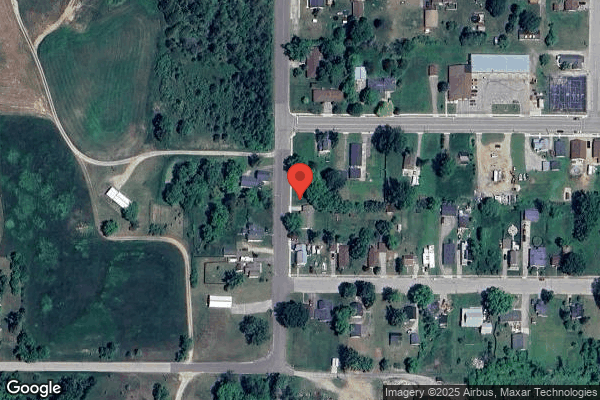
N 306 Maple Street, Stephenson, MI 49887 (906) 753-4981
For profit - Individual 39 Beds Independent Data: November 2025
Trust Grade
55/100
#229 of 422 in MI
Last Inspection: June 2025

Inspected within the last 6 months. Data reflects current conditions.

Overview

Roubal Care and Rehabilitation Center has a Trust Grade of C, meaning it is average and in the middle of the pack among nursing homes. In Michigan, it ranks #229 out of 422 facilities, placing it in the bottom half, and #3 out of 3 in Menominee County, indicating there are only two better options locally. Unfortunately, the facility is getting worse, with issues increasing from 9 in 2024 to 11 in 2025. Staffing is a strength here, with a 3/5 star rating and 0% turnover, which is well below the state average of 44%, suggesting staff are stable and familiar with residents. However, there were serious incidents, such as a resident falling and fracturing their femur due to inadequate supervision, and concerns over food safety practices that could lead to foodborne illnesses. Overall, while there are some strengths in staffing, the increasing trend of issues and specific incidents raise concerns for families considering this facility.

Trust Score
C
55/100
In Michigan
#229/422
Bottom 46%
Safety Record
Moderate
Needs review
Inspections
Getting Worse
9 → 11 violations
Staff Stability
○ Average
Turnover data not reported for this facility.
Penalties
✓ Good
No fines on record. Clean compliance history, better than most Michigan facilities.
Skilled Nurses
○ Average
Each resident gets 34 minutes of Registered Nurse (RN) attention daily — about average for Michigan. RNs are the most trained staff who monitor for health changes.
Violations
⚠ Watch
26 deficiencies on record. Higher than average. Multiple issues found across inspections.
★★★☆☆
3.0
Overall Rating
★★★☆☆
3.0
Staff Levels
★★★★☆
4.0
Care Quality
★★★☆☆
3.0
Inspection Score
Stable
2024: 9 issues
2025: 11 issues

The Good

  • 4-Star Quality Measures · Strong clinical quality outcomes
  • Full Sprinkler Coverage · Fire safety systems throughout facility
  • No fines on record

Facility shows strength in quality measures, fire safety.

The Bad

3-Star Overall Rating

Near Michigan average (3.1)

Meets federal standards, typical of most facilities

The Ugly 26 deficiencies on record

1 actual harm
Jun 2025 11 deficiencies 1 Harm
SERIOUS (G)

Actual Harm - a resident was hurt due to facility failures

Accident Prevention (Tag F0689)

A resident was harmed · This affected 1 resident

Based on interview and record review, the facility failed to ensure adequate supervision and proper use of assistive devices (gait belt and wheelchair) to prevent a fall with major injury (fractured f...

Read full inspector narrative →
Based on interview and record review, the facility failed to ensure adequate supervision and proper use of assistive devices (gait belt and wheelchair) to prevent a fall with major injury (fractured femur) for one Resident #37 (R37) out of one resident reviewed for falls. This deficient practice resulted in harm when R37 fell while ambulating with staff and subsequently fractured his femur requiring a surgical hip repair. Findings include:All times noted are in Eastern Daylight-Saving Time (EDST), unless otherwise noted. Resident #37 (R37) Review of R37's Progress Notes revealed the following, in part: 1/12/2025 15:44 ([:44 Central Standard Time (CST)]: Resident ambulating in hall with staff assistance, utilizing walker, wheelchair to follow. Stopped to sit in WC (wheelchair) lost balance and fell from standing position into wall on right side of body head hitting cement wall .Resident complains of right hip pain, unable to lift right leg. Appears misaligned .1/12/25 16:01 (4:01 p.m. CST); Resident left with paramedics at this time .1/12/25 18:35 (6:35 p.m. CST); .resident is being admitted with hip fracture . POC (plan of care) was being followed as in gait belt on, resident pushing walker and staff had WC follow .1/13/25 11:18 CST: Imaging showed an acute intertrochanteric and subtrochanteric fracture of the right femur. Plan: To OR (operating room) tomorrow for . nailing of right hip fracture.1/13/25 21:11 (9:11 p.m. CST); Team (IDT) discussed this fall - education will be provided to CNAs.Review of R37's Incident Report, dated 1/12/2025 at 15:36 (3:36 p.m. CST) revealed the following, in part: Nursing Description: Resident ambulating in hall with staff assistance with gait belt on, utilizing walker with wheelchair to follow. Stopped as wanted to sit in WC feeling weak, lot balance and fell sideways from standing position into wall on right side of body, also hitting head on cement wall. Resident Taken to Hospital? Y (yes), No injuries observed at time of incident . Injuries Report Post Incident: No Injuries Observed Post Incident . Level of Pain: Blank . Statements: Staff (Certified Nurse Aide (CNA) P: [R37] had been wanting to go for a walk, so I went to take him for a walk. I put his gait belt on and gripper socks on and then we went for the walk. As he pushed his walker down the hall, I had one hand on his gait belt and had WC follow with the other hand. He was walking along nice and strong then all of a sudden he said he needed to sit and as I went to hold his arm and push WC up, he just collapsed over.Review of a Therapy Recommendations - PT (Physical Therapy) document provided by the facility on 6/26/25 at 11:40 a.m., revealed the following PT recommendations as of 1/3/2025: Resident [R37], Recommendations: Please amb (ambulate) pt (patient) with FWW (front wheeled walker) with CGA [(contact guard assist requires a hand on the client (such as with a gait belt)] and W/C (wheel chair) follow 60 ft or as tolerates X1-2 a day, room to desk.Review of a Therapy Recommendation - OT (Occupational Therapy) document provided by the facility on 6/26/25 at 3:43 p.m., revealed the following OT recommendation: [R37] Recommendations: Contact guard - Min. (minimum Assist X 1 for functional transfers. During an interview on 6/26/25 at 3:42 p.m., CNA P who was walking R37 at the time of his fall on 1/12/25, reported R37 was walking well and then said that he wanted to sit down, he was getting tired and wanted to sit down. I initially had my right hand on the back of his gait belt, and my left hand reaching behind and pulling along his wheelchair. I went to grab his arm and turned to pull the w/c up so that he could sit in it and he went down. When asked what hand she used to grab his arm, she initially said her right hand - that had been on his gait belt and then used her left hand to pull the wheelchair behind him. Then she stated that she doesn't really recall because it was quite a while ago. When asked if she had been re-educated, CNA P said that they told her that she did everything right, but the next time she should keep her hand on the gait belt, stay facing the resident's back, and get someone else to help pull the wheelchair. When asked if she was aware that R37 was a CGA contact guard assist, CNA P said she was not aware of that, but thought he was an assist of one during ambulation.
CONCERN (D)

Potential for Harm - no one hurt, but risky conditions existed

Resident Rights (Tag F0550)

Could have caused harm · This affected 1 resident

Based on observation, interview and record review, the facility failed to provide a dignified care experience for two Residents (#31 and #14) of two residents reviewed for dignity, resulting in R31 ex...

Read full inspector narrative →
Based on observation, interview and record review, the facility failed to provide a dignified care experience for two Residents (#31 and #14) of two residents reviewed for dignity, resulting in R31 expressing feelings of humiliation and helplessness.Findings include:All times recorded in Eastern Daylight Time (EDT), unless otherwise noted.Resident #31 (R31)Review of the Minimum Data Set (MDS) assessment, dated 5/22/2025, revealed R31 was admitted to facility on 8/14/2024 and had diagnoses including obstructive uropathy, peripheral vascular disease, morbid obesity, and depression. Further review of the MDS assessment revealed R31 had an indwelling urinary catheter, was always incontinent of bowel, required substantial/maximal staff assistance for toileting hygiene and bathing, and was dependent on staff for all transfers and mobility. R31 scored 15 out of 15 on the Brief Interview for Mental Status (BIMS) indicating he was cognitively intact. On 6/25/25 at 8:59 a.m., an observation in the 300 Hall revealed the door to R31's room was closed. Upon entering, R31 was observed lying in bed covered by a white sheet from his torso to his shins, with his upper body and both lower legs and feet visible. Urinary catheter tubing was observed to lead from under the right side of the sheet to a dependent drainage bag attached to the right side of R31's bed frame. The drainage bag was not covered with a urinary drainage bag cover. It was noted that the drainage bag contained approximately 600 milliliters (ml) of dark, yellow urine and urine was visible in the tubing leading from the resident to the bag. During an interview at the time of the observation, R31 reported he preferred to have the door to his room closed for privacy, but staff often walked into the room without knocking while care was being provided. R31 reported he did not often get out of bed and all care, including incontinence care and bathing were completed in his room. During the interview R31 expressed embarrassment that he was completely dependent on staff and that he felt helpless. On 6/25/2025 at 10:55 a.m., R31's morning care was observed as provided by Certified Nursing Assistant (CNA) K and CNA N. CNA N was observed emptying R31's urinary catheter drainage bag after which she performed hand hygiene in R31's bathroom. R31's bathroom was noted to be directly across from the end of the Resident's bed. CNA N then re-entered R31's room and left the bathroom door open. Continuing with care, CNA K pulled the sheet from R31, and it was noted the Resident had been incontinent of bowel. Dried feces was observed on the white fitted sheet covering the mattress and feces was pooled on the absorbent pad positioned underneath the resident. CNA K washed R31's genitals then CNA N assisted R31 to lay on his left side while CNA K washed the stool from the resident buttocks and groin area. While CNA K was cleansing stool from R31's buttocks, Resident #14 (R14), a female resident, was observed to enter the shared bathroom from the adjoining room. R31 was noted to still be without a covering with his exposed body in full view of R14. Upon noticing R14 through the open bathroom door, R31 sighed and stated, See, no privacy, this happens all the time, every time they start cleaning me up someone walks in. CNA N confirmed R14 resided in the adjoining room and shared the bathroom with R31. CNA K closed the bathroom door and left to assist R14. It was noted, neither CNA K or CNA N offered to cover or assisted R31 with a covering at any time during the care observation.On 6/25/2025 at 3:33 p.m., CNA K and CNA M were observed preparing R31 for a transfer from his bed to his recliner. Initial observation revealed R31 lying in bed wearing a disposable incontinence brief and his shorts pulled down to his mid-thighs, no other covering was present. R31 was rolled to the left then right as the CNAs pulled R31's shorts over his hips and buttocks then positioned the lift sling underneath the Resident. R31 was then transferred to the reclining chair. R31's bathroom door was noted to be ajar during the entire observation. During an interview on 6/26/2025 at 3:08 p.m., the Director of Nursing (DON) was informed of the observations involving R31. The DON confirmed R14 did share an adjoining bathroom with R31. The DON reported R31 did not physically use the bathroom as he was incontinent and had an indwelling urinary catheter, but staff did use the bathroom during his care provision. The DON reported it was important for staff to be sure the door is closed during R31's care to ensure his privacy and promote dignity for both R31 and R14.Review of the Michigan Long Term Care Ombudsman Program's, My Rights as a Resident of a Nursing Home accessed 6/26/2025, revealed the following: My right to dignity - I have a right to privacy when receiving care.
CONCERN (D)

Potential for Harm - no one hurt, but risky conditions existed

Safe Environment (Tag F0584)

Could have caused harm · This affected 1 resident

**NOTE- TERMS IN BRACKETS HAVE BEEN EDITED TO PROTECT CONFIDENTIALITY** Based on interview and record review, the facility failed to maintain facility living areas odor free and with comfortable tempe...

Read full inspector narrative →
**NOTE- TERMS IN BRACKETS HAVE BEEN EDITED TO PROTECT CONFIDENTIALITY** Based on interview and record review, the facility failed to maintain facility living areas odor free and with comfortable temperatures for two Residents #7 and #31 (R7 and R31) of 16 residents reviewed for a safe, clean, comfortable environment. This deficient practice resulted in resident dissatisfaction with unbearably hot living conditions and the smell of urine in R7's room.Findings include: All times noted are Eastern Daylight Savings Time, unless otherwise noted. Resident #7 (R7) Review of R7's Minimum Data Set (MDS) assessment, dated 4/1/25, revealed R7 was admitted to the facility on [DATE], with diagnoses that included the following, in part: hypertension, end-stage renal disease, diabetes mellitus, dementia, and chronic obstructive pulmonary disease (COPD). R7 did not complete the Brief Interview for Mental Status (BIMS) but was documented with severely impaired cognition. R7 required Setup or clean-up assistance with upper body dressing, lower body dressing, putting on/taking off footwear (including socks), and personal hygiene. Review of R7's Progress Notes revealed the following, in part: 6/22/24 18:00 Central Daylight Savings Times (CDST)] LATE ENTRY: Writer continued to monitor resident and kept cooling washcloth to keep on head, resident was responding appropriately to writer stating she (R7) felt better but was still pale in color and was 'tired'. She was able to sip on OJ (orange juice and ice water at this time. POA (Power of Attorney) at bedside and states resident often doesn't drink enough water/fluids and has overheated before like this. She went to buy a resident a fan tonight for her room and states she feels comfortable with continuing to monitor and updating PCP (primary care provider) to see her this week at facility. Nursing staff to continue to monitor. Update was sent to PCP. 6/22/25 18:06 (6:06 CDST) Resident was lowered to the floor by CNA's (Certified Nurse Aides), she was walking in the hallway and began to faint . resident was transferred to her bed, she was changed into cooler clothing and a cool rag placed on her head. Resident's POA was called and she stated she is on her way here. Resident is responsive at this time but appears weak/exhausted. 6/24/25 13:52 (1:52 p.m. CDST) Residents room had a strong foul urine odor. She had a wet brief on the floor. She is weak today and required a wheelchair to get to the dining room. She was confused this morning at times. During a telephone interview on 6/25/25 at 3:05 p.m., Confidential Complainant C detailed the following information: One of the nurses called and told me [R7] had an episode . I said that you have to keep her cool because she has dementia and she will put on a million layers of clothes . I did not say that she had episodes like this before. When I arrived, they had her in bed. They had taken the multiple layers of clothing off. They told me she was wearing a long sleeve shirt, ted hose, long pants, a sweater, and thick socks . They had her in her bed with no pants, a brief, and a shirt . and a wet wash cloth draped over her forehead. I tried to wake her up, she tried to talk, and she would fall back asleep. I squeezed her finger tips trying to get her to open her eyes. Her door was open, when I arrived, The DON (Director of Nursing) had asked if we could purchase a fan for her. I had my spouse go to the dollar store and purchase the fan for her room . They said it is just the heat and when her body temperature cools, she will be okay. When I went in two days ago, she was still extremely tired, couldn't stay awake very long . Now she is much weaker. I had to have them give her a wheelchair because she can't walk without one . The only thing I have had a constant complaint about is that I will go in there and her room will smell like pee. Then they will come in and clean. I will go and she will have a pad with dry patches of circles of urine on it - there was one on her chair yesterday. That has been a constant. I told the social worker that either your aides have poor judgement, or they are just lazy . It was very hot in the facility, while we were in the room, there was sweat beading off of us just putting a fan together. In my opinion it was egregiously hot. [The DON] asked me to buy a fan. I didn't ask about having a fan .[The DON] said she did not believe they have fans for the resident rooms . During an observation and interview on 6/26/25 at 9:12 a.m. Certified Nurse Aide (CNA) E was asked to observe R7's chair and bedding. The odor of urine was clearly present in the room. The bed sheet was wet with urine. The sheets had not been removed after getting the resident up from bed to eat breakfast. When CNA E was asked if the odor of urine was present to her, CNA E stated, Oh yeah! and commented that the bed sheet was wet while the bed pad had been folder over with the blue water repellent side toward the resident. During an interview on 6/26/25 at 9:57 a.m., the DON said she was training a nurse on the other side of the facility when a resident came up and said my friend is not feeling good . She (R7) was pale, and it was hot that day (92-degree outdoor temperature) and she was dressed with thick compression stockings on, some tight leggings, her fuzzy socks on and a t shirt and a sweater on . I knew she was probably over heating - we got her into the wheelchair, some clothes off, got a cool cloth on her. I don't remember if her temperature was assessed. Her back was sweaty when we were putting her into the chair. I didn't take her temperature. She was not my resident . At that time, we knew we had to get the layers off . During an interview on 6/26/25 at 9:41 a.m., Environmental Services Director (ESD) G said he did not have any written documentation to show monitoring of facility temperatures on hot days in the facility. When asked how he would know if the temperature rose above 81 degrees in Resident rooms, ESD G stated, I would not know. The ESD G did acknowledged the outdoor temperature was 92 degrees on the day R7 required removal of clothing and cooling by facility staff. During an interview on 6/26/25 at 10:06 a.m., when asked if urine saturated bed sheets in R7's room should have been changed upon identification that they were wet, and the room smelled of urine, the DON stated, Absolutely they should be changed. Review of the Maintenance Director's Job Description, copyright 2023, signed on 9/19/24, revealed the following, in part: Position Purpose: Directs the day-to-day activities of the Maintenance Department in accordance with current federal, state, and local standards, guidelines and regulations governing the facility, and to assure the facility is maintained in a safe and comfortable manner. Resident #31 (R31)Review of the Minimum Data Set (MDS) assessment, dated 5/22/2025, revealed R31 was admitted to facility on 8/14/2024 and had diagnoses including obstructive uropathy, peripheral vascular disease, morbid obesity, and depression. Section GG indicated R31 required substantial/maximal staff assistance for toileting hygiene and bathing, and was dependent on staff for all transfers and mobility. R31 scored 15 out of 15 on the Brief Interview for Mental Status (BIMS) indicating cognition was intact. On 6/25/25 at 8:59 a.m., an observation in the 300 Hall revealed the door to R31's room was closed. Upon entering, R31 was observed lying in bed covered by a white sheet from his torso to his shins, with his upper body and both lower legs and feet visible. When asked if he had any concerns regarding his stay in the facility, R31stated, Well, my current concern is with the heat. Resident stated, Over the past week there were a couple days where it (temperature) was unbearable in the facility. R31 reported the temperature in his room was overwhelming and that when he asked for a fan or for air conditioning to be turned on, was told the facility had neither available for use in resident rooms. When asked if it helped to have the door of his room open, R31 reported he preferred to have the door to his room closed for privacy. R31 reported he ordered a window air conditioner for his room, But, I'm not sure they'll let me use it.
CONCERN (D)

Potential for Harm - no one hurt, but risky conditions existed

ADL Care (Tag F0677)

Could have caused harm · This affected 1 resident

**NOTE- TERMS IN BRACKETS HAVE BEEN EDITED TO PROTECT CONFIDENTIALITY** Based on observation, interview and record review, the facility failed to ensure the timely provision of ADL (Activities of Dail...

Read full inspector narrative →
**NOTE- TERMS IN BRACKETS HAVE BEEN EDITED TO PROTECT CONFIDENTIALITY** Based on observation, interview and record review, the facility failed to ensure the timely provision of ADL (Activities of Daily Living) care for two Residents (#31 and #25) of two residents reviewed for ADL care.Findings include:All times recorded in Eastern Daylight Time (EDT), unless otherwise noted.Resident #31 (R31)Review of the Minimum Data Set (MDS) assessment, dated 5/22/2025, revealed R31 was admitted to facility on 8/14/2024 and had diagnoses including diabetes, obstructive uropathy, peripheral vascular disease, morbid obesity, and depression. Further review of the MDS assessment revealed R31 had an indwelling urinary catheter, was always incontinent of bowel, required substantial/maximal staff assistance for toileting hygiene and bathing, and was dependent on staff for all transfers and mobility. R31 scored 15 out of 15 on the Brief Interview for Mental Status (BIMS) indicating he was cognitively intact. On 6/25/2025 at 8:59 a.m., an observation in the 300 Hall revealed the door to R31's room was closed. Upon entering, R31 was observed lying in bed covered by a white sheet from his torso to his shins, with his upper body and both lower legs and feet visible. It was noted R31's toenails were overgrown past the tip of the toes. Further observation revealed the nails of R31's great toes were grown out approximately one-half inch (in.) past the tip of the Resident's toes. Urinary catheter tubing was observed to lead from under the right side of the sheet to a dependent drainage bag attached to the right side of R31's bed frame. The drainage bag was not covered with a urinary drainage bag cover. It was noted that the drainage bag contained approximately 600 milliliters (ml) of dark, yellow urine and urine was visible in the tubing leading from the resident to the bag. There was an unpleasant fecal odor noted while standing near R31's bed.On 6/25/2025 at 10:55 a.m., R31's morning care was observed as provided by Certified Nursing Assistant (CNA) K and CNA N. CNA N was observed preparing to empty R31's urinary catheter drainage bag into a clear, graduated cylinder. It was noted the drainage bag appeared heavy and nearly full of dark, yellow urine. Further observation revealed CNA N filled the cylinder with urine from the bag, emptied the urine into the toilet in the Resident's bathroom, then returned to empty the remaining urine from the bag. CNA N reported she emptied 1,150 milliliters (ml) of urine from the drainage bag. After CNA N emptied the drainage bag, CNA K removed the sheet covering R31, and it was noted the Resident had been incontinent of bowel. Dried feces was observed on the white fitted sheet covering the mattress and feces was pooled on the absorbent pad positioned underneath the resident. CNA K washed R31's genitals then CNA N assisted R31 to lay on his left side while CNA K washed the stool from the resident buttocks and groin area. Further observation revealed areas of dried stool on the back of R31's upper thighs and buttocks. When asked when the last time the Resident was checked and changed, CNA N reported R31 requested not to be disturbed between 10:00 p.m. and 6:00 a.m. When asked if to clarify whether R31 had been checked and changed since 10:00 p.m. the previous evening, CNA N confirmed he had not been checked since he went to bed the previous evening. When asked about R31's toenail care, CNA N reported since the Resident was a diabetic, the CNA staff would alert the licensed nursing staff of the care needed and the licensed nurses would provide nail care.During an interview at the time of the observation, R31 reported he did not have control of his bowels and due to neuropathy, could not always feel when he was incontinent. R31 confirmed he did not like to be awakened in the middle of the night. When asked if anyone had been in to check this day after 6:00 a.m., R31 reported he received his breakfast, but no one checked to see if he was incontinent or if his catheter bag was full. R31 was asked when the last time staff trimmed his toes, he reported he was unsure but, More than a month ago.During an interview on 6/26/25 at 10:03 a.m., Licensed Practical Nurse (LPN) A was queried about the process for the provision of nail care for residents. LPN A reported the licensed nursing staff was responsible for nail care as the facility had no visiting podiatrist. When asked how often nail care is provided, LPN A stated the CNA staff are really good about letting us know it needs to be done . and we (licensed nurses) do it. Review of R31's comprehensive care plan revealed the following:I have diabetes mellitus . Inspect my feet daily . Date Initiated: 8/14/2024.It was noted in review, R31's care plan did not include a focus area or interventions related to R31's bowel incontinence, including how often the Resident needed to be checked or changed. There was no focus area or interventions related to nail care for the Resident with diabetes.On 6/26/25 at 2:51 p.m., the Director of Nursing (DON) was alerted to the observations of R31 and R25. The DON reported she expected staff to check for resident care needed at the beginning of each shift or as soon as possible. The DON reported she was aware of R31's request not to be disturbed in the middle of the night. When asked if R31 should be checked at the beginning of the morning shift due to not being checked all night and having a catheter and being incontinent. The DON reported it was important for staff to check on R31 early in the shift as he does not have control of his bowels and does not know when he has had a bowel movement. Resident #25 (R25)Review of the MDS assessment, dated 3/26/2025, revealed R25 was admitted to the facility on [DATE] and had diagnoses including prostate cancer, anemia and arthritis. Further review of the MDS assessment revealed R25 required substantial/maximal assistance with bathing and personal hygiene and had mild cognitive impairment. On 6/25/2025 at 8:40 a.m., R25 was observed in his room eating his morning meal. Further observation revealed R25's fingernails and nail beds to be visibly soiled with dark coloring under his nails and nailbed. His nails were noted to be unkempt, with jagged edges and the length of the nails grown out approximately one-half centimeter (cm) past the tip of his fingers.On 6/26/2025 at 3:02 p.m., R25 was observed seated in a recliner in his room. R25's fingernails were observed as previous. R25's nails were overgrown, and his right thumbnail was observed to be jagged with a sharp appearance. When asked if he would prefer to have his fingernails cleaned and trimmed, R25 stated, What can I do about it?Review of R25's comprehensive care plan revealed the following: I have an ADL self-care performance deficit . Personal hygiene/Oral care: Assist.Review of the facility policy titled, Activities of Daily Living (ADLs), last revised 7/15/2024, revealed the following:A resident who is unable to carry out activities of daily living will receive the necessary services to maintain good nutrition, grooming, and personal and oral hygiene.
CONCERN (D) 📢 Someone Reported This

A family member, employee, or ombudsman was alarmed enough to file a formal complaint

Potential for Harm - no one hurt, but risky conditions existed

Quality of Care (Tag F0684)

Could have caused harm · This affected 1 resident

**NOTE- TERMS IN BRACKETS HAVE BEEN EDITED TO PROTECT CONFIDENTIALITY** Based on interview and record review, the facility failed to consistently implement a bowel protocol program for one Resident (R...

Read full inspector narrative →
**NOTE- TERMS IN BRACKETS HAVE BEEN EDITED TO PROTECT CONFIDENTIALITY** Based on interview and record review, the facility failed to consistently implement a bowel protocol program for one Resident (R32) of 2 Residents reviewed for bowel function in a total sample of 12 residents. This deficient practice resulted in extended periods of time when R32 had no documented bowel movement, with increased risk for pain and discomfort and/or the risk for medical complications such as bowel impaction. Findings include:All times recorded in Eastern Daylight Time (EDT), unless otherwise noted.A review of the medical record revealed that Resident #32 (R32) was admitted to the facility on [DATE] with diagnoses including chronic systolic congestive heart failure, protein-calorie malnutrition and encounter for palliative care. Review of R32's Minimum Data Set assessment, dated 5/22/25, revealed Section O (Special Treatments and Programs) noted R32 was on hospice care. The physician's orders for R32 included Fentanyl (a pain medication with known side effects of constipation).A review was conducted of R32's Task List for Bowel Continence for 5/28/25 through 6/26/25. The report revealed:- 5+ days (from 6/8/25 at 9:31 until 6/14/25 at 1:11 AM) without a recorded bowel movement- 4 days (from 6/16/25 at 1:59 PM until 6/20/25 at 9:24 PM) without a recorded bowel movement.- 5+ days (from 6/21/25 at 1:58 PM through today 6/26/25) without a recorded bowel movement.A review of Resident #32's Medication Administration Record (MAR) for the month of June 2025 revealed an order for Miralax, one packet . Give 1 packet by mouth every 24 hours as needed for constipation add to 4-8 ounces fluid Order date: 2/20/2025. The MAR had no documentation this medication for constipation was given in the month of June 2025.An interview was conducted with the Director of Nursing (DON) on 6/26/25 at 12:48 PM. The DON confirmed that there was no documentation on the June 2025 MAR for R32 getting Miralax for absence of bowel movements and constipation. The DON stated ,After 3 days without a BM (bowel movement) we would implement our bowel protocol. When asked for a copy of the bowel protocol one could not be presented.All times recorded in Eastern Daylight Time (EDT), unless otherwise noted.During an interview on 6/26/25 at 1:00 PM, the Nursing Home Administrator (NHA) and the DON stated there was protocol the Medical Director D used, but they had not implemented it at the time of the interview. The protocol was reviewed at that time, but the NHA and DON could not explain it and could not interpret the abbreviations (1 PR prn was thought to be a typographical error but was later explained by the Medical Director D as 1 per rectal as needed). During a follow up interview on 6/26/25 at 12:53 PM, the NHA confirmed there was not a current bowel policy in place in the facility at this time.During an interview on 6/26/25 at 1:12 PM, Medical Director D described the expectations for constipation in residents stating, The facility should call me to alert me when residents have not had a BM in 3 days. They should be giving Miralax per my order and then I will generally follow the protocol I gave to the facility. At this time, Medical Director D reviewed the medical record for R32, noting constipation of 5 days at the end of today. Medical Director D agreed the order for Miralax should have been followed as it had not been given as ordered all month. Medical Director D also noted R32 was on pain medications which frequently caused constipation. Medical Director D explained the expectation would be that the nurse would call her if any resident had not had a BM in three days and the resident did not have an order for measures to take.During an interview on 6/26/25 at 1:43 PM, Registered Nurse (RN) B stated if a resident did not have a BM in 3 days, she would follow the bowel protocol which involved Miralax, an enema and a suppository. RN B was not certain of the order of the actions to take. RN B stated, The protocol would indicate the order of these treatments. When asked to produce the protocol, RN B looked on the computer and could not locate it. RN B began to look through binders and papers at the nursing station. RN B did not locate a bowel protocol. When asked to check R32's last BM, RN B noted the last BM was 6/21/25, which was five days ago and RN B noted no action had been taken.
CONCERN (D)

Potential for Harm - no one hurt, but risky conditions existed

Respiratory Care (Tag F0695)

Could have caused harm · This affected 1 resident

Based on observation, interview, and record review, the facility failed to maintain sanitary oxygen tubing for three Residents (R6, R32 and R34) of four Residents reviewed for respiratory care.Finding...

Read full inspector narrative →
Based on observation, interview, and record review, the facility failed to maintain sanitary oxygen tubing for three Residents (R6, R32 and R34) of four Residents reviewed for respiratory care.Findings include: All times recorded in Eastern Daylight Time (EDT), unless otherwise noted.Resident #6 (R6)A review of R6's electronic medical record (EMR) revealed an initial admission to the facility on 4/24/25 with diagnoses including chronic diastolic congestive heart failure. A review of R6's Minimum Data Set (MDS) assessment, dated 5/5/25, revealed Section O (Special Treatments and Programs) reported while residing in the facility R6 required the use of oxygen. A Physician's order was written for R6 Change oxygen tubing weekly, date and initial tubing with each change.On 6/26/25 at 3:24 PM, R6 was observed in her room with an oxygen concentrator. The oxygen tubing was dated as last changed on 6/16/25.Resident #32 (R32)A review of R32's EMR revealed initial admission to the facility on 2/7/25 with diagnoses including chronic systolic congestive heart failure. A review of R32's MDS assessment, dated 5/22/25, revealed Section O (Special Treatments and Programs) reported while residing in the facility R32 required the use of oxygen. A Physician's order was written Change oxygen tubing, date and initial tubing Start Date 4/20/2025.On 6/24/25 at 12:59 PM, R32 was observed receiving oxygen via tubing from a concentrator. The tubing was dated as last changed on 6/16/25.On 6/26/25 at 11:47 AM, R32's room was observed with an oxygen concentrator. The oxygen tubing was dated as last changed on 6/16/25.Resident #34 (R34)A review of R34's EMR revealed initial admission to the facility on 4/11/2025 with diagnoses including chronic systolic congestive heart failure. A review of R34's assessment, dated 4/17/25, revealed Section O (Special Treatments and Programs) reported while residing in the facility R34 required the use of oxygen. The EMR included a Physician's order written for R34, Change oxygen tubing weekly, date and initial tubing with each change.On 6/26/25 at 3:31 PM, R34's room was observed with an oxygen concentrator. The oxygen tubing was dated as last changed on 6/16/25.During an interview on 6/26/25 at 11:50 AM, the Director of Nursing (DON) stated oxygen tubing is changed weekly.The facility policy titled Oxygen Administration dated as revised 8/2/2024 read in part, Oxygen is administered to resident who need it, consistent with professional standards of practice, comprehensive person-centered care plans, and the resident's goals and preferences . 6. Cleaning and care of equipment shall be in accordance with facility policies for such equipment. There were no specifications in the policy as to when to change the oxygen tubing
CONCERN (D)

Potential for Harm - no one hurt, but risky conditions existed

Unnecessary Medications (Tag F0759)

Could have caused harm · This affected 1 resident

Based on observation, interview, and record review, the facility failed to maintain a medication error rate of less than 5% for three Residents (R6, R7 & R 1) of 9 residents reviewed for medication ad...

Read full inspector narrative →
Based on observation, interview, and record review, the facility failed to maintain a medication error rate of less than 5% for three Residents (R6, R7 & R 1) of 9 residents reviewed for medication administration. This deficient practice resulted in a medication administration error rate of 12.00%, based on 3 medication errors in 25 opportunities for error.Findings include:All times noted are Eastern Daylight Savings Times (EDST) unless otherwise noted. Resident R21On 6/26/25 at 9:18 a.m., Registered Nurse (RN) A was observed preparing and administering medications on the 300 Hall medication cart. When preparing medications for R21, RN A punched out one 88 mcg (microgram) tablet of Levothyroxine that landed on top of the medication cart which had not been disinfected, nor was a barrier in place. RN A donned clean gloves without the performance of hand hygiene, picked up the tablet and placed it into R21's plastic medication cup for administration to the Resident.During an interview on 6/26/25 at 9:31 a.m., when asked if the top of the 300 Hall medication cart was clean or dirty, RN A stated, It is dirty. When asked what should have happened with the pill for R21, that was dropped onto the top of the medication cart, RN A stated, It should have been thrown away. RN A acknowledged a new pill should have been popped from the Levothyroxine blister pack and administered to R21.Resident R6On 6/26/25 at 12:09 p.m., RN B prepared Diclofenac Sodium (Voltaren) gel for application to R6's bilateral knees. RN B squeezed an undetermined amount in a 30 cc (cubic centimeter) medication cup. When asked what the Voltaren dosage was, RN B stated, 1 % When asked how much of the Voltaren gel was to be used. RN B said 4 grams. When asked if the amount in the medication cup was 4 grams, RN B was unsure. This Surveyor asked about the availability of a Dosing Card for the Voltaren. RN B said she had always placed the gel in the cup and was unaware of a dosing card, but said she would look for one. RN B examined the medication cart drawers, and did fine a Voltaren Dosing Card, which required review and education prior to proper application of the gel onto the card.Review of Voltaren Gel Dosage (Diclofenac Sodium 10 mg(milligrams) in 1 gram, last updated 8/22/24, revealed the following dosage instructions: .Dosing Care: The dosing card can be found attached to the inside of the carton. The proper amount of Voltaren Gel should be measured using the dosing card supplied in the drug product carton. The dosing card is made of clear polypropylene. The dosing card should be used for each application of drug product. The get should be applied with in the rectangular area of the dosing card up to the 2 gram or 4-gram line (2g for each elbow, wrist, or hand, and 4g for each knee, ankle, or foot) . The 4g line is 4.5 inches long. The dosing card containing Voltaren Gel can be used to apply the gel. The hands should then be used to gently rub the gel into the skin. After using the dosing card, hold with fingertips, rinse, and dry. Retrieved on 6/26/25 at 1:11 p.m. from drugs.com/dosage/voltaren-gel.html.Resident R7On 6/26/25 at 12:33 p.m., RN B prepared a Novolog Flexpen for administration of fast-acting insulin to R7. RN B primed the pen with 2 units of insulin, removed the needle, applied a clean needle and placed the insulin pen down on top of the medication cart. When asked why the needle had been changed on the insulin pen after priming, RN B stated, I don't know. I thought I was supposed to do that. RN B continued to look at this Surveyor, who then asked what RN B was going to do next. RN B asked, Prime the pen again? On 6/26/25 at approximately 12:35 p.m., RN B used the Novolog Flexpen to administer insulin into R7's right abdomen. RN B held the insulin pen in R7's abdominal skin [subcutaneously (SQ)] for 1-2 seconds; removing the pen quickly from the Resident. Review of the Novolog Instructions for Use, copyright 2023, revealed the following Novolog Flexpen insulin administration instructions: .Step 13: Press and hold down the dose button until the dose counter shows 0. Keep the needle in your skin after the dose counter has returned to ) and slowly count to 6. When the dose counter returns to 0 you will not get your full dose until 6 seconds later. If the needle is removed before you count to 6, you may see a stream of insulin coming from the needle lip . Document retrieved on 6/26/25 at 1:30 p.m., from novo-pi.com/novolog.pdf.During an interview on 6/26/25 at approximately 3:30 p.m., and 4:10 p.m., the Nursing Home Administrator (NHA) and Director of Nursing (DON) were informed of the above medication preparation and administration errors. Both the NHA and DON expressed understanding of the deficiency concern related to the failure to maintain an error rate of less than 5%.
CONCERN (F)

Potential for Harm - no one hurt, but risky conditions existed

Food Safety (Tag F0812)

Could have caused harm · This affected most or all residents

Based on observation, interview, and record review, the facility failed to maintain best practices in accordance with professional standards for food service safety. This deficient practice has the po...

Read full inspector narrative →
Based on observation, interview, and record review, the facility failed to maintain best practices in accordance with professional standards for food service safety. This deficient practice has the potential to result in food borne illness among all residents that consume food from the kitchen.Findings include: During a tour of the walk-in cooler, at 7:58 AM on 6/25/25, it was observed that storage racks in the walk-in cooler were found with an accumulation of debris on the open wire rack shelving. Observation of the floor in the walk-in cooler found a dried yellow spill on the floor as well as an accumulation of debris and paper trash under racks and alongside the perimeter of the floor. During a tour of the walk-in freezer, at 8:00 AM on 6/25/25, it was observed that the floor of the walk-in cooler was full of paper trash debris from date marking stickers. During a tour of the clean utensil drawer, at 8:38 AM on 6/25/25, it was observed that an accumulation of crumbs were found along the back wall of the drawer. When asked how often this area gets cleaned out, Dietary Manager (DM) I was unsure. During an interview with DM I, at 8:40 AM on 6/25/25, it was found that the stand-up mixer gets used a few times a week for mashed potatoes. When asked what the plastic bag covering the mixer meant, DM I stated it was to keep the mixer clean. Observation of the mixer found white dried food debris smeared on the under arm of the unit. During a tour of the cook line, at 8:48 AM on 6/25/25, observation of the manual can opener at the end of the cook line found increased accumulation of rust and pitting on the can opener bar and inside mechanism for turning the can opener. When asked if the can opener gets used much, DM I stated that staff typical use the electric can opener. Observation of the electric can opener found a dark black accumulation of debris behind the blade. When asked if the electric can opener had been used today, DM I asked staff and stated it was not. During a tour of the pantry, at 9:06 AM 6/25/25, it was observed that increased accumulation of food debris was evident on the inside top of the unit. When asked about the microwave, DM I stated she will have to add it to the cleaning list for her staff. According to the 2022 FDA Food Code section 4-601.11 Equipment, Food-Contact Surfaces, Nonfood-Contact Surfaces, and Utensils. (A) EQUIPMENT FOOD-CONTACT SURFACES and UTENSILS shall be clean to sight and touch. (B) The FOOD-CONTACT SURFACES of cooking EQUIPMENT and pans shall be kept free of encrusted grease deposits and other soil accumulations. (C) NonFOOD-CONTACT SURFACES of EQUIPMENT shall be kept free of an accumulation of dust, dirt, FOOD residue, and other debris.According to the 2022 FDA Food Code section 6-501.12 Cleaning, Frequency and Restrictions. (A)PHYSICAL FACILITIES shall be cleaned as often as necessary to keep them clean .During an interview with DM I, at 8:11 AM on 6/25/25, it was found that staff get their sanitizer from the janitors sink daily and fill up spray bottles to use with rags. Observation of the facility provided test trips found expiration dates of March 15th, 2020, and October 5th, 2021. Further review found a sanitizer spray bottle located on a table near the back dish machine area entrance. At this time, the spray bottle was tested and found to be 0 to 50 parts per million (ppm). A sanitizer bucket was poured from the janitors sink, by DM I and found to be well over 500 ppm. When asked about the inconsistency in sanitizer level, DM I was unsure and stated would get ahold of the vendor. According to the 2022 FDA Food Code section 4-302.14 Sanitizing Solutions, Testing Devices. A test kit or other device that accurately measures the concentration in MG/L of SANITIZING solutions shall be provided.According to the 2022 FDA Food Code section 7-204.11 Sanitizers, Criteria. Chemical SANITIZERS, including chemical sanitizing solutions generated on-site, and other chemical antimicrobials applied to FOOD-CONTACT SURFACEs shall: (A) Meet the requirements specified in 40 CFR 180.940 Tolerance exemptions for active and inert ingredients for use in antimicrobial formulations (Food-contact surface sanitizing solutions)P, or (B) Meet the requirements as specified in 40 CFR 180.2020 Pesticide Chemicals Not Requiring a Tolerance or Exemption from Tolerance-Non-food determinations.During a tour of the facility kitchen, at 8:43 AM on 6/25/25, while in the clean pots and pans storage area, two full pans and two half pans were noted having been stored wet, without proper air drying having occurred prior to stacking. Upon interview with DM I, it was agreed that the pots and pans are to be properly air dried after wash, rinse and sanitizing and prior to storage.According to the 2022 FDA Food Code section 4-901.11 Equipment and Utensils, Air-Drying Required. After cleaning and SANITIZING, EQUIPMENT and UTENSILS: (A) Shall be air-dried or used after adequate draining as specified in the first paragraph of 40 CFR 180.940 Tolerance exemptions for active and inert ingredients for use in antimicrobial formulations (food-contact surface SANITIZING solutions), before contact with FOOD .
CONCERN (F)

Potential for Harm - no one hurt, but risky conditions existed

Infection Control (Tag F0880)

Could have caused harm · This affected most or all residents

**NOTE- TERMS IN BRACKETS HAVE BEEN EDITED TO PROTECT CONFIDENTIALITY** Based on observation, interview, and record review, the facility failed to:Ensure the use of infection control measures were pra...

Read full inspector narrative →
**NOTE- TERMS IN BRACKETS HAVE BEEN EDITED TO PROTECT CONFIDENTIALITY** Based on observation, interview, and record review, the facility failed to:Ensure the use of infection control measures were practiced according to current guidelines and professional standards of practice for three Residents (#31 and #13) of 11 residents reviewed for infection control practices.Have an active and ongoing plan for reducing the risk of Legionella and other opportunistic pathogens of premise plumbing (OPPP). This deficient practice has the increased potential to result in waterborne pathogens to exist and spread in the facility's plumbing system and an increased risk of respiratory infection among any or all the residents in the facility. Resident #31 (R31)Review of the Minimum Data Set (MDS) assessment, dated 5/22/2025, revealed R31 was admitted to facility on 8/14/2024 and had diagnoses including obstructive uropathy, peripheral vascular disease, morbid obesity, and depression. Further review of the MDS assessment revealed R31 had an indwelling urinary catheter, was always incontinent of bowel, required substantial/maximal staff assistance for toileting hygiene and bathing, and was dependent on staff for all transfers and mobility. R31 scored 15 out of 15 on the Brief Interview for Mental Status (BIMS) indicating he was cognitively intact. On 6/25/25 at 8:59 a.m., an observation in the 300 Hall revealed the door to R31's room was closed. A Centers for Disease Control and Prevention (CDC) sign was observed on the outside of the door indicating the use of Enhanced Barrier Precautions (the use of gowns and gloves during high-contact resident care to reduce the spread of multidrug-resistant organisms [MDROs]) in the care of R31. Further review of the sign revealed the following:Enhanced Barrier Precautions. Everyone Must . Wear gloves and gown for the following High-Contact Resident Care Activities: Dressing, Bathing/Showering, Transferring, Changing Linens, Providing Hygiene, Changing Briefs or assisting with toileting. Device care or use: central line, urinary catheter . Wound care .On 6/25/2025 at 10:55 a.m., R31's morning care was observed as provided by Certified Nursing Assistant (CNA) K and CNA N. CNA N was observed preparing to empty R31's urinary catheter drainage bag into a clear, graduated cylinder while CNA K donned a protective gown and gloves. Further observation revealed CNA N with gloved hands and no protective gown filling the cylinder with urine from the bag. CNA N then walked toward the bathroom with the cylinder of urine at which time she noticed CNA K wearing a protective gown. CNA N stated, Oops, that's my first mistake, then proceeded to empty the urine in the toilet and returned to empty the remaining urine from the bag into the cylinder then into the toilet, without donning a protective gown. On 6/25/2025 at 3:33 p.m., CNA K and CNA M were observed preparing R31 for a transfer from his bed to his recliner. Initial observation revealed R31 lying in bed wearing a disposable incontinence brief and his shorts pulled down to his mid-thighs, no other covering was present. R31's urinary catheter drainage bag was attached to the right side of the bed frame with dark, yellow urine was observed to be present in the tubing. R31 was rolled to the left then right as the CNAs, wearing gloves and no protective gowns, pulled R31's shorts over his hips and buttocks then positioned the lift sling underneath the Resident. CNA K was observed to position the catheter drainage bag on the lift in preparation for the transfer. R31 was then transferred to the reclining chair with CNA M supporting R31 while CNA K operated the lift. It was noted neither CNA K or CNA M wore protective gowns during the care or transfer of R31. During an interview immediately after the observation, the CNAs were queried regarding the use of EBP in the care of R31. CNA M reported they did not provide catheter care, therefore EBP was not indicated. When asked to clarify in what instances EBP was warranted for use in the care of R31, CNA M stated, only direct care of the catheter. When asked how they knew what cares call for the use of EBP, both CNA M and CNA K reported they referred to the care plan and the signage of the Resident's door.Review of R31's comprehensive care plan revealed no intervention listed related to the use of EBP in the care of R31.On 6/26/2025 at 1:30 p.m., the Assistant Director of Nursing (ADON)/Infection Preventionist reported EBP was to be utilized in all high contact care of residents with indwelling medical devices, such as indwelling urinary catheters and residents with open wounds. The ADON was queried as to what constituted high contact care activities and confirmed transfers and catheter care warranted the use of EBP.Review of the facility policy titled, Infection Prevention and Control Program, last revised 6/05/2024, revealed procedures for the use of Standard Precautions and Transmission-Based Precautions (TBP). Further review revealed no procedure listed for the use of EBP.Review of the CDC guidance titled, Implementation of Personal Protective Equipment (PPE) Use in Nursing Homes to Prevent Spread of Multidrug-resistant organisms (MDROs), dated 4/02/2025, revealed the following:Enhanced Barrier Precautions (EBP) are an infection control intervention designed to reduce the transmission of resistant organisms that employs targeted gown and glove use during high contact resident care activities . more than 50% of nursing home residents may be colonized with an MDRO, nursing homes have been the setting for MDRO outbreaks, and when these MDROs result in resident infections, limited treatment options are available . Resident #13 (R13)Review of R13's MDS assessment, dated 5/14/25, revealed admission to facility on 4/1/23 with diagnoses that included: End-Stage Renal Disease (ESRD) and dementia. Further review of the MDS assessment revealed R13 had one unstageable, suspected deep tissue injury that was not present upon admission. R13 did not complete the BIMS but was documented with severely impaired cognition.On 6/25/25 at 10:01 a.m., RN A was observed as she prepared the room and R13 for wound care. Neither RN A or IP/RN H (also present during the observation) donned gowns for enhanced barrier precautions prior to performing/assisting with wound care for R13. RN A performed hand hygiene and donned clean gloves prior to pulling the Resident's privacy curtain closed with her gloved hands. RN A with the same gloves placed an absorbent barrier pad underneath R13's right ankle. RN A removed the old, soiled dressing, dated 6/24/25, on R13's right lateral ankle bone. RN A opened a package of sterile gauze 4x4's with her contaminated gloves, touching the interior and exterior of the sterile gauze pads. Normal saline was applied to the now contaminated gauze pads, and the wound was cleansed using the same dirty gloves. Another sterile 4x4 gauze pad was saturated with normal saline, and the wound was cleansed again. RN A took the tube of Medi honey, placed ointment on a sterile tongue depressor and applied it to the wound bed. RN A removed her gloves and washed her hands in the Resident's bathroom. She then placed her clean left hand into her scrub top left pocket and donned the gloves retrieved from her scrub top pocket. The dressing was dated 6/25/25, and the Mepilex dressing was applied to R13's wound with potentially contaminated gloved hands. During an interview on 6/26/25 at 9:30 a.m., RN A was asked when hand hygiene should be performed after touching environmental surfaces during wound care. RN A stated, After I touched all those things (privacy curtain, dirty bed linens, and other environmental surfaces). RN A said she knew that after she did the wound care yesterday, but she was already done with the care so there was nothing she could do about it then. When asked if the inside of her scrub top pocket was clean or dirty, RN A said Dirty. RN A acknowledged she should not have reached into her scrub top for the gloves with clean hands. RN A confirmed the observation did not demonstrate appropriate infection control practices during wound care. On 6/25/25 at 10:00 a.m., observation on the 200 Hall revealed the door to R13's room was closed. A Centers for Disease Control and Prevention (CDC) sign was observed on the outside of the door indicating the use of Enhanced Barrier Precautions (the use of gowns and gloves during high-contact resident care to reduce the spread of multidrug-resistant organisms [MDROs]) in the care of R13. Further review of the sign revealed the following: Enhanced Barrier Precautions. Everyone Must . Wear gloves and gown for the following High-Contact Resident Care Activities: Dressing, Bathing/Showering, Transferring, Changing Linens, Providing Hygiene, Changing Briefs or assisting with toileting. Device care or use: central line, urinary catheter . Wound care . During a follow up tour of the kitchen, starting at 7:50 AM on 6/25/25, it was observed that water lines were protruding from behind the cook line and found not attached to any pieces of equipment. Further observation found a mop sink faucet under and off to the right of the three-compartment sink. An interview with Dietary Manager I found that staff never use the faucet and were unaware that it was there. The faucet was found still hooked up to the facilities domestic water as water would dispense onto the floor when turned on. These fixtures indicated stagnant water lines in the facility. During a tour of the 100-hall soiled utility room, at 11:31 AM on 6/25/25, observation of the cold water, coming from the mop sink faucet over the hopper, found discolored water dispensed out of the faucet and that gave a yellow tinge to the water in the basin. When asked if staff use the hoppers, Housekeeping Lead (HL) J, stated that staff do use the hoppers, but typically just the hot water. During a tour of the 100-hall bath, at 11:37 AM on 6/25/25, an interview with HL J found that staff don't use the tub in this room. Observation of the tub found an accumulation of dust and debris, indicating minimal use and a possible stagnant water line. During a tour of the 200-hall soiled utility, at 11:54 AM on 6/25/25, it was observed that the water line for the spray hose on the hopper was turned off at the source. Using a plumbing key, the spray was turned on and found to dispense discolored yellow tinged water into the basin of the hopper. During an interview with the Director of Nursing, at 1:40 PM on 6/25/25, it was found that she has not been part of the Water Management Team and questions should be directed to Environmental Services Director (ESD) G. During a record review of the facility provided document, entitled Water Management Program, reviewed / revised on 1/7/25, found under the heading Policy Explanation and Compliance Guidelines the first requirement states that .A water management team has been established to develop and implement the facility's water management program, including facility leadership, the Infection Preventionist, maintenance employees, safety officers, risk and quality management staff, and Director of Nursing. During a tour of the 400 hall, with HL J, starting at 1:52 PM on 6/25/25, it was found that the beds in the hall have been decertified, and this area has not been used for residents since before HL J started a couple years ago. When asked if housekeeping has any responsibility in this hall. HL J stated that she makes sure that water is in the basins of the sinks and toilets so that sewer gas doesn't escape and create odors. When asked if any of the water fixtures get flushed regularly, HL J stated that she didn't believe the water was on in these rooms and that's why she must carry a bucket down to fill them. Observation of the shared bathroom for rooms [ROOM NUMBERS], at 1:55 PM on 6/25/25, found that the commode water was low in the bowl and was able to be flushed, indicating the water was active on this hall with numerous stagnant lines not being regularly flushed. An interview with ESD G, at 2:34 PM on 6/25/25, found that the facility does not take any water samples, such as for disinfection, as a part of their water management plan. When asked about flushing water in the facility to remove stagnation from minimum use or unused water fixtures, ESD G stated once a month we check the commodes to make sure they have water in them, but there is not a routine flushing schedule for water fixtures. When asked if the facility has any control measures to reduce the risk of Legionella or OPPP, such as implementing a kill step in their hot water system at 140 F, ESD G was unsure and stated the hot water system for domestic use is set at 117 F. During a further record review of the facility provided document, entitled Water Management Program, reviewed / revised on 1/7/25, found Control measures will be applied to address potential hazards at each control point. A variety of measures may be used, including physical controls, temperature management, disinfectant level control, visual controls, or environmental testing for pathogens. The measures shall be specified in the water management program action plan .When control limits are not maintained, corrective action will be taken and documented accordingly.
MINOR (C)

Minor Issue - procedural, no safety impact

Deficiency F0577 (Tag F0577)

Minor procedural issue · This affected most or all residents

Based on observation, interview, and record review, the facility failed to honor the residents' rights to examine the results of the most recent survey of the facility conducted by Federal or State su...

Read full inspector narrative →
Based on observation, interview, and record review, the facility failed to honor the residents' rights to examine the results of the most recent survey of the facility conducted by Federal or State surveyors and any plan of correction in effect. This deficient practice affected all 36 residents residing in the facility.Findings include:All times recorded in Eastern Daylight Time (EDT), unless otherwise noted.On 6/25/25 at 11:00 AM, a confidential group meeting was held with six interested residents in attendance. The annual survey process was explained whereby a report would be sent to the facility with issues and concerns discovered by the State Agency. The facility would then respond in writing with a plan to correct the noted concerns. The entire report of both concerns and corrections would be public knowledge and must be posted in an easily accessible place in the building where the residents and others have the opportunity to read and review it. The residents in attendance did not know of this procedure and were unaware of the report's availability.The resident council president R3 stated agreed she did not know where the results of the last survey were posted.After the meeting on 6/25/25 at 11:27 AM, the public posting was sought out with R3. There was a binder with survey results hanging on the wall. However, the last survey of 5/14/24 was displayed with large print stamped Not Final on each page. There was not a plan of correction included.On 6/25/25 at 11:30 AM, the Nursing Home Administrator looked through the binder and confirmed there was not a final copy of the results of the last annual survey, and there was not a plan of correction for the concerns posted
MINOR (C)

Minor Issue - procedural, no safety impact

Staffing Information (Tag F0732)

Minor procedural issue · This affected most or all residents

Based on observation, interview, and record review, the facility failed to post the actual hours worked by licensed and unlicensed nursing staff on the daily Staff Posting Information.Findings include...

Read full inspector narrative →
Based on observation, interview, and record review, the facility failed to post the actual hours worked by licensed and unlicensed nursing staff on the daily Staff Posting Information.Findings include:All times noted are Eastern Daylight Savings Time (EDST) unless otherwise noted. On 6/24/25 at 12:37 p.m., the Nurse Staffing Sheet was observed posted on the wall outside of the Social Workers office and across from the main nurses' station. A copy of the Nurse Staffing Sheet was requested and received from Activity Director O on 6/24/25 at 12:39 p.m. Review of Nurse Staffing Sheets dated 6/24, 6/25, and 6/26/25 revealed all columns for RN (Registered Nurse) Hours Actually Worked, LPN (Licensed Practical Nurse) Hours Actually Worked, and CNA (Certified Nurse Aide) Hours Actually Worked were blank: absent any documentation for all shifts.During an interview on 6/26/25 at approximately 3:30 p.m., the Nursing Home Administrator (NHA) was asked if she understood this Surveyor's concerns related to completion and posting of the Nurse Staffing Sheets. The Director of Nursing (DON) who was also present during the interview, asked the NHA what was wrong with the Nurse Staff Postings. The NHA stated, The actual hours worked (columns for all shifts) are blank.Review of the Nurse Staffing Posting Information policy, reviewed/revised 8/10/24, revealed the following, in part: Policy: It is the policy of this facility to make nurse staffing information readily available in a readable format to residents, staff, and visitors at any given time .1. The Nurse Staffing Sheet will be posted on a daily basis and will contain the following information: a. Facility Name, b. The current date, c. Facility's current resident census, d. The total number of licensed and unlicensed nursing staff directly responsible for resident care per shift: i. Registered Nurses, ii. Licensed Practical Nurses/Licensed Vocational Nurses . 4. A copy of the schedule will be available to all supervisors to ensure the information posted is up-to-date and current. A. The information shall reflect staff absences on that shift due to call-outs and illness. After the start of each shift, actual hours will be updated to reflect such. b. Staffing shall include all nursing staff who are paid by the facility (including contract staff) .
May 2024 9 deficiencies
CONCERN (D) 📢 Someone Reported This

A family member, employee, or ombudsman was alarmed enough to file a formal complaint

Potential for Harm - no one hurt, but risky conditions existed

Report Alleged Abuse (Tag F0609)

Could have caused harm · This affected 1 resident

This citation pertains to intake # MI00138390 Based on interview and record review, the facility failed to implement policies and procedures for ensuring the reporting of an injury of unknown origin f...

Read full inspector narrative →
This citation pertains to intake # MI00138390 Based on interview and record review, the facility failed to implement policies and procedures for ensuring the reporting of an injury of unknown origin for 1 resident (R16) out of 4 residents reviewed for abuse and neglect. Findings include: Review of an admission Record reflected R16 admitted to the facility with diagnoses that included non-traumatic subarachnoid hemorrhage (bleeding in the space between the brain and the tissue covering the brain), rhabdomyolysis (a breakdown of muscle tissue that releases a damaging protein in the blood), alcohol induced dementia, high blood pressure, weakness and hearing loss. Review of a General Progress Note dated 1/25/24 at 4:52 AM reflected (R16) very weak and unsteady on her feet. Was helped to the wheelchair and to the bathroom. She is incontinent of B and B (bowel and bladder). Review of a Communication - with Physician progress note dated 1/25/24 at 6:57 AM reflected (R16) is reporting increased right leg pain and has been much more immobile. In her room last several days. Not ambulating independently. She states her right hip is painful. No bruising to area. She was independent ambulation prior to this so it is a possibility she fell unwitnessed and did not report it. She has remained in bed for past several days. She does occasionally cycle trough days of sleeping and being more lethargic however the hip pain is new. She is cautious when moving it and seems to keep it straightened. ROM (Range of Motion) not attempted. Review of a Physician Order Note dated 1/25/24 at 8:57 AM reflected R16 was sent to the hospital for a right hip with pelvis x-ray. Review of a hospital right hip and pelvis x-ray result dated 1/25/24 reflected Hip joint spaces appear generally well preserved bilaterally. No acute fracture or dislocation of either hip joint present. There is deformity of the right pubic bone which may relate to acute versus chronic fracture. Please correlate with symptomatology .Impression: 1. Deformity right pubic bone may relate to remote versus acute fracture. Please correlate clinically. Comparison to prior examinations to evaluate for stability would be helpful. CT (computerized tomography) examination also could be obtained to exclude acute fracture. Review of a Progress Note documented by Nurse Practitioner (NP) U reflected R16 was seen for a follow-up evaluation. The Assessment/Plan indicted 1. Fracture of multiple pubic rami, right, with routine healing . *addendum: CT was canceled, since fracture noted on x-ray . The note also specified Abnormality on X-ray was correlated to where (R16) was having pain so patient is being treated/managed for right pubic rami nondisplaced fracture, which is treated conservatively. During an interview on 5/14/24 at 2:29 PM, the Director of Nursing and the Nurse Consultant, Registered Nurse (RN) V reported there may be an investigation into the fracture identified in R16's x-ray on 1-25-24. During a follow-up interview on 5/14/24 at 3:39 PM, RN V reported the facility did not report the injury of unknown origin to the State Agency, a Trigger Call was not held related to R16's fracture of unknown origin and the facility did not have an internal investigation into R16's injury of unknown origin. Review of a policy Trigger Event, undated, reflected Trigger Event is in incident posing a risk to a resident's health and/or wellbeing and/or to the company for damages (regulatory or civil); the treat of litigation by a resident, family member or responsible party; or an incident the family believes may have regulatory implications or may develop into a claim for damages .Examples of Triggers include but are not limited to: ALL injuries of unknown origin .ALL incidents require notification to the department of public health. Review of a policy Abuse and Neglect Policy and Procedure dated 4/15/24 reflected It is the policy of this facility to provide protections for the health, welfare and rights of each resident by developing and implementing written policies and procedures that prohibit and prevent abuse, neglect, exploitation and misappropriation of resident property. The policy specified, A. The facility will have written procedures to assist staff in identifying the different types of abuse-mental/verbal abuse, sexual abuse, physical abuse, and the deprivation by an individual of goods and services. This includes staff to resident abuse and certain resident to resident altercations. B. Possible indicators of abuse include but are not limited to: .3. Physical injury of a resident, of unknown source .
CONCERN (D) 📢 Someone Reported This

A family member, employee, or ombudsman was alarmed enough to file a formal complaint

Potential for Harm - no one hurt, but risky conditions existed

Deficiency F0658 (Tag F0658)

Could have caused harm · This affected 1 resident

**NOTE- TERMS IN BRACKETS HAVE BEEN EDITED TO PROTECT CONFIDENTIALITY** This citation pertains to intake MI00138390 and MI00139816 Based on interview and record review, the facility failed to follow p...

Read full inspector narrative →
**NOTE- TERMS IN BRACKETS HAVE BEEN EDITED TO PROTECT CONFIDENTIALITY** This citation pertains to intake MI00138390 and MI00139816 Based on interview and record review, the facility failed to follow professional standards of nursing practice for medication administration for 2 of 15 residents (Resident #6 and #36), reviewed for the provision of nursing services, resulting in medications being administered outside of the physician ordered parameters. Findings: Resident #6 (R6) Review of an admission Record revealed R6 was a [AGE] year-old female, admitted to the facility on [DATE], with pertinent diagnoses which included: hypertension. Review of R6's Order Summary dated 3/7/24-5/8/24 revealed, METOPROLOL 25 MG (milligram) TAB Give 0.5 tablet orally two times a day for HYPERTENSION HOLD FOR HR (heart rate) LESS THAN 65, SBP (systolic blood pressure-top number) LESS THAN 110. Review of R6's May Medication Administration Record revealed: *On 5/1/24 R4's blood pressure was 98/60 and the evening dose of metoprolol was administered. *On 5/2/24 R4's blood pressure was 106/76 with a heart rate of 64 and the morning dose of metoprolol was administered. *On 5/5/24 R4's blood pressure was 104/54 with a heart rate of 58 and the morning dose of metoprolol was administered. Resident #36 (R36) Review of an admission Record revealed R36 was a [AGE] year-old male, admitted to the facility on [DATE], with pertinent diagnoses which included: hypertension. Review of R36's April Medication Administration Record (MAR) revealed the order Amlodipine 5 mg tab give 1 tablet by mouth at bedtime. Hold if SBP (less than) 120. Amlodipine was rewritten (handwritten) on the MAR on 4/18/24 and did not include the ordered parameters. *On 4/9/24 at 5:00 PM R36's blood pressure was 108/70 and the amlodipine was administered. *On 4/10/24 at 1:11 PM R36's blood pressure was 110/70 and the amlodipine was administered. *On 4/19/24 at 5:39 PM R36's blood pressure was 102/80 and the amlodipine was administered. The blood pressure was handwritten on the MAR under the nurse initials. *On 4/22/24 at 7:14 PM R36's blood pressure was 118/74 and the amlodipine was administered. The blood pressure was handwritten on the MAR under the nurse initials. *On 4/25/24 at 4:20 PM R36's blood pressure was 108/58 and at 8:59 PM R36's blood pressure was 98/54. The amlodipine was administered. Review of R36's May MAR revealed on 5/4/24, R36's blood pressure was 100/60 and the amlodipine was administered. During an interview on 5/15/24 at 1:31 PM, Director of Nursing (DON) reported the expectation was for the nursing staff to follow the providers orders and hold medications if outside of the parameters. DON reported that the nursing staff would receive education to ensure physician orders were followed and medications were not administered outside of the ordered parameters. Review of the facility policy Medication Administration last reviewed/revised 6/11/23 revealed, .8. Obtain and record vital signs, when applicable or per physician orders. When applicable, hold medication for those vital signs outside the physician's prescribed parameters . Review of Fundamentals of Nursing ([NAME] and [NAME]) 10th edition revealed, (Nurses) are responsible for documenting any preassessment data required of certain medications such as a blood pressure measurement for antihypertensive medications or laboratory values, as in the case of warfarin, before giving the medication. [NAME], [NAME] A.; [NAME], [NAME] Griffin; Stockert, [NAME] A.; Hall, [NAME]. Fundamentals of Nursing - E-Book (p. 609). Elsevier Health Sciences. Kindle Edition.
CONCERN (D) 📢 Someone Reported This

A family member, employee, or ombudsman was alarmed enough to file a formal complaint

Potential for Harm - no one hurt, but risky conditions existed

Accident Prevention (Tag F0689)

Could have caused harm · This affected 1 resident

**NOTE- TERMS IN BRACKETS HAVE BEEN EDITED TO PROTECT CONFIDENTIALITY** This citation pertains to intake #MI00138390 Based on observation, interview, and record review, the facility failed to implemen...

Read full inspector narrative →
**NOTE- TERMS IN BRACKETS HAVE BEEN EDITED TO PROTECT CONFIDENTIALITY** This citation pertains to intake #MI00138390 Based on observation, interview, and record review, the facility failed to implement their policy for post-fall assessments for 2 of 4 resident's (Resident #6 and Resident #14) reviewed for accidents and hazards. Findings: Resident #6 (R6) Review of an admission Record for R6 revealed a [AGE] year old female, originally admitted to the facility on [DATE], with pertinent diagnoses of dementia, bilateral hearing loss, insomnia, and history of falling. Review of a BIMS (brief interview for mental status), dated 3/14/24, revealed a score of 12/15 indicating R6 was mentally intact. During an observation on 5/13/24 at 9:13 AM, R6 sat in a chair in her room, resting with eyes closed. R6 awoke to her name and allowed the surveyor to visualize the back of her head. R6 stated that she fell hard. R6 had an approximately 3 centimeter long laceration at the base of her skull, approximated with sutures. Review of a Nursing Progress Note for R6, dated 5/8/24 at 3:30 AM, revealed .resident was yelling help. (R6) was observed on the floor in her room laying on her right side with a large pool of blood from the back of her head. (R6) has a grapefruit size hematoma on the back of her head and is bleeding. Ambulance was called. Review of a hospital Discharge Summary dated 5/10/24 revealed R6 had been treated for . (a) an unwitnessed fall with scalp laceration to the back of the head, (b) urinary tract infection-treated with antibiotics, and (c) atrial fibrillation. Also treated in the emergency room were hypokalemia (low potassium) and hypomagnesemia (low magnesium). On 5/14/24 a copy of the neurological assessment and the post-fall assessment were requested for the fall R6 sustained on 5/8/24. During an interview on 5/14/24 at 1:21 PM, Regional Nurse Consultant (RNC) V stated that a neurological assessment and a post-fall assessment could not be located for R6's fall on 5/8/24. Review of an eTAR (electronic treatment administration record) for R6 dated 5/1/24 to 05/31/24, reflected no orders for nursing to monitor and assess R6's scalp laceration. Review of a Care Plan for R6 revealed that no new safety interventions were put into place after the unwitnessed fall with injury on 5/8/24. Review of a facility policy Head injury last reviewed 5/7/24, reflected .It is the policy of this facility to report potential head injuries to the physician and implement interventions to prevent further injury .Assess resident following a known, suspected, or verbalized head injury. The assessment shall include, at a minimum: (a) vital signs, (b) general condition and appearance, (c) neurological evaluation for changes in physical functioning, behavior, cognition, level of consciousness, dizziness, nausea, irritability, and slurred speech, (d) evaluation of the head, neck, eyes, ears, and nose for significant changes in vision, hearing, smelling, or bleeding, and (e) a pain assessment .continue monitoring for 72 hours following the incident. Resident #14 (R14) Review of an admission Record reflected R14 admitted to the facility with diagnoses that included dementia, colon cancer, orthostatic hypotension (low blood pressure when standing), syncope and collapse (fainting). Review of incident and accident reports reflected R14 had an unwitnessed fall in the bathroom on 2/14/24. R14 had an unwitnessed fall on 2/18/24, no location specified. R14 had an unwitnessed fall in his room on 4/21/2024, and it was noted R14 had a BM (bowel movement) while on the floor. Review of a Health Status Note reflected (R14) was assisted to his chair then given a shower due to his incontinence. He was assisted to bed. No further details surrounding the fall were documented. Subsequent progress notes after the fall did not reflect neurological exams were conducted after the unwitnessed fall on 4/21/2024. Review of a physician Progress Note dated 4/25/24 reflected Notified of fall on 4/22/24 in early AM hours. (R14) observed on the floor of his room, had been in bed previously and when found was straining for BM, suspect that he tried to get OOB (out of bed) and to BR (bathroom) on his own (which he is physically unable to do). Did have normal BM. No injuries. Review of a Care Plan initiated 2/15/24 reflected (R14) have had an actual fall r/t (related to) impaired mobility, poor balance, poor communication/comprehension, need for assist with transfers/ADL (activity of daily living), self-transfer at times despite education on risk/benefits. The Goal of the care plan was for R14 to resume usual activities without further incident though the review date. Interventions to meet the goal included For no apparent injury, determine and address causative factors of the fall; Neuro-checks per protocol. No new interventions to address causative factors were listed in the actual fall care plan to prevent future falls after the unwitnessed fall and associated incontinence noted after the fall on 4/21/24.
CONCERN (D) 📢 Someone Reported This

A family member, employee, or ombudsman was alarmed enough to file a formal complaint

Potential for Harm - no one hurt, but risky conditions existed

Antibiotic Stewardship (Tag F0881)

Could have caused harm · This affected 1 resident

**NOTE- TERMS IN BRACKETS HAVE BEEN EDITED TO PROTECT CONFIDENTIALITY** Based on interview and record review, the facility failed to implement the antibiotic stewardship program and ensure that reside...

Read full inspector narrative →
**NOTE- TERMS IN BRACKETS HAVE BEEN EDITED TO PROTECT CONFIDENTIALITY** Based on interview and record review, the facility failed to implement the antibiotic stewardship program and ensure that residents who required an antibiotic were prescribed the appropriate antibiotic for 3 of 7 Residents (#14, #18, and #6) reviewed for antibiotic use, resulting in inappropriate antibiotic utilization and the potential for antibiotic resistance. Findings: Resident #14 (R14) Review of an admission Record revealed R14 was a [AGE] year-old male, admitted to the facility on [DATE]. Review of R14's Health Status Note dated 3/16/24 at 1:35 PM revealed, Resident has been requesting to go to the bathroom frequent per wife, she has been here with him today and the times he has been to the bathroom only has been urinating small amounts also has been holding himself down below. Did urine dip positive for leukocytes and blood. Not enough urine to send out at this time. On call Dr notified. Review of R14's Physician Order Note dated 3/16/24 at 4:19 PM revealed, writer received a T/O (telephone order) from Dr. (name omitted) for cipro (antibiotic) 500 mg (milligrams) BID (twice a day) x 5 days for UTI (urinary tract infection) and to get a urine culture. Review of R14's Health Status Note dated 3/16/24 at 8:23 PM revealed, Urine sample collected for UA (urinalysis) with C&S (culture and sensitivity). Set to go to (name omitted) lab tomorrow morning. First dose of Cipro 500mg given this evening per Doctor orders. Review of R14's Infection Note dated 3/18/24 revealed, (name omitted) reviewed residents culture results: noted below: Culture notes likely contaminated, please discontinue CIPRO. Monitor patient and notify if symptoms return. Increase fluids as able . Confirming an antibiotic was administered without the results of the culture and sensitivity and for a contaminated sample. Review of R14's March Medication Administration Record revealed R14 received a total of 3 doses of cipro beginning on 3/16/24, prior to the urine culture results. Requested documentation of R14's symptoms related to a possible urinary tract infection following McGeer (Tool to Determine Appropriateness for Antibiotic Use) Criteria on 5/14/24 at 5:15 PM. McGeer Criteria, rationale for the use of an antibiotic prior to culture results, and UTI symptoms not received prior to survey exit. The Director of Nursing (DON) confirmed all documentation regarding R14's antibiotic use was provided. Resident #18 (R18) Review of an admission Record revealed R18 was an [AGE] year-old female, admitted to the facility on [DATE]. Review of R18's Infection Note dated 1/5/24 at 9:19 AM revealed, Patient was showing signs of possible UTI last night including confusion, yelling out and crying. Urine was dipped and was positive for blood, leukocytes and nitrates. Dr (name omitted) updated. Orders received to send in urine sample for UA/CS. UTI symptoms did not meet McGeer Criteria based on the information documented. Review of R18's Physician Communication Documentation dated 1/5/24 at 9:22 AM revealed, (R18) woke up last night yelling at something that wasn't in the room in an angry voice and when staff tried to approach resident to calm her down-she grabbed CNAs (Certified Nursing Assistant) top tightly and was gut wrenching crying without tears per CNA (Certified Nurse Aide) very unusual behavior for her. Urine was dipped and was positive for leukocytes, nitrates, and blood. Urine is concentrated and very foul. temp= 97.3 has more confusion and lethargic this morning. Is there anything we should be doing? Review of R18's Physician Communication Documentation dated 1/5/24 at 10:48 AM revealed, Send out urine for culture. For now start Start (sic) nitrofurantoin (antibiotic) ER (extended release) 100mg po (by mouth) q (every) 12 hr (hours) x 5 days . Confirming an antibiotic was initiated prior to culture results without adequate symptoms to fulfill McGeer Criteria. Review of R18's Physician Communication Documentation dated 1/8/24 revealed, For now, continue Macrobid (nitrofurantoin), but please prolong course to 7 days while awaiting sensitivities. Review of R18's Physician Communication Documentation dated 1/11/24 at 12:29 PM revealed, .it looks like the Macrobid that she is on is resistant. Please advice. (Indicating the antibiotic R18 was taking was not capable of treating the organisms growing in the urine culture.) Review of R18's Physician Communication Documentation dated 1/11/24 at 12:46 PM revealed, DC (discontinue) Macrobid as the proteus (bacteria) is resistant, though e. Coli (bacteria) sensitive. Start Amoxicillin (antibiotic) 875mg q12h x 7 days . A copy of R18's McGeer Criteria was requested on 5/14/24 at 5:15 PM. A copy of McGeer Criteria dated 1/16/24 was received. There was no additional documentation received prior to survey exit. Resident #6 (R6) Review of an admission Record revealed R6 was a [AGE] year-old female, admitted to the facility on [DATE]. Review of R6's Physician Communication Documentation dated 12/30/23 at 9:50 PM revealed, .Patient has increased confusion with hallucinations, needs more assist when up today .Urine dip shows positive leukocytes and nitrites . (Vital signs obtained revealed within normal limits.) At 8:55 PM Start Keflex 500mg q8h x 7 days. Monitor vitals daily x 4 days and notify if fever, tachycardia or hypotension .Please send urine sample into hospital for culture . Confirming an antibiotic was initiated prior to culture results without adequate symptoms to fulfill McGeer Criteria. Review of R6's Physician Communication Documentation dated 1/2/24 at 1:10 PM revealed, .multiple organisms isolated with no predominant type, consistent with contamination. Consider recollection. Indicating the need for a new urine sample. Requested documentation of R6's symptoms related to a possible urinary tract infection following McGeer Criteria on 5/14/24 at 5:15 PM. McGeer Criteria, rationale for the use of an antibiotic prior to culture results, and UTI symptoms not received prior to survey exit. DON confirmed all documentation regarding R6's antibiotic use was provided. During an interview on 5/15/2024 at 8:07 AM, Director of Regulatory Compliance (DRC) C reported she was the facility's Infection Preventionist and would oversee the antibiotic stewardship program. DRC C reported if an antibiotic was started prior to the culture and sensitivity report, the provider would document the rationale after it was determined the residents met McGeer Criteria. Review of the facility policy, Infection Prevention and Control Program last reviewed/revised 6/19/23 revealed, .6. Antibiotic Stewardship: a. An antibiotic stewardship program will be implemented as part of the overall infection prevention and control program. b. Antibiotic use protocols and a system to monitor antibiotic use will be implemented as part of the antibiotic stewardship program. c. The Infection Preventionist, with oversight from the Director of Nursing, serves as the leader of the antibiotic stewardship program. d. The Medical Director, consultant pharmacist, and laboratory manager will serve as resources for the antibiotic stewardship program . Review of the facility policy Antibiotic Stewardship Program last reviewed/revised 8/29/23 revealed, Policy: It is the policy of this facility to implement an Antibiotic Stewardship Program as part of the facility's overall infection prevention and control program. The purpose of the program is to optimize the treatment of infections while reducing the adverse events associated with antibiotic use .2. The Antibiotic Stewardship Program leaders utilize existing resources to support antibiotic stewards' efforts by working with the following partners: a. Infection Preventionist - utilizes expertise and data to inform strategies to improve antibiotic use to include tracking of antibiotic starts, monitoring adherence to evidence-based published criteria during the evaluation and management of treated infections, and reviewing antibiotic resistance patterns in the facility to understand which infections are caused by resistant organisms .4. The program includes antibiotic use protocols and a system to monitor antibiotic use. a. Antibiotic use protocols: i. Nursing staff shall assess residents who are suspected to have an infection and notify the physician. ii. Laboratory testing shall be in accordance with current standards of practice. iii. The facility uses the (CDC's NHSN Surveillance Definitions, updated McGeer criteria, or other surveillance tool) to define infections . McGeer Criteria requires both clinical AND microbiologic criteria to be met for the initiation of antibiotics. Microbiologic results are not the sole criteria for identifying an infection. (Langenstroer MC, [NAME] S, Hossin T, [NAME] A, Bahrainian M, [NAME] C, [NAME] L. Antibiotic postprescribing modification opportunities among nursing home residents treated for urinary tract infection. Infect Control Hosp Epidemiol. 2023 Jun;44(6):875-880. doi: 10.1017/ice.2022.202. Epub 2022 [DATE]. PMID: 36039958; PMCID: PMC10262168.)
CONCERN (D) 📢 Someone Reported This

A family member, employee, or ombudsman was alarmed enough to file a formal complaint

Potential for Harm - no one hurt, but risky conditions existed

Deficiency F0883 (Tag F0883)

Could have caused harm · This affected 1 resident

**NOTE- TERMS IN BRACKETS HAVE BEEN EDITED TO PROTECT CONFIDENTIALITY** Based on interview and record review, the facility failed to provide the pneumococcal immunization per consent and the recommend...

Read full inspector narrative →
**NOTE- TERMS IN BRACKETS HAVE BEEN EDITED TO PROTECT CONFIDENTIALITY** Based on interview and record review, the facility failed to provide the pneumococcal immunization per consent and the recommendation by the Centers for Disease Control and Prevention (CDC) for 2 of 5 residents (Resident #37 and #191) reviewed for immunizations, resulting in residents not receiving the pneumococcal immunization. Findings: Resident #37 (R37) Review of an admission Record revealed R37 was an [AGE] year-old female, admitted to the facility on [DATE]. Review of R37's Electronic Health Record revealed R37 had not received a pneumococcal vaccine since 9/9/2016. Review of R37's Universal Vaccine Consent dated 4/1/24 revealed R37 and/or Power of Attorney provided signed consent for the influenza and pneumococcal vaccines. Review of R37's Order Details dated 4/25/24 revealed, May administer pneumovax (pneumonia) vaccine every 5 years unless contraindicated. Resident #191 (R191) Review of an admission Record revealed R191 was a [AGE] year-old female, admitted to the facility on [DATE]. Review of R191's Electronic Health Record revealed R191 had no documentation of the last influenza or pneumococcal vaccines. Review of R191's Universal Vaccine Consent dated 5/1/24 revealed R191 and/or Power of Attorney provided signed consent for the influenza and pneumococcal vaccines. Review of R191's Order Details dated 5/1/24 revealed, May administer influenza vaccine annually unless contraindicated. Review of the Infection Control Program binder revealed no documentation of immunizations administered, offered, or declination of immunizations. During an interview on 5/15/2024 at 8:02 AM, Director of Nursing (DON) reported that Director of Regulatory Compliance (DRC) C was the facility's Infection Preventionist and was responsible for the immunization program. DON was unable to locate the immunization tracking information. During an interview on 5/15/2024 at 8:07 AM, DRC C reported she was the designated Infection Preventionist for the facility. DRC C reported that she was in the process of pulling together all resident immunization status and transcribing the information into the Electronic Health Record and was now at the point of determining which residents needed immunizations and obtaining immunization consents/declinations. DRC C confirmed the pneumococcal immunizations of residents in the facility were not up to date. Review of the facility policy, Infection Prevention and Control Program last reviewed/revised 6/19/23 revealed, .7. Influenza and Pneumococcal Immunization: a. Residents will be offered the influenza vaccine each year between October 1 and March 31, unless contraindicated or received the vaccine elsewhere during that time. b. Residents will be offered the pneumococcal vaccines recommended by the CDC upon admission, unless contraindicated or received the vaccines elsewhere. c. Education will be provided to the residents and/or representatives regarding the benefits and potential side effects of the immunizations prior to offering the vaccines. d. Residents will have the opportunity to refuse the immunizations. e. Documentation will reflect the education provided and details regarding whether or not the resident received the immunizations . Review of the facility policy Pneumococcal Vaccine (Series) last reviewed/revised 6/26/23 revealed, .1. Each resident will be assessed for pneumococcal immunization upon admission. Self-report of immunization shall be accepted. Any additional efforts to obtain information shall be documented, including efforts to determine date of immunization or type of vaccine received. 2. Each resident will be offered a pneumococcal immunization unless it is medically contraindicated, or the resident has already been immunized. Following assessment for any medical contraindications, the immunization may be administered in accordance with physician-approved standing orders .
CONCERN (E) 📢 Someone Reported This

A family member, employee, or ombudsman was alarmed enough to file a formal complaint

Potential for Harm - no one hurt, but risky conditions existed

Grievances (Tag F0585)

Could have caused harm · This affected multiple residents

**NOTE- TERMS IN BRACKETS HAVE BEEN EDITED TO PROTECT CONFIDENTIALITY** Resident #4 (R4) Review of an admission Record revealed R4 was an [AGE] year-old male, admitted to the facility on [DATE], with ...

Read full inspector narrative →
**NOTE- TERMS IN BRACKETS HAVE BEEN EDITED TO PROTECT CONFIDENTIALITY** Resident #4 (R4) Review of an admission Record revealed R4 was an [AGE] year-old male, admitted to the facility on [DATE], with pertinent diagnoses which included: heart disease and lung disease. Review of a Minimum Data Set (MDS) assessment for R4, with a reference date of 4/1/24 revealed a Brief Interview for Mental Status (BIMS) score of 14, out of a total possible score of 15, which indicated R4 was cognitively intact. During an interview on05/14/24 at 8:33 AM, R4 reported that he was dissatisfied with the follow through with the concerns he reported to the facility staff. R4 stated, I have trouble sleeping. The nurses have been given written notes on how to treat people at night. Mine don't seem to get it. They are in and out a half dozen times and once I wake up I can't go back to sleep. R4 reported he suffered from anxiety and anxiety attacks and felt that having adequate sleep and minimal disruptions would assist with controlling his anxiety. R4 reported there had been no follow-up with his requests to be left alone to sleep at night. Review of R4's Nursing Grievance form dated 4/18/24 revealed, (R4) stated that now that night shift has to empty and clean his fecal collection container that he is being neglected .After talking (with) resident-they feel better about the situation and do not feel neglected. *resident changes statements freq. (frequently). *no concerns. Review of R4's Nursing Grievance form dated 4/19/24 (R4) stated he was woken up at 5:30 AM to clean his fecal container. R4 was upset because he doesn't want to be woken up under any circumstances. R4 wants the container to be cleaned out between 7am & 3pm. Resident would like to sleep in until he naturally wakes up. Measures Taken to Resolve Issue: Deescalated the situation for the time being. Referred to social services. Nursing care planned. Resident feels this is something they can do and would like continued control .5/6-continues to be in control. okay. obsesses slightly on purchase of supplies-much assurance needed. There was no department signature on the form and no resident signature indicating he was content with the plan of care. Review of R4's Care Plan did not reflect R4's preference to sleep in until he natural wakes up or the preference of ileostomy care to be performed between 7am & 3pm. Review of R4's Care Plan revealed, I have an Ileostomy r/t (related to) Total colectomy secondary to ulcerative colitis. Date Initiated: 03/26/2024 .Empty ostomy bag every shift and as needed. I prefer to empty bag myself, will call for assistance PRN (as needed). I do not want to be awakened at NOC (night) to empty my bag. Date Initiated: 03/26/2024 . Please empty my drainage receptacle and rinse with water followed by vinegar at the hopper between 5 am-6 am when I'm awake. Do not awaken me. Date Initiated: 04/15/2024 . R4's Care Plan was updated on 4/19/24 with the intervention I often change the way I would like my daily routine; sometimes I forget what changes I asked for. Due to this, I ask that updates be placed on a post card and left in my room for reminder of changes I requested with my routine. Date Initiated: 04/19/2024 . This citation is related to intake # MI00-142770 Based on observation, interview, and record review, the facility failed to make grievance forms readily available to all resident's and family members, and failed to follow up with 1 of 3 resident's (Resident #4) reviewed for grievances. Findings: During an observation on 5/13/24 at 8:20 AM, a plastic tray hung on the wall near the nurses station and was labeled grievance forms. The tray was empty and did not contain any grievance forms. The plastic tray was situated at a height on the wall that would be out of reach for resident's in wheelchairs with limited range of motion. The posting did not indicate expectations once the grievance form was filled out, i.e. who would be following up on the concern and in what kind of time frame follow up could be expected. During an observation on 5/14/24 at 4:54 PM, the grievance form tray that hung on the wall near the nurses station did not have any grievance forms in it for resident's to utilize. During an observation on 5/15/24 at 3:30 PM, the grievance form tray near the nurses station did not have any grievance forms available to resident's. During an interview on 5/15/24 at 3:48 PM, Licensed Practical Nurse (LPN) W was asked where to find grievance forms because the plastic tray was empty, and LPN W stated there should be some forms in a drawer at the nurses station, but was unable to locate any. Maybe there are some in the front office.
CONCERN (F) 📢 Someone Reported This

A family member, employee, or ombudsman was alarmed enough to file a formal complaint

Potential for Harm - no one hurt, but risky conditions existed

Deficiency F0727 (Tag F0727)

Could have caused harm · This affected most or all residents

Based on interview and record review, the facility failed to use the services of a Registered Nurse (RN) for a least 8 consecutive hours a day, 7 days a week. Findings include: During an interview on ...

Read full inspector narrative →
Based on interview and record review, the facility failed to use the services of a Registered Nurse (RN) for a least 8 consecutive hours a day, 7 days a week. Findings include: During an interview on 5/15/2024 at 1:53 PM, the DON and the Nursing Home Administrator reported that the facility had 2 RNs employed, in addition to the DON until 3/08/2024 when RN F resigned. The NHA reported that despite attempts to recruit more RNs, no RNs had been hired yet. Review of a Facility Assessment dated 4/19/2024 reflected Facility Staffing was to include, RN Supervisor (2 RN's - Full -time, 10-hour shift, 4 days a week and each and every 4th weekend each and on call. RN supervisor coverage 7 days a week. Review of the March 2024 -Nurses master schedule reflected there were 2 RNs in addition to the DON scheduled (RN E and RN F). Per the DON and NHA, RN F resigned on 3/08/2024, leaving the facility without an RN for at least 8 hours a day, 7 days a week beginning on 3/16/2024. Review of an April 2024 - Nurses master schedule reflected there was only one RN (RN E) other than the Director of Nursing (DON) on the schedule. The schedule reflected that RN E began a Leave of Absence (LOA) on 4/24/2024.
CONCERN (F) 📢 Someone Reported This

A family member, employee, or ombudsman was alarmed enough to file a formal complaint

Potential for Harm - no one hurt, but risky conditions existed

Infection Control (Tag F0880)

Could have caused harm · This affected most or all residents

This citation is related to intake # MI00-138390 Based on interview and record review, the facility failed to 1). Implement a system for preventing, identifying, reporting, investigating, and controll...

Read full inspector narrative →
This citation is related to intake # MI00-138390 Based on interview and record review, the facility failed to 1). Implement a system for preventing, identifying, reporting, investigating, and controlling infections and communicable diseases for all residents, staff, volunteers, and visitors and 2.) investigate and document the outbreak of gastrointestinal illness and respiratory illness among staff and residents. Findings: Review of the January 2024 Infection Surveillance Monthly Report revealed an outbreak of RSV (Respiratory Syncytial Virus). Review of the February-March 2024 Infection Surveillance Monthly Report revealed an outbreak of Norovirus (gastrointestinal illness). During an interview on 5/15/2024 at 8:07 AM, Director of Regulatory Compliance (DRC) C reported she was the Infection Preventionist and responsible for staff and resident infection surveillance. DRC C reported, when staff called off of work she would review the call-in sheet and determine if the call-in was infectious or not. DRC C reported employee call-ins were tracked in real time. DRC C reported that employee illness call-ins were reviewed to determine where they last worked, who was exposed, and when they could return to work. DRC C reported, at times it was difficult to determine the validity of the employee call-in and difficult to get a hold of employees to gather additional information. DRC C reported employee and resident illnesses were reviewed/discussed daily in clinical meetings and reported the DON would keep track of employee call-ins. DRC C reported resident and employee illnesses were not tracked on a specific surveillance tool but could be found in the 24-hour report, via communication in WhatsApp (wi-fi text/phone call application), in the electronic health record, and in the daily clinical meeting notes. DRC C stated the resident and employee surveillance was in various places and not kept in the Infection Control Binder. DRC C reported only confirmed illnesses were documented on the line list/surveillance log and stated, the challenge for me is not being there. DRC C confirmed there was an RSV outbreak in December 2023-January 2024 and a Norovirus outbreak in February-March 2024. DRC C was unable to provide any outbreak investigation documentation for the outbreaks. During an interview on 5/15/2024 at 11:18 AM, Previous Director of Nursing (PDON) D reported that DRC C was responsible for the Infection Control Program and the completion of outbreak investigations. PDON D confirmed she did not complete an investigation into the RSV outbreak or the Norovirus outbreak and was unable to provide any documentation confirming an outbreak investigation was completed. Review of the Employee Line Listing dated January 2024-March 2024 revealed there were 6 employees that had called off for unknown/general with no additional follow-up/tracking documentation to determine when the employee were safe to return to work and/or if residents had been exposed to an illness. Review of the Employee Line Listing from 3/23/24-4/15/24 revealed there were 3 of 10 employees that had called off for not feeling well, general, sick with no additional follow-up documentation to determine if residents had been exposed to an illness. Review of the Employee Line Listing for May 2024 revealed 3 employees were listed with illnesses. Of those 3, Certified Nursing Assistant (CNA) X was not listed. Review of the staffing sheet revealed CNA X had called off of work on 5/4/24 and 5/5/24. During an interview on 5/14/24 at 3:11 PM, CNA X confirmed that she called off of work due to an illness on 5/4/24 and 5/5/24. Review of the facility policy, Infection Outbreak Response and Investigation last reviewed/revised 5/19/23 revealed, Policy: The facility promptly responds to outbreaks of infectious diseases within the facility to stop transmission of pathogens and prevent additional infections. Policy Explanation and Compliance Guidelines: 1. Prompt recognition of outbreak: a. Changes in condition and/or signs and symptoms of infection will be reported according to procedures for infection reporting. b. The following triggers shall prompt an investigation as to whether an outbreak exists: i. An increase over baseline infection rate (i.e. ten percent or more increase). ii. A sudden cluster of infections on a unit or during a short period of time (i.e. three or more cases). iii. A single case of a rare or serious infection (i.e. invasive group A Strep, foodborne pathogens, active TB, acute hepatitis, Legionella, chicken pox, measles, COVID-19) .1. Implementation of infection control measures: a. Symptomatic residents will be considered potentially infected, assessed for immediate needs, and placed on empiric precautions while awaiting physician orders. b. Symptomatic employees will be screened by the Infection Preventionist, or designee, and referred to appropriate medical provider. c. Standard precautions will be emphasized. Transmission-based precautions will be implemented as indicated for the particular organism. d. Staff will be educated on the mode of transmission of the organism, symptoms of infection, and isolation or other special procedures. This includes special environmental infection control measures that are warranted based on the organism and current CDC guidelines. e. Surveillance activities will increase to daily for the duration of the outbreak. 2. Outbreak investigation: a. When the existence of an outbreak has been established, an investigation will begin. b. The Infection Preventionist will be responsible for coordinating all investigation activities .c. A case definition will be developed in order to identify other staff and residents who may be affected. Criteria for developing a case definition include: i. Person - key characteristics the patients share in common ii. Place - the location associated with the outbreak iii. Time - period of time associated with illness onset for the cases under investigation iiii. Clinical features - objective signs and symptoms, such as sudden onset of fever and cough a. A line list about each person affected by the outbreak will be maintained. b. The incubation period, period of contagiousness, and date of most recent case will be used in making the determination that the outbreak is resolved. c. A summary of the investigation will be documented and reported to QAA (Quality Assurance Activity) committee and health department, if indicated. Review of the facility policy, Infection Prevention and Control Program last reviewed/revised 6/19/23 revealed, Policy: This facility has established and maintains an infection prevention and control program designed to provide a safe, sanitary, and comfortable environment and to help prevent the development and transmission of communicable diseases and infections as per accepted national standards and guidelines .Policy Explanation and Compliance Guidelines: 1. The designated Infection Preventionist is responsible for oversight of the program and serves as a consultant to our staff on infectious diseases, resident room placement, implementing isolation precautions, staff and resident exposures, surveillance, and epidemiological investigations of exposures of infectious diseases .3. Surveillance: a. A system of surveillance is utilized for prevention, identifying, reporting, investigating, and controlling infections and communicable diseases for all residents, staff, volunteers, visitors, and other individuals providing services under a contractual arrangement based upon a facility assessment and accepted national standards. b. The Infection Preventionist serves as the leader in surveillance activities, maintains documentation of incidents, findings, and any corrective actions made by the facility and reports surveillance findings to the facility's Quality Assessment and Assurance Committee. c. The RNs (Registered Nurses) and LPNs (Licensed Practical Nurses) participate in surveillance through assessment of residents and reporting changes in condition to the residents' physicians and management staff, per protocol for notification of changes and in-house reporting of communicable diseases and infections . Review of the facility policy, Employee Work Restrictions-Infectious Disease last reviewed/revised 11/4/23 revealed, Policy: It is our policy to take appropriate precautions to prevent transmission of infectious agents. Employees with a communicable disease or infected skin lesion will be prohibited from working if direct contact with residents or their food will likely transmit the disease. Policy Explanation and Compliance Guidelines: 1. This policy applies to regular employees and contract employees who have direct contact with residents or their food. 2. It is the responsibility of the employee to report the presence of any communicable or infectious disease of importance in health care settings to his or her supervisor. (A list of relevant infectious diseases is attached to the end of this policy.) a. Employees will not be penalized for reporting infectious diseases and adhering to infection control recommendations. However, this does not exempt employees from other policies regarding absenteeism. b. All employee records regarding communicable or infectious diseases will remain confidential. 3. If the employee presents to work, it is the responsibility of the employee's supervisor, or the supervisor on duty, to make determinations regarding work-restrictions, depending on the circumstances. The designated Infection Preventionist may be consulted to provide guidance in decision-making. 4. In the absence of state and local regulations, CDC guidelines will be utilized in determining work restrictions. (A summary of the suggested work restrictions is attached to the end of this policy.) 5. Employees who are restricted from work shall remain away from work until no longer contagious or cleared by a medical provider as needed.
CONCERN (F) 📢 Someone Reported This

A family member, employee, or ombudsman was alarmed enough to file a formal complaint

Potential for Harm - no one hurt, but risky conditions existed

Deficiency F0882 (Tag F0882)

Could have caused harm · This affected most or all residents

Based on interview and record review, the facility failed to ensure a qualified Infection Preventionist worked at least part-time at the facility, was provided sufficient time to perform the Infection...

Read full inspector narrative →
Based on interview and record review, the facility failed to ensure a qualified Infection Preventionist worked at least part-time at the facility, was provided sufficient time to perform the Infection Preventionist role, and was present to properly assess, implement, and manage the Infection Prevention and Control Program resulting in the lack of outbreak surveillance and investigation, antibiotic stewardship, and immunizations. Findings: Review of the Facility Assessment last reviewed 4/19/24 revealed, .Infection Prevention-Facility-The infection Prevention Plan was revised, modified, and approved at QAPI (Quality Assurance Process Improvement) in January 2023. McGeer compliance is tracked to verify all infections are manage appropriately. A line list is maintained for all resident and staff infections .Infection Prevention Control Program (IPCP)-The IPCP will be monitored, and managed by the facility Infection Preventionist. The (facility) Infection Preventionist is the Director of Nursing and/or the Administrator . During an interview on 5/15/2024 at 8:07 AM, Director of Regulatory Compliance (DRC) C reported she was responsible for the oversight of regulatory compliance for 3 facilities. DRC C reported that she would act as the Infection Control Preventionist (ICP) for the facilities that didn't have a person in that position and was the designated ICP for the facility. DRC C reported that she did not live in the area and primarily performed her duties utilizing remote access. DRC C reported she did come to the facility 2 days a week and staff knew to reach out to her with any concerns. DRC C confirmed she was employed to oversee 3 buildings related to regulatory compliance and was not employed specifically for the facility. During an interview on 5/15/2024 at 11:18 AM, Previous Director of Nursing (PDON) D reported that while she was acting as the Director of Nursing, DRC C was the ICP. PDON D confirmed DRC C was not in the facility more than once, and sometimes twice, a week and was not at the facility at least part time. PDON D reported that DRC C was responsible for the infection control program at the facility. Review of the Antibiotic Stewardship Program revealed the Infection Preventionist did not implement the protocol for antibiotic use and failed to monitor actual antibiotic use. R14, R18, and R6 were treated with antibiotics without an appropriate indication for use. Review of resident immunizations revealed the Infection Preventionist did not ensure eligible residents, specifically R37 and R191, received the pneumococcal vaccine and did not ensure all resident immunization statuses were up to date. Review of the Infection Control Program revealed no current/ongoing surveillance for employee illnesses and no outbreak investigation for an RSV (respiratory syncytial virus) outbreak in December 2023-January 2024 or a Norovirus outbreak in February-March 2024. Review of the facility policy, Infection Prevention and Control Program last reviewed/revised 6/19/23 revealed, Policy: This facility has established and maintains an infection prevention and control program designed to provide a safe, sanitary, and comfortable environment and to help prevent the development and transmission of communicable diseases and infections as per accepted national standards and guidelines .Policy Explanation and Compliance Guidelines: 1. The designated Infection Preventionist is responsible for oversight of the program and serves as a consultant to our staff on infectious diseases, resident room placement, implementing isolation precautions, staff and resident exposures, surveillance, and epidemiological investigations of exposures of infectious diseases .3. Surveillance: a. A system of surveillance is utilized for prevention, identifying, reporting, investigating, and controlling infections and communicable diseases for all residents, staff, volunteers, visitors, and other individuals providing services under a contractual arrangement based upon a facility assessment and accepted national standards. b. The Infection Preventionist serves as the leader in surveillance activities, maintains documentation of incidents, findings, and any corrective actions made by the facility and reports surveillance findings to the facility's Quality Assessment and Assurance Committee. c. The RNs and LPNs participate in surveillance through assessment of residents and reporting changes in condition to the residents' physicians and management staff, per protocol for notification of changes and in-house reporting of communicable diseases and infection .6. Antibiotic Stewardship: a. An antibiotic stewardship program will be implemented as part of the overall infection prevention and control program. b. Antibiotic use protocols and a system to monitor antibiotic use will be implemented as part of the antibiotic stewardship program. c. The Infection Preventionist, with oversight from the Director of Nursing, serves as the leader of the antibiotic stewardship program. d. The Medical Director, consultant pharmacist, and laboratory manager will serve as resources for the antibiotic stewardship program. 7. Influenza and Pneumococcal Immunization: a. Residents will be offered the influenza vaccine each year between October 1 and March 31, unless contraindicated or received the vaccine elsewhere during that time. b. Residents will be offered the pneumococcal vaccines recommended by the CDC upon admission, unless contraindicated or received the vaccines elsewhere. c. Education will be provided to the residents and/or representatives regarding the benefits and potential side effects of the immunizations prior to offering the vaccines. d. Residents will have the opportunity to refuse the immunizations. e. Documentation will reflect the education provided and details regarding whether or not the resident received the immunizations .
Jun 2023 6 deficiencies
CONCERN (D)

Potential for Harm - no one hurt, but risky conditions existed

Accident Prevention (Tag F0689)

Could have caused harm · This affected 1 resident

**NOTE- TERMS IN BRACKETS HAVE BEEN EDITED TO PROTECT CONFIDENTIALITY** Based on observation, interview, and record review, the facility failed to ensure the environment remained free of accident haza...

Read full inspector narrative →
**NOTE- TERMS IN BRACKETS HAVE BEEN EDITED TO PROTECT CONFIDENTIALITY** Based on observation, interview, and record review, the facility failed to ensure the environment remained free of accident hazards including access to the electronic bed and recliner chair remote controls and a potentially hazardous, inedible denture cleanser tablet for one Resident (R92) out of five residents reviewed for accidents and hazards. This deficient practice resulted in the potential for unsafe bed and chair repositioning, partial ingestion of a denture cleanser tablet, poison control notification, and additional physical monitoring for R92. Findings include: All times noted are Eastern Daylight Savings Time (EDST) unless otherwise noted. Review of R92's Minimum Data Set (MDS) assessment, dated 5/23/23, revealed R92 was admitted to the facility on [DATE] with active diagnoses that included, in part: Alzheimer's disease and cerebrovascular accident (stroke). R92 scored 4 of 15 on the Brief Interview for Mental Status (BIMS), reflective of severe cognitive impairment. R92 required extensive, two-person assistance with transfers, dressing, toilet use and personal hygiene, and used a wheelchair for mobility. Review of Section P: Restraints and Alarms revealed a bed alarm and chair alarm were used daily. Electronic Bed/Chair Remotes During an observation/interview on 6/14/2023 at 4:45 p.m., R92 was observed by this Surveyor and Licensed Practical Nurse (LPN) C sitting in an electric lift recliner in his room. R92 was holding the clip alarm, detached from the resident, in one hand, and holding the electric chair remote in the other hand. R92's chair footrest was elevated with his left leg extended down to the floor (not on the footrest) with the left side of his body sliding out of the electric recliner chair, and his right leg up on the footrest. LPN C took the clip alarm and the chair remote out of R92's hands and stated, Let me help you with that. R92 appeared confused with what he was holding in his hands. R92 was unable to independently correct his position in the electric recliner chair. Observation of the bed found the electric bed remote positioned on R92's mattress next to the right mobility bar. LPN C confirmed the electronic bed remote was used by Certified Nurse Aides (CNAs) to reposition the bed, not for R92 to self-position himself. Demonstration of the remote by LPN C, showed it was active and raised and lowered the bed when the buttons were pushed. LPN C agreed the electronic bed remote was within easy reach of R92, who had severe cognitive impairment. During an observation/interview on 6/15/23 at 4:15 p.m., with Social Services Designee (Staff) J, R92 was found lying slightly sideways in bed with his left leg on the bed, and the right leg bent down over the side of the bed. A mobility bar was in place on the right side of the bed, and the electric bed remote was lying on the mattress, next to the upright mobility bar within reach of Resident R92. Resident R92 had removed the clip alarm that was in the bed, and the call light cable was also draped over the resident. Staff J was asked to demonstrate the use of the bed remote. Staff J, with R92 still positioned awkwardly, as described above, pushed the electric bed remote buttons to reposition, elevate and lower the bed. The electric bed remote was active and accessible to R92 posing a potential safety risk to R92, if used improperly. R92's electric recliner chair also had a chair remote accessible to the Resident while in the electric recliner. During an interview on 6/15/23 at 4:31 p.m., when asked about the use of the electric bed control (remote) by cognitively impaired residents such as R92, the Director of Nursing (DON) stated, I don't know how many beds we have that are electric . Off the top of my head, I do not know of any bed safety assessment for cognitively impaired residents and the use of electric bed remotes. During an observation on 6/15/23 at 4:38 p.m., the DON observed R92's electric bed control and chair remote which were easily accessible to R92. During an interview on 6/15/23 at 5:25 p.m., the Owner/Nursing Home Administrator (NHA) confirmed they were unable to locate a policy or procedure related to the safe use of electronic bed controls by cognitively impaired residents. During an interview on 6/16/23 at 8:30 a.m., Maintenance Director (Staff) L provided the make and model of R92's bed and the bed manufacturer's instructions for use. Review of the [Name Brand] Important Safety and Warning Information, included the following, in part: .! When operating the Hi/Lo, Knee, or Back Functions of the bed, ALWAYS ensure the confined individual is positioned properly within the confines of the bed. DO NOT let any extremities protrude over the side or between the bed rails when performing these functions. ! The bed's Hand Control Pendant Cable MUST BE ROUTED AND SECURED PROPERLY to ensure it does not become entangled and eventually severed during use. Also ensure electrical cords Do NOT get tangled around the bed, side rails, or legs during transport or normal operation of the bed . Denture Cleanser Tablet Review of a 5/27/23 Accident/Incident Report for R92, received 6/15/23 at 4:15 p.m., from the DON revealed the following, in part: Date of Incident: 05/27/2023, Time of Incident: 1755 (5:55 p.m.) [Central Standard Time (CST)], Location: Resident's room, Activity/Time: Evening shift, Incident Type: other: Resident (R92) had [denture cleanser] tablet in (mouth) . WHAT OCCURRED: CNA (R) found a [denture cleanser] tablet packaging (sic) on the floor and resident stated his mouth was burning updated writer and the LPN of what she found. INJURY: None apparent. First Aid: Called Poisen (sic) center and [NP (Nurse Practitioner)] the instruction was to keep patient up for a couple of hours and to give resident sips of water . Actions: Continue to observe for: burning in mouth or throat . Recommended steps to prevent recurrence: keep items out of room that can be put in mouth . During an interview on 6/15/23 at 3:37 p.m., CNA R was asked about the above incident observed on 5/27/23. CNA R confirmed she had found a denture cleanser tablet under R92's bed. When the denture cleanser tablet found under the bed was compared to a newly opened denture cleanser tablet it was smaller in size, which CNA R said made it obvious R92 had the denture cleanser tablet in his mouth. CNA R stated, (R92) said he had a burning sizzle in his mouth .He said it tasted minty and that was when I put two and two together and assumed he had consumed it . We had to keep him awake for another three or four hours (to monitor him) . CNA R said it was unusual because R92 had a denture cup in his room with his name on it, but no teeth were in the cup, and he did not have (wear) dentures. CNA R indicated denture cleanser tablets were found in the top drawer of his unlocked, bedside table at the time of the incident. During an interview on 6/15/23 at 3:52 p.m., the DON was asked for the investigation file regarding F92's ingestion of a denture cleanser tablet. The DON stated, From what you are saying, I don't believe we have anything like that (regarding witness statements, root cause analysis, or the reason R92 had denture cleanser in his unlocked bedside table, when he didn't wear dentures), but let me get what I have got and let you know. Review of the Investigation documents provided by the DON included four Investigation Form(s), dated 5/27/23, completed by staff working at the time of the incident with R92 and the denture cleanser tablet. The question What do you believe may have caused this? Any suggestions to prevent this? included the following responses: - Confusion with a mint. Keep out of reach. - He was curious, open(ed) his bedside table, open(ed) tablet package in his drawer and put in his mouth. He stated. Not to have anything in room that can be put in mouth. - Keep bedside table locked? Resident may have been curious. - Curiosity? Not have denture tabs in room?? Has own teeth. During a telephone interview on 6/15/23 at 4:27 p.m., R92's Power of Attorney (POA) for Health Care S confirmed notification was received of R92's partial consumption of a denture cleanser tablet. When asked about any previous use of denture cleanser tablets by R92, POA S stated, That is what I don't understand. He supposedly had a denture cup in his room, and the denture cleanser tablets were in the bedside table right next to (his) bed. He never had dentures, never had even a partial denture, so there is absolutely no way that we brought those supplies in from the other facility when he transferred there. During an interview/observation on 6/16/23 at 8:46 a.m., the DON was asked where the denture cleanser was stored. The DON opened the locked medication storage room on the 400 Hall (unoccupied by residents), and provided four, sealed [Name Brand] denture cleanser tablets. When one tablet package was opened, it contained a round, blue wafer/disk approximately one inch in diameter. The DON insisted R92's denture cleaning products were brought in by the family with the transfer to the facility in May of 2023. The DON said the facility had no idea how the denture cup with his name on it and the denture cleansing tablets were put/stored in R92's unlocked bedside table drawer (right next to the resident's bed). Review of the Admitting a Resident Procedure policy, Start Date: 2012, revealed the following, in part: . When the resident arrives: Nurse initiates meet and greet and manages admission . 11. Write the resident's name on appropriate articles (i.e., water pitcher, cup, urinal, denture cup, etc.) . c. Inventorying the Resident's Personal Effects: The designated Aide will inventory all personal items . 5. Store equipment, resident items in appropriate areas (i.e., bedside table, bathroom, etc.) . Review of R92's Care Plans found no interventions related to ingestion of the denture cleanser on 5/27/23. R92's care plans were printed by RN Supervisor D on 6/14/23 at 12:19 p.m. During an interview on 6/16/23 at 8:55 a.m., LPN B confirmed she had observed the denture cleanser found on the floor in R92's room. LPN B stated, It (denture cleanser tablet) was found on the floor (under the bed), and it was smaller than an unconsumed denture cleanser, so it looked like he put it in his mouth, and sucked on it for a while, and spit it out. LPN B said the denture cleanser was bluish in color and round. LPN B also confirmed R92 did not wear dentures and said there was no reason to have denture cleanser or a denture cup in his room upon his admission. Review of the [Name Brand] Denture Cleanser Safety Data Sheet revealed the following, in part: Do not ingest tablets or place them in mouth . IF SWALLOWED. Do NOT induce vomiting. Drink plenty of water . If swallowed, call a poison control center or physician immediately . Ingestion may cause damage to the esophagus, abdominal pain, internal bleeding, breathing problems, seizures, bleaching of tissues, blood in the urine and vomiting . During an interview on 6/16/23 at 9:36 a.m., Corporate Compliance Officer/Registered Nurse (RN) M agreed there was no facility procedure for ensuring electronic bed remotes were being used safely by cognitively impaired residents in the facility. RN M said she understood the accident/hazard deficiency concerns for both the electronic bed remote access for cognitively impaired residents and the consumption of a denture cleanser tablet by R92.
CONCERN (D)

Potential for Harm - no one hurt, but risky conditions existed

Deficiency F0700 (Tag F0700)

Could have caused harm · This affected 1 resident

**NOTE- TERMS IN BRACKETS HAVE BEEN EDITED TO PROTECT CONFIDENTIALITY** Based on observation, interview, and record review, the facility failed to: attempt alternatives prior to the use of a bedrail, ...

Read full inspector narrative →
**NOTE- TERMS IN BRACKETS HAVE BEEN EDITED TO PROTECT CONFIDENTIALITY** Based on observation, interview, and record review, the facility failed to: attempt alternatives prior to the use of a bedrail, appropriately assess resident risk of entrapment prior to use of a bedrail, and obtain a physician order for the bed rail prior to use of a restraint for one Resident (R92) out of one resident reviewed for safe bedrail usage. This deficient practice resulted in the potential for bedrail entrapment of a cognitively impaired resident, and the potential for unnecessary use of bedrails. Findings include: All times noted are Eastern Daylight Savings Time (EDST) unless otherwise noted. During an observation on 6/14/2023 at 4:45 p.m., R92's bed was found with a mobility bedrail installed on the upper, right side of R92's bed. Review of R92's Minimum Data Set (MDS) assessment, dated 5/23/23, revealed R92 was admitted to the facility on [DATE] with active diagnoses that included, in part: Alzheimer's disease and cerebrovascular accident (stroke). R92 scored 4 of 15 on the Brief Interview for Mental Status (BIMS), reflective of severely impaired cognition. R92 required extensive, two-person assistance with transfers, dressing, toilet use and personal hygiene, and used a wheelchair for mobility. Review of Section P: Restraints and Alarms revealed a bed alarm and chair alarm were used daily, and no bed rails were documented as installed on R92's bed. During an observation on 6/15/23 at 4:15 p.m., with Social Services Designee (Staff) J, R92 was lying slightly sideways in bed with his left leg on the bed, and the right leg bent down over the side of the bed; foot touching the floor. A mobility bar was observed in the upright position on the right side of R92's bed . During an interview on 6/15/23 at 4:31 p.m., when asked about the use of bedrails in the facility the Director of Nursing (DON) stated, There is nobody in here (the facility) with bed rails. Everyone who has a bed rail, it has the gap measurements performed. We assess the bed rails at least yearly. During an observation/interview on 6/15/23 at 4:38 p.m., The DON observed and confirmed the presence of a mobility bedrail installed on the right side of the R92's bed. During an interview on 6/15/23 at 5:20 p.m., the DON said the facility did not have a policy related to use of bedrails in the facility. The reason provided by the DON for the absence of a bedrail policy was .because we didn't consider that (bed) rails were ever in place . in the facility. Review of a Consent for Physical (Restraint), dated 5/18/23, signed by R92's Responsible Party, revealed the following, in part: Patient: [R92] is in need of the following physical restraints for the following reasons: R (right) bed mobility bar to promote independence in bed mobility and assist with transfers. Physical restraints are only imposed upon the written order of the attending physician that specifies the duration and circumstances under which the restraints are to be used (except in emergency) .Consent: This document states that I have been informed of the situation, and that I am in agreement with the use of: (Consent Box absent any further documentation) . During an interview on 6/15/23 at 5:25 p.m., the Owner/Nursing Home Administrator (NHA) confirmed they were unable to locate a bedrail policy. The NHA said they thought the mobility bars were not bedrails. The NHA said they were also unable to locate a policy on bedrail assessments. The informed consent, physician order, and bed rail assessment for the bedrail on R92's bed was requested at this time. During an interview on 6/16/23 at 10:45 a.m., the DON and Registered Nurse (RN) Supervisor D provided a sheet of paper with a hand-drawn mobility bedrail, with three numbers of: 3 ¾, 4, and 3 ½ (presumably inches) written at the top, middle, and bottom of the mobility bar drawing, respectively. No resident, date, title, or reason for the drawing was noted on the paper. The DON said it was to show the bedrail measurements had been assessed prior to installation for use. No written information was on the drawing other than the three numbers listed. Review of R92's Physician Orders, printed 6/14/23 at 12:20 p.m., provided by (RN) D, found no physician order for a bedrail on R92's bed. During interviews on 6/16/23 at 10:56 a.m., RN D and Regional Clinical Director N both reviewed R92's Physician Orders, as specified above, and confirmed no physician order for any bedrail was found within the physician orders. Review of R92's Care Plan, printed on 6/14/23 at 12:19 p.m., provided by RN D, found no Problem, Approach, or Goal related to the use of a mobility bedrail on R92's bed. No reference to any bed rail was found in the Care Plans provided by the facility. During an interview on 6/16/23 at 9:36 a.m., Corporate Compliance Officer/Registered Nurse (RN) M was asked for any bedrail assessment completed for R92. RN M stated, None. Just go with that. We understand that they (facility staff) were not assessing the bedrails because they did not think the mobility bars were bedrails. RN M agreed there was no bedrail policy or bed assessment documentation for R92's bedrail. RN M' stated, I understand. They didn't have it (bedrail documentation) for R92's bed, and they weren't doing it (bedrail assessments). No physician order for R92's bedrail was received from the facility for review. During an interview on 6/16/23 at 9:56 a.m., Regional Clinical Director N, Corporate Compliance Officer M, and RN Supervisor D all agreed that no physician order was present for R92's mobility bedrail, no bedrail assessment was completed for the bedrails upon his admission, and no assessment to determine the need for bedrails was completed prior to the installation and use of bedrails on R92's bed. Review of the [Facility Name] Restraint Policy, last reviewed 8/10/22, and provided by the DON on 6/16/23 at 8:16 a.m., revealed the following, in part: .The physician is responsible for providing specific restraint order. Nursing/Aide staff is responsible for assessment, implementing the order, and documenting restraints following this procedure . Procedure of Use of all Restraints: . Assessment: B. thorough comprehensive assessment for the resident will be completed and will include identification of the resident's medical symptom which requires the use of a restraint . a resident who does not use good judgement such as forgetting their physical limitations, self-transferring without asking for help, etc. DOES NOT warrant use of physical restraints .C. Physician's Orders: A written order will be obtained from the Physician that specifies: The clinical symptom that the restraint will be used to treat . The detailed type of physical, or chemical restraint. The duration and circumstances the restraint will be used relating to the clinical symptom. Restraint re-evaluation schedule . D. Consent of Resident or Patient Representative: .A resident, or resident representative does not have the right to demand a restraint be used when it is not necessary to treat a medical symptom . Restraint use will be defined in the resident care plan and will follow the restraint orders . 8. Evaluation/Re-evaluation: Ongoing evaluation will be done to assure patient is using the least restrictive restraint. Quarterly Care Plan Review will be done, as well as annual MDS Assessments . 10. Documentation in the Medical Record will include: - A Statement that all possible least restrictive measures have been used, evaluated, and were unsuccessful before restraints are implemented. Verify that alternate interventions are well documented, including the outcomes of each intervention .
CONCERN (E)

Potential for Harm - no one hurt, but risky conditions existed

Deficiency F0761 (Tag F0761)

Could have caused harm · This affected multiple residents

Based on observation, interview, and record review, the facility failed to store drugs and biologicals in locked compartments, with keys accessible only to authorized personnel, on three halls out of ...

Read full inspector narrative →
Based on observation, interview, and record review, the facility failed to store drugs and biologicals in locked compartments, with keys accessible only to authorized personnel, on three halls out of three halls reviewed for medication storage. This deficient practice resulted in the potential diversion of medication, and uncontrolled access by facility staff to physician prescribed and over-the-counter medications. Findings include: All times noted are Eastern Daylight Savings Time (EDST) unless otherwise noted. On 6/14/23 at 8:12 a.m., during observation of medication administration with Licensed Practical Nurse (LPN) U, two unsecured plastic divided storage containers with 100 Hall AM (morning) and PM (afternoon) skin treatments including ointment, creams, anti-infective agents, and suppositories were in an unlocked Clean Linen room on the 100 Hall. When asked about the uncontrolled access to the resident treatment and skin cremes, etc., LPN U stated, The (medication) cart is locked and they (CNAs) can't get to them, so they are in the clean linen room, so the CNAs have (unlimited) access to them during the day. During an observation and interview on 6/15/23 at 11:34 a.m., Registered Nurse (RN) Supervisor D accompanied this Surveyor to the 100 Hall, 200 Hall, and 300 Hall Clean Linen rooms, and retrieved the AM and PM unsecured plastic divided storage containers from each of the unlocked Clean Linen rooms. RN D performed an inventory of the 100 AM skin treatment box with this Surveyor, which included the following items: [Name Brand] Moisturizing Body Cream - one, four-ounce tube. [Name Brand] Skin Protectant Cream with Zinc, A, B, and E - one, six-ounce tube. [Name Brand] Hemorrhoidal Ointment - used, two-ounce tube. [Name Brand] Menthol Pain Relieving Gel, one tube, nearly empty, one four-ounce tube. [Name Brand] Antifungal Cream 2% Miconazole Nitrate, one four-ounce tube. Packets of [Name Brand] topical antibiotic ointment, six, 0.9 grams. [Name Brand] Hydrocortisone cream 1%, 22 packets, 0.9 grams. [Name Brand] Lubricating Jelly (for suppositories), six packets, 3 grams. Bisacodyl Suppositories, one per package, five suppositories. Alcohol prep pads, uncounted. Med cups, uncounted. Wooden little spatulas, uncounted. Review of the 100 Hall PM Treatment/Cream/Ointment unsecured, plastic, storage container held the items listed above with the inclusion of: [Name Brand) protective Z-guard paste, partially used four-ounce tube. [Name Brand] Skin Protectant Cream, one tube. [Name Brand] menthol pain relieving gel, two tubes. [Name Brand] Antifungal Cream 2% Miconazole Nitrate, two four-ounce tubes. [Name Brand] Hemorrhoidal Ointment - two tubes. [Name Brand] Zinc Oxide paste, 22 packets. All six Treatment/Cream/Ointment unsecured, plastic, storage containers from the 100, 200, and 300 halls were reviewed and observed by RN Supervisor D and the Director of Nursing (DON). Both agreed the contents of all six boxes contained identical or similar creams, lotions, and ointments. Inside the cover of the 100 AM Treatment/Cream/Ointment plastic storage container was a list of nine residents who received a prescribed medication or treatment from the plastic storage boxes on the 100 Hall, including one Sample Resident: R10. The listed was last updated on 6/6/23 but did not include R8. Review of R8's Physician Orders, printed 6/13/23 at 2:19 p.m., provided by RN Supervisor D, revealed the following order, in part: NURSE WOUND TREATMENT: Apply Lotrimin (antifungal cream) daily AM left right buttock for 14 days. First date: 06/05/2023, Last date: 06/19/2023. During an interview on 6/15/23 at 11:40 a.m., when asked why R8 was not on the skin treatment list inside the 100 Hall cream/medication box, the DON stated, I am not able to answer that. When asked if a licensed nurse should be performing a wound treatment for R8, the DON stated, Well the CNAs can do it too. When asked to review the electronically entered order, that was placed on the Treatment Administration Record (TAR) and specifically noted Nurse Wound Order, the DON stated, Well I don't know why it was written like that. The treatment prescribed included the antifungal cream stored in the unsecured medication boxes stored in the unlocked clean linen closets. During an observation and interview on 6/14/23 at 11:45 p.m., RN Supervisor D and the DON accompanied this Surveyor to the 100, 200, and 400 Hall Clean Linen rooms. All confirmed and agreed the clean linen rooms were not locked, as no lock was present on any of the clean linen rooms. When asked about unsecured storage of physician prescribed creams, lotions, antibiotic ointments, etc., the DON said the nurses and CNAs were not doing any wound treatments that he was aware of, and the DON did not feel the medications stored in the clean linen rooms needed to be secured (locked). Review of the Storage and Destruction of Medication Procedure, with a Next Review Date of 1/1/2024, revealed the following, in part: A. The purpose of this procedure is to describe and ensure the process to store and discard medications are in a safe, secure, and standard manner. B. Scope and Responsibilities: All nurses are responsible for the proper storage, destruction, and safe management of medications. The Director of Nursing has the responsibility to verify compliance of this procedure. C. Policy/Procedure . Compartments containing medications are locked when not in use. Trays or carts used to transport such items are not left unattended. (Compartments include, but are not limited to, drawers, cabinets, rooms, refrigerators, carts, and boxes .
CONCERN (E)

Potential for Harm - no one hurt, but risky conditions existed

Deficiency F0805 (Tag F0805)

Could have caused harm · This affected multiple residents

Based on observation, interview, and record review, the facility failed to provide food prepared in the prescribed texture to meet individual needs for four Residents (R16, R20, R27, and R36) of 5 res...

Read full inspector narrative →
Based on observation, interview, and record review, the facility failed to provide food prepared in the prescribed texture to meet individual needs for four Residents (R16, R20, R27, and R36) of 5 residents reviewed for food served in the proper form. This deficient practice resulted in the delivery of food of inappropriate consistency for the prescribed diet with the potential for choking, aspiration (accidental breathing of food or fluid into the lungs) and complications including aspiration pneumonia. Findings include: All times noted are Eastern Daylight Savings Time (EDST) unless otherwise specified. Resident #16 (R16) The Electronic Medical Record (EMR) for R16 revealed an original admission date of 10/16/19 with medical diagnoses including Alzheimer's disease, age-related physical debility, hypertensive heart disease, and major depressive disorder. The Minimum Data Set (MDS) assessment of 4/4/23 contained a Brief Interview of Mental Status (BIMS) score of 3/15 indicating severe cognitive impairment. The current Physician Orders for R16 as printed on 6/14/23 at 11:24 AM included DIET: Soft Ground. During the breakfast meal observation on 6/14/23 at 8:34 AM, Certified Nurse Aide (CNA) W was observed assisting R16 with breakfast. R16 had consumed 50% of what was referred to on the day's menu as a Mini Pancake Sausage Bite. Upon inspection, this menu item consisted of a commercially prepared whole link sausage cooked inside pancake batter. The dietary tray card for R16 read Diet Type: Soft Ground. The current Care Plan for R16, printed on 6/14/2023 at 11:42 AM, was delivered by the DON and included PROBLEM: Potential for Alteration in Nutrition (diet) RELATED TO: Alzheimer's disease dated 5/29/2023. The approach for this problem included: 5/29/2023 Dietary ----I am now on a soft ground diet to encourage easier consumption . Resident #20 (R20) The EMR for R20 revealed an original admission date of 4/1/2022 with primary diagnoses of dementia and congestive heart failure with other medical diagnoses including gastro-esophageal reflux disease and iron deficiency anemia. The MDS assessment for R20 dated 4/5/23 contained a BIMS score of 3/15 indicating severe cognitive impairment. The current Physician Orders for R20 as printed on 6/14/23 at 11:24 AM included DIET: General, CONSISTENCY: Soft ground. During the breakfast meal observation on 6/14/23 at 8:44 AM, R20 was observed alone in his room facing his breakfast meal. The meal included a Mini Pancake Sausage Bite consisting of a commercially prepared whole link sausage cooked inside pancake batter. The dietary tray card for R20 read Diet Type: General, Food Consistency: Soft Ground. The current Care Plan for R20, printed on 6/14/2023 at 11:42 AM, was delivered by the DON and included PROBLEM: Potential for Alteration in nutrition (less than body requirements) RELATED TO: dementia, new environment and staff dated over a year ago on 4/1/2022. The approach for this problem included: 04/01/2022 Dietary ----I am on a general diet . The care plan did not reflect the current diet order. The RESIDENT CARE PLAN INFORMATION sheet was printed on 6/16/2023 at 10:12 AM and included DIET: General Caffeinated coffee with breakfast Soft ground. Resident #27 (R27) The EMR for R27 revealed an original admission date of 10/7/2022 with primary diagnoses of dementia and anorexia (a serious eating disorder characterized by extreme food restriction) and other medical diagnoses including severe protein-calorie malnutrition, gastro-esophageal reflux disease, adult failure to thrive and anxiety disorder. The MDS assessment for R27 dated 4/11/23 contained a BIMS score of 7/15 indicating severe cognitive impairment. The current Physician Orders for R27 as printed on 6/14/23 at 11:24 AM included DIET: Soft Ground. During an interview on 6/13/23 at 2:23 PM, R27's Family Member (FM) AA stated R27 was . not eating as well here (at the facility) and stated he felt R27 had been losing weight. During the breakfast meal observation on 6/14/23 at 8:37 AM, R27 was observed alone in her room seated at a table with her breakfast tray in front of her. Her cup was empty and was observed floating in her bowl of cheerios and milk. The meal included a Mini Pancake Sausage Bite consisting of a commercially prepared whole link sausage cooked inside pancake batter which had one bite missing and had been placed atop the oatmeal in another bowl. The dietary tray card for R27 read Diet Type: Soft Ground, Food Consistency: Soft. The current Care Plan for R27, printed on 6/14/2023 at 11:42 AM, was delivered by the DON and included PROBLEM: Potential for Alteration in nutrition (less than body requirements) RELATED TO: Inadequate intake, Alzheimer's or other dementia dated on 10/7/2022. The approach for this problem included: 06/08/2023 Dietary ----I am on a ground diet . Resident #36 (R36) The EMR for R36 revealed an original admission date of 4/27/2022 with a primary diagnosis of dementia and other medical diagnoses including major depressive disorder and anxiety disorder. The MDS assessment for R36 dated 4/11/23 indicated a BIMS assessment for cognitive impairment should not be completed as the resident is rarely/never understood. The current Physician Orders for R36 as printed on 6/14/23 at 11:24 AM included DIET: General, CONSISTENCY: Ground meat with gravy and Finger Foods. During the breakfast meal observation on 6/14/23 at 8:45 AM, R36 was being fed breakfast by CNA BB. The meal included a Mini Pancake Sausage Bite consisting of a commercially prepared whole link sausage cooked inside pancake batter of which R36 had consumed approximately 50%. The dietary tray card for R36 read Diet Type: General, Food Consistency: Ground meat with gravy and Finger Foods. The current Care Plan for R37, printed on 6/14/2023 at 11:42 AM, was delivered by the DON and included PROBLEM: Potential for Alteration in Nutrition (diet) RELATED TO: dementia, new environment, staff, routine dated 5/9/2022. The approach for this problem included: 02/22/2023 Dietary ----I am on a general diet. I prefer to have my meat ground prior to it being served to me as I may not remember how to do this task and it makes it easier for me to start eating . During an interview on 6/16/23 at 9:10 AM, Dietary Manager (Staff) G discussed the menu and the Mini Pancake Sausage Bites. Staff G stated the Mechanical and softs (diet types) should have had the sausage ground. During a phone interview on 6/16/23 beginning at 10:11 AM, Registered Dietitian (RD) Z stated residents on mechanical soft or ground meat diets should not receive whole link sausages. An undated facility policy titled 3.2 MENUS AND NUTRITIONAL ADEQUACY read in part: Menus will meet the needs of each resident in accordance with the recommended dietary allowances .
CONCERN (F)

Potential for Harm - no one hurt, but risky conditions existed

Deficiency F0801 (Tag F0801)

Could have caused harm · This affected most or all residents

**NOTE- TERMS IN BRACKETS HAVE BEEN EDITED TO PROTECT CONFIDENTIALITY** Based on observation, interview, and record review, the facility failed to employ qualified staff with the appropriate competenc...

Read full inspector narrative →
**NOTE- TERMS IN BRACKETS HAVE BEEN EDITED TO PROTECT CONFIDENTIALITY** Based on observation, interview, and record review, the facility failed to employ qualified staff with the appropriate competencies, skill sets, and credentials to supervise and carry out the functions of the food and nutrition service department. This deficient practice resulted in the potential for clinical and operational dietary needs to be compromised or unmet for all 39 residents living at the facility. Findings include: All times noted are Eastern Daylight Savings Time (EDST) unless otherwise specified. During an interview on 6/13/23 at 11:56 AM, Dietary Manager (DM) G stated she had been employed as a cook at the facility since 12/2020 but had recently been promoted to the Dietary Manager position (3/15/2023). DM G stated she had attempted to pass a dietary manager course but was not certain of the title. DM G presented an email and flyer for a Certified Food Manager test which did not cover clinical nutritional aspects of resident care, but focused on managing the kitchen. DM G stated she had failed the test and was working on passing it. DM G also said she was learning about nutritional documentation and the Registered Dietitian who consulted for the facility was going to train her. DM G said she currently was not enrolled in the Certified Dietary Manager (CDM) course. During the breakfast meal observations on 6/14/23 beginning at 8:34 AM, four residents (R16, R20, R27, and R36) were observed to receive a Mini Pancake Sausage Bite. Upon inspection, this menu item consisted of a commercially prepared whole link sausage cooked inside pancake batter. Each of these residents had physician orders and meal tray cards indicating ground meat was to be provided. The facility failed to provide food prepared in the prescribed texture to meet individual needs and this deficient practice had the potential for choking, aspiration (accidental breathing of food or fluid into the lungs) and complications including aspiration pneumonia. During an interview on 6/16/23 at 9:10 AM, DM G discussed the menu and the Mini Pancake Sausage Bites. DM G stated the Mechanical and softs (diet types) should have had the sausage ground. She was unaware whole sausage links had been served to those on mechanical soft diets. On 6/16/23 at 8:40 AM, Dietary Staff Y demonstrated the testing of a sanitizer/disinfectant bucket which was observed to contain a wiping cloth immersed in the water. The testing strip was dipped per instructions on the container and registered blue or no indication of disinfectant. Staff Y said It's supposed to be green. When asked why this was, Staff Y replied Because I used (name of a household dish detergent product) and I was supposed to use sanitizer. Staff Y stated she had filled the bucket up when she came in that morning at 6:00 AM (Central Daylight Savings Time). She stated she had been wiping down counters and food preparation areas since that time. On 6/16/23 at 9:10 AM, DM G stated Yes, we should be using sanitizer in all of the buckets. DM G was unaware the disinfectant was not being used. During a review of the floor pantry refrigerator with Registered Nurse (RN) D on 6/13/23 at approximately 12:45 PM, two, quart jars of Pickled Jalapeno Eggs were observed. The jars had a resident name handwritten on the jars, but no other information had been written on the jars. One jar was observed to be half full of eggs while the other appeared full. RN D was unsure of the expiration date and referred to the dietary manager who would know. Both jars contained a best by marking of MA20230218. During a review of the floor pantry refrigerator with DM G on 6/14/23 at 4:48 PM, both pickled jalapeno egg jars were observed remaining in the pantry refrigerator. DM G confirmed no opened date was present. DM G observed the Best by date of MA20230218 but did not know if this meant best by March 2023, or May 2023, or 2/18/23. At this time, only one egg was present in one jar and the other jar appeared full, but the seal was broken. During a review of the floor pantry refrigerator on 6/15/23 at approximately 11:00 AM, DM G had not determined if the pickled jalapeno eggs were safe to be eaten and they remained in the refrigerator. On 6/16/23 a facility Performance Evaluation for DM G dated with the Date of Hire: 3/15/23 (new position) and Date of evaluation listed as 6-10-23 was presented. The evaluation had only one box with a check for the entire four-page document. No feedback or areas of improvement had been identified for DM G to work on. The form was not signed by the employee, the evaluator, or the reviewer. During a phone interview on 6/16/23 beginning at 10:11 AM, Registered Dietitian (RD) Z stated she had been contracted with this facility for many years but since there had been a change in ownership, she did not have a current contract. RD Z stated she learned of the change in ownership on her visit at the end of 2/2023. RD Z stated The new owner wanted me to do what I normally do. RD Z stated she could not operate as in the past. RD Z stated the previous Certified Dietary Manager (CDM) had left in February or March and there was not a qualified person to follow up on residents at nutritional risk and complete the dietary portion of the assessments. RD Z stated in the past, she would follow up on the CDM's assessments and alerts. During the 6/26/23 phone interview with RD Z, several resident's weights were discussed. - R36 was noted to have weights in the Electronic Medical Record (EMR) of 197.5 pounds on 5/26/23 and of 184.4 pounds on 6/2/23. No follow up weights were recorded. RD Z was not aware of this 13 pound weight loss. - R20 was noted to have weights in the EMR of 168 pounds on 4/19/23, of 156 pounds on 5/5/23, and of 165 pounds on 6/2/23. RD Z was not aware of this fluctuation of weights and stated she would need a reweight to verify the actual weight and make nutritional recommendations. During the 6/26/23 phone interview with RD Z, the question of training DM G to do nutritional documentation was discussed. RD Z stated, I cannot do this training. I can't show (DM G a non-CDM) how to do that. It is not in (DM G's) scope of practice to do clinical work. RD Z stated she could not do the nutritional work necessary for the facility at this current level of acuity without a CDM. During an interview on 6/16/23 at 10:40 AM, Regional Clinical Director N reviewed the EMR for R20 and R36 and did not find reweights. R27 had a weight recorded in the EMR of 126 on 5/4/23 but no further weight was recorded for the month of June. Regional Clinical Director N did not find further weights in the EMR for R27. The facility policy titled Nursing Weight Management dated 6/15/2022 read in part: 3. All residents will be weighed at minimum of monthly . 4. Residents who have had a weight change of +/- 4 pounds from the previous month will be re-weighed within 24 hours . The policy included a schedule of weights where-by all residents would be weighed within the first 7 days of each month. The undated Job Description for the Job Title: DIETARY MANAGER was presented and read in part: Qualifications: 1. Must be a Registered Dietitian or Certified Dietary Manager in good standing with all applicable federal and state requirements or in training to satisfactorily complete the requirements to become a Registered Dietitian or Certified Dietary Manager. 2. CFPP (Certified Food Protection Professional) 3. Successfully pass Food Safe Certification 4. Must be at least [AGE] years of age 5. Completion of elementary education or otherwise show ability to read, write and follow oral and written directions 6. Must speak and understand English 7. Previous experience in a supervisory capacity 8. Positive attitude toward the elderly The undated Facility Nutritional Care Protocol for All Residents was presented and read in part: Standard: Document unplanned weight change. The dietary responsibility for this standard included, Dietary Manager to document in dietary notes the weight loss and re-assessment of resident for why weight loss occurs. Standard: Recalculate nutrient needs and estimate nutrient intake for past month in average percentages. Calculate approximate calorie and protein intake and compare to calculated needs. The dietary responsibility for this standard includes, Dietary Manager to re-calculate nutrients, last month average intake, calorie and protein intake and document in the dietary notes. Include possible reasons for decline in weigh and/or intake. Document steps taken to alleviate weight loss. The FDA Food Code 2017: - 3-304.14 Wiping Cloths, Use Limitation. (A) Cloths in-use for wiping FOOD spills from TABLEWARE and carry-out containers that occur as FOOD is being served shall be: (1) Maintained dry; and (2) Used for no other purpose. (B) Cloths in-use for wiping counters and other EQUIPMENT surfaces shall be: (1) Held between uses in a chemical sanitizer solution at a concentration specified under § 4-501.114; - 3-501.17 Ready-to-Eat, Time/Temperature Control for Safety Food, Date Marking. (A) Except when PACKAGING FOOD using a REDUCED OXYGEN PACKAGING method as specified under § 3-502.12, and except as specified in (E) and (F) of this section, refrigerated, READY-TO_EAT, TIME/TEMPERATURE CONTROL FOR SAFETY FOOD prepared and held in a FOOD ESTABLISHMENT for more than 24 hours shall be clearly marked to indicate the date or day by which the FOOD shall be consumed on the PREMISES, sold, or discarded when held at a temperature of 5ºC (41ºF) or less for a maximum of 7 days. The day of preparation shall be counted as Day 1. The undated policy titled Food Brought into Facility by family/visitor was presented by Staff G on 6/14/23 at 11:10 AM. This policy read in part, 1. All food brought into the nursing home for a resident, must be checked in with the charge nurse. 2. Any food that is brought in to the facility - cold, hot, pre-packaged must: a. Be in a sealed container (unless per-packaged and seal is unbroken) b. Have residents (sic) name on it. c. Have current date (date brought into the facility) written on it . 7. Food (refrigerated or non-refrigerated) will be kept as follows: a. Unopened commercially packaged food - only to the 'Sell By' or 'Use-By dates'. b. Opened commercially packaged food - 2 days . During an interview on 6/16/23 at 11:45 a.m., Staff T was asked to discuss weight loss protocols and policies in the facility. During the course of the discussion with the survey team, Staff T made the following statements related to residents with weight loss concerns. 1. You can lead a horse to water, you can't make them drink. 2. Yeah, she is a feeder. 3. Weight loss is inevitable. During an interview on 6/16/23 at 11:49 a.m., with Director of Regulatory Compliance M and Regional Clinical Director N, both agreed the above statements were not acceptable comments to make toward facility residents who may be experiencing weight loss. Regional Clinical Director N asked who had made the comments. That information was not provided. Regional Clinical Director N stated, You don't even have to tell me who said that because I know it was [staff member name]. Director of Regulatory Compliance M and Regional Clinical Director N both acknowledged they were aware that the facility needed improvement in their weight management program. Director of Regulatory Compliance M stated, That is why we are here.
CONCERN (F)

Potential for Harm - no one hurt, but risky conditions existed

Food Safety (Tag F0812)

Could have caused harm · This affected most or all residents

Based on observation, interview and record review, the facility failed to store, prepare, and serve food in accordance with professional standards for food service safety as evidenced by: A. Failing ...

Read full inspector narrative →
Based on observation, interview and record review, the facility failed to store, prepare, and serve food in accordance with professional standards for food service safety as evidenced by: A. Failing to properly clean areas with a potential to contaminate food during preparation. B. Failing to ensure food preparation surfaces in the dietary department were properly disinfected. C. Failing to ensure that refrigerated potentially hazardous foods brought in by visitors were dated and discarded on or before the expiration date. This deficient practice had the potential to result in food borne illness among any or all 39 residents in the facility. Findings include: All times noted are Eastern Daylight Savings Time (EDST) unless otherwise specified. During the initial tour of the kitchen with Dietary Manager (Staff) G on 6/13/23 at 11:56 AM, the hood over the cooking equipment providing the ventilation was observed to have a thick grease build up. Under the hood there were light covers with dust observed directly over the stove top/grill area. The hood grease catch pan had a thick layer of grease. Staff G stated the maintenance department cleaned the hood areas and said the areas in question look pretty dusty and was not certain when they had been cleaned last. The drip pans under the stove burners were observed to have four different types of dried brown noodles and other blackened burned bits of debris which had dropped through the stove top to rest on the catch pans. The same catch pan had a dried mound of amber residue. Staff G suggested this mound looked like oatmeal which might have boiled over and stated it definitely was not from today. Staff G was not sure when this happened or when this area was cleaned last. The manual upright can opener had brown residue on the cutting blade which would directly contact the canned food upon opening. Staff G stated, It's not the cleanest. A small plastic disposable cup along with a small Styrofoam cup were observed laying semi-immersed in sugar inside of a large rolling bin. These items were used to scoop sugar out of the bin. On 6/14/23 at 10:10 AM, Staff G stated the hood was now cleaned although it was overlooked for a while. Staff G stated there was not a policy on the hood cleaning. The Nursing Home Administrator (NHA) explained an outside company came in May but . they do not clean just inspect. If it was in need of cleaning, they did not say. On 6/16/23 at 8:40 AM, Dietary Staff Y demonstrated the testing of a sanitizer/disinfectant bucket which was observed to contain a wiping cloth immersed in the water. The testing strip was dipped per instructions on the container and registered blue or no indication of disinfectant. Staff Y said It's supposed to be green. When asked why this was, Staff Y replied, Because I used (name of a household dish detergent product) and I was supposed to use sanitizer. Staff Y stated she had filled the bucket up when she came in that morning at 6:00 AM (Central Daylight Savings Time). She stated she had had been wiping down counters and food preparation areas since that time. On 6/16/23 at 9:10 AM, Staff G stated Yes, we should be using sanitizer in all of the buckets. During a review of the floor pantry refrigerator with Registered Nurse (RN) D on 6/13/23 at approximately 12:45 PM, two, quart jars of Pickled Jalapeno Eggs were observed. The jars had a resident name handwritten on the jars, but no other information had been written on the jars. One jar was observed to be half full of eggs while the other appeared full. RN D was unsure of the expiration date and referred to the dietary department who would know. Both jars contained a best by marking of MA20230218. During a review of the floor pantry refrigerator with Staff G on 6/14/23 at 4:48 PM, both pickled jalapeno egg jars were observed remaining in the pantry refrigerator. Staff G confirmed no opened date was present. Staff G observed the Best by date of MA20230218 but did not know if this meant best by March 2023, or May 2023, or 2/18/23. At this time, only one egg was present in one jar and the other jar appeared full, but the seal was broken. During a review of the floor pantry refrigerator on 6/15/23 at approximately 11:00 AM, Staff G had not determined if the pickled jalapeno eggs were safe to be eaten and they remained in the refrigerator. The FDA Food Code 2017 States: - 3-307.11 Miscellaneous Sources of Contamination. FOOD shall be protected from contamination that may result from a factor or source not specified under Subparts 3-301 - 3-304.14 Wiping Cloths, Use Limitation. (A) Cloths in-use for wiping FOOD spills from TABLEWARE and carry-out containers that occur as FOOD is being served shall be: (1) Maintained dry; and (2) Used for no other purpose. (B) Cloths in-use for wiping counters and other EQUIPMENT surfaces shall be: (1) Held between uses in a chemical sanitizer solution at a concentration specified under § 4-501.114; - 3-501.17 Ready-to-Eat, Time/Temperature Control for Safety Food, Date Marking. (A) Except when PACKAGING FOOD using a REDUCED OXYGEN PACKAGING method as specified under § 3-502.12, and except as specified in (E) and (F) of this section, refrigerated, READY-TO_EAT, TIME/TEMPERATURE CONTROL FOR SAFETY FOOD prepared and held in a FOOD ESTABLISHMENT for more than 24 hours shall be clearly marked to indicate the date or day by which the FOOD shall be consumed on the PREMISES, sold, or discarded when held at a temperature of 5ºC (41ºF) or less for a maximum of 7 days. The day of preparation shall be counted as Day 1. The undated policy titled Food Brought into Facility by family/visitor was presented by Staff G on 6/14/23 at 11:10 AM. This policy read in part, 1. All food brought into the nursing home for a resident, must be checked in with the charge nurse. 2. Any food that is brought in to the facility - cold, hot, pre-packaged must: a. Be in a sealed container (unless per-packaged and seal is unbroken) b. Have residents (sic) name on it. c. Have current date (date brought into the facility) written on it . 7. Food (refrigerated or non-refrigerated) will be kept as follows: a. Unopened commercially packaged food - only to the 'Sell By' or 'Use-By dates'. b. Opened commercially packaged food - 2 days .
Understanding Severity Codes (click to expand)
Life-Threatening (Immediate Jeopardy)
J - Isolated K - Pattern L - Widespread
Actual Harm
G - Isolated H - Pattern I - Widespread
Potential for Harm
D - Isolated E - Pattern F - Widespread
No Harm (Minor)
A - Isolated B - Pattern C - Widespread

Questions to Ask on Your Visit

  • "Can I speak with families of current residents?"
  • "What's your RN coverage like on weekends and overnight?"

Our Honest Assessment

Strengths
  • • No fines on record. Clean compliance history, better than most Michigan facilities.
Concerns
  • • 26 deficiencies on record, including 1 serious (caused harm) violation. Ask about corrective actions taken.
  • • Grade C (55/100). Below average facility with significant concerns.
Bottom line: Mixed indicators with Trust Score of 55/100. Visit in person and ask pointed questions.

About This Facility

What is Roubal Care And Rehabilitation Center's CMS Rating?

CMS assigns Roubal Care and Rehabilitation Center an overall rating of 3 out of 5 stars, which is considered average nationally. Within Michigan, this rating places the facility higher than 0% of the state's 100 nursing homes. This mid-range rating indicates the facility meets federal standards but may have areas for improvement.

How is Roubal Care And Rehabilitation Center Staffed?

CMS rates Roubal Care and Rehabilitation Center's staffing level at 3 out of 5 stars, which is average compared to other nursing homes.

What Have Inspectors Found at Roubal Care And Rehabilitation Center?

State health inspectors documented 26 deficiencies at Roubal Care and Rehabilitation Center during 2023 to 2025. These included: 1 that caused actual resident harm, 23 with potential for harm, and 2 minor or isolated issues. Deficiencies causing actual harm indicate documented cases where residents experienced negative health consequences.

Who Owns and Operates Roubal Care And Rehabilitation Center?

Roubal Care and Rehabilitation Center is owned by a for-profit company. For-profit facilities operate as businesses with obligations to shareholders or private owners. The facility operates independently rather than as part of a larger chain. With 39 certified beds and approximately 36 residents (about 92% occupancy), it is a smaller facility located in Stephenson, Michigan.

How Does Roubal Care And Rehabilitation Center Compare to Other Michigan Nursing Homes?

Compared to the 100 nursing homes in Michigan, Roubal Care and Rehabilitation Center's overall rating (3 stars) is below the state average of 3.1 and health inspection rating (3 stars) is at the national benchmark.

What Should Families Ask When Visiting Roubal Care And Rehabilitation Center?

Based on this facility's data, families visiting should ask: "Can I visit during a mealtime to observe dining assistance and food quality?" "How do you handle medical emergencies, and what is your hospital transfer rate?" "Can I speak with family members of current residents about their experience?"

Is Roubal Care And Rehabilitation Center Safe?

Based on CMS inspection data, Roubal Care and Rehabilitation Center has a clean safety record: no substantiated abuse findings (meaning no confirmed cases of resident harm), no Immediate Jeopardy citations (the most serious violation level indicating risk of serious injury or death), and is not on the Special Focus Facility watch list (a federal program monitoring the lowest-performing 1% of nursing homes). The facility has a 3-star overall rating and ranks #100 of 100 nursing homes in Michigan. While no facility is perfect, families should still ask about staff-to-resident ratios and recent inspection results during their visit.

Do Nurses at Roubal Care And Rehabilitation Center Stick Around?

Roubal Care and Rehabilitation Center has not reported staff turnover data to CMS. Staff turnover matters because consistent caregivers learn residents' individual needs, medications, and preferences. When staff frequently change, this institutional knowledge is lost. Families should ask the facility directly about their staff retention rates and average employee tenure.

Was Roubal Care And Rehabilitation Center Ever Fined?

Roubal Care and Rehabilitation Center has no federal fines on record. CMS issues fines when nursing homes fail to meet care standards or don't correct problems found during inspections. The absence of fines suggests the facility has either maintained compliance or corrected any issues before penalties were assessed. This is a positive indicator, though families should still review recent inspection reports for the full picture.

Is Roubal Care And Rehabilitation Center on Any Federal Watch List?

Roubal Care and Rehabilitation Center is not on any federal watch list. The most significant is the Special Focus Facility (SFF) program, which identifies the bottom 1% of nursing homes nationally based on persistent, serious quality problems. Not being on this list means the facility has avoided the pattern of deficiencies that triggers enhanced federal oversight. This is a positive indicator, though families should still review the facility's inspection history directly.