Corwell Health Rehabilitation & Nursing Center - P
4368 Cleveland Ave, Stevensville, MI 49127 (269) 983-6501
Non profit - Corporation 111 Beds COREWELL HEALTH Data: November 2025 1 Immediate Jeopardy citation
Trust Grade
21/100
#272 of 422 in MI
Last Inspection: March 2025

Within standard 12-15 month inspection cycle. Federal law requires annual inspections.

Overview

Corwell Health Rehabilitation & Nursing Center has received a Trust Grade of F, indicating significant concerns and poor overall quality of care. It ranks #272 out of 422 facilities in Michigan, placing it in the bottom half, and #5 out of 7 in Berrien County, meaning only two local options are worse. The facility is worsening, with an increase in reported issues from 12 in 2024 to 19 in 2025. Staffing is a relative strength, boasting a 4 out of 5-star rating and a 40% turnover rate, which is below the state average. However, there are serious concerns, with recent incidents including a resident suffering a fatal fall after being given unnecessary psychotropic medication and another resident choking while eating due to a lack of supervision.

Trust Score
F
21/100
In Michigan
#272/422
Bottom 36%
Safety Record
High Risk
Review needed
Inspections
Getting Worse
12 → 19 violations
Staff Stability
○ Average
40% turnover. Near Michigan's 48% average. Typical for the industry.
Penalties
✓ Good
$13,827 in fines. Lower than most Michigan facilities. Relatively clean record.
Skilled Nurses
✓ Good
Each resident gets 67 minutes of Registered Nurse (RN) attention daily — more than 97% of Michigan nursing homes. RNs are the most trained staff who catch health problems before they become serious.
Violations
⚠ Watch
46 deficiencies on record. Higher than average. Multiple issues found across inspections.
★★☆☆☆
2.0
Overall Rating
★★★★☆
4.0
Staff Levels
★★★★★
5.0
Care Quality
★☆☆☆☆
1.0
Inspection Score
Stable
2024: 12 issues
2025: 19 issues

The Good

  • 4-Star Staffing Rating · Above-average nurse staffing levels
  • 5-Star Quality Measures · Strong clinical quality outcomes
  • Full Sprinkler Coverage · Fire safety systems throughout facility
  • No fines on record
  • Staff turnover below average (40%)

    8 points below Michigan average of 48%

Facility shows strength in staffing levels, quality measures, fire safety.

The Bad

2-Star Overall Rating

Below Michigan average (3.1)

Below average - review inspection findings carefully

Staff Turnover: 40%

Near Michigan avg (46%)

Typical for the industry

Federal Fines: $13,827

Below median ($33,413)

Minor penalties assessed

Chain: COREWELL HEALTH

Part of a multi-facility chain

Ask about local staffing decisions and management

The Ugly 46 deficiencies on record

1 life-threatening 3 actual harm
Oct 2025 5 deficiencies 1 IJ
CRITICAL (J) 📢 Someone Reported This

A family member, employee, or ombudsman was alarmed enough to file a formal complaint

Immediate Jeopardy (IJ) - the most serious Medicare violation

Deficiency F0605 (Tag F0605)

Someone could have died · This affected 1 resident

**NOTE- TERMS IN BRACKETS HAVE BEEN EDITED TO PROTECT CONFIDENTIALITY** This citation pertains to intake: 2568667.Based on interview and record review, the facility failed to prevent the use of unnece...

Read full inspector narrative →
**NOTE- TERMS IN BRACKETS HAVE BEEN EDITED TO PROTECT CONFIDENTIALITY** This citation pertains to intake: 2568667.Based on interview and record review, the facility failed to prevent the use of unnecessary psychotropic medications without adequate indication for use and without resident monitoring in 1 of 1 resident (Resident #101) reviewed for psychotropic medications, resulting in an Immediate Jeopardy when on [DATE] Resident #101 was prescribed a psychotropic medication, who then sustained a fall with a impacted acetabulum (hip socket) and pelvic fracture on [DATE] and subsequent death. Findings include: Resident #101 was prescribed lorazepam daily beginning [DATE]. Resident #101 had falls on 5/12, 5/20, and 5/28 with no major injury after no falls since February admission. No monitoring for or recognition of adverse consequences from psychotropic medications occurred after these falls. On [DATE], Resident #101 fell while ambulating and sustained impacted acetabulum and pelvic fractures, was hospitalized , and died as a result of the fall per the medical examiner.The Immediate Jeopardy began on [DATE] when Resident #101, who was prescribed lorazepam daily beginning [DATE] and had falls on 5/12, 5/20, and 5/28 with no major injury after no falls since February admission. No monitoring for or recognition of adverse consequences from psychotropic medications occurred after these falls. On [DATE], Resident #101 fell while ambulating and sustained impacted acetabulum and pelvic fractures, was hospitalized , and died as a result of the fall per the medical examiner. Nursing Home Administrator (NHA) A was notified of the Immediate Jeopardy on [DATE] at 2:24 PM. The surveyor confirmed by interview and record review that the Immediate Jeopardy was removed on [DATE], but noncompliance remains at actual harm due to not all staff had received education and sustained compliance had not been verified by the State Agency. Review of an admission Record revealed Resident #101 was a female with pertinent diagnoses which included severe late onset Alzheimer's dementia with agitation, recurrent falls, insomnia, and depression. Review of Minimum Data Set (MDS) dated [DATE] revealed, a Brief Mental Status Score (BIMS): 11 which indicated moderate cognitive impairment.Review of Care Plan for Resident #101, started on [DATE], revealed Resident #101 was at risk for falls due to impaired balance, did not ask for assistance, but prefers to remain independent. Resident #101 was on psychoactive medications which increase her risk. Interventions included Monitor medication side effects for potential gait disturbances or other safety issues and Visual checks per facility policy. Note: Requested policy for visual checks and was informed the facility does not have a policy for visual checks. Review of Resident Care Summary dated [DATE], revealed, .Independent: Bed Mobility, Chair to Bed/Chair transfers, and Walk 10 feet. Review of electronic correspondence received from Director of Nursing (DON) B on [DATE] revealed, fall dated [DATE] occurred at 5:10 AM. Review of Event Summary Report dated [DATE], revealed, CENA alerted by roommate that resident had fallen. Resident was lying on her back parallel to the bed. She had just come out of the bathroom at the time of fall per roommate. C/O (complaint of) increased pain to the L (left) hip.Unable to properly assess the L hip d/t (due to) pain. Placed pillows under her to make her more comfortable and called (Initial) the On-call Provider to have her transported to the ER for an eval. No indication that Resident #101's medications were reviewed at the time of fall to determine if they contributed to the fall despite an increase in behaviors after starting Lorazepam. In an interview on [DATE] at 11:00 AM, Registered Nurse (RN) M reported when she went into the room, Resident #101 was on the floor on her R (Right) side. Resident #101 was in a lot of pain. RN M reported she wanted to do her own thing and was angry at staff when staff checked on her because she felt she could do it herself. In an interview on [DATE] at 3:25 PM, CNA II reported Resident #101 had gotten up, went to the bathroom and the roommate had turned on the call light to alert us. CNA II reported she went into the room and found Resident #101 on the floor between her and her roommate's bed, and she was in a lot of pain. CNA II reported Resident #101 was independent, she liked to do a lot of things herself, and she didn't like staff to assist her, but was not aggressive or combative.Review of ED Triage Notes dated [DATE] revealed, .Closed displaced combined transverse-posterior fracture of left acetabulum; ground level fall. (complex fracture of the left hip socket's bony structure, characterized by a break that runs across the socket and extends to its posterior (back) wall, is not open to the outside (closed) and has bone fragments that have moved out of alignment).Review of CT of the Pelvis without Intravenous Contrast dated [DATE] at 7:45 AM, revealed, .Impression: 1. Complex and displaced left acetabular fracture with extension into the left iliac wing resulting in a posttraumatic protrusion appearance of the femoral head.2. Mild to moderately angulated and minimally displaced fracture of the left inferior pubic ramus.Review of Geriatric Trauma Consult dated [DATE] at 8:29 AM, revealed, . She is planned for fixation of her displaced acetabular fracture.Falls: -unwitnessed, patient with 3 other falls in May, may be mechanical/med (medication) associated - has had increasing falls since starting lorazepam on 5/9.-Symptoms associated with the fall not clear as patient had unwitnessed fall.-Falls in the past 6 months Yes - 3 other falls in May. one fall in February. taking lorazepam, which can increase fall risk, poor strength. Geriatric Assessment: Patient's daughter/DPOAH (FM OO) is at the bedside. Reviewed how (Resident #101) had been living in LTC since February as she was having more falls. Prior to that she had lived with (FM OO). Discussed how she has had 3 falls in May and now this fall in June. Explained that she has had an increase of falls since starting lorazepam for restlessness and agitation. In an interview on DON B reported Resident #101 returned back to the facility following the fall on [DATE] on hospice services. Review of (Medical Examiner) autopsy report received on [DATE] revealed, . CONCLUSION: Based upon the examination findings and the history as available to me, it is my opinion that (Resident #101) died as a result of the sequelae (consequences of) of left-sided pelvic fractures. Alzheimer's dementia is contributory to the death.CAUSE OF DEATH: Sequelae of left-sided pelvic fractures.In an interview on [DATE] at 3:27 PM, Family Member (FM) OO reported Resident #101 had a fall at home and was admitted to the facility following evaluation at the hospital. FM OO reported when Resident #101 was admitted to the hospital following the last fall on [DATE], she was informed Resident #101 was being given Ativan at night she reported she was not aware nor was she contacted to discuss the addition of the medication or provide her consent. FM OO reported Resident #101's hip bone broke and went through her pelvis. FM OO reported Resident #101 never had aggressive, never had angry behaviors, she was a very, very active and continued to be able to walk prior to this last fall on [DATE] and due to that mobility, she felt Resident #101 shouldn't have received Ativan. FM OO reported Resident #101 was more active at night, got up frequently and believed she had sundowners. FM OO reported Resident #101 had surgery to correct the fractures and returned to the facility on hospice services, and Resident #101 passed a few weeks later. FM OO reported the medical examiner report indicated Resident #101 died due to the fall she had while at the facility. According to Benzodiazepine Use in Older Adults: Dangers, Management, and Alternative Therapies Markota ([NAME] et al. Mayo Clinic Proceedings, Volume 91, Issue 11, 1632 - 1639) .This widespread prescription of benzodiazepines in a population for which they are generally contraindicated because benzodiazepine use is associated with risk of dependence, cognitive deficits, falls resulting in fractures, and overall mortality .Elderly patients in residential care facilities are at a higher risk of being exposed to benzodiazepines. Use of benzodiazepines in elderly patients with a history of falls recommendation is to avoid benzodiazepines .These drugs possess minimal efficacy in treating insomnia beyond acute periods measured in days and considerably increase the risk of adverse effects, including delirium, falls, and fractures .In the elderly, however, even short-term use of benzodiazepines can have dangerous adverse effects .With regard to older adults with particularly high risk of falls and fractures, patients who frequently use the restroom at night, and those with a history of falls are particularly vulnerable . Review of Psychotropic Medication Risk/Benefit Consent [DATE] revealed, Resident #101 nor FM OO had provided consent for the Ativan orders. In an interview on [DATE] at 09:07 AM, Social Worker (SW) H reported consents for medications would be signed electronically by the decision maker or resident when admitted or when there was a change in medications where consents were needed. SW H was unable to locate notes for Resident #101 as well as notes which had indicated a conversation had been had with the decision maker for the medication. During an observation and interview on [DATE] at 2:32 PM, Nurse Liaison C reported during review of Resident #101's chart she only had the consent for an antidepressant, and a note from provider dated [DATE] to start the Ativan, and no documentation in the note of having a conversation with the FM OO. Review of Progress Note dated [DATE] at 1:41 PM, revealed, . (Resident #101) is a 87 y.o. female seen today for reports of increased wandering into other patients' rooms at night and agitation. She is alert but confused, as is her baseline.Assessment & Plan: Severe late onset Alzheimer's dementia with agitation: Will add Ativan 0.5 mg po at HS (before bedtime) prn (as needed) x 14 days and reevaluate need for use in 14 days for wandering with intermittent anxiety and agitation. Benefits are felt to outweigh risks of patient distress and risk of safety to self and others with wandering into spaces not intended for her to be able to access. Other insomnia.Melatonin prn, Ativan prn x 14 nights.Review of Resident #101's orders did not show an order for monitoring for adverse effects of psychotropic medications. Review of Resident #101's care plans did not show a focus for monitoring psychotropic medications. Review of Behavior Logs for Resident #101 starting [DATE] through [DATE], revealed Resident #101 was confused, ambulated without assist in room and hallways where redirection was effective in most instances. Resident #101 was noted in bed at appropriate times such as 2100 (09:00 PM), 0000 (12:00 AM), and 0800 (8:00 AM) throughout the multiple months of Resident #101's behavior documentation. The Behavior Logs revealed no increase in wandering or agitation documented until [DATE] at 2000 (8:00 PM) which revealed, Resident #101 was .restless, confusion, refusal, repeating thoughts, agitated.Up in chair. From date [DATE] - [DATE] there were no other documented behaviors. Review of Behavior Logs for Resident #101 revealed, on [DATE] at 0230 (2:30 AM) Resident #101 was found standing in hall, looking for her daughter, knocking on another resident's door and was able to be redirected. At 0430 (4:30 AM) Resident #101 was found standing in hall asking for a phone number. There was no indication of agitation or anxiety. From [DATE] - [DATE] there were no other documented behaviors. Review of Behavior Logs for Resident #101 revealed, on [DATE] and [DATE] resident #101 exhibited behaviors of refusal of assistance/care but was redirectable. From [DATE] - [DATE], there were no other documented behaviors. Review of Care Management Note entered by Nurse Practitioner (NP) H dated [DATE] at 1:10 PM, revealed, .Ativan prn order placed - benefit felt to outweigh risk as patient is quite anxious and argumentative with staff, which seems to make her more likely to attempt to roam the facility talk to staff about things that upset her, increasing her risk for falling. Will reassess in 7 to 14 days and discontinue prn Ativan use if appropriate. Review of Order for Resident #101 dated [DATE], revealed an addition of, .Lorazepam (Ativan) tablet 0.25 mg Oral, 3 times daily, PRN (As needed) .Associated Diagnosis: Anxiety Disorder.Review of MAH for Resident #101 revealed, .Lorazepam (Ativan) tablet 0.25 mg Oral, 3 times daily, PRN (As needed) .Associated Diagnosis: Anxiety Disorder.Given at [DATE] at 1420 (2:20 PM) and Given at [DATE] at 2228 (10:28 PM) . Review of Behavior Log dated [DATE] - [DATE], revealed, Resident #101's behaviors escalated with the use of Lorazepam.Review of the Medical Administration History dated [DATE] to [DATE] revealed, .Lorazepam (Ativan) tablet 0.5 mg Oral, nightly, Associated Diagnosis: Other insomnia.Times: 2100 (9:00 PM) revealed, Noted as R (Refused) on [DATE], [DATE], .G (Given) on [DATE], [DATE] - [DATE], [DATE] - [DATE] and then [DATE] - [DATE] - noted as H (Hospital). Review of Event Summary Reports dated [DATE] (no time) revealed Resident #101 had a fall without injury. On [DATE], Resident #101 had a fall that resulted in a small hematoma to the top of her head. Resident #101 was sent to the hospital for review. On [DATE], Per (Registered Nurse (RN) U) .Resident observed on the bathroom floor in her room. Resident sitting on the floor on her bottom. Resident has hematoma (swelling, bruise, or lump) noted to left side of head bleeding with some swelling noted. Resident #101 was sent to the hospital for review and found to have a urinary tract infection at that time. No indication that Resident #101's medications were reviewed after each fall to determine if they contributed to the falls after starting Lorazepam. In an interview on [DATE] at 1:34 PM, Certified Nursing Assistant (CNA) Z reported Resident #101 would get up and go to the bathroom on her own. CNA Z reported when she found Resident #101 on [DATE], she was holding on to the baseboard of her roommate's foot of her bed. CNA Z reported she believed Resident #101 was attempting to ambulate to the bathroom. CNA Z reported Resident #101 was able to walk on her own. CNA Z reported she didn't have any observations of Resident #101 being very aggressive, physical with staff, or swear/call names to staff. In an interview on [DATE] at 1:01 PM, CNA X reported she had placed Resident #101 in her bed on [DATE] and Resident #101 had slipped in the bathroom as she would get up during the night and was not able to make it to the bathroom and she urinated on the floor. CNA X reported Resident #101 would go to bed but then she would get up in the night. In an interview on [DATE] at 12:26 PM, Registered Nurse (RN) U reported on [DATE], the CNA informed her Resident #101 was on the bathroom floor, bleeding. Resident #101 laying on the floor, on her left side, blood was pooling on the floor by her head, there was water or urine on the floor in the bathroom, and she had slipped and fell. RN U reported she assessed the resident, took her vitals, completed range of motion (ROM), cleaned up Resident #101's head as she had a laceration. RN U reported she got an order to send her out to the emergency room (ER). RN U reported Resident #101 was impulsive and would get up whenever, and she wanted to do her own thing. RN U reported the interventions to keep her safe were redirection, bed low, everything in reach for her, nonskid socks. RN U reported when she would get up in the middle of the night, if she was told it was the middle of the night, she would go back to sleep. RN U reported she felt she got up to use the bathroom and with her confusion she slipped and fell. In an interview on [DATE] at 3:53 PM, Licensed Practical Nurse (LPN) QQ and RN L reported she would come and talk to them, could be feisty, wagged her finger at them, had some confusion but she was a fun little lady. LPN QQ reported if she didn't want to do something, she didn't do it. RN L reported she would refuse medications, but he would talk to her, and she would end up taking the medications. In an interview on [DATE] at 12:23 PM, Clinical Nurse Supervisor (CNS) F reported Resident #101 was confused a lot of time, was a cute little lady, she had spent time at the nurse's station, tried to keep extra eyes on her as possible, had multiple conversations in regard to her, felt a memory care unit would be a better option for her. CNS F reported Resident #101 was ambulatory, had a BIMS of 0, and at times she would say some pretty funny stuff, and she had no issues with being combative. CNS F reported there was a behavior log and during morning meeting those were reviewed.In an interview on [DATE] at 11:26 AM, NP D reported she chose to place Resident #101 on Ativan due to her dementia, wandering, and agitation. NP D reported the staff had made multiple attempts to redirect her, she had memory concerns, resident was going into other resident's rooms, and any attempt to intervene she would become agitated and prescribed Ativan to calm Resident #101 down a little bit, so she would wander less. NP H reported medical decision making was a collaboration with the staff and for everyone's benefit. NP H reported she had consulted initially with the pharmacist when she started the Ativan. NP H reported part of her decision-making process, she would speak with the decision maker and in this case the daughter. NP H reported she had spoken in person once with her daughter. NP H reported she may or may not have attempted to call her. NP H reported there was a meeting monthly for residents who were prescribed psychiatric medications, and the resident would be assessed at that meeting for any changes or concerns with the medications and/or behaviors and she would attend that meeting. NP H did not indicate if Resident #101's falls were discussed at these monthly meetings. In an interview on [DATE] at 5:14 PM. Pharmacist RR reported she would review the resident's blood pressure, labs, and check to see if the resident was having behaviors and side effects with those medications, reports of patients of agitation, behavioral log and if the facility had done the GDRs (gradual dose reduction), and within the guidelines. Pharmacist RR reported there was a monthly meeting every third Wednesday where those in attendance discussed if the patient had out of the ordinary type of behaviors and discuss those behavior changes. Pharmacist RR reported a limited view of the electronic medical record as a contractor and had no ability to pull reports such as falls or missed medications and she was very reliant on the facility to provide her with the information when she did her medication reviews. Pharmacist RR reported she was not aware that Resident #101 had an increase in falls after the addition of Lorazepam to her medication regimen. Review of policy, Medication Management - Continuing Care (Rehab and Nursing Centers) dated [DATE], revealed, .The purpose is to ensure each resident's drug regimen is managed and monitored to promote or maintain the resident's highest practicable mental, physical, and psychosocial well-being, free from unnecessary drugs and outline the process for safe administration and storage of medications. administration of the medication based on resident response.The Immediate Jeopardy that began on [DATE] was removed on [DATE] when the facility took the following actions to remove the immediacy: Chart Review: [DATE] All residents' charts were reviewed to identify all residents on psychotropic medication to ensure adequate monitoring. A total of 61 residents were identified as taking anti-anxiety medication/ antipsychotics/antidepressants or any mood stabilizers. Worklist task/Order Implementation: [DATE] Worklist tasks have been created for all 61 residents to monitor for adverse reactions to psychotropics. Each task specifies the medication class and symptoms to monitor. Consent forms: [DATE] All residents on psychotropic medications were audited for consent forms. Any resident missing a consent form now has one completed and awaiting signature. The goal is to obtain all signed consents by [DATE]. Completed consent forms will be uploaded to Epic. Provider Education: On [DATE], the Medical Director was educated via telephone by the DON on F605 regulations, with emphasis on the appropriate use of psychotropic medications. A list of all residents on psychotropics was provided. The two Nurse Practitioners will be educated on [DATE]. Behavior Monitoring: Behavior logs are reviewed daily during the Interdisciplinary Team (IDT) meeting, including review of care plans for affected residents. Nurses were previously educated on [DATE] regarding the requirement to implement non-pharmacological interventions prior to initiating psychotropics. The social worker is aware of this expectation, and the second social worker will be educated on [DATE]. Nursing Education: Re-education for nurses began on [DATE], led by the DON, for all nursing leaders and on-duty staff. Education will continue throughout [DATE], and no nurse will be permitted to work until this education is completed after [DATE]. Ongoing Monitoring: The DON or designee will pull an Epic report weekly to identify newly prescribed psychotropics and verify that consent forms and monitoring tasks are in place. New symptoms will be reviewed daily during the IDT meeting and communicated to providers using the SBAR format. Social Work Education: Social workers were previously educated on obtaining consent for psychotropic medications. On [DATE], one social worker was re-educated by the DON, and the second will be re-educated on [DATE]. Consultant Pharmacist Education: On [DATE], the consultant pharmacist was educated by the DON on the medication review process and verbalized understanding.
SERIOUS (G) 📢 Someone Reported This

A family member, employee, or ombudsman was alarmed enough to file a formal complaint

Actual Harm - a resident was hurt due to facility failures

Deficiency F0561 (Tag F0561)

A resident was harmed · This affected 1 resident

**NOTE- TERMS IN BRACKETS HAVE BEEN EDITED TO PROTECT CONFIDENTIALITY** This citation pertains to intake: 2614764Based on interview and record review, the facility failed to ensure residents maintaine...

Read full inspector narrative →
**NOTE- TERMS IN BRACKETS HAVE BEEN EDITED TO PROTECT CONFIDENTIALITY** This citation pertains to intake: 2614764Based on interview and record review, the facility failed to ensure residents maintained their right to self-determination in 1 of 1 resident (Resident #100) reviewed for choices, resulting in frustration with not being able to go to sleep at a preferred bedtime, an altercation with staff and a left fractured humerus. Findings include: Resident #100: Review of an admission Record revealed Resident #100 was a female with pertinent diagnoses which included chronic pain, contracture of the left upper arm, debility, stroke, paralysis affecting left side, and dementia. Review of current Care Plan for Resident #100, revised on 3/24/25, revealed the focus, .(Resident #100) may refuse to return to her room for incontinence care or go to bed at a reasonable time. with the intervention .Assess decision making ability.Provide a consistent daily routine.Environmental precautions (confusion).Assess for mood changes.Reality orientation as needed. Review of Event Summary Report dated 9/2/25, revealed, .Resident complained of pain with staff nurse during first shift. Nurse assessed resident's pain area, including skin. Nurse found that left arm and shoulder area was swollen compared to the right arm and shoulder area, Resident given pain medication as ordered.Resident reported that her arm was pulled during care, and she has a diagnosis of closed fracture of surgical neck of left humerus.Review of ED Course dated 9/2/25 at 12:28 PM, revealed, .presents to emergency department via EMS for acute onset left shoulder pain.at her care facility when a nurse pull on her arm, she had significant pain noted to the left shoulder.had a previous stroke and has no motor function to the left upper extremity.Patient is sitting in bed uncomfortable appearing. Significant exam findings include significant tenderness palpation of the left shoulder with overlying swelling. No significant bruising or redness to the area. Review of ED (Emergency Department) Provider Notes dated 9/2/25 at 2:37 PM, revealed, (Resident #100) is a [AGE] year old female who presents to the ED (emergency department) for evaluation of L (left) shoulder pain. Patient reports she felt like her arm got yanked and she now has LUE (left upper extremity) pain. She denies other falls or trauma. Patient reports pain is terrible; she received 100 mcg fentanyl en route. Patient is main historian.On exam, patient is awake, alert, conversant .Patient is sitting in bed, LUE abducted, no pain over the L elbow, forearm, wrist, or hand, limited ROM (range of motion) of LUE which patient reports is at baseline. Swelling and tenderness noted to the L lateral (side) shoulder. Distal radial pulse 2+, distal sensation intact.XR (x-ray) obtained of L shoulder, L elbow, L hand.Imaging shows L humeral neck fracture.Sling placed advised to follow up within 5 days with ortho. During an observation on 09/24/25 at 10:33 AM, observed Resident #100 in the dining room she had on a sling for her left arm, she had a tray table on that side of the wheelchair, she had a bag with tissues, binder, papers, clipboards in it, and she had anti-tippers on the back of her chair which were shiny and looked new. In an interview on 09/24/25 at 2:22 PM, Resident #100 reported she wasn't doing so good, she reported someone had lifted her arm up and broke her arm, and when queried further she was unable to tell this writer what had happened to her. In an interview on 09/25/25 at 10:24 AM, CNA Y reported Resident #100 was upset and agitated when she had arrived at work earlier in the day. CNA Y reported she decided to leave her alone. CNA Y reported Resident #100 never wanted to lay down or go to bed. CNA Y reported between 9:00 PM and 10:00 PM, she started to get residents in bed, and she took Resident #100 to her room to lay her down, indicated it was common for her not to want to go to bed, and Resident #100 didn't want to lie down even for brief changes. CNA Y reported so she took her to her room to take her clothes off and put her in bed, and she started to swing her right arm at me as she was taking her shirt off when she reached her left arm to raise it up to take the shirt off, Resident #100 started fighting and screaming at her. CNA Y reported when she started fighting, she had left the room to go seek assistance from other staff. CNA Y reported she was swinging her right arm at her and had a pencil in her hand. CNA Y reported she had never seen Resident #100 act like that as she usually complied when took her to her room to change her and get her into bed. CNA Y reported Resident #100 did have behaviors but nothing like she had that night. In a second interview on 9/29/25 at 2:43 PM, CNA Y reported she had Resident #100's shirt off and had one of her arms in her gown, her right arm and that was when she started to fight. CNA Y reported she just left her alone and went to go get help from another staff member. CNA Y reported she had someone else to help to try to finish her getting ready for bed, CNA Y reported Resident #100's gown was on but not on her completely, but her shirt was off. CNA Y reported CNA FF came to Resident #100's room to assist and when she came in the room and she was still wanting to fight, we didn't' do anything else to help, left the room and went to inform the nurse. CNA Y reported Resident #100 still would cry when it was time to get in bed, but she will calm down once she got into bed. In an interview on 9/29/25 at 7:45 AM, CNA FF reported that she went into the room and Resident #100 was swinging her arm, yelling do not touch me, so she didn't say anything or do anything with Resident #100. CNA FF reported she just turned around, walked back out and went to tell the nurse. CNA FF reported as she left Resident #100's room, CNA KK was entering her room. In an interview on 9/29/25 at 1:44 PM, CNA KK reported (CNA Y) and (CNA FF) approached the nurse's station reported Resident #100 refused to go to bed. CNA KK reported she walked to Resident #100's room to assist them. CNA KK reported she was informed Resident #100 was very irritable and tried to hit them. CNA KK reported when she entered Resident #100's room she was not attempting to hit her; she had no issues with Resident #100. CNA KK reported Resident #100 had already had her gown on and the Hoyer was in the room to get her into her bed. CNA KK reported if she had explained to Resident #100 it was getting late, and she was trying to get in to bed before the next shift, she would comply with her. CNA KK reported Resident #100 did not want either CNA Y and CNA FF in the room to assist with placing her in her bed. CNA KK reported she had hooked up the Hoyer sling and transferred Resident #100 to her bed. CNA KK reported Resident #100 was crying and upset with them, called them all sorts of names. CNA KK reported Resident #100 typically gets upset and can cuss you out when she had to go to bed. CNA KK reported she had never seen Resident #100 hit at other staff just agitated with them. CNA KK reported after she had got her in bed and changed, she went later to check on her and Resident #100 was sleeping. CNA KK reported Resident #100 had woken up approximately 3:00 AM and she was painful on her left shoulder. CNA KK reported she wanted the nurse to give her some Tylenol because her arm was hurting. Licensed Practical Nurse (LPN) T gave her some Tylenol, and she went back to sleep. CNA KK reported if a resident was resistive to going to bed and were attempting to get the resident undressed, staff should just leave them and go back a little later or set up a time with the resident to start to get ready for bed. In an interview on 09/25/25 at 09:51 AM, CNA HH reported she worked with Resident #100 on restorative care. CNA HH reported exercises were not done on the left arm as she had contracture of her shoulder. CNA HH reported Resident #100 would pull up her arm to move it, she kept it on the lap tray on her wheelchair. CNA HH reported Resident #100 was able to lift the elbow up so she can move it to place on the lap tray but can't' move it up and definitely not attempt to extend her arm. CNA HH on shower days she was able to get under her left arm to clean the area and to put her tops on. CNA HH reported the arm does not have forward or backward movement. CNA HH reported when she went to perform care on Resident #100 on 9/2/25, she rolled her over on to her left side, she started to cry out, cry and she was in agony from the pain. CNA HH reported she did not exhibit pain like that prior when care was performed, it was not normal for her to act that way. CNA HH went and informed the nurse of her pain on the left side. CNA HH reported Resident #100 had not told her what had happened. CNA HH reported Resident #100 was crying hysterically and she went to touch her arm to look at it and she screamed out in pain. CNA HH reported when queried Resident #100 reported it was a staff member who had red hair or what looked like red hair to her. CNA HH reported the nurse supervisor sent her out for an x-ray of her arm. CNA HH reported when EMS arrived the shoulder was red and swollen and it looked like it had been broken. In an interview on 09/24/25 at 12:50 PM, CNA EE reported she reported Resident #100 was a restorative get up, and the restorative aide went in there and Resident #100 was crying and in pain, indicated they broke her arm went and got the nurse. Resident #100 reported to nurse, CNA EE and the restorative aide, they broke her arm, when she was asked who she said the lady with the red hair. The staff asked her how it happened, and she motioned her left arm was lifted up. CNA EE reported Resident #100 kept repeating to EMS they broke my arm. CNA EE reported Resident #100 liked to stay up at night and was up first thing in the morning. CNA EE reported Resident #100 did not like to lay down for check and change as she thought staff were going to have her stay in bed. In an interview on 09/24/25 at 2:23 PM, Registered Nurse (RN) S reported Resident #100 was usually up and goes around the building. RN S reported she was told Resident #100 was in the dining room cursing at the CNAs as she was told it was time to go to bed and when they took her to her room she had started to fight the staff. RN S reported another CNA assisted and placed Resident #100 in bed. RN S reported she was in the room with another resident when she heard Resident #100 yelling, she didn't want her (CNA) to use the lift, she was refusing the use of the lift. RN S reported Resident #100 wanted to stay up and she would usually refuse to go to bed. RN S reported this event happened around 10:00 PM and indicated Resident #100 could have stayed up and night shift could have put her in bed. During an observation on 09/25/25 at 09:34 AM, Resident #100 was self-ambulating down the hallway. She had grimacing on her face, and she said she was in pain, but the nurse had given her pain medication, and she was waiting for it to kick in. Review of Behavior Log dated 9/1/25 at 4:00 PM, revealed, .Behavior: Patient was swearing, and swinging hitting & kicking because she didn't want to go to bed. I left the room to get assistance to calm her down. Another aide took over and put her to bed for me.(CNA Y). Review of Care Management Note Addendum dated 9/3/35 at 1:11 PM, .SW (Social worker) asked what happened with her left arm and she said it was pulled by one of the aides. When asked she said she thinks she feels safe in the facility.Review of Progress Note dated 9/3/25 at 12:04 PM, revealed, .SUBJECTIVE: (Resident #100) is a 78 y.o. (year old) female seen today for acute visit, post ED visit yesterday. Information based on staff report, chart review and conversation with patient .Resident with a history left sided hemapheresis (paralysis on one side of the body) due to a history of CVA (cerebrovascular accident), She is noted to have left hand contracture (structural changes in the body's soft tissues, like muscles, tendons, ligaments, and skin that cause them to stiffen and shorten, can limit range of motion, and cause pain) at baseline. She is usually seen wheeling herself around the building independently using her right hand to control her wheelchair, with left hand elevated on wheelchair support. At baseline, patient has chronic pain managed with fentanyl. At the beginning of the shift yesterday, patient complained of pain that was worse than her usual baseline. At the time, staff noted that patient was complaining of left shoulder pain with touch. She reported her pain as being 10/10. Patient was transferred to ED for further evaluation. At the ED, she reported that her arm was pulled during care .Care giver indicated that she did not pull the arm up any higher than usual. It was noted that patient was agitated in the evening prior to care. She was upset because of a missing bag, of which the bag was found. But that set off her mood to where she was unusually combative with care.Assessment & Plan: Acute pain of left shoulder.Resident sent to ER to evaluate acute shoulder pain.Closed fracture of surgical neck of left humerus.Scheduled for orthopedic consult on 9/8.Sling to support shoulder- continue monitoring Pain medication to keep patient comfortable Transfer to ED if symptoms worsen. In an observation on 9/29/25 at 8:50 AM, Resident #100 was observed in the seating area at entry, she was dressed, had on her sling, she was grimacing as in pain. In an interview on 09/25/25 at 10:56 AM, Clinical Nurse Supervisor (CNS) G reported the floor nurse went to assess Resident #100 that morning and they were not able to touch that extremity without causing pain. CNS G reported it was recommended she have an x-ray right away to see what was happening to her left arm/shoulder. CNS G reported she had received report from the ER; Resident #100 had a fracture. CNS G reported it was believed the break happened the night before when Resident #100 was agitated. CNS G reported Resident #100 typically didn't want to do to bed or get in bed. CNS G reported staff could've let her know they would be back in a little bit to get her ready for bed, take care to know her likes and dislikes, maybe distracted her with activities she liked. CNS G reported Resident #100 had behaviors, but it wouldn't linger too long. CNS G reported Resident #100 liked to get up to go to activities, she self-ambulated around the facility, and would joke with staff as well. CNS G reported it was Resident #100's right to not go to bed, staff would leave her, reapproach her again later, and explain what they could do to help her. CNS G reported staff could have provided a diversional activity and developed a compromise with the resident to go to bed after the activity was completed. Review of Your Rights and Protections as a Nursing Home Resident, revealed, .As a nursing home resident, you have certain rights and protections under Federal and state law that help ensure you get the care and services you need. Be Treated with Respect: You have the right to be treated with dignity and respect, as well as make your own schedule and participate in the activities you choose. You have the right to decide when you go to bed, rise in the morning, and eat your meals. Be Free from Abuse and Neglect: You have the right to be free from verbal, sexual, physical, and mental abuse.If you feel you have been mistreated (abused) or the nursing home isn't meeting your needs (neglect), report this to the nursing home, your family, your local Long-Term Care Ombudsman, or State Survey Agency. The nursing home must investigate and report all suspected violations and any injuries of unknown origin within 5 working days of the incident to the proper authorities.
CONCERN (D) 📢 Someone Reported This

A family member, employee, or ombudsman was alarmed enough to file a formal complaint

Potential for Harm - no one hurt, but risky conditions existed

Deficiency F0552 (Tag F0552)

Could have caused harm · This affected 1 resident

**NOTE- TERMS IN BRACKETS HAVE BEEN EDITED TO PROTECT CONFIDENTIALITY** This citation pertains to intake: 2568667Based on interview, and record review, the facility failed to obtain informed consent f...

Read full inspector narrative →
**NOTE- TERMS IN BRACKETS HAVE BEEN EDITED TO PROTECT CONFIDENTIALITY** This citation pertains to intake: 2568667Based on interview, and record review, the facility failed to obtain informed consent for psychotropic medications for 1 of 7 (Resident #101) residents reviewed for psychotropic medications, resulting in the resident/resident representative's inability to make decisions on risk vs benefit of medication use and alternative treatment options. Findings include: Resident #101:Review of an admission Record revealed Resident #101 was a female who was admitted on [DATE] with pertinent diagnoses which included severe late onset Alzheimer's dementia with agitation, ground level fall, insomnia, and depression.Review of all Care Plans for Resident #101, revealed no focus or interventions for the use of psychotropic medications with monitoring for adverse consequences. Review of Order dated 5/9/25 for Resident #101, revealed, .Lorazepam (Ativan) tablet 0.5 mg Oral, nightly, Associated Diagnosis: Other insomnia. Review of Order dated 5/29/25 for Resident #101, revealed, .Lorazepam (Ativan) tablet 0.5 mg Oral, Once, 1200.Associated Diagnosis: Other insomnia.Anxiety Disorder.Review of Order dated 6/4/25 for Resident #101, revealed, .Lorazepam (Ativan) tablet 0.25 mg Oral, 3 times daily, PRN (As needed).Associated Diagnosis: Anxiety Disorder.In an interview on 9/24/25 at 3:27 PM, Family Member/Durable Power of Attorney (DPOA) (FM) OO reported when Resident #101 was admitted to the hospital following a fall on 6/8/25, she was informed Resident #101 was being given Lorazepam at night which she was not aware Resident #101 had been receiving that medication. FM OO reported she did not give her permission for Resident #101 to take Lorazepam and because Resident #101 was so mobile she felt that Resident #101 should not have been put on that medication.Review of Psychotropic Medication Risk/Benefit Consent dated 4/17/25 revealed, no consent for the Lorazepam orders were completed and there was no signature. The document only indicated FM OO was a participant as of 9/25/25. No documentation submitted to indicate consent was provided verbally. In an interview on 9/25/25 at 09:07 AM, Social Worker (SW) H reported consents for medications would be signed electronically by the decision maker or resident when admitted or when there was a change in medications where consents were needed. SW H reported she would be able to call the decision maker to obtain verbal permission from them with two person's present as witnesses. SW H reported also if the decision maker was not able to come to the building and electronically sign the document, the consent could be sent out to them for signature and social work would have to follow up for return. SW H reported there was not a standard of work process in place from corporate on consents. SW H was unable to locate notes for Resident #101 as well as notes which had indicated a conversation had been had with the decision maker for the prescribed lorazepam medications.During an observation and interview on 09/25/25 at 2:32 PM, Nurse Liaison C reported that there was no documentation in Resident #101's record that there was a verbal consent received for Lorazepam.
CONCERN (D) 📢 Someone Reported This

A family member, employee, or ombudsman was alarmed enough to file a formal complaint

Potential for Harm - no one hurt, but risky conditions existed

Accident Prevention (Tag F0689)

Could have caused harm · This affected 1 resident

Based on record review and interview, the facility failed to implement care plan interventions and the facility policy to prevent falls in 1 of 7 residents (Resident #102) reviewed for fall prevention...

Read full inspector narrative →
Based on record review and interview, the facility failed to implement care plan interventions and the facility policy to prevent falls in 1 of 7 residents (Resident #102) reviewed for fall prevention, resulting in the potential for falls and injury. Findings includeResident #102:Review of an admission Record revealed Resident #102 was a male with pertinent diagnoses which included dementia, confusion, incontinence, reduced mobility, fall risk, and end stage Alzheimer's disease. Review of current Care Plan for Resident #102, revised on 9/5/2025, revealed the focus, .(Resident #102) does not want to experience a fall resulting in major injury. with the intervention .Bed in low position.Accompany resident (ex. 1:1, stand by assist, dayroom monitoring, 15 min checks, line of sight).Visual checks per facility policy. Review of Resident Care Summary dated 9/8/25, revealed, .Safety: Bed by all for increased floor space.Fall mattress next to open side of bed for increased protection from injury.Review of Event Summary Report dated 9/5/25, revealed, .Safety: Bed by wall for increased floor space (fall mattress) 9/4/25 at 10:00 PM.Bed Mobility: Supervision/Touching (9/4/25 4:00 PM). Summary of Events: CNA (Certified Nursing Assistant) walked by room to see resident getting out of bed and sliding to the floor in a sitting position. Resident said he was trying to leave.Resident was gotten up in wheelchair and placed by nurses' station. Full thickness mattress placed by resident bed for additional protection from injury should another fall of a similar nature occur.Referred to Quality Assurance for further review .Investigation: This resident was extremely confused at the time of admission. The fall occurred several hours after admission. The new environment was likely a contributory factor. The resident seemed unaware that he could not walk and thought he could leave. When he attempted to stand, he slid to the floor. The low bed prevented injury. Staff appropriately got the resident out of bed and kept him under observation near the nurse's station.IDT (Interdisciplinary Team) Recommendations: Resident reviewed with Interdisciplinary team r/t (related to) his recent fall. Risks, current status and interventions reviewed. Resident is at risk for falls R/T confusion, weakness and lack of safety awareness. Risks, current status and interventions reviewed and remain appropriate at this time. Recommend to continue with current plan of care and implement the following changes to plan of care: One side of bed was placed next to the wall, and a full thickness mattress was placed on the other side of the bed-to be used whenever the resident is in bed. Resident's care plan and care summary have been updated appropriately. During an observation on 09/24/25 at 2:10 PM, Resident #102 was observed in bed, fall mattress was placed on its side at the side of his bed, not next to the bed lying flat on the floor. During an observation and interview on 09/24/25 at 2:11 PM, Licensed Practical Nurse (LPN) O was observed placing the fall mattress on the floor next to Resident #102's bed. She placed a wedge on his right side and tucked it under him; enabler bar was up on the right side. LPN O reported she was in the room diagonal, across the hallway giving medication to another resident, and she was coming to see Resident #102 in a second. LPN O reported the CNA should have laid down the mattress when she left the room. In an interview on 09/24/25 at 2:17 PM, CNA EE reported she had to take his roommate out in his wheelchair, and she had forgot to lay the fall mattress back down on the floor next to Resident #102's bed. CNA EE reported she thought LPN O was going to go right in Resident #102's room but she should have laid it down. In an interview on 09/25/25 at 1:27 PM, Clinical Nurse Supervisor (CNS) G reported Resident #102 had been a resident at the facility a couple of weeks. CNS G reported the staff were keeping a closer eye on him as he was a fall risk, have him in the open area so more eyes can be on him. CNS G reported the fall mattress was in place for Resident #102 in case he would roll out of bed. Resident #102 can be redirectable approximately 80% of the time but he does attempt to get up out of his chair as well. In an interview on 09/24/25 at 10:25 AM, Director of Nursing (DON) B reported the facility was using fall mattresses and fall mats for residents who had falls or were fall risks. Review of policy, Falls: Risk Screening, Prevention, and Post Fall Follow Up dated 7/21/24, revealed, .To outline the process to identify fall risk, interventions to prevent falls and patient or resident injuries, and to outline the required process for post fall follow-up for rehab and nursing centers .A patient fall is a sudden, unintentional descent, with or without injury to the patient, that results in the patient coming to rest on the floor, on or against some other surface (e.g., a counter), on another person, or on an object (e.g., a trash can). When a patient rolls off a low bed onto a mat or is found on a surface where you would not expect to find a patient, this is considered a fall. If a patient who is attempting to stand or sit and falls back onto a bed, chair, or commode, it is only considered a fall if the patient is injured .Care planning and evaluation will be completed by a licensed nurse who will initiate and update the plan of care and interventions to address risk for falls in the electronic health record (EHR) .Rehab and Nursing Centers: 1. Assess the resident/patient for injury and circumstances surrounding the injury and determine if the resident/patient can be moved safely. In cases where the resident/patient may not be moved safely, contact appropriate medical providers, staff, or emergency medical response team for assistance. 2. Evaluate and monitor resident by placing the post-fall assessment order. 3. Check blood glucose for diabetic patients. 4. Notify the appropriate individuals including the physician/designee and family members.5. Review the resident's care plan and update as indicated incorporating interdisciplinary team feedback .
CONCERN (D) 📢 Someone Reported This

A family member, employee, or ombudsman was alarmed enough to file a formal complaint

Potential for Harm - no one hurt, but risky conditions existed

Incontinence Care (Tag F0690)

Could have caused harm · This affected 1 resident

Based on observation, interview and record review, the facility failed to prevent the risk of urinary tract infection and ensure urinary catheter tubing and drainage bag were not resting on the floor ...

Read full inspector narrative →
Based on observation, interview and record review, the facility failed to prevent the risk of urinary tract infection and ensure urinary catheter tubing and drainage bag were not resting on the floor in 2 of 2 residents (Resident #102, #105) reviewed for urinary catheter use, resulting in the potential of a urinary tract infection.Findings include: .A CAUTI (Catheter associated urinary tract infection), or a UTI associated with a catheter, is common if you have an indwelling catheter inside your urethra.Symptoms are similar to a general UTI and include bloody or cloudy urine, gritty particles or mucus in your urine, urine with a strong odor, pain in your lower back, chills and fever. (https://www.healthline.com/health/sediment-in-urine)Resident #103: Review of an admission Record revealed Resident #103 was a male with pertinent diagnoses which included stroke and gross hematuria (blood in urine). During an observation on 09/24/25 at 2:32 PM, Resident #103 was observed lying in his bed, bed was low to the ground, and his catheter bag was on the floor without a barrier under it. Licensed Practical Nurse (LPN) V entered the room and confirmed the catheter bag was on the floor. LPN V obtained a towel and placed it under the catheter bag she had placed on the fall mattress next to Resident #103's bed. In an interview on 09/25/25 at 12:48 PM, Clinical Nurse Supervisor (CNS) F reported Resident #103 had a foley and was diagnosed gross hematuria. CNS F reported the foley catheter was last changed in August 25. Resident #105: Review of an admission Record revealed Resident #105 was a female with pertinent diagnoses which included dementia, insomnia, diabetes,Review of current Care Plan for Resident #105, revised on 10/23/24, revealed the focus, .(Resident #105) has an indwelling catheter and is at risk for health care complications. with the intervention .Secure foley.Keep catheter tubing free of kinks. Keep drainage bag below level of bladder. During an observation on 09/24/25 at 11:31 AM, Resident #105 was observed self-ambulating in her wheelchair, she had the catheter bag in a privacy bag, but the tubing was dragging on the floor from when it came down the front of the chair into the privacy bag under her chair. There was approximately 12 inches of catheter tubing running along the floor as she ambulated around the building. During an observation on 09/24/25 at 11:36 AM, staff had stopped to assist Resident #105 with her blankets, and after Resident #105 headed in the other direction the catheter tubing was still dragging along on the ground under the wheelchair. The urine in the tubing appeared to be dark yellow in color with an orange tinge to it as well as cloudy in appearance. During an observation on 09/25/25 at 09:14 AM, Resident #105 was observed in the back 200 hallways, self-propelling down the hallway. The catheter bag was in the privacy bag, which was dragging on the ground, the tubing was draped down the front of her wheelchair and tucked in the bag and the tubing was dragging on the floor underneath the chair into the catheter bag. In an interview on 09/25/25 at 09:19 AM, LPN R reported Resident #105 had had recurrent urinary tract infections. Review of Comprehensive Visit dated 9/9/25 at 6:23 PM, revealed, .Note based on chart review and conversation with staff. Resident was seen wheeling herself around the building .Staff reported that she has been confused recently, more than her baseline. Orders for UA (Urinalysis) to rule out UTI (urinary tract infection) .Review of Urinalysis (UA) Do Culture if Indicated results note dated 9/9/25 at 7:40 PM, revealed, Resident #105 had yellow .turbid, cloudy .trace of blood .protein .Large leukocyte esterase .white blood cells .bacteria- many .In an interview on 09/25/25 at 1:02 PM, CNS F reported Resident #105 had a UTI earlier this month, the catheter was changed on 9/9/25 and she was prescribed an antibiotic. CNS F reported the catheter tubing should not be dragging on the floor as it contaminated the tubing, and then the bag. In an interview on 9/29/25 at 3:27 PM, Infection Preventionist (IFP) E reported the catheter tubing should not be dragging on the ground, because the floor was dirty and the catheter tubing was connected to the catheter bag and can lead to contamination.Review of policy, .Urinary Catheter Care and Management Policy - Rehab and Nursing Centers dated 4/21/24, .Indwelling Collection Devices: A closed sterile urinary drainage system .Indwelling Urinary Catheter - A catheter placed in the bladder via the urethra, with the intent to remain in place after insertion, to provide continuous urinary drainage to an external collection device .Maintain catheter tubing and drainage bag off the floor .
Mar 2025 14 deficiencies
CONCERN (D)

Potential for Harm - no one hurt, but risky conditions existed

Deficiency F0578 (Tag F0578)

Could have caused harm · This affected 1 resident

**NOTE- TERMS IN BRACKETS HAVE BEEN EDITED TO PROTECT CONFIDENTIALITY** Review of Resident #60's Physician Orders dated 12/30/24 revealed, Do Not Resuscitate (DNR) .Discharge summary 12/08/24 DNR. Re...

Read full inspector narrative →
**NOTE- TERMS IN BRACKETS HAVE BEEN EDITED TO PROTECT CONFIDENTIALITY** Review of Resident #60's Physician Orders dated 12/30/24 revealed, Do Not Resuscitate (DNR) .Discharge summary 12/08/24 DNR. Review of Resident #60's DNR paperwork revealed no paperwork on record. In an interview on 03/04/25 at 01:36 PM, Social Worker (SW) M reported that Resident #60 had an order in place for DNR, but the facility did not have signed documentation from the resident and physician indicating that the resident elected the no code status. SW M reported that the facility must discuss the resident's wishes upon admission and ensure that the documentation is in the record, prior to entering the order. SW M reported that reviewing hospital discharge paperwork indicating that the resident was DNR in the hospital, cannot be used for a DNR order in the facility. SW M reported that at that time she was not aware of the issue for this resident, and would have to discuss advance directives to seek clarification and obtain a signed document of his wishes. Based on interview, and record review the facility failed to complete advance directives completely and accurately for 3 residents (Resident #37, Resident #312, Resident #60) of 22 residents reviewed for advance directives resulting in the potential for resident preferences for medical care to not be followed by the facility staff. Findings include: Resident #37 (R37) Review of the admission Record and Minimum Data Set (MDS) dated [DATE] revealed R37 admitted to the facility on [DATE] with diagnoses including chronic pain, paraplegia (loss or impairment of voluntary movement and sensation in the lower half of the body including both legs due to damage to the spinal cord), left lower extremity amputation and a pressure injury (wound) to right buttocks. Brief Interview for Mental Status (BIMS) reflected a score of 15 out of 15 which indicated R15 was cognitively intact (13 to 15 cognitively intact). Review of R37's physician orders revealed Do not resuscitate (DNR) with a start date of 1/1/2025. Review of R37's chart revealed that there was no paperwork on code status that was signed by R37. During an interview on 3/04/2025 at 1:46 PM, Social Worker (SW) M stated that she wasn't sure if she talked to R37 about his code status when he was admitted and hopefully the doctor spoke to him. SW M was unable to locate code status paperwork in R37's chart. During an interview on 3/04/2025 at 3:21 PM, R37 stated that he probably wants to be a DNR but he wasn't completely sure. R37 also wasn't sure if anyone spoke to him about his code status when he admitted to the facility and he stated that he didn't sign any paperwork related to it. An email from Nursing Home Administrator (NHA) A on 3/05/2025 at 10:51 AM revealed that there was No specific code status paperwork for (R37). Resident #312 (R312) Review of the admission Record revealed R312 admitted to the facility on [DATE] with diagnoses including Alzheimer's dementia and failure to thrive. Brief Interview for Mental Status (BIMS) reflected a score of 9 out of 15 which indicated R312's cognition was moderately impaired (8-12 moderately impaired). Review of R312's physician orders revealed Do not resuscitate (DNR) with a start date of 2/20/2025. Review of R312's DNR-Michigan Out of Hospital Form revealed that the resident didn't sign the form, the first advocate didn't sign the form and the second advocate signed the form on 2/20/2025. Review of R312's chart revealed that there wasn't a capacity form (form completed by the physician or psychologist to tell the court about cognitive abilities such as problem solving and critical thinking) indicating that R312 was unable to make his own decisions or the required 2 physician signatures (ensures a higher level of accuracy and objectivity when determining a patient's mental capacity). During an interview on 3/04/2025 at 11:16 AM, SW M looked in R312's chart and could not find any paperwork/forms in R312's chart regarding his capacity along with 2 physician signatures. SW M also agreed that R312's 2nd advocate signed the DNR instead of the 1st advocate. During an interview on 3/5/2025 at 11:20 AM, NHA A stated that the facility was working on a better process to streamline code status when they come from the hospital and making sure appropriate paperwork was filled out. The Resuscitation Status-Adult Policy with an effective date of 7/21/2024 revealed 3. Policy: I .The admitting provider is accountable to discuss and document the patient's resuscitation status within 24 hours of admission . II. Documentation of Resuscitation Status C. The initial and all subsequent discussions with a patient and/or their medical designee about their Resuscitation Status order will be summarized in the medical record. The summary should include who made the decision (patient or designee) and why the decision is appropriate
CONCERN (D)

Potential for Harm - no one hurt, but risky conditions existed

Safe Environment (Tag F0584)

Could have caused harm · This affected 1 resident

Based on observation, interview, and record review the facility failed to maintain a clean comfortable environment with clean, sanitized medical equipment for 1 resident (Resident #75) of 2 residents,...

Read full inspector narrative →
Based on observation, interview, and record review the facility failed to maintain a clean comfortable environment with clean, sanitized medical equipment for 1 resident (Resident #75) of 2 residents, resulting in the potential for cross contamination and bacterial harborage. Findings include: Review of Facesheet revealed Resident #75 was a male with pertinent diagnoses which included macular degeneration (loss of in the center of the field of vision), legal blindness, dementia, diabetes, anxiety, kidney disease stage 3, neuropathy (weakness, numbness, and pain from nerve damage), anemia, and stroke. Review of Resident Care Summary dated 3/5/25, revealed, .Safety: Dated 1/24/25 .Low bed, bed by wall for increased floor space, bedside mat .Lay down between meals so he doesn't slid (sic) out of w/c (wheelchair) .Dependent for transfers, bed mobility . During an observation on 03/03/25 at 09:52 AM, Resident #75 was observed lying in bed with a mattress on the floor placed next to the right side of his bed. The mattress was covered with spotted dried liquid stains, dried food, and had dusty shoe prints on it. During an observation on 03/03/25 at 01:01 PM, the mattress which would go beside Resident #75's bed was leaned up against the far wall and it was covered from end to end with spots of dried liquid, dried spilled food, dusty shoe prints, and white dried material as well. During an observation on 03/04/25 at 11:10 AM, Resident #75 was not in his room, his bed was stripped down, there were gouges on the wall by his enabler bar on the wall side of the bed. The paint was missing and there were gouges in the drywall as well as gouges to the wall where the corner of the head of the bed was placed along the wall. The corner of the wall had approximately 18 inches of plaster/drywall mud broken off and the metal corner guard was exposed. In an interview on 03/05/25 at 12:42 PM, Certified Nursing Assistant (CNA) III reported the CNAs would inform the nurse, or if they were able to, they would put in a work order. In an interview on 03/05/25 at 12:44 PM, Registered Nurse (RN) EEE reported depended on EVS(environmental) or Maintenance work order. RN EEE reported she would verbally tell environmental services as they see then all the time. RN EEE reported the staff were able to contact maintenance by calling the service number or if they had access to the computer they were able to submit a ticket there. RN EEE reported when they contacted the service number they spoke to someone to report the concern. In an interview on 03/05/25 at 12:20 PM, Housekeeping Manager AA reported the housekeepers were responsible for keeping the mattress on the floor clean as well as cleaning under the mattress so it was clean underneath. Housekeeping Manager AA reported she would review the housekeeper's responsibilities with them. In an interview on 03/05/25 at 12:24 PM, Maintenance L and this writer went to Resident #75's room to observe his walls. Maintenance L reported his boss was in the process of trying to get funding for some room refreshers but it had not come to fruition yet. Maintenance L reported when the beds were placed along the wall for resident safety it allowed for the dings and dents in the walls. Maintenance L examined the wall next to Resident #75's bed and reported since the bed was moved along the wall when the bed was moved it created the dings and dents in the walls. This writer expressed those were gouges in the wall with exposed drywall or plaster and not a dent or ding in the wall. Maintenance L observed the broken off drywall/plaster on the corner and this writer expressed concern with the exposed metal to the corner for resident safety. Maintenance L reported he believed this occurred when staff would run equipment into the corner. Maintenance L was unable to report if he had received a work order for the gouges, missing paint and missing drywall/plaster concern. He reported he was unable to review the history of the completed work orders. Maintenance L reported the staff would file an electronic work order, he would get the notice on his computer screen, he would complete the maintenance request and it would then go into the history. He reported the staff were not completing very many work orders in the system. Maintenance L reported he was the only maintenance staff present in the building. The facility had an HVAC person but they were split between multiple buildings. Maintenance L reported funds to have the rooms refreshed was the goal and has been on the radar but no movement yet on the capital funds. Using the reasonable person concept, though Resident #75 had decreased ability to verbally express his own thoughts due to his cognitive deficits, he would not prefer to reside in a room with a heavily soiled fall mattress and gouges/scraps with missing paint on the walls, and drywall missing from the corner of the wall.
CONCERN (D)

Potential for Harm - no one hurt, but risky conditions existed

MDS Data Transmission (Tag F0640)

Could have caused harm · This affected 1 resident

Based on interview and record review, the facility failed to transmit Minimum Data Set (MDS) discharge assessments timely for 2 residents (Resident #82, Resident #93) of 2 reviewed for MDS transmissio...

Read full inspector narrative →
Based on interview and record review, the facility failed to transmit Minimum Data Set (MDS) discharge assessments timely for 2 residents (Resident #82, Resident #93) of 2 reviewed for MDS transmission resulting in the potential for inaccurate tracking of discharges. Findings include: Resident #82(R82) Review of R82's chart revealed that she discharged from the facility on 9/19/2024. Review of R82's chart revealed a MDS discharge assessment -return not anticipated with an ARD of 9/20/2024 was in progress and incomplete: GG, J, M, N, O, P (sections GG, J, M, N, O, P). The MDS was not transmitted. Resident #93(R93) Review of R93's chart revealed that she discharged from the facility on 9/17/2024. Review of R93's chart revealed a MDS discharge assessment -return not anticipated with an ARD (assessment reference date) of 9/17/2024 was in progress and incomplete: K (section K). The MDS was not transmitted. During an interview on 3/05/2025 at 1:23 PM, MDS nurse D stated that a discharge assessment should be completed whenever a resident discharges from the facility. Then, it should be transmitted. MDS D verified that a MDS discharge assessment for R82 should have been completed on 10/4 and then transmitted. MDS D verified that a MDS discharge assessment for R93 should have been completed on 10/1 and then transmitted.
CONCERN (D)

Potential for Harm - no one hurt, but risky conditions existed

PASARR Coordination (Tag F0644)

Could have caused harm · This affected 1 resident

**NOTE- TERMS IN BRACKETS HAVE BEEN EDITED TO PROTECT CONFIDENTIALITY** Based on interview and record review the facility failed to ensure that PASARR (Preadmission Screening and Resident Review) Leve...

Read full inspector narrative →
**NOTE- TERMS IN BRACKETS HAVE BEEN EDITED TO PROTECT CONFIDENTIALITY** Based on interview and record review the facility failed to ensure that PASARR (Preadmission Screening and Resident Review) Level II (a comprehensive evaluation completed by the local (state mental health aruthority) was completed for 1 (Resident #16) of 4 residents reviewed for PASARR Level II screening resulting in the potential for unmet mental health care needs. Findings include: Resident #16 Review of a Face Sheet revealed Resident #16 was a female who originally admitted to the facility on [DATE] and had pertinent diagnoses which included: recurrent major depressive disorder, dementia with behavioral disturbances, and bipolar affective disorder. Review of a Minimum Data Set (MDS) assessment for Resident #16, with a reference date of 1/3/2025 revealed a Brief Interview for Mental Status (BIMS) score of 6/15 which indicated Resident #16 was severely cognitively impaired. (BIMS score 0-7 indicates severe cognitive impairment). Review of Resident #16's electronic medical record revealed no noted PASARR Level II assessment. In an interview on 3/4/2025 at 3:16 PM., Social Worker (SW) M reported Resident #16's PASARR Level I (an initial pre-screen assessment used to determine if a resident would benefit from state mental health authority involvement) was completed on 7/3/2024 and indicated that Resident #16 needed a Level II assessment completed. SW M reported she kept paper copies of the Level I assessments to ensure she would follow up for completion of the needed Level II assessments. SW M did not produce a paper copy of Resident #16's Level I assessment. SW M accessed the OBRA (Omnibus Budget Reconciliation Act- Nursing home reform act) website and revealed there was no completed Level II assessment nor a recommendation letter available on the OBRA website for Resident #16. No PASARR Level II assessment nor a recommendation letter from OBRA was provided by survey exit.
CONCERN (D)

Potential for Harm - no one hurt, but risky conditions existed

Comprehensive Care Plan (Tag F0656)

Could have caused harm · This affected 1 resident

**NOTE- TERMS IN BRACKETS HAVE BEEN EDITED TO PROTECT CONFIDENTIALITY** Based on interview and record review, the facility failed to develop a person-centered care plan related to Hospice care for 1 r...

Read full inspector narrative →
**NOTE- TERMS IN BRACKETS HAVE BEEN EDITED TO PROTECT CONFIDENTIALITY** Based on interview and record review, the facility failed to develop a person-centered care plan related to Hospice care for 1 resident (Resident #58) of 22 reviewed for person centered care plans resulting in the potential for unmet care needs of the resident. Findings include: Resident #58 (R58) Review of the admission Record and Minimum Data Set (MDS) dated [DATE] revealed R58 admitted to the facility on [DATE] with diagnoses including dementia and Alzheimer's disease. Brief Interview for Mental Status (BIMS) reflected a score of 3 out of 15 which indicated R58 cognition was severely impaired (0-7 severe impairment). Review of R58's chart revealed he had a significant change MDS (minimum data set) dated 1/21/2025 due to him declining and starting Hospice care. Review of R58's care plans revealed that there wasn't a Hospice care plan. During an interview on 3/05/2025 at 1:13 PM, MDS nurse D revealed that R58 signed onto Hospice on 1/15/2025. MDS D stated that she thought that Social Worker (SW) M was responsible for completing the Hospice care plan when a resident goes under Hospice care. After placing a call to the other MDS nurse in the facility, MDS D stated that she was wrong and she was supposed to do the Hospice care plans. Review of the Care Planning and Coordination Policy with an effective date of 3/21/2022 revealed The plan of care is developed, documented, and implemented using an individualized approach. The plan of care is reviewed, and revisions are made as needed according to patient health status 3. Policy Each patient must receive an individualized written plan of care, including services necessary to meet the patient-specific needs as identified in the comprehensive assessment, including identification of the responsible discipline(s), and the measurable outcomes that the agency in collaboration with the patient, anticipates will occur as a result of implementing and coordinating the plan of care as well as patient specific goals .
CONCERN (D)

Potential for Harm - no one hurt, but risky conditions existed

ADL Care (Tag F0677)

Could have caused harm · This affected 1 resident

**NOTE- TERMS IN BRACKETS HAVE BEEN EDITED TO PROTECT CONFIDENTIALITY** Based on observations, interview, and record review the facility failed to provide activities of daily living (ADLs) specificall...

Read full inspector narrative →
**NOTE- TERMS IN BRACKETS HAVE BEEN EDITED TO PROTECT CONFIDENTIALITY** Based on observations, interview, and record review the facility failed to provide activities of daily living (ADLs) specifically nail care to a dependent resident for 1 (Resident #52) of 5 residents reviewed for activities of daily living, resulting in an unkept appearance and the potential for the spread of infection. Resident #52 Review of a Face Sheet revealed Resident #52 was a female who originally admitted to the facility on [DATE] and had pertinent diagnoses which included: cognitive deficits following a non-traumatic intracerebral hemorrhage (bleeding in the brain), hemiparesis (paralysis) on the left non-dominate side, and debility. Review of a Minimum Data Set (MDS) assessment for Resident #52, with a reference date of 12/4/2024 revealed a Brief Interview for Mental Status (BIMS) score of 2/15 which indicated Resident #52 was severely cognitively impaired. (BIMS score 0-7 indicates severe cognitive impairment). During an observation and interview on 3/3/25 at 10:24 AM., Resident #52 was lying in her bed, and it was noted that her fingernails were long and caked with dirt and debris that appeared black in color underneath her fingernails. Resident #52 reported that she liked her nails clean and trimmed. Review of Care Plan for Resident #52 revealed Problem: ADL maintenance .this has affected her (Resident #52) ability to completed ADLs independently; requires extensive to total assistance .interventions assist with ADLs as needed .with a start date of 4/11/2024. During an observation on 3/4/25 at 8:14 AM., Resident #52 was lying in her bed, and it was noted that her fingernails were long and caked with dirt and debris that appeared black in color underneath her fingernails. In an interview on 3/4/25 at 4:23 PM., Certified Nurse Assistant (CNA) JJ reported nail care should be completed during showers but can be done any time it is needed. During an observation on 3/5/25 at 8:29 AM., Resident #52 was lying in her bed, and it was noted that her fingernails were long and caked with dirt and debris that appeared black in color underneath her fingernails. In an interview on 3/5/25 at 8:30 AM., CNA HH reported that nail care should be done on the resident's shower days. During an observation and interview on 3/5/25 at 10:26 AM., CNA QQ was in Resident #52's room, providing a bed bath and ADL care. When queried, CNA QQ confirmed that Resident #52 was dependent for care, and needed staff to provide nail care. CNA QQ confirmed that Resident #52's nails were long and soiled with dirt and debris black in color under her nails. During an observation and interview on 3/5/25 at 10:36 AM., Licensed Practical Nurse (LPN) XX entered Resident #52's room while CNA QQ was providing ADL care and stated I'm here to cut her (Resident #52's) nails. When queried, LPN XX reported that nail care should be done with showers, skin assessments, and any time a resident needs nail care. On 3/5/25 at 10:38 AM., LPN XX was observed exiting Resident #52's room without completing nail care. In an interview on 3/5/25 at 10:39 AM., LPN XX was queried about completing Resident #52's nail care and LPN XX reported she no longer had time to provide nail care to Resident #52. LPN XX stated if I have time, I don't have time now, I'm going to finish my work before I do her (Resident #52) nails. In an interview on 3/5/25 at 10:49 PN., Clinical Nurse Supervisor (CNS) I reported nail condition was a specific question during a weekly skin assessment completed by nurses. Review of Resident #52's record revealed no documentation related to nail care. In an interview on 3/5/25 at 11:27 AM., Director of Nursing (DON) B reported her expectations were that the nails of residents were cut and clean and that nail care was done as needed, and/or during showers, and/or as requested by the resident. DON B reported CNAs were responsible for resident nail care unless otherwise recommended that nail care be done by a nurse.
CONCERN (D)

Potential for Harm - no one hurt, but risky conditions existed

Quality of Care (Tag F0684)

Could have caused harm · This affected 1 resident

**NOTE- TERMS IN BRACKETS HAVE BEEN EDITED TO PROTECT CONFIDENTIALITY** Based on observation, interview and record review the facility failed to ensure residents received care in accordance with physi...

Read full inspector narrative →
**NOTE- TERMS IN BRACKETS HAVE BEEN EDITED TO PROTECT CONFIDENTIALITY** Based on observation, interview and record review the facility failed to ensure residents received care in accordance with physician orders for medications and professional standards in 1 resident (Resident #49) of 22 residents reviewed for quality of care, resulting in a delay in treatment and worsening of a medical condition, and the potential for residents not attaining or maintaining their highest practicable level of wellbeing. Findings include: Resident #49 Review of an admission Record revealed Resident #49 was originally admitted to the facility on [DATE], with pertinent diagnoses which included: CHF (congestive heart failure) (when your heart can't pump blood well enough to give your body a normal supply; over time blood and fluids collect in the lungs and legs causing swelling) and pacemaker (a device placed under the skin that stimulates the heart to beat regularly.) Review of a Minimum Data Set (MDS) assessment for Resident #49, with a reference date of 2/5/25 revealed a Brief Interview for Mental Status (BIMS) score of 15, out of a total possible score of 15, which indicated Resident #49 was cognitively intact. In an interview on 03/03/25 at 03:51 PM, Resident #49 reported that when he admitted into the facility in December, they failed to order his lasix (diuretic medication used to reduce excessive fluid build up due to CHF) and that's why he gained so much weight and ended up in the hospital. Resident #49 reported that it was his cardiology doctor that figured it out on 12/11/24 when he was there for a pacemaker check. Resident #49 reported that he tried to relay the information back to the nursing staff that he needed to take lasix, but they would not listen. Resident #49 reported that he had went to the hospital to have his pacemaker replaced on 1/14/25, and his cardiologist made him stay until 1/19/25 because he had gained so much weight due to not having his lasix regularly. Resident #49 was observed seated in his wheelchair, with an enlarged abdomen and significant swelling in his legs. In an interview on 03/05/25 at 12:26 PM, Clinical Nurse Supervisor (CNS) I reported that Resident #49 had a diuretic listed on his hospital paperwork when he admitted , but it was not administered as ordered upon admission to the facility; the medication was administered only 1 time on 12/6/24. CNS I reported that there was no indication as to why the medication was discontinued and/or not administered as needed for the increased edema, and it was not anything that she was aware of at that time. CNS I reported that all newly admitted residents had their weight monitored every day for 3 days, then once weekly for 4 weeks, and then monthly. CNS I reported that Resident #49 had a CHF, therefore his weight was obtained daily, and significant changes should have been reported to the physician; there should be documentation in the provider notes if the nursing staff had talked to the provider. CNS I reported that Resident #49 had a couple 3 or more pounds increase in his weight during December and a significant increase in his weight in January that was not addressed by the facility. Review of Resident #49's Weight Record indicated a multiple increases in the resident's weight, from admission on [DATE] to re-hospitalization on 1/14/25: 12/5/24 94.2 kg (207 pounds) 12/9/24 95.5 kg (210 pounds) 12/17/24 97.4 kg (214 pounds) 1/1/25 102.9 kg (226 pounds) 1/4/25 103.5 kg (228 pounds) 1/9/25 104.3 kg (229 pounds) 1/10/25 possible error 1/11/25 error 1/12/25 error 1/13/25 possible error with hoyer (mechanical lift) 1/14/25 at 7:00 AM (at facility) 106 kg (233 pounds) possible error with hoyer 1/14/25 at 5:50 PM (at hospital) 104 kg (229 pounds) In an interview on 03/05/25 at 01:24 PM CNS I reported that she had spoken to the provider and there was no documentation of the provider being notified of Resident #49's significant weight changes, and there were no adjustments to his diuretic medications. CNS I reported that Resident #49 saw his cardiologist on 12/11/24; there was no record that the provider reviewed the cardiology recommendations at that time. CNS I reported that Resident #49 went to the hospital on 1/14/25 for a scheduled pacemaker replacement and was admitted due to worsening of CHF and the need for diuresis (removal of excessive fluids by medical interventions). In an interview on 03/05/25 at 01:36 PM, Nurse Practitioner (NP) NNN reported that according to the notes in the computer, Resident #49 saw the facility Medical Doctor (MD) OOO on 12/10/24 and his medication list included Lasix 40 mg as needed, but he was not getting it. Resident #49 then saw his cardiologist on 12/11/24 for a pacemaker check and it was noted that the resident had not been receiving his usual Lasix dose and would require hospitalization for further diuresis. NP NNN reported that normally with CHF, residents are on a diuretic regularly and weights are monitored closely, but that it did not appear that this was addressed for the resident. NP NNN reported that she had seen Resident #49 on 1/13/25, but that she was made aware of his weight gain at that time; Resident #49 was admitted to the hospital the following day. Review of Resident #49's After Visit Summary (discharge from hospital to facility) dated 12/5/24 revealed, .Medication list: .furosemide (generic name for lasix) 40 mg take 1 tablet by mouth daily as needed for (weight gain more that 3 pounds with LE (legs) edema (swelling cause by excessive fluid collection) . Review of Resident #49's Physician Note dated 12/6/24, by MD OOO revealed, .admission History and Physical .Assessment & Plan: Chronic combined systolic an diastolic congestive heart failure: .Continue furosemide .Medications: .furosemide (lasix) tablet 40 mg daily PRN (as needed) .Physical exam: .lower extremity scaling consistent with episodes of edema .Wt (weight): 94.2 kg (207 pounds) Review of Resident #49's Physician Note dated 12/10/24, by MD OOO revealed, .staff reported coughing more .Assessment & Plan: (listed by diagnoses) . #1. Chronic combined systolic and diastolic congestive heart failure (HCC): .Continue furosemide .#23. Cough: given his heart failure history, discussed with him my concerns he may have pulmonary edema contributing to his cough. Recommended furosemide (lasix) for three days .Medications: .Start on 12/11/24 furosemide (lasix) tablet 10mg .Wt: 95.5 kg (210 pounds) . The note does not list that the resident was receiving furosemide at the time of visit, but indicates that the resident should continue the furosemide that he had been taking for his heart failure, and receive furosemide 10mg for three days for cough. The resident's weight increased by 3 pounds and was not addressed. Review of Resident #49's Medication Administration Record (MAR) for the month of December 2024 indicated that Lasix 40 mg was given 1 time on 12/6/24, Lasix 10mg was given 3 times (12/11/24, 12/12/24, 12/13/24). There were no other diuretic medications administered for December. Review of Resident #49's Cardiology Provider Progress Note dated 12/11/24 revealed, .he (Resident #49) has not received his usual lasix while at (facility name) and has gained wt and developed severe edema (swelling caused by collection of excessive fluids). Will admit to hospital service after generator change for diuresis and management of his skin breakdowns. This note was entered by the provider following the resident's visit for his pacemaker check. Review of Resident #49's Physician Note dated 12/20/24, by MD OOO revealed, .He stated he didn't think increased lasix helped with cough. He coughs up light yellow .Assessment & Plan: (listed by diagnoses) . #1. Chronic combined systolic and diastolic congestive heart failure (HCC) .continue furosemide .Medications: .Wt: 97.5 kg (214 pounds) . The medication list did not include furosemide. There was no order in place for furosemide at that as indicated in the visit note. The resident's weight increased by an additional 4 pounds and was not addressed, nor was lasix administered. Review of Resident #49's Physician Note dated 1/2/25, by MD OOO revealed, .report of left arm swelling .Lymphedema left arm (fluid accumulation) .Assessment & Plan: (listed by diagnoses) . #1. Chronic combined systolic and diastolic congestive heart failure (HCC) .continue furosemide .Medications: .Wt: 102.7 kg (226 pounds) . The medication list did not include furosemide. There was no order in place for furosemide at that as indicated in the visit note. The resident's weight increased by an additional 12 pounds and was not addressed, nor was lasix administered. Review of Resident #49's Physician Note dated 1/6/25, by MD OOO revealed, .left arm swelling .possible DVT (blood clot) .Assessment & Plan: (listed by diagnoses) . #1. Chronic combined systolic and diastolic congestive heart failure (HCC) .continue furosemide .Medications: .Wt: 103.5 kg (228 pounds) . The medication list did not include furosemide. There was no order in place for furosemide at that as indicated in the visit note. The resident's weight increased by an additional 2 pounds and was not addressed, nor was lasix administered. Review of Resident #49's MAR for the month of January 2025 indicated that Lasix 40 mg was given 1 time on 1/9/25 and twice daily on 1/12/25 and 1/13/25. Review of Resident #49's Physician Note dated 1/13/25, by NP NNN revealed, .no new complaints .Assessment & Plan: (listed by diagnoses) . #1. Chronic combined systolic and diastolic congestive heart failure (HCC) .continue furosemide .Medications: .Furosemide (lasix) tablet 40mg 2 times per day .Wt: 106 kg (233 pounds) . The resident's weight increased by an additional 5 pounds but was not addressed in the visit note.
CONCERN (D)

Potential for Harm - no one hurt, but risky conditions existed

Pressure Ulcer Prevention (Tag F0686)

Could have caused harm · This affected 1 resident

**NOTE- TERMS IN BRACKETS HAVE BEEN EDITED TO PROTECT CONFIDENTIALITY** Based on observation, interview and record review, the facility failed to provide preventative care, consistent with professiona...

Read full inspector narrative →
**NOTE- TERMS IN BRACKETS HAVE BEEN EDITED TO PROTECT CONFIDENTIALITY** Based on observation, interview and record review, the facility failed to provide preventative care, consistent with professional standards of practice for 2 residents (Resident #98 & #65) of 5 residents reviewed for at risk for the development of pressure injuries, resulting in the potential for worsening of pressure wounds, the development of an avoidable pressure ulcer, infection, and overall deterioration in health status. Findings include: Resident #98 Review of Resident #98's Braden Assessment (risk of developing pressure ulcers) dated 12/16/24 revealed, 17 indicating that resident was at a mild risk. Review of Resident $98's Skin Integrity Care Plan revealed, Start 9/18/24 .at risk for compromised skin integrity r/t (related to) impaired mobility and incontinence .History of skin problem: PI (pressure injury) to L (left) and R (right) buttock .Interventions: Assist with repositioning .Utilize appropriate lift or transfer devices .Toileting Plan, Observe and relieve pressure to bony prominences. Review of Resident #98's Pressure Ulcer Care Plan revealed, Start 12/16/24 .has a pressure ulcer location right heel. Interventions: Pad appropriate medical devices . Assist with positioning . During an observation on 03/03/25 10:01 AM Resident #98 was seated in her wheelchair in the hall outside of her room, leaning to her left side, with blue boots (to reduce pressure) on both feet that were resting directly on the foot pedals. During an observation on 03/04/25 at 10:40 AM Resident #98 was sleeping in her wheel chair in the common area by the nurse's station. The blue boot from her left foot was laying on the floor next to her wheelchair. Resident #98's left foot/back of ankle is resting directly on the foot pedal. In an interview and observation on 03/04/25 at 01:53 PM Resident #98 was lying in her bed and reported that her feet hurt. Resident #98 was observed with blue boots on both feet, but they were turned to the side and not securely attached. During an observation on 03/05/25 at 08:54 AM Resident #98 was seated in her wheelchair in the dining room. During an observation on 03/05/25 at 10:22 AM Resident #98 was seated in her wheelchair in the common area by the nurse's station; she is slouched down in her chair with her eyes closed. During an observation on 03/05/25 at 11:27 AM Resident #98 was seated in her wheelchair in the common area by the nurse's station. Resident #98's position had not changed from the previous observation. During an observation on 03/05/25 at 12:01 PM Resident #98 was seated in her wheelchair in the dining room, still slouched down, and her left blue boot is turned to the side and not fully attached. In an interview on 03/05/25 at 12:03 PM, CNA NN reported that Resident #98 had been in her chair since about 7:00 AM (5 hours). CNA NN reported that the resident did not get toileted because she had a catheter. CNA NN reported that Resident #98 had a wound on her right heel from the wheelchair foot pedal. During an observation on 03/05/25 at 12:48 PM in Resident #98's room, CNA NN was preparing to transfer the resident from chair to bed. CNA NN wrapped her arms around Resident #98, lifted her up and sat the resident on the bed. Resident #98 tried to bear weight on her right foot (pressure wound on heel), but did not stand upright during the transfer. CNA NN changed Resident #98's incontinence brief, but did not perform catheter care. Resident #98's right foot was observed with a gauze wrap covering the heel. In an interview on 03/05/25 at 12:06 PM, Registered Nurse (RN) SS reported that Resident #98 had a pressure ulcer on her heel, and that she could not reposition herself while in her chair. Resident #65 Review of Resident #65's Braden Assessment (risk of developing pressure ulcers) dated 3/2/25 revealed, 15 indicating that the resident was at a mild risk. Review of Resident #65's Care Plan revealed, .at risk for compromised skin integrity related to vascular dementia, hx (history) of CVA (stroke). Interventions: Assist with repositioning: See Resident Care Summary (RCS) .Observe and relieve pressure to bony prominences . Review of Resident #65's RCS revealed, .Skin care and precautions: cream-barrier; turn schedule-remind and assist to turn every 2 to 3 hours; W/C (wheelchair) cushion-pressure reducing 10/18/24 . In an interview on 03/03/25 at 03:44 PM, CNA KKK reported that Resident #65 spent most of his time in his wheelchair. During an observation on 03/04/25 at 10:49 AM Resident #65 was seated in his wheelchair in the dining room. The resident was sitting on a hoyer (mechanical lift) sling and there was not a pressure reducing cushion on the seat of the wheelchair. During an observation and interview on 03/04/25 at 02:09 PM CNA JJJ transferred the resident into bed using the hoyer (mechanical lift). CNA JJJ finished incontinence care, and then applied a clean brief on Resident #65 and transferred him back to his wheelchair. In an interview on 03/04/25 at 02:28 PM, CNA JJJ reported that Resident #65 did not have a cushion for his wheelchair and she had not ever seen one. During an observation on 03/05/25 at 08:53 AM Resident #65 was seated in his wheelchair in the dining room. He was sitting on the hoyer sling, and there was not a pressure reducing cushion in his wheelchair. During repeated observation on 03/05/25 at 10:33 AM, 11:24 AM, and 12:13 PM the resident was in the same location, seated in his wheelchair without a pressure reducing cushion in place. Review of Fundamentals of Nursing ([NAME] and [NAME]) 9th edition revealed, The presence and duration of moisture on the skin increases the risk of ulcer formation. Moisture reduces the resistance of the skin to other physical factors such as pressure and/ or shear force. Prolonged moisture softens skin, making it more susceptible to damage. Immobilized patients who are unable to perform their own hygiene needs depend on nurses to keep the skin dry and intact. Skin moisture originates from wound drainage, excessive perspiration, and fecal or urinary incontinence. [NAME], [NAME] A.; [NAME], [NAME] Griffin; Stockert, [NAME]; Hall, [NAME]. Fundamentals of Nursing - E-Book (Kindle Locations 71334-71338). Elsevier Health Sciences. Kindle Edition. Review of Fundamentals of Nursing ([NAME] and [NAME]) 9th edition revealed, Usually the time that a patient sits uninterrupted in a chair is limited to 1 hour. This interval is shortened in patients who are at very high risk for skin breakdown. Reposition patients frequently because uninterrupted pressure causes skin breakdown. Teach patients to shift their weight in a chair every 15 minutes. [NAME], [NAME] A.; [NAME], [NAME] Griffin; Stockert, [NAME]; Hall, [NAME]. Fundamentals of Nursing - E-Book (Kindle Locations 28081-28083). Elsevier Health Sciences. Kindle Edition.
CONCERN (D)

Potential for Harm - no one hurt, but risky conditions existed

Accident Prevention (Tag F0689)

Could have caused harm · This affected 1 resident

DPS B Based on observation, interview, and record review, the facility failed to ensure resident safety with chair to bed transfers for 2 residents (Resident #98 & #65) of 5 residents reviewed for acc...

Read full inspector narrative →
DPS B Based on observation, interview, and record review, the facility failed to ensure resident safety with chair to bed transfers for 2 residents (Resident #98 & #65) of 5 residents reviewed for accident hazards, resulting in the potential for avoidable accidents and serious injury. Findings include: Resident #98 Review of a Minimum Data Set (MDS) assessment for Resident #98, with a reference date of 1/23/25 revealed, under Functional Abilities that Resident #98 required substantial/maximum assistance (helper does more than half of the effort) for transfers from chair to bed. Review of Resident #98's Care Plan revealed, .potential for falls and fall related injuries: .Interventions: .Use gait belt for all transfers . Review of Resident #98's Resident Care Summary (RCS) revealed, .Transfer: substantial/maximal . Review of Resident #98's most recent Physical Therapy Discharge Summary dated 12/23/24 revealed, .Assessment/Plan: .Patient has made no progress .continues to require .dependent with max A of 2 (staff) for bed to/from w/c (wheelchair) t/fs (transfers) and unable to ambulate. Barriers during skilled physical therapy have included . R (right) hip pain, R heel wound . and overall weakness . The documentation indicates that the resident requires assistance from 2 staff for transfers. In an interview on 03/05/25 at 12:03 PM, Certified Nursing Assistance (CNA) NN reported that Resident #98 had been in her chair since about 7:00 AM (5 hours). CNA NN reported that the resident does not get toileted because she has a catheter. CNA NN reported that Resident #98 had a wound on her right heel from the wheelchair foot pedal. During an observation on 03/05/25 at 12:48 PM in Resident #98's room, CNA NN was preparing to transfer the resident from chair to bed. CNA NN did not use a gait belt or have assistance from a second staff member. CNA NN wrapped her arms around Resident #98, and lifted her up holding onto her pants and sat the resident on her bed. Resident #98 tried to bear weight on her right foot (pressure wound on heel), but did not stand upright during the transfer. Resident #98's right foot was observed with a gauze wrap covering the heel. In an interview on 03/05/25 at 01:01 PM, CNA NN reported that they should have been using a gait belt during the resident's transfer to bed. In an interview on 03/05/25 at 02:00 PM, Restorative CNA (RCNA) MMM reported that Resident #98 does not help to stand or bear weight. RCNA MMM reported that the resident was not safe to transfer with one staff member, and at times required the mechanical lift. In an interview on 03/05/25 at 03:12 PM, Director of Nursing (DON) B reported that Resident #98 required substantial/maximum assistance, based on the documentation in flowsheet. DON B reported that it meant that the resident required almost total assistance, but that the documentation did not specify if the resident required 1 or 2 staff for transfers. Resident #65 Review of Resident #65's Care Plan revealed, .Requires assistance with ADLs (activities of daily living) related to dementia: .has declined in his abilities .requires hoyer (mechanical) lift for transfers. Review of Resident #65's RCS revealed, .Weight Bearing/Activity: None. Transfer: Lift-Mechanical . In an interview on 03/03/25 at 03:44 PM, CNA KKK reported that Resident #65 spent most of his time in his wheelchair. During an observation and interview on 03/04/25 at 02:09 PM in Resident #65's room, CNA JJJ wheeled the hoyer into the resident's room. CNA JJJ attached the hoyer lift sling that was under the resident, to the hoyer handle bar, then used the remote to lift the resident out of his chair. During the transfer, Resident #65's right hip/leg were hanging down lower than the left side, and the right leg section of the hoyer sling was observed not looped under the resident's right thigh. The left side of the hoyer sling was looped under his left thigh, and in place between the legs. The hoyer lift was a Maxi-Move lift. In an interview on 03/04/25 at 02:10 PM, CNA JJJ reported that the hoyer sling leg sections were supposed to be looped under both thighs and then attached to the hoyer bar to ensure that the resident does not slide out. Review of Maxi-Move (hoyer lift) instruction manual dated 1/2014 revealed, .Bring attachment loops B (picture reference) and the leg sections of the sling underneath the patient's thighs. Ensure that the leg sections of the sling are not twisted underneath the patient. Hook the attachment loops onto the hooks on the opposing side of the spreader bar . In an interview on 03/04/25 at 11:01 AM, Licensed Practical Nurse (LPN) LLL reported that Resident #65 is a serious fall risk, and required the hoyer lift for a safe transfer from bed to chair. In an interview on 03/05/25 at 03:28 PM, DON B reported that Resident #65's transfer status was currently via hoyer. This citation has 2 DPS statements. DPS A: Based on observation and interview the facility failed to minimize the risk of scalding and burns by allowing domestic hot water to exceed 120°F. This resulted in an increased risk of injury among residents in the facility. Findings Include: During a tour of the facility, at 10:23 AM on 3/4/25, observation of the back 100 spa room found that the hot water reached 128F when tested with a rapid read thermometer. Further observation found that the sink had a point of use mixing valve that should temper the water under the maximum 120F in resident care areas. During an interview with Maintenance K and Regional Maintenance HHH, at 10:45 AM on 3/4/25, it was found that the facility does not take regular hot water temperatures to ensure excessive hot water does not exist in resident care areas.
CONCERN (D)

Potential for Harm - no one hurt, but risky conditions existed

Incontinence Care (Tag F0690)

Could have caused harm · This affected 1 resident

**NOTE- TERMS IN BRACKETS HAVE BEEN EDITED TO PROTECT CONFIDENTIALITY** Based on observation, interview, and record review, the facility failed to ensure foley catheter (a tube inserted into the bladd...

Read full inspector narrative →
**NOTE- TERMS IN BRACKETS HAVE BEEN EDITED TO PROTECT CONFIDENTIALITY** Based on observation, interview, and record review, the facility failed to ensure foley catheter (a tube inserted into the bladder through the urethra to drain urine) tubing was secured to prevent pulling and perform incontinence care per standards of practice in 2 residents (Resident #98 & #65) of 5 residents, reviewed for bowel and bladder incontinence, resulting in the potential for dislodgement of the catheter tubing with pain and urethral damage, and the potential for skin breakdown, cross-contamination and development/spread of infection. Findings include: Resident #98 Review of Resident $98's Skin Care Plan revealed, Start 9/18/24 .at risk for compromised skin integrity r/t (related to) impaired mobility and incontinence .Toileting Plan . Review of Resident #98's Catheter Care Plan revealed, .Indwelling Catheter Maintenance: .Nursing staff will provide foley catheter care every (sic) twice daily and as needed . During an observation on 03/05/25 at 08:54 AM Resident #98 was seated in her wheelchair in the dining room. In an interview on 03/05/25 at 12:03 PM, CNA NN reported that Resident #98 had been in her chair since about 7:00 AM (5 hours). CNA NN reported that the resident does not get toileted because she has a catheter. In an interview on 03/05/25 at 12:06 PM, Registered Nurse (RN) SS reported that Resident #98 should be toileting every 2 hours, or possibly less often due to her having a catheter. RN SS reported that it was her responsibility to ensure the resident received appropriate care, and that she was not aware the resident had not received incontinence care since 7:00 AM. During an observation on 03/05/25 at 12:48 PM in Resident #98's room, CNA NN was preparing to transfer the resident from chair to bed. There was a catheter bag observed and attached to the bed frame. CNA NN changed Resident #98's incontinence brief, but did not perform foley catheter care. Resident #98 was complaining that her catheter was causing her pain. It was observed that Resident #98's catheter was pulled tight, and not secured to her leg with an anchor device. Resident #65 Review of Resident #65's Care Plan revealed, .has an indwelling foley catheter related to bladder outlet obstruction. Interventions: .Nursing staff to offer toilet every two hours as needed.Nursing staff will ensure foley catheter leg strap (securement device) is in use. Nursing staff will provide catheter care every shift and as needed . In an interview on 03/03/25 at 03:44 PM, CNA KKK reported that Resident #65 spent most of his time in his wheelchair. During an observation and interview on 03/04/25 at 02:09 PM signage was observed outside of Resident #65's room, indicating enhanced barrier precautions were in place. CNA JJJ entered the room, and donned gloves, but did not put a gown on. CNA JJJ transferred the resident into bed using the hoyer (mechanical lift). CNA JJJ moved the resident's catheter bag from the wheelchair and attached it to the bed frame. CNA JJJ removed Resident #65's incontinence brief, and wash the resident's front side and then the back side. Resident #65 was yelling that the wipes were cold. There was a small amount of feces noted on the disposable wipe. CNA JJJ finished incontinence care, and then applied a clean brief on Resident #65 and transferred him back to his wheelchair. A barrier cream was not applied to the resident. While still wearing the same gloves, CNA JJJ emptied the urine from Resident #65's catheter bag into a urinal. In an interview on 03/04/25 at 02:28 PM, CNA JJJ reported that she put gloves on when she entered a resident room and kept them on the entire time, unless there was feces visible on the gloves. CNA JJJ reported that she had folded the disposable wipe that she used during Resident #65's incontinence care, so that the feces would not get on her gloves. In an interview on 03/05/25 at 09:05 AM, Staff Educator/Infection Preventionist (SE-IP) O reported that nurses and CNA's should be ensuring that all foley catheters are secured with an anchor on the resident's leg. SE-IP O reported that there was no known reason for Resident #98 to not have an anchor; all catheters should have a securement devices. SE-IP O reported that staff are frequently audited for hand hygiene related to in and out of resident rooms, but it is not often that glove use during incontinence care is audited. In an interview on 03/05/25 at 10:47 AM, Clinical Nurse Supervisor (CNS) I reported that Resident #65 should have a catheter securement anchor in place on his leg, and that she would see to it that one was applied. Review of [NAME], [NAME] A.; [NAME], [NAME] Griffin; Stockert, [NAME]; Hall, [NAME]. Fundamentals of Nursing - E-Book (Kindle Locations 68514-68515). Elsevier Health Sciences. Kindle Edition. revealed .Securing indwelling catheters reduces risk of urethral trauma, urethral erosion, CAUTI (Catheter-Associated Urinary Tract Infection), or accidental removal . Review of a Centers for Disease Control and Prevention (CDC) presentation titled Indwelling Urinary Catheter Insertion and Maintenance, no date, revealed .Maintenance: Catheter Care Essentials .Properly secure catheters to prevent movement and urethral traction .Maintain Unobstructed Urine Flow . Use a catheter securement device to anchor the catheter . Retrieved from https://www.cdc.gov/infectioncontrol/pdf/strive/CAUTI104-508.pdf
CONCERN (D)

Potential for Harm - no one hurt, but risky conditions existed

Respiratory Care (Tag F0695)

Could have caused harm · This affected 1 resident

**NOTE- TERMS IN BRACKETS HAVE BEEN EDITED TO PROTECT CONFIDENTIALITY** Based on observation, interview, and record review the facility failed to ensure oxygen delivery equipment was monitored for 1 (...

Read full inspector narrative →
**NOTE- TERMS IN BRACKETS HAVE BEEN EDITED TO PROTECT CONFIDENTIALITY** Based on observation, interview, and record review the facility failed to ensure oxygen delivery equipment was monitored for 1 (Resident #16) of 2 residents reviewed for oxygen administration resulting in the potential for ineffective performance of improperly maintained oxygen delivery equipment. Findings include: Resident #16 Review of a Face Sheet revealed Resident #16 was a female who originally admitted to the facility on [DATE] and had pertinent diagnosis which included: COPD (chronic obstructive pulmonary disorder). Review of a Minimum Data Set (MDS) assessment for Resident #16, with a reference date of 1/3/2025 revealed a Brief Interview for Mental Status (BIMS) score of 6/15 which indicated Resident #16 was severely cognitively impaired. (BIMS score 0-7 indicates severe cognitive impairment). During an observation on 3/3/25 at 9:29 AM., Resident #16 was in bed, sleeping, with a nasal cannula (tubing that is inserted into the nostrils and delivers supplemental oxygen) in place on her face. The plastic water bottle connected to the oxygen concentrator ( a machine that provides supplemental oxygen) was noted to be empty and the concentrator was running. Noted on the top of the bedside stand were two plastic water bottles, one open, and one sealed in plastic, for the oxygen concentrator. In an observation and interview on 3/3/25 at 10:34 AM., Oxygen Tech (OT) DDD was observed replacing a water bottle on an oxygen concentrator in a resident's room. OT DDD reported he changes all oxygen nasal cannulas, oxygen tubing, water bottles, and completes the maintenance on the concentrators weekly, on Thursday or Friday. OT DDD reported he should have completed the oxygen equipment maintenance last Thursday, but due to scheduling he was not able to get to the building until today, Monday. OT DDD reported he restocked oxygen supplies in the facility, and that water bottles for oxygen concentrators were included. OT DDD reported all concentrators in the building had a water bottle on them. Review of Respiratory Orders for Resident #16 revealed Oxygen therapy (LTC) (long term care)1 L/min (liter per minute) nasal Cannula continuous started on 4/18/24 and oxygen therapy (LTC) 2 L/min Nasal Cannula PRN (as needed) started on 1/15/25. In an observation on 3/4/25 at 10:12 AM., Resident #16's oxygen concentrator had a water bottle present with water in it and the concentrator was powered on. Noted on the top of the bedside stand were two plastic water bottles, one open, and one sealed in plastic, for the oxygen concentrator. In an interview on 3/5/25 at 8:01 AM., Registered Nurse (RN) WW reported all oxygen should be humidified, and the water bottle on the concentrator should be changed by the nurse if it is empty. RN WW reported that the concentrator should be monitored for liter settings and water level in the bottle. RN WW reported that replacement water bottles were available in the oxygen supply closet if needed. RN WW reported an oxygen company came in weekly, but it was the responsibility of the nurse every day to monitor a resident's oxygen equipment. In an interview on 3/5/25 at 10:53 AM., Clinical Nurse Supervisor (CNS) I reported oxygen concentrators should always have water in the bottle, they should never be dry. CNS I reported the oxygen supplies were available to the nurses to change a water bottle when needed. In an interview on 3/5/25 at 11:12 AM., Director of Nursing (DON) B reported she expected the nurses to change a water bottle if they noticed it was empty, but she did not expect the nurses to monitor a resident's oxygen concentrator or water bottle as there was a company that monitored the facility's oxygen delivery equipment. DON B stated when I complete my rounds, I do not look a resident's oxygen concentrator or water bottle, I don't even notice it when I am in the room.
CONCERN (D)

Potential for Harm - no one hurt, but risky conditions existed

Drug Regimen Review (Tag F0756)

Could have caused harm · This affected 1 resident

**NOTE- TERMS IN BRACKETS HAVE BEEN EDITED TO PROTECT CONFIDENTIALITY** Based on interview and record review, the facility failed to ensure the physician documented review of pharmacy recommendations/...

Read full inspector narrative →
**NOTE- TERMS IN BRACKETS HAVE BEEN EDITED TO PROTECT CONFIDENTIALITY** Based on interview and record review, the facility failed to ensure the physician documented review of pharmacy recommendations/follow up occurred for 1 resident (Resident #15) of 5 residents reviewed for unnecessary medications resulting in the potential for medication side effects and/or unnecessary medications for residents. Findings include: Resident #15 (R15) Review of the admission Record and Minimum Data Set (MDS) dated [DATE] revealed R15 admitted to the facility on [DATE] with diagnoses including depression, pain and type 2 diabetes {metabolic disease characterized by high blood glucose (sugar) in the bloodstream}. Brief Interview for Mental Status (BIMS) reflected a score of 15 out of 15 which indicated R15 was cognitively intact (13 to 15 cognitively intact). Review of R15's monthly pharmacy review dated 10/7/2024 revealed Comment: (R15) currently has an order for Lidoderm 4% (percent), 1 patch to the lower back and 1 patch to each shoulder. Per review of the medication administration record, patient often refuses to have the Lidoderm patches applied. Recommendation: Please consider changing Lidoderm orders to PRN (as needed) use secondary to frequent refusals. The Physician/Prescriber Response with whether they agreed, disagreed or other was left blank and the signature and date was blank. Review of R15's monthly pharmacy reviews dated 11/6/2024 and 1/9/2025 revealed Comment: (R15) receives potentially duplicate therapy of Elderberry Immune Complex (which contains vitamin C) and Vit C 1000 mg (milligrams) daily. Recommendation: Please re-evaluate the need for both agents, perhaps discontinuing Elderberry Immune Complex. If dual therapy is to continue, it is recommended that a) the prescriber document an assessment of risk versus benefit, indicating that it continues to be a valid therapeutic intervention for this individual; and b) the facility interdisciplinary team ensure ongoing monitoring for effectiveness and potential adverse consequences. The Physician/Prescriber Response with whether they agreed, disagreed or other was left blank and the signature and date was blank. Review of R15's monthly pharmacy reviews dated 12/5/2024 and 1/9/2025 revealed Comment: (R15) currently receives Linzess along with Peri-Colace. Linzess is a guanylate cylclase C agonist. Its mechanism of action results in increased intestinal fluid and accelerated transit. Because of this mechanism of action, other laxatives should not be necessary. Recommendation: Please consider discontinuation of Peri-Colace. The Physician/Prescriber Response with whether they agreed, disagreed or other was left blank and the signature and date was blank. Another recommendation from R15's monthly pharmacy reviews dated 1/9/2025 and 2/6/2025 revealed Comment: (R15) frequently requires insulin per sliding scale, despite routine therapy with Lantus 33 units daily and routine use of Humalog and has a recent glycosylated hemoglobin level of 7.7% from 09/27/2024. Recommendation: Please consider improving glycemic control by discontinuing sliding scale insulin and increasing Lantus to 40 units daily , if appropriate for this individual. Glucose monitoring should continue following any change in diabetic therapy. Rationale for recommendation: Prolonged use of sliding scale insulin is not recommended in most individuals since it is ineffective for long-term glycemic control, can lead to hypo- or hyperglycemia, increase resident discomfort, increases cost, requires more nursing time, may increase morbidity and has not been shown to improve glycemic control in the long-term care population. If this therapy is to continue, it is recommended that the prescriber document an assessment of risk versus benefit, indicating that it continues to be a valid therapeutic intervention for this individual. The Physician/Prescriber Response with whether they agreed, disagreed or other was left blank and the signature and date was blank. Review of R15's monthly pharmacy review dated 2/6/2025 revealed Comment: (R15) has received Zoloft 50 mg daily for over one year. Recommendation: Please consider a gradual dose reduction, perhaps decreasing to Zoloft 25 mg daily while concurrently monitoring for re-emergence of target and/or withdrawal symptoms. If therapy is to continue at the current dose, please provide rationale describing why a dose reduction is clinically contraindicated. Rationale for Recommendation: Federal nursing facility regulations require that a gradual dosage reduction (GDR) be attempted in two separate quarters within the first year in which an individual is admitted on a psychopharmacologic medication or after the facility has initiated such medication, and then annually UNLESS CLINICALLY CONTRAINDICATED. The Physician/Prescriber Response with whether they agreed, disagreed or other was left blank and the signature and date was blank. During an interview on 3/05/2025 at 2:42 PM, Nurse Liaison (NL) L stated that she was aware that the physician did not review/follow-up and sign the monthly pharmacy recommendations for R15. NL L said that they have a plan in place now to make sure follow up occurs on all pharmacy recommendations. NL L stated that typically the Director of Nursing (DON) and/or pharmacist follows up on any pharmacy recommendations not reviewed and signed by the physician. Review of the Medication Management-Continuing Care (Rehab and Nursing Centers) Policy with an effective date of 4/21/2023 revealed 4. Policy Medication Regimen Review . 4.14.5. The pharmacist must report any irregularities to the attending physician, the facility's medical director and director of nursing on a separate, written report .within 24 hours if urgent (representing a risk to life, health, or safety), or within 7 days if not urgent, including the resident's name, the relevant drug, and the irregularity the pharmacist identified . Pharmacists' reports of medication irregularities, per the list above must be acted upon within 24 hours if urgent (representing a risk to life, health or safety), within 30 days if not urgent If the attending physician or designee does not provide a pertinent response, or the Pharmacist identifies that no action has been taken, they will then contact the Medical Director, or, if the Medical Director is the Physician of Record, the Administrator .The attending physician or designee will document that the identified medication irregularity has been reviewed and all appropriate actions in the medical record. If changes are not made based on the pharmacist's recommendation, the attending physician should document their rationale in the resident's permanent medical record .
CONCERN (F)

Potential for Harm - no one hurt, but risky conditions existed

Food Safety (Tag F0812)

Could have caused harm · This affected most or all residents

Based on observation, interview, and record review, the facility failed to prepare food in accordance with professional standards for food service safety. This deficient practice has the potential to ...

Read full inspector narrative →
Based on observation, interview, and record review, the facility failed to prepare food in accordance with professional standards for food service safety. This deficient practice has the potential to result in food borne illness among all residents that consume food from the kitchen. Findings include: During an initial tour of the kitchen, at 10:32 AM on 3/3/25, an interview with Certified Dietary Manager (CDM) Z found that the maintenance staff takes care of the ice machine cleanings and has a vendor that comes and deep cleans the machines. Observation of the dispensing spout of the ice machine found an increase accumulation of black and brown debris on the surface of the inside spout. During a tour of the main kitchen, at 10:35 AM on 3/3/25, observation of the microwave found increase accumulation of debris on the inside top portion of the unit. Further review of the unit found chipping and degrading surfaces on the inside. During a tour of the main kitchen, at 10:39 AM on 3/3/25, an interview with CDM Z found that staff clean the utensil drawer weekly. Observation of the three utensil drawers found that two of the drawers, containing tongs and mechanical scoops, were found with increased accumulation of crumb debris on the back portion of the drawers. During a tour of the hallway ice machine, at 11:23 AM on 3/3/25, it was observed that on the floor behind the ice machine found an increased accumulation of items and debris. Items on the floor included a box of single use straws, a package of plastic lids, and a stack of Styrofoam cups. Portions of old wet pieces of broken ceiling tile were also found behind the ice machine. CDM Z stated that there was a leak in that area and some tiles were replaced. According to the 2017 FDA Food Code section 4-601.11 Equipment, Food-Contact Surfaces, Nonfood-Contact Surfaces, and Utensils. (A) EQUIPMENT FOOD-CONTACT SURFACES and UTENSILS shall be clean to sight and touch. (B) The FOOD-CONTACT SURFACES of cooking EQUIPMENT and pans shall be kept free of encrusted grease deposits and other soil accumulations. (C) NonFOOD-CONTACT SURFACES of EQUIPMENT shall be kept free of an accumulation of dust, dirt, FOOD residue, and other debris. During a tour of the kitchen, at 10:37 AM 3/3/25, it was observed that an open gallon container of soy sauce was stored under the preparation table. A review of the container found that it stated to Refrigerate After Opening. According to the 2022 FDA Food Code section 3-501.16 Time/Temperature Control for Safety Food, Hot and Cold Holding. (A) Except during preparation, cooking, or cooling, or when time is used as the public health control as specified under §3-501.19, and except as specified under (B) and in (C ) of this section, TIME/TEMPERATURE CONTROL FOR SAFETY FOOD shall be maintained: (1) At 57C (135F) or above, except that roasts cooked to a temperature and for a time specified in 3-401.11(B) or reheated as specified in 3-403.11(E) may be held at a temperature of 54C (130F) or above; or (2) At 5C (41F) or less. During a tour of the dish machine area, at 10:48 AM on 3/3/25, an interview with CDM Z found that staff have been working with a new log, but have not been great about routinely filling it out to help ensure the dish machine is working properly. At this time, a staff member was de-liming the dish machine and only one day worth of dish machine log was available to review. When asked if the dish machine was tested regularly, CDM Z stated they were using the an irreversible registering dish plate thermometer, but staff stated the device was not working properly. During a revisit to the kitchen, at 11:46 AM on 3/3/25, it was observed that the dish machine's data plate, which shows its minimum operational requirements, states the machine has a Wash tank minimum temperature: 160F. Through running five cycles of the dish machine, it was not able to achieve the minimum wash temperature as well as the FDA food codes minimum internal contact temperature of 160F. The wash temperature gauge was observed between 150F-160F and two irreversible registering thermometers read between 150F-158F through the five cycles. CDM Z stated that she would reach out to their vendor and have it checked out. During a revisit to the kitchen, at 11:45 AM on 3/4/25, observation of the dish machine found the same results as the day before. CDM Z stated the vendor was coming in today to look over the machine. A revisit to the kitchen, at 3:02 PM on 3/4/25, found the vendor working on the dish machine. After that the vendor turned up and adjusted the booster heater, the machine was observed achieving temperatures above the minimum requirements. According to the 2017 FDA Food Code section 4-501.112 Mechanical Warewashing Equipment, Hot Water Sanitization Temperatures. The temperature of hot water delivered from a warewasher sanitizing rinse manifold must be maintained according to the equipment manufacturer's specifications and temperature limits specified in this section to ensure surfaces of multiuse utensils such as kitchenware and tableware accumulate enough heat to destroy pathogens that may remain on such surfaces after cleaning. The surface temperature must reach at least 71ºC (160ºF) as measured by an irreversible registering temperature measuring device to affect sanitization. When the sanitizing rinse temperature exceeds 90ºC (194ºF) at the manifold, the water becomes volatile and begins to vaporize reducing its ability to convey sufficient heat to utensil surfaces. The lower temperature limits of 74ºC (165ºF) for a stationary rack, single temperature machine, and 82ºC (180ºF) for other machines are based on the sanitizing rinse contact time required to achieve the 71ºC (160ºF) utensil surface temperature. According to the 2017 FDA Food Code section 4-501.15 Warewashing Machines, Manufacturers' Operating Instructions. (A) A WAREWASHING machine and its auxiliary components shall be operated in accordance with the machine's data plate and other manufacturer's instructions . During an interview with CDM Z at 9:40 AM on 3/3/25, it was found that staff do not cool food from service or preparation and do not keep cooling logs. During a review of the walk-in cooler, at 9:41 AM on 3/3/25, it was observed that the following items were found saved from meal service the previous day, a gallon container of chili, creamy vegetable soup, and a cooked pork loin. All three items were 42F when a temperature of the items were taken with a rapid read thermometer. When asked how these items were cooled, CDM Z stated they probably used the walk-in freezer, but we don't usually save food, so I am going to discard. During a revisit to the kitchen, at 3:25 AM on 3/4/25, it was observed that a six-inch deep 1/4 pan of pork gravy was found in the walk-in cooler, tightly covered in tin foil and dated 3/4. At this time, a temperature of the food product was found to be 69F. When asked if she knew about the pork gravy or what it was saved for, CDM Z was unsure and discarded the product. According to the 2017 FDA Food Code section 3-501.14 Cooling. (A) Cooked TIME/TEMPERATURE CONTROL FOR SAFETY FOOD shall be cooled: (1) Within 2 hours from 57ºC (135ºF) to 21ºC (70°F); and (2) Within a total of 6 hours from 57ºC (135ºF) to 5ºC (41°F) or less . According to the 2017 FDA Food Code section 3-501.15 Cooling Methods. (A) Cooling shall be accomplished in accordance with the time and temperature criteria specified under § 3-501.14 by using one or more of the following methods based on the type of FOOD being cooled: (1) Placing the FOOD in shallow pans; (2) Separating the FOOD into smaller or thinner portions; (3)Using rapid cooling EQUIPMENT; (4) Stirring the FOOD in a container placed in an ice water bath; (5) Using containers that facilitate heat transfer; (6) Adding ice as an ingredient; or (7) Other effective methods. (B) When placed in cooling or cold holding EQUIPMENT, FOOD containers in which FOOD is being cooled shall be: (1) Arranged in the EQUIPMENT to provide maximum heat transfer through the container walls; and (2) Loosely covered, or uncovered if protected from overhead contamination as specified under Subparagraph 3-305.11(A)(2), during the cooling period to facilitate heat transfer from the surface of the FOOD.
CONCERN (F)

Potential for Harm - no one hurt, but risky conditions existed

Infection Control (Tag F0880)

Could have caused harm · This affected most or all residents

**NOTE- TERMS IN BRACKETS HAVE BEEN EDITED TO PROTECT CONFIDENTIALITY** This citation has two Deficient Practice Statements DPS A Based on observation, interview, and record review, the facility faile...

Read full inspector narrative →
**NOTE- TERMS IN BRACKETS HAVE BEEN EDITED TO PROTECT CONFIDENTIALITY** This citation has two Deficient Practice Statements DPS A Based on observation, interview, and record review, the facility failed to have an active and ongoing plan for reducing the risk of Legionella and other opportunistic pathogens of premise plumbing (OPPP). This deficient practice has the increased potential to result in water borne pathogens to exist and spread in the facility's plumbing system and an increased risk of respiratory infection among any or all the residents in the facility. Findings include: During a tour of the facility with, Maintenance K and Regional Maintenance HHH, starting at 9:50 AM on 3/4/25, it was found that Maintenance K is newer to the facility and has not been involved much in the water management plan. When asked if he was aware of regular flushing the facility is doing on minimum use or unused domestic water fixtures, Maintenance K was unaware. Regional Maintenance HHH stated some facilities do a wasting water Wednesday, but he is not sure what's done here. During a tour of the front 200 soiled utility room, at 9:52 AM on 3/4/25, observation of the hopper spray found brown and discolored water momentarily came out of the hose when flushed. During a tour of the front 200 spa room, at 9:55 AM on 3/4/25, it was observed that a wheelchair washer was in the process of being installed and the rooms is not currently used for showers, as residents have personal showers in their rooms. When asked if this area is flushed, Maintenance K was unsure. During a tour of the back 200 spa room, at 10:15 AM on 3/4/25, it was observed that brown water was found in the spa commode. Further observation found that there were multiple dried brown lines in the basin of the commode indicating that the water evaporated slowly over time with no routine flushing. A spa tub was observed in this room, when asked if this tub is regularly used, Maintenance K stated he didn't think it was used much. When asked if it was flushed regularly, he was unsure. During a tour of the back 200 soiled utility room, at 10:29 AM on 3/4/25, it was observed that brown water was flushed out of the hopper spray. [NAME] and discolored water remained for roughly three seconds before starting to run clear into the hopper. During an interview with Regional Environmental Health and Safety (EHS) GGG, Regional Maintenance HHH, and Maintenance K, at 10:44 AM on 3/4/25, regarding the water management plan, it was found that the facility did not have an active team onsite that oversaw the plan and provided an annual review of the program. When asked if the facility uses supplemental disinfection or secondary treatment of the domestic water supply, Regional EHS GGG stated that they do. When asked if the treatment system is permitted through the state department of Environment Great Lakes and Energy, Regional EHS GGG was unsure and said she would have to reach out and see. When asked about routine flushing, it was stated that the housekeeping department flushes fixtures in the facility. During a tour of the back 100 soiled utility room, at 11:25 AM on 3/4/25, it was found that the spray wand was turned off at the foot pedal. The surveyor used the plumbing key on the foot pedal to turn the water on to flush the spray wand. At this time, the spray wand ran brown and discolored water for roughly 5 seconds before running clear. When the hopper was attempted to be flushed, it was found with a stuck flush valve and didn't allow the hopper to remove the discolored water from its basin. A follow up interview with Regional EHS GGG, at 2:47 PM on 3/4/25, found that she had reached out about the permit and found they were in the process of obtaining the permit, but there was not currently a permit for the secondary treatment in use. During a tour of the back 100 spa room, at 2:43 PM on 3/4/25, found that the commode was empty with no water in the basin. When flushed, the commode refilled with water, indicating that the fixture had not been used in so long that all of the water had evaporated from the commode between since last flush. During a tour of the front 100 spa room, at 2:50 PM on 3/4/25, found that it had a spa tub available for use. An interview with the Nursing Home Administrator (NHA) at this time found that residents don't use the tubs regularly. A review of the document entitled Water Safety and Management Plan, revised 3/23/24, found that under section 5.8 Potable Water Systems Preventative Maintenance and Operation Procedures it states that, If distal outlets (sinks, showers) are in a room or space that has been unoccupied for seven consecutive days the outlets shall be flushed to move fresh water through the system . The policy goes on to state that Flushing and commissioning of potable water systems is performed to remove physical debris, sediment, and air from the piping system and to provide a level of disinfection to reduce the presence of microorganisms in the water system . Resident #65 Review of Resident #65's Care Plan revealed, .has an indwelling foley (a tube inserted into the bladder through the urethra to drain urine) catheter related to bladder outlet obstruction. Interventions: .Nursing staff will provide catheter care every shift and as needed . Review of Resident #65's Resident Care Summary revealed, .Initiate enhanced barrier precautions 1/30/25 . During an observation and interview on 03/04/25 at 02:09 PM signage was observed outside of Resident #65's room, indicating enhanced barrier precautions were in place. Certified Nursing Assistant (CNA) JJJ entered the room, and donned gloves, but did not put a gown on. CNA JJJ transferred the resident into bed using the hoyer (mechanical lift). CNA JJJ moved the resident's catheter bag from the wheelchair and attached it to the bed frame. CNA JJJ removed Resident #65's incontinence brief, and washed the resident's front side and then the back side. There was a small amount of feces noted on the disposable wipe. CNA JJJ finished incontinence care, and then applied a clean brief on Resident #65 and transferred him back to his wheelchair. While still wearing the same gloves, CNA JJJ emptied the urine from Resident #65's catheter bag into a urinal. In an interview on 03/04/25 at 02:28 PM, CNA JJJ reported that she puts gloves on when she enters a resident room and keeps them the entire time, unless she gets feces on them. CNA JJJ reported that she had folded the disposable wipe that she used during incontinence care, so that the feces would not get on her gloves. CNA JJJ reported that enhanced barrier precautions were new for Resident #65 due to testing that the facility was doing. In an interview on 03/05/25 at 09:05 AM, Staff Educator/Infection Preventionist (SE-IP) O reported that she conducts a lot of on the spot education to staff regarding Enhanced Barrier Precautions, and the expectation is that staff wear a gown and gloves at all times with those residents during high contact care, including transfers, incontinence care, catheter care, etc. SE-IP O reported that staff are frequently audited for hand hygiene related to in and out of resident rooms, but it is not often that glove use during incontinence care is audited. DPS B Based on observation, interview, and record review the facility failed to maintain proper infection control practices as evidenced by failure to 1. Ensure proper hand hygiene was completed during incontinence care for 2 (Resident #52 and Resident #65); 2. Ensure proper PPE (personal protective equipment) for enhanced barrier precautions were used during medication administration via a G-tube (a tube placed directly into the stomach and used for nutrition, hydration, and medication administration) in 2 (Resident #1 and Resident #29); 3. Ensure proper PPE for enhanced barrier precautions were used during a G-tube dressing change in 1 (Resident #1); and 4. Ensure the cleanliness of a feeding pump pole in 1 (Resident #1) of 22 total sampled residents reviewed for infection control practices resulting in the potential for the introduction of infection, cross-contamination, and disease transmission. Findings include: Resident #52 Review of a Face Sheet revealed Resident #52 was a female who originally admitted to the facility on [DATE] and had pertinent diagnoses which included: cognitive deficits following a non-traumatic intracerebral hemorrhage (bleeding in the brain), hemiparesis (paralysis) on the left non-dominate side, and debility. Review of a Minimum Data Set (MDS) assessment for Resident #52, with a reference date of 12/4/2024 revealed a Brief Interview for Mental Status (BIMS) score of 2/15 which indicated Resident #52 was severely cognitively impaired. (BIMS score 0-7 indicates severe cognitive impairment). On 3/5/25 at 10:29 AM., Certified Nurse Assistant (CNA) QQ was observed providing incontinent care to Resident #52. CNA QQ was wearing gloves, and removed Resident #52's soiled brief, retrieved a washcloth, soaked it in soapy water in a basin, and proceeded to provide peri-care (cleaning of the private area of a body). CNA QQ then assisted Resident #52 to roll onto her left side, and with the same gloved hands reached for a clean washcloth, soaked it in the same soapy water in the basin, and provided peri-care again. CNA QQ removed the soiled brief, placed a clean brief, and assisted Resident #52 to roll to her right side. CNA QQ then, with the same gloved hands, positioned the clean brief and secured it. CNA QQ was observed with the same gloved hands adjusting Resident #52's gown, and blankets on the bed. At no time during incontinence care (dirty to clean) did CNA QQ change her gloves or perform hand hygiene. Resident #1 Review of a Face Sheet revealed Resident #1 was a female who originally admitted to the facility on [DATE] and had pertinent diagnoses which included: dysphagia (difficulty swallowing), functional quadriplegia (no purposeful or intentional movement of the arms or legs), and G-tube feedings (nutrition supplies to the G-tube). Review of a Minimum Data Set (MDS) assessment for Resident #1, with a reference date of 11/26/2024 revealed a Brief Interview for Mental Status (BIMS) score of 0/15 which indicated Resident #52 was severely cognitively impaired. (BIMS score 0-7 indicates severe cognitive impairment). Review of Medication Order for Resident #1 revealed Promote 1.0 with fiber liquid per G tube, 75mg/hour daily with a start date of 12/3/24. Review of Other Orders for Resident #1 revealed initiate Enhanced Barrier Precautions continuous with a start date of 4/23/24. In observations on 3/3/25 at 9:27 AM., 3/4/25 at 7:49 AM., and 3/5/25 at 7:58 AM., the feeding pump pole present in Resident #1's room next to the head of her bed was noted to be soiled with dried formula on the pole and base. In an observation on 3/5/25 at 7:58 AM., Registered Nurse (RN) EEE while wearing gloves, disconnected the feeding tube, and then removed the split gauze dressing from Resident #1's G-tube, RN EEE soaked down gauze with normal saline, cleansed around the G-tube insertion site, retrieved dry gauze, dried around the G-tube site, and applied a new split gauze around Resident #1's G-tube. RN EEE then secured the dressing to Resident #1's skin with tape. RN EEE then repositioned the over the bed table with the same gloved hands, opened drawers on the bed side stand and rummaged through the drawers to locate the piston syringe. RN EEE then used the piston syringe (a type of syringe used for medical purposes with a G-tube) to check residual (formula that had been undigested in the stomach) from Resident #1's G-tube with the same gloved hands. RN EEE then administered medications through Resident #1's G-tube wearing the same gloves. While RN EEE was administering Resident #1's medication through her G-tube, Resident #1's feeding pump began alarming. RN EEE reached with her gloved hand to push the button to silence the alarming pump. When RN EEE was done administering Resident #1's medications, with the same gloved hands, RN EEE repositioned the fall mat on the floor next to Resident #1's bed. At no time during this observation did RN EEE wear a gown or change her gloves or perform hand hygiene. In an interview on 3/5/25 at 8:05 AM., RN EEE confirmed that Resident #1's feeding pump pole was soiled and reported that it would not come clean, and the dried formula wound need to be scrapped off. When queried about who cleaned the feeding pump poles RN EEE stated night shift nurse or EVS (environmental services personnel). I don't have time to read their job descriptions, I have enough to do. In an interview on 3/5/25 at 8:14 AM., upon exiting Resident #1's room with RN EEE this surveyor queried RN EEE about the signage noted on the door frame to Resident #1's room that indicated Resident #1 was in enhanced barrier precautions (EBP), RN EEE reported that the enhanced barrier precautions were for when the CNAs performed care for Resident #1. This surveyor queried RN EEE about wound care as indicated on the sign as a time to use (EBP), and RN EEE reported there was a difference between a wound and a stoma. Resident #1 had a stoma (permanent surgical opening through the skin {for her G-tube placement}) and that was not a wound, and since it was not a wound, she did not have to wear a gown when performing a G-tube dressing change, nor when administering medications through a G-tube. When further queried, regarding glove use, glove changes, and hand hygiene during the observed care for Resident #1, RN EEE stated I don't see the need to change my gloves if I'm working on the same resident. Resident #29 Review of a Face Sheet revealed Resident #29 was a female who originally admitted to the facility on [DATE] and had pertinent diagnoses which included: dysphagia, feeding via G-tube and functional quadriplegia. Review of Medication Order for Resident #29 revealed Jevity 1.5 Cal with fiber liquid per G tube daily volume to be delivered 1000ml (milliliters) with a start date of 2/17/25. Review of Other Orders for Resident #29 revealed initiate Enhanced Barrier Precautions continuous with a start date of 4/29/24 and 2/28/25. During an observation and interview on 3/4/24 at 11:21 AM., Licensed Practical Nurse (LPN) XX entered Resident #29's room, applied gloves, stopped Resident #29's feeding, disconnected the feeding tube, retrieved a stethoscope from her scrub shirt pocket, and used a piston syringe to check Resident #29's residual all while wearing the same gloves. LPN XX was then observed administering one medication and a water rinse via a piston syringe into Resident #29's G-tube with the same gloved hands. LPN XX then reconnected the feeding and started the pump. LPN XX did not wear a gown during the administration of medications via Resident #29's G-tube. When queried, LPN XX reported that the EBP sign on the door frame of Resident #29's room was for the CNAs when they performed care, they needed the gown incase of splashing. LPN XX reported she did not need to wear a gown to administer medications via G-tube. In an interview on 3/5/25 at 11:24 AM., Director of Nursing (DON) B reported an EBP sign was posted on a resident's door to inform staff of the need for and what PPE to wear. DON B reported her expectations were that the appropriate PPE was worn during cares. Review of facility policy Isolation Precautions for Continuing Care- Rehab and Nursing Centers with a last revision date of 7/10/2024 revealed .Enhanced Barrier Precautions require gown and glove use for certain residents during specific high-contact resident care activities that have been found to increase MDRO (multi-drug resistant organism) transmission such as .device care or use: . feeding tube .enhanced barrier precautions will also be implemented when Resident has wounds and/or indwelling medical devices (e.g. central line, urinary catheter, feeding tube .) regardless of MDRO colonization status .
Oct 2024 1 deficiency 1 Harm
SERIOUS (G) 📢 Someone Reported This

A family member, employee, or ombudsman was alarmed enough to file a formal complaint

Actual Harm - a resident was hurt due to facility failures

Accident Prevention (Tag F0689)

A resident was harmed · This affected 1 resident

**NOTE- TERMS IN BRACKETS HAVE BEEN EDITED TO PROTECT CONFIDENTIALITY** This citation pertains to intake #: MI00147147 Based on interview and record review the facility failed to ensure the safety and...

Read full inspector narrative →
**NOTE- TERMS IN BRACKETS HAVE BEEN EDITED TO PROTECT CONFIDENTIALITY** This citation pertains to intake #: MI00147147 Based on interview and record review the facility failed to ensure the safety and provide monitoring and/or supervision while eating in of 4 residents (Resident #1), reviewed for safety and supervision, resulting in Resident #1 choking on food and subsequent death. Findings: Resident #1 (R1) Review of an admission Record revealed R1 was an [AGE] year-old male, admitted to the facility on [DATE], with pertinent diagnoses which included: Dementia with behavioral disturbances, oropharyngeal dysphagia (difficulty swallowing), and a history of larynx cancer. R1 was his own responsible party (able to make his own decisions). Review of a Minimum Data Set (MDS) assessment for R1, with a reference date of 6/3/24 revealed a Brief Interview for Mental Status (BIMS) score of 7, out of a total possible score of 15, which indicated R1 was cognitively impaired. The medical record revealed R1 was a full code (resuscitation and all life saving measure in the event of a medical emergency). The medical record revealed R1 was hospitalized for sepsis due to bilateral lower lobe aspiration pneumonia (inhalation of foreign substance into airway/lungs such as food or stomach contents) from 12/30/23-1/4/24. Review of R1's SLP Evaluation and Plan of Treatment signed by SLP A on 2/12/24 revealed, .Resident will complete effortful swallow ex correctly in in 80% of trials, given verbal and visual/tactile cues .Current (2/9/2024) 75% (Indicating R1 did not meet expected goals at the time of the assessment) . Resident currently receiving NDD3/IDDSI 6 diet (soft, bite sized, extra moisture) per his demand/insistence .Precautions: Likely chronically aspirating very slight amounts. NDD3/IDDSI 6 diet per pt request .Demonstrating improved carryover with trained swallow strategies, though remains a significant aspiration risk/likely ongoing in very small amounts. Resident aware .Reviewed resident status with RD (registered dietician), dietary manager, and select care team personnel . Review of R1's SLP Discharge Summary signed by SLP A on 2/14/24 revealed, .D/C (discharge) Reason: Highest Practical Level Achieved .Resident will complete effortful swallow ex correctly in in 80% of trials, given verbal and visual/tactile cues .Current (2/14/2024) 75% . Progress & Response to Treatment: Cooperative and benefited from cuing and instruction. Tolerating preferred diet for the most part . aspiration risk will be chronic/ongoing. Resident is aware of same .Team Communication/Collaboration: reviewed resident status with resident and select care team personnel . Compensatory Strategies/Positions: Upright position, small bites and sips. Alternate bites with sips and execute double swallow as needed; take time to eat/don't rush . Prognosis to Maintain CLOF (current level of function) = Good with consistent staff follow-through . Review of R1's Quarterly Nutrition Assessment dated 6/3/24 revealed, (R1) continues on a NDD3+ NAS diet. Per FAR (food acceptance record), his meal intake is between 76-100% and he enjoys snacks between meals .No GI (gastrointestinal) concerns .Will continue to monitor. According to the International Dysphagia Diet Standarization Intitiative (July, 2021), A level 3 National Dysphagia Diet includes bite-sized, soft, moist, not sticky, foods in bite-sized pieces. These foods are easier for you to chew and swallow. Avoid foods that are hard, sticky, crunchy, or very dry. Breads: Plain white or wholemeal bread can only be eaten if finely chopped into pieces no larger than 15mm and must be softened/pre-soaked in soups or sauces. Seeded breads are not suitable. Review of R1's Flowsheet nursing note dated 8/16/24 at 1:00 PM revealed, choking episode with Heimlich performed with resident expelling piece of bread which was lodged in throat . There was no documentation as to why the resident had a piece of bread or what the size was that was expelled. During an interview on 10/01/2024 at 2:32 PM, Nursing Home Administrator (NHA) confirmed that there were no incident reports, new orders/consults, follow-up documentation related to the choking event that occurred on 8/16/24 (event information, description, comprehensive assessment, notifications, vital signs, witness statements, precipitating events, follow-up assessments, etc). NHA reported that R1's provider requested the completion of a Diet Education Form with R1 following the choking incident. During an interview on 10/01/2024 at 12:13 PM, Registered Dietician (RD) B reported that following the incident of choking on 8/16/24, R1 was provided a Diet Education Form regarding his refusal to follow the recommended dysphagia diet and that eating in a communal dining area was the intervention implemented for safety. RD B reported that R1 preferred to eat in the Main Dining Room so he could visit with his friend but would also choose to eat in his room. RD B did not report any interventions implemented to ensure R1's safety while eating in his room. Review of R1's Diet Education Form dated 8/22/24 revealed R1 was educated on the failure to adhere to the recommended diet could lead to aspiration with the greatest risk being death. The document was signed by R1 on 8/22/24. The document did not provide education on any other interventions listed on the care plan that included the need to eat in a public location. The diet listed was Diet level 2 (mechanical altered) IDDS level 5 (minced and moist). The resident indicated he wanted a NDD3 diet (soft, moist, non-sticky foods). Review of R1's Care Plans revealed, Problem: Altered Nutrition and Hydration-Problem Details as of 09/01/2024 .INTERVENTIONS: -Diet as ordered. -Honor food preferences as able. -Meal location: -see Resident Care Summary . -Assist with meals as needed/Provide assistance per Resident Care Summary (RCS). He has been educated to eat in DDR (Day Dining Room) where there is clinical staff in case of another episode while eating. Speech has also spoke (sic) with him on the aspiration risks . -Observe food acceptance. He has had a few choking/aspiration events while eating. He has been educated a few times to follow SLPs Compensatory Strategies: -upright for all intake -remain upright for 30 minutes after meals -small bites and sips -alternate solids and liquids -double swallow/or swallow two times per bite . Review of the Assignment Book located at the nurses' station revealed R1 was Independent (in contrast from above document) for feeding and Eats In the MDR (Main Dining Room) for breakfast, lunch, and dinner. On the whiteboard located at the Unit nurses' station that listed the staff working and the location of their assignments, there was a sign/paper taped to the outer aspect that reflected that R1 was to eat in the Main Dining Room for breakfast, lunch and dinner. Review of R1's Resident Care Summary (RCS- used by facility staff to direct necessary care) revealed Eating-Set-up/Clean up. Diet: NDDS, NAS .Eating Safety-Up in Chair for Meals. The RCS did not indicate where R1 was to consume his meals, compensatory strategies, or the specific level of his dysphagia diet. During an interview on 10/01/2024 at 1:11 PM, with NHA and DON, NHA confirmed the RCS did not include resident specific interventions related to his dysphagia diet and preferences/refusals. NHA reported that R1 was provided education, and the IDT met on 8/22/24 following his choking event that occurred on 8/16/24. There was no SLP consult ordered at that time or new/additional changes to his swallowing strategies. The care plan was updated at that time to reflect that R1 was educated to eat meals in the communal dining areas for increased supervision in the event R1 had another choking incident, however, that was not reflected on the RCS. DON reported that R1 was self-directed where he ate, and he made his own choices. NHA and DON confirmed that there were no additional safety interventions implemented for R1 when he ate in his room despite being a high risk for aspiration/choking. DON and NHA were not aware of any additional incidents of choking outside of 8/16/24. Review of R1's Behavioral Health Progress Note (psychiatric consultant group) dated 8/27/24 revealed, Resident is referred to (consult company name omitted) for psychological evaluation and treatment of mood and cognitive status .Memory: Moderate Cognitive Impairment .Insight: Impaired .Judgment: Moderate Impairment . Review of R1's Behavior Tacking Logs from 7/31/24-9/3/24 did not reflect refusals to eat in the Main Dining Room or the Day Dining Room. During an interview on 10/01/2024 at 12:07 PM, Assistant Director of Nursing (ADON) H reported that R1 was encouraged to eat in the communal dining rooms, either the Day Dining Room or the Main Dining Room for meals. ADON H reported R1 was at risk for choking and required supervision but confirmed that when R1 chose to eat in his room and there were no interventions implemented to ensure his safety while eating alone/unsupervised. Review of the Covid Outbreak Investigation revealed that on 8/27/24- All (specific unit omitted) residents tested- 4 positives. Placed in enhanced respiratory precautions. Surveillance ongoing. Community events and dinning stopped for unit residents. During an interview on 10/01/2024 at 2:06 PM, DON confirmed that during the covid outbreak the Main Dining Room was closed for meals and activities. Review of R1's Event Reporting System incident dated 9/3/24 revealed, At 1758 (5:58 PM), Nurse (Registered Nurse RN C) and (RN D) observed patient sitting on wheelchair in slumped over position, Nurses went in the room and found patient unresponsive. No pulse, no respirations noted. CPR was initiated immediately, 911 called at 1800 (6:00 PM) .After about 30 minutes of CPR patient was declared dead at 1832 (6:32) PM .Autopsy report stated that patient died from accidental death of choking on food bolus . During an interview on 09/30/2024 at 10:40 AM, Registered Nurse (RN) C reported that she had just arrived to work but had not yet punched in for her shift when she found R1 slumped over in his wheelchair in his room. RN C reported she did not know how long he had been unresponsive, and she and RN D called for help and immediately initiated CPR. During an interview on 09/30/2024 at 11:34 AM, RN D reported she was not normally R1's nurse but was walking down the hall with RN C when they found R1 slumped over in his wheelchair. RN D reported that R1 was supposed to eat in the dining room so staff could keep an eye on him. RN D reported that if R1 was not eating in a dining room staff were to check on him more frequently due to his recent choking episodes. During an interview on 09/30/2024 at 3:00 PM, RN J reported she was R1's nurse on 9/3/24. RN J reported she was unaware of his choking incident (on 8/16/24) and had last seen R1 at 3:00 PM when she gave him a pain medication. RN J reported that R1 normally ate in the Main Dining Room but due to the covid outbreak the Main Dining Room was closed. RN J reported she was not aware of increased supervision needs for R1 if he ate his meal in his room. Review of the Prehospital Care Report Summary (paramedic summary) dated 9/3/24 revealed the 911 was received by the dispatcher at 6:02 PM. Airway-Oral Intubation .was never attempted to be placed, airway was just assessed for tube placement First attempt: steak in the oropharynx .During airway assessment, piece of steak was found in back of oropharynx. Steak was removed . Review of R1's Death Certificate revealed R1's cause of death was Choking. During an interview on 09/26/2024 at 1:03 PM, Family Member (FM) I reported she was involved in R1's care. FM I reported that the facility was aware of his history of throat cancer and his issues with choking as he had choked a couple of times at the facility. FM I reported that she was aware that the Main Dining Room was closed due to a Covid outbreak but reported that on each unit there were small dining rooms (Day Dining Room) and technically he should have been in there for his safety because of history of choking and she expected staff to be available to ensure he was safe if he was to eat alone in his room. FM I reported she arrived to the facility shortly after she was notified of her father's death while the Medical Examiner (ME) was still present. FM I reported the ME notified her that pulled food out of his throat. During an interview on 10/01/2024 at 10:45 AM, SLP A reported that since returning from the hospital in January he had been a chronic aspirator due to his glottal cancer. SLP A reported that that R1 did not need 1:1 supervision but did require regional supervision (oversight and monitoring) and it was recommended that he eat in the dining room. SLP A stated that due to his history of choking, refusal to follow the recommended dysphagia diet, and need for supervision and occasional cuing he shouldn't have been eating in his room. SLP A reported that he had a right to choose a diet that wasn't recommended, and he was provided education, but it was not a waiver (for the facility to relinquish responsibility), it's education and supervision to prevent and/or intervene during choking should have been implemented. SLP A reported that when she completes an evaluation and has recommendations, she notifies nursing management to have it added to the care plan and care guide (RCS). SLP A reported that R1 enjoyed eating in the main dining room because of a friend that he would dine with which served him well due to his need for supervision. However, there was a covid outbreak in the facility and because of that R1's unit and the Main Dining Room were closed. SLP A reported that the Certified Nursing Assistants (CNAs) were unable to feed dependent residents and supervise other residents simultaneously because the residents were to eat in their room. When the CNAs were feeding the dependent residents in their rooms there was less supervision on the units and no staff available to supervise/cue the residents that required those interventions. SLP A reported she was not aware of his exacerbated symptoms of dysphagia (incident occurring on 8/16/24) and had not been notified/ordered to reevaluate R1 for new compensatory strategies. During an interview on 10/01/2024 at 12:25 PM, CNA G reported she was not aware that R1 required supervision while eating and would have looked for that information in R1's care plan or RCS. During an interview on 09/30/2024 at 2:52 PM, CNA F reported that on 9/3/24 the Unit was on lockdown due to a Covid outbreak resulting in the Main Dining Room being temporarily closed. CNA F reported she passed R1 his dinner around 5:15-5:20 PM, set up his tray, and got him a coffee. CNA F reported she did not see him again until after CPR had been initiated. CNA F was not aware of any interventions to increase supervision while R1 ate in his room.
Mar 2024 11 deficiencies
CONCERN (D)

Potential for Harm - no one hurt, but risky conditions existed

Comprehensive Care Plan (Tag F0656)

Could have caused harm · This affected 1 resident

Based on observation, interview, and record review, the facility failed to implement a person centered care plan for 2 (Resident #70 and #63) of 20 residents reviewed for care planning, resulting in R...

Read full inspector narrative →
Based on observation, interview, and record review, the facility failed to implement a person centered care plan for 2 (Resident #70 and #63) of 20 residents reviewed for care planning, resulting in Resident #70 using a wheelchair without the recommended safety features and aspiration risk for Resident #63. Findings include: Review of a Face Sheet with a reference date of 8/19/22 revealed Resident #70 was admitted to the facility with pertinent diagnoses that included: Alzheimer's Disease (disease causing progressive mental deterioration). Review of a Minimum Data Set (MDS) assessment, with a reference date of 2/10/24, revealed a Brief Interview for Mental Status (BIMS) assessment score of 4/15 which indicated Resident #70 had severe cognitive impairment. Section GG of the MDS revealed Resident #70 used a wheelchair for all mobility and required maximal assistance (helper did more than half the effort) to safely transfer from his bed to the wheelchair. Section J revealed since his last assessment, Resident #70 had 2 or more falls, 1 of which resulted in injury. Review of a Care Plan for Resident #70, with a reference date of 8/19/22, revealed a problem/goal/approach as follows: Problem: ADL (Activities of Daily Living) functioning .Goal: To ascertain all daily needs are met .Approaches .Other safety devices .keep bed in lowest position .antiroll back device on w/c (wheelchair) . During an observation on 3/5/24 at 11:26am, an extra mattress stood on its side against an empty bed in Resident #70's room. A specialty wheelchair with an anti-tip device was parked tightly against the extra mattress. During an observation on 3/6/24 at 9:05am, an extra mattress stood on its side against an empty bed in Resident #70's room. A specialty wheelchair with an anti-tip device was parked tightly against the extra mattress. In an interview on 3/7/24 at 2:04pm, Competency Evaluated Nursing Assistant (CENA) Z reported the specialty chair with the anti-tip device, which was parked against a mattress that stood on its side next to the unoccupied bed in Resident #70's room, belonged to Resident #70's roommate, who was hospitalized at the time of the interview. During an observation on 3/6/24 at 9:50am, Resident #70 was seated in a standard wheelchair which had no anti-tip device attached to it. During an observation on 3/6/24 at 1:27pm, a standard wheelchair was parked in Resident #70's half of the double occupancy room. During an observation on 3/7/24 at 10:39am, a standard wheelchair was parked in Resident #70's half of the double occupancy room. Resident #70's shoes were stored in the seat of the standard wheelchair. During an interview on 3/7/24 at 2:10pm, CENA W reported she regularly cared for Resident #70 and encouraged the resident to get up for meals each day. CENA W reported the resident was now getting up daily and when asked which wheelchair the resident used, CENA W pointed to the standard wheelchair with no anti-tip device and stated, This is the wheelchair (Resident #70) uses. During an observation on 3/7/24 at 1:37pm, Resident #70's bed frame was partially elevated with the frame 24 from the floor. The head of Resident #70's bed was elevated to a 90-degree angle. A partially eaten lunch tray was on the resident's bedside table. Resident #70 was asleep, in a seated position with his legs on the bed. No one else was present in the room. During an observation on 3/7/24 at 1:38pm, Resident #70 briefly awoke, moved his legs off the bed, and fell back asleep sitting upright with his legs hanging off the side of the bed. In an interview at 1:38pm, Registered Nurse (RN) G reported Resident #70 did not look safe as he slept upright with his legs hanging of the edge of the bed. RN G reported the resident's bed was raised during lunch and he should not have been left unattended with his bed elevated because he had a history of falls. In an interview on 3/7/24 at 1:47pm, Director of Nursing (DON) B reported Resident #70's care plan reflected he should use a wheelchair with an anti-tip device and have his bed in the lowest position possible due to his risk for falls. DON B confirmed that the wheelchair the staff had been using for Resident #70 did not have an anti-tip device and that the wheelchair the staff said belonged to Resident #70's roommate, was the wheelchair Resident #70 was care planned to use. Resident #63: Review of an admission Record revealed Resident #63 was a male with pertinent diagnoses which included diabetes, synovium and tendon, right shoulder, dementia, history of falling, ataxia (impaired balance or coordination due to damage to the brain), stiffness of right hand, weakness, abnormalities of gait and mobility, stiffness right shoulder, stiffness of right elbow, muscle weakness, paralysis affecting right dominant side, need for assistance with personal care, aphasia (language disorder caused by damage to the brain), lack of coordination, difficulty in walking, dysphagia (damage to the brain responsible for production and comprehension of speech). Review of current Care Plan dated 1/6/24, revealed, .(Resident #63) is here for long term basic care following a CVA (cerebralvascular accident - stroke) with right hemiplegia resulting in impaired strength, balance, mobility, right side flaccid; has expressive and receptive aphasia which impacts communication . with the intervention .DIET TYPE AND CONSISTENCY .(NO STRAWS) . Review of Resident Care Notes revealed no indication of Resident #63 unable to have straws. During an observation on 03/05/24 at 09:49 AM, Resident #63 was observed lying in his bed in the supine position. On the tray table, there was a supplement box with a straw in it and a Styrofoam cup with a straw. During an observation on 03/05/24 at 01:29 PM, Resident #63 was observed sitting in his wheelchair, dressed with his eyes closed. There was a supplement box drink on his tray table with a straw in it, as well as water in a Styrofoam cup with a straw in it. In an interview on 03/06/24 at 09:28 AM, Resident #63 was observed seated in his wheelchair with a Styrofoam cup with a straw in it. During an observation on 03/07/24 at 09:10 AM, Resident #63 was observed lying in his bed. Resident #63 had a Styrofoam cup with a straw in it. In an interview on 03/07/24 at 10:27 AM, MDS Nurse M reported due to the stroke there would be the concern for aspiration. Review of the Resident Care Notes MDS Nurse M reported there was no intervention listed for the resident to not have straws. In an interview on 03/07/24 at 02:25 PM, Registered Dietician (RD) KK reported the no straws was an aspiration precaution with the concern Resident #63 could aspirate liquids while using the straw due to his diagnosis of dysphagia.
CONCERN (D)

Potential for Harm - no one hurt, but risky conditions existed

Deficiency F0657 (Tag F0657)

Could have caused harm · This affected 1 resident

**NOTE- TERMS IN BRACKETS HAVE BEEN EDITED TO PROTECT CONFIDENTIALITY** Based on observation, interview, and record review, the facility failed to update and revise the person centered care plan in a ...

Read full inspector narrative →
**NOTE- TERMS IN BRACKETS HAVE BEEN EDITED TO PROTECT CONFIDENTIALITY** Based on observation, interview, and record review, the facility failed to update and revise the person centered care plan in a timely manner with appropriate interventions for 2 residents (#63 and #90), with the potential for physical, mental, and psychosocial unmet care needs and harm. Findings include: Resident #63: Review of an admission Record revealed Resident #63 was a male with pertinent diagnoses which included diabetes, dementia, history of falling, ataxia (impaired balance or coordination due to damage to the brain), abnormalities of gait and mobility, paralysis affecting right dominant side, need for assistance with personal care, aphasia (language disorder caused by damage to the brain), lack of coordination, difficulty in walking. Review of current Care Plan for Resident #63, revised on 1/6/24, revealed the focus, .(Resident #63) is currently taking Coumadin and is at risk for complications of anticoagulant therapy . with the intervention .(Resident #63) will remain free of s/sx (signs & symptoms) suggestive of bleeding and PT/INR will remain within therapeutic range .Administer Coumadin as per orders. See current MAR If nose bleed occurs, place resident in high fowlers position and apply pressure or ice pack .Monitor for drugs that may potentiate oral anticoagulants: Nonsteroidal Anti-Inflamatory Drugs, Antithyroid Drugs, Barbiturates, Anabolic Steroids, Chloral Hydrate, Glucogon, Cephalasporins, Penicillin, Quinidine, Quinine .Notify physician immediately regarding any of the above symptoms. Administer Vitamin K as directed .PT/INR as ordered. Report results to physician for review and adjustment of dosage as needed . Review of Orders dated 10/10/2022 revealed, .Prescription: Xarelto (rivaroxaban) tablet; 20 mg; amt: 1 tab; oral .Special Instructions: +++ GIVE WITH DINNER +++ .Once An Evening .evening 18:00 - 22:00 .Open Ended . Resident #90: Review of an admission Record revealed Resident #90 was a male with pertinent diagnoses which included traumatic amputation between knee and ankle, right lower leg, diabetes, multiple sclerosis, and cognitive impairment. Review of current Care Plan for Resident #90, revised on 8/9/23, revealed the focus, .CATEGORY: Indwelling Catheter: (Resident #90) requires placement of foley/suprapubric catheter due to post surgical retention . with the intervention .Assess any s/s of infection ie,c/o pain/burning in suprapubic/periarea or abdomen,N/V, fever, abnormal characterise of urine ie.foul odor, cloudyness or hematuria,decreased output,change in mental staus. Report to physician/NP .Change catheter per facility protocol or specific physicians order, Change drainage bag/tubing PRN if sediment developes .Maintain secure positioning of catheter tubing with placement of stabilization device, Be sure tubing is always below level of bladder .Provide catheter care per facility protocol . Review of a Minimum Data Set (MDS) assessment for Resident #90, with a reference date of 2/12/24 revealed a Brief Interview for Mental Status (BIMS) score of 15 out of 15 which indicated Resident #90 was cognitively intact. In an interview on 03/07/24 at 09:38 AM, Resident #90 reported he does not currently have a catheter. He reported it was removed after his return from the hospital last August 2023. Review of ED (Emergency Department) Provider Notes dated 8/26/23 at 12:28 PM, revealed, .Patient had recent BKA (below knee amputation) and had a Foley until 2 days ago . In an interview on 03/07/24 at 11:02 AM, MDS Nurse M reported typically she would verifiy if the resident did not actually have to have the device or medication. MDS Nurse M reported the unit secretary inputs or deleted orders and she would verbally inform me of any changes in the resident's orders. MDS Nurse M reviewed the medical record for Resident #90 and reported there was not an order for the catheter care except to empty the catheter bag. MDS Nurse M reviewed the minimum data set (MDS) dated [DATE] and she reported Resident #90 did not have a catheter noted in the MDS and she just missed revising the care plans. Review of Fundamentals of Nursing ([NAME] and [NAME]) 8th edition revealed, If the patient's status has changed and the nursing diagnosis and related nursing interventions are no longer appropriate, modify the nursing care plan. An out of date or incorrect care plan compromises the quality of nursing care. Review and modification enable you to provide timely nursing interventions to best meet the patient's needs .It is necessary to revise related factors and the patient's goals, outcomes, and priorities. Date any revisions. Revise specific interventions that correspond to the new nursing diagnoses and goals. Revisions need to reflect the patient's present status. [NAME], P.A., [NAME], A.G., Stockert, P.A., & Hall, A. (2014). Fundamentals of Nursing (8th ed.). St. Louis: Mosby, p. 257-258.
CONCERN (D)

Potential for Harm - no one hurt, but risky conditions existed

Deficiency F0658 (Tag F0658)

Could have caused harm · This affected 1 resident

**NOTE- TERMS IN BRACKETS HAVE BEEN EDITED TO PROTECT CONFIDENTIALITY** Based on observation, interview, and record review, the facility failed to follow professional standards of practice for documen...

Read full inspector narrative →
**NOTE- TERMS IN BRACKETS HAVE BEEN EDITED TO PROTECT CONFIDENTIALITY** Based on observation, interview, and record review, the facility failed to follow professional standards of practice for documentation of medication administration in 2 of 7 residents (Resident #17 & #43) reviewed for medication administration, resulting in the potential for medication errors. Findings include: Resident #17 Review of a Face Sheet revealed Resident #17 was a female, with pertinent diagnoses which included dementia, anxiety, schizoaffective disorder, diabetes, constipation, allergic rhinitis, heartburn, high blood pressure, and restless legs syndrome. Review of the Active Orders for Resident #17 revealed active physician orders for Fluticasone Propionate 50 mcg/actuation two sprays in each nare once a day with a start date of 8/24/22, Aspirin 81 mg chewable one tablet once a day with a start date of 1/26/24, Cetirizine 10 mg one tablet once a day with a start date of 1/26/24, Diltiazem HCl Extended Release 180 mg one capsule once a morning with a start date of 8/24/22, Lamotrigine 25 mg three tablets once a day with a start date of 8/24/22, Miralax 17 Gm/dose once a day with a start date of 8/24/22, Pantoprazole 20 mg one tablet once a day with a start date of 8/24/22, and Ropinirole 0.5 mg one tablet three times a day with a start date of 8/24/22. In an observation on 3/7/24 at 9:00 AM, Registered Nurse (RN) E prepared scheduled medications for Resident #17. Observed RN E prepare Fluticasone Propionate 50 mcg/actuation, one chewable Aspirin 81 mg tablet, one Cetirizine 10 mg tablet, one Diltiazem HCl Extended Release 180 mg capsule, three Lamotrigine 25 mg tablets, 17 Gm of Miralax, one Pantoprazole 20 mg tablet, and one Ropinirole 0.5 mg tablet for Resident #17. RN E placed all ordered medications on a reusable tray for administration. RN E then documented the medications as given (signed the Medication Administration Record (MAR)) prior to administration to Resident #17. Resident #43 Review of a Face Sheet revealed Resident #43 was a female, with pertinent diagnoses which included irritable bowel syndrome, chronic pain, high blood pressure, mood disorder with depressive features, allergic rhinitis, depression, anxiety, and vitamin D deficiency. Review of the Active Orders for Resident #43 revealed active physician orders for Loratadine 10 mg one tablet once a day with a start date of 4/19/23, Hydrocodone-Acetaminophen 7.5-325 mg one tablet every eight hours with a start date of 4/14/22, Metaxalone 800 mg one tablet three times a day with a start date of 8/30/22, Probiotic one capsule once a day with a start date of 2/15/24, Sertraline 100 mg one tablet once a day with a start date of 7/2/22, and Vitamin D3 10 mcg two capsules once a day with a start date of 4/7/21. In an observation on 3/7/24 at 9:10 AM, RN E prepared scheduled medications for Resident #43. Observed RN E prepare one Loratadine 10 mg tablet, one Hydrocodone-Acetaminophen 7.5-325 mg tablet , one Metaxalone 800 mg tablet, one Probiotic capsule, one Sertraline 100 mg tablet, and two Vitamin D3 10 mcg capsules for Resident #43. RN E placed all ordered medications in a medication cup for administration. RN E then documented the medications as given (signed the Medication Administration Record (MAR)) prior to administration to Resident #43. In an interview on 3/7/24 at 9:46 AM, RN C reported medications should not be documented as given/signed until after administration. In an interview on 3/7/24 at 11:00 AM, RN F reported administration of medication is documented after the medication is given. In an interview on 3/7/24 at 12:41 PM, Director of Nursing (DON) B reported the expectation for the nursing staff would be to document medications as given after administration. According to [NAME], [NAME] A.; [NAME], [NAME] Griffin; Stockert, [NAME]; Hall, [NAME]. Fundamentals of Nursing.High-quality documentation is necessary to enhance efficient, individualized patient care. Quality documentation has five important characteristics: it is factual, accurate, complete, current, and organized . Accessed from: Kindle Locations 24106-24108). Elsevier Health Sciences. Kindle Edition.
CONCERN (D)

Potential for Harm - no one hurt, but risky conditions existed

ADL Care (Tag F0677)

Could have caused harm · This affected 1 resident

**NOTE- TERMS IN BRACKETS HAVE BEEN EDITED TO PROTECT CONFIDENTIALITY** Based on observation, interview, and record review, the facility failed to ensure assistance with activities of daily living (AD...

Read full inspector narrative →
**NOTE- TERMS IN BRACKETS HAVE BEEN EDITED TO PROTECT CONFIDENTIALITY** Based on observation, interview, and record review, the facility failed to ensure assistance with activities of daily living (ADL) care was provided for 2 (Resident #13 and #63) of 4 residents reviewed for ADL care, resulting in the potential for avoidable negative physical and psychosocial outcomes for resident's dependent on staff for assistance. Findings include: Resident #13: Review of an admission Record revealed Resident #13 was a male with pertinent diagnoses which included Alzheimer's disease, need for assistance for personal care, at risk for malnutrition, debility, demenita, unable to ambulate, stroke, and protein calorie malnutrition. Review of Minimum Data Set (MDS) dated [DATE], revealed, .Functional limitations: lower extremities impairment both sides .A. Eating: Supervision or touching assistance .E. Shower/bathe Dependent- helper does ALL the effort .Mobility: A. Roll left & right - Substantial/maximal assistance . Review of Resident Care Notes dated 3/6/24, revealed, .Reposition every 2-3 hours. Use pillows if needed. Nectar thick liquids; no straws. NDD2 diet (mechanically altered) . Review of Orders dated 11/17/2020, revealed, .Shower to be given on day shift every Wednesday and Saturday . Review of Shower Sheets provided beginning 9/1/23 to 3/6/24, revealed, there were 52 instances Resident #13 should be provided a shower with only 10 showers provided, 1 bed bath, 1 refusal and 40 instances with no entry. Review of medical record behavior management revealed no behavioral management forms for documenting Resident #13's refusal on 3/2/24. In an interview on 03/06/24 at 08:54 AM, Resident #13's roommate reported staff were not coming in after he (Resident #13) was placed in bed to get his brief checked and was left wet/soiled for hours. During an observation on 03/06/24 at 08:54 AM, Resident #13 was observed lying in his bed, bed was not in the low position, he had biscuits with white sausage gravy uncut, lump of scrambled eggs, coffee with no lid and no staff were present to supervision. In an interview on 03/07/24 at 01:43 PM, Family Member (FM) TT reported Resident #13 was put to bed about 08:00 PM each night and he would get up at approximately 04:00 AM. Resident #13 reported to her that after he was put to bed no one would come and check on him. FM TT reported the staff were not coming to his room to check on him, check his brief to see if it needs changing or if it was even dry. FM TT reported as he gets up so early there were a lot of times his brief was not changed for hours after waking him up. FM TT reported staff were not even cutting up his food for him. This writer observed a half of a chicken breast on his lunch plate that was not cut up, as well as he had a large bunch of cauliflower florettes which was not cut up. FM TT reported when Resident #13 ate his meals the staff did not sit him up all the way in the bed, and he had a hard time reaching his tray to eat his meal. Resident #63: Review of an admission Record revealed Resident #63 was a male with pertinent diagnoses which included diabetes, synovium and tendon, right shoulder, dementia, history of falling, ataxia (impaired balance or coordination due to damage to the brain), stiffness of right hand, weakness, abnormalities of gait and mobility, stiffness right shoulder, stiffness of right elbow, muscle weakness, paralysis affecting right dominant side, need for assistance with personal care, aphasia (language disorder caused by damage to the brain), lack of coordination, difficulty in walking, dysphagia (damage to the brain responsible for production and comprehension of speech). Review of Minimum Data Set (MDS) dated [DATE], revealed, .Functional Abilities and Goals: Self-Care: Shower/bathe self: Dependent (Helper does ALL of the effort) .Personal Hygiene: Dependent . Review of Care Plan for diabetes revealed the intervention, .Finger/toe nails are to be trimmed by nurses or podiatrist . Review of current Care Plan for Resident #63, revised on 1/6/2024, revealed the focus, .(Resident #63) is here for long term basic care following a stroke with right hemiplegia (paralysis) resulting in impaired strength balance, mobility, right side is flaccid; this has affected ability to complete ADLs independently, requires extensive to total assist with self care tasks . with the interventions .Limited to extensive assist with oral and personal hygiene, extensive to total assist with bathing and dressing .Shower twice a week on Tuesday and Friday . Review of Order dated 12/12/2022, revealed, .Shower to be given on day shift every Wednesday and Saturday . Review of Order dated 8/3/23, revealed, .Dandruff shampoo .Once a day on Tue, Fri .0700-1100 . Review of Treatment Administration Record (TAR) for January 24, revealed dandruff shampoo was administered on 1/2/24, 1/5/24, 1/9/24, 1/12/24, 1/16/24, 1/19/24, 1/23/24, 1/26/24, and 1/31/24. Review of Treatment Administration Record (TAR) for February 24, revealed dandruff shampoo was administered on 2/2/24, 2/6/24, 2/9/24, 2/13/24, 2/16/24, 2/20/24, 2/23/24, and 2/27/24. Review of Treatment Administration Record (TAR) for March 24, revealed dandruff shampoo was administered on 3/1/24, and 3/5/24. During an observation on 03/05/24 at 01:29 PM, Resident #63 was observed in his room sitting in his wheelchair, dressed with his eyes closed, his right hand was closed in a tight fist and his nails were digging in his hand. When queried whether the nails digging into his palm hurt, he nodded his head indicating yes. Resident #63 had black material under his fingernails on his left hand with jagged nails. He was observed to have long facial hair approximately ½ inch in length. When queried if he would like his face shaved, his eyes got big and expressive, and he nodded his head yes. In an interview on 03/05/24 01:35 PM, Certified Nursing Assistant (CNA) UU reported Resident #63's shower days were Wednesdays and Saturdays. CNA UU reported she documented showers in the electronic medical record and would complete a skin sheet only if he had developed a new skin concern. CNA UU reported the showers were also documented on a document in a binder, but she preferred to document in the computer. In an interview on 03/06/24 at 09:28 AM, observed Resident #63 had been shaved but he had a nick on the right side of his neck that was bleeding and had bumps all over the left side of his jaw that were red and inflamed. This writer asked Resident #63 if an electric razor was used and he nodded his head yes and when asked if he had a shower, he shook his head indicating no. When asked if he wanted a shower, he reported yes by nodding his head. Resident #63 had black material under his fingernails on his left hand with jagged nails. His right hand had fingernails that were approximately ¾ of an inch long. Review of Resident #63's progress noted revealed no record of denials for showers. Reviewed the behavior management section and there were no behavior notes which indicated refusals of showers. Review of Order dated 12/12/22, revealed, .Weekly PM Summary/skin assessment for basic residents on Tuesday .Once a day on Tue .21:00 (9:00 PM) . Review of Weekly Summary dated 3/5/24 at 9:13 PM, revealed, .Fingernails are slightly beyond fingertips .N/A-No nail care needed . Review of Weekly Summary dated 2/27/24 at 8:04 PM, revealed, .Fingernails are slightly beyond fingertips .N/A-No nail care needed . Review of Weekly Summary dated 2/13/24 at 8:07 PM, revealed, .Fingernails are slightly beyond fingertips .N/A-No nail care needed . During an observation on 03/07/24 at 09:10 AM, Resident #63 was observed lying in his bed. Resident #63 gave permission for this writer to look in his closet and dresser for his hand splint and it was not located. Resident #63's fingernails were still long on his right hand and jagged with black material under them on his left hand. In an interview on 03/07/24 at 09:22 AM, CNA P reported Resident #63 was able to wash his face if provided with the wet washcloth, and he needed assistance with combing his hair, shaving his face, and brushing his teeth. CNA P reported when a resident would refuse a shower, offer him a bed bath and note if a bed bath was completed in the medical record. Review of Resident #63's provided shower documentation revealed, since 9/1/23 there were 53 incidents for Resident #63 to obtain a shower or bed bath. Resident #63 received 13 showers, 18 incidents with no documentation and 14 refusals documented. In an interview on 03/07/24 at 10:28 AM, Licensed Practical Nurse (LPN) J reported when a resident refused a shower, the nurse would go and speak with the resident, ask them why, and try to convince the resident to take a shower or a bed bath. The CNA would complete a behavior form to document the refusal. LPN J reviewed Resident #63's diagnoses and reported he was a diabetic. She reported nail care would be completed by the nurse for Resident #63. This would be completed weekly when the weekly assessment was completed. LPN J reviewed the medical record and there was no behavior note for Resident #63. LPN J and this writer went to Resident #63's room. LPN J donned gloves and examined Resident #63's nails on his right hand and they were approximately ½ inch long. Resident #63's left hand nails were jagged and had black material under his nails. LPN J removed her gloves, indicated to the resident's fingernails needed nail care. She performed hand washing and informed the resident she would be back to cut and clean his nails. Review of policy, ADL Planning and Provision revised on 1/1/22, revealed, 3. If the resident refuses ADL care, the CNA will involve the nurse assigned to the resident so that the reason for declining care or becoming combative with care can be determined if possible, alternatives offered where possible, and the consequences of refusing care communicated to the resident or their designated advocate .4. As a guiding principle, CNAs will always allow the resident to do what they can for themselves to maintain resident function, even if it takes more time. If a CNA notices that the resident is declining in their ability to perform ADLs, they are to report it to the resident's nurse or the care plan nurse assigned to that resident so that the care plan can be amended appropriately .6. Nursing ADL assistance shall include, but not be limited to, at a minimum, all of the following: a. Care of the skin, mouth, teeth, hands, facial hair (shaving), feet, incontinence care and shampooing and grooming of the hair . d. Nails should be trimmed according to resident preference, and clean .e. A complete tub or shower bath shall be taken under staff supervision at least once a week unless the resident prefers a bed bath. Residents can request the type of bath and/or request more frequent bathing based on their needs and preferences. Residents can choose what time they bathe so long as it does not interfere with the rights of other residents . According to [NAME], [NAME] A.; [NAME], [NAME] Griffin; Stockert, [NAME]; Hall, [NAME]. Fundamentals of Nursing - E-Book (Kindle Locations 50742-50744). Elsevier Health Sciences. Kindle Edition.Personal hygiene affects patient's comfort, safety, and well-being. Hygiene care included cleaning and grooming activities that maintain personal body cleanliness and appearance. Personal hygiene activities which as taking a bath or shower and brushing and flossing the teeth also promote comfort and relaxation foster a positive self-image, promote healthy skin, and help prevent infection and disease .
CONCERN (D)

Potential for Harm - no one hurt, but risky conditions existed

Quality of Care (Tag F0684)

Could have caused harm · This affected 1 resident

Based on observation, interview, and record review the facility failed to ensure residents who were not to receive straws with fluids, did not receive them in 2 of 2 residents (Resident #63 and #28) r...

Read full inspector narrative →
Based on observation, interview, and record review the facility failed to ensure residents who were not to receive straws with fluids, did not receive them in 2 of 2 residents (Resident #63 and #28) reviewed for quality of care, resulting in the potential for aspiration and potential pneumonia. Findings include: Resident #63: Review of a Facesheet revealed Resident #63 was a male with pertinent diagnoses which included diabetes, dementia, paralysis affecting right dominant side, need for assistance with personal care, aphasia (language disorder caused by damage to the brain), lack of coordination, difficulty in walking, dysphagia (difficulty swallowing). Review of current Care Plan dated 1/6/24, revealed, .(Resident #63) is here for long term basic care following a CVA (cerebralvascular accident - stroke) with right hemiplegia resulting in impaired strength, balance, mobility, right side flaccid; has expressive and receptive aphasia which impacts communication . with the intervention .DIET TYPE AND CONSISTENCY .(NO STRAWS) . Review of Resident Care Notes revealed no indication of Resident #63 unable to have straws. During an observation on 03/05/24 at 09:49 AM, Resident #63 was observed lying in his bed in the supine position. On the tray table, there was a supplement box with a straw in it and a Styrofoam cup with a straw. During an observation on 03/05/24 at 01:29 PM, Resident #63 was observed sitting in his wheelchair, dressed with his eyes closed. There was a supplement box drink on his tray table with a straw in it, as well as water in a Styrofoam cup with a straw in it. In an interview on 03/06/24 at 09:28 AM, Resident #63 was observed seated in his wheelchair with a Styrofoam cup with a straw in it. During an observation on 03/07/24 at 09:10 AM, Resident #63 was observed lying in his bed. Resident #63 had a Styrofoam cup with a straw in it. In an interview on 03/07/24 at 02:25 PM, Registered Dietician (RD) KK reported the no straws was an aspiration precaution with the concern Resident #63 could aspirate liquids while using the straw due to his diagnosis of dysphagia. Resident #28: Review of Facesheet revealed Resident #28 was a female with pertinent diagnoses which included stroke, failure to thrive, diabetes, and protein calorie malnutrition/severe. Review of current Care Plan dated 10/3/23, revealed, .Exhibits weakness and failure to thrive resulting in impiared balance, gait, and mobilityshe has RA with history of CVA with left sided weakness . with the intervention .ASSISTANCE NEEDED WITH MEALS: Total set up of tray, cut up food items, needs assistance to eat . Review of Resident Care Notes dated 3/7/24 revealed no interventions for Resident #28 to not have a straw or pop. Review of Orders dated 3/1/24 revealed, . NO STRAWS .Limited carbonated beverages .Every shift . During an observation on 03/05/24 at 10:27 AM, Resident #28 was observed in her room lying in her bed. Water in a stryofoam cup with a straw was observed on her rolling tray table as well as a can of soda pop. During an observation on 03/05/24 at 11:23 AM, Resident #28 was observed in her room seated in her wheelchair. Observed a styrofoam cup with a straw on her rolling tray table and she also had an can of soda pop. Nurse Practitioner (NP) EE was checking on Resident #28 due to some chest pain she had had and reported to Resident #28 she was not happy she had a straw and needed to stop drinking pop. During an observation and interview on 03/05/24 at 01:05 PM, Resident #28 reported she needed new teeth as she didn't have any dentures. Resident #28 was observed to have a water in stryofoam cup with a straw in it on her rolling tray table. During an observation on 03/06/24 at 09:07 AM, Resident #28 was in her room lying in her bed, she had the tray table over her in the bed, she had water with a straw in it. In an interview on 03/07/24 at 10:27 AM, MDS Nurse M reported due to the stroke there would be the concern for aspiration. Review of the Resident Care Notes MDS Nurse M reported there was no intervention listed for the resident to not have straws for Resident #63 or Resident #28.
CONCERN (D)

Potential for Harm - no one hurt, but risky conditions existed

Deficiency F0688 (Tag F0688)

Could have caused harm · This affected 1 resident

Based on observation, interview, and record review, the facility failed to ensure interventions were in place to prevent the worsening of contractures for 1 of 4 residents (Resident #63) reviewed for ...

Read full inspector narrative →
Based on observation, interview, and record review, the facility failed to ensure interventions were in place to prevent the worsening of contractures for 1 of 4 residents (Resident #63) reviewed for position and mobility, resulting in the potential for decreased range of motion, skin breakdown, pain and worsening of contractures (hardening of the muscles, tendons, and other tissues). Findings include: Review of an admission Record revealed Resident #63 was a male with pertinent diagnoses which included diabetes, dementia, stiffness of right hand, weakness, abnormalities of gait and mobility, paralysis affecting right dominant side, need for assistance with personal care, aphasia (language disorder caused by damage to the brain), and lack of coordination. Review of current Care Plan for Resident #63, revised on 10/7/2020, revealed the focus, .(Resident #63) is here for long term basic care following a CVA (stroke) with right hemiplegia (paralysis) resulting in impaired strength, balance, mobility, right side is flaccid (hanging loosely or limply) .requires extensive to total assist with self-care tasks .1/11/23: Has right hemiplegia (paralysis) and is at risk for decreased ROM (range of motion) and contracture development in right extremities . with the intervention .1/6/2024: Assistive Devices: Right hand splint to be on during the night and off during the day . Review of Treatment Administration Record (TAR) for January, February, and March 2024 revealed no record of the right hand splint. Review of Resident #63's orders revealed no order for a right hand splint. Review of Occupational Therapy Discharge Evaluation dated 7/13/2020, revealed, .Analysis of Functional Outcome/Clinical Impression: Pt has met 3/5 STG and 3/4 LTGs and improved Modified Barthel Index from 18 to 24/100 indicating progress but continued need for significant assistance with BADLs and functional transfers. Pt has shown good tolerance of R resting hand splint provided to wear throughout the night for contracture prevention. Pt has shown some improvement in wheelchair mobility reaching CGA and needing cues to scan toward R side to avoid bumping into objects on the R due to R visual neglect .Skilled Services Provided since Last Report: Pt has participated in splint management and staff education for R resting hand splint to reduce contracture development with good tolerance for 8 hours throughout the night. Pt has participated in development of Restorative exercise program and HEP program with good understanding and carryover with cues to maintain ROM, strength and prevent contracture development .Patient / Caregiver Training since Last Report: Restorative and nursing staff trained in Restorative exercise program for PROM, AROM and SROM exercises - nursing staff trained in application and schedule for R resting hand splint with good understanding and carryover .Discharge Plans & Instructions: Recommend pt continue with resting had splint throughout the night as instructed. Recommend pt continue with Restorative exercise program focused on SROM, PROM, and AROM exercises for maintaining strength, ROM and prevent contracture development . Review of Splint Care Plan dated 8/10/2020, revealed, .Nursing Intervention: 1. Range of motion per facility protocol/physician order .2. Apply splint to affected extremity .Right .3. Follow fitting instructions. Assure proper application of splint .4. Document splint placement and patient comfort .5. Document splint removal and inspect skin for any redended (sic) areas .6. Establish splint wearing schedule .Wearing Schedule: Hours on At Night .Expected Outcome: 1. Increase ROM .2. Treat contracture .3. Maintain skin integrity .4. Increase mobility . Review of progress notes for Resident #63 beginning 8/1/2020 revealed no documented refusals of wearing the right hand splint and no mention of splint at all. During an observation on 03/07/24 at 09:10 AM, Resident #63 was observed lying in his bed. This writer asked Resident #63 if I could look in his closet and drawers for the splint and he nodded yes. This writer was unable to locate the splint for Resident #63's right hand. In an interview on 03/07/24 at 09:22 AM, CNA P reported Resident #63 does not have any devices to be placed on him. CNA P reviewed the Resident Care Notes which indicated how he transferred and any other information the staff would need to take care of him, there was no mention of the right hand splint. In an interview on 03/07/24 at 01:31 PM, RN HH reported occupational therapy originally ordered the right hand splint 8/10/2020 and Resident #63 was placed on restorative care. RN HH reported she had no new orders for a right hand splint and Resident #63 has been on restorative for a long time. Review of Restorative Care Program document dated 2/16/21, revealed, no goals for restorative program, approaches/recommendations for implementation of goals, and precautions to address upper extremities. Review of the Care Plan dated 1/11/23, revealed, .Restorative therapy .upper extremities exercises (3 sets of repetitions or as tolerated), upper extremity exercises include should flexion and extension, wrist flexion and extensions, ulnar and redial deviation, passive range of motion on right upper extremity by holding wrist and hand, bending the wrist up an down as if waving, holding arm and hand with the wrist straight and bending the hand to one side and then the other, gently brining the fingers and hand to make a fist, touching the tip of each finger to the tip of the thumb, straightening each finger, spreading the fingers apart and back together (3 sets of 5 repetitions or as tolerated) .Needs to be seen 3 times per week, while working on 2-3 exercises listed above per restorative session . Review of Restorative Aide Treatment dated 2/29/24 revealed, Types of treatments care planned for the resident .Range of motion .Strengthening exercises .15 minutes .Right upper - 2x10 .Left upper -2x10 .How as ROM tolerated .Well . In an interview on 03/07/24 02:35 PM, Director of Nursing (DON) B reviewed Resident #63's orders and was unable to locate the order for the splint. DON B reported the right hand splint should have been on the treatment administration record for the nurse to verify placement, skin assessment after removal. Review of policy, Range of Motion reviewed/revised on 6/23, revealed, .to maintain joint flexibility for residents to maximize their independence and comfort .Range of motion shall be done on all inactive patients, to maintain normal range of motion, to maintain or increase muscle strength, increase endurance and coordination and to prevent deformities and promote good circulation .Performing ROM (range of motion) is moving the joint or joints in the available range .Flexion: Bending a joint .Extension: Straightening an extremity .
CONCERN (D)

Potential for Harm - no one hurt, but risky conditions existed

Accident Prevention (Tag F0689)

Could have caused harm · This affected 1 resident

**NOTE- TERMS IN BRACKETS HAVE BEEN EDITED TO PROTECT CONFIDENTIALITY** Resident #92 Review of an admission Record revealed Resident #92 was originally admitted to the facility on [DATE] with pertinen...

Read full inspector narrative →
**NOTE- TERMS IN BRACKETS HAVE BEEN EDITED TO PROTECT CONFIDENTIALITY** Resident #92 Review of an admission Record revealed Resident #92 was originally admitted to the facility on [DATE] with pertinent diagnoses which included weakness. During an observation on 3/07/24 at 12:19 PM, Resident #92 was using her feet to self propel down the hall in her wheelchair which did not have foot pedals on it. As Resident #92 was propelling down the hall, Certified Nursing Assistant (CNA) P walked over to Resident #92, grabbed her wheelchair and and pushed Resident #92 to the dining area. CNA P did not place foot pedals on the wheelchair prior to pushing Resident #92. It was noted that Resident #92 was attempting to use her feet to move the wheelchair as CNA P pushed Resident #92. During an interview on 3/07/24 at 12:21 PM, CNA P reported that he was aware that pushing a resident in a wheelchair without foot pedals was a safety risk because the resident could put their feet down and fall out of the chair. CNA P reported that the facility required staff to use foot pedals when pushing residents in wheelchairs. CNA P reported that he had forgotten to put foot pedals on Resident #92's wheelchair before pushing her. Review of Mosby's Textbook for Long-Term Care Nursing Assistants - E-Book by [NAME] A. [NAME], 6th Edition 2013 titled 'Wheelchair Safety revealed .Make sure the person's feet are on the footplates (foot pedals/rests) before moving the chair. The person's feet must not touch or drag on the floor when the chair is moving . Based on observation, interview, and record review, the facility failed to 1. provide adequate supervision and monitoring of a resident at risk for accidents for 1 resident (Resident #13) and 2. utilize wheelchair footrests for safe wheelchair transport for 1 resident (#92) of 2 resident reviewed for accidents and hazards, resulting in the potential for falls and injury. Findings include: Resident #13: Review of an admission Record revealed Resident #13 was a male with pertinent diagnoses which included Alzheimer's disease, post right [NAME] hole for drainage of subdermal hematoma, need for assistance for personal care, at risk for malnutrition, debility, dementia, unable to ambulate, stroke, pike's disease (rare form of dementia similar to Parkinson's disease, abnormal substances inside nerve cells in the damaged areas of the brain) and protein calorie malnutrition. Review of Minimum Data Set (MDS) dated [DATE], revealed, .Section GG: Functional Abilities and Goals: Lower extremities: Impairment on both sides .Bed Mobility: Roll left & right .Substantial/Maximal assistance .the Helper DOES MORE THAN HALF of the effort .Lower body dressing .Substantial/Maximal assistance . Review of Care Plan reviewed on 1/2/24, revealed the focus .(Resident #13) is here for long term care. He has a h/o (history of) Dementia which could have potential to impact safety awareness; Pick's Disease which has impacted his verbal expression; exhibits impaired balance and strength; requires lift support for transfers . with the intervention .ALWAYS SUPERVISE WHILE TOILETING. Do not leave in bathroom unattended .Encourage rest periods during care and strenuous activity or when up for a couple hours .Move to center of the bed when providing care, falls off edge of bed .High fall risk . Review of Fall Risk Assessment dated 10/3/23, revealed, .Neuromuscular/Functional - loss of limb movement. Decline in functional status, incontinence, Hypotension, CVA, Hemiplegia/Hemiparesis; Parkinson's, Seizure Disorder, Syncope, Unsteady gait .Fall Risk Score: 13 .Score of 10 or higher represents a high risk for falls . Review of Safety Events - Fall dated 11/23/23, revealed, CNA was turning resident during a check and change when he fell over off the bed unto the resident roommate table .Body observation: Bruising, redness, and Skin tear .Skin tear to left knee and bruise to left side of posterior back .Does the resident exhibit or complain of pain related to the fall? Yes - Headache .Mental Status abnormalities were noticed .After the fall .Possible contributing factors - Supervision: Maximum - resident was under supervision at time of fall but staff could not prevent fall .Interventions: CNA counseled to follow plan of care for fall prevention - educated CNA .New onset of moderate to severe pain .Care Plan reviewed: Care Plan had been updated to reflect most recent fall .Orders: Treatments: Fall with suspected head trauma - Neuro checks . Review of Progress Notes dated 11/23/23 at 06:42 AM, revealed, .The nurse was called to residents room at approx. 0600. CNA stated while resident was on his side being cleaned, she turned to get the towel and resident fell unto his roommate table hitting his left side and his forehead. VS 97.8, 18, 65, 147/74, 95%. Neuro checks implemented and was wnl (within normal limits). Skin tear noted to left knee and left big toe. Redness/discoloration noted to left posterior back side. Resident c/o (complaint of) headache pain and stated he wants to go to the ER . Review of Post Fall Investigation dated 11/23/23 at 1:42 PM, revealed, .POST FALL INVESTIGATION: (Resident #13) slid off of the edge of his bed when an aide was present in the room. His roommate's over the bed table was near (Resident #13)'s bed and he came in contact with the OBT (overbed table) on the way to the floor. His head came in contact either with the OBT or the floor causing him to have a headache and later had a peri-orbital (area from the skin of the eyelid to the bony area that encloses the eye) bruise. (Resident #13) wanted to go to the emergency room to be examined to make sure nothing was wrong. At the ED, (Resident #13) was negative for any injury except for an abrasion above his left knee. He was examined again by the (Facility) NP on 11/24/23-the day after the fall. Her note states (Resident #13) is in no acute distress but has some bruising. FALL HISTORY: (Resident #13) has had no falls in the past year. He uses his call light to get help. All care plan interventions to prevent falls were in place at the time of the fall. ROOT CAUSE: To determine the root cause of the fall, a telephone call was placed to the C.N.A. who cared for this patient at the time of the fall. She stated that when she entered the room to provide incontinence care, (Resident #13) was slowly moving his feet over to the edge of the bed. He doesn't usually do this. She moved his feet back onto the bed thinking this was enough to keep him on the bed as his mobility is quite impaired. (Resident #13) was tightly holding the assist rail on the edge of the bed. The aide turned her back on the patient to get a towel off of the bedside table. In that short amount of time, (Resident #13) had again put his feet over the edge of the bed. When the aide turned back toward (Resident #13) he was sliding off the bed to the floor. The root cause of this fall was the C.N.A. assigned did not have the patient placed sufficiently towards the center of the bed to prevent the patient from accidentally sliding off the bed during care. STAFF EDUCATION: The aide was educated by this nurse that she must move patients towards the center of the bed when providing care so that this type of accident would not happen. She also offered that she will try and have all items necessary to provide care within reach so she does not have to turn her back on the patient. SUMMARY: To date, there is no serious injury or loss of function related to this fall. An appropriate follow-up action related to the root cause has been completed by educating the C.N.A. on how to prevent this kind of fall. All care planned fall safety interventions were in place. The resident profile and care plan were updated to reflect the patient should be in the center of the bed when providing care . Review of Acute Visit note dated 11/24/23, revealed, .HPI: Pt seen to f/u (follow up) and eval recent fall from bed. Roommate reports there was a CNA assisting in turning him when he fell out of bed, was eval'd in ED (emergency department) but w/u essentially neg and pt returned to SNF same day. Currently c/o my eyes hurt, faint bruising noted R periorbital region .Bruising present .Motor: Weakness present . In an interview on 03/06/2 at 08:55 AM, Resident #90 reported Resident #13 had fallen and was worried if he had hurt himself. Resident #90 reported he did not see what happened to cause the fall, but that he had fallen against his rolling tray table and landed on the floor. During an observation on 03/07/24 at 09:27 AM, Certified Nursing Assistant (CNA) WW was leaving the room to go and grab some briefs as Resident #13 was out of briefs in his closet. Resident #13 was observed lying on his side, holding the enabler bar on the right side of his bed, not in the center of the bed, facing the privacy curtain and his roommate's side of the room. No other staff was present in the room when CNA WW left the room until she returned approximately 5 minutes later. In an interview on 03/07/24 at 01:43 PM, Family Member (FM) TT reported Resident #13 informed her that he was hanging on to the enabler bar as long as he could, and he just couldn't hang on anymore and he had a fall on to his roommate's tray table. FM TT reported he was sent out to the ER, and he had a bruised hip. FM TT reported he was trying to hang on with both hands, he was weak and he doesn't have enough strength due to his age. In an interview on 03/07/24 at 01:21 PM, Nurse Liaison II reported she had completed education with the CNA who was involved in Resident #13's fall. Nurse Liaison II reported she as educated to ensure the resident's leg and body position was in the center of the bed prior to performing any cares. Resident #13 does not try to get out of bed, the only intervention which was appropriate would be to provide staff education. He was sent to the ER at the family's request for an extra level of assessment. Nurse Liaison II reported Resident #13 did have a movement disorder and it was important to ensure his proper positioning in the bed. Nurse Liaison II reported the CNA maintained her focus when she spoke to her about the event on she should not have turned and went over to grab the materials to perform personal care on Resident #13. Nurse Liaison II reported to the CNA it was very important to ensure the resident was moved to the center of the bed when performing care.
CONCERN (D)

Potential for Harm - no one hurt, but risky conditions existed

Incontinence Care (Tag F0690)

Could have caused harm · This affected 1 resident

**NOTE- TERMS IN BRACKETS HAVE BEEN EDITED TO PROTECT CONFIDENTIALITY** Based on observation, interview, and record review the facility failed to ensure physician orders were in place and followed for...

Read full inspector narrative →
**NOTE- TERMS IN BRACKETS HAVE BEEN EDITED TO PROTECT CONFIDENTIALITY** Based on observation, interview, and record review the facility failed to ensure physician orders were in place and followed for a resident with a Foley catheter (a tube inserted through the urethra to drain urine out of the body from the bladder) in 1 (Resident #42) of 3 residents reviewed for catheter care, resulting in the failure to provide care and services to prevent blockage and infection, and the potential for serious complications and urinary tract infection (UTI). Findings include: Resident #42 Review of an admission Record revealed Resident #42, was originally admitted to the facility on [DATE] with pertinent diagnoses which included urinary tract infection. Review of Resident #42's Skilled Nursing Facility admission H &P (History and Physical) note dated 3/4/24 revealed, .(Resident #42) is a .male with past medical history of .urinary and bowel incontinence . Assessment and Plan: 4. Chronic indwelling foley catheter. Urinary catheter in situ (in place) . Review of Resident #42's Orders on 3/6/24 did not reveal any active orders for catheter monitoring or care. Review of Resident # 42's current Care Plan on 3/6/24 did not reveal an information related to catheter monitoring or care. During an interview and observation on 03/06/24 at 9:18 AM, Resident #42 was lying in bed watching television. A catheter bag was observed on the right side of his bed with amber colored urine noted to fill about half of the collection bag. Resident #42 was not able to report when the last time staff had checked his catheter or emptied his catheter collection bag. During an interview on 03/07/24 at 10:06 AM, Certified Nursing Assistant (CNA) R reported that Resident #42 did not have any care orders in place for CNA's to follow for Resident #42's catheter. During an interview on 3/07/24 09:36 AM, Registered Nurse (RN) C reported that Resident #42 did not have orders in place for catheter care or monitoring. RN C reported that the unit clerk was responsible for entering physician orders for residents. During an interview on 03/07/24 at 11:14 AM Nurse Supervisor (NS) I reported that the facility used a standing order set for catheter care which included assessing the condition of the catheter and collection bag daily and to empty and record output every shift. NS I confirmed that Resident #42 did not have any orders in place for catheter monitoring or care. During an interview on 3/07/24 at 9:56 AM, Unit Clerk (UC) CC reported that she was responsible for entering physician orders. UC CC reported that she was not aware that Resident #42 had a Foley catheter, and she had missed entering the orders for catheter care and monitoring. UC CC reported that the facility utilized standing order sets for residents admitted with Foley catheters. UC CC reported that she would enter the orders based off of the After Visit Summary (AVS) notes and that the AVS summary notes would often not note if the resident had a catheter, so she relied on nursing staff to tell her if the resident had a catheter. UC CC reported that she had not been informed by nursing staff that Resident #42 had a Foley catheter. Review of Resident #42's After Visit Summary dated 3/4/24, did not reveal orders for catheter monitoring or care. Review of the facility's Catheter Care policy, last reviewed/revised on 3/2023, revealed POLICY: All Resident's with indwelling Foley catheters will have catheter care during a.m. and h.s. (night) care. PURPOSE: To reduce infection, to promote cleanliness and to reduce irritation .1. All Resident's with indwelling Foley catheters are to have catheter care twice daily - morning and evening to prevent micro-organisms ascending via the external surface of the catheter into Genitourinary system .
CONCERN (D)

Potential for Harm - no one hurt, but risky conditions existed

Deficiency F0699 (Tag F0699)

Could have caused harm · This affected 1 resident

**NOTE- TERMS IN BRACKETS HAVE BEEN EDITED TO PROTECT CONFIDENTIALITY** Based on observation, interview, and record review, the facility failed to ensure residents who were trauma survivors received c...

Read full inspector narrative →
**NOTE- TERMS IN BRACKETS HAVE BEEN EDITED TO PROTECT CONFIDENTIALITY** Based on observation, interview, and record review, the facility failed to ensure residents who were trauma survivors received care and services that addressed their psychosocial needs for 3 of 3 residents (Resident #68, Resident #13, and Resident #63) reviewed for trauma informed care, resulting in Resident #68 experiencing feelings of frustration, Resident #13 experiencing nightmares with no interventions to minimize his distress, and a potential for unmet care needs. Findings include: Resident #68 Review of a Face Sheet with a reference date of 1/31/24 revealed Resident #68 was admitted to the facility with pertinent diagnoses that included: metabolic encephalopathy (acute condition of brain dysfunction caused by alteration in brain chemistry), and osteomyelitis of right ankle and foot (infection in the bone). Review of a Minimum Data Set (MDS) assessment with a reference date of 2/6/24 revealed a Brief Interview for Mental Status (BIMS) assessment score of 9/15 which indicated Resident #68 had a moderate cognitive impairment. Section D of the MDS revealed Resident #68 reported feeling down, depressed, or hopeless, and exhibited verbal and physical behaviors directed toward others since his admission. Section GG of the MDS revealed Resident #68 required supervision or touching assistance to safely transfer from his wheelchair to his bed. Review of a Care Plan for Resident #68, with a reference date of 2/5/24, revealed no problem/goals/approaches related to the resident's history of trauma. Review of a Kardex document, with a reference date of 2/1/24, revealed Resident #68 was a high fall risk, was not supposed to bear weight on his right lower extremity due to a chronic wound on his foot, and was oriented to person, place, and time. Section T labeled psycho-social/behavior concerns was blank. Review of an Initial Social History assessment, dated 2/22/24, revealed Resident #68 had a history of alcohol dependence and depression. A handwritten comment read Trauma: N/A. Under the section titled Occupational Background indicated Resident #68 was not a military veteran. The assessment was signed by Social Worker FF. Review of a history and physical assessment dated [DATE], a section titled Family History, revealed Resident #68 lost his father suddenly from a gun shot wound, a brother from a traffic accident and another close relative from a drug overdose. During an observation on 3/6/24 at 10:04am, Resident #68 transferred himself from his wheelchair to his bed. The call light was in reach but not activated. Review of a Fall Event Report dated 2/20/24 revealed Resident #68 was found on the floor in his room after he did not call for assistance and tried to stand on his own to reach for something. The call light was found in reach. Resident #68 was described as alert and oriented at that time. The fall resulted in a 2-centimeter laceration above Resident # 68's right upper lip, swelling above his right eyebrow, and a skin tear to his nose and left hand. When asked by the reporting nurse, Resident #68 reported his injuries did not hurt much. Resident was sent to the hospital for sutures in his lip. In an interview on 3/6/24 at 12:19pm Resident #68 reported he served in the Army for 2 years and was shot at once during that time. When queried about trauma, Resident #68 began to cry and reported the most traumatic situation in his life was losing his father as a child. Resident #68 reported he always tried to be very independent because he felt he could not rely on others after that experience. Resident #68 reported he struggled to trust any of the staff at the facility and felt very frustrated when they said they would do something but did not return quickly to complete the task. In an interview on 3/6/24 at 12:07pm, Competency Evaluated Nursing Assistant (CENA) O reported Resident #68 transferred himself without calling for help often and that he tried to do everything for himself. CENA O reported Resident #68's independence seemed very important to him, but she did not know why. In an interview on 3/7/24 at 10:41am, Social Worker (SW) FF reported she completed the Initial Social History assessment for Resident #68. SW FF reported Resident #68 did not have any traumatic events in his life. When further queried about how the facility determined if a resident had a history of trauma, SW FF stated I ask, Do you have a history of trauma? during the initial social history assessment. SW FF confirmed that some residents may answer the question erroneously or may not understand what life experiences would be considered trauma. SW FF reported she primarily got background information about new residents from a run down provided by the Admissions Coordinator. SW FF reported there was usually no reason to review the history and physical assessment or gather additional information about a new resident. SW FF confirmed she did not review Resident #68's history and physical assessment. Upon review of Resident #68's history and physical assessment, SW FF confirmed that the resident did have a history of trauma and that his life experiences could impact his care needs. SW FF reported since his admission, Resident #68 had episodes of yelling at staff and slamming his door toward them in frustration. Resident #13: Review of an admission Record revealed Resident #13 was a male with pertinent diagnoses which included Alzheimer's disease, post right [NAME] hole for drainage of subdermal hematoma, need for assistance for personal care, at risk for malnutrition, debility, dementia, unable to ambulate, stroke, and protein calorie malnutrition. Review of an Initial Social History assessment revealed Resident #13 had not been assessed for trauma. Review of Resident #13's care plan did not address history of trauma and interventions or triggers for person centered care. Review of the Section D: Mood completed on 1/2/24, revealed, the assessment was not fully completed to assess the resident's mood and no total score was established. Review of Acute Visit note dated 11/24/23, revealed, .HPI: Pt seen to f/u and eval recent fall from bed. Roommate reports there was a CNA assisting in turning him when he fell out of bed, was eval'd in ED but w/u essentially neg and pt returned to SNF same day. Currently c/o my eyes hurt, faint bruising noted R periorbital region .He was a Medic in the Army and served in Korea one year . In an interview on 03/07/24 at 09:32 AM, Resident #13's roommate reported he had dreams from the Korean wars. Resident #13 would be dreaming he will freak out and would need reassuring he was not there and where he was and not in the war. Resident #13's roommate reported a book was written about the resident and his time fighting in the Korean war, he was able to sneak a camera over to the war and was able to document traumatic experiences/events. Review of an article about Resident #13 revealed, he enlisted in the Army and was trained medical and surgical services. Resident #13 served as a mobile medic and saw countless wounded soldiers coming in by truck, ambulance and helicopter In the article published November 2022, reported when asked about a photo of a wounded soldier who he had cared for and was unsure if he survived his injuries, he reported with tears in his eyes, I remember it as if it was today. Resident #63: Review of an admission Record revealed Resident #63 was a male with pertinent diagnoses which included diabetes, synovium and tendon, right shoulder, dementia, history of falling, ataxia (impaired balance or coordination due to damage to the brain), stiffness of right hand, weakness, abnormalities of gait and mobility, stiffness right shoulder, stiffness of right elbow, muscle weakness, paralysis affecting right dominant side, need for assistance with personal care, aphasia (language disorder caused by damage to the brain), lack of coordination, difficulty in walking, dysphagia (damage to the brain responsible for production and comprehension of speech). Review of current Care Plan for Resident #63 revealed the focus, .I am a Veteran and served in the National Guard . Review of an Initial Social History assessment, dated 1/17/2020 revealed .Past Trauma Experiences: Stroke . There was no further screening or assessment on the traumatic experiences of having the stroke with no explanations or interventions mentioned on the initial social history addressing the trauma of his stroke. Nor was there mention of his history as a Veteran or his time served in the National Guard and screening for trauma from those experiences. Review of the initial social history had no additional questions or prompts to expand further on determining the trauma experienced by the resident. Review of the Section D: Mood completed on 1/6/24, revealed, the assessment was not fully completed to assess the resident's mood and no score was established. In an interview on 03/07/24 at 09:57 AM, Social Worker JJ reported the initial social history form had a question, Any past traumas? SW JJ reported when she would complete the form she would ask if there were any traumas that would affect the resident's care at the facility and would not expand to gather further information during the screening. SW FF reported they would review for trauma during the quarterly assessments utilizing the MDS assessments like the PHQ 9 - Section D and also during care conferences would broach the subject of trauma. SW JJ' reported the facility does utilize a behavioral health agency to meet with residents and perform evaluations and assessments and if the topic of trauma was mentioned the staff would come and speak to the social workers and note the conversation.
CONCERN (D)

Potential for Harm - no one hurt, but risky conditions existed

Deficiency F0883 (Tag F0883)

Could have caused harm · This affected 1 resident

**NOTE- TERMS IN BRACKETS HAVE BEEN EDITED TO PROTECT CONFIDENTIALITY** Based on interview and record review, the facility failed to track and offer the pneumococcal vaccine for 5 (Resident #63, #363,...

Read full inspector narrative →
**NOTE- TERMS IN BRACKETS HAVE BEEN EDITED TO PROTECT CONFIDENTIALITY** Based on interview and record review, the facility failed to track and offer the pneumococcal vaccine for 5 (Resident #63, #363, #90, #11, #74) of 5 residents reviewed for immunizations, resulting in a delay in being given the opportunity to receive or decline the pneumococcal vaccination. Findings include: According to the Centers for Disease Control and Prevention (CDC) PCV20 Vaccination for Adults 65 Years and Older dated 02/09/23, revealed, .Routine vaccination: Adults 65 years or older who have- Previously received both PCV13 and PPSV23, AND PPSV23 was received at age [AGE] years or older: Based on shared clinical decision-making, 1 dose of PCV20 at least 5 years after the last pneumococcal vaccine dose . www.cdc.gov/vaccines/hcp/admin/downloads/job-aid- SCDM-PCV20-508.pdf According to the Centers for Disease Control and Prevention (CDC) PCV20 Vaccination for Adults 65 Years and Older dated 02/09/23, revealed, .Routine vaccination: Adults 19 years or older: Ages 27-49: Previously received both PCV13 and PPSV23 but NO PPSV23 was received at age [AGE] years or older: 1 dose PCV20 or 1 dose of PPSV23 dose .If PCV15 is used, no additional PPSV23 doses are recommended . www.cdc.gov/vaccines/hcp/admin/downloads/job-aid- SCDM-PCV20-508.pdf Resident #63: Review of an admission Record revealed Resident #63 was a male with pertinent diagnoses which included diabetes, synovium and tendon, right shoulder, dementia, history of falling, ataxia (impaired balance or coordination due to damage to the brain), stiffness of right hand, weakness, abnormalities of gait and mobility, stiffness right shoulder, stiffness of right elbow, muscle weakness, paralysis affecting right dominant side, need for assistance with personal care, aphasia (language disorder caused by damage to the brain), lack of coordination, difficulty in walking, dysphagia (damage to the brain responsible for production and comprehension of speech). Review of Preventive Health Care on 03/07/24, revealed, .PPSV23 - 1/17/2020 . In an interview Infection Preventionist N reported the PSV 13 was not adminstered as he refused the option to receive it and no other immunization was offered. IFP N reported Resident #63 received the PSV 13 but was unsure of the date as he had received it at the clinic at MD office. Resident #363: Review of an admission Record revealed Resident #363 was a female with pertinent diagnoses which included fracture of left lower leg, transient ischemic attack (brief stroke like attack that may be a warning sign of a future stroke), kidney disease, use of anticoagulants, long term use of insulin, chronic pain, and diabetes. Review of Preventive Health Care dated 03/07/24, revealed, .PPSV23 -05/04/2017 and PCV13- 01/29/2016 . Resident #90: Review of an admission Record revealed Resident #90 was a male with pertinent diagnoses which included traumatic amputation between knee and ankle, right lower leg, diabetes, and cognitive impairment. Review of Preventive Health Care dated 03/07/24, revealed, .PPSV23 - 3/22/17 and PCV13 - 7/15/15 . Resident #11: Review of an admission Record revealed Resident #11 was a female with pertinent diagnoses which included end stage renal disease, dialysis, congestive heart failure, and diabetes. Review of Preventive Health Care dated 03/07/24, revealed, Resident #11 refused the PPSV23 and PCV13. Resident #74: Review of an admission Record revealed Resident #74 was a female with pertinent diagnoses which included intracerebral hemorrhage (ruptured blood vessel causing bleeding in the brain), contracture (muscles, tendons, joints, or other tissues tighten or shorten causing a deformity), dementia, paralysis left side, dysphagia (damage to the brain responsible for production and comprehension of speech), and hyperglycemia (high blood sugar levels). Review of Preventive Health Care dated 03/07/24, revealed, Resident #74 refused the PPSV23 and PCV13. In an interview on 03/07/24 at 11:32 AM, Infection Preventionist (IFP) N reported she would have been responsible for ensuring the consents for the immunizations were completed. IFP N reported honestly, she did not even know there had been a change to the recommended pneumococcal vaccinations. Review of policy Pneumococcal/Influenza Vaccine Screening Assessment and Administration Protocol effective date 8/1/2023, revealed, .Purpose: To outline the process for inpatient screening for and ordering of pneumococcal 15-valent pneumococcal conjugate, or 23-valent pneumococcal polysaccharide and influenza vaccines for all pediatric and adult patients .APPENDIX B: Pneumococcal Vaccine (19-[AGE] years of age) .PCV13 is no longer recommended for adults .19-64 years with medical conditions: immunocompromised, asplenia or functional asplenia, cochlear implant, or cerebrospinal fluid leak .Has the patient received at least one dose of at least one of the following pneumococcal conjugate vaccines (PCV). PCV13, PCV 15 or PCV20? .If yes, has the patient received PCV in the last 8 weeks? .If no, what PCV immunization was given? .If PCV20, no pneumococcal vaccine indicated .If PCV15, has the patient received PPSV23 (Pneumovax)? .If yes, no pneumococcal vaccine indicated If no, please order PNEUMOVAX 23 .If PCV13, has the patient received PPSV23 (Pneumovax)?If yes, has the patient received PPSV23 (Pneumovax) in the last 5 years? .If yes, no pneumococcal vaccine indicated .If no, has the patient received 2 doses of PPSV23 (Pneumovax)? .If yes, no pneumococcal vaccine indicated .If no, please order PNEUMOVAX 23 . If no, please order PNEUMOVAX 23 .If no or unknown, has the patient received PNEUMOVAX 23 in the last year? .If yes, no pneumococcal vaccine indicated .If no, please order VAXNEUVANCE (PCV 15) .19-64 years with medical conditions: chronic heart disease, chronic lung disease, diabetes mellitus, alcoholism, chronic liver disease, cirrhosis, cigarette smoking .Has the patient received at least one dose of at least one of the following pneumococcal conjugate vaccines (PCV): PCV13, PCV15 or PCV20? .If yes, has the patient received PCV in the last year? .If yes, no pneumococcal vaccine indicated .If no, what PCV immunization was given? .If PCV20, no pneumococcal vaccine indicated .If PCV15, has the patient received PPSV23 (Pneumovax)? .If yes, no pneumococcal vaccine indicated .If no, please order PNEUMOVAX 23 .If PCV13, has the patient received PPSV23 (Pneumovax)? .If yes, has the patient received PPSV23 (Pneumovax) in the last 5 years? .If yes, no pneumococcal vaccine indicated .If no, has the patient received 2 doses of PPSV23 (Pneumovax)? .If yes, no pneumococcal vaccine indicated .If no. please order PNEUMOVAX 23 .APPENDIX C: Pneumococcal Vaccine ([AGE] years of age and older) .PCV13 is no longer recommended for adults .Has the patient received at least one dose of at least one of the following pneumococcal conjugate vaccines (PCV). PCV13, PCV 15 or PCV20? .If yes, has the patient received PCV in the last year? .If no, what PCV immunization was given? If PCV20, no pneumococcal vaccine indicated .If PCV15, has the patient received PPSV23 (Pneumovax)? .If yes, no pneumococcal vaccine indicated .If no, please order PNEUMOVAX 23 .If PCV13, has the patient received PSV23 (Pneumovax)? .If yes, was the patient 65 years or older when the PPSV23 (Pneumovax) was given? .If yes, no pneumococcal vaccine indicated .If no, has the patient received PPSV23 (Pneumovax) in the last 5 years? .If yes, no pneumococcal vaccine indicated .If no, please order PNEUMOVAX 23 .
CONCERN (E)

Potential for Harm - no one hurt, but risky conditions existed

Infection Control (Tag F0880)

Could have caused harm · This affected multiple residents

Resident #19: Review of an admission Record revealed Resident #19 was a male with pertinent diagnoses which included urinary retention, diabetes, skin cancer, peripheral vascular disease (narrowed bl...

Read full inspector narrative →
Resident #19: Review of an admission Record revealed Resident #19 was a male with pertinent diagnoses which included urinary retention, diabetes, skin cancer, peripheral vascular disease (narrowed blood vessels reduce blood flow to the limbs), kidney disease, anemia, and high blood pressure. Review of current Care Plan revised on 3/1/24 revealed the focus, .Will experience resolution of s/s of UTI by 3/9/24 . with the interventions .Isolation per facility protocol. See specific information posted outside of resident's doorway Adapt activity schedule to accommodate needs .Lab work as ordered ie. CBC,UA ,C+S, report results to NP or physician .Encourage and assist in increasing fluid intake. Offer cranberry juice as tolerated .Vital signs q-shift .Nursing to open infection event in observation section of matrix chart .Assess and monitor s/s of UTI: fever, chills, c/o burning or pain with voiding ,N/V, cloudy or foul smelling urine, hematuria; c/o back or abdominal pain .Administer antibiotics and analgesics per order; see EMAR in (Electronic Medical Record) . Review of Orders dated 1/11/24, revealed, .Flomax (tamsulosin) capsule; 0.4 mg; amt: 1 capsule; oral Special Instructions: take 30minutes after meal Twice A Day .12:30, 18:30 .Open Ended . Review of Order dated 12/7/22, revealed, .bladder scan every shift after patient urinates. straight cath for >=350cc urine .Three Times A Day .morning 07:00 - 15:00, evening 15:00 - 23:00, Nights 23:00 - 07:00 .Open Ended .Treatments . During an observation on 03/05/24 at 09:51 AM, this writer entered Resident #19's room and there was no enhanced barrier precautions sign on the wall/door frame or personal protective equipment (PPE). During an observation on 03/05/24 at 10:16 AM, this writer observed Enhanced barrier precautions sign on the wall/door frame and there was PPE available for staff use. The sign indicated to see nursing staff prior to entering the room and did not indicate the use of full PPE. In an interview on 03/05/24 at 10:17 AM, Clinical Nurse Supervisor, RN I reported Resident #19 had to be straight catheterized at times due to urine retention and he does currently have a UTI with MRSA. Clinical Nurse Supervisor, RN I reported the staff would wipe the shower chair and other equipment with the wipes they use for the lifts as him and his roommate share a bathroom. She reported he does use a urinal as well. In an interview on 03/05/24 at 10:22 AM, Infection Preventionist (IFP) N reported the staff would wear personal protective equipment (PPE) when straight catheterization was performed and when peri area care was performed. IFP N reported she had entered in the medical record for Resident #19 on 3/1 that he had UTI (urinary tract infection) with MRSA and she didn't follow up at that time. Note: No enhanced barrier precautions had been in place from 3/1/24 to 3/15/24 with the potential exposure of staff and residents to potential infection. In an interview on 03/05/24 at 10:43 AM, MDS Nurse M reported there were no orders for enhanced barrier precautions for Resident #19 were looking to see why he was on enhanced barrier. Reviewed the last urinalysis (UA) completed on him which was on 1/12/24 and that revealed no urinary tract infection. In an interview of 03/05/24 at 10:49 AM, Registered Nurse (RN) D reported Resident #19 was on enhanced barrier precautions due to having a urinary tract infection with MRSA. RN D reported the staff would only need to gown up if providing hands on care for him and didn't need to wear anything to go in and drop something off or observe him. RN D reported the staff would wear an N95 when there were aerosolized procedures taking place. Review of Acute Visit NP note dated 2/27/24 revealed, .ID: (Resident #19) is a 80 YO male who is being seen at (Long Term Care Facility) on 2/27/2024 .HPI: Pt (patient) seen per staff request to f/u (follow up) and eval new onset he's saying he has pain all over. Upon assessment, pt actually only c/o pain to penis and only when I urinate. Described as sharp. No other acute c/o's .Medication list and diagnosis list at the facility may be more recently updated than the below information . Review of Progress Notes dated 02/27/2024 at 11:58 PM, revealed, .Had an order of UA (urinalysis) with C&S(culture & sensitivity) if indicated .Obtained urine samples via straight catheterization and sent to lab .Awaiting result .Noted on 24 hr report .Given report to oncoming nurse . Review of lab results showed urine collected on 2/27/24, revealed, .The organism was MRSA . Review of Order dated 3/1/24, revealed, .Macrobid (nitrofurantoin monohyd/m-cryst) capsule; 100 mg; amt: 1 tablet; oral Every 12 Hours .08:00, 20:00 .03/01/2024 to 03/06/2024 . Review of Progress Notes dated 03/01/2024 at 3:03 PM, .ABT has been started for MRSA/UTI. S/S: acute dysuria Culture Report : >100,000 CFU/ML METHICILLIN RESISTANT STAPHYLOCOCCUS AUREUS . In an interview on 03/07/24 at 11:12 AM, IFP N reported staff should always implement standard precautions when caring for a resident. For enhanced barrier precautions the staff would wear PPE (gown, gloves, mask and eye protection) when had to provide care which involved bodily fluids. Review of policy, Enhanced Barrier Precautions revised on 2/2024, revealed, Enhanced barrier precautions refer to the use of gown and gloves for use during high-contact resident care activities for residents known to be colonized or infected with a MDRO as well as those at increased risk of MDRO acquisition (e.g., residents with wounds or indwelling medical devices) .1.Initiation of Enhanced Barrier Precautions - a. Nursing staff may place residents with certain conditions or devices on enhanced barrier precautions empirically while awaiting physician orders for: ii. Infection or colonization with any resistant organisms targeted by the CDC and epidemiologically important MDRO when contact precautions do not apply .2. Implementation of Enhanced Barrier Precautions - a. Make gowns and gloves available immediately outside of the resident's room. Note: face protection may also be needed if performing activity with risk of splash or spray .b. Ensure access to alcohol-based hand rub for every resident room .The Infection Preventionist will incorporate periodic monitoring and assessment of adherence to determine the need for additional training and education d. Provide education to residents and visitors. e. Do not restrict room placement or out-of-room activities due to enhanced barrier precautions . Based on observation, interview, and record review, the facility failed to implement infection control practices to provide sanitary conditions for resident shared equipment, and implement enhanced barrier precautions for a resident with an MDRO (multi drug resistant organism) during care for 1 resident (Resident #19) of 4 residents reviewed for catheter care, resulting in the potential for the spread of infection, cross-contamination, and disease transmission for residents residing in the facility. Findings include: In an observation on 3/05/24 at 1:14 PM., noted 2 sit to stand lifts in the alcove of the back hall parked near the bathing room both sit to stand bases (where resident plant their feet to stand) were soiled with dust, debris and food crumbs. On the blue knee pad (where residents place shins to stabilize legs during lift) were noted to be visibly soiled with dried crusted substances. Noted in the alcove on the floor were numerous random pieces of paper, and entire package of paper hand towels opened and scattered around the lifts parked there. Noted clear plastic 8 ounce cups were that appeared to have been crushed were randomly scattered around the alcove area. (a medication cart was parked on the other side of a half-wall of the alcove area). Noted 4 random visibly soiled wheelchair foot pedals on the floor, which were all in different areas of the alcove. (noted on the lifts were a bucket tied to the handle, which house a tubular container of sanitizing wipes). In an observation on 3/05/24 at 3:45 PM., noted 2 sit to stands and a hoyer lift parked in a bathing room on the back 200 hall. The hoyer lifts were visibly soiled on the base, remote control and handles where residents hold on while being lifted. Noted in the bathing room the toilet was visibly soiled in the toilet bowl, and the toilet. The sink was soiled with dark grime and spillage which appeared to resemble a dark drink (dark soda or coffee colored) had been dumped into sink and sink was not rinsed or cleaned afterwards. During an interview on 3/5/25 at 4:15 PM Certified Nurse Aide (CNA) T reported the sit to stand lifts, and hoyer lifts are to be cleaned before and after each use. CNA T reported, that some staff do not always complete that task. CNA T reported the lifts are sometimes stored in the bathing room, and should clean before they are put there for storage. CNA T reported housekeeping usually cleans the bathing room, but any time nursing staff members use the toilet or sink, or assist a resident who possibly soiled the equipment, or toilet/sink should clean up after themselves. In an observation on 3/06/24 at 1:11 PM., noted in the bathing room on the back 200 hall 3 sit to stand lift bases were visibly soiled with dust, debris and food crumbs. A hoyer lift was visibly soiled on the base, and handles. The toilet seat had visibly wet drops of urine on the seat, the sink was soiled with dark grime and spillage which appeared to resemble a dark drink (dark soda or coffee colored) had been dumped into sink and sink was not rinsed or cleaned afterwards. In an observation on 3/06/24 at 2:59 PM., noted in the bathing room on the back 200 hall 3 sit to stand lift bases were visibly soiled with dust, debris and food crumbs. A hoyer lift was visibly soiled on the base, and handles. The toilet seat had wet drops of urine on the seat, the sink was soiled with dark grime and spillage which appeared to resemble a dark drink (dark soda or coffee colored) had been dumped into sink and sink was not rinsed or cleaned afterwards. During an interview on 3/6/24 at 3:10 PM., CNA O reported CNA's and any staff using resident shared equipment were suppose to ensue the lifts area wiped down before and after each use. CNA O reported that is why the sanitizing wipes are in the buckets. In an interview /observation on 3/07/24 at 2:31 PM., CNA Z reported staff are suppose to clean the lifts before and after each use. CNA Z reported the bathing room should have been cleaned by whomever made the mess in the toilet, and emptied whatever substance was in the sink should have also been cleaned. Review of a facility Policy & Procedure with a revision date of 7/2023 titled: Infection Prevention and Control Plan revealed: PURPOSE: To establish and maintain and infection prevention and control program designed to provide a safe, sanitary, and comfortable environment and to help prevent the development and transmission of communicable diseases and infections POLICY: The designated Infection Prevention serves as a consultant to our staff on infectious diseases, resident room placement, implementing isolation precautions, staff and resident exposures, surveillance, and epidemiological investigations of exposures of infectious diseases Equipment Protocol: Equipment will be cleaned with the approved Low Level disinfectant after use on one resident and before being used on another resident
Feb 2023 15 deficiencies 1 Harm
SERIOUS (G)

Actual Harm - a resident was hurt due to facility failures

Pressure Ulcer Prevention (Tag F0686)

A resident was harmed · This affected 1 resident

**NOTE- TERMS IN BRACKETS HAVE BEEN EDITED TO PROTECT CONFIDENTIALITY** Based on observation, interview, and record review, the facility failed to comprehensively assess pressure related injuries and ...

Read full inspector narrative →
**NOTE- TERMS IN BRACKETS HAVE BEEN EDITED TO PROTECT CONFIDENTIALITY** Based on observation, interview, and record review, the facility failed to comprehensively assess pressure related injuries and implement care plan interventions to prevent the development of a pressure ulcers in 1 of 3 residents (R201) reviewed for pressure ulcer prevention, resulting in the development of a pressure ulcer and the potential for infection, and overall deterioration of health status. Findings include: According to R201's Minimum Data Set (MDS) dated [DATE], R201 had diagnoses that included severe hypoxic ischemic encephalopathy and was dependent on staff for all activities of daily living. Section M revealed the resident was at risk of developing pressure ulcers and had received a clinical assessment with no unhealed pressure ulcer(s) at Stage 1 or higher. During an observation and interview on 1/31/23 at 9:54 AM R201 was lying in bed on his back. Both of his legs were contracted bent at the knees rubbing up against each other and the side rail to resident's right side. A pillow was on top of both knees, and not between the knees or the bedrail and knees. An open area was observed on the right knee that had slough and a scant amount of blood smearing outside of the wound. Registered Nurse (RN) ZZ stated, (R201) has pressure wounds with dressings changed on M-W-F (Monday-Wednesday-Friday). I would be notified if he had any new wounds. During an observation and interview on 1/31/23 at 4:08 PM Certified Nursing Assistant (CNA) GG and RN S entered R201's room to perform incontinence care and reposition resident. Both resident's knees were contracted and pulled up to his right side with right knee rubbing on bed rail. No dressing was on the knee. Wound to right knee approximately 1.5 inches by 0.5 inches with slough and opened bloody area. RN ZZ stated, There should be a dressing to that. After the CNA and RN finished incontinence care they positioned R201 to his left side. RN stated, When I looked at the wound earlier it had a dressing on it. I will check the orders and see if he is to have a dressing on it. No dressing was applied to resident's knee. During an observation and interview on 2/01/23 at 7:52 AM Wound RN V was with R 201 in his room completing wound treatments. RN stated, (R201) has nine wounds at this time. I just saw the wound on his right knee today. It had a dressing on it. It looks like it must have been rubbing on the bed rail. I will put an order in for the dressing to be applied and looked after. A pillow should be placed between his knees and the bedrail. I see him every Wednesday. The nurses should be placing their findings in the progress notes as well. During an interview and record review on 2/1/2023 12:08 PM, Director of Nursing (DON) B stated, If a new wound is found, the wound nurse should be notified. She will evaluate the wound and begin treatments. A wound nurse does the wound treatments. She does extensive notes, educates staff, informs the MDS nurses, then the MDS nurses updates the care plans. I was told (R201) looks like his knee has a new wound from not being positioned very well. It is a new wound. The CNAs have daily contact with the residents. When the CNA sees something wrong with a resident's skin, they are to tell the nurse, and the nurse tells the wound nurse who will assess the wound. This is the process. During an interview and record review on 2/1/23 at 11:26 AM with Registered Nurse (RN) W, stated, (R201) skin should be checked at least every shift, and aides change position every 2 hours. If there is a new wound area, I would catch it or a CNA would catch it and report to me. Last time I worked, was Monday (1/30/2023) day shift. It was reported to me this morning (Wednesday 2/1/2023) by the wound nurse of the new wound on (R201's) knee. I was not notified of new wound on knee on Monday (1/30/2023) or else I would have written a note. I did not do wound care on him Monday (1/30/2023. I did do check and change (bowel incontinence) every 2 hours on him Monday (1/30/2023). RN W reviewed R201's electronic medical chart with this Surveyor and stated, I do not see where the wound nurse wrote a note on the new wound today, but she told me about it. It should be written as an event by the nurse that found it. I do not see an event was written by the nurse (RN S) yesterday (Tuesday 1/31/2023). Any skin event would be marked here. I would find out about new wounds on the 24-hour report. The treatment for the new wound would be placed on the treatment side of the MAR /TAR (Medication Administration Record/Treatment Administration Record). In the TAR, an order is put in when treatments are to start, the dates when the order is entered, and when the last treatment is done. I do not do resident Care Plans. They are usually done by the Social Worker. Usually, when an event is documented, like a fall, that is followed up by the nurse that was working during the time it happened and they will address it in the Care Plans. Review of R201's Orders dated 12/22/2022 revealed, Turn pt (patient/resident) Q (every) 2 hr (hours) using body wedges and/or pillow .General (POC-Task) Every 2 hours: 16:00, 18:00, 20:00, 22:00, 00:00, 02:00, 04:00, 06:00, 08:00, 10:00, 12:00, 14:00 . Please make sure resident is turned every 2 hours Every Shift Day 07:00-15:00, PM 15:00-23:00, Nights 23:00 - 07:00 . Review of R201's POC ((Plan of Care) tasks performed by CNAs) revealed, Task: Turning/Positioning were documented as being completed: -2/1/2023 13:28 (1:28 PM) -1/31/2023 14:20 (2:20 PM) -1/31/2023 11:34 (AM) -1/30/2023 22:26 (10:26 PM) -1/30/2023 16:30 (4:30 PM) -1/30/2023 14:28 (2:28 PM) -1/29/2023 20:36 (8:36 PM) It was noted after review of the POC tasks 1/30/23 00:00 to 2/1/23 2:41 PM, R201 was not turned/repositioned every 2 hours per Orders. Review of R201's Care Plan problem Pressure Ulcer 12/6/2022 reported the resident's admission Braden Scale score was 8, indicating very high risk for pressure ulcers. Resident has a strict repositioning schedule with continued use of body wedges and pillows. The Goal was for R201's skin to be free of nonblanchable erythemia (reddened area) and to remain intact. The facility's Approach was to encourage/assist the resident with repositioning, monitor for s/s (signs/symptoms) of early breakdown: persistent redness on knees (back and front), and systematically assess skin condition daily during personal care, Review of R201's Progress Note 12/6/2022 15:13 (3:13 PM) reported the resident was admitted to the facility following hospitalization in a comatose state and came with a trach and peg tube. It is noted there was no documentation of pressure injuries. Review of R201's Progress Note - Wound Nurse Initial Assessment 12/6/2022 15:26 (3:26 PM) reported a skin assessment was complete. Resident's coccyx had mild erythema and no open areas. Pt (patient/resident) without open areas/wounds. Review of R201's Progress Note 1/31/2023 07:19 (AM) revealed, (Recorded as Late Entry on 2/1/2023 07:26 (AM) The resident was noted to have some redness on the right knee area .wound nurse will evaluate further.
CONCERN (D)

Potential for Harm - no one hurt, but risky conditions existed

Deficiency F0554 (Tag F0554)

Could have caused harm · This affected 1 resident

**NOTE- TERMS IN BRACKETS HAVE BEEN EDITED TO PROTECT CONFIDENTIALITY** Based on observation, interview, and record review the facility failed to perform a resident assessment and obtain a physician o...

Read full inspector narrative →
**NOTE- TERMS IN BRACKETS HAVE BEEN EDITED TO PROTECT CONFIDENTIALITY** Based on observation, interview, and record review the facility failed to perform a resident assessment and obtain a physician order for the self administration of medication for 1 of 2 residents (Resident #26), reviewed for self administration of medication, resulting in the potential for the mismanagement of medication and potential for adverse side effects. Finding include: Resident #26 Review of a Face Sheet revealed Resident #26 was originally admitted to the facility on [DATE]. Review of a Minimum Data Set (MDS) assessment for Resident #26, with a reference date of 1/13/23 revealed a Brief Interview for Mental Status (BIMS) score of 15, out of a total possible score of 15, which indicated Resident #26 was cognitively intact. In an interview on 01/30/23 at 02:20 P.M., Resident #26 reported that her medication administration is a problem and stated, I have been on thyroid medication for most of my life .I know when I am supposed to take them . Resident #26 reported that the nurses bring her a handful of pills to take and leave her Levothyroxine (thyroid medication) in the medication cup so that Resident #26 can take it by itself on an empty stomach. This surveyor observed a medication cup on Resident #26's tray table with 1 small oblong white pill in the cup. There was also a green bottle labeled Refresh Digital eyedrops and 5 single vials of Refresh Plus drops. Resident #26 reported would save her Levothyroxine for later that night and uses the eyedrops when needed. Resident #26 reported the nurses are supposed to be administering all medications. Review of Resident #26's records for Self-Administration of Medication Assessment revealed no document on file. During an interview on 01/31/23 at 12:07 P.M., Resident #26 reported prefers to take Levothyroxine first thing in the morning and stated, .but I realize that's not easy for them (nurses) .so some will give it to me during the day and tell me to take it at night or wait until morning if I want . In an interview on 02/01/23 at 02:56 P.M., Registered Nurse (RN) FFF reported that Resident #26 was very particular about the time of day that she takes her thyroid medication and stated, .sometimes doesn't want it and we have to bring it back at another time . In an interview on 02/01/23 at 02:58 P.M., DON reported that Levothyroxine is generally given at night in the facility and stated, .we used to do it in the morning, but have changed it to night and after all other meds . DON reported that Resident #26 had a physician's order to keep her Refresh Plus eye drops at the bedside, but should not have Refresh Digital drops or Levothyroxine at the bedside and stated, .I don't know why she has the drops in her room .maybe staff thought both Refresh drops were the same. Review of Resident #26's Physician Orders revealed, Refresh Plus .opthalmic (for the eye) .patient may keep at bedside .Order date 10/21/22, Refresh Digital .opthalmic .1 drop both eyes for dryness .Order date 12/5/22, Levothyroxine tablet 100mcg .one tablet once a day .Order date 10/9/22.
CONCERN (D)

Potential for Harm - no one hurt, but risky conditions existed

Deficiency F0561 (Tag F0561)

Could have caused harm · This affected 1 resident

**NOTE- TERMS IN BRACKETS HAVE BEEN EDITED TO PROTECT CONFIDENTIALITY** According to [NAME], [NAME] A.; [NAME], [NAME] Griffin; Stockert, [NAME]; Hall, [NAME]. Fundamentals of Nursing - E-Book (Kindle...

Read full inspector narrative →
**NOTE- TERMS IN BRACKETS HAVE BEEN EDITED TO PROTECT CONFIDENTIALITY** According to [NAME], [NAME] A.; [NAME], [NAME] Griffin; Stockert, [NAME]; Hall, [NAME]. Fundamentals of Nursing - E-Book (Kindle Locations 50742-50744). Elsevier Health Sciences. Kindle Edition.Personal hygiene affects patient's comfort, safety, and well-being. Hygiene care included cleaning and grooming activities that maintain personal body cleanliness and appearance. Personal hygiene activities which as taking a bath or shower and brushing and flossing the teeth also promote comfort and relaxation foster a positive self-image, promote healthy skin, and help prevent infection and disease . Resident #300: Review of an admission Record revealed Resident #300 was a female with pertinent diagnoses which included urinary tract infection, weakness, kidney disease stage 3, heart disease, candidiasis of skin and nail (fungal infection), diabetes, stroke, and pneumonia due to coronavirus disease. Review of a Minimum Data Set (MDS) assessment for Resident #300, with a reference date of 01/31/23, revealed a Brief Interview for Mental Status (BIMS) score of 13 out of 15 which indicated Resident #300 was cognitively intact. Review of current Care Plan for Resident #300, revised on 01/26/2023, revealed the focus, .F. ADL FUNCTIONAL STATUS: Shower twice a week Mon/Thurs, shampoo with shower .B. TRANSFER INSTRUCTIONS: Limited assist Sit to stand position; CGA assist of l(gait belt) for transfers. Uses 4WW for support. Is a fall risk due to weakness and pain in low back . In an interview on 01/30/23 at 9:37 AM, Resident #300 reported she has not received a shower or had her hair washed since her admission on [DATE]. Resident #300's hair was observed to be very greasy, uncombed, sticking up in the back and was facing all different directions on her head. During an observation on 01/31/23 at 09:08 AM, Resident #300 was observed lying in her bed and her hair was visibly greasy appearing, uncombed, sticking up all different directions. Resident #300 reported she had not received a shower the day before. Review of Physician Order dated 1/25/23, revealed, .Shower to be given on day shift every MONDAY AND THURSDAY . Review of Profile Care Plan Approaches dated 2/1/23, revealed, POC (Point of care) data from the electronic medical record showed resident has not had a shower or her hair washed since admission on [DATE]. Review of Point of Care History dated 12/1/22 to 2/1/23, revealed, .1/27/23: Complete bed bath, 1/28/23: Partial bed bath, 1/29/23: Partial bed bath, 1/30/23: Shower, 1/31/23: Complete bed bath, and 2/1/23: Partial bed bath. Note: Resident reported no shower received since admission, 1/25/23 . In an interview on 2/1/23 at 2:36 PM, Certified Nursing Assistant (CNA) VV reported when a resident refused care, the CNA reports it to the nurse and the CNA would complete a behavioral note and that document gets submitted to the DON (Director of Nursing) for review. Review on of Resident #300's medical record reviewed no documented shower refusals in the record. In an interview on 02/01/23 at 01:48 PM, Director of Nursing (DON) B reported she makes rounds twice a day, at least. DON reported she and the Infection Preventionist/Staff Development Nurse C go around and complete spot checks on care plan interventions, such as turning of residents, observe what current side the resident was on, and when go back around observe what side the resident was at that time. DON B reported this was one way she would ensure the staff were implementing care plan interventions. Review of policy Bathing Patient /Resident (Complete, Partial, Tub, Shower) reviewed 3/2022, revealed, .All patients/residents will be bathed at least twice weekly. All Residents will receive a partial bath twice daily and as needed on the days they don't receive a full bath .Types of cleansing baths include: 1. PARTIAL BED BATH - Washing of the face, neck, underarms, hands and perineum .2. TUB BATH - Resident is immersed into a tub of water. Resident will require the CNA=s assistance and monitoring .3. SHOWER - Resident sits or stands under a continuous stream of water .4. COMPLETE BED BATH: Residents entire body is washed in bed .TUB BATH OR SHOWER: 8. Wash hair . Based on observation, interview and record review, the facility failed to ensure dependent residents received assistance with nail care and showers and/or bathing for 3 (Resident #38, # ) of 32 residents reviewed for Activities of Daily Living (ADL's), resulting in unmet care needs and the potential for avoidable declines in overall health and wellness. Resident # 38 Review of a Face Sheet revealed Resident #38 was originally admitted to the facility on [DATE]. Review of a Minimum Data Set (MDS) assessment for Resident #38, with a reference date of 1/16/23 revealed a Brief Interview for Mental Status (BIMS) score of 15, out of a total possible score of 15, which indicated Resident #38 was cognitively intact. During an interview and observation on 01/30/23 at 10:51 A.M. Resident #38 was lying in bed wearing a light gray shirt with red writing on it. Resident #38 reported that he would like to get up to the bathroom and take a shower, but that he cannot do it himself, therefore staff just wash him up in bed and stated, .there ain't enough people here to do that .it would take 2 hours .they just don't do it anymore .I haven't been in a shower since the first week I was here . Resident #38's fingernails were observed approximately 1/2 inch past the fingertip, with brown substance caked underneath them. Resident #38 reported that he doesn't like them long, but that he cannot use his left hand and his right hand is weak. During an observation and interview on 01/31/23 at 02:12 P.M. Resident #38 was lying in bed still wearing the same shirt and with fingernails still long and dirty. At 2:24 P.M. Certified Nursing Assistant (CNA) GGG entered Resident #38's room to answer the call light. Resident #38 requested pain medication. During an observation and interview on 02/01/23 at 10:09 A.M. Resident #38 was lying in bed still wearing the same shirt and with fingernails still long and dirty. In an interview on 01/01/23 at 10:15 A.M. CNA H reported had not provided care for Resident #38 yet today, but was setting up for it. During an observation and interview on 02/01/23 at 10:21 A.M. CNA H entered the room with linens to provide care to Resident #38 and stated, .its your shower day . Resident #38 replied that he wasn't able to get into the shower because he could not stand up. This surveyor explained that CNA H could assist him with a shower, and Resident #38 declined due to the room being too cold. CNA H performed a bed bath, and reported needed a toothpick tool to clean Resident #38's fingernails and stated, .we don't have any .we have an activity person that does nails .and the nurse does it a lot for diabetic residents . CNA H did not know if Resident #38 was a diabetic. Resident #38 reported that he was not a diabetic. Resident #38's socks were removed and there was a strong body odor observed, and the toenails were very long and snagged on the socks as they were taken off. Resident #38's incontinence brief was removed and was observed to have a strong urine odor and heavy with urine. Resident #38 reported that he had the brief on since 5:30 A.M. that morning. Thirty minutes later, at 11:50 A.M. CNA H was finished and reported would notify the nurse about Resident #38's nails. In an interview on 02/01/23 at 11:13 A.M., Registered Nurse (RN) P reported it was the nurses responsibility to trim fingernails and toenails. RN P reported that Resident #38 refused last time, but that it wasn't documented. RN P reported that Resident #38 does get weekly skin checks, but that it is not always light enough in Resident #38's room to notice long or dirty nails. In an interview on 02/01/23 at 01:22 P.M. DON reported that residents should receive showers and nail care as needed by the CNA and/or the nurse if the resident has diabetes. This surveyor requested documentation of bathing and or nail care. In an interview on 02/01/23 at 01:27 P.M. Nurse Liaison (NL) AAA reported that Resident #38 had orders to receive a shower twice a week, but that the order was entered incorrectly and therefore does not pull through to the CNA tasks. NL AAA reported that the facility policy is once a week at minimum for showers, and that Resident #38 did not have any documentation to confirm that he has been receiving showers or nail care. NL AAA reported that the facility had recently implemented the Guardian Angel Program in which someone in management checks on every resident every day and hygiene is one of the areas that are monitored. In an interview on 02/01/23 at 02:03 P.M., Registered Dietician (RD) N reported that she was assigned to Resident #38 as part of the Guardian Angel Program and that the resident had multiple complaints. RD N reported that she had attempted to trim Resident #38's fingernails a few days ago, but did not finish the task. Review of Resident #38's Weekly Nursing Assessment dated 1/30/23 at 14:19 (2:19 P.M.) revealed, .Nail Assessment: The resident's fingernails are fingertip or less in length. The resident's toenails are toe-tip length or shorter. Any nails that were in need of care were addressed by N/A (non-applicable) no nail care needed .
CONCERN (D)

Potential for Harm - no one hurt, but risky conditions existed

MDS Data Transmission (Tag F0640)

Could have caused harm · This affected 1 resident

**NOTE- TERMS IN BRACKETS HAVE BEEN EDITED TO PROTECT CONFIDENTIALITY** Based on interview and record review, the facility failed to correct and resubmit a rejected discharge Minimum Data Set (MDS) as...

Read full inspector narrative →
**NOTE- TERMS IN BRACKETS HAVE BEEN EDITED TO PROTECT CONFIDENTIALITY** Based on interview and record review, the facility failed to correct and resubmit a rejected discharge Minimum Data Set (MDS) assessment to CMS (Center for Medicare and Medicaid) in a timely fashion for 1 resident (Resident #43) reviewed for resident assessments, resulting in the potential for inaccurate tracking of the resident's discharge status/location. Findings include: Resident #43 During the recertification survey, the Resident Assessment task was triggered due to Resident #43 having an MDS record over 120 days old. Review of a Face Sheet revealed Resident #43 admitted to the facility on [DATE] and was discharged from the facility on 11/10/22. Review of Resident #43's Electronic Medical Record screen for MDS 3.0 Resident Assessments revealed a Discharge - Return Not Anticipated assessment dated [DATE] had a Status of Production Rejected. There were no subsequent assessments or submissions listed. In an interview on 2/1/23 at 10:11 AM, MDS Nurse (MDSN) G reported was the staff member who transmitted resident MDS assessments to CMS, printed the submission report, corrected assessments that were rejected, and resubmitted the corrected MDS assessments back to CMS. MDSN G was queried regarding Resident #43's 11/10/22 discharge MDS assessment with a status of production rejected. MDSN G reviewed the MDS 3.0 File Submission report details for Resident #43's 11/10/22 Discharge MDS and reported the file submission report indicated the MDS was rejected due to an incorrect Medicare number. MDSN G reported had not corrected and resubmitted the corrected assessment because I must have missed it.
CONCERN (D)

Potential for Harm - no one hurt, but risky conditions existed

Deficiency F0655 (Tag F0655)

Could have caused harm · This affected 1 resident

**NOTE- TERMS IN BRACKETS HAVE BEEN EDITED TO PROTECT CONFIDENTIALITY** Based on observation, interview and record review, the facility failed to develop a baseline care plan for 1 resident (Resident ...

Read full inspector narrative →
**NOTE- TERMS IN BRACKETS HAVE BEEN EDITED TO PROTECT CONFIDENTIALITY** Based on observation, interview and record review, the facility failed to develop a baseline care plan for 1 resident (Resident #300) of 21 sampled residents reviewed for baseline care planning, resulting in the potential for adverse events, a lapse in continuity of care, and resident care needs not being met. Findings include: Resident #300 Review of an admission Record revealed Resident #300 was a female with pertinent diagnoses which included urinary tract infection, weakness, kidney disease stage 3, heart disease, candidiasis of skin and nail (fungal infection), diabetes, stroke, and pneumonia due to coronavirus disease. Review of a Minimum Data Set (MDS) assessment for Resident #300, with a reference date of 1/31/23, revealed a Brief Interview for Mental Status (BIMS) score of 13 out of 15 which indicated Resident #300 was cognitively intact. Review of Resident #300's comprehensive care plan showed no problem, goal or interventions for the resident's catheter care. Review of Resident #300's resident documents section in the electronic medical record, this writer did not find a copy of the Baseline Care Plan completed at admission. Review of Physician Order dated 01/25/23, revealed, .Check and assess if foley catheter & collection bags need to be changed monthly .Empty foley bag and record output every shift . In an interview on 01/31/23 at 3:38 PM, This writer was requesting the advanced directive for Resident #300. Licensed Practical Nurse (LPN) U called the Unit Clerk EEE and she reported she does not have the resident's admission folder, UC EEE asked UC DDD if she had the admission folder and she reported she did not. Upon further investigation by LPN U, Resident #300's admission folder was located at the nurse's station. LPN U proceeded to provide the unit clerks with Resident #300's admission folder. Review of Template for Baseline Care Plan revealed, .Admitting Nurse: Please complete this baseline care plan according to your assessment, the AVS, and your conversation with the new patient and/or their advocate. Please give it to the unit clerk along with the [NAME] and ask them to enter this information as a nursing order on the physician order set . In an interview on 02/01/23 at 1:44 PM, Unit Clerk DDD was observed seated at the reception desk. This writer requested the baseline care plan for Resident #300. Unit Clerk DDD reported she would need to go back to her office to look for the baseline care plan for Resident #300. In an interview on 02/01/23 at 1:48 PM, Director of Nursing (DON) reported she would contact the unit clerk to obtain a copy of Resident #300's baseline care plan. DON B reported the person who did the admission for Resident #300 would not normally complete a resident admission. In an interview on 02/01/23 at 01:53 PM, Director of Nursing (DON) B reported the care plan was based on nurse's assessments, resident's profile and was completed within 24 hours or at most 48 hours. On 02/01/23 at 3:10 PM, received from Nurse Liaison AAA a compilation of orders, diagnoses, and resident profile all dated 2/1/2023 but not a care plan template with problem, goals, and interventions for Resident #300's catheter care. Review of policy, Baseline Care Plan reviewed 7/22, revealed, .1. The baseline care plan will: a. Be developed within 48 hours of a resident's admission .b. Include the minimum healthcare information necessary to properly care for a resident .2. The admitting nurse, or supervising nurse on duty, shall gather information from the admission physical assessment, hospital transfer information, physician orders, and discussion with the resident and resident representative .a. Once gathered, initial goals shall be established that reflect the resident's stated goals and objectives .b. Interventions shall be initiated that address the resident's current needs including .c. Once established, goals and interventions shall be documented in the designated format .3. A written summary of the baseline care plan shall be provided to the resident and representative in a language that the resident/representative can understand. The summary shall include, at a minimum, the following: a. The initial goals of the resident .b. A summary of the resident's medications and dietary instructions .c. Any services and treatments to be administered by the facility and personnel acting on behalf of the facility .
CONCERN (D)

Potential for Harm - no one hurt, but risky conditions existed

Comprehensive Care Plan (Tag F0656)

Could have caused harm · This affected 1 resident

**NOTE- TERMS IN BRACKETS HAVE BEEN EDITED TO PROTECT CONFIDENTIALITY** Based on observation, interview, and record review, the facility failed to develop a comprehensive care plan to address resident...

Read full inspector narrative →
**NOTE- TERMS IN BRACKETS HAVE BEEN EDITED TO PROTECT CONFIDENTIALITY** Based on observation, interview, and record review, the facility failed to develop a comprehensive care plan to address resident respiratory needs in 1 of 32 residents (Resident #91) reviewed for comprehensive care plans, resulting in the potential for serious respiratory infection and hospitalization resulting from the lack of knowledge and care of the resident's tracheostomy. Findings include: Review of a Face Sheet revealed Resident #91 was originally admitted to the facility on [DATE] with pertinent diagnoses that include tracheostomy (a surgical airway created by making an incision into the trachea and inserting a tube to allow breathing without the use of the nose or mouth). During an observation and interview on 01/30/23 at 12:58 P.M. Resident #91 was observed lying in her bed and with a tracheostomy. Resident #91 reported that she had her tracheostomy replaced twice due to the facility's lack of care. Review of Resident #91's Care Plan revealed no plan of care for a tracheostomy. Review of Resident #91's Physician Orders revealed, Assess and clean skin around trach (tracheostomy) with NS (normal saline) plus place drain sponge. Once A Day 12/07/2022 .Trach (tracheostomy) Care: Change inner cannula (tube) daily. Once A Day 12/07/2022. In an interview on 02/01/23 at 11:53 A.M., MDS Nurse D reported was responsible for care plans, and Resident #91 did not have a care plan in place for her tracheostomy and stated, .it should be there .I know she had some complications with it (tracheostomy) recently .she did not trust the staff . MDS Nurse D reported that Resident #91's care plan should indicate a respiratory problem related to the tracheostomy, and an ADL (activities of daily living) care need with the goals being to prevent infection, and the interventions would mirror the physician orders and stated, .the CNA's (Certified Nursing Assistant) would want to know that when they are doing care .
CONCERN (D)

Potential for Harm - no one hurt, but risky conditions existed

Deficiency F0657 (Tag F0657)

Could have caused harm · This affected 1 resident

Based on interview and record review, the facility failed to revise a comprehensive care plan with new interventions after a fall in 1 (Resident #71) of 21 sampled residents reviewed for comprehensive...

Read full inspector narrative →
Based on interview and record review, the facility failed to revise a comprehensive care plan with new interventions after a fall in 1 (Resident #71) of 21 sampled residents reviewed for comprehensive care plans, resulting in an inaccurate reflection of the resident's care needs and the potential for unmet medical, physical, mental, and psychosocial needs. Findings Include: Resident #71 Review of a Face Sheet revealed Resident #71 was a male, with pertinent diagnoses which included: vascular dementia with behavioral disturbance, history of falling, ataxia (impaired balance or coordination), muscle weakness, hemiplegia and hemiparesis (muscle weakness or partial paralysis on one side of the body) following cerebral infarction (stroke) affecting right dominant side. Review of a Fall Report for Resident #71 revealed, Event Information .Date and Time of Fall 12/29/2022 04:30 .Describe circumstances of Fall Fell from bed .NOTES .12/29/2022 07:36 .To prevent any future falls, the bed was pushed against the wall and this nurse added a mattress on the floor. Will cont (continue) to monitor . Review of Resident #71's current Care Plan revealed a focus of .Resident at risk for falling R/T (related to) impaired mobility d/t (due to) CVA (cerebral vascular accident - a stroke) with right hemiplegia resulting in impaired strength balance, mobility, right side is flaccid (soft and hanging loosely) and chronic weakness of right ankle and unstable to bear weight; has expressive and receptive aphasia (loss of ability to understand or express speech) which impact communication. Last Fall 10/8/21. Please promote sit-to-stand lift for transfers. The last new Approach (also referred to as an intervention) for this focus area had an Approach Start Date of 8/8/22. There was no care planned interventions put in place following Resident #71's fall on 12/29/22. In an interview on 2/1/23 at 10:51 AM, Minimum Data Set Nurse (MDSN) J reported resident care plans were updated at the time of their MDS assessment but that floor nurses were also somewhat responsible for updating real-time interventions. MDSN J reported some of the nurses did not feel comfortable updating the care plan when a resident fell, so they would provide the MDSN with a copy of the fall report and report what new intervention they started at the time of the fall and the MDSN would update the care plan. MDSN J reviewed Resident #71's current Care Plan and reported Resident #71's care plan had not yet been updated to reflect his fall on 12/29/22 or with any new interventions that were put into place. MDSN J reported still had Resident #71's fall report from 12/29/22 in their (MDSN J's) work folder to do for January. A review of Resident #71's electronic medical records revealed the last MDS assessment for Resident #71 was completed on 1/11/2023. In an interview on 2/1/23 at 12:51 PM, Registered Nurse (RN) S reported the MDSN was responsible to update the resident care plans. RN S reported the floor nurses did not update the care plan. RN S reported an updated care plan was important, so the nurse and the nurse aides knew what interventions were supposed to be used to take care of the resident.
CONCERN (D)

Potential for Harm - no one hurt, but risky conditions existed

Deficiency F0658 (Tag F0658)

Could have caused harm · This affected 1 resident

**NOTE- TERMS IN BRACKETS HAVE BEEN EDITED TO PROTECT CONFIDENTIALITY** Based on observation, interview, and record review, the facility failed to follow professional standards of nursing by not datin...

Read full inspector narrative →
**NOTE- TERMS IN BRACKETS HAVE BEEN EDITED TO PROTECT CONFIDENTIALITY** Based on observation, interview, and record review, the facility failed to follow professional standards of nursing by not dating/labeling an enteral feeding bag and flush bag for 1 of 2 residents (R201) reviewed for tube feeding and professional standards of care, resulting in the potential for the worsening of a condition and infection. Findings included: According to the Minimum Data Set (MDS) dated [DATE], R201 was unable to participate for the BIMS (Brief Interview Mental Status) portion, was totally dependent on staff for eating and all ADLs (activities-of-daily living) due to traumatic brain dysfunction. The resident received more than 51% of his nutritional needs via a feeding tube. During an observation on 1/31/23 at 3:59 PM R201 was supine in bed with his HOB (head-of-bed) elevated at 33 degrees. A flush bag, not dated or labeled, hung on a pole next to the resident's bed. During an observation on 2/1/2023 at 11:15 AM R201 was in bed connected to an enteral tube feeding bag and flush bag. The pump was on and running both bags to the resident. Neither the enteral feeding bag or flush bag was labeled or dated. The tube feeding contained 700 ml (1000 ml) and the flush contained 425 ml (1000 ml) indicating both bags had been in use. During an interview and record review on 2/01/23 at 11:26 AM with Registered Nurse (RN) W, stated, (R201) feeding starts at 1600 (4:00 PM) and is discontinued at 1200 (12:00 PM) the following day. Then starts again at 1600. I can tell when I come at 6 am there should be 200 ml in the flush and feeding bags by how the rate on the pump was run. I hung a bag at 0800 (8:00 AM) today because it was about to run out. Bags (referring to the enteral and flush bags) should be dated and timed. It is important to date and label, so everyone knows we are on the same page, meaning, so they know when it was hung. I did not label the bags because I am the one that will discontinue them at 1200. I do not know what would happen if I had to leave before that and the bags were not labeled and dated. RN W did not respond with an answer if the flush bag when she started her shift was labeled or dated. During an observation and interview on 2/1/2023 at 11:40 AM RN UU stated, Flush and enteral feeding bags should be dated and labeled when hung so staff knows when they were hung and discarded after 24-hours. The bags are only good for 24-hours. During an interview and record review on 2/1/2023 12:08 PM Director of Nursing (DON) B stated, Tube feeding and flush bags should be dated and labeled when first hung for the resident to know what the date and time they were first hung, who it was hung for, and a new set can be hung after 24-hours. This is necessary for infection control.
CONCERN (D)

Potential for Harm - no one hurt, but risky conditions existed

Deficiency F0679 (Tag F0679)

Could have caused harm · This affected 1 resident

**NOTE- TERMS IN BRACKETS HAVE BEEN EDITED TO PROTECT CONFIDENTIALITY** Based on interview and record review, the facility failed to notify residents of a change in the scheduled activity programming ...

Read full inspector narrative →
**NOTE- TERMS IN BRACKETS HAVE BEEN EDITED TO PROTECT CONFIDENTIALITY** Based on interview and record review, the facility failed to notify residents of a change in the scheduled activity programming for 1 (Resident #354) of 2 residents reviewed for activities, resulting in a feeling of frustration and disappointment. Findings include: Resident #354 Review of a Face Sheet revealed Resident #354 was a female, originally admitted to the facility on [DATE], with pertinent diagnoses which included: major depressive disorder and generalized anxiety disorder. Review of Resident #354's Progress Note dated 1/31/2023 at 12:57 PM revealed, Refer to Social Work Initial Social History 1-31-2023 .BIMS (Brief Interview for Mental Status) Score: Resident scored a 15/15 on assessment indicating she is cognitively intact. Resident is her own person and able to make her wants and needs known . During an observation/interview on 1/30/23 at 2:43 PM, Resident #354 reported had planned to go to the Art Class activity that was scheduled that day for 1:00 PM but assumed that the person who was scheduled to direct the activity must not have showed up because when she went to the activity room at the scheduled time, nobody was there. Resident #354 reported was frustrated and disappointed because she had been interested in participating in the art class activity, had gotten all ready to go, had gone to the activity room, and then the scheduled activity was not held, and she had not been provided with an explanation as to why. Review of the January 2023 Activity Calendar posted in Resident #354's room confirmed an art class was on the schedule for 1:00 PM on 1/30/23. (There was no indication that the art class had been canceled on the posted schedule.) In an interview on 1/31/23 at 2:48 PM, Activities Director (AD) D reported the scheduled art class had been canceled on 1/30/23 because the BINGO store (items set up for residents to purchase with tickets they receive when they win while playing BINGO) had been held at 2:00 PM on 1/30/23 instead, and it was held in the same room as the art class would have been. AD D reported the room was being set up for the BINGO store during the time the art class would have been held. AD D was queried as to how activity programming schedule changes were communicated to the residents. AD D reported activity staff had verbally told the residents who staff knew had planned to attend the activity. AD D reported Resident #354 was new to the facility and the activity staff had not known that she had planned to attend the art class, so she was not notified of the change. AD D reported knew Resident #354 had been upset by the lack of communication because she had already complained to AD D.
CONCERN (D)

Potential for Harm - no one hurt, but risky conditions existed

Deficiency F0688 (Tag F0688)

Could have caused harm · This affected 1 resident

Based on interview and record review, the facility failed to provide restorative therapy according to care planned schedule for 1 (Resident #71) of 6 residents reviewed for position/mobility, resultin...

Read full inspector narrative →
Based on interview and record review, the facility failed to provide restorative therapy according to care planned schedule for 1 (Resident #71) of 6 residents reviewed for position/mobility, resulting in the potential for pain, stiffness, and avoidable declines. Findings include: Resident #71 Review of a Face Sheet revealed Resident #71 was a male, with pertinent diagnoses which included: vascular dementia with behavioral disturbance, history of falling, ataxia (impaired balance or coordination), muscle weakness, and hemiplegia and hemiparesis (muscle weakness or partial paralysis on one side of the body) following cerebral infarction (stroke) affecting right dominant side. In an interview on 1/31/23 at 11:11 AM, Family Member (FM) SS reported was concerned that Resident #71 did not always get the restorative therapy he was supposed to have. Review of a current Care Plan for Resident #71 revealed a care planned focus of Restorative Therapy (Resident #71) is at risk for impaired mobility related to diagnoses of cerebral infarction (stroke) due to unspecified occlusion or stenosis (narrowing) of left middle cerebral artery .pain in left shoulder, generalized muscle weakness, difficulty in walking, lack of coordination, and hemiplegia and hemiparesis following cerebral infarction affecting right dominant side with care planned interventions which included .ambulation in parallel bars .wheelchair following for safety a distance of 10-15 feet .seated bilateral lower extremity exercises active range of motion on lower extremity .NuStep with right arm support . and .working with patient to dress right upper extremity .sitting in wheelchair with hands clasped and using trunk muscles to move forward .upper extremity exercises .PRECAUTIONS .Patient needs to be seen at least 3 times per week, while working on 2-3 exercises listed above per restorative session with Approach Start Dates of 7/7/2022 and assigned discipline of Restorative Aide. Review of Resident #71's Restorative Aide Treatment Record documentation for the period 11/27/22 to 1/28/23 revealed resident received a total of 13 restorative therapy sessions out of a possible 27 opportunities (Care planned recommendation of at least 3 times per week x 9 weeks). In an interview on 2/1/23 at 1:21 PM, Registered Nurse (RN) V reported was the supervisor for the restorative nursing care program. RN V reported there had previously been 3 restorative nursing aides to administer the restorative therapy exercises with the residents but that 2 of those restorative aides left in 1 month, leaving 1 restorative aide (Restorative Aide (RA) MM) to administer the restorative therapy exercises with the residents. RN V reported RA MM often got pulled from their restorative aide assignment to perform regular nurse aide responsibilities if there was an open shift or a call off. RN V was asked to provide documentation of the instances when RA MM had been pulled from their restorative aide assignment for the last 2 months (December, 2022 and January, 2023). Review of documentation provided by RN V (copies of December, 2022 and January, 2023 calendars with notations on days that RA MM had been pulled from their restorative aide assignment) revealed a total of 17 instances in December, 2022 and January, 2023 when RA MM had been pulled to perform tasks other than restorative aide duties.
CONCERN (D)

Potential for Harm - no one hurt, but risky conditions existed

Incontinence Care (Tag F0690)

Could have caused harm · This affected 1 resident

Based on observation, interview and record review, the facility failed to ensure that a urinary drainage bag and tubing was not resting on the floor to prevent the risk of urinary tract infection for ...

Read full inspector narrative →
Based on observation, interview and record review, the facility failed to ensure that a urinary drainage bag and tubing was not resting on the floor to prevent the risk of urinary tract infection for 2 (Resident #48 and Resident #300) of 5 residents reviewed for urinary catheter use. Findings include: According to the Infection Preventionist's Guide to Long-Term Care published by the Association for Professionals in Infection Control and Epidemiology, Inc. (APIC) in 2013 revealed on page 101 under Table 6.2: Nursing Care to Prevent Infections with Indwelling Urinary Catheters, .8. Keep the collecting bag below the level of the bladder at all times. Do not place the bag on the floor . Resident #48: Review of an admission Record revealed Resident #48 was a female with pertinent diagnoses which included diabetes with neuropathy, kidney disease stage 3, dementia, urinary tract infection, disorders of the bladder, elevated white blood count, and need for assistance with personal care. Review of current Care Plan for Resident #48, revised on 5/2/2022, revealed the focus, .(Resident #48) requires long term placement of foley catheter due to urinary retention with incomplete bladder emptying. Potential risk for urinary infection, skin breakdown r/t (related to) tubing . with the interventions .Assess any s/s of infection i.e., c/o (concern of) pain/burning in suprapubic/periarea or abdomen, N/V, fever, abnormal characteristics of urine, i.e., foul odor, cloudyness or hematuria,decreased output,change in mental staus.Report to physician/NP . Review of Orders dated 10/23/2020, revealed, .Long term foley catheter placement; 20F/30 cc . Review of Orders dated 12/31/2020, revealed, .Change catheter drain bag every 2 weeks Once A Day on Thu Every 2 Weeks Day 07:00 - 15:00 . Review of Progress Notes dated 01/03/2023 at 11:53 AM, revealed, .Foley Catheter came out, new 20fr Silicone Foley Catheter was inserted, resident tolerated well. Draining clear yellow urine . During an observation on 01/30/23 at 10:39 AM, Resident #48's catheter bag was observed on the side of her bed, on the floor with no protective barrier under it or privacy bag surrounding it. Infection Preventionist (IP) C came into the room, picked the catheter bag up off the floor and placed the bag in what appeared to be a pillowcase. IP C reported the catheter bag was considered dirty and placing it in a pillowcase prior to sanitizing it or replacing the bag was not necessary even though it had been on the floor with no barrier or privacy bag and was contaminating the inside of the pillowcase where the bag and some of the catheter tubing was placed. IP C did report the catheter bag should have been in a privacy bag or a barrier placed under when placed on the floor. During an observation on 1/31/23 at 1:09 PM, Resident #48 was observed lying in her bed, on her back, her catheter bag contained 300 ML of urine. Observed sediment in the tubing of her catheter and the urine in the bag was a dark amber color. The catheter bag was observed hanging from the side of the bed resting on the base on the rolling bedside table which was placed over her bed. The catheter bag did not have a protective barrier under it nor did it have a privacy bag to cover it. During an observation on 02/01/23 at 11:19 AM, observed sediment lining the catheter tubing from the bed frame down to the catheter bag. The catheter bag had sediment inside the bag. In an interview on 02/01/23 at 11:21 AM, MDS Nurse D reported the catheter tubing, and the bag should be changed due to the sediment observed in both. MDS Nurse D reported the bag should never be on the floor without a barrier and should have a privacy bag over it at all times no matter what side of the bed it is hanging from. Resident #300: Review of an admission Record revealed Resident #300 was a female with pertinent diagnoses which included urinary tract infection, weakness, kidney disease stage 3, heart disease, retention of urine, diabetes, stroke, and pneumonia due to coronavirus disease. Review of Physician Order dated 1/25/23, revealed, .Check and assess if foley catheter & collection bags need to be changed monthly .Empty foley bag and record output every shift . During an observation on 01/30/23 at 09:37 AM, Resident #300 was observed lying in her bed, observed a catheter bag hanging from the bed frame, no privacy cover over the drainage bag, the tubing of the catheter was running along the floor to the catheter bag which was very full containing over 400 ML of urine. Approximately 18 inches was running along the floor from the resident to the catheter bag with no barrier under the tubing. During an observation on 01/31/23 at 9:08 AM, Resident #300 was lying in her bed. Catheter tubing was touching the floor when it went down and across to her bag, it was not looped and it did not have a barrier under it. During an observation on 02/01/23 at 10:00 AM, Resident #300 was observed lying in her bed with a comforter on her with multiple layers of blankets underneath. Resident's catheter bag was hanging from the bed frame and it was not covered with a privacy bag. In an interview on 02/01/23 at 11:31 AM, Licensed Practical Nurse (LPN) Y reported the catheter bag should have a cover over it no matter what side of the resident's catheter bag was placed on. In an interview on 02/01/23 at 02:20 PM, Certified Nursing Assistant (CNA) XX reported the catheter bag should have a cover over it for privacy. CNA XX reported when performing catheter bag care if there was any noted sediment, odor, or unusual color or concerns, the CNA would report it to the nurse on duty. In an interview on 02/01/23 at 01:53 PM, Director of Nursing (DON) B reported the care plan was based on nurse's assessments, resident's profile and was completed within 24 hours or at most 48 hours. DON B reproted the expectation would be the catheter bag would be covered and it would not be on the floor unless a barrier was present. Review of policy, Catheter Drainage Bag Emptying reviewed/revised on 01/07, revealed, .Emptying the catheter drainage bag will be accomplished in an aseptic (being free from disease causing microorganisms) manner .13. Observe color, odor and amount of sediment, if any. Report any abnormal items to the nurse .14. Ensure bag is covered for dignity reasons prior to Resident entering public areas .
CONCERN (D)

Potential for Harm - no one hurt, but risky conditions existed

Respiratory Care (Tag F0695)

Could have caused harm · This affected 1 resident

Based on observation, interview, and record review, the facility failed to maintain a suction machine for infection control for one residents (R36) of two residents reviewed for respiratory care, resu...

Read full inspector narrative →
Based on observation, interview, and record review, the facility failed to maintain a suction machine for infection control for one residents (R36) of two residents reviewed for respiratory care, resulting in the potential for infections and unmet medical needs. Findings included: According to the Minimum Data Set (MDS), R36 was unable to participate for the BIMS (Brief Interview Mental Status) portion, was totally dependent on staff for all ADLs (activities-of-daily living) due to a traumatic brain dysfunction. During an observation 1/30/2023 at 3:18 PM R36 was in her bed. On bedside table was a suction machine with a cardboard box next to it with personal items in it. The suction machine debris trap (a reservoir for aspirated material) was partially filled with secretions of spittle, and phlegm. The oral wand used to suction secretions from mouth and upper throat, Yankuer, had a crusty substance around it while lying in the cardboard box on top of the personal items. During an observation on 1/30/2023 at 3:45 PM R36 was in her bed. On bedside table was a suction machine with the debris trap partially filled with secretions. On the floor underneath the bedside dresser was the Yankuer. The floor was littered with dirt and debris. During an observation on 1/31/2023 at 2:54 PM R36 was in her bed. On the bedside table was a suction machine. The debris trap was partially filled with secretions. On the floor underneath the bedside dresser was the Yankuer in the same spot/position as the prior day, 1/30/2023 at 3:45 PM. On the floor where the Yankuer laid was dried sticky substances, dirt, and debris. During an observation on 2/1/2023 at 8:10 AM, R36 was in her bed. On the bedside table was a suction machine. The debris trap was partially filled with secretions. On the floor underneath the bedside dresser was the Yankuer in the same spot/position as the prior day, 1/30/2023 at 3:45 PM. On the floor where the Yankuer laid was dried sticky substances, dirt, and debris. During an interview on 2/1/23 at 4:00 PM Director of Nursing (DON) B stated, The suction machine Yankuer should be kept in a plastic bag for infection control purposes. It should not touch the floor or personal items to keep it clean.
CONCERN (E) 📢 Someone Reported This

A family member, employee, or ombudsman was alarmed enough to file a formal complaint

Potential for Harm - no one hurt, but risky conditions existed

Safe Environment (Tag F0584)

Could have caused harm · This affected multiple residents

**NOTE- TERMS IN BRACKETS HAVE BEEN EDITED TO PROTECT CONFIDENTIALITY** Resident #56: Review of an admission Record revealed Resident #56 was a female with pertinent diagnoses which included peripher...

Read full inspector narrative →
**NOTE- TERMS IN BRACKETS HAVE BEEN EDITED TO PROTECT CONFIDENTIALITY** Resident #56: Review of an admission Record revealed Resident #56 was a female with pertinent diagnoses which included peripheral vascular disease, anemia, diabetes, dementia, fracture of upper left humerus, stage 4 lung cancer with brain metastasis and stroke. Review of a Minimum Data Set (MDS) assessment for Resident #56, with a reference date of 1/4/23 revealed a Brief Interview for Mental Status (BIMS) score of 10 out of 15 which indicated Resident #56 was moderately cognitively impaired. In an interview on 01/30/23 at 11:34 AM, Friend #HHH reported Resident #56's room was cold today. Observed Resident #56 seated in her wheelchair in her room with a heavy brown sweater on and a blanket on her lap and legs. Resident #56's thermostat in her room displayed, OPn. In an interview on 01/30/23 at 11:50 AM, this writer reported to Certified Nursing Assistant (CNA) WW the thermostat in Resident #56's room doesn't appear to be working. CNA WW reported she was informed the temperature in Resident #56's room was cold, and it had been reported to maintenance who she assured was working on the issue. During an observation on 01/31/23 at 03:19 PM, Resident #56 was observed in her room seated in her wheelchair watching TV. Resident #56 had a heavy brown sweater on. When this writer entered the room, it was noticeably cooler in the room compared to the ambient temperature in the hallway. The thermostat in her room displayed, OPn. During an observation on 02/01/23 at 11:24 AM, Resident #56 was observed by the nurse's station seated in her wheelchair. This writer requested to go into Resident #56's room to observe the temperature and thermostat. At that time, the thermostate displayed, OPn and it was noticeably cold in her room. This writer asked Resident #56 if she would like her door left open to her room so her room could warm from the air in the hallway. Resident #300: Review of an admission Record revealed Resident #300 was a female with pertinent diagnoses which included urinary tract infection, weakness, kidney disease stage 3, heart disease, candidiasis of skin and nail (fungal infection), diabetes, stroke, and pneumonia due to coronavirus disease. Review of a Minimum Data Set (MDS) assessment for Resident #300, with a reference date of 01/31/23, revealed a Brief Interview for Mental Status (BIMS) score of 13 out of 15 which indicated Resident #300 was cognitively intact. In an interview on 01/30/23 at 09:37 AM Resident #300 stated, The boiler went out today. Upon observation of the thermostat in her room, it read, OPn. It was noticeably cooler when this writer entered her room from the hallway. In an interview on 1/30/23 at 9:37 AM, Resident #300 reported the boiler had went out. Upon further observation, Resident 300's thermostat in her room indicted, OPn. Resident #300's room was noticeably cool compared to the ambient temperature in the hallway outside of the resident's room. During an observation on 01/31/23 at 9:08 AM, Resident #300 was lying in her bed. Resident #300 reported she had not received a shower yesterday. It was noticeably cold in her room compared to the air from the hallway. Thermostat indicated, OPn During an observation on 02/01/23 at 10:00 AM, Resident #300 was observed lying in her bed with a comforter on her with multiple layers of blankets underneath. It was noticeably cold in the resident's room and the thermostat was observed to read, OPn. This citation pertains to intake #MI00130941. Based on observation, interview, and record review, the facility failed to maintain ambient temperatures between 71-81 degrees Fahrenheit, for a homelike environment for 11 (Resident #26, #38, #52, #41, #24, #45, #9, #40, #19, #56, and #300) of 32 residents reviewed, resulting in residents being uncomfortable in the facility. This deficiency had the potential to effect all 98 residents. Findings include: In an interview on 01/31/23 at 09:43 A.M., NHA reported that at approximately 8:00 A.M. was notified that the boiler system had went down around 6:30-7:00 A.M. that morning and that the heat in the facility will be affected. NHA reported that a contracted technician is in close proximity to repair the issue and stated, .this has never happened before .only rooms in 200 hall are affected. During an observation on 01/31/23 at 10:38 A.M. on the 200 hallway, the ambient air was noticeably cool. In an interview on 01/31/23 at 10:42 A.M., Maintenance Manager (MM) F reported when he arrived today noticed that only 2 of 3 boilers were running, but did not know how long it had been down, and that he attempted to repair the boiler and was not successful, therefore he called the contractor a couple hours later, around 8:00-9:00 A.M. MM F reported that the contracted technician had not arrived yet. MM F reported that the facility had been having issues with the boiler system and that several contractors have been working to repair the system, and in addition to that they are currently in the process of replacing all in-room thermostats. MM F reported that the system was still producing heat, but it was not optimal and stated, .current temperatures in the coolest areas are running about 68 degrees .our goal is a minimum of 71 . An observation of the thermostat located in Front 200 hall indicated a temperature of 68 degrees Fahrenheit. MM F reported that the facility did not have an emergency plan in case the boiler could not be fixed and stated, .there is no plan .I have no doubt they can fix it . In an interview on 01/31/23 at 11:23 A.M., MM F reported that there was a technician in the facility servicing the boiler at that time. In an interview on 01/31/23 at 01:11 P.M. NHA reported that the contracted service technician was still in the facility repairing the boiler system. NHA reported that she was aware of the temperatures in the facility. This surveyor requested an emergency plan or policy related to the heating issue. In an interview on 01/31/23 at 01:38 P.M., NHA reported that the facility is currently purchasing 100 quilts and will plan to evacuate if the boiler is not able to be repaired soon. In an interview on 01/31/23 at 02:40 P.M., NHA reported that the service company had repaired the boiler system and the heat was working. Resident #26 Review of a Face Sheet revealed Resident #26 was originally admitted to the facility on [DATE]. Review of a Minimum Data Set (MDS) assessment for Resident #26, with a reference date of 1/13/23 revealed a Brief Interview for Mental Status (BIMS) score of 15, out of a total possible score of 15, which indicated Resident #26 was cognitively intact. During an observation and interview on 01/31/23 at 12:07 P.M. Resident #26 was lying in bed covered in 3 blankets. Resident #26 stated, Its freezing in here .it's always cold but today is worse .something is wrong with the heat all the time .there is no hot water today either . This surveyor turned on the hot water faucet in the bathroom and let in run for about 1 minute, but the water was still cool to the touch. The thermostat in the room was observed not functional. In an interview on 02/01/23 at 09:30 A.M., Resident #26 reported was still cold and stated, .but yesterday I was frozen .it's still not warm enough, I'd like it 72 or above . The thermostat in the room was observed not functional. Observation of the thermostat in hall outside of Resident #26's room indicated the temperature was 70 degrees Fahrenheit. During an observation on 02/01/23 at 09:36 A.M. the thermostat on Front 200 hall indicated the temperature was 67 degrees Fahrenheit. During an observation on 02/01/23 at 09:37 A.M. the thermostat between Front 200 hall and Center 200 hall indicated 69 degrees Fahrenheit. In an interview on 02/01/23 at 08:24 A.M., Service Technician (ST) TT reported received a call approximately 10:00 A.M. on 1/31/23 from the facility regarding 1 of 3 boilers (heating/hot water system) had stopped working. ST TT reported that he arrived at the facility around 11:00 A.M. on 1/31/23 and disabled the sidewalk heating portion of the system, so that the 2 remaining boilers were able to keep up with the overall demand for heat. ST TT reported that this is a temporary fix until the parts are available to completely rebuild the 3rd boiler, which would likely be 2 days. ST TT reported that he was told today by MM F, that the 2 boilers were functioning more than enough currently. Resident # 38 Review of a Face Sheet revealed Resident #38 was originally admitted to the facility on [DATE]. Review of a Minimum Data Set (MDS) assessment for Resident #38, with a reference date of 1/16/23 revealed a Brief Interview for Mental Status (BIMS) score of 15, out of a total possible score of 15, which indicated Resident #38 was cognitively intact. In an interview on 02/01/23 at 10:09 A.M., Resident #38 reported that he did not want a shower today due to the temperature in the room being too cold. During an interview on 1/26/2023 at 3:18 PM Ombudsman M stated, I was in (R52's) room last week and her room was too hot. At times she will tell me her room is too cold. The facility has a weird heating system, and the maintenance has been working on it. During an observation and interview on 1/31/23 at 8:12 AM R41 was sitting in doorway of her room, dressed seasonally appropriately. Resident stated, My room can be a little chilly. Observed room to be cool to Surveyor's arms. According to the Minimum Data Set (MDS) dated [DATE], R41 scored 11/15 (moderately cognitively intact) on her BIMS (Brief Interview Mental Status). During an observation and interview on 1/31/23 at 8:15 AM R24 roommate to R41, was awake in bed dressed in a hospital gown wearing glasses. She was sitting up in bed covered in a sheet and thinner blanket. R24 stated, It is a bit cold in this room. The window blinds and privacy curtain were closed. According to the Minimum Data Set (MDS) dated [DATE], R24 scored 9/15 (moderately cognitively intact) on her BIMS (Brief Interview Mental Status). During an observation and interview on 1/31/23 at 8:23 AM R45 was in bed next to the window, stating, It is cold in here. The windows are drafty. The temperature of the room was cold to Surveyor's arms. Observed vent above window in ceiling blowing cooler air making the resident's tissues on the bedside dresser flutter. Wooden blinds closed over windows. Resident stated, I've told staff it is cold in here, but they have not done anything. According to the Minimum Data Set (MDS) dated [DATE], R45 scored 13/15 (cognitively intact) on her BIMS (Brief Interview Mental Status). During an observation and interview on 1/31/23 at 8:57 AM, R9 was sitting up in bed next to the window dressed in a hospital gown covered with a sheet and thinner blanket. Certified Nursing Assistant (CNA) DD entered room. R9 stated, It is cold in here. The CNA did not offer to cover resident with an additional blanket. According to the Minimum Data Set (MDS) dated [DATE], R9 scored 12/15 (moderately cognitively intact) on her BIMS (Brief Interview Mental Status). During an observation and interview on 1/31/23 at 9:41 AM R40 was in his bed area next to window in a wheelchair stating, My room is cold. It is very cold. I've told staff. Observed resident with a blanket covering his lower body. Observed room to be chilly to Surveyor's arms. According to the Minimum Data Set (MDS) dated [DATE], R40 scored 13/15 (cognitively intact) on her BIMS (Brief Interview Mental Status). During an observation and interview on 1/31/23 at 10:27 AM R19 was in her bed next to the room's windows. Her bed area was noticeably chilly to surveyor's arms. Resident only had a sheet covering her. Two heavier blankets were on a chair at the foot of her bed out of her reach. Cold air was coming from the windows. Resident stated, I've been cold all day. According to the Minimum Data Set (MDS) dated [DATE], R19 scored 13/15 (moderately cognitively intact) on her BIMS (Brief Interview Mental Status. During an interview on 1/31/2023 at 2:50 PM, R52 was in her bed dressed in a long sleeve shirt and fleece pajama bottoms covered with a sheet, and medium-weight blanket. Resident stated, My room has been cold before today. It is cold again today. What are they (referring to the facility) going to do about it now that you are here? According to the Minimum Data Set (MDS) dated [DATE], R52 scored 15/15 (cognitively intact) on her BIMS (Brief Interview Mental Status).
CONCERN (E)

Potential for Harm - no one hurt, but risky conditions existed

Infection Control (Tag F0880)

Could have caused harm · This affected multiple residents

Based on interview and record review, the facility failed to: 1.) develop/implement appropriate infection prevention practices to ensure clean resident laundry was transported by methods that ensure c...

Read full inspector narrative →
Based on interview and record review, the facility failed to: 1.) develop/implement appropriate infection prevention practices to ensure clean resident laundry was transported by methods that ensure cleanliness and protect from dust and soil contamination during transport from laundry area back to resident rooms and 2.) adequate hand hygiene during incontinence care for infection control for one resident (R201) of two residents reviewed for incontinence care, resulting in the potential for infections and unmet medical needs. Findings include: On 1/31/23 at 2:25 PM, Environmental Services Manager: (EVSM) I, Laundry Aide (LA) OO, and Housekeeping Aide (HA) PP were present in the facility laundry room and agreed to discuss laundry practices of the facility. When queried on how resident clean laundry was transported and delivered back to the residents, LA OO reported the clean laundry was either folded or hung on a hanger and put on a cart which was then wheeled through the facility to the resident room. LA OO reported the cart would then be parked, unattended, outside the resident room next to the wall out of the way, and the laundry aide would take the resident's clean clothing off the cart and deliver to the resident room. LA OO reported would then wheel the cart to the next resident room who had clean laundry to be delivered. LA OO pointed to the cart that was used by laundry staff. An observation of the cart revealed a wheeled cart with a large basket as the base and an attachment with a pole over the basket to hang clothing (similar to a cart found at a laundromat). LA OO reported the clean clothing was not covered or protected during transport. LA OO reported had experienced an incident in the past when a resident had been wandering in the hallway and was touching and pulling on clean resident clothing that was not their own. EVSM I confirmed there was not a process in place to cover/protect the resident's clean clothing during transport back to the resident room. In an interview on 2/1/23 at 11:34 AM, Infection Preventionist (IP) C and Director of Nursing (DON) B reported had not seen a policy on transporting clean linen. ICP C and DON B reported had not thought about clean clothing transport as it had not come up before. On 2/1/23 at 10:28 AM, facility was requested, via electronic correspondence, to provide SA (State Agency) with the facility policy/procedure/guidelines for clean resident laundry transport. On 2/1/23 at 12:20 PM, SA received, via electronic correspondence, a Laundry and Housekeeping New Staff Orientation checklist. Review of the checklist revealed no guidance related to transport of clean resident laundry. No additional documentation related to clean resident laundry transport had been submitted by facility by the end of the survey. Resident #201 During an observation and interview on 1/31/23 at 4:08 PM Certified Nursing Assistant (CNA) GG and RN S entered R201's room to perform incontinence care and reposition resident. -CNA GG washed hands with soap and water then donned gloves. Gathered wash basin, warm water and wash cloths. -RN S did not wash hands prior to donning gloves. -R201 was soiled with BM (bowel movement). - CNA GG removed brief, cleaned peri area with wet washcloths, placed on a clean brief, and put a clean pad underneath resident. -RN S held resident to his left side and assisted CAN during incontinence care by handing him clean wash cloths. -Both CNA GG and RN S repositioned resident to his left side. -CNA GG did not change gloves during brief change with BM nor did he change gloves/perform hand hygiene going from dirty to clean. Review of facility policy Perineal Care reviewed/revised 1/23, reported the purpose was to prevent and controls spread of infection. Hand Hygiene .Gloves must be removed and hands cleaned after contacting a soiled surface and before touching a clean surface . clean hands when entering room . first remove gross feces (bowel movement) with wet wash cloth . front to back, remove gloves, wash hands and put on new gloves before proceeding . remove gloves and dispose. Perform hand hygiene. Assist resident to comfortable position .wash your hands .
CONCERN (F)

Potential for Harm - no one hurt, but risky conditions existed

Food Safety (Tag F0812)

Could have caused harm · This affected most or all residents

Based on observation, interview, and record review, the facility failed to: 1. Securely store packaged food product after opened; 2. Properly date and discard foods/supplements; and 3. Properly date a...

Read full inspector narrative →
Based on observation, interview, and record review, the facility failed to: 1. Securely store packaged food product after opened; 2. Properly date and discard foods/supplements; and 3. Properly date and discard food brought into facility by family or visitors per facility policy. These conditions resulted in an increased risk of contaminated foods and an increased risk of food borne illness that affected all residents who consume food/supplement from the kitchen and all residents who consume food brought into facility by family or visitors. Findings include: In an observation/interview with Dietary Manager (DM) L during the initial kitchen tour on 1/30/23 at 9:30 AM in the reach-in freezer, noted an opened bag of veggie burger patties wherein the product bag was fully opened and unsealed, with the frozen food product exposed to air. DM L reported the bag should have been sealed so the food product was not exposed. In an observation/interview with DM L during the initial kitchen tour on 1/30/23 at 9:43 AM in the walk-in cooler, noted an opened container of vegetable soup base that was more than halfway empty. The product was not labeled with an opened date or a discard date. DM L immediately discarded the item and reported it should have been labeled so staff knew when it should be thrown away. In an observation/interview with DM L during the initial kitchen tour on 1/30/23 at 9:59 AM in the front 100 day-dining room refrigerator, noted multiple plastic grocery bags of resident food items. The bags contained prepared food products as well as home-made items. Three (3) of the bags were not labeled with the resident name and were not dated. Items within the bags not otherwise labeled with manufacturer use by dates were not properly dated. There was a red square food storage container that was not labeled or dated. Dietary Manager opened the red container and reported it appeared to be cooked greens of some sort. There were 4 bottles of Boost Glucose Control, Chocolate flavor on the shelf in the door of the refrigerator with a manufacturer use by date of 11/18/22. DM L reported the bags of resident food items should have been labeled with the resident name and dated with a date the food item(s) should be discarded. DM L reported thought the Boost Glucose Control was from a former resident who had already been discharged but that it should have been discarded a while ago. DM L reported dietary staff went through the refrigerator daily to discard expired items but must have missed that. In an observation/interview with DM L during the initial kitchen tour on 1/30/23 at 10:07 AM in the front 200-day dining room refrigerator, noted a to-go container of what appeared to be a salad, that was not labeled or dated. DM L opened the container of food and found that it was severely moldy and foul smelling. DM L discarded the food item immediately. In an observation/interview with DM L during the initial kitchen tour on 1/30/23 at 10:15 AM in the back 200-day dining room refrigerator, noted three pre-packaged snack-packs of what appeared to be crackers and meat/cheese with manufacturer use by dates of 11/2022 (2 of the 3) and 12/2022 (1 of the 3). DM L reported the items should have been discarded on the use by dates on the packages, and discarded the items immediately. Review of the policy Food Brought into Facility by Family or Visitors last revised 10/14/19 revealed, PURPOSE: To clarify nutritional regulations regarding outside food sources .PROCEDURE: 3. All food items that are already prepared by the family or visitor brought in must be labeled with resident room numbers, content and dated .b. The prepared food must be consumed by the resident within 3 days .
Understanding Severity Codes (click to expand)
Life-Threatening (Immediate Jeopardy)
J - Isolated K - Pattern L - Widespread
Actual Harm
G - Isolated H - Pattern I - Widespread
Potential for Harm
D - Isolated E - Pattern F - Widespread
No Harm (Minor)
A - Isolated B - Pattern C - Widespread

Questions to Ask on Your Visit

  • "What changes have you made since the serious inspection findings?"
  • "Can I speak with families of current residents?"
  • "What's your RN coverage like on weekends and overnight?"

Our Honest Assessment

Strengths
  • • 40% turnover. Below Michigan's 48% average. Good staff retention means consistent care.
Concerns
  • • Multiple safety concerns identified: 1 life-threatening violation(s), 3 harm violation(s), Payment denial on record. Review inspection reports carefully.
  • • 46 deficiencies on record, including 1 critical (life-threatening) violation. These warrant careful review before choosing this facility.
  • • $13,827 in fines. Above average for Michigan. Some compliance problems on record.
  • • Grade F (21/100). Below average facility with significant concerns.
Bottom line: Trust Score of 21/100 indicates significant concerns. Thoroughly evaluate alternatives.

About This Facility

What is Corwell Health Rehabilitation & Nursing Center - P's CMS Rating?

CMS assigns Corwell Health Rehabilitation & Nursing Center - P an overall rating of 2 out of 5 stars, which is considered below average nationally. Within Michigan, this rating places the facility higher than 0% of the state's 100 nursing homes. A rating at this level reflects concerns identified through health inspections, staffing assessments, or quality measures that families should carefully consider.
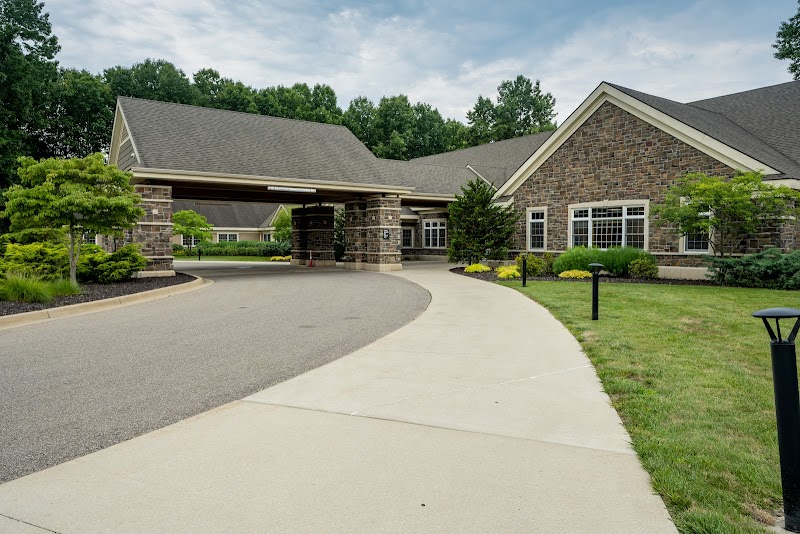
How is Corwell Health Rehabilitation & Nursing Center - P Staffed?
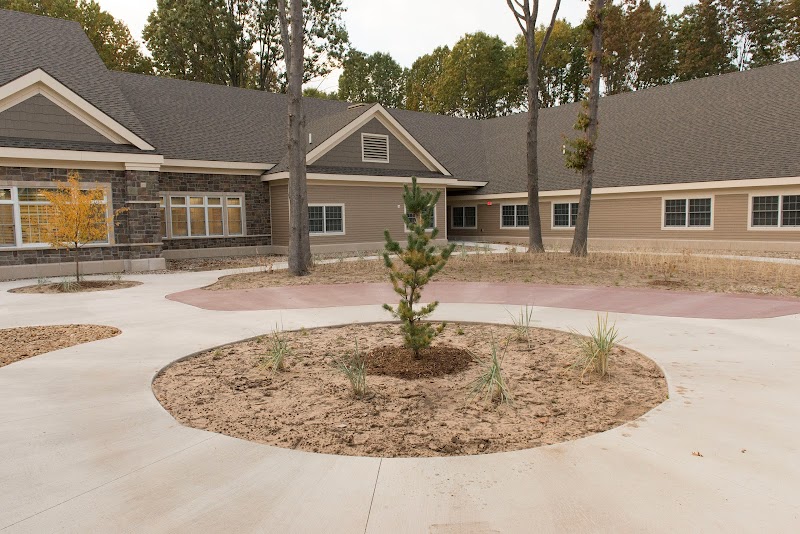
CMS rates Corwell Health Rehabilitation & Nursing Center - P's staffing level at 4 out of 5 stars, which is above average compared to other nursing homes. Staff turnover is 40%, compared to the Michigan average of 46%. This relatively stable workforce can support continuity of care.

What Have Inspectors Found at Corwell Health Rehabilitation & Nursing Center - P?

State health inspectors documented 46 deficiencies at Corwell Health Rehabilitation & Nursing Center - P during 2023 to 2025. These included: 1 Immediate Jeopardy (the most serious level, indicating potential for serious harm or death), 3 that caused actual resident harm, and 42 with potential for harm. Immediate Jeopardy findings are rare and represent the most serious regulatory concerns. They require immediate corrective action.

Who Owns and Operates Corwell Health Rehabilitation & Nursing Center - P?

Corwell Health Rehabilitation & Nursing Center - P is owned by a non-profit organization. Non-profit facilities reinvest revenue into operations rather than distributing to shareholders. The facility is operated by COREWELL HEALTH, a chain that manages multiple nursing homes. With 111 certified beds and approximately 101 residents (about 91% occupancy), it is a mid-sized facility located in Stevensville, Michigan.

How Does Corwell Health Rehabilitation & Nursing Center - P Compare to Other Michigan Nursing Homes?

Compared to the 100 nursing homes in Michigan, Corwell Health Rehabilitation & Nursing Center - P's overall rating (2 stars) is below the state average of 3.1, staff turnover (40%) is near the state average of 46%, and health inspection rating (1 stars) is much below the national benchmark.

What Should Families Ask When Visiting Corwell Health Rehabilitation & Nursing Center - P?

Based on this facility's data, families visiting should ask: "What changes have been made since the serious inspection findings, and how are you preventing similar issues?" "Can I visit during a mealtime to observe dining assistance and food quality?" "How do you handle medical emergencies, and what is your hospital transfer rate?" "Can I speak with family members of current residents about their experience?" These questions are particularly relevant given the facility's Immediate Jeopardy citations.

Is Corwell Health Rehabilitation & Nursing Center - P Safe?

Based on CMS inspection data, Corwell Health Rehabilitation & Nursing Center - P has documented safety concerns. Inspectors have issued 1 Immediate Jeopardy citation (the most serious violation level indicating risk of serious injury or death). The facility has a 2-star overall rating and ranks #100 of 100 nursing homes in Michigan. Families considering this facility should ask detailed questions about what corrective actions have been taken since these incidents.

Do Nurses at Corwell Health Rehabilitation & Nursing Center - P Stick Around?

Corwell Health Rehabilitation & Nursing Center - P has a staff turnover rate of 40%, which is about average for Michigan nursing homes (state average: 46%). Moderate turnover is common in nursing homes, but families should still ask about staff tenure and how the facility maintains care continuity when employees leave.

Was Corwell Health Rehabilitation & Nursing Center - P Ever Fined?

Corwell Health Rehabilitation & Nursing Center - P has been fined $13,827 across 2 penalty actions. This is below the Michigan average of $33,217. While any fine indicates a compliance issue, fines under $50,000 are relatively common and typically reflect isolated problems that were subsequently corrected. Families should ask what specific issues led to these fines and confirm they've been resolved.

Is Corwell Health Rehabilitation & Nursing Center - P on Any Federal Watch List?

Corwell Health Rehabilitation & Nursing Center - P is not on any federal watch list. The most significant is the Special Focus Facility (SFF) program, which identifies the bottom 1% of nursing homes nationally based on persistent, serious quality problems. Not being on this list means the facility has avoided the pattern of deficiencies that triggers enhanced federal oversight. This is a positive indicator, though families should still review the facility's inspection history directly.