Medilodge of Tawas City
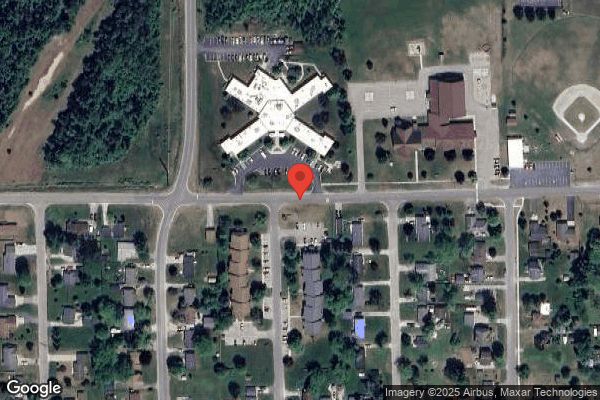
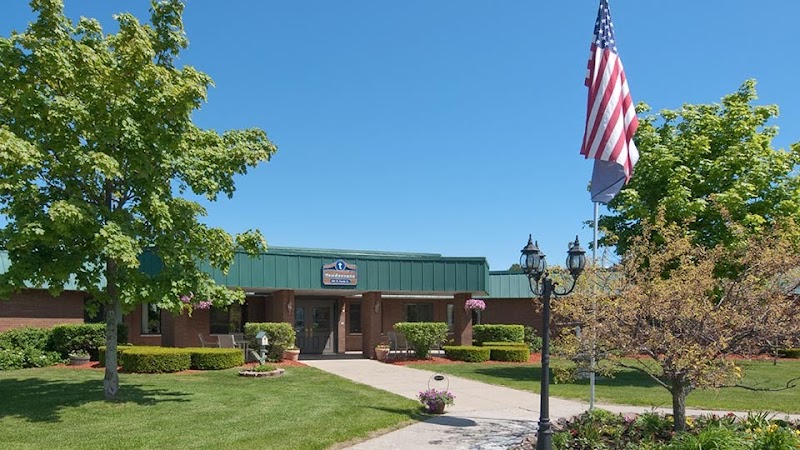
400 North Street West, Tawas City, MI 48763 (989) 362-8645
For profit - Corporation 85 Beds MEDILODGE Data: November 2025
Trust Grade
60/100
#151 of 422 in MI
Last Inspection: September 2024

Within standard 12-15 month inspection cycle. Federal law requires annual inspections.

Overview

Medilodge of Tawas City has a Trust Grade of C+, indicating it is slightly above average, which means families can expect a decent level of care. The facility ranks #151 out of 422 nursing homes in Michigan, placing it in the top half, and #2 out of 3 in Iosco County, suggesting that only one local option is better. The facility is improving, with issues decreasing from 13 in 2024 to just 2 in 2025. Staffing is rated at 4 out of 5 stars, but the turnover rate of 50% is average compared to the state average of 44%. While there have been no fines recorded, which is a positive sign, there were serious incidents reported, including a failure to properly assess and manage pressure ulcers for one resident, leading to multiple ulcers, and unsanitary catheter care resulting in repeated urinary tract infections. Overall, Medilodge of Tawas City has strengths in its ratings and lack of fines, but families should be aware of the serious health management issues noted in inspections.

Trust Score
C+
60/100
In Michigan
#151/422
Top 35%
Safety Record
Moderate
Needs review
Inspections
Getting Better
13 → 2 violations
Staff Stability
⚠ Watch
50% turnover. Above average. Higher turnover means staff may not know residents' routines.
Penalties
✓ Good
No fines on record. Clean compliance history, better than most Michigan facilities.
Skilled Nurses
✓ Good
Each resident gets 52 minutes of Registered Nurse (RN) attention daily — more than average for Michigan. RNs are trained to catch health problems early.
Violations
⚠ Watch
38 deficiencies on record. Higher than average. Multiple issues found across inspections.
★★★★☆
4.0
Overall Rating
★★★★☆
4.0
Staff Levels
★★★★★
5.0
Care Quality
★★★☆☆
3.0
Inspection Score
Stable
2024: 13 issues
2025: 2 issues

The Good

  • 4-Star Staffing Rating · Above-average nurse staffing levels
  • 5-Star Quality Measures · Strong clinical quality outcomes
  • Full Sprinkler Coverage · Fire safety systems throughout facility
  • No fines on record

Facility shows strength in staffing levels, quality measures, fire safety.

The Bad

Staff Turnover: 50%

Near Michigan avg (46%)

Higher turnover may affect care consistency

Chain: MEDILODGE

Part of a multi-facility chain

Ask about local staffing decisions and management

The Ugly 38 deficiencies on record

2 actual harm
Aug 2025 1 deficiency
CONCERN (D) 📢 Someone Reported This

A family member, employee, or ombudsman was alarmed enough to file a formal complaint

Potential for Harm - no one hurt, but risky conditions existed

Deficiency F0658 (Tag F0658)

Could have caused harm · This affected 1 resident

**NOTE- TERMS IN BRACKETS HAVE BEEN EDITED TO PROTECT CONFIDENTIALITY** This Citation pertains to Intake Number 2580560.Based on interview and record review, the facility failed to ensure that profess...

Read full inspector narrative →
**NOTE- TERMS IN BRACKETS HAVE BEEN EDITED TO PROTECT CONFIDENTIALITY** This Citation pertains to Intake Number 2580560.Based on interview and record review, the facility failed to ensure that professional standards of care were given (assess, monitor and promptly report to the physician a change of condition regarding surgical wounds) and follow the care plan for one resident (Resident #101) of 3 residents reviewed for professional standards of care resulting in sepsis, 2 surgeries (debridement's of sternum and left leg surgical wounds), antibiotics, and hospitalization stay.Findings Include:Resident #101:Based on Face Sheet, Minimum Data Set (MDS, dated [DATE], revealed Resident #101 was [AGE] years old, fully alert and able to make her own healthcare decisions and required assistance with Activities of Daily Living/ADL's. The resident was admitted to the facility on [DATE] post open heart surgery, for rehabilitation and was discharged to the local hospital for shortness of breath and dehiscence (opening of surgical wound) of 2 post-surgical wounds (sternum and left lower leg) on 7/7/25, was transferred to a hospital in another city and had wound debridement of the sternum and left leg vein [NAME] site. The resident's diagnosis included, post open heart surgery (Bypass Coronary Artery/CABG), Chronic heart and lung disease, Diabetes, Essential tremors, high blood pressure, sepsis from sternal wound infection, and stage 3 coccyx pressure ulcer.Review of the resident's facility Impaired Skin care plan dated 6/17/25, stated nursing were to assess for surgical site infection of the sternum and left lower leg and report any signs of infection (including eschar/dead narcotic tissue) promptly to the Physician or Nurse Practitioner/NP.Review of Resident #101's Emergency Department/ED hospital record dated 7/7/25, revealed she was diagnosed with Infection of wound of sternum with a consult to cardiothoracic surgery. The ED documentation stated, The patient is a [AGE] year-old female who had open heart surgery performed by (Surgeon) about a month ago.Review of hospital consultation notes dated 7/9/25, stated Status post sternal wound debridement for dehiscence; Sepsis related to above (infection and debridement of sternal wound). Also, contribution from urinary tract infection.Review of the hospital Operative Report dated 7/9/25, revealed Resident #101 had surgical debridement of the chest median sternal wound from open heart surgery on 7/9/25. The operative report stated all necrotic skin and tissue was debrided. Procedure #1 Bedside Debridement of Sterontomy (a surgical procedure to gain access to the heart) Wound. Patient states that she reported wound issues to (the facility) on several occasions but states they did not intervene in any way; she eventually complained of chest pain and was transferred to the ED based on that complaint. Documentation from the referring facility noted discovery of a sternal wound dehiscence (opening of the wound) upon arrival. Procedure #2: Indication: Delayed healing and partial dehiscence of open vein harvest site following CABG. The patient subsequently became septic; the patient was changed to cefepime and metronidazole for concern for osteomyelitis (infection of the bone). Patient will be discharged to skilled nursing facility with home hospice.Review of Physician progress note dated 6/18/25, stated Continue incisional care and continue to monitor for signs and symptoms of complications (infection and dehiscence).Review of the resident's Nurse Practitioner E's notes dated 6/21/25, revealed the surgical sites were well approximated (intact) with no signs of infection.Review of the nursing progress note dated 7/4/25, stated Sternal incision noted to have eschar (dead narcotic wound tissue) with cracks in it; shorter L (left) lower leg incision (vein [NAME] site) covered with eschar and is not draining.Review of the nursing progress note dated 7/6/25 (2 days after staff first noted eschar tissue), stated Sternal incision more open and will require close monitoring. No measurements of either site were documented by nursing.Review of nursing progress notes dated 7/4/25 through 7/7/25, revealed no complete wound assessment (no documentation at all of length, width, odor, warmth at site, discharge noted from wounds done by nursing with prompt transfer (when sternal and left leg wounds were found to have narcotic tissue on 7/4/25, no documentation of calling the Physician or NP upon observation of narcotic wound tissue (on 7/4/25), and delayed transfer to acute care for eschar tissue observed with infection which lead to sepsis (transferred to hospital for evaluation on 7/7/25, found narcotic dead tissue on 7/4/25).During a phone interview done on 8/12/25 at approximately 2:10 p.m., Nurse B was asked by this surveyor if she had called and informed the physician or NP on 7/4/25 and on 7/6/25, of the eschar tissue on the resident's sternum and she stated I don't remember calling them; I knew she had a up-coming appointment, I know she had labs done from the first time we sent her out for nose bleed (on 7/4/25, no hospital documentation of having observed the sternum or leg wound was found), I did not call for the labs. Nurse B said she did not call anyone and inform them of the resident's eschar, because the resident had a appointment, she thought she could wait. The resident had sepsis upon entry to the hospital emergency room from the infection of her sternal surgical wound.During an interview done on 8/12/25 at approximately 10:15 a.m., Nurse Practitioner/NP E stated They (staff) did not inform me of the eschar in the sternum surgical wound or the left leg, they should have.During an interview done on 7/12/25 at 12:11:00 p.m., Nurse Manager, RN C stated They (nursing staff) were considered about the nose bleeds, no one told me about the sternum wound or leg; they dropped the ball on that, I would have notified the provider.During an interview done on 7/12/25 at 12:47 p.m., Nurse Educator, RN D stated No one informed me of the resident's condition, I would of thought the nurse would of informed somebody. I educate them on assessment and documentation.During an interview done on 8/12/25 at approximately 11:40 a.m., Wound Nurse, LPN stated I do not take pictures, assess, monitor or document anything on surgical wounds, they (management) told me not too; I did not look at it.During an interview done on 8/12/25 at 12:55 p.m., the facility Administrator stated, The evidence does support we did not follow the care plan.Review of the facility Wound Treatment Management policy dated 10/26/23, stated Policy: To promote wound healing of various types of wounds, it is the policy of this facility to provide evidence-based treatments in accordance with current standards of practice and physician orders.
Jan 2025 1 deficiency
CONCERN (D) 📢 Someone Reported This

A family member, employee, or ombudsman was alarmed enough to file a formal complaint

Potential for Harm - no one hurt, but risky conditions existed

Deficiency F0740 (Tag F0740)

Could have caused harm · This affected 1 resident

**NOTE- TERMS IN BRACKETS HAVE BEEN EDITED TO PROTECT CONFIDENTIALITY** This Citation Pertains to Intake Number MI00149747. Based on observation, interview and record review, the facility failed to e...

Read full inspector narrative →
**NOTE- TERMS IN BRACKETS HAVE BEEN EDITED TO PROTECT CONFIDENTIALITY** This Citation Pertains to Intake Number MI00149747. Based on observation, interview and record review, the facility failed to ensure comprehensive assessment and timely implementation of a plan of care and interventions for one resident (Resident #703) of three residents reviewed, resulting in the lack of facility and staff knowledge of the resident's situation, history of inappropriate sexual behaviors, and the potential for unmet care needs and Resident #703 and other facility Residents to experience psychosocial injury. Findings include: Review of intake documentation, dated as received on 1/21/25, revealed staff were not notified a Resident admitted to the facility had a history of sexually deviant behavior with a law enforcement ordered tether monitoring device. The intake indicated the facility did not comprehensively assess the Resident to ensure their needs were identified and met upon admission and did not notify staff to ensure interventions and monitoring were in place for safety. Resident #703: On 1/29/25, Resident #703 was sitting on the edge of their bed in their room. The Resident was listening to music. A black colored device was observed on the Resident's ankle. An interview was completed at this time. When queried how long they had been at the facility, Resident #703 was slow to respond and revealed they had been there a few weeks. Record review revealed Resident #703 was admitted to the facility on [DATE] with diagnoses which included Parkinson's disease, dementia with mood disturbance, heart disease, depression, and anxiety. Review of the Minimum Data Set (MDS) assessment dated [DATE] revealed the Resident was severely cognitively impaired and needed partial-to-total assistance to complete Activities of Daily Living (ADL). The MDS detailed the Resident displayed no behaviors and had no hallucinations and/or delusions. Review of Resident #703's Electronic Medical Record (EMR) revealed the following care plans and interventions upon admission to the facility: Care plan: Resident takes psychotropic/mood stabilizer medication as evidenced by use of antipsychotic, antidepressant and antianxiety medications (Initiated: 1/9/25; Revised: 1/13/25). This care plan included the interventions: - Administer medications as ordered (Initiated: 1/9/25) - Refer to psychologist/psychiatrist as needed (Initiated: 1/9/25) - Observe for and report to Physician/NP/PA adverse effects of antidepressant medication use . (Initiated: 1/9/25) - Observe for and report to Physician/NP/PA adverse effects of antipsychotic/mood stabilizer medication use . (Initiated: 1/9/25) Care plan: Resident is at risk for impaired skin integrity related to incontinence, decreased mobility, tether to right ankle (Initiated: 1/9/25; Revised: 1/13/25). The care plan did not include any specific information pertaining to the tether. On 1/13/25, a care plan entitled, Resident has an impaired mood/psychiatric status related to visual and auditory hallucinations r/t (related to) Parkinson's Disease, Dementia with anxiety/depression/moods/behaviors (Initiated and Revised: 1/13/25). The care plan included the interventions: - Administer medications and treatments as ordered (Initiated: 1/13/25) - Behavioral health consults as needed (psycho-geriatric team, psychiatrist, etc.) (Initiated: 1/13/25) - Encourage on-going involvement with family and friend(s) (Initiated: 1/13/25) (Initiated: 1/13/25) A care plan entitled, Resident has behavior(s) related to hx (history) of sexual deviant behavior as evidenced by: Sexually inappropriate conversations with staff was initiated on 1/20/25. This care plan included the interventions: - Give non-judgmental support (Initiated: 1/20/25) - Observe and document episodes of inappropriate behaviors . (Initiated: 1/20/25) - Observe behavior episodes and attempt to determine underlying cause . (Initiated: 1/20/25) - Behavior: Sexually inappropriate conversations with staff. Intervention: Redirect conversation to socially appropriate content (Initiated and Revised: 1/20/25) - Male caregivers only for showers (Initiated and Revised: 1/20/25) Review of Resident #703's EMR revealed the following: - 1/9/25 at 3:31 PM: Nursing Evaluation Summary . verbal report from (hospital) . RLE (Right Lower Extremity) 'tether'; do NOT remove per law enforcement . Speech deficit: stutters, slow to respond. HOH . No s/s (signs/symptoms) anxiety/depression. 3 MAX assist transfer. w/c (wheelchair) primary locomotion . - 1/10/25 at 12:40 PM: Initial Social Service History . admission . Does the resident have a spouse or significant other? Yes . Ended in divorce, now won't speak to him .Recollection of relationship with children: 1 son doesn't consider him his dad at all . Behavior, Medical, and Psychiatric History . No major health occurrences or behavioral concerns . admitted on a psychoactive medication(s)? Yes . behaviors or mood disorders: Anxiety, depression, dementia . Things that make you become anxious/agitated: Ex-wife won't talk to him . Anticipated length of stay: Long Term Stay . The Trauma assessment within the admission assessment indicated the Resident did not have a diagnosis of Post-Traumatic Stress Disorder (PTSD) and/or a history of trauma. - 1/19/25: Progress Notes . seen for pain in low back and left side . Reports has chronic back pain and was on Norco (narcotic pain medication), MS (Morphine Sulfate- narcotic pain medication) continue in past. Unsure why med was discontinued. May have stopped when in prison . There was no documentation of completion of a criminal background check completed in the EMR. Review of the Michigan Sex Offender Registry and the Offender Tracking Information System ([NAME]) revealed Resident #703 was convicted of two separate counts of Criminal Sexual Conduct (CSC) in the second degree on 10/20/16. The Resident was sent to prison and discharged on 12/15/22. Record review revealed Resident #703 was seen by a Behavioral Health Care Provider on 1/16/25. The Behavioral Health Care Provider note detailed, Initial evaluation: depression/ anxiety/ psychosis/ dementia; medication review . (Resident #703) admits to a long history of psychiatric illness . managed on multiple psychotropic medication . unsure of actual diagnosis' . (Resident #703) admits to being unhappy with situation . admits to hallucinations . Psych Exam . Judgement: Marginal . Insight: Marginal . Thought Process: Organized . Thought content: + auditory and visual hallucinations . Review of Point of Care (POC) task documentation in Resident #703's EMR revealed documentation of Sexually inappropriate conversations on 1/20/25 at 10:13 PM. An interview was conducted with Certified Nursing Assistant (CNA) A on 1/29/25 at 1:35 PM. When queried regarding Resident #703's behaviors, CNA A stated, (Resident #703 said) they raped their daughters. When queried regarding the context in which that was said, CNA A responded that the Resident had been telling the staff why they were in prison. CNA A verbalized staff were unaware that Resident #703 had been incarcerated and/or that they had a tether. When queried if the Resident had displayed any inappropriate behaviors at the facility, CNA A revealed the Resident called them pet names such as love and sweetheart and made them feel uncomfortable. CNA A revealed they looked the Resident up on the State Sex Offender website and were concerned that the information had not been passed on to staff. With further inquiry, CNA A verbalized they were concerned because there are children that visit the facility, and the Resident did not have a care plan in place to ensure increased supervision. An interview was conducted with the facility Administrator and Director of Nursing (DON) on 1/29/25. When queried regarding the facility admission process, including background check completion, the Administrator indicated admissions are screened in a central location for multiple facilities within the organization prior to the referral information being received at the facility. The Administrator verbalized that background checks are completed for residents prior to admission. When queried regarding Resident #703, the Administrator revealed they were aware the Resident had a history of CSC. When queried if other staff were aware, the Administrator responded that it had been discussed during the facilities morning meeting. The Administrator was asked who is included in the morning meeting and replied, Leadership. When queried why the care plan related to Resident #703 having sexual deviant behaviors was implemented on 1/20/25, the Administrator and DON relayed the Resident had verbalized inappropriate sexual comments to staff. The Administrator and DON were then asked why Resident #703 had a tether from law enforcement in place and what the conditions of the tether were, and both verbalized they did not know. With further inquiry, the Administrator and DON relayed that Resident #703 told staff they were in prison because they had sex with their stepdaughters, but they did any other information. When queried if they asked Resident #703 why they had a tether and/or the condition in place for the tether, both the DON and Administrator stated they had not. When asked how they comprehensively assessed and created a meaningful care plan for the Resident without knowing the Resident's history and current situation/needs, the DON confirmed they could not. When queried if children entered the facility, the Administrator confirmed school age children come to the facility as part of the Activities program. When asked if the facility had assessed and implemented interventions to ensure adequate supervision and monitoring of Resident #703 during times when children were in the facility, the Administrator and DON indicated the Resident had required significant assistance when they first arrived at the facility and had not attended activities. When asked about the Resident's current mobility and level of assistance required, the Administrator and DON revealed the Resident had made great improvements in therapy and were able to move around more independently now. When asked how the facility was ensuring adequate supervision of Resident #703 to ensure safety for staff, other residents, and visitors, the Administrator indicated they would need to reevaluate. No further explanation was provided. An interview was conducted with Resident #703 and the DON on 1/29/25. Resident #703 was asked why they had a tether in place and responded they were not sure. The Resident revealed the tether was put on when they got out of prison and their Probation Officer (PO) had replaced it several times. When asked, Resident #703 was unable to recall the full name of their PO. Resident #703 was asked if they were still on probation and did not provide a clear response. When queried regarding the conditions and reason for the tether, the Resident said they liked to bounce their granddaughters on their lap and indicated that was the reason had the tether. The Resident then expressed denial of any wrongdoing and blamed others for their conviction and imprisonment. Resident #703 became very sexually focused and began making statements regarding their daughter in laws sexual life and behaviors. The interview was concluded at this time. After exiting the Resident's room, a follow up interview was conducted with the DON. When queried, the DON confirmed Resident #703 made inappropriate sexual comments and was hyper sexually focused during the interview. When queried regarding Resident #703's behavioral history including what they stated during the interview and what they had told staff, the DON revealed they did not know what the crime and/or the Resident's behavioral history was. When queried if the mental health provider was aware of the Resident's history and tether when they evaluated Resident #703, the DON revealed the mental health provider seen the Resident for a medication evaluation. When queried how staff were able to meet Resident #703's needs and ensure safety of staff and visitors, when they did not know and had not comprehensively assessed the Resident, the DON verbalized agreement. Review of facility policy/procedure entitled, Behavior Management Program (Revised 10/27/23) did not address comprehensive assessment and care planning. Review of facility policy/procedure entitled, Baseline Care Plan (Reviewed/Revised: 12/28/23) revealed. The facility will develop and implement a baseline care plan for each resident that includes the instructions needed to provide effective and person-centered care of the resident that meet professional standards of quality care . The facility may develop a comprehensive care plan in place of the baseline care plan during the first 48 hours of admission .
Sept 2024 9 deficiencies
CONCERN (D) 📢 Someone Reported This

A family member, employee, or ombudsman was alarmed enough to file a formal complaint

Potential for Harm - no one hurt, but risky conditions existed

Safe Environment (Tag F0584)

Could have caused harm · This affected 1 resident

This Citation pertains to Intake Number MI00146574. Based on observation, interview and record review, the facility failed to ensure that the A-Hall (the Memory Care/Dementia/Behavioral secured unit) ...

Read full inspector narrative →
This Citation pertains to Intake Number MI00146574. Based on observation, interview and record review, the facility failed to ensure that the A-Hall (the Memory Care/Dementia/Behavioral secured unit) eliminated lingering odors, resulting in unsanitary environment, lingering foul odors, angry staff, with the likelihood of embarrassment from residents and staff. Findings Include: Observation of A-Hall locked unit was done on 9/3/24 at 10:53 a.m. The carpet starting at the door down to the main dining/activity room had a very strong odor of urine. During an interview done on 9/4/24 at 10:10 a.m., Staff K stated You have to use hot water and disinfectant and it will deactivate the glue, it will be deactivated (carpet will come up). It was stained on the first day it was put down with (BM). During an interview done on 9/4/24 at 10:11 a.m., Housekeeper J said when they have to keep cleaning the carpet daily, it would take time away from their other housekeeping duties. During an interview done on 9/4/24 at 10:12 a.m., CNA L stated It makes no sense; it gets dirty daily. We have one resident who (BM's) on it and two that pee on it. We told them not to put carpet down before they did it. During an interview done on 9/4/24 at 10:50 a.m., the Director of Nursing stated, I don't agree with it (carpet down on a A-Hall, Memory Care/Dementia/Behavioral secured unit). During an interview done on 9/3/24 at 11:00 a.m., Nursing Assistant/CNA B stated It's the carpet that smell, they (resident's) pee on it. During an interview done on 9/10/24 at 11:45 a.m., Director of Housekeeping M stated It was a bad idea (putting carpet on A-Hall); I am going to have to use my carpet machine every morning. Review of the facility Safe and Homelike Policy dated 7/28/20, said the facility would minimize odors, and report lingering odors., and maintain a sanitary, and comfortable environment.
CONCERN (D)

Potential for Harm - no one hurt, but risky conditions existed

Comprehensive Assessments (Tag F0636)

Could have caused harm · This affected 1 resident

**NOTE- TERMS IN BRACKETS HAVE BEEN EDITED TO PROTECT CONFIDENTIALITY** Based on observation, interview and record review, the facility failed to include a Post Traumatic Stress Disorder (PTSD) diagno...

Read full inspector narrative →
**NOTE- TERMS IN BRACKETS HAVE BEEN EDITED TO PROTECT CONFIDENTIALITY** Based on observation, interview and record review, the facility failed to include a Post Traumatic Stress Disorder (PTSD) diagnosis in the comprehensive admission assessment noted on the CMS 802 form, dated 9/3/2024 and on 9/5/2024, for one resident (Resident #178) out of 19 residents reviewed for assessments, resulting in the likelihood for an inaccurate assessment of the resident's abilities, treatments and unmet needs. Findings include: Record review of the facility 'MDS (Minimum Data Set) 3.0 Policy' dated 1/24/2024 revealed it is the policy of the facility to utilize the Minimum Data Set (MDS) 3.0 Resident Assessment Instrument (RAI) Manual as the source document for any/all MDS scheduling, encoding, completion, submission, correction, and retention requirements as outlined in chapters 2 through 6 of the RAI manuals. Chapter 4: provides guidance on Care Area Assessment (CAA) triggers, completion requirements, and care plan development. Resident #178: Record review of Resident #178's referral packet paperwork dated 8/20/2024 (prior to admission) identified that the resident used home oxygen. Record review of the referral medical diagnosis included: Post Traumatic Stress Disorder (PTSD). Record review of Resident #178's electronic medical record revealed that the resident was admitted on [DATE] as a respite care admission for 10 to 16 days. Medical diagnosis included Chronic Obstructive Pulmonary Disease (COPD), dementia and Post Traumatic Stress Disorder (PTSD). Observation on 9/3/2024 at the beginning of the annual recertification survey revealed that Resident #178 was in a semi-private room and resided closest to the room door. Resident #178 was able to sit up on the edge of the bed and talk with the surveyor about his care. Record review on 09/04/24 at 02:10 PM of facility provided the CMS 802 form dated 9/3/2024 at 11:22 AM revealed for Resident #178 diagnosis of Post Traumatic Stress Disorder (PTSD) was not identified on the CMS 802 form. In an interview on 09/05/24 at 09:47 AM with Registered Nurse N the Minimum Data Set (MDS) assessment nurse stated that the MDS assessment starts with resident entry/upon arrival, and an admission within 19 days we do a 5 day. It captures the first 5 days of stay. Respite is the same way, His 5 day is due today 9/5/2024, when I finish it today, I'll bring it to you. Record review on 9/5/2024 at 10:29 AM of the newly provided CMS 802 form revealed that Resident #178 was identified for PTSD/trauma on the revised form.
CONCERN (D) 📢 Someone Reported This

A family member, employee, or ombudsman was alarmed enough to file a formal complaint

Potential for Harm - no one hurt, but risky conditions existed

Comprehensive Care Plan (Tag F0656)

Could have caused harm · This affected 1 resident

**NOTE- TERMS IN BRACKETS HAVE BEEN EDITED TO PROTECT CONFIDENTIALITY** This Citation pertains to Intake Number MI00146574. Based on observation, interview and record review, the facility failed to de...

Read full inspector narrative →
**NOTE- TERMS IN BRACKETS HAVE BEEN EDITED TO PROTECT CONFIDENTIALITY** This Citation pertains to Intake Number MI00146574. Based on observation, interview and record review, the facility failed to develop a comprehensive and individualized care plan related to Resident #178 required oxygen therapy at bedtime and Activities of Daily Living (showers) of 19 residents reviewed, resulting in Resident #178 to have the likelihood of unmet needs. Findings include: Record review of the facility 'admission to Facility' policy dated 1/1/2022 revealed that the primary purpose of our admission policies is to establish uniform guidelines for personnel to follow in admitting residents to the facility. Prior to or at the time of admission, the resident's attending physician must provide the facility with information needed for the immediate care of the resident . Care orders to maintain or improve the resident's function until the physician and care planning team can conduct a comprehensive assessment and develop a more detailed interdisciplinary care plan. Record review of the facility 'Oxygen Administration' policy dated 10/26/2023 revealed oxygen is administered to residents who need it, consistent with professional standards of practice, the comprehensive person-centered care plans, and the resident's goals and preferences. Compliance guidelines: Oxygen is administered under the orders of a physician . Staff shall document the initial and ongoing assessment of the resident's condition warranting oxygen and the response to oxygen therapy . The resident's care plan shall identify the interventions for oxygen therapy. Record review of the facility 'Activity of Daily Living (ADL)' policy dated 12/28/2023 revealed the facility takes measures to minimize the loss of residents functional abilities, including activities of daily living (ADL). Activities of daily living include the ability to: (1,) Bathe, dress and groom . A resident who is unable to carry out activities of daily living receives the necessary services to maintain good nutrition, grooming, and personal and oral hygiene .The facility ,maintains individual objectives of the care plan through periodic review and evaluation. Resident #178: Record review of Resident #178's electronic medical record revealed that the resident was admitted on [DATE] as a respite care admission for 10 to 16 days. Medical diagnosis included Chronic Obstructive Pulmonary Disease (COPD), dementia and Post Traumatic Stress Disorder (PTSD). In an interview on 09/03/24 at 12:37 PM with Resident #178 revealed that he did not get a shower for over a week and that the showers are not at regular times. Record review on 09/04/24 at 12:19 PM Resident #178's Care plans pages 1 through 17 revealed that intervention for bathing initiated 8/27/2024 consisted of one person assist, twice weekly and as needed. There were no set days for showers in the care plan. Record review of Resident #178's Tasks: Showers/bathing Wednesday morning and Sunday evening. 30 days look back revealed resident was admitted on [DATE] and did not receive any bathing until 8/28/2024 consisting of a bed bath. Record review of Resident #178's referral packet paperwork dated 8/20/2024 (prior to admission) identified that the resident used home oxygen. Record review of the referral medical diagnosis included: Chronic Obstructive Pulmonary Disease (COPD) with home oxygen at 3 liters for nighttime use. Observation on 09/03/24 at 10:19 AM while in Resident #178's room revealed a concentrator to the head of the bed on the right-hand side with oxygen tubing dated and set at 3 liters of oxygen. Record review of Resident #178's physician order dated 8/27/2024 revealed Oxygen via nasal cannula at HS (bedtime) at 2 liters was ordered four days after admission date of 8/23/2024. Record review of Resident #178's Medication Administration Record (MAR) and Treatment Administration Record (TAR) for the month of August 2024 revealed on 8/27/2024 at 8:00 AM Oxygen via nasal cannula was administered. Record review on 9/3/2024 of Resident #178's care plans pages 1 through 17 revealed there was no oxygen therapy care plan or interventions for monitoring of nighttime oxygen saturation levels noted.
CONCERN (D) 📢 Someone Reported This

A family member, employee, or ombudsman was alarmed enough to file a formal complaint

Potential for Harm - no one hurt, but risky conditions existed

Respiratory Care (Tag F0695)

Could have caused harm · This affected 1 resident

**NOTE- TERMS IN BRACKETS HAVE BEEN EDITED TO PROTECT CONFIDENTIALITY** This Citation pertains to Intake Number MI00146574. Based on observation, interview and record review, the facility failed to or...

Read full inspector narrative →
**NOTE- TERMS IN BRACKETS HAVE BEEN EDITED TO PROTECT CONFIDENTIALITY** This Citation pertains to Intake Number MI00146574. Based on observation, interview and record review, the facility failed to order and ensure the administration of oxygen at bedtime for one resident (Resident #178) out of 2 residents reviewed, resulting in the likelihood for oxygen desaturation at nighttime, confusion, and shortness of breath/hypoxia. Findings include: Record review of the facility 'Oxygen Safety' policy dated 1/1/2022, revealed the facility is to provide a safe environment for residents, staff and public. licensed staff using oxygen equipment will be trained in its operation. Record review of the facility 'Oxygen Administration' policy dated 10/26/2023 revealed oxygen is administered to residents who need it, consistent with professional standards of practice, the comprehensive person-centered care plans, and the resident's goals and preferences. Oxygen therapy is the administration of oxygen at concentrations greater than that in ambient air with intent of treating or preventing the symptoms and manifestations of hypoxia. Compliance guidelines: Oxygen is administered under the orders of a physician . Staff shall document the initial and ongoing assessment of the resident's condition warranting oxygen and the response to oxygen therapy . The resident's care plan shall identify the interventions for oxygen therapy. Resident #178: Record review of Resident #178's referral packet paperwork dated 8/20/2024 (prior to admission) identified that the resident used home oxygen. Record review of the referral medical diagnosis included: Chronic Obstructive Pulmonary Disease (COPD) with home oxygen at 3 liters for nighttime use. In an interview on 09/03/24 at 10:19 AM with Resident #178 stated the use of Oxygen at times and use's 3 liters. Resident #178 stated using (oxygen) it all the time at night, because oxygen level drops off at night. Resident #178 stated was in the hospital when they found that (resident) dropped oxygen levels, they shook him and shook him till he woke-up. When I first came to the home (facility), I told them I needed oxygen at night. Observation on 09/03/24 at 10:19 AM while in Resident #178's room revealed a concentrator to the head of the bed on the right-hand side with oxygen tubing dated and set at 3 liters of oxygen. Record review of Resident #178's physician order dated 8/27/2024 revealed Oxygen via nasal cannula at HS (bedtime) at 2 liters was ordered four days after admission date of 8/23/2024. Record review of Resident #178's Medication Administration Record (MAR) and Treatment Administration Record (TAR) for the month of August 2024 revealed on 8/27/2024 at 8:00 AM Oxygen via nasal cannula was administered. Record review on 9/3/2024 of Resident #178's care plans pages 1 through 17 revealed there was no oxygen therapy care plan or interventions for monitoring of nighttime oxygen saturation levels noted. In an interview on 09/05/24 at 11:09 AM with Licensed Practical Nurse (LPN) I the A-hall Unit manager, revealed that the floor nurse input the referral orders into the computer. the referral process is being updated; I review all the admission orders. Referrals are reviewed by the Director of Nursing (DON), and she accepts or declines the referrals. Resident #178 has oxygen in his room, and he will tell you that he uses it when he needs it usually at night. Record review of Resident #178's medical record revealed admitted on [DATE] and had no oxygen to use until 8/27/2024, (4 days and nights) without oxygen. In an interview on 09/05/24 at 11:47 AM with the Director of Nursing (DON) revealed admission referral paperwork are reviewed by central intake office and then sent to the facility, were she looks at the referral and decides what room is appropriate for the resident. Resident #178's home oxygen was missed. The daughter brought him in here, he walked using his cane with no oxygen. His room was not dirty, it had just been cleaned, we had 2 residents that were discharged from that room and the room was cleaned. He was the only person originally until the roommate came. There was nothing said about a private room by resident or family. Air conditioning- comes from the ceiling in the hallways. Oxygen was administered on 8/27/2024 evening per order.
CONCERN (D)

Potential for Harm - no one hurt, but risky conditions existed

Deficiency F0761 (Tag F0761)

Could have caused harm · This affected 1 resident

Based on observation, interview and record review, the facility failed to ensure that three medication carts and one treatment cart were clean and sanitary of 5 medication carts and 2 treatment carts,...

Read full inspector narrative →
Based on observation, interview and record review, the facility failed to ensure that three medication carts and one treatment cart were clean and sanitary of 5 medication carts and 2 treatment carts, resulting in the unsanitary condition of medication carts, cross contamination, and the unaccounted for loss of 1 medication. Findings Include: Observation of medication cart C and cart D was done on 9/3/24 at 9:48 a.m. and at 9:55 a.m., accompanied by Nurse, LPN J. During observation of medication cart C, drawers second and third were noted to have crushed medications and papers in the back of the drawers. During observation of medication cart D, the second drawer had white crushed medications and papers in the back of the drawer. During an interview done on 9/3/24 at 9:55 a.m., Nurse J stated Night's cleans it (6:00 p.m. to 6:00 a.m., cleans medication carts). During observation of the treatment cart for C and D hall done on 9/3/24 at 10:03 a.m., accompanied by Nurse J, a large container of ketoconazole shampoo was found to have an excessive amount of dried shampoo drippings on the sides and top. Observation of medication cart A back done on 9/3/24 at 10:48 a.m., and cart A front was done on 9/3/24 at approximately 11:40 a.m., accompanied by Nurse, LPN I. During observation of medication cart A back done on 9/3/24 at 10:48 a.m., revealed In the second and third drawers, crushed medications, papers and white sprinkles (medication) on the bottom of the drawers. During observation of medication cart A front done on 9/3/24 at approximately 11:40 a.m., revealed the second drawer had an orange-colored loose pill in the back of the drawer. During an interview done on 9/3/24 at 10:48 a.m., Nurse I revealed the night shift was supposed to clean the medication carts. Review of the facility Medication Storage policy dated 10/30/2020, stated It is the policy of this facility to ensure all medications housed on our premises will be stored according to the manufacturer's recommendations and sufficient to ensure proper sanitation, temperature, light, ventilation, moisture control, segregation, and security.
CONCERN (D)

Potential for Harm - no one hurt, but risky conditions existed

Deficiency F0806 (Tag F0806)

Could have caused harm · This affected 1 resident

Based on observation, interview and record review, the facility failed to follow food preferences and food dislikes for two residents (Resident #31, Resident #57) of 2 residents reviewed for preferenc...

Read full inspector narrative →
Based on observation, interview and record review, the facility failed to follow food preferences and food dislikes for two residents (Resident #31, Resident #57) of 2 residents reviewed for preferences and food dislikes, resulting in decreased food intake, and frustration with the possibility of hunger. Findings include: On 9/03/24, at 12:56 PM, Resident #31 was in their room with their lunch meal. Their meal ticket had tomato soup and grilled cheese on it. Resident #31 complained they didn't get those items and could only eat the ham with mustard. There was no mustard provided. On 9/03/24, at 1:16 PM, Resident #57 was in their room with their lunch meal which consisted of ham, bread, cauliflower and half of a yam potato. A record review of their meal ticket which revealed cottage cheese written on it. There was no cottage cheese provided. Resident #57 offered, no, I didn't get any cottage cheese. On 9/03/24, at 1:38 PM, A record review along with CDM A of Resident #31's meal ticket along was conducted which revealed grilled cheese and tomato soup typed on it. CDM A offered, they get what's on the menu plus the extra items and that it was a standing order so they should have gotten them. A record review of Resident #57's meal ticket along with CDM A was conducted which revealed cottage cheese circled. CDM A was asked what that meant and CDM A offered, they get what's on the menu plus the extra circled items. CDM A was alerted, the cottage cheese, grilled cheese and tomato soup was not provided for the two residents and CDM A offered, they ran out of cottage but the grilled cheese and tomato soup should have been provided. CDM A was asked why the facility ran out of cottage cheese and CDM A offered, Sysco was out of stock. CDM A was asked if they could have gone to the local grocery stores for cottage cheese and CDM A offered, they were cooking and couldn't go. On 09/05/24, at 9:00 AM, Resident #31 was in their room. Their breakfast meal was still at their bedside. The plate had scrambled eggs that were untouched. Resident #31 was asked why they didn't eat the eggs and Resident #31 stated, I don't like eggs. A record review of the breakfast meal ticket revealed Dislikes Eggs.
CONCERN (E) 📢 Someone Reported This

A family member, employee, or ombudsman was alarmed enough to file a formal complaint

Potential for Harm - no one hurt, but risky conditions existed

ADL Care (Tag F0677)

Could have caused harm · This affected multiple residents

**NOTE- TERMS IN BRACKETS HAVE BEEN EDITED TO PROTECT CONFIDENTIALITY** Resident #6: On 9/03/24, at 11:38 AM, Resident #6 was propelling in their wheelchair. Their face was unshaven. On 9/04/24, at ...

Read full inspector narrative →
**NOTE- TERMS IN BRACKETS HAVE BEEN EDITED TO PROTECT CONFIDENTIALITY** Resident #6: On 9/03/24, at 11:38 AM, Resident #6 was propelling in their wheelchair. Their face was unshaven. On 9/04/24, at 9:00 AM, a record review of Resident #6's electronic medical record revealed an admission on [DATE] with diagnoses that included cognitive impairment, weakness and visual impairment. Resident #6 required assistance with all Activities of Daily Living (ADL's) and had impaired cognition. A review of the . ADL self-care performance deficit care plan . revealed . BATHING: 1 assist. Twice weekly and as needed. Date Initiated: 09/01/2023 . PERSONAL HYGIENE/ORAL CARE: Requires set up assist Date Initiated: 09/01/2023 . A review of the 30 day look back task list . Type of bath provided Shower . revealed the resident did not receive the twice weekly showers that were care planned and revealed the following: 8/9/2024 The Shower column was check marked. 8/16/2024 Response Not Required 8/17/2024 The Shower column was check marked. On 9/04/24, at 9:58 AM, Resident #6 was up in their wheelchair and remained unshaven. Resident #25: On 9/03/24, at 10:17 AM, Resident #25 was in their room in their wheelchair. Their nails were long, unclipped and slightly jagged. Resident #25 was unshaven and offered, they shower themselves and cut their own nails. On 9/04/2024, at 9:30 AM, a record review of Resident #25's electronic medical record revealed an admission on [DATE] with diagnoses that included Dementia, impaired vision and Parkinson's disease. Resident #25 required assistance with all ADL's and had impaired cognition. A review of the . ADL self-care performance deficit . care plan revealed . BATHING: 1 assist. Twice a week and as needed. Date Initiated: 06/11/2024 . PERSONAL HYGIENE/ORAL CARE: 1 person assist Date Initiated: 09/01/2023 . A review of the 30 day look back task list . Type of bath provided Shower . revealed the resident did not receive the twice weekly showers that were care planned and revealed the following: 8/23/2024 Shower was check marked. 8/30/2024 Response Not Required 8/31/2024 Shower was check marked. On 9/04/24, at 10:00 AM, Resident #25 was sitting in their wheelchair and their nails remained unclipped. Resident #31: On 9/03/24, at 12:56 PM, Resident #31 was sitting in their room. Resident #31 was unshaven. On 9/03/24, at 3:20 PM, a record review of Resident #31's electronic medical record revealed and admission on [DATE] with diagnoses that included Schizophrenia, weakness and failure to thrive. Resident #31 required assistance with ADL's and had intact cognition. A review of the ADL self-care performance deficit revealed . PERSONAL HYGIENE: 1 assist Date Initiated: 09/29/2023 . On 9/04/24, at 10:08 AM, Resident #31 was in their room. Family member was present and complained that the resident can't use their left hand. Family member further complained that hygiene is very important. Family member complained they are supposed to make sure he has his splint on but the use the excuse, he refuses. This Citation pertains to Intake Numbers MI00146271 and MI00146574. Based on observation, interview and record review, the facility failed to provide assistance with Activities of Daily Living (ADL) care (showers, nail care, hair care, general hygiene) in a timely manner for six residents (#6, #25, #27, #29, #31, and #178) of 19 residents reviewed, resulting in a lack of hygiene with showers, nail care, hair washing, and general hygiene of six residents to have unmet needs, anger/frustration, embarrassment, and complaints. Findings include: Record review of the facility 'Activity of Daily Living (ADL)' policy dated 12/28/2023 revealed the facility takes measures to minimize the loss of resident's functional abilities, including Activities of Daily Living (ADL). Activities of Daily Living include the ability to: (1) Bathe, dress and groom . A resident who is unable to carry out activities of daily living receives the necessary services to maintain good nutrition, grooming, and personal and oral hygiene .The facility, maintains individual objectives of the care plan through periodic review and evaluation. Resident #29: Record review of Resident #29's progress note dated 9/9/2024 at 3:37 PM noted: Resident is long term. Resident has long and short-term memory loss, he is legally blind, has some of his own teeth. Resident depends on staff for locomotion and is not an elopement risk. Resident needs assistance with his ADL (Activities of Daily Living). Resident uses a mechanical lift for transfers and a wheelchair for locomotion and mobility . Observation and interview on 09/03/24 at 01:21 PM with Resident #29 stated that he gets a shower or bath every couple of days or weeks he gets a shower. Observed of Resident #29 to be seated in a high back Broda chair in the library area of the facility with his hair to be sticking up at odd angles. Observation on 09/05/24 at 08:22 AM of Resident #29 to be seated up in high back Broda chair in the dining room seated at the assist dining table. The resident was assisted with the meal. Observation on 09/05/24 at 08:58 AM of Resident #29 to be seated in Broda chair in the library area with 9 other residents to watch funny videos on TV with no volume and then the Rise and Shine group activity was to begin. Resident noted to have his hair sticking up and appeared unkept. Clothing was changed from the previous days' clothes. in an interview on 09/10/24 at 09:22 AM with Resident #29 stated that they don't do anything with him. No, he did not get his shower yesterday. He could not state why he did not get the shower. Record review of Resident #29's Task: Bathe/Showers 30 day look back revealed: 8/15/2024 Response not required. 8/15/2024 bed bath 8/19/2024 Bed bath 8/22/2024 Bed bath 8/26/2025 shower 8/29/2024 Response not required. 9/2/2024 Response not required. 9/5/2024 Response not required. 9/9/2024 Response not required. Resident #178: Record review of Resident #178's electronic medical record revealed that the resident was admitted on [DATE] as a respite care admission for 10 to 16 days. Medical diagnosis included Chronic Obstructive Pulmonary Disease (COPD), dementia and Post Traumatic Stress Disorder (PTSD). In an interview on 09/03/24 at 12:37 PM with Resident #178 revealed that he did not get a shower for over a week and that the showers are not at regular times. Record review on 09/04/24 at 12:19 PM Resident #178's Care plans pages 1 through 17 revealed that intervention for bathing initiated 8/27/2024 consisted of one person assist, twice weekly and as needed. There were no set days for showers in the care plan. Record review of Resident #178's Tasks: Showers/bathing Wednesday morning and Sunday evening. 30 days look back revealed resident was admitted on [DATE] and did not receive any bathing until 8/28/2024 consisting of a bed bath. Resident #27: Review of Resident #27's electronic record including the Activity of Daily Living/ADL care plan, revealed diagnosis that included dementia and post traumatic stress. The resident required 24-hour supervision and assistance with all ADL's. Observation of Resident #27 was made on 9/4/24 at 10:50 a.m. The resident was sitting at the dining table on A-Hall having her nails done. The resident's hair was matted on the back and sides. It looked like it had not been combed at all. There were staff, activity aide and other residents in the room at the time. The resident was talking appropriately and showing no behavioral signs at the time.
CONCERN (E)

Potential for Harm - no one hurt, but risky conditions existed

Deficiency F0804 (Tag F0804)

Could have caused harm · This affected multiple residents

Based on observation, interview and record review, the facility failed to provide palatable meals for four residents (Resident #7, Resident #9, Resident #36, Resident #57) of 30 residents reviewed for...

Read full inspector narrative →
Based on observation, interview and record review, the facility failed to provide palatable meals for four residents (Resident #7, Resident #9, Resident #36, Resident #57) of 30 residents reviewed for the dining task, resulting in complaints of dried food items and soggy bread with the likelihood of decreased food consumption. Findings include. On 9/03/24, at 12:58 PM, Resident #36 complained they had to cut the top off the sweet potato because it was too dry to eat and was only able to eat the inside. On 9/03/24, at 1:16 PM, Resident #57 was in their room with their lunch meal which consisted of ham, bread, cauliflower and half of a yam potato. Resident #57 complained they had to cut off the dried top of the yam that was dried and crusted. Resident #57 picked up their bread which was soggy from the ham juice. On 9/03/24, at 1:38 PM, Certified Dietary Manager (CDM) A was interviewed regarding the provided lunch meal. CDM A was asked to explain how the yam was cooked and CDM A offered they cut in half and baked it. CDM A was asked if they used any butter or oil to keep it moist and CDM A no, we just cut it in half and put it in the oven. CDM A was asked how they serve bread and butter and CDM A stated, they put it on the plate. On 9/03/24, at 2:05 PM, Resident #9 complained the yam provided at lunch was too dry to eat. On 9/03/24, at 2:15 PM, Resident # 7 complained the potato served for lunch was too dry. On 9/4/24, at 12:45 PM, Resident #36 was eating in their lunch. They complained they could only eat 1 half of buttered bread as the other half was soggy from the baked beans the bread was sitting on.
CONCERN (E)

Potential for Harm - no one hurt, but risky conditions existed

Food Safety (Tag F0812)

Could have caused harm · This affected multiple residents

On 9/05/24, at 12:13 PM, During dining task, Dietary [NAME] O was observed with gloved hands which were resting on their bilateral hips. Dietary [NAME] O walked to the serving line and began to serve ...

Read full inspector narrative →
On 9/05/24, at 12:13 PM, During dining task, Dietary [NAME] O was observed with gloved hands which were resting on their bilateral hips. Dietary [NAME] O walked to the serving line and began to serve the lunch meal with no hand hygiene performed. Dietary [NAME] O picked up butter bread with their gloved hands and placed the bread directly on the plate. On 9/05/24, at 12:30 PM, Infection Control (IC) Nurse P was alerted of the observation of the Dietary [NAME] P not performing hand hygiene and serving lunch with dirty gloves. IC Nurse P planned to provide education. Based on observation, interview and record review, the facility failed to ensure a clean and sanitary kitchen, serve food sanitarily and discard expired foods for a census of 71 residents who consume food from the kitchen, resulting in the likelihood for food borne illness with possible hospitalization. Findings Include: Review of the U.S. Public Health Service 2009 Food Code, as adopted by the Michigan Food Law, effective October 1, 2012, revealed all potentially hazardous foods must have an open and use-by date. The food items must be disposed of on or after the use-by date. During the initial kitchen walk through done on 9/3/24 at 10:30 a.m., accompanied by Registered Dietitian A, the following concerns were observed: Kitchen initial tour: On 9/3/24 starting at 10:15 a.m., the initial tour of the kitchen accompanied by Registered Dietitian/RD A the following observations were made: -At 10:16 a.m., in the middle refrigerator was found sliced ham with the open date of 8/22/24, and the use-by date of 8/27/24; it was past it's use-by date (unsafe). -At 10:17 a.m., in the middle refrigerator was found lettuce dated 8/22, with a use-by of 8/28. -At 10:18 a.m., 3 clean and ready for use small plastic bowels with dried food particles inside were found. During an interview done on 9/3/24 at 10:18 a.m., RD A stated we will wash them. -At 10:27 a.m., 1 clean and ready for use plastic coffee cup was found with dried on food particles inside. -At 10:30 a.m., 4 white plates were found on the plate warmer, clean and ready for use with dried food particles on them. During an interview done on 9/3/24 at 10:32 a.m., RD A informed this surveyor that they did not have enough staff, they were short.
Jul 2024 4 deficiencies
CONCERN (D) 📢 Someone Reported This

A family member, employee, or ombudsman was alarmed enough to file a formal complaint

Potential for Harm - no one hurt, but risky conditions existed

Deficiency F0578 (Tag F0578)

Could have caused harm · This affected 1 resident

**NOTE- TERMS IN BRACKETS HAVE BEEN EDITED TO PROTECT CONFIDENTIALITY** This Citation pertains to Intake Numbers MI00136715 and MI00137985. Based on interview and record review, the facility failed to...

Read full inspector narrative →
**NOTE- TERMS IN BRACKETS HAVE BEEN EDITED TO PROTECT CONFIDENTIALITY** This Citation pertains to Intake Numbers MI00136715 and MI00137985. Based on interview and record review, the facility failed to ensure that one resident (Resident #3), who had been deemed incompetent to make medical decisions, had a legal guardian in place to guide medical decision making according to the resident's Advanced Directives. Findings include: Resident #3 (R3) Review of an admission Record reflected R3 admitted to the facility on [DATE] with diagnoses that included heart disease, kidney disease, type 2 diabetes, major depressive disorder, anxiety and a history of transient ischemic attack (TIA) and cerebral infarction without residual deficits. The admission record indicated R3 had a Responsible Party-Financial Conservator. Review of Letters of Conservatorship dated 6/15/2018 reflected that a conservator had been appointed with authority with respect to all assets of the estate. The Order Regarding Appointment of Conservator indicated Upon presentation of clear and convincing evidence, the adult individual is in need of a conservator because s/he is unable to manage his/her property and business affairs effectively because of Mental deficiency; dementia. The document did not grant authority to the conservator over medical and/or treatment decisions. Review of a Care Plan initiated on 6/8/2021 reflected a Focus for R3 was Self-determination related to advanced directive. The Goal was Resident's right to formulate an Advanced Directive will be honored. Interventions included Document when resident does not have the capacity to make decisions and refer to legal representative; Implement resident decisions. Review of a Decision Making Determination Form dated 8/26/2022, signed by a physician and a psychologist, indicated R3 was incapable of making decisions regarding medical treatment based upon On 6/3/2022 (R3) scored a 7 (severe cognitive impairment) on BIMS (Brief Interview for Mental Status) and a diagnosis of dementia. Review of a Decision Making Determination Form dated 6/28/2023, signed by R3's attending physician and a second physician, indicated R3 was again deemed Incapable of making decisions regarding medical treatment due to R3's mental status demonstrating mild to severe cognitive impairment and diagnoses of mild dementia and neurocognitive disorder. Review of an Advanced Care Planning note dated 7/17/2023 reflected R3's son was present at a meeting on this day but did not have Durable Power of Attorney (DPOA) or guardianship of R3. According to the note, R3 indicated she wanted her son to make medical decisions for her in the event of a medical emergency. Initially thought that this patient has a guardian appointed by the state, but apparently the person noted on the chart is simple a conservator and not a guardian and patient currently does not have a legal guardian. The narrative indicates that R3's son inquired about what needed to be done to clarify R3's capacity. R3's incapacity to make medical decisions was again documented, however the social worker was not able to effectively connect with the family regarding applying for guardianship for (R3). During an interview on 7/22/2024 at 3:25 PM, Family Member K reported that R3's son was not R3's legal guardian at this time. FM K reported that the facility did not consistently inform them of any changes in R3's care during R3's stay at the facility and did not respond to concerns that were reported to the facility on behalf of R3's clinical status or custodial care. During an interview on 7/23/2024 at 2:30 PM, the Director of Nursing (DON), Activity Director/Temporary Social Services Director L and Staff Development Coordinator/Medical Records Clerk J reviewed the clinical record of R3 for evidence the facility attempted to obtain legal guardianship for R3 and confirmed the facility did not have evidence of arranging legal guardianship services for R3 despite being deemed incapable of making medical decisions since 8/2022. Review of a policy Residents' Rights Regarding Treatment and Advanced Directives dated 1/1/2022 reflected It is the policy of this facility to support and facilitate a resident's right to request, refuse and/or discontinue medical or surgical treatment and to formulate an advance directive. The policy indicated that 4. The facility will periodically assess the resident for decision-making abilities and approach the healthcare proxy or legal representative if the resident is determined not to have decision making capacities. 5. The facility will identify or arrange for an appropriate representative for the resident to serve as primary decision maker if the resident is assessed as unable to make relevant health care decisions.
CONCERN (D) 📢 Someone Reported This

A family member, employee, or ombudsman was alarmed enough to file a formal complaint

Potential for Harm - no one hurt, but risky conditions existed

Quality of Care (Tag F0684)

Could have caused harm · This affected 1 resident

**NOTE- TERMS IN BRACKETS HAVE BEEN EDITED TO PROTECT CONFIDENTIALITY** This Citation pertains to Intake Number MI00142331. Based on interview and record review, the facility failed to ensure a reside...

Read full inspector narrative →
**NOTE- TERMS IN BRACKETS HAVE BEEN EDITED TO PROTECT CONFIDENTIALITY** This Citation pertains to Intake Number MI00142331. Based on interview and record review, the facility failed to ensure a resident who experienced a fall was assessed timely with adequate monitoring, assessments, and physician notification for 1 of 10 residents (R#11) reviewed for quality of care, resulting in a delay in care and treatment for an acute T11 spinal fracture. Findings include: Resident #11 (R11) Review of an admission Record revealed R11 was a [AGE] year-old female, admitted to the facility on [DATE], with pertinent diagnoses which included: low back pain and a history of collapsed vertebra and fractures with routine healing. Review of R11's Nursing readmission Evaluation-Part 2 dated 7/24/24 revealed R11's short-term memory and long-term memory were intact. R11's cognitive skills for decision making were Independent-decisions consistent/reasonable. Confirming R11 was cognitively intact. Review of R11's Skilled Daily note dated 7/24/24 revealed that R11 was alert and oriented to person, place, date, and time and was able to make needs known. Review of R11's diagnostic study ct scan dated 6/1/24 revealed, There is a chronic fracture at the L2 Vertebral body .Chronic appearing wedging is also present at the superior endplate of L3. There is chronic wedging at the superior endplate of T11. Chronic fracture is present at the T7 vertebral body containing augmentation cement .An acute fracture is not seen. IMPRESSION: Chronic changes without acute traumatic findings. (Vertebral wedging occurs when the front of a vertebrae collapses. Typically occurs in people with osteoporosis.) Review of R11's diagnostic study x-ray dated 7/3/24 revealed, .FINDINGS THORACIC SPINE: Examination reveals mild demineralization and degenerative arthritic changes with old compression deformities of the bodies of T8 and T12 and anterior wedging with no evidence of recent fracture or dislocation .Old compression of T8 and T12 with no recent fracture or dislocation. Review of R11's Incident Report dated 7/15/24 at 6:20 PM revealed an unwitnessed fall .Resident was observed on the floor, discussed what happened. Completed ROM (Range of Motion) Resident complained of upper back pain (thoracic region). Assessed was a skin abrasion 1.5 inches X 1/8 inch red abrasion .Completed VS (vital signs), ROM, Perrla (pupils equal round reactive to light and accommodation) assisted resident to bed via Hoyer lift .Resident states she hit her head assessed no red areas. PERRLA completed .Agencies/People Notified .Nurse Practitioner (NP) A .Witnesses .(Licensed Practical Nurse (LPN) H) Was called to residents room from CNA (certified nursing assistant), resident was on the floor. Resident stated she was trying to walk around her bed and lost her balance. Took VS (vital signs) all within normal limits. Resident stated she hit her back assessed and was a 1.5 inch X 1/8 inch abrasion. Resident state (sic) she hit her head assessed no red areas, PERRLA completed. Assisted resident back to her bed via Hoyer .Notes: 7/18/24-(R11) is a [AGE] year old female that came to us from the hospital for falling at home and UTI (urinary tract infection). While here (R11) was treated for pneumonia and UTI. (R11) did have a prior fall to which the NP ordered x-ray and the results showed chronic compression fractures with chronic wedging to the L 2-3, T7 and T11 . Review of R11's Fall-Initial evaluation dated 7/15/24 at 6:20 PM revealed, .Pain Evaluation-Does resident have new complaint of pain? (Yes) .Resident has c/o (complaints of) back pain. Resident has chronic back pain . The physical evaluation was as follows Is there a noted or suspected injury related to the incident? (No) .New onset of change in physical functioning? (No) . The evaluation did not include an assessment of R11's spine/back despite the upper back pain documented in the incident report and R11's history of spinal compression/wedging and the new complaint of pain. Review of R11's telehealth Encounter dated 7/15/2024 Date of Service: 7/15/2024 (no time) .Resident was observed on the floor of her room. Resident states that she was walking around the foot of the bed and fell. Resident states that struck the back of her head against the wall, no injuries noted. Vitals wnl (within normal limits). No change in ROM (range of motion). Rounding team notified . Review of R11's telehealth Encounter time stamped 7/16/2024 at 06:05 AM written by Nurse Practitioner (NP) I revealed, Date of Service: 7/15/2024 .nurse reports, Resident was observed on the floor of her room. Resident states that she was walking around the foot of the bed and fell. Resident states that struck the back of her head against the wall, no injuries noted. Vitals wnl (vital signs within normal limits). No change in ROM Requested information regarding Neuro assessment and offered Telemed visit - did not hear back by end of shift. Rounding notified and f.u (follow-up) scheduled . Review of R11's Electronic Health Record revealed no comprehensive physical assessments following R11's fall to identify an acute injury (palpation of R11's spine to identify any specific areas of acute pain and/or deformities), no comprehensive pain assessments to identify the quality of pain (sharp, dull, achy), aggravating factors (repositioning/moving), or behavioral effects of pain (moaning, grimacing, restlessness, immobilization), and no documentation of ongoing neurological assessments despite R11 reporting she had hit her head during the unwitnessed fall. During an interview on 7/25/24 at 8:24 AM, LPN H reported that she was the nurse on duty for R11 on 7/15/24 at the time of her fall. LPN H reported that R11 had an unwitnessed fall which resulted in an abrasion on her right shoulder from hitting her back against the door hinge. LPN H reported she completed an assessment on R11 which included a physical assessment, vital sign assessment, and a neurological assessment and found R11 to have no new areas of concern identified. R11 was then put to bed utilizing a Hoyer lift. LPN H the assessments she completed were documented in R11's Electronic Health Record and reported that R11 had chronic back pain from a history of compression fractures, and she did not believe R11 was suffering from any new acute injuries. LPN H reported that she notified the on-call provider of the fall and received no new orders. LPN H reported she did not receive a phone call from any on-call provider during her shift from 7/15/24 at 6PM-7/16/24 at 6AM and did not have any further communication with a provider. LPN H reported that she did not complete any additional comprehensive assessments (physical, pain, neurological) throughout her shift but reported she did periodically visualize R11 to ensure she was resting comfortably. Review of R11's Fall-Follow-up dated 7/16/24 at 9:36 AM revealed that vital signs were assessed, a numeric pain evaluation was conducted (pain rating on a scale from 0-10), and a neurologic evaluation was completed. The physical evaluation was as follows Is there a noted or suspected injury related to the incident? (No) .New onset of change in physical functioning? (No) . There were no additional comprehensive physical assessment findings recorded. Review of R11's physician Progress Note dated 7/16/24 (no time evaluation was completed) revealed, XXX[AGE] year-old female patient is seen today for fall occurring yesterday. Nurse reports patient was observed on the floor in her room, she was reporting upper back pain at time of incident. Patient was seen at bedside today, she is alert and oriented, able to make her needs known. She is able to recall the incident, stating that she was reaching for something and lost her balance falling backwards hitting the wall with her back. She states she does not want to try to sit up or roll to the side because it will start hurting again. Nursing reports patient has an abrasion on her back, this provider was unable to see related to patient not wanting to sit up. Patient is noted with fall that is unwitnessed. Nursing reports patient was doing fine this morning with no reports of back pain, she had been sitting up in her wheelchair. Patient reported hitting her head on the wall . Patient has increased worsening back pain that worsens with movement. She is unable to sit up or roll over related to worsening pain. Patient was sent to ED for evaluation, she was then transferred to Saginaw for reinjured thoracic fracture . The note was documented as created on 7/18/2024 at 8:19 PM. (Director of Nursing confirmed there was no documentation to identify what time the provider assessed R11 and reported the evaluation was around noon.) Review of R11's Order Details dated 7/16/24 at 1:04 PM revealed, Back/spine xray post fall for worsening pain one time only for Post fall/worsening pain. Confirming R11's pain was worsening, and follow-up treatment/testing was not ordered for approximately 18 hours following her fall. Review of R11's Order Details dated 7/16/24 at 2:26 PM revealed, OK to send to Tawas ER (emergency room) for increased back pain r/t fall. Review of R11's Fall-Follow-up dated 7/16/24 at 2:47 PM revealed, .Resident stated pain is in her upper back but unable to pinpoint exact place .Per shift report resident was up in wheelchair for breakfast and lunch. Resident wanted to lay down and then pain episode began. Resident was unable to move her head per prior shift. Resident sent to ER for further evaluation. Review of R11's Transfer Notice dated 7/16/24 revealed R11 was transferred to the local emergency room for Back pain-uncontrolled. Review of R11's Hospital Record revealed, admit date : [DATE] (5:52 PM) .Problem 1: Compression fracture of spine .CT (Ct scan)-acute T11 compression fracture .After she had gotten from her wheelchair she fell. She has known history of previous back injuries but had more pain and worsened back discomfort. She underwent evaluation at (hospital name omitted) and found to have compression fracture of T11. She subsequently was transferred to (hospital name omitted) for further care. She has undergone evaluation and recommendation for T11 kyphoplasty is planned for Friday .Pain to palpation of upper thoracic spine. Reports pain in her back that is chronic in nature but with new acute changes .she reported back pain after falling .MRI Imaging revealed acute T11 fractures. As pain was not managed with conservative management we recommended kyphoplasty for T11 . MRI Thoracic Spine ordered 7/17/24 revealed, There is an acute compression deformity of T11 (approximately 50% loss of the vertebral body height) .There is very mild edema along the superior endplate of T12 consistent with recent trauma. Review of R11's Surgical Note dated 7/20/24 revealed, Problem/Assessment Plan .Problem 1: Compression fracture of spine-Plan 1 .presented to (hospital name omitted) after sustaining a fall from her wheelchair. She reported back pain after falling .new T11 compression fracture, Chronic L2/3 compression fractures with no change .Pain to palpation of upper thoracic spine. Reports pain in her back that is chronic in nature but with new acute changes. MRI Lumbar Spine: Acute compression deformity T11 .MRI imaging revealed acute T11 fractures. As pain was not managed with conservative management we recommended kyphoplasty (surgical treatment to stabilize vertebra) for T11 .On 7/20/24 she underwent T11 vertebral body augmentation with balloon assisted methyl acrylic kyphoplasty . During an interview on 7/24/24 at 12:08 PM, R11 reported she could vividly recall her fall on 7/16/24 and reported she had not experienced pain that severe in her 97 years. R11 reported that following her fall she was put back to bed and subsequently experienced insurmountable pain that was unbearable. R11 reported she was in extreme pain and but could not recall how long it took to transfer to the hospital but stated it seemed like a long time to me because I was in pain. During an interview on 07/24/2024 at 3:55 PM, DON reported that R11 did not have a new T11 fracture and reported that it was previously identified in a diagnostic study referencing the ct scan dated 6/1/24. Review of the MRI completed on 7/17/24 confirmed R11 experienced a new and acute fracture resulting from her fall on 7/15/24. On 7/25/24 at 8:56 AM all documentation pertaining to R11's fall on 7/15/24 was requested. On 7/25/24 at 9:27 AM, Nursing Home Administrator (NHA) provided the complete fall investigation. No other records received prior to survey exit. (Refer to Incident Report dated 7/15/24 at 6:20 PM). On 7/25/24 at 8:56 AM a request to speak to NP I was made. No return call was received prior to survey exit. During an interview on 07/24/2024 at 12:45 PM, Director of Nursing (DON) reported she would obtain documentation/clarification of the communication between NP I and the licensed nurses that were working following R11's fall on 7/15/24. No documentation was received prior to survey exit confirming the lack of communication between NP I and the licensed nurses (refer to Encounter note time stamped 7/16/2024 at 06:05 AM). Review of the facility policy Fall Prevention Program last reviewed/revised 10/26/23 revealed, .6. When any resident experiences a fall, the facility will: a. Assess the resident. b. Complete a post-fall assessment. c. Complete an incident report. d. Notify physician and family. e. Review the resident's care plan and update as indicated. f. Document all assessments and actions. g. Obtain witness statements in the case of injury . Review of Fundamentals of Nursing ([NAME] and [NAME]) 11th edition revealed, Assessing the characteristics of pain allows you to understand the type of pain, its pattern, and the types of interventions that bring relief .Quality: People use a variety of words to describe the quality of their pain (e.g., pain, ache). Ask patients to describe their discomfort using their own words whenever possible; then use these words consistently to obtain an accurate report. For example, say, Tell me what your discomfort feels like. What do you call it? The patient may describe the pain as aching, crushing, throbbing, sharp, or dull. If the patient reports the pain as dull, ask if it is still dull or if it has changed when you return to assess the patient's pain .Aggravating and precipitating factors: Various factors or conditions bring on or make pain worse. Ask a patient to describe activities that cause or aggravate pain, such as physical movement, positions, drinking coffee or alcohol, urination, swallowing, eating food, or psychological stress. Also ask them to demonstrate actions that cause a painful response, such as coughing or turning a certain way .Behavioral effects: When a patient has pain, assess verbalization, vocal response, facial and body movements, and social interaction. A verbal report of pain is a vital part of assessment. You need to be willing to listen and understand. When a patient is unable to communicate pain, it is especially important for you to be alert for behaviors that indicate it (Box 44.9). [NAME], [NAME] A.; [NAME], [NAME] G.; Stockert, [NAME] A.; Hall, [NAME]. Fundamentals of Nursing - E-Book (p. 1141-1143). Elsevier Health Sciences. Kindle Edition. Review of Fundamentals of Nursing ([NAME] and [NAME]) 11th edition revealed, When a patient is in pain, conduct a focused physical examination and observe for nonverbal responses to pain (e.g., grimacing, rigid body posture, limping, frowning, or crying) (see Chapter 30). Examine painful areas to see whether palpation or manipulation of the site increases pain. Determine whether movement affects the pain. Assess the effects pain has on a patient's mobility/balance, especially in older adults with persistent pain ([NAME] et al., 2020). Mobility assessment is critical because of the potential effect of pain and some analgesics on the risk for falling. Patients with chest or back pain may have a decrease in chest excursion. A neurological assessment includes determining whether the pain is also associated with changes in sensation and level of a patient's responsiveness. [NAME], [NAME] A.; [NAME], [NAME] G.; Stockert, [NAME] A.; Hall, [NAME]. Fundamentals of Nursing - E-Book (p. 1141). Elsevier Health Sciences. Kindle Edition. Review of Fundamentals of Nursing ([NAME] and [NAME]) 11th edition revealed, Pain is dynamic; it can change frequently. Thus, you need to assess pain accurately on a regular basis along with other vital signs. Some health care agencies treat pain as the fifth vital sign. Pain assessment is not simply a number. Relying solely on a number fails to capture the multidimensionality of pain and may be unsafe, particularly when the number fails to reflect the entire pain experience or when a patient does not understand the use of the selected pain-rating scale .Factual, timely, and accurate pain assessment allows you to identify an appropriate nursing diagnosis, determine interventions, and evaluate a patient's response (outcomes) to interventions. The core of this complex activity is to explore the pain experience through the eyes of the patient. [NAME], [NAME] A.; [NAME], [NAME] G.; Stockert, [NAME] A.; Hall, [NAME]. Fundamentals of Nursing - E-Book (p. 1139). Elsevier Health Sciences. Kindle Edition.
CONCERN (E) 📢 Someone Reported This

A family member, employee, or ombudsman was alarmed enough to file a formal complaint

Potential for Harm - no one hurt, but risky conditions existed

Resident Rights (Tag F0550)

Could have caused harm · This affected multiple residents

**NOTE- TERMS IN BRACKETS HAVE BEEN EDITED TO PROTECT CONFIDENTIALITY** This Citation pertains to Intake Number MI00145682 Based on observation, interview, and record review, the facility failed to en...

Read full inspector narrative →
**NOTE- TERMS IN BRACKETS HAVE BEEN EDITED TO PROTECT CONFIDENTIALITY** This Citation pertains to Intake Number MI00145682 Based on observation, interview, and record review, the facility failed to ensure that residents were treated with dignity and respect and failed to ensure that residents' concerns/grievances were promptly reviewed for 7 of 9 residents (Resident #24, #8, #7, #11, #12, #13, and #14) and residents in attendance at a Resident Council Meeting, reviewed for dignity and respect, resulting in feelings of anxiety and frustration. Findings include: Resident #24 (R24) Review of an admission Record revealed R24 was an [AGE] year-old male, admitted to the facility on [DATE], with pertinent diagnoses which included: debility and heart disease. Review of a Minimum Data Set (MDS) assessment for R24, with a reference date of 8/23/23 revealed a Brief Interview for Mental Status (BIMS) score of 11, out of a total possible score of 15, which indicated R24 was moderately cognitively impaired. Review of R24's Quality Assistance Form dated 11/10/23 revealed, Re: (Certified Nursing Assistant (CNA) G) Doesn't like that he eats in his room for breakfast, dinner bcuz (sic) says (R24) is on his call light all the time. When pushes call light (CNA G) asks what do you want. Been using his cell phone to call for help . There was no additional follow-up documented under Findings, Plan/Actions, or Resolution. There were no signatures to identify who completed the follow-up or by the resident. The form was located in CNA G's employee file. Resident #8 (R8) Review of an admission Record revealed R8 was a [AGE] year-old female, admitted to the facility on [DATE], with pertinent diagnoses which included: cerebral infarction (stroke). Review of a Minimum Data Set (MDS) assessment for R8, with a reference date of 5/15/24 revealed a Brief Interview for Mental Status (BIMS) score of 14, out of a total possible score of 15, which indicated R8 was cognitively intact. Review of R8's Quality Assistance Form dated 11/10/23 revealed, .When (R8) needs changed (CNA G) acts like it's an inconvenience. Wouldn't let her help with showering which is part of her PT (physical therapy). Goal is to go home. On her cell a lot. Always says how busy she is + how much xtra (sic) work she always has xtra (sic) but no one (sic) else does. Says what do you want when answering call ligh (sic) . There was no additional follow-up documented under Findings, Plan/Actions, or Resolution. There were no signatures to identify who completed the follow-up or by the resident. The form was located in CNA G's employee file. Review of R8's Quality Assistance Form dated 2/12/24 revealed, .(R8) called for a brief change. (CNA G) came in mad because (R8) needed help and she wanted a break. (CNA G) moved sliding bored (sic) too soon and took away to quick. (R8) almost fell and her upper arm hit the wall .Findings: Spoke with (R8) about CNA rushing with cares. (R8) reported her bumping her arm. She reported to me her bicep was tender .Education provided to CNA r/t (related to) rushing cares .(CNA G) was assigned and has completed education module (regarding) caregiver conduct . Resident #7 (R7) Review of an admission Record revealed R7 was a [AGE] year-old female, admitted to the facility on [DATE], with pertinent diagnoses which included: kidney disease, heart disease, and respiratory disease. Review of a Minimum Data Set (MDS) assessment for R7, with a reference date of 6/20/24 revealed a Brief Interview for Mental Status (BIMS) score of 15, out of a total possible score of 15, which indicated R7 was cognitively intact. Review of R7's Quality Assistance Form dated 2/7/24 revealed, .from day 1 feels like (CNA G) personally doesn't like her. Possibly (because) of her size? She is rude + slams things down in the room. She doesn't feel like she has given her any reason for the (attitude) .Findings: I (R7) am not afraid of (CNA G), I just want her to slow down. She has been fine this afternoon. Plan/Actions: Educated CNA with PIP (Performance Improvement Plan) on professionalism .Describe: DON/NHA (Director of Nursing/Nursing Home Administrator) met with resident who expressed that she did not feel abused. Simply reported that (CNA G) seems rushed and not professional. DON/NHA met with staff member (CNA G) for formal discipline. Staff member identified that she at times can appear frustrated/unhappy when she feels stressed. DON/NHA provided support solutions to assist with minimizing job stressors and encouraged staff to request help when needed . Resident Council Review of the Resident Council Minutes dated 6/18/24 revealed an issue with CNAs being rude and a grievance form given to DON (Director of Nursing). During an interview on 07/23/2024 at 12:29 PM, NHA reported the employee named in the Resident Council Meeting was CNA G. Review of the Quality Assistance Form dated 6/18/24 revealed, .CNA (G) being rude to Residents and short tempered. Resident told CNA I wouldn't talk to my dog the way you are talking to me .Findings: CNA can be rough with tone of voice. Plan/Actions: PIP put in place for CNA .Describe: Will continue to monitor. NHA review conducted indicated Resident Council identified particular staff member in this concern (no other implicated). Council did not report abuse, however that staff member was at times verbally unprofessional (no profanity or derogatory statements; simply not as pleasant and kind as required) .Validated customer service concern re; CNA. Formal disciplinary action (PIP) now in place .Investigation conducted with alleged complainant (anonymous) and current Resident Council President indicated improved staff performance following disciplinary action (PIP). No indication of past or current abuse from this staff member, however prior unprofessional behavior (seeming hurried and rude when providing/responding to care needs) . Resident #11 (R11) Review of an admission Record revealed R11 was a [AGE] year-old female, admitted to the facility on [DATE], with pertinent diagnoses which included: low back pain and a history of collapsed vertebra and fractures with routine healing. Review of R11's Nursing readmission Evaluation-Part 2 dated 7/24/24 revealed R11's short-term memory and long-term memory were intact. R11's cognitive skills for decision making were Independent-decisions consistent/reasonable. Confirming R11 was cognitively intact. Review of R11's Skilled Daily note dated 7/24/24 revealed that R11 was alert and oriented to person, place, date, and time and was able to make needs known. During an interview on 7/24/24 at 12:08 PM, R11 reported she recently had to interact with a nasty aide and identified the staff member as CNA G. R11 reported that she had a toilet riser in her bathroom and did not want to use it and CNA G refused to assist her or follow up with getting the riser removed. R11 reported CNA G was rude and disrespectful and later came to apologize for the negative interaction not because she wanted to, it was because she knew her job was on the line. R11 reported that CNA G was consistently rude and disrespectful and was not going to change her ways. R11 reported that other staff and residents had concerns with her ongoing disrespectful/rude behavior and nobody knows why they keep her. Review of R11's Quality Assistance Form dated 7/12/24 revealed, .(R11) says a CNA wouldn't take the toile riser off. (R11) got upset + removed it herself, throwing it on the floor .Findings: Spoke with (R11) to get more details + she explained the CNA was refusing to remove the toilet riser + lied to her about it .Root cause of concern: staff unfamiliar with ability to remove toilet riser per (resident) request if not care planned specifically for its use . During an interview via email on 7/24/24 at 1:37 PM, Nursing Home Administrator (NHA) confirmed CNA G was the employee referenced in R11's Quality Assistance Form. Resident #12 (R12) Review of an admission Record revealed R12 was a [AGE] year-old male, admitted to the facility on [DATE], with pertinent diagnoses which included: vascular Parkinsonism (small strokes in brain areas that control movement cause Parkinson's-like symptoms), chronic pain, and weakness. Review of a Minimum Data Set (MDS) assessment for R12, with a reference date of 6/9/24 revealed a Brief Interview for Mental Status (BIMS) score of 15, out of a total possible score of 15, which indicated R12 was cognitively intact. During an interview on 07/23/2024 at 8:31 AM, R12 reported his concerns with CNA G began back in November of 2023 and had not improved. R12 reported there was a time where he did not allow her to provide care due to her very disrespectful treatment towards R12. R12 reported CNA G often displayed a bad attitude and would rush care and referenced a specific time in which he required assistance with boosting up in bed and CNA G told R12 to do it yourself, left his room, and did not return. R12 reported that residents had reported concerns with CNA G to management and in resident council meetings. R12 reported residents had most recently reported concerns in the June 2024 Resident Council Meeting. R12 reported that CNA G's disrespectful behavior had not improved and felt that management would not terminate her employment due to staffing concerns/shortages. R12 reported he felt anxious knowing that CNA G was working because he felt that he wouldn't receive good care. On 7/23/24 at 11:27 AM a request for R12's Concern/Grievance forms (Quality Assistance Form) from October 2023-present were requested. 1 Quality Assistance Form dated 7/15/24 was received (unrelated to CNA G). Resident #13 (R13) Review of an admission Record revealed R13 was an [AGE] year-old female, admitted to the facility on [DATE], with pertinent diagnoses which included: muscle weakness and pain. Review of a Minimum Data Set (MDS) assessment for R13, with a reference date of 4/26/24 revealed a Brief Interview for Mental Status (BIMS) score of 15, out of a total possible score of 15, which indicated R13 was cognitively intact. During an interview on 07/23/2024 at 8:58 AM, R13 reported that CNA G would have bad days and felt that it was due to her personal life. R13 reported that CNA G had a child with a medical condition and on the days, she was rude/disrespectful and/or rough might be a day she's having trouble with him. R13 reported that when she had reported concerns to management regarding CNA G rude/rough care previously but no longer had concerns with CNA G providing her care. R13 reported she did have ongoing concerns with CNA G being disrespectful to other residents residing across the hall and reported CNA G was verbally just kinda rough with them. R13 reported she could hear in CNA G's voice that she would get upset because she would have to answer the call light and help and felt that CNA G sounded irritated that she would have to assist residents with care. On 7/23/24 at 11:27 AM a request for R13's Concern/Grievance forms (Quality Assistance Form) from October 2023-present were requested. No Quality Assistance Forms were received prior to survey exit. Resident #14 (R14) Review of an admission Record revealed R14 was a [AGE] year-old female, admitted to the facility on [DATE], with pertinent diagnoses which included: muscle weakness and heart failure. Review of a Minimum Data Set (MDS) assessment for R14, with a reference date of 4/18/24 revealed a Brief Interview for Mental Status (BIMS) score of 13, out of a total possible score of 15, which indicated R14 was cognitively intact. During an interview on 07/23/2024 at 9:11 AM, R14 reported that CNA G has her days where she would be disrespectful and rough and in and out and onto the next task. R14 reported that in October and November of 2023 CNA G's behavior was really bad but was slowly improving at least with me. R14 reported that her poor attitude and performance would depend on if she's having trouble with her son. R14 reported many details of CNA G's personal life, legal issues, and her child's diagnosis. R14 stated, she (CNA G) just got some fairly good news from the courts and maybe she'll (CNA G) be able to settle down a little (related to her behaviors and the care she provided). R14 stated that if CNA G was extra rough I'll ask her what's going on at home which would result in CNA G providing more compassionate care. R14 reported that CNA G would benefit from a mentor and reported she felt that she (R14) was understanding and was willing to listen to and offer advice to CNA G. On 7/23/24 at 11:27 AM a request for R14's Concern/Grievance forms (Quality Assistance Form) from October 2023-present were requested. No Quality Assistance Forms were received prior to survey exit. During an observation on 7/25/24 revealed CNA G was working with residents in the capacity of a CNA and was scheduled to work the B Wing from 6 AM-6 PM. CNA G was working independently (without the oversight of a preceptor/mentor). During an interview on 07/22/2024 at 3:42 PM, CNA C reported that for months CNA G had been providing rough care and was rude and disrespectful to residents. CNA C reported that staff and residents had been reporting concerns regarding CNA G to management and still nothing gets done. During an interview on 07/23/2024 at 11:48 AM, Resident Advocate (RA) B reported that she had written up Quality Assistance Forms multiple times related to CNA G's care and stated residents had complained that she was short (tempered) and rough with care. RA B reported that CNA G's behaviors had being going on for a long time but management was aware. During an interview on 07/23/2024 at 2:45 PM, CNA F reported that she and other staff had identified concerns with the care that CNA G provided to residents for months since well before Christmas (2023). CNA F reported that multiple concerns had been reported to the DON by staff as well as residents, but CNA G continued to work at the facility with a poor attitude and poor care. CNA F reported that CNA G was rude and disrespectful to residents and would bring her personal life to work. During an interview on 07/23/2024 at 12:29 PM, NHA reported it was not appropriate for CNA G to be sharing her personal life troubles with residents. NHA reported that CNA G was on a PIP and was on managements radar related to concerns with providing care that was rushed and continued unprofessional behavior. NHA reported that while CNA G was not meeting professional standards of care, her care/behavior and not risen to the level of abuse. Review of CNA G's employee file revealed a hire date of 6/21/23. Review of CNA G's Performance Improvement Form dated 2/8/24 revealed, Reason for Counseling/Corrective Action: Poor attitude with residents and other staff. Residents reporting rushed treatment during cares, rudeness, slamming things and being unprofessional with them .Has this concern been previously Discussed with the Employee? (Yes) .Employee has been given verbal counseling previously for these same actions .Expected Level of Performance: Employee will be courteous at all times. Employee will slow down with cares so as to not be rushed. Employee will have a positive attitude with all residents and staff .Time Frame For Improvement: 30 days-Follow Up Review Date: 3/8/24 . The Quality Assistance Form dated 2/12/24 was not reflected on this PIP. There was no other follow-up documentation related to the review date of 3/8/24 reflected. Review of CNA G's Performance Improvement Form dated 6/24/24 revealed, Reason for Counseling/Corrective Action .Using obscene, inappropriate, abusive or threatening language .Has this concern been previous discussed with the Employee? (Yes) .Informal education provided about professional and kind language in the workplace .Expected Level of Performance: Professional at all times. Addressing resident with dignity and respect and using kind language .CNA will demonstrate professional language during work hours by using kind and respectful language with residents and co-workers. Time Frame For Improvement: 30 days, 7/25/24 . The Quality Assistance Form dated 7/12/24 was not reflected on this PIP. Resident Council Minutes from November 2023 were not available for review. Review of the facility policy Resident Council last reviewed/revised 10/30/23 revealed, .1. Purpose of the Resident Council a. Allow residents to have input in the operation of the facility b. Discussion of concerns c. Consensus building and communication between residents and facility staff d. Forum for staff to disseminate information and gather feedback from interested residents . 4. Responsibilities of the Resident Council may include . b. Assist in the development of resident group grievance and concern procedures . d. Make recommendations for the improvement of resident services provided by the facility. e. Review reports submitted to the council and make recommendations and/or taking appropriate action f. Study problem areas and make recommendations for solution g. Serve as an advisory group between the residents and management . 9. Utilization of Response Forms a. A resident Council Minutes and Quality Assistance Form will be utilized to track issues and their resolution b. The facility department related to any issues will be responsible to address the item(s) of concern . 11. Administration Review of Council Minutes a. The administrator reviews the minutes to ensure i. all group concerns and grievances are investigated ii. any responses from departments within the facility are provided back to the council . c. Individual concerns may be processed through the grievance procedure 12. Relationship Between Resident Council and Quality Assurance . b. Issues documented on Quality Assistance forms may be referred to the Quality Assurance Committee, if applicable (i.e., the issue is of serious nature or if there is a patter, etc.) .
CONCERN (E) 📢 Someone Reported This

A family member, employee, or ombudsman was alarmed enough to file a formal complaint

Potential for Harm - no one hurt, but risky conditions existed

Deficiency F0658 (Tag F0658)

Could have caused harm · This affected multiple residents

**NOTE- TERMS IN BRACKETS HAVE BEEN EDITED TO PROTECT CONFIDENTIALITY** This Citation pertains to Intake Numbers MI00136509 and MI00142061. Based on interview and record review the facility failed to...

Read full inspector narrative →
**NOTE- TERMS IN BRACKETS HAVE BEEN EDITED TO PROTECT CONFIDENTIALITY** This Citation pertains to Intake Numbers MI00136509 and MI00142061. Based on interview and record review the facility failed to follow professional standards of nursing practice for medication administration for 6 residents (Resident #17, #18, #19, #23, #14, and #21), out of 10 residents reviewed for the provision of nursing services, resulting in the lack of assessments, medications administered outside of the physician ordered parameters, and medication errors. Findings include: Resident #17 (R17) Review of an admission Record revealed R17 was a [AGE] year-old male, admitted to the facility on [DATE], with pertinent diagnoses which included: hypertension. Review of R17's Order Summary revealed Hydrocodone-Acetaminophen Tablet 5-325 MG Give 1 tablet by mouth every 6 hours as needed for pain Take medication with food -Start Date- 07/02/2024 -D/C Date- 07/06/2024 . Review of R17's Controlled Substance Record revealed a dose of Hydrocodone-Acetaminophen was documented as administered on 7/7/24 at 8:00 AM. Review of R17's electronic July Medication Administration Record revealed the Hydrocodone-Acetaminophen had been discontinued on 7/6/24 and the dose of Hydrocodone-Acetaminophen was not documented as administered. Resident #18 (R18) Review of an admission Record revealed R18 was a [AGE] year-old male, admitted to the facility on [DATE], with pertinent diagnoses which included: pain and heart disease. Review of R18's Order Summary revealed HYDROcodone-Acetaminophen Oral Tablet 5-325 MG (Hydrocodone-Acetaminophen) Give 1 tablet by mouth two times a day for pain -Start Date- 02/29/2024. To be administered at 8:00 AM and 8:00 PM. Review of R18's Controlled Substance Record on 7/22/24 at 2:20 PM revealed R18's HYDROcodone-Acetaminophen was not signed out (indicating the medication was not pulled from the locked narcotic box and administered.) Review of R18's electronic Medication Administration Record revealed R18's 7/22/24 8:00 AM dose of HYDROcodone-Acetaminophen was documented as administered. Confirming the licensed nurse did not follow the facility policy/standards of nursing practice for the administration and documentation of controlled drugs. Review of R18's Order Summary revealed: Lisinopril Oral Tablet 5 MG (Lisinopril) Give 5 mg by mouth one time a day for Heart health .Do not give if SBP (systolic blood pressure/top number) < (less than)110 -Start Date- 04/04/2024. To be administered at 8:00 AM. Propranolol HCl Oral Tablet 10 MG (Propranolol HCl) Give 10 mg by mouth one time a day for Heart health .Do not give if SBP <110 -Start Date- 04/04/2024. To be administered at 8:00 AM. Review of R18's July Blood Pressure Summary and July Medication Administration Record revealed R18's blood pressure was not assessed prior to the administration of lisinopril and propranolol and the medications were administered on the following dates: 7/5/24, 7/6/24, 7/9/24, 7/13/24, 7/17/24, 7/18/24, 7/19/24, and 7/20/24 Resident #19 (R19) Review of an admission Record revealed R19 was an [AGE] year-old female, admitted to the facility on [DATE], with pertinent diagnoses which included: pain. Review of R19's Order Summary dated 6/2/24 revealed, HYDROcodone-Acetaminophen Tablet 5-325 MG Give 1 tablet by mouth two times a day for Pain. To be administered at 8:00 AM and 8:00 PM. Review of R19's Controlled Substance Record on 7/22/24 at 2:25 PM revealed R19's HYDROcodone-Acetaminophen was not signed out. Review of R19's electronic Medication Administration Record revealed R19's 7/22/24 8:00 AM dose of HYDROcodone-Acetaminophen was documented as administered. Resident #23 (R23) Review of an admission Record revealed R23 was a [AGE] year-old male, admitted to the facility on [DATE], with pertinent diagnoses which included: atrial fibrillation (abnormal beating of the heart). Review of R23's Order Summary dated 6/27/24 revealed: Metoprolol Tartrate Oral Tablet 50 MG (Metoprolol Tartrate) Give 1 tablet by mouth two times a day for htn (hypertension) Hold if SBP under 100 or HR (heartrate) under 60. To be administered at 8:00 AM and 8:00 PM. Diltiazem HCl Tablet 30 MG Give 1 tablet by mouth two times a day for htn hold if SBP less than 100 or HR less than 60. To be administered at 8:00 AM and 8:00 PM. Review of R23's electronic Medication Administration Record, Pulse Summary, and Blood Pressure Summary from 7/1/24-7/17/24 revealed R23 received 2 doses each day of diltiazem and metoprolol daily without a blood pressure or pulse assessment. Resident #14 (R14) Review of an admission Record revealed R14 was a [AGE] year-old female, admitted to the facility on [DATE], with pertinent diagnoses which included: muscle weakness and heart failure. Review of R14's Order Summary dated 3/20/24 revealed, HydrALAZINE HCl Tablet 10 MG Give 1 tablet by mouth two times a day for hypertension Do not give if SBP <150, To be administered at 8:00 AM and 8:00 PM. Review of R14's electronic Medication Administration Record and Blood Pressure Summary revealed: *On 7/3/24 R14's blood pressure was 125/65 and R14's 8:00 PM dose of hydralazine was administered. *On 7/4/24 R14's blood pressure was 143/57 and R14's 8:00 AM dose of hydralazine was administered. *On 7/5/24 R14's blood pressure was 148/51 and R14's 8:00 AM dose of hydralazine was administered. *On 7/10/24 R14's blood pressure was 137/60 and R14's 8:00 PM dose of hydralazine was administered. *On 7/11/24 R14's blood pressure was 116/56 and R 14' s 8:00 PM dose of hydralazine was administered. *On 7/14/24 R14's blood pressure was 146/60 and R14's 8:00 AM dose of hydralazine was administered. Review of R14's Order Summary dated 3/28/24 revealed, cloNIDine HCl Oral Tablet 0.1 MG (Clonidine HCl) Give 0.1 mg by mouth every 8 hours as needed for Htn Give 0.1 mg if SBP is > (greater than) 160. Review of R14's electronic Medication Administration Record and Blood Pressure Summary revealed: *On 7/1/24 R14's blood pressure was 173/54 and the as needed clonidine was not administered. *On 7/2/24 R14's blood pressure was 195/60 and the as needed clonidine was not administered. *On 7/8/24 R14's blood pressure was 186/60 and the as needed clonidine was not administered. *On 7/13/24 R14's blood pressure was 166/70 and the as needed clonidine was not administered. *On 7/13/24 R14's blood pressure was 170/67 and the as needed clonidine was not administered. Resident #21 (R21) Review of an admission Record revealed R21 was an [AGE] year-old female, admitted to the facility on [DATE], with pertinent diagnoses which included: hypertension. Review of R21's Order Summary dated 12/2/23 revealed, hydrALAZINE HCl Oral Tablet 50 MG (Hydralazine HCl) Give 50 mg by mouth every 8 hours as needed for HTN Give for SBP >160. Review of R21's electronic Medication Administration Record and Blood Pressure Summary revealed: *On 7/3/24 R21's blood pressure was 190/94 and the as needed hydralazine was not administered. *On 7/5/24 R21's blood pressure was 183/93 and the as needed hydralazine was not administered. *On 7/7/24 R21's blood pressure was 178/88 and the as needed hydralazine was not administered. *On 7/8/24 R21's blood pressure was 162/64 and the as needed hydralazine was not administered. *On 7/17/24 R21's blood pressure was 166/62 and the as needed hydralazine was not administered. During an interview on 07/24/2024 at 11:21 AM, Staff Development Coordinator (SDC) J reported the expectation for the licensed nurses was for them to follow the physician ordered parameters and administered medications as ordered and hold medications as ordered. SDC J reported that controlled drugs are to be signed out at the time they are pulled from the lock box. During an interview on 07/24/2024 at 12:45 PM, Director of Nursing (DON) confirmed the medication administration concerns/medication errors for R17, R18, R19, R23, R14, and R21. DON reported all nurses would be re-educated on the nursing standards of practice for medication administration immediately. Review of the facility policy Medication Administration last reviewed/revised 1/17/23 revealed, .8. Obtain and record vital signs, when applicable or per physician orders. When applicable, hold medications for those vital signs outside the physician's prescribed parameters .17. Sign MAR after administered. For those medications requiring vital signs, record the vital signs onto the MAR. 18. If medication is a controlled substance, sign narcotic book . Review of Fundamentals of Nursing ([NAME] and [NAME]) 11th edition revealed, (Nurses) are also responsible for documenting any preassessment data required with certain medications such as a blood pressure measurement for antihypertensive medications or laboratory values, as in the case of warfarin, before giving the medication. After administering a medication, immediately document which medication was given on a patient's MAR per agency policy to verify that it was given as ordered. Inaccurate documentation, such as failing to document giving a medication or documenting an incorrect dose, leads to errors in subsequent decisions about patient care. [NAME], [NAME] A.; [NAME], [NAME] G.; Stockert, [NAME] A.; Hall, [NAME]. Fundamentals of Nursing - E-Book (pp. 643-644). Elsevier Health Sciences. Kindle Edition. Review of Fundamentals of Nursing ([NAME] and [NAME]) 11th edition revealed, The seven rights of medication administration include the right medication, right dose, right patient, right route, right time, right documentation, and right indication. [NAME], [NAME] A.; [NAME], [NAME] G.; Stockert, [NAME] A.; Hall, [NAME]. Fundamentals of Nursing - E-Book (p. 705). Elsevier Health Sciences. Kindle Edition. Review of Fundamentals of Nursing ([NAME] and [NAME]) 11th edition revealed, The National Coordinating Council for Medication Error Reporting and Prevention (2021) defines a medication error as any preventable event that may cause inappropriate medication use or jeopardize patient safety. Medication errors include inaccurate prescribing, administering the wrong medication, giving the medication using the wrong route or time interval, administering extra doses, and/or failing to administer a medication. Preventing medication errors is essential. [NAME], [NAME] A.; [NAME], [NAME] G.; Stockert, [NAME] A.; Hall, [NAME]. Fundamentals of Nursing - E-Book (p. 639). Elsevier Health Sciences. Kindle Edition.
Sept 2023 6 deficiencies
CONCERN (D)

Potential for Harm - no one hurt, but risky conditions existed

Quality of Care (Tag F0684)

Could have caused harm · This affected 1 resident

**NOTE- TERMS IN BRACKETS HAVE BEEN EDITED TO PROTECT CONFIDENTIALITY** Based on observation, interview and record review, the facility failed to ensure that two residents (Resident #46 & Resident #57...

Read full inspector narrative →
**NOTE- TERMS IN BRACKETS HAVE BEEN EDITED TO PROTECT CONFIDENTIALITY** Based on observation, interview and record review, the facility failed to ensure that two residents (Resident #46 & Resident #57) were assessed and removed from the floor per facility post-fall protocol, resulting in the likelihood for injury, and hospitalization with a fracture. Findings include: Record review of the facility 'Fall Prevention Program' policy dated 1/1/2022 revealed a fall is an event in which an individual unintentionally comes to rest on the ground, floor, or other level, but not as a result of an overwhelming external force . When a resident experiences a fall, the facility will: Assess the resident, Complete a post fall assessment . Record review of the facility 'Fall- Clinical Protocol' policy dated 1/1/2022 revealed once a fall occurs it is important to gather as much information as possible: observe for evident trauma . Resident #57: Record review on 09/20/23 at 11:05 AM of Resident #57's closed electronic medical record revealed the resident had a fall on 9/12/2023 and was not sent to the hospital until 9/14/2023 with a fractured femur. In an interview and record review on 09/20/23 at 03:14 PM, Social Service D revealed Resident #57 went to hospital with fractured hip and does not want to come back because someone was mean to her. The Social Service D did not say who was mean and we are looking into it. The Social Service Director stated that a different nursing home in the area sent the facility an e-mail about the staff being mean to resident. An interview on 09/21/23 at 09:55 AM with the Admission/Business Office Manager T revealed that Resident #57 went out to the hospital and that she is not coming back. Admission/Business Office Manager T heard from another facility about days available and that she would not be coming back because someone was mean to her. Resident #57 did not mention that to anyone. Record review of Resident #57's fall form, dated 9/12/2023 at 7:59 AM, revealed the resident sustained a fall in the restroom on 9/12/2023. There was no time of the fall noted on the form. In an interview and electronic record review on 09/21/23 at 11:20 AM, Registered Nurse (RN)/staff educator/ fall program P revealed that Record review of Resident #57's fall incident reports revealed that Resident #57 had four (4) falls in a month from 8/10/23 through 9/12/23. Registered Nurse (RN)/staff educator/ fall program P revealed that on 9/12/23 Resident #57 had a fall at 3:50 AM in the restroom, assessed at pain score of 2 out 10 when moving legs, range of motion (ROM) assessment was noted on the initial fall form as any change in ROM, with No. Record review of Resident #57's progress notes dated 9/12/2023 revealed that there was no progress note for 3:30 AM at time of fall none until 8:26 AM. There was a no assessment note at the time of the fall. The nurse on the floor gave her a pain pill at 8:28 PM for pain to the thigh. Record review of the progress notes revealed there was a telehealth electronic visit on 9/13/23 which was refused by the resident. Record review of the Physician note was written 9/14/23 at 7:32 AM. Resident #57 was sent to hospital because of increased pain. Resident #46: Review of the Face Sheet, Minimum Data Set (MDS, resident assessment tool) dated 7/23, nurse's, physician and social worker notes dated 8/1/23 through 9/21/23, revealed Resident #46 was 59 years-old, admitted to the facility on [DATE], confused and unable to be interviewed, and totally dependent on staff for all Activities of Daily Living (ADL's). The resident's diagnosis included, Dementia, Bipolar Disorder, Borderline Disorder, Heart Disease, Vascular Dementia, Expressive Language Disorder, Adjustment Disorder and Anxiety. Observation made by this surveyor on 9/19/23 at 12:19 p.m., on the locked unit revealed Resident #46 was agitated and moving around in his wheelchair, then lowered himself to the floor. Two staff members (Nursing Assistants/CNA's G and H) then lifted him up by his arms (underneath his arms) and put him back in his wheelchair. The nurse was then contacted and came to the unit to assess him for injuries. The staff did not use a gait belt, Hoyer lift or have him assessed prior to moving him back in his wheelchair. Review of the facility nurses noted dated 9/19/23 at 14:35 (2:35 p.m.) reported Witnessed fall 9/19/23 12:30 p.m., (Resident #46) was observed scooting out of his wheelchair and lowering to the floor. He did not wait for staff to assist him before he tried to stand by himself. Observation of the facility video per request (done on 9/21/23 at 9:00 a.m.) of the resident fall on 9/19/23 at 12:19 p.m., done with the Administrator in his office revealed 2 staff members (CNA's G and H) lifting him up by his arms and putting him in his wheelchair. The video did not show the resident trying to stand up on his own after he was on the floor. He sat on the floor until staff picked him up. During an interview done on 9/21/23 at 7:28 a.m., the Director of Nursing/DON stated They should have done what our policy say's, they should have gotten the nurse, ask him if he's ok, while she is assessing him, they should of gotten vital signs while she assessed them. You have to assess before you move a resident, don't move until he or she has been assessed. They were supposed to use a mechanical lift to get them up after assessing. They should have assessed before they lifted him up. This surveyor requested the facility policy for assessment immediately after a fall and lifting residents off the floor using a Hoyer lift several times from the DON during the survey; no policy or procedure was given to this surveyor.
CONCERN (E)

Potential for Harm - no one hurt, but risky conditions existed

Resident Rights (Tag F0550)

Could have caused harm · This affected multiple residents

**NOTE- TERMS IN BRACKETS HAVE BEEN EDITED TO PROTECT CONFIDENTIALITY** Resident #35: Record review of Resident #35's Minimum Data Set (MDS) dated [DATE] revealed an elderly female with Brief Intervie...

Read full inspector narrative →
**NOTE- TERMS IN BRACKETS HAVE BEEN EDITED TO PROTECT CONFIDENTIALITY** Resident #35: Record review of Resident #35's Minimum Data Set (MDS) dated [DATE] revealed an elderly female with Brief Interview of Mental status (BIMS) of 15 out of 15, cognitively intact. In an interview and observation on 09/19/23 at 03:16 PM with Resident #35 in response to any food concerns the resident stated that there are cold food items when meals in residents' room. Resident #35 stated that the kitchen is not using the plate warmer inserts anymore with the room meals and the food is cold. In an interview on 09/21/23 at 07:39 AM with Resident #35 revealed residents don't usually get fresh waters, the aides are bad at passing the water. At night many times there is only 2 aides for all 4 hallways, and there are two in the dementia unit. There are 2 nurses at night, for the whole building. They are understaffed. It is a problem here. There are a lot of residents here that take two CNA's to get them up, either with the lifts or with two people. When the state is in the building the residents are flooded with management people that we never see any other time. They make it look good while you are here, but it's not. Resident #36: Record review of Resident #36's Minimum Data Set (MDS) dated [DATE] revealed an elderly male with Brief Interview of Mental status (BIMS) of 11 out of 15, mild cognitive impairment. In an interview on 09/19/23 at 01:56 PM with Resident #36 post lunch meal observation revealed he received cold food in the room/hallway tray. In an interview on 09/20/23 at 10:24 AM with Resident #36 post breakfast meal observation revealed Foods were cold again today, on the meal tray. Resident #50: Record review of Resident #50's Minimum Data Set (MDS) dated [DATE] revealed an elderly female with Brief Interview of Mental status (BIMS) of 15 out of 15, cognitively intact. In an interview on 9/19/23 at 09:34 AM with Resident #50 post breakfast meal observation revealed cold food issues with her breakfast tray. Resident #59: Record review of Resident #59's Minimum Data Set (MDS) dated [DATE] revealed an elderly female with Brief Interview of Mental status (BIMS) of 14 out of 15, cognitively intact. In an interview on 09/21/23 at 08:18 AM with Resident #59 revealed that the night shift does not have enough aides, sometimes there are 2 aides for the all the four halls and only 2 nurses. A lot of us residents take two people to assist or transfer with lifts. Resident #165: Record review of Resident #165's Minimum Data Set (MDS) dated [DATE] revealed an elderly female with Brief Interview of Mental status (BIMS) of 11 out of 15, mild cognitive impairment. In an interview on 09/21/23 at 07:37 AM with Resident #165 revealed that the night shift is short or something, they are slow to get me to the restroom. Resident #165 revealed that she is told not to get up without assistance and then was left on the toilet for 30-45 minutes. Based on observation, interview and record review, the facility failed to 1) Ensure that staff treated residents with dignity and respect (honoring preferences and staff to resident dignified communication for 5 residents (Residents #35, #36, #50, #59, #165) and per confidential Resident Council Group meeting held on 9/20/23 at 11:00 a.m., and 2) Ensure that Activities of Daily Living (ADL/personal care) was completed for one resident (Resident #29), resulting in the likelihood for decreased self-esteem, verbalization of anger, fearfulness of staff and embarrassment with increased behaviors. Findings Include: Review of the facility Promoting/Maintaining Resident Dignity policy dated 1/1/22, reported All staff members are involved in providing care to residents to promote and maintain resident dignity and respect resident's rights. When interacting with a resident, pay attention to the resident as an individual. Groom and dress residents according to resident preference. Speak respectfully to residents; avoid discussions about residents that may be overheard. During the confidential Resident Council meeting that was held on 9/20/23 at 11:00 a.m., 4 of 12 alert residents in attendance verbalized CNA J swore and talked inappropriately to them on second shift. Resident #29: Review of the Face Sheet, care plans (7/23), Physician, Social Worker and Nurse's dated 8/23 through 9/23 and Minimum Data Set (MDS, resident assessment tool) dated 7/23, revealed Resident #29 was 71 years-old, admitted to the facility on [DATE], not interviewable due to decreased cognition and required staff assistance with all Activities of Daily Living (ADL's, including personal care). The resident's diagnosis included, Dementia, Diabetes, heart failure, kidney disorder, dizziness, and weakness. Review of the resident's facility [NAME] dated 7/23 and care ADL plan dated 7/18/23, revealed the resident refuses care at times; staff were to encourage care and re-approach. ADL's-limited assist of 1. Resident becomes agitated easily. Encourage care, approach in a clam manner. Observations of the resident were done on 9/19/23 at 8:50 a.m. and at 12:04 p.m., on the locked unit revealed the resident was sitting at the table in the community room with 4 other residents in the room. Her teeth had a heavy yellow coating on them, and her hair was matted down in the back (it had not been combed). The resident had several 1 to 1.5 inch in length white hairs on her chin and had a heavy darker colored mustache. During an interview done on 9/20/23 at 2:44 p.m., the Director of Nursing stated It's absolutely not acceptable not do do ADL's and they need to be written-up and re-educated. During an interview done on 9/19/23 at 12:15 p.m., Nursing Assistant/CNA G stated They are supposed to do her shaving (facial hair included) on shower days, they are supposed to shave her hairs on her chin and mustache. Sometimes she refuses to let us give her care. During an interview done on 9/19/23 at 12:16 p.m., CNA H stated Sometimes she does not want to be shaved and we pass it on (for the next 2 shifts to do), but nothing gets done. She does refuse, they document it on the ADL section in the computer. A second observation of the resident was made on 9/20/23 at 8:30 a.m., she was in her bed after breakfast. The resident was awake and looking out the window. The resident had not been shaven, she still had a mustache and chin hairs. During an interview done on 9/20/23 at 8:35 a.m., CNA G and H revealed they had passed it on to second shift to shave the residents, however it did not get done and no report at shift change regarding why. CNA G stated They should of shaved her yesterday when we reported it at shift change. CNA H stated You just keep trying with her, she will let you, you just keep trying. During an interview done on 9/20/23 at 9:05 a.m., the Director of Nursing/DON stated, That's not tolerated, they (staff) have to chart ADL's every shift, RR means refused. During an interview done on 9/20/23 at 9:10 a.m., The Staff Education Nurse, RN P stated RR means the resident refused. They should have documented every shift and if she refused put RR. Review of the resident's facility electronic ADL documentation (personal hygiene) revealed, during the month of 9/23, there was only 1 refusal of care (RR); this was on 9/2/23, third shift. There was a total of 19 blank boxes where staff initials should have been, documenting personal care have been completed.
CONCERN (E)

Potential for Harm - no one hurt, but risky conditions existed

Deficiency F0725 (Tag F0725)

Could have caused harm · This affected multiple residents

**NOTE- TERMS IN BRACKETS HAVE BEEN EDITED TO PROTECT CONFIDENTIALITY** Based on observation, interview and record review, the facility failed to 1) Ensure proper reference checks upon hire, and 2) En...

Read full inspector narrative →
**NOTE- TERMS IN BRACKETS HAVE BEEN EDITED TO PROTECT CONFIDENTIALITY** Based on observation, interview and record review, the facility failed to 1) Ensure proper reference checks upon hire, and 2) Ensure adequate staffing to meet resident needs and answer call lights per confidential resident counsel interviews and individual resident interviews, resulting in the potential for insufficient and unmet resident care needs, feelings of frustration, and facility census of 49 (9 in secure dementia unit) on the main resident living area to have 24 residents that required two person/staff assistance with daily care and the facility to only schedule one certified nurse assistant per hallway potentially affecting all 49 residents. Finding include: Record review of the facility 'Staffing to Acuity and Resident Needs Policy and Procedure' undated policy, revealed that to ensure staffing needs for direct care nursing are individualized based on the facility's specific population, and tools are utilized which take into account the resident's individual needs and rely on more than ranges and fixed staffing models, staff to resident ratios, or prescribed resident formulas. Facility leaders should review resident acuity as a primary determinant of the number of staff by job type and related deployment of staff. Record review of the facility 'Checking References on New Hires' policy dated 6/20/2022 revealed the facility/company will attempt to reach out to two professional references. All reference checks and attempts to contact should be documented in writing. Record review of the facility 'Abuse, Neglect and Exploitation' policy dated 10/24/2022 revealed potential employees will be screened for a history of abuse, neglect, exploitation, or misappropriation of resident property: (1.) Back ground, references, and credentials checks shall be conducted on potential employees . Record review on 9/19/2023 of the 'Facility Assessment Tool' dated 12/2021 through 11/2022 which should be reviewed annually, revealed the nursing facilities will conduct, document, and annually review a facility-wide assessment, which includes both their resident population and the resources the facility needs to care for their residents. Record review of the Minimum Data Set (MDS) Resident Response Analyzer report dated 9/21/2023 for section G: Functional abilities (of resident's assessments) revealed that there were 24 of 49 community/main resident living area that were assessed as a two person/staff assist with transfers. That is 24/49=49% almost half the population on the community/main resident living unit were 2 person assist. In an interview and record review on 09/20/23 at 08:24 AM with Human Resource staff Q the state surveyor requested schedule and assignment sheets for the month. Observations on 9/19/2023, 9/20/2023 and on 9/21/2023, of the community/main resident living area noted that the Certified Nursing Assistants were one to each hall and that there were 2 nurses working the floor on 9/20/2023 and each had two hallways of residents to pass medications and perform treatments. Observation of the CNA's noted that meal trays had to be passed, waters to be passed, call lights to responded to and then to find another staff member to assist if needed. In an interview and record review on 09/20/23 at 01:52 PM with Human Resource staff Q and Staff scheduler R revealed: HR Q stated that the facility did not have a staffing policy that she was aware of. The facility is to staff to Acuity of residents and that includes the one on ones for behaviors. HR Q stated that the facility tries to do one Certified Nurse Assistant (CNA) per hall and two (2) CNA's in the homestead (dementia Unit) the transport is also a CNA, and a restorative CNA is here during the week. But is on vacation this week. The Transporter is also CNA, but we do have a lot of resident appointments and the transporter is out of the building a lot. Staff Scheduler R stated that the day shift nurses: We try to have three, or at least 2 nurses- and 2 nurses on the night shift. Yes, today there are only 2 nurses working the floor and 4 Certified Nurse Assistants (CNA's) on the main community floor and Two (2) in the homestead/secure dementia unit, and the transporter (5 days a week) and restorative CNA (5 days week) currently on vacation and his assignments are divided up. The state surveyor asked if there were any Complaints from residents: We have been told by residents that other staff told them that they are understaffed. Staff Scheduler R did reveal that a Certified Nurse Assistant J was not allowed to work certain halls. CNA J was not allowed on C or B halls. CNA J was to be put on A (cognitively impaired residents) or D (short term rehab) halls. Why? Some of the residents do not like her. CNA J is relatively new, and she is young. Record review of CNA's employee file for Disciplines: HR Q did not know. HR Q does the filing, and the DON does the discipline papers. The state surveyor inquired about complaints that the surveyor received during the initial tour of CNA's/staff shutting off call lights: HR Q and Staff scheduler R both stated that call lights are being audited and management does get after the CNA's when the lights ring very long. Staff to answer call lights? I feel like we are adequately staffed, staff to resident ratio is what we are watching. CNA's shut off call lights without performing services. No, that is not a practice. Record review and interview of month schedule and assignment sheets were reviewed: Census 58- required 6 CNA's and 2 Nurses so it's a 1:8 ratio, The state surveyor inquired about residents that require 2 person transfers? Both HR Q and Staff scheduler R acknowledged there were a lot of residents that needed two people assist. On the Night shift there are 3 CNA's on the floor and 2 CNA's in dementia unit, and only 2 nurses for the building. The Weekend [NAME] program is a bonus cash for working 2 or 3 days on the weekend, Residents state that the staff are here for just the cash. We do rotate the manager on duty for a few hours and check on the staff, because we don't see them except for weekends. We use a staffing program for the acuity of residents and the number of staff needed. In an interview on 09/21/23 at 08:30 AM with the Director of nursing (RN/DON) about staffing revealed in the homestead dementia unit we have 8-9 residents. That would leave 48-49 on the community/main resident living area. The state surveyor enquired about the amount of two person transfers/assist, there was no response given. The state surveyor inquired about Write-ups and disciplines for CNA J and the DON stated that she had been told that there is only one person that does not like CNA J on the B hall. Surveyor told DON that there was more than one resident with concerns over the CNA J. The DON stated that she had given CNA R a verbal education on the way she talks to the residents. There was nothing documented on the verbal education. The DON stated that CNA J had went answered a call light and the Resident #165 said that she wanted to lay down in bed and CNA J stated that she had to stay up for dinner. Resident #165 does have the right to take a nap or lay down. Record review and interview on 09/21/23 at 09:30 AM with Human Resource Q reviewing of 5 random selected employee files revealed: Certified Nurse Assistant J with hire date 4/18/2023, references were friends, no business work references note in file. Disciplines: None found in file. Certified Nurse Assistant S with hire date 9/1/2022, references none found. During the record review HR Stated that there should have been reference checks, we do that, so we don't get any bad apples, yes we have some bad apples. Policy for checking reference requested. In an interview on 09/21/23 at 12:52 PM with the Nursing Home Administrator (NHA) during the Quality Assurance task of the survey revealed a total building census of 58 Residents that included the 9 residents in the secured dementia unit. Dementia is 2 staff to 9 residents Ratio. The other 49 resident on the community/main floor had one CNA to the hallway. The Sate surveyor inquired about the 24 resident that required two (2) staff assist and that bathing/Showers are only given one time a week. The state surveyor asked do you shower more than once weekly? NHA stated that Yes of Course he did. The NHA stated that the QA committee will have a new care process improvement project to initiate. During the confidential Resident Council group held on 9/20/23 at 11:00 a.m., 7 of 12 residents verbalized complaints stating saying call lights are not being answered by staff on second and third shift and there are not enough staff to answer lights. Also, 8 of 12 confident residents complained the food is cold.
CONCERN (E)

Potential for Harm - no one hurt, but risky conditions existed

Deficiency F0761 (Tag F0761)

Could have caused harm · This affected multiple residents

**NOTE- TERMS IN BRACKETS HAVE BEEN EDITED TO PROTECT CONFIDENTIALITY** Based on observation, interview and record review, the facility failed to: 1) Correctly label and date medications for two resid...

Read full inspector narrative →
**NOTE- TERMS IN BRACKETS HAVE BEEN EDITED TO PROTECT CONFIDENTIALITY** Based on observation, interview and record review, the facility failed to: 1) Correctly label and date medications for two residents (Resident #21 and Resident #31) and 2) Ensure that Medication Cart 'C' was free of loose tablet medications for 1 (C-hall) cart of 4 medication carts, resulting in the potential for medications to be mislabeled and expired due to the lack of open dates, and potential for cross contamination and ineffective medications. Findings include: Record review of the facility 'Medication Storage' policy, dated [DATE], revealed it is the policy of the facility to ensure all medications housed on the premises will be stored in the pharmacy and/or medication rooms according to the manufacturer's recommendations and sufficient to ensure proper sanitation, temperature, light, ventilation, moisture control, segregation, and security. (6.) Light Protection: All drugs, which require light protection while in storage, remain in the original package, in closed drawers or cabinets, or in a specially wrapped manner until the time of administration. (7.) Unused medications: The pharmacy and all medication rooms are routinely inspected by the consultant pharmacist for discontinued, outdated, defective, or deteriorated medications with worn, illegible, or missing labels. These medications are destroyed . Record review of the facility 'Medication Administration' policy, dated [DATE], revealed medications are administered by licensed nurses, or other staff who are legally authorized to do so in the state, as ordered by the physician and in accordance with professional standards of practice, in a manner to prevent contamination or infection. (11.) Compare medication source with the MAR (Medication Administration Record) to verify resident name, medication name, form, date, route, and time of administration . Observation and interview on [DATE] at 07:35 AM with Registered Nurse (RN) K of the C-Hall medication cart revealed that in the top drawer Resident #31 was noted to have 3 different bottles, all open with seals broke of nitroglycerin tablets: Observation of the first (1st) Nitro bottle- loose in the cart with no pharmacy prescription bottle with resident name or dosing information on the tiny nitro bottle in left side of the top drawer of cart not in a pharmacy script bottle with a hand written dated of [DATE]. Observation of the (2nd) Second bottle of nitroglycerine tablets dated [DATE] were noted in a pharmacy script bottle with resident name, instructions and was open. Observation of the third (3rd) bottle of nitroglycerine tablets dated [DATE] was also opened. Resident #31 had three (3) bottles of the same medication in the cart and were all opened/used. RN K stated that the tiny bottle of nitroglycerine should have been in its pharmacy packaged bottle and not loose in the medication cart. Observation and interview on [DATE] at 07:40 AM with Registered Nurse (RN) K of the C-hall Medication cart revealed dour (4) and a 1/4 (3 white and 1 yellow and 1/4 of tan) loose tablets found in the second drawer. Registered Nurse (RN) K stated that she got report and the cart keys from the Corporate Registered Nurse (RN) A who worked on the C hall cart last night/through the morning. RN K stated That she had not been in the C hall medication cart yet that day, because she started medication pass on D hall first. Observation of the third drawer on the C hall medication cart revealed: Resident #21 in room C1 to have Albuterol sulfate inhalation solution foil packet opened with no open date noted. RN K looked but no date was found on the file packet or box of multi-dose package. Requested medication storage policy. In an interview on [DATE] at 09:50 AM with the Nursing Home Administrator (NHA) stated that the corporate nurse consultant did work the C-hall medication cart that morning. In an interview on [DATE] at 08:24 AM, the Director of Nursing (DON) was notified by the state surveyor that the C-hall medication cart was found to have loose tablets, undated medications and Resident #31 had three bottles of nitroglycerine tablets/pills all open and one bottle to not be in the pharmacy dispensing container and that the multi-dose foil Albuterol nebulizer treatments was undated. The DON stated that the bottle of nitroglycerine should have been thrown away and that the Foil packet Albuterol nebulizer treatments, they should be dated the day it is opened, we do date the foil packet.
CONCERN (E)

Potential for Harm - no one hurt, but risky conditions existed

Infection Control (Tag F0880)

Could have caused harm · This affected multiple residents

Based on interview and record review, the facility failed to do a complete and accurate line list (tracking) of resident and staff infections/illnesses, and analysis of resident and staff infection co...

Read full inspector narrative →
Based on interview and record review, the facility failed to do a complete and accurate line list (tracking) of resident and staff infections/illnesses, and analysis of resident and staff infection control data for August 2023, resulting in the high likelihood for cross contamination, resident illnesses, increased antibiotic usage, an increase in multiple antibiotic resistant organisms with possible hospitalization. Findings Include: Review of the facility Monthly Analysis and Summary/QAPI Committee Infection Prevention/Control Report dated August 2023, revealed no documentation at all in sections: - Communicable Diseases Identified - Audits Completed (monthly audits) - Hand Hygiene Observations and Summary - Date of last infection PIP and any active POC's - New or changed policies reviewed - Data of Quarterly Surveillance Rounds - Date of Annual Infection Risk Assessment - Date of Annual TB Risk Assessment - Date of Annual Review of Respiratory Protection Program - Antibiotic Use Reported to Prescribing Providers - Annual Antibiogram review Due Date - Education related to Antibiotic Stewardship completed. - Explanation of Outliers/Trends both positive and negative The only facility documentation found for August 2023, was infection rates for residents and staff (the rate itself without explanation). Review of the facility infection line listing for August 2023, revealed under Organism there was No response, most on-set dates were missing and under acquired approximately were documented as null. Review of the facility Infection Control Compliance Binder dated 2019, monthly line listings with analyzing for resident and staff infections/illnesses. During an interview done on 9/19/23 at 2:09 p.m., Infection Control Nurse, RN C said she had only been doing Infection Control at the facility sine 9/8/23 (for 11 days) and had no answers regarding the lack of monthly data and analysis. The facility Infection Control Nurse C stated I do agree, the monthly documentation was not efficient, analysis was definitely not complete. During an interview done on 9/20/23 at 10:37 a.m., the Director of Nursing/DON revealed what monthly Infection Control/IC data was comprised of and what the IC Nurse does monthly. The DON stated, collect data daily and end of month review data, print out information and do map tracking and do analyzing. Analyzing is reviewing data to look for trends and anomalies, cross contamination, track residents and staff for all; educate on concerns regarding monthly concerns and/or trends during analyzing. During an interview done on 9/20/23 at 10:37 a.m., this surveyor requested the facility monthly tracking and analyzing policy or procedure and the DON stated We don't have one. Review of the facility Infection Control Job Description (un-dated) revealed it was the responsibility of the Infection Control Nurse to maintain compliance with regulatory requirements regarding resident vaccination status.
CONCERN (E)

Potential for Harm - no one hurt, but risky conditions existed

Deficiency F0883 (Tag F0883)

Could have caused harm · This affected multiple residents

Based on interview and record review, the facility failed to ensure that 10 residents (Residents #1, #9, #16, #21, #26, #32, #33, #43, #42 and #46) were up to date on their Prevnar 20/Pneumococcal 20/...

Read full inspector narrative →
Based on interview and record review, the facility failed to ensure that 10 residents (Residents #1, #9, #16, #21, #26, #32, #33, #43, #42 and #46) were up to date on their Prevnar 20/Pneumococcal 20/PVC 20) vaccine, resulting in the high likelihood for pneumonia infection (respiratory infection), hospitalization with possible death. Findings Include: Review of the facility Pneumococcal Vaccine policy dated 5/1/22, reported It is our policy to offer our residents, staff, and volunteer workers immunization against pneumococcal disease in accordance with current CDC guidelines and recommendations. Review of all facility resident's vaccination records (admission dates), revealed 10 resident's (Resident's #1, #9, #16, #21, #26, #32, #33, #43, #42 and #46) where not up to date with their PVC 20. Review of the facility Infection Control Job Description (un-dated) revealed it was the responsibility of the Infection Control Nurse to maintain compliance with regulatory requirements regarding resident vaccination status. During an interview done on 9/19/23 at 2:09 p.m., Infection Control Nurse, RN C stated There are some resident's due for Pnemovax, I am halfway through the alphabet on resident's vaccines. I have been in this job for 11 days; I agree the vaccines are not up to date. During a second interview done on 9/20/23 at 1:18 p.m., Infection Control Nurse C stated There are 10 residents' not up to date with PVC 20; I ordered it from pharmacy today (9/20/23) and the nurses will give it tomorrow (9/21/23, survey exit date). Review of the facility pharmacy order dated 9/20/23, revealed Prevnar 20 was ordered for residents.
Jun 2023 5 deficiencies
CONCERN (D) 📢 Someone Reported This

A family member, employee, or ombudsman was alarmed enough to file a formal complaint

Potential for Harm - no one hurt, but risky conditions existed

Resident Rights (Tag F0550)

Could have caused harm · This affected 1 resident

**NOTE- TERMS IN BRACKETS HAVE BEEN EDITED TO PROTECT CONFIDENTIALITY** Based on observation, interview and record review the facility 1) Failed to ensure dignity by not ensuring that one resident's (...

Read full inspector narrative →
**NOTE- TERMS IN BRACKETS HAVE BEEN EDITED TO PROTECT CONFIDENTIALITY** Based on observation, interview and record review the facility 1) Failed to ensure dignity by not ensuring that one resident's (Resident #104) head of bed was elevated during tube feeding (aspiration pneumonia can develop if tube feeding formula goes into the lungs), and 2) Not ensuring that 3 residents (Resident #101, Resident #102 and Resident #105) call lights were within reach of 12 residents sampled, resulting in high risk of aspiration pneumonia, anger, frustration and fear of being left alone. Findings Include: Review of the facility dignity policy dated 10/30/20, reported It is the practice of this facility to protect and promote resident's rights and treat each resident with respect and dignity as well as care for each resident in a manner and in an environment, that maintains or enhances residents' quality of life; respond to requests for assistance in a timely manner. Call Lights: Resident #101: Review of the Face Sheet and diagnosis list revealed Resident #101 was 74 years-old, admitted to the facility on [DATE], alert, able to answer questions, bed bound, and required staff assistance for all Activities of Daily Living (ADL). The resident's diagnosis includes, Chronic lung disease, respiratory failure, restless leg syndrome, hearing loss, absence of right leg below knee, and dependence on enabling device. Observation made on 5/31/23 at 7:10 a.m., revealed Resident #101 was in his bed with his call light on the floor near the head of his bed. When asked if he could reach the call light the resident said no. During an interview done on 5/31/23 at 7:10 a.m., Resident #101 stated It's (the call light) on the floor, I can't reach it. The resident verbalized he needed his call light at all times. Resident #102: Review of the Face Sheet, diagnosis list and cognitive assessment dated 7/21, revealed Resident #102 was 70 years-old, admitted to the facility on [DATE], alert, and dependent on staff for ADL's. The resident's diagnosis includes absence of left leg below knee, chronic lung disease, muscle weakness, diabetes, anxiety disorder, blindness in one eye, heart disease, and dependent on enabling device. Observation made on 5/31/23 at 7:15 a.m., revealed the call light hanging over the back of the headboard; it was touching the floor behind the bed. When asked if she could get her call light, she said no. The resident could not find her call light on her own and was unable to reach it when pointed out to her. During an interview done on 5/31/223 at 7:15 a.m., Resident #102 said she needs her call light and gets up-set when she does not have it. Resident #105: Review of the Face Sheet, diagnosis list and cognitive assessment dated 2/23, revealed Resident #105 was 73 years-old, admitted to the facility on [DATE], confused and not able to be interviewed, and dependent on staff for ADL's. The resident's diagnosis included, stroke, diabetes, dementia, repeated falls, difficulty walking, muscle weakness, post-traumatic disorder, and cognitive communication disorder. Observation was made on 5/31/23 at 7:16 a.m., of Resident #105 in his bed with his call light on the floor by the top of his bed. When asked by this surveyor if the resident could reach his call light, he was confused and not able to answer. During an interview done on 5/31/23 at 7:17 a.m., Nurse RN B stated It (Resident #105's call light) should not be on the floor. Nurse B put the resident's call light within reach for him. Review of the facility Call Lights: Accessibility and timely response policy dated 10/19/20, reported The purpose of this policy is to assure the facility is adequately equipped with a call light system at each bedside (within reach), toilet, and bathing facility to allow residents to call for assistance. Tube Feeding: Resident #104: Review of the Face Sheet, cognitive assessment dated [DATE], and care plans revealed, Resident #194 was 59 years-old, not able to make own healthcare decisions, admitted to the facility on [DATE], totally dependent on staff for all ADL's and had a tube feeding. The resident's diagnosis includes schizophrenia, alcohol abuse, cirrhosis of liver, Dysphagia, cognitive communication disorder, bipolar disorder, seizures, post-traumatic stress, anxiety, panic disorder, tremors. The resident was unable to answer questions. Review of the physician order dated 5/12/23, reported Jevity 1.5, 98 ml/hr x 11 hours via peg tube at 1900 (7:00 pm to 6:00 am). During the initial tour of the facility, Resident #103 was observed laying completely flat in his bed with his tube feeding running at 98 ml's/hr + a flush. The resident's call light was hanging over the top of his bed, out of reach. During an interview done on 5/31/23 at 7:20 a.m., Nursing Assistant/CNA C stated It (the head of the bed/HOB) should be at 45 degrees with tube feeding running. I came on at 6:00 a.m. During an interview done on 5/31/23 at 7:35 a.m., the Director of Nursing/DON stated, The bed should not be flat with tube feeding, but her has the choice (he had the choice to have his bed flat, with decreased cognition). During an interview done on 5/31/23 at 12:38 p.m., the Administrator revealed management does environmental rounds (including call light placement checks and HOB checks with running tube feeding) every day at 6:00 a.m. to 7:00 a.m.) Review of the Best Practices for Managing Tube Feeding from [NAME] dated 2015, reported 30 to 45 degrees for HOB (head of bed) when tube feeding running. Review of the facility Feeding Tubes policy dated 1/1/21, had no documentation regarding the need for the head of the bed to be up at a 30-to-45-degree angle to prevent aspiration pneumonia.
CONCERN (D) 📢 Someone Reported This

A family member, employee, or ombudsman was alarmed enough to file a formal complaint

Potential for Harm - no one hurt, but risky conditions existed

Deficiency F0602 (Tag F0602)

Could have caused harm · This affected 1 resident

**NOTE- TERMS IN BRACKETS HAVE BEEN EDITED TO PROTECT CONFIDENTIALITY** Based on observation, interview and record review, the facility failed to return Resident Trust funds within ten business days o...

Read full inspector narrative →
**NOTE- TERMS IN BRACKETS HAVE BEEN EDITED TO PROTECT CONFIDENTIALITY** Based on observation, interview and record review, the facility failed to return Resident Trust funds within ten business days of Resident #110 death within the facility, resulting in a family member calling the facility and requesting the return of funds, likelihood for frustration and financial hardship. Findings include: Record review of the facility 'Resident Trust Fund Policies and Procedures' dated 2/1/2018 revealed on page 12, Closing Resident Trust Fund guidelines: Upon expiration of a resident, a written accounting of a resident's personal belongings and funds will be made within the time frame per the state regulation to the executor or administrator of the resident's estate. Currently the regulations for 2017 in the following states are: Michigan- within ten business days of expiration. Record review of the facility 'Abuse, Neglect and Exploitation' policy dated 1/1/2021 revealed it is the policy of the facility to provide protection for health, welfare, and rights of each resident by developing and implementing written policies and procedures that prohibit and prevent abuse, neglect, exploitation, and misappropriation of resident property. Misappropriation of resident property means the deliberate misplacement, exploitation, or wrongful, temporary, or permanent, use of a resident's belongings or money without the resident's consent. Record review of Resident #110 admission Minimum Data Set (MDS) dated [DATE] revealed that the resident was admitted from home. Resident #110 was assessed for Brief Interview of Mental Status (BIMS) score was ten out of 15, cognitive impairment noted. The Resident #110 was admitted on hospice services for end-of-life care. An interview on 5/31/2023 at 1:22 PM with the Business Office Manager I revealed that Resident @110's trust account was closed on 2/10/2023. A family member had brought in eighty dollars in cash for the resident's use. The facility does not use a local bank and the facility has to take the money and get it put into a money order so that it can be electronically deposited into the trust fund. That did not happen. Resident #110 would come up to the front office and get money (cash) from Staff J. The family member called us in April 2023 and asked about the trust fund money. The money in cash was left in an envelope with Resident #110's name on it was located in the safe. That day we got a money order at Walmart for what was left in the envelope, and we mailed it to the family member. We do not know if they received the money order. In an observation on 5/31/2023 of the front office, there was a black square safe noted to be within reach office staff. In an interview and record review on 5/31/2023 at 1:30 PM, Payroll/Accounts Payable staff J revealed a yellow carbon receipt dated 1/18/2023 from Resident #110's family member for eighty dollars. Staff J kept the money in an envelope in the safe. Resident #110 would come or call the front office and ask to have money taken down to her. She usually only got a couple of bucks for chips. Resident #110 passed away here at the building. The money stayed in the safe until the family member called about a return of the funds. The usual process is money is electronically deposited. Family brings in a check. Cash has to be turned into a money order and then scanned and deposited electronically. The facility does not use a local bank, so cash has to be converted into money orders to deposit in trust fund. The facility has 10 days after a resident pass away to return funds. The account was closed, but the funds were not sent until April. Record review of documents received on 5/31/2023 revealed a Walmart receipt dated 4/28/23 at 1:53 PM for a money order in the amount of 51.00 dollars. Record review of Money order copy revealed a serial number and the amount of fifty-one dollars.
CONCERN (D) 📢 Someone Reported This

A family member, employee, or ombudsman was alarmed enough to file a formal complaint

Potential for Harm - no one hurt, but risky conditions existed

Investigate Abuse (Tag F0610)

Could have caused harm · This affected 1 resident

Based on interview and record review, a facility staff member failed to report an unwitnessed fall on the day of occurrence for Resident #108, resulting in Resident #108 to have an unwitnessed fall, b...

Read full inspector narrative →
Based on interview and record review, a facility staff member failed to report an unwitnessed fall on the day of occurrence for Resident #108, resulting in Resident #108 to have an unwitnessed fall, be assisted up into a chair by staff members and the fall was not reported. The facility was unaware until the next day when notified by a family member. Findings include: Record review of the facility 'Abuse, Neglect and Exploitation' policy dated 1/1/2021 revealed it is the policy of the facility to provide protections for health, welfare, and rights of each resident by developing and implementing written policies and procedures that prohibit and prevent abuse, neglect, exploitation, and misappropriation of resident property. Neglect means failure of the facility, its employees, or service providers to provide goods and services to a resident that are necessary to avoid physical harm, pain, mental anguish, or emotional distress. Record review of facility 'Incidents and Accidents Reporting' policy dated 8/11/2022 revealed that the policy of the facility is for staff to utilize electronic and/or approved forms to report, investigate, and review any accident or incidents that occur or allegedly occur, on facility property and may involve or allegedly involve a resident. An accident refers to any unexpected or unintentional incident, which results or may result in injury or illness to a resident. Policy explanation: the purpose of incident reporting is to assure that appropriate and immediate interventions are implemented, and corrective actions are taken to prevent recurrences and improve the management of resident care. The following incidents/accidents require an incident/accident report but are not limited to: . Falls. 7.) In the event of an incident or accident, immediate assistance will be provided, or securement of the area will be initiated . 8.) Any injuries will be assessed by the licensed nurse or practitioner and the affected individual will not be moved until safe to do so. First aide will be given for minor injuries such as cuts and abrasions. 9.) The supervisor or other designee will be notified of the incident/accident . 12.) The nurse/designee will enter the incident/accident information into the appropriate form/system within 24 hours of occurrence and will document all pertinent information. Resident #108: Record review of Resident #108's incident report dated 3/19/2023 at 6:18 PM revealed the resident fell at approximately 7:00 PM on 3/18/2023 and was reported by family member via phone on 3/19/2023. Record review of Resident #108's progress note dated 3/19/2023 at 6:25 PM revealed that a family member called the facility and stated that Resident #108 fell on 3/18/2023 at 7:00 PM and had a scabbed area new to his left elbow. Resident #108 was assessed, and a new left elbow injury was noted. Witnesses statement: Certified Nurse Assistant K was walking down the hall and observed the resident on his knees attempting to get into his wheelchair. CNA K then solicited the assistance of a therapist to help get the resident back into his wheelchair. Was reported the next day to the nurse. Statement of Therapy staff M noted that Staff M was pushing another resident in their wheelchair towards therapy when CNA K called out to her to help assist Resident #108 into his wheelchair. In a phone interview on 6/1/2023 at 12:11 PM, Certified Nurse Assistant K revealed that she saw Resident #108 on the floor on his hands and knees, like he was trying to get back into his wheelchair. CNA K stated that she him back on the floor and went to get someone/help. Found a therapist, did not recall the therapist's name. The therapist helps her get the Resident #108 back into the wheelchair. Resident #108 did not say anything. CNA K stated that No, she did not think it was a fall, because he was getting back into the chair from the floor. He was on the floor but on his hands and knees. No, I did not say anything to anyone about it. No, I did not tell the nurse, I did not see him fall. In an interview on 6/1/2023 at 3:10 PM, Registered Nurse (RN)/Corporate Clinical Nurse revealed that the fall happened when the (family member) was here visiting. The fall was reported by the (family member), you can call her. In a phone interview on 6/1/2023 at 3:22 PM, Resident #108's Family Member L revealed that they went to visit Resident #108 on 3/18/2023 around 7:30 PM. The family member observed Resident #108's with a bloody elbow and sitting in his wheelchair in his room by himself. Family Member L did not see a nurse or aide while visiting with the resident. Family Member L stated that they called the next day to the facility to ask how Resident #108 was after his fall the previous night. The facility staff did not know about the fall. The family member thought that the night nurse was told and then passed it on to the day shift so Resident #108 could monitored and the elbow injury would be addressed. Record review of Resident #108's March 2023 progress notes revealed that there were no progress notes written on 3/17/2023 and on 3/18/2023. Not until 3/19/2023 at 6:25 PM nurse noted: Family member called this writer and stated Resident #108 fell last (night) approximately 7:00 PM on 3/19/2023 and had a scabbed area new to his left elbow, this writer assessed resident . Record review of Resident #108's 'Fall Evaluation' dated 3/21/2023 at 4:39 PM revealed a fall event on 3/18/2023 noted the resident was sitting in his recliner, with a skin tear to lateral left elbow. New intervention of resident is to wear his slippers when not in therapy and care plan updated on 3/21/2023.
CONCERN (D) 📢 Someone Reported This

A family member, employee, or ombudsman was alarmed enough to file a formal complaint

Potential for Harm - no one hurt, but risky conditions existed

Accident Prevention (Tag F0689)

Could have caused harm · This affected 1 resident

**NOTE- TERMS IN BRACKETS HAVE BEEN EDITED TO PROTECT CONFIDENTIALITY** Based on record review, the facility failed to assess and treat one resident (Resident #108), who had an unwitnessed fall, on th...

Read full inspector narrative →
**NOTE- TERMS IN BRACKETS HAVE BEEN EDITED TO PROTECT CONFIDENTIALITY** Based on record review, the facility failed to assess and treat one resident (Resident #108), who had an unwitnessed fall, on the day of the fall's occurrence, resulting in no resident post fall assessment, no neuro checks until the following day with the likelihood for possible unknown injury. Findings include: Record review of facility 'Incidents and Accidents Reporting' policy dated 8/11/2022 revealed that the policy of the facility is for staff to utilize electronic and/or approved forms to report, investigate, and review any accident or incidents that occur or allegedly occur, on facility property and may involve or allegedly involve a resident. An accident refers to any unexpected or unintentional incident, which results or may result in injury or illness to a resident. Policy explanation: the purpose of incident reporting is to assure that appropriate and immediate interventions are implemented, and corrective actions are taken to prevent recurrences and improve the management of resident care. The following incidents/accidents require an incident/accident report but are not limited to: . Falls. Record review of the facility 'Falls-Clinical Protocol' policy dated 10/30/2020, revealed for an individual who has fallen, staff should attempt to define possible causes within 24 hours of the fall. Once a fall occurs it is important to gather as much information as possible; observe for evident trauma, observe to determine what the resident was attempting to do, if possible, observe for environmental hazards which may have contributed . All un-witnessed falls regardless of resident's cognitive status should have neuro checks per MD orders or protocol. The physician and responsible party should be notified as soon as the resident is stabilized . Complete a new falls risk assessment and compare to the previous one for any changes. Post fall: Accident/Incident report, Nurse notes, staff witness statements . Resident #108: Record review of Resident #108's electronic medical record revealed a [AGE] year-old male with medical diagnosis of: Alcohol dependence, hypertension, aphagia, cerebral infarction, cognitive communication deficit, need for assistance, muscle weakness, abnormalities of gait and mobility . Record review of Resident #108's incident report dated 3/19/2023 at 6:18 PM revealed the resident fell at approximately 7:00 PM on 3/18/2023 and was reported by family member via phone on 3/19/2023. Record review of Resident #108's progress note dated 3/19/2023 at 6:25 PM revealed that a family member called the facility and stated that Resident #108 fell on 3/18/2023 at 7:00 PM and had a scabbed area new to his left elbow. Resident #108 was assessed, and a new left elbow injury was noted. Witnesses statement: Certified Nurse Assistant K was walking down the hall and observed the resident on his knees attempting to get into his wheelchair. CNA K then solicited the assistance of a therapist to help get the resident back into his wheelchair. Was reported the next day to the nurse. Statement of Therapy staff M noted that Staff M was pushing another resident in their wheelchair towards therapy when CNA K called out to her to help assist Resident #108 into his wheelchair. In a phone interview on 6/1/2023 at 12:11 PM, Certified Nurse Assistant K revealed that she saw Resident #108 on the floor on his hands and knees, like he was trying to get back into his wheelchair. CNA K stated that she him back on the floor and went to get someone/help. Found a therapist, did not recall the therapist's name. The therapist helps her get the Resident #108 back into the wheelchair. Resident #108 did not say anything. CNA K stated that No, she did not think it was a fall, because he was getting back into the chair from the floor. He was on the floor but on his hands and knees. No, I did not say anything to anyone about it. No, I did not tell the nurse, I did not see him fall. In an interview on 6/1/2023 at 3:10 PM, Registered Nurse (RN)/Corporate Clinical Nurse revealed that the fall happened when the (family member) was here visiting. The fall was reported by the (family member), you can call her. In a phone interview on 6/1/2023 at 3:22 PM, Resident #108's Family Member L revealed that they went to visit Resident #108 on 3/18/2023 around 7:30 PM. The family member observed Resident #108's with a bloody elbow and sitting in his wheelchair in his room by himself. Family Member L did not see a nurse or aide while visiting with the resident. Family Member L stated that they called the next day to the facility to ask how Resident #108 was after his fall the previous night. The facility staff did not know about the fall. The family member thought that the night nurse was told and then passed it on to the day shift so Resident #108 could monitored and the elbow injury would be addressed. Record review of Resident #108's March 2023 progress notes revealed that there were no progress notes written on 3/17/2023 and on 3/18/2023. And not until 3/19/2023 at 6:25 PM, a nurse noted: Family member called this writer and stated Resident #108 fell last (night) approximately 7:00 PM on 3/19/2023 and had a scabbed area new to his left elbow, this writer assessed resident . Record review of Resident #108's 'Fall Evaluation', dated 3/21/2023 at 4:39 PM, revealed a fall event on 3/18/2023 noted the resident was sitting in his recliner, with a skin tear to lateral left elbow. New intervention of resident is to wear his slippers when not in therapy and care plan updated on 3/21/2023.
CONCERN (D) 📢 Someone Reported This

A family member, employee, or ombudsman was alarmed enough to file a formal complaint

Potential for Harm - no one hurt, but risky conditions existed

Infection Control (Tag F0880)

Could have caused harm · This affected 1 resident

Based on observation, interview and record review, the facility failed to: (1.) Have readily available upon request data and analysis for infections for the months of November 2022, December 2022. (2....

Read full inspector narrative →
Based on observation, interview and record review, the facility failed to: (1.) Have readily available upon request data and analysis for infections for the months of November 2022, December 2022. (2.) Present analysis of data collected and map infections of residents for all residents residing within the facility, resulting in the potential for the spread of infections and prolonged illness of all 60-resident residing within the facility. Findings include: Record review of the facility 'Infection Prevention and Control Program' policy dated 1/1/2021 revealed the facility has established and maintains an infection prevention and control program designed to provide a sage, sanitary, and comfortable environment and to help prevent the development and transmission of communicable disease and infections. The designated infection preventionist is responsible for oversight of the program . Record review of the facility 'Infection Preventionist Checklist Playbook' dated 12/29/2021 revealed daily duties of 1.) daily infection tracking. 4.) Review Line Listing for outbreaks and trends. 10.) Daily rounds for infection concerns. Monthly: 14.) Run the monthly line listing report. 17.) Run the facility map report. 18.) Complete monthly infection control committee/antibiotic stewardship documents. An interview and record review was conducted on 5/31/2023 at 8:38 AM with Registered Nurse (RN) Corporate Infection Control Preventionist (ICP) O and the Director of Nursing (DON) RN/ICP/DON- infection control review of infection control large white binders for a 9-month look back for bed bug outbreak. July 2022 through May 2023: November 2022 and December 2022 months blank with no documentation presented. the Infection Control large white binder had monthly tabs for each month. The November 2022 and December 2022 tabs were empty there were no documents noted in the binder. No line listing, no analysis for those months noted. The ICP O stated that she could not answer the question as to why there is no documentation in the binder for those two months. No analysis was done because the facility did not have an Infection Control Preventionist since last summer (2022), the DON came in November 2022, it just was not done. Record review of both 2022 and 2023 large white infection control binders revealed no Monthly analysis from November 2022 through May 31st, 2023, was found. The Director of Nursing (RN/ICP/DON) stated that she started in November 2022 as the infection control nurse, she was in training during November 2022 and December 2022, she started learning some of the Infection Control process, but then she became the DON in December 2022. The DON stated that the facility has infection control meetings in with the Quality Assurance Process Improvement meetings. The DON stated that there was no analysis had been done since before she came to the facility. The state surveyor requested infection control Rounding sheets. The DON and ICP O have been in the kitchen but not to round for infection control. Record review of the 2022 infection control binder revealed the last documented rounding of facility was not done since July 2022. Rounds as infection control, I have rounded but have not documented any concerns. The state surveyor asked if there were Bed bug out breaks. The DON and ICP O had no idea if there had been and outbreak. Record review of the infection control binders of meeting notes revealed No Infection Control Program meeting notes to track if there was an outbreak. ICP O ICP/RN/Consultant revealed that The Infection Control program is a work in progress, the facility Realias's are missing documents, analysis, meeting notes, and we are going to get the ball rolling in the right direction. We have been working on the program. We have had lots of new people employed for different positions for the management team, need to training staff, floor staff cycle in and out we are always hiring new staff. At the end of the review of the infection control program the ICP O and the DON were notified that the state surveyor would be taking the facility infection control program out on citation.
Nov 2022 2 deficiencies
CONCERN (D) 📢 Someone Reported This

A family member, employee, or ombudsman was alarmed enough to file a formal complaint

Potential for Harm - no one hurt, but risky conditions existed

Deficiency F0744 (Tag F0744)

Could have caused harm · This affected 1 resident

**NOTE- TERMS IN BRACKETS HAVE BEEN EDITED TO PROTECT CONFIDENTIALITY** Based on observation, interview and record review, the facility failed to follow care planned interventions and provide meaningf...

Read full inspector narrative →
**NOTE- TERMS IN BRACKETS HAVE BEEN EDITED TO PROTECT CONFIDENTIALITY** Based on observation, interview and record review, the facility failed to follow care planned interventions and provide meaningful preferred activities for one resident (Resident #4) of four residents reviewed for Dementia care, resulting in the preferred activity not offered, with the likelihood of feelings of isolation, decreased mood and/or behaviors. Findings include: Resident #4: On 11/21/22, at 12:30 PM, Resident #4 was sitting in their room and shook their head yes when asked if they were doing alright. Resident #4 did not answer any other questions. On 11/21/22, at 1:41 PM, Social Services Director F was interviewed regarding Resident #4 and offered that they have been looking for places for him as there is a 30-day discharge initiated. He has Dementia and has touched two female residents inappropriately. Social Services Director F was asked if Resident #4 was a one-on-one staff supervision and Social Services Director F stated, no but he comes out of his room goes straight to the chapel to call his wife and then straight back to his room. Social Service Director F was asked if they had utilized a room alarm that would alert staff Resident #4 was leaving their room and Social Services Director F stated, no. On 11/21/22, at 1:30 PM, Nurse B offered that Resident #4 doesn't communicate much with anyone and that he goes to the chapel to call his wife and then back to his room. On 11/21/22, at 3:00 PM, the Administrator was interviewed regarding Resident #4's behavior. The Administrator stated that they tried non-pharmacological interventions in relation to his behavior and that Resident #4 does wander into female rooms. The physician was the one to recommend an all-male setting and that is why the 30-day discharge was initiated. On 11/22/22, at 10:30 AM, Resident #4 was lying in their bed and was non-verbal when asked if they were doing alright. There was no staff present. On 11/22/22, at 11:30 AM, Regional Director (RD) C was asked if they knew Resident #4 and RD C stated that most of his behaviors happened prior to their arrival although they were aware of the 30-day discharge for safety reasons, and he would be best in an all-male setting. On 11/22/22, at 2:30 PM, Resident #4 was in their room resting and was non-verbal. On 11/28/22, at 9:00 AM, a record review of Resident #4's electronic medical record revealed an admission on [DATE] with a readmission on [DATE] with diagnoses that included Dementia, Depression and Dysphagia following intracranial hemorrhage. Resident had severely impaired cognition and required assistance with all Activities of Daily Living. A review of the care plans revealed the following: Focus The resident is an elopement risk/a wander/wants to go home) r/t (related to) expressing desire to go home. Date Initiated: 06/21/2022 . Interventions Provide structed activities: toileting, walking inside and outside, reorientation strategies including signs, pictures and memory boxes. Date Initiated: 06/21/2022 Focus The resident exhibits inappropriate social behavior of hyper-sexuality/sexually inappropriate i.e.; masturbating, grabbing at aides and nurses, inappropriate sexual language directed at the aides and nurses r/t dementia. Resident can also be aggressive with staff Resident chooses to be with female company Resident chooses to exit seek Resident chooses not to take medication at times. Impulsive behavior Date Initiated: 04/25/2022 Revision on: 07/05/2022 . Interventions During episodes of socially inappropriate behavior, redirect by providing activities resident enjoys, music, reading, going for a walk. Date Initiated: 06/21/2022 Revision on: 06/24/2022 . Provide activities that resident enjoys. Date Initiated: 04/25/2022 . Resident to be 1:1 with staff member at all times. Date Initiated: 10/14/2022 . Resident requires distanced observation 6/30/22 Date Initiated: 04/25/2022 Revision on: 06/30/2022 Focus The resident is dependent on staff for meeting emotional, intellectual, physical, and social needs r/t Disease process: Dementia Date Initiated: 05/13/2022 Revision on: 05/13/2022 Goal Resident will respond to visit with a display of calmness during activity visits. Date Initiated: 05/13/2022 Revision on: 07/15/2022 Target Date: 10/23/2022 Interventions 06/30/2022 The resident needs distanced observation at all times. Resident enjoys visits and activities when unable to attend out of room events. Date Initiated: 05/13/2022 Revision on: 06/30/2022 . For events resident could not attend, include resident by showing tape of event, telling stories from the event, sharing food/decorations. Date Initiated: 05/13/2022 . Invite the resident to scheduled activities. Date Initiated: 05/13/2022 Provide the resident with materials for individual activities as desired. Date Initiated: 05/13/2022 . Resident will be visited by activities staff 2+ times weekly. Date Initiated: 10/11/2022 . On 11/28/22, at 10:00 AM, Resident #4 was in their room sitting in their wheelchair. On 11/28/22, at 11:00 AM, the Interim Director of Nursing (DON) was interviewed along with the new DON regarding Resident #4. The Interim DON stated, that the resident will go to the chapel to call his wife but will go right back to his room. The Interim DON was asked if Resident #4 was a one-to-one staff supervision and the Interim DON stated, no he is on indirect supervision which means if he leaves his room, we will keep an eye on him. The Interim DON offered that their office is in the hall and if he leaves his room they do notice. The interim DON was asked if Resident #4 was ever observed in an activity and was unsure but didn't think so. On 11/28/22, at 11:30 AM, Activities Director (AD) E was interview regarding Resident #4's activity involvement and AD E stated, that he doesn't really come to activities and that they write down what they see him doing. AD E was asked to provide all Resident #4's activity documentation. On 11/28/22, at 11:35 AM, a record review along with AD E of Resident #4's activity documents revealed that on November 27th (the day prior) the following were charted for him FV, DI, Ph, V, W, D, T AD E was asked to explain what the initials meant and AD E explained the bottom of the page revealed what the initials meant: FV-Friendly Visit DI-Discussion Ph-Phone call V-Visitor W-Wheeling/Walking D-Dice T-Trivia. The bottom of the document had a Participation Key Active-Write Code Passive-Write Code and circle Refusal-Write Code and highlight The Notes section was blank. AD E offered a second document for Resident #4 for RECORD OF ONE-TO-ONE ACTIVITIES Resident's preferences (based on interview for activity preferences, staff assessment and/or activity evaluation . The box was check marked for Spending time outdoors . Reason (s) for resident's reduced participation in group activities . The box was check marked for Depression, anxiety or mood disorder . There was a column that was line list labeled Description of Activity along with the corresponding date next it the hand written descriptions that revealed examples of . Good mood . Ok-mood . great mood . good visit . The next line list labeled Resident's Reaction / Response revealed the following: wanted to call [NAME] to bring him pizza called [NAME] wants to just go home Don't like it here Got to go out w/(with) wife enjoyed watching bonanza w/me talked about him leaving in Covid area don't like it very tired loves being back in his own room likes his wife taking him out so he can smoke played cards w/him or dice had fun talked about him wanting to leave talked about [NAME] coming to take him out wants to have a pizza and movie night talked about football There was no visit documented between the 10-25 and 11-6 visits and the last documented activity visit was 11-20. AD E was asked if that if the only thing that Resident #4 likes to do was go outside why they didn't take him outside and AD E stated, he does like to go outside but activities can't walk with anybody outside. AD E was asked who takes the residents outside then and AD E stated that the aides do and Resident #4 would go out but then want to come right back in after 5 minutes. AD E offered that Resident #4 doesn't do structured activities and that they try hard to distract him but usually says he doesn't walk to talk right now. AD E offered that on Tuesday the week prior, they asked Resident #4 to do a group activity but they stated, nope and kept walking. AD E was asked where that was documented and AD E couldn't provide documentation.
CONCERN (D) 📢 Someone Reported This

A family member, employee, or ombudsman was alarmed enough to file a formal complaint

Potential for Harm - no one hurt, but risky conditions existed

Deficiency F0761 (Tag F0761)

Could have caused harm · This affected 1 resident

**NOTE- TERMS IN BRACKETS HAVE BEEN EDITED TO PROTECT CONFIDENTIALITY** Based on observation, interview and record review, the facility failed to reconcile Ativan (Lorazepam) injections (a Class IV-co...

Read full inspector narrative →
**NOTE- TERMS IN BRACKETS HAVE BEEN EDITED TO PROTECT CONFIDENTIALITY** Based on observation, interview and record review, the facility failed to reconcile Ativan (Lorazepam) injections (a Class IV-controlled substance) for Resident #3 and for the emergency/backup stored in the refrigerator in the medication room, resulting in the likelihood of narcotic diversion and/or theft. Findings include. On 11/22/22, at 11:30 AM, Regional Director C was asked regarding narcotic reconciliation errors in the building and RD C stated, that there had been two interim DON's (Director of Nursing) and that they would check but didn't think they were any narcotic errors. RD C then offered that there was one discrepancy with Neurontin (narcotic) but they had figured it out and it was counted for. RD C was asked where the emergency/backup Ativan was kept and RD C stated, the Ativan is in the fridge in the med room. On 11/22/22, at 11:45 AM, a record review along with Nurse B of the narcotic reconciliation book for medication cart D was conducted. Nurse B was asked where in the book was the proof of the refrigerated backup Ativan counted and Nurse B stated, there isn't. Nurse B further offered that they don't count the refrigerated Ativan and never have. Nurse B was asked if they had the narcotic key for the emergency/backup Ativan and Nurse B stated, yes, it's on the D hall key ring. On 11/22/22, at 11:54 AM, an observation along with Nurse B was conducted of the medication room emergency/backup Ativan. Nurse B used a key on their key chain to enter the medication room and then used a different key to open a large clear plastic box that housed a smaller clear plastic locked box that was in the refrigerator. Nurse B tried every key on their ring and was unable to open the small clear plastic box. There was a form inside the box. Nurse B stated, you have to fill that form out when you take out the Ativan and that is what we use to reconcile the backup Ativan. Nurse B was able to rotate the box around to get the date of the form which was 7/23/22. Nurse B was unsure if there were any other backup Ativan doses given since 7/23/22. Nurse B looked inside the refrigerator and there were no other Ativan vials found. RD C entered the medication room and was asked if the backup Ativan was housed in the cubex (a locked emergency backup storage unit) and RD C stated, no. RD C was asked to provide the last 3 delivery receipts for the emergency/backup Ativan, the reconciliation shift to shift count forms of any emergency/backup Ativan, and who has received any emergency/backup Ativan since 7/23/22. RD C stated that she wasn't sure if the facility had any Ativan delivered because there was a nationwide shortage. RD C was asked to provide all documents regarding the facility ordering Ativan and any emails or correspondence proving the shortage. RD C was asked to provide a copy of the document inside the clear plastic narcotic box when they are able to open the box. On 11/22/22, at 12:10 PM, RD C was asked to provide a copy of the form inside the small clear plastic Ativan backup box and to clarify that no Ativan was given inside the facility since 7/23/22. RD C stated, there is a national shortage of Ativan and that the pharmacy stated we hadn't had it since July of this year. RD C was asked to provide all residents who had a diagnosis of seizures and the pharmacy contact number. On 11/28/22, at 9:30 AM, a record review of Resident #3's electronic medical record revealed an admission on [DATE] with a readmission on [DATE] with diagnoses that included Schizophrenia, depression, and tremors. A review of the physician orders for Ativan (Lorazepam revealed the following: Ativan (Lorazepam) Solution 2 MG/ML Inject 1 mg intramuscular . Completed . End Date 8/4/2022 Ativan (Lorazepam) Solution 2 MG/ML Inject 1 milliliter intramuscular . Completed End Date 10/6/2022 There were no reconciliation forms provided by the facility for the Ativan given to Resident #3 for the dates of 8/4/22 and 10/6/22. The facility denied having injectable Ativan inside the facility after July 23, 22. A review of the progress notes revealed the following: 10/5/2022 Nurses' Notes 16:40 (4:40 PM) Note Text: . Unit manager . administered 2 mg Ativan in left arm . On 11/28/22, at 11:00 AM, the DON was interviewed regarding the reconciliation process of the emergency backup Ativan and the DON stated, we did get it delivered over the weekend and the nurse has to call the pharmacy for authorization and then it's pulled from the backup. The DON was asked who has the key to the backup Ativan and the DON stated, the D hall nurse. The DON was asked how the Ativan is reconciled and the DON stated, that the nurses on D hall now have to count it. On 11/28/22, at 11:10 AM, a second observation of the Medication Room along with the DON revealed 2 vials of Lorazepam Injection 2 mg (milligrams) /ml (milliliters) observed locked inside the clear plastic box inside the refrigerator. On 11/28/22, at 11:15 AM, a second record review of the narcotic reconciliation book on the D hall medication cart revealed an added document that read Ativan IM 2mg/ml Amt. Rec. 2 Date Rec. 11-22-22 . There were two nurse signatures noted under the Amt. Rec line. The document revealed the floor nurses began to count the Ativan on 11-23-22 1200 . The third line read 11/25/22 0600 (6:00 AM) which was crossed off. The fourth line was left blank. The next line read 11/25/22 which revealed no documented reconciliation of the Ativan on 11-24-22. On 11/28/22, at 12:15 PM, the DON offered a document that revealed Resident #3 had an order and received Ativan IM on 8/4/22 and again on October 5th, 2022. The DON was asked to provide the narcotic reconciliation documents for the Ativan given to Resident #3 and the DON stated, there isn't any. On 11/28/22, at 1:00 PM, the Administrator was alerted the facility did not have reconciliation documents for the Ativan given to Resident #3 after 7/23/22 and that if Resident #3 did receive Ativan after 7/23/22 that there had to be Ativan delivered to the building. The Administrator was again asked to provide the 3 most recent delivery receipts for Ativan to the facility and a copy of the Ativan narcotic reconciliation form that was inside the small clear plastic box and The Administrator stated they had to break the plastic box to get the document out and would offer a copy. On 11/28/22, at 1:10 PM, a record review of the facility provided . Lorazepam Dose Removal Form . Date: 7-23-22 . MEDICATION . Lorazepam 2 mg/ml Injection (Ativan) PAR LEVER 2 # OF DOSES REMOVED 1 . There was no offered reconciliation form or removal form for the remaining vial of Ativan that should be in the refrigerator. During exit, RD C offered that they had a past non-compliance regarding the lack of reconciliation of the emergency/backup Ativan. RD C was asked when they started working on the Past Non-compliance and RD C answered Tuesday. The RD C and the Administrator was asked why at exit and not before did they chose to offer a Past Non-compliance and the Administrator stated they just finished it.
Jul 2022 10 deficiencies 2 Harm
SERIOUS (G)

Actual Harm - a resident was hurt due to facility failures

Pressure Ulcer Prevention (Tag F0686)

A resident was harmed · This affected 1 resident

**NOTE- TERMS IN BRACKETS HAVE BEEN EDITED TO PROTECT CONFIDENTIALITY** Based on observation, interview and record review, the facility failed to implement and operationalize policies and procedures t...

Read full inspector narrative →
**NOTE- TERMS IN BRACKETS HAVE BEEN EDITED TO PROTECT CONFIDENTIALITY** Based on observation, interview and record review, the facility failed to implement and operationalize policies and procedures to ensure comprehensive pressure ulcer assessment, care and management per professional standards of practice including documentation, diligent infection control practices, implementation of personalized interventions and monitoring of interventions to prevent the development of pressure ulcers for one resident (Resident #21) of four residents reviewed. This deficient practice resulted in a lack of pressure ulcer identification, assessment, and documentation. Resident #21 developing five pressure ulcers including four unstageable, Deep Tissue Injuries (DTI) [dark colored, non-blanchable area over a bony prominence due to a pressure-related injury to underlying tissue with unknown depth] and one Stage Three pressure ulcer (full thickness tissue loss), unnecessary pain, and the likelihood of infection, and an accelerated deterioration in overall health status. Findings include: Resident #21: On 6/21/22 at 12:01 PM, Resident # 21 was observed in their room in bed, positioned on their back. Resident #21 made eye contact when spoke to but did not respond verbally. The Resident's lower legs were bent at the knees and positioned outward, in a crisscrossed fashion, with the lateral (outside) aspect of their legs positioned directly against the mattress. The Resident was receiving oxygen therapy via nasal cannula. The nasal cannula tubing was visibly tight and appeared to be digging into the skin on the left side of Resident #21's face and ear. An alternating air mattress was in place on the Resident's bed. The mattress controller was set at 3. The mattress was hard when touched. Record review revealed Resident #21 was originally admitted to the facility on [DATE] and readmitted on [DATE] with diagnoses which included Down's Syndrome, urinary retention, dysphagia (difficulty swallowing), seizure disorder, and quadriplegia (total or partial paralysis of all four extremities). Review of the MDS assessment dated [DATE] revealed the Resident was rarely/never understood and required extensive assistance to perform all ADLs. The MDS further revealed the Resident was at risk for pressure ulcer development but did not have any pressure ulcers. Review of Resident #21's admission MDS assessment dated [DATE] revealed the Resident did not have any pressure ulcers. On 6/21/22 at 3:20 PM, Resident #21 was observed in their room in the same position in bed. Resident #21's eyes were closed, and their lateral lower legs remained positioned directly on the mattress. The oxygen tubing remained visibly tight and pressing into the skin on the left side of their face and ear. Review of Resident #21's care plans revealed an active care plan entitled, The resident has [potential or actual] impairment to skin integrity of the following location coccyx and left elbow (Initiated and Revised: 1/28/22). The care plan included the interventions: - Check and change every 2 hours; float heels off bed; turn every 2 hours as resident allows (Initiated: 2/1/22; Revised: 6/3/22) - Encourage good nutrition and hydration in order to promote healthier skin (Initiated: 2/1/22) - Identify/document potential causative factors and eliminate/resolve where possible (Initiated: 2/1/22) - Keep skin clean and dry. Use lotion on dry skin. Do not apply on skin impairment area(s) (Initiated: 2/1/22) - Monitor/document location, size and treatment of skin injury. Report abnormalities, failure to heal, signs and symptoms of infection, maceration etc. to physician/provider (Initiated: 2/1/22) - The resident uses the following devices to relieve/prevent friction/sheer/pressure; alternating low air loss mattress; cushion in chair (Initiated and Revised: 2/1/22) - Use caution during transfers and bed mobility to prevent striking arms, legs, and hands against any sharp or hard surface (Initiated: 2/1/22) - Use lifting device to move resident (Initiated and Revised: 2/1/22) - Weekly skin assessment (Initiated: 2/1/22) - Weekly treatment documentation to include measurement of each area of skin breakdown's width, length, depth, type of tissue and exudate and any other notable changes or observations (Initiated: 2/1/22) Review of the facility provided CMS-802 Resident Matrix form, dated 6/21/22, indicated Resident #21 did not have any pressure ulcers. Review of Resident #21's Health Care Provider Orders and Medication Administration Record (MAR) for June 2022 detailed the following active and discontinued wound care treatment orders: - Cleanse bilateral heels with wound cleanser, apply skin prep to heels twice daily (Ordered: 4/14/22) - Cleanse coccyx with wound cleanser, apply Dermafilm lite (hydrocolloid wound dressing for management of partial and full-thickness pressure ulcers and wounds) in the morning every 3 day (s) for skin healing (Start: 6/1/22; Discontinued: 6/7/22). The treatment was not documented as completed on 6/7/22. - Cleanse coccyx with wound cleanser, apply Dermafilm lite in the morning every 3 day (s) for skin healing (Ordered: 6/7/22; Start: 6/9/22). The initial treatment was completed on 6/9/11. The treatment was not documented as completed on 6/21/22. - Cleanse bilateral buttocks with soap and water; dry well; apply Dermaseptin (non-prescription cream to treat skin irritations) TID (three times a day) every shift for skin healing (Start: 2/16/22). The treatment was not documented as completed on 6/2/22 Evening, 6/11/22 Evening, 6/13/22 Day, and 6/21/22 Day. Review of discontinued orders revealed Resident #21 had prior orders for wound care treatments on their coccyx, left elbow, left heel DTI, right buttocks, and bilateral heels. Review of documentation in Resident #21's Electronic Medical Record (EMR) revealed the following progress notes: - 2/8/22: Wound Care (Provider) . Chief Complaint Wound care . resident is seen for wound care . open areas on left elbow and coccyx. We had these areas documented as an abrasion to the left elbow and moisture damage to his coccyx, while the hospital had these areas as pressure area. Resident is a functioning quadriplegic with a history of down syndrome who lived at home with (family) . Resident is dependent on staff for cares and is unable to reposition self frequently. Residents Foley was discontinued one week ago, and these areas have since resolved. Resident skin is intact at this time but frail and easily damaged. It is unsure at this time if the resident will be able to discharge back home . - 3/16/22 at 8:25 AM: SOC-Skin . New DTI left lateral heel; measures 1.5 cm (centimeters) x 1.5 cm . History . Pressure injury left buttock; Pressure injury left elbow . Contributing deficits: Limited mobility; dependent on staff for ADL's; changes position slightly; incontinent of bowel; chairbound/bedbound; dependent on staff for fluids/nutrition . Contributing lab results: None . Care plan (current/revised/new) interventions: New . Comments: Monitor weekly . Cleanse with wound cleanser, apply skin prep BID (twice a day) - 3/24/22 at 11:21 AM: SOC-Skin . Existing; DTI left heel; measures 1.5 cm x 1.5 cm . History: Falls; Pressure injury left buttock; Pressure injury left elbow . Contributing deficits: Limited mobility; dependent on staff for ADL's; changes position slightly; incontinent of bowel; chairbound/bedbound; dependent on staff for fluids/nutrition . Contributing lab results: None . Care plan (current/revised/new) interventions: Current . Comments: Monitor/measure weekly . Cleanse with wound cleanser, apply skin prep BID - 4/1/22 at 3:16 PM: SOC-Skin . Existing; DTI left heel; measures 0.7 cm x 0.6 cm . Background . Pressure injury left buttock; Pressure injury left elbow . Contributing deficits: Limited mobility; dependent on staff for ADL's; changes position slightly; incontinent of bowel; chairbound/bedbound; dependent on staff for fluids/nutrition . Contributing lab results: None . Stable . Cleanse with wound cleanser, apply skin prep BID - 4/7/22 at 12:22 PM: SOC-Skin . Existing; DTI left heel; measures 0.8 cm x 0.6 cm . Comments: Continue to monitor x 2 weeks . Skin prep to heels BID - 4/14/22 at 11:24 AM: SOC- Skin . Existing; DTI left heel; measures 0.7 cm x 0.6 cm . Comments: Stable; heel firm . Skin prep to heels BID; preventative - 5/2/22: Health Care Provider Progress Notes . Visit Type: Acute . resident is seen for hypotension (decreased blood pressure) . Skin: no itching or burning . Skin: warm and dry . - 5/5/22: Physician Progress Notes . Visit Type: 30-Day Follow Up . General: Patient for routine 30 day follow up . in sub-acute rehab for falls, sacral pressure injury . staff relates no concerns regarding patient . dependent in 5/6 ADL . no issues with intake . Skin: warm and dry. noted with continued L (left) heel deep pressure injury that is > 90% resolved . - 5/26/22 at 1:43 PM: SOC-Nutrition/Hydration . Resident is being reviewed in SOC r/t (related to) nutritional risks. Mitigating factors . Wound care nurse is following skin status . Recommendations- Increase med plus 2.0 (nutritional supplement) 120 mL (milliliters) BID . and Prostat (nutritional supplement) 30 mL QD (every day) . - 5/31/22 at 1:35 PM: Skin & Wound Evaluation . Type (Blank) . Location (Blank) . Acquired (Blank) . How long has the wound been present? (Blank) . Wound Measurements . Length: 1.9 cm . Width: 0.8 cm . Edges . Attached . Cleanse with wound cleanser, apply Dermafilm thin . - 6/2/22 at 11:17 AM: SOC-Nutrition/Hydration . Resident is being reviewed in SOC r/t nutrition risk. CBW (Current Body Weight) is 107.4 (on) 6/2/22 . Mild weight loss noted. BMI class is WNL (Within Normal Limits) . pureed textures diet is provided with fortified foods QD, med plus 2.0 120 mL BID and Prostat 30 mL QD. Supplements were increased on 5/26/22 per recommendations to aid in weight loss prevention . Impaired skin integrity noted. Tx (treatments) are in place. Supplements are in place which may aid in healing . - 6/14/22 at 3:26 PM: Skin Assessment . Are there any new abnormal skin areas? No . site(s) of any existing abnormal skin areas . Tip of penis red from chronic foley . Buttocks excoriation . - 6/20/22: (Provider) Progress Notes . Chief Complaint: Increased secretions/altered Skin Integrity . recently signed onto hospice services . multiple areas of altered skin integrity, these areas come & go continuously . Skin: multiple areas of redness, some blanchable and some are not . - 6/21/22 at 7:17 AM . Skin & Wound Evaluation . Type: Moisture Associated Skin Damage (MASD) . Location: Left Buttocks . In- house acquired . New . Length: 0 cm . Width: 0 cm . On 6/22/22 at 10:40 AM, an observation occurred of Resident #21 in their room. The Resident was in bed, positioned on their back. The Resident made eye contact and smiled when spoke to. Resident #21's legs were in the crisscross position with the lateral aspect of their legs directly against the mattress. Resident #21's oxygen tubing remained visibly tight on the left side of their face and ear as observed on 6/21/22. An observation of Resident #21 occurred on 6/22/22 at 1:16 PM in their room in bed The Resident was positioned on their back with both of their lower extremities in a crisscrossed position and the lateral aspect of their lower extremities directly against the mattress. The oxygen tubing remained visibly tight and pressing into the skin on the left side of the Resident's face and ear. When spoke to, Resident #21 would smile but did not provide meaningful responses when asked questions. On 6/22/22 at 1:44 PM, an interview was completed with Licensed Practical Nurse (LPN) D. When queried how frequently facility nursing staff monitor residents' oxygen tubing to ensure it is positioned properly, LPN D implied staff should check the tubing when they are in a Residents room. LPN D was then asked if Resident #21 had any wounds and/or pressure ulcers and indicated they were not aware and would need to review the Resident's medical record. When queried if floor nursing staff complete wound care treatments, LPN D specified the facility has a wound care nurse who is primarily responsible for wound care and the majority of treatments are completed on night shift. Upon request, an observation of Resident #21 was completed with LPN D at this time. Upon entering the room, Resident #21 was observed on their back in bed, in the same position as previously observed, with their legs bent and lower extremities directly against the mattress. The oxygen tubing remained noticeably tight on the left side of their face and ear. LPN D was queried regarding the position of Resident #21's oxygen tubing. LPN D did not respond verbally but began to adjust and reposition the tubing. When LPN D loosened the adjuster under the Resident's chin and lifted the oxygen tubing, a dark colored, significantly indented line was present along on the left side of the Resident's face from their chin to their ear where the tubing had been pressing into their skin. When LPN D went to remove the tubing from around Resident #21's left ear, they indicated it was stuck at the top. Closer inspection revealed the tubing was dug into the skin on the top portion of the Resident's left ear. A thick yellow/off-white colored drainage was present on the tubing and the gray colored foam wrap in place on the section of the tubing wrapped around the ear. LPN D proceeded to remove the tubing and an open, draining pressure ulcer was observed on the top of the fold between the helix (top part of the external ear) and the skin on the head. The wound bed was white/gray in color, slightly smaller than a dime with a distinct foul odor present. The Resident's hair was visibly dirty with observable wet and dried drainage present near the wound on their ear and multiple chunks of unknown substances present throughout their hair and on their scalp. LPN D was asked if the wound was caused by pressure and replied, Yes. LPN D revealed they were going to have Wound Care Nurse P come to Resident #21's room to evaluate and treat the wound. LPN D was then asked if they remove Resident #21's oxygen tubing routinely to monitor skin integrity as part of the nursing skin assessment and revealed they did not. When queried if they observe all areas of the skin when completing skin assessments, including all bony prominence's, LPN D indicated facility CNA staff typically notify nursing staff if there are any skin concerns. With further inquiry, LPN D revealed they did not comprehensively observe and assess areas of the skin for potential breakdown, including all bony prominence's, when completing skin assessments. At 2:12 PM on 6/22/22, Certified Nursing Assistant (CNA) R and CNA S entered Resident #21's room to provide ADL care and Wound Care Registered Nurse (RN) P entered the room to evaluate the pressure ulcer on the Resident's left ear. An observation of Resident #21's skin was requested to be completed at this time. A dark colored area, approximately the size of a quarter was observed on Resident #21's right lateral (outside) heel. The area was directly over a bony area of their heel, where their lower extremity had been positioned directly against the mattress. Wound Care RN P was asked if the area was blanchable. RN P proceeded to press on the wound and the tissue was observed to not blanch (no color change indicating lack of blood flow and underlying tissue damage). RN P stated, Non-blanchable. Wound Care RN P was then asked if the wound was caused by pressure and replied that it was. Another area, approximately the size of a dime and dark in color was observed on Resident #21's left lateral heel. The area was noted to be where the Resident's lower extremity had been positioned directly on the mattress and over a bony prominence. When queried, RN P pressed on the wound bed and the area was observed to be non-blanchable. When asked, RN P stated the wound was non-blanchable. CNA R and CNA S then repositioned Resident #21 on their side. Observation of the Resident's buttocks/coccyx revealed a dark colored discolored area, circular in shape, and approximately the size of a golf ball. There was no dressing in place over the coccyx wound. Blanching was not observed when RN P assessed the wound. When asked, RN P stated the wound was non-blanchable and caused by pressure. RN P was queried regarding the stage of the pressure ulcers on the Resident's right and left lateral heels and coccyx and stated, All DTI so unstageable. Wound Care RN P exited the room at this time to obtain supplies. Upon returning, RN P was asked to assess the condition of the skin on the bony prominence of Resident #21's left elbow. A dark area, approximately the size of a nickel was observed on the bony prominence over the Resident's elbow. When queried, RN P indicated it was non-blanchable. RN P revealed the wound was also an unstageable, DTI pressure ulcer. RN P donned gloves at this time, without washing their hands, and proceeded to complete wound care treatment on Resident #21's coccyx pressure ulcer. When asked to measure the wound, RN P stated, The Internet is down and revealed the facility utilizes an electronic wound measurement system for pressure ulcers and do not complete manual measurements. When asked if the pressure ulcer was approximately the size of a golf ball, RN P replied, I agree, golf ball size. RN P indicated they had forgot to bring an Allevyn (wound care dressing) and proceeded to doff their gloves and exit the room. RN P returned with the dressing, donned new gloves without performing hand hygiene, and applied to the dressing to the Resident's coccyx. Without doffing/donning new gloves and/or performing hand hygiene, RN P proceeded to clean the pressure ulcer on Resident #21's left ear. When queried regarding the wound, RN P indicated it was caused from pressure and stated, It's a stage two (partial thickness tissue loss without slough). When asked if slough (dead tissue that is white or yellow in color) was present on the wound bed, RN P revealed there was. RN P was queried why the pressure ulcer was not a stage three due to the presence of slough but did not provide an explanation. RN P applied calcium alginate (wound care treatment) and covered with a dressing. RN P did not perform hand hygiene after cleansing the draining wound bed and applying the dressing. RN P then applied skin prep the Resident #21's left elbow and left heel using the same skin prep pad. When CNA R and CNA S lifted the Resident's left lower extremity for RN P to apply the skin prep, another pressure wound was noted on the Resident's left mid lateral foot area. The area was approximately the size of a nickel and directly over the bony area on the lateral side of the foot. When asked about the area, RN P assessed and stated, non-blanchable. RN P revealed the area was a DTI pressure ulcer and applied skin prep to the area. During wound care evaluation, treatment, and repositioning, Resident #21 made moaning sounds and cried out while displaying facial grimacing and non-verbal signs and symptoms of pain. CNA staff were observed attempting to verbally calm and comfort the Resident. RN P did not assess the Resident's pain at any time prior, during, and/or after wound assessment and treatment. After completing skin assessment and treatment application, RN P exited the Resident's room. An interview was completed with CNA R and CNA S at this time. When queried how frequently Resident #21 is turned and repositioned in bed, both CNAs indicated they do their best. With further inquiry, CNA R revealed the Resident did not get out of bed anymore and was receiving Hospice services. The staff were then asked about the settings on Resident #21's alternating air mattress and both revealed they were unaware of what the settings are supposed to be and do not monitor the mattress. When queried regarding observations of Resident #21's lower extremities being positioned directly on the mattress and if the Resident had pressure reduction devices, both CNA R and CNA S revealed Resident #21 did not have any repositioning devices for pressure reduction/prevention. An interview was completed with CNA U and CNA V on 6/22/22 at 2:45 PM. When queried regarding the frequency in which Resident #21 is supposed to be turned and repositioned, both CNAs indicated the Resident is supposed to be repositioned every two hours. CNA U then stated, We try but we cannot. With further inquiry, CNA U and CNA V revealed they were unable to turn Resident #21 and other residents every two hours due to the needs of the residents in the facility and staffing levels. The staff explained that there are multiple residents who require two-person assistance, need assistance to eat, and have multiple, time-consuming care needs. Both CNA's indicated they provide the care they are able to provide but are not able to turn residents every two hours, especially when the resident requires two assist, as the residents need to be. When asked if they had discussed this with facility leadership, the staff indicated leadership told them the staffing numbers were adequate. An interview was conducted with Wound Care RN P on 6/22/22 at 2:54 PM. When asked what interventions were in place to prevent pressure ulcer development for Resident #21, RN P replied, Alternating air mattress. RN P was then questioned regarding the alternating air mattress settings including what the mattress controller settings are supposed to be set at and who monitors the mattress. RN P revealed they were unsure of what the settings were supposed to be and/or if it is monitored by staff. When queried who initially installs the mattress on the bed and sets up the controller, RN P stated, Maintenance. When queried regarding Resident #21's alternating air mattress feeling very hard when touched, RN P stated, I bet it is. RN P was asked how they knew the mattress was providing effective pressure reduction and fluctuation of pressure when they were not aware of what the settings needed to be and when the mattress function was not being monitoring by facility staff, RN P was unable to provide an explanation. When asked about observations of Resident #21's lower extremity position, identification of new pressure ulcers, and interventions in place to prevent pressure, RN P indicated staff were supposed to keep the Residents heels elevated. When asked why their heels had not been elevated, RN P was unable to provide an explanation. When queried if any alternative interventions had been attempted such as heel boots, RN P replied, I was instructed to not use heel boots. When queried who had instructed them to not use heel boots, RN P replied the DON (Director of Nursing). With further inquiry, RN P revealed the reason they were instructed to not use heel boots was because there was an issue with a (heel) boot causing a pressure ulcer because the staff did not remove it and check (skin under boot). RN P continued, They (heel boots) all got thrown away. When queried regarding staff stating they were unable to turn and reposition Resident #21 every two hours due to staffing and the Resident not getting out of bed, RN P indicated they believed the Resident was not repositioned as frequently as they should be. RN P was then asked how Resident #21's pressure ulcers could have been prevented. RN P indicated the Resident's nutritional status had changed and stated, As far as turning and repositioning, there is nothing I can say. RN P was queried regarding dietary documentation in Resident #21's medical record indicating the Resident's BMI remained within normal limits on 6/2/22 and 6/9/22, RN P did not provide a response. When asked if turning/repositioning and elevation of their lower extremities would have prevented the pressure ulcers from developing, RN P replied that it would have helped to prevent development. When queried what interventions were in place to prevent pressure ulcer development on Resident #21's elbow, especially considering their history of a pressure ulcer on their elbow, RN P reviewed the Resident's EMR and revealed there were no specific interventions in place to prevent development of pressure ulcers on the Resident's elbow. RN P was queried regarding the drainage from the pressure ulcer identified on Resident #21's left ear and replied, I think it (oxygen tubing) dug right in there (skin). When queried regarding the size of the pressure ulcer on Resident #21's left ear, RN P stated, Estimate 2 centimeters (cm) by 2 cm. When asked about the chunks of substance on the Resident's head and hair, RN P replied, It is some sort of buildup but did not elaborate further. RN P was then queried why they did not perform hand/hygiene and/or change gloves during wound care including following cleansing and application of a dressing to the open, draining wound on Resident #21's ear. RN P stated, You are correct, I did not. When asked why they did not, RN P replied, I should have. No further explanation was provided. RN P was questioned regarding Resident #21's pressure ulcer risk and revealed the Resident had prior pressure ulcers and was at risk for pressure ulcer development. When asked why other interventions and more resident specific interventions had not been attempted and implemented such as more frequent turning and repositioning and positioning devices, RN P was unable to provide justification. A follow-up interview was completed with Wound Care RN P on 6/22/22 at 3:46 PM. RN P revealed they had information regarding Resident #21's alternating air mattress. RN P stated, Per maintenance, it is set to (the Resident's) comfort level. RN P was asked how facility staff were able to ask/determine Resident #21's comfort level when they are non-verbal and replied, You can't. When queried regarding wound documentation on 5/31/22 being incomplete and not including the wound site and/or type, RN P reviewed the documentation and revealed they had authored the documentation but did not complete it (wound assessment). When asked where the wound was located, RN P was unable to provide documentation of the wound. When queried regarding facility policy/procedure related to wound treatment completion and assessment documentation, RN P stated, Weekly wound evaluation is (completed) by me. RN P further revealed that staff nurses document in the daily skilled assessment, progress notes, and/or TAR. When queried regarding why weekly wound assessments were not noted in Resident #21's medical record, RN P indicated the assessments should have been completed. The Residents medical record was reviewed by RN P at this time. After review, RN P confirmed the assessments had not been completed weekly and stated, They should have been. Resident #21's TAR was reviewed with RN P at this time. When queried regarding the blank areas on the TAR, RN P confirmed that meant the treatment was not completed. RN P was asked why the treatments were not completed but did not provide an explanation. When asked if the treatments should have been completed, RN R indicated they should have been. RN P was then queried regarding the different treatments in place for Resident #21's coccyx/buttocks wound and replied, Use Dermaseptin when it (skin) is pink or looks red depending on the person. When asked, RN P revealed Dermafilm dressings are used for open pressure wounds. RN P was then asked about the Skin & Wound Evaluation they completed and documented on 6/21/22. When asked if they had removed the Resident #21's oxygen tubing and assessed their ears, RN P replied, No. When asked if they had assessed all of Resident #21's skin and areas of potential pressure, RN P revealed they did not. When asked why they did not, RN P indicated the CNA staff will let the nursing staff know if there are any issues related to skin integrity. RN P was then queried regarding the lack of consistent and comprehensive weekly wound assessment documentation in Resident #21's EMR, RN P revealed that was an area which could be improved but did not provide further explanation. When queried regarding documentation of Resident #21's pressure ulcers and treatments completed today, RN P stated they would do their best to document the assessment but revealed they were retiring and today was their last day of work. An interview was conducted with the facility Administrator on 6/22/22 at 4:30 PM. When queried regarding Resident #21 including identification of multiple pressure ulcers, lack of comprehensive assessment and documentation by nursing staff, lack of treatment completion as ordered, and lack of implementation of interventions to prevent pressure ulcer development, the Administrator did not provide further explanation. Review of facility provided Incident and Accident Reports for Resident #21 revealed the Resident developed a facility acquired DTI pressure injury in March 2022. The report detailed, 3/15/22 . 1:30 PM . Brief Description: Purple area lateral L (left) heel. Low loss mattress noted . tx (treatment) ordered. Care plan in . Injury Type . DTI left heel . An interview was completed with the Director of Nursing (DON) on 7/11/22 at 2:46 PM. When asked if they were aware of Resident #21's pressure ulcers and surveyor observations, the DON indicated they were made somewhat aware by facility staff. When queried regarding Resident #21 including identification of multiple pressure ulcers, lack of comprehensive assessment/documentation by nursing staff, lack of treatment completion as ordered, and lack of implementation of interventions to prevent pressure ulcer development, the DON stated, Oh wow, okay. The DON revealed they were not made aware of the number and/or severity of the concerns regarding Resident #21's pressure ulcers. When queried regarding the lack of documentation of wounds, including consistent assessment, the DON revealed they can't argue with the documentation or lack of documentation. No fu[TRUNCATED]
SERIOUS (G)

Actual Harm - a resident was hurt due to facility failures

Incontinence Care (Tag F0690)

A resident was harmed · This affected 1 resident

**NOTE- TERMS IN BRACKETS HAVE BEEN EDITED TO PROTECT CONFIDENTIALITY** Based on observation, interview and record review, the facility failed to operationalize policies and procedures to ensure that ...

Read full inspector narrative →
**NOTE- TERMS IN BRACKETS HAVE BEEN EDITED TO PROTECT CONFIDENTIALITY** Based on observation, interview and record review, the facility failed to operationalize policies and procedures to ensure that indwelling urinary catheter care was conducted according to professional standards of practice, for one resident (Resident #21) of four residents reviewed, resulting in Resident #21's catheter being maintained in an unsanitary matter, a lack of documentation of care and monitoring per the Health Care Provider's (HCP) order, repeated Urinary Tract Infections (UTI), hospitalization for a UTI with sepsis (infection throughout the body), and the likelihood for a decline in the resident's overall health status. Findings include: Resident #21: On 6/21/22 at 12:01 PM, Resident # 21 was observed in their room in bed. The Resident made eye contact but did respond verbally when spoke to. Resident #21's mouth was slightly open, and their mucous membranes and tongue were markedly dry. There were no beverages present within the Resident's reach. An indwelling urinary catheter drainage bag was noted on the right side of the Resident's bed. The drainage bag was not contained, nor covered in a dignity bag, and positioned directly on the floor. The urine in the tubing and drainage bag was dark in color with significant amounts of sediment noted. A thick, off white colored coating was present on the inside of the drainage tubing. Record review revealed Resident #21 was originally admitted to the facility on [DATE] and readmitted on [DATE] with diagnoses which included Down's Syndrome, urinary retention, dysphagia (difficulty swallowing), and Urinary Tract Infection (UTI). Review of the MDS assessment dated [DATE] revealed the Resident was rarely/never understood and required extensive assistance to perform all ADLs. Review of Resident #21's care plans revealed a care plan entitled, The resident has (indwelling) catheter . r/t (related to) retention (Initiated: 2/1/22; Revised: 4/5/22). The care plan included the interventions: - Change per order (see TAR [Treatment Administration Record]) and PRN (as needed) (Initiated: 2/1/22; Revised: 4/5/22) - Monitor and document output as per facility policy (Initiated: 2/1/22; Revised: 4/5/22) - Monitor/document for pain/discomfort due to catheter (Initiated: 2/1/22; Revised: 4/5/22) - Monitor/record/report to MD for s/sx (signs/symptoms) UTI: pain, burning, blood-tinged urine, cloudiness, no output, deepening of urine color, increased pulse, increased temp, urinary frequency, foul smelling urine, fever, chills, altered mental status, change in behavior, change in eating patterns (Initiated: 2/1/22; Revised: 4/5/22) - Position catheter bag and tubing below the level of the bladder and away from entrance room door (Initiated: 2/1/22; Revised: 4/5/22) - Provide for gravity drainage (Initiated: 2/1/22; Revised: 4/5/22) At 3:20 PM on 6/21/22, another observation occurred of Resident # 21. The Resident was in their room, in the same position in bed. Their indwelling urinary catheter drainage bag remained not covered and/or contained and positioned on the right side of the bed directly on the floor. Resident #21's urine within the tubing and drainage bag remained dark in color with visible sediment. The off-white-colored sediment build-up remained within the tubing. An interview was completed with Licensed Practical Nurse (LPN) D on 6/22/22 at 1:44 PM. When queried regarding the rationale for Resident #21's indwelling urinary catheter, LPN D specified the Resident's catheter was due to urinary retention. LPN D was then queried regarding Resident #21's catheter drainage bag being observed directly on the floor. LPN D revealed catheter drainage bags should always have a barrier and should not touch the floor. When asked about the color and sediment of Resident #21's urine including the cloudy, off white colored coating in the drainage tubing, LPN D did not provide further explanation. When queried regarding nursing care and management of the Resident's catheter, LPN D revealed they would need to review the Resident's orders. An observation of incontinence/daily ADL care for Resident #21 was completed with Certified Nursing Assistant (CNA) R and CNA S on 6/22/22 at 2:12 PM. During daily care, the Resident was noted to not have a urinary catheter securement device in place. When asked, both CNAs indicated Resident #21 pulls at their catheter when they have a securement device. With further inquiry regarding the type of securement devices used by the facility, the staff revealed the facility utilizes the securement devices which attach (stick) to the skin. CNA R continued that Resident #21 has sensitive skin and they were unsure if the device caused skin irritation. The staff were then asked if the wrap around, non-adhesive, Velcro style catheter securement device had been tried and both indicated it had not. Review of Resident #21's Medication Administration Record (MAR) for May 2022 revealed the Resident was started on Cephalexin (Keflex- antibiotic) 500 mg (milligram) three times a day for seven days due to a UTI on 5/28/22. Review of Resident #21's Treatment Administration Record (TAR) for May 2022 revealed the following: - Change catheter drainage bag monthly and as needed. Label with date in the morning every 28 day(s) (Start Date: 4/6/22). The TAR indicated the catheter drainage bag was due to be changed on 5/4/22. There was no documentation of completion. - Change indwelling catheter as needed one time a day every 28 day(s) (Start Date: 4/6/22). The TAR indicated the catheter was due to be changed on 5/4/22. There was no documentation of completion on 5/4/22. - Change indwelling catheter as needed as needed (Start Date: 4/5/22). Documented as completed on 5/12/22 at 2:42 AM. - Monitor urine from indwelling catheter for color, cloudiness, odor, and decreased output. Notify provider as needed of any changes every shift (Start Date 3/8/22). The TAR included documentation sections for completion three times per day. There was no documentation of completion on: 5/4/22 Day, 5/5/22 Day, 5/9/22 Day, 5/16/22 Night, 5/23/22 Evening, 5/25/22 Day, and 5/29/22 Night. Review of progress note documentation in Resident #21's medical record revealed the following: - 2/21/22 at 4:15 AM: Nurses' Notes . On call notified: Upon admit resident did have a Foley for urinary retention, was discontinued over a week ago. Has milky discharge from penis frequent urination without being able to empty bladder fully. After moderate urine inct (incontinent) episode did bladder scan still has 500 cc + of urine. - 2/21/22 at 4:32 AM: Nurses' Notes . Order received: Obtained 650 cc of cloudy urine with foul odor. Resident had visual relief and tolerated well. UA sent . - 2/27/22 at 6:43 AM: Nurses' Notes . HX (History) of urinary retention had a Foley upon admission, after removed over a week ago had retention and is being treated for UTI at this time. Today Resident was a no void for 8 hrs. Procedure done straight cath'ed obtained 1000 cc of clear dark yellow urine, tolerated well and showed signs of relief. Due to this resident has a cogitative deficit is unable to verbalize urge to void and has difficulty alerting staff of discomfort . - 5/12/22 at 3:00 AM: Nurses' Notes . Resident was showing s/s (signs/symptoms) of discomfort, reaching for genitals. This writer attempted to flush Foley catheter but was unsuccessful. A standing order for Foley catheter change PRN (as needed) is for a 14 F (French) 10 mL (milliliter). This was unavailable. On call (provider) approved a 16 F . 10 mL of sterile water was used to inflate the balloon. New collection bag was attached . 250 mL of clear amber colored urine return noted in bag . - 5/14/22 at 3:55 AM: Nurses' Notes . Noted that resident has indwelling cath 16 fr was [incontinent] of large amount of urine around the cath [insertion] site. (Registered Nurse [RN] Q) in to assess resident. Deflated cath balloon only had 5 cc (cubic centimeters) in, replaced with 10 cc. draining to gravity urine in tubing. Noted this resident has had issues like this in the past and replacing entire cath is very difficult . - 5/14/22 at 10:54 PM: Nurses' Notes . Resident has had continuous issues with Foley not draining well even after being replaced earlier today with 16 french. Urine is coming out both penis and Foley tubing and resident is experiencing lower abd (abdomen) discomfort and retention. Bladder scanner not working correctly get inconsistent numbers each time scanned consecutively. - 5/14/22 at 11:27 PM: Nurses' Notes . Notified on call said that a different size Foley may be used. Also noted has moderate amount of discharge from tip of penis and urine cloudy. - 5/14/22 at 11:31 PM: Nurses' Notes . Inserted 20 fr (French) Foley per ok from on call. Resident tolerated well and it is draining well to gravity. Drank 350 at dinner and had out so far after change 250 cc. - 5/22/22 at 4:04 AM: Nurses' Notes . No urine in tubing after 8 hrs. Inserted 20 fr Foley per ok from on call. Resident tolerated well and it is draining well to gravity. - 5/23/22 at 4:54 AM: Nurses' Notes . For the last 24 hrs have been encouraging fluids and output for 8 hrs has been consistently low in Foley around 300 cc each 8 hr period. Discharge from penis and urine dark with foul odor. Remains afebrile. HX (history) of recurrent UTI's. Notified on call. - 5/24/22 at 5:28 PM: Nurses' Notes . resident spiked a temperature, administered Tylenol and cold compress applied to forehead, tested for Covid results = neg, np (Nurse Practitioner)/dr (Doctor) notified Note: A Health Care Provider order and/or Urinalysis (UA) laboratory testing was not ordered and/or completed at the facility. - 5/31/22: Health Care Progress Note: Visit Type: Acute . Chief Complaint Hypotension (low blood pressure) /UTI/fever . seen for hypotension, UTI, fever. Nursing reports this patient has had decreased oral intake of food & fluids and problems with Foley cath 3 days ago . was sent to the ED to have Foley reinserted r/t (related to) urinary retention . was dx (diagnosed) with a UTI and returned on an antibiotic . Patient does better at meals when assisted. Nursing reports appears to be doing better today than yesterday . is more alert & interactive . Review of Resident #21's MAR and TAR for June 2022 revealed documentation of the Resident's catheter and drainage bag was changed on 6/1/22, twenty days after it was last changed. Resident #21's May 2022 TAR further revealed the task, Monitor urine from indwelling catheter for color, cloudiness, odor, and decreased output. Notify provider as needed of any changes every shift (Start Date: 3/8/22) was not completed on during the Evening on 6/2/22 and 6/11/22, the Day on 6/21/11, and the Day, Evening, and/or Night shifts on 6/22/22, 6/23/22, 6/24/22, 6/25/22, 6/26/22, 6/27/22, 6/28/22, 6/29/22, and 6/30/22. Further review of Resident #21's medical record revealed the Resident was transferred to the hospital on 7/3/22 due to a change in condition. Review of hospital record documentation for Resident #21 detailed the Resident was diagnosed with sepsis (infection throughout the body) secondary to pneumonia and a Urinary Tract Infection (UTI) at the hospital on 7/3/22. A review of Resident #21's hospital ED (Emergency Department) Provider Note dated 7/3/22 at 6:40 AM, specified, (Resident #21) is nonverbal and unable to communicate . present to the emergency room by EMS after nursing home called believing that (the Resident) was getting ready to die. Apparently (Resident #21) was diaphoretic (sweating) and had a decreased level of responsiveness. EMS arrived to find the patient alert and looking around and in no obvious distress . presented to the emergency room awake and alert but tachycardic (rapid heart rate) with a heart rate in the 120's (elevated) . General . somewhat pale and malnourished appearing . lips are dry and cracked and oral mucosa is dry . tachycardic . ED Clinical Course . does appear . septic and the source is most likely urine. (Resident #21's) Foley (indwelling) catheter was changed out and had a significant amount of pus noted in urine . Problem/Assessment/Plan . Sepsis . HAP (Healthcare Acquired Pneumonia) . UTI . Review further revealed Resident #21 was readmitted to the facility on [DATE]. Review of facility medical record documentation following their readmission revealed: - 7/5/22 at 2:29 PM: Nursing Evaluation Summary . Note Text: resident readmit . lethargic (Resident) baseline, new abx (antibiotic) orders for uti (Urinary Tract Infection), notified NP/MD/on call provider NP . - 7/5/22 at 7:13 PM: Nurses' Notes . Resident came back from brief stay at hospital, all prior orders to resume, new orders for severe UTI amoxicillin (antibiotic) 875/125 mg (milligram) bid (twice a day) x 10 days, Bactrim DS 800-160 mg (antibiotic) bid x 10 days, resident is lethargic . baseline, (hospital) reinserted Foley . was low on magnesium and potassium (treatment provided at hospital) . Review of Resident #21's MAR and TAR for July 2022 revealed no documentation of the Resident's indwelling catheter and/or drainage bag being changed. The MAR/TAR further revealed no documentation during the day of completion for the task, Monitor urine from indwelling catheter for color, cloudiness, odor, and decreased output. Notify provider as needed of any changes every shift (Start Date: 3/8/22) on 7/3/22, 7/5/22, 7/8/22, and 7/9/22. On 7/11/22 at 2:47 PM, an interview was completed with the Director of Nursing (DON). When queried regarding Resident #21's recent discharge the DON stated, (Resident #21) was sent out for a UTI and came back. When asked if catheter drainage bags should be positioned directly on the floor, the DON revealed drainage bags should be off the floor and contained/covered. When queried regarding observations of Resident #21's urine, catheter tubing and drainage bag, the DON stated they were not pleased. With further inquiry, the DON implied they were unable to refute observations and would address with staff. A review of the Resident's medical record was completed with the DON at this time. When queried regarding the lack of documentation of completion of monitoring, assessment, observation, and timely care in response to symptoms, the DON was unable to provide an explanation. When asked if there was a correlation between the lack of documentation of monitoring, assessment of the Resident's catheter care/urine, surveyor observations of the catheter, transfer to the ED and subsequent diagnosis with sepsis as well as the Resident's history of UTI's, the DON revealed they were unable to provide any information and/or documentation to dispute the lack the monitoring/care and subsequent UTI with sepsis. The DON then stated that Resident #21's health status had been declining and was recently transferred to Hospice. When asked the correlation between Hospice and a UTI, the DON did not provide further explanation. Review of facility provided policy/procedure entitled, Catheter Care Procedure - Urinary (Implemented: 1/1/21) revealed, Policy: It is the policy of this facility to provide catheter care to all residents that have an indwelling catheter in an effort to reduce bladder and kidney infections. Catheter care will be provided by the nursing assistant and/or nurse. Details: 1. Residents who have indwelling urinary catheters will be provided catheter care in accordance with current clinical standards. This may include a. Every shift b. With each bowel movement (incontinence or continence) c. As needed and per request 2. Catheters should be maintained to provide gravity drainage, without kinks or loops 3. Catheters should be secured to prevent pulling and damage to the urethral meatus. This may be accomplished by: a. Utilizing the appropriate drainage device (leg bag or catheter bag) b. Leg strap c. Velcro strap d. Linen/clothing clamp e. Adhesive securing device 4. Catheters should be emptied every shift or as needed 5. Urinary output should be recorded per facility protocol. 00
CONCERN (D)

Potential for Harm - no one hurt, but risky conditions existed

Respiratory Care (Tag F0695)

Could have caused harm · This affected 1 resident

**NOTE- TERMS IN BRACKETS HAVE BEEN EDITED TO PROTECT CONFIDENTIALITY** Based on observation, interview and record review, the facility failed to implement policies and procedures to ensure safe and s...

Read full inspector narrative →
**NOTE- TERMS IN BRACKETS HAVE BEEN EDITED TO PROTECT CONFIDENTIALITY** Based on observation, interview and record review, the facility failed to implement policies and procedures to ensure safe and sanitary storage and monitoring of respiratory management and oxygen therapy equipment for four residents (Resident #8, Resident #19, Resident #21, and Resident #28) of four residents, resulting in undated oxygen tubing, lack of monitoring and assessment of oxygen tubing, lack of sanitary storage of Continuous Positive Airway Pressure (CPAP- method to provide positive airway ventilation commonly utilized to treat sleep apnea) therapy equipment, and the likelihood for respiratory infection and illness. Findings include: Resident #8: On 6/21/22 at 10:35 AM, Resident #8 was not present in their room. A CPAP mask was sitting, uncovered and uncontained on the Resident's bed with the tubing across the bed. There were two opened and undated gallons of water sitting directly on the floor in the room. Record review revealed Resident #8 was originally admitted to the facility on [DATE] with diagnoses which included Chronic Obstructive Pulmonary Disease (COPD), heart failure, difficulty walking, and obstructive sleep apnea. Review of the Minimum Data Set (MDS) assessment dated [DATE] revealed the resident was moderately cognitively impaired and required limited to extensive assistance to perform Activities of Daily Living (ADLs) with the exception of eating. Review of Resident #8's care plans revealed a care plan entitled, The resident has altered respiratory status/difficulty breathing r/t (related to) COPD (Initiated: 3/25/22; Revised: 3/28/22). The care plan included the following interventions: - The resident will maintain normal breathing pattern as evidenced by normal respirations, normal skin color, and regular respiratory rate/pattern through the review date (Initiated: 3/25/22) - Administer medication/puffers as ordered. Monitor for effectiveness and side effects (Initiated: 3/25/22) - CPAP as ordered (Initiated: 4/4/22) On 6/21/22 at 2:15 PM, Resident #8 was observed sitting in a wheelchair in their room. The CPAP mask remained uncovered and not contained in the same place on the bed. An interview was completed at this time. When queried regarding the CPAP, Resident #8 revealed they used it when they were sleeping. Resident #8 was asked if staff assist them with cleaning/washing the mask and replied, I do it because they don't. Resident #8 continued, I wish they would wash it for me and indicated they have a difficult time cleaning the mask. Resident was then asked about storage of the mask when not in use and revealed it is not stored in any specific place. When asked if they received education regarding proper cleaning, drying, and storage of the mask, Resident #8 revealed they had not. A care plan was not present in Resident #8's medical record pertaining to self-administration, management, and/or care of CPAP. On 6/23/22 at 10:27 AM, Resident #8 was observed in their room in bed. The Resident's eyes were closed with their CPAP mask in use and the machine on. The gallons of water remained in the same place on the floor of the room. Resident #21: On 6/21/22 at 12:01 PM, Resident # 21 was observed in their room in bed. When spoke to, Resident #21 made eye contact but did respond verbally. Resident #21 was receiving oxygen therapy via nasal cannula at 3 liters (L) per minute. The nasal cannula tubing was visibly tight and appeared to be digging into the skin on the left side of their face/ear. The tubing was not dated. Record review revealed Resident #21 was originally admitted to the facility on [DATE] and readmitted on [DATE] with diagnoses which included Down's Syndrome, urinary retention, dysphagia (difficulty swallowing), and Urinary Tract Infection (UTI). Review of the MDS assessment dated [DATE] revealed the Resident was rarely/never understood and required extensive assistance to perform all ADLs. Review of Resident #21's care plans revealed the Resident did not have a care plan in place related to oxygen therapy. Review of Resident #21's health care provider orders revealed the order, Apply oxygen at 3 (L)/m (minute) . (Active 5/29/22). Review of Resident #21's Medication Administration Record (MAR) and Treatment Administration Record (TAR) revealed no documentation related to monitoring and/or changing of oxygen tubing. On 6/22/22 at 1:44 PM, an interview and observation of Resident #21 was completed with Licensed Practical Nurse (LPN) D. Resident #21 was in their room, lying in bed. The Resident's oxygen tubing remained undated and continued to be visually tight on the left side of their face and ear. When queried if oxygen tubing should be dated, per facility policy/procedure, LPN D stated, I'm not sure. LPN D was then asked if Resident #21 oxygen tubing appeared tight on the Resident's face/ear and indicated it did. At this time, LPN D proceeded to loosen and adjust the oxygen tubing. An indented line was visible on Resident #21's face where the tubing had been once removed. The tubing was dug into the skin on the top of the ear and an open, draining, ulcerated wound was present under the tubing. At 10:21 AM on 6/23/22, Resident #21 was observed in their room in bed. The Resident was receiving oxygen via nasal cannula and the tubing remained undated. An interview was completed with the Director of Nursing (DON) on 7/11/22 at 2:41 PM. When queried regarding facility policy/procedure related to CPAP equipment storage when not in use and observation of Resident #8's CPAP, the DON replied, Should be in a bag and cleaned. When queried regarding observations of Resident #21's undated oxygen tubing, the DON revealed oxygen tubing should be dated. When asked about observations of gallons of water on the floor in Resident #8's room, the DON stated, Shouldn't be on the floor. With further inquiry regarding where water for CPAP/respiratory equipment should be stored and if the gallons of water should be dated when opened, per facility policy/procedure, the DON indicated the water does not need to be dated and can be stored in the room but not on floor. Review of facility policy/procedure entitled, Oxygen Administration (Revised: 6/2/21) revealed, 5. Staff shall perform hand hygiene and don gloves when administering oxygen or when in contact with oxygen equipment. Other infection control measures include: a. Follow manufacturer recommendations for the frequency of cleaning equipment filters. b. Change oxygen tubing and mask/cannula weekly and as needed if it becomes soiled or contaminated. c. Change humidifier bottle when empty, every 72 hours, or as recommended by the manufacturer. d. If applicable, change nebulizer tubing and delivery devices every 72 hours or per manufacturer recommendation, and as needed if they become soiled or contaminated. e. Keep delivery devices covered in plastic bag when not in use . Resident #19: Review of Resident #19's Face Sheet dated 10/18, revealed the resident was 74 years-old, alert, admitted to the facility on [DATE], dependent on staff for assistance with Activities of Daily Living (ADL), with a diagnosis of chronic heart and lung disease. Review of Physician orders dated 2/25/19, revealed the resident had an order for oxygen at 2 to 3 liters to maintain oxygen levels above 90%. During an observation made on 6/23/22 at 7:30 a.m., in Resident #19's room was noted a running oxygen concentrator connected to a nasal cannula that was sitting on the resident's bed, not in a bag. The resident was not in the room at the time. A running oxygen concentrator is combustible and should not be on when no one is in the room, also the nasal cannula should have been put in a protective bag when not in use. Resident #28: Review of Resident #28's Face Sheet dated 8/19, revealed the resident was 85 years-old, alert, admitted to the facility on [DATE], dependent on staff for ADL's, with a diagnosis of shortness of breath, anxiety, and heart disease. Review of the Physician orders dated 3/21/21, revealed the resident had an order for oxygen at 3 liters to maintain oxygen levels above 92%. During an observation made on 6/21/22 at 10:50 a.m., in Resident #28's room it was noted that the nasal cannula connected to the running oxygen concentrator was on the floor near the resident's bed (not put in a protective bag). At this time the resident was sitting in his wheelchair.
CONCERN (D)

Potential for Harm - no one hurt, but risky conditions existed

Unnecessary Medications (Tag F0759)

Could have caused harm · This affected 1 resident

Based on observation, interview and record review, the facility failed to ensure a medication error rate of less than 5% when three medication errors were observed for two residents (Resident #19 and ...

Read full inspector narrative →
Based on observation, interview and record review, the facility failed to ensure a medication error rate of less than 5% when three medication errors were observed for two residents (Resident #19 and Resident #31) from a total of 25 observations, resulting in a medication error rate of 12%. This deficient practice resulted in the potential for adverse medication effects and decreased medication efficacy related to incorrect administration dosage. Findings include: An observation of medication pass was completed with Licensed Practical Nurse (LPN) N on 6/23/22 beginning at 8:28 AM for Resident #31. LPN N proceeded to remove medications from the medication cart including Flonase (used to relieve nasal symptoms) 50 microgram (mcg)/actuation nasal spray. The label on the Flonase included the directions, Administer 2 sprays/nostril . Upon entering Resident #31's room, LPN N proceeded to administer medications to the Resident. LPN N administered Flonase 1 spray/nostril. After exiting Resident #31's room, an interview and record review of Resident #31's medical record was completed with LPN N. When asked Resident #31's ordered dose of Flonase, LPN N reviewed the Resident's Medication Administration Record (MAR) and health care provider orders. LPN N stated, Yeah, my fault. Supposed to be two (sprays per nasal). On 6/23/22 beginning at 8:48 AM, a medication pass observation for Resident #19 was completed with LPN N. While preparing medications for administration, LPN N was observed removing two Claritin (antihistamine used to treat itching, runny nose, watery eyes, and sneezing) 10 milligram (mg) tablets from the bottle and placing in the medication cup with the Resident's other oral pills for administration. Resident #19's MAR revealed the ordered dose for administration was 10 mg. LPN N was then observed preparing MiraLAX (powder that is mixed with fluid for treatment of occasional constipation) for the Resident. Per the MAR, the ordered MiraLAX dose was 17 grams (gm). LPN N poured the MiraLAX powder into the cap of the container. The powder was approximately halfway to the premeasured 17 gm line. (The cap of the bottle has a line to signify 17 gm dosage). LPN N proceeded to mix the powder with fluid for administration. When queried regarding the dose and measurement of the medication, LPN N revealed they were aware of the line on the cap of the MiraLAX bottle was the measurement for 17 gm administration. When asked why they did not pour/measure the medication to ensure the correct dosage was being administered, LPN N did not provide an explanation. Prior to administering the prepared medications (pills) in the medication cup to Resident #19, LPN N was stopped and asked to count the number of pills in the cup and the number of pills the Resident should receive at this time. LPN N counted the medications and revealed there was one more pill in the medication cup than the Resident was ordered to receive. When asked how many tablets of Claritin 10 mg, Resident #19 was supposed to receive per the orders/MAR, LPN N reviewed the Resident's medical record and stated, One. When asked why they had placed two Claritin tablets in the cup for administration, LPN N revealed they had made an error. An interview was completed with the Director of Nursing (DON) on 7/11/22 at 4:36 PM. When queried regarding the observed medication errors for Resident #19 and 31, the DON did not provide an explanation. Review of facility policy/procedure entitled, Medication Administration (Reviewed/Revised: 1/1/22) revealed, Medication are administered . in a manner to prevent contamination or infection . 10. Review MAR to identify medication to be administered. 11. Compare medication source with MAR to verify resident name, medication name, form, dose, route, and time of administration .
CONCERN (D)

Potential for Harm - no one hurt, but risky conditions existed

Safe Environment (Tag F0921)

Could have caused harm · This affected 1 resident

**NOTE- TERMS IN BRACKETS HAVE BEEN EDITED TO PROTECT CONFIDENTIALITY** Based on observations, interview and record review, the facility failed to maintain a clean and safe environment for the Main Di...

Read full inspector narrative →
**NOTE- TERMS IN BRACKETS HAVE BEEN EDITED TO PROTECT CONFIDENTIALITY** Based on observations, interview and record review, the facility failed to maintain a clean and safe environment for the Main Dining Room, Hall A (Rooms #5 & room [ROOM NUMBER]), Hall B (room [ROOM NUMBER]), Hall C (Rooms #3, room [ROOM NUMBER], & room [ROOM NUMBER]), Hall D in the resident Chapel and four residents' rooms (room [ROOM NUMBER], room [ROOM NUMBER], room [ROOM NUMBER], & Room#5), of a sample of 15 residents' rooms, and the dining and common areas, resulting in the likelihood for rodent infestation and the spread of communicable disease , with resident and family verbalizations of anger and frustration. Findings Include: During tours of all facility resident halls and common area's done on 6/21/22, 6/22/22 and 6/23/22, the following observations were made: -On 6/21/22 at 10:15 a.m., in the main dining room was observed three window's that had an extensive amount of bird droppings on the outside of them from bird feeders. Resident tables were next to the windows. The dining room floor was observed to have dried food pieces with dirt/dust on it (prior to noon meal). D Hall: -On 6/21/22 at 10:20 a.m., the small resident Chapel had a fan running on high speed with black dirt and dust on the blades, and dust blowing on the front cover. Throughout this surveyor observed family members and residents using the resident Chapel. -On 6/21/22 at 10:23 a.m., in resident room [ROOM NUMBER] was observed a running fan aimed directly toward the resident in bed; the blades and cover were coated with dirt and dust. -On 6/21/22 at 10:24 a.m., in resident room [ROOM NUMBER] the fan was running and aimed directly at the resident who was in bed with oxygen on at the time. The fan blades had black dirt and dust on them, and the cover also had dust on it. -On 6/21/22 at 10:25 a.m., in resident room [ROOM NUMBER] the fan was running and aimed directly at the resident in bed with oxygen on at the time. The fan blades and cover had dust on them. -On 6/21/22 at 10:26 a.m., a medication cup was sitting on the bedside stand with a blue liquid in it. There was no name or date on the med cup. The resident was in the room at the time. During an interview done on 6/21/22 at 10:27 a.m., Nurse, LPN D said she did not know what was in the med cup and removed it from the resident's room. During an interview done on 6/21/22 at 10:30 a.m., Hospice Aide E said she had put shampoo in the med cup and left the resident's room. Hospice Aide E said she had worked Long Term Care prior to Hospice and she was aware of safety and infection control regulations. -On 6/21/22 at 10:28 a.m., in resident room [ROOM NUMBER] there were several electrical cords tangled up together and wrapped around the left assist bed bar, some leading directly to the resident's bed. At the time the resident was in the bed and when asked by this surveyor, the resident said they had no idea why there was so many electrical cords. In the resident's bathroom was a toothbrush sitting on the sink; not in a container, covered, or with identification on it (shared bathrooms). -On 6/23/22 at 7:20 a.m., accompanied by Central Supply G, room [ROOM NUMBER] was observed to not have a screen in the window and two soiled depends were observed on the floor. This was just after shift change were staff went room to room checking the status of residents. C Hall: -On 6/21/22 at 10:50 a.m., in resident room [ROOM NUMBER], the resident was observed sitting in the wheelchair and the nasal cannula connected to the running concentrator was on the floor near the resident's bed (not within reach of the resident). -On 6/21/22 at 10:52 a.m., the resident was observed sitting in the wheelchair with the fan blowing directly on them, with the cover noted to have dust blowing on it. -On 6/21/22 at 11:10 a.m., in room [ROOM NUMBER] a washcloth was observed on the floor keeping the resident's door open. The room door would not stay open; staff placed a washcloth underneath it to keep it open. The resident was in bed at the time; not able to be interviewed due to diagnosis and medical condition. -On 6/22/22 at 3:30 p.m., in room [ROOM NUMBER] the washcloth again was found holding the resident's door open. During an interview done on 6/22/22 at 3:40 p.m., Director of Maintenance B was shown the washcloth holding the resident's door open in room [ROOM NUMBER] (on C Hall) and he stated, If it's (the door) open, it works. -On 6/23/22 at 7:30 a.m., room [ROOM NUMBER] was observed to have a running oxygen concentrator with the connected nasal cannula on the bed, not in a bag. The resident was not in the room at the time. A running oxygen concentrator is combustible and should not be on when no one is in the room, and the nasal cannula should have been put in a protective bag when not in use. For the remaining survey, the residents door was observed to be left shut and she was in the room alone (receiving hospice services at the time). Therapy Gym: -On 6/21/22 at 11:00 a.m., a frozen burrito (no name or date on food item) was found in the freezer right next to resident therapy cold packs. A Hall: On 6/21/22 at 11:07 a.m., in room [ROOM NUMBER] the resident was observed to be in the room at the time and the nasal cannula was sitting on the bed not in a bag and the fan was blowing on the resident. The fan was observed to have dust blowing on the cover. -On 6/23/22 at 7:15 a.m., accompanied by Central Supply G, room [ROOM NUMBER] had no screen in the window and there was a large hole in the wall above the headboard. A resident was sleeping in the room at the time. -On 7/11/22 at 8:45 a.m., in room [ROOM NUMBER] the oxygen concentrator was running (no resident was in the room at the time), and the NC was sitting on the bed, not in a bag. During an interview done on 7/11/22 at 8:45 a.m., CNA L stated, I don't know why it's (the NC) not in a bag, it should be, that's what we are taught. B Hall: -On 6/22/22 at 3:45 p.m., this surveyor had received a verbal complaint from family member F and regarding the room being hot. Family member F said her family member had been admitted last night (6/21/22), and the room had been hot since they arrived. room [ROOM NUMBER] had warm air coming from the heater (the temperature outside at the time was approximately 80 degrees). Bed B (Resident #160) had an oxygen concentrator going at the time, he required oxygen per physician orders. Family Member F said she had opened the room window about 1 inch to let in some air. There was no screen in the window. Family Member F stated, we came in last night, it has been hot in this room since we got here. We asked the nurse to turn off the heater and she did the best she could, she turned the valve down, it was blowing hot heat since we came in (was admitted on second shift 6/21/22). I opened the window last night and bugs came in the room and we got bite. This surveyor felt heat coming from the room heater; it was blowing warm air. During an interview done on 6/23/22 at 7:10 a.m., Nurse, LPN H stated It was just hot (in room [ROOM NUMBER] on 6/21/22 to 6/22/22 night shift). I tried to turn it (the heater) down, we turned the lights off. There was no screen. During an interview done on 6/22/22 at 4:03 p.m., Director of Maintenance B said it was not hot in the resident's room, so this surveyor requested the room temperature be taken in room [ROOM NUMBER]. Several temps were taken, with the room temperature showing it was between 80 to 84 degrees on Resident #160's window side of the room, with warm air blowing from the heater that was approximately 3 feet from his bed. Director of Maintenance B said the valve on the heater was stuck and stated, we don't have screens because during COVID, we had family members pulling the screens out. When this surveyor asked if there was any other screens in rooms that were not occupied that could be used, Maintenance B stated, I don't have a screen. During an interview done on 6/22/22 at approximately 4:15 p.m., the Administrator ensured a screen would be put in the resident's room and the heater would be fixed. Review of the facility Routine Cleaning & Disinfection Policy dated 2/1/22, stated It is the policy of this facility to ensure the provision of routine cleaning and disinfection in order to provide a safe, sanitary environment and to prevent the development and transmission of infections to the extent possible. Review of the facility Housekeeping Duties, (un-dated), revealed Housekeepers were to clean daily common areas, the main dining room, resident rooms and were to do a walk through of their units at the end of their shift. Review of the facility Hospitality Aide Daily Tasks (un-dated), revealed they were to make resident beds, pass water, food trays and snacks, ensure call lights were within reach and [NAME] dishes in the main dining room after meals.
CONCERN (E)

Potential for Harm - no one hurt, but risky conditions existed

Resident Rights (Tag F0550)

Could have caused harm · This affected multiple residents

**NOTE- TERMS IN BRACKETS HAVE BEEN EDITED TO PROTECT CONFIDENTIALITY** Based on interview and record review, the facility failed to operationalize policies and procedures to ensure and promote dignif...

Read full inspector narrative →
**NOTE- TERMS IN BRACKETS HAVE BEEN EDITED TO PROTECT CONFIDENTIALITY** Based on interview and record review, the facility failed to operationalize policies and procedures to ensure and promote dignified and respectful treatment for two residents (Resident #7 and Resident #52) of two residents reviewed and seven of eight residents in the confidential group of residents. This deficient practice resulted in residents' verbalizations of feelings of being disrespected, uncared about, frustrated, and the likelihood for psychosocial distress. Findings include: Resident #7: On 6/21/22 at 10:36 AM, Resident #7 was observed sitting in a wheelchair in their room. The Resident had a disheveled appearance. Their hair was unbrushed with and unkept appearance, they were unshaven, and their name was written across the front of their shirt, near the neckline, in what appeared to be sharpie marker. An interview was completed at this time. When queried how they are treated by staff at the facility, Resident #7 stated, (Facility staff) don't help. I wait forever. With further inquiry, Resident #7 revealed staff are always in a hurry and do not have time to help them, so they attempt to do things themselves. The Resident indicated the staff get upset with them when they do things for themselves. When asked how it made them feel, Resident #7 looked away and did not provide a response. When queried regarding their name being written on the front of their shirt, Resident #7 did not provide a response. Record review revealed Resident #7 was originally admitted to the facility on [DATE] and readmitted on [DATE] with diagnoses which included dementia, diabetes, and Benign Prostatic Hyperplasia (BPH). Review of the Minimum Data Set (MDS) assessment dated [DATE] revealed the Resident was severely cognitively impaired and required limited to extensive assistance to complete all Activities of Daily Living (ADLs) with the exception of eating. Resident # 52: Resident #52 was observed sitting in a chair in their room on 6/21/22 at 12:06 PM. An interview was completed at this time. When queried if staff treat them in a respectful manner, Resident #52 stated, They just treat me like I just don't mean anything. When asked to elaborate, Resident #52 stated they are treated rather shabbily. The Resident did not provide a specific example but specified the staff make them feel unimportant. Record review revealed Resident #52 was originally admitted to the facility on [DATE] and readmitted on [DATE] with diagnoses which included dementia, depression, and epilepsy. Review of the MDS assessment dated [DATE] revealed the Resident was severely cognitively impaired and required extensive assistance to complete all ADLs. A confidential resident group interview was completed on 6/23/22 beginning at 10:55 AM with eight residents. One of the eight confidential Residents present at the meeting participated, but their verbal responses to questions were unable to be understood due to expressive speech difficulties. When queried if staff treat them with dignity and respect, a Resident stated, They don't. The other group Residents were asked if they felt the same way and seven of the eight confidential group participants replied yes. When asked how they were not treated with dignity and respect, a different Resident revealed it takes a long time for staff to answer their call lights when they need help. When asked, all Residents present agreed. Another Resident stated, Yes, and sometimes they (staff) get mad when I have to call them back. The Resident was asked what they meant and revealed facility staff will turn off their call light without addressing their need and tell them they will come back. The Resident revealed the staff get mad when they put their call light on again. When asked how they knew the staff were mad, the Resident indicated it was the staff's attitude and the way they spoke to them. The other confidential group Resident participants were asked about their experiences and all participants indicated, verbally or non-verbally, that they had similar experiences primarily on the night shift. When asked if they had brought their concerns to the facility administration, a different Resident stated, It doesn't matter what we say. When asked what they meant, the Resident revealed that things do not improve even when they bring forth their concerns. A Resident stated, We talk about things and then they (facility staff) tell us there are matters that are more pressing. A different Resident participant stated, They (staff) don't respond. A Resident then stated, We are getting to the point where we don't trust any of them (staff) because they do not respond to their grievances and/or needs. A different confidential group Resident then stated, They tell us if we don't like it here, we can leave but we don't have nowhere else to go when they verbalize concerns. The Resident became tearful and visibly upset and relayed that they were going to die in the facility and did not think it was right to be treated like that. Several other Resident participants revealed they had been told the same thing by staff. A Resident specified they were an adult and if they were going to die in the facility, they wanted to be treated like an adult. Seven of the eight Residents specified they felt disrespected and hurt because they were stuck in the facility. An interview was completed with the Director of Nursing (DON) on 7/11/22 at 5:01 PM. When queried if Residents should be treated with dignity and respect, the DON revealed Residents should always be treated respectfully. When asked about follow-up from Resident grievances and/or concerns, the DON indicated they get a form and take it back to the resident who had the grievance. Interviews and confidential Resident statements from the group meeting were reviewed with the DON at this time. The DON was queried regarding their response and stated, That is sad. The DON designated they would monitor staff, especially night staff more closely. An interview was completed with the facility Administrator on 7/12/22 at 1:15 PM. The concerns and interviews brought forth by Residents were reviewed with the Administrator at this time. The Administrator revealed they were unsure why the Residents felt that way but want the Residents to feel safe and respected in the facility. Review of facility policy/procedure entitled, Abuse, Neglect, and Exploitation (Implemented 1/1/21) was reviewed but did not specifically address respectful and dignified treatment of Residents.
CONCERN (E)

Potential for Harm - no one hurt, but risky conditions existed

Deficiency F0725 (Tag F0725)

Could have caused harm · This affected multiple residents

**NOTE- TERMS IN BRACKETS HAVE BEEN EDITED TO PROTECT CONFIDENTIALITY** A confidential resident group interview was completed on 6/23/22 beginning at 10:55 AM with eight confidential residents. One of...

Read full inspector narrative →
**NOTE- TERMS IN BRACKETS HAVE BEEN EDITED TO PROTECT CONFIDENTIALITY** A confidential resident group interview was completed on 6/23/22 beginning at 10:55 AM with eight confidential residents. One of the eight confidential Residents present at the meeting participated in the meeting, but their verbal responses to questions were not able be understood due to expressive speech difficulties. When queried regarding staffing in the facility, seven of the eight Residents present verbalized the facility did not have adequate staffing to provide care. With further inquiry, one Resident stated, They don't even have enough people (staff) to help people (residents) eat. All but one Resident present agreed. Another Resident revealed one staff member feeds multiple residents at a time when (State) is not in the building. A third Resident then stated, There was a (resident) choking (in dining room) and we told the staff but they were assisting the people to eat and then didn't do anything. Multiple residents agreed and indicated they did not believe there was adequate staffing in the dining room to ensure safety and care needs. When asked if there were any other concerns related to staffing, a Confidential Resident stated, The third shift isn't changing the beds like they are supposed to. A second Resident revealed they do not receive snacks at bedtime because they are really short of staff. A third Resident stated, There are only two nurses and two CNAs (Certified Nursing Assistants) working on night shift. The Resident revealed it takes a long time for staff to answer their call lights when they need help. When asked, all Residents present agreed. A different Resident stated, Yes, and sometimes they (staff) get mad when I have to call them back. The Resident was asked what they meant and revealed facility staff will turn off their call light without addressing their need and tell them they will come back. The Resident revealed the staff get mad when they put their call light on again. When asked how they knew the staff were mad, the Resident indicated it was the staff's attitude and the way they spoke to them. At this time, the other confidential group Resident participants were asked about their experiences and all participants indicated, verbally or non-verbally, that they had similar experiences primarily on the night shift. Another Resident stated, Talking by staff at night is bothersome. When asked to elaborate, the Resident indicated the staff talk loudly in the halls and nurses' station at night about their personal lives. When asked if they had discussed their concerns in the Resident Council and filed a grievance with the facility, a Resident stated, Filing a grievance doesn't do anything. When asked, five participants agreed and filling a grievance would not get results. The Resident participants were then asked if they had all previously filled a grievance and four indicated they had not. A Resident stated, It doesn't matter what we say. When asked what they meant, the Resident replied, We talk about things and then they (facility staff) tell us there are matters that are more pressing. A different Resident participant stated, They (staff) don't respond. A Resident then stated, We are getting to the point where we don't trust any of them (staff) because they do not respond to their grievances and/or needs. Based on observation, interviews and record review, the facility 1) Failed to ensure that two residents' (Resident #5 & Resident #19) shower sheets (dated 6/21/22), with identified skin concerns and one resident's (Resident #21) pressure ulcers were identified and followed-up on, 2) Failed to resolve the State-held Resident Group Meeting attendees' verbal complaints regarding staffing (meeting held on 6/23/22 at 10:55 a.m.), and 3) Failed to ensure that residents' concerns were followed up on, resulting in verbal complaints regarding staffing and resident care from residents and staff, resident scheduled showers were not completed, pressure ulcers were not identified, and resident verbalizations of anger and frustration. Findings Include: Review of the facility Staffing policy (un-dated), stated Resident Centered Staffing Methodology, to ensure staffing needs for direct care nursing are individualized based on the facility's specific population, and tools are utilized which take into account the resident's individual needs and rely on more than ranges and fixed staffing models, staff to resident ratios, or prescribed resident formulas. Facility leaders should review resident acuity as a primary determinant of the number of staff by job type and related deployment of staff. Shower Sheets Documentation Follow-up: Resident #5: Review of the Face Sheet dated 9/21, Physician orders dated 9/21 through 6/22, and MDS dated 2022, revealed Resident #5 was 74 years-old, alert, admitted to the facility on [DATE], and dependent on staff for Activities of Daily Living (ADL's). The residents diagnosis included chronic heart and lung disease, peripheral vascular disease and absence of right leg above knee. The resident was receiving Hospice service at the time of the survey (6/21/22 through 7/12/22). Review of the facility shower sheet dated 6/21/22, had documentation stating red buttocks. Review of the residents electronic medical record dating 6/21/22 and 6/22/22, revealed no documentation of any follow-up, nurses notes, wound notes, skin check, physician orders or up-dated care plan related to the shower sheet documentation dated 6/21/22. Resident #19: Review of the Face Sheet dated 10/18, Physician orders dated 10/18 through 6/22, and MDS dated 2022, revealed Resident #19 was 74 years-old, alert, admitted to the facility on [DATE], and dependent on staff for ADL's. The residents diagnosis chronic respiratory failure, chronic heart and lung disease, intracranial hemorrhage, atrial fibrillation (fast heart rate), chronic pain, depression and post-traumatic stress. Review of the facility shower sheet dated 6/21/22, had documentation stating scab on LT (left) temple, RT (right) leg swollen more then LT. Review of the residents electronic medical record dating 6/21/22 and 6/22/22, revealed no documentation of any follow-up, nurses notes, wound notes, skin check, physician orders or up-dated care plan related to the shower sheet documentation dated 6/21/22. During an interview done on 7/11/22 at 8:43 a.m., the Director Nursing was asked by this surveyor if he had found any facility documentation for Resident's #5 or #19's follow-up done on regarding shower sheet (dated 6/2122) concerns and he stated, no. Our nurse worked 6 a to 6 and 6 p to 6 a. Shower Aide leaves at 1:30 to 2 p.m She gives them to the floor nurses, the unit manager should follow-up on them that day. I do follow-up but I had the wound care nurse do a lot of it and it wasn't getting done. Some of these should be an I&A (incidents and accidents). During two interview's done on 6/23/22 at 8:45 a.m. and at 3:15 p.m., Shower Aide K stated If they don't get done (resident showers were not completed per facility schedule), I try to add them to the next day. There were four that did not get done today (showers not completed on 6/23/22, for residents #4, #5, #25 & #42). I think there is not enough staff, they (resident's) don't get teeth brushed, faces not washed, there are not enough aides to do what you need done. There are not enough Aides (Nursing Assistants/CNA's) for showers. I do shower's in the morning, I start at 5:30 a.m. I do showers, I have to be in the dining room at 7:45 a.m. to serve. We have to wait to serve until a CNA comes in; normally they (resident's) get their room trays between 8:45 a.m. to 9:00 a.m., this morning they were late because there is not enough staff to serve trays (breakfast in the dining room). I give the shower sheets to the Administrator and I did give them to the Wound Nurse every day; I make a copy every day. They don't get showers on Saturday or Sunday. Resident #21's Pressure Ulcers: An observation of Resident #21 began on 6/22/22 at 1:44 PM with facility staff including Licensed Practical Nurse (LPN) D, Certified Nursing Assistant (CNA) R, CNA S, and Wound Care Registered Nurse (RN) P. During the observation, five pressure ulcers (wounds caused by pressure) were identified by the State Surveyor and confirmed by facility staff. None the the five pressure ulcers found were documented in facility wound notes nor on the Census & Condition. The pressure ulcers included: - Stage three pressure ulcer (full thickness tissue loss) on the top of Resident #21's left ear where their oxygen tubing was applying pressure - Un-stageable, Deep Tissue Injury (DTI) pressure ulcer (dark colored, non-blanchable area over a bony prominence due to pressure-related injury to underlying tissue) on Resident #21's right lateral (outside) heel - Un-stageable, Deep Tissue Injury (DTI) pressure ulcer on Resident #21's left lateral heel - Un-stageable, Deep Tissue Injury (DTI) pressure on Resident #21's coccyx - Un-stageable, Deep Tissue Injury (DTI) pressure on Resident #21's left elbow During an interview done on 6/21/22 at 3:40 p.m., Wound Nurse, RN P said she does not have time to follow-up on all skin concerns because she is busy. Wound Nurse P said she was doing to many jobs at the facility and she did not have time to do skin checks on residents unless a pressure ulcer was reported to her. Review of the RN Manager, Wound Care Nurse and Director of Nursing job descriptions (un-dated), revealed all three staff members had the reasonability to ensure follow-up was done regarding any shower sheets with documented wound/skin concerns was addressed in order to ensure the highest quality of care possible for all residents. Staffing Concerns: During an interview done on 7/11/22 at 3:35 p.m., Resident #5 (per MDS dated 2022, was alert) stated When they are shorthanded, about every day, it takes them awhile, about a half an hour at least to answer the light. During an interview done on 7/11/22 at 3:50 p.m., Resident #16 (per MDS dated 2022, was alert) stated Some day's they (staff) don't have enough staff, and it takes long to answer my light. The resident said she was not sure the exact time it took staff to answer her call light on day's staffing was short. During an interview done on 7/11/22 at 3:58 p.m., Hospitality Aide O stated Some day's we are short on CNA's. I don't transfer or toilet (not a CNA). They are short on A-Hall (A Wing), sometimes it takes about 30 minutes to answer the lights During an interview done on 7/11/22 at 4:55 p.m., Nurse, LPN N stated The acuity varies; we don't have enough sometimes. You can get hit or bit (by resident's); getting waters and passing trays (food trays) or Hoyer's (mechanical lift) takes people off the floor. It all adds up. There is no CNA on A-Hall today. Review of the facility Team Assignment Sheets dated 6/23/22 and 7/11/22, revealed hand written staff names assigned to each resident hall/wing and the locked unit. On 6/23/22 on first and third shift's for A-Wing, and on second shift for B-Wing, and on 7/11/22, for second shift A-Wing, there was no written documentation of any staff names indicating they were covering A and B Wings.
CONCERN (E)

Potential for Harm - no one hurt, but risky conditions existed

Pharmacy Services (Tag F0755)

Could have caused harm · This affected multiple residents

**NOTE- TERMS IN BRACKETS HAVE BEEN EDITED TO PROTECT CONFIDENTIALITY** Based on interview and record review, the facility 1) Failed to ensure that Pharmacy Services' monthly reviews were reviewed and...

Read full inspector narrative →
**NOTE- TERMS IN BRACKETS HAVE BEEN EDITED TO PROTECT CONFIDENTIALITY** Based on interview and record review, the facility 1) Failed to ensure that Pharmacy Services' monthly reviews were reviewed and followed-up on, and 2) Failed to document that Pharmacy Reviews were followed-up on for four residents (Resident #9, Resident #10, Resident #12, and Resident #28) of 15 reviewed sampled residents, resulting in the likelihood for serious injury and hospitalization. Findings Include: Review of the facility Pharmacist Medication Regimen Review policy dated 8/2020, stated The consultant pharmacist performs a comprehensive review of each resident's medication regimen and clinical record at least monthly. The medication regimen review includes evaluating the resident's response to medication therapy to determine that the resident maintains the highest practicable level of functioning and preventing or minimizing adverse consequences related to medication therapy. The prescriber accepts and acts upon recommendation or rejects providers and explanation for disagreeing. At least monthly, the consultant Pharmacist reports any irregularities to the Attending Physician, Medical Director, and Director of Nursing, at a minimum. Resident #9: Review of the Face Sheet, Physician orders dated 9/21 through 6/21, care plans and the Minimum Data Set (MDS, dated 10/21), revealed Resident #9 was 83 years-old, admitted to the facility on [DATE], and dependent on staff for all Activities of Daily. The resident's diagnosis included, urinary problems, depression, high blood pressure, and lung disease. Review of the Physician order dated 9/30/21 and the Electronic Medication Administration Record dated 6/22, revealed documentation the resident was receiving Oxycodone 5 mg every 6 hours as needed (a narcotic pain medication) and Tamsulosin HCI .4 mg two times a day (For BPH/Benign Prostatic Hyperplasia). These two medications can contribute to an increase in falls. Review of the Consultant Pharmacist's Medication Regimen Review Recommendations dated 4/15/22 through 5/19/22, revealed pharmacy had identified these medications as fall risk medications. Review done on 6/23/22, with Infection Control Nurse M, revealed no recommendation follow-up and resolution was documented. Review of the resident's facility fall Investigations (dated 5/15/22, 5/15/22, 4/14/22 and 2/27/22), revealed he had had four falls at the facility. Review of the resident's facility care plans done on 6/23/22 with Infection Control Nurse, RN M, revealed no fall care plan was available at the time. Resident #10: Review of the Face Sheet, Physician orders dated 9/21 through 6/21, care plans and the Minimum Data Set (MDS, dated 10/21), revealed Resident #10 was 84 years-old, admitted to the facility on [DATE], was responsible for herself, and dependent on staff for all Activities of Daily. The resident's diagnosis included, embolism, metabolic encephalopathy, retention of urine, heart failure, anemia, diverticulosis of intestine, Crohn's Disease, and toxic megacolon. Review of the Physician order dated 9/30/21 and the Electronic Medication Administration Record dated 6/22, revealed documentation that the resident was receiving Sodium Bicarbonate 650 mg three times a day; increases the risk of renal complications. Review of the Consultant Pharmacist's Medication Regimen Review Recommendations dated 4/15/22 through 5/19/22, revealed a recommendation for a BUN (Blood Urea, nitrogen), lab to be done. In the Recommendation Status Column was documented Pending. Review done on 6/23/22, with Infection Control Nurse reveled no recommendation follow-up or resolution was documented. Review of the resident's facility labs done on 6/23/22 with Infection Control Nurse M, revealed no documentation of a BUN lab being ordered or completed, nor documentation of explanation for not ordering a BUN to be done per recommendation. Review of the residents only bladder (urology) care plan dated 1/12/22, revealed no documentation of monitoring the BUN lab (Blood, urea, and nitrogen) levels. Resident #12: Review of the Face Sheet, Physician orders dated 9/21 through 6/21, care plans and the Minimum Data Set (MDS, dated 10/21), revealed Resident #12 was 82 years-old, admitted to the facility on [DATE], alert and own person and dependent on staff for all ADL's. The resident's diagnosis included, heart failure, high blood pressure, diabetes, and depression. Review of the Physician order dated 9/30/21 and the Electronic Medication Administration Record dated 6/22, revealed documentation that the resident was receiving Tramadol HCI 50 mg two times per day (narcotic pain medication) and Citalopram HCI 10 mg one time daily (for depression). Review of the Consultant Pharmacist's Medication Regimen Review Recommendations dated 4/15/22 through 5/19/22, revealed a caution with Tramadol with Citalopram, use caution/monitor, combination may increase risk of serotonin syndrome. Serotonin syndrome results from high levels of serotonin (brain/mood chemical) in the body, is an urgent medical condition and can be life threatening. Review of the resident's facility labs and Physician orders (dated 1/22 through 6/22), revealed no documentation of serotonin level labs, nor Physician response to pharmacy recommendation. Review of the resident's facility care plans dated 1/22 through 6/23/22, revealed no care plans regarding monitoring serotonin labs. Review of the residents only bladder (urology) care plan dated 1/22 through 6/23/22, revealed no documentation of any care plans monitoring serotonin labs or signs/symptoms for serotonin syndrome. Resident #28: Review of the Face Sheet, Physician orders dated 8/19 through 6/23/22, care plans and the Minimum Data Set (MDS, dated 8/21), revealed Resident #28 was 85 years-old, admitted to the facility on [DATE], was alert, and dependent on staff for all ADL's. The resident's diagnosis included, heart failure, diabetes, esophagitis, Dysphagia (difficulty swallowing), muscle weakness, falls, anxiety, depression, and tremors. Review of the Consultant Pharmacist's Medication Regimen Review Recommendations dated 4/15/22 through 5/19/22, revealed a recommendation to monitor Primidone level at start of therapy and 6-months after. Review of the facility resident labs done on 6/23/22 with Infection Control Nurse M revealed the last Primidone level done was on 2/19/19. Review of the Physician order dated 8/6/19 and the Electronic Medication Administration Record dated 6/22, revealed documentation that the resident was receiving Primidone tablet 250 mg, half a tablet three times per day for tremors. Review of the facility resident's Tremor care plan dated 8/8/19, stated obtain and monitor lab/diagnostic work as ordered. Report results and report any sub therapeutic or toxic results to MD and follow up as indicated. During an interview done on 7/11/22 at 2:26 p.m., the Director of Nursing said the pharmacy reports come to him via email, however he had been off ill, and the facility was in the process of hiring a Social Service staff member to assist in the review of resident medications.
CONCERN (E)

Potential for Harm - no one hurt, but risky conditions existed

Deficiency F0761 (Tag F0761)

Could have caused harm · This affected multiple residents

Based on observation, interview and record review, the facility failed to operationalize policies and procedures to ensure that storage, labeling, dating, and disposal of medications were conducted pe...

Read full inspector narrative →
Based on observation, interview and record review, the facility failed to operationalize policies and procedures to ensure that storage, labeling, dating, and disposal of medications were conducted per professional standards of practice for two of four medication carts, resulting in the potential spread of infection and residents to receive medications with altered efficiency and potency. Findings include: A tour of the A Hall Front medication cart was completed with Registered Nurse (RN) T on 7/11/22 at 11:58 AM. The following expired and undated medications were present in the cart: - Trelegy Ellipta 100/62.5/25 mcg (micrograms) labeled for administration to Resident #23. The date 4/7/22 was written on the medication. When asked, RN T indicated the written date was when the medication was opened. The medication label/packaging included the directions, Discard 6 weeks after open . - Lantus Insulin vial labeled for administration to Resident #159. The medication was dated as opened on 4/7/22 and the label/packaging detailed, Discard after 28 days . - Advair Diskus 250/50 mcg labeled for administration to Resident #9. The medication was opened, undated, and the label/package specified, Discard 1 month after opening . When queried regarding the medication open and discard dates on the Trelegy Ellipta inhaler for Resident #23 and Resident #159, RN T reviewed the medication labels and indicated both the inhaler and insulin should have been removed from the medication cart and discarded. When queried regarding Resident #9's Advair Diskus, RN T revealed the medication should have been labeled when it was opened so it could be disposed of appropriately. A tour of the A Hall Back medication cart was completed with RN T on 7/11/22 at approximately 12:20 PM. During the tour, an Albuterol Sulfate HFA 90 mcg per actuation inhaler was noted in the drawer. Resident #49's last name was written on the top of the box containing the inhaler but a pharmacy label with Resident #49's name was not present. Upon opening the box, the inhaler was noted to be labeled with a different unsampled Resident's name. When asked about the discrepancy, RN T stated, (The unsampled Resident) died. After review of the medical record, RN T stated, They died in April (2022). The inhaler was dated as opened on 2/2/22. RN T was unable to provide an explanation when asked. An interview was conducted with the Director of Nursing (DON) on 7/11/22 at 4:36 PM. When queried regarding the expired and undated/labeled medications observed in the medication cart, the DON stated, Should be labeled when opened and indicated the expired medications should have been disposed of. When asked about the Albuterol inhaler box having Resident #49's name written on it and the inhaler in the box being labeled for administration to a discharged , deceased Resident, the DON stated, I don't know how that happened. With further inquiry, the DON stated, It should have been disposed of when the patient passed. Review of facility policy/procedure entitled, Medication Administration (Reviewed/Revised: 1/1/22) revealed, Medication are administered . in a manner to prevent contamination or infection . 1. Keep medication cart, clean, organized, and stocked with adequate supplies . 12. Identify expiration date .
CONCERN (F)

Potential for Harm - no one hurt, but risky conditions existed

Food Safety (Tag F0812)

Could have caused harm · This affected most or all residents

Based on observation, interview and record review, the facility 1) Failed to ensure that opened and partly-used foods had Use by dates on them, 2) Failed to maintain a clean and sanitary environment, ...

Read full inspector narrative →
Based on observation, interview and record review, the facility 1) Failed to ensure that opened and partly-used foods had Use by dates on them, 2) Failed to maintain a clean and sanitary environment, and 3) Failed to ensure that all food equipment was clean and sanitary, resulting in an increased potential for food borne illness, with the potential to affect 78 residents in the facility census of 79 residents who consumed oral nutrition from the kitchen. Findings Include: Review of the U.S. Public Health Service 2009 Food Code, adopted by the Michigan Food Law, effective October 1, 2012, directs that equipment cleaning frequency is to be throughout the day at frequency necessary to prevent recontamination of equipment and utensils. Physical facilities shall be cleaned as often as necessary to keep them clean. Also, hazardous foods are to be clearly marked when open and partly used with a use-by date. During the initial tour of the facility kitchen done on 6/21/22 from 9:34 a.m., through 10:25 a.m., accompanied by staff member A Kitchen Manager the following observations were made: -At 9:34 a.m., six bowels of cereal were observed sitting on a tray with no dates at all. -At 9:35 a.m., in the milk refrigerator was observed, apple juice partly used, yellow mustard partly used and a gallon of open and partly used milk; all without any use-by dates on them. There were 22 small cups of milk with two of them split over on a food serving tray; none had any names or dates on them, nor did the tray they were sitting on have a date. -At 9:40 a.m., Refrigerator #3's handle was sticky and had dried food particles on it. -At 9:43 a.m., on the bottom and in the corners of freezer #4 there were food crumbs, dust and dirt found. During an interview done on 6/21/22, at 9:43 a.m., Dietary Aide C stated The prep cleans it (Kitchen Aide person assigned to do prep for the cook). -At 9:44 a.m., the resident microwave was found to have an extensive amount of dried on food inside, on the top, bottom and sides. -At 9:45 a.m., A running fan was observed which had black dirt/dust on the blades and dust on the cover that was observed blowing directly on clean dishes. During an interview done on 6/21/22 at 9:45 a.m., Dietary Manager A stated I believe maintenance cleans it (kitchen fans). -At 9:48 a.m., 3 large cans of grease and eggshells was noted sitting on a shelf under the steamer. During an interview done on 6/21/22 at 9:48 a.m., Dietary Manager A stated Night shift is supposed to take them (cans of food grease) out to the dumpster. -At 9:51 a.m., the grease drawer in the oven had grease and eggshells in it. During an interview done on 6/21/22 at 9:51 a.m., Dietary Manager A said the grease in the grease trap in the oven was from last night. -At 9:55 a.m., on the floor next to the steam table, was observed used plastic wrap and a paper clip. -At 9:56 a.m., Refrigerator #8 had a plastic food plate top, several pieces of paper and crumbs underneath it. Inside the refrigerator was observed open, partly used liquid eggs and partly used butter, neither had use-by dates. -At 10:00 a.m., a clean cart in the dish room with clean dishes on it had food particles and dirt on the bottom shelf. -At 10:02 a.m., the running fan in the dishwashing area was blowing directly on clean dishes that were drying and it was observed to have black dirt and dust on the blades with a coating of dust on the cover. -At 10:05 a.m., the kitchen floor under all refrigerators and prep tables and behind the stove was observed to be dirty with dust, dirt, and papers on it. -At 10:06 a.m., under the dish machine was observed a pile of dirty rags sitting on the floor. -At 10:08 a.m., in the Dry Storage room was observed opened and partly used English muffins, bread and hamburger buns. None of these food items had any opened or use-by dates on them. -At 10:10 a.m., the double sink by the food prep table was noted to be leaking. During an interview done on 6/21/22 at 10:10 a.m., Dietary Manager A stated It's been a little while since they (maintenance department) worked on it. It's been leaking, it was a steady leak. I did not do a work order for it. Review of the facility [NAME] Daily Rounds, PM [NAME] Daily tasks, AM [NAME] Tasks, and PM Dishwasher Aide Daily tasks dated 6/19/22 and 6/20/19, revealed all the tasks and rounds had been done with no areas of concern identified. These rounds had been done and documented as no concerns found two days prior to the kitchen walk-through that had been on 6/21/22. Review of the facility Kitchen Sanitation policy dated 1/1/21, revealed the kitchen shall be maintained in a clean and sanitary manner, surfaces, counters, shelves, and food equipment were to be kept clean; dietary manager was responsible for the kitchen being cleaned properly.
Understanding Severity Codes (click to expand)
Life-Threatening (Immediate Jeopardy)
J - Isolated K - Pattern L - Widespread
Actual Harm
G - Isolated H - Pattern I - Widespread
Potential for Harm
D - Isolated E - Pattern F - Widespread
No Harm (Minor)
A - Isolated B - Pattern C - Widespread

Questions to Ask on Your Visit

  • "Can I speak with families of current residents?"
  • "What's your RN coverage like on weekends and overnight?"

Our Honest Assessment

Strengths
  • • No fines on record. Clean compliance history, better than most Michigan facilities.
Concerns
  • • 38 deficiencies on record, including 2 serious (caused harm) violations. Ask about corrective actions taken.
Bottom line: Mixed indicators with Trust Score of 60/100. Visit in person and ask pointed questions.

About This Facility

What is Medilodge Of Tawas City's CMS Rating?

CMS assigns Medilodge of Tawas City an overall rating of 4 out of 5 stars, which is considered above average nationally. Within Michigan, this rating places the facility higher than 99% of the state's 100 nursing homes. This rating reflects solid performance across the metrics CMS uses to evaluate nursing home quality.

How is Medilodge Of Tawas City Staffed?

CMS rates Medilodge of Tawas City's staffing level at 4 out of 5 stars, which is above average compared to other nursing homes. Staff turnover is 50%, compared to the Michigan average of 46%.

What Have Inspectors Found at Medilodge Of Tawas City?

State health inspectors documented 38 deficiencies at Medilodge of Tawas City during 2022 to 2025. These included: 2 that caused actual resident harm and 36 with potential for harm. Deficiencies causing actual harm indicate documented cases where residents experienced negative health consequences.

Who Owns and Operates Medilodge Of Tawas City?

Medilodge of Tawas City is owned by a for-profit company. For-profit facilities operate as businesses with obligations to shareholders or private owners. The facility is operated by MEDILODGE, a chain that manages multiple nursing homes. With 85 certified beds and approximately 72 residents (about 85% occupancy), it is a smaller facility located in Tawas City, Michigan.

How Does Medilodge Of Tawas City Compare to Other Michigan Nursing Homes?

Compared to the 100 nursing homes in Michigan, Medilodge of Tawas City's overall rating (4 stars) is above the state average of 3.1, staff turnover (50%) is near the state average of 46%, and health inspection rating (3 stars) is at the national benchmark.

What Should Families Ask When Visiting Medilodge Of Tawas City?

Based on this facility's data, families visiting should ask: "Can I visit during a mealtime to observe dining assistance and food quality?" "How do you handle medical emergencies, and what is your hospital transfer rate?" "Can I speak with family members of current residents about their experience?"

Is Medilodge Of Tawas City Safe?

Based on CMS inspection data, Medilodge of Tawas City has a clean safety record: no substantiated abuse findings (meaning no confirmed cases of resident harm), no Immediate Jeopardy citations (the most serious violation level indicating risk of serious injury or death), and is not on the Special Focus Facility watch list (a federal program monitoring the lowest-performing 1% of nursing homes). The facility has a 4-star overall rating and ranks #1 of 100 nursing homes in Michigan. While no facility is perfect, families should still ask about staff-to-resident ratios and recent inspection results during their visit.

Do Nurses at Medilodge Of Tawas City Stick Around?

Medilodge of Tawas City has a staff turnover rate of 50%, which is about average for Michigan nursing homes (state average: 46%). Moderate turnover is common in nursing homes, but families should still ask about staff tenure and how the facility maintains care continuity when employees leave.

Was Medilodge Of Tawas City Ever Fined?

Medilodge of Tawas City has no federal fines on record. CMS issues fines when nursing homes fail to meet care standards or don't correct problems found during inspections. The absence of fines suggests the facility has either maintained compliance or corrected any issues before penalties were assessed. This is a positive indicator, though families should still review recent inspection reports for the full picture.

Is Medilodge Of Tawas City on Any Federal Watch List?

Medilodge of Tawas City is not on any federal watch list. The most significant is the Special Focus Facility (SFF) program, which identifies the bottom 1% of nursing homes nationally based on persistent, serious quality problems. Not being on this list means the facility has avoided the pattern of deficiencies that triggers enhanced federal oversight. This is a positive indicator, though families should still review the facility's inspection history directly.