Orchard Creek Skilled Nursing
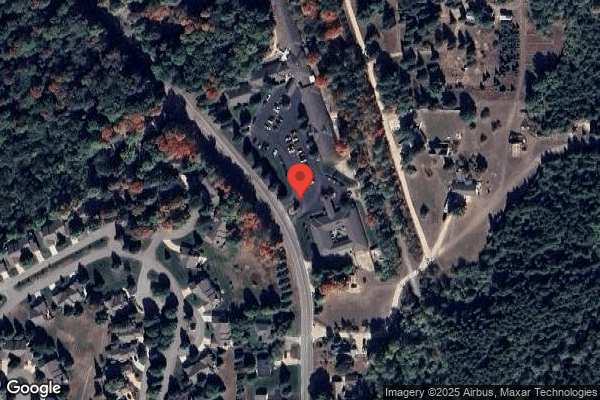

9731 East Cherry Bend Road, Traverse City, MI 49684 (231) 932-9272
For profit - Corporation 22 Beds Independent Data: November 2025
Trust Grade
80/100
#71 of 422 in MI
Last Inspection: October 2024

Within standard 12-15 month inspection cycle. Federal law requires annual inspections.

Overview

Orchard Creek Skilled Nursing in Traverse City, Michigan, has a Trust Grade of B+, which means it is above average and recommended for prospective residents. It ranks #71 out of 422 facilities in the state, placing it in the top half, and is the best option among the three facilities in Leelanau County. The facility is improving, with a significant drop in reported issues from ten in 2023 to just one in 2024. Staffing is a notable strength, scoring 5 out of 5 stars, with a turnover rate of 37%, which is below the state average, indicating stability among staff who are familiar with residents' needs. However, there have been concerns, including a serious incident where a resident fell and suffered multiple fractures while under staff supervision, and issues with ensuring accurate advance directive information for residents, which could impact their medical care preferences. Overall, while there are strengths in staffing and a positive trend, families should be aware of these specific incidents that highlight areas needing attention.

Trust Score
B+
80/100
In Michigan
#71/422
Top 16%
Safety Record
Moderate
Needs review
Inspections
Getting Better
10 → 1 violations
Staff Stability
○ Average
37% turnover. Near Michigan's 48% average. Typical for the industry.
Penalties
✓ Good
No fines on record. Clean compliance history, better than most Michigan facilities.
Skilled Nurses
✓ Good
Each resident gets 75 minutes of Registered Nurse (RN) attention daily — more than 97% of Michigan nursing homes. RNs are the most trained staff who catch health problems before they become serious.
Violations
⚠ Watch
17 deficiencies on record. Higher than average. Multiple issues found across inspections.
★★★★★
5.0
Overall Rating
★★★★★
5.0
Staff Levels
★★★★☆
4.0
Care Quality
★★★★★
5.0
Inspection Score
Stable
2023: 10 issues
2024: 1 issues

The Good

  • 5-Star Staffing Rating · Excellent nurse staffing levels
  • 4-Star Quality Measures · Strong clinical quality outcomes
  • Full Sprinkler Coverage · Fire safety systems throughout facility
  • No fines on record
  • Staff turnover below average (37%)

    11 points below Michigan average of 48%

Facility shows strength in staffing levels, quality measures, fire safety.

The Bad

Staff Turnover: 37%

Near Michigan avg (46%)

Typical for the industry

The Ugly 17 deficiencies on record

1 actual harm
Oct 2024 1 deficiency
CONCERN (D)

Potential for Harm - no one hurt, but risky conditions existed

Medication Errors (Tag F0758)

Could have caused harm · This affected 1 resident

Based on interview and record review, the facility failed to ensure a consent was signed for psychoactive medication use and an AIMS (Abnormal Involuntary Movement Scale) assessment was completed appr...

Read full inspector narrative →
Based on interview and record review, the facility failed to ensure a consent was signed for psychoactive medication use and an AIMS (Abnormal Involuntary Movement Scale) assessment was completed appropriately for one Resident (R12) of five residents reviewed for unnecessary medications. This deficient practice resulted in the potential for the unnecessary use of mind-altering medications, negative side-effects of medications and decreased quality of life. Findings include: Review of R12's Electronic Medical Record (EMR) revealed admission to the facility on 9/16/24 with diagnosis including dementia with behaviors, delirium, and anxiety. Review of R12's 9/23/24 admission Minimum Data Set (MDS) assessment revealed a 10/15 on the Brief Interview for Mental Status (BIMS) score indicating moderate cognitive impairment. R12 was noted in Section N of the MDS assessment to be taking an antipsychotic medication on a routine basis only. An interview was conducted with Registered Nurse (RN) F on 10/2/24 at 9:52 a.m. RN F confirmed R12 was currently receiving an antipsychotic medication. A request was made to the Director of Nursing (DON) on 10/2/24 at 9:55 a.m. for R12's AIMS assessment and consent for psychoactive medications. Review of R12's Medication Administration Record (MAR) for September 2024 and October 2024 revealed the following antipsychotic medications: Seroquel 25 mg (milligrams); Give 1 tablet by mouth at bedtime for mental health; Start Date: 9/16/24; D/C (discontinued) Date: 9/17/24 Seroquel 25 mg; Give 2 tablet by mouth at bedtime for Dementia w/ (with) behavioral disturbances; Start Date: 9/17/24; D/C Date: 9/18/24 Seroquel 50 mg; Give 1 tablet by mouth at bedtime for psychosis; Start Date: 9/18/24 Review of R12's Consent for Psychoactive Medications form presented on admission and dated 9/16/24 did not have R12's Seroquel medication listed, the purpose of the medication, or the Resident or Responsible Party's consent for the use of medication. Review of R12's AIMS form dated 9/16/24 read, in part, .Is this Resident currently taking an Anti-Psychotic Medications? No . An interview was conducted with the DON on 10/2/24 at 10:05 a.m. The DON confirmed the facility had inaccurately completed the AIMS form for R12 and failed to obtain a singed consent for the use of psychoactive medications. The DON stated that the AIMS form should have been completed upon admission and then again on 9/30/24 and the consent should have been completed upon admission.
Oct 2023 10 deficiencies 1 Harm
SERIOUS (G) 📢 Someone Reported This

A family member, employee, or ombudsman was alarmed enough to file a formal complaint

Actual Harm - a resident was hurt due to facility failures

Accident Prevention (Tag F0689)

A resident was harmed · This affected 1 resident

**NOTE- TERMS IN BRACKETS HAVE BEEN EDITED TO PROTECT CONFIDENTIALITY** This citation pertains to Intake MI00137609. Based on interview and record review, the facility failed to prevent a fall for one...

Read full inspector narrative →
**NOTE- TERMS IN BRACKETS HAVE BEEN EDITED TO PROTECT CONFIDENTIALITY** This citation pertains to Intake MI00137609. Based on interview and record review, the facility failed to prevent a fall for one Resident (#18) of one resident reviewed, resulting in Resident #18 falling with staff present and sustaining multiple fractures requiring hospitalization and surgery. Findings include: Resident #18 (R18) Review of a Post Fall/Incident Note dated 4/8/2023 revealed R18 fell in the bathroom while the Certified Nursing Assistant (CNA) was with her. The note revealed [Patient] washed her hand, turned to get towel, and lost balance. fell on left side of face and body. Injuries included laceration on left eyebrow, bleeding around scab on left elbow, and bruising lateral side of left calf. The note revealed R18 was transferred to the hospital. The note also revealed resident should be CGA (Contact Guard Assist). Review of the hospital's History and Physical dated 4/8/23 revealed Patient states she was up with a 1 handed walker going to the restroom with assistance. Upon completion, she went to wash her hand and upon letting go of her walker she fell to her left side. This was witnessed and her assistants were quick to her aid. Review of R18's Hospital Summary dated 4/8/23 revealed diagnoses this visit included fall, maxillary fracture (upper jaw), orbital (surrounding the eye) fracture, multiple fractures of thoracic spine, and lumbar compression fracture. R18 was admitted to the hospital on [DATE], underwent surgery for the maxillary and orbital fractures on 4/11/23, and discharged from the hospital on 4/18/23. In a telephone interview on 10/24/23 at 2:13 PM, CNA E reported CGA required the use of a gait belt and hands on the gait belt. CNA E reported she did not witness R18's fall but heard it from the hallway. CNA E reported when she entered the bathroom, she observed R18 on the floor with a gait belt around her. CNA E reported R18 had used a hemi walker, which was new for her. In a telephone interview on 10/25/23 at 5:54 AM, CNA F reported she was with R18 in the bathroom when R18 fell. CNA F reported R18 was standing at the sink drying her hands and just before I could even grab her, she went sideways. CNA F reported R18 used a hemi walker, let go, and just fell. CNA F stated, I didn't realize she was going to reach up. I didn't expect that. CNA F reported she believed R18 was CGA which meant the use of a gait belt and hands on. CNA F reported R18 had a gait belt on, but reported she did not have hands on the gait belt when R18 fell, otherwise I would have grabbed her. CNA F reported she believed she was turned around, placing something in the garbage can when R18 began to fall. Review of the medical record revealed R18 admitted to the facility on [DATE] with diagnoses that included left femur fracture and fracture of left humerus from a fall at home. The Minimum Data Set (MDS) assessment, with an Assessment Reference Date (ARD) of 3/15/23 revealed R18 scored 13 out of 15 (cognitively intact) on the Brief Interview for Mental Status (BIMS-a cognitive screening tool), required extensive assistance of two people for transfers, extensive assistance of one person for toilet use, and had a history of falls with fracture prior to admission. Review of the Fall Risk assessment dated [DATE] revealed R18 used assistive devices and requires hands-on assistance to move from place to place. R18 scored 20 on the fall risk assessment which indicated she was a high risk for falls. Review of R18's Risk for Falls care plan initiated on 3/15/23 revealed an intervention dated 3/15/23 that included one to two people assist with transfers. Review of the Physical Therapy (PT) Evaluation & Plan of Treatment for the certification period of 3/9/23 through 4/7/23 revealed R18 felt unsteady when standing, felt unsteady when walking, was worried about falling, required partial/moderate assistance with sit to stand transfers, substantial/maximal assistance with toilet transfers, and used a hemi-walker during transfers. Review of the Interdisciplinary Team (IDT) Meeting Note dated 3/20/2023 revealed R18 required moderate assistance with the use of a hemi walker during transfers and patient often leans back during transfers and requires the placement of a hand to steady. Review of the Physical Therapy (PT) Note dated 4/1/23 revealed client fatigues with activities and standing, needs frequent breaks. Review of the Daily Note dated 4/2/2023 revealed R18 transferred with moderate assist of one and a hemi walker. Review of the IDT Meeting Note dated 4/3/2023 revealed R18 toileted with contact guard assist and had weakness. Review of the PT Note dated 4/4/23 revealed R18 upgraded using the NBQC [narrow base quad cane] for transfers in the room with staff. Review of the Daily Note dated 4/6/23 revealed R18 was a fall risk and was CGA with pivot for transfers. The Daily Note dated 4/7/23 revealed R18 was a fall risk and transferred with one assist with a quad cane. In a telephone interview on 10/24/23 at 5:27 PM, Registered Nurse (RN) D reported she was working the night R18 fell but was not in the bathroom with R18. RN D reported when the fall occurred, R18 was standing at the sink, washing her hands, turned to grab the paper towel and fell before the CNA could catch her. RN D reported R18 was transferred to the Emergency Department. In an interview on 10/25/23 at 8:47 AM, Physical Therapist (PT) G reported contact guard assistance required the use of a gait belt and for staff to always hold onto the gait belt. PT G reported R18's transfer and ambulation status was contact guard assist because she loses balance backwards. In an interview on 10/24/23 at 11:14 AM, Director of Nursing (DON) B reported she was unsure how R18 fell with a staff member present. DON B reported the facility did not have an incident report for R18's fall and DON B reported she did not recall speaking with the staff present during the fall. On 10/25/23 at 10:05 AM, DON B reported contact guard assist required hands on the resident at all times while moving. DON B reported she was not aware staff did not have a hold of R18's gait belt when she fell.
CONCERN (D)

Potential for Harm - no one hurt, but risky conditions existed

Report Alleged Abuse (Tag F0609)

Could have caused harm · This affected 1 resident

**NOTE- TERMS IN BRACKETS HAVE BEEN EDITED TO PROTECT CONFIDENTIALITY** Based on observation, interview, and record review, the facility failed to report an allegation of visitor to resident verbal ab...

Read full inspector narrative →
**NOTE- TERMS IN BRACKETS HAVE BEEN EDITED TO PROTECT CONFIDENTIALITY** Based on observation, interview, and record review, the facility failed to report an allegation of visitor to resident verbal abuse to the State Agency for one Resident (#6) of one resident reviewed, resulting in an allegation of abuse that was unreported to the State Agency and the potential for further abuse allegations to go unreported. Findings include: Resident #6 (R6) Review of the medical record revealed R6 admitted to the facility on [DATE] and readmitted [DATE] with diagnoses that included anxiety. The Minimum Data Set (MDS) with an Assessment Reference Date (ARD) of 7/26/23 revealed R6 scored 9 out of 15 (moderate cognitive impairment) on the Brief Interview for Mental Status (BIMS-a cognitive screening tool). R6 had an activated power of attorney in place. Review of the Health Status Note dated 10/4/2023 and written by Director of Nursing (DON) B revealed I was notified by the charge nurse that the resident's son [name redacted] was yelling and swearing at the resident in his room. I approached him and instructed him to leave the bedside. He became argumentative with me, insisting that he was responding to an earlier communication that he had had with the resident. I instructed him that he would not be permitted to verbally abuse the resident and that he needed to leave to collect himself before he would be allowed to speak with the resident again. Met with him in my office, where he reported that the resident had accused him of stealing his money and that he felt that the resident was being ungrateful for his help with his finances. The conversation ended amicably, and he left the building. When speaking to the resident, he was shaken by the encounter but reported that he did not think any further intervention from [facility name redacted] staff. On 10/23/23 at 3:31 PM, R6 was observed lying in bed. R6 was unable to recall the incident with his son. In an interview on 10/24/23 at 10:34 AM, Licensed Practical Nurse (LPN) L reported she was in R6's room on 10/4/23 when R6's son came to visit. LPN L reported R6's son started yelling at [R6] saying you ungrateful son of a b*tch if you ever talk to me like that again, I'm going to cut you loose. You owe me $100,000. LPN L reported she notified DON B of the incident. In an interview on 10/24/23 at 11:14 AM, DON B reported R6's son came in, went to his room, started yelling at [R6] saying he was ungrateful and owed him money. DON B reported she intervened and informed R6's son that he needed leave and could not treat R6 like that. DON B reported she informed Nursing Home Administrator (NHA) A and the incident was discussed but not reported to anyone. In an interview on 10/24/23 at 11:37 AM, NHA A reported he knew very little about the incident between R6 and his son. NHA A reported he knew they were heated but was not aware there was any yelling or name calling. NHA A reported if he had been aware, he would have followed up for possible verbal abuse by a family member and possibly report to the State Agency.
CONCERN (D)

Potential for Harm - no one hurt, but risky conditions existed

Investigate Abuse (Tag F0610)

Could have caused harm · This affected 1 resident

**NOTE- TERMS IN BRACKETS HAVE BEEN EDITED TO PROTECT CONFIDENTIALITY** Based on observation, interview, and record review, the facility failed to investigate an allegation of visitor to resident verb...

Read full inspector narrative →
**NOTE- TERMS IN BRACKETS HAVE BEEN EDITED TO PROTECT CONFIDENTIALITY** Based on observation, interview, and record review, the facility failed to investigate an allegation of visitor to resident verbal abuse for one Resident (#6) of one resident reviewed, resulting in an allegation of abuse that was not investigated and the potential for further abuse to occur. Findings include: Resident #6 (R6) Review of the medical record revealed R6 admitted to the facility on [DATE] and readmitted [DATE] with diagnoses that included anxiety. The Minimum Data Set (MDS) assessment, with an Assessment Reference Date (ARD) of 7/26/23 revealed R6 scored 9 out of 15 (moderate cognitive impairment) on the Brief Interview for Mental Status (BIMS-a cognitive screening tool). R6 had an activated power of attorney in place. Review of the Health Status Note dated 10/4/2023 and written by Director of Nursing (DON) B revealed I was notified by the charge nurse that the resident's son [name redacted] was yelling and swearing at the resident in his room. I approached him and instructed him to leave the bedside. He became argumentative with me, insisting that he was responding to an earlier communication that he had had with the resident. I instructed him that he would not be permitted to verbally abuse the resident and that he needed to leave to collect himself before he would be allowed to speak with the resident again. Met with him in my office, where he reported that the resident had accused him of stealing his money and that he felt that the resident was being ungrateful for his help with his finances. The conversation ended amicably, and he left the building. When speaking to the resident, he was shaken by the encounter but reported that he did not think any further intervention from [facility name redacted] staff. On 10/23/23 at 3:31 PM, R6 was observed lying in bed. R6 was unable to recall the incident with his son. In an interview on 10/24/23 at 10:34 AM, Licensed Practical Nurse (LPN) L reported she was in R6's room on 10/4/23 when R6's son came to visit. LPN L reported R6's son started yelling at [R6] saying you ungrateful son of a b*tch if you ever talk to me like that again, I'm going to cut you loose. You owe me $100,000. LPN L reported she notified DON B of the incident. In an interview on 10/24/23 at 11:14 AM, DON B reported R6's son came in, went to his room, started yelling at [R6] saying he was ungrateful and owed him money. DON B reported she intervened and informed R6's son that he needed leave and could not treat R6 like that. DON B reported she informed Nursing Home Administrator (NHA) A and the incident was discussed but not reported to anyone. In an interview on 10/24/23 at 11:37 AM, NHA A reported he knew very little about the incident between R6 and his son. NHA A reported he knew they were heated but was not aware there was any yelling or name calling. NHA A reported if he had been aware, he would have followed up for possible verbal abuse by a family member and possibly report to the State Agency. NHA A reported the allegation of abuse was not investigated.
CONCERN (D)

Potential for Harm - no one hurt, but risky conditions existed

Comprehensive Care Plan (Tag F0656)

Could have caused harm · This affected 1 resident

**NOTE- TERMS IN BRACKETS HAVE BEEN EDITED TO PROTECT CONFIDENTIALITY** Based on observation, interview, and record review the facility failed to develop and implement comprehensive care plans for 2 R...

Read full inspector narrative →
**NOTE- TERMS IN BRACKETS HAVE BEEN EDITED TO PROTECT CONFIDENTIALITY** Based on observation, interview, and record review the facility failed to develop and implement comprehensive care plans for 2 Residents ( #5 & #12) of 7 residents reviewed resulting in the potential for unmet care needs. Resident #5 (R5) Review of the medical record revealed R5 was admitted to the facility on [DATE] with diagnoses that included type two diabetes with unspecified complications, Covid 19 and anemia in chronic kidney disease. The Minimum Data Set (MDS) assessment, with an Assessment Reference Date of 10/13/23 revealed R5 scored 15 out of 15 (cognitively intact) on the Brief Interview for Mental Status (BIMS-a cognitive screening tool). In an observation and interview on 10/23/23 at 9:23 AM, R5 was seated in her room watching television. R5 reported she had recently contracted coronavirus so she was unable to attend outside community service appointments, but was able to attend her dialysis appointments which were scheduled for Mondays, Wednesday, and Friday. Review of the Care Plan revealed R5 had a focus area which reflected resident has diagnosis of ESRD (End Stage Renal Disease) and requires a therapeutic diet and fluid restriction initiated on 7/14/2023. Some of the interventions included encouraging a large breakfast on dialysis days, monitoring fluids to one liter per day, offer renal diet, and monitor weights and labs as ordered. R5's comprehensive care plan did not include information such as identification of the type of dialysis, where provided and by whom, how often and if the treatment is in accordance with the dialysis prescription. Further review of the same Care Plan revealed no focus area for site assessment and pre/post dialysis monitoring. Review of the Physician Order set revealed an absence of a Physician Order for dialysis including identification of the type of dialysis, where provided and by whom, how often and if the treatment is in accordance with the dialysis prescription. In an interview on 10/24/23 at 1:31 PM, Registered Nurse H reported she does a majority of the care plans for the residents. RN H stated, when a staff member puts in an Physician Order, it will prompt her to completed a care plan that corresponds with the order. In an interview on 10/24/23 at 3:19 PM, Director of Nursing (DON) B reported, care plans are started when a resident has care needs that fall outside standard care. When queried if R5 should have an order set for dialysis, DON B stated that R5's dialysis days are communicated to staff by sticky note and, it would be smart for it to be in an order. A Potential for complications secondary to hemodialysis care plan with interventions to monitor the vascular access site, monitor weights, vitals, and hydration status was added on 10/24/23, however, the added care plan did not include information regarding R5's dialysis schedule. Resident #12 (R12) Review of the medical record revealed R12 admitted to the facility on [DATE] with diagnoses that included generalized anxiety disorder. The Minimum Data Set (MDS) assessment, with an Assessment Reference Date (ARD) of 8/12/23 revealed R12 scored 14 out of 15 (cognitively intact) on the Brief Interview for Mental Status (BIMS-a cognitive screening tool) and received an antidepressant medication for seven days out of the seven-day look back period. Review of the Physician's Orders revealed on 7/31/23, R12 was started on 25 milligrams (mg) of Trazodone (antidepressant medication) at bedtime for insomnia. On 8/7/23, the Trazodone was increased to 50 mg at bedtime for insomnia. On 8/14/23 the Trazodone was increased to 75 mg at bedtime for insomnia. On 8/18/23, the Trazodone was increased to 100 mg at bedtime for insomnia. On 8/23/23, the Trazodone was increased to 150 mg at bedtime for insomnia. On 8/25/23, the Trazodone was increased to 200 mg at bedtime for insomnia. Review of the Health Status Note dated 8/4/23 revealed R12 had not experienced any improvement in insomnia. The Health Status Note dated 8/15/23 revealed R12 reported minimal improvement in sleeping. The Health Status Note dated 8/28/23 revealed R12 reported slight improvement in sleeping but was still having trouble staying asleep. Review of the care plans revealed R12 did not have a care plan for insomnia and the use of Trazodone. In an interview on 10/24/23 at 3:25 PM, Director of Nursing (DON) B reported the Interdisciplinary Team (IDT) discussed what should be care planned for each resident. DON B reported she was not aware R12's Trazodone dose had been increased and reported it had not been discussed amongst the IDT.
CONCERN (D)

Potential for Harm - no one hurt, but risky conditions existed

Deficiency F0657 (Tag F0657)

Could have caused harm · This affected 1 resident

**NOTE- TERMS IN BRACKETS HAVE BEEN EDITED TO PROTECT CONFIDENTIALITY** The facility failed to assist residents/representatives to engage/participate in the care planning process, including attendance...

Read full inspector narrative →
**NOTE- TERMS IN BRACKETS HAVE BEEN EDITED TO PROTECT CONFIDENTIALITY** The facility failed to assist residents/representatives to engage/participate in the care planning process, including attendance at care planning conferences with facility Interdiciplinary Team(IDT) for one Resident (R10), of seven residents reviewed, resulting in the liklihood of unmet care needs and delay in discharge planning. Findings: Review of the facility, Care Planning - Interdisciplinary Team Policy, dated 8/31/22, reflected, The resident, the resident's family and/or the resident's legal representative/guardian or surrogate are encouraged to participate in the development of and revisions to the resident ' s care plan .Care plan meetings will be held as needed and every effort will be made to schedule care plan meetings at the best time of the day for the resident and family . Resident #10 (R10) Review of the Face Sheet and Minimum Data Set (MDS) dated [DATE], reflected R10 was a [AGE] year old male admitted to the facility on [DATE] and re-admitted to the facility on [DATE] and 10/17/23 related to acute urinary tract infections and inflammatory reaction due to indwelling urethral catheter, with other diagnoses that included recent fall with fracture left hip, urinary retention, macular degeneration, respiratory failure, acute renal failure, and weakness. The MDS reflected R10 had a BIM (assessment tool) score of 14 which indicated his ability to make daily decisions was cognitively intact, and he required two person physical assist with bed mobility, transfers, dressing, and one person physical assist with walking in room and corridor, hygiene, toileting, and bathing. During an observation and interview on 10/23/23 at 9:15 AM, R10 was observed laying in bed wearing hospital pants with some difficulty answering questions. During an interview on 10/23/23 at 4:56 PM, Social Worker (SW) I reported the facility had IDT team which met weekly to discuss residents plan including any changes in code status. SW I reported the facility did not have quarterly Care Conferences because IDT team meets weekly to discuss each resident and SW then meets with resident and family to discussed care plan discussed at IDT meeting. SW I reported resident and family were not present at the IDT meeting to be given an oppurtunity for input related to care needs. SW I stated she was unsure why the facility does not have new admission and quarterly Care Conferences.
CONCERN (D)

Potential for Harm - no one hurt, but risky conditions existed

Incontinence Care (Tag F0690)

Could have caused harm · This affected 1 resident

**NOTE- TERMS IN BRACKETS HAVE BEEN EDITED TO PROTECT CONFIDENTIALITY** Based on observation, interview and record review, the facility failed to: (1.) prevent Urinary Tract Infections (UTI's); (2.) f...

Read full inspector narrative →
**NOTE- TERMS IN BRACKETS HAVE BEEN EDITED TO PROTECT CONFIDENTIALITY** Based on observation, interview and record review, the facility failed to: (1.) prevent Urinary Tract Infections (UTI's); (2.) failed to follow up with urology appointment; and (3.) provided catheter care per CDC standards of practice for one Resident (#10) of one resident reviewed for catheters and UTI's, resulting in the likelihood of signs and symptoms of catheter complications going unnoticed, catheter dislodgment, missed urology follow up appointment, and catheter associated urinary tract infection with hospitalization and prolonged illness. Findings include: Resident #10 (R10) Review of the Face Sheet and Minimum Data Set (MDS) assessment dated [DATE], reflected R10 was a [AGE] year old male admitted to the facility on [DATE] and re-admitted to the facility on [DATE] and 10/17/23 related to acute urinary tract infections and inflammatory reaction due to indwelling urethral catheter, with other diagnoses that included recent fall with fracture left hip, urinary retention, macular degeneration, respiratory failure, acute renal failure, and weakness. The MDS reflected R10 had a Brief Interview for Mental Status (BIMS- a cognitive screener assessment tool) score of 14 which indicated his ability to make daily decisions was cognitively intact, and he required two person physical assist with bed mobility, transfers, dressing, and one person physical assist with walking in room and corridor, hygiene, toileting, and bathing. During an observation and interview on 10/23/23 at 9:15 AM, R10 was observed laying in bed wearing hospital pants and foley catheter in place. R10 was noted to have some difficulty in answering questions. Review of R10's Hospital Discharge summary, dated [DATE], reflected, The patient is a [AGE] year-old who fractured his left hip on 7/3/2023 and was admitted to [NAME], had it surgically repaired and was discharged on 7/6/2023 for rehabilitation to [named facility]. He returned 2 days later after experiencing low blood pressure and hypoxia. The patient was seen in the emergency room by that time his blood pressure had normalized and he was oxygenating well. His creatinine was elevated at 1.97 and he had acute urinary retention of over 1000 cc of urine and a Foley catheter was placed. Patient had pyuria and was started empirically on antibiotics but after 2 days of treatment it was decided that this pyuria/bacteriuria was due to colonization and treatment was discontinued. His blood pressures were followed and were thought to be similar to his norm, with a systolic BP frequently in the 90s. He did not show any signs of sepsis. He experienced confusion and even some hallucinations during hospitalization and this apparently was new for him. It appeared to be consistent with hospital delirium and likely exacerbated by his blindness and poor hearing. He was seen in consultation by urology who recommended keeping the urinary catheter in place and following up in the urology clinic within 1 to 2 weeks . Review of the Electronic Medical Record(EMR), dated 7/6/23 through 10/24/23, reflected no evidence of urology follow up. During an interview on 10/24/23 at 5:15 pm, Director of Nursing (DON) B reported R10 returned from hospital with re-admission on [DATE] and had a foley catheter. DON B stated the facility uses standing orders to change foley catheters every 30 days and reported they were not aware this was not recommended by Centers for Disease Control (CDC). DON B reported they were unable to locate evidence R10 was seen by urology for any follow-up after the 7/12/23 hospital discharge with orders to be seen in 1 to 2 weeks. DON B reported urology was terrible about providing documentation. DON B stated they would expect consult notes to be part of the Electronic Medical Record (EMR) and documentation should reflect accurate notes. Review of the Physician orders, dated 7/12/23, reflected an order to change R10's foley catheter every 30 days. Review of the Nurse Practitioner notes, dated 7/31/23, reflected, Chief Complaint / Nature of Presenting Problem: Follow up on urine culture final results History Of Present Illness: The patient is seen and examined today to follow-up on the above. Urine culture final result reveals >100,000 organisms/mL of Pseudomonas as well as Enterococcus faecalis. Upon initial review of sensitivities, enterococcus is not listed to be susceptible to ciprofloxacin which patient is currently receiving for treatment of Pseudomonas. Patient has allergy to penicillin. Contacted the lab and microbiology via telephone, who were able to confirm on their end that Enterococcus was susceptible to ciprofloxacin, susceptibilities on the final lab results were updated to make this visible. Patient denies recent fever, chills, abdominal pain, dysuria. He has follow-up with urology scheduled for tomorrow . Review of the EMR on 10/25/23 at 8:00 a.m., reflected R10 had a urology follow up appointment note from 8/29/23 that was faxed to the facility on [DATE] at 7:51 a.m. The note reflected, Trial Void #1: Pt presents today, with [named family], for trial void, after hip fx/surgery, currently in rehab at [named facility]. Cleared by orthopedics to go home and will be discharged home when no longer has a catheter . The note reflected R10 foley catheter was removed on 8/29/23 and failed trial void #1. The notes reflected catheter left out with direction to push fluids and to re-insert foley catheter in 4 to 6 hours if no urination. The note reflected if catheter had to be re-inserted to follow up with urology in one month other wise 10/17/23. Review of the EMR, dated 8/29/23, reflected no evidence of monitoring R10 intake or output. Continued review reflected orders for post void residuals, dated 8/30/23 through 9/1/23 with straight catheter insertion. Continued review reflected re-insertion of foley catheter on 9/1/23. Review of R10 Nurse Practitioner note, dated 10/9/23, reflected, [R10] is seen today for an acute visit at staff request due to new onset fever and hypoxia .Staff report increased lethargy. Patient does have a Foley catheter in place, staff report dark hazy urine .chronic indwelling Foley, continue routine Foley care. follows with urology . Review of R10 Nurse Practitioner Note, dated 10/19/23, reflected, Chief Complaint / Nature of Presenting Problem: COVID-19 Catheter associated UTI Toxic encephalopathy AKI (Acute Kidney Injury) History Of Present Illness: The patient is seen today for follow-up of the above problems. He was readmitted to this facility on 10/17/2023 following hospitalization at (Local Hospital). He was hospitalized on [DATE] and diagnosed with acute cystitis, acute kidney injury, COVID-19 viremia and nocturnal visual hallucinations. He was treated for cystitis with 5 days of cefepime IV (intravenous). Acute kidney injury was mild at presentation and felt to be secondary to dehydration . During an interview on 10/25/23 at 9:58 AM, Nurse J reported R10 had dark urine with sediment and fever and physician ordered urinalysis and IV fluid related to possible UTI. During an interview on 10/25/23 at 10:21 AM, Unit Clerk (UC) K reported schedules outside appointments for facility and was also transport staff. UC K verified R10 was sent for appointment on 8/29/23 to urology and did not have record of follow up appointment. During an interview on 10/25/23 at 10:25 AM, DON B reported they had just received R10's 8/29/23 urology consult note today and verified they had missed R10's 10/17/23 follow up appointment. DON B verified the 8/29/23 consult noted reflected detailed orders for catheter re-insertion if failed void in 4 to 6 hours with no evidence of documentation. DON B reported would expect staff to document R10's response to post removal of foley catheter. DON B verified R10's foley catheter was re-inserted on 9/1/23. DON B reported they were not aware until today that urology wanted a follow up in 1 month if the catheter had to be re-inserted for R10.
CONCERN (F)

Potential for Harm - no one hurt, but risky conditions existed

Deficiency F0578 (Tag F0578)

Could have caused harm · This affected most or all residents

**NOTE- TERMS IN BRACKETS HAVE BEEN EDITED TO PROTECT CONFIDENTIALITY** Based on observation, interview, and record review, the facility failed to ensure accurate advance directive information was in ...

Read full inspector narrative →
**NOTE- TERMS IN BRACKETS HAVE BEEN EDITED TO PROTECT CONFIDENTIALITY** Based on observation, interview, and record review, the facility failed to ensure accurate advance directive information was in place for three Residents (R6, R9, and R10) of three Residents reviewed for advance directives (legal documents that allow a person to identify decisions about end-of-life care ahead of time), resulting in the potential for a resident's preferences for medical care to not be followed by the facility, or other healthcare providers. Findings Include: Review of the MICHIGAN DO-NOT-RESUSCITATE PROCEDURE ACT, Act 193 of 1996 (Revised 3-25-14), revealed, An order executed under this section shall be on a form described in section 4. The order shall be dated and executed voluntarily and signed by each of the following persons: (a) The declarant, the declarant's patient advocate, or another person who, at the time of the signing, is in the presence of the declarant and acting pursuant to the directions of the declarant. (b) The declarant's attending physician. (c) Two witnesses [AGE] years of age or older, at least 1 of whom is not the declarant's spouse, parent, child, grandchild, sibling, or presumptive heir. (3) The names of all signatories shall be printed or typed below the corresponding signatures. A witness shall not sign an order unless the declarant or the declarant's patient advocate appears to the witness to be of sound mind and under no duress, fraud, or undue influence. Further review of this Act revealed, Sec. 4. A do-not-resuscitate order executed under section 3 or 3a shall include, but is not limited to, the following language, and shall be in substantially the following form: DO-NOT-RESUSCITATE ORDER This do-not-resuscitate order is issued by _______________________________________, attending physician for _________________________________________. (Type or print declarant's or ward's name) Use the appropriate consent section below: A. DECLARANT CONSENT I have discussed my health status with my physician named above. I request that in the event my heart and breathing should stop, no person shall attempt to resuscitate me. This order will remain in effect until it is revoked as provided by law. Being of sound mind, I voluntarily execute this order, and I understand its full import. _______________________________________ _______________ (Declarant's signature) (Date) _______________________________________ _______________ (Signature of person who signed for (Date) declarant, if applicable) _______________________________________ (Type or print full name) B. PATIENT ADVOCATE CONSENT I authorize that in the event the declarant's heart and breathing should stop, no person shall attempt to resuscitate the declarant. I understand the full import of this order and assume responsibility for its execution. This order will remain in effect until it is revoked as provided by law. _______________________________________ _______________ (Patient advocate's signature) (Date) _______________________________________ (Type or print patient advocate's name) C. GUARDIAN CONSENT I authorize that in the event the ward's heart and breathing should stop, no person shall attempt to resuscitate the ward. I understand the full import of this order and assume responsibility for its execution. This order will remain in effect until it is revoked as provided by law. _______________________________________ _______________ (Guardian's signature) (Date) _______________________________________ (Type or print guardian's name) _______________________________________ _______________ (Physician's signature) (Date) _______________________________________ (Type or print physician's full name) ATTESTATION OF WITNESSES The individual who has executed this order appears to be of sound mind, and under no duress, fraud, or undue influence. Upon executing this order, the declarant has (has not) received an identification bracelet. ______________________________ ______________________________ (Witness signature) (Date) (Witness signature) (Date) ______________________________ ______________________________ (Type or print witness's name) (Type or print witness's name) THIS FORM WAS PREPARED PURSUANT TO, AND IS IN COMPLIANCE WITH, THE MICHIGAN DO-NOT-RESUSCITATE PROCEDURE ACT. Resident #9 Review of the Face Sheet and Minimum Data Set (MDS) dated [DATE], reflected R9 was a [AGE] year old female admitted to the facility on [DATE], with diagnoses that included recent fall with fracture left clavicle and ribs, urinary tract infection, and respiratory failure. The MDS reflected R9 had a BIM (assessment tool) score of 14 which indicated her ability to make daily decisions was cognitively intact, and she required two person physical assist with bed mobility, transfers, toileting, dressing, and one person physical assist with walking in room and corridor, hygiene, and bathing. During an observation and interview on 10/23/23 at 11:35 AM, R9 was sitting in her room and appeared well groomed, calm and able to answer questions without difficulty. Review of the Michigan Physician Orders for Scope of Treatment (MI-POST), revealed R9 chose to be a Do Not Resuscitate (DNR) and signed the form on 9/15/23. Review of the medical record revealed R9 did not have a DNR order reflective of the Michigan Do Not Resuscitate Procedure Act. During an interview on 10/23/23 at 4:28 PM, Social Worker (SW) I reported they had worked at the facility for about 6 months. SW I reported they met with new admission residents within 36 hours of admission and would expect resident or responsible party to complete an MI-POST which included two witness signatures if a resident wished to be a Do Not Resuscitate(DNR). SW I verified R9 MI-POST indicated DNR with no witness signatures. SW I reported facility started to use new MI-POST document recently and did not notice form did not have spot for two witness signatures. SW I reported MI-POST form recently went live and verified date of form was 8/22 from MDHHS-5836. SW I reported new form used due to administrative changes to the document to provide a clearer understanding. Director of Nursing (DON) B joined the interview and reported the facility planned training for next month for the new (MI-POST) form that just went live and referenced email guidance. SW I reported R9 did not have a DNR Physician order other than the MI-POST form. On 10/24/23 at 9:15 AM, review of the provided MI-POST guidance reflected, Members should be aware that a validly executed MI-POST may be used as a medical order in an assisted living community. Residents admitted to a skilled nursing facility with an active MI-POST are advised to also complete a Michigan Do Not Resuscitate Form . Review of the link on the provider guidance for frequently asked questions included, Q: How is a MI-POST different from a Michigan Out of Hospital Do-Not-Resuscitate form? A: A MI-POST is intended only for adults who may have advanced illness or frailty with a life expectancy of 1 year or less. A Michigan Out of Hospital Do-Not Resuscitate form is intended for adults, or minors with advanced illness, with a life expectancy greater than 1 year .MDHHS MI-POST website. During an interview on 10/24/23 at 9:43 AM, SW I verified R9 did not have a physician signed DNR order. Resident #10 Review of the Face Sheet and Minimum Data Set (MDS) dated [DATE], reflected R10 was a [AGE] year old male admitted to the facility on [DATE] and re-admitted to the facility on [DATE] and 10/17/23 related to acute urinary tract infections and inflammatory reaction due to indwelling urethral catheter, with other diagnoses that included recent fall with fracture left hip, urinary retention, macular degeneration, respiratory failure, acute renal failure, and weakness. The MDS reflected R10 had a BIM (assessment tool) score of 14 which indicated his ability to make daily decisions was cognitively intact. During an observation and interview on 10/23/23 at 9:15 AM, R10 was observed laying in bed wearing hospital pants and had some difficulty answering questions. Review of the Michigan Physician Orders for Scope of Treatment (MI-POST), revealed R10 chose to be a Do Not Resuscitate (DNR) and signed the form on 7/6/23. Review of the medical record revealed R10 did not have a DNR order reflective of the Michigan Do Not Resuscitate Procedure Act. During an interview on 10/23/23 at 4:56 PM, SW I verified R10 had an older version MI-POST form which indicated R10 wished to be DNR. SW I verified R10 was DNR and that he was own responsible person. SW I reported facility had an Interdisciplinary (IDT) team that met weekly to discuss resident plans including any changes in code status. SW I reported the facility did not do quarterly Care Conferences because the IDT team met weekly to discuss each resident . SW I then stated she meets with resident and family to discuss care planning discussed at IDT meeting. During an interview on 10/24/23 at 9:43 AM, SW I verified R10 did not have a physician signed DNR order. Resident #6 (R6) Review of the medical record revealed R6 admitted to the facility on [DATE] and readmitted on [DATE] with diagnoses that included acute respiratory failure with hypoxia, cerebral infarction, dysphagia, protein-calorie malnutrition, diabetes, chronic obstructive pulmonary disease, and epilepsy. The Minimum Data Set (MDS) with an Assessment Reference Date (ARD) of 7/26/23 revealed R6 scored 9 out of 15 (moderate cognitive impairment) on the Brief Interview for Mental Status (BIMS-a cognitive screening tool). R6 had an activated durable power of attorney for healthcare (DPOAH). On 10/23/23 at 3:31 PM, R6 was observed lying in bed. Review of the Michigan Physician Orders for Scope of Treatment (MI-POST), revealed R6's DPOAH chose for R6 to be a Do Not Resuscitate (DNR) and signed the form on 8/8/23. Review of the medical record revealed R6 did not have a DNR order refelctive of the Michigan Do Not Resuscitate Procedure Act.
CONCERN (F)

Potential for Harm - no one hurt, but risky conditions existed

Food Safety (Tag F0812)

Could have caused harm · This affected most or all residents

Based on observation, interview, and record review the facility failed to ensure proper label and dating of foods with the potential to effect 7 of 8 residents (1 resident receives nothing by mouth) r...

Read full inspector narrative →
Based on observation, interview, and record review the facility failed to ensure proper label and dating of foods with the potential to effect 7 of 8 residents (1 resident receives nothing by mouth) resulting in the increased risk of food borne illness. Findings include: During an inspection of a refrigerator located in the resident dining room on 10/23/2023 at 11:41 AM, the following was observed: Opened container of Thick and Easy clear Hydrolyte Thickened Water, no opened date Opened package of cheddar cheese cubes, no opened date Two containers of coffee creamer, no opened date Opened 20 ounce Diet Pepsi, no opened date Two loaf of white bread, No opened or use by date An observation on of a sign displayed on the face of the refrigerator in the dining room revealed all items in this refrigerators must be sealed/covered, labeled and dated or they will be discarded. Items may only be kept for a maximum of three days . In an interview on 10/25/23 at 9:02 AM, Dietary Manager C stated items were discarded after three days so the expectation would be to label the item when opened with the opened date.
MINOR (C)

Minor Issue - procedural, no safety impact

Abuse Prevention Policies (Tag F0607)

Minor procedural issue · This affected most or all residents

Based on interview and record review, the facility failed to develop an abuse policy consistent with current regulatory language for reporting allegations of abuse to the State Agency, resulting in th...

Read full inspector narrative →
Based on interview and record review, the facility failed to develop an abuse policy consistent with current regulatory language for reporting allegations of abuse to the State Agency, resulting in the potential for allegations of abuse to not be reported timely to the State Agency for all eight facility residents. Findings include: Review of the facility's undated Abuse, Neglect, Misappropriation, or Exploitation Policy/Procedure revealed 1. When an alleged or suspected incident of abuse, neglect, misappropriation of resident property, and exploitation, the facility Administrator, or his/her designee, will notify the following persons or agencies of such incident. a. The facility Medical Director b. The resident's responsible party c. The State licensing agency responsible for surveying/licensing the facility . Reporting time line requirements: Within 2 hours of receiving an allegation of abuse or forming suspicion of abuse if there is serious bodily injury. Within 24 hours of receiving an allegation of abuse or forming suspicion of abuse if there is not serious bodily injury . Reporting/Response: Upon receipt of an allegation of abuse or neglect, the employee will assure the resident is safe and then immediately report the incident to the Administrator and DON [Director of Nursing]. The Administrator, DON and/or employee must report an incident with any suspicion of a crime or serious bodily harm to Dept of HHS, local police and state agency within 2 hours of the incident being reported. If no serious bodily harm has occurred, the incident must be reported within 24 hours of the incident. The Administrator or DON then has 5 business days to fully investigate the incident and submit a written report to the state agency. (The current regulatory language requires any allegation of abuse to be reported to the State Agency within 2 hours). In an interview on 10/24/23 at 11:37 AM, Nursing Home Administrator (NHA) A reported it was the facility's policy to report to the State Agency within two hours if there was an injury and within 24 hours if there was no injury.
MINOR (C)

Minor Issue - procedural, no safety impact

Deficiency F0838 (Tag F0838)

Minor procedural issue · This affected most or all residents

Based on interview and record review, the facility failed to annually review and update the facility-wide assessment to address the resident population, acuity, staffing levels, physical environment a...

Read full inspector narrative →
Based on interview and record review, the facility failed to annually review and update the facility-wide assessment to address the resident population, acuity, staffing levels, physical environment and risk assessment which had the potential to affect all 8 residents residing at the facility. This deficient practice resulted in the increased likelihood for insufficient resources to provide for resident care and emergency/disaster needs. Findings include: On 10/23/23 at 9:33 AM, during the entrance conference for the annual survey, a copy of the Facility Assessment was requested. NHA A reported the current census was 8 related to a recent COVID-19 outbreak. Review of the facility's assessment, failed to reveal the following: 1). Evaluation of all contracts, memorandums of understanding including third party agreements for the provision of goods, services, or equipment to the facility during both normal operations and emergencies. 2). Staff competencies details that were necessary to provide for the level and types of care needed for the resident population. 3). An evaluation of the facilities training program to ensure any training needs were met for all staff. 4). An evaluation of the overall number of facility staff needed to ensure sufficient number of qualified staff were available to meet resident's needs. 5). Health information technology resources details, such as managing resident records and electronically sharing information with other organizations. 6.) Overall details and evidence of annual review. Continued review of the Facility Assessment reflected no mention of planning/staffing for COVID-19(had been informed on entrance COVID-19 unit was open as of 10/23/23). The Facility Assessment included, Average number of residents (2017 and 2018) = 19 per day . On 10/25/23 at 12:01 PM, an interview was conducted with the NHA A during the review of the facility Quality Assessment and Assurance program and the Quality Assurance and Performance Improvement program. The NHA A was queried regarding the incomplete Facility Assessment Summary. NHA A reported it was brought to our attention last year and we should have updated it then. The NHA A looked and then stated he had no documentation for an annual review of the facility assessment and reported it had not been updated annually.
Sept 2022 6 deficiencies
CONCERN (D)

Potential for Harm - no one hurt, but risky conditions existed

Pressure Ulcer Prevention (Tag F0686)

Could have caused harm · This affected 1 resident

**NOTE- TERMS IN BRACKETS HAVE BEEN EDITED TO PROTECT CONFIDENTIALITY** Based on observation, interview, and record review, the facility failed to ensure interventions were in place to prevent the wor...

Read full inspector narrative →
**NOTE- TERMS IN BRACKETS HAVE BEEN EDITED TO PROTECT CONFIDENTIALITY** Based on observation, interview, and record review, the facility failed to ensure interventions were in place to prevent the worsening of a pressure ulcer for one Resident (#72) out of two residents reviewed for pressure ulcers. This deficient practice resulted in the worsening of a stage two pressure ulcer to a stage three pressure ulcer, and the potential for further decline. Findings include. On 9/6/22 at 12:55 p.m., the Assistant Director of Nursing (ADON) was heard discussing new interventions for Resident #72's pressure ulcer. The ADON reported he was adding a protein supplement and a pressure-relieving mattress. On 9/7/22 at 3:40 p.m., an observation and interview was conducted with Resident #72 who was lying in his bed on his back and was thin and frail. When asked if he had been seen by the Registered Dietician (RD) or anyone from dietary, Resident #72 said that he had not. Resident #72 reported that the food was sometimes good and sometimes bad. When asked if the facility followed his preferences, Resident #72 said, Not really because they never really ask me what I like. A review of Resident #72's medical record revealed he admitted to the facility on [DATE] with diagnoses including moderate protein-calorie malnutrition and sepsis. A review of his 9/1/22 Minimum Data Set (MDS) assessment indicated intact cognition. This MDS assessment also noted that he had one stage two pressure injury. A review of Resident #72's pressure ulcer documentation revealed the following: 8/25/22 abrasion right buttock. Dimensions: area: 5.61 cm 2, length 3.5 cm, width 2.37 cm. 9/2/22 abrasion right buttock. Dimensions: area 15.21 cm 2 (+171%), length 8.06 cm, width 2.61 cm. 9/6/22 abrasion right buttock. Dimensions: area 12.17 cm 2, length 7.17 cm, width 2.93 cm. Further review of Resident #72's medical record revealed no dietary/nutrition assessments or interventions for pressure ulcer healing support. A review of Resident #72's 8/26/22 provider note revealed, . Patient has had a poor appetite . Daily weights . Protein calorie malnutrition. Consider protein supplement. Request evaluation by dietary . A review of an 8/30/22 Physician note revealed, . Protein-calorie malnutrition Would recommend Registered dietitian following . Stage 2 pressure ulcer of buttocks. High risk due to malnutrition, immobility . Registered dietician to follow . On 9/8/22 at 3:43 p.m., the ADON was asked about Resident #72's pressure ulcer. When asked about why the interventions of the pressure-relieving mattress and protein supplement were not put in place sooner, the ADON reported that he wasn't familiar with the resident yet. When asked about the progression of the wound from a stage 2 to a stage 3, the ADON stated, I definitely could have implemented more interventions earlier. A review of the facility policy titled, Prevention of Pressure Ulcers revised January 2002 revealed, .1. Risk factor: Bedfastness/chairfastness . For a person in bed: change position at least every two hours; use a special mattress that contains foam, air, gel, or water as indicated . 4. Risk Factor: Poor Nutrition: monitor nutrition and hydration status. Encourage proper dietary and fluid intake
CONCERN (D)

Potential for Harm - no one hurt, but risky conditions existed

Deficiency F0692 (Tag F0692)

Could have caused harm · This affected 1 resident

**NOTE- TERMS IN BRACKETS HAVE BEEN EDITED TO PROTECT CONFIDENTIALITY** Based on observation, interview, and record review, the facility failed to ensure monitoring and/or nutritional care was provide...

Read full inspector narrative →
**NOTE- TERMS IN BRACKETS HAVE BEEN EDITED TO PROTECT CONFIDENTIALITY** Based on observation, interview, and record review, the facility failed to ensure monitoring and/or nutritional care was provided for three Residents (#1, #69, and #72) out of four residents reviewed for nutrition. This deficient practice resulted in significant weight loss, the potential for further weight loss and impeded wound healing. Findings include: Resident #1 A review of Resident #1's medical record revealed he admitted to the facility on [DATE] with diagnoses including protein energy malnutrition, stroke, and dysphagia (swallowing impairment). A review of his 7/14/22 Minimum Data Set (MDS) assessment revealed he scored 14/15 on the Brief Interview for Mental Status (BIMS) assessment, indicating intact cognition and was dependent on tube feeding to meet his nutritional and hydration needs. On 9/7/22 at 3:44 p.m., Resident #1 was observed lying in bed. When asked if he had recently seen the Registered Dietitian, Resident #1 stated, Not at all. I never see them. And I have to eat a special diet where I have to tuck my chin and cough and swallow. A review of Resident #1's weight record on 9/7/22 revealed he had no weight taken for September and had not been weighed since 8/28/22, despite being on a tube feeding regimen. A review of his medical record revealed his last note from the Registered Dietitian (RD) J was written on 3/25/22 and the last note by the Dietary Manager I was on 6/6/22. No other nutritional notes or assessments were found in his record. A review of an 8/8/22 provider note for Resident #1 revealed, .patient has had a 6 pound unplanned weight loss over the past week. Request dietitian reevaluation of caloric needs . A review of a physicians order dated 8/10/22 revealed, dietitian re-evaluation d/t (due to) 6# (pound) unexpected weight loss in 1 week. No dietitian re-evaluation occurred and this order was not completed. On 9/8/22 at 10:23 a.m., an interview was conducted with Dietary Manager I who when asked about the Physician order dated 8/10/22 for the Dietitian consult reported he didn't know anything about it. Dietary Manager I reported that RD J was supposed to come in that day to complete Resident #1's assessment. Resident #69 On 9/6/22 at 2:38 p.m., Resident #69 was observed lying in her bed and appeared thin. Resident #69 was asked if she had seen the RD or anyone form the nutrition or dietary department. Resident #69 reported she had not met anyone to talk about her diet or nutrition. Resident #69 reported that she had requested someone to come look at her feeding tube. A review of Resident #69's medical record revealed she admitted to the facility on [DATE] with diagnoses including diaphragmatic hernia, reflux, and diabetes. A review of her 9/2/22 MDS assessment revealed she scored 15/15 on the BIMS assessment indicating intact cognition. This assessment also revealed she had a tube feeding, mechanically altered diet, and therapeutic diet in place. A review of a 8/21/22 hospital note for Resident #69 revealed, .G tube in place. Keep clamped . A review of Resident #69's medical record revealed no nutrition or dietary notes, assessments, or preferences. A review of a provider note dated 8/30/22 for Resident #69 revealed, . She denies any further nausea or vomiting, and questions when the G-tube may be removed. She states that she does not like her diet, but has been tolerating it without significant issues . On 9/8/22 at 10:23 a.m., an interview was conducted with Dietary Manager I who reported that he saw Resident #69 and did her nutrition assessment that morning. A review of the Nutrition Risk assessment dated [DATE] revealed her overall risk score was 6 (moderate risk). This assessment revealed no documentation that Resident #1's concerns of her diet were addressed by Dietary Manager I or that any referral was made to RD J. When asked why a Resident with a feeding tube, specialized diet, and concerns with her diet was not assessed sooner than 14 days after her admission, Dietary Manager I reported that usually the MDS nurse would let him know who needed to be assessed sooner. Resident #72 On 9/7/22 at 3:40 p.m., an interview was conducted with Resident #72 who was lying in his bed on his back and appeared thin and frail. When asked if he had been seen by the RD or anyone from dietary, Resident #72 said that he had not. Resident #72 reported that the food was sometimes good and sometimes bad. When asked if the facility followed his preferences, Resident #72 said, Not really because they never really ask me what I like. A review of Resident #72's medical record revealed he admitted to the facility on [DATE] with diagnoses including moderate protein-calorie malnutrition and sepsis. A review of his 9/1/22 MDS revealed he scored 14/15 on the BIMS assessment indicating intact cognition. This MDS also noted that he had one stage two pressure injury. A review of Resident #72's weight log revealed that he was weighed on the first three days as follows: 8/25 126.2 8/26 124.0 8/27 121.8 Resident #72 had no weights after 8/27/22, despite those three weights showing a downward trend. Further review of Resident #72's medical record revealed no dietary/nutrition notes, assessments, or preferences. A review of Resident #72's 8/26/22 provider note revealed, . Patient has had a poor appetite . Daily weights . Protein calorie malnutrition. Consider protein supplement. Request evaluation by dietary . A review of an 8/30/22 Physician note revealed, . Protein-calorie malnutrition Would recommend Registered dietitian following . Stage 2 pressure ulcer of buttocks. High risk due to malnutrition, immobility . Registered dietician to follow . On 9/8/22 at 8:55 a.m., an interview was conducted with the DON about why Resident #72 had not been weighed. The DON reported that Resident #72 had refused to be weighed on the previous Sunday, but had no documentation about the refusal. The DON reported that Resident #72 was weighed that morning on 9/8/22 but it revealed a 12 pound difference and that they would reweigh him. A review of Resident #72's weight log revealed the following new weights: 9/8/22 103.6 pounds (-22.6 pounds since admission on [DATE] -17.9%) 9/8/22 110.0 pounds (-16.2 pounds since admission on [DATE] -12.8%) A review of the facility policy titled, Nutrition (Impaired)/Unplanned Weight Loss - Clinical Protocol revised September 2017 revealed, .1. The staff and physician/provider will identify pertinent interventions based on identified cause and overall resident condition, prognosis, and wishes . 2. The physician/provider will authorize appropriate interventions, as indicated .
CONCERN (D)

Potential for Harm - no one hurt, but risky conditions existed

Tube Feeding (Tag F0693)

Could have caused harm · This affected 1 resident

**NOTE- TERMS IN BRACKETS HAVE BEEN EDITED TO PROTECT CONFIDENTIALITY** Based on interview and record review, the facility failed to provide nutritional monitoring of one enterally (tube feeding) depe...

Read full inspector narrative →
**NOTE- TERMS IN BRACKETS HAVE BEEN EDITED TO PROTECT CONFIDENTIALITY** Based on interview and record review, the facility failed to provide nutritional monitoring of one enterally (tube feeding) dependent Resident (#75) out of two residents reviewed for tube feeding. This deficient practice resulted in the potential for feeding intolerance, weight loss, and constipation. Findings include: A review of Resident #75's medical record revealed he admitted to the facility on [DATE] with diagnoses including hyponatremia (low sodium), larynx cancer, and diabetes. A review of his [DATE] Minimum Data Set (MDS) assessment revealed he scored 14/15 on the Brief Interview for Mental Status (BIMS) assessment indicating intact cognition. This assessment also showed that he was dependent on tube feeding to meet his nutritional and hydration needs. A review of Resident #75's nutrition notes revealed the last nutrition note completed by the Registered Dietitian on [DATE] which revealed, .Resident tolerating TF (tube feed) of (brand name tube feeding formula with no fiber) 1.2 . TF adequate to meet caloric needs, and fluid needs with flush. Resident admitted to Hospice care with dx (diagnosis) of CA (cancer of) larynx. Will monitor status ongoing. Despite Resident starting on hospice services and being on tube feeding, there was no nutritional follow-up after this note. A review of Resident #75's record revealed no weights were taken between [DATE] and [DATE], despite the resident being tube feeding dependent. Further review revealed no weights were taken after [DATE] until his expiration on [DATE]. A review of Resident #75's progress notes revealed the following: [DATE] .Patient has been more agitated this shift. Patient complaining of stomach pressure making him very uncomfortable to sleep . [DATE] Resident was c/o stomach pains and being backed up with a bowel movement. Bowel sounds were active x4 (all four areas on stomach). Digital stimulation was preformed with little results. At this time, a (brand name) enema was given to help pass the hard stool. [DATE] . Lactulose given per resident request for a laxative . [DATE] While administering (name brand tube feeding) resident began to have emesis (vomiting). Tube feed stopped and NP (Nurse Practitioner) notified. NP gave orders to hold TF until resident did not feel nauseated. Also to do rectal exam to make sure resident was not overly constipated. Resident found to have soft stool . [DATE] Resident had an episode of emesis. Water flush held at this time and Ativan given to help with n/v (nausea and vomiting) . [DATE] Resident was found to be deceased at 0620 (6:20 a.m.) . A review of the physicians orders revealed the order for Probiotic Daily Capsule - Give 1 caplet via G-Tube in the morning for diarrhea, was discontinued on [DATE] due to the supplement not being covered under hospice care. Despite the tube feeding formula containing no fiber, a nutritional re-evaluation of Resident #75's tube feeding formula was not considered or conducted. On [DATE] at 10:23 a.m., Dietary Manager I was asked about Resident #75's tube feeding, but reported that he didn't have any information about it. When asked if he or RD J had been involved in continuing to monitor Resident #75's tube feeding after he was started on hospice, Dietary Manager I reported he didn't recall anyone asking for reassessment. On [DATE] at approximately 4:45 p.m., Resident #75's tube feeding and nutrition was discussed. When asked if the facility had correlated the discontinuation of the probiotic and the onset of the constipation and abdominal discomfort, the DON reported that they had not as she was not aware that the tube feeding formula did not contain fiber. A review of the facility policy titled, Enteral Nutrition revised 2018 revealed, .4. Enteral nutrition is ordered by the provider based on the recommendations of the dietitian . 8. The dietitian monitors residents who are receiving enteral nutrition, and makes appropriate recommendations for interventions to enhance tolerance and nutritional adequacy of enteral feedings .
CONCERN (D)

Potential for Harm - no one hurt, but risky conditions existed

Infection Control (Tag F0880)

Could have caused harm · This affected 1 resident

Based on observation, interview, and record review, the facility failed to ensure proper infection control practices were maintained during wound dressing changes and failed to ensure oxygen equipment...

Read full inspector narrative →
Based on observation, interview, and record review, the facility failed to ensure proper infection control practices were maintained during wound dressing changes and failed to ensure oxygen equipment was maintained in a sanitary manner for three Residents (#72, #2, and #8) of 19 residents reviewed for infection control. This deficient practice resulted in the potential for wound infection, respiratory infection, and complications to existing medical conditions. Findings include: Resident #72 On 9/7/22 at 11:35 a.m., wound care was observed for Resident #72 and was performed by Infection Preventionist (IP)/Assistant Director of Nursing (ADON)/Licensed Practical Nurse (LPN) A and Nurse Practitioner (NP) B. At the beginning of the wound care set-up process IP A set down wound care supplies on Resident #72's bedside night stand without a barrier. IP A then picked up a trash can with gloved hands and moved it to the opposite side (right hand side) of Resident #72's bed. IP A failed to remove his gloves or perform hand hygiene before continuing the wound care process. NP B removed the dressing and inspected the wound. IP A at that time, picked up the trash can so NP B could throw the old dressing away and IP A then placed the trash can on the floor again. No removal of contaminated gloves or hand hygiene was observed. Resident #72 was positioned on his right side and IP A switched places with NP B to apply a new dressing. The trash can remained on the floor on the right side of Resident #72 and just prior to IP A beginning the application of the new dressing was handed the trash can by NP B over Resident #72. IP A set the trash can on the floor and continued with the process of cleansing the wound before application of the new dressing without changing gloves or performing hand hygiene. IP A stated there was a wound odor reported. IP A and NP B stated they wanted to be sure the IV (Intravenous) Vancomycin (antibiotic) would still be appropriate if there were organisms present in the wound bed needing to be treated. IP A confirmed Resident #72 was on the IV Vancomycin due to a current MRSA (methicillin resistant staphylococcus aureus [drug resistant bacterial infection]) and MSSA (methicillin susceptible staphylococcus aureus [non-drug resistant bacterial infection])infection of a surgical wound. Resident #2 On 9/8/22 at 10:00 a.m., wound care was observed for Resident #2 and performed by IP A with the assistance of Certified Nurse Aide (CNA) C. IP A proceeded into the room and placed dressing supplies on a bedside night stand without a barrier. IP A failed to remove his gloves or perform hand hygiene after touching the trash can and then proceeded to remove the old dressing. IP A failed to remove gloves or perform hand hygiene and then proceeded to cleanse the wound site and replaced dressing with the same gloves. On 9/8/22 at 10:20 a.m., during an interview, IP A acknowledged there was no barrier provided for the wound care supplies. IP A stated he didn't think he would need a barrier if he kept the supplies in their wrappers. This surveyor explained IP A still had to touch the external surface of the wrappers to remove the dressing supplies and contaminate one or both gloves in the process. IP A stated he didn't realize he forgot to remove gloves and perform hand hygiene at appropriate intervals. Staff A acknowledged contamination of gloves by handling the trash cans for both observations. Resident #8 On 9/06/22 at 1:21 p.m., during a room observation for Resident #8, an oxygen concentrator was observed with a nasal cannula (oxygen tubing) attached to the oxygen concentrator. The nasal cannula was coiled up on the floor with the prongs of the nasal cannula (designed to go in a person's nostrils), in contact with the floor surface. The oxygen tubing was undated, so it was unable to be determined how long the nasal cannula had been in use. On 9/6/22 at approximately 1:30 p.m., during an interview, LPN D confirmed Resident #8 still used oxygen from time to time when needed. On 9/7/22 at 3:45 p.m., during an observation of Resident #8's room environment, the undated nasal cannula remained available for Resident #8 to use and remained coiled up on the floor with the prongs still in contact with the floor surface. On 9/8/22 at 3:35 p.m., during an observation of Resident #8's room environment, the undated nasal cannula remained in service, coiled up on the floor with the prongs still in contact with the floor surface. On 9/8/22 at approximately 4:30 p.m., the Director of Nursing (DON) was shown the concern of the nasal cannula on the floor. The DON also confirmed Resident #8 still used the oxygen from time to time. The DON acknowledged the nasal cannula should not have been laying on the floor, removed the tubing from the oxygen concentrator, stated it would be thrown away and new tubing would be obtained for Resident #8. The DON also confirmed the tubing should be changed weekly and be dated. A review of the facility policy titled Dressings, Dry/Clean, with a revised date of September 2013, read in part: 1. Clean bedside stand. Establish a clean field. 2. Place the clean equipment on the clean field. Arrange the supplies so they can be easily reached . 6. Put on clean gloves. Loosen tape and remove soiled dressing. 7. Pull glove over dressing and discard into waste basket. 8. Wash and dry your hands thoroughly. 9. Open dry, clean dressing(s) .touching only the exterior surface. 10. Label tape or dressing with date, time and initials. Place on clean field. 11. Using clean technique, open other products . 12. Put on clean gloves . .14. Cleanse wound . The policy lacked any guidance related to hand hygiene when removing gloves and before putting on new gloves. A review of the Centers for Disease Control (CDC) website located at https://www.cdc.gov/handhygiene/providers/guideline.html#:~:text=Unless%20hands%20are%20visibly%20soiled,effective%20method%20of%20cleaning%20hands., accessed on 9/12/22, read in part: .Healthcare personnel should use an alcohol-based hand rub or wash with soap and water for the following clinical indications: Immediately before touching a patient Before performing an aseptic task (e.g., placing an indwelling device) or handling invasive medical devices Before moving from work on a soiled body site to a clean body site on the same patient After touching a patient or the patient's immediate environment After contact with blood, body fluids, or contaminated surfaces Immediately after glove removal .
CONCERN (F)

Potential for Harm - no one hurt, but risky conditions existed

Deficiency F0730 (Tag F0730)

Could have caused harm · This affected most or all residents

Based on interview review and record review, the facility failed to ensure that Certified Nurse Aides (CNA's) were reviewed annually for competency and provided 12 hours of yearly inservice educations...

Read full inspector narrative →
Based on interview review and record review, the facility failed to ensure that Certified Nurse Aides (CNA's) were reviewed annually for competency and provided 12 hours of yearly inservice educations for four of four CNA's reviewed, with the potential to effect all 19 Residents residing in the facility. This deficient practice resulted in the potential for unmet needs or improper care. Findings include: A review CNA training records for CNA E, CNA F, CNA G, and CNA H revealed the following: There were no annual competencies provided. CNA's E, F, G, and H did not have the required 12 hours of inservices. On 9/7/22 at 2:10 p.m., an interview was conducted with the Director of Nursing (DON). When asked who was in charge of monitoring the competency reviews and the annual inservices, the DON reported that she was. When asked why the CNA's did not have 12 hours of inservices each year, the DON stated, We're grossly lacking in that. When asked about the missing annual competency reviews, the DON stated, We don't have those. A review of the facility policy titled, Staff Training and Education updated July 2021 revealed, . Required Inservicing for Certified Nursing Assistants (CNA). A minimum of 12 hours of nurse aide training per year is required for all CNA staff. The training must be sufficient to ensure the continuing competence of the nurse aides, which may require more than 12 hours of training per year to meet identified staff or resident needs . On an annual basis, at the time of the nursing staff members anniversary, a written evaluation will be provided as well as clinical skills evaluation. All nursing staff will be required to demonstrate competency in the skills and techniques necessary to provide care to the residents .
CONCERN (F)

Potential for Harm - no one hurt, but risky conditions existed

Deficiency F0801 (Tag F0801)

Could have caused harm · This affected most or all residents

Based on observation, interview, and record review, the facility failed to ensure there was qualified dietary staff to ensure adequate nutritional monitoring and care was provided for all 19 Residents...

Read full inspector narrative →
Based on observation, interview, and record review, the facility failed to ensure there was qualified dietary staff to ensure adequate nutritional monitoring and care was provided for all 19 Residents residing in the facility. This deficient practice resulted in a lack of nutritional assessments, nutritional care, and interventions and the potential for significant weight loss. Findings include: A review of Dietary Manager I's employee file revealed that he had no Certified Dietary Managers (CDM) certification. No education or competencies were provided to indicate that he was qualified to provide nutritional care. The consultant Registered Dietitian (RD) registration was not provided. On 9/7/22 at 2:10 p.m., the Director of Nursing (DON) was asked to provide the education, training, and licenses for Dietary Manager I and the RD. The DON was also asked to provide documentation on the hours that the consultant RD had been providing nutrition care in the building for 2022. When asked who the RD was, the DON reported she didn't know her name because she only came in quarterly to assess the residents that received nutrition via tube. On 9/7/22 at 2:53 p.m., an interview was conducted with the Administrator who reported he was unable to get in contact with the Registered Dietitian (RD) J. The Administrator reported he was also unable to get in contact with Dietary Manager I. The Administrator was also asked again to provide the RD contact hours since January of 2022. On 9/8/22 at 10:23 a.m., an interview was conducted with Dietary Manager I who was able to provide RD Js registration. When asked when RD J would be in the building next Dietary Manager I reported she would be in that day to assess two Residents (#1 and #72). Dietary Manager I reported that he had reviewed two Residents (#69 and #71) that morning and completed their initial nutrition assessments. When asked what the time frame was for completing the initial assessment, Dietary Manager I reported he did not know and would have to check the policy. Dietary Manager I confirmed that he was not a Certified Dietary Manager, but provided a diploma of a Bachelors of Science degree dated 1998 that he reported was in Nutrition. When asked why Residents were not being seen for almost two weeks after their admission, Dietary Manager I reported he was short on staff in the Kitchen and had been working more than 50 hours a week and was not able to get to everything. On 9/8/22 at 3:46 p.m., the Administrator provided a document with RD Js hours for 2022, and reported he was not sure if RD J was actually in the building or if it was a phone consult on 3/25/22 and 4/25/22. A review of the document revealed: 1/5/22 2.25 hours 1/19/22 .75 hours (phone) 1/28/22 .25 hours (phone) 3/25/22 1.5 hours 4/25/22 1.0 hours (tube feed consult). A review of the Dietary Services Manager job description revealed, Must be a certified food services manager, or Certified Dietary Manager, or, have an associates degree or higher education in food service management or hospitality and receives consultation from a qualified Dietician. Must be at least 18 years or older. Previously in a supervisory capacity . Assist in developing for each resident preliminary and comprehensive assessments of dietary needs and written dietary care plans . Review nurses notes and monitor resident's weights to determine if the care plans are being followed and if the resident needs are being met. Identify and monitor high-risk residents, ensuring that ay (sic) special needs and requirements are met.
Understanding Severity Codes (click to expand)
Life-Threatening (Immediate Jeopardy)
J - Isolated K - Pattern L - Widespread
Actual Harm
G - Isolated H - Pattern I - Widespread
Potential for Harm
D - Isolated E - Pattern F - Widespread
No Harm (Minor)
A - Isolated B - Pattern C - Widespread

Questions to Ask on Your Visit

  • "Can I speak with families of current residents?"
  • "What's your RN coverage like on weekends and overnight?"

Our Honest Assessment

Strengths
  • • Grade B+ (80/100). Above average facility, better than most options in Michigan.
  • • No fines on record. Clean compliance history, better than most Michigan facilities.
  • • 37% turnover. Below Michigan's 48% average. Good staff retention means consistent care.
Concerns
  • • 17 deficiencies on record, including 1 serious (caused harm) violation. Ask about corrective actions taken.
Bottom line: Generally positive indicators. Standard due diligence and a personal visit recommended.

About This Facility

What is Orchard Creek Skilled Nursing's CMS Rating?

CMS assigns Orchard Creek Skilled Nursing an overall rating of 5 out of 5 stars, which is considered much above average nationally. Within Michigan, this rating places the facility higher than 99% of the state's 100 nursing homes. This rating reflects solid performance across the metrics CMS uses to evaluate nursing home quality.

How is Orchard Creek Skilled Nursing Staffed?

CMS rates Orchard Creek Skilled Nursing's staffing level at 5 out of 5 stars, which is much above average compared to other nursing homes. Staff turnover is 37%, compared to the Michigan average of 46%. This relatively stable workforce can support continuity of care.

What Have Inspectors Found at Orchard Creek Skilled Nursing?

State health inspectors documented 17 deficiencies at Orchard Creek Skilled Nursing during 2022 to 2024. These included: 1 that caused actual resident harm, 14 with potential for harm, and 2 minor or isolated issues. Deficiencies causing actual harm indicate documented cases where residents experienced negative health consequences.

Who Owns and Operates Orchard Creek Skilled Nursing?

Orchard Creek Skilled Nursing is owned by a for-profit company. For-profit facilities operate as businesses with obligations to shareholders or private owners. The facility operates independently rather than as part of a larger chain. With 22 certified beds and approximately 20 residents (about 91% occupancy), it is a smaller facility located in Traverse City, Michigan.

How Does Orchard Creek Skilled Nursing Compare to Other Michigan Nursing Homes?

Compared to the 100 nursing homes in Michigan, Orchard Creek Skilled Nursing's overall rating (5 stars) is above the state average of 3.2, staff turnover (37%) is near the state average of 46%, and health inspection rating (5 stars) is much above the national benchmark.

What Should Families Ask When Visiting Orchard Creek Skilled Nursing?

Based on this facility's data, families visiting should ask: "Can I visit during a mealtime to observe dining assistance and food quality?" "How do you handle medical emergencies, and what is your hospital transfer rate?" "Can I speak with family members of current residents about their experience?"

Is Orchard Creek Skilled Nursing Safe?

Based on CMS inspection data, Orchard Creek Skilled Nursing has a clean safety record: no substantiated abuse findings (meaning no confirmed cases of resident harm), no Immediate Jeopardy citations (the most serious violation level indicating risk of serious injury or death), and is not on the Special Focus Facility watch list (a federal program monitoring the lowest-performing 1% of nursing homes). The facility has a 5-star overall rating and ranks #1 of 100 nursing homes in Michigan. While no facility is perfect, families should still ask about staff-to-resident ratios and recent inspection results during their visit.

Do Nurses at Orchard Creek Skilled Nursing Stick Around?

Orchard Creek Skilled Nursing has a staff turnover rate of 37%, which is about average for Michigan nursing homes (state average: 46%). Moderate turnover is common in nursing homes, but families should still ask about staff tenure and how the facility maintains care continuity when employees leave.

Was Orchard Creek Skilled Nursing Ever Fined?

Orchard Creek Skilled Nursing has no federal fines on record. CMS issues fines when nursing homes fail to meet care standards or don't correct problems found during inspections. The absence of fines suggests the facility has either maintained compliance or corrected any issues before penalties were assessed. This is a positive indicator, though families should still review recent inspection reports for the full picture.

Is Orchard Creek Skilled Nursing on Any Federal Watch List?

Orchard Creek Skilled Nursing is not on any federal watch list. The most significant is the Special Focus Facility (SFF) program, which identifies the bottom 1% of nursing homes nationally based on persistent, serious quality problems. Not being on this list means the facility has avoided the pattern of deficiencies that triggers enhanced federal oversight. This is a positive indicator, though families should still review the facility's inspection history directly.