The Laurels of Sandy Creek
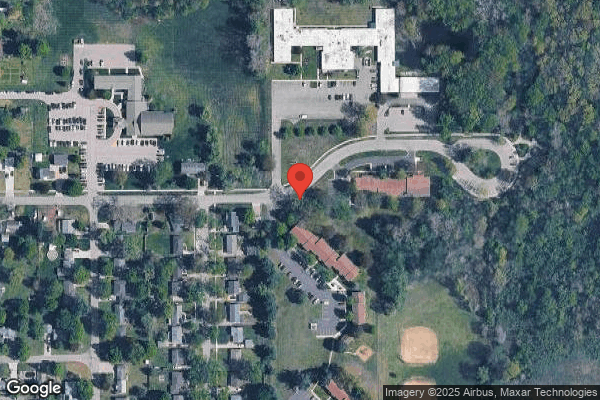

425 E Elm St, Wayland, MI 49348 (269) 792-2249
For profit - Individual 99 Beds CIENA HEALTHCARE/LAUREL HEALTH CARE Data: November 2025
Trust Grade
40/100
#243 of 422 in MI
Last Inspection: May 2025

Inspected within the last 6 months. Data reflects current conditions.

Overview

The Laurels of Sandy Creek has received a Trust Grade of D, which indicates below-average quality and raises some concerns about the care provided. Ranking #243 out of 422 nursing homes in Michigan places it in the bottom half of facilities statewide, and at #3 out of 6 in Allegan County, only two local options are better. The facility has seen a worsening trend, increasing from 5 issues in 2024 to 13 in 2025, which is concerning. Staffing is a strength here, with a 4 out of 5 stars rating and a turnover rate of 44%, which is on par with the state average. However, there were notable incidents, including a failure to ensure staff were properly trained to meet the psychological needs of a resident, and issues in food safety practices that could lead to foodborne illnesses. While RN coverage is better than 76% of Michigan facilities, families should weigh both the strengths and weaknesses before making a decision.
Trust Score
D
40/100
In Michigan
#243/422
Bottom 43%
Safety Record
High Risk
Review needed
Inspections
Getting Worse
5 → 13 violations
Staff Stability
○ Average
44% turnover. Near Michigan's 48% average. Typical for the industry.
Penalties
✓ Good
No fines on record. Clean compliance history, better than most Michigan facilities.
Skilled Nurses
✓ Good
Each resident gets 44 minutes of Registered Nurse (RN) attention daily — more than average for Michigan. RNs are trained to catch health problems early.
Violations
⚠ Watch
28 deficiencies on record. Higher than average. Multiple issues found across inspections.
★★★☆☆
3.0
Overall Rating
★★★★☆
4.0
Staff Levels
★★★★★
5.0
Care Quality
★★☆☆☆
2.0
Inspection Score
Stable
2024: 5 issues
2025: 13 issues

The Good

  • 4-Star Staffing Rating · Above-average nurse staffing levels
  • 5-Star Quality Measures · Strong clinical quality outcomes
  • Full Sprinkler Coverage · Fire safety systems throughout facility
  • No fines on record
  • Staff turnover below average (44%)

    4 points below Michigan average of 48%

Facility shows strength in staffing levels, quality measures, fire safety.

The Bad

3-Star Overall Rating

Near Michigan average (3.1)

Meets federal standards, typical of most facilities

Staff Turnover: 44%

Near Michigan avg (46%)

Typical for the industry

Chain: CIENA HEALTHCARE/LAUREL HEALTH CARE

Part of a multi-facility chain

Ask about local staffing decisions and management

The Ugly 28 deficiencies on record

1 actual harm
May 2025 10 deficiencies
CONCERN (D)

Potential for Harm - no one hurt, but risky conditions existed

Deficiency F0554 (Tag F0554)

Could have caused harm · This affected 1 resident

Based on observation, interview, and record review the facility failed to perform a resident self-administration assessment and obtain a physician order for the self-administration of medication for 1...

Read full inspector narrative →
Based on observation, interview, and record review the facility failed to perform a resident self-administration assessment and obtain a physician order for the self-administration of medication for 1 (Resident #5) of 18 residents reviewed for self-administration of medication, resulting in the potential for the mismanagement of medication and potential for adverse side effects. Findings include: During an observation and interview on 05/21/25 at 08:05 AM, Resident #5 had 8 pills/medications in a plastic disposable medication administration cup next to her meal on her meal tray in her room. Resident #5 was alone in her room and reported the medications were provided to her by a nurse before breakfast, but she just hadn't taken them yet. There was no facility staff in the room or in the hallway outside of the room. During an observation and interview on 05/21/25 at 08:31 AM, Licensed Practical Nurse (LPN) BB was preparing medications to be given to other residents at the opposite end of the hall past the nurse's station from Resident #5's room. LPN BB confirmed she provided Resident #5 medications earlier that morning and thought Resident #5 had taken her medications. LPN BB, stated, I don't know what happened this morning in regards to medications being left in Resident #5's room without staff present to ensure administration occurred. LPN BB walked down the hall to Resident #5's room and stated to Resident #5, I thought we took these (medications) this morning. LPN BB then removed the medication cup with the 8 pills/medications from Resident #5's room. LPN BB confirmed the 8 pills/medications that were left unattended in Resident #5's room were buspirone (anxiety medication), duloxetine (depression medication), ferrous gluconate (iron supplement), furosemide (Diuretic; lowers blood pressure and fluid retention), lisinopril (heart medication), metformin (diabetes (blood sugar) medication), metoprolol (hypertension medication) and Tylenol (pain reliever). LPN BB confirmed Resident #5 hadn't had a medication self-administration assessment completed so she wasn't supposed to have medications in her room without staff present. During an interview on 05/21/25 at 08:43 AM, Director of Nursing (DON) B reviewed Resident #5's record and confirmed Resident #5 hadn't had a medication self-administration evaluation and she would need one completed to self-administer medications. DON BB confirmed Resident #5 shouldn't have been left alone with medicatons on her meal tray in her room. Review of Resident #5's most recent brief interview for mental status score, dated 4/27/25, was 13 which indicated cognitively intact. Review of the facility's Medication Administration policy, revised 10/17/2023, stated, Authorized Personnel - Medications are .administered .only by licensed nursing, medical, pharmacy, or other personnel authorized by state laws and regulations to administer medications .Self-Administration - residents are allowed to self-administer medications when specifically authorized by the attending physician and in accordance with the guideline for self-administration of medication. A self-administration evaluation will be completed prior to the resident starting the self-administering process. Self-administration of medication will be reflected in the resident care plan along with any special considerations .Observe that the resident swallows the oral medications. Do not leave medications with the resident to self-administer unless the resident is approved for self-administration of the medication.
CONCERN (D)

Potential for Harm - no one hurt, but risky conditions existed

Deficiency F0578 (Tag F0578)

Could have caused harm · This affected 1 resident

**NOTE- TERMS IN BRACKETS HAVE BEEN EDITED TO PROTECT CONFIDENTIALITY** Based on interview and record review, the facility to follow advance directive wishes for 1 (Resident #278) of 24 residents revi...

Read full inspector narrative →
**NOTE- TERMS IN BRACKETS HAVE BEEN EDITED TO PROTECT CONFIDENTIALITY** Based on interview and record review, the facility to follow advance directive wishes for 1 (Resident #278) of 24 residents reviewed for advance directives, resulting in Resident #278 receiving cardiopulmonary resuscitation (CPR) when Resident #278 had an Do Not Resuscitate (DNR) order in place. Findings include: Resident #278 Review of an admission Record revealed Resident #278 was originally admitted to the facility on [DATE] with pertinent diagnoses which included shortness of breath. Review of Resident #278's Orders revealed, No CPR/DNR. Order Date: [DATE]. Review of Resident #278's DNR Order dated [DATE] revealed, Do-Not-Resuscitate Order. This do not resuscitate order is issued by (local physician), attending physician for (Resident #278). A. Declarant Consent- Resident is their own person. I have discussed my health status with my physician named above. I request that in the event my heart stopped beating and breathing should stop, no person shall attempt to resuscitate me. This order will remain in effect until it is revoked as provided by law. Being of sound mind, I voluntarily execute this order, and I understand its full import. This order was signed by Resident #278 on [DATE] Review of Resident #278's Progress Notes dated [DATE] and documented by Licensed Practical Nurse (LPN) I revealed, At 6:50 PM this nurse heard a yell for help from CNA (Certified Nursing Assistant). This nurse reported to pt's (patient)(Resident #278) room where pt was in bed head back, eyes open, no respirations, circumoral cyanosis (blue discoloration around the mouth that can be caused by poor circulation or low oxygen levels in the blood), radial pulse absent, pt laid back and cartoid pulses absent, confirmed by two staff this nurse yelled for code status and initiated CPR as status was undetermined. multiple people responded and DNR confirmed. Est: (estimated) 45 seconds of compressions administered during that time faint pulse was felt this nurse immediately withdrew from compressions, pt began agonal breathing (abnormal and labored breathing), head of bed raised and pt began to take effective breaths. during this time DON (Director of Nursing) B and multiple staff present and using tactile stimuli pt began to respond to app (appropriately) EMS (emergency medical services) appropriately (sic). BS (blood sugar) 288. O2 (oxygen saturation) 80% oxygen placed 3L (liters) pt 88%. EMS arrived pt explained situation does not recall anything from incident, the pt denies chest pain, and refuses transfer to higher care. Order received to continue O2 for 24 hours titration of oxygen L to maintain 92% or higher. prior to episode per CNA pt was transferred to bed via hoyer (a lift that transfers patients with limited mobility) pt was talking during and then began saying I can't breathe I cant breathe the pts eyes then rolled back and went flaccid, per CNA this is when they yelled for help. Pt's family was called by DON. Will follow up as necessary. Review of Resident #278's EMS report dated [DATE] revealed, .Narrative: Per (facility) staff they were using the hoyer lift to move the pt (Resident #278) from his chair to bed when he became unresponsive, stopped breathing and they couldn't feel a pulse. Staff states they finished the transfer to bed and started chest compressions. Per staff before they were able to provide 60 compressions the pt was awake and moving their hands from his chest .Pt reported he was his own person and did not wish to be transported. Pt also reported he is a DNR and was not sure why CPR was every (sic) performed . In an interview on [DATE] at 8:39 AM, LPN I reported that she had just started her shift on [DATE] when she heard a CNA yelling for help in Resident #278's room, and stating that he was not responding. LPN I reported that when she went into Resident #278's room, she observed Resident #278 lying in bed unresponsive. LPN I reported that she felt for a pulse on Resident #278 and confirmed that he did not have a pulse. LPN I reported that she yelled for staff to tell her what his code status was, and she began CPR on Resident #278. LPN I reported that as she was doing compressions on Resident #278, several staff members began running in and yelling that Resident #278's code status was DNR. LPN I reported that she stopped compressions as soon as she found out that Resident #278 had a DNR order. LPN I reported that she noticed Resident #278 started to gasp, and then she felt a pulse on him, and placed on oxygen on him. LPN I reported that she acted as she would if she had found someone in the street and did not know their code status, because it was taking too long for staff to tell her what Resident #278's code status was. LPN I reported that she had voiced concerns with the facility before about needing resident code status to be in more places than just the computer, but the facility had not initiated any additional places to find resident code status. LPN I reported that she thought she had completed about 45 seconds of compressions on Resident #278. In an interview on [DATE] at 1:31 PM, CNA H reported that she was caring for Resident #278 on [DATE] when he went unresponsive. CNA H reported that her and CNA N were transferring Resident #278 from his chair to his bed with a hoyer lift when he began to say that he could not breathe. CNA H reported that they placed Resident #278 on his bed and sat the head of his bed up as they noticed that he went unresponsive. CNA H reported that she began yelling out for LPN I and as LPN H entered the room, she left to check to determine Resident #278's code status. CNA H reported that she ran out of the room and down to the nurses station to check the computer where she determined that Resident #278 had a DNR order. CNA H reported that she ran back to Resident #278's room and yelled that he had DNR, and then went to call 911. CNA H reported that she was the first staff member to tell LPN I that Resident #278 had a DNR order. In an interview on [DATE] at 2:05 PM, CNA N reported that she was caring for Resident #278 with CNA H on [DATE] when Resident #278 became unresponsive after they transferred Resident #278 from his chair to his bed. CNA N reported that as they laid Resident #278 in bed, he reported that he could not breathe and then went unresponsive. CNA N reported that she felt Resident #278's arm and could not find a pulse. CNA N reported that she and CNA H began yelling for help and LPN I entered Resident #278's room and also felt Resident #278's neck for a pulse, confirmed he did not have a pulse, and immediately began chest compressions on Resident #278. CNA N reported that after LPN I completed one round of compressions, LPN I checked Resident #278 for a pulse, and she reported that she felt a faint pulse. CNA N reported that she then checked Resident #278 and also felt a faint pulse on Resident #278. CNA N reported that as Resident #278 began to breathe again, several staff came in and reported that Resident #278 had a DNR order in place. In an interview on [DATE] at 1:11 PM, DON B reported that she was working on the evening of [DATE] and she ran to Resident #278's room when she heard staff yelling for help. DON B reported that when she went to Resident #278's room, she observed CNA H, CNA N, and LPN I' in Resident #278's room, and that Resident #278 was already beginning to wake up as she entered his room, and LPN I had already stopped performing CPR compressions on Resident #278. DON B confirmed that Resident #278 was unresponsive, did not have a pulse, and LPN I performed CPR on him, which did result in Resident #278 regaining a heartbeat. DON B reported that it was her expectation that staff would begin CPR on a resident until they verified the resident's code status. DON B confirmed that the facility did not complete an incident report, or initiate any further education after the incident with Resident #278 to improve the process of staff ensuring correct code status of residents in the event of emergencies. In an interview on [DATE] at 1:40 PM, Nursing Home Administrator (NHA) A reported that she was working on [DATE] when she had overheard a code blue being called for Resident #278. NHA A reported that she ran down to Resident #278's room and she saw LPN I, CNA N, and CNA H in Resident #278's room. NHA A reported that she ran to the nurses station and confirmed that Resident #278 had a DNR, and went back to Resident #278's room to report that he had a DNR, but that other staff were already there reporting his code status. NHA A reported that she had found out after the event that LPN I performed CPR on Resident #278 when he had an active DNR order in place. NHA A reported that the facility did not do an incident report after the event, but she thought that DON B had completed follow up education with staff. NHA A reported that she expected staff to confirm a resident's code status prior to initiating CPR. NHA A confirmed that Resident #278 was unresponsive, did not have a pulse, and LPN I performed CPR on him, which did result in Resident #278 regaining a heartbeat. Review of the Facility's CPR policy last reviewed [DATE] revealed, . Staff must maintain a current CPR certification for healthcare providers through a CPR provider whose training includes a hands on session in a physical instructor-led setting or a virtual instructor-led setting with hands-on demonstration in accordance with accepted national standards . 1. Validate the resident is full code and there is no DNR order .
CONCERN (D)

Potential for Harm - no one hurt, but risky conditions existed

Assessment Accuracy (Tag F0641)

Could have caused harm · This affected 1 resident

**NOTE- TERMS IN BRACKETS HAVE BEEN EDITED TO PROTECT CONFIDENTIALITY** Based on interview and record review, the facility failed to ensure 1 resident (Resident #6) of 24 residents received an accurat...

Read full inspector narrative →
**NOTE- TERMS IN BRACKETS HAVE BEEN EDITED TO PROTECT CONFIDENTIALITY** Based on interview and record review, the facility failed to ensure 1 resident (Resident #6) of 24 residents received an accurate clinical assessment, reflective of the resident's status at the time of the assessment, resulting in inaccurate diagnosis of schizophrenia documented on MDS (Minimum Data Set) assessment. Findings include: Review of the MDS 3.0 RAI Manual v1.16, Chapter 1: Resident Assessment Instrument (RAI), revealed .an accurate assessment requires collecting information from multiple sources, some of which are mandated by regulations .It is important to note here that information obtained should cover the same observation period as specified by the MDS items on the assessment, and should be validated for accuracy (what the resident's actual status was during that observation period) by the IDT completing the assessment. As such, nursing homes are responsible for ensuring that all participants in the assessment process have the requisite knowledge to complete an accurate assessment . Resident #6 Review of an admission Record revealed Resident #6 was originally admitted to the facility on [DATE], with pertinent diagnoses which included: depression. Review of a Minimum Data Set (MDS) assessment for Resident #6, with a reference date of 3/14/25 revealed Active Medical Diagnosis of Schizophrenia. Review of a Minimum Data Set (MDS) assessment for Resident #6, with a reference date of 12/15/25 revealed Active Medical Diagnosis of Schizophrenia. Review of Resident #6's Electronic Health Record indicated no diagnosis of Schizophrenia, no documented behaviors, and no treatment orders related to Schizophrenia. Review of Resident #6's PASARR (Preadmission Screening and Resident Review) (an evaluation to determine if a resident has serious mental illness and/or intellectual disability) indicated no mental illness and dementia exempt. Review of Resident #6's Behavioral Care Services note dated 9/11/2024 revealed, Major depressive disorder, recurrent severe without psychotic features, Dementia .WITHOUT behavioral disturbance, psychotic disturbance, mood disturbance, and anxiety. In an interview on 05/21/25 at 10:32 AM, Director of Nursing (DON) B reported that Resident #6 does not have any orders for psychotropic medications and does not have any behaviors indicative of schizophrenia. In an interview on 05/21/25 at 10:34 AM, Minimum Data Set-Registered Nurse (MDS-RN) V reported that Resident #6 had never received treatment for schizophrenia or behaviors. MDS-RN V reported that the diagnosis of schizophrenia was documented in error on multiple MDS assessments; MDS-RN V will modify the assessments and resubmit them.
CONCERN (D)

Potential for Harm - no one hurt, but risky conditions existed

Infection Control (Tag F0880)

Could have caused harm · This affected 1 resident

Based on observation, interview, and record review, the facility failed to ensure the use of person protective equipment (PPE) (gown and gloves) by staff during high contact care activities for 1 (Res...

Read full inspector narrative →
Based on observation, interview, and record review, the facility failed to ensure the use of person protective equipment (PPE) (gown and gloves) by staff during high contact care activities for 1 (Resident #27) of 18 residents reviewed for enhanced barrier precautions (EBP) resulting in the potential for the spread of infection, cross contamination, and disease transmission. Findings include: Review of a Minimum Data Set (MDS) assessment for Resident #27 with a reference date of 3/7/25, revealed a Brief Interview for Mental Status (BIMS) score of 8/15 which indicated Resident #27 was moderately cognitively impaired. Section GG revealed Resident #27 was dependent (2 or more helpers required) to transfer from the wheelchair to the bed. Section K of the MDS revealed Resident #27 had an abdominal feeding tube. Review of a Care Plan for Resident # 27 with a reference date of 4/17/25, revealed a need/goal/interventions of: Need: Diet changed to pureed texture. Goal: Will maintain adequate nutrition and hydration .Interventions: .administer tube feeding as ordered .Enhanced Barrier Precautions . Review of Physician Orders for Resident #27 revealed 1. Enteral feed, every shift Flush Peg tube . 2. Cleanse peg tube site with wound cleanser and apply dry dressing, start date 4/15/25 .3. ENHANCED BARRIER PRECAUTIONS, 4/15/25. The status of the orders was Active. During an observation on 5/20/25 at 9:26am, Certified Nursing Assistants (CNAs) M and K transferred Resident #27 from his wheelchair to his bed. CNA K then assisted Resident #27 with rolling to his right side while in bed and as she evaluated Resident #27's incontinence brief to determine if it was soiled. Throughout the high contact cares of transferring Resident #27, assisting him with positioning, and checking his brief, CNA M and CNA K wore gloves but no gown. During an observation on 5/20/25 at 9:31am, signage on Resident #27's door stated, Enhanced Barrier Precautions .staff must .wear gloves and a gown for the following High-Contact Resident Care Activities .Transferring .providing hygiene .changing briefs . In an interview on 5/20/25, at 9:33am, CNA M reported the facility had provided training on the use of PPE for resident's in EBP, but she had forgotten Resident #27 had those precautions. CNA M reported she and CNA K should have worn gowns and gloves when they transferred and provided cares to Resident #27 on 5/20/25 at 9:26am. CNA M reported she sometimes felt confused about EBP and sometimes didn't notice the signage posted on resident doors. In an interview on 5/21/25 at 11:04am, Director of Nursing/Infection Preventionist (DON/IP) B reported Resident #27 was on EBP which required the staff to wear a gown and gloves during any high contact care, including transferring and checking the resident's brief. Review of an Enhanced Barrier Precautions policy with a reference date of 3/5/25 revealed Enhanced Barrier Precautions are indicated for residents with any of the following .a wound or indwelling device .Health care personnel caring for residents on Enhanced Barrier Precautions should wear gloves and gowns during high contact resident care. Examples of high contact resident care activities requiring gown and glove use: .transferring .providing hygiene .changing briefs .
CONCERN (E)

Potential for Harm - no one hurt, but risky conditions existed

Quality of Care (Tag F0684)

Could have caused harm · This affected multiple residents

**NOTE- TERMS IN BRACKETS HAVE BEEN EDITED TO PROTECT CONFIDENTIALITY** Based on interview and record review the facility failed to ensure residents received care in accordance with professional stand...

Read full inspector narrative →
**NOTE- TERMS IN BRACKETS HAVE BEEN EDITED TO PROTECT CONFIDENTIALITY** Based on interview and record review the facility failed to ensure residents received care in accordance with professional standards in 1 of 18 residents (Resident #37) reviewed for quality of care when nursing staff administered Lotrel (Medication used to treat hypertension) out of the physician ordered parameters resulting in the potential for adverse side effects. Findings include: Resident #37 Review of an admission Record revealed Resident #37 was originally admitted to the facility on [DATE] with pertinent diagnoses which included hypertension (high blood pressure). Review of Resident #37's Orders revealed, Lotrel Oral Capsule 10-40 MG (Amlodipine Besylate-Benazepril HCl) Give 1 capsule by mouth one time a day for HTN Hold if Systolic (systolic blood pressure) <110/ HR (heart rate)<60 . Review of Resident #37's Pharmacy Consultation Report dated 3/6/25 revealed, (Resident #37) has an order for Lotrel that was administered outside of the parameters for which it was ordered. Specifically, on 3/3, 3/4 when SBP (systolic blood pressure) was below 110. Recommendation: Please remind staff of the importance of administering/holding medication within the parameters ordered . This recommendation was signed by Director of Nursing (DON) B on 3/18/25. Review of Resident #37's Medication Administration Record for March, April, and May 2025 revealed that staff had documented administering Lotrel to Resident #37 when his systolic blood pressure was below 110 on 3/3/25, 3/4/25, 3/15/25, 3/19/25, 5/9/25 and 5/11/25. It was noted that Licensed Practical Nurse (LPN) G had documented the administration of the medication for each date except for 5/11/25. In an interview on 5/21/25 at 12:22 PM, DON B reported that she did not recall the pharmacy recommendation that she had signed for Resident #37 on 3/18/25. DON B confirmed that she had not completed any follow up education with nursing staff on ensuring that they were administering medications within the parameter orders. This writer attempted to reach LPN G on 5/21/25 at 12:50 PM for an interview. LPN G was unable to be reached prior to survey exit. Review of the facility's Medication Administration policy dated 10/17/23 revealed, Resident medications are administered in an accurate, safe, timely, and sanitary matter . Physician's orders: Medications are administered in accordance with written orders of the attending physician . Procedure: .
CONCERN (E)

Potential for Harm - no one hurt, but risky conditions existed

Deficiency F0806 (Tag F0806)

Could have caused harm · This affected multiple residents

Based on observation, interview, and record review the facility failed to ensure resident food and drink preferences were honored consistently for 8 (Residents #5, 8, 17, 31, 35, 51, 54, 74) of 8 resi...

Read full inspector narrative →
Based on observation, interview, and record review the facility failed to ensure resident food and drink preferences were honored consistently for 8 (Residents #5, 8, 17, 31, 35, 51, 54, 74) of 8 residents reviewed for dining, resulting in feelings of anger and sadness and the potential for weight loss and/or dehydration. Findings include: Resident #51: During an observation and interview on 05/19/25 at 08:11 AM, Resident #51 was eating breakfast in her room independently. Resident #51 was served hot tea while her meal ticket stated, 8 fl oz (fluid ounces) coffee. Resident #51 was visibly upset and reported she didn't want tea and wanted coffee. Resident #51 was also served a sausage patty, but Resident #51's meal ticket indicated, Dislikes: .Sausage. Resident #51 confirmed she didn't like sausage and didn't want the sausage served to her. Resident #51 was visibly frustrated and stated, It pisses me off, they (the staff) know it regarding food preferences not being honored. Resident #51 reported it was common she was given items that weren't consistent with her food preferences on the meal ticket. Resident #8: During an observation and interview on 05/19/25 at 08:23 AM, Resident #8 was eating breakfast in her room independently. Resident #8 reported she liked eggs every day. Resident #8's meal ticket stated, Standing Orders: .Scrambled Eggs but no eggs were provided at that meal. Resident #8 reported she didn't get her three coffee creamers as the ticket indicated. The meal ticket stated, Standing Orders: 8 fl oz (fluid ounces) coffee (Creamer X (times) 3). Resident #8 stated, You have to eat what you don't want to eat and reported it made her feel sad when her food and drink preferences weren't honored. During an interview on 05/21/25 at 09:32 AM, Dietary Manager T confirmed eggs were available at the 05/19/2025 breakfast meal and should have been provided to Resident #8. Resident #5: During an observation and interview on 05/19/25 at 09:21 AM, Resident #5 was eating breakfast independently in her room. Resident #5 was served a sausage patty, but her meal ticket stated, Dislikes: .Sausage. Resident #5 stated, .I don't like sausage. Resident #74: During an observation on 05/19/25 at 09:43 AM, Resident #74's meal was served to the resident in her room. The meal ticket indicated she disliked eggs, but eggs were served to her. Resident #35: During an observation and interview on 05/19/25 at 11:53 AM, Resident #35 was served a black pepper condiment pack but her dislikes on her meal ticket stated black pepper. Resident #35 reported she often is served black pepper, she dislikes the black pepper, doesn't use it, and felt it was wasteful to keep providing the black pepper to her. Resident #31: During an observation and interview on 05/20/25 at 12:05 PM, Resident #31 was eating lunch independently in the main dining room. Resident #31's meal ticket stated, Dislikes .Carrots . Zucchini but he was served carrots and zucchini in his mixed vegetables. He left them uneaten on his plate. Resident #31 reported he doesn't like carrots or zucchini and would have preferred something else. Resident #17: During an observation and interview on 05/20/25 at 12:06 PM, Resident #17 was independently eating lunch in the main dining room. His meal ticket noted he disliked lima beans, but he was served lima beans. Resident #17 confirmed he doesn't like lima beans. During an interview on 05/21/25 at 09:32 AM, Dietary Manager T confirmed 05/20/2025's lunch had mixed vegetables which contained Carrots .zucchini .lima beans. Review of the facility's Food Preferences, revised 1/9/2025, stated, Food preferences will be identified on tray tickets to ensure residents are provided with appropriate food items. Resident #54 Review of a Nutritional Evaluation for Resident #54 with a reference date of 11/19/24 revealed Summary: .dx: COPD .regular diet .eat meals independently .ALLERGIC TO CUCUMBER AND PICKLES . In an interview on 5/19/25, at 10:04am, Resident #54 reported he was allergic to pickles and cucumbers and was concerned because although the facility was aware of his allergy, he recently received potato salad that contained pickles on his meal tray. Resident #54 reported he ate a few bites of potato salad before he realized it contained pickles. When further queried, Resident #54 reported in the past, he had become extremely nauseous and vomited violently for 30 minutes after he consumed pickles. Resident #54 reported in the past his body's reaction to eating pickles was exhausting to him, and he was worried that if he ate pickles now, in his state of worsened health, his body may not be able to tolerate it. Resident #54 reported I watch my food very carefully now because he was fearful about receiving pickles or cucumbers again in his meal. Review of a Kardex nursing care guide for Resident #54 with a reference date of 3/10/25 revealed Eating/Nutrition: Diet as ordered: regular diet, mechanical soft texture .easy to chew. Resident's food allergies were not listed. Review of the alert banner in Resident #54's medical record revealed Allergies . Cucumbers, Pickles. Review of a Meal Ticket for Resident #54 with a reference date of 5/20/25 revealed Allergies .pickles and cucumbers. During an observation on 5/20/25 at 12:33pm, Certified Nursing Assistant (CNA) J delivered Resident #54's lunch tray to him in his room. In an interview on 5/20/25 at 12:35pm, CNA J reported she regularly cared for Resident #54, and delivered his meals. CNA J reported was not aware the resident had any food allergies. In an interview on 5/20/25 at 1:59pm, CNA M reported Resident #54 watched his food very carefully because he was worried about mistakenly being served food that contained pickles or cucumbers again. Review of a Nurses Note for Resident #54 with a reference date of 4/19/25 revealed Resident has allergies to cucumbers/pickles. Resident (sic) reported that he noticed after a few bites of potato salad from dinner that there were pickles in it and immediately stopped eating and notified the nurse. Resident reported that mouth was slightly itchy .on call provider notified and ordered PRN (as needed) (name of antihistamine medication) and Ondansetron (anti-nausea) medication for 3 days. DON (Director of Nursing) and kitchen manager notified as well . Review of a Medication and Treatment Incident Report for Resident #54 with a reference date of 4/21/25 revealed Date of Incident: 4/19/25 .Route of Administration Involved: Pickles in potato salad .Description of Event: .resident took a couple of bites of potato salad .it had pickles .Resident c/o (complained of) itching in mouth . (antihistamine and anti-nausea medication) ordered. 2. Failure to Follow Procedure: allergy checking for meal ingredients .Corrective Action: Spoke with dietary manager . Efforts to contact the nurse who authored the Nurses Note and Medication and Treatment Incident Report where not successful at the time of the completion of the survey. In an interview on 5/21/25 at 9:30am, Dietary Manager (DM) T reported Resident #54 was mistakenly served potato salad that contained a known food allergen in April 2025. DM T reported the resident's food allergy was listed on his meal ticket at the time and the kitchen staff were expected to review the resident's food allergens as selected foods for the resident's meal tray. DM T reported the staff did not cross reference the ingredients list on the pre-made potato salad with Resident #54's food allergens on 4/19/25 when he was served food that contained pickles. DM T could not provide verification of any corrective action that was taken following the incident.
CONCERN (E)

Potential for Harm - no one hurt, but risky conditions existed

Deficiency F0810 (Tag F0810)

Could have caused harm · This affected multiple residents

Based on observation, interview, and record review the facility failed to ensure adaptive dining equipment was provided for 1 (Resident #5) of 3 residents reviewed for adaptive dining equipment result...

Read full inspector narrative →
Based on observation, interview, and record review the facility failed to ensure adaptive dining equipment was provided for 1 (Resident #5) of 3 residents reviewed for adaptive dining equipment resulting in difficulty eating and the potential for weight loss. Findings include: During an observation and interview on 05/19/25 at 09:21 AM, Resident #5 was eating breakfast in bed independently in her room. The meal ticket stated, Alerts: .built up utensils and it was highlighted yellow. Resident #5 was served breakfast with regular dining utensils/silverware; no built up utensils were provided. Resident #5 reported she can't remember the last time she used or was provided with built up silverware. Resident #5 was observed awkwardly handling a spoon. Resident #5 reported her right arm (dominant arm/hand) is hard to use after she had a stroke. During an observation and interview on 05/20/25 at 09:33 AM, Resident #5 was eating breakfast in bed. Resident #5's meal ticket indicated she should have been provided with built up utensils/silverware, but she was provided regular handled silverware. Resident #5 stated, I can't grab things the same way as she used to be able to. Resident #5 confirmed her right arm/hand was her dominant side that she used to eat with. Resident #5 picked up a fork and her grip on the fork appeared insecure. Resident #5 reported it would be easier to eat if she had the built up utensils/silverware. Resident #5 stated, I have a hard time hanging on to this (fork) as she was holding the fork in what appeared to be an awkward and insecure grip. Resident #5 was holding the fork to her palm with only her pointer and middle finger. During an observation and interview on 05/20/25 at 12:34 PM, Certified Nurse Aide J delivered Resident #5's lunch to her room and helped set up the meal. Resident #5 was served her lunch meal with regular silverware but her meal ticket indicated to provide built up utensils. Resident #5 appeared to have a weak handle on the fork. Resident #5 was very slow with her eating movements and appeared to be having difficulty utilizing her utensils effectively such as needing multiple attempts to pick up food items off the plate. During an observation and interview on 05/21/25 at 08:03 AM, Resident #5 was eating her breakfast meal in her room independently. Resident #5 was provided regular utensils/silverware but no built up utensils were provided. Resident #5 reported it would be helpful if she could get her built up utensils/silverware. Resident #5's meal ticket indicated to provide built up utensils. During an interview on 05/21/25 at 09:32 AM, Dietary Manager T confirmed Resident #5 was supposed to have received built up utensils with her all meals as she was ordered to have them. Review of Resident #5's most recent brief interview for mental status, dated 4/27/25, score was 13 which indicated cognitively intact. Review of Resident #5's medical diagnoses included a diagnosis of history of transient ischemic attack (is like a temporary stroke) and cerebral infarction (stroke), dated 8/5/2022. Review of Resident #5's physician's orders included a diet order, revised 1/29/2025, that stated, Regular diet, chopped meat texture .built up utensils. Review of Resident #5's Nutritional Re-evaluation, dated 4/29/25, stated, .Adaptive Devices .foam built up utensils. Review of Resident #5's nutrition care plan included an intervention, revised 1/31/2025, that stated, Regular diet, Chopped Meat texture .built up utensils. Review of Resident #5's cognition care plan, revised 8/1/2024, stated, (Resident #5) is at risk for decline in cognition and has impaired cognitive function or impaired thought processes R/T: (related to) History of Stroke. Review of the facility's Adaptive Equipment (adaptive dining equipment) policy, revised 3/6/2024, stated, It is the policy of this facility to provide adaptive eating (dining) equipment for those residents who would benefit from their use .Culinary staff will place the adaptive equipment on each meal tray .
CONCERN (E)

Potential for Harm - no one hurt, but risky conditions existed

Safe Environment (Tag F0921)

Could have caused harm · This affected multiple residents

Based on observation and interview, the facility failed to maintain a safe, functional, sanitary, and comfortable environment. This resulted in an increased potential for contamination and a possible ...

Read full inspector narrative →
Based on observation and interview, the facility failed to maintain a safe, functional, sanitary, and comfortable environment. This resulted in an increased potential for contamination and a possible decrease in satisfaction of living. Findings include: During a tour of the East Day room, at 9:43 AM on 5/19/25, it was observed that food crumbs, paper trash, and debris were found under and on the sides of seat cushions of two chairs and a love seat. During a tour of the East Hall Spa, at 9:53 AM on 5/19/25, it was observed that dried bowel movement was found stuck on the front bowl and seat of the commode. Further observation found an accumulation of dirt and debris behind the toilet in the back corner of the commode area and four wash cloths found stored on top of the paper towel holder next to the sink. During a tour of the [NAME] Hall spa room, at 10:42 AM on 5/19/25, it was observed that 12 wash cloths, four towels, and a box of gloves were stored on a shower chair next to the shower. Observation of the spa cabinet found a spray bottle of disinfectant stored over and next to clean and sanitary linens. During a revisit of the East Day room, at 9:04 AM on 5/20/25, observation of the chairs and love seat in this area found an accumulation of food crumbs, paper trash, and debris in the sides of the seat cushions. An interview with Laundry Director (LD) Q found that these areas should be cleaned daily. During a tour of the East side shower, at 9:09 AM on 5/20/25, observation of the commode found dried bowel movement on the front of the bowl and seat of the commode. Further observation found a stack of wash cloths stored on the paper towel holder. Observation of the cabinet found personal hygiene products stored with a bottle of cleaning disinfectant. When asked about items being stored together, LD Q stated that personal hygiene products should be stored in residents' rooms. During a tour of the [NAME] Shower room, at 9:21 AM on 5/20/25, it was observed that 14 towels and 12 wash cloths were found stored on a shower chair next to a shower. When asked if this is where clean linens are usually stored, LD Q stated no and that they should be stored in the cabinet to not get contaminated from residents showering. During a tour of the facility, starting at 1:35 PM on 5/20/25, observation of the following exit doors found gaps and spaces between the door, the door frame, and the installed weatherstripping. Doors noted with concern were the [NAME] hall North door (bottom), the [NAME] center South door (side), Center hall North courtyard door (bottom right), Dining Room exit door (left side), and the East hall North door (weatherstrip bent). These areas were found to allow the visible presence of light, air, and easy pest entry.
CONCERN (F)

Potential for Harm - no one hurt, but risky conditions existed

Food Safety (Tag F0812)

Could have caused harm · This affected most or all residents

Based on observation, interview, and record review, the facility failed to maintain best practices in accordance with professional standards for food service safety. This deficient practice has the po...

Read full inspector narrative →
Based on observation, interview, and record review, the facility failed to maintain best practices in accordance with professional standards for food service safety. This deficient practice has the potential to result in food borne illness among all residents that consume food from the kitchen. Findings include: During a tour of the kitchen, at 8:10 AM on 5/19/25, observation of the clean utensil bins found that one of the bins was shown to have three utensils with stuck on and dried food debris. An interview with Dietary Manager T found that these containers get cleaned about weekly. Observation of the clean pots and pans at this time found one top with a faded date marking sticker labeled on the top. When asked if it should have come off when washed, DM T stated yes. Further review found a half pan with stuck on food debris on the side of the pan. Observation of large sheet pans stacked under the preparation table, at 8:13 AM on 5/19/25, found that most of the sheet pans were observed with encrusted grease caked on the inside corners of the pans. When asked if that is the cleanest the sheet pans get, DM T stated that staff tend to clean them in the dish machine and think that they need to scrub them by hand. During a tour of the East Pantry, at 8:50 AM on 5/19/25, it was observed that an ice chest was found stored in the room. When asked about the ice chest, DM T stated it was for water pass and the kitchen cleans it daily. Observation of the ice chest at this time found it full of ice and no way for water to drain as the ice melted. During a tour of the [NAME] Pantry, at 8:47 AM on 5/19/25, it was observed that the seal gasket of the refrigeration unit was found to be falling off and not connected properly in order to make a good seal. A revisit to the East Pantry, at 1:24 PM on 5/20/25, found the ice scoop stored right side up in the ice scoop holder. A revisits to the [NAME] Pantry, at 1:35 PM on 5/20/25, found the ice scoop stored right side up in the ice scoop holder. According to the 2022 FDA Food Code section 3-303.12 Storage or Display of Food in Contact with Water or Ice.(B) Except as specified in (C) and (D) of this section, unPACKAGED FOOD may not be stored in direct contact with undrained ice . According to the 2022 FDA Food Code section 4-903.11 Equipment, Utensils, Linens, and Single-Service and Single-Use Articles.(B) Clean EQUIPMENT and UTENSILS shall be stored as specified under (A) of this section and shall be stored: (1) In a self-draining position that allows air drying; and (2) Covered or inverted . According to the 2022 FDA Food Code section 4-601.11 Equipment, Food-Contact Surfaces, Nonfood-Contact Surfaces, and Utensils. (A) EQUIPMENT FOOD-CONTACT SURFACES and UTENSILS shall be clean to sight and touch. (B) The FOOD-CONTACT SURFACES of cooking EQUIPMENT and pans shall be kept free of encrusted grease deposits and other soil accumulations. (C) NonFOOD-CONTACT SURFACES of EQUIPMENT shall be kept free of an accumulation of dust, dirt, FOOD residue, and other debris. During an interview with DM T, at 8:22 AM on 5/19/25, it was found that the facility does not cool food regularly and that they don't log cooling for food saved from service. During an observation of the kitchen, at 8:28 AM on 5/19/25, it was observed that sausage patties from breakfast were placed in a gallon container with the top placed on it and left on the preparation table. A revisit to the kitchen, at 10:48 AM on 5/19/25, observed the container of sausage patties in the two door True cooler covered tightly with a lid with condensation found on the inside. The temperature of the product was taken and found to be 88F at this time. DM T stated that he will discard the food product. According to the 2022 FDA Food Code section 3-501.14 Cooling. (A) Cooked TIME/TEMPERATURE CONTROL FOR SAFETY FOOD shall be cooled: (1) Within 2 hours from 57ºC (135ºF) to 21ºC (70°F); and (2) Within a total of 6 hours from 57ºC (135ºF) to 5ºC (41°F) or less . According to the 2022 FDA Food Code section 3-501.15 Cooling Methods. (A) Cooling shall be accomplished in accordance with the time and temperature criteria specified under § 3-501.14 by using one or more of the following methods based on the type of FOOD being cooled: (1) Placing the FOOD in shallow pans; (2) Separating the FOOD into smaller or thinner portions; (3)Using rapid cooling EQUIPMENT; (4) Stirring the FOOD in a container placed in an ice water bath; (5) Using containers that facilitate heat transfer; (6) Adding ice as an ingredient; or (7) Other effective methods. (B) When placed in cooling or cold holding EQUIPMENT, FOOD containers in which FOOD is being cooled shall be: (1) Arranged in the EQUIPMENT to provide maximum heat transfer through the container walls; and (2) Loosely covered, or uncovered if protected from overhead contamination as specified under Subparagraph 3-305.11(A)(2), during the cooling period to facilitate heat transfer from the surface of the FOOD. During the initial tour of the kitchen, at 8:33 AM on 5/19/25, observation of the kitchen chemical closet found that the faucet had a four-way splitter that was closed on all ends. Further observation found the water handles left on and constant back pressure of water being applied to the faucets internal vacuum breaker. When asked if staff use this chemical closet, DM T stated yes. According to the 2022 FDA Food According to the 2017 FDA Food Code section 5-205.15 System Maintained in Good Repair. A PLUMBING SYSTEM shall be: (A) Repaired according to LAW; and (B) Maintained in good repair. During a tour of the dish machine area, at 8:36 AM on 5/19/25, it was observed that two spray bottles with bright red quaternary ammonium sanitizers were found in this area. After testing the concentration of the bottles, they were found to be around 500 parts per million. According to the 2022 FDA Food Code section 7-204.11 Sanitizers, Criteria. Chemical SANITIZERS, including chemical sanitizing solutions generated on-site, and other chemical antimicrobials applied to FOOD-CONTACT SURFACEs shall: (A) Meet the requirements specified in 40 CFR 180.940 Tolerance exemptions for active and inert ingredients for use in antimicrobial formulations (Food-contact surface sanitizing solutions)P, or (B) Meet the requirements as specified in 40 CFR 180.2020 Pesticide Chemicals Not Requiring a Tolerance or Exemption from Tolerance-Non-food determinations.
MINOR (C)

Minor Issue - procedural, no safety impact

Deficiency F0801 (Tag F0801)

Minor procedural issue · This affected most or all residents

Based on interview and record review the facility failed to employ a full-time Registered Dietitian or a Certified Dietary Manager to provide an oversight of kitchen and clinical nutritional services....

Read full inspector narrative →
Based on interview and record review the facility failed to employ a full-time Registered Dietitian or a Certified Dietary Manager to provide an oversight of kitchen and clinical nutritional services. This deficient practice has the increased potential to result in food service sanitation failures, foodborne illness, or inadequate assessment of high-risk residents. Findings include: During the initial tour of the kitchen, starting at 7:50 AM on 5/19/25, it was found that Dietary Manager T still has a few more months to go until he completes his Certified Dietary Manger certification. When asked if he has been in the position for longer than a year, Dietary Manager T stated yes. When asked how often the dietitian comes to the facility, Dietary Manager T stated that the dietitian comes two days a week. When asked if he was aware that only one year was granted upon hire in the Dietary Manager / Food and Nutrition Supervisor role to obtain the Certified Dietary Manager certification, Dietary Manager T stated he thought he was allowed the length of the Certified Dietary Manager course, which is 18 months. A staff record review found no documentation that facility had a full time Certified Dietary Manager or full time Dietitian on staff.
Feb 2025 3 deficiencies 1 Harm
SERIOUS (G) 📢 Someone Reported This

A family member, employee, or ombudsman was alarmed enough to file a formal complaint

Actual Harm - a resident was hurt due to facility failures

Deficiency F0741 (Tag F0741)

A resident was harmed · This affected 1 resident

This citation pertains to intake number MI00148293. Based on interview and record review, the facility failed to ensure staff had appropriate competencies and skills needed to provide care in a manner...

Read full inspector narrative →
This citation pertains to intake number MI00148293. Based on interview and record review, the facility failed to ensure staff had appropriate competencies and skills needed to provide care in a manner that supported their psychosocial wellness in 1 (Resident #102) of 6 residents reviewed for behavioral competency, resulting in inappropriate staff to resident interactions, inability of staff to appropriately address the psychological distress, unmet care needs, and resident not maintaining or achieving highest practical psycho-social well being. Findings include: Resident #102: Review of an admission Record revealed Resident #102 was a female with pertinent diagnoses which included spina bifida (birth defect in which the spinal cord fails to develop properly), chiari syndrome (brain tissue extends into the spinal canal), anxiety, depression, homicidal ideations, premenstrual dysphoric disorder (severe form of premenstrual symptoms that includes physical and behavioral symptoms), hydrocephalus (build up of fluids in the cavities deep within the brain putting pressure on the brain and can cause brain damage), mood disorder, irritability and anger, seizures, mild intellectual disabilities, amputation of right lower leg, pain, and paralysis. Review of Care Plan revised on 1/2/25, revealed the focus, .(Resident #102) has the potential for fluctuations in mood R/T: Premenstrual dysphoric disorder, Depression, Mood disorder, Irritability and Anger, Mild Intellectual disabilities . with the intervention .Approach in a calm, quiet manner. Maintain appropriate body language during interactions such as maintaining eye contact and sitting in a relaxed position . Assist in developing or providing resident with a program of activities that is meaningful and of interest. Encourage and provide opportunities for exercise, physical activity and socialization . Assist the resident to identify strengths, positive coping skills and reinforce these. Encourage resident to express feelings and provide time to talk as needed .Encourage family visits .Encourage participation in activities of preference .Encourage participation in ADL's .Observe and report to SW and/or physician prn acute changes in mood or behavior; feelings or sadness; increased anxiety/agitation, depression, withdrawal/loss of pleasure and interest in activities; feelings of worthlessness or guilt; change in appetite/ eating habits; change in sleep patterns; diminished ability to concentrate; change in psychomotor skills; how resident interacts with others .Observe and report to SW/physician as needed risk for harming others: increased anger, labile mood or agitation, feels threatened by others or thoughts of harming someone . Review of Incident Investigation dated 11/17/24, revealed, .Type of Incident: Allegation of Verbal Abuse .Staff reported LPN (Licensed Practical Nurse) (LPN HH) was heard saying to (Resident #102) get your ass in your room, I'm not dealing with this.Where did the alleged incident occur: on 11/18/24 at [NAME] nursing station .Were there any witnesses .Yes .(Certified Nursing Assistant (CNA) II) and (CNA JJ) .Details from the witness: (CNA II) indicated that she was on the [NAME] unit when she heard (LPN HH) LPN telling (Resident #102) to get your ass to your room, I'm not dealing with this. (CNA JJ) indicated that (LPN HH) LPN came into work around 10 PM and was questioning (Resident #102) on why she was up. (CNA JJ) felt (LPN HH) tone was nasty. (Resident #102) was telling (LPN HH) she was waiting for 2 people to put her to bed .(LPN HH) then said you can go to bed, you should have been in bed. As they were discussing this with each other, I walked away to help another resident .Interview with affected resident: (Resident #102) indicated to DON (Director of Nursing) that she doesn't like (LPN HH). (Resident #102) was asked if she felt (LPN HH09 was mean or rude to her. (Resident #102) stated I don't like her. I really don't like her or (CNA II). I tell them that too .Interview with alleged perpetrator: I told (Resident #102) just get back to your room, get out of my face, just go back to your room and they will get back to you .(LPN HH) admits she may have stated get your ass back to your room, get out of my face .Summary Report of Facilities Conclusion: Allegation of Verbal abuse was alleged by a CNA regarding conversation between a resident and a nurse. Resident was displeased with the nurse and CNA on during the night shift and refused assistance. Resident became behavioral with escalating yelling and screaming. Resident was instructed to go to her room as this is care planned for quiet place to calm down. Resident continued with behaviors for more than 30 minutes and was told to go back to her room. Other staff who overheard the comment felt like the nurse was rude. Nurse indicate she may have stated get your ass back to your room, get out of my face.substantiate poor customer service and lack of recognition of need to remove self from an escalating situation if resident is safe . Review of Written Statement from CNA JJ revealed, .(LPN HH) came in around 10 PM questioning (Resident #102) why she was up w/a (with a) nasty tone. (Resident #102) told her she was waiting for 2 people to put her to bed .LPN HH) then said you can go to bed you should've been in bed. when they started to argue w/ each other I walked away to help another resident . This writer attempted to contact CNA II to discuss incident was unable to reach her. In an interview on 2/4/25 at 10:15 AM, Registered Nurse (RN) P reported she was in the break room and CNA II was eating her lunch and was venting to me about what happened earlier with Resident #102 and LPN HH. RN P reported CNA II reported she was disturbed by the comments the nurse was making to Resident #102. RN P reported she verified with her that she herself witnessed what was said and she said, yes. RN P informed the CNA this warranted a call to our administrator. RN P reported when the CNA was talking this hit my radar and what was said to the resident was inappropriate and the administrator needed to be called. Review of Nurses Note dated 1/26/25 at 2:59 PM, revealed, .Guest began to get frustrated with a dementia patient and started sighing. Writer informed staff and staff removed the dementia patient out of area. Another staff member attempted to take guest to her room and empty her catheter bag and she had an issue with that too, so staff member took her gloves off and walked away. Shortly after a guests family member came to facility and simply said hi to this guest and this guest replied, shut up. Staff member immediately attempted to put this guest into her room, and she started grabbing her door to not go into her room. Writer immediately went to help staff get guest into her room and guest began hitting, scratching and attempting to bite staff. Guest scratched guests neck and pulled name badge off writers shirt and broke holder to name badge. Writer has scratches on neck. Crisis center notified per orders and suggested guest get sent to (Local Hospital) for evaluation. Director of Nursing stated to have guest in facility at this time. Guest is in her room currently and staying calm at this time . In an interview on 2/4/25 at 3:14 PM, Certified Nursing Assistant (CNA) FF reported she had walked away from situation. CNA FF reported Resident #102 was originally at the nurse's station and followed her down the hallway towards the other unit. CNA FF reported we were in the hallway right outside of her room, another resident was with me as she was pushing her, bringing her to the other side of the building. CNA FF reported she asked Resident #102 if she could empty catheter bag really quick, she just huffs and puffs and acted frustrated, so she just stopped and continued on her way taking the other resident to the other unit. In an interview on 2/4/25 at 1:49 PM, Licensed Practical Nurse (LPN) Q reported she tried to take Resident #102 to her room after she was all huffy puffy. LPN Q reported when she (Resident #102) told the other resident's visitor to shut up, she (LPN Q) knew what was going to happen next, so she told the aide to get her and put her in her room. Resident #102 was fighting with the aide, so she went to help her, and she was yelling and attacking us, grabbed my shirt, trying to bite the CNA, she hit the CNA with a fist, and she was trying to grab her wheelchair wheels to get away from them. LPN Q reported this went on for approximately 5 minutes. Resident #102 bruised her breast, broke her name badge and scratched her neck. When queried if LPN Q attempted to redirect her, LPN Q responded can't do anything with her, and indicated she did not attempt to redirect her or remove herself from the situation. LPN Q reported when she gets like that you can't redirect her. This writer clarified the resident had huffed and puffed as she was agitated with another resident and had told a visitor to shut up and when queried whether LPN Q attempted to redirect her or to implement other interventions. LPN Q replied with no as she was going to escalate as that was how she was, and we had to get her into her room away from others. LPN Q reported the staff do not get training for her behaviors; we were told to not call 911 on her anymore as this would prevent her from going to an AFC (assisted living facility) home. LPN Q reported the staff do receive training in the (online learning program) but that was primarily for residents with dementia not for residents who have severe behavioral and mental health concerns. LPN Q reported the staff were not equipped to deal with a resident with her type of behaviors. In an interview on 2/4/25 at 09:53 AM, CNA G reported they were educated on abuse and neglect and they do not perform physical restraint and if a resident was placed in their room against their will that would be seclusion. In an interview on 2/4/25 at 9:53 AM, CNA H reported the training they received was specifically for residents with Dementia, Alzheimer's and PTSD. They had not received any training for residents who have schizophrenia and/or bipolar disorder. In an interview on 2/4/25 at 9:54 AM, CNA S reported for the interventions the staff would implement with a resident she would refer to the care plan for interventions after they initially tried to redirect the resident. CNA S reported the information was all in the computer and that was where they would find the specific interventions for a resident. CNA S reported the staff had not received any additional training to address those who may be having a mental health crisis and how to deal with it, if they were to perform a physical restraint it should be at the direction of the nurse. Note: All three CNAs reported the facility had a lot of resident who were younger with mental health concerns and they did not feel they had the education on how to deal with them. In an interview on 2/4/25 at 10:15 AM, Registered Nurse (RN) P reported the staff were educated yearly on abuse and neglect. RN P reported the staff received their education via the (online learning program) and at times they would receive additional training. RN P reported when a crisis situation would arise, we would implement the interventions in the care plan, and if necessary would transfer the resident out to the hospital. RN P reported the staff had not been educated on the performance of physical restraint and the facility does not use it. RN P reported resident had rights and the staff were educated on what their rights were. In an interview on 2/4/25 at 2:19 PM, Social Worker (SW) GG reported she does not work at the facility full time, she was filling in to help the facility out until they were able to hire a new social worker. SW GG reported she was unaware she was able to petition Resident #102 without guardian consent until last week. SW GG reported she would reach out the corporate social worker via emails since she was only working a few hours a week after hours and on the weekends. SW GG reported she had received education at the facility in regards to behavioral health education and had behavioral provider come to educate the staff on trauma informed care. SW GG reported the facility had more residents with behavioral health challenges now and the staff don't really get to know the residents and what triggers them and if the resident was set off, what works with each resident. SW GG reported if the staff don't understand and/or get to know the resident, they can set the residents off. In an interview on 2/5/25 at 8:36 AM, Activity Director (AD) BB reported she had been tracking the behaviors and held the behavioral health meetings. AD BB reported she had modified the behavior tracking for the CNAs as in the medical record they were not able to add additional information to the behavioral tracking. AD BB reported the behaviors for residents were documented on a sheet indicating what the behavior was, what intervention the staff tried and if it was successful. AD BB reported she does speak with the nursing staff to better understand the resident's behaviors, what behaviors changed, what's been documented in the record and she would also inform the staff of any behaviors they would need to monitor for when there were changes. AD BB reported they received education via the online training program. In an interview on 2/4/25 at 11:26 AM, Director of Nursing (DON) B reviewed Resident #102's medical record and when queried if the nursing staff had implemented person centered behavioral interventions on the resident's care plan when the incident occurred on 1/26/25 and DON B reported there were no documented attempted interventions in the record except moving her to a quiet place or her room. When queried if forcing Resident #102 into her room was part of her care plan, DON B reported it was not, they shouldn't have but she was care planned for removing her from the situation and have her go to a quiet place to calm down. When queried if the situation documented required the movement of Resident #102 to her room, DON B reported there was no way to know for sure what would happen next with Resident #102. DON B reported staff should have attempted to redirect her and implemented behavioral care interventions to address the situation. In an interview on 2/5/25 at 11:25 AM, Staff Development (SD) K reported the staff receive training monthly via the (online education program). SD K reported she monitored the completion of staff throughout the month and if they had not completed the trainings she would reach out to the supervisor, bring up during the morning meeting, and send out messages to try to get them to get it done. SD K reported she monitors staff implementation of behavioral training by watching and walking around, asks a lot of questions of staff, and if she was present during an incident she would provide one to one education to staff if it was needed. In an interview on 2/5/25 at 12:12 PM, Administrator A reported the staff had received multiple educations on de-escalation, trauma informed care, behavioral management, pain causing behaviors via a hospice presentation. Administrator A reported the facility had a population of residents who were younger and had more mental health concerns. Administrator A reported she walked the halls, does on the spot education with staff, received information from the behavioral management committee. Administrator A reported the staff had to realize the residents did not ask to be here, they were struggling with the age group and the behaviors, and she felt the staff allowed previous incidents influence/bias affect how they responded to a resident with behaviors. Administrator A reported she felt the facility was doing the best they could for all the people living at the facility.
CONCERN (D) 📢 Someone Reported This

A family member, employee, or ombudsman was alarmed enough to file a formal complaint

Potential for Harm - no one hurt, but risky conditions existed

Free from Abuse/Neglect (Tag F0600)

Could have caused harm · This affected 1 resident

Based on observation, interview and record review, the facility failed to prevent involuntary seclusion in 1 of 6 residents (Resident #102) reviewed for abuse, resulting in the potential for a decline...

Read full inspector narrative →
Based on observation, interview and record review, the facility failed to prevent involuntary seclusion in 1 of 6 residents (Resident #102) reviewed for abuse, resulting in the potential for a decline in physical, mental, and psychosocial well-being. Findings include: Review of an admission Record revealed Resident #102 was a female with pertinent diagnoses which included spina bifida (birth defect in which the spinal cord fails to develop properly), chiari syndrome (brain tissue extends into the spinal canal), anxiety, depression, homicidal ideations, premenstrual dysphoric disorder (severe form of premenstrual symptoms that includes physical and behavioral symptoms), hydrocephalus (buildup of fluids in the cavities deep within the brain putting pressure on the brain and can cause brain damage), mood disorder, irritability and anger, seizures, mild intellectual disabilities, amputation of right lower leg, pain, and paralysis. Review of Care Plan for Resident #102 revised on 12/29/24, revealed the focus, .(Resident #102) has experienced trauma at some point during the past .TRAUMA: Childhood abuse/neglect, Sexual violence, and Other: Worried about court dates, life changes, guilt for family relationships, and change in living situation (LTC vs AFC home) .TRIGGERS: Other residents dying can trigger resident to have increased anxiety, an emotional outburst, agitation, fear, and unwanted thoughts . with the intervention .Establish and maintain a trusting relationship .Maintain a calm non-threatening relationship by listening to the resident/guest .Move slowly and avoid sudden movements .Personal triggers: Being alone with males, loud noises, and fear of dying .provide reassurance to the resident/guest that he/she is safe and the facility is doing what is needed to maintain safety for all .Encourage resident/guest to talk about past trauma, as needed .Encourage resident/guest to talk about past trauma as needed .Encourage resident/guest to be involved in activities and be engaged with others as possible and desired . Review of Nurses Note dated 1/26/25 at 2:59 PM, revealed, .Guest began to get frustrated with a dementia patient and started sighing. Writer informed staff and staff removed the dementia patient out of area. Another staff member attempted to take guest to her room and empty her catheter bag and she had an issue with that too, so staff member took her gloves off and walked away. Shortly after a guests family member came to facility and simply said hi to this guest and this guest replied, shut up. Staff member immediately attempted to put this guest into her room, and she started grabbing her door to not go into her room. Writer immediately went to help staff get guest into her room and guest began hitting, scratching and attempting to bite staff. Guest scratched guests neck and pulled name badge off writers shirt and broke holder to name badge. Writer has scratches on neck. Crisis center notified per orders and suggested guest get sent to (Local Hospital) for evaluation. Director of Nursing stated to have guest in facility at this time. Guest is in her room currently and staying calm at this time . In an interview on 2/4/25 at 3:14 PM, Certified Nursing Assistant (CNA) FF reported she had walked away from situation. CNA FF reported Resident #102 was originally at the nurse's station and followed her down the hallway towards the other unit. CNA FF reported we were in the hallway right outside of her room, another resident was with me as she was pushing her, bringing her to the other side of the building. CNA FF reported she asked Resident #102 if she could empty catheter bag really quick, she just huffs and puffs and acted frustrated, so she just stopped and continued on her way taking the other resident to the other unit. In an interview on 2/4/25 at 1:49 PM, Licensed Practical Nurse (LPN) Q reported she tried to take Resident #102 to her room after she was all huffy puffy. LPN Q reported when she (Resident #102) told the other resident's visitor to shut up, she (LPN Q) knew what was going to happen next, so she told the aide to get her and put her in her room. Resident #102 was fighting with the aide, so she went to help her, and she was yelling and attacking us, grabbed my shirt, trying to bite the CNA, she hit the CNA with a fist, and she was trying to grab her wheelchair wheels to get away from them. LPN Q reported this went on for approximately 5 minutes. Resident #102 bruised her breast, broke her name badge and scratched her neck. When queried if LPN Q attempted to redirect her, LPN Q responded can't do anything with her, and indicated she did not attempt to redirect her or remove herself from the situation. LPN Q reported when she gets like that you can't redirect her. This writer clarified the resident had huffed and puffed as she was agitated with another resident and had told a visitor to shut up and when queried whether LPN Q attempted to redirect her or to implement other interventions. LPN Q replied with no as she was going to escalate as that was how she was, and we had to get her into her room away from others. LPN Q reported the staff do not get training for her behaviors; we were told to not call 911 on her anymore as this would prevent her from going to an AFC (assisted living facility) home. LPN Q reported the staff do receive training in the (online learning program) but that was primarily for residents with dementia not for residents who have severe behavioral and mental health concerns. LPN Q reported the staff were not equipped to deal with a resident with her type of behaviors. In an interview on 2/4/25 at 09:44 AM, CNA V reported she had not received any behavioral health training except for the (online learning program). CNA V indicated someone from the police department came and spoke to the staff about calling 911 for issues with residents and when to call them. CNA V reported if she suspected abuse she would go to the nurse and let them know, and then go to the administrator. When queried on abuse, CNA V reported the facility had not completed training with the staff on how to perform a physical restraint on a resident who was striking out and reported they should not be physically restraining a resident as it was a violation of their rights. In an interview on 2/4/25 at 09:53 AM, CNA G reported they were educated on abuse and neglect, and they do not perform physical restraint and if a resident was placed in their room against their will that would be seclusion. In an interview on 2/4/25 at 9:54 AM, CNA S reported for the interventions the staff would implement with a resident she would refer to the care plan for interventions after they initially tried to redirect the resident. CNA S reported the information was all in the computer and that was where they would find the specific interventions for a resident. CNA S reported the staff had not received any additional training to address those who may be having a mental health crisis and how to deal with it, if they were to perform a physical restraint it should be at the direction of the nurse. Note: Both CNAs reported the facility had a lot of resident who were younger with mental health concerns, and they did not feel they had the education on how to deal with them. In an interview on 2/4/25 at 10:15 AM, Registered Nurse (RN) P reported the staff were educated yearly on abuse and neglect. RN P reported the staff received their education via the (online learning program) and at times they would receive additional training. RN P reported when a crisis situation would arise, we would implement the interventions in the care plan, and if necessary, would transfer the resident out to the hospital. RN P reported the staff had not been educated on the performance of physical restraint and the facility does not use it. RN P reported resident had rights and the staff were educated on what their rights were. Review of Abuse Training dated 2/4/25, revealed, 51 out of 84 staff member had not completed the education for abuse. Review of policy, Abuse Prohibition Policy revised 9/9/2022, revealed, .5. The facility supervisory staff will integrate into the supervisory process monitoring the behavior of staff members and guests/residents that are indicative of high stress levels that may lead to abuse/neglect or may escalate a continuum of aggression .
CONCERN (D) 📢 Someone Reported This

A family member, employee, or ombudsman was alarmed enough to file a formal complaint

Potential for Harm - no one hurt, but risky conditions existed

Infection Control (Tag F0880)

Could have caused harm · This affected 1 resident

Based on interview and record review, the facility failed to ensure an infection control surveillance plan was in place and included an ongoing collection and interpretation of data for 4 (Resident #1...

Read full inspector narrative →
Based on interview and record review, the facility failed to ensure an infection control surveillance plan was in place and included an ongoing collection and interpretation of data for 4 (Resident #109, #112, #113, and #114) of 15 residents with the potential to affect all 78 residents who reside at the facility, resulting in the potential for the spread of infection without timely identification and response, and the development and spread of infection to a vulnerable population. Findings include: In an interview on 2/4/25 at 4:45 PM, Infection Preventionist (IP) K reported that the facility used a computer based program for infection control surveillance, that populates with residents automatically when a infection assessment confirms infection. IP K reported that she did not have a list of residents that were currently on antibiotics, and that she was not sure if they were included in the computer program. IP K reported that based on the list, there were currently 8 residents in the facility with infections, but that she had not collected all of their information yet. IP K reported that there were no residents currently with UTI's (urinary tract infection), and there was 1 resident with a suspected UTI. This surveyor requested that IP K update the report with real time data for review. Review of the Infection Control Surveillance Monthly Report dated February 2025 indicated, Resident #114 had completed Cephalexin (antibiotic) treatment for a UTI on 2/3/25, and Resident #109 had completed Cephalexin treatment for a UTI on 2/3/25. Resident #112 and #113 were not included on the report. This report was received on 2/5/25 at approximately 8:00 AM. Resident #109 Resident #109's Physician Orders indicated that Cephalexin had been discontinued on 1/31/25, Cipro (antibiotic) was prescribed on 1/31/25 and then discontinued on 2/1/25, and Macrobid (antibiotic) was prescribed on 2/1/25. Resident #109's was currently receiving Macrobid, with an end date of 2/8/25. The infection control report was not an accurate reflection of Resident #109's status. Resident #112 Resident #112's Nurses Note dated 1/31/25 at 9:26 AM revealed, Resident urine dark and foul smelling this morning. Per NP (Nurse Practitioner), dip (in-house test) urine. Known bladder mass. Urine dip performed. Results: positive for blood, protein, leukocytes (white blood cells, indicative of infection) . Resident #112's Physician Orders revealed, Obtain urine and send to lab for UA (urinalysis urine test) w/ (with) C&S (culture and sensitivity) if indicated. This was ordered on 1/31/25. Resident #113 Resident #113's Physician Orders indicated that Bactrim (antibiotic) had been prescribed for UTI on 2/1/25 until 2/10/25. Resident #113 was currently receiving Bactrim. Resident #114 Resident #114's Physician Orders indicated that Cephalexin had been prescribed on 1/29/25, with an end date of 2/8/25. Resident #114 was currently receiving Cephalexin. The infection control report was not an accurate reflection of Resident #114's status. In an interview on 2/5/25 at 8:53 AM, Director of Nursing (DON) B reported that infections and antibiotics are discussed every day in the morning meeting and should all have been included on the infection control surveillance report. DON B reported that Resident #112 and #113 should have been included on the report, and Resident #109 and #114 should not have been listed as resolved. In an interview on 2/5/25 at 1:30 PM, Nursing Home Administrator was notified that a past non-compliance for infection control would not be accepted due to current non-compliance.
May 2024 2 deficiencies
CONCERN (D)

Potential for Harm - no one hurt, but risky conditions existed

Resident Rights (Tag F0550)

Could have caused harm · This affected 1 resident

**NOTE- TERMS IN BRACKETS HAVE BEEN EDITED TO PROTECT CONFIDENTIALITY** Based on observation, interview, and record review, the facility failed to provide an environment that promoted and resident dig...

Read full inspector narrative →
**NOTE- TERMS IN BRACKETS HAVE BEEN EDITED TO PROTECT CONFIDENTIALITY** Based on observation, interview, and record review, the facility failed to provide an environment that promoted and resident dignity in 1 (Resident #4) of 3 residents reviewed for dignity, resulting in the potential of feelings of humiliation, embarrassment, and loss of self-worth, and a negative psychosocial outcome for the residents impacting their quality of life. Findings include: Review of Fundamentals of Nursing ([NAME] and [NAME]) 8th edition revealed, Promote Dignity and Self-Esteem. A sense of dignity includes a person's positive self-regard .attending to the patient's physical appearance promotes dignity and self-esteem. Cleanliness, absence of body odors, and attractive clothing give patients a sense of worth .allow patients to make decisions such as how and when to administer personal hygiene .and timing of nursing interventions. [NAME], P. A., [NAME], A. G., Stockert, P. A., & Hall, A. (2014). Fundamentals of Nursing (8th ed.). St. Louis: Mosby. p. 721. Resident #4: Review of an admission Record revealed Resident #4 was a female with pertinent diagnoses which included cerebral palsy, chronic pain syndrome, PTSD, sleep terrors, anxiety, depression, malignant neoplasm of the breast (breast cancer), and adjustment disorder with mixed anxiety and depressed mood. Review of a Minimum Data Set (MDS) assessment for Resident #4, with a reference date of 3/9/24 revealed a Brief Interview for Mental Status (BIMS) score of 11 out of 15 which indicated Resident #4 was moderately cognitively impaired. Review of current Care Plan for Resident #4, revised on 8/1/2022, revealed the focus, .Hx (History) of partial right mastectomy with delayed wound healing .(Resident #4) has a functional ability deficit and requires assistance with self care/mobility . with the intervention .Dressing: Resident requires substantial/maximal assistance with one helper for upper body dressing . In an interview on 05/07/24 at 10:22 AM, Resident #4 reported she was not wearing a bra today as she did not have any available to her. Resident #4 reported she had reconstructive surgery on her breast due to breast cancer and one side was larger than the other and she was very self-conscious about the difference in the size of her breasts and wearing a bra allowed them to appear more equal in size. She reported she did not like to go without a bra. Resident #4 reported her bras had been going missing, they were sports bra type bras, and wanted to know where her bras were. She just wanted to know what was happening to her bras and the facility did replace them but that had been happening a lot and that takes time for the facility to replace them, and she did not want to go without a bra. During an observation of the laundry room, an interview with Certified Nursing Assistant (CNA) CC, at 10:45 AM on 5/7/24, found that she is a CNA, but laundry has had some issues with staffing, so she was helping out. When asked if there had been issues getting residents personal linens back to them, CNA CC stated that some laundry staff had left recently, and laundry was getting behind. Currently there were three loads of personals ready to be washed, both washers were full of personals and one dryer was full. An interview with Housekeeping Manager (HKM) Y, at 10:53 AM on 5/7/24, found that there had been some issues in the past making sure resident belongings make it back to them on time. HKM Y stated that labeling new admits was an issue for a while, but we have since changed our policy to make sure staff use the label maker right away when getting new clothes. At times we would get 5 or so new admits a week, and if we didn't stop what we were doing to label the new clothes they had a chance of getting lost or misplaced. An interview with Housekeeper FF, at 11:05AM on 5/8/24 found that staff labeled clothes as soon as they came in, but sometimes the labels fall off after so long, so we needed to check to make sure the labels were still secure and not peeling. An interview with HKM Y, at 11:11 AM on 5/8/24, found that staffing for laundry has been getting better, there were three people taking orientation and one person who is getting trained right now. HKM Y went on to state that we tried to have resident laundry back to the residents in a 24 hour period. In an interview on 05/09/24 at 10:35 AM, Resident #4 reported she had only gotten one bra that came back from the laundry. She had sent five of them to the laundry, three new ones, two older ones. During an observation on 05/09/24 at 10:37 AM, this writer observed the laundry area and observed two hanging carts with baskets which contained the personal laundry of residents. Between the two hanging cart was a laundry cart with a large amount of personal laundry which needed to be folded. The height was approximately three feet over the top of the rolling metal laundry basket. There were large amounts of laundry everywhere in which it impeded movement in the laundry area which was a longer narrow area with laundry in various stages on both side with only a path to walk through. Housekeeper I was sorting the soiled linen, and a new staff member was folding sheets, gowns, and towels/washcloths. In an interview on 05/09/24 at 10:38 AM, Housekeeper L reported she was working in the laundry two days a week and as a housekeeper the other two days. She reported the second shift laundry person was coming in at 10:00 AM to assist with the laundry. Housekeeper L reported she would help her look for the missing bras for Resident #4. Housekeeper L reported she tries to be good at getting the resident's personal laundry back to them within 24 hours because she knows some people do not have a lot of clothing and needed their clothing back. In an interview on 05/09/24 at 12:23 PM, Director of Nursing (DON) B reported the laundry department had someone retire and it had taken some time to replace them. DON B reported 90% of the housekeepers were new staff members who had started training. DON B the second shift laundry person became overwhelmed with the amount of laundry after another laundry staff member retired and she quit. DON B reported she did not understand why the nursing staff had not addressed Resident #4's concern on the day it had happened and ensured she had a bra, and she was not aware of the situation until someone reported to her earlier Resident #4 had her bras back in her room. This writer informed the DON the resident reported she had not received them back from laundry when interviewed earlier this day.
CONCERN (E)

Potential for Harm - no one hurt, but risky conditions existed

Deficiency F0658 (Tag F0658)

Could have caused harm · This affected multiple residents

Based on observation, interview, and record review, the facility failed to follow professional standards of practice for medication administration and documentation in 6 of 10 residents (Resident #7, ...

Read full inspector narrative →
Based on observation, interview, and record review, the facility failed to follow professional standards of practice for medication administration and documentation in 6 of 10 residents (Resident #7, #14, #22, #38, #39, and #50) reviewed for medication administration, resulting in the potential for medication errors. Findings include: During an observation on 05/09/24 at 09:10 AM of medication administration with Registered Nurse (RN) X and the east unit medication cart, RN X picked up 2 cups with multiple pills in each and 2 syringes of insulin (medication for blood sugar control) from the cart, locked the cart and proceeded to walk down the hall, enter a resident room and hand one cup to Resident #38 and the other cup to Resident #22. No observation of RN X confirming medications and/or identification of residents, and the medication cups were not labeled with the resident's name. During an observation and interview on 05/09/24 at 09:21 AM of medication administration, RN X documented administration of multiple medications for Resident #7, Resident #39, and Resident #50. RN X explained that Resident #7 had refused his medications before breakfast that day, Resident #39 had already gotten her medications earlier that day, and Resident #50 had received his medications from Licensed Practical Nurse (LPN) Z before she left that day. LPN Z had worked third shift. During an observation on 05/09/24 at 09:31 AM on east unit, RN X was preparing medications for Resident #14. RN X visualized Resident #14's orders on the computer, pulled Tylenol, Stool Softener, Fish Oil, Lasix (increases production of urine), and Finasteride (for urinary retention) from the cart, then closed the computer. RN X then opened another drawer, and grabbed Breo inhaler (for breathing). Then unlocked the narcotic box and pulled out Pregabalin (pain medication). RN X did not compare the medications with the physician orders, and did not check off the medications as they were pulled. RN X proceeded to administer the medications to Resident #14, then came back to the computer and checked off each medication and saved the record. In an interview on 05/09/24 at 09:55 AM, RN X reported that she did not know the facility policy related to the expectations for how and when to document medications in the record, and that she did not see any concern with giving medications to two residents at the same time. RN X reported that she should not have documented medications that she did not administer. An attempt was made on 05/09/24 at 01:52 PM to contact LPN Z to discuss why she did not sign out medications that were administered. Message was left, but no return call received. In an interview on 05/09/24 at 02:16 PM, Director of Nursing (DON) B reported that the expectation for medication administration was for nurses to compare each medication with the order in the computer, double check that the medication card matches the order, and then click off each medication on the Medication Administration Record (MAR) as they are pulled, then locked the computer screen, identify the resident, administer the medication, and lastly save the medication administration in the computer immediately following administration. DON B reported that preparing medications for two residents at the same time would risk administering the medications to the wrong resident, and was not facility procedure or policy. DON B reported that nursing staff were only authorized to sign medication administration for medications that they give, and should not sign out medications that were given by another nurse. Review of facility document, Medication Pass-Survey Preparedness revealed, .5. Identify guest by checking photo in med book and asking guest to state his or her name. 6. Verify medication and strength with order on MAR (3 times). 7. Pour meds immediately prior to administration, not before .10. Initial med sheet immediately after administration .
Feb 2024 3 deficiencies
CONCERN (D) 📢 Someone Reported This

A family member, employee, or ombudsman was alarmed enough to file a formal complaint

Potential for Harm - no one hurt, but risky conditions existed

Free from Abuse/Neglect (Tag F0600)

Could have caused harm · This affected 1 resident

**NOTE- TERMS IN BRACKETS HAVE BEEN EDITED TO PROTECT CONFIDENTIALITY** This citation pertains to intake #MI00142698 Based on interview and record review, the facility failed to protect the resident's...

Read full inspector narrative →
**NOTE- TERMS IN BRACKETS HAVE BEEN EDITED TO PROTECT CONFIDENTIALITY** This citation pertains to intake #MI00142698 Based on interview and record review, the facility failed to protect the resident's right to be free from physical abuse by a resident for 1 (Resident #105) of 5 residents reviewed for abuse, resulting in Resident #105 being physically assaulted by Resident #100. Findings include: Resident #100 Review of an admission Record revealed Resident #100, was originally admitted to the facility on [DATE] with pertinent diagnoses which included unspecified dementia. Review of a Minimum Data Set (MDS) assessment for Resident #100, with a reference date of 1/9/24 revealed a Brief Interview for Mental Status (BIMS) score of 5/15 which indicated Resident #100 was severely cognitively impaired. Resident #105 Review of an admission Record revealed Resident #105, was originally admitted to the facility on [DATE] with pertinent diagnoses which included vascular dementia. Review of a Minimum Data Set (MDS) assessment for Resident #105, with a reference date of 11/24/23 revealed that Resident #105 was unable to complete a Brief Interview for Mental Status (BIMS). The Staff Assessment for mental status revealed that Resident #105 had a short term and long term memory problem. Review of a FRI (Facility reported incident) dated 1/30/24 revealed, .a. Type of incident: resident to resident altercation. b. what allegedly occurred: (Resident #100) was observed kicking (Resident #105) in the right lower extremity, shin, while (Resident #105) was sitting outside of his room. c. where and when did the alleged incident occurred: (The facility) on 1/30/24, outside of room (Resident #100's room number). d. who is the alleged victim? (Resident #105) . e. who is the alleged perpetrator? (Resident #100). 2. Were there any witnesses: yes . 3. a. injury and treatment: (Resident #100) and (Resident #105) were both examined. (Resident #105) had no evidence of physical redness, bruising, pain, or psychosocial changes. (Resident #100) remained angry and defensive. Initially, stating he did not kick (Resident #105) just held his foot up (sic). Social worker followed up with rounds on both residents. b. Psychosocial changes and treatment: Social worker spoke with both residents. (Resident #100) denied altercation with another resident but then said he is not bothered by the event, he didn't do anything wrong. (Resident #105) was unable to recall the event and had no memory of the altercation taking place In subsequent days (Resident #100) seemed very pleased about the move and telling everyone he didn't do anything wrong just held up his foot. (Resident #105) on 2/3/24 became agitated, increased wandering, and aggressive kicking staff and medication cart . 4. Action taken by the facility: Residents separated immediately, examined for for injury. The (local police department) was called and came out to discuss the situation with residents. (Resident #100) aggressor was moved off the hallway to another room. Both continue to reside at (The facility) in separate halls .Details from witness: 7. Certified Nursing Assistant (CNA) Z was located in (Resident #100's room) and heard (Resident #100) becoming agitated, she looked out toward the doorway. (CNA Z) indicated that (Resident #100) rolled his w/c (wheelchair) into the room, spun around and angled himself in the doorway in such a way to kick (Resident #105) in the right shin .12. Abuse: resident to resident contact with no injury .15. Information about the alleged perpetrator: (Resident #100) is an [AGE] year old white male with dementia and aggressive behaviors towards other residents who wander or are unable to speak to him. (Resident #100) is known for yelling at residents who wander or have dementia that he cannot talk with. (Resident #100) always claims to be protecting his space even if residents are just walking/strolling down the hallway. (Resident #100) has been known to kick other resident's w/c when he is angry. (Resident #100) has been moved multiple times due to aggressive behavior toward others. (Resident #100) has been seen by (Local behavioral care provider) and medications have been ordered but he refuses to take them. While in the hospital in December 2023 he required a 24 hour sitter and Risperdal (antipsychotic medication). 16. Summary report of facilities conclusion: There was a resident to resident alteration with one resident aggressively seeking out another compromised resident who wandered in front of his room door. One resident (Resident #100) made physical contact without injury. Staff heard and observed the altercation and response immediately. Residents were immediately separated and room moved at that time. Both residents continue to reside in the facility on separate halls. There has been no further contact or alterations between these residents . During an interview on 2/28/24 at 2:47 PM, CNA J reported that she was one of the staff members to assist in separating Resident #100 and #105 after the incident between them on 1/30/24. CNA J reported that Resident #100 would frequently become aggressive with other residents and staff, and was very territorial of the area near his room. During an interview on 2/28/24 at 3:54 PM, Licensed Practical Nurse (LPN) U reported that Resident #100 had frequent behaviors and was often aggressive towards other residents. LPN U reported that she had caught Resident #100 kicking at other residents wheelchairs numerous times. LPN U reported that Resident #105 seemed to trigger Resident #100 often and he seemed to get frustrated anytime Resident #105 would wander near him or his room. During an interview on 2/29/24 at 11:04 AM, LPN G reported that Resident #100 had frequent behaviors and would often become territorial and aggressive towards residents that would walk near his room. LPN G reported he had witnessed multiple occasions where Resident #100 was kicking in the direction of residents as they walked by his room and slamming his door in their face. During an interview on 2/29/24 at 1:09 PM, Director of Nursing (DON) B reported that she was involved in the investigation of the incident between Resident #100 and #105. DON B reported that Resident #100 and #105 used to be roommates, and that Resident #105 would wander to Resident #100's side of the room which would trigger Resident #100. DON B reported that they had to separate Resident #100 and #105 because the facility could not manage how often Resident #105 would try to go to Resident #100's side of the room. DON B reported that Resident #100 would frequently become aggressive with other residents that wandered near his room and he was very territorial about his room, and sometimes other shared areas like the day room. During an interview on 2/28/24 at 1:45 PM, CNA Z reported that she was in Resident #100's room assisting his roommate when she heard Resident #100 yelling in the hallway. CNA Z reported she was facing towards the hallway and had observed Resident #100 yelling get out to Resident #105 as he was close to Resident #100's room door. CNA Z reported that she watched Resident #100 kick Resident #105's right shin. CNA Z reported that she separated the residents and told Resident #100 that he could not assault other residents. CNA Z reported that Resident #100 told her that he didn't do anything. CNA Z reported that she had observed Resident #105 jump back in his chair when he was kicked by Resident #100 and that his facial expression changed. CNA Z reported that nursing home administrator (NHA) A interviewed Resident #105 about the incident and she overheard him say yes when he was asked if someone had kicked him. CNA Z reported that Resident #100 was frequently aggressive with other residents and staff. During an interview on 2/29/24 at 12:23 PM, Social Worker (SW) C reported that she had interviewed Resident #100 and Resident #105 after the altercation between them. SW C reported that Resident #105 did not recall the incident, and that Resident #100 reported that he was frustrated because he thought that Resident #105 was going to enter his room. SW C reported that Resident #100 denied kicking Resident #105 but eventually in follow up interviews, he did say I may have done it, I don't remember.
CONCERN (D) 📢 Someone Reported This

A family member, employee, or ombudsman was alarmed enough to file a formal complaint

Potential for Harm - no one hurt, but risky conditions existed

Report Alleged Abuse (Tag F0609)

Could have caused harm · This affected 1 resident

**NOTE- TERMS IN BRACKETS HAVE BEEN EDITED TO PROTECT CONFIDENTIALITY** This citation pertains to intake # MI00141124 Based on interview and record review, the facility failed to immediately report an...

Read full inspector narrative →
**NOTE- TERMS IN BRACKETS HAVE BEEN EDITED TO PROTECT CONFIDENTIALITY** This citation pertains to intake # MI00141124 Based on interview and record review, the facility failed to immediately report an injury of unknown origin (hematoma of neck) to the State Agency for 1 of 5 residents (Resident #100) reviewed for abuse, resulting in the potential for neglect and/or abuse going undetected, unreported, or without thorough investigation. Findings include: Resident #100 Review of an admission Record revealed Resident #100, was originally admitted to the facility on [DATE] with pertinent diagnoses which included dementia. Review of a Minimum Data Set (MDS) assessment for Resident #100, with a reference date of 1/9/24 revealed a Brief Interview for Mental Status (BIMS) score of 5/15 which indicated Resident #100 was severely cognitively impaired. Review of Resident #100's Nurses Notes dated 11/17/23 revealed, Swollen mass noted on neck/throat area this morning. It was noted to be skin color and was not very big. Throughout the day it has gotten progressively bigger and went from being skin colored to purple in color. The mass is firm to touch and tender when palpating. Notified on-call NP. (Nurse Practitioner) N.O. (new order) to send to ER for evaluation and treatment Review of Resident #100's Hospital admission Record dated 11/17/23 revealed, . (Resident #100) is an 80 y.o. male with dementia who presented from long term facility due to neck bruising possibly after a fall. In the ER he had marked bruising of his neck . A CT (computed tomography scan) neck of the soft tissue showed prominent prevertebral soft tissue edema (swelling) from C1-C6 (location on the cervical spine), mild thickening of the epiglottis (flap that covers the trachea during swallowing), and subcutaneous edema of the anterior (near the front) neck consistent with traumatic injury . Review of Resident #100's Progress Note dated 12/21/23 and completed by Nurse Practitioner (NP) AA revealed, (Resident #100 is an 80 year male re-admitted to The Laurels of [NAME] Creek on 11/24/23. He was previously admitted to (local hospital) from 11/17/23- 11/24/23 with chief complaint for hematoma (pool of mostly clotted blood that forms in organ, tissue, or body space) of the neck. On 11/17 nursing noted that there was an area of swelling on his neck/throat area. The swelling worsened and became discolored and painful as the day progressed so the patient was sent to the ER. There was no witnessed fall or trauma. Patient (Resident #100) told the doctor that he had falls; however he did not remember if he fell or not. In the ER, the patient (Resident #100) had marked bruising of his neck A CT neck of the soft tissue showed prominent pre-vertebral soft tissue edema from C 1-C 6, mild thickening of the epiglottis, and subcutaneous edema of the anterior neck consistent with traumatic injury Patient is seen today for increased belligerent (sic) behaviors . Review of Resident #100's Progress note dated 2/22/24 and completed by Medical Doctor (MD) BB revealed, (Resident #100) is an [AGE] year old man, readmitted to The Laurels of [NAME] Creek on 11/24/23. He was previously admitted to (local hospital) from 11/17-11/24 with chief complaint of hematoma of neck. In the ER, a CT neck of the soft tissue showed prominent pre-vertebral soft tissue edema from C 1-C 6, mild thickening of the epiglottis, and subcutaneous edema of the anterior neck consistent with traumatic injury . Review of Resident #100's Incident and accident reports did not reveal any falls or other accidents during the month of November 2023 for Resident #100. During an interview on 2/28/24 at 3:32 PM, Certified Nursing Assistant (CNA) I reported that she had worked the day that Resident #100 was sent to the hospital, on 11/17/23. CNA I reported that she remembered that Resident #100's entire front of his neck was dark purple in color. CNA I reported that she did not recall Resident #100 experiencing any falls or accidents prior to being sent to the hospital that day, and did not know what may have caused the bruising or swelling on Resident #100's neck. During an interview on 2/29/24 at 11:04 AM, Licensed Practical Nurse (LPN) G' reported that he had noticed that Resident #100 had a dark area on the underside of his neck and chin in the morning, and the area continued to get bigger and more swollen throughout the day. LPN G reported that he contacted the provider on call when Resident #100's neck began to turn purple and he was instructed to send him to the emergency department. LPN G reported that he had not received any information about Resident #100's neck in report that morning, and he believed he was the first staff member to assess and find the injury. LPN G did not know what may have caused the bruising and swelling on Resident #100's neck. During an interview on 2/29/24 at 9:23 AM, Family Member (FM) O reported that she had facetimed Resident #100 around 2:00 PM on 11/17/23 and noticed that Resident #100's neck and chin were bruised and appeared black and blue in color. FM O reported that Resident #100 seemed off during the call, and his voice was noted to be raspy. FM O reported that shortly after her call with Resident #100 ended, she received notification from LPN G that the facility was sending Resident #100 to the hospital due to the bruising and swelling on his neck. FM O reported that the facility told her they did not know what happened to Resident #100 and how he had obtained the injury to his neck. FM O reported that she was in contact with the hospital staff frequently, and that one of the doctors caring for Resident #100 had called to voice concerns with Resident #100's neck injury. FM O reported that the doctor told her that the type of neck injury that Resident #100 had been diagnosed with was not typically caused from a fall, and the injury was related to some kind of traumatic injury. FM O reported that she had not been contacted by the facility to report any kind of falls or any other kind of accident with Resident #100 in 2-3 months. During an interview on 2/29/24 at 1:09 PM, Director of Nursing (DON) B reported that she did not feel that the injury to Resident #100's neck was an injury, but that some kind of medical condition caused the bruising and swelling on Resident #100's neck. DON B reported that the facility had not followed up on what happened with Resident #100 and that he had not received any kind of medical work up to determine what could have caused the condition. DON B reported that she was aware that the hospital records reported the condition of Resident #100's neck as consistent with a traumatic injury, but she did not think it was a traumatic injury. DON B reported that she was aware that the facility providers had also noted the condition of Resident #100's neck as a traumatic injury. During an interview on 2/28/24 at 10:49 AM, Nursing Home Administrator (NHA) A reported that she did not report Resident #100's neck injury to the State Agency. During a follow up interview on 2/29/24 at 2:51 PM, NHA A reported that she had not reported Resident #100's neck injury to the State Agency or complete an investigation as the Abuse Coordinator because it was her clinical judgement that Resident #100's neck condition seemed to be a clinical progression of a medical condition and not an injury. NHA A was not able to report what type of medical condition she thought Resident #100 had. NHA A reported that she was aware that the hospital records had indicated that the condition of Resident #100's neck was consistent with a traumatic injury.
CONCERN (D) 📢 Someone Reported This

A family member, employee, or ombudsman was alarmed enough to file a formal complaint

Potential for Harm - no one hurt, but risky conditions existed

Accident Prevention (Tag F0689)

Could have caused harm · This affected 1 resident

**NOTE- TERMS IN BRACKETS HAVE BEEN EDITED TO PROTECT CONFIDENTIALITY** This citation pertains to intake MI00142698 Based on interview and record review, the facility failed to provide adequate superv...

Read full inspector narrative →
**NOTE- TERMS IN BRACKETS HAVE BEEN EDITED TO PROTECT CONFIDENTIALITY** This citation pertains to intake MI00142698 Based on interview and record review, the facility failed to provide adequate supervision and implement interventions to prevent resident to resident physical altercations in 2 (Resident #100 and Resident #105 ) of 5 residents reviewed for abuse, resulting in the potential for further resident to resident altercations, physical injury, unmet care needs, fear, anxiety, and a decline in psychosocial well being. Resident #100 Review of an admission Record revealed Resident #100, was originally admitted to the facility on [DATE] with pertinent diagnoses which included unspecified dementia. Review of a Minimum Data Set (MDS) assessment for Resident #100, with a reference date of 1/9/24 revealed a Brief Interview for Mental Status (BIMS) score of 5/15 which indicated Resident #100 was severely cognitively impaired. Resident #105 Review of an admission Record revealed Resident #105, was originally admitted to the facility on [DATE] with pertinent diagnoses which included vascular dementia. Review of a Minimum Data Set (MDS) assessment for Resident #105, with a reference date of 11/24/23 revealed that Resident #105 was unable to complete a Brief Interview for Mental Status (BIMS). The Staff Assessment for mental status revealed that Resident #105 had a short term and long term memory problem. Review of a FRI (Facility reported incident) dated 1/30/24 revealed, .a. Type of incident: resident to resident altercation. b. what allegedly occurred: (Resident #100) was observed kicking (Resident #105) in the right lower extremity, shin, while (Resident #105) was sitting outside of his room. c. where and when did the alleged incident occurred: (The facility) on 1/30/24, outside of room (Resident #100's room number). d. who is the alleged victim? (Resident #105) . e. who is the alleged perpetrator? (Resident #100). 2. Were there any witnesses: yes . 3. a. injury and treatment: (Resident #100) and (Resident #105) were both examined. (Resident #105) had no evidence of physical redness, bruising, pain, or psychosocial changes. (Resident #100) remained angry and defensive. Initially, stating he did not kick (Resident #105) just held his foot up (sic). Social worker followed up with rounds on both residents. b. Psychosocial changes and treatment: Social worker spoke with both residents. (Resident #100) denied altercation with another resident but then said he is not bothered by the event, he didn't do anything wrong. (Resident #105) was unable to recall the event and had no memory of the altercation taking place In subsequent days (Resident #100) seemed very pleased about the move and telling everyone he didn't do anything wrong just held up his foot. (Resident #105) on 2/3/24 became agitated, increased wandering, and aggressive kicking staff and medication cart . 4. Action taken by the facility: Residents separated immediately, examined for for injury. The (local police department) was called and came out to discuss the situation with residents. (Resident #100) aggressor was moved off the hallway to another room. Both continue to reside at (the facility) in separate halls .Details from witness: 7. Certified Nursing Assistant (CNA) Z was located in (Resident #100's room) and heard (Resident #100) becoming agitated, she looked out toward the doorway. (CNA Z) indicated that (Resident #100) rolled his w/c (wheelchair) into the room, spun around and angled himself in the doorway in such a way to kick (Resident #105) in the right shin .12. Abuse: resident to resident contact with no injury .15. Information about the alleged perpetrator: (Resident #100) is an [AGE] year old white male with dementia and aggressive behaviors towards other residents who wander or are unable to speak to him. (Resident #100) is known for yelling at residents who wander or have dementia the he cannot talk with. (Resident #100) always claims to be protecting his space even if residents are just walking/strolling down the hallway. (Resident #100) has been known to kick other resident's w/c when he is angry. (Resident #100) has been moved multiple times due to aggressive behavior toward others. (Resident #100) has been seen by (Local behavioral care provider) and medications have been ordered but he refuses to take them. While in the hospital in December 2023 he required a 24 hour sitter and Risperdal (antipsychotic medication). 16. Summary report of facilities conclusion: There was a resident to resident alteration with one resident aggressively seeking out another compromised resident who wandered in front of his room door. One resident (Resident #100) made physical contact without injury. Staff heard and observed the altercation and response immediately. Residents were immediately separated and roommate at that time. Both residents continue to reside in the facility on separate halls. There has been no further contact or alterations between these residents . Review of Resident #100's Care Plan revealed, (Resident #100) has a actual behavior problem R/T (related to) : Dementia: Episodes of yelling, Banging on doors, Guarding belongings, Throwing food, Inappropriate Language. Date Initiated: 09/30/2023. Interventions: Administer medication as ordered. Observe for ineffectiveness and side effects, report abnormal findings to the physician. Date Initiated: 09/30/2023. Anticipate and meet resident's needs .Date Initiated: 09/30/2023. Document behaviors, and resident response to interventions. Date Initiated: 09/30/2023. Intervene as necessary to protect the rights and safety of others. Approach/Speak in a calm manner. Divert attention. Remove from situation and take to alternate location as needed. Date Initiated: 09/30/2023. Provide a program of activities that is of interest and accommodates residents status. Date Initiated: 09/30/2023. It was noted that there were no updated care plan interventions after the incident on 1/30/2024. During an interview on 2/28/24 at 1:45 PM, CNA Z reported that Resident #100 had frequent episodes of aggression towards other residents, especially residents that wandered near his room. CNA Z reported that Resident #100 was very territorial and would get upset when residents walked near his room, or sometimes other common areas near his room such as the day room. CNA Z reported that Resident #100 has had issues with every roommate he has had, and he had been moved multiple times. CNA Z reported that the only intervention that she was aware of the facility implementing after the incident between Resident #100 and Resident #105 was that Resident #100 was moved to another hall. CNA Z reported that Resident #100 was able to ambulate to the previous hallway that he was on, and occasionally would still come down to that hallway. CNA Z reported that Resident #100 was aggressive towards several other residents, not just Resident #100. CNA Z did not know any other interventions in place to keep Resident #100 from attacking other residents. During an interview on 2/28/24 at 2:47PM, CNA J reported that Resident #100 was frequently aggressive towards other residents and staff. CNA J reported that Resident #100 would become territorial and aggressive towards any resident that he thought was getting too close to his room. CNA J reported that the only intervention she was aware of that the facility had in place after the alteration between Resident #100 and Resident #105 was to move Resident #100 to another hallway. During an interview on 2/28/24 at 3:10 PM, Licensed Practical Nurse (LPN) R reported that Resident #100 was often aggressive towards several residents in the facility. LPN R reported that Resident #100 was very protective of his belongings, and that he would become aggressive anytime he felt like residents were getting too close to his room and belongings. LPN R reported that the intervention the facility had in place after the altercation between Resident #100 and Resident #105 was to move Resident #100 to another hallway. During an interview on 2/28/24 at 3:54 PM, LPN U reported that Resident #100 was often aggressive towards other residents and staff members. LPN U reported that Resident #100 had moved rooms multiple times because he often had issues with his roommates, and he was very territorial of his space. LPN U reported that Resident #100 did not have tolerance for residents getting close to him or his space, and she had witnessed Resident #100 kicking at other residents wheelchairs before. LPN U reported that the only intervention she was aware of that the facility had in place after the alteration between Resident #100 and Resident #105 was to move Resident #100 to another hallway. LPN U reported that that Resident #100 had been territorial of his space in every room he had been in, and he had been moved multiple times due to other incidents that Resident #100 had with other residents. During an interview on 2/29/24 at 11:04 AM, LPN G reported that Resident #100 was often aggressive with other residents. LPN G reported that there had been occasions where Resident #100 had been observed kicking in the direction of other residents. LPN G reported that the intervention he was aware of that the facility had in place after the altercation between Resident #100 and Resident #105 was to move Resident #100 to another hallway. During an interview on 2/29/24 at 12:23 PM, Social Worker (SW) C reported that she was responsible for following up on the incident between Resident #100 and Resident #105. SW C reported that she had completed follow up interviews with each resident, but she did not create any new care plan interventions for staff to utilize to assist in preventing Resident #100 from assaulting any other residents. SW C reported that she was aware that Resident #100 had been moved multiple times in the facility due to his aggression towards other residents. SW C reported that the facility had requested increased visits with (local behavioral health care provider) for Resident #100, and that they had recommended continuing with current regimen for Resident #100 and had not made any changes in his plan of care. Review of Resident #100 's Behavioral Health Visit Note dated 2/1/24 revealed, HPI: .Modifying factors: Medication, staff support and encouragement. Nursing, social service and behavior notes report that Resident #100 has exhibited behaviors that include yelling x1 and wandering periodically. Notes reviewed through 2/1/24 . Assessment and plan: . 6. continue current medications and monitor for medications, change in mood or behavior follow up as clinically indicated: Increase Depakote (antipsychotic) to 250 mg qhs (every night) and continue to 125 mg am dose. It was noted that the visit note did not address Resident #100 assaulting another resident. Review of Resident #100's Orders revealed, Depakote Oral Tablet Delayed Release 250 MG (Divalproex Sodium) Give 1 tablet by mouth in the evening. Start date 2/28/24. Review of Resident #100's Behavioral Health Visit Note dated 2/9/24 revealed, HPI: [AGE] year old male Met with (Resident #100) for routine therapy session. He has (sic) found seated in the hallway and his (sic) wheelchair . He has just been moved to a different room as he was getting into a reported physical altercation with one of his other roommates where he was reported to have been observed kicking the other resident. (Resident #100) was very upset to realized (sic) that the police had been called for this. (Resident #100) maintains he was trying to prevent the other resident from hurting himself. Patient does however seem to be adjusting well to his new room where he only has one roommate as opposed to three. Clinician will follow up with Resident #100 in two weeks .Assessment and plan: Major Depressive Disorder, recurrent . Offer support as patient struggles with living at this facility; teach on coping skills and encourage involvement with other residents . It was noted that there were no further Behavioral Health Visit notes after 2/9/24 available to review. During an interview on 1:09 PM, Director of Nursing (DON) B reported that Resident #100 had been moved multiple times at the facility due to issues he would experience with his roommates. DON B reported that Resident #100 was territorial about his space and would often become aggressive with residents that he felt were close to his room or other common areas like the day room near his room. DON B reported that the interventions the facility had in place after the altercation between Resident #100 and Resident #105 was to move Resident #100 to another hallway and increase his visits with Behavioral Health Services. DON B reported that MDS Nurse was responsible for updating the care plan with additional interventions for staff, and she was not sure if Resident #100's care plan had been updated. During an interview on 2/29/24 at 2:14 PM, MDS Nurse V reported that she would have only updated Resident #100's care plan if she had been asked to during a morning meeting. MDS Nurse V reported that she believed the only intervention that the facility had in place after the altercation between Resident #100 and Resident #105 was to move Resident #100 to another room.
Sept 2023 3 deficiencies
CONCERN (D) 📢 Someone Reported This

A family member, employee, or ombudsman was alarmed enough to file a formal complaint

Potential for Harm - no one hurt, but risky conditions existed

Abuse Prevention Policies (Tag F0607)

Could have caused harm · This affected 1 resident

**NOTE- TERMS IN BRACKETS HAVE BEEN EDITED TO PROTECT CONFIDENTIALITY** This citation pertains to intake #MI00138742 Based on interview and record review, the facility failed to implement policies and...

Read full inspector narrative →
**NOTE- TERMS IN BRACKETS HAVE BEEN EDITED TO PROTECT CONFIDENTIALITY** This citation pertains to intake #MI00138742 Based on interview and record review, the facility failed to implement policies and procedures related to screening procedures for work eligibility in a nursing home prior to employment for 1 (Unlicensed Staff (US) C) of 5 employees reviewed, resulting in Unlicensed Staff C working falsely under the authority of a licensed nurse in the facility for approximately 7 months. Findings include: Review of the facility policy How to Transfer an Employee to Another (name omitted) Facility dated [DATE] revealed, .Employee will need to complete a new Application, I-9 Form, Federal, State, Local and School district tax form if applicable. Payroll Coordinator will need to run another background check and verify current license as needed . Review of the facility policy Employee Credentials revised 7/2016 revealed, It is the policy of this facility that all staff requiring a licensure or certification has a current license, certification or other authorization to practice in the state(s) in which they work. This is to ensure that the facility is in compliance with all licensing requirements and certification. No employee will be permitted to work without the required licensure and/or certification. Employees are responsible for maintaining a valid license or certification at all times during employment .PROCEDURE: 1. A copy of the individual ' s current original license/certification is verified with the appropriate licensing board or registry prior to employment and a copy is placed in the employee ' s personnel file on the day of hire. A licensure/certification binder may be maintained for ease of tracking. 2. As the license/certification expires, the copy of the valid license/certification and a verification form will be added to the personnel file to replace the expired copy. 3. Consultants and/or Contract employees, whose positions required licensure, will submit a copy of that license and/or a verification form to the Administrator and will be maintained with their contract at the facility which they provide the service . In an interview on [DATE] at 7:30 AM, NHA reported that on [DATE] the facility was notified by federal officials that US C did not have a valid nursing license. Review of an employee file for US C's revealed copies of paperwork that was transferred from a sister facility. When reviewing the documents that US C had submitted, including: employee application, drivers license, and social security card, passport, there were inconsistencies in last name, date of birth and address. There was not a copy of a nursing license in the file. There was a background check, which indicated that Registered Nurse (RN) D (not US C) was eligible for employment at the sister facility on [DATE]. There was no record of fingerprint identification verification. There was a document indicating that RN D (not US C) had a valid nursing license in the state of Michigan. US C had taken the identity of RN D. In an interview on [DATE] on 1:59 PM, NHA reported that US C transferred from the sister facility on [DATE] as a pre-existing employee, and at that time the facility did not have a process in place to verify employment of employee's that were transferred from facilities within the corporation. NHA reported that there was no nursing license in US C's employee file. NHA reported that the staff member that onboarded US C during the transfer to the facility, did not verify accuracy of the information that was contained in the file, and that staff member is no longer working in the facility. NHA reported that the facility identified a failure in their hiring process and completed a Past Non-Compliance on [DATE]. In an interview on [DATE] at 2:05 PM, Payroll Staff (PS) E reported that she was currently responsible for the hiring and onboarding process for the facility, which included verification of identity, validation of licensing, background checks, and obtaining copies of original records. During the onsite survey, past noncompliance (PNC) was cited after the facility implemented actions to correct the noncompliance which included: 1. The facility completed an audit of 100% of its employee files to ensure the appropriate identification practices were applied with background checks. 2. The facility administrator re-educated the hiring/payroll manager on the consistent application of the proper ID's with all background checks. 3. The facility developed an employment grid to identify and verify required and consistent documents required for pre-employment background and exclusionary checks. 4. The facility administrator with audit the grid monthly and submit results to the QAPI (Quality Assurance and Performance Improvement) committee monthly for review and recommendations. The facility was able to demonstrate monitoring of the corrective action and maintained compliance.
CONCERN (D) 📢 Someone Reported This

A family member, employee, or ombudsman was alarmed enough to file a formal complaint

Potential for Harm - no one hurt, but risky conditions existed

Deficiency F0726 (Tag F0726)

Could have caused harm · This affected 1 resident

This citation pertains to intake #MI00138742. Based on interview and record review, the facility failed to ensure 2 of 6 facility staff members (Unlicensed Staff (US) C and Registered Nurse (RN) F) re...

Read full inspector narrative →
This citation pertains to intake #MI00138742. Based on interview and record review, the facility failed to ensure 2 of 6 facility staff members (Unlicensed Staff (US) C and Registered Nurse (RN) F) reviewed for competency, were annually evaluated and had a valid nursing license, resulting in Unlicensed Staff (US) C, falsely acting with the authority of a licensed nurse, provided nursing care to residents, administered medications in error and falsely documented the administration of treatments for 4 residents (Resident #106, #107, #108, and #109), RN F not being annually evaluated for competency, and the potential for serious negative outcomes for all residents residing in the facility. Findings include: In an interview on 9/12/23 at 4:38 PM, DON reported that the facility had identified that Unlicensed Staff (US) C was performing poorly soon after she was hired as a Unit Manager in November 2022. DON reported that US C was eventually removed from unit manager position, and worked as a charge nurse, where she required frequent re-education and monitoring. DON was not able to provide documentation or verification of any specific re-education that US C had received. In an interview on 9/14/23 at 3:11 PM, Licensed Practical Nurse (LPN) G reported that US C was a terrible nurse, and US C's poor performance was frequently discussed among staff in the facility. Review of Resident #106's Medication and Treatment Incident Report dated 3/24/23, indicated that US C documented that she had performed a PICC (peripherally inserted central catheter) line (a long, thin tube that's inserted through a vein in your arm and passed through to the larger veins near your heart) dressing change on that day, but it was later discovered that the old dressing dated 3/17/23 was still in place. In a subsequent interview on 9/13/23 at 3:13 PM, DON reported that the facility was aware that US C was making errors and therefore the nursing managers were checking US C's work all the time, and found that Resident #106's PICC line dressing had not been changed on 3/23/23, but was documented as being completed by US C. Review of Resident #107's Medication and Treatment Incident Report dated 4/13/23, indicated that US C documented that she had performed a PICC line dressing, but the old dressing dated 4/9/23 was still in place. In a subsequent interview on 9/13/23 at 3:13 PM, DON reported that US C was educated, but DON could not verify that dates of the education. Review of Resident #108's Medication and Treatment Incident Report dated 4/27/23, indicated that US C inaccurately documented that she had administered doses of Lyrica (pain medication) on 4/27/23 at 9:09 AM and 4/27/23 at 11:37 AM. In a subsequent interview on 9/13/23 at 3:13 PM, DON reported that it was determined that Resident #108's supply of Lyrica had ran out on 4/25/23, therefore the documented doses could not have been administered, and that US C had documented them being administered prior to administering but did not know how to strike-out the record. Review of Resident #109's Medication and Treatment Incident Report dated 5/4/23, indicated that US C administered the resident's narcotic pain medication Tramadol incorrectly. Resident #107 received Tramadol extended release 200mg, instead of the ordered Tramadol 50mg. In a subsequent interview on 9/13/23 at 3:42 PM, DON reported that US C used the wrong resident's medication card, and that was how the error occurred. Review of US C's employee file revealed copies of paperwork that was transferred from a sister facility. There was not a copy of a nursing license in the file. There was a background check, which indicated that Registered Nurse (RN) D (not US C) was eligible for employment at the sister facility on 8/23/22. There was a document indicating that RN D (not US C) had a valid nursing license in the state of Michigan. In an interview on 9/13/23 on 1:59 PM, NHA reported that US C transferred from the sister facility on 11/14/22 as a pre-existing employee, and there was no nursing license in US C's employee file. In an interview on 9/13/23 at 2:05 PM, Payroll Staff (PS) E reported that she was currently responsible for the hiring and onboarding process for the facility, which included visualizing original versions of licenses for nursing staff and making a copy for the record. Review of RN F's employee file indicated that the most recent competency evaluation was upon hire on 4/16/20. In a subsequent interview on 9/14/23 at 2:19 PM, DON reported that RN F transitioned to a PRN (as needed) schedule, and works in the facility infrequently.
CONCERN (E) 📢 Someone Reported This

A family member, employee, or ombudsman was alarmed enough to file a formal complaint

Potential for Harm - no one hurt, but risky conditions existed

Deficiency F0727 (Tag F0727)

Could have caused harm · This affected multiple residents

This citation pertains to intake #MI00138742. Based on interview and record review, the facility failed to ensure a Registered Nurse (RN) with a valid nursing license was on duty eight consecutive hou...

Read full inspector narrative →
This citation pertains to intake #MI00138742. Based on interview and record review, the facility failed to ensure a Registered Nurse (RN) with a valid nursing license was on duty eight consecutive hours a day, seven days a week resulting in the potential for negative clinical outcomes affecting all residents at the facility. Findings include: In an interview on 9/13/23 at 7:30 AM, NHA reported that on 6/1/23 the facility was notified by federal officials that Unlicensed Staff (US) C, who was present in the facility and working as an RN, in fact did not have a valid nursing license. Review of an employee file for US C's revealed scanned copies of paperwork that was transferred from a sister facility. When reviewing the documents that US C had submitted to the sister facility, including: employee application, drivers license, and social security card, passport, there were inconsistencies in last name, date of birth and address. There was not a copy of a nursing license in the file. There was a background check, which indicated that RN D (not US C) was eligible for employment at the sister facility on 8/23/22. There was no record of fingerprint identification verification. There was a document indicating that RN D (not US C) had a valid nursing license in the state of Michigan. US C had taken RN D's identity. In an interview on 9/14/23 at 10:30 AM, DON reported that US C worked as an RN Unit Manger in the facility when she first started in November 2022, where she would work on the floor based on need. DON reported that US C would help on the floor if someone was being discharged to the hospital, had a change in condition, needed admission consents, entering orders, and/or if the floor nurses got behind with their medication pass. DON reported that US C would work as needed for RN coverage on the weekends, until she eventually was demoted and given a full-time charge nurse position, where she alternated weekends with the other RN's. Upon review of RN Time Clock hours dated 11/10/22 - 6/1/23 an interview was conducted with NHA to verify and determine if US C provided RN coverage for the facility without a licensed RN present. On 9/14/23 at 4:32 PM, NHA reported that after cross-referencing US C's hours and that of all licensed RN's in the facility, US C solely provided the 8 hours/24 hour RN coverage for the facility on 5/14/23, 4/15/23, and 12/10/23. NHA reported that there were multiple other dates that US C was present to provide the 8 hours of RN coverage for the facility, but there was a licensed RN manager that was present for less than 8 hours.
May 2023 7 deficiencies
CONCERN (D) 📢 Someone Reported This

A family member, employee, or ombudsman was alarmed enough to file a formal complaint

Potential for Harm - no one hurt, but risky conditions existed

Deficiency F0561 (Tag F0561)

Could have caused harm · This affected 1 resident

**NOTE- TERMS IN BRACKETS HAVE BEEN EDITED TO PROTECT CONFIDENTIALITY** Based on observation, interview and record review, the facility failed to provide residents with their preferred practice to mai...

Read full inspector narrative →
**NOTE- TERMS IN BRACKETS HAVE BEEN EDITED TO PROTECT CONFIDENTIALITY** Based on observation, interview and record review, the facility failed to provide residents with their preferred practice to maintain hygiene for 1 of 3 residents (Resident #41) reviewed for self-determination, resulting in feelings of frustration and the potential for the residents to not meet their highest practicable well-being. Findings include: Resident #41 Review of an admission Record revealed Resident #41, was originally admitted to the facility on [DATE] with pertinent diagnoses which included: heart disease, and trichiasis left eye (eye lashes grow inward). Review of a Minimum Data Set (MDS) assessment for Resident #41, with a reference date of 3/1/23 revealed a Brief Interview for Mental Status (BIMS) score of 13/15 which indicated Resident #41 was cognitively intact. In an observation on 5/01/23 at 1:30 PM., Resident #41 was in his bed, his fingernails were noted to be long, with dirt and grime buildup underneath the tips of the fingernails. In an interview on 5/02/23 at 2:01 PM., Licensed Practical Nurse (LPN) F reported staffing for Certified Nurse Aides (CNA's) was short a lot of the time. LPN F reported Resident #41 overall hygiene for residents could be better. LPN F reported CNA's often have to cut corners such as nail care, and overall grooming of residents because there are not enough staff on the units to complete the residents daily grooming. LPN F reported last night there were only 2 CNA staff on the units one CNA for the east unit, and one CNA for the west unit. LPN F reported there are about 32 residents on each unit. LPN F reported Resident #41 would not be able to trim his own nails, because he is on a blood thinner and does not see that well. In an observation on 5/2/23 at 7:40 AM., Resident #41 was in his bed, his fingernails were noted to be long, with dirt and grime buildup underneath the tips of the fingernails. In an interview on 5/3/23 at 7:45 AM., Resident #41 reported he would like to have his fingernails trimmed and clean. Resident #41 reported he does not own clippers and could not do this on his own. Resident #41 reported the staff does not offer to trim his nails often. In an observation on 5/3/23 at 12:45 PM., Resident #41 was in his bed, his fingernails were noted to be long, with dirt and grime buildup underneath the tips of the fingernails. Review of Resident #41's Care Plans revealed: .(Resident #41) is at risk for abnormal bleeding/bruising R/T (related to) Anticoagulant and Plavix use (blood thinner) .Date Initiated: 03/19/2020 .(Resident #41) has impaired visual function R/T: requires glasses, left ptosis diagnosis of trichiasis left eye without entropion .Date Initiated: 03/15/2020 In an interview on 5/3/23 at 1:55 PM., CNA N reported Resident #41's would not be able to trim and clean his own nails. CNA N reported he is independent for many things, but due to his condition of not being able to see well, and use of a blood thinner staff are suppose to be offering him nail care. CNA N reported it was difficult to get to some of the task such as nail care because the facility is so short staffed. CNA N reported (Resident #41)does not refuse nail care and (CNA N) often works with him, but a lot of the time does not have the time to get to all 30+ residents daily grooming, and has to cut some corners.
CONCERN (D) 📢 Someone Reported This

A family member, employee, or ombudsman was alarmed enough to file a formal complaint

Potential for Harm - no one hurt, but risky conditions existed

Free from Abuse/Neglect (Tag F0600)

Could have caused harm · This affected 1 resident

**NOTE- TERMS IN BRACKETS HAVE BEEN EDITED TO PROTECT CONFIDENTIALITY** This citation pertains to intake number MI00135896. Based on observation, interview, and record review the facility failed to pr...

Read full inspector narrative →
**NOTE- TERMS IN BRACKETS HAVE BEEN EDITED TO PROTECT CONFIDENTIALITY** This citation pertains to intake number MI00135896. Based on observation, interview, and record review the facility failed to protect the resident's right to be free from staff to resident verbal abuse toward 1 Resident (R#53) out of 4 Residents reviewed for abuse/neglect, resulting potential feelings of dehumanization based on the reasonable person concept. Findings Include: Review of an admission Record revealed Resident #53 was admitted to the facility on [DATE]. Review of a Minimum Data Set (MDS) assessment for Resident #53 dated 4/8/23, revealed pertinent diagnoses that included unspecified dementia without behavioral disturbances, muscle weakness, adjustment disorder with mixed anxiety and depressed mood. Further review of the MDS revealed a Brief Interview of Mental Status (BIMS) score of 3/15 which indicated Resident #53 was severely cognitively impaired. Section G (functional status) of the MDS revealed Resident #53 required extensive assistance for transferring (moving from one surface to another) toileting, and personal hygiene. Review of a facility reported incident received by the State Agency on 12/20/22 at 8:07am, revealed Resident #53 was receiving toileting care on 12/19/22 from Certified Nursing Assistant (CENA) NN when the CENA raised her voice and got snappy with (Resident #53). Review of the facility's investigation dated 12/20/22 revealed on 12/19/22 at 10:30pm Resident OO, roommate of Resident #53, reported she heard Certified Nursing Assistant (CENA) NN say I'm not doing this f***ng shit tonight while CENA NN and Resident #53 were alone in the bathroom. CENA NN then left the bathroom and slammed the door, leaving (Resident #53) alone. A review of a Brief Interview for Mental Status (BIMS) for Resident OO(witness of the incident) dated 11/30/22, revealed a score of 15/15 which indicated Resident OO was cognitively intact. Review of a performance review for Certified Nursing Assistant (CENA) NN dated approximately 11/15/21, revealed in section labeled attitude, supporting comments read work on improving resident conversation and family interaction. Review of Disciplinary Action Record for Certified Nursing Assistant (CENA) NN dated 6/9/22 revealed an incident in which CENA NN was disrespectful toward a Resident and used profanity. The document revealed CENA NN was told to cease conversations and expressions of anger in the workplace. CNA NN no longer worked at the facility. Attempts were made to contact CNA NN during the survey, but the phone calls were unsuccessful. In an interview/observation on 5/2/23 at 11:40am, Resident #53 was not able to recall any information about the incident that occurred on 12/19/22. Resident #53 demonstrated an awareness of others speaking nearby, turned her head and and commented although the person was not speaking to Resident #53. In an interview with Director of Nursing (DON) B on 5/3/23, it was revealed that Certified Nursing Assistant (CENA) NN had multiple verbal outbursts of anger prior to the incident on 12/19/22 that involved Resident #53. DON B confirmed that only Resident #53 and CENA NN were in the bathroom at the time of the incident. DON B reported that upon completion of the investigation for the incident involving Resident #53, she could not determine if CENA NN directed the comments at Resident #53 and as a result, did not feel the incident could be categorized as verbal abuse. A review of the facility's policy titled Abuse Prohibition Policy dated 9//9/22 revealed the definition of verbal abuse as: use of verbal conduct which has the potential to cause a Resident to experience humiliation, intimidation, fear .agitation or degradation. Verbal abuse includes .communication to Residents within hearing distance.
CONCERN (D)

Potential for Harm - no one hurt, but risky conditions existed

Deficiency F0658 (Tag F0658)

Could have caused harm · This affected 1 resident

**NOTE- TERMS IN BRACKETS HAVE BEEN EDITED TO PROTECT CONFIDENTIALITY** Based on observation, interview and record review the facility failed to complete PICC (peripherally inserted central catheter- ...

Read full inspector narrative →
**NOTE- TERMS IN BRACKETS HAVE BEEN EDITED TO PROTECT CONFIDENTIALITY** Based on observation, interview and record review the facility failed to complete PICC (peripherally inserted central catheter- long, thin tube that's inserted through a vein in your arm and passed through to the larger veins near your heart) line dressing changes according to professional standards for 1 resident (Resident #44) out of 4 resident reviewed for infections, resulting in the potential for Resident #44 inability to properly heal his infection. Findings include: Resident #44 Review of an admission Record revealed Resident #44, was originally admitted to the facility on [DATE] with pertinent diagnoses which included: acute osteomylelitis (bone infections) of the right ankle and foot. Review of a Minimum Data Set (MDS) assessment for Resident #44, with a reference date of 4/4/23 revealed a Brief Interview for Mental Status (BIMS) score of 12/15 which indicated Resident #44 was cognitively intact. In an observation on 5/1/23 at 11:20 AM., noted Resident #44's transparent dressing to his right arm which covered his PICC line was dated 4/20/23. In an observation on 5/1/23 at 3:52 PM., noted Resident #44's transparent dressing to his right arm which covered his PICC line was dated 4/20/23 with no staff initials. Review of Resident #44's Physicians Orders revealed: Order Summary: 3/29/23 Change transparent dressing to PICC . one time only for IV (intravenous) maintenance for 1 Day 24 hours post insertion or on admission AND every day shift every 7 day(s) for IV maintenance Document Arm Circumference AND as needed for IV maintenance Document Arm Circumference In an observation on 5/02/23 at 7:34 AM noted Resident #44's transparent dressing to his right arm which covered his PICC line was dated 4/20/23 with no staff initials. In an observation on 5/2/23 at 2:10 PM., noted Resident #44's transparent dressing to his right arm which covered his PICC line was dated 4/20/23 with no staff initials. In an observation on 5/3/23 at 7:40 AM., noted Resident #44's transparent dressing to his right arm which covered his PICC line was dated 4/20/23 with no staff initials. In an observation/interview on 5/03/23 at 7:57 AM., Staff Development/Infection Control Preventionist-Registered Nurse (S/ICP-RN) BB was noted in Resident #44's bedroom for observation of changing Resident #44's PICC line dressing. Resident #44's PICC line transparent dressing was noted to be dated 4/20/23. (S/ICP-RN) BB reported Resident #44's transparent PICC line dressing was ordered to be changed once weekly, as needed and specifically every 7 days. (S/ICP-RN) BB reported it is very important that the dressing gets changed, and PICC line cleansed to prevent infection. (S/ICP-RN) BB the reason Resident #44 has a PICC line was due to a major infection Resident #44 has and his need for IV antibiotics. (S/ICP-RN) BB she was unsure why the PICC line dressing had not been changed in almost 2 weeks.
CONCERN (D)

Potential for Harm - no one hurt, but risky conditions existed

Deficiency F0699 (Tag F0699)

Could have caused harm · This affected 1 resident

**NOTE- TERMS IN BRACKETS HAVE BEEN EDITED TO PROTECT CONFIDENTIALITY** Based on interview and record review, the facility failed to ensure that a resident who was a trauma survivor received care and ...

Read full inspector narrative →
**NOTE- TERMS IN BRACKETS HAVE BEEN EDITED TO PROTECT CONFIDENTIALITY** Based on interview and record review, the facility failed to ensure that a resident who was a trauma survivor received care and services that accounted for experiences, and addressed their needs in 1 of 1resident (Resident #56) reviewed for trauma informed care, resulting in the potential for re-traumatization due to staff not being informed and knowledgeable of the resident's past trauma, and the lack of care plan interventions in place. Findings include: Resident #56 Review of a Face Sheet revealed Resident #56 was a male, originally admitted to the facility on [DATE]. Review of a Minimum Data Set (MDS) assessment for Resident #56, with a reference date of [DATE] revealed, Resident #56 had Active Diagnoses which included: anxiety disorder, depression, and post-traumatic stress disorder (PTSD). Review of a Minimum Data Set (MDS) assessment for Resident #56, with a reference date of [DATE] revealed Resident #56 had no documented Active Diagnoses of: anxiety disorder, depression, and post-traumatic stress disorder (PTSD). Review of a Consult Note dated [DATE] from (behavioral health provider name omitted) revealed, .Psychiatric Social History .Number of children: 1 son deceased as an infant when (Resident #56) was a teenager .Assessment & Plan .5. post-traumatic stress disorder, chronic .Plan: consideration is given to this diagnosis .patient reported (continued) distress during admission assessment pertaining to the loss of an infant son while (Resident #56) was in his teenage years . On [DATE] at 9:25 AM, a review of Resident #56's Care Plan revealed a Need of The resident is at risk for behaviors due to dx (diagnosis) of PTSD, a Goal of Will continue to reside in a nursing facility with mental health services, and one Intervention which included Use thought defusion (sic) techniques to help the resident process PTSD with date initiated of [DATE]. In an interview on [DATE] at 9:37 AM, Family Member/Responsible Party (FMRP) LL was queried about Resident #56's current diagnosis of PTSD. FMRP LL reported Resident #56 had been an alcoholic for most of his life. FMRP LL reported Resident #56 had experienced trauma when his first son died due to crib death and Resident #56 had found him. FMRP LL reported felt that Resident #56 had turned to alcohol because of that. FMRP LL reported Resident #56 had been talking about the incident again lately. In an interview on [DATE] at 1:39 PM, Minimum Data Set Nurse (MDSN) W reported Resident #56 had received the new diagnosis of PTSD on [DATE] when (behavioral health provider name omitted) had seen him. MDSN W reported since it was on the behavioral health provider's consult note, it was added as an active diagnosis on the [DATE] MDS. MDSN W reported social work was the discipline responsible for assessing the PTSD and creating the trauma-informed care Care Plan. In an interview on [DATE] at 1:45 PM, Social Work Staff (SWS) V reported had created the PTSD Care Plan for Resident #56 because it was a new diagnosis. SWS V reported any trauma assessment and identified triggers would be done by (behavioral health provider name omitted) during their visits with Resident #56. In an interview on [DATE] at 1:48 PM, Licensed Practical Nurse (LPN) L reported had worked with Resident #56 and was familiar with him and his care needs. LPN L reported was not aware if Resident #56 had PTSD and stated, he is really depressed lately. LPN L reviewed Resident #56's current Care Plan and reported Resident #56 did have a care plan for PTSD but that it didn't really provide guidance on what the PTSD was for or how to provide care to the resident in relation to that diagnosis. In an interview on [DATE] at 8:00 AM, Social Worker (SW) Y reported currently worked prn (as needed) at the facility after leaving their full-time position in 2/2022. SW Y reported Resident #56 did not have a diagnosis of PTSD when he was admitted , and they (SW Y) were not aware of Resident #56's new diagnosis of PTSD. SW Y stated, I probably missed it in the (behavioral health provider name omitted) note. SW Y reported Resident #56 should have been assessed for triggers related to his PTSD and should have had an individualized Trauma Informed Care care plan. In an interview on [DATE] at 9:42 AM, Corporate Clinical Support (CCS) DD reported the social worker was responsible to document anything related to trauma and triggers that a resident had in relation to PTSD. CCS DD reviewed Resident #56's care plan that was in place on [DATE] at 9:25 AM and reported Resident #56's PTSD had not been care planned appropriately.
CONCERN (E)

Potential for Harm - no one hurt, but risky conditions existed

Resident Rights (Tag F0550)

Could have caused harm · This affected multiple residents

**NOTE- TERMS IN BRACKETS HAVE BEEN EDITED TO PROTECT CONFIDENTIALITY** Based on observation, interview and record review the facility failed to maintain the dignity for five Residents (#4, #27, #36, ...

Read full inspector narrative →
**NOTE- TERMS IN BRACKETS HAVE BEEN EDITED TO PROTECT CONFIDENTIALITY** Based on observation, interview and record review the facility failed to maintain the dignity for five Residents (#4, #27, #36, #45 and #264) from a total sample of 16 Residents reviewed for dignity, resulting in feelings of frustration, decreased self-worth and concern for their own well-being. Findings include: Resident #264 Review of an admission Record for Resident #264 revealed the Resident was admitted to the facility on [DATE]. Review of a Minimum Data Set (MDS) assessment for Resident #264 dated 4/5/23, revealed a Brief Interview for Mental Status (BIMS) score of 15/15 which indicated the Resident was cognitively intact. Section E0800 of the MDS, Rejection of Care-Presence & Frequency revealed a score of 0 which indicated Resident #264 had not rejected assistance with Activities of Daily Living (toileting, bathing, dressing, eating, grooming). Section GG Functional Abilities of the MDS revealed Resident #264 required maximal assistance (helper does more than half the effort) for toileting hygiene (the ability to maintain perineal hygiene, adjust clothes before and after voiding or having a bowel movement). Section H Bladder and Bowel of the MDS assessment revealed Resident #264 was frequently incontinent of urine and always incontinent of bowel. Section I Active Diagnoses revealed Resident #264 had a progressive neurological disorder, with a diagnostic code that revealed the Resident had a diagnosis of Muscular Dystrophy (genetic disease resulting in progress weakness and muscle loss). Other pertinent diagnoses for Resident #264 included weakness, left and right hip pain, and Urinary Traction Infection (in the last 30 days). Section M (Skin Conditions) of the MDS revealed Resident #264 was at risk for developing pressure ulcers. A review of a Social Services Evaluation for Resident #264 dated 4/2/23, revealed the Resident had no short or long-term memory deficit, no signs of disorganized thoughts and no history of mental illness. During an observation on 5/3/23 at 11:27am, Resident #264 was sitting in a wheelchair with her head hung down, wiping tears from her eyes. In an interview on 5/3/23 at 11:30am, Resident #264 was tearful and reported she had a bad morning. Resident #264 reported she began calling for assistance at 6am on this day when she woke up with a wet and soiled brief. Resident #264 reported staff kept coming into the room but turning off the call light, saying they would return but never did. Resident #264 reported she did not receive toileting care until 10am. Resident #264 continued to cry and said, I'm worried I'm going to get another Urinary Tract Infection (UTI) . worried about my skin. Resident reported she came to the facility after being hospitalized with a UTI and was concerned that she would develop another UTI from sitting in a soiled brief for an extended time period. Resident reported feeling ashamed about her incontinence, stressed about her own well-being, and devalued. Resident #264 stated they treat us like we're nothing. In an interview on 5/3/23 at 1:12pm, Certified Nursing Assistant (CENA) M reported that Resident #264 always puts her call light on in the morning when she awakens. CENA M reported she was not involved in Resident #264's cares this morning (3/3/23) but knew the Resident got up around 10:30am. In an interview on 5/3/23 at 1:15pm, Certified Nursing Assistant (CENA) N reported she arrived at work at 5:40am, it was a busy morning, and she was providing care continuously throughout the morning. CENA N reported providing toileting care for Resident #264 at 10:15am, that Resident #264's brief was wet and soiled at that time and that the Resident is usually incontinent of bowel in the morning. In an interview with Director of Nursing (DON) B it was revealed that all staff are expected to answer call lights, that the call light should remain on until the need is met and that is done to avoid lengthy delays in care. The expectation is that a call light will be answered in 3-5 minutes. Resident #4 Review of a Face Sheet revealed Resident #4 was a female, with pertinent diagnoses which included: generalized anxiety disorder and personal history of urinary tract infections. Review of a Minimum Data Set (MDS) assessment for Resident #4, with a reference date of 3-16-23 revealed a Brief Interview for Mental Status (BIMS) score of 7, out of a total possible score of 15, which indicated Resident #7 was cognitively impaired. Further review of said MDS revealed Resident #4 required one-person physical assistance for transfers; Resident #4 had lower extremity impairment on both sides; and that Resident #4 was always incontinent of bladder and bowel. In an interview on 5/1/23 at 1:29 PM, Resident #4 reported it had taken up to 2 hours to have her call light answered on occasion and, on average, took about 45 minutes. Resident #4 reported she would be happier if her call light was answered timelier. Resident #4 reported when staff did answer her call light, they rushed and didn't spend ample time assisting her with her needs. In an observation/interview on 5/3/23 beginning at 10:07 AM, noted Resident #4's call light was turned on when State Agency (SA) approached. Noted Licensed Practical Nurse (LPN) U was seated at the nurses' station, two doors down from Resident #4's room. SA requested permission from Resident #4 to enter her room, which was granted. There was no staff present in Resident #4's room. Resident #4 reported her call was had been on for quite a while. Resident #4 reported she had originally turned her call light on at 7:00 AM that morning but that staff had come into her room and turned the light off and hadn't asked her what she needed. Resident #4 reported her call light was currently on because she needed to be changed. SA exited Resident #4's room at 10:17 AM. At 10:18 AM outside Resident #4's room, LPN U was noted to be standing at the medication cart next to the nurses' station. At 10:21 AM, Housekeeping Aide (HA) AA entered the unit on which Resident #4 resided and retrieved their housekeeping cart which was located directly outside of Resident #4's door. HA AA did not acknowledge nor respond to Resident #4's call light in any way. HA AA then exited the unit with their cart. At 10:23 AM, noted two different staff members walk past Resident #4's room and down to the end of the hall through the exit door without responding to Resident #4's call light. At this time, LPN U was noted to be having a conversation with Housekeeping/Laundry Director (HLD) S who had just entered the unit. At 10:26 AM, Certified Occupational Therapy Assistant (COTA) X walked past Resident #4's room and down to the end of the hall through the exit door without responding to Resident #4's call light. In an interview on 5/3/23 at 10:30 AM, LPN U was queried about call light response expectations. LPN U reported that everybody (referring to all staff) was supposed to answer call lights. LPN U reported the appropriate timeframe in which to respond to a resident's call light depends on the resident and that we have some that just put their light on constantly. LPN U reported that staff had changed Resident #4 earlier that morning and that Resident #4 putting her call light on was more behavioral than a need. Review of Resident #4's current Care Plan revealed a Need of Requires assistance with ADL's (activities of daily living) r/t (related to) .Dementia, hx (history) of spinal stenosis, schizoaffective disorder, anxiety, weakness, impaired mobility, bowel and cladder incontinence, osteoarthritis. She requires a mechanical lift for transfers . with Interventions which included Toilet Use: Resident does not use toilet. Requires total dependent with incontinence care last revised 7/22/20 and Encourage resident to use bell/call light to call for assistance with a date initiated of 2/10/19. R45 According to the Minimum Data Set (MDS) dated [DATE], R45 scored 14/15 (cognitively intact) on her BIMS (Brief Interview Mental Status). She required physical assistance of two-plus people to move in bed and transfer from her bed to a wheelchair. She had an impairment in one of her arms/hands with diagnoses that included anemia, heart failure, diabetes, urinary tract infection, Parkinson's disease, depression, and anxiety. During an observation and interview on 5/1/23 at 9:32 AM, R45 turned on her call light, stating I want to get up. Staff take a while to get here. During an observation on 5/1/23 at 9:37 AM, Certified Nursing Assistant (CNA) K answered R45's call light telling her she would come back with another aide to transfer her from the bed to wheelchair. The CNA turned off the call light and exited the room. During an interview on 5/1/23 at 9:46 AM, CNA K stated, There are two CNAs assigned to Hall 100 today. It is non-stop work from the time I start my shift until I go home. The other CNA is assisting a resident with cares right now. I am transferring another resident that asked before (R45). (R45) takes two-staff to transfer and there is not another aide (CNA) to assist right now. Nurses do not normally help. Observed on 5/1/23 at 9:49 AM rooms 106, 108, 113, and 121, had call lights blinking on at the nurse's station and over the respected room's door. room [ROOM NUMBER] light turned observed off by staff at 9:56 AM. rooms [ROOM NUMBERS] call lights still on. During an observation on 5/1/2023 at 9:50 AM Activities Aide GG exited her office next to the nursing station, walked past rooms [ROOM NUMBERS] with their call lights on at the nursing station and over their respective doors heading towards the front of the building. At 9:55 AM the Activities Aide walked from the front of the building, past rooms [ROOM NUMBERS] and to the nursing station. Activities Aide GG did not look in either room to check on the residents at any time she walked by. During an observation and interview on 5/1/23 at 9:56 AM Activities Aide GG stated, I can answer call lights. I assist where I can, I do not transfer residents or do showers. During an observation and interview on 5/1/23 at 9:57 AM, rooms 106, 108, 113, and 122's call lights were on at the nursing station and over their respective door. - 09:58 AM Activities Aide GG walked by room [ROOM NUMBER] without checking on the needs of resident. -10:01 AM Activities Aide GG walked by room [ROOM NUMBER] without checking on the needs of resident, went into the Activities office, and shut the door. -10:04 AM a housekeeping aide walked by room [ROOM NUMBER] without checking on the needs of resident. -10:06 AM Director of Nursing (DON) B walked past rooms [ROOM NUMBERS] without checking on the needs of residents. -10:07 AM CNA I entered room [ROOM NUMBER], exited the room and left the call-light on. -10:08 AM DON B entered room [ROOM NUMBER], turned off call light and exited the room. -10:09 AM Housekeeping O walked past room [ROOM NUMBER] without checking on the needs of the resident. -10:09 AM DON B asked a nurse to assist with resident in room [ROOM NUMBER] stating the resident (R45) wanted to get out of bed and the resident in room [ROOM NUMBER] (R27) requested to be repositioned. It was noted both residents, R45 and R27, required two-plus staff for their needs to be met. -10:10 AM DON B stated, Anyone can answer call lights. R27 According to the Minimum Data Set (MDS) dated [DATE], R27 scored 4/15 (cognitively impaired) on her BIMS (Brief Interview Mental Status), required extensive physical assistance of two-plus people to transfer from her wheelchair to her bed, had an impairment in one of her shoulders, with diagnoses that included heart failure, anemia, renal failure, diabetes, dementia, anxiety, and depression. During an interview on 5/2/2023 at 11:30 AM R27 stated, I did not want to get out of bed today because a few weeks ago I was up in my wheelchair and wanted to lay back down. I used my call light, and it took forever for staff to come. When they did, they told me it would be a little while because it takes two staff to transfer me. I know there are other patients that need help but so do I. I sat and waited and waited. My shoulder started to hurt. I told staff I needed to lay down. They told me I could do things for myself. I only have one arm I can really use. I was hurting and wanted to lay down and I started to cry. Staff finally put me in my bed, but it takes so long for them to come help. Some nurses are really nice, and others are bitchy. I do not want to be bitchy. I am a patient here. They (the facility) should be taking care of me when I need it. R36 According to the Minimum Data Set (MDS) dated [DATE], R36 did not have a BIMS (Brief Interview Mental Status) score. He required physical assistance of two-plus people to move in bed and perform personal hygiene, was totally dependent on two-plus people to transfer him from his bed to a wheelchair, with impairments in one arm/hand and both of his legs. R36's diagnoses included multiple sclerosis, partial paralysis, dementia, anxiety, and depression. During an observation and interview on 5/2/2023 at 12:30 PM R36 was in bed, stating, I need some help now. I had a BM and I want to be changed. No one is coming in to help me. During an interview on 5/2/2023 at 12:31 PM Licensed Practical Nurse (LPN) R was outside of R36's room at his door stating, (R36) requires at least two staff if not more to change him. He has had to wait a while to be changed because staff is busy passing trays and helping other residents. During an interview and record review on 5/3/2023 at 10:00 AM DON B stated, I have explained to staff the importance of answering lights within 3-5 minutes with death occurring in 4 minutes. There are some residents that turn on call lights because they have tinkled (urinated) and wants to be changed every 30-60 minutes but staff have other residents to care for. Anyone can answer call lights.
CONCERN (E) 📢 Someone Reported This

A family member, employee, or ombudsman was alarmed enough to file a formal complaint

Potential for Harm - no one hurt, but risky conditions existed

Accident Prevention (Tag F0689)

Could have caused harm · This affected multiple residents

**NOTE- TERMS IN BRACKETS HAVE BEEN EDITED TO PROTECT CONFIDENTIALITY** This citation pertains to Intakes: MI00130667, MI00130673, MI00130677 Based on interview and record review, the facility failed ...

Read full inspector narrative →
**NOTE- TERMS IN BRACKETS HAVE BEEN EDITED TO PROTECT CONFIDENTIALITY** This citation pertains to Intakes: MI00130667, MI00130673, MI00130677 Based on interview and record review, the facility failed to adequately supervise a resident (Resident #31) with known behaviors to prevent resident to resident incidents for 4 (Resident #31, Resident #56, Resident #214, Resident #215) of 4 residents reviewed for adequate supervision, resulting in continued resident to resident incidents and injuries to Resident #31 and Resident #215. Findings include: Resident #31 Review of a Face Sheet revealed Resident #31 was a female, originally admitted to the facility on [DATE]. Review of a Minimum Data Set (MDS) assessment for Resident #31, with a reference date of 5/16/22 revealed a Brief Interview for Mental Status (BIMS) score of 00, out of a total possible score of 15, which indicated Resident #31 was severely cognitively impaired. Review of said MDS revealed Resident #31 required one-person physical assist with supervision for locomotion on unit (how resident moves between locations in his/her room and adjacent corridor on same floor. If in wheelchair, self-sufficiency once in chair.) Review of said MDS revealed Resident #31 had Active Diagnoses which included Alzheimer's disease and dementia. Review of Resident #31's Nurses Note dated 6/12/22 at 5:14 PM revealed, Note Text: Resident has been wondering (sic) around the facility the whole shift. She has been taking off her alarm and walking/wheeling herself around. Going into other resident's rooms. Demanding things from staff such as snacks and going to the restroom. When taken to the restroom she does not go. She enters other resident's rooms as well as empty ones. Her roommate is upset because (Resident #31) goes through her belongings. Review of Resident #31's Nurses Note dated 7/3/22 at 8:34 PM revealed, Note Text: (Resident #31) was a little inappropriate with another male resident getting very close and in his personal space multiple times while he was trying to talk to his wife on the phone. After he was off the phone (Resident #31) tried to get him to leave with her and go out to his car. Nurse told her he didn't have a car and she tried to get him to hop on to her lap so they could leave together. She was quite abusive verbally today with staff calling us bitch's and other names. Review of Resident #31's Nurses Note dated 7/3/22 at 10:29 PM revealed, Note Text: Two times today (Resident #31) entered (Resident #215 and their roommate) rooms and opened up a box of their own cookies and ate them. The first time this nurse was in the room administering IV (intravenous) ABX (antibiotic). Nurse tried to stop her from getting a cookie but was too late. The second episode (Resident #31) came to the nurses station with the whole box of cookies. Nurse took them from (Resident #31) and told her that was stealing. Nurse replied no it's not she gave them to me. Nurse talk (sic) to the (Resident #215 and their roommate) and (Resident #215) atated (sic) she did give them to her because (Resident #31) came in to her room asking where she could wash her hands and spit into her hands and then opened up the box and touched all of the cookies, therefore they didn't want them anymore. Nurse apologized to residents. Resident to Resident Incident 7/12/22 (Resident #31 and Resident #56) Resident #56 Review of a Face Sheet revealed Resident #56 was a male, originally admitted to the facility on [DATE]. Review of a Minimum Data Set (MDS) assessment for Resident #31, with a reference date of 6/25/22 revealed a Brief Interview for Mental Status (BIMS) score of 10, out of a total possible score of 15, which indicated Resident #31 was moderately cognitively impaired. Review of Resident #31's Nurses Note dated 7/12/22 at 4:32 PM revealed, Note Text: Approx 5:15 am resident was in her w/c following closely behind resident (Resident #56) Res (Resident #56) yelled at her to stop touching him, he was attempting to scurry away and his arms were flailing. (Resident #31) sustained a small skin tear to left arm near wrist. Residents were separated. Nurse notified NP (nurse practitioner). Call placed to resident guardian, she returned called approx (approximately) 3:30 pm and was informed about the interaction this am and (Resident #31) sustaining a skin tear. Resident has shown no change in behavior throughout the day. Review of an incident Witness Statement by agency nurse Licensed Practical Nurse (LPN) MM revealed, 7/12/22 @ (at) approx. (approximately) 0515 (5:15 AM) I, (LPN MM) was in the med (medication) room collecting supplies when I heard yelling in the hallway. I quickly responded to see what was happening. The Res (Resident #31) was in her w/c (wheelchair) following (Resident #56) down the long hall where he was in his w/c, he was yelling @ (Resident #31) to leave me alone. I told you @ the same time he was swinging @ her with his arms, I never saw where he made any contact with her but as I approached she was pointing @ a small skin tear on her left forearm & (and) stated look what he did. Residents immediately seperated (sic), Skin tear of (Resident #31)'s L (left) arm cleansed & steri-strip & B/A (band-aid) placed over it . Review of an incident Witness Statement by Certified Nurse Aide CENA T revealed While in w/ (with) a resident I heard a mans voice yelling. When I stepped into the hall (Resident #56) had yelled Don't ever touch me again. He moved away from (Resident #31) whom was standing behind him. I approached them and she (Resident #31) said that hurts here grabbing her arm which was open and bleeding. Resident to Resident Incident 7/14/22 (Resident #31 and Resident #214) Resident #214 Review of a Face Sheet revealed Resident #214 was a male, admitted to the facility on [DATE]. Review of a Minimum Data Set (MDS) assessment for Resident #214, with a reference date of 5/23/22 revealed a Brief Interview for Mental Status (BIMS) score of 9, out of a total possible score of 15, which indicated Resident #214 was moderately cognitively impaired. Review of Resident #31's Nurses Note dated 7/14/22 at 9:25 AM revealed, Note Text: Guest was involved in altercation with another guest at 0755. She made contact with another guests forearm. No injuries or marks noted. Vitals 145/78, 90, 98.6, 18, 95% room air, denies pain. NP (nurse practitioner) notified at 0826. Guardian notified at 0815. Review of an incident Witness Statement by Minimum Data Set Nurse (MDSN) W revealed, 7/14/22 7:55 am I was sitting at my desk and heard (Resident #31) say move him back. I could see (Resident #31) in her wheelchair next to the med (medication) cart. She was facing the therapy door/soiled utility door direction. Immediately after she said move him back I heard a smacking noise and someone yelling. Exited my office and seen (Resident #31) next to (Resident #214) and he was holding his left forearm. He stated She hit me .I spoke with (Resident #214) and he said that (Resident #31) smacked him in the arm with an open hand. No marks noted on left forearm. In an interview on 5/2/23 at 1:34 PM, MDSN W was queried about the incident on 7/14/22 and reported that Resident #214 had been sitting behind the treatment cart. MDSN W reported thought that Resident #31 must have come up and slapped Resident #214's arm with an open hand. MDSN W reported there was no other staff present at the time of the incident and that they (MDSN W) had responded after hearing the noise outside of their office. Resident to Resident Incident 8/7/22 (Resident #31 and Resident #215) Resident #215 Review of a Face Sheet revealed Resident #215 was a female, originally admitted to the facility on [DATE]. Review of a Minimum Data Set (MDS) assessment for Resident #215, with a reference date of 6/15/22 revealed a Brief Interview for Mental Status (BIMS) score of 15, out of a total possible score of 15, which indicated Resident #215 was cognitively intact. Review of Resident #31's Behavior Note dated 7/27/2022 at 6:08 PM revealed, Note Note Text: Resident has been entering others rooms intermittently for the past 12 hours. Not easily redirected and becomes agitated with staff when attempting to redirect. Calling staff names and others in the dining room. Dinner served to resident at nurses desk for increased supervision and safety. Negative comments and insinuations with this nurse throughout shift. If not verbally responded to behavior increases. Will continue to monitor. Review of an Incident and Accident Report for (Resident #215) completed by Licensed Practical Nurse (LPN) E dated 8/7/22 revealed, .Describe the nature of the Accident/Incident and If Injuries sustained, location of injuries: Guest reported to this nurse at 2206 (10:06 PM) that earlier at around 1430 (2:30 PM) another guest came and grabbed her glasses off her nose and threw them at her. Then twisted her R (right) wrist . Review of an Incident and Accident Report for (Resident #31) completed by LPN E dated 8/7/22 revealed .Describe the nature of the Accident/Incident and If Injuries sustained, location of injuries: Guest took off another guests' eye glasses and threw them at her. Then she was twisting her right wrist causing it to become red & (and) swollen . Review of Resident #215's Nurses Note dated 8/7/2022 at 10:21 PM and authored by LPN E revealed, Note Text: Guest reported that another guest took her glasses off her face and threw them at her then grabbed her wrist and began twisting it. She said it happened around 2:30 this afternoon. Right wrist with red area swollen . In an interview on 5/3/23 at 11:42 AM, LPN E reported Resident #31 would often wander into Resident #215's room and get into Resident 215's and her roommates (Resident #215's) candy. LPN E reported there was some friction between Resident #31 and Resident #215 because of that. LPN E reported on 8/7/22, Resident #215 had reported to them (LPN E) that Resident #31 had removed her (Resident #215) glasses from her (Resident #215) face and threw them at her (Resident #215). LPN E reported remembered staff had been trying to closely monitor Resident #31 because of her known behaviors and stated, We are lucky to have enough staff to cover our shift, let alone have someone stick with the residents with behaviors. Unfortunately, we can't always be there.
CONCERN (E)

Potential for Harm - no one hurt, but risky conditions existed

Infection Control (Tag F0880)

Could have caused harm · This affected multiple residents

**NOTE- TERMS IN BRACKETS HAVE BEEN EDITED TO PROTECT CONFIDENTIALITY** Based on observation, interview and record review the facility failed to ensure a clean and sanitary environment, sanitize resid...

Read full inspector narrative →
**NOTE- TERMS IN BRACKETS HAVE BEEN EDITED TO PROTECT CONFIDENTIALITY** Based on observation, interview and record review the facility failed to ensure a clean and sanitary environment, sanitize resident equipment (IV-intravenous poles, wound vacuums) for 1 resident (Resident #44) reviewed for infections, resulting in the potential for the spread of infection, cross-contamination, and disease transmission for all residents residing in the facility. Findings include: Review of a facility Infection Control Policy with a revision date of 9/9/22 revealed: Environmental Cleaning and Disinfection. Routine cleaning and disinfection of frequently touched or visibly soiled surfaces in common areas, guest/resident rooms and at the time of discharge Routine cleaning and disinfection of guest/resident care equipment including equipment shared among guests/ residents (e.g., blood pressure cuffs, rehabilitation therapy equipment, blood glucose meters, etc.) Resident #44 Review of an admission Record revealed Resident #44, was originally admitted to the facility on [DATE] with pertinent diagnoses which included: acute osteomylelitis (bone infections) of the right ankle and foot. Review of a Minimum Data Set (MDS) assessment for Resident #44, with a reference date of 4/4/23 revealed a Brief Interview for Mental Status (BIMS) score of 12/15 which indicated Resident #44 was cognitively intact. In an observation on 5/01/23 at 11:29 AM., noted a bag with a wound vacuum (method of decreasing air pressure around a wound to assist the healing and fight infections) on the floor at the end of Resident #44's bed. The floor noted on was visibly soiled with dirt, dust and debris. The wound vacuum bag was in was noted to be visibly soiled with dust and debris on it. Noted next to Resident #44's bed was an IV pole (intravenous pole-which hangs liquid solution/antibiotics that go directly into a residents blood stream) which had antibiotics attached to it as well as normal saline (to promote wound healing, treat infections and dehydration) the IV pole base, mechanical pump were noted to be visibly soiled. The base of the IV pole had a heavy accumulation of a dark, dried crusted substance on it and appeared to be heavily soiled. In an observation on 5/02/23 at 7:35 AM., noted next to Resident #44's was IV pole which had antibiotics attached to it as well as normal saline. The IV pole base, mechanical pump were noted to be visibly soiled. The base of the IV pole had a heavy accumulation of a dark, dried crusted substance on it and appeared to be heavily soiled. Noted a bag with a wound vacuumon the floor at the end of Resident #44's bed. The floor noted on was visibly soiled with dirt, dust and debris. The wound vacuum bag was in was noted to be visibly soiled with dust and debris on it. During an interview on 5/2/2023 at 8:12 AM., Housekeeper (Hsk) O reported IV poles and resident equipment are cleaned by nursing staff. In an observation on 5/01/23 at 11:41 AM., noted in room [ROOM NUMBER] feces was smeared on a empty garbage can. The floor was noted to be heavily soiled with dirt, dust and debris. the toilet was noted to have urine and toilet paper in the bowl which was also visibly soiled. In an observation on 5/02/23 at 3:25 PM., noted next to Resident #44's was IV pole which had antibiotics attached to it as well as normal saline. The IV pole base, mechanical pump were noted to be visibly soiled. The base of the IV pole had a heavy accumulation of a dark, dried crusted substance on it and appeared to be heavily soiled. Noted a bag with a wound vacuumon the floor at the end of Resident #44's bed. The floor noted on was visibly soiled with dirt, dust and debris. The wound vacuum bag was in was noted to be visibly soiled with dust and debris on it. In an observation on 05/02/23 03:21 PM., Licensed Practical Nurse (LPN) U was sitting at the nursing station speaking to a family member. LPN U was wearing a N95 mask, which she (LPN) U had taken down to her lower lip exposing her (LPN) U upper lip and nose while speaking to the family member. During an interview on 5/2/23 at 3:25 PM., LPN U reported she was not vaccinated for Covid-19, and her N95 mask should always be covering her nose and mouth. In an observation on 5/02/23 at 3:27 PM., noted in room [ROOM NUMBER] feces was smeared on a empty garbage can. The floor was noted to be heavily soiled with dirt, dust and debris. the toilet was noted to have urine and toilet paper in the bowl which was also visibly soiled. In an observation 5/03/23 at 7:30 AM., noted next to Resident #44's was IV pole which had antibiotics attached to it as well as normal saline. The IV pole base, mechanical pump were noted to be visibly soiled. The base of the IV pole had a heavy accumulation of a dark, dried crusted substance on it and appeared to be heavily soiled. Noted a bag with a wound vacuumon the floor at the end of Resident #44's bed. The floor noted on was visibly soiled with dirt, dust and debris. The wound vacuum bag was in was noted to be visibly soiled with dust and debris on it. In an interview on 5/03/23 at 7:57 AM., Staff Development/Infection Control Preventionist-Registered Nurse (S/ICP-RN) BB reported Resident #44's wound vacuum and bag was visibly soiled with dust and debris, and should not be sitting on the floor. (S/ICP-RN) BB reported Resident #44 has antibiotics because he has a serious infection. (S/ICP-RN) BB reported Resident #44's IV pole should be sanitized daily by nursing staff who are hanging the antibiotic medications. (S/ICP-RN) BB reported any time any surface, equipment or commonly touched item is visibly soiled, staff should either clean it immediately, or ask for help from another staff to ensure items are free from soilage, and bacteria. In an observation 5/03/23 at 12:41 PM., noted next to Resident #44's was IV pole which had antibiotics attached to it as well as normal saline. The IV pole base, mechanical pump were noted to be visibly soiled. The base of the IV pole had a heavy accumulation of a dark, dried crusted substance on it and appeared to be heavily soiled. Noted a bag with a wound vacuumon the floor at the end of Resident #44's bed. The floor noted on was visibly soiled with dirt, dust and debris. The wound vacuum bag was in was noted to be visibly soiled with dust and debris on it. In an interview on 5/3/23 at 12:30 PM., Registered Nurse (RN) R reported Resident #44's IV pole should be clean, and it was the nurses that are responsible for cleaning it. RN R reported Resident #44's pole clearly has not been cleaned in a while. RN U reported Resident #44's wound vacuum should not be on the floor.
Understanding Severity Codes (click to expand)
Life-Threatening (Immediate Jeopardy)
J - Isolated K - Pattern L - Widespread
Actual Harm
G - Isolated H - Pattern I - Widespread
Potential for Harm
D - Isolated E - Pattern F - Widespread
No Harm (Minor)
A - Isolated B - Pattern C - Widespread

Questions to Ask on Your Visit

  • "What safeguards are in place to prevent abuse and neglect?"
  • "Can I speak with families of current residents?"
  • "What's your RN coverage like on weekends and overnight?"

Our Honest Assessment

Strengths
  • • No fines on record. Clean compliance history, better than most Michigan facilities.
  • • 44% turnover. Below Michigan's 48% average. Good staff retention means consistent care.
Concerns
  • • Multiple safety concerns identified: Federal abuse finding, 1 harm violation(s). Review inspection reports carefully.
  • • 28 deficiencies on record, including 1 serious (caused harm) violation. Ask about corrective actions taken.
  • • Grade D (40/100). Below average facility with significant concerns.
Bottom line: This facility has a substantiated abuse finding. Extreme caution advised. Explore alternatives.

About This Facility

What is The Laurels Of Sandy Creek's CMS Rating?

CMS assigns The Laurels of Sandy Creek an overall rating of 3 out of 5 stars, which is considered average nationally. Within Michigan, this rating places the facility higher than 0% of the state's 100 nursing homes. This mid-range rating indicates the facility meets federal standards but may have areas for improvement.
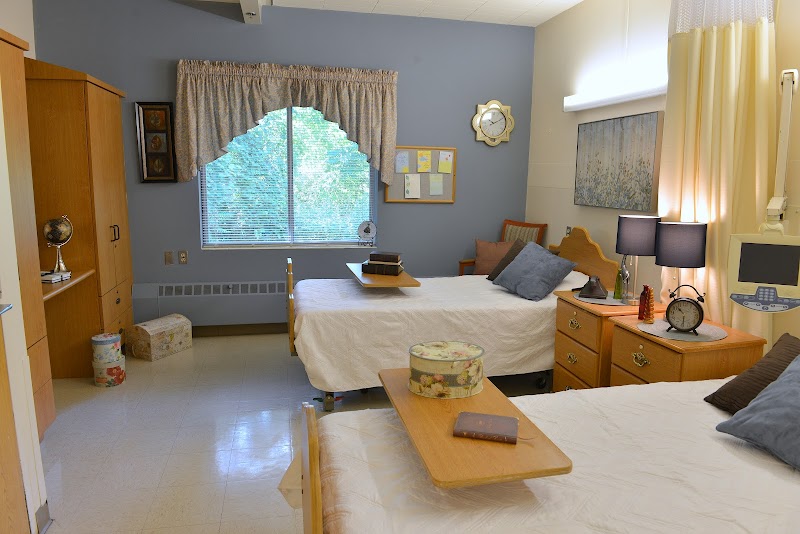
How is The Laurels Of Sandy Creek Staffed?

CMS rates The Laurels of Sandy Creek's staffing level at 4 out of 5 stars, which is above average compared to other nursing homes. Staff turnover is 44%, compared to the Michigan average of 46%. This relatively stable workforce can support continuity of care.

What Have Inspectors Found at The Laurels Of Sandy Creek?

State health inspectors documented 28 deficiencies at The Laurels of Sandy Creek during 2023 to 2025. These included: 1 that caused actual resident harm, 26 with potential for harm, and 1 minor or isolated issues. Deficiencies causing actual harm indicate documented cases where residents experienced negative health consequences.
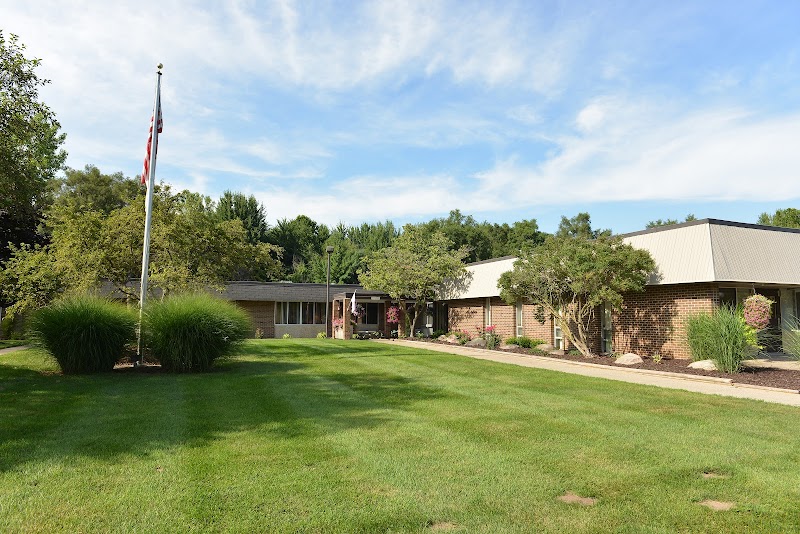
Who Owns and Operates The Laurels Of Sandy Creek?

The Laurels of Sandy Creek is owned by a for-profit company. For-profit facilities operate as businesses with obligations to shareholders or private owners. The facility is operated by CIENA HEALTHCARE/LAUREL HEALTH CARE, a chain that manages multiple nursing homes. With 99 certified beds and approximately 74 residents (about 75% occupancy), it is a smaller facility located in Wayland, Michigan.

How Does The Laurels Of Sandy Creek Compare to Other Michigan Nursing Homes?

Compared to the 100 nursing homes in Michigan, The Laurels of Sandy Creek's overall rating (3 stars) is below the state average of 3.1, staff turnover (44%) is near the state average of 46%, and health inspection rating (2 stars) is below the national benchmark.

What Should Families Ask When Visiting The Laurels Of Sandy Creek?

Based on this facility's data, families visiting should ask: "What safeguards and monitoring systems are in place to protect residents from abuse or neglect?" "Can I visit during a mealtime to observe dining assistance and food quality?" "How do you handle medical emergencies, and what is your hospital transfer rate?" "Can I speak with family members of current residents about their experience?" These questions are particularly relevant given the substantiated abuse finding on record.

Is The Laurels Of Sandy Creek Safe?

Based on CMS inspection data, The Laurels of Sandy Creek has documented safety concerns. The facility has 1 substantiated abuse finding (meaning confirmed case of resident harm by staff or other residents). The facility has a 3-star overall rating and ranks #100 of 100 nursing homes in Michigan. Families considering this facility should ask detailed questions about what corrective actions have been taken since these incidents.

Do Nurses at The Laurels Of Sandy Creek Stick Around?

The Laurels of Sandy Creek has a staff turnover rate of 44%, which is about average for Michigan nursing homes (state average: 46%). Moderate turnover is common in nursing homes, but families should still ask about staff tenure and how the facility maintains care continuity when employees leave.

Was The Laurels Of Sandy Creek Ever Fined?

The Laurels of Sandy Creek has no federal fines on record. CMS issues fines when nursing homes fail to meet care standards or don't correct problems found during inspections. The absence of fines suggests the facility has either maintained compliance or corrected any issues before penalties were assessed. This is a positive indicator, though families should still review recent inspection reports for the full picture.

Is The Laurels Of Sandy Creek on Any Federal Watch List?

The Laurels of Sandy Creek is not on any federal watch list. The most significant is the Special Focus Facility (SFF) program, which identifies the bottom 1% of nursing homes nationally based on persistent, serious quality problems. Not being on this list means the facility has avoided the pattern of deficiencies that triggers enhanced federal oversight. This is a positive indicator, though families should still review the facility's inspection history directly.