The Villa at West Branch
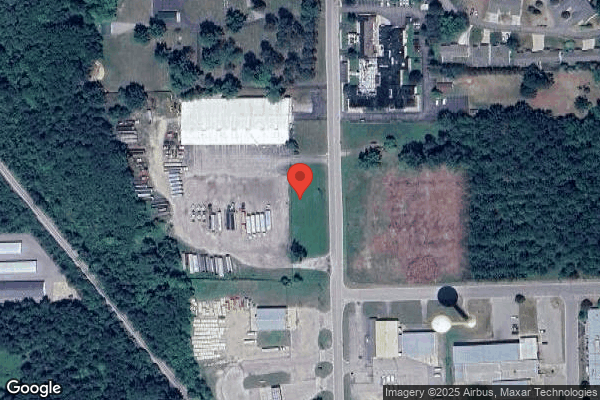
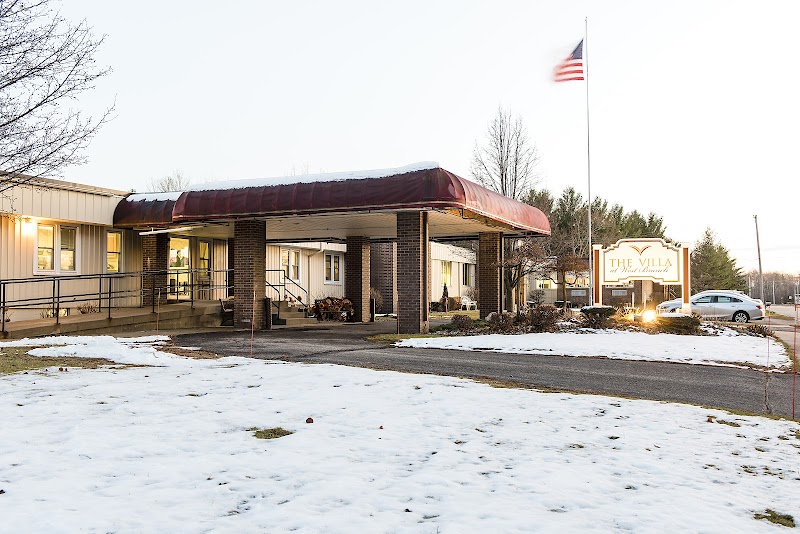
445 South Valley Street, West Branch, MI 48661 (989) 345-3600
For profit - Corporation 70 Beds VILLA HEALTHCARE Data: November 2025 1 Immediate Jeopardy citation
Trust Grade
0/100
#347 of 422 in MI
Last Inspection: April 2025

Within standard 12-15 month inspection cycle. Federal law requires annual inspections.

Overview

The Villa at West Branch has a Trust Grade of F, which indicates significant concerns about the quality of care provided, placing it in the bottom tier of facilities. It ranks #347 out of 422 in Michigan, meaning it is in the bottom half of all facilities in the state, and #2 out of 2 in Ogemaw County, suggesting it is the least favorable option in the area. Although the trend is improving, with a reduction in issues from 14 to 13 over the past year, the facility has a concerning staffing turnover rate of 58%, which is higher than the state average of 44%. The facility has incurred $294,255 in fines, which is higher than 99% of Michigan facilities, indicating repeated compliance problems. There are serious incidents reported, including a critical finding of resident-to-resident sexual abuse and serious deficiencies in care that resulted in significant harm, such as improper administration of medical treatments leading to severe injuries. While the facility has some strengths, like average RN coverage and excellent quality measures, these serious issues need to be carefully considered by families looking for a safe environment for their loved ones.
Trust Score
F
0/100
In Michigan
#347/422
Bottom 18%
Safety Record
High Risk
Review needed
Inspections
Getting Better
14 → 13 violations
Staff Stability
⚠ Watch
58% turnover. Above average. Higher turnover means staff may not know residents' routines.
Penalties
✓ Good
$294,255 in fines. Lower than most Michigan facilities. Relatively clean record.
Skilled Nurses
○ Average
Each resident gets 38 minutes of Registered Nurse (RN) attention daily — about average for Michigan. RNs are the most trained staff who monitor for health changes.
Violations
⚠ Watch
47 deficiencies on record. Higher than average. Multiple issues found across inspections.
★★☆☆☆
2.0
Overall Rating
★★★☆☆
3.0
Staff Levels
★★★★★
5.0
Care Quality
★☆☆☆☆
1.0
Inspection Score
Stable
2024: 14 issues
2025: 13 issues

The Good

  • 5-Star Quality Measures · Strong clinical quality outcomes
  • Full Sprinkler Coverage · Fire safety systems throughout facility
  • No fines on record

Facility shows strength in quality measures, fire safety.

The Bad

2-Star Overall Rating

Below Michigan average (3.1)

Below average - review inspection findings carefully

Staff Turnover: 58%

12pts above Michigan avg (46%)

Frequent staff changes - ask about care continuity

Federal Fines: $294,255

Well above median ($33,413)

Significant penalties indicating serious issues

Chain: VILLA HEALTHCARE

Part of a multi-facility chain

Ask about local staffing decisions and management

Staff turnover is elevated (58%)

10 points above Michigan average of 48%

The Ugly 47 deficiencies on record

1 life-threatening 8 actual harm
Aug 2025 1 deficiency
CONCERN (D) 📢 Someone Reported This

A family member, employee, or ombudsman was alarmed enough to file a formal complaint

Potential for Harm - no one hurt, but risky conditions existed

Quality of Care (Tag F0684)

Could have caused harm · This affected 1 resident

**NOTE- TERMS IN BRACKETS HAVE BEEN EDITED TO PROTECT CONFIDENTIALITY** This Citation pertains to Intake Numbers 2575723 and 2589048. Based on interview and record review, the facility failed to opera...

Read full inspector narrative →
**NOTE- TERMS IN BRACKETS HAVE BEEN EDITED TO PROTECT CONFIDENTIALITY** This Citation pertains to Intake Numbers 2575723 and 2589048. Based on interview and record review, the facility failed to operationalize procedures to ensure a timely response, appropriate coordination of care, and comprehensive/accurate documentation for a change in condition for one resident (Resident # 701) of three residents reviewed, resulting in a lack of comprehensive assessment, a lack of coordination with Hospice services and unnecessary pain.Findings include:Resident #701:A review of intake documentation revealed a concern that the facility did not coordinate care in a timely manner with Hospice when Resident #701 experienced a change in condition and a decline, resulting in prolonged and unnecessary pain and discomfort prior to their death in the facility on 08/12/25.An interview was completed with Hospice Registered Nurse (RN) A on 8/20/25 at 9:00 AM. When queried regarding Resident #701, RN A revealed they were the Resident Hospice nurse. RN A was asked about the Resident's care in the facility and revealed they had seen Resident #701 on Tuesday 8/5/25. RN A verbalized they were concerned with Resident's pain level and spoke to the facility Physician regarding medication adjustments. RN A verbalized saw Resident #701 on 8/6/25 to follow up and make sure the medication changes were effectively managing their pain. RN A then stated, I didn't hear back from the facility until Monday (8/11/25) at approximately 9:00 PM when the facility requested a nurse visit. RN A verbalized when they arrived in Resident #701's room, the Resident was in bed on their left side in the fetal position. RN A stated, (Resident #701) was very stiff, guarding, had facial grimacing, and moaning. RN A stated the Resident felt hot and they had a temperature. RN A was asked if Resident #701 was able to rate their pain using a numeric scale and indicated they were not. RN A stated, PAINAD (pain level using a scale to assess and measure pain levels in individuals with cognitive impairments) was a nine (out of 10 with 10 being the highest) for me. When queried if the facility nurse was present in the room and/or spoke to them, RN A replied (Licensed Practical Nurse [LPN] C) greeted me and went back to (passing) meds. When queried if LPN C went into Resident #701's room with them, RN A indicated they did not but did speak to them regarding the Resident. When asked what they were told by LPN C, RN A replied, When (LPN C) came in (at 6:00 PM), the day shift nurse had them go in (Resident #701's) room because they had been vomiting. When queried if LPN C provided any other information such as the number and volume of Resident #701's emesis, RN A responded they asked LPN C additional questions and were informed they did not know how many times on day shift because they were not told. RN A verbalized LPN C told them Resident #701 had vomited around 6:00 PM when they started their shift and again around 8:50 PM and told them they were not sure if it was vomit or chocolate pudding. When asked if the substance was vomit or chocolate pudding, RN A responded that the Resident had vomited, and the vomit had also come out of their nose. RN A then stated, There was still vomit (on Resident #701) when they arrived to assess the Resident and provide care.When queried if the Resident had vomited again, RN A revealed they could not say for certain but there was both hardened and moist dark brown colored emesis on the Resident's face, arms and the bedding. RN A verbalized they started to clean Resident #701 up and called the Certified Nursing Assistant (CNA) to assist. When asked if nausea/vomiting was new for Resident #701, RN A replied, (Resident #701) has a long history of coughing when they eat. RN A revealed the Resident had choose Hospice care because they did want feeding tube placement and had difficulty swallowing following their stroke. RN A verbalized Resident #701's illness was terminal, but their concern was that Hospice was not notified of the change in condition sooner. RN A disclosed they spoke to CNAs at the facility and were informed that Resident #701's condition had worsened over the weekend and Hospice was not notified. When asked, RN A stated, (CNA D) told me they noticed (Resident #701) wasn't in the dining room the day before (Sunday) and said something to (CNA E) and (CNA E) told them that (Resident #701) was end of life and not getting out of bed. RN A stated, (CNA F) said (Resident #701) was coughing worse on Saturday and it wasn't fair to the other residents in the dining room. RN A verbalized Resident #701's illness was terminal, but their concern was that Hospice was not notified of the change in condition sooner. RN A stated, (Resident #701) was covered in vomit and in so much pain. It took so much pain med to make them comfortable. Nobody deserves to suffer and die like that. That is what we (Hospice) are here for. All they (facility) had to do was call. RN A revealed Resident #701 passed away at 4:00 AM. Record review revealed Resident #701 was admitted to the facility on [DATE] with diagnoses which included heart failure, weakness, and cerebral infarction (stroke) with resulting dysphagia (difficulty swallowing). Review of the Minimum Data Set (MDS) assessment dated [DATE] revealed the Resident was moderately cognitively impaired and required maximum to total assistance to complete Activities of Daily Living (ADLs). Further review of Resident #701's Electronic Medical Record (EMR) revealed the Resident was admitted to Hospice services in April 2024.Review of Resident #701's EMR revealed the following progress note and assessment documentation from 8/8/25 to 8/12/25:- 8/11/25 at 10:03 PM: Health Status Note. Hospice nurse at facility and assessed resident, new order: increase Morphine (narcotic pain medication) 20mg (milligrams)/mL (milliliter), give 0.5 mL PO (orally) Q (every) 2 (hours) scheduled, may give 0.5 mL PO Q 1H (hour) as needed for pain. Ativan (antianxiety) 0.5 mg tablet, Give one tablet PO Q4H as needed for anxiety/restlessness.- 8/12/25 at 4:20 AM: Health Status Note. Res without resp, pulse. Two LPN's verified that time of death 0400. Family at res bedside and aware of passing.A review of Resident #701's Documentation Survey Report for August 2025 revealed the following:- Resident #701's last bowel movement was on 8/7/25.- Documentation for the task Locomotion - high back wheelchair revealed the Resident did not get up into the wheelchair at all on 8/10/25 and 8/11/25.- Resident #701 did not eat any food on 8/11/25 when they had eaten a percentage of two to three meals on all other days during the month.- Resident #701 refused their PM/HS (bedtime) Snack on 8/9/25 at 9:04 PM, 8/10/25, and 8/11/25.Review of Vital Sign documentation in Resident #701's EMR revealed the Resident's vital signs including temperature were taken sporadically with no discernable pattern. Review revealed Resident #701's temperature was taken on 8/11/25 at 12:02 PM using a forehead (non-contact) thermometer. The temperature reading was documented as 97.3 degrees Fahrenheit (F). The Resident's documented temperature prior to that was also 97.3 F on 7/28/25 at 10:07 AM.An interview was completed with CNA G on 8/20/25 at 2:00 PM. When queried regarding Resident #701, CNA G revealed they were not working when the Resident passed and stated, (Resident #701) had been declining rapidly. CNA G was asked what declining rapidly meant and stated, Coughing more and not eating as much. With further inquiry, CNA G revealed the Resident had been declining slowly and had seemed to worsen quickly the weekend before they passed.On 8/20/25 at 2:10 PM, an interview was conducted with CNA E. When queried if they had provided care to Resident #701, CNA E stated, I worked the shift before they passed. They passed that night shift. When queried if Resident #701 usually gets up in their wheelchair to eat in the dining room, CNA E replied, We usually go in and get (Resident #701) up first due to the level of assistance needed. When asked if Resident #701 got up and went to the dining room on 8/11/25, CNA E stated, No, they kept falling back asleep. CNA E then stated, (Resident #701) only needed to changed three times that day. When asked, CNA E clarified that the Resident only had three wet briefs all day which was abnormal for them. When asked if they told the nurse, CNA E stated, I did. CNA E was asked what the nurse said and revealed they did not provide any additional instruction. When queried if they told anyone that Resident #701 was at the end of life, CNA E stated, I did. I told the nurse and the other CNA. CNA E was asked if Resident #701 seemed to be in pain during their shift and replied, Yes, when I rolled (Resident #701), they were in a lot of pain. When queried if Resident #704 vomited during their shift, CNA E replied, Yes, right before shift change. CNA E continued, The hall was crazy, and I kept trying to clean (Resident #701) up. I told the next CNA. When asked if they were saying they did or did not clean the vomit off of Resident #701, CNA E replied, I couldn't get it off. CNA E was asked why they could not get the vomit off of the Resident and replied, It was like chocolate pudding, and it was stuck. It was sticky. CNA E was asked if the Resident had a beard that the substance was stuck in and responded they did not. When queried if Resident #701 ate chocolate pudding that day, CNA E indicated the Resident takes their medications in pudding. When queried how many times they went into Resident #701's room to clean the vomit, CNA E replied, Not sure. I kept getting pulled to do something else. When asked if Resident #701 had vomited more when they went back in their room, CNA E replied, I couldn't tell you. It looked like the same amount every time I went in.Review of facility provided investigation documentation pertaining to Resident #701 included the following:- Resident #701's face sheet, care plan, and current orders at time of death and CNA P.- Typed Statement from CNA L dated 8/20/25. The statement detailed, 8/20/25 Interview statement. I took care of resident on 8/9/25, Resident was not feeding self in the morning, and I started to feed them, and food was running out of their mouth, so I stopped. Later in the shift resident was given something from the nurse by mouth and they did not eat lunch. There were not other change in condition noted. The statement was signed by the Director of Nursing (DON) and Facility Administrator.- Typed Statement from CNA P dated 8/20/25. The statement detailed, 8/20/25 Phone Interview. I never told (Hospice Staff) that resident had a change over the weekend. I was not even (Resident #701's) aide. The statement was signed by the Director of Nursing (DON) and Facility Administrator.- Typed Statement from Hospitality Aide M dated 8/20/25. The statement detailed, 8/20/25 Interview statement. I worked with resident on 8/10/25. I noticed resident was tired and they did not eat very much that day. But, they did not vomit. There was nothing out of the ordinary that I remember seeing. The statement was signed by the Director of Nursing (DON) and Facility Administrator.- Typed Statement from Registered Nurse (RN) H dated 8/15/25. The statement detailed, 8/15/25 Interview Statement. According to (RN H) on 8/12/25 (Resident #701) had no increased change in condition during their day shift. (RN H) stated, ‘(Resident #701) ate and had chocolate pudding around their mouth in the afternoon and I had to provide oral care and instructed my aide to also provide oral care.' When (RN H) was asked if resident was vomiting or has any significant change in condition, stated, ‘no, (Resident #701) was normal self.' (RN H) was asked if there as anything else that stood our that the day with (Resident #701) and stated, ‘no, I checked on them several times throughout the day.' No further questions at this time. The typed statement was signed by the DON and facility Administrator.Note: RN H did not provide care to Resident #701 on 8/12/25.- Written and Signed Statement from RN N (no date): Writer was nurse for patient 8/8/25 -8/10/25. I did not notice anything unusual in regards to resident expect on Sunday 8/10/25 resident had increased secretions after dinner to which I performed moth care and resident wanting to lay down adamantly. Aide laid resident down. Checked on resident numerous times throughout night due to increased secretions. Resident was at baseline.- Written and Signed Statement from LPN O dated 8/12/25: I, (LPN O) did not care for (Resident #701). I went into resident's room and resident was passed. (Family member) was present.A review of the requested schedule/assignment sheet and Medication Administration Record (MAR) for 8/10/25 revealed the staff assigned to care for Resident #701 on day shift were CNA M and LPN I and CNA R and RN N on night shift.A review of the requested schedule/assignment sheet for 8/11/25 revealed the staff assigned to care for Resident #701 on day shift were CNA E and RN H and CNA Q and LPN C on night shift.Review of Resident #701's MAR for August 2025 revealed documentation for Pain - Evaluate Pain every shift for Pain Evaluation. The MAR specified all Resident #701's documented pain levels were one out of 10 (with 10 being the highest) on 8/11/25 Day shift and zero out of 10 on 8/11/25 Night shift.Further review of the MAR revealed that on 8/11/25, Resident #701 received the following:- 10 milligrams (mg) of morphine at 1:00 AM for a pain level of three out of 10- 10 mg of morphine at 5:00 AM for a pain level of five out of 10- 10 mg of morphine at 9:00 AM for a pain level of one out of 10- 10 mg of morphine at 1:00 PM for a pain level of five out of 10- 10 mg of morphine at 5:00 PM for a pain level of five out of 10- 10 mg of morphine at 9:00 PM for a pain level of zero out of 10- 10 mg of morphine at 10:00 PM for a pain level of four out of 10- 10 mg of morphine at 10:15 PM (no pain level documented)- 20 mg of morphine at 10:30 PM for pain level of four out of 10Per the MAR on 8/12/25, Resident #701 received:- 10 mg of morphine at 12:00 AM for a pain level of four out of 10- 10 mg of morphine at 2:00 AM for a pain level of one out of 10Review of Resident #701's EMR revealed a care plan entitled, (Resident #701) receives hospice services. (Initiated: 4/23/24). The care plan included the intervention, Notify (Hospice Company). for changes in condition.An interview was completed with LPN C on 8/21/25 at 9:30 AM. When asked if they took care of Resident #701 the night they passed, LPN C replied, I did. LPN C was asked what happened and revealed they received report from Registered Nurse (RN) H. LPN C stated, (RN H) told me they didn't know what was going on or what was on (Resident #701's) face so we went in (Resident #701's) room together. LPN C added, (RN C) said it was coming out of (Resident #701's) nose too. When asked what happened, LPN C replied, We cleaned (Resident #701) up and I started my med pass. LPN C was queried regarding their observations when they went into Resident #701's room with RN C and replied, Just looked like it was coming out of their mouth. LPN C stated, After we cleaned (Resident #701) up, they were on their side, and I could tell it was out of their nose too. Their nose and mouth. LPN C revealed RN C told them they thought it was chocolate pudding because that was something the Resident #701 liked to eat and the color was the same. LPN C stated, Later when I figured out that it wasn't food the day shift was already gone. With further inquiry, LPN C stated, It was just strange that (Resident #701) was in bed. (Resident #701) was never really in bed. LPN C revealed Resident #701 was usually up and would always try to get into the water that they couldn't have because they were on thickened liquids. LPN C indicated they went back to check on Resident #701 and stated, I went back and noticed (Resident #701) was still having that drainage. I needed some help trying to figure out what to do for (them). When asked if that is why they called Hospice at that time, LPN C stated, To me it looked like a change in condition for (Resident #701) and that is why I called hospice.An interview was completed with RN H on 8/21/25 at 11:08 AM. When queried if they were Resident #701's nurse on 8/11/25 during the day shift, RN H confirmed they were. RN H was asked if they recalled who they gave nurse to nurse report to and replied, (LPN C). When asked if they went to Resident #701's room with LPN C when they gave report, RN H replied, Can't honestly say. When queried if Resident #701 vomited that day, RN H replied, (Resident #701) coughs and had chocolate pudding around their mouth. RN H then stated, The CNA and I worked and got (Resident #701) cleaned up. When asked if they cleaned up Resident #701 with the CNA or with LPN C, RN H repeated it was the CNA. When asked if they knew the CNAs name, RN H described CNA E. RN H was informed of CNA E stating the substance was sticky and they were unable to clean it off the Resident. When asked if they recalled that, RN H replied, No. When queried if Resident #701 ate on 8/11/25, RN H revealed the Resident did not eat breakfast and stated, We just attributed it to the time of the day. When asked if the Resident ate anything for lunch, RN H replied, I don't know. RN H was asked why they assessed Resident #701's temperature on 8/11/25 and revealed they did not remember. When queried when they would contact Hospice, RN H stated, A change in condition. RN H was asked if Resident #701 not eating not eating for a day, vomiting, and not having a bowel movement for four days would constitute a change in condition, RN H did not provide further explanation.On 8/21/25 at 11:44 AM, an interview was completed with LPN I. When queried regarding Resident #701, LPN I responded they had taken care of the Resident the weekend prior to their passing. When queried if Resident #701 had any vomiting over the weekend, LPN I stated, No. When asked if there was anything different with the resident over the weekend, LPN I stated, (Resident #701) did have some muscle spasms that were intermittent. When queried if the Resident had increased coughing, LPN I revealed they did and stated, (Resident #701) would cough and cough and food would just run out of their mouth. An interview was completed with Witness K on 8/21/25 at 11:50 AM. When queried regarding Resident #701, Witness K revealed they were contacted by the Hospice nurse to come to the facility. Witness K revealed they live approximately 15 minutes away from the facility and came immediately. Witness K was asked about the Resident's condition when they arrived to the facility and stated, When I got (to facility), (Resident #701) was in a fetal position and moaning in pain. Then (the Resident) started to cough up stuff. Witness K continued, (Resident #701) looked awful, looked like a skeleton and their color was horrible.An interview was attempted to be completed with CNA D on 8/21/25 at 12:03 PM and 3:47 PM. CNA D's voicemail was full and a text message with sent with a return phone call requested. CNA D sent a return text message on 8/21/25 at 3:52 PM specifying they would return to work on Tuesday of next week and indicated they were unavailable for interview with State Surveyor.An interview was completed with CNA F on 8/21/25 at 12:05 PM. When queried if they worked the weekend of 8/9/25 and 8/10/25, CNA F confirmed they did. CNA F was asked about Resident #701 that weekend and stated, I wasn't on that side of the building so didn't work with (Resident #701). When queried if they remembered seeing the Resident in the dining room and/or anything unusual, CNA F replied, Not that I recall.On 8/21/25 at 12:07 PM, an interview was attempted to be completed with CNA J. A voice mail message was left with a return phone number. A return phone call was not received by the conclusion of the survey.Review of Resident #701's Hospice Provider documentation revealed the following:- 8/11/25: In Home Time. 9:08 PM. Temperature 103.6 (F). Temporal. Pulse: 129. Oxygen Saturation. 70 (%) (Normal - 92- 100 %) . Pain. 9 (out of 10) . Pain. Noisy Labored Breathing. Occasional Moan or Groan. Facial Grimacing. Knees Pulled Up. Unable to Console, Distract, or Reassure. Total Score (Pain): 0. Severe Pain. Cardiovascular. Arrhythmia, Pallor. Tachycardiac, Irregularly irregular. Narrative: RN PRN (as needed) visit. Upon arrival to facility greeted by (LPN C). (LPN C) stated that (Resident #701) had been having brown emesis throughout day starting on day shift. (LPN C) was unsure of how many but knew (Resident #701) had one at 6:00 PM and one at 8:45 PM. (LPN C) stated, ‘(Resident #701) had a chocolate pudding at dinner so I didn't know if that was that.' (Resident #701) laying on side with knees pulled up to chin. Elevated resp. rate. Noisy respirations, Facial Grimacing, Unable to consol or distract. [NAME] emesis in mouth, nose, on face, on arms, and on bedding. Writer started cleaning (Resident #701's) face and hands and put on call light to call CNA for assistance. (Resident #701) hot to touch. Vital signs assessed. HR (Heart Rate) 130, TEMP 103.6, O2 (oxygen saturation) 70% ON RA (Room Air). Respiratory Rate 36 (normal 12-20). Lungs with crackles (abnormal) heard at bases. CNAs arrived to take over cares. Left room to call (Family). Notified (Physician) of condition and received new orders to increase (morphine). and increase Ativan (controlled medication for anxiety) . HOB (Head of Bed) elevated and cool cloth placed on forehead. (Resident #701) continued with rapid noisy respirations. Reminded. (LPN C) to call hospice if (Resident #701) remains uncomfortable or with any needs or concerns during night.An interview was completed with the Director of Nursing (DON) on 8/21/25 at 1:09 PM regarding Resident #701. Why asked why they did not interview the assigned staff working the on the day shift prior to and on the shift when the Resident passed as part of their investigation, the DON replied, (LPN C) called to let me know (Resident #701) was passing and let me know when they passed. The DON was then asked if not eating for a day would be considered a change in condition and replied, Not for (Resident #701). They were non-compliant with their diet. The DON did not provide an explanation when queried regarding Resident #701's intake documentation specifying they ate one to two meals a day previously during August 2025. When asked how frequently temperatures are obtained for Hospice patients, the DON replied, Only when requested. When asked why RN H took Resident #701's temperature on 8/11/25 at 12:02 PM, the DON replied, Not sure why checked. The DON was then informed of interviews completed with LPN C and RN H. When queried regarding the discrepancies in the interview statements, the DON was unable to provide an explanation. When asked what pain scale was used for Resident #701, the DON replied, PAINAD if (Resident #701) can't talk to you. The DON then stated, (Resident #701) would be able to tell you. The DON was then queried regarding the discrepancy between the pain level documented by the facility and the pain level documented by hospice on 8/11/25 and replied, That would be my word against theirs. When asked about the lack of documentation in the EMR related to the reason Hospice was contacted, the DON did not provide an explanation. The DON then stated, (Hospice Nurse) is also very aggressive with pain meds. When queried regarding the amount of morphine Resident #701 received to control their pain on 8/11/25 and the documented physical assessment of the Resident by the Hospice provider, the DON did not provide further explanation.An interview was completed with CNA Q on 8/21/25 at 3:49 PM. When queried if they were Resident #701's CNA when they passed, CNA Q confirmed they were. CNA Q was asked what happened and replied, I got report that (Resident #701) was declining. (Resident #701) wasn't eating and was getting worse. With further inquiry, CNA Q stated, (Resident #701) had not ate at all that day. CNA Q was asked if Resident #701 had gotten out of bed that day (8/11/25) and stated, I don't believe so. When queried if the CNA they received report from told them Resident #701 had vomited during the day, CNA Q replied, I believe so. When asked if they went to Resident #701's room first after getting report or if they had other things to do first, CNA Q replied, Had other stuff to do. CNA Q was then asked if Resident #701 have vomited during their shift and stated, Yeah. When asked how many times the Resident vomited, CNA Q replied, I think once for me. I let the nurse know. CNA Q continued, The nurse came in. (The Nurse) said there was something all over (Resident #701's) face and I had it wipe it off and then it started coming out of (Resident #701's) nose. CNA Q was asked if the substance on Resident #701's face was the same substance that started coming out of their nose and replied, Yes. CNA Q added, The nurse didn't know what it was, so they called the hospice nurse. CNA Q was asked if they had ever observed Resident #701 have that substance on their face in the past and stated, No, not like that. It was stuck. When queried if Resident #701 displayed signs and symptoms of pain when they were cleaning them up, CNA Q replied, Yeah, a bit. (Resident #701) was like moaning a flinching. When queried if they had taken care of Resident #701 recently prior to their passing, CNA Q verbalized they had but was unable to recall a specific date. CNA Q stated, (Resident #701) was a lot better than that. They were eating and was (getting) up. When (Resident #701) started not wanting to feed themselves, we knew they were declining. CNA Q was asked if they recalled anything else and stated, I remember when the hospice nurse came in, (Resident #701) was running a fever and when we rolled (the Resident), they were just screaming in pain. When queried if Resident #701's skin felt hot when they touched them, CNA Q replied, Yes, very hot. CNA Q was asked if they informed the nurse and replied, Yeah. CNA Q then stated, It was the hospice nurse who said to take (Resident #701's) vitals.Review of facility policy/procedure entitled, Change in a Resident's Condition or Status (Revised: February 2021) revealed, Our facility promptly notifies the resident, his or her attending physician, and the resident representative of changes in the resident's medical/mental condition and/or status. 1. The nurse will notify the resident's attending physician or physician on call when there has been a(an). d. significant change in the resident's physical/emotional/mental condition; e. Need to alter the resident's medical treatment significantly; f. refusal of treatment or medications two (2) or more consecutive times) . 2. A significant change of condition is a major decline or improvement in the resident's status that: a. will not normally resolve itself without intervention by staff or by implementing standard disease-related clinical interventions (is not self-limiting); b. impacts more than one area of the resident's health status; c. requires interdisciplinary review and/or revision to the care plan. 8. The nurse will record in the resident's medical record information relative to changes in the resident's medical/mental condition or status.Review of facility provided policy/procedure entitled, Hospice Program (Revised July 2017) revealed, Hospice services are available to residents at the end of life. 9. In general, it is the responsibility of the hospice to manage the resident's care as it relates to the terminal illness and related conditions, including the following: a. Determining the appropriate hospice plan of care. c. Providing medical direction, nursing and clinical management of the terminal illness. e. Providing medical supplies, durable medical equipment, and medications necessary for the palliation of pain and symptoms. 10. In general, it is the responsibility of the facility to meet the resident's personal care and nursing needs in coordination with the hospice representative, and ensure that the level of care provided is appropriately based on the individual resident's needs. These responsibilities include the following: a. Twenty-four-hour room and board care; b. Administering prescribed therapies, including those therapies determined appropriate by the hospice and delineated in the hospice plan of care; c. Notifying the hospice about the following: (1) A significant change in the resident's physical, mental, social, or emotional status. (2) Clinical complications that suggest a need to alter the plan of care. (4) The resident's death. d. Communicating with the hospice provider (and documenting such communication) to ensure that the needs of the resident are addressed and met 24 hours per day.
Apr 2025 12 deficiencies
CONCERN (D)

Potential for Harm - no one hurt, but risky conditions existed

Resident Rights (Tag F0550)

Could have caused harm · This affected 1 resident

**NOTE- TERMS IN BRACKETS HAVE BEEN EDITED TO PROTECT CONFIDENTIALITY** Resident #4: Observation and interview an 04/27/25 at 11:08 AM with Resident #4 stated I got the catheter when I came here to th...

Read full inspector narrative →
**NOTE- TERMS IN BRACKETS HAVE BEEN EDITED TO PROTECT CONFIDENTIALITY** Resident #4: Observation and interview an 04/27/25 at 11:08 AM with Resident #4 stated I got the catheter when I came here to this building, I had a Urinary Tract Infection, and they are giving me some pills for it. I couldn't pee on my own, and I use to do a straight stick catheter. The state surveyor Observed urinary catheter at bedside in privacy bag, with tubing touching/lying on the floor. Observation on 04/28/25 at 12:28 PM of Resident #4 was seated at edge of bed awaiting her noon meal tray. The state surveyor Observed urinary catheter and tubing laying on the floor outside of the privacy bag. Resident #4 stated that she did not know what was going on with the catheter bag. The staff/girls take care of the catheter for me. Observation on 04/28/25 at 12:30 PM Activities aide A brought in her lunch tray, she did not know anything about the urinary catheter. On 04/28/25 at 12:32 PM the state surveyor went to find Licensed Practical Nurse B and returned with the surveyor to Resident #4's room. Both LPN B and state surveyor observed urinary catheter on the floor outside the privacy bag. LPN B stated I don't know why the catheter was out of the privacy bag and on the floor, I know that Resident #4 doesn't like to get out of bed. LPN B only put on gloves and picked up the catheter from the floor with no enhanced barrier PPE put on. On 04/28/25 12:36 PM Resident #4 stated that she had not been into the bathroom or out of bed. Resident #108: Observation and interview during the initial screen process at the start of the survey on 04/27/25 at 10:41 AM of Resident #108 noted a urinary catheter visible from the doorway hanging at bed side with a volume measure burette (Urometer) on front of bag with yellow solution noted with no privacy bag in place. Resident #108 stated he has been at the facility a week, but that no one has told him anything and that they need to respond to the buzzer faster, because he waits 30 minutes to 45 minutes. In an observation and interview on 04/29/25 at 08:24 AM of Resident #108 was lying in bed with his breakfast meal. Observation of urinary catheter was noted to have a blue privacy bag in place today. Resident #108 stated that the girls added that cover bag yesterday afternoon. The Resident #108 did not know why they waited till then after everyone that walked by saw it. Based on observation, interview and record review the facility failed to ensure that residents were treated in a dignified manner for three residents (R4, R108, R208) of 16 residents reviewed for dignity, resulting in uncovered urine collection bags and lack of respect for residents individuality. Findings include: Resident #208 (R208): R208 is [AGE] years old and admitted to the facility on [DATE] with diagnoses that include neuromuscular dysfunction of the bladder, hypertension, anxiety and a history of colon cancer. On 04/27/25 at 10:37 AM, R208 was observed sitting in bed and watching TV. R208 was noted to have an indwelling urinary catheter in place. The urine collection bag was not covered, urine was present in the bag. On 04/28/25 at 08:36 AM, R208 was observed in the dining room eating breakfast, the urine collection bag was not covered, and urine was present in it. On 04/28/25 at 01:40 PM, record review of R208's electronic medical record (EMR) revealed a physician's order for the indwelling catheter, an appropriate diagnosis of obstructive uropathy and it was dated 04/07/25. On 04/28/25 at 03:18 PM, an interview was conducted with the director of nursing (DON). The DON was asked if the facility has dignity bags that cover the urine collection bags. The DON replied, yes, we do have dignity bags that the urine collection bags slip into, and we have urine collection bags with built in covers. The DON stated they are available to staff, and they can use them. The DON was asked if the urine collection bags should be covered. The DON replied, yes, they should be covered.
CONCERN (D)

Potential for Harm - no one hurt, but risky conditions existed

Deficiency F0578 (Tag F0578)

Could have caused harm · This affected 1 resident

**NOTE- TERMS IN BRACKETS HAVE BEEN EDITED TO PROTECT CONFIDENTIALITY** Based on interview and record review, the facility failed to ensure that advance directive forms were completed by a designated ...

Read full inspector narrative →
**NOTE- TERMS IN BRACKETS HAVE BEEN EDITED TO PROTECT CONFIDENTIALITY** Based on interview and record review, the facility failed to ensure that advance directive forms were completed by a designated responsible party for one resident (Resident #8) of two residents reviewed for advance directives. Findings include: Resident #8: On [DATE] at 2:55 PM, Resident #8 was observed in their room sitting in a semi reclined position in a Broda chair. When asked questions, Resident #8 was pleasantly confused and unable to provide answers to questions related to medical conditions and/or care. Record review revealed Resident #8 was originally admitted to the facility on [DATE] and readmitted on [DATE] with diagnoses which included dementia, and falls. Review of Minimum Data Set (MDS) assessment dated [DATE] revealed the Resident was severely cognitively impaired and required substantial/maximum assistance. Review of Resident #8's Electronic Medical Record (EMR) revealed the Resident was admitted to Hospice Services in [DATE]. A Physician's Evaluation of Resident's Competency To Make Health Care Decisions Form was present in Resident #8's EMR. The form specified the Resident was incompetent to make medical decisions and was signed by a Physician on [DATE] and a Clinical Psychologist on [DATE]. Further review of Resident #8's EMR revealed the most recent Advance Directive form specifying Code Status was entitled, MDHHS-5836, Michigan Physician Orders for Scope of Treatment (MI-POST). The form was dated as prepared on [DATE]. The form detailed the Resident's code status was DO NOT attempt Resuscitation/CPR (Cardiopulmonary Resuscitation). (No CPR, allow Natural Death) . Medical Interventions . Comfort-Focused Treatment . The form was signed by Resident #8 (no date), Former Assistant Director of Nursing (ADON) O on [DATE], and Physician N on [DATE]. Further review of Resident #8's EMR revealed DPOA paperwork with a patient advocate designated. An interview was completed with Social Services Designee (SSD) P on [DATE] at 1:52 PM. When queried who signed Resident #8's most recent Advance Directive/DNR order, SSD P reviewed Resident #8's EMR and stated, (Resident #8) did. SSD P was then asked if Resident #8 was deemed incompetent and replied, Yes. When asked why Resident #8 signed the form after she was deemed incompetent to make medical decisions, SSD P stated, It was probably an error on the nurses part. When asked to clarify if they were saying Resident #8 should not have signed the form, SSD P confirmed the Resident should not have signed the form due to being incompetent. On [DATE] at 11:59 AM, an interview was completed with the Director of Nursing (DON). Resident #8's Advance Directive DNR form from February 2025 and incompetency documentation were reviewed with the DON. When queried why the Resident signed the DNR Advance Directive form, the DON did not provide an explanation. Review of facility policy/procedure entitled, Advance Directives and Care Planning Guidelines (Effective [DATE]) revealed, It is the practice of the facility to establish, implement and maintain written guidelines for advance directives . The resident will be evaluated periodically for decision-making ability capacity .
CONCERN (D)

Potential for Harm - no one hurt, but risky conditions existed

ADL Care (Tag F0677)

Could have caused harm · This affected 1 resident

**NOTE- TERMS IN BRACKETS HAVE BEEN EDITED TO PROTECT CONFIDENTIALITY** Based on observation, interview and record review, the facility failed to implement procedures to ensure Activity of Daily Livin...

Read full inspector narrative →
**NOTE- TERMS IN BRACKETS HAVE BEEN EDITED TO PROTECT CONFIDENTIALITY** Based on observation, interview and record review, the facility failed to implement procedures to ensure Activity of Daily Living (ADL) care per preference was provided to one resident (Resident #13) of two residents reviewed for ADL care. Findings include: Resident #13: On 4/27/25 at 11:59 AM, Resident #13 was observed in their room. The Resident was in bed, positioned on their back, wearing a hospital style gown. The Resident had an unkept appearance and their face was unshaven. An interview was completed at this time. When asked if they liked their facial hair or if they preferred to be shaved, Resident #13 replied, I like to be shaved. When asked why they weren't shaven when they like to be, Resident #13 stated, Only do when go to the shower room. On 4/28/25 at 12:21 PM, Resident #13 was observed in their room. The Resident was in bed, positioned on their back. The Resident's face remained unshaved. On 4/28/25 at 4:00 PM, an interview was completed with Certified Nursing Assistant (CNA) Q. When queried regarding the frequency in which male resident's faces are shaved, CNA Q replied, Shaving is done when showered. When asked about Resident #13 stating they preferred to be shaved and saying they were only shaved when they received showers, CNA Q confirmed that is the usual facility procedure. Record review revealed Resident #13 was originally admitted to the facility on [DATE] and most recently readmitted on [DATE] with diagnoses which included heart disease, Alzheimer's disease, and cerebral infarctions (strokes) with resulting left and right sided paralysis and dysphagia (difficulty swallowing). Review of the Minimum Data Set (MDS) assessment dated [DATE] revealed the Resident was severely cognitively impaired, had one sided upper and lower impaired Range of Motion (ROM) and required moderate assistance to complete personal hygiene and maximum assistance with toileting and transfers. Review of Resident #13''s Electronic Medical Record (EMR) revealed a care plan entitled, The resident has actual ADL self-care performance deficit r/t (related to) Activity Intolerance, confusion, R and Left sided paralysis as a result of CVA (Cerebral Vascular Accident - stroke). Res often refuses to get out of bed throughout the day . prefers to stay in bed. Muscle weakness . (Initiated: 3/14/25). The care plan included the interventions: - Bathing: 1 person Physical Assist Tuesday, Saturday and PRN (as needed) (Initiated: 3/14/25) - Dressing: 1 person Physical Assist (Initiated: 3/14/25) - Transfers: Resident requires 2 person physical assistance (Initiated: 3/14/25) At 9:13 AM on 4/29/25, an interview was completed with the Director of Nursing (DON). When queried regarding observations of Resident #13 being unshaven and the Resident stating they are only shaved on shower days but like to be clean shaven and shaved more frequently than only on shower days, the DON stated, (Resident #13) is alert. They can ask if they want to be shaved. No further explanation was provided related to the Resident's impaired cognition. Resident #13's complete Documentation Survey Report for January to March 2025 were requested at this time. Review of provided January to March 2025 Documentation Survey Report for Resident #13 revealed the Task Only report was provided. The report specified Resident #13 was scheduled to receive showers on Tuesday and Saturdays. The documentation report did not delineate shaving from other areas of hygiene provided.
CONCERN (D)

Potential for Harm - no one hurt, but risky conditions existed

Respiratory Care (Tag F0695)

Could have caused harm · This affected 1 resident

**NOTE- TERMS IN BRACKETS HAVE BEEN EDITED TO PROTECT CONFIDENTIALITY** Resident #16: An interview was completed with Resident #16 in their room on 4/27/25 at 12:16 PM. Resident #16 was in bed, positi...

Read full inspector narrative →
**NOTE- TERMS IN BRACKETS HAVE BEEN EDITED TO PROTECT CONFIDENTIALITY** Resident #16: An interview was completed with Resident #16 in their room on 4/27/25 at 12:16 PM. Resident #16 was in bed, positioned on their back with the head of their bed elevated at approximately a 25-degree angle. Audible wheezing was heard with the Resident's respirations. An oxygen concentrator was observed in the Resident's room. Nasal Cannula (NC) oxygen tubing was connected to the concentrator. The tubing was not dated and laying on the top of the concentrator and not contained in a bag. When asked if they typically use supplemental oxygen, Resident #16 stated, I have the past couple days. When asked why, Resident #16 revealed they had been coughing and feeling short of breath. On 4/28/25 at 12:27 PM, an observation of Resident #16 and their room revealed the oxygen concentrator with the undated and uncontained NC tubing remained in the place in the room. Record review revealed Resident #16 was admitted to the facility on [DATE] with diagnoses which included Congestive Heart Failure (CHF), diabetes mellitus, lymphedema, anxiety, and depression. Review of the Minimum Data Set (MDS) assessment dated [DATE] revealed the Resident was cognitively intact and required set-up to total assistance to complete Activities of Daily Living (ADLs). Review of Resident #16's Electronic Medical Record (EMR) revealed the Resident did not have a care plan nor intervention for supplemental oxygen administration. Review of Resident #16's Health Care Provider (HCP) order in place for supplemental oxygen. Review of progress note documentation in Resident #16's EMR revealed the most recent documentation of supplemental oxygen administration was on 11/24/24. An interview was completed with Unit Manager Licensed Practical Nurse (LPN) E on 4/28/25 at 3:44 PM. When queried if Resident #16 is supposed to have supplemental oxygen, LPN E reviewed the Resident's EMR and stated, I'm not seeing any orders. A tour of Resident #16's room was completed with LPN E at this time. LPN E confirmed the oxygen concentrator was in the Resident's room. A closer observation of the oxygen tubing at this time revealed the nasal cannula prongs were bent as when used. When queried regarding the oxygen tubing, LPN E verbalized open tubing should be dated and contained in a bag. LPN E removed the oxygen concentrator and tubing from the room. An interview was conducted with the Director of Nursing (DON) on 4/28/25 at 4:05 PM. When queried if Resident #16 had a Health Care Provider order for oxygen, the DON reviewed the Resident's EMR and verbalized they did not. The DON was informed that Resident #16 had an oxygen concentrator with connected, undated and uncontained tubing in the room. The DON reviewed the EMR and verbalized there was no documentation of oxygen administration in the Resident's EMR. When asked why the concentrator and tubing were in the room and why Resident #16 stated they had used it when there was no order and no documentation, the DON did not provide an explanation. An interview was completed with Therapy Staff R and Therapy Director S on 4/29/25 at 8:56 AM. When queried if Resident #16 had supplement oxygen in place during therapy sessions, Staff R stated, (Resident #16) was complaining of shortness of breath and I told the nurse. They (nurse) told me to put oxygen on them and I reported back to her (nurse). When queried what the nurses name was, Staff R revealed they did not remember. Therapy documentation for Resident #16 was reviewed at this time a revealed the following: - 4/21/25: Physical Therapy Treatment Encounter Note (s) . Tolerates fair, SOB (Shortness of Breath) in which nursing notified and O2 (oxygen) put on 2L (2 liters/minute). Patient sat with O2 being monitored . felt better after O2 applied . Based on observation, interview and record review the facility failed to follow physician's orders for administration of oxygen, update care plans for oxygen administration and maintain oxygen supplies in a sanitary manner for three residents (R16, R23 and R211) of four residents reviewed for respiratory care, resulting in inaccurate care plans, inaccurate and missing oxygen administration orders and improper storage of nebulizers and oxygen tubing. Findings include: Resident #23 R23 is [AGE] years old and admitted to the facility on [DATE] with diagnoses that include chronic obstructive pulmonary disease (COPD), dysphagia, muscle weakness and dementia. On 04/27/25 at 11:31AM, R23 was observed lying in bed and they had just completed a nebulized breathing treatment, the nebulizer was still running and R23 wanted it turned off. R23 stated they do the treatments themself. R23 was asked if the staff helps get her setup with the treatment. R23 stated, yes, nursing staff get me set up and then I shut it off when I am done. The nebulizer machine was observed out of reach for R23. This surveyor located the floor nurse and informed them R23 was done with their treatment. Registered Nurse (RN) D was observed entering the room, shutting off the nebulizer, placing the mask and tubing in a plastic bag with medication residue still in the chamber of the medication cup on the mask. RN D then exited the room. These findings were verified with the Director of Nursing (DON) and RN D. On 04/28/25 at 03:20PM, an interview was conducted with the DON. The DON was asked what the nurse should have done in that situation when the nebulizer treatment was completed. The DON stated, I educated RN D immediately and RN D is aware of what to do going forward. The DON stated that RN D should've made sure the nebulizer was completely separated, cleaned and dried before putting it away. Resident #211 R211 is [AGE] years old and admitted to the facility on [DATE] with diagnoses that include COPD, chronic respiratory failure, asthma and failure to thrive. On 04/27/25 at 11:40AM, R211 was observed sitting on the side of the bed, nasal cannula in place and the oxygen concentrator was set to 3LPM of Oxygen for administration. On 04/27/25 at 11:55AM, review of the electronic medical record (EMR) for R211 revealed a physician's order for continuous O2 via nasal cannula at 4LPM for a diagnosis of COPD. The DON was informed of this finding and the discrepancy between the order and the concentrator settings in the room. On 04/28/25 at 03:34PM, an interview was conducted with the DON. The DON was asked about the discrepancy from the day before. The DON stated we entered a new order for R211's oxygen administration for 2LPM-4LPM depending on her needs and we verified the concentrator was now administering the correct rate. The DON was asked who is responsible for making sure the physician's order is matching what rate of oxygen is being administered. The DON stated that the nurse on the floor is responsible for making sure the orders match what is being administered. On 04/29/25 at 09:15AM, review of the oxygen therapy care plan revealed an intervention: Oxygen Settings: O2 via nasal prongs at 4LPM continuous. The physician's order was updated to be 2LPM-4LPM of oxygen administration, the care plan and Kardex still states to be at 4LPM continuous. Record review of the policy titled, Oxygen Administration revealed: Preparation 1. Verify that there is a physician's order for this procedure. Review the physician's orders or facility protocol for oxygen administration. 2. Review the resident's care plan to assess for any special needs of the resident.
CONCERN (D)

Potential for Harm - no one hurt, but risky conditions existed

Deficiency F0700 (Tag F0700)

Could have caused harm · This affected 1 resident

**NOTE- TERMS IN BRACKETS HAVE BEEN EDITED TO PROTECT CONFIDENTIALITY** Based on observation, interview and record review, the facility failed to implement and operationalize policies and procedures f...

Read full inspector narrative →
**NOTE- TERMS IN BRACKETS HAVE BEEN EDITED TO PROTECT CONFIDENTIALITY** Based on observation, interview and record review, the facility failed to implement and operationalize policies and procedures for bed rail use for one resident (#47) of four residents reviewed for accidents/hazards resulting in a lack of health care provider orders and assessment/monitoring. Findings include: Resident #47: On 4/28/25 at 8:30 AM and 12:58 PM, Resident #47 was observed in their room in bed with their eyes closed. One side of their bed was positioned against the wall and side rails were present on the bed. Record review revealed Resident #47 was admitted to the facility on [DATE] with diagnoses which included left lower limb monoplegia (paralysis), Schizophrenia, depression, and Traumatic Brain Injury (TBI). Review of the Minimum Data Set (MDS) assessment dated [DATE] revealed the Resident was cognitively intact and required set-up to substantial assistance to complete Activities of Daily Living (ADLs). Review of Resident #47's Electronic Medical Record (EMR) revealed a care plan entitled The resident has had an actual fall with no injury due to Poor Balance (Initiated: 2/28/25). The care plan included the intervention, Date and description of other interventions put in place after a fall: 2.27.25 - Education on use of half rails and utilizing call lights prior to transfers for safety (Initiated: 2/28/25). Resident #47 did not have another care plan in place, current and/or discontinued, related to bed rail use. Review of documentation in Resident #47's EMR revealed the following: - 2/28/25 at 2:52 PM: IDT (Interdisciplinary Team Note . reviewed fall from 2/27/25 . resident stated fell out of bed while trying to get up . no injuries were noted. Resident educated on importance of using side rails to help with bed mobility and to utilize call light prior to attempting to transfer . CP (care plan) reviewed and updated. An assessment, informed consent, and/or evaluation for side rail use was not noted in Resident #47's EMR. A review of Resident #47's health care provider orders revealed the Resident did not have an order for side rails on their bed. A review of Resident #47's Incident and Accident (I and A) form related to their fall on 2/27/25 revealed, Incident . resident was observed kneeling on knees facing the bed with hands on the bed. Resident was ask what happened. resident stated to the nurse .rolled out of bed. Resident was asked if was sleeping or awake and resident stated awake. Resident has no harm done . Resident was put back into bed . Other Info: Education on the use of the safety bars on bed and use of call light when needed . An interview was conducted with the Director of Nursing (DON) and Clinical Registered Nurse (RN) J on 4/29/25 at 9:55 AM. When queried regarding the facility policy/procedure related to side rail use, the DON revealed a physician order is required for use and initial and ongoing assessments are completed. When queried regarding the location of Resident #47's consent, assessments, and physician order for side rail use, the DON reviewed the Resident's EMR and confirmed the Resident did not have an order and/or documentation is place related to side rail use/assessment. Resident #47's I and A form from their fall on 2/27/25 was reviewed with the DON and RN J at this time. When asked if the I and A intervention meant the side rails were already in place at that time, the DON and RN J confirmed. When queried when the side rails were placed on the Resident's bed, the DON revealed they did not know. Review of facility policy/procedure entitled, Bed Rail Device Guideline (Effective 11/28/17) revealed, It is the practice of this facility to identify and reduce safety risks and hazards commonly associated with bed rail use. A duo-faceted approach will be used to achieve sustainable quality outcomes, including 1) regular bed maintenance and 2) individual bed rail evaluations . The facility will also ensure individual resident bed rail evaluations are performed on a regular basis. Individual bed rail evaluations will include data collection analysis and determination of potential alternatives to bed rail use. When bed rail(s) are deemed necessary and appropriate, the facility will provide education to resident or resident's representative pertaining to the risk and benefits of bed rail use. The facility's priority is to ensure safe and appropriate bed rail use . BED RAIL USE GUIDELINE: It is the practice of this facility to prevent entrapment and other safety hazards associated with bed rail use. The facility's leadership will be responsible for 1) completing individual bed rail evaluation on a regular basis, and 2) providing employees appropriate information, education, and training pertaining to general risks and benefits of side rail use, and 3) education pertaining to resident-specific risks and care needs associated with bed rail use . b. Upon admission, readmission or change of condition, residents will be screened to determine: 1) Level of independence with bed mobility, 2) Bed comfort level 3) If the bed meets manufacturers' recommendations and specifications pertaining to resident height and weight 4) Assess the need for special equipment or accessories (e.g. side rails) c. Evaluate the resident to identify appropriate alternative prior to installing bed rails d. Evaluate the resident for risk of entrapment from bed rails prior to installation e. Bed rails will not be used when used for convenience or discipline. f. The facility will document ongoing need for the use of a bed rail and the least restrictive alternative. g. Review the risk and benefits with resident and resident representative h. Obtain informed consent. i. Obtain physician order for medical symptom evaluated and need for bed rail use. j. Resident care plan will include use of bed rails as evaluated. Based upon the individualized comprehensive evaluation if it is determined that bed rails will be indicated to assist resident in maintaining or improving functional ability and do not constitute a restriction as defined as a restraint, bed rails may be utilized and care planned with consent of the resident/resident representative to meet the individualized need .
CONCERN (D)

Potential for Harm - no one hurt, but risky conditions existed

Medication Errors (Tag F0758)

Could have caused harm · This affected 1 resident

Based on observation, interview and record review, the facility failed to obtain informed consents for psychotropic medications for one resident (Resident #43) of 5 residents reviewed for unnecessary ...

Read full inspector narrative →
Based on observation, interview and record review, the facility failed to obtain informed consents for psychotropic medications for one resident (Resident #43) of 5 residents reviewed for unnecessary medications, resulting in a lack of informed consent prior to initiation and administration of psychoactive medications. Findings include: Record review of the facility 'Behavior and Psychotropic Medication Management Meeting Guideline' policy/procedure dated 11/28/2017 revealed the purpose was to assure appropriate team interaction to provide timely, resident-specific interventions. Process #2. Review list of residents for team meeting ahead of time with nursing unit staff: Initiate and/or review the behavior and psychotropic medication evaluation Record review of the facility 'Mood and Behavior Guideline' policy dated 11/28/2017 revealed the objectives of the Mood and Behavior Guideline is to provide a plan of care that is individualized to the residents needs based upon the comprehensive assessment by the interdisciplinary team. This plan of care will include medically related social services to address mood and behavioral health services to attain or maintain the highest practicable well-being. (6.) Psychotropic Medications: Residents with orders for psychotropic medications will follow the guidelines as outlined in the facility 'Psychotropic Medication' use. Resident #43: Observation and interview on 04/27/25 at 11:46 AM of Resident #43 was lying in bed and did respond to the state surveyors' questions. Resident #42 Seem to have a delay in response. Observation on 04/28/25 at 08:56 AM of Resident #43's peg tube medication administration with Licensed Practical Nurse (LPN) B and Certified Nurse Assistant (CNA) H revealed that medications of liquid Risperidone 0.5mg antipsychotic medication was administered. Record review of Resident #43's March 2025 Medication Administration Record (MAR) revealed on 3/3/2025 psychotropic medications of Quetiapine Fumarate (Seroquel) 50mg via peg tube at bedtime (HS) daily for mood disorder and Risperidone 0.5mg via peg tube one time daily for anxiety and Risperidone 1mg via peg tube at bedtime (HS) were initiated and administered daily. Record review of Resident #43's April 2025 Medication Administration Record (MAR) revealed psychotropic medications of Quetiapine Fumarate (Seroquel) 50mg via peg tube at bedtime (HS) daily for mood disorder and Risperidone 0.5mg via peg tube one time daily for anxiety and Risperidone 1mg via peg tube at bedtime (HS) were initiated and administered daily. In an interview on 04/29/25 at 02:17 PM with the Nursing Home Administrator (NHA) was asked to find informed and signed consents for the use of psychotropic medications prior to the administration of the medication for Resident #43. The surveyor was referred to the nurse consultant. In an interview and record review of Resident #43's medical record on 04/29/25 at 02:23 PM with Registered Nurse Consultant J revealed that there were no consents for psychotropic medications Risperidone, Seroquel or anxiolytic Xanax. Record review of the facility 'Use of Anti-psychotic Medications' form dated 4/2017 revealed key points to consider: Did the resident and/or family/surrogate decision-maker give informed consent for the use of antipsychotic medication.
CONCERN (D)

Potential for Harm - no one hurt, but risky conditions existed

Menu Adequacy (Tag F0803)

Could have caused harm · This affected 1 resident

Based on observation, intervention and record review, the facility failed to ensure that meal items were provided per the menu and failed to ensure residents were notified of menu changes for all faci...

Read full inspector narrative →
Based on observation, intervention and record review, the facility failed to ensure that meal items were provided per the menu and failed to ensure residents were notified of menu changes for all facility residents who eat in the kitchen including one resident (# 16) of four residents reviewed and a confidential group of residents resulting in verbalization of feelings of frustration and discontent with food and meals. Findings include: A tour of the facility kitchen was completed on 4/27/25 at 10:00 AM. Kitchen Staff U was observed preparing food for the resident's lunch. When asked what they were serving the Resident's for lunch as the main entrée, Staff U replied, Hot dogs. Resident #16: An interview was completed with Resident #16 in their room on 4/27/25 at 12:16 PM. Resident #16 was in bed, positioned on their back with the head of their bed elevated at approximately a 25-degree angle. At 12:33 PM, Certified Nursing Assistant (CNA) T brought Resident #16's lunch tray into their room. CNA T uncovered the tray and hot dogs were observed. Resident #16 said to CNA T, Are those hot dogs? It's supposed to be brats. CNA T replied, They didn't have any brats. After CNA T exited the room Resident #16 revealed they frequently do not receive what is on the menu. Resident #16 became visibly upset and distraught. Resident #16 verbalized how disappointing it is to look forward to eating something specific only to not get it when the meal is served. Review of Facility Provided Menu for 4/27/25 revealed the food for lunch included Bratwurst on bun. Hot dogs were not listed on the menu. During a confidential resident council meeting on 4/28/25 at 9:53 AM, six out of six residents confirmed planned food on menu is often replaced with a different food item without informing residents of substitutions beforehand.
CONCERN (E)

Potential for Harm - no one hurt, but risky conditions existed

Unnecessary Medications (Tag F0759)

Could have caused harm · This affected multiple residents

Based on observation, interview and record review, the facility failed to ensure that the medication error rate was less than 5% when three medication errors were observed from a total of 25 opportuni...

Read full inspector narrative →
Based on observation, interview and record review, the facility failed to ensure that the medication error rate was less than 5% when three medication errors were observed from a total of 25 opportunities for two residents (#36, #37) of five residents reviewed. This deficient practice resulted in a medication error rate of 8% and the potential for the risk of adverse medication effects and decreased medication efficacy. Findings include: Resident #37: Observation on 04/27/25 at 10:47 AM of Resident #37's resident room revealed there to be an intravenous (IV) bag of Meropenem 1gm/100ml solution antibiotic mixed and hanging in room dated 4/27/25. Both Residents that resided in the room were noted to be awake and able to answer questions. In an observation and interview on 04/27/25 at 10:51 AM with the Licensed Practical Nurse (LPN) K and state surveyor walked into Resident #37's room and observed the hanging medication on the pole. LPN K stated that she mixed the IV around 6:00 AM-6:30 AM and was going to start it but the resident was sleeping and just left it in the room. In an interview on 04/27/25 at 11:37 AM with Licensed Practical Nurse (LPN) E Unit manager for D-E halls was on call. LPN E stated I was called in because of a staff call-in, or a no-show. I don't usually work the medication carts so I am not very fast at it. Observation and interview on 04/27/25 at 11:53 AM with Licensed Practical Nurse (LPN) E stated it (intravenous medication) was already hung, but not given, its scheduled for 6:00 AM but I administered that bag after 11:00 AM, it is a late dose, and I let the physician know. It was mixed and left on the pole in the resident room, so I gave it to the resident. Observation and interview on 04/27/25 at 11:56 AM with Licensed Practical Nurse (LPN) E were observed to discontinued the Meropenem IV that was administered at 11:15 AM for Resident #37 and stated I am taking it down and flushing the left arm Peripheral Inserted Central Catheter (PICC) line. That medication was due at 6:00 AM. Record review of Resident #37's April Medication Administration Record revealed that Licensed Practical Nurse (LPN) K had signed out the Meropenem IV antibiotic as administered at 6:00 AM. Resident #36: Observation on 4/28/2025 at 8:08 AM of Resident #36's medication administration by Licensed Practical Nurse (LPN) F. Medications of levothyroxine (Synthroid) were administered long with loratadine, Norvasc, Probiotic, cyclobenzaprine, gabapentin, guaifenesin. Resident #36 stated that She was waiting for her breakfast tray to come. Observation of Resident #36 bedside table revealed medication cups with 3 white tablets and a light green tablet in them. Resident #36 stated that the night nurse left those 3 tablets for her last night at bedside. Record review of Resident #36's physician orders with LPN F revealed that there were no orders for Tums antacid as a standing order. Observation and interview on 04/28/25 at 08:10 AM with Licensed Practical Nurse (LPN) F during medication pass of Resident #36 revealed 3 white large tables noted in a medication cup on the bedside table and Resident #36 stated the night nurse last night gave me those to moisturize my mouth and the tums also. The state surveyor and Licensed Practical Nurse (LPN) F observed three white large tablets in the med cup at bedside, and a green tums tablet in another cup at bedside. LPN F removed the 3 tablets and tum's left at the bedside. Record review of the medication computer on medication cart D-E revealed Resident #36 was ordered Xyilomelts one tablet at bedtime. Breakfast tray was delivered to the resident's room. In an interview on 04/28/25 at 08:39 AM with Resident #36 revealed she did already have her breakfast tray, stating they just took it out, breakfast was good this morning. Record review of the 'Nursing 2017 Drug Handbook' page 875, noted levothyroxine medication should be given at the same time each day on an empty stomach, preferably ½ to 1 hour before breakfast. In an interview and record review on 04/29/25 at 10:12 AM with the Director of Nursing related to the Medication administration policy- and the medication errors observed. (1.) Meropenem Intravenous antibiotic Mixed by night shift Licensed Practical Nurse (LPN) K at 6 AM, then left hanging in resident room until administered after 11:00 AM by LPN E Unit manager, it was the same medication that was mixed by another nurse. The DON stated that No, never leave a medication for someone else to pass. (2.) Tablets left at bed side by night nurse- The DON stated there should not be any medications left at the bedside. Staff did tell me about that yesterday and I am aware. The nurse was asked about it and educated. Tums given with no orders- the DON stated, that's not the usual practice of that night nurse. (3.) Levothyroxine given at 8:08 AM with breakfast and other medications- The DON stated that will make the levothyroxine in effective. Yes, we could educate the resident on the effects of levothyroxine and document it. Record review of the facility 'Preparation and General Guidelines Medication Administration' policy dated 5/2022, revealed medications are administered as prescribed in accordance with good nursing principles and practices and only by persons legally to do so. Administration: (7.) the person who prepares the dose for administration is the person who administers the dose. (12.) Medications are administered with in 60 minutes of scheduled time, except before, with or after meal orders, which are administered. Unless other wise specified by the prescriber, routine medications are administered according to established medication administration schedule for the facility. (16.) .medication cart is kept closed and locked when out of sight of the medication nurse .
CONCERN (E)

Potential for Harm - no one hurt, but risky conditions existed

Deficiency F0847 (Tag F0847)

Could have caused harm · This affected multiple residents

**NOTE- TERMS IN BRACKETS HAVE BEEN EDITED TO PROTECT CONFIDENTIALITY** Resident Council: In an interview and record request on 04/28/25 at 09:53 AM with the Activity director L the state surveyor req...

Read full inspector narrative →
**NOTE- TERMS IN BRACKETS HAVE BEEN EDITED TO PROTECT CONFIDENTIALITY** Resident Council: In an interview and record request on 04/28/25 at 09:53 AM with the Activity director L the state surveyor requested 6 months of Resident Council meeting minutes to review prior to the scheduled meeting. Activity Director L revealed that the council meet in the main dining room. Resident Council meeting on 04/28/25 at 10:03 AM noted 6 Residents attended the confidential meeting with the state survey agency. During the resident council meeting the residents in attendance were asked about Arbitration agreements. One confidential resident responded that it was a trust issue for them and that the facility give a new admission/arbitration agreement so much information the first week that the resident does not remember what was signed. Another confidential resident stated that they did not know what arbitration was or what it means. The State surveyor inquired if any of the six confidential residents attending the meeting knew what the arbitration agreement was? and 6 of 6 residents did not understand the arbitration process or what it meant. Based on interview and record review the facility failed to ensure that arbitration agreements were explained in a manner that can be understood for three residents (R9, R35, R213) and 6 of 6 residents in resident council reviewed for arbitration agreements, resulting in residents being unsure of what they signed and agreed to. Findings include: On 04/27/25 at 10:06 AM, an interview was conducted with the nursing home administrator (NHA). The NHA was asked if the facility offers binding arbitration agreements to the residents. The NHA stated they do offer them, and they believe that most of the residents in the facility have signed and agreed to them. A list of residents who had signed the agreement was requested. On 04/28/25 at 08:13 AM, an interview was conducted with Admissions Director G. Admissions Director G was asked to explain the process that they go through to explain the arbitration agreements. Admissions Director G stated, I go through the admissions agreement step by step and explain everything. I explain the arbitration agreement to the residents but let them know that it is not necessary to agree just to get admitted . Most of the time they agree to the arbitration agreement, but we do have residents that don't sign. I tell residents you have 30 days from the day you signed to make changes to the arbitration agreement. Admissions Director G was asked if they retain copies of the signed agreements. Admissions Director G stated yes, I let every resident or responsible party know that they can have a copy of the arbitration agreement or the admission packet if they want one. If the resident is not alert, I go over the agreement with the responsible party or guardian. If the resident does not have a guardian and is not alert, then I have to wait to get things signed. On 04/28/25 a list was provided of all the residents in house who have signed an arbitration agreement. Three cognitively intact residents were chosen from the list Resident # 9 On 04/28/25 an interview was conducted with R9. R9 admitted to the facility on [DATE] and has a brief interview for mental status (BIMS) of 13, indicating they are cognitively intact. R9 was asked if they knew what the arbitration agreement was that they signed when they came to the facility. R9 was unable to give an answer and was generally not aware of what the arbitration agreement was. Resident # 35 On 04/28/25 an interview was conducted with R35. R35 admitted to the facility on [DATE] and has a BIMS of 15, indicating they are cognitively intact. R35 was asked if they understood the arbitration agreement they signed when they admitted to the facility. R35 couldn't give an answer on what they thought it was. R35 seemed confused about what she signed. Resident # 213 On 04/28/25 an interview was conducted with R213. R213 admitted to the facility on [DATE] and has a BIMS of 13, indicating they are cognitively intact. R235 was asked if they understood what the arbitration agreement was that they signed on admission. R235 stated they were not aware of what they signed. R235 was asked if the arbitration agreement was explained to her. R235 said it was not explained to her. On 04/28/25 at 02:45 PM, an interview was conducted with the NHA. The NHA was asked about the process for explaining arbitration agreements with incoming residents. The NHA stated, I have watched the admissions director do admission paperwork. She takes her time and is very thorough with everything she does. If anything could be adjusted, maybe the arbitration agreements could come up sooner in the admission packet. Maybe it would be in our best interest to bring this up in resident council or QA.
CONCERN (F)

Potential for Harm - no one hurt, but risky conditions existed

Deficiency F0761 (Tag F0761)

Could have caused harm · This affected most or all residents

**NOTE- TERMS IN BRACKETS HAVE BEEN EDITED TO PROTECT CONFIDENTIALITY** Based on observation, interview and record review, the facility failed to store medications, medical supplies, labeling and stor...

Read full inspector narrative →
**NOTE- TERMS IN BRACKETS HAVE BEEN EDITED TO PROTECT CONFIDENTIALITY** Based on observation, interview and record review, the facility failed to store medications, medical supplies, labeling and storage in 3 of 4 medication carts and 1 of 2 medication rooms, resulting in a medication cart being left unlocked and unattended, a lack of dating of multi-dose medications after opening, and the potential for residents to receive medications with altered efficiency. Findings include: Record review of the facility 'Medication Storage' policy dated 4/2018, revealed (C.) Certain medications or package types, such as IV solutions, multiple dose injectable vials, ophthalmic, nitroglycerin tables, blood sugar testing solutions and strips, once opened, require an expiration date shorter than the manufacturer's expiration date to insure medication purity and potency. (D.) When the original seal of a manufacturer's container or vial is initially broken, the container or vial will be dated. (1.) The nurse shall place a 'Date opened sticker on the medication and enter the date opened and the new date of expiration (NOTE: the best stickers to affix contain both an open date and expiration notation line). The expiration date of the vial or container will be 30 days unless the manufacturer recommends another date or regulations/guidelines require different dating. Observation on [DATE] at 10:07 AM with Registered Nurse D of the A-B hall medication cart: Resident medications were reviewed for the following residents: Resident #211 had medications of Cirpofloxin sol 0.3% eye drop multi-dose bottle, opened [DATE] with no expiration date. Multi-dose bottle of Fluticasone 50mcg/act nasal spray open date [DATE] with no expiration dates. Resident #210 had a multi-dose bottle of Fluticasone 50mcg nasal spray opened and [DATE] with no expiration. Resident #2 had a multi-dose bottle of Fluticasone 50 mcg/act open date [DATE] with a second bottle of Fluticasone 50 mcg/act open date [DATE] and neither bottle had an expiration date. Resident #209 had a multi-dose LISPRO insulin pen with open date with no expiration date noted on pen or package and a Lantus insulin pen Opened with no open or expiration dates on pen or package. Resident #6 had a multi-dose Novolog insulin pen opened [DATE] with no expiration date. Resident #12 had two Lantus insulin pens, one open dated [DATE] and one open dated [DATE], and an Aspart insulin pen open dated [DATE], there were no expiration dates on the pens. Resident #31 had two Novolog insulin pens with open dates of [DATE] and [DATE], with no expiration dates. Observation of the medication carts Second drawer noted loose tablets of large white tablet and a peach oval small tablet. Observations on [DATE] at 10:23 AM with Licensed Practical Nurse (LPN) K of the C-hall Cart1 revealed: Resident medications were reviewed for the following residents: Resident #22 had Ofloxacin 0.3% eye drops with no lid on dropper bottle. No expiration dates or open date on bottle or package. Atropine sulfate 1% Ophthalmic ointment open date with no Expiration date. Erythromycin 5mg/ml Ophthalmic ointment open dated with no expiration date. Timolol 0.5% solution/drops Polymyxin trimethp 1000/0.1% eye drop open date of [DATE] with no expiration date. Resident #7 had multi-dose Lantus insulin open date [DATE] with no expiration date. Resident #108 had multi-dose NovoLog insulin pen open dated [DATE] with no expiration date. Resident #25 had multi-dose Liraglutide 18mg/3ml injection pen opened [DATE] with no expiration date. Resident #37 had multi-dose Liraglutide 18mg/3ml pen open dated [DATE] with no expiration date. Resident #3 had multi-dose Humalog insulin pen opened dated [DATE] with no expiration date. Resident #9 had Ipratropium 3ml multi-doses ampules not in foil packet and not dated 30 pack with 4 loose ampules in the cart. Resident #21 had an Arnuity Ellipta 200mcg aerosol device open dated [DATE] with no expiration date noted on device or baggie. Observation on [DATE] at 08:04 AM of the D-E Hall medication cart with Licensed Practical Nurse (LPN) F revealed that Ipratropium Bromide solution inhalation ampules a 30-foil packet with ampules missing one loose ampule noted out of the baggie. Observation on [DATE] at 12:17 PM with Licensed Practical Nurse (LPN) E of C-hall Medication cart was left unlocked with computer open to screen, of medical information of Resident #3 . In an interview on [DATE] at 10:12 AM with the Director of Nursing related to the Medication administration and storage concerns, the DON stated that Licensed Practical Nurse (LPN) E did let the DON know that the medication cart was noted to be unlocked in the hallway. Record review of the facility 'Preparation and General Guidelines Medication Administration' policy dated 5/2022, revealed (16.) .medication cart is kept closed and locked when out of sight of the medication nurse . On [DATE] at 07:52 AM, observation of the Side 1 medication room revealed: -Three bottles of expired povidone iodine, expired 2/25. -One bottle of Microdot bleach wipes expired [DATE]. These findings were verified with Unit Manager (UM) E and Licensed Practical Nurse (LPN) C
CONCERN (F)

Potential for Harm - no one hurt, but risky conditions existed

Food Safety (Tag F0812)

Could have caused harm · This affected most or all residents

Based on observation, interview and record review, the facility failed to implement and operationalize procedures to ensure proper sanitization and food handling processes in the kitchen for 57 of 57 ...

Read full inspector narrative →
Based on observation, interview and record review, the facility failed to implement and operationalize procedures to ensure proper sanitization and food handling processes in the kitchen for 57 of 57 Residents who eat food prepared in the kitchen, resulting in the potential for contamination, consumption of expired food items, and food borne illness, Findings include: A tour of the facility kitchen was completed on 4/27/25 at 10:00 AM. An entrance to the kitchen was located in the main resident dining room. The door was locked and was opened by Dietary Staff V after knocking. There were no hairnets present outside or directly inside of the entrance door. When queried regarding hairnet location, Staff V indicated they were located at the other entrance, located off the employee hallway and proceeded to obtain and provide a hairnet. Upon entering the kitchen, a handwashing sink was not seen. When queried where staff wash their hands upon entering the kitchen, Staff V directed this Surveyor to a sink located in the dishwashing area of the kitchen. Staff W was observed in the dishwashing area of the kitchen, doing dishes, and not wearing a hairnet. Staff W exited the kitchen. A shelf was present near the hallway entrance doors with multiple uncovered and opened beverages, including open cans, sitting on the top shelf. When queried regarding the beverages, Staff V stated, They are ours. Staff V was asked to clarify if they were saying the open beverages were the kitchen staffs, and confirmed they were. When queried if they are supposed to have opened beverages there, Staff V responded that is where they were told to put them. When queried who was in charge of the Kitchen at this time, Staff V indicated Staff U. Staff U was observed sitting in the kitchen office. At 10:05 AM, Staff W was observed reentering the kitchen. Staff W did not wash their hands prior to entering the food preparation area and touching food items. Stacked bowls and plates were noted in the kitchen on a shelving unit. Moisture and liquid were observed and felt in the stacked bowls. When asked, Staff U confirmed the bowls were not dry and stacked together. When asked if the bowls should be stacked when they are not completely dry, Staff U verbalized dishes should be completely dry before being stacked. Small plates were stacked next to the bowls. Moisture was felt on the stacked plates when touched. Staff U was asked about the plates and confirmed they felt damp. A container of Whipped Spread (Expiration Date 4/25) was sitting on the food preparation table. When asked if the whipped spread was supposed to be sitting out, Staff U stated, Should have been put away. The food preparation table was observed to be dirty with significant amounts of unknown food substances and crumbs on it. A cleaning/sanitizer bucket was not observed. When asked where the cleaning/sanitixing bucket was, Staff U revealed it was kept in the dishwashing area and pointed out where the bucket was. When asked how staff confirm the level of sanitizer in the bucket, Staff U obtained chemical testing strips. Upon request, Staff U testing the level of sanitizer present in the bucket. The sanitizer level was zero parts per million (ppm). When asked what the level of sanitizer is supposed to be, Staff U replied, Supposed to be at 400 (ppm). The following items were present in the reach-in refrigerator: - One gallon container of Peppermill Honey Dijon Mustard Dressing, Open and Undated - Package of ham, Labeled as expired on 4/26/25 - Five-pound container of Sour Cream, Labeled as expired 4/21/25 Within the dry food storage area, two 48-ounce bottles of canola oil were expired. When queried, Staff U removed the items from service. The following items were observed in the upright freezer in the dry storage area: - The individual serve ice cream cups were not frozen solid to touch. When queried regarding the individual cups feeling squishy and soft, Staff U confirmed the cups did not feel frozen solid to touch. - A package of diced chicken. Labeled as expired 4/21/25. - A package of pork roast was in a plastic bag, covered in ice, and freezer burnt. - A package of beef roast was in a plastic bag, covered in ice, and freezer burnt. Staff U was asked about the diced chicken and confirmed it was expired and should have been removed from the freezer. When queried regarding the port and beef roasts. Staff U verified both were covered in ice and freezer burnt. When asked if there had been any problems with the freezer, Staff U replied, Not that I know of. A thermometer was not observed inside of the freezer. When queried how staff monitor the temperature, Staff U verbalized the temperature reading on freezer door is documented. The following items were noted in the walk-in refrigerator: - A white colored, greasy textured substance was present on the tops of the one-gallon containers of Whipped Topping. - A box of 15 dozen grade A eggs was sitting on the floor on the right side of the door. Open 4/22 (2025) and Use By 5/22 (2025) was written on the side of the box with a sharpie style marker. The manufacturer label on the box specified the expiration date for the eggs was 5/3/25. - A package of thawing ham was sitting on top of a box on the bottom shelf of the refrigerator. The door to the walk-in freezer was in the walk-in refrigerator. Upon entering the walk-in freezer, there were multiple boxes of frozen food sitting directly on the floor of the freezer. The freezer condenser was covered in ice and had leaked onto the shelving unit below. Large icicles were present on the shelving unit below the condenser. The boxes of food on the floor prohibited movement and entry into the freezer. A tour of the walk-in refrigerator and freezer was then completed with Staff U. When queried regarding the substance on the Whipped Topping containers, Staff U checked the containers and revealed they believed it was whipped topping. When asked if one of the containers had leaked, Staff U stated they were making lunch and will check when they are done. When asked about the ham on the top of the box of produce, Staff U confirmed the meat was thawing. When asked if it is the normal procedure to place thawing meat on top of a box, Staff U replied, It depends on the space situation. When asked if thawing meat should be on top of something else, Staff U replied, No. Staff U was then asked what the expiration date was of the box of 15 dozen eggs and stated, May 22nd. When queried regarding the manufacture expiration date of the eggs, Staff U reviewed the label and stated, May 3rd. When queried regarding the date written on the box, Staff U explained staff write a use by date on the box. Staff U was asked when the eggs should be used by and indicated 5/3/25. Staff U stated manufacturer expiration date trumps. When queried regarding the items on the floor in the freezer, Staff U stated the food was delivered on Friday and it had not been put away yet. When queried regarding the ice build up in the freezer, Staff U revealed Maintenance staff defrost the freezer, and they were unaware of the schedule. At 10:50 AM on 4/27/25, the facility Administrator entered the kitchen. The Administrator was observed donning a hairnet inside the dishwashing area of the kitchen, near the dishwasher where the clean dishes were left to air dry after going through the dishwasher. The Administrator was asked about the open and uncovered employee beverages sitting on the shelf in the dishwasher area of the kitchen and responded that is where supposed to put them. A tour of the kitchen was completed with the Administrator at this time. The food preparation table remained visibility soiled with the same food materials as previously observed. Staff V was preparing items for resident lunches on the table. The food substances were pointed out to the Administrator, and they were informed of prior observation. When asked, the Administrator verbalized the table should have been cleaned and asked Staff U to clean the table. When queried regarding the wet stacked bowls, the Administrator did not provide an explanation. The Administrator was then taken to the upright freezer and informed of individual ice cream cups not feeling frozen solid as well as expired and freezer burnt food items. When queried if a second thermometer should be present inside the freezer to confirm temperature, the Administrator replied there should be and opened the freezer to look for a thermometer. The Administrator was unable to locate a thermometer in the freezer. The Administrator was then shown the walk-in refrigerator and freezer. When queried regarding the ham on top of the produce box, the substance on the whipped topping containers, and the date on the eggs, the Administrator did not provide an explanation. When asked about the food items on the floor in the freezer as well as the icicles and ice build, an explanation was not provided by the Administrator. Upon preparing to exit the kitchen, the Administrator removed their hairnet and threw it away in the garbage located by the handwashing sink on the clean dishes side of the dishwashing area and then proceeded to walk past the clean dishes towards the exit door. When queried if hairnets are required to be worn upon entering the kitchen, the Administrator responded that hairnets do not need to be worn until going into the food preparation and cooking area of the kitchen and were not required in the dishwashing area of the kitchen. An interview was conducted with the Director of Nursing (DON) and Infection Control (IC) Licensed Practical Nurse (LPN) M on 4/29/25 at 12:41 PM. When queried if hairnets should be worn in the dishwasher area of the kitchen, the DON asked if staff were not wearing a hairnet. Observations and interviews of staff in the kitchen were relayed to IC LPN M and the DON at this time. The DON responded, Should wear a hairnet and revealed they thought there was a line in the kitchen, at the entry door to signify where hairnets had to be worn after crossing. When queried regarding observations of staff open and uncovered beverages on the shelf in the dishwashing area of the kitchen, the DON verbalized staff should not have personal beverages there. According to the 2022 US Food and Drug Administration Food Code (January 18, 2023 Version), Food employees shall wear hair restrains . that are designed and worn to effectively keep their hair from contacting exposed food, clean equipment, clean equipment, utensils, and linens; and unwrapped single-service and single-use articles . Review of facility policy/procedure entitled, Hair Restraints/Jewelry/Nail Polish (Revised 2017) revealed, Policy: Food and nutrition serves employees shall wear hair restraints and bear beards Procedure: Hairnets will be worn at all times in the kitchen . Review of facility policy/procedure entitled, Food Safety Requirements Guideline (Revised: 2/7/25) revealed, It is the practice of this facility to provide safe and sanitary storage, handling and consumption of all foods . Safety Precautions . Use proper hand hygiene before and after serving food . Refrigeration . Freezers must keep frozen foods frozen solid. The following are methods to determine the proper working order of the refrigerators and freezers: Document the temperature of external and internal refrigerator gauges . Freezers must be cold enough to keep foods frozen solid to touch . Check for situation where potential for cross-contamination is high (e.g. raw meat stored over ready to eat items). Check the firmness of frozen food and inspect the wrapper to determine if it is intact enough to protect the food .
CONCERN (F)

Potential for Harm - no one hurt, but risky conditions existed

Infection Control (Tag F0880)

Could have caused harm · This affected most or all residents

**NOTE- TERMS IN BRACKETS HAVE BEEN EDITED TO PROTECT CONFIDENTIALITY** Resident #4: Observation and interview an 04/27/25 at 11:08 AM with Resident #4 stated I got the catheter when I came here to th...

Read full inspector narrative →
**NOTE- TERMS IN BRACKETS HAVE BEEN EDITED TO PROTECT CONFIDENTIALITY** Resident #4: Observation and interview an 04/27/25 at 11:08 AM with Resident #4 stated I got the catheter when I came here to this building, I had a Urinary Tract Infection, and they are giving me some pills for it. I couldn't pee on my own, and I use to do a straight stick catheter. The state surveyor Observed urinary catheter at bedside in privacy bag, with tubing touching/lying on the floor. Observation on 04/28/25 at 12:28 PM of Resident #4 was seated at edge of bed awaiting her noon meal tray. The state surveyor Observed urinary catheter and tubing laying on the floor outside of the privacy bag. Resident #4 stated that she did not know what was going on with the catheter bag. The staff /girls take care of the catheter for me. Observation on 04/28/25 at 12:30 PM Activities aide A brought in her lunch tray, she did not know anything about the urinary catheter. On 04/28/25 at 12:32 PM the state surveyor went to find Licensed Practical Nurse B and returned with the surveyor to Resident #4's room. Both LPN B and state surveyor Observed urinary catheter on the floor outside the privacy bag. LPN B stated I don't know why the catheter was out of the privacy bag and on the floor, I know that Resident #4 doesn't like to get out of bed. LPN B put on gloves and picked up the catheter from the floor with no enhanced barrier PPE put on. ON 04/28/25 12:36 PM Resident #4 stated that she had not been into the bathroom or out of bed. Based on observation, interview and record review, the facility failed to implement and operationalize a comprehensive Infection Control (IC) program, encompassing outcome and process surveillance including surveillance resulting in lack of accurate and comprehensive infection tracking, surveillance and data monitoring/analysis and failed to ensure a urinary catheter drainage bag was maintained off the floor for one resident (Resident #4) of two residents reviewed resulting in the potential for infection and the likelihood for spread of microorganisms and illness to all 58 facility residents. F indings include: An interview was and review of facility IC data was completed with IC Licensed Practical Nurse (LPN) M and the Director of Nursing (DON) on 4/29/25 at 12:41 PM. When queried, IC LPN M revealed they had been working at the facility for less than a month and had never worked in IC prior to taking their current position. IC LPN M revealed the only IC data they had worked on and were familiar with was for April 2025. The facility IC data provided for April 2025 included a Monthly Infection Control Log (Line List) and an infection mapping tool. The data was reviewed with IC LPN M and the DON at this time. Review of the Mapping tool revealed 21 infections listed comprised of seven UTI (Urinary Tract Infection), nine URI (Upper Respiratory Infection), three skin infections, and two other infections. Review of the Monthly Infection Control Log (Line List) for April 2025 detailed 28 infections which all received antimicrobial treatment for 26 Residents. When queried regarding the discrepancy in the number of infections, IC LPN M replied, Some residents were discharged . When asked if they have a system in place to distinguish/identify if a resident is discharged and/or if they have a room change on the line list and/or mapping tool, IC LPN M revealed they did not. When queried how they would identify potential concerns related to environmental contamination and spread of infection without including the information in their surveillance, IC LPN M verbalized understanding and indicated they would incorporate the information in their surveillance. When asked again about the discrepancy in the number of infections between the line listing and the mapping tool, IC LPN M responded that some residents had multiple infections but only one infection was included on the mapping tool. Review of the line list revealed two residents were listed as having multiple infections. Resident #9 had pneumonia, a UTI, and a yeast infection and Resident #211 had a respiratory infection and conjunctivitis (pink eye). The mapping tool did not designate each of the infections for both residents. IC LPN M was queried further as discrepancy in the number of infections remained, after the residents with multiple infections were excluded and indicated they did not include the residents with prophylactic antibiotics on the mapping tool. Review of the line listing revealed four residents were listed as receiving prophylactic antibiotics. Two out of four residents receiving prophylactic antibiotics were included on the mapping tool. IC LPN M reiterated they were new and must have missed something. IC LPN M also stated they were not done with the IC data for the month. IC LPN M preferred to review April 2025 when asked as it was the only month they had worked with the data. The Monthly Infection Control Log (Line List) for April 2025 did not include any carryover infections from the prior month. When asked if they had any carry over infections, IC LPN M and the DON revealed they were not sure. A review of the Monthly Infection Control Log (Line List) for March 2025 revealed there were seven carryover infections which included respiratory/pneumonia, skin, and UTI. When asked about surveillance and mitigation of potential spread, IC LPN M and the DON verbalized understanding. The Monthly Infection Control Log (Line List) for April 2025 did not include any infections and/or potential infections which were not treated with an antimicrobial medication. When queried regarding surveillance for potential infections, IC LPN M revealed they were not tracking any infection and/or potential infection which was not treated with an antimicrobial medication. The infection mapping tool April 2025 revealed five Residents were marked with the color designated for URI's in one hall of the facility. When asked if they had any concerns when they identified multiple residents in the same area of the facility with the same infection, IC LPN M replied, If I saw a trend I would educate. Comparison of the URI's with the information on the Monthly Infection Control Log (Line List) revealed one resident was listed as having a respiratory infection, two were listed as pneumonia and the resident in room [ROOM NUMBER] had a UTI and not a URI. When queried regarding the colored dots on the map not correlating with the infection type listed on the Monthly Infection Control Log (Line List), IC LPN M reiterated they were new, had not finished for the month, and indicated they made a mistake. The Monthly Infection Control Log (Line List) included headings for name, admit date , room, infection type and date of onset, culture date, organism, and antibiotic resistance, antibiotic and date of onset, and if the infection met criteria. Clinical Registered Nurse (RN) J entered the room at this time. Review of the line listing detailed Resident #14 revealed the Resident was treated with Macrobid (antibiotic) for a UTI. The line listing specified that the Resident began to have symptoms on 4/12/25 and a Urinalysis (UA) was sent on 4/12/25. An organism was not included on the line listing. Upon request for a copy of the UA culture and sensitivity (C&S), IC LPN M indicated they did not have a copy. The DON reviewed the Resident's EMR and stated, No C&S. It was never done. When queried why an antibiotic was started without a C&S, IC LPN M responded that the doctor ordered it. When queried regarding best practice for antibiotic use and treatment, RN J stated, Best practice is to wait for a C&S. When queried regarding antibiotic stewardship, no further explanation was provided. When queried what criteria is used, IC LPN M replied, McGeer. When asked if a risk vs benefit was completed for antibiotic use without a C&S, the DON and IC LPN M revealed there was not. Resident #43 was listed as having a respiratory infection on the line listing. The line listing detailed the Resident began having symptoms on 4/3/25 and a culture was obtained on 4/4/25 which was negative for infection. Per the line listing, the infection met McGeer Criteria, and the Resident received Azithromycin (antibiotic). The line listing did not include signs/symptoms of infection. When queried regarding the Resident's signs and symptoms of infection, IC LPN M stated, Cough and runny nose. They did not meet criteria. The DON then stated, Has a risk vs. benefit note. When queried why an antibiotic was administered for signs and symptoms of a common cold, the staff reiterated that was what the physician ordered. Resident #41 was listed as having facility acquired pneumonia. When queried, the DON verbalized the Resident had came to the facility from the hospital with pneumonia on 3/14/25 and they did not think the Resident fully recovered from it. When queried if a culture was obtained at the hospital, the DON revealed the facility has a difficult time obtaining cultures and results from the hospital. The line list further detailed Resident # 46 was treated for a UTI. Per the line listing, the Resident's symptoms began on 4/14/24, a UA was completed that day, but a C&S was not indicated. The Resident was treated with Keflex (antibiotic) starting on 4/14/25. Review of Resident #46's UA revealed Microscopic (C&S) indicated. When queried why the line listing specified a C&S was not indicated when the UA specified it was, the DON revealed the Resident's medical record and stated, The order does not say to do a C&S if indicated. The order says just collect UA not to do a C&S. The DON revealed the wrong order was entered. When asked why facility staff did not follow up to ensure the C&S was completed and that the appropriate antibiotic was being utilized, an explanation was not provided. When queried regarding process surveillance, IC LPN M indicated they were unsure what that was. When asked if they were completing audits, IC LPN M revealed they had not completed any yet but verbalized they had a hand hygiene audit to complete for the month. When queried regarding concerns and processes identified, Clinical RN J verbalized they were aware of the need for improvement in the IC program and were working with IC LPN M and the DON to implement changes and improve the program. Review of facility policy/procedure entitled, Infection Prevention and Control Program (Dated 2017) revealed, The primary mission is to establish and maintain an infection prevention and control program designed to provide a safe, sanitary and comfortable environment and to help prevent the development and transmission of communicable diseases and infections . The Infection Prevention and Control Program includes: 1. A system for preventing, identifying, reporting, investigation, and controlling infections and communicable diseases . 3. An antibiotic stewardship program that includes antibiotic use protocols and a system to monitor antibiotic use .
May 2024 14 deficiencies 2 Harm
SERIOUS (G) 📢 Someone Reported This

A family member, employee, or ombudsman was alarmed enough to file a formal complaint

Actual Harm - a resident was hurt due to facility failures

Quality of Care (Tag F0684)

A resident was harmed · This affected 1 resident

**NOTE- TERMS IN BRACKETS HAVE BEEN EDITED TO PROTECT CONFIDENTIALITY** This Citation pertains to Intake Number MI00144251 Based on interview and record review the facility failed to 1. Complete a bow...

Read full inspector narrative →
**NOTE- TERMS IN BRACKETS HAVE BEEN EDITED TO PROTECT CONFIDENTIALITY** This Citation pertains to Intake Number MI00144251 Based on interview and record review the facility failed to 1. Complete a bowel assessment and monitoring with resident's complaints of pain and rectal bleeding; 2. Document the clinical rationale for the administration of an enema and 3. Perform the proper administration of an enema for one resident (Resident #61), resulting in the inappropriate administration of an enema, multiple partial thickness anal mucosa tears, full thickness rectal tear and partial thickness anal mucosa laceration that required surgical repair. Findings Include: Resident #61: On 5/6/2024 at 11:40 AM, a review was completed of Resident #61's medical records and it revealed he was admitted to the facility on [DATE] with diagnoses of Anemia, Chronic Kidney Disease, Diabetes and Heart Disease. Resident #61 was cognitively intact and able to make his needs known. Further of his records yielded the following: Care Plan: The resident has Anemia .monitor/document/report PRN following s/sx (signs and symptoms) of anemia: Pallor, Fatigue, Dizziness, Syncope, Headache, Palpations, Weakness, feeling cold, low hgb/hct (hemoglobin/hematocrit), SOB (shortness of breath), Sore tongue, Chest pain, Tinnitus, Changes in cognition . On 5/7/2024 at 1:55 PM, an interview was conducted with Resident #61 regarding the enema he received at the facility and subsequent transfer to the emergency room. Resident #61 shared he pressed his call light as he needed assistance to the restroom to have a bowel movement. Staff took a while to respond by the time staff arrived, he was constipated and no longer could pass the stool. Resident #61 informed staff of this and stated he would likely require an enema. They prepared the resident for the procedure and positioned him in bed. He stated the nurse did not have lubricant and he informed her that she needed it. Upon lubricating the tip of the enema container Nurse B started poking the tip of enema in/out of his anal canal multiple times. Resident #61 reported the nurse poked my colon full of holes and tore it. Resident #61 shared during the enema he was in excruciating pain and screamed throughout the entire procedure. After the enema was completed, he went to the bathroom and was bleeding rectally. Resident #61 reported he was moved to a different room after the enema and pleaded to be sent to the emergency room for his rectal bleeding but they would not call 911. The resident stated because his wishes were not being honored, he called his friend to the facility to advocate for him and after eight hours of agony the nurse finally called 911 to have him transferred to the Emergency Room. While in the ER he received two bags of blood and was transferred to another hospital and had rectal surgery to repair the multiple lacerations and tears in his rectum. Progress Notes: 1/3/2024 at 17:15: .93 yom (year old male) admitted to hospital on [DATE] from doctors office r/t (related to) low hemoglobin of 7.0 received 1 unit of blood. Current hemoglobin 7.6 .last BM (bowl movement) was 1/2/24, cont (continue) B/B (bowel/bladder) uses urinal . 1/9/2024 at 11:45: EMAR - Administration Note: Fleet Enema Enema 7-19 GM/118ML Insert 1 application rectally every 24 hours as needed for Constipation.IF NO BM DOCUMENTED X 4 DAYS FOLLOWING ADMINISTRATION OF DULCOLAX SUPPOSITORY .per resident request r/t (related to) having constipation, noted to be having blood in stool r/t straining. 1/9/2024 at 11:46: Resident states that has been having constipation for the last four days. noted to have blood in toilet from straining, resident has no noted bowel movement noted at the rectum. Resident assisted to lay down on side and enema give, with noted hard stool in the rectum, blood noted to be coming out of the rectum along with enema solution. Resident feeling pressure, assisted to the toilet, noted to have small hard stool with red blood . 1/9/2024 at 12:47: Resident assisted to the toilet again with noted blood in the stool with XXL stool noted in the toilet . 1/9/2024 at 18:57: resident states he feeling shaky and hot. Assessment completed. family at bedside . 1/9/2024 at 19:15: resident transferred to (Emergency Room) via (EMS) with family present. Documentation Survey Report: Review was completed of Resident #61 bowel continence during his time at the facility. Resident #61 had bowel movements on the following days: - 1/5/2024 at 14:25 had a medium, formed/normal bowel movement. - 1/5/2024 at 21:52, had a medium, formed/normal bowel movement. - 1/7/2024 at 14:29, had a medium, formed/normal bowel movement. - 1/9/2024 at 02:46, had a medium, formed/normal bowel movement. - 1/9/2024 at 13:37, had a large, formed/normal bowel movement. January MAR (Medication Administration Record): - Milk of Magnesia Suspension 400 MG/5ML o Administered 1/8/2024 at 1115 - Fleet Enema 7-19 GM/118ML o Administered on 1/9/2024 at 1145 Pain Level Assessment: 1/9/2024 at 10:06: 0 1/8/2024 at 08:07: 0 1/4/2024 at 20:30: 0 1/4/2024 at 10:39: 0 EMS (Emergency Medical Services) Run Report 1/9/2024: Dispatch: (facility) for male who thinks his hemoglobin is low and shaking .pt (patient) seated in chair with 4 or 5 blankets wrapped around per family .because he was shivering and cold pt was to weak to stand and pivot even with help so he was lifted by family and crew using sheet .When pt uncovered from all the blankets he was hot to the touch. Per RN pt was complaining of being cold and no intervention was done other than calling 911 . It can be noted from review of the Resident #61's bowel continence log he had four bowel movements at the facility prior to the enema being administered on 1/9/2024. There was no other documentation located that indicated why other bowel protocol methods were not initiated prior to administration of the enema. Furthermore, Resident #61 was not assessed by the facility prior to being sent to the emergency room at his behest even after complaints of rectal pain. His last documented pain assessment was on 1/9/2024 at 10:06 AM which was an hour and forty-five minutes before his enema (administered at 11:45 AM) and nine hours before he was transported to the emergency room (approximately 7:01 PM). Emergency Department Notes 1/9/2024-1/10/2024: .93-year -old male presenting to the emergency department chief complaint of abdominal pain that is generalized and worsening throughout the day. He did receive an enema earlier today at nursing home and states he is having rectal bleeding since .Temp: 100.6. Pulse: 104 .Patient was given 1 L (Liter) normal saline initially and given the injury to the rectum CT of abdomen and pelvis was obtained .It does show trauma to the rectal region with subcutaneous air into the rectus femoris on the right. This is consistent with rectal perforation. Patient was given IV Rocephin on arrival .he did speak with (physician) and he recommended transfer to facility with colorectal surgery he precipitously declined in his condition requiring 2 units of packed red blood cells for hypotension and blood loss after repeat H&H (hemoglobin and hematocrit) showed drop in hemoglobin to 7.0 .Patient was transferred for acute GI (gastrointestinal) bleed secondary to rectal laceration .Pt arrives via EMS from nursing home. C/O abd pain and rectal bleeding after an enema . On 5/7/2024 at 3:05 PM, an interview was held with Nurse A regarding Resident #61's assessment and monitoring prior to being transported to the Emergency Room. Nurse A explained he had transferred from the other unit and was her patient for a just few hours. The nurse recalled he had an enema earlier in the day, but she was not the one that administered it. Nurse A recalled Resident #61's face being flushed and his adamancy about being sent the hospital for rectal bleeding as he stated he hurt down there. She attempted to adjust the thermostat but was not successful as it's for the entire unit and not per room. She stated she was not sure if the room was just too warm for the resident. Nurse A was asked if an assessment was completed of the resident to include his rectum, and she stated she completed vitals and neuro checks which were stable and the rest of the assessment would be listed in a progress notes. Nurse A and this writer reviewed her progress notes for Resident #61, and Nurse A did not see where she completed an assessment of the resident as it related to his complaints of rectal bleeding. Nurse A was queried as to the potential complications from a an enema and she responded bleeding, tearing at that bowel and perforated rectum. During an assessment she would look for bleeding at the rectum, change in vital signs and respiratory status. Nurse A was unable to recall why Resident #61 was so adamant regarding being transferred to the emergency room but she contacted the physician and received orders to send him out per his request. On 5/7/2024 at 5:08 PM, an interview was conducted with Nurse B regarding the enema administered to Resident #61. The nurse recalled the resident being upset as he was struggling to have a bowel movement and there was some blood in his stool when pushing. Nurse B stated he requested an enema, and she informed him she did not feel comfortable administering one, but he was insistent and she obliged. With the assistance of CNA R they positioned Resident #61 on his right side, and he was facing the aid. Nurse B lubricated the tip of the enema but struggled to advance it into the anal canal as there was a lot of stool at the opening and she felt resistance. Nurse B reported she pulled the tip out and reinserted it multiple times from side to side and upon pulling it out the tip was covered with feces. Nurse B stated the majority of the liquid came back out and Resident #61 requested manual deimpaction but she declined as she was not comfortable doing that given the blood in his stool. She stated she did complete rectal stimulation around the anal canal with her knuckles after the enema was completed. Review was completed of Nurse A and B facility training record and it yielded the following results: Nurse A Nurse A completed facility competency on 7/11/2023 that stated she Meets/Exceeds Standards, in the following areas: -Enemas: Identifies situations requiring an enema. Demonstrates process for administering an enema. -Change of Condition- General: Explains stop and watch process. Demonstrates ability to monitor and document vital signs. Understands specific assessments needed for change of conditions and charting. Identifies when to perform Neuro checks. Describes the 24 hour report, where to find it and how to use it. -Change of Condition- Genitourinary Assessment: Performs Genitourinary assessment to incorporate color, odor, amount, pain with urination, abdominal discomfort, fever, quality of stream and bladder incontinence. -Charting: Nurse properly demonstrates charting for the following situations: antidepressants, behaviors, I&O. appetite, and monitoring/weight changes. -Rectal Checks/Suppository Insertion: demonstrates ability to perform rectal checks . identified situations requiring suppository use. Demonstrates ability to properly inset and remove suppository. Nurse B Nurse Skills Checklist completed on 6/5/2023 included the following skills area that Nurse B was deemed competent in: -Suppository Administration -Enemas Nurse B completed facility competency on 7/11/2023 that stated she Meets/Exceeds Standards, in the following areas: -Enemas: Identifies situations requiring an enema. Demonstrates process for administering an enema. -Rectal Checks/Suppository Insertion: demonstrates ability to perform rectal checks . identified situations requiring suppository use. Demonstrates ability to properly inset and remove suppository. On 5/8/2024 at 11:26 AM, an interview was conducted with CNA R regarding Resident #61's enema that she assisted Nurse B with. CNA R recalled answering the residents light and him requesting an enema to help him have a bowel movement. The CNA informed the nurse and then assisted with the procedure. Once Resident #61 was positioned Nurse B inserted the enema and he began to yell out that it hurt but insisted they continue with the procedure. CNA R recalled the resident being impacted as the nurse stated there was a lot of stool in the canal and maybe that was why it hurt during insertion. CNA R stated the entire enema was administered and much of the fluid came back out upon completion and the tip of the enema was covered in feces. EMS Run Report 1/10/2024: .Dispatched to (Emergency Room) for STAT ALS (Advanced Life Support) transfer to (hospital). Report from RN (Registered Nurse): pt is 93 y/o M brought from nursing home c/o (complaints of) abd (abdomen pain) after an enema. Tests show he has perforated rectum and severe hemorrhage. Pt was given blood and blood pressure was monitored by an art line in ED (Emergency Department) .Pt is being transferred to (hospital) for colo-rectal surgery . Resident #61 was transferred to a secondary hospital on 1/10/2024 for rectal surgery and the records indicated the following: Patient was evaluated by (physician) from general surgery, will plan to go to the OR for further treatment and evaluation of possible injury to the rectal wall .Postoperative Diagnosis: Anorectal trauma; Procedure Name: Rectal examination under anesthesia with repair two full-thickness anorectal injuries .Operative Summary [AGE] year-old male who had some constipation issues over the past few days .The reportedly did some manual disimpaction followed by enema. Patient reported extreme pain during the enema which was described as without lubricant and very forceful. He began having rectal bleeding after this and presented to an outside facility. He was found to have perirectal subcutaneous emphysema .Upon examination in the emergency department a laceration was visualized anteriorly .I recommended he undergo emergency rectal examination under anesthesia with repairs as indicated .Operative technique: .A [NAME] rectal retractor was then used to inspect the anorectal mucosa circumferentially. The anterior injury began in the anal mucosa and extended proximally into the rectal mucosa and was full thickness in its midportion and proximally. In addition there were multiple nearly circumferential partial-thickness injuries to the anal mucosa without active bleeding .Non bleeding hemorrhoidal disease was also visualized. In the posterior midline there was a laceration visualized 2 cm proximal to the dentate line with full-thickness component through the rectal wall approximately ½ cm in length. This area was thoroughly irrigated and inspected. The injury was closed with a running 3-0 locking Vicryl suture. The anterior injury was also irrigated and closed with running locking 3-0 Vicryl suture .Findings: Multiple nearly circumferential partial-thickness tears of the anal mucosa. Posteriorly 1-1/2 cm full-thickness rectal tear 2 cm proximal to the dentate line washed out and repaired .Anteriorly 3 cm partial-thickness lacerations of the anal mucosa extending into rectal mucosa with full-thickness component also repaired .Gelforam soaked in thrombin packed into anorectal canal XXX[AGE] year-old male .who is admitted after a transfer from outlying emergency department with complaints of anorectal pain. Patient has had issues constipation, and at outlying nursing facility had an enema. Almost immediately after the enema, began having severe rectal bleeding and pain. He was transferred to our facility for surgical evaluation. He did have imaging done at outside facility, which showed subcutaneous emphysema tracking from the gluteal cleft to the sphincter complex .Patient went for rectal examination under anesthesia on 1/10/2024, found to have full thickness and rectal injuries .He was started on broad-spectrum IV antibiotics for infection prophylaxis .discharged home once general surgery cleared him . On 5/9/2024 at 12:50 PM, an interview was conducted with the DON (Director of Nursing) regarding Resident #61's enema and subsequent injuries. The DON reported the day he was transferred to the emergency room he had two large bowel movements and had requested an enema. When the nurse started to insert the enema, she could feel fecal matter and she pulled out the enema and observed feces on the tip of it. The DON recalled the nurse calling about the resident's request to be sent out to the emergency room and agreeing with the report of the resident she presented. The DON was informed the account this writer received versus what was told to her did not align. The DON was informed of the account of the procedure provided by Nurse B and she stated she would have expected the nurse to complete external stimulation of the anal canal prior to the enema if the resident was impacted. Review was completed of facility policy entitled, Constipation Protocol, revised 10/2020. The policy stated, .Any resident with history of fecal impaction will be checked routinely for active bowel sounds and abdominal distention .If a resident had not had a bowel movement in the past 48-72 hours notify the residents attending physician .The following is suggested protocol .Day 1: Give Polyethylene Glycol such as (Miralax) 17 grams with 8 ounces of fluid. Day 2: If no BM give Bisacodyl suppository such as (Dulcolax). If no BM give Saline enema such as (Fleets). Review was completed of facility policy entitled, Ready to Use Enema, revised 10/2010. The policy stated, .13. Separate the buttocks so you can see the anal area; 14. Gently insert the enema tip through the anus into the rectum; 15. Slowly squeeze the enema bottle until all the solution has been expelled from the bottle into the rectum . Review was completed of, Perry and [NAME] Clinical Nursing Skills & Techniques, 9th edition, copyright 2024.Administering an Enema .If pain occurs or you feel resistance at nay time during procedure, stop and discuss with health care provider. Do not force 4. Insert lubricated tip of container gently into anal canal toward umbilicus. Adult 7.5-10 cm(centimeter) (3-4 inches) .5. Roll plastic bottle from bottom to tip until all solution has entered the rectum and colon. Instruct patient to retain solution until urge to defecate occurs, usually 2 to 5 minutes if impaction is present, remove it (see Skill 35.2) .Fecal impaction .6. Lubricate gloved index finger and middle finger of dominate hand with anesthetic lubricant; 7. Instruct patient to take slow deep breaths during procedure. Gradually and gently insert gloved index finger and feel anus relax around finger. Insert middle finger; 8. Gradually advance fingers slowly along rectal wall toward umbilicus; 9. Gently loosen fecal mass by moving fingers in scissors motion to fragment fecal mass. Work finger into hardened mass; 10. Work stool downward toward end of rectum. Remove small sections of feces and discard in bedpan .Contraindications for Fecal Management Systems .Fecal impaction .
SERIOUS (G) 📢 Someone Reported This

A family member, employee, or ombudsman was alarmed enough to file a formal complaint

Actual Harm - a resident was hurt due to facility failures

Pressure Ulcer Prevention (Tag F0686)

A resident was harmed · This affected 1 resident

**NOTE- TERMS IN BRACKETS HAVE BEEN EDITED TO PROTECT CONFIDENTIALITY** This Citation Pertains to Intake Numbers MI00134226, MI00134335, and MI00136587. Based on observation, interview and record revi...

Read full inspector narrative →
**NOTE- TERMS IN BRACKETS HAVE BEEN EDITED TO PROTECT CONFIDENTIALITY** This Citation Pertains to Intake Numbers MI00134226, MI00134335, and MI00136587. Based on observation, interview and record review, the facility failed to implement and operationalize policies and procedure for pressure ulcer (wounds caused by pressure) prevention and management and ensure accurate and complete documentation for four residents (Resident #9, Resident #36, Resident #59, and Resident #67) of four residents reviewed, resulting in a lack of implementation of planned and meaningful interventions, pressure ulcer development, pressure ulcer worsening, unnecessary pain, and the likelihood for decline in overall health status. Findings include: Resident #9: On 5/6/24 at 11:10 AM, Resident #9 was observed sitting in a powered wheelchair in their room. Their spouse was present in the room and an interview was completed. When queried regarding their stay at the facility, Resident #9 revealed they came to the facility for therapy after being in the hospital and planned to discharge home. When queried regarding their electric wheelchair, Resident #9 revealed it was their personal chair from home. Resident #9 revealed they had Multiple Sclerosis (MS- disabling autoimmune of the central nervous system causing permanent disability) and limited mobility. Resident #9 was asked if they had any wounds and stated, Pressure ulcer on my butt. When queried if the pressure ulcer developed at the facility, Resident #9 replied that it did. Resident #9 was asked if they experienced pain from the pressure ulcer and replied yes. Record review revealed Resident #9 was admitted to the facility on [DATE] with diagnoses which included MS, diabetes mellitus, paraplegia (lower extremity paralysis), acute respiratory failure, tracheostomy (surgically created opening in the front of the neck to the trachea to allow air exchange), suprapubic catheter (surgically created opening through the abdominal wall to the bladder to allow for urine drainage), cerebral infarction (stroke) affecting right side, and weakness. Review of the Minimum Data Set (MDS) assessment dated [DATE] revealed the Resident was cognitively intact and required substantial/maximum to total assistance to complete dressing, bathing, and mobility. The MDS further revealed the Resident was at risk for pressure ulcer development but did not have any pressure ulcers. Review of the facility-provided CMS-802 form detailed Resident #9 had a facility-acquired (FA) Stage 3 (full thickness tissue loss with visible subcutaneous fat). Review of Resident #9's Electronic Medical Record (EMR) revealed a care plan entitled, The resident has actual impairment to skin integrity AEB (As Evidenced By) wound to tracheostomy r/t tracheostomy status, Accidental decannulation requiring ER visit to reinsert. 4/23/24- Trach removed by ENT / Decannulated. 4/30/2024- Stage 3 PI (Pressure Injury) to Right posterior thigh (Initiated: 4/17/24). The care plan included the following interventions: - Evaluate resident for S/SX (signs/symptoms) of possible infections (Initiated: 4/18/24) - Pain: Evaluate residents for changes in pain level and if appropriate request a scheduled pain medication from physician (Initiated: 4/18/24) - Ensure that heels are elevated while resident is lying in bed (Initiated: 5/1/24) - Encourage res to only stay in her WC an hour at a time for off-loading purposes (Initiated: 5/1/24) - Follow facility protocols for treatment of injury (Initiated: 5/1/24) - The resident needs APM (Alternating Pressure Mattress) mattress to protect the skin while in bed (Initiated: 5/1/24) - The resident needs WC cushion to protect the skin while up in chair (Initiated: 5/1/24) - Weekly treatment documentation to include measurement of each area of skin breakdown's width, length, depth, type of tissue and exudate and any other notable changes or observations (Initiated: 4/18/24). A second care plan entitled, The resident has potential for impairment to skin integrity r/t (related to) Multiple sclerosis, Decreased mobility Right Hemiplegia s/p (status post) CVA (stroke) . (Initiated: 4/15/24) was noted in Resident #9's EMR. The care plan included the following interventions: - Apply barrier cream per facility protocol to help protect skin from excess moisture (Initiated: 4/15/24) - Encourage that heels are elevated while resident is lying in bed (Initiated: 4/15/24) - Dietary Consult as needed (Initiated: 4/15/24) - Monitor skin when providing cares, notify nurse of any changes in skin appearance (Initiated: 4/15/24) - Nutritional Supplements as ordered (Initiated: 4/15/24) - Pressure reduction bed mattress (Initiated: 4/15/24) - Wheelchair pressure reduction cushion (Initiated: 4/15/24) Review of Resident #9's Visual/Bedside Kardex revealed the Resident required two assist for bed mobility and two assist with a Hoyer (full mechanical lift) for transferring in and out of bed. Review of documentation in Resident #9's EMR revealed the following: - 4/28/24 at 5:38 AM: Daily Skilled Nursing Note . Resident is receiving skilled services for . Wound Care . New skin issue noted this shift . to right buttocks, to be abrasion W/TX (with treatment) in place - 4/28/24 at 11:13 AM: Wound Evaluation . MASD (Moisture Associated Skin Damage) . Rear Right Thigh . New . Length 4.14 cm (centimeters) . Width 2.52 cm . Wound Bed: Granulation . Bleeding . Exudate . Moderate . Sanguineous/Bloody . Periwound: Edges: Attached . Surrounding Tissue: Denuded (exposed, damaged, or missing tissue) . Excoriated (skin erosion) . Treatment . Calcium alginate . foam . Notes: history of MASD and wounds to bilateral buttock . Will address pressure as well as potential for MASD turning into pressure injury. APM mattress ordered. Res has own [NAME] with built in cushion. Res and family declined ROHO cushion. Incontinence cares continued to keep resident dry. Education Res encouraged to turn and reposition at least q 2 hours as well as only get up in WC (wheelchair) for 1 hour at a time . - 4/28/24 at 2:18 PM: Daily Skilled Nursing Note . Resident is receiving skilled services for . Wound Care . Resident with pressure wound . open area to buttocks. Encouraged resident to lay down after meals; treatment in place. - 4/30/24 at 8:30 AM: Wound Evaluation .Pressure - Stage 3 . Rear Right Thigh . Deteriorating - 2 days old . Acquired: In-House Acquired . Length: 7.28 cm . Width: 5.06 cm . Deepest Point: 0.1 cm . Wound Bed . Granulation . 50% . Slough (dead tissue that is liquid or wet) . 50% . Exudate . Light . Serosanguineous . Edges: Attached . Surrounding Tissue: Fragile, Macerated . Treatment . Calcium alginate . Foam, Silicone . Additional Care . Cushion . Incontinence management . Moisture barrier . Moisture control . Healable . Progress: Deteriorating . Notes: APM mattress ordered. Res declined ROHO cushion to WC as has a built-in cushion on [NAME] 'specially made for (them)'. Dark areas noted to wound are blanchable. - 5/1/24 at 1:10 PM: Skin/Wound Note . APM mattress ordered . declined ROHO cushion to WC as has a built-in cushion on [NAME] (electric wheelchair) 'specially made for (Resident)'. Dark areas noted to wound are blanchable. Res encouraged not to stay in wc (wheelchair) for more than 1 hour at time. Also, encouraged to turn and reposition at least q (every) 2 hours to off load right buttock area. Review of Resident #9's Health Care Provider Orders, Medication Administration Record (MAR), and Treatment Administration Record (TAR) revealed the following: - Rt (right) gluteal fold -- cleanse with NS (Normal Saline), apply calcium alginate (wound care treatment indicated for moderate to heavily draining wounds including stage three to four pressure ulcers) to wound bed . Cover with comfort foam, Apply zinc (protective skin barrier ointment) to peri wound every night shift for wound care (Start Date: 4/28/24; Discontinued: 5/1/24). Note: the treatment was not completed on 5/1/24 - Santyl External Ointment (debriding wound care treatment used to remove necrotic/dead tissue) 250 unit/gm (gram) . Apply to Right Posterior Thigh topically as needed for Missing / Soiled Dressing (Start Date: 5/1/24) The treatment was documented as completed once on 5/5/24. - Santyl External Ointment 250 unit/gm . Apply to Right Posterior Thigh (pressure ulcer) topically every day shift for Stage 3 . Cleanse Right Posterior thigh with normal saline. Pat dry. Apply Santyl to wound base. Cover with large silicone foam (Start Date: 5/2/24) Note: The treatment was not completed on 5/4/24. - APM mattress to bed. Settings: Comfort Level #3. Check for proper functioning q shift. every shift for APM (Start: 5/6/14 at 6:00 PM) On 5/7/24 at 11:26 AM, Resident #9 was sitting in their electric wheelchair in their room near the doorway. The Resident was grasping their hands together and displayed an uncomfortable appearance. When asked how long they had been sitting up in their chair, Resident #9 responded they had been up since before breakfast because they got a shower in the morning. Resident #9 was asked if they recalled what time they got up and revealed they did not know but that it had been a few hours. Resident #9 then stated they were waiting for a staff member to assist them to go back to bed but had to wait because their Certified Nursing Assistant (CNA) went to lunch. Resident #9 verbalized they were told they should not sit up in their chair all day because of the pressure ulcer on their bottom. When queried why they had to wait for their CNA to go to lunch before going back to bed, Resident #9 explained the CNA had answered their call light and told them they would put them back in bed after they took their lunch break and found another staff member to help. Resident #9 was then asked if they were able to reposition themselves in the chair and indicated they could not. When asked if the staff assisted to reposition them in the chair when they were sitting up, Resident #9 replied they did not. On 5/8/24 at 8:36 AM, an observation of Resident #9 was completed in their room. The room lighting was dim with the shade covering three quarters of the window and the room lights off. The Resident was in bed, positioned on their back with their eyes open. When queried regarding pain, Resident #9 stated their butt hurt. Resident #9 was asked to rate the pain on a numerical scale from zero (no pain) to 10 (worst imaginable pain) and stated, Eight. At 8:38 AM on 5/8/24, an interview was completed with Registered Nurse (RN) A. When queried regarding Resident #9's wound, RN A confirmed the Resident had a facility-acquired pressure ulcer. RN A was asked when they would be completing Resident #9's dressing change and stated, Usually in afternoon. RN A indicated they would inform this Surveyor prior to wound care treatment completion for observation. An observation of wound care for Resident #9 was completed on 5/8/24 at 11:07 AM with Unit Manager Wound Care RN P and RN A. RN P was observed obtaining supplies from the treatment cart prior to entering the room. When queried regarding the current wound and treatment, RN P stated, Santyl to the right posterior thigh. RN P also stated they were also obtaining wound cultures because it (wound) is worsening. When asked if the wound had an odor, RN P verbalized it did and they had contacted the Physician to get an order for wound cultures. RN P was asked if they were going to obtain wound measurement and stated, We do pictures (computer image program which calculates wound length and width). When asked it the pictures measure wound depth, RN P replied, No. Okay, I see your point. Upon entering the room, Resident #9 was observed in bed positioned on their back. When queried if they had gotten out of bed since our last conversation, Resident #9 indicated they had not. Resident #9 was positioned on their left side by RN A and RN P. The staff removed the Resident's brief, and a pungent, foul odor was immediately noted. The dressing in place over the right rear buttocks/thigh was observed to be thoroughly saturated with a grey colored drainage which had leaked onto the surrounding skin and was present on the removed brief. RN P proceeded to remove the soiled dressing and the pungent, foul odor increased and permeated the room. The soiled dressing was saturated with a distinct malodorous off-white/ grey/light green colored drainage. The foul odor remained after the wound bed was cleansed by RN P with normal saline on a gauze pad. The wound was semi-circular shaped and slightly smaller than a softball with defined borders. The wound bed was approximately 90% necrotic black colored eschar and white slough with detectable depth. A visible area of tunneling was observed within the wound bed. When queried regarding the tunneling, RN P revealed they were not aware of any tunneling previously. When queried regarding the depth of the wound/tunnel, RN P measured the depth and stated, 2.7 (cm). RN P proceeded to measure the wound bed and stated, 7.5 (cm) by 8 (cm). RN P was observed applying Santyl ointment to the wound bed to the entire bed of the wound and areas of healthy tissue surrounding the wound bed. RN P then applied a new dressing and the Resident was positioned on their back in bed by RN A and RN P. An interview and review of Resident #9's EMR was completed with RN P on 5/8/24 at 12:15 PM. When queried regarding Resident #9's pressure ulcer, RN P verified the pressure ulcer was facility-acquired. RN P was asked about facility documentation indicating the pressure ulcer was a Stage 3 and stated, It is unstageable (full thickness tissue loss where the actual depth of the wound cannot be determined due to the wound bed being covered with slough and/or eschar) now. RN P revealed the pressure ulcer had progressively deteriorated. When queried regarding the pressure ulcer development and the Resident's skin integrity upon admission in that area, RN P replied, Tissue looked good when they got here. RN P was then asked the Resident's risk for pressure ulcer development upon admission and revealed they were at high risk. When queried what interventions are implemented for Resident's admitted to the facility with a high risk for pressure ulcer development, RN P indicated all facility mattresses are pressure redistributing. RN P was asked to clarify if they were saying Resident #9 had an alternating air mattress in place since they were admitted and responded they did not. RN P explained that the regular mattress facility mattresses are pressure redistributing, and that the facility does not implement specialty/alternating air mattresses until a Resident develops a pressure ulcer. RN P indicated the care plan and interventions in place at the time the pressure ulcer developed where included on the potential for impairment to skin integrity care plan. A follow up interview was conducted with RN P on 5/8/24 at 2:06 PM. When queried regarding the Wound Evaluation documentation in Resident #9's EMR classifying the wound as MASD on 4/28/24, RN P stated, We thought it was moisture at first. When queried why they thought it was moisture, as the Resident had a urinary catheter and documentation indicates the Resident's skin was consistently warm and dry, RN P did not provide an explanation. RN P indicated the pressure ulcer developed quickly. When asked if anything had changed in the Resident's medical condition and/or mobility status prior to the pressure ulcer being identified, RN P stated, The family brought in the (electric wheelchair) and they like to sit in it. When queried if the cushion on the electric wheelchair was pressure reducing as indicated on the care plan, RN P replied, The family was adamant regarding the cushion in place on the wheelchair now. RN P explained the family had told them that the cushion was made for that electric wheelchair and to fit the Resident and they did not want the facility to remove the attached cushion and place one on top of the plain seat. When asked if they were saying the family was concerned that a generic pressure reduction wheelchair cushion would not fit the electric chair appropriately and create other concerns, RN P indicated the Resident's family believed the cushion was a pressure reduction cushion. RN P was asked if they had investigated the current cushion in place on the electric wheelchair and/or looked for pressure reduction cushions designed for that electric wheelchair and replied, No. When asked why they had not, if they were concerned that sitting in the electric wheelchair was a cause of the pressure ulcer, RN P revealed they had not thought of that. When asked if staff should be assisting the Resident to reposition in their chair when sitting up, RN P replied, If they let us. When asked if staff should document if a Resident refuses to turn/reposition, RN P stated, Yes, the nurse should. RN P revealed CNA's are supposed to inform the Resident's nurse and the nurse documents the refusal as CNA's do not have access to the same documentation system. When queried what specific interventions were implemented prior to Resident #9's developing a pressure ulcer, RN P stated, Regular, pressure redistribution mattress, barrier cream with incontinence, and an RD (Registered Dietician) consult. When queried if Resident #9 should have been turned and repositioned due to their high risk of pressure ulcer development, RN P confirmed. RN P was asked the frequency in which dependent Resident's should be turned and repositioned, RN P replied, Every two hours. When asked why that intervention was not included on the care plan, RN P did not provide a response. When asked if staff document when and/or the frequency in which Residents are turned/repositioned, RN P stated, Do not document. When queried if Resident #9 required two-person assistance for turning and repositioning, RN P confirmed they did. When queried how they knew the Resident was being turned and repositioned every two hours prior to the pressure ulcer developing, RN P revealed they were unable to say they were. When asked why more frequent turning and repositioning following the pressure ulcer development, RN P did not provide a response. RN P was then asked why the alternating air mattress was not added to the Resident's care plan until 5/1/24 and not added to the TAR with settings until 5/6/24 when the area was first identified on 4/28/24. RN P was unable to explain the different dates on the care plan and the TAR. When asked when the alternating air mattress was actually applied to the Resident's bed, RN P verbalized the mattress was ordered on 5/1/24 but was unable to state when it was applied. RN P stated they would look for a work order for the mattress application. Resident #9 was observed in their room on 5/9/24 at 8:54 AM. The Resident was in bed, positioned on their back. When queried regarding the frequency in which staff reposition them in bed, Resident #9 stated, They don't. With further inquiry, Resident #9 revealed staff turn them in their bed when they provide incontinence care and when they place the sling under them to get them in and out of bed. When asked how frequently that occurs, Resident #9 indicated three or four times a day. Resident #9 was then asked if staff had spoken to them about the cushion in their electric wheelchair and indicated they had. Resident #9 revealed the cushion was made for the chair and that was the reason they did not want staff to remove it. When asked if they would be open to a different cushion, if it would provide better pressure reduction/redistribution and was fitted to the chair, Resident #9 replied they would be. An observation of the electric wheelchair revealed it was a Pride Mobility brand. The seat cushion was black, approximately 3 inches tall, and felt like foam when depressed. A copy of a Delivery Order for Resident #9's alternating air mattress was received and reviewed. The Order detailed, Submitted: 5/1/24 . Updated: 5/6/24 . The document included a delivery date of 5/1/24 but did not indicate if the date was the actual or planned delivery date. Resident #59: Review of intake documentation dated received 1/12/23 and 1/17/23 detailed concerns related to Resident #59 developing a pressure ulcer and infection while at the facility. An interview was completed with Confidential Witness S on 5/7/24 at 10:17 AM. When queried regarding Resident #59, Confidential Witness S revealed the Resident passed away. When asked about their stay at the facility, Confidential Witness S revealed Resident #45 fell at home, broke their hip, and had been sent to the facility for therapy. Confidential Witness S detailed they were present when Resident #59 was admitted to the facility and revealed the facility staff would not take the Resident to their room or assist them to get comfortable until all the admission documentation was signed. Confidential Witness S stated, (Resident #45) was hurting so bad and they were sitting in a wheelchair. Confidential Witness S indicated they should have taken the Resident out of the facility right then because the care continued to decline. When queried regarding their concerns, Confidential Witness S stated, (Resident #59) got a bedsore while they were there and specified Family Member Confidential Witness T, who is a nurse, found the pressure ulcer and informed facility staff. Confidential Witness S stated, The person (nurse) who was there when (Confidential Witness T) noticed it (pressure ulcer) didn't even know (Resident #59) had it. When queried how Confidential Witness T identified the pressure ulcer, Confidential Witness S indicated they were assisting to provide care to the Resident. Confidential Witness S stated, They didn't have enough staff. When asked why they stated the facility did not have adequate staff, Confidential Witness S replied, While we were there, no one even came in to move (turn/reposition) (Resident #59). Confidential Witness S verbalized someone from the Resident's family was at the facility daily to assist Resident #59. With further inquiry, Confidential Witness S revealed the pressure ulcer became infected and stunk. Per Confidential Witness S, the Resident was transferred to the hospital at the request of the family and did not return to the facility. On 5/7/24 at 10:32 AM, an interview was completed with Confidential Witness T. When queried regarding Resident #59's stay at the facility, Witness T verbalized the Resident developed a pressure ulcer and had an elevated [NAME] Blood Cell (WBC) count (indicating infection) that was not addressed in a timely manner. Confidential Witness T revealed they were with the Resident when they were discharged from the hospital and observed the hospital staff complete a skin assessment prior to discharge. Confidential Witness T stated, (Resident #59's) butt was a bit red but not open. Confidential Witness T continued, Three or four days after (Resident #59) was (at facility), they started complaining that their butt hurt so bad. When asked if the facility staff assessed Resident #59's complaints of pain, Confidential Witness T replied they did not. Confidential Witness T then stated, The next day Physical Therapy was in there (Resident #59's room). We turned (the Resident) and there was a hole, a huge decub (decubitus or pressure ulcer). They (staff) didn't even know about it. When queried if they were referring to Physical Therapy or nursing staff not knowing about the pressure ulcer, Confidential Witness T verbalized neither were aware. Confidential Witness T then stated, The nurse came in and was really rude to me. Confidential Witness T revealed the nurse left the room and then came back in and told me (Resident #59) had a really high WBC a couple days prior. I think it was 30 (normal is less than 11). When asked what happened then, Confidential Witness T stated, The nurse asked me if I thought (Resident #59) needed to go to the ER and I said absolutely. (Resident #59) went to the ER that day and got admitted . Confidential Witness T revealed the Resident got lots of IV's (intravenous medications) and wound care. Never went back to the facility. Confidential Witness T was asked how frequently they were at the facility and replied, Every day. When queried how frequently staff turned and repositioned the Resident, Confidential Witness T stated, I never saw them turn (Resident #59). When asked if the Resident has a specialty and./or alternating air mattress in place, Confidential Witness T replied, No. Resident #59's medical records were not present in the facility Electronic Medical Record (EMR). An interview was conducted with the Director of Nursing (DON) and Clinical Director Registered Nurse O on 5/7/24 at 9:30 AM. Per the staff, a different EMR system was in use at the time of Resident #59 stay in the facility. Records from the previous EMR, including Medication Administration Record (MAR), Treatment Administration Record (TAR), order summary of all healthcare provider orders during stay, care plan, progress notes, wound documentation, face sheet, and all Incident and Accident Reports were requested from the facility Director of Nursing (DON) at this time. An email was received from the facility Administrator on 5/7/24 at 1:47 PM stating there were no Incident and Accident reports for Resident #59. Review of Resident #59's medical record revealed the Resident was admitted to the facility on [DATE] with diagnoses which included right femur fracture and nondisplaced sacrum fracture, falls, dementia, and heart disease. Review of the Nursing Evaluation admission assessment dated [DATE] revealed the Resident was alert and orientated to person place, time, and situation, required staff assistance to complete Activities of Daily Living (ADL), and had no alterations in skin integrity. The medical record revealed Resident #59 was discharged from the facility and transferred to the hospital emergency department on 1/10/24. Review of documentation in the EMR revealed the following: - 1/3/23 at 1:47 PM: Nursing Evaluation (Admit .) . Resident admitted from (hospital) . Skin Integrity: The resident has skin integrity concerns. 0 . Resident is alert. Resident is oriented x 4 (person, place, time, & situation) . Resident has no nutritional risk factors noted . incontinent of bladder . incontinent of bowel . weakness . needs assistance with ADL's . Signed by Nurse U - 1/3/23 at 1:47 PM: Nursing Evaluation (Admit .) . Resident admitted from (hospital) . Skin Integrity: The resident has skin integrity concerns. 0 . Resident has nutritional risk factor r/t (related to) presence of pressure ulcer. Resident has nutritional risk factor r/t: surgical incision . Resident is confused . continent of bladder . continent of bowel . needs assistance with ADL's . Signed by Nurse U and Nurse V. The provided documentation did not indicate when the assessments were signed. - 1/4/23 at 1:35 PM: Skin & Wound Evaluation . Pressure . Deep Tissue Injury: Persistent non- blanchable deep red, maroon or purple discoloration . Location: Coccyx . Present on admission . New . Length: 5.2 cm . Width: 1.5 cm . Depth: Not Applicable . Wound Bed . Pink or Red . Treatment (Blank) . Additional Care: (Blank) . Progress: New . - 1/8/23 at 3:06 PM: Health Status Note (nurses note) . 1+ pitting edema noted in BLE (Bilateral Lower Extremities); increased edema noted on right femur fracture side. (Family) states increased confusion/ changed mentation in resident. Dr. notified. New orders received and noted. - 1/10/23 at 10:59 AM: Skin & Wound Evaluation . Pressure . Stage 2 (partial thickness tissue loss) . Location: (Blank) . In-House acquired . New . Length: 2.7 cm . Width 2.5 cm . Wound Bed . Intact serum filled blister . Surrounding Tissue . Blister . Erythema: Redness of the skin - may be intense bright red to dark red or purple . Edema (swelling) . Pitting edema extends < 4 cm around wound . Treatment (Blank) . Additional Care: (Blank) . Progress: New . - 1/10/23 at 11:07 AM: Skin & Wound Evaluation . Pressure . Deep Tissue Injury . Coccyx . Present on admission . New . Length: 4.4 cm . Width: 2.6 cm . Depth: 0.2 cm . Wound Bed . Eschar . Exudate: Light . Sanguineous/Bloody . Pain Frequency: Continuous . Treatment (Blank) . Additional Care: (Blank) . Progress: Deteriorating . - 1/10/23 at 1:55 PM: Health Status Note (nurses note) . res with abnormal labs WBC of 30, worsening of wounds. orders to send to ER for eval. (Family) in room [ROOM NUMBER] called report given . No wound images were included/provided with the Skin & Wound Evaluation assessments to assist in identifying unidentified wound location. A review of the provided Order Summary Report for Resident #59 was completed. There were no orders with a Start Date of 1/8/23. A copy of Resident #59's care plan and MAR were requested but not received. Review of Resident #59's TAR and order summary the Resident had a wound care order and treatment for their right hip surgical incision but there were no orders and/or treatments in place for a coccyx pressure ulcer and no new orders for the pressure ulcer identified on 4/10/24. An interview was conducted with Wound Care RN P on 5/8/24 at 2:06 PM. Provided wound documentation for Resident #59 was reviewed with RN P at this time. When queried regarding the location of the newly identified Stage two pressure was on 1/10/23, RN P confirmed the assessment did not specify and they did not know. When queried regarding the lack of treatment and/or interventions, RN P was unable to provide an explanation. An interview and review of provided documentation for Resident #59 was completed with RN O on 5/9/24 at 9:00 AM. When queried regarding the location of the facility acquired stage two pressure ulcer on 1/10/23, RN O confirmed the a[TRUNCATED]
CONCERN (D)

Potential for Harm - no one hurt, but risky conditions existed

Accident Prevention (Tag F0689)

Could have caused harm · This affected 1 resident

**NOTE- TERMS IN BRACKETS HAVE BEEN EDITED TO PROTECT CONFIDENTIALITY** Resident #14: On 5/06/24, at 10:00 AM, Resident #14 was lying in their bed. There was a fall mat to the left side of the bed. Th...

Read full inspector narrative →
**NOTE- TERMS IN BRACKETS HAVE BEEN EDITED TO PROTECT CONFIDENTIALITY** Resident #14: On 5/06/24, at 10:00 AM, Resident #14 was lying in their bed. There was a fall mat to the left side of the bed. The right side of the bed was about a foot from the wall. On 5/06/24, at 12:30 PM, a record review of Resident #14's electronic medical record reveled an admission on [DATE] with diagnoses that included Stroke, difficulty in walking and Alzheimer's disease. Resident #14 required assistance with activities of daily living and had intact cognition. A review of the SBAR Date 5/2/2024 04:24 (4:24 am) revealed Resident had a fall. The fall was un-witnessed. Patient found next to his bed on the floor . no injuries upon assessment noted . A review of the The resident is High risk for falls r/t (related to) Gait/balance problems, Hemiparesis right side, Alzheimer's Disease. Date Initiated: 04/202/2023 Goal The resident will be free of minor injury through the review date . Interventions . 4.28.23 - Fall mat to exit side of ed, when in bed, and medical work up 5/2/2024 - floor mat to both sides of ed, 5/ On 5/08/24, at 2:23 PM, Resident #14 was lying in their bed. There was a fall mat to the left side of their bed. The right side of the bed was approximately 1 foot from the wall with no fall mat observed on the floor to the right side of the bed. On 5/09/24, at 9:20 AM, an observation along with Unit Manager (UM) N of Resident #14 and their room. There was a fall matt to the left side of the bed and not a fall mat on the right side of the bed. The right side of the bed was not against the wall. UM N was asked what interventions the facility put in place for Resident #14's most recent fall and UM N he did have bilateral fall mats before he moved rooms. UM N was alerted that Resident #14 was observed in their bed all days of the survey without the second fall mat and UM N did not respond. Based on observation, interview and record review, the facility failed to ensure that planned interventions for fall prevention were in place for one resident (Resident #14) of two residents reviewed, resulting in a lack of implementation of planned interventions for fall prevention and the potential for injury. Findings include:
CONCERN (D) 📢 Someone Reported This

A family member, employee, or ombudsman was alarmed enough to file a formal complaint

Potential for Harm - no one hurt, but risky conditions existed

Incontinence Care (Tag F0690)

Could have caused harm · This affected 1 resident

Based on observation, interview, and record review, the facility failed to to change a urinary catheter causing recurrent urinary tract infections (UTI) for one resident (Resident #18), resulting in R...

Read full inspector narrative →
Based on observation, interview, and record review, the facility failed to to change a urinary catheter causing recurrent urinary tract infections (UTI) for one resident (Resident #18), resulting in Resident #18's urinary catheter not being changed per physician's orders, which caused recurrent urinary tract infection with the likelihood for prolonged illness and hospitalization. Findings include: Record review of the facility 'Urinary Tract Infections/Bacteriuria-Clinical Protocol' policy dated 4/2018 revealed the physician and staff will identify individuals with a history of symptomatic urinary tract infections, and those who have risk factors (for example, an indwelling urinary catheter, kidney stones, urinary outflow obstruction, etc ) for URIs. Monitoring: (2.) When a resident has a persistent or recurrent urinary tract infection after treatment with antibiotics, the physician will review the situation carefully with the nursing staff and consider other or additional issues (such as urinary obstruction or indwelling catheter change or removal) before prescribing additional courses of antibiotics. Physicians should justify continuing or resuming antibiotic treatment beyond an initial course. Record review of the facility 'Urinary Indwelling Catheter Management Guideline' policy dated 11/28/2017 revealed indwelling catheters may be associated with significant complications, including bacteremia, febrile episodes, bladder stones, fistula formation, and erosion of the urethra, epididymitis, chronic renal inflammation, and pyelonephritis . catheter and drainage bags should be changed based on clinical indications such as: Infection . Resident #18: Observation and interview on 05/06/24 at 10:56 AM with Resident #18 stated that there was no bathroom in the room and the one down the hall is always busy. Observed Resident #18 was seated at edge of bed with his smoke apron fold on his pillow and talking about the smoke times changing. Record review on 05/06/24 at 01:04 PM of Resident #18's May 2024 Medication Administration Record (MAR) revealed the resident was on an antibiotic cephalexin 500mg oral 4 times daily for 7 days started 5/5/2024 for urinary tract infection (UTI). In an interview and records review on 05/08/24 at 07:26 AM with Licensed Practical Nurse/Infection Control Preventionist/Unit Manager (LPN/ICP/UM) N acknowledged that the facility followed the Mcgeer's UA collection recommends changing the catheter indwelling portion and collect from the clean catheter a sample of urine for laboratory use. Record review of Resident #18's medical record with LPN/ICP/UM N revealed: On 8/5/23 urinalysis laboratory results of Proteus Miribilis and was treated with antibiotic Rocephin intramuscular (IM) 1gram once daily for 5 days for urinary tract infection. Record review of Resident #18's medical record with LPN/ICP/UM N revealed: Record review of Resident #18's Treatment Administration Record (TAR) dated August 2023 revealed urinary (Foley) catheter changed on 8/19/2023. Record review of Resident #18's August 2023 Physician order to change Foley catheter every 30 days. Record review of the September 2023 MAR/TAR revealed the order to change urinary catheter on 9/19/2023 was blank as no performed. Record review of Resident #18's October 2023 MAR/TAR noted urinary catheter was changed on 10/18/23. Record review of Resident #18's hospital record dated 10/25/23 of a Gram-Negative urinalysis report. Record review of Resident #18's Medication Administration Record (MAR) revealed antibiotic Bactrim 800/160 mg oral twice daily from 10/25/2023 through 11/10/2023. Record review of Resident #18's November 2023 MAR/TAR revealed there was no urinary catheter care or urinary catheter change orders on the MAR/TAR. Record review of Resident #18's December 2023 MAR/TAR revealed there was no catheter care or change urinary catheter orders on the MAR/TAR. Record review of Resident #18's January 2024 Urinalysis (UA) dated 1/2/2023 noted Citrobacter Freundii and Pseudomonas Aeruginosa and enterococcus Faecalis. LPN/ICP/UM N stated that the catheter was changed at the hospital and that Resident #18 went to the hospital with sepsis. Record review of Resident #18's February 2024 MAR/TAR noted that no urinary catheter change was noted. Record review of resident #18's urinalysis report dated 2/22/2024 results of positive with Serratia fonticola and enterococcus Faecalis. Resident #18 was treated on 2/20/2024 with antibiotics of Rocephin 1 gram intramuscular one time daily for urinary tract infection for 5 days, and then on 2/22/2024 started Macrobid 100mg oral twice daily for 7 days for urinary tract infection. The February 2024 Treatment Administration Record for Foley catheter care every shift and as needed revealed there to be blank spot as not performed. Record review of Resident #18's Nursing progress note dated 2/20/2024 at 3:45 AM noted: UA obtained after changing collection bag. Per day shift nurse in report, Unit Manager P stated no need to change catheter. Record review of Resident #18's March 2024 MAR/TAR no Foley catheter change noted. Record review of Resident #18's April 2024 MAR/TAR revealed no Foley catheter change. The April 2024 Treatment Administration Record for Foley catheter care every shift and as needed revealed there to be blank spots as not performed. Record review of Resident #18's May 2024 Medication Administration Record (MAR) revealed that Resident #18 started antibiotic cephalexin (Keflex) 500mg oral tablet by mount four (4) times a day for urinary tract infection for 7 days. In an interview and record review on 05/08/24 at 07:39 AM with Licensed Practical Nurse/Infection Control Preventionist/Unit Manager (LPN/ICP/UM) N acknowledged the May 2024 Urinary tract infection was being treated with Keflex 500mg PO 4x daily and that there were recurrent urinary tract infections for Resident #18. Record review of 'Monthly Infection Control Log (Line List)' dated May 2024 revealed that Resident #18 was listed on 5/4/2024 with urine infection with organism pending but started Keflex (antibiotic medication) on 5/5/2024 and was documented as facility acquired.
CONCERN (D)

Potential for Harm - no one hurt, but risky conditions existed

Deficiency F0692 (Tag F0692)

Could have caused harm · This affected 1 resident

Based on observation, interview and record review, the facility failed to ensure interventions to prevent weight loss for two residents (Resident #18, Resident #50) of 16 residents reviewed for weight...

Read full inspector narrative →
Based on observation, interview and record review, the facility failed to ensure interventions to prevent weight loss for two residents (Resident #18, Resident #50) of 16 residents reviewed for weight loss, resulting in Resident #18 to experience a 5.79% weight loss in 60 days and Resident #50 to experience a 12.30% weight loss. in 30 days. Findings include: Record review of the facility 'Nutritional Status Management' dated 4/2/2018 revealed it was important to maintain nutritional status, to the extent possible to ensure each resident is stable to maintain the highest practicable level of well-being. the early identification of residents with, or at risk for, impaired nutrition or hydration status may allow the interdisciplinary team to develop and implement interventions to stabilize or improve nutritional status before complications arise. Resident #18: Record review of Resident #18's 'Weight Summary' log revealed a body weight on 3/4/2024 of 190.0 pounds. On 5/3/2024 Resident #18's body weight of 179.0. weight loss calculator identified a 5.79% weight loss in 60 days was noted. Record review of Resident #18's progress notes dated 5/3/2024 had no nutritional notes related to the 11-pound weight loss in 60 days. Progress notes on 5/5/2024 at 1:41 PM revealed was returned to the facility post hospital evaluation and was weighted at 179 pounds. Record review of physician progress note dated 5/6/2024 at 8:57 PM had no mention or evaluation of the 11-pound weight loss. In an interview on 05/07/24 at 12:35 AM with Registered Dietitian (RD) J revealed that he started in March 2024 and had multiple building to cover. The RD J reviewed Resident #18's medical record for weight loss. RD J reviewed Resident #50's medical record for weight loss and revealed that he did evaluate the record and noted on 4/5/2024 for the weight loss. Resident #50: Record review on 05/06/24 at 01:21 PM of Resident #50's weight log revealed body weight on 2/21/24 of 122.0 pounds and on 3/20/24 weight of 107.0 pounds weight loss calculator identified a 12.30% weight loss in 30 days was noted. Record review of Resident #50's progress notes dated 3/21/2024 noted reason for evaluation was readmission, diet is general, texture is regular, liquids are thin, resident interviewed for preferences & dislikes . Magic cup to support weight was ordered. Record review of Resident #50's progress notes dated 3/22/2024 noted Weight Warning: date 3/20/2024 weight 107.0 pounds, which is a 12.3% weight loss. Magic cup has been added twice daily. the next nutritional note was dated 4/5/2024 at 9:05 AM Late Entry: revealed that the resident had gained one (1) pound to weight of 108.0 pounds. Continues to trigger for significant weight loss of -10.0% x 30 days. Resident has been added to the NAR (Nutrition at Risk) list for closer monitoring with weekly discussion between RD and Inter-Departmental Team (IDT) . Nutrition note dated 4/20/2024 at 10:34 AM spoke to resident about current diet and food preferences. Resident would like preferences to remain the same as previous stay. No other changes or concerns at this time. Will continue to make any recommendations as needed.
CONCERN (D)

Potential for Harm - no one hurt, but risky conditions existed

Deficiency F0757 (Tag F0757)

Could have caused harm · This affected 1 resident

**NOTE- TERMS IN BRACKETS HAVE BEEN EDITED TO PROTECT CONFIDENTIALITY** Based on interview and record review, the facility failed to provide proper antibiotic therapy for wound culture organism for on...

Read full inspector narrative →
**NOTE- TERMS IN BRACKETS HAVE BEEN EDITED TO PROTECT CONFIDENTIALITY** Based on interview and record review, the facility failed to provide proper antibiotic therapy for wound culture organism for one resident (Resident #36) of two residents reviewed, resulting in Resident #36 receiving Rocephin antibiotic therapy for 7 days prior to wound culture results for wound infection with no susceptibility to the antibiotic. Findings include: Record review of the Center for Disease Control (CDC) website at: https://www.[NAME].com/search?q=cdc+inappropriate+antibiotic+use&qs=HS&pq=cdc+inappropriate+antibiotic+use&sc=10-32&cvid=8435491036D940EC803D0C1F1F024DCF&FORM=QBRE&sp=1&lq=0 Identified Unnecessary antibiotic prescribing increases the risk of antibiotic-resistant infections and adverse events, including Clostridioides difficile infections. In 2015, the National Action Plan for Combating Antibiotic-Resistant Bacteria set a goal of reducing inappropriate outpatient antibiotic use by 50% by 2020. Record review of the facility 'Medication Therapy' policy dated 2001 revealed that each resident's medication regimen shall include only those medications necessary to treat existing conditions and address significant risks. Medication use shall be consistent with an individual's condition, prognosis, values, wishes, and responses to such treatments. Interpretation and implementation: (2.) All decisions related to medications shall include appropriate elements of the care process, such as: (c.) considerations of the clinical relevance of symptoms and abnormal diagnostic test results Record review of facility 'Clinical Nursing Skills & Techniques' author's [NAME]/[NAME]/[NAME], 9th edition, chapter 9 Medical asepsis, page 254 identified: Multidrug-resistant organisms (MDRO) such as Methicillin Resistant Staphylococcus Aureus (MRSA) . have become increasingly common as a cause of colonization and health care-associated infections (HAI). MRSA is a frequently identified pathogen associated with increased mortality. In recent reports MRSA cause upward of 19% of health care-associated bloodstream infections ([NAME] and [NAME], 2015). Resident #36: Observation on 05/06/24 at 11:20 AM of Resident #36 in small dining room seated up in manual propelled wheelchair was noted to have with Bilateral lower limb amputations. Resident #36 was noted to be able to self-propel using his arms. Resident #36 stated that he does have sores on his bottom when asked by surveyor. Record review on 05/09/24 at 09:30 AM of Resident #36's Minimum Data Set (MDS) for December quarterly dated 12/26/2023 revealed one (1) stage III pressure ulcer. Record review of Resident #36's annual Minimum Data Set (MDS) revised for March 25, 2024, updated the pressure ulcer to one (1) at a stage IV. There had been a decline in the pressure ulcer. Record review of Resident #36's December 2023 Medication Administration Record (MAR) revealed that on 12/9/2023 at 9:00 PM the resident received ceftriaxone sodium (Rocephin) solution reconstituted 1 gram injection intramuscularly at bedtime for wound infection for 7 days, reconstitute with 2.1ml of lidocaine 1%. Record review of the December 2023 MAR revealed that the resident received all doses. Record review on 05/09/24 at 09:56 AM of Resident #36's wound culture from buttock dated 12/9/2023 collected at 4:27 PM, revealed final report date of 12/15/2023 with results of gram-positive cocci, many Streptococcus Agalactiae, few Methicillin Resistant Staphylococcus Aureus (MRSA). Culture organism: Methicillin Resistant Staphylococcus Aureus (MRSA). Susceptibility: listed 8 different antibiotic medications that could have been used. Ceftriaxone sodium (Rocephin) was listed. In an interview and record review on 05/09/24 at 01:33 PM with Licensed Practical Nurse (LPN) LPN/Unit manager/Infection control Preventionist N review of the Resident #36's December 2023 Medication Administration Record (MAR)/Treatment Administration Record (TAR) revealed Ceftriaxone sodium (Rocephin) 1 gram intramuscular (IM) antibiotic start date of 12/9/2023 through 12/15/2023 for wound infection. Record review of the Residents wound culture report dated 12/15/2023 revealed Organisms of Gram-positive cocci, streptococcus alginate, and Methicillin resistant staphylococcus aureus. Record review of the wound culture results did not recommend Rocephin/ceftriaxone antibiotic for treatment and there were no other antibiotic order post wound culture results.
CONCERN (D)

Potential for Harm - no one hurt, but risky conditions existed

Medication Errors (Tag F0758)

Could have caused harm · This affected 1 resident

**NOTE- TERMS IN BRACKETS HAVE BEEN EDITED TO PROTECT CONFIDENTIALITY** Resident #48: During initial tour on 5/6/2024, Resident #48 was observed with their bed in low position and resting. On 5/7/202...

Read full inspector narrative →
**NOTE- TERMS IN BRACKETS HAVE BEEN EDITED TO PROTECT CONFIDENTIALITY** Resident #48: During initial tour on 5/6/2024, Resident #48 was observed with their bed in low position and resting. On 5/7/2024 at approximately 9:35 AM, a review was conducted of Resident #48's medical record and it indicated she initially admitted to the facility on [DATE] and readmitted on [DATE] with diagnoses that included, Sepsis, Alcoholic Cirrhosis, Alcohol Dependency, Anemia and Gastro-Esophageal Reflux Disease. Further review revealed the following: Physician Orders: - Xanax Oral Tablet 0.5 MG (Alprazolam) -Give 1 tablet by mouth every 4 hours as needed for anxiety. Ordered on 4/18/2024 without a stop date. MAR (Medication Administration Record): April 2024: - Xanax was utilized 32 times. May 2024: - Xanax was utilized 12 times. On 5/7/2024 at 12:45 PM, an interview was conducted Social Services Director Y, regarding Resident #48's Xanax order. Director Y and this writer reviewed the order, and the Director started the Xanax was ordered on 4/18/2024 without a stop date and are beyond the 14th day of therapy. On 5/9/2024 at approximately 9:15 AM, a review was completed of the facility policy entitled, 14 Day PRN Psychotropic Medication Guideline, effective 11.28.17. The policy stated, .A psychotropic medication order with instruction for PRN dosing shall be discontinued after fourteen (14) days .The Director of Nursing (DON) or designee shall be responsible for ensuring the order discontinuation of any psychotropic medication with PRN dosing instruction on or before Day 14 of therapy . Based on interview and record review, the facility failed to justify the use of a PRN (as needed) antianxiety medication and document the rationale for indefinite use for two residents (Resident #46, Resident #48) of 4 residents reviewed, resulting in the likelihood for unnecessary medications and adverse effects. Findings include: Record review of the facility '14 Day PRN Psychotropic Medication Guideline' policy dated 11/28/2017 revealed that psychotropic medication affects processes, e.g. cognition or affect. Psychotropic medications include four (4) drug classes: Hypnotics, Anti-Anxiety, Antidepressants and Antipsychotics. Guideline: residents do not receive psychotropic drugs pursuant to a PRN order unless that medication is necessary to treat a diagnosis specific condition that is documented in the clinical record and (1.) PRN orders for psychotropic drugs are limited to 14 days. (3.) PRN orders for anti-psychotic drugs are limited to 14 days and cannot be renewed unless the attending physician or prescribing practitioner evaluates the resident for the appropriateness of that medication . Resident #46: Record review on 05/08/24 01:56 PM of Resident #46's Physician orders revealed Ativan 1mg oral every 4 hours as needed PRN indefinitely. There was no 14 days stop date noted to the order. Record review of Resident #46's 'Antianxiety Medication Consent Form' dated 5/7/2024 at 2:39 PM revealed antianxiety medication Ativan oral 0.5mg one tablet by mouth every 4 hours as needed. In an interview on 05/09/24 at 09:06 AM with the Corporate Clinical Consultant O because the Director of Nursing was not available at the time revealed that the physician order of Resident #46 for anti-anxiety medication Ativan had no 14-day stop date on the order and was changed from every 4 hours as needed to every 2 hours as needed indefinitely. The Consultant O did change the order to place a 14 day stop order date and would speak with the nurse who updated the order to every two hours as needed.
CONCERN (D)

Potential for Harm - no one hurt, but risky conditions existed

Unnecessary Medications (Tag F0759)

Could have caused harm · This affected 1 resident

Based on observation, interview and record review, the facility failed to ensure a medication error rate less than 5% when two medication errors were observed for two residents (Resident #7 and Reside...

Read full inspector narrative →
Based on observation, interview and record review, the facility failed to ensure a medication error rate less than 5% when two medication errors were observed for two residents (Resident #7 and Resident #18) from a total of 27 observations, resulting in a medication error rate of 7.4%. This deficient practice resulted in the potential for adverse medication effects and decreased medication efficacy related to lack of implementation of standards of practice for medication administration and incorrect administration dosage. Findings include: Resident #7: On 5/9/24 at 9:04 AM, Resident #7 was heard coughing from the hallway of the facility. Upon approaching the room, Resident #7 was observed in sitting in their wheelchair, with a nebulizer mask in place and no staff present. The mist from the treatment was minimal in the mask but fluid was present in the inhalation medication chamber. At 9:05 AM on 5/9/24, Registered Nurse (RN) X was observed standing at the medication cart in the hallway, in front of the nurses station and not in close proximity to Resident #7's room. An interview was completed at this time. When queried if Resident #7 has been been assessed and determined capable of self-administering their own medications, RN X replied, Does not. When queried regarding the Resident being unattended while receiving a breathing treatment currently, RN X stated, I started it. With further inquiry, RN X revealed it was a Douneb (Ipratropium-Albuterol Inhalation Solution 0.5-2.5 mg (milligram)/3 milliliter (mL)) treatment. RN X was then asked if they are supposed to stay with residents while they receive their breathing treatments to ensure appropriate administration, RN X stated, If that is our policy, I don't know. When queried regarding best practice and nursing standards for medication administration, RN X did not provide an explanation. An interview was conducted with Clinical RN O on 5/9/24 at 9:07 AM. When queried if facility residents are supposed to be left unattended while receiving inhalation medication nebulizer treatments, RN O replied, I don't know what the policy/procedure is. When asked, RN O stated they would obtain and provide the facility policy/procedure. At 9:09 AM on 5/9/24, Resident #7 remained unattended with the nebulizer mask in place over their face. The Resident was noted to have a harsh, moist sounding cough. On 5/9/24 at 11:00 AM, a follow up interview was conducted with RN O. When queried, RN O confirmed nursing staff should remain with residents during the duration of administration of breathing/nebulizer treatments. When queried regarding observations of Resident #7 and RN X's response, RN O indicated education would be provided. Resident #18: On 5/7/2024, at 7:52 AM, during medication administration, Nurse A was observed preparing am medication for Resident #18. Nurse A gathered a Fiasp insulin pen and supplies needed and entered Resident #18's room. Nurse A cleaned the pen, placed the needle and primed the needle with the 2 units required prior to administration. After cleansing Resident #18's abdomen, Nurse A injected into the skin, pushed the plunger on the insulin pen for only 2 seconds and then held the needle into the skin for an additional 2 seconds with a total of only 4 seconds. According to the Fiasp Flex Touch instructions, . Put the needle into the skin all the way Press and hold the button to give the dose Keep the button pressed and slowly count to 10 before taking the needle out of the skin . A policy/procedure related to inhalation medication including nebulizer administration was requested but not received by the conclusion of the survey.
CONCERN (D)

Potential for Harm - no one hurt, but risky conditions existed

Staffing Data (Tag F0851)

Could have caused harm · This affected 1 resident

Based on interview and record review, the facility failed to ensure that the facility's Fourth Quarter 2023 third party payroll services submitted the Payroll-Based Journal (PBJ) data timely, resultin...

Read full inspector narrative →
Based on interview and record review, the facility failed to ensure that the facility's Fourth Quarter 2023 third party payroll services submitted the Payroll-Based Journal (PBJ) data timely, resulting in the second quarter (April/May/June) 2023 payroll submission to trigger for staffing concerns by CMS. Finding include: Record review of facility 'Reporting Direct Care Staffing Information (Payroll-Based Journal) policy undated revealed that Direct care staffing information is reported electronically to CMS through the Payroll-Based Journal system. Policy Interpretation and Implementation: Complete and accurate direct care staffing information is reported electronically to CMS through the Payroll-Based Journal (PBJ) system in a uniform format specified by CMS. (9.) Direct care staffing information is submitted on the schedule specified by CMS, but no less frequently than quarterly. (10.) Staffing information is collected daily and reported for each fiscal quarter no later than 45 days after the end of the reporting quarter. Dates are as follows: Fiscal Quarter 1, Date Range: October 1- December 31, Submission Deadline: February 14 Fiscal Quarter 2, Date Range: January 1- March 31, Submission Deadline: May 15 Fiscal Quarter 3, Date Range: April 1 - June 30, Submission Deadline: August 14 Fiscal Quarter 4, Date Range: July 1 - September 30, Submission Deadline: November 14 Record review of the 'Facility Assessment' updated 2/5/2024 identified that Acuity was captured through the Activities of Daily Living and level of physical care required to provide to each specific resident. The resident's acuity is calculated based on how much care a resident need, type of treatments received, and whether or not the resident has a certain condition or diagnosis. Facility 'Staffing type' revealed that the facility utilized staffing ladders to ensure appropriate staffing is being followed per mandatory federal regulation. Staffing ladders is also practiced meeting the needs of the facility population. Record review of 'Resident Council' action form dated 4/5/2024 noted 'Residents waiting for call lights to be answered.' Record review of the Centers for Medicare & Medicaid Services (CMS) PBJ Staffing Data Report FY Quarter 4th of 2023 (October 1-December 31) run date 4/24/2024 noted: Excessively low weekend staffing: Triggered. Observation on 05/07/24 10:31 AM at the Side 1 nursing station revealed posted up high on the white board with bulletin board on the upper half a 'Nursing Staffing' form dated 5/7/2024 with a census of 56 and handwritten small print numbers that the surveyor could not read without getting much closer. The surveyor then sat in a straight back chair with arms placed in the hallway next to where the medication cart was barked and was not able to read the handwritten numbers on the 'Nursing Staffing' form up above the surveyor's head. Observation and interview on 05/07/24 at 10:56 AM with the Nursing Home Administrator (NHA) the state surveyor asked the NHA to go to the side 1 nursing station, was sat in a chair in the middle of the hallway and was asked to read the Nursing Staffing report posted on the upper bulletin board across from the nursing station. The NHA stated that we could do better and explained that the posting was placed there because of the scheduler and managers were on that nursing station unit, but that has changed and that it needs reviewed. In an interview on 05/07/24 at 11:04 AM with the Corporate Clinical Director of Operations O on the submission of required Payroll Based Journal (PBJ). The Payroll Based Journal triggered the 4th quarter of 2023 for excessive low weekend staffing. The Corporate Clinical Director of Operations O stated that We do have a PBJ policy/procedure, and it is submitted by the corporate payroll department, and that the facility does have analyst that do review the submissions on staffing. Corporate Clinical Director of Operations O was notified of PBJ staffing citation. Corporate Clinical Director of Operations O stated that the corporation changed the third-party payroll services system in January 2023.
CONCERN (D)

Potential for Harm - no one hurt, but risky conditions existed

Antibiotic Stewardship (Tag F0881)

Could have caused harm · This affected 1 resident

Based on observation, interview and record review, the facility failed to monitor and justify the administration of an antibiotic for one resident (Resident #36) of two residents reviewed, resulting i...

Read full inspector narrative →
Based on observation, interview and record review, the facility failed to monitor and justify the administration of an antibiotic for one resident (Resident #36) of two residents reviewed, resulting in Resident #36 receiving an antibiotic without appropriate clinical rationale and the possibility of antibiotic resistance due to inappropriate usage. Findings include: Record review of the facility 'Surveillance of Infections' policy dated 9/2017 revealed the infection preventionist will conduct ongoing surveillance for healthcare-associated infections (HAI's) and other epidemiologically significant infections that have substantial impact on potential resident outcome and that may require transmission-based precautions and other preventative interventions. (7.) When infection or colonization with epidemiologically important organisms is suspected, cultures may be sent, if appropriate, to a contracted laboratory for identification or confirmation. Cultures will be further screened for sensitivity to antimicrobial medications to help determine treatment measures. Record review of the facility 'Antibiotic Stewardship' policy undated revealed that antibiotics will be prescribed and administered to residents under the guidance of the facility's antibiotic stewardship program. (1.) The purpose of the antibiotic stewardship program is to monitor the use of antibiotics in our residents. (11.) When a culture and sensitivity (C&S) is ordered lab results and the current clinical situation will be communicated to the prescriber as soon as available to determine if antibiotic therapy should be started, continued, modified, or discontinued. Record review of the facility 'Medication Therapy' policy dated 2001 revealed that each resident's medication regimen shall include only those medications necessary to treat existing conditions and address significant risks. Medication use shall be consistent with an individual's condition, prognosis, values, wishes, and responses to such treatments. Interpretation and implementation: (2.) All decisions related to medications shall include appropriate elements of the care process, such as: (c.) considerations of the clinical relevance of symptoms and abnormal diagnostic test results Resident #36: Observation on 05/06/24 at 11:20 AM of Resident #36 in small dining room seated up in manual propelled wheelchair was noted to have with Bilateral lower limb amputations. Resident #36 was noted to be able to self-propel using his arms. Resident #36 stated that he does have sores on his bottom when asked by surveyor. Record review on 05/09/24 at 09:30 AM of Resident #36's Minimum Data Set (MDS) for December quarterly dated 12/26/2023 revealed one (1) stage III pressure ulcer. Record review of Resident #36's annual Minimum Data Set (MDS) revised for March 25, 2024, updated the pressure ulcer to one (1) at a stage IV. There had been a decline in the pressure ulcer. Record review of Resident #36's December 2023 Medication Administration Record (MAR) revealed that on 12/9/2023 at 9:00 PM the resident received ceftriaxone sodium (Rocephin) solution reconstituted 1 gram injection intramuscularly at bedtime for wound infection for 7 days, reconstitute with 2.1ml of lidocaine 1%. Record review of the December 2023 MAR revealed that the resident received all doses. Record review on 05/09/24 at 09:56 AM of Resident #36's wound culture from buttock dated 12/9/2023 collected at 4:27 PM, revealed final report date of 12/15/2023 with results of gram-positive cocci, many Streptococcus Agalactiae, few Methicillin Resistant Staphylococcus Aureus (MRSA). Culture organism: Methicillin Resistant Staphylococcus Aureus (MRSA). Susceptibility: listed 8 different antibiotic medications that could have been used. Ceftriaxone sodium (Rocephin) was listed. In an interview and record review on 05/09/24 at 01:33 PM with Licensed Practical Nurse (LPN) LPN/Unit manager/Infection control Preventionist N review of the Resident #36's December 2023 Medication Administration Record (MAR)/Treatment Administration Record (TAR) revealed Ceftriaxone sodium (Rocephin) 1 gram intramuscular (IM) antibiotic start date of 12/9/2023 through 12/15/2023 for wound infection. Record review of the Residents wound culture report dated 12/15/2023 revealed Organisms of Gram-positive cocci, streptococcus alginate, and Methicillin resistant staphylococcus aureus. Record review of the wound culture results did not recommend Rocephin/ceftriaxone antibiotic for treatment and there were no other antibiotic order post wound culture results. Record review of 'Nursing 2017 Drug Handbook' page 45 identified ceftriaxone sodium as a third-generation cephalosporin drug classification. Third generation cephalosporins are less active than first- and second-generation drugs against gram-positive bacteria, but are more active against gram-negative organisms .
CONCERN (E)

Potential for Harm - no one hurt, but risky conditions existed

Deficiency F0578 (Tag F0578)

Could have caused harm · This affected multiple residents

**NOTE- TERMS IN BRACKETS HAVE BEEN EDITED TO PROTECT CONFIDENTIALITY** Resident #22: On [DATE], at 1:14 PM, a record review Resident #22's electronic medical record revealed an admission on [DATE] w...

Read full inspector narrative →
**NOTE- TERMS IN BRACKETS HAVE BEEN EDITED TO PROTECT CONFIDENTIALITY** Resident #22: On [DATE], at 1:14 PM, a record review Resident #22's electronic medical record revealed an admission on [DATE] with diagnoses that included Stroke, Diabetes and post traumatic stress disorder. Resident #22 required assistance with activities of daily living and had intact cognition. A review of the physician orders revealed the following active orders: Do not Resuscitate (DNR) Revision Date [DATE] Full Code Revision Date [DATE] A review of the Code Status: revealed Do Not Resuscitate (DNR), Full Code. A review of the Care plans revealed no care plan in regard to the resident's advanced directive. A review of the Code Status Elective Form Date 1-15-24 revealed the box for full Resuscitation -(Full Code) was check marked and the FULL Provide all medically appropriate care (i.e., CPR, AED, 911, intubation, drugs, etc.) . The Resident/Responsible Party line was signed by the resident. The Witness #2 line appeared to be signed by the Medical Director. On [DATE], at 2:36 PM, a record review of the requested list of Residents with a DNR advanced directive which was provided by the facility revealed Resident #22 was on the list. On [DATE], at 10:23 AM, a record review along with Unit Manager M of Resident #22's physician orders was conducted. UM N was asked if Resident #22 was a full code or a DNR and UM N stated, (they) are a DNR and I see what you see. UM N planned to clarify the code status with the resident and call the physician. On [DATE], at 11:00 AM, UM N offered that they had talked with Resident #22. They do elected to continue to be a full code and a new advanced directive/Full Code form was signed. On [DATE], at 10:48 AM, a further review of the miscellaneous tab in the electronic medical record revealed a new document uploaded on [DATE] that read CURRENT CODE STATUS . with the line Resident/Responsible Party Date [DATE] revealed Resident #22's signature. A further review of the physician orders revealed only the one advance directive order Full Code . Active [DATE]. Based on observation, interview, and record review the facility failed to ensure code status accuracy for six residents (#4, #8, #22, #29, #36, #40) of six residents reviewed for advance directives, resulting in Resident #22's record having conflicting code status documented and Residents #4, #8, #29, #26 and #40 DNR order forms were inaccurately completed. Findings Include: Resident #4: During initial tour on [DATE], Resident #4 was observed self-propelling throughout the hallway. She was well groomed and appeared to be in good spirits during the short interaction. On [DATE] at 1:40 PM, a review was completed of Resident #4's medical records and it revealed she admitted to the facility on [DATE] with diagnoses that included, Intracerebral Hemorrhage, Kidney Disease, Major Depressive Disorder and Polyneuropathy. Resident #4 is cognitively intact and able to make her needs know to the facility. Further review completed of Resident #4's chart yielded the following results: Progress Notes: [DATE] at 11:57: Resident alert and able to make her needs known, resident is here for LTC quarterly evaluation complete, resident is up in her wheel chair self propels around facility, no complaints offered will continue follow. Care Plan: (Resident #4) has elected a DNR status. Initiated on [DATE]. Do Not Resuscitate Order: -Signed by the Resident #4 and two witnesses on [DATE] and [DATE] There was no clearly delineated physician signature on the DNR form. Resident #8: During initial tour on [DATE], Resident #8 was observed resting bed. On [DATE] at 2:15 PM, a review was completed of Resident #8's medical records and it revealed the resident admitted to the facility on [DATE] with diagnoses that included, Metabolic Encephalopathy, Sepsis, Down Syndrome, Acute Respiratory Failure and Chronic Kidney Disease. Resident #8 is not cognitively intact and unable to make her own decisions. Further review was completed and yielded the following results: Do Not Resuscitate Order: -Signed by Resident #8 responsible party on [DATE] and only signed by one witness, when the form required two witnesses. There was no clearly delineated physician signature on the DNR form. Resident #36: On [DATE] at approximately 2:25 PM, a review was completed of Resident #36's medical records and it revealed he admitted to the facility on [DATE] with diagnoses that included, Congestive Heart Failure, Alcohol Dependency, Gastro-Esophageal Reflux Disease, Peripheral Vascular Disease, Atrial Fibrillation. Resident #36 is cognitively intact and able to make his needs known. Further review was conducted of Resident #36's records and yielded the following results: Do Not Resuscitate Order: -Signed by Resident #36 and two witnesses [DATE]. There was no clearly delineated physician signature on the DNR form. Resident #29: On [DATE] at approximately 2:30 PM, a review was completed of Resident #29's medical record and it revealed she readmitted to the facility on [DATE] with diagnoses that included, Adult Failure to Thrive, Heart Failure and Respiratory Failure. Resident #29 is cognitively intact and can make her needs knows to facility staff. Further review yielded the following results: Do Not Resuscitate Order: -Signed by Resident #29 and two witnesses [DATE]. There was no clearly delineated physician signature on the DNR form. Resident #40: On [DATE] at approximately 2:35 PM, a review was completed of Resident #40's medical records and it revealed she admitted to the facility on [DATE] with diagnoses that included, Dementia, Hyperlipidemia, Major Depressive Disorder, Hypertension and Overactive Bladder. Further review yielded the following results: Do Not Resuscitate Order: -Signed by Resident #40 and two witnesses [DATE]. There was no. There was no clearly delineated physician signature on the DNR form. It can be noted on four of the DNR forms Physician Z signed as the witness and not the physician. On all the forms there was no clear delineation for physician signature which voided the residents wishes for their DNR status. At the bottom of the facility-initiated document it stated, This form was prepared pursuant to, and in compliance with, the Michigan Do-Not-Resuscitate Procedure Act. Review was completed Michigan Do-Not-Resuscitate Procedure Act 193, the Act stated, .333.1053 Execution of order; authorized persons: form; printed or typed names; signatures; witnesses; identification bracelet; possession; access. Sec. 3 .2. An order executed under this section shall be on a from described in section 4. The order shall be dated and executed voluntarily and signed by each of the following persons: a. the declarant's attending physician; c. two witnesses 18 years ago or older .3. The names of all signatories shall be printed or typed below the corresponding signatures. A witness shall not sign an order unless the declarant or the declarant's patient advocate appears to the witness to be of sound mind and under no duress, fraud or under influence . The Act provided a On [DATE] at 2:00 PM, an interview was conducted with Social Work Director Y regarding the process for residents and/or responsible party to elect a code status. Director Y explained upon admission to the facility it is the responsibility of the admissions department and floor nurses to complete code status planning with the residents. If during their stay they elect to change the code status social services is not involved in this process. This writer and Director Y reviewed Resident #4's DNR Order and it was pointed out the second witness signature was the physician signing as the witness. On [DATE] at 2:40 PM, an interview was conducted with DON (Director of Nursing) and Regional Clinical Nurse O regarding the facility's DNR form. It was explained the physician signed the DNR order but signed under witness. They were asked if there was a specific signature line for the physician (separate from witness) and they stated there was not.
CONCERN (E)

Potential for Harm - no one hurt, but risky conditions existed

Pharmacy Services (Tag F0755)

Could have caused harm · This affected multiple residents

Based on observation, interview and record review, the facility failed to implement and operationalize policies and procedures to ensure accurate dispensing, administration, and reconciliation of cont...

Read full inspector narrative →
Based on observation, interview and record review, the facility failed to implement and operationalize policies and procedures to ensure accurate dispensing, administration, and reconciliation of controlled substances in one of three medication carts reviewed, resulting in inaccurate narcotic medication reconciliation, undocumented narcotic medications, improperly stored controlled substances, and the potential for controlled substance diversion and medication errors with adverse effects for all 56 facility residents. Findings include: A tour of the C Hall Number Two Medication cart was completed on 5/8/24 at 10:21 AM with Registered Nurse (RN) G. In the top drawer of the medication cart, under multiple resident's insulin syringes, an oral syringe was observed in an open-ended plastic pill crush bag. The oral syringe did not have a cover on the end of the syringe and contained 0.25 milliliters (mL) of a light blue colored substance. No resident and/or medication identification was present on the syringe and/or pill crush bag. RN G was shown the oral syringe and asked what the blue liquid was. RN G stated, That is morphine (narcotic medication utilized for treatment of severe pain). When queried why there was an unlabeled syringe of morphine in the top drawer of the medication cart, RN G stated, I didn't see it and stated they had not placed the syringe in the top drawer of the medication cart and did not see it under the insulin pens. When asked how they knew it was morphine. RN G proceeded to open the narcotic drawer of the medication cart and obtained the only bottle of liquid morphine from the drawer. The medication was labeled for administration to Resident #49 and color of the medication in the bottle matched the color of the liquid in the syringe. The medication label detailed, Morphine 100 mg (milligrams)/mL (20 mg/mL). The syringe was the appropriate syringe for oral administration of liquid morphine. The narcotic medications were counted and reconciled with the facility narcotic Medication Monitoring/Control Record with RN G. The following discrepancies were identified: - Morphine 100 mg/5mL (20 mg/mL) for Resident #49. The Medication Monitoring/Control Record specified, Give 0.25 mL by mouth twice daily . as needed . and specified there should be 16 mL in the bottle. The bottle was observed to contain 15 mL of morphine by RN G and this Surveyor. - Ativan (controlled medication frequently used to treat anxiety) 1 mg tablets for Resident #32. The Medication Monitoring/Control Record specified there should be 26 tablets remaining. There were only 25 tablets in the package. - Xanax (controlled medication frequently used to treat anxiety) 0.25 mg tablets for Resident #12. The Medication Monitoring/Control Record quantified nine tablets should be remaining in the package. The package only contained eight tablets. - Gabapentin (controlled medication frequently used to treat nerve pain and restless leg syndrome) 300 mg for Resident #158. The Medication Monitoring/Control Record revealed there should be 27 capsules left. There were 26 capsules in the medication package. - Xanax 0.25 mg tablets for Resident #158. The Medication Monitoring/Control Record quantified 10 tablets should be remaining in the package. The package only contained nine tablets. RN G revealed they administered three of the four pills but had not signed the medications out on the Medication Monitoring/Control Record. When asked about the fourth narcotic medication inaccuracy, RN G stated they did not administer the medication and it must have been given by night shift. When queried if the narcotic medications were reconciled at shift change with the off-going nurse, RN G indicated the count was completed and they were unable to explain the discrepancy. When asked if they are supposed to document on the Medication Monitoring/Control Record at the time of controlled medication administration, RN G confirmed they were. The inaccurate Medication Monitoring/Control Record sheets and the controlled substance medication packages, along with the liquid morphine were taken to the Director of Nursing (DON) at this time by RN G and accompanied by this RN Surveyor. The DON was shown the oral syringe containing the light blue colored liquid. When queried what was in the syringe, the DON confirmed it was liquid morphine. The DON was informed of when the syringe was in the medication cart and stated, That is not okay. The DON was then shown the bottle of Resident #49's liquid morphine. When asked how much liquid morphine was present in the bottle for Resident #49. The DON stated, 15 (mL). the DON was then shown the Medication Monitoring/Control Record for the morphine and confirmed the inaccuracy. When queried regarding the other discrepancies including the incorrect controlled substance count not being identified during shift-to-shift reconciliation, the DON replied, I don't know. The DON indicated they would address the concern. A policy/procedure related to medication administration and controlled medication storage and reconciliation was requested at this time. A policy/procedure related to medication storage was requested. Review of received document from the facility entitled, Medication Storage Guidelines revealed a pharmacy dating and expiration chart for commonly used medications. A policy/procedure pertaining to medication administration and controlled medication/storage was requested but not received by the conclusion of the survey.
CONCERN (E)

Potential for Harm - no one hurt, but risky conditions existed

Infection Control (Tag F0880)

Could have caused harm · This affected multiple residents

**NOTE- TERMS IN BRACKETS HAVE BEEN EDITED TO PROTECT CONFIDENTIALITY** Deficient Practice Statement Two: Based on observation, interview and record review, the facility failed to administer medicati...

Read full inspector narrative →
**NOTE- TERMS IN BRACKETS HAVE BEEN EDITED TO PROTECT CONFIDENTIALITY** Deficient Practice Statement Two: Based on observation, interview and record review, the facility failed to administer medications in a sanitary manner for one resident (Resident #40) out of a sample of five residents observed during medication pass task, resulting in cross-contamination of oral medications consumed. Findings include: On 5/6/2024, at 2:11 PM, during medication administration task, Nurse F removed two narcotics from their package and paced them directly on the top of the medication cart. Nurse F was asked if they normally place medications directly on top of the medication cart and Nurse F quickly grabbed a medication cup and stated I spilled the cup. Nurse F cleaned their hands, donned gloves and then picked up the two pills off the medication cart. Nurse F crushed the two pills, placed them in pudding and administered to Resident #40. This Citation has two Deficient Practice Statements. Deficient Practice Statement One: Based on observation, interview and record review, the facility failed to implement and operationalize a comprehensive infection control program, encompassing outcome and process surveillance and accurate data collection/documentation/analysis resulting in lack of accurate and comprehensive infection control tracking, surveillance and data monitoring/analysis, accessibility of hand hygiene supplies/functioning equipment, and the likelihood for spread of microorganisms and illness to all 56 facility residents. Findings include: On 5/6/24 at 9:34 AM, the hand sanitizer dispenser in Resident #157's room did not function. There was no sink in the room. An interview was completed with Resident #157 at this time. When queried if they eat in their room or in the central dining area, Resident #157 revealed they eat in both their room and the central area. When asked, Resident #157 stated, I am a germaphobe and verbalized it was very important to them to wash their hands before they eat and stated they had no wipes to perform hand hygiene in their room. Resident #157 revealed they didn't know I wouldn't have a bathroom (in their room) but at least there is one (communal bathroom) across the hall. Resident #157 then revealed the soap dispenser in that bathroom was broken and they brought in my own soap, dial antibacterial, but they (staff) keep moving it. When queried, Resident #157 revealed they were unsure why the staff kept moving the hand soap as the dispenser did not work. When queried regarding the hand sanitizer dispenser in their room not working and if staff sanitize or wash their hands prior to assisting them, Resident #157 shrugged their shoulders and revealed they did not observe staff performing hand hygiene. Resident #157 then stated, Maybe they don't have enough hand sanitizers. On 5/7/24 at 8:20 AM, the hand sanitizer dispenser in Resident #157's room still did not function. An interview and observation of the hand sanitizer dispenser in Resident #157's room was completed with Maintenance Director Q on 5/7/24 at 8:21 AM. Director Q confirmed the dispenser was not functioning. When queried regarding the hand sanitizer not functioning on 5/6/24 and 5/7/24, Director Q stated, I don't do that, but I have told them it (dispenser) gets gummy, and they need to clean them. When asked who is responsible for filling and maintaining the hand sanitizer dispensers, Director Q stated, (Environmental Services Director W). A tour of the communal bathroom was completed with Director Q at this time. When the hand soap dispenser was depressed to release soap, the top fell down and hand soap was unable to be obtained. The inside of the dispenser was observed to be coated with a dark colored build up. Director Q verified the dispenser was broken and indicated they were unaware but would address. An interview was completed with Environmental Services Director W on 5/7/24 at 8:42 AM. When queried regarding monitoring hand sanitizer and hand soap dispensers, Director W confirmed housekeeping staff is responsible for filling the dispensers and ensuring they function after filling. When asked if they noted any concerns and/or empty dispensers in the past two days, Director W stated, I noticed a couple yesterday. Director W was asked when the dispensers are checked and replied, Throughout the day. When asked if they kept track of how often the sanitizer and soap dispensers become gummed up and/or how often they are removed and cleaned, Director W stated, No, but I probably should. No further explanation was provided. An interview and review of the facility Infection Control (IC) program was completed with IC Licensed Practical Nurse (LPN) N on 5/9/24 at 9:41 AM. When queried how long they have been in the IC role, LPN N revealed they have been an IC nurse for several years but started at this facility on 2/19/24. LPN N was asked what one of most important actions is to prevent the spread of infection and replied, hand hygiene. When queried regarding process surveillance for hand hygiene including availability and functioning of hand sanitizer and hand soap dispenser, LPN N indicated they check the equipment. When asked if that is included on an audit tool, LPN N stated, No. LPN N was then told about observations of hand soap and sanitizer dispensers not functioning and including black colored film inside the soap dispenser and lack of cleaning schedule. When queried if they were aware, an explanation was not provided. When queried how Residents perform hand hygiene in their rooms, LPN N did not respond. When queried regarding Resident verbalization of lack of accessible hand hygiene equipment for themselves and staff, no explanation was provided. When queried regarding environmental surveillance in Resident rooms including observations of torn fall mats with holes in them, LPN N stated, I haven't got that far yet. When asked about process surveillance on various shifts and times, LPN N revealed they were in the process of implementing new audit/rounding forms as the prior forms were not specific to the facility. LPN N was then asked about vaccination tracking and replied, The Director of Nursing (DON) is doing all vaccinations and revealed they had not reviewed the facility vaccination program for residents or staff. When asked, LPN N revealed they completed the infection control data and surveillance for March 2024. A review of the line listing, summary, and mapping tool for March 2024 was completed with LPN N at this time. The line listing provided only included Residents who were receiving antimicrobial treatment. The line listing for March 2024 did not include all carry over infections from February 2024 which may have the potential for transmission but did include Residents who were receiving prophylactic long term antibiotic treatment. When queried regarding tracking of carry-over infections to monitor, identify, and track trends, LPN N revealed they were only aware they needed to carry over prophylactic antibiotics. When queried if the line listing provided was the only outcome surveillance they completed, LPN N replied it was. When queried how they track residents with potential infections and/or individuals who may spread microorganisms but are not receiving treatment, LPN N did not provide an explanation. The total number and type of infections on the summary, map, and line listing did not match. When queried regarding the discrepancies in the data, LPN N reviewed the data but was unable to provide an accurate explanation. Resident #7 was included on the line list as having a HAI (Healthcare Acquired Infection) a respiratory infection. The line listing detailed a chest x-ray was completed on 3/9/24 and the infection date of onset was also 3/9/24. The line listing also detailed Levaquin (antibiotic) was started on 3/8/24 and that the infection criteria was met but did not include Resident #7's signs/symptoms of infection. LPN N was asked why the antibiotic was started prior to the chest X-ray, how the infection met criteria as well as when the signs/symptoms began and what they were. LPN N revealed they did not maintain paper documentation of infection criteria as the facility nursing staff completed a McGeer Infection Symptom Tracking assessment in the Electronic Medical Record (EMR). When asked to clarify if they were saying that the floor nursing staff determined if an infection met criteria for treatment, LPN N reiterated they fill out the form. Resident #7's McGeer Infection Symptom Tracking assessment was reviewed with LPN N at this time. The form revealed criteria was not met for treatment. When queried why the line listing indicated the Resident met criteria when the assessment form indicated they did not, LPN N revealed they did not know without reviewing the Resident's EMR. Resident #10 was listed as having a HAI skin infection for a boil which met criteria. The infection onset date was listed as 3/9/24 and the antibiotic start date was listed as 3/9/24. When queried if 3/9/24 was the date of the first sign/symptom of infection or the date the antibiotic was started, LPN N indicated they did not know. When asked how the infection met criteria, LPN N reviewed the Resident's EMR and stated, It did not meet criteria at the time the antibiotic was started. After reviewing the Resident's EMR, LPN N stated, It did start to drain after the antibiotic was started. When queried if cultures were completed, LPN N revealed they were not. An unsampled Resident was included on the line list as having a community acquired Urinary Tract Infection (UTI). Per the line list, the Resident was admitted to the facility on [DATE] and Urinalysis (UA) with Culture and Sensitivity (C &S) was obtained on 3/28/24 which showed Aerococcus (bacteria rarely identified in urine). The list detailed the Resident was started on Bactrim (antibiotic) and Augmentin (antibiotic) on 3/28/24. When asked to see the UA with C&S for this Resident, LPN N indicated they do not maintain copies and would need to look in the EMR. After looking in the EMR for several minutes, LPN N was asked if they had found the report and replied they had not. LPN N continued to review the EMR for several more minutes and was asked if the UA with C &S results were in medical records and stated, I think it is the wrong resident. When asked what they meant, LPN N revealed the data on the list was incorrect and that was supposed to be for a different resident. LPN N was asked if they wanted to take a break to figure it out and indicated they did. At 12:00 PM on 5/9/24, an interview was completed with Clinical Registered Nurse (RN) O. RN O revealed they would finish the IC task. A review of the concerns identified during the IC review with LPN N was completed. RN O verbalized there were errors and room for improvement. When queried how the facility tracks and monitors Residents with signs and symptoms of infection who are not receiving antimicrobial treatment, RN O replied, Signs and symptoms of infection on the Medication Administration Report (MAR). RN O indicated a clinical alert is generated if there is a change. When asked how that is tracked as part of the IC program and surveillance for potential infections and mitigation, RN O revealed it is not tracked/maintained as part of IC surveillance documentation. Review of facility provided policy/procedure entitled, Surveillance for Infections (Revised September 2017) revealed, The infection preventionist will conduct ongoing surveillance for healthcare-associated infections (HAI's) and other epidemiologically significant infections that have substantial impact on potential resident outcome and that may require transmission-based precautions and other preventative interventions . 1. The purpose of the surveillance of infections is to identify both individual cases and trends of epidemiologically significant organisms and healthcare-associated infections, to guide appropriate interventions, and to prevent future infections .3. Infections that will be included in routine surveillance include those with: a. evidence of transmissibility in a healthcare environment; b. available processes and procedures that prevent or reduce the spread of infection; c. clinically significant morbidity or mortality associated with infection (e.g., pneumonia, UTI's, C. difficile); and d. pathogens associated with serious outbreaks. (e.g., invasive Streptococcus Group A, acute viral hepatitis, norovirus, scabies, influenza). 4. Infections that may be considered in surveillance include those with limited transmissibility in a healthcare environment; and/or limited prevention strategies. 5. Nursing staff will monitor residents for signs and symptoms that may suggest infection, according to current criteria and definitions of infections, and will document and report suspected infections to the charge nurse as soon as possible . 4. For targeted surveillance using facility-created tools, follow these guidelines: a. DAILY (as indicated): Record detailed information about the resident and infection on an individual infection report form (e.g., Infection Treatment/Tracking Report, Infection Report Form, or similar form). b. MONTHLY: Collect information from individual resident infection reports and enter line listing of infections by resident for the entire month (e.g., Line Listing of Infections by Resident or similar form). c. MONTHLY: Summarize monthly data for each nursing unit by site and by pathogen (e.g., Facility-Wide Monthly Infection Report by Site, Facility-Wide Monthly Infection Report by Pathogen, or similar form). d. MONTHLY/QUARTERLY: Identify predominant pathogens or sites of infection among residents in the facility or in particular units by recording them month to month and observing trends. (See Facility-Wide 12-Month Pathogen Trends or Facility-Wide 12-Month Infection Site Trends or similar tool.) e. MONTHLY/ QUARTERLY: Compare incidence of current infections to previous data to identify trends and patterns. Use an average infection rate over a previous time period (for example, over the past 12 months) as the baseline. Compare subsequent rates to the average rate to identify possible increases in infection rates . Review of facility provided policy/procedure entitled, Infection Prevention and Control Guideline (Revised: 9/15/23) revealed, The objective of this guideline is to provide a comprehensive Infection Control Guideline that establishes a facility-wide system for the prevention, identification, investigation and control of infections of residents, staff and visitors the is based upon facility assessment, best practices and regulatory compliance for the goal of quality systems for care .It is the practice of this facility's Infection Prevention and Control Program (IPCP), based upon information from the Facility Assessment and following national standards and guidelines to prevent, recognize and control the onset and spread of infection . includes a system for preventing, identifying, reporting, investigating, and controlling infections and communicable diseases for all residents, staff, volunteers, visitors, and other individuals providing services under a contractual arrangement . Surveillance: A system of surveillance designed to identify possible communicable diseases or infections before they can spread to other persons in the facility .
CONCERN (F)

Potential for Harm - no one hurt, but risky conditions existed

Food Safety (Tag F0812)

Could have caused harm · This affected most or all residents

**NOTE- TERMS IN BRACKETS HAVE BEEN EDITED TO PROTECT CONFIDENTIALITY** Based on observation, interview and record review, the facility failed to date and label food items, ensure cold milk, prevent c...

Read full inspector narrative →
**NOTE- TERMS IN BRACKETS HAVE BEEN EDITED TO PROTECT CONFIDENTIALITY** Based on observation, interview and record review, the facility failed to date and label food items, ensure cold milk, prevent cross-contamination with serving, and a spoiled loaf of bread in the nourishment room for all 56 Residents that receive meals from the kitchen, resulting in food items with no prepared dates, a milk temperature of 51.6 degrees, cross-contamination of food item with serving and a nourishment room loaf of wheat bread having blue/gray fuzzy substance (mold). Findings include: Record review of the facility 'Food Safety Requirements Guideline' policy dated 11/28/2017 revealed it is the practice of the facility to provide safe and sanitary storage, handling and consumption of all foods including those brought to residents by family and other visitors . The food service workers, cooks, dietary aides, dishwashers, food prep aides, or any person who are in the kitchen working with any type of food, are responsible for adhere to the food safety requirements. Kitchen Task: Observation on 05/06/24 at 09:10 AM surveyor observations with Dietary Aide L of the in-kitchen refrigerator observed of the ready to serve fridge noted two maroon serving trays of prepared 8 oz and 4 oz glasses of beverages each glass covered with a small piece of plastic wrap over each glass, a turkey salad sandwich with the name of resident #11 with no date made/no time and not on a tray with a date, there was a peanut butter and jelly sandwich with no name, or no date made. Observation of a plate of sliced bologna and cheese chucks was noted on a small plate wrapped in plastic wrap with no date or name on the food item. Observations in the walk-in cooler of pasteurized eggs was dated 4/26/2024 with expiration date noted on the large box. There were an estimated 25-30 eggs observed. Dietary aide L did not know how long the eggs were good for. In an interview and observation on 05/06/24 at 09:25 AM, the Dietary Director I acknowledged that the pasteurized eggs are good for a month, although there is no expiration date written on the box by kitchen staff. In an observation on 5/6/2024 at 11:40 AM of the noon meal, [NAME] K donned vinyl gloves and prepared to perform food temps with the surveyor observing. Observation at the start of the meal prep tray line with dietary aide L would place the meal ticket on the tray facing the cook, and then added the cold beverages from a regular maroon meal tray, the tray was removed from the refrigerator within the kitchen and not from the walk-in cooler or freezer. In an observation on 5/6/2024 at 11:50 AM, [NAME] K proceeded to temp food items of: Beef roast 189.5 temped with purple [NAME] brand digital thermometer, did not clean between meat and potatoes, then temped the mixed vegs, the surveyor stopped the cook and asked about cleaning the thermometer between food items? Cook K stated, Your right, I should be doing that. With the vinyl gloves on the cook K turned around and opened a drawer in the food service table and pulled out cleaning wipes for food items and cleaned the thermometer and continued to temp food items. Food temps: Whole potatoes 165.6 Mixed vegetables 199.0 Hamburger patties 155.9 Hotdogs 139.5 Puree meat 154.6 Chopped meat 148.8. Puree vegetable 152.6 Mashed potatoes 197.6 Beef Gravy 194.1 during the temperature the purple [NAME] brand digital thermometer fell into the gravy mixture and sunk out of sight. The cook K turned around to the cabinet behind her and grabbed a new purple [NAME] brand thermometer from a package and stuck the thermometer into the gravy mixture to obtain the temperature. The new thermometer was not wiped down or cleaned prior to being stuck into the foods and the vinyl gloves were not changed. Record review of the facility 'Food Safety Requirements Guideline' policy dated 11/28/2017 revealed (3) Physical Contaminations are foreign objects that may advertently enter the food. Examples in but are not limited to staples, fingernails, jewelry, hair, glass, mental . In an observation on 5/6/2024 at 11:55 AM the state surveyor stopped Dietary Aide L to get a temperature of the tomato soup three bowls temped at 121.5 degrees. The dietary aide had to reheat the soup in the microwave, re-temped at 138.7. Record review of the facility 'Food Safety Requirements Guideline' policy, dated 11/28/201,7 revealed (b.) danger Zone refers to temperatures above 41 degrees Fahrenheit (F) and below 135 degrees Fahrenheit (F) that allow the rapid growth of pathogenic microorganisms that can cause foodborne illness . In an observation on 5/6/2024 at 11:58 AM, [NAME] K had the same gloves on left hand as she grabbed spatula to flip a grilled cheese toasted sandwich from the fry pan and cut it with the spatula/flipper onto a small plate and carried the plate over to the tray line, picked up the grilled cheese sandwich with her gloved hands to tear the sandwich completely apart and placed the sandwich onto a larger plate and then placed a brown plastic bowl of soup onto the plate between the sandwich half's. [NAME] K then began to dish up and plate the hot foods from the steam table for residents seated in the main dining room. Record review of the facility 'Food Safety Requirements Guideline' policy, dated 11/28/2017, revealed (a.) Cross-contamination refers to the transfer of harmful substance or disease-causing microorganisms to food by hands, food contact surfaces, sponges, cloth towels, or utensils which are not cleaned after touching raw foods, and then touch ready to eat foods . Observation on 5/7/24 at 7:15 AM of the breakfast meal with [NAME] K revealed a meal of Gravy & Biscuits, cheesy scrambled eggs, bacon/sausage. Observation of beverage tray at the starting end of the meal prep tray line revealed there to be white milk, chocolate milk, juices, and thickened water. All glasses were covered with saran/plastic wrap. There was no ice noted to hold the beverages at cooling temperature below 41 degrees. Observed at the opposite end of the tray line was the coffee station where hot beverage was added to the trays. Observation on 5/7/2024 at 8:17 AM of the third to the last tray taken off the hallway meal tray rack revealed two biscuits & Sausage gravy on a plate with a dark blue insulated plate cover. Maintenance Director Q was in the conference room to witness the temperature of the 8 oz. glass of white milk that temped at 51.6 degrees. The biscuits & Gravy entree temped at 97.5 degrees. Record review of the facility 'Food Safety Requirements Guideline' policy, dated 11/28/2017, revealed (b.) danger Zone refers to temperatures above 41 degrees Fahrenheit (F) and below 135 degrees F that allow the rapid growth of pathogenic microorganisms that can cause foodborne illness . An interview and record review on 05/08/24 at 08:57 AM with the Dietary Director I revealed that she did not have a Certified Dietary Manager certificate, but had a University of Florida 'Nutrition and Foodservice Professional Training 9/10/2021. The state surveyor inquired about serve safe certifications for dietary staff members and the facility did not have those either. Dietary Director I acknowledged to have been in the position for 3 years. In-service in kitchen of equipment if new is performed by Maintenance Director Q and if its procedure it is 1-on-1 coaching, the Dietary Director performs those. An observation on 05/08/24 at 09:15 AM of the nourishment room on the nursing floor, Side 1, revealed tube feeding Jevity 1.5 cal, various nutritional supplements, cookies, snacks, and a loaf of wheat sandwich bread located in an upper cupboard along with a box of oatmeal cream pies. In an observation the wheat sandwich bread loaf appeared to be unopened and when the surveyor flipped the loaf over, there was mold of a blue/gray color noted to the middle of the loaf estimated size of hand palm. Observation at the opening end of the loaf was noted with the blue/gray mold substance estimated size of fifty cent piece noted at the lower/bottom. In an observation and interview on 05/08/24 at 09:24 AM, Licensed Practical Nurse/Unit Manager/Infection Control Preventionist (LPN/UM/ICP) N while standing in the Side 1 nourishment room was asked how often infection control rounds were being done? LPN/UM/ICP N acknowledged doing monthly rounds on the whole building and checks everything for dates and expirations date and the temps in the nourishment room on her unit. Observation with the LPN/UM/ICP N of the Side 1 nourishment room revealed a full loaf of wheat sandwich bread written with black marker 5/3 on the top of the loaf. The state surveyor had the LPN/UM/ICP N turn the loaf over and revealed the blue/gray mold appearing substance to the bottom of the loaf of bread. Observation and Interview on 05/08/24 09:28 AM with Dietary Director I, while in the nourishment room on the Side 1 nursing floor, revealed the loaf of wheat bread came into the kitchen on 5/3/2024, and when it gets opened the floor staff put the open date on the bread wrapper. Yes, I would use to make sandwiches, the loaf of wheat bread was then turned over to show the moldy blue/gray substance within the wrapper of the loaf of bread.
Sept 2023 1 deficiency 1 Harm
SERIOUS (G) 📢 Someone Reported This

A family member, employee, or ombudsman was alarmed enough to file a formal complaint

Actual Harm - a resident was hurt due to facility failures

Pressure Ulcer Prevention (Tag F0686)

A resident was harmed · This affected 1 resident

**NOTE- TERMS IN BRACKETS HAVE BEEN EDITED TO PROTECT CONFIDENTIALITY** This Citation Pertains to Intake MI00138286 Based on observation, interview and record review, the facility failed to implement ...

Read full inspector narrative →
**NOTE- TERMS IN BRACKETS HAVE BEEN EDITED TO PROTECT CONFIDENTIALITY** This Citation Pertains to Intake MI00138286 Based on observation, interview and record review, the facility failed to implement and operationalize pressure ulcer (wounds created by pressure) care, per Health Care Provider (HCP) order and professional standards of practice, for one resident (Resident #701) of three Residents reviewed. This deficient practice resulted in lack of effective collaboration and communication between external wound care HCP and facility nursing staff, lack of implementation of ordered wound care treatments, lack of completion of ordered wound care treatments, lack of clear and concise wound documentation, lack of wound assessment/monitoring following debridement, development and worsening of pressure ulcers, and Resident #701 requiring emergency medical treatment and blood transfusions due to unidentified bleeding from debrided pressure ulcer. Findings include: Review of intake documentation detailed Resident #701 developed two wounds on the buttocks around January 2023 which became unstageable due to the facility not turning the resident. Per the intake, the wounds were debrided in the facility on 7/11/23 which resulted in the Resident being found in a pool of blood on 7/13/22. The Resident subsequently required emergency medical treatment and blood transfusions due to their hemoglobin (oxygen carrying portion of red blood cells) being down to 6.4 (normal is 13.2-16.6 grams/deciliter). Review of the facility provided CMS-802 form, received 8/30/23, indicated Resident #701 had stage two, stage three, and stage four facility acquired pressure ulcers. On 8/30/23 at 3:40 PM, Resident #701 was observed in their room. Resident #701 was in bed, with the head of the bed elevated. The Resident was positioned on their back with their legs bent at their knees, and their feet near their buttocks with their left lateral lower extremity positioned directly against the mattress making them appear slightly twisted in the bed. An Intravenous (IV) pump was on the right side of the bed with an antibiotic infusing. The IV pump was beeping. A tube feeding pump, with no active infusion, was observed on the left side of the bed. Resident #701 had a tracheostomy with a Passy Muir Valve (valve which covers the external hub of a tracheostomy tube to allow for talking) in place. An indwelling urinary catheter drainage bag, not contained in a dignity bag, was present on the left side of the bed. Resident #701 had an air mattress in place on their bed. The air mattress settings were set to float and not alternate. An interview was completed at the time. When queried on how long they had the air mattress on their bed, Resident #701 replied, A few months. Resident #701 was asked if they had pressure ulcers and stated, Yes. When queried if the pressure ulcers developed at the facility, Resident #701 replied, Some and revealed they think they had two pressure ulcers when they were admitted from sitting in their wheelchair all day at home. When asked how many pressure ulcers they developed at the facility, Resident #701 revealed they were unsure of the number. Resident #701 was asked how many pressure ulcers they currently had and revealed they were not sure. When queried regarding the wound care HCP and treatment at the facility, Resident #701 replied, (Wound Care Nurse Practitioner [NP] C) is okay, expect for the debriding. Resident #701 was asked what happened and stated, I didn't know I was bleeding. There was blood but I though it was sweat. Resident #701 revealed they sweat a lot because of their MS. When asked to clarify if they were saying they thought they were sweating but it was actually blood, Resident #701 confirmed it was. With further inquiry, Resident #701 revealed their back and bottom where they are laying on the bed usually feel moist from the bed, so they had no idea it was blood and not sweat. When queried if the staff turn and reposition them in bed, Resident #701 stated, I don't move much, it's hard with my legs. Resident #701 specified their legs were very contracted which made it very difficult and painful for them to be moved and repositioned, so they are not actually turned very often. When queried if the staff utilized positioning devices, such as pads for positioning assistance, Resident #701 revealed staff will put pillows behind their back and some staff put a gel cushion between their legs but not all. At this time, Registered Nurse (RN) B entered the Resident's room to address the alarming IV. When queried the reason Resident #701 was receiving IV antibiotics, RN B specified it was due to an infection in their pressure ulcer. When queried how many pressure ulcers Resident #701 had, RN B replied, Ten. Record review revealed Resident #701 was originally admitted to the facility on [DATE] and most recently readmitted on [DATE] with diagnoses which included Multiple Sclerosis (MS), hereditary deficiency of blood clotting factors, respiratory failure, gastrostomy (surgically created opening through the abdominal wall to the stomach with a tube for the provision of food/nutrition), tracheostomy (surgically created opening in the front of the neck to the trachea [windpipe] for breathing), weakness, and abnormal posture. Review of the Minimum Data Set (MDS) assessment dated [DATE] revealed the Resident was cognitively intact, required extensive to total assistance to complete all Activities of Daily Living, and had impaired Range of Motion (ROM) in both upper and lower extremities. The MDS further detailed the Resident had both facility and community acquired pressure ulcers including one stage two (partial thickness tissue loss with exposed dermis), one stage three (full thickness tissue loss with exposed adipose tissue), one stage four (full thickness tissue loss with exposed muscle, tendons, or bone), and five unstageable (full thickness tissue loss with unknown depth) pressure ulcers. Review of previous MDS assessments for Resident #701 revealed the following information: - 12/8/22: Three stage 2, one stage 3, one stage 4, and two unstageable pressure ulcers. - 3/26/23: One stage 2, one stage 4, and two unstageable pressure ulcers. Review of Resident #701's care plans revealed a care plan entitled, The resident has actual impairment R/T (related to) multiple pressure ulcer/wounds: 1) Right Trochanter #1 2) Right Ischial Tuberosity #28 3) Left Ischial Tuberosity #44 4) Right Shin #51 5) Right shin DTI #54 6) Right Buttock #56 (Initiated: 3/16/23). The following interventions were included in the care plan: - Evaluate and treat per physician's orders (Initiated: 6/2/21) - Encourage resident to have heels elevated while resident is lying in bed (Initiated: 12/29/22) - Antifungal per order to excoriated area abdomen and between legs (Initiated: 11/23/22) - Attend wound clinic as ordered (Initiated: 1/12/23) - Encourage [Name of Resident] to reposition with cares and brief check and change. Report declines in care for repositioning (Initiated: 11/9/22) - Monitor/document location, size and treatment of skin injury. Report abnormalities, failure to heal, s/sx (signs/symptoms) of infection, maceration etc. to MD. (Initiated: 11/9/23) - Pressure redistribution mattress. Pressure redistribution cushion to chair (Initiated: 11/23/22) - Weekly treatment documentation to include measurement of each area of skin breakdown's width, length, depth, type of tissue and exudate and any other notable changes or observations (Initiated: 7/20/21) Review of Resident #701's progress note documentation in the Electronic Medical Record (EMR) revealed the following: No progress notes were present in the EMR on 7/11/23 and 7/12/23. - 7/13/23 at 5:29 AM: Health Status Note . At 2200 (10:00 PM), went to resident's room with CNA (Certified Nursing Assistant) to perform dressing changes on wounds. Resident stated . had a shower, had been turned not long ago and was too sore to be turned again and did not want a dressing change. DON aware. - 7/13/23 at 2:49 PM: SBAR- General . excessive bleeding from wound to L ischial; soaked through dressing in 2 hours and blood soaked through bedding as well . Send to ED for Eval . - 7/13/23 at 2:51 PM: SNF to ED Handoff . Key clinical Information: --has Factor 5 clotting disorder -left ischial tuberosity wounds were debrided on Tuesday 7/11 --large amount of bright red and dark clotted blood/bleeding from those wounds --dressings saturated with blood within 2 hours of being changed -- resident is pale and clammy . Wounds: left ischial tuberosity, right ischial tuberosity x2, right hip, left medial ankle, left medial foot, right shin (upper), right shin (lower) . - 7/13/23 at 2:54 PM: Health Status Note . Notified at 1200 that resident bleeding from wound more than normal. Resident slight pale no other changes noted at this time. Dressing changed at that time and notified physician. New orders to obtain a CBC (blood laboratory test). Entered room at 1400 to obtain CBC. Noted Bled through dressing and large amount of bloody drainage in bed pad. Resident pale, clammy and shaky at this time. Notified the physician immediately and obtained order to ship to ED for eval. Changed dressing and wrote time and date for reference for Hospital. Family notified and EMS called. - 7/13/23 at 3:12 PM: Health Status Note . Observed that resident looked pale at 0700 (AM); (Resident #701) stated was feeling fine. 1200: Called into resident by CNA stating that resident was bleeding. Observed large amount of frank bleeding from left ischial tuberosity wounds; soaked through cloth under pad, draw sheet, and fitted sheet. Notified (RN I) and asked them to assess. (RN I) notified Dr. and received new CBC order. Directive given to pack wounds and apply dressing. 1400: Notified by (RN I) that left ischial tuberosity dressings were saturated with blood . notified Dr. and order given to send to ER. Left ischial tuberosity wounds packed with dry gauze, covered with ABD, and secured with tape. DON aware . - 7/14/23 at 1:40 AM: Health Status Note . Resident returned from (hospital) via EMS and stretcher after receiving 2 units of blood. Currently dressings to wounds are holding and there is no visible sign of bleeding. - 7/17/23 at 8:35 PM: Physician/PA/NP - Progress Note (Narrative) . Late Entry . Problem visit involving emergency department visit for intractable bleeding to hip wound. Patient was sent to the emergency room for rapid evaluation and treatment of intractable bleeding hip wound that was passing large clots. While in emergency department patient was noted to be severely anemic and blood transfusion was performed for 2 units of packed red blood cells. Patient was noted stable following this and was discharged back to the facility for continued treatment . Critical Anemia- Resolved presently. Patient received 2 units packed red blood cells during emergency department visit Likely due to wound debridement with significant bleeding. Review of Resident #701's medication orders and Medication Administration Record (MAR) for July 2023 revealed the Resident was receiving Apixaban (Eliquis- anticoagulant medication) 5 milligrams (mg) twice a day. An interview was completed with the Director of Nursing (DON) and RN A on 8/31/23 at 10:00 AM. When queried regarding Resident #701's wound care provider documentation, the staff revealed wound care providers do not document in the EMR. When asked if the Resident had a bedside debridement on 7/11/23, RN A stated, (Wound Care NP C) did at bedside and (Resident #701) had bleeding the next day. RN A then stated, (Resident #701) was sent to the hospital and got a blood (transfusion). When asked if the bleeding which necessitated emergency transfer was from the pressure ulcer which had been debrided, the staff indicated it was. The DON stated, (Resident #701) has a clotting disorder. When asked which clotting disorder Resident #701 has, as it was not specified on the Resident's face sheet diagnoses, RN A replied, Factor V (inherited disorder which causes abnormal blood clotting). When queried if NP C was aware of the Resident's medical history, both the DON and RN A indicated they were. The DON revealed [NAME] Clerk F was present when the debridement occurred and stated, (Ward Clerk F) told (NP C) about Resident #701's medical history. When queried if consent was obtained for the bedside procedure prior to completion, RN A indicated NP C documented verbal consent was obtained but a written informed consent was not obtained. Wound documentation including wound care provider notes were requested at this time. Review of Resident #701's Wound Care Visit Report note dated 7/6/23 revealed, Multiple sites on BLE (Bilateral Lower Extremities) . Pressure . Modifying factors: contractures, inc (incontinence), immobility, hx. (history) of excessive sweating . Wound Assessments . - Wound #2 Right, Proximal Lower Leg shin . Unstageable Pressure Injury Obscured full thickness skin and tissue loss Pressure Ulcer . Not Healed . measurements 2.5 cm (centimeter) length X 1.4 cm width . small amount of serosanguineous drainage . 75 100-% slough . - Wound #3 Left Ischial . Stage 3 Pressure Injury Pressure Ulcer . 6.9 cm length X 3 cm width X 0.2 cm depth . muscle and adipose are exposed . small amount of serosanguineous drainage . Wound bed had 76-100 % granulation, no slough . improving . - Wound #4 Right Ischial . Stage 3 Pressure Injury Pressure Ulcer . 4.6 cm length X 3.7 cm width X 0.1 cm depth . muscle and adipose are exposed . moderate amount of serosanguineous drainage . 76-100 % granulation . improving . - Wound #5 Left, Medial Ankle . Unstageable Pressure Injury Obscured full thickness skin and tissue loss Pressure Ulcer . 1.4 cm X 0.8 cm . Wound bed has 76-100 % slough . deteriorating . area debrided . - Wound # 6 Perineum buttocks . dermatologic/rash not healed . improving . - Wound #7 Left Hip . Unstageable Pressure Injury Obscured full thickness skin and tissue loss Pressure Ulcer . 2.6 cm X 1.9 cm with no measurable depth .Scant amount of sero-sanguineous drainage .Wound bed has 25-50 % slough, 26-50% eschar . deteriorating . Area now unstageable with 50% eschar and slough covering wound bed . - Wound #8 Left malleolus . Stage 3 Pressure Injury Pressure Ulcer . 0.8 cm X 1 cm . adipose is exposed . improving . area with decreased depth . -Wound # 9 Left, Medial Foot . Unstageable Pressure Injury Obscured full thickness skin and tissue loss Pressure Ulcer . 1.4 cm X 1 cm . no measurable depth . Scant amount of sero-sanguineous drainage . wound bed has 26-50 % slough, 26-50 % eschar . deteriorating . Procedures . - Wound #2 . Right, Proximal Lower Leg shin. A skin/subcutaneous tissue/muscle/fascia level excisional/surgical debridement . was performed . to remove . slough . Post Debridement Measurements: 2.5 cm X 1.4 cm . Unable to debride wound bed, some slough remains and is covering wound bed . - Wound #5 . Left, Medial Ankle . A skin/subcutaneous tissue/muscle/fascia level excisional/surgical debridement with a total debrided area of 1.05 sq (square) cm . was performed . to remove . slough . Post Debridement Measurements: 1.5 cm X 0.7 cm . Unable to debride 100%, debrided top layer but slough still remains in wound bed, unable to debride to base . Wound Orders: - Wound #2 Right, Proximal Lower Leg shin . Dakin's Solution (antiseptic wound cleansing solution) . Medihoney (ointment used to promote moist wound healing) . Foam Dressing . Daily and PRN (as needed) if soiled . - Wound #3 Left Ischial . Dakin's Solution . Periwound Skin Care: Magic Butt Cream- Nystatin and Zinc Oxide . Primary Dressing: Medihoney . ABD Pad (dressing) - Avoid any tape/adhesive when possible . 2 X per day and PRN if soiled . - Wound #4 Right Ischial . Dakin's Solution . Periwound Skin Care: Magic Butt Cream- Nystatin and Zinc Oxide . Primary Dressing: Medihoney . ABD Pad (dressing) - Avoid any tape/adhesive when possible . 2 X per day and PRN if soiled . - Wound #5 Left, Medial Ankle . Dakin's Solution . Medihoney . Foam Dressing . Daily and PRN (as needed) if soiled . - Wound #7 Left Hip . Dakin's Solution . Periwound Skin Care: Magic Butt Cream- Nystatin and Zinc Oxide . Primary Dressing: Medihoney . ABD Pad (dressing) - Avoid any tape/adhesive when possible . 2 X per day and PRN if soiled . - Wound #8 Left malleolus . Dakin's Solution . Zinc Oxide . Foam Dressing . Daily and PRN if soiled . -Wound # 9 Left, Medial Foot . Dakin's Solution . Medihoney . Foam Dressing . Daily and PRN (as needed) if soiled . - Wound # 6 Perineum buttocks . Wash with soap and water .Magic Butt Cream Zinc Oxide and Nystatin cream BID (twice a day) . No brief in bed . 3X per day TID (three times/day) and PRN . Repeat Diflucan (oral antifungal medication) X 1 . Review of Resident #701's Wound Care Visit Report note dated 7/11/23 revealed, Multiple sites on BLE (Bilateral Lower Extremities) . Pressure . Modifying factors: contractures, incontinence, immobility, hx. (history) of excessive sweating . - Wound #2 Right, Proximal Lower Leg shin . Unstageable Pressure Injury Obscured full thickness skin and tissue loss Pressure Ulcer . measurements 2.3 cm (centimeter) length X 2.9 cm width . improving . 75% slough . - Wound #3 Left Ischial . Stage 3 Pressure Injury Pressure Ulcer . 8 cm length X 3 cm width X 0.2 cm depth . muscle and adipose are exposed . amount of serosanguineous drainage . deteriorating . - Wound #4 Right Ischial . Stage 3 Pressure Injury Pressure Ulcer . 5 cm length X 3.4 cm width X 0.1 cm depth . muscle and adipose are exposed . moderate amount of serosanguineous drainage . no change . - Wound #5 Left, Medial Ankle . Unstageable Pressure Injury Obscured full thickness skin and tissue loss Pressure Ulcer . 1 cm X 0.8 cm . improving . - Wound # 6 Perineum buttocks . dermatologic/rash not healed . improving . - Wound #7 Left Hip . Unstageable Pressure Injury Obscured full thickness skin and tissue loss Pressure Ulcer . 4.5 cm X 3.4 cm with no measurable depth . 76-100% eschar . deteriorating . - Wound #8 Left malleolus . Stage 3 Pressure Injury Pressure Ulcer . 0.5 cm X 0.5 cm . adipose is exposed . much improved . -Wound # 9 Left, Medial Foot . Unstageable Pressure Injury Obscured full thickness skin and tissue loss Pressure Ulcer . 1.8 cm X 1.3 cm . no measurable depth . wound bed has 51-75% slough, 1-25% eschar . deteriorating . - Wound #10 Right Hip is a Stage 2 Pressure Injury Pressure Ulcer . Initial wound encounter measurements are 1 cm X 1 cm . no measurable depth . small amount of fresh blood drainage . - Wound #11 Right, Medial Ankle . Unstageable Pressure Injury Obscured full thickness skin and tissue loss Pressure Ulcer . Initial wound encounter measurements are 1 cm X 0.8 cm . no measurable depth . wound bed had 76-100% slough . - Wound #7 Pressure Ulcer is located on the Left hip. An excisional/surgical debridement . Total area debrided was 15.3 sq (square) cm . performed by (NP C). Adipose, dermis epidermis, muscle, and subcutaneous were removed to remove devitalized tissue: necrotic/eschar . Pain control achieved using N/A . minimal amount of bleeding . controlled with pressure . Post Debridement measurements: 4.5 cm X 3.4 cm X 0.2 cm . Post debridement State notes as Unstageable Pressure Injury Obscured full thickness skin and tissue loss . Wound Orders: - Wound #2 Right, Proximal Lower Leg shin . Dakin's Solution (antiseptic wound cleansing solution) . Medihoney (ointment used to promote moist wound healing) . Foam Dressing . Daily and PRN (as needed) if soiled . - Wound #3 Left Ischial . Dakin's Solution . Medihoney . ABD Pad (dressing) - Avoid any tape/adhesive when possible . Daily and PRN if soiled - Wound #4 Right Ischial . Dakin's Solution . Medihoney . ABD Pad - Avoid any tape/adhesive when possible . Daily and PRN if soiled . - Wound #5 Left, Medial Ankle . Dakin's Solution . Medihoney . Foam Dressing . Daily and PRN (as needed) if soiled . - Wound #7 Left Hip . Dakin's Solution . Medihoney . ABD Pad - Avoid any tape/adhesive when possible . Daily and PRN if soiled . - Wound #8 Left malleolus . Dakin's Solution . Zinc Oxide . Foam Dressing . Daily and PRN if soiled . -Wound # 9 Left, Medial Foot . Dakin's Solution . Medihoney . Foam Dressing . Daily and PRN (as needed) if soiled . - Wound #10 Right Hip . Dakin's Solution . Zinc Oxide . ABD Pad - Avoid any tape/adhesive when possible . Daily and PRN if soiled . - Wound #11 Right, Medial Ankle . Dakin's Solution . Medihoney . Foam Dressing . Daily and PRN (as needed) if soiled . - Wound # 6 Perineum buttocks . Wash with soap and water . House antifungal . No brief in bed . 3X per day TID (three times/day) and PRN . Review of Resident #701's Health Care Provider Orders, Medication Administration Record (MAR), and Treatment Administration Record (TAR) for July 2023 revealed the following orders and treatments were in place and completion from 7/1/23 to 7/14/23: - Right shin: Cleanse with NS (Normal Saline) and pat dry. Apply Medihoney and cover with 4x4 comfort foam every day shift for wound care (Start Date: 6/26/23; Discontinued: 7/14/23). The TAR was blank, indicating the treatment was not completed on: 7/3/23, 7/6/23, 7/8/23, 7/10/23, and 7/14/23. Note: Right shin is Wound #2 per facility wound documentation. - Right ischial tuberosity: Cleanse with 1/2 strength Dakins, apply Medihoney to wound bed, and cover with ABD pad every day shift for wound care (Start Date: 6/26/23; Discontinued: 7/14/23). The TAR was blank, indicating the treatment was not completed on: 7/3/23, 7/6/23, 7/8/23, 7/10/23, 7/12/23, and 7/14/23. Note: Right ischial tuberosity is Wound #4 per facility provided wound documentation. - Right hip: Cleanse with NS and pat dry. Apply antifungal cream and leave open to air every day shift for wound care (Start Date: 6/26/23; Discontinued: 7/14/23). The TAR was blank, indicating the treatment was not completed on: 7/3/23, 7/6/23, 7/8/23, 7/10/23, 7/12/23, and 7/14/23. Note: Facility Provided Wound Documentation did not indicate a pressure ulcer/wound on Resident #701's right hip. - Left ischial tuberosity (Wound #3): Cleanse with 1/2 strength Dakins, apply Medihoney to wound bed, and cover with ABD pad every day shift for wound care (Start Date: 6/26/23; Discontinued: 7/14/23). The TAR was blank, indicating the treatment was not completed on: 7/3/23, 7/6/23, 7/8/23, 7/10/23, 7/12/23, and 7/14/23. Note: Left ischial tuberosity is Wound #3 per facility provided wound documentation. - L medial ankle and L medial foot wipe with barrier wipe and leave OTA (Open To Air) Q (every) day and prn every day shift for wound cares (Start Date: 6/26/23; Discontinued: 7/14/23). The TAR was blank, indicating the treatment was not completed on: 7/6/23, 7/8/23, 7/10/23, 7/12/23, and 7/14/23. Note: Left medial ankle is Wound #5 and L medial foot is Wound #9 per facility provided wound documentation. - Nystatin External Cream (antifungal cream) 100000 Unit/Gm (gram) Apply to buttocks topically every day and night shift for MASD (Moisture Associated Skin Damage) Magic butt cream (Start Date: 6/28/23; Discontinued: 8/11/23). The TAR was blank, indicating the treatment was not completed on: 7/6/23 Day, 7/8/23 Day, 7/10/23, Day and 7/12/23 Day. Note: Buttocks is Wound #6 per facility provided wound documentation. There was no treatment in place for Resident #7's left hip (Wound #7) and left outer malleolus (Wound #8) as specified on the Wound Care Provider NP C's documentation. Additionally, review revealed the orders and treatments in place on the TAR in the Electronic Medical Record (TAR) did not match orders indicated on Wound Care Provider NP C's documentation for the left ischial pressure ulcer treatment and buttock treatment frequency. On 8/31/23 at 11:00 AM, Resident #701 was observed in their room. The Resident was in bed, in the same position as on 8/30/23. When queried if they had their dressing changed today, Resident #701 stated, They did it at 4:00 AM today. They were gonna do it last night, but they didn't have the staff. When queried if they occasionally refuse to allow staff to change their wound dressings and/or reposition them in bed, Resident #701 replied, I used to. Resident #701 was asked the reason they had refused and stated, Pain because of the way they turned me. They were rough. An interview was completed with Physician D on 8/31/23 at 4:00 PM. When queried regarding Resident #701's pressure ulcers, Physician D revealed the facility was trying to find a more appropriate placement with greater wound care capabilities due to the Resident's extensive needs. Physician D was asked if they recalled Resident #701's transfer to the hospital on 7/13/23 in which they received two units of PRBCs prior to returning to the facility and revealed they did. When asked what occurred, Physician D indicated they were contacted by facility nursing staff and stated, I was alerted (Resident #701) had a bedside debridement on 7/11/23 and were now having uncontrolled bleeding. When queried if they were aware the wound had been debrided, Physician D revealed they were not and stated, I do not feel they (wound care provider) should have done it (debridement). I would have advised against it. With further inquiry, Physician D stated, I would never have given (medical) consent (for a bedside procedure) for someone with a known bleeding disorder. Physician D specified the Resident required closer observation following the procedure due to their co-morbidities. When asked if they typically speak with and discuss Resident plans of care with wound care providers prior to completion of bedside procedures, Physician D revealed they were not made aware of planned and/or completed procedures by the wound care provider who visits the facility. When asked how they coordinate the Resident's plan of care without communication, Physician D indicated they are able to review the wound care provider documentation in the Resident's medical record. An interview was conducted with CNA/Ward Clerk F on 8/31/23 at 2:03 PM. When queried if they worked on 7/11/23, [NAME] Clerk F confirmed they had. When queried regarding Resident #701's wound care treatment on that day, [NAME] Clerk F stated, I was asked to go with the wound doctor (NP C) when they completed wound care rounds in the facility. [NAME] Clerk F was queried who had asked them to go with NP C and specified it was a facility nurse. When queried if they typically rounded with Wound Care NP C, [NAME] Clerk F revealed the nurses or Unit Managers usually round with wound care providers. When queried why the nurses/Unit Managers did not round with NP C on 7/11/23, [NAME] Clerk F stated, The Unit Managers got pulled to work the floor. [NAME] Clerk F continued, I did it (rounded with Wound Care Provider) two weeks in a row. [NAME] Clerk F was asked what they did when they accompanied NP C and replied, I helped with all the (wound) treatments. When queried how they assisted, [NAME] Clerk F stated, I wrote down measurements and what (NP C) told me. [NAME] Clerk F revealed they would also obtain additional supplies as needed and stated, I would hold them (residents) and (assist) with positioning. When queried if they were present and recalled Resident #701's wound care treatment on 7/11/23, [NAME] Clerk F revealed they did. When asked, [NAME] Clerk F indicated they assisted with positioning the Resident and documentation of wound measurements dictated by NP C. With further inquiry, [NAME] Clerk F revealed they observed NP C complete the bedside debridement of Resident #701's left hip pressure ulcer. [NAME] Clerk F was asked what occurred and stated, (NP C) had all the stuff (surgical debridement instruments) with them. [NAME] Clerk F continued, (NP C) told (Resident #701) it (pressure ulcer) needed to be debrided. [NAME] Clerk F specified they informed NP C that Resident #701 had a blood clotting disorder prior to the debridement and recalled NP C asking the Resident what type of clotting disorder they had. [NAME] Clerk F revealed NP C completed the debridement. When queried if the pressure ulcer was bleeding, [NAME] Clerk F stated, It was. When asked how much the pressure ulcer was bleeding, [NAME] Clerk F replied, A lot. [NAME] Clerk F was asked how much was a lot and replied, Enough to make me say a lot. When queried what occurred after the debridement, [NAME] Clerk F indicated NP C applied pressure to the wound and then did the treatment. When queried if the wound was still bleeding when the dressing was applied, [NAME] Clerk F stated it was. On 8/31/23 at 2:20 PM, an interview was conducted with NP C. When queried if they recalled Resident #701, NP C indicated they did. NP C was asked if they recalled debriding the Resident's wounds on 7/11/23 and stated, I debrided their wounds before. There was nothing different. NP C was queried if prior bedside debridement of Resident #701's pressure ulcers included the same extent and type of tissue removal and indicated they would need to review the Resident's medical record to provide specific details. When asked if a facility nurse was present in the room when they completed the debridement, NP C replied there was. When queried the name of the nurse, NP C was unable to recall. NP C was then asked if (Ward Clerk F name) was who had accompanied them and confirmed. NP C was asked why they completed a bedside surgical procedure with [NAME] Clerk F and not a nurse, a response was not provided. When queried if a facility nurse normally accompanies them when they complete wound rounds and/or bedside procedures, NP C replied, There was a couple times I didn't have one. When asked if they were aware of the Resident's specific blood clotting disorder and current medications when they completed the debridement, NP C indicated they were. When asked if they were aware the Resident was receiving an anticoagulant medication (Eliquis), NP C stated they were unable to talk at this time and would need to continue the phone interview at a later time. An interview was completed with RN I on 8/31/23 at 3:26 PM. When queried if they were w[TRUNCATED]
Jul 2023 5 deficiencies 2 Harm
SERIOUS (G) 📢 Someone Reported This

A family member, employee, or ombudsman was alarmed enough to file a formal complaint

Actual Harm - a resident was hurt due to facility failures

Quality of Care (Tag F0684)

A resident was harmed · This affected 1 resident

**NOTE- TERMS IN BRACKETS HAVE BEEN EDITED TO PROTECT CONFIDENTIALITY** This Citation pertains to Intake Number MI00137092. Based on interview and record review the facility failed to respond timely a...

Read full inspector narrative →
**NOTE- TERMS IN BRACKETS HAVE BEEN EDITED TO PROTECT CONFIDENTIALITY** This Citation pertains to Intake Number MI00137092. Based on interview and record review the facility failed to respond timely and appropriately to Resident #401's change in condition, resulting in Resident #401's drastic mentation decline that continued until he was unresponsive with agonal respirations, low heart rate, cool to the touch, with no response to painful stimuli and no interventions until paramedics arrived. Resident #401 subsequently died. Findings include: Resident #401: On 6/29/2023 at 3:28 PM, an interview was conducted with LPN (Licensed Practical Nurse) A regarding Resident #401's change in condition on 5/14/2023. LPN A explained the resident was normally alert and oriented x 3 and when she initially assessed him, he was only alert to self. She shared his breathing had been labored for 15- 20 minutes prior to EMS (Emergency Medical Services) arrival with no intervention implemented on her part. LPN A further reported she left the resident in his highly compromised state to call EMS. Nurse A was asked to provide a timeline of the events of that morning prior to Resident #401 being transported to the Emergency Room. LPN A shared around 9 AM/9:30 AM she administered the resident his morning medications and he was only alert to self at that time. She stated during medication administration she attempted to reorient him to no avail and did not obtain vitals at this point. She admitted there was a steep change in condition that she did not address until later in the morning. She added he was not answering any of her questions as he normally did. Prior to leaving the room she repositioned him on his back and added pillows on the side of him for comfort. Approximately 30 to 45 minutes later his aide alerted her that Resident #401 was moaning and obtained vitals. LPN A stated his oxygen levels were low at about 80 and his pulse was low as well. LPN A left the residents room to notify the physician and call 911 and recalled Central Dispatch instructing her to take the AED (Automated External Defibrillator) into the room. Once LPN A returned to the room Resident #401 was pale and gasping for air, because he was not receiving enough oxygen. LPN A placed oxygen (nasal cannula) on the resident but did not recheck his vitals to verify if oxygen administration was effective. LPN A admitted Resident #401 was on black but HOB (Head of Bed) was elevated slightly. LPN A was asked if the AED was applied, and she stated it was not. LPN A recalled checking his blood sugar between 8 AM - 10 AM but does not know if it was rechecked after. LPN A was queried if at any time she requested assistance from other facility nurses, called a code, applied the AED, or started CPR (Cardiopulmonary Resuscitation) and she stated No. She stated it was a chaotic day and only one other nurse was in the facility. LPN A reported prior to EMS arrival the resident became unresponsive and LPN A admitted she did not provide life saving measures. Upon EMS arrival LPN A shared they were visibly annoyed and told her Resident #401 was dying and LPN A was doing nothing at an attempt to save him. Which LPN A agreed that she did not do anything at an attempt to intervene while Resident #401 was in respiratory distress. LPN A was asked if her inaction during Resident #401's change in condition and failure to administer lifesaving intervention aligned with nursing standards of practice, she answered they did not. She further expressed she should have checked his vitals when she noticed his initial change in condition during medication pass, completed frequent visual checks to monitor his change in condition and called to send him out sooner. With his deterioration she should have notified the other nurse for additional assistance, turned Resident #401 on his side, applied the AED and retrieved the crash cart. LPN A stated she was unsure why she did not administer lifesaving interventions but reiterated it was chaotic day. LPN A and this writer reviewed Resident #401' record for a detailed account of what occurred, and the only thing LPN A charted was acute change in mentation. LPN A was queried if her documentation provided a clear account of the true events that occurred with Resident #401's change in condition and Nurse LPN A agreed her documentation greatly lacked. Record review revealed Resident #401 was admitted to the facility on [DATE] with diagnoses which included diabetes mellitus, kidney disease, weakness, metabolic encephalopathy (drain dysfunction caused by chemical imbalances in the blood from organ malfunction), cerebral infarction (stroke) with resulting hemiplegia/hemiparalysis (one sided paralysis), dysphagia (difficulty swallowing), and aphasia (difficulty communicating). Review of the Minimum Data Set (MDS) assessment dated [DATE] revealed the Resident was moderately cognitively impaired and required limited to extensive assistance to complete all Activities of Daily Living (ADL) with the exception of eating. Further review of Resident #401's records indicated the following: Progress Notes: 5/14/2023 at 10:49: .pulse rate 36 manual acute change in mentation .P (pulse): 36, R (Respirations): 16, O2 (oxygen): 80% 1051 Method: Room air . 5/15/2023 at 06:17: Resident in hospital from massive heart attack per report. Vital Signs from 5/14/2023: Pulse: 36 bmp at 10:20 AM Respirations: 16 Breaths/min at 10:20 AM Blood Sugar: 105 at 10:15 AM O2 Saturation: 80% at 10:51 AM Review was completed of Resident #401's real time medication administration and medication administration record indicated LPN A administered 16 units of fast acting insulin to Resident #401 at 8:41 AM. The order stated, subcutaneously before meals and at bedtime . Review of the FAR (Food Administration Record) indicated Resident #401 ate 0% of his breakfast. While Resident #401 did have a PEG tube in place for fluid flushes he still received meals from dietary. EMS Run Report: Dispatched at 10:30 AM, on scene at 10:37 AM, at patient at 10:39 AM, departed scene at 11:15 AM .Dispatched to (facility) .for male with low heart rate .crew updated en route that there have been mental status changes. Upon arrival, staff met the crew at the door, and causally walked to the patients room. When the staff were asked what the complaint was, the response was A heart rate in the 30's. As this medic walked in the room, the pt (patient) was observed in a supine position, and as having agonal respirations at approximately 6 BPM. The nurse was asked how long the pt has ben trying to breath like this, and the responses was 15-20 minutes. There had been no interventions done by the NH (Nursing Home) staff. The nurse stood there holding the paperwork, and showed no effort to intervene by providing care. Pt was no on oxygen upon our arrival, nor had a BGL been take. Pt is diabetic. The Pt was unresponsive, pale, cold to the touch, agonal respiration's, and non-palpable carotid pulse. GCS (Glasgow Coma Scale- clinical scale used to reliably measure a person's level of consciousness after brain injury. The range is 3 (completely unresponsive) to 15 (responsive) of 3. A request for (another crew) was made. The Pt was immediately loaded onto the cot, and taken directly to the ambulance, pads were applied, BVM (Bag- Valve-Mask) with oxygen at 12 LPM (liters per minute) utilized to assist with ventilation. Pupils were equal, but non-reactive. EMT (F) attempted to insert combitube, but the Pt's teeth were clenched. (2nd) crew arrived and the LUCAS was applied, due to undetectable pulse, CPR initiated, pads showed a HR (heart rate) in the 30's, but with an indiscernible rhythm. HR fluctuated rapidly between the 30's to 50's. Paramedic (E) inserted IO's (Intraosseous infusion- process of injecting medications, fluids or blood products directly into the marrow of a bone) bilaterally in the tibias. After a period of time, an administration of Epi 1 MG (milligram) x 2, and Atropine 0.5 MG x 2, the Pt had some movement of his feet and head. Pt had clenched fists. Capnography (Instrument used to measure the amount of carbon dioxide in exhaled air) never went about 22 mmHg (millimeters of mercury- normal values are 35-45 mmHg), SpO2 fluctuated between the low 60's to 95% at one point. SpO2 typically was in the 73% range. Initial BGL (blood glucose level) of 30. Administration of D-50 and a D-10 Drip. BGL went up to 300 after dextrose. Pt has no remarkable response to any interventions. A faint pulse in the femoral artery was detected, so compressions were discontinued, ventilation improved via BVM. Pt had abnormal and severe swelling in his right hand, origin unknown .Pt loaded onto cot via bed draw sheet. Pt loaded into ambulance on the cot. Pt assessed, treated, and monitored on scene with both crews in back to address immediate life threats. Pt was transported to (Emergency Room) . P1 . Per the records Resident #401's oxygen levels were checked at 10:51 AM when all other vitals were recorded between 10:15 AM - 10:20 AM. Furthermore, EMS arrived at the facility at 10:39 AM and it brings into question when the Resident's vitals were truly assessed and if the documentation is accurate as EMS documentation negated LPN A accounts of the events and documented vital signs. On 6/30/2023 at approximately 9:45 AM, an interview was conducted with the complainant , who stated that the nurse caring for Resident #401 was negligent and failed to provide any lifesaving interventions that led to the death of the resident. The complainant reported that the nurses were not bothered by Resident #401's deteriorating condition. On 6/30/2023 at 10:15 AM, an interview was conducted with DON (Director of Nursing) and Director of Clinical Operations J, regarding their expectations of their staff during an acute change in condition. The DON reported they would expect nurses to complete a thorough assessment once the change in condition was observed or brought to their attention. Staff need to always remain with the resident to monitor for further decline. They stated it is not appropriate for them to continue doing other nursing tasks if a resident is in distress. They were informed of the incident that occurred with Resident #401 the DON and Director of Clinical Operations J, stated they were unaware of the incident. Review was completed of the documentation and reported the charting did not accurately depict what occurred. On 6/30/2023 at 12:00 PM, an interview was conducted with Certified Nursing Assistant (CNA) B regarding Resident #401's transfer to the hospital on 5/14/2023. CNA B stated she arrived to work around 6:45 AM and completed walking rounds with CNA H who informed her Resident #401 didn't look good. CNA A observed Resident #401 lying in bed, grunting loudly and lethargic. CNA B informed LPN A of her observations at 7 AM/7:30 AM and was instructed to obtain vitals. CNA B reported his heart rate would not register and she completed it manually and it was 32. CNA B provided the set of vitals to LPN B who informed her she would check on the resident momentarily. CNA B admitted she thought it was odd LPN A did not respond hurriedly when provided with his low heart rate and his mentation change, as he is typically lively and talkative. CNA B was uncertain if LPN checked on the resident after she initially informed her of his change in condition. CNA B stated about an hour later she informed LPN A again of Resident #401's declining condition, she stated the resident was groaning loudly that another resident asked if he was ok. CNA B stated his temperature was not registering, he was cold to the touch, his head was slumped to the side, his breathing was shallow and not responding to physical stimuli. Once LPN A came in the room with her and listened to his heart, she left the resident to call the doctor and EMS. Upon her return she had the AED but did not place it on the resident. CNA B was asked if LPN A provided any interventions to Resident #401 and she reported she did not. She stated he was not on oxygen nor does she recall LPN A checking his blood sugar. Upon EMS arrival they were visibly upset at the condition of Resident #401 and asked how long he had been breathing like that and LPN A responded 15-20 minutes, CNA B stated that was inaccurate as he had been breathing shallow and gasping for air for longer than that. CNA B reported EMS said the resident was in respiratory distress, transferred the resident to their gurney and then into their ambulance but sat in the parking lot for ½ hour to 45 minutes before they left. CNA B was asked to clarify how many times she alerted LPN A to Resident #401's change in condition and CNA B responded twice. CNA B reiterated Resident #401 was unresponsive prior to EMS arrival, and it sounded like he was drowning as he was making a gurgling noise. She stated the crash cart was not in room, the AED was not applied to the resident, nor was oxygen and LPN A did not provide any interventions as Resident #401 was in respiratory distress. On 6/30/2023 at 1:50 PM, EMT (Emergency Medical Technician) F was interviewed regarding their response on 5/14/2023 for Resident #401. EMT F stated he was partnered with Paramedic B when they were dispatched to the facility for an ill resident with a change in mentation. Upon their arrival to the facility Resident #401 had agonal breathing at 6 BPM, when nursing staff were asked how long he had been breathing like this they responded 15-10 minutes. Resident #401 was laying on his back, head of bed elevated about 5 degrees and supplemental oxygen was not in place. EMT F and Paramedic B asked if they had completed a blood glucose check and they responded they had not. EMT F' and Paramedic B rushed the resident to their ambulance and called for assistance as they rendered aide to the resident. Once in the ambulance Resident #401 did not have a pulse and they began CPR with the LUCAS, administered epinephrine, intraosseous access in his shins, attempted combitube but his jaw was clenched and they were unable to insert anything, amongst many other lifesaving interventions until they could stabilize him for transfer. EMT F explained when they arrive to the facility Resident #401 was unresponsive with agonal breathing. He was not receiving proper oxygenation to his brain and was retaining carbon dioxide. All the while nursing staff stood there with no urgency for his deteriorated state with a stack of papers in their hand. EMT F staff did absolutely nothing. Paramedic B was interviewed on 6/30/2023 at 2:11 PM regarding their response to the facility on 5/14/2023 for Resident #401. Paramedic B stated upon arrival Resident #401 was observed laying supine in bed with agonal respirations. When LPN A was questioned how long he had been in this state she responded 15-20 minutes. Paramedic B said LPN A just stood there with transfer paperwork in her hand and the CNA was on the other side of the bed but they did not provide any treatment to the distressed resident. Paramedic B reported he was unresponsive, and his body was starved for oxygen. She continued it was negligent of the nurse to not begin CPR and provide some type of intervention until they arrived on scene. Paramedic B reported his blood glucose was 30 and it's not plausible for it to drop that low in minutes. The lack of urgency and disregard for their resident was alarming. On 6/20/2023 at 3:35 PM, EMT I was asked to recount the events of 5/14/2023 when they responded to the facility to assist the primary rig with Resident #401. EMT I stated a full code was being completed, the LUCAS had been deployed, Resident #401 was being bagged with BVM, medications were being administered consistent with ALS protocol and IO's in his legs. This all occurred in the facility parking lot. EMT I stated the initial dispatch was mental status change and low heart rate but when the primary rig arrived Resident #401 was not conscious with agonal respirations while the nurse (LPN A) stood there with the transfer paperwork. The nurse just stood there, dumbfounded, and was not completing any life saving measures. EMT I explained all their equipment to perform a code was in their rig, as the call came out as mention change; which was grossly inaccurate. EMT I stated they worked on the resident until was stable enough to transport to the emergency room that is only 2 miles from the facility. On 6/30/2030 at 5:40 PM, an interview was conducted with Paramedic E regarding their response to the facility on 5/14/2023 for Resident #401. Paramedic E stated they were the 2nd unit that responded, and the resident was hypoglycemic at 30 and his pulse would not read on the monitor. They started IO access and there was no movement from the resident during a procedure that is highly painful. Paramedic E stated they administered dextrose to combat his hypoglycemia and other ALS protocol medications. He recalled he had an unusual rhythm. He continued the facility did not intervene on Resident #401's behalf and they worked to stabilize him prior to transfer. A follow up interview was conducted with LPN A on 7/5/23 at 11:44 AM. When queried if they recalled working and providing care to Resident #401 on 5/14/23 when they were transferred to the hospital, LPN A indicated they did. LPN A was then asked if they administered Resident #401's insulin prior to or after the Resident ate their breakfast and replied, Before. When queried when Resident #401's blood glucose level was obtained, LPN A replied, I did it at the same time (as medications were administered). LPN A was asked what time breakfast is served to Residents and revealed all breakfast trays are served by 7:30 AM. When queried why Resident #401's insulin was not administrated until 8:41 AM, as documented on the real time medication administration report, if they administered the insulin prior to the Resident eating, LPN A replied, My morning medication pass was behind. LPN A was asked to clarify if they were saying they checked the blood glucose level and administered Resident #401's insulin after breakfast and stated, Yes. LPN A was asked if they rechecked Resident #401's blood glucose at all prior to being transferred to the hospital and revealed they checked the Resident's blood glucose level when the CNA (Certified Nursing Assistant) informed them they were concerned about the Resident. When queried why Resident #401's blood glucose level was 30 when checked by EMS but they documented it was 105 at 10:15 AM, LPN A replied, I don't know. Maybe the long acting kicked it. LPN A was asked if Resident #401 ate their breakfast on 5/14/23 when they administered 16 units of rapid acting insulin and stated, I assumed (Resident #401) had eaten. With further inquiry, LPN A revealed they did not know if the Resident had eaten or not and stated, I should have checked with their CNA. When queried when they first saw Resident #401 on 5/14/23, LPN A revealed it was when they administered their morning medications and stated, (Resident #401) wasn't feeling well. When asked what was wrong, LPN A did not respond. With further inquiry regarding the Resident's change in condition and transfer, LPN A stated, The CNA came and told me (Resident #401) wasn't feeling well. I went back and gave pain meds. LPN A was then queried what happened after that and revealed they left the room. LPN A revealed the CNA located them and reported additional concerns related to Resident #401. LPN A stated, That is when we went in (to Resident #401's) room and got vitals. I called the doctor and EMS. (Resident #401's) oxygen and apical pulse were low. LPN A was asked what they did in response to the Resident's critical change in condition, LPN A stated, I needed to come out (of room) and get discharge orders. When queried what, if any actions, they took upon identifying the Resident's change in condition at that time, LPN A stated, I put oxygen on via nasal cannula. When queried regarding the oxygen rate, LPN A replied, I think 3L. When asked if what the Resident's SPO2 (blood oxygen level) increased to after the oxygen was applied, LPN A did not provide a response. When asked if they rechecked the Resident's SPO2 level after application of oxygen via nasal cannula, LPN A revealed they did not. When asked why EMS documentation specified Resident #401 did not have supplemental oxygen in place when they arrived at the facility, LPN A stated, I sent the CNA to go get the (oxygen) concentrator. LPN A was asked if they left the Resident to obtain/gather transfer paperwork before asking the CNA to obtain an oxygen concentrator, LPN A replied, Yes. LPN A was asked to clarify if they were saying they left Resident #401 in the room, without providing any emergency care including supplement oxygen while they were in respiratory distress and with no other licensed staff present, LPN A stated, Yes. LPN was then asked if it was possible Resident #401 did not have oxygen in place when EMS staff arrived at the facility and replied, Yes. LPN A was asked if they were BLS (Basic Life Support) certified and stated, Yes. LPN A was asked if Resident #401 was unresponsive, had poor perfusion and circulation including an unpalpable pulse and agonal and/or altered respiratory status and replied, Yes. When queried why they did not initiate CPR, LPN A replied, Because (Resident #401) still had a heart rate. When queried how long Resident #401 was unresponsive, LPN A stated, 15-20 minutes. When queried if there were any actions and/or care for Resident #401 that was not completed but should have been, LPN A stated, Should have made sure (Resident #401) ate before gave insulin, should have stabilized their oxygen and applied the AED (Automated External Defibrillator). When asked why they did not, LPN A did not provide an explanation. When queried if they responded quickly enough to the Resident's change in condition, LPN A replied, No. I should have pulled the other nurse in with me and pulled the crash cart in with me. LPN A was not truthful about the events surrounding Resident #401's change in condition unless provided with documented facts from the resident's records. LPN A documentation related to the events were minuscule and believed to be intentional, to avoid additional clarifying questions regarding her inaction. She failed to administer any interventions as Resident #401 was in respiratory distress and rapidly deteriorating while under her care. EMS arrived, transported him to the ambulance and for 45 minutes (in the facility parking lot), administered lifesaving interventions to stabilize the resident prior to transfer to the Emergency Room. Resident #401 was intubated, and life flighted to an outlying emergency department where he ultimately passed away at 3:10 AM on 5/15/2023. LPN A inability to provide comprehensive nursing care, disregard for human life and negligence and failure to act timely during a change in condition are directly related to Resident #401's death. A review was completed of the facility's LPN Job Description and it stated the following: .the Licensed Practical Nurse (LPN) assumes responsibility and accountability for a group of residents/patients for a shift of duty. Nursing care is provided through assessment, implementations, and evaluation of the plan of care. The LPN adheres to the standards of care for the area .Duties/Responsibilities: Provides routine care for patients during respective shifts. Provides required patient assessments/observations and interventions. Plans and manages patient care according to each patient's needs .obtains patient vital signs, including pulse, blood pressure, temperature and reparation. Provides licensed care to assigned residents as ordered by physician and in accordance with facility, federal, state and local standards, guidelines and regulations .Appraises the DON/Unit Manager of resident/patient status changes in condition Provides respiratory care, e.g. oxygen .Prepares and administers medications and performs treatments as ordered by the Physician .Charts nurses notes in an informative and descriptive manner that reflects the care provided as well as the resident's/patients response to the care Informs physician of resident/patient change of condition .Closely monitors and supervises all facility residents per facility policies and as warranted by good nursing judgement . Review was completed of Resident #401's which indicated he was initially transferred a local Emergency Room, he subsequently emergently life flighted to another emergency room and admitted to ICU (Intensive Care Unit) where he passed away. 5/14/2023: Unresponsive per (facility) staff for 15 minutes -patient given x 2 epinephrine by EMS and CPR started o arrival patient has agonal breathing-CPR in progress on arrival. EMS report patient glucose was 30 on their arrival- given D50 followed by D10 drip .Bradycardia present .He is unresponsive .cardiac failure .intubation .Case discussed in great length with attending emergency department physician .He accepts the patient and adds that he will send the helicopter for his facility . The patients blood pressure decreased to 70/30 .he was transferred in stable condition . Resident #401 was life flighted to a secondary Emergency Department for treatment: .The patient was at skilled nursing facility and was found unresponsive with low blood sugar when EMS arrived .In route to hospital he did undergo PEA (Pulseless electrical activity) arrest. Upon arrival to outlying emergency department the patient was in and out of PEA arrest multiple episodes of ROSC (Return of Spontaneous Circulation) achieving then loosing pulses for total of 30-40 minutes per ER physician at bedside .The patient was emergently life flighted to our facility for further care .Ventilator at bedside has respiratory rate 22, tidal volume 420, PEEP of 5, FiO2 of 60% .The patient has fixed and dilated pupils not responding to any pain at this time .Cardiopulmonary arrest, acute hypoxic respiratory failure status post oral intubation, septic/cardiogenic shock, acute metabolic/anoxic encephalopathy .high morbidity and mortality risks, discussed with family at bedside, holding his mother, whom decided to change code status to comfort measure only per patient previous wishes knowing his previous poor quality of life ,high morbidity and mortality risk, proceed with terminal extubation and hospice consult if needed . patient passed away and time of death was 0310 .Patient was in cardiac arrest with return of spontaneous circulation .Chest x-ray upon arrival shows satisfactory placement of endotracheal tube .patient will require admission to intensive care unit . An interview was completed with Physician R on 7/5/23 at 4:54 PM. When queried regarding facility policy/procedure related to contacting them for transfer orders when there is a change in Resident condition necessitating emergency transfer, Physician R indicated it was dependent upon the situation. When asked if they want staff to call them prior to transferring out a Resident in unstable condition, Physician R stated, I would want them sent out. Physician R indicated the Resident's health and well-being was more important than contacting them. When asked if facility nursing staff were able to transfer residents without obtaining a Health Care Provider order, Physician R confirmed nursing staff can transfer residents to the hospital in emergency situations and contact them afterwards to inform them of what had occurred. Physician R was asked if they recalled Resident #401 including their change in condition and transfer to the hospital on 5/14/23. Physician R revealed they recalled the resident but were unable to access the facility medical records at this time. When queried if they were aware Resident #401 was known to be unresponsive and in respiratory and cardiac distress for 15-20 minutes with no interventions implemented, Physician R revealed they were unaware that occurred. When asked if LPN A contacted them to obtain orders to transfer Resident #401, Physician A checked their phone records and stated, Gave order (to transfer) at 10:14 (AM). Review of the EMS Report for Resident #401's transfer on 5/14/23 detailed the facility called 911 at 10:29 AM. When queried regarding the timeframe between their order and the 911 call, Physician A was unable to provide an explanation. When queried if there was any reason supplemental oxygen was not implemented when Resident #401 was experiencing agonal respirations and decline in level of consciousness, Physician A indicated they were unaware of any concerns related to the Resident's care at the facility and/or transfer. Resident #401's EMS Report was reviewed with Physician R at this time. After review, Physician R expressed concern related to the lack of care and stated, That is not acceptable. Physician R reiterated they were unaware of the lack of care provided to Resident #401 by the facility nurse and verbalized dissatisfaction with the care provided.
SERIOUS (G) 📢 Someone Reported This

A family member, employee, or ombudsman was alarmed enough to file a formal complaint

Actual Harm - a resident was hurt due to facility failures

Accident Prevention (Tag F0689)

A resident was harmed · This affected 1 resident

**NOTE- TERMS IN BRACKETS HAVE BEEN EDITED TO PROTECT CONFIDENTIALITY** This Citation pertains to Intake Number MI00137749. Based on interview, and record review the facility failed to obtain the temp...

Read full inspector narrative →
**NOTE- TERMS IN BRACKETS HAVE BEEN EDITED TO PROTECT CONFIDENTIALITY** This Citation pertains to Intake Number MI00137749. Based on interview, and record review the facility failed to obtain the temperature of hot water prior to distribution to Resident #402 and utilize their policies and procedures for serving resident hot liquid. Resulting in, Resident #402 sustaining 2nd degree burns on his right lateral thigh, front of right thigh and right shin, his wounds became infected at the facility, and he required hospitalization in a burn unit and cadaver skin graft was completed during his hospital course. Findings include: On 6/29/23 at approximately 2:00 PM, a walkthrough of the facility kitchen was completed with Dietary Manager L. An industrial coffee brewer was observed to have dual brewers and hot water spicket. Manager L explained the coffee is dispensed into air pots and prior to any hot liquids being served to residents the temperature must be 150 degrees. If the temperature is higher than 150, dietary staff will add ice cubes until it reaches their desired temperature. The hot water is dispensed from the water spicket into the crafts and the same cooling process is completed as the coffee. Temperature logs from April to 6/29/2023 were requested for Dietary Manager L. The manager explained as of June 1st they have new temperature logs as the prior log did not have a column for hot water nor re-temp of coffee once cooled. The new Coffee and Hot Water Temp Log, was reviewed and for hot water there was not a second column that indicated the temperature once it was cooled. Manager L stated while the new temperature log process was implemented on 6/1/2023 a resident suffered burns from hot chocolate shortly after implantation. It was explained every morning Resident #403 requests hot chocolate from dietary staff but on this day he requested two cups of hot chocolates and provided one to Resident #402. Resident #402 spilled the hot chocolate and suffered 2nd degree burns. From this incident dietary staff can no longer serve directly from the kitchen. Residents would ring the dietary door bell and request items from the kitchen staff but this process is no longer in effect. Manager L stated dietary staff were temping the hot water but did not document it. On 6/29/23 at 2:55 PM, Dietary Aide M was interviewed and stated Resident #403 request hot chocolate daily about 7:00 AM. On this day he requested two cups of hot chocolate which the aide thought was odd but just assumed he wanted an extra cup and did not question him further regarding his request. Upon his request Aide M dispensed the hot water from the brewer spicket into the cups, stirred in the hot chocolate and gave both cups to Resident #403. Aide M was asked if the temperature of the water was taken prior to providing it to Resident #403 and the aide responded it was not. Aide M explained the temperature of the coffee was consistently taken prior to leaving the kitchen but not the hot water. Aide M reported she did not know he was going to give the 2nd cup of hot chocolate to another resident. Aide M, continued prior to this incident they always dispensed the hot water from the side spicket on the brewer. Resident #403 was observed enjoying an activity with other residents on 6/29/23 at 3:15 PM. Resident #403 stated he has drank hot chocolate every morning for over 25 years. The resident stated he did request two hot chocolates and provided one to Resident #402. He stated Resident #402 placed the hot chocolate on the armrest of his reclining chair, fell asleep and the hot chocolate spilled on him causing his injuries. On 6/30/2023 at 9:30 AM, an interview was conducted with DON (Director of Nursing) and Director of Clinical Operations J, regarding Resident #402's burn. DON stated Resident #402 received two hot chocolates from the kitchen and provided one to Resident #402 and then went back to his room. A CNA (Certified Nursing Assistant) heard the resident screaming and discovered he spilled the hot chocolate and had burns. The nurse was able to assess his burns which were red and blistered. Resident #402 was transported to the emergency room and returned to the facility where their wound care team followed him. The DON and Director J' expressed the Silvadene was not an effective treatment for his wounds, and they worsened and became infected. They described his thigh wound as full thickness with yellow slough. He was sent back to the emergency room on 6/12/23 and transferred to a burn unit where he underwent a cadaver graft for his wounds. The DON and Director J acknowledged dietary staff provided hot chocolate directly from the spicket to a resident without a temping the hot liquid. We reviewed the temperature logs from June 2023 and there were over 45 temperatures not documented on their form. The DON and Director J did not have an answer to why there were so many holes in their June 2023 temperature log. On 6/30/2023 at approximately 9:45 AM, a review was completed of Resident #402's medical records and it revealed the resident was admitted to the facility on [DATE] with diagnoses that included, Chronic Obstructive Pulmonary Disease, Gastroesophageal Reflux Disease, Dysphagia, Alzheimer's Disease and Atrial Fibrillation. Resident #402 was assessed as being severely cognitively impaired. Further review was completed of Resident #402's record it showed the following: Physician Orders: - Silver Sulfadiazine External Cream 1 % (Silver Sulfadiazine)Apply to R (right) leg burn topically one time a day for Second degree burn to right leg for 30 Days until finished Care Plan: . Resident has GERD .Dietary: avoid food or beverages that tend to irritate esophageal lining i.e. alcohol, chocolate . Progress Notes: 6/3/2023 at 8:57 AM: Resident suffered a severe burn this morning from hot chocolate that he spilled on his lap. Resident sent out to hospital . 6/5/2023 at 8:56 PM: Problem involving burn to bilateral thigh occurring roughly 1 day prior to arrival. Patient is noted to have spilled coffee on his lap in the morning and resulted in partial thickness burns .Partial-thickness burn Silvadene to continue to be applies monitor to resolution cool compresses applied . 6/7/2023 at 2:31 PM: Reviewed incident on 6/3/23 of burn to rt (right) leg. Resident sustained burn from hot chocolate in a foam cup given to him by another resident . 6/8/2023 at 6:48 PM: Spoke to (physician) r/t (related to) wound orders received for CBC to r/o (rule out) infection not to start ABT till CBC resulted. Results obtained and WBS 14.5 orders to start Rocephin 1gm q day x7 days and to obtain wound culture prior to start of ABT . 6/12/2023 at 10:42 AM: Burn L thigh and lower leg. Infection needs wound debridement increased pain redness . Hospital Records: 6/3/2023: Patient is [AGE] year old male with a history of Alzheimer's dementia who presents to a burn to his right thigh. He states he spilled hot chocolate over his thigh and he has a lot of pain .he was noted to have blistering over the medial thigh and a small area over his right calf .Area of 2nd degree burn to the right medial thigh approximately 5% and a small 2 cm area over his calve also second degree less than 1%, tenderness with blistering, sensation intact .Body surface 5% with second-degree partial thickness burn .He was given wound care precautions and outpatient follow up with burn center/wound clinic patient was discharged home in stable condition . emergency room Notes: 6/12/23: And here with right medial thigh redness and lower leg swelling and redness. Patient burned his right medial thigh on hot chocolate believed to be about 9 days ago. Patient now has increased redness around the area and has been receiving Rocephin daily which started on June 9th .Wound 12 inches x 10 inches right medical thigh with another wound on right lower calf measuring 3 inches x 3 inches .Large partial thickness wound with erythema right medial thigh and right calf .R thigh wound is now red with yellow discharge. Picture of the right medial thigh wound and right calf wound was included in the medical records. The medial thigh wound began at his groin to the top of his knee. It spanned from his inner leg to the middle of his thigh. The area surrounding the room was reddened and the wounds were black/brown in color with yellow discharge. Burn Unit Progress: Presented to (burn unit) ED 6/13/23as transfer . for care of infected burns. Patient spilled hot chocolate on to his right thigh one week PTA did not seek treatment until the day of presentation due to the development of erythema and swelling concerning cellulitis . S/p (status post) E & D with cadaver 6/1 . and E&D with STSG (Split Thickness Skin Graft) .left lower extremity donor site open to air with some sanguineous oozing noted .RLE (Right Lower Extremity) as below with large area of necrotic wound to right lateral thigh and inner right calf also with erythema .Approx 3-4% TBSA partial thickness burn wound to right thigh/lower leg with severe cellulitis. On 6/30/2023 at 11:15 AM, hot water was dispensed from the brewer and was temped at 165 degrees. The brewer had screen that displayed the temperature of the hot water as 200 degrees. On 6/30/2023 at 4:10 PM an interview was conducted with Nurse Q regarding Resident #402's burn. Nurse Q stated she was completing medication pass and her aide alerted her to Resident #402's burns on his legs from spilling hot chocolate. Upon entering the room Resident #402 was standing in the corner, punching the dresser and swearing. Resident #402 expressed he was in a tremendous amount of pain. Upon assessment his left thigh area was lobster red and blistered, she stated she contacted the physician while in the room with him to obtain an order to send him out. She stated she applied burn crème and ABD pad and placed the resident in loose fitting hospital pants per his request. Nurse Q reported the burn started at his groin/inner thigh and descended to his knee, there was a spot on his hip and calf as well. Nurse Q reported she questioned the resident on where he received the hot chocolate and was informed Resident #403 brought Resident #402 hot chocolate to his room that was in a Styrofoam cup. Nurse Q continued she had a week off work and upon her return was assigned to Resident #402. She stated when she assessed his wounds, they were hard to the touch and black and needed debridement. Resident #402 was transported to the emergency room for treatment of his infected wounds. Further review was completed of Resident #402's wound documentation. It can be noted the facility did not follow the recommendation of their wound care team to complete whirlpool bath with tepid water. 6/7/2023: Wound Care Team .Wound #1: R medial lateral thigh & R medical calf 2nd degree burns blisters, some intact, some not .Wound Bed: moist, pink, red/beefy red, yellow .Covering: OTA no pants in room, clean cotton pants when out, no dressing. BID . try whirlpool bath on shower days tepid water. Wound Care Measurements: 6/5/2023: Right Shin: - Measurements of 6.0 x 3.1 x 2.8. 2nd degree burn is a reddened intact blister Right Lateral Thigh: - No measurements provided in the assessment. 2nd degree burn that was pink/red ruptured blisters. Front Right Thigh: - No measurements completed in the assessment. 6/7/2023: Lateral Thigh: 4x2 cm x 2.8 cm x 2.0 cm x 0.1 cm Front Right Thigh: 155 cm x 154 cm x 14.5 x 0.1 cm Right Shin: 14.9 cm x 5.5 cm x 4.0 cm x 0.1 cm 6/12/2023: Right Medial Thigh: Measurements 4.7cm x 3.1 cm x 2.0.cm Right Shin: 4.6 cm x 3.1. cm x 2.0 cm Right Front Thigh: 165.6 cm x 15.6 cm x 15.3 cm On 7/6/2023 at 11:10 AM, an interview was conducted with CNA N regarding the discovery of Resident #402's burns. CNA N stated around 8:30 AM she heard Resident #402 ringing his bell (there were issues with functionality of the call lights and residents were provided with bells), she knocked on his door and he told her to come in. Upon entering the room Resident #402 was observed to not have on any pants and was sitting in his chair and kept saying, its hurts, its hurts, but would not tell her what hurts. CNA N stated he was visibly agitated and he began punching the dresser and then pointed to his thigh and as she looked down she knew it was burns and rushed to alert the nurse. CNA N stated the burn were red with yellow tinted pustules and there were also two spots by his ankle. CNA N asked the resident how his burns occurred and he stated he spilled the damn cup of stuff , as she was exiting the room she noticed the empty Styrofoam cup on his table. A few hours after the incident she asked the nurse how Resident #402 was doing and was informed he suffered 2nd degree scalding burns. CNA N stated historically dietary staff at the facility does not temp hot liquids before providing them to facility residents. On 7/6/2023 at 12:30 PM, the DON and this writer reviewed Resident #402's Hot Liquid Evaluation dated 12/26/2022 and 3/28/2023. The evaluation has three questions and per the directions if the answer to any of the three questions is No, the resident requires assistance with hot liquids. The evaluator answered No, to Safe decision-making ability, and under Criteria, indicated the answer was yes to all the above questions which was inaccurate based on the directions listed in the evaluation. The DON was reviewed the assessment and stated the answer should have been No under criteria and further assessment of Resident #402 to determine his ability to safely handle hot liquids should have been completed and documented. On 7/11/2023 at 3:00 PM, a review was completed of the facility policy entitled, Hot Liquid Handling Guideline, effective 6/1/2023. The policy stated, Hot liquids can cause burns and injury The degree of injury depends on the temperature of the liquid, durations of exposure and amount of skin exposed. The facility will provide hot liquids to residents in a manner that both promotes safety and accounts for resident preference. 1. Hot liquid temperatures will be checked in the kitchen before distribution for appropriate temperature; 2. Resident ability to manage hot liquids will be evaluated upon admission/readmission, quarterly and with a change in condition .4. Residents that require assistance will receive assistive devices/clothing protectors as indicated. Interventions will be individualized and noted in the plan of care.
CONCERN (D) 📢 Someone Reported This

A family member, employee, or ombudsman was alarmed enough to file a formal complaint

Potential for Harm - no one hurt, but risky conditions existed

Deficiency F0658 (Tag F0658)

Could have caused harm · This affected 1 resident

**NOTE- TERMS IN BRACKETS HAVE BEEN EDITED TO PROTECT CONFIDENTIALITY** This Citation Pertains to Intake MI00137092. Based on interview and record review, the facility failed to ensure the provision o...

Read full inspector narrative →
**NOTE- TERMS IN BRACKETS HAVE BEEN EDITED TO PROTECT CONFIDENTIALITY** This Citation Pertains to Intake MI00137092. Based on interview and record review, the facility failed to ensure the provision of care, assessment, and monitoring for a change in condition, per professional standards of practice, for one resident (Resident #401) of two residents reviewed, resulting in a lack of blood glucose level monitoring and ongoing, comprehensive nursing assessment and implementation of timely interventions for a change in condition, which was Resident #401 suffering respiratory distress, cardiac arrest, hypoglycemia (low blood sugar), and death. Findings include: Resident #401: Record review revealed Resident #401 was admitted to the facility on [DATE] with diagnoses which included diabetes mellitus, kidney disease, weakness, metabolic encephalopathy (drain dysfunction caused by chemical imbalances in the blood from organ malfunction), cerebral infarction (stroke) with resulting hemiplegia/hemiparalysis (one sided paralysis), dysphagia (difficulty swallowing), and aphasia (difficulty communicating). Review of the Minimum Data Set (MDS) assessment dated [DATE] revealed the Resident was moderately cognitively impaired and required limited to extensive assistance to complete all Activities of Daily Living (ADL) with the exception of eating. Further review revealed Resident #401 was transferred to the hospital on [DATE], due to a change in condition, and did not return to the facility. The Resident was a full code and wanted all resuscitation efforts completed. Review EMS transfer report dated [DATE] for Resident #401 detailed, Call Received: 10:29 (AM) . On Scene: 10:37 (AM) . Transport Mode . Lights and Sirens . Vital Signs: 10:41 (AM) . Unresponsive . Pulse: 30 (normal 60-100) . RR (Respiratory Rate): 61 (Elevated- normal 12-18) . SPO2 68 % . BG (Blood Glucose) 30 . Glasgow Coma Scale (scale to assess level of consciousness) = 3 (normal is 15) . Narrative . Upon our arrival, staff met the crew at the door and casually walked to (Resident #401's) room. When the staff were asked what the complaint was, the response was 'a heart rate in the 30's' . (Resident #401) was observed in a supine (flat) position . having agonal respirations at approximately 6 BPM (Breaths per Minute). The nurse was asked how long (Resident #401) had been trying to breathe like this, and the response was '15-20 minutes.' There had been no interventions done by the (facility) staff. The nurse stood there showed no effort to intervene by providing care. (Resident #401) was not on oxygen upon our arrival. Nor, has a BGL (Blood Glucose Level) been taken. (Resident #401) is diabetic. (Resident #401) was unresponsive, pale, cold to the touch, agonal respirations, and non-palpable carotid pulse. GCS of 3. A request for (another EMS) crew was made. (Resident #401 was immediately loaded onto the cot and taken directly to the ambulance. Pads (for cardiac resuscitation and monitoring) were applied. BVM (Bag Valve Mask-device used to provide positive pressure ventilation for individuals who are not breathing and/or unable to maintain effective respiratory effort in emergency situation) with oxygen at 12 LPN utilized to assist with ventilations. Pupils . non-reactive . CPR initiated. Pads showed a HR in the 30's but with an indiscernible rhythm . (Paramedic) inserted IO (Intraosseous- line inserted through the skin, directly into the bone marrow using an IO gun for infusion of fluids and medication in emergency situations when intravenous [IV] access is unable to be obtained) bilaterally in the tibias. After . administration of epi (Epinephrine - primary emergency drug used in cardiac arrest) 1 mg (milligram) X 2 and Atropine (medication to treat bradycardia - low heart rate) 0.5 mg X 2 . Initial BGL of 30, Administration of D-50 (dextrose - used to treat hypoglycemia) and a D-10 (used to treat hypoglycemia) drip. BGL went up to 300 after dextrose . A faint pulse in the femoral artery was detected, so compressions were discontinued, ventilation still provided via BVM. (Resident #401) had abnormal and severe swelling in right hand, origin unknown . Resident #401's Health Care Provider (HCP) orders in the Electronic Medical Record (EMR) revealed the following active orders, at the time of discharge, related to management of diabetes mellitus: - Insulin Glargine Subcutaneous (SQ) Solution (long-acting insulin) Pen-injector 100 units/milliliter (mL) Inject 5 units SQ at bedtime for DM (Diabetes Mellitus) . (Start Date: [DATE]) - Insulin Lispro (rapid acting) 100 unit/mL Solution pen . per sliding scale: if 0 - 150 = 0 units; 151 - 200 = 4 units; 201 - 250 = 6 units; 251 - 300 = 8 units; 301 - 350 = 10 units; 351 - 400 = 12 units; 401- 450 = 16 units, > 450 give 16 units and then repeat accu-check (blood glucose test) in one hour and repeat scale. >500 call Dr., SQ before meals and at bedtime . (Start Date: [DATE]) - Trulicity SQ Solution Pen-injector (antidiabetic medication) 3 milligrams (mg)/0.5mL . Inject 3 mg SQ in the morning every Mon for DM (Start Date: [DATE]) Review of Resident #401's Medication Administration Record (MAR) for [DATE] revealed documentation that Resident #401 received the following: - [DATE] at 9:00 PM: Insulin Glargine 5 units SQ - [DATE] at 7:00 AM: Lispro (rapid acting) insulin 16 units SQ due to a blood glucose level of 431 Review of Resident #401's Documentation Survey Report for [DATE] detailed Resident #401 did not eat a PM snack on [DATE], did not eat breakfast on [DATE] and did not have any fluid intake since [DATE] at 2:29 PM. Review of the Resident's care plans revealed the Resident did not have a care plan in place pertaining to diabetes mellitus and/or blood glucose management. Review of documentation in Resident #401's Electronic Medical Record (EMR) detailed the following: - [DATE] at 10:49 AM: SNF to ED Handoff Form . Key clinical information: pulse rate 36 manual. Acute change in mentation . Most Recent O2 sats . 80 (%) (Normal is greater than 92 %). Date: [DATE] 10:51 (AM) . Room Air . The form did not include a blood glucose level. - [DATE] at 6:17 AM: EMAR - General Note . Resident in hospital from 'massive heart attack' per report. There was no further documentation related to Resident #401's change in condition and transfer. An interview was conducted with Licensed Practical Nurse (LPN) A on [DATE] at 11:44 AM. When queried if they recalled working and providing care to Resident #401 on [DATE] when they were transferred to the hospital, LPN A indicated they did. LPN A was then asked if they administered Resident #401's insulin prior to or after the Resident ate their breakfast and replied, Before. When queried when Resident #401's blood glucose level was obtained, LPN A replied, I did it at the same time (as medications were administered). LPN A was asked what time breakfast is served to Residents and revealed all breakfast trays are served by 7:30 AM. When queried why Resident #401's insulin was not administrated until 8:41 AM, as documented on the real time medication administration report, if they administered the insulin was given prior to the Resident eating, LPN A replied, My morning medication pass was behind. LPN A was asked to clarify if they were saying they checked the blood glucose level and administered Resident #401's insulin after breakfast and stated, Yes. When asked if they rechecked the Resident's blood glucose level, after administering 16 units of insulin, as ordered, LPN A stated, I just forgot to go back and recheck. LPN A was asked if they rechecked Resident #401's blood glucose at all prior to being transferred to the hospital and revealed they checked the Resident's blood glucose level when the CNA (Certified Nursing Assistant) informed them they were concerned about the Resident. When queried why Resident #401's blood glucose level was 30 when checked by EMS but they documented it was 105 at 10:15 AM, LPN A replied, I don't know. Maybe the long acting kicked it. When queried regarding Resident #401's long-acting insulin having an onset of 3-6 hours and no peak with a 24-hour duration of action, LPN A stated, I don't know. When queried if 10:15 AM was the time the Resident's blood glucose level was actually checked, LPN A did not provide a response. LPN A was asked if Resident #401 ate their breakfast on [DATE] when they administered 16 units of rapid acting insulin and stated, I assumed (Resident #401) had eaten. With further inquiry, LPN A revealed they did not know if the Resident had eaten or not and stated, I should have checked with their CNA. When queried when they first saw Resident #401 on [DATE], LPN A revealed it was when they administered their morning medications and stated, (Resident #401) wasn't feeling well. When asked what was wrong, LPN A did not respond. With further inquiry regarding the Resident's change in condition and transfer, LPN A stated, The CNA came and told me (Resident #401) wasn't feeling well. I went back and gave pain meds. LPN A was asked where the Resident was having pain and what they administered and indicated they thought it was Tylenol. A review of Resident #401's Medication Administration Record (MAR) was completed at this time. Per the MAR and real time medication administration report, Resident #401 did not receive any pain medication on [DATE] and a pain level of 0 (no pain) was documented by LPN A at 8:41 AM. When queried regarding the MAR indicating they did not administer pain medication to the Resident, LPN A asserted they had given the Resident Tylenol. When asked if they administered the medication but did not document it, LPN A stated, I don't know. It's possible. LPN A was unable to recall the time they think they gave the Resident Tylenol when asked. LPN A was then queried what happened after that and revealed they left the room. When what happened after that, LPN A revealed the CNA located them and reported additional concerns related to Resident #401. LPN A stated, That is when we went in (to Resident #401's) room and got vitals. I called the doctor and EMS. (Resident #401's) oxygen and apical pulse were low. When queried the reason they auscultated the Resident's apical pulse (chest) and if they were unable to palpate a radial pulse (wrist), LPN A replied, I listened to apical pulse because the SpO2 and the radial pulse were both low. When asked what the Resident's heart rate and SPO2 were, LPN A was unable to provide a response. LPN A was asked what they did in response to the Resident's critical change in condition, LPN A stated, I needed to come out (of room) and get discharge orders. When queried what, if any actions, they took upon identifying the Resident's change in condition at that time, LPN A stated, I put oxygen on via nasal cannula. When queried regarding the oxygen rate, LPN A replied, I think 3L. When asked if what the Resident's SPO2 (blood oxygen level) increased to after the oxygen was applied, LPN A did not provide a response. When asked if they rechecked the Resident's SPO2 level after application of oxygen via nasal cannula, LPN A revealed they did not. When asked why EMS documentation specified Resident #401 did not have supplemental oxygen in place when they arrived at the facility, LPN A stated, I sent the CNA to go get the (oxygen) concentrator. LPN A was asked if they left the Resident to obtain/gather transfer paperwork before asking the CNA to obtain an oxygen concentrator, LPN A replied, Yes. LPN A was asked to clarify if they were saying they left Resident #401 in the room, without providing any emergency care including supplement oxygen while they were in respiratory distress and with no other licensed staff present, LPN A stated, Yes. LPN was then asked if it was possible Resident #401 did not have oxygen in place when EMS staff arrived at the facility and replied, Yes. When queried if they completed any interventions prior to exiting the room to get discharge/transfer paperwork, LPN A reiterated they obtained the Resident's pulse and SPO2 level. LPN A was asked if they were BLS (Basic Life Support) certified and stated, Yes. LPN A was asked if Resident #401 was unresponsive, had poor perfusion and circulation including an unpalpable pulse and agonal and/or altered respiratory status and replied, Yes. When queried why they did not initiate CPR, LPN A replied, Because (Resident #401) still had a heart rate. When queried how long Resident #401 was unresponsive, LPN A stated, 15-20 minutes. LPN A was asked if there was a Registered Nurse (RN) working when Resident #401 was transferred and revealed there was. With further inquiry, LPN A revealed there were two nurses working on opposite ends of the facility on [DATE]. When queried how many residents they were assigned to provide care for on [DATE], LPN A stated, 31. When queried if there were any actions and/or care for Resident #401 that was not completed but should have been, LPN A stated, Should have made sure (Resident #401) ate before gave insulin, should have stabilized their oxygen and applied the AED (Automated External Defibrillator). When asked why they did not, LPN A did not provide an explanation. When queried if they responded quickly enough to the Resident's change in condition, LPN A replied, No. I should have pulled the other nurse in with me and pulled the crash cart in with me. An interview was completed with Physician R on [DATE] at 4:54 PM. When queried regarding facility policy/procedure related to contacting them for transfer orders when there is a change in Resident condition necessitating emergency transfer, Physician R indicated it was dependent upon the situation. When asked if they want staff to call them prior to transferring out a Resident in unstable condition, Physician R stated, I would want them sent out. Physician R indicated the Resident's health and well-being was more important than contacting them. When asked if facility nursing staff were able to transfer residents without obtaining a Health Care Provider order, Physician R confirmed nursing staff can transfer residents to the hospital in emergency situations and contact them afterwards to inform them of what had occurred. Physician R was asked if they recalled Resident #401 including their change in condition and transfer to the hospital on [DATE]. Physician R revealed they recalled the resident but were unable to access the facility medical records at this time. When asked if they were aware Resident #401 had received 16 units of fast acting insulin, per sliding scale, at 8:41 AM due to a blood glucose level of 431, Physician A reiterated they were unable to access the facilities EMR at this time. When asked if the Resident's blood glucose level should have been checked one hour after having received the insulin, Physician A confirmed it should have been. Physician A was then asked if the Resident's blood glucose level should be obtained before or after eating breakfast and replied, Before. When queried why Resident #401's blood glucose level was not checked until after breakfast and why 16 units of insulin was administered without verification that the Resident ate, Physician A revealed they were unable to provide an explanation. When queried if they were aware Resident #401 was known to be unresponsive and in respiratory and cardiac distress for 15-20 minutes with no interventions implemented, Physician R revealed they were unaware that occurred. When asked if LPN A contacted them to obtain orders to transfer Resident #401, Physician A checked their phone records and stated, Gave order (to transfer) at 10:14 (AM). Review of the EMS Report for Resident #401's transfer on [DATE] detailed the facility called 911 at 10:29 AM. When queried regarding the timeframe between their order and the 911 call, Physician A was unable to provide an explanation. When queried if there was any reason supplemental oxygen was not implemented when Resident #401 was experiencing agonal respirations and decline in level of consciousness, Physician A indicated they were unaware of any concerns related to the Resident's care at the facility and/or transfer. Resident #401's EMS Report was reviewed with Physician R at this time. After review, Physician R expressed concern related to the lack of care and stated, That is not acceptable. Physician R reiterated they were unaware of the lack of care provided to Resident #401 by the facility nurse and verbalized dissatisfaction with the care provided. On [DATE] at 11:04 AM, an interview was completed with the Director of Nursing (DON). When queried regarding lack of assessment and monitoring of Resident #401's blood glucose levels, the DON was unable to provide an explanation. When queried regarding Nurse A checking the Resident's blood glucose levels after breakfast and administering insulin without validation that the Resident had ate, an explanation was not provided. The DON was then queried regarding LPN A leaving Resident #401 unattended while unstable, lack of interventions and not following BLS protocols. The DON verified concerns and lack of documentation but did not provide an explanation. An interview was completed with Nurse V on [DATE] at 12:00 PM. When queried regarding Resident #401, Nurse V revealed they were assigned to care for the Resident on the night shift prior to the Resident's transfer. When queried if they recalled anything abnormalities related to the Resident, Nurse V revealed the Resident was not feeling feel well and was not breathing right the night before they were transferred. With further inquiry regarding the Resident's condition, Nurse V was unable to provide further explanation. Review of requested tertiary hospital documentation revealed Resident #401 passed away in the hospital on [DATE] related to complications from cardiopulmonary arrest and acute hypoxic respiratory failure. Review of facility policy/procedure entitled, Diabetes Management (Effective: [DATE]) revealed, Purpose: To develop a practice in which our facility consistently provides care for the resident with diabetes . Management of Diabetes Mellitus (DM) . Nursing Evaluation / Symptoms . Blood glucose monitoring: Ideal range is 70 to 100 . Results <70 or >400 indicate hypo or hyperglycemia require immediate follow up . Review of facility policy/procedure entitled, Notification of Changes Guideline (Revised: [DATE]) revealed, Purpose . Nurses and other care staff are educated to identify changes in a resident's status and define changes that require notification of the resident and/or their representative, and the resident's physician, to ensure best outcomes of care for the resident . The policy/procedure did not address assessment of residents experiencing a change in condition.
CONCERN (D) 📢 Someone Reported This

A family member, employee, or ombudsman was alarmed enough to file a formal complaint

Potential for Harm - no one hurt, but risky conditions existed

Deficiency F0773 (Tag F0773)

Could have caused harm · This affected 1 resident

**NOTE- TERMS IN BRACKETS HAVE BEEN EDITED TO PROTECT CONFIDENTIALITY** This Citation Pertains to Intake Number MI00137092. Based on interview and record review, the facility failed to implement and ...

Read full inspector narrative →
**NOTE- TERMS IN BRACKETS HAVE BEEN EDITED TO PROTECT CONFIDENTIALITY** This Citation Pertains to Intake Number MI00137092. Based on interview and record review, the facility failed to implement and operationalize policies and procedures to ensure laboratory testing was promptly reported, documented, and followed up on, per professional standards of practice, for one resident (Resident #404) of one resident reviewed. This deficient practice resulted in Resident #404 having an elevated blood potassium (K +) level of 6.2 millimoles (mmol)/Liter (L) (normal range is 3.5-5.1 mmol/L), elevated blood CO2 (carbon dioxide) level of 36 milligram (mg)/ decaliter (dL) (normal range = 22-40), lack of documentation of Health Care Provider (HCP) notification and communication, no follow-up testing and/or treatment, necessitation of emergency medical treatment, and the likelihood for adverse medical events including cardiac arrythmias (abnormal cardiac rhythms), heart attack, and respiratory distress. Findings include: Resident #404: Record review revealed Resident #404 was originally admitted to the facility on [DATE] and readmitted on [DATE] with diagnoses which included diabetes mellitus, Chronic Obstructive Pulmonary Disease (COPD), sleep apnea, heart attack, and Congestive Heart Failure (CHF). Review of the Minimum Data Set (MDS) assessment dated [DATE] revealed the Resident was cognitively intact and required limited to extensive assistance to complete all Activities of Daily Living (ADL) with the exception of eating. Review of documentation in Resident #404's Electronic Medical Record revealed hospital documentation detailing the Resident had been transferred from the facility to the hospital on 5/15/23 due to a change in condition which included increased lethargy and an elevated blood K+ level of 7.3 mmol/L. Resident #404 was treated at the hospital and returned to the facility on 5/19/23 with medication changes and follow-up care instructions. Additional record review revealed the following laboratory testing was completed at the facility: - 5/22/23 at 5:35 PM: K+ level = 4.8; CO2 (Carbon Dioxide) = 40 mg/dL - 6/1/23 at 5:50 AM: K+ level = 6.2; CO2 = 36 mg/dL. The Fax was dated as sent on 6/1/23 at 8:05 AM. Physician R initialed, but did not date, the report indicating it was reviewed. Review of Resident #404's progress note documentation revealed the following: - 5/30/23 at 4:36 PM: Health Status Note . Resident complaint of SOB (Shortness of Breath); 02 (Oxygen) sat in 90%. Assessed resident noted dim lung sounds and productive cough. Notified (Physician R) New orders for cxr (Chest X-ray), (blood laboratory tests), and Medrol dose pack (steroid medication) . - 5/31/23 at 9:21 PM: Physician/PA/NP Progress Note . Late Entry . Problem visit involving increasing shortness of breath, weakness, difficulty breathing. Patient is noted with issue that developed over the last 2 to 3 days. Patient denies cough at this time but does admit to sinus congestion. Patient is also noted recently readmitted into facility following hospital send out for altered mental status . Patient is noted with chest x-ray presently pending. (Laboratory tests) drawn on 5/22 illustrate no obvious signs of infection . Assessment 1. Shortness of breath Possibly due to respiratory failure. Encourage BiPAP use Encourage incentive spirometer use. Chest x-ray presently pending . - 6/2/23 at 6:17 PM: Health Status Note . Resident continues on Medrol dose pack for plural effusion. Alert and oriented, lungs dim . Resident #404 was transferred to the Emergency Department on 6/9/23 due to respiratory distress; unable to maintain SPO2 (blood oxygen level) at 4L via CPAP . on 6/9/23. Resident #404 did not return to the facility. Resident #404's EMR contained no documentation of HCP notification of laboratory test results dated 6/1/23. There was no documentation addressing and/or no treatment related to the Resident's elevated K+ level. An interview was conducted with the facility Administrator (Registered Nurse) on 7/5/23 at 4:30 PM. When queried regarding Resident #404's disposition following their transfer from the facility on 6/9/23, the Administrator revealed the Resident #404 was transferred via ambulance to a local emergency room and then to a larger, tertiary hospital for treatment. The Administrator was then queried regarding Resident #404's laboratory results on 6/1/23 including elevated K+. When asked where the results were addressed, the Administrator reviewed the Resident's EMR and stated, Do not see where it was addressed. When asked if a K+ level was considered a critical abnormal level which required HCP notification and treatment/monitoring, the Administrator replied, Yeah. When asked why it was not addressed, the Administrator was unable to provide an explanation. On 7/5/23 at 4:37 PM, an interview was completed with Physician R. When queried regarding Resident #404's laboratory results and elevated K+ level of 6.2 on 6/1/23, Physician R stated, I would have ordered a repeat (laboratory test) to be done. Review of Resident #404's EMR revealed there were no orders for repeat and/or additional lab testing. When queried why there was no order, Physician R stated, I was contacted via test by an agency nurse regarding the CO2 level, and I told them to repeat the labs at the next lab draw. Physician R was asked the name of the Nurse who they gave the order to and revealed they did not know their name but did not know their phone number which was how they knew it was an agency nurse. When asked if they wanted the test completed STAT, Physician R reiterated they had not ordered the test to be completed STAT. Physician R was asked when the next routine lab draw was scheduled and replied, Typically on Monday, Wednesday, and Fridays. When queried regarding the time the lab draws blood for ordered testing, Physician R indicated it was first thing in the morning. When queried why the repeat lab test was not completed, Physician R was unable to provide an explanation. When queried if they inquired about the repeat level, Physician R revealed they depend on facility nursing staff to inform them of any abnormal results and/or concerns and were unaware the laboratory test had not been completed. When asked Physician R revealed they do not follow up to ensure verbal orders were completed. An interview was conducted with the facility Director of Nursing (DON) on 7/6/23 at 2:15 PM. When queried if a K+ level of 6.2 is considered a critical lab value at the facility, the DON replied, Yes. The DON was then asked about Resident #404's laboratory results on 6/1/23 including elevated K+ and CO2 levels and the reason no actions were taken by the facility. The DON reviewed the Resident's EMR and verified there was no documentation and/or orders implemented related to the abnormal labs. When asked why the abnormal values were not addressed, the DON revealed they were not able to say. The DON was then asked the policy/procedure for laboratory testing and results in the facility and stated, The only nurse who sees the lab is the nurse who looks at the fax. When asked if anyone verifies that lab results have been reviewed and orders/treatment completed as appropriate, the DON replied, No. The DON indicated they are working to implement a process/procedure to ensure lab results are reviewed. On 7/6/23 at 2:23 PM, Agency Nurse Y was contacted via phone and a message was left with a return number. Review of Resident #404's Emergency Department laboratory results dated [DATE] at 6:54 PM revealed the Resident's blood CO2 level was 40 and their potassium level was critical at 7.4 mmol/L. The patient was treated for hyperkalemia (high potassium) and transferred to a tertiary hospital for care. On 7/7/23 at 11:15 AM, an interview was completed with Nurse Y. When queried, Nurse Y revealed they recalled Resident #404. Nurse Y was asked if they recalled receiving abnormal labs for Resident #404 on 6/1/23 and indicated they could not remember. When asked the facility procedure for reviewing laboratory results and contacting the HCP/reporting and treating abnormal labs, as appropriate, Nurse Y revealed all faxed laboratory results go to the fax machine at one nurses' station. Nurse Y stated, The problem is that unless the person (staff) working on that side (nurses' station with fax machine) lets you know, you don't get the (laboratory) results. When asked if there was a dedicated staff member responsible for checking and ensuring each residents assigned nurse were made aware of lab results, Nurse Y stated, There is not a dedicated person to check it. When queried how they communicate with the facilities Physician, Nurse Y revealed each nurse was instructed to contact Physician R using their personal phone. Nurse Y was then asked if they had kept the text messages they sent to Physician R while working at the facility and confirmed they had. When queried if they texted Physician R on 6/1/23, Nurse Y proceeded to review their text messages and stated, I did. When asked what they communicated to the Physician, Nurse Y stated, I told them about the critical CO2 level and (Physician K) told me they knew. When asked if they Physician ordered any laboratory testing and/or follow-up, Nurse Y replied, No. Nurse Y then provided a screen shot of the text message conversation with Physician R. Review of the screen shot detailed the following text messages on 6/1/23: - Nurse Y at 9:29 AM: (Resident #404) critical ECO2 36. - Physician R at 10:27 AM: I know. The next message occurred on 6/3/23 and was related to a different resident. When queried why they did not address Resident #404's K+ level, Nurse Y indicated they could not recall what had occurred. Nurse Y then stated, I wouldn't have texted (Physician R) again because I would have assumed they reviewed the labs when they told me they knew about the CO2 level. Review of facility provided policy/procedure entitled, Laboratory, Radiology, and Other Diagnostic Services Guideline (Effective: 6/1/20) revealed, Purpose: To ensure laboratory . services meet the needs of residents, that results are reported promptly to the ordering provider to address potential concerns and for disease prevention, provide for resident assessment, diagnosis and treatment Process . Provide or obtain laboratory, radiology, and other diagnostic services only when ordered by a physician . Promptly notify the ordering prescriber of laboratory, radiology and other diagnostic results that fall outside of clinical reference ranges . Review of facility provided document entitled, Reference of When to Notify (Physician) . regarding Labs (No Date) detailed, Chemistry . K+ <3.3 or > 5.5 .
CONCERN (D) 📢 Someone Reported This

A family member, employee, or ombudsman was alarmed enough to file a formal complaint

Potential for Harm - no one hurt, but risky conditions existed

Deficiency F0907 (Tag F0907)

Could have caused harm · This affected 1 resident

**NOTE- TERMS IN BRACKETS HAVE BEEN EDITED TO PROTECT CONFIDENTIALITY** This Citation pertains to Intake Number MI00137092. Based on interview and record review, the facility failed to establish and i...

Read full inspector narrative →
**NOTE- TERMS IN BRACKETS HAVE BEEN EDITED TO PROTECT CONFIDENTIALITY** This Citation pertains to Intake Number MI00137092. Based on interview and record review, the facility failed to establish and implement systematic policies and procedures to ensure that patient care equipment was maintained in a safe and functional condition for one resident (Resident # 404) of one resident reviewed resulting in a lack of lack of inspection, assessment, and documentation of operation functionality and safety of Resident #404's Continuous Positive Airway Pressure (CPAP) machine (non-invasive ventilation machine which provides air at a single, programmed level of pressure) and Resident #404's CPAP machine malfunctioning causing hypoxemia (decreased blood oxygen levels) necessitating emergency medical treatment. Findings include: Resident #404: Record review revealed Resident #404 was originally admitted to the facility on [DATE] with diagnoses which included acute respiratory failure, diabetes mellitus, Chronic Obstructive Pulmonary Disease (COPD), sleep apnea, weakness, heart attack, and heart failure. Review of the Minimum Data Set (MDS) assessment dated [DATE] revealed the Resident was cognitively intact and required limited to extensive assistance to complete all Activities of Daily Living (ADL) with the exception of eating. The MDS further detailed the Resident did not use supplemental oxygen and/or a non-invasive ventilation machine including a CPAP (Continuous Positive Airway Pressure- administration of air by an external device at a single pressure level) or BiPAP (Bi-level Positive Airway Pressure - device which administers air at two different rates with inspiration and expiration). Review of Resident # 404's Electronic Medical Record (EMR) revealed the following documentation pertaining to respiratory equipment utilization: - 4/19/23 at 5:13 PM: Care Management . An Initial Care Management meeting was held. Discharge Plan: Upon discharge the resident plans to live in their home . There are medical barriers to the resident's discharge plan . - 4/19/23 at 8:08 PM: Nursing Evaluation . Resident admitted from: (Hospital) . O2 (Oxygen) 98 % (normal) . Room Air . Respirations are regular. Breath sounds are clear on right and left side . not diminished . no cough . Has SOB (Shortness of Breath) or trouble breathing with exertion. The resident uses a BiPaP/CPAP . Type/setting: unknown . - 4/20/23 at 7:03 PM: Daily Skilled Note . Most Recent O2 sats: O2 98.0 % (on) 4/19/23 20:14 (8:14 PM) Method: Room Air . Respiratory: Alteration in Respiratory Status: SOB Upon Exertion. Oxygen nasal cannula. Breath Sounds Left: Clear. Breath Sounds Right: Clear. The resident uses oxygen: Continuous. Current Settings (LPM-Liters Per Minute): 2 . - 4/21/223 at 9:36 AM: Physician/PA/NP -Progress Note . Late Entry . admission visit . Past medical history reviewed . CPAP . - 4/23/23 at 1:59 AM: Daily Skilled Note .Most Recent O2 sats: O2 97.0 % - 4/23/23 01:26 (AM) . BiPAP . The resident uses oxygen: Continuous . Current Settings (LPM): 6 . - 4/24/23 at 4:19 AM: Daily Skilled Note . Respiratory: Alteration in Respiratory Status: SOB Upon Exertion, SOB While Laying Flat. Oxygen. Breath Sounds Left: Diminished. Breath Sounds Right: Diminished. The resident uses oxygen: Current Settings (LPM): 2. There is no change in respiratory status. CPAP used at HS (bedtime) . - 4/26/23 at 3:04 AM: Daily Skilled Note . The resident uses oxygen: Continuous . 2 (LPM) . Uses BiPAP at HS . - 4/27/23 at 1:27 AM: Daily Skilled Note . BiPAP at HS . - 5/31/23 at 9:21 PM: *Physician/PA/NP -Progress Note .Late Entry . Past medical history reviewed . CPAP . Encourage BiPAP use . - 6/9/23 at 4:12 PM: SNF to ED Handoff . Key clinical Information: respiratory distress; unable to maintain SpO2 at 4L via CPAP . Vital Signs . O2 97.0 % 6/9/23 at 3:30 (AM) Method: Oxygen via Nasal Cannula . - 6/9/23 at 6:58 PM SBAR- General . O2 66% (normal greater than 92%) - 6/9/23 19:04 (7:04 PM) Method: CPAP . send to ER . Review of Resident #404 EMR revealed a care plan entitled, The resident has altered respiratory status/difficulty breathing r/t (related to) COPD/sleep apnea/acute respiratory failure (Initiated: 4/19/23). The care plan included the intervention, BIPAP/CPAP/VPAP SETTINGS: Titrated pressure: cmH2O via nasal pillow, nose mask or full-face mask) (Initiated: 4/19/23). Review of Resident #404's EMR revealed no Health Care Provider (HCP) orders for a CPAP or BiPAP. Review of requested EMS Patient Care Record for Resident #404 dated 6/9/23 detailed, Narrative: Dispatched . for a (Resident) in respiratory distress . Per the staff, they had (Resident #404) on a CPAP machine but it malfunctioned. Staff was unaware that the CPAP machine was not working. Staff could not explain why the patient was on a CPAP during the day, when is normally on a nasal cannula at 3LPM. When they noticed the patient had desaturated oxygen levels to 64%, they put the patient on a nasal cannula . Review of scanned documentation in Resident #404's EMR revealed a scanned fax, dated 5/8/23, from a different health care provider which included an annual CPAP assessment dated 7/20/22 which detailed the Resident's CPAP settings and equipment. An interview was completed with Physician R on 7/5/23 at 4:37 PM. When queried if Resident #404 had a CPAP or BiPAP, Physician R stated, (Resident #404) was on BiPAP. When queried regarding the discrepancies in their documentation between CPAP and BiPAP, Physician R was unable to provide an explanation. Physician R was queried if they order CPAP and/or BiPAP therapy for Residents and replied, I normally don't. When asked who orders the equipment/settings, if they do not order it, Physician R indicated it is normally set up from the hospital when a Resident is admitted and continued at the facility. When how the therapy is initiated and/or who sets up the equipment and ensures it is functioning, Physician R stated, I do not know. On 7/5/23 at 5:28 PM, an interview was conducted with Licensed Practical Nurse (LPN) A. When queried if Resident #404 had a CPAP or BiPAP while at the facility, LPN A stated, (Resident # 404) did have a CPAP but it was not working. When asked to explain, LPN A revealed the CPAP wasn't keeping (Resident #404's) stats (oxygen saturation) up and that someone said it had a broken part. When asked how long the part had been broken and the CPAP had not been working correctly, LPN A indicated they did not know. With further inquiry, LPN A revealed the Resident was transferred on 6/9/23 to the hospital on 6/9/23 because of their decreased oxygen levels and had not returned to the facility. LPN A was then queried regarding facility policy/procedure related to order, initiation, and set-up of CPAP devices and indicated it should be in a HCP order. When queried what Resident #404's HCP orders included, LPN reviewed the Resident's EMR and stated, Not there. When asked how they knew the Resident was even supposed to being using a CPAP without an order, LPN A replied, Because (Resident #404) had it with them. When queried how they know what the settings should be without an order, LPN A stated, I don't know. When queried who sets up, inspects, and maintains CPAP equipment in the facility to ensure it is functioning, LPN A indicated the Administrator and DON were in charge of equipment. On 7/6/23 at 8:26 AM, an interview was completed with Certified Nursing Assistant (CNA) X. When queried their role and responsibilities for residents who have CPAP machines, CNA X revealed nurses primarily handle anything related to CPAP's. When queried regarding the process if they encounter a concern with the CPAP not functioning, CNA X stated, We tell them (nurses). With further inquiry, CNA X revealed the only system the facility had in place to report malfunctioning respiratory equipment was verbally. An interview was conducted with the facility Administrator on 7/6/23 at 10:15 AM. When queried if they were aware Resident #404's CPAP was not working when they were transferred to the hospital related to respiratory distress on 6/9/23, the Administrator stated, Not that I am aware of. The Administrator was then asked how malfunctioning respiratory equipment, such as CPAP machines, are reported, the Administrator stated, If the CNA notices, they report to the nurse and then they tell management so we can contact (company who supplies machines to facility). When queried the company was contacted about Resident #404's CPAP, the Administrator reviewed facility records and stated, Did not rent a CPAP for (Resident #404) so they must have brought their own (CPAP). When asked who checks CPAP machines brought from home, the Administrator replied, The nurse calls if there is a concern. When queried if Resident #404 had a CPAP or BiPAP, due to conflicting documentation in the Resident's EMR, the Administrator replied, Not sure. When queried what the HCP order specified the Resident needed, the Administrator stated, I don't see an order. It's in (the Resident's) care plan but no order. When asked if the care plan specified the type of device, the Administrator confirmed it did not. The Administrator what then asked how the staff knew what settings the machine needed to be set at without an order and stated, We generally get settings from the sleep study that is scanned in. When queried if the Resident was only supposed to wear the CPAP at night, the Administrator reviewed Resident #404's EMR and stated, I'm not sure. When asked who was monitoring and maintaining the machine to ensure appropriate functioning, the Administrator was unable to provide a response and indicated it was not documented in the EMR. Resident #404's EMS Patient Care Record was reviewed with the Administrator at this time. When queried regarding the documentation detailed the CPAP machine was malfunctioning, the Administrator replied, Not aware it wasn't working. When asked if there was an incident and accident report related to the Resident's change in condition and malfunctioning equipment on 6/9/23, the Administrator stated there was not. When asked if they would expect an incident and accident form to have been completed, the DON replied, No and revealed nursing staff leave a note or verbally communicate concerns related to malfunctioning respiratory equipment. An interview was conducted with the Director of Nursing (DON) on 7/6/23 at 11:08 AM. When asked the procedure for what is supposed to occur when a Resident is admitted to the facility and brings a CPAP machine from home, the DON stated, They have to be checked to ensure they are working properly. When asked who checks resident's home respiratory equipment, the DON did not provide a response. When asked if there should be an order for the Resident to use a CPAP machine and for a home machine to be checked prior to use, the DON indicated there should be. When queried if there should be documentation in the Resident's EMR that the equipment was checked and acceptable to use, the DON replied, I don't know. When asked if they were aware that Resident #404's CPAP machine was not functioning properly prior to being transferred on 6/9/23 related to respiratory distress, the DON stated No. The DON was then asked the facility policy/procedure related to reporting of malfunctioning respiratory equipment and stated, The nurse would report to the Unit Manager who would relay in stand-up meeting. When asked, the DON indicated stand-up meetings occur daily during the week with department leadership staff. When queried how they confirm concerns from weekends/off hour shifts are brought forth and addressed without written documentation, the DON was unable to provide an explanation. The DON then stated, If they (residents) bring them (CPAP) from home, we don't have a person who checks them. When queried regarding the facility responsibility related to ensuring equipment utilized in the facility for care is functioning if there is no one certifying the equipment is functioning and no documentation of the equipment, the DON stated, I understand what you're saying. When asked how many other facility residents were using CPAP/BiPAP machines from home, the DON revealed they did not know. A list of residents was requested at this time. On 7/6/23 at 12:30 PM, an interview was completed with CNA U. When queried if they recalled Resident #404, CNA U replied, Yes, (Resident #404) is the one who had the CPAP. When queried what they meant about the Resident having a CPAP, CNA U stated, It kept on leaking lots. With further inquiry, CNA U stated, Started in May. I would fill it up with water and (another CNA) said it had been broken for a long time. When asked how long it had been broken prior to the Resident being transferred to the hospital on 6/9/23, CNA U replied, It had been going on for a week and a half. CNA U stated they were not working when the Resident was transferred but stated, It wasn't working the night before and indicated the Resident had been confused and they had informed the nurse. When queried how they communicate if a Resident's CPAP is not working correctly or broken, CNA U replied, We leave a note. CNA U then stated, (Administrator) and (DON) knew (about Resident #404's CPAP) but it doesn't get fixed. On 7/6/23 at 2:05 PM, upon request for a facility policy/procedure related to inspection, monitoring, and use of resident home CPAP/BiPAP machines, the Administrator stated, We do not have a procedure for equipment inspection and monitoring of machines brought from home. A list of facility residents currently using home CPAP/BiPAP machines was requested from the DON on 7/6/23 at 11:08 AM but not received by the conclusion of the survey.
May 2023 12 deficiencies 2 Harm
SERIOUS (G) 📢 Someone Reported This

A family member, employee, or ombudsman was alarmed enough to file a formal complaint

Actual Harm - a resident was hurt due to facility failures

Quality of Care (Tag F0684)

A resident was harmed · This affected 1 resident

Based on interview and record review, the facility failed supervise the meal and to check the airway of one unresponsive resident (Resident #114), resulting in Resident #114 being found unresponsive i...

Read full inspector narrative →
Based on interview and record review, the facility failed supervise the meal and to check the airway of one unresponsive resident (Resident #114), resulting in Resident #114 being found unresponsive in bed with food noted in the oral cavity and being declared deceased /dead by facility staff without checking the resident's airway. Findings include: Record review of the facility 'Foreign-Body Airway Obstruction and Management (Choking Interventions)' policy, dated 11/28/2017, revealed most cases of foreign-body airway obstruction is adults occur while they are eating. If severe obstruction develops; you must intervene quickly to relieve the obstruction; anoxia resulting from the obstruction may cause brain damage and death in 4 to 6 minutes. Intervene by administering abdominal thrusts; also called the Heimlich maneuver, which uses a sub diaphragmatic abdominal thrust to create diaphragmatic pressure in the static lung below the foreign body sufficient to expel the obstruction. Abdominal thrusts are used in conscious adult patients who cannot speak, cough . If a resident becomes unconscious despite your efforts, start cardiopulmonary resuscitation (CPR) immediately. Record review of facility 'Resident Rights', dated 11/28/2017, revealed accommodation of needs and preferences and homelike environment guideline (undated) revealed it is the practice of this facility to identify and provide reasonable accommodation of resident needs and preferences except when to do so would endanger the health or safety of the resident or other residents. Record review of the facility 'Accidents' policy, dated 6/29/2021, revealed that Accident refers to any unexpected or unintentional incident, which results or may result in injury or illness to a resident. Risk: refers to any external factor, facility characteristic (staffing or physical environment) or characteristic of an individual resident that influences the likelihood of an accident. Supervision/Adequate Supervision: refers to an intervention and means of mitigating the risk of an accident. Facilities are obligated to provide adequate supervision to prevent accidents. Adequate supervision is determined by assessing the appropriate level and number of staff required, the competency and training of the staff, and the frequency of supervision needed. This determination is based on the individual resident's assessed needs and identified hazards in the resident environment. Adequate supervision may vary from resident to resident and from time to time for the same resident. Record review of the facility 'CPR-Cardiopulmonary Resuscitation' policy, dated 11/28/2017, revealed the facility nursing staff are educated to initiate CPR, as recommended by American Heart Association standards. Death: Resident #114: Record review of Resident #114's Comprehensive Nutrition Assessment progress note, dated 2/16/2021, revealed that the resident was not to eat in a recliner, must be supervised while eating and to cut food into small bites. Record review of Resident #114's Comprehensive Nutrition Assessment progress note dated 2/13/2022, revealed that the resident's preferred eating style was with hands and very fast. Record review of Resident #114's Comprehensive Nutrition Assessment progress note, dated 2/10/2023, revealed resident nutrition-related activities of daily living: supervision. Indication/need for speech therapy evaluation: due to difficulty speaking. Assessment: Resident is independent with meals, though supervision is beneficial. Resident history: Dementia, mood disorder, dysphagia (speech impairment), intellectual disabilities, osteoporosis, hernia, and anxiety. Nutrition diagnosis: High nutritional risk as evidence by diagnosis of dementia and dysphagia. Speech therapy evaluation is indicated related to difficulty speaking. Record review of Resident #114's Behavioral Care note, dated 2/23/2023, revealed that staff reported that the resident does not use the call light but will yell repeatedly when she needs assistance. Record review of Resident #114's physician progress note, dated 2/22/2023 at 5:36 PM, revealed the resident residing in the facility secondary to intellectual disability, hypertension, anxiety disorder and psychotic symptoms. Last visit 1/4/2023 secondary to altered mental status and increased agitation. Depakote increased to related to behavioral disturbances. Medical history: significant for vascular dementia, mood disorder, mobility unsteadiness, dysphagia, intellectual disabilities . depressive disorder with psychotic symptoms and generalized anxiety disorder. An interview on 5/22/2023 at 2:25 PM with Certified Nurse Assistant (CNA) B revealed that he had worked on 3/8/2023 on the 4:00 AM to 4:30 PM shift and was Resident #114's aide. CNA B stated that Resident #114 was completely fine for him. CNA B stated that Resident #114 went to all meals in the main dining room and that she could propel herself in her wheelchair. After lunch that day she asked to lay down and he put her to bed. Interview and record review was conducted on 05/23/23 at 01:57 PM with Nursing Home Administrator (NHA) on the death on 3/8/2023 of Resident #114. NHA stated that Resident #114 was found with food in her mouth, gray in color and with blue lips. But she had lower leg edema and was put to bed to elevate her legs. She was given her evening meal tray in bed. Surveyor requested investigative documents if there were any. Witness statements were reviewed. Record review of Resident #114's facility witness statements: Certified Nurse Assistant Y statement noted that at on 3/8/2023 at 5:30 PM she gave Resident #114 her meal tray and put the head of the bed up and gave her the call light before exiting the room. CNA Y noted that she walked away to deal with another resident. When CNA Y went back to pick up the dinner tray she noticed that Resident #114 had food in her mouth and that her eyes were closed. CNA Y noted that she tried to wake Resident #114 and could not. CNA Y noted that she put an oxygen sensor on resident but did not document a reading level. CNA Y noted that she went to get her nurse and told the nurse she could not wake up the resident and the nurse stated that she would try. An interview on 5/23/2023 at 8:13 AM with Certified Nurse Assistant (CNA) Y revealed that she gave Resident #114 her dinner tray while she was in bed and went out of the room. CNA Y stated that she was either passing other meal trays or picking meal trays up and then went back to check on resident. CNA Y state that Resident #114 was not responding to her and that she could not get the resident awake. CNA Y stated that she let the agency nurse know and then she was told the resident had died. CNA Y stated that she filled out a witness form. CNA Y stated that she is a new CNA and took the resident's passing really badly and was in tears. CNA Y stated that she just got her CNA certificate April 19th, 2023, and did not want to lose it. CNA Y stated that Resident #114 was eating a hotdog and Barbeque chips for her dinner. CNA Y state that the nurse (LPN GG) checked the residents wrist pulse and put the head of the bed flat and told her the Resident #114 was gone/dead. CNA Y stated that LPN GG touched the resident's wrist for a pulse and that she was gone and told me to do postmortem care. The LPN GG stated that the resident aspirated and to get the green oral swabs and to clean as much of the chips out of her mouth. Her mouth was full of Barbeque chips, they were stuck to the roof of her mouth, she could see the chips as the resident laid with her mouth open. CNA Y stated that she was too upset to do postmortem care and that CNA EE and CNA HH did the postmortem care. Record review of Resident #114's facility witness statements: Certified Nurse Assistant EE statement noted that on 3/8/2023 at 6:50 PM. CNA EE was answering call lights when she was notified that Resident #114 has passed away. CNA EE went the Resident #114's room to see for herself if the resident had passed. CNA EE noted that she proceeded into Resident #114's room and noted observing Resident #114 in bed with blue lips and vomit on her shirt and food in the mouth. CNA EE offered to do the postmortem care due to CNA Y being so upset. CNA EE noted asking CNA HH to assist her. During the postmortem care oral care, removed food from Resident #114's mouth appeared to be chips (large amount) were collected from the mouth and roof of the mouth and shown to the LPN GG. An interview on 05/23/23 at 02:26 PM with Certified Nurse Assistant (CNA) EE revealed that the CNA did do the postmortem care and that she did write a witness statement. It looked like she aspirated on food. Mouth was full of Dorito's or a Barbeque chips it was orange in color. I saw her lying flat when I got to her room. The nurse, Licensed Practical Nurse (LPN) GG, had put the head of the bed flat down. LPN GG stated that she aspirated on food. CNA EE revealed that she did postmortem oral care and had an estimated 1 inch of chips stuck to the roof of Resident #114's mouth. When I got that out I placed it in a cup to show LPN GG (agency nurse) that she choked. Resident #114 was not my resident that day, she was the new CNA Y's resident that day. Resident #114 had to be seated up in a chair or in the dining room when eating for supervision. It looked like an inexperienced CNA and neglect of getting the resident up for the meal. CNA HH assisted me with postmortem care, and Dietary Manager L came down to the room and saw the chips. An interview and record review on 05/23/23 at 02:45 PM with Dietary Manager L revealed that she knew that Resident #114 had a hotdog and a bag of Barbeque chips for her meal. Dietary Manager L revealed that Resident #114 usually was up in the dining room for her meals, but did not know why she was not that day up in the dining room. Record review of the facility menu for residents revealed that alternative choices included hotdogs. Record review of Resident #114's facility witness statements: Certified Nurse Assistant HH statement noted that on 3/8/2023 CNA HH went to Resident #114's room and observed the resident with blue lips and a mouth full of food. CNA HH noted that Resident #114 was not up for the dinner and ate her food in her bed. CNA HH noted that she assisted with postmortem care and noted vomit and drool on the resident's shirt. Record review of Resident #114's facility witness statements: Certified Nurse Assistant that no longer worked at the facility dated 3/8/2023 noted that the last time the CNA saw Resident #114 was before dinner and at that time reminded CNA Y that Resident #114 and two other residents have to be in the dining room for the meal. Record review of Resident #114's facility witness statements: Licensed Practical Nurse (LPN) FF, agency nurse for the day shift, noted that she instructed the CNA's to put Resident #114 in bed to elevate her legs due to swelling. LPN FF noted she was giving (shift) report to LPN GG when CNA Y came in and said that she could not wake up Resident #114. LPN GG and LPN FF were noted to go to Resident #114's room to find her gray and not breathing. LPN FF left the room to verify code status. LPN FF noted that when she returned to the resident's room, she listened to the resident's chest and did not hear anything and notified the Director of Nursing. An interview on 05/24/23 at 08:56 AM with Licensed Practical Nurse (LPN) FF Agency nurse revealed that she did work that day shift on 3/8/2023, it was her first day at the building. LPN FF was giving report and when CNA Y came into the room and stated that she could not get Resident #114 to wake up. and that she was going to get a pulse ox on the resident. We continued with report, and we had just finished when the CNA Y came back and said that she does not know what is going on, because she could not get a pulse ox reading on Resident #114. The nurse LPN GG said that she would go check on Resident #114 and I was walking toward the front office area door where you put in a secure number to open it. Resident #114 room was right next to the door. LPN FF heard LPN GG stated Oh shit, and LPN FF went into the room and saw Resident #114 with food in her mouth and gray in color. LPN FF stated that she went to check the code status of Resident #114. LPN GG was putting the head of bed down. LPN GG listened to her chest and LPN FF stated that she did a second check, and they called the resident #114 dead. LPN FF stated that the CNA's afterward said that there was a walnut size or large ball of food mass stuck to the roof of the resident's mouth. She was known to chipmunk/pocket her foods. LPN FF stated that she believed Resident #114 was to be supervised when dining or having meals. LPN FF when asked by state surveyor that no, Heimlich maneuver was done, and that Resident #114 was a very large woman, and she was dead and gray in color. Record review of Resident #114's facility witness statements: Licensed Practical Nurse (LPN) GG revealed that on 3/8/2023 the nurse was finishing counting narcotic medications at 6:30 PM when Certified Nurse Assistant (CNA) Y came walking up saying to interrupt but that she could not get Resident #114 to wake up. CNA Y did not seem concerned. LPN GG noted that she stated OK, and she would go check on the Resident #114. LPN GG noted that she went to Resident #114's room and noticed she was gray in color and had blue lips and asked LPN FF to check a code status. LPN GG noted that she listened and could not hear a heartbeat with no respirations noted. LPN FF confirmed no pulse and DNR status. LPN GG noted that Resident 3114 was found with the head of the bed at 45 degrees. An interview on 05/25/23 at 4:10 PM, Licensed Practical Nurse (LPN) GG Agency nurse revealed she came into work and there was a newer Certified Nurse Assistant Y came up nonchalant/casually stated that she could not wake up Resident #114. LPN GG stated that she went to Resident #114's room and noted the resident was gray with blue lips and started to put the head of the bed down while LPN FF went to get the code status was DNR. LPN GG stated that she called the Director of Nursing with her concern that Resident #114 was always in the dining room for her meals, at 6:00 PM she is always in the dining room and her concern was why Resident #114 had eaten in bed. LPN GG stated that Resident #114 had food in her mouth and that the resident had thrown up and there was food on her chin and chest. It was not until later that there was a lot of food in her mouth. LPN GG stated that when she first saw Resident #114, she was gray and was dead. LPN GG stated that she had been a nurse for 18 years and that she knows when someone is dead. LPN GG' stated that she checked for a pulse in arm radial pulse and put her hand on the resident's chest and put her ear next to the residents and checked with a stethoscope and had LPN FF check also. In an interview on 05/24/23 at 10:06 AM, the Nursing Home Administrator (NHA) stated that it was believed that it was a cardiac issue Resident #114 had been declining. Earlier in the day Resident #114 had increased edema to the lower legs, no the resident was not on oxygen, Record Review of facility handwritten witness statements with the NHA reviewed the CNA's statement that Resident #114 had history of pocketing food, that day the nurse wanted her in bed. The NHA stated that usually went to dining room, because she pocketed foods, the CNA left her alone in the room to eat per investigation and CNA statement. The NHA and State surveyor reviewed the facility 'Foreign body airway' policy dated 11/28/2017. The NHA Presented education on eating in bed and change of condition reporting was aimed at CNA's and nurses, nurses did not feel any urgency to check the resident. There was no staff education presented to surveyor related to check/clear the airway of a resident noted with food in the mouth. In an interview on 5/24/2023 at 11:35 AM, the Interim Director of Nursing/Infection Control Preventionist/Corporate clinical nurse was asked about the speech evaluation indicated on 2/10/2023 nutritional assessment. The Interim DON revealed that there was no speech evaluation done for Resident #114 as indicated by nutritional assessment.
SERIOUS (G)

Actual Harm - a resident was hurt due to facility failures

Incontinence Care (Tag F0690)

A resident was harmed · This affected 1 resident

Based on interview and record review the facility failed to prevent Urinary Tract Infections (UTI) for two residents (Resident #5, Resident #20), resulting in facility-acquired, recurrent urinary trac...

Read full inspector narrative →
Based on interview and record review the facility failed to prevent Urinary Tract Infections (UTI) for two residents (Resident #5, Resident #20), resulting in facility-acquired, recurrent urinary tract Infections (UTI) for Resident #5 and Resident #20 with recurrent antibiotic therapy and the likelihood for infection and a decline in overall health status. Findings include: Record review of the facility 'Infection Prevention and Control Guideline' policy, dated 11/28/2017, revealed the infection prevention and control program includes a system for preventing, identifying, reporting, investigating, and controlling infections . Surveillance: a system of surveillance designed to identify possible communicable diseases or infections before they can spread to other persons in the facility. Occupational Health: Monitoring and evaluating for clusters or outbreaks of staff illness. Hand hygiene: procedures to be followed by staff in direct resident contact. Antibiotic stewardship: includes antibiotic use protocols and a system to monitor antibiotic use. Record review of the facility 'Infection Surveillance Guideline' policy, dated 11/28/2017, revealed infection prevention begins with ongoing surveillance to identify infections that are causing, or have the potential to cause, an outbreak. The facility closely monitors all residents who exhibit signs/symptoms of infection through on going surveillance and has a systematic method for collecting, consolidating, and analyzing data concerning the frequency and cause of a given disease or event, followed by dissemination of that information to those who can improve the outcomes. The intent of surveillance is to identify possible communicable diseases or infections before they can spread to other persons in the facility. In addition, surveillance is crucial to the identification or possible clusters, changes in prevalent organisms, or increases in the rate of infection promptly. The results should be used to plan infection control activities, direct in-service education, and identify individual resident problems in need of intervention. Resident #5: In an interview on 05/21/23 at 11:32 AM, Resident #5 stated that she went to the hospital with a bad urinary tract infection and then came back after they treated the infection, and now she is in hospice care. Record review on 05/23/23 at 11:15 AM of Resident #5's electronic medical record revealed that the resident has had multiple Urinary Tract Infections (UTI) over the last 7 months- see copies. Record review of antibiotic stewardship antibiotic tracking/line listing for December 2022 'Monthly Infection Control Log (Line List)' revealed on 12/13/2022 Resident #5 was diagnosed with a facility-acquired urinary tract infection with catheter with Escheria coli identified and received macrobid antibiotics. Record review of antibiotic stewardship antibiotic tracking/line listing for February 2023 'Monthly Infection Control Log (Line List)' revealed on 02/03/2023 Resident #5 was diagnosed with a facility-acquired urinary tract infection and hospitalized . Record review of antibiotic stewardship antibiotic tracking/line listing for April 2023 'Monthly Infection Control Log (Line List)' revealed on 04/30/2023 Resident #5 was diagnosed with a facility- acquired urinary tract infection with pseudomonas aerginosa organism identified and received Levoquin and macrobid antibiotics. Record review of antibiotic stewardship antibiotic tracking/line listing for May 2023 'Monthly Infection Control Log (Line List)' revealed on 05/04/2023 Resident #5 was readmitted from hospital with a facility-acquired urinary tract infection on Amoxicillin antibiotics. Resident #20: Record review of antibiotic stewardship antibiotic tracking/line listing FOR June 2022 'Monthly Infection Control Log (Line List)' revealed on 06/27/2022 Resident #20 was diagnosed with a facility- acquired urinary tract infection with proteus mirabilis and received Doxycycline antibiotics. Record review of antibiotic stewardship antibiotic tracking/line listing for July 2022 'Monthly Infection Control Log (Line List)' revealed on 07/20/2022 Resident #20 was diagnosed with a facility-acquired urinary tract infection with proteus mirabilis and received Rocepin antibiotics. Record review of antibiotic stewardship antibiotic tracking/line listing for October 2022 'Monthly Infection Control Log (Line List)' revealed on 10/12/2022 Resident #20 was diagnosed with a facility-acquired urinary tract infection with proteus mirabilis and received Levoquin antibiotics. Record review of antibiotic stewardship antibiotic tracking/line listing for November 2022 'Monthly Infection Control Log (Line List)' revealed on 11/10/2022 Resident #20 was diagnosed with a facility-acquired urinary tract infection with no organisms identified and received Cefdinir antibiotics. Record review of antibiotic stewardship antibiotic tracking/line listing for April 2023 'Monthly Infection Control Log (Line List)' revealed on 04/17/2023 Resident #20 was diagnosed with a facility-acquired urinary tract infection and was diagnosed in the emergency room (ER) and received Cephalexin and Ampicillin antibiotics.
CONCERN (D)

Potential for Harm - no one hurt, but risky conditions existed

Pressure Ulcer Prevention (Tag F0686)

Could have caused harm · This affected 1 resident

Based on observation, interview and record review, the facility failed to prevent the development and enlargement of Moisture Associated Skin Damage (MASD) for one resident (Resident #164), resulting ...

Read full inspector narrative →
Based on observation, interview and record review, the facility failed to prevent the development and enlargement of Moisture Associated Skin Damage (MASD) for one resident (Resident #164), resulting the development and enlargement of a damaged skin area, discomfort for the resident and the likelihood for prolonged illness. Findings include: Record review of the facility 'Skin Protection Guideline' dated 7/7/2021 revealed the purpose was to ensure residents that admit and reside at the facility are evaluated and provided individualized interventions to prevent, reduce and treat skin breakdown. The first step in the prevention of pressure ulcers/pressure injuries (PU/PI) is the identification of the resident at risk. A pressure ulcers/pressure injuries (PU/PI) can occur wherever pressure has impaired circulation to the tissue. Resident #164: Record review of Resident #164's electronic medical record revealed an admission date of 5/6/2023 from the acute care setting from a fall with injury to the eyes. An observation and interview on 05/21/23 at 08:28 AM with Resident #164 revealed that the resident was lying in bed. The Resident #164 complained of a sore bottom, feels that there is a hole in his mattress where his but sits. His butt did not hurt prior to coming to the facility. He stated that they do not get him up often. Observation of Resident #164's bed revealed that there was no air mattress to the bed or cushion to his wheelchair. Observation and interview on 05/22/23 at 08:11 AM of Resident #164 observed lying in bed again. The surveyor asked the Resident #164 if he gets up out of bed and he stated that he cannot see well, so they need to assist him up and they do not do that very often, maybe on shower days. Record review of Resident #164's 'Skin & wound evaluation' form, dated 5/20/2023, revealed left gluteus in-house acquired Moisture Associated Skin Damage (MASD) measuring length 4.1 cm x width 1.4 cm and noted as new. In an observation and interview on 05/23/23 at 08:19 AM, Licensed Practical Nurse (LPN)/Unit Manger N was observed with long bright pink fake fingernails noted. Estimated to be 1/2 inch or more in length, applied gloves for the observation Resident #164's sore bottom. Observation of Resident #164's open wound to left buttocks with scant bleeding noted to the brief. Resident #164 stated that he told someone yesterday, he has a BM, and it takes about an hour to get someone in here to help get him cleaned up. Resident #164 stated that he sits in BM (Bowel Movement) too long and he did not have that sore when he came into the facility. An interview on 05/23/23 at 08:27 AM with Licensed Practical Nurse (LPN)/Unit Manger N revealed that Resident #164 did not have this wound when he came in. Observation of Resident #164's peri care by LPN N revealed a loose tan/brown stool. The State surveyor observed LPN N perform peri care and took wound photos with dirty glove on, proceeded to touch palpate wound edges, continued to touch the right and left buttocks wounds, observed left buttocks with open areas and right buttocks with a larger open wound, scant bleeding noted in brief. At 05/23/23 at 08:35 AM LPN N washed the buttocks and applied Triad cream to the wound area with the same gloves. LPN N stated that our wound clinic doctor does the staging, and we are not to stage wounds. He looks at the pictures and then tells us what it is. Yes, the dermis is gone, and it is not a Moisture associated injury. In an interview and record review on 05/23/23 at 10:11 AM, the Interim Director of Nursing/Infection Control Preventionist (DON/ICP) stated that the barrier cream is zinc based for healing and the unit managers round with tele-med physician and Unit Managers do the measurements with photos. The DON/ICP was asked about LPN N bright pink artificial fingernails, and she acknowledged the fingernails as an infection control issue. Record review of the facility employee handbook page 30 noted fingernail length is for 1/4-inch fingernails for employees. Record review of Resident #164's wound photo taken on 5/23/2023, during the observed wound care with LPN N, revealed measurements of length 5.05 cm x width 1.47 cm-larger in size.
CONCERN (D) 📢 Someone Reported This

A family member, employee, or ombudsman was alarmed enough to file a formal complaint

Potential for Harm - no one hurt, but risky conditions existed

Accident Prevention (Tag F0689)

Could have caused harm · This affected 1 resident

**NOTE- TERMS IN BRACKETS HAVE BEEN EDITED TO PROTECT CONFIDENTIALITY** Based on observation, interview and record review, the facility 1) Failed to prevent a burn from hot coffee for one resident (Re...

Read full inspector narrative →
**NOTE- TERMS IN BRACKETS HAVE BEEN EDITED TO PROTECT CONFIDENTIALITY** Based on observation, interview and record review, the facility 1) Failed to prevent a burn from hot coffee for one resident (Resident #13) and 2) Failed to prevent recurrent falls for three residents (Resident #13, Resident #25, and Resident #41), resulting in frequent recurring falls with the likelihood for injury, prolonged illness, and hospitalization. Findings include: Record review of the facility 'Accidents' policy, dated 6/29/2021, revealed falls refers to unintentionally coming to rest on the ground, floor, or other lower level, but not as a result of an overwhelming external force. A fall without injury is still a fall. Hazards: refers to elements of the resident environment that have the potential to cause injury or illness. Hazards over which the facility has control are those hazards in the resident environment where reasonable efforts by the facility could influence the risk of resulting injury or illness. Free of accident hazards as is possible refers to being free of accident hazards over which the facility has control. Supervision/Adequate supervision: refers to an intervention and means of mitigating the risk of an accident. Facilities are obligated to provide adequate supervision to prevent accidents. Adequate supervision is determined by assessing the appropriate level and number of staff required, the competency and training of the staff, and the frequency of supervision needed. This determination is based on the individual resident's assessed needs and identified hazards in the resident environment. Adequate supervision may vary from resident to resident and from time to time for the same resident. Record review of the facility 'Fall Evaluation Safety Guideline' policy, dated 11/28/2017, revealed the intent of this guideline is to ensure this facility provides an environment that is free from hazards over which the facility has control and provides appropriate supervision to each resident as identified through the following process: Identification of hazards and risk, Evaluation, Implementation, Monitoring, and analysis. Record review of the facility 'Falls Investigation Guideline', dated 2011, revealed it is the practice of this facility to evaluate a resident following every fall. Guideline: 4.) If fall was un-witnessed or involved a resident hit their head, initiate neurological evaluation. 7.) notify the interdisciplinary team and perform team huddle to discuss fall and possible causal factors to identify the root cause analysis to support determination of the intervention with modifying the care plan. Post Fall Investigation: 6.) To review causal factors to assist with individualized plans of care and interventions. Burn: Resident #13: Record review of Resident #13's electronic medical record revealed a [AGE] year-old male with medical diagnoses of vascular dementia, osteoarthritis, hypertension, unsteadiness on feet, difficulty walking, repeated falls, lack of coordination and kidney failure. Record review of the facility reported incident, dated 01/04/2023 for Resident #13 revealed an injury of unknown origin with no witnesses. The report noted that the resident stated that he spilled hot coffee on his leg a couple of days ago on 01/04/2023. The facility noted the skin area as an abrasion and not as a burn. An observation on 5/21/2023 8:50 AM, after the breakfast meal, of Resident #13 revealed that the resident was able to self-propel his wheelchair in hallway. The state surveyor observed a brown thermal cup with a white plastic cover in the resident's lap while propelling in hallway. In an interview on 05/21/23 at 09:04 AM, Resident #13 was seated up in his room in a chair with a bedside table with a brown thermal cup with a white plastic lid. He removed the lid to drink from the cup, which revealed a dark brown liquid (coffee per resident). Resident #13 was asked about a burn to his right leg from a coffee spill. Resident #13 stated that he got the coffee from knocking on the kitchen door and the staff gave him coffee. Resident #13 was able to point to the right thigh area that he spilled the coffee on. Resident #13 was, after all the months from January 2023 to the May 2023 interview with the surveyor, still able to recall what happened and where the burn was. Record review was conducted of Resident #13's progress note, dated 1/4/2023 at 8:11 PM. A hospice note revealed no changes in condition, resident was alert and cooperative, resting in recliner. There was no progress note for the date of 01/05/2023 the day of the burn discovery. Record review of Resident #13's progress note, dated 1/6/2023 at 2:15 AM, noted: During HS (bedtime) cares on 1/5/2023 Certified Nurse Assistant (CNA) noted red area on top of right thigh and asked resident what it was from, and the resident stated, I spilled coffee on my leg yesterday. This nurse came to the room to assess. Skin red thin with scant fluid under, no open area, no warmth, and no swelling. Active range of motion (ROM) with change or complaint of pain. Resident stated he hurt a little yesterday when it happened. Resident said he spilled coffee on his leg on 1/4/2023 around 4:00 PM. When asked if the coffee came on a meal tray, he stated no. He says he told his CNA he spilled the coffee but did not say he spilled it on his leg. He denies any pain this evening. Area was left open to the air. Health Care Provider (HCP) notified. Administrator and Director of Nursing notified. Hospice notified. Record review of Resident #13's progress note, dated 1/6/2023 at 11:36 AM, noted: Left message for daughter to call facility. Record review of Resident #13's progress note, dated 1/6/2023 at 3:15 PM, noted: The nurse went with the Unit Manager Licensed Practical Nurse (LPN) N to assess red mark on resident's upper right leg where he stated he spilled coffee on 1/4/2023. Observed an L shaped red linear skin marking. No drainage noted and skin intact. No signs & symptoms of pain noted. Left open to air and will continue to monitor. Record review of Resident #13's skin/wound photographs, dated 1/5/2023, of right thigh measurements of length 4.41 cm X 1.41 cm. The photo revealed a crescent/L shaped red area. An interview on 05/23/23 at 12:20 PM with the Nursing Home Administrator (NHA) and the Interim Director of Nursing/Regional Clinical Director (DON) revealed a burn on 01/04/2023. The facility called it an abrasion, but the resident consistently stated it was hot coffee burn. The NHA and DON stated that there was no past non-compliance packet for that FRI. The NHA stated that they determined that it was a burn from the coffee on his thigh and they now place an ice cube in his coffee and purchased a special (silver thermal) cup. Surveyor related the observation of brown thermal cup with white plastic lid which resident removed from cup to drink in his room alone. An interview on 05/23/23 on 12:46 PM with Nursing Home Administrator revealed that there was no staff education for the burn incident. An interview on 05/23/23 04:52 PM with Certified Nurse Assistant (CNA) JJ revealed that she worked the night shift starting on 1/5/2023 afternoon and was getting Resident #13 ready for bed and had removed his pants and he had what looked like a burn on his thigh. Resident #13 told me that it was from coffee and that he had spilled on his pants the day before. CNA JJ had the nurse look at it. She did not remember what nurse. The facility has a lot of agency nurses. Repeated Falls: Resident #13: Record review of Resident #13's electronic medical record revealed a [AGE] year-old male with medical diagnoses of vascular dementia, osteoarthritis, hypertension, unsteadiness on feet, difficulty walking, repeated falls, a lack of coordination and kidney failure. An interview and record reviews were conducted on 05/23/23 at 12:46 PM with the Nursing Home Administrator related to Resident #13's multiple falls. Record review of incident/fall report reviews included: 1.) Record review of Resident #13, March 19, 2023, at 6:15 AM, unwitnessed fall-found on floor in front of recliner chair with a skin tear to left upper arm from a fall from a recliner. Root cause: gripper strips to floor in front of recliner, dycum to recliner cushion, clear path to recliner. 2.) Record review of Resident #13's, May 6, 2023, at 3:41 PM, unwitnessed fall- found on floor in front of recliner chair. The NHA revealed that Resident #13 was found by another resident visiting a family member in front of his recliner. Slid out of recliner. Interventions: offer snack between lunch and dinner. There was no root cause analysis found in the record. An interview with NHA on 05/24/23 at 09:41 AM included a record review of the fall incident. There was no root cause analysis completed for the 05/06/2023 fall. Resident #25: Record review of Resident #25's electronic medical record revealed a [AGE] year-old female with medical diagnoses of Alzheimer's, major depression, transient ischemic attack (stroke), repeated falls, muscle weakness, anemia, malnutrition, difficulty walking, abnormality of gait and mobility were noted. An interview on 05/21/23 at 10:47 AM with Resident #25 revealed that she did fall at the facility and hurt herself but could not remember when that was. Resident #25 stated that she has fallen quite a bit while living in the facility. An interview and record reviews were conducted on 05/24/23 at 09:43 AM with the Nursing Home Administrator related to Resident #25's multiple falls. Record review of incident/fall report reviews included: 1.) Record review of Resident #25's fall on March 23, 2023, at 8:20 AM in another resident's room due to loss of balance. Intervention placed- encourage Resident #25 to take frequent rest breaks and referral to physical therapy. 2.) Record review of Resident #25's unwitnessed fall on March 27, 2023, at 9:30 AM in the resident's room. There were no neuro checks presented. Interventions placed- encourage Resident #25 to wait for assistance with transfers (diagnosis of Alzheimer's). No neuro check assessment was found in the medical record. Root cause analysis- none found. 3.) Record review of Resident #25's fall on April 1, 2023, at 5:26 PM in her room. The reported level of consciousness: Lethargic (drowsy). Predisposing physiological factors: Balance problem, Current UTI, Confused, Decline in cognitive skills and gait imbalance. Other information: acute metabolic encephalopathy and UTI. The NHA stated that interventions placed stop to check the room on rounds and keep items of need off the floor. Root cause analysis- none found. 4.) Record review of Resident #25's unwitnessed fall on May 7, 2023, at 12:12 PM in the dining room near the window. The resident had pain to left side of head and right-side hip and was sent to the ER. No neuro check assessment was found in the medical record. Root cause analysis- none found. 5.) Record review of Resident #25's unwitnessed fall on May 9, 2023, at 11:35 PM in her room, was reported by the roommate. Resident #25 had pain to her right shoulder. The right eyebrow/temple area had a raised purple area noted. There also was a large bruise. The NHA stated that Resident #25 was sent to a specialist orthopedic physician for a fractured humerus, but the physician stated that it was a contusion, not a fracture. Interventions in place- moved to a room closer to the nursing station. Resident #25 later signed on to hospice services. Root cause analysis- none found. Record review of the facility's fall policies state to analyze the falls for a root cause. Resident #41: Record review on 05/23/23 of Resident #41's electronic medical record on revealed an [AGE] year-old female with medical diagnoses of cardiomyopathy, unsteadiness on feet, cognitive deficit, osteoporosis, repeat falls, muscle weakness, mood disturbance and anxiety. An interview and record reviews were conducted on 05/24/23 at 09:09 AM with the Nursing Home Administrator related to Resident #41's multiple falls. Record review of incident/fall report reviews included: 1.) Record review of Resident #41's unwitnessed fall on January 1, 2023, at 9:30 AM revealed that she was found on the floor in hallway outside of her room. Resident cannot appropriately express what she was doing related to cognition. Small abrasion to back was noted. The NHA stated that the facility did the five whys and interventions were implemented that day- gripper socks at all times and to be near staff when in wheelchair. Root cause: Resident #41 has dementia. This diagnosis is likely a contributing factor to repeated falls as patient lacks safety awareness. 2.) Record review of Resident #41's fall on January 22, 2023, at 9:00 AM in her room while self-transferring and assisted by a nurse to floor. Resident #41 needed to use the restroom. The NHA revealed that interventions implemented included to toilet the resident after meals and lay the resident down after meals. Root cause: Resident #41 stated that she needed to use the bathroom. Care plan was updated to include toilet or change the resident after meals and lay resident down. 3.) Record review of Resident #41's unwitnessed fall on February 16, 2023, at 9:40 AM with loud yelling coming from Resident #41's room. Upon entering the resident was noted to be lying on her right side (on floor). Root cause: Resident may have been trying to go to the bathroom. Resident was not able to state what she was attempting to do or where she was trying to go. Dementia likely contributing factor to repeat falls. Patient lacks safety awareness. Floor mat to bedside added to care plan. 4.) Record review of Resident #41's unwitnessed fall in the restroom on February 16, 2023, at 1:35 AM with a strong smell of urine in the room. The NHA revealed that the intervention again was to encourage toileting upon rising and before and after meals and prior to bedtime and during rounding. Root cause: Resident #41 stated that she needed to use the bathroom. Encourage toileting upon rising, before and after meals, prior to bedtime and during rounding. 5.) Record review of Resident #41's unwitnessed fall in her room on March 2, 2023, at 1:14 PM with soiled Bowel Movement in her brief. NHA revealed that the intervention was for Resident #41 not to be left alone in a wheelchair in her room. Root cause: Brief change to be encouraged when resident noted to be restless as well as upon rising, before/after meals and prior to rest time. In discussion with the NHA the State Surveyor had observed the resident to be left alone in her room during survey.
CONCERN (D)

Potential for Harm - no one hurt, but risky conditions existed

Staffing Information (Tag F0732)

Could have caused harm · This affected 1 resident

Based on observation, interview and record review, the facility failed to post in a prominent location for public viewing the actual hours worked by categories of nursing staff and the resident census...

Read full inspector narrative →
Based on observation, interview and record review, the facility failed to post in a prominent location for public viewing the actual hours worked by categories of nursing staff and the resident census for each day, resulting in the public and 57 residents of the facility being unaware of the nursing staff available to care for residents. Findings include: Record review of facility 'Daily Staff Posting Guideline', dated 11/28/2017, revealed the objective for this requirement is to post information about the number of staff directly responsible for resident care on each shift. The information must be posted in a prominent place, readily accessible to residents and visitors at the start of each shift. Information is to be posted daily and must be present at the start of each shift. In an observation on 5/21/2023 during the initial tour of the facility at the opening of the survey, the State surveyor noted on the back hall way a posted sheet of paper: Nursing Staffing- with no census number and the staffing totals column was left blank. In an observation on 5/22/2023 during the morning tour of the facility, the State surveyor noted on the back hall way a posted sheet of paper: Nursing Staffing- with no census number and the staffing totals column was left blank. In an interview on 05/22/23 08:01 AM with Registered Nurse (RN) Q the State surveyor asked what the census for the day was, since it was not posted on the staffing sheet. RN Q stated that she did not know the census and that the night shift nurse take the staffing sheet to the management and they are to come and write the numbers and then hang it on the bulletin board. Observation of the bulletin board revealed that The 'Nursing Staffing' paper was there with no census number on it. RN Q took the staffing form and went into the managers office to get the census number and then write it on. Record review on 5/22/2023 of the hand written statement by RN Q wrote on the 'Nursing Staffing' form: Blank upon arrival and filled in after asking unit manager census. Signed by RN Q.
CONCERN (D)

Potential for Harm - no one hurt, but risky conditions existed

Infection Control (Tag F0880)

Could have caused harm · This affected 1 resident

**NOTE- TERMS IN BRACKETS HAVE BEEN EDITED TO PROTECT CONFIDENTIALITY** Based on observation, interview and record review, the facility 1) Failed to analyze data and decrease Urinary Tract Infections ...

Read full inspector narrative →
**NOTE- TERMS IN BRACKETS HAVE BEEN EDITED TO PROTECT CONFIDENTIALITY** Based on observation, interview and record review, the facility 1) Failed to analyze data and decrease Urinary Tract Infections for an ineffective infection control program, 2) Failed to ensure that residents' refrigerators were temperature-checked daily, and 3) Failed to prevent prevent cross-contamination during a dressing change for one resident (Resident #164), resulting in the likelihood for recurrent Urinary Tract Infections from lack of data analysis, gastrointestinal/stomach illness from improper refrigerator temperatures and cross-contamination of a coccyx wound dressing and an employee's long finger nails with the likelihood for prolonged illness. Findings include: Record review of the facility 'Infection Prevention and Control Guideline' policy, dated 11/28/2017, revealed the infection prevention and control program includes a system for preventing, identifying, reporting, investigating, and controlling infections . Surveillance: a system of surveillance designed to identify possible communicable diseases or infections before they can spread to other persons in the facility. Occupational Health: Monitoring and evaluating for clusters or outbreaks of staff illness. Hand hygiene: procedures to be followed by staff in direct resident contact. Antibiotic stewardship: includes antibiotic use protocols and a system to monitor antibiotic use. Record review of the facility 'Facility Assessment Tool', dated 5/21/2023, revealed the facility utilizes the Infection Prevention and Control Assessment Tool for Long-Term Care Facilities on a monthly basis. The tool is intended to assist in the assessment of infection control and practices in facility. Direct observations of infection control practices are encouraged. The sections reviewed are as follows: Facility Demographics; Infection Control Program and Infrastructure; Direct observation of facility practices; Infection Control Guidelines; Infection Control Domains for Gap Assessment; Infection Control Program and Infrastructure; Healthcare Personnel and Resident Safety; Surveillance and Disease Reporting; Hand Hygiene; Personal Protective Equipment; Respiratory/Cough Etiquette; Antibiotic stewardship; Environmental cleaning. The facility establishes a program under which it: Investigates, controls, and prevents the spread of infections in the building. Record review of the facility 'Infection Surveillance Guideline' policy, dated 11/28/2017, revealed infection prevention begins with ongoing surveillance to identify infections that are causing, or have the potential to cause, an outbreak. The facility closely monitors all residents who exhibit signs/symptoms of infection through on going surveillance and has a systematic method for collecting, consolidating, and analyzing data concerning the frequency and cause of a given disease or event, followed by dissemination of that information to those who can improve the outcomes. The intent of surveillance is to identify possible communicable diseases or infections before they can spread to other persons in the facility. In addition, surveillance is crucial to the identification or possible clusters, changes in prevalent organisms, or increases in the rate of infection promptly. The results should be used to plan infection control activities, direct in-service education, and identify individual resident problems in need of intervention. Record review of the facility 'Employee Handbook', dated 11/21/2021, page 31, revealed fingernails must be clean and of a length (1/4 inch past the fingertip and professional in appearance) so as to not create infection control and other safety issues. Infection Control Program: Interview and record review on 05/22/23 at 08:54 AM with the Interim Director of Nursing/Infection Control Preventionist DON/ICP revealed the monthly line listings for antibiotic with missing organisms on the line listings. Record review of the March 2022 Urinary Tract Infection (UTI) showed a rate of 8.5% for in-house acquired. There is data collection but there is no analysis or action related to the data. UTI's are 8.5% for a census of fifty-eight. The state surveyor requested Staff education related to urinary tract infection rates. The facility had no staff educator. The Clinical/unit managers are to educate as needed. Review of UTI's- the rate remains high from November 2022 through May 2023. Record review of the facility line listing from 2022 January through May 2023 was completed and there are consistently elevated UTI infection rates. Resident Residents #5 and Resident #20 were noted to have multiple recurrent Urinary Tract Infections (UTI) throughout a year. The State surveyor had requested peri care/urinary tract infection staff education/in-service materials and staff sign-in sheets, or hands on demonstration education for peri care, or Relias computer generated educational materials, and none were present prior to the exit date of the survey. In an interview on 05/22/23 at 09:25 AM with the Interim Director of Nursing/Infection Control Preventionist DON/ICP documents were reviewed and discussed, including Employee health call-ins to charge/floor nurse report to the clinical manager and follow up with the Signs & Symptoms. Unit managers are reported in morning meetings and discussed. Calls to unit managers for replacement or step up and take the shift. During the last Covid outbreak positive employees were in April 2023 contract tracing for high-risk exposures. There were none. Outbreak was contained to employees. Flu outbreak occurred in January 2023 and cleared in February 2023. The DON/ICP stated that the facility's Urinary Tract Infection (UTI) has chronic trend of recurrent UTI's. The facility needs audits and staff education, and the medical director involved in checking for colonization of residents. The state surveyor inquired what would be a normal UTI rate of in-house acquired infections? The DON/ICP stated that less than 3% for the facility of Urinary Tract Infections. Record review of antibiotic stewardship antibiotic tracking/line listing for November 2022 'Monthly Infection Control Log (Line List)' revealed Resident #20 was started on cefdinir on 11/10/2022 for urinary tract infection. The line listing noted no urinalysis was done. Record review of December 2022 antibiotic stewardship antibiotic tracking/line listing 'Monthly Infection Control Log (Line List)' revealed Resident #5 was started on cefdinir on 11/10/2022 for urinary tract infection with Escherichia coli. December 2022 Infection Control Summary noted 11 Urinary tract infections, two with catheter. There was no infection rate noted on the monthly summary report. The monthly summary noted two employee illness, but no employee illness line list was presented. The December 2022 antibiotic line listing revealed one resident was noted to have a urinary tract infection (UTI) and was treated with Keflex. There was no organism noted. Record review of January 2023 antibiotic stewardship antibiotic tracking/line listing 'Monthly Infection Control Log (Line List)' revealed that no organisms were noted for any of the sixteen residents listed on the form. The January 2023 monthly infection control summary noted an average daily census of 53.5 residents with a prevalence rate of 7.4% for urinary tract infections. Record review of the February 2023 antibiotic stewardship antibiotic tracking/line listing 'Monthly Infection Control Log (Line List)' revealed Resident #5 with recurrent facility-acquired urinary tract infection (UTI) with hospitalization on 1/30/2023 with Escherichia coli and was treated with an oral antibiotic. Further review of the February line listing revealed that there were two unsampled residents with urinary tract infections with no organisms noted but who received oral antibiotics. The February 2023 monthly infection control summary noted an average daily census of 55.9 residents with a prevalence rate of 6.9% for urinary tract infections. Record review of the March 2023 antibiotic stewardship antibiotic tracking/line listing 'Monthly Infection Control Log (Line List)' revealed nine urinary tract infections (UTI). There was no monthly summary report with no infection rates. Record review of the April 2023 antibiotic stewardship antibiotic tracking/line listing 'Monthly Infection Control Log (Line List)' revealed eight urinary tract infections (UTI). The April 2023 line listing revealed Resident #5 had recurrent facility-acquired 4/30/2023 urinary tract infection onset and received an antibiotic. The April 2023 line listing revealed Resident #20 had recurrent facility-acquired 4/17/2023 urinary tract infection diagnosed in the emergency room. There was no monthly summary report with no infection rates. There was no employee line listing for employee illness presented to surveyor for the month. Record review of the May 2023 antibiotic stewardship antibiotic tracking/line listing 'Monthly Infection Control Log (Line List)' revealed the record to be incomplete with no infection body location/sight, no culture/organisms. Residents #5, #20, #40 were noted to have infections. The monthly line listing revealed that there was no documentation of infections to be community-acquired or facility-acquired. There was no employee line listing for employee illness presented to surveyor for the month. Resident #40-line listing was placed on ceftner on 5/8/2023 line listing is blank; Resident #40 was receiving an Antifungal cream for rash to her abdomen area that was not on the May line listings. Record review of the Infection Control data collection binders for 2022 and for January through May 2023, revealed surveillance rounding of the building. Forms were last noted to have occurred in July 2022. There were no other surveillance rounding infection control forms noted in the infection control binder for year 2023. Resident #164: An observation and interview on 05/21/23 at 08:28 AM, revealed that Resident #164 was lying in bed. Resident #164 complained of a sore bottom, feels that there is a hole in his mattress where his but sits. His butt did not hurt prior to coming to the facility. He stated that they do not get him up often. Observation and interview on 05/22/23 at 08:11 AM of Resident #164 lying in bed again. The surveyor asked the Resident #164 if he gets up out of bed and he stated that he cannot see well, so they need to assist him up and they do not do that very often, maybe on shower days. In an observation and interview on 05/23/23 at 08:19 AM, Licensed Practical Nurse (LPN)/Unit Manger N was observed with long bright pink fake fingernails noted-estimated to be 1/2 inch or more in length. Applied gloves for the observation Resident #164's sore bottom. Observation of Resident #164's open wound to left buttocks with scant bleeding noted to the brief. Resident #164 stated that he told someone yesterday, he has a BM, and it takes about an hour to get someone in here to help get him cleaned up. Resident #164 stated that he sits in BM (Bowel Movement) too long and he did not have that sore when he came into the facility. In an interview on 05/23/23 at 08:27 AM, Licensed Practical Nurse (LPN)/Unit Manger N revealed that Resident #164 did not have this wound when he came in. Observation of Resident #164's peri care by LPN N revealed a loose tan/brown stool. The State surveyor observed LPN N perform peri care and took wound photos with dirty glove on, proceeded to touch palpate wound edges, continued to touch the right and left buttocks wounds, observed left buttocks with open areas and right buttocks with a larger open wound, scant bleeding noted in brief. At 05/23/23 at 08:35 AM, LPN N washed the buttocks and applied Triad cream to the wound area with the same gloves. LPN N stated that the wound clinic doctor does the staging, and we are not to stage wounds. He looks at the pictures and then tells us what it is. Yes, the dermis is gone, and it is not a Moisture associated injury. In an interview and record review on 05/23/23 at 10:11 AM, the Interim Director of Nursing/Infection Control Preventionist (DON/ICP) stated that the barrier cream is zinc based for healing and the unit managers round with telemed physician and Unit Managers do the measurements with photos. The DON/ICP was asked about LPN N's bright pink artificial fingernails. She acknowledged the fingernails as an infection control issue. Record review of the facility employee handbook, page 30, noted fingernail length is 1/4-inch fingernails for employees. Resident Room Refrigerators: Observations made during the initial tour done on 5/21/23 staring at 7:40 a.m., revealed the following: -At 7:50 a.m. Resident #4's room refrigerator revealed, a temperature log dated 5/23 with only 2 dates filled in with documentation of a refrigerator temp. being taken; on 5/18/23 and on 5/19/23. -At 8:15 a.m., Resident #7's room refrigerator revealed no temp log found in the residents room and a cup (with no top) of white milk and approximately 6 raw [NAME]; all with no dates at all on any of them. During an interview done on 5/21/23 at 8:18 a.m., Resident #4 revealed she had brought the [NAME] on 5/20/23, and no one had dated them for her. During an interview done on 5/22/23 at approximately 10:30 a.m., the Administrator stated The Housekeeping staff dates the foods (when they are brought in the facility) and checks them (the residents refrigerators) daily. During an interview done on 5/22/23 at approximately 9:00 a.m., House Keeping Supervisor D stated It is our job to do the refrigerator temp checks, date the foods when brought in and clean out their refrigerators. Review of the facility Food Brought in by Family or Visitors Personal Refrigerators policy dated 3/16, reported Personal refrigerator temperatures are maintained at 41 F or below. Refrigerators are cleaned regularly to maintain a safe and sanitary environment for food storage. Perishable foods are discarded on the sixth day after preparation opening or on the expiration date. The policy revealed foods had to be dated with a use-by date. Review of the facility Personal Food Guideline policy dated 3/12/18, reported It is our practice to support food brought for residents from outside sources. Food provided for a resident by family and visitors will be stored separately from facility food under safe and sanitary conditions. Cleaning and thermometer calibrations will be completed weekly. Review of the facility Storage Of Dry Goods/Foods policy dated 2017, reported Opened products are labeled, dated with the use by date and tightly covered to protect against contamination from insects and rodents. Opened products that have not been properly sealed and dated are discarded. Review of the facility Storage of refrigerated Foods policy dated 2017, reported Refrigerated foods are stored at 41 F or below. Air temperature inside the refrigerator is checked and recorded twice daily. Food in the refrigerator is covered, labeled and dated with a use by date.
CONCERN (D)

Potential for Harm - no one hurt, but risky conditions existed

Antibiotic Stewardship (Tag F0881)

Could have caused harm · This affected 1 resident

Based on interview and record review the facility failed to monitor, investigate, and analyze and the antibiotic stewardship program, resulting in the likelihood for the program to ineffective and ant...

Read full inspector narrative →
Based on interview and record review the facility failed to monitor, investigate, and analyze and the antibiotic stewardship program, resulting in the likelihood for the program to ineffective and antibiotics to administered inappropriately, including adverse side effects from antibiotics, and developing antibiotic resistance in pathogens affecting all fifty-seven residents. Findings include: Record review of the facility pharmacy services 'Antimicrobial Stewardship Core Elements/Policies' undated, revealed that antibiotics are among the most commonly prescribed pharmaceuticals in long-term settings, yet reports indicate that a high proportion of antibiotic prescriptions are unnecessary. The adverse consequences of unnecessary antibiotic use including adverse drug reactions or interactions, the development of clostridium difficile infections, the emergence of multi-drug resistant organisms, antibiotic failure, increased mortality, and greatly increased costs. Antibiotic Stewardship: Interview and Record review in an interview on 05/22/23 at 08:54 AM with Interim Director of Nursing/Infection Control Preventionist DON/ICP reviewed the monthly line listings for antibiotic with missing organisms on the line listings, Record review of March 2022 Urinary Tract Infection (UTI) rate of 8.5% for in house acquired. There is data collection but there is no analysis or action related to the data, UTI's 8.5% for census fifty-eight. The state surveyor requested Staff education related to urinary tract infection rates. The facility had No staff educator, the Clinical/unit managers are to educate as needed. Review of UTI's the rate remains high through November 2022 through May 2023. Record review of the facility line listing from 2022 January through May 2023 were reviewed, and there are consistent elevated UTI infection rates. Resident Residents #5 and #20 were noted to have recurrent Urinary Tract Infections (UTI) multiple throughout a year. Record review of antibiotic stewardship antibiotic tracking/line listing revealed November 2022 'Monthly Infection Control Log (Line List)' revealed Resident #20 was started on cefdinir on 11/10/2022 for urinary tract infection. The line listing noted no urinalysis was done. Record review of December 2022 antibiotic stewardship antibiotic tracking/line listing 'Monthly Infection Control Log (Line List)' revealed Resident #5 was started on cefdinir on 11/10/2022 for urinary tract infection with Escherichia coli. December 2022 Infection Control Summary noted 11 Urinary tract infections, two with catheter. There was no infection rate noted on the monthly summary report. The monthly summary noted two employee illness, but no employee illness line list was presented. The December 2022 antibiotic line listing revealed one resident was noted to have a urinary tract infection (UTI) and was treated with Keflex, there was no organism noted. Record review of January 2023 antibiotic stewardship antibiotic tracking/line listing 'Monthly Infection Control Log (Line List)' revealed that no organisms were noted for any of the sixteen residents listed on the form. The January 2023 monthly infection control summary noted an average daily census of 53.5 residents with a prevalence rate of 7.4% for urinary tract infections. Record review of the February 2023 antibiotic stewardship antibiotic tracking/line listing 'Monthly Infection Control Log (Line List)' revealed Resident #5 with recurrent facility acquired urinary tract infection (UTI) with hospitalization on 1/30/2023 with Escherichia coli and was treated with oral antibiotic. Further review of the February line listing revealed that there were two unsampled residents with urinary tract infections with no organisms noted but received oral antibiotics. The February 2023 monthly infection control summary noted an average daily census of 55.9 residents with a prevalence rate of 6.9% for urinary tract infections. Record review of the March 2023 antibiotic stewardship antibiotic tracking/line listing 'Monthly Infection Control Log (Line List)' revealed nine urinary tract infections (UTI). There was no monthly summary report with no infection rates. Record review of the April 2023 antibiotic stewardship antibiotic tracking/line listing 'Monthly Infection Control Log (Line List)' revealed eight urinary tract infections (UTI). The April 2023 line listing revealed Resident #5 had a recurrent facility-acquired 4/30/2023 urinary tract infection onset and received antibiotic. The April 2023 line listing revealed Resident #20 had a recurrent facility-acquired 4/17/2023 urinary tract infection diagnosed in the emergency room. There was no monthly summary report with no infection rates. There was no employee line listing for employee illness presented to surveyor for the month. Record review of the May 2023 antibiotic stewardship antibiotic tracking/line listing 'Monthly Infection Control Log (Line List)' revealed the record to be incomplete with no infection body location/sight, no culture/organisms. Residents #5, #20, #40 were noted to have infections. The monthly line listing revealed that there was no documentation of infections to be community or facility acquired. There was no employee line listing for employee illness presented to surveyor for the month. Resident #40-line listing was placed on ceftner on 5/8/2023 line listing is blank; Resident #40 was receiving an Antifungal cream for rash to her abdomen area that was not on the May line listings.
CONCERN (E)

Potential for Harm - no one hurt, but risky conditions existed

Safe Environment (Tag F0584)

Could have caused harm · This affected multiple residents

**NOTE- TERMS IN BRACKETS HAVE BEEN EDITED TO PROTECT CONFIDENTIALITY** Based on observation, interview and record review, the facility failed to maintain a sanitary and clean environment in five resi...

Read full inspector narrative →
**NOTE- TERMS IN BRACKETS HAVE BEEN EDITED TO PROTECT CONFIDENTIALITY** Based on observation, interview and record review, the facility failed to maintain a sanitary and clean environment in five residents' rooms (Rooms 111, 103, 109, 116, and 103) of 16 sampled residents' rooms observed, resulting in the likelihood for the spread of communicable disease, rodent infestation, cross contamination, and resident illness. Findings Include: During the initial tour done on 5/21/23 starting at 7:30 a.m., the following observations were made: Resident Room Observations: room [ROOM NUMBER]: -At 7:38 a.m., room [ROOM NUMBER] was observed to have a large pile of soiled clothing on the floor in the corner, and a ½ full urinal was hanging on the gray trash bin. room [ROOM NUMBER]: -At 8:04 a.m., the resident was sleeping in bed and the fan was blowing directly toward the resident; it had dust on the cover and black dirt on the fan blades. During an interview done on 5/24/23 at 10:55 a.m., Maintenance M stated Once a week we clean them (resident room fans). room [ROOM NUMBER]: -At 8:06 a.m., the resident was sleeping in bed with the fan blowing directly on her with dust on the cover and dirt on the blades. A bag of soiled bedding was sitting on the floor, and the trash bin was so full, trash was up to the rim and on the floor. Under the resident's bed was observed several soiled tissues, papers, and dust. room [ROOM NUMBER]: -At 8:22 a.m., the resident was in bed sleeping and the fan was blowing directly on the resident with dust on the cover and black dirt on the blades. The floor was dirty with dirt, dust and papers, the trash was filled to the rim of the bin, and there was a dressing set up sitting directly in front of the blowing fan. There was a pile of 4 by 4's sitting on a pillowcase and an open bottle of betadine with no date on it sitting on a table across from the resident. room [ROOM NUMBER]: -At 8:28 a.m., a full urinal was observed sitting next to a case of pop on a table in the room. During an interview done on 5/21/23 at 10:51 a.m., Housekeeping Supervisor D stated We don't have a housekeeping duties list (job duties for housekeepers). We wipe down hard surfaces and do the floor every day. We don't have times to get the residents room's done, we just go by 6:00 a.m. to 2:30 p.m., to get the rooms clean. The CNA's (Nursing Assistants) are responsible to empty and clean the trash every shift, Maintenance is responsible to clean the fans, Housekeeping is responsible to clean the floors. Review of the facility Environment homelike policy (un-dated, page 12 of 14) reported The resident's environment will be maintained in a homelike manner to ensure: appropriate housekeeping. Review of the facility Infection Control Service Housekeeping policy dated 4/15/2016, reported Purpose: To prevent the transmission of infections to residents and other areas of the facility while performing housekeeping procedures on facility environmental surfaces. Procedure: Resident rooms and bathrooms will be cleaned daily, horizontal surfaces, such as tabletops, window ledges, etc Will be cleaned on a regular basis and more often if necessary. Floors are to be cleaned daily, and more often if spills occur. Trash will be removed from resident units by CNA/HK (Nursing Assist/Housekeeper) daily and mopped as often as needed. Review of the facility Housekeeper Job Description dated 1/2/2015, reported Reports To: Director of Environmental Services. Cleans and services an assigned portion of the facility including furniture, floors, and equipment. Maintains the assigned area to ensure it is clean, sanitary, safe, orderly, and attractive at all times. Essential Functions: Follows daily work routine and cleans assigned areas. Gathers and disposes of trash ensuring plastic liners are in containers at all times. Vacuums, dust/wet mop and sanitizes floors. Empties trash bins and maintains a clean environment.
CONCERN (E)

Potential for Harm - no one hurt, but risky conditions existed

Medication Errors (Tag F0758)

Could have caused harm · This affected multiple residents

Based on observation, interview and record review, the facility failed to ensure that antipsychotic/psychotropic use consents were obtained for three residents (Resident #5, Resident #13, Resident #51...

Read full inspector narrative →
Based on observation, interview and record review, the facility failed to ensure that antipsychotic/psychotropic use consents were obtained for three residents (Resident #5, Resident #13, Resident #51) resulting in the residents being administered antipsychotic medications without appropriate consents and risk-versus-benefits analyses of the medications explained to the resident/responsible party and the increased potential for serious side effects and adverse reactions. Findings include: Record review of the facility 'Psychotropic Medication Management' policy, dated 11/28/2017, revealed it is the practice of the facility that a resident will not receive unnecessary medications including psychoactive medications, unless non-pharmacological interventions have failed to sufficiently modify a resident's target behavioral, mood, or sleep disturbance. Each psychoactive medication will be given to treat clearly defined targeted conditions and to promote or maintain highest practicable physical, functional, and psychosocial well-being. Resident's prescribed psychoactive medications will receive adequate monitoring and will have gradual dose reductions attempted, unless clinically contraindicated. Medication classification: Antipsychotic's, Psychoactive Medication, Sedative/Hypnotics. Procedure: (11.) Risk and benefits will be explained, and a copy provided to resident and/or responsible party. (12.) Informed consent including effects and potential side effects will be obtained from each resident and/or resident representative for each psychoactive medication. (15.) Resident and/or family will be notified with psychoactive medication dose changes. Resident #5: Observations of Resident #5 throughout the annual recertification survey revealed that the resident was noted to holler out for assistance if the call light was not answered promptly. Resident #5 was noted to have a room across from the nursing station. Record review of Resident #5's physician' orders, dated 05/15/2023, noted Ativan 0.5mg oral for anxiety. Record review of the 'Nursing 2017 Drug Handbook' page 902-903, Ativan antianxiety benzodiazepine. Adverse reactions: drowsiness, sedation, amnesia, insomnia, agitation, dizziness, weakness, unsteadiness, disorientation, depression, headache, hypotension, visual disturbances . Record review on 5/23/2023 of Resident #5's miscellaneous document tab in Point Click Care (PCC) revealed 'Antianxiety Medication Consent Form' dated 5/5/23 was for the medication of Xanax 0.25 mg oral for anxiety was initialed by the resident. There was no consent found in the medical record for Ativan noted by the surveyor. An interview on 05/23/23 at 10:56 AM with the Nursing Home Administrator (NHA) and the Interim Director of Nursing/Infection Control Preventionist (DON/ICP) revealed that both NHA and DON/ICP reviewed Resident #5's electronic medical record and the Xanax order changed on 05/15/2023 to Ativan and there was no consent. Record review of electronic medical record reviewed that there was no consent for Ativan use. Resident #13: Observations of Resident #13 throughout the annual recertification survey revealed that the resident was noted to take his meals in the Main Dining Room and was noted to be able to self-propel to and from the dining room. Record review of Resident #13's physician's orders, dated 03/08/2023, noted Valium 2mg oral twice daily for anxiety. Record review of the 'Nursing 2017 Drug Handbook', pages 445-448, Valium antianxiety benzodiazepine. Adverse reactions: drowsiness, sedation, dysarthria, slurred speech, tremor, transient amnesia, insomnia, fatigue, ataxia, headache, insomnia, paradoxical anxiety, hallucinations, pain, vertigo, confusion, depression, collapse, bradycardia, hypotension, blurred vision . Record review on 5/23/2023 of Resident #13's miscellaneous document tab in Point Click Care (PCC) revealed there was no consent for Valium 2 mg BID sedative for anxiety medication found. In an interview on 05/23/23 at 01:01 PM, the Nursing Home Administrator (NHA) was asked about Resident #13's Valium 2mg oral twice daily with no consent. Record review of Resident #13's medical record revealed no consent found for the order change in February 2023. Record review of the resident medical file by the NHA revealed no consent for Valium 2mg twice daily order found. Resident #51: Record review of Resident #51's physician's orders, dated 2/14/2023, noted buspirone HCI 10mg oral twice daily for anxiety. Record review of the 'Nursing 2017 Drug Handbook', pages 256-257, buspirone HCI antianxiety. Adverse reactions: dizziness, drowsiness, headache, nervousness, insomnia, light-headedness, fatigue, numbness, excitement, confusion, depression, anger, decreased concentration, anesthesia, incoordination, tremor, anger, hostility, blurred vision . Record review on 05/23/2023 of Resident #51's miscellaneous document tab in Point Click Care revealed there was no consent found for buspirone 10 mg twice daily, a sedative for anxiety. In an interview on 05/23/23 at 11:54 AM, the Nursing Home Administrator (NHA) reviewed the electronic medical record of Resident #51 and found no consents for Zoloft antidepressant or Buspirone anti-anxiety medications in the record. NHA stated that in the morning meeting the resident's new medication orders are reviewed and we ask the Social Worker designee if we have consents in place. We review these items. I do not know how to explain the missing consents. In an interview on 05/23/23 at 12:11 PM, the Nursing Home Administrator (NHA) stated that she reached out to the social service staff member, and she stated that she sent the consent form out to the resident's son and has not received the consent back. It was sent in February 2023. Observation and interview on 5/24/2023 at approximately 10:00 AM with the NHA and social service designees of a paper file folder revealed that there was no non-filed paper consent forms for Resident #5, Resident #13, or Resident #51 found within the folder or in the social work office.
CONCERN (E)

Potential for Harm - no one hurt, but risky conditions existed

Deficiency F0761 (Tag F0761)

Could have caused harm · This affected multiple residents

Record review of the facility pharmacy contracted services policy 'Medication Storage in the Facility', dated 4/2018, revealed medications and biological's are stored safely, securely, and properly, f...

Read full inspector narrative →
Record review of the facility pharmacy contracted services policy 'Medication Storage in the Facility', dated 4/2018, revealed medications and biological's are stored safely, securely, and properly, following manufacturer's recommendations or those of the supplier. The medication supply is accessible only to licensed nursing personnel, pharmacy personnel, or staff members lawfully authorized to administer medications. Procedure: Only licensed nurses, pharmacy personnel, and those lawfully authorized to administer medications permitted to access medications. Medication rooms, carts, and medication supplies are locked when not attended by persons with authorized access. Observation on 5/23/2023 at 2:38 PM of the front hall closest to the lobby entrance revealed a medication cart unlocked in the hallway left unattended, with no medical staff in sight. Environmental Director D was observed walking through in hallway and stopped to speak with the surveyor. The State Surveyor was able to open the drawers containing medication punch cards with medications for residents. Observation of the medication drawers revealed two loose tablets at the bottom of the drawers. In an interview on 5/23/2023 at 2:39, the Unit Manager of the back hallway was walking past the medication cart and was asked about the unlocked cart and she stated it is not my hall and left to go to the front office area. In an interview on 5/23/2023 at 2:39, the Unit Manager of the front hallway came out of the closed-door nurse's office and stated that she was the manager for the unit and the medication cart left unlocked should not have happened because we have wandering residents, who could get into the medication cart. In an interview on 5/23/2023 at 2:40 PM, Licensed Practical Nurse (LPN) Agency Nurse P came out of a resident's room with an empty med cup and approached the open medication cart and stated that she was not aware that the medication cart was not locked. Based on observation, interview and record review, the facility 1) Failed to ensure that two (C-2 and AB) of 4 medication carts were clean, sanitized, and free of crushed pills, med set up, dated insulin's and pieces of loose papers and dust in the drawers and 2) Failed to ensure that a medication cart was locked when no nurse was within sight, resulting in the likelihood of cross contamination, low medications count, increased cost and missed resident medications (meds), resident ingestion of medications, and possible insulin medication errors. Findings Include: Observation of facility medication carts done on 5/21/23 starting at 7:10 a.m., revealed the following: Cart C 2: Observation of cart C 2 done on 5/21/23 at 7:15 a.m., accompanied by Nurse, RN E the following was found: -The second and third large drawers were observed to have crushed medications and papers in the bottoms. -A ½ of a white unidentified medication tab was found in the top bottom drawer. During an interview done on 5/21/23 at 7:20 a.m., Nurse E said she was not sure when the cart was cleaned and who was assigned to clean the cart. Cart AB: Observation of cart AB done on 5/21/23 at 7:18 a.m., accompanied by Nurse RN, J the following was found: -x 4 small white cups with resident's medications in each (resident medication set-up's) was found in the top left drawer. During an interview done on 5/21/23 at 7:18 a.m., Nurse J stated I don't have any time, I should not of set them up, I don't have time to do everything. Observation of cart AB done on 5/21/23 at 7:46 a.m., accompanied by Nurse LPN, A the following was found: -x 2 pink and x 2 white pills were found along with crushed medications in the second and third drawers. -x 2 insulin's (Lispro and Lantus for Resident #36) that were open and partly used with no open or use-by dates on either one. Insulin's are generally effective once open for 28 to 30 days. During an interview done on 5/22/23 at 7:55 a.m.,., Nurse LPN A stated All insulin's have to be dated with the open date and use-by date). During an interview done on 5/22/23 at 11:30 a.m., the Administrator stated, Insulin's are good for 28 to 30 day's when open. Review of the pharmacy Emergency Drug Kit Slip dated 5/22/23, revealed Nurse A had to take insulin's Lispro and Lantus from back-up box to replace the non-dated 2 insulin's for Resident #36. Review of the facility Night Nurses cleaning of medication carts sheet (un-dated) reported that night nurses were to clean the medication carts on Monday's and Saturday's.
CONCERN (F)

Potential for Harm - no one hurt, but risky conditions existed

Deficiency F0725 (Tag F0725)

Could have caused harm · This affected most or all residents

**NOTE- TERMS IN BRACKETS HAVE BEEN EDITED TO PROTECT CONFIDENTIALITY** Based on observation, interview and record review, the facility failed to ensure adequate staffing to meet residents' needs, inc...

Read full inspector narrative →
**NOTE- TERMS IN BRACKETS HAVE BEEN EDITED TO PROTECT CONFIDENTIALITY** Based on observation, interview and record review, the facility failed to ensure adequate staffing to meet residents' needs, including providing adequate and timely assistance with transfers, toileting, and repositioning, resulting in residents voicing concerns about their safety and appropriate staffing in the facility. Findings include: Record review of the 'Facility Assessment', dated [DATE],- 3.2 Staffing plan: revealed the facility uses the staffing ladders method to ensure appropriate staffing is being followed per mandatory federal regulation. Staffing ladders is also practiced to meet the needs of the facility's population. The facility considers characteristics of building, such as size. demographics and case mix when creating the staffing assignments. Staffing ladders is a structural measure that affects the processes and outcomes of nursing care and continuity of care. The staffing ladders takes into account the levels and clinical mix of services provided for sufficient care needs at any time. The facility has residents with defined care needs in selected areas of the building. Record review of facility 'Daily Staff Posting Guideline', dated [DATE], revealed the objective for this requirement is to post information about the number of staff directly responsible for resident care on each shift. The information must be posted in a prominent place, readily accessible to residents and visitors at the start of each shift. Information is to be posted daily and must be present at the start of each shift. Sufficient and Competent Nurse Staffing: Pre-survey prep of the facility triggered for low weekend staffing. An interview on [DATE] at 11:19 AM with Resident #16 and a Visitor II revealed that the resident turns the call light on and and will sit here for over an hour and pee his pants, Visitor II comes and visits everyday. Visitor II stated they see the care that they are not getting. Most of the staff are very nice and really good at what they do. Sometimes they are short staffed and sometimes they can see a lot of call lights light up, the staff will come in and turn the light off and not help. Resident #16 is not supposed to get up by himself and they don't assist him. Visitor II had to take him to the restroom. In an interview on [DATE] at 11:33 AM, Resident #5 revealed that the facility is short staffed on weekends. Call lights you never know how long your going to wait. Resident #5 stated that she is right across from the office and starts hollering for help. In an interview on [DATE] at 11:40 AM, Resident #40 revealed there are usually 4 aides in the evening and yesterday we had 3 aides last night, the call lights have to wait, they try to get here quickly. It depends on the staffing, they put her in bed at 4 PM, and she gets up at 6 AM, it has to to with her edema. An interview on [DATE] 11:53 AM with Resident #164 revealed that he was blind from a fall, and can not see, or very little, When he has to pee (urinate) he needs help. Resident #164 turns on the call light and they take along time to get here. Sometimes they come in and then don't help me. I can't tell if they turn the light off because I can not see well. In an interview on [DATE] 08:01 AM with Registered Nurse (RN) Q, the State surveyor asked what the census for the day was since it was not posted on the staffing sheet. RN Q stated that she did not know the census and that the night shift nurse take the staffing sheet to the management, and they are to come and write the numbers and then hang it on the bulletin board. Observation of the bulletin board revealed that the 'Nursing Staffing' paper was there with no census number on it. RN Q took the staffing form and went into the manager's office to get the census number and then write it on. Record review on [DATE] of the handwritten statement by RN Q wrote on the 'Nursing Staffing' form: Blank upon arrival and filled in after asking unit manager census. Signed by RN Q. An interview on [DATE] at 08:05 AM with the [NAME] Clerk R revealed that she did the staff scheduling. [NAME] Clerk R stated that the staffing for the day ([DATE]) from room [ROOM NUMBER] through room [ROOM NUMBER] (22 residents) is 2 Certified Nurse Assistants and one nurse. In an interview and record review on [DATE] at 01:01 PM, [NAME] Clerk (WC) R stated the following: The facility nursing staffing form has RN with times, LPN's with times, CNA with times. Individual unit floor staffing forms. The Nurses and Certified Nurse Assistants (CNA's) give shift to shift reports to the oncoming shift. WC R stated that the total number of nurses to schedule: 14 with Registered Nurses (RN) or Licensed Practical Nurse (LPN) with two contingent and one on medical leave and 2-unit managers. Unit managers do work a med cart if nurses are short. WC R started scheduling full time last [DATE]. WC R was asked if the facility has been and was short staffed? WC R stated yes, and that weekend staffing was running short-, We have set schedules for some staff, that only wanted to worked Sunday, Monday Tuesday and they would not work the whole weekend (meaning both Saturday Sunday) this left staffing holes. We try to get staff to pick up extra days, but they do not want work. We have nursing agency staff. We have six agency nurses on the schedule. Sometimes the agency blows us off and they do not send staff. Employee call-ins at the facility- we have two habitual staff CNA's that call anytime- did not matter the day. Ward Clerk R stated today's census is 57 residents and everyone works 12-hour shifts, except management and hospitality aides. Today we have two nurses (Q and F), two CNA's (S, T,) on the other side up front we have three CNA's (B, U, V) and non-certified aide (W). Is that enough staff? [NAME] Clerk R stated we prefer 6 CNA's. What days were you short- Usually have 6 CNA day shift, Day shift: 7 AM to 7;30 PM, Nights 4-5 CNA's, Night shift is 7:00 PM to 7:30 AM. Record Review of the [DATE] schedule from [DATE]th through [DATE]th revealed that the facility had three CNA's quit and showed the following:, [DATE] Sunday 5 CNA's, weekend of [DATE]th/19th, [DATE]th- 4 CNA's whole building on day shift, [DATE]th 4 CNA's for the whole building. Two nurses 1-RN and 1-LPN Weekend of [DATE]/26th- 4 CNA's plus (1 orientee/ they do not work alone) three nurses. Weekend [DATE]st/2nd/2023- first shift with 3 CNA's with one orientee, second shift with 3 CNA's with one orientee for the whole building, Nurses on first shift two and on 2nd shift had 3 nurses. Night shift 7:00 PM to 7:30 AM schedules were reviewed: Thursday [DATE]- we had 3 CNA's for the whole building, two nurses total five staff in building. Monday [DATE] 3 CNA's for whole building they were short staffed that night, two nurses total of five staff in building. Night weekend of [DATE]/26th 3 CNA's on [DATE] and 4 CNA's on [DATE] and 2 nurses Nights [DATE]th only had 3 CNA's and two nurses total staff working. Chronic short staffing- In an interview and record review on [DATE] at 02:06 PM, the Human Resource Director X revealed that there was a full time DON, No ADON position, and two Unit Managers. The Staff educator position was to be the ADON, but left last spring, so the DON picked it up. Yearly Performance evaluations: the former NHA- would not do them because the employee expected a raise in pay. We do not have any yearly performance evaluations. We have clinical skill competencies forms for nurses and certified nurse assistance. Posting of staffing is posted during the week and is done by the [NAME] Clerk, but she does not work weekends. Posting on Sunday was blank, and this morning it was blank until surveyor asked about it and then the nurse asked the unit mangers for the census and wrote it on. Who is submitting the staffing levels? HR X stated it has to be at the corporate level. In an interview on [DATE] at 08:53 AM, Human Resource X revealed that the facility had no employee performance evaluations. Annual Performance evaluations? We evaluate their clinical skills annually. An annual performance evaluation should cover attendance issues, disciplines are reviewed if we had annual reviews those topics we would discuss with the employee, but we do not have those they have not been completed in a number of years (8 years). Clinical Skills are done through Relias, there are skill check lists. Nurse, CNA's, and Hospitality aides complete the check off list during orientation, a nurse signs off on the check list that the orientee meets the facility stands for skills. In [DATE] we had skills reviews done. Non-clinical staff did not have evaluations either for eight years. The Former NHA declined to have those performed because the employee would expect a raise in pay. Record review of sampled employee files: Certified Nurse Assistant Y was employed (7mths) with certificate dated [DATE], skills check off list dated [DATE]. 1 coaching/discipline. Continuing education Relias 35 hours. Certified Nurse Assistant Z was employed (10 yrs.) certificate dated [DATE], skills check list dated [DATE], no disciplines, educations Relise 7.28 + 8 hours. There was no Performance evaluation noted in the employee file. Certified Nurse Assistant AA was employed (23 yrs) certificate dated [DATE], skills check list [DATE], no disciplines. Relias 17.35 hours. There was no Performance evaluation noted in the employee file. Certified Nurse Assistant S was employed (7mths) certificate dated [DATE], skills check list [DATE], coaching for punching in, Education Relias 44.77 hours. Certified Nurse Assistant B was employed (maths) certificate [DATE], skills check list dated [DATE]. No coaching's/disciplines. Education Relias 35.3. Laundry tech BB employed (7mths) no evaluations not here for a year, CNA/Social Work designee CC employed (16 yrs.) certificate CNA [DATE], no disciplines, there was no Performance evaluation noted in the employee file. RN S floor nurse- started [DATE], RN license [DATE], skills check list [DATE], no disciplines, CPR renew 2/2024 American heart. LPN N employed (22 yrs) Unit manager- LPN license [DATE], check off list [DATE], CPR renew 1/2024, Infection Control Preventionist [DATE], There was no Performance evaluation noted in the employee file. LPN DD agency nurse on contract, CPR renew 8/2023 American Heart, license [DATE]. Contract agency based in Wisconsin or Chicago region. In an interview on [DATE] at 10:04 AM, Human Resource X revealed that she makes sure that the timecards are accurate,So look at RN O. She is salary but works the floor occasionally to fill in for short staffing, I have to adjust her times to account to accurately represent what she worked on the floor. I check the schedule and check her kiosk punches to make the timecard reflect her hours worked. Staffing is submitted at the regional corporate level. In an interview on [DATE] at 10:32 AM with the Nursing Home Administrator (NHA/RN) and Interim Director of Nursing (DON/RN/ICP) Director of Clinical Operations, the topic of how the facility triggered low weekend staffing was discussed. The staffing levels are reported from the facility to the corporate payroll office. Resident Council meeting held on [DATE] at 12:54 p.m.-Concerns: During a confidential Resident Council meeting, 8 of 9 alert confidential residents in attendance revealed staff do not answer resident call lights timely. The group said it takes over an hour for staff to answer their call lights, and 2 to 6 hours for pain medication to be given due to low staffing. Review of the facility Resident Council meeting notes, dated [DATE] through [DATE], revealed on [DATE], [DATE], [DATE] and on [DATE], residents in attendance had verbal complaints regarding staff not answering their call lights timely due to low staffing. During confidential interview's done during the council meeting, residents stated, not enough staff to answer lights, I have had to call the office (facility main office number) for help (to get staff to answer the residents call light), staff don't answer our lights, on nights and weekends it's really bad. I have had accidents (incontinence) because they do not answer my light, it embarrasses me and I get mad. They are sitting at the nurses station and eating their snacks and babbling away. It's worse on evening time, dinner time. We have told the Administrator and we are never told anything. They (facility management) tell us how they can't fix our complaints. During the resident council meeting, 9 of 9 residents said they were only allowed to use the facility's Activity Room during meals because of staffing concerns, they don't have anyone to be in there with us. During an interview done on [DATE] at 1:10 p.m., the Administrator was informed of the residents' concerns and stated, they are legit concerns.
CONCERN (F)

Potential for Harm - no one hurt, but risky conditions existed

Food Safety (Tag F0812)

Could have caused harm · This affected most or all residents

**NOTE- TERMS IN BRACKETS HAVE BEEN EDITED TO PROTECT CONFIDENTIALITY** Based on observation, interview and record review, the facility 1) Failed to ensure that food preparation and kitchen equipment ...

Read full inspector narrative →
**NOTE- TERMS IN BRACKETS HAVE BEEN EDITED TO PROTECT CONFIDENTIALITY** Based on observation, interview and record review, the facility 1) Failed to ensure that food preparation and kitchen equipment were maintained in a sanitary manner and in good working condition, and 2) Failed to ensure that kitchen refrigerator and freezer temperature logs were completed, resulting in an increased potential for food borne illness with possible hospitalization and with the potential to affect the census of 57 residents who consume nutrition from the facility kitchen. Findings include: During the initial kitchen tour on 5/21/23 at 7:25 a.m., accompanied by [NAME] G, the following was observed: -At 7:25 a.m., [NAME] G's hair was approximately 1/4 out of the hair net in back. It was on the sides and on her back. At the time she was cooking eggs. During an interview done on 5/21/23 at 7:25 a.m., [NAME] G stated I know it's (her hair) hard to keep it in the hair net. -At 7:25 a.m., the large can opener was noted to have silver paint chipping off the blade and dried food substance on the blade, which comes in contact with food when in use. During an interview done on 5/21/23 at 7:25 a.m., [NAME] G stated the paint is chipping off the blade. During an interview done on 5/21/23 at 7:26 a.m., Dietary Aide I stated Second shift cleans it (the can opener). -At 7:28 a.m., a tray of small cups of yogurt with blueberries' (x 30) were sitting on the cook table without any cover or dates at all on them. During an interview done on 5/21/23 at 7:28 a.m., [NAME] G, stated I don't have any tops, they are for today, they are all made up. -At 7:30 a.m., in the kitchen refrigerator was x 2 milks in cups and x 2 trays of juice; none of them had any dates on them. During an interview done on 5/21/23 at 7:30 a.m., [NAME] G stated Yes, you need to have a open date and use-by date on them. -At 7:32 a.m., a bottle of open and partly used V-8 was observed with no dates at all on it. During an interview done on 5/21/23 at 7:32 a.m., Dietary Aide I stated Ya, I know it's (the bottle of V-8) a resident's, I forgot to put a date on it -At 7:36 a.m., Dietary Aide H was observed with the back of his hair out of the hair net and he was getting breakfast ready for resident's at the time. -At 7:38 a.m., the clean and ready for use [NAME] mixer was found to have an excessive amount of dried food around the attachment area (directly over the mixing bowel). During an interview done on 5/21/23 at 7:28 a.m., [NAME] G stated We did not use it today (the [NAME] mixer), we do have a cleaning schedule but it's not up anymore, it use to be up. We had a different supervisor but now the old one is back. -At 7:40 a.m., the small white resident refrigerator in the kitchen was observed to be dirty inside with dried juice and food on the bottom and shelves. During an interview done on 5/21/23 at 7:40 a.m., [NAME] G stated I told them when State comes through we are in trouble, it needs to clean and everything needs to be done. -At 7:45 a.m., the resident microwave was observed to have dried food on the inside top, bottom and sides. During an interview done on 5/21/23 at 7:45 a.m., Dietary Aide I stated No, we haven't use it (the microwave) this morning. -At 7:49 a.m., in the walk-in cooler was found: -Shredded cheese with tin foil on top with no use-by date. -A container of boiled eggs with a use-by date of 5/16/23 which was past the use date and should have been removed. -A large baggie of open and partly used Italian sausage with no use-by date on it. Dietary Aide I removed the above items and said they have to go. Review of the kitchen refrigerator/freezer temperature logs dated 5/23, revealed they were not kept up-to-date. Review of the of the Opening Manager/Supervisor Checklist dated 5/27/23 (prior to entering the facility by 6 day's), revealed initials representing a kitchen walk-through with no concerns at all. This was given to this surveyor on 5/22/23 at 11:38 a.m., by Dietary Manager L. During an interview done on 5/22/23 at 11:38 a.m., Dietary Manager L stated I put up the chore list (job duties) yesterday (after the survey walk-through); I started last week. Yesterday (on 5/21/23 after the survey walk-through) when I went in there, it was not up to par. You have to have an open date, received date and use-by date on all foods. Yesterday I fixed everything. According to the 2017 FDA Food Code: Section 3-501.17, Ready-to-Eat, Time/Temperature Control for Safety Food, Date Marking. (A) Except when PACKAGING FOOD using a REDUCED OXYGEN PACKAGING method as specified under § 3-502.12, and except as specified in (E) and (F) of this section, refrigerated, READY-TO EAT, TIME/TEMPERATURE CONTROL FOR SAFETY FOOD prepared and held in a FOOD ESTABLISHMENT for more than 24 hours shall be clearly marked to indicate the date or day by which the FOOD shall be consumed on the PREMISES, sold, or discarded when held at a temperature of 5ºC (41ºF) or less for a maximum of 7 days. The day of preparation shall be counted as Day 1. 4-202.11 Food-Contact Surfaces. (A) Multiuse FOOD-CONTACT SURFACES shall be: (1) SMOOTH; (2) Free of breaks, open seams, cracks, chips, inclusions, pits, and similar imperfections; (3) Free of sharp internal angles, corners, and crevices; (4) Finished to have SMOOTH welds and joints; 4-602.11 Equipment Food-Contact Surfaces and Utensils. (A) EQUIPMENT FOOD-CONTACT SURFACES and UTENSILS shall be cleaned: (5) At any time during the operation when contamination may have occurred.
Dec 2022 2 deficiencies 1 IJ
CRITICAL (J) 📢 Someone Reported This

A family member, employee, or ombudsman was alarmed enough to file a formal complaint

Immediate Jeopardy (IJ) - the most serious Medicare violation

Free from Abuse/Neglect (Tag F0600)

Someone could have died · This affected 1 resident

**NOTE- TERMS IN BRACKETS HAVE BEEN EDITED TO PROTECT CONFIDENTIALITY** This Citation pertains to Intake Numbers MI00132816, MI00133022, and MI00133025 and contains two Deficient Practice Statements (...

Read full inspector narrative →
**NOTE- TERMS IN BRACKETS HAVE BEEN EDITED TO PROTECT CONFIDENTIALITY** This Citation pertains to Intake Numbers MI00132816, MI00133022, and MI00133025 and contains two Deficient Practice Statements (DPS). DPS One pertains to Intake Number MI00133022. Based on observation, interview and record review, the facility is placed in Immediate Jeopardy for its failure to implement and operationalize its policies and procedures to prevent the willful resident-to-resident sexual abuse of one resident (Resident #904) of eight residents reviewed, resulting in Resident #905, a cognitively-intact male, luring and sexually assaulting Resident #904, a severely cognitively-impaired female who lacked the ability to consent, into performing sexual acts on him for approximately seven minutes in the central dining room of the facility. Immediate Jeopardy (IJ): This deficient practice resulted in Immediate Jeopardy (IJ), sexual abuse, a delay in reporting to the State Agency, a delay in implementation of policies and procedures to protect and prevent further abuse, and the likelihood for psychosocial distress utilizing the reasonable person concept. The Immediate Jeopardy began on 10/15/2022. The Immediate Jeopardy was identified on 12/01/2022. The Administrator was notified of the Immediate Jeopardy in writing on 12/07/2022 at 1:46 PM. A plan to remove the immediacy was requested. The Immediate Jeopardy was removed on 10/16/2022 based on the facility's implementation of the plan removal as verified onsite on 12/07/2022. Although the IJ was removed, the facility's deficient practice remained at isolated with actual harm that is not immediate jeopardy. Findings include: Review of Facility Reported Incident (FRI) documentation, submitted 10/16/22 at 12:40 PM, revealed that an incident had occurred involving Resident #904 and Resident #905 in the facility dining room. Per the intake documentation, Resident #905's pants were rolled down, but details of what had transpired were not included. On 12/01/22 at 11:15 AM, an interview was completed with the facility Administrator. When queried regarding the incident involving Resident #904 and Resident #905, the Administrator revealed they had not reported the sexual abuse allegation to the State Agency in a timely manner. When asked to elaborate, the Administrator indicated they were notified by staff of a potential concern and went in to start the investigation on 10/15/22. The Administrator revealed they completed interviews but took it at face value and did not dig into it. The Administrator revealed they left the faciity on [DATE], thought further about what had occurred including Resident #905's history of sexually inappropriate behaviors, and realized they made a mistake by not thoroughly investigating the allegation. The Administrator then stated, I feel so awful it happened here. When asked what specifically had transpired, the Administrator disclosed the facility had saved the video footage on a flash drive for review . The Administrator was asked again what had transpired and revealed that a sexual assault occurred in the main facility dining room. The Administrator indicated the residents were alone in the dining room and Resident #905 began talking to Resident #904 from approximately six feet away and continued to move closer until they were approximately one foot apart. The Administrator revealed Resident #905 pulled down their pants, said something to (Resident #904), and (Resident #904) began touching (Resident #905) (genital area). When asked where facility staff were when this occurred, the Administrator was unable to provide an explanation. The Administrator was then queried regarding actions taken by the facility and reiterated their feelings of regret for not acting sooner. The Administrator indicated that they returned to the facility on Sunday (10/16/22), investigated further, and reported the incident. When asked if the Police were notified, the Administrator revealed they were. The Administrator specified Resident #904's child (POA- Witness A) had also been notified. With further inquiry, the Administrator revealed the Police and Witness A both reviewed the video. When queried regarding Witness A's response to what had occurred, the Administrator replied, (Witness A) was upset. The Administrator then stated, I think it is hard with dementia to accept who their parent is now versus who they were. The Administrator was then asked if Resident #904 possesses the cognitive capacity to provide informed consent for sexual activity and she replied, No. When queried, the Administrator revealed that Resident #904 does not remember what happened. When queried regarding Resident #905's cognitive status and ability to provide consent, the Administrator revealed they were cognitively intact. When asked when the Residents were separated, the Administrator indicated the Residents participated in the same activity following the sexual abuse and Resident #905 was not placed on 1:1 supervision until the following day, 10/16/22. When asked to clarify if they were saying that the facility did not immediately implement interventions and protect Resident #904 and other potential Residents from sexual abuse by Resident #905, the Administrator confirmed no actions were taken to protect Resident #904 and/or other Residents until 10/16/22. Review of facility investigation documentation related to the reported incident involving Resident #904 and Resident #905 revealed the following: - Resident #905 Incident and Accident Report: Incident Date/Time: Saturday, October 15, 2022, 9:35 AM . Type: Alleged Abuse . Activity: Sitting . Representative Notified: (Resident #905) is own person . Cognition Prior to Incident Oriented x3 . Allegation . Sexual Abuse . Perpetrator (Resident #904) . Actions . One on one supervision implemented . Resident Education . Residents separated . Conclusion: (Resident #905) per his statement had his pants rolled down in the dining room. (Resident #904) waved (Resident #905) closer to them and had their hands near his abdomen / brief / pants area. (Resident #905) has BIMs of 15 while (Resident #904) has BIMs of 7 . placed on 1:1 supervision while out of bed and not in stationary chair . Problem Statement: It has been determined through (Resident #905's) statement that he had exposed himself (brief pulled down) in the dining room while (Resident #904) was present . Why #1: (Resident #905) stated that he had been 'playing with himself, I am sorry' . - Resident #905 Interview (as told to LPN F), dated 10/15/22: States he ate breakfast in the dining room then tooled around and looked for something to eat . States visited with (Resident #904) after ate a little bit. Says nothing happened with (Resident #904). Does not remember if she touched him. Admits to having pants partway down. 'I was playing with myself. I'm sorry'. - Resident #905 Typed Interview with Administrator, dated: 10/15/22 at 12:14 PM: Told (Resident #905) Administrator was needing to discuss what happen in the dining room this morning and the discussion with (LPN F). You told (LPN F) you were 'playing with self' in the dining room . (Resident #905) Answer: 'It was wrong, and I should not have done. I am embarrassed' . - Resident #905 Interview/Statement (written and signed by DON), dated 10/25/22: This writer met with (Resident #905) as a follow up to their conversation in the hall with another Resident that was overheard by this writer. (Resident #905) was asked how things are going? . states . 'ok.' (Resident #905) states he knows he is not on restrictions when asked . stated he needs to have 1:1 supervision when he leaves his room . When asked if he remembered the event in the dining room that lead to the 1:1, he asked what event . When (Resident #905) was reminded of the incident with him and (Resident #904), (Resident #905) stated, '(Resident #904) was interested in what was in my pants.' (Resident #905) then stated he 'went up to talk to her about it and she grabbed at my pants. I should have ran, well wheeled away.' (Resident #905) was asked 'what was in your pants?' He stated, 'Well you know, it is attached to me.' Asked (Resident #905) again what was in his pants, he stated, 'You know, my penis.' (Resident #905) was asked why (Resident #904) asked him/showed interest in what was in his pants? (Resident #905_ stated he did not know. When asked how the conversation came up about what was in his pants, (Resident #905) stated, 'I do not remember, I don't want to talk about it' . - Resident #904 Incident and Accident Report: Incident Date/Time: Saturday, October 15, 2022, 9:35 AM . Type: Alleged Abuse . Activity: Sitting . Representative Notified: (Witness A) 10/15/22 1:34 PM . Cognition Prior to Incident Oriented x1, Oriented x2, Poor safety awareness, Forgetful . Allegation . Sexual Abuse . Perpetrator (Resident #905) . Actions . Residents separated . Conclusion: (Resident #904) was in dining room where (Resident #905) per his statement had his pants rolled down and 'I was playing with myself .' when (Resident #904) waved for (Resident #905) to come closer . (Resident #904) was then noted to have her hands near his abdomen / brief area. Susan's BIMs is 7 and his is 15 . Problem Statement: It has been determined through (Resident #905's) statement that he had exposed himself (brief pulled down) in the dining room while (Resident #904) was present . - Resident #904 Interview (as told to LPN F), dated 10/15/22: Says 'yes' ate breakfast in the dining room. Says 'no' when asked she visited with any other residents. 'I think there was a few people [in the dining room] but I didn't talk to them'. Says 'no' again when asked if talked to anyone in the ding room. Laughs and says 'no' when asked if saw anything unusual. Says 'I don't remember, I don't think so.' When asked if say by anyone in dining room. Says 'no' when asked if she touched anyone or if anyone touched them. - Police Report: Date Reported: Sunday 10/16/22 1410 (2:10 PM) . Description: Resident on Resident Sexual Contact . Incident . On 10/16/22, I was contacted by Administrator regarding an incident that occurred between two residents on 10/15/22. Administrator requested a joint investigation into two residents having sexual contact with each other in a common area . Investigations: I met with Administrator . to review video footage of the incident. Also present during the review of the video was (DON), (Social Services Director G), and (Witness A). The video showed (Resident #905) and (Resident #904) sitting in the large dining alone on 10/15/22 at/or about 0856 hrs (8:56 AM). It should be noted there is no audio, and the recorded time was not linked up with the actual time. This was discovered by the Administrator and relayed to me. (Resident #905) is in a motorized wheelchair. The two appear to be conversing for a short period of time . (Resident #904) . stimulating (Resident #905's) genitals with hands in an up and down manner. This went on for a few minutes until other residents and a staff member came into room . (Resident #904) remained in the same location . Interview with (Resident #905) . (Resident #905) stated he was embarrassed and just wanted to forget what happened. (Resident #905) stated he met (Resident #904) at the facility and spoke with her a few different times, usually in the dining room . (Resident #905) described where he and (Resident #904) were at during the incident, which coincided with the video footage. I asked what the two of them were talking about prior to the incident, which (Resident #905) stated he didn't really remember . stated he didn't remember what was being said during the incident . stated he didn't remember what caused (Resident #904) to stop and didn't remember if anyone came into the room . (Resident #905) stated this was the first time anything like this happened, and there were no talks about what happened leading up to the incident . Additional Information: (Social Services Director G) reported that (Resident #904) did not have any (recollection) of the incident due to her disease. (Witness A) . did not want to press charges, but wanted to make sure this couldn't happen again . - Activities Staff E Statement, dated 10/18/22: As I assisted (a Resident) via wheelchair into the dining room for morning activities, which was approximately 9:35 AM, as I turned right into the dining room rom E hall, I glanced over to the right and saw (Resident #905) and (Resident #904) near the corner table from the piano. (Resident #905) was rolling his sweat pants back up as (Resident #904) was pulling her right arm (only) back to her sitting position. When I came in, I noticed approximately that (Resident #905) had 3-4 inches of his sealants down, exposing his lower abdomen . did not notice his depends down . I could not clearly see (Resident #904's_ hand touching (Resident #905's) skin but her reaching was close to his skin, approximately an inch or two on (Resident #905's) left abdominal area. I redirected (Resident #905) to the far end of the dining room table and proceeded to have (Resident #905) to the other end of the table opposite from each other. I felt it was necessary to find a nurse on duty to report this, so I went to (LPN H) at nurses' station 2 to inform them of what I witnessed. I chose (LPN H) as I felt I was in direct line of the dining room as other residents were going into the dining room for activities. (LPN H) instructed me to find (LPN F) at nurses' station one to let them know of the incident I witnessed. After I reported this to (LPN F), I immediately went back to the dining room to start the activity . #1: Yes. (Resident #905) will occasionally make inappropriate sexual comments. Not specifically towards me but more so of what he would like to do . #2: Yes. (Resident #905) has on occasion, make comments verbally regarding sexual wishes when other staff and residents have been around . - LPN F Statement, dated 10/18/22: Writer was notified by (Staff E) of an interaction that occurred at 0935 in the dining room. (Staff E) stated that (Resident #905) and (Resident #904) were the only ones in the dining room at that time and that they were seated approximately six feet apart in their wheelchairs, facing one another . (Resident #905) had his pants pulled down 3-4 inches, exposing his lower abdominal skin . (Resident #904) was leaning forward toward (Resident #905). (Staff E) was unsure if any physical contact occurred. Writer interviewed (Resident #905) and (Resident #904) in their respective rooms after they were moved apart by (Staff E) and participated in the group activity in dining room . #2: (Resident #905) has made sexually inappropriate verbal comments about CNA's (females) while this nurse has administered med to him as well as in passing in the hallway . - CNA C Statement, dated 10/16/22: (Resident #905) . has made comments . such as 'Go ahead and rub my balls', 'My balls itch can you scratch them?' . things along those lines. There have been a few times when giving care that these comments ant attempts to touch me occurred. I simply have stated to him to stop it, knock it off, and his verbal response is 'okay' and he would restart doing it. There was one time that he was doing it and I had him sit back down in his chair and I went to report it to the nurse then returned to finish up cares. - CNA I Statement, dated 10/16/22: . Many times (Resident #905) has said to me I want a girl and could I help him with that. When giving him a shower, he had said touch my balls and I have told him that is inappropriate. He talk about wanting his private area touch . - Dietary Staff J Statement, dated: 10/17/22: (Resident #905) . #1 . said sexual things in front of people. That is just (Resident #905). #2: He says weird things to me. I just told him that is inappropriate . He associates my name with his ex-wife and makes comments about her being a whore . random inappropriate comments such as wanting to put a baby in them and how he used to like to f*ck his wife . - Director of Nursing (DON) Statement, dated 10/16/22: I was not in the building . I received a phone call from (LPN F) . I instructed (LPN F) to call the Administrator . The call I received from (LPN F) was at 10:37 AM. Spoke with (Administrator) at 10:43 when they called to let me know they got the call and again at 12:53 updating me on the incident. (Resident #905) had not made comments to me nor have I heard directly of comments. When I 1st started here in September, the previous Interim DON went to his room and spoke to him about sexual comments that had been made to staff . - CNA K Statement, dated 10/17/22: . (Resident #905) has made remarks about wanting me to go to bed with him . - CNA N Statement, dated 10/17/22: (Resident #905) . had made comments . looking for a wife are you interested, don't get to do . sex anymore . - Admissions Staff M Statement, dated 10/17/22 at 8:45 AM: . I have been out in the floor at times and witnessed (Resident #905) place his hand on his crotch area while in scooter. - LPN O Statement, dated 10/17/22 at 10:39 AM: (Resident #905) . made sexual statements wanting to find someone to have his children . Multiple times to staff and residents . Did not report . - Housekeeper L Statement, dated 10/17/22 at 10:35 AM: (Resident #905) . has said to me to bad you're married! He told me he doesn't understand why they can't take a road trip to the strip clubs so he can get a little. There have been many other comments that I can't recall at this time. - Staff P Phone Statement, dated 10/17/22 at 3:08 PM: (Resident #905) . with transferring him, he would grab my inner thigh or butt and say 'Ooh baby' . There were seven additional Staff Statements which all indicated Resident #905 had either touched or spoke to them in a sexually inappropriate manner. A timeline of the facility investigation was included in the provided documentation. Review of the timeline revealed the following overview: - 10/15/22 at approximately 9:35 AM- Sexual abuse in dining room involving Resident #905 and Resident #904 - 10/15/22 at 10:37 AM: DON notified and instructed staff to contact Administrator - 10/15/22 at 10:40 AM: Administrator notified of alleged sexual abuse by LPN F - 10/15/22 at 11:46 AM: Administrator arrive at facility - 10/15/22 at 11:52 AM: Administrator interview Staff E - 11/15/22 at 12:05 PM: Administrator interview LPN F. Resident #904 was interviewed by LPN F. Resident #904 visiting with family and not available for an interview. - 11/15/22 at 12:14 PM: Administrator interview Resident #905. - 11/15/22 at 12:30 PM: Administrator obtain staff statements from DON mailboxes. - 11/15/22 at 1:34 PM: Administrator notify Resident #904's POA (Witness A) of incident. - 11/15/22 at 1:34 PM: Administrator notify Social Services Director G of incident. - 11/16/22 at approximately 7:30 AM: Administrator arrive to building to review camera. - 11/16/22 at 9:00 AM: (Cooperate Staff Q) notified of incident on 10/15/22 and camera review. Social Services Director G called to come into building. 1:1 staff initiated for Resident #905. - 11/16/22 at 10:17 AM: Police notified of incident. - 11/16/22 at 12:40 PM: FRI submitted to the State Agency. - 11/16/22 at 12:45 PM: Administrator updated Witness A (Resident #704's POA) on investigation via phone. The timeline detailed, A camera time check indicated a 24-minute delay indicating that statement timeline is correct. Resident #904: Record review revealed Resident #904 was originally admitted to the facility on [DATE] with diagnoses which included dementia without behavioral disturbances and repeated falls. Review of Resident #904's Electronic Medical Record (EMR) revealed the Resident was severely cognitively impaired with a Brief Interview for Mental Status (BIMS) score of seven on 10/16/22 and 11/22/22. Review Minimum Data Set (MDS) assessment dated [DATE] revealed the Resident was severely cognitively impaired and required extensive, one-person assistance to complete all Activities of Daily Living (ADL's) with the exception of eating and locomotion in a wheelchair. Further review of Resident #904's EMR revealed the Resident was determined to be unable to make their own decisions and had an activated Power of Attorney (POA) for decision making. On 12/2/22 at 1:30 PM, Resident #904 was observed in their room of the facility. The Resident was laying in bed with their eyes open. When spoke to, Resident #904 responded and smiled. The Resident was pleasantly confused and unable to provide meaningful responses when asked questions. When asked questions, Resident #904 responded by saying, You're so pretty and nice and What can I do to help you? Review of Resident #904's Electronic Medical Record (EMR) revealed the following progress notes: Note- There were no progress notes for 10/15/22 in Resident #904's EMR. - 10/16/2022: Psychosocial Note: Met with resident today in room. Resident resting in recliner. Asked how she was doing, she stated fine. Asked her if she had any concerns from today or yesterday, she stated no. Asked her if any other resident had made sexual comments to her, she stated no. Asked resident if she had and sexual contact with any other resident, she stated no . - 10/17/2022: Psychosocial Note: Psychosocial visit with resident today r/t 10/15 incident. Resident resting comfortable in recliner. Asked resident how she was doing today, she stated very good. Also asked resident if she had any concerns, she stated no. Asked resident if anyone has ever made sexual comments toward her or touched her in an unwanted manor, she stated no, everyone is so nice . - 10/19/2022: Psychosocial Note: Psychosocial visit with resident this afternoon. She is resting comfortably in her recliner holding her stuffed black cat. Asked resident if she had any concerns, she stated no. Asked her if she felt safe at facility, she stated no. Asked her if anyone has ever made sexual comments to her at facility, she stated no. Note: No follow-up was noted from Resident #904 stating they did not feel safe in the facility. - 10/21/22: Health Status Note (nurses note) . activities informed this writer that when . assisting (Resident #904) to turn left out of the MDR (Multi-purpose Day Room) and around (a resident room), (Resident #904) raised her hand in a wave to (resident in room) saying, 'Goodbye snot face' . - 10/21/22: IDT (Interdisciplinary Team Note) . NHA (Administrator) spoke with resident in her room with (LPN O) to ask her if she wave at someone and say Good Bye snot face. She relied no, I do not remember that. If I did I am sorry . Resident #904 was started on an antibiotic for a Urinary Tract Infection (UTI) on 10/24/22. - 11/11/22: Health Status Note (nurses note) . CNA brought resident to this writer stating that she was trying to get out the door and was brought to the desk. Resident wanting to go home. Resident does not want to participate in anything activities, does not need the bathroom, is not hungry, resident near nurse station propelling w/c (wheelchair). Staff aware of resident exit seeking . - 11/16/22: Behavior Narrative Note . Resident upset this hs (evening) stated 'I want to go home' crying asking 'Where is my family' exit seeking. Staff able to redirect resident and she went to bed. Later CNA reported that while getting residents vitals resident asked CNA to get in bed with her. This nurse talked with resident and resident stated she did not remember saying that at all. Review of Resident #904's progress notes, from January 2022, revealed Resident #904 did not demonstrate any exit seeking and/or verbal behaviors towards others prior to the sexual abuse. An interview was conducted with Witness A on 12/6/22 at 7:30 AM. Witness A was queried regarding the sexual abuse allegation involving Resident #904, Witness A revealed they were aware and had watched the video. When asked what happened, Witness A stated, It went on a long time, and something definitely happened. Witness A revealed it happened in the dining room of the facility and stated, (Resident #905) came to (Resident #904) and instigated it the whole way. (Resident #905) knew what they were doing. Witness A revealed they expressed their concern related to Resident #905's instigation with the facility. Witness A revealed the video did not have audio, but they were able to tell that Resident #905 exposed themselves and said something to coerce Resident #904 rub their genitals in a sexual nature. Witness A was queried regarding Resident #904's ability to make decisions and revealed the Resident had severe dementia and was in the facility because they were no longer able to make their own decisions and live safely by themselves. When asked how Resident #904 would have responded to a situation where a man exposed themselves in front of them prior to having dementia, Witness A stated, (Resident #904) would have punched them. (Resident #904) would have been mortified. At this time, Witness A stated, I was pissed. (Resident #904) would have never done that, never if she was in her right mind. When queried if Resident #904 had verbalized anything regarding the abuse to them, Witness A stated, (Resident #904) doesn't remember, she has dementia. When queried regarding interventions implemented by the facility after the abuse occurred, Witness A indicated staff are watching Resident #904 better and stated, They (Resident #904 and Resident #905) were alone in the dining room. (Resident #904) was there a long time alone with (Resident #905). Witness A reiterated, (Resident #904) would have been mortified and stated they were also concerned about all the other women in the facility. When asked why they decided to not press criminal charges against Resident #905, Witness A revealed the facility did not tell them Resident #905 was cognitively intact and able to make their own decisions. Witness A indicated that upsets them. Witness A then stated, It was just wrong. They (staff) are supposed to take care of (Resident #904) and protect her. I don't know why they were in there so long with no one actually checking. Witness A then stated, I just don't want (Resident #904) to get in trouble. When asked why they were concerned that Resident #904 would get in trouble, Witness A revealed they were concerned the staff would blame Resident #904 for what had happened. On 12/6/22 at 11:59 AM, an interview was completed with Certified Nursing Assistant (CNA) C. When queried regarding Resident #904, CNA C stated, (Resident #904) is the sweetest who just goes with whatever needs to happen. When asked if they were working on 10/15/22, CNA C revealed they were not. When queried if Resident #904 had ever displayed any behaviors, including sexual behaviors, CNA C stated, No. With further inquiry regarding the Resident's personality, CNA C indicated Resident #904 will do whatever is asked of them. On 12/6/22 at 12:30 PM, an interview was conducted with CNA D. When queried regarding Resident #904, CNA D stated, (Resident #904) is just sweet and will do whatever you ask of them. Resident #905: On 12/2/22 at 1:20 PM, Resident #905 was not present in their room. Record review revealed Resident #905 was originally admitted to the facility on [DATE] with diagnoses which included bipolar disorder, schizophrenia, depression, and difficulty walking. Review of the Minimum Data Set (MDS) assessment dated [DATE] revealed the Resident was cognitively intact and required supervision to extensive assistance to complete Activities of Daily Living (ADL) and utilized both a walker and wheelchair for mobility. Review of Resident #905's care plans revealed the Resident had a history of sexually inappropriate behavior. One care plan was titled, Resident chooses to masturbate (Initiated: 12/2/21) and included the following interventions: - If (Resident #905) expresses a desire to masturbate while outside of room, remind resident to return back to room and provide with privacy (Initiated: 10/28/22) - Provide resident opportunity to discuss feelings of loneliness and wanting a partner, with appropriate staff (Initiated: 2/23/19) - Provide resident with privacy. Pull curtain (Initiated: 2/23/19) Resident #905 had a second care plan titled, The resident has a psychosocial wellbeing problem r/t (related to) schizophrenia. Can become sexually inappropriate towards staff (Initiated: 12/2/21). The care plan included the intervention, If resident verbalizes sexual innuendos redirect and remind resident that it is inappropriate (Initiated: 2/23/19). A third care plan titled, The resident has a behavior problem r/t to being sexually inappropriate towards staff. Incident of sexually inappropriate with another resident 10/15/22 (Initiated: 12/2/19) was present in Resident #905's Electronic Medical Record (EMR). This care plan included the interventions: - Psychiatric/Psychogeriatric consult as indicated. *Referral sent to (Mental Health Provider) for psychiatric care services visit post 10/15/22 incident . scheduled to see resident 10/19/22 - visit completed with recommendations rec'd (received) (Initiated: 10/17/22) - 1:1 supervision when not in bed or stationary chair effective 10.19.2022 (Initiated: 10/16/22) - Assist the resident to develop more appropriate methods of coping and interacting by providing (Resident #905) with opportunities to talk to appropriate staff about feelings of loneliness. Encourage the resident to express feelings appropriately (Initiated: 2/23/19) - If behavior occurs explain to (Resident #905) why behavior is inappropriate and/or unacceptable (Initiated: 10/16/22) - Intervene as necessary to protect the rights and safety of others. Approach/Speak in a calm manner. Divert attention. Remove from situation and take to alternate location as needed (Initiated: 10/16/22) - RESOLVED: Room move to more visual area by nursing station (Initiated: 10/19/22; Resolved: 12/1/22) A fourth care plan was noted in Resident #905's EMR. This care plan was titled, The resident uses psychotropic medications . has a history of being sexually inappropriate towards women . (Initiated: 12/2/21). The care plan included the interventions: - If behaviors occur, remind (Resident #905) about appropriate behavior. Praise appropriate behaviors (Initiated: 9/15/21). - Monitor/record occ[TRUNCATED]
SERIOUS (G) 📢 Someone Reported This

A family member, employee, or ombudsman was alarmed enough to file a formal complaint

Actual Harm - a resident was hurt due to facility failures

Investigate Abuse (Tag F0610)

A resident was harmed · This affected 1 resident

**NOTE- TERMS IN BRACKETS HAVE BEEN EDITED TO PROTECT CONFIDENTIALITY** This Citation pertains to Intake Number MI00132816. Based on interview and record review, the facility failed to implement and ...

Read full inspector narrative →
**NOTE- TERMS IN BRACKETS HAVE BEEN EDITED TO PROTECT CONFIDENTIALITY** This Citation pertains to Intake Number MI00132816. Based on interview and record review, the facility failed to implement and operationalize policies and procedures to ensure thorough investigation, as well as appropriate and timely reporting of abuse allegations, and protection of residents for three residents (Resident #901, Resident #902, and Resident #908) of eight residents reviewed, resulting in a lack of comprehensive investigation of allegations of staff-to-resident verbal abuse, lack of prevention and protection of residents from ongoing abuse, and residents' verbalizations of emotional distress including feelings of fear, anxiety, and unhappiness. This deficient practice allowed staff-to resident abuse to occur on multiple occasions from 07/24/2022 until 11/21/2022. Findings include: Review of intake documentation revealed a Facility Reported Incident (FRI) initially submitted 11/11/22 which detailed, Incident Summary: (Resident #901) stated to the RN (Registered Nurse) on duty that after hearing that (Certified Nursing Assistant [CNA] S) was going to be their aide (CNA) tonight it caused them to have chest pain. (Resident #901) stated that this aide has been treating them bad and ridiculing them . With the additional resident interviews that were completed, it was determined that the alleged staff member did have unprofessional interactions with other residents. The event has been substantiated . (CNA S) is no longer employed with (facility) . Resident #901: On 12/5/22 at 1:25 PM, Resident #901 was observed laying in bed, in their room. An interview was completed at this time. When queried how they are treated by facility staff, Resident #901 replied, They can be [NAME] and controlling. Resident #901 was asked what they meant and stated, Like telling me my toileting schedule is every two hours. When asked if they were saying the staff were asking them if they needed to use the toilet, Resident #901 replied, No, telling. Resident #901 was then asked if they were referring to all staff or certain staff and stated, (CNA S). Resident #901 continued, She is very rude, like you have to go to bed when I (CNA S) say you go to bed. Has to be to their convenience. When queried if they had told anyone, Resident #901 stated, (The Director of Nursing (DON) and Assistant Director of Nursing (ADON). Resident #901 was asked what happened after they spoke to the DON and ADON and stated, They told (CNA S) they are not allowed to care for me anymore. Resident #901 then stated, Even if they weren't my aide, (CNA S) would come to the door and look it at me. Resident #901 then stated, Every time (CNA S) would open the door she would yell, so loud. It would go right though me, like a corrections officer. Resident #901 expanded, I could hear (CNA S) in other resident rooms. When asked if CNA S had ever hurt them or been rough with care, Resident #901 replied, No, just verbally and emotionally. Resident # 901 then stated, (CNA S) called me stupid. Told me not to be a cry baby and women don't cry. Resident #901's eyes were noted to become tear filled during their retelling of these interactions with CNA S. When asked if it made them feel bad when CNA S said those things to them, Resident #901 replied, Correct. Resident #901 was asked how else it make them feel and stated, Like I was worthless, like (CNA S) was so far above me. Resident #901 continued, (CNA S) would ask me if I though I was special. When asked the circumstances in which CNA S said that Resident #901 disclosed it occurred more than once. Resident #901 revealed they would tell CNA S that they were special, they were special, and all of God's children were special. Resident #901 was queried how CNA S would respond and stated, (CNA S) would say if you think so. Resident #901 was asked if there was anything else they wanted to share about CNA S and revealed that even when CNA S did not say anything, their tone was rude and demeaning. When asked when CNA S had said these things to them, Resident #901 was unable to recall specific dates but indicated it had been going on for a long time. Resident # 901 stated, When you have had enough, you've had enough and (CNA S) knew how to push my buttons. Resident #901 was asked what they meant and replied, (CNA S) would always say it was me and not them. Resident #901 was asked to explain and revealed they would put their call light on because they could not reach something, and CNA S would blame them and make them feel bad even if they did not put it somewhere they could reach it. Resident #902 reiterated they reached a point where they could not take it anymore and went to the DON. Record review revealed Resident #901 was originally admitted to the facility on [DATE] and most recently readmitted on [DATE] with diagnoses which included heart failure, one sided paralysis, and depression. Review of the Minimum Data Set (MDS) assessment dated [DATE] revealed the Resident was cognitively intact, displayed no behaviors, and required supervision to extensive assistance to complete Activities of Daily Living (ADL). Review of Resident #901's care plans revealed a care plan entitled, The resident has reported staff r/t (related to) treating bad and ridiculing them. (Resident #901) focuses and relives historical events r/t aide cares that has previously been reported (Initiated: 11/14/22). The care plan included the goal, The aide . will no longer be assigned to care for (Resident #901) (Initiated: 11/21/22) and the following interventions: - Provide a calm and safe environment to allow resident to express feelings as needed (Initiated: 11/14/22) - Cares in pairs - resident will frequently talk about other staff when staff are independently providing cares (Initiated: 11/14/22) Review of Resident #901's Electronic Medical Record (EMR) revealed the following progress note documentation: - 11/9/22: Physician/PA/NP - Progress Note . Patient is seen for readmission s/p (status post) hospitalization for NSTEMI (Non-ST Elevation Myocardial Infarction - Heart Attack) . denies chest pain today . - 11/10/22 at 8:29 PM: Physician/PA/NP - Progress Note . admission visit for non-ST elevation MI (heart attack). Patient is noted with NSTEMI likely secondary to hypertensive (elevated blood pressure) urgency . Patient is noted with multiple hospitalizations for this issue within the last 6 months . - 11/11/22 at 10:30 AM: Health Status Note (nurses note) . resident c/o (complain of) chest pain 10/10 given ASA (aspirin) 81mg (milligrams) and Nitro (medication used to treat chest pain) SL (sublingual) x 1, pain reduced to 1/10 after five minutes . - 11/11/22 at 11:51 AM: Health Status Note (nurses note) . Resident states that after hearing that (CNA S) was going to be their aide tonight it caused them to have chest pain . states that this aide has been treating them bad and ridiculing them . - 11/14/22 at 6:39 PM: Social Service Note . Visit with resident, in pleasant mood. Stated is happy to be back at facility. No concerns noted . Resident #901 was placed in respiratory isolation precautions on 11/16/22 due to testing positive for Covid-19 on 11/16/22 and no further social services follow up assessments/notes were completed/documented. Review of facility provided investigation documentation included the following: - CNA S Interview/Statement Record, dated and signed 11/11/22: To my knowledge, I have always treated and taken care of (Resident #901) with care and dignity. I feel that (Resident #901) and I have gotten along well. I have always answered their call promptly and done everything to help (Resident #901) with their needs and wants. (Resident #901) has always called be 'baby girl'. To my knowledge, I have never ridiculed or talked down to (Resident #901) nor will I ever mistreat my residents. When (Resident #901) was having chest pains, I answered their call light promptly and sat with them until they felt better. They thanked me repeatedly. - Resident #901 Interview/Statement Record, written and signed by the ADON, dated 11/14/22: (Resident #901) asked me to do them a favor . stated they wanted me to make sure (CNA S) is not assigned to take care of them. (Resident #901) told me they become very anxious and experiences chest pains when they know (CNA S) is their aide. When asked why, (Resident #901) responded that (CNA S) is mean to them and belittles them. (Resident 3901_ stated they feel threatened by (CNA S) due to how (CNA S) treats them, not by verbal threats. (Resident #901) stated (CNA S) accuses them of intentionally wetting the bed. - An Interview/Statement Record form, written and signed by the DON, dated 11/16/22 day shift. The form detailed, I completed interviews/audits with the residents in the building . When asked if anyone ever spoke to you in a way that made you feel ridiculed, demeaning, or derogatory way? . 2. (discharged Resident) Yes- would not give further information as 'I don't want to get in trouble'. It was day/night CNA's crabby. 3. (Administrator) made me feel bad a couple of different times. Now I will be getting a lecture from (Administrator) . always turns it around and makes you feel like it is your fault. 4. (Administrator) - I feel like they would best be retired. They are condescending. It is their way or no way. 5. Yes but I forgive- no further comments. 6. Two residents- roommates (One discharged Resident and one Unsampled Resident): 1-2 weeks ago- demeaning hs (night) shift- darker skin/darker hair female. 7. (Resident #901) Yes (CNA S) is controlling . Note: CNA S has dark hair and a darker complexion. - CNA S Personal Action Notice detailing the staff members employment was terminated on 11/21/22. The document further identified their last day worked at the facility was 11/10/22. The facility Administrator was suspended and no longer works at the facility per Regional Director of Operations Q. CNA S's Employee file and education/training were requested and reviewed on 12/5/22. Review revealed CNA S's employment began on 3/19/21. The following documents were noted in the employee file: - Employee Coaching Form, dated 7/28/22 and signed by CNA S. The form detailed, Constructive Feedback . 1. Customer Service- how to approach a resident, understanding resident rights (i.e. - privacy curtain). 2. What we say to our residents and how we say it (i.e. - comments make while cleaning a resident). 3. Attitude - being 'bossy' . - Resident #902 Interview/Statement Record, dated 7/24/22 at 3:00 PM: In hallway, (Resident #902) was propelling in wheelchair at 2:45 PM. I asked them how they were doing. Stated not to good. I asked why, (Resident #908) stated that they wish they didn't come here. Asked why, (Resident #902) said the girl I have at night is mean . bossy, told me not to look at her or follow her, said to use call light. (Resident #902) stated that when (CNA S) was washing them up that the odor burns their eyes (yeast under right breast). I asked (Resident #902) if they felt safe here, said yes, but (CNA S) makes me nervous. The interview was written and signed by Licensed Practical Nurse (LPN) T. - Resident #902 Interview/Statement Record, dated 7/24/22: Approximately 2:45 PM, (LPN) T informed me that pt (patient) stated they wish they did not come here. The girl I have at night is mean and bossy. (LPN T) further interviewed pt. This writer notified DON (Director of Nursing) approx. 3 PM via phone. Approx. 4PM this writer spoke with Administrator. Administrator wanted to know if an assignment change was needed. Approx. 4:05 PM, this writer spoke privately with pt in small dining room. (Resident #902) does not want (CNA S) taking care of them because it makes them feel nervous. 4:10 PM CNA assignment changed. (CNA S) directed not to go in (Resident #902's) room at this time. Signed by Registered Nurse (RN) but unable to discern name from signature. - Resident #908 Interview/Statement Record, dated 7/24/22: Around lunch time, pt tells this writer that they had a melt down and was crying and couldn't stop for a long-time last night. (Resident #908) said (CNA S) is really mean and they don't know what they did wrong. Last (night) privacy curtain was moved away from between beds and (CNA S) would not allow them to keep it over there (near end bed). (Resident #908) explained they moved it because when staff turn off the call light they know over stuff on the bedside table because the curtain is in the way . also explained it helpers when they moved their table it don't get caught. (Resident #908) feels (CNA S) talks down to them . denied being scared of (CNA S). (Resident #908) did say CNA S could take care of them but (CNA S) needs a talking to so they understand. (Resident #908) also mentioned that they told (CNA S) they were dirty and an hour later (CNA S) and (CNA U) came to clean them. (Resident #908) explained that (CNA S) might be mad at them because of Friday. I asked what happened Friday and (Resident #908) said that they dropped their remote and couldn't find it. (CNA S) did assist with finding the remote but said in a mean way, 'It's always something with you (Resident #908)' . Informed DON via phone approx. 3 PM. An interview was conducted with the Administrator and Regional Director of Clinical Operations Registered Nurse (RN) R on 12/5/22 at 3:30 PM. When queried regarding the information in CNA S's employee file indicating Resident #902 and Resident #908 had verbalized concerns related to the CNA in July 2022, the Administrator reviewed the documentation and stated the incidents were Treated as poor customer service. When asked if the incident was reported to the State Agency, the Administrator replied, No and indicated it was not reported due to being treated as a customer service concern. The Administrator was asked to review Resident #902 and Resident #908's statements. After review, the Administrator was asked how the concerns verbalized by the Residents were different than the concerns verbalized by Resident #901 about CNA S which were reported. The Administrator was unable to provide an explanation other than Resident #902 and Resident #908's concerns were treated as poor customer service. When queried if the facility completed a comprehensive investigation following the allegations in July 2022, the Administrator replied, No. The Administrator was asked if there was any additional information related to the allegations and indicated there might be a soft file. Any further information/documentation was requested at this time. At 3:50 PM on 12/5/22, an interview was conducted with RN R and the DON. When queried regarding the Resident statements and Employee Coaching Form present in CNA S's file, RN R stated they were not aware of the allegations. The DON did not begin employment at the facility until September 2022 and was unaware of the incident. RN R and the DON were asked what was different between the concerns verbalized in July that were not reported and the reported FRI. RN R was unable to provide an explanation and stated the verbal abuse allegations for CNA S in July 2022 should have been reported. When asked if the facility should have completed an investigation into the allegations, RN F replied, Yes. When asked, the DON agreed the allegations should have been reported to the State Agency and an investigation completed. Resident #902: Record review revealed Resident #902 was admitted to the facility on [DATE] with diagnoses which included anxiety, seizures, and repeated falls. Review of the MDS assessment dated [DATE] revealed the Resident was cognitively intact and required extensive assistance to complete all ADL with the exception of eating. Review of Resident #902's progress notes in the EMR revealed the following: - 7/27/22 at 7:26 AM: Other Note (only if no appropriate other note exists) . This writer gave (Resident #902) an informational sheet with the ombudsman's phone number for if they should want to get a hold of them. - 7/29/22 at 3:34 Type: *IDT (Interdisciplinary Team Note . Summary of discussions with resident. NHA met with (Resident) in small dining room on July 27, late afternoon on Sunday 7/24/22 being informed that they wanted to go back to (other facility). (Resident #902) was tearful, I asked why was crying and stated she missed (friend) . also expressed some care concerns from night prior. Vague about details, then stated 'I just feel nobody has time for me.' . My visits with (Resident) since has appeared content . Note: There were no progress notes dated 7/24/22 and no progress note documentation of social services assessment. An interview was conducted with Resident #902 on 12/7/22 at 11:51 in their room. When queried regarding how they were treated by staff in the facility, Resident #902 revealed they had problems with one of the CNA staff. When asked who the staff member was, Resident #902 stated, (CNA S). Resident #902 was queried what they meant by problems and revealed there had been multiple issues since they had been at the facility. When asked to provide an example, Resident #902 stated, I had a hard time peeing and (CNA S) said we can't do this all the time. When asked, Resident #902 revealed it made them upset because they cannot control it. Resident #902 was asked if this happened before or after they filed the complaint and replied, After. When queried if CNA S provided care to them after they had filed the complaint in July 2022, Resident #902 stated, Yes. When asked how that made them feel, Resident #902 looked down but did not provide a response. Resident #908: An interview was attempted to be completed with Resident #908 on 12/6/22 at 11:30 AM. Resident #908 was receiving treatment for acute illness (Covid-19) with negative reaction to medications and was unable to provide meaningful responses to questions due to acute confusion. Record review revealed Resident #908 was admitted to the facility on [DATE] with diagnoses which included intracerebral hemorrhage (brain bleed) with resulting dysphagia (difficulty swallowing), left sided hemiplegia (paralysis), and ataxia (impaired balance/coordination), and dysarthria (difficulty articulating speech). Review of the MDS assessment dated [DATE] revealed the Resident was cognitively intact and required extensive assistance to perform all Activities of Daily Living (ADL) with the exception of eating. Review of Resident #908's progress note documentation in the EMR revealed the following: - 7/25/22 at 9:52 PM: Social Service Note . Resident requesting to speak to the writer . stated that was upset with a nurse aid that really likes because (the CNA) has been bossy. Asked resident (if) wanted to have a different (CNA) to care for them . said no would like to talk to the CNA. I formed (sic) resident that this writer will inquire about that CNA's next shift. DON and NHA (Nursing Home Administrator) notified - 7/29/22 at 3:26 PM: IDT (Interdisciplinary Team Note . Follow up regarding NHA and Director of Nursing notification of (Resident #902) concerns. The Director of Nursing spoke with aide regarding resident statement that felt a nurse aide was bossy and appropriate customer service with all interactions with resident. - 7/29/22 at 5:47 PM: IDT (Interdisciplinary Team Note . Checked in on (Resident) this evening at approximately 4:45 . aide was in room discussing getting up for dinner. Aide left room to get assistance for transfer. I asked (Resident) if everything going better with aide . stated yes . is being nice last night and tonight. I told (Resident) the Director of Nursing had followed up the aide and from what I heard as I entered the room everything seems to good now (sic) with the resident and aide . Note: There were no progress notes dated 7/24/22 and no documentation of ongoing social services monitoring. A phone interview was conducted with CNA S on 12/5/22 at 4:54 PM. When queried regarding the incident with Resident #901, CNA S stated, I don't know what happened and revealed they did not understand why their employment at the facility had been terminated. CNA S was then asked about their interactions with Resident #901. CNA S stated, (Resident #901) likes me. I don't know. I have never had anything like this (Resident complaint) before. CNA S was then asked was had occurred in July 2022 involving Resident #902 and Resident #908 and indicated they were unclear about the question. CNA S was then asked about the Employee Coaching Form, dated 7/28/22 they received in their employee file and stated, That was not supposed to be in my record. When asked what they meant, CNA S revealed the DON at the time of the incident had just talked to them about it and they weren't in trouble. CNA S stated, The (prior) DON said (Resident #908) cries a lot and you can't believe what they say anyway. CNA S was asked to clarify and stated, (Resident #908) cries about every little thing. When queried regarding Resident #902, CNA S replied, When I asked them (Resident #902) about it, they said it wasn't me and it was another staff. When asked if they were saying they provided care to Resident #902 after the incident in July, CNA S replied, Yes. When asked why they continued to provide care to them, CNA S stated, Because. No further explanation was provided. When asked if they reported to anyone that Resident #902 told them it was a different staff member, CNA S replied, No. They (administrative) staff should have followed up but it wasn't supposed to be a big deal anyway. When asked about one of the Resident concerns from July mentioning they had told a Resident they smelled, CNA S quickly stated, I didn't do that. It was someone else, the Resident told me. When asked about Resident concerns referencing them being bossy, CNA S stated, I am not. CNA S was then queried if they ask or tell Residents what they would like them to do while providing care and stated, Well, I tell them sometimes because they need to do stuff on their own. CNA S was then queried how they would feel if they were being told what to do and replied, I don't want them to lose their mobility. When asked if they explained the rationale for wanting them to perform some tasks with less assistance to the Resident, CNA S replied, No. With further inquiry, CNA S stated, I guess I can come off harsh sometimes. On 12/6/22 at 11:59 AM, an interview was completed with CNA C. When queried if they had ever worked with CNA S, CNA C indicated they had, but not often. When queried regarding working with CNA S, CNA C stated, They were hard, kind of rude and demeaning. When asked, CNA C revealed they were referring to how CNA S would speak and treat other staff. CNA C revealed they confronted CNA S and told them, Hey, I don't appreciate being spoke to like I am beneath you. When asked how CNA S responded, CNA C stated, (CNA S) said that is just how they talk. When queried if they had ever observed CNA S interact with residents, CNA C indicated they had. CNA C stated, (CNA S) had the same tone (with residents). Very rough. When asked if CNA S had a bossy tone when speaking to residents, CNA C replied, Yes. CNA C revealed it was Always more the tone of how (CNA S) would say things. When queried if they had ever had any residents complain to them about CNA S, CNA C revealed they had. When asked if they had followed up and reported the complaint, CNA C indicated the Resident had gone to facility Administration. An interview was conducted with the DON and RN R on 12/6/22 at 10:00 AM. The DON and RN R were queried regarding CNA S's work assignments and revealed they typically were assigned to care for Resident #901, Resident #902, and Resident #908. Staffing assignment sheets for 7/24/22 to 8/24/22 at this time. When queried regarding CNA S stating they confronted Resident #902 and Resident #908 regarding the concerns they verbalized with care and CNA S stating the Resident's had told them they were talking about a different CNA, the DON and RN R and the DON indicated both Residents were placed in an uncomfortable situation. When asked if it was appropriate for CNA S to confront the Residents regarding their concerns, both the DON and RN R replied, No. The DON and RN R were then asked how CNA S confronting the Residents would make them feel. RN R stated, That is horrible. The DON agreed. When queried if CNA S confronting the Residents would be intimidating, both the DON and RN R verbalized confirmation. No additional documentation pertaining to Resident allegations of verbal abuse in July 2022 by CNA S. Review of facility policy/procedure entitled, Abuse, Neglect, Exploitation, Mistreatment and Misappropriation of Resident Property (Effective Date: 11/28/17) revealed, Purpose: It is the practice of the facility to encourage and support all residents, staff, families, visitors, volunteers and resident representatives in reporting any suspected acts of abuse, neglect . involuntary seclusion . from abuse, neglect . Any nursing home employee or volunteer who becomes aware of abuse . shall immediately report to the Nursing Home Administrator . Abuse is the willful infliction of injury, unreasonable confinement, intimidation, or punishment with resulting physical harm, pain or mental anguish . Abuse includes verbal abuse . mental abuse . Verbal abuse is defined as the use of oral, written or gestured language that willfully includes disparaging and derogatory terms to residents or their families . iv. Mental abuse includes but is not limited to, humiliation, harassment, threats of punishment, deprivation, inappropriate use of social media or comments about a resident or a resident's needs . It is the policy of the Facility that each resident will be free from Abuse . Additionally, residents will be protected from abuse, neglect, and harm while they are residing at the facility . D. Identification: Abuse Policy Requirements: It is the policy of this facility that all staff monitor residents and will know how to identify potential signs and symptoms of abuse . E. Investigation . It is the policy of this facility that reports of abuse (mistreatment, neglect, or abuse, including injuries of unknown source, exploitation and misappropriation of property) are promptly and thoroughly investigated . Procedure: The investigation is the process used to try to determine what happened . will begin the investigation immediately. A root cause investigation and analysis will be completed . All staff must cooperate during the investigation to assure the resident is fully protected . Law Enforcement: All reports of suspected crime and/or alleged sexual abuse must be immediately reported to local law enforcement to be investigated . I t is the policy of this facility that the resident(s) will be protected from the alleged offender(s) . Immediately upon receiving a report of alleged abuse, the Administrator, and or designee will coordinate delivery of appropriate medical and/or psychological care and attention. Ensuring safety and well-being for the vulnerable individual are of utmost priority . Procedures must be in place to provide the resident with a safe, protected environment during the investigation: i. The alleged perpetrator will immediately be removed, and resident protected . iii. If the alleged perpetrator is a facility resident, the staff member will immediately remove the perpetrator from the situation and another staff member will stay with the alleged perpetrator and wait for further instruction from administration . G. Reporting and Response . It is the policy of this facility that abuse allegations . are reported immediately, but not later than 2 hours after the allegation is made .
Understanding Severity Codes (click to expand)
Life-Threatening (Immediate Jeopardy)
J - Isolated K - Pattern L - Widespread
Actual Harm
G - Isolated H - Pattern I - Widespread
Potential for Harm
D - Isolated E - Pattern F - Widespread
No Harm (Minor)
A - Isolated B - Pattern C - Widespread

Questions to Ask on Your Visit

  • "What changes have you made since the serious inspection findings?"
  • "Why is there high staff turnover? How do you retain staff?"
  • "Can I speak with families of current residents?"
  • "What's your RN coverage like on weekends and overnight?"

Our Honest Assessment

Strengths
  • • Licensed and certified facility. Meets minimum state requirements.
Concerns
  • • Multiple safety concerns identified: 1 life-threatening violation(s), 8 harm violation(s), $294,255 in fines, Payment denial on record. Review inspection reports carefully.
  • • 47 deficiencies on record, including 1 critical (life-threatening) violation. These warrant careful review before choosing this facility.
  • • $294,255 in fines. Extremely high, among the most fined facilities in Michigan. Major compliance failures.
  • • Grade F (0/100). Below average facility with significant concerns.
Bottom line: Trust Score of 0/100 indicates significant concerns. Thoroughly evaluate alternatives.

About This Facility

What is The Villa At West Branch's CMS Rating?

CMS assigns The Villa at West Branch an overall rating of 2 out of 5 stars, which is considered below average nationally. Within Michigan, this rating places the facility higher than 0% of the state's 100 nursing homes. A rating at this level reflects concerns identified through health inspections, staffing assessments, or quality measures that families should carefully consider.
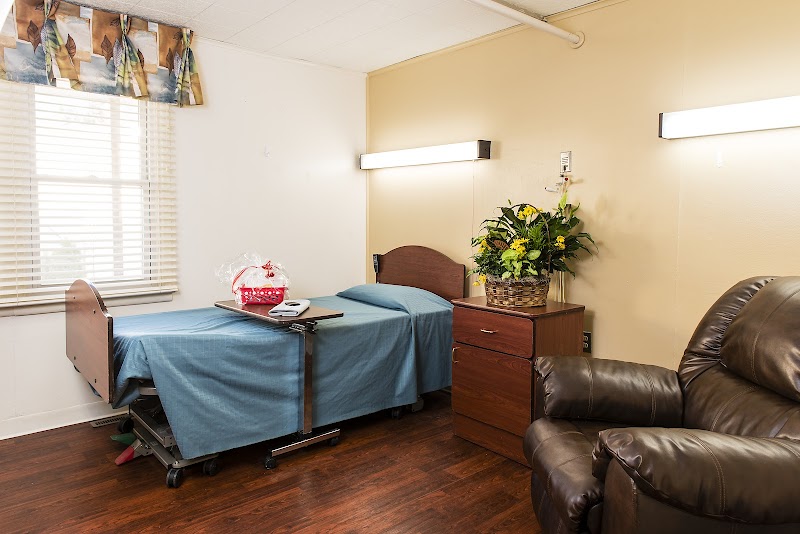
How is The Villa At West Branch Staffed?

CMS rates The Villa at West Branch's staffing level at 3 out of 5 stars, which is average compared to other nursing homes. Staff turnover is 58%, which is 12 percentage points above the Michigan average of 46%. High turnover can affect care consistency as new staff learn residents' individual needs. RN turnover specifically is 81%, which is notably high. RNs provide skilled clinical oversight, so turnover in this role can affect medical care quality.

What Have Inspectors Found at The Villa At West Branch?

State health inspectors documented 47 deficiencies at The Villa at West Branch during 2022 to 2025. These included: 1 Immediate Jeopardy (the most serious level, indicating potential for serious harm or death), 8 that caused actual resident harm, and 38 with potential for harm. Immediate Jeopardy findings are rare and represent the most serious regulatory concerns. They require immediate corrective action.

Who Owns and Operates The Villa At West Branch?

The Villa at West Branch is owned by a for-profit company. For-profit facilities operate as businesses with obligations to shareholders or private owners. The facility is operated by VILLA HEALTHCARE, a chain that manages multiple nursing homes. With 70 certified beds and approximately 58 residents (about 83% occupancy), it is a smaller facility located in West Branch, Michigan.

How Does The Villa At West Branch Compare to Other Michigan Nursing Homes?

Compared to the 100 nursing homes in Michigan, The Villa at West Branch's overall rating (2 stars) is below the state average of 3.1, staff turnover (58%) is significantly higher than the state average of 46%, and health inspection rating (1 stars) is much below the national benchmark.

What Should Families Ask When Visiting The Villa At West Branch?

Based on this facility's data, families visiting should ask: "What changes have been made since the serious inspection findings, and how are you preventing similar issues?" "How do you ensure continuity of care given staff turnover, and what is your staff retention strategy?" "Can I visit during a mealtime to observe dining assistance and food quality?" "How do you handle medical emergencies, and what is your hospital transfer rate?" These questions are particularly relevant given the facility's Immediate Jeopardy citations and the facility's high staff turnover rate.

Is The Villa At West Branch Safe?

Based on CMS inspection data, The Villa at West Branch has documented safety concerns. Inspectors have issued 1 Immediate Jeopardy citation (the most serious violation level indicating risk of serious injury or death). The facility has a 2-star overall rating and ranks #100 of 100 nursing homes in Michigan. Families considering this facility should ask detailed questions about what corrective actions have been taken since these incidents.

Do Nurses at The Villa At West Branch Stick Around?

Staff turnover at The Villa at West Branch is high. At 58%, the facility is 12 percentage points above the Michigan average of 46%. Registered Nurse turnover is particularly concerning at 81%. RNs handle complex medical decisions and coordinate care — frequent RN changes can directly impact care quality. High turnover means new staff may not know residents' individual needs, medications, or preferences. It can also be disorienting for residents, especially those with dementia who rely on familiar faces. Families should ask: What is causing the turnover? What retention programs are in place? How do you ensure care continuity during staff transitions?

Was The Villa At West Branch Ever Fined?

The Villa at West Branch has been fined $294,255 across 3 penalty actions. This is 8.2x the Michigan average of $36,021. Fines at this level are uncommon and typically indicate a pattern of serious deficiencies, repeated violations, or failure to correct problems promptly. CMS reserves penalties of this magnitude for facilities that pose significant, documented risk to resident health or safety. Families should request specific documentation of what issues led to these fines and what systemic changes have been implemented.

Is The Villa At West Branch on Any Federal Watch List?

The Villa at West Branch is not on any federal watch list. The most significant is the Special Focus Facility (SFF) program, which identifies the bottom 1% of nursing homes nationally based on persistent, serious quality problems. Not being on this list means the facility has avoided the pattern of deficiencies that triggers enhanced federal oversight. This is a positive indicator, though families should still review the facility's inspection history directly.