The Neighborhoods of White Lake
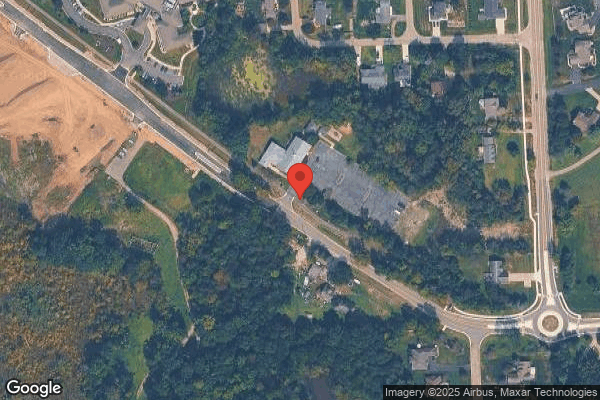

10770 Elizabeth Lake Road, White Lake, MI 48386 (248) 618-4100
Non profit - Corporation 39 Beds TRINITY HEALTH Data: November 2025
Trust Grade
93/100
#87 of 422 in MI
Last Inspection: May 2025

Inspected within the last 6 months. Data reflects current conditions.

Overview

The Neighborhoods of White Lake has received an excellent Trust Grade of A, indicating that it is highly recommended and performs well compared to other facilities. It ranks #87 out of 422 nursing homes in Michigan, placing it in the top half, and #6 out of 43 in Oakland County, meaning only five other local options are better. However, the facility is experiencing a concerning trend, with issues increasing from 1 in 2024 to 3 in 2025. Staffing is a significant strength, with a 5/5 rating and a low turnover rate of 26%, much better than the state average of 44%. There have been no fines, which is a positive sign, but recent inspections revealed incidents such as improperly using physical restraints on a resident and failing to thoroughly investigate allegations of abuse, which raises concerns about resident safety. Additionally, a resident was not transferred according to protocol, highlighting areas that need improvement despite the overall high ratings.
Trust Score
A
93/100
In Michigan
#87/422
Top 20%
Safety Record
Low Risk
No red flags
Inspections
Getting Worse
1 → 3 violations
Staff Stability
✓ Good
26% annual turnover. Excellent stability, 22 points below Michigan's 48% average. Staff who stay learn residents' needs.
Penalties
✓ Good
No fines on record. Clean compliance history, better than most Michigan facilities.
Skilled Nurses
✓ Good
Each resident gets 51 minutes of Registered Nurse (RN) attention daily — more than average for Michigan. RNs are trained to catch health problems early.
Violations
○ Average
6 deficiencies on record. Average for a facility this size. Mostly minor or procedural issues.
★★★★★
5.0
Overall Rating
★★★★★
5.0
Staff Levels
★★★★☆
4.0
Care Quality
★★★★★
5.0
Inspection Score
Stable
2024: 1 issues
2025: 3 issues

The Good

  • 5-Star Staffing Rating · Excellent nurse staffing levels
  • 4-Star Quality Measures · Strong clinical quality outcomes
  • Low Staff Turnover (26%) · Staff stability means consistent care
  • Full Sprinkler Coverage · Fire safety systems throughout facility
  • No fines on record
  • Staff turnover is low (26%)

    22 points below Michigan average of 48%

Facility shows strength in staffing levels, quality measures, staff retention, fire safety.

The Bad

Chain: TRINITY HEALTH

Part of a multi-facility chain

Ask about local staffing decisions and management

The Ugly 6 deficiencies on record

Feb 2025 3 deficiencies
CONCERN (D) 📢 Someone Reported This

A family member, employee, or ombudsman was alarmed enough to file a formal complaint

Potential for Harm - no one hurt, but risky conditions existed

Deficiency F0604 (Tag F0604)

Could have caused harm · This affected 1 resident

**NOTE- TERMS IN BRACKETS HAVE BEEN EDITED TO PROTECT CONFIDENTIALITY** This citation pertains to Intake Number: MI00149932 and MI00150088. Based on interview and record review, the facility failed to...

Read full inspector narrative →
**NOTE- TERMS IN BRACKETS HAVE BEEN EDITED TO PROTECT CONFIDENTIALITY** This citation pertains to Intake Number: MI00149932 and MI00150088. Based on interview and record review, the facility failed to ensure physical restraints were not used for staff convenience for one (R702) of two residents reviewed for abuse, resulting in staff tying the resident's drawstring pants in the back so that he could not remove them. Findings include: A review of a Facility Reported Incident (FRI) submitted to the State Agency (SA) on 1/21/25 that noted R702 expressed a grievance on 1/16/25 regarding a concern they had with bed positioning during a brief change while being assisted by Certified Nursing Assistant (CNA) 'A'. An unannounced, onsite investigated was conducted on 2/27/25. A review of R702's clinical record revealed R702 was admitted into the facility on [DATE] and discharged on 1/17/25 with diagnoses that included: cerebral infarction, hemiplegia affecting right dominant side, prostate cancer, and dementia. A review of a Minimum Data Set (MDS) assessment dated [DATE] revealed R702 had severely impaired cognition, no behaviors, was frequently incontinent of urine, and did not use restraints. A review of R702's nursing progress notes revealed R702 was continent of urine, but wore a brief. On 12/25/24, R702 was observed on the floor with a soiled brief next to him. On 1/7/25, Resident was observed with brief balled up and thrown off the bed. Pad rolled up and noted on floor next to resident. Resident wearing only t-shirt, blanket soiled with urine . A review of an investigation conducted by the facility in regards to R702's grievance against CNA 'A' revealed the following: An .Investigation Summary . documented, On 1/16/2025 (R702) reported concern to Nurse .regarding being changed on the previous midnight shift. Resident said the CNA kept moving him from side to side when she was changing him . A Staff Interview Summary indicated CNA 'A' was interviewed on 1/21/25. The summary of the statement/interview included the following: .(CNA 'A') indicated (R702) was not wet but when she began changing him he started going (urine) .Resident stated, 'I'm not playing with myself' as his pants were down partially per CNA when she came into room. (CNA 'A') .did indicate when putting PJ's on (drawstring in back) he raised his arm .(CNA 'A') indicated (R702) said, 'I don't want them tight' referring to his pajamas. (CNA 'A') states she told (Registered Nurse - RN 'C') about the interaction . On 2/27/25 at 10:58 AM, an interview was conducted with CNA 'A' via the telephone. CNA 'A' indicated they worked at the facility but they were terminated from employment on 1/27/25. When queried about what occurred with R702 on 1/16/25, CNA 'A' reported the resident said they tried to roll him off the bed and then tried to hit CNA 'A' because he thought he was going to fall. CNA 'A' further explained R702 became anxious and said I can't breathe! when CNA 'A was putting the resident's pajama pants back on after a brief change. According to CNA 'A', R702 said he did not want the pajamas tied too tight and CNA 'A' assured him that they would be loose enough. CNA 'A' explained they tied the drawstring to R702's pajamas pants in the back instead of the front that night because that was what the other CNAs had been doing. CNA 'A' reported she previously notified RN 'C' about the other CNAs tying R702's pants in the back and RN 'C' said she was aware. CNA 'A' reported it was the first time that she tied the pants in the back that night (1/16/25) and since the nurse was aware she did not think it was a problem. When queried about why R702's pants were being tied in the back instead of the front, CNA 'A' stated, He kept stripping and peeing all over himself and the bedding. It slows him down and he wasn't getting them off like that. CNA 'A' reported she first found out about tying R702's pants in the back from CNA 'E' who said they had been doing that with R702 to prevent him from taking his pants off. On 2/27/25 at 12:43 PM, a telephone interview was attempted with RN 'C'. RN 'C' was not available prior to the end of the survey. On 2/27/25 at 2:16 PM, a telephone interview was attempted with CNA 'E'. CNA 'E' was not available prior to the end of the survey. A review of CNA 'A's personnel file revealed a document titled, Termination dated 1/16/25. The Corrective Action reason was Policy Violation. The following was documented, For resident 1 person assist did not use gait belt and did not follow the proper procedure as well as resident restraint. On 2/27/25 at 1:30 PM, an interview was conducted with the Administrator who was the designated Abuse Coordinator for the facility. When queried about the investigation conducted by the facility in regards to R702's grievance about the care provided by CNA 'A', the Administrator reported R702 said CNA 'A' 'turned him from side to side when giving care' and he did not feel like she needed to do that. The Administrator reported CNA 'A' was immediately removed from R702's care and the concern was reported to the State Agency as an allegation of abuse. When queried about why turning the resident from side to side was considered abuse and was there anything else that was concerning, the Administrator stated, There was also something about her (CNA 'A') putting his (R702) pants on incorrectly. When queried about what happened with R702's pants, the Administrator reviewed the facility's investigation and stated, Never mind. There is nothing about the pants. When queried about the Termination document in CNA 'A's personnel file that documented resident restraint as part of the reason they were terminated from employment, the Administrator stated, There were no restraints. When queried about tying a resident's pants in the back so that they were unable to remove them, the Administrator reported that would be considered a restraint. On 2/27/25 at approximately 1:45 PM, an interview was conducted with the Regional Human Resources Director, HR 'D' and the Administrator. HR 'D' reported CNA 'A' was terminated for not using a gait belt with another resident. When queried about why it was documented that CNA 'A' was also terminated for resident restraint, HR 'D' reported CNA 'A' told them that she tied R702's pants backwards and R702 had already been discharged from the facility. When queried about what was done to ensure not other staff were restraining residents this way, the Administrator reported CNA 'A' just reported it during an interview and no other action was taken to ensure other residents were not being restrained. A review of a facility policy titled, Restraint Free Environment dated May 2008 revealed, It is the intention and goal of this community to strive to be a restraint free community. To provide the elder/resident with the choices, dignity and independence that they deserve living in this community as they would from their individual home .
CONCERN (D) 📢 Someone Reported This

A family member, employee, or ombudsman was alarmed enough to file a formal complaint

Potential for Harm - no one hurt, but risky conditions existed

Investigate Abuse (Tag F0610)

Could have caused harm · This affected 1 resident

**NOTE- TERMS IN BRACKETS HAVE BEEN EDITED TO PROTECT CONFIDENTIALITY** This citation pertains to Intake Number: MI00150088. Based on interview and record review, the facility failed to thoroughly inv...

Read full inspector narrative →
**NOTE- TERMS IN BRACKETS HAVE BEEN EDITED TO PROTECT CONFIDENTIALITY** This citation pertains to Intake Number: MI00150088. Based on interview and record review, the facility failed to thoroughly investigate allegations of abuse for one ( R702) of two residents reviewed for abuse. Findings include: A review of a Facility Reported Incident (FRI) submitted to the State Agency (SA) on 1/21/25 that noted R702 expressed a grievance on 1/16/25 regarding a concern they had with bed positioning during a brief change while being assisted by Certified Nursing Assistant (CNA) 'A'. An unannounced, onsite investigated was conducted on 2/27/25. A review of R702's clinical record revealed R702 was admitted into the facility on [DATE] and discharged on 1/17/25 with diagnoses that included: cerebral infarction, hemiplegia affecting right dominant side, prostate cancer, and dementia. A review of a Minimum Data Set (MDS) assessment dated [DATE] revealed R702 had severely impaired cognition, no behaviors, was frequently incontinent of urine, and did not use restraints. A review of an investigation conducted by the facility in regards to R702's grievance against CNA 'A' revealed the following: An .Investigation Summary . documented, On 1/16/2025 (R702) reported concern to Nurse .regarding being changed on the previous midnight shift. Resident said the CNA kept moving him from side to side when she was changing him . It was further documented that R702 put his arm up and the CNA (CNA 'A') said, You don't have the authority to touch me. The summary noted, During interview with (CNA 'A') .she recalled caring for (R702) .Resident was noted to have a pull up on at the time. (CNA 'A') indicated he was not soiled but was going to put a brief on. Resident's pants were partially pulled down and resident indicated, 'I am not playing with myself'. (CNA 'A') indicated that resident assisted in rolling from side to side to place the brief. CNA indicated that when rolling putting his pajamas back on the resident raised his arm. CNA indicated she thought the resident was attempting to strike her and said, 'You don't touch me'. (CNA 'A') indicated the resident then said, 'I don't want them tight', referring to his pajama bottoms . A Staff Interview Summary indicated CNA 'A' was interviewed on 1/21/25. The summary of the statement/interview included the following: .(CNA 'A') indicated (R702) was not wet but when she began changing him he started going (urine) .Resident stated, 'I'm not playing with myself' as his pants were down partially per CNA when she came into room. (CNA 'A') .did indicate when putting PJ's on (drawstring in back) he raised his arm .(CNA 'A') indicated (R702) said, 'I don't want them tight' referring to his pajamas. (CNA 'A') states she told (Registered Nurse - RN 'C') about the interaction . It should be noted that CNA 'A' statement about putting R702's pajamas on with the drawstring in the back was not included in the investigation summary provided to the State Agency and there was no additional documented investigation provided regarding why R702's pajama pants were tied in the back or if other staff were doing that as well. On 2/27/25 at 10:58 AM, an interview was conducted with CNA 'A' via the telephone. CNA 'A' indicated they worked at the facility but they were terminated from employment on 1/27/25. When queried about what occurred with R702 on 1/16/25, CNA 'A' reported the resident said they tried to roll him off the bed and then tried to hit CNA 'A' because he thought he was going to fall. CNA 'A' further explained R702 became anxious and said I can't breathe! when CNA 'A was putting the resident's pajama pants back on after a brief change. According to CNA 'A', R702 said he did not want the pajamas tied too tight and CNA 'A' assured him that they would be loose enough. CNA 'A' explained they tied the drawstring to R702's pajamas pants in the back instead of the front that night because that was what the other CNAs had been doing. CNA 'A' reported she previously notified RN 'C' about the other CNAs tying R702's pants in the back and RN 'C' said she was aware. CNA 'A' reported it was the first time that she tied the pants in the back that night (1/16/25) and since the nurse was aware she did not think it was a problem. When queried about why R702's pants were being tied in the back instead of the front, CNA 'A' stated, He kept stripping and peeing all over himself and the bedding. It slows him down and he wasn't getting them off like that. CNA 'A' reported she first found out about tying R702's pants in the back from CNA 'E' who said they had been doing that with R702 to prevent him from taking his pants off. On 2/27/25 at 12:43 PM, a telephone interview was attempted with RN 'C'. RN 'C' was not available prior to the end of the survey. On 2/27/25 at 2:16 PM, a telephone interview was attempted with CNA 'E'. CNA 'E' was not available prior to the end of the survey. A review of CNA 'A's personnel file revealed a document titled, Termination dated 1/16/25. The Corrective Action reason was Policy Violation. The following was documented, For resident 1 person assist did not use gait belt and did not follow the proper procedure as well as resident restraint. On 2/27/25 at 1:30 PM, an interview was conducted with the Administrator who was the designated Abuse Coordinator for the facility. When queried about the investigation conducted by the facility in regards to R702's grievance about the care provided by CNA 'A', the Administrator reported R702 said CNA 'A' 'turned him from side to side when giving care' and he did not feel like she needed to do that. The Administrator reported CNA 'A' was immediately removed from R702's care and the concern was reported to the State Agency as an allegation of abuse. When queried about why turning the resident from side to side was considered abuse and was there anything else that was concerning, the Administrator stated, There was also something about her (CNA 'A') putting his (R702) pants on incorrectly. When queried about what happened with R702's pants, the Administrator reviewed the facility's investigation and stated, Never mind. There is nothing about the pants. When queried about the Termination document in CNA 'A's personnel file that documented resident restraint as part of the reason they were terminated from employment, the Administrator stated, There were no restraints. When queried about tying a resident's pants in the back so that they were unable to remove them, the Administrator reported that would be considered a restraint. On 2/27/25 at approximately 1:45 PM, an interview was conducted with the Regional Human Resources Director, HR 'D' and the Administrator. HR 'D' reported CNA 'A' was terminated for not using a gait belt with another resident. When queried about why it was documented that CNA 'A' was also terminated for resident restraint, HR 'D' reported CNA 'A' told them that she tied R702's pants backwards. When queried about what was done to investigate CNA 'A' restricting R702's access to his body by restraining him by tying his pants in the back, the Administrator and HR 'D' reported they only found out about it because CNA 'A' told them she tied the pants in the back and at the time, R702 was already discharged from the facility and when he was interviewed about the original grievance he never mentioned it. When queried about what was done to ensure no other staff were restraining any other residents that way and what was done to find out why CNA 'A' restrained R702, the Administrator reported CNA 'A' just reported it during an interview, no additional questions were asked, and no other action was taken to ensure other residents were not being restrained. When queried about why the information about R702 being restrained was not included in the investigation summary submitted to the State Agency, the Administrator reported she did not find out until the investigation was complete. It should be noted that CNA 'A' was interviewed on 1/21/25 and the investigation was submitted to the State Agency on 1/27/25.
CONCERN (D) 📢 Someone Reported This

A family member, employee, or ombudsman was alarmed enough to file a formal complaint

Potential for Harm - no one hurt, but risky conditions existed

Accident Prevention (Tag F0689)

Could have caused harm · This affected 1 resident

**NOTE- TERMS IN BRACKETS HAVE BEEN EDITED TO PROTECT CONFIDENTIALITY** This citation pertains to Intake #MI00149932 Based on observation, interview and record review the facility failed to ensure re...

Read full inspector narrative →
**NOTE- TERMS IN BRACKETS HAVE BEEN EDITED TO PROTECT CONFIDENTIALITY** This citation pertains to Intake #MI00149932 Based on observation, interview and record review the facility failed to ensure residents were transferred with a gait belt per facility protocol for one (R701) of two residents reviewed for care. Findings include: A FRI (facility reported incident) was submitted to the State Agency (SA) that reported R701 alleged that they were treated roughly by CNA (certified nursing assistant) A. A review of the intake provided to the SA and accompanied investigation forms documented, in part, the following: .Grievance reported by another resident .When social worker interviewed like resident on 1/20/25, R701 indicated that CNA A is rough with transfers placing her hard on toilet seat and wheelchair .CNA remains suspended pending further investigation .Conclusion: Based on investigation and interview the facility cannot substantiate abuse or neglect .Staff Interview Summary .Do you recall if she landed hard in her wheelchair or on toilet? I can remember a few times she landed hard in her wheelchair. I just guide her when transferring .I did not use a gait belt because I just guide her . A Summary of Investigation and findings noted the following: . Resident transfers to wheelchair likely resulted in resident sitting down hard .only guiding resident. Staff correction action related to use of gait belt for all transfers with residents . On 2/27/25 at 10:58 AM, an interview was conducted with CNA 'A' via the telephone. CNA 'A' indicated they worked at the facility but they were terminated from employment on 1/27/25. CNA A was queried as to allegations made by R701 and why they were terminated from the facility. CNA A reported they were interviewed about how they provided care for R701. CNA A explained they were told they did not use a gait belt during a transfer. CNA A reported that they did not understand why they were terminated for failing to use a gait belt as other staff did not use a gait belt and they felt the resident just needed supervision. On 2/27/25 at approximately 1:05 PM, R701 was observed sitting in their room in their wheelchair. The resident was asked how staff helped them get from their bed to their wheelchair and they stated that staff will put their hands on their chair and then staff will say, one, two, three and then lift them up under their arms. When asked if a gait belt was used, they indicated no. CNA F who was assigned to R701 was interviewed in R701's room. CNA F was asked how they transferred R701 and reported that they use their gait belt. During the interview, again R701 noted that they did not believe staff used a gait belt to transfer them. A review of R701's clinical record revealed the resident was admitted to the facility on [DATE] with diagnoses that included: peripheral vascular disease, type II diabetes, and unsteadiness on feet. A review of the resident's Minimum Data Set (MDS) noted the resident had a Brief Interview for Mental Status (BIMS) score of 14/15 (intact cognition). On 2/27/25 at approximately 1:30 PM, the Administrator/Abuse coordinator was interviewed regarding the FRI that was submitted based on R701's allegation of rough treatment by CNA A. The Administrator reported that R701 made allegations that they were treated roughly by CNA 'A specifically when being placed on the toilet. They indicated that following an interview with CNA A they determined that CNA A was not using a gait belt per facility policy and that could have contributed to R701's allegation. A review of the facility policy titled, Safe Lifting/Handling/Repositioning of Resident (11/2022) documented, in part, .To provide a safe working environment focused on associate safety, resident safety and overall injury protection .Employees are required to successfully complete appropriate training use .equipment when necessary .2. Gait Belts: To be used with residents who need assistance with transfers/standing/walking or balances .The gait belt provides a secure firm hold to help stabilize and handle residents during ambulation and transfer .
Jan 2024 1 deficiency
CONCERN (D) 📢 Someone Reported This

A family member, employee, or ombudsman was alarmed enough to file a formal complaint

Potential for Harm - no one hurt, but risky conditions existed

Deficiency F0552 (Tag F0552)

Could have caused harm · This affected 1 resident

**NOTE- TERMS IN BRACKETS HAVE BEEN EDITED TO PROTECT CONFIDENTIALITY** This citation pertains to intake #MI00137907. Based on interview and record review, the facility failed to obtain consent and au...

Read full inspector narrative →
**NOTE- TERMS IN BRACKETS HAVE BEEN EDITED TO PROTECT CONFIDENTIALITY** This citation pertains to intake #MI00137907. Based on interview and record review, the facility failed to obtain consent and authorization prior to ancillary provider consultation and treatment provision for one (R701) of two residents reviewed for resident rights. This deficient practice has the potential to affect all residents that reside within the facility. Findings include: Review of a complaint filed with the State Agency included an allegation that the resident's legal representative/patient advocate was not consulted prior to optometry evaluations and subsequent provision of glasses. It was further reported that had they been consulted, they would not have given consent/authorization due to the resident's severe visual impairment and severe cognitive impairment. Review of the clinical record revealed R701 was admitted into the facility on 8/7/17 and readmitted on [DATE] with diagnoses that included: dementia in other diseases classified elsewhere without behavioral disturbance, psychotic disturbances, mood disturbance, and anxiety, and unspecified macular degeneration. According to the Minimum Data Set (MDS) assessment dated [DATE], the status was still in progress and not yet completed. The MDS assessment dated [DATE] documented R701 had highly impaired vision with no corrective lenses, and had severe cognitive impairment. Review of a vision care plan initiated on 8/7/17 documented, Resident's ability to see in adequate light is Highly Impaired secondary to her hx/dx (history/diagnosis) of Macular Degeneration. Resident's daughter/POA (Power of Attorney) refuses for resident to have vision exams, so her care plan goal will be based upon maintenance. Review of the clinical record revealed R701 had a health care power of attorney dated 6/24/2016 which identified a legal representative/patient advocate. R701 had been declared unable to participate in medical treatment decisions secondary to dementia on 7/3/18 and 7/6/18, which activated the role of the patient advocate. Additionally, R701's payor status was identified as MEDICAID as the primary payor source. Review of a progress note dated 9/17/18 read, Daughter/POA signed consent for eyecare on 8/15/17, however now do not wish for her mother to be seen by facility group. Resident daughter will take her out. On 1/29/24 at 9:18 AM, an interview was conducted with Certified Nursing Assistant (CNA 'C') who was assigned to R701. When asked if the resident wore any glasses, CNA 'C' reported they didn't wear any glasses as they were legally blind. On 1/29/24 at 10:55 AM, the Administrator reported they had recently had a change in Social Work staff and that they had been acting in that role for a short time, but had recently hired a new Social Worker. When asked about R701's eyecare consultations, the Administrator reported the family had signed a consent that indicated they did not want any eyecare consultations. The Administrator was requested to provide any documentation of consents/declinations for ancillary services for R701. On 1/29/24 at 11:02 AM, an interview was conducted with the Director of Nursing (DON) who reported they had been in that role since May 2023. When asked to explain their discussion with R701's patient advocate regarding their concerns that R701 had seen optometry without their consent, the DON reported they could only recall that R701 had been seen by an optometrist and glasses were ordered. When asked who coordinated ancillary services, the DON reported that would've been the Social Worker (SW 'E') who was no longer employed at the facility. On 1/29/24 at 12:15 PM, the Administrator provided documentation which included one consent form with the current ancillary service provider dated 9/18/23 in which R701's patient advocate placed an X through the NO option for vision and audiology. There were no prior consent/declinations provided for review. The only consent available for review in the resident's electronic health record was from a previous ancillary provider from 2017. The Administrator further reported they were no sure how R701 would've been seen if there was no prior consent. The Administrator was informed that the interview with the DON confirmed R701 had been seen by the ancillary provider's optometrist and glasses were ordered. The Administrator was requested to have the current ancillary company provide any consultations/exams from services provided and they reported they would follow-up. Review of the documentation provided by the facility for consultations/exams provided by the current ancillary provider included several consultations in which R701 had been seen multiple times from December 2022 to June 2023 at the request of the physician, and without the prior consent/authorization from their legal representative/patient advocate. On 1/29/24 at 12:42 PM, a phone interview was conducted with the SW 'E'. They reported they had worked at the facility for about a year and a half and their last day worked was 11/13/23. When asked if they could recall any details or discussion with R701's patient advocate regarding concerns about R701 being seen by ancillary services without their consent, SW 'E' reported they were not able to recall any specific details. When asked who would've initiated referrals to the ancillary provider, SW 'E' reported usually nursing would initiate and social would follow-up. SW 'E' further explained there was a list generated by the ancillary provider which usually had all long-term care residents on the list, and if there was anyone who was not already on the list or needed to come off, SW would notify them about that. When asked who obtained the consents for treatment and services with the ancillary provider, SW 'E' reported that would be Social Work. They were unable to recall any specific details regarding consents or declinations for R701. On 1/29/24 at 1:00 PM, a phone interview was conducted with the ancillary provider coordinator (Coordinator 'F'). When asked about their process for providing ancillary services to residents in the facility, they reported the residents that were on Medicaid status did not require a consent, and were able to be seen Just on the Doctor's order. They further reported their process was they send a list to the facility about three weeks ahead of time for the facility to review if anyone new needed to be added, or if anyone needed to come off. Coordinator 'F' further reported they received R701's physician order on 5/24/23, and now that they received the consent (in September 2023) R701 was taken off of any future vision visits. When asked to explain more about the physician orders, Coordinator 'F' reported the initial order was good for as long as the resident doesn't change primary care physicians. Coordinator 'F' was requested to provide R701's consent provided prior September 2023 and they reported they would look for the original order as the one scanned was difficult to read and call back. On 1/29/24 at 1:22 PM, Coordinator 'F' called back and reported R701's initial physician order to be seen was on 3/24/22. They further reported their company first started providing ancillary services at the facility on 12/20/21, and the order on 3/24/22 began the resident's first visit with them. When asked when the resident was seen in 2023 as there was no documentation in the electronic health record, Coordinator 'F' reported the resident was seen on 6/6/23, their provider ordered the glasses on 6/8/23, and it usually took 10-14 business days to deliver the glasses but did not have access to the tracking number for when they were delivered to the facility. On 1/29/24 at 1:51 PM, Physician 'G' was attempted to be contacted by phone, but there was no return call by the end of the survey. On 1/29/24 at 2:15 PM, the Administrator provided additional documentation which included a list of residents that were to be seen by the ancillary provider with Physician 'G's signature dated 3/24/22. This documenation included R701 as well as 20 other residents with a check mark next to YES for Oral Health Eval (evaluation) and TX (treatment) for optometry, podiatry, dental, and audiology services. The Administrator reported that most of the long-term care residents were automatically referred for ancillary services including vision, dental and podiatry unless there were those exceptions who didn't want services and they now were aware R701 should not be seen by the vision services. When asked about the facility's process with lack of obtaining consent and authorization prior to treatments with the ancillary provider, and the process of only requiring a physician order to arrange treatment for residents, especially those that were considered long-term or Medicaid status, the Administrator was unable to offer any further explanation, but indicated consent should be obtained regardless of the resident's payor source and prior to any treatment provided.
Mar 2023 2 deficiencies
CONCERN (D)

Potential for Harm - no one hurt, but risky conditions existed

Deficiency F0658 (Tag F0658)

Could have caused harm · This affected 1 resident

**NOTE- TERMS IN BRACKETS HAVE BEEN EDITED TO PROTECT CONFIDENTIALITY** Based on observation, interview and record review, the facility failed to ensure Insulin was prepared and administered per profe...

Read full inspector narrative →
**NOTE- TERMS IN BRACKETS HAVE BEEN EDITED TO PROTECT CONFIDENTIALITY** Based on observation, interview and record review, the facility failed to ensure Insulin was prepared and administered per professional standards for one (R13) of four residents reviewed for medication administration. Findings include: On 3/1/23 at 11:51 PM, Licensed Practical Nurse (LPN) C was observed preparing R13's Insulin as part of a medication administration. LPN C was observed to remove an Aspart FlexPen (Insulin pen) from R13's medication cabinet, then remove the cap, wipe the top with an alcohol pad and attach a needle to the pen. LPN C was then observed to dial the pen to 6 (6 Units), prepare R13's abdomen and injected the Insulin into R13's abdomen. LPN C was asked about why she did not prime the Insulin pen prior to giving the 6 Units. LPN C explained she thought she only had to prime the Insulin pen the first time it was used. Review of the clinical record revealed R13 was admitted into the facility on [DATE] with diagnoses that included: diabetes, kidney disease and depression. According to the Minimum Data Set (MDS) assessment dated [DATE], R13 had moderately impaired cognition. On 3/1/23 at 2:23 PM, the Director of Nursing (DON) was asked should Insulin pens be primed before use. The DON explained an Insulin pen should be primed before every use. Review of the manufacture package insert for NovoLog Aspart FlexPen read in part, .Before each injection small amounts of air may collect in the cartridge during normal use. To avoid injecting air and to ensure proper dosing: E. Turn the dose selector to select 2 units . F. Hold your NovoLog FlexPen with the needle pointing up . G. Keep the needle pointing upwards, press the push-button all the way in . A drop of insulin should appear at the needle tip. If not, change the needle and repeat the procedure no more than 6 times. If you do not see a drop of Insulin after 6 times, do not use the NovoLog FlexPen .
CONCERN (D)

Potential for Harm - no one hurt, but risky conditions existed

Deficiency F0710 (Tag F0710)

Could have caused harm · This affected 1 resident

**NOTE- TERMS IN BRACKETS HAVE BEEN EDITED TO PROTECT CONFIDENTIALITY** Based on observation, interview and record review the facility failed to ensure a resident's medications were appropriately reco...

Read full inspector narrative →
**NOTE- TERMS IN BRACKETS HAVE BEEN EDITED TO PROTECT CONFIDENTIALITY** Based on observation, interview and record review the facility failed to ensure a resident's medications were appropriately reconciled by a physician upon admission for one (R186) of one resident reviewed for physician services. Findings include: On 2/28/23 at 9:55 AM, R186 was observed lying in bed. R186 was asked about the care in the facility. R186 explained he had been taking Lyrica for several years due to pain from his neuropathy, but he was not getting it at the facility and did not know why. Review of the clinical record revealed R186 was admitted into the facility on 2/14/23 with diagnoses that included: fracture of left leg, fracture of left arm and neuropathy. According to the Minimum Data Set Assessment (MDS) dated [DATE], R186 was cognitively intact and required the assistance of staff for activities of daily living (ADL's). Review of R186's February 2023 Medication Administration Record (MAR) revealed no current or discontinued order for Lyrica. Review of R186's hospital discharge paperwork revealed a list of medications that included Pregabalin (Lyrica). On 3/1/23 at 2:23 PM, the Director of Nursing (DON) was interviewed and asked why R186 had not been getting Lyrica when it was on his hospital discharge paperwork. The DON explained he would have to look into the issue. On 3/1/23 at approximately 3:30 PM, the DON explained when R186 was admitted , there was not a prescription for Lyrica sent by the hospital, so Lyrica was not able to be ordered from the pharmacy until the physician reviewed R186's medications. Review of a Medication Reconciliation Worksheet for Post-Hospital Care dated 2/14/23 at 9:28 PM by Licensed Practical Nurse (LPN) K read in part, .Hospital Recommended Medications Needing Clarification . lyrica . no prescription . MD (Medical Doctor) to review . On 3/2/23 at 9:03 AM, LPN H was interviewed and asked how medications were reconciled and ordered for new admissions. LPN H explained she went over the medication list with the resident first, then would call the doctor and go over all the medications, then would put the orders into the computer for the pharmacy. LPN H was asked about controlled substance medications, including Lyrica. LPN H explained sometimes the hospital would send prescriptions for the controlled substances, then they would fax the prescription to the pharmacy. When asked what happened when there was no prescription, LPN H explained they had to call the pharmacy, and the pharmacy would call the doctor to get a controlled substance order. On 3/2/23 at 11:34 AM, LPN K was interviewed by phone and asked about R186's admission on [DATE] and his Lyrica. LPN K explained the hospital had not sent a prescription for Lyrica, it was on the medication list, but there was no dosage or frequency on the list. When asked if she call the doctor, LPN K explained she called the on-call doctor to go over the medications and put it on the medication reconciliation form so the doctor could review the medication the next day and address the Lyrica order with the resident. On 3/2/23 at 1:22 PM, Dr. L, R186's attending physician, was interviewed by phone and asked about R186's admission and his Lyrica. Dr. L explained when a resident was admitted to the facility, the nurse would call and go over the resident's medications and he would give verbal orders for the medications. When asked about controlled substances like Lyrica, Dr. L explained the pharmacy would call him to get an emergency supply until a prescription could be written. Dr. L was asked why R186's Lyrica had not been ordered. Dr. L explained he did not know what he had written in his progress note when he saw R186, and did not remember anything about Lyrica needing clarification. Review of a facility provided History and Physical note by Dr. L dated 2/16/23 read in part, .I have restarted his home meds (medications) after reviewing them with him . On 3/2/23 at 2:49 PM, Dr. M, who was the on-call physician on 2/14/23, was called and a message left. No return call was received prior to the end of the survey.
Understanding Severity Codes (click to expand)
Life-Threatening (Immediate Jeopardy)
J - Isolated K - Pattern L - Widespread
Actual Harm
G - Isolated H - Pattern I - Widespread
Potential for Harm
D - Isolated E - Pattern F - Widespread
No Harm (Minor)
A - Isolated B - Pattern C - Widespread

Questions to Ask on Your Visit

  • "Can I speak with families of current residents?"
  • "What's your RN coverage like on weekends and overnight?"

Our Honest Assessment

Strengths
  • • Grade A (93/100). Above average facility, better than most options in Michigan.
  • • No major safety red flags. No abuse findings, life-threatening violations, or SFF status.
  • • No fines on record. Clean compliance history, better than most Michigan facilities.
  • • 26% annual turnover. Excellent stability, 22 points below Michigan's 48% average. Staff who stay learn residents' needs.
Concerns
  • • No significant concerns identified. This facility shows no red flags across CMS ratings, staff turnover, or federal penalties.
Bottom line: Generally positive indicators. Standard due diligence and a personal visit recommended.

About This Facility

What is The Neighborhoods Of White Lake's CMS Rating?

CMS assigns The Neighborhoods of White Lake an overall rating of 5 out of 5 stars, which is considered much above average nationally. Within Michigan, this rating places the facility higher than 99% of the state's 100 nursing homes. This rating reflects solid performance across the metrics CMS uses to evaluate nursing home quality.
How is The Neighborhoods Of White Lake Staffed?

CMS rates The Neighborhoods of White Lake's staffing level at 5 out of 5 stars, which is much above average compared to other nursing homes. Staff turnover is 26%, compared to the Michigan average of 46%. This relatively stable workforce can support continuity of care.

What Have Inspectors Found at The Neighborhoods Of White Lake?

State health inspectors documented 6 deficiencies at The Neighborhoods of White Lake during 2023 to 2025. These included: 6 with potential for harm.
Who Owns and Operates The Neighborhoods Of White Lake?

The Neighborhoods of White Lake is owned by a non-profit organization. Non-profit facilities reinvest revenue into operations rather than distributing to shareholders. The facility is operated by TRINITY HEALTH, a chain that manages multiple nursing homes. With 39 certified beds and approximately 35 residents (about 90% occupancy), it is a smaller facility located in White Lake, Michigan.

How Does The Neighborhoods Of White Lake Compare to Other Michigan Nursing Homes?

Compared to the 100 nursing homes in Michigan, The Neighborhoods of White Lake's overall rating (5 stars) is above the state average of 3.2, staff turnover (26%) is significantly lower than the state average of 46%, and health inspection rating (5 stars) is much above the national benchmark.

What Should Families Ask When Visiting The Neighborhoods Of White Lake?

Based on this facility's data, families visiting should ask: "Can I visit during a mealtime to observe dining assistance and food quality?" "How do you handle medical emergencies, and what is your hospital transfer rate?" "Can I speak with family members of current residents about their experience?"

Is The Neighborhoods Of White Lake Safe?

Based on CMS inspection data, The Neighborhoods of White Lake has a clean safety record: no substantiated abuse findings (meaning no confirmed cases of resident harm), no Immediate Jeopardy citations (the most serious violation level indicating risk of serious injury or death), and is not on the Special Focus Facility watch list (a federal program monitoring the lowest-performing 1% of nursing homes). The facility has a 5-star overall rating and ranks #1 of 100 nursing homes in Michigan. While no facility is perfect, families should still ask about staff-to-resident ratios and recent inspection results during their visit.

Do Nurses at The Neighborhoods Of White Lake Stick Around?

Staff at The Neighborhoods of White Lake tend to stick around. With a turnover rate of 26%, the facility is 20 percentage points below the Michigan average of 46%. Low turnover is a positive sign. It means caregivers have time to learn each resident's needs, medications, and personal preferences. Consistent staff also notice subtle changes in a resident's condition more quickly. Registered Nurse turnover is also low at 20%, meaning experienced RNs are available to handle complex medical needs.

Was The Neighborhoods Of White Lake Ever Fined?

The Neighborhoods of White Lake has no federal fines on record. CMS issues fines when nursing homes fail to meet care standards or don't correct problems found during inspections. The absence of fines suggests the facility has either maintained compliance or corrected any issues before penalties were assessed. This is a positive indicator, though families should still review recent inspection reports for the full picture.

Is The Neighborhoods Of White Lake on Any Federal Watch List?

The Neighborhoods of White Lake is not on any federal watch list. The most significant is the Special Focus Facility (SFF) program, which identifies the bottom 1% of nursing homes nationally based on persistent, serious quality problems. Not being on this list means the facility has avoided the pattern of deficiencies that triggers enhanced federal oversight. This is a positive indicator, though families should still review the facility's inspection history directly.