AICOTA HEALTH CARE CENTER
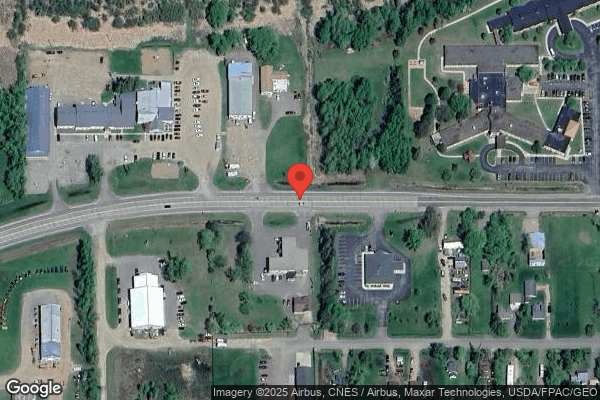

850 SECOND STREET NORTHWEST, AITKIN, MN 56431 (218) 927-2164
For profit - Corporation 56 Beds Independent Data: November 2025
Trust Grade
55/100
#216 of 337 in MN
Last Inspection: January 2025

Within standard 12-15 month inspection cycle. Federal law requires annual inspections.

Overview

Aicota Health Care Center has a Trust Grade of C, which means it is average and sits in the middle of the pack among facilities. It ranks #216 out of 337 in Minnesota, placing it in the bottom half, but it is the top facility in Aitkin County, where there are only two options. The facility's condition is worsening, with the number of issues increasing from 4 in 2023 to 6 in 2025. Staffing is a concern here, rated 1 out of 5 stars, but there is no turnover, which is a positive sign, as staff members are staying. While the facility has not incurred any fines, there are some serious compliance issues, including failure to submit staffing data on time and not providing a surety bond for residents' trust accounts, which could potentially affect all residents with trust accounts.

Trust Score
C
55/100
In Minnesota
#216/337
Bottom 36%
Safety Record
Low Risk
No red flags
Inspections
Getting Worse
4 → 6 violations
Staff Stability
○ Average
Turnover data not reported for this facility.
Penalties
✓ Good
No fines on record. Clean compliance history, better than most Minnesota facilities.
Skilled Nurses
✓ Good
Each resident gets 55 minutes of Registered Nurse (RN) attention daily — more than average for Minnesota. RNs are trained to catch health problems early.
Violations
⚠ Watch
15 deficiencies on record. Higher than average. Multiple issues found across inspections.
★★☆☆☆
2.0
Overall Rating
★☆☆☆☆
1.0
Staff Levels
★★☆☆☆
2.0
Care Quality
★★★☆☆
3.0
Inspection Score
Stable
2023: 4 issues
2025: 6 issues

The Good

  • Full Sprinkler Coverage · Fire safety systems throughout facility
  • No fines on record

Facility shows strength in fire safety.

The Bad

2-Star Overall Rating

Below Minnesota average (3.2)

Below average - review inspection findings carefully

The Ugly 15 deficiencies on record

Jan 2025 6 deficiencies
CONCERN (D)

Potential for Harm - no one hurt, but risky conditions existed

Deficiency F0741 (Tag F0741)

Could have caused harm · This affected 1 resident

**NOTE- TERMS IN BRACKETS HAVE BEEN EDITED TO PROTECT CONFIDENTIALITY** Based on observation, interview, and document review, the facility failed to ensure non-pharmacological interventions were attem...

Read full inspector narrative →
**NOTE- TERMS IN BRACKETS HAVE BEEN EDITED TO PROTECT CONFIDENTIALITY** Based on observation, interview, and document review, the facility failed to ensure non-pharmacological interventions were attempted prior to the administration of psychotropic medications [mood altering medications] for 1 of 6 residents (R252) reviewed for psychotropic medications. Findings include: R252's admission Minimum Data Set (MDS) dated [DATE], did not include a cognitive assessment. R252's Section I Active Diagnoses included: cerebrovascular accident (CVA), hemiplegia, anxiety, hallucinations, attention deficit disorder, and depression. Section E -Behaviors indicated R252 experienced hallucinations and delusional thinking and exhibited behaviors which included: physical and verbal symptoms directed towards others one to three times during the assessment period. Part E0500 indicated the behaviors put the resident at significant risk for physical illness/harm, significantly interfered with resident's care, and significantly impacted the resident's participation in activities and social interaction. R252's Care plan last reviewed on 1/14/25, included the following focus, goal, and interventions: -Focus: the resident uses anti-anxiety medications related to anxiety disorder. Goal: R252 will be free from discomfort or adverse reactions related to anti-anxiety therapy. Interventions: give antianxiety medications as ordered by physician. Monitor for side effects and effectiveness. -Focus: R252 is on sedative/hypnotic therapy d/t hallucinations/delusions: diphenhydramine use. Goal: resident will be free of any discomfort or adverse side effect. Intervention: administer -Focus: Behavior management r/t anxiety dx evidenced by anger, decreased mood, irritability, paranoia, hallucinations, delusional thoughts, physical aggression, verbal aggression. Goal: R252 will respond well to pscyh med use with no increase in behaviors/symptoms through next review. Interventions: included non-pharmacological interventions and instructed staff to document effectiveness of interventions. R252's care plan lacked evidence that R252's use of antipsychotic medications had been incorporated into R252's plan of care. The care plan also lacked evidence of direction for non-pharmacological interventions to be attempted prior to the administration of as needed (PRN) psychotropic medications. R252's Orders Summary Report Dated 1/17/25, and Medication Administration Record for the Month of January 2025, (documented dates 1/1 - 1/17/25) included the following orders for psychotropic medications: -diphenhydramine HCl Injection Solution (Diphenhydramine HCl) Inject 50 mg intramuscularly every 8 hours as needed for Hallucinations related to other hallucinations (R44.2) Mix Benadryl and Haldol together- give injection along with Ativan Injection (B52 Shot). Ordered: 1/11/25 no stop date. -If B52 injection (Benadryl, Haldol, Ativan) is given, vitals should be monitored every 2 hours for 6 hours. -Haldol injection Solution 5 MG/ML Inject 5 mg intramuscularly every 8 hours as needed for hallucinations related to other hallucinations (R44.2). Mix Benadryl and Haldol together- give injection along with Ativan Injection (B52 Shot). Order renewed 1/11/25 no stop date. -Ativan injection solution 2 MG/ML (lorazepam) Inject 2 mg intramuscularly one time only for hallucinations until 1/7/25. To be given as part of B52 shot. Reordered: 1/11/25 no stop date. -haloperidol Oral Tablet 5 MG (Haloperidol) Give 5 mg by mouth every 4 hours as needed for restlessness, agitation related to restlessness and agitation (R45.1) for 3 Days Ordered 1/15/25. -Haldol Oral Tablet 2 MG (Haloperidol) Give 2 mg by mouth every 6 hours as needed for hallucinations. Start date: 1/10/25 discontinued: 1/15/25. -Haldol Oral Tablet 2 MG (Haloperidol) Give 2 mg by mouth every 6 hours as needed for hallucinations. Start date: 1/3/25 discontinued: 1/10/25. -Lorazepam SoluTab Give 0.5 mg by mouth every 4 hours as needed for anxiety and shortness of breath. Start date: 1/16/25. -clonazepam oral tablet 1 mg (Klonopin) give 1 mg by mouth every 12 hours as needed for anxiety/behaviors related to anxiety disorder unspecified (F41.9). ensure 4 hours between schedule dose and prn dose. Start Date; 1/11/25 -D/C Date- 1/15/25. -clonazepam oral tablet 1 mg (Klonopin) give 1 mg by mouth every 4 hours as needed for anxiety/behaviors related to anxiety disorder unspecified (F41.9). for 3 days. Start date: 1/15/24. R252's Medication Administration Record indicated the following PRN medications were administered to R252 between 1/2/25 and 1/17/25: -haloperidol Oral Tablet 5 MG (Haloperidol). Two doses on 1/16/25. -Haldol 2mg every 6 hours PRN. Doses were administered on: 1/3/25, 1/4/25, 1/6/25, 1/7/25, 2 doses 1/8/25, 2 doses 1/9/25, 2 doses 1/10/25, 1/12/25, 2 doses 1/14,25, and 1/15/25. -Ativan Injection Solution 2 MG/ML (Lorazepam) Inject 2 mg intramuscularly: one dose was administered on 1/7/25. -lorazepam soluble tab 0.5 mg as needed at bedtime PRN. Doses were administered on: 1/16/25 and two doses 1/17/25. -clonazepam oral tablet 1 mg give 1 mg by mouth every 12 hours as needed for anxiety/behaviors. Doses were administered on: 1/3/25, 1/4/25, 1/5/25, 1/7/25, two doses 1/8/25, 1/9/25, two doses 1/10/25, two doses 1/11/25, 1/13/25, and two doses 1/14/25. -clonazepam oral tablet 1 mg (Klonopin) give 1 mg by mouth every 4 hours as needed for anxiety/behaviors. Doses were administered on: 1/15/25, and two doses 1/16/25. R252's medical record lacked evidence to support staff had attempted non-pharmacological interventions prior to the administration of the psychotropic medications: Haldol, lorazepam, clonazepam, and Benadryl. . During an intermittent observation on 01/14/25 between 3:28 and 7:02 p.m., R252 was in bed intermittently making low volume non-distinguishable sounds. During an interview on 1/16/25 at 2:01 p.m., licensed practical nurse (LPN-B) stated when a resident had a medication like Ativan or Haldol, they would do an assessment on the resident to see what was going on before they gave the medication. If the resident could not speak, then they would base thier assessment to give on non-verbal cues. During an interview on 1/16/25 at 2:27 p.m., registered nurse (RN-B) stated for PRNs, if a resident had PRN medication like Haldol or Ativan ordered, they would give the PRN to the resident if they requested it. Likewise, if they assessed a resident and found they had symptoms of anxiety or behaviors that were uncomfortable or could become worse they would also give the PRN in that instance. During an interview on 1/17/25 at 8:06 a.m., (LPN-A) stated they did not have a specific place where they charted non-pharmacological interventions prior to administration of medications like Haldol or Ativan. LPN-A stated their practice was to make sure order parameters were met prior to administering PRN medications and they did try to do non-pharmacological interventions like essential oils when they could. During an interview on 1/17/25 at 12:23 p.m., (RN-A) stated R252's care plan did have non-pharmacological interventions however they would have to review to R252's chart to determine if interventions were being attempted prior to administration of psychotropics. During an interview on 1/17/25 at 1:29 p.m. the director of nursing (DON) stated they had reviewed R252's documentation and they had not found documentation of non-pharmacological interventions being attempted prior to administered doses of Haldol and lorazepam. The DON stated they had the expectation that staff would attempt non-pharmacologic interventions prior to administration of lorazepam or Haldol. The DON indicated they had discussed with staff that non-pharmacologic interventions prior to psychotropic drug administation should be included in the orders so it can be documented on. The facility policy Medications: Psychotropic Medications dated 12/23/24, indicated the facility would comply with state and federal regulations related to psychotropic medications and line item 19 indicated non-pharmacologic interventions should be attempted prior to the administration of PRN psychotropic medications.
CONCERN (D)

Potential for Harm - no one hurt, but risky conditions existed

Medication Errors (Tag F0758)

Could have caused harm · This affected 1 resident

**NOTE- TERMS IN BRACKETS HAVE BEEN EDITED TO PROTECT CONFIDENTIALITY** Based on interview and document review the facility failed to ensure orders for PRN (as needed) psychotropic medication (mood al...

Read full inspector narrative →
**NOTE- TERMS IN BRACKETS HAVE BEEN EDITED TO PROTECT CONFIDENTIALITY** Based on interview and document review the facility failed to ensure orders for PRN (as needed) psychotropic medication (mood altering medications) were time limited to 14 days for 2 of 6 residents (R29, R42). In addition, the facility failed to ensure provider assessment and documentation of rationale and duration of continuation of a psychotropic PRN medication beyond 14 days occurred for one of six residents (R29) reviewed for PRN psychotropic medication use. R29 R29's Minimum Data Set (MDS) dated [DATE], identified R29 was cognitively intact. R29's diagnoses included wedge compression fracture of second lumbar vertebra, congestive heart failure, major depression, anxiety disorder, intermittent explosive disorder. R29's Order Summary Report listed orders as of 1/2025, identified lorazepam solu tab give 0.5 mg by mouth every 4 hours as needed for anxiety ordered. Order date was 8/16/24, with no stop date. A document titled Order Number 280894 from the hospice agency documented the following hospice order dated 11/15/24: Pt appropriate to continue lorazepam 0.5 mg q 4 hours prn for anxiety/SOB. RNCM/hospice md to review in 60 days 1/14/25. An unrequested facility provided document titled PRN Medication Audit Report 12/1/24 to 1/17/25, indicated R29 had received Morphine PRN twice and had not received PRN Ativan during the reported time interval. R29's medical record and provided documentation lacked evidence to show R29's PRN Ativan had been reviewed between 8/16/24 and 11/15/24, nor was there documented rationale for a greater than 14 day order duration for PRN Ativan. During an interview on 1/17/25 at 12:15 p.m., the director of nursing (DON) stated PRN psychotropic medication should be reviewed every 14 days and indicated they were checking with hospice to determine if the hospice agency had a process in place to review R29's prn Ativan order every 14 days. During a follow-up interview on 1/17/25 at 4:29 p.m., the DON stated they had not been able to find evidence that PRN psychotropics were being reviewed every 14 days for order continuation or at an alternative interval determined by the provider. The facility policy Medications: Psychotropic Medications dated 12/23/24, indicated the facility would comply with state and federal regulations related to psychotropic medications and line item 18 indicated PRN psychotropic medications will be ordered for 2 weeks and only for specific clearly documented circumstances and will be re-evaluated if extension past 2 weeks is needed and documented rationale written by provider. R42 R42's admission minimum data set (MDS) dated [DATE], identified severe cognitive impairment and diagnoses of traumatic subarachnoid hemorrhage with loss of consciousness, hypertension, post-traumatic stress disorder, bipolar disorder, dementia, depression, and type 2 diabetes. R42's orders dated 1/10/25 with no end date, identified lorazepam (anti-anxiety medication) oral tablet 1 milligram (mg) give 0.5 mg by mouth every 4 hours as needed (PRN) for anxiety. R42's care plan last revised on 11/27/24, identified resident as taking psychoactive medication related to dementia, and taking antidepressant medication related to dementia and bipolar disorder. Psychoactive medication informed consent form dated 11/1/24, identified R42's spouse consented to R42 receiving melatonin (sleep aid), Abilify (antipsychotic medication), memantine (dementia medication), and sertraline (antidepressant). During interview on 1/17/25 at 4:29 p.m., the director of nursing (DON) stated they had not been able to find evidence that PRN psychotropics were being reviewed every 14 days for order continuation or at an alternative interval determined by the provider. Facility policy Psychotropic Medications dated 5/23/24, stated PRN psychotropic medications will be ordered for 2 weeks and only for specific clearly documented circumstances and will be re-evaluated if extension past 2 weeks is needed and documented rationale written by provider.
CONCERN (E)

Potential for Harm - no one hurt, but risky conditions existed

Deficiency F0570 (Tag F0570)

Could have caused harm · This affected multiple residents

Based on interview and document review, the facility failed to consistently provide a surety bond (a written agreement to guarantee payment of another company's obligation under a separate contract) t...

Read full inspector narrative →
Based on interview and document review, the facility failed to consistently provide a surety bond (a written agreement to guarantee payment of another company's obligation under a separate contract) to protect the account balance of the resident trust fund. This had the potential to affect 26 of 26 residents at the facility who have a trust account. Findings include: Review of the facility Trust-Current Account Balance report dated 1/17/25, identified 26 current resident trust accounts were managed by the facility. The sum of all 26 resident trust accounts on 1/17/25 totaled $3,142.09. During interview on 1/16/25 at 3:03 p.m., revenue cycle manager (RCM) confirmed having partial responsibility for managing the resident trust fund account and was unaware of a surety bond. During interview on 1/17/24 at 12:40., business office manager (BOM) confirmed having the primary responsibility of managing the resident trust fund account. BOM was unsure of the amount of the surety bond or how to locate the surety bond. BOM stated the administrator would provide the surety bond shortly. A Merchants Bonding Company Resident Trust Fund Surety Bond notarized on 1/17/25 and effective from 1/1/25 to 1/1/26 was provided on 1/17/25. A request for the surety bond effective prior to 1/1/25 was requested but not received. A policy Trust Fund dated 5/10/24, identified a primary purpose was to comply with applicable regulatory agency rules. The policy did not address surety bonds.
CONCERN (E)

Potential for Harm - no one hurt, but risky conditions existed

Assessment Accuracy (Tag F0641)

Could have caused harm · This affected multiple residents

**NOTE- TERMS IN BRACKETS HAVE BEEN EDITED TO PROTECT CONFIDENTIALITY** Based on interview and document review the facility failed to ensure submitted Minimum Data Set (MDS) assessments were accurate ...

Read full inspector narrative →
**NOTE- TERMS IN BRACKETS HAVE BEEN EDITED TO PROTECT CONFIDENTIALITY** Based on interview and document review the facility failed to ensure submitted Minimum Data Set (MDS) assessments were accurate and/or comprehensive for 35 out of 54 residents (R2, R3, R4, R5, R6, R7, R9, R11, R13, R14, R17, R20, R21, R24, R25, R26, R28, R29, R31, R32, R33, R34, R35, R36, R38, R39, R42, R43, R44, R47, R48, R49, R50, R152. R204) reviewed for MDS accuracy. Findings include: The following resident's MDS assessments indicated restraints were being utilized in MDS section P- Restraints: -R3's admission MDS assessment dated [DATE], Section P indicated restraint use. -R5's admission MDS assessment dated [DATE], Section P indicated restraint use. -R6's annual MDS assessment dated [DATE], Section P indicated restraint use. -R7's quarterly MDS assessment dated [DATE], Section P indicated restraint use. -R9's significant change MDS assessment dated [DATE], Section P indicated restraint use. -R11's annual MDS assessment dated [DATE], Section P indicated restraint use. -R13's significant change MDS assessment dated [DATE], Section P indicated restraint use. -R14's significant change MDS assessment dated [DATE], Section P indicated restraint use. -R17's quarterly MDS assessment dated [DATE], Section P indicated restraint use. -R20's admission MDS assessment dated [DATE], Section P indicated restraint use. -R21's quarterly MDS assessment dated [DATE], Section P indicated restraint use. -R24's quarterly MDS assessment dated [DATE], Section P indicated restraint use. -R25's annual MDS assessment dated [DATE], Section P indicated restraint use. -R26's admission MDS assessment dated [DATE], Section P indicated restraint use. -R28's quarterly MDS assessment dated [DATE], Section P indicated restraint use. -R29's quarterly MDS assessment dated [DATE], Section P indicated restraint use. -R31's quarterly MDS assessment dated [DATE], Section P indicated restraint use. -R32's quarterly MDS assessment dated [DATE], Section P indicated restraint use. -R33's annual MDS assessment dated [DATE], Section P indicated restraint use. -R34's quarterly MDS assessment dated [DATE], Section P indicated restraint use. -R36's significant change MDS assessment dated [DATE], Section P indicated restraint use. -R38's annual MDS assessment dated [DATE], Section P indicated restraint use. -R39's annual MDS assessment dated [DATE], Section P indicated restraint use. -R42's admission MDS assessment dated [DATE], Section P indicated restraint use. -R43's quarterly MDS assessment dated [DATE], Section P indicated restraint use. -R44's quarterly MDS assessment dated [DATE], Section P indicated restraint use. -R47's admission MDS assessment dated [DATE], Section P indicated restraint use. -R48's admission MDS assessment dated [DATE], Section P indicated restraint use. -R49's admission MDS assessment dated [DATE], Section P indicated restraint use. -R50's admission MDS assessment dated [DATE], Section P indicated restraint use. -R204's admission MDS assessment dated [DATE], Section P indicated restraint use. The following resident's MDS assessments lacked BIMS scores in section C - Cognition: -R4's quarterly MDS assessment dated [DATE], did not include a BIMS score. -R8's quarterly MDS assessment dated [DATE], did not include a BIMS score. -R13's significant change MDS assessment dated [DATE], did not include a BIMS score. -R14's significant change MDS assessment dated [DATE], did not include a BIMS score. -R24's quarterly MDS assessment dated [DATE], did not include a BIMS score. -R33's annual MDS assessment dated [DATE], did not include a BIMS score. -R34's quarterly MDS assessment dated [DATE], did not include a BIMS score. -R35's quarterly MDS assessment dated [DATE], did not include a BIMS score. -R36's significant change MDS assessment dated [DATE], did not include a BIMS score. -R38's annual MDS assessment dated [DATE], did not include a BIMS score. -R43's quarterly MDS assessment dated [DATE], did not include a BIMS score. -R152's admission MDS assessment dated [DATE], did not include a BIMS score. -R204's admission MDS assessment dated [DATE], did not include a BIMS score. On 1/17/25, the MDS coordinator was not available for interview. During an interview on 1/17/25 at 12:46 p.m., the director of nursing (DON) stated the facility was a restraint free facility and indicated restraints were not being utilized with any of their residents. There should not be any residents with a current MDS assessment coded with restraint use. The Cogntive section should be completed everytime a MDS assessment is due. All resident's should have a BIMS score each time their MDS data is due and submitted.
CONCERN (E)

Potential for Harm - no one hurt, but risky conditions existed

Deficiency F0712 (Tag F0712)

Could have caused harm · This affected multiple residents

**NOTE- TERMS IN BRACKETS HAVE BEEN EDITED TO PROTECT CONFIDENTIALITY** Based on interview and record review the facility failed to ensure provider required regulatory visits occurred face to face for...

Read full inspector narrative →
**NOTE- TERMS IN BRACKETS HAVE BEEN EDITED TO PROTECT CONFIDENTIALITY** Based on interview and record review the facility failed to ensure provider required regulatory visits occurred face to face for 33 out of 54 residents (R1, R3, R4, R6, R7, R9, R10, R11, R12, R13, R14, R15, R16, R17, R18, R19, R21, R23, R24, R25, R27, R28, R30, R31, R32, R33, R34, R35, R39, R43, R44, R45, R49) reviewed for regulatory visit compliance. Findings include: On 1/21/25, the facility provided documentation which identified the following residents as having received regulatory visits via telemedicine [a visit conducted via audio and sound by a provider located in a different location] instead of required in person visits on the following dates: R1's quarterly MDS assessment dated [DATE], indicated R1 was cognitively intact with diagnoses of coronary artery disease, and heart failure. R1 had regulatory visits via telehealth on 8/2/24, and 12/22/24. R3's admission MDS assessment dated [DATE], indicated R3 was cognitively intact with diagnoses of wedge compression fracture of fourth lumbar vertebra and atrial fibrillation. R3 had a regulatory visit via telehealth on 12/18/24. R4's quarterly MDS assessment dated [DATE], indicated R4 did not have a cognitive assessment completed. R4's diagnoses included atrial fibrillation, coronary artery disease, hypertension, and renal insufficiency. R4 had regulatory visits via telehealth on 8/2/24 and 12/18/24. R6's annual MDS assessment dated [DATE], indicated R6 had moderate cognitive impairment with diagnoses of post-traumatic osteoarthritis, right ankle and foot and heart failure. R6 had regulatory visits via telehealth on 8/2/24, and 12/18/24. R7's quarterly MDS assessment dated [DATE], indicated R7 had moderate cognitive impairment with the diagnoses of atrial fibrillation, hypertension, and depression. R7 had regulatory visits via telehealth on 11/22/24, and 12/18/24. R9's significant change MDS assessment dated [DATE], indicated R9 had mild cognitive impairment with diagnoses of left femur fracture and hypertension. R9 had a regulatory visit via telehealth on 12/18/24. R10's quarterly MDS assessment dated [DATE], indicated R10 had moderate cognitive impairment with diagnoses of hypertension, CVA, aphasia, and dementia. R10 had regulatory visits via telehealth on 8/2/24, and 12/18/24. R11's annual MDS assessment dated [DATE], indicated R11 had moderate cognitive impairment with diagnoses of stroke, cancer, and hypertension. R11 had a regulatory visit via telehealth on 12/18/24. R12's quarterly MDS assessment dated [DATE], indicated R12 had severe cognitive impairment with diagnoses of atrial fibrillation and hypertension. R12 had a regulatory visit via telehealth on 11/18/24. R13's significant change MDS assessment dated [DATE], indicated R13 was cognitively intact with diagnoses of cerebrovascular accident, aphasia, and depression. R13 had regulatory visits via telehealth on: 8/2/24, and 11/22/24. R14's significant change MDS assessment dated [DATE], indicated R14 had severe cognitive impairment with diagnoses of dementia and cancer. R14 had a regulatory visit via telehealth on 12/18/24. R15 significant change MDS dated [DATE], indicated R15 had severe cognitive impairment with diagnoses of dementia and cancer. R15 had a regulatory visit via telehealth on 12/18/24. R16's quarterly MDS assessment dated [DATE], indicated R16 had severe cognitive impairment with diagnoses of Alzheimer's disease and atrial fibrillation. R16 had regulatory visit via telehealth on 12/18/24. R17's quarterly MDS assessment dated [DATE], indicated R17 had mild cognitive impairment with diagnoses of dementia and hypertension. R17 had a regulatory visit via telehealth on 11/22/24. R18's quarterly MDS assessment 11/4/24, indicated R18 had moderate cognitive impairment with diagnoses of CVA, hypertension, aphasia, hemiplegia, and seizure disorder. R18 had a regulatory visit via telehealth on 12/18/24. R19's quarterly MDS assessment dated [DATE], indicated a cognitive assessment was not completed. R19 had the diagnosis of hemiplegia and hemiparesis following cerebral infarction affecting left non-dominant side. R19 had a regulatory visit via telehealth on 12/18/24. R21's quarterly MDS assessment dated [DATE], indicated R21 was cognitively intact with diagnoses of cancer, hypertension, congestive heart failure, diabetes, and Parkinson's disease. R21 had a regulatory visit via telehealth on 12/18/24. R23's quarterly MDS assessment dated [DATE], indicated R23 had severe cognitive impairment with diagnoses of Alzheimer's disease, hypertension, anxiety, and depression. R23 had a regulatory visit via telehealth on 12/18/24. R24's quarterly MDS assessment dated [DATE], indicated a cognitive assessment was not completed. R24's diagnoses included cerebrovascular accident, traumatic brain injury, seizure disorder, hypertension, aphasia, and dementia. R24 had a regulatory visit via telehealth on 11/22/24. R25's annual MDS assessment dated [DATE], indicated R25 had moderate cognitive impairment with diagnoses of coronary artery disease, hypertension, and dementia. R25 had a regulatory visit via telehealth on 12/18/25. R27's quarterly MDS assessment dated [DATE], indicated R27 was cognitively intact with the diagnoses of cerebrovascular accident, hemiplegia, dementia, asthma, and depression. R27 had a regulatory visit via telehealth on 12/18/24. R28's quarterly MDS assessment dated [DATE], indicated R28 was cognitively intact with diagnoses of hemiplegia and hemiparesis following cerebral infarction affecting right dominant side. R28 had a regulatory visit via telehealth on 11/22/24. R30's quarterly assessment dated [DATE], indicated R30 had severe cognitive impairment with diagnoses of hypertension, benign prostatic hyperplasia, dementia, and Parkinson's disease. R30 had a regulatory visit via telehealth on 12/18/24. R31's quarterly MDS assessment dated [DATE], indicated R31 was cognitively intact with diagnoses of atrial fibrillation, heart failure, hypertension, and peripheral vascular disease. R31 had a regulatory visit via telehealth on 11/22/24. R32's quarterly MDS assessment dated [DATE], indicated R32 had moderate cognitive impairment with diagnoses of hypertension, CVA, aphasia, and dementia. R32 had a regulatory visit via telehealth on 8/2/24. R33's annual MDS assessment dated [DATE], indicated a cognitive assessment was not completed. R33 had diagnoses of renal insufficiency, diabetes, Alzheimer's disease, and depression. R33 had a regulatory visit via telehealth on 12/18/24. R34's quarterly MDS assessment dated [DATE], indicated a cognitive assessment was not completed. R34's diagnoses included hypertension, diabetes, and Parkinson's disease. R34 had a regulatory visit via telehealth on 12/18/24. R35's quarterly MDS assessment dated [DATE], indicated a cognitive assessment was not completed. R35's diagnoses included end stage renal disease, Alzheimer's disease, and anxiety disorder. R35 had a regulatory visit via telehealth on 12/18/24. R39's annual MDS assessment dated [DATE], indicated R39 had severe cognitive impairment with diagnoses of congestive heart failure, dementia, and atrial fibrillation. R39 had a regulatory visit via telehealth on 12/18/24. R43's quarterly MDS assessment dated [DATE], indicated a cognitive assessment was not completed. R43 had the diagnoses of neurocognitive disorder with Lewy bodies and coronary artery disease. R43 had a regulatory visit via telehealth on 12/18/24. R44's quarterly MDS assessment dated [DATE], indicated R44 had severe cognitive impairment with diagnoses of osteoarthritis and chronic pain. R44 had a regulatory visit via telehealth on 12/18/24. R45's quarterly MDS assessment dated [DATE], indicated R45 had moderate cognitive impairment with diagnoses of atrial fibrillation, multiple rib fractures, and a seizure disorder. R45 had a regulatory visit via telehealth on 12/18/24. R49's admission MDS assessment dated [DATE], indicated R49 was cognitively intact with diagnoses of Staphylococcal arthritis, left knee and seizure disorder. R49 had a regulatory visit via telehealth on 12/18/24. During an interview on 1/17/25 at 12:46 p.m., the director of nursing (DON) stated the facility had started to do Telehealth visits back in August of 2024, when they switched to the Twin Cities Physician Group. The DON confirmed telehealth was being utilized at the facility to complete required provider regulatory visits. During an interview on 1/17/25 at 4:30 p.m., the Twin Cities Physician group vice president of operations confirmed their group provided telehealth services at the facility and stated they primarily used telehealth for regulatory visits. During an interview on 1/21/25 at 10:30 a.m., the medical director confirmed they were utilizing telehealth visits to perform provider regulatory visits. The MD explained they sent a registered nurse to the facility who was trained to operate telehealth equipment and perform assessments like auscultation of heart and lung when needed. The MD indicated they believed the telehealth visits were complaint with federal regulations. The facility policy Telehealth dated 5/1/2020, indicated the Twin Cities Physicians provided HIPPA compliant interactive audio/video telehealth visits at their facility. The policy did not address federal regulation requirements for in-person provider regulatory visits at long term care facilities. The Centers for Medicare & Medicare Services (CMS) memo Ref: QSO-22-15-NH & NLTC & LSC issued 4/7/22, identified long term care regulatory visits could no longer be conducted via telehealth as of 30 days from the issuance of the memo.
CONCERN (F)

Potential for Harm - no one hurt, but risky conditions existed

Staffing Data (Tag F0851)

Could have caused harm · This affected most or all residents

Based on interview and document review, the facility failed to timely submit staffing data for 2 of 4 quarters reviewed (quarter 1 and 2) to the Centers for Medicare and Medicaid Services (CMS) accord...

Read full inspector narrative →
Based on interview and document review, the facility failed to timely submit staffing data for 2 of 4 quarters reviewed (quarter 1 and 2) to the Centers for Medicare and Medicaid Services (CMS) according to specifications established by CMS. The provider had implemented corrective action prior to the investigation, therefore, the deficiency was issued as past non-compliance. Findings include: Review of the Payroll Based Journal Report (PBJ) [NAME] Report 1705D for fiscal year 2024 quarter 1 (October 1- December 31) and fiscal year 2024 quarter 2 (January 1- March 31), identified no data had been submitted. During interview on 1/17/25 at 4:35 p.m., director of nursing (DON) stated it was their responsibility to send staffing data to CMS. DON further stated not being aware of submission failure until after an internal audit revealed the problem. DON identified an incorrect data file had been used for the submission of staffing data. DON reported the problem was addressed already and the correct file type was now used for submitting staffing data to CMS. The expectation was for staffing data to be submitted correctly each quarter before the deadline. It was important to ensure staffing data was submitted before the deadline because it could interfere with the facility's overall star rating and impact the accuracy staffing information being presented to CMS.
Nov 2023 4 deficiencies
CONCERN (D) 📢 Someone Reported This

A family member, employee, or ombudsman was alarmed enough to file a formal complaint

Potential for Harm - no one hurt, but risky conditions existed

Transfer Requirements (Tag F0622)

Could have caused harm · This affected 1 resident

**NOTE- TERMS IN BRACKETS HAVE BEEN EDITED TO PROTECT CONFIDENTIALITY** Based on interview and document review, the facility failed to ensure residents were allowed to transfer back to the facility fo...

Read full inspector narrative →
**NOTE- TERMS IN BRACKETS HAVE BEEN EDITED TO PROTECT CONFIDENTIALITY** Based on interview and document review, the facility failed to ensure residents were allowed to transfer back to the facility following transfer to the hospital for 1 of 2 residents (R204) reviewed for hospitalization. Findings include: R204's significant change Minimum Data Set (MDS) dated [DATE], identified R204 had moderate cognitive impairment. Diagnoses included infection to the right hip prosthesis, vascular dementia, heart failure and metabolic encephalopathy. R204's discharge MDS dated [DATE], identified R204 was discharged from the facility on 10/6/23, to a short term general hospital with return anticipated. R204's progress notes identified the following: - 10/6/23, R204 experienced a hypoglycemic episode (low blood sugar) and low oxygen saturation of 85% with shortness of breath. An order was received to transport R204 to the emergency department to be evaluated. R204 was transported to the hospital via ambulance at 1:10 p.m. - 10/7/23, R204 was admitted to the hospital. The form Transfer, Discharge or Therapeutic Leave Notice with date 10/6/23, identified the facility's intent to transfer or discharge R204 because it was necessary to meet the resident's well-being and the resident's well-being could not be met in the facility. The facility's bed hold policy applied to all residents regardless of source of payment and any resident could choose to have bed held while hospitalized at 30% of the current per diem rate. The form was signed by registered nurse (RN)-A dated 10/6/23 with notation that a verbal consent had been received from R204. The form lacked a signature and the medical record lacked evidence of attempts made to obtain the signature. A letter addressed to R204 dated 10/16/23, identified the purpose was to notify R204 the facility was serving her a 30 day discharge notice due to her inability to pay for her care and stay at the facility. The facility received notification from the county R204's application for medical assistance was denied a second time for non compliance of paperwork requested. The letter notified R204 of her right to appeal and was signed by the facility's administrator. During interview on 10/30/23, at 1:09 p.m. with the director of nursing (DON) and administrator, the DON stated the facility's current census was 50 with no residents in the hospital. A Resident List Report dated 10/30/23, lacked R204's name on the current census. During interview on 11/1/23, at 1:35 a.m. registered nurse (RN)-A stated she obtained a verbal bed hold consent from R204 when she transferred to the emergency room on [DATE]. RN-A received an update from the hospital on [DATE], and there was no immediate plans for discharge. During interview on 11/1/23, at 1:45 p.m. the long term care ombudsman stated she never received a discharge notice from the facility identifying a 30 day notice of discharge for non payment. The ombudsman received the discharge notice information from the hospital staff. The facility sent the hospital the 30 day notice of discharge and were refusing to allow R204 to return to the facility. The ombudsman tried to reach out to the facility but no one had responded. The hospital was attempting to get R204 out of the hospital and the facility kept telling the hospital they did not have a bed hold for R204. R204 was in the hospital over 25 days because R204 wanted to return to that facility and the facility was not allowing her back. R204's medical assistance had not been completed correctly and was denied, but the hospital was assisting her with the application and it was getting sorted out The ombudsman had spoken with R204 and R204 had stated she wanted to return to the facility so she had reached out to the Senior Linkage Line and they assisted her to secure an attorney as well as assisting R204 to find nursing home placement. During joint interview on 11/1/23, at 2:55 p.m. with administrator and the director of nursing (DON), the administrator stated it was not the facility's responsibility to assist residents to fill out their medical assistance paperwork; however, they had documented attempts of assisting R204 to complete her application. The facility never stated they would not accept R204 back when she was discharged from the hospital. It had been relayed to the administrator, R204 had called after receiving the 30 day notice of discharge from the facility and stated R204 did not want to come back. The administrator understood R204 was still in the hospital and was not stable for discharge due to illness and could not return yet. During telephone interview on 11/1/23, at 3:15 p.m. the hospital licensed social worker (LSW)-A stated the hospital phoned the facility on 10/12/23 and 10/13/23, and spoke with RN-A. Their notes indicated discharge planning was discussed. On 10/13/23, the hospital documentation identified the hospital received a call from the facility from RN-B, in which RN-B informed the hospital after review of R204's records, a bed hold was not on file and so the facility would not take her back on her discharge from the hospital. During joint interview on 11/1/23, at 3:25 p.m. with the administrator and RN-B, RN-B stated she received a call from the hospital to discuss R204's discharge and return to the facility. For all admissions and readmissions, RN-B always discussed the situation with the administrator. RN-B discussed R204's case with the administrator and was told to notify the hospital the facility did not have a bed hold for R204 and therefore would not be taking her back, which she did. During telephone interview on 11/2/23 at 11:50 p.m. LSW-B stated R204 was stable to return to the skilled nursing facility as of 10/16/23, then the facility called and informed them they would not accept R204 back. R204 has remained in the hospital since and even though she was getting some therapy while at the hospital, R204 would have benefited to return to the skilled nursing facility where she would receive more intensive rehabilitation, as R204's goal was to return to her own home. LSW-B knew R204 wanted to return to the facility and had legal representation involved. R204's hospital records/notes identified the following: - Hospital Discharge Planning assessment dated [DATE], R204 was admitted to the hospital from a skilled nursing facility and her preference and plan was to return to the facility. RN-B at the facility was notified of the discharge plan. - Case management note dated 10/12/23, the facility was contacted to discuss equipment and supplies R204 would need on her transfer back to the facility. - Case management note dated 10/13/23, the facility was contacted regarding discharge plans and dressing supplies needed. - Progress note dated 10/17/23, the orthopedic surgeon stated R204 was medically stable for discharge. - Orthopedic note dated 11/2/23, R204 was cleared for discharge since 10/16/23. R204 had ongoing hospitalization as the hospital waited for rehabilitation placement and discharge plan for R204. An email communication from LSW-B dated 11/2/23, identified the hospital stopped communicating with the facility when the ombudsman became involved with R204's case. During interview on 11/1/23, at 3:30 p.m. the administrator stated he notified his staff to keep R204's room with her belongings as her room needed to be available for her. The facility did not have a bed hold on file for R204, and so they did not legally have to hold a bed for her. The hospital was indicating the facility had to take R204 back and that was not correct. The administrator felt the hospital was trying to force the issue because no other facility would admit R204 due to her complexity and multiple infections. The facility's policy Discharge of Resident from Aicota dated 7/1/23, identified a purpose to insure the resident a safe and courteous departure from the facility and to provide and organize a discharge that would promote the highest quality of well being for the resident in their new surrounding.
CONCERN (D) 📢 Someone Reported This

A family member, employee, or ombudsman was alarmed enough to file a formal complaint

Potential for Harm - no one hurt, but risky conditions existed

Deficiency F0625 (Tag F0625)

Could have caused harm · This affected 1 resident

**NOTE- TERMS IN BRACKETS HAVE BEEN EDITED TO PROTECT CONFIDENTIALITY** Based on interview and document review, the facility failed to ensure a written notice of bed hold was provided at the time of t...

Read full inspector narrative →
**NOTE- TERMS IN BRACKETS HAVE BEEN EDITED TO PROTECT CONFIDENTIALITY** Based on interview and document review, the facility failed to ensure a written notice of bed hold was provided at the time of transfer along with ongoing attempts at getting the beg hold signed following an emergent transfer for 1 of 1 resident (R204) reviewed for hospitalization. Findings include: R204's significant change Minimum Data Set (MDS) dated [DATE], identified R204 had moderate cognitive impairment. Diagnoses included infection to right hip prosthesis, vascular dementia, heart failure and metabolic encephalopathy. R204's progress notes identified the following: - 10/6/23, R204 experienced a hypoglycemic episode (low blood sugar) and low oxygen saturation of 85% with shortness of breath. An order was received to transport R204 to the emergency department to be evaluated. R204 was transported to the hospital via ambulance at 1:10 p.m. - 10/7/23, R204 was admitted to the hospital. The medical record lacked evidence R204 or her family representative was provided a written notice of bed hold upon transfer, or within a 24 hour period following, to ensure potential costs and bed reservation were explained while R204 was hospitalized . Further, the medical record lacked evidence the bed hold was provided at the time of transfer as well as ongoing attempts by the facility to obtain a signed bedhold. The form Transfer, Discharge or Therapeutic Leave Notice dated 10/6/23, identified the facility's intent to transfer or discharge R204 because it was necessary to meet the resident's well-being and the resident's well-being could not be met in the facility. The form indicated the facility's bed hold policy applied to all residents regardless of source of payment and any resident could choose to have bed held while hospitalized at 30% of the current per diem rate. The form was signed by registered nurse (RN)-A dated 10/6/23, with notation that a verbal consent was received by R204. The form was not physically signed by the resident or their representative. When interviewed on 11/1/23, at 1:30 p.m. RN-A stated she did not complete a written notice of transfer and bed hold, nor sent the form with when the resident was transferred to the hospital. RN-A obtained a verbal consent for transfer and bed hold from R204 when RN-A arranged the transfer. During interview on 11/1/23, at 1:20 p.m. the administrator stated the facility did obtain a verbal bed hold from R204 at the time of transfer on 10/6/23. It was filed incorrectly in a billing folder in the billing office and had not been scanned into the patients chart. The bed hold form identified a verbal bed hold was obtained from R204 by RN-A; however, lacked a signature from R204 or a representative. The administrator was unable to find documentation the written bed hold had been sent to R204 or her representative, or evidence of ongoing attempts to obtain a signature. The facility policy Bed Hold Policy dated 11/27/17, identified nursing staff would get a signed or verbal consent for bed hold and document on Transfer, Discharge or Therapeutic Leave Notice. A copy would be provided to the resident and/or family member/legal representative as proof of their Bed Hold Policy once signed.
CONCERN (E)

Potential for Harm - no one hurt, but risky conditions existed

Deficiency F0883 (Tag F0883)

Could have caused harm · This affected multiple residents

**NOTE- TERMS IN BRACKETS HAVE BEEN EDITED TO PROTECT CONFIDENTIALITY** Based on interview and document review, the facility failed to offer pneumococcal conjugate vaccine 20 variant (PVC20) as direct...

Read full inspector narrative →
**NOTE- TERMS IN BRACKETS HAVE BEEN EDITED TO PROTECT CONFIDENTIALITY** Based on interview and document review, the facility failed to offer pneumococcal conjugate vaccine 20 variant (PVC20) as directed by the Centers for Disease Control (CDC) for 4 of 5 residents (R11, R16, R37, R44) reviewed for immunizations. Findings include: R11's quarterly Minimum Data Set (MDS) dated [DATE], identified diagnoses of Alzheimer's disease, diabetes and kidney disease. R11's undated immunization record, identified R11 received pneumococcal polysaccharide vaccine (PPSV23) on 2/21/11, and the pneumococcal conjugate vaccine (PCV13) on 11/4/14. R11's medical record failed to provide evidence the PCV20 (pneumonia immunization) was offered and/or education was provided in conjunction with the provider to R11/R11's representative. R16's annual MDS dated [DATE], identified diagnoses of heart and kidney disease. R16's undated immunization record, identified R16 received PPSV23 on 5/30/02, and the PCV13 on 10/27/15. R16's medical record failed to provide evidence the PCV20 was offered and/or education was provided in conjunction with the provider to R16/R16's representative. R37's annual MDS dated [DATE], identified a diagnosis of dementia and Parkinson's disease. R37's undated immunization record, identified R37 received the pneumococcal 23 (PPSV23) on 10/23/03 and the pneumococcal conjugate vaccine 13 variant (PCV13) on 1/26/18. R37's medical record failed to provide evidence the PCV20 was offered and/or education was provided in conjunction with the provider to R37/R37's representative. R44's quarterly MDS dated [DATE], identified a diagnosis of Alzheimer's, heart and kidney disease. R44's undated immunization record, identified R44 received the pneumococcal poly on 8/29/14 and the pneumococcal conjugate vaccine 13 variant (PCV13) on 8/31/15. R44's medical record failed to provide evidence the PCV20 was offered and/or education was provided in conjunction with the provider to R44/R44's representative. During an joint interview on 11/1/23, at 9:45 a.m. with the director of nursing (DON) and registered nurse (RN)-A, the DON indicated the facility was not currently offering the PCV20 to their residents. They had just completed resident's yearly influenza vaccination and had not began to update their resident's with their PCV20 vaccinations, but was on their radar. The facility's undated Influenza/Pneumococcal Vaccine policy, indicated pneumococcal vaccines would be offered to each resident according to the current recommendations from the CDC unless contraindicated.
MINOR (C)

Minor Issue - procedural, no safety impact

Staffing Information (Tag F0732)

Minor procedural issue · This affected most or all residents

Based on observation, interview and document review, the facility failed to ensure the actual hours and amount of staff were posted per each shift. This had the potential to affect all residents resid...

Read full inspector narrative →
Based on observation, interview and document review, the facility failed to ensure the actual hours and amount of staff were posted per each shift. This had the potential to affect all residents residing in the facility. Findings include: On 10/31/23, at 11:15 a.m. the nurse staff posting was observed posted in the hallway near the business office. The posting Today's Staffing contained the following information: census, date, start of day shift, start of evening shift, start of night shift, number of registered nurses (RN) with a total hours and full time equivalent (FTE) for each shift, number of licensed practical nurses (LPN) with a total hours, FTE's for each shift, and number of assistants with a total hours and FTE's for each shift, and then an accumulated total. The schedule and nurse posting were compared and identified the following: - The Today's Staffing dated 10/29/23, identified a census of 50. Start time day shift of 6:00 a.m., start time of evening shift at 2:15 p.m. and start time of night shift of 10:45 p.m. The number of RN's identified for the day shift were 15.75 hours with 1.97 FTE's, evening shift 17 hours and 2.13 FTE's and night shift of 39.50 hours with 4.94 FTE's. The number of LPN's identified for the day shift were 8.25 hours with 1.03 FTE, evening shift 9 hours with 1.13 FTE's and night shift with 24 hours and 3 FTE's. The numbers of assistants identified for the day shift were 32.50 hours with 5.03 FTE's , evening shift 34.25 hours and 4.31 FTE's and night shift 20.25 hours and 2.53 FTE's. The posting lacked the actual number and actual hours worked by each discipline on each shift. The corresponding working schedule Daily Attendance Report dated 10/29/23, identified the following for day shift: one RN 6:00 a.m. to 2:30 p.m., one RN 6:00 a.m. to 6:30 p.m., one LPN 6:00 a.m. to 6:30 p.m.; one nursing assistant (NA) 6:00 a.m. to 9:00 a.m., one NA 9:00 a.m. to 2:30 p.m., two NA's 6:00 a.m. to 2:30 p.m., and two NA's 6:00 a.m. to 6:30 p.m. The evening shift identified the following staff: two RN's 2:00 p.m. to 10:30 p.m. , one LPN 2:00 p.m. to 10:30 p.m. and four NA's 2:00 p.m. to 10:30 p.m The following were identified to work the night shift: one RN 6:00 p.m. to 6:30 a.m., one LPN 6:00 p.m. to 6:30 a.m., and three NA's 6:00 p.m. to 6:30 a.m - The Today's Staffing dated 10/30/23, identified a census of 50. Start time day shift of 6:00 a.m., start time of evening shift at 2:15 p.m. and start time of night shift of 10:45 p.m. The number of RN identified for the day shift were 12.5 hours with 1.56 FTE's, evening shift 25.5 hours and 3.19 FTE's and night shift of 13.5 hours with 1.69 FTE's. The number of LPN's identified for the day shift were 31.5 hours with 3.94 FTE, evening shift 5 hours with .63 FTE's and night shift with 0 hours and 0 FTE's. The numbers of assistants identified for the day shift were 38.25 hours with 5.75 FTE's , evening shift 35.25 hours and 4.44 FTE's and night shift 13.5 hours and 1.69 FTE's. The posting lacked the actual number and actual hours worked by each discipline on each shift. The corresponding Daily Attendance Report dated 10/30/23, identified the following for day shift: two management RN's 8:00 a.m. to 4:30 p.m., three LPN 6:00 a.m. to 2:30 p.m.; one LPN 6:00 a.m. to 6:30 p.m. one NA 6:00 a.m. to 9:00 a.m., one NA 9:00 a.m. to 2:30 p.m., three NA's 6:00 a.m. to 2:30 p.m., and one NA 6:00 a.m. to 6:30 p.m. The evening shift identified the following staff: two RN's 2:00 p.m. to 10:30 p.m. , one NA 2:00 p.m. to 10:30 p.m., one NA 2:00 p.m. to 10 : 00 p.m., and one NA 2:30 p.m. to 10:30 p.m. The following were identified to work the night shift: one RN 6:00 p.m. to 6:30 a.m., one RN 10:00 p.m. to 6:30 p.m. LPN 6:00 p.m. to 6:30 a.m., one NA's 6:00 p.m. to 6:30 a.m. and one NA 10: p.m. to 6:30 a.m. - The Today's Staffing dated 10/31/23, identified a census of 52. Start time day shift of 6:00 a.m., start time of evening shift at 2:15 p.m. and start time of night shift of 10:45 p.m. The number of RN's identified for the day shift were 26.25 hours with 3.28 FTE's, evening shift 20 hours and 2.5 FTE's and night shift of 6.75 hours with .84 FTE's. The number of LPN's identified for the day shift were 15.5 hours with 1.94 FTE, evening shift 12.75 hours with 1.59 FTE's and night shift with 6.75 hours and 0.84 FTE's. The numbers of assistants identified for the day shift were 46 hours with 5.75 FTE's , evening shift 40 hours and 5 FTE's and night shift 13.5 hours and 1.69 FTE's. The posting lacked the actual number and actual hours worked by each discipline on each shift. The corresponding Daily Attendance Report dated 10/31/23, identified the following for day shift: three management RN's 8:00 a.m. to 4:30 p.m., one RN 6:00 a.m. to 2:30 p.m. one LPN 6:00 a.m. to 6:30 p.m.; one LPN 6:00 a.m. to 2:30 p.m. one NA 6:00 a.m. to 9:00 a.m., one NA 9:00 a.m. to 2:30 p.m., three NA's 6:00 a.m. to 2:30 p.m., and two NA 6:00 a.m. to 6:30 p.m. The evening shift identified the following staff: one RN 2:00 p.m. to 10:30 p.m. , one RN 6:00 p.m. to 10:30 p.m., one LPN 2:30 p.m. to 10:30 p.m., one trained medication assistant (TMA) 2:00 p.m. to 6:00 p.m., three NA's 2:00 p.m. to 10 : 00 p.m., and four NA's names written in without identifying the hours they worked. The following were identified to work the night shift: one RN 10:00 p.m. to 6:30 a.m., one LPN 6:00 p.m. to 6:30 a.m., one NA's 6:00 p.m. to 6:30 a.m. and one NA 10:00 p.m. to 6:30 a.m. During interview on 10/31/23, at 2:37 p.m. the director of nursing stated the facility used Smartlinks staffing system for scheduling and it pulled the information from the schedule in to the form the facility used for the nurse staff posting requirement. The DON didn't realize the actual numbers and total numbers of staff were not pulled per actual shift, as the facility used multiple shifts in their schedule to cover the resident needs. For instance the day shift had people that worked 6:00 a.m. to 2:30 p.m. and 6:00 a.m. to 6:00 p.m. and all the staff scheduled to start at 6:00 a.m. were listed under the day shift of the nurse staff posting. A policy on nurse staff posting was requested and not received.
Sept 2022 5 deficiencies
CONCERN (D)

Potential for Harm - no one hurt, but risky conditions existed

Assessment Accuracy (Tag F0641)

Could have caused harm · This affected 1 resident

**NOTE- TERMS IN BRACKETS HAVE BEEN EDITED TO PROTECT CONFIDENTIALITY** Based on interview and document review, the facility failed to identify use of continuous positive air way pressure (CPAP) thera...

Read full inspector narrative →
**NOTE- TERMS IN BRACKETS HAVE BEEN EDITED TO PROTECT CONFIDENTIALITY** Based on interview and document review, the facility failed to identify use of continuous positive air way pressure (CPAP) therapy on the Minimum Data Set (MDS) for 1 of 1 resident (R51) reviewed for accurate MDS. Findings include: R51's admission Record printed on 9/29/22, identified a diagnosis of obstructive sleep apnea. R51's five day admission MDS, dated [DATE], did not identify R51's CPAP use. R51's Nursing-Admission/readmission Evaluation dated 9/12/22, and completed by registered nurse (RN)-B indicated R51 used CPAP therapy. On 9/27/22, at 10:06 a.m. R51 stated the staff donned personal protective equipment at night when she was wearing her CPAP. On 9/27/22, at 4:10 p.m. outside of R51's door was a three drawer bin with PPE supplies. The sign on the door indicated she was in contact and droplet precautions at night. On 9/28/22, at 8:35 a.m. R51 stated she takes her CPAP off herself in the morning when she woke up. R51 stated staff wore PPE when she had her CPAP running at night. During an interview on 9/29/22, 12:31 p.m. RN-B stated R51 was in isolation for CPAP use. RN-B stated she completed R51's admission MDS but stated during the completion window R51 was not wearing her CPAP. During an interview on 9/29/22, at 3:46 p.m. the director of nursing (DON) stated CPAP therapy should have been noted on the admission MDS. The DON stated if CPAP therapy was indicated on the admission assessment it should have been on the admission MDS. The DON stated accuracy of the MDS was important for care of the resident and for payment. The facility policy titled Policy and Procedure for Completion of the Minimum Data Set and Quarterly Reviews dated 7/20/22, indicated all persons completing a portion of the MDS were responsible for the accuracy of that information and would verify by signing/dating in the appropriate section of the MDS.
CONCERN (D)

Potential for Harm - no one hurt, but risky conditions existed

Comprehensive Care Plan (Tag F0656)

Could have caused harm · This affected 1 resident

**NOTE- TERMS IN BRACKETS HAVE BEEN EDITED TO PROTECT CONFIDENTIALITY** Based on observation, interview, and document review, the facility failed to develop and implement a care plan intervention for ...

Read full inspector narrative →
**NOTE- TERMS IN BRACKETS HAVE BEEN EDITED TO PROTECT CONFIDENTIALITY** Based on observation, interview, and document review, the facility failed to develop and implement a care plan intervention for the monitoring and management of continuous positive airway pressure (CPAP) therapy for 1 of 1 resident (R51) reviewed for careplans. Findings include: R51's admission Record printed on 9/29/22, identified a diagnosis of obstructive sleep apnea. R51's five day admission Minimum Data Set (MDS), dated [DATE], did not identify R51's CPAP use, therefore there were not any Care Area Assessments (CAAs) for respiratory therapy. R51's care plan initiated on 9/12/22, did not address R51's CPAP therapy. R51's Order Summary Report dated 9/29/22, did not have any orders for CPAP therapy. R51's progress note dated 9/12/22, 3:19 p.m. indicated a Nursing Admission/readmission Assessment had been completed. The assessment completed by registered nurse (RN)-B indicated R51 used CPAP therapy. R51's progress note dated 9/12/22, 4:34 p.m. indicated A transmission based precaution assessment has been completed on R51. Resident is on Droplet Precautions for the following S/S: OR Resident is on Contact Precautions for the following items:. No specimen needed at this time. Resident is alert and oriented and able to understand and follow the appropriate precautions. Resident does use appropriate hand hygiene. Interventions that have been implemented: Precaution stand has been placed. Covered hamper and trash cans now placed. Supplies for the room have been gathered. Sign placed on room door. There were no progress notes to indicate R51 used CPAP therapy at night. On 9/27/22, at 10:06 a.m. R51 stated the staff donned personal protective equipment at night when she was wearing her CPAP. On 9/27/22, at 4:10 p.m. outside of R51's door was a three drawer bin with PPE supplies. The sign on the door indicated she was in contact and droplet precautions at night. On 9/28/22, at 8:38 a.m. R51 stated she was told she was in isolation when she was admitted because she did not have her COVID-19 booster. R51 was told the isolation precautions would be for seven days. R51 stated the staff wore personal protective equipment (PPE) when she had her CPAP running. She stated she had never been told her door should be shut if she was wearing her CPAP. R51 stated she would remove her CPAP when she woke in the morning. During an interview on 9/29/22, at 12:31 p.m. RN-B stated R51's isolation precautions were for her CPAP use at night. RN-B reviewed R51's care plan and verified CPAP therapy was not part of the care plan nor were there any interventions related to R51's isolation precautions. RN-B verified the careplan was used to direct resident care. RN-B stated she completed R51's admission MDS. During an interview on 9/29/22, at 12:44 p.m. RN-D stated staff knew they needed to wear an N95 mask whenever there was an aerosolizing procedure, which would include CPAP use. RN-D verified CPAP therapy and PPE use should have been included in R51's care plan. During an interview on 9/29/22, at 3:46 p.m. the director of nursing (DON) stated CPAP therapy and need for isolation during therapy should have been part of R51's care plan. The facility policy titled Care Planning Policy and Procedure dated 8/6/21, indicated the purpose of the care plan was to provide a care plan for the resident's total care, to promote continuity of care, and to communicate vital information to all staff providing direct resident care. The facility policy titled Policy and Procedure for BI-PAP/CPAP Policy dated 2/4/15, included indications for use, procedures to follow, mask adjustment, cleaning, safety precautions, and trouble shooting.
CONCERN (D)

Potential for Harm - no one hurt, but risky conditions existed

Accident Prevention (Tag F0689)

Could have caused harm · This affected 1 resident

**NOTE- TERMS IN BRACKETS HAVE BEEN EDITED TO PROTECT CONFIDENTIALITY** Based on observation, interview, and document review, the facility failed to ensure care plans for falls were being followed for...

Read full inspector narrative →
**NOTE- TERMS IN BRACKETS HAVE BEEN EDITED TO PROTECT CONFIDENTIALITY** Based on observation, interview, and document review, the facility failed to ensure care plans for falls were being followed for 2 of 3 residents (R24, R42) reviewed for falls. Findings include: Resident #24 R24's significant change Minimum Data Set (MDS) dated [DATE], indicated severe cognitive impairment. R24 required extensive assistance with transferring and toileting. Diagnoses included Alzheimer's disease, hip fracture, and presence of right artificial hip. R24's care plan dated 8/7/22, indicated R24 was at moderate/high risk for falls related to impulsiveness, had a fall on 7/5/22, resulting in a left hip fracture and required surgery. Interventions included do not leave in room unattended in wheelchair, do not leave unattended in bathroom, and high/low bed in low position. A progress note for 7/5/22, indicated R24 was self-transferring from bed to wheelchair when he stated his leg twisted and he slipped. R24 had pain with movement of left lower extremity and was sent to the emergency room. A progress note later in the day indicated R24 was admitted back to the facility with a left hip fracture. The facility investigation dated 7/8/22, indicated R24 was self-transferring from his bed to his wheelchair when his left leg twisted. R24 did not identify why he was transferring due to pain in left leg. Interventions were in place. Following R24's return after hospitalization the care plan was updated to pace a bed alarm (silent for R24) to identify movement in his room. Also restated to not leave R24 unattended in room or bathroom while in wheelchair. During observation on 9/28/22, at 11:33 R24 was in his room watching TV while in his wheelchair. There were not staff in the room with R24 and staff was observed to walk the room and not check on R24. During observation on 9/29/22, at 9:00 a.m. R24 was in his room and nursing assistant (NA)-A walked by R24's room without looking in. At 9:03 a.m. R24 moved his wheelchair next to his bed, moved his call light out of the way, and then R24 self-transferred to the bed. During an interview on 9/29/22, at 9:35 a.m. NA-A stated R24 has frequently self-transferred himself between the wheelchair, bed, and bathroom. R24 does not use the call light with most of his transfers. NA-A stated she did not see R24 in the room until after he self-transferred to bed. She stated she should have looked in R24's room as she went by. During an interview on 9/29/22, at 9:49 a.m. NA-B stated R24 interventions for falls included low bed, bed against wall, call light in reach, and a fall mat on the floor. NA-B stated it was okay for R24 to be alone in his room. NA-B then checked the care plan and stated he was not supposed to be left alone in his room and should have been redirected out of his room. During an interview on 9/29/22, at 2:44 p.m. registered nurse (RN)-B stated she would expect staff to review R24's [NAME] (abbreviated care plan) to ensure the correct interventions were being used. During an interview on 9/29/22, at 4:00 p.m. the director of nursing (DON) stated it was the expectation of all staff to follow the care plan for R24. If R24 was in the room, then staff should have checked in the room as they were going by. The DON stated the staff should have checked on R24 as they were walking by his room. Resident #42 R42's admission Minimum Data Set (MDS) dated [DATE], indicated R42 had severe cognitive impairment and required extensive assist with transferring, toileting, and bed mobility. The MDS indicated R42 had falls in the six months prior to admission, but none since admission. R42 Care Area Assessment (CAA) dated 8/31/22 indicated R42 had a history of actual fall with major injury on 6/28/22, (prior to admission) related to weakness and decreased mobility. R42's care plan dated 8/26/22, indicated R42 was at risk for falls and an intervention included high/low bed in low position. During observation on 09/27/22, at 9:01 a.m. R42 was laying in the bed and the bed was in high position During continuous observation on 9/28/22, from 7:32 a.m. through 8:29 a.m. R42 was in bed and the bed was in a high position. During an interview on 9/29/22, at 9:35 a.m. nursing assistant NA-A stated R42 did have an intervention for falls on his care plan to have bed in low position when R42 was alone in room. NA-A stated whenever she went by R42's room and the bed was in the high position, she would stop and make sure the bed was lowered. R42 had moved his legs out of bed in the past and was a falls risk and needed the bed in the low position. During an interview on 9/29/22, at 2:44 p.m. registered nurse (RN)-B stated staff were expected to review R42's [NAME] when there were question about fall interventions. The expectation was the care plan would be followed. During an interview on 9/29/22, at 4:00 p.m. the director of nursing (DON) stated staff should not have left R42's room with the bed in high position while R42 was in bed. The expectation was that staff would have followed the care plan to ensure R42 would have remained safe. The facility's undated policy for Fall Prevention and Management indicated the facility would provide appropriate interventions needed to improve safety of the resident and was to be identified on the care plan. Staff would deliver safe and personalized care to the residents.
CONCERN (D)

Potential for Harm - no one hurt, but risky conditions existed

Incontinence Care (Tag F0690)

Could have caused harm · This affected 1 resident

**NOTE- TERMS IN BRACKETS HAVE BEEN EDITED TO PROTECT CONFIDENTIALITY** Based on observation, interview, and document, review the facility failed to the develop interventions for the use of an indwell...

Read full inspector narrative →
**NOTE- TERMS IN BRACKETS HAVE BEEN EDITED TO PROTECT CONFIDENTIALITY** Based on observation, interview, and document, review the facility failed to the develop interventions for the use of an indwelling urinary to prevent complications for 1 of 2 residents (R24) reviewed for urinary catheter care. Findings include: R24's significant change Minimum Data Set (MDS) dated [DATE] indicated severe cognitive impairment. R24 was an extensive assist with toileting and had an indwelling urinary catheter. Diagnoses included Alzheimer's disease, benign prosthetic hyperplasia (BPH) (enlarged prostate), obstructive uropathy, and urethral stricture (unable to void properly due to narrowing of the urethra). R24's care plan dated 8/7/22 indicated he had a urinary catheter due to BPH and urinary obstruction. Interventions included staff should provide catheter cares every shift, and straight drain at all times. During observation on 9/26/22, at 3:13 p.m. R24 had a dignity bag holding an urinary catheter bag hanging on the left armrest of his wheelchair above the level of the bladder. The catheter tubing going thorough the bottom of left pants leg looped down below the left foot rest and before going to urinary catheter bag. During observation on 9/27/22, at 9:04 a.m. R24's dignity bag holding the urinary catheter bag was tied to the left armrest of his wheelchair. During observation on 9/28/22, at 9:05 a.m. R24 had urinary catheter Foley bag in a dignity bag tied to the left arm rest of the wheelchair. This had the tubing going through his left pants leg and coming out of the bottom of the pants leg and looped up to the Foley catheter bag which was above the level of R24's bladder. During observation on 9/28/22, at 12:23 p.m. R24 was sitting in the hall outside of the dining room. R24's dignity bag holding the urinary catheter bag was tied to the left armrest of his chair and the catheter tubing, which was was filled with a yellow cloudy urine, was going through left pants leg and looped up to the urinary catheter bag. During observation on 9/29/22, at 8:50 a.m. R24 was wheeling himself down the hall and approximately 10 inches of the catheter tubing, which was filled with yellow cloudy urine, was dragged on the floor under R24's wheelchair. During an interview on 9/29/22, at 9:35 a.m. nursing assistant (NA)-A stated R24 had a urinary catheter, and it should be below the level of the resident's bladder so it would drain properly, and the tubing should remain off the floor for cleanliness. R24 should not have had the urinary catheter bag tied to the arm of the wheelchair. During an interview on 9/29/22, at 9:49 a.m. NA-B stated R24 had a urinary catheter, and it should be attached to the wheelchair below the level of the bladder and the tubing should not be on the floor. The urinary catheter bag was attached to the arm rest of the wheelchair and they would reposition it the next time they drain his catheter, but may be tied to the arm rest for a couple of hours. During an interview on 9/29/22, at 2:44 p.m. registered nurse (RN)-B stated R24 had a urinary catheter, and the urinary catheter bag should be below the level of the bladder and the tubing should not be dragging on the floor. R24 tried to drain the urinary catheter bag frequently and would not place it in the correct position. According to RN-B, it was important for the urinary catheter bag to be below the level of the bladder to encourage the flow of urine and empty the bladder. If the urinary catheter bag was higher, it could cause urinary tract infection (UTI). urine retention or possible blockage of the urinary catheter. RN-B would expect staff ensure proper placement of the urinary catheter bag and to keep the tubing off the floor. During an interview on 9/29/22, at 4:00 p.m. the director of nursing (DON) stated the urinary catheter bag should be positioned below the level of the bladder to ensure the bladder would empty correctly, that urine would not back flow back into the bladder, and a have an increased risk of a UTI. The DON expected if staff saw R24's urinary catheter bag tied to the armrest staff would stop and place the urinary catheter bag lower than the bladder and made sure the tubing was not dragging on the floor. The facility policy Catheter Care dated 9/1/22, identified the urinary catheter bag must be kept below the level of the bladder and the urinary catheter drainage bad and tubing must be kept from touching the floor.
MINOR (C)

Minor Issue - procedural, no safety impact

Deficiency F0567 (Tag F0567)

Minor procedural issue · This affected most or all residents

Based on interview and document review the facility failed to have residents personal funds available after hours and on weekends for 2 of 2 residents (R21, R29) reviewed for personal funds. This had ...

Read full inspector narrative →
Based on interview and document review the facility failed to have residents personal funds available after hours and on weekends for 2 of 2 residents (R21, R29) reviewed for personal funds. This had the potential to affect 37 residents who had funds held by the facility in a trust account. Findings include: During an interview on 9/27/22, at 8:39 a.m. R29 stated he had no idea if the facility was holding any money for him and said his daughter was handling his money. During an interview on 9/27/22, at 9:06 a.m. R21 stated the facility was holding money for her but she stated she had no idea if anyone was getting statements. During an interview on 9/28/22, at 12:15 p.m. patient accounts/billing (PA)-A confirmed R21 had a trust account and her son was getting the statements. PA-A confirmed R29 had a trust account with the facility and his daughter was getting the statements. During an interview on 9/28/22, at 12:25 p.m. registered nurse (RN)-A confirmed she worked weekends. RN-A stated she was not sure if a resident had access to the money in their trust account on a weekend. RN-A confirmed there was not a cash box with money for residents at the nurses station or in the locked medication room. During an interview on 9/28/22, at 12:28 p.m. licensed practical nurse (LPN)-A confirmed she worked weekends. LPN-A stated she didn't think residents had any access to their money on a weekend. During an interview on 9/29/22, at 12:30 p.m. RN-B stated residents were only able to access their personal funds during business hours Monday through Friday. RN-B stated residents were made aware of this when they were admitted and signed a statement acknowledging this policy. During an interview on 9/29/22, at 1:08 p.m. the director of nursing (DON) stated the policy indicated funds could only be obtained Monday through Friday during business hours. The DON stated residents signed a paper acknowledging they understood this. Facility Form A no date, indicated resident funds would be available from 8:00 a.m. to 4:00 p.m. Monday - Friday. On holidays, weekends and after the aforementioned (sp) hours, moneys may be available from the Charge Nurse for an amount up to $10.00. The facility's Resident Handbook dated 5/2021, indicated resident funds would only be available from the Business Office from 8:00 a.m. to 4:30 p.m. Monday through Friday.
Understanding Severity Codes (click to expand)
Life-Threatening (Immediate Jeopardy)
J - Isolated K - Pattern L - Widespread
Actual Harm
G - Isolated H - Pattern I - Widespread
Potential for Harm
D - Isolated E - Pattern F - Widespread
No Harm (Minor)
A - Isolated B - Pattern C - Widespread

Questions to Ask on Your Visit

  • "Can I speak with families of current residents?"
  • "What's your RN coverage like on weekends and overnight?"

Our Honest Assessment

Strengths
  • • No major safety red flags. No abuse findings, life-threatening violations, or SFF status.
  • • No fines on record. Clean compliance history, better than most Minnesota facilities.
Concerns
  • • 15 deficiencies on record. Higher than average. Multiple issues found across inspections.
  • • Grade C (55/100). Below average facility with significant concerns.
Bottom line: Mixed indicators with Trust Score of 55/100. Visit in person and ask pointed questions.

About This Facility

What is Aicota Health's CMS Rating?

CMS assigns AICOTA HEALTH CARE CENTER an overall rating of 2 out of 5 stars, which is considered below average nationally. Within Minnesota, this rating places the facility higher than 0% of the state's 100 nursing homes. A rating at this level reflects concerns identified through health inspections, staffing assessments, or quality measures that families should carefully consider.

How is Aicota Health Staffed?

CMS rates AICOTA HEALTH CARE CENTER's staffing level at 1 out of 5 stars, which is much below average compared to other nursing homes.

What Have Inspectors Found at Aicota Health?

State health inspectors documented 15 deficiencies at AICOTA HEALTH CARE CENTER during 2022 to 2025. These included: 13 with potential for harm and 2 minor or isolated issues.

Who Owns and Operates Aicota Health?

AICOTA HEALTH CARE CENTER is owned by a for-profit company. For-profit facilities operate as businesses with obligations to shareholders or private owners. The facility operates independently rather than as part of a larger chain. With 56 certified beds and approximately 51 residents (about 91% occupancy), it is a smaller facility located in AITKIN, Minnesota.

How Does Aicota Health Compare to Other Minnesota Nursing Homes?

Compared to the 100 nursing homes in Minnesota, AICOTA HEALTH CARE CENTER's overall rating (2 stars) is below the state average of 3.2 and health inspection rating (3 stars) is at the national benchmark.

What Should Families Ask When Visiting Aicota Health?

Based on this facility's data, families visiting should ask: "Can you walk me through typical staffing levels on day, evening, and night shifts?" "Can I visit during a mealtime to observe dining assistance and food quality?" "How do you handle medical emergencies, and what is your hospital transfer rate?" "Can I speak with family members of current residents about their experience?" These questions are particularly relevant given the below-average staffing rating.

Is Aicota Health Safe?

Based on CMS inspection data, AICOTA HEALTH CARE CENTER has a clean safety record: no substantiated abuse findings (meaning no confirmed cases of resident harm), no Immediate Jeopardy citations (the most serious violation level indicating risk of serious injury or death), and is not on the Special Focus Facility watch list (a federal program monitoring the lowest-performing 1% of nursing homes). The facility has a 2-star overall rating and ranks #100 of 100 nursing homes in Minnesota. While no facility is perfect, families should still ask about staff-to-resident ratios and recent inspection results during their visit.

Do Nurses at Aicota Health Stick Around?

AICOTA HEALTH CARE CENTER has not reported staff turnover data to CMS. Staff turnover matters because consistent caregivers learn residents' individual needs, medications, and preferences. When staff frequently change, this institutional knowledge is lost. Families should ask the facility directly about their staff retention rates and average employee tenure.

Was Aicota Health Ever Fined?

AICOTA HEALTH CARE CENTER has no federal fines on record. CMS issues fines when nursing homes fail to meet care standards or don't correct problems found during inspections. The absence of fines suggests the facility has either maintained compliance or corrected any issues before penalties were assessed. This is a positive indicator, though families should still review recent inspection reports for the full picture.

Is Aicota Health on Any Federal Watch List?

AICOTA HEALTH CARE CENTER is not on any federal watch list. The most significant is the Special Focus Facility (SFF) program, which identifies the bottom 1% of nursing homes nationally based on persistent, serious quality problems. Not being on this list means the facility has avoided the pattern of deficiencies that triggers enhanced federal oversight. This is a positive indicator, though families should still review the facility's inspection history directly.