Aitkin Health Services
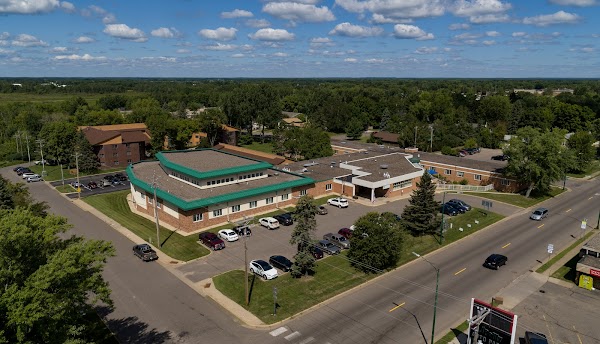
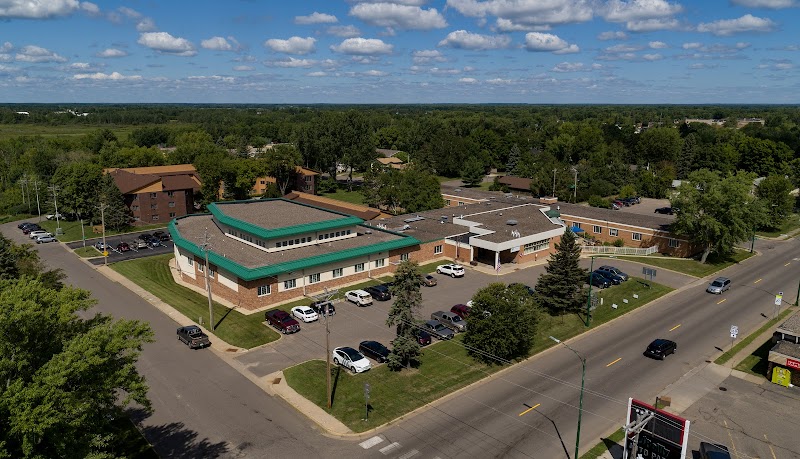
301 MINNESOTA AVENUE SOUTH, AITKIN, MN 56431 (218) 927-5514
Non profit - Corporation 44 Beds ST. FRANCIS HEALTH SERVICES Data: November 2025 1 Immediate Jeopardy citation
Trust Grade
18/100
#217 of 337 in MN
Last Inspection: May 2025

Inspected within the last 6 months. Data reflects current conditions.

Overview

Aitkin Health Services has received a Trust Grade of F, indicating significant concerns and a poor reputation in care quality. It ranks #217 out of 337 facilities in Minnesota, placing it in the bottom half, and #2 out of 2 in Aitkin County, meaning it has only one local competitor that is better. Although the facility is improving, having reduced issues from 13 in 2024 to 5 in 2025, it still has a concerning staff turnover rate of 55%, which is higher than the state average. The facility has incurred $26,972 in fines, which is higher than 85% of Minnesota facilities, suggesting ongoing compliance issues. While there is good RN coverage, more than 77% of state facilities, recent inspections revealed critical incidents, including a resident getting trapped in bed rails and another suffering a fall that required emergency treatment. Overall, while there are positive aspects like staffing and some improvement trends, the facility's serious safety issues and high fines raise valid concerns for families considering care here.

Trust Score
F
18/100
In Minnesota
#217/337
Bottom 36%
Safety Record
High Risk
Review needed
Inspections
Getting Better
13 → 5 violations
Staff Stability
⚠ Watch
55% turnover. Above average. Higher turnover means staff may not know residents' routines.
Penalties
✓ Good
$26,972 in fines. Lower than most Minnesota facilities. Relatively clean record.
Skilled Nurses
✓ Good
Each resident gets 62 minutes of Registered Nurse (RN) attention daily — more than 97% of Minnesota nursing homes. RNs are the most trained staff who catch health problems before they become serious.
Violations
⚠ Watch
30 deficiencies on record. Higher than average. Multiple issues found across inspections.
★★☆☆☆
2.0
Overall Rating
★★★★☆
4.0
Staff Levels
★★★☆☆
3.0
Care Quality
★★☆☆☆
2.0
Inspection Score
Stable
2024: 13 issues
2025: 5 issues

The Good

  • 4-Star Staffing Rating · Above-average nurse staffing levels
  • Full Sprinkler Coverage · Fire safety systems throughout facility
  • No fines on record

Facility shows strength in staffing levels, fire safety.

The Bad

2-Star Overall Rating

Below Minnesota average (3.2)

Below average - review inspection findings carefully

Staff Turnover: 55%

Near Minnesota avg (46%)

Frequent staff changes - ask about care continuity

Federal Fines: $26,972

Below median ($33,413)

Moderate penalties - review what triggered them

Chain: ST. FRANCIS HEALTH SERVICES

Part of a multi-facility chain

Ask about local staffing decisions and management

Staff turnover is elevated (55%)

7 points above Minnesota average of 48%

The Ugly 30 deficiencies on record

1 life-threatening 2 actual harm
May 2025 3 deficiencies
CONCERN (D)

Potential for Harm - no one hurt, but risky conditions existed

Deficiency F0582 (Tag F0582)

Could have caused harm · This affected 1 resident

Based on interview and document review, the facility failed to provide the Notice of Medicare Non-Coverage (NOMNC, Form CMS-10123) to 2 of 3 residents (R10, R37) reviewed whose Medicare Part A coverag...

Read full inspector narrative →
Based on interview and document review, the facility failed to provide the Notice of Medicare Non-Coverage (NOMNC, Form CMS-10123) to 2 of 3 residents (R10, R37) reviewed whose Medicare Part A coverage ended and remained in the facility. Findings included: R10's Skilled Nursing Facility Advanced Beneficiary Notice of Non-Coverage form (SNF ABN, CMS-10055), dated 3/10/25, identified on 3/13/25, estimated a daily rate of $515,44 would be charged and not covered by Medicare-A. R10's medical record lacked indication CMS-10123 was provided to the resident at least 48 hours prior to stoppage of Medicare part A. R10's census list dated 5/15/25, identified R10 remained a resident of the facility after 3/13/25, but not on Medicare part A as payer source. R37's Skilled Nursing Facility Advanced Beneficiary Notice of Non-Coverage form (SNF ABN, CMS-10055), dated 11/25/24, identified on 11/28/24, an estimated daily rate of $500.00 would be charged and not covered by Medicare-A. R37's medical record lacked indication CMS-10123 was provided to the resident at least 48 hours prior to stoppage of Medicare part A. R37's census list dated 5/15/25, identified R10 remained a resident of the facility after 11/28/24, but not on Medicare part A as payer source. During an interview on 5/14/25 at 9:36 a.m., registered nurse (RN)-A stated she was responsible for providing the resident with the NOMNC and the SNF ABN forms when Medicare part A stopped coverage. RN-A stated the NOMNC was provided to the resident when they were discharged from the facility and the SNF ABN form was provided to the resident when Medicare part A coverage stopped but the resident stayed in the facility. The NOMNC was not provided to the residents that stayed in the facility after Medicare part A coverage stopped and they still stayed in the facility. During an interview on 5/14/25 at 9:49 a.m. the administrator and the regional director of operations (RDO) stated they were not aware both CMS-10123 and CMS-10055 had to be given to the resident when they were discharged from Medicare A but remained in the facility. Facility policy Medicare Denial Procedure last reviewed 2/27/24 indicated the Medicare Denial Notice would be delivered no later than 48 hours prior to discharge from services and far enough in advance to allow the Medicare beneficiary sufficient time to consider their options and make an informed choice regarding their right to appeal the decision that Medicare will not cover specific services. If the beneficiary will continue to stay in the care center, the facility would provide CMS-10055.
CONCERN (D)

Potential for Harm - no one hurt, but risky conditions existed

Deficiency F0605 (Tag F0605)

Could have caused harm · This affected 1 resident

**NOTE- TERMS IN BRACKETS HAVE BEEN EDITED TO PROTECT CONFIDENTIALITY** Based on interview and document review the facility failed to ensure ordered as needed (PRN) antipsychotic medications were limi...

Read full inspector narrative →
**NOTE- TERMS IN BRACKETS HAVE BEEN EDITED TO PROTECT CONFIDENTIALITY** Based on interview and document review the facility failed to ensure ordered as needed (PRN) antipsychotic medications were limited to a 14-day time period and a face-to-face provider visit with clinical documentation indicating the medication needed to remain was performed prior to the medication extended past the 14 day period. The facility also failed to document behaviors and non-pharmacological interventions utilized prior to usage of an antipsychotic for 1 of 5 (R39) residents reviewed for unnecessary medications. Findings include: R39's admission Minimum Data Set (MDS) assessment dated [DATE], identified R39 had significant cognitive impairment. Diagnoses included hypertension and dementia. Medications received included an antipsychotic. R39's active Order Summary Report dated 5/15/25, indicated Quetiapine Fumarate (an antipsychotic medication used for mental health behaviors) 25mg by mouth every 8 hours PRN for agitation, anxiety, or delusion was ordered on 4/17/25. The order lacked a 14 day stop date. R39's Medication Administration Report (MAR) for 4/25 and 5/25 were reviewed. R39 reviewed the antipsychotic medication was administered on 4/20/25 at 9:30 p.m., 4/23/25 at 8:45 a.m., 5/6/25 at 5:58 p.m., and 5/7/25 at 2:30 p.m. R39's nursing progress notes were reviewed for 4/25, and 5/25, and lacked documentation of any behaviors other than wandering the hallways and wandering into resident rooms. The progress notes also lacked behaviors that occurred or non-pharmacological interventions that were attempted before medication was given for each incident the antipsychotic was administered in April and May of 2025. R39's provider visit note dated 5/8/25, indicated a diagnosis of dementia and hallucinations. The record also indicated R39 did not have behavioral disturbances and had remained stable mentally. Per staff and provider assessment today R39 appeared to have adjusted well to the new environment and was pleasantly confused. During an interview on 5/15/25 at 7:41 a.m., nurse assistant/ trained medication assistant (TMA)-A stated if a resident needed any kind of as needed medication administered the nurse would need to be notified because assessments needed to be performed and documented prior to medications being given. TMA-A stated R39 never had any behaviors except for wandering in the hallways and occasionally into a different resident room. R39 was pleasant and always very easy to redirect when he wandered into a different resident room. During an interview on 5/15/25 at 9:34 a.m. registered nurse (RN)-B stated if a PRN antipsychotic medication was needed to be administered then the nurse would assess the resident to see what behaviors had occurred and what non-pharmacological interventions had been attempted prior to the request for the medication. That would be documented in the resident's nursing progress notes as well as the response to the medication after it was given. RN-B stated she had never given R39 any PRN antipsychotic because she was not aware R39 had any true behaviors that would warrant an antipsychotic. RN-B was unsure how long a PRN antipsychotic order was good for. During an interview on 5/25/25 at 11:04 a.m., the director of nursing stated a PRN antipsychotic medication order was only good for 14 days, then needed to have the provider see the resident before it could be renewed. Wandering was not a reason to give an antipsychotic medication. The DON stated an expectation that all staff would utilize a PRN antipsychotic only when necessary and only after nonpharmacological interventions were attempted first. All behaviors and interventions would need to be documented in the progress notes. Facility policy Psychotropic Medications last issued 8/20/24, indicated PRN psychotropic medications ordered would be limited to 14 days. The prescribing practitioner would evaluate and document the medications necessity, benefits, and improvement (expressions, indications of distress). If the physician deemed appropriate to extend beyond the 14-day limit, supporting rationale must be documented. The policy also indicated all nursing staff would utilize PRN psychotropic medication, following provider order, if non-pharmacological intervention(s) are unsuccessful.
CONCERN (D)

Potential for Harm - no one hurt, but risky conditions existed

Quality of Care (Tag F0684)

Could have caused harm · This affected 1 resident

**NOTE- TERMS IN BRACKETS HAVE BEEN EDITED TO PROTECT CONFIDENTIALITY** Based on interview and document review the facility failed to enter and follow provider orders for 1 of 1 resident (R9) reviewed...

Read full inspector narrative →
**NOTE- TERMS IN BRACKETS HAVE BEEN EDITED TO PROTECT CONFIDENTIALITY** Based on interview and document review the facility failed to enter and follow provider orders for 1 of 1 resident (R9) reviewed for provider orders. Findings included: R9's admission Minimum Data Set (MDS) assessment dated [DATE], indicated R9 was cognitively intact and diagnoses included coronary artery disease, heart failure, and hypertension. Medications taken daily included a diuretic (water removing pill). R9's admission orders dated 4/17/25, indicated daily weights and to notify the provider for a 2-pound (lb.) weight gain in 24 hours or a 5 lb. weight gain in 7 days. R9's active Order Summary Report dated 5/13/25 lacked an order for daily weights or to call the provider based on weight gain parameters specified in the orders. During an interview on 5/13/25 at 1:18 p.m., nurse assistant (NA)-A stated all residents with daily weights were done by the NA and then given to the nurse to review. NA-A looked at her list and stated R9 was not a daily weight. During an interview 5/13/25 registered nurse (RN)-A stated the nurse manager entered all admission orders into R9's electronic medical record (EMR) at time of admission. The charge nurse would review that all orders were entered correctly and a third nurse would then triple check all orders were entered correctly. All three staff members would sign a form which indicated the checks were performed. During an interview on 5/15/25 at 9:34 a.m., register nurse (RN)-B confirmed admission orders were entered by the nurse manager at time of admission, the charge nurse then did a double check, and finally the next shift RN would do a triple check all orders were entered correctly. RN-B reviewed R9's medical record and confirmed there were no orders for daily weights entered or parameters to notify the provider related to weight gains. During an interview on 5/15/25 at 11:04 a.m., the director of nursing (DON) stated an expectation all orders would be entered at the time they are ordered, both completely and correctly. Facility physician order policy was requested but not provided.
Apr 2025 1 deficiency
CONCERN (D) 📢 Someone Reported This

A family member, employee, or ombudsman was alarmed enough to file a formal complaint

Potential for Harm - no one hurt, but risky conditions existed

Resident Rights (Tag F0550)

Could have caused harm · This affected 1 resident

**NOTE- TERMS IN BRACKETS HAVE BEEN EDITED TO PROTECT CONFIDENTIALITY** Based on observation, interview and document review the facility failed to follow grievance policy and procedures involving 2 of...

Read full inspector narrative →
**NOTE- TERMS IN BRACKETS HAVE BEEN EDITED TO PROTECT CONFIDENTIALITY** Based on observation, interview and document review the facility failed to follow grievance policy and procedures involving 2 of 2 residents (R1, R2) when R1 voiced concerns about treatment received from another resident (R2) in the facility and a grievance was never filed on behalf of R1, and he was never provided resolution or follow up. Findings include: R1's admission Record indicated he admitted to the facility on [DATE]. R1's quarterly Minimum Data Set (MDS) dated [DATE], identified intact cognition. R1's care plan dated 4/10/25, indicated he was alert and oriented and was able to express his needs. R2's quarterly MDS dated [DATE], indicated a Brief Interview of Mental Status (BIMS) of 8 (moderate cognitive impairment), verbal behaviors directed toward others (threatening, screaming, cursing) 1-3 days. During interview on 4/29/25 at 4:21 p.m., R1 stated R2 intentionally antagonized him and said, I want it to stop. R1 said R2 approached him and and said things like, hit me, hit me. R1 stated he was not afraid or threatened by R2 but said he did not feel like he should have to put up with it. During observation on 4/29/25 at 4:31 p.m., R1 was seated in the dining room. R2 propelled himself into the room and stated, he's trouble, referring to R1. Staff intervened and R2 responded with loud negative vocalizations. During interview on 4/30/25 at 9:25 a.m., R1 stated he had reported his concerns to the social service designee (SSD) and registered nurse (RN)-A. R1 said they told him they would look into it but said they do not follow up with him. R1 said R2's behavior was outrageous and said, he just keeps coming at you. During interview on 4/30/25 at 9:36 a.m., nursing assistant (NA)-A said R2 would yell and swear if he did not like something. NA-A said the previous week R2 had been unhappy with R1 and had made threatening comments to him. NA-A said R1 was not fearful of R2 but R1 did not like the way R2 treated himself and others. During interview on 4/30/25 at 11:16 a.m., The SSD said R2 made rude comments to many residents. The SSD said R1 did not like R2 and had voiced his concerns to her. When asked how the facility was handling R1's concerns, the SSD said they gave R1 the option to leave the room. The SSD stated she had not followed up with R1 and said his concerns had been discussed with the interdisciplinary team but no one had ever advised her to fill out a grievance form. The SSD said she had conversations with R1 but did not document them. During interview on 4/30/25 at 11:46 a.m., RN-A said R2 was like a playground bully. RN-A said R1 seemed to be R2's primary target and said R2 taunted R1 and would curse at him. During interview on 4/30/25 at 1:07 p.m., the assistant administrator said a grievance should be filed anytime a concern was brought by a resident or family. The assistant administrator said the facility would review the concern and follow up. The assistant administrator said she had been aware of many instances involving R1 and R2. Facility policy Reporting Grievance dated 1/9/17, indicated grievances included those regarding care or treatment, the behavior of staff or other individuals receiving services and other concerns regarding a residents stay. If a grievance was voiced by an individual the facility will make prompt efforts to investigate and resolve the grievance. The grievance will be documented on the grievance for and will be investigated within 72 hours. Within 10 days of filing the grievance the findings will be provided to the complainant in writing.
Mar 2025 1 deficiency
CONCERN (D) 📢 Someone Reported This

A family member, employee, or ombudsman was alarmed enough to file a formal complaint

Potential for Harm - no one hurt, but risky conditions existed

Accident Prevention (Tag F0689)

Could have caused harm · This affected 1 resident

**NOTE- TERMS IN BRACKETS HAVE BEEN EDITED TO PROTECT CONFIDENTIALITY** Based on observation, interview and document review the facility failed to reduce the risk of falls for 1 of 3 residents (R3) re...

Read full inspector narrative →
**NOTE- TERMS IN BRACKETS HAVE BEEN EDITED TO PROTECT CONFIDENTIALITY** Based on observation, interview and document review the facility failed to reduce the risk of falls for 1 of 3 residents (R3) reviewed for accidents and supervisor. R3 had a high risk for falls and was observed attempting to self-transfer from a wheelchair to bed. Findings include: During continuous observation on 3/19/25, R3 was seated in the dining room with his eyes closed at 6:45 a.m., where he remained until 7:47 a.m., when he propelled himself down the hall toward his room. Staff spoke with R3 on his way down the hall. At 7:51 a.m. R3 was observed propelling from his room. At 7:47 a.m. R3 told NA-B, I want to go to sleep but they keep kicking me out. NA-B said, they kicked you out, huh. then walked away. At 8:02 a.m. a staff member moved R3 to a table in the common area where he sat with a book. At 8:25 a.m. R3 remained seated in his wheelchair with his eyes closed. At 9:12 a.m. R3 again propelled himself toward his room. At 9:18 a.m., R3 got the door to his room open, and a housekeeper moved him back into the hallway. At 9:30 a.m., the housekeeper told R3 he had to wait for the NA's and said they could not take him to the bathroom because they were a little busy. At 9:32 a.m., R3 again entered his room. Surveyor alerted trained medication aide (TMA)-A that R3 was attempting to self-transfer to his bed. TMA-A intervened and told R3 he needed to wait for a NA to come off break and one to finish charting before they could help him into bed. At 9:40 a.m. NA-B was observed in the common area. TMA-A did not report that R3 had requested help. At 9:49 a.m. NA-A returned to the unit. At 9:51 a.m. R3 was talking to TMA-A who did not acknowledge him. R3 propelled himself toward his room. TMA-A then asked NA-A and NA-B to assist R3 to lay down. NA-B stated, We aren't supposed to, are we? and NA-A said, they want him up until after dinner. At 9:56 a.m., NA-A and NA-B assisted R3 to his room. NA-A said R3 had been up since she arrived at 6:00 a.m. NA-A and NA-B assisted R3 in the mechanical stand and transferred him to his bed and covered him with blankets. When asked about toileting, NA-A said R3 would tell them if he needed to go and said, sometimes they offer. NA-A and NA-B checked R3's brief and changed it after they determined he was wet. While charting R3's brief, NA-A stated R3 did not like to roll and said, believe it or not, he is terrified of falling out of bed. NA-B stated R3's wife wanted staff to keep him up during the day because of falls. NA-B said if laid down, R3 would try to crawl out of bed. R3's admission Record indicated he admitted to the facility on [DATE]. Diagnosis included hemiplegia (severe or complete unilateral loss of strength or paralysis) and hemiparesis (weakness in one leg, arm, or side of the face) and vascular dementia. R3's Fall Risk assessment dated [DATE], indicated he had a fall on 1/27/25. Continence and mobility indicated R3 required assistance with elimination, was confined to a chair and was only able to steady himself with assistance. R3's admission Minimum Data Set (MDS) dated [DATE], identified severe cognitive impairment. The MDS indicated R3 displayed no behaviors, was frequently incontinent of bladder and always continent of bowel. R3's MDS indicated he was dependent on staff for transfers and toileting. R3's care area assessment (CAA), dated 2/4/25, indicated he was continent of bowel, frequently incontinence of bladder and needed assistance with cares. R3 had a diagnosis of vascular dementia, peripheral vascular disease, benign prostatic hyperplasia, and hemiplegia/hemiparesis of left side. The fall CAA indicated R3 needed extensive assistance with activities of daily living, scored 16 on the fall risk assessment indicating a high risk for falls and had one fall since admission to the facility. R3's care plan dated 2/28/25, identified bladder incontinence related to confusion and impaired mobility. The care plan directed staff to change R3 as needed. The care plan identified a risk for falls related to confusion and poor communication. The care plan directed staff to assist as needed with mobility and transfers, ensure call light was within reach, appropriate footwear, and bed in lowest position with a fall mat beside the bed. The care plan indicated R3 liked to get out of bed and crawl. R3's [NAME] Report dated 3/18/25, indicated Bladder/Bowel, change and PRN (as needed). Safety, ensure call light in reach, bed in low position with fall mats. I prefer to get out of bed and crawl. Facility Resident Incident Log dated 1/20/25 through 2/26/25, indicated R3 had one fall on 1/27/25. R3's Progress Notes identified the following: 1/26/25, Nursing assistant (NA) entered the tub room and found R3 had transferred himself onto the toilet. Staff assisted R3 and reminded him to call for help as he required assistance to transfer. 1/27/25, Staff heard a banging noise and found R3 on the floor in his room. R3 was laying with his feet toward the bathroom door. A correlating Incident Form dated 1/27/25, indicated interdisciplinary team (IDT) reviewed the incident and recommended R3 be placed on every two-hour toileting plan. 1/31/25, R3 self-transferred into bed from his wheelchair. R3 had two episodes of putting himself on the floor and told staff I just roll over and this is where I end up. The note indicated was a purposeful act. 2/18/25, R3 was found attempting to crawl out of bed. R3 had his body scooted down with his knees on the fall mat. 2/25/25, R3 attempted to crawl out of bed this shift. 2/26/25, R3 was found attempting to self-transfer out of bed. NA found R3 with both legs on the fall mat and the top half of his body on the bed. R3 was reminded to use the call light. 2/28/25, R3 attempted to crawl out of bed. Upper body on bed with legs on fall mat. 3/7/25 at 3:00 p.m., NA reported when passing by R3's room he was crawling out of bed a kneeling on the floor mat in front of his bed. R3's hands were on the bed when she found him. Root cause indicated, it appeared R3 was crawling out of bed. A correlating Incident Audit Report dated 3/11/25, indicated R3 stated he wanted to get out of bed. The IDT review determined R3 was care planned to be able to get out of bed to his mat and indicated the incident was intentional and not a fall. 3/7/25 at 9:00 p.m., R3 was heard yelling from his room. R3 was found sitting on his fall mat. R3 was unable to describe what he was doing at the time and had been incontinent of bladder. 3/8/25, R3 found seated on his fall mat with his back against the bed around midnight. R3 had stool on his hands, urinal, and mat. Root cause indicated, possibly needed to use the bathroom. During interview on 3/18/25 at 4:04 p.m. NA-A stated R3 liked to sneak into his room and transfer himself in and out of bed. NA-A stated R3 transferred with staff using a mechanical stand. NA-A said she had not seen R3 try to self-transfer but said she had found him on the ground. When asked about fall interventions, NA-A stated, I wouldn't know. NA-A said staff used the [NAME] for a care guide. During interview on 3/19/25 at 10:06 a.m., registered nurse (RN)-A stated R3 should be checked every two hours and said it should have been in his care plan. RN-B stated she thought R3 could verbalize the need to use the toilet, but not consistently. RN-A stated they had R3 on a two-hour toileting plan to try to catch him but said on the off hours staff would find him on the mat. RN-A said R3 could not be left alone in his room because he did not use the call light. RN-A stated when R3 had been at home he would crawl to the bathroom when he needed to go. RN-A stated initially when R3 rolled out of bed they were calling it a fall and said there had been no instances of rolling out of bed in the medical record, just crawling out of bed and kneeling on the mat. RN- A was unable to explain how staff assessed whether R3 rolled out of bed or was intentionally crawling out of bed. On 3/19/25 at 11:57 a.m. R3 was interviewed with family member (FM)-A. FM-A stated R3 had fallen and broke his hip and went to a different facility for rehab. FM-A stated R3 returned home after rehab but only lasted two days because she could not care for him. FM-A stated prior to the fall with fracture, R3 did not really have falls at home. FM-A said, I guess he crawled on the floor at the previous facility and was told he did that here at the facility. FM-A said R3 did not do that at home. FM-A said she felt a big part of R3's falls was when he needed to go to the bathroom. FM-A said the staff had not really implemented a plan. FM-A said they had discussed toileting R3 at 10:30 a.m. since he always wanted to go when staff were trying to bring others to lunch but said it had not happened. During interview on 3/19/25 at 12:50 p.m., the director of nursing (DON) stated after a fall, the IDT reviewed and said they had a list of suggestions they used for fall interventions. The DON said she thought R3 was on a two-hour toileting plan and said the previous day, RN-A had discussed it with staff. At 1:07 p.m. the DON stated when R3 was seen on the floor it was not considered a fall and said it had been the nurse practitioners idea. The DON stated she was unable to provide evidence of assessment to indicate R3 was on the floor intentionally versus falling out of bed. Facility Policy Fall Prevention and Management dated 6/5/23, indicated the care center will assess each resident for risk of falls and identify interventions to assist in preventing falls and/or injuries. A falls analysis will be completed when a resident had two or more falls, to review fall trends, identify individual and systemic causes of falls, evaluate current interventions for effectiveness and if needed to determine additional interventions. All interventions that are identified through the assessment/review process will be documented in the resident's care plan using person centered language.
Dec 2024 1 deficiency 1 Harm
SERIOUS (G) 📢 Someone Reported This

A family member, employee, or ombudsman was alarmed enough to file a formal complaint

Actual Harm - a resident was hurt due to facility failures

Accident Prevention (Tag F0689)

A resident was harmed · This affected 1 resident

**NOTE- TERMS IN BRACKETS HAVE BEEN EDITED TO PROTECT CONFIDENTIALITY** Based on interview and document review, the facility failed to supervise, implement, and assess fall interventions to reduce the...

Read full inspector narrative →
**NOTE- TERMS IN BRACKETS HAVE BEEN EDITED TO PROTECT CONFIDENTIALITY** Based on interview and document review, the facility failed to supervise, implement, and assess fall interventions to reduce the risk of falls for 1 of 3 residents (R1) reviewed for falls. This resulted in actual harm when R1 fell and sustained a laceration to the middle of her forehead which required an emergency department (ED) visit and sutures. Findings include: R1's Face Sheet dated 4/29/24, indicated R1 had arthritis in both hips, spinal stenosis (abnormal narrowing of the spinal canal), and mild cognitive impairment. R1's quarterly Minimum Data Set (MDS) dated [DATE], identified R1 had mild impaired cognition, had two or more falls without injury and one fall with minor injury, and needed extensive assistance with transfers, toileting and bed mobility. R1's Fall Risk assessment dated [DATE] indicated R1 had three or more falls in the last 90 days, was confined to her chair, needed assistance with elimination, and not steady on her feet without assistance. R1's score was 20 (a score of 10 or higher put the resident at risk for falls). R1's care plan dated 10/2/24, identified R1 was at risk for falls due to cognitive impairment. An intervention directed staff would not leave R1 in her wheelchair in her room alone. R1 would stay in a common area if she did not want to sit in her recliner after meals or activities. Additional interventions identified encouraging R1 to wear glasses, wear good footwear, and to use a reacher when grabbing items out of reach. R1's Emergency Department (ED) Provider Encounter note dated 11/18/24, indicated R1 had a large laceration in the middle of her forehead that needed 15 sutures to close. On 11/19/24 at 12:51 a.m., a progress note written by registered nurse (RN)-A indicated on 11/18/24 at around 6:14 p.m., R1 was found in her room on the floor in front of her closet, yelling for help. R1's wheelchair was behind her. R1 was bleeding from her forehead, she was assessed and sent to the ED. A facility communication book was located on each unit (Garden Terrace and Town Square) and in the administration office. The front of the book indicated staff were to review the book at the start of the shift, and staff were to sign after reading the new information. The Garden Terrace communication book had eleven updates from 11/4/24 to 12/11/24, with three staff signatures total. The Garden Terrace communication book lacked updates pertaining to R1 and her fall on 11/18/24. The Town Square communication book had eleven updates from 11/4/24 to 12/11/24, with two staff signatures on several pages. The Town Square communication book lacked updates pertaining to R1 and her fall on 11/18/24. The administration office communication book had ten updates from 11/4/24 to 12/11/24 with three staff signatures on one page. An update to the administration office communication book dated 11/19/24 indicated R1 could not be left alone in her room in her wheelchair. There were no other changes to R1's fall risk interventions in the administration office communication book. On 12/11/24 at 12:19 p.m., nursing assistant (NA)-A stated she was an agency staff member on 11/18/24. After dinner, she went into R1's room and asked if she wanted to go to bed and R1 declined. She left R1 in her wheelchair in her room alone. She was not aware R1 was not supposed to be left alone in her room while she was in her wheelchair until after she fell the evening of 11/18/24. She has been directed to look in the communication book for any changes in interventions for residents, but she could not recall the last time she looked in the communication book. She had access to document in R1's electronic medical record (EMR), but was not given access to review R1's care plan and interventions. On 12/12/24 at 10:54 a.m., RN-B stated the facility did not have a good way to communicate with agency staff. The facility had relied on word of mouth, but this was not working. The facility had a communication book for any changes in interventions or other updates on residents. Staff were to read and sign when they come into work. RN-B stated she was not sure who was responsible for ensuring the communication book had been read by staff, and she was not sure why the communication book was not being signed by staff. There was a hole in the process that had not been fixed. On 12/12/24 at 11:01 a.m., RN-A stated on 11/18/24 at around 6:14 p.m., she was getting report from another staff member when she heard someone yelling. She went into R1's room and saw R1 on the floor in front of her closet. R1's wheelchair was behind her, and she was bleeding from her head. R1 had been left alone in her room in her wheelchair, and shouldn't have been. She assessed R1 and sent her into the ED due to R1's forehead laceration. On 12/12/24 at 11:19 a.m., the director of nursing (DON) stated agency staff had access to document in the resident's EMRs, but were not able to review resident care plans or interventions. The EMR had a care stream section that showed activity of daily living (ADL) needs, but it would have been a hit or miss if fall interventions were in the care stream for staff to see. Staff should look in the communication book for any interventions or changes to resident care. The nurse managers were responsible for making sure staff were looking at the communication books and signing them. She was not sure why staff were not looking at the communication book. On 12/12/24 at 11:57 a.m., physician's assistant (PA)-A stated she was aware R1 had a fall, but was not aware staff were not following the care plan. It was possible if the care plan had been followed, R1 would not have fallen. R1 had been was declining prior to the fall, but after the fall on 11/18/24, R1 had a more rapid decline, and was more confused and agitated. The facility Fall Prevention and Management policy dated 2/15/24, directed there will be interventions implemented to minimize future falls.
Jul 2024 5 deficiencies 1 Harm
SERIOUS (G) 📢 Someone Reported This

A family member, employee, or ombudsman was alarmed enough to file a formal complaint

Actual Harm - a resident was hurt due to facility failures

Quality of Care (Tag F0684)

A resident was harmed · This affected 1 resident

**NOTE- TERMS IN BRACKETS HAVE BEEN EDITED TO PROTECT CONFIDENTIALITY** Based on interview and document review, the facility failed to ensure treatment and care in accordance with professional standar...

Read full inspector narrative →
**NOTE- TERMS IN BRACKETS HAVE BEEN EDITED TO PROTECT CONFIDENTIALITY** Based on interview and document review, the facility failed to ensure treatment and care in accordance with professional standards of practice for 1 of 3 residents (R1) reviewed who did not receive the necessary care and monitoring related to multiple incorrect insertion attempts of an indwelling catheter which resulted in bleeding, blood clots, pain, discomfort, low urine output, and low blood pressure, leading to a diagnosis of sepsis and admission to the Intensive Care Unit (ICU) via ambulance. This resulted in actual harm for R1. Findings include: R1's quarterly Minimum Data Set (MDS) dated [DATE], identified severely impaired cognition and no behaviors noted. MDS indicated R1 had an indwelling catheter, always incontinent of bowel, and neurogenic bladder (interference of the relationship between the nervous system and bladder function and affects the way bladder functions due to injury or disease). MDS also indicated R1 had impairment on one side of his upper and lower body and was dependent upon staff for all cares, transfers, and repositioning. R1's health conditions form dated 6/2/24, to 7/2/24, were identified as anemia, benign prostatic hyperplasia (enlargement of the prostate) (BPH) with lower urinary tract symptoms, hemiplegia and hemiparesis (weakness and/or paralysis on one side of the body) following cerebral infarction (stroke) affected left non-dominant side, neuromuscular dysfunction of bladder (the nerves and muscles don't work together very well. As a result, the bladder may not fill or empty correctly), and dementia. R1's care plan (CP) dated 7/10/24, identified risk for bleeding due to anticoagulant (blood thinner) use, directed staff to monitor vitals and for bleeding, and contact provider with changes and update as needed. CP identified R1 was at risk for urinary tract infection (UTI) due to indwelling catheter and directed staff to observe and monitor for signs of infection and urine quality changes (change in urine color/sediment). R1 had an indwelling Foley catheter 14 F (French) 10 cc (cubic centimeters), and directed staff to document urine output at the end of every shift. R1's physician order dated 6/21/24, identified change 14 F catheter with 10 cc every 28 days at evening 2 p.m. to 10:30 p.m. once a month and change the bag at the same time. R1's physician order dated 6/21/24, identified empty catheter bag and document output three times day (morning 6:00 a.m. to 2:30 p.m., evening 2:00 p.m. to 10:30 p.m., night 10:00 p.m. to 6:30 a.m.). R1's House Standing Orders signed and dated 2/29/24, identified may irrigate catheter with 30 to 60 ml (milliliters) of sterile normal saline with signs of blockage (clots, no urine flow or bypassing around catheter). Change indwelling catheter PRN (as needed) if becomes obstructed or comes out of bladder. R1's electronic medication administration record (EMAR) from 6/29/24, through 7/2/24, identified: -6/29/34, urine output evening shift 2:00 p.m. to 10:30 p.m. 150 ml; EMAR lacked documentation for morning or night shift output. -6/30/23, urine output evening shift 2:00 p.m. to 10:30 p.m. 600 ml; EMAR lacked documentation for morning or night shift output. -7/1/24, urine output 6:00 a.m. to 2:35 p.m. 450 ml, 2:00 p.m. to 10:30 p.m. 300 ml, and 10:00 p.m. to 6:30 am. 0 ml. -7/1/24, Acetaminophen oral tablet 500 mg (milligrams) 2 tablets by mouth as needed one time per day was documented as administered at 9:30 p.m., not effective. -7/1/24, 2:00 p.m. to 10:30 p.m. blood pressure (BP) 97/57 mmHg (millimeters of mercury) and the only blood pressure documented in R1's EMAR. -7/1/24, evening shift 2:00 p.m. to 10:30 p.m. change 14 F catheter with 10 cc balloon every 28 days (once a month). R1's progress notes from 6/28/24, through 7/5/24, identified: -6/28/24, at 12:07 a.m. to 7/2/24, at 12:15 a.m. no documentation noted in R1's medical record (four days). -7/2/24, at 12:15 a.m. 14 F was inserted at 9:20 p.m. and tolerated well. Later at 11:15 p.m. resident woke up screaming ouch and in pain. Irrigation, repositioning, and massage of bladder done but no urine output and still in a lot of pain. Small amount of thick blood and clots in bag and bloody urine bypassing. On call notified and she said to call on call provider if pain increased. -7/2/24, at 12:15 p.m. From report the evening nurse changed resident catheter with a 14 F (per interview with LPN-A this was a 16 F see below) and then a 16 F with blood output. At 8:30 p.m. writer was called to R1's room, screaming in pain, and guarded his groin area whenever staff tried to reach for that area. R1 refused to have brief closed due to increased pain, bladder scanned for 216 cc. On call nurse was notified and suggested flush/irrigate catheter, push fluids and change catheter to 14 F. When catheter was flushed there was increased pain and no output. Removed 16 F and noted continuous gross hematuria (bleeding) with some blood clots from penis. On call was notified and she said to let him drain for 15 minutes then insert a 14 F. After 15 minutes the gross hematuria was minimum and R1 felt better with less pain. -7/2/24, at 5:09 a.m. R1 was screaming, reported a lot of pain (10 out of 10) when his brief was changed around 3:30 a.m. R1's vitals blood pressure (BP) 90/53, respirations 18, and oxygen saturation 92%. Bladder scan completed and resulted in 249 cc with no urine in output in bag. On call provider notified and gave order to send to emergency room (ER) at 4:30 a.m. -7/2/24, at 10:01 a.m. received call from local hospital, R1 had been admitted with diagnosis of sepsis. R1's family updated and placed on LOA (leave of absence). -7/4/24, at 5:53 p.m. called hospital for update. R1 was moved out of ICU (intensive care unit) and downgraded to medical unit, off drip and BP was ok, and placed on two antibiotics. Possibly be there for two more days. -7/5/24, at 2:13 p.m. was re-admitted back to facility from hospital at 1:30 p.m. R1 had indwelling catheter in place that was free flowing, patent, urine was light yellow in color, without sediment, no blood no unusual odor. R1's catheter was to be changed every 28 days, if anticipated difficulty with catheter contact urology. Continued to be treated with antibiotics for UTI every 12 hours for 11 more days. R1's hospital admission notes dated 7/2/24, indicated indwelling catheter change completed at nursing home facility last evening resulted in significant bleeding and no urine output. An attempted catheter placement in ER resulted in ongoing bleeding and no urine output. CT (computerized tomography) scan was completed and showed catheter balloon inflated in the urethra. Urology was contacted and replaced the catheter over a guidewire with cystoscopy (a hollow tube equipped with a lens inserted into urethra and slowly advanced into the bladder). Principle problems identified: urinary tract infection associated to indwelling catheter, sepsis (life-threatening condition that arises when the body's response to infection causes injury to its own tissues and organs), with acute renal failure and septic shock, and anemia with acute blood loss from urethra resulting from Foley catheter placement. R1's lab results dated 7/2/24, urine collected at 9:14 a.m. revealed: urine was amber colored, turbid (cloudy), trace of ketones, large amount of blood, severely increased protein levels (indicates problems with the kidneys), positive nitrate (most likely indicates a bacterial infection in the bladder), and a small number of leukocytes (white blood cells). R1's Complete Blood Count (CBC) dated 7/2/24, identified hemoglobin low 10.7 g/dl (grams/Deciliter) (normal range 13.5 to 17.5. g/dl). R1's CT scan of abdomen pelvis dated 7/2/24, at 6:32 a.m. identified indication: gross hematuria and decreased urine output, sepsis. Impression: malposition Foley catheter with balloon inflated with in the penile urethra. Only mild urinary bladder distension. During an interview on 7/8/24, at 4:00 p.m. licensed practical nurse (LPN)-A stated R1 was due for a catheter change on July 1, 2024. LPN-A stated she had gathered supplies: catheter size 16 F, catheter bag, catheter change kit, and an extra syringe. LPN-A indicated pulled out R1's catheter 14 F after deflating balloon and noted urine was dark amber, cloudy, and sediment in the tubing without odor. LPN-A stated emptied 450 cc of urine from collection bag. LPN-A stated when she inserted the 16 F catheter bright red blood was seen, panicked, and pulled out the catheter. LPN-A stated talked with floor manager LPN-B and informed was normal for R1 to bleed a bit and instructed to insert another catheter. LPN-A stated went back and inserted 16 F catheter and bloody return was noted with a small amount of urine. LPN-A stated she had went to the EMAR and noted the order indicated 14 F, it was then she realized she had inserted the wrong size catheter twice. LPN-A stated she reported to LPN-B and DON and was told it was fine and instructed to let things settle down/stop bleeding before the catheter was changed again. LPN-A stated checked on R1 prior to end of shift and no pain, no urine was flowing out of the tube and offered to flush but RN-A said no it was ok and left for the day. LPN-A stated a provider should have been notified about the wrong size catheter (2 times) and blood returned with little to no urine but did not due to LPN-B and DON indicated it was normal for R1 to bleed some. LPN-A stated they did not document this and should have. During a telephone interview on 7/9/24, at 2:00 a.m. registered nurse (RN)-A stated she started her night shift at 6:00 p.m. RN-A indicted she had received report from the LPN-A regarding R1's Foley catheter change. RN-A stated LPN-A indicated she she inserted a 14 F and got blood so removed it, placed another catheter this time a 16 F and was still bleeding when she realized she had used the wrong size catheter. RN-A indicted LPN-A reported to DON and floor manager LPN-B and they both came to conclusion the urethra was already irritated, so it was ok to leave it in until morning, monitor for bleeding, and replace it the next day with a 14 F catheter. RN-A stated she had never seen blood in R1's catheter prior to this day. RN-A stated she peaked in on R1 at 6:30 p.m. prior to a medication pass that evening and there was approximately 100 cc of bloody drainage in the collection bag and in the catheter tubing and R1 reported no pain at that time. RN-A stated she had been told in the past when the catheter was not placed properly due to the BPH and neurogenic bladder a small amount of blood was normal for R1. RN-A stated when she had placed R1's catheter in the past, she had never seen any bleeding. RN-A stated later, a staff nursing assistant came and got her and indicated R1 was in pain. RN-A went to R1's room and he complained of pain and said, ouch ouch. RN-A stated she tried to close his brief, but he would not allow and yelled out. RN-A checked urinary output which had remained the same as earlier (6:30 p.m.) then called the on-call nurse (DON) and was directed to massage the bladder area, push fluids, and then flush the catheter tubing. RN-A stated a provider should have been notified when R1 started to have no urine output with bleeding but she relied on DON for direction instead. RN-A stated DON instructed her the provider did not have to be called because there was nothing he could do and would round the next day. RN-A indicated she was unable to flush the catheter tubing, R1 complained of more pain, then she contacted DON again. RN-A stated DON indicated R1's 16 F catheter should be removed and replaced with a 14 F. RN-A stated she removed the 16 F catheter and R1 had gross hematuria from the penis and replaced it with a 14 F with approximately 80 cc of bloody drainage in bag and allowed more time to see when urine would drain and what color. RN-A stated she had bladder scanned R1 prior to the insertion of the catheter and noted 216 cc. RN-A verified at 11:00 p.m. R1 complained of pain again, but was unable to give more Tylenol. RN-A texted DON and instructed to reposition R1, massage the bladder area and if in one hour still in pain call the on call provider and ask for order to use emergency kit to give a different analgesic. RN-A stated R1 indicated he was ok and then checked on him again at 3:00 a.m. bloody output had remained the same in bag at 50 ml and no urine noted and R1 had started to complain about pain again. RN-A called on call provider and informed them R1 had no urinary output and bladder pain then received order, and sent R1 into the hospital. During an interview on 7/9/24, at 11:00 a.m. hospital physician assistant (PA)-A (provided urological care to patients) verified she was notified about R1's admission to ER and asked to provide assistance with insertion of a catheter. PA-A stated R1 had a large prostate and obstructive urinary symptoms and required the use of a guide wire and cystoscopy (a hollow tube equipped with a lens to view the urethra and bladder) as she inserted the indwelling catheter. PA-A indicated was unable to see if there was a false tract (a false passage in the urethra is formation of an epithelialized tract created when the catheter was inserted aggressively against the urethral wall and/or a weak part of the urethra rather than guided through the urethra lumen, into the bladder, and may occur more often in men due to an enlarge prostate) due to excessive bleeding in the urethra. PA-A stated reinsertion of a catheter had the potential to cause more damage and/or bleeding. PA verified when staff nurse inserted the catheter, got blood return a provider should have been notified right away and not waited. PA-A stated additionally, no urine output for up to 12 hours can cause increased risk for infection due to stagnate urine and possibly go into the kidneys which can be serious. During an interview on 7/9/24, at 11:37 a.m. primary provider/physician assistant (PA)-B stated R1 had no urine output from 9 p.m. until sent to ER (7 hours). PA-B indicated when a nurse lacked skill for catheter insertion they may butt up to the inside of the urethra and felt like it was in the bladder, but no urine appeared. PA-B stated lack of urine would be the most thing to worry about but when catheter was placed incorrectly and in the wrong spot and/or a clot blocked off urine flow that would have been concerning. PA-B stated when R1 was catheterization improperly more than once that increased his risk for urethral damage and increased bleeding. PA-B stated R1's gross hematuria was caused by trauma from cauterization that was for sure and the only thing that made sense. PA-B verified it would have been a good idea to have updated provider after the second time the wrong size catheter was inserted and bleeding continued. PA-B also stated when nurse had contacted the DON 4 to 6 times in a matter of 6 hours she was in over her head, clearly struggled, and required direction from the provider especially when R1 yelled out in pain, increased bleeding, and low urine output. PA-B stated she would have not recommended to change 16 F catheter a 14 F catheter, provider should have been contacted much sooner and R1 most likely sent into hospital earlier. During an interview on 7/9/24, at 12:44 p.m. floor manager (LPN)-B stated R1 has had a history of difficult indwelling catheter attempts with scant amount of blood but would have expected that to stop within an hour. LPN-B stated on 7/1/24, LPN-A informed him she attempted to insert the wrong size catheter 16 French (F) (should have been a 14 F), larger than it should have been, and blood came through the tubing. LPN-B stated the bleeding was caused by insertion of a catheter too large and scraped his urethra (a muscular tube that conveys urine from the urinary bladder to the exterior at the end of the penis). LPN-B stated along with the director of nursing (DON) we had chosen to wait to re-insert another catheter due to urethra being raw, could have caused more damage and discomfort, and allowed that area to recover. LPN-B stated there had been some harm done here, there had been damage to the urethra and R1 bled, required medical intervention, sent to hospital, and admitted . During an interview on 7/9/24, at 2:05 p.m. floor manager registered nurse (RN)-C stated staff had difficulty with catheter placement with R1 in the past with flank blood upon insertion then subsided. RN-C indicated she would have been concerned from the word go when there was more blood than urine that would not be a typical finding after placement of a urinary catheter. RN-C also stated if there was flank blood after insertion of the catheter would have expected it to dissipate and see clean urine within in four hours with at least 50 cc an hour while fluids were pushed also. RN-C stated R1 had an extremely enlarge prostate and therefore made it a more difficult insertion and caused irritation of the urethra which caused bleeding. RN-C verified repeated insertion of a catheter risked irritation to the lining of the urethra, creased an entry of bacteria which increased risk for infection. RN-C stated it was basic nursing education/practice to not inflate balloon until you get urine back. R1's change in condition occurred when he had less than 50 cc of urine out for more than two to three hours and a provider should have been contacted especially when the bleeding should have subsided much sooner. RN-C stated LPN-A placed a larger sized catheter (16 F) rather than 14 F that was ordered and bleeding occurred. RN-C stated LPN-C would be expected to document in the progress notes what transpired from the insertion of the catheters and what was going on during shift change. RN-C stated no follow up had been completed since the incident, no root cause analysis, and had been done or education with the nurses involved. During a telephone interview on 7/10/24, at 8:45 a.m. medical director (MD) stated staff nurses attempted to insert three catheters and the trauma to the urethra most likely was started with the first insertion, when the wrong sized catheter 16 F was used. MD stated a catheter balloon should never be inflated until you get a flow of urine. MD stated would have been important with blood return and no urine a provider should have been notified right away, sent to ER so an evaluation could have been completed at another facility. MD verified when a resident had ongoing bleeding, on an anticoagulant, and bled for more than two hours, would be alarming and something else was going on. MD stated he would have expected more documentation from the nursing especially with low urine output and bleeding, in the medical record, to establish a time-line, and what interventions were tried. During a telephone interview on 7/10/24, at 12:48 p.m. ER supervisor RN-D verified R1 arrived in ER with a 16 F catheter with no urine output and blood in bag. RN-D stated the 16 F was removed and a 5:45 a.m. another catheter was placed by the ER staff with no resistance and into a suspected false tract. RN-D stated if the false tract would have not been there previously before R1 came to ER would have most likely met up with resistance due to R1's BPH but would have then inserted directly into the bladder. RN-D stated urology PA-C was contacted and a catheter was placed with a scope and guide wire into the bladder. During an interview on 7/10/24, at 1:10 p.m. DON stated she had many conversations with both staff nurses starting from 7/1/24, at approximately 4:00 p.m. through 7/5/24, at 11:32 p.m. regarding R1. DON stated last time she had heard from RN-A was at 11:32 p.m. DON stated she arrived at the facility early the next morning on 7/2/24, asked RN-A how R1 was doing and was informed she had sent him to emergency room via ambulance. DON stated she would have expected to be notified R1 was sent to hospital but was not. A vulnerable adult (VA) report was not filed with the State Agency, because the nurses did follow the facility policy, processes, and procedures, except for inserting the wrong catheter size. DON stated because of the long holiday weekend she was not aware until Monday morning (7/6/24), when R1 came back from hospital, and the cat scan (CT) (computer tomography scan) showed R1 had a catheter balloon inflated in the urethra rather than the bladder. DON stated repeated catheter insertion could have raised the risk of complications such as infection and urethral damage/bleeding. DON stated an incident report should have been filed under medication error. DON verified no incident report was filed. DON also verified no investigation was started prior to 7/8/24, when surveyor arrived at their facility and at that time she started reviewing the documents such as medical record and hospital visit notes. DON indicated she had talked to LPN-A on 7/8/24, in the morning after surveyor had already interviewed her and education was completed briefly about lack of documentation, checking doctor's orders more thoroughly prior to changing out of the catheter to ensure the correct size was used. DON stated she had not visited and /or provided RN-A with education since incident. DON also verified there was no internal investigation or root/cause analysis completed within the facility. During a telephone interview on 7/11/24, at 12:00 p.m. emergency care provider, osteopathic doctor (DO) (look at patients as a whole person consisting of a mind, body, and spirit, and tend to focus on preventative medicine) stated the facility inserted a Foley catheter more than once, no urine output and bleeding occurred, clearly it was placed in the wrong spot and not in the bladder. DO stated at that time most likely that was when they started the false tract. DO indicated no urine output was not due to a blood clot because they tried to flush the catheter at the facility, no urine output and only blood. DO stated we removed the Foley catheter once he arrived at ED and inserted a 3 -way catheter without resistance and only a small return of urine. DO stated this indicted there was a false tract prior to his arrival at ED. DO verified the CT scan confirmed the Foley balloon was in the penile urethra therefore suspected R1 had a false tract. DO indicted numerous insertions of a Foley catheter within 10 hours would have caused damage and a false tract when not inserted properly. DO stated the facility continued to re-insert catheters, with no urine out put and bleeding, caused urethra trauma, provider was not contacted right away and should have been, which delayed care and R1 became septic with bacteria in catheter. DO indicated she believed this cause R1 harm. Review of facility policy titled Foley Catheter Insertion, Male Resident dated 2001 identified the purpose of the Foley catheter was to provide for and maintain constant urinary drainage. Verification that there was a physician order was required to identify what size Foley catheter was specified. After preparation insert the catheter gently into the meatus (end of penis) approximately five to seven inches until urine began to flow from the bladder then advance the catheter another two inches and inflate balloon with 5 cc (cubic centimeters) and removed syringe. If resistance met do not force the entry, stop the procedure, and notify supervisor. The physician would be expected to be notified of any abnormalities (i.e. bleeding, obstruction). The following information should be recorded in the resident's medical record: -date and time of procedure -name, title of individual who preformed procedure -all assessment data (e.g. character, color, clarity) obtained during the procedure -the size of the Foley catheter inserted and amount of fluid used to inflate the balloon -how resident tolerated procedure -signature and title of person recording data Facility policy titled Notification of Significant Changes dated 5/2/22, identified policy provided guidance to staff when and who to notify of a significant change in a resident's status. Definition of a significant change meant a change in resident's status, a need to alter treatment, and accident results in injury, or a decision to transfer or discharge the individual receiving services from care center. The charge nurse will immediately (as indicated by the change of condition) informed the resident, consult with the physician, and notify the resident representative for the following significant change: an accident that involved the resident which results in injury and has the potential for required physician intervention, a deterioration in health, in either lift-threatening conditions or clinical complications, and decision to transfer to another provider from the care center without primary physician involvement.
CONCERN (D) 📢 Someone Reported This

A family member, employee, or ombudsman was alarmed enough to file a formal complaint

Potential for Harm - no one hurt, but risky conditions existed

Notification of Changes (Tag F0580)

Could have caused harm · This affected 1 resident

**NOTE- TERMS IN BRACKETS HAVE BEEN EDITED TO PROTECT CONFIDENTIALITY** Based on interviews and document review, the facility failed to notify the resident's physician timely with a change in conditio...

Read full inspector narrative →
**NOTE- TERMS IN BRACKETS HAVE BEEN EDITED TO PROTECT CONFIDENTIALITY** Based on interviews and document review, the facility failed to notify the resident's physician timely with a change in condition for 1 of 3 residents (R1) when staff inserted an indwelling catheter three times, resulted in bleeding, blood clots, pain, discomfort, low urine output, and low blood pressure, sent to emergency room via ambulance, and developed sepsis, and admitted to intensive care unit. Findings include: R1's quarterly Minimum Data Set (MDS) dated [DATE], identified severely impaired cognition and no behaviors noted. MDS indicated R1 had an indwelling catheter, always incontinent of bowel, and neurogenic bladder (interference of the relationship between the nervous system and bladder function and affects the way bladder functions due to injury or disease). MDS also indicated R1 had impairment on one side of his upper and lower body and was dependent upon staff for all cares, transfers, and repositioning. R1's health conditions form dated 6/2/24, to 7/2/24, were identified as anemia, benign prostatic hyperplasia (enlargement of the prostate) (BPH) with lower urinary tract symptoms, hemiplegia and hemiparesis (weakness and/or paralysis on one side of the body) following cerebral infarction (stroke) affected left non-dominant side, neuromuscular dysfunction of bladder (the nerves and muscles don't work together very well. As a result, the bladder may not fill or empty correctly), and dementia. R1's care plan (CP) dated 7/10/24, identified risk for bleeding due to anticoagulant (blood thinner) use, directed staff to monitor vitals and for bleeding, and contact provider with changes and update as needed. CP identified R1 was at risk for urinary tract infection (UTI) due to indwelling catheter and directed staff to observe and monitor for signs of infection and urine quality changes (change in urine color/sediment). R1 had an indwelling Foley catheter 14 F (French) 10 cc (cubic centimeters), and to document urine output at the end of every shift. R1's physician order dated 6/21/24, identified change 14 F catheter with 10 cc every 28 days at evening 2 p.m. to 10:30 p.m. once a month and change the bag at the same time. R1's physician order dated 6/21/24, identified empty catheter bag and document output three times day (morning 6:00 a.m. to 2:30 p.m., evening 2:00 p.m. to 10:30 p.m., night 10:00 p.m. to 6:30 a.m.). R1's House Standing Orders signed and dated 2/29/24, identified may irrigate catheter with 30 to 60 ml (milliliters) of sterile normal saline with signs of blockage (clots, no urine flow or bypassing around catheter). Change indwelling catheter PRN (as needed) if becomes obstructed or comes out of bladder. R1's progress notes from 6/28/24, through 7/5/24, identified: -6/28/24, at 12:07 a.m. to 7/2/24, at 12:15 a.m. no documentation noted in R1's medical record (over four days). -7/2/24, at 12:15 a.m. 14 F was inserted at 9:20 p.m. and tolerated well. Later at 11:15 p.m. resident woke up screaming ouch and in pain. Irrigation, repositioning, and massage of bladder done but no urine output and still in a lot of pain. Small amount of thick blood and clots in bag and bloody urine bypassing. On call notified and she said to call on call provider if pain increased. -7/2/24, at 12:15 p.m. from report the evening nurse changed resident catheter with a 14 F (per interview with LPN-A this was a 16 F, see below) and then a 16 F with blood output. At 8:30 p.m. writer was called to R1's room, screaming in pain, and guarded his groin area whenever staff tried to reach for that area. R1 refused to have brief closed due to increased pain, bladder scanned for 216 cc. On call nurse was notified and suggested flush/irrigate catheter, push fluids and change catheter to 14 F. When catheter was gushed there was increased pain and no output. Removed 16 F and noted continuous gross hematuria (bleeding) with some blood clots from penis. On call was notified and she said to let him drain for 15 minutes then insert a 14 F. After 15 minutes the gross hematuria was minimum and R1 felt better with less pain. -7/2/24, at 5:09 a.m. R1 was screaming, reported a lot of pain (10 out of 10) when his brief was changed around 3:30 a.m. R1's vitals blood pressure (BP) 90/53, respirations 18, and oxygen saturation 92%. Bladder scan completed and resulted in 249 cc with no urine in output in bag. On call provider notified and gave order to send to emergency room (ER) at 4:30 a.m. -7/2/24, at 10:01 a.m. received call from local hospital, R1 had been admitted with diagnosis of sepsis. R1's family updated and placed on LOA (leave of absence). -7/4/24, at 5:53 p.m. called hospital for update. R1 was moved out of ICU (intensive care unit) and downgraded to medical unit, off drip and BP was ok, and placed on two antibiotics. Possibly be there for two more days. -7/5/24, at 2:13 p.m. was re-admitted back to facility from hospital at 1:30 p.m. R1 had indwelling catheter in place that was free flowing, patent, urine was light yellow in color, without sediment, no blood no unusual odor. R1's catheter was to be changed every 28 days, if anticipated difficulty with catheter contact urology. Continued to be treated with antibiotics for UTI every 12 hours for 11 more days. R1's hospital admission notes dated 7/2/24, indicated indwelling catheter change completed at nursing home facility last evening resulted in significant bleeding and no urine output. An attempted catheter placement in ER resulted in ongoing bleeding and no urine output. CT (computerized tomography) scan was completed and showed catheter balloon inflated in the urethra. Urology was contacted and replaced the catheter over a guidewire with cystoscopy (a hollow tube equipped with a lens inserted into urethra and slowly advanced into the bladder). Principle problems identified: urinary tract infection associated to indwelling catheter, sepsis (life-threatening condition that arises when the body's response to infection causes injury to its own tissues and organs), with acute renal failure and septic shock, and anemia with acute blood loss from urethra resulting from Foley catheter placement. During an interview on 7/8/24, at 4:00 p.m. licensed practical nurse (LPN)-A stated R1 was due for a catheter change on July 1, 2024. LPN-A stated she had gathered supplies: catheter size 16 F, catheter bag, catheter change kit, and an extra syringe. LPN-A indicated pulled out R1's catheter 14 F after deflating balloon and noted urine was dark amber, cloudy, and sediment in the tubing without odor. LPN-A stated emptied 450 cc of urine from collection bag. LPN-A stated when she inserted the 16 F catheter bright red blood was seen, panicked, and pulled out the catheter. LPN-A stated talked with floor manager LPN-B and informed was normal for R1 to bleed a bit and instructed to insert another catheter. LPN-A stated went back and inserted 16 F catheter and bloody return was noted with a small amount of urine. LPN-A stated she had went to the EMAR and noted the order indicated 14 F, it was then she realized she had inserted the wrong size catheter twice. LPN-A stated she reported to LPN-B and DON and was told it was fine and instructed to let things settle down/stop bleeding before the catheter was changed again. LPN-A stated checked on R1 prior to end of shift and no pain, no urine was flowing out of the tube and offered to flush but RN-A said no it was ok and left for the day. LPN-A stated a provider should have been notified about the wrong size catheter (2 times) and blood returned with little to no urine but did not due to LPN-B and DON indicated it was normal for R1 to bleed some. LPN-A stated they did not document this and should have. During a telephone interview on 7/9/24, at 2:00 a.m. registered nurse (RN)-A stated she started her night shift at 6:00 p.m. RN-A indicted she had received report from the LPN-A regarding R1's Foley catheter change. RN-A stated LPN-A indicated she she inserted a 14 F and got blood so removed it, placed another catheter this time a 16 F and was still bleeding when she realized she had used the wrong size catheter. RN-A indicted LPN-A reported to DON and floor manager LPN-B and they both came to conclusion the urethra was already irritated, so it was ok to leave it in until morning, monitor for bleeding, and replace it the next day with a 14 F catheter. RN-A stated she had never seen blood in R1's catheter prior to this day. RN-A stated she peaked in on R1 at 6:30 p.m. prior to a medication pass that evening and there was approximately 100 cc of bloody drainage in the collection bag and in the catheter tubing and R1 reported no pain at that time. RN-A stated she had been told in the past when the catheter was not placed properly due to the BPH and neurogenic bladder a small amount of blood was normal for R1. RN-A stated when she had placed R1's catheter in the past, she had never seen any bleeding. RN-A stated later, a staff nursing assistant came and got her and indicated R1 was in pain. RN-A went to R1's room and he complained of pain and said, ouch ouch. RN-A stated she tried to close his brief, but he would not allow and yelled out. RN-A checked urinary output which had remained the same as earlier (6:30 p.m.) then called the on-call nurse (DON) and was directed to massage the bladder area, push fluids, and then flush the catheter tubing. RN-A stated a provider should have been notified when R1 started to have no urine output with bleeding but she relied on DON for direction instead. RN-A stated DON instructed her the provider did not have to be called because there was nothing he could do and would round the next day. RN-A indicated she was unable to flush the catheter tubing, R1 complained of more pain, then she contacted DON again. RN-A stated DON indicated R1's 16 F catheter should be removed and replaced with a 14 F. RN-A stated she removed the 16 F catheter and R1 had gross hematuria from the penis and replaced it with a 14 F with approximately 80 cc of bloody drainage in bag and allowed more time to see when urine would drain and what color. RN-A stated she had bladder scanned R1 prior to the insertion of the catheter and noted 216 cc. RN-A verified at 11:00 p.m. R1 complained of pain again, but was unable to give more Tylenol. RN-A texted DON and instructed to reposition R1, massage the bladder area and if in one hour still in pain call the on call provider and ask for order to use emergency kit to give a different analgesic. RN-A stated R1 indicated he was ok and then checked on him again at 3:00 a.m. bloody output had remained the same in bag at 50 ml and no urine noted and R1 had started to complain about pain again. RN-A called on call provider and informed them R1 had no urinary output and bladder pain then received order, and sent R1 into the hospital. During an interview on 7/9/24, at 11:00 a.m. hospital physician assistant (PA)-A (provided urological care to patients) verified she was notified about R1's admission to ER and asked to provide assistance with insertion of a catheter. PA-A stated R1 had a large prostate and obstructive urinary symptoms and required the use of a guide wire and cystoscopy (a hollow tube equipped with a lens to view the urethra and bladder) as she inserted the indwelling catheter. PA-A indicated was unable to see if there was a false tract (a false passage in the urethra is formation of an epithelialized tract created when the catheter was inserted aggressively against the urethral wall and/or a weak part of the urethra rather than guided through the urethra lumen, into the bladder, and may occur more often in men due to an enlarge prostate) due to excessive bleeding in the urethra. PA-A stated reinsertion of a catheter had the potential to cause more damage and/or bleeding. PA verified when staff nurse inserted the catheter, got blood return a provider should have been notified right away and not waited. PA-A stated additionally, no urine output for up to 12 hours can cause increased risk for infection due to stagnate urine and possibly go into the kidneys which can be serious. During an interview on 7/9/24, at 11:37 a.m. primary provider/physician assistant (PA)-B stated R1 had no urine output from 9 p.m. until sent to ER (7 hours). PA-B verified it would have been a good idea to have updated provider after the second time the wrong size catheter was inserted and bleeding continued. PA-B also stated when nurse had contacted the DON 4 to 6 times in a matter of 6 hours she was in over her head, clearly struggled, and required direction from the provider especially when R1 yelled out in pain, increased bleeding, and low urine output. PA-B stated she would have not recommended to change 16 F catheter a 14 F catheter, provider should have been contacted much sooner and R1 most likely sent into hospital earlier. During an interview on 7/9/24, at 2:05 p.m. floor manager registered nurse (RN)-C stated repeated insertion of a catheter risked irritation to the lining of the urethra, increased an entry of bacteria which increased risk for infection. RN-C stated it was basic nursing education/practice to not inflate balloon until you get urine back. R1's change in condition occurred when he had less than 50 cc of urine out for more than two to three hours and a provider should have been contacted especially when the bleeding should have subsided much sooner. During a telephone interview on 7/10/24, at 8:45 a.m. medical director (MD) stated staff nurses attempted to insert three catheters and the trauma to the urethra most likely was started with the first insertion, when the wrong sized catheter 16 F was used. MD stated a catheter balloon should never be inflated until you get a flow of urine. MD stated would have been important with blood return and no urine a provider should have been notified right away, sent to ER so an evaluation could have been completed at another facility. MD verified when a resident had ongoing bleeding, on an anticoagulant, and bled for more than two hours, would be alarming and something else was going on. MD stated he would have expected more documentation from the nursing especially with low urine output and bleeding, in the medical record, to establish a time-line, and what interventions were tried. During a telephone interview on 7/10/24, at 12:48 p.m. ER supervisor RN-D verified R1 arrived in ER with a 16 F catheter with no urine output and blood in bag. During an interview on 7/10/24, at 1:10 p.m. DON stated she had many conversations with both staff nurses starting from 7/1/24, at approximately 4:00 p.m. through 7/5/24, at 11:32 p.m. regarding R1. DON stated last time she had heard from RN-A was at 11:32 p.m. DON stated she arrived at the facility early the next morning on 7/2/24, asked RN-A how R1 was doing and was informed she had sent him to emergency room via ambulance. DON stated she would have expected to be notified R1 was sent to hospital but was not. DON stated repeated catheter insertion could have raised the risk of complications such as infection and urethral damage/bleeding. During a telephone interview on 7/11/24, at 12:00 p.m. emergency care provider, osteopathic doctor (DO) (look at patients as a whole person consisting of a mind, body, and spirit, and tend to focus on preventative medicine) stated the facility inserted a Foley catheter more than once, no urine output and bleeding occurred, clearly it was placed in the wrong spot and not in the bladder. DO stated at that time most likely that was when they started the false tract. DO indicated no urine output was not due to a blood clot because they tried to flush the catheter at the facility, no urine output and only blood. DO stated we removed the Foley catheter once he arrived at ED and inserted a 3 -way catheter without resistance and only a small return of urine. DO stated this indicted there was a false tract prior to his arrival at ED. DO verified the CT scan confirmed the Foley balloon was in the penile urethra therefore suspected R1 had a false tract. DO indicted numerous insertions of a Foley catheter within 10 hours would have caused damage and a false tract when not inserted properly. DO stated the facility continued to re-insert catheters, with no urine out put and bleeding, caused urethra trauma, provider was not contacted right away and should have been, which delayed care and R1 became septic with bacteria in catheter. DO indicated she believed this cause R1 harm. Facility policy titled Notification of Significant Changes dated 5/2/22, identified policy provided guidance to staff when and who to notify of a significant change in a resident's status. Definition of a significant change meant a change in resident's status, a need to alter treatment, and accident results in injury, or a decision to transfer or discharge the individual receiving services from care center. The charge nurse will immediately (as indicated by the change of condition) informed the resident, consult with the physician, and notify the resident representative for the following significant change: an accident that involved the resident which results in injury and has the potential for required physician intervention, a deterioration in health, in either lift-threatening conditions or clinical complications, and decision to transfer to another provider from the care center without primary physician involvement. Review of facility policy titled Foley Catheter Insertion, Male Resident dated 2001 identified the purpose of the Foley catheter was to provide for and maintain constant urinary drainage. Verification that there was a physician order was required to identify what size Foley catheter was specified. After preparation insert the catheter gently into the meatus (end of penis) approximately five to seven inches until urine began to flow from the bladder then advance the catheter another two inches and inflate balloon with 5 cc (cubic centimeters) and removed syringe. If resistance met do not force the entry, stop the procedure, and notify supervisor. The physician would be expected to be notified of any abnormalities (i.e. bleeding, obstruction).
CONCERN (D) 📢 Someone Reported This

A family member, employee, or ombudsman was alarmed enough to file a formal complaint

Potential for Harm - no one hurt, but risky conditions existed

Report Alleged Abuse (Tag F0609)

Could have caused harm · This affected 1 resident

**NOTE- TERMS IN BRACKETS HAVE BEEN EDITED TO PROTECT CONFIDENTIALITY** Based on interview and document review, the facility failed to report to the State Agency (SA) for 1 of 1 resident (R1) whose in...

Read full inspector narrative →
**NOTE- TERMS IN BRACKETS HAVE BEEN EDITED TO PROTECT CONFIDENTIALITY** Based on interview and document review, the facility failed to report to the State Agency (SA) for 1 of 1 resident (R1) whose indwelling catheter was incorrectly placed three times resulting in bleeding, blood clots, pain, discomfort, low urine output, prolonged provider notification, sepsis, sent to emergency room via ambulance, and admitted to intensive care unit (ICU). Findings include: R1's quarterly Minimum Data Set (MDS) dated [DATE], identified severely impaired cognition and no behaviors noted. R1 had an indwelling catheter and always incontinent of bowel. R1 had a neurogenic bladder (interference of the relationship between the nervous system and bladder function and affects the way bladder functions due to injury or disease). R 1 had impairment on one side of his upper and lower body and was dependent upon staff for all cares, transfers, and repositioning. R1's hospital admission notes dated 7/2/24, indicated indwelling catheter change completed at nursing home facility last evening resulted in significant bleeding and no urine output. An attempted catheter placement in ER resulted in ongoing bleeding and no urine output. CT scan was completed and showed catheter balloon inflated in the urethra. Urology was contacted and replaced the catheter over a guidewire with cystoscopy (a hollow tube equipped with a lens inserted into urethra and slowly advanced into the bladder). Principle problems identified: urinary tract infection associated to indwelling catheter, sepsis with acute renal failure and septic shock, and anemia with acute blood loss from urethra (a muscular tube that conveys urine from the urinary bladder to the exterior at the end of the penis). resulting from Foley catheter placement. During an interview on 7/9/24, at 12:44 p.m. floor manager licensed practical nurse (LPN)-B stated R1 has had a history of difficult indwelling catheter attempts with scant amount of blood but would have expected the bleeding to stop within an hour. LPN-B stated on 7/1/24, LPN-A attempted to insert the wrong size catheter 16 French (F) (order was for a 14 F), larger than it should have been, and blood came through the tubing. LPN-B stated the bleeding was caused by insertion of a catheter too large and scraped his urethra. LPN-B stated along with the director of nursing (DON) we had chosen to wait to re-insert another catheter due to urethra being raw, could have caused more damage and discomfort, and allowed that area to recover. LPN-B stated there had been some harm done here, there had been damage to the urethra and he bled, required medical intervention, sent to hospital and admitted . LPN-B confirmed a vulnerable report (VA) probably should have been filed along with a facility incident report to review the entire situation and avoid it from happening again. During an interview on 7/9/24, at 2:05 p.m. floor manager registered nurse (RN)-C stated bleeding was not typical for any insertion of an indwelling catheter no matter what size it was. RN-C stated a change in condition would have been identified as less than 50 cubic centimeters (cc) of urine output an hour for more than two to three hours, blood in the urine should have subsided a lot sooner than it did, and a provider should have been contacted from the get-go. RN-C verified no facility incident report or VA report were filed. During a telephone interview on 7/10/24, at 12:48 p.m. ER supervisor RN-D verified R1 arrived in ER with a 16 F catheter with no urine output and blood in bag. During an interview with on 7/10/24, at 1:10 p.m. director of nursing (DON) stated A vulnerable adult (VA) report was not filed with the state, the nurses followed the facility policy, processes, and procedures, except for the wrong catheter size. DON stated an incident report should have been filed under medication error. DON stated she was not aware until Monday morning (7/6/24), R1 came back from hospital and CT (computerized tomography) scan showed R1 had a catheter balloon inflated in the urethra rather than the bladder. Review of facility policy titled Maltreatment Reporting Guidelines reviewed last on 10/18/21, identified any alleged maltreatment involving neglect must be reported by the supervising employee of the building to the administrator of the care center immediately and to the Minnesota Department of Health (MDH) and other officials according to the following timelines based on severity of alleged maltreatment. Review of facility policy titled SNF (Skilled Nursing Facility) Maltreatment Investigation and Reporting dated 10/18/21, identified an initial investigation must be conducted immediately to determine what happened and whether the incident requires reporting to the Office of Health Facility Complaints (OHFC) or the Minnesota Adult Abuse Reporting Center (MAARC). A report to OHFC must be initiated as soon as the incident is determined to be reportable.
CONCERN (D) 📢 Someone Reported This

A family member, employee, or ombudsman was alarmed enough to file a formal complaint

Potential for Harm - no one hurt, but risky conditions existed

Investigate Abuse (Tag F0610)

Could have caused harm · This affected 1 resident

**NOTE- TERMS IN BRACKETS HAVE BEEN EDITED TO PROTECT CONFIDENTIALITY** Based on interview and document review, the facility failed to thoroughly investigate and take steps to correct neglect of care ...

Read full inspector narrative →
**NOTE- TERMS IN BRACKETS HAVE BEEN EDITED TO PROTECT CONFIDENTIALITY** Based on interview and document review, the facility failed to thoroughly investigate and take steps to correct neglect of care for 1 of 1 resident (R1) who did not receive the necessary care and monitoring when facility staff inserted an indwelling catheter incorrectly three times, resulted in bleeding, blood clots, pain, discomfort, low urine output, prolonged provider notification, and low blood pressure, sent to emergency room via ambulance, and developed sepsis, and admitted to intensive care unit (ICU). Findings include: R1's quarterly Minimum Data Set (MDS) dated [DATE], identified severely impaired cognition and no behaviors noted. R1 had an indwelling catheter and always incontinent of bowel. R1 had a neurogenic bladder (interference of the relationship between the nervous system and bladder function and affects the way bladder functions due to injury or disease). R 1 had impairment on one side of his upper and lower body and was dependent upon staff for all cares, transfers, and repositioning. R1's hospital admission notes dated 7/2/24, indicated indwelling catheter change completed at nursing home facility last evening resulted in significant bleeding and no urine output. An attempted catheter placement in ER resulted in ongoing bleeding and no urine output. CT scan was completed and showed catheter balloon inflated in the urethra. Urology was contacted and replaced the catheter over a guidewire with cystoscopy (a hollow tube equipped with a lens inserted into urethra and slowly advanced into the bladder). Principle problems identified: urinary tract infection associated to indwelling catheter, sepsis with acute renal failure and septic shock, and anemia with acute blood loss from urethra (a muscular tube that conveys urine from the urinary bladder to the exterior at the end of the penis). resulting from Foley catheter placement. During a telephone interview on 7/10/24, at 12:48 p.m. ER supervisor RN-D verified R1 arrived in ER with a 16 F catheter with no urine output and blood in bag. During an interview on 7/8/24, at 4:00 p.m. licensed practical nurse (LPN)-A stated R1 was due for a catheter change on July 1, 2024. LPN-A stated she had gathered supplies: catheter size 16 F, catheter bag, catheter change kit, and an extra syringe. LPN-A indicated pulled out R1's catheter 14 F after deflating balloon and noted urine was dark amber, cloudy, and sediment in the tubing without odor. LPN-A stated emptied 450 cc of urine from collection bag. LPN-A stated when she inserted the 16 F catheter bright red blood was seen, panicked, and pulled out the catheter. LPN-A stated talked with floor manager LPN-B and informed was normal for R1 to bleed a bit and instructed to insert another catheter. LPN-A stated went back and inserted 16 F catheter and bloody return was noted with a small amount of urine. LPN-A stated she had went to the EMAR and noted the order indicated 14 F, it was then she realized she had inserted the wrong size catheter twice. LPN-A stated she reported to LPN-B and DON and was told it was fine and instructed to let things settle down/stop bleeding before the catheter was changed again. LPN-A stated checked on R1 prior to end of shift and no pain, no urine was flowing out of the tube and offered to flush but RN-A said no it was ok and left for the day. LPN-A stated a provider should have been notified about the wrong size catheter (2 times) and blood returned with little to no urine but LPN-B and DON indicated it was normal for R1 to bleed some. LPN-A stated no one talked to me about this again after I left for the day nor was there education provided to me. LPN-A stated did not document this and should have. During an interview on 7/9/24, at 11:00 a.m. physician assistant (PA)-A (provided urological care to patients) verified she was notified about R1's admission to ER and asked to provide assistance with insertion of a catheter. PA stated R1 had a large prostate and obstructive urinary symptoms and required the use of a guide wire and cystoscopy (a hollow tube equipped with a lens to view the urethra and bladder) as she inserted the indwelling catheter. PA-A indicated was unable to see if there was a false tract (a false passage in the urethra is formation of an epithelialized tract created when the catheter was inserted aggressively against the urethral wall and/or a weak part of the urethra rather than guided through the urethra lumen, into the bladder, and may occur more often in men due to an enlarge prostate) due to excessive bleeding in the urethra. PA-A stated reinsertion of a catheter had the potential to cause more damage and/or bleeding. PA-A verified when staff nurse inserted the catheter, got blood return a provider should have been notified right away and not waited. PA-A stated additionally, no urine output for up to 12 hours can cause increased risk for infection due to stagnate urine and possibly go into the kidneys which can be serious. During an interview on 7/9/24, at 11:37 a.m. primary provider physician assistant (PA)-B stated R1 had no urine output from 9 p.m. until sent to ER (7 hours). PA-B indicated when a nurse lacked skill for catheter insertion they may butt up to the inside of the urethra and felt like it was in the bladder, but no urine appeared. PA-B stated lack of urine would be the most thing to worry about but when catheter was placed incorrectly and in the wrong spot and/or a clot blocked off urine flow that would have been concerning. PA-B stated when R1 was catheterized improperly more than once that increased his risk for urethral damage and increased bleeding. PA-B stated R1's gross hematuria was caused by trauma from catheterization that was for sure and the only thing that made sense. During an interview on 7/9/24, at 12:44 p.m. floor manager licensed practical nurse (LPN)-B stated R1 has had a history of difficult indwelling catheter attempts with scant amount of blood but would have expected that to stop within an hour. LPN-B stated on 7/1/24, LPN-A informed him she attempted to insert the wrong size catheter 16 F(should have been a 14 F), larger than it should have been, and blood came through the tubing. LPN-B stated the bleeding was caused by insertion of a catheter too large and scraped his urethra (a muscular tube that conveys urine from the urinary bladder to the exterior at the end of the penis). LPN-B stated along with the director of nursing (DON) we had chosen to wait to re-insert another catheter due to urethra being raw, could have caused more damage and discomfort, and allowed that area to recover. LPN-B stated there had been some harm done here, there had been damage to the urethra, R1 bled, required medical intervention, sent to hospital and admitted . During an interview on 7/10/24, at 1:10 p.m. DON stated no incident report was filed. DON also verified no investigation was started prior to 7/8/24, when surveyor arrived at their facility and at that time she started reviewing the documents such as medical record and hospital visit notes. DON indicated she had talked to LPN-A on 7/8/24, in the morning after surveyor had already interviewed her and education was completed briefly about lack of documentation, checking doctor's orders more thoroughly prior to changing out of the catheter to ensure the correct size was used. DON stated she had not visited and /or provided RN-A with education since incident. DON also verified there was no internal investigation or root/cause analysis completed within the facility. Review of facility policy titled SNF (Skilled Nursing Facility) Maltreatment Investigation and Reporting dated 10/18/21, identified Our care center will investigate all incidents and allegations of maltreatment to determine the cause (if able), and to determine if the incident needs to be reported to the appropriate authorities. An initial investigation must be conducted immediately to determine what happened and whether the incident requires reporting to the Office of Health Facility Complaints (OHFC) or the Minnesota Adult Abuse Reporting Center (MAARC). Once the incident is initially assessed by the person in charge and immediate interventions are initiated to prevent any further occurrences, the incident report will be further assessed by the Interdisciplinary Team (IDT) or responsible person(s) to evaluate the effectiveness of the current interventions and/or implementation of any further interventions.
CONCERN (D) 📢 Someone Reported This

A family member, employee, or ombudsman was alarmed enough to file a formal complaint

Potential for Harm - no one hurt, but risky conditions existed

Deficiency F0625 (Tag F0625)

Could have caused harm · This affected 1 resident

**NOTE- TERMS IN BRACKETS HAVE BEEN EDITED TO PROTECT CONFIDENTIALITY** Based on interview and document review, the facility failed to ensure the resident or resident's representative was informed of ...

Read full inspector narrative →
**NOTE- TERMS IN BRACKETS HAVE BEEN EDITED TO PROTECT CONFIDENTIALITY** Based on interview and document review, the facility failed to ensure the resident or resident's representative was informed of the bed hold policy at the time of hospitalization for 1 of 3 residents (R1) reviewed for hospitalization. Findings include: R1's quarterly Minimum Data Set (MDS) dated [DATE], identified severely impaired cognition and no behaviors noted. R1 had an indwelling catheter and always incontinent of bowel. R1 had a neurogenic bladder (interference of the relationship between the nervous system and bladder function and affects the way your bladder function due to injury or disease). R1 had impairment on one side of his upper and lower body and was dependent upon staff for all cares, transfers, and repositioning. Review of R1's progress notes from 7/2/24, through 7/5/24, identified: - On 7/2/24, at 5:09 a.m. R1 screaming, reported a lot of pain rated 10 out of 10, blood pressure 90/53, bladder scanned 249 milliliters (ml), no urine in bag. On call provider notified and gave order to send to emergency room for evaluation due to low urine output for more than six hours. EMT (emergency medical technicians) were called, and R1 left for ER (emergency room) at 4:30 a.m. -On 7/2/24, at 10:01 a.m. received call from local hospital, R1 was admitted with diagnosis of sepsis. Resident's family updated and resident placed on LOA (leave of absence). -On 7/4/24, at 5:53 p.m. writer called local hospital for an update on R1. Out of ICU (intensive care unit) and downgrade to medical unit, might be there for another two days. -On 7/5/24, at 2:13 p.m. R1 re-admitted to facility at 1:30 p.m. Further review of R28's medical record lacked documentation that R1 or family/legal representative had been provided information on the facility's bed hold policy at the time of the hospital transfer. During an interview on 7/9/24, at 4:37 p.m. floor manager registered nurse (RN)-C stated reviewed R1's chart and confirmed on 7/2/24, R1's LOA started and ended on 7/5/24. RN-C confirmed R1/family/legal representative were not provided a bed hold policy/information prior to his discharge to the hospital. During an interview on 7/9/24, at 4:29 p.m. social service designee (SSD) stated reviewed R1's chart and a bed hold was not provided to R1/family/legal representative or documented a bed hold was issued. SSD verified she had never done a bed hold before should have been done prior to R1's discharge to hospital. Review of facility policy titled Bed Hold Election and Hospital Transfer dated 11/16/23, identified the care center will assure each resident, responsible person or legal representative is provided the option to hold their bed during a hospitalization or a therapeutic leave.
Apr 2024 1 deficiency
CONCERN (D) 📢 Someone Reported This

A family member, employee, or ombudsman was alarmed enough to file a formal complaint

Potential for Harm - no one hurt, but risky conditions existed

Accident Prevention (Tag F0689)

Could have caused harm · This affected 1 resident

**NOTE- TERMS IN BRACKETS HAVE BEEN EDITED TO PROTECT CONFIDENTIALITY** Based on observation, interview and document review, the facility failed to prevent future burns from hot beverages for 1 of 3 r...

Read full inspector narrative →
**NOTE- TERMS IN BRACKETS HAVE BEEN EDITED TO PROTECT CONFIDENTIALITY** Based on observation, interview and document review, the facility failed to prevent future burns from hot beverages for 1 of 3 residents (R1), who spilled his coffee and noted to have redness on thigh and hand after staff utilized the microwave to reheat the cup of coffee. This had the potential to affect all residents residing in the facility who drank hot beverages. Findings include: R1's quarterly Minimal Data Set (MDS) dated [DATE], indicated R1 had diagnoses which included dementia and hemiplegia and hemiparesis following cerebral infarction affecting left non-dominant side. Review of facility report to the State Agency (SA) dated 4/3/24, indicated staff had placed a cup of coffee into the microwave to warm the coffee up. Staff brought the cup of coffee to R1 and the R1 spilt the coffee onto his lap. R1 was assessed for injuries by nursing staff and R1 was noted to have redness on his left thigh and left hand. Report indicated R1 drank coffee with every meal and no incidents previously. Further, report indicated on 4/4/24, at 9:23 a.m., nursing staff indicated there was no redness and no discomfort noted for R1. In addition, report indicated education was completed with staff related to safe hot beverage temperatures. On 4/24/24 at 10:14 a.m., nursing assistant (NA)-A indicated staff were recently educated to not heat any beverages up in the microwave and given direction to grab a new fresh cup. During an observation on 4/24/24 at 11:15 a.m., R1 was in the dining room at a table and was independently drinking a cup of coffee which was in a two handled cup with a lid. On 4/24/24 at 12:29 p.m., licensed practical nurse (LPN)-A indicated she assessed R1 following the coffee spill and noted his skin to be pink but no blistering or pain. LPN-A stated staff were educated about not heating hot beverages in the microwave and would be expected to get a new fresh cup of coffee and dump out the other cup as the coffee machines are set to a certain temperature to prevent burns. On 4/24/24 at 1:03 p.m., registered nurse (RN)-A she submitted to the report to the SA due staff utilizing the microwave to heat the coffee which was not the facility's protocol, and the facility was making an effort to ensure hot beverages were within a safe temperature for their residents. RN-A stated staff were expected to grab a new fresh cup of coffee and not reheat utilizing the microwave due to temperatures were not consistent when a beverage was microwaved. On 4/24/24 at 2:20 p.m., NA-B stated the day before the incident, R1's family had requested NA-B heat up R1's coffee and NA-B did as asked and there were no concerns. The following day on 4/3/24, R1 had requested his coffee be heated up again, to which NA-B placed R1's coffee mug into the microwave and reheated the coffee for approximately 15 seconds and returned the mug to R1. NA-B stated the coffee was in a maroon plastic mug and the mug was microwave safe. NA-B showed surveyor the coffee mug utilized, and NA-B confirmed Do Not Microwave was on the bottom of the mug, which NA-B was not aware of. Further, NA-B stated following R1's incident, NA-B was educated not to microwave any beverages and management placed a policy in the nursing staff communication book for all nursing staff to read and sign. NA-B confirmed the policy was titled Hot Beverage Serving Temperatures, however stated she was not sure where the information related to not microwaving hot beverages was at. On 4/24/24 at 2:50 p.m., dietary aid (DA)-A stated dietary staff were expected to obtain a temperature of all hot beverages before serving the residents. Further, DA-A stated if a resident stated the beverage was not hot enough, DA-A would put the mug into the microwave for 15-30 seconds to heat up the beverage and would not take the temperature again prior to giving the mug to the resident. On 4/24/24 at 3:17 p.m., director of nursing (DON) stated the incident was submitted to the SA due to the potential of a significant injury as facility policy related to not utilizing a microwave was not followed. DON stated microwaves place residents at risk for burns due to the beverages could have hot spots and not evenly heating the beverage. Further, DON stated she put the facility policy in the communication book for all nursing staff to read, but no other staff were educated. In addition, DON reviewed the policy that staff were reeducated on and confirmed the policy did not contain staff direction on not utilizing a microwave for heating. Review of facility policy titled Hot Beverage Serving Temperatures revised 6/5/23, indicated the purpose of facility policy was to ensure resident satisfaction, while minimizing the risk of scalding and burns. Further, policy directed staff to serve hot beverages at temperatures between 130-150 degrees Fahrenheit and dietary staff would brew coffee using either ground coffee of liquid coffee. Residents who desire hot beverage temperatures higher than policy temperature would have a documented risk versus benefit on file. In addition, policy directed staff would not overfill cups or mugs, only use cups or mugs appropriate and safe for hot beverages and keep hot beverages away from edges of table. However, the facility policy lacked evidence of addressing not to utilize a microwave to heat any hot beverage which would include but not limited to coffee, teas, hot chocolate, water, and drinkable soup.
Mar 2024 4 deficiencies
CONCERN (D)

Potential for Harm - no one hurt, but risky conditions existed

Deficiency F0657 (Tag F0657)

Could have caused harm · This affected 1 resident

**NOTE- TERMS IN BRACKETS HAVE BEEN EDITED TO PROTECT CONFIDENTIALITY** Based on observation, interview and record review, the facility failed to review and update the plan of care for skin breakdown ...

Read full inspector narrative →
**NOTE- TERMS IN BRACKETS HAVE BEEN EDITED TO PROTECT CONFIDENTIALITY** Based on observation, interview and record review, the facility failed to review and update the plan of care for skin breakdown interventions for 1 of 2 residents (R17) reviewed for care planning. Findings include: R17's quarterly Minimum Data Set (MDS) dated [DATE], identified moderately intact cognition and diagnoses of right-sided hemiplegia (one-sided paralysis or weakness), hemiparesis (one-sided decrease in muscle strength), multiple sclerosis (MS an immune disorder affecting the nervous system), and ataxia (impaired coordination). R17 was at risk for pressure injury, had actual moisture associated skin damage (MASD), needed moderate assistance with rolling side to side, total assistance with toileting hygiene, and was always incontinent of bowel and bladder. Provider orders for R17 dated 2/14/24, identified nursing assistants (NA)s may apply barrier creams for skin care, skin checks by licensed nurses after bathing on Wednesdays, as well as daily skin checks during routine care. A care plan dated 2/26/24, identified R17 was at risk for skin breakdown related to impaired mobility and needed staff assistance to turn and reposition in bed every four hours and for staff to provide perineal care after incontinent episodes. R17 had a pressure reducing mattress in the bed and wheelchair. Progress notes for R17 identified the following: -2/7/24 continued to have redness, no excoriation or open area noted. Area kept clean, dry and barrier cream applied. -2/8/24, identified R17 had redness on the right side of the buttocks and complained of discomfort, especially when sitting in wheelchair. The area was cleaned, dried, and barrier cream applied. Tegaderm (a brand name for a clear, adhesive dressing) was placed over the area. Registered nurse (RN) was updated, will continue to keep area clean and dry and reposition R17 as needed for comfort. -2/8/24 identified the moisture-associated skin damage (MASD) on the left buttock was healed. -2/12/24 right side of gluteus had small, reddened area; skin was intact. No other known skin conditions. -2/14/24 had some old, reddened, excoriated area on left buttock with intact skin. Barrier cream applied. -2/19/24 identified R17 reported the right side of his buttocks continued to cause chronic discomfort and repositioning did relieve the pressure and provided him with comfort. 2/26/24 identified skin was intact and no known concerns at this time. 3/6/24 bath done, skin clean dry and intact except for small redness or irritation to his bottom. 3/7/24 area assessed and found excoriated area with small open spot measuring 0.5 cm by 1 cm. Wound tile (electronic health record application for monitoring wounds) opened and progress check set for daily on day shift. Tissue tolerance and skin assessments for R17 from 2/1/24 to present were requested but not received. During an interview on 3/4/24 at 2:03 p.m., R17 stated he had a sore on his buttocks and it hurt, R17 also stated he didn't get turned from side to side or positioned with pillows. During an observation on 3/6/24 at 10:04 a.m., NA-A and NA-B assisted R17 with transferring and incontinence care. R17 was observed to not have a dressing or cream on their buttocks. R17 had an open area, approximately 0.5 cm by 0.5 cm, on the upper left buttock. The center had red tissue, with slightly white borders, and intact skin with red discoloration surrounding the area. NA-A noted the area, stated it was red and applied barrier cream. During an interview on 3/6/24 at 10:13 a.m., NA-A stated R17 got up in the wheelchair for meals and to the recliner after lunch. He needed to be repositioned every four hours. NA-A stated they were allowed to apply barrier cream and she would report to the nurse about the area on his buttocks. During an interview on 3/7/24 at 1:46 p.m., registered nurse (RN) stated the process for a new wound would be to make a nursing note regarding what they had seen and then open a wound tile where all the information about the area would be entered including notifying family, physician, and nurse manager. From there, a progress check was scheduled, tissue tolerance testing, and an assessment would be done so they can see what further interventions would need to be implemented. These steps were important so the area could heal and to address resident comfort. The RN confirmed these steps were not performed for R17 once it was discovered he was having skin issues. A facility document, Skin Ulcer Protocol dated 5/8/12, identified its purpose was to define types of ulcers and their risk factors, to prevent the development of pressure ulcers and to establish an assessment, monitoring and treatment process for skin ulcers. The document also identified tissue tolerance testing was scheduled on admission, with a significant change, acute illness, or any change in skin status and should be completed on all surfaces utilized by the resident. Tissue tolerance test determines an individual's turning and repositioning scheduled. A skin condition assessment should be completed on admission, quarterly, annually or with a significant change. Risk factors and contributing conditions should be considered for each skin assessment and appropriate and individualized interventions were in place.
CONCERN (D)

Potential for Harm - no one hurt, but risky conditions existed

Pressure Ulcer Prevention (Tag F0686)

Could have caused harm · This affected 1 resident

**NOTE- TERMS IN BRACKETS HAVE BEEN EDITED TO PROTECT CONFIDENTIALITY** Based on observation, interview and record review, the facility failed to comprehensively reassess and develop interventions to ...

Read full inspector narrative →
**NOTE- TERMS IN BRACKETS HAVE BEEN EDITED TO PROTECT CONFIDENTIALITY** Based on observation, interview and record review, the facility failed to comprehensively reassess and develop interventions to ensure appropriate care was provided to prevent pressure injuries for 1 of 1 resident (R17) reviewed who had a pattern of skin breakdown and was at risk for pressure ulcer formation. Findings include: R17's quarterly Minimum Data Set (MDS) dated [DATE], identified moderately intact cognition and diagnoses of right-sided hemiplegia (one-sided paralysis or weakness), hemiparesis (one-sided decrease in muscle strength), multiple sclerosis (MS an immune disorder affecting the nervous system), and ataxia (impaired coordination). R17 was at risk for pressure injury, had actual moisture associated skin damage (MASD), needed moderate assistance with rolling side to side, total assistance with toileting hygiene, and was always incontinent of bowel and bladder. Provider orders for R17 dated 2/14/24, identified nursing assistants (NA)s may apply barrier creams for skin care, skin checks by licensed nurses after bathing on Wednesdays, as well as daily skin checks during routine care. A care plan dated 2/26/24, identified R17 was at risk for skin breakdown related to impaired mobility and needed staff assistance to turn and reposition in bed every four hours and for staff to provide perineal care after incontinent episodes. R17 had a pressure reducing mattress in the bed and wheelchair. Progress notes for R17 identified the following: -2/7/24 continued to have redness, no excoriation or open area noted. Area kept clean, dry and barrier cream applied. -2/8/24, identified R17 had redness on the right side of the buttocks and complained of discomfort, especially when sitting in wheelchair. The area was cleaned, dried, and barrier cream applied. Tegaderm (a brand name for a clear, adhesive dressing) was placed over the area. Registered nurse (RN) was updated, will continue to keep area clean and dry and reposition R17 as needed for comfort. -2/8/24 identified the moisture-associated skin damage (MASD) on the left buttock was healed. -2/12/24 right side of gluteus had small, reddened area; skin was intact. No other known skin conditions. -2/14/24 had some old, reddened, excoriated area on left buttock with intact skin. Barrier cream applied. -2/19/24 identified R17 reported the right side of his buttocks continued to cause chronic discomfort and repositioning did relieve the pressure and provided him with comfort. -2/26/24 identified skin was intact and no known concerns at this time. -3/6/24 bath done, skin clean dry and intact except for small redness or irritation to his bottom. -3/7/24 area assessed and found excoriated area with small open spot measuring 0.5 cm by 1 cm. Wound tile (electronic health record application for monitoring wounds) opened and progress check set for daily on day shift. Tissue tolerance and skin assessments for R17 from 2/1/24 to present were requested but not received. During an interview on 3/4/24 at 2:03 p.m., R17 stated he had a sore on his buttocks and it hurt, R17 also stated he didn't get turned from side to side or positioned with pillows. During an observation on 3/6/24 at 10:04 a.m., NA-A and NA-B assisted R17 with transferring and incontinence care. R17 was observed to not have a dressing or cream on their buttocks. R17 had an open area, approximately 0.5 cm by 0.5 cm, on the upper left buttock. The center had red tissue, with slightly white borders, and intact skin with red discoloration surrounding the area. NA-A noted the area, stated it was red and applied barrier cream. During an interview on 3/6/24 at 10:13 a.m., NA-A stated R17 got up in the wheelchair for all meals and went into the recliner after lunch. R17 needed to be repositioned every four hours. NA-A stated they were allowed to apply barrier cream and she would report to the nurse about the area on his buttocks. During an interview on 3/7/24 at 1:46 p.m., registered nurse (RN) stated the process for a new wound would be to make a nursing note regarding what they had seen and then open a wound tile where all the information about the area would be entered including notifying family, physician, and nurse manager. From there, a progress check was scheduled, tissue tolerance testing, and an assessment would be done so they can see what further interventions would need to be implemented. These steps were important so the area could heal and to address resident comfort. The RN confirmed these steps were not performed for R17 once it was discovered he was having skin issues. A facility document, Skin Ulcer Protocol dated 5/8/12, identified its purpose was to define types of ulcers and their risk factors, to prevent the development of pressure ulcers and to establish an assessment, monitoring and treatment process for skin ulcers. The document also identified tissue tolerance testing was scheduled on admission, with a significant change, acute illness, or any change in skin status and should be completed on all surfaces utilized by the resident. Tissue tolerance test determines an individual's turning and repositioning scheduled. A skin condition assessment should be completed on admission, quarterly, annually or with a significant change. Risk factors and contributing conditions should be considered for each skin assessment and appropriate and individualized interventions were in place. A facility document, Tissue Tolerance - Repositioning Observation dated 11/16/23, identified this would be completed on all residents who were unable to reposition independently while lying and/or sitting. The observation assesses the interval a resident can tolerate lying or sitting. If there were no red areas of concern after two hours, then lay the resident back down in the same position and extend the time by 1/2 hour intervals as able. If redness was noted, reposition the resident off the reddened area and recheck after forty-five minutes to an hour. If the redness resolved, that repositioning interval was appropriate.
CONCERN (D)

Potential for Harm - no one hurt, but risky conditions existed

Drug Regimen Review (Tag F0756)

Could have caused harm · This affected 1 resident

**NOTE- TERMS IN BRACKETS HAVE BEEN EDITED TO PROTECT CONFIDENTIALITY** Based on interview and document review, the facility failed to monitor side effects of diuretic therapy and to act upon pharmacy...

Read full inspector narrative →
**NOTE- TERMS IN BRACKETS HAVE BEEN EDITED TO PROTECT CONFIDENTIALITY** Based on interview and document review, the facility failed to monitor side effects of diuretic therapy and to act upon pharmacy recommendations for 1 of 5 residents (R16) reviewed for unnecessary medications. Findings include: R16's quarterly Minimum Data Set (MDS) dated [DATE], identified diagnoses of osteoporosis, chronic pain, hypertension, and atrial flutter (an abnormal heart rhythm). Provider orders for R16 dated 11/29/23, identified ibuprofen 200 milligrams (mg) take one tablet two times daily, vital signs every week on Tuesdays, amiloride (a diuretic medication) 5 mg take half tablet once daily, spironolactone (a diuretic medication) 100 mg take two tabs in the morning and one tab in the afternoon. R16's care plan dated 2/27/24, identified a problem statement for hypertension with interventions to monitor vital signs, update the provider with abnormal values, and observe for listed side effects of diuretics. The care plan also included a problem statement for pain related to effects of osteoporosis and interventions to monitor for signs and symptoms of pain and administer analgesics. Pharmacy consultant recommendations from R16's monthly medication review identified the following: -10/31/23, start Voltaren (a topical medication used to treat joint arthritis pain) gel two grams to affected joints four times per day. The provider response box for disagree was checked, and a hand-written note already done with no signature or date. -11/21/23, noted the recommendation from 10/31/23, was not completed. The same recommendation as above was repeated. The provider response box for start Voltaren gel was checked, no signature or date. -11/21/23, noted vital sign documentation was reviewed and incomplete with reminder to document weekly vitals or make a progress note regarding resident refusal. -12/13/23, noted the recommendation from 10/31/23, had not been completed and repeated the recommendation. The provider response box for start Voltaren gel was checked, no signature or date. Review of R16's vital signs flow sheet identified missing readings for the weeks of 11/14/23, 12/1/23, 12/7/23, 12/21/23, 12/28/23, 1/16/24, 1/23/24, 1/30/24. The weeks of 10/17/24, 10/24/23, 10/31/24, 12/14/23, 1/10/24, 3/5/24 included readings for pulse only. During an interview on 3/7/24 at 10:34 a.m., the director of nursing (DON) stated she had uncovered the pharmacist recommendations were not being followed up on by the person who was designated to perform that task, so there was a period where recommendations were not followed up on. The DON confirmed R16's provider orders did not contain Voltaren gel and that there were several weeks of missing vital signs. The DON stated her expectation was vitals, including temperature, pulse, respirations, blood pressure, weight, pulse oximetry, were taken weekly on all residents unless there was a provider order for something different. The DON also stated her expectation was for pharmacist recommendations to be acted upon and it was important because they are the ones most knowledgeable on what would be best for the residents and their quality of life. Drug Regimen Review policy dated 8/3/23, identified its purpose was to improve resident safety by identifying and addressing potential and actual significant medication issues. A licensed pharmacist would conduct a drug regimen review upon admission and at least monthly thereafter. Any irregularities noted would be documented on a separate written report that was sent to the DON or designee, which would then be shared with the provider and the care center's medical director. The report lists the recommendations for the irregularity. The provider must document the irregularity has been reviewed and what action had been taken to address it. If there was to be no change, the provider would document their rationale in the resident's medical record. If the provider didn't provide a pertinent response or the pharmacist identified no action had been taken, they will then notify the DON and medical director.
CONCERN (D)

Potential for Harm - no one hurt, but risky conditions existed

Medication Errors (Tag F0758)

Could have caused harm · This affected 1 resident

**NOTE- TERMS IN BRACKETS HAVE BEEN EDITED TO PROTECT CONFIDENTIALITY** Based on interview and record review, the facility failed to ensure as needed (PRN) psychotropic (mood altering) medication orde...

Read full inspector narrative →
**NOTE- TERMS IN BRACKETS HAVE BEEN EDITED TO PROTECT CONFIDENTIALITY** Based on interview and record review, the facility failed to ensure as needed (PRN) psychotropic (mood altering) medication order was renewed beyond 14 days without an end date and to act upon pharmacy recommendations for 1 of 5 residents (R32) reviewed for unnecessary medications. Findings include: R32's quarterly Minimum Data Set (MDS) dated [DATE], identified severely impaired cognition and diagnoses of Alzheimer's dementia, dementia with severe behavioral disturbance and sleep disorder. R32 was dependent on staff for most activities of daily living (ADLs). R32's care plan dated 2/26/24, identified R32 took antianxiety medication related to behaviors. Interventions included medication administration, observing for side effects, making referrals for behaviors as needed, observing for changes in behavior and updating the provider. Provider orders for R32's identified the following: -8/7/23 Ativan (an anti-anxiety medication) 0.5 milligrams (mg) give one-half tab once daily on Monday and Fridays 30 minutes prior to shower and once daily PRN for mental anguish or agitation. -9/20/23 Ativan 0.5 mg give one-half tab PRN daily for mental anguish or agitation. -12/8/23 discontinue Ativan. R32's medication administration record for September 2023 identified Ativan 0.25 mg was administered on four dates; October 2023 included three administration dates; and November 2023 had three administration dates. Pharmacy consultant recommendations from R32's monthly medication reviews identified the following: -9/11/23 noted a PRN psychoactive medication without an end date for Ativan 0.25 milligrams (mg) PRN daily. To extend the order beyond the 14-day limit please document the rationale or indication for requiring PRN order past 14 days. -10/31/23 noted a PRN psychoactive medication without an end date for Ativan 0.25 milligrams (mg) PRN daily. To extend the order beyond the 14-day limit please document the rationale or indication for requiring PRN order past 14 days. -11/21/23 noted a PRN psychoactive medication without an end date for Ativan 0.25 milligrams (mg) PRN daily. To extend the order beyond the 14-day limit please document the rationale or indication for requiring PRN order past 14 days. During an interview on 3/7/24 at 10:34 a.m., the director of nursing (DON) stated she had uncovered the pharmacist recommendations were not being followed up on by the person who was designated to perform that task, so there was a period where recommendations were not followed up with. The DON also stated her expectation was for pharmacist recommendations to be acted upon and it was important because they were the ones most knowledgeable on what would be best for the residents and their quality of life. Drug Regimen Review policy dated 8/3/23, identified its purpose was to improve resident safety by identifying and addressing potential and actual significant medication issues. A licensed pharmacist would conduct a drug regimen review upon admission and at least monthly thereafter. Any irregularities noted would be documented on a separate written report that was sent to the DON or designee, which would then be shared with the provider and the care center's medical director. The report lists the recommendations for the irregularity. The provider must document the irregularity has been reviewed and what action had been taken to address it. If there was to be no change, the provider would document their rationale in the resident's medical record. If the provider didn't provide a pertinent response or the pharmacist identified no action had been taken, they will then notify the DON and medical director.
Jan 2024 2 deficiencies
CONCERN (D) 📢 Someone Reported This

A family member, employee, or ombudsman was alarmed enough to file a formal complaint

Potential for Harm - no one hurt, but risky conditions existed

Deficiency F0740 (Tag F0740)

Could have caused harm · This affected 1 resident

**NOTE- TERMS IN BRACKETS HAVE BEEN EDITED TO PROTECT CONFIDENTIALITY** Based on interview and document review, the facility failed to develop a trauma informed care plan as well as establish mental h...

Read full inspector narrative →
**NOTE- TERMS IN BRACKETS HAVE BEEN EDITED TO PROTECT CONFIDENTIALITY** Based on interview and document review, the facility failed to develop a trauma informed care plan as well as establish mental health services in a timely manner for 1 of 3 residents (R2), which had the potential for psychosocial harm. Findings include: R2's quarterly minimal data set (MDS) dated [DATE], identified R2 had diagnoses which included multiple sclerosis, anxiety disorder and depression. R2's mood interview revealed R2 had moderate signs and symptoms of depression, including feeling down and thoughts of being better off dead or hurting self nearly every day. R2' Trauma-Informed Care assessment dated [DATE], revealed she had experienced mental, physical, and emotional abuse from past husbands and the most difficult time in R2's life was when her son and boyfriend died. R2 stated now I am sad all the time. Further, assessment indicated talking helps her when she is feeling anxious, angry, or sad and stated she did not have any support persons to help. R2 care plan dated [DATE], indicated R2 received antidepressant medication (mirtazapine and duloxetine) related to diagnosis of major depressive episodes exhibited by manipulative behaviors. Interventions included in R2's care plan were administering antidepressant per provider order and observe for side effects, complete PHQ9 quarterly and as needed, make referrals as needed for behaviors, monitor me for psychological changes and offer support services as needed, monitor my mood and response to medication, and offer activities. R2's care plan lacked evidence of information gathered from Trauma-Informed Care assessment and interventions to alleviate any re-traumatization. R2's Aitkin Health Services Progress Noted dated [DATE], indicated R2 was teary, and she understands she had been through a lot and had some mental health issues she needed to work through. Physician suggested counseling as well to work through a lot of R2's grief and loss surrounding death of loved ones and her declining health status. Further, progress note indicated physician wrote an order for psych services two weeks ago and had asked the nurse manager to follow up. R2's physician orders revealed on [DATE], an order was written as OK to refer to Northern Pines for counseling services due to advanced multiple sclerosis associated depression and anxiety. R2's record lacked evidence this order was completed. R2's Aitkin Health Services Progress Note dated [DATE], indicated R2 was recently evaluated by psychologist and R2 had expressed desire to die at that appointment and was placed on suicide precautions with every 30-minute checks. R2 was hopeful that reestablishing with psych services will provide some benefit with mood stabilization. On [DATE] at 9:57 a.m. R2 stated she was feeling OK and did cry at first. R2 stated psych services were started and she had been completing sessions virtually and feels they are effective and helping. On [DATE] at 3:29 p.m. director of nursing (DON) indicated R2's physician wrote an order for psych services through a company who did not have any availability to see her. DON stated R2's psych services were set up by a previous employee, which current staff was not aware until the company reached out to DON and was able to reschedule R2's services started on [DATE]. In addition, DON stated trauma informed care should also be on each resident's care plan. Review of facility policy Trauma Informed Care revised [DATE], revealed the facility would ensure residents who were trauma survivors receive culturally competent, trauma informed care and guide staff to eliminate or mitigate triggers that may cause re-traumatization of the resident. Further, care planning of resident centered behavioral health approaches and goals will be completed in response to the screening or when identified on periodic assessment of resident survivor. The care plan goals and approaches will include individual preferences and routines in response to the emotional and psychosocial needs of the resident survivor.
CONCERN (D) 📢 Someone Reported This

A family member, employee, or ombudsman was alarmed enough to file a formal complaint

Potential for Harm - no one hurt, but risky conditions existed

Medication Errors (Tag F0758)

Could have caused harm · This affected 1 resident

**NOTE- TERMS IN BRACKETS HAVE BEEN EDITED TO PROTECT CONFIDENTIALITY** Based on interview and record review, the facility failed to ensure nonpharmacological interventions were care planned, attempte...

Read full inspector narrative →
**NOTE- TERMS IN BRACKETS HAVE BEEN EDITED TO PROTECT CONFIDENTIALITY** Based on interview and record review, the facility failed to ensure nonpharmacological interventions were care planned, attempted, and recorded before the administration of PRN (as needed) psychotropic medication for 1 of 3 residents (R3) who were reviewed. In addition, the facility failed to ensure residents prescribed psychotropic medications were monitored for target behaviors for 2 of 3 residents (R2, R3) reviewed. Findings include: R3's admission Minimal Data Set (MDS) dated [DATE], indicated R1 had a diagnosis of anxiety and was cognitively intact. R3 did not exhibit any behaviors. R3's medication administration record dated March 2023, indicated R3 could utilize alprazolam (Xanax) 0.25 milligram PRN after scheduled nighttime dose and before 3:00 a.m., which R3 received 17 times in March. R3's record lacked evidence of non-pharmacological interventions attempted prior to administering PRN medication. R3's Psychoactive Medication Informed Consent Form dated 2/9/23, revealed R3 had an order for Xanax and reason for use of psychoactive medication was diagnosis of unspecified mood disorder related to claustrophobia and anxiety. Further, document indicated for PRN medication non-pharmacological interventions to attempt prior to giving the PRN were one-to-ones, activities, TV, open door and leave room. R3's record lacked evidence these interventions were care planned, attempted, or recorded prior to being administered PRN medication. R3's care plan dated 1/10/24, indicated R3 was prescribed antianxiety medication related to anxiety and mood. Interventions included administer medications per provider orders, observe for side effects, address concerns, monitor mood and response to medication, observe for changes in behavior, and offer support. Further R3's care plan revealed R3 became anxious and suffers from anxiety and claustrophobia directing staff to explain all cares provided and R3 did not like to be alone for periods of time so take extra time with R3. R3's care plan lacked target behaviors R3 would exhibit when feeling anxious as well as person-centered non-pharmacological interventions to help alleviate anxious symptoms prior to administering R3's PRN medication. R3's Aitkin Health Services Progress Notes (Physician Notes) as follows: - On 2/16/23, R3 inidcated he had been on Xanax for many years and thinks he was probably addicted to it. - On 2/21/23,other options for sleep were discussed with R3 who was adamant that his Xanax worked better than anything. Provider indicated Xanax was not the drug of choice in the elderly, but due to R3's long-standing use, will continue to monitor and see how R3 was doing with it's use. R3 stated significant history of claustrophobia which seeded to be his most bothersome issue, and R3's door was always left open. R3 was encouraged to be out in the dining room and activities as well to see if that would provide any benefit. - On 2/22/23, R3 did not appear to be anxious but continued to bring up claustrophobia when R3 would go to the dentist or the clinic, however R3 was not at the dentist or clinic, and R3 had a big window in his room and left the door open. R3 was offered Trazadone for sleep, however R3 declined and stated he was able to fall asleep but when he would wake up, he would get anxious and thought he needed to take something to fall back asleep and he prefers Xanax. - On 3/7/23, R3 was a former pharmacist and had admitted he was likely addicted to Xanax. - On 3/15/23, R3 had used Xanax for 20 plus years and admitted to the facility with orders for three times daily PRN dosing and was negotiated and agreed to scheduled dose in the evening and repeat PRN prior to 2:00 a.m. one time. This was effective for R3. R3 had significant amount of anxiety and would perseverate on things but had been managing quite well. On 1/11/24 at 2:06 p.m., registered nurse (RN)-A stated licensed nursing staff were expected to attempt non-pharmacological interventions to relieve anxiety symptoms prior to giving a PRN anti-anxiety medication and most of the time a different approach was affective. Further, RN-A stated some non-pharmacological interventions staff could utilize would be providing a one-to-one and talking with the resident, offering to call family, weighted blanket, or oils and staff would chart what interventions were attempted prior and indicate the interventions were not effective and staff administered the PRN medication. On 1/11/24 at 2:55 p.m., licensed practical nurse (LPN)-A indicated licensed nursing staff were trained to recognize the signs on whether to administer a PRN medication and stated PRN medications were used sparingly if no other interventions were effective. Further, LPN-A stated if staff administered a PRN medication staff would be expected to document why the medication was given and what interventions were attempted prior to administering the medication in the resident's medical record which would typically be in a progress note. On 1/11/24 at 3:29 p.m., director of nursing (DON) indicated PRN psychotropic medications would be identified in the resident's care plan and licensed nursing staff would be expected to observe the resident and non-pharmacological interventions would be attempted such as offering activities, TV, radio, reading, one-to-ones, playing cards, weighted blankets, or anything to keep their mind occupied. DON confirmed there was no evidence of non-pharmacological interventions care planned, attempted, or recorded in R3's record. Further, DON stated R3 would show anxiety if his door to the room was closed and when R3 would request PRN anti-anxiety medication there were no signs or symptoms of anxiety. Review of facility policy titled Psychotropic Medications dated 9/11/23, revealed psychotropic medications included antianxiety and the care center supports the goal of determining the underlying cause of behavioral symptoms so the appropriate treatment of environmental, medical, behavioral interventions and psychopharmacological medications can be utilized to meet the needs of the individual resident. The policy lacked direction for licensed nursing staff and the use of PRN medications. AND R2's quarterly minimal data set (MDS) dated [DATE], identified R1 had diagnoses which included multiple sclerosis, anxiety disorder and depression. R1's mood interview revealed R1 had moderate signs and symptoms of depression, including feeling down and thoughts of being better off dead or hurting self nearly every day. R2 care plan dated 1/10/24, indicated R1 received antidepressant medication (mirtazapine and duloxetine) related to diagnosis of major depressive episodes exhibited by manipulative behaviors. Interventions included in R2's care plan were administering antidepressant per provider order and observe for side effects, complete PHQ9 quarterly and as needed, make referrals as needed for behaviors, monitor me for psychological changes and offer support services as needed, monitor my mood and response to medication, and offer activities. R2's care plan lacked target behaviors of depressive episodes exhibited by tearfulness/crying and a history of suicidal ideation. R2's record lacked evidence of target behaviors being monitored for use of psychotropic medication. R3's admission Minimal Data Set (MDS) dated [DATE], indicated R1 had a diagnosis of anxiety and was cognitively intact. R3 did not exhibit any behaviors. R3's care plan dated 1/10/24, indicated R3 was prescribed antianxiety medication related to anxiety and mood. Further R3's care plan revealed R3 became anxious and suffers from anxiety and claustrophobia directing staff to explain all cares provided and R3 did not like to be alone for periods of time so take extra time with R3. R3's care plan lacked target behaviors, staff were expected to monitor, of what R3 would exhibit when feeling anxious. R3's record lacked evidence of target behaviors being monitored for use of psychotropic medication. On 1/11/24 at 12:45 p.m., nursing assistant (NA)-A stated R1 would exhibit symptoms of depression such as crying, tearful and had a history of suicidal ideation. NA-A stated behaviors were expected to be reported to the licensed nurse on duty to chart. On 1/11/24 at 1:44 p.m., NA-B stated R2 would exhibit behaviors such as crying and has made suicidal comments in the past. NA-B stated nursing assistants were expected to report behaviors observed to the licensed nurses. On 1/11/24 at 2:55 p.m., LPN-A stated R2 had depression that would come and go due to R2 having a lot of loss lately with people close to her. LPN-A stated R2 would exhibit crying/weeping, less interactions with people, and had a history of suicidal ideation when starting depressive episodes. LPN-A stated R2 was receiving antidepression medications. LPN-A stated each resident receiving a psychotropic medication would be identified in their care plan along with target behaviors staff would be expected to be monitoring. On 1/11/24 at 3:29 p.m., DON stated R2 was receiving psychotropic medications (antidepressants) related to manipulative behaviors. Further, DON stated R2 had a lot of loss and was sad which she expressed through crying and emotion and would make statements of being sad as well as making a statement of suicidal ideation. DON was unsure why R2's care plan did not include these target behaviors for monitoring R2's antidepressant. Further, DON stated R3 was receiving antianxiety medication related to mood and staff were to observe for side effects and refer to behavior monitoring, however DON was unsure what behaviors R3 would exhibit when anxious. DON stated all psychotropic medications were expected to be care planned and monitored for specific behaviors. Review of facility policy titled Psychotropic Medications dated 9/11/23, revealed the resident's primary care physician would document the rationale and diagnosis for use and identify target behavior symptoms for the reason the medication was being utilized. Further, nursing would monitor for the presence of target behaviors daily, charting by exception and include specific target behaviors in the care plan.
Dec 2023 2 deficiencies
CONCERN (D) 📢 Someone Reported This

A family member, employee, or ombudsman was alarmed enough to file a formal complaint

Potential for Harm - no one hurt, but risky conditions existed

Quality of Care (Tag F0684)

Could have caused harm · This affected 1 resident

**NOTE- TERMS IN BRACKETS HAVE BEEN EDITED TO PROTECT CONFIDENTIALITY** Based on interview and document review, the facility failed to ensure coordination of care upon discharge from the hospital for ...

Read full inspector narrative →
**NOTE- TERMS IN BRACKETS HAVE BEEN EDITED TO PROTECT CONFIDENTIALITY** Based on interview and document review, the facility failed to ensure coordination of care upon discharge from the hospital for 1 of 3 residents (R1) reviewed for change in condition. In addition, the facility failed to monitor a newly identified bruise for 1 of 3 residents (R1) reviewed. Findings include: R1's significant change minimal data set (MDS) dated [DATE], indicated R1 had diagnoses of dementia, anxiety and severe cognitive impairment. R1's care plan printed 12/19/23, identified R1 required assistance with activities of daily living (ADLs) such as dressing, toileting, grooming, transferring, and ambulating. R1's Emergency Department (ED) Provider Notes dated 11/26/23, revealed R1 was noted to have a closed fracture of multiple pubic rami with no restrictions, course of action recommended was weight bear as tolerated with walker. Further review of ED note indicated R1 had a urinalysis completed, which did not reveal any concern for a urinary tract infection (UTI). At the time of discharge from the ED, there were no urine culture (UC) results. Nurse practitioner (NP)-A signed and acknowledged she reviewed the document on 11/28/23. R1's UC Results dated 11/28/23, revealed culture contained Escherichia coli (E.Coli) and antibiotic recommended was Cefazolin. Further, document revealed fax with UC results was sent to facility on 12/7/23 at 4:09 p.m. However, facility signed and dated document on 12/9/23 as reviewed (2 days later). R1's Physician Orders dated 12/8/23, indicated NP-A ordered Cephalexin 500 mg by mouth every 8 hours for 7 days for a UTI with symptoms of urinary frequency, urgency, and confusion. In addition, an order to obtain the UC results from 11/26/23 ED visit. On 12/13/23, Cephalexin was discontinued. R1's progress notes revealed: - On 11/26/23 noted at 1:01 a.m., R1 was found on the floor on right side with her walker tipped over and yelling out help. R1's daughter was notified of fall and in agreement to have R1 sent into the ED for further evaluation to rule out any fractures. - On 11/26/23 noted at 7:33 a.m., R1 returned to the facility from the ED and no fracture was noted from the fall. R1 was noted to have pain to hip and needs assistance with transfers and walking. - On 11/27/23 noted at 3:39 a.m. R1 does have hip pain related to recent fall however no fractures noted. - On 11/28/23 noted at 10:14 a.m., R1 was scheduled a significant change assessment for next week related to new diagnosis of fracture from fall and increase in assistance from staff. On 12/21/23 at 10:00 a.m., licensed practical nurse (LPN)-B confirmed she was the floor nurse upon R1 returning to the facility from the ED on 11/26/23. LPN-B stated LPN-A took verbal report from the hospital which the hospital failed to report R1's fracture at that time. LPN-B was not aware of R1 returning to the facility with any paperwork other than a script with an order for pain medication. Further, LPN-B stated the nurse managers on the unit were expected to review the hospital paperwork upon a resident returning to the facility and the floor nurses were not responsible as they don't have access to records that come through to the electronic system, Epic. LPN-B confirmed she did not review the paperwork from R1's ED visit upon R1 returning to the facility. On 12/21/23 at 10:57 a.m., LPN-A stated he transported R1 from the ED back to the facility on [DATE], and the hospital did not report R1 had a fracture at that time. LPN-A stated he was not aware of R1's fracture until NP-A reviewed the hospital paperwork a couple days later and notified him. Further, LPN-A stated the facility process for collaborating with the hospital following a resident's return was the floor nurse or charge nurse on duty would be expected to review the hospital paperwork the resident returns with. LPN-A confirmed he did not review the paperwork upon R1 returning. LPN-A was not sure if there was a UA and UC obtained while R1 was in the ED on 11/26/23. Reviewing R1's records in paper chart, LPN-A stated a UC was completed on 11/26/23 and results were completed on 11/28/23 and faxed to the facility on [DATE] at 4:05 p.m. but was unsure where the results went on 12/7/23 since NP-A wrote an order to obtain the results the following day on 12/8/23, so the staff must not have seen or reviewed the results sitting on the fax machine. LPN-A stated the facility typically receives UC results sooner and it shouldn't take that long to fax the results, had the facility received these results sooner, NP-A would have been updated and R1 would have received antibiotics sooner. However, LPN-A stated the delay in starting antibiotics was not a factor in R1's urinary retention or catheter placement. On 12/21/23 at 11:33 a.m., NP-A stated communication with the facility staff had been a challenge as information was not getting communicated that should be. NP-A stated she was reviewing R1's medical chart and had read the ED paperwork that was in R1's book, when she noted R1 had a fracture. NP-A was not aware of R1's fracture and no facility staff had reported it because no one read the paperwork upon R1's return from the ED on 11/26/23. NP-A expressed frustration as the paperwork clearly identified R1 had a fracture and stated thankfully there were no restrictions related to the fracture as R1 was weight bearing as tolerated. Further, NP-A stated typically a UC would not be completed if a UA came back clear, which was the case for R1. NP-A stated if she would have been notified of the UC results sooner she would not have changed the course of treatment for R1 since R1's UA was clear, and NP-A did not feel the delay in antibiotic treatment caused the urinary retention as it could have been caused by R1's decreased mobility that changed dramatically following the fall on 11/26/23. Director of Nursing was unavailable for interview during survey. On 12/21/23 at 12:07 p.m., administrator was unsure of the process for collaborating with the hospital to ensure effective communication following a resident's return to the facility. Facility failed to provide a copy of policy related to collaborating efforts with hospital following a resident's return to the facility. R1's significant change minimal data set (MDS) dated [DATE], indicated R1 had diagnoses of dementia, anxiety and had severe cognitive impairment. R1's care plan printed 12/19/23, identified R1 required assistance with activities of daily living (ADLs) such as dressing, toileting, grooming, transferring, and ambulating. R1's Healed Wounds assessment dated [DATE], identified a bump on upper left back of head. Review of R1's medical record at start of survey on 12/19/23, lacked evidence of a bruise being identified. R1's progress note added on 12/21/23 at 9:22 a.m. revealed on 12/14/23, family had noted a bruise to be on the left side of neck, behind lower portion of R1's ear. Bruise was noted to be light purple color in center of bruise and the rest of bruise was yellowing in color (appeared to be an aging bruise). This area was approximately the size of a quarter. Bruise was suspected injury from one of the recent falls that were unwitnessed. R1 denied pain or discomfort, nor exhibited discomfort when this area was touched. Nurse manager aware of bruise and stated after skin check completed after bath and did not note this area during that time, nor did nursing assistant report prior to this day. R1's medical record lacked any evidence of monitoring following identification of newly identified bruise. On 12/21/23 at 10:00 a.m., licensed practical nurse (LPN)-B stated she observed the bruise on 12/14/23, when family reported they took a picture of the massive bruise. LPN-B stated she assumed the bruise appeared from one of R1's falls and staff didn't see it until R1 had got a haircut. LPN-B stated she was directed to add a late entry note because on 12/14/23 she was not the nurse on the floor but was working on paperwork, so management directed her to add in a late note. LPN-B stated staff were expected to add a treatment into the resident's record upon discovery of a newly identified bruise to monitor, which included description of bruise and if there was pain or swelling noted, until resolved. LPN-B confirmed she did not add any additional monitoring to R1's record after becoming aware of the bruise on 12/14/23. On 12/21/23 at 10:57 a.m., LPN-A stated he was aware of a bruise on R1's left side under her ear which appeared to be about a quarter size. LPN-A stated he assumed the bruise was from her first fall that occurred on 11/21/23 which resulted in a head strike. There was no pain for swelling when LPN-A palpated the area. Further, LPN-A stated staff were expected to document newly identified skin concerns under wound assessments and add a treatment to monitor the bruise, which typically was once daily to include color, size, and stage of healing, to ensure the bruise is healing and not getting worse or any other underlying issues. LPN-A confirmed R1's bruise that was identified on 12/14/23, was not monitored. On 12/21/23 at 12:07 p.m., administrator stated staff were expected to document any newly identified skin concerns in the resident's record, however, was not sure if additional monitoring was expected. Facility failed to provide a copy of policy related to skin and monitoring following a newly identified bruise.
CONCERN (D) 📢 Someone Reported This

A family member, employee, or ombudsman was alarmed enough to file a formal complaint

Potential for Harm - no one hurt, but risky conditions existed

Infection Control (Tag F0880)

Could have caused harm · This affected 1 resident

**NOTE- TERMS IN BRACKETS HAVE BEEN EDITED TO PROTECT CONFIDENTIALITY** Based on observation, interview and document review, the facility failed to ensure appropriate personal protective equipment (PP...

Read full inspector narrative →
**NOTE- TERMS IN BRACKETS HAVE BEEN EDITED TO PROTECT CONFIDENTIALITY** Based on observation, interview and document review, the facility failed to ensure appropriate personal protective equipment (PPE) was worn for 1 of 2 residents (R1) reviewed who was diagnosed with Coronavirus disease (COVID)-19. In addition, the facility failed to ensure visitors were educated on appropriate PPE while visiting a resident who was positive for COVID-19. Findings include: R1's significant change minimal data set (MDS) dated [DATE], indicated R1 had diagnoses of dementia, anxiety and had severe cognitive impairment. R1's care plan printed 12/19/23, identified R1 required assistance with activities of daily living (ADLs) such as dressing, toileting, grooming, transferring, and ambulating. Review of untitled document dated 12/15/23, identified a rapid swab was performed on R1 and returned with a positive COVID-19 result. R1 was immediately placed on isolation precautions per CDC regulations. Resident had staff that wear PPE for airborne precautions and don/doff PPE (gown, gloves, face shield, N95 face mask). R1's isolation period will end on 12/26/23. On 12/19/23 at 1:16 p.m., R1's door was closed, and isolation precaution signs were observed to be posted on the door and on the wall directing staff and visitors of appropriate PPE required upon entering R1's room. There was an isolation cart with PPE and a garbage bin with lid located outside the resident's door. Observation and interview on 12/20/23 at 10:49 a.m., visitor (V)-A opens R1's door from the inside of R1's room and was observed to be wearing a blue surgical mask, no other PPE that was identified on the signs posted to R1's door was worn by V-A. Nursing assistant (NA)-A and NA-B were observed to be outside of R1's door donning PPE which included gown, gloves, a blue surgical mask with a N95 over the surgical mask. NA-A and NA-B knocked on R1's door and entered R1's room with a mechanical lift and neither NA's were wearing eye protection. Surveyor looked in the isolation cart for a supply of eye protection available to the staff and none were noted to be in the cart. Surveyor knocked on R1's door and V-A opened the door and NA-A and NA-B were observed assisting R1 out of her recliner chair with the mechanical lift. NA-B came to the door, when asked where her eye protection was, NA-B stated I don't know. I don't know if we need them. Surveyor notified social services who brought a supply of eye protection to NA-A and NA-B at 10:56 a.m. Observation and interview on 12/20/23 at approximately 11:00 a.m., NA-A exits R1's room and doffs PPE into the garbage outside of R1's door. NA-A stated this was her first day back to work after some time off (casual staff) and was not aware eye protection was needed in COVID positive resident rooms. Further, NA-A confirmed she had been in COVID-19 positive resident rooms earlier in her shift as well and did not don eye protection. On 11/20/23 at 11:35 a.m., NA-B stated she was a contracted agency staff member and had only been working at the facility for a couple days. NA-B stated since working at the facility, with COVID positive residents, she had not been wearing eye protection and stated, I just forgot and I just didn't think about it. When asked about wearing an N95 over a surgical mask, NA-B stated, I was doing it because everyone else was doing it this way. On 11/20/23 at 1:31 p.m., V-A was observed to exit R1's room with a surgical mask on, does not use hand sanitizer, and exits the building. An unidentified male visitor, V-B, exits R1's room wearing a surgical mask and no additional PPE as well, stating he with an audiology company. VA-B stated he was aware R1 was positive for COVID but was unsure what PPE was required to be worn into R1's room as he did not alert staff of his visit. V-B stated, now I will just pray. On 12/20/23 at 1:31 p.m., licensed practical nurse (LPN)-C stated staff were required to wear gown, gloves, N95 mask, as well as eye protection into COVID positive resident rooms. Further, LPN-C stated she had observed staff not wearing eye protection for a few days despite the facility having a supply available for all staff. LPN-B stated eye protection would be important PPE to wear into COVID positive rooms due to eyes being an open membrane and keeps bodily fluids out. In addition, LPN-C stated visitors, who are going into COVID positive rooms, have been directed to wear a mask but no additional PPE. On 12/20/23 at 2:07 p.m., registered nurse (RN)-A stated staff were required to wear gown, gloves, N95 mask and eye protection. RN-A stated she had concerns regarding staff not wearing eye protection into COVID positive rooms and had been reminding staff to wear them. RN-A stated visitors were expected to wear a mask but no other PPE while visiting a COVID positive resident. On 12/20/23 at 3:54 p.m., LPN-A stated staff were required to wear gown, gloves, mask, and eye protection into COVID positive resident rooms. There are isolation carts with PPE supplies outside each quarantine room. In addition, LPN-A stated visitors were expected to wear the same PPE as staff were required to wear into a COVID positive resident room and are asked to stay in the room. DON was unavailable to interview during survey. On 12/21/23 at 12:07 p.m., administrator stated staff were required to follow facility policy regarding PPE use in COVID positive resident rooms, which included wearing eye protection. Further, administrator stated visitors were expected to follow PPE protocol as well while visiting a COVID positive resident, however visitors have the option to decline. Review of facility policy titled Suspected (or Confirmed) Coronavirus (COVID-19) Outbreak revised 7/25/23, directed staff to limit only essential personnel to enter the room of an isolated resident with appropriate PPE and respiratory protection as follows: gloves, gown, masks, eye protection, face shield. Further policy revealed eye protection should cover both the front and sides of the face. Review of facility policy titled Care Center Visitation during a COVID-19 Outbreak revised 12/3/23, identified all visitors to those who are in quarantine or in a designated COVID unit will use the same PPE as required by staff (with the exception of an N95 respirator).
Sept 2023 2 deficiencies
CONCERN (D) 📢 Someone Reported This

A family member, employee, or ombudsman was alarmed enough to file a formal complaint

Potential for Harm - no one hurt, but risky conditions existed

Report Alleged Abuse (Tag F0609)

Could have caused harm · This affected 1 resident

**NOTE- TERMS IN BRACKETS HAVE BEEN EDITED TO PROTECT CONFIDENTIALITY** Based on interview and document review, the facility failed to report a serious bodily injury within two hours, as required, to ...

Read full inspector narrative →
**NOTE- TERMS IN BRACKETS HAVE BEEN EDITED TO PROTECT CONFIDENTIALITY** Based on interview and document review, the facility failed to report a serious bodily injury within two hours, as required, to the State Agency (SA) for 1 of 3 residents (R2), who sustained fractured ribs following a fall. Findings include: R2's annual Minimal Data Set (MDS) dated [DATE], identified R2 had diagnosis of Alzheimer's disease and severely impaired cognition. R2's MDS identified R2 required extensive assistance of one staff for activities of daily living such as bed mobility, transfers, dressing and toileting. MDS revealed R2 has had two or more falls with no injury since prior MDS assessment. R2's Fall Scene Investigation dated 4/20/23, indicated R2 had an unwitnessed fall in her room and was found on the floor in a sitting position and at the time of the fall R2 was assessed by licensed practical nurse (LPN)-A, who determined there were no injuries or concerns at that time. Further, Fall Scene Investigation revealed on 4/21/23, R2 was brought to Urgent Care to be evaluated and x-rays revealed that R2 had a minimally displaced fractures of the right ribs 7 and 8 and non-displaced fractures of right ribs 9 and 10. R2 returned to the facility with no new orders. On 9/7/23 at 2:29 p.m., LPN-A indicated facility policy for reporting serious bodily injuries was to immediately notify the physician, nurse manager and director of nursing (DON). Further, LPN-A indicated she could not recall R2's incident on 4/20/22, and was unaware if R2's fractures were reported to the SA. On 9/7/23 at 4:42 p.m., DON indicated facility policy for reporting serious bodily injury was to immediately report to the SA the same day staff were made aware of the injury. Further, DON indicated she was aware of R2's rib fractures, however, could not recall if R2's injury was reported to the SA. DON indicated during the time of R2's incident there was a lot of management changes and could have missed reporting injury to the SA. Review of facility policy titled Maltreatment Reporting Guidelines dated 10/18/21, revealed care center staff were expected to report to the SA any suspected maltreatment (all alleged violations involving abuse, neglect, exploitation, or maltreatment including injuries of unknown origin and misappropriation of resident property) immediately, but not later than 2 hours after the allegation was made, if the events that cause the allegation involve abuse or result in serious bodily injury.
CONCERN (D) 📢 Someone Reported This

A family member, employee, or ombudsman was alarmed enough to file a formal complaint

Potential for Harm - no one hurt, but risky conditions existed

Accident Prevention (Tag F0689)

Could have caused harm · This affected 1 resident

**NOTE- TERMS IN BRACKETS HAVE BEEN EDITED TO PROTECT CONFIDENTIALITY** Based on observations, interview and document review, the facility failed analysis root cause for falls for 1 of 3 (R3), impleme...

Read full inspector narrative →
**NOTE- TERMS IN BRACKETS HAVE BEEN EDITED TO PROTECT CONFIDENTIALITY** Based on observations, interview and document review, the facility failed analysis root cause for falls for 1 of 3 (R3), implement interventions determined by the interdisciplinary team (IDT) to prevent future falls for 2 of 3 residents (R1, R2) and revise care plans with updated fall interventions for 3 of 3 residents (R1,R2, R3) reviewed for falls. Findings include: R1's admission Minimal Data Set (MDS) dated [DATE], identified R1 had diagnosis of dementia and severely impaired cognition. R1's MDS identified R1 required extensive assistance by two staff members for activities of daily living (ADLs) such as bed mobility, transfers, dressing and toileting. MDS revealed R1 had two or more falls with no injury since admission. R1's Fall Scene Investigation dated 8/12/23, revealed IDT reviewed R1's fall and new intervention was added to have staff turn on favorite radio station when R3 was in bed due to R3 enjoying country music and finds music soothing. However, R3's care plan lacked evidence of being revised to include this new intervention for staff to implement. R2's annual MDS dated [DATE], identified R2 had diagnosis of Alzheimer's disease and severely impaired cognition. R2's MDS identified R2 required extensive assistance of one staff for ADLs such as bed mobility, transfers, dressing and toileting. MDS revealed R2 had two or more falls with no injury since prior MDS assessment. R2's Service Plan as of 9/6/23, identified R2 was at risk for falls or injury related to cognitive deficits and interventions included: anti roll-back feature on wheelchair, assist as needed with mobility and transfers, encourage call light use for assistance, anticipate needs, appropriate footwear, involve in activities to occupy R2's time when attempting to stand or walk and needs have been met, call light within reach, room free of clutter, reorient to room, when awake keep in common area for direct supervision and responsive interactions. R2's Fall Scene Investigation dated 6/2/23, revealed IDT had reviewed R2's fall and determined the root cause of R2's fall was restlessness before R2 went to bed and implemented staff were to walk R2 to her room from the nurses' station when getting R3 ready for bed. However, R2's care plan lacked evidence of being revised to include this intervention. R3's quarterly MDS dated [DATE], identified R3 had diagnoses which included stroke, dementia and hemiplegia or hemiparesis. R3's MDS identified R3 required extensive assistance of one staff for ADLs such as bed mobility, transfers, dressing and toileting. MDS revealed R3 had two or more falls with no injury since prior MDS assessment. R3's Service Plan as of 9/6/23, identified R3 was at risk for falls or injury related to cognitive deficits, and interventions included: assist as needed with mobility and transfers, do not leave in room unattended while agitated, gripper socks on at all times when not wearing shoes, do not put into bed when agitated, do not leave alone in bathroom, and check my positioning in wheelchair after visitors leave. R3's care plan lacked evidence of staff utilizing falls mats while in bed or a weight blanket when agitated. R3's Fall Scene Investigation dated 3/1/23, revealed IDT reviewed R3's fall and new fall intervention included placing fall mats on both sides of R3's bed. However, R3's care plan lacked evidence of being revised to include this intervention. R3's Fall Scene Investigation dated 3/26/23, revealed IDT reviewed R3's fall and new fall intervention included utilizing a weighted blanket when R3 appeared anxious. However, R3's care plan lacked evidence of being revised to include this intervention. On 9/6/23 at 12:44 p.m., R3 was observed in his wheelchair in the commons area on Town Square unit with his wife, R3 was positioned well in custom wheelchair and had on appropriate footwear, and R3 was not exhibiting any behaviors. On 9/6/23 at 12:44 p.m., R1 was observed in the commons area on Town Square unit near the nurses' station, R1 was positioned well in standard wheelchair, wearing glasses, shoes, and appeared comfortable with eyes closed and was not exhibiting any behaviors. On 9/6/23 at 12:49 p.m., R2 was observed in the commons area on Garden Terrace unit near the nurses' station, R2 was positioned well in standard wheelchair at a table with fidget activities. R2 was not exhibiting any behaviors. On 9/7/23 at 2:58 p.m., registered nurse (RN)-A indicated following a fall the IDT would meet and review each resident's Fall Scene Investigation form to determine a cause of the fall and determine an intervention to prevent future falls. RN-A stated the resident's care plan was then updated with the new intervention and communicated verbally to floor staff following the IDT meeting. RN-A confirmed R2's care plan was not revised to include staff walking R2 prior to assisting her into bed. RN-A confirmed R3's care plan was not revised to include floor mats on both sides of bed or providing R3 with a weighted blanket if R3 was exhibiting anxious behaviors. Further, RN-A stated since interventions were not placed into each resident's care plan, how would staff know? They wouldn't know because it's not in there. On 9/7/23 at 4:03 p.m., licensed practical nurse (LPN)-B indicated following a fall the IDT would review the Fall Scene Investigation and identify any trends, and would discuss ways to prevent or reduce the fall risk by implementing a intervention. Following IDT review, the resident's care plan would be updated with the new intervention to ensure staff were aware and staff are verbally updated as well. LPN-B confirmed R1's care plan was not revised to include turning on radio station while R1 was in bed. On 9/7/23 at 4:42 p.m., director of nursing (DON) stated staff were expected to complete the Fall Scene Investigation form following a fall, the IDT would then review the form to determine a root cause and determine appropriate intervention to prevent repeated falls. During the IDT meeting, staff who were present would share responsibility for revising the resident's care plan with the updated intervention as well as verbally communicating the intervention to the floor staff following the IDT meeting. Further, DON stated the facility's electronic medical record system has had some errors with deleting interventions from the resident's care plans and facility was in process of fixing this error. R3's Progress Note dated 3/16/23, at 6:50 a.m. R3 was found on the floor, lying prone between the fall matts in resident's room. R3's bed was noted to be in the lowest position, and R3 was wearing socks, shirt, and a brief. R3 stated he was attempting to get up out of bed and get moving. There were no injuries noted. However, resident record lacked evidence a Fall Scene Investigation was completed, IDT meeting for root cause analysis or intervention implemented following this fall. On 9/7/23 at 2:58 p.m., RN-A indicated staff were expected to complete a Fall Scene Investigation form following each resident's fall, and this form would then be reviewed by the IDT to determine next steps. RN-A confirmed R3's fall that occurred on 3/16/23, was not reviewed by the IDT due to staff not completing the form. R1's Fall Scene Investigation dated 8/25/23, revealed IDT reviewed R1's fall and determined an appropriate intervention was to have pharmacy review R3 medications based on IDT's root cause analysis. However, R1's medical record lacked evidence the facility staff had initiated the pharmacy review process at the time of survey. R2's Fall Scene Investigation dated 2/22/23, revealed IDT reviewed R2's fall and determined R2 would complete a genetic test and results would be sent to pharmacy for review and recommendations. However, R2's medical record lacked evidence a genetic test was completed, or a pharmacy review was completed following this fall. On 9/7/23 at 2:58 p.m., RN-A was unaware if R2 had a genetic test and pharmacy completed following her fall on 2/22/23. On 9/7/23 at 4:03 p.m., LPN-B confirmed he had not initiated the pharmacy review process yet and the review had not been completed. On 9/7/23 at 4:42 p.m., director of nursing (DON) confirmed R2's medical record lacked evidence a genetic test or pharmacy review was competed. Review of facility policy titled Fall Prevention and Management dated 6/5/23, identified if a resident were to fall, staff would perform the incident fall tracking assessment and determine a potential root cause. Further, IDT would evaluate the fall by reviewing the fall incident report to determine a root cause analysis (RCA) of the fall and further interventions may be put into place according to the determined root cause of the fall, to help prevent further falls. All interventions that are identified through the assessment/review process will be documented in the resident's care plan.
Feb 2023 5 deficiencies
CONCERN (D)

Potential for Harm - no one hurt, but risky conditions existed

Accident Prevention (Tag F0689)

Could have caused harm · This affected 1 resident

**NOTE- TERMS IN BRACKETS HAVE BEEN EDITED TO PROTECT CONFIDENTIALITY** Based on observation, interview, and record review the facility failed to complete an appropriate assessment and follow up for s...

Read full inspector narrative →
**NOTE- TERMS IN BRACKETS HAVE BEEN EDITED TO PROTECT CONFIDENTIALITY** Based on observation, interview, and record review the facility failed to complete an appropriate assessment and follow up for safe electric wheelchair use for 1 of 1 resident (R24) who utilized an electric wheelchair. Findings include: R24's quarterly Minimum Data Set (MDS) assessment dated [DATE], indicated moderately intact cognition. R24's Face Sheet dated 2/2/23, indicated diagnoses that included hemiplegia and hemiparesis following cerebral infarction affecting left non-dominant side, abnormalities of gait and mobility, and reduced mobility. R24's care plan dated 6/30/22, indicated R24 was able to independently use her electric wheelchair. R24's Occupational Therapy Discharge summary dated [DATE], indicated R24 demonstrated consistent performance resulting in freedom to use electric wheelchair per her wishes within the facility. R24's Electric Wheelchair Assessment Score and Summary Form dated 7/12/22, 10/17/22, and 1/9/23 included individual sections for device recommendations, areas requiring training, intervention plan, additional comments and follow up. Each section included a handwritten notation of none. Each form also lacked a total score and identification of who completed the form. R24's medical record review from 10/15/21 -2/2/23 lacked documentation of R24's continued appropriateness of safe electric wheelchair use by occupational therapist (OT) . During an observation on 1/30/23, at 5:37 p.m. R24 was seated in her electric wheelchair in the dining room. As R24 drove her electric wheelchair from the dining room she hit the dining room wall with her tire into the dining room wall when turn the corner. R24 was observed trying to move electric wheelchair back and forth until she was able to clear the door, nearly hitting a hospice staff member. Afterwards the paint was noted to be scratch approximately 6 inches along the wall. During an interview on 1/30/23, at 6:37 p.m. R24 reported she has had several run ins with the wall to avoid hitting others when they are backing up in their wheelchairs or walk in front of her. On 2/2/2023, at 8:37 a.m. occupational therapist (OT) stated she was the person who would evaluate resident for safe electric wheelchair use. R24 had an evaluation to be able to use her electric wheelchair on 6/2/21 that lasted until 7/2/21. OT reported no other evaluations has been requested for the therapy department from the nursing department to evaluate R24. On 2/2/23, at 8:56 a.m. nursing assistant (NA)-A reported when she was working in activities when R24 had run into a wall. On 2/2/23, at 9:04 a.m. NA-B reported she had seen R24 run into walls in the past and when R24 would turn in her electric wheelchair she would scrap into the walls. NA-B reported just yesterday R24 was going too fast and hit the bed when NA-B was trying to assist her in her room. On 2/2/23, at 9:42 a.m. the director of nursing (DON) reported their process was when residents come in with an electric wheelchair an assessment would be completed by occupational therapy to determine if the resident is safe to use the electric wheelchair. The DON stated an assessment would then be completed quarterly by nursing staff and if they needed help, they would involve the therapy department. The Electric Wheel Chair Policy dated 9/22, directed therapy staff to screen residents who used powered wheel chair quarterly and upon a significant change in condition. Therapy staff would document continued appropriateness if deemed inappropriate would recommend discontinuation of the powered wheelchair.
CONCERN (D)

Potential for Harm - no one hurt, but risky conditions existed

Incontinence Care (Tag F0690)

Could have caused harm · This affected 1 resident

**NOTE- TERMS IN BRACKETS HAVE BEEN EDITED TO PROTECT CONFIDENTIALITY** Based on observation, interview, and record review, the facility failed to ensure appropriate treatment and services for a supra...

Read full inspector narrative →
**NOTE- TERMS IN BRACKETS HAVE BEEN EDITED TO PROTECT CONFIDENTIALITY** Based on observation, interview, and record review, the facility failed to ensure appropriate treatment and services for a suprapubic catheter for 1 of 1 resident (R8) reviewed for catheter cares. Findings include: R8's quarterly Minimum Data Set (MDS) assessment dated [DATE], indicated R8 had severe cognitive impairment and required extensive assistance with all activities of daily living except supervision for eating. The MDS indicated R8 had diagnoses of dementia, urethral stricture, history of malignant neoplasm of prostate, and retention of urine. MDS further indicated resident had a suprapubic catheter. R8's care plan dated 7/6/22, identified R8 had a suprapubic catheter and directed staff to provide interventions which included observation of urine, empty catheter bag using aseptic technique, keep catheter bag below level of bladder, keep catheter bag off bed, and keep catheter bag off of the floor. During an observation on 1/30/23, at 5:46 p.m. R8s catheter tubing for catheter was dragging on the floor while being wheeled back to his room. On 2/1/23, at 7:09 a.m. R8 was up in his wheelchair at the nurses' station with catheter tubing was touching the ground. On 2/1/23, at 8:52 a.m. R8 was sleeping in his wheelchair at the nurses' station leaning. Catheter tubing was touching the ground. On 2/2/23, at 8:31 a.m. R8 was in his wheelchair by the nurses' station with catheter tubing on the ground. R8's catheter tubing was dragging on the ground when staff moved him to his room. During an interview on 2/1/23, at 1:09 p.m. nursing assistant (NA)-B stated tubing for catheters should not be on floor. If she saw tubing on the floor, she would find a different spot to place the tubing, so it was off the floor. On 2/1/23, at 12:56 p.m. NA-C stated tubing for catheters shouldn't be on the floor and if she saw it she would try to tuck it so it is not on the floor. On 2/1/23, at 1:19 p.m. trained medical assistant (TMA)-A stated tubing from catheters is not to be on the floor. She would notify the nurse and disinfect it if it was on the ground. On 2/1/23, at 1:13 p.m. licensed practical nurse (LPN)-A stated catheter tubing should not be on the floor if she saw this, she would find a way to keep it off the floor. On 2/1/23, at 3:45 p.m. the director of nursing (DON) stated no catheter bag or tubing should be on the ground. I would expect staff to remove it. The Catheter Care policy updated 2/1/23, indicated the purpose of the procedure was to prevent infection and reduce irritation.
CONCERN (D)

Potential for Harm - no one hurt, but risky conditions existed

Respiratory Care (Tag F0695)

Could have caused harm · This affected 1 resident

**NOTE- TERMS IN BRACKETS HAVE BEEN EDITED TO PROTECT CONFIDENTIALITY** Based on observation, interview and document review, the facility failed to ensure respiratory care equipment was cleaned, chang...

Read full inspector narrative →
**NOTE- TERMS IN BRACKETS HAVE BEEN EDITED TO PROTECT CONFIDENTIALITY** Based on observation, interview and document review, the facility failed to ensure respiratory care equipment was cleaned, changed, and maintained for 1 of 3 residents (R14) reviewed for respiratory care. R14's Quarterly Minimum Data Set (MDS) assessment dated [DATE] indicated R14 was cognitively intact and had a diagnosis of chronic obstructive pulmonary disease (COPD), respiratory failure, anemia, hypertension, renal insufficiency, congestive heart failure (CHF), dementia. R14's care plan indicated R14 required oxygen saturation monitoring and the use of supplemental oxygen as needed to maintain adequate oxygen saturation. The care plan instructed proper administration of inhalers and nebulizer treatments and to consult pulmonology as needed. The care plan did not identify specifications for oxygen tubing or proper maintenance of oxygen equipment. R14 had an order for Oxygen 1-2 Liters via nasal cannula or mask as needed for respiratory distress - 3 times a day, every day, at 6:30 a.m., 2:30 p.m. and 10:30 p.m. document use. There were no orders that directed oxygen tubing change or maintenance of oxygen equipment. R14's Electron medical record and paper chart did not contain documentation that indicated oxygen care equipment and oxygen tubing changes had been done. During interview on 1/30/23, at 6:42 p.m. R14 stated I told the nurse my oxygen tubing had not been changed in 2 months. I had to ask to have it changed. This is my home so they should be providing me oxygen tubing, I should not have to ask for it. When it gets old it hurts behind my ears. R14's oxygen tubing was hanging on bed rail. On 2/2/23, at 8:46 a.m. nursing assistant (NA)-B stated we are responsible for making sure the cannula is clean, it is on as ordered, and that it is in their nose right. The nurse changes the tubing. On 2/2/23, at 9:04 a.m. licensed practical nurse (LPN)-A stated it was the LPN's responsibility to monitor oxygen saturation, make sure concentrator water was full and working, and to make sure portable tank was set at correct flow rate. LPN-A stated night shift LPN's are supposed to label 02 tubing after they change it on the night shift. LPN-A could not find any documentation of tubing changes in R14's electronic medical record. On 2/2/23, at 10:33 a.m. registered nurse (RN)-B verified R14's record did not contain any documentation of oxygen equipment care or tubing changes. RN-A confirmed licensed nursing staff were responsible for changing and documenting Oxygen equipment and tubing. RN-B pulled an example of what orders should be in place for residents using oxygen. The orders instructed frequency to change tubing, water trap, and bubbler, instructed frequency to clean the concentrator filter, and directed if water noted in water trap, replace it. On 2/2/23, at 10:59 a.m. the director of nursing stated she expected all residents receiving oxygen therapy to have orders in place to ensure oxygen tubing changes and proper equipment management was taking place. Stated the orders created a place for nursing to document and ensure assessments and tasks were completed at correct intervals. Per policy staff must document they changed oxygen tubing. Facility policy Administration of Oxygen by Nasal Cannula reviewed/revised 4/23/18 instructed staff to check record for assignment to change tubing and discard used tubing and use new tubing provided for client. Document task per agency policy. Facility Policy Oxygen Concentrator reviewed 10/22 directed staff to do the following: change nasal, cannula, mask, et. once a week unless needed more frequently; disinfect the outside of concentrator and buttons once a week, wash humidifier bottle with soap and water after each refill; rinse and dry bottle before filling with distilled water only.
CONCERN (D)

Potential for Harm - no one hurt, but risky conditions existed

Deficiency F0761 (Tag F0761)

Could have caused harm · This affected 1 resident

Based on observation, interview, and record review the facility failed to store refrigerated medications between 36-46 degrees Fahrenheit (F) in 1 of 2 medication refrigerators, failed to ensure house...

Read full inspector narrative →
Based on observation, interview, and record review the facility failed to store refrigerated medications between 36-46 degrees Fahrenheit (F) in 1 of 2 medication refrigerators, failed to ensure house stock liquid medications were dated when opened for 1 of 2 medication carts, failed to remove expired medications and treatments supplies from 1 of 2 medication carts and failed to ensure the medication refrigerator was kept locked for 1 of 2 medication refrigerators. This had the potential to affect 16 of 16 residents on the Garden Terrace Unit. In addition, the facility failed to remove expired medication and treatment supplies from 1 of 1 medication room. This had the potential to affect all 35 residents residing in the facility. Findings include: During an observation on 1/31/23, at 2:29 p.m. the garden terrace medication refrigerator had dates and temperatures for each day of January, noted with instructions to notify dietary director and environmental services director immediately if outside of acceptable range of 36-46 degrees F. 5 of 31 days were below 36 degrees F. -1/9/23, temperature documented at 32 degrees F -1/10/23, temperature documented at 32 degrees F -1/11/23, temperature documented at 32 degrees F -1/12/23, temperature documented at 33 degrees F -1/23/23, temperature documented at 33 degrees F During an observation on 2/1/23 at 7:11 a.m. the garden terrace medication refrigerator indicated it was 30 degrees F. Medication refrigerator noted to have a freezer inside of the refrigerator that did not have a door on it with approximately 2 inches of white crystallized buildup around the freezer. Medications noted in refrigerator where: R17's Copaxone (used to treat multiple sclerosis) injection kit per manufacturers instructions provided by the facility Copaxone injections should be stored in a refrigerator 36 degrees F to 46 degrees F and shouldn't be frozen. R8's liquid lorazepam (used to treat serious seizures that do not stop (status epilepticus). It is also used before surgeries or procedures to cause drowsiness, decrease anxiety, and cause forgetfulness about the procedure or surgery) per manufacturers instructions provided by the facility liquid lorazepam should be stored in a refrigerator 36 degrees F to 46 degrees F. R8's liquid gabapentin (used with other medications to prevent and control seizures. It is also used to relieve nerve pain following shingles (a painful rash due to herpes zoster infection) in adults) manufacturers instructions requested but not provided. R19's Humalog noted to approximately 5 inches below white crystal buildup area and right next to the thermometer. Per manufacturers instructions provided by the facility Humalog should be stored in a refrigerator 36 degrees F to 46 degrees F until first use and shouldn't be used if frozen. R19's Lantus (long-acting insulin) noted to approximately 5 inches below white crystal buildup area and right next to the thermometer. Per manufacturers instructions provided by the facility Lantus should be stored in a refrigerator 36 degrees F to 46 degrees F until first use and shouldn't be frozen. R20's methotrexate (used to treat certain types of cancer) injection noted to approximately 5 inches below white crystal buildup. Per manufacturers instructions provided by the facility methotrexate injections should be stored between 68 degrees F to 77 degrees F. On 2/1/23, at 1:28 p.m. the garden terrace medication cart had 2 open bottles of liquid geri-lanta (used to treat the symptoms of too much stomach acid such as stomach upset, heartburn, and acid indigestion) without open dates on the bottles and a bottle of acetaminophen extra strength tablets that had an expiration date of 01/23. On 2/1/23, at 1:45 p.m. the locked medication room had the following expired treatment supplies: 1 bottle normal saline expiration date 2/19/22, bottles of normal saline expiration date 12/10/22, sodium chloride expiration date 4/22, and 4 sodium chloride injections expiration date 4/7/22. On 2/2/23, at 8:27 a.m. the garden terrace medication refrigerator was unlocked with no licensed personnel in medication area. On 2/2/23, at 8:33 a.m. the garden terrace medication refrigerator indicated it was 31 degrees F. During an interview on 2/1/23, at 7:22 a.m. the director of nursing (DON) stated the fridge freezer is defrosted every 6 months. On 2/1/23, at 1:30 p.m. trained medical assistant (TMA)-A stated medications should be dated when opened for residents and any stock medication should be dated when opened. She stated all of us are responsible for labeling medications. On 2/1/23, at 2:11 p.m. TMA-A stated after talking with DON we do not need to put dates on stock medications we follow the expiration date on the bottle. On 2/1/23, at 3:45 p.m. DON stated I do not expect the staff to label stock pills with date when opened, we go by the expiration date on the bottle. I have the staff date the liquid stock medications when opened. Nurse managers are supposed to go through medication carts and medication rooms to check for expired medications, once weekly is what I expect. On 2/2/23, at 8:34 a.m. TMA-B stated if the refrigerator temperature is not where it is supposed to be she would call the maintenance man. TMA-B also stated the medication fridge should be locked at all times, but she forgot to lock. On 2/2/23, at 9:13 a.m. licensed practical nurse (LPN)-A I would let maintenance know if temperatures in medication refrigerator were off. On 2/2/23, at 9:42 a.m. DON stated she would expect the staff to notify the maintenance man if the medication refrigerator temperatures where not in range. She would expect staff to move the medication to another refrigerator that is in range. But if significantly out of range she would need to figure out what to do with those medications. She stated anything over 2 degrees would be out of range, but she would have to look at the policy. The DON also stated the medication fridge should be always locked. Review of facility policy titled Refrigerator Medication Storage- Temperature Logs dated 11/15, indicated the facility would store medications per manufacturer's recommendations. Refrigerator temperatures would be maintained between 36 degrees F and 46 degrees F. Review of facility policy titled Medication Storage Policy dated 7/27/16, indicated the facility wouldn't use outdated drugs or biologicals. Compartments containing drugs or biologicals should be locked when not in use and would not be left unattended if open. Medications refrigerator temperatures would be kept between 36-46 degrees F.
CONCERN (D)

Potential for Harm - no one hurt, but risky conditions existed

Deficiency F0790 (Tag F0790)

Could have caused harm · This affected 1 resident

**NOTE- TERMS IN BRACKETS HAVE BEEN EDITED TO PROTECT CONFIDENTIALITY** Based on observation, interview, and document review, the facility failed to ensure follow-up and dental services were provided ...

Read full inspector narrative →
**NOTE- TERMS IN BRACKETS HAVE BEEN EDITED TO PROTECT CONFIDENTIALITY** Based on observation, interview, and document review, the facility failed to ensure follow-up and dental services were provided for 1 of 1 resident (R14) reviewed for dental services, who had broken/chipped teeth in poor condition. Findings include: On 1/30/23, at 6:34 p.m. R14 stated she had six bad teeth and the dentist she saw in September told her she needed to see an oral surgeon. R14 stated she wanted to have her teeth fixed and that someone at the facility was working on an appointment for her with an oral surgeon. Stated because of her insurance it was harder for her to be seen, so it was taking a long time. R14 has a sign up in her room that states she needed an appointment with an oral surgeon. R14's Quarterly Minimum Data Set (MDS) assessment dated [DATE] indicated R14 was cognitively intact and had a diagnosis of chronic obstructive pulmonary disease (COPD), respiratory failure, anemia, hypertension, renal insufficiency, congestive heart failure (CHF), dementia, major depressive disorder, diabetes type II, and other symptoms and signs involving cognitive functions and awareness. The dental section of the assessment did not contain any data. R14's annual MDS assessment completed on 10/4/22 did not identify obvious or likely cavities or broken natural teeth as a concern. R14's Dental consult report dated 9/14/22 listed orders: Oral surgeon extraction 12, 13, 19, 20, 29. Filling # 21. Partials to be made after extractions. R14's record did not have dental focused progress notes between August 2022 and 1/31/23 in the paper or electronic medical record. R14's care plan identified potential for oral changes with goal to have optimum oral health in teeth and gums. Plan instructed staff to encourage oral hygiene and prepare toothbrush. Care plan did not address broken teeth. R14's Care conference documentation for 1/13/23 and 12/22/22, lacked discussion of dental services needed at either conference. On 2/1/23, at 9:56 a.m. the SW sated when a resident needs an appointment or follow-up, she gets a notice, the scheduler schedules the appointment, and she checks with the scheduler to coordinate transportation. SW stated they always ask what appointments are needed at care conferences, and a dental appointment had not come up lately for R14, because if it had she would have followed up on it. SW was not sure if R14 had a dental appointment in place because there was only one dentist that took R14's insurance and if she had an appointment, it could be six months out from when it was made. Stated she would follow-up. On 2/2/23, at 9:09 a.m. the scheduler stated the RN is responsible to make resident follow-up appointments. Her role is to receive paperwork, keep a schedule of resident appointments and coordinate transportation with the RN. On 2/2/23, at 12:02 p.m. RN-A stated a follow-up dental appointment would get made as soon as the resident gets back from the dentist. RN-A stated she was not the RN for R14's unit but she had heard that R14 did not want to leave the Aitkin area or pay out of pocket for transportation to the oral surgeon when it was discussed with her. On 2/2/2, at 12:11 p.m. the director of nursing (DON) stated R14's situation was tough because her dentist was in the twin cities and transportation needed to be arranged with her daughter back then. Recently her case manager came and asked her about going to the oral surgeon and then she started saying that she wanted to do it again. The DON stated she would expect that R14's dental status/broken teeth would have been included in R14's care plan when identified. Facility policy Dental Services review/revised date 1/19/17 defined emergency services as services included: to treat an episode of acute pain in teeth, gums, or plate, broke or otherwise damaged teeth, or any other problem of the oral cavity identified by a dentist that required immediate attention. The policy directed if a referral for an individual's appointment did not occur within three days, the facility would provide documentation of what the care center did to ensure the individual could eat and drink adequately while awaiting dental services. In addition, the policy included direction for the facility to assist with arrangement for transportation to and from dental service locations, and to assist with making appointments if necessary or required. The policy included the facility would attempt to find an alternative source of funding or alternative service delivery system if a resident was unable to pay for needed dental services so the resident could receive services to maintain his/her highest practicable level of well-being.
Dec 2022 2 deficiencies 1 IJ
CRITICAL (J) 📢 Someone Reported This

A family member, employee, or ombudsman was alarmed enough to file a formal complaint

Immediate Jeopardy (IJ) - the most serious Medicare violation

Deficiency F0700 (Tag F0700)

Someone could have died · This affected 1 resident

**NOTE- TERMS IN BRACKETS HAVE BEEN EDITED TO PROTECT CONFIDENTIALITY** Based on interview and record review, the facility failed to assess and/or re-assess and review for risks and benefits of the us...

Read full inspector narrative →
**NOTE- TERMS IN BRACKETS HAVE BEEN EDITED TO PROTECT CONFIDENTIALITY** Based on interview and record review, the facility failed to assess and/or re-assess and review for risks and benefits of the use of assistive devices including bed rails resulting in risk of potential serious harm, injury, impairment, or death for 1 of 4 (R1) residents who had a bed rail in place despite being at risk and was found with head between the mattress and bed rail. This resulted in an Immediate Jeopardy for R1. Additionally, the facility failed to assess and/or re-assess and review for risks and benefits of the use of assistive devices including bed rails for 3 of 4 residents (R2, R3, R4) reviewed for safety. The immediate jeopardy began on 10/12/22, when bed rails were placed on R1's bed prior to an assessment being completed to determine safe for use. On 12/18/22, R1 was found on the floor after sliding from her bed, which resulted in R1's head being entrapped between the bed rail and mattress. The administrator, director of quality, nurse manager, and health unit coordinator were notified of the immediate jeopardy at 1:30 p.m. on 12/29/22. The immediate jeopardy was removed and the deficient practice corrected on 12/19/22, prior to the start of the survey and was therefore was issued at Past Noncompliance. Findings include: R1 was admitted to the facility on [DATE]. R1's admission Minimal Data Set (MDS) dated [DATE], indicated R1 had a diagnosis of multiple sclerosis and had severely impaired cognition. R1 was dependent on staff for all activities of daily living (ADLS). Job Work Order dated 10/12/22, indicated attach bed rails to R1's bed. Review of Fall Scene Investigation dated 12/18/22, at approximately 6:50 p.m. indicated R1 was found by nursing staff on the floor on the left side of her bed. R1's body was observed to be laying on the fall mat next to bed, which was in the lowest position, and R1's head was on the bed in between the bed rail and mattress. R1 was assessed with no injury noted. R1's Mobility Rail Results dated 12/19/22, following the incident, revealed R1 was not appropriate for bed rails due to risk of strangulation, suffocation, bodily injury, or death if the resident or body parts were caught between the bed rail and mattress. Further, assessment determined R1 was at risk for serious injury if attempted to climb over or around the bed rails, and bed rails were determined dangerous due to R1 being considered a fall risk from bed. R1's bed rails were removed from bed on 12/19/22. In addition, R1's initial Mobility Rail Result assessment was requested but was not completed by the facility prior to installing bed rails on R1's bed on 10/12/22. On 12/27/22, at 1:49 a.m. trained medication assistant (TMA)-A indicated R1 had bed rails on her bed prior to incident on 12/18/22. TMA-A stated they had not witnessed R1 utilize the bed rails for mobility purposes and stated R1 wouldn't grab onto anything as she was fully dependent on staff for all ADLs. TMA-A indicated she found R1 on the floor beside her bed on the evening of 12/18/22. TMA-A indicated she observed R1's head stuck between the mattress and bed rail. On 12/27/22, at 2:08 p.m. family member (FM)-A indicated R1 was determined to be a high risk for falls and had fallen out of bed a few times. Further, FM-A indicated prior to R1's incident on 12/18/22, the facility had not notified them of the risks of utilizing the bed rails and no consent was obtained prior to installing R1's bed rails on 10/12/22. FM-A stated R1 would not be able to grab onto the bed rails to utilize them for mobility as R1 did not have the strength in her arms. On 12/27/22, at 2:17 p.m. nursing assistant (NA)- B indicated she observed R1 to have bed rails on her bed prior to the incident on 12/18/22. NA-B stated she had not witnessed R1 utilizing the bed rails for mobility or aiding in turning or repositioning while in bed as R1 was dependent on staff for all ADLs including bed mobility. In addition, NA-B indicated she had heard about R1's incident regarding being stuck in between the bed rails and mattress, and NA-B stated, I could see that happening as she can move around a lot while in bed. On 12/28/22, at 11:19 a.m. licensed practical nurse (LPN)-B stated on the evening of 12/18/22, LPN-B was working on the other unit and was notified to assist staff with R1. LPN-B entered R1's room and R1 was already back onto her bed. In addition, LPN-B stated R1 was assessed for injuries with no concerns identified however, R1 did report pain in her forehead and LPN-B stated, I guess if you were stuck the way she was, that would be a normal spot for pain. On 12/28/22, at 11:31 NA-D stated on the evening of 12/18/22, NA-D and another staff assisted R1 with p.m. cares and placed R1 in her bed at approximately 6:00 p.m. NA-D stated at approximately 7:00 p.m. she was notified by another staff member she needed assistance due to R1 being found lying on the floor. Further, NA-D stated when she walked into R1's room, R1 was observed with her body on the floor mat next to bed and R1's head was face down between the bed rail and mattress and R1 was heard moaning. NA-D stated she assisted R1 back onto her bed and observed R1's face to be red from her breathe being taken away, but no injuries were noted. On 12/28/22, at 2:50 p.m. nurse manager (NM)-A indicated R1 rolled out of bed on 12/18/22, and had got stuck between the bed rail and the mattress. NM-A indicated a bed rail assessment had not been completed prior to incident due to therapy staff initiating a work order for the bed rails and had not notified the nursing department prior to the bed rail being installed. On 12/28/22, at 12:37 a.m. physical therapy assistant (PTA) had been seen by therapy for bed mobility, seated balance, and core strengthening for a few months and then discharged off therapy services due to no further progression. PTA confirmed she filled out the work order for R1's bed rails on 10/12/22 to aid in therapy services working on reaching and bed mobility. Further, PTA confirmed she did not complete a bed rail assessment prior to R1's bed rails being installed and was not aware of the facility policy on bed rail assessments at that time. In addition, PTA stated she had received education on policies and procedures of requesting bed rails following R1's incident on 12/18/22. On 12/28/22, at 4:00 p.m. interim Director of Nursing (DON) indicated therapy staff initiated a work order for bed rails for R1 prior to notifying the nursing staff. Since the nursing staff were unaware R1 had bed rails, an assessment was not completed prior to bed rails being installed. DON stated a consent form with the risks and benefits related to the use of bedrails was not obtained and completed by resident's representative until after the incident. DON indicated licensed nursing staff were expected to complete a bed rail assessment and obtain a consent form acknowledging the risks and benefits of bed rails prior to installing the bed rails on a resident's bed. Further, DON indicated education was provided following the incident to the nurse managers to ensure bed rail policy and procedure were being followed and the expectation to complete bed rail assessments prior to installing the bed rails and re-assessed quarterly, as this was not being completed per facility policy. On 12/29/22, at 12:30 p.m. Interview with maintenance director confirmed bed rails were installed on R1's bed on 10/12/22, when the work order was received. The past noncompliance immediate jeopardy began on 10/12/22. The immediate jeopardy was removed and the deficient practice corrected by 12/19/22, after the facility implemented a systemic plan that included the following actions: R1's bed rails were removed, R1's care plan was updated to include two-hour safety checks, all residents currently residing in facility, who had bed rails, were re-assessed for appropriateness and safety, and education provided to nursing staff and therapy department on bed rail policy and procedures. R2 was admitted to the facility on [DATE]. R2's quarterly MDS dated [DATE], indicated R2 had a diagnosis of dementia and had severely impaired cognition. R2 required extensive assist by staff for ADLs such as bed mobility and transfers. R2 General Nurse's Observation dated 9/17/19, indicated R2 utilized ¼ side rail on right side of bed to assist in transfers and R2 was able to utilize the bed rail appropriately. On 12/18/22, following R1's incident, R2 was re-assessed, and her bed rails were removed due to determining R2 was not appropriate for bed rails. In addition, quarterly bed rail assessments (to be completed per facility policy), for R2 were requested but facility was unable to provide. R3 was admitted to the facility on [DATE]. R3's quarterly MDS dated [DATE], indicated R3 had a diagnosis of hemiparesis to left side and had moderate cognitive impairments. R3 required extensive staff assist for ADLs such as bed mobility and transfers. R3's Admissions Observation dated 5/11/20, indicated a mobility rail assessment was completed and determined R3 was appropriate for ¼ bed rails to aid in bed mobility. Further, Mobility Rail Results assessment dated [DATE], indicated bed rails were appropriate for R3 to utilize for mobility and transfers. In addition, quarterly bed rail assessments (to be completed per facility policy), prior to 12/19/22, were requested for R3 but facility was unable to provide. R4 was admitted to the facility on [DATE]. R4's annual MDS dated [DATE], indicated R4 had a diagnosis of hyperlipidemia and was cognitively intact. R4 required extensive staff assist for ADLs such as bed mobility and transfers. R4's Mobility Rail Results assessment dated [DATE], indicated bed rails were appropriate for R4 to utilize to promote independence and aid in turning and repositioning in bed. In addition, initial and quarterly bed rail assessments (to be completed per facility policy), prior to 12/21/22, were requested but facility was unable to provide. On 12/28/22, at 2:08 p.m. Administrator confirmed quarterly bed rail assessments for R3 and R4 could not be located. On 1/3/22, at 12:12 p.m. administrator confirmed staff had not completed any mobility rail assessments for R4 prior to 12/21/22, as the nursing department was not aware of implementation and could not verify when the bed rails were installed. Review of facility policy titled Mobility Rail Policy dated 9/21/16, indicated facility will ensure each resident with bed side rail placement has an individual assessment to determine safety based upon the resident needs as consistent with state and federal rules and regulations. Further, policy indicated the procedure to ensure safe environment of each resident included the interdisciplinary team will reassess a resident for necessity of mobility rails quarterly, annually or with a significant change in condition.
CONCERN (D) 📢 Someone Reported This

A family member, employee, or ombudsman was alarmed enough to file a formal complaint

Potential for Harm - no one hurt, but risky conditions existed

Comprehensive Care Plan (Tag F0656)

Could have caused harm · This affected 1 resident

**NOTE- TERMS IN BRACKETS HAVE BEEN EDITED TO PROTECT CONFIDENTIALITY** Based on observation, interview and document review, the facility failed to ensure care plan interventions were implemented for ...

Read full inspector narrative →
**NOTE- TERMS IN BRACKETS HAVE BEEN EDITED TO PROTECT CONFIDENTIALITY** Based on observation, interview and document review, the facility failed to ensure care plan interventions were implemented for 2 of 4 residents (R1, R2) reviewed who required staff assistance with activities of daily living (ADLs) including repositioning and toileting. Findings include: R1's admission Minimal data set dated [DATE], indicated R1 had a diagnosis of multiple sclerosis and had cognitive impairments. Further review of MDS, revealed R1 required extensive assist from two staff members for ADLs such as bed mobility, dressing, and toileting. R1 was totally dependent on staff for transfers. R1's care plan as of 12/27/22, indicated R1 required assistance with bed mobility and directed staff to assist R1 into bed after breakfast and lunch for a minimum of 20 minutes as well as assist with turning and repositioning every two hours. R2's quarterly MDS dated [DATE], indicated R2 had a diagnosis of dementia and had severely impaired cognition. Further review of MDS, revealed R2 required extensive assistance from one staff member for ADLs such as transfers, dressing and toileting. R2's care plan as of 12/27/22, indicated R2 required assist of one staff for toileting every four hours and directed staff R2 could not be left alone while toileting. On 12/27/22, at 9:37 a.m. R1 was observed in her high back wheelchair at a table near the nursing station. Through continuous observation, R1 remained in her wheelchair at the nursing station until 11:14 a.m. when trained medication assistant (TMA)-A assisted R1 into the dining room for noon meal. Through continuous observation, at 12:17 p.m. R1 was assisted from the dining room, back to the table at the nursing station by TMA-A. At 12:34 p.m. nursing assistant (NA)-A sits at the table at the nursing station, in front of R1, and began to chart on a tablet. At 12:45 p.m. NA-B approached nursing station and stated to NA-A R1 needs to be checked and changed. Both NA-A and NA-B assist R1 to her room and use a full body mechanical lift to transfer R1 from wheelchair to bed. NA-A indicated R1's skin on bottom had no redness or open sores. During constant observation, R1 lacked repositioning for more than 3 hours. On 12/27/22, at 2:17 p.m. NA-B indicated each resident had a care plan to identify level of care needed for ADLS, which included toileting and repositioning schedule. NA-B stated R1 required staff assistance for all ADLs and required to be repositioned while in her wheelchair and bed every two hours due to bowel incontinence and risk for skin breakdown. NA-B confirmed she was R1's nursing assistant for the day but was unable to provide a time R1 had last been repositioned prior to 12:45 p.m. and stated, probably more than three hours ago. On 12/28/22, at 10:15 a.m. TMA-B indicated R2 required a mechanical standing lift for all transfers. Further, TMA-B stated R2 did not utilize the call light system and staff anticipated her needs. TMA-B indicated R2 had a toileting program and staff would leave R2 on the toilet hooked up to the mechanical lift and staff turned on R2's bathroom call light and then staff left the bathroom and came back. On 12/28/22, at 10:47 a.m. NA-C indicated staff had access to each resident's care plan which identified resident specific interventions related to care assistance and staff were expected to check for care plan updates daily and throughout their shift. NA-C indicated R2 required assistance by one staff member for transferring using a mechanical standing lift and was on a toileting program. Further, NA-C indicated R2 was not able to utilize the call light system and staff would place R2 on the toilet in the bathroom, turn on R2's bathroom call light to remember to go back and staff would leave R2 alone in the bathroom. NA-C confirmed she was not aware of the intervention in R2's care plan directing staff R2 wasn't to be left alone in bathroom and stated, I have not seen that before. On 12/28/22, at 11:31 a.m. NA-D indicated R2 required assistance with ADLS with one staff member and was on a toileting schedule of every 3-4 hours. Further, NA-D indicated she would assist R2 to the toilet, lock the brakes on the mechanical stand lift, leave R2 in the bathroom alone, close the bathroom door then set a timer on her phone and/or watch to go back and assist R2 off the toilet. NA-D confirmed she was not aware of the intervention in R2's care plan indicating R2 was not supposed to be left alone in bathroom. On 12/28/22, at 1:19 p.m. licensed practical nurse (LPN)-A indicated R2 required staff assistance with all ADLS and does not utilize the call light system, staff were expected to anticipate needs. LPN-A indicated staff would assist R2 onto the toilet, leave R2 in the bathroom alone, and then set a timer to return to R2 on the toilet. Further, LPN-A confirmed she was not aware of R2's care plan intervention directied staff not to leave R2 in the bathroom alone. On 12/28/22, 2:27 p.m. nurse manager (NM)-B indicated staff were expected to follow each resident's care plan for ADL assistance. NM-B confirmed R2's care plan directed staff to not leave R2 alone in the bathroom and was not aware staff weren't following R2's care plan. On 12/28/22, at 2:50 p.m. NM-A indicated R1 required to be checked and repositioned every two hours while in her wheelchair or bed. Further, NM-A indicated staff were expected to follow R1's care plan for repositioning and toileting due to risk of skin breakdown. On 12/28/22, at 4:02 p.m. director of nursing (DON) confirmed R2's care plan directed staff to not leave R2 in the bathroom alone and stated staff were expected to follow each resident's care plan. Further, DON stated nursing assistants had access to each resident's care plan and the nurse manager on the unit was expected to oversee nursing assistants to ensure staff were following care plans. Review of facility policy titled Care Plans dated 12/29/22, indicated care plans were updated on an ongoing basis as needed and were available to staff using the YARDI (facility's electronic medical record) system.
Dec 2022 1 deficiency
CONCERN (D) 📢 Someone Reported This

A family member, employee, or ombudsman was alarmed enough to file a formal complaint

Potential for Harm - no one hurt, but risky conditions existed

Notification of Changes (Tag F0580)

Could have caused harm · This affected 1 resident

**NOTE- TERMS IN BRACKETS HAVE BEEN EDITED TO PROTECT CONFIDENTIALITY** Based on interview and document review, the facility failed to notify the physician and resident responsible party of a change i...

Read full inspector narrative →
**NOTE- TERMS IN BRACKETS HAVE BEEN EDITED TO PROTECT CONFIDENTIALITY** Based on interview and document review, the facility failed to notify the physician and resident responsible party of a change in skin condition from spilled hot coffee for 1 of 3 residents (R1) reviewed for accidents. Findings include: R1's admission Minimal Data Set (MDS) dated [DATE], indicated R1 had a diagnosis of Alzheimer's disease and had severely impaired cognition. Further, R1 was independent with eating and drinking after setting up by staff. Review of R1's Progress Notes revealed the following: -On 11/13/22, R1 was sitting in wheelchair in commons area at a table by the nurse's station, wearing a hospital gown and drinking a cup of coffee. R1 spilled the coffee onto self and skin on upper thighs were noted to be red, warm to touch and R1 reported pain to the area. Further review of progress note related to incident lacked evidence of provider or family being updated on incident. -On 11/14/22, no redness or blisters noted on R1 from incident. -On 11/15/22, no redness of any skin concerns noted on R1 from incident. -On 11/16/22, R1 was observed to have fluid filled blisters with redness noted around blisters between both legs. Further review of progress note lacked evidence of provider or family being updated on new skin condition following the incident. -On 11/30/22, direction of nursing (DON) and nurse manager (NM)-A spoke with R1's daughter regarding R1's burns from the incident. During an interview on 12/5/22, at 10:52 a.m. family member (FM)-A stated staff had not notified her of R1's incident that occurred on 11/13/22, of spilling hot coffee on herself. FM-A stated she was visiting R1 at the facility when a licensed nurse entered R1's room and stated, I need to check her wound and when FM-A stated she was not aware R1 had a wound, the nurse updated FM-A on the incident that occurred and the blisters that developed on R1's legs. In addition, FM-A indicated she was then informed of the blisters which was approximately a week after the incident had occurred. On 12/5/22, at 4:28 p.m. registered nurse (RN)-A stated if a resident were to be noted to have a new skin condition staff were expected to complete an incident report with details related to the incident and indicate if there were any injuries. RN-A indicated staff were expected to notify the unit nurse manager, DON, family and physician following completion of the incident report. In addition, RN-A indicated she was the nurse on duty when R1's blisters on both upper thighs were observed or noticed on 11/16/22. RN-A determined through her assessment the blisters were related to the incident of the spilled coffee that was observed a few days prior. RN-A confirmed she did not notify R1's family or physician upon discovering the new skin condition of blisters to R1's upper thighs due to both the family and physician should have already been notified of the incident with the spilled coffee on 11/13/22. On 12/5/22, at 4:49 p.m. licensed practical nurse (LPN)-A stated staff were expected to complete an incident report for new skin conditions that have been observed on a resident and staff were expected to notify the management team which included the unit nurse manager and DON as well as updating the resident's family/responsible party. Further, LPN-A stated if the injury was urgent the physician would be notified immediately otherwise the incident report with the details of the new skin condition would be placed in the physician book for them to review when at the facility next. LPN-A stated on 11/13/22, in the morning it was reported by another staff member R1 was observed to spill her hot coffee onto her lap. LPN-A stated she completed the incident report document, notified management team, notified the physician by book, however, did not notify R1's family due to no injury at the time of the incident. On 12/6/22, at 10:17 a.m. interim DON stated LPN-A reported R1 had reddened skin following the incident that occurred on 11/13/22, and R1 had developed blisters a few days later on 11/16/22. DON indicated physician was updated following the incident by the physician's book but could not find evidence physician was updated upon R1's new skin condition of the blisters developing on both upper thighs. Further, DON indicate R1's family were updated by NM-A on 11/30/22, and at that time were already aware of the incident. On 12/6/22, at 10:49 a.m. NM-A stated she was unsure when R1's family or physician were notified of R1's new skin condition due to R1's medical record lacking evidence of documentation of family notification. Further, NM-A stated staff were expected to notify both family and physician following the incident after ensuring resident safety. On 12/6/22, at 11:11 a.m. physician-A stated he was not aware of R1's blisters until 12/5/22, when he was at the facility and approached the DON regarding why the Department of Health was in the facility, and the DON was surprised to hear physician-A had not been notified of R1's blisters. On 12/6/22, at 12:23 p.m. nurse practitioner (NP)-A stated she recalled hearing about R1 spilling her hot coffee but was not aware R1 had developed any blisters from the incident. NP-A stated should would expect the nurses to update her related to skin conditions so NP-A would be able to assess and determine appropriate treatment options going forward. Review of facility policy titled, Accident/Incident dated 4/6/20, indicated staff were expected to notify family or responsible party immediately if an injury requires emergency outside medical attention due to an accident/incident or if there were no injuries because of the accident of injury the family or responsible party would be notified within a reasonable time frame regarding all skin injuries. Further, policy indicates staff were expected to notify physician or other primary health provider whenever a resident sustained an injury or medical treatment was required.
Understanding Severity Codes (click to expand)
Life-Threatening (Immediate Jeopardy)
J - Isolated K - Pattern L - Widespread
Actual Harm
G - Isolated H - Pattern I - Widespread
Potential for Harm
D - Isolated E - Pattern F - Widespread
No Harm (Minor)
A - Isolated B - Pattern C - Widespread

Questions to Ask on Your Visit

  • "What changes have you made since the serious inspection findings?"
  • "Why is there high staff turnover? How do you retain staff?"
  • "Can I speak with families of current residents?"
  • "What's your RN coverage like on weekends and overnight?"

Our Honest Assessment

Strengths
  • • Licensed and certified facility. Meets minimum state requirements.
Concerns
  • • Multiple safety concerns identified: 1 life-threatening violation(s), 2 harm violation(s), $26,972 in fines, Payment denial on record. Review inspection reports carefully.
  • • 30 deficiencies on record, including 1 critical (life-threatening) violation. These warrant careful review before choosing this facility.
  • • $26,972 in fines. Higher than 94% of Minnesota facilities, suggesting repeated compliance issues.
  • • Grade F (18/100). Below average facility with significant concerns.
Bottom line: Trust Score of 18/100 indicates significant concerns. Thoroughly evaluate alternatives.

About This Facility

What is Aitkin Health Services's CMS Rating?

CMS assigns Aitkin Health Services an overall rating of 2 out of 5 stars, which is considered below average nationally. Within Minnesota, this rating places the facility higher than 0% of the state's 100 nursing homes. A rating at this level reflects concerns identified through health inspections, staffing assessments, or quality measures that families should carefully consider.

How is Aitkin Health Services Staffed?

CMS rates Aitkin Health Services's staffing level at 4 out of 5 stars, which is above average compared to other nursing homes. Staff turnover is 55%, which is 9 percentage points above the Minnesota average of 46%. High turnover can affect care consistency as new staff learn residents' individual needs.

What Have Inspectors Found at Aitkin Health Services?

State health inspectors documented 30 deficiencies at Aitkin Health Services during 2022 to 2025. These included: 1 Immediate Jeopardy (the most serious level, indicating potential for serious harm or death), 2 that caused actual resident harm, and 27 with potential for harm. Immediate Jeopardy findings are rare and represent the most serious regulatory concerns. They require immediate corrective action.

Who Owns and Operates Aitkin Health Services?

Aitkin Health Services is owned by a non-profit organization. Non-profit facilities reinvest revenue into operations rather than distributing to shareholders. The facility is operated by ST. FRANCIS HEALTH SERVICES, a chain that manages multiple nursing homes. With 44 certified beds and approximately 38 residents (about 86% occupancy), it is a smaller facility located in AITKIN, Minnesota.

How Does Aitkin Health Services Compare to Other Minnesota Nursing Homes?

Compared to the 100 nursing homes in Minnesota, Aitkin Health Services's overall rating (2 stars) is below the state average of 3.2, staff turnover (55%) is near the state average of 46%, and health inspection rating (2 stars) is below the national benchmark.

What Should Families Ask When Visiting Aitkin Health Services?

Based on this facility's data, families visiting should ask: "What changes have been made since the serious inspection findings, and how are you preventing similar issues?" "How do you ensure continuity of care given staff turnover, and what is your staff retention strategy?" "Can I visit during a mealtime to observe dining assistance and food quality?" "How do you handle medical emergencies, and what is your hospital transfer rate?" These questions are particularly relevant given the facility's Immediate Jeopardy citations and the facility's high staff turnover rate.

Is Aitkin Health Services Safe?

Based on CMS inspection data, Aitkin Health Services has documented safety concerns. Inspectors have issued 1 Immediate Jeopardy citation (the most serious violation level indicating risk of serious injury or death). The facility has a 2-star overall rating and ranks #100 of 100 nursing homes in Minnesota. Families considering this facility should ask detailed questions about what corrective actions have been taken since these incidents.

Do Nurses at Aitkin Health Services Stick Around?

Staff turnover at Aitkin Health Services is high. At 55%, the facility is 9 percentage points above the Minnesota average of 46%. High turnover means new staff may not know residents' individual needs, medications, or preferences. It can also be disorienting for residents, especially those with dementia who rely on familiar faces. Families should ask: What is causing the turnover? What retention programs are in place? How do you ensure care continuity during staff transitions?

Was Aitkin Health Services Ever Fined?

Aitkin Health Services has been fined $26,972 across 2 penalty actions. This is below the Minnesota average of $33,349. While any fine indicates a compliance issue, fines under $50,000 are relatively common and typically reflect isolated problems that were subsequently corrected. Families should ask what specific issues led to these fines and confirm they've been resolved.

Is Aitkin Health Services on Any Federal Watch List?

Aitkin Health Services is not on any federal watch list. The most significant is the Special Focus Facility (SFF) program, which identifies the bottom 1% of nursing homes nationally based on persistent, serious quality problems. Not being on this list means the facility has avoided the pattern of deficiencies that triggers enhanced federal oversight. This is a positive indicator, though families should still review the facility's inspection history directly.