GOOD SAMARITAN SOCIETY - ALBERT LEA
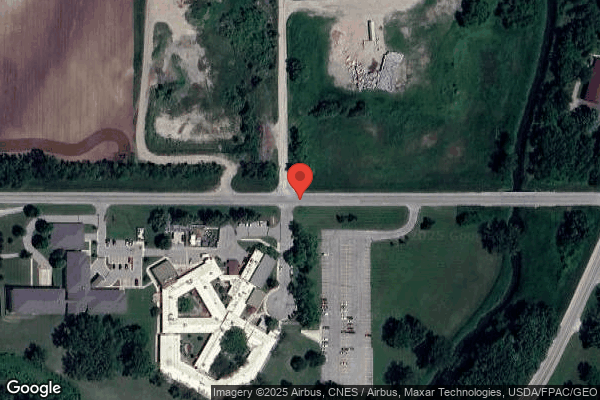

75507 240TH STREET, ALBERT LEA, MN 56007 (507) 379-2701
Non profit - Corporation 80 Beds GOOD SAMARITAN SOCIETY Data: November 2025 1 Immediate Jeopardy citation
Trust Grade
28/100
#172 of 337 in MN
Last Inspection: April 2025

Within standard 12-15 month inspection cycle. Federal law requires annual inspections.

Overview

Families researching Good Samaritan Society - Albert Lea should be aware that the facility received a Trust Grade of F, indicating significant concerns about its care quality. Ranked #172 out of 337 nursing homes in Minnesota, this places it in the bottom half of state facilities, although it is the top option in Freeborn County. The trend is improving slightly, with issues decreasing from 7 in 2024 to 6 in 2025, but the facility still faces serious challenges, including $26,685 in fines, which is higher than 76% of similar facilities. Staffing is a strength, boasting a 5/5 star rating and a turnover rate of 35%, lower than the state average, allowing for better continuity of care. However, there have been alarming incidents, such as a failure to protect residents from sexual abuse and a serious fall risk due to inadequate staff assistance during transfers, highlighting both strengths and significant weaknesses in their care practices.

Trust Score
F
28/100
In Minnesota
#172/337
Bottom 49%
Safety Record
High Risk
Review needed
Inspections
Getting Better
7 → 6 violations
Staff Stability
○ Average
35% turnover. Near Minnesota's 48% average. Typical for the industry.
Penalties
○ Average
$26,685 in fines. Higher than 57% of Minnesota facilities. Some compliance issues.
Skilled Nurses
✓ Good
Each resident gets 98 minutes of Registered Nurse (RN) attention daily — more than 97% of Minnesota nursing homes. RNs are the most trained staff who catch health problems before they become serious.
Violations
⚠ Watch
16 deficiencies on record. Higher than average. Multiple issues found across inspections.
★★★☆☆
3.0
Overall Rating
★★★★★
5.0
Staff Levels
★★★☆☆
3.0
Care Quality
★★☆☆☆
2.0
Inspection Score
Stable
2024: 7 issues
2025: 6 issues

The Good

  • 5-Star Staffing Rating · Excellent nurse staffing levels
  • Full Sprinkler Coverage · Fire safety systems throughout facility
  • No fines on record
  • Staff turnover below average (35%)

    13 points below Minnesota average of 48%

Facility shows strength in staffing levels, fire safety.

The Bad

3-Star Overall Rating

Near Minnesota average (3.2)

Meets federal standards, typical of most facilities

Staff Turnover: 35%

11pts below Minnesota avg (46%)

Typical for the industry

Federal Fines: $26,685

Below median ($33,413)

Moderate penalties - review what triggered them

Chain: GOOD SAMARITAN SOCIETY

Part of a multi-facility chain

Ask about local staffing decisions and management

The Ugly 16 deficiencies on record

1 life-threatening 1 actual harm
Apr 2025 4 deficiencies
CONCERN (D)

Potential for Harm - no one hurt, but risky conditions existed

Deficiency F0558 (Tag F0558)

Could have caused harm · This affected 1 resident

**NOTE- TERMS IN BRACKETS HAVE BEEN EDITED TO PROTECT CONFIDENTIALITY** Based on observation, interview, and record review the facility failed to ensure the call light was within reach of 1 of 1 resid...

Read full inspector narrative →
**NOTE- TERMS IN BRACKETS HAVE BEEN EDITED TO PROTECT CONFIDENTIALITY** Based on observation, interview, and record review the facility failed to ensure the call light was within reach of 1 of 1 resident (R49) reviewed for falls. R49's significant change Minimum Data Set (MDS) assessment dated [DATE], indicated severely impaired cognition and diagnoses of chronic kidney disease (CKD), altered mental status, and a history of falling. It further indicated R49 was independent with most activities of daily living (ADL) and mobility. R49's Falls Risk Tool dated 3/13/25, indicated R49 scored a 20 which was considered a high risk for falls. R49's care plan dated 3/31/25, indicated R49 was at risk for falls related to requiring stand by assist with transfers and ambulation but frequently independently transferred/walked in her room. It further included the following interventions: -Educate resident/family about safety reminders and what to do if a fall occurs. -Educate resident/family/IDT as to causes of fall. -Remind resident to call/wait for staff assistance rather than self transferring. -Ensure the resident is wearing appropriate footwear with non slip soles such as gripper socks or shoes with non-skid soles. -Review as indicated for significant changes in cognition, safety awareness and decision-making capacity. -Review resident's history of recent or recurrent falls. -Review resident's medical record for medications or combinations of medications that could predispose to falls/increase fall risk. -Review status of any medical conditions that predispose to falls or that could increase the risk of injury from fall. During observation on 4/21/25 at 12:29 p.m., R49 was sitting in her room in a recliner located at the back of the room by the window. Her call light box had been removed from the wall and was sitting on her bedside table next to the bed and was not within reach. During observation and interview on 4/21/25 at 12:39 p.m. registered nurse (RN)-A verified R49's call light was not within reach and this was important because if she would have fallen, she wouldn't have been able to call for help. During interview on 4/24/25 8:20 a.m., nursing assistant (NA)-A stated call lights should be placed right next to the residents when leaving the room. They should always be in place so the residents can let us know if they need something. During interview on 4/24/25 at 9:47 a.m., the director of nursing (DON) stated call lights should be kept within reach of the residents unless they prefer to keep it in a certain location in their room. The DON further stated there was no documentation that indicated the residents preferences. The facility's policy regarding call lights dated 7/29/24, indicated the purpose of the policy was to ensure residents always had a method of calling for assistance and to promptly answer the residents call light. It further indicated the procedure for answering call lights was as follows: 1. New admission- explain and demonstrate the use of call light system. 2. When a residents call light is observed/heard, go to residents room promptly. 3. Respond to the request as soon as possible. Turn the call light off and inquire about the residents request. 4. When leaving the room, place the call light within easy reach of resident. 5. For residents unable to use call light, care plan appropriate interventions and provide an adaptive call light if applicable. 6. Each facility is responsible for having an alternate method of communication during a loss of power or call light system failure.
CONCERN (D)

Potential for Harm - no one hurt, but risky conditions existed

ADL Care (Tag F0677)

Could have caused harm · This affected 1 resident

**NOTE- TERMS IN BRACKETS HAVE BEEN EDITED TO PROTECT CONFIDENTIALITY** Based on observation, interview, and document review the facility failed to provide timely incontinence care for 1 of 2 resident...

Read full inspector narrative →
**NOTE- TERMS IN BRACKETS HAVE BEEN EDITED TO PROTECT CONFIDENTIALITY** Based on observation, interview, and document review the facility failed to provide timely incontinence care for 1 of 2 residents (R23) reviewed for activities of daily living (ADL). R23's significant change Minimum Data Set (MDS) assessment dated [DATE], indicated severely impaired cognition and diagnoses of dementia and epilepsy. It further indicated R23 had no rejection of care behaviors, required partial to moderate assistance with toileting, was frequently incontinent of bladder, and always incontinent of bowel. R23's Care Area Assessment (CAA) dated 3/13/25 triggered for urinary incontinence due to requiring staff assistance with incontinent personal hygiene. It further indicated R23 had functional incontinence. R23's care plan dated 3/31/25, indicated had bladder incontinence related to a traumatic brain injury (TBI) as evidenced by (E/B) functional incontinence with the following interventions: -avoid food/beverages that may irritate bladder i.e., fruit juices, spicy foods, tomato based products, carbonated drinks, artificial sweeteners, corn syrup, sugar, chocolate, coffee, tea, alcohol, etc. -R23 preferred to use his bathroom. -mattress protector on his bed -R23 used incontinence products (medium pull up). Check every shift and as needed (prn). It further included R23 was resistive to care r/t a diagnosis of noncompliance with medical treatments and regimen as e/b refusing assistance from staff at times, refusing showers, cares, change his clothes, and allowing staff to clean his room with the following interventions: -provide consistency in care to promote comfort with ADLs. -maintain consistency in timing of ADLs, caregivers and routine, as much as possible. -if R23 resists with ADLs, reassure him, leave and return 5-10 minutes later and try again. -negotiate a time for ADLs so that the resident participates in the decision making process and return at the agreed upon time. He prefers to set his own daily routine and direct his own cares. -educate resident/family of the possible outcome(s) of not complying with treatment or care. -resistive to care: encourage him to participate in cares and provide him with education on the safety risks and possible consequences of him not having cares completed. -calendar placed in resident's room with shower days and stickers on what days shower has been completed as a visual reminder for resident. -mattress protector on bed to prevent skin breakdown from incontinence. -encourage resident with favorite items including coffee and good smelling soap. During continuous observation on 4/22/25 at 1:46 a.m. R23 was sitting on the edge of his bed in his room, eating lunch on his bedside table. His sheets had a large yellow/brown ring around him and there was an extremely strong odor of urine upon opening the door. -2:20 p.m. same as above, no staff have entered R23's room. -2:55 p.m. R23 put his call light on, licensed practical nurse (LPN)-A entered the room and asked R23 what he needed. He asked her to remove his meal tray and LPN-A stated Do you need anything else? He responded No. LPN-A removed the tray from his room, shut, the door and walked back down to the nurses station. LPN-A did not offer to toilet or change R23's clothing or bed sheets. -3:24 p.m. an unknown male entered R23's room and removed his water pitcher. -3:46 p.m. same, no staff have entered his room. -3:55 p.m. the same unknown male entered his room with a water pitcher, set it down on R23's bedside table and left the room. -4:05 p.m. R23 put on his call light and nursing assistant (NA)-B entered his room. R23 asked her to remove the water pitcher from his room. NA-B did not offer to toilet, check/change R23's brief, and/or sheets before exiting the room. R23's documentation under the toileting task in PointClickCare (computer system) indicated R23 had been toileted 3 times on 4/22/25 and the results were as follows: -05:29 (5:29 a.m.)-incontinent -10:14 (10:14 a.m.)-incontinent -18:28 (6:28 p.m.)-did not void The documentation lacked any indication R23 had been offered to toilet or had his brief checked/changed for approximately 8 hours. During interview on 4/22/24 at 4:08 p.m. NA-B verified the strong urine odor in R23's room and the yellow ring on his sheets, stating that he often refused to let staff change him. NA-B stated even if a resident refused cares, staff are still expected to re-approach and offer to toilet them every 2 hours. Refusals should be documented each time the resident refused cares and not just one overall refusal for the entire shift. During interview on 4/23/25 at 12:58 p.m., NA-C stated NA's were responsible for completing rounds every 2-3 hours in which they would offer to toilet, check/change, and/or re-position residents. If a resident refused, they would re-approach, have another staff member try to encourage the resident, let the nurse know, and document the refusal. Even if the resident refused care, the NA's were still expected to offer every 2-3 hours and document each refusal. During interview on 4/23/25 at 1:07 p.m., NA-D stated NA's were responsible for completing rounds every 2 hours in which they would offer to toilet, check/change, and/or re-position residents. If a resident refused, they should re-approach, try another staff member, report it to the nurse, and document the refusal. Even if the resident refused care, the NA's were still expected to offer every 2 hours and document each time the resident refused. During interview on 4/23/25 at 1:12 p.m. registered nurse (RN)-A stated nursing staff were responsible for completing rounds every 2 hours which included offer to toilet, check/change, and/or re-positioning. If a resident refused, it should be documented and nursing staff should try to re-approach or try another staff member. Nursing staff should be offering every 2 hours even if the resident refuses and documenting each occurrence. During interview on 4/24/25 at 8:27 a.m., family member (FM)-A stated when R23 lived at home he was exceptionally clean, his house was always clean, and he would not want to be sitting in urine soaked clothes or sheets. During interview on 4/24/25 at 9:47 a.m. the director of nursing (DON) stated residents should be checked every couple of hours which included offering to toilet, check/change their brief, re-positioning, and/or seeing if they need anything. If a resident refused, nursing staff were expected to re-approach or try another staff member and document the refusals. Staff were also expected to document each time the resident refused and not just document one overall refusal for the entire shift. A facility policy regarding ADL's dated 12/23/24, indicated any resident who is unable to carry out activities of daily living will receive necessary services to maintain good nutrition, grooming and personal and oral hygiene.
CONCERN (F)

Potential for Harm - no one hurt, but risky conditions existed

Food Safety (Tag F0812)

Could have caused harm · This affected most or all residents

Based on observation, interview, and document review the facility failed to ensure safe operating temperature of high-temperature dish washing machine. This had the potential to affect all 73 resident...

Read full inspector narrative →
Based on observation, interview, and document review the facility failed to ensure safe operating temperature of high-temperature dish washing machine. This had the potential to affect all 73 residents, staff and visitors who may use washed equipment from the facility kitchen. Findings include: During an observation and interview on 4/23/25 at 11:42 a.m., the dietary manager (DM) stated 3 empty dish racks are sent through the dish machine prior to actual dirty dishes to ensure proper operating temperatures. Proper wash temperature should be 150-degrees and proper rinse temperature should be 180-degrees. The DM sent 3 empty dish racks through and noted the wash and rinse temperature were both approximately 140-degrees. The DM sent 3 more empty dish racks through and continued to get 140 degrees for wash and rinse. The DM stated the dish machine has a booster that increases the temperature to the proper temperature. The DM noted there was a flashing red light on the booster that normally does not flash. Temperatures are logged on log sheet. The DM noted dietary aide (DA)-A documented a wash temperature of 150 degrees and rinse temperature of 180 degrees. The DM stated she would let maintenance know the dish machine was not at operating temperature. During interview on 4/23/25 at 12:05 p.m., DA-A verified checking the temperatures on the dish machine in the morning of 4/23/25. DA-A stated prior to running the dish machine, dishes are separated and then sent through the machine. The temperature is taken as the machine is running with the dishes in it. DA-A stated the temperature that morning was 150 to 180 degrees. DA-A pointed to first dial on machine labeled final rinse and stated that dial measured 150 degrees. DA-A pointed to the second dial labeled wash and stated the temperature was 180 degrees. When asked what the correct temperatures are, DA-A stated 150 to 180 and if they are higher we have to call somebody. During observation on 4/24/25 10:09 a.m., the DM ran 2 empty trays through dish machine and verified wash temp was 154 degrees and final rinse temp was 185-degrees. A facility policy titled Ware washing-mechanical and Manual-food and Nutrition reviewed 3/27/25 indicated: - check compliance for wash and rinse cycles each meal service. High temp-Wash 150-185 degrees Fahrenheit depending on type of machine. Rinse 150-180 degrees Fahrenheit depending on type of machine. - If temperatures/chemicals are outside acceptable parameters, employees notify the DFN, senior living dining director or maintenance before proceeding with ware washing. -Per the food code, when hot water mechanical ware washing is in use, and irreversible registering temperature indicator shall be readily accessible for measuring the surface temperature to ensure that 160 degrees Fahrenheit is reached in the rinse cycle.
CONCERN (F)

Potential for Harm - no one hurt, but risky conditions existed

Infection Control (Tag F0880)

Could have caused harm · This affected most or all residents

Based on observation, interview and record review the facility failed to ensure appropriate personal protective equipment was used when separating soiled laundry and ensure resident's clean clothing w...

Read full inspector narrative →
Based on observation, interview and record review the facility failed to ensure appropriate personal protective equipment was used when separating soiled laundry and ensure resident's clean clothing was transported in a way to prevent dust and dirty to collect. This had the potential to impact all 73 residents who reside in the facility. Findings include: An observation on 4/21/25 at 11:38 a.m., laundry aide (LA)-A was pushing a large metal cart down the hallway. The cart contained multiple shirts that were on hangers. The clothing was uncovered. An observation on 4/22/25 at 11:20 a.m., LA-A was delivering clean resident clothing to rooms. A large metal cart with multiple hanging shifts were not covered. LA-A took off a few shirts, hung them on her arm and then took off a few more and carried those by hand into a resident room. An observation of the laundry room on 4/23/25 at 10:54 a.m., LA-A stated bins of soiled resident clothing and linens were sent down each shift. The laundry was then sorted into piles of shirts, pants, towels, sheets, blankets. The laundry was then done from there. When in the soiled clothing area of the laundry room, there was no PPE observed to be close by. When interviewed on 4/23/25 at LA-A stated gloves were the only PPE used for sorting the soiled clothing and linen items. LA-A further stated that was how they were taught when started. LA-A further stated there was potential for the soiled items to touch their clothing if not protected and further stated their scrubs (staff clothing) were not worn two days in a row. When interviewed on 4/23/25 at 2:30 p.m., the Infection Preventionist (IP) stated sorting soiled items required standard precautions and gloves. The IP was not sure if staff were required to wear a gown during sorting and would need to further investigate. Furthermore, the IP stated delivering laundry was a clean task and did not require PPE and the clean laundry was transported uncovered. When interviewed on 4/24/25 at 9:24 a.m., the Ancillary Department Manager (ADM) expected staff to wear gloves when sorting soiled laundry. The ADM was not sure if a gown was necessary. Furthermore, he expected all clean laundry to be covered during transport and delivery. ADM stated those metal carts were not laundry carts and therefore had no covers. ADM was working on getting an actual clothing cart that had a cover for the residents clothing. A facility policy titled Laundry Resource Policy revised 8/30/2024, directed staff to wear the appropriate PPE and at a minimum a disposable apron and gloves upon entering the soiled laundry area. Furthermore the policy directed staff to transport and store clean clothes in a way to reasonable protect them from dust and soil. Clean linen carts were to be covered at all times during storage and distribution.
Feb 2025 2 deficiencies 1 IJ
CRITICAL (J) 📢 Someone Reported This

A family member, employee, or ombudsman was alarmed enough to file a formal complaint

Immediate Jeopardy (IJ) - the most serious Medicare violation

Free from Abuse/Neglect (Tag F0600)

Someone could have died · This affected 1 resident

**NOTE- TERMS IN BRACKETS HAVE BEEN EDITED TO PROTECT CONFIDENTIALITY** Based on observations, interviews, and record review the facility failed to protect 2 of 2 female residents (R2, R1) resident's ...

Read full inspector narrative →
**NOTE- TERMS IN BRACKETS HAVE BEEN EDITED TO PROTECT CONFIDENTIALITY** Based on observations, interviews, and record review the facility failed to protect 2 of 2 female residents (R2, R1) resident's right to be free from sexual abuse and sexaully inappropriate behaviors by male resident (R3). This deficient practice resulted in an immediate jeopardy (IJ) for R1 who had severe cognitive impairment and unable to give consent, however, a reasonable person would have experienced severe psychosocial harm-dehumanization, and humiliation as a result of the sexual abuse. The immediate jeopardy (IJ) began on 2/5/25, at approximately 10:00 a.m. when R3 was in the dining room unsupervised and found rubbing R1's breasts who was unable to leave the area on her own. The IJ was identified on 2/11/25, and the administrator was notified of the IJ on 2/11/25, at 6:00 p.m. The facility had implemented immediate corrective action on 2/5/25 to prevent recurrence, so the IJ was issued at past non compliance. Findings include: R3 admission Record printed 2/10/25, identified diagnoses of dementia, major depressive disorder, and osteoarthritis. R3's admission MDS dated [DATE], indicated R3 had severe cognitive impairment with a behavior of wandering. R3 was independent with bed mobility, transferring, ambulating with a walker. R3's Progress notes indicated the following: Review of R3's progress notes between 1/18/25 through 2/2/25 identified R3 displayed sexually inappropriate behaviors toward staff on 1/18/25, 1/24/25, and daily between 1/26/25 through 2/2/25; some of those days R3 had behaviors more than once. R3's sexual behaviors included, walking out of his room exposing his genitals, attempting to touch female staff inappropriately, and sexual advances and innuendos directed at female staff. Examples included but were not limited to: -1/18/25 at 7:17 a.m. R3 found wandering in the hallway naked during the night shift and gets handsy with CNA (nursing assistant-NA) and asked if she wanted to sit on his lap. -1/24/25 9:00 p.m. R3 was wandering multiple times out of his room during the evening shift. R3 was also very touchy to staff and touching staff's waist and back, trying to touch front of staff. -1/28/25 at 2:16 p.m. R3 wandered out into the hall with his pants down. Staff redirected him and he was reaching out, trying to grab staff inappropriately. 1/29/25 at 5:08 a.m., R3 was making odd noises and wandering this shift, was in the hall with his pants down and asked the NA do you want to touch my butt? -1/30/25 at 5:24 p.m. R3 started to masturbate in the main dining room. Staff escorted R3 back to his room. Progress note at 9:00 p.m. R3 was grabbing at NA's peri area during HS (nighttime) cares. -1/31/25 at 7:04 a.m. R3 wandering in the hallway and stepped into the hallway with his brief and pants down. R3 redirected back to his room. Progress note at 3:47 p.m. R3 had sexual behaviors during the shift. R3 was walking out in the hall and playing with his penis with his pants down, grabbing at staff. -2/1/25 at 9:00 p.m., multiple behaviors this evening shift. R3 wandering multiple times, wandered into (room number identified- another female resident's) room, wandered to station 4 (four), wandered down the hallway multiple times (twice with his brief and pants down). NA reported R3 was grabbing NA's thigh as she assisted back to his room and asked staff if they wound (sic) go to bed with him. -2/2/25 at 9:00 p.m., R3 was wandering out of his room this evening shift and grabbing at staff's peri areas when staff assisted him back to his room. Staff asked him to stop, and he stopped. R3's record reviewed between 1/18/25 through 2/2/25 identified a new onset of sexualized inappropriate behaviors towards staff in and outside of public areas. The physician was not notified of the new behavior until 10 days after R3 displayed sexual behaviors. There was no indication a comprehensive assessment that identified female residents may be at risk, along with developing and implementing appropriate measures as a result of R3's sexual behavior. R3's care plan was not updated to identify R3's sexually inappropriate behaviors. A facility reported incident (FRI) submitted to the state Agency (SA) on 2/4/25 at 1:20 p.m., indicated on 2/2/25 at 9:53 p.m., R3 was found lying next to R2 in her bed. R3 may have been attempting to masturbate while in R2's bed. R2's admission Record printed 2/10/25, identified diagnoses of dementia, Parkinson's disease, anxiety disorder, and epilepsy. R2's MDS dated [DATE] indicated R2 had severe cognitive impairment with no behaviors. R2's vulnerable adult assessment dated [DATE] identified R2 was vulnerable due to her inability to ambulate without a device, unable to report abuse/neglect concerns; confused to person, place and/or time; forgetfulness; varied cognition; high anxiety level; disruptive; and thought or mood disorder that impair judgement. R2's Progress Noted dated 2/2/25 at 9:50 p.m., identifies a resident-to-resident incident report filed on elder, director of nursing informed of the incident, (family member) informed of incident The note indicated R3 was added to the list for physician rounds. R3's progress note dated 2/2/25 at 9:50 p.m., R3 was found lying in R2's bed next to her. Progress note at 9:59 p.m. identified a soft touch call light placed next to R3's right hip as intervention due recent incident. During observation and interview on 2/10/25 at 2:40 p.m., R2's room had a mesh banner across the midway of her door. R2 was sitting with her family member watching television in her room. R2 had difficulty completing her thoughts and sentences. During an interview on 2/10/25 at 4:20 p.m., R2's family member (FM)-A indicated the facility had notified her of an incident on 2/2/25 of a man masturbating while in bed with R2. Further indicated R2 would not likely remember what happened and did not want R2's FM-D to know as it would be upsetting to him. FM-A further stated the facility did not reveal who the man was, but the family knew who he was because R3 wandered into R2's room several times while family was visiting, and they would tell him to leave. FM-A stated in R2's diminished confusion, she[R2] may not have really understood what was happening but would have been horrified and felt very violated if someone was in her bed and it was not her husband. FM-A stated R2 was paranoid and would be upset and worry about it and ruminate about it. During an interview on 2/11/25 at 11:50 a.m., licensed practical nurse (LPN)-A indicated she was working the night of 2/2/25 and responded to R2's call light. Further identified when she found R3 laying next to R2 on top of the covers with his pants halfway down and in the process of masturbating. R2 was lying on her side, under the covers with clothing intact and appeared to be sleeping. LPN-A stated R3 bumped the soft touch call light when he got into R2's bed. NA-B removed R3 from R2's room without difficulty and LPN-A observed R2 for any injuries and found none. LPN-A made the proper notifications and implemented soft touch call light next to R3 in bed to alert staff when he got out of the bed. LPN-A stated she was shocked. LPN-A identified R3 to have a history of wandering into other resident's rooms and trying to touch staff's groin and legs. Further stated R3 moved fast so staff checked on him more frequently and put the mesh stop sign banner on R2's doorway and closed her door. R3's progress note dated 2/4/25 at 1:29 p.m. discussed with R3's family member of concerns of recent behaviors and wandering. Will continue to assist R3's family in discharge planning and memory care placement. Progress note at 3:00 p.m. R3 was standing at the doorway of his room with his pants down masturbating. Staff redirected him back to his recliner. R3 was trying to grab at staff. In review of R3's record there was no indication after the incident with R2 that a comprehensive assessment was completed to determine R3's level of supervision to protect other female residents from R3's sexually inappropriate behaviors. R3's behavior care plan last revised on 2/4/25, The care plan included R3 displayed inappropriate sexual advances towards staff related to dementia as evidenced by grabbing at staff's buttocks and breast, verbalizing sexual comments, and exiting room with penis exposed. There was no indication of what level of supervision of R3 was required to protect female residents. Interventions included: -contact health care provider to report new behavior and seek input; -consult with pharmacy, health care provider, etc. to consider dosage reduction when clinically appropriate, -utilize a consistent staff approach; provide involved residents with opportunities for socialization in supervised areas; -attempt non-pharmacological interventions. -provide resident with redirection on inappropriate behavior. Attempt to give resident something to do with hands while completing cares. State to resident your wife, [name of wife], would not appreciate this. -direct resident to private space if masturbating. Provide adult content magazine to encourage resident's self-gratification to occur in resident's room. R3's care plan did not include stop sign as an intervention. R1's admission Record, printed 2/11/25, identified diagnosis that included dementia, major depressive disorder, and parkinsonism (brain condition that causes slowed movements, stiffness, and tremors). R1's significant change Minimum Data Set (MDS) dated [DATE], identified R1 had severe cognitive impairment with no behaviors. The MDS indicated R1 required staff assistance for activities of daily living. R1's Minnesota Vulnerable Adult assessment dated [DATE], indicates R1's vulnerabilities included inability to ambulate without a device, visual defects, confused to person, place, and/or time; forgetfulness; and thought or mood disorder that impair judgement. A FRI submitted to the SA on 2/5/25 at 12:14 p.m., indicated R3 left his room and went to the dining room station unsupervised where he reached over R1's back and placed his hands under R1's shirt. R1's Progress Notes on 2/5/25 at 5:17 p.m., indicated communication with family regarding incident from today with another resident and he had no concerns/questions. The progress note did not identify what incident occurred or R1's reaction to R3's inappropriate touching. During observation and interview on 2/10/25 at 4:35 p.m., R1 appeared sleeping in her bed and a man who identified himself as R1's family member (FM-B) was sitting in a recliner watching television. FM-B stated the facility made him aware of a man touching R1 where he should not, but hoped R1 did not realize what happened to her. FM-B further indicated he wanted to know who the man was, but the facility would not tell him and stated, it is upsetting, and I do not want to talk about it anymore. During an interview on 2/11/25 at 11:58 a.m., NA-A stated R3 got grabby with the CNA's and indicated after the 2/2/25 incident staff were told to do 15-minute checks on him. NA-A further identified she was working on 2/5/25, and she was walking out of another resident's room and heard R1 saying stop, stop and witnessed R3 standing to the back left side of R1 with his right hand inside her shirt with his hand on R1's breast and had to remove R3's hand from R1's shirt and remove him from the area. NA-A indicated she had seen R3 prior to the incident, it all happened within a 3 minute time span. NA-A stated RN-A immediately notified the SW and DON and R1 told them there was a guy who grabbed her boobs. NA-A identified R3 has had 1:1 staffing since the second incident. R3's progress note dated 2/5/25 at 1:39 p.m. order to send to emergency room (ER) via ambulance for altered mental status-elevated white blood cell count. R3's care plan was revised on 2/5/25 to reflect R3 will have 1:1 with staff. R3's Emergency Medicine Discharge Instructions dated 2/6/25 at 11:41 a.m., indicated R3 was discharge with the following diagnoses: change in mental status, behavior sexual high-risk heterosexual, and dementia. Discharge orders were for Seroquel (antipsychotic medication) 12.5 mg twice a day and follow patient closely 1:1 [supervision]. R3's progress note dated 2/6/25 at 2:01 p.m. R3 returned to facility from ER. During observation and interview on 2/10/25 at 4:55 p.m., R3 was observed sitting in a recliner in his room. R3's door had a mesh stop banner about midway up the door and a staff person sitting just outside the doorway. R3 appeared sleepy and spoke in partial sentences unrelated to the topic of conversation. During an interview on 2/11/25 at 11:45 a.m., R3's family member (FM)-C indicated the facility notified the family of the incident's on 2/2/25 and 2/5/25 with two female residents. FM-C further indicated R3's sexual behaviors just started a few weeks prior to those incidents and felt most of R3's wandering behaviors were because he was looking for a bathroom but was put on medication after the incident on 2/5/25 and has 1:1 staff now. FM-C questioned the level of supervision at the time of the incidents. During an interview on 2/10/25 at 2:45 p.m., registered nurse (RN)-A . R3 had a sudden onset of sexual behaviors that were directed at staff which included exposing himself in shared areas of the facility, attempts at inappropriate touching, and statements were directed at staff. RN-A described the incident on 2/2/25 as R3 was masturbating in R2's bed while R2 in it. After the incident with R2, staff put a mesh stop sign banner on his door to deter R3 from exiting his room without assistance, put a soft touch call light next to him to alert staff when R3 got up, and implemented more frequent checks. RN-A defined more frequent checks as more frequently than hourly. RN-A described R3 as quick and very quiet and should have stand by assistance when walking outside of his room but frequently self-transferred. RN-A stated on 2/5/25 at approximately 10:15 a.m., R3 went underneath the stop sign unwitnessed and went to a shared sitting area where R3 approached R1 from the back. He reached over her back and put his hands down her shirt and touched R1's breasts. The facility then sent R3 to the ER for evaluation and upon R3's return to the facility, 1:1 direct supervision was implemented. The facility had also implemented daily behavior/mood observations of R1 and R2 and both appear at their baseline. During an interview on 2/11/25 at 10:20 a.m., social worker (SW) indicated R3 had advanced dementia and a behavior of wandering, but the sexual behaviors began suddenly. Further indicated the sexual behaviors started as an occasional comment to staff then became more of a daily occurrence then advanced to exposing himself in public areas. The SW further identified they communicated with family and put interventions and scripting (short and simple set of instructions or phrases that automate responses ) in place. The SW further identified after the incidents, R1 and R2 were monitored daily for mood and behavior and have not noted any psychosocial changes and R3 received 1:1 staffing at all times. During an interview on 2/11/25 at 11:25 a.m., the director of nursing (DON) indicated R3's sexual behaviors prior to 2/2/25 did not affect other residents and did not wander into other resident's rooms. After the 2/2/25 incident when R3 was found in R2's bed, the facility implemented mood monitoring for R2; mesh stop sign banner across R2 and R3's door; soft touch call light by R3, provided R3 with adult content magazines in room, and more frequent checks. The DON defined his expectation of more frequent checks as eyes on [R3] every 15 minutes. The DON stated the interventions appeared to work until they didn't identifying that on 2/5/25, R3 went under the mesh stop banner and nursing assistant (NA)-A heard R1 saying no, don't touch me, he touched my boob, and swatting R3's hands. DON indicated according to staff interviews R3 had been visualized by NA's 5-10 minutes prior to the incident with R1. The DON indicated he was notified immediately. DON directed immediate 1:1 direct supervision staff for R3, physician and family notifications, R3 was transferred to the ED for evaluation. During a follow up interview on 2/11/25 at 4:10 p.m.,, the DON and SW indicated they were not aware that R3 had a history of wandering into other residents rooms and R2 was supposed to have a mesh stop sign in place prior to the 2/2/25 incident but was not sure if it was up or not. Further identified they wanted to go with the least restrictive intervention as they did not think R3 would like someone watching him all the time. The facility did not do a comprehensive individualized assessment of the interventions that they put in place and did not assess if R3 could remove the Velcro mesh stop sign banner at the doors. The DON verified the point of care documentation did not reflect 15-minute checks until a 15-minute check form for R3 was implement on 2/3/25 at 3:00 p.m. (approximately 17 hours after the 2/2/25 incident) and have continued since then. The facility policy titled, Abuse and Neglect last reviewed/revised 7/22/24, indicated the resident has the right to be fee from abuse, neglect, misappropriation of resident property and exploitation. Residents must not be subjected to abuse by anyone, including but not limited to, employees, other residents, consultants or volunteers, employees of other agencies servicing the individual, family members or legal guardians, friends, or other individuals. If it is an allegation of resident-to-resident abuse, the residents will be separated immediately, and both ensured a safe environment. The past noncompliance immediate jeopardy began on 2/5/25. The immediate jeopardy was removed, and the deficient practice corrected by 2/5/25, after the facility implemented a systemic plan that included the following actions: - The facility implemented a plan to ensure R3 had direct 1:1 supervision at all times. -All nursing staff were provided with education and expectations pertaining to R3's care plan interventions and supervision. - Audits have been initiated to ensure R3 had direct 1:1 supervision at all times. - Facility updated R1, R2, and R3's care plan and provided education to staff on changes and updates.
CONCERN (D) 📢 Someone Reported This

A family member, employee, or ombudsman was alarmed enough to file a formal complaint

Potential for Harm - no one hurt, but risky conditions existed

Report Alleged Abuse (Tag F0609)

Could have caused harm · This affected 1 resident

**NOTE- TERMS IN BRACKETS HAVE BEEN EDITED TO PROTECT CONFIDENTIALITY** Based on interview and document review the facility failed to report an allegation of abuse timely to the State Agency for 1 of ...

Read full inspector narrative →
**NOTE- TERMS IN BRACKETS HAVE BEEN EDITED TO PROTECT CONFIDENTIALITY** Based on interview and document review the facility failed to report an allegation of abuse timely to the State Agency for 1 of 2 residents (R2) reviewed for allegations of abuse. Findings include: A Nursing Home Incident Report (NHIR) submitted to the SA on 2/4/25 at 1:20 p.m., indicated on 2/2/25 at 9:53 p.m., R3 was found lying next to R2 in her bed. R3 may have been attempting to masturbate while in R2's bed. Submitted approximately 40 hours after the alleged incident. R2's admission Record printed 2/10/25, identified diagnoses of dementia. R2's quarterly Minimum Data Set (MDS) dated [DATE], indicated R1 had severe cognitive impairment with no behaviors. R2's Minnesota Vulnerable Adult assessment dated [DATE], indicates R2's vulnerabilities included inability to ambulate without a device and self-propel the wheelchair; unable to report abuse/neglect concerns; confused to person, place and/or time; forgetfulness; varied cognition; high anxiety level; disruptive; and thought or mood disorder that impair judgement. R3 admission Record printed 2/10/25, identified diagnoses of dementia. R3's admission MDS dated [DATE], indicated R3 had severe cognitive impairment with a behavior of wandering. R3 was independent with bed mobility, transferring, ambulating with a walker. During an interview on 2/11/25 at 11:50 a.m., licensed practical nurse (LPN)-A indicated she was working the night of 2/2/25 and responded to R2's call light at approximately 10:00 p.m. Further identified when she found R3 lying next to R2 on top of the covers with his pants halfway down and in the process of masturbating. R2 was lying on her side, under the covers with clothing intact and appeared to be sleeping. LPN-A notified the DON, family, and provider. Email communication dated 2/12/25 at 6:09 p.m., the administrator identified the facility would normally report alleged abuse without immediate jeopardy within 24 hours but was informed on 2/3/25 that the DON and regional clinical service nurse determined the incident did not need to be reported because there were no signs of willful intent or injury. The administrator then identified after further discussion of the 2/2/25 incident, she instructed the DON to submit a report to the SA and the report was finalized and submitted to the SA on 2/4/25. The facility policy titled, Abuse and Neglect last reviewed/revised 7/22/24, indicated the resident has the right to be fee from abuse, neglect, misappropriation of resident property and exploitation. Residents must not be subjected to abuse by anyone, including but not limited to, employees, other residents, consultants or volunteers, employees of other agencies servicing the individual, family members or legal guardians, friends, or other individuals. If it is an allegation of resident-to-resident abuse, the residents will be separated immediately, and both ensured a safe environment. If there is an allegation of abuse, neglect, exploitation or mistreatment of resident property, and/or there is serious bodily injury, then it will be reported immediately, but not later than two hours after the allegation is made. If there is an allegation that does not involve abuse and there is no serious bodily injury, then it will be reported not later than 24 hours after the allegation is made.
Sept 2024 2 deficiencies 1 Harm
SERIOUS (G) 📢 Someone Reported This

A family member, employee, or ombudsman was alarmed enough to file a formal complaint

Actual Harm - a resident was hurt due to facility failures

Accident Prevention (Tag F0689)

A resident was harmed · This affected 1 resident

**NOTE- TERMS IN BRACKETS HAVE BEEN EDITED TO PROTECT CONFIDENTIALITY** Based on interview and record review the facility failed to provide safe transfers and follow the care plan to prevent accidents...

Read full inspector narrative →
**NOTE- TERMS IN BRACKETS HAVE BEEN EDITED TO PROTECT CONFIDENTIALITY** Based on interview and record review the facility failed to provide safe transfers and follow the care plan to prevent accidents for 1 of 3 residents (R1) reviewed for falls. The facility's failure resulted in harm when R1 fell and sustained a left hip fracture that required surgical intervention. The facility implemented immediate corrective actions prior to survey and is issued at past non-compliance. Findings include: R1's quarterly Minimum Date Set (MDS) dated [DATE], indicated R1 did not have cognitive impairment. R1's diagnoses included legally blind and diabetes. R1 required one staff assist for staff transfers, toileting hygiene, upper and lower body dressing, and walking. R1 received anticoagulants (blood thinning medications). R1's fall care plan dated 12/1/23, indicated R1 was at risk for falls due to vision deficit. R1's activities of daily living (ADLs) care plan with the intervention dated 6/10/22, indicated R1 required one staff assist with gait belt for ambulation to and from the bathroom, meals, and activities. Review of video recording dated 8/24/24 at 6:58 a.m., revealed R1 entered his room from his bathroom with assist from nursing assistant (NA)-C and gait belt. NA-C was holding onto the back of the gait belt and R1's left lower forearm. NA-C moved around R1 and let go of gait belt and R1's wrist. NA-C then stepped away from R1 toward wheelchair. R1 lost his balance and fell backward landing on floor in front of doorway. R1 hit his head on bedside stand inside of door. Licensed practical nurse (LPN)-B opened the door and asked, what happened? NA-C replied R1 slipped. R1 stated he thought his hip was broken and was in pain. LPN-B and NA-C moved R1 further away from the doorway. R1 continued to express pain in his hip and thought it was broken. R1 refused to be transferred from the floor and LPN-B directed other staff to call for ambulance. R1's progress note dated 8/24/24 at 7:14 a.m., indicated R1 was transferred to the emergency department via ambulance due to fall. R1's progress note dated 8/24/24 at 9:30 p.m., call was placed to emergency department for update. R1 was transferred to higher level of care hospital for displaced left hip fracture. R1's progress note dated 9/3/24 at 1:55 p.m., R1 returned to the facility following hospital surgical repair of fractured left hip. During an interview on 9/11/24 at 9:34 a.m., NA-C stated on 8/24/24, she was walking R1 to his wheelchair from bathroom with the gait belt on. NA-C let go of the gait belt to secure the wheelchair and R1 fell and broke his hip. NA-C stated she should not have let go of the gait belt. NA-C explained she was placed on leave and was re-educated on safe transfers and gait belt usage prior to returning to work. During an interview on 9/11/24 at 7:03 a.m., LPN-B stated she was working the morning R1 fell on 8/24/24. LPN-B had been passing medications when she heard a bang and R1 yelling. When she entered the room, R1 was lying in front of the door. LPN-B was under the impression R1's care plan was followed at the time of the fall based on NA-C's report that R1 had slipped when he was being walked to the bathroom. LPN-B indicated NA-C should not have let go of the gait belt until R1 was safely seated. During an interview on 9/11/24 at 12:34 p.m., director of nursing (DON) stated when he first learned about the incident he was told R1 slipped and fell. DON thought the care plan was being followed until on 8/27/24, FM-A brought in a copy of the video. Administrator and DON watched the video with family present and were able to see NA-C had let go of the gait belt and R1 falling to the floor as a result of losing his balance. After viewing the video, the facility re-educated all staff on 8/27/24, on safe transfers and expectations for using the gait belt during transfers. Review of the facility's attestation statement Plan of Care/Gait Belt dated 8/2024 in conjunction with the facility staff nursing roster and Gait Belt Transfer/Ambulation Audits indicated all staff acknowledged they received and understood education on the use of gait belt and following the care plan of residents within the facility between 8/27/24 and 9/5/24. Staff are to check the [NAME]/care plan prior to assisting residents with mobility, including transfers and/or ambulation. The [NAME]/care plan includes use of gait belt for transfers/ambulation, staff are to hold on to the gait belt the entire time until the resident is safely seated on the destination surface. Review of facility policy titles Gait-Transfer Belt, dated 5/2/24, indicated gait belts were to be used with assisted ambulation unless medically contraindicated. A gait belt was never to be used as a lifting device, only for stabilization. -4. When holding the belt, an underhand grasp should be used. -6. Transfer or ambulate resident and remove belt.
CONCERN (D) 📢 Someone Reported This

A family member, employee, or ombudsman was alarmed enough to file a formal complaint

Potential for Harm - no one hurt, but risky conditions existed

Infection Control (Tag F0880)

Could have caused harm · This affected 1 resident

**NOTE- TERMS IN BRACKETS HAVE BEEN EDITED TO PROTECT CONFIDENTIALITY** Based on observation, interview, and document review the facility failed to ensure enhanced barrier precautions ((EBPs), an infe...

Read full inspector narrative →
**NOTE- TERMS IN BRACKETS HAVE BEEN EDITED TO PROTECT CONFIDENTIALITY** Based on observation, interview, and document review the facility failed to ensure enhanced barrier precautions ((EBPs), an infection control intervention designed to reduce the spread of infections which employs targeted gown and glove use during high contact resident care activities) were implemented for 2 of 2 residents (R4, R6) observed with implanted medical devices. Findings include: R4 R4's quarterly Minimum Data Set (MDS) dated [DATE], indicated R4 was dependent on staff with all activities of daily living (ADLs). R4's diagnoses included multiple sclerosis, ostomy (surgical opening for his bowels), and urinary catheter. R4's infection care plan dated 4/5/24, indicated R4 required EPBs related to supra pubic catheter (a tube that drains urine from the bladder through a small incision in the lower abdomen) and ostomy (a surgical opening for his bowels on abdomen). Interventions directed staff to don a gown and gloves when performing high contact care activities including dressing, bathing, transferring, providing hygiene such as shaving or brushing teeth, changing linens, repositioning, checking, and changing, device care and/or use, and wound care. During an observation on 9/10/24 at 4:56 p.m., nursing assistant (NA)-E assisted NA-M to get R4 out of bed. NA-M had on personal protective equipment (PPE) including gloves, gown, and a mask. NA-E did not have a gown or gloves on when she assisted NA-M with turning R4 over, pulling R4's pants up and placing the mechanical lift sling underneath him. Then NA-E assisted with transferring R4 out of bed to his wheelchair using the full body mechanical lift. During an interview on 9/10/24 at 5:05 p.m., NA-E stated she should have put on gown and gloves but did not think about it, even though NA-M had on gown, gloves, and mask. NA-E stated R4 was on EBP's and supplies were stored on his door. R6 R6's quarterly MDS dated [DATE], indicated R6 had an indwelling urinary catheter and a feeding tube (tubes mainly inserted into the gastrointestinal (GI) tract to provide a patient with a route for enteral nutrition). R6 required partial to substantial assistance from staff with his ADLs. R6's infection care plan dated 4/5/24, indicated R6 required EBPs related to indwelling catheter. Interventions directed Staff to don a gown and gloves when performing high contact care activities including dressing, bathing, transferring, providing hygiene such as shaving or brushing teeth, changing linens, repositioning, checking, and changing, device care and/or use, and wound care. R6's care plan failed to identify a need for EBP's with G-tube (gastrostomy tube, a type of feeding tube) care and the administration of medications via G-tube. During an observation on 9/11/24 at 10:10 a.m., licensed practical nurse (LPN)-D entered R6's room without putting a gown on and used hand sanitizer but did not put on gloves. LPN-D turned off R6's tube feeding pump and disconnected the tubing from R6's feeding port. LPN-D prepared R6's medications to administer via feeding tube then put gloves on prior to administering them. During an interview on 9/11/24 at 2:09 p.m., LPN-D stated she did not know she needed to wear a gown while administering medications via G-tube. LPN-D indicated she was not aware EBP's were necessary when administering medications through a feeding tube. During an interview with the director of nursing (DON) on 9/11/24 at 12:14 p.m., the DON stated it was his expectation that PPE be worn by all staff when indicated. DON reviewed the facility policy and confirmed the medications through the G-tube would require PPE to be worn as the contents of the g-tube or stomach could come back out of the G-tube and get on staff or resident. Review of facility policy titled Standard and Transmission-Based Precautions, dated 4/2/24 indicated the following: -Enhanced barrier precautions expand the use of PPE beyond situations in which exposure to blood and body fluids is anticipated and refer to the use of gown and gloves during high- contact resident care activities that provide opportunities for transfer of MDROs to staff hands and clothing. -Enhanced barrier Precautions are needed for residents with chronic wounds (Pressure Ulcers, Diabetic Foot Ulcers, Unhealed surgical wounds, and venous statis ulcers) and Residents with Indwelling Medical devices (central lines, hemodialysis catheters, indwelling urinary catheters, feeding tubes, and tracheotomies). -High-Contact Resident Care Activities include transfers, dressing, assisting during bathing, providing hygiene, changing briefs, or assisting with toileting, working with resident in therapy gym, specifically when anticipating close physician contact while assisting with transfers and mobility, changing linens, device care or use (central line, urinary catheter, feeding tube, tracheostomy), and wound care.
Jul 2024 2 deficiencies
CONCERN (D) 📢 Someone Reported This

A family member, employee, or ombudsman was alarmed enough to file a formal complaint

Potential for Harm - no one hurt, but risky conditions existed

Quality of Care (Tag F0684)

Could have caused harm · This affected 1 resident

Based on interview and record review the facility failed to ensure routine weekly skin assessments for impaired skin integrity for 2 of 3 residents (R1, R2) who had impaired skin integrity. Findings ...

Read full inspector narrative →
Based on interview and record review the facility failed to ensure routine weekly skin assessments for impaired skin integrity for 2 of 3 residents (R1, R2) who had impaired skin integrity. Findings include: R1's Minimum Data Set (MDS) quarterly review dated 6/12/24, identified R1 had severe cognitive impairment. Diagnoses included cancer, and an open lesion with application of non-surgical dressings. R1's care plan revised on 3/21/23, indicated R1 had a potential impairment to skin integrity with a non-healing lesion on the top of his head. Interventions included to monitor location, size and treatment of skin injury, report abnormalities including failure to heal, signs/symptoms of infection, maceration, etc. to health care provider. Avoid scratching and keep hands and body parts from excessive moisture. R1's Wound Data Collection identified on 5/4/24, an initial data collection for the growth on top of R1's head. The assessment did not include wound measurements and a description of the wound. Review of R1's record did not include weekly comprehensive wound assessments for the growth on R1's head; the record included the following measurements recorded as length by (x) width x depth: 5/18/24- 4.5 centimeters (CM) x 5.5 cm x 2.5 cm 5/23/24- 5.5 cm x 6.0 cm x 2.5 cm 5/30/24- 5.0 cm x 1.5 cm x 5.0 cm 6/5/24- 5.5 cm x 5.5 cm no depth measured 6/19/24- 7.5 cm x 6.0 cm x 2.5 cm 6/30/24- 6.0 cm x 8.0 cm x 2.5 cm Missed weekly measurements included 5/11/24, 6/1/24, 6/12/24, 6/30/24, and 7/7/24. R2's face sheet dated 7/10/24, identified diagnoses included hemiplegia and hemiparesis, gout, anxiety disorder, and bilateral primary osteoarthritis. R2's care plan revision dated 7/9/24, identified suspected deep tissue injury (SDTI) to the right great toe on 6/8/24, stage 3 pressure ulcer on back of left lower leg on 7/8/24. Interventions included to reposition in bed and chair every two hours and as needed, make sure heels are floated at all times with pillows, keep covers off of feet with use of foot cradle at end of bed. Assess/record/monitor wound healing daily with wound data collection user defined assessment (UDA), and weekly wound UDA. Report improvements and declines to the health care provider. R2's UDA wound data collection dated 6/8/24, identified an initial wound data collection for the SDTI of right great toe. No measurements or wound description provided with assessment. The Wound Data Collection had been completed daily from 6/8/24-7/10/24 but did not include consistent descriptions of the wound or measurements. R2's SDTI right great toe wound was measured: -6/20/24- 1.9 cm x 1.3 cm -6/28/24- 1.4 cm x 0.8 cm R2's did not include wound assessments for 6/15/24 and 7/5/24. During an interview on 7/10/24 at 10:59 a.m., registered nurse (RN)-B stated all wounds including pressure, skin tears, and surgical incisions were supposed to be assessed every every Wednesday and Sunday. During an interview on 7/10/24 at 11:37 a.m., clinical manager (CM)-A indicated she was the person responsible for wound tracking. CM-A explained wound measurements had not been followed up on in awhile because she had been gone for most of June. CM-A reviewed wound measurements and acknowledged missing measurements for R1. During an interview on 7/10/24 at 2:57 p.m., Administrator, assistant director of nursing (ADON), and infection preventionist (IP) were present. IP stated wounds should be measured at least weekly. The Pressure Ulcer/Wound Care Resource Packet-rehab/skilled revised 6/5/24, identified wound care management may include the management and treatment of surgical wounds, pressure ulcers, diabetic ulcers and skin conditions, as well as arterial and venous ulcers.
CONCERN (D) 📢 Someone Reported This

A family member, employee, or ombudsman was alarmed enough to file a formal complaint

Potential for Harm - no one hurt, but risky conditions existed

Medical Records (Tag F0842)

Could have caused harm · This affected 1 resident

Based on observations, interviews, and document review the facility failed to maintain accurate medical records for 1 of 3 residents (R1) reviewed related to wound management. Findings include: R1's M...

Read full inspector narrative →
Based on observations, interviews, and document review the facility failed to maintain accurate medical records for 1 of 3 residents (R1) reviewed related to wound management. Findings include: R1's Minimum Data Set (MDS) quarterly review dated 6/12/24, identified R1 had severe cognitive impairment. Diagnoses included cancer, and an open lesion with application of non-surgical dressings. R1's care plan revised on 3/21/23, identified a potential impairment to skin integrity with a non-healing lesion on the top of his head. Interventions included to monitor location, size and treatment of skin injury, report abnormalities including failure to heal, signs/symptoms of infection, maceration, etc. to health care provider. Review of R1's progress notes included a change in skin condition that was identified on 7/8/24 however was not documented until 7/10/24. R1's progress note with a created date of 7/10/24 at 10:04 a.m. and documented effective date of 7/8/24, identified R1's family member had been notified of maggots in the wound on top of R1's head and what staff were doing for it. The note did not include the time R1's family was notified. R1's progress note with a created date of 7/10/24 at 11:09 a.m., and documented effective date of 7/8/24, identified R1 had maggots in the lesion on his head. Nurse practitioner was aware and had staff irrigate the lesion. Nurse practitioner saw the maggots. No further information pertaining to the extent of maggot infestation of wound and subsequent monitoring was evident. During an interview on 7/10/24 at 11:17 a.m., nursing assistant (NA)-A stated R1 would take the dressing off at night. NA-A noted R1's dressing was on when she got him up on 7/8/24 around 9:45 a.m. and the nurse changed the dressing and found the maggots. During an interview on 7/10/24 at 10:04 a.m., Registered nurse (RN)-A stated she thought sometime during the night on 7/8/24 R1 had pulled off the scab that had been on the top of his head. RN-A had clinical manager (CM)-A examine the wound and CM-A found maggots in the wound. RN-A stated on 7/8/24 the maggots were very tiny, she rinsed the top of R1's head with vinegar in the shower and applied xeroform and an ABD (absorbent dressing). On 7/9/24, the maggots had become large enough to pick off with a tweezers and on 7/10/24 the maggots were gone. During an interview on 7/10/24 at 11:37 a.m., CM-A stated on 7/8/24 while observing the dressing change she saw little things moving in the wound. CM-A stated R1 had always pulled the dressings off and staff were not able to keep any dressings on very well. CM-A stated the nurse practitioner (NP) had them try xeroform with an ABD pad over the wound without an order for the first day to see if R1 would keep it on. The NP came back the next day and gave an order for the dressing. CM-A stated on 7/9/24, there were a few maggots and they moved very fast so they used a tweezers to get them before the maggots could get into the wound crevices. CM-A stated she had not documented any of the treatments or findings. CM-A reviewed R1's record and indicated no documentation had been completed on the wound or the presence of maggots. CM-A added late entry notes in to the chart about notifying family and the nurse practitioner. During an interview on 7/10/24 at 2:57 p.m., Administrator, assistant director of nursing (ADON), and infection preventionist (IP) the ADON stated it was very important to have timely documentation. ADON stated there were times when documentation was not completed timely and a late entry should be added in the medical record so staff could know what was happening with a resident. The Nursing Documentation Guidelines, Timeliness-rehab/skilled revised on 5/6/24, identified the purpose to systematically and continuously collect information about the health status of the resident and to ensure appropriate documentation is completed in a timely manner. Incidental charting-day-to-day type documentation of specific occurrences will be completed by a licensed nurse in the appropriate progress note determined by the content of the note.
Feb 2024 3 deficiencies
CONCERN (D)

Potential for Harm - no one hurt, but risky conditions existed

Deficiency F0578 (Tag F0578)

Could have caused harm · This affected 1 resident

**NOTE- TERMS IN BRACKETS HAVE BEEN EDITED TO PROTECT CONFIDENTIALITY** Based on interview and document review, the facility failed to ensure a copy of the resident advanced directive was in medical ...

Read full inspector narrative →
**NOTE- TERMS IN BRACKETS HAVE BEEN EDITED TO PROTECT CONFIDENTIALITY** Based on interview and document review, the facility failed to ensure a copy of the resident advanced directive was in medical record and failed to follow the facility policy for 2 of 2 (R46 and R48) residents reviewed for advanced directives. Findings include: R46's quarterly Minimum Data Set (MDS) dated [DATE], indicated moderate cognition (able to partially understand). Diagnoses included heart failure, depression, and cerebral vascular accident (stroke). R28 had a health literacy score was not completed. R46 face sheet indicated to attempt resuscitation with use of cardiopulmonary recitation (CPR) and full treatment as needed. R46's electronic health record (EHR) banner indicated full code (to attempt life saving measures and use of CPR based on MN POLST (physician orders for life sustaining treatment)). On [DATE] at 10:09 a.m., requested R46 advance directive or supporting document form, none provided. R46's record lacked evidence a form to indicate advanced directives was included in facility record system called OnBase. OnBase form of R46's advanced directive was found indicating do not resuscitate (DNR) with no CPR, dated [DATE]. During Interview on [DATE] at 4:10 p.m., register nurse manager (RN-A) stated they were unable to locate R46's POLST, which was the facility preferred method for obtaining individual advance directives. RN-A stated R46's wishes were full code and she had signed a new POLST. RN-A confirmed R46 had signed the POLST without assistance from family representative. RN-A confirmed the advanced directive for DNR in OnBase from [DATE] was outdated. During an interview on [DATE] at 4:28 p.m., RN-E stated she would refer to the advanced directive binder first, and then to the EHR since the binder was more accessible. During interview on [DATE] at 4:29 p.m., licensed practical nurse (LPN-B) stated they referred to the EHR banner for advanced directive status and then the advanced directive binder at the front nurse's station. During an interview on [DATE] at 4:37 p.m., LPN-A stated she printed out the advanced directives daily which was based on the EHR. LPN-A stated she would access whichever record was nearest in an event. LPN-A was not aware of anyone comparing the record in the binder and the EHR. During an interview on [DATE] at 4:56 p.m., R46's resident representative and emergency contact stated the use of CPR and life saving measures was correct but could not recall when the facility had last completed the POLST form with him and R46. R48's discharge MDS dated [DATE], indicated R48 had severe cognitive impairment and had diagnoses of heart failure, vascular dementia (causes problems with reasoning, planning, judgement, and memory), hepatic encephalopathy (loss of brain function as a result of failure in the removal of toxins from the blood due to liver damage), and stage 4 chronic kidney disease (advanced kidney damage with a severe decrease) R48's face sheet printed [DATE], indicated R48's advanced directive was do not resuscitate (DNR). R48's EHR banner indicated code status of DNR. R48's did not have a completed POLST in record relecting code status wishes. R48's record lacked evidence of POLST form in facility record system called OnBase. During an interview on [DATE] at 4:32 p.m., register nurse RN-A stated code status was reviewed during the admission process and at care conferences. RN-A stated the admitting nurse completed the code status form with resident and family representative when needed, the completed advanced directive form was scanned into OnBase, and then placed in the facility advanced directive binder. RN-A stated she was not sure what had happened to R46's POLST form. It was possibly lost during a recent transfer. Facility provided Document, titled, Advanced Directive including Cardiopulmonary Resuscitation (CPR) and Automated External Defibrillator (AED) with date of [DATE], indicated the resident has the right to formulate advanced directives. Under procedures section, At the time of admission, a designated staff member will review or complete an Advanced Directive and a copy will be scanned into OnBase. The policy continues that during the stay the advanced directives will be reviewed and updated at resident care conference in case the resident has a desired change in the advanced directive status. Additionally, the policy indicates, a daily list of the advanced directive orders should be printed and kept in a three ringed binder that is easily accessible to all nursing staff.
CONCERN (D)

Potential for Harm - no one hurt, but risky conditions existed

Deficiency F0688 (Tag F0688)

Could have caused harm · This affected 1 resident

**NOTE- TERMS IN BRACKETS HAVE BEEN EDITED TO PROTECT CONFIDENTIALITY** Based on observation, interview and document review the facility failed to coordinate care with an outside health agency for the...

Read full inspector narrative →
**NOTE- TERMS IN BRACKETS HAVE BEEN EDITED TO PROTECT CONFIDENTIALITY** Based on observation, interview and document review the facility failed to coordinate care with an outside health agency for the use of bilateral (both sides) lower leg splints to prevent worsening of contractures for 1 of 2 residents (R5) reviewed for position and mobility. Findings include: R5's admission Minimum Data Set (MDS) dated [DATE], identified moderately cognitively impaired, and had contractures on their right arm, and right leg related to cerebral vascular accident (CVA-stroke). R5's diagnoses included, hypertension (HTN), hyperlipidemia (HLD)(high level of lipids in the blood), CVA, venous insufficiency (poor circulation), torticollis (asymmetrical neck position), osteoporosis (OP) (weakened bones), vascular dementia (impairment of thought processes), hemiparesis (one sided paralysis of the body) from a CVA to right side, coronary artery disease (CAD), right leg ulceration (skin breakdown-wound), stiffness of the left ankle, and weakness. R5's physician orders were as follows: -Activity as tolerated- dated 9/18/15 -Ok for Limb lab for bilateral lower extremities-dated 1/21/22 -Ok for physical therapy (PT) to evaluate and treat right ankle with transfers-dated 12/30/21 -Occupation therapy (OT) to evaluate and treat for hand splint, seat cushion for wheelchair- dated 6/26/23 R5's care plan dated 1/23/24 identified physical limitations to right side related to an old CVA. The care plan indicated R5's right hand splint placed at bedtime and removed in the morning. The care plan further identified R5 required assistance with mobility, transfers, and placing of leg braces. Physical therapy (PT) note dated 1/5/22, indicated R5 required splint for right foot, however, was not wearing due to skin breakdown. Further, R5 required braces on both feet but did not have a splint for her left foot. Limb Lab patient note dated 6/2/22 indicated updates to R5's braces. No other communication with Limb Lab was provided. OT note dated 6/27/23, indicated R5's hand splint and a new cushion for wheelchair. No mention of leg splints. Progress note dated 5/19/23 indicated brace adjustments were made by Limb Lab. Progress note dated 11/6/23 indicated NP was updated R5 had a sore on her foot. On 1/29/23 at 6:27p.m., R5 was sitting in wheelchair, head leaning left, as if laying it on their shoulder, and right hand contacted. R5's left foot/ankle was stiff, right ankle/foot was contracted and pointing to the left at approximately a 45 degree angle. R5 was not wearing leg braces. On 1/30/24 at 3:13 p.m., R5 was not wearing leg braces. On 1/31/23 at 3:57 p.m., R5 stated they wore a splint on their right hand at night, and used the hoyer lift to be moved around. They could not remember any braces for their legs. R5 stated staff offered pillows to reposition but they generally move themselves around in their wheelchair. R5 was not wearing leg braces. On 1/31/24 at 4:05p.m., nursing assistant (NA)-A and NA-B stated R5 was independent with mobility in the halls, and required assistance with hand brace at night. R5 had worn leg braces but the braces began to hurt so R5 stopped wearing them a few months ago. On 2/1/24 at 10:00a.m., R5 was not wearing leg braces. On 1/31/24 at 4:26 p.m., registered nurse (RN)-C confirmed R5 used hand splint at night R5 had a neck brace a long time ago but now refused it. Further, R5 had splits for their legs but the splints began to cause skin breakdown. Padding and lambs wool was added to the brace but it did not help. R5 stopped wearing the braces a month or two ago. RN-C stated Limb Lab came once a month and adjusted the splints for R5. On 2/1/24 at 2:04 p.m., RN-C stated PT had evaluated. Their process would have been to reach out to the provider if there was skin breakdown and then reach out to limb lab to come and evaluate. RN-C confimed this had not been completed. On 2/2/24 at 8:59a.m., Nurse practitioner (NP) remembers stated R5 was referred to limb lab a long time ago, sometime the previous year and she possibly remembered being informed about some skin breakdown awhile ago. NP did not feel that the contraction was getting worse, after referring to limb lab for adjustments, she's not involved with the braces after that. On 2/2/24 at 9:20 a.m., director of nursing DON stated that R5 see's limb lab for their braces and Limb lab was responsible for the fit. DON stated R5 had some breakdown in the past and would stop wearing the braces until Limb Lab adjusted them. DON was not aware R5 had not been wearing the splints. Her expectation was staff notified the provider when skin issues came up. Further, Limb Lab should have been notified and then made the appointment for R5. Facility policy regarding splints was requested none was provided.
CONCERN (D)

Potential for Harm - no one hurt, but risky conditions existed

Medication Errors (Tag F0758)

Could have caused harm · This affected 1 resident

**NOTE- TERMS IN BRACKETS HAVE BEEN EDITED TO PROTECT CONFIDENTIALITY** Based on observation, interview, and document review, the facility failed to monitor orthostatic blood pressures with the use of...

Read full inspector narrative →
**NOTE- TERMS IN BRACKETS HAVE BEEN EDITED TO PROTECT CONFIDENTIALITY** Based on observation, interview, and document review, the facility failed to monitor orthostatic blood pressures with the use of an antipsychotic medication for 1 of 5 residents (R1) reviewed for unnecessary medications. Findings include: R1's quarterly Minimum Data Set (MDS) dated [DATE], indicated R1 had severe cognitive impairment, received extensive assistance with activities of daily living (ADLs), and received an antipsychotic medication. R1's care plan printed 2/1/24, indicated potential for psychotropic drug adverse drug reaction (ADR's) related to daily use of psychotropic medications, and included to monitor for hypotension (low blood pressure). R1's physician orders included orders for Seroquel (antipsychotic) 75 milligram (MG) by mouth three times daily for psychotic disorder with delusions due to known physiological conditions; delusional disorders. R1's treatment administration record (TAR) from August 2023 through February 2024, directed nursing staff to monitor orthostatic blood pressures monthly on the thirtieth, although no orthostatic blood pressures were documented. R1's medical record was reviewed and lacked any evidence orthostatic blood pressures had been obtained for R1 in the past six months. During interview on 2/2/24 at 8:57 a.m., registered nurse (RN)-B stated R1 had her blood pressure and pulse monitored twice daily due to medication use. RN-B stated orthostatic blood pressures were ordered monthly and assigned on the TAR. RN-B stated if R1 refused orthostatic blood pressure she would document refused and did not reattempt at a later time. During interview on 2/2/24 at 9:01 a.m., registered nurse unit manager (RN)-A stated R1 was assist of 1 with a gait belt or sometimes utilizes an EZ stand lift for transfers. RN-A stated orthostatic blood pressures were obtained monthly for any resident on an antipsychotic medication. If resident refused orthostatic blood pressure, staff re-attempted at a later time. RN-A confirmed orthostatic blood pressure order would not reappear on TAR for staff to reattempt at a later time once staff document refused. RN-A stated orthostatic blood pressures were important to obtain because the resident's blood pressure could drop when standing which could lead to dizziness and/or falls. RN-A confirmed R1 had an order for monthly orthostatic blood pressures and did not have orthostatic blood pressures obtained or documented in the past 6 months. During interview on 2/2/24 at 9:12 a.m., director of nursing (DON) stated orthostatic blood pressures were obtained as ordered and she expected staff to complete them as ordered. DON stated staff obtained a lying blood pressure, sitting blood pressure and standing blood pressure and would document them in the resident's record. If resident refused, staff would notify the provider that resident refused orthostatic blood pressures and would reapproach and retry to obtain them at a later time. DON stated orthostatic blood pressures were important to monitor the resident for any adverse side effects from psychotropic medications. A facility Vital Signs policy, dated 9/18/23, indicated purpose of vitals are to access whether resident's blood pressure is within normal limits and to recognize significant changes in blood pressure with postural changes.
Feb 2023 3 deficiencies
CONCERN (D)

Potential for Harm - no one hurt, but risky conditions existed

Quality of Care (Tag F0684)

Could have caused harm · This affected 1 resident

**NOTE- TERMS IN BRACKETS HAVE BEEN EDITED TO PROTECT CONFIDENTIALITY** Based on observation, interview and document review, the facility failed to comprehensively assess and monitor bruises for 1 of ...

Read full inspector narrative →
**NOTE- TERMS IN BRACKETS HAVE BEEN EDITED TO PROTECT CONFIDENTIALITY** Based on observation, interview and document review, the facility failed to comprehensively assess and monitor bruises for 1 of 1 resident (R128) reviewed for non-pressure related skin conditions. Findings include: R128 was admitted to the facility on [DATE]. Diagnosis listed on the Diagnosis Sheet dated 1/26/23, located in the medical record included: Parkinson's disease, (disorder of the central nervous system that affects movement), weakness, chronic kidney disease (when the kidneys fail to filter waste and excess fluid from the blood) and compression fracture of the lumbar vertebra (small breaks or fractures in the vertebrae). Observation and interview on 2/7/23, at 10:29 a.m. R126 noted to have several dark bluish bruises on the tops of both hands. The bruises ranged in sizes from 1/4 inch to 1 inch in diameter. R126 indicated he was not sure how he got the bruises, and unsure if they were improving or worsening. R126's admission Minimum Data Set (MDS) assessment dated [DATE], identified R126 as having a brief interview for mental status (BIMS) score of 15 indicating intact cognition. The MDS indicated R126 required extensive staff assistance with activities of daily living (ADL's). Review of the admit data collection tool dated 1/26/23, identified bruises on the back of R126's right and left hands. A bruise on the left wrist (from IV) and a bruise along the shin bone of the lower left leg. The tool did not include a description or size of the bruises. R126's skin assessment dated [DATE], did not identify or address the bruises to the hands or the lower left leg, that had been identified on 1/26/23. R126's current care plan dated 1/27/23, indicated R126 requires assistance with ADL's, with resident participation. The care plan identified R126 as having potential for impairment to skin integrity. Interventions included; avoid scratching skin and complete weekly skin observations by the licensed nurse. The care plan did not identify at risk for bruising or current bruises identified on the admission skin assessment. Review of the current physicians orders dated 1/26/23, included Aspirin 81 milligrams (mg) daily. Observation and interview on 2/7/23, at 10:29 a.m. R126 noted to have several dark bluish bruises on the tops of both hands. The bruises ranged in sizes from 1/4 inch to 1 inch in diameter. R126 indicated he was not sure how he got the bruises, and unsure if they were improving or worsening Interview on 2/7/23, at 1:00 p.m. nursing assistant (NA)-A indicated R126 has had the bruises on the tops of both hands and shin since admission. NA-A indicated she thought the bruises looked darker in color and thought they were worsening. NA-A indicated she had not reported her observations, because she though the licensed nursing staff monitor residents skin weekly. Interview on 2/7/23, at 2:00 p.m. the director of nursing (DON) confirmed staff had not been monitoring R126's bruises when identified. The DON further indicated all nursing staff had been trained on the importance of monitoring skin conditions, that includes bruising. Interview on 2/8/23, at 9:30 a.m. registered nurse (RN)-A indicated she was unsure if R126's bruises were healing or not. RN-A stated weekly skin checks and skin monitoring did not include bruises, rather pressure ulcers and lacerations. RN-A confirmed she had not been monitoring or assessing R126's identified bruises, to the hands or the lower leg for progress in healing. Facility policy titled Skin Assessment Pressure Ulcer Prevention and Documentation, dated 4/26/22, indicated the purpose of the policy is to accurately document observations and assess residents skin. This included bruises, contusions, skin tears and abrasions. The policy indicated bruises should be monitored weekly and with any changes. Findings should be documented on the skin observation tool and the residents care plan.
CONCERN (D)

Potential for Harm - no one hurt, but risky conditions existed

Pressure Ulcer Prevention (Tag F0686)

Could have caused harm · This affected 1 resident

**NOTE- TERMS IN BRACKETS HAVE BEEN EDITED TO PROTECT CONFIDENTIALITY** R124 R124 was admitted to the facility on [DATE], with diagnoses (identified on the active physician order sheet) dated 2/8/23, ...

Read full inspector narrative →
**NOTE- TERMS IN BRACKETS HAVE BEEN EDITED TO PROTECT CONFIDENTIALITY** R124 R124 was admitted to the facility on [DATE], with diagnoses (identified on the active physician order sheet) dated 2/8/23, including; chronic kidney disease (the kidney fails to filter waste and excess fluid from the blood) altered mental status (change in average mental function) weakness and unstageable pressure ulcer (ulcer that has full thickness tissue loss but is either covered by necrotic tissue or eschar. Necrotic tissue is non-viable tissue and eschar is dead tissue that is hard, dry and leathery) of the right heel. R124's admission minimum data set (MDS) assessment dated [DATE], identified R124 as having a baseline interview for mental status (BIMS) of 14 (cognitively intact). R124 required assistance with activities of daily living (ADL's) that included dressing, toileting, transfer, positioning and walking. The MDS identified R124 as being at risk for PU's and identified a unhealed unstageable pressure ulcer. Interventions included; a reduction mattress and PU care. Review of the admission data collection form dated 1/18/23, identified R124 as having a unstageable PU to the right heel. Review of a wound data collection tool dated 1/18/23, identified R124 as having a unstageable pressure ulcer on the right heel. The PU measured 3.7 centimeters (cm) length by 2.0 cm width. The resident had pain in the PU area. The PU has a minimum amount of serosanguinous drainage (thin pink watery fluid) and surrounding tissue is pink in color. A Mepilex dressing (absorbent dressing used for wound exudate) applied. Review of a wound data collection tool dated 1/21/23, identified R124 as having a PU on the right heel. The PU measured 4.2 centimeters (cm) length by 5.4 cm width and 0.1 cm depth. The PU has 30% granulation tissue (new connective tissue) and 70% slough tissue (referred to as necrotic/fibrotic tissue). The PU has a moderate amount of serosanguinous drainage and surrounding tissue is pink in color. A Mepilex dressing applied. Review of a wound data collection tool dated 1/27/23, identified R124 as having a PU on the right heel. R124 voiced complaints of pain in the PU area. The PU measured 4.0 centimeters (cm) length by 4.0 cm width by 0.1 cm depth. The PU has 90% granulation and 10% slough. The PU has a moderate amount of purulent drainage (white, yellow or brown fluid and can be a sign of infection) and skin is macerated (softening and breaking down of skin) around the PU. Review of a wound data collection tool dated 1/30/23, identified R124 as having a PU on the right heel. The PU measured 4.0 cm length by 3.1 cm width. The assessment did not include the characteristics of the PU bed. The PU had drainage on the dressing and the tissue surrounding the PU was pink. Review of a wound date collection tool dated 2/1/23, identified R124 as having a PU on the right heel. The PU measured 4.0 cm length by 3.1 cm width. The PU was described as having 100% eschar tissue. The PU had a moderate amount of serosanguinous drainage and the skin margins were macerated with erythema (redness with possible infection). Treatment of Iodosorb dressing (absorbs wound fluids and kills bacteria) with foam and Kerlix covering. Review of a wound date collection tool dated 2/5/23, identified R124 as having a PU on the right heel. The PU measured 3.7 cm length by 5.4 cm width and 0.1 cm depth. The characteristics of the PU bed were not described. The PU had a minimum amount of serous drainage and surrounding tissue noted to be macerated Treatment of Iodosorb to wound base and cover with foam and Kerlix. Review of the current physicians orders dated 1/18/23, included orders to reduce and redistribute pressure to the right heel and do not lay or sit in one position for a long period of time. Avoid positions that can make the PU worsen. Place cushions or pillows under legs to reduce pressure. Check wound daily for signs of infection, redness swelling and increased pain and administer Oxycodone (used for moderate to severe pain) 5 mg bid (twice daily) for PU pain. Review of a provider visit progress note dated 1/24/23, by certified nurse practitioner (CNP)-A, indicated R124 was seen related to a change in R124's PU of the right heel. The progress notes identified the PU to the heel as a stage 2 ulcer (Partial thickness loss of dermis presenting as a shallow open ulcer with a red-pink wound bed, without slough. May also present as an intact or open/ ruptured blister) with some eschar and granulation tissue. Erythema around the PU edges. Treatment orders to apply Medihoney (aids in debridement, of which is the removal of damaged tissue and provides a moist healing environment) with foam dressing cover and wrap with kerlix. Change dressing daily and as needed (PRN). Review again in 2 days. Start Doxycycline (antibiotic) and continue offloading. The progress note further indicated the NH (nursing home) wound nurse will be following wound. Review of a physician order dated 1/27/23, included Iodosorb treatment to the PU on the right heel, due to no improvement from the current treatment. Review of the care plan revised on 1/31/23, identified R124 as having a PU on the right heel. R124 is at risk for further breakdown, due to decreased mobility and weakness. Interventions included; assess/record/monitor wound healing daily on the wound data form, facility RN to assess weekly with skin assessments, float heels in bed using blue foam boots and/or pillows, remind the resident to change positions at least every 2-3 hours and to not stand up or transfer with the blue foam boot on. Staff to assist the resident with socks and shoes. R124 may use a sock aid or shoe horn to get her shoes on, but may be difficult for her due to her right heel PU. R124 has pain in the right heel ulcer and staff to evaluate the effectiveness of the pain medication given. Observation and interview on 2/7/23, at 9:30 a.m. R124 was sitting in her recliner with her feet dependent to the floor. The residents right lower leg and foot was slightly swollen. The right foot had a gripper sock on. Both heels were resting on the floor. R124 stated she had a PU on her heel. There was a protective heel boot sitting next to her bed. R124 stated she wears the protective boot to her right foot during the night, but does not wear during the day. R124 indicated she usually has her tennis shoe on but needed help to get it on. R124 further indicated she did not elevate her feet or have her feet off the floor during the day, rather just during the night when in bed. R124 stated it was too difficult to elevate the footrest herself. Observation on 2/7/23 at 10:30 a.m. R124's PU treatment was done by the director of nursing (DON). R124's right sock, tennis shoe and dressing was removed. The sock and shoe noted to be tight and difficult to remove due to the resident complaining of pain. The PU on the heel was covered with necrotic tissue and surrounding tissue was pink with some maceration and peeling skin. After a new dressing was applied, staff assisted with putting the residents sock and shoe back on. Pressure and friction was required to get the sock and shoe on and a metal shoe horn was used on the heel to get the shoe on. The shoe horn was pressed against part of the pressure ulcer. Interview with the resident at this time, stated that she had been wearing her shoes for at least a week and she has been having a lot of pain when having her sock and shoes put on and taken off. Observation on 2/9/23, at 9:00 a.m. R124's PU treatment was done by registered nurse (RN)-B. R124's tennis shoe, sock and dressing was removed from the right foot. R124 clenched her teeth and complained of pain when this was done. There was a moderate amount of brownish colored drainage on the dressing (Isosorb has a brownish color) R124's PU was observed to be covered with necrotic tissue. When RN-B cleansed the PU, R124 flinched and complained of pain. The tissue around the PU noted to be macerated with peeling skin. There was also a 1.0 inch diameter discolored area in the skin above the PU on the right heel. RN-B indicated this was a change in the tissue. The PU measured 3.4 cm length by 4.6 cm depth. RN-B also indicated R124 received Oxycodone for pain prior to the dressing change at 5:30 a.m., but still had a lot of pain with treatment. Because R124 complained of increased pain when putting on and removing the sock and tennis shoe, R124 agreed to put on a gripper sock at this time. Observations over the course of the survey on 2/6/23 through 2/9/23, R124 was observed to be sitting in her recliner with both of her feet/heels on the floor. R124 was wearing tennis shoes during observations on 2/7/23 through 2/9/23. When interviewing R124 again on 2/8/23, at 2:00 p.m. she confirmed she did not elevate her legs or have her feet off the floor when up during the day. R124 indicated she could not get the foot pedals of the recliner up herself and staff do not come in and offer to assist. R124 stated the staff did assist her with wearing protective boots at night. R124 indicated she wanted to go home and would do anything to help the PU heal, so that could happen. Interview on 2/7/23, at 1:30 p.m., nurse aide (NA)-A confirmed R124 sits in her recliner most of the day with her feet/heels touching the floor. NA-A indicated she was aware of R124's PU on the right heel, but was unsure of any interventions other than the nurse changing the dressing to the right heel. NA-A further verified R124 wears her tennis shoes throughout the day. Interview on 2/8/23, at 11:00 a.m., NA-B confirmed R124 spends a lot of the day sitting in her recliner with her feet down. NA-A indicated she was not aware of any interventions during the day, but was aware that R124 wears protective boots at night when in bed. NA-B further verified R124 wears tennis shoes throughout the day. Interview on 2/9/23, at 9:00 a.m. RN-B indicated R124's PU on the right heel has not improved. RN-B indicated R124 did not have necrotic tissue covering R124's entire PU on admission, but now the entire PU is covered with necrotic tissue. RN-B also confirmed it was difficult taking R124's sock and shoes on and off due to causing pressure and friction on the PU, that caused increased pain for the resident. RN-B further indicated when R124's PU was identified to become odorous, the provider was notified and a change in treatment had been done. Interview on 2/9/23, at 9:20 a.m. physical therapist (PT)-A ,stated R124 has been wearing tennis shoes since admission, that she was aware of. PT-A indicated she had been aware of R124's shoes being tight and gave her a metal shoe horn, to assist with putting the shoe on and off. PT-A indicated she was unaware of exactly where the PU was located on the heel. PT-A indicated when R124 was given the ok to walk independently in her room, there should have been a interdisplinary discussion with nursing. Options and the condition of the PU could have been discussed to promote healing of the PU as well as safety of the resident with walking. PT-A indicated this had not been done. Interview on 2/9/23, at 9:30 a.m. with RN-C indicated R124 wanted to wear tennis shoes, even when encouraging her not to. RN-C indicated since therapy allowed R124 to walk independently (about a week ago) R124 started to wear her tennis shoes due to the risk of falling. RN-C indicated R124 thought it would be too difficult if she had to put on her shoes on, when walking to the bathroom and to meals. RN-C confirmed she did not review the risks with R124 or family related to wearing the tennis shoe throughout the day and not elevating her legs. RN-C verified no other options had been given for R124 related to footwear, that would promote less pressure on the heel. Interview on 2/9/23, at 10:00 a.m. the DON stated she was aware R124 wanted to wear tennis shoes, even when encouraged not to. The DON indicated staff had implemented interventions to prevent worsening of the PU, but R124 did not always comply. The DON did state PT-A should not have given the metal shoe horn to R124 to aid in putting her shoe on the right foot, and confirmed the staff could have offered other options for R124 to use that would cause less pressure to the PU. Facility policy titled Skin Assessment Pressure Ulcer Prevention and Documentation, dated 4/26/22, indicated the purpose of the policy is to appropriately use prevention techniques and pressure redistribution surfaces on those residents at risk for PU. The policy indicated the interdisciplinary team should determine any modifications that are necessary to the residents plan of care. Interventions should focus on physical , emotional and psychosocial aspects that may be impacted. Treatments and interventions should be consistent with the residents goals. Education should be provided to the resident and/or family. If a pressure ulcer is not determine to be clinically unavoidable, the ulcer should show signs of improvement within two to 4 weeks. Signs of improvement might include decrease in size, decrease in exudate and improvement in tissue (from necrotic to slough to granulation to epithelial) If a resident makes an informed choice to refuse treatment or interventions, then education of what a PU is, what the risk of the refusal is, and the potential outcome should be provided to the resident and/or family. The education should be documented. Based on document review, observation, and interview, facility policy review, and review of manufacturer guidelines, the facility failed to ensure an assessment was completed for the use of a foam cushion placed on a pressure reducing mattress and failed to follow manufacturer guidelines for the use of a Panacea Original Mattress (a pressure reducing) for 1 of 3 residents (R10) reviewed for pressure ulcers. This increased the potential for R10, who was at risk for the development of pressure ulcers, to develop a pressure ulcer (area of skin breakdown due to unrelieved pressure). In addition, the facility failed to comprehensively assess and implement interventions to prevent worsening and prevent and/or additional pressure ulcers (PU)'s from developing for 1 of 3 residents (R124) reviewed for pressure ulcers. Findings include: Review of a document provided by the facility titled, Pressure Ulcer/Wound Care Resource Packet, dated 05/26/22, indicated .Based on the comprehensive assessment of a resident, the facility must ensure that.A resident who enters the facility without pressure ulcers does not develop pressure ulcers unless the individual's clinical condition demonstrates that they were unavoidable. Review of a document provided by the facility titled, Panacea Foam Mattress.Owner's Manual, indicated .Never alter this product in any way.No part of component of a Panacea mattress should be used with non-Panacea parts or components. Review of R10's electronic medical record (EMR) located under the Profile tab indicated the resident was admitted to the facility on [DATE], with a diagnosis of generalized muscle weakness. Review of R10's EMR Care Plan, located under the Care Plan tab and dated 08/24/20, indicated the resident had the potential for impairment to skin integrity due to decreased mobility and urinary incontinence. The intervention was to provide R10 with a pressure reducing mattress. Review of R10's EMR Braden Scale for Predicting Pressure Sore Risk, located under the Assmts (Assessment) tab and dated 09/30/22, indicated the resident scored 17 for the development of pressure ulcers. A score of under 18 indicated R10 was at risk for the development of pressure ulcers. Review of R10's EMR quarterly Minimum Data Set (MDS) with an Assessment Reference Date (ARD) of 12/23/22, indicated a Brief Interview for Mental Status (BIMS) score of 11 out of 15 which revealed R10 was moderately cognitively impaired. The assessment indicated R10 required extensive assistance of one staff for bed mobility and transfers and was at risk for the development of pressure ulcers. During an interview on 02/07/23 at 9:00 a.m. R10 pointed to her mattress and stated her back was in pain due to the poor mattress. R10 gave permission for the surveyor to examine the mattress. The covers were lifted and a foam cushion topper was observed on a pressure reducing mattress. The resident stated her family had brought the cushion in to attempt to make the mattress more comfortable. During an interview on 02/08/23 at 8:06 a.m., nursing assistant (NA)-K and NA H stated they were both familiar with R10. Both NA K and NA H stated they were aware of the foam cushion on the resident's bed and were aware the resident's family brought the foam cushion topper for the resident's bed. During an interview on 02/08/23 at 2:55 p.m., the director of nursing (DON) stated she was not aware R10 had a foam cushion topper to her mattress. DON N stated the resident was at risk for the development of pressure ulcers. A request was made for documentation in which risks versus benefits were discussed with the resident and/or her family. A subsequent interview conducted on 02/09/23 at 9:35 a.m., DON was asked if R10 and/or her family were provided information on risks verses benefits for the use of a foam cushion which potentially could lead to a pressure ulcer. DON stated she needed to get in touch with the resident's family and review the clinical records. No information was provided by the end of the survey which addressed the risk versus benefits of the continued use of a foam cushion on R10's pressure reducing mattress.
CONCERN (D)

Potential for Harm - no one hurt, but risky conditions existed

Accident Prevention (Tag F0689)

Could have caused harm · This affected 1 resident

**NOTE- TERMS IN BRACKETS HAVE BEEN EDITED TO PROTECT CONFIDENTIALITY** Based on observation, interview, and record review, the facility failed to provide the recommended supervision during meals to p...

Read full inspector narrative →
**NOTE- TERMS IN BRACKETS HAVE BEEN EDITED TO PROTECT CONFIDENTIALITY** Based on observation, interview, and record review, the facility failed to provide the recommended supervision during meals to prevent choking for 1 of 3 residents (R45) reviewed for accident hazards. Findings include: Review of R45's electronic medical record (EMR) titled admission Record, located under the Profile tab, indicated the resident was admitted to the facility on [DATE], with a diagnosis of dysphasia (difficulty swallowing). Review of a document provided by the facility titled, Diet Notification Form, dated 08/26/22, indicated the level of supervision while eating was Line of Sight. Review of a document provided by the facility titled, Physician Orders, dated 08/26/22, indicated the resident could have Distant Supervision During Meals/PO [oral] Intakes. Record review of a Diet Notification Form, written by the Speech Therapist (ST) on 09/21/22, indicated a recommendation for the resident to receive .line of sight. supervision and be encouraged to eat in the dining room. Record review of R45's EMR Care Plan, located under the tab Care Plan and dated 09/26/2022, indicated interventions for the resident's nutrition/hydration problems involved line of sight supervision. Record review of R45's ST [speech therapist]-Therapist Progress & Discharge Summary written by the ST on 10/20/2022, indicated a recommendation for the resident to .continue to receive distant supervision and eat in main dining room for meals to ensure safety when consuming meal and monitor for increase of s/s [signs and symptoms]of aspiration or other swallowing difficulties. Review of R45's EMR titled significant change Minimum Data Sheet (MDS) with an Assessment Reference Date (ARD) of 11/14/22, indicated the resident had a Brief Interview for Mental Status (BIMS) score of five out of 15 which revealed R45 was severely cognitively impaired. The assessment indicated the resident required supervision, such as oversight and cueing, after set-up of a meal. The Care Area Assessment (CAA), located under the assessment triggered nutrition and directed the staff to develop a care plan. During an observation on 02/06/23 at 6:43 p.m., R45 was observed in his room eating his evening meal. There were no staff present during this observation. During an observation on 02/07/23 at 8:13 a.m., R45 was observed eating his breakfast meal in his room and there were no staff present. During an observation on 02/07/23 at 8:39 a.m., R45 was observed eating his breakfast meal in his room and there were no staff present. During an interview on 02/09/23 at 7:26 a.m., nursing assistant (NA) H stated she was aware R45 was at risk of choking. NA H stated she props the resident's door open during mealtimes so she can keep an eye on him. NA H stated the resident was currently on contact precautions and did not go to the main dining room. During an interview on 02/09/23 at 7:32 a.m., NA-L stated R45 typically went to the main dining room for meals but was under contact precautions and did not. During an interview on 02/09/23 at 10:11 a.m., nurse manager (NM) D stated she was covering for the unit manager on the 300 unit and confirmed she was familiar with R45. NM D stated the resident typically ate in the main dining room but currently eats in his room due to being on contact precautions. NM D stated the resident gets frequent checks, outside of his room, during his mealtimes. During an interview on 02/09/23 at 10:15 a.m., speech therapist (ST) A stated R45 eating in his room with only intermittent line of sight supervision was not adequate. ST A stated her previous recommendations was for the resident to be in the dining room with direct line of sight supervision and was based upon her evaluation at the time of the resident's discharge from skilled therapy. ST A stated without a new evaluation or information from nursing that the resident improved, leaving the resident alone in his room, while eating, was not adequate. During an interview on 02/09/23 at 12:16 p.m., the director of nursing (DON) stated based on the ST A's recommendations, the resident required one person to sit in his room with him, while under contact isolation precautions and this was not done by staff.
Understanding Severity Codes (click to expand)
Life-Threatening (Immediate Jeopardy)
J - Isolated K - Pattern L - Widespread
Actual Harm
G - Isolated H - Pattern I - Widespread
Potential for Harm
D - Isolated E - Pattern F - Widespread
No Harm (Minor)
A - Isolated B - Pattern C - Widespread

Questions to Ask on Your Visit

  • "What changes have you made since the serious inspection findings?"
  • "What safeguards are in place to prevent abuse and neglect?"
  • "Can I speak with families of current residents?"
  • "What's your RN coverage like on weekends and overnight?"

Our Honest Assessment

Strengths
  • • 35% turnover. Below Minnesota's 48% average. Good staff retention means consistent care.
Concerns
  • • Multiple safety concerns identified: Federal abuse finding, 1 life-threatening violation(s), 1 harm violation(s), $26,685 in fines. Review inspection reports carefully.
  • • 16 deficiencies on record, including 1 critical (life-threatening) violation. These warrant careful review before choosing this facility.
  • • $26,685 in fines. Higher than 94% of Minnesota facilities, suggesting repeated compliance issues.
  • • Grade F (28/100). Below average facility with significant concerns.
Bottom line: This facility has a substantiated abuse finding. Extreme caution advised. Explore alternatives.

About This Facility

What is Good Samaritan Society - Albert Lea's CMS Rating?

CMS assigns GOOD SAMARITAN SOCIETY - ALBERT LEA an overall rating of 3 out of 5 stars, which is considered average nationally. Within Minnesota, this rating places the facility higher than 0% of the state's 100 nursing homes. This mid-range rating indicates the facility meets federal standards but may have areas for improvement.
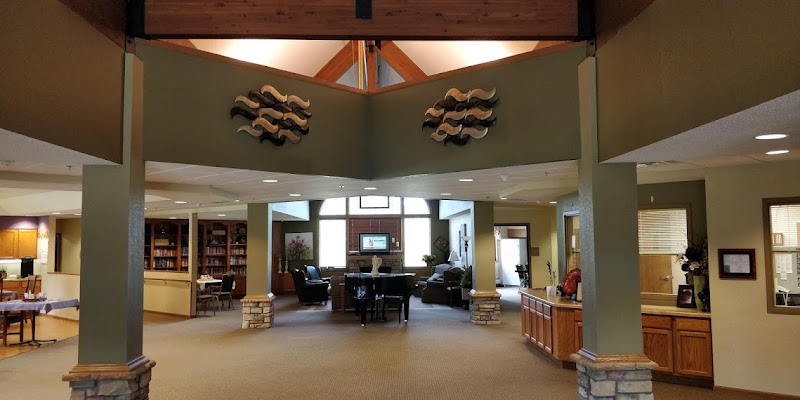
How is Good Samaritan Society - Albert Lea Staffed?

CMS rates GOOD SAMARITAN SOCIETY - ALBERT LEA's staffing level at 5 out of 5 stars, which is much above average compared to other nursing homes. Staff turnover is 35%, compared to the Minnesota average of 46%. This relatively stable workforce can support continuity of care.

What Have Inspectors Found at Good Samaritan Society - Albert Lea?

State health inspectors documented 16 deficiencies at GOOD SAMARITAN SOCIETY - ALBERT LEA during 2023 to 2025. These included: 1 Immediate Jeopardy (the most serious level, indicating potential for serious harm or death), 1 that caused actual resident harm, and 14 with potential for harm. Immediate Jeopardy findings are rare and represent the most serious regulatory concerns. They require immediate corrective action.
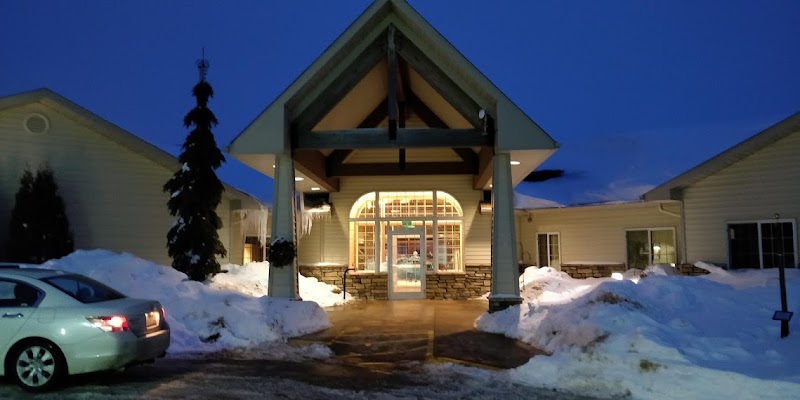
Who Owns and Operates Good Samaritan Society - Albert Lea?

GOOD SAMARITAN SOCIETY - ALBERT LEA is owned by a non-profit organization. Non-profit facilities reinvest revenue into operations rather than distributing to shareholders. The facility is operated by GOOD SAMARITAN SOCIETY, a chain that manages multiple nursing homes. With 80 certified beds and approximately 73 residents (about 91% occupancy), it is a smaller facility located in ALBERT LEA, Minnesota.
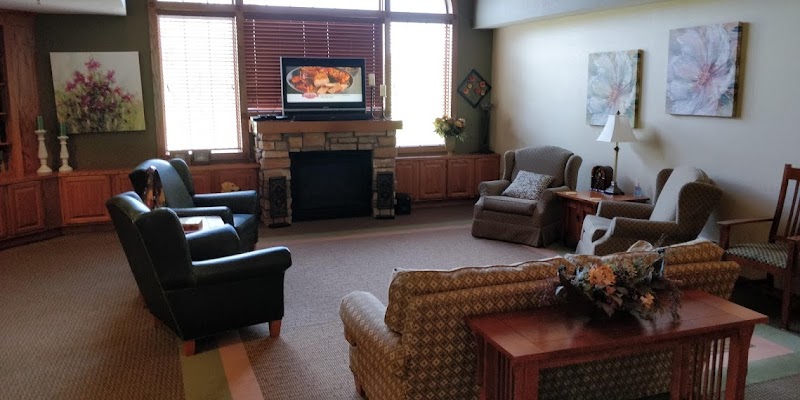
How Does Good Samaritan Society - Albert Lea Compare to Other Minnesota Nursing Homes?

Compared to the 100 nursing homes in Minnesota, GOOD SAMARITAN SOCIETY - ALBERT LEA's overall rating (3 stars) is below the state average of 3.2, staff turnover (35%) is significantly lower than the state average of 46%, and health inspection rating (2 stars) is below the national benchmark.

What Should Families Ask When Visiting Good Samaritan Society - Albert Lea?

Based on this facility's data, families visiting should ask: "What changes have been made since the serious inspection findings, and how are you preventing similar issues?" "What safeguards and monitoring systems are in place to protect residents from abuse or neglect?" "Can I visit during a mealtime to observe dining assistance and food quality?" "How do you handle medical emergencies, and what is your hospital transfer rate?" These questions are particularly relevant given the facility's Immediate Jeopardy citations and the substantiated abuse finding on record.

Is Good Samaritan Society - Albert Lea Safe?

Based on CMS inspection data, GOOD SAMARITAN SOCIETY - ALBERT LEA has documented safety concerns. The facility has 1 substantiated abuse finding (meaning confirmed case of resident harm by staff or other residents). Inspectors have issued 1 Immediate Jeopardy citation (the most serious violation level indicating risk of serious injury or death). The facility has a 3-star overall rating and ranks #100 of 100 nursing homes in Minnesota. Families considering this facility should ask detailed questions about what corrective actions have been taken since these incidents.

Do Nurses at Good Samaritan Society - Albert Lea Stick Around?

GOOD SAMARITAN SOCIETY - ALBERT LEA has a staff turnover rate of 35%, which is about average for Minnesota nursing homes (state average: 46%). Moderate turnover is common in nursing homes, but families should still ask about staff tenure and how the facility maintains care continuity when employees leave.

Was Good Samaritan Society - Albert Lea Ever Fined?

GOOD SAMARITAN SOCIETY - ALBERT LEA has been fined $26,685 across 1 penalty action. This is below the Minnesota average of $33,346. While any fine indicates a compliance issue, fines under $50,000 are relatively common and typically reflect isolated problems that were subsequently corrected. Families should ask what specific issues led to these fines and confirm they've been resolved.

Is Good Samaritan Society - Albert Lea on Any Federal Watch List?

GOOD SAMARITAN SOCIETY - ALBERT LEA is not on any federal watch list. The most significant is the Special Focus Facility (SFF) program, which identifies the bottom 1% of nursing homes nationally based on persistent, serious quality problems. Not being on this list means the facility has avoided the pattern of deficiencies that triggers enhanced federal oversight. This is a positive indicator, though families should still review the facility's inspection history directly.