Thorne Crest Retirement Center
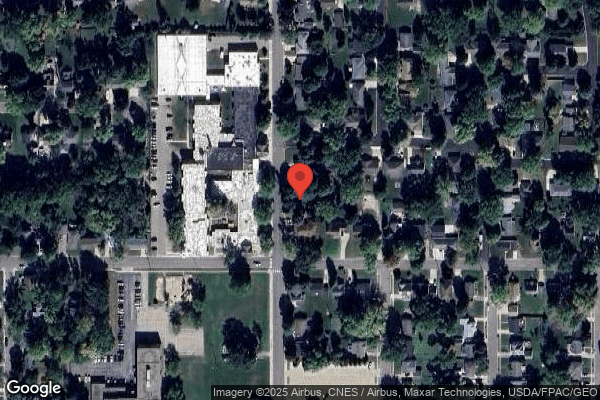
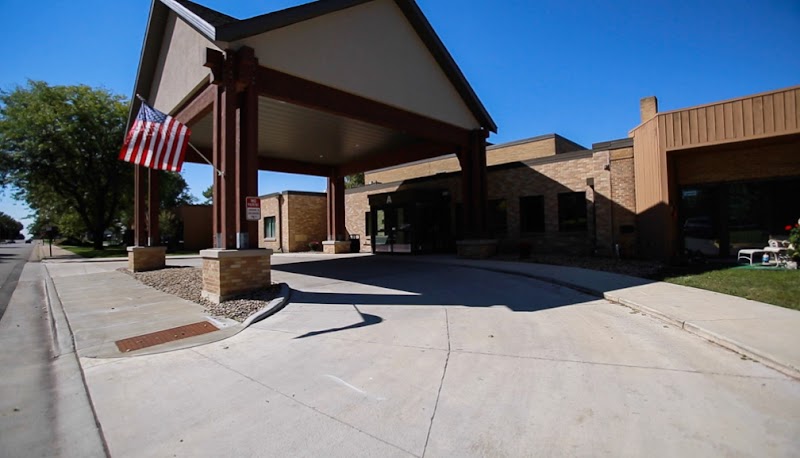
1201 GARFIELD AVENUE, ALBERT LEA, MN 56007 (507) 205-9004
Non profit - Church related 52 Beds AMERICAN BAPTIST HOMES OF THE MIDWEST Data: November 2025 2 Immediate Jeopardy citations
Trust Grade
11/100
#274 of 337 in MN
Last Inspection: November 2024

Within standard 12-15 month inspection cycle. Federal law requires annual inspections.

Overview

Thorne Crest Retirement Center in Albert Lea, Minnesota, has received a Trust Grade of F, indicating significant concerns and poor overall quality of care. It ranks #274 out of 337 facilities in Minnesota, placing it in the bottom half, and #3 out of 3 in Freeborn County, meaning only one local option is better. The facility is showing signs of improvement, with issues decreasing from five in 2024 to four in 2025. Staffing is a concern, with a 72% turnover rate, much higher than the state average and only 3 out of 5 stars for staffing, suggesting instability among caregivers. The facility has faced serious issues, including a critical incident where a resident was not protected from sexual abuse and another where a resident at risk of elopement left the facility unsupervised and suffered hypothermia. While there are some positive aspects like a 3-star rating in quality measures, the overall deficiencies and high fines of $43,082 highlight caution for families considering this home.
Trust Score
F
11/100
In Minnesota
#274/337
Bottom 19%
Safety Record
High Risk
Review needed
Inspections
Getting Better
5 → 4 violations
Staff Stability
⚠ Watch
72% turnover. Very high, 24 points above average. Constant new faces learning your loved one's needs.
Penalties
○ Average
$43,082 in fines. Higher than 53% of Minnesota facilities. Some compliance issues.
Skilled Nurses
○ Average
Each resident gets 39 minutes of Registered Nurse (RN) attention daily — about average for Minnesota. RNs are the most trained staff who monitor for health changes.
Violations
⚠ Watch
26 deficiencies on record. Higher than average. Multiple issues found across inspections.
★★☆☆☆
2.0
Overall Rating
★★★☆☆
3.0
Staff Levels
★★★☆☆
3.0
Care Quality
★★☆☆☆
2.0
Inspection Score
Stable
2024: 5 issues
2025: 4 issues

The Good

  • Full Sprinkler Coverage · Fire safety systems throughout facility
  • No fines on record

Facility shows strength in fire safety.

The Bad

2-Star Overall Rating

Below Minnesota average (3.2)

Below average - review inspection findings carefully

Staff Turnover: 72%

26pts above Minnesota avg (46%)

Frequent staff changes - ask about care continuity

Federal Fines: $43,082

Above median ($33,413)

Moderate penalties - review what triggered them

Chain: AMERICAN BAPTIST HOMES OF THE MIDWE

Part of a multi-facility chain

Ask about local staffing decisions and management

Staff turnover is very high (72%)

24 points above Minnesota average of 48%

The Ugly 26 deficiencies on record

2 life-threatening
Sept 2025 4 deficiencies
CONCERN (D) 📢 Someone Reported This

A family member, employee, or ombudsman was alarmed enough to file a formal complaint

Potential for Harm - no one hurt, but risky conditions existed

Notification of Changes (Tag F0580)

Could have caused harm · This affected 1 resident

**NOTE- TERMS IN BRACKETS HAVE BEEN EDITED TO PROTECT CONFIDENTIALITY** Based on observation, interview, and document review, the facility failed to notify a resident's representative of a change in c...

Read full inspector narrative →
**NOTE- TERMS IN BRACKETS HAVE BEEN EDITED TO PROTECT CONFIDENTIALITY** Based on observation, interview, and document review, the facility failed to notify a resident's representative of a change in condition for 1 of 3 residents (R3) reviewed for quality of care. Findings include:R1's quarterly minimum data set (MDS) dated [DATE], identified R1's cognition was intact and had diagnoses of Cerebral palsy (a group of disorders caused by a non-progressive brain injury before, during, or shortly after birth that affects a person's movement, muscle control, posture, and balance) and elevated white blood count (a condition when you have too many white blood cells (WBCs) in your blood, which is your body's way of fighting off something, usually an infection or inflammation).R1's nursing progress note dated 9/4/25 at 1:00 p.m., identified acetaminophen 500 mg given due to complaint of right eye pain and soreness. At 1:20 p.m., an additional note indicated R1's right eye hurt some and was a little red and irritated.will continue to keep an eye on it for now.R1's nursing progress note dated 9/5/25 at 11:24 a.m., R1 again commented his eye was sore to the director of nursing (DON) who happened to look at it and let her know this started on 9/4/25. R1's eyebrow was a little swollen and now was pinkish red and warm to the touch, and the DON wondered if cellulitis was developing. Note identified that the DON would call nurse practitioner to get an order for something, and some eye drops also. Called and left a voicemail for the nurse practitioner. R1's Telemedicine Visit dated 9/5/25 at 2:37 p.m., identified nursing asked for an acute visit on the fly for acute evaluation of concerns for cellulitis (a common bacterial infection of the skin and underlying tissues that typically causes redness, swelling, pain, and warmth in the affected area) developing around R1's right eye. R1's primary care provider started eye drops yesterday, unfortunately they have not arrived yet from the pharmacy. R1 reported 3 out of 10 pain. Nursing staff asked to mark the erythema (redness) surrounding his upper eye lid. Upper blepharitis (eye lid inflammation) with erythema, warmth and discharge present. R1 had conjunctivitis (when the white part of the eyeball becomes red and swollen that can cause irritation, itching, or a gritty, [NAME] feeling) present. Assessment/Plan identified: 1. Preseptal cellulitis (an infection of the eyelid and soft tissue on the outside of the eye's protective barrier, called the orbital septum)-amoxicillin-pot clavulanate (Augmentin)-(antibiotic) 875-125 milligram (mg) per tablet. Take 1 tablet by mouth two times a day for 5 days starting Friday 9/5/25, until Wednesday 9/10/25. 2. Start polytrim antibiotic eye drops (a combination of Polymyxin B and trimethoprim used to treat eye infections, including acute bacterial conjunctivitis and blepharoconjunctivitis) as soon as possible when it arrives from the pharmacy. Check E-kit for supply, to be given now. 3. Monitor for spread outside the black markings placed today. 4. If spread occurs, consider the need for emergency department (ED) evaluation for intravenous (IV) antibiotics.R1's electronic health record was reviewed and does not identify R1's representative was notified of a change in condition with his right eye.During an interview on 9/17/25 at 2:24 p.m., assistant director of nursing (ADON) reviewed R1's electronic health record and stated it does not look like anyone notified R1's family of his change in condition with his right eye and they should have. ADON stated anytime a resident has a change in condition the resident representative should be notified immediately and should be documented in the resident's medical record. During an interview on 9/17/25 at 2:29 p.m., licensed practical nurse (LPN)-A indicated on 9/4/25, R1 had a change in condition when R1 was complaining of soreness in his right eye. LPN-A stated R1 had redness in his right eye and his eye lid that extended above his eyebrow. LPN-A further stated his eye worsened on 9/5/25 due to swelling and warmth. LPN-A stated she did not notify FM-B of R1's change in condition and should have.During a phone interview on 9/18/25 at 8:31 a.m., FM-B stated R1 was seen by a virtual doctor for his infected right eye on 9/5/25. FM-B stated she was R1's resident representative and was upset the facility never contacted her about R1's eye infection. FM-B stated they should have called me when R1's eye first started getting red. FM-B stated she wanted to be notified of any changes R1 had. FM-B stated she didn't find out until she went to the facility to visit R1.During an observation and interview on 9/18/25 at 9:25 a.m., R1 was lying in bed eating breakfast. R1 indicated when he has changes in his health, he would like the facility to notify FM-B.During an interview on 9/17/25 at 3:38 p.m., director of nursing (DON) reviewed R1's electronic medical record and stated there was no documentation that FM-B was notified of R1's change in condition of his right eye. DON indicated FM-B should have been notified immediately and should have been documented in R1's medical record. Facility policy regarding notification with a change in condition was requested and not received.
CONCERN (D) 📢 Someone Reported This

A family member, employee, or ombudsman was alarmed enough to file a formal complaint

Potential for Harm - no one hurt, but risky conditions existed

Quality of Care (Tag F0684)

Could have caused harm · This affected 1 resident

**NOTE- TERMS IN BRACKETS HAVE BEEN EDITED TO PROTECT CONFIDENTIALITY** Based on observation, interview and document review the facility failed to monitor for signs and symptoms of infection for 1 of ...

Read full inspector narrative →
**NOTE- TERMS IN BRACKETS HAVE BEEN EDITED TO PROTECT CONFIDENTIALITY** Based on observation, interview and document review the facility failed to monitor for signs and symptoms of infection for 1 of 1 resident (R1) reviewed for change in condition. In addition, the facility failed to safely transport 1 of 1 resident (R1) to an outside appointment reviewed for resident safety. Findings include:Infection monitoring:R1's care plan dated 9/2/25, identified a focus that R1 was at risk for infection due to refusal of vaccinations. Interventions included to educate R1 and resident representative of techniques to prevent infections such as handwashing, adequate rest, nutrition, avoidance of crowds, to monitor for signs and symptoms of infection and staff to follow standard precautions including proper handwashing techniques to minimize microorganism growth.R1's quarterly minimum data set (MDS) dated [DATE], identified R1's cognition was intact and had diagnoses of Cerebral palsy (a group of disorders caused by a non-progressive brain injury before, during, or shortly after birth that affects a person's movement, muscle control, posture, and balance) and elevated white blood count (a condition when you have too many white blood cells (WBCs) in your blood, which is your body's way of fighting off something, usually an infection or inflammation).R1's nursing progress note dated 9/4/25 at 1:00 p.m., identified acetaminophen 500 milligram (mg) given due to complaint that his right eye hurt and was sore. At 1:20 p.m., an additional note indicated R1's right eye hurt some and was a little red and irritated.will continue to keep an eye on it for now.R1's nursing progress note dated 9/5/25 at 11:24 a.m., R1 again commented his eye was sore to the director of nursing (DON) who happened to look at it and let her know this started on 9/4/25, noted his eyebrow was a little swollen and now was pinkish red and warm to the touch, was wondering if cellulitis was developing. Will call nurse practitioner to get an order for something and some eye drops also, called and left a voicemail for her. R1's Telemedicine Visit dated 9/5/25, at 2:37 p.m., identified nurse asked for an acute visit on the fly for acute evaluation of concerns for cellulitis (a common bacterial infection of the skin and underlying tissues that typically causes redness, swelling, pain, and warmth in the affected area) developing around R1's right eye. R1 reported level 3 of 10 pain. Nursing staff asked to mark the erythema (redness) surrounding his upper eye lid. Upper blepharitis (eye lid inflammation) with erythema, warmth and discharge present. R1 had conjunctivitis (when the white part of the eyeball becomes red and swollen that can cause irritation, itching, or a gritty, [NAME] feeling) present. Assessment/Plan identified:1. Preseptal cellulitis (an infection of the eyelid and soft tissue on the outside of the eye's protective barrier, called the orbital septum)-amoxicillin-pot clavulanate (Augmentin)-(antibiotic) 875-125 mg per tablet. Take 1 tablet by mouth two times a day for 5 days starting Friday 9/5/25, until Wednesday 9/10/25. 2. Start polytrim antibiotic eye drops (a combination of Polymyxin B and trimethoprim used to treat eye infections, including acute bacterial conjunctivitis and blepharoconjunctivitis) as soon as possible when it arrives from the pharmacy. Check E-kit for supply, to be given now.3. Monitor for spread outside the black markings placed today.4. If spread occurs, consider the need for emergency department (ED) evaluation for intravenous (IV) antibiotics.Review of R1's electronic health record does not identify consistent daily comprehensive monitoring of eye infection from 9/5/25 through 9/16/25.During an interview on 9/17/25 at 2:29 p.m., licensed practical nurse (LPN)-A indicated on 9/4/25 R1 had a change in condition when R1 developed redness to his right eye and eye lid that extended above his eyebrow and R1 said it was sore. LPN-A further stated his eye worsened on 9/5/25 due to swelling and warmth and she had nurse practitioner (NP)-A see R1 through a telehealth visit and NP -A ordered oral and eye antibiotics for orbital cellulitis to be started that day. NP-A also had us use a black marker to draw around R1's redness around his right eye and told us if the redness spreads beyond the black marker it would be ok to send him to the emergency department for intravenous (IV) antibiotics. LPN-A reviewed R1's electronic health record and verified there was no daily monitoring of signs and symptoms of infection for R1's right eye cellulitis from 9/5/25 to 9/16/25. LPN-A stated when she worked on 9/10/25, she noticed R1 had developed six to seven papules (small, red, solid bumps that quickly turn into fluid filled blisters with shingles) above his right eye. LPN-A stated she called the physician assistant (PA)-A on 9/10/25 and PA-A thought R1 could have shingles and gave orders to send R1 to the emergency department (ED) right away to have a maxillofacial cat scan (CT) to rule out infection spread, a herpes zoster swab to rule out shingles and some lab tests.During an interview on 9/17/25 at 2:52 p.m., assistant director of nursing (ADON) reviewed R1's electronic health record and verified there was no daily monitoring or comprehensive assessments for signs and symptoms of infection for R1's right eye cellulitis. ADON stated when R1 was put on antibiotics a nursing order should have been placed to do comprehensive assessing and monitoring of R1's infection every shift to assess for a change in condition.During a phone interview on 9/18/25 at 8:31 a.m., FM-B stated R1 was seen by a virtual doctor for his infected right eye on 9/5/25. FM-B stated she was R1's resident representative and was concerned the facility did not have R1 seen in person by a provider from 9/5/25 through 9/10/25. FM-B stated R1 developed shingles in his right eye that looked really infected and was worried about vision loss and infection spread. FM-B stated R1 ended up in the hospital to be treated with IV antibiotics due to the infection being in his eye and so close to his brain.During an interview on 9/17/25 at 3:38 p.m., DON reviewed R1's electronic health record and stated there was no documentation of assessments and monitoring for infection from 9/5/25 to 9/16/25 and there should have been a nursing order put in to monitor for cellulitis every shift so the nurses are reminded what to monitor for and to be alerted to a change in condition so they can notify the provider timely.During a phone interview on 9/18/25 at 11:30 a.m., nurse practitioner (NP)-A stated she saw R1 through a telehealth visit on 9/5/25, and gave orders for the facility to start oral and eye drop antibiotics for concerns with right eye orbital cellulitis to start that day. NP-A stated, on 9/5/25 R1 did not have any vesicles (small fluid filled blisters) on his right eye lid or forehead NP-A further stated she directed staff to draw a black marker around the redness surrounding the eye and to send to ED if redness spreads for IV antibiotics. NP-A would expect assessments of the eye infection every shift to notice any changes to include, itching, fever, increased pain, fatigue, burning, light sensitivity blurred vision and spread of the redness and notify the provider immediately of any changes.Facility policy was requested for infection assessment and monitoring and was not received.Appointments:R1's care plan dated 12/5/24, identified a focus for mobility, needed assist with transfers and bed mobility related to cerebral palsy. Intervention dated 3/4/25, mechanical wheelchair to be taken out of room at night once in bed. Plug in to charge overnight in [NAME] supply closet entrance. An additional intervention dated 12/5/24, identified staff to assist with doors, elevators, inclines and tight spaces as needed. An additional focus dated 9/14/25, identified R1 had weakness and needed his electric cart to move around. Intervention dated 9/14/25, identified staff will bring R1 to events he enjoys.will attend current event sessions that he enjoys when he feels better.Care plan does not identify level of assist for mobility in a manual wheelchair when outside the facility.R1's nursing progress note dated 9/10/25 at 10:46 a.m., identified physician assistant (PA)-A ordered R1 to be sent to the hospital and have varicella-zoster PCR (a highly accurate and fast lab test that detects the virus responsible for chickenpox and shingles) completed to right eye, and CT maxillofacial to be completed. Called FM-B to get a verbal bed hold, left voicemail due to no answer, R1 agreed to go to the hospital. At 11:33 a.m., R1 left the facility van to hospital at 11:20 a.m., waiting for return call from FM-B, called the ED to give report to the nurse.During an interview on 9/18/25 at 8:31 a.m., family member (FM)-B indicated she was the resident representative for R1 and stated there was a big miscommunication when R1 had to be sent to the ED on 9/10/25, for tests for a CT scan and the swab for shingles to be done. FM-B stated normally if she can't be at an appointment for R1 someone from the facility will go with him because when the facility transports him in their van, he can't use his electric wheelchair they have no way to strap it down. FM-B further stated the facility had to put him in a manual wheelchair and R1 was not safe to be left unattended due to being immobile from his cerebral palsy. FM-B stated the facility had tried calling her on 9/10/25, to notify her but she was at work and did not get the message right away. FM-B indicated when she finally got the message, she was unsure what hospital they sent R1 to, so she had to call the facility to find out, when she arrived at the ED the staff had told her R1 hadn't checked in yet. FM-B stated she jumped back in her car and went to the clinic side of the hospital and while enroute had called the facility to find out where R1 was, and the facility told her they were sending a driver to come get him because he was done with his appointment. FM-B stated she got to the clinic and found R1 seated in the manual wheelchair slouched over to his left side, he had to lift his head way up to see me coming. FM-B stated R1 had no core strength due to the cerebral palsy and scoliosis (sideways curvature of the spine) and being in an upright position was very uncomfortable for him. FM-B stated guessed R1 had been seated unattended for about 25 minutes with no way to move himself. FM-B stated R1 hated to be a burden on anyone and had always tried to be independent and that he will not ask for help. FM-B stated she did take R1 to the ED to get his tests done and the driver from the facility brought him back when he was done.During an observation and interview on 9/18/25 at 9:25 a.m., R1 was lying in bed eating breakfast. R1 stated on 9/10/25, he had to go to the ED to get testing done for his right eye problem and had to be transferred in a manual wheelchair because the facility van does not have room for his electric wheelchair that he normally used. R1 stated the manual wheelchair was uncomfortable but he was able to tolerate for short durations. R1 further stated the driver brought him to the clinic and someone tried to check him in on the monitor thing and he didn't have an appointment, and he was left in the waiting room because the driver got a call about another appointment. R1 stated he was unable to wheel himself in the manual wheelchair, so he had to wait for someone to help. R1 stated it was a lack of communication that he was left and when FM-B found him she was not happy. FM-B stated he guessed he waited about 20 to 25 minutes before FM-B got there and she got me to the ED where they did my tests.During an interview on 9/18/25 at 10:49 a.m., director of therapy (DOT)-A stated she was unaware that when the facility transports residents who use an electric wheelchair outside the facility, they transfer the resident to a manual wheelchair before they load them in the van. DOT-A stated R1 had never been assessed for safety in a manual wheelchair and was concerned of how he would be safe in one without a proper assessment due to his cerebral palsy, contractures (permanent shortening or tightening of muscles, tendons, or other tissues that restricts movement) and scoliosis. During an interview on 9/18/25 at 9:51 a.m., receptionist (R)-A stated the ADON told her that R1 needed a ride to the clinic for an eye appointment, so she called the transport driver (TD)-A and asked him to bring R1 in.During an interview on 9/18/25 at 11:05 a.m., TD-A stated he got a call from R-A, and she told him R1 needed a ride to the clinic for an eye appointment. TD-A stated normally when he takes a resident to an appointment, they send paperwork with. TD-A stated he had no paperwork for R1 and assumed R1 had an eye appointment. TD-A stated he got him to the clinic at the eye part and the girl at the clinic put his name in the kiosk and said she didn't think R1 had an appointment. TD-A thought the girl at the clinic would take R1 to his appointment, so he left. TD-A stated when he got back to the facility, he found out he was supposed to have taken R1 to the ED, he stated he felt terrible about the mix up.During an interview on 9/17/25 at 3:38 p.m., DON indicated she was not aware that R1 was left unattended at the ED on 9/10/25, while he was in a manual wheelchair and stated it was not safe for R1 because he was immobile in the manual wheelchair. DON was unsure if R1 was ever assessed for safety in a manual wheelchair and normally used his specialized electric wheelchair that he was independent with mobility in.Facility policy for transporting residents to outside appointments was requested and not received.
CONCERN (D) 📢 Someone Reported This

A family member, employee, or ombudsman was alarmed enough to file a formal complaint

Potential for Harm - no one hurt, but risky conditions existed

Pharmacy Services (Tag F0755)

Could have caused harm · This affected 1 resident

**NOTE- TERMS IN BRACKETS HAVE BEEN EDITED TO PROTECT CONFIDENTIALITY** Based on observation, interview and record review the facility failed to ensure medications were available for administration pe...

Read full inspector narrative →
**NOTE- TERMS IN BRACKETS HAVE BEEN EDITED TO PROTECT CONFIDENTIALITY** Based on observation, interview and record review the facility failed to ensure medications were available for administration per physician order for 1 of 1 resident (R1) reviewed for quality of care.Findings include:R1's quarterly minimum data set (MDS) dated [DATE], identified R1's cognition was intact and had diagnoses of Cerebral palsy (a group of disorders caused by a non-progressive brain injury before, during, or shortly after birth that affects a person's movement, muscle control, posture, and balance) and elevated white blood count (a condition when you have too many white blood cells (WBCs) in your blood, which is your body's way of fighting off something, usually an infection or inflammation).R1's Telemedicine Visit dated 9/5/25, at 2:37 p.m., identified nurse asked for an acute visit on the fly for acute evaluation of concerns for cellulitis (a common bacterial infection of the skin and underlying tissues that typically causes redness, swelling, pain, and warmth in the affected area) developing around R1's right eye. R1's primary care provider started eye drops yesterday unfortunately they have not arrived yet from the pharmacy. R1 reported level 3 of 10 pain. Nursing staff asked to mark the erythema (redness) surrounding his upper eye lid. Upper blepharitis (eye lid inflammation) with erythema, warmth and discharge present. R1 had conjunctivitis (when the white part of the eyeball becomes red and swollen that can cause irritation, itching, or a gritty, [NAME] feeling) present. Assessment/Plan identified: 1. Preseptal cellulitis (an infection of the eyelid and soft tissue on the outside of the eye's protective barrier, called the orbital septum)-amoxicillin-pot clavulanate (Augmentin)-(antibiotic) 875-125 milligram (mg) per tablet. Take 1 tablet by mouth two times a day for 5 days starting Friday 9/5/25, until Wednesday 9/10/25. 2. Start Polytrim antibiotic eye drops (a combination of Polymyxin B and trimethoprim used to treat eye infections, including acute bacterial conjunctivitis and blepharoconjunctivitis) as soon as possible when it arrives from the pharmacy. Check E-kit for supply, to be given now. 3. Monitor for spread outside the black markings placed today. 4. If spread occurs, consider the need for emergency department (ED) evaluation for intravenous (IV) antibiotics.R1's nurse practitioner (NP) verbal order on 9/4/25, regarding initiation of antibiotic eye drops was requested several times and not given.R1's medication administration record (MAR) dated September 2025, identified an order with a start date of 9/6/25, at 7:00 a.m., for amoxicillin-pot clavulanate to give one tablet by mouth two times a day for 5 days for early preseptal cellulitis. 9/5/25 identified an x was marked on morning and evening shift, indicating the medication was not started on 9/5/25, as per provider orders. An additional order with a start date of 9/5/25 at 2:30 p.m., for Polymyxin-B-Trimethoprim ophthalmic solution 100000-01 Units/milliliter (ML)-% to instill one eye drop four times a day for right eye conjunctivitis, discontinue when no longer needed. R1's evening and NOC (night shift) dose were left blank, indicating the dose was not started on 9/5/25 per provider orders.During a phone interview on 9/16/25 at 11:00 a.m., family member (FM)-A stated that FM-B was R1's resident representative and found out that R1's right eye was infected and was supposed to start antibiotics on 9/5/25, and they were not started until 9/6/25.During a phone interview on 9/18/25 at 8:31 a.m., FM-B stated R1 was seen by a virtual doctor for his infected right eye on 9/5/25 and was supposed to start antibiotics right away but R1 did not get them until the following day on 9/6/25. FM-B was concerned about the facility not starting the eye drops right away like the provider wanted because R1's right eye was so red, the redness was spreading to his eyelids and looked infected.During an observation and interview on 9/18/25 at 9:25 a.m., R1 was lying in bed eating breakfast. R1 stated one day a nurse came in with a monitor and a female doctor was on the monitor and had saw him for his right eye. R1 stated his right eye was red, painful and was itching and swollen. R1 stated the doctor prescribed him eye drops and antibiotics for his right eye infection and could not remember when exactly the medications were started. R1 stated he was never informed of a medication error.During a phone interview on 9/18/25 at 11:30 a.m., nurse practitioner (NP)-A stated she saw R1 through a telehealth visit on 9/5/25 and gave orders for the facility to start oral and eye drop antibiotics for concerns with right eye orbital cellulitis to start that day. During an interview on 9/18/25 at 1:01 p.m., licensed practical nurse (LPN)-A stated she was present on 9/5/25, and had assisted with the telehealth visit R1 had on 9/5/25. LPN-A stated the physician assistant (PA) that saw R1 had ordered oral and eye antibiotics on 9/5/25 and wanted them to start that day. LPN-A reviewed R1's electronic health record and verified the antibiotics were not started per the provider order on 9/5/25, rather were started on 9/6/25 and was unsure why. LPN-A stated this would be considered a medication error. LPN-A stated the process for a medication error was to fill out a paper medication error form and notify the resident, the director of nursing (DON) and the provider and follow whatever the direction they give you. The medication error should also be documented in risk management.During an interview on 9/18/25 at 1:19 p.m., assistant director of nursing (ADON) stated R1's oral and eye drop antibiotics were supposed to be started on 9/5/25 and were not actually started until 9/6/25 and indicated this would be a medication error because the providers orders were not followed. ADON stated when a medication error was identified we use a paper medication form that would be filled out and documented in risk management. ADON stated the resident would be assessed, notify the resident, family, DON and provider and follow provider direction. ADON stated the DON would be responsible to investigate the medication error to look for the root cause to put a prevention plan in place to prevent it from occurring again.During an interview on 9/18/25 at 1:39 p.m., DON stated R1 had a telehealth visit on 9/5/25 and was ordered oral and eye drop antibiotics that were to be started that day and indicated they were not started until 9/6/25. DON stated this would be a medication error for not following the providers orders. DON further stated the facility process for a medication error would be to document the event in risk management and the facility staff should not be using a paper form. DON stated with a medication error you would assess the resident, notify the resident, family, provider and follow any orders given. DON indicated she would be the one to investigate the medication error to look for a root cause and place interventions for prevention of future medication errors. DON stated she was not aware of R1's medication error until this surveyor pointed it out. Review of Facility policy, Medication Error copyright 2025, identified It is the policy of this facility to provide protections for the health, welfare, and rights of each resident by ensuring residents receive care and services safely in an environment free of significant medication errors. Medication error means the observed or identified preparation or administration of medications or biologicals which is not in accordance with the prescriber's order; manufacturer's specifications (not recommendations) regarding the preparation and administration of the medication or biological; or accepted professional standards and principles which apply to professionals providing services. Policy Explanation and Compliance Guidelines: 1. The facility shall ensure medications will be administered as follows: a. According to physician's orders. b. Per manufacturer's specifications regarding the preparation, and administration of the drug or biological. c. In accordance with accepted standards and principles which apply to professionals providing services. 8. If a medication error occurs, the following procedure will be initiated: a. The nurse assesses and examines the resident's condition and notifies the physician or health care practitioner as soon as possible. b. Monitor and document the resident's condition, including response to medical treatment or nursing interventions. c. Document actions taken in the medical record. d. Once the resident is stable, the nurse reports the incident to the appropriate supervisor and completes the incident or occurrence report.Review of facility paper Medication Error Report form, revised 5/2000, identified Part 1 description of error, outcome to resident, corrective action taken and measures to prevent the reoccurrence of similar errors. Part 2-Assessment and Summary of error that included type of error, and reason for error. Further identified a disnature and date was needed for person making the error, person finding the error, DON, attending physician, medical director, pharmacist and administrator.Facility policy does not identify resident or resident representative notification or documentation of resident assessment.
CONCERN (D) 📢 Someone Reported This

A family member, employee, or ombudsman was alarmed enough to file a formal complaint

Potential for Harm - no one hurt, but risky conditions existed

Infection Control (Tag F0880)

Could have caused harm · This affected 1 resident

**NOTE- TERMS IN BRACKETS HAVE BEEN EDITED TO PROTECT CONFIDENTIALITY** Based on observation, interview and document review, the facility failed to ensure staff were following standard precautions by ...

Read full inspector narrative →
**NOTE- TERMS IN BRACKETS HAVE BEEN EDITED TO PROTECT CONFIDENTIALITY** Based on observation, interview and document review, the facility failed to ensure staff were following standard precautions by not performing hand hygiene before and after resident contact and failed to use personal protective equipment (PPE) for one of one resident (R1) that was on transmission-based precautions to reduce the risk of infection spread reviewed for quality of care. In addition, the facility failed to place the PPE cart directly outside R1's doorway to mitigate the risk for spread. Findings include:R1's quarterly minimum data set (MDS) dated [DATE], identified R1's cognition was intact and had diagnoses of Cerebral palsy (a group of disorders caused by a non-progressive brain injury before, during, or shortly after birth that affects a person's movement, muscle control, posture, and balance) and elevated white blood count (a condition when you have too many white blood cells (WBCs) in your blood, which is your body's way of fighting off something, usually an infection or inflammation).R1's lab result dated 9/11/25, identified R1's test for varicella zoster virus (herpes virus that causes shingles that can be transmitted through contact with an infected persons fluid from the blisters. A person is contagious for a couple of days before the rash appears until all blisters have crusted over) was positive indicating R1 had active shingles (a viral infection that affects the nerves around the eye) to the right eye area. R1's nursing progress note dated 9/11/25 at 6:10 p.m., placed call to clinic/hospital ED, was informed of R1 being sent to the hospital for admission for right orbital cellulitis a common bacterial infection surrounding the tissues of the eye that typically causes redness, swelling, pain, and warmth in the affected area) with shingles.R1's nursing progress note dated 9/15/25 at 3:31 p.m., identified R1 arrived back to the facility by private transport service via wheelchair and identified a new skin issue to right eye, shingles area is pink, wound is new, has erythema/painful. Pain was sharp and intermittent. R1 was on Valtrex (antiviral medication used to treat shingles) for a diagnoses of herpes zoster (a viral infection that causes a painful rash of blisters on one side of the body). Pain concerns to watch for are herpes zoster to right eye.R1's nursing progress note dated 9/16/25 at 1:03 p.m., R1 was told he needed to stay in his room after he got up and proceeded to come out and then told he had to go back to his room. R1 refused breakfast and lunch.During an observation on 9/17/25 at 9:11 a.m., of R1 the door to his room had a yellow laminated sign on the door identified at the top of the sign in black bold letters, Contact Precautions. Below that in bold typed red letters was Everyone Must: To the left and right of these words was a picture of a red stop sign. Below this in smaller black bold letters was clean their hands, including before entering and when leaving the room. Below that in large bold red letters was Providers and Staff Must Also: below this in smaller black bold letter was put on gloves before room entry. To the left of this was a picture of a blue pair of gloves. Discard gloves before room exit. To the left of this was a picture of a blue gown. Below this put on gown before room entry, discard gown before room exit. In red bold letter, Do not wear the same gown and gloves for the care of more than one person. In black bold letters, use dedicated or disposable equipment. Clean and disinfect reusable equipment before use on another person. To the left of this was a picture of a blue stethoscope. At the bottom right-hand corner of the sign was a handwritten in red marker was an asterix followed by 9.2 and was underlined. There was no PPE cart outside of R1's room. Hospitality aide (HA)-A was carrying a breakfast tray and walked into R1's room to deliver the tray and set it on his tray table. HA-A did not perform hand hygiene prior to entering the room and did not follow the contact precaution sign on the door which indicated to don gowns and gloves. R1 stated he was not ready to eat breakfast yet and told HA-A to leave it on his tray table. HA-A walked back out of the room without performing hand hygiene.The contact precaution sign on the door indicated to don gloves and gown prior to entry to the room.During an interview on 9/17/25 at 9:14 a.m., HA-A stated she had no idea why there was a contact precautions sign on the door or for which resident it was for or what staff was supposed to do. HA-A stated she should have washed her hands prior to entering the room and after leaving the room and could not articulate the need for use of PPE as directed by the contact precaution sign on the door.During an interview on 9/17/25 at 9:18 a.m., licensed practical nurse (LPN)-A stated R1 was on contact precautions due to the shingles on his right eye. LPN-A stated he still has one blister that was open above his eye while rest of the blisters were crusted over. Staff should always wash their hands when entering and exiting a room with a resident who is on contact precautions, also gowns and gloves would be expected to be used.During an interview on 9/17/25 at 9:22 a.m., nursing assistant (NA)-A verified there was no PPE cart outside R1's room and indicated there was no room in the hall for the PPE cart so they keep it in R1's room. NA-A indicated R1 was on contact precautions due to shingles in his right eye.During an interview on 9/17/25 at 12:43 p.m., assistant director of nursing (ADON) stated she was also the infection control nurse. ADON stated R1 was on contact precautions due to having herpes zoster to his right eye and staff should be using gown and gloves with any direct contact with R1. ADON stated that is why we have the contact precautions sign on R1's door. ADON stated she initially had the PPE cart inside his room, but R1's family member (FM)-B had tried to put the cart in the bathroom because of lack of space in his room, so she moved the PPE cart to the hall. ADON walked to R1's room and verified the PPE cart was not in the hallway in front of R1's room rather was inside R1's room by his bed that R1 was in. When asked what the expectation for infection control precautions would be with meal delivery to R1, ADON stated all staff should be washing hands upon entrance to his room and upon exit. Gowns and gloves should be used with cares and with any potential of touching contaminated items in his room such as the delivery of a meal tray.During an interview on 9/17/25 at 3:38 p.m., director of nursing (DON) stated when a resident is on contact precautions the staff member should wash their hands upon entrance and exit of their room that would be standard precautions, along with the use of gowns and gloves. When asked where PPE carts should be located, DON indicated the carts could be stored in resident rooms and that all of their current residents that are on infection control precautions have their PPE carts in their rooms. DON was unable to articulate that having PPE carts in the rooms could potentially contaminate the PPE. DON was unable to articulate how staff would don PPE upon entrance to a room if the PPE cart was not available to do so.Facility policy, Isolation-categories of Transmission-Based Precautions, revised September 2022, identified Transmission-based precautions are initiated when a resident develops signs and symptoms of a transmissible infection; arrives for admission with symptoms of an infection; or has a laboratory confirmed infection; and is at risk of transmitting the infection to other residents. Policy interpretation and Implementation 1. Standard precautions are used when caring for all residents at all times regardless of their suspected or confirmed infection status. 2. Transmission-based precautions are additional measures that protect staff, visitors and other residents from becoming infected. These measures are determined by the specific pathogen and how it is spread from person to person. The three types of transmission-based precautions are contact, droplet and airborne. 3. The Centers for Disease Control and Prevention (CDC) maintains a list of diseases, modes of transmission and recommended precautions. 4. The facility makes every effort to use the least restrictive approach to managing individuals with potentially communicable infections. Transmission-based precautions are used only when the spread of infection cannot be reasonably prevented by less restrictive measures. 5. When a resident is placed on transmission-based precautions, appropriate notification is placed on the room entrance door and on the front of the chart so that personnel and visitors are aware of the need for and the type of precaution. a. The signage informs the staff of the type of CDC precaution(s), instructions for use of PPE, and/or instructions to see a nurse before entering the room. b. Signs and notifications comply with the resident's right to confidentiality or privacy. 6. When transmission-based precautions are in effect, non-critical resident-care equipment items such as a stethoscope, sphygmomanometer, or digital thermometer will be dedicated to a single resident (or cohort of residents) when possible. Contact Precautions I. Contact precautions are implemented for residents known or suspected to be infected with microorganisms that can be transmitted by direct contact with the resident or indirect contact with environmental surfaces or resident-care items in the resident's environment. 2. Contact precautions are also used in situations when a resident is experiencing wound drainage, fecal incontinence or diarrhea, or other discharges from the body that cannot be contained and suggest an increased potential for extensive environmental contamination and risk of transmission of a pathogen, even before a specific organism has been identified. 6. The individual on contact precautions is placed in a private room if possible. If a private room is not available, the infection preventionist will assess various risks associated with other resident placement options (e.g., cohorting, placing with a low-risk roommate). 7. Staff and visitors wear gloves (clean, non-sterile) when entering the room. a. While caring for a resident, staff will change gloves after having contact with infective material (for example, fecal material and wound drainage). b. Gloves are removed and hand hygiene performed before leaving the room. c. Staff avoid touching potentially contaminated environmental surfaces or items in the resident's room after gloves are removed. 8. Staff and visitors wear a disposable gown upon entering the room and remove before leaving the room and avoid touching potentially contaminated surfaces with clothing after gown is removed.Facility policy, Equipment and Supplies Used During Isolation, revised October 2018, identified appropriate infection prevention and control equipment and supplies are obtained, stored and used in accordance with current guidelines and manufacturer instructions. 1. All equipment and supplies needed to implement transmission-based (isolation) precautions are obtained from an approved vendor. 2. Infection prevention and control supplies are stored and maintained in accordance with current guidelines and manufacturer's recommendations. 3. The infection preventionist (or designee) oversees the availability and inventory of infection prevention and control supplies.The facility policy did not identify where PPE carts should be placed for a resident on contact precautions.Facility policy, Standard Precautions revised September 2022, identified Standard precautions are used in the care of all residents regardless of their diagnoses, or suspected or confirmed infection status. Standard precautions presume that all blood, body fluids, secretions, and excretions (except sweat), non-intact skin and mucous membranes may contain transmissible infectious agents. Policy Interpretation and Implementation 1. Standard precautions apply to the care of all residents in all situations regardless of suspected or confirmed presence of infectious diseases. 2. Personnel are trained in the various aspects of standard precautions to ensure appropriate decision-making in various clinical situations. 3. Residents and family members are provided with information pertaining to standard precautions and the prevention of infection upon the resident's admission to the facility. 4. Visitors are reminded and encouraged to maintain hand hygiene and follow instructions regarding infection prevention and control while in the facility. Standard precautions include the following practices: 1. Hand hygiene a. Hand hygiene refers to handwashing with soap (anti-microbial or non-antimicrobial) or the use of alcohol-based hand rub (ABHR), which does not require access to water. b. Hand hygiene is performed with ABHR or soap and water: (1) before and after contact with the resident.(4) after contact with items in the residents room.
Dec 2024 1 deficiency 1 IJ
CRITICAL (J) 📢 Someone Reported This

A family member, employee, or ombudsman was alarmed enough to file a formal complaint

Immediate Jeopardy (IJ) - the most serious Medicare violation

Accident Prevention (Tag F0689)

Someone could have died · This affected 1 resident

**NOTE- TERMS IN BRACKETS HAVE BEEN EDITED TO PROTECT CONFIDENTIALITY** Based on observation, interview, and document review the facility failed to maintain resident supervision and safety to prevent ...

Read full inspector narrative →
**NOTE- TERMS IN BRACKETS HAVE BEEN EDITED TO PROTECT CONFIDENTIALITY** Based on observation, interview, and document review the facility failed to maintain resident supervision and safety to prevent accidents for 1 of 1 residents (R1) who was an elopement risk left the facility unsupervised through an unlocked door during the night and found outside. This resulted in an immediate Jeopardy (IJ) situation for R1. The IJ began on 12/7/24 when R1 exited the building without staff awareness through an unlocked door to a courtyard between 11:15 p.m. and 3:30 a.m. (on 12/7/24) and found on the ground at approximately 4:10 a.m. with hypothermia and minor injuries. The administrator and chief operating officer (COO) were notified of the immediate jeopardy on 12/11/24 at 3:00 p.m. The facility had implemented immediate corrective action on 12/8/24 to prevent recurrence, so the IJ was issued at past non-compliance. Findings include: R1's admission Record identifies R1 was admitted to the facility on [DATE]. The Minimum Data Set (MDS) was not completed due to R1's admission date of 12/6/24. R1's Brief Interview for Mental Status dated 12/6/24, indicated R1 had severe cognitive impairment. R1's Elopement Evaluation dated 12/6/24, indicated R1 was at risk for elopement (did not identify risk level) due to expressions of desire to go home, recent admission, and not accepting of the situation [of facility placement]. The focus identified R1 was at risk for elopement. The goals of care included the resident would not leave facility unattended and safety would be maintained. No interventions were identified or implemented. R1's Fall Risk assessment dated [DATE], indicated R1 was at a high risk for fall related to intermittent confusion, 1-2 falls in the past 3 months, decreased muscular coordination, administered 1-2 that increase risk for falls, and had 1-2 diagnoses present that increase risk for falls. R1's document Individual Resident Baseline Care Plan dated 12/6/24, identified R1 was at risk for falls but did not identify safety measures. R1 required one staff assist with dressing, grooming, toileting, repositioning, and ambulation. R1 was alert and oriented to person with confusion and no behaviors. The baseline care plan noted, [R1] very upset at being here, not wanting to express any desires for food or anything. Just wanting to go home. This document did not address R1's risk for elopement or interventions to assure R1's safety. R1's Care plan dated 12/6/24 identified focus of Risk for Wandering/Elopement identified with corresponding goals that included, The resident will not leave the facility unattended and The resident's safety will be maintained. The care plan did not identify safety interventions to prevent or mitigate the risk of elopement. R1's care plan also identified the risk for falls related to a history of falls and recent hospitalization with the corresponding goal R1 will be free from falls throughout this next quarter. Fall interventions directed staff to complete fall risk evaluations, complete labs when ordered and report findings, monitor for medication side effects, and reinforce need to call for assistance. The care plan did not reference the note that was included in the Baseline Care Plan document pertaining to R1's voiced dislike of, and not wanting to be at the facility. R1's facility Progress Notes noted the following: 12/6/24 at 11:23 p.m., indicated early in the shift R1 stated to staff and (FM-A) that she wanted to go home with her dog. R1 continued to be upset/confused about placement. Social worker was notified and talked to R1. R1 spent time watching [television] TV and did not transfer without assistance. Would continue to monitor. 12/7/24 at 6:37 a.m., licensed practical nurse (LPN)-A identified R1 was in recliner at 1:45 a.m. rounds; on 3:45 a.m. rounds R1 was not in her room. Searched the building, checked outside, play park across the street, and in the courtyard. LPN-A notified the administrator, director of nursing (DON), family, police, and the medical director. R1 was found at 4:10 a.m. outside lying on the ground in the [facility] courtyard and ambulance was called immediately. 12/7/24 at 2:22 p.m., was in ICU, Intensive Care Unit at that time. R1's emergency department and hospital records dated 12/7/24 at 6:09 am., Indicated R1 was seen for altered mental status, hypothermia (potentially dangerous drop in body temperature), and sepsis (life threatening complication of an infection) after R1 was found outside. Further identified R1 presented with cold extremities, multiple abrasions throughout bilateral upper extremities, core body temperature of 31.1 degree Celsius (87.98 degrees Fahrenheit). At 7:55 a.m. the record identified R1 was rewarmed with warm intravenous fluids and a BairHugger (forced air warming blanket), and would be admitted to the intensive care unit (ICU). According to the [NAME] Lea Weather Station -KMNALBER38 (reported or published online by Weather Underground) the temperature on 12/7/24 between 1:45 a.m. to 4:15 a.m., ranged from 26.6 degrees Fahrenheit (F) to 32.6 degrees F. During observation and interview on 12/10/24 at 11:30 a.m., R1 had intravenous (IV) access to the left hand, numerous scabs, abrasions, and bruises noted on both right and left hands and arms. R1 indicated the scabs and abrasions on her hands and arm were much better than they had been and got them when she wandered away from home and fell by the corner a couple of weeks ago when it was really cold. R1 stated she could not remember exactly what happened but remembered that she was outside for a while and was really, really cold. R1 further stated that she had some difficulty walking before that but has more difficulty walking after being outside for so long. During an interview on 12/11/24 at 10:50 a.m., family member (FM-A) indicated he received a call on 12/7/24 at 4:00 a.m., notifying him R1 was missing. Further identified he got to the facility right after they found R1 in the outside courtyard. R1 had fallen in the rocks, was very cold, and was all cut up. FM-A joined R1 in the emergency department and stated, was told if she (R1) had been out there another 30 minutes, she would have been dead. FM-A stated, it shouldn't have happened FM-A stated earlier that day, had been confused and also had told staff she wanted to go home. FM-A indicated R1 lived within walking distance from the facility and staff were aware. During an interview on 12/10/24 at 4:15 p.m., LPN-B reported he was the day shift charge nurse on 12/6/24. LPN-B stated R1 had a urinary drainage bag and catheter so he did not think she could walk without assistance. LPN-A stated he had not been aware that R1 was at risk for elopement and for falls. LPN-B recalled on 12/6/24, R1 was upset about needing to be at the facility and wanted to go home. LPN-B reported R1's comments and behavior to the SW. During an interview on 12/10/24 at 4:05 p.m., social worker (SW) indicated she completed R1's initial cognitive assessment on 12/6/24, which identified R1 had severe cognitive impairment. Stated later that day the charge nurse notified her that R1 wanted to leave and was confused. SW visited with R1 and husband regarding R1's desire and ability to visit with their dog. SW thought R1's confusion was due to blood sugars so asked the charge nurse to check R1's blood sugar. The SW had no further contact with R1. SW did not communicate R1's confusion and/or desires to leave the facility nor developing/implementing safety interventions after becoming aware. During an interview on 12/11/24 at 12:00 p.m., registered nurse (RN)-A indicated she had worked day shift on 12/6/24, the day was very busy because there had been two admissions at the same time. RN-A completed R1's initial elopement assessment which identified she was at risk for elopement. Since FM-A had reported R1 did not have wandering behaviors, RN-A thought R1 was at low risk for elopement and did not apply a a wanderguard or implement any safety interventions. RN-A was not aware R1's permanent home was in close proximity to the facility and not aware of R1's statements to other staff about wanting to go home, had RN-A been aware she would have implemented interventions and increased monitoring. During an interview on 12/11/24 at 8:25 a.m., nursing assistant (NA)-B indicated the doors going out to the courtyard were not locked on the night of 12/6/24 and did not think they were ever locked. NA-B indicated she worked the overnight shift on 12/6/24 into 12/7/24. R1 had been a new admission, was not told R1 required assistance nor made aware or had knowledge that R1 was an elopement risk and at risk for falls. Because NA-B did not know, she had not provided any assistance to R1. NA-B further explained on 12/6/24 at 11:15 p.m. she had physically observed R1 last at 11:15 p.m. (12/6/24). At approximately 2:00 a.m. (on 12/7/24) she had went to R1's room, did not see R1 in her room but saw R1's bathroom light on so assumed R1 was in the bathroom at that time. At approximately 4:00 a.m., LPN-A asked for NA-B for assistance in R1's room at which time notified R1 could not be found. Staff that were working began to search for R1. R1 was found at 4:15 a.m. in the facility courtyard lying on a bunch of tiny rocks next to a cement bird bath that was knocked over wearing only sweatpants, short sleeve shirt, and did not have on socks or shoes. R1 was very cold and confused. During an interview on 12/11/24 at 9:45 a.m., LPN-A reported working night shift (12/7/24) when R1 eloped from the facility. LPN-A reported during shift report, she was told R1 was a new admission on [DATE], was alert and oriented, and wanted to go home to her dog but the SW calmed her down. LPN-A stated she did not have any contact with R1 until she was found outside in the courtyard at approximately 4:15 a.m. LPN-A noted R1 was not in her room at approximately 3:30 a.m. while walking to another resident's room. LPN-A asked NA-A and NA-B when they last saw R1 and was told NA-B last checked on R1 at 1:45 a.m. but R1 had not been seen since. LPN-A indicated she alerted the police, administrator, and family and began searching. LPN-A reported R1 was found in an unlit area of the courtyard laying on rocks and described R1 as fidgety, confused, cold, pale, mumbling, and R1's catheter bag by her. LPN-A could not remember what R1 was wearing but thought she had a hospital gown and grippy socks on. LPN-A further identified the exit door to the courtyard was not locked and should have been. LPN-A also reported if R1 was identified as an elopement risk, it was the facility policy to put a wanderguard on and notify the oncoming staff. LPN-A stated if she would have known R1 was a fall and/or an elopement risk, she would have checked on R1 more frequently. During an interview on 12/11/24 at 2:00 p.m., the interim administrator indicated R1 was admitted the afternoon on Friday 12/6/24. The interdisciplinary (IDT) each had pieces of R1's admission, however, did not communicate amongst each other to determine actual risks and appropriate interventions. The administrator indicated the facility policy needed to be changed to identify protocol when risk of elopement was identified. Further, the courtyard door did not have a wanderguard system and the door was not locked. Facility policy titled, Elopements and Wandering Residents dated 10/2024, indicated the facility ensures that residents who exhibit wandering behavior and/or are at risk for elopement receive adequate supervision to prevent accidents, and receive care in accordance with their person-centered plan of care addressing the unique factors contributing to wandering or elopement risk. Defines elopement as a resident leaves the premises or a safe area without authorization and/or any necessary supervision to do so. The policy also identifies the facility is equipped with door locks/alarms to help avoid elopements. The IDT will evaluate the unique factors contributing to risk in order to develop a person-centered care plan; interventions to increase staff awareness of the resident's risk, modify the resident's behavior or to minimize risks associated with hazards will be added to the resident care plan and communicated to appropriate staff. Adequate supervision will be provided to help prevent accidents or elopements; charge nurses and unit managers will monitor the implementation of interventions, response to interventions, and document accordingly. Any changes or new interventions will be communicated to relevant staff. The past-noncompliance immediate jeopardy began on 12/7/24 and was removed on 12/8/24, when the facility implemented a systemic plan to ensure all residents were safe. The following actions were implemented prior to survey the facility locked the courtyard doors and placed all residents on 15-minute checks until all residents were re-assessed for elopement risk. When all residents were re-assessed, the residents at risk for elopement were placed on 15-minute checks until individualized interventions were developed and implemented. The facility reviewed all resident care plans, revised the elopement policy. On 12/8/24, the facility re-educated all staff on the elopement policy and on risk factors to watch for. On 12/10/24, upon R1's hospital return, the facility re-assessed R1 for elopement and fall risks and implemented interventions to mitigate the risks.
Nov 2024 1 deficiency
CONCERN (D) 📢 Someone Reported This

A family member, employee, or ombudsman was alarmed enough to file a formal complaint

Potential for Harm - no one hurt, but risky conditions existed

Deficiency F0558 (Tag F0558)

Could have caused harm · This affected 1 resident

**NOTE- TERMS IN BRACKETS HAVE BEEN EDITED TO PROTECT CONFIDENTIALITY** Based on observation, interview, and document review, the facility failed to ensure 1 of 1 resident (R31) had adequate hydration...

Read full inspector narrative →
**NOTE- TERMS IN BRACKETS HAVE BEEN EDITED TO PROTECT CONFIDENTIALITY** Based on observation, interview, and document review, the facility failed to ensure 1 of 1 resident (R31) had adequate hydration and hydration within reach. Findings include: R31's Minimum Data Set (MDS) assessment dated [DATE], indicated R31 had a Brief Interview for Mental Status (BIMS) score of 3, indicated severe cognitive impairment . R31 was independent with eating and drinking with limited assistance. R31 required extensive assistance for mobility, transfers, and toileting. R31 did not have difficulty swallowing or require specialty diet. R31 had a diagnosis of Parkinson's. R31's care plan dated 10/8/24, indicated staff will bring R31 refreshments in the afternoon. R31 could make basic needs known. R31 could reposition himself in bed. R31 could drink water without assistance if within reach. R31's physician order dated 10/1/24, indicated diet: regular diet, regular texture, thin consistency. During observations on 11/18/24 at 11:07 a.m., R31's bed was located closest to the door and head of bed was next to the bathroom door. R31 did not have a bedside table. R31's water pitcher was observed across the room under the television on a table; R31 was in his bed across the room from the water pitcher. Water pitcher was located on the lower left corner of the table; when lifted it felt about half full. During interview and observation on 11/18/24 at 11:39 a.m., R31 stated his mouth was dry and he was thirsty. R31's mouth was dry and his tongue was sticking to inside of mouth. During observation on 11/9/24 at 8:13 a.m., R31's water pitcher was observed in the same position on the table under the television and when lifted felt about half full. R31 was seated in the activity room with staff prompting him to eat. R31 was able to feed and drink on his own. During interview on 11/19/24 at 8:16 a.m., nursing assistant (NA)-A, stated R31 can feed and drink for himself. NA-A verified R31's water pitcher was across the room from his bed on a table under his television. NA-A stated R31 could not reach his water pitcher while he was in bed. NA-A stated the water pitcher should be on a bedside table and she didn't know why R31 did not have a bedside table. NA-A stated it was the responsibility of staff on each shift to ensure R31 has water within reach. Upon exiting room, NA-A did not move water pitcher within reach of R31. During observation on 11/19/24 at 8:39 a.m., R31 had a bedside table next to the head of his bed and his water pitcher had been moved to the bedside table. Water pitcher was within reach. Bathroom door was closed. During interview and observation on 11/19/24 at 10:00 a.m., R31 stated his mouth is always dry. R31 stated if his water pitcher was closer, he would drink water. Surveyor reminded R31 a water pitcher was on the bedside table and R31 stated he will drink when he wakes up. R31's mouth was dry and his tongue appeared to be sticking to inside of mouth. During interview on 11/19/24 at 1:35 p.m., NA-B states she will refill the water pitcher if a resident asks for water. NA-B stated she was unsure if there is a policy about when to refill water pitchers. During interview on 11/19/24 at 1:37 p.m., NA-C stated staff refilled water pitchers on the night shift, day shift will check the water pitchers if they can; will refill if resident asks for more water. NA-C stated she does not believe there is a policy about refilling water. During interview on 11/19/24 at 1:45 p.m., licensed practical nurse (LPN)-A, stated each resident should have fresh water within reach every day. LPN-A stated she doesn't know if there is an actual policy about how often to refill water pitchers. During observation on 11/19/24 at 3:42 p.m., R31 was laying in bed. The bedside table was located at the foot of his bed, out of reach. The bathroom door was open, there was not enough room for the bathroom door to be open and the bedside table to be within reach. During interview on 11/19/24 at 4:42 p.m., director of nursing (DON) stated each resident should have fresh water within reach, should be changed each shift. DON stated within reach means they can reach the water pitcher from wherever they are seated. DON verified the facility had a policy about refilling water pitchers. A facility policy dated 2024, titled Serving Drinking Water indicated water pitchers should be placed within easy reach of the resident.
Oct 2024 2 deficiencies 1 IJ (1 affecting multiple)
CRITICAL (K) 📢 Someone Reported This

A family member, employee, or ombudsman was alarmed enough to file a formal complaint

Immediate Jeopardy (IJ) - the most serious Medicare violation

Free from Abuse/Neglect (Tag F0600)

Someone could have died · This affected multiple residents

**NOTE- TERMS IN BRACKETS HAVE BEEN EDITED TO PROTECT CONFIDENTIALITY** Based on observation, interview, and document review the facility failed to immediately implement appropriate interventions to p...

Read full inspector narrative →
**NOTE- TERMS IN BRACKETS HAVE BEEN EDITED TO PROTECT CONFIDENTIALITY** Based on observation, interview, and document review the facility failed to immediately implement appropriate interventions to protect residents from sexual abuse from R1 who sexually abused R2 in the facility and posed an ongoing risk of serious harm resulting in immediate jeopardy. The IJ began on 10/6/24, when facility failed to implement protection measures after staff observed R1 inappropriately touching R2's breast/chest area on 10/6/24. The administrator, director (DON) and assistant director of nursing (ADON) were notified of the IJ on 10/11/24 at 4:43 p.m. The immediate jeopardy was removed on 10/13/24 at 9.11 a.m. but noncompliance remained at the lower scope and severity level 2 E - pattern scope and severity level, which indicated no actual harm with potential for more than minimal harm that is not immediate jeopardy. Findings include: Review of facility reported incident dated 10/7/24 at 3:05 p.m., indicated on 10/6/24 around 11:50 a.m., nursing assistant (NA-A) walked out to the day room and saw R1 had his right hand under R2's shirt and appeared to be doing a rubbing/grabbing in a circular motion on R2's chest area. NA-A ran over to R1, grabbed his hand, and said no. NA-A stayed with R1 and R2 and called for licensed practical nurse (LPN-A) to come right away to the day room. LPN-A removed R2 to behind the nurse' station and NA-A took R1 to his room. R1's face sheet included diagnoses of dementia without behavioral disturbance, memory deficit following a cerebrovascular disease, epilepsy (seizure disorder) and hearing loss. R1 was admitted to facility on 6/11/24 from another skilled facility. R1's quarterly Minimum Data Set (MDS) dated [DATE], indicated moderately impaired cognition, poor decisions, required cues and supervision, with signs and symptoms of delirium without inattention, disorganized thinking or altered level of consciousness. R1 used a walker and a wheelchair with maximal assistance from staff for dressing, transfers, and bed mobility. R1 had no delusions or hallucinations, no behaviors, wandering or rejection of cares noted. During an interview on 10/15/24 at 2:32 p.m., family member (FM)-B stated R1's wife would complain about R1 being touchy, towards the end of her life. R1 had problems with inappropriately touching female residents at previous facility and was why R1 was moved to this facility. FM-B was hopeful that the move would resolve the problem. R1's progress note dated 6/10/24 at 2:21 p.m., R1 was admitted to facility. The note did not identify history of behaviors. R1's physician visit note dated 6/13/24, indicated new admit from a previous facility with behavioral issues and was having problems swallowing his medications whole. R1's Depakote (antiseizure medication also used for behaviors) and Paroxetine (antidepressant) were discontinued. The note indicated R1 had normal behavior, mood, and affect. R1's physician visit dated 6/21/24, noted R1 had lots of behavioral problems, specially making sexual advances towards women at previous facility and continued at this facility. This behavior was a source of concern and embarrassment for family, and they asked for a medication to decrease R1's libido. MD-A re-started low dose of paroxetine to help with behaviors. Nurses to continue with respiratory and behavior monitoring. In review of R1's record, there was no documentation of any behaviors that were referenced in the physician note. R1's progress note dated 6/22/24 at 12:59 p.m., indicated staff reported to nurse, with wake up cares R1 was grabby with the staff and attempting to touch staff buttocks. Staff kindly removed R1's hands and reminded R1 to keep to himself. Note further indicated after lunch time another staff reported R1 was sitting at in the dining room with residents that needed staff assistance to eat when R1 went up to the resident from [room x-unidentified resident]. and put both his hands on her shoulders. Staff intervened and reminded R1 to keep his hands to himself. R1's progress note dated 7/3/24 at 9:50 a.m., care conference held and indicated the Paxil started on 6/21/24 had been helpful with R1's behaviors. R1's behavior care plan initiated on 7/18/24, included Problematic manner in which resident acts characterized by inappropriate sexual behavior (verbal and physical) related to R1 makes inappropriate remarks, resident touches other female residents and/or staff inappropriately The care plan directed the following: -Avoid type of conversation that could encourage or initiate inappropriate behavior, dated, 7/18/24; -Constant supervision in recreation programs, dated 7/18/24; -distract R1 if possible, dated 7/18/24; -document a summary of each episode, dated 7/18/24; -Remove R1 from the public area when behavior was disruptive/unacceptable. Talk with R1 in low pitch, calm voice to decrease/eliminate undesired behavior and provide diversional activity, date 7/18/24. R1's progress note dated 7/23/24 at 10:49 p.m., indicated R1 went into other resident's rooms, especially [room x-unidentified resident]. R1 was removed and easily redirected. No further occurrences from R1. R1's progress note dated 7/24/24 at 5:25 p.m., indicated R1 was noted to enter other residents' rooms on 7/23/24, no physical contact was made. R1 has history of inappropriate behaviors. Care conference scheduled for 8/2/24 with FM-B and MD-A to review plan of care and current medications to see what else can be done to manage R1's behaviors. R1 put on 15-minute checks to ensure R1 has no behaviors towards other residents. R1's behavioral care plan was revised on 7/24/24, included 15-minute checks to protect other residents from R1's behavior and entering other residents' rooms, dated 7/24/24. During an interview on 10/10/24 at 4:39 p.m., social worker (SW-A), indicated R1 had inappropriate sexual behaviors at previous facility when he was admitted to Thorncrest. SW-A stated no preventative or protection interventions were put into place until 15-minute checks were implemented on 7/24/24, when R1 had inappropriate interactions with R3. R1's progress note dated 7/30/24 at 10:44 p.m., staff member mentioned they overheard R1 in living room state to visitors I'd like to borrow your keys to take R3 out on a date. After super R1 was noted to be moving self-closer to R3. R1 was redirected and moved away female residents. No further concerns noted or reported, will continue to monitor. R1's progress note dated 8/1/24 4:43 p.m., writer noted R1 sitting right in front of R3, who R1 has bothered in the past. R3 looked uncomfortable as R1 was directly in front of R3's wheelchair. Writer took female resident aside. R3 informed writer R1 was not doing or saying anything but would prefer R1 not sitting by her. Writer informed nurse and nurse aide working to monitor. R3's record included a progress note dated 8/1/24, that identified the aforementioned encounter. R3's quarterly MDS dated [DATE], indicated R3 did not have cognitive impairment. R3 had diagnoses of end stage renal disease and diabetes. R3 required moderate assistance with ADLs, wheelchair use and did not walk. R3's progress note dated 6/15/24, identified staff reported R3 initiated hand holding with R1 and R3 told staff she was old friends with R1, R1's record did not identify this encounter. R3's record included a progress note dated 7/19/24, identified activity aide (AA)-A overheard R1 asking R3 for a kiss in the dayroom but R3 denied R1 and R1 moved to a different area of the dayroom, R1 record did not identify this encounter. During an interview on 10/11/24 at 9:44 a.m., R3 was sitting in her wheelchair in her room watching TV. R3 stated she knew R1 from the past. R1 on several occasions would roll up to her in his wheelchair, reach over and hold her hand. R3 was okay with this until R1 rolled into her room and told her You and me and pointed to her bed. R3 put on call light and staff came to remove R1 from R3's room. R3 recalled another incident where R1 was holding her hand and tried to move her had to his private area (penis). R3 stated that made her very uncomfortable. Staff saw what R1 was doing so they removed him from her personal space. Staff have told both R1 and R3 they needed to stay 4 feet away from each other. R3 was not able to remember the dates of either incidents. R3 did not want to ever be close to R1 as she felt he was inappropriate with his actions. In review of R1's and R3's records it did not address these encounters as R3 described and/or could not be ascertained if these incidents were accounted for in the record as they were not specified. During an interview on 10/11/24 at 10:19 a.m., NA-C stated she thought R1 behaviors started a couple of months ago, not sure on date but was able to remember when R1 was admitted , it was mentioned that he had sexual inappropriate touching at previous facility. NA-C stated R1 and R3 needed to be kept separated and R1 was on 15-minute checks since his behaviors had started. NA-C did not think the 15 minute checks were adequate; R1 was independent with wheelchair mobility. During an interview on 10/11/24 at 9:22 a.m., LPN-B stated she did the admission for R1 when he first came to facility in June of 2024. R1's record from the previous facility included notes about R1 sexually touching female residents inappropriately. After R1 was admitted here he started holding hands with R3 and going into R3's room. R3 did not like this, so staff were to try to keep an eye on him and do 15-minute checks. LPN-B did not think the 15- minute checks were adequate because R1 was independent in his wheelchair and he was quick. During and interview on 10/11/24 at 12:41 p.m. R5 who was a male resident reported he was familiar with R1. One day he witnessed R1 rolling up behind a female resident and put his hands right up her shirt. R5 could not recall if there had been staff in the vicinity at the time nor remember if he had reported the incident to staff. R5 could not recall the female residents name she had discharged and could not remember the date but That is something you will never forget! R5's quarterly MDS dated [DATE], identified R5 had moderate cognitive impairment. R1's progress note dated 9/26/24 at 2:09 p.m., indicated R1 followed a resident into their room. R1 was removed and redirected. The note did not identify if R1 had been directly observed going into the room. R1's progress note dated 10/4/24 at 11:17 a.m., indicated R1 was attempting to hold a female resident's hand while she was sleeping. Nurse intervened and separated residents. The note did not identify which female resident, location of this interaction nor the duration. R1's progress note dated 10/5/24 at 11:32 a.m., R1 wandered into a resident's room. Was easily redirected. The note did not identify if R1 was directly observed going into resident's room and what R1 was doing or where R1 was in the room when he was redirected. An undated and untimed facility video recording that was approximately two minutes long was reviewed. At the start of the video a total of 14 residents sat in a semi-circle facing the same direction in front of the nursing station. R1 sat in his wheelchair next to R2's left side. R1 was holding onto R2's right lower arm while R2 had her head resting on her left hand with her eyes closed. Housekeeper (HSK-A) can be seen riding a floor cleaning machine directly behind the residents; he made several passes and did not look towards R1 and R2. At 42 seconds, R1 looked toward R2 and moved his hand up her arm towards R2's chest. HSK-A came back into the picture and did not look toward R1 or R2. At 54 seconds, R1 moved his right hand around R2's chest area and held R2's right hand with his left hand. At one minute marker, R1's right hand went under R2's shirt. At 1 minute 15 seconds, a staff member walked directly behind R1 and R2, she did not turn her head to see R1's hand was up R2's shirt; the staff continued to walk by without intervention. At one minute 18 seconds, licensed practical nurse (LPN)-A brought a resident into the commons area by the medication cart and left without looking toward R1 and R2. R1 continued to move his right hand around under R2 shirt while holding R2's right lower arm with his left hand. At one minute 30 seconds, R1 placed R2's right hand on his right thigh as he continued to move his right hand under R2's shirt as HSK-A went by again in the floor cleaning machine. At 1 minute 35 seconds, R2 leaned back in her wheelchair and lifted her head up. At one minute 45 seconds, a female staff person in blue and white returns and as she went by looked at R1 and R2 and stopped, turned around and told R1 No in a stern voice and removed his hand from under R2's shirt. Staff person pulled down R2's shirt and called out for LPN-A to come right away at one minute 54 seconds. The video concludes when LPN-A entered the room. R1's progress note dated 10/7/24 at 11:39 a.m., indicated R1 was caught with his hands up a female resident (R2) shirt in the day room on 10/6/24 at 11:50 a.m. It was reported R1's right hand was under R2's shirt and R1 was rubbing, grabbing, and making circular motions on R2 chest area. Staff immediately intervened by removing R1 back to his room. R1 was not allowed to sit next to other female residents in the day room or dining room, this will continue to prevent another inappropriate interaction. NP-A was consulted on medications and order received to increase Paxil to 20 mg daily and to follow up with physician assistant (PA) on 10/17/24 for effectiveness. R1's care plan was not revised to identify the intervention for R1 to not allowed to sit next to female residents in the dinning room and the day room. Additionally, R1's record did not identify a comprehensive assessment that would identify the level of supervision R1 required, no changes were made to duration in which R1 was checked on. R2's quarterly MDS dated [DATE], indicated R2 had severe cognitive impairment, required moderate assistance with her activities of daily living (ADLs). R2's diagnoses included cancer, heart failure, and depression. R2's care plan dated 10/10/24 did not address her vulnerabilities. Review of R2's progress note dated 10/7/24 at 12:01 p.m., addressed the incident in which R1 inappropriately touched R2 on 10/6/24 at 11:50 a.m. LPN-A was notified and took R2 behind the nurses' station for observation. R2 did not appear to be disturbed or upset by this happening. No marks noted on skin. During an interview on 10/10/24 at 2:29 p.m., R2 was not able to articulate the correct date or year, however was aware she was in [NAME] Lea, Minnesota. R2 denied anyone touched her inappropriately. During an interview on 10/15/24 at 2:49 p.m., NA-L stated she would feel embarrassed, feel very violated and affect her dignity if someone were to come up to her and start feeling their chest area. During an interview on 10/15/24 at 3:05 p.m., ADON stated would feel violated if someone were to come up to her and start feeling their chest area. During an interview on 10/15/24 at 3:08 p.m. NA-C stated she would feel very upset, violated, and fearful if someone were to come up to her and start feeling their chest area. During an interview on 10/11/24 at 9:15 a.m., a white board was used to communicate with R1. R1 articulated the month, the year, and the town he lived in. R1 denied inappropriately touching female residents, stating bullshit, when asked. R1 denied any problems with the staff or other residents. During an interview on 10/11/24 at 9:01 a.m., HSK-A stated his job was to take care of the floors. He had not been told to monitor or keep an eye on any specific resident. During an interviews on 10/10/24 at 4:15 p.m. and 10/11/24 at 10:03 a.m., NA-A stated when R1 was first admitted to the facility she was not informed R1 had sexually inappropriate behaviors prior to admission to the facility, she was told to just watch if he tried to touch female residents but not why. She later became aware NA-A explained R1 went into other resident's rooms about three times per week, usually happened around mealtimes when staff were not available to make sure he would go back to his room after he ate. NA-A stated she had witnessed the incident between R1 and R2 on 10/6/24 around 11:50 a.m. NA-A was walking back to her unit by the dayroom, when she saw R1's right hand under R2's shirt and seemed to be grabbing and rubbing at R2's chest area. NA-A ran over to the residents and removed R1's hand from under R2's shirt and told R1 No and then yelled for LPN-A to come to day room. LPN-A removed R2, and NA-A took R1 to his room. NA-A did not know how long R1's hand had been under R2's shirt as was not working that unit. NA-A stated she was aware R1 had history of sexually inappropriate behaviors including inappropriately touching female residents. NA-A was aware R1 had demonstrated sexually inappropriate behaviors toward three other female residents R3, R4, and R6. NA-A explained she went into R3 and R6's room, R6 was in the bathroom on the toilet with the door open, R1 was sitting in his wheelchair watching R6 while she was in the bathroom. NA-A recalled another time where she had seen R1 holding R4's hand in the day room, however could not remember the date. NA-A stated the 15 minute check intervention had been in place for a couple of months, additional interventions were to redirect R1 back to his room and make sure he was not at a table with female residents. NA-A stated she did report the incidents with R3, R4, R6 to her nurse but because she worked with multiple nurses she could not recall which nurse she had reported to. In review of R1's, R4's, and R6's records it did not address these encounters as NA-A described and/or could not be ascertained if these incidents were accounted for in the record as they were not specified. R4's significant change MDS dated [DATE], indicated R4 had moderate cognitive impairment and had diagnoses of dementia and anxiety. R4 required moderate to maximal assist with ADL's. R6's quarterly MDS dated [DATE], indicated R6 did not have cognitive impairment with diagnoses of cancer, end stage renal disease, stroke, traumatic brain injury and depression. R6 required moderate to maximal assist with ADLs. During an interview on 10/10/24 at 3:17 p.m., LPN-A stated on 10/6/24 she heard NA-A yell for her to come to the day room. NA-A informed her what happened, and LPN-A removed R2 from the area to behind the nurses' station and called the assistant director of nursing (ADON). LPN-A stated R1 was not to sit by any female residents in the dining room, R1 was to sit at table with all men. LPN-A reported R1 had also touched R3 inappropriately. LPN-A also remembered another incident where R9 told her R1 wheeled himself up to R9 as she was sitting by the medication cart in the day room and R1 attempted to hold her hand but R9 was able to move herself away from R1. LPN-A did not document the incident, could not remember the date of the incident, and did not report the incident and did not document the incident. During an interview on 10/11/24 at 12:40 p.m., RN-A stated she had witnessed R1 wheel over to R4 when she slept in her wheelchair in the day room. R1 reached over, held her hand and rubbed it. RN-A took R1 to his room. RN-A explained in another incident R9 had told her R1 was trying to hold her hand while R9 was waiting at the medication cart but R9 was able to move herself away. RN-A reviewed R1's record and reported the incidents were not documented. During a subsequent interview on 10/15/24 at 12:11 p.m. RN-A stated she did not report these incidents to her supervisors because she thought it was harmless hand holding and did not know of R1's history of inappropriate sexual behaviors. RN-A could not remember specific dates of either incident but recalled they both had been within the last month. R9's admission MDS dated [DATE], indicated R9 had severe cognitive impairment with diagnoses of cancer and stroke. During an observation on 10/11/24 at 8:18 a.m., R1 sat next to R5 at a dinning room table. A female resident (R7) was brought into the dining room by NA-B and placed across from R1 and next to R5. At 8:40 a.m. R5 left the table leaving R1 alone with R7; R1 rolled his wheelchair to sit next to R7. No staff intervened. At 8:50 a.m. R1 self propelled his wheelchair out of the dining room to the dayroom where he stopped and sat 5 feet from a female resident. No staff were present in the day room, which was not in accordance to the care plan. At 8:55 a.m. an unknown staff member moved R1 away from the female resident, and returned to the nurses station. At 8:58, R1 propelled his wheelchair down the hallway to his room without staff assistance. R7's quarterly MDS dated [DATE], indicated R7 had moderate cognitive impairment with diagnoses of dementia. R7 required moderate to maximal assist of one staff with ADL's and used a wheelchair. During an interview on 10/11/24 at 9:30 a.m., NA-B stated she did not know R1 was to not have female residents at his table. During an interview on 10/11/24 at 12:21 a.m., cook-A explained there was not assigned seating in the dining room but residents usually sat in the same places during meal times. Cook-A had been informed earlier in the week R1 was not to have any females at his table. Cook-A was in the kitchen during breakfast and did not identify R1 had been sitting next to R7 at the table, but should have caught it. During an observation on 10/11/24 at 12:45 p.m., R1 sat in his wheelchair in the common area. R4 sat on the couch. R1 moved himself towards the couch where R4 was sitting however, RN-A intervened by taking R1 to his room. During an interview on 10/10/24 at 2:45 p.m., NA-K stated R1 was on 15-minute checks because R1 self-transferred and R1 liked to grope female residents in inappropriate ways. R1 had touched another female resident (R3) inappropriately in the past and that was when the 15-minute checks started. NA-K stated staff were supposed to keep R1 away from female residents and redirect him. NA-K did not think the 15 minute checks were adequate. During an interview on 10/10/24 at 3:08 p.m., RN-E stated when R1 was admitted from another facility where he had been handsy with female residents and was asked to move out. When he was admitted here staff found out R1 knew R3. R1 would go up to R3 and put his hand on her thigh, that's when the 15-minute checks were implemented. RN-E indicated the incident happened in either June or July, but could not recall the exact date. RN-E stated R1 liked to go into other resident rooms, mainly female's rooms but was easily redirected out. In a subsequent interview on 10/15/24 at 3:57 p.m., RN-E was not able to articulate any protective/preventative measure put into place to protect female residents in facility aside from the 15-minute checks. RN-E did not think the 15-minute checks were adequate. During an interview on 10/11/24 at 10:16 a.m., HSK-B stated has not been told to keep watch on any certain residents or certain residents should not be together. During an interview on 10/11/24 at 12:34, MD-A stated he was both R1's and R2's primary care physician. MD-A was not made aware of the incident regarding R1 and R2. MD-A remembered starting the low dose paroxetine for R1's libido but had not heard of any incidents since the start of the medication in June and thought it was helping. It was his expectation the facility notify the physician and the protocol for abuse be followed to keep the residents free from abuse. During an interview on 10/15/24 at 12:51 p.m., DON stated when she had first been notified of the incident between R1 and R2 on 10/6/24 via text message, she did not think too much of it because she was not aware of R1's sexual behaviors or his history until the incident with R2. Had she known the history she would have come into the facility after the incident to start the investigation and to ensure resident protections were implemented. DON stated she had not been aware of the incident in which R5 reported pertaining to R8. DON reviewed R1's record and indicated the documentation of R1's behaviors were not thorough, the documentation for 15-minute checks was not always completed and did not identify specific information on R1's whereabouts or what he was doing, and did not identify incidents as reported to surveyor by nursing staff and residents. DON would have expected more documentation on R1's behaviors and report all incidents or allegations of inappropriate sexual behaviors. DON further stated bringing in a resident with sexual behaviors is like brining in a resident with new medical condition. It takes training to learn how to prevent the incident from happening. DON did not think that the 15 minute checks were adequate and implemented that R1 not sit next to female residents in activities or the dining room after the incident occurred on 10/6/24. Review of facility ' s abuse policy titled Preventing Resident Abuse dated 12/19, did not address the protection of residents from abuse. The policy indicated: policy statement: Our facility will not condone any form of resident abuse and will continually monitor our facility ' s policies, procedures, training program, systems, ect., to assist in preventing resident abuse. j. assessing, care planning, and monitoring residents with needs and behaviors that may lead to conflict, or neglect. k. assessing with resident and symptoms of behavior problems and developing and implementing individualized care plans to address behavioral issues. The IJ was removed on 10/13/24 at 9:11 a.m., when it was verified, the facility completed the following actions: -The facility reviewed and updated their abuse policy and procedure pertaining to resident-to-resident sexual abuse - R1 ' s care plan was updated with 1:1 while awake to prevent him from having contact with vulnerable females related to his sexual inappropriate touching. -R1 will have a video monitor on while sleeping. -R1 is not to be left by any female residents at any time. -The facility provided education to all facility staff on the policy and on immediate implementation of individualized care plan and protection measures. -The facility completed trauma informed care assessments and care plan updated, on the residents affected by R1 ' s behaviors.
CONCERN (D) 📢 Someone Reported This

A family member, employee, or ombudsman was alarmed enough to file a formal complaint

Potential for Harm - no one hurt, but risky conditions existed

Report Alleged Abuse (Tag F0609)

Could have caused harm · This affected 1 resident

Based on interview and document review the facility failed to timely report actual inappropriate unwanted touching and/or allegations of sexual abuse to the facility administrator/designee and to the ...

Read full inspector narrative →
Based on interview and document review the facility failed to timely report actual inappropriate unwanted touching and/or allegations of sexual abuse to the facility administrator/designee and to the State Agency (SA) for 6 of 6 residents (R2, R3, R4, R6, R7, R9) reviewed for abuse. Finding include: Review of facility reported incident #358192 dated 10/7/24 at 3:05 p.m., submitted by social worker (SW-A) indicated on 10/6/24 around 11:50 a.m., NA-A walked out to the day room and saw R1 had his right hand under R2's shirt and seemed to be doing a rubbing/grabbing in a circular motion on R2's chest area. NA-A ran over to R1, grabbed his hand, and said no. NA-A stayed with R1 and R2 and called for LPN-A to come right away to the day room. LPN-A removed R2 to behind the nurse' station and NA-A took R1 to his room. R1's progress note dated 10/7/24 at 11:39 a.m., indicated R1 was caught with his hands up a female resident (R2) shirt in the day room on 10/6/24 at 11:50 a.m. It was reported R1's right hand was under R2's shirt and R1 was rubbing, grabbing, and making circular motions on R2 chest area. Staff immediately intervened by removing R1 back to his room. During an interview on 10/10/24 at 3:17 p.m., licensed practical nurse (LPN-A), called assistant director of nursing (ADON) to report the incident above around 11:50 a.m. on 10/6/24. LPN-A received a phone call back from ADON before she left her shift at 1:30 p.m. ADON stated she had called the DON and needed to have NA-A write a statement before she left for the day and the DON would be in later to do the report. During an interview on 10/10/24 at 4:25 p.m., ADON stated she was made aware of the incident around lunch time on 10/6/24. ADON then made DON aware and was told by DON that she was going to speak to R1 about the incident. ADON was able to articulate this was a reportable incident but not able to state the time frame in which the abuse needed to reported to the SA. ADON further stated she did not have reporting privileges to the SA, only Administrator, DON, and SW-A. During an interview on 10/10/24 at 4:39 p.m., SW-A stated she was made aware of incident on 10/7/24 around 9:00 a.m., during morning meeting. SW-A found out around 10:00 a.m., the incident had not been reported and was told by DON the incident was not a reportable incident. SW-A then contacted corporate who she reviewed incident with, they directed her to make the report to the SA and to report it to local law enforcement. SW-A reported to law enforcement and to SA. During an interviews on 10/10/24 at 4:15 p.m. and 10/11/24 at 10:03 a.m., NA-A stated she had witnessed the incident between R1 and R2 on 10/6/24 around 11:50 a.m. NA-A ran over to the residents and removed R1's hand from under R2's shirt and told R1 No and then yelled for LPN-A to come to day room. LPN-A removed R2, and NA-A took R1 to his room. NA-A was aware R1 had demonstrated sexually inappropriate behaviors toward three other female residents R3, R4, and R6. NA-A explained she went into R3 and R6's room, R6 was in the bathroom on the toilet with the door open, R1 was sitting in his wheelchair watching R6 while she was in the bathroom. NA-A recalled another time where she had seen R1 holding R4's hand in the day room, however could not remember the date. NA-A stated she did report the incidents with R3, R4, R6 to her nurse but because she worked with multiple nurses she could not recall which nurse she had reported to. In review of R1's, R3's, R4's, and R6's records it did not address these encounters as NA-A described and/or could not be ascertained if these incidents were accounted for in the record as they were not specified. During an interview on 10/11/24 at 9:44 a.m., R3 was sitting in her wheelchair in her room watching TV. R3 stated she knew R1 from the past. R1 on several occasions would roll up to her in his wheelchair, reach over and hold her hand. R3 was okay with this until R1 rolled into her room and told her You and me and pointed to her bed. R3 put on call light and staff came to remove R1 from R3's room. R3 recalled another incident where R1 was holding her hand and tried to move her had to his private area (penis). R3 stated that made her very uncomfortable. Staff saw what R1 was doing so they removed him from her personal space. Staff have told both R1 and R3 they needed to stay 4 feet away from each other. R3 was not able to remember the dates of either incidents. R3 did not want to ever be close to R1 as she felt he was inappropriate with his actions. During an interview on 10/10/24 at 3:08 p.m., registered nurse (RN)-E stated R1 would go up to R3 and put his hand on her thigh. RN-E indicated the incident happened in either June or July, but could not recall the exact date. In review of R1's and R3's records it did not address these encounters as R3 described and/or could not be ascertained if these incidents were accounted for in the record as they were not specified. During an interview on 10/11/24 at 12:40 p.m., RN-A stated she had witnessed R1 wheel over to R4 when she slept in her wheelchair in the day room. R1 reached over, held her hand and rubbed it. RN-A took R1 to his room. RN-A explained in another incident R9 had told her R1 was trying to hold her hand while R9 was waiting at the medication cart but R9 was able to move herself away. RN-A reviewed R1's record and reported the incidents were not documented. During a subsequent interview on 10/15/24 at 12:11 p.m. RN-A stated she did not report these incidents to her supervisors because she thought it was harmless hand holding and did not know of R1's history of inappropriate sexual behaviors. RN-A could not remember specific dates of either incident but recalled they both had been within the last month. During an interview on 10/15/24 at 12:51 p.m., DON stated she did not know of R1's background, otherwise would have come in on 10/16/24 and made report and started investigation. DON stated all abuse needs to be reported with in two-hour timeframe from time of incident. Review of facility policy Abuse, Neglect, Exploitation or Misappropriation- Reporting and Investigating, dated 9/2022; indicated the following: 1.If resident abuse, neglect, exploitation, misappropriation of resident property or injury of unknown source is suspected, the suspicion must be reported immediately to the administrator and to other officials according to state law. 3.Immediately is defined as: a: within two hours of an allegation involving abuse or result in serious bodily harm; or b: within 24 hours of an allegation that does not involve abuse or result in serious bodily harm.
May 2024 1 deficiency
CONCERN (D) 📢 Someone Reported This

A family member, employee, or ombudsman was alarmed enough to file a formal complaint

Potential for Harm - no one hurt, but risky conditions existed

Infection Control (Tag F0880)

Could have caused harm · This affected 1 resident

**NOTE- TERMS IN BRACKETS HAVE BEEN EDITED TO PROTECT CONFIDENTIALITY** Based on observation, interview, and document review the facility failed to ensure proper hand hygiene during personal cares and...

Read full inspector narrative →
**NOTE- TERMS IN BRACKETS HAVE BEEN EDITED TO PROTECT CONFIDENTIALITY** Based on observation, interview, and document review the facility failed to ensure proper hand hygiene during personal cares and wound care for 2 of 2 residents (R1,R2) observed for activities of daily living. Finding include: R1's face sheet identified diagnoses that included dementia, traumatic brain injury, and weakness. R1's admission minimum data set (MDS) dated [DATE], identified R1 had adequate hearing and vision, had severe cognitive impairment, and required substantial assistance with dressing and grooming activities. During an observation on 5/8/24 at 11:00 a.m., nursing assistant (NA)-A assisted R1 with personal cares. NA-A applied gloves and lowered R1's pants. NA-A removed R1's soiled brief that contained stool and provided incontinent cares. With the same gloves on, NA-A applied a new brief and pulled up R1's pants. NA-A then removed her gloves but did not perform hand hygiene. NA-A assisted R1 to sit up in bed, applied transfer belt around R1's waist, placed the walker in front of R1, and then NA-A and NA-B assisted R1 to wheelchair. NA-A pushed R1 from his room to the dining room. NA-A then used hand sanitizer. During an interview on 5/8/24 at 11:12 a.m., NA-A verified that she did not change gloves and perform hand hygiene when she was supposed to and should have. R2's face sheet identified R2 had diagnoses that included malignant neoplasm of pancreas and adult failure to thrive R2's care area assessment (CAA) dated 2/20/24, identified pressure injury stage two on coccyx. During an observation on 5/8/24 at 11:39 a.m., R2 was lying in bed. Licensed practical nurse (LPN)-A and trained medication aide (TMA)-A entered the room. LPN-A applied gloves. TMA-A gave R1 his medications, removed gloves, and left the room. Upon returning to R2's TMA-A did perform hand hygiene her hands prior to putting on her gloves. LPN-A removed soiled dressing from R2's coccyx wound, removed gloves, and applied new gloves without performing hand hygiene. LPN-A applied a gauze soaked in Vashe wash (wound cleanser) to wound bed that was left in place for five minutes in accordance to physician order. While the wound soaked, LPN-A scratched R2's back per her request. After LPN-A scratched R2's back, she removed gloves and applied new gloves without performing hand hygiene. LPN-A then removed gauze from the wound. LPN-A measured the depth of the wound by inserting a cotton swab into the wound three times; the swab had bloody drainage on it. LPN-A then removed her gloves and without performing hand hygiene applied new gloves. LPN-A applied saline soaked gauze 4x4's with a q-tip into the wound bed and applied a foam cover dressing to the site. LPN-A and TMA applied R2's incontinent brief, positioned pillows around R2, and gave R2 her call light. LPN-A removed her gloves and applied a new pair then gave R2 a drink of water. LPN-A and TMA-A removed gown and gloves and left room. During an interview on 5/8/24 at 12:10 p.m., LPN-A verified she did not perform hand hygiene when she should have. During an interview with the administrator, director of nursing (DON) and assistant director of nursing (ADON) expected staff to perform hand hygiene according to the facility policy and procedure. The facility handwashing/hand hygiene policy revision dated 10/23, identified hand hygiene is indicated immediately before touching a resident, after contact with blood, body fluids, or contaminated surfaces, after touching a resident, after touching the residents environment, before moving from work on a soiled body site to a clean body site on the same resident, and immediately after glove removal. The use of gloves does not replace hand washing/hand hygiene.
Oct 2023 9 deficiencies
CONCERN (D)

Potential for Harm - no one hurt, but risky conditions existed

Transfer Requirements (Tag F0622)

Could have caused harm · This affected 1 resident

**NOTE- TERMS IN BRACKETS HAVE BEEN EDITED TO PROTECT CONFIDENTIALITY** Based on interview and document review, the facility failed to ensure adequate and required information was documented and commu...

Read full inspector narrative →
**NOTE- TERMS IN BRACKETS HAVE BEEN EDITED TO PROTECT CONFIDENTIALITY** Based on interview and document review, the facility failed to ensure adequate and required information was documented and communicated to a receiving healthcare facility to ensure continuity of care when transferred emergently to the hospital for 1 of 2 residents (R3) reviewed for hospitalizations. Finding include: R3 was admitted to the facility on [DATE]. R3's diagnoses listed on face sheet received on 10/27/23, included Alzheimer's disease (abnormal brain disorder), type 2 diabetes mellitus ((DM)-abnormal blood sugar), muscle weakness, spondylosis (spinal degeneration), chronic kidney disease (CKD), difficulty walking, history of falling, transient ischemic attack ((TIA)-stroke), major depressive disorder (mood disorder), neuromuscular dysfunction of bladder (bladder dysfunction), fatigue, and physical debility. R3's quarterly minimum data set (MDS) assessment dated [DATE], identified R3 had intact cognition, had clear speech, was able to understand others and was understood by others. R3 required substantial/maximal assistance from 1 staff member for all activities of daily living (ADLs), had no impairment of extremities, and used a walker and wheelchair for mobility. Nursing progress noted date 9/7/23 at 5:36 a.m., indicated R3 observed to have very dark colored urine, possible blood present, vital signs (VS) stable. Staff to encourage R3 to push fluids. Nursing progress note dated 9/7/23 at 10:29 a.m., indicated R3 had a change in condition, R3 exhibiting symptoms of confusion, inability to speak clearly, had to be assisted by 2 staff for transfers, needed staff assistance with feeding breakfast, had shortness of breath (SOB), and had tachycardia (fast heart rate). Nursing staff transported R3 per facility vehicle to emergency room (ER) for further evaluation. R3's representative was notified of R3's change in condition and transfer to ER. Nursing progress noted dated 9/7/23 at 2:49 p.m. indicated R3 was admitted to hospital for sepsis (blood infection), acute kidney injury, and urinary tract infection (UTI). Review of R3's medical record indicated provider was notified of R3's change in condition and need for hospital transfer for further evaluation of symptoms, verbal order authorized per physician on 9/7/23. Review of R3's medical record lacked sufficient documentation that a notice of transfer had been provided and/or communicated to receiving hospital including physician caring for R3, resident's emergency contact information, and relevant information including (usual physical/mental functioning, advance directive, diagnosis, allergies, medication administration record (MAR), treatment administration record (TAR), care plan, discharge summary, and any special instructions). During an interview on 10/26/23 at 9:07 a.m., licensed practical nurse (LPN)-A indicated process for resident emergent transfer to hospital consisted of notifying the physician to update on status concerns and request orders to transfer resident to hospital for further evaluation. LPN-A stated staff were to fill out a transfer packet, located in transfer book behind nursing station. LPN-A indicated transfer packet consisted of the resident's face sheet, provider orders for life-sustaining treatment (POLST), a transfer checklist, ambulance questionnaire, a bed hold form, and a communication form for hospital titled Mayo Clinic SNF to Hospital Referral. LPN-A stated resident representative was contacted to update on resident status change and need for hospital transfer. LPN-A indicated transfer packet completed prior to resident transfer, packet provided to emergency medical services (EMS) at time of transport. LPN-A stated staff do not typically keep a copy of the communication form provided to receiving hospital, indicated information provided to receiving hospital should be documented in nursing progress notes. LPN-A reviewed R3's nursing progress notes in medical record from 9/7/23 hospital transfer, confirmed progress notes lacked documentation of the communication provided to receiving hospital. While interviewed on 10/26/23 at 12:47 p.m., the assistant director of nursing (ADON), indicated staff were to complete a transfer packet when sending residents emergently to hospital, and further stated transfer packet could be found in transfer book located behind nursing station. The ADON reported transfer packet contained resident's face sheet, resident's POLST, a bed hold form, an ambulance form, and a hospital transfer communication form. The ADON indicated it was her expectation for staff to keep a copy of transfer form provided to receiving hospital and document details in nursing progress note of communication provided to receiving hospital. The ADON reviewed R3's medical record, confirmed unable to find 9/7/23 hospital transfer communication form, verified nursing progress notes from 9/7/23 lacked documentation of the communication provided to receiving hospital. The facility Transfer or Discharge Documentation policy revised 12/16, indicated when a resident is transferred or discharged , details of the transfer or discharge will be documented in the medical record and appropriate information will be communicated to the receiving health care facility or provider. 4) When a resident is transferred or discharged from the facility, the following will be documented in the resident's medical record a. The basis for the transfer or discharge b. That an appropriate notice was provided to the resident and/or legal representative c. The date and time of the transfer or discharge d. The new location of the resident e. The mode of transportation f. A summary of the resident's overall medical, physical, and mental condition 7) Should a resident be transferred or discharged for any reason, the following information will be communicated to the receiving facility or provider a. The basis for the transfer or discharge b. Contact information of the practitioner responsible for the care of the resident c. Resident representative information including contact information d. Advance directive information e. All special instructions or precautions for ongoing care, as appropriate f. Comprehensive care plan goals, and g. All other necessary information, including a copy of the resident's discharge summary, and any other documentation, as applicable, to ensure a safe and effective transition of care
CONCERN (D)

Potential for Harm - no one hurt, but risky conditions existed

Assessment Accuracy (Tag F0641)

Could have caused harm · This affected 1 resident

**NOTE- TERMS IN BRACKETS HAVE BEEN EDITED TO PROTECT CONFIDENTIALITY** Based on observation, interview and document review, the facility failed to ensure the Minimum Data Set (MDS) accurately reflect...

Read full inspector narrative →
**NOTE- TERMS IN BRACKETS HAVE BEEN EDITED TO PROTECT CONFIDENTIALITY** Based on observation, interview and document review, the facility failed to ensure the Minimum Data Set (MDS) accurately reflected the current status and needs for 1 of 1 resident (R9) reviewed for accuracy of the MDS. Findings include: R9 was admitted to the facility on [DATE], with diagnoses (located on the face sheet) dated 10/26/23, including radial nerve lesion (injury to the nerve in the arm that may cause pain, weakness, numbness and tingling) of the upper left arm and muscle weakness. Interview and observation on 10/25/23, at 9:30 a.m. R9 was observed to have a splint on her left hand/arm. R9 stated she wears a splint during the day, to hold her arm in place due to weakness. R9 was unable to lift her arm, more than an inch off the armrest of the chair. R9 indicated she has not been able to use her left arm for at least the past year, due to weakness. R9 also was unable to open her fingers, without using her right hand to manually open. R9's occupational therapy (OT) discharge note dated 7/19/23, indicated R9 received OT services to strengthen ROM in the left upper extremity. The note indicated R9 utilizes a left hand splint. R9's significant change Minimum Data Set (MDS) dated [DATE], indicated R9 required extensive assistance with all activities of daily living (ADL's). The MDS indicated R9 did not have any upper extremity impairment, related to a decrease in range of motion (ROM). Although R9 had been identified as having limited ROM in the upper left extremity prior to the MDS assessment, the MDS had been coded incorrectly by not identifying R9's impairment. Interview on 10/26/23 at 1:00 p.m., the MDS coordinator confirmed an error in coding had been made on the current MDS, and had not identified R9's impairment in ROM. The MDS coordinator further indicated, did not realize he coded this incorrectly. Interview on 10/26/23 at 1:30 p.m., the assistant director of nursing (ADON) confirmed the above coding error on R9's current MDS. A policy was requested, but none provided.
CONCERN (D)

Potential for Harm - no one hurt, but risky conditions existed

Comprehensive Care Plan (Tag F0656)

Could have caused harm · This affected 1 resident

**NOTE- TERMS IN BRACKETS HAVE BEEN EDITED TO PROTECT CONFIDENTIALITY** Based on observation, interview and document review, the facility failed to ensure a comprehensive care plan had been developed ...

Read full inspector narrative →
**NOTE- TERMS IN BRACKETS HAVE BEEN EDITED TO PROTECT CONFIDENTIALITY** Based on observation, interview and document review, the facility failed to ensure a comprehensive care plan had been developed for 1 of 1 resident (R9) who had an impairment in range of motion (ROM) and utilized a splint. Findings included: R9 was admitted to the facility on [DATE], with diagnoses (located on the face sheet) dated 10/26/23, including radial nerve lesion (injury to the nerve in the arm that may cause pain, weakness, numbness and tingling) of the upper left arm and muscle weakness. Interview and observation on 10/25/23, at 9:30 a.m. R9 was observed to have a splint on her left hand/arm. R9 stated she wears a splint during the day, to hold her arm in place due to weakness. R9 was unable to lift her arm, more than an inch off the armrest of the chair. R9 indicated she has not been able to use her left arm for at least the past year, due to weakness. R9 also was unable to open her fingers, without using her right hand to manually open. R9's occupational therapy (OT) discharge note dated 7/19/23, indicated R9 received OT services to strengthen ROM in the left upper extremity. The note indicated R9 utilizes a left hand splint and had been given instructions, to continue ROM in the left hand/arm. R9's significant change Minimum Data Set (MDS) dated [DATE], indicated R9 required extensive assistance with all activities of daily living (ADL's). R9 had been identified as having no impairment in cognition. R9's current care plan dated 10/26/23, indicated R9 required extensive assistance with ADL's including the upper body for dressing, due to weakness and deconditioning. The care plan did not include R9 having impairment in ROM to the right extremity, nor did it include interventions related to the use of a splint or ROM exercises. Interview on 10/26/23 at 1:00 p.m., the MDS coordinator confirmed R9's impairment of the right extremity had not been identified in the plan of care, nor were there interventions included to prevent further decline. Interview on 10/26/23 at 1:30 p.m., the assistant director of nursing (ADON) confirmed the care plan should have identified R9's right hand/arm impairment as well as interventions implemented, to prevent further decline in ROM. A policy was requested, but none provided.
CONCERN (D)

Potential for Harm - no one hurt, but risky conditions existed

Deficiency F0678 (Tag F0678)

Could have caused harm · This affected 1 resident

**NOTE- TERMS IN BRACKETS HAVE BEEN EDITED TO PROTECT CONFIDENTIALITY** Based on interview and document review, the facility failed to ensure resident cardiopulmonary (CPR) life support orders were in...

Read full inspector narrative →
**NOTE- TERMS IN BRACKETS HAVE BEEN EDITED TO PROTECT CONFIDENTIALITY** Based on interview and document review, the facility failed to ensure resident cardiopulmonary (CPR) life support orders were included in the medical record for 1 of 12 residents (R10) reviewed for advanced directives (AD). Findings include: R10's [DATE], admission Minimum Data Set (MDS) assessment identified R10 had diagnoses of coronary artery disease, high blood pressure, kidney disease, anxiety, and depression. Review of R10's current medication orders on [DATE] at 10:37 a.m., did not include an AD or physician ordered life-sustaining treatment (POLST). Review of R10's current electronic and paper medical record on [DATE] at 10:37 a.m., did not include an AD or POLST. Interview on [DATE] at 1:15 p.m., licensed practical nurse (LPN)-A identified if a resident's heart stopped she would look in the residents electronic medical record to find an AD order, LPN-A identified that she was unable to find an AD, or POLST in R10's medical record. LPN-A further identified she was not able to locate a POLST in R10's paper charting in the medical record. LPN-A identified she would do cardiopulmonary resuscitation (CPR) if she was not able to find an AD order in the medical record. Interview on [DATE] at 1:37 p.m., with assistant director of nursing (ADON) identified she was responsible for completing a POLST with residents upon admission. The ADON reported they used to email the POLST to the physician or nurse practitioner, but they have been asked by the provider not to do that anymore. The ADON reported that currently the POLST is placed in a folder for the rounding nurse practitioner or physician to review and sign the next time they are at the facility. The ADON identified the nurse practitioner is at the facility 3 to 4 days a week. The ADON identified that while the POLST is waiting to be signed they will sometimes enter the code status into the electronic medical record. however, in this instance they did not do that. ADON was unable to locate R10's POLST in the medical record or in the providers folder at the time of the interview. Interview on [DATE] at 2:38 p.m., with ADON identified she found the POLST in the medical records office in a basket of papers on a desk waiting to be scanned into the electronic medical record. ADON identified she would update the medical record immediately. Review of R10's POLST identified it had been completed and signed by the family and nurse practitioner on [DATE], 13 days prior to [DATE]. Interview on [DATE] at 4:00 p.m., with administrator agreed with findings and identified that she would expect the medical record to be updated with the residents or representatives advanced directive wishes upon admission. The facility Advance Directives policy undated, identified the POLST would be completed upon admission and reviewed annually with each resident.
CONCERN (D)

Potential for Harm - no one hurt, but risky conditions existed

Deficiency F0685 (Tag F0685)

Could have caused harm · This affected 1 resident

**NOTE- TERMS IN BRACKETS HAVE BEEN EDITED TO PROTECT CONFIDENTIALITY** Based on observation, interview, and document review the facility failed to ensure appropriate treatment and services were provi...

Read full inspector narrative →
**NOTE- TERMS IN BRACKETS HAVE BEEN EDITED TO PROTECT CONFIDENTIALITY** Based on observation, interview, and document review the facility failed to ensure appropriate treatment and services were provided to maintain and/or improve hearing and communication for 1 of 1 resident (R3) reviewed for communication-sensory. Findings include: R3 was admitted to facility on 11/15/21. R3's medicare 5-day Minimum Data Set (MDS) assessment dated [DATE], indicated R3 had intact cognition, had clear speech, was able to understand others, was understood by others, and had moderate difficulty hearing, no assistive hearing devices. R3's care plan printed on 10/27/23, indicated R3 had alteration/potential alteration in perception related to understanding, hearing moderately impaired, did not wear hearing aids. Goal for R3 would be to communicate needs/wants or needs would be anticipated and met. R3's interventions included for staff to allow time to understand and respond, repeat if necessary, keep communication simple, and speak directly to and facing resident. R3's progress notes in medical record identified on 5/2/23 at 10:50 a.m., a care conference was held with staff, R3, and R3's family. R3's progress notes identified staff would make appt.(appointment) to get hearing aids. During an observation and interview on 10/23/23 at 3:59 p.m., R3 noted to be very hard of hearing, surveyor had to communicate with R3 approximately 6 inches away from her face for R3 to hear surveyor. Surveyor needed to speak slowly and clearly, had to repeat messages several times for R3 to understand, R3 observed occasionally to try to read surveyors lips when speaking. R3 indicated she could not hear well, did not have hearing aids. R3 stated staff aware of her difficulty hearing, unsure if staff were following up on hearing concerns, R3 indicated she would like to have hearing aids if able to. While interviewed on 10/25/23 at 1:39 p.m., nursing assistant (NA)-A indicated awareness of R3 being hard of hearing since time of admission, had no hearing aids since time of admission. NA-A reported can communicate with R3 ok, stated had to get up close to R3's face so R3 could read lips. NA-A indicated had to speak slowly and loudly for R3 to hear. During an interview on 10/26/23 at 9:15 p.m., licensed practical nurse (LPN)-A indicated awareness R3 was hard of hearing since time of facility admission and had not changed since that time. LPN-A stated unawareness of R3 having any hearing aids. LPN-A reported when communicating with R3, LPN-A had to be directly in front of R3's face for R3 to read lips. LPN-A stated she had to enunciate more clearly and speak louder due to R3's difficulty hearing. LPN-A indicated was unaware of any hearing evaluations R3 has had since time of admission or any discussions with R3's family members regarding difficulty hearing and need for hearing evaluation since time of R3's admission. LPN-A indicated having a hearing evaluation for R3 would be beneficial as R3 may need hearing aids which could improve R3's hearing and communication. While interviewed on 10/26/23 at 12:53 p.m., the assistant director of nursing (ADON) indicated awareness R3 was hard of hearing and had been hard of hearing since facility admission. The ADON stated R3's hearing had worsened over past 6-9 months,and indicated unawareness R3 had ever had a hearing evaluation since admission. The ADON reported R3 did not have hearing aids. The ADON indicated during care conferences staff discuss with residents and families regarding overall health concerns including vision, hearing, and dental. The ADON reviewed R3's past care conference notes in medical record, stated on 5/2/23 staff discussed with resident and resident's family scheduling an appt. for hearing aids, indicated staff responsible to schedule appt. for hearing aids. The ADON confirmed R3's medical record and resident appt. book for scheduled hearing appt., identified no record of R3 scheduled for hearing appt. and should have been. The ADON indicated would follow-up to ensure R3 was scheduled for hearing appt. Facility policy for hearing-communication requested but not received.
CONCERN (D)

Potential for Harm - no one hurt, but risky conditions existed

Accident Prevention (Tag F0689)

Could have caused harm · This affected 1 resident

**NOTE- TERMS IN BRACKETS HAVE BEEN EDITED TO PROTECT CONFIDENTIALITY** R18's annual MDS assessment dated [DATE], identified moderately impaired cognition. R18 had diagnoses of non-traumatic brain dys...

Read full inspector narrative →
**NOTE- TERMS IN BRACKETS HAVE BEEN EDITED TO PROTECT CONFIDENTIALITY** R18's annual MDS assessment dated [DATE], identified moderately impaired cognition. R18 had diagnoses of non-traumatic brain dysfunction, anemia, irregular heartbeat, orthostatic hypotension, kidney failure, dementia, depression, and psychotic disorder. R18 was able to transfer independently. R18's current fall care plan printed 10/24/23, last updated on 9/12/22, identified R18 was at moderate risk for falls, staff should anticipate and meet needs, be sure residents call light is within reach and encourage resident to use call light for assistance as needed, and staff should follow fall protocol. Staff should provide assistance with transfers, and dressing. R18's fall report in progress note dated 10/10/23 at 7:30 a.m., identified R18 had been found on her bathroom floor with legs extended out in front of her, R18 reported she self-transferred to use the bathroom without her wheelchair. Nurse reported that she reminded R18 to user her wheelchair. No injury was identified, R18 reported left knee pain. Nursing will continue to monitor. R18's care plan was not updated with any new interventions to help reduce risks for falls following the 10/10/23, fall. R18's nursing progress note dated 10/12/23 at 10:47 a.m., identified R18 had been sleepy, staff had gone in several times to try to get her up but she commented she is just tired but feels okay. R18's nursing progress note dated 10/15/23 at 7:15 a.m., identified R18 had been found on the floor in her room sitting on the floor in front of her recliner with legs out in front of her next to her wheelchair. R18 reported she had tried to get into her wheelchair, but the breaks were not on and the wheelchair moved away from her. Nursing identified that R18's wheelchair breaks were not on and R18 did not have any footwear on. Assessment was completed and no injuries were observed. Nurse reported she would notify family and print a fall report for the nurse practitioner. R18's fall details report dated 10/15/23, identified R18 had been attempting to use the bathroom at the time of the fall. The report identified that the reason for the fall was improper footwear, did not have her wheelchair, and had self-transferred. The report identified no observed injury, report identified that R18 had recent changes in mobility status. R18's medical record lacked any evidence that the care plan had been updated with any new interventions to help reduce the risk of R18 sustaining another fall. R18's progress note dated 10/16/23, identified nurse practitioner had been updated on fall from 10/15/23 with no injury. R18's progress note dated 10/17/23, identified R18 has numerous bruises on forearms and skin tears on her legs including a bruise on her right great toe from her fall last week. Progress note identified a scratch on left shin. R18's progress note dated 10/18/23, identified dialysis had reported R18 did not finish her dialysis run and would be returning to the facility early. Progress note identified nursing would monitor R18 when she returns. R18's progress note dated 10/22/23 at 1:10 p,m., identified over last few days resident has reported elevated pain levels throughout whole body and has been lethargic, is sleeping more than usual, is weaker and has needed more assistance. R18 needs more encouragement to wake up for meals. will update provider on patient and new symptoms. R18's nursing progress note dated 10/22/23 at 8:19 p.m., identified R18 had been lethargic for most of the shift, R18 did not complain of pain. It took time for R18 to wake up to take her pills. R18 complained of legs, nurse noticed edema present. nurse encouraged resident to elevate legs. nurse will update the physician on his next visit to the facility. R18's medical record had no indication that the nurse practitioner or physician had been updated regarding R18's changes in condition. R18's fall report progress note dated 10/23/23 at 4:34 a.m., identified nursing had found R18 at 3:45 a.m., laying on left side, R18 reported she was trying to get different clothes. Nurse reports R18 had underwear over her pants, blood was on the floor next to R18's head. R18 had a 1.5 cm laceration and a lump on left side of forehead. R18 reported her head hurt, nurse applied cold compress and covered laceration with 2 steri-strips. Nurse practitioner was notified. Interview on 10/24/23 at 3:18 p.m., ADON identified when a resident falls, print the report and place it in a folder for the physician to review the next time they are at the facility for rounds. If the nurse feels it is necessary to update the physician, then she would call the on-call doctor. Interview on 10/24/23 at 4:32 p.m., director of nursing (DON) identified her expectation is that nursing would review each fall at morning stand up and care plan should be updated with new interventions to help reduce risk for falls. DON agreed that R18's care plan should have been updated following each fall and her changes in condition that could have placed R18 at greater risk for falls. The facility Fall Risk Assessment policy undated, provided by facility identified that nursing along with physician would assess for possible causes within 24 hours of the fall. Based on those assessments the residents care plan would be updated with interventions to reduce the risk for repeated falls. Based on observation, interview, and document review, the facility failed to ensure staff were implementing fall risk prevention measures for 2 of 3 residents (R18, R31) reviewed for accidents. Findings include: R31's face sheet printed on 10/27/23, indicated R31's diagnoses included traumatic subdural hemorrhage (brain bleed), history of falling, bradycardia (slow heart rate), congestive heart failure (CHF), chronic kidney disease (CKD), and atrial fibrillation (irregular heartbeat). R31's quarterly Minimum Data Set (MDS) assessment dated [DATE], indicated R31 had intact cognition, displayed verbal behaviors towards others occasionally 1-3 days/7 days, did not reject cares or wander. R31 required extensive assistance from 1 staff for bed mobility, transfers, dressing, toileting, personal hygiene. R31 had impairment to one upper and one lower extremity, did not walk, used a wheelchair for mobility, on hospice. R31's fall risk assessment dated [DATE], indicated R31 was at high risk for falls due to intermittent confusion, history of 1-2 falls in past 3 months, unable to walk, had poor vision, required use of assistive devices for gait/balance, was taking psychotropic medications (lorazepam for anxiety) and sedatives (morphine for pain), had predisposing diseases including subdural hemorrhage and history of falls. R31's care plan printed on 10/27/23, indicated R31 at risk for falls due to history of falls, poor balance, unsteady gait related to multiple falls and subdural hematoma. Goal for R31 to not fall and injure self. R31's interventions for falls put in place at time of admission on [DATE], included staff to ensure bed in low position, fall mat next to bedside, gripper socks on at bedtime; mobility assist bars on bed to aid in positioning and mobility, ensure appropriate footwear on at all times with a non-skid sole, keep call-light within reach when in room. R31's care plan reviewed did not indicate any new fall interventions since admission. Facility progress note dated 8/5/23 at 6:57 a.m., indicated R31 activated call light in room, staff responded to unwitnessed fall, R31 sitting upright on floor in front of recliner with legs extended in front of him, R31 stated he wanted to get back into bed, slid off end of recliner, sat on floor. R31 sustained skin tear below left elbow. Facility progress note of post-fall evaluation from 8/5/23 incident completed on 8/5/23 at 7:22 a.m., indicated root cause of fall due to R31 self-transferring. Progress note did not indicate intervention to prevent further falls. Facility progress note dated 10/15/2023 at 12:00 p.m., indicated R31 had unwitnessed fall in room, R31 found sitting on floor in front of recliner chair, R31 reported was adjusting self in recliner chair and slid from chair onto floor. R31 sustained no injuries from fall. Progress note did not indicate intervention to prevent further falls. Facility progress note dated 10/16/2023 at 5:11 p.m., indicated R31 had unwitnessed fall from bed, landed on floor mat on floor beside bed, no injuries from fall. Root cause of fall due to restlessness and confusion, lorazepam provided for comfort, R31 assisted per staff to recliner in dayroom to be monitored more closely. Progress note did not indicate intervention to prevent further falls. Facility progress note dated 10/17/2023 at 2:27 a.m., indicated R31 had unwitnessed fall in room, call-light on at time, staff found R31 on floor with back against the bed, R31's legs stretched out in front of him. R31 unable to report cause of fall, stated repeatedly to staff to put him back in bed. R31 assisted per staff to recliner in dayroom to be monitored more closely. Progress note did not indicate intervention to prevent further falls. Facility progress note dated 10/17/2023 at 5:53 p.m., indicated R31 had unwitnessed fall in room, R31 found per staff on floor next to bedside on hands and knees, forehead leaning against side of bed. R31 observed to have redness and minimal swelling to forehead. Staff assisted R31 into recliner in dayroom for closer monitoring. Progress note did not indicate intervention to prevent further falls. During an observation and interview on 10/23/23 at 7:18 p.m., R31 noted in room, lying in center of bed on backside, appeared calm, was sleeping. R31's bed visualized positioned lower to floor, fall mat folded up and placed against wall, call-light within reach, family at bedside. Family member (FM)-D indicated R31 was admitted to facility following a fall and sustaining a head injury this past summer, stated R31 was on hospice and progressively declining medically. FM-D stated R31 had some falls since facility admission, had 4 falls in last 2 weeks, had not sustained any major injuries since admission. FM-D indicated staff always contacted family to update on R31's falls, reported unawareness of what facility was doing to prevent falls for R31, stated unaware of plans for further fall prevention measures when R31 had fallen. While interviewed on 10/25/23 at 1:27 p.m., nursing assistant (NA)-A indicated awareness of R31 having fallen since facility admission, stated R31 required 1 staff to assist with transfers and toileting, indicated R31 did not ambulate, was impulsive and often tried to self-transfer. NA-A indicated awareness of fall interventions for R31 and included ensuring fall mat next to bedside when R31 was lying in bed and R31 needed frequent supervision by staff due to his impulsiveness and history of self-transfers. During an interview on 10/26/23 at 8:35 a.m., licensed practical nurse (LPN)-A indicated awareness R31 at risk for falls and has had a couple of falls since admission. LPN-A indicated process for when a resident fell was for licensed nurse to complete an initial assessment on resident, licensed nurse contacted physician and resident representative to update on fall incident, licensed nurse informed assistant director of nursing (ADON), DON, and administrator of resident fall. LPN-A indicated a fall intervention should be put into place for a resident immediately every time a fall occurred, stated the DON followed up on the new fall intervention put into place to determine appropriateness, reported the DON followed up on new fall intervention typically next day after fall incident occurred. While interviewed on 10/26/23 at 8:51 a.m., the ADON indicated when a resident falls, a fall incident report was to be completed per staff, stated staff were aware to implement a new fall intervention for residents after each fall occurrence. The ADON reported the previous DON would evaluate the appropriateness and make changes if needed to a resident's new fall intervention implemented on the next day following the fall and update the resident's care plan, stated the interim DON was now responsible for and aware of process. The ADON reviewed R31's fall incident reports, fall incident evaluation reports, nursing fall progress notes, and care plan. The ADON verified R31 had 5 fall incidents since facility admission on [DATE], stated initial fall interventions were in place at time of R31's admission, confirmed no new fall interventions had been implemented since time and should have been.
CONCERN (D)

Potential for Harm - no one hurt, but risky conditions existed

Incontinence Care (Tag F0690)

Could have caused harm · This affected 1 resident

**NOTE- TERMS IN BRACKETS HAVE BEEN EDITED TO PROTECT CONFIDENTIALITY** Based on observation, interview, and document review, the facility failed to follow physician's orders to ensure appropriate man...

Read full inspector narrative →
**NOTE- TERMS IN BRACKETS HAVE BEEN EDITED TO PROTECT CONFIDENTIALITY** Based on observation, interview, and document review, the facility failed to follow physician's orders to ensure appropriate management and routine care was provided for 1 of 1 resident (R31) reviewed for urinary catheter. Findings include: R31's face sheet printed on 10/27/23, included diagnoses of traumatic subdural hemorrhage (brain bleed), malignant neoplasm of right kidney (cancerous tumor of kidney), kidney and ureter disorder, malignant neoplasm of prostate (cancerous tumor of prostate), congestive heart failure (CHF), and chronic kidney disease (CKD). R31's quarterly Minimum Data Set (MDS) assessment dated [DATE], indicated R31 had intact cognition, had minimal difficulty hearing, had adequate vision, had clear speech and was able to understand others and was understood by others. R31 occasionally displayed verbal behaviors towards others 1-3 days/7 days, did not reject cares. R31 required extensive assistance from 1 staff for bed mobility, transfers, dressing, toileting, personal hygiene, had an indwelling catheter for urination and was continent of bowel. R31 had impairment to one upper and one lower extremity, did not walk, used a wheelchair for mobility, and was on hospice care. R31's physician order report printed on 10/27/23, included to change Foley catheter monthly, 16 Fr, in the evening starting on 28th and ending on the 28th every month. R31's treatment administration record (TAR) indicated to change catheter monthly, 16 Fr, in the evening starting on the 28th and ending on the 28th every month. Review of catheter changes from 8/1/23 - 10/26/23, indicated catheter last changed on 8/28/23. R31's care plan printed on 10/27/23, indicated R31 had an indwelling Foley catheter due to prostate cancer and on hospice care. R31's interventions for staff included to position catheter bag and tubing below the level of the bladder and away from the entrance room door, check tubing for kinks each shift and as needed (PRN), monitor for signs and symptoms (s/s) of discomfort on urination and frequency, monitor/document for pain/discomfort due to catheter, monitor/record/report to medical doctor (MD) for s/s of urinary tract infection (UTI): pain, burning, blood tinged urine, cloudiness, no output, deepening of urine color, increased pulse, increased temp, urinary frequency, foul smelling urine, fever, chills, altered mental status, change in behavior, change in eating patterns. Care plan did not indicated need for catheter changes or identify when catheter changes were to be completed. During an observation and interview on 10/23/23 at 7:01 p.m., R31 was noted in room, lying in center of bed on backside, appeared calm, was sleeping. R31's catheter bag attached to bedside, covered by bedding, catheter tubing patent, free of kinks, urine in amber in color with occasional sediments. R31's family member (FM)-D indicated this past summer R31 was hospitalized due to a fall and sustaining a head injury, stated during hospitalization R31 had progressively declined medically, was placed onto hospice care, and was admitted to facility in July '23. FM-D reported R31 had a Foley catheter initially placed during hospitalization and continued need for catheter while residing in facility, stated unawareness of catheter changes for R31. While interviewed on 10/25/23 at 1:33 p.m., nursing assistant (NA)-A indicated awareness of R31's Foley catheter, stated had catheter since facility admission. NA-A reported no catheter concerns for R31, stated if had any concerns related to resident catheter would notify licensed nurse right away. During an interview on 10/26/23 at 8:53 a.m., licensed practical nurse (LPN)-A reported awareness of R31 having Foley catheter, stated R31 had a catheter in place upon 7/3/23 facility admission due to urinary retention caused by prostate issues. LPN-A stated R31's Foley catheter was to be changed monthly, was not aware of any concerns with R31's catheter or concerns for infection related to catheter use. LPN-A reviewed R31's physician orders in medical record, stated provider orders indicated for staff to complete catheter changes for R31 monthly, on the 28th day of each month and as needed (PRN). LPN-A reported upon review of R31's treatment administration record (TAR), R31 had a catheter change on 7/29/23, 8/2/23, and 8/28/23, stated last documentation of catheter change being completed was on 8/28/23. LPN-A verified catheter change scheduled for 9/28/23 lacked documentation of being completed, and stated was unaware staff had not complete on 9/28/23. LPN-A indicated staff had not communicated any follow-up was needed with catheter change for R31. LPN-A reported no way of staff knowing that a resident care had been missed, stated in electronic medical record (EMR) system nothing triggers to notify staff that residents cares were missed or not documented. LPN-A indicated it was up to staff to communicate with each other if resident cares were still needing to be completed during shift change and staff member should have communicated on 9/28/23 R31's catheter change was needing to be completed. While interviewed on 10/26/23 at 9:02 a.m., the assistant director of nursing (ADON) indicated awareness of R31 having a Foley catheter, stated R31's Foley catheter was to be changed monthly. Upon review of R31's TAR in EMR, the ADON verified last documentation of catheter change being completed was on 8/28/23. The ADON confirmed R31's catheter change scheduled for 9/28/23 lacked documentation per staff of catheter change being completed. The ADON stated was unaware staff had not completed R31's catheter change per provider orders. The ADON indicated it was her expectation for staff to follow all physician orders for resident cares. LPN-A stated if staff were unable to complete resident cares for any reason staff needed to document in progress note what care had not been completed and reason why, and staff were to communicate with on-coming staff at next shift change what resident care wasn't completed and need for on-coming staff follow-up with completion of resident care. The ADON further indicated if concerns with completion of resident cares arise, it was her expectation staff would notify her as well. The facility Catheter Care, Urinary policy revised date 8/22, indicated Documentation- the following information should be documented in the resident's medical record: 1. The date and time that catheter care was given 2. The name and titles of the individual(s) giving the catheter care 8. If the resident refused the procedure, the reason(s) why and the interventions taken Reporting 1. Notify the supervisor if the resident refuses the procedure 2. Report other information in accordance with facility policy and professional standards of practice
CONCERN (D)

Potential for Harm - no one hurt, but risky conditions existed

Deficiency F0699 (Tag F0699)

Could have caused harm · This affected 1 resident

**NOTE- TERMS IN BRACKETS HAVE BEEN EDITED TO PROTECT CONFIDENTIALITY** Based on observation, interview, and document review, the facility failed to comprehensively assess past trauma and implement ca...

Read full inspector narrative →
**NOTE- TERMS IN BRACKETS HAVE BEEN EDITED TO PROTECT CONFIDENTIALITY** Based on observation, interview, and document review, the facility failed to comprehensively assess past trauma and implement care plan interventions utilizing a trauma-informed approach for 1 of 1 resident (R23), who had post-traumatic stress disorder (PTSD), reviewed for behavioral-emotional. Findings include: R23 was admitted to facility on 5/223, face sheet printed on 10/27/23 indicated diagnoses to include affective mood disorder (disruption of emotional mood), anxiety, major depressive disorder (mood disorder), chronic post-traumatic disorder ((PTSD)- mental disorder caused by a terrifying event), sleep disorder, and hepatitis C (liver disease). R23's quarterly Minimum Data Set (MDS) assessment dated [DATE], indicated R23 had intact cognition, required partial/moderate assistance by 1 staff member with all activities of daily living (ADLs). R23's MDS assessment did not identify symptoms of depression, behaviors, or medication use for mood management. R23's physician orders printed on 10/27/23, indicated R23 was taking buspirone (an anxiolytic medication) for anxiety, clonazepam (sedative medication) for sleep disorder, escitalopram (mood medication) for anxiety, lorazepam (sedative medication) for anxiety, and mirtazapine (antidepressant medication) for mood disorder. Facility trauma informed care assessment had been completed for R23 on 5/10/23, assessment indicated R23 had been through life threatening/traumatic events. R23's care plan printed on 10/27/23, failed to identify PTSD/trauma as a focus area. As a result, the care plan lacked individualized trauma-informed approaches or interventions and lacked identification of triggers to avoid potential re-traumatization related to PTSD. During an observation and interview on 10/23/23 at 4:23 p.m., R23 indicated feeling depressed recently due to progressive medical decline. R23 reported being on hospice care, stated was frustrated he can't do the things he used to. At time of interview, R23 denied any suicidal ideation/harmful thoughts to self and others. R23 reported was working with provider on medication readjustment for mood, indicated mood stable at time. During visit, R23 visualized to occasionally smile, make jokes, was very talkative and open to discussion of past life experiences. R23 reported being through a lot in his life, at age 4 R23 indicated while playing with neighbor friend and making a fort R23's neighbor friend accidentally cut left 5th finger off with a [NAME] sheer (large scissor type clippers used to cut/trim bushes). R23 stated he had been in the war, R23 was stationed on a combat support ship that carried fuel and bombs. During the war, R23 reported ship crashed into another ship while [NAME] the ocean, part of cargo wing was hit, watched helplessly as a member of their squad was washed away into the ocean, reported nightmares on occasion when trying to sleep as visions of what R23 endured during time of war comes flooding back. R23 indicated trying to numb the pain with alcohol, drank so much over time and developed Hepatitis C, stated he tried interferon therapy injections for 6 months to try to treat his hepatitis C, indicated the interferon therapy took a toll on his body, interferon therapy failed, continued to live with hepatitis C disease. R23 stated he continued to have times PTSD was difficult to manage, indicated facility staff aware of his PTSD, stated facility staff had never offered any resources to address his PTSD. While interviewed on 10/25/23 at 1:41 p.m., nursing assistant (NA)-A indicated R23 had always appeared down, depressed since facility admission. NA-A stated he didn't get much company to visit him, indicated R23 enjoyed having visitors and conversing. NA-A reported was unaware if R23 had a history of being through any traumatic life events, stated R23 never conversed about his past life events with her, indicated was unaware of any precautions or triggers to avoid that may affect R23's mood/behaviors, stated she had never seen anything in R23's care plan regarding triggers to avoid for alteration in mood/behaviors and staff had not informed her of anything new. During an interview on 10/26/23 at 1:13 p.m., the assistant director of nursing (ADON) was assisting on floor as licensed nursing staff. ADON reported awareness of R23's history of PTSD and triggers to avoid. The ADON indicated an initial trauma assessment was completed for R23 at time of facility admission, reported loud noises were a trigger to avoid with R23. The ADON indicated if there was for example a fire drill at facility, staff would notify R23 of impending fire drill and loud noise to follow, staff would suggest he use his headphones he had during fire drill to drown out loud noise. The ADON reported staff should be aware of R23's PTSD history and triggers to avoid, stated staff needed to review R23's care plan for interventions/management of PTSD condition. The ADON stated she was responsible for care plan focus areas, goals, and intervention development. Upon review of R23's care plan, the ADON confirmed trauma/PTSD was not care planned for and should have been for staff awareness, avoidance of triggers, implementation of appropriate interventions, and provision of additional resources if needed. The facility Trauma Informed Care and Culturally Competent Care policy revised 8/22, indicated purpose to guide staff in providing care that is culturally competent and trauma-informed in accordance with professional standards of practice, to address the needs of trauma survivors by minimizing triggers and/or re-traumatization. Resident Care Planning 1. Develop individualized care plans that address past trauma in collaboration with resident and family, as appropriate 2. Identify and decrease exposure to triggers that may re-traumatize the resident 3. Recognize the relationship between past trauma and current health conditions (e.g. anxiety and depression) Resident-Care Strategies a. Safety b. Trust and Transparency c. Peer Support d. Collaboration e. Empowerment, voice, and choice f. Respect for cultural, historical, and gender differences
CONCERN (F)

Potential for Harm - no one hurt, but risky conditions existed

Staffing Data (Tag F0851)

Could have caused harm · This affected most or all residents

Based on interview and document review, the facility failed to accurately record weekend staffing data for fiscal year quarter 3 2023 (April 1-June 30) on the payroll-based journal (PBJ) Staffing Data...

Read full inspector narrative →
Based on interview and document review, the facility failed to accurately record weekend staffing data for fiscal year quarter 3 2023 (April 1-June 30) on the payroll-based journal (PBJ) Staffing Data Report. This deficient practice had the potential to affect all 33 residents residing in the facility. Findings include: The PBJ staffing data report for fiscal year quarter 3 2023 (April 1-June 30), printed on 10/20/23, indicated excessively low weekend staffing triggered, requiring further investigation during survey. Record review for weekend of 4/1/23 (Sat) and 4/2/23 (Sun) indicated sufficient staffing across all shifts. Day shift 6 a.m.-2 p.m. nursing assistant (NA)- 4 until 10 a.m., then 3 licensed nurse (LN)- 2 Evening shift 2 p.m.-10 p.m. NA- at least 4 LN- 2 Night shift 10 p.m.- 6 a.m. NA- 3 LN-1 Record review for weekend of 4/8/23 (Sat) and 4/9/23 (Sun) indicated sufficient staffing across all shifts. Day shift 6 a.m.-2 p.m. NA- 4 LN- 2 Evening shift 2 p.m.-10 p.m., NA- at least 4 LN- 2 Night shift 10 p.m.- 6 a.m., NA- 2-3 LN-1 Record review for weekend of 4/15/23 (Sat) and 4/16/23 (Sun) indicated sufficient staffing across all shifts. Day shift 6 a.m.-2 p.m. NA- at least 4 LN- 2 Evening shift 2 p.m.-10 p.m. NA- at least 4 LN- 2 Night shift 10 p.m.- 6 a.m. NA- 3 LN-1 Record review for weekend of 4/22/23 (Sat) and 4/23/23 (Sun) indicated sufficient staffing across all shifts. Day shift 6 a.m.-2 p.m. NA- 4 LN- 2 Evening shift 2 p.m.-10 p.m. NA- 4 until 8 p.m., then 3 on 4/22/23, 4 on 4/23/23 LN- 2 Night shift 10 p.m.- 6 a.m., NA- 3 LN-1 Record review for weekend of 4/29/23 (Sat) and 4/30/23 (Sun) indicated sufficient staffing across all shifts. Day shift 6 a.m.-2 p.m. NA- 4; on 4/30/23 had 4 until 10 a.m. then 3 NA from 10 a.m.-2 p.m. LN- 2 Evening shift 2 p.m.-10 p.m.,NA- at least 4 LN- 2 Night shift 10 p.m.- 6 a.m., NA- 3 LN-1 Record review for weekend of 5/6/23 (Sat) and 5/7/23 (Sun) indicated sufficient staffing across all shifts. Day shift 6 a.m.-2 p.m. NA- 4 LN- 2 Evening shift 2 p.m.-10 p.m. NA- 4, 5/7/23 had 3 LN- 2 Night shift 10 p.m.- 6 a.m. NA- 2 -5/6/23, 3- 5/7/23 LN-1 Record review for weekend of 5/13/23 (Sat) and 5/14/23 (Sun) indicated sufficient staffing across all shifts. Day shift 6 a.m.-2 p.m. NA- 4 LN- 2 Evening shift 2 p.m.-10 p.m. NA- 3 LN- 2 Night shift 10 p.m.- 6 a.m. NA- 3 LN-1 Record review for weekend of 5/20/23 (Sat) and 5/21/23 (Sun) indicated sufficient staffing across all shifts. Day shift 6 a.m.-2 p.m NA- 4- 5/20/23, 4 until 12 p.m., then 3 12-2 p.m.- 5/21/23 LN- 2 Evening shift 2 p.m.-10 p.m., NA- at least 3 LN- 2 Night shift 10 p.m.- 6 a.m. NA- 3 LN-1 Record review for weekend of 5/27/23 (Sat) and 5/28/23 (Sun) indicated sufficient staffing across all shifts. Day shift 6 a.m.-2 p.m. NA- 4 LN- 2 Evening shift 2 p.m.-10 p.m. NA- 3- 5/27/23, 4- 5/28/23 LN- 2 Night shift 10 p.m.- 6 a.m.NA- 3 LN-1 Record review for weekend of 6/3/23 (Sat) and 6/4/23 (Sun) indicated sufficient staffing across all shifts. Day shift 6 a.m.-2 p.m. NA- 4 LN- 2 Evening shift 2 p.m.-10 p.m. NA- 3- 6/3/23, 4- 6/4/23 LN- 2 Night shift 10 p.m.- 6 a.m.NA- 2 LN-1 Record review for weekend of 6/10/23 (Sat) and 6/11/23 (Sun) indicated sufficient staffing across all shifts. Day shift 6 a.m.-2 p.m. NA- 4 LN- 2 until 12:30 p.m., then 1 from 12:30 p.m.-2 p.m.- 6/10/23 2 -6/11/23 Evening shift 2 p.m.-10 p.m. NA- 4- 6/10/23, 3- 6/11/23 LN- 2 Night shift 10 p.m.- 6 a.m. NA- 2 LN- 1 Record review for weekend of 6/17/23 (Sat) and 6/18/23 (Sun) indicated sufficient staffing across all shifts. Day shift 6 a.m.-2 p.m. NA- 4 LN- 2 Evening shift 2 p.m.-10 p.m. NA- 3-4 LN- 2 Night shift 10 p.m.- 6 a.m. NA- 2-3 LN- 1 Record review for weekend of 6/24/23 (Sat) and 6/25/23 (Sun) indicated sufficient staffing across all shifts. Day shift 6 a.m.-2 p.m. NA- 4 LN- 2 Evening shift 2 p.m.-10 p.m. NA- 4 LN- 2 Night shift 10 p.m.- 6 a.m. NA- 3 LN- 1 Record review for weekend of 7/1/23 (Sat) and 7/2/23 (Sun) indicated sufficient staffing across all shifts. Day shift 6 a.m.-2 p.m. NA- 4 LN- 2 Evening shift 2 p.m.-10 p.m. NA- 3 LN- 2 Night shift 10 p.m.- 6 a.m. NA- 2 LN- 1 During an interview on 10/26/23 at 3:35 p.m., the administrator indicating staffing was dependent upon facility census- approximately 40 residents or less; as well as resident acuity of care needs. The administrator indicated typically tries to schedule 4 NAs on day shift/evening shift and 3 NAs on overnights. For LN tries to schedule 2 on day/evening shift, 1 LN on overnights. The administrator reviewed PBJ report for fiscal year quarter 3 2023 (April 1-June 30), stated based on resident census/acuity, facility was appropriately staffed during those months. Administrator indicated a lot of those weekends had additional NAs for parts of shift, overnights typically had 3 NAs, occasionally went down to 2 NAs on overnights in June due to vacations. The administrator did indicate awareness with corporate making an error when submitting PBJ staffing data during quarter 3, stated corporate management did not accurately report agency staff used in staffing for quarter 3, and caused low staffing data. The administrator indicated since error, corporate had hired an outside agency system to monitor employees entering PBJ staffing data, and corporate management would be notified of any errors or spot checks needed prior to submitting data to ensure data accuracy.
Dec 2022 8 deficiencies
CONCERN (D)

Potential for Harm - no one hurt, but risky conditions existed

Deficiency F0558 (Tag F0558)

Could have caused harm · This affected 1 resident

**NOTE- TERMS IN BRACKETS HAVE BEEN EDITED TO PROTECT CONFIDENTIALITY** Based on observation, interview and document review, the facility failed to provide access to comfortable orthotic seating for 1...

Read full inspector narrative →
**NOTE- TERMS IN BRACKETS HAVE BEEN EDITED TO PROTECT CONFIDENTIALITY** Based on observation, interview and document review, the facility failed to provide access to comfortable orthotic seating for 1 of 1 resident (R10) reviewed for reasonable accommodation of needs. Findings include: R10's admission Minimum Data Set (MDS) assessment dated [DATE], indicated R10 was cognitively intact and dependent on staff for all physical mobility, although R10 could participate in bed mobility. The MDS indicated R10 had a primary diagnosis of secondary malignant neoplasm (new and abnormal growth of tissue) of bone resulting from breast cancer and additional significant diagnoses of: multiple sclerosis (a neurological degenerative disease that slowly reduces a person's ability to move over time, also called MS) and quadriplegia (inability to move all four limbs) among other disorders. MDS identified R10 was receiving anti-anxiety and anti-depressant medication on a regular schedule, and was a hospice patient. According to R10's care plan, a focus problem area was entered 11/11/22 indicating resident has quadriplegia. The goal listed indicated resident will maintain optimal status and quality of life within limitations imposed by Quadriplegia through review date. Target date: 2/9/23. This problem had two interventions: give medications as ordered. Monitor/document for side effects and effectiveness; range of motion (active or passive) with am/pm cares daily. A problem area dated 11/11/22 indicated resident has acute/chronic pain related to breast cancer with mets (metastases-where cancer has moved from a primary site and invaded tissue elsewhere) to bone, MS. This problem had interventions related to monitoring and reporting and providing analgesics, but did not address other methods of providing comfort. Another problem area indicated, I require assistance with my ADLs (activities of daily living) and mobility related to impaired mobility, MS and cancer diagnosis. Created on 11/3/22. Of several goals, one goal indicated, I will not develop contractures or worsen my current contractures and also, I will travel throughout the facility as I desire. Associated interventions did not address contractures or positioning, but did indicate Locomotion: I require staff assistance with all locomotion on and off the unit per my Broda chair. According to a hospice document dated 11/3/22 titled, Client Coordination Note Report, patient has been non ambulatory for years and utilizes motorized wheelchair for mobility. Patient requires assistance from 2 as a Hoyer transfer. This is unchanged from 6 months ago. According to a document titled assistive device evaluation effective date 11/7/22, R10 was being assessed by nursing for the use of a Broda chair (this is a type of wheelchair generally used for positioning for persons who cannot safely maintain the position). Although R10 was listed as cognitively intact, the assessment indicated she could not identify the chair control or explain its use, or demonstrate safe use of recliner. Also, the assessment asked if the resident understood the adverse effects of improper usage and this was marked no. The assessment asked if the use of the device restricts the residents movement, transfers, locomotion or access to their own body and this was marked no. The assessment indicated the Broda chair was appropriate as R10 needed it to transfer (Broda chairs are for positioning and movement, they are not listed as a transfer device.) The benefits to the resident indicated able to sit in chair comfortable and transfer. No follow up evaluation was found to see if the intervention of the Broda chair was meeting R10's needs. On 12/5/22, 6:28 p.m. during an observation and interview, R10 was observed in her room, in the dark, in bed. R10 stated she spent most of her time in bed now, and liked the mattress the facility had provided. R10 was observed to be in a room with two beds, but no room-mate. Next to the empty bed, a large Broda chair, almost as long as the bed, was parked. The Broda chair was observed to be a type of seating consisting of poly-vinyl tension straps that are meant to suspend the weight of the user over multiple points. The chair also had a cushion in the seat and side bolsters, and could recline. R10 stated she preferred a power wheel chair she had used prior to admission to the facility. R10 stated she had talked to someone in the facility and said she was told the facility was not licensed for power chairs or something. R10 stated she was spending more time in bed because she did not find the Broda chair very comfortable for sitting. During an interview on 12/6/22, at 12:24 p.m. a nursing assistant (NA)-A stated no resident was allowed to use a motorized wheelchair in the long term care section of the facility. NA-A stated she thought R10 had an electric wheelchair at the facility, but also thought it was in storage because of their policy. NA-A stated R10 had told her the electric wheelchair was more comfortable to sit in. NA-A said R10 would not be able to drive an electric wheelchair because of an inability to use her hands, but NA-A expressed concern about R10 staying in bed and isolated as much as she was. NA-A thought the electric wheel chair might make it easier to position R10 and perhaps R10 would get up out of bed more often. During an interview on 12/6/22, at 12:30 p.m. a licensed practical nurse (LPN)-A stated R10 had been declining in her overall abilities and could no longer use her hands. LPN-A stated R10 would not be able to run an electric wheelchair, but stated she understood R10 was interested in being up in the wheelchair for comfort in positioning instead of the Broda chair. LPN-A stated she was aware the facility had a policy barring the use of electric wheelchairs, but given R10 was interested in using the chair for positioning instead of locomotion, LPN-A thought it should be reconsidered. LPN-A stated an assessment would need to be done, and thought part of the reason the Broda was uncomfortable was it put pressure on R10's cancer site, and LPN-A did not know if the wheelchair would alleviate that concern. During an interview on 12/6/22, at 12:31 p.m. the director of nursing (DON) stated the policy regarding the use of motorized wheelchairs or scooters had been developed because there were concerns regarding the ability to supervise persons driving them, and safety for others. DON stated the facility had worked with hospice in developing a plan of care for R10 and in getting the Broda chair, but had not sought out a therapy evaluation for seating because we usually don't if they are in hospice. DON stated they had explained to R10 that they did not allow the use of motorized wheelchairs in the facility and that R10 had said she was fine, but then she did not want to get up anymore. DON stated she thought R10 was not getting up out of bed because of her declining health. During an interview on 12/6/22, at 12:35 p.m. the facility assistant director of nursing (ADON) stated she thought R10 was not getting up because she had had a decline. She stated she understood R10 did not find the Broda chair very comfortable, but did not know R10 was saying she would be more comfortable in the motorized wheelchair. ADON and DON both stated, unfortunately, it is our policy not to allow motorized wheelchairs. During an interview 12/6/22, at 1:23 p.m. R10 stated she had utilized her motorized wheelchair before coming to the facility and found it more comfortable than the Broda chair provided after admission. R10 stated the motorized wheelchair, is more comfy because is fitted to me. R10 expressed the wheelchair had been very expensive due to the customized fit and stated, I think I should be able to use it. R10 stated she had not been able to drive the chair for some time, even before coming to the facility, but had been using it for seating and positioning. R10 stated the Broda chair did not provide as much support or comfort and said I just thought, well, if I can't sit in my chair, I'll just stay in bed. A facility policy titled Accommodation of Needs, last revised in March 2021, indicated the resident's individual needs and preferences are accommodated to the extent possible, except when the health and safety of the individual or other residents would be endangered. Due to the size of resident's rooms and for the safety of the individual or other residents we are not able to accommodate Electric Scooters/Wheelchairs. A policy on positioning for comfort was requested but not provided
CONCERN (D)

Potential for Harm - no one hurt, but risky conditions existed

PASARR Coordination (Tag F0644)

Could have caused harm · This affected 1 resident

**NOTE- TERMS IN BRACKETS HAVE BEEN EDITED TO PROTECT CONFIDENTIALITY** Based on interview and document review the facility failed to complete a level II preadmission screening and resident review (PA...

Read full inspector narrative →
**NOTE- TERMS IN BRACKETS HAVE BEEN EDITED TO PROTECT CONFIDENTIALITY** Based on interview and document review the facility failed to complete a level II preadmission screening and resident review (PASARR) for 1 of 1 resident (R11) reviewed with a new mental illness diagnosis. Findings include: R11's face sheet, printed on 12/6/22, indicated R11's original admission date was 10/4/11, diagnosis at time included alcohol dependence and anxiety disorder. Further review of the diagnosis listed on face sheet, indicated R11 was diagnosed with post-traumatic stress disorder (PTSD) on 7/24/12, major depressive disorder, single episode, on 4/4/17; and somatoform disorders on 2/26/18. R11's annual Minimum Data Set (MDS) assessment dated [DATE], indicated R11 had intact cognition and received antidepressant medication twice daily. R11's current physician orders printed 12/1/22, included: Duloxetine (an antidepressant medication) 60 milligrams (mg) by mouth two times a day related major depressive disorder, single episode. R11's care plan last reviewed on 11/8/22, included: R11 had behaviors related to (R/T) PTSD, major depressive disorder-single episode, anxiety disorder; may exhibit rejection of evaluations/cares, rudeness, bossing, snipping, being demanding of other residents/staff, acting territorial over community property, tendency to try to manipulate others/situations. Further review of care plan indicated R11 had altered mood patterns/psychosocial well-being, which consisted of feeling down, overeating, had trouble sleeping. R11 had a history of being physically abused by significant other, was withheld food, became sick and frail; received mental health services since 2019. Record review of PASARR screen, completed on 10/18/11, indicated negative level 1 screening, level 2 screening not needed at time. Record review indicated R11 had resided at facility since admission on [DATE], was sent to hospital for acute and chronic respiratory failure 4/21, readmitted back to facility on 4/15/21, no PASARR screen completed prior to facility readmission. During an interview, on 12/06/22 at 1:29 p.m., social services (SW)-A indicated when residents are going to be admitted to facility, either she or sending facility will complete PASSARR screening. SW-A stated if resident determined to have mental health concerns, a level 2 PASARR screen would be completed. SW-A indicated to her knowledge, a PASARR screen did not need to be completed again while residing in facility, even if diagnosed with a new mental illness. While interviewed, on 12/06/22 at 2:11 p.m., assistant director of nursing (ADON), indicated was not familiar with PASARR process, stated social worker handled. During an interview, on 12/06/22 at 2:22 p.m., the director of nursing (DON), indicated awareness of PASARR process, stated PASARR should be completed prior to facility admission and anytime there was a new diagnosis of mental illness. DON indicated PASARR was completed typically per SW, ADON or DON could also assist with PASARR process screen if needed. DON stated R11 had been receiving psychiatry services, however lacked communication from previous psychiatry visits regarding new orders and/or diagnosis. DON indicated when residents were diagnosed with a new mental illness and/or intellectual disorder, licensed nursing were to communicate provider orders to ADON or DON, ADON or DON would communicate new diagnosis and need for PASARR screen with SW at daily interdisciplinary team (IDT) meetings, health information management (HIM) would update diagnosis list with new diagnosis. The DON confirmed R11 should've had new PASARR screens completed when diagnosed with PTSD on 7/24/12, major depressive disorder, single episode, on 4/4/17, and somatoform disorders on 2/26/18; DON indicated staff needed re-education on PASARR process. Facility policy titled admission Criteria, revised date 3/19, indicated objectives of admission criteria policy which included provide uniform criteria for admitting residents to the facility, admit residents who can be cared for adequately by the facility. Furthermore, the policy stated all new admissions and readmissions are screened for mental disorders (MD), intellectual disabilities (ID) or related disorders (RD) per the Medicaid Pre-admission Screening and Resident Review (PASARR) process. a. The facility conducts a Level 1 PASARR screen for all potential admissions, regardless of payor source, to determine if the individual meets the criteria for a MD, ID, or RD. b. If the level 1 screen indicates that the individual may meet the criteria for a MD, ID, or RD, he or she is referred to the state PASARR representative for the Level 2 (evaluation and determination) screening process. 1. The admitting nurse notifies the social services department when a resident is identified as having a possible (or evident) MD, ID, or RD. 2. The social worker is responsible for making referrals to the appropriate state-designated authority. c. Upon completion of the Level 2 evaluation, the state PASARR representative determines if the individual has a physical or mental condition, what specialized or rehabilitative services he or she needs, and whether placement in the facility is appropriate. d. The state PASARR representative provides a copy of the report to the facility. e. The interdisciplinary team determines whether the facility is capable of meeting the needs and services of the potential resident that are outlined in the evaluation. f. Once a decision is made, the state PASARR representative, the potential resident and his or her representative are notified.
CONCERN (D)

Potential for Harm - no one hurt, but risky conditions existed

ADL Care (Tag F0677)

Could have caused harm · This affected 1 resident

**NOTE- TERMS IN BRACKETS HAVE BEEN EDITED TO PROTECT CONFIDENTIALITY** Based on observation, interview and document review, facility failed to ensure shaving was completed for 1 of 1 resident (R40) r...

Read full inspector narrative →
**NOTE- TERMS IN BRACKETS HAVE BEEN EDITED TO PROTECT CONFIDENTIALITY** Based on observation, interview and document review, facility failed to ensure shaving was completed for 1 of 1 resident (R40) reviewed for ADLs who required extensive staff assistance with cares. Finding include: R40's admission Minimum Data Set (MDS) assessment dated [DATE], indicated R40 had severely impaired cognition and required extensive assistance from staff to maintain personal hygiene. R40's care plan, printed on 11/15/22; indicated R40 required staff assist of 1 to maintain personal hygiene, ADL function had deteriorated due to dementia (memory loss), decrease in physical function, and end of life (hospice). Care plan directed staff to ensure appearance was neat and clean daily, staff to perform all facial shaving for R40, offer cues as needed so R40 aware of cares provided. During an observation on 12/06/22 at 8:25 a.m., R40 was observed to have longer facial hair present above lips, to face and chin. While observed on 12/07/22 at 8:34 a.m., R40 continued to have longer facial hair present above lips, to face, and chin. During an interview, on 12/07/22 at 8:35 a.m., nursing assistant (NA)-I indicated awareness of R40's preference to be clean shaven, required staff assistance with shaving cares, occasionally would refuse cares. NA-I verified R40 had longer facial hair present above lips, to chin and face, would offer shaving after breakfast. While interviewed, on 12/07/22 at 8:46 a.m., licensed practical nurse (LPN)-A indicated R40 needed staff assistance with shaving, unsure if he liked to be clean shaven, occasionally would refuse cares. LPN-A stated if residents refuse cares, NA was to notify licensed nurse of refusal, licensed nurse would attempt to perform care refused, if care still refused licensed nurse would document refusal of care in nursing progress note. LPN-A reviewed nursing progress notes from 11/23/22-12/7/22, stated no behaviors or refusal of shaving cares documented for R40 in nursing progress notes. During an interview, on 12/07/22 at 8:55 a.m., family member (FM)-E indicated awareness of R40's preference to be clean shaven daily, and needed staff assistance with all grooming and hygiene cares. FM-E was not aware of R40 being resistive when cares provided. During observation on 12/07/22 at 12:30 p.m., R40 sat calm and relaxed in wheelchair in main living room area watching TV. R40 was noted to continue to have longer facial hair present above lips, to face, and chin. During interview and observation, on 12/07/22 at 12:32 p.m., the director of nursing (DON), indicated staff offered residents shaving cares daily, would not shave residents if refused, would attempt to offer shaving cares x3 before documenting refusal of care. DON stated attempts to offer shaving made by 2 different NAs, if resident shaving cares refused, NA would report refusal of care to licensed nurse, licensed nurse would offer shaving care, if care refused licensed nurse would document refusal in progress note. DON reviewed nursing progress notes from 11/23/22-12/7/22, verified no documentation of refusal of shaving cares. DON observed at time of interview R40's face, confirmed R40 had longer facial hair present above lips, to face and chin. Facility policy titled Activities of Daily Living (ADL), Supporting; revised 3/18, indicated residents who are unable to carry out activities of daily living independently will receive the services necessary to maintain good nutrition, grooming, and personal and oral hygiene.
CONCERN (D)

Potential for Harm - no one hurt, but risky conditions existed

Quality of Care (Tag F0684)

Could have caused harm · This affected 1 resident

**NOTE- TERMS IN BRACKETS HAVE BEEN EDITED TO PROTECT CONFIDENTIALITY** Based on observation, interview and document review, facility failed to follow their protocol for reporting and monitoring a cha...

Read full inspector narrative →
**NOTE- TERMS IN BRACKETS HAVE BEEN EDITED TO PROTECT CONFIDENTIALITY** Based on observation, interview and document review, facility failed to follow their protocol for reporting and monitoring a change of skin condition for 1 of 1 resident (R18) reviewed for a non-pressure skin lesion when the resident had high risk medical diagnoses. Findings include: R18's 5-day admission Minimum Data Set (MDS) assessment dated [DATE], indicated R18's cognition was moderately impaired. The MDS indicated R18 was receiving dialysis and had renal disease, diabetes mellitus and with other serious co-morbidities of cardiac and pulmonary involvement. On 12/5/22, at 4:23 p.m. R18 was observed to have a dark purple bruise on the top of his left hand covering approximately half of the surface with some slight redness surrounding the bruise and slight swelling surrounding that. R18 did not know how he had gotten the bruise, but said sometimes he would get his hand stuck between the wheelchair and the door. R18 did not think he had had any lab draw from that hand and could not recall if the injury had occurred in the facility, at dialysis or during transportation to or from dialysis. R18 was not able to state how long he had had the purple mark on his hand. During an observation on 12/7/22, at 8:00 a.m. the purple area on R18's left hand remained dark purple, but appeared slightly smaller in size; however, the surrounding area was reddened. During an interview on 12/7/22, at 8:06 a.m. a licensed practical nurse (LPN)-B stated the facility practice for monitoring skin condition was to check each resident on bath day for any new lesions. LPN-B stated she had just discovered and measured R18's bruise, and planned to check his chart to see if the injury had already been reported. LPN-A stated R18 had dry skin and would pick and scratch his skin, but he was not able to tell her how the injury had occurred due to his forgetfulness. LPN-B stated R18 was at risk for skin issue due to his condition, and to being a dialysis recipient. LPN-B also stated it was possible R18 might have had lab drawn from his hand, causing the injury, but did not know if any lab had been done recently. During an interview on 12/7/22, at 3:18 p.m. the director of nursing (DON) stated any changes in skin condition, including bruises, were to be reported to nursing who would assess the skin, document assessment, look for a cause of that reported concern, and develop an appropriate intervention. Any risk management issues such as falls, injuries, pressure areas or other skin issues were to be reported to the DON for further review. DON stated she had not yet received a report of R18 having a bruise. DON reviewed R18's chart for any documentation and for the possibility of a lab draw on that hand but did not find any. A facility policy titled Pressure Ulcers/Skin Breakdown-clinical protocol, last revised April 2018, indicated the physician will help identify factors contributing or predisposing residents to skin breakdown and the physician will order pertinent wound treatments. The protocol did not provide direction on monitoring and reporting of skin condition by nurses.
CONCERN (D)

Potential for Harm - no one hurt, but risky conditions existed

Deficiency F0688 (Tag F0688)

Could have caused harm · This affected 1 resident

**NOTE- TERMS IN BRACKETS HAVE BEEN EDITED TO PROTECT CONFIDENTIALITY** Based on observation, interview and document review, the facility failed to provide services to maintain and prevent loss of ran...

Read full inspector narrative →
**NOTE- TERMS IN BRACKETS HAVE BEEN EDITED TO PROTECT CONFIDENTIALITY** Based on observation, interview and document review, the facility failed to provide services to maintain and prevent loss of range of motion (ROM) for 1 of 2 residents (R24) reviewed for contractures and limited ROM. In addition, the facilty to provide ambulation service to maintain function for 1 of 2 residents (R18) reviewed for a walking program. Findings include: R24's quarterly Minimum Data Set (MDS) assessment dated [DATE], identified R23 had severely impaired cognition, had impairment to both lower extremities (LEs), had no impairment to both upper extremities (UEs); required extensive assist of 2 staff with activities of daily living (ADL) including bed mobility, transfers, dressing, toileting; extensive assist of 1 staff with eating and personal hygiene. R24 used a wheelchair for mobility and required 1 staff assist for locomotion. The MDS further indicated R24 was on hospice, received scheduled and as needed (PRN) pain medication for pain, had not received restorative nursing services. R24's face sheet, printed on 12/7/22, identified diagnosis list to include Parkinson's disease (brain disorder causing uncontrollable body movements), dementia (brain disorder causing memory loss), dystonia (involuntary muscle contraction causing repetitive twisting movements), corticobasal degeneration (brain and nerve disorder causing difficulty in moving one or both sides of body), abnormal reflex, and weakness. R24's order summary report, printed 12/2/22, indicated R24 received acetaminophen 500mg three times daily for pain, bengay vanishing scent gel 2.5%- applied to neck and upper shoulders topically twice daily for discomfort, morphine sulfate 5mg one time daily for pain. R24's order summary report, signed per physician on 8/5/22, indicated physician noting slight contractures for resident, no recommendations provided for contractures. Hospice service provider residential communication form indicated upper contractures very tight on 11/30/22, upper extremities very rigid on 9/20/22, continues to have contractures bilateral upper extremities (BUEs)- right arm is able to be extended with time on 7/1/22. Hospice admission note, dated 11/16/21, indicated R24's left upper extremity (LUE) contracted and very rigid. R24's care plan, last revised on 9/30/22, indicated pain due disease, to receive pain medications as ordered and nonpharmacologic interventions including massage, heat, cold, position change; to establish and coordinate plan of care (POC) and services between long-term care (LTC) and hospice team. During an observation and interview, on 12/05/22 at 4:26 p.m., R24's LUE was observed bent and slightly rigid at elbow, was crossed over chest to right side, lying on top of pillow, fingers curled inwards toward palm of hand. R24 was able to extend left 2nd finger, rest of fingers remained curled inwards toward palm of hand and appeared slightly rigid. R24 denied pain at time of observation. Family member (FM)-D was present during observation and interview, stated awareness of LUE contracture, had been progressively worsening, not aware of any therapy exercises or interventions in place to prevent further decline of contracture, would like R24 to have therapy exercises and equipment in place, as beneficial to prevent further contractures. While interviewed, on 12/07/22 at 7:25 a.m., nursing assistant (NA)-H indicated awareness of contracture to R24's LUE. NA-H stated R24's LUE had always been bent and rigid at elbow, elbow too painful to extend. NA-H indicated R24 was not receiving any type of exercise therapy or had any interventions in place to prevent further contracture of LUE that she was aware of, stated R24 was on hospice, goal was comfort cares. During an interview, on 12/07/22 at 7:26 a.m., licensed practical nurse (LPN)-A indicated awareness of contracture to R24's LUE, had no changes in contracture to LUE since admission to facility on 3/30/22. LPN-A stated R24 had not received any type of exercise therapy or had any interventions in place to prevent further contracture to LUE that she was aware of, R24 admitted to facility already on hospice care, no recommendations provided from hospice for therapy exercises, goal was for comfort cares. During an observation and interview, on 12/07/22 at 7:45 a.m., assistant director of nursing (ADON) indicated awareness of contracture to R24's left upper extremity, had no changes since admission to facility. ADON stated she thought R24 had been receiving restorative nursing services for exercise therapy to prevent further contractures, checked R24's orders and care plan, verified R24 had not been receiving any restorative nursing services or had interventions in place for contracture since admission to facility. ADON assessed R24's LUE, confirmed contracture at left elbow and 3rd-5th digits of left hand. ADON indicated it was her expectation that with staff awareness of R24's LUE contracture, even if R24 was on hospice, R24 should've received restorative nursing services including exercise therapy and assistive devices for prevention of worsening contracture and comfort from pain due to contracture of LUE. Facility policy titled Resident Mobility and Range of Motion, revised date 7/17, indicated residents with limited range of motion will receive treatment and services to increase and/or prevent a further decrease in ROM. 1. As part of the resident's comprehensive assessment, the nurse will identify the resident's current range of motion of his or her joints, limitations in movement, opportunities for improvement, and previous treatment and service. 2. Conditions that place the resident at risk for complications related ROM and mobility including: pain, muscle wasting and atrophy, gait and balance issues, contractures. 3. During the resident assessment, the nurse will identify the underlying factors that contribute to his or her range of motion or mobility problems including: immobilization, neurological conditions, conditions in which movement may lead to pain and/or conditions that limit or immobilize movement of limbs or digits. 4. The care plan will be developed by the interdisciplinary team based on the comprehensive assessment and will be revised as needed. 5. The care plan will include specific interventions, exercises, and therapies to maintain, prevent avoidable decline in, and/or improve mobility and range of motion. Walking Program R18's 5-day admission Minimum Data Set (MDS) assessment dated [DATE], indicated R18's cognition was moderately impaired. R18 required extensive assist of two persons to transfer, but could walk independently with supervision in his room. The MDS indicated walking in the hallway happened only 1 or 2 times during a 7 day look back period and R18 required the assistance of one person for that activity. The MDS did not indicate any rejection of care during that time period. The MDS indicated R18 had generalized muscle weakness and difficulty walking with unsteadiness of gait. The MDS further indicated R18 had diagnoses including renal disease, diabetes mellitus and obesity along with other serious co-morbidities of cardiac and pulmonary involvement. According to a R18's care plan focus problem area entered on 9/30/22, resident is at high risk for falls related to deconditioning. The associated interventions indicated staff were to anticipate and meet the resident's needs, have physical therapy (PT) evaluate and treat as ordered or as needed, but no further interventions were listed related to resolution of R18's deconditioning. Another problem area indicated I require assistance with my ADLs (activities of daily living) and mobility related to recent hospitalization for UTI and deconditioning, created 9/23/22. Interventions for mobility indicated, I require staff assistance of 2 to transfer with use of my walker. Offer me cues and set up assistance as needed, and I require assistance of 2 with my roll walker for all ambulation. The care plan did not indicate how often staff were to offer ambulation, but interventions included, OT (occupational therapy) and PT as ordered. According to a document titled Therapy Recommendations and dated 10/25/22, PT had recommended R18 be walked to the bathroom or in his room with 1 assist and a 2 wheeled walker. Additionally, R18 should walk in the hall daily with one assist as tolerated. According to a review of nursing assistant documentation of walking to bathroom/in room and in halls as tolerates with two opportunities per day over 30 days, not applicable was charted 29 times. Resident refused was charted 5 times and resident not available charted three times. Out of 60 opportunities, ambulation was charted only 12 times. During an interview and observation on 12/5/22, at 4:24 p.m. R18 was sitting in a wheel-chair in his room and did not attempt to move himself about the room. R18 stated he did not get walked, nor did he get exercise, but stated his wife said he should go to therapy. R18 stated he would like it if he would be walked on a regular basis or if he could return to therapy for further exercise. During an interview on 12/7/22, at 1:02 p.m. a nursing assistant (NA)-B stated R18 was on their walking list and can walk with one assistant to the bathroom and in the halls. NA-B stated she had walked with R18 a few times, but said, he refuses a lot. NA-B did not think R18 clearly understood explanations or consequences. During an interview on 12/8/22, at 8:45 a.m. the director of nursing (DON) reviewed the documentation in R18's chart and stated she could see R18 did refuse at times, but said documentation of not applicable was not appropriate. DON stated residents had the right to refuse their plan of care, but documentation should clearly indicated if the person was refusing or if staff were not providing the care for whatever reason. DON stated an expectation for staff to attempt ambulation as care planned and document and report refusals. DON stated a concern of R18 becoming more deconditioned and stated, I think we need to figure out if we need a change in plans, to see if R18 needs to go back to therapy. During an interview 12/8/22, at 8:55 a.m. a physical therapy aide (PTA)-A stated an expectation for staff to follow therapy recommendations after a resident had been discharged from therapy services. PTA-A stated the therapy department should receive communication if a resident refuses their exercise program or is not able to do it. PTA-A stated she had not received any communication from staff as to whether R18 was compliant with his advised program or not. PTA-A stated R18 had developed more strength when he was attending therapy sessions because they strongly encouraged participation in exercise, but they had determined he was more appropriate for a maintenance program. PTA-A stated concerns that R18 could develop pressure sores, joint contractures and/or a continued decline in his condition if he was not participating in the maintenance program as outlined. A policy titled Resident Mobility and Range of Motion, last revised July 2017, indicated residents with limited mobility will receive appropriate services, equipment and assistance to maintain or improve mobility unless reduction in mobility is unavoidable. The policy indicated the care plan would be developed by the interdisciplinary team based on the comprehensive assessment, and would be revised as needed. The care plan would include specific interventions and exercises to maintain or prevent an avoidable decline in mobility. The policy indicated documentation of the resident's progress toward the goals and objectives will include attempts to address any changes or decline in the resident's condition or needs.
CONCERN (D)

Potential for Harm - no one hurt, but risky conditions existed

Food Safety (Tag F0812)

Could have caused harm · This affected 1 resident

Based on observation, interview and document review, the facility failed to ensure expired food were identified and removed from 1 of 3 stand-up kitchen refrigerators, walk-in refrigerator, and walk-i...

Read full inspector narrative →
Based on observation, interview and document review, the facility failed to ensure expired food were identified and removed from 1 of 3 stand-up kitchen refrigerators, walk-in refrigerator, and walk-in freezer. This had the potential to affect all 42 residents who were served food and beverages from the facility kitchen. Findings include: During interview and observation of kitchen on 12/5/22 at 1:10 p.m., with dietary aide (DA)-A, observed food items in stand-up refrigerator, walk-in refrigerator, and walk-in freezer that were not dated or marked and/or were expired. The DA-A indicated all kitchen staff were responsible for checking food for opened dates and expiration dates, all refrigerators and freezers should be gone through daily to check for expired or damaged food. The DA-A indicated if any food or drink were not dated when opened, it should be removed immediately, all left over food should be used within 3 days from opening days, discarded after 3 days. The following items were observed during tour: Stand-up refrigerator across from dish sink: 1. sliced black olives in facility container; approx. ¾ full; open date of 11/18/22, no expiration date or use by date listed. Walk-in refrigerator labeled 1: 1.sun-dried tomatoes in facility zip-lock plastic bag; approx. ¼ full, observed to be mushy, molded together, foul odor present when bag opened; open date of 9/10/22, no expiration date or use by date listed. Walk-in freezer labeled 2: 1. seasoned marinara in facility container; full, opened date of 6/30/22, no expiration or use by date listed 2. facility steel pan filled with frozen chicken thighs; at least 10 chicken thighs sitting over plastic liner covering steel pan; moderate amount of frozen blood on plastic liner and bottom of steel pan, chicken thighs observed to have been freezer burned, prep date listed 11/17/22, use by date of 11/22/22. When interviewed, on 12/8/22 at 10:52 a.m., cook (C)-A indicated all dietary staff had monthly facility in-service meetings regarding proper food handling, and yearly state food handling course. Facility policy titled Food Storage, dated 2021, consisted of; sufficient storage facilities will be provided to keep food safe, food will be stored by methods designated to prevent contamination or cross contamination; date marking should be visible on all high-risk food to indicate the date by which a ready-to-eat, TCS food should be consumed, sold, or discarded; plastic containers with tight-fitting covers or sealable plastic bags must be used for storing grain products, sugar, dried vegetables, and broken lots of bulk foods or opened packages; all containers or storage bags must be legible and accurately labeled and dated; leftover food should be stored in covered containers or wrapped carefully and securely and clearly labeled and dated before being refrigerated; leftover food must be used within 7 days or discarded per the 2017 Federal Food Code; all foods will be checked to assure that foods will be consumed by their safe use by dates or discarded.
CONCERN (F)

Potential for Harm - no one hurt, but risky conditions existed

Antibiotic Stewardship (Tag F0881)

Could have caused harm · This affected most or all residents

Based on interview and record review, the facility failed to implement a process for antibiotic review in order to determine appropriate indications, dosage, duration, trends of antibiotic use and res...

Read full inspector narrative →
Based on interview and record review, the facility failed to implement a process for antibiotic review in order to determine appropriate indications, dosage, duration, trends of antibiotic use and resistance. This had the potential to affect any residents who had infections requiring antibiotic use. Findings include: During interview on 12/7/22, 1:12 p.m., the facility's infection preventionist (IP)-A indicated the nurses complete monitoring of symptoms if resident has a possible infection and report that information to the providers. The providers are required to use criteria per their own employer to identify potential infections, order testing and to review the cultures and results to ensure resident is taking proper antibiotic. The IP indicated the facility currently is not using McGeer's or Loeb's criteria. The IP-A indicated she has access to culture results but has not been looking at them on a routine basis or tracking culture results to ensure proper antibiotics are prescribed. A log titled infection and antibiotic tracking included resident name, date of onset, symptoms present, diagnosis, labs and type, and name of the antibiotic used and date resolved. Review of the logs included: (all had resident name and room number) --June 2022 there was one entry: Date of onset was 6/17/22, symptoms present, temperature and per family request, diagnosis urinary tract infection (UTI), labs urinalysis (UA) antibiotic Bactrim, date resolved was blank. --July 2022 there were 4 entries: Date of onset 7/6/22, symptoms was blank, diagnosis pneumonia labs and type, antibiotic was blank and date resolved res. Date of onset 7/8/22, symptoms present was blank, diagnosis UTI, labs UA, antibiotic Cefidinir, date resolved res. Date of onset 7/13/22 symptoms present was blank, diagnosis rule out pneumonia or exacerbation of chronic obstructive pulmonary disease (COPD), labs was blank, antibiotic Azithromycin for 5 days, date resolved res. Date of onset 7/31/22, symptoms present was blank, diagnosis UTI, labs was blank, antibiotic ciprofloxacin for 5 days, date resolved res. --August 2022 there were 2 entries: Date of onset 8/3/22, symptoms present was blank, diagnosis UTI, labs was blank, antibiotic Macrobid twice a day for 14 doses, date resolved 8/10 or 8/11. Date of onset 8/31/22, symptoms present blank, diagnosis pneumonia, labs was blank, antibiotics inhalers used and no antibiotic prescribed, date resolved resolved. --September 2022 there was 5 entries: date of onset 9/6/22, symptoms present was blank, diagnosis was COVID-19, labs was blank, antibiotic Cefdinar, date resolved 9/21/22. Date of onset 9/6/22, symptoms present was UTI, diagnosis UTI, labs was blank, antibiotic Cefdinir for 5 days, date resolved was blank. Date of onset 9/14/22, symptoms present fever, swelling, diagnosis infection of jaw, labs was blank, antibiotic amoxicillin for 10 days with date resolved 9/14/22. Date of onset 9/19/22, symptoms present was UTI, diagnosis was blank, labs was blank, antibiotic Bactrim with date resolved as 9/18/22. Date of onset 9/26/22, symptoms UTI (admitted to the facility with this), antibiotics SMZT 400-80 mg on Monday, Wednesday and Friday daily, date resolved indefinite. Date of onset 3/11/22, symptoms was infection following procedure, diagnosis had antibiotic of Doxycycline 100 mg twice a day, date resolved indefinite. --October 2022 there were 5 entries: date of onset 3/11/22, symptoms infection following procedure, diagnosis had doxycycline 100 mg twice a day, labs was blank, antibiotics blank and date resolved was indefinite. Date of onset 10/3/22, symptoms UTI - culture indicated, diagnosis had levofloxacin before breakfast once a daily for 3 days, labs was blank, antibiotics blank, and date resolved 10/6/22. Date of onset 10/4/22, symptoms mouth infection/tooth, diagnosis was Augmentin 500 mg tablets, 1 tab three times a day for 7 days written in, antibiotics and date resolved was blank. Date of onset 10/5/22, symptoms present wound on right lower leg, diagnosis had cefdinir 300 mg tablet, labs had twice a day for 7 days, antibiotics had presumptive/preventative written and date resolved was blank. Date of onset 10/17/22 symptoms present UTI, culture indicated, diagnosis was Bactrim DS, labs had twice a day for 7 days, antibiotics and date resolved was blank. Date of onset 9/26/22, symptoms present was Wegener's granulomatosisis with renal involvement, diagnosis was Bactrim 400-80, labs was Monday, Wednesday and Friday, antibiotics was blank and date resolved was indefinite. --November 2022 a new form was used that included onset of symptoms, symptoms, which was split into 7 categories including flu like, cold/URI, pneumonia, UTI, gastroenteritis, skin infection and EENT (Eyes, ears, nose and throat), labs, doctor visit, treatment and date resolved. There were 10 entries. Diagnosis was written into symptoms columns, labs and doctor visit had antibiotic and dosage written in columns and date resolved was present. A policy and procedure titled Antibiotic stewardship, dated 12/2016, included: When a culture and sensitivity (C&S) is ordered lab results and the current clinical situation will be communicated to the prescriber as soon as available to determine if antibiotic therapy should be started, continued, modified or discontinued. A policy titled Antibiotic Stewardship - Staff and Clinician Training and Roles dated 12/2016 included: The director of nursing (DON)/infection preventionist will monitor individual resident antibiotic regimens, including: Reviewing clinical documentation supporting antibiotic orders; and compliance with start/stop dates and or days of therapy.
CONCERN (F)

Potential for Harm - no one hurt, but risky conditions existed

Deficiency F0888 (Tag F0888)

Could have caused harm · This affected most or all residents

Based on interview and document review, the facility failed to ensure that three of 94 staff (nursing assistant (NA)-E and Dietary aide (DA)-D, DA-E) were fully vaccinated for COVID-19 or were provide...

Read full inspector narrative →
Based on interview and document review, the facility failed to ensure that three of 94 staff (nursing assistant (NA)-E and Dietary aide (DA)-D, DA-E) were fully vaccinated for COVID-19 or were provided a medical or religious exemption. This resulted in a 97.9 % vaccination rate for the facility which created the potential for the spread of the COVID-19 virus. In addition, the facility did not implement a contingency plan for 3 of 3 exempted staff (licensed practical nurse (LPN)-E, NA-F, DA-C) or not fully vaccinated staff. Findings include: Review of the facility's Healthcare Personnel COVID-19 Tracking Worksheet dated 12/6/22, indicated the following: -Nursing assistant (NA)-E received the first dose of Moderna vaccine on 8/31/22, and had not received a second dose. -DA-D received the first dose of Moderna vaccine on 8/3/22, and had not received a second dose. -DA-E received her first dose of Pfizer vaccine on 7/21/22, and had not received a second dose. -LPN-E was not vaccinated and had a religious exemption -NA-F was not vaccinated and had a religious exemption -DA-C was not vaccinated and had a religious exemption During an interview on 12/7/22, at 1:08 p.m. the infection preventionist (IP) indicated they have 3 staff members who have not completed their second COVID-19 vaccine yet. The IP indicated reminders have been sent to the above employees, but to her knowledge they have not completed them. The IP indicated if they don't complete their 2nd vaccine they will be pulled from the schedule in the future. Review of recent 2022 schedules included: -NA-E worked 10/3, 10/4, 10/5, 10/7, 10/12, 10/13, 10/15, 10/16, 10/18, 10/19, 10/21, 10/27, 10/28, 10/29, 10/30, 11/4, 11/9, 11/10, 11/11, 11/12, 11/13, 11/14, 11/18, 11/23, 11/24, 11/26, 11/27, 11/28, 11/29, 12/2, 12/5. -DA-D worked 8/20, 8/21, 9/1, 9/3, 9/4, 9/5, 9/18, 10/1, 10/2, 10/15, 10/16, 10/29, 10/30, 11/12, 11/13, 11/29, 11/20, 11/26, 11/27 -DA-E worked 8/20, 8/21, 8/27, 8/28, 9/3, 9/4, 9/5, 9/18, 10/1, 10/2, 10/22, 10/23, 10/29, 10/30 During interview on 12/7/22, at 1:30 p.m., IP indicated all staff are currently required to wear masks and goggles when in outbreak which the facility is currently in. The IP indicated the facility no longer does testing of any employee unless they have signs and symptoms of COVID-19. The IP indicated there is no distinguishing between vaccinated or non-vaccinated employees anymore for testing or for PPE. When asked what they are doing to mitigate the risks for non-vaccinated employees, the IP again indicated they are no longer distinguishing between vaccinated and non-vaccinated employees. During interview on 12/8/22, at 7:26 a.m., the dietary manager (DM)-A indicated both employees (DA-E and DA-D) still work at the facility but mainly weekends. When asked if staff were wearing an N-95 mask or completing COVID-19 testing, DM-A indicated no. When asked what they are doing to mitigate risk factors, DM-A indicated she didn't know. DM-A indicated she had spoken with DA-E who stated she would get an appointment for her second covid shot. DM-A was not able to reach DA-D. During interview on 12/8/22, at 11:10 a.m., the director of nursing (DON) indicated staff are not required to wear N-95 masks unless they are in outbreak status with residents who are positive for COVID-19. Review of testing log indicated the facility has been in outbreak status since 10/3/22. Testing logs included: LPN-E was tested 10/6 and 10/8, 10/31 and 11/3 NA-E was tested 10/10/22 DA-C, DA-D and DA-E were not tested NA-F was tested 10/14, 10/31 and 11/4 Review of the facility policy titled COVID-19 Vaccination Requirements, dated 2/25/22, included: - The facility shall ensure all newly hired employees, licensed practitioners, students, trainees, volunteers and contracted staff are fully vaccinated against COVID-19 at the time of hire, or receive their first dose of the COVID-19 vaccination prior to assignment involving exposure to clients and/or infectious materials. Alternatively, individuals may request a medical or religious exemption. Those not fully vaccinated, awaiting their second vaccine dose, will be required to follow the PPE (personal protective equipment) guidelines and testing requirements of unvaccinated individuals granted medical or religious exemptions. -Unvaccinated Individuals Granted Medical or Reglious Exemptions: -Any employee exempted from COVID-19 vaccination under the mandatory vaccination policy, if approved to continue working at the community, is required to wear personal protection wear while on ABHM campus, which includes an N-95 mask, and protective eyewear (if required). The employee may be assigned to a unit or area other than normal work assignment at the discretion of the DON and IP. -The facility will conduct routine surveillance testing for all unvaccinated individuals who have been granted medical or religious exemptions, according to the latest update from the state and federal governments. -The infection preventionist or designee will will contact each employee who does not meet the definition of fully vaccinated to determine: -If eligible staff have received one-dose of the two-dose series and has an appointment for the second dose. - The infection preventionist or designee will educate all employees who are not fully vaccinated (employee received one dose of a two-dose series or less than two weeks since the last dose of a primary COVID-19 vaccine and employees with a valid exemption) additional precautions and measures to mitigate the spread of COVID-19 for all staff that are not fully vaccinated: -Personal protective equipment -Transmission-Based Precautions -Hand Hygiene -Physical distancing -Cleaning and Disinfection -Screening -Testing per facility COVID-19 testing policy and procedure. A policy titled CMS-COVID-19 Mandatory Testing last revised 9/29/22 included: -A new COVID-19 infection in any staff or any nursing home-onset COVID-19 infection in any residents triggers an outbreak investigation. -Routine Testing of asymptomatic staff is no longer recommended but may be performed at the discretion of the facility
Understanding Severity Codes (click to expand)
Life-Threatening (Immediate Jeopardy)
J - Isolated K - Pattern L - Widespread
Actual Harm
G - Isolated H - Pattern I - Widespread
Potential for Harm
D - Isolated E - Pattern F - Widespread
No Harm (Minor)
A - Isolated B - Pattern C - Widespread

Questions to Ask on Your Visit

  • "What changes have you made since the serious inspection findings?"
  • "Why is there high staff turnover? How do you retain staff?"
  • "Can I speak with families of current residents?"
  • "What's your RN coverage like on weekends and overnight?"

Our Honest Assessment

Strengths
  • • Licensed and certified facility. Meets minimum state requirements.
Concerns
  • • Multiple safety concerns identified: 2 life-threatening violation(s), $43,082 in fines. Review inspection reports carefully.
  • • 26 deficiencies on record, including 2 critical (life-threatening) violations. These warrant careful review before choosing this facility.
  • • $43,082 in fines. Higher than 94% of Minnesota facilities, suggesting repeated compliance issues.
  • • Grade F (11/100). Below average facility with significant concerns.
Bottom line: Trust Score of 11/100 indicates significant concerns. Thoroughly evaluate alternatives.

About This Facility

What is Thorne Crest Retirement Center's CMS Rating?

CMS assigns Thorne Crest Retirement Center an overall rating of 2 out of 5 stars, which is considered below average nationally. Within Minnesota, this rating places the facility higher than 0% of the state's 100 nursing homes. A rating at this level reflects concerns identified through health inspections, staffing assessments, or quality measures that families should carefully consider.

How is Thorne Crest Retirement Center Staffed?
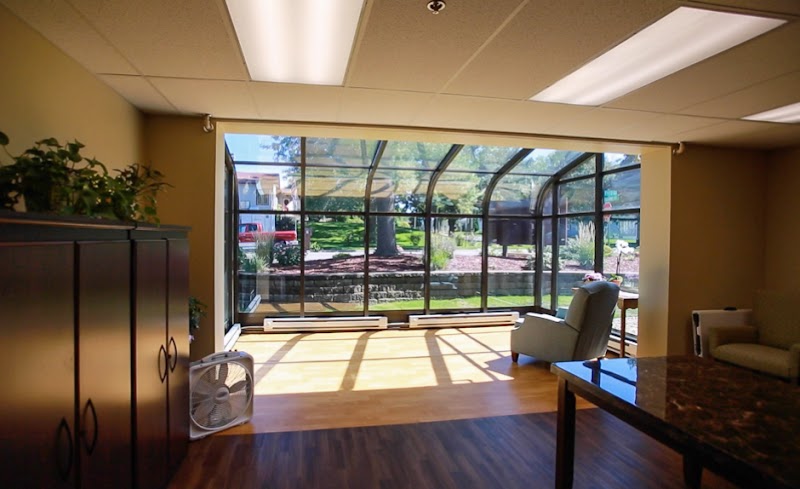
CMS rates Thorne Crest Retirement Center's staffing level at 3 out of 5 stars, which is average compared to other nursing homes. Staff turnover is 72%, which is 26 percentage points above the Minnesota average of 46%. High turnover can affect care consistency as new staff learn residents' individual needs. RN turnover specifically is 60%, which is notably high. RNs provide skilled clinical oversight, so turnover in this role can affect medical care quality.

What Have Inspectors Found at Thorne Crest Retirement Center?

State health inspectors documented 26 deficiencies at Thorne Crest Retirement Center during 2022 to 2025. These included: 2 Immediate Jeopardy (the most serious level, indicating potential for serious harm or death) and 24 with potential for harm. Immediate Jeopardy findings are rare and represent the most serious regulatory concerns. They require immediate corrective action.

Who Owns and Operates Thorne Crest Retirement Center?

Thorne Crest Retirement Center is owned by a non-profit organization. Non-profit facilities reinvest revenue into operations rather than distributing to shareholders. The facility is operated by AMERICAN BAPTIST HOMES OF THE MIDWEST, a chain that manages multiple nursing homes. With 52 certified beds and approximately 41 residents (about 79% occupancy), it is a smaller facility located in ALBERT LEA, Minnesota.

How Does Thorne Crest Retirement Center Compare to Other Minnesota Nursing Homes?

Compared to the 100 nursing homes in Minnesota, Thorne Crest Retirement Center's overall rating (2 stars) is below the state average of 3.2, staff turnover (72%) is significantly higher than the state average of 46%, and health inspection rating (2 stars) is below the national benchmark.

What Should Families Ask When Visiting Thorne Crest Retirement Center?

Based on this facility's data, families visiting should ask: "What changes have been made since the serious inspection findings, and how are you preventing similar issues?" "How do you ensure continuity of care given staff turnover, and what is your staff retention strategy?" "Can I visit during a mealtime to observe dining assistance and food quality?" "How do you handle medical emergencies, and what is your hospital transfer rate?" These questions are particularly relevant given the facility's Immediate Jeopardy citations and the facility's high staff turnover rate.

Is Thorne Crest Retirement Center Safe?

Based on CMS inspection data, Thorne Crest Retirement Center has documented safety concerns. Inspectors have issued 2 Immediate Jeopardy citations (the most serious violation level indicating risk of serious injury or death). The facility has a 2-star overall rating and ranks #100 of 100 nursing homes in Minnesota. Families considering this facility should ask detailed questions about what corrective actions have been taken since these incidents.

Do Nurses at Thorne Crest Retirement Center Stick Around?

Staff turnover at Thorne Crest Retirement Center is high. At 72%, the facility is 26 percentage points above the Minnesota average of 46%. Registered Nurse turnover is particularly concerning at 60%. RNs handle complex medical decisions and coordinate care — frequent RN changes can directly impact care quality. High turnover means new staff may not know residents' individual needs, medications, or preferences. It can also be disorienting for residents, especially those with dementia who rely on familiar faces. Families should ask: What is causing the turnover? What retention programs are in place? How do you ensure care continuity during staff transitions?

Was Thorne Crest Retirement Center Ever Fined?

Thorne Crest Retirement Center has been fined $43,082 across 1 penalty action. The Minnesota average is $33,510. While any fine indicates a compliance issue, fines under $50,000 are relatively common and typically reflect isolated problems that were subsequently corrected. Families should ask what specific issues led to these fines and confirm they've been resolved.

Is Thorne Crest Retirement Center on Any Federal Watch List?

Thorne Crest Retirement Center is not on any federal watch list. The most significant is the Special Focus Facility (SFF) program, which identifies the bottom 1% of nursing homes nationally based on persistent, serious quality problems. Not being on this list means the facility has avoided the pattern of deficiencies that triggers enhanced federal oversight. This is a positive indicator, though families should still review the facility's inspection history directly.