Bethany On The Lake LLC
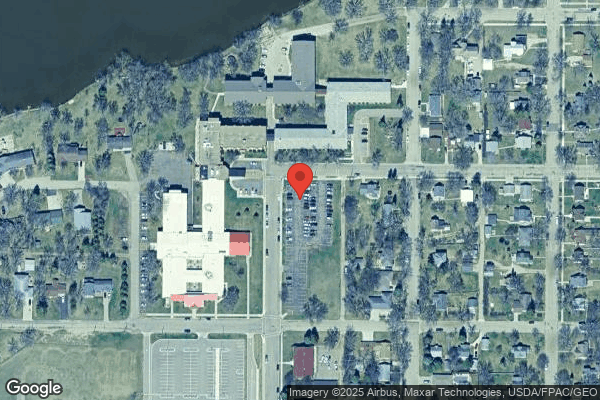
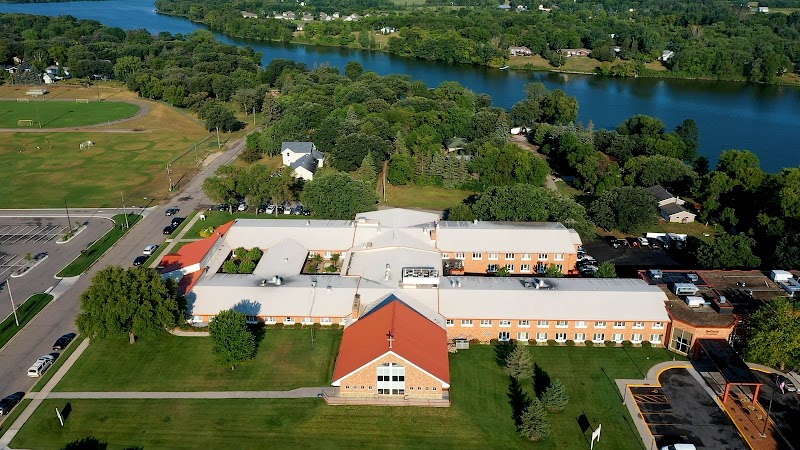
1020 LARK STREET, ALEXANDRIA, MN 56308 (320) 762-1567
For profit - Corporation 83 Beds MONARCH HEALTHCARE MANAGEMENT Data: November 2025 1 Immediate Jeopardy citation
Trust Grade
68/100
#96 of 337 in MN
Last Inspection: June 2024

Within standard 12-15 month inspection cycle. Federal law requires annual inspections.

Overview

Bethany On The Lake LLC has a Trust Grade of C+, indicating it is decent and slightly above average compared to other facilities. It ranks #96 out of 337 in Minnesota, placing it in the top half, but it is last in its county, at #4 out of 4. The facility has shown improvement over the years, reducing issues from 4 in 2024 to just 1 in 2025. Staffing is a major strength, with a 5-star rating and a turnover rate of 30%, which is well below the state average of 42%. While there have been no fines, a critical incident occurred when a resident at risk for elopement left the facility in freezing temperatures, highlighting a serious supervision issue. Additionally, there were concerns about kitchen cleanliness and food safety practices that could potentially affect all residents. Overall, while there are notable strengths in staffing and recent improvements, families should be aware of the critical incident and ongoing concerns regarding safety and cleanliness.

Trust Score
C+
68/100
In Minnesota
#96/337
Top 28%
Safety Record
High Risk
Review needed
Inspections
Getting Better
4 → 1 violations
Staff Stability
○ Average
30% turnover. Near Minnesota's 48% average. Typical for the industry.
Penalties
✓ Good
No fines on record. Clean compliance history, better than most Minnesota facilities.
Skilled Nurses
✓ Good
Each resident gets 62 minutes of Registered Nurse (RN) attention daily — more than 97% of Minnesota nursing homes. RNs are the most trained staff who catch health problems before they become serious.
Violations
○ Average
10 deficiencies on record. Average for a facility this size. Mostly minor or procedural issues.
★★★★☆
4.0
Overall Rating
★★★★★
5.0
Staff Levels
★★★★☆
4.0
Care Quality
★★★☆☆
3.0
Inspection Score
Stable
2024: 4 issues
2025: 1 issues

The Good

  • 5-Star Staffing Rating · Excellent nurse staffing levels
  • 4-Star Quality Measures · Strong clinical quality outcomes
  • Full Sprinkler Coverage · Fire safety systems throughout facility
  • No fines on record
  • Staff turnover below average (30%)

    18 points below Minnesota average of 48%

Facility shows strength in staffing levels, quality measures, fire safety.

The Bad

Staff Turnover: 30%

16pts below Minnesota avg (46%)

Typical for the industry

Chain: MONARCH HEALTHCARE MANAGEMENT

Part of a multi-facility chain

Ask about local staffing decisions and management

The Ugly 10 deficiencies on record

1 life-threatening
Jan 2025 1 deficiency 1 IJ
CRITICAL (J) 📢 Someone Reported This

A family member, employee, or ombudsman was alarmed enough to file a formal complaint

Immediate Jeopardy (IJ) - the most serious Medicare violation

Accident Prevention (Tag F0689)

Someone could have died · This affected 1 resident

**NOTE- TERMS IN BRACKETS HAVE BEEN EDITED TO PROTECT CONFIDENTIALITY** Based on observation, interview and document review, the facility failed to provide adequate supervision to prevent an elopement...

Read full inspector narrative →
**NOTE- TERMS IN BRACKETS HAVE BEEN EDITED TO PROTECT CONFIDENTIALITY** Based on observation, interview and document review, the facility failed to provide adequate supervision to prevent an elopement for 1 of 3 resident (R1) reviewed for supervision. R1 was assessed at risk for elopement and left the facility in the dark, freezing temperatures, and located outside approximately 25 minutes later. The immediate jeopardy began on 1/6/25, at 6:44 a.m. when R1 set off roam alert, exited the facility through the south door, in the dark in below zero temperature with her walker, and went missing. At 7:10 a.m. approximately two blocks away from the facility R1 was located. The administrator and DON were notified of the immediate jeopardy on 1/10/25 at 1:30 p.m. The facility immediately implemented corrective action and was corrected on 1/7/25, prior to survey and was issued at past noncompliance. Findings include: According to time and date past weather conditions for Minneapolis weather History for January 6, 2025, the temperature at 5:53 a.m. was three degrees Fahrenheit retrieved from Weather in January 2025 in Minneapolis, Minnesota, USA. R1's St. Louis University Mental Status Exam (SLUMS) (an assessment tool for mild cognitive impairment and dementia) dated 11/9/23, identified a total score of 9 out of 30 and indicated dementia (27-30 was normal, 21-26 suggested mild neurogenic disorder, and 0-20 suggested major neurocognitive disorder). R1's annual Minimum Data Set (MDS) assessment dated [DATE], identified severely impaired cognition, was able to communicate but had difficulty with some words or thoughts without prompting and given time. She felt down, depressed, and hopeless several days (2 to 6 days out of the 7 days during the look back period). She required partial to moderate assistance with personal and toileting hygiene, bath/shower, dressing, and was able to transfer/ambulate up to 150 feet in corridor independently. Her diagnoses included: diabetes mellitus (DM)/insulin dependent, dementia, psychiatric disorder, and required the use of a wander/elopement alarm daily. R1's elopement risk evaluation dated 10/17/24, identified she had a habit/history of wandering or attempts to leave the unit/building, ambulatory, exhibits pacing or agitated behavior, had a cognitive deficit diagnosis, and currently taking opioid or psychotropic medications which may cause confusion. R1's elopement risk score was a 5 (a score of 4 or greater indicates potential for elopement) and care plan goal was identified as resident will not leave the building alone. R1's fall risk assessment date 10/17/24, identified she has had one to two falls in the past six months. Medications used and diagnoses that may have contributed to falls: Hypoglycemic agents (used for low blood sugars), antihypertensives, psychotropics, and peripheral neuropathy (nerves outside the brain and spinal cord are damaged causing weakness, numbness, and pain in the hands or), a diabetes type I, heart disease, and Alzheimer's. Agitation occurred less than daily. Gait analysis: used an assistive device (e.g., cane, walker, etc.) and wore poorly fitting shoes. R1's care plan date 10/29/24, identified she was at risk for elopement, wandering, had a diagnosis of dementia with psychosis with a goal she will not leave the building alone. Staff were instructed to redirect her during attempts to leave the building using calm language, calling her son, offering a snack and/or wheelchair to bring her back to her room, answer door alarms promptly, and monitor wander guard for proper functioning. She was at risk for alteration in mobility with a history of falls and staff were directed to follow physical therapy (PT) orders, and independently transfer and ambulate in hallway with walker. Additionally she was at risk for falls due to encephalopathy (brain dysfunction and can appear as confusion, memory loss, personality changes and/or coma in the most server form), history of falls, left foot drop (difficulty lifting the front part of the foot to help clear the floor), lumbar stenosis (narrowing of the spinal cannel can cause pressure on the spinal cord or nerves that go from spinal cord to your muscles), and diabetes. Staff were directed to follow PT and occupational therapy (OT) instructions for mobility function. She had an alteration in psychosocial well-being and was to be monitored for safety concerns such as elopement. R1's progress note dated 11/5/24 at 6:33 a.m. Resident walked the halls before midnight with her coat on. Approached doors and talked about getting a kid on the bus. Redirected back to the nurse's station. She eventually fell asleep in the recliner at the nurse's station until 2:00 a.m. R1's electronic medication administration record dated December 2024, identified the roam alert on her walker was documented as checked every night shift at 11:30 p.m. 12/1/24 through 12/31/24. R1's PT evaluation dated 12/10/24, identified she had dementia with anxiety, history of falls, generalized muscle weakness, and other abnormalities of gait and mobility. She felt unsteady when walking and worried about falling. Walking 10 feet on uneven surfaces was not attempted due to medical conditions or safety concerns and curb/steps (1 step/curb) not applicable. She had decreased (3 out of 5) musculoskeletal strength identified in left lower extremity (hip, knee, and ankle). Assessment summary identified decreased dynamic balance, motor control deficits, postural alignment/control, and strength impairments. R1's progress notes from 1/6/24 through 1/7/25 identified: -On 1/6/25 at 8:22 a.m. Late Entry: at 6:44 a.m. she set off roam alert and exited the building through the south facing door of facility. She left wearing a coat, shoes, and walker with intentions of finding two boys. Writer responded to door alarm, was unable to locate resident immediately after turning off alarm. Other staff were asked for assistance in locating resident in and outside building, and a code white was called. Director of nursing (DON) and all staff assisted at this time. Resident was found by facility staff one block away ambulating with walker, directed to staff vehicle, and brought back to her room at the facility without incident. A skin check was immediately performed with nursing and medical doctor (MD). Her skin was intact without injury and was provided a warm blanket that was changed out once it cooled down. Her roam alert was functioning and on her walker. An additional roam alert was added to her ankle. MD updated to incident and delusions reported during incident. Medications reviewed and nursing requested a lab check and urinalysis (UA) for possible infection. Every 15-minute checks were initiated for 24 hours. Staff education provided on elopement policy. If resident wandered to an exit she would be redirected to her room or nurse's station. She will remain in line of sight while in hallways. Her son was notified and updated at 11:10 a.m. today. -On 1/6/25 at 3:02 p.m. orders for urinalysis/urine culture (UA/UC) and basic metabolic panel (BMP) due to increased confusion and possible urinary tract infection (UTI). -On 1/6/25 at 6:34 p.m. orders regarding resident leaving building. Observe face, hands, feet for any cold related injury times 48 hours. Review of facility's Vulnerable Adult Maltreatment Report identified on 1/6/25 at 6:44 a.m. R1 set off the roam alert and exited the building through the south facing door of the facility. She left wearing a winter coat, socks, shoes, pants with her walker and intentions of finding two boys. She was located approximately one block away ambulating with her walker and hood up. She was standing with two other individuals who were neighbors to the facility. She was directed to staff vehicle and brought back to her room without incident. Upon immediate return to the facility MD and staff assessed her for injury. No injuries or sin alterations were observed. She denied injury, maltreatment, or falling while out of the facility. R1's electronic medication administration record dated December 2024, identified the roam alert on her walker was documented as checked every night shift at 11:30 p.m. 1/1/25 through 1/6/25. Facility Device Activity Report dated 1/6/25, identified: -1/6/25 at 6:44 a.m. alarm on south entrance door two. -1/6/25 at 6:48 a.m. (4 minutes 14 seconds) user cleared alarm on south entrance door two. R1's medical doctor (MD)-B assessment dated [DATE], identified she was seen today at the request of the nursing supervisor to evaluate for possible injury related to elopement. She had a history of dementia and elopement. With an alert device in place, exited the building through the south facing door having navigated steps to get there. She reported left the facility with the intention of finding two boys. She wore a coat, shoes, no mittens/gloves, and used her walker. She the facility for approximately 30 minutes [sic]. There was reference to her seeing wheels on the walls of her room. She returned to the facility at the time of my visit and stated, well that was stupid, regarding her leaving the building. Her main complaint was cold hands and denied fall, injury, or maltreatment. Her temperature was 97.3 degrees Fahrenheit and physical exam identified she was alert, cheerful, hands cool to the touch with no evidence of frost nip or frostbite with adequate capillary refill, and normal sensation. She did not appear to have suffered any ill effects from her elopement. Nursing staff will closely monitor her for skin changes. R1's progress noted dated 1/7/25 at 9:39 a.m. Follow up note from elopement episode on 1/6/24. Resident skin is intact, denies pain., and made no mention of elopement except that it was cold yesterday. Conversation was nonsensical per baseline. No exit seeking noted. Resident has a wander guard on right ankle and walker. Will continue to monitor for changes. Memo dated 1/7/25, written by DON provided to staff identified: The wanderguard or Roam Alert system requires and emergency response when it is alarming. The alarm cannot be disarmed unless you visualize and account for all residents with a wander guard or roam alert. Remember a thorough search is indicated by searching inside and out the facility. We have created a new elopement binders for each station. They have face sheets for those residents that have a wander guard or roam alert currently in house. Please use these binders as reference to who you should account for when a roam alert is sounding. R1's MD-A 60-day medical review visit 1/8/25 at 8:00 a.m. unfortunately two days ago she had an elopement episode. She was confused and did not really have any intentions of eloping. She went outside looking for someone. She has had hourly checks since that day and expressed no further desire to exit seek. During an interview on 1/9/25 at 11:30 a.m. PT stated she had arrived at work on 1/6/25 at 7:05 a.m., parked her car on the street (11th street) by the facility south exit/entrance door. PT stated she was approached by a registered nurse (RN)-A, informed R1 was missing, and was asked for help to locate her. She stated it was dark outside and cold with the temperature somewhere around zero. She got back in her car and drove west down 11th street, past the side street located at the west side of the facility building where the side walk ended with an egress ramp for easy exit onto the street, down a hill past four houses past another side street to the right and where the fifth house was located on the right side of the road. PT stated at approximately 7:10 a.m. she observed R1 as she stood with her walker on the side of the road with a neighbor (approximately two blocks away from facility). R1 was fully dressed in pants, shirt, shoes, socks, and a black coat with the hood placed over her head, and nothing on her hands. She approached R1, she knew who she was, but seemed confused/forgetful, unsure as to why she was outside, and said her hands were cold. She walked R1 around to the passenger side of the car, assisted her inside, and placed the walker in the car. She drove her to the front of the facility building and assisted her inside, and back to her room. She stated R1 was able to walk on flat surfaces with her walker, had foot drop, and made an extra effort to pick that foot when walking so that she did not trip. PT stated the ground outside was uneven and placed her at a higher risk for a fall. She was unsure as to how R1 managed to go outside and down two steps with her walker from the facility south exit door to get to the sidewalk. During an observation on 1/9/25 at 12:20 p.m. located on the inside of the south exit door at eye level was a printed sign: CAUTION this door leads to stairs without an egress ramp. For safe transition to the outside, please use either the east or west doors located approximately 50' away to the left and right. Additionally located off to the right of that sign was a red stop sign at waist level, underneath the sign was a horizontal metal bar used to push door open and below the bar was another red stop sign posted. Off to the right side of the door at eye level located on the wall was wall pad with numbered buttons on it used to unlock the door with an entered code. PT entered the code and opened the inside exit door and observation showed an entry way that had an outside glass door with long vertical glass windows on each side of the door where outside could be seen. She pushed open the outside door and there was a cement platform that led to two long horizontal step that spanned the length of the south entry/exit door with a black railing located on each side and one in the middle between the steps. There was a sidewalk from the steps that extended out to the main public sidewalk which was horizontal from the facility building running both east and west the sidewalk going west ended prior to reaching the side road on the west side of the building with an egress ramp. The road continued down the street without a sidewalk. During an interview on 1/9/25 at 12:40 p.m. RN-A stated R1 walked independently with her walker, was confused and forgetful, unable to make any of her own decisions, and would have not been safe out in the community by herself. She had seen a decline in R1's dementia and confusion were severe. R1 frequently mixed up her days with her nights, did not sleep well and up a lot during the night. She stated R1 for the most part was usually up by 6:15 a.m., fully dressed herself in shirt, pants and shoes but also wore gripper socks and sometimes her jacket. R1 made her appearance in hallways with her walker about every 30 minutes unless she was sleeping, came to dining room for meals but if not there 15 minutes prior to the meal staff would go get her. R1's ambulation had worsened since admission, did not understand the concept of her foot drop and front end of foot drug on the floor, which made her a high risk for falls. She stated a roam alert was attached to R1's walker and had not tried to open an exit door prior to 1/6/25, of which she was aware. She arrived at work on 1/6/25 at 6:15 a.m., report started at 6:30 a.m. at the medication cart located by the nurse's station. She had seen R1 last during the middle of the report when R1 came out of her room and turned to the left, headed south down the hallway (away from where report was) with her walker, fully dressed in shoes and jacket on. She stated she did not attempt to redirect R1, continued with report until right before 6:45 a.m., walked through the dining room, grabbed water for medication pass, unlocked medication room, grabbed apple sauce and nebulizer treatments out of the refrigerator then heard the exit door alarm go off. She left her walkie on the medication cart, walked down to the south end of the hallway where one exit door was located, looked outside through the window, then realized it was the south door alarm down the south hallway to the left that had alarmed. She approached the south end door, unable to hear anything, so turned off the door alarm. RN-A stated staff were expected to respond the door alarm immediately and should have been left on until R1 was found. She opened the inside exit door and walked into the entry way, looked out the widows and thought how could R1, an elderly woman, maneuver herself down those steps with a walker without falling and was no evidence she exited that door. She opened the outside door, was dark outside and looked around. RN-A stated she did not step outside, it was cold, near zero temperature, no coat or phone, and had not processed yet if R1 was inside or outside the building. She walked from the entry and back into the facility building, combed through sitting areas inside the building, went down to east/west hallway and asked NA-C for assistance to help locate R1, then called director of nursing (DON) and a Code [NAME] (missing resident). She went outside through the west door for about two to three minutes, walked down the sidewalk, between vehicles in the parking lot, was still dark out and relied on the street for light. RN-A stated staff would have been expected to go outside and check the surrounding areas right away, but her point of view was she had no sight of her, there was only one streetlamp, and did not see anyone. PT found R1 outside by the side of the road with her walker approximately 20 minutes after she exited the facility. Once R1 was brought back to the tacitly she completed an assessment along with the provider on site, no injuries were noted. She initiated every 15-minute checks for 24 hours, applied another roam alert to R1's ankle and education was provided to all staff that same day. During an interview on 1/9/25 at 2:40 p.m. maintenance director (MD) stated once a resident with a roam alert approached and exit door a warning beep would sound. When the exit door was breached (opened) the alarm beeped faster, and alerted staff on their walkie's. He stated the staff were expected to respond to the alarm immediately and go to exit door, and complete outside and inside building. following the policy guidelines. There were only two residents in the facility that had roam alerts on. The door alarm log indicated the south entrance/exit door alarm on 1/6/25 went off at 6:44 a.m. and was cleared at 6:48 a.m. (4 minutes). He was unsure of the temperature that morning, the snow had pretty much melted, and the road was clean. During an interview on 1/9/25 at 3:39 p.m. nursing assistant (NA)-B stated she had worked the night shift on 1/5/25 through 1/6/25 morning. R1 would walk around the facility with her walker fully clothed with either gripper socks or tennis shoes on. Occasionally, R1 would walk in hallway with her coat which occurred about every two months. She last saw R1 at 6:25 a.m. laid in bed, sleeping, fully clothed with gripper socks on, no agitation noted during the shift, and when shift ended at 6:30 a.m. went home. NA-B stated R1's cognition was very forgetful, confusion went in spirits but was never totally clear, refused cares at times, would not have been safe outside in the community by herself. NA-B stated R1 was unable to find her way back to the facility. During an interview on 1/9/25 at 4:24 p.m. floor manager RN-C stated R1's had progressive Alzheimer's, significant cognition impairment, and would have not been safe out in the community by herself. R1 had limited mobility, transferred, and ambulated independently but at risk for a fall. RN-C stated R1 refused cares, had psychosis, delusional thinking patterns, hallucinations, and could be verbally and physically aggressive at times. She said R1 had vascular dementia, made for a behavioral pattern, and was at risk for elopement. R1 walked the hallways with her walker with roam alert attached to it, fully dressed and not uncommon for her to wear her coat. She stated RN-A was giving shift to shift report, saw R1 in hallway with her coat on, ambulating with her walker and had not verbally expressed she wanted to leave. She expected staff to respond to an exit door alarm immediately, it was an emergency, and the alarm should have been left on until resident was found and all clear was sounded. She also expected staff to go outside immediately and searched right away for the resident. RN-C stated when the exit door alarm was triggered on 1/6/25 it was dark and cold out and would have been important to see the physical environment and at least walked out to the sidewalk and important to find the resident as soon as possible. She stated R1 was outside approximately 20 minutes before she was found. There was a lack of supervision for R1, staff should have initiated an outside search sooner and staff failed to follow the care plan, R1 should have not been outside alone. During an interview on 1/10/25 at 11:05 a.m. occupational health and learning RN-B stated once the exit door alarm went off staff were expected to go to the door that alarmed, and the alarm should have remained on until resident was found. Staff were expected to go outside and look for the resident immediately because it was cold outside, could have gotten hurt, and needed to get R1 back into the building. RN-B stated that information was provided in the facility policy and wanted to prevent residents from leaving the facility unassisted such as elopement. She stated all staff education was provided on 1/6/25, and a facility drill was completed on 1/7/25 at two separate times after the elopement so that staff could take part in it and re-educated. R1 had told staff she was looking for the boys and had a purpose to go outside. Previous to the elopement on 1/6/25 R1 had not verbalized she wanted to leave the facility nor pushed open an exit door. During an interview on 1/10/25 at 11:16 a.m. family member (FM) stated R1 had a history of falls at home prior to her admission and one at the nursing home. He had talked to the staff, and they had asked R1 why she went out of the building, she told them she saw a little boy out there. He said she most likely thought it was her grandson and wanted to go out there after him. FM stated R1 wore a black Vikings jacket with a hood, refused to wear a cap/hat, and had no gloves or mittens. He had not noticed any change in behaviors recently except when R1's blood sugars dropped too low in the morning, she became moody. FM stated on the morning she left the building it was very cold and right around zero outside, and she was not safe to be outside alone with her dementia. During an interview on 1/10/25 at 12:08 p.m. DON stated R1 required cues, did not make safe choices and was not safe out in the community by herself. She had not seen R1 in the hallways ambulating with her jacket on, the night shift indicated they had seen her at times in the hallway with her jacket on. She identified R1's elopement risk had slowly increased, in November 2024, R1 had talked about looking for some children with her coat on, care plan interventions were updated in July 2024, staff were expected to redirect R1 from exits due to her risk for elopement. She was notified on 1/6/25 at 7:02 a.m. by RN-A via phone R1 was missing and had not been found yet. She asked RN-A if she had checked outside and was told yes, then RN-A informed her she felt that R1 could have not made it down the steps and did not think she was outside. She instructed RN-A to call a Code [NAME] and focus search efforts outside immediately due to the possibly of her being out there was pretty good since it was an exit door that alarmed. DON stated the facility policy was not followed, the exit door alarm should have been left on until the R1 was found and most likely why other staff did not respond to assist with the search. Additionally, when staff look through the glass door/windows it would have been super reflective in the dark and if she would have physically immediately gone outside and taken five steps R1 would have been right there. she was on her way into work from home when the call came through and showed a temperature between zero to one above. She estimated the time R1 was outside was 20 to 25 minutes, walked down the south west sidewalk, crossed a street intersection at the end of the side walk then walked down the road past four houses, crossed another street intersection, and found in front of the fifth house off the side of the road with two neighbors located nearby. Every 15-minute checks were initiated times 24 hours and supervision required when out in hallways ambulating. She expected staff to have intervened and redirected R1 when they saw her with her jacket on in the hallway early that morning. She completed staff interviews, and some felt that if they saw R1 with her coat on in hallway would have intervened and other staff indicated it was normal for her. Most of the staff were educated on 1/6/25. During a follow up interview on 1/10/25 at 12:15 p.m. PT stated the wording on the PT evaluation form dated 12/10/24, curb/steps (1 step/curb) not applicable, was the language used to complete an evaluation. She stated R1 was not tested for the steps, not something she did in her routine but by reviewing her evaluation that day the results confirmed if she had tested her, she would have been dependent and not able to do it safely on her own. During an interview on 1/10/25 at 12:45 p.m. NA-B stated she worked the morning shift 1/6/25 and had not seen R1, assisted another resident at 6:30 a.m. She stated her walkie alerted her an exit door alarm had been set off after 6:30 a.m., unsure exactly what time it was at. NA-B stated she finished up transferring another resident then spoke to RN-A and was asked if she had seen R1. She started looking inside the facility then went outside without a coat on along with another staff to search the facility grounds, it was dark and cold out. She went back inside the facility, unsure of time, was notified R1 had been found. She kept a close eye of R1 especially when in the hallway ambulating the rest of her shift. NA-B stated R1 had a history of forgetfulness, easily distracted, and turned around, and confused. We were expected to respond to those alarms immediately and the alarm was to be left on until the resident was found. During an observation on 1/10/25 at 1:10 p.m. R1 ambulated in hallway, pushed her four wheeled walker from the north end of the hallway towards the south end where her room was located. In the middle of the hallway, R1 stopped and let go of her walker, grabbed her waist band on her pants and with both hands and pulled them up which revealed a roam alert located on her right ankle. An additional roam alert was located on the left upper side of her walker. R1 was fully dressed in shirt, pants, socks, shoes and did not have her jacket on. R1 ambulated by raising her left thigh up high in order to lift her left foot off the ground so that her left foot toes hung down, and barely cleared the floor with each step. R1 ambulated past her room doorway and was almost at the end of the hallway when an unidentified staff intervened and redirected her. R1 was cooperative. During an interview on 1/10/25 at 1:16 p.m. MD-A stated R1 had a history of wandering would have not been safe outside by herself in the community and expected staff to monitor her to keep her safe. During an interview on 1/13/25 at 3:02 p.m. licensed practical nurse (LPN)-A stated she was in a resident's room, came out of the room, heard the exit door alarm, walked towards the south end of the building and alarm had been shut off when she was only ½ way down the hallway. She was approached by RN-A between 6:45 a.m. and 7:15 a.m. and was told RN-A had lost R1. She asked RN-A if she had looked outside and was told yes. RN-A walked away and then came back and stated to her, really, I cannot find R1 while she talked on the phone. She called a Code [NAME] and we started to search all over the facility inside and outside. She crossed the street by her car and looked through the school parking lot around six cars, southwest corner, down the block to the north and the southwest corner and was unable to locate R1. LPN-A stated staff were expected to respond to an exit door alarm right away, checked to see if there was a resident by the door, and go outside to the end of the block and if how far they may have gotten. She stated it was dark and cold out, unsure of the temperature, and no snow on the ground. She was unsure as to how R1 had been able to go down two steps with a walker. Facility Elopement policy date 6/2023, identified a safe environment will be provided for all residents. Assure that each resident is properly assessed on an ongoing basis and has appropriate safety precautions in place. Only the administrator or designee may authorize the disabling of the alarm system and is responsible for monitoring for resident safety and resetting the alarm. Documentation should include Entries that are time specific to reflect the responsiveness and timeliness of actions taken to locate and assess the resident. Facility policy Wander Guard/Roam Alert dated 11/2023, identified the roam alert system was designed to secure perimeter that helps detect residents from leaving the protected areas of the facility. All staff is required to respond to the roam alert and ensure the safety of our residents. When responding to the alert always open the door at the exit site and look for any resident that may have left the building. Walk around the building to see if resident was on the sidewalk, property, or surrounding area. Once you have checked outside and the resident located and returned inside the facility you can clear the alarm. It should not be cleared prior to locating the resident. Staff need to continue responding to the alert and assist with the search. Facility policy Code [NAME] - Missing Residents dated 1/2025, identified all personnel must investigate and report all cases of missing residents. If a resident's whereabouts are not discovered the nurse caring for the resident will page overhead by pressing the page button on the phone: Code [NAME] (name of resident) please return to your room. Staff, please turn walkies to channel one. Repeat this three times. All staff will begin a thorough search for resident. Searching outside maybe an option as the search area is expanded. Staff can utilize their vehicles to search the perimeter of the building, searching outside maybe needed earlier in the search, depending on the situation. An outside search should take no longer than 15 minutes. When resident is located page overhead Code [NAME] Canceled repeat this three times. The past noncompliance immediate jeopardy began on 1/6/25. The immediate jeopardy was removed and the deficient practice corrected by 1/7/25, after the facility implemented a systemic plan that included the following actions: began immediate investigation, reviewed policy and procedures, placed a roam alert on R1's right ankle, initiated all staff education the DON provided a memo to staff identifying the wanderguard or Roam Alert system requires and emergency response when it is alarming, conducted audits and drills with staff, tested all current roam alerts for functional use, updated R1's plan of care, provided corrective action and education regarding missing resident and elopement to RN, created a missing resident check list and elopement binder that identified residents in the facility at risk for elopement with roam alerts, and ongoing staff education and audits will be provided.
Dec 2024 1 deficiency
CONCERN (D) 📢 Someone Reported This

A family member, employee, or ombudsman was alarmed enough to file a formal complaint

Potential for Harm - no one hurt, but risky conditions existed

Transfer Requirements (Tag F0622)

Could have caused harm · This affected 1 resident

**NOTE- TERMS IN BRACKETS HAVE BEEN EDITED TO PROTECT CONFIDENTIALITY** Based on interview and document review the facility failed to ensure an appropriate facility-initiated discharge for 1 of 3 resi...

Read full inspector narrative →
**NOTE- TERMS IN BRACKETS HAVE BEEN EDITED TO PROTECT CONFIDENTIALITY** Based on interview and document review the facility failed to ensure an appropriate facility-initiated discharge for 1 of 3 residents (R1) reviewed who admitted to the facility, was told to discharge due to a sexual abuse charge and was re-hospitalized . Findings include: R1's admission record indicated he admitted to the facility on [DATE] and discharged [DATE]. R1's diagnosis included paraplegia, muscle weakness, need for assistance with personal care and pressure ulcer of right buttock, stage IV (Full thickness tissue loss with exposed bone, tendon or muscle. Slough or eschar may be present. Often includes undermining. R1's hospital discharge summary note dated 11/19/24 indicated due to mobility issues the patient is not ready to discharge back to independent living. He is discharging to skilled nursing facility. R1's physical therapy (PT) Evaluation and Plan of Treatment dated 11/19/24 indicated he required supervision or touching assistance for transfers and bed mobility. The evaluation indicated; reason for Referral / Current Illness: R1 was referred to skilled PT following hospitalization for a right ischial decubitus ulcer. He was also a paraplegic. R1 presented with decreased dynamic balance, trunk weakness, low activity tolerance, and difficulty with transfers and indicated R1 would benefit from PT to increase safety and independence with transfers. R1's progress note dated 11/19/24 indicated R1 received antibiotics for wound Infection. Incontinence care provided. Unable to visualize wound due to non-removable dressing. R1 turned and repositioned frequently. Positioning devices applied as ordered. Offloading of affected area. R1 displayed difficulty with movement in multiple extremities. Had weakness in bilateral lower extremities. Skilled need: PT, OT, treatment of Stage III or IV pressure ulcer. Management & evaluation of patient care plan. Observation & assessment of resident condition. Teaching & training to manage resident's condition. R1's occupational therapy (OT) Evaluation and Plan of Treatment dated 11/20/24 indicated the following: Toilet transfer = Dependent. Mobility Function Score (ranges from 0 - 12; 12 being the highest function) = 0 Toileting hygiene = Dependent. Bathing Shower/bathe self = Dependent. Dressing Upper body dressing = Partial/moderate assistance. Lower body dressing = Dependent. Putting on/taking off footwear = Dependent. Self-Care Function Score (score 0 - 12; 12 being the highest function) = 6 R1's base line care plan dated 11/20/24 identified a risk for decline in activities of daily living and mobility related to paraplegia (paralysis of the lower body). The care plan indicated R1 transferred himself. The care plan identified a risk for skin breakdown related to incontinence and directed staff to provide incontinent products and assist to change as needed and indicated R1 was able to manage incontinent products and external catheter independently. Identified a chronic wound on his coccyx and directed staff to provide turn and reposition or reminders to offload every 2-3 hours and as needed. R1's progress note dated 11/20/24 indicated discharge plan to home with homecare services to manage R1's wound. R1 indicated he was able to manage cares and mobility independently and had support from family members. R1 was accepting of homecare services to complete wound care three times a week. R1 stated he felt comfortable with this discharge plan and was willing to discharge tonight or tomorrow. R1 had transportation available by his niece. R1's admission Minimum Data Set, dated [DATE] indicated intact cognition and indicated he was dependent on staff for toileting hygiene, required partial to moderate assistance for transfers and did not ambulate. R1's progress note dated 11/21/24 indicated social services met with R1 earlier to review discharge plan and complete admission assessments. R1 was accepting of discharge plan and would receive home health services through Homecare and transportation through the facility bus. R1 was from a different county with multiple disciplines involved in his care, both for medical care and for criminal activity. Social services and facility care team members worked with those parties to coordinate return to his apartment and back to an area more familiar to him. R1 scored 15 on the BIMS, indicating his cognition was intact. R1 did not have questions at this time. Social services had called family members to provide updates. Social services will remain available to him throughout stay. R1's progress note dated 11/21/24 indicated R1 was discharged to his home at this time with his medications and all personal items sent with him. Transported by facility bus. Discharge paperwork and instructions completed by nurse manager, signed with copy given to resident. During an interview on 12/10/24 at 1:20 p.m., R1's health plan care coordinator (HPCC) stated after R1 was discharged from the facility back to his home, he did not make it very long before returning to the hospital. The HPCC stated prior to his admission to the facility R1 had been hospitalized , then went to a swing bed (A swing-bed is a service that rural hospitals and critical access hospitals provide that allows a patient to transition from acute care to skilled nursing facility care without leaving the hospital. This allows a patient to continue receiving services in the hospital even though acute care is no longer required). The HPCC said the swing bed facility felt he needed more ongoing care, so they discharged him the a skilled nursing facility on 11/19/24. The HPCC stated she spoke to the social services director (SSD) at the facility on 11/20/24, who told her R1 would be there for a few months. She stated the SSD asked her about R1's pending court date and they looked up the information. The HPCC said due to the nature of the charges, the facility told her they were going to discharge R1 immediately and R1 was discharged back home. The HPCC stated R1 went back to the hospital on [DATE], because his wound vac (vacuum assisted closure is a therapeutic technique using a suction pump, tubing, and a dressing to remove excess exudate and promote healing in acute or chronic wounds) had come off. She stated R1 was discharged back home again on 12/2/24, and re-hospitalized on [DATE]. The HPCC said R1 was currently in another rehab facility. The HPCC stated she had verbalized to the facility SSD her concerns about the discharge being unsafe and was told the higher-ups had decided to discharge R1. During an interview on 12/10/24 at 2:07 p.m., the SSD stated after R1 admitted to the facility she received a call from R1's HPCC who mentioned R1 needed to speak with a lawyer related to a sexual abuse charge. The SSD stated R1 had sexually harassed someone at the hospital but she was unsure of the circumstances and said R1 had not yet been convicted. The SSD stated she notified the administrator and director of nursing (DON) due to the vulnerability of the facility population. The SSD said they sought consult from the corporate leadership. R1 was independent with therapy so they set up home care services for wound care. R1 was accepting of the discharge. The SSD stated the facility had initiated the discharge. During an interview on 12/10/24 at 2:17 p.m., the administrator stated he had spoken to R1 after he was alerted R1 needed to speak to a lawyer about ongoing legal proceedings. The administrator said he talked to R1 and said we both agreed it would be appropriate for him to go home. The administrator stated he had spoken to an acquaintance with the local police department who said R1 should go back to his county of residence but had not documented the conversation. The administrator stated R1 had not received a discharge notice because he had asked R1 if he wanted to leave and R1 agreed. The administrator further stated the risks and benefits of discharge were not discussed with R1. During an interview on 12/10/24 at 2:39 p.m., R1's family member (FM)-A stated R1 was currently in another rehab facility and said she spoke with R1 frequently. FM-A stated the facility told R1 he could not rehab there because of his sexual abuse charge. FM-A stated they sent him home and R1 was hospitalized again because the wound dressing kept falling off when he got in his wheelchair. FM-A stated I think they ([NAME] on the Lake) violated his rights). During an interview on 12/10/24 at 3:37 p.m., the hospital swing bed social worker (SW) stated R1 had been sent to them following a hospital stay. R1 was discharged to the facility skilled nursing for the wound vac. R1 was able to transfer from the bed to his wheelchair but said every time he self-transferred the wound vac dressing came off. The SW stated home care would have been able to assist with changing the wound vac every three days but could not go to R1's home and replace the wound vac every time it came off, which was why he was referred to the skilled nursing facility. During an interview on 12/10/24 at 3:44 p.m., the facility medical director (MD) stated she had done a face-to-face visit for the referral to homecare. The MD said when R1 admitted to the facility she was told he was upset and asking about his court date and his lawyer communication about the pending court date. The medical director stated R1 was at the facility for wound care and was doing well. The MD stated she had not been aware the swing bed facility had sent him to the rehab facility because they had concerns about R1's wound vac coming off when he self-transferred. During an interview on 12/10/24 at 4:24 p.m., the DON stated R1 was admitted to the facility due to a chronic pressure injury that was infected. The DON stated R1 had orders for therapy and a wound vac. The DON said R1 had legal concerns, so the administrator had a conversation with him and discharge had been discussed. She spoke with R1 and he was concerned about his location. The facility had not assessed R1 as no longer having a skilled nursing need and no risk and benefits of leaving had been discussed with R1. The DON said R1 was able to self-transfer, even though therapy assessed R1 to need further rehab, so wound care could be done at home with home health. During an interview on 12/10/24 at 4:45 p.m., the SSD stated the only concern she heard from R1 was he wanted to talk about how to get hold of his lawyer. She had not assisted R1 to reach his lawyer, nor had she offered to assist with transportation to his court appearance. The SSD stated, I just did what was directed by my superiors. During an interview on 12/11/24 at 7:30 p.m., R1 stated he was told by the administrator he could not be at the facility because of his sexual abuse charge and said, I think it sucked actually. R1 stated the administrator had not asked him if he wanted to leave but told him he had to leave. R1 said the facility had not given him a notice nor had they asked him what happened related to the charge and said they more or less just said since the court date was happening, he could not stay. R1 stated after he discharged from the facility his wound did not do well and said the wound vac kept coming off. R1 said he had to have a friend come over and try to help with the wound vac and she had him sent back to the hospital. Facility policy Transfer or Discharge Notice for Facility Initiated Transfers dated 7/2024, indicated a facility initiated discharge referred to a discharge that a resident objects to or did not initiate and did not align with the residents goals for care and preferences. The policy indicated the resident and or family were notified in writing: Specific reason for transfer or discharge, effective date, location and an explanation of their right to appeal.
Jun 2024 3 deficiencies
CONCERN (D)

Potential for Harm - no one hurt, but risky conditions existed

Assessment Accuracy (Tag F0641)

Could have caused harm · This affected 1 resident

**NOTE- TERMS IN BRACKETS HAVE BEEN EDITED TO PROTECT CONFIDENTIALITY** Based on observation, interview and document review, the facility failed to ensure the Minimum Data Set (MDS) was accurately cod...

Read full inspector narrative →
**NOTE- TERMS IN BRACKETS HAVE BEEN EDITED TO PROTECT CONFIDENTIALITY** Based on observation, interview and document review, the facility failed to ensure the Minimum Data Set (MDS) was accurately coded to reflect oxygen usage and hospice status for 1 of 1 resident (R28) reviewed for hospice services. Findings include: The Centers for Medicare and Medicaid (CMS) Long-Term Care Facility Resident Assessment Instrument (RAI) 3.0 User's Manual dated October 2023, outlined an overview which included, Intent: The intent of the items in this section is to identify any special treatment, procedures, and programs that the resident received or performed during the specified time periods. Facilities may code treatments, programs, and procedures that the resident performed themselves independently or after set-up by facility staff. The RAI had directions to check all the following treatments, procedures, and programs that were performed during the last 14 days: Section O0100C oxygen therapy, and section O0100K, hospice care. During a review of R28's facesheet, diagnoses information included, COPD, unspecified onset date of 12/13/23, encounter for palliative care onset date of 12/13/23, and dependence on supplemental oxygen onset date of 5/18/18. Review of the admission MDS dated [DATE], section O100C oxygen therapy had not been checked. In addition, section O100K, Hospice, had not been checked. Review of the quarterly MDS dated [DATE], section O100C special treatments and programs: oxygen therapy had not been checked. In addition, section O100K Hospice had not been checked. Review of the care plan dated 12/14/23, identified R28's hospice care was provided by [NAME] County Hospice. Indicated R28 had an alteration in oxygen/ gas exchange. Staff were to monitor oxygen saturations as ordered, and PRN. Staff were to administer oxygen as ordered. Review of the Medical director (MD) progress note dated 1/10/24, identified R28 had been admitted to the facility on hospice care for COPD and R28 had supplemental oxygen for COPD. Orders were in place for oxygen, two liters per minute (LPM) continuously (since about 2014). In addition, diagnosis of Hospice Care (primary encounter diagnosis) COPD, severe and dependence on supplemental oxygen. During the review of [NAME] County hospice physician certification of terminal illness dated 11/9/23, identified R28 had a diagnosis of COPD. R28 had shortness of breath and used oxygen. Dyspnea related to COPD was identified as a problem. The hospice goal was for R28 to remain free of signs of respiratory distress and/or report dyspnea was managed at an acceptable level. The hospice MD order: two LPM via nasal cannula (NC). During the review of R28's signed orders from MD dated 5/13/24, R28 had an order for two to four LPM of oxygen via NC to keep oxygen sats greater than or equal to 88-92% every shift related to chronic obstructive pulmonary disease, unspecified, order active as 2/21/24. In addition, an order for Hospice of [NAME] County active since 12/13/23. During an interview on 6/5/24 at 10:50 a.m., registered nurse (RN)-B stated R28 had been admitted to the facility on hospice and with orders for oxygen. During an interview on 6/5/24 at 8:40 a.m., the director of nursing (DON) stated she had been the MDS coordinator and completed R28's quarterly MDS. DON stated R28 had been admitted on hospice. DON confirmed the MDS should have been marked for hospice. DON believed oxygen not being marked on the MDS was accurate as R28 did not wear 02 consistently and had oxygen for comfort. DON's expectation would be for staff to accurately complete the resident assessment. DON indicated the MDS would be updated to reflect an accurate assessment of R28. A policy regarding completing an MDS accurately was requested however, was not provided. The facility provided a copy of The Centers for Medicare and Medicaid (CMS) Long-Term Care Facility Resident Assessment Instrument 3.0 User's Manual dated October 2019, which the facility stated they followed.
CONCERN (D)

Potential for Harm - no one hurt, but risky conditions existed

Deficiency F0655 (Tag F0655)

Could have caused harm · This affected 1 resident

Based on interview and document review, the facility failed to ensure a baseline care plan was developed and implemented within 48 hours to address the individualized needs for 1 of 2 residents (R174)...

Read full inspector narrative →
Based on interview and document review, the facility failed to ensure a baseline care plan was developed and implemented within 48 hours to address the individualized needs for 1 of 2 residents (R174) who was recently admitted . Findings include: R174's progress note dated 5/31/24, indicated R174 was admitted to the facility from a hospital on 5/31/24, with a primary diagnosis of chronic obstructive pulmonary disease (COPD). Identified R174 required staff assistance to transfer and was on two liters of oxygen via nasal cannula. R174's baseline care plan initiated on 6/3/24, lacked areas to prevent skin breakdown or toileting. In addition, the care plan lacked any interventions for the use of oxygen. Further, the care plan was developed a day past the 48 hour time frame requirement. During an interview on 6/5/24 at 8:02 a.m., nursing assistant (NA)-C stated she was unsure what R174's care plan identified. During an interview on 6/5/24 at 8:27 a.m., registered nurse (RN)-A verified R174's baseline care plan was not completed within 48 hours of R174's admission. In addition, RN-A confirmed the care plan lacked interventions to prevent skin breakdown, toileting, and oxygen therapy. RN-A stated she was aware the baseline care plan should have been completed within 48 hours. RN-A indicated she was unsure why the care plan had not been completed within 48 hrs of R174's admission or why the care plan did not include all problems. RN-A stated her expectation was staff would complete the baseline care plan within 48 hours after R174's admission and the care plan would have contained all the required components to care for R174. During an interview on 6/5/24 at 10:47 a.m., director of nursing (DON) verified R174's baseline care plan had not contained all the required components to care for R174 and had not been completed within 48 hours of R174's admission. DON stated her expectation was R174's baseline care plan would have contained all the components to care for R174 and would have been completed within 48 hours of R174's admission. DON indicated it was important to ensure baseline care plans were developed timely to ensure staff were aware how to care for the residents. Review of a facility policy titled Care Planning revised 1/6/22, identified a baseline plan of care would be developed within 48 hours of admission to ensure that the resident's immediate basic needs were met and maintained. Indicated, in accordance with state and federal regulations, each resident would have a person-centered care plan developed by the interdisciplinary team for the purpose of meeting the resident's individual medical, physical, psychosocial, and functional needs.
CONCERN (D)

Potential for Harm - no one hurt, but risky conditions existed

Deficiency F0658 (Tag F0658)

Could have caused harm · This affected 1 resident

**NOTE- TERMS IN BRACKETS HAVE BEEN EDITED TO PROTECT CONFIDENTIALITY** Based on observation, interview and document review, the facility failed to follow standards of practice related to medication a...

Read full inspector narrative →
**NOTE- TERMS IN BRACKETS HAVE BEEN EDITED TO PROTECT CONFIDENTIALITY** Based on observation, interview and document review, the facility failed to follow standards of practice related to medication administration of an inhalation medication for 1 of 1 resident (R176) observed for medication administration. Findings include: R 176's admission Minimum Data Set (MDS) dated [DATE], identified R176 had intact cognition and had diagnoses which included asthma, end stage renal disease, and chronic obstructive pulmonary disease (COPD). R176's comprehensive care plan dated 6/3/24, identified R176 required staff assistance with dressing, hygiene and transfers. Indicated R176 had a diagnosis of COPD, and instructed staff to give aerosol or bronchodilator (medication that relaxes and opens the airways, or bronchi, in the lungs) as ordered, with goals which included would be free of symptoms of respiratory infections. R176's Order Summary Report signed 5/31/24, identified Advair Diskus Aerosol Powder Breath Activated 250-50 MCG/DOSE (Advair is a combination medicine used to prevent asthma attacks) one inhalation inhale orally every 12 hours related to COPD. Rinse mouth after each use. During an observation on 6/3/24 at 7:30 p.m., licensed practical nurse (LPN)-A entered R176's room, handed an inhaler which included the Advair medication to R176 and instructed R176 to take one puff of the inhaler. R176 took one puff of the inhaler as instructed and handed the inhaler back to LPN-A who took the inhaler and exited the room. R176 was not observed to rinse her mouth out as ordered after taking the Advair inhaler. During an interview on 6/3/24 at 7:34 p.m., R176 indicated she received the Advair inhaler twice a day. R176 confirmed she had not rinsed her mouth out after receiving the inhaler. R176 was not aware she was expected to rinse her mouth after each use of the inhaler and stated only once in a while staff would instruct her to rinse her mouth out however, not every time she used the inhaler. During an interview on 6/3/24 at 7:36 p.m., LPN-A confirmed she had not instructed R176 to rinse her mouth after receiving the Advair inhaler. LPN-A stated she had not seen the order instructions to rinse mouth after use. LPN-A indicated it was important to rinse the mouth after use of a steroid inhaler to prevent any infections. During a phone interview on 6/5/24 at 8:59 a.m., pharmacy consultant (PC)-A stated it was important to rinse the mouth after receiving Advair inhaler as it contained steroid medication. PC-A indicated it could cause thrush, a fungal infection inside the mouth. PC-A stated it was her expectation nursing staff would instruct the resident to rinse their mouth after each use. During an interview on 6/5/24 at 10:47 a.m., director of nursing (DON) confirmed R176's Advair inhaler was a steroid medication. DON stated it was important for residents to rinse their mouth after use of a steroid inhaler to prevent infections in the mouth. DON stated her expectation was for nursing staff to instruct R176 to rinse mouth after receiving the Advair inhaler. R176's Advair inhaler box instructions indicated take one puff twice daily and rinse mouth out after using the inhaler. Review of a facility policy titled Oral Inhalation Administration dated 8/22, indicated the facility would allow for safe, accurate, and effective administration of medication using an oral inhaler (with or without a spacer/chamber). Indicated for steroid inhalers, provide resident with cup of water and instruct him/her to rinse mouth and spit water back into cup.
Apr 2023 1 deficiency
CONCERN (F)

Potential for Harm - no one hurt, but risky conditions existed

Safe Environment (Tag F0921)

Could have caused harm · This affected most or all residents

**NOTE- TERMS IN BRACKETS HAVE BEEN EDITED TO PROTECT CONFIDENTIALITY** Based on observation, interview, and document review, the facility failed to provide maintenance services to ensure a clean and ...

Read full inspector narrative →
**NOTE- TERMS IN BRACKETS HAVE BEEN EDITED TO PROTECT CONFIDENTIALITY** Based on observation, interview, and document review, the facility failed to provide maintenance services to ensure a clean and safe kitchen for 1 of 2 kitchenettes and the main kitchen observed during the kitchen tour. This deficient practice had the potential to affect all 76 residents currently residing in the facility and staff who worked in the kitchen. Findings include: During the initial tour of the kitchen on 4/24/23, at 6:32 p.m. with the dietary cook (DC)-A the following was observed: The three compartment sink located in the back kitchen area had a heavy build up of white/green lime scale on the inside of the sink half way up the sidewalls of the third sink area and all around the faucet area. The water leaked from the sink area and ran onto the water heater located below the sink area and into a gray plastic basin located on the floor. The water heater and the gray basin had a heavy build up of white lime scale which ran onto the entire floor area underneath the sink area and towards the back of the wall. - the counter area next to the three compartment sink and the plastic drying rack with pots and pans on it had a moderate amount of lime scale build up present and was unclean. DC-A confirmed the facility used the three compartment sink on a daily basis to soak pots, pans, knives and such utensils. - the ice machine located in the front of the kitchen area had a moderate amount of white lime scale build up on the sides of the ice machine and above the cover area. The flooring located under the ice machine towards the back of the wall area had a moderate amount of white lime scale build up present and was unclean. - at 6:51 p.m. a tour of the kitchenette on the first floor was completed with licensed practical nurse (LPN)-A. The sink area was noted to have a moderate amount of white lime scale on the inside of the silver sink and on the entire faucet area. During the follow-up kitchen tour on 4/26/23, at 11:05 a.m. with the dietary manager (DM) the following continued to be observed: The three compartment sink located in the back kitchen area had a heavy build up of white/green lime scale on the inside of the sink half way up the sidewalls of the third sink area and all around the faucet area. The water leaked from the sink area and ran onto the water heater located below the sink area and into a gray plastic basin located on the floor. The water heater and the gray basin had a heavy build up of white lime scale which ran onto the entire floor area underneath the sink area and towards the back of the wall. - the counter area next to the three compartment sink and the plastic drying rack with pots and pans on it had a moderate amount of lime scale build up present and was unclean. - a heavy build up of white lime scale was noted underneath the convection oven and several Combi (combination of steam and convection) ovens and was present on the shelves below the ovens and on the flooring behind the oven area. - the ice machine located in the front of the kitchen area had a moderate amount of white lime scale build up on the sides of the ice machine and above the cover area. The flooring located under the ice machine towards the back of the wall had a moderate amount of white lime scale build up present and was unclean. The DM indicated her staff were expected to wipe down the ice machine nightly and maintenance did a complete cleaning every week. The DM indicated the facility had de-[NAME] that they used to clean the areas with lime scale on it and indicated she had asked the maintenance supervisor (MS) what she could use to remove the lime scale from these areas and had not heard back. The DM indicated she did not have any documentation of when or how often the kitchen areas were being cleaned in the kitchen. During an interview on 4/27/23, at 9:44 a.m. the DM confirmed the above findings and indicated her expectation of staff were to clean these areas daily when they were able to. The DM stated she used to have staff designated to clean these areas and no longer had someone to clean the lime scale due to staffing issues. The DM indicated she expected all staff ensured the kitchen areas were clean. During a tour of the kitchen on 4/26/23, at 12:04 p.m. the MS confirmed the above findings and stated the build up of lime scale was an infection control issue. The MS indicated staff were expected to clean the ice machine every other week. The MS stated the ice machine was professionally cleaned once a year. The MS indicated staff were expected to clean the three compartment sink and water heater weekly. The MS confirmed there was no documentation to reveal the equipment and areas had been cleaned as directed. The MS indicated he was not aware the lime scale had built up to the level as described above. The MS stated he expected staff to ensure the equipment and areas were cleaned on a regular basis and further expected staff to follow facility policy. Review of the facility policy titled, Lime Scale Build Up revised on 4/2023, indicated the culinary director and maintenance director would ensure all areas would be clean and free from lime scale build up. The culinary director would contract professional cleaning of lime scale build up as needed. Review of facility policy titled, Ice Machine Cleaning revised on 4/2023, indicated the maintenance director would ensure all ice machines were clean and fully operational per manufactures guidelines bi-weekly and cleaned professionally yearly.
Jan 2023 1 deficiency
CONCERN (D) 📢 Someone Reported This

A family member, employee, or ombudsman was alarmed enough to file a formal complaint

Potential for Harm - no one hurt, but risky conditions existed

Report Alleged Abuse (Tag F0609)

Could have caused harm · This affected 1 resident

**NOTE- TERMS IN BRACKETS HAVE BEEN EDITED TO PROTECT CONFIDENTIALITY** Based on interview and document review, the facility failed to immediately report, no later than 2 hours, an allegation of abuse...

Read full inspector narrative →
**NOTE- TERMS IN BRACKETS HAVE BEEN EDITED TO PROTECT CONFIDENTIALITY** Based on interview and document review, the facility failed to immediately report, no later than 2 hours, an allegation of abuse to the State Agency (SA) for 1 of 1 residents (R1) reviewed for abuse. Findings include: R1's quarterly Minimum Data Set (MDS) dated [DATE], identified R1 had diagnosis which included chronic obstructive pulmonary disease (COPD), anxiety disorder, and hypertension (elevated blood pressure). Indicated R1 had intact cognition and required extensive assistance with activities of daily living (ADL's) which included bed mobility,transfers, and toileting. R1's care plan dated 12/19/22, revealed R1 was at risk for altercations in behavior related to trauma, including verbal and physical abuse. The care plan directed staff to consider past trauma when engaging in work with R1. The facility SA report dated 12/19/22, at 12:21 p.m. identified R1 had reported on the evening of 12/16/22, R2 swore at her from across the hall and R2 responded by swearing at R1 After the verbal altercation R1 began to cry. During an interview on 1/3/22, at 1:00 p.m. R1 stated some time during the evening this past month. R2 had cussed at her which really hurt her feelings and made her cry. R1 indicated this had made her afraid of R2. During a telephone interview on 1/4/23, at 10:15 a.m. nursing assistant (NA-A) stated on the evening of 12/16/22, she entered R1's room to assist R1 with bedtime cares when she noticed R1 was crying. NA-A asked R1 what was wrong and R1 informed NA-A she was scared and very upset because R2 had cussed at her. R1 stated she was afraid R2 may enter her room and hurt her while she was sleeping. NA-A stated she had immediately reported R1's concerns to registered nurse (RN-A) In addition, NA-A indicated she had sent administration an email on the evening of 12/16/22, regarding R1's concerns with R2. During an interview on 1/4/23, at 10:25 a.m. RN-A confirmed NA-A had reported R1's allegation of abuse to her on the evening of 12/16/22. RN-A confirmed she had not notified administration or filed a report with the SA since she was aware NA-A had emailed administration and assumed they would have reported the allegation. RN-A stated the facility's expectation was a report to the SA would have been filed within two hours of the allegation of abuse. During an interview on 1/4/23, at 10:35 a.m. social worker (SW) stated when she arrived to work on 12/19/22, she had received an email from NA-A dated 12/16/22, which identified R1 had become upset when R2 cussed at her. SW indicated her and clinical manager (CM) spoke with R1 regarding the allegation of abuse on the morning of 12/19/22, and then filed a report to the SA. SW stated her expectation was the allegation of abuse would have been reported to the SA within two hours. During an interview on 1/4/23, at 10:44 a.m. director of nursing (DON) stated when she arrived to work on 12/19/22, she had received an email from NA-A dated 12/16/22, which identified R1 had become upset with R2. DON stated while SW and CM were talking with R1 she indicated she suffered emotional abuse and that is when a report was filed to the SA. DON confirmed the SA report had been filed late. DON stated her expectation was any allegation of abuse would have been reported to the SA immediately but no more than two hours after learning about the allegation of abuse. During a telephone interview on 1/4/23, executive director (ED) stated he had been made aware of the allegation of abuse on the morning of 12/19/22. ED stated his expectation was for RN-A to contact the DON and a report would have been filed to the SA immediately but no more than two hours after the allegation of abuse. A facility policy titled Abuse Prohibition/Vulnerable Adult Plan revised 4/11/22, indicated all staff were responsible for reporting any situation that was considered abuse or neglect. and immediate notification to the administrator was required for any incidents of resident abuse, alleged or suspected abuse. The policy indicated suspected abuse should have been reported to OHFC online reporting not later than two hours after forming the suspicion of abuse. . .
Sept 2021 3 deficiencies
CONCERN (D)

Potential for Harm - no one hurt, but risky conditions existed

ADL Care (Tag F0677)

Could have caused harm · This affected 1 resident

**NOTE- TERMS IN BRACKETS HAVE BEEN EDITED TO PROTECT CONFIDENTIALITY** R59 R59's quarterly Minimum Data Set (MDS) dated [DATE], identified R59 had diagnoses which included: congestive heart failure (...

Read full inspector narrative →
**NOTE- TERMS IN BRACKETS HAVE BEEN EDITED TO PROTECT CONFIDENTIALITY** R59 R59's quarterly Minimum Data Set (MDS) dated [DATE], identified R59 had diagnoses which included: congestive heart failure (CHF), anemia, osteoarthritis, and non-Alzheimer's dementia. The MDS identified R59 had moderate cognitive impairment and required extensive assistance with activities of daily living (ADL's) of bed mobility, dressing, personal hygiene, and bathing. R59's care plan updated 9/28/21, revealed R17 had an ADL self-performance deficit related to dementia and osteoarthritis, and required extensive assistance with grooming. R17's care plan lacked identification of R59's shaving preference. R59's nursing assistant care guide printed 09/30/21, lacked R59's preference for shaving. On 9/27/21, at 5:30 p.m. R59 was observed seated in her wheelchair at a table in the main dining room. Dozens of white, wispy facial hairs were noted on R59's chin ranging from two (2) to six (6) millimeters (mm) in length. On 9/28/21, at 8:54 a.m. R59 was observed in her room seated in her wheelchair at a table eating breakfast. A half dozen long, wispy white facial hairs were noted to the left side of her chin which ranged from five (5) to six (6) mm in length and dozens of dark facial hairs were noted to the right side of her chin which ranged 2-four (4) mm length. - at 3:15 p.m. R59 was observed seated in wheelchair in her room and the facial hair remained on her chin. On 9/29/21, at 7:03 a.m. R59 was observed seated in her wheelchair in her room, R59 was dressed for the day and the facial hair remained on her chin. On 9/30/21, at 9:15 a.m. during an interview, licensed practical nurse (LPN)-A identified residents would have been shaved once weekly on their bath days if that were their preference. On 9/29/21, at 9:52 a.m. R59 returned to her room in her wheelchair from beauty shop. R59 continued to have dozens of dark facial hairs 2-4mm in length present on right side of chin with half dozen long, wispy white facial hairs 5-6mm in length on left side of chin. On 9/30/21, at 9:56 a.m. R59 was observed seated in her wheelchair in her room and the facial hair remained on her chin. On 9/30/21, at 10:00 a.m. during an interview, LPN-B stated R59 required extensive assistance with grooming. LPN-B indicated R59 had her own razor, staff were expected to shave her on her bath day and checked every morning during cares to determine if she R59 needed to be shaved. On 9/30/21, at 10:10 a.m. during an interview, nursing assistant (NA)-A identified R59 required extensive assistance with ADL's. NA-A stated R59 had her own razor in her room and would shave herself with staff assistance. NA-A indicated staff were expected to shave R59 on her bath day (Tuesday) and if staff noted any long hairs they were expected to offer to shave her. On 9/30/21, at 10:51 a.m. during an interview, R59's family member (FM)-A identified her mom had worked as a beautician and stressed it was very important for her to have her hair styled and makeup on her face. FM-A indicated it had been very important to R59 to have her facial hair removed. On 9/30/21, at 1:45 p.m. during an interview, clinical manager (CM)-A identified R59 required extensive assistance with dressing and grooming. CM-A stated staff were expected to shave R59 on her bath days. CM-A confirmed R59 had an electric razor in her drawer in her room and further confirmed R59 had dozens of dark facial hairs 2-4mm in length present on right side of her chin along with a half dozen long wispy white facial hairs 5-6mm in length on the left side of chin. On 9/30/21, at 2:10 p.m. during an interview, the director of nursing (DON) stated she expected staff to offer and trim both male and female facial hair as long as the resident agreed. Review of facility policy titled Shaving the resident policy last revised in February 2018, identified the facility promoted cleanliness and indicated staff would review the residents care plan to assess any special needs. R20 R20's quarterly Minimum Data Set (MDS) dated [DATE], identified R20 had diagnoses which included: viral hepatitis, non-Alzheimer's dementia, bipolar disorder, and schizophrenia. The MDS identified R20 had intact cognitive abilities and required extensive to total assistance with activities of daily living (ADL's) of bed mobility, dressing, personal hygiene and bathing. R20's care area assessment (CAA) dated 2/4/21, identified R20 required extensive assist and was always incontinent of urine. The CAA indicated R20 was at risk for infection related to incontinence and required assistance with toilet needs. R20's care plan updated 8/8/21, revealed R20 had an ADL self-care performance deficit related to limited mobility related to weakness and fibromyalgia. R20's care plan revealed she required an extensive assist for personal hygiene and staff are to provide incontinent products and assist to change as needed. R20's bowel and bladder evaluation dated 2/4/21, identified R20 was incontinent related to urge and functional deficient and had uncontrolled urgency. R20's nursing assistant care guide printed on 9/30/21, identified staff were to offer R20 the bedpan prior to meals. On 9/27/21, at 2:30 p.m. R20 laid on her back in her bed with head of bed (HOB) elevated 80 degrees. Noted to be covered by a blanket with the over the bed table was in front of her. During continual observation conducted on 9/29/2021, from 7:07 a.m. to 9:55 a.m. revealed the following: - at 7:07 a.m. R20 laid on her back in her bed with her eyes closed and HOB elevated to 30 degrees. R20 had a wedge positioned under the left side of lower back. - at 7:30 a.m. R20 continued in the same position. No staff had entered room from first observation at 7:07 a.m. - at 8:05 am. R20 continued in the same position and no staff were observed to enter R20's room. - at 8:22 a.m. licensed practical nurse (LPN)-C entered R20's room with medications. - at 8:24 a.m. LPN-C exited R20's room. - at 8:40 a.m. nursing assistant (NA)- A entered R20's room with her breakfast tray and exited the room. NA-A had not offered to toilet or reposition R20. - at 8:43 a.m. R20 continued in the same position and no staff entered her room to offer to toilet R20. R20's breakfast tray was on her overbed table in front of R20. - at 9:01 a.m. NA-A entered R20's room. - at 9:09 a.m. NA-A exited R20's room. NA-A had not offered to toilet or reposition R20. - at 9:11 a.m. R20 continued in the same position and no staff entered her room to offer to toilet R20. - at 9:32 a.m. NA-B entered and exited R20's room. NA-B had not offered to toilet or reposition R20. - at 9:50 a.m. NA-C entered and exited R20's room. NA-C had not offered to toilet or reposition R20. - at 9:55 a.m. R20 remained in her bed in the same position when NA-A and NA-C entered R20's room to provide cares. NA-A lowered R20's HOB and R20's brief was noted to be saturated with urine and bowel movement (BM) which extended up to her lower abdomen. NA-A and NA-C rolled R20 to her right side and redness was noted to her buttocks. A slit to R20's coccyx was noted with a scant bloody drainage observed. LPN-C entered R20's room and identified the slit as moisture associated skin damage (MASD). R20 was boosted in bed by LPN-C, NA-A and NA-C. NA-A and NA-C rolled R20 to her right side and placed the wedge under her left side. NA-C elevated R20's HOB to 50 degrees. R20 went two hours and 43 minutes without being checked or changed, a full 43 minutes over the two hour time frame identified on R20's care plan. On 9/29/21, at 10:30 a.m. during interview, NA-A confirmed prior to the care that was performed at 9:55 a.m., R20 had last been checked and changed at a little after 7:00 a.m. On 9/30/21, at 10:00 a.m. during interview, LPN-B identified R20 required total assistance for all cares which included grooming and hygiene. LPN-B indicated R20 had a MASD area on her coccyx and should have been checked and changed every 2 hours to prevent further breakdown. On 9/30/21, at 10:45 a.m. during interview, LPN-C identified R20 required total assistance from staff for all ADL's which included hygiene cares. LPN-C indicated R20 was confined to her bed, had bowel and bladder incontinence and should have been checked and changed every 2 hours. On 9/30/21, at 1:45 p.m. during interview, clinical manager (CM)-A stated R20 required extensive assistance with basic ADL's and peri cares. CM-A noted R20 was frequently incontinent of both bowel and bladder and was aware of her MASD. CM-A indicated staff were expected to check and change R20 every 2 hours and confirmed based on observation from 9/29/21, R20 had not been checked and changed every 2 hours. On 9/30/21, at 2:10 p.m. during interview, director of nursing (DON) identified she expected staff to check and change R20 every two hours per her care plan and confirmed based on observation from 9/29/21, R20 had not been checked and changed every 2 hours Reviewed resident examination and assessment policy last revised February 2014. Policy identified procedure to examine and assess abnormalities in health status. Based on observation, interview and document review the facility failed to provide nail care, routine shaving, and timely incontinence care for 3 of 5 residents (R33, R20, R59) reviewed for activities of daily living (ADL). Findings include: R33 R33's annual Minimum Data Set (MDS) dated [DATE], identified R33 was cognitively intact and had diagnoses which included: hemiplegia (paralysis on one side of the body) and hemiparesis (weakness or inability to move one side of the body) following a cerebral infarction (stroke), dementia, and diabetes mellitus. The MDS indicated R33 required extensive assistance with personal hygiene, dressing, and transfers. R33's care plan revised 9/8/21, identified R33 had an ADL self-care performance deficit related to stroke with left sided weakness and diabetes. R33's care plan interventions included: extensive assistance with bathing, dressing and personal hygiene. The care plan indicated R33 preferred to keep his fingernails longer to assist with picking up objects, staff offered to trim nails, however R33 often refused date initiated 5/16/21. R33's care plan identified at times resident fingers and nails were dirty, staff offered to assist to clean, if resident declined, staff would re-offer and explain why they should be kept clean, revised on 9/30/21. On 9/27/21, at 2:30 p.m. R33 sat in his wheelchair in his room. R33's fingernails were long, and his right fingernails had a brown substance under the nails, with a darker larger amount of substance noted under his thumbnail. R33 indicated he liked to keep his fingernails long and stated they had trimmed them about a week ago. On 9/28/21, at 9:20 a.m. R33's fingernails continued to have a brown substance under the nails on his right hand. R33 stated he liked his fingernails a little long however they had not been cleaned in a long time. On 9/29/21, in a follow-up interview at 11:54 a.m., R33 confirmed his nails were dirty and it appeared there was dirt present under them. R33 stated he was not able to recall the last time his nails had been cleaned. On 9/29/21, at 12:38 p.m. NA-D stated R33 received an evening bath and he refused his bath at times. NA-D indicated R33 preferred to keep his nails long and were trimmed by the nurses due to R33 had Diabetes Mellitus. On 9/29/21, at 12:46 p.m. NA-D checked R33's nails and confirmed they were dirty. NA-D asked R33 if she could clean his nails and he agreed. On 9/29/21, at 1:16 p.m. during a follow up interview, NA-D stated she had cleaned R33's fingernails and registered nurse (RN)-A had trimmed them. NA-D indicated R33's fingernails were soiled on his right hand and his left thumb. On 9/30/21, at 9:17 a.m. clinical manager (CM)-B confirmed she expected nursing staff to offer to clean R33's nails when soiled, or assist R33 to clean them himself. CM-B indicated when R33 refused to have his nails cleaned, she expected staff to explain why his nails required cleaned and to re-approach. On 9/30/21, at 10:41 a.m. director of nursing (DON) indicated she expected staff to offer to clean R33's fingernails on his bath days and in between as needed. DON stated when R33 refused to have his nails cleaned, she expected other staff members to offer and if the resident continued to refuse, staff were to notify the nurse. DON indicated R33 allowed certain staff members to assist him. DON stated it was important to keep residents' nails clean for infection control purposes and to maintain dignity. A facility policy was requested however not provided.
CONCERN (E)

Potential for Harm - no one hurt, but risky conditions existed

Infection Control (Tag F0880)

Could have caused harm · This affected multiple residents

**NOTE- TERMS IN BRACKETS HAVE BEEN EDITED TO PROTECT CONFIDENTIALITY** Based on observation and interview, the facility failed to ensure appropriate personal protective equipment (PPE) including N95 ...

Read full inspector narrative →
**NOTE- TERMS IN BRACKETS HAVE BEEN EDITED TO PROTECT CONFIDENTIALITY** Based on observation and interview, the facility failed to ensure appropriate personal protective equipment (PPE) including N95 masks were disposed of after each use for 1 of 1 resident (R56) reviewed for infection control practices who was on droplet precautions. Findings include: R56's Minimum Data Set (MDS) dated [DATE], indicated R56 had severe cognitive impairment and required extensive assistance with bed mobility, transfers, dressing, eating and toileting. R56's admission record included diagnoses of dementia, major depression and anxiety. On 9/29/21, at 7:47 a.m. during an observation, occupational therapist (OT)-A entered R56's room and followed instructions posted on the door for droplet precautions. An isolation caddy hung on the door which contained gowns, gloves, and instructions for appropriate donning and doffing of PPE. Additionally, a sign was posted on the door which read Must wear N95 Mask. OT-A closed the door to assist R56 with morning cares. At 8:11 a.m. OT-A opened the door with gown and gloves already removed. OT-A had N95 mask on when leaving a room designated for droplet precautions and proceeded to walk down the hallway past several doors until she reached her office. OT-A removed the N95, placed it in a brown paper bag and donned a surgical mask. OT-A sanitized hands. On 9/29/21, at 8:11 a.m. during an interview OT-A stated she had been instructed to wear an N95 when working in rooms on droplet precautions and to reuse the mask up to 5 times. OT-A indicated they were asked to store the N95 mask in the brown bag between uses. On 9/29/21, at 8:25 a.m. during an interview, infection preventionist (IP) stated staff were expected to wear N95 masks when working with residents on droplet precautions and to reuse the N95 mask up to 5 times unless soiled. IP stated the facility was not experiencing a shortage of masks, nor would it cause a hardship to convert to single use N95. On 9/29/21, at 1:19 p.m. nursing assistant (NA)-D indicated the staff had received education and training multiple times on personal protective equipment (PPE) use since COVID began. NA-D stated staff were expected to always wear a surgical mask and eye protection. NA-D indicated they had been fitted for N-95 masks, and were to wear them in a residents room who had potential COVID-19 or were positive for COVID-19. NA-D stated the usual facility practice was to remove the N-95 mask after cares were provided, place it in a brown paper bag, and wear the same mask up to 5 times. NA-D indicated they stored the brown paper bags in the closet by the medication room. The facility's COVID-19 Respiratory Protection Plan, revised 5/3/21, directed N95 were disposable, however lacked direction for multi-use or single use. CDC COVID guidance, Interim Infection Prevention and Control Recommendations for healthcare personnel During the Coronavirus Disease 2019 (COVID-19) Pandemic, dated 9/10/21 directed when N95 masks were used during the care of a patient on droplet precautions, it was to be discarded after the patient care encounter and a new one was to be donned.
CONCERN (F)

Potential for Harm - no one hurt, but risky conditions existed

Food Safety (Tag F0812)

Could have caused harm · This affected most or all residents

Based on observation, interview and document review, the facility failed to provide proper preparation and tracking of food temperatures in order to provide nourishing foods in a safe manner to preven...

Read full inspector narrative →
Based on observation, interview and document review, the facility failed to provide proper preparation and tracking of food temperatures in order to provide nourishing foods in a safe manner to prevent the potential for food-borne illness. This had the potential to affect all 72 residents who ate food prepared by the facility kitchen. Findings include: During an observation on 9/27/21, at 5:18 p.m. culinary services (CS)-B pushed a cart into the kitchenette with four large pans of pizza and additional special diet hot foods which were covered with aluminum foil. During an observation on 9/27/21, at 5:25 p.m. CS-C checked the temperature of all hot foods prior to being served to residents with the following results noted: Mashed potatoes 176 degrees Fahrenheit (F), ground pizza 161 degrees F, Pureed pizza 172 degrees F, gravy 164 degrees F, Pizza 162 degrees F. An observation on 9/27/21, revealed the following: -at 5:30 p.m. CS-C served pizza to the residents from the first pan located on the steam table. The three additional trays of pizza remained on the cart, unheated and covered with foil. -at 5:42 p.m. CS-B placed the second tray of pizza on top of the first empty pan on the steamer and removed foil from the top and served the pizza to the residents. The two additional trays of pizza remained on the cart unheated and covered with foil. The food temperature had not been rechecked since 5:25 p.m. -at 5:50 p.m. CS-B placed the third tray of pizza on top of the empty pans located on the steam table and continued to serve the pizza to the residents. The food temperature had not been rechecked since 5:25 p.m. -at 5:55 p.m. Maintenance director (MD) approached the cart and loosened, lifted the foil off of the fourth pan of pizza, looked underneath it, and did not secure the edges. -at 6:01 p.m. CS-B placed the fourth tray on top of the empty trays stacked on the steam table, removed the foil and continued to serve the residents. The food temperature had not been rechecked after 5:25 p.m. -6:18 p.m. The meal service ended. On 9/27/21, at 6:07 p.m. during an interview, CS-B stated it had been her first-time serving pizza. A request was made to take the temperature of the last 10 remaining pieces of pizza left on the fourth pan. CS-B checked the temperature and confirmed the results of 96 degrees F. CS-B stated the temperature should have been over 165 degrees F in order to prevent foodborne illness. At 6:15 p.m. CS-B served another piece of pizza to a resident and made no attempt to warm it up. CS-B confirmed she had not re-heated the piece of pizza prior to serving the resident. CS-B stated the facility expected staff to re-heat in the microwave prior to serving residents. On 9/28/21, at 11:10 a.m. during an interview, R64 stated the pizza had been served cold last night and R64 would have preferred it to be served hot. R64 indicated the facility had difficulty keeping food hot while serving meals. On 9/30/21, at 9:45 a.m. during an interview, culinary director (CD) stated hot foods temperatures were taken prior to sending them up to the kitchenettes and the temperature of the food should have been maintained at least 160 degrees F. CD indicated the staff were expected to maintain the temperature of at least 140 degrees F while the food was on the steam table. CD stated the pizza had been difficult to keep hot and should have been batched cooked instead of cooked all at once. CD confirmed the fourth pan of pizza's temperature was around 90 degrees F when re-checked and should not have been served to the residents. CD stated the pizza should have been sent back to the kitchen and a new pizza should have been made. CD indicated the residents could have developed foodborne illness from the cold pizza. Review of a facility policy titled Food Temperatures dated 2005, identified the temperatures of the food items would be taken and properly recorded for each meal. The procedure identified all hot food items must be served at a temperature of at least 140 degrees Fahrenheit (F). Hot food items were not to fall below 140 degrees F after cooking. Cooking temperature must be reached and maintained according to regulations, laws, and standardized recipes while cooking. Temperatures were expected to be taken periodically to ensure hot foods stayed above 140 degrees F.
Understanding Severity Codes (click to expand)
Life-Threatening (Immediate Jeopardy)
J - Isolated K - Pattern L - Widespread
Actual Harm
G - Isolated H - Pattern I - Widespread
Potential for Harm
D - Isolated E - Pattern F - Widespread
No Harm (Minor)
A - Isolated B - Pattern C - Widespread

Questions to Ask on Your Visit

  • "What changes have you made since the serious inspection findings?"
  • "Can I speak with families of current residents?"
  • "What's your RN coverage like on weekends and overnight?"

Our Honest Assessment

Strengths
  • • No fines on record. Clean compliance history, better than most Minnesota facilities.
  • • 30% turnover. Below Minnesota's 48% average. Good staff retention means consistent care.
Concerns
  • • Multiple safety concerns identified: 1 life-threatening violation(s). Review inspection reports carefully.
  • • 10 deficiencies on record, including 1 critical (life-threatening) violation. These warrant careful review before choosing this facility.
Bottom line: Mixed indicators with Trust Score of 68/100. Visit in person and ask pointed questions.

About This Facility

What is Bethany On The Lake Llc's CMS Rating?

CMS assigns Bethany On The Lake LLC an overall rating of 4 out of 5 stars, which is considered above average nationally. Within Minnesota, this rating places the facility higher than 99% of the state's 100 nursing homes. This rating reflects solid performance across the metrics CMS uses to evaluate nursing home quality.
How is Bethany On The Lake Llc Staffed?

CMS rates Bethany On The Lake LLC's staffing level at 5 out of 5 stars, which is much above average compared to other nursing homes. Staff turnover is 30%, compared to the Minnesota average of 46%. This relatively stable workforce can support continuity of care.

What Have Inspectors Found at Bethany On The Lake Llc?

State health inspectors documented 10 deficiencies at Bethany On The Lake LLC during 2021 to 2025. These included: 1 Immediate Jeopardy (the most serious level, indicating potential for serious harm or death) and 9 with potential for harm. Immediate Jeopardy findings are rare and represent the most serious regulatory concerns. They require immediate corrective action.
Who Owns and Operates Bethany On The Lake Llc?

Bethany On The Lake LLC is owned by a for-profit company. For-profit facilities operate as businesses with obligations to shareholders or private owners. The facility is operated by MONARCH HEALTHCARE MANAGEMENT, a chain that manages multiple nursing homes. With 83 certified beds and approximately 75 residents (about 90% occupancy), it is a smaller facility located in ALEXANDRIA, Minnesota.

How Does Bethany On The Lake Llc Compare to Other Minnesota Nursing Homes?

Compared to the 100 nursing homes in Minnesota, Bethany On The Lake LLC's overall rating (4 stars) is above the state average of 3.2, staff turnover (30%) is significantly lower than the state average of 46%, and health inspection rating (3 stars) is at the national benchmark.

What Should Families Ask When Visiting Bethany On The Lake Llc?

Based on this facility's data, families visiting should ask: "What changes have been made since the serious inspection findings, and how are you preventing similar issues?" "Can I visit during a mealtime to observe dining assistance and food quality?" "How do you handle medical emergencies, and what is your hospital transfer rate?" "Can I speak with family members of current residents about their experience?" These questions are particularly relevant given the facility's Immediate Jeopardy citations.

Is Bethany On The Lake Llc Safe?

Based on CMS inspection data, Bethany On The Lake LLC has documented safety concerns. Inspectors have issued 1 Immediate Jeopardy citation (the most serious violation level indicating risk of serious injury or death). The facility has a 4-star overall rating and ranks #1 of 100 nursing homes in Minnesota. Families considering this facility should ask detailed questions about what corrective actions have been taken since these incidents.

Do Nurses at Bethany On The Lake Llc Stick Around?

Bethany On The Lake LLC has a staff turnover rate of 30%, which is about average for Minnesota nursing homes (state average: 46%). Moderate turnover is common in nursing homes, but families should still ask about staff tenure and how the facility maintains care continuity when employees leave.

Was Bethany On The Lake Llc Ever Fined?

Bethany On The Lake LLC has no federal fines on record. CMS issues fines when nursing homes fail to meet care standards or don't correct problems found during inspections. The absence of fines suggests the facility has either maintained compliance or corrected any issues before penalties were assessed. This is a positive indicator, though families should still review recent inspection reports for the full picture.

Is Bethany On The Lake Llc on Any Federal Watch List?

Bethany On The Lake LLC is not on any federal watch list. The most significant is the Special Focus Facility (SFF) program, which identifies the bottom 1% of nursing homes nationally based on persistent, serious quality problems. Not being on this list means the facility has avoided the pattern of deficiencies that triggers enhanced federal oversight. This is a positive indicator, though families should still review the facility's inspection history directly.