KNUTE NELSON CARE CENTER
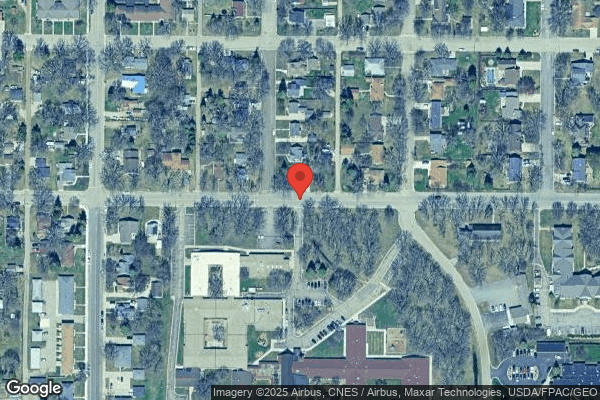
420 12TH AVENUE EAST, ALEXANDRIA, MN 56308 (320) 763-6653
Non profit - Corporation 83 Beds Independent Data: November 2025
Trust Grade
85/100
#44 of 337 in MN
Last Inspection: March 2025

Within standard 12-15 month inspection cycle. Federal law requires annual inspections.

Overview

Knute Nelson Care Center in Alexandria, Minnesota has a Trust Grade of B+, which means it is recommended and above average in quality. It ranks #44 out of 337 facilities in Minnesota, placing it in the top half, and #3 out of 4 in Douglas County, indicating limited local competition. The facility shows an improving trend, as it reduced its reported issues from 6 in 2024 to 3 in 2025. Staffing is a strong point, with a perfect 5-star rating and a turnover rate of 37%, which is lower than the state average, suggesting that staff are experienced and familiar with the residents. On the downside, there were 14 concerns identified during inspections, though none were life-threatening. Specific incidents included food items in the refrigerator that were not labeled or dated properly, raising concerns about food safety, and complaints from residents about food being served cold and unappetizing. Additionally, the facility failed to ensure that some residents received recommended pneumococcal vaccinations, which could impact their health. Overall, while there are notable strengths, families should consider these weaknesses when researching this nursing home.

Trust Score
B+
85/100
In Minnesota
#44/337
Top 13%
Safety Record
Low Risk
No red flags
Inspections
Getting Better
6 → 3 violations
Staff Stability
○ Average
37% turnover. Near Minnesota's 48% average. Typical for the industry.
Penalties
✓ Good
No fines on record. Clean compliance history, better than most Minnesota facilities.
Skilled Nurses
✓ Good
Each resident gets 50 minutes of Registered Nurse (RN) attention daily — more than average for Minnesota. RNs are trained to catch health problems early.
Violations
⚠ Watch
14 deficiencies on record. Higher than average. Multiple issues found across inspections.
★★★★★
5.0
Overall Rating
★★★★★
5.0
Staff Levels
★★★★★
5.0
Care Quality
★★★★☆
4.0
Inspection Score
Stable
2024: 6 issues
2025: 3 issues

The Good

  • 5-Star Staffing Rating · Excellent nurse staffing levels
  • 5-Star Quality Measures · Strong clinical quality outcomes
  • Full Sprinkler Coverage · Fire safety systems throughout facility
  • No fines on record
  • Staff turnover below average (37%)

    11 points below Minnesota average of 48%

Facility shows strength in staffing levels, quality measures, fire safety.

The Bad

Staff Turnover: 37%

Near Minnesota avg (46%)

Typical for the industry

The Ugly 14 deficiencies on record

Mar 2025 3 deficiencies
CONCERN (D)

Potential for Harm - no one hurt, but risky conditions existed

Transfer Notice (Tag F0623)

Could have caused harm · This affected 1 resident

**NOTE- TERMS IN BRACKETS HAVE BEEN EDITED TO PROTECT CONFIDENTIALITY** Based on interview and document review, the facility failed to notify the Long Term Care (LTC) ombudsman of a facility initiated...

Read full inspector narrative →
**NOTE- TERMS IN BRACKETS HAVE BEEN EDITED TO PROTECT CONFIDENTIALITY** Based on interview and document review, the facility failed to notify the Long Term Care (LTC) ombudsman of a facility initiated transfer for 1 of 1 residents (R64) who was transferred to an acute care facility on an emergency basis reviewed for hospitalization. Findings include: R64's admission Minimum Data Set (MDS) dated [DATE], indicated R64 had severe cognitive impairment and had diagnoses which included right femur (long bone in the leg) fracture, cancer, and hypertension (elevated blood pressure). Identified R64 required staff assistance with activities of daily living (ADL's) which included bed mobility, transfers, and toileting. Review of R64's progress notes dated 12/3/24, revealed the following: -on 12/3/24 at 5:35 p.m., R64 was seated in the dining room in his wheelchair eating supper. R64 stood up from the wheelchair and as R64 went to sit back down the wheelchair rolled away and R64 landed on the floor and a loud crack was heard. R64 was unable to move his right leg and had shortening of the right leg The medical doctor (MD) and R64's family were immediately notified and R64 was sent to the emergency room for a possible right hip fracture. -on 12/3/25 at 9:19 p.m., R 64 was admitted to the hospital for a closed right hip fracture. R64's medical record lacked documentation the notice of the hospital transfer was sent to the long-term care ( LTC) Ombudsman. During an interview on 3/5/25 at 9:50 a.m., administrator verified the LTC ombudsman had not been notified of R64's emergency hospital transfer. Administrator further stated he was unaware the LTC Ombudsman was to be notified when a resident transferred to the hospital. Review of a facility policy titled Transfer or Discharge Facility-Initiated dated 2001, identified when residents were sent to an acute care setting it was considered a facility- initiated transfer. Further identified a notice of transfer would have been provided to resident and resident representative and to the LTC ombudsman. -
CONCERN (D)

Potential for Harm - no one hurt, but risky conditions existed

Pressure Ulcer Prevention (Tag F0686)

Could have caused harm · This affected 1 resident

**NOTE- TERMS IN BRACKETS HAVE BEEN EDITED TO PROTECT CONFIDENTIALITY** Based on observation, interview and document review, the facility failed to ensure timely assistance with repositioning occurred...

Read full inspector narrative →
**NOTE- TERMS IN BRACKETS HAVE BEEN EDITED TO PROTECT CONFIDENTIALITY** Based on observation, interview and document review, the facility failed to ensure timely assistance with repositioning occurred for 1 of 5 residents (R2) with a current pressure ulcer and at risk for further development of pressure ulcers. Findings include: R2's quarterly Minimum Data Set (MDS) dated [DATE], identified R2 had severe cognitive impairment and diagnoses which included diabetes mellitus (DM), hypertension (elevated blood pressure) and dementia. Identified R2 required extensive assistance with activities of daily living (ADL's) which included bed mobility, transfers, and toileting. Identified R2 had two pressure ulcers and was on a repositioning program. R2's annual Care Area Assessment (CAA) dated 10/22/24, identified R2 was a at risk for skin breakdown and had a pressure ulcer to her left heel. Identified R2 required extensive assistance to reposition in bed and in the wheelchair. R2's care plan dated 4/25/24, identified R2 had a pressure ulcer on her left heel. Care plan directed staff to reposition or assist to stand R2 every two hours while awake. R2's weekly wound assessment dated [DATE], identified R2 had a pressure ulcer to her left heel which measured 8 centimeters (cm) in length 5.7 cm in width and had a depth of 0.2 c.m. Identified pressure ulcer was a stage 4 ( a pressure ulcer where the wound extends through all layers of skin, damaging underlying muscle, tendon, and potentially bone, often with visible exposed tissue) and R2 required frequent repositioning. R 2's current physician orders signed 2/22/25, identified left heel: stage 4 pressure ulcer - cleanse area, apply crushed Flagyl 250 mg tablet and place on wound bed to help with odor control with each dressing change, apply skin prep, Hydrofera Blue, ABD, and kerlix 3 x/week and prn. one time a day every Tues, Thur, Sun for wound care and as needed. R2's nursing assistant task sheet undated, directed staff to reposition or assist R2 to stand every two hours while awake. During a continuous observation on 3/4/25 from 9:20 a.m. to 12:30 p.m., the following was revealed: -9:20 a.m., R2 was seated in her wheelchair at the nurses station. -9:28 a.m., activity aide (AA)-A wheeled R2 to the activity room. -10:19 a.m., R2 remained seated in her wheelchair in the activity room. -10:44 a.m., R2 remained seated in her wheelchair in the activity room. -11:06 a.m. AA-A wheeled R2 to her room. -11:24 a.m., R2 wheeled self into the hallway and AA-A wheeled R2 to the front desk. -11:32 a.m., AA-A wheeled R2 into the dining room. -11:36 a.m. R2 remained seated in her wheelchair in the dining room waiting for lunch to be served. -12:04 a.m., R2 remained seated in her wheelchair in the dining room eating lunch. -12:25 p.m., R2 remained seated in her wheelchair in the dining room finishing eating her lunch. -at 12:30 p.m., R2 had remained seated in her wheelchair in the dining room and surveyor requested nursing assistant (NA)-A to reposition R2 after R2 remained seated in her wheelchair and not repositioned for over three hours. During an observation on 3/4/25 at 1238 p.m., NA-A wheeled R2 back to her room. NA-A and RN clinical manager (CM)-A sanitized hands, put a gown and gloves on and hooked R2 up to the mechanical lift and placed R2 onto the bed, changed R2's incontinent product and repositioned R2. During an interview on 3/4/25 at 12:47 p.m.,NA-A stated R2 required staff assistance to reposition and the last time R2 had been repositioned was some time around 9:30 a.m. when NA-A assisted R2 to transfer into her wheelchair after her bath. NA-A stated R2 had a pressure ulcer on her left heel and was at risk for further pressure ulcer development and should have been repositioned every two hrs while in her chair. During an interview on 3/4/25 at 12:52 p.m., CM-A verified R2 had a pressure ulcer on her left heel and recently had one on her buttocks that had healed. CM stated R2 required staff assistance to reposition. CM-A stated R2 was at continued risk of developing further skin breakdown and should have been repositioned every two hours during the day. CM-A stated her expectation was that R2's care plan would have been followed to help prevent any further skin breakdown. During an interview on 3/4/25 at 2:49 p.m., director of nursing (DON) verified R2 required staff assistance to reposition. DON stated R2 had a pressure ulcer on her left heel and was at risk for further skin breakdown. DON stated her expectation was that R2's care plan for repositioning would have been followed. Review of a facility policy titled Repositioning revised 1/25 identified, staff were to check the care plan or the assignment sheet to determine resident specific positioning needs and number of staff required to complete the procedure.
CONCERN (F)

Potential for Harm - no one hurt, but risky conditions existed

Food Safety (Tag F0812)

Could have caused harm · This affected most or all residents

Based on observation, interview, and document review, the facility failed to ensure food and beverages stored in the refrigerators, were labeled, dated and discarded properly. Further, the facility fa...

Read full inspector narrative →
Based on observation, interview, and document review, the facility failed to ensure food and beverages stored in the refrigerators, were labeled, dated and discarded properly. Further, the facility failed to maintain proper holding food temperatures during the noon meal on the Pines unit. This deficient practice had the potential to affect 59 residents who received food and beverages from the refrigerators. Findings include: On 3/3/25 at 11:05 p.m., during the kitchen tour with the dietary manager(DM), the following concerns were identified: Kitchen refrigerator: -half of a large container of orange sauce with a black crusty substance around the lid with an open date of 1/6/25. -half of a large container of barbeque sauce with a crusty black substance around the lid without a notation of an open date and an expiration date of 1/6/25. - one chicken salad sandwich without notation of a date. - three bowls of pureed bread without notation of a date. -bottle of staff pop without notation of a date. Freezer: -six pork sausages in a bag without notation of an opening date. Food temps: During an observation on 3/3/25 at 11:25 a.m., DM removed one of approximately 30 bowls of potato salad from the refrigerator and temped the one bowl of potato salad in the main dining room prior to meal service. Temperature of the potato salad was 39 degrees F (Fahrenheit). The remaining bowls of potato salad were placed on a cart without any ice and delivered to the Pines unit to be served at the noon meal. During an observation on 3/3/25 at 12:25 p.m., there were approximately 20 small bowls of potato salad present on the counter without any ice in the Pines dining room During an observation on 3/3/25 at 12:30 p.m., after meal service had began and approximately eight residents had been served the potato salad in the Pines dining room, dietary aide (DA)-A temped one of the remaining small bowls of potato salad. The temperature of the potato salad was 51 degrees F. DA-A continued serving the potato salad. During an interview on 3/3/25 at 12:45 p.m., DA-A stated all cold food should have been served at 41 degrees F. or lower. DA-A stated she should have put the potato salad on ice while serving to ensure the temperature remained in a safe zone to prevent food borne illness. During an interview on 3/3/25 at 1:00 p.m., DM verified the above findings during the kitchen tour. DM stated his expectation was that all opened food should have been dated and thrown away after the shelf life or the expiration date. DM further stated his expectation was all cold food should have been held at 41 degrees F or lower to prevent food borne illness. Review of a facility policy titled Food Labeling revised 1/25, identified all foods should have been labeled with contents, preparation date and any specific instructions. Review of a facility policy titled Food Temperature Policy revised 1/25, identified all cold food items must be served to the resident at a temperature of at least 40 degrees Fahrenheit or below at the time the resident receives the food.
May 2024 6 deficiencies
CONCERN (D)

Potential for Harm - no one hurt, but risky conditions existed

Deficiency F0604 (Tag F0604)

Could have caused harm · This affected 1 resident

**NOTE- TERMS IN BRACKETS HAVE BEEN EDITED TO PROTECT CONFIDENTIALITY** Based on observation, interview and document review, the facility failed to comprehensively assess the use of a restrictive devi...

Read full inspector narrative →
**NOTE- TERMS IN BRACKETS HAVE BEEN EDITED TO PROTECT CONFIDENTIALITY** Based on observation, interview and document review, the facility failed to comprehensively assess the use of a restrictive device as a potential restraint for 1 of 1 resident (R6) reviewed for restraints. Findings include: Review of R6's annual Minimum Data Set, dated [DATE], identified R6 had severe cognitive impairment and had diagnoses which included Parkinson's, Diabetes Mellitus, and anxiety disorder. Indicated R6 required extensive assistance for activities of daily living (ADL's) which included bed mobility, transfers, and toileting. Identified R6 had one fall with no injury since the last assessment, three months prior and required a wheelchair for mobility. Indicated R6 did not use any restraints. Review of R6's annual Care Area Assessment (CAA) dated 3/6/24, identified R6 had severe cognitive impairment, was a high fall risk and had one fall with no injury since last assessment. CAA identified R6 did not use any restraints. Review of R6's quarterly fall assessment dated [DATE], identified R6 was at risk for falls related to Parkinsons and repeated falls. Fall assessment identified R6 did not require the use of a Velcro release belt. Review of R6's current physician orders signed 4/5/24, did not identify an order for a restraint. R6's medical record lacked any evidence a restraint assessment had been completed. Review of R6's care plan revised 7/13/23, identified R6 had a self care deficit related to cognitive impairment, weakness and falls. Care plan identified R6 was given a new non-restraint belt for her wheelchair, with this belt R6 was allowed to be in her room in her wheelchair. Indicated the belt in the wheelchair should prevent falls and allow for what family requested on behalf of the resident. During an observation on 5/20/24 at 6:45 p.m., R6 was seated in her wheelchair in the day room with a Velcro belt around her waist that contained two straps that were fastened behind R6's wheelchair. R6 had the Velcro belt in her hand and was squeezing the belt with her hand while the belt remained fastened. R6 was attempting to lean forward in her chair however, was having difficulty and was only able to partially lean forward in her chair. During an observation on 5/21/24 at 8:05 a.m., R6 was seated in her wheelchair in the dining room with a Velcro belt around her waist with the straps fastened behind her wheelchair. During an observation on 5/21/24 at 9:50 a.m.,R6 was seated in her wheelchair in the activity room and continued to have the Velcro belt placed around her waist with the straps fastened behind her wheelchair. During an observation on on 5/21/24 at 12:35 p.m., R6 was seated in her wheelchair in the day room. Velcro belt continued to be placed around R6 waist with the straps fastened behind her wheelchair. R6 had the Velcro belt in her hand and was attempting to twist her upper body while attempting to lean forward in her chair however, was having difficulty leaning forward. During an interview on 5/21/24 at 12:46 p.m., nursing assistant (NA)-A stated R6 was cognitively impaired and required staff assistance with her ADL's. NA-A indicated R6 required the Velcro belt across her waist to prevent falls. NA-A stated he had never seen R6 remove the Velcro belt on her own and did not believe she would be able to related to her impaired cognition. During an observation on 5/21/24 at 12:52 p.m., licensed practical nurse (LPN)-A brought R6 to her room and asked R6 to remove the Velcro belt from around her waist. After several minutes of attempting, R6 was unable to remove the belt from around her waist. During an interview on 5/21/24 at 12:58 p.m., LPN-A verified R6 was unable to remove the Velcro belt from around her waist. LPN-A stated she had seen R6 remove the Velcro belt from her waist in the past however, was unsure of the last time R6 was able to remove the Velcro belt from around her waist. During an interview on 5/21/24 at 1:14 p.m., registered nurse (RN)-A stated R6 had severe cognitive impairment and a history of falls. RN-A stated the Velcro belt was placed per family request to keep R6 in her chair because R6 would lean too far forward and fall out of her wheelchair. RN-A stated she did not believe the Velcro belt was a restraint as R6 had previously been able to remove the Velcro belt. RN-A indicated she was unsure if R6 could still remove the Velcro belt. RN-A stated she was unsure if a restraint assessment had been completed. RN-A indicated the only interventions attempted prior to the use of the belt that she was aware of was an alarm in R6's doorway and hourly checks on R6. During an interview on 5/21/24 at 3:39 p.m., director of nursing (DON) confirmed R6's care plan revealed a Velcro belt had been applied to R6's wheelchair. DON stated the Velcro was placed in R6's wheelchair as a reminder for when R6 leaned forward to help her stay positioned and was not meant to be a restraint. DON stated R6 had been able to remove the Velcro belt in the past however, may not have been able to remove upon command. DON verified a restraint assessment had not been completed prior to the placement of the Velcro belt and the use of the Velcro belt had not been reassessed to determine if R6 was able to remove the Velcro belt. DON stated her expectation was that the proper assessments would have been completed. During an interview on 5/21/24 at 4:10 p.m., family member (FM)-A stated R6 had a history of attempting to get out of her wheelchair and falling. FM-A stated the facility came up with the Velcro belt as an intervention about 10 months ago so R6 would not fall. FM-A stated she came to visit often and had never seen R6 remove the Velcro belt. FM-A stated she realized the Velcro belt may have been a restraint since it prevented R6 from sliding to the floor when she leaned too far forward however, she continued to want R6 to utilize the Velcro belt to prevent falls. Review of a facility policy titled identifying involuntary seclusion and unauthorized restraint revised 9/22, identified residents would be free from the use of any physical restraints not required to treat their medical condition. Identified a physical restraint was defined as any manual method, physical, mechanical device, equipment or material that met all of the following criteria: was attached or adjacent to a residents body, could not be easily removed by the resident (in the same manner it was applied by the staff) and restricted the residents freedom of movement or access to his or her body. Inappropriate or unauthorized use of a restraint occurred when it unnecessarily inhibited a residents freedom of movement or activity, was not the least restrictive option or used for the least amount of time, or was not accompanied by ongoing re-evaluation of the need for the restraint. Further identified examples of physical restraints were using devices in conjunction with a chair, such as trays, tables, cushions, bars, or belts, that the resident could not remove and prevented the resident from rising.
CONCERN (D)

Potential for Harm - no one hurt, but risky conditions existed

Quality of Care (Tag F0684)

Could have caused harm · This affected 1 resident

**NOTE- TERMS IN BRACKETS HAVE BEEN EDITED TO PROTECT CONFIDENTIALITY** Based on observation, interview and document review, the facility failed to ensure physician orders were implemented to prevent ...

Read full inspector narrative →
**NOTE- TERMS IN BRACKETS HAVE BEEN EDITED TO PROTECT CONFIDENTIALITY** Based on observation, interview and document review, the facility failed to ensure physician orders were implemented to prevent potential fluid retention for 1 of 1 resident reviewed for quality of care. Findings include: R33's quarterly Minimum Data Set (MDS) dated [DATE], identified R33 was cognitively intact. Diagnoses included atrial fibrillation and hypertension. Review of Nurse practitioner (NP) signed orders from 4/1/24, revealed an active order for Torsemide (loop diuretic to treat fluid retention and high blood pressure) oral tablet 20 milligrams (mg). Order to give 20 mg one tablet by mouth PRN (as needed) for weight gain > three pounds (lbs) overnight or > five lbs in seven days every day as needed. Order date 3/6/24, start date 3/6/24. Review of the electronic medication administration record (EMAR) dated 3/6/24, the Torsemide order was added to the EMAR. Order read: Torsemide oral tablet 20 mg give one tablet by mouth as needed for weight gain >three lbs overnight or > five lbs in seven days every day as needed. In addition, another order dated 3/7/24, identified an order for daily weights was added to the EMAR. The order stated: daily weights (see prn Torsemide order) update provider with an increase of > three lbs overnight or > five lbs in one week, in the mornings for MD order. Review of the pharmacist's recommendation from Guardian Pharmacy on 4/11/24, the pharmacist gave recommendations to nursing to: Please ensure daily weights were obtained due to parameters for PRN Torsemide. It was recommended weights were obtained right away in the morning before breakfast or liquid intake to help maintain consistency. Review of R33's EMAR from March 2024 through May 2024, revealed the following: -March 2024 EMAR, there were no weights for these dates on the March MAR: March 9, 10, 11, 13, 14, 15, 16, 18, 19, 22, 23, 24, 25, 27, 28, 31. -April 2024 EMAR, there were no weights listed for April 1, 2, 3, 5, 6, 8, 9, 14, 15, 18, 19, 20, 24. -May 2024 EMAR, there were no weights listed for May 3, 4,5,8,9,12,13,14,18,19. Review of R33's weight and vital summary from 3/7/24 to 5/19/24, revealed the following: -March 2024, no weights were entered on the following days: March, 9, 10, 13, 14, 15, 16, 18, 19, 22, 23, 24, 25, 27, 28. -April 2024, no weights were entered for April 5, 6, 8, 9, 14, 15, 18, 19, 24. -May 2024, no weights entered for May 3, 4, 5, 8, 9, 10, 12, 13, 14, 18, 19. Review of R33's progress notes from 3/7/24 through 5/20/24, lacked documentation R33 refused to be weighed. In addition, the progress notes lacked documentation the NP had been updated about the missing weights. During an interview on 5/22/24 at 10:29 a.m., nursing assistant (NA)-B stated R33 was to have a daily weight. R33 had not refused a weight for NA-B. NA-B indicated the facility had a process for daily weights that included a daily weight sheet at the nurse's station for staff to refer to. NA-B stated the weights were recorded on the sheet and then nursing assistants would document the weight in the vital section of EMAR. In addition, NA-B indicated the nurses documented the weight in the EMAR. During an interview on 5/21/24 at 4:00 p.m., NA-C stated her process for ensuring daily weights were completed was to write them down on the daily weight sheet and then enter them into the vital section of the EMAR. During an interview on 5/21/24 at 4:11 p.m., licensed practical nurse (LPN)-A stated obtaining daily weights was everyone's responsibility. LPN-A indicated daily weights should have been obtained before breakfast as most residents on daily weights had parameters for medications. During an interview on 5/21/24 at 5:07 p.m., registered nurse (RN)-A stated R33 was on a diuretic due to excess fluid build-up. RN-A indicated the process for daily weights was the nursing assistants obtained the weights and licensed nurses followed-up. RN-A stated the NA's charted the weights in EMAR. RN-A indicated if R33 had refused a weight, there would have been a note in the EMAR identifying that. RN-A stated nursing staff were responsible for updating the doctor when or if R33 refused to obtain a weight. RN-A indicated daily weights were important to ensure R33 received the proper dose of Torsemide to prevent excess fluid build-up. During an interview on 5/22/2024 at 11:42 a.m., RN-B stated R33 had an order to be weighed daily. RN-B indicated weights were written on the daily weight sheet at the nurse's station desk and then were recorded into the EMAR. RN-B stated the goal was to obtain the weight before the end of the shift. If staff did not obtain the weight on the day shift, the evening shift would attempt to obtain the weight. RN-B indicated it was important for staff to obtain a daily weight on R33 since the administration of the Torsemide depended on the daily weights. During an interview on 5/22/2024 at 11:49 a.m., LPN-B stated R33 received Torsemide to prevent fluid build-up. LPN-B indicated daily weights were charted in the vital section in the EMR. If the day shift did not obtain the daily weight, the evening shift staff were expected to obtain the weight. LPN-B stated staff had missed obtaining R33's weights on a daily basis the past few months. LPN-B indicated daily weights were important as the Torsemide administration was dependent on the daily weights. LPN-B stated if R33 gained more than five lbs staff were expected notify the doctor. During an interview on 5/22/2024 at 11:59 a.m., the nurse practitioner (NP) stated the facility had not informed NP about the daily weights not being completed as ordered. NP indicated the lack of daily weights and not receiving Torsemide as needed could contribute to health issues. NP stated R33's recent health issues were related to pneumonia and infection. NP's expectation would be the facility would obtain the weights as ordered and administer the medications as ordered. During an interview on 5/22/24 at 12:30 p.m., the pharmacist indicated the expectation would be to follow the provider's order. Pharmacist stated providers should have been contacted if weights were not being obtained as ordered and medications not being administered as ordered. During an interview on 5/22/24 at 12:50 p.m., the director of nursing (DON) confirmed R33 had an order for a daily weight and for Torsemide based on the weight. DON stated the daily weight was obtained by a mechanical lift unless R33 refused. DON indicated if there had been refusals, they should have been documented in the EMAR. DON stated it was important to follow the physician's orders and indicated staff were expected to follow the physician's orders. A policy regarding vitals and weights was requested however one was not provided.
CONCERN (D) 📢 Someone Reported This

A family member, employee, or ombudsman was alarmed enough to file a formal complaint

Potential for Harm - no one hurt, but risky conditions existed

Pressure Ulcer Prevention (Tag F0686)

Could have caused harm · This affected 1 resident

**NOTE- TERMS IN BRACKETS HAVE BEEN EDITED TO PROTECT CONFIDENTIALITY** Based on observation, interview and document review, the facility failed to ensure timely assistance with repositioning occurred...

Read full inspector narrative →
**NOTE- TERMS IN BRACKETS HAVE BEEN EDITED TO PROTECT CONFIDENTIALITY** Based on observation, interview and document review, the facility failed to ensure timely assistance with repositioning occurred for 1 of 5 residents (R6) with a history of pressure ulcers and at risk for further development of pressure ulcers. Findings include: Review of R6's annual Minimum Data Set (MDS) dated [DATE], identified R6 had severe cognitive impairment and diagnoses which included Parkinson's, Diabetes Mellitus, and anxiety disorder. Indicated R6 required extensive assistance with activities of daily living (ADL's) which included bed mobility, transfers, and toileting. Identified R6 had a turning and repositioning program, was at risk for pressure ulcers and had a scar over a bony prominence from a previous pressure ulcer. R6's annual Care Area Assessment (CAA) dated 3/6/24, identified R6 was at risk for skin breakdown related to diagnosis of Parkinson's, anxiety, and diabetes mellitus (DM). Identified R6 required extensive assistance with ADL's. R6's care plan dated 8/6/2019, identified R6 was at risk for skin breakdown related to medical diagnosis and history of pressure ulcers. Care plan directed staff to reposition R6 every two hours. R6's nursing assistant task sheet undated, directed staff to reposition R6 every two hours. During a continuous observation on 5/21/24 from 9:50 a.m., to 12:50 p.m., the following was revealed: - at 9:50 a.m., R6 was seated in her wheelchair in the activity room - at 10:30 a.m., R6 continued to be seated in her wheelchair in the activity room. - at 10:49 a.m., activity aide (AA)-A wheeled R6 back to the unit and placed R6 in the day room. -at 11:30 a.m., R6 continued to be seated in her wheelchair in the dayroom. -at 12:00 p.m. registered nurse (RN)-A wheeled R6 to the dining room for lunch. -at 12:25 p.m., R6 remained in the dining room eating lunch. -at 12:35 p.m., licensed practical nurse (LPN)-A wheeled res back to the day room and R6 remained seated in her wheelchair as several staff walked by R6. -at 12:50 p.m., R6 remained seated in her wheelchair in the day room and surveyor requested LPN -A to reposition R6 after R6 had remained seated in her wheelchair and had not been repositioned for at least three hours. During an observation on 5/21/24 at 12:52 p.m. LPN-A wheeled R6 back to her room and R6 stated she needed to poo. LPN hooked R6 up to the pal and placed R6 on the toilet. Once R6 was done using the bathroom, LPN-A applied gloves and assisted R6 to wipe. LPN-then sanitized hands and assisted R6 off the toilet using the pal lift. During an interview on 5/21/24 at 1:00 p.m., nursing assistant (NA)-A stated R6 was at risk for skin breakdown and required extensive assist to reposition. NA-A indicated he was unsure the last time R6 had been repositioned however, according to the care plan, R6 should have been repositioned at least every two hours. During an interview on 5/21/24 at 1:05 p.m., LPN-A confirmed the last time R6 had been repositioned was at 7:30 a.m. LPN-A confirmed R6 required extensive assistance to reposition. LPN-A stated R6 was at risk for skin breakdown and should have been repositioned every two hours. During an interview on 5/21/24 at 1:14 p.m., RN-A confirmed R6 required extensive assistance to reposition. RN-A stated R6 had a history of pressure ulcers on her buttocks which would have placed her at risk for acquiring a pressure ulcer. R6 stated her expectation was R6 would have been repositioned every two hours. During an interview on 5/21/24 at 3:29 p.m., director of nursing (DON) stated R6 was able to slightly offload on her own however required staff assistance to fully reposition. DON stated R6 was at risk for pressure ulcers and her expectation was that R6's care plan for repositioning would have been followed. Review of a facility policy titled Repositioning in Bed and Chair; Applying Lift Sheets Policy revised 2/24, directed staff to check the resident's care plan or [NAME] to identify the resident's specific repositioning needs and encourage the resident to change position or shift weight as often as possible.
CONCERN (D)

Potential for Harm - no one hurt, but risky conditions existed

Accident Prevention (Tag F0689)

Could have caused harm · This affected 1 resident

**NOTE- TERMS IN BRACKETS HAVE BEEN EDITED TO PROTECT CONFIDENTIALITY** Based on observation, interview and document review, the facility failed to comprehensively assess smoking safety for 1 of 1 res...

Read full inspector narrative →
**NOTE- TERMS IN BRACKETS HAVE BEEN EDITED TO PROTECT CONFIDENTIALITY** Based on observation, interview and document review, the facility failed to comprehensively assess smoking safety for 1 of 1 residents (R38) who currently smoked. Findings include: R38's quarterly Minimum Data Set (MDS) dated [DATE], indicated R38 was moderately cognitively impaired and had diagnoses which included tracheostomy (also known as a tracheotomy, was a small surgical opening that was made through the front of the neck into the windpipe, or trachea. A curved plastic tube, known as a tracheostomy tube, was placed through the hole allowing air to flow in and out of the windpipe) anxiety, depression, history of falling, weakness, hypertension (high blood pressure) and history of alcohol dependence. Identified R38 was independent with transfers, toileting, bed mobility, locomotion with use of cane, dressing and personal hygiene. The MDS did not identify R38 as a smoker. R38's care plan prior to 5/21/24, lacked documentation R38 was a cigarette smoker. On 5/21/24, R38's care plan was then updated and identified R38 was a cigarette smoker. He was alert and oriented, able to light and extinguish his cigarettes safely. He was educated and understood he needs to go off-property to smoke. Education provided regarding programs to help with cessation and smoking safety. An initial smoking assessment dated [DATE], identified R38 was not a smoker. R38's electronic health record (EHR) lacked any additional smoking assessments prior to 5/21/24. During an interview on 5/21/24 at 2:39 p.m., R38 stated he was a cigarette smoker prior to admission. R38 indicated he began to smoke cigarettes again shortly after admission when he regained strength. R38 indicated he usually smoked four times a day however, had not gone outside that week due to the weather. R38 stated he exited the building through different doors and stood in the grass. R38 verified there was not a designated smoking area off the facility property and that there was no place to sit or extinguish his cigarette. R38 confirmed he managed his cigarettes and lighter himself, kept them in his room, extinguished his cigarettes with his fingers and then threw the butts in the garbage can in his room. During an interview on 5/21/24 at 3:01 p.m., licensed practical nurse (LPN)-C confirmed R38 was a smoker and he would usually go outside after each meal to smoke. LPN-C stated R38 should have been assessed for smoking safety and supervised while smoking due to a history of falls and weakness. LPN-C verified R38's electronic heath record (EHR) lacked a smoking assessment and the care plan lacked interventions prior to when the care plan was updated on 5/21/24. During an interview on 5/21/24 at 3:06 p.m., clinical manager (CA)-A confirmed R38 was a smoker. CA-A confirmed R38's EHR lacked a smoking assessment or a care plan with interventions for smoking prior to when the care plan was updated o 5/21/24. CA-A stated the facility was a non-smoking facility and R38 would have to go off-property to smoke. CA-A verified the facility lacked a designated smoking area. CA-A was unaware R38 used his cane to prop open the facility door when going outside to smoke or that he brought his extinguished cigarette butts inside and threw them in his garbage can. CA-A verified R38 should not have been disposing his cigarette butts in the garbage can due to a fire risk. During an observation/interview on 5/22/24 at 8:04 a.m., R38 walked out a back door of the facility and utilized his cane to prop the door open and prevent the door from locking behind him. R38 indicated he would walk across the parking lot over the curb without his cane and stand in the grass off the facility property. During an observation on 5/22/24 at 11:29 a.m., cigarette butts were observed in R38's garbage can in his room. MDS Coordinator confirmed the cigarette butts were in R38's garbage can and stated she was unaware R38 was disposing of them there. MDS Coordinator verified throwing the cigarette butts in the garbage can was a fire risk for everyone in the facility. During an interview on 5/22/24 at 9:52 a.m., nursing assistant (NA)-D confirmed R38 was a smoker and was unaware of the location R38 went to smoke as there was no smoking allowed on the facility property. During an interview on 5/22/24 at 11:47 a.m., director of nursing (DON) stated the facility expectation would be R38 would go off site to smoke and she would expect R38 to let staff know when he was exiting the building and where he was going. DON confirmed it was a fire risk for R38 to be throwing his cigarette butts in the garbage can. Review of the facility policy titled Resident Smoking/Tobacco Policy revised 2/24, identified tobacco products were prohibited throughout the facility and on the grounds. Residents who chose to use tobacco products needed to go off facility grounds. All tobacco products were be kept at the nursing station and distributed by the nursing staff. The interdisciplinary team (IDT) were to assess the mental, physical and visual ability of the resident to possess tobacco products. If the tobacco product were kept in the resident room, it must have been kept in a secure location.
CONCERN (E)

Potential for Harm - no one hurt, but risky conditions existed

Deficiency F0804 (Tag F0804)

Could have caused harm · This affected multiple residents

**NOTE- TERMS IN BRACKETS HAVE BEEN EDITED TO PROTECT CONFIDENTIALITY** Based on observation, interview and document review, the facility failed to ensure food was served at a palatable and appetizing...

Read full inspector narrative →
**NOTE- TERMS IN BRACKETS HAVE BEEN EDITED TO PROTECT CONFIDENTIALITY** Based on observation, interview and document review, the facility failed to ensure food was served at a palatable and appetizing temperature for 4 of 4 residents (R 21, R29, R48 and R52) who resided on the Pines unit reviewed for food. This deficient practice had the potential to affect all 42 residents residing on this unit. Findings include: R21's quarterly Minimum Data Set (MDS) dated [DATE], indicated R1 had intact cognition ad was able to feed herself after staff set up her tray. R29's quarterly MDS dated [DATE], indicated R29 had intact cognition and could feed himself after staff set up his tray. R48's admission MDS dated [DATE], indicated R48 had impaired cognition and required staff supervision to eat. R52's significant change MDS dated [DATE], indicated R52 had intact cognition ad could feed herself after staff set up her tray. During an interview on 5/20/24 at 1:05 p.m., R52 stated the food was often cold. During an interview on 5/20/24 at 1:25 p.m., R29 stated the food did not taste very good and the hot items were usually served cold. During an observation on 5/20/24 at 4:45 p.m., a cart containing plates of food were wheeled to the kitchen. The cart had a cord however, was not plugged in. The plates were removed from the cart and staff brought them to the tables to be served to the residents in the dining room. At 5:25 p.m., as the last plates were being passed from the cart, a test tray was requested from DA-A. The meal consisted of individual cheese pizzas, mashed potatoes, pureed pizza and pureed carrots. The tray was tested for temperatures and results were as follows: -cheese pizza was 88 degrees Fahrenheit (F). -mashed potatoes were 125 degrees Fahrenheit (F). -pureed pizza was 116 degrees Fahrenheit (F). -pureed carrots were 114 degrees Fahrenheit (F). Surveyor tasted the food from the tray: the pizza was cold, the mashed potatoes, pureed pizza and carrots were luke warm. Dietary aide (DA-A) confirmed the pizza was cold and the remaining items were barely warm. During an interview on 5/20/24 at 5:30 p.m., R52 stated the pizza was cold tonight however, he was hungry so he ate it. During an observation and interview on 5/20/24 at 5:32 p.m., R48 was sitting with her plate in front of her and she had only eaten 1/4 of her pizza and stated her food was cold. On 5/20/24 at 5:34 p.m., as R21 left the dining room she stated to the surveyor that the pizza was cold tonight. During an interview on 5/20/24 at 5:33 p.m., DA-A stated the usual process was to plate the food in the main dining room and serve the food from the warming cart. DA-A confirmed the warming cart had not been plugged in during the meal service as it was easier to move around when it was not plugged in. DA-A stated she was unsure of what the holding temps of food should have been at. During an interview on 5/21/24 at 10:37 a.m., dietary manager (DM) stated the normal process for serving the supper meal was to plate the food in the main dining room, place the food in the warming cart and serve to the long term care unit from the warming cart. DM stated his expectation was that the warming cart would have been plugged in and the holding temperature of the food would have remained at or above 140 degrees Fahrenheit (F). Review of a facility policy titled Food Temperature Policy revised 3/5/20, indicated all hot food items must be served to the resident at a temperature if at least 140 degrees Fahrenheit at the time the resident received the food.
CONCERN (E)

Potential for Harm - no one hurt, but risky conditions existed

Deficiency F0883 (Tag F0883)

Could have caused harm · This affected multiple residents

**NOTE- TERMS IN BRACKETS HAVE BEEN EDITED TO PROTECT CONFIDENTIALITY** Based on interview and document review, the facility failed to ensure 4 of 5 residents (R6, R36, R41 and R44) received pneumococ...

Read full inspector narrative →
**NOTE- TERMS IN BRACKETS HAVE BEEN EDITED TO PROTECT CONFIDENTIALITY** Based on interview and document review, the facility failed to ensure 4 of 5 residents (R6, R36, R41 and R44) received pneumococcal vaccinations based on shared clinical decision-making in accordance with the Center for Disease Control (CDC) recommendations reviewed for immunizations. Findings include: Review of the current CDC recommendations 3/15/2023, revealed The CDC identified Adults [AGE] years of age or older received the (PPSV23) or (PCV13) at any age and who have not received the Pneumo 20-valent conjugate Vaccine (PCV20) should receive a dose of the PCV20 at least one year after the most recent PPSV23 or PCV13 vaccine. In addition, the CDC identified adults 65 and older who had previously received both PCV13 and PPSV23 at age [AGE] and older, based on shared clinical decision-making with the patient and the provider one dose of PCV20 at least five years after the last pneumococcal vaccine dose. Review of R6's facesheet identified R6, age [AGE] was admitted to the facility on [DATE]. Review of R6's Minnesota Immunization Information Connection (MIIC) undated, identified R6 received the PPSV23 on 10/16/1996 and 6/7/2006, and received the PCV13 on 10/16/96 and 5/20/2016. R6's medical record lacked documentation R6 had been offered or received the PCV20 based on shared clinical decision-making. Review of R36's facesheet identified R36, age [AGE] was admitted to the facility on [DATE]. Review of R36's MIIC record undated, identified R36 received the PPSV23 on 5/23/2014, and the PCV13 on 12/8/2015. R36's medical record lacked documentation R36 had been offered or received the PCV20 based on shared clinical decision-making. Review of R41's facesheet identified R41, age [AGE] was admitted to the facility on [DATE]. Review of R41's MIIC record undated, identified R41 received the PPSV23 on 11/1/2000, and the PCV13 on 1/25/2015. R41's medical record lacked documentation R41 had been offered or received the PCV20 based on shared clinical decision- making. Review of R44's facesheet identified R44, age [AGE] was admitted to the facility on [DATE]. Review of R 44's MIIC record undated identified R44 received the PPSV23 on 1/4/2009, and the PCV13 on 1/16/2015. R 44's medical record lacked documentation R44 had been offered or received the PCV20 based on shared clinical decision-making. During an interview on 5/21/24 at 3:15 p.m., director of nursing (DON) verified she was also the infection preventionist (IP). DON confirmed R6, R36, R41, and R44 had not received the pneumococcal vaccinations as recommended by the CDC. DON stated her expectation would have been that all residents had been offered or received all pneumococcal vaccines per CDC recommendations. Review of a facility policy titled Pneumococcal Vaccine dated 2001, identified all residents were to be offered the pneumococcal vaccine to aid in preventing pneumonia/pneumococcal infections. Identified residents were assessed of eligibility to receive the Pneumovax within five working days of the admission to the facility. Further identified administration of the pneumonia vaccine was made in accordance with the Center For Disease Control (CDC) recommendations.
Sept 2023 1 deficiency
CONCERN (D) 📢 Someone Reported This

A family member, employee, or ombudsman was alarmed enough to file a formal complaint

Potential for Harm - no one hurt, but risky conditions existed

Deficiency F0583 (Tag F0583)

Could have caused harm · This affected 1 resident

**NOTE- TERMS IN BRACKETS HAVE BEEN EDITED TO PROTECT CONFIDENTIALITY** Based on observation, interview and document review, the facility failed to maintain personal privacy for 4 of 4 residents (R1, ...

Read full inspector narrative →
**NOTE- TERMS IN BRACKETS HAVE BEEN EDITED TO PROTECT CONFIDENTIALITY** Based on observation, interview and document review, the facility failed to maintain personal privacy for 4 of 4 residents (R1, R4, R5, R6) who had video monitoring devices in their bedrooms as an intervention to prevent falls and elopement. Findings include: R1's admission Minimum Data Set, dated [DATE], identified intact cognition, diagnosis of a stroke with wandering tendencies that placed R1 at significant risk of getting to a potentially dangerous place (e.g. outside facility, stairs). R1 used a walker and a wheelchair for mobility, impairment of lower extremity on one side, and required supervision with transfers, locomotion on and off unit, dressing, personal hygiene, toileting, and always continent of bowel and bladder. R1's care plan dated 9/18/23, identified R1 elopement risk and video monitor used along with wander guard applied. R1 resided in alarmed unit and staff were directed to check wander guard every shift. R4's significant change MDS dated [DATE], identified severely impaired cognition and diagnosis of dementia. R4 required extensive assistance with bed mobility, transfers, personal cares, toileting, locomotion on unit, dressing, and was frequently incontinent of bladder and occasionally incontinent of bowel. R4 used a walker and wheelchair for mobility. R4's care plan dated 7/20/23, identified R4 high risk for falls due to history of falls and instability. Staff were directed to place call light within reach, bed in lowest position with blue mat on floor next to bed, used concave mattress, ensure adequate lighting and clear pathways to room, video monitor in room, and wipe up fluid spills form floor. R4 was also identified as risk for elopement due to dementia. Staff were directed to provide frequent checks on resident and wander guard placement and workability. R4's progress notes dated 9/15/23, identified an unwitnessed fall in bathroom. R4's new intervention implemented: video monitor placed in room. R4's family/wife notified of fall. R5's quarterly MDS dated [DATE], identified intact cognition and daily verbal and physical behavioral symptoms not directed toward others. R5's diagnoses included hemiplegia (weakness on one side), anxiety, depression, post-traumatic stress disorder (PTSD). R5 required extensive assistance with bed mobility, transfers, dressing eating, personal hygiene, toileting, and locomotion per wheelchair on and off the unit. R5 had impairment upper and lower extremities on one side, and frequently incontinent of bowel and bladder. R5's care plan dated 10/26/22, identified R5 received psychotropic medications related to behavior management, depression, anxiety, OCD (obsessive compulsive behaviors, and pseudobulbar effect (nervous system disorder that can make you laugh, cry, or become angry without being able to control it). Video monitor was to be placed in R5's room for close monitoring of R5 due to history of suicidal statements. R5 was aware and wife aware of monitor in room. R5's progress note dated 11/25/22, identified discontinued hourly checks as resident has made no more suicidal comments. R5 continued to have video monitor in his room for staff to keep close supervision while in his room. R6's quarterly MDS dated [DATE], identified severely impaired cognition and no behaviors. R6's diagnoses included Alzheimer's disease, anxiety, and depression. R6 required extensive assistance with bed mobility, transfers, mobility on and off the unit, toilet use, and personal hygiene. R6 was frequently incontinent of bowel and bladder. R6 had daily use of wander/elopement alarm and used a walker and wheelchair for mobility. R6's care plan dated 6/13/23, identified R6 elopement risk. R6 resided in an alarmed unit, wander guard applied to right ankle, and video monitored R5's location when in room. R6's progress notes dated 3/17/23 at 4:50 a.m. fall occurred on 3/16/23 follow up indicated R6 denied pain, monitored for bruising and new pain. New intervention: monitor in place. During intermittent observation in Pines unit on 9/21/23 from 11:00 a.m. to 12:00 p.m., in the center of the unit was a nurse's station against a wall with a counter surrounding the entire square space with an opening to walk in located at the front. The nurse's station was accessible from front by staff and visitors. Located on the right-side counter were five colored monitor receivers turned on (designated for R1, R4, R5, and two other resident residents) and located on the left side counter were three (designated for R6 and two other residents) colored monitor receivers turned on and broadcasting the live activity of reach resident from cameras in their rooms. The monitor screens measured approximately five inches by three inches and could be seen by anyone walking past and stopping at the nurse's station. The nurse's station was in a common area where residents, visitors, and staff frequented throughout the day. Located on all eight monitors was a yellow sticky that identified which room number the resident was located. Nursing assistants (NAs) and registered nurses (RNs) walked by nurse's station and glanced at screens occasionally, at times the Pine nurse's station was left unattended, but live video feed from all eight resident rooms ran continuously and could be seen by anyone who glanced into the nurse's station. Observation during this time showed: -R1 laid in bed on his back fully clothed, uncovered with eyes closed. -R4 laid in bed on his left side covered up with a patchwork blanket, eyes closed. -R5's bed made and unoccupied. -R6's camera view showed top half of bed, unoccupied. During observation on 9/22/23 at 2:00 p.m., video feed from R1, R4, R5, R6 rooms identified: -R1 lying in bed, fully clothed with shoes, pants and shirt on uncovered. R1's wife was also observed on the monitor camera as she sat next to the bed side table in a chair occasionally looking at camera. R1 folded his arms over his abdomen and closed his eyes. -R4 lying on his left side in bed, faced the camera, covered with a patchwork blanket. -R5's bed was unoccupied and made. At 2:11 p.m. a visitor in a pink dress sat on the edge of R5's bed and went through a bag of items. R5 sat in wheelchair talking to visitor. -R6's monitor camera screen showed blue with small print on it. Licensed practical nurse (LPN)-D worked on the monitor while she sat at the nurse's station. During an interview on 9/21/23 at 8:53 a.m., R1 stated he was aware of the camera in his room and felt he was he was being monitored which made him feel confined and spied on. R1 indicated he did not feel he was given a choice as to whether he wanted the monitor camera in his room. R1 also indicated he had no privacy in his bedroom and had to go into the bathroom and close the door to not be on the camera or have people watching. During an interview on 9/21/23 at 12:30 p.m., licensed practical nurse (LPN)-A stated monitor cameras helped staff supervise those residents that crawled out of the bed and helped prevent falls. LPN-A indicated the monitor cameras were left on all the time so that the resident was monitored while they laid in bed, sat in a chair, and ate however, staff were expected to turn the camera away when cares were completed. LPN-A also stated the facility had used those monitor cameras for at least one year or more now. During an interview on 9/21/23 at 4:30 p.m., RN-A stated the monitor camera was used for residents that self-transferred, restless, and high risk for falls. RN-A stated when staff saw movement of a resident in their bed, they would head to that room quickly to assist the resident. RN-A verified no written consent was obtained and only verbal discussion/consent with resident and/or family occurred, and information was placed in care plan, RN-A stated R1 had been educated on the monitor camera, educated that it could be turned off while he had visitors, staff would have noticed it was off at the nurse's station and turned it back on for him later. During an interview on 9/22/23 at 10:03 a.m., R1's family member (FM)-A stated she had not been approached by staff to talk about the placement of the monitor camera, one day it just suddenly appeared and was used to monitor R1 in his room due to wandering. FM-A indicated she had asked about the monitor camera when R1 wanted to change clothes and was concerned about R1's privacy. FM-A stated had thought it was weird others would be able to see him, assumed we could not move the camera or shut it off during my visit but was not quite sure. During an interview on 9/22/23 at 10:10 a.m., FM-B stated yesterday (9/21/23) she had noticed at least six monitors with screens when at the nurse's station and thought it was odd. FM-B stated she could see on the monitor screens residents laying in bed, sitting in a chair and her father lying in bed. FM-B stated she had been concerned about privacy because other people and staff could see her dad in bed and other residents as well. During an interview on 9/22/23 at 10:47 a.m., via telephone R6's FM-C stated she was not made aware a camera monitor was implemented for R6. FM-C state R6 was a very private person and if she could speak for herself, she would not have allowed the monitor camera in her room. FM-C stated R6 would not appreciate someone being able to watch her, especially while she laid down and slept. FM-C added she was unsure why a camera monitor would even be necessary for R6 because she no longer attempted to get out of bed and was not at that great of risk. During an interview on 9/22/23 at 11:13 a.m. LPN-B stated facility started to use the monitor cameras over one year ago. LPN-B indicated monitors were used on those residents with a history of falls, fall risks, and elopement risk. LPN-B stated nursing staff were expected to check the resident monitors throughout the shift and when charting was completed at the nursing station. LPN-B identified written consent had been used and documented in the medical record, and usually family or resident were able to consent. LPN-B stated nursing staff were expected to turn the camera when cares were provided. During an interview on 9/22/23 at 11:30 a.m., RN-B stated once all other options were exhausted then they used a monitor camera because there were so invasive and was the last resort. RN-B stated no written consent was needed and only verbal from resident if cognition was intact or from family. RN-B stated the monitor cameras were used primarily for fall prevention and staff were expected to turn camera when they provided cares. During an interview on 9/22/23 at 11:36 a.m., R5 stated had been aware of the monitor camera and that it was continuously on when in his room. R5 stated he did not like it. R5 indicated he did not have much privacy but felt he did not have a choice in the matter if he continued to live at this facility. During an interview on 9/22/23 at 11:45 a.m., LPN-C stated the monitor cameras were used as an intervention and helped prevent falls and elopements. LPN-C indicated the monitor cameras were used as a type of supervision, helped staff monitor movement of the resident, showed if the resident had attempted to exit bed and/or left the room. LPN-C stated staff were expected to turn camera away during cares but were discouraged to turn the camera off, which defeated the purpose. During an interview on 9/22/23 at 11:53 a.m., NA-A stated the facility had used the monitor cameras at least for one year now. NA-A stated the monitor cameras were used so staff could monitor residents who were at risk of getting out of bed by themselves to prevent falls. NA-A verified the monitor cameras helped supervise the residents but not used very well. NA-A indicted staff were not always able to stop and view the cameras frequently. During an interview on 9/22/23 at 1:41 p.m., NA-B indicated they checked the monitor cameras usually about every 30 minutes. NA-B stated she had observed resident care being completed on the receivers of the cameras. NA-B stated there were staff who had forgot to turn the camera away, were in a hurry, and completed cares with camera on. NA-B indicated she had been instructed by other staff to never turn the cameras off, make sure it was just turned sideways during cares to provide privacy. During an interview on 9/22/23 at 1:45 a.m., NA-C stated there were eight monitor cameras located at the Pines nursing station and visitors would be able to see the monitor screens when they stood at the nurse's stations and possibly what the resident was doing but unable to identify which resident was on each screen due to the screen size. During an interview on 9/22/23 at 1:57 p.m. NA-D stated the monitor cameras located at the Pines nurse's station were on continuously and were checked mostly during the morning when she arrived at work. NA-D indicated she saw on the screens residents laid in bed, sat up in bed, and sleeping. NA-D stated the monitor cameras were used to help prevent falls. NA-D stated she turned the camera away during cares to help provide privacy. During an interview on 9/22/23 at 2:25 p.m. director of nursing (DON) stated the monitor camera was initiated on a resident after all other interventions had been tried usually after a fall or elopement. DON stated a written consent was not needed and a verbal consent was required from either the resident and/or family. DON stated staff were not trained during orientation, they are infant monitors, and staffed were educated by email after a fall and updated as to what was done. DON stated staff were expected to turn camera away in the room during cares and then move camera back to the same position after cares. DON indicated a resident with intact cognition was instructed on how they could turn the camera away during a visit from family and friends. DON verified the monitor cameras located in transitional care unit (TCU) were located behind a wall at the nurse's station out of the public view and the monitor cameras on Pine were located at the nurse's station in a more central area and the monitor screens were small. The facility failed to ensure resident privacy in bedrooms by using video camera monitoring as a replacement for staff supervision and monitoring. Facility policy titled Quality of Life-Dignity dated 5/1/23, identified each resident should be cared for in a manner that promotes and enhances quality of like, dignity, respect, and individuality. Staff were directed to promote, maintain, and protect resident privacy, which included bodily privacy during assistance with person care and during treatment procedures. Demeaning practices and standards of care that compromise dignity was prohibited. Facility policy titled Wander Guard Policy/Video Monitor dated 9/22, identified video monitor was used after verbal consent from resident and/or family for resident's identified at risk for elopement.
Jul 2023 1 deficiency
CONCERN (D) 📢 Someone Reported This

A family member, employee, or ombudsman was alarmed enough to file a formal complaint

Potential for Harm - no one hurt, but risky conditions existed

Infection Control (Tag F0880)

Could have caused harm · This affected 1 resident

**NOTE- TERMS IN BRACKETS HAVE BEEN EDITED TO PROTECT CONFIDENTIALITY** Based on observation, interview and document review the facility failed to ensure appropriate use of personal protective equipme...

Read full inspector narrative →
**NOTE- TERMS IN BRACKETS HAVE BEEN EDITED TO PROTECT CONFIDENTIALITY** Based on observation, interview and document review the facility failed to ensure appropriate use of personal protective equipment (PPE) while providing direct care for 1 of 1 resident (R3) with Methicillin-resistant Staphylococcus Aureus (MRSA) urinary tract infection (UTI). In addition, the facility failed to ensure proper disinfection of a multi-use full body mechanical lift was implemented to prevent the spread of infection for 1 of 1 residents (R2) observed to utilize the lift and failed to ensure proper hand hygiene was maintained during personal cares for 2 or 2 residents (R2, R3) observed during the provision of personal cares. Findings include: PPE and HAND HYGIENE R3's significant change Minimum Data Set (MDS) dated [DATE], identified R3 had severe cognitive impairment and diagnosis of dementia. R3 required expensive assistance with transfers, personal hygiene, dressing, and toileting. R3 was frequently incontinent of bladder and always incontinent of bowel. R3's physician orders dated 7/6/23, start facility precautions for MRSA in urine. R3's care plan dated 7/6/23, identified MRSA colonization in urine and directed staff to bag and transport used linen according to facility protocol, preventing skin exposure or contamination. R3 placed in contact isolation and staff were directed to wear gown and masks when changing contaminated linens. During an observation on 7/11/23 at 10:05 a.m. R3 had three contact precaution signs outside the door reading: -Contact Precautions (example: Clostridium difficile [highly contagious bacteria causes diarrhea], Wounds, uncolonized MRSA), gloves on during providing care for a client, change gloves after contact with infectious material. Gown on upon entry of room and should have been worn when body contact with environment surfaces and items in room that maybe contaminated is anticipated. Masks, eye protection should be worn during client care activities likely to generate splashes or sprays of blood. Hand wash. -Sequence for putting on PPE identified how to apply a gown, mask or respirator, goggles, or face shield, and gloves. Use safe work practices to protect yourself and limit the spread of contamination. -How to Safely Remove PPE identified how to remove all PPE, perform hand hygiene between steps if hands became contaminated, and immediately after removing all PPE. During an observation on 7/11/23 at 4:07 p.m., nurse aid (NA)-D pushed R3 in wheelchair into her room with contact precaution signs posted outside the door. NA-D did not apply PPE or sanitize hands and stated was taking R3 to the bathroom. NA-D placed the stand lift in front of the resident while she sat in her wheelchair. NA-D placed R3's feet on footrest, secured lower legs with a belt strap, lift belt around her abdomen, and instructed resident to grab onto the handles. NA-D lifted R3 out of the wheelchair with the sit to stand lift. NA-D placed gloves on her hands, removed saturated brief and then R3 stated that smelled really bad. NA-D removed her gloves, did not sanitize hands, lowered R3 down onto the toilet, and stated R2's pants were saturated with urine and needed to be changed. NA-D knelt on the bathroom floor in front of the toilet while R3 sat on toilet, removed R3' shoes and pants with bare hands. R3 insisted she had to check the pockets of her pants and NA-D stated to be careful because the pants were wet with urine. R3 fumbled with the wet pants and placed her hand into each pocket. NA-D placed clean pants and brief on R3 and pulled to upper thigh area. NA-D placed R3's shoes back on. NA-D placed R3's feet on footrest, applied gloves, and raised R3 off the toilet with the sit to stand lift. NA wiped R3's peri area and rectal area from front to back with two separate wipes, pulled up R3's brief and pants, removed gloves and did not sanitize hands. NA-D pushed resident out of the bathroom on the sit to stand lift, lowered her down into her wheelchair, and removed lift belt loops from machine. NA-D placed R3's feet on wheelchair peddles, combed R3's hair, squirted lotion into R3's hands, and sprayed perfume onto R3's wrists. NA-D pushed R3 towards the doorway in wheelchair, paused to squirt hand sanitizer into her hand, rubbed hands together, then continued to push R3 in wheelchair out of the room, and down the hallway. NA-D did not sanitize R3's hands. At 4:15 p.m. NA-D re-entered R3's room, did not apply any PPE, bagged up the wet pants into a plastic bag without gloves, and sanitized hands as she exited the room carrying the plastic bag. During an interview on 7/11/23 at 4:20 p.m. NA-D confirmed R3 had MRSA infection in her urine and thought that would be the reason to be on contact precautions. NA-D also stated she unsure if a gown was needed to enter R3's room and toilet her but felt she should have placed more PPE on prior to taking R3 to the bathroom. NA-D indicated staff received emails with contact precautions information but she had not read them. NA-D stated she wore gloves but should have protected herself from infection and worn additional PPE. During an interview on 7/12/23 at 2:27 p.m. RN-B stated specific signage was placed by the resident's door indicating which type of precautions they were placed on. RN-B indicted staff were required to read the communications on point click care prior to the start of every shift so they would known how to care for each resident. RN-B stated staff were expected to wipe down and disinfect the multi-use lift machines with the purple top santi cloth wipe after every use and important for infection control. During an interview on 7/12/23 at 4:15 p.m. RN-A stated prior to assisting R3 with toileting staff were expected to wear at the least minimum a gown and gloves but encouraged to also wear goggles and a mask to prevent the spread of MRSA infection to other residents and staff. RN-A staff were expected to disinfect all multi-use lift machines prior to and after resident use with a purple cover bleach wipe to help prevent the spread of nosocomial (facility acquired) infections around the facility. HOYER LIFT and HAND HYGIENE R2's quarterly MDS dated [DATE] indicated severely impaired and diagnoses of Parkinson's, dementia, and depression. R2 required total dependence of staff for transfers, morbidly, personal hygiene, dressing, and toilet use. R2 was always incontinent of bowel and bladder. R2's care plan dated 9/23/22, identified R2 had alteration in elimination due to Parkinson's and history of urinary tract infections (UTI's). Staff were directed to check and change R2 due to frequent incontinence of bowel and bladder, monitor for UTI symptoms, foul-smelling urine, darkening of urine color, and provide peri care after each incontinent episode. During an observation on 7/11/23 at 4:30 p.m., R2 laid in low bed positioned on her back. NA-B and NA-C sanitized hands and entered the room. R2's room had a very strong urine odor. NA-B pushed the total lift machine into R2's room while NA-C raised R2's bed up and removed blanket from R2. NA-B and NA-C applied gloves and removed R2's urine saturated brief from underneath her. NA-C cleaned R2's front peri area from front to back with a wipe. NA-B turned R2 onto her right side while NA-C wiped her rectal area from front to back. Together NA-B and NA-C placed a clean brief on R2, pulled up pants, and placed lift sheet underneath her. Both NA-B and NA-C removed gloves but failed to sanitized hands. NA-B and NA-C attached the lift sheet loops to lift machine. NA-C raised R2 out of bed, lowered her into the wheelchair, and removed the loops from lift machine. NA-B covered R2 with a blanket, placed R2's glasses on her face, picked up the water mug, and offered R2 a drink of water. NA-C made R2's bed, combed her hair, then faced R2, leaned forward, placed her hands on R2's shoulders, asked if she was ok and needed anything else, then positioned R2's soft touch call light on her lap. NA-C sanitized her hands prior to exiting R2's room. NA-B pushed total lift machine out of R2's room without sanitizing her hands. During an interview on 7/11/23 at 4:32 p.m. NA-C stated once the soiled gloves were removed after peri cares were completed hands should have been sanitized and that was not done. NA-C also stated bacteria could have been on the gloves and hands after peri cares were completed, hand sanitization would have helped prevent the spread of bacteria to others. During an interview on 7/11/23 at 4:42 p.m. NA-B stated R2's peri cares were completed by NA-C, she assisted with removal of the soiled brief with gloves on, removed gloves, completed additional cares with R2, then sanitized hands while exiting the room. NA-B verified the multi-use lift was pushed down to the end of hallway and placed in a storage area with out being disinfected. NA-C stated the lift was not disinfected every time a resident used it and only cleaned at the end of every shift. NA-C indicated the total lift machine was not touched by residents and they each had their own lift sheet. During an interview on 7/12/23 at 10:30 a.m. NA-A stated staff were expected to take the multi-use lift out of the resident room after use and disinfect them with a bleach wipe with the purple cover. NA-A indicated all multi-use lifts were expected to be sanitized prior to and after every resident use so that they were cleaned from bacteria and germs and helped avoid transfer of bacteria from resident to resident. During an interview on 7/12/23 at 2:27 p.m. RN-B stated staff were expected to sanitize their hands before entering and prior to leaving a resident room. RN-B also stated staff were expected to remove gloves after cares, sanitize their hands prior to completing other personal cares such as combing hair, placement of call light to help prevent the spread of infection and good hygiene. During an interview on 7/12/23 at 4:15 p.m. RN-A stated staff were expected to foam in and out of every resident room, apply gloves, complete peri cares, remove gloves, and sanitize hands prior to completing additional cares such as combing hair, place the call light, and cover up resident with a blanket to keep all residents safe and prevent the spread of infection. During an interview on 7/13/23 at 11:04 a.m. director of nursing interim (DON) stated staff are expected to foam in and out of all resident rooms. DON also stated staff are expected to wear gloves during peri care, remove the gloves, then sanitize their hands to prevent the spread of germs. DON indicated hand hygiene was the best way to keep everyone healthy. DON verified all multi use lifts were expected to be disinfected with a purple top bleach wipe between each resident use. DON expected staff to wipe down all parts of the lift to also include areas touched by residents to prevent infectious germs to be transferred from one resident room to another. DON indicated staff are expected to wear a gown, gloves, mask, and any eye protection needed to complete toileting cares in an MRSA contact precaution room to help prevent the spread of MRSA to themselves and residents. Facility policy titled Hand Hygiene dated 7/2018, identified hand hygiene continues to be the primary means of preventing the transmission of infection. Perform hand hygiene before and after direct contact with residents, after contact with blood, body fluids or excretions, mucus membranes, non-invasive skin, or wound dressings. Before and after providing personal cares for a resident such as peri-care, bathing, and oral cares. Wash hands with non-antimicrobial soap and water or with antimicrobial soap and water if contact with spores is likely to have occurred. Facility policy titled Nurse Manager Responsibilities for Patient with the need for Certain Precautions, dated 8/2015, identified the nurse manager was responsible to assure staff were updated and educated on reason for precautions, resident room number, and type of precautions used for each resident via email and during report. Facility policy titled Cleaning and Disinfecting Mechanical Lifts dated 6/2018, mechanical lifts may transmit pathogens if devices contaminated with blood or body fluids are shared between residents without cleaning and disinfecting between residents. Facility staff were instructed to disinfect all lifts used by a resident and prior to reuse on another resident with a hospital grade disinfectant provided by the facility.
Apr 2023 3 deficiencies
CONCERN (D)

Potential for Harm - no one hurt, but risky conditions existed

Resident Rights (Tag F0550)

Could have caused harm · This affected 1 resident

**NOTE- TERMS IN BRACKETS HAVE BEEN EDITED TO PROTECT CONFIDENTIALITY** Based on observation, interview and document review, the facility failed to maintain dignity for 1 of 1 resident (R34) who utili...

Read full inspector narrative →
**NOTE- TERMS IN BRACKETS HAVE BEEN EDITED TO PROTECT CONFIDENTIALITY** Based on observation, interview and document review, the facility failed to maintain dignity for 1 of 1 resident (R34) who utilized an incontinent pad in his wheelchair. Findings include: R34's admission Minimum Data Set (MDS) dated [DATE], identified R34 had moderated cognitive impairment and diagnosis which included: depression, congestive heat failure (CHF), and kidney disease. Indicated R34 was occasionally incontinent of bowel and bladder and required extensive assistance with dressing, toilet use, and transfers. R34's care plan dated 3/23/23, identified R34 required assistance with bathing, transfers, and elimination. R34's care plan identified R34 was able to alert staff to needs and was incontinent of bowel and bladder. R34's admission Care Area Assessment CAA dated 3/29/23, indicated R34 had occasional incontinence and was admitted with incontinent product use. On 4/17/23, at 12:21 R34 was seated in his wheelchair in his room. R 34's wheelchair had a blue incontinence pad hanging from the back of his wheelchair which hung down four to five inches and was visible from the hallway. On 4/17/23, at 2:45 p.m. R34 was seated in his wheelchair in the day room. R34's wheelchair continued to have a blue incontinence pad hanging down from the back of his wheelchair visible to other residents, staff and visitors. On 4/18/23, at 10:10 a.m. R34 was seated in his wheelchair in the day room. R34's wheelchair continued to have a blue incontinence pad hanging down from the back of his wheelchair visible to other residents, staff and visitors. During an interview on 4/18/23, at 10:25 a.m. nursing assistant (NA)-F confirmed an incontinence pad was present in R34's wheelchair when they transferred R34 into the wheelchair that morning. NA-F stated she was unsure why the incontinence pad was in R34's wheelchair. NA-F indicated it was not dignified for R34 to have the incontinence pad placed in his wheelchair where it was visible to others. During an interview on 4/18/23, at 10:30 a.m. registered nurse (RN)-A confirmed R34's wheelchair had a blue incontinence pad which was visible to others. RN-B stated it was not dignified and should not have been placed in R34's wheelchair. During an interview on 4/18/23, at 2:00 p.m. family member (FM)-A stated she was not aware R34 had an incontinence pad in his wheelchair. FM-A stated it was not dignified to have an incontinence pad used in R34's wheelchair which was visible to others. During an interview on 4/19/23, at 9:55 a.m. director of nursing (DON) stated she was not aware R34 had an incontinence pad placed in his wheelchair. DON stated the incontinent pads should not have been placed in resident wheelchairs where it was visible to other residents, visitors and family members. Review of facility policy titled Quality of Life - Dignity Policy revised 10/22, identified each resident would be cared for in a manner that promoted and enhanced quality of life, dignity, respect, and individuality. Indicated demeaning practices and standards of care which compromise dignity was prohibited, The policy lacked direction for the use of incontinent products, including incontinence pads.
CONCERN (E)

Potential for Harm - no one hurt, but risky conditions existed

Deficiency F0730 (Tag F0730)

Could have caused harm · This affected multiple residents

Based on interview and document review, the facility failed to complete a performance review of every nurse aide at least once every 12 months for three of five nurse aides (NA-C, NA-D, and NA-E) revi...

Read full inspector narrative →
Based on interview and document review, the facility failed to complete a performance review of every nurse aide at least once every 12 months for three of five nurse aides (NA-C, NA-D, and NA-E) reviewed for performance reviews. Findings include: On 4/19/23 at 11:57 AM, performance reviews for five nurse aides were reviewed with the administrator. Review of the performance reviews revealed the following: 1. NA-C was hired on 10/05/20, and did not have a performance review in the past 12 months. 2. NA-D was hired on 11/30/20, and did not have a performance review in the past 12 months. 3. NA-E was hired on 12/18/19, and did not have a performance review in the past 12 months. During an interview on 4/19/23 at 12:32 p.m., the administrator verified each of the above employees were currently employed by the facility and confirmed performance reviews had not been completed on NA-C, NA-D and NA-E within the past 12 months. A policy was requested and one was not provided.
CONCERN (E)

Potential for Harm - no one hurt, but risky conditions existed

Deficiency F0947 (Tag F0947)

Could have caused harm · This affected multiple residents

Based on interview and document review, the facility failed to ensure nurse aides had no less than 12 hours of in-service training in the past year for 3 of 5 nurse aides (NA-C, NA-D, and NA-E) review...

Read full inspector narrative →
Based on interview and document review, the facility failed to ensure nurse aides had no less than 12 hours of in-service training in the past year for 3 of 5 nurse aides (NA-C, NA-D, and NA-E) reviewed for in-service training. Findings include: On 4/19/23 at 11:57 a.m., in-service training records for five nurse aides were reviewed with the administrator. Review of the in-service training records revealed the following: 1. NA-C was hired on 10/05/20, and did not have any in-service training hours in the past 12 months. 2. NA-D was hired on 11/30/20, and did not have any in-service training hours in the past 12 months. 3. NA-E was hired on 12/18/19, and did not have any in-service training hours in the past 12 months. During an interview on 4/19/23 at 12:32 p.m., the administrator verified each of the above employees were currently employed by the facility. Additionally, the administrator confirmed the three nurse aides were not provided any in-service training for the past year. A policy was requested and one was not provided.
Understanding Severity Codes (click to expand)
Life-Threatening (Immediate Jeopardy)
J - Isolated K - Pattern L - Widespread
Actual Harm
G - Isolated H - Pattern I - Widespread
Potential for Harm
D - Isolated E - Pattern F - Widespread
No Harm (Minor)
A - Isolated B - Pattern C - Widespread

Questions to Ask on Your Visit

  • "Can I speak with families of current residents?"
  • "What's your RN coverage like on weekends and overnight?"

Our Honest Assessment

Strengths
  • • Grade B+ (85/100). Above average facility, better than most options in Minnesota.
  • • No major safety red flags. No abuse findings, life-threatening violations, or SFF status.
  • • No fines on record. Clean compliance history, better than most Minnesota facilities.
  • • 37% turnover. Below Minnesota's 48% average. Good staff retention means consistent care.
Concerns
  • • 14 deficiencies on record. Higher than average. Multiple issues found across inspections.
Bottom line: Generally positive indicators. Standard due diligence and a personal visit recommended.

About This Facility

What is Knute Nelson's CMS Rating?

CMS assigns KNUTE NELSON CARE CENTER an overall rating of 5 out of 5 stars, which is considered much above average nationally. Within Minnesota, this rating places the facility higher than 99% of the state's 100 nursing homes. This rating reflects solid performance across the metrics CMS uses to evaluate nursing home quality.
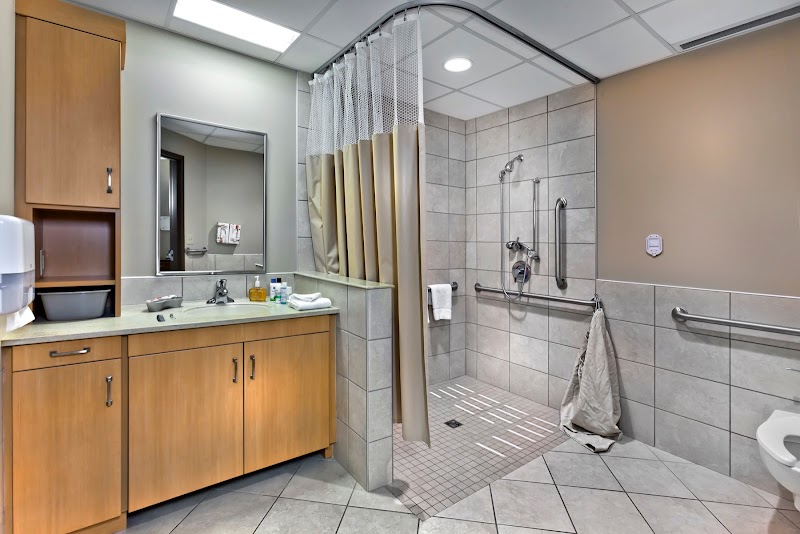
How is Knute Nelson Staffed?

CMS rates KNUTE NELSON CARE CENTER's staffing level at 5 out of 5 stars, which is much above average compared to other nursing homes. Staff turnover is 37%, compared to the Minnesota average of 46%. This relatively stable workforce can support continuity of care.

What Have Inspectors Found at Knute Nelson?

State health inspectors documented 14 deficiencies at KNUTE NELSON CARE CENTER during 2023 to 2025. These included: 14 with potential for harm.
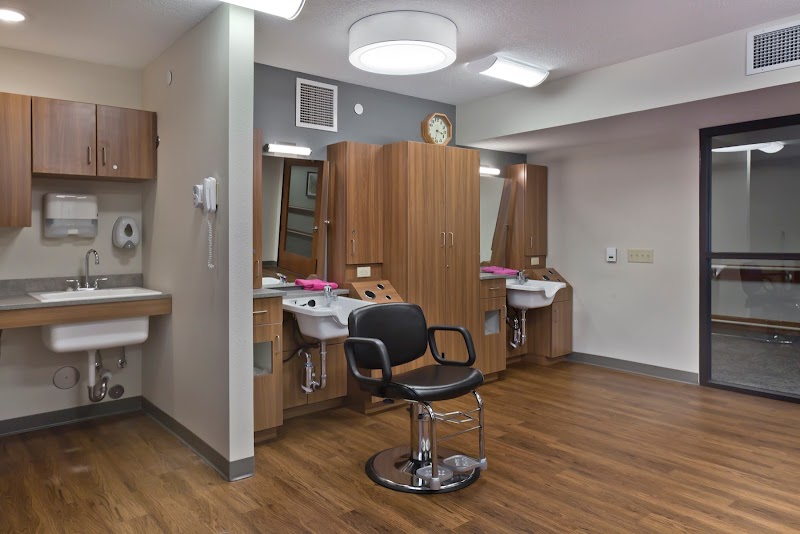
Who Owns and Operates Knute Nelson?

KNUTE NELSON CARE CENTER is owned by a non-profit organization. Non-profit facilities reinvest revenue into operations rather than distributing to shareholders. The facility operates independently rather than as part of a larger chain. With 83 certified beds and approximately 65 residents (about 78% occupancy), it is a smaller facility located in ALEXANDRIA, Minnesota.
How Does Knute Nelson Compare to Other Minnesota Nursing Homes?

Compared to the 100 nursing homes in Minnesota, KNUTE NELSON CARE CENTER's overall rating (5 stars) is above the state average of 3.2, staff turnover (37%) is near the state average of 46%, and health inspection rating (4 stars) is above the national benchmark.

What Should Families Ask When Visiting Knute Nelson?

Based on this facility's data, families visiting should ask: "Can I visit during a mealtime to observe dining assistance and food quality?" "How do you handle medical emergencies, and what is your hospital transfer rate?" "Can I speak with family members of current residents about their experience?"

Is Knute Nelson Safe?

Based on CMS inspection data, KNUTE NELSON CARE CENTER has a clean safety record: no substantiated abuse findings (meaning no confirmed cases of resident harm), no Immediate Jeopardy citations (the most serious violation level indicating risk of serious injury or death), and is not on the Special Focus Facility watch list (a federal program monitoring the lowest-performing 1% of nursing homes). The facility has a 5-star overall rating and ranks #1 of 100 nursing homes in Minnesota. While no facility is perfect, families should still ask about staff-to-resident ratios and recent inspection results during their visit.

Do Nurses at Knute Nelson Stick Around?

KNUTE NELSON CARE CENTER has a staff turnover rate of 37%, which is about average for Minnesota nursing homes (state average: 46%). Moderate turnover is common in nursing homes, but families should still ask about staff tenure and how the facility maintains care continuity when employees leave.

Was Knute Nelson Ever Fined?

KNUTE NELSON CARE CENTER has no federal fines on record. CMS issues fines when nursing homes fail to meet care standards or don't correct problems found during inspections. The absence of fines suggests the facility has either maintained compliance or corrected any issues before penalties were assessed. This is a positive indicator, though families should still review recent inspection reports for the full picture.

Is Knute Nelson on Any Federal Watch List?

KNUTE NELSON CARE CENTER is not on any federal watch list. The most significant is the Special Focus Facility (SFF) program, which identifies the bottom 1% of nursing homes nationally based on persistent, serious quality problems. Not being on this list means the facility has avoided the pattern of deficiencies that triggers enhanced federal oversight. This is a positive indicator, though families should still review the facility's inspection history directly.