ANNANDALE CARE CENTER INC
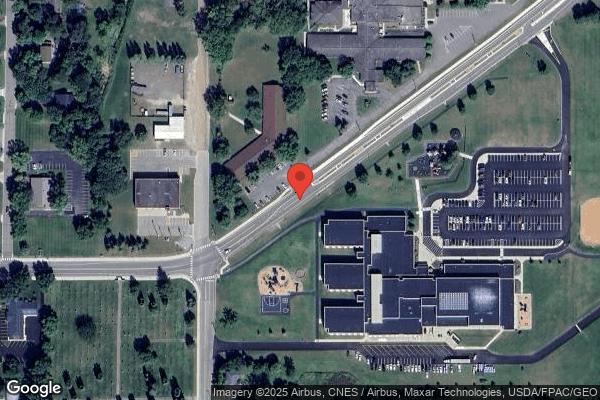
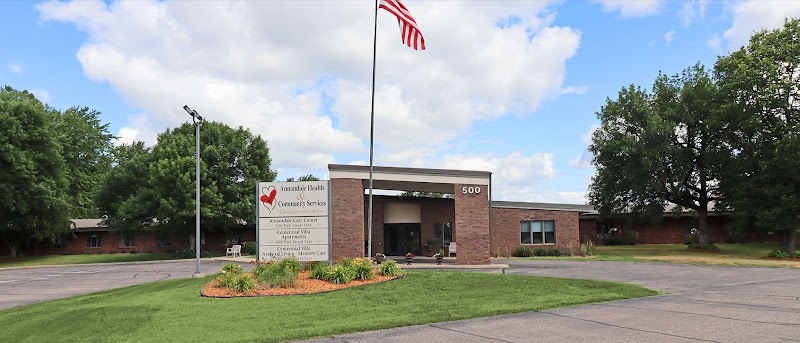
500 PARK STREET EAST, ANNANDALE, MN 55302 (320) 274-3737
Non profit - Corporation 45 Beds Independent Data: November 2025
Trust Grade
68/100
#1 of 337 in MN
Last Inspection: August 2025

Inspected within the last 6 months. Data reflects current conditions.

Overview

Annandale Care Center Inc has a Trust Grade of C+, indicating it is slightly above average but not outstanding. It ranks #1 out of 337 nursing facilities in Minnesota and #1 out of 7 in Wright County, placing it in the top tier of options available. However, the facility is currently worsening, with the number of health and safety issues increasing from 1 in 2024 to 2 in 2025. Staffing is a concern, with a 71% turnover rate, much higher than the state average, although the facility does have good RN coverage. Recent inspection findings revealed serious incidents, including a resident suffering multiple rib fractures after tripping over a mechanical lift and another resident fracturing their shoulder due to inadequate fall precautions. Additionally, there were issues with expired medications not being properly labeled, which could pose safety risks. Overall, while there are strengths in its ranking and care ratings, families should be aware of the concerning trends and specific incidents when considering this facility for their loved ones.

Trust Score
C+
68/100
In Minnesota
#1/337
Top 1%
Safety Record
Moderate
Needs review
Inspections
Getting Worse
1 → 2 violations
Staff Stability
⚠ Watch
71% turnover. Very high, 23 points above average. Constant new faces learning your loved one's needs.
Penalties
✓ Good
$8,190 in fines. Lower than most Minnesota facilities. Relatively clean record.
Skilled Nurses
✓ Good
Each resident gets 68 minutes of Registered Nurse (RN) attention daily — more than 97% of Minnesota nursing homes. RNs are the most trained staff who catch health problems before they become serious.
Violations
○ Average
8 deficiencies on record. Average for a facility this size. Mostly minor or procedural issues.
★★★★★
5.0
Overall Rating
★★★★☆
4.0
Staff Levels
★★★★★
5.0
Care Quality
★★★★☆
4.0
Inspection Score
Stable
2024: 1 issues
2025: 2 issues

The Good

  • 4-Star Staffing Rating · Above-average nurse staffing levels
  • 5-Star Quality Measures · Strong clinical quality outcomes
  • Full Sprinkler Coverage · Fire safety systems throughout facility
  • No fines on record

Facility shows strength in staffing levels, quality measures, fire safety.

The Bad

Staff Turnover: 71%

25pts above Minnesota avg (46%)

Frequent staff changes - ask about care continuity

Federal Fines: $8,190

Below median ($33,413)

Minor penalties assessed

Staff turnover is very high (71%)

23 points above Minnesota average of 48%

The Ugly 8 deficiencies on record

2 actual harm
Aug 2025 1 deficiency
CONCERN (D) 📢 Someone Reported This

A family member, employee, or ombudsman was alarmed enough to file a formal complaint

Potential for Harm - no one hurt, but risky conditions existed

Deficiency F0761 (Tag F0761)

Could have caused harm · This affected 1 resident

Based on observation and interview the facility failed to label and properly dispose of expired medications reviewed in 1 of 2 medications carts. This had the potential to 17 out of 34 residents in th...

Read full inspector narrative →
Based on observation and interview the facility failed to label and properly dispose of expired medications reviewed in 1 of 2 medications carts. This had the potential to 17 out of 34 residents in the facility whose medications were stored in the cart.Findings include:On 8/12/25 at 11:59 during review of the medication cart following a medication pass licensed practical nurse (LPN)-A discovered six bottles of medication with no open dates noted, and two of those six bottles were expired.Photocopies taken on 8/12/2025 at 12:00 p.m. showed the following medications:1. Tylenol 500 milligram (mg) tablets, expired in July of 2025 and lacked an open date.2. Tylenol 500 milligram (mg) tablets, expired in July of 2025 and lacked an open date.3. Tylenol 325mg tablets, lacked an open date.4. Tylenol 500mg tablets, lacked an open date.5. Docusate Sodium 100mg tablets, lacked an open date.6. Senna Time 8.6mg-50mg tablets, lacked an open date.On 8/12/25 at 12:00p.m, LPN-A confirmed all six bottles were not labeled appropriately, and the two Tylenol bottles listed above were expired. LPN-A stated the medication should not be used as the staff had no way to know when the bottle was opened, and some were expired. During the interview, the director of nursing (DON) came into the room and confirmed the two bottles of Tylenol were expired and all six bottles, listed above, were undated and would be destroyed. The DON's expectation was when a resident was admitted to the facility the nurse on duty should check the orders to make sure it was the appropriate medication, check all expiration dates, and put an open date on the bottle. The DON stated the importance of labeling each bottle with open dates for the staff to know how long the medication was ok to be used for, and the importance of not using expired medications as they lose their efficacy once that expiration date has passed.The facility policy Medication storage last revised 7/2025, indicated drug containers with missing, incomplete, improper, or incorrect labels shall be returned to the pharmacy for proper labeling before storing, and the facility shall not use discontinued, outdated, or deteriorated drugs or biologicals.
Jun 2025 1 deficiency 1 Harm
SERIOUS (G) 📢 Someone Reported This

A family member, employee, or ombudsman was alarmed enough to file a formal complaint

Actual Harm - a resident was hurt due to facility failures

Accident Prevention (Tag F0689)

A resident was harmed · This affected 1 resident

**NOTE- TERMS IN BRACKETS HAVE BEEN EDITED TO PROTECT CONFIDENTIALITY** Based on observation, interview and record review, the facility failed to comprehensively assess environmental hazards and/or en...

Read full inspector narrative →
**NOTE- TERMS IN BRACKETS HAVE BEEN EDITED TO PROTECT CONFIDENTIALITY** Based on observation, interview and record review, the facility failed to comprehensively assess environmental hazards and/or ensure the environment was free from accident hazards for 1 of 3 residents (R1) reviewed for falls. The facility's failures caused actual harm when R1 tripped and fell on a mechanical lift which resulted R1 suffering multiple rib fractures with hemothorax, unstable T11 fracture, and a large laceration to her elbow. Findings include: R1's admission Record dated 4/17/24, identified R1's diagnoses included dementia with other behavioral disturbance, Hospice care, muscle weakness, unsteady gait, impaired safety awareness, and history of falls. R1's admission Minimum Data Set (MDS) dated [DATE], R1 required limited assistance for activities of daily living (ADLs), and mobility and had severe cognitive impairment. R1's care plan initiated 4/1/25, indicated R1 had a history of falls, impaired safety awareness, and unsteady gait. Staff interventions included providing assistance with mobility/ADLs. R1's fall risk assessment completed 4/1/25, indicated R1 is a high risk for falls related to muscle weakness, cognitive impairment, unsteady gait, and impaired safety awareness. R1's progress note dated 5/20/25 at 10:50 p.m. indicated R1 appeared to trip on a mechanical lift parked against a wall outside of her room as she turned the corner out of her room with her walker, attempting to ambulate independently. The note indicated R1 fell on her left side sustaining a large skin tear to her elbow, upper arm, and part of forearm with left side. R1 complained about ribs pain. R1's emergency department (ED) note dated 5/20/25 at 11:47 p.m. indicated R1 presented to ED for ground level fall with trauma, multiple or serious injuries. The note stated exam revealed laceration of left elbow, which was not amenable to repair, chest wall tenderness and left sided rib fractures. R1's progress note dated 5/21/25 at 2:21 a.m., indicated R1 was admitted at the hospital with multiple ribs fracture to her left side, hemothorax ( a condition where blood accumulates in the space between the lung and the chest wall) to her right side and an unstable spinal fracture to T11. During an interview on 6/17/25 at 10:51 a.m., a family member (FM)-A stated she turned and saw R1 when she was falling down just outside her room. FM-A stated R1 had a walker, and her back hit part of the mechanical lift parked a foot or two from her doorway against the wall. During an interview on 6/17/25 at 11:09 a.m., FM-B stated R1 walked right outside of her room and her walker got caught by the mechanical lift parked right outside her room against the wall a foot from her doorway when she fell on the lift. During an interview on 6/17/25 at 12:52 p.m., nursing assistant (NA)-D stated she witnessed R1's fall and stated R1 landed with her left side on the mechanical lift which was one or two feet from her doorway. NA-D stated nursing staff did not have a designated spot to park the lifts and she did not recall receiving any education about environmental safety hazards. During an interview on 6/17/25 at 2:54 p.m., licensed practical nurse (LPN)-A stated on 5/20/25 R1 fell on the legs of the mechanical lift with her left side and started bleeding heavily. LPN-A stated R1 was one person assist with mobility and supervision. LPN-A did not recall receiving any education about environmental safety hazards after the incident. During an observation on 6/16/2025 11:37 a.m., a mechanical lift was observed parked against the wall less than a foot just outside of R5's doorway. During continuous observation, another mechanical lift was parked against the wall of R4's room with two wheels visible in R4's doorway. At 11:45 a.m., an unknown nursing staff member was noted to be in the hallway moving back and forth from the nursing station walking by the lifts. During an interview on 6/16/25 at 1:32 p.m., NA-A stated nursing staff have been trained on how to use the mechanical lift during their orientation. NA-A stated she was educated to put the mechanical lift on the right side of the hallway, against the wall between residents' rooms during her orientation. NA-A stated she did not receive any education about a designated spot to park the mechanical lifts. NA-A stated nursing staff had to use their own judgment to put the lift in the middle against the wall to prevent any accident. NA-A did not identify the lift parked against the walls in the hallway as a safety and/or tripping hazard. During an interview on 6/16/25 at 2:17 p.m., NA-B indicated sometime between new employee orientation but before R1's accident, she was trained only to park the mechanical lift on the right side of the hallway against the wall facing one way. That training did not address any specific spot the lifts should parked other than the right side of the hallway. NA-B explained after R1's fall nursing staff did not receive any education pertaining to the storage of lifts and/or where in the hallway they should be parked and did not identify the lifts in the hallway a safety hazard for residents. During an interview on 6/17/25 at 10:23 a.m., NA-C stated she was directed to put the mechanical lift locked against the wall on the right side, using common sense not to put it on the resident's doorway. NA-C stated she did not receive any environmental safety hazard education recently. During an interview on 6/16/25 at 4:10 p.m., LPN-A stated nursing staff were supposed to park the mechanical lift on the right side of the hallway against the wall without blocking or inside the egress of the resident's doorway. LPN-A stated night shift should put them in the tub room if they were not using them, but nurses have to use their own judgment about putting the lift on the hallway. During an interview on 6/17/25 at 10:43 a.m., LPN-B stated they did not have a specific spot to put the mechanical lift as long as it was not blocking the doorway. LPN-B stated she did not recall receiving any environmental safety hazard education recently. During an interview on 6/17/25 at 9:46 a.m., a registered nurse (RN)-A stated after using the lifts, nursing staff have to put it at a safe location not blocking the hallway. RN-A stated he did not receive any direction about parking the lift at a designated location. During an interview on 6/17/25 at 1:25 p.m., RN-B stated she was responsible for training nursing assistants upon hire and she was part of the safety committee. RN-B stated she did provide training at the facility skills fair last week including how to use the mechanical lift, however she did not provide environmental safety hazard education to the nursing staff recently. Nursing staff were directed to park the mechanical lift on the right side of the hallway against the wall. No specific education pertaining to R1's incident had been provided, and no audits regarding how lifts have been parked properly in the hallway was conducted. During an interview on 6/17/25 at 3:19 p.m., the director of nursing (DON) stated R1 was a high risk for falls and was having increased confusion due to her dementia condition. The interdisciplinary team (IDT) did root cause analysis after the incident but did not consider the placement of the mechanical lift as a contributing factor in the incident. DON stated she did not do anything to address the mechanical lift parked in the hallway as a potential fall hazards or try to figure out a different safe location to store them after its used. DON explained she had not provided any environmental safety hazards education to the staff or audits regarding the residents' ability to safely maneuver around the mechanical lift in the environment for ambulatory residents who independently used assistive devices. During an interview on 6/17/25 at 3:52 p.m., the administrator stated during the IDT meeting they discussed R1's fall incident and determined it was related to R1 increased weakness and confusion but did not consider the lift as contributing factor to her injuries. The administrator stated R1 sustained injuries when she fell on the lift. The administrator stated the facility procedure was to park the mechanical lift on the right side of hallway against the wall because of a lack of storage. The administrator stated they met every morning with IDT and discussed many items including falls and their Quality Assurance and Performance Improvement (QAPI) meeting was scheduled for 6/20/25. The facility Environmental Hazards Policy dated January 2012 and revised in November 2020, indicated the facility shall maintain a safe, clean and orderly interior and directed staff to survey their assigned work area routinely to ensure a properly maintained, safe clean and orderly environment.
Oct 2024 1 deficiency
CONCERN (D) 📢 Someone Reported This

A family member, employee, or ombudsman was alarmed enough to file a formal complaint

Potential for Harm - no one hurt, but risky conditions existed

Accident Prevention (Tag F0689)

Could have caused harm · This affected 1 resident

**NOTE- TERMS IN BRACKETS HAVE BEEN EDITED TO PROTECT CONFIDENTIALITY** Based on interview and document review, the facility failed to ensure residents were free from falls for 2 of 3 residents (R1, R...

Read full inspector narrative →
**NOTE- TERMS IN BRACKETS HAVE BEEN EDITED TO PROTECT CONFIDENTIALITY** Based on interview and document review, the facility failed to ensure residents were free from falls for 2 of 3 residents (R1, R2) reviewed for falls. Findings include: R1's care plan dated 6/12/22, directed R1 required extensive assist of two staff for bed mobility. R1's readmission Minimum Data Set (MDS) dated [DATE] indicated R1 had diagnoses of pneumonia and anxiety. The MDS indicated R1 required a mechanical lift for transfers, and two staff for bed mobility. In addition, the MDS indicated R1 had no history of falls. The undated Nursing Assistant Assignment sheet (nursing assistant care guide) directed R1's bed mobility to be provided with assistance of two staff, and transfers to be completed with one staff and the mechanical stand assist lift. On 10/18/24 a progress note indicated R1 had a witnessed fall at 6:30 a.m. R1 stiffened his body and slipped out of bed landing on his left side. R1 had no injuries. On 10/22/24 at 1:32 p.m., R1 stated nursing assistant (NA)-A provided cares by herself on 10/18/24. When she attempted to sit him up at the edge of the bed, he fell to the floor. There were supposed to be two staff get him out of bed in the morning. On 10/22/24 at 2:30 p.m., NA-A stated she provided cares independently to R1 on the morning of 10/18/24. He slid to the floor when she attempted to sit him up on the edge of the bed. The Nursing Assistant Assignment sheet directed R1 was supposed to have two staff assist for bed mobility, and one staff for transfers. On 10/22/24 at 3:02 p.m., licensed practical nurse (LPN)-A stated she was working on 10/18/24 when R1 fell. NA-A was trying to get him out of bed by herself, and R1 required assistance of two staff to get out of bed. On 10/23/24 at 9:04 a.m., registered nurse (RN)-A stated Nursing Assistant Assignment sheets were updated daily. The NAs were expected to carry them, and reference the sheets as they reflected each residents' current care plan. Two staff should have been present for R1's morning cares on 10/18/24. On 10/23/24 at 10:03 a.m., the director of nursing (DON) stated the Nursing Assistant Assignment sheets were updated when the care plans were updated. NA-A did not follow the care plan when she attempted to get him up by herself. On 10/23/24 at 12:06 p.m., physical therapist (PT)-A stated R1 had been assessed and discharged from physical therapy on 10/9/24. At that time, the recommendation was made to provide assistance of two staff for bed mobility, due to his stiff tone. The assistance of two staff included getting him up and out of bed. Once he was out of bed, R1 could transfer with the mechanical stand assist lift and one staff. R2's care plan dated 4/3/24 indicated she required assist of one staff and the mechanical standing lift for transfers. R2's quarterly MDS dated [DATE] indicated R1 had diagnoses of debility, heart failure and dementia. The MDS indicated R2 was dependent for transfers, and required substantial assistant with bed mobility. R2's MDS indicated she had no history of falls. The undated Nursing Assistant Assignment sheet directed R2's transfers to be completed with one staff using the mechanical stand assist lift. On 10/5/24 a progress note indicated R2 had a witnessed fall in the morning after becoming weak, and was lowered to the floor. R2 had no injuries. On 10/23/24 at 8:48 a.m., LPN-B stated she was working on 10/5/24 when R2 fell. It appeared NA-B had transferred R2 without the mechanical lift. NA-B did not have the Nursing Assistant Assignment sheet with her at the time of the incident. On 10/23/24 at 9:30 a.m., NA-B stated she was caring for R2 on 10/5/24. She was transferring R2 with a gait belt when R2 was lowered to the floor. She did not read the Nursing Assistant Assignment sheet to determine how she should transfer R2. On 10/23/24 at 12:16 p.m., PT-A stated R2 was not strong enough to transfer without a lift. The facility policy Routine Resident Care dated 3/23, directed following each resident's care plan for activities of daily living (ADL)s, including bathing, dressing, eating, toileting, and encouraging participation in recreational activities.
Jul 2023 2 deficiencies
CONCERN (D)

Potential for Harm - no one hurt, but risky conditions existed

Deficiency F0790 (Tag F0790)

Could have caused harm · This affected 1 resident

Based on interview and document review, the facility failed to follow up with the dental provider after a dental evaluation was completed, and a need for a treatment had been identified for 1 of 1 res...

Read full inspector narrative →
Based on interview and document review, the facility failed to follow up with the dental provider after a dental evaluation was completed, and a need for a treatment had been identified for 1 of 1 residents (R25) reviewed for dental concerns. Findings include: R25's Face Sheet identified multiple diagnoses, which included diabetes mellitus (a disease which affects how the body uses blood sugar (glucose), nausea with vomiting, gastroparesis (a condition where the stomach muscles can't move food normally through the digestive tract), and gastro-esophageal reflux disease (a condition that causes acid reflux and heartburn) with esophagitis (inflammation of the esophagus). R25's care plan, edited 7/10/23, identified R25 was on a regular diet with thin liquids and regular textures, with foods cut for resident. The care plan also identified R25 was independent with hygiene and grooming, with staff assistance provided as needed. During interview on 7/24/23 at 6:16 p.m., R25 stated she had a partial denture in place, as well as broken teeth present. R25 stated she had seen a dentist for evaluation since admission, and although she was unaware of the specific work needed, stated there was a recommendation for further dental work. A review of the Consult section in R25's electronic medical record lacked indication of any dental visits completed. On 7/26/23 at 1:06 p.m. registered nurse (RN)-B was consulted regarding any history of dental consults for R25. At 1:39 p.m. RN-B provided documentation of a dental consult which had been completed on 12/8/22. The document identified R25 had active dental disease and a treatment plan was to be developed once radiographs (x-rays) were reviewed. RN-B stated she was unsure of the time frame when the reports should have been received, however, stated the recommendations should have been received prior to this. RN-B stated follow through on dental recommendations was important for prevention of other dental issues. On 7/26/23 at 2:45 p.m. the director of nursing (DON) stated follow up should have been in place to track consultation visit notes of those consultations completed to ensure the appropriate follow up was received. The facility policy, reviewed 9/17, titled Consultation Tracking Records, identified nursing was to track all appointments each resident had and were to record them in the progress notes in the Automated record. The policy lacked indication as to the process of obtaining the progress notes following consultation, and the process of coordination of recommended treatment.
CONCERN (D)

Potential for Harm - no one hurt, but risky conditions existed

Deficiency F0883 (Tag F0883)

Could have caused harm · This affected 1 resident

**NOTE- TERMS IN BRACKETS HAVE BEEN EDITED TO PROTECT CONFIDENTIALITY** Based on interview and document review, the facility failed to ensure 2 of 5 residents (R26 and R35) were offered, or received, ...

Read full inspector narrative →
**NOTE- TERMS IN BRACKETS HAVE BEEN EDITED TO PROTECT CONFIDENTIALITY** Based on interview and document review, the facility failed to ensure 2 of 5 residents (R26 and R35) were offered, or received, the pneumococcal vaccine (PCV20) in accordance with the Centers for Disease Control (CDC) recommendations. Findings include: The CDC's PneumoRecs VaxAdvisor identified: Based on shared clinical decision-making, decide whether to administer one dose of PCV20 at least 5 years after the last pneumococcal vaccine dose and patients age [AGE]-64 with the risk factor of diabetes mellitus are recommended to have one dose of PCV15 or PCV20 at least 1 year after their last dose of PPSV23. The CDC's Pneumococcal Vaccine Timing for Adults, dated 3/15/23, identified: Together with the patient, vaccine providers may choose to administer PCV20 to adults 65 years and older who have already received PCV13 (but not PCV15 or PCV20) at any age and PPSV23 at or after the age of [AGE] years old. R26's Resident Face Sheet, identified she was [AGE] years old, and had multiple diagnoses, which included Type 2 diabetes mellitus, pulmonary nodule (a growth which may be cancerous or non-cancerous), and malignant pleural effusion (a condition where fluid with cancer cells accumulates in the space between lungs and the chest wall). R26 had no allergies to vaccines or contraindications to the PCV20 vaccine listed. R26's immunization report identified she had previously received the PPSV23 on 3/25/13, and the PCV13 on 9/23/15. R26's medical record lacked evidence the recommended PCV20 vaccination was offered or received. R35's Resident Face Sheet, identified she was [AGE] years old. R35's diagnoses included chronic respiratory failure with hypoxia, other forms of dyspnea, chronic obstructive pulmonary disease, and obstructive sleep apnea. R35 had no allergies or contraindications to the PCV20 vaccine listed. R35's immunization report identified she had previously received the PCV13 on 3/30/17 and the PPSV23 on 11/1/02 and 3/5/10. R35's medical record lacked evidence the recommended PCV20 vaccine was offered or received. When interviewed on 7/26/23 at 10:02 a.m. the infection preventionist, registered nurse (RN)-A, stated although she was aware of the requirement to offer the PCV-20 to residents upon their admission to the facility, she was unaware of the need to develop a plan to audit the records of those currently residing in the facility. RN-B stated she was using the recommendations as outlined by CDC from 4/1/22. RN-A stated it was important to be aware of current recommendations for residents in long term care as They are at such high risk of severe illness or death. The facility policy, Vaccinations and Immunizations, last reviewed on 10/2022, directed upon admission a nurse reviewed the residents vaccination history to determine the need for vaccinations. Under the title Procedure, the policy went on to identify for the pneumococcal vaccine the facility staff was to follow the recommendations from MDH (Minnesota Department of Health)/CDC r/t (related to) timing of PCV13, PCV15, PCV20, and/or PPSV23. The policy went on to direct the staff if additional pneumococcal vaccine was indicated after admission, the RN was to proceed with providing the resident the risk versus benefits using the most current vaccination information. The policy lacked identification as to how vaccination recommendation were to be determined or what processes were to be used.
Jan 2023 3 deficiencies 1 Harm
SERIOUS (G) 📢 Someone Reported This

A family member, employee, or ombudsman was alarmed enough to file a formal complaint

Actual Harm - a resident was hurt due to facility failures

Accident Prevention (Tag F0689)

A resident was harmed · This affected 1 resident

**NOTE- TERMS IN BRACKETS HAVE BEEN EDITED TO PROTECT CONFIDENTIALITY** Based on observation, interview and document review, the facility failed to ensure fall interventions were implemented as care p...

Read full inspector narrative →
**NOTE- TERMS IN BRACKETS HAVE BEEN EDITED TO PROTECT CONFIDENTIALITY** Based on observation, interview and document review, the facility failed to ensure fall interventions were implemented as care planned to prevent falls for 1 of 2 residents (R1) reviewed for accidents. This resulted in actual harm when R1 fell from a toileting sling and was diagnosed with a left shoulder fracture. Findings include: R1's significant change Minimum Data Set (MDS) dated [DATE], indicated R1 had hemiplegia and anxiety. The MDS indicated R1 was cognitively impaired, did not reject care, transferred with extensive assist of two, was always incontinent of bladder and frequently incontinent of bowel. The MDS further indicated R1 had occasional pain and had one fall with major injury since admission. R1's Care Plan dated 10/3/22 , indicated R1 was at moderate risk for falls related to weakness, needed assistance with mobility, diagnosis of hemiplegia and hemiparesis following cerebral infarction affecting left non-dominate side. The care plan indicated R1 used a bed pan for toileting until toileting sling use was re-assessed for proper fit. A Resident Abuse/Neglect Investigation Report Form completed by the facility on 10/03/22, indicated on 10/03/22, at 3:30 p.m. R1 was being transferred from commode to wheelchair using Hoyer lift and toileting sling when R1 started to slide out of sling and fell to the floor. The report indicated R1 had left shoulder pain with movement and denied other pain. The report indicated no neglect or abuse was found and care plan, policies and procedures were followed and facility was re-evaluating type of sling used, but sling in place was correct for lift and toileting. A Fax Form from the facility dated 10/03/22, at 4:23 p.m. to R1's physician indicated, at 3:50 p.m. R1 was being lifted with the hoyer lift using the toileting sling. When they were getting ready to lower her back to her wheelchair the NARs noticed R1 was slipping and before they could get the chair under her, she fell to the ground. R1 was assessed and stated her back, shoulder and head hit the ground. After being assessed, R1 was lifted to her bed using a hoyer lift and full body sling with compliants of pain in left shoulder with movement. She also complained of level 4 pain in left lateral thigh/lower flank area. There was a L shaped bruise in that area. Review of physician response fax was to monitor and update. An Office Visit note dated 10/06/22, indicated R1 was seen, had x-rays and was found to have a fracture of the left humeral neck (shoulder fracture). The note indicated an order for an arm splint and follow up in a week. Increased Tylenol to 1,000 milligrams (mg) TID (three times a day) for the next week and resume current dose. A CentraCare Clinic fax dated 10/07/22, indicated R1 continued to have increased left shoulder pain and Tramadol (used to treat pain) 50 mg one tablet every 6 hours as need. Review of Occupational Therapy (OT) and Certified Occupational Therapy Assistant (COTA)-A notes dated 8/19/22 through 10/04/22, indicated the following: On 8/19/22, OT indicated patient was educated on benefit of trial with toilet sling for toileting. On 8/22/22, staff CNA (certified nursing assistant) training to continue use hoyer transfers with toilet sling during use of commode. Patient completes transfers with assist of two. Occupational therapy (OT) updates toilet sling transfers, criss crossing leg straps for improved bilateral lower extremity stability. On 9/07/22, OT indicated concerns from staff over the weekend with patient use of toileting sling. Consulted with licensed practical nurse (LPN)-A and NA-K regarding incident, [FM]-A present reporting staff were not using the toileting sling. The note indicated social services was informed of FM-A concern. In addition the note indicated the director of nursing (DON) was looking into larger slings for R1. On 9/12/22, COTA-A indicated writer collaborates with nursing regarding toilet transfers. Writer provided staff training to use toilet sling crossing leg straps for improved security. On 9/21/22, COTA -A indicated writer consulted with NA-K and night staff concerns of poor safety using toileting sling. NA-K reported concerned with R1's posture in toilet sling during the night with increased fatigue. The note then indicated R1 was able to maintain posture in toilet sling during the night and OT will upgrade Functional Maintenance Plan (FMP) and RN education and collaboration regarding toileting task using the bed pan. R1's Rehab Visions Occupational Therapy report also known as Functional Maintenance Plan (FMP) dated 9/26/22, indicated R1 toileted with assist of two, toileting sling, and bedside commode. Use of bed pan as need (PRN). During observation and interview on 1/03/23, at 9:35 a.m. R1 was lying in bed and stated she had no pain. R1 stated she preferred to use the bedpan instead of the toileting sling. R1 then wanted to have her family member involved in the conversation so R1 used her [NAME] device (virtual assistant technology) and called (FM)-A. FM-A stated he was informed the facility felt the cause of the fall on 10/03/22, was due to R1's left arm slipped through the toileting sling and then fell to the floor. FM-A stated he was upset because after the fall R1 no longer received therapy and she became private pay. FM-A stated he wanted R1 to use the commode and hoped she would eventually be able to come home. FM-A stated he was not informed R1 was experiencing fatigue in the evening, but some of the staff would not want to use the sling. He encouraged them to use it since he felt it was painful for R1 to use the bed pain. During interview on 1/03/23, at 12:20 p.m. COTA-A stated she assessed R1 during the day and had no concerns with transfers using the toileting sling, but did not look at R1 later in the day or evening when staff expressed concerns with fatigue. COTA-A stated she was aware R1 had weakness later in the day and added to R1's functional maintenance plan (FMP) to use the bed pan as needed (PRN) instead of toileting sling and commode for safety. In addition, COTA-A stated she trained the staff on the floor on how to use the toileting sling on R1 if they communicated they had concerns. When asked if there was any training documentation, COTA-A stated she did not record the individual training's. During interview on 1/03/23, at 2:00 p.m. nursing assistant (NA)-A stated she had been working at the facility for over two years and always used the bed pan for R1's toileting needs and was never aware R1 used the toileting sling. During interview on 1/03/23, at 2:06 p.m. registered nurse manager (RN)-A stated she was aware the staff were reporting they were uncomfortable with using the toileting sling with R1 so she referred the concerns to the therapy department and felt if they assessed R1 to be safe using the toileting sling, then she felt it was safe. RN-A stated after R1 fell on [DATE], they were no longer using the toileting sling. RN-A confirmed, previous to the fall, she was not aware of PRN order to use bed pan if R1 was fatigued. During interview on 1/03/23, at 8:13 p.m. NA-B stated prior to R1's fall they used the toileting sling and felt it was small and R1's arms would go into the air. In addition, NA-B stated R1 would get tired in the evening and this had been reported to the nurses working. NA-B added, even though he voiced concerns of safety with the sling, he had not received any training on using the toileting sling with R1 and so would try to avoid the sling at any cost and just use the bed pan. NA-B stated he was not aware of the order to use the bed pan PRN if R1 was fatigued. During interview on 1/03/23, at 8:44 p.m. NA-C stated I would not transfer [R1] using the toileting sling, it would pinch at the wrong angles and was not a big fan of the sling. During interview on 1/03/23, at 8:45 a.m. NA-D stated she was the NA working when R1 slipped out of the sling. NA-D stated the sling was too small and R1's legs started to slide out, even though the straps around the legs were criss-crossed, her bottom was sliding down. NA-D stated she thought they used the biggest toileting sling they had and was never told it was too small until after the incident. NA-D stated when the incident occurred she was new to working at the facility and was trained on the B-wing not the A-wing where R1 was on. During interview on 1/04/23, at 9:40 a.m. DON stated, they checked the sling and R1's weight and according to the chart the toileting sling was appropriate for R1. The DON stated she felt the incident occurred because R1 pulled her arm in and out of the sling, slid out, and fell. Since the incident they have been using the bed pan. During interview on 1/04/23, 12:32 p.m. NA-F stated to be honest I was never aware [R1] used a toileting sling and was never trained. NA-F stated she worked evenings and they had a lot of new staff and there had been no formal training on how to use the sling on R1. During interview on 1/04/23, at 1:24 p.m. NA-G indicated she worked evening shifts and had been at the facility for over two years and never used the toileting sling on R1. NA-G stated she had heard staff state they were uncomfortable using the toileting sling. During interview on 1/04/23, at 1:33 p.m. NA-H stated she worked the evening shift and when she would use the toileting sling R1's arms and body would sink into the sling. It didn't look right and was too small. NA-H stated she reported to the nurses, but therapy wanted us to use the toileting sling and it was on our Nursing Assistant Care Sheet to use the toileting sling. NA-H stated she was not surprised after a short leave and then returning to find out that R1 had slid out of her sling. In addition RA-H stated even though she reported her concerns to the nurses she never received any training or direction on transfers for R1 when she became fatigued and felt the new staff should all be trained on the proper way to complete transfers so the residents were safe. During interview on 1/04/23, at 5:00 p.m. NA-I stated she worked the evening shift. When she transferred R1, the sling around her back did not fit her and she would just leave the leg straps un-crossed because she did not want to pinch her legs. NA-H further stated they communicated concerns to FM-A and nursing staff, but FM-A insisted they use the toileting sling for R1 and not the bed pan. During interview on 1/04/23, at 6:08 p.m. NA-D stated when she was transferring R1 she was not aware she could have used the commode (PRN when fatigued) and R1 probably slid through her toileting sling because she was tired and weak. During interview on 1/04/23, at 6:18 p.m. NA-J stated her and NA-D were the ones that transferred R1 when she slid out of her toileting sling adding, they knew her left arm had weakness and that when her arm slid through the sling, R1 could not hang on and fell to the floor. NA-J stated R1's weakness could have been the cause of her fall. NA-J added that they no longer used the toileting sling and used the bed pan for safety. During interview on 1/05/23, at 9:38 a.m. DON stated the COTA-A would train the staff working on the shift when she was there but not all 79 staff. In addition, DON stated she did not understand why the two staff working with R1 did not know they could have used the bedpan the day of her incident since it was listed on her resident care sheet and they should be looking at that every day. In addition she was unaware who the COTA-A discussed the use of the bed pan with when R1 was weak according to the therapy note on 9/21/22, since she spoke to her nurse manager and the nurse manager was never informed of the collaboration that was listed in the COTA's documentation. In addition, the DON stated the FMP and care plan should have addressed the reason for using the bed pan for weakness and not just stating it was used PRN. The facility was unable to provide documentation of communication or education provided to staff regarding changes to R1 care plan. Although therapy had recommend using the bed pan when R1 was weak or tired and revised care plan treatment on 10/03/22, the facility staff were unaware of the intervention and transferred R1 using the toileting sling which resulted in a left humorous fracture. A facility policy Fall Protocol dated 9/2022, indicated Realizing that not all falls can be prevented that the elderly population have multiple predispositions to falling and will fall, preventive measures shall be initiated when deemed appropriate to decrease the number of falls whenever possible. The policy further indicated if an assessment finds the resident at risk the RN case manager will implement appropriate interventions and/or precautions on the care plan as an attempt to reduce the risk of falls or the risk of injury due to falls.
CONCERN (D) 📢 Someone Reported This

A family member, employee, or ombudsman was alarmed enough to file a formal complaint

Potential for Harm - no one hurt, but risky conditions existed

Report Alleged Abuse (Tag F0609)

Could have caused harm · This affected 1 resident

**NOTE- TERMS IN BRACKETS HAVE BEEN EDITED TO PROTECT CONFIDENTIALITY** Based on interview and document review, the facility failed to ensure incident of potential neglect was reported immediately, wi...

Read full inspector narrative →
**NOTE- TERMS IN BRACKETS HAVE BEEN EDITED TO PROTECT CONFIDENTIALITY** Based on interview and document review, the facility failed to ensure incident of potential neglect was reported immediately, within two hours, to the State Agency (SA) for 1 of 2 residents (R1) reviewed for accidents who slid from a lift and had a left shoulder fracture during provisions of care. Findings include: R1's significant change minimum data set (MDS) dated [DATE], indicated R1 required transfer with extensive assist of two, always incontinent of bladder and frequently incontinent of bowel. R1's Care Plan dated 10/3/22, indicated R1 was at moderate risk for falls related to weakness, needing assistance with mobility, diagnosis of hemiplegia and hemiparesis following cerebral infarction affecting left non-dominate side. The care plan indicated R1 used a bed pan for toileting until toileting sling use was re-accessed for proper fit. A Resident Abuse/Neglect Investigation Report Form completed by the facility on 10/03/22, indicated on 10/03/22, at 3:30 p.m. R1 was being transferred from commode to wheelchair using Hoyer lift and toileting sling when R1 started to slide out of sling and fell to the floor. The report indicated R1 had left shoulder pain with movement and denied other pain. The report indicated no neglect or abuse was found and care plan, policies and procedures were followed and re-evaluating type of sling used-but sling in place was correct for lift and toileting. The report failed to indicate the SA was informed of the incident. A Office Visit note dated 10/06/22, indicated R1 was seen and had x-rays and was found to have a fracture of the left humeral neck (shoulder fracture). The note indicated an order for a arm splint and follow up in a week and increased Tylenol to 1,000 milligrams (mg) TID (three times a day) for the next week and resume current dose. During interview on 1/05/23, at 9:38 a.m. DON stated she should have reported the incident since the staff did not understand the use of the bed pan. The facility Abuse Prevention Plan Policy and Procedure dated 9/2021, indicated The Administrator is notified immediately of any suspected abuse. Immediately is defined as 'as soon as possible but no later than 24 hours after an incident'. Immediately means as soon as possible after discovery of the incident but no later than 2 hours after allegation is made. Social Services or other designated staff will immediately report to appropriate agencies. In addition the policy indicated neglect as a categories of abuse Neglect: the failure to provide goods and services necessary to avoid physical harm, mental anguish, or mental illness. This presumes that instances of abuse/neglect of all residents, even those in a coma, cause physical harm or pain or mental anguish. (Active Neglect: conscious, intentional, willful deprivation. Passive Neglect: unintentional deprivation, unwilful.).
CONCERN (D) 📢 Someone Reported This

A family member, employee, or ombudsman was alarmed enough to file a formal complaint

Potential for Harm - no one hurt, but risky conditions existed

Investigate Abuse (Tag F0610)

Could have caused harm · This affected 1 resident

**NOTE- TERMS IN BRACKETS HAVE BEEN EDITED TO PROTECT CONFIDENTIALITY** Based on interview and document review the facility failed to thoroughly investigate an allegation of neglect for 1 of 2 residen...

Read full inspector narrative →
**NOTE- TERMS IN BRACKETS HAVE BEEN EDITED TO PROTECT CONFIDENTIALITY** Based on interview and document review the facility failed to thoroughly investigate an allegation of neglect for 1 of 2 residents (R1) reviewed for accidents who had fell from a toileting sling which resulted in a left shoulder fracture. Findings include: R1's significant change Minimum Data Set (MDS) dated [DATE], indicated R1 had hemiplegia and anxiety. The MDS indicated R1 was cognitively impaired, did not reject care, transferred with extensive assist of two, was always incontinent of bladder and frequently incontinent of bowel. The MDS further indicated R1 had occasional pain and had one fall with major injury. R1's Care Plan dated 10/3/22 , indicated R1 was at moderate risk for falls related to weakness, needing assistance with mobility, diagnosis of hemiplegia and hemiparesis following cerebral infarction affecting left non-dominate side. The care plan indicated R1 used a bed pan for toileting until toileting sling use was re-assessed for proper fit. A Resident Abuse/Neglect Investigation Report Form completed by the facility on 10/03/22, indicated on 10/03/22, at 3:30 p.m. R1 was being transferred from commode to wheelchair using Hoyer lift and toileting sling when R1 started to slide out of sling and fell to the floor. The report indicated R1 had left shoulder pain with movement and denied other pain. The report indicated no neglect or abuse was found and care plan, policies and procedures were followed and re-evaluating type of sling used but sling in place was correct for lift and toileting. A Office Visit note dated 10/06/22, indicated R1 was seen and had x-rays and was found to have a fracture of the left humeral neck (shoulder fracture). The note indicated an order for an arm splint, follow up in a week and increase Tylenol to 1,000 milligrams (mg) TID (three times a day) for the next week and resume current dose. During interview on 1/03/23, at 12:20 p.m. COTA-A stated she assessed R1 during the day and had no concerns with transfers using the toileting sling, but did not look at her later in the day or evening when staff expressed concerns with fatigue. COTA-A stated she was aware R1 was having weakness later in the day and added to R1's functional maintenance plan (FMP) to use the bed pan as needed (PRN) instead of toileting sling and commode for safety. During interview on 1/03/23, at 8:45 a.m. NA-D stated she was the NA working when R1 slipped out of the sling. NA-D stated the sling was too small and R1's legs started to slide out, even though the straps around her legs were criss-crossed, her bottom was sliding down. NA-D stated she thought they used the biggest toileting sling they had and was never told it was too small until after the incident. NA-D stated when the incident occurred she was new to working at the facility and was trained on the B-wing not the A-wing where R1 was on. During interview on 1/04/23, at 9:40 a.m. director of nursing (DON) stated, they checked the sling and R1's weight and according to the chart, the toileting sling was appropriate for R1. The DON stated she felt the incident occurred because R1 pulled her arm in and out of the sling and slid out and which resulted in the fall, adding, since the incident they have been using the bed pan. During interview on 1/04/23, at 1:24 p.m. NA-G stated he worked the evening shift and had been at the facility for over two years and never used the toileting sling on R1. NA-G stated he had heard staff state they were uncomfortable using the toileting sling. During interview on 1/04/23, at 1:33 p.m. NA-H stated she worked the evening shift and when she would use the toileting sling R1's arms and body would sink into the sling and it didn't look right and too small. NA-H stated she reported to the nurses, but therapy wanted us to use the toileting sling and it was on our Nursing Assistant Care Sheet to use the toileting sling. NA-H stated she was not surprised after a short leave and then returning to find out that R1 had slid out of her sling. In addition RA-H stated even though she reported her concerns to the nurses she never received any training or direction on transfers for R1 when she became fatigued and felt the new staff should all be trained on the proper way to complete transfers so the residents are safe. During interview 1/04/23, at 5:00 p.m. NA-I stated she worked the evening shift and when she transferred R1 the sling around her back did not fit her and she would just leave the leg straps un-crossed because she did not want to pinch her legs. NA-H further stated they communicated concerns to FM-A and nursing staff, but FM-A insisted they use the toileting sling for R1 and not the bed pan. During interview on 1/04/23, at 6:08 p.m. with NA-D who stated when she was transferring R1 she was not aware she could have used the bed pan and R1 probably slid through her toileting sling because she was tired and weak. During interview on 1/04/23, at 6:18 p.m. NA-J stated her and NA-D were the ones that transferred R1 when she slid out of her toileting sling adding, they knew her left arm had weakness and that when her arm slid through the sling, R1 could not hang on and fell to the floor. NA-J stated R1's weakness could have been the cause of her fall. NA-J added that they no longer use the toileting sling and use the bed pan for safety. During interview on 1/05/23, at 9:38 a.m. DON stated the COTA-A would train the staff working on the shift when she was there and not all 79 staff they had working. In addition, DON stated she did not understand why the two staff working with R1 did not know they could have used the bedpan the day of her incident since it was listed on her resident care sheet and they should be looking at that every day. In addition she was unaware who the COTA-A discussed the use of the bed pan with when R1 was weak according to the therapy note on 9/21/22, since she spoke to her nurse manager and the nurse manager was never informed of the collaboration that was listed in the COTA's documentation. In addition, the DON stated the FMA and care plan should have addressed the reason for using the bed pan for weakness and not just stating it was used PRN. An additional interview on 1/05/23, at 10:00 a.m. DON stated the facility investigation should have been more thorough and included if R1 was fatigued during her fall from the toileting sling and why the bedpan was not being used that day. In addition, DON stated she can see the investigation focused on if the correct sling was used during the transfer and not if R1 might have been fatigued and the bedpan should have been used. The facility Investigation report lacked evidence the care plan and therapy notes were reviewed to ensure provisions of care were in place, staff were implementing appropriate care and treatment, all necessary staff were interviewed, and staff were determined to be competent. The facility Abuse Prevention Plan Policy and Procedure dated 9/2021, indicated Resident and tenant incident reports are reviewed by staff to determine whether there is reasonable evidence to suspect abuse and/or neglect of a vulnerable adult. This includes identifying events such as suspicious bruising, injuries of an unknown source, of resident's occurrences, patterns and trends that may constitute abuse.
Understanding Severity Codes (click to expand)
Life-Threatening (Immediate Jeopardy)
J - Isolated K - Pattern L - Widespread
Actual Harm
G - Isolated H - Pattern I - Widespread
Potential for Harm
D - Isolated E - Pattern F - Widespread
No Harm (Minor)
A - Isolated B - Pattern C - Widespread

Questions to Ask on Your Visit

  • "Why is there high staff turnover? How do you retain staff?"
  • "Can I speak with families of current residents?"
  • "What's your RN coverage like on weekends and overnight?"

Our Honest Assessment

Strengths
  • • Licensed and certified facility. Meets minimum state requirements.
Concerns
  • • 8 deficiencies on record, including 2 serious (caused harm) violations. Ask about corrective actions taken.
  • • 71% turnover. Very high, 23 points above average. Constant new faces learning your loved one's needs.
Bottom line: Mixed indicators with Trust Score of 68/100. Visit in person and ask pointed questions.

About This Facility

What is Annandale Inc's CMS Rating?

CMS assigns ANNANDALE CARE CENTER INC an overall rating of 5 out of 5 stars, which is considered much above average nationally. Within Minnesota, this rating places the facility higher than 99% of the state's 100 nursing homes. This rating reflects solid performance across the metrics CMS uses to evaluate nursing home quality.

How is Annandale Inc Staffed?

CMS rates ANNANDALE CARE CENTER INC's staffing level at 4 out of 5 stars, which is above average compared to other nursing homes. Staff turnover is 71%, which is 25 percentage points above the Minnesota average of 46%. High turnover can affect care consistency as new staff learn residents' individual needs.

What Have Inspectors Found at Annandale Inc?

State health inspectors documented 8 deficiencies at ANNANDALE CARE CENTER INC during 2023 to 2025. These included: 2 that caused actual resident harm and 6 with potential for harm. Deficiencies causing actual harm indicate documented cases where residents experienced negative health consequences.
Who Owns and Operates Annandale Inc?

ANNANDALE CARE CENTER INC is owned by a non-profit organization. Non-profit facilities reinvest revenue into operations rather than distributing to shareholders. The facility operates independently rather than as part of a larger chain. With 45 certified beds and approximately 33 residents (about 73% occupancy), it is a smaller facility located in ANNANDALE, Minnesota.
How Does Annandale Inc Compare to Other Minnesota Nursing Homes?

Compared to the 100 nursing homes in Minnesota, ANNANDALE CARE CENTER INC's overall rating (5 stars) is above the state average of 3.2, staff turnover (71%) is significantly higher than the state average of 46%, and health inspection rating (4 stars) is above the national benchmark.

What Should Families Ask When Visiting Annandale Inc?

Based on this facility's data, families visiting should ask: "How do you ensure continuity of care given staff turnover, and what is your staff retention strategy?" "Can I visit during a mealtime to observe dining assistance and food quality?" "How do you handle medical emergencies, and what is your hospital transfer rate?" "Can I speak with family members of current residents about their experience?" These questions are particularly relevant given the facility's high staff turnover rate.

Is Annandale Inc Safe?

Based on CMS inspection data, ANNANDALE CARE CENTER INC has a clean safety record: no substantiated abuse findings (meaning no confirmed cases of resident harm), no Immediate Jeopardy citations (the most serious violation level indicating risk of serious injury or death), and is not on the Special Focus Facility watch list (a federal program monitoring the lowest-performing 1% of nursing homes). The facility has a 5-star overall rating and ranks #1 of 100 nursing homes in Minnesota. While no facility is perfect, families should still ask about staff-to-resident ratios and recent inspection results during their visit.

Do Nurses at Annandale Inc Stick Around?

Staff turnover at ANNANDALE CARE CENTER INC is high. At 71%, the facility is 25 percentage points above the Minnesota average of 46%. High turnover means new staff may not know residents' individual needs, medications, or preferences. It can also be disorienting for residents, especially those with dementia who rely on familiar faces. Families should ask: What is causing the turnover? What retention programs are in place? How do you ensure care continuity during staff transitions?

Was Annandale Inc Ever Fined?

ANNANDALE CARE CENTER INC has been fined $8,190 across 1 penalty action. This is below the Minnesota average of $33,161. While any fine indicates a compliance issue, fines under $50,000 are relatively common and typically reflect isolated problems that were subsequently corrected. Families should ask what specific issues led to these fines and confirm they've been resolved.

Is Annandale Inc on Any Federal Watch List?

ANNANDALE CARE CENTER INC is not on any federal watch list. The most significant is the Special Focus Facility (SFF) program, which identifies the bottom 1% of nursing homes nationally based on persistent, serious quality problems. Not being on this list means the facility has avoided the pattern of deficiencies that triggers enhanced federal oversight. This is a positive indicator, though families should still review the facility's inspection history directly.