ANOKA REHABILITATION AND LIVING CENTER
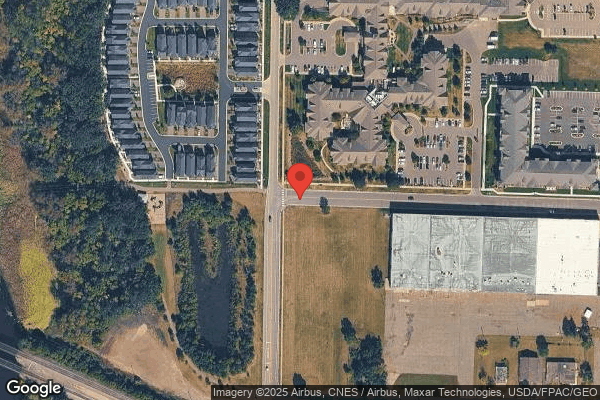

3000 4TH AVENUE, ANOKA, MN 55303 (763) 528-6400
Non profit - Corporation 120 Beds VOLUNTEERS OF AMERICA SENIOR LIVING Data: November 2025
Trust Grade
48/100
#155 of 337 in MN
Last Inspection: July 2024

Within standard 12-15 month inspection cycle. Federal law requires annual inspections.

Overview

Anoka Rehabilitation and Living Center has received a Trust Grade of D, indicating below-average performance with some concerns about care quality. It ranks #155 out of 337 nursing homes in Minnesota, placing it in the top half of facilities in the state, and #3 out of 6 in Anoka County, meaning only two local options are better. The facility is improving, having reduced its number of issues from 19 in 2024 to just 2 in 2025. Staffing is a strong point, earning a 5-star rating with a turnover rate of 34%, which is lower than the state average, suggesting that staff are experienced and familiar with the residents’ needs. However, the facility has faced some serious issues, including failing to prevent pressure ulcers for one resident and not ensuring proper use of personal protective equipment, which could risk infection spread among residents, highlighting areas that need attention despite the overall improvement.

Trust Score
D
48/100
In Minnesota
#155/337
Top 45%
Safety Record
Moderate
Needs review
Inspections
Getting Better
19 → 2 violations
Staff Stability
○ Average
34% turnover. Near Minnesota's 48% average. Typical for the industry.
Penalties
✓ Good
$24,297 in fines. Lower than most Minnesota facilities. Relatively clean record.
Skilled Nurses
✓ Good
Each resident gets 73 minutes of Registered Nurse (RN) attention daily — more than 97% of Minnesota nursing homes. RNs are the most trained staff who catch health problems before they become serious.
Violations
⚠ Watch
35 deficiencies on record. Higher than average. Multiple issues found across inspections.
★★★☆☆
3.0
Overall Rating
★★★★★
5.0
Staff Levels
★★★★☆
4.0
Care Quality
★★☆☆☆
2.0
Inspection Score
Stable
2024: 19 issues
2025: 2 issues

The Good

  • 5-Star Staffing Rating · Excellent nurse staffing levels
  • 4-Star Quality Measures · Strong clinical quality outcomes
  • Full Sprinkler Coverage · Fire safety systems throughout facility
  • No fines on record
  • Staff turnover below average (34%)

    14 points below Minnesota average of 48%

Facility shows strength in staffing levels, quality measures, fire safety.

The Bad

3-Star Overall Rating

Near Minnesota average (3.2)

Meets federal standards, typical of most facilities

Staff Turnover: 34%

12pts below Minnesota avg (46%)

Typical for the industry

Federal Fines: $24,297

Below median ($33,413)

Minor penalties assessed

Chain: VOLUNTEERS OF AMERICA SENIOR LIVING

Part of a multi-facility chain

Ask about local staffing decisions and management

The Ugly 35 deficiencies on record

2 actual harm
Jan 2025 2 deficiencies
CONCERN (E) 📢 Someone Reported This

A family member, employee, or ombudsman was alarmed enough to file a formal complaint

Potential for Harm - no one hurt, but risky conditions existed

Food Safety (Tag F0812)

Could have caused harm · This affected multiple residents

**NOTE- TERMS IN BRACKETS HAVE BEEN EDITED TO PROTECT CONFIDENTIALITY** Based on observation, interview and document review, the facility failed to maintain proper holding food temperatures for 18 of ...

Read full inspector narrative →
**NOTE- TERMS IN BRACKETS HAVE BEEN EDITED TO PROTECT CONFIDENTIALITY** Based on observation, interview and document review, the facility failed to maintain proper holding food temperatures for 18 of 19 residents observed to receive the noon meal on the Reflections unit. Further, the facility failed to maintain the ice machine in a sanitary manner to prevent potential food-borne illness for 39 residents who currently received ice from the ice machine in the Transitional care unit and Cardiac care unit area, and 36 residents who currently received ice from the ice machine in the Riverbend and cornerstone unit area. Findings include: FOOD TEMPERATURE During an interview on 1/21/25 at 1:20 p.m., family member (FM)-A stated several times when she was at the facility visiting R1, the food was cold and R1 refused to eat the food. FM-A further stated she began bringing food in for R1 to ensure R1 had food to eat. During a continuous observation on 1/21/25 at 11:49 a.m., dietary aide( DA)-A entered the Reflections unit with a covered cart of food trays in a heated cart from the second floor kitchen. DA-A plugged in the cart and left the unit. Nursing staff began removing the trays with food from the cart and placed a cover on each tray as they passed them out to each resident in the dining room. At 12:42 p.m., staff removed two of the remaining trays from the food cart and delivered them to the residents rooms. At 12:46 p.m., as the last tray was being delivered in the dining room DA-A checked the temperature of a test tray that had been stored in the food cart since the beginning of food service and the temperatures were as follows: Spaghetti noodles were 102 degrees F. Hamburger meat sauce was 114 degrees F. Peas and carrots were 115 degrees F. During an interview on 1/21/25 at 12:55 p.m., DA-A stated it was his first day of work and he was unsure of what the holding temperatures for hot food were expected to be. DA-A stated he would need to find out what the proper holding temperatures for hot food were to ensure in the future the hot food remained within the proper temperatures so residents do not become ill. During an interview on 1/21/25 at 1:05 p.m., dietary manager (DM) stated her expectation was that holding temps for hot food would have been between 135 and 165 degrees F. DM stated it was important to maintain holding temperatures, to prevent foodborne illness and to ensure quality of food for the residents. ICE MACHINE R7's annual Minimum Data Set (MDS), dated [DATE], identified R7 had intact cognition with diagnoses of hypertension (high blood pressure) and arthritis. R7 was independent with eating after setup help from staff. During an observation on 1/21/25 at 11:42 a.m., the ice machine located in the dining area of the Riverbend and Cornerstone unit had a white flaky substance approximately one-half an inch to three-quarters of an inch in height on both the inside and outside rim of the ice spout and water spout. The tray of the ice machine had a white flaky substance covering the entire removable tray with noticeable dripping of water from the ice spout about every one to two seconds into the tray. During an observation on 1/21/25 at 2:10 p.m., the ice machine located in the dining area of the Transitional care unit and Cardiac care unit had a white flaky substance approximately one-half an inch to three-quarters of an inch in height on both the inside and outside rim of the ice spout and water spout. The tray of the ice machine had a white flaky substance covering the entire removable tray with noticeable dripping of water from the ice spout about every one to two seconds into the tray. During an interview on 1/21/25 at 3:42 p.m., R7 stated the ice and water tasted terrible. R7 further stated he had to discard seven glasses of water before being able to get water that tasted alright from the ice machine. R7 stated he reported the terrible ice and water taste to licensed practical nurse (LPN)-A on many occasions and the ice machine continued to be dirty with water and ice that tasted terrible. During an interview on 1/22/25 at 10:04 a.m., LPN-A verified a resident had asked for the ice and water machine to be cleaned. LPN-A stated maintenance was notified and LPN-A did not follow up with maintenance about the ice machine after that. During an interview on 1/22/25 at 9:14 a.m., dietary manager (DM) verified a white substance on the outside and inside of the ice and water machine spouts and identified it was calcium buildup. DM verified the white substance on the ice machine in the dining area of the Riverbend and cornerstone unit and the ice machine in the dining area of the transitional care unit and cardiac care unit. DM stated the calcium buildup could break off of the spouts and get in the ice and or water and residents could become ill. DM further stated, maintenance staff cleaned the machine and was unsure when the ice machines had been cleaned last. DM stated maintenance staff was out ill and unavailable. DM confirmed cleaning logs for the ice machines were not available. A facility policy titled Food Temperatures dated 2021, identified all hot food must be cooked to appropriate internal temperatures, held, and served a temperature of at least 135 degrees F. Identified hot foods may not fall below 135 degrees F. after cooking unless it is an item which was to be rapidly cooled to 41 degrees F. Further identified temperatures should have been taken periodically to assure hot foods stayed above 135 degrees F.
CONCERN (F) 📢 Someone Reported This

A family member, employee, or ombudsman was alarmed enough to file a formal complaint

Potential for Harm - no one hurt, but risky conditions existed

Infection Control (Tag F0880)

Could have caused harm · This affected most or all residents

**NOTE- TERMS IN BRACKETS HAVE BEEN EDITED TO PROTECT CONFIDENTIALITY** Based on observation, interview and document review, the facility failed to ensure appropriate personal protective equipment (PP...

Read full inspector narrative →
**NOTE- TERMS IN BRACKETS HAVE BEEN EDITED TO PROTECT CONFIDENTIALITY** Based on observation, interview and document review, the facility failed to ensure appropriate personal protective equipment (PPE) was worn to prevent the spread of infection for for 2 of 2 residents (R8, R9) observed for COVID-19 transmission based precautions (TBP) and for 1 of 2 residents (R10) observed for enhanced barrier precautions (EBP), (an infection control intervention designed to reduce transmission of multidrug-resistant organisms that employs targeted gown and glove use during high contact resident care activities). This deficient practice had the potential to affect all 112 residents who resided in the facility. Findings Include: Review of Centers for Disease Control (CDC) guidance dated 4/1/24, Implementation of PPE Use in Nursing Homes to Prevent Spread of Multidrug-resistant Organisms (MDROs) indicated Examples of high-contact resident care activities requiring gown and glove use for Enhanced Barrier Precautions (EBP) included: Dressing, Bathing/showering, Transferring, Providing hygiene, Changing linens, Changing briefs or assisting with toileting, device care or use: central line, urinary catheter, feeding tube, tracheostomy/ventilator and wound care: any skin opening requiring a dressing. Review of CDC guidance dated 6/24/24, Infection Control Guidance SARS-COV-2 indicated health care professionals (HCP) who entered the room of a patient with suspected or confirmed SARS-CoV-2 infection should adhere to Standard Precautions and use a NIOSH Approved particulate respirator with N95 filters or higher, gown, gloves, and eye protection (i.e., goggles or a face shield that covers the front and sides of the face). Review of CDC guidance dated 5/16/23, How to Use Your N95 Respirator indicated N95 respirators must form a seal to the face to work properly. This was especially important for people at increased risk for severe disease. R8's admission Minimum Data Set (MDS) dated [DATE], identified R8 had moderately impaired cognition with diagnoses of hypertension (high blood pressure), heart failure, diabetes, and dementia. Identified R8 required extensive assistance of two staff with bed mobility, transfers, toileting and was independent with setup help for eating. R9's admission MDS dated [DATE], identified R9 had intact cognition with diagnoses of heart failure, hypertension, and end stage renal disease (ESRD). Identified R9 required limited assistance of two staff with bed mobility, transfers, toileting and was independent with setup help for eating. R10's admission MDS still in progress dated 1/26/25, identified R10 had intact cognition with diagnoses of hypertension, diabetes, chronic kidney disease, obesity, chronic obstructive pulmonary disease (COPD). The MDS lacked completion of R10's requirements of staff assistance for activities of daily living (ADL's). R8's covid test dated 1/20/25, identified positive COVID-19. R9's covid test dated 1/20/25, identified positive COVID-19. R10's EBP dated 1/20/25, identified EBP through 1/28/25. During an observation on 1/21/25 at 1:34 p.m., nursing assistant (NA)-A put on a gown, N95 mask and gloves outside of R8's room and entered R8's room. NA-A was not wearing eye protection while providing cares for R8. NA-B was in R8's room observed to have on a surgical mask, gown and gloves. NA-B was not wearing eye protection or a N95 mask while providing cares for R8. NA-A and NA-B completed cares for R8, removed PPE in R8's room and exited R8's room. NA-B did not remove the surgical mask and continued to wear the surgical mask. During an interview on 1/22/25 at 9:43 a.m., NA-A verified R8 had COVID-19. NA-A stated she did not recall putting on eye protection prior to entering R8's room the previous day. NA-A stated it was important to wear all the recommended PPE including eye protection to prevent the possible spread of the disease to others. During an interview on 1/22/25 at 9:51 a.m., NA-B verified R8 had COVID-19. NA-B stated the recommendation of PPE for COVID-19 residents was a surgical mask, gown and gloves. NA-B was asked to read the precaution sign on R8's door, NA-B verified the COVID-19 precaution PPE recommendations on R8's door stated to wear a N95 mask, eye protection, gown and gloves. NA-B stated she was unaware of the PPE recommendations for COVID-19 and that it was important to follow the guidelines to prevent the spread of infection to others. During an observation on 1/21/25 at 3:51 p.m., NA-C was wearing a surgical mask in the hallway exiting resident room [ROOM NUMBER]. NA-C put on a gown and gloves outside of R9's room and entered R9's room. NA-C did not have eye protection on. NA-C removed the gown and gloves prior to exit of R9's room six minutes later, continued to wear the same surgical mask, put on gloves and a gown and entered R10's room. During an interview on 1/21/25 at 4:03 p.m., NA-C verified R9 was in COVID-19 precautions and R10 was in EBP. NA-C stated staff were expected to wear a N95 mask and eye protection while caring for COVID-19 positive residents to prevent the spread of infection and staff were expected to remove PPE prior to leaving an EBP or TBP resident room. NA-C stated she was aware of the recommended PPE to wear however, lacked follow through. During an interview on 1/22/25 at 10:00 a.m., LPN-A stated staff were aware of which residents were in EBP or TBP based on the sign on the resident's door and all staff received training on proper PPE use. LPN-A stated the nurse working was expected to monitor the nursing assistants to ensure proper PPE was being used. During an interview on 1/22/25 at 11:16 a.m., director of nursing (DON) stated staff were educated on proper PPE use and received daily updates on which residents were in TBP or EBP. DON verified the expectation of staff was to wear a N95 mask, eye protection, gown and gloves when working with a COVID-19 positive resident. In addition, DON indicated staff were expected to remove PPE prior to exiting a EBP resident room and prior to entering another resident room. DON confirmed these practices were important for transmission reasons and to protect the staff and residents from becoming ill. A facility policy titled Infection Control and Manual for Transmission Based Precautions dated 2023, identified PPE use to Prevent Spread of Multidrug-resistant Organisms (MDROs) identified examples of high-contact resident care activities requiring gown and glove use for EBP included: Dressing, Bathing/showering, Transferring, Providing hygiene, Changing linens, Changing briefs or assisting with toileting, device care or use: central line, urinary catheter, feeding tube, tracheostomy/ventilator and wound care: any skin opening requiring a dressing. A facility policy titled Red, Yellow, [NAME] Personal Protective Equipment, Resident Placement and Signage Supplemental Guidelines for Use related to COVID-19 revised 6/26/23, identified a positive COVID-19 (Red) guidelines included; N95 mask would be worn prior to entry of a COVID-19 resident room and removed and discarded when leaving the specific isolation unit/area or if soiled or damaged. If unable to obtain a new N95 every shift due to supply shortage, rotate at least every 72 hours and replace after 5 uses or if soiled or damaged. A face shield or goggles would be worn prior to entry of a COVID-19 resident room and would be cleaned and disinfected (or changed) if visibly soiled, including splashes and sprays or difficult to see through. A gown would be worn prior to entry of a COVID-19 resident room and changed when soiled. Gloves would be worn prior to entry of a COVID-19 resident room and would be changed per standard precautions guidelines
Dec 2024 1 deficiency
CONCERN (D) 📢 Someone Reported This

A family member, employee, or ombudsman was alarmed enough to file a formal complaint

Potential for Harm - no one hurt, but risky conditions existed

Deficiency F0661 (Tag F0661)

Could have caused harm · This affected 1 resident

**NOTE- TERMS IN BRACKETS HAVE BEEN EDITED TO PROTECT CONFIDENTIALITY** Based on interview and record review the facility failed to include a resident discharge summary that included a reconciliation ...

Read full inspector narrative →
**NOTE- TERMS IN BRACKETS HAVE BEEN EDITED TO PROTECT CONFIDENTIALITY** Based on interview and record review the facility failed to include a resident discharge summary that included a reconciliation of all pre-discharge medications with resident's post-discharge medication (both prescribed and over-the-counter) at discharge for seven of ten residents (R1, R2, R5, R6, R7, R9, and R12). R1 received R2's Mirtazapine (a medication to treat depression) at discharge. Findings include: According to the State Operations Manual, Appendix PP - Guidance to Surveyors for Long Term Care Facilities, revised and issued 8/8/24: -Reconciliation of Medications: A process of comparing pre-discharge medications to post-discharge medications by creating an accurate list of both prescription and over the counter medications that includes the drug name, dosage, frequency, route, and indication for use for the purpose of preventing unintended changes or omissions at transition points in care. R1's Facesheet indicated R1 was admitted to the facility on [DATE] with a primary diagnosis of multiple fractures of ribs on right side. R1's additional diagnoses included anxiety disorder and need for assistance with personal care. R1 discharged from the facility on 12/6/24. R1's brief interview for mental status (BIMS) dated 11/14/2024 indicated R1 scored thirteen which indicated R1 was cognitively intact. R1's discharge summary and recapitulation assessment dated [DATE] indicated R1 was discharged home on [DATE]. The form question #5 titled Medication Reconciliation indicated: -At the time of discharge, did your facility provide the resident's current reconciled medication list to the resident, family and/or caregiver? Yes - Current reconciled medication list provided to the patient, family and/or caregiver? Yes, sent by paper. Physical medication(s) are to be compared to current medication orders, counted and instructions explained prior to giving medication to resident and or resident representative Ensure that individual receiving medications signs and acknowledges amount. of medications received. -Were medications sent home with resident and/or representative? Yes -Medication and amount of medication sent with resident and/or responsible party. This area of the summary and recapitulation was left blank and was not identified in the resident medical record. R1's medication administration record (MAR) dated 12/6/24 indicated R1 was not administrated mirtazapine during her admission. R2's Facesheet indicated R1 was admitted to the facility on [DATE] with a primary diagnosis of nontraumatic intracerebral hemorrhage. R2's additional diagnoses included anxiety disorder and need for assistance with personal care. R2 was discharged from the facility on 11/5/24. R2's MAR dated 11/5/24 indicated R2 had an order for mirtazapine three point seven five milligrams (mg) by mouth at bedtime for anxiety. R2's discharge summary and recapitulation assessment dated [DATE] indicated R1 was discharged home on [DATE]. The form question #5 titled Medication Reconciliation indicated: -At the time of discharge, did your facility provide the resident's current reconciled medication list to the resident, family and/or caregiver? Yes - Current reconciled medication list provided to the patient, family and/or caregiver? Yes, sent by paper. Physical medication(s) are to be compared to current medication orders, counted and instructions explained prior to giving medication to resident and or resident representative Ensure that individual receiving medications signs and acknowledges amount. of medications received. -Were medications sent home with resident and/or representative? Yes -Medication and amount of medication sent with resident and/or responsible party. This area of the summary and recapitulation was left blank and was not identified in the resident medical record. R5's Facesheet indicated R5 was admitted to the facility on [DATE] with a primary diagnosis of spinal stenosis of lumbar region without neurogenic claudication. R5 was discharged from the facility on 12/17/24. R5's BIMS assessment dated [DATE] indicated R5 had a score of fifteen, which indicated R5 was cognitively intact. R5's discharge summary and recapitulation assessment dated [DATE] indicated R5 was discharged home on [DATE]. The form question #5 titled Medication Reconciliation indicated: -At the time of discharge, did your facility provide the resident's current reconciled medication list to the resident, family and/or caregiver? Yes - Current reconciled medication list provided to the patient, family and/or caregiver? Yes, sent by paper. Physical medication(s) are to be compared to current medication orders, counted and instructions explained prior to giving medication to resident and or resident representative Ensure that individual receiving medications signs and acknowledges amount. of medications received. -Were medications sent home with resident and/or representative? Yes -Medication and amount of medication sent with resident and/or responsible party. This area of the summary and recapitulation was left blank and was not identified in the resident medical record. R6's Facesheet indicated R6 was admitted to the facility on [DATE] with a primary diagnosis of polymyalgia rheumatica. R6 was discharged from the facility on 12/17/24. R6's BIMS assessment dated [DATE] indicated R6 scored fifteen, which indicated R6 was cognitively intact. R6's discharge summary and recapitulation assessment dated [DATE] indicated R6 was discharged home on [DATE]. The form question #5 titled Medication Reconciliation indicated: -At the time of discharge, did your facility provide the resident's current reconciled medication list to the resident, family and/or caregiver? Yes - Current reconciled medication list provided to the patient, family and/or caregiver? Yes, sent by paper. Physical medication(s) are to be compared to current medication orders, counted and instructions explained prior to giving medication to resident and or resident representative Ensure that individual receiving medications signs and acknowledges amount. of medications received. -Were medications sent home with resident and/or representative? Yes -Medication and amount of medication sent with resident and/or responsible party. This area of the summary and recapitulation was left blank and was not identified in the resident medical record. R7's Facesheet indicated R7 was admitted to the facility on [DATE] with a primary diagnosis of neoplasm of unspecified behavior or the brain. R7 was discharged from the facility on 12/12/24. R7's BIMS assessment dated [DATE] indicated R7 scored fifteen, which indicated R7 was cognitively intact. R7's discharge summary and recapitulation assessment dated [DATE] indicated R7 was discharged home on [DATE]. The form question #5 titled Medication Reconciliation indicated: -At the time of discharge, did your facility provide the resident's current reconciled medication list to the resident, family and/or caregiver? Yes - Current reconciled medication list provided to the patient, family and/or caregiver? Yes, sent by paper. Physical medication(s) are to be compared to current medication orders, counted and instructions explained prior to giving medication to resident and or resident representative Ensure that individual receiving medications signs and acknowledges amount. of medications received. -Were medications sent home with resident and/or representative? Yes -Medication and amount of medication sent with resident and/or responsible party. This area of the summary and recapitulation was left blank and was not identified in the resident medical record. R9's Facesheet indicated R9 was admitted to the facility on [DATE] with a primary diagnosis of displaced intertrochanteric fracture of right femur. R9 was discharged from the facility on 12/16/24. R9's BIMS assessment dated [DATE] indicated R9 had a score of fifteen, which indicated R9 was cognitively intact. R9's discharge summary and recapitulation assessment dated [DATE] indicated R9 was discharged home on [DATE]. The form question #5 titled Medication Reconciliation indicated: -At the time of discharge, did your facility provide the resident's current reconciled medication list to the resident, family and/or caregiver? Yes - Current reconciled medication list provided to the patient, family and/or caregiver? Yes, sent by paper. Physical medication(s) are to be compared to current medication orders, counted and instructions explained prior to giving medication to resident and or resident representative Ensure that individual receiving medications signs and acknowledges amount. of medications received. -Were medications sent home with resident and/or representative? Yes -Medication and amount of medication sent with resident and/or responsible party. This area of the summary and recapitulation was left blank and was not identified in the resident medical record. R12's Facesheet indicated R12 was admitted to the facility on [DATE] with a primary diagnosis of heart failure. R12 was discharged from the facility on 12/3/24. R12's BIMS assessment dated [DATE] indicated R12 had a score of fifteen, which indicated R12 was cognitively intact. R12's discharge summary and recapitulation assessment dated [DATE] indicated R12 was discharged home on [DATE]. The form question #5 titled Medication Reconciliation indicated: -At the time of discharge, did your facility provide the resident's current reconciled medication list to the resident, family and/or caregiver? Yes - Current reconciled medication list provided to the patient, family and/or caregiver? Yes, sent by paper. Physical medication(s) are to be compared to current medication orders, counted and instructions explained prior to giving medication to resident and or resident representative Ensure that individual receiving medications signs and acknowledges amount. of medications received. -Were medications sent home with resident and/or representative? Yes -Medication and amount of medication sent with resident and/or responsible party. This area of the summary and recapitulation was left blank and was not identified in the resident medical record. During an interview on 12/17/24 at 8:33 a.m., family member (FM)-A stated R1 was in the facility for approximately three weeks. At the time of discharge, R1 was sent home with R2's Mirtazapine medication. FM-A stated she did not give R1 any of R2's Mirtazapine medication. During an interview on 12/17/24 at 9:47 a.m., registered nurse (RN)-A stated when a resident is discharged from the facility, they will determine what medications the resident can go home with any medications that need to be sent back to the pharmacy. RN-A will go through the locked medication cabinet in the resident's room when she is explaining the medications and the instructions at discharge. During an interview on 12/17/14 at 10:34 a.m., licensed practical nurse (LPN)-A stated during a discharge she will fill out a discharge form that includes a medication list, upcoming appointments, and medication's the resident is taking home in the computer system. LPN-A will put the resident's medications in a bag and then have the resident sign the form. LPN-A stated there was a spot in the discharge form that talks about what medications the resident is going home with but will not fill out that part in the form due to lack of time. At the time of discharge, the discharging nurse will go through the resident's medications to determine which medications can be sent home with the resident or medications that need to be returned to the pharmacy. Medication bubble packs that are opened, any bottled medication, refrigerated medications, or pre-scored tablets in bubble packs need to send home with the resident. Any medication bubble packs that are not used should be returned to the pharmacy. A discharging nurse would check the resident's locked medication cabinet in their room for medications that the resident may have left or medications that need to be sent back to the pharmacy at discharge and again when another resident is being admitted to the room. LPN-A discharged R1 from the facility. LPN-A stated she did not think she sent any medications home with R1 that did not belong to her. During an interview on 12/17/24 at 10:57 a.m., nurse manager (NM)-A stated when a resident is discharging, they will determine what medications the resident can take home with them and what medications need to be sent back to the pharmacy. NM-A will go through medication instructions with the resident. NM-A stated it depends on the nurse who discharges a resident, but the nurse may just grab everything in the resident's locked medication cabinet and put it in a bag without looking at the medications but stated that was not the protocol. The protocol was to go over each medication with the resident. An interview was attempted with R2 on 12/17/24 at 1:11 p.m. but was unsuccessful. An interview was attempted with R1 on 12/17/24 at 1:51 p.m. but was unsuccessful. During an interview on 12/17/24 at 3:04 p.m., the director of nursing (DON) stated when a resident is discharged , the resident would get discharge instructions including therapy recommendations, the most recent set of vitals, the most recent nursing assessments, pain management, pain levels, pain assessment, and activities of daily living (ADL). The resident would also get a signed medication list from the facility provider. During an interview on 12/17/24 at 3:18 p.m., R5 stated she was discharged on 12/17/24 and the discharging nurse had educated her on her medications and other instructions before putting the medications directly in the bag. R5 was not sure if she was given any other resident's medication but saw the nurse grab the medication cards directly from her locked medication cabinet and put them in her bag. An interview was attempted with R7 on 12/17/24 at 3:20 p.m. but was unsuccessful. An interview was attempted with R6 on 12/17/24 at 3:24 p.m. but was unsuccessful. During an interview on 12/17/24 at 3:31 p.m., DON stated a resident's medication disposition should be in the resident's discharge summary assessment. DON stated that is the only place in a resident's chart where the medication dispassion is. DON planned to provide education to the discharge nurses regarding the medication disposition portion of the discharge summary and recapitulation assessment. An interview was attempted with R8 on 12/17/24 at 3:37 p.m. but was unsuccessful. An interview was attempted with R9 on 12/17/24 at 3:38 p.m. but was unsuccessful. An interview was attempted with R10 on 12/17/24 at 3:39 p.m. but was unsuccessful. An interview was attempted with R11 on 12/17/24 at 3:53 p.m. but was unsuccessful. An interview was attempted with R12 on 12/17/24 at 3:57 p.m. but was unsuccessful. During an interview on 12/17/24 at 4:38 p.m., the administrator stated his expectation is when a resident is discharging, the discharging nurse would give the resident their list of medications they are going home with and document the name of the medication along with the quantity in the discharge summary and recapitulation assessment. The facility's Discharge Planning, Summary and Recapitulation of Residents Stay policy and procedure revised on 9/12/23 indicated the resident should be discharged with a list of medications with instructions in simple terms. The discharging staff member would complete the discharge summary data collection and recapitulation, print it off, and give it to the resident. The discharge summary served as the final notation and recapitulation of the resident's stay.
Oct 2024 1 deficiency
CONCERN (E) 📢 Someone Reported This

A family member, employee, or ombudsman was alarmed enough to file a formal complaint

Potential for Harm - no one hurt, but risky conditions existed

Food Safety (Tag F0812)

Could have caused harm · This affected multiple residents

Based on observation, interview and document review, the facility failed to ensure 1 of 2 unit ice and water dispensers for resident use were maintained in a clean and sanitary manner on the Cornersto...

Read full inspector narrative →
Based on observation, interview and document review, the facility failed to ensure 1 of 2 unit ice and water dispensers for resident use were maintained in a clean and sanitary manner on the Cornerstone unit kitchenette. In addition, the facility failed to ensure 1 of 2 unit refrigerators were maintained in a clean and sanitary manner. This had the potential to effect 60 residents served by the Cornerstone unit kitchenette. Findings include: On 10/2/24 at 12:43 p.m., family member (FM)-A stated in August of 2024, the family council had shared concerns with management regarding the condition of the Cornerstone unit ice and water dispenser. There was excessive build up of hard water residue on the dispenser, leaving the family members concerned that the residents were ingesting bacteria. On 10/2/24 at 4:10 p.m., FM-B stated she had concerns about debris in the ice and water dispenser on the Cornerstone unit that served her family member. She had approached management about this concern in August 2024. On 10/2/24 at 4:37 p.m., the Cornerstone unit ice and water dispenser was observed with dietary aide (DA)-A. The drip tray was covered in a whitish gray colored matter. There was whitish-gray colored residue covering the stainless steel of the machine, the chute where the ice was dispensed, and the chute where the water was dispensed. In addition, there was whitish-gray residue on the left side of the refrigerator which was positioned to the left of the ice and water dispenser. At 4:47 p.m., the Cornerstone unit ice and water dispenser unit was observed with the director of maintenance (DM)-A. DM-A stated, We have tried everything to get the hard water off. DM-A stated the ice and water dispenser is cleaned for hard water build up weekly by the maintenance department and daily by housekeeping. On 10/2/24 at 4:44 p.m., nursing assistant (NA)-A was observed preparing several cups of ice water from the ice water dispenser on the Cornerstone unit kitchenette. She placed them on a cart. NA-A stated she was transporting the cups to the unit for the supper meal. NA-A stated the dietary staff was responsible to clean the ice and water dispenser. On 10/3/24 at 10:10 a.m., DA-B stated R1 recently complained about the taste of the water. They have tried to clean the ice and water dispenser, but have not found anything to successfully remove the residue buildup. The Cornerstone freezer was also observed with DA-B. An unidentified light brown colored substance was observed in the grooves of the length of the rubber door seal. There was also an unidentified white substance observed at the front of the base of the freezer. DA-B stated the refrigerator/freezer was cleaned daily by the dietary department. On 10/3/24 at 10:27 a.m., the freezer rubber seal was observed with the assistant culinary director (ACD)-A. She stated the DA's were supposed to clean these items daily. On 10/3/24 at 11:22 a.m., R1 was asked if he drinks the water from the ice and water dispenser on the Cornerstone unit. R1 responded, he does drink the water, but, It's terrible! It tastes so bad! 10/3/24 at 1:45 p.m., registered nurse (RN)-A stated a resident complained about the taste of the water from the Cornerstone unit about one month ago. RN-A stated, Sometimes it (the dispenser) is not clean and stated sometimes she tried to wipe it down. RN-A stated the kitchen staff were responsible to clean it. A facility policy regarding cleaning the kitchenette equipment was requested, but was not provided.
Jul 2024 12 deficiencies
CONCERN (D)

Potential for Harm - no one hurt, but risky conditions existed

Deficiency F0582 (Tag F0582)

Could have caused harm · This affected 1 resident

**NOTE- TERMS IN BRACKETS HAVE BEEN EDITED TO PROTECT CONFIDENTIALITY** Based on document review and interviews, the facility failed to ensure the Skilled Nursing Facility Advanced Beneficiary Notice ...

Read full inspector narrative →
**NOTE- TERMS IN BRACKETS HAVE BEEN EDITED TO PROTECT CONFIDENTIALITY** Based on document review and interviews, the facility failed to ensure the Skilled Nursing Facility Advanced Beneficiary Notice (SNFABN-CMS-10055) was provided to 1 of 3 residents (R86) reviewed for beneficiary notification. Findings include: R86's part A discharge minimum data set (MDS) dated [DATE], indicated R86 was admitted to the facility on [DATE] and their Medicare part A coverage ended on 5/23/24. R86's progress notes dated 5/21/24, indicated R86 received a Medicare-A Non-Coverage (CMS-10123) form. The form indicated R86's current covered services would end on 5/23/24. Although R86 remained in the facility, R86's medical record lacked evidence R86 received the SNFABN-CMS-10055 form as required. On 7/18/24 at 1:20 p.m., registered nurse (RN)-C and RN-D confirmed no SNFABN-CMS-10055 form was provided, and it should have been. On 7/18/24 at 3:37 p.m., the administrator stated their expectation was the SNFABN-CMS-10055 form should have been provided to R86, and it was important to provide the SNFABN-CMS-10055 form to ensure the residents were aware of the date on which their services ended, and their right to appeal the process. The SNF ABN (Advanced Beneficiary) Notice Policy and Procedure revised on 9/2022, indicated the SNF ABD (Advanced Beneficiary Notice (CMS 10055) is issued before providing care or services that do not meet Medicare coverage criteria.
CONCERN (D)

Potential for Harm - no one hurt, but risky conditions existed

Transfer Notice (Tag F0623)

Could have caused harm · This affected 1 resident

**NOTE- TERMS IN BRACKETS HAVE BEEN EDITED TO PROTECT CONFIDENTIALITY** Based on interview, and document review the facility failed to ensure a written notification of transfer was sent to the office ...

Read full inspector narrative →
**NOTE- TERMS IN BRACKETS HAVE BEEN EDITED TO PROTECT CONFIDENTIALITY** Based on interview, and document review the facility failed to ensure a written notification of transfer was sent to the office of the Ombudsman for long term care for 2 of 2 residents (R106, R107) with the potential to affect all residents transferred to the hospital. Findings include: R106's admission Minimum Data Set (MDS) dated [DATE], identified intact cognition with medical diagnoses of displaced bimalleolar fracture of right lower leg, subsequent encounter for closed fracture with routine healing, anemia, hypertension, gastroesophageal reflux (GERD), chronic kidney disease stage 3, diabetes mellitus, hyperlipidemia, depression, insomnia, chronic pain, muscle weakness, and history of falls. R106's progress note dated 5/26/24, indicated resident went to the emergency room (ER) for evaluation of new concerns. It was also noted that a bed hold was signed and sent with R106 to the hospital, and her family was notified of the transfer. Resident returned to the facility and discharged to home from the facility 5/29/24. R106's medical record lacked evidence a written notification of transfer was sent to the ombudsman for long term care. R107's admission MDS dated [DATE], identified moderately impaired cognition with medical diagnoses of unilateral primary osteoarthritis, left knee, hypertension, hyperlipidemia, arthritis, anemia, atrial fibrillation (Afib), insomnia, personal history of peptic ulcer disease, presence of prosthetic heart valve, presence of right artificial knee joint, muscle weakness, difficulty walking. R107's progress note dated 4/6/24, indicated resident went to the ER due to new concerns. It was also noted that a bed hold policy was sent with the resident and was declined by family. R107 returned to the facility 4/9/24 and discharged home 4/16/24. R107's medical record lacked evidence a written notification of transfer was sent to the ombudsman for long term care. Facility provide document, referred to as, Monthly Notice to MN Office of Ombudsman for Long-Term Care for Emergency Acute Care Transfers and Discharges. The fax cover sheet lists May as the time frame. R106 was not listed on the report provided. During interview on 7/17/24 at 4:59 p.m., Licensed Social Worker (LSW)-A stated the previous employee responsible for this data transmission kept the faxes in a folder and she was not able to locate the fax or report for the month of April that was requested to confirm R107's notification to the ombudsman was sent. LSW was able to provide the transmitted data for the remaining months of 2024. LSW confirmed no fax confirmation pages were retained. LSW verified that R106 was not listed on the report for May, which was the time that she was sent to the hospital. LSW stated she was aware that if the report is not generated correctly the information is not accurate, and she has been training staff on the correct way to pull the information. LSW also stated she had trained former employee to save the information to a shared drive and update there as well to ensure accuracy and information availability. Email received on 7/18/24 at 12:09 p.m. from the Ombudsman confirming no notification was received for either resident for either hospital transfer. The facility policy, titled Facility Initiated Notice of Intent to Discharge, section 5 Notice of Voluntary Resident/Patient Transfer or Discharge indicated in an emergent situation notice to the LTC Ombudsman must be sent as soon as practicable, including in the form of a list of residents on a monthly basis.
CONCERN (D)

Potential for Harm - no one hurt, but risky conditions existed

Accident Prevention (Tag F0689)

Could have caused harm · This affected 1 resident

**NOTE- TERMS IN BRACKETS HAVE BEEN EDITED TO PROTECT CONFIDENTIALITY** Based on interview, and document review the facility failed to complete neurological assessments following falls for 1 of 1 resi...

Read full inspector narrative →
**NOTE- TERMS IN BRACKETS HAVE BEEN EDITED TO PROTECT CONFIDENTIALITY** Based on interview, and document review the facility failed to complete neurological assessments following falls for 1 of 1 resident (R85) who had unwitnessed falls. Findings include: R85's significant change Minimum Data Set (MDS) dated [DATE], identified R85 had severe cognitive impairment and required assistance with all activities of daily living (ADL)'s. R85's diagnoses included progressive neurological condition, hypertension, BPH, renal failure, diabetes mellitus, non-Alzheimer's dementia, Parkinson's disease, depression, and repeated falls. R85's post incident review, dated 6/2/24, identified an unwitnessed fall. R85 was found lying on floor in his room. Record indicated that neurological assessment was initiated but was not completed. R85's post incident review, dated 6/6/24, identified an unwitnessed fall. R85 was found lying on floor in his room. Record indicated that neurological assessment was initiated but was not completed. R85's post incident review, dated 6/8/24, identified an unwitnessed fall. R85 was found lying on floor in his room. Record indicated that neurological assessment was initiated but was not completed. R85's post incident review, dated 6/11/24, identified an unwitnessed fall. R85 was found lying on floor in his room. Record indicated that neurological assessment was initiated but was not completed. R85's post incident review, dated 6/19/24, identified an unwitnessed fall. R85 was found lying on floor in his room. Record indicated that neurological assessment was initiated but was not completed. R85's post incident review, dated 6/22/24, identified an unwitnessed fall. R85 was found lying on floor in his room. Record indicated that neurological assessment was initiated but was not completed. R85's post incident review, dated 7/5/24, identified an unwitnessed fall. R85 was found lying on floor in his room. Record indicated that neurological assessment was initiated but was not completed. R85's post incident review, dated 7/8/24, identified an unwitnessed fall. R85 was found lying on floor in his room. Record indicated that neurological assessment was initiated but was not completed. R85's post incident review, dated 7/10/24, identified an unwitnessed fall. R85 was found lying on floor in his room. Record indicated that neurological assessment was initiated but was not completed. R85's post incident review, dated 7/11/24, identified an unwitnessed fall. R85 was found lying on floor in his room. Record indicated that neurological assessment was initiated but was not completed. During interview on 7/18/24 at 9:45 a.m., licensed practical nurse manager (LPN)-A stated when a resident fell staff notified the nurse. The nurse obtained vitals and assessed the resident for injury. LPN-A stated if fall was unwitnessed staff would initiate neurological assessments as follows: -every fifteen minutes times two, -every one-hour times two, -every two hours times two, -every four hours times two, -every shift on days two and three. LPN-A stated the neurological assessments should be completed at all times, even if a resident was sleeping, as it would be important to monitor throughout the day and night in case the resident had a head injury. LPN-A stated the nurses completed the neurological assessments and notified the provider of any abnormal readings. LPN-A stated if a time got missed, staff continued with the current flow sheet. LPN-A confirmed that the neurological assessments on 6/2/24, 6/6/23, 6/8/23, 6/11/24, 6/19/24, 6/22/23, 7/5/24, 7/8/24, 7/10/24 and 7/11/24 were not thoroughly completed with assessment times on flow sheet missing documentation. During an interview on 7/18/24 at 10:51 a.m., assistant director of nursing (ADON) stated when a resident fell the nurse completed a risk management assessment that consisted of the details of the fall and implement any immediate interventions to prevent future falls. ADON stated if fall was unwitnessed or if there was suspected head injury, neurological assessment would be initiated and completed as follows: -every fifteen minutes times two, -every one-hour times two, -every two hours times two, -every four hours times two, -every shift on days two and three. ADON stated if a neurological assessment time was missed, staff continued on the current flow sheet and the nurse manager followed up with staff to see why assessment was missed. ADON stated staff monitored the resident throughout the day and night. ADON confirmed the neurological assessments on 6/2/24, 6/6/23, 6/8/23, 6/11/24, 6/19/24, 6/22/23, 7/5/24, 7/8/24, 7/10/24 and 7/11/24 were not thoroughly completed with assessment times on flow sheet missing documentation which was very concerning. ADON stated neurological assessment were important to rule out any neurological damage. A facility Neurological Assessment policy was requested but was not received.
CONCERN (D)

Potential for Harm - no one hurt, but risky conditions existed

Deficiency F0698 (Tag F0698)

Could have caused harm · This affected 1 resident

**NOTE- TERMS IN BRACKETS HAVE BEEN EDITED TO PROTECT CONFIDENTIALITY** Based on interview and document review the facility failed to ensure coordination of dialysis care for 1 of 1 resident (R14) who...

Read full inspector narrative →
**NOTE- TERMS IN BRACKETS HAVE BEEN EDITED TO PROTECT CONFIDENTIALITY** Based on interview and document review the facility failed to ensure coordination of dialysis care for 1 of 1 resident (R14) who required dialysis (treatment to filter blood when kidneys are no longer able). Findings include: R14's quarterly Minimum Data Set (MDS) dated [DATE], identified R14 had intact cognition and independent with all activities of daily living (ADL)'s. R14's diagnoses included end stage renal disease, heart failure, hypertension, depression, dependent on renal dialysis, tremors, and personal history of traumatic brain injury. R25's provider order printed 7/18/24, indicated R14 left for dialysis treatments every Monday, Wednesday, and Friday. On 07/15/24 at 5:19 p.m., R14 stated the facility had never sent any paperwork with him when he went to dialysis appointments. On 07/18/24 at 9:41 a.m., licensed practical nurse (LPN)-A stated when a resident went to dialysis, a communication sheet was usually sent with them which included a weight and vital signs. LPN-A further stated the paperwork was kept in a book located at the desk. LPN-A verified there were no dialysis communication sheets for R14, and LPN-A had never sent any paperwork with R14 to dialysis appointments. On 7/18/24 at 1:35 a.m., health unit coordinator (HUC)-A stated residents who received dialysis were sent with communication sheets. After their appointment, the communication sheet and dialysis run sheet were returned and placed in the resident's binder. HUC-A further stated R14 refused to take or bring back any communication sheets as dialysis was his baby and R14 does everything regarding dialysis. HUC-A confirmed there has been no communication between facility and dialysis center in the past 5 years. HUC-A stated if there was a new order the dialysis center called the facility. A long-term care facility and outpatient dialysis services coordination agreement directed both parties shall ensure there was documented evidence of collaboration of care and communication between the long-term care facility and dialysis facility. Furthermore, the contract directed the care facility to keep a copy of the resident's short term and long-term dialysis care plan. A facility Hemo Dialysis policy, dated 8/2021, indicated the facility is to assure that each resident receives care and services for provisions of hemodialysis consistent with professional standards of practice - including ongoing assessment of the resident's condition and monitoring for complications before and after dialysis treatments received at a certified dialysis facility, and includes the comprehensive person-centered care plan, and the residents' goals and preferences, and ongoing communication and collaboration with the dialysis facility regarding dialysis care and services. Dialysis binder specific to resident to be kept at assigned Nurses Station and sent with resident to each hemodialysis appointment. Dialysis Binder to include but is not limited to the following: a. Face Sheet b. Facility contact information c. Current Medication List including supplements d. Recent lab work e. Dialysis Communication Form The following items should be sent with resident to hemodialysis appointment: c. Dialysis Binder with information (see above) g. Other Communication to include, but not limited to: i. Medication administration (new medications initiated, administered, held or discontinued) by the nursing home or dialysis facility. ii. Physician treatment orders, labs and vital signs iii. Advance Directives and code status iv. Nutrition/fluid management including weights, resident compliance with food and fluid restrictions. v. Dialysis treatment completed and resident response, including declines in functional status, falls, anxiety, depression, confusion and or behavioral symptoms that interfere with treatments. vi. Dialysis adverse reactions/complications and or recommendations for follow up observations and monitoring, and/or concerns related to the vascular access site catheter. vii. Changes or decline in condition unrelated to dialysis. viii. The occurrence or risk of falls and any concerns related to transportation to and from the dialysis facility.
CONCERN (D)

Potential for Harm - no one hurt, but risky conditions existed

Medication Errors (Tag F0758)

Could have caused harm · This affected 1 resident

**NOTE- TERMS IN BRACKETS HAVE BEEN EDITED TO PROTECT CONFIDENTIALITY** Based on interview and document review, the facility failed to assure the use of PRN (as needed) psychotropic medications (a dru...

Read full inspector narrative →
**NOTE- TERMS IN BRACKETS HAVE BEEN EDITED TO PROTECT CONFIDENTIALITY** Based on interview and document review, the facility failed to assure the use of PRN (as needed) psychotropic medications (a drug which affects mood/behavior) were limited to 14 days, or had a physician specified, time limited order for 2 of 2 residents (R74 and R85) reviewed for Hospice. Findings include: R74's admission Minimum Data Set (MDS) dated [DATE], identified R74 had moderate cognitive impairment and required partial to moderate assistance with all activities of daily living (ADL)'s. R74's diagnoses heart failure, hypertension, GERD, anxiety disorder, depression, asthma/COPD, and encounter for palliative care. R74's electronic health record (EHR) identified R74 had an order for Lorazepam 0.5 mg PRN every four hours as needed for anxiety. The care plan indicated the facility worked with resident, hospice, and staff to meet resident needs. R74's medication administration record (MAR) indicated lorazepam 0.5 mg every four hours as needed. This order was initiated on 6/14/24 and was open-ended. The documentation reflected use of this medication four times in the month of July. R85's significant change MDS dated [DATE], identified R85 had severe cognitive impairment and required assistance with all activities of daily living (ADL)'s. R85's diagnoses included progressive neurological condition, hypertension, BPH, renal failure, diabetes mellitus, non-Alzheimer's dementia, Parkinson's disease, depression, and repeated falls. R85's electronic health record (EHR) identified R85 had an order for Lorazepam 0.5 mg PRN every four hours as needed for unspecified dementia without behavioral disturbance, psychotic disturbance, mood disturbance and anxiety. The care plan indicated the facility worked with resident, hospice, and staff to meet resident needs. R85's medication administration record (MAR) indicated lorazepam 0.5 mg every four hours as needed. This order was initiated on 6/21/24 and was open-ended. The documentation reflected use of this medication two times in the month of July. During interview on 7/18/24 at 9:23 a.m., registered nurse case manager (RN)-A stated for psychotropic medications, monitoring needed to be completed for behaviors. RN-A stated she was not aware any reassessment was required for PRN Lorazepam. RN-A confirmed R74's lorazepam was ordered on 6/14/24 and had no end date. RN-A confirmed R85's lorazepam was ordered on 6/21/24 and had no end date. During interview on 7/18/24 at 9:38 a.m., licensed practical nurse case manager (LPN)-A stated PRN Lorazepam required reassessment every 14 days. LPN-A stated it was important to reassess to see if medication was still needed and if it was effective and that the resident was not having any adverse side effects from medications. During interview on 7/18/24 at 10:48 a.m., assistant director of nursing (ADON) confirmed the lack of stop date for the PRN Lorazepam for R74 and R85. The ADON stated PRN psychotropic medications required a stop date of 14 days. ADON stated the provider needed to re-evaluate medication after 14 days and write a new order with rationale and end date if the medication was to be continued. ADON stated it was important to re-evaluated to see if the medication was effective and the resident did not receive any unnecessary medications. During interview on 7/18/24 at 1:38 p.m., consultant pharmacist (CP) stated Lorazepam required re-evaluation every 14 days. Provider was expected to document rationale and specify duration of medication. CP stated it was important to re-evaluate medication to make sure the resident was benefiting from it and to ensure the resident was not having any adverse effects from the medication. The facility Psychoactive Medication Use policy, reviewed 8/14/2023, indicated a resident will not receive unnecessary medications including psychoactive medications, unless non-pharmacological interventions have failed to sufficiently modify a resident's target behavioral, mood, or sleep disturbance. Residents prescribed psychoactive medications will receive adequate monitoring and will have gradual dose reductions attempted, unless clinically contraindicated. For PRN psychotropic medication orders, they must be reevaluated after 14 days, Add to TAR order for MD to re-evaluate after 14 days.
CONCERN (D)

Potential for Harm - no one hurt, but risky conditions existed

Dental Services (Tag F0791)

Could have caused harm · This affected 1 resident

**NOTE- TERMS IN BRACKETS HAVE BEEN EDITED TO PROTECT CONFIDENTIALITY** Based on interview and record review, the facility failed to assist in obtaining routine dental services for 1 of 1 resident (R5...

Read full inspector narrative →
**NOTE- TERMS IN BRACKETS HAVE BEEN EDITED TO PROTECT CONFIDENTIALITY** Based on interview and record review, the facility failed to assist in obtaining routine dental services for 1 of 1 resident (R56) reviewed for dental services. Findings include: R56's quarterly Minimum Data Set (MDS) dated [DATE], identified R56 was cognitively intact and could make her needs known. The admission MDS dated [DATE], indicated R56 required supervisor and verbal cues to complete oral care. R56 did not display any type of dental concerns. During interview on 7/15/24 at approximately 12:00 p.m., R56 stated they would be interested in seeing a dentist and could not recall facility staff offering a dental appointment since admission. R56 could not recall their last dental appointment. During follow up interview on 7/17/24 at 1:35 p.m., R56 stated their teeth did not hurt but would like to see a dentist. R56's care plan dated, 11/15/23, directed the staff to assist R56 with oral cares. The plan directed R56 to brush teeth, gums, end of tongue; observe for mouth pain, ulcers, sensitivity, loose teeth, tooth decay, or improper fitting dentures; schedule dental exams as ordered, per facility policy, and/or as needed. R56's medical record lacked an oral assessment, or a referral for a dental evaluation. During interview on 7/18/24 at 7:33 a.m., licensed practical nurse (LPN)-A stated the facility had an in-house dental provider and LPN-A was usually the person who coordinated dental referrals for the long-term care residents. In order for a resident to be seen by the dental provider, the resident or family would sign a consent to share information with the dental provider. They would then be added to the list of residents to be seen on their next visit. LPN-A confirmed R56's record lacked a dental consent and had not expressed their wishes to be seen by the dentist. LPN-A stated they would contact R56's family for a dental visit consent. During follow up interview on 7/18/24, at 8:09 a.m. LPN-A stated R56 had signed the dental consent and R56's family had been contacted. During interview on 7/17/24 at 10:01 a.m., the assistant director of nursing (ADON) stated if the resident wanted to see the dentist they had two options; they could use the in-house dentist who visited the facility every couple of months, or they could choose to find their own dentist and the facility would arrange transportation and assist with setting up any appointments. ADON confirmed R56 had not received a dental referral or examination since admission. The Dental Care policy dated 10/2019, directed the facility to meet the dental needs of the residents, to ensure quality of life, proper nutrition, dignity, and psychosocial well-being. Resident's dentition was be assessed upon admission and appropriate referrals were to be completed. Upon admission, the resident was to be provided information on dentist of choice or was to be given information on dentists available. Referrals were be made to the dentist as needed, per physician order and approval of resident/responsible party. Health unit coordinator or designee were make the residents appointment with the provider of choice.
CONCERN (D)

Potential for Harm - no one hurt, but risky conditions existed

Infection Control (Tag F0880)

Could have caused harm · This affected 1 resident

**NOTE- TERMS IN BRACKETS HAVE BEEN EDITED TO PROTECT CONFIDENTIALITY** Based on observation, interview and document review the facility failed to ensure enhanced barrier precautions were used for 1 o...

Read full inspector narrative →
**NOTE- TERMS IN BRACKETS HAVE BEEN EDITED TO PROTECT CONFIDENTIALITY** Based on observation, interview and document review the facility failed to ensure enhanced barrier precautions were used for 1 of 3 residents (36) reviewed for infection control. Findings include: R36's significant change Minimum Data Sheet (MDS) dated [DATE], identified her cognition was intact. R36's required partial assistance with dressing her upper body, substantial assistance with dressing her lower body and was dependent with transfers. R36's diagnosis list dated 7/18/24 listed the following diagnoses: surgical amputation, diabetes, osteomyelitis (infection of the bone), methicillin resistant staphylococcus aureus infection (MRSA-type of bacteria that is highly resistant to antibiotics), a colostomy (opening in the abdomen to expel feces) and chronic ulcers (skin breakdown). R36's care plan dated 5/14/24, indicated R36 has a diagnosis of mulit-drug resistant organism (MDRO) and met the criteria for enhanced barrier precautions. Care plan interventions included to don gown and gloves during high contact resident care activities including dressing, transfers, and providing hygiene. On 7/16/24 at 10:02 a.m., nursing assistant (NA)-B was observed entering R36's room without donning a gown. Signage on the door of R36's room indicated enhanced barrier precautions. A clear rubber three drawer cart was placed outside of R36's door and held yellow gowns. NA-B was observed providing morning hygiene cares to the resident without [NAME] precautions. On 7/16/24 at 10:02 a.m., NA-B confirmed she assisted R36 with emptying her colostomy bag, providing personal hygiene cares, getting dressed, putting on compression socks, making her bed and transferring. NA-B confirmed she wore gloves but not a gown. NA-B stated the sign for enhanced barrier precautions means the resident was contagious, but she would only have to wear a gown if the resident had an active infection such as COVID. On 7/17/24 at 1:07 p.m., registered nurse (RN)-F was in F36's room completing a medication pass, they realized they had forgotten something and removed their gloves completed hand hygiene, however, did not remove the gown and proceeded to leave the room and go out in the hall and enter the medication storage room. Writer interjected, and RN-F stated they had forgotten to remove the gown, and stated they should have removed both gloves and gown prior to exiting the room and put on new ones upon entering the room again to prevent the spread of infection. On 7/17/24 at 5:08 p.m., the assistant director of nursing (O)-B stated they expected staff, in a resident room with enhanced barrier precautions, to remove both gloves and gowns prior to exiting the room to prevent the spread of contagious infections. On 7/18/34 at 09:57 a.m., the infection preventionist RN-E stated the expected staff, in a resident room with enhanced barrier, precautions to remove both gloves and gown prior to exiting the room to prevent the spread of infection. The facility policy Infection Prevention and Control Manual Personal Protective Equipment (PPE) dated 2020, indicated personal protective equipment will be removed before leaving the work area and placed in an appropriately designated area or container.
CONCERN (E)

Potential for Harm - no one hurt, but risky conditions existed

Deficiency F0554 (Tag F0554)

Could have caused harm · This affected multiple residents

**NOTE- TERMS IN BRACKETS HAVE BEEN EDITED TO PROTECT CONFIDENTIALITY** Based on observation, interview and document review, the facility failed to ensure residents were comprehensively assessed for s...

Read full inspector narrative →
**NOTE- TERMS IN BRACKETS HAVE BEEN EDITED TO PROTECT CONFIDENTIALITY** Based on observation, interview and document review, the facility failed to ensure residents were comprehensively assessed for self-administration of medications for 5 of 5 residents (R3, R14, R74, R36, and R95), reviewed and observed for self-administration of medications. Findings include: R3's quarterly Minimum Data Set (MDS) dated [DATE], identified R3 was cognitively intact, and required assistance/supervision with activities of daily living (ADL's). The self-administration of medications assessment completed on [DATE], indicated R3 did not wish to self-administer medications or to keep them bedside. During observation and interview on [DATE] at 4:13 p.m., a bottle of prescription fluticasone propionate (nasal spray) was sitting on over-bed table. A tube of prescription arthritis pain relieving cream was sitting on stand in front of television. R3 stated he used the nasal spray whenever he needed due to his nose being dry all the time. R3 also stated he applied the pain-relieving cream to his knees, hands, feet and ribs all the time to help with his pain. R14's quarterly MDS dated [DATE], identified R14 had intact cognition and was independent with all ADL's. The self-administration of medications assessment completed [DATE], indicated R14 did not wish to self-administer medications or to keep them bedside. During observation and interview on [DATE] at 5:19 p.m., three different bottles of eye drops were sitting on stand in front of R14's television. R14 stated he used the eye drops several times a day or as much as he needed them for his dry and burning eyes. R74's admission MDS dated [DATE], identified R74 had moderate cognitive impairment and required partial to moderate assistance with all ADL's. The self-administration of medications assessment completed on [DATE], indicated R74 did not wish to self-administer nebulizer's even after setup. During observation and interview on [DATE] at 12:33 p.m., R74 was sitting on the side of his bed, was holding nebulizer pipe in his mouth, nebulizer treatment running with clear solution noted in the nebulizer cup, no staff present in room. R74 stated staff set up nebulizer, handed it to him, turned the machine on and left the room while it is running. R74 stated that staff will come back later to shut the nebulizer machine off. During interview on [DATE] at 12:16 p.m., licensed nursing staff (LPN)-B stated there were no residents on this unit that were able to self-administer medications. LPN-B stated if a resident wished to self-administer medications, an assessment needed to be completed and an order needed to be obtained from the physician before resident would be allowed to self-administer medications. LPN-B confirmed that R3 did not have an order to self-administer medications and confirmed that R3 had pain relieving cream and nasal spray present in room. LPN-B confirmed that R14 did not have an order to self-administer medications and confirmed that R14 had three bottles of eye drops present in R14's room. LPN-B confirmed that R74 did not have an order to self-administer medications and confirmed staff set up solution in R74's nebulizer machine, turned the machine on, left the room and came back later to shut the machine off. During interview on [DATE] at 12:27 p.m., registered nurse case manager (RN)-A stated there were no residents that had a self-administration of medications order currently. RN-A stated that if a resident stated they wanted to self-administer medications, an assessment would need to be completed to ensure that resident was capable of safely self-administering medications. If assessment determined resident was capable, then an order would be obtained from the provider for the resident to be able to self-administer medications. RN-A confirmed that staff set up solution in R74's nebulizer machine, turned the machine on, left the room and came back later to shut the machine off. RN-A confirmed that R3, R14 and R74 did not have an order for self-administration of medications. RN-A stated it was important to complete the assessment to ensure that the resident was competent and able to self-administer medications safely and correctly. R36's significant change Minimum Data Sheet (MDS) dated [DATE], identified her cognition was intact. R36's did not have upper extremity impairment. R36's self-administration of medications data collection assessment dated [DATE], indicated resident did not wish to self-administer medications or keep them at the bedside. During observation on [DATE] at 1:45 p.m., R36 had Voltaren arthritis topical gel (a topical cream for pain relief) and simethicone anti-gas chewable tabs on her bedside tray table. During interview on [DATE] at 5:00 p.m., R36 stated she kept her Voltaren arthritis topical gel (a topical cream for pain relief) and simethicone anti-gas chewable tabs in her room. R36 stated she took simethicone 125 mg tabs three times a day and would have staff assist with application of Voltaren gel twice a day. R36 stated staff have talked with her about the simethicone anti-gas chewable tabs prior and were aware she had the in her room. During interview with [DATE] at 1:03 p.m., registered nurse (RN)-A confirmed R36 did not have an order for self-administration of medications. RN-A stated the facility was aware R36's family brings in simethicone tabs from home and staff would look for medications every time they came in the room. RN-A confirmed resident had simethicone anti-gas chewable tabs and Voltaren cream in her room. R95's admission Minimum Data Set (MDS) dated [DATE], identified R95 was cognitively intact and had diagnoses which included a fracture around the internal prosthetic right hip joint, and right hip pain. The MDS also indicated R95 received scheduled and as needed medication for pain and non-medication interventions for occasional mild pain. R95's order summary report dated [DATE], included the following current orders: Oxycodone HCL oral tab 5 milligrams (MG). Take 0.5 tabs by mouth every four hours as needed for pain. The order start date was [DATE]. Acetaminophen 500 mg. Take two tablets three times daily. The order start date was [DATE]. R95's care plan dated [DATE], identified R95 was a readmission at risk for falls, pain, and safety. The care plan included interventions including administer medication per MD order for pain management. The care plan lacked direction regarding R95 self-administration of medication or storage of medications at bedside. R95's Self Administration of Medication form dated [DATE], indicated R95 did not want to administer medications per self or keep at his bedside. During observation and interview on [DATE], at 10:53 a.m., an unidentified nursing assistant was seated in R95's room directly behind a bedside table as R95 exited the bathroom. A bottle of Tylenol 8 Hour Arthritis Pain sat on R95's bedside table. R95 reported he took the medication himself and received scheduled doses from facility staff. During observation on [DATE], at 5:03 p.m., the bottle of Tylenol remained on R95's bedside table. A pharmacy dispensing label was not affixed to the bottle. During interview on [DATE], at 5:05 p.m., licensed practical nurse (LPN)-B stated it was rare residents in the facility self-administered their medications and he was not aware of any resident who did so. For a resident to self-administer their medications and keep it at their bedside there would need to be an order and the nursing staff would have to ask the resident when the medication was taken so it could be documented in their medical record. Further, LPN-B stated if staff observed a resident to have medication at their bedside, nursing staff would have to have a discussion with the resident about it and review the facility policy on self-administration with the resident. At this time, LPN-B was brought to R95's room where the bottle of Tylenol remained on the bedside table. LPN-B asked R95 how often he took the medication, to which R95 replied he did not take it often. LPN-B then removed the bottle of Tylenol from R95's bedside table and placed it in the locked medication cabinet above the sink in R95's room. LPN-B confirmed R95 did not have an order to keep the medication at the bedside, nor an order for self-administration. During interview on [DATE], at 10:01 a.m., registered nurse (RN)-G stated a resident would have to be assessed for appropriateness of self-administration of medications and a provider order would need to be obtained. The assessment would be required to identify the medication, indication and dosage and if the resident was cognitively able to be safe to self-administer. The provider and nursing would need to ensure the resident was safe to keep the medication at the bedside and self-administer. RN-G stated she expected staff to immediately notify nursing staff if it was identified a resident had medications at the bedside, ask the resident where it came from, and identify if there was an active order for the medication. Nursing staff would need to check for residents' allergies, if the medication was expired, if the medication belonged to the resident, and how it got there. This would be important information so the resident labs could be monitored. The medication could potentially interact with the residents' other medications, so it was a safety issue. RN-G stated although R95's record included a self-administration assessment from a previous admission, he did not have a current assessment completed for this admission and there was no order for R95 to self -administer his Tylenol. During interview on [DATE], at 10:39 a.m., assistant director of nursing (ADON) stated the facility required an assessment from a nurse and the resident would need to be able to demonstrate they were safe to administer medication by themselves. They would also need to have a written provider order. The order should specify what medication the resident wanted to administer and if they wanted to keep the medication at the bedside to self-administer. ADON confirmed R95 did not have a current assessment or order for self-administration of medications. He expected that if staff observed, medications at a resident's bedside, they would clarify if there was an order for the medication and a completed assessment. This was important for resident safety to prevent medication errors and to prevent overdose of a medication. It was also important for accurate documentation. The facility Self-Administration of Medications policy, dated [DATE], indicated the facility will act in accordance with the right of the resident to self-administer their medications if the interdisciplinary team has assessed and evaluated that the resident is able to physically and cognitively, safely administer the prescribed medication. 1. The resident will be informed of their right to self-administer medications upon admission. 2. If the resident wished to self-administer their medications, at the time of admission or anytime during their stay at the facility, the Interdisciplinary Team will initiate a Self-Administration of medication assessment to determine if the resident is capable and clinically appropriate, base on the resident's cognition, physical ability, functionality, and status of health conditions(s). 3. A physician order will be obtained by the nurse prior to proceeding with self-administration.
CONCERN (E)

Potential for Harm - no one hurt, but risky conditions existed

Deficiency F0657 (Tag F0657)

Could have caused harm · This affected multiple residents

**NOTE- TERMS IN BRACKETS HAVE BEEN EDITED TO PROTECT CONFIDENTIALITY** Based on interview and document review, the facility failed to complete care conferences for 5 of 7 residents (R14, R16, R24, R2...

Read full inspector narrative →
**NOTE- TERMS IN BRACKETS HAVE BEEN EDITED TO PROTECT CONFIDENTIALITY** Based on interview and document review, the facility failed to complete care conferences for 5 of 7 residents (R14, R16, R24, R29 and R69) reviewed for care planning. Findings include: R14's quarterly Minimum Data Set (MDS) dated [DATE], identified R14 had intact cognition. During interview on 7/15/24 at 5:37 p.m., R14 stated he could not remember having quarterly care conferences with the facility. R14 had MDS submissions completed on 12/3/23, 2/2/24 and 5/20/24. The medical record failed to include documentation of care conferences. R16's quarterly MDS dated [DATE], identified R16 had severe cognitive impairment. During interview on 7/15/24 at 2:14 p.m., family member (FM)-A stated care conferences are held every 6 months or so and does not recall the last care conference with the facility. R16 had MDS submissions completed on 11/17/23, 1/23/24, 4/16/24 and 7/9/24. The medical record failed to include documentation of care conferences. R24's quarterly Minimum Data Set (MDS) dated [DATE], indicated R24 was cognitively intact. During interview on 7/15/24 at 12:04 p.m., resident stated he could not remember having quarterly care conferences with the facility. R24 had MDS submissions completed on 2/29/24 and 5/23/24. The medial record failed to include documentation of care conferences. R29's quarterly MDS dated [DATE], identified R29 had intact cognition. During interview on 7/15/24 at 4:57 p.m., R29 stated he could not remember having quarterly care conferences with the facility. R29 had MDS submissions completed on 12/27/23, 3/20/24, 4/19/24 and 7/12/24. The medical record failed to include documentation of care conferences. R69's quarterly MDS dated [DATE], identified R69 had intact cognition. During interview on 7/16/24 at 9:01 a.m., R69 stated he could not remember having quarterly care conferences with the facility. R69 had MDS submissions completed on 10/14/23, 12/31/23, 3/25/24 and 6/18/24. The medial record failed to include documentation of care conferences. During interview on 7/17/24 at 3:03 p.m., licensed social worker (LSW)-A stated care conferences should be held quarterly or with any changes and be held within two weeks of completion of the MDS. LSW-A stated documentation of the care conference should have been placed in a progress note. LSW-A confirmed the last care conference for: -R14 was on 9/14/23 and he should have had three additional care conferences. -R16 was on 10/18/23 and she should have had four additional care conferences. -R24 was completed 9/21/23 and he should have had 2 additional quarterly care conferences. -R29 was on 10/11/23 and that he should have had three additional care conferences. Further, LSW-A confirmed that R69 has not had a care conference and he should have had 4 additional care conferences. LSW-A stated regular care conferences are important because it is a resident right and for collaboration of care. LSW-A stated even if the family and resident did not want to attend, the care conference should still be completed. The facility Care Conference policy, dated 10/23, indicated it is the facility policy to hold Care conferences for each resident at least quarterly or more often as needed. Residents/resident representatives will be involved with the development of their plan of care to promote autonomy and dignity. The care conference will take place no more than 7 days after the MDS is completed.
CONCERN (E)

Potential for Harm - no one hurt, but risky conditions existed

Deficiency F0883 (Tag F0883)

Could have caused harm · This affected multiple residents

**NOTE- TERMS IN BRACKETS HAVE BEEN EDITED TO PROTECT CONFIDENTIALITY** Based on interview and document review the facility failed to ensure 4 of 5 residents (R24, R56, R80, and R102) were offered, ed...

Read full inspector narrative →
**NOTE- TERMS IN BRACKETS HAVE BEEN EDITED TO PROTECT CONFIDENTIALITY** Based on interview and document review the facility failed to ensure 4 of 5 residents (R24, R56, R80, and R102) were offered, educated and/or provided the pneumococcal vaccination series as recommended by the Centers for Disease Control (CDC), who were reviewed for immunizations. Findings include: A CDC Pneumococcal Vaccine Timing for Adults feature, dated 3/15/2023, identified various tables when each (or all) of the pneumococcal vaccinations should be obtained. This identified when an adult over [AGE] years old had received the complete series (i.e., PPSV23 and PCV13; see below) then the patient and provider may choose to administer Pneumococcal 20-valent Conjugate Vaccine (PCV20) for patients who had received Pneumococcal 13-valent Conjugate Vaccine (PCV13) at any age and Pneumococcal Polysaccharide Vaccine 23 (PPSV23) at or after [AGE] years old. R24' s annual Minimum Data Set (MDS) dated [DATE], indicated R24 was 79, moderately cognitively impaired and had the following diagnoses: atrial fibrillation (top two chambers of the heartbeat erratically), congested heart failure (CHF), high blood pressure (HTN), diabetes (DM), and peripheral vascular disease (PVD) (inability of the body to return blood effectively from the extremities). R24's immunization record dated 7/18/24, indicated they received a PPSV23 on 7/23/2010 and a PCV13 on 5/23/16. The record lacked evidence of shared clinical decision making with the physician for a PCV20 at least 5 years after the last pneumococcal dose. The record lacked evidence R24 or representative was offered, educated on or received a PCV20. R56's quarterly MDS dated [DATE], indicated R56 was [AGE] years old, cognitively intact and had the following diagnoses: coronary heart disease (CAD) (hardening of the arteries of the heart), CHF, HTN, and chronic renal insufficiency (CRI) (poor kidney function. R56's immunization record dated 7/18/24, indicated they received a PPSV23 on 11/24/2012 and a PCV13 on 7/12/18. The record lacked evidence of shared clinical decision making with the physician for a PCV20 at least 5 years after the last pneumococcal dose. The record lacked evidence that R56 or representative was offered, educated on or received a PCV20. R80's quarterly MDS dated [DATE], indicated R80 was [AGE] years old, severely cognitively impaired and had the following diagnoses: HTN, Alzheimer's disease, and dementia. R80's immunization record dated 7/18/24, indicated they received a PPSV23 on 12/1/1998 and a PCV13 on 10/06/15. The record lacked evidence of shared clinical decision making with the physician for a PCV20 at least 5 years after the last pneumococcal dose. The record lacked evidence R80 or representative was offered, educated on or received a PCV20. R102's admission MDS dated [DATE], indicated R102 was [AGE] years old, cognitively intact and had the following diagnoses: HTN, orthostatic hypotension (blood pressure drops when they stand), and DM. R102's immunization record, dated 7/18/24, indicated they received a PPSV23 on 10/31/2008 and a PCV13 on 9/1/16. The record lacked evidence of shared clinical decision making with the physician for a PCV20 at least 5 years after the last pneumococcal dose. The record lacked evidence R102 or representative was offered, educated on or received a PCV20. On 7/18/24 at 9:57 a.m., the infection preventionist and registered nurse (RN)-E, stated they thought the residents were up to date and did not need PCV20. They also stated when they call and offer the corona virus vaccinations they would ask if the resident would like PCV20. However, the medical records for R24, R56, R80, and R102 all lacked any evidence of what was discussed, when the calls took place, education provided and whether consent was obtained or declined for PCV20 per the CDC recommendations for pneumococcal vaccinations. On 7/18/24 at 5:08 p.m., the assistant director of nursing (O)-B stated their expectation was upon admission the resident vaccination record was to be reviewed, when appropriate the vaccinations should be offered and educated on and the nurses will administer them to prevent the spread of communicable diseases. The facility policy Pneumococcal Vaccine Program dated 5/17/23, indicated for adults 65 years or older who have received PCV13 at any age and PPSC23 at or after age [AGE] years, CDC recommends shared clinical decision-making on whether to administer PCV20. If the vaccine provider and patient decide PCV20 is appropriate, the dose of PCV20 should be administered at least 5 years after the last pneumococcal vaccine.
CONCERN (F)

Potential for Harm - no one hurt, but risky conditions existed

Food Safety (Tag F0812)

Could have caused harm · This affected most or all residents

Based on observation, interview, and document review the facility failed to ensure food was properly stored, labeled, dated, and failed to maintain a clean and sanitary kitchen to reduce and/or preven...

Read full inspector narrative →
Based on observation, interview, and document review the facility failed to ensure food was properly stored, labeled, dated, and failed to maintain a clean and sanitary kitchen to reduce and/or prevent the risk of food borne illness this practice had the potential to affect all 112 residents, staff and guests who consumed foods from the facility kitchen. Findings include: During initial kitchen tour on 7/15/24 at 11:26 a.m., with certified dietary manager (CDM) the following concerns were observed: - Three dietary staff were observed without hairnets as they placed plastic wrap over plates of cooked food. - A reach in refrigerator to the immediate left of the stove top contained the following items of concern: 1) An unsealed bag of shredded cabbage dated 7/8/24. 2) Two open unsealed undated bags of bagels of bagels. 3) A small metal dish containing an undated, unidentified liquid, partially covered with plastic wrap. 4) An undated plate containing 2 baked biscuits loosely covered with plastic wrap. - The metal shelving units across from the stove had unidentified dried food particles next to clean dishes. - A floor drain under the ovens was covered with a grate like barrier which contained bread ties, tinfoil, dirt, hair, discarded food items, and other debris. The floor of the drain was also damp with unknown liquid. - The walk-in cooler had the following concerns: 1) An undated opened quart of heavy cream. 2) An undated pumpkin pie with one piece removed and a fork in the tin. 3) An undated, uncovered container of sliced tomatoes. (approximately 6 cups of tomatoes) 4) A loosely wrapped package of pulled pork was observed on top of a box of roasted turkey breast. Liquid from the pork was observed to drip onto the turkey, the refrigerator shelf and the floor. 5) A box of gluten free meatballs dated 6/14/24 (one month prior to survey). 6) One half of a fruit pie dated 6/10/24. (This pie was located directly below the dripping pork.) 7) An open bag of precooked baby red mashed potatoes was observed with potatoes oozing out of the top of the bag next to the fruit pie. 8) A red/brown liquid was pooled on the refrigerator floor next to the meatal shelving wheels. The CDM stated she did not know what the liquid and the walk in cooler had not been cleaned in weeks. - The walk-in freezer had the following concerns: 1) A sign on next the top shelf indicated Top shelf do no stack anything on these shelves. The top shelf contained: An uncovered, undated paper tray of cooked corn bread with the edges covered in frost, two plate of uncovered, undated chocolate pie, an undated, unsealed plastic bag of barbeque ribs along with 25 assorted boxes and loose food items. 2) An undated open bag containing four unidentified meat patties. 3) An open bag of ham dated 1/11/24. 4) A loosely covered undated 4 inch x 4 inch x six inch deep metal pan contained an unknown pureed substance which was covered with white crystals. The CDM was unable to identify the pureed substance. 5) An undated open bag of raw chicken was on top of an open bag of breaded cooked chicken. 6) An open undated bag of strudel bread was located below the chicken. 7) A loosely covered blueberry pie dated 3/1/24, was noted to have thick white frost around the edges of the crusts. 8) A open undated bag of diced green peppers were found on the floor under the metal shelves. During interview on 7/15/24 at 1:10 p.m., the CDM confirmed the kitchen was in poor condition. The CMS stated they worked as the cook, manager and dietary aide. CDM stated with multiple roles, routine items were missed. The facility had recently changed policies regarding the food storage and preparation, therefore she was unsure of the current policies. They did not have a set cleaning scheduled to ensure all areas of the kitchen were maintained in an orderly fashion. The CDM confirmed they were responsible to direct the kitchen staff, ensure all aspects of food sanitation and preparation were completed in a manner to minimize food bore pathogens. A copy of the kitchen cleaning schedule was requested but not provided. During follow up visit to the kitchen on 7/16/24 at 12:36 p.m., the following concerns were identified: - Cook-A was observed browning meat without a hairnet. - The aforementioned dried food on the metal shelving across from the stove remained next to the clean dishes. - The aforementioned floor drain below the ovens was unchanged. - The walk in cooler additional area of concern: 1) An undated, open container of Mrs. Jerry's chicken salad. 2) An undated, open bag of fresh mixed vegetables. 3) Undated, open take-out food containers with unidentified food were noted on the top shelf. 4) The aforementioned brown liquid remained on the floor of the cooler. 5) A three inch by six inch by six in deep steam table pan was observed with three open undated packages of pureed beef. 6) A loosely covered six inch by six inch by six inch steam table pan dated 6/15/24, indicated the contents were chili. There was a layer of green/black/white fuzzy like substance on top of the chili. -Walk in freezer additional areas of concern: 1)An open, undated bag of frozen tater triangles. 2) An open, undated bag of frozen seasoned French fries. 3) An open undated bag of sliced zucchini. During observation and interview on 7/16/24 at 3:35 p.m., the administrator, CDM and other facility staff were observed to remove items from the walk-in cooler and walk-in freezer and placing items in garbage cans. The administrator stated he could not find any record or cleaning log for the kitchen but indicated the staff were in the process of a full deep cleaning of the kitchen and removing any undated open food items. During interview on 7/17/24 at 2:26 p.m., administrator stated the CDM duties included overseeing all areas of the dietary department. This would include ensuring food was stored and prepared appropriately, all areas and equipment were to be maintained in a clean/sanitary condition. The facility currently utilized a private companies' policies and procedures for the kitchen which had been tailored to the facilities unique needs and expected the facility dietary staff to be compliant with all State and federal regulations. The CDM was to be knowledgeable with all food related health codes and was to delegate task to the appropriate dietary staff. In addition, the CDM was also to the dietary department quality officer. The administrator confirmed the kitchen had many areas of concern which they were unaware of. The administrator's expectation was the CDM would maintain regular cleaning schedules for all areas in the kitchen, follow sanitary regulations as they pertained to the dietary department. This practice was to ensure the residents of the facility were only served properly stored and prepared food that would minimize any potential food borne illnesses. The Food Storage policy dated 3/22, indicated sufficient food storage would be provided to keep food safe, wholesome, appetizing and stored at appropriate temperatures and by methods designed to prevent contamination or cross contamination. The policy further stated: - All refrigerator units were to be kept clean and in good working condition. - Cooked foods were to be stored above raw foods to prevent contamination. - Raw animal food was to be separated from each other and stored on lower shelves (below cooked foods or raw fruits and vegetables) and in drip proof containers. -All foods were to be covered, labeled, and dated and routinely monitored to assure that foods (including leftovers) were to be consumed by their safe use by dates, or frozen (where applicable), or discarded. -Refrigerated foods should be stored upon delivery and careful rotation procedures should be followed. -All freezer units were to be kept clean and in good working condition. -Frozen foods were to be maintained at a temperatures to keep the food frozen solid. -Meat, fish, and poultry were to be stored on lower shelves, while fruits, vegetables, juices, and breads should be stored on upper shelves. The Cleaning and Sanitation of Dining and Food Service Areas policy dated 5/11, directed the food and nutrition services staff to maintain the cleanliness and sanitation of the dining and food service areas through compliance with a written, comprehensive cleaning schedule. A copy of the written cleaning schedule was requested but not provided.
MINOR (C)

Minor Issue - procedural, no safety impact

Staffing Information (Tag F0732)

Minor procedural issue · This affected most or all residents

Based on document review and interviews the facility failed to ensure the required staffing information was posted daily. This had the potential to affect all 112 residents residing in the facility an...

Read full inspector narrative →
Based on document review and interviews the facility failed to ensure the required staffing information was posted daily. This had the potential to affect all 112 residents residing in the facility and their visitors who may wish to view the information. Findings include: During the review of the staff posting documentation from 6/3/24 through 7/18/24 the facility failed to provide evidence of staff postings for the following dates: 6/8/24, 6/9/24, 6/15/24, 6/16/24, 6/22/24, 6/23/24, 6/29/24, 6/30/24, 7/4/24 through 7/7/24, 7/13/24 and 7/14/24. On 7/18/24 at 1:11 p.m., the staffing manager (O)-D confirmed they had not been doing the staff posting on the weekends. On 7/18/24 at 3:37 p.m., the administrator stated they were unaware it had not been completed, and their expectation was it would be completed daily to ensure the information was available for residents or visitors who may like to see it. The Staffing Hours Posting Policy last revised 01/2015, indicated the facility will post daily at the beginning of each shift the facility-specific shift schedule for the 24-hour period.
Apr 2024 1 deficiency
CONCERN (D) 📢 Someone Reported This

A family member, employee, or ombudsman was alarmed enough to file a formal complaint

Potential for Harm - no one hurt, but risky conditions existed

Pressure Ulcer Prevention (Tag F0686)

Could have caused harm · This affected 1 resident

**NOTE- TERMS IN BRACKETS HAVE BEEN EDITED TO PROTECT CONFIDENTIALITY** Based on observation, interview and document review, the facility failed to ensure assessed and/or care-planned interventions fo...

Read full inspector narrative →
**NOTE- TERMS IN BRACKETS HAVE BEEN EDITED TO PROTECT CONFIDENTIALITY** Based on observation, interview and document review, the facility failed to ensure assessed and/or care-planned interventions for pressure ulcer care were implemented for 1 of 3 residents (R3) reviewed for heel pressure ulcers, who were at risk for additional, and/or worsened, pressure ulcers. Findings include: R3's significant change Minimum Data Set (MDS), dated [DATE], indicated R3 was cognitively intact, and he required substantial/maximal assistance with mobility. R3's diagnoses included Parkinson's Disease, diabetes, coronary artery disease, and age-related physical debility. The MDS identified R3 was at risk for pressure ulcers with an identified stage 3 pressure ulcer and an unstageable pressure ulcer with suspected deep tissue injury in evolution. R3 was provided pressure ulcer care. An Incident-Post Incident Review form, dated 3/19/24, identified the medical provider noticed a left heel ulcer that was open that day. Root cause of the ulcer appear[ed] to be a pressure sore. An Incident - IDT (interdisciplinary team) Initial Post Investigation Review, dated 3/20/24, indicated the left heel ulcer was a pressure injury. An Incident-Post Incident Review form, dated 3/21/24, indicated a right heel blister was identified that day. A root cause was documented as .continus [sec] placing the heel on the foot rest. R3's care plan, reviewed 4/19/24, identified R3 had a potential for skin breakdown due to impaired mobility and indicated he had a stage 3 pressure injury to his left heel, a deep tissue injury to his right heel, and a diabetic wound on his right calf. The goal was to show no complications in skin integrity. An intervention, initiated on 3/21/24, directed heel protecting boots to be applied when he was in bed and in the wheelchair to protect his feet and heels. An Incident - IDT Initial Post Investigation Review, dated 3/22/24, identified the root cause of the right heel blister was Pressure to heels from foot pedals on wheelchair. R3's Braden Scare for Predicting Pressure Sore Risk, dated 3/22/24, identified a score of 16 (at risk) related to slightly limited sensory perception, occasionally moist skin, chairfast activity status, slightly limited mobility, and a potential problem with friction and shearing. An Incident-Post Incident Review form, dated 3/25/24, indicated a blister on R3's left heel. The form identified, after review, R3 stayed up in his wheelchair all day as he disliked the recliner chair and thus his feet rested on the foot pedals all day. R3's April 2024 Treatment Administration Record (TAR), identified on 3/25/24, a treatment order was initiated for R3 to have heel managers on while up and while in bed. The frequency of documented completion was once during the day, evening, and night shifts. An Incident - IDT Initial Post Investigation Review, dated 3/26/24, identified R3's right heel PI (pressure injury) required the following interventions: heel manager (boot), supplements to promote wound healing, and a vascular consult as it was suspected R3 had vascular problems that contributed to his lower extremity wounds. An Incident - IDT Initial Post Investigation Review, dated 3/28/24, identified an intervention to only use foot pedals for transport and to wear protective boots while up in the wheelchair or in bed as R3 applied most pressure to heels while sitting in wheelchair. The root cause was related to Pressure. R3's comprehensive care plan, reviewed 4/19/24, lacked a directed intervention to keep R3's feet off the foot pedals unless he was being transported. R3's April 2024 TAR, identified on 4/10/24, the 3/25/24 order was discontinued, and a new order was initiated that directed R4 to have heel protecting boots on while up and while in bed, and that his feet were not to be resting on the foot pedals unless he was being transported. The frequency of documented completion was once during the day, evening, and night shifts. Two Wound Evaluations, each dated 4/19/24, at 10:01 a.m., identified that morning the stage 3 pressure ulcer on R3's left lateral heel and the deep tissue pressure injury on his right heel were assessed. R3's TAR Administration Details report, dated 4/19/24, identified LPN-A signed off R3's boot and foot pedal task at 11:13 a.m. as completed. On 4/19/24, at 12:10 p.m., R3 was observed seated in his wheelchair at a dining room table. He wore blue gripper type socks and his feet rested on the wheelchair pedals. No protective boots were observed on R3's feet. During an interview on 4/19/24, at 12:12 p.m., R3's nurse, licensed practical nurse (LPN)-A, identified R3 had a wound on his right calf and his left heel. She did not think he had an ulcer on his right heel. Initially, LPN-A was unsure of R3's ulcer treatments and/or interventions other than for a daily dressing and a twice a week treatment. Upon review of the TAR, she identified he was to have a boot on his left heel when he was up in the wheelchair and when in bed. She stated, He should have it on .it is in the orders. Immediately after, LPN-A went to the dining room and identified R3 did not have boots on his feet. She asked, Do you want me to put it on? She was directed to do whatever the facility expected her to do. She stated she would have someone bring it. She expected she would have seen it on to protect the foot; however, she explained when staff toileted R3 the boot was removed but she expected staff reapplied it when finished. On 4/19/24, at 12:17 p.m., LPN-A approached R3 with the heel boots and applied them. Once on, she placed his boot covered feet back onto the wheelchair pedals. When interviewed on 4/19/24, at 12:20 p.m., NA-A stated this was the first time she worked with R3 and was unsure about any alterations in his skin integrity; however, she assumed he had concerns as he wore heel boots when she got him up that morning. Despite this assumption, when she assisted him with morning cares, she took the boots off and placed the blue grippy socks on and did not replace the boots. She identified she got him up for lunch and did not put the boots on as he still had on the grippy socks. She was unaware of R3's care planned preventative skin/pressure ulcer interventions as she did not review resident care plans, or Kardexes (NA care plan) despite a response she was expected to follow the care plan/[NAME] for resident safety and the prevention of pressure ulcers. She explained she just followed the resident group sheets she carried with her. In addition, she did not ask staff about any additional interventions for R3 that morning. NA-A's group sheet was reviewed and lacked an intervention for the boots. R3's [NAME] was reviewed after NA-A opened it and she identified the [NAME] directed the boots. She stated, I did not know he was supposed to have the boots on in his wheelchair. During interview on 4/19/24, at 12:37 p.m., with the clinical assistant LPN-B, she stated NAs were updated about resident skin statuses during the daily huddles. She expected the care plan to be followed, especially as the group sheets lacked enough room to add all the interventions to it. The nurse was responsible to ensure skin/pressure ulcer interventions were implemented as setup, thus the reason why such interventions were placed on the TAR. She provided examples of boots and off-loading (repositioning). LPN-B stated one of R3's pressure ulcer interventions included boots on when he was up in his wheelchair to assist with pressure reduction. If staff failed to follow this, We are going to cause more injury to what is going on with his heels .it is going to get worse. LPN-B declined knowledge R3 ever declined the boots. On 4/19/24, a copy of the aide group sheet was requested; however, was not provided that date. During an observation and interview on 4/19/24, at 1:02 p.m., with R3 and his family member (FM)-A, R3 sat in his wheelchair with his boot covered feet on the wheelchair pedals. R3 stated he had sores on both his heels and his ankle. The heel sores were identified about a month or so ago and he was unsure of the cause. He identified all of them were healing. He explained the NAs placed the boots on a couple times a day and he wore them to bed. He stated he did not always wear the boots when up. FM-A stated she saw them on most of the time but confirmed there were extended periods of time when they were not on when he was up. FM-A felt R3 did not have the boots on that morning prior to them being placed when he ate lunch. Both denied they removed the boots prior to lunch. FM-A stated R3 disliked the recliner and thus he spent most of his day seated in his wheelchair just like he is now. He and FM-A stated he was up in the wheelchair since he got up that morning and had not laid down. When interviewed on 4/19/24, at 2:36 p.m., the director of nursing (DON), stated NAs were updated on pressure ulcers during their huddles and thus those residents with pressure ulcers were not specifically identified on the group sheets. In addition, not all interventions were placed on the group sheet as the group sheets only reflected tidbits and highlights from the care plan. He expected staff to follow what was on the group sheets and what was identified on the [NAME]/care plan. In addition, if an intervention was identified on the TAR, it was the nurse's responsibility to ensure the setup/ordered intervention was followed. The DON explained the importance of ensuring R3's boots were on centered around pressure injury prevention. He was aware of the 12:10 p.m. observation and responded, It is disappointing and expected LPN-A would have ensured the boots were on, especially as R3 was prone to skin breakdown. On 4/22/24, at 9:21 a.m., 1:23 p.m., and 3:08 p.m., R3 was observed seated in his wheelchair with blue gripper socks and protective boots; however, feet rested on the wheelchair pedals. A Prevention and Treatment of Pressure Ulcers/Pressure Injury policy, dated 11/22/22, identified the facility implemented preventative measures and provided appropriate treatment modalities for wounds according to professional standards of care.
Mar 2024 4 deficiencies 1 Harm
SERIOUS (G) 📢 Someone Reported This

A family member, employee, or ombudsman was alarmed enough to file a formal complaint

Actual Harm - a resident was hurt due to facility failures

Pressure Ulcer Prevention (Tag F0686)

A resident was harmed · This affected 1 resident

**NOTE- TERMS IN BRACKETS HAVE BEEN EDITED TO PROTECT CONFIDENTIALITY** Based on observation, interview, and record review the facility failed to ensure comprehensive assessments were consistently com...

Read full inspector narrative →
**NOTE- TERMS IN BRACKETS HAVE BEEN EDITED TO PROTECT CONFIDENTIALITY** Based on observation, interview, and record review the facility failed to ensure comprehensive assessments were consistently completed, provide and implement interventions to prevent recurrent pressure ulcers (PU) for 1 of 1 residents (R13) who had a history of facility acquired stage 3 pressure ulcers. The facility's failures resulted in actual harm when R13 developed a recurrent pressure ulcer to the right heel. Findings include: R13's significant change Minimum Data Set (MDS) dated [DATE], indicated R13 was admitted to the facility on [DATE] with diagnoses including aphasia following intracranial hemorrhage (difficulty understanding or expressing speech following a brain bleed), morbid obesity, muscle weakness, heart failure, diabetes mellitus, non-Alzheimer's dementia, and arthritis. R13 required maximal assistance with mobility in bed and was dependent on staff for sitting up, lying down, and transfers. The MDS identified R13 as at risk of developing pressure ulcers/injuries with three current stage 3 pressure ulcers which were not present upon admission/entry or reentry. Treatments included pressure reducing device for chair, pressure reducing device for bed, application of ointments/medications other than to feet, and pressure ulcer/injury care. MDS did not identify R13 required a turning/repositioning program. R13's MDS dated [DATE], included the last Brief Interview for Mental Status (BIMS) completed, with a score of 3 indicating severe cognitive impairment. R13's orders included a physician order dated 1/16/24, ensure resident is being turned and repositioned frequently due to wounds every evening and night shift. R13's wound physician note dated 1/17/24, noted R13 was referred for a wound care assessment and evaluation and had wounds on her right heel, left coccyx, and right buttock. The wounds were identified as a stage 3 pressure wound of the right heel full thickness, stage 3 pressure wound of the left coccyx full thickness, and stage 3 pressure wound of the right buttock full thickness. Treatment recommendations included floating heels in bed (positioning to keep heel up and not in contact with bed to avoid putting pressure on the area), off-loading the wound (minimizing weight bearing on the affected foot), repositioning per facility protocol, and using a low air loss mattress. Review of R13's record between 1/17/24 and 3/25/24 identified the the left coccyx wound and the right buttock wound were resolved or healed on 2/21/24. The record identified the right heel wound was resolved on 2/24/24, however two days later on 2/26/24 a stage 2 PU had developed on right heel. On 3/11/24 and on 3/25/24 the record indicated the wound had resolved, however by 3/26/24, another pressure ulcer on R13's right heel had developed. Record of R13's right heel wound included the following: R13's physician order dated 1/18/24 (with no stop date), instructed staff to cleanse right heel with normal saline and pat dry. Apply skin prep to surrounding skin, Xeroform [a gauze wound dressing impregnated with petroleum] to wound bed and cover with gauze island every day shift. R13's physician order dated 1/26/24 instructed, at these times, you need to ensure that her heels are floating on a pillow, and she is also turned. She prefers to have pillow on her (R) [right] buttock side due to her wound. Family is reviewing her video camera daily and reporting back to the facility three times daily at 12:00 a.m., 5:00 a.m., and 7:00 p.m. R13's care plan with review date of 2/2/24, included skin as a focus area related to a history of right heel pressure injury. Current interventions included a pressure-reducing mattress on R13's bed and wheelchair (1/18/24), assisting as needed with repositioning while sitting and lying as R13 was unable to reposition self initiated (4/20/23), inspecting skin daily with cares and nursing assistants (NAs) reporting concerns to the nurse (10/4/21), floating the right heel and applying skin prep [protective skin barrier applied with wipes that helps to reduce friction on skin] per orders (initiated 10/4/21), and weekly skin assessments by licensed nurses (initiated 7/25/23). R13's electronic health record (EHR) included additional wound care notes from wound physician visits on 1/23/24, 1/31/24, and 2/7/24 that included comprehensive assessments of R13's heel wound. The note dated 2/21/24 did not include assessments of R13's wounds and documented Signing off on patient who remains in the facility. Per facility wound care is being transferred to [name of agency]. Sign off without visit. R13's wound physician note dated 2/7/24, noted R13 had a stage 3 pressure wound of the right heel full thickness measuring 0.25 square centimeters (cm) in area/0.5 cm long/0.5 cm wide/0.1 cm deep with light serous exudate (clear thin discharge), 30% thick adherent devitalized necrotic tissue, 70% other viable tissues, and was improved R13's Skin and Wound Evaluation dated 2/21/24, R13's right heel wound was not addressed on 2/21/24 along with the other wounds. R13's Nursing Weekly Skin Check dated 2/24/24, indicated she had pressure wounds that were not new. Comments noted R13's heel was healed but a dressing was still applied to protect the newly fragile area. No further description of the heel wound was included. R13's Skin and Wound Evaluation dated 2/26/24, noted a stage 2 pressure wound on R13's right heel that was acquired at the facility, present for between one and three months, measured less than 0.1 square cm in area/0.4 cm in length/0.2 cm wide, had a wound bed 100% filled with granulation tissue, was staged by a healthcare provider, did not have evidence of an infection, had a scab present, no drainage, no odor, attached edges between the wound and surrounding skin, scarring of tissue surrounding the wound without hardening or swelling that was a normal temperature, no wound pain, and the dressing was intact. Additional cares were none, a heel suspension/protection device or turning/repositioning program were not identified. The progress of the wound was marked as improving. This was the first comprehensive assessment of R13's heel wound noted in records since the wound physician visit on 2/7/24. R13's Nursing Weekly Skin Check dated 3/3/24, indicated she had an other skin issue that was not new. Comments noted R13's right heel wound was improving with treatment in place. The documentation did not include further description of R13's right heel wound. R13's Skin and Wound Evaluation dated 3/4/24, noted a stage 2 pressure wound on R13's right heel that was acquired at the facility, present for between one and three months, measured 0.2 square cm in area/0.5 cm long/0.4 cm wide, had a wound bed 60% covered with epithelial tissue and 40% covered with granulation tissue, was staged by a healthcare provider, did not have evidence of infection, had a scab present, no drainage, no odor, attached edges between the wound and surrounding skin, unbroken/intact skin surrounding the wound without hardening or swelling that was a normal temperature, and no wound pain. The assessment indicated the tissue surrounding the wound was not reddened. The dressing was intact and treatment included additional cares of a heel suspension/protection device. The progress of the wound was marked as improving. R13's Nursing Weekly Skin Check dated 3/6/24, indicated she had an other skin issue that was not new. Comments noted no new skin concern currently. No further description of the heel wound was included. R13's Nursing Weekly Skin Check dated 3/9/24, indicated she had both an other skin issue and none identified/no skin issues found that were not new. Comments indicated no new skin concerns were noted, R13's right heel wound was improving with treatment in place. No further description of the heel wound was included. R13's Skin and Wound Evaluation dated 3/11/24, noted a stage 3 pressure wound on R13's right heel that was acquired at the facility, present for between one and three months, had an intact surface (was not an open wound), was staged by a healthcare provider, did not have evidence of infection, had a scab present, no drainage, no odor, attached edges between the wound and surrounding skin, unbroken/intact skin surrounding the wound without hardening or swelling that was a normal temperature, and no wound pain. The assessment indicated the tissue surrounding the wound was not reddened. The treatment included additional cares of repositioning devices and a turning/repositioning program. The progress of the wound was marked as resolved. The wound measurement section was blank. R13's Nursing Weekly Skin Check dated 3/13/24, noted no skin issues were identified or found. Email communication dated 03/20/24 at 7:01 a.m., was from family member (FM)-B to DON, ADON, Administrator, nurse manager (NM)-(A) and NM-B and expressed concerns within the last week and noted the following had occurred: - Monday [3/18/24] got up at 7:55 am not to receive a diaper check or change until 3:45 pm - 8 hours. - Left in bed for 3 hours calling to get out with no one checking her from Tuesday [3/19/24] 1:45 pm - 5:05 pm - never checked on by any staff. - Placed to bed Tuesday evening [3/19/24] at 7:15 pm, no diaper check or reposition until 4:55 am this morning - almost 12 hours. I willl be coming in after work this morning to check on her and expect to have answers as to why her care plan has not been followed and to decide what action needs to be taken. I was told Monday that the care plan was going to be executed which didn't even last one day. We are truly concerned with the level of care being provided in River Bend as a whole with not only mom but other residents as well. We are hoping this sudden change in care for our mom was not reflective of claim filed justifiably with state as we were not the only resident family who filed claims. R13's Nursing Weekly Skin Check dated 3/24/24, noted the presence of a scar that was not a new skin injury. It lacked further details about the scar and did not include information related to R13's heel wound. R13's progress note dated 3/25/24, indicated that, regarding completion of the 1/18/24 order for right heel wound care, it was healed per nurse manager. R13's Point of Care task for turning and reposition instructed direct care staff at these times you need to ensure that her heels are floating on a pillow, and she is also turned. She prefers to have pilow on her (R) buttock side due to her wound. Family is reviewing her video camera daily and reporting back to the facility.With a look back of 14 days identifed no data found'. During continuous observation on 3/26/24 from 5:27 a.m. to 7:52 a.m., R13 was noted to be lying directly on her back in bed with blanket over her body. R13's legs at the same height on top of the bed with toes pointed upward, one leg was not higher than the other. Staff did not enter the room to offer to turn or reposition R13 during this time. At 7:52 a.m., nursing assistant (NA)-A and NA-B entered R13's room. R13 had a turn me frequently sign above her bed. When NA-A pulled back the blanket both of R13's heels were positioned directly on the mattress. NA-A reported R13's heels were not supposed to be lying directly on the bed and were supposed to have a pillow underneath them. NA-A identified a pillow to the side of R13's leg in bed and reported the pillow should be under R13's right leg. NA-A reported R13 did not have heel protectors or anything else to prevent contact between R13's heels and the bed. At 8:07 a.m., R13 stated owweee when NA-B put on her right sock. NA-A and NA-B did not respond to R13's report of discomfort. During an interview on 3/26/24 at 8:47 a.m., NA-A reported R13 was last turned and repositioned around 5:00 a.m. and staff were to document this in the electronic charting system, including if a resident refuses care. NA-A stated staff should not go longer than three to four hours between turning and repositioning residents but for R13 anything longer than two hours was too long. NA-A stated overnight staff were responsible for ensuring R13's heels were floated while she was in bed. During an interview on 3/27/24 at 11:13 a.m., NA-E reported to be R13's overnight NA from 3/25/24 to 3/26/24. NA-E stated she/he checked/changed and repositioned R13 at 12:00 a.m. and then again at around 4:40 a.m. NA-E indicated a pillow had been placed under R13's right heel. During observation on 3/26/24 at 1:21 p.m., R13's feet were examined with clinical manager (CM)-B. R13's socks were removed and feet were bare with no dressings or coverings in accordance with active physician orders. R13's right heel was noted to have a small intact scab approximately ¼ x ¼ in the middle of the backside of the heel with an area of generalized redness extending around the scab approximately 1 above and to the sides and 1 ½ below extending to the bottom side of the foot that blanched (turned white) when pressed. To the left and right of the scab were areas of darker redness, both approximately ¼ x ¼ that did not blanch when touched. The left heel had generalized blanchable redness extending across the back of the heel and onto the bottom surface and sides of the foot approximately 3 x 3. CM-B gently pressed on R13's heels and indicated the tissue on both heels was boggy (tissue that has a spongy or mushy quality when pressed) to touch. During an interview on 3/26/24 at 1:36 p.m., clinical manager (CM)-B stated there was redness on both of R13's heels and they were boggy to the touch. CM-B noted the areas of darker redness next to the scab on R13's right heel and noted the generalized redness to be blanchable. CM-B did not remark on the non-blanchable areas that had been identified. CM-B stated the redness was concerning because it will get worse. CM-B stated the redness on the left heel was a new issue. CM-B stated there was concern for stage 1 pressure injuries on both heels. During a subsequent interview on 3/26/24 at 2:01 p.m., CM-B stated R13's care plan identifies she has a history of a pressure injury on the right heel with related interventions that included floating the right heel and applying skin prep. CM-B noted R13's heel should be floated to relieve pressure so the skin doesn't break down further. CM-B confirmed that someone with a history of a pressure injury on their heel would be at increased risk of developing another pressure injury in that area. In an interview on 3/26/24 at 3:30 p.m., director of nursing (DON) reviewed a photograph of R13's right heel taken at 1:37 p.m. during examination with CM-B. The DON stated it was something he would note and document when completing a skin check. He described R13's heel as a scab with an unstageable wound base because the wound base was not visible so he could not determine if it was eschar [dead tissue] or just not clean. The DON described the skin surrounding the scab as darker in pigment and intact. In review of a photograph of R13's left heel taken at 1:37 p.m., the DON described the left heel as intact without further comment. The DON stated R13 had a history of pressure wounds on her bottom and right heel, previously up to stage 3 wounds. The DON confirmed R13's care plan directed staff to float her right heel and use skin prep and perform weekly nursing skin assessments with the expectation that the heel be floated when R13 was in bed. The DON confirmed that the Nursing Weekly Skin Check completed two days prior on 3/24/24 did not include any documentation of skin issues or concerns related to R13's heels. The DON stated he would 100% expect to see documentation of R13's right heel on the skin assessments and the lack of documentation on the assessment was unacceptable. The DON stated staff did weekly skin checks and reported issues. The facility's provider doctor of medicine (MD)-A was monitoring R13's heels weekly and I am looking to see if he has anything in his notes right now, I don't see anything in his note. The DON stated the facility needed to work on their communication among staff, ensure R13's heels were floated, DON also stated R13's assessments needed to be accurate, the care plan needed to be accurate, and all staff should be following the care plan for R13. Facility Policy titled Prevention and Treatment of Pressure Ulcers/Pressure Injury dated 11/22/22 included: B.) Nursing: Monitoring of Skin Integrity: Skin will be observed daily with cares by the nursing assistant. If any skin concerns are noted, they are to be reported immediately to the designated nurse; Weekly skin audits will be performed by the Licensed Nurse (Refer to Body Audit Policy and Procedure). An alert will trigger from question B of the assessment to the clinical dashboard that will notify the IDT that a new skin issue has occurred and follow up is needed; If a dressing is ordered, it will be monitored for appropriate placement on resident; If a skin concern is noted, refer to section II. Treatment of Pressure Ulcers and Lower Extremity Ulcers (arterial, venous, neuropathy/diabetic, or mixed) procedure and Wound Care Protocols. C.) Turning and Repositioning Observation (tissue tolerance): Pressure is the primary cause of pressure ulcers. An effective turning and repositioning schedule can help reduce the risk of developing a pressure ulcer. Everyone's ability of their skin and its supporting structures to endure the effects of pressure without breakdown, is different. Therefore, it is important to individualize each resident's turning and repositioning schedule based on abilities and needs. II.) Treatment of Pressure Ulcers and Lower Extremity Ulcers (arterial, venous, neuropathy/diabetic, or mixed)If a resident is admitted with or there is a new development of a pressure ulcer or lower extremity ulcer the following procedure is to be implemented: (8) Update the residents individualized Care Plan for Skin Integrity and nursing assistant [NAME] with any skin concerns and interventions. Include appropriate risk factors, turning intervals and interventions as appropriate. (9) Initiate Weekly Wound Documentation to be completed every seven days and PRN in electronic health record which will include: type of wound, location, date, stage (pressure ulcers only) or indicate partial or full-thickness (arterial, venous, neuropathy/diabetic ulcers), length, width and depth; wound base description, wound edge description and if present: drainage, odor, undermining, tunneling, and/or pain. The Weekly Wound Documentation Progress Form should only have ONE WOUND per form. See Weekly Wound Documentation Progress Sheet & Wound Documentation Guidelines for instructions. (10)When a wound is present, daily wound monitoring should include: An evaluation of the wound, if no dressing is present; An evaluation of the status of the dressing, if present; The status of the area surrounding the ulcer/wound (that can be observed without removing the dressing); The presence of possible complications, such as signs of infections; Whether pain, if present, is being adequately controlled; Document on any changes or concerns in the nurses notes and re-evaluate prior steps 1-9 as appropriate.
CONCERN (D) 📢 Someone Reported This

A family member, employee, or ombudsman was alarmed enough to file a formal complaint

Potential for Harm - no one hurt, but risky conditions existed

Resident Rights (Tag F0550)

Could have caused harm · This affected 1 resident

**NOTE- TERMS IN BRACKETS HAVE BEEN EDITED TO PROTECT CONFIDENTIALITY** Based on observation, interview and record review the facility failed to ensure a dignified living experience was maintained for...

Read full inspector narrative →
**NOTE- TERMS IN BRACKETS HAVE BEEN EDITED TO PROTECT CONFIDENTIALITY** Based on observation, interview and record review the facility failed to ensure a dignified living experience was maintained for 2 of 3 residents (R1 and R13) reviewed for dignity. Findings include: R1's face sheet identified R1 had diagnoses including multiple sclerosis (MS), vascular dementia, and hemiplegia and hemiparesis (one-sided paralysis) following cerebral infarction (stoke) affecting right dominate side. R1's quarterly Minimum Data Set (MDS) dated [DATE], identified R1 was cognitively intact and required substantial/maximal assist to roll left and right and move from sitting to lying or lying to sitting. R1's care plan dated 9/26/19 identified R1 is at risk for ineffective coping related to diagnosis of MS, depression. R1 has noted behaviors of crying, tearfulness, sadness and is withdrawn at times. Likes to have her routine. She takes an antidepressant. R1 has expressed fear of covid and states she feels content in her room. The goal is for R1 to respond to redirection when tearful. Staff are encouraged and allow her to verbalize her feelings and participate in her cares. Update ND/NP on mood changes. Intervention dated 8/5/11 staff are to listen carefully to R1 and acknowledge feelings and concerns. R1's care sheet for facility staff identifies staff are to approach R1 for toileting by add to toileting routine is a check and change at 10 a.m. daily. Please approach resident and tell her its time to change your brief. Do not ask her do you want us to change you or any variation of this. If her pants are wet, tell her R1- your pants are wet and we need to change them. R1's grievance dated 05/10/23 for R1. Nurse referring to resident as troublemaker playfully, but resident does not appreciate it. Resident has been having to wait until 700 to get up, but wants to get back to getting up at 5:00. Nurse re-educated on resident rights. Resident and /or family to notify assistive director of nursing (ADON) or nurse manager of any further issues. ADON is to check in with residents in AM until resolved. During review of the video camera footage recorded on 3/16/24. R1 was crying and had facial grimacing and pointing to her leg. Licensed practical nurse LPN-B was next to the bed while completing cares. R1was grimacing and crying. LPN-A then lifts up R1's right leg and R1 continued to cry harder. LPN-B said wait wait wait stop crying and when your crying and talking we don't get what you're saying. LPN-B spoke loud and used strong toned body language using his hands for expression. During review of video camera footage recorded on 3/20/2024 R1 leaning over the side of the commode with the window shades open. A nursing assistant entered R1's room and leaves door open. R1's lower body was exposed to the hallway for 23 seconds until another aid came into the room and shut the door. R1's window shade was not closed and viewable to other residents in the courtyard. Staff compelted peri care with the shade opened. During interview on 3/26/2024 at 2:08 a.m., R1 reported its her preference to sit next to the bed and not by the window. R1 prefers to view the T.V. R1 stated she wants to a nice lady to staff so sometimes she will allow nursing staff put it wherever they want before providing care. However, R1 started it was frustrating when staff don't listen to her preferences including the proper positioning to her leg. During interview on 3/21/24 at 5:30 p.m. R1 reported facility staff to not take her for who she is. R1 indicated needs and preferences are important to her and does not always feel listened to. R1 reported to have a specific way of doing things and sometimes staff will talk over and not listen to her. During interview on 3/21/24 at 8:37 a.m., family member FM-(A) reported to be R1's power of attorney to help advocate for R1. FM-A reported viewing video camera footage which was disturbing to her. The video camera footage included people yelling at R1 and not listening to her needs. FM-A also reported R1 had been being changed in an open environment and the widows were open facing a courtyard and the bedroom door was open viewable to another resident's room while R1 was undressed from the lower half while going to the bathroom and these dignity and respect concerns are going against R1's resident rights. Corrective action dated 10/13/21 identifies the corrective action to be first written warning. Description of violation identified it to be a failure to comply with standards of customer service. Supervisor's comments identify NA-F will take time to listen to residents, Will confirm with resident that he is moving at a good pace for the resident. Employees comments identify NA-F was shocked by this and feels he had a good interaction with the resident. NA-F understands the importance of good customer service. Coaching provided included reviewing customer service form. Explained all things to patients when turning and repositioning, if something occurs like stepping on a patient's foot, say sorry and tell a nurse so they can assess. Corrective action dated 7/17/22 Incident type includes improper care and failure to follow policy. Documentation of coaching provided included residents need to be moved slowly at their ow pace during cares. Resolution includes any further complaints from residents about rushed care or improperly transferring a resident will result in an immediate corrective action or suspension. Corrective action dated 03/20/2024 identified NA-F received a just in time training and education need: review education on treating each resident individually with dignity. Prior discussion with employee on this issue identified No. Retraining summery identified staff reviewed the resident bill of rights and dignity policy (attached) including #14 and #15 and #16 in the policy. Comments: Employee verbalized understanding of the policy and the importance of appropriately verbal communication and treating each resident with respect and dignity. Residents bill of rights and dignity policy dated 10/24/2022 identified the purpose of the policy was to reflect current federal and state standards governing patients' rights. These rights identify specific prerogatives according to the individual while he/she is a resident at this health care facility. To ensure the proper implementation of the resident's bill of rights, the following procedures are followed. #14 The facility must enforce and ensure resident rights are enforced, including the resident has the right to a dignified existence, self-determination, and communication with and access to persons and services inside and outside the facility. #15 the facility must treat each resident with respect and dignity and care for each resident in a manner and in an environment that promotes maintenance or enhancement of his/her quality of life, recognizing each resident's individuality. #16 the facility must promote and protect the rights of the resident. A returned phone call on 3/27/27 at 10:57 a.m. NA-F recalled having a corrective action regarding the situation. R1 reported to not be aware his voice was that loud and could see why it came across in a different manner. NA-F reported R1 had difficulty with communication and NA-F was trying to understand what she wanted and was unable to understand what she wanted with the pillow positioning due to not knowing R1's needs and preferences. During interview on 3/22/24 at 11:18 a.m., director of nursing (DON) reported there have been various grievances and care concerns reported by FM-A regarding R1's care. DON had received the email by FM-A and had viewed the one from 3/16/24 and did the training with staff on 3/20/24. DON reported NA-F was suspended. When they interviewed NA-F, he did not know what he did wrong. Typically he is a very soft-spoken person and there could be culture barrier. DON reported the facility did not ensure how R1 felt regarding as it could have been traumatic and did not know if it could relate to past trauma. Additionally, the facility had not add added R1's preference to not work with him. DON was unaware what R1's preferences were for the placement and commodes. R13's face sheet identified diagnoses including aphasia following intracranial hemorrhage (difficulty understanding or expressing speech following a brain bleed), morbid (severe) obesity, muscle weakness, and vascular dementia. R13's significant change Minimum Data Set (MDS) dated [DATE], R13 required maximal assistance with mobility in bed and was dependent on staff for sitting up, lying down, and transfers. R13 was dependent for toileting hygiene. R13's MDS dated [DATE], included the last Brief Interview for Mental Status (BIMS) completed, with a score of 3 indicating severe cognitive impairment. R13 care plan dated 09/26/23 identified R13 triggered in ADL's R13 had preferences and other items of need listed in interventions. R13 required staff to assist with eating. Intervention dated 08/18/21 staff are to assist R13 out of bed for meals. Notify nurse if I refuse. Additionally care plan dated 07/06/2021 identified R13 requires staff to help set up supplies and assist with dressing/grooming/hygiene. Level of assistance and preferences are not identified. R13's care plan dated 01/24/24 for communication identified R13 demonstrated unclear speech slurred or mumbled words, speaks very little. Resident will have all needs met with anticipation from staff. Staff are to observe facial expressions and body language and attempt to interpret. Email communication on 03/20/2024 at 7:01 from FM-B to administrator, DON, assistant director of nursing (ADON) and NM-A and NM-B included Same night gown and socks on since Monday [3/18/24] morning. She should be changed daily into clean night gowns and socks. I was told Monday that the care plan was going to be executed which didn't even last one day. We are truly concerned with the level of care being provided in River Bend as a whole with not only mom but other residents as well. We are hoping this sudden change in care for our mom was not reflective of claim filed justifiably with state as we were not the only resident family who filed claims. During observation of video footage dated 3/20/24, FM-B was in R13's room speaking with the ADON. Video footage shows digital clock time of 11:08 a.m. [due to outside lighting]. During review of video review of conversation with FM-A to ADON. FM-A is expressing the desire for R13 to FM-A expressing R13's preferences related to the care plan being followed. Consistency, it's all I ask for and for her to get the needs that she needs. FM-A expressed R13's rights and preferences regarding food trays, clothing not being changed and changed back into the same clothing. ADON reported seems reasonable to me regarding clothing. ADON reported the plan was to talk with staff. Facility staff failed to address how R13's needs and preferences will be met. Email communication on 3/25/24 at 11:03 from FM-B to administrator, DON, assistant director of nursing (ADON) and NM-A and NM-B included This morning the aide brought breakfast to mom at 8:25 am and placed it on tray table lateral to mom unopened. Tray table was never placed over bed nor was my mom lifted up to be able to eat. Food sat on tray table until 9:46 am when mom was taken out of bed and changed. At the time, aide placed tray table to my mom opened cold food which was oatmeal without even heating it up. So food sat almost an hour an a half without her being to get to it and was served very cold. Email communication had a picture of a staff member walking away towards the direction of the room door while R13 was laying in bed with the tray next to R13's bed. During observation of video camera footage from 3/20/24 at 1:10 p.m., R13 was using a sit to stand EZ-Stand Mechanical lift. Facility staff reported to R13 don't worry you're not going to fall. When staff asked if R13 was okay she shook her head no, staff did not respond to R13's nonverbal expression. Staff was in viewable position to see R13's nonverbal expressions. During interview on 3/26/24 3:14 with director of nursing (DON), reported that all staff should follow and know how to access up to date care plans. All staff treat residents with dignity and respect in accordance with their residents rights. Facility policy titled resident bill of rights and dignity policy dated 10/24/22 identified the purpose for the resident's bill of rights reflects current federal and state standards governing patient's rights. These rights identify specific prerogatives according to the individual while he/she is a resident at this health care facility. To ensure the proper implementation of the resident's bill of rights, the following procedures are followed. 1. If resident's knowledge of English or the predominant language of the facility is inadequate for comprehension, a means to communicate information concerning rights/responsibilities in a language familiar to the resident is used. 2. The facility must enforce and ensure resident rights are enforced, including the resident has the right to a dignified existence, self-determination, and communication with and access to persons and services inside and outside the facility. 3. The facility must treat each resident with respect and dignity and care for each resident in a manner and in and environment that promotes maintenance or enhancement of his/her quality of life, recognizing each resident's individuality. 4. The facility must promote and protect the rights of the resident. 5. The facility must provide equal access to quality care regardless of diagnosis, severity of condition, or payment source. A facility must establish and maintain identical policies and practices regarding transfer, discharge, and the provision of services under the state plan for all residents regardless of payment source. 6. The facility must ensure that the resident can exercise his/her rights without interference, coercion, discrimination, or reprisal from the facility. 7. The resident has the right to be free of interference, coercion, discrimination, and reprisal from the facility in exercising his/her rights and to be supported by the facility in the exercise of his/her rights as required.
CONCERN (D) 📢 Someone Reported This

A family member, employee, or ombudsman was alarmed enough to file a formal complaint

Potential for Harm - no one hurt, but risky conditions existed

Comprehensive Care Plan (Tag F0656)

Could have caused harm · This affected 1 resident

**NOTE- TERMS IN BRACKETS HAVE BEEN EDITED TO PROTECT CONFIDENTIALITY** Based on observation, interview, and record review the facility failed to develop and implement the toileting care plan for 1 of...

Read full inspector narrative →
**NOTE- TERMS IN BRACKETS HAVE BEEN EDITED TO PROTECT CONFIDENTIALITY** Based on observation, interview, and record review the facility failed to develop and implement the toileting care plan for 1 of 2 residents (R13) reviewed for toileting. Findings include: R13's significant change Minimum Data Set (MDS) dated [DATE], indicated R13 was admitted to the facility on [DATE] with diagnoses including aphasia following intracranial hemorrhage (difficulty understanding or expressing speech following a brain bleed), muscle weakness, non-Alzheimer's dementia, depression, and arthritis. R13 required maximal assistance with mobility in bed and was dependent on staff for sitting up, lying down, transfers, and toileting hygiene. R13 was always incontinent of both bowel and bladder. R13's MDS dated [DATE], included the last Brief Interview for Mental Status (BIMS) completed, with a score of 3 indicating severe cognitive impairment. R13's Bowel and Bladder Data Collection assessment completed by nurse manager (NM)-B dated 1/20/24, identified R13 was always incontinent of urine, incontinence did not interfere with activities or recreation during the day, R13 slept through the night without interruption and was not being interrupted by a check and change schedule. R13 had no short or long term memory loss, could not identify the need or urge to void/defecate, was sometimes able to use the call light, was not able to ask to use the toilet, did not wake at night to void, did not have incontinent episodes associated with specific actions, and had suspected functional incontinence. The interventions for urinary incontinence were to establish a bladder routine and provide perineal care with pad changes. R13 had not had a trial of a toileting program and was not currently using a toileting program or trial. Diagnoses affecting elimination patterns included obesity, depression, and diabetes. Mobility/environmental limitations which could affect elimination included requiring assistance to transfer and requiring a mechanical lift. R13 was totally dependent for toilet use and required two plus persons for physical assistance. Have new interventions or environmental modifications been added since last review was marked no. The amount of urinary incontinence episodes, number of times the resident wakes at night to void naturally, number of times resident is wakened at night to void by staff, if urinary incontinence is a direct result of a specified illness/injury, when the incontinence started, if resident had problems with leaking urine sections, and if resident showed patterns of urinary incontinence sections of the Bowel and Bladder Data Collection assessment dated [DATE] were not completed. R13's care plan noted a focus on activities of daily living (ADL's) because R13 had preferences and other items of need listed in her interventions. Interventions included frequent checks for bed and wheelchair repositioning and comfort initiated 11/10/23, assist of 2 staff for mobility in bed initiated 7/5/21, and assist of one staff for using the toilet with an EZ-Stand dated 7/6/21. R13's care plan included a focus on incontinence/altered elimination with goal of cooperating in establishing a routine for urine elimination. Interventions included R13 is always incontinent of bladder initiated 10/4/21, always incontinent of bowel initiated 7/6/21, assist to and from the toilet initiated 10/17/23, and establish a bladder routine initiated 10/17/23. R13's care plan included a restorative bladder program focus initiated 11/16/23, noting R13 had incontinent episodes related to decreased mobility. Interventions included directing staff to encourage and offer toileting/bedpan upon rising (around 9:00 a.m.), after lunch/before afternoon activities (around 1:30 p.m.), after dinner while getting ready for bed (around 6:30 p.m.) and assist into green overnight pad (incontient briefs), and check resident at midnight and 5:00 a.m. and offer bedpan and change pad initiated 1/30/24 by assistant director of nursing (ADON). R13's care plan included a restorative bowel program focus initiated 11/16/23, noting R13 had increased bowel incontinence episodes related to decreased mobility. Interventions included directing staff to encourage and offer toileting/bedpan upon rising (around 9:00 a.m.), after lunch/before afternoon activities (around 1:30 p.m.), after dinner while getting ready for bed (around 6:30 p.m.) and assist into green overnight pad, and check resident at midnight and 5:00 a.m. and offer bedpan and change pad initiated 1/26/24 by ADON. R13's provider orders included an order dated 3/3/24, directing staff to encourage and offer toileting/bedpan upon rising (around 9:00 a.m.), after lunch/before afternoon activities (around 1:30 p.m.), after dinner while getting ready for bed (around 6:30 p.m.) and assist into green overnight pad, and check resident at midnight and 5:00 a.m. and offer bedpan and change pad to be completed five times daily. R13's nursing assistant care cards direct staff please must be changed at 7:00 p.m, 12:30 a.m. 5:00 a.m. and 1:30 p.m. daily. The nursing assistant (NA) task charting section of R13's electronic health record (EHR) included toileting. It noted R13 needed to be changed around 9:00 a.m., 1:30 p.m., 7:00 p.m., 12:00 a.m., 5:00 a.m., and as needed, and directed you need to chart this no matter what. Also notify the nurse. Review of charting for this task from 3/13/24 through 3/26/24 included the following times: 3/13/24 at 5:00 a.m. 3/15/24 at 2:28 a.m., 2:29 a.m., and 11:29 p.m. 3/16/24 at 5:00 a.m. and 10:54 a.m. 3/17/24 at 12:00 a.m. and 5:00 a.m. 3/19/24 at 12:18 a.m. and 5:00 a.m. 3/20/24 at 1:43 p.m., 1:44 p.m., and 11:23 p.m. 3/21/24 at 5:00 a.m. and 11:57 p.m. 3/22/24 at 5:00 a.m., 9:00 a.m., and 1:30 p.m. 3/23/24 at 6:30 p.m. 3/25/24 at 11:47 p.m. 3/26/24 at 5:00 a.m. No other completion times for this task were documented during this time frame. During continuous observation and interview on 3/26/24 at 5:27 a.m., NA-E was observed on the unit, however never entered R13's room. At 7:52 a.m. NA-A and NA-B entered R13's room to complete morning cares. R13 was brought to the toilet with the use of an ez stand mechanical lift and NA-B doffed a white brief with gray sizing lines. NA-A and NA-B reported R13 was last toileted at 5:00 a.m. NA-B reapplied a clean white breif with gray sizing lines. NA-A and NA-B reported R13 only uses white breifs with gray sizing lines. During subsequent observation at 1:40 p.m. on 3/26/24 NA-A and NA-B were observed toileting R13. NA-B reported the last time she was changed was during morning cares and staff are to be changing every two hours and as needed. NA-A reported a toileting time may have been missed due to being very very busy. NA-B reported the brief which was removed was fully saturated and R13 needed to be changed. Email communication dated 03/20/24 at 7:01 a.m., was from family member (FM)-B to DON, ADON, Administrator, nurse manager (NM)-(A) and NM-B and expressed concerns within the last week and noted the following had occurred: - Monday [3/18/24] got up at 7:55 am not to receive a diaper check or change until 3:45 pm - 8 hours. - Left in bed for 3 hours calling to get out with [NAME] checking her from Tuesday [3/19/24] 1:45 pm - 5:05 pm - never checked on by any staff. - Placed to bed Tuesday evening [3/19/24] at 7:15 am, no diaper check or reposition until 4:55 am this morning - almost 12 hours. I willl be coming in after work this morning to check on her and expect to have answers as to why her care plan has not been followed and to decide what action needs to be taken. I was told Monday that the care plan was going to be executed which didn't even last one day. We are truly concerned with the level of care being provided in River Bend as a whole with not only mom but other residents as well. We are hoping this sudden change in care for our mom was not reflective of claim filed justifiably with state as we were not the only resident family who filed claims. During review of FM-B video footage dated 3/20/24, FM-B was in R13's room speaking with the ADON about R13's care.Video footage shows digital clock time of 11:08 a.m. due to outside lighting. FM-B reported video footage showed R13 was put to bed at 7:15 p.m. the night before and staff did not enter the room again until 5:00 a.m. that morning. FM-B reported R13 was never repositioned or checked which usually happened at 12:00 a.m. or 1:00 a.m. FM-B stated this was totally off from the care plan. FM-B stated she did not know why staff suddenly failed to follow R13's care plan for toileting and repositioning. FM-B stated this was discussed in a meeting and things had been solid since the care plan meeting. FM-B asked the ADON, All of a sudden are we changing it [care plan] without me knowing? The ADON replied no. FM-B stated she wanted R13 to be repositioned at night in accordance with the care plan. On 3/26/24 at 7:41 a.m., Tena brand incontinence products, including briefs, were observed in the clean utility room on the Riverbend long term care unit where R13 resided. Briefs included Tena Proskin Stretch Ultra briefs in size medium (purple colored) and large/extra large (tan colored) and Tena Proskin Stretch Super briefs in size medium (green colored) and size large/extra large (green colored). NM-B stated the facility used Tena brand incontinent products, including briefs. The briefs came in different sizes and styles. NM-B identified the green briefs were only for nighttime; the Ultra briefs were for days and the Super/green briefs were for night because they absorbed more liquid. In an interview on 3/26/24 at 1:04 p.m., NA-B stated R13 only used the gray colored briefs that were in her room. When asked what type of brief R13's care plan directed staff to use, NA-B reported I don't know, go ask [NA-A]. During an observation on 3/26/24 at 1:08 p.m., a pack of Tena Proskin Stretch Ultra briefs in size extra extra large (2XL) that were gray colored were noted on the floor next to the cabinet in the private bathroom in R13's room. In an interview on 3/26/24 at 1:12 p.m., NA-A confirmed the pack of briefs in R13's room were the gray Ultra style briefs. NA-A stated they were for both overnights and days, they were R13's size of 2XL and were the only ones that really fit her and the only ones she used. NA-A noted there was a pack of old ones in the bathroom in size XL, but they didn't fit R13 and staff did not use them. NA-A stated the green overnight pad was different from the one R13 was using. NA-A stated that if a resident's care plan says green pads, it means they needed to specifically wear that type of pad and there were certain residents who had the green briefs for nighttime use. NA-A reported that staff needed the nighttime briefs because residents weren't checked on as often at night and they held more urine and soaked in more moisture compared to the daytime briefs. NA-A confirmed that R13 was wearing a gray brief and not a green brief when she was changed that morning. In an interview on 3/26/24 at 1:45 p.m., the ADON and NM-B identified the Bowel and Bladder Data Collection assessment completed by NM--B dated 1/20/24, identified that it included check and change scheduled every two hours or as needed for R13, and reported that facility staff used the care plan as a guide for toileting and the care plan should be followed. NM-B confirmed R13's care plan said she should be using a green overnight brief. When informed of the observations on 3/26/24 of 7:52 a.m. and 1:40 p.m. toileting times, the ADON reported R13 should have been changed before 1:40 p.m. around lunchtime and that toileting time was missed. The ADON stated if a resident missed toileting times it could lead to skin breakdown. The ADON reported according to R13's care plan, staff should be using the green briefs and their purpose was to allow residents to sleep longer because they held more urine. The ADON stated if R13 was not wearing green briefs the moisture-wicking component would be the concern. NM-B stated the green briefs did not come in a 2XL size, they came in a 3XL size but those were too large for R13. NM-B reported the facility had never had the green briefs in size 2XL and the ADON reported he was aware they had green briefs in size 3XL but had not realized the facility did not have size 2XL. The ADON and NM-B stated it was staff's responsibility to let management know if they did not have a product available for a resident. The ADON stated it was not his understanding that R13 wearing standard briefs at night would change anything. The ADON stated R13 was to get up at 5:00 a.m., 9:00 a.m., 12:00 a.m., 2:00 p.m. and 7:00 p.m. and was okay going five hours in a standard brief. Facility policy titled Comprehensive Care Plan dated 10/2022, included: Policy: It is the policy of Volunteers of America to provide a temporary care plan within 48 hours of admission (admission Individual Care Plan) and a complete person centered and comprehensive care plan by the resident's 21st day of admission. The care plan will ensure the resident the appropriate care required to maintain or attain the resident's highest level of practicable function possible consistent with resident rights. Procedure: 5.) This comprehensive care plan will have problem/strength statements, measureable goal statements, treatment preferences and interventions. The care plan will be written in a culturally competent manner recognizing the patient's diverse values, beliefs, and behaviors, including tailoring delivery to meet patient's social, cultural, and linguistic needs. 9.) Interventions should be written to help meet the resident's goal. The intervention should be individualized to the resident and Kardexed to update the resident's individual care planned needs.
CONCERN (D) 📢 Someone Reported This

A family member, employee, or ombudsman was alarmed enough to file a formal complaint

Potential for Harm - no one hurt, but risky conditions existed

Accident Prevention (Tag F0689)

Could have caused harm · This affected 1 resident

**NOTE- TERMS IN BRACKETS HAVE BEEN EDITED TO PROTECT CONFIDENTIALITY** Based on observation, interview, and document review the facility failed to use mechanical standing lifts in accordance with man...

Read full inspector narrative →
**NOTE- TERMS IN BRACKETS HAVE BEEN EDITED TO PROTECT CONFIDENTIALITY** Based on observation, interview, and document review the facility failed to use mechanical standing lifts in accordance with manufacturer recommendations for 2 of 3 residents (R1, R13) reviewed for accidents. Additionally, failed to ensure the wander-guard system was operational to prevent elopement for 3 of 4 residents (R9, R14, R12) reviewed for elopement. Findings include: MECHANICAL LIFTS and COMMODE R1's face sheet identified R1 had diagnoses including multiple sclerosis (MS), vascular dementia, and hemiplegia and hemiparesis (one-sided paralysis) following cerebral infarction (stoke) affecting right dominate side. R1's quarterly Minimum Data Set (MDS) dated [DATE], identified R1 was cognitively intact and required substantial/maximal assist to roll left and right and move from sitting to lying or lying to sitting. R1's care plan dated 6/2/23, identified R1 had activity of daily living (ADL) self-care performance deficits due to MS with right sided weakness requiring extensive assist for most cares.R1 required an EZ-Stand with two staff assist for all other [outside of getting in and out of bed] transfers. Staff were to double loop per patient preference, and sling size large- burgundy. Please be aware of placement of my hand when buckling the harness to avoid pinching skin. R1's nursing assistant (NA) care guide dated 3/8/24 identified R1 required the use of an EZ- stand lift with assist of two staff and sling [harness] size large. During interview on 3/21/24 at 9:30 a.m., family member FM-(A) expressed concerns regarding the way staff were transferring R1 with the use of the mechanical lift as it did not appear staff were using it correctly. FM-A had observed R1 hanging in the lift and was fearful R1 would slide through the harness. Additionally, FM-A reported concerns with R1 attempting to reach things such as her call light and leaning while seated on commode. During interview on 3/22/24 at 10:31 a.m., NA-D reported staff could not leave R1 alone on the commode due to safety. R1 didn't typically keep her body position upright and always leaned to her right. If R1 was in the lift and started to get tired she would let you know. At that point, the transfer needed to be stopped and R1 needed to be sat back down. R1 could fall if she got too tired. NA-D reported R1 used a large red [burgundy] harness. R1 required the lower leg strap and to make sure the harness was tight. R1 required 1 black loop connected from the harness to the EZ stand to support R1's upright position staff are to not use more then one loop at a time. If there was ever a concern with equipment, facility staff needed to remove it from the unit immediately and notify maintenance. R1's weight dated 3/21/24, identified R1 to be 212.8 pounds (lbs). During observation of video camera footage dated 3/20/24, R1 was noted to be seated on a bariatric drop arm commode unsupervised while attached to a mechanical EZ-stand lift. R1's upper body was leaning and up against the right side with her right arm dangling supported by arm rest of the commode. R1 was attempting to reach the call light located on her right pant leg requiring R1 to reach toward her hemiparetic side down towards her knee and appeared to be struggling to reach the call light. R1's lower leg strap was not applied when staff entered room and progressed with transfer off the commode. During observation on 3/21/24 at 1:13 p.m., R1 was transferred from wheelchair to commode with use of mechanical EZ stand lift by NA-B and NA-C. The lift's calf/leg safety strap had significant slackl NA's were altered by the surveyor, NA's then cinched the strap so it was snug. NA's applied a green harness around R1's back and connected the harness by double looping the hooks on the lift. Once R1 came to a standing position the upper belt was not tightened also causing significant slack in the support harness positioning. Once R1 was seated, R1 was leaning to right side on the commode while attached to the lift. NA-B and NA-C directed R1 to call for help when done toileting and left R1's room leaving her unattended on the commode attached to the lift. Once NA's reentered the room, NA's changed the double to a single black loop. When the NA's started raising R1 off the commode, R1's hemiparetic arm was pressed between the side of the commode and her body, NA's did not stop raising R1 until the surveyor alerted the NA's of R1's position. After R1 was correctly positioned and lifted off the commode the commode became off balance and started tipping. Once R1 was in a standing position in the lift R1 was only hanging onto the lift with her left hand, the right arm hung down at her side. NA-B walked away from R1 to get gloves while NA-C gathered incontinent supplies. R1 began to sink or slouch from an upright position so that R1's bottom was parallel with the floor and appeared to be dangling in the harness. R1 demonstrated labored breathing and stated I am getting really tired. R1 had labored breathing and inability to stand upright. Even though NA's were alerted to R1's fatigue and positioning in the lift, NA's continued to provide incontinent cares and put on R1's brief. By the time cares were completed, R1's right shoulder was up and over her right ear and the back of the harness was up to the level of her neck instead of the middle of her back causing R1's neck to become in a forward/crouched position due to the harness pressure on her neck. During interview and observation on 3/21/24 at 1:30 p.m., NA-B and NA-C stated commode was not balanced and identified the right rear commode leg was not in the metal support bracket, the right front was on the second bracket with the left front and left back were on the third bracket. Due to height setting discrepancy the commode had approximate 2.5 height difference causing the commode to be unstable and tip when weight was applied to it. NA-B and NA-C reported commodes were not supposed to tip or move like that. Even after the NA's identified the commode was unstable, NA-B cleaned the commode and placed it back into the general storage area for subsequent use. During interview on 3/21/24 at 1:27 p.m., NA-B reported she was in charge of the set up of the transfer and NA-C was the driver of the lift. NA-B explained the waist strap of the harness should be tightened as a resident comes to a standing position but forgot to do so during the transfer. NA-B also reported the leg straps need to be tightened for support and felt R1's legs were good and supported once it was tightened. NA-B stated R1 was to use the green XL harness and pointed to the coloring on the harness which was also green and what they used during the transfer. R1 was to only have 1 of loop of the harness used to connect to the lift on each side, but some people used two loops depending on their weight and identified it was corrected during the transfer of going from the commode to the recliner. NA-B was unable to identify R1's fatigue level and explained it was normal for R1 to hang in the lift because R1's right arm did not work. NA-B stated R1 was okay to leave on the commode while hooked up to the EZ stand and R1 would use the call light when she was done. The EZ-way Harness manufacturer's color coding system identified a green harness as an extra large for people between 280 and 450 lbs. The large harness is burgundy and for people between 190 and 320 lbs. Per manufacturer guidelines, a large burgundy size harness was appropriate for R1. During interview on 3/21/24 at 2:15 p.m., NA-C reported R1 required assist of two staff for the mechanical EZ stand and R1 used the green size harness and thought that was what should be on the care plan. If nursing assistants had questions about the care plan, they would log in to the computer and see it. NA-C was not sure if the facility had care cards/guides. NA-C reported both loops were connected to the lift due to R1's preference. NA-C reported most residents require one harness loop, but was not sure about the rules for only needing one loop. NA-C reported seeing R1 starting to sink and would usually put R1 down in a seated position to provide a rest, however did not due to NA-B needing to complete peri care tasks. NA-C identified if they would have kept going R1 would have fallen from the lift. NA-C reported R1's right arm always hung and did not notice R1's arm was caught upon coming up to a standing position until intervention was provided. NA-C reported both the upper straps and lower straps should have been tighter. During interview on 3/21/24 at 3:41 p.m., director of maintenance DM-(A) reported no maintenance requests had been made regarding a commode. During review of the commode, DM-A identified the commode leg setting was not engaged in the metal bracket and the legs were not set evenly. DM-A reported the commode should not be in general use in its current condition. The appropriate process was for staff to immediately remove it from the floor due to the risk of someone using equipment that needs attention. DM-A stated if a resident used the commode in the situation observed, the resident would be at a high risk of falling and cracking their head. During interview at 3/21/24 at 3:50 p.m., nurse manager NM-(A) reported she had been notified about the commode and was planning on going to check on it. NM-A had not because of shift change and was telling staff about the commode, however had not checked on it yet or pulled it from general storage area for subsequent use. During interview on 3/22/24 at 10:39 a.m., licensed practical nurse LPN-(A) reported staff should never leave R1 alone while attached to the lift due to the risk for R1 falling or tipping which could lead to injury or death. LPN-A reported staff should follow the resident safety and supervision guidelines and gestured to the resident safety and supervision guidelines located on the wall. LPN-A reported deserving R1 transfer and expressed concerns of R1's positioning due to heavy leaning from her hemiparesis and inability to support body on the right side and R1 leans very far to the right side and could fall. Staff were to use the harness that was directed by the care cards and care plans. If there was ever a concern with equipment it should be removed from the unit immediately and reported to maintenance. Employee notification instruction sheet titled Resident Safety and Supervision, undated located on nursing station wall. Related to Resident Position and Mechanical Lifts directs staff to never leave a resident in a potentially unsafe position. Always consider the residents cognition, condition, fall risk/fall history when determining when it's appropriate to leave the resident unattended. Residents must not be left unattended when attached to mechanical lifts such as EZ Stand or EZ Lift (Hoyer). Including when seated on the toilet. Remember to check the care plan and care guide for information on resident's risks for falls and fall interventions. During interview on 3/25/24 at 10:46 a.m. NOVA heavy duty drop-arm commode manufactures representative MR-(A) reported it was very important to use bariatric drop arm commodes properly and misuse could cause a safety concern or fall. The metal brackets need to be secured in place and checked prior to use to avoid the product being unlevel. Using the product on different leg adjustments could lead to injury or falls. The commode was not to be used while attached to any sort of mechanical lift unsupervised as a person should have their feet flat on the ground and knees at a right angle and a resident should be able to maintain an upright sitting position. The arms of bariatric drop arm commodes were not meant to support body weight and could give way if a resident applied excessive pressure to it. Nova heavy duty drop-arm commode item #8583 manufacturer recommendations identified the legs must be adjusted to same height (number) so the commode sits level. Make sure legs and backrest are secure (push button locked completely into hole) before using. Check before each use. Use on a level surface. Equipment repair policy dated 5/18/23 identified inoperative or malfunctioning equipment shall be promptly reported, in writing, to the maintenance department via the repair required for or TELS (electronic maintenance system). Conditions which warrant immediate attention must be verbally communicated to the maintenance director or designee as soon as the condition is discovered, to ensure prompt resolution. R13's face sheet identified diagnoses including aphasia following intracranial hemorrhage (difficulty understanding or expressing speech following a brain bleed), morbid (severe) obesity, muscle weakness, and vascular dementia. R13's significant change Minimum Data Set (MDS) dated [DATE], R13 required maximal assistance with mobility in bed and was dependent on staff for sitting up, lying down, and transfers. R13 was dependent for toileting hygiene R13's MDS dated [DATE], included the last Brief Interview for Mental Status (BIMS) completed, with a score of 3 indicating severe cognitive impairment. R13's nursing assistant care guide identified R13 required the use of an EZ-stand transfer with assist of one. Harness size was not identified. During a returned call on 3/27/24 10:16 a.m., FM-B reported she was R13's power of attorney due to R13 being unable to make her needs known. FM-B reported installing a camera system in R13's room to oversee R13's cares when FM-B could not be physically present. FM-B reported ongoing issues and provided video camera footage to the ADON, director of nursing, and administrator and wrote grievances to management including a grievance from 11/17/23 and ongoing lack of safety since with the use of mechanical lifts. FM-B reported emailing facility staff about a concern with a transfer which happened on 3/20/24 as it appeared the transfer was not completed properly and was causing R13 pain. FM-B expressed R13 appeared to be dangling and not hooked up appropriately and fearful R13 could have fallen from the lift. FM-B reported the concern to be ongoing as there had been situations FM-B observed staff not clasping straps or using mechanical lifts correctly. FM-B reported no facility staff connected with her regarding this email on 3/20/24 outside of the initial response. Grievance with a date of occurrence on 11/17/23 from FM-B regarding R13 identified FM-B called director of nursing (DON) on 11/20/23 with concerns about her mothers left hand having trauma related injury from a EZ-stand transfer [which happened on 11/17/23].FM-B was concerned that during an EZ stand transfer, her mothers hand placement was an issue and caused R13 discomfort in her left hand. An x-ray was ordered and negative for a fracture. Her left hand appears with mild swelling and is receiving ice. FM-A requested the nursing staff to be educated on R13's transfer status and how to properly stand with the EZ stand. Summary of investigation completed by DON on 11/21/23. included reviewing nursing assistant assignment board and video camera with FM-B. Interviewed and educated nursing staff , nursing management and interdisciplinary team (IDT). Resident had been downgraded to the use of a Hoyer lift with assist of two staff. Email communication on 3/20/24 at 7:01 a.m., from FM-B to administrator, DON, assistant director of nursing (ADON) and NM-A and NM-B included They were having trouble to get mom to bed and it was 10 p.m. so I told them to use the lift [fully body mechanical hoyer lift] I pulled up video and was disturbed to find she [R13] wasn't hooked up correctly the first time and was pulled her awkwardly causing her pain. They had to bring her back down and correctly fix the straps. Video is attached.FM-B received a response on 3/20/24 at 8:49 a.m., from DON Hi [FM-B], please let us know when you will be in today so we can talk. Thanks Video image attached to the email 3/20/24 at 7:01 a.m., showed R13 seated in a wheelchair in her bedroom. Two female facility staff members enter room with a full body mechanical lift. Staff members applied the full body sling behind R13. Staff members did not apply the back side of the sling under R13's tail bone. R1's lower straps were crossed under R13's legs. Staff then applied the shoulder straps appropriately to the lift. Upon attaching the lower leg straps to the lift, the left leg strap is twisted and under R13's leg near knee and not under her thigh or hips. R13 was visualized screaming and crying oww ouch oh my god and grimacing as the lift continued to cause ongoing pressure in the rising position. Facility staff members told R13 it's okay calm yourself as R13 continued to sink lower through the hole of the sling. As tension is applied to the lift to raise R13 up from the wheelchair R13 became in a V like position Facility staff then start lowering R13 back to the wheelchair and at 0:03:09 it was visualized that the left leg support is noted to be under R13's knee and twisted. R13's legs were in an uneven position. R13 continued to call out in pain as staff attempted to reposition the sling. Video footage ends prior to a complete and safe transfer. EZ-way regular sling operator instructions for a full body mechanical lift for transferring a patient from chair, wheelchair or toilet direct staff to do the following. To set the sling properly, you must do the following: on the patients right side, position your hand between the patients hip and the sling. With your fingers push down on the edge of the sling so it touches the base of the chair seet. Next, grasp the bottom edge of the sling leg with your left hand and pull with a tug towards you. Lift the patients left knee and with a tug, pull the leg of the sling under the hip and thigh. Staff are to repeat procedure on the right size. This procedure will ensure the sling is under the patient's tail bone and behind his/her back, with the patients weight evenly distributed on the sling. Note: make sure all seams of the sling are smooth underneath patient. During observation of video camera footage from 3/20/24 at 1:10 p.m.,R13 was using a sit to stand EZ-Stand Mechanical lift. R13's harness strap was not at her waist and was at breast level and not tight to R13's chest. When staff asked if R13 was okay she shook her head no, staff did not respond to R13's non verbal expression. Staff did not apply the lower leg strap to R1's lower extremities. The driver of the lift did not identify the reason the lift was not moving was due to a call light cord on the ground. The driver of the machine attempted to push over the cord before the second helper intervened and corrected it. EZ way manufacturer instructions for the the EZ-Stand mechanical lift harness directed for the harness to be positioned around the upper body so the sides of the harness are between the patients torso and arm, resting two to three inches below the underarm. For the safety of the patient securely fasten the safety strap around the patients torso. Secure the buckle and pull the straps to tighten. As the patient is being raised, simultaneously tighten the safety strap buckled around their torso. Use of shin pad strap: if a caregiver deems it necessary to keep a patients shins or feet on the foot plate, secure the shin strap around the patients legs. During observation and interview on 3/26/24 at 8:12 a.m., NA-A and NA-B assisted R13 to a sitting position on the edge of the bed however R13 was not sitting straight and leaned to one side. NA-B applied the EZ stand harness and attached it to the lift, however because R1 was leaning and not centered on the edge of the bed, R13's feet were not touching the platform of the lift . Chest strap was applied and NA-B reported okay we are going up. The calf strap was not applied until the surveyor questioned if it was supposed to be, NA-B indicated she forgot it and did not identify R13's feet were not on top of the platform. Again the surveyor questioned NA's if R13's positioning on the lift was appropriate. NA-B then corrected R13's position by moving her feet forward onto the platform of the lift NA-B and NA-A reported the lower strap should be applied prior to transferring and a resident's feet should be on the platform. During interview on 3/21/24 at 1:27 p.m., NA-B reported when using EZ- Stand lifts when you apply the chest harness to a resident the strap should be tightened and if it came loose while standing it should be tightened again. Lower leg straps should be applied for residents and also be tightened. The foot plate on the EZ-stand should be where the resident's feet were before standing. During interview on 3/26/24 at 8:47 a.m., NA-A reported being the nursing assistant for R13 this day and reported the strap should have been added and R13's feet should have been on the platform prior to keep going with the transfer. During interview on 3/22/24 at 11:18 a.m., director of nursing (DON) reviewed video footage 3/11/2024 through 3/20/2024 of R1 in the EZ stand with nursing staff. DON reported concerns of R1 in a hanging position, the upper belt not being tightened upon standing and R1's level of assist needs to clarified and reassessed. In reviewing video footage from 3/20/24 DON reported R1 should not leaning over the side of the commode as R1 is at a high risk for falls in the observed position. With R1's arm dangling and being transferred improperly this could result in injury to R1. The expectation with improperly working equipment is that it is pulled from use immediately. DON reported identifying concerns regarding the EZ stand and residents should be able to an upright position and the straps should be applied for both the harness and the lower legs. Nursing assistants need to know how to identify when transfers are inappropriate and notify a nurse. Staff need to recognize safety concerns, stop and readjust when residents positions in lifts does not appear correct. All staff should know the proper harness size. All staff should be aware of safe patient handling techniques. During interview on 3/25/24 at 8:48 a.m., EZ-Way manufacturer representative MR-(B) identified it was important to have the right size harness when using an EZ stand lift and referred to the color sizing chart for guidance. MR-B explained if someone was using the wrong size sling, for example extra-large, but assessed for large they could go out of it if they let go. The purpose of the straps on the harness (chest strap) and lower leg was to stabilize and provide support and up to the facility on recommendations for residents. Facilities should ensure residents were able to bare weight and hang on with one hand, however if a resident is falling to one side or really hanging in the harness, they should not be using an EZ stand. It was not the expectation for a resident to be sinking in the position of the shoulders coming up above the ears and residents should not be in a hanging position. EZ lift harness loops should never be double looped. The longest loop is for a reclining chair and the closest one is to support to come to a standing position. The risk of double looping could cause one of the loops to sit on each other causing the loop to slide off from the lift causing a risk of falling. Facility's safe patient handling and resident transferring policy were requested and not received. ELECTRONIC PERSONAL ALARM SYSTEM R9's quarterly Minimum Data Set (MDS) dated ,3/5/24 identified R9 had severe cognitive impairment. Behavior of wandering was not exhibited. Wandering impact was not assessed. Facility reported incident dated 11/7/23, identified on 11/6/23 R9 was last seen in the dining room at around 4:50 p.m. at around 5:10 p.m. the nurse heard the wonder guard alarm going off/sounding and responded to the alarm. The nurse turned off the alarm and started looking for R9. R9 was located in the neighboring unit which he had previously resided on. R9 had covered himself up with a blanket in another patient's room. The resident was wearing his wander guard which sounded the alarm. Nursing staff did not react to the alarm quickly. R9's care plan updated 11/7/23 identified R9 to have exit seeking, wondering and elopement due to vascular dementia. Staff are to monitor alert in room. Other: wander guard which was initiated on 4/18/23. Care plan updated on 11/7/23 to have frequent checks every 15 minutes to ensure resident is within view. Place monitoring device that sounds when attempts to leave unit/building. Wander Alert: left wrist device # model [tag barcode B 2819 8638] R9's order dated 3/28/24 directed staff to check wander guard for blinking light. Report to nurse manager if not blinking for a replacement device every day and every Thursday. R9's order dated 3/21/24 identified R9 had the wonder guard on left wrist and staff were to check for placement every shift to ensure red light is blinking. R9's interdisciplinary team meeting (IDT) identified R9 Eloped on 11/6/23 intervention was wander guard on and monitoring. The root cause of the incident was R9 was known to wander. R9 is mobile and able to walk off a secured unit while nursing was in other residents rooms and unable to hear wander guard arm, alarming. Summery of internal investigation identified R9 had eloped from a secured unit (wander guard protected) by eloping after dinner. The wander guard doors were not locking when alarmed. Double doors from TCU2 are now wander guard protected with alarm and locking activated. ELDR Invoice with executed time of 11/7/23 and ticket number 15666 identified a test and troubleshoot for TCU2 door and had to rewire the door correctly. Found there was not enough power to run all the hardware for the door. It's only 12 volts and it drops to 8.6 when locks are engaged so another power supply needed to be installed that is 15 volts and should be fine. Executed time of 11/8/23 and ticket number of 1566 indicated service of being back on site to test power supply and it had enough volts, but not enough amps will find a 4 or 5 amp power supply to make it work correctly R9's progress note dated 3/17/24 identified resident was wandering in the hallways when writer arrived for shift at 6:30 a.m. without walker. Given reminders and assisted back to room. R14s face sheet undated identified diagnoses to include Alzheimer's disease with late onset and Dementia R14's admission Minimum Data Set (MDS) dated [DATE], identified R14 to have severe cognitive impairment. R14 wandering assessment identified behavior of this time occurred 1 to 3 days. The wandering did not place the resident at significant risk of getting to a potentially dangerous place (E.g. Stairs, outside of the facility). The wandering did not significantly intrude on the privacy of activities of others. R14's care plan dated 2/19/24 identified exit seeking/wandering/elopement and required a secured unit placement due to wandering. Wander alert: device located on right wrist B24193849. R14's order dated 3/27/24 directs staff to check placement of wander guard tag every shift on resident right wrist. Every shift for elopement prevention. R14's treatment administration records dated 2/19/24 directs staff to check wander guard for blinking light. Report to nurse manager if not blinking for a replacement device. R12's face sheet identified diagnoses to include dementia and unspecified symptoms and signs involving cognitive functions and awareness. R12's care plan dated 1/16/24 identified exit seeking/wandering/elopement and R12 had a wander alert on left ankle device # model B37203713. R12's order dated 2/22/24 direct staff to ensure wander guard is blinking on device. Update nursing management if light is not blinking for a replacement device. Every shift every Thursday. R12's order dated 1/15/24 direct staff that R12 has a wander guard on right ankle, check for placement every shift and ensure red light is blinking. R12's progress note dated 3/21/24 identified R13 was alert confused/forgetful. He is orientated to self, person. Has been wandering around unit with and without his walker standing in resident's doorways and when trying to redirect him he becomes angry and agitated saying nonsensical things back. He likes to be out of the room most of the day. During interview on 3/21/2024 at 3:00 p.m., director of maintenance (DM)-A reported to be responsible for testing the WanderGuard system monthly. DM-A reported his responsibility was the zone coverage testing and operation and nurses were responsible for the set-up, application, and monitoring of the devices. DM-A reported the system had been operating with no issues for the last couple of years. DM-A demonstrated this process by taking a wander guard (LC1200System Tag) and a Secure tag activator/deactivator (S-TAD) and activating on and proceeded to check the battery life. If the low battery LED symbol appeared on the S-TAD it indicated the battery was low and needed to be replaced. You could not detect percentage of battery life with the S-TAD reader and the blinking light indicator is for zone coverage and activation, however not for battery life. DM-A reported never having had a reading of low battery when testing the system, but if they had, it would need to get discarded as they were not reusable. The wander guard tags were located in an unlabeled bin. During demonstration of the S-TAD operation DM-A picked a wander guard tag and identified it was low and reported its hard to believe but this is the first time I have ever seen a low one. The low battery tag was located in the same bin as other usable wander guard tags. DM-A located a tag that was not reading low battery, took the activated wander guard and walked into the field of zone coverage that triggered the activation system. The wander guard had a blinking light on it identifying it was on and activated. You could confirm the field was detected by the blinking light turning solid. Once the device was detected the door would lock and unable to pass through. The systems auditory alert was at the nurses station and was not audible near the door itself or throughout the whole unit. DM-A demonstrated this with a wander guard not on a resident on reflections memory care unit. Then demonstrated it with a current resident on the unit, R12. R12 came up from the side of the door and not directly at it. R12 was able to get within arm's reach of pushing the door handle and opening it. The door did not lock appropriately and did not respond to R12's wander guard. R12's battery life on the guard was not low. During interview and observation on 3/21/24 at 5:15 p.m., DM-A tested R9's [tag barcode B-3220-3832] (who is now residing on reflections memory care unit) and R14's [tag barcode B- 0820 3434] battery life of the wander guard both read as low battery life on the S-TAD detector. When attempting to pass through the zone coverage the system did not alarm and was able to walk through the door without the system triggering. DM-A reported a person wearing a wander guard alert band should not be able to walk through the doors. The blinking light indicator of turning solid was inconsistent with the field of zone coverage. However, the blinking light indicator identified it was active and functioning. During interview on 3/21/24 at 3:21 a.m., registered nurse RN-(A) reported the wander guard system was only heard near the nurses station and was not audible down the hall or if you were in a room. RN-A reported the nursing staff is responsible for checking if they walk by visualizing the blinking light on the wander guard and the blinking light meant it was working. Wander guards are checked every day shift, on Thursday's. R14's wander guard was checked on this day and was working by visualizing the blinking light. Nurses get the information about checking the wander guard systems in the orders and on the treatment administration record (TAR).RN-A reported nurse manager NM-(B) was responsible for checking the batteries, the nurses are just to look at the blinking light of the wand [TRUNCATED]
May 2023 7 deficiencies
CONCERN (D)

Potential for Harm - no one hurt, but risky conditions existed

Deficiency F0658 (Tag F0658)

Could have caused harm · This affected 1 resident

**NOTE- TERMS IN BRACKETS HAVE BEEN EDITED TO PROTECT CONFIDENTIALITY** Based on observations, interviews, and record review, the facility failed to follow physician's orders for 2 of 2 Residents (R41...

Read full inspector narrative →
**NOTE- TERMS IN BRACKETS HAVE BEEN EDITED TO PROTECT CONFIDENTIALITY** Based on observations, interviews, and record review, the facility failed to follow physician's orders for 2 of 2 Residents (R41 and R73) reviewed for nutrition. The facility failed to obtain and document weights for both residents according to the physician's orders. Findings include: R41's admission Record indicated admission on [DATE], and readmission date of 02/16/23. Diagnoses ncluded dementia, epilepsy, congestive heart failure, and adult failure to thrive. R41's quarterly Minimum Data Set (MDS) dated [DATE], revealed Brief Interview Mental Status (BIMS) score of 06 out of 15, cognitive impairment. R41's orders included obtain WEEKLY WEIGHT .every day shift every Saturday .Active 2/16/2023 06:00. R41's Care Plan dated 02/22/23 revealed, NUTRITION: Potential for altered nutrition status due to hospitalized for weakness, other dx (diagnosis): dementia, adult failure to thrive, CHF (congestive heart failure), GERD (gastroesophageal reflux disease). Food allergies. Decreased ability to communicate needs. Nutrition screening score-7 indicating malnourished status . Observe changes in weight, notify physician. R41's Treatment Administration Record (TAR) revealed .WEEKLY WEIGHT .every day shift every Saturday .with order date of 02/16/23. However, the TAR lacked recorded weights on: a. 02/25/23 b. 03/25/23 c. 04/01/23 d. 05/13/23 R73's admission Record indicated admission on [DATE]. Diagnoses of polyneuropathy, adult failure to thrive, macular degeneration, and age-related physical debility. R73's quarterly MDS dated [DATE], indicated a BIMS score of 15 out of 15, cognitively intact. R73's Care Plan dated 04/17/23 indicated, NUTRITION . Weigh resident per MD [physician] order .Date Initiated: 12/15/2022. R73's orders included DAILY WEIGHT . one time a day .Active 12/10/2022. R19's TAR indicated .DAILY WEIGHT . one time a day .Active 12/10/2022. However, the TAR lacked recorded weights on: a. 12/17/22 b. 12/19/22 c. 12/24/22 d. 01/02/23 e. 01/09/23 f. 01/23/23 g. 01/30/23 h. 02/04/23 i. 02/10/23 j. 02/26/23 k. 03/09/23 l. 03/11/23 m. 03/16/23 n. 03/17/23 o. 03/18/23 p. 03/20/23 q. 03/21/23 r. 04/07/23 s. 04/12/23 t. 04/15/23 u. 05/01/23 v. 05/02/23 w. 05/08/23 x. 05/15/23 R73's EMR revealed no documentation that she had refused to be weighed. During an interview on 05/16/23 at 9:47 a.m., licensed practical nurse (LPN)-B stated R41 was to be weighed weekly according to doctor's orders. She stated the Nurse Aides (NA) were to complete and document the weights in the electronic medical reocord (EMR). LPN-B stated R41 received a supplement for weight and wound healing. During an interview on 05/16/23 at 10:09 a.m., nurse aide (NA)-A stated NA's completed weights and documented the EMR. NA-A was not aware when R73 was to be weighed because she normally did not work on that side of the facility. During an interview on 05/16/23 at 10:42 a.m., LPN-B stated R73's weights were to be taken daily per doctor's orders. LPN-B stated NA's were to complete and document in the EMR. LPN-B stated I guess they are not being 100% completed. During an interview on 05/18/23 at 1:36 p.m., the Director of Nursing (DON) reviewed R41 and R73's physician's orders and staff documentation of weights. The DON confirmed order for weekly weights for R41 and daily weights for R 73. The DON stated, Nope, they're not in there [weights]. If the order says they should be taking weights, under no circumstances should it not be completed unless the resident refuses, and if they refuse that should be documented and I don't see that either.
CONCERN (D)

Potential for Harm - no one hurt, but risky conditions existed

ADL Care (Tag F0677)

Could have caused harm · This affected 1 resident

**NOTE- TERMS IN BRACKETS HAVE BEEN EDITED TO PROTECT CONFIDENTIALITY** Based on observation, record review, and interviews, the facility failed to ensure two of two residents (Resident (R)53 and R73)...

Read full inspector narrative →
**NOTE- TERMS IN BRACKETS HAVE BEEN EDITED TO PROTECT CONFIDENTIALITY** Based on observation, record review, and interviews, the facility failed to ensure two of two residents (Resident (R)53 and R73) who were unable to carry out activities of daily living (ADLs) received the necessary services to maintain good personal hygiene out of a total sample of 50 residents. Based on observation, interview and record review, the facility failed to provide necessary care for 2 of 2 residents (R53 and R73) reviewed for dependant for assistance with activities of daily living (ADL). Findings include: R53's admission Record indicated admission on [DATE] with diagnoses of congestive heart failure, type two diabetes mellitus, chronic kidney disease, chronic obstructive pulmonary disease, and hospice services. R53's admission minimum Data Set (MDS) dated [DATE], indicated cognition intact. R53 required extensive assistance of two staff members for bed mobility and transfers, but extensive assistance of one staff for personal hygiene. R53's care plan updated 04/16/23 revealed, I am totally dependent for Bathing/Shower . I need extensive to total staff assist with personal hygiene and grooming . During an observation and interview on 05/15/23 at 12:00 p.m., R53's hair was long and oily. R53 stated she would love to get her hair washed more often; they don't always do it when [R53] get a bath on Wednesday's. R53 stated she needed ask staff to wash her hair and stated, It's been a few weeks. During an interview on 05/16/23 at 10:17 a.m., nurse aide (NA)-A stated nurse aides were responsible for bathing, hair washing, and nail care. She stated these tasks were completed for R53 on Tuesday mornings. NA-A stated once they complete the task, it was documented in the resident's record by the nurse or nurse aide. NA-A stated there were no hard charts for bathing tasks. During an interview on 05/16/23 at 10:45 a.m., licensed practical nurse (LPN)-A stated both hospice and facility staff were responsible for R53's bathing tasks. LPN-A stated R53 received bed baths twice a week. LPN-A stated hospice was responsible for completing one bed bath a week, and facility staff did the other. LPN-A stated nail care and hair washing was completed on shower days. She stated nail care and hair washing was to be completed every time as long as the resident allowed it. During an interview on 05/16/23 at 11:22 a.m., nurse manager (NM)-A reported R53 received bed baths exclusively due to her condition twice a week. The NM stated it was his expectation that during the bed baths, hair was washed, total body was washed, and staff assisted with grooming. During an interview on 05/18/23 at 09:15 a.m., neither NA-A nor NA-B could remember the last time they washed R53's hair. NA-A stated, Random aides from agency do it. NA-A and NA-B stated the expectation was to wash hair during showers. Both NAs stated there was no specific place to document when hair was washed. NA-B stated they were responsible for documenting refusals. R53's electronic medical record lacked evidence of refusing hair washing. During an interview on 05/18/23 at 1:36 p.m., with the Director of Nursing (DON) and the NM, the DON stated NAs were responsible for washing hair and completing nail care during weekly baths/showers. The NM stated facility staff completed one a week for R53 and hospice staff completed the other. The NM stated, I supposed we need more specific documentation to track it [hair washing etc], but it was expected to be part of a standard bath unless R53 refuses. The DON reviewed R53's Medication Administration Record (MAR) and Treatment Administration Record (TAR) and stated, it doesn't say anything about shampooing her hair. R53's hospice notebook revealed documentation of having her hair washed on 01/25/23, 02/01/23, and 02/06/23 only. There was no other documentation found in R53's hospice notebook or EMR of having her hair washed since that time. R73's admission record indicated admission on [DATE] with a diagnoses of polyneuropathy, adult failure to thrive, macular degeneration, and age-related physical debility. R73's quarterly MDS dated [DATE], indicated cognition intact. R73 required extensive assistance of one for bed mobility and transfers, but extensive assistance of one staff for personal hygiene. R73's care plan dated 04/17/23 indicated I need extensive to total staff assist with personal hygiene and grooming. R73's record revealed documentation of nails trimmed on 12/09/22. During an interview on 05/15/23 at 12:30 p.m., R73 stated she had neuropathy, and her hands tended to be very shaky. R73's toenails were observed to be very long and thick. The nails on the great toes of each foot were significantly above the toes. The nails on the remaining toes had started to curl around the top of each toe. R73 stated she has not had them trimmed for approximately three to four months. She stated the last time she got them trimmed was around January or February and my friend did it for me. R73 stated she would like to have her toenails trimmed more often. She stated she would love to get on the list to see the podiatrist who comes around and does things like that. During an interview on 05/16/23 at 10:09 a.m., NA-A, stated R73's nails were to be trimmed on shower days. NA-A stated NAs could complete the task when the resident was not diabetic. NA-A stated this task was documented in each resident's EMR and there were no hard charts for this task. During an interview on 05/16/23 at 10:42 a.m., licensed practical nurse (LPN)-A stated she was responsible for ensuring R73's nails were cleaned and trimmed, but NAs could complete the task because R73 was not diabetic. She stated R73's nails should be trimmed weekly during her shower. LPN-A stated the information was documented in R73's EMR under the Tasks tab under Nail Care and no hard charts were kept for that. LPN-A stated she had not been made aware that R73 wanted to be put on the list to see the podiatrist. During an interview on 05/16/23 at 11:22 a.m., NM stated he expected residents had their toenails trimmed weekly on their shower day. During an interview on 05/17/23 at 2:39 p.m., R73 stated no one had come in to trim her toenails. R73 stated, They're gonna be tearing through my sheets before long. R73 confirmed again that her friend was the last one to cut them for her in January or February. She stated that no NA had ever offered. She stated a manicurist came in today and trimmed her fingernails but I don't think she does toenails. During an interview on 05/18/23 at 9:12 a.m., NA-B stated Activities staff were responsible for trimming resident's toenails; There's a volunteer that comes around and I think they do it. Someone was here yesterday doing that. If Activities doesn't do it, then the Nurses usually do it. NA-B confirmed NAs were responsible for the completion of showers; If you [NAs] do showers, you should do her toenails. NA-B stated Yes, I do [R73's] showers sometimes and if I thought her toenails needed to be trimmed, I would. When NA-B was asked to observe R73's toenails, she stated they were too thick to trim and needed to be filed. During an interview on 05/18/23 at 1:36 p.m., with the Director of Nursing (DON) and NM, the DON stated, We don't have anything that specifically documents that [nail trimming], but the expectation was to be done with weekly showers. The NM stated he recently put R73 on the list to see the podiatrist. The NM stated R73's nails may be too thick to cut. He then stated, If [R73's toenails] were too thick to be cut, they should be filed.
CONCERN (D)

Potential for Harm - no one hurt, but risky conditions existed

Respiratory Care (Tag F0695)

Could have caused harm · This affected 1 resident

**NOTE- TERMS IN BRACKETS HAVE BEEN EDITED TO PROTECT CONFIDENTIALITY** Based on observations, interviews, and record review, the facility failed to ensure respiratory equipment was maintained and sto...

Read full inspector narrative →
**NOTE- TERMS IN BRACKETS HAVE BEEN EDITED TO PROTECT CONFIDENTIALITY** Based on observations, interviews, and record review, the facility failed to ensure respiratory equipment was maintained and stored appropriately for 1 of 1 residents (R53) reviewed for respiratory care. The facility's deficient practice increased the resident's risk of respiratory complications. Findings include: R53's face sheet indicated admission on [DATE] with diagnoses of congestive heart failure, chronic respiratory failure with hypoxia, atherosclerotic heart disease, pulmonary hypertension, chronic obstructive pulmonary disease, chronic kidney disease, and received hospice services. R53's admission Minimum Data Set (MDS) dated [DATE] indicated cognitively intact. R53's orders revealed Patient has pulse and/or is breathing. Comfort-Focused Treatments (Allow Natural Death) .Use oxygen, suction, and manual treatment of airway obstruction as needed for comfort . R53's comprehensive care plan revealed I have a cardiac diagnosis requiring monitoring and medications/treatments: CHF (congestive heart failure), AFIB (atrial fibrillation), CAD (coronary artery disease), Tricuspid insufficiency . Give oxygen as ordered by the physician. During an observation on 05/15/23 at 12:00 p.m., R53's oxygen concentrator was covered in dust. The filter was full of gray debris and lint. During an interview on 05/16/23 at 10:17 a.m., nurse aide (NA)-A stated licensed practical nurses (LPN), and Registered Nurses (RN) changed tubing or cleaned filters on oxygen equipment. During an interview on 05/16/23 at 10:45 a.m., LPN-A stated LPNs and RNs were responsible for changing tubing, filling water bottles, and other routine maintenance for R53's oxygen concentrator. She stated these cares were provided weekly on Saturday's. LPN-A stated R53's oxygen equipment was maintained by [Oxygen Equipment Company]. LPN-A was not able to locate any documentation where this company had provided maintenance or care to R53's oxygen concentrator. During an interview on 05/16/23 at 11:22 p.m., nurse manager (NM) stated he was unsure where the oxygen equipment company documented any service provided to hospice resident's oxygen equipment. The NM stated facility staff were responsible for changing tubing and humidifiers weekly, however, he was not aware who was responsible to ensure concentrator filters were cleaned. During an observation and interview on 05/17/23 at 2:33 p.m., R53's oxygen concentrator had been switched. R53 stated Oh they changed a bunch of things on it [oxygen concentrator] last night. The concentrator was an all-new machine with a clean filter. During an interview on 05/17/23 at 2:49 p.m., the NM stated the filter was dirty; We swapped out the machine yesterday for a temporary one that had a clean filter. He stated he spoke to hospice and no one was aware who was responsible for cleaning the concentrator filter. NM contacted the oxygen equipment provider and was informed the company did not have R53's concentrator on their log for services. The NM stated I may have been a little too trusting there. I need to develop a system to monitor concentrators in general since they're prone to that problem. During an interview on 05/18/23 at 1:36 p.m., with the DON and NM, the DON stated I don't believe we have a policy that says who does it [cleans oxygen concentrator filters]. [The oxygen equipment company] let [R53's] machine slip through the cracks, but a nurse here should be monitoring that it's getting done.
CONCERN (D)

Potential for Harm - no one hurt, but risky conditions existed

Deficiency F0726 (Tag F0726)

Could have caused harm · This affected 1 resident

Based on interview and record review the facility failed to ensure staff had competency in skills and techniques necessary to care for residents. There were no continuing on-going education credits si...

Read full inspector narrative →
Based on interview and record review the facility failed to ensure staff had competency in skills and techniques necessary to care for residents. There were no continuing on-going education credits since 02/02/22 or competency evaluations available for review for 1 of 5 employees (registered nurse (RN-B)) reviewed for training competencies. Findings include: Review of RN-B's employee file and training record revealed that the last on-going continuing education credits were in 02/02/22 and four from 04/20/22. RN-B was given a formal email from the Human Resources department on 04/26/23 that stated You are receiving this email because you currently have overdue Relias Courses. We use Relias online learning to provide on-going education credits to our staff that require continuing education units and to prove regulatory compliance for education that is required by State or Federal governing agencies. Please log in and complete all overdue Relias courses no later than Wednesday, May 3rd. As of 05/18/23, Human Resources had not received any trainings from RN-B. Interview on 05/18/23 at 2:29 p.m., the Director of Nursing (DON) stated he was unaware RN-B was not current with on-going education credits. The training should have been completed by the date on the form.
CONCERN (D)

Potential for Harm - no one hurt, but risky conditions existed

Pharmacy Services (Tag F0755)

Could have caused harm · This affected 1 resident

Based on observation, interview, and record review, the facility failed to establish a system of records of receipt and disposition of all controlled medications, for 1 of 4 nursing units. This failur...

Read full inspector narrative →
Based on observation, interview, and record review, the facility failed to establish a system of records of receipt and disposition of all controlled medications, for 1 of 4 nursing units. This failure prohibits the prompt identification of loss or potential diversion of controlled medications. Findings include: According to a Facility Related Incident (FRI) on 02/26/22 at 8:00 a.m., Licensed Practical Nurse (LPN-A) gave resident (R296) 0.5 milliliters (ml) of Dilaudid (Opioid that is used for treating pain). After giving the medication, LPN-A went to return the drug to the medication storage room but was called into another resident's room to assist with cares. At 6:30 p.m., the end of shift, LPN-A completed the medication count with the incoming nurse and then left for the day. The medication was missed on the count of drugs. In the early morning hours of 02/27/23, LPN-A went to remove her belongings out of her pockets and found the bottle of Dilaudid belonging to R296. LPN-A immediately called the facility and told the incoming nurse that she had taken the bottle home with her and that she would leave to return it to the facility. The medication was returned, and the nurse and unit manager found 0.5ml of medication left in the bottle. LPN-A was called into the facility and completed a drug test that was negative and was suspended until the investigation was completed. LPN-A was permitted back to work four days later after the investigation noted that no medication was missing from the bottle and that R296 had not missed a dose of her medication. Interview on 05/17/23 at 11:23 a.m., LPN-A stated she had left the facility with medication in her pocket. When she realized it was in her pocket, she called the facility and returned the medication. She was drug tested and suspended until the investigation was completed. LPN-A stated, I have never done anything like this before, and I have no idea how it was missed when the narcotics were counted. No other disciplinary action was taken, and she was allowed to return to work within four days. Interview on 05/18/23 at 12:16 p.m., Registered Nurse (RN-A) stated a thorough investigation was made, and the pharmacist was consulted. RN-A stated, The Dilaudid bottle contained 30 ml of liquid and the narcotic book stated that 3 ml was left in the bottle. The pharmacist was consulted and stated that liquid could be plus or minus 10%. Since this was a 30 ml bottle, 10% would be 3 ml. There was 0.5 ml left in the bottle at count. This falls within the plus or minus of the10%. The street value of this amount of drug would be five dollars. As far as the medication leaving the facility, LPN-A did not follow procedure with the narcotic count and the other nurse (agency) did not follow procedure either. You have to be held accountable for the things you do. A narcotic audit was started immediately, and nursing staff was routinely monitored. RN-A stated staff and LPN-A were provided education after the incident. However, she was not able to provide any written documentation of the training. The facility policy titled, Inventory Control of Controlled Substances, dated 01/01/22, .Facility should ensure that the incoming and outgoing nurses count all controlled substances and other medications with a risk of abuse or diversion at the change of each shift or at least once daily and document the results on a Controlled Substance Count Verification/Shift Count Sheet .The facility should reconcile the total number of controlled medications on hand, add newly received medication to the inventory, and remove medications that are completed or discontinued from the inventory, pursuant to the Controlled Substance Verification/Shift Count Sheet .Reconcile the number of doses remaining in the package to the number of remaining doses recorded on the Shift Count Sheet .The facility should routinely reconcile the number of doses remaining in the package to the number of doses recorded on the Shift Count Sheet to the medication administration record. The facility policy titled, Routine Reconciliation of Controlled Substances, dated 01/01/22, The facility should routinely reconcile controlled substances stored in medication carts, emergency supplies and controlled substances waiting to be destroyed .A reconciliation of controlled substances should be conducted immediately upon any suspected diversion of controlled substances.
CONCERN (D)

Potential for Harm - no one hurt, but risky conditions existed

Unnecessary Medications (Tag F0759)

Could have caused harm · This affected 1 resident

Based on observations, interviews, and record review, the facility failed to ensure a medication error rate of less than five percent. A total of 14 errors were made during medication administration f...

Read full inspector narrative →
Based on observations, interviews, and record review, the facility failed to ensure a medication error rate of less than five percent. A total of 14 errors were made during medication administration for 2 of 5 residents (R40 and R77) observed for medication administration. The facility's medication error rate was 56%. Findings include: Observation on 05/16/23 at 7:50 a.m., Registered Nurse (RN-B) administered R40's medication. Per resident orders all medications may be crushed. The following medications were crushed together: Seroquel (antipsychotic to treat schizophrenia/bipolar disorder; sertraline (treat depression, anxiety, and panic disorder); empagliflozin (treat diabetes); and isosorbide mononitrate (treat angina, a type of chest pain). RN-B dropped the sertraline on the floor, picked it up and then disposed of the drug in the sharp's container. He got out another sertraline and crushed all the medications together in the same packet. RN-B emptied the packet into a medicine cup and spilled some crushed medications on the countertop. He added two teaspoons of applesauce and gave it to R40. Observation of crushed medication left in the medicine cup. Observation on 05/17/23 at 7:00 a.m., RN-B administered R77's medication. Per resident orders all medications may be crushed. The following medications were crushed together: acetaminophen; senna (laxative); and citalopram (used for depression). RN-B emptied the crushed packet into a medicine cup and spilled some crushed medications on the countertop. He added two teaspoons of applesauce to the container and gave it to R77. Observation on 05/17/23 at 7:22 a.m., RN-B administered R40's medication. Per resident ordersall medications may be crushed. The following medications were crushed together: aspirin; Tylenol; empagliflozin (used for diabetes); sertraline (used for depression, anxiety, and panic disorder; and Seroquel (antipsychotic used to treat schizophrenia/bipolar disorder). RN-B spilled crushed medication on countertop and left almost a half teaspoon of crushed medications in the plastic packet. Interview on 05/16/23 at 9:20 a.m., licensed practical nurse (LPN-B) stated when a controlled substance was dropped on the floor, it was placed in the small envelope labeled with dated, resident name, and medication. The envelope was placed in the medication storage room to be destroyed later by two nurses in the medication destroyer and then sign paperwork to document the medication. The incident needed to be documented in the progress notes. If the pill was not a controlled substance, it was discarded in the pill container. Interview on 05/17/23 at 7:40 a.m., RN-B stated it was not easy to get the crushed medications into that little cup. I do my best. I think the resident got 98% of the meds. He confirmed he had not documented the dropped medication for R40. RN-B stated, You can dispose of medication in the sharps container, putting it down the sink, or flushing it in the toilet. Interview on 05/17/23 at 8:36 a.m., RN-C stated when a pill was dropped, it was placed in the small envelope located in the medicine cabinet with the drug name, date, and resident name. It needed to be put in the medication room to be destroyed at a later date by two nursing staff. RN-C confirmed there was a lot of medication left in R40's plastic packet. Interview on 05/17/23 at 8:45 a.m., RN-D stated whether order stated Ok to crush, the medications were to be crushed individually. If spilled, it could be identified what medication it was, and crush a new one. If you crush all medications together, you will never know what the resident received. Phone interview on 05/17/23 at 9:50 a.m., the pharmacy consultant stated medications should be crushed individually and given individually. During interview on 05/18/23 at 2:39 p.m., Director of Nursing (DON) stated he was speechless when told the 56% error rate for the facility. A facility policy for medication error rate was requested. However, none was provided
CONCERN (F)

Potential for Harm - no one hurt, but risky conditions existed

Food Safety (Tag F0812)

Could have caused harm · This affected most or all residents

Based on observation, interview, and document review, the facility failed to ensure foods stored in the refrigerator were labeled and dated when opened. These failures had the potential to affect all ...

Read full inspector narrative →
Based on observation, interview, and document review, the facility failed to ensure foods stored in the refrigerator were labeled and dated when opened. These failures had the potential to affect all 109 residents in the facility who consumed food from the kitchen. Findings include: Observation of the walk-in refrigerator on 05/15/23 at 11:00 a.m., with the Assistant Dietary Manger in the main first floor kitchen revealed the following: -an open bag of onions that had been tied closed but sliced open, lacked a label with contents and opened on date. -an open bag of cheese, lacked a label with opened on date or use by date. -bag of sliced cucumbers, lacked a label with opened on date or use by date. -an open bag of cube ham, lacked a label with contents, opened on date or use by date. Observation continued to the walk-in freezer and revealed the following: -a bag of hashbrowns, lacked a label of contents and opened on or use by date. -French fries, lacked a label of contents and opened on or use by date. -wax beans, lacked a label of contents and opened on or use by date. -hot dogs, lacked a label of contents and opened on or use by date. -sauerkraut, lacked a label of contents and opened on or use by date. Interview with the Assistant Dietary Manager at time of the observation confirmed the these findings. During an interview with the Dietary Manager on 05/16/23 at 3:30 p.m., stated there were signs to remind staff, and she expected them to label and date all opened food. Review of the undated facility's policy titled, Food Storage, stated Refrigerated food storage .f.- All foods should be covered labeled, and dated, and routinely monitored to ensure that foods .will be consumed by their safe use by dates or frozen (where applicable) or discarded. Frozen food .C. All foods should be covered, labeled, and dated .
Jan 2023 1 deficiency 1 Harm
SERIOUS (G) 📢 Someone Reported This

A family member, employee, or ombudsman was alarmed enough to file a formal complaint

Actual Harm - a resident was hurt due to facility failures

Accident Prevention (Tag F0689)

A resident was harmed · This affected 1 resident

**NOTE- TERMS IN BRACKETS HAVE BEEN EDITED TO PROTECT CONFIDENTIALITY** Based on interview and document review the facility failed to perform root cause analysis to determine patterns for falls and fa...

Read full inspector narrative →
**NOTE- TERMS IN BRACKETS HAVE BEEN EDITED TO PROTECT CONFIDENTIALITY** Based on interview and document review the facility failed to perform root cause analysis to determine patterns for falls and failed to develop and implement person centered interventions to reduce the risk for falls for 1 of 3 residents (R5) reviewed for falls. This resulted in actual harm for R5 who fell and sustained a fractured finger and a laceration to her eye that required sutures and hospitalization to monitor for a concussion. Findings include: R5's quarterly Minimum Data Set (MDS) dated [DATE], identified moderate cognitive impairment and indicated she required extensive assistance for transfers and toileting, was always incontinent of bladder and always continent of bowel. The MDS indicated R5 had one fall since the prior assessment with no injury. R5's Care Area Assessment (CAA) dated 9/21/22, indicated a risk for falls due to a history of fall in the past and self transfers in and out of bed at times. R5 had one fall during the quarter with no injury and was able to make needs known and utilize call light appropriately. Staff to ensure call light and items of use within reach at all times and answer call light promptly. R5 had a fall risk assessment score of 60 indicating a high risk for falls. The CAA indicated staff would continue to meet needs. R5's care plan updated 11/16/22, identified a self care deficit due to preferences and items of need listed and indicated a risk for falls. The care plan indicated R5 required assist of one staff for transfer. The care plan identified bladder incontinence and directed staff to provide toileting assistance upon rising, after meals, before bedtime and upon her request or as needed, last updated 4/1/21. The care plan further identified a risk for falls and directed staff to ensure call light was in reach, anticipate needs, safety bar over toilet (already standard in room),and a pancake call light in bed. R5's Fall assessment dated [DATE], indicated a high risk for falls. The assessment identified a history of falls and indicated she overestimated or forgot limitations. A facility incident report dated 9/10/22, indicated staff found R5 sitting on the floor at the foot of her bed with her wheel chair next to her. R5 stated she slid out of bed transferring to her wheel chair. An IDT (interdisciplinary team)/Fall Team Post Investigation Review dated 10/13/22, identified date and time of incident as 9/30/22, however notification to risk manager indicated 9/10/22. The root cause was identified as R5 refusal to call for help during transfer, attempted unsafe transfers daily and indicated staff remind and intervene when found transferring self. Interventions included: ensure call light is near patient, ensure needed items are in reach, auto lock brake on wheel chair and remind patient to call for assistance. (all interventions had been previously care planned). A facility incident report dated 9/28/22, indicated R5 was on her back on the floor and her wheelchair was next to her. R5 was screaming for help getting up. Her pants were wet and some urine was on the floor. R5 said she was trying to get to her wheelchair and heading out for lunch. An IDT Fall Team Post Investigation Review dated 10/4/22, identified the incident being reviewed at 9/30/22, at 2:26 p.m. however, notification to risk manager was dated 9/28/22. The review indicated R5 fell due to her pants being wet from urine causing her to slide down from her bed during self transfer to wheel chair. An IDT (interdisciplinary team)/Fall Team Post Investigation Review dated 10/4/22, indicated date and time of incident under review was 9/30/22, at 12:15 p.m. The review indicated R5 refused to call for help with transfer and attempted unsafe transfers daily. No additional information was noted in the fall report to identify if current care planned interventions were implemented prior to fall or new interventions were identified. Staff reminded and intervened when found transferring herself. A facility incident report dated 11/15/22, indicated staff at the desk heard a loud banging as writer had noted resident was in the bathroom [ROOM NUMBER] minutes prior. Staff went to R5's room and found her on the floor. An IDT /Fall Team Post Investigation Review dated 11/17/22, indicated review of fall that occurred on 11/15/22, at 1:15 p.m. The report indicated R5 was found with the wheelchair in front of her, had urinated and had bowel movement in toilet. R5 was laying on her back with her feet against the wall and head near the shower area with her pants down around her knees. Interventions included a safety bar over the toilet (all rooms were equipped with a safety bar over the toilet when constructed.) and a pancake light. A correlating Progress Note dated 1/15/22, indicated the IDT reviewed the fall and determined the root cause to be R5 lost her balance and fell during transfer. The record lacked evidence the facility identified a pattern of falls related to toileting even though R5 had fallen on three occasions due to need for toileting. Additionally, no information was noted in the fall report to identify if current care planned interventions were implemented prior to fall or new interventions were identified. A facility incident report dated 1/11/23, indicated at 10:30 a.m. staff noted R5 on the floor on her right side, wheel chair close to her head. R5 was last seen around 8:00 a.m. for medications and told staff to come back around noon to give medications. R5 sustained lacerations to the right side of her face and left hand and complained of left hip pain. Facility Progress Note dated 1/11/23, indicated R5 was admitted to the hospital related to fall with a left pinky fracture as well as laceration to her eye and observation for concussion. Progress Note dated 1/12/23, indicated R5 returned to the facility. Right face bruising, left and right hand bruising, sutures to below and above her right eye. During interview on 1/12/23, at 1:13 p.m. nursing assistant (NA)-A stated R5 had a couple of falls. NA-A stated fall interventions included checking on R5. NA-A stated R5 did not walk by herself but would self transfer and use the bathroom by herself and said R5 did not tell staff when she needed to use the bathroom. NA-A said R5 had a history of refusing cares and was able to use her call light but only used it once in a while. On 1/12/23, at 11:20 a.m. registered nurse (RN)-A stated she only worked at the facility once in a while and on different units. RN-A stated fall interventions could be found on the [NAME], the medication administration record and on assignment sheets. RN-A stated she was present on 1/11/23, when R5 fell. RN-A said she went to give R5 medications around 8:00 a.m. and R5 told her to come back around 10:00 a.m. RN-A stated she found R5 on the floor around 10:00 a.m. - 10:30 a.m RN-A said R5 was between her bathroom and the bed with her head closer to the bathroom doorway and was bleeding. During interview on 1/12/23, at 3:21 p.m. the director of nursing (DON) stated determining the root cause of the fall was completed by the nurse on the floor. The DON stated staff filled out a risk management form and was supposed to put new interventions in place. The DON said when the IDT met they looked to make sure staff had reviewed and implemented interventions. The DON stated the unit managers met Monday - Friday to discuss interventions. The DON said R5 should have been looked at multiple times due to multiple falls. The DON said when reviewing R5's care plan he did not see anything specific for her falls and said the IDT is not getting to the meat of the matter. The DON stated a new process was needed. A facility policy Fall Data and Collection Protocol dated reviewed 2/26/19, indicated all residents are assessed to identify risk for falls and individualized fall precautions will be developed on their care plan. Preventative measures shall be taken to decrease the number of falls whenever possible. Use the huddle information to perform root cause analysis. Staff will work together to determine the underlying cause(s) and contributing factors of a resident's fall. Once the cause and contributing factors are identified, identify a new intervention that will eliminate or minimize the cause and contributing factors. The Interdisciplinary Team will meet daily and as needed to review accident/incidents and determine if investigation of incident is needed and will assist with assessing for further interventions(s). The Interdisciplinary Team will evaluate the resident's fall risk in conjunction with the care plan to develop, review and revise.
Feb 2022 6 deficiencies
CONCERN (D)

Potential for Harm - no one hurt, but risky conditions existed

Deficiency F0582 (Tag F0582)

Could have caused harm · This affected 1 resident

Based on interview and document review, the facility failed to provide the Skilled Nursing Facility Advanced Beneficiary Notice (SNFABN) to 2 of 2 residents (R47, R54) reviewed whose Medicare Part A c...

Read full inspector narrative →
Based on interview and document review, the facility failed to provide the Skilled Nursing Facility Advanced Beneficiary Notice (SNFABN) to 2 of 2 residents (R47, R54) reviewed whose Medicare Part A coverage ended and then remained in the facility. Findings include: R47's notice for Notice of Medicare Non-Coverage (CMS-10123) form identified his last day of Medicare coverage was on 1/7/22. R47 signed the form on 1/5/22 that he was aware coverage was ending. R47's census list, undated, identified R47's payer source changed to private pay on 1/8/22, and remained in the facility. R47's progress note dated 1/5/22, at 16:10 (4:10 p.m.) indicated CMS-10123 with LCD (last covered day) of 1/7/22 was issued. The progress note had no documentation of the SNFABN form had been issued. R47's medical record was reviewed and lacked any evidence a SNFABN had been provided to explain the estimated cost per day or provide rationale or explanation of the extended care services or items to be furnished, reduced, or terminated. R54's CMS-10123 form identified her last day of Medicare coverage was on 10/26/21. R54's representative signed the form on 10/22/21 indicating she had been notified. R54's census list, undated, indicated R54's payer source changed to Medicaid on 10/27/21, and remained in the facility. R54's medical record was reviewed and lacked any evidence a SNFABN had been provided to explain the estimated cost per day or provide rationale or explanation of the extended care services or items to be furnished, reduced, or terminated. When interviewed on 2/16/22, at 8:03 a.m. registered nurse (RN)-A stated the SNFABN forms should have been provided to R47 and R54 since they stayed in the facility. When interviewed on 2/16/22, at 8:29 a.m. the director of nursing (DON) stated the SNFABN forms were not issued and should have been. Policy titled Medicare Advance Beneficiary Notice (SNFABN) (Denial Notices) dated 2012, indicated the facility should issue timely and appropriate ABN (Advance Beneficiary Notice) to the Medicare beneficiary informing him/her of changes in Medicare coverage based on facility adherence to federal regulations.
CONCERN (D)

Potential for Harm - no one hurt, but risky conditions existed

Quality of Care (Tag F0684)

Could have caused harm · This affected 1 resident

**NOTE- TERMS IN BRACKETS HAVE BEEN EDITED TO PROTECT CONFIDENTIALITY** Based on observation, interview, and document review, the facility failed to ensure a respiratory infection was adequately monit...

Read full inspector narrative →
**NOTE- TERMS IN BRACKETS HAVE BEEN EDITED TO PROTECT CONFIDENTIALITY** Based on observation, interview, and document review, the facility failed to ensure a respiratory infection was adequately monitored to promote continuity of care and reduce the risk of complication for 1 of 1 resident (R84) reviewed who had a productive cough and signs of respiratory infection. Findings include: R84's significant change Minimum Data Set (MDS) dated [DATE], identified R84 had moderate cognitive impairment and required, at minimum, limited assistance to complete most of his activities of daily living (ADLs). Further, the MDS outlined R84 had asthma, chronic obstructive pulmonary disease (COPD) or another chronic lung diease (e.g., chronic bronchitis); however, R84 demonstrated no shortness of breath at rest or with exertion. R84's care plan, dated 2/8/22, identified R84 had COPD and listed a goal which read, [R84] will be free of s/sx [signs and symptoms] of respiratory infections, and listed two interventions to help R84 meet this goal which included monitoring and recording any anxiety, and reminding R84 to monitor himself for difficulty breathing and to not push beyond endurance. R84 was listed as being at potential nutrition risk due to a history of respiratory failure with hypoxia (absence of enough oxygen in the tissues to sustain bodily functions). R84 was listed as having a regular diet with puree texture and nectar thick liquids; however, was receiving a regular texture diet with thin liquids due to a waiver being completed for them. However, the care plan lacked any direction or guidance on how the facility would monitor R84 for potential respiratory infection despite being identified as having COPD and consuming a regular texture diet and thin liquids as a result of a dietary waiver. On 2/14/22, at 9:36 a.m. R84 was observed laying in bed while in his room. R84 had an audible wet-sounding cough which he explained he had for awhile, however, seemed to worsen a few days ago. The cough was productive and R84 showed the surveyor a standard 16 oz. Styrofoam cup on his bedside table which he was spitting the phlegm into. The cup was approximately 1/2 filled with a frothy, white and light-yellow colored phlegm. R84 denied being short of breath at this time and stated he couldn't tell you if he was currently taking an antibiotic or other treatment for his cough. Further, R84 stated staff were only asking him about his respiratory status and checking his lung sounds every now and then. On 2/15/22 at 12:40 p.m., R84 was seated in his wheelchair while in his room and continued with a wet-sounding cough. R84 stated he was still alive and reiterated only a few staff had been listening to his lung sounds and described it as not consistent. R84's progress notes were reviewed and identified the following recorded entries: On 2/11/22, R84 was recorded as wheezing (high-pitched whistling sound made with breathing). The provider was contacted and orders were received for a chest x-ray and as-needed nebulizer treatments. R84 was rapid-tested for coronavirus and was negative. On 2/12/22, R84 had the ordered x-ray completed and R84 endorsed an occasional cough which was productive of yellow-colored phlegm. The note identified R84 denied feeling short of breath, however, did feel weak. Later on 2/12/22, R84's x-ray results were received and orders for an antibiotic were received with directions to update R84's primary physician on 2/14/22. On 2/13/22, R84 refused his scheduled shower as he was recorded as being tired and a shower would wipe him out. R84 continued with an occasional, productive cough of yellow-colored phlegm but denied being short of breath. There were no recorded progress note(s) describing or indicating R84 had a cough, either productive or non-productive, in the week period prior to 2/11/22. R84's corresponding Respiration Summary, dated 2/1/11 to 2/28/22, outlined the recorded respirations for R84 which were obtained by the nursing staff. This identified only one recorded respiration vital sign on 2/12/22 which was 20 breaths per minute. There were no recorded respirations for R84 on 2/13/22 or 2/14/22, despite antibiotic therapy being initiated on 2/13/22, and R84 demonstrating objective signs of respiratory infection. Further, R84's medical record was reviewed and lacked any evidence the facility had implemented routine comprehensive monitoring, including respiration monitoring and lung sounds, to ensure the developed respiratory condition was adequately monitored and assessed to ensure adequate healing despite the developed symptoms which required antibiotic therapy treatment. On 2/15/22, at 2:53 p.m. registered nurse (RN)-F was interviewed and explained any completed respiratory monitoring, including lung sounds and respirations, would be recorded in the progress notes or vital portion of the medical record. RN-F stated R84 was diagnosed with pneumonia. Respiratory monitoring, including lung sounds and respirations, should be assessed and recorded three times a day or more if R84 had shortness of breath or discomfort with breathing. RN-F reviewed R84's medical record and acknowledged the lack of comprehensive respiratory monitoring for R84 despite his developed symptoms and antibiotic use. She stated she felt it was being done just not documented as the nurses need somewhere to write [record] them. RN-F stated these completed assessments and monitoring should be recorded in the medical record so that the next nurse can know R84's condition and if changes are happening rather than relying solely on verbal shift-to-shift report. When interviewed on 2/17/22, at 10:05 a.m. registered nurse manager (RN)-B stated R84 moved up to the long-term care (LTC) unit in January 2022 after he had signed a waiver for thin liquids and regular texture meals despite speech language pathology (SLP) having made different recommendations. This placed him at risk of silent aspiration, however, R84 had not sustained an episode of pneumonia until 2/11/22, which RN-B voiced there's a good chance it stemmed from aspiration. RN-B described a comprehensive respiratory assessment and monitoring to include lung sounds, respirations, oxygen saturations and the patient's subjective perception of breathing (i.e., short of breath, heavy chest) and voiced any completed assessment should be recorded in the progress notes. RN-B continued and explained any developed infection should have a completed infection note which was done, at minimum, on a daily basis to help ensure infection symptoms and the corresponding monitoring were completed. RN-B reviewed R84's medical record and voiced an infection note had not been started for R84 when he was diagnosed with pneumonia and should have been which would have helped ensure lung sounds and respiratory status were better monitored. Further, RN-B stated it was important to ensure R84's respiratory condition and status was monitored on a routine, ongoing basis to ensure his condition improved timely and to help reduce risk of hospitalization. A facility provided Respiration Assessment, Long-Term Care policy, printed 2/17/22, identified four measures were necessary to accurately assess the adequacy of respirations including the rate of respiration, rhythm, depth, and sound (i.e., lung sounds). The policy continued and outlined a respiratory assessment was an important component of care, however, lacked any specific guidelines or directions on how often these should be conducted outside of periodically, or if any special and/or increased monitoring was needed if the resident contracted pneumonia or other respiratory impairment.
CONCERN (D)

Potential for Harm - no one hurt, but risky conditions existed

Pharmacy Services (Tag F0755)

Could have caused harm · This affected 1 resident

Based on observation, interview, and document review, the facility failed to ensure physician ordered medications were re-ordered timely to prevent delay in administration and reduce the risk of compl...

Read full inspector narrative →
Based on observation, interview, and document review, the facility failed to ensure physician ordered medications were re-ordered timely to prevent delay in administration and reduce the risk of complication for 1 of 5 residents (R88) observed to receive medication during the survey. Findings include: During observation of medication administration on 2/16/22, at 8:46 a.m. licensed practical nurse (LPN)-A entered R88's room on the transitional care unit (TCU) and removed four separate punch-pack style medication cards from a locked cabinet to prepare and administer to R88. These included Sotalol (an antiarrhythmic medication), diltiazem (an antihypertensive medication), Losartan (an antihypertensive medication), and Vitamin D. LPN-A then turned to the surveyor and stated literally every card [punch pack] is empty and she would have to go to the Omnicell (a machine used to stock emergency medication supplies) and retrieve them. LPN-A returned and stated she was unable to administer R88's scheduled once-a-day Sotalol and diltiazem as there was no supply in the Omnicell. As a result, she would contact the dispensing pharmacy and have them stat it over. LPN-A explained the medications for R88 likely had not been re-ordered, and she added the pool agency nurses did not always re-order medications timely which had caused similar situations in the recent past. LPN-A stated she had reported this concern to past nurse manager, however, added she was unaware if management knew of the concern or not. Further, LPN-A stated it was hard to say how often the issue was occurring but added when the nursing home employed staff, including herself, returned from a few days of absence, was when the issue seemed to happen most. During follow up interview on 2/16/22, at 2:21 p.m. LPN-A verified Omnicare, the dispensing pharmacy, had been able to provide the medications for R88 so they were administered; however, they were provided well-past the scheduled administration time. When interviewed on 2/16/22 at 2:23 p.m. the current registered nurse manager (RN)-N stated she had only been in her role as manager for a few weeks; however, had anecdotally heard of the pool agency staff not re-ordering medications timely. RN-N explained the TCU used punch-pack style medication cards which had a red box to indicate a warning they needed to be re-ordered, and when the staff remove medication and come to the red box, then they needed to put in a re-order request to the pharmacy to get them replaced. RN-N stated she can't speak for them on if management was aware of the issue or not, nor what actions, if any, management had implemented to correct the issue but confirmed medications should be reordered timely so they [residents] don't run out. During an interview on 2/17/22, at 9:44 a.m. the director of nursing (DON) stated he was unaware of any concerns or issues with the pool agency nurses not reordering medications timely causing potential delays in administration. The DON stated the pool agency nurses were educated when they started on the process of ordering medications so they should be doing so. The DON stated reordering medications timely was important so you have medications when they're due and don't have missed administrations. When interviewed on 2/17/22, at 11:53 a.m. the consulting pharmacist (CP) verified she worked for the dispensing pharmacy, and stated she was not aware of any concerns or issues regarding medications not being reordered timely at the nursing home. CP stated stat orders can cause a log jam at the pharmacy and if there had been repeated concerns, the pharmacy likely would have contacted her which had not happened thus far. However, CP acknowledged medications needed to be reordered timely which was important so they don't run out. A facility provided Reordering, Changing, and Discontinuing Orders policy, dated 1/1/22, identified the nursing home was encouraged to reorder medication electronically or via fax machine when possible. The policy added, Facility staff should select needed refills orders from a list of residents and medications due for refill.
CONCERN (D)

Potential for Harm - no one hurt, but risky conditions existed

Drug Regimen Review (Tag F0756)

Could have caused harm · This affected 1 resident

Based on interview and document review, the facility failed to ensure consulting pharmacist recommendations were acted upon and addressed for 1 of 5 residents (R31) reviewed for unnecessary medication...

Read full inspector narrative →
Based on interview and document review, the facility failed to ensure consulting pharmacist recommendations were acted upon and addressed for 1 of 5 residents (R31) reviewed for unnecessary medication use. Findings include: R31's completed pharmacy Consultation Report with recommendation date 1/4/22, noted R31's medication regimen had been reviewed by the consulting pharmacist (CP) and listed, [R31] has PRN (as needed) analgesic medication orders for similar medications without instructions as to a sequence, pain intensity or site of pain for which these options should be administered: 1. Tramadol 25mg every 4 hours PRN pain; 2. Tramadol 50mg every 4 hours PRN pain; 3. Morphine 20mg/mL give 0.25mL every 3 hours PRN pain/shortness of breath Recommendation: Please clarify the intended administration of PRN pain medications by including a sequence, pain intensity, and site of pain in the directions for use. The recorded response from the nurse practitioner dated 2/15/22, discontinue 50mg tramadol. Tramadol 25mg for pain rated 3-6 and morphine for pain rated 7-10 or shortness of breath (24 or greater with respiratory discomfort). R31's completed pharmacy Consultation Report with recommendation date 1/4/22, noted R31's medication had been reviewed by the CP and listed, [R31] has a PRN order for an antipsychotic without a stop date: Olanzapine 2.5mg every 6 hours PRN nausea/agitation (12/17/21). Recommendation: Please discontinue the PRN olanzapine. If to continue, an in person assessment and new order is required every 14 days for PRN ANTIPSYCHOTICS for ALL nursing home residents per CMS (Centers for Medicare and Medicaid Services). The recorded response from the nurse practitioner, accepting the recommendations as written, was dated 2/15/22. R31's medical record lacked evidence the CP's recommendations for both the PRN pain medications and the PRN antipsychotic had been forwarded, reviewed and/or acted on by the physician or nurse practitioner prior to 2/15/22. On 2/17/22, at 12:22 p.m. the director of nurse (DON) stated he expected the CP recommendations were acted upon as soon as they are made available but no more than three days after they are made available to the facility. Facility policy, Medication Regimen Review (MRR) dated 3/3/20, instructed the CP's recommendation should be addressed by the attending physician before the CP's next monthly MRR, however, the policy doesn't address how the physician was notified of CP's recommendations.
CONCERN (D)

Potential for Harm - no one hurt, but risky conditions existed

Medication Errors (Tag F0758)

Could have caused harm · This affected 1 resident

**NOTE- TERMS IN BRACKETS HAVE BEEN EDITED TO PROTECT CONFIDENTIALITY** Based on interview and document review, the facility failed to re-evaluate the continued use of an as needed (PRN) antipsychotic...

Read full inspector narrative →
**NOTE- TERMS IN BRACKETS HAVE BEEN EDITED TO PROTECT CONFIDENTIALITY** Based on interview and document review, the facility failed to re-evaluate the continued use of an as needed (PRN) antipsychotic medication every 14 days as required for 1 of 5 residents (R31) reviewed for unnecessary medication. Findings include: R31's significant change Minimum Data Set (MDS) dated [DATE], identified R31 had moderate cognitive impairment. R31 was assessed to have mild depression with no behaviors noted. R31's face sheet printed 2/17/22, identified R31's diagnoses included major depression. R31's Medication Administration Records (MAR) for the months December 2021, January 2022 and February 2022, identified R31 had an order for olanzapine 2.5mg (an antipsychotic) by mouth every six hours as needed for nausea or agitation. The order originated on 12/17/21, there was no end date indicated on the MAR. R31's completed pharmacy Consultation Report with recommendation date 1/4/22, noted R31's medication had been reviewed by the CP and listed, [R31] has a PRN order for an antipsychotic without a stop date: Olanzapine 2.5mg every 6 hours PRN nausea/agitation (12/17/21). Recommendation: Please discontinue the PRN olanzapine. If to continue, an in person assessment and new order is required every 14 days for PRN ANTIPSYCHOTICS for ALL nursing home residents per CMS (Centers for Medicare and Medicaid Services) The recorded response from the nurse practitioner, accepting the recommendations as written, was dated 2/15/22. On 2/17/22, at 10:35 a.m. the CP stated the provider needed to review use of PRN antipsychotics every 14 days to ensure appropriate use and to determine if it should be scheduled instead of PRN. On 2/17/22, at 12:22 p.m. the director of nurse (DON) stated he expected the nurse managers to monitor PRN antipsychotic orders and to ensure the providers are reviewing and addressing continued appropriateness of PRN use every 14 days. A facility policy on PRN antipsychotics was requested but not received.
CONCERN (D)

Potential for Harm - no one hurt, but risky conditions existed

Infection Control (Tag F0880)

Could have caused harm · This affected 1 resident

**NOTE- TERMS IN BRACKETS HAVE BEEN EDITED TO PROTECT CONFIDENTIALITY** R13's face sheet printed 2/16/22, indicated R13's diagnoses included dementia, age-related physical debility, and heart failure....

Read full inspector narrative →
**NOTE- TERMS IN BRACKETS HAVE BEEN EDITED TO PROTECT CONFIDENTIALITY** R13's face sheet printed 2/16/22, indicated R13's diagnoses included dementia, age-related physical debility, and heart failure. R13's quarterly Minimum Data Set (MDS) dated [DATE], indicated R13 required extensive physical assistance with activities of daily living. R13's cognition was severely impaired. On 2/16/22, at 8:23 a.m. nursing assistant (NA)-A was observed using a wet wipe to clean R13's buttocks followed by a wet washcloth. NA-A used the washcloth to clean around R13's anus then placed the washcloth in a sink of water in R13's bathroom. After assisting R13 with a clean brief and putting on his pants and socks, NA-A returned to the bathroom to get the soiled washcloth used on R13's peri area. NA-A used the soiled washcloth to wash R13's face, including around R13's eyes, nose and mouth. At 8:30 a.m.NA-A confirmed she had used the same soiled washcloth for R13's face after using it on his buttocks and anus. On 2/16/22, at 8:54 a.m. nurse manager (NM)-A stated the order of personal cares included starting with the face and hands. The buttocks and anus should be done last. If cares were started with the buttocks, then a different, clean wash cloth should be used for the face. NM-A stated it was not acceptable to re-use the same washcloth because it increased the risk for infection. On 2/16/22, at 9:16 a.m. director of nursing (DON) stated he expected a partial bath was started with the resident's face and hands, the buttocks and anus were washed last. A washcloth used on the buttocks and anus should not be used on other areas of the body. Doing so placed R13 at increased risk for infections. Facility provided policy and procedure for Bath (Partial) dated 2021, numbered the procedure. Number seven on the list instructed wash face and ears, rinse well and dry carefully. Number 12 on the list instructed wash back, buttocks and genitals. Based on observation, interview, and document review, the facility failed to ensure oxygen equipment was maintained in a manner to reduce the risk of bacterial growth and subsequent infection for 1 of 2 residents (R39) observed to use oxygen. In addition, the facility failed to ensure personal cares were provided with clean linens and in a manner to reduce the risk of cross contamination for 1 of 3 residents (R13) observed for activities of daily living (ADLs). Findings include: R39's annual Minimum Data Set (MDS), dated [DATE], identified R39 required extensive assistance to complete most ADLs, had asthma, chronic obstructive pulmonary disease (COPD) or another chronic lung diease (e.g., chronic bronchitis), and used oxygen therapy while a resident at the nursing home. Further, R39's admission Record, printed 2/16/22, identified R39 had COPD, congestive heart failure, and a history of pulmonary embolism. On 2/14/22 at 1:56 p.m., R39 was observed laying in bed while in her room. R39 had an oxygen cannula in place which was connected to a humidifier bottle attached to a liquid oxygen tank present along the wall. The oxygen tubing had a piece of paper tape attached which had black writing present which read, 2/11, however, the humidifier bottle, which had visible water bubbling, had paper tape attached which read, 1-6-22 [over 35 days prior]. R39 stated she used the liquid oxygen and humidifier to help her breath when in bed but did not know who changed the tubing or humidifier, nor how often. During subsequent observations, on 2/15/22 at 5:43 p.m. and 2/16/22 at 9:07 a.m., R39's liquid oxygen machine had the same humidifier bottle, dated 1-6-22, attached with visible fluid inside. R39's unsigned Order Summary Report printed 2/16/22, identified a physician order for R39;s oxygen use which read, O2 at 2 L/MIN [liters per minute] by NC [nasal cannula] - DO NOT WEAN, along with a nursing order which read, CHANGE OXYGEN TUBING AND LABEL IT, with directions to be completed on a weekly basis. However, the report lacked any orders or directions on when or how often to change and/or clean the humidifier bottle used on the oxygen machine. Further, R39's medical record was reviewed and lacked any evidence R39's oxygen humidifier was being tracked or cleaned/changed since 1/6/22 when the bottle was placed into service. When interviewed on 2/16/22, at 9:13 a.m. nursing assistant (NA)-B stated R39 used oxygen from the liquid oxygen tank and humidifier daily, when in bed. NA-B stated there was an oxygen guy who came to the nursing home and was responsible to change the tubing and humidifier; however, NA-B stated she was not sure when he comes in. On 2/16/22 at 10:13 a.m., registered nurse manager (RN)-A stated R39 used oxygen on a continuous basis and mainly used the liquid oxygen while in bed. RN-A stated the floor nurses were responsible to ensure the oxygen tubing and humidifier were changed, not just cleaned, as changing them on a weekly basis was facility' policy to their understanding. RN-A observed R39's humidifier at this time and verified it was dated 1/6/22. RN-A stated he would change it immediately and verified the humidifer should have been changed on a weekly basis after 1/6/22. RN-A added, That's the expectation. When interviewed on 2/16/22, at 1:51 p.m. the director of nursing (DON) explained oxygen tubing and humidifiers should be changed, not just cleaned, on a weekly basis as bacteria can begin to grow inside. When discussing R39's unchanged humidifier bottle, the DON voiced, That is an issue. A provided Northwest Respiratory Services Customer Handbook, dated 2/2020, identified a section labeled, Infection Control, which directed, To reduce the risk of infections it is very important to keep the following in mind . 1. Keep your equipment clean . [and] . 4. Change oxygen tubing or supplies on a regular basis. Further, an additional section labeled, Care of your Cannula/Mask, Tubing, and Humidifier bottle. This included, . replace your cannula or mask each week and oxygen extension tubing and humidifier bottle once every month . The humidifier bottle must be cleaned between fills or once per week .
Understanding Severity Codes (click to expand)
Life-Threatening (Immediate Jeopardy)
J - Isolated K - Pattern L - Widespread
Actual Harm
G - Isolated H - Pattern I - Widespread
Potential for Harm
D - Isolated E - Pattern F - Widespread
No Harm (Minor)
A - Isolated B - Pattern C - Widespread

Questions to Ask on Your Visit

  • "Can I speak with families of current residents?"
  • "What's your RN coverage like on weekends and overnight?"

Our Honest Assessment

Strengths
  • • 34% turnover. Below Minnesota's 48% average. Good staff retention means consistent care.
Concerns
  • • Multiple safety concerns identified: 2 harm violation(s), Payment denial on record. Review inspection reports carefully.
  • • 35 deficiencies on record, including 2 serious (caused harm) violations. Ask about corrective actions taken.
  • • $24,297 in fines. Higher than 94% of Minnesota facilities, suggesting repeated compliance issues.
  • • Grade D (48/100). Below average facility with significant concerns.
Bottom line: Trust Score of 48/100 indicates significant concerns. Thoroughly evaluate alternatives.

About This Facility

What is Anoka Rehabilitation And Living Center's CMS Rating?

CMS assigns ANOKA REHABILITATION AND LIVING CENTER an overall rating of 3 out of 5 stars, which is considered average nationally. Within Minnesota, this rating places the facility higher than 0% of the state's 100 nursing homes. This mid-range rating indicates the facility meets federal standards but may have areas for improvement.
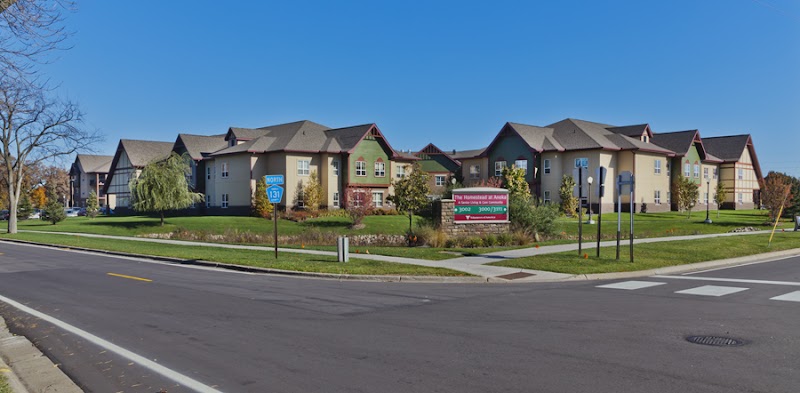
How is Anoka Rehabilitation And Living Center Staffed?

CMS rates ANOKA REHABILITATION AND LIVING CENTER's staffing level at 5 out of 5 stars, which is much above average compared to other nursing homes. Staff turnover is 34%, compared to the Minnesota average of 46%. This relatively stable workforce can support continuity of care.

What Have Inspectors Found at Anoka Rehabilitation And Living Center?

State health inspectors documented 35 deficiencies at ANOKA REHABILITATION AND LIVING CENTER during 2022 to 2025. These included: 2 that caused actual resident harm, 32 with potential for harm, and 1 minor or isolated issues. Deficiencies causing actual harm indicate documented cases where residents experienced negative health consequences.
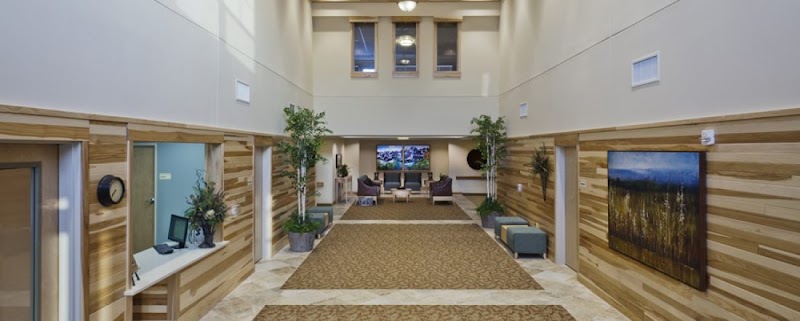
Who Owns and Operates Anoka Rehabilitation And Living Center?

ANOKA REHABILITATION AND LIVING CENTER is owned by a non-profit organization. Non-profit facilities reinvest revenue into operations rather than distributing to shareholders. The facility is operated by VOLUNTEERS OF AMERICA SENIOR LIVING, a chain that manages multiple nursing homes. With 120 certified beds and approximately 108 residents (about 90% occupancy), it is a mid-sized facility located in ANOKA, Minnesota.
How Does Anoka Rehabilitation And Living Center Compare to Other Minnesota Nursing Homes?

Compared to the 100 nursing homes in Minnesota, ANOKA REHABILITATION AND LIVING CENTER's overall rating (3 stars) is below the state average of 3.2, staff turnover (34%) is significantly lower than the state average of 46%, and health inspection rating (2 stars) is below the national benchmark.

What Should Families Ask When Visiting Anoka Rehabilitation And Living Center?

Based on this facility's data, families visiting should ask: "Can I visit during a mealtime to observe dining assistance and food quality?" "How do you handle medical emergencies, and what is your hospital transfer rate?" "Can I speak with family members of current residents about their experience?"

Is Anoka Rehabilitation And Living Center Safe?

Based on CMS inspection data, ANOKA REHABILITATION AND LIVING CENTER has a clean safety record: no substantiated abuse findings (meaning no confirmed cases of resident harm), no Immediate Jeopardy citations (the most serious violation level indicating risk of serious injury or death), and is not on the Special Focus Facility watch list (a federal program monitoring the lowest-performing 1% of nursing homes). The facility has a 3-star overall rating and ranks #100 of 100 nursing homes in Minnesota. While no facility is perfect, families should still ask about staff-to-resident ratios and recent inspection results during their visit.

Do Nurses at Anoka Rehabilitation And Living Center Stick Around?

ANOKA REHABILITATION AND LIVING CENTER has a staff turnover rate of 34%, which is about average for Minnesota nursing homes (state average: 46%). Moderate turnover is common in nursing homes, but families should still ask about staff tenure and how the facility maintains care continuity when employees leave.

Was Anoka Rehabilitation And Living Center Ever Fined?

ANOKA REHABILITATION AND LIVING CENTER has been fined $24,297 across 1 penalty action. This is below the Minnesota average of $33,322. While any fine indicates a compliance issue, fines under $50,000 are relatively common and typically reflect isolated problems that were subsequently corrected. Families should ask what specific issues led to these fines and confirm they've been resolved.

Is Anoka Rehabilitation And Living Center on Any Federal Watch List?

ANOKA REHABILITATION AND LIVING CENTER is not on any federal watch list. The most significant is the Special Focus Facility (SFF) program, which identifies the bottom 1% of nursing homes nationally based on persistent, serious quality problems. Not being on this list means the facility has avoided the pattern of deficiencies that triggers enhanced federal oversight. This is a positive indicator, though families should still review the facility's inspection history directly.