Cornerstone Nsg & Rehab Center
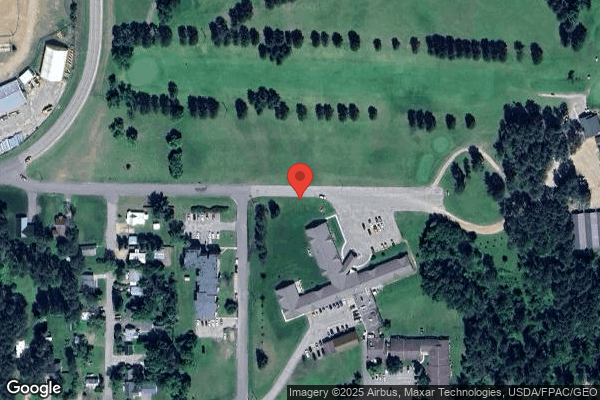
416 SEVENTH STREET NORTHEAST, BAGLEY, MN 56621 (218) 694-6552
For profit - Corporation 47 Beds Independent Data: November 2025 1 Immediate Jeopardy citation
Trust Grade
56/100
#104 of 337 in MN
Last Inspection: July 2025

Inspected within the last 6 months. Data reflects current conditions.

Overview

Cornerstone Nursing and Rehabilitation Center has a Trust Grade of C, which means it is average and sits in the middle of the pack compared to other facilities. It ranks #104 out of 337 nursing homes in Minnesota, placing it in the top half, and is the only facility in Clearwater County. The facility is showing an improving trend, with issues decreasing from 8 in 2024 to 3 in 2025. Staffing is a strength, rated 5 out of 5 stars, although the turnover rate is 48%, which is on par with the state average. However, there are concerns with RN coverage, as it is lower than 81% of facilities in Minnesota, which can impact the quality of care. Specific incidents raised include a critical failure to provide CPR to a resident who wished for resuscitation, highlighting a serious lapse in following care directives. Additionally, there were concerns about food safety, as staff did not wear hairnets while serving, and medication labeling issues that could lead to errors. While the facility has some strengths, these critical incidents and the lower RN coverage are significant weaknesses to consider when researching care options.

Trust Score
C
56/100
In Minnesota
#104/337
Top 30%
Safety Record
High Risk
Review needed
Inspections
Getting Better
8 → 3 violations
Staff Stability
⚠ Watch
48% turnover. Above average. Higher turnover means staff may not know residents' routines.
Penalties
✓ Good
$12,649 in fines. Lower than most Minnesota facilities. Relatively clean record.
Skilled Nurses
✓ Good
Each resident gets 52 minutes of Registered Nurse (RN) attention daily — more than average for Minnesota. RNs are trained to catch health problems early.
Violations
⚠ Watch
23 deficiencies on record. Higher than average. Multiple issues found across inspections.
★★★★☆
4.0
Overall Rating
★★★★★
5.0
Staff Levels
★☆☆☆☆
1.0
Care Quality
★★★★☆
4.0
Inspection Score
Stable
2024: 8 issues
2025: 3 issues

The Good

  • 5-Star Staffing Rating · Excellent nurse staffing levels
  • Full Sprinkler Coverage · Fire safety systems throughout facility
  • No fines on record

Facility shows strength in staffing levels, fire safety.

The Bad

Staff Turnover: 48%

Near Minnesota avg (46%)

Higher turnover may affect care consistency

Federal Fines: $12,649

Below median ($33,413)

Minor penalties assessed

The Ugly 23 deficiencies on record

1 life-threatening
Jul 2025 3 deficiencies
CONCERN (D)

Potential for Harm - no one hurt, but risky conditions existed

Assessment Accuracy (Tag F0641)

Could have caused harm · This affected 1 resident

**NOTE- TERMS IN BRACKETS HAVE BEEN EDITED TO PROTECT CONFIDENTIALITY** Based on interview and document review the facility failed to ensure a discharge Minimum Data Set (MDS) was completed and submit...

Read full inspector narrative →
**NOTE- TERMS IN BRACKETS HAVE BEEN EDITED TO PROTECT CONFIDENTIALITY** Based on interview and document review the facility failed to ensure a discharge Minimum Data Set (MDS) was completed and submitted to the Centers for Medicare and Medicaid (CMS) database as directed for 2 of 2 residents (R10, R12) reviewed for resident assessment task.Findings include:R10:R10's face sheet printed on 7/9/25, identified R10 was admitted on [DATE], and discharged on 2/25/25.R10's progress notes dated 1/13/25, identified R10 was admitted after a hospitalization from 12/30/24 through 1/13/25, due to respiratory failure, pneumonia and influenza. R10 was admitted on [DATE], for a short-term rehab stay and had planned to return to home. During R10's nursing home admission the resident received physical and occupational therapy for activities of daily living (ADL's), fall monitoring, pain monitoring, respiratory and medication management. R10's progress note dated 1/28/25 identified social services met with R10 regarding discharge planning and resident hoped to discharge home after rehab stay was complete.R10's progress notes dated 2/24/25, identified R10 would be discharged to home with in-home services on 2/25/25.R10's medical record lacked evidence there was a discharge MDS initiated, completed and submitted.R12:R12's undated face sheet, identified R12 was readmitted on [DATE], and discharged on 2/11/25.R12's entry tracking record MDS dated [DATE], identified R12 was re-admitted on [DATE], from a short-term general hospital.R12's quarterly MDS dated [DATE], identified the quarterly MDS was the first assessment since R12's most recent admission on [DATE], and R12 was readmitted from a short-term general hospital. There was no discharge date on the assessment. R12's nursing home progress note(s) identified the following:1/23/25, identified R12 was admitted after having an amputation of the left 3rd toe. R12 had orders for antibiotics, therapy and daily dressing changes. 1/27/25, identified writer called the primary care physician, discussed findings of dressing changes since admission, and concerns regarding possible infection. R12 was transferred to the emergency room. 2/11/25, identified writer received a call from R12 requesting the resident's daughter and other family members to come and pack up his belongings to bring to him. An update to the note identified per review of hospital case management notes, resident mentioned multiple times his desire to transfer to a different facility following hospitalization. Hospital notes were placed into scanning. Staff accepted the communication as resident-initiated discharge. 2/26/25 at 12:12 p.m., identified discharge summary and discharge notification was faxed to the hospital case manager.A joint interview was conducted with registered nurse (RN)-C and RN-D on 7/9/25 at 1:31 p.m. RN-C stated when a resident was transferred to an acute care setting and expected to stay greater than 24 hours, a discharge with anticipated return MDS would be completed. When a resident was discharged to home a discharge MDS would be completed and MDS's should be completed within one week. RN-C completed R12's discharge with anticipated return MDS dated [DATE], and mistakenly completed a quarterly MDS dated [DATE]. RN-C should have completed a transmission error MDS for the quarterly MDS. R12 did not have a discharge MDS completed after resident was discharged from the nursing home on 2/11/25. RN-C failed to complete R10's discharge MDS. The assessment should have been completed by 2/25/258.The facility MDS/Resident Assessment policy signed 10/17/22, identified The MDS was completed for all residents in Medicare- or Medicaid-certified nursing homes. The facility will complete the MDS following the RAI manual and state requirements to assure each resident receives and accurate assessment that is reflective of each resident's status.
CONCERN (D)

Potential for Harm - no one hurt, but risky conditions existed

Infection Control (Tag F0880)

Could have caused harm · This affected 1 resident

**NOTE- TERMS IN BRACKETS HAVE BEEN EDITED TO PROTECT CONFIDENTIALITY** Based on observation, interview and document review, the facility failed to ensure staff implemented enhanced barrier precaution...

Read full inspector narrative →
**NOTE- TERMS IN BRACKETS HAVE BEEN EDITED TO PROTECT CONFIDENTIALITY** Based on observation, interview and document review, the facility failed to ensure staff implemented enhanced barrier precautions (EBP) in accordance with Centers for Disease Control (CDC) guidelines to reduce the risk of infection spread for 2 of 5 residents (R2, R146) reviewed for wounds and 1 of 1 resident (R2) reviewed for catheter. Findings include: A CDC Implementation of Personal Protective Equipment (PPE) Use in Nursing Homes to Prevent Spread of Multidrug-resistant Organisms (MDROs) manual, dated 7/2022, identified MDRO transmission within a nursing home was common and contributed to substantial resident morbidity and mortality. The feature outlined EBP were defined as, . expand the use of PPE and refer to the use of gown and gloves during high-contact resident care activities that provide opportunities for transfer of MDROs to staff hands and clothing . MDROs may be indirectly transferred from resident-to-resident during these high-contact care activities . residents with wounds and indwelling medical devices are at especially high risk of both acquisition of and colonization with MDROs. The feature identified several examples of high-contact resident care activities including dressing, bathing, providing hygiene, transferring, changing linens or briefs, and wound care. R2: R2’s quarterly Minimum Data Set (MDS) dated [DATE], identified R2 was cognitively intact, was dependent on staff for all activities of daily living (ADL’s). R2 had an indwelling catheter, was at risk for pressure ulcers and had moisture associated skin damage (MASD). Interventions included pressure reducing device for chair and bed, nutrition or hydration intervention to manage skin problems, application of nonsurgical dressings and ointment to area’s other than the feet. R2’s diagnoses included multiple sclerosis (MS) and neurogenic bladder. R2's care plan reviewed 6/5/25, identified R2 was at risk of infection related to indwelling medical device and directed staff to maintain EBP per facility protocol. R2 was at risk of infection related to indwelling medical device and directed staff to maintain EBP per facility protocol. R2 had impaired mobility and was at risk for pressure ulcer/injury and was prone to periods of skin maceration due to chronic ulcer to buttock. R2’s progress note dated 6/24/25, identified R2 had dressing changes to the coccyx area per wound care. R2’s progress note dated 7/7/25, identified R2 the following: 10 x10 centimeters (cm) darkened area around the coccyx. 5.5 cm x 3.5 cm sheared open area that was red and draining mild amounts of serosanguinous drainage. 1 cm x 1.5 cm area in the center that was darkened red and bleeding mildly. Nurse made a call to the doctor with an update and questioned if current wound appointment for 7/25/25 should be moved up. Encouraged R2 to stay off buttocks as much as possible. R2’s progress notes failed to identify if R2 was on EBP. On 7/7/25 at 11:30 a.m., R2's door was observed and there was a sign identifying R2 was on EBP and there was a cart with PPE. R2 stated staff did not always wear a gown when emptying the resident’s catheter. On 7/8/25 at 2:40 p.m., upon entering R2’s room nursing assistant (NA)-C was observed standing next to R2’s bed with a water basin on the bedside table and a folded washcloth in her gloved hand and was not wearing a gown. NA-C was wiping R2’s suprapubic catheter tubing. NA-C stated R2 liked to get freshened up mid-day and in the evening. NA-C finished wiping the catheter and started to wipe R2’s peri area, turned R2 on her side and began to wipe R2’s coccyx area. NA-C stated she had been off for a few days and was unaware that R2’s coccyx area was open, although the wound continually opened and healed. NA-C applied barrier cream to R2’s coccyx area and proceeded to apply powder to groin area. NA-C finished dressing and getting R2 comfortable, removed gloves, collected garbage and exited the room. During interview, NA-C stated she typically wore PPE when freshening up R2. Staff were instructed to wear PPE for catheter and wound care. NA-C stated she had worn PPE including a gown and gloves when she completed catheter cares and cleansing R2’s peri area and coccyx area, then threw the gown and gloves in the garbage, washed hands and put on clean gloves. NA-C stated that was when the state agent (SA) entered the room. On 7/8/25 at 3:52 p.m., R2 stated she couldn’t remember if NA-C was wearing a gown when completing catheter care just recently, although staff hadn’t always worn gowns while completing catheter or wound cares. Further, R2 stated it was important for staff to wear gowns, so they didn’t spread infections her. R146:R146's entry tracking record MDS dated [DATE], identified R146 was admitted on [DATE].R146's undated Resident Face Sheet included diagnoses of sepsis (serious condition in which the body responds improperly to an infection, causing organ damage and sometimes death), malignant neoplasm of colon, diabetes, congestive heart failure and bullous pemphigoid (rare skin condition that causes large fluid-filled blisters). R14's progress notes were reviewed from 6/30/25 to 7/8/25 and identified the following: 6/30/25, an admission note identified R146 had scaly darkened skin on both her lower legs, which was a chronic issue for R146. R146 did have a history of open areas to her lower legs, however were not open on admission. 7/2/25, skin note: an open area was noted on anterior shin of left leg that measured 5 cm length by 4.5 cm wide. The area was cleansed and antibiotic ointment was applied. 7/3/25, weeping was noted on both lower extremities. Legs were cleansed and triple antibiotic ointment applied. An abdominal pad was applied and legs were wrapped with a gauze roll. 7/4/25, R146's legs had weeping with a moderate amount of serosanguinous drainage. R146's legs were cleansed with normal saline, dressing were applied, covered with abdominal pad and wrapped with a gauze roll. R146's treatment administration record was updated to reflect the dressing change. During observation on 7/7/25, at 1:30 p.m. licensed practical nurse (LPN)-A gathered dressing supplies and entered R146's room to change the leg dressings on R146's right and left legs. There was no signage or personal protective equipment cart set up near or in R146's room to identify if R146 required any type of precautions. R146 was lying in bed, visiting with three family members. LPN-A notified R146 and her family she was going to perform dressing changes to R146 wounds on her right and left calves and they could remain in the room, seated in chairs at the foot of R146's bed if they wished to. All three family members agreed to stay. LPN-A placed her dressing supplies on R146's window sill and went to the resident bathroom and washed her hands. LPN-A then put on gloves and started to remove the old dressing from R146's left leg. LPN-A stopped and put on R146's call light to request another staff member to assist her. Nursing assistant (NA)-A entered the room. NA-A was wearing a face mask and when asked to assist with the dressing change, washed her hands and put on gloves. LPN-A removed R146's old dressing from her left leg as NA-A held the leg up off R146's bed, exposing a large open area covering R146's front calf from ankle to mid calf and the entire width of the calf. The open area was surface depth and red in color. LPN-A sprayed the wound with normal saline spray and patted dry with 4 x 4 gauze pads. LPN-A applied the ordered dressings to the wound and wrapped the leg with a gauze bandage roll. NA-A then set R146's leg down and raised up R146's right leg. LPN-A changed her gloves and removed the old dressing from R146's right leg, exposing a large open area covering R146's front calf from ankle to mid calf and the entire width of the calf. A large 2 centimeter clear fluid filled blister was formed on the inner side of the wound. The open area was surface depth and red in color. LPN-A sprayed the wound with normal saline spray and patted dry with 4 x 4 gauze pads. LPN-A applied the ordered dressings to the wound and wrapped the leg with a gauze bandage roll. NA-A then set R146's leg down. LPN-A gathered up and disposed of the dressings in the resident's garbage, removed her gloves and exited the room. NA-A removed her gloves, washed her hands and exited the room. On 7/8/25, at 8:00 a.m. an EBP sign and personal protective equipment (PPE) cart was observed hanging on the outside of R146's room door. During interview on 7/8/25, at 8:30 a.m. LPN-A stated R146 should have been on EBP, but she had not been aware R146's wounds were open until she had performed wound care on 7/7/25. After performing wound care on 7/7/25, LPN-A notified the facility's registered nurse and they set up the PPE and signage. LPN-A stated she and NA-A should have been wearing a disposable gown as well as gloves to perform the wound care but they had not. When interviewed on 7/8/25, at 9:05 a.m. NA-A stated she should have been wearing a disposable gown when she had assisted LPN-A with R146's wound care. NA-A had been off for a few days and had not worked with R146 before. When she entered the room and they started removing R146's dressings she knew they should have donned gowns for the wound care but they were already into it and so just completed it and then NA-A went directly to the RN on and notified her of the open areas and need for PPE. The RN had not been aware the wounds were open and then they immediately setup the room for PPE and precautions. During interview on 7/8/25, at 10:30 a.m. the infection control registered nurse (RN)-A stated the facility initiated EBP for all residents with a urinary catheter, wound care, dressings, any invasive lines, and feeding tubes. RN-A reviewed all new admissions for invasive lines or wounds and usually had EBP precautions and signage setup before new admission arrived to the facility. If existing residents had changes or new open areas she usually noted it by reading the shift report notes or the nurse responsible would notify her, or the NA's if they notice something when doing resident cares. R146's legs did not have open areas present when she was admitted . As soon as she was notified of the open areas, she immediately initiated EBP. RN-A On 7/8/25 at 4:17 p.m., the director of nursing (DON) stated staff were required to wear PPE, including gown and gloves, when completing direct patient care including working with indwelling medical devices or open wounds, and were expected to change gloves from dirty to clean, including before applying barrier cream and/or powders. Staff should not complete catheter care or wound care without wearing PPE. The Facility Enhanced Barrier Precautions policy dated 4/1/24, identified EBP would be utilized for high-risk residents during high contact care and activities to aide in the prevention of MDRO spread. Residents would be assessed . for indwelling medical devices (i.e.: urinary catheters) and for wounds that may require EBP. If a residents require any indwelling medical devices or meet the CDC wound requirements, they will be placed on EBP. EBP will be used for selected resident's wit high contact care and activity per CDC guidelines. EBP signs would be placed on the resident room doors to identify PPE required as well as defining high risk resident activities. Gowns, gloves and alcohol-based hand rub (ABHR) will be available to staff in EBP rooms. Gown and gloves will be donned prior to the high contact activity; they do not have to be donned prior to entering room. Gown and gloves will be doffed as well as hand hygiene completed prior to leaving the resident room or between care of residents in shared room.
CONCERN (E)

Potential for Harm - no one hurt, but risky conditions existed

Food Safety (Tag F0812)

Could have caused harm · This affected multiple residents

Based on observation, interview and document review the facility failed to ensure staff dishing and serving food to residents wore a hairnet in 1 of 4 dining rooms (400-unit) with the potential to aff...

Read full inspector narrative →
Based on observation, interview and document review the facility failed to ensure staff dishing and serving food to residents wore a hairnet in 1 of 4 dining rooms (400-unit) with the potential to affect all residents who resided on the 400 unit. Findings include:The undated facility census identified 8 residents resided on the 400-unit. During observation on 7/8/25 at 5:00 p.m., a staff member wheel a steam table onto the 400-unit dining area. Seven residents were seated at tables in the dining room and one resident was eating in the their room. Trained medication aide (TMA)-A was wearing gloves and without a hair net dished food from the steam table onto a plate and then delivering the plate to a resident. TMA-A continued dishing and delivering food until all residents in the dining room had plates of food in front of them.On 7/8/25 at 5:19 p.m., TMA-A stated when she worked on the 400 unit she worked as a nursing assistant and a TMA, and always dished and delivered food to the residents. There was not a dietary staff member that assisted during meals. TMA-A never wore or thought about wearing a hair net while dishing food from the steam table and had not been told to wear a hair net while dishing food. TMA-A stated it was important to wear a hair net while dishing food to prevent hair from falling into the resident's food and potentially spreading any bacteria from her hair.On 7/9/25 at 9:10 a.m., registered nurse (RN)-A, who was also the infection control nurse, stated dietary staff dished food from the steam table and serve to residents in the 100-unit and 200-unit dining room(s) and nursing staff dished food from the steam table and serve to the residents in the 300-unit and 400-unit dining rooms. All staff, including nursing staff, were required to wear gloves and hair net when serving food from the steam cart. All staff were educated and knew they were required to wear hair nets. RN-A stated wearing hair nets helped prevent hair from falling into the food and potentially preventing the spread of bacteria from hair and into the food. The undated facility Infection Control for the Dietary Department policy, identified dietary staff would practice proper food handling procedures, including hand washing, wearing hairnets or caps and clean uniforms, as well as practice proper food handling procedures, including wearing hair nets or caps.The facility Employee Hygiene for Food Safety policy dated 2023, identified all employees would wear hair restraints (hairnet, hat, and/or beard restraint) to prevent hair from contacting exposed food.Section 2-402.11 of the FDA Food code dated 2017 identified A hair restraint keeps dislodged hair from ending up in the food and may deter employees from touching their hair. This is crucial to prevent cross-contamination. Staphylococcus aureus is an example of a common pathogen that is found on skin and hair. If enough of the bacteria is ingested, it could cause illness. Common symptoms of this illness include vomiting, nausea, and stomach cramps.
Jul 2024 7 deficiencies
CONCERN (D)

Potential for Harm - no one hurt, but risky conditions existed

Comprehensive Care Plan (Tag F0656)

Could have caused harm · This affected 1 resident

**NOTE- TERMS IN BRACKETS HAVE BEEN EDITED TO PROTECT CONFIDENTIALITY** Based on interview, and document review the facility failed to ensure care plans failed to develop a person-centered comprehensi...

Read full inspector narrative →
**NOTE- TERMS IN BRACKETS HAVE BEEN EDITED TO PROTECT CONFIDENTIALITY** Based on interview, and document review the facility failed to ensure care plans failed to develop a person-centered comprehensive care plan to address resident specific approaches to meet residents psychosocial, mental, and medical needs 3 of 5 (R33, R20, R30) residents reviewed for unnecessary medications. Findings include: R33's quarterly Minimum Data Set (MDS) dated [DATE], identified R33 had severe cognitive impairment and a diagnosis of dementia. R33's care plan dated 4/11/23, identified R33 received psychotropic medication for dementia. Target behaviors included grinding teeth, resisting cares and grabbing at others. Interventions included attempt non-pharmacological interventions. The plan failed to identify resident specific non-pharmacological interventions. R33's undated orders identified R33 received lorazepam (ordered 9/19/23) and cyclobenzaprine (ordered 3/12/24) twice daily for dementia, and paroxetine (ordered 3/28/24) daily for depression. During interview on 7/17/24 at 3:01 p.m., the director of nursing (DON) stated R33's care plan failed to identify individualized non-pharmacological interventions for behaviors and the plan should be updated to include them. R20's quarterly MDS dated [DATE], identified R20 had moderate cognitive impairment and a diagnosis of chronic pain. R33 had moderate pain on a constant basis that occasionally affected his sleep. R33 received scheduled and as needed pain medication on a daily basis. R20's care plan 8/8/23, identified R20 had complaints of chronic and acute pain. Staff interventions included monitoring and recording R20's complaints of pain, provide medications as ordered, and use non-medicated pain relief measures; however, failed to identfiy what those non-medicated interventions were. R20's undated orders identified R20 received the following medications for pain: - Gabapentin daily - Hydrocodone-acetaminophen three times daily - Meloxicam every morning - IcyHot pain relief cream four times daily - Muscle rub (methyl salicylate-menthol) cream three times daily During interview on 7/16/24 at 3:02 p.m., registered nurse (RN)-B stated care plans were updated by nursing staff when the MDS was due (upon admission, annually, and quarterly) and as needed for changes in the residents condition and should include individualized, patient centered interventions. RN-B stated R20's care plan was very general and did not include individualized non-medication interventions for pain relief, that were specific to the resident. During interview on 7/17/24 at 3:07 p.m., the DON stated R20's care plan failed to include non-medication individualized interventions for R20's pain. R30's quarterly MDS dated [DATE], identified R30 had intact cognition and required assistance with all activities of daily living (ADL). R30 received antianxiety and antidepressant medications all seven days of the observation period for anxiety and depression. Diagnosis included an anxiety disorder. R30's care plan dated 6/6/24, identified R30 received antianxiety medication related to anxiety with a goal to be prescribed the lowest effective dose of medications. Staff were instructed to attempt non-pharmacological interventions; however, no patient specific interventions were included to direct staff on effective approaches to use with R30. The care plan also identified R30 experienced pain with a goal R30 would verbalize she was free from pain. Staff were also directed to use non-medicated pain relief measures; however, no patient specific interventions were included to direct staff on effective approaches to use with R30. When interviewed on 7/16/24, at 2:45 a.m. RN-A stated interventions that helped R30 calm her anxiety included changing her environment, reminding her to work through her breathing exercises and calling her daughter to chat. RN-A stated interventions should be documented in her care plan clearly and specific to R30 to manage her anxiety, pain and depression and they were not. During interview on 7/17/24, at 9:00 a.m. nursing assistant (NA)-A stated R30 could get weepy or anxious at times. NA-A knew R30 well and she was usually able to distract her with visiting or joking with her. R30 enjoyed visiting about her past and her family. When interviewed on 7/17/23, at 1:40 p.m. DON stated she would expect care planned interventions to be specific to each resident. It was important to provide interventions specific to the resident and that were important and effective for each resident, so all staff could consistently utilize them. The facility policy Comprehensive Care Plan dated 10/20/22, identified the facility would develop a comprehensive care plan for each resident to meet the resident's medical, nursing, mental and psychosocial needs. The care plan would be designed to incorporate identified problem areas, risk factors associated with identified problems and build on the resident's strengths.
CONCERN (D)

Potential for Harm - no one hurt, but risky conditions existed

Pressure Ulcer Prevention (Tag F0686)

Could have caused harm · This affected 1 resident

**NOTE- TERMS IN BRACKETS HAVE BEEN EDITED TO PROTECT CONFIDENTIALITY** Based on observation, interview and document review the facility failed to ensure timely repositioning to assist in the healing ...

Read full inspector narrative →
**NOTE- TERMS IN BRACKETS HAVE BEEN EDITED TO PROTECT CONFIDENTIALITY** Based on observation, interview and document review the facility failed to ensure timely repositioning to assist in the healing and prevention of pressure ulcers for 1 of 2 residents (R1) reviewed for pressure ulcers. Findings include: R1's quarterly Minimum Data Set (MDS) dated [DATE], identified R1 had moderately impaired cognition and was dependent on staff with all activities of daily living (ADL)s. R1 had a facility acquired stage 3 pressure ulcer (full-thickness skin loss and extends into the subcutaneous tissue layer) as well as a stage 4 pressure ulcer (full thickness skin and tissue loss) that was present on admission. Physician ordered treatments were performed daily. Diagnoses included multiple sclerosis, osteomyelitis, diabetes and edema. R1's care plan dated 4/25/24, identified R1 had a current pressure ulcer to her right upper thigh and buttock. Interventions included staff to turn and reposition R1 every two to three hours as R1 allowed and to use pillow prop to get off her back-she normally refused this but to encourage her when in bed. During continuous observation on 7/17/24, from 8:00 a.m. through 11:30 a.m. R1 was lying in bed on her back. The head of her bed was elevated to obtain a seated position from 8:00 a.m. to 8:48 a.m. to enable R1 to eat her breakfast. At 8:48 a.m. the head of the bed was lowered slightly to semi reclined position and R1 was left to watch her television the remainder of the morning. R1 remained lying in the same position on her back without repositioning of her buttocks until she was assisted up into her wheelchair at 11:30 a.m. During interview on 7/17/24, at 11:10 a.m. nursing assistant (NA)-B stated she was in R1's room and put the head of the bed up for R1 to eat breakfast and then lowered it down slightly after breakfast. NA-B had not repositioned R1 at and just raised and lowered the head of her bed. Putting the head of the bed up and down would not do anything to relieve pressure on R1 buttocks and it was important to reposition residents from side to side. NA-B did not offer to turn and reposition R1 as she knew R1 well, having worked with her for a few years, and R1 would have just refused. On 7/17/24, at 11:20 a.m. R1 remained lying in bed on her back in a semi reclined position. R1 stated she had been lying in bed watching a movie all morning. R1 was unable to turn from side to side herself and no staff had been in her room to offer to help her reposition. R1 thought she maybe would have agreed to reposition if someone had offered it to her, she was not sure. During interview on 7/17/24, at 1:30 p.m. licensed practical nurse (LPN)-A stated the staff had known and cared for R1 for years and knew she did not like to turn and reposition and refused all offers to do so. The newer aides were good about consistently going in to offer to assist her to reposition when R1 was in bed, but the older staff were not so good at offering as they felt she would just refuse it. The staff should still be asking R1 to assist her to reposition every two hours in chance she may accept some of the time and they should be documenting R1's refusals to reposition. Repositioning was important as a preventive measure and to promote healing to R1's existing pressure ulcers. When interviewed on 7/17/24, at 1:45 p.m. the director of nursing (DON) stated she expected all staff to offer repositioning to residents as indicated on their care plan. It was an important intervention to help prevent pressure ulcer development and promote healing of existing pressure ulcers. The facility policy Comprehensive Care Plan dated 10/20/22, identified the comprehensive care plan for each resident included measurable objectives and timetables to meet the resident's medical, nursing, mental and psychosocial needs. The comprehensive care plan was designed to attain and maintain a resident highest practicable physical, mental, and psychosocial well-being, incorporate identified problems, and risk factors and build on resident strengths. The care plan would reflect treatment goals and objectives in measurable outcomes and identify the professional services that were responsible for each element of resident care and prevent decline in the resident's functional status and/or levels.
CONCERN (D)

Potential for Harm - no one hurt, but risky conditions existed

Accident Prevention (Tag F0689)

Could have caused harm · This affected 1 resident

**NOTE- TERMS IN BRACKETS HAVE BEEN EDITED TO PROTECT CONFIDENTIALITY** Based on observation, interview and document review, the facility failed to ensure smoking risks were comprehensively assessed f...

Read full inspector narrative →
**NOTE- TERMS IN BRACKETS HAVE BEEN EDITED TO PROTECT CONFIDENTIALITY** Based on observation, interview and document review, the facility failed to ensure smoking risks were comprehensively assessed for 1 of 1 resident (R43) who currently smoked on facility grounds. Findings include: R43's admission Minimum Data Set (MDS) dated [DATE], identified R43 required assistance with dressing, and transfers and was unable to ambulate. R43's cognition was undetermined due to inability to communicate effectively. Diagnoses included cerebral infarction (brain injury or ischemic stroke), fibromyalgia, bipolar disorder and nicotine dependence. R43's progress note dated 6/18/24, identified R43 went outside to smoke, staff noticed her attempting to ambulate by herself and intervened. R43's medical record lacked a smoking assessment. R43's care plan dated 6/3/24, failed to identify R43 smoked along with interventions. During interview on 7/16/24, 11:45 a.m. registered nurse (RN)-A stated she was aware R43 would go out to the facility parking lot and smoke. R43 did not require staff to assist R43 with this and had been provided a call light to take with her to use to come back into the facility. Rn-A had been told a smoking assessment was completed and R43's smoking was addressed on her care plan. RN-A reviewed R43's medical record and was unable to find a smoking assessment. During interview on 7/16/24, at 12:58 p.m. nursing assistant (NA)-C stated she was R43 smoking outside the facility the previous Friday. R43 seemed safe enough and NA-C never saw burn holes in R43's clothing. NA-C told the nurse that was working, but was unsure which nurse she reported it to. When interviewed on 7/17/24, at 9:11 a.m. RN-C stated she completed a smoking assessment for R43 on 7/16/24, (after surveyor started investigating the concern) when it came to her attention one had not been completed. RN-C based the assessment on her previous observations of R43 smoking since her admission on [DATE]. R43's smoking had not been care planned as the smoking assessment had not been completed. R43's Smoking Risk Acuity dated 7/16/24, was completed by RN-C (after surveyor started investigation). The observation starting time was identified as 11:51 a.m. and the completion time as identified as 11:53 a.m. The smoking assessment was completed while R43 was ambulating in the hall with therapy and not while smoking. The assessment identified R43 used cigarettes a couple times per day, did not smoke in unauthorized areas and was not careless with smoking materials. Awareness and behaviors were not of concern; however, a minimal problem was noted with R43 following facility safe smoking policy, and did not identify what the safety concerns were or what the facility was doing to monitor for following the facility smoking policy. The assessment lacked identification on who was responsible for smoking materials and where they would be stored. Smoking risk was identified as level 1 which indicated R43 was a safe smoker and to continue with the current plan of care. During interview on 7/17/24, at 9:20 a.m. NA-B stated she had seen R43 smoking. R43 usually sat outside the facility front doors on the sidewalk. NA-B had never seen how R43 lights or puts out her cigarette but felt R43 must be able to because she was out there by herself smoking. NA-B never saw issues or burn holes in R43's clothing. On 7/17/24, at 9:45 a.m. R43 was observed wheeling herself outside the facility. R43 stopped on the sidewalk outside the facility front doors and lit a cigarette with a cigarette lighter. After smoking her cigarette, R43 put the cigarette out in the rock sidewalk border. R43 wheeled herself back into the facility, to her room and returned her cigarettes and lighter to her bedside table drawer. When interviewed on 7/16/24, at 12:10 p.m. the director of nursing (DON) stated an observation study on smoking was just completed for R43. It had not been done previously as she had not been aware R43 smoked. The proper procedure would have been for licensed staff to perform the assessment as soon as they had become aware R43 was smoking. It was important to assess residents who had a history of smoking to ensure they were safe. The facility policy Tobacco Free Site dated 10/27/16, identified residents currently using or had recent history of tobacco use would be assessed upon admit for their ability to use safely.
CONCERN (D)

Potential for Harm - no one hurt, but risky conditions existed

Medication Errors (Tag F0758)

Could have caused harm · This affected 1 resident

**NOTE- TERMS IN BRACKETS HAVE BEEN EDITED TO PROTECT CONFIDENTIALITY** Based on interview and document review, the facility failed to attempt a gradual dose reduction of psychotropic medications or p...

Read full inspector narrative →
**NOTE- TERMS IN BRACKETS HAVE BEEN EDITED TO PROTECT CONFIDENTIALITY** Based on interview and document review, the facility failed to attempt a gradual dose reduction of psychotropic medications or provide a rationale why an attempt was not made for 2 of 4 patients (R30, R33) who were reviewed for unnecessary medications. Findings include: R33's quarterly minimum data set (MDS) dated [DATE], identified R33 had severe cognitive impairment, was dependent on staff for activities of daily living (ADL's), and diagnoses included dementia and depression. R33 received medications for anxiety and depression during the assessment period. R33's care plan dated 4/11/23, identified R33 received medication for anxiety related to dementia. The plans goal dated 9/23/24, identified R33 would be prescribed the lowest effective dose of medication and a gradual dose reduction would be attempted per facility policy. R33's undated orders included an order for Ativan (lorazepam) 0.5 milligrams (mg) tablet 0.5 mg twice daily for anxiety, start date: 9/19/23, and end date: open ended; and paroxetine HCL 40 mg daily at bedtime for depression, start date: 3/28/23, end date: open ended. The Consultant Pharmacist's Medication Review form dated 11/1/23, identified Paroxetine 40 mg take as directed and suggested if a dose reduction was not appropriate, a detailed clinical rational, including why the recommendation was rejected, was needed for continuation at the current dose. R33's primary provider rejected the dose reduction, indicated benefits were greater that risks and signed the form on 11/1/23. R33's primary provider failed to provide a detailed clinical rationale for rejecting the dose reduction. R33's progress notes dated 7/6/24 through 5/17/24, failed to identify any physical behaviors displayed by the resident. On 7/17/24 at 2:54 p.m., the director of nursing (DON) stated there was not a clinical rationale or a progress note indicating the clinical rationale for use of Ativan and paroxetine for R33. R30's quarterly MDS dated [DATE], identified R30 had intact cognition. R30 experienced anxiety and depression and received lorazepam (an antianxiety medication) and escitalopram (an antidepressant medication) all seven days of observation period. A diagnosis of anxiety was identfied. R30's care plan dated 6/6/24, identified R30 received lorazepam and escitalopram with a goal for R30 to be prescribed the lowest effective dose of medication. Interventions included to monitor for drug use effectiveness and adverse consequences and to attempt a gradual dose reduction (GDR). R30's undated active orders included lorazepam 0.5 milligram (mg) two times per day, with start date 12/6/23, and escitalopram 20 mg daily with start date 12/6/23. R30's Psychotropic Medication Gradual Dose Reduction (GDR) form dated 10/31/23, identified R30 received Lexapro (brand name for escitalopram) 20 milligrams (mg) every day. Previous dose reductions had not been attempted. Under the nursing summary, a notation indicated R30's behaviors remained stable. Physician response indicated a tapering attempt was not possible at that time. No changes were to be made to R30's current order as risk less than benefit of continue use. The form was signed by R30's primary provider on 11/13/23; however, no rationale why a taper of the medication could not be attempted was not identfied on the form or in R30's medical record. R30's Consultant Pharmacist's Medication Review form dated 3/15/24, identified family was concerned with R30's increased tiredness and were wondering if it could be medication related. The pharmacist (pharm)-A identified R30 was on a higher than recommended dose of escitalopram and suggested a review of her medications to see if any doses could be reduced or discontinued. The primary provider rejected the recommendation with a notation the resident and family declined medication changes at that time. No further rationale was given as to why a taper of the medication could not be attempted o nthe form or in the medical record. R30's Consultant Pharmacist's Medication Review form dated 7/17/23, pharm-A identified R30 was on higher than maximum recommended dose of escitalopram and requested the primary physician to consider a trial dose reduction of the medication unless inappropriate or contraindicated. The primary physician responded risks outweighed the benefits and rejected the recommendation; however, the form and the medical record lacked specifics to what benefits the resident was receiving with the medication at the dose it was prescribed. During interview on 7/16/24, at 1:40 p.m. the (DON) stated they had reached out to R30's provider several times. Some providers documented rationale better than others and the providers had their own way of doing things. The DON reviewed the state operations manual the night before and realized rationale for a GDR of psychotropic medications needed more than just documenting family or resident refusal of medication taper. The DON was unable to find any provider notes or dictation the provider documented any further rationale related to the continued use of escitalopram at a higher than recommended dose. The facility policy Tapering Medications and Gradual Drug Dose Reduction dated 11/14/22, identified residents who used antipsychotic drugs would receive GDR and behavioral interventions, unless clinically contraindicated, to discontinue those drugs. The staff and practitioner would consider tapering of medications as one approach to finding an optimal dose or determining whether continued use of the medication was benefiting the resident. The staff and practitioner would consider tapering under certain circumstances, including when the resident's clinical condition had improved or stabilized, underlying causes of the original target symptoms had resolved, non-pharmacological interventions had been effective in reducing symptoms or the resident's condition had not responded to treatment or had declined despite treatment.
CONCERN (D)

Potential for Harm - no one hurt, but risky conditions existed

Infection Control (Tag F0880)

Could have caused harm · This affected 1 resident

**NOTE- TERMS IN BRACKETS HAVE BEEN EDITED TO PROTECT CONFIDENTIALITY** Based on observation, interview and document review, the facility failed to ensure standard precautions and proper disinfecting ...

Read full inspector narrative →
**NOTE- TERMS IN BRACKETS HAVE BEEN EDITED TO PROTECT CONFIDENTIALITY** Based on observation, interview and document review, the facility failed to ensure standard precautions and proper disinfecting of equipment was followed for 1 of 4 residents (R13) receiving dressing changes. Finding included: R13's 5-day Minimum Data Set (MDS) dated [DATE], identified no cognitive impairment. Diagnosis included peripheral vascular disease and diabetes. R13 had four venous/arterial ulcers. R13's care plan dated 6/27/24, identified R13 had wound on both lower legs. The facility would continue to follow wound clinic instructions for care and cleaning. R13 orders dated 7/4/24, directed staff to apply saline moistened Hydrofera (special wound dressing) to wound base, cover with an absorbent dressing, secure with Kerlix (roll bandage) and tape, and change every day to both lower legs. During observations on 7/16/24 at 9:10 a.m., registered nurse (RN)-A sanitized their hands and then put on a gown and gloves upon entering R13's room. RN-A gathered the supplies needed for the dressing changes on both legs and placed chux (clean barrier) under both of R13's lower legs. With a bandage scissors RN-A cut the Kerlix dressing on right leg and removed the dressings from the wound on the leg and discarded in the trash. RN-A took a gauze pad and cleaned the wound with normal saline and patted dry, wearing the same contaminated gloves. RN-A then took the dirty bandage scissors and trimmed the clean Hydrofera (dressing) to fit the wound and then moistened the dressing and placed it in the wound bed, covered with an absorbent dressing, wrapped with Kerlix, and placed a tubigrip (sock like covering) over the dressing while wearing the same dirty gloves. - RN-A then moved to the left leg, wearing the same contaminated gloves, and removed R13's sock with a blood-soaked toe from R13's right foot and tossed it on the floor. RN-A, with the same contaminated gloved hands got a trauma scissor and removed the Kerlix and dressings from the right leg. There was reddish clear drainage on the dressing. The dressing was discarded in the garbage. RN-A then removed their contaminated dirty gloves, did not perform hand hygiene, and placed a clean pair of gloves on. RN-A then cleansed the wound with gauze pads and saline spray. RN-A then used the contaminated bandage scissors and trimmed the Hyrofera to fit in the wound on the right leg, applied the absorbent dressing, wrapped with Kerlix, and placed a tubigrip over the dressing. RN-A noticed a dressing came off R13's left heel. RN-A then gathered Mepilex (absorbent foam dressing), cleaned the area on the left heel and placed the Mepilex on R13's heel wearing the same contaminated gloves used on R13's right leg dressing change. RN-A then picked the bloody toed sock off the floor and placed in a biohazard bag. During an interview on 7/16/24 at 9:42 a.m., RN-A stated when she did dressing changes, she would change gloves whenever going from dirty to clean and between different dressings. Anything with blood or body fluid on it should not be placed on the floor, but instead would be placed in a biohazard bag to ensure everything remained clean. R13 was on contact precautions and required to wear a gown and gloves when completing dressing changes. RN-A stated she might have for gotten to change gloves and do hand hygiene when she should have, not used a dirty bandage scissors on clean dressings, nor have placed anything bloody on the floor. During an interview on 7/16/24 at 1:27 p.m., the director of nursing (DON) stated she would have expected nursing staff to follow proper infection control procedures when doing dressing changes and the handling of bloody clothing. The facility's Dressing Dry/Clean policy dated 10/20/22 identified when soiled dressing was removed gloves were to also be removed and hand hygiene performed, and new gloves were to be put on prior to cleaning wound. Gloves were to be changed and hand hygiene performed between each wound.
CONCERN (D)

Potential for Harm - no one hurt, but risky conditions existed

Deficiency F0883 (Tag F0883)

Could have caused harm · This affected 1 resident

**NOTE- TERMS IN BRACKETS HAVE BEEN EDITED TO PROTECT CONFIDENTIALITY** Based on interview and document review, the facility failed to ensure recommended pneumococcal vaccinations, as outlined by the ...

Read full inspector narrative →
**NOTE- TERMS IN BRACKETS HAVE BEEN EDITED TO PROTECT CONFIDENTIALITY** Based on interview and document review, the facility failed to ensure recommended pneumococcal vaccinations, as outlined by the Centers for Disease Control (CDC), were offered and/or provided in a timely manner to reduce the risk of severe disease for 3 of 5 residents (R10, R13, R39) reviewed for immunizations. Findings include: R10's admission Face Sheet dated 5/16/24, identified R10's age of 77 years. Diagnoses included chronic congestive heart failure, history of pulmonary embolism, chronic obstructive pulmonary disease, and elevated white blood cell count. R10's Minnesota Immunization Information Connection (MIIC) report dated 1/6/20, identified R10's immunizations. R10 had received the pneumococcal polysaccharide vaccine (PPSV23) 8/4/14, the pneumococcal vaccine Prevnar 13 (PCV13) on 1/8/16. R10's immunization record lacked evidence any other pneumococcal vaccinations, including the newer recommended pneumococcal conjugate (PCV 15 or PCV 20) had been offered in conjunction with their providers recommendation. R10's electronic medical record (EMR) lacked evidence R10 had been given information or offered the newer recommended PCV15 or PCV20 vaccination. R13's admission Face Sheet dated 8/19/22, identified R13's age of 76 years. Diagnoses included chronic congestive heart failure, atrial fibrillation, and peripheral vascular disease. P13's MIIC report dated 7/1/22, identified R13's immunizations. R13 had received the PPSV23 on 1/25/10 and 10/18/17 and PCV13 on 4/12/16. R13's immunization record lacked evidence any other pneumococcal vaccinations, including the newer recommended PCV15 or PCV20 had been offered in conjunction with their providers recommendation. R13's EMR lacked evidence R13 had been given information or offered the newer recommended PCV15 or PCV20. R39's admission Face Sheet dated 11/3/23, identified R39's age [AGE]. Diagnoses included Alzheimer's disease, history of malignant breast cancer and chronic obstructive pulmonary disease. R39's MIIC report dated 11/3/23, identified R39's immunizations. R39 received the PPSV23 on 0/29/10 and 1/29/19 and the PCV13 on 1/18/17. R39's immunization record lacked evidence any other pneumococcal vaccinations, including the newer recommended PCV15 or PCV20 had been offered in conjunction with their providers recommendation. R39's EMR lacked evidence R39 had been given information or offered the newer recommended PCV15 or PCV20 vaccination. A joint interview was conducted with director of nursing (DON) and registered nurse (RN)-D on 7/16/24, at 1:55 p.m. RN-D stated the facility reached out to their pharmacy for information regarding the new recommended pneumococcal vaccines and the pharmacy provided a list of residents who should be offered the new vaccinations. The list did not include R10 or R13 and they had intended to offer the new PCV20 vaccination to R39 in a few weeks when they conducted their next vaccination clinic for staff and residents. The facility was under the impression the new PCV 20 should be offered 10 years after the last pneumococcal vaccination and did not know it was to be offered to eligible residents 5 years after the last pneumococcal vaccine. The facility policy Vaccination of Residents dated 10/17/22, identified all residents would be offered vaccinations that aid in preventing infectious diseases unless the vaccine was medically contraindicated, or the resident had already been vaccinated. All new residents would be assessed for pneumococcal vaccine status on admission and offered one dose pneumococcal vaccine unless medically contraindicated or the resident had already been vaccinated. Before receiving the pneumococcal vaccine, the resident or legal representative would receive information and education regarding the benefits and potential side effects of the pneumococcal vaccine. Provision of such education would be documented in the resident's medical record. If vaccinations were refused, the refusal would be documented in the resident's medical record.
CONCERN (E)

Potential for Harm - no one hurt, but risky conditions existed

Deficiency F0761 (Tag F0761)

Could have caused harm · This affected multiple residents

**NOTE- TERMS IN BRACKETS HAVE BEEN EDITED TO PROTECT CONFIDENTIALITY** Based on observation, interview and document review the facility failed to ensure medications were properly labeled to prevent m...

Read full inspector narrative →
**NOTE- TERMS IN BRACKETS HAVE BEEN EDITED TO PROTECT CONFIDENTIALITY** Based on observation, interview and document review the facility failed to ensure medications were properly labeled to prevent medication errors for 1 of 6 residents (R37) observed during medication pass. In addition, the facility failed ensure 1 of 2 medication rooms had stored medications that were not expired and prescription medication had identfiying labels for 6 of 8 residents (R13, R10, R15, R27, R35, R41) who's medication were observed in the medication room. Findings include: R37's quarterly Minimum Data Set (MDS) dated [DATE], identified R37 was cognitively intact with a diagnosis of gastro-esophageal reflux disease (GERD). R37's physician orders report dated 9/19/23 through 10/19/23, identified on 10/9/23, R37's Omeprazole 20 mg was increased to twice daily. R37's undated orders identified R37 was to receive Omeprazole 20 mg twice daily, with a start date of 10/9/23. On 7/16/24 at 3:32 p.m., trained medication aid (TMA)-A removed one pill from a bottle. The label on the bottle identified the medication belonged to R37 and was Omeprazole 20 mg once daily. R37's current medication administration record (MAR) identified R37 was to receive Omeprazole 20 mg twice daily. TMA-A stated if a medication bottle did not have the correct information, he would always go by what the MAR said. TMA-A stated the label on R37's omeprazole bottle was different than the MAR and there was no identifying marks or stickers on the label to indicate the medication orders had changed. There was a risk R37 would not get the correct medication dose because the label was incorrect. On 7/16/24 at 3:51 p.m., the director of nursing (DON) stated medication labels should identify the most up-to-date instructions for the medication. When staff identify an incorrect medication label they are directed to double check the order and when needed, place an order change sticker on the label so other staff are know there is a change. R37's omeprazole was changed on 10/9/23, and the label was not corrected to reflect the change and there had not been a sticker placed on the label. The DON stated adverse effects of the wrong medication label include the resident not getting the correct medication, correct dose, over/under medicating, as well as side effects from the medication itself. The staff should have placed a label change sticker on the bottle until a new label could be placed. On 7/17/24 11:50 a.m., medications in the cabinet of the North medication room were observed with licensed practical nurse (LPN)-A. A random sample of medications were reviewed. At 11:56 a.m., the administrator entered the North medication room and observed LPN-A going through each of the unlabeled and expired medications in the cabinet and identified the following: - 12 unlabeled individual envelopes of prescribed Lidocaine Patch 5% 700 mg (50 mg per gram adhesive). All 12 envelopes were not contained in the original box and failed to identify the resident prescription label. There was no original box observed in the cabinet. - A bottle of [NAME] lotion 7.5 oz. A label on the bottle identified the medication belonged to R13 and had an expiration date of 5/16/24. - A bottle of Minocycline 100 mg with a label identifying the medication belonged to R10 and dated 4/25/24. The label failed to identify if the date was an open date or an expiration date and was unable to identify if R10 had a current prescription for the medication. - 1 bottle of Clonidine 0.1 mg take 1 tablet by mouth every day. The label on the bottled identified the medication belonged to R15. The label further identified R15 needed an appointment for refills and not to use the medication beyond 6/12/24. - A bottle of potassium chloride with an expiration date of 2/4/24. A label on the bottle identified the medication belonged to R27. - A bottle of Allopurinol 100 mg. The label on the bottle identified the medication belonged to R35 and had an expiration date of 5/22/24. The bottle had tape from one side, over the cap and down the other side of the bottle. - A bottle of Cognitive Health supplement with a label identifying the medication belonged to R41 and had an expiration date of 10/23. - A bottle of sennosides 8.6 mg tablet with a label, however, the name and instructions were blacked out with a black marker making the bottle unidentifiable. The bottle had an expiration date of 3/25. - An opened and unlabeled tube of Medihoney wound and burn dressing gel 1.5 oz tube. There was no indication when the medication was opened or who used the medication. - 1 box of Coagucheck XS Pro PT controls with an expiration date 9/30/23 printed on the box. - 1 box of Acetaminophen suppository. The box listed the dose of 650 mg, NDC #45802-730-30, and expiration date 10/24. The box contained two individually wrapped and sealed suppositories with an expiration date of 12/23. On 7/17/24 11:50 a.m., LPN-A stated the Coagucheck was used ensure the test machine was working properly and thought it needed to be checked once monthly. The two Acetaminophen suppositories should not have been placed in a box with a different expiration date. If the suppositories were used staff could not ensure the resident would get the correct dose of medication since they were expired. All the other expired medications in the cabinet, including medications labeled for R10, R15, R27, R35 and R41, should not be dispensed to the residents because they were expired. Residents could have adverse effects including under/over medicating, and increased side effects from receiving expired medications. On 7/17/24, at 11:56 a.m., the administrator stated the medications should have a resident label, and expiration date, an opened date if appropriate and dosing instructions on the labels. If the medication had been discontinued it should clearly be identified on the medication. The facility Storage of Medications policy dated 4/1/22, identified drug containers that have missing, incomplete, improper, or incorrect labels shall be returned to the pharmacy for proper labeling before storing.
Apr 2024 1 deficiency
CONCERN (D) 📢 Someone Reported This

A family member, employee, or ombudsman was alarmed enough to file a formal complaint

Potential for Harm - no one hurt, but risky conditions existed

Accident Prevention (Tag F0689)

Could have caused harm · This affected 1 resident

**NOTE- TERMS IN BRACKETS HAVE BEEN EDITED TO PROTECT CONFIDENTIALITY** Based on observation, interview and document review the facility failed to ensure policies were consistent with manufacturer's r...

Read full inspector narrative →
**NOTE- TERMS IN BRACKETS HAVE BEEN EDITED TO PROTECT CONFIDENTIALITY** Based on observation, interview and document review the facility failed to ensure policies were consistent with manufacturer's recommendations for use and provide education to staff to reduce the risk for burns related to the use of hot packs for 1 of 1 residents who sustained a superficial burn when a heat pack was placed with out a barrier. Findings include: R1's quarterly Minimum Data Set, dated [DATE], identified intact cognition. R1's care plan dated 3/28/24, indicated he was able to change position in bed independently. The care plan identified a risk for alteration to skin and indicated he had an abscess to his mons pubis (fatty tissue pad that wraps around the pubic bone). Cornerstone Nursing and Rehab Center Standing Orders dated 1/18/24, indicated: Hot/cold packs, apply for 20 minutes to affected area three times daily as needed for pain/swelling. R1's Resident Progress Notes indicated on 4/7/24, per telephone order from physician, will need following up with primary care physician. Applying heat packs to promote drainage. 4/8/24, Nursing assistant (NA) reported that hot pack was applied to draining wound to mons pubis at HS (hour of sleep). It was reported that hot pack was applied on top of abdominal pad with no barrier causing burns to the skin. Superficial, splotchy raised areas of redness were observed to left and right upper inner thighs and right lower quadrant of abdomen. Areas were not measurable due to irregular edges. Redness to inner thighs was small, pea sized. Lower quadrant of abdomen redness was roughly 5 centimeters (CM) x 4 cm. No blistering noted but R1 did report tenderness to area when it was touched. Will update staff to use hot packs with caution and to use a barrier with application and sit with residents to ensure burns do not occur. 4/8/24, Skin assessed. R1 had three light pink flat areas to lower abdomen consistent with potential burn marks related to hot pack use. Areas measure 3 cm x 1.5 cm, 1.5 cm and 2 cm x .3 cm. No scabbed or blistered areas. Facility policy Hot Pack Application dated 7/1/13, directed staff to wrap the pack in a soft cloth, apply hot pack to desired area and monitor the skin for redness to assure temperature was not too warm. The policy further indicated the instant hot packs did not exceed 122 degrees Fahrenheit and would hold the temperature for approximately 20 minutes. During observation on 4/16/24 at 12:41 p.m., facility staff supplied a hot pack. The hot pack, [NAME] Hot Compress was 6 inches by 9 inches and labeled wrap before applying. The hot pack was further labeled warning- peak temperature may reach 160 degrees Fahrenheit once activated. Do not place directly on skin. Do not use for more than 30 minutes. During interview on 4/16/24 at 12:30 p.m., licensed practical nurse (LPN)-A stated she had placed the heat pack the evening R1 was burned. LPN-A stated she had placed an abdominal Pad down, a towel and the hot pack. LPN-A stated later one of the nursing assistants (NA)'s called her to R1's room and R1 had some red lines on him. LPN-A said she could clearly see the edges of the hot pack and said at that time the hot pack was no longer hot. LPN-A said she felt the red areas looked like indentations from the edges of the hot pack. During interview on 4/16/24 at 12:41 p.m. registered nurse (RN)-A stated she had seen R1's burn and said it had since healed. RN-A stated the nurse had applied the hot pack without anything under it. RN-B, also present, stated normally the hot packs were placed in a pillow case or something. RN-B stated the person involved had received education. During an interview on 4/16/24 at 3:00 p.m. with the social services designee (SSD) and the administrator, The SSD stated she did not do any of the assessments but said it was hard to determine if the area was a burn. The SSD stated a nurse or two felt like it was the outline of the corners of the hot pack. The SSD said LPN-B had assessed the wound and said she did not think it looked like a burn. The SSD further stated the DON had completed education with the nurse involved and said they were currently reviewing policies. The administrator stated she had mentioned to the DON that maybe they could add some education during the next monthly nurses meeting. During interview on 4/16/24 at 3:22 p.m. LPN-B stated she had looked at R1's wounds but was not sure which date and said she did not document an assessment of the wound. LPN-B said it was red and she felt it was not a burn because it did not blister. LPN-B further stated she felt even if the hot pack was not wrapped in a towel they did not get hot enough to burn, just my opinion. During interview on 4/16/24 at 3:56 p.m. NA-A stated she had found the red marks on R1 the night of the incident. NA-A said she had no idea how long the hot pack had been in place. NA-A said she had checked on R1 at one point and he was sitting up in bed eating toast and said she went back about 40 minutes later and saw the corner of a hot pack sticking out. NA-A said she opened the blanket and saw the corners of the hot pack and said the heat pack was on an abdominal dressing, tucked into R1's brief. NA-A stated she had not seen any kind of barrier and said when she removed the hot pack the marks were very visible. NA-A said they had not been there prior to the hot pack being placed.
Sept 2023 8 deficiencies
CONCERN (D)

Potential for Harm - no one hurt, but risky conditions existed

Notification of Changes (Tag F0580)

Could have caused harm · This affected 1 resident

**NOTE- TERMS IN BRACKETS HAVE BEEN EDITED TO PROTECT CONFIDENTIALITY** Based on interview and document review, the facility failed to inform the physician of a medication error for 1 of 5 residents (...

Read full inspector narrative →
**NOTE- TERMS IN BRACKETS HAVE BEEN EDITED TO PROTECT CONFIDENTIALITY** Based on interview and document review, the facility failed to inform the physician of a medication error for 1 of 5 residents (R32)reviewed unnecessary medications. Findings include: R32's annual Minimum Data Set (MDS) dated [DATE], included a diagnosis of hypertension. R32's physician order dated 8/17/22, identified R32 was to receive amlodipine (a blood pressure medication) 5 miligrams (mg) by mouth every day. R32's Medication Administration History dated 9/1/23 through 9/20/23, identified the following: - On 9/1/23, R32 was not administered amlodipine due to medication was not there, pharmacy called. - On 9/2/23, R32 was not administered amlodipine due to unavailable. - On 9/3/23, R32 was not administered amlodipine due to unavailable. - On 9/4/23, R32 was not administered amlodipine due to unavailable. - On 9/5/23, R32 was not administered amlodipine due to unavailable. - On 9/6/23, R32 was not administered amlodipine due to unavailable. - On 9/7/23, R32 was not administered amlodipine due to unavailable. - On 9/8/23, R32 was not administered amlodipine due to unavailable. - On 9/9/23, R32 was not administered amlodipine due to unavailable. - On 9/10/23, R32's amlodipine was administered - On 9/11/23,R32 was not administered amlodipine due to unavailable. R32's nursing progress note dated 9/11/23 at 10:49 a.m., identified R32's amlodipine medication card was missing since 9/10/23. The pharmacy was called and the pharmacy would deliver the medication that evening. The note failed to identify if R32's physician was notified of the repeated medication errors. During an interview on 9/20/23 at 10:05 a.m., licensed practical nurse (LPN)-A stated when a medication was missing, she would first check the rest of the cart to ensure it was not placed in the wrong area, then check the medicaiton room to make sure it wasn't missed after a pharmacy delivery. If the medication still could not be found, LPN-A would call the pharmacy to ask that it be delivered. If the pharmacy could not deliver the medication or if there was a medication error, the physician would be notified to determine next steps. Physician notification was important because, ultimately, the physician had say over all medications and it could affect a resident's care. For example a resident missing a dose of vitamin may not be a big deal, but missing a blood pressure medication could lead to a stroke. LPN-A did not administer R32's medication because the medication was missing and could not recall if she had contacted the pharmacy nor R32's physician. During an interview on 9/20/23 at 10:37 a.m., the director of nursing (DON) stated she would expect nursing to perform a full resident assessment when a medication error occurred, notify the pharmacy of the needed medication, and to notify the resident's physician to request guidance. In addition, the nursing staff were expected to fill out a medication error form which was submitted to the DON for investigation. The DON stated was unaware of R32's missing amlodipine and was unable to locate a completed medication error form for R32. During a telephone interview on 9/20/23 at 11:15 a.m., pharmacist-A stated the pharmacy received a call from the facility on 9/11/23, requesting R32's amlodipine. The previous cart exchange was delivered on 8/31/23 and would have been used 9/1/23-9/14/23. If a medication was missing, normally, the facility would call as soon as it was found. The pharmacy does ask facility staff to go through all the delivery boxes to ensure it was not missed but would deliver the medication the same day. Amlodipine stopped abruptly could cause an elevated blood pressure that could potentially lead toa higher risk for complications such as stroke. During a telephone interview on 9/20/23 at 2:05 p.m., R32's physician stated he was not informed of R32's medication error. The physician stated he never had this happen before but would expect nursing to contact him in the first 24 hours to inform him R32 did not have medication. The physician would contact the pharmacy to ensure R32 would receive her scheduled medications. Secondly, the physician would expect nursing to assess R32, especially R32's blood pressure, because not having a medication could lead to an increase in blood pressure and complications could ensue. The facility policy Medication Error Reporting revised 8/24/22, identified the medication error was to be reported immediately when noted to the DON or charge nurse. The DON or charge nuse would take proper action and steps to ensure the safety of the resident and assess need to immediately notify the physician. The person finding the medication error would correct, when able, and fill out the Medication Error Form and file with the DON. Documentation was to be made by the person finding the error in the Medication Error Form. The DON or as designated by the DON shall review with the individual who made the error and provide education and means to prevent further errors.
CONCERN (D) 📢 Someone Reported This

A family member, employee, or ombudsman was alarmed enough to file a formal complaint

Potential for Harm - no one hurt, but risky conditions existed

Safe Transfer (Tag F0626)

Could have caused harm · This affected 1 resident

**NOTE- TERMS IN BRACKETS HAVE BEEN EDITED TO PROTECT CONFIDENTIALITY** Based on interview and document review, the facility failed to readmit residents after a hospitalization for 1 of 1 resident (R1...

Read full inspector narrative →
**NOTE- TERMS IN BRACKETS HAVE BEEN EDITED TO PROTECT CONFIDENTIALITY** Based on interview and document review, the facility failed to readmit residents after a hospitalization for 1 of 1 resident (R147) reviewed for discharge. Findings include: R147's discharge Minimum Data Set (MDS) dated [DATE], identified R147 was discharged on 2/20/23, with facility return anticipated. R147 had severe cognitive impairment. Diagnosis included chronic obstructive pulmonary disease (COPD) and R147 had shortness of breath or trouble breathing with exertion, at rest and when lying flat. R147's progress notes identified the following: - 2/20/23 at 5:09 a.m., R147 was transferred to the emergency department (ED) and later that morning was admitted to the hospital. - 2/22/23, R147's son contacted the facility reporting R147 may be ready for discharge and he wanted R147 to return to the facility that same day. R147's son was told by facility staff they would not be able to readmit the resident after 1:00 p.m. due to staff shortage. - 2/24/23 at 12:07 p.m., the facility received an update from the hospital case manager identifying a decline in R147 condition and the plan was to discuss possible comfort cares for the resident. - 2/25/23 through 2/26/23, R147's progress notes failed to identify communication between the facility and hospital regarding discharge planning. R147 hospital notes identified the following: - 2/20/23, R147's emergency department (ED) visit notes identified R147 arrived at the ED at 5:12 a.m. and was admitted to the hospital for further care. - 2/25/23 at 10:00 p.m., the medical center daily progress notes identified R147's family decided to place R147 comfort cares and planned to discharge R147 back to the nursing home for hospice care. R147's progress notes identified the following: - 2/27/23 at 10:08 a.m., the Long-Term Care Ombudsman left a voicemail for the administrator on 2/25/23, and the administrator returned the call and left a voicemail. The hospital wanted to transfer R147 back to the facility on 2/25/23, but the facility had been unable to accept the resident. The progress notes failed to identify why R147 was not accepted for transfer. - 2/27/23 at 11:03, R147's son provided an update to the facility regarding the residents declining health status. R147's family had wanted R147 to return to the facility. On 9/19/23 at 3:34 p.m., a phone call was attempted to reach the facility ombudsman's and was notified the ombudsman was out of the office until 9/26/23. During interview on 9/19/23 at 3:12 p.m., the social worker (SW) stated when a resident was transferred out of the facility, the nurses were responsible for obtaining a written or verbal consent for a bed hold indicating the facility would accept the resident back when they were medically stable. Staffing should not affect when a resident is readmitted to the facility. According to R147's progress notes, the hospital case manager called inquiring about readmitting the resident back to the facility but the facility was unable to readmit due to not having a registered nurse (RN) available to re-admit the R147. During interview on 9/20/23 at 8:38 a.m., the hospital case manager (CM) stated On 2/20/22, R147 was admitted to the hospital for acute care. On 2/22/253, R147's family elected comfort care due to R147's decline in health. On 2/23/23, the hospital talked with R147's son who was trying to coordinate a care conference with the facility to update on residents' health status. On 2/24/23, the hospital case manager talked with the nursing home staff who stated they would be able to provide comfort cares for R147 but they were unable to readmit the resident over the weekend due to no RN coverage. R147's family verbally agreed to a bed hold for R147, which meant the facility agreed to and could not refuse to readmit the resident when they were medically stable. CM would expect the facility to readmit even on a weekend. During interview on 9/20/23 at 12:27 p.m., the director of nursing (DON) stated when a resident was transferred to the hospital, the facility would work with the hospital case manager to accommodate the residents needs and plans for readmission, including readmissions on the weekends. The facility was currently only taking readmissions during the work week because that is when the admitting nurses worked. R147 should have been readmitted to the facility and received comfort cares in R147's home. By not readmitting over the weekend R147 was not allowed to die at R147's home where she was comfortable with her family nearby. R147's progress noted lacked evidence of thorough discharge and readmission plans. Due of the lack of documentation in R147's progress notes the DON was unable to determine if the facility provided a good faith effort to readmit R147. The facility Notice of Bed Hold Policy and Return reviewed 10/24/22, identified a resident would be readmitted to the facility to the first available bed if the facility could meet their needs. A readmission policy was requested but not received.
CONCERN (D)

Potential for Harm - no one hurt, but risky conditions existed

Quality of Care (Tag F0684)

Could have caused harm · This affected 1 resident

**NOTE- TERMS IN BRACKETS HAVE BEEN EDITED TO PROTECT CONFIDENTIALITY** Based on observation, interview, and document review, the facility failed to provide initial wound assessments for 2 of 2 reside...

Read full inspector narrative →
**NOTE- TERMS IN BRACKETS HAVE BEEN EDITED TO PROTECT CONFIDENTIALITY** Based on observation, interview, and document review, the facility failed to provide initial wound assessments for 2 of 2 residents (R148, R21); and failed to provide dressing changes as directed for 1 of 2 residents (R21) reviewed for non-pressure related wounds. Findings include: R148's entry Minimum Data Set (MDS) dated [DATE], identified R148 admitted to the facility on [DATE]. R148's undated face sheet identified diagnoses of gangrene (a condition which happens when the blood flow was cut off to an area of tissue. this causes tissues to breakdown and die and often turns affected area to a greenish-black color) of a left tow, osteomyelitis (bone infection). R148's hospital Discharge summary dated [DATE], identified R148 had chronic left foot osteomyelitis, and a worsening left lower extremity (foot) wound concerning for progression of underlying osteomyelitis and gangrene. Identified wound on foot next to the 5th metatarsal (little toe). Osseous edema (swelling in or of bone) in the 2nd, 3rd, and 4th toes and is concerning for osteomyelitis. R148's progress notes identified the following: -9/13/23 at 11:56 a.m., R148 was hospitalized for osteomyelitis and gangrene of 4th toe on left foot and required daily dressing changes to left foot. -9/13/23 at 10:03 p.m., R148 was admitted for osteomyelitis and gangrene of left food. Skin addressed dressing change to left foot. -9/14/23 at 1:43 p.m., Wound? RN notified, wound progress note completed? Right foot, dressings? -9/15/23 at 1:28 p.m., Wound? RN notified, wound progress note completed? Left foot, dressings? -9/16/23 at 12:56 p.m., Dressings? Left foot/toe dressing, skin color? -9/17/23 at 11:11 p.m., Dressings? Left foot dressing to gangrene toes. 9/18/23 at 2:35 p.m. Wound? RN notified, wound progress note completed? Left foot, dressings? R148's medical record lacked an initial wound/skin assessment. The initial wound/skin assessment was requested and not received. During an interview on 9/19/23 at 1:51 p.m., registered nurse (RN)-A stated when residents are admitted with wounds or dressing changes, one of the RN managers would do a wound assessment within 20 hours of admit and it would be charted in the progress notes. The importance of the initial wound assessment would be to track any changes to the wound and monitor for improvement. RN-A did not do the initial assessment on the wound. RN-A was not able to find an initial wound assessment in R148's chart and identified it was not completed. On 9/20/23 at 11:00 a.m., RN-B was completed a dressing change for R148. RN-B stated one of the nurse managers would do wound assessment for residents within 24 hours of admit. The reason for the wound assessment was to watch for change and would notify provider if getting worse. RN-B could not find a wound assessment in the chart. RN-B continued with the dressing change. The dressing was removed, and the left foot cleansed. The left foot had a 1.5 centimeter (cm) round concave area next to her little toe, the skin was intact and had no drainage, but was gray in color. The 4th toe was black and was dried up and toenail was ready to fall off. The 3rd toe had some dark areas, and the toenail bed was black. The 2nd toe had some darker areas, but the toenail was intact. During an interview on 9/20/23 at 1:58 p.m., the director of nursing (DON) stated all wounds should be assessed on admit or within 24 hours. The importance of the assessment was to ensure monitoring of the wound and identify any changes that would be happening. If a wound assessment was not documented, she could not verify it was done and staff would not be able to monitor the wound. R21's quarterly Minimum Data Set (MDS) dated [DATE], identified severe cognitive impairment. R21 was an extensive assist with personal hygiene. R21's progress note(s) identified the following: - 9/12/23 at 10:43 a.m., the bath aid reported small open area on left lower abdomen. -Mepilex (adsorbent foam dressing) applied. - 9/13/23 at 9:17 p.m., there was an abrasion on left lower abdomen and was cleaned and new dressing applied. - 9/17/23 at 9:24 p.m., the writer went to do the dressing change and identified the dressing in place was dated 9/14/23, and had not been changed in three days. When the dressing was removed there was thick, purulent drainage on the dressing and increased amount of redness around wound compared to the last time the writer changed the dressing on 9/13/23. R21's medical record lacked an assessment of the wound. The wound assessment was requested and not received. R21's September Medication Administration Record (MAR) identified an order for daily dressing changes was started on 9/12/23. The dressing's were signed of as changed and completed daily 9/12/23 through 9/17/23 An interview with the director of nursing (DON) and registered nurse (RN)-A was conducted on 9/20/23 at 2:04 p.m DON and RN-A stated when the wound was identified on 9/13/23, it should have been assessed within 24 hrs and R21's chart lacked a wound assessment for the left lower abdomen. They were both unaware of the progress note on 9/17/23, which identified the dressing on R21's left lower abdomen was not changed for three days, when daily dressing changes were ordered. The DON stated she expected staff to assess, monitor and do timely dressing changes as ordered. A wound/skin assessment policy was requested but none received.
CONCERN (D)

Potential for Harm - no one hurt, but risky conditions existed

Drug Regimen Review (Tag F0756)

Could have caused harm · This affected 1 resident

**NOTE- TERMS IN BRACKETS HAVE BEEN EDITED TO PROTECT CONFIDENTIALITY** Based on interview and document review the facility failed to ensure pharmacy consultants recommendations were followed up on in...

Read full inspector narrative →
**NOTE- TERMS IN BRACKETS HAVE BEEN EDITED TO PROTECT CONFIDENTIALITY** Based on interview and document review the facility failed to ensure pharmacy consultants recommendations were followed up on in a timely manner for 3 of 5 residents (R29, R32) reviewed for medication management. Finding included: R29's quarterly Minimum Data Set (MDS) dated [DATE], identified R29 had moderate cognitive impairment with diagnoses of non-Alzheimer's dementia, and Huntington's disease (a rare, inherited disease that causes the progressive breakdown (degeneration) of nerve cells in the brain). R2 received antianxiety and antidepressant medications. R29's Consulting Pharmacist's Medication Review Physician Recommendation dated 3/23/23, identified R29 received trazodone (an antidepressant and sedative) 50 milligram (mg) tablets. The Centers for Medicare and Medicaid Services (CMS) required evaluation of psychotropic (medications which affect a person's mental state) medications. This was to be addressed as soon as possible but no later than 60 days. R29's medical provider reviewed and signed off on the Consulting Pharmacist Medication Review on 9/20/23. It was over 180 days after recommendation was given and was only addressed after the surveyor requested the information. The provider noted drug d/c (discontinued) already and was rejected but did not identify when if it happened. During an interview on 9/20/23 at 1:27 p.m., the director of nursing (DON) stated there as a period of time where the facility did not received any Consultant Pharmacist's Medication Reviews through pharmacy portal and some may have been missed. The facility did not call the pharmacy to request the medication reviews. The medication reviews would be expected to be addressed within the stated time periods to ensure residents were not receiving unnecessary medications. The medication review from 3/23/23, was not addressed until 9/20/23, after survey entered R32's annual MDS dated [DATE], identified R32 had diagnoses that included dementia, hypertension, bipolar disorder and anxiety. R32 utilized antipsychotic, antidepressant and anticoagulant medications. R32's Consulting Pharmacist's Medication Review Recommendation dated 1/18/23, identified R32 received famotidine (a gastric acid secretion reducer) 20 mg tablets. The pharmacist suggested to either consider a dose reduction (only if appropriate) or to document (with clinical rationale) why the current benefits outweighed the risks to stay on the current dose. R32's medical provider reviewed and signed off on the Consulting Pharmacist Mediation Review dated 1/18/23, and noted pros greater than cons. R32's Consulting Pharmacist's Medication Review Recommendation dated 2/21/23, identified R32 received fluoxetine (an antidepressant) 20 mg capsules. CMS required evaluation of psychotropic medication. The pharmacist suggested to either consider a dose reduction (only if appropriate) or to document (with clinical rationale) why the current benefits outweighed the risks to stay on the current dose. R32's medical provider reviewed and signed off on the Consulting Pharmacist Medication review on 9/20/23. It was over 180 days after the recommendation was given and only addressed after the State Agency (SA) requested the information. The provider noted patient still depressed, continue. R32's Consulting Pharmacist's Medication Review Recommendation dated 3/28/23, identified R32 received famotidine (a gastric acid secretion reducer) 20 mg tablets and omeprazole (a gastric acid secretion reducer and proton pump inhibitor (PPI)) 20 mg delayed release (DR) capsules . The pharmacist identified R32 continued to take both mediation and acid secretion should be adequately suppressed with the PPI alone. The pharmacist suggested to consider re-assessing the ongoing need for both acid reducers and consider discontinuing one of the medications, if possible. R32's medical provider reviewed and signed off on the Consulting Pharmacist Medication review dated on 9/20/23. It was over 180 days after the recommendation was given and only addressed after the State Agency (SA) requested the information. The provider noted discontinue famotidine, continue omeprazole. During a interview on 9/20/23 at 1:23 p.m., the DON stated the former DON was receiving and doing the pharmacy reviews prior to her leaving the role in January 2023. After that, the pharmacy was emailing the pharmacy reviews for a while but there was a DON that temporarilly filled the role. During that time, the pharmacy began using a portal system and the facility did not have access. There was a change in consultant pharmacists during this time. The DON was unsure of the timeline but was aware there was a time when the facility had not received pharmacy medication reviews because the facility did not get access for a couple of months. Review of the Consultant Pharmacist's Medication Review Recommendations in a timely manner was important because it could potentially lead to the use of unnecessary medication or a medication error. During a telephone interview on 9/20/23 at 2:50 p.m., pharmacist-B stated all active residents were reviewed monthly and reports were generated for the facility. Pharmacist-B took over the role in May 2023; however, was able to review all recommendations prior to that because it was the same pharmacy system. Once the reports were sent to the facility, if there was a recommendation, nursing might take care of it or the report was forwarded to the medical provider. If there were no recommendations, the report would list the review as such. Typically, pharmacist-B would review the prior month's report to determine if all recommendations were responded to. If not, pharmacist-B would resend the recommendation so it would be addressed within 60 days. The consultant pharmacist role was to help the nursees to ensure all recommendations were responded to and to provide assistance to staff to meet regulation requirements. Pharmacist-B stated the facility reported to him inability to access the portal and had assisted the facility to gain access. Yes, the recommendations should have been addressed within 60 days. The facility policy Pharmacy Services Overview dated 11/14/22, identified the physician would review periodically whether current medications were still necessary in their current doses; for example, whether an individual's conditions or risk factors were sufficiently prominent or enduring that they require medication therapy to continue the current dose, or whether those conditions and risks could potentially be equally well managed or controllled without certain medications, or with a lower dose. However, the policy failed to identify the consultant pharmacist's role nor the timeframe when a Consulting Pharmacist's Medication Review Recommendation should be addressed.
CONCERN (D)

Potential for Harm - no one hurt, but risky conditions existed

Deficiency F0757 (Tag F0757)

Could have caused harm · This affected 1 resident

**NOTE- TERMS IN BRACKETS HAVE BEEN EDITED TO PROTECT CONFIDENTIALITY** R2's quarterly Minimum Data Set (MDS) dated [DATE], identified R2 was cognitively intact and had a suprapubic catheter. R2's dia...

Read full inspector narrative →
**NOTE- TERMS IN BRACKETS HAVE BEEN EDITED TO PROTECT CONFIDENTIALITY** R2's quarterly Minimum Data Set (MDS) dated [DATE], identified R2 was cognitively intact and had a suprapubic catheter. R2's diagnoses included multiple sclerosis and neurogenic bladder. R2 had taken an antibiotic one time during the assessment period. R2's urinary Care Area Assessment (CAA) dated 4/5/23, identified R2 had no signs or symptoms of UTI and took a single day a week, rotating antibiotic for prophylactic urinary tract infection (UTI). R2's care plan revised 9/13/23, identified R2 had impaired functional status and directed staff to monitor and report signs and symptoms of UTI including fever, chills, bladder spasms, and concentrated urine. R2's physician orders report dated 7/6/23, identified R2 was prescribed the following antibiotics on 7/15/22, for UTI: - ciprofloxacin HCL 500 mg tablet take one tablet by mouth once a day on the 1st Monday of the month. - doxycycline hyclate 100 mg capsule take one capsule by mouth once a day on the 2nd Monday of the month. - amoxicillin-pot clavulanate 875-125 mg take one tablet once a day on the 3rd Monday of the month. - cephalexin 500 mg capsule take one capsule by mouth once a day on the 4th Monday of the month. R2's pharmacy medication monitoring review (MMR) dated 9/18/22, identified the pharmacist suggested R2's doctor re-assess the ongoing use of the antibiotic's (at the current dose effectiveness would be questionable and the risk for resistance to all four antibiotics maybe increased) for chronic UTI prophylaxis. The pharmacist requested a clinical rationale if the current benefits outweighed the risks. The medical doctor (MD) rejected the suggestion and stated R2's urologist recommended the resident needed to continue the antibiotics. The MMR failed to identify when the antibiotics had been re-assessed by the urologist. R2's progress notes identified the following: - On 9/15/23, 7/6/23, 2/2/23, 12/8/22, 10/13/22, and 9/15/22, R2 was seen by the medical doctor (MD) on rounds. The notes failed to identify if the antibiotics R2 was taking had been addressed. - On 6/28/23, 4/17/23, 3/10/23, and 1/4/23, the MDS assessment notes identified R2 took a single day a week, rotating, antibiotic for prophylactic UTI. During interview on 9/20/23 at 10:47 a.m., licensed practical nurse (LPN)-A stated R2 took a different antibiotic every Monday for the first four Monday's of each month. LPN-A thought the urologist prescribed the antibiotics because R2 was prone to UTI's and had been taking them for a long time. During interview on 9/20/23 at 2:19 p.m., R2's medical doctor stated R2 had multiple UTI's in the past and the urologist wanted R2 to continue on the antibiotic regimen. R2 was the urologist in the past year. R2's urology visit notes for the last year were requested and not received. The facility failed to provide documentation that R2's medications were being reviewed by a urologist and there was justification for prophylactic antibiotic use. During interview on 9/20/23 at 1:01 p.m., the DON stated R2 was admitted on [DATE], and was taking the antibiotic regimen prior to admission. The DON thought the medications were reviewed upon admission but was uncertain if they had been reviewed since that time. R2's antibiotic regimen should have been reviewed by the pharmacist and the doctor since R2's admission. Inappropriate antibiotic use could lead to organisms being resistant the antibiotics used, could limit the type of antibiotics available for use by R2, could potentially be harmful to R2 and other residents, and could cause R2 to receive unnecessary antibiotics. The facility policy Pharmacy Services Overview dated 11/14/22, identified the physician would review periodically whether current medications were still necessary in their current doses; for example, whether an individual's conditions or risk factors were sufficiently prominent or enduring that they require medication therapy to continue the current dose, or whether those conditions and risks could potentially be equally well managed or controlled without certain medications, or with a lower dose. Based on interview and document review, the facility failed to ensure a duplicate medication was evaluated for necessity by the physician for 2 of 5 residents (R32); failed to obtain justification for use for antibiotics for 1 of 5 residents (R2) reviewed for unnecessary medication. Findings include: R32's annual MDS dated [DATE], identified R32 had diagnoses that included dementia. The MDS failed to identify if R32 had gastroesophageal reflux disease (GERD) (A chronic digestive disease where the liquid content of the stomach refluxes into the esophagus, the tube connecting the mouth and stomach) or ulcer. R32's Physician Order Report dated 7/28/23 - 8/28/23, identified the following: - 8/16/22, omeprazole (a gastric acid secretion reducer and proton pump inhibitor (PPI)) 20 milligrams (mg) capsules. One capsule by mouth once a day. - 8/17/22, famotidine (a gastric acid secretion reducer) 20 mg tablets. One tablet by mouth once a day. R32's Consulting Pharmacist's Medication Review Recommendation dated 3/28/23, identified R32 received famotidine 20 mg tablets and omeprazole 20 mg delayed release (DR) capsules . The pharmacist identified R32 continued to take both mediation and acid secretion should be adequately suppressed with the PPI alone. The pharmacist suggested to consider re-assessing the ongoing need for both acid reducers and consider discontinuing one of the medications, if possible. R32's medical provider reviewed and signed off on the Consulting Pharmacist Medication review on 9/20/23. It was over 180 days after the recommendation was given and only addressed after the State Agency (SA) requested the information. The provider noted discontinue famotidine, continue omeprazole. During a interview on 9/20/23 at 1:23 p.m., the director of nursing (DON) stated she was unaware of R32's duplicate medication until that morning when the Consulting Pharmacist's Medication Review Recommendation forms were requested. Reviewing The Consultant Pharmacist's Medication Review Recommendations in a timely manner was important because it could potentially lead to the use of unnecessary medication or a medication error. Nursing should have reviewed R32's medications during assessments and contacted R32's provider for guidance.
CONCERN (D)

Potential for Harm - no one hurt, but risky conditions existed

Medication Errors (Tag F0758)

Could have caused harm · This affected 1 resident

**NOTE- TERMS IN BRACKETS HAVE BEEN EDITED TO PROTECT CONFIDENTIALITY** Based on interview and document review, the facility failed to ensure an antidepressant medication had a documented rationale fr...

Read full inspector narrative →
**NOTE- TERMS IN BRACKETS HAVE BEEN EDITED TO PROTECT CONFIDENTIALITY** Based on interview and document review, the facility failed to ensure an antidepressant medication had a documented rationale from the physician for continued use for 1 of 4 (R32) residents reviewed who were on psychotropic medications. Findings include: R32's annual MDS dated [DATE], identified R32 had diagnoses that included dementia, bipolar disorder and anxiety. R32 was on an antidepressant medication. R32's psychotropic drug use Care Area Assessment (CAA) dated 7/24/23, identified R32 continued to take antidepressant without any adverse effects. R32's care plan remained current. R32's Consulting Pharmacist's Medication Review Recommendation dated 2/21/23, identified R32 received fluoxetine (an antidepressant) 20 milligrams (mg) capsules. CMS required evaluation of psychotropic medication. The pharmacist suggested to either consider a dose reduction (only if appropriate) or to document (with clinical rationale) why the current benefits outweighed the risks to stay on the current dose. R32's medical provider reviewed and signed off on the Consulting Pharmacist Medication review on 9/20/23. It was over 180 days after the recommendation was given and only addressed after the State Agency (SA) requested the information. The provider noted the recommendation for gradual dose reduction was rejected and patient still depressed, continue. R32's physician progress notes dated 9/20/23 through 8/29/23, failed to identify the rationale for fluoxetine use. During a interview on 9/20/23 at 1:23 p.m., the director or nursing (DON) stated she was unaware of the Consulting Pharmacist's Medication Review Recommendation to obtain a rational for the use of fluoxetine until the SA requested the Consulting Pharmacist's Medication Review Recommendations. The review of the Consultant Pharmacist's Medication Review Recommendations in a timely manner was important because it could potentially lead to the use of unnecessary medication or a medication error. The facility policy Pharmacy Services Overview dated 11/14/22, identified the physician would review periodically whether current medications were still necessary in their current doses; for example, whether an individual's conditions or risk factors were sufficiently prominent or enduring that they require medication therapy to continue the current dose, or whether those conditions and risks could potentially be equally well managed or controllled without certain medications, or with a lower dose.
CONCERN (D)

Potential for Harm - no one hurt, but risky conditions existed

Antibiotic Stewardship (Tag F0881)

Could have caused harm · This affected 1 resident

**NOTE- TERMS IN BRACKETS HAVE BEEN EDITED TO PROTECT CONFIDENTIALITY** R2's quarterly Minimum Data Set (MDS) dated [DATE], identified diagnoses of multiple sclerosis (MS), neurogenic bladder, and had...

Read full inspector narrative →
**NOTE- TERMS IN BRACKETS HAVE BEEN EDITED TO PROTECT CONFIDENTIALITY** R2's quarterly Minimum Data Set (MDS) dated [DATE], identified diagnoses of multiple sclerosis (MS), neurogenic bladder, and had a suprapubic catheter in place. R2 had taken antibiotics one time during the assessment period. R2's physician order report dated 7/6/23, identified R2 was prescribed the following antibiotics on 7/15/22, for urinary tract infection (UTI): - ciprofloxacin HCL 500 mg tablet take one tablet by mouth once a day on the 1st Monday of the month. - doxycycline hyclate 100 mg capsule take one capsule by mouth once a day on the 2nd Monday of the month. - amoxicillin-pot clavulanate 875-125 mg take one tablet once a day on the 3rd Monday of the month. - cephalexin 500 mg capsule take one capsule by mouth once a day on the 4th Monday of the month. R2's progress notes identified the following: - 9/15/23, 7/6/23, 2/2/23, 12/8/22, 10/13/22, and 9/15/22, R2 was seen by the medical doctor (MD) on rounds. The notes failed to identify if the antibiotics R2 was taking had been addressed. - 6/28/23, 4/17/23, 3/10/23, and 1/4/23, the MDS assessment notes identified R2 took a single day a week, rotating, antibiotic for prophylactic UTI. During interview on 9/20/23 at 10:47 a.m., licensed practical nurse (LPN)-A stated R2 was admitted to the facility on [DATE]. R2 had UTI's and was taking the antibiotic cycle prior to being admitted . LPN-A thought R2's antibiotic cycle was ordered by the urologist but was uncertain where the order originally came from. During interview on 9/20/23 at 1:01 p.m., the director of nursing (DON) stated R2 was admitted on [DATE], and was taking a one day per week, rotating antibiotic cycle for a very long time prior to admission. The DON was unable to identify when the antibiotics were originally prescribed or by whom. Since R2's admission, the doctor and the pharmacist should have addressed R2's antibiotic and provided a rationale for use. Inappropriate use of antibiotics could lead to resistant organisms which could limit the antibiotics the resident could use and potentially be harmful to R2 or other residents. The facility Antibiotic Stewardship Policy and Procedure dated , identified the purpose was to develop and maintain guidelines about facility staff expectations to develop and implement a system to ensure residents received the appropriate antibiotics, reduce risk/adverse events and strive for quality outcomes, this would include a system for monitoring to improve resident outcomes and reduce antibiotic resistant organisms or negative outcomes. The procedure directed the IP to track antibiotic use including type, dose, duration, prescribing practitioner, and appropriate diagnosis. The IP would also monitor adherence to evidence-based criteria including: documenation related to antibiotic selection and use, tracking antibiotics used to review patterns/trends of use and determine impact of hte antibiotic stewardship interventions, monitor for clinical outcomes such as adverse events, antibiotic resistant organisms and C-diff. Based on interview and document review the facility failed to establish a process for antibiotic review in order to determine appropriate indications and resistance for use of an antibiotic for 2 of 2 residents (R12, R2 ). Findings include: R12's quarterly Minimal Data Set (MDS) dated [DATE], identified R12 had diagnoses that included anxiety, respiratory failure, chronic obstructive pulmunary disease (COPD) and hyperlipidemia (high cholesterol). The MDS did not identify R12 utilized antibiotics. R12's Physician Order Report dated 6/30/23-7/31-23, identified the following: - 5/31/23 - 6/7/23, amoxicillin potassium clavulanate 875-125 miligram (mg) 1 tablet by mouth twice a day. - 7/14/23 - 7/24/23, amoxicillin potassium clavulanate 875-125 miligram (mg) 1 tablet by mouth twice a day. R12's nursing progress notes identified the following: -6/27/23 at 1:51 p.m., R12 was seen by his provider on rounds. The provider evaluated R12's lower extremity swelling and redness. R12 was on three courses of antibiotics for cellulities (a bacterial skin infection) and his provider wanted to see how R12 did without antibiotics. - 7/14/23 at 9:52 a.m., a call was placed to R12's provider regarding R12's increased redness in leg and thigh as well as swelling and pain. Nursing received orders for Augmentin 875-125mg by mouth twice a day for 10 days. - 7/17/23 at 3:22 p.m., nursing attempted to call R12's provider regarding R12's lower extremity to discuss the possibility of an ultrasound rule out blood clot. A message was left for R12's clinic nurse to return call. R12's medical record lacked further documentation regarding R12's antibiotic treatment. During an interview on 9/20/23 at 10:18 a.m., the director of nursing (DON) stated ideally when a resident was started on an antibiotic, like for instance, a UTI, nursing requested to get a urine culture to ensure the bacteria was sensitive to antibiotics. Nursing tried to follow through with that. Ideally, nursing would complete a form that would be sent to the resident's provider to show why the antibiotic was needed, if the antibiotic needed to be reassessed and/or if the antibiotic should be stopped. The DON had not done an antibiotic review in a long time because she had too much to do and it was put on the back burner. R12 had been on many different antibiotics. Many tests were collected and it was never really determined what was wrong. R12 was treated with antibiotics to see if it would help, but the provider stated it was just R12's baseline.
CONCERN (E)

Potential for Harm - no one hurt, but risky conditions existed

Deficiency F0883 (Tag F0883)

Could have caused harm · This affected multiple residents

**NOTE- TERMS IN BRACKETS HAVE BEEN EDITED TO PROTECT CONFIDENTIALITY** Based on interview and document review, the facility failed to provide the most recent Centers for Disease Control (CDC) educati...

Read full inspector narrative →
**NOTE- TERMS IN BRACKETS HAVE BEEN EDITED TO PROTECT CONFIDENTIALITY** Based on interview and document review, the facility failed to provide the most recent Centers for Disease Control (CDC) education regarding the potential risks and benefits of the pneumococcal vaccine for 5 of 5 residents (R2, R16, R32, R37, R40) reviewed for immunizations. Findings include: R2's quarterly Minimum Data Set (MDS) dated [DATE], identified R2 was admitted to the facility on [DATE], was [AGE] years old and had diagnoses that included hypertension, renal failure, and multiple sclerosis (MS). R2's undated, Preventative Health Care immunization record, identified R2 received the PPSV23 on 3/9/15, and the PCV13 on 9/16/16. R2's EHR did not include evidence R2 or R2's representative received education regarding pneumococcal vaccine booster and there was no indication R2 was offered the pneumococcal vaccine per CDC guidance. R16's significant change MDS dated [DATE], identified R16 was admitted to the facility on [DATE], was [AGE] years old. R16's undated Preventative Health Care immunization record identified R16 refused pneumococcal vaccination due to conscientious objection. However, R16's EHR did not include evidence R16 or R16's representative received education regarding pneumococcal vaccine. R32's annual MDS dated [DATE], identified R32 was admitted to the facility on [DATE], was [AGE] years old and had diagnoses that included hypertension and dementia. R32's undated, Preventative Health Care immunization record, identified R32 received the PCV13 on 10/27/14. R32's EHR did not include evidence R32 or R32's representative received education regarding pneumococcal vaccine booster and there was no indication R32 was offered the pneumococcal vaccine per CDC guidance. R37's quarterly Minimum Data Set (MDS) dated [DATE], identified R37 was admitted to the facility 3/27/23, was [AGE] years old and had diagnoses that included non-traumatic brain dysfunction, diabetes and dementia. R37's undated Preventative Health Care immunization record, failed to identify if R37 received a pneumococcal vaccine. R37's EHR did not include evidence R37 or R37's representative received education regarding pneumococcal vaccine and there was no indication R37 was offered the pneumococcal vaccine per CDC guidance. R40's significant change MDS dated [DATE], identified R40 was admitted to the facility on [DATE], was [AGE] years old and had diagnoses included anemia, malnutrition and chronic obstructive pulmonary disease (COPD). R40's undated, Preventative Health Care immunization record undated identified R40 received the PCV13 on 1/18/14. R40's EHR did not include evidence R40 or R40's representative received education regarding pneumococcal vaccine booster and there was no indication R40 was offered the pneumococcal vaccine per CDC guidance. During interview on 9/19/23 at 3:25 p.m., registered nurse (RN)-A stated when a resident was admitted , nursing reviewed the resident's medical record for immunizations. If the resident was not up to date, the facility offered the immunizations. RN-A had never offered nor administered a pneumococcal vaccine at the facility and was unaware of pneumococcal vaccine guidance. During an interview on 9/20/23 at 10:40 a.m., the director of nursing (DON) stated she was aware of updated pneumococcal guidelines and the pharmacy sent a list of residents who qualified for pneumococcal vaccination. The DON wanted to schedule a vaccine clinic at the facility in order to administer all needed vaccines at the same time; however, staff began administering influenza vaccines but had not offered pneumococcal vaccines yet. The DON created an immunization checklist for a resident's admission but had not implemented the checklist yet. The facility policy Pneumococcal Vaccine revised 10/17/22, identified upon admission, residents would be assessed for eligibility to receive pneumococcal vaccine and when indicated, would be offered one of the pneumococcal vaccines within thirty days of admission unless medically contraindicated. Before receiving either of the pneumococcal vaccines, the resident or legal representative would receive information and education regarding the benefits and potential side effects of the pneumococcal vaccine. Provision of such education would be documented in the resident's medical record. The facility copy of the Pneumococcal Vaccine Information Sheet was requested but not received.
Jul 2023 2 deficiencies
CONCERN (D) 📢 Someone Reported This

A family member, employee, or ombudsman was alarmed enough to file a formal complaint

Potential for Harm - no one hurt, but risky conditions existed

Report Alleged Abuse (Tag F0609)

Could have caused harm · This affected 1 resident

**NOTE- TERMS IN BRACKETS HAVE BEEN EDITED TO PROTECT CONFIDENTIALITY** Based on interview and document review the facility failed to report an allegation of sexual abuse to the state agency (SA) for ...

Read full inspector narrative →
**NOTE- TERMS IN BRACKETS HAVE BEEN EDITED TO PROTECT CONFIDENTIALITY** Based on interview and document review the facility failed to report an allegation of sexual abuse to the state agency (SA) for 1 of 5 residents (R2) reviewed for abuse and failed to report an incident of resident to resident physical abuse to the SA that resulted in bruising for 1 of 5 residents (R5) reviewed. Findings include: R2's quarterly Minimum Data Set (MDS) dated [DATE], identified severe cognitive impairment and indicated she displayed verbal behaviors. The MDS indicated R2 required extensive assistance for locomotion. R2's care plan dated 5/24/23, identified cognitive loss and need for memory care unit. The care plan further identified altered mood related to dementia, anxiety and loss of autonomy exhibited by physical, verbal aggression or non-aggressive physical and verbal behaviors which included pacing, wandering, restlessness, screaming, cursing, negativism, refusals, yelling and swearing at staff and delusions. R2's facility Progress Notes identified the following: 6/13/23, R2 had been yelling at another resident stating, she is going to kick him in the balls. Staff verbally redirected but behaviors continued. 6/13/23, R2 had been pacing the unit and was increasingly agitated and difficult to re-direct. R2 displayed delusional and disorganized thinking and was making accusatory remarks to staff about another resident on the unit. She stated to nursing assistant (NA) about male resident (R4), I don't like him because he tried to rape me and he's a bad person. The unit was supervised closely 24 hours a day and the accusations did not occur as male resident was in a public area on the unit and out with wife today. Writer immediately updated interim director of nursing (DON) and social service designee (SSD) who collaborated with the administrator about the accusations resident made above to see if further interventions were warranted. Writer was instructed to ensure this residents safety and monitor whereabouts. 6/15/23, R2 had been swearing at R4 and telling others he raped her. R5's quarterly MDS dated [DATE], identified severe cognitive impairment and indicated she displayed behavior symptoms not directed toward others. R5's care plan dated 5/18/23, identified cognitive loss and a potential for physical and verbal abuse to and from others. R5's facility Progress Notes identified the following: 6/14/23, R5 had dark purple bruising to her left forearm that measured 5.5 centimeters (cm) x 4.5 cm. A second noted dated 6/14/23, indicated a new bruise was noted to R5's left forearm from another resident (R2) grabbing R5's arm too hard. The two residents were having a disagreement. 6/18/23, R5 had been tearful and frightened trying to get away from R2 as R2 was continually reaching out and trying to grab her. R5 reported that R2 bit her. No biting was witnessed by staff and there had been no opportunity for this to occur. No new bruising or teeth marks noted, only bruising from 6/14/23. During interview on 7/7/23, at 1:03 p.m. the SSD stated she did not feel R2's allegation of sexual assault was reportable and said there had been no opportunity for a sexual assault to occur. The SSD stated she talked to the nurse who said R2 had a history of delusional behaviors and added that she was not aware of R2 having any history of false reporting rape allegations. The SSD said when R2 first began accusing R4, because the unit was so small and so closely monitored she did not feel an opportunity had been present. but no investigation of the allegation had been completed. The SSD stated the altercation between R2 and R5 that resulted in bruising to R5's forearm was not reported. The SSD stated she had asked staff if R2 had been angry with R5 and the nurse said R2 did not intend to hurt R5. The SSD said she did not feel the incident was reportable to the SA because there had been no intent to harm even though the progress note indicated the two residents had been having an argument. During interview on 7/7/23, at 1:19 p.m. RN-A stated she had been the interim DON at the time R2 accused R4 of raping her. RN-A stated she had been told the allegation had been reported to the SSD and staff had said there had not been opportunity so the SSD determined the allegation was not reportable and no further investigation was completed. During interview on 7/7/23, at 2:13 p.m. the administrator stated she did not feel the alleged rape had occurred (despite R2 having no history of alleging rape against others and the facility failing to investigate the allegation). The administrator stated as soon as it was reported staff had asked questions and determined it was not reportable and no investigation was needed. In regard to the incident between R2 and R5, the administrator stated the incident had not been reported to the SA because the SSD said R2 did not intend to harm R5. Facility policy Cornerstone Nursing and Rehab Center Vulnerable Adult Policy and Procedures dated 10/10/22, indicated all allegations of abuse are reported no later than two hours after the allegation is made if the events that caused the allegation involve abuse or result in serious bodily injury, or no later than 24 hours if the events that cause the allegation do not result in serious bodily injury.
CONCERN (D) 📢 Someone Reported This

A family member, employee, or ombudsman was alarmed enough to file a formal complaint

Potential for Harm - no one hurt, but risky conditions existed

Investigate Abuse (Tag F0610)

Could have caused harm · This affected 1 resident

**NOTE- TERMS IN BRACKETS HAVE BEEN EDITED TO PROTECT CONFIDENTIALITY** Based on interview and document review the facility failed to investigate an allegation of sexual abuse for 1 of 5 residents (R2...

Read full inspector narrative →
**NOTE- TERMS IN BRACKETS HAVE BEEN EDITED TO PROTECT CONFIDENTIALITY** Based on interview and document review the facility failed to investigate an allegation of sexual abuse for 1 of 5 residents (R2) reviewed for abuse who alleged rape by another resident (R4). Findings include: R2's quarterly Minimum Data Set (MDS) dated [DATE], identified severe cognitive impairment and indicated she displayed verbal behaviors. R2's care plan dated 5/24/23, identified cognitive loss and need for memory care unit. The care plan further identified altered mood related to dementia, anxiety and loss of autonomy exhibited by physical, verbal aggression or non-aggressive physical and verbal behaviors which included pacing, wandering, restlessness, screaming, cursing, negativism, refusals, yelling and swearing at staff and delusions. R2's facility Progress Notes identified the following: 6/13/23, R2 had been yelling at another resident stating, she is going to kick him in the balls. Staff verbally redirected but behaviors continued. 6/13/23, R2 had been pacing the unit and was increasingly agitated and difficult to re-direct. R2 displayed delusional and disorganized thinking and was making accusatory remarks to staff about another resident on the unit. She stated to nursing assistant (NA) about male resident (R4), I don't like him because he tried to rape me and he's a bad person. The unit was supervised closely 24 hours a day and the accusations did not occur as male resident was in a public area on the unit and out with wife today. Writer immediately updated interim director of nursing (DON) and social service designee (SSD) who collaborated with the administrator about the accusations resident made above to see if further interventions were warranted. Writer was instructed to ensure this residents safety and monitor whereabouts. 6/15/23, R2 had been swearing at R4 and telling others he raped her. R4's significant change MDS dated [DATE], identified severe cognitive impairment and indicated he required limited assistance for ambulation. R4's care plan dated 3/16/23, identified behavioral symptoms not directed toward others that included: hitting or scratching self, pacing, rummaging, public sexual acts, disrobing in public, throwing or smearing food or bodily wastes and verbal symptoms. During interview on 7/7/23, at 1:03 p.m. the SSD stated she did not feel R2's allegation of sexual assault was reportable and said there had been no opportunity for a sexual assault to occur. The SSD stated she talked to the nurse who said R2 had a history of delusional behaviors and added that she was not aware of R2 having any history of false reporting rape allegations. The SSD said when R2 first began accusing R4, because the unit was so small and so closely monitored she did not feel an opportunity had been present. but no investigation of the allegation had been completed. During interview on 7/7/23, at 1:19 p.m. RN-A stated she had been the interim DON at the time of the allegation. RN-A stated she had been told the allegation had been reported to the SSD and staff had said there had not been opportunity so the SSD determined the allegation was not reportable and no further investigation was completed. During interview on 7/7/23, at 2:13 p.m. the administrator stated she did not feel the alleged rape had occurred (despite R2 having no history of alleging rape against others and the facility failing to investigate the allegation). The administrator stated as soon as it was reported staff had asked questions and determined it was not reportable and no investigation was needed. Facility policy Cornerstone Nursing and Rehab Center Vulnerable Adult Policy and Procedures dated 10/10/22, indicated all allegations of abuse would be investigated by the director of social services, DON, administrator or their designees to include interviews with the alleged victim and representative, the alleged perpetrator, witnesses .
Apr 2023 2 deficiencies 1 IJ
CRITICAL (J) 📢 Someone Reported This

A family member, employee, or ombudsman was alarmed enough to file a formal complaint

Immediate Jeopardy (IJ) - the most serious Medicare violation

Deficiency F0678 (Tag F0678)

Someone could have died · This affected 1 resident

**NOTE- TERMS IN BRACKETS HAVE BEEN EDITED TO PROTECT CONFIDENTIALITY** Based on interview and document review, the facility failed to follow the Provider Orders for Life Sustaining Treatment (POLST) ...

Read full inspector narrative →
**NOTE- TERMS IN BRACKETS HAVE BEEN EDITED TO PROTECT CONFIDENTIALITY** Based on interview and document review, the facility failed to follow the Provider Orders for Life Sustaining Treatment (POLST) in order to provide cardiopulmonary resuscitation (CPR) for 1 of 3 residents (R1) in the sample reviewed, who wished to have CPR in the event of cardiopulmonary arrest (where resident has no pulse and is not breathing). The immediate jeopardy (IJ) began on [DATE], at approximately 1:20 a.m. when licensed practical nurse (LPN)-A entered R1's room and found R1 having no respirations and no pulse, however, CPR was not initiated, contrary to R1's wish. The IJ was identified on [DATE], and the administrator was notified of the IJ on [DATE], at 11:20 a.m. The IJ was removed on [DATE], and the deficient practice was corrected prior to the start of the survey and was therefore issued at past noncompliance. Findings include: R1's face sheet indicated an admission date of [DATE], with full code status. R1's POLST document, signed and dated [DATE], directed staff members to attempt resuscitation/CPR in the event of cardiopulmonary arrest (heart stops). R1's annual Minimum Data Set (MDS) dated [DATE], indicated R1 had intact cognition with a Brief Interview for Mental Status (BIMS) score of 15. R1's progress notes showed a care conference between R1 and the interdisciplinary team (IDT) on [DATE], where R1's code status was reviewed, and as noted, resident requests to remain full code. R1's progress notes (unedited) showed an entry on [DATE], at 2:38 a.m. which indicated nursing assistant (NA)-A called LPN-A into R1's room at 1:20 a.m. where LPN-A described R1 as having no color and was not breathing. LPN-A noted having auscultated R1's apical pulse for 1 full minute and then called the other nurse (LPN-B). LPN-A also noted orange foul smelling liquid run out of [R1's] mouth with head in an elevated position and turned to side due to vomiting so much lately and earlier tonight. R1's progress notes (edited) on [DATE], at 10:31 p.m. indicated that in response to NA's call, LPN-A entered R1's room and as noted, knew by looking at [R1] was deceased , color was drained from face, mouth hanging open, it was 1:20. LPN-A also noted having left the room to grab equipment and call the other nurse. LPN-A noted her assessments as Warm to touch on the arm, cold to touch on lower part of body as well as mottling from feet to the stomach, at that time it was noted that rigor mortis had set in. No lung sounds present. During interview on [DATE], at 12:11 p.m. NA-A stated that on [DATE], after 1:00 a.m. she entered R1's room to stock briefs and discovered R1 having obviously vomited at some point and was unresponsive. NA-A said she was not sure if the vomiting was after R1 passed but that she reported the observation to licensed practical nurse (LPN)-A, who then went to the room. LPN-B also arrived at the room and helped NA-A clean up R1. NA-A said that while they were cleaning R1, there was more orange-colored liquid that poured out of (R1's) mouth. During interview on [DATE], at 12:31 p.m. NA-B said she worked the evening shift (starting at 5:00 p.m.) on [DATE]. NA-B indicated she took care of R1 during that time and observed R1 to be weak and sick. NA-B also said R1 vomited and had diarrhea between 6:00 p.m. and 7:00 p.m., which she reported to LPN-A. NA-B further stated R1 had been using call light to ask for help with little things, with the last call made between 11:00 p.m. and 12:00 a.m., when R1 asked to lie down but she discouraged the idea because of R1's vomiting. NA-B added, the last time she was in R1's room that night was between 12:30 a.m. and 1:00 a.m., where she saw R1 asleep, pale but breathing fine. During interview on [DATE], at 1:12 p.m. LPN-B stated at about 1:30 a.m. on [DATE], she went to R1's room to help. LPN-B stated, [R1] obviously passed away when I went to the room. LPN-B stated she was not aware of R1's code status at the time she went to help and acknowledged that she did not do CPR. LPN-B said that if R1 was under her care or if R1 was her resident, she would have administered CPR until EMS arrived. LPN-B also said that administering CPR for R1 was the other nurse's call. LPN-B further said, Clearly [R1] was deceased but if [R1] was my patient I would have just performed CPR, that was what we have always been told. During interview on [DATE], at 1:27 p.m. LPN-A stated that on [DATE], she went to check on R1 between 6:00 p.m. and 7:00 p.m. for medication administration and to start the resident's tube feeding, and described R1 as fine at that time. LPN-A said she knew that R1 had been sick and vomiting that evening. LPN-A also indicated she went to stop R1's feeding at about 9:30 p.m. due to R1 experiencing more vomiting. LPN-A further indicated she went to R1's room at midnight ([DATE] at about 12:01 a.m.) for rounds and saw R1 sleeping so she did not bother R1, however, at about 1:15 a.m., NA-A called her to R1's room saying that R1 was gone. LPN-A said when she went to the room, R1 was obviously deceased , rigor mortis had set-in, and had pale face. LPN-A said she went out to the nurse's station, took a stethoscope, called the other nurse (LPN-B) and then returned to R1's room. LPN-A indicated she auscultated R1 for breath sounds and heard nothing. LPN-A stated she pulled back R1's blankets and R1's legs were splotchy, mottling, cold and stiff when picked up, adding she never touched the upper extremities. LPN-A further stated that she did not know R1's code status at that time and that if she knew she would have told NA-A to go get the other nurse and would have started chest compressions. LPN-A acknowledged that when in doubt, CPR would normally be initiated. LPN-A further acknowledged that she did not start CPR for R1. When asked why CPR was not initiated, LPN-A replied, I think I just freaked out. LPN-A also verified that she did not call 911 at any point. During interview on [DATE], at 2:39 p.m., the administrator stated that they (the administrator, the social service designee [SSD], and the director of nursing [DON], who were all present at this time of interview) were not notified about the incident until the morning of [DATE], and that it was the SSD who talked to the staff thereafter. The SSD stated she talked to LPN-A after having been notified and LPN-A was very specific on the fact that [R1] was deceased . The SSD also said she then told LPN-A to document what she saw when she found R1. The SSD reported she was not sure what time LPN-A documented. When asked if staff followed facility's policy and procedure, the SSD replied, what we did was chart review per documentation and the regulation, and the documentation said [R1] was cold, and rigor had set in. When the director of nursing (DON) was asked about her expectations on how staff members should act in a situation like that, the DON stated, My expectation would be for them to provide CPR. I would be surprised if rigor set in that fast. The facility's staffing schedule sheet from [DATE] to [DATE] indicated that LPN-A and LPN-B worked when the incident occurred on [DATE], and on [DATE], after the incident. The facility's Progressive Discipline Notification forms showed that disciplinary actions were issued to LPN-A and LPN-B on [DATE] and [DATE], respectively for failure to provide CPR to R1, who was a full code status. During interview on [DATE], at 8:46 a.m. the DON verified that LPN-A and LPN-B worked their regular schedules on the night of [DATE], despite the incident regarding failure to provide CPR for R1 on [DATE]. The DON acknowledged that both nurses did not undergo education/training and were not disciplined until [DATE] and [DATE]. The DON also stated that she started educating all other licensed staff (nurses) about the facility's policies and updated procedure regarding CPR, and calling emergency medical services. During an interview on [DATE], at 2:15 p.m. LPN-C stated she would always check for the code status of her residents and indicated that she would perform CPR until EMS arrives to take over on Full Code residents. LPN-C also indicated having met with the SSD, where she was educated on what to do in similar cases and also about residents' POLST, which were now posted inside residents' closets. During an interview on [DATE], at 9:45 a.m., LPN-D stated she would check the residents code status perform CPR to a full code resident when found unresponsive until paramedics take over. When asked if there would be a situation where she would not perform CPR to a full code resident, LPN-D stated, When they are full code, they are full code. Additionally, LPN-D stated she recently received education from the facility on the CPR policy and revisions that were made. The facility's policy titled, Cardiopulmonary Resuscitation (CPR) and Basic Life Support (BLS), with review date of [DATE], indicated the goal of early delivery of CPR is to try to maintain life until the emergency medical response team arrives to deliver Advanced Life Support (ALS). The policy directed licensed staff person/s to deliver CPR if a resident is found unresponsive and without a pulse, unless the resident is known to have a Do Not Resuscitate (DNR) order or specific prohibition of CPR in his/her POLST; or when there are signs of irreversible death. The CPR procedure listed directions to include checking the resident for no pulse and no respirations; activate the emergency response team and initiate CPR (notify staff of code situation and designate a staff to call 911 and then contact the resident's attending physician and the resident's family); open airway; check breathing; administer rescue breaths; check for pulse; give chest compressions. In addition, the procedure directed the staff members to document in the resident's medical records the following: the condition in which the resident was found; the sequence of resuscitation efforts and times; the resident's response to resuscitation efforts; the approximate time that the emergency medical services (EMS) took over; and the time of death. The past noncompliance immediate jeopardy (IJ) began on [DATE]. The IJ was removed, and the deficient practice corrected by [DATE], after the facility implemented a systemic plan that included the following actions: -Educated LPN-A and LPN-B regarding provision of CPR to full code residents. -Issued disciplinary actions to LPN-A and LPN-B on [DATE] and [DATE], respectively, for failure to initiate CPR for a full code resident. -Posted the code status inside the closets of residents. -Revised the CPR policy to include direction for the admit nurse to update closet with code status, initial, and date. If there is a change in code, primary nurse will update chart and closet. In addition, the updated policy directed staff to call the code situation by calling code blue over the walkies (hand held communication device). -Developed policy titled, Handoff Communication that includes residents' code status information when giving reports between caregivers. --Interviews with staff nurses on [DATE] and [DATE] confirmed the facility's policies and procedures will be followed.
CONCERN (D) 📢 Someone Reported This

A family member, employee, or ombudsman was alarmed enough to file a formal complaint

Potential for Harm - no one hurt, but risky conditions existed

Report Alleged Abuse (Tag F0609)

Could have caused harm · This affected 1 resident

**NOTE- TERMS IN BRACKETS HAVE BEEN EDITED TO PROTECT CONFIDENTIALITY** Based on interview and document review the facility failed to ensure timely (2 hours) reporting to the State Agency for 1 of 1 r...

Read full inspector narrative →
**NOTE- TERMS IN BRACKETS HAVE BEEN EDITED TO PROTECT CONFIDENTIALITY** Based on interview and document review the facility failed to ensure timely (2 hours) reporting to the State Agency for 1 of 1 resident (R1) who was deprived of cardiopulmonary resuscitation (CPR) against the resident's wishes. Findings include: R1's face sheet showed an admission date of [DATE], with full code status. R1's Provider Orders for Life Sustaining Treatment (POLST) signed by R1's representative on [DATE], indicated R1's wish for staff members to attempt resuscitation/CPR in the event of cardiopulmonary arrest (heart stops). R1's progress notes showed that on [DATE], at about 1:20 a.m., licensed practical nurse (LPN)-A assessed R1 having no pulse and no breathing. LPN-A called LPN-B to R1's room, where LPN-B helped nursing assistant (NA)-A to clean up R1. There was a lack of documentation or evidence to show that a staff member started CPR for R1. On [DATE], at 1:12 p.m. LPN-B indicated she went to R1's room on [DATE], at about 1:30 a.m. and saw that R1 obviously passed away. LPN-B acknowledged that she did not initiate CPR saying R1 was not under her care. On [DATE], at 1:27 p.m., LPN-A stated that on [DATE], NA-A called her into R1's room, where she found R1 unresponsive. LPN-A also stated she went out from R1's room to secure stethoscope, call LPN-B, and then went back to assess R1. LPN-A indicated she auscultated for breath sounds but heard nothing, and that R1's legs were splotchy, mottling, cold and stiff when picked up. LPN-B stated she freaked out and did not start CPR. During an interview on [DATE], at 2:39 p.m., the administrator stated that they (administrator, the social service designee [SSD], and the director of nursing [DON]) were not notified about the incident until the morning of [DATE], and that SSD was the one who talked to the staff members thereafter. During an interview on [DATE], at 2:39 p.m., the DON stated expectation for staff members to provide CPR in a situation like R1's case. The DON added, I would be surprised if rigor set in that fast. An incident report regarding the failure to provide CPR to R1 was reported to the Minnesota Department of Health on [DATE] at 2:58 p.m., more than 37 hours after the incident. The facility's policy titled, Vulnerable Adult Policy and Procedures, with the most recent revision history dated [DATE], included in its objectives to protect the health, welfare, and rights of its residents by prohibiting and preventing neglect. The policy directed staff to ensure that all alleged violations involving abuse, neglect, or mistreatment are reported immediately, not later than 2 hours after the allegation is made if the events that cause the allegation involve abuse or result in serious bodily injury, or not later than 24 hours if the events that cause the allegation do not involve abuse and do not result in serious bodily injury to the administrator and other officials. The policy directed the DON or SSD to file or contact the designee to file and complete the Minnesota Department of Health Vulnerable Adult online incident report within the required timeframe.
Understanding Severity Codes (click to expand)
Life-Threatening (Immediate Jeopardy)
J - Isolated K - Pattern L - Widespread
Actual Harm
G - Isolated H - Pattern I - Widespread
Potential for Harm
D - Isolated E - Pattern F - Widespread
No Harm (Minor)
A - Isolated B - Pattern C - Widespread

Questions to Ask on Your Visit

  • "What changes have you made since the serious inspection findings?"
  • "Can I speak with families of current residents?"
  • "What's your RN coverage like on weekends and overnight?"

Our Honest Assessment

Strengths
  • • Licensed and certified facility. Meets minimum state requirements.
Concerns
  • • Multiple safety concerns identified: 1 life-threatening violation(s). Review inspection reports carefully.
  • • 23 deficiencies on record, including 1 critical (life-threatening) violation. These warrant careful review before choosing this facility.
  • • $12,649 in fines. Above average for Minnesota. Some compliance problems on record.
  • • Grade C (56/100). Below average facility with significant concerns.
Bottom line: Mixed indicators with Trust Score of 56/100. Visit in person and ask pointed questions.

About This Facility

What is Cornerstone Nsg & Rehab Center's CMS Rating?

CMS assigns Cornerstone Nsg & Rehab Center an overall rating of 4 out of 5 stars, which is considered above average nationally. Within Minnesota, this rating places the facility higher than 99% of the state's 100 nursing homes. This rating reflects solid performance across the metrics CMS uses to evaluate nursing home quality.

How is Cornerstone Nsg & Rehab Center Staffed?

CMS rates Cornerstone Nsg & Rehab Center's staffing level at 5 out of 5 stars, which is much above average compared to other nursing homes. Staff turnover is 48%, compared to the Minnesota average of 46%.

What Have Inspectors Found at Cornerstone Nsg & Rehab Center?

State health inspectors documented 23 deficiencies at Cornerstone Nsg & Rehab Center during 2023 to 2025. These included: 1 Immediate Jeopardy (the most serious level, indicating potential for serious harm or death) and 22 with potential for harm. Immediate Jeopardy findings are rare and represent the most serious regulatory concerns. They require immediate corrective action.

Who Owns and Operates Cornerstone Nsg & Rehab Center?

Cornerstone Nsg & Rehab Center is owned by a for-profit company. For-profit facilities operate as businesses with obligations to shareholders or private owners. The facility operates independently rather than as part of a larger chain. With 47 certified beds and approximately 42 residents (about 89% occupancy), it is a smaller facility located in BAGLEY, Minnesota.

How Does Cornerstone Nsg & Rehab Center Compare to Other Minnesota Nursing Homes?

Compared to the 100 nursing homes in Minnesota, Cornerstone Nsg & Rehab Center's overall rating (4 stars) is above the state average of 3.2, staff turnover (48%) is near the state average of 46%, and health inspection rating (4 stars) is above the national benchmark.

What Should Families Ask When Visiting Cornerstone Nsg & Rehab Center?

Based on this facility's data, families visiting should ask: "What changes have been made since the serious inspection findings, and how are you preventing similar issues?" "Can I visit during a mealtime to observe dining assistance and food quality?" "How do you handle medical emergencies, and what is your hospital transfer rate?" "Can I speak with family members of current residents about their experience?" These questions are particularly relevant given the facility's Immediate Jeopardy citations.

Is Cornerstone Nsg & Rehab Center Safe?

Based on CMS inspection data, Cornerstone Nsg & Rehab Center has documented safety concerns. Inspectors have issued 1 Immediate Jeopardy citation (the most serious violation level indicating risk of serious injury or death). The facility has a 4-star overall rating and ranks #1 of 100 nursing homes in Minnesota. Families considering this facility should ask detailed questions about what corrective actions have been taken since these incidents.

Do Nurses at Cornerstone Nsg & Rehab Center Stick Around?

Cornerstone Nsg & Rehab Center has a staff turnover rate of 48%, which is about average for Minnesota nursing homes (state average: 46%). Moderate turnover is common in nursing homes, but families should still ask about staff tenure and how the facility maintains care continuity when employees leave.

Was Cornerstone Nsg & Rehab Center Ever Fined?

Cornerstone Nsg & Rehab Center has been fined $12,649 across 1 penalty action. This is below the Minnesota average of $33,205. While any fine indicates a compliance issue, fines under $50,000 are relatively common and typically reflect isolated problems that were subsequently corrected. Families should ask what specific issues led to these fines and confirm they've been resolved.

Is Cornerstone Nsg & Rehab Center on Any Federal Watch List?

Cornerstone Nsg & Rehab Center is not on any federal watch list. The most significant is the Special Focus Facility (SFF) program, which identifies the bottom 1% of nursing homes nationally based on persistent, serious quality problems. Not being on this list means the facility has avoided the pattern of deficiencies that triggers enhanced federal oversight. This is a positive indicator, though families should still review the facility's inspection history directly.