BARRETT CARE CENTER INC
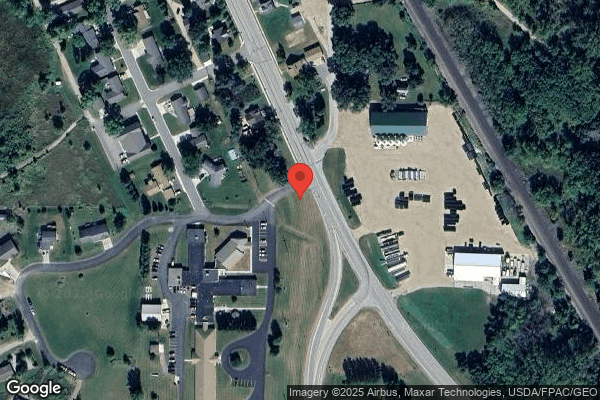
800 SPRUCE AVENUE, BARRETT, MN 56311 (320) 528-2527
For profit - Corporation 40 Beds Independent Data: November 2025
Trust Grade
93/100
#6 of 337 in MN
Last Inspection: June 2025

Inspected within the last 6 months. Data reflects current conditions.

Overview

Barrett Care Center Inc has received an excellent Trust Grade of A, indicating it is highly recommended for families considering care options. With a state ranking of #6 out of 337 facilities, it stands in the top tier in Minnesota, and as the only option in Grant County, it surpasses any local alternatives. The facility's performance has been stable, showing no significant improvement or decline in issues over the past couple of years. Staffing is a strong point, with a perfect 5-star rating and a turnover rate of 26%, which is well below the state average, meaning staff are likely experienced and familiar with the residents' needs. However, there are some concerns, including incidents where employee illnesses were not monitored for potential outbreaks and a failure to label medication properly, which could impact resident safety. Despite these weaknesses, the lack of fines and solid RN coverage contribute to a generally positive environment for residents.

Trust Score
A
93/100
In Minnesota
#6/337
Top 1%
Safety Record
Low Risk
No red flags
Inspections
Holding Steady
2 → 2 violations
Staff Stability
✓ Good
26% annual turnover. Excellent stability, 22 points below Minnesota's 48% average. Staff who stay learn residents' needs.
Penalties
✓ Good
No fines on record. Clean compliance history, better than most Minnesota facilities.
Skilled Nurses
✓ Good
Each resident gets 63 minutes of Registered Nurse (RN) attention daily — more than 97% of Minnesota nursing homes. RNs are the most trained staff who catch health problems before they become serious.
Violations
✓ Good
Only 4 deficiencies on record. Cleaner than most facilities. Minor issues only.
★★★★★
5.0
Overall Rating
★★★★★
5.0
Staff Levels
★★☆☆☆
2.0
Care Quality
★★★★☆
4.0
Inspection Score
Stable
2024: 2 issues
2025: 2 issues

The Good

  • 5-Star Staffing Rating · Excellent nurse staffing levels
  • Low Staff Turnover (26%) · Staff stability means consistent care
  • Full Sprinkler Coverage · Fire safety systems throughout facility
  • No fines on record
  • Staff turnover is low (26%)

    22 points below Minnesota average of 48%

Facility shows strength in staffing levels, staff retention, fire safety.

The Bad

No Significant Concerns Identified

This facility shows no red flags. Among Minnesota's 100 nursing homes, only 1% achieve this.

The Ugly 4 deficiencies on record

Jun 2025 2 deficiencies
CONCERN (D)

Potential for Harm - no one hurt, but risky conditions existed

Deficiency F0761 (Tag F0761)

Could have caused harm · This affected 1 resident

**NOTE- TERMS IN BRACKETS HAVE BEEN EDITED TO PROTECT CONFIDENTIALITY** Based on observation, interview, and document review, the facility failed to follow manufacturer's instructions and label liquid...

Read full inspector narrative →
**NOTE- TERMS IN BRACKETS HAVE BEEN EDITED TO PROTECT CONFIDENTIALITY** Based on observation, interview, and document review, the facility failed to follow manufacturer's instructions and label liquid gabapentin (used to treat seizures) solution with an open and discard date for 1 of 1 resident (R24) reviewed for medication storage for 1 of 1 medication rooms. Findings include: Observation on [DATE] at 7:15 p.m., identified 1 of 1 medication room fridge had a opened bottle of liquid gabapentin with R24's name on the label had no open or discard date on the bottle. R24's current, undated diagnoses sheet identified R24 had dementia, anxiety, and idiopathic peripheral autonomic neuropathy (nerve damage that affects body functions, such as the heart rate, blood pressure, digestion and temperature). R24's [DATE], medication administration report (MAR) identified R24 was to receive gabapentin 250 milligram (mg)/ 5 milliliter (ml), give 2 mls by mouth daily, 2 mls equals 100mg and gabapentin 250 mg/5 ml, give 6 mls by mouth daily, 6 mls equals 300mg can be given in water for anxiety. Interview on [DATE] at 7:22 p.m., with licensed practical nurse (LPN)-A identified R24's solution bottle had no open date or discard date on the label. LPN-A identified R24 medication bottle last up to 90 days, once the seal had been broken. Interview on [DATE] at 7:39 p.m., with registered nurse (RN)-B had initially opened the bottle to administer the medication to R24 during his shift, however, RN-B forgot to label the bottle before returning it to the medication fridge. RN-B identified R24's medication was delivered to the facility on [DATE], however, RN-B could not provide documentation to support when the medication was delivered. Observation and interview on [DATE] at 3:08 p.m., with director of nursing (DON) confirmed R24's solution bottle had no open or discard date on the label. The local pharmacy was called for instructions to identify when R24's solution bottle was to be expired. The pharmacy directed the facility to use the manufacture's label on the bottle, as directed. When asked if there was supporting documentation of when the pharmacy was notified, the DON could not provide documentation of when the call was placed. Interview on [DATE] at 3:55 p.m., with licensed pharmacist would expect medications to be labeled with an open or discard date to identify medication use before it expired. Interview on [DATE] at 4:02 p.m., with local pharmacy identified R24's gabapentin solution bottle had a highlighted bold date of [DATE]. The date listed on the bottle was when the medication was prepared and was to be used within one year before it expired. Interview on [DATE] at 11:02 a.m., with registered nurse (RN)-A identified the local pharmacy was contacted during the survey to find out when R24's medication was to be expired. RN-A would expect nursing staff to label medications with an open or discard date, when used. Review of [DATE], Labeling of Medications policy identified the facility was to have procedures in place to ensure medications was properly labeled in accordance with state and federal regulations.
CONCERN (F)

Potential for Harm - no one hurt, but risky conditions existed

Infection Control (Tag F0880)

Could have caused harm · This affected most or all residents

Based on interview and document review, the facility failed to analyze the data from the employee illnesses tracking to determine a potential outbreak of Norovirus when 3 of 4 employees (nursing assis...

Read full inspector narrative →
Based on interview and document review, the facility failed to analyze the data from the employee illnesses tracking to determine a potential outbreak of Norovirus when 3 of 4 employees (nursing assistant (NA)-B, licensed practical nurse (LPN)-A, assistant director of nursing (ADON)) were out ill with diarrhea and emesis who returned to work within 24 hours. Additionally, the facility failed to have a system in place to monitor resident room refrigerators for cleanliness, expired food, and appropriate temperatures for safe storage of food for 10 of 10 residents (R1, R5, R6, R9, R10, R11, R12, R19, R26, and R135) with in-room refrigerators. The deficient practices has the ability to affect all 35 residents. Findings include: EMPLOYEE SURVEILLANCE Review of the 2024-2025 Norovirus Information for Long-term Care Facilities, located at, https://www.health.state.mn.us/diseases/foodborne/outbreak/facility/ltcfnorotoolkit.pdf, identified Norovirus common symptoms as diarrhea, vomiting, nausea, abdominal pain, low-grade fever, headache, body aches. Monitor for staff illness and restrict ill staff/volunteers from patient care and food handling duties until 72 hours after their vomiting/diarrhea has ended. Review of Staff Illness surveillance for the month of March 2025, identified: 1) 3/18/25, LPN-A called in with signs/symptoms (s/s) of diarrhea and vomiting. NA-A returned to work on 3/19/25, the next day. 2) 3/24/25, NA-B called in with s/s of diarrhea, vomiting, and body aches. NA-B returned to work on 3/25/25, the next day. 3) 3/25/25, NA-A called in with s/s of diarrhea, vomiting, and sore throat. NA-A returned to work on 4/4/25, 9 days later. 4) 3/27/25, the assistant director of nursing (ADON) called in with s/s diarrhea and vomiting. The ADON returned to work on 3/28/25, the next day. Review of Resident illness surveillance for the month of March 2025, identified no residents with gastrointestinal (GI) symptoms. Interview on 6/24/25 at 2:38 p.m., with the director of nursing (DON) identified that the charge nurse determined if a staff could return to work. The charge nurse assessed the staff and made that determination prior to the staff working. When asked about the body aches, diarrhea, and vomiting symptom, if those could potentially be the symptoms of norovirus, the DON said she would need to review the policy. When asked about following the facility return to work policy the DON responded stated she would need to review the policy. Interview on 6/24/25 at 2:43 p.m., with ADON when asked if staff with s/s of diarrhea and vomiting, potential s/s of norovirus should have returned to work within 24 hours. She replied that the charge nurse had to assess staff and clear them to return to work. When asked about the facility return to work policy, which identified if symptoms are consistent with norovirus infection, employees should stay home for a minimum of 48 hours after symptom resolution. She reported she thought her s/s were more food poisoning. She identified she had reviewed the staff surveillance and determined that no staff had worked the same shift and there had been no correlation or pattern noted. She would provide documentation of the review for March employee call-ins. On 6/25/25, the ADON provided the first quarter 2025, infection control report brought forth to the QAPI meeting which identified for the month of March items reviewed in bullet points as: 1) Preparing for COVID booster clinic in April. 2) Educated on policy for employee emesis. 3) Identified 50% of infections were on the north end of the building. 4) Noted GI signs and symptoms in staff, potential trend, reviewed staff members/dates, but not noted to be correlated with each other. The infection control report lacked documentation of analysis of how the March GI staff illness were determined to not be correlated. Review of the 4/24/25, first quarter QAPI meeting minutes provided by QAPI coordinator. Included the infection control report brought forth to the QAPI meeting by infection preventionist (IP) and ADON which identified for the month of March items reviewed in bullet points as: 1) Preparing for COVID booster clinic in April. 2) There had been a noted trend of limited documentation of infections noted in chart besides on the MAR. This made it hard to paint a clear picture of what the signs and symptoms were, when they started, or how the specific signs and symptoms had improved or not. 3) Should consider monitoring all wounds for signs and symptoms of infection. 4) Educated on policy for employee emesis. 5) Identified 50% of infections were on the north end of the building. There was no notation of the information provided by the ADON, in March 2025, on GI signs and symptoms in staff, potential trend, with no correlation noted in the report provided by QAPI coordinator. Interview on 6/24/25 at 12:40 p.m., with administrator identified that the charge nurse assessed an employee and had to clear the employee before they were allowed to return to work. The charge nurse had access to the staff illness form which identified the employee reason for call in and symptoms. The administer declined to confirm she would expect staff to follow the facility policy on return-to-work criteria. Review of undated, Employee Illnesses and Return to Work Criteria policy identified if symptoms are consistent with norovirus infection, employees should stay home for a minimum of 48 hours after symptom resolve. The policy identified that the IP would monitor staff illness log monthly or periodically for actions to be taken when trends are noted to prevent spread of infection. The policy lacked any mention that the IP should be monitoring staff illness on an ongoing basis to prevent potential outbreaks. REFRIDGERATORS Observation and interview on 6/25/25 at 4:30 p.m , of R1's room where there was a small refrigerator larger than a dorm styled one, with multiple bottles of water stacked inside. There was a thermometer located inside the refrigerator but no sign of a temperature log within the room. R1 reported he was unsure if anyone cleaned his refrigerator or if anyone monitored the temperature of the refrigerator. He reported he only kept water in the refrigerator as he like cold water. Observation on 6/25/25 at 4:40 p.m., of R12's room where there was a small dorm style refrigerator. Inside the refrigerator was 3 individual containers of applesauce and a thermometer. There was no sign of a temperature log within the room. Observation and interview on 6/25/25 at 4:43 p.m., of R19's room where there was a small dorm style refrigerator. Inside the refrigerator was a can of soda and a thermometer. There was no sign of a temperature log within the room. R19 was unsure if anyone cleaned the refrigerator or if anyone checked the temperature of the refrigerator, he had not seen anyone ever do that. Observation on 6/23/25 at 2:00 p.m., the following was observed: 1.) R5's had a small refrigerator with a freezer located in her room. The freezer had ice cream bars and a small container of sherbet. The freezer had 1-2 inches of frost built up around the top and the freezer door was difficult to close. The refrigerator had a container of yogurt and 2 containers of apple juice. On the bottom shelf was 4 glass flower vases that had a unknown green and black substance dried on the inside of them. The bottom shelves had a pink stick substance with dirt/dust particles noted on the inner shelves and sides of the refrigerator. There was no thermometer located in the refrigerator or freezer. 2.) R6 had a small refrigerator with a freezer in her room. The refrigerator contained jelly, pop, fruit juice, fruit cups, and chocolate bars. The thermometer read 41 degrees. The freezer did not have a thermometer. 3.) R9 had a small refrigerator with a freezer located in his room, the freezer contained 2 frozen Ribeye steaks. The freezer did not have a thermometer. The refrigerator contained jelly and summer sausage. The refrigerator had a thermometer that read 39 degrees. 4.) R10 had a small refrigerator with a freezer located in her room. The refrigerator contained Gatorade, yogurt, and ranch dressing. A thermometer was in the refrigerator that read 39 degrees. The freezer did not have a thermometer. 5.) R26 had a refrigerator inside her room, the refrigerator had ranch dressing and cheese inside. There was no thermometer observed in the refrigerator or freezer. None of the refrigerators were observed to have a log present for monitoring temperature, nor was there any dating on food items to ensure food was discarded appropriately to prevent food-borne illness. Observation on 6/23/25 at 7:06 p.m., of R11's room fridge identified a small thermometer positioned on bottom floor of the fridge with a temperature of 39 degrees. The fridge appeared clean and had several unopened cans of Coca-Cola soda that was stored. Observation and interview on 6/24/25 at 4:51 p.m., of R135's room fridge identified a small thermometer that was placed on the second shelf of the fridge with a temperature of 39 degrees. Family member (FM)-A grabbed a small plastic container of carrots and with a date of 5/16/25 on the lid. FM-A opened the lid and identified small white fuzzy coat surrounding the outside of the carrots. FM-A stated to R135 that R135's carrots were expired. R135 replied, throw it away. FM-A discarded the item. FM-A discovered a four-ounce container of blueberry yogurt with an expiration date of 6/10/25. FM-A had informed R135, the yogurt may not be safe to eat. R135 stated none of the employees come in and check the food products in R135's fridge and was not aware what the normal temperature of R135's fridge should be for R135's food to stay cold when stored. Neither R11 and R135's room had no evidence temperatures were logged or recorded daily to ensure food remained at safe temperatures. Interview on 6/24/25 at 7:50 a.m., with housekeeper (HK)-A identified they do not have a schedule for checking refrigerators temps or cleaning but she says she does check them maybe every couple weeks Interview on 6/24/25 at 8:00 p.m., with the administrator identified she agreed with the above findings, and thought housekeeping was monitoring the resident refrigerators and had a process to ientify when food shoud be discarded, however, when she had spoken to the supervisor, she was told they had not been logging any temps or signing off the resident refrigerators had been cleaned or checked for expired foods. Interview on 6/25/25 at 8:15 a.m., with the housekeeping supervisor they check the refrigerators every Thursday and if there is old food in the fridge, they ask the resident if they can throw it away. If the resident says no, they leave the expired food in the refrigerator and go back and ask on another day. She identified she had no logs to show when the refrigerators were checked and had not audited to ensure the task was being completed. Review of the undated Resident Refrigerator policy was one paragraph as follows: Refrigerators and freezers will be examined by staff on bath day. The staff will make sure fridge looks clean and that there is no old food. The refrigerators will be thoroughly cleaned, old food thrown and wiped down when resident discharges form the facility. The policy made no mention of how the facility would monitor temperatures of resident refrigerators or freezers to ensure food could be safely stored.
Aug 2024 2 deficiencies
CONCERN (D)

Potential for Harm - no one hurt, but risky conditions existed

Deficiency F0568 (Tag F0568)

Could have caused harm · This affected 1 resident

**NOTE- TERMS IN BRACKETS HAVE BEEN EDITED TO PROTECT CONFIDENTIALITY** Based on interview and document review, the facility failed to ensure resident trust account statements were provide on at least...

Read full inspector narrative →
**NOTE- TERMS IN BRACKETS HAVE BEEN EDITED TO PROTECT CONFIDENTIALITY** Based on interview and document review, the facility failed to ensure resident trust account statements were provide on at least a quarterly basis for 1 of 1 residents (R8) reviewed for personal fund accounts. Findings include: R8's quarterly minimum data set (MDS) dated [DATE], indicate R8 was cognitively intact. During interview on 8/14/24 at 12:52 p.m., R8 stated she did not receive any kind of statements from the facility. R8 stated she made her own decisions, but her daughter took care of the bills. R8 then called her daughter on speaker phone and asked if she received any financial statements from the facility. R8's daughter stated she received monthly billing statements, however, she did not receive a statement for R8's personal funds account. During interview on 8/14/24 at 1:11 p.m., business office manager (BM) stated the facility had a separate account set up for personal funds. BM stated bank statements were sent to her and she would balance each personal account against the bank statements. BM stated she used an excel spreadsheet to track resident personal fund accounts and cognitive residents who wanted to know their balance could ask her for that information. BM went on to state if a resident requested a statement, she would print it but did not routinely provide personal account statements to residents or families. Facility policy Resident Personal Funds indicated to comply with regulations regarding the management of resident personal funds the facility will set as a fiduciary of the residents' funds and hold, safeguard, manage, and account for the personal funds of the residents' funds. The policy further indicated records of receipts, disbursements, balances, and notices would be open to the resident or guardian or Department of Health upon request. The policy lacked information on frequency of issuing statements.
CONCERN (D)

Potential for Harm - no one hurt, but risky conditions existed

Infection Control (Tag F0880)

Could have caused harm · This affected 1 resident

**NOTE- TERMS IN BRACKETS HAVE BEEN EDITED TO PROTECT CONFIDENTIALITY** Based on observation, interview and document review the facility failed to ensure proper handwashing and glove usage was impleme...

Read full inspector narrative →
**NOTE- TERMS IN BRACKETS HAVE BEEN EDITED TO PROTECT CONFIDENTIALITY** Based on observation, interview and document review the facility failed to ensure proper handwashing and glove usage was implemented for 1 of 1 resident (R16) observed for wound cares. Findings include: R16's face sheet dated 8/14/24, identified diagnoses including hereditary spastic paraplegia (genetic inability to move limbs/body), neuromuscular dysfunction of the bladder (bladder dysfunction-requires catheterization), weakness, and dementia. R16's quarterly minimum data set (MDS) dated [DATE], identified R16 had moderate cognitive impairment, and was completely dependent for mobility and self-cares. R16's Order Summary Report dated 8/15/24, indicated wound care orders for a stage three pressure ulcer to the coccyx (lower back-area just above buttocks) which stated the following: Cleanse with wound cleaner, apply skin prep to peri wound and apply a foam bordered dressing 3x (3 times) a week and as needed (PRN). On 8/14/24 at 11:48 a.m., registered nurse (RN)-B completed a dressing change on R16's wound site. RN-B was wearing gloves and removed the soiled dressing from R16's wound. RN-B did not change gloves or perform hand hygiene. RN-B proceeded to apply wound cleaner and cleaned the wound with soiled gloves. After cleansing of the wound, RN-B removed gloves and preformed hand hygiene. RN-B placed the new dressing. RN-B removed gloves, however, did not preform hand hygiene. The wound was covered. RN-B turned R16 on to their back and placed a clean split gauze over R16's super pubic catheter site (open area in the pelvic skin that allows for the catheter to pass to the bladder instead of through the urethra) prior to performing hand hygiene or donning gloves On 8/14/24 at 12:06 p.m., nursing assistant (NA)-A, who had been assisting RN-B with R16 dressing change, removed their gown and gloves. NA-A exited the room with the resident and assisted R16 to the dining room to eat lunch, however NA-A did not preform hand hygiene after providing resident cares. On 8/14/24 at 12:07 p.m., RN-B stated staff were expected to wash hands when entering or exiting a room, taking off gloves, hands are visibly soiled, and doing cares. RN-B stated they had not worn gloves because the tape used to secure the gauze stuck to the gloves. RN-B stated they should have completed hand hygiene every time gloves were removed. On 8/14/24 at 12:09 p.m., NA-A stated they were expected to wash hands when entering or exiting a room, taking off gloves, and doing cares. NA-A stated they had brought the resident to the dining room and had washed their hands after exiting the dining room. NA-A confirmed they should have washed their hands prior to exiting the resident's room. On 8/14/24 at 12:34 p.m., the infection preventionist (RN)-A stated staff were expected to wash their hands after cares, taking off gloves, during dressing changes, and when hands were visibly soiled. RN-A confirmed during dressing changes, after removing gloves, and when leaving the resident's room, hand hygiene should have been completed to prevent the spread of infection. On 8/15/24 at 09:49 a.m., the director of nursing (DON) (O)-A expected staff to preform hand hygiene before and after cares, and when visibly soiled. The DON confirmed hand hygiene should have been completed after removing the soiled dressings during a dressing change and before moving to a different site to prevent the spread of infection. Further, hand hygiene should have been performed prior to exiting a resident's room. The undated Standard Precaution-Hand Hygiene Policy indicated the following: Hand hygiene should be preformed during the, but not limited to the following situations: -Coming on duty -When hands are visibly soiled -Before and after: Direct resident contact Performing invasive procedures Entering isolation settings Eating or handling food Assisting residents with meals Assisting resident with personal cares Inserting indwelling catheters Handing catheters and invasive devices Changing a dressing Assisting a resident with toileting
Understanding Severity Codes (click to expand)
Life-Threatening (Immediate Jeopardy)
J - Isolated K - Pattern L - Widespread
Actual Harm
G - Isolated H - Pattern I - Widespread
Potential for Harm
D - Isolated E - Pattern F - Widespread
No Harm (Minor)
A - Isolated B - Pattern C - Widespread

Questions to Ask on Your Visit

  • "Can I speak with families of current residents?"
  • "What's your RN coverage like on weekends and overnight?"

Our Honest Assessment

Strengths
  • • Grade A (93/100). Above average facility, better than most options in Minnesota.
  • • No major safety red flags. No abuse findings, life-threatening violations, or SFF status.
  • • No fines on record. Clean compliance history, better than most Minnesota facilities.
  • • Only 4 deficiencies on record. Cleaner than most facilities. Minor issues only.
Concerns
  • • No significant concerns identified. This facility shows no red flags across CMS ratings, staff turnover, or federal penalties.
Bottom line: Generally positive indicators. Standard due diligence and a personal visit recommended.

About This Facility

What is Barrett Inc's CMS Rating?

CMS assigns BARRETT CARE CENTER INC an overall rating of 5 out of 5 stars, which is considered much above average nationally. Within Minnesota, this rating places the facility higher than 99% of the state's 100 nursing homes. This rating reflects solid performance across the metrics CMS uses to evaluate nursing home quality.

How is Barrett Inc Staffed?

CMS rates BARRETT CARE CENTER INC's staffing level at 5 out of 5 stars, which is much above average compared to other nursing homes. Staff turnover is 26%, compared to the Minnesota average of 46%. This relatively stable workforce can support continuity of care.

What Have Inspectors Found at Barrett Inc?

State health inspectors documented 4 deficiencies at BARRETT CARE CENTER INC during 2024 to 2025. These included: 4 with potential for harm.

Who Owns and Operates Barrett Inc?

BARRETT CARE CENTER INC is owned by a for-profit company. For-profit facilities operate as businesses with obligations to shareholders or private owners. The facility operates independently rather than as part of a larger chain. With 40 certified beds and approximately 36 residents (about 90% occupancy), it is a smaller facility located in BARRETT, Minnesota.

How Does Barrett Inc Compare to Other Minnesota Nursing Homes?

Compared to the 100 nursing homes in Minnesota, BARRETT CARE CENTER INC's overall rating (5 stars) is above the state average of 3.2, staff turnover (26%) is significantly lower than the state average of 46%, and health inspection rating (4 stars) is above the national benchmark.

What Should Families Ask When Visiting Barrett Inc?

Based on this facility's data, families visiting should ask: "Can I visit during a mealtime to observe dining assistance and food quality?" "How do you handle medical emergencies, and what is your hospital transfer rate?" "Can I speak with family members of current residents about their experience?"

Is Barrett Inc Safe?

Based on CMS inspection data, BARRETT CARE CENTER INC has a clean safety record: no substantiated abuse findings (meaning no confirmed cases of resident harm), no Immediate Jeopardy citations (the most serious violation level indicating risk of serious injury or death), and is not on the Special Focus Facility watch list (a federal program monitoring the lowest-performing 1% of nursing homes). The facility has a 5-star overall rating and ranks #1 of 100 nursing homes in Minnesota. While no facility is perfect, families should still ask about staff-to-resident ratios and recent inspection results during their visit.

Do Nurses at Barrett Inc Stick Around?

Staff at BARRETT CARE CENTER INC tend to stick around. With a turnover rate of 26%, the facility is 19 percentage points below the Minnesota average of 46%. Low turnover is a positive sign. It means caregivers have time to learn each resident's needs, medications, and personal preferences. Consistent staff also notice subtle changes in a resident's condition more quickly.

Was Barrett Inc Ever Fined?

BARRETT CARE CENTER INC has no federal fines on record. CMS issues fines when nursing homes fail to meet care standards or don't correct problems found during inspections. The absence of fines suggests the facility has either maintained compliance or corrected any issues before penalties were assessed. This is a positive indicator, though families should still review recent inspection reports for the full picture.

Is Barrett Inc on Any Federal Watch List?

BARRETT CARE CENTER INC is not on any federal watch list. The most significant is the Special Focus Facility (SFF) program, which identifies the bottom 1% of nursing homes nationally based on persistent, serious quality problems. Not being on this list means the facility has avoided the pattern of deficiencies that triggers enhanced federal oversight. This is a positive indicator, though families should still review the facility's inspection history directly.