LAKEWOOD CARE CENTER
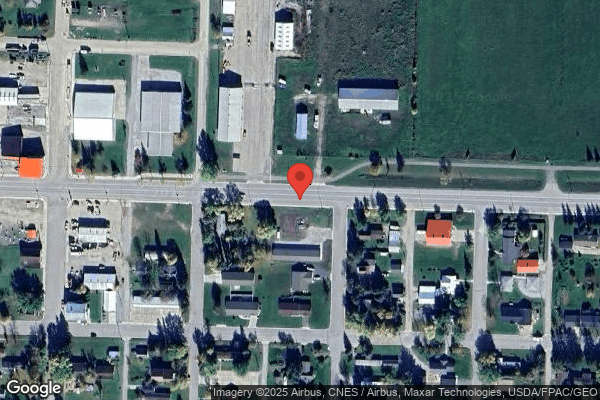
600 MAIN AVENUE SOUTH, BAUDETTE, MN 56623 (218) 634-3401
Non profit - Church related 32 Beds COMMONSPIRIT HEALTH Data: November 2025 1 Immediate Jeopardy citation
Trust Grade
51/100
#125 of 337 in MN
Last Inspection: June 2025

Inspected within the last 6 months. Data reflects current conditions.

Overview

Lakewood Care Center in Baudette, Minnesota, has a Trust Grade of C, which means it is average compared to other facilities. It ranks #125 out of 337 in Minnesota, placing it in the top half of nursing homes in the state, and is the only facility in Lake of Woods County. Unfortunately, the facility is experiencing a worsening trend, with issues increasing from 6 in 2024 to 8 in 2025. Staffing is a strength, with a 5/5 star rating and a turnover rate of 38%, which is better than the state average. However, the facility has concerning RN coverage, as it has less than 85% of Minnesota facilities, which can impact the quality of care. Recent inspections revealed significant issues, including a critical incident where a resident who was at risk for elopement left the facility unsupervised for nearly 11 hours, posing serious safety risks. There was also a serious finding related to inadequate fall interventions for another resident, resulting in a humerus fracture. Additionally, the facility failed to ensure that a certified dietary manager supervised kitchen operations, which could affect food safety for all residents. Overall, while there are strengths in staffing, the facility has critical weaknesses that families should carefully consider.

Trust Score
C
51/100
In Minnesota
#125/337
Top 37%
Safety Record
High Risk
Review needed
Inspections
Getting Worse
6 → 8 violations
Staff Stability
○ Average
38% turnover. Near Minnesota's 48% average. Typical for the industry.
Penalties
⚠ Watch
$8,421 in fines. Higher than 85% of Minnesota facilities, suggesting repeated compliance issues.
Skilled Nurses
✓ Good
Each resident gets 47 minutes of Registered Nurse (RN) attention daily — more than average for Minnesota. RNs are trained to catch health problems early.
Violations
⚠ Watch
22 deficiencies on record. Higher than average. Multiple issues found across inspections.
★★★★☆
4.0
Overall Rating
★★★★★
5.0
Staff Levels
★★★☆☆
3.0
Care Quality
★★★☆☆
3.0
Inspection Score
Stable
2024: 6 issues
2025: 8 issues

The Good

  • 5-Star Staffing Rating · Excellent nurse staffing levels
  • Full Sprinkler Coverage · Fire safety systems throughout facility
  • No fines on record
  • Staff turnover below average (38%)

    10 points below Minnesota average of 48%

Facility shows strength in staffing levels, fire safety.

The Bad

Staff Turnover: 38%

Near Minnesota avg (46%)

Typical for the industry

Federal Fines: $8,421

Below median ($33,413)

Minor penalties assessed

Chain: COMMONSPIRIT HEALTH

Part of a multi-facility chain

Ask about local staffing decisions and management

The Ugly 22 deficiencies on record

1 life-threatening 1 actual harm
Jun 2025 8 deficiencies
CONCERN (D)

Potential for Harm - no one hurt, but risky conditions existed

Deficiency F0637 (Tag F0637)

Could have caused harm · This affected 1 resident

**NOTE- TERMS IN BRACKETS HAVE BEEN EDITED TO PROTECT CONFIDENTIALITY** Based on interview and document review, the facility failed to ensure a significant change in status assessment (SCSA) was compl...

Read full inspector narrative →
**NOTE- TERMS IN BRACKETS HAVE BEEN EDITED TO PROTECT CONFIDENTIALITY** Based on interview and document review, the facility failed to ensure a significant change in status assessment (SCSA) was completed when two or more areas in resident status were identified on the Minimum Data Set (MDS) for 1 of 4 residents (R6) reviewed for MDS accuracy. Findings include: R6's quarterly MDS dated [DATE], identified R6 required maximum assistance with dressing both upper and lower body, was independent with bed mobility, and required maximum assistance with transfers and ambulation of ten feet. R6 was frequently incontinent of bowel. R6's quarterly MDS dated [DATE], identified R6 was dependent with dressing both upper and lower body, dependent with bed mobility and transfers and was unable to ambulate. R6 was always incontinent of bowel. The above assessments identified a change in status for dressing, bed mobility, transfers, ambulation and bowel incontinence. When interviewed on 6/24/25, at 3:00 p.m. nursing assistant (NA)-B stated R6 could stand and pivot with transfers. If R6 was having a really good day could do so with assist of one person, but otherwise required two-person assistance. During observation and interview on 6/24/25, at 4:27 p.m. NA-E and NA-F entered R6's room to assist her with toileting. After applying a gait belt the two aides assisted R6 to her bed to lie down. After gloving the aides removed R6's pants and brief and provided peri care. The aides rolled R6 from side to side to assist with peri care and applied a clean brief. R6's arms were crossed over her chest, and she made no attempt to assist with rolling back and forth in the bed. NA-E stated they have to assist R6 to turn side to side when assisting with toileting. During interview on 6/25/25, at 4:05 p.m. registered nurse (RN)-B stated she reviewed the completed resident assessments, aide and nurse documentation to complete a resident's MDS. R6's May MDS should have been a significant change MDS instead of a quarterly as R6 had some decline in her functional abilities and mobility, related to R6's disease process. RN-B was now trying to review the resident care plans when she completed the resident MDS assessments to make sure they matched and if a lot of change was needed to the care plan that would trigger with RN-B the resident could need a significant change MDS, and she would be able to catch those changes more easily. The CMS's (Centers for Medicaid and Medicare Services) RAI (Resident Assessment Instrument) Version 3.0 Manual pages 2-21 through 2-28 indicated 03. Significant Change in Status Assessment (SCSA). Assessment Management Requirements and Tips for Significant Change in Status Assessments: A SCSA is appropriate when: There is a determination that a significant change (either improvement or decline) in a resident's condition from his/her baseline has occurred as indicated by comparison of the resident current status to the most recent comprehensive assessment and any subsequent quarterly assessments; and The resident's condition is not expected to return to baseline within two weeks. Guidelines for Determining a Significant Change in Resident Status: The final decision what constitutes a significant change in status must be based upon the judgment of the IDT (interdisciplinary team). MDS assessments are not required for minor or temporary variations in resident status - in these cases, the resident's condition is expected to return to baseline within two weeks. However, staff must note these transient changes in the resident status in the resident's record and implement necessary assessment, care planning, and clinical interventions, even though an MDS assessment is not required. Some Guidelines to Assist in Deciding If a Change is Significant or Not: Any decline in an ADL physical function area where a resident is newly coded as partial/moderate assistance, substantial/maximal assistance, dependent, resident refused, or the activity was not attempted since last assessment and does not reflect normal fluctuations in that individual ' s functioning; Resident incontinence pattern changes or there was placement of an indwelling catheter. The policy Resident Assessment Instrument dated July 2019, identified at any time a resident had a significant change in status as defined in the RAI manual the RN would initiate a comprehensive assessment. A significant change was defined as a major decline or improvement in a resident's status that would not normally resolve itself without intervention, impacts more than one area of the resident's health status and requires interdisciplinary review and/or revision of the care plan. A significant change in status MDS was required when a resident experiences a consistent pattern of changes with either two or more areas of decline or improvement from baseline.
CONCERN (D)

Potential for Harm - no one hurt, but risky conditions existed

MDS Data Transmission (Tag F0640)

Could have caused harm · This affected 1 resident

**NOTE- TERMS IN BRACKETS HAVE BEEN EDITED TO PROTECT CONFIDENTIALITY** Based on interview and document review, the facility failed to ensure a subset (i.e., discharge) Minimum Data Set (MDS) was comp...

Read full inspector narrative →
**NOTE- TERMS IN BRACKETS HAVE BEEN EDITED TO PROTECT CONFIDENTIALITY** Based on interview and document review, the facility failed to ensure a subset (i.e., discharge) Minimum Data Set (MDS) was completed and transmitted to the Centers for Medicare and Medicaid (CMS) database in a timely manner for 1 of 2 residents (R24) reviewed for resident assessment. Findings include: The CMS Long-Term Care Facility Resident Assessment Instrument 3.0 User's Manual, dated 10/2023, identified all applicable MDS along with their completion and transmission dates required. This included, Discharge Assessment - return not anticipated, listed with a transmission date of, MDS Completion Date + 14 calendar days. R24's unsigned discharge MDS dated [DATE], identified discharged -return not anticipated. R24's progress notes identified R24's was admitted on [DATE], and discharged home with his son on 1/28/25. R24's electronic medical records identified the discharge MDS was in-progress. During an interview on 2/26/25 at 2:05 p.m., registered nurse (RN)-A, identified R24 had a planned discharge and the MDS was completed by an RN manager and then was reviewed by another RN or the director of nursing (DON). Once the MDS was reviewed it would be submitted to CMS. The discharge MDS should have been completed and submitted to CMS with-in 14 days of discharge. RN-A reviewed R24's medical record and identified R24's discharge MDS was not signed or submitted to CMS. It was missed and did not know why. During an interview on 6/26/25 at 2:22 p.m., the DON stated the RN managers completed the discharge MDS and then it would be reviewed by the other RN manager or the DON. R24's discharge MDS was missed somehow and was not completed or submitted. It was expected all MDSs would be completed and submitted per guidance from CMS. The facility's Resident Assessment Instrument policy dated 2025 did not identify handling of a discharge MDS.
CONCERN (D)

Potential for Harm - no one hurt, but risky conditions existed

Assessment Accuracy (Tag F0641)

Could have caused harm · This affected 1 resident

**NOTE- TERMS IN BRACKETS HAVE BEEN EDITED TO PROTECT CONFIDENTIALITY** Based on interview and document review the facility failed to ensure weight loss was accurately coded on the Minimum Data Set (M...

Read full inspector narrative →
**NOTE- TERMS IN BRACKETS HAVE BEEN EDITED TO PROTECT CONFIDENTIALITY** Based on interview and document review the facility failed to ensure weight loss was accurately coded on the Minimum Data Set (MDS) 1 of 2 residents (R22) reviewed for nutrition. Findings include: R22's significant change MDS dated [DATE], identified R22 had severe cognitive impairment. Under Section K: Swallowing/Nutritional Status, R22's weight was recorded as 96 pounds (lbs) and as having had no or unknown weight loss or gain since the last assessment period. R22's Weights and Vitals Summary dated 4/1/25 to 6/23/25 identified the following recorded weights for R22: - 4/1/25 R22's weight was 104.8 lbs. - 5/1/25 R22's weight was 100.2 lbs. - 6/2/25 R22's weight was 89.2 lbs., a 14.89% weight loss in nine weeks - 6/9/25 R22's weight was 96 lbs., a weight gain of 7 lbs. in one week - 6/16/25, R22's weight was 90 lbs. - 6/23/25, R22's weight was 87.6 lbs., a 16.41% weight loss in 12 weeks When interviewed on 6/24/25, at 3:24 p.m. the dietary manager (DM)-B stated she completed Section K: Swallowing/Nutritional Status for all the resident MDS assessments scheduled. DM-B had not realized she marked no for weight loss on R22's significant change MDS dated [DATE]. R22 had a weight loss and had been discussed at the facility's high risk team meetings. The MDS had been coded in error and should have been coded yes for a significant weight loss. During telephone interview on 6/25/25, at 8:30 a.m. the registered dietician (RD)-C stated she had not kept up with the comprehensive or significant change resident assessments. DM-B completed the MDS assessments for the residents and was the lead on monitoring resident weights. R22's intake was not good, and RD-C did not feel the weight obtained on 6/9/25, could be accurate, as it would be difficult for R22 to gain or lose that much weight in one week. R22's weight was 89.2 lbs. on the monthly report, which would represent a significant weight loss. During interview on 6/26/25, at 11:30 a.m. the director of nursing (DON) stated R22 had been on the facility's radar for weight loss and should have been coded as a significant weight loss on the significant change MDS completed on 6/12/25 The Centers for Medicare and Medicaid (CMS) Long-Term Care Resident Facility Assessment Instrument (RAI) 3.0 User's Manual dated October 2024, identified Section K: Swallowing/Nutritional Status which was intended to assess the many conditions that could affect the resident's ability to maintain adequate nutrition and hydration. Further, the manual provided several coding instructions directing staff to select code 2/yes if the resident had experienced a weight loss of 5% or more in the past 30 days or 10% or more in the past 180 days and the weight loss was not planned or prescribed by a physician. The facility policy Resident Assessment Instrument (RAI) dated July 2019, identified federal requirements required that facilities use the RAI that has been specified by the state of Minnesota. The assessment system would provide a comprehensive, accurate, standardized, reproducible assessment of each resident functional capability and help staff to identify health problems.
CONCERN (D)

Potential for Harm - no one hurt, but risky conditions existed

Deficiency F0657 (Tag F0657)

Could have caused harm · This affected 1 resident

**NOTE- TERMS IN BRACKETS HAVE BEEN EDITED TO PROTECT CONFIDENTIALITY** Based on interview and document review, the facility failed to ensure a resident's care plan was revised to include intervention...

Read full inspector narrative →
**NOTE- TERMS IN BRACKETS HAVE BEEN EDITED TO PROTECT CONFIDENTIALITY** Based on interview and document review, the facility failed to ensure a resident's care plan was revised to include interventions for infection management for 1 of 1 resident (R18) reviewed for transmission-based precautions. Findings include: R18's quarterly minimum data set (MDS) dated [DATE], identified R18 was cognitively intact and was dependent on staff for activities of daily living (ADL's). R18's diagnoses included diabetes, renal insufficiency and chronic obstructive pulmonary disease (COPD). R18's sputum culture results dated 5/30/25, identified R18 was positive for MRSA. R18's order summary report dated 6/9/25, identified R18 was to start the following medications related to diagnosis of pneumonia: - Prednisone 20 mg daily x 2 days, order date 6/9/25. - Azithromycin 250 mg daily x 3 days, order date 6/9/25. - Sulfamethoxozole-Trimethoprim 400-80 mg daily x 5 days, order date 6/9/25. - Early morning sputum culture status post antibiotic treatment, one time only, order date 6/18/25. R18's medication administration record dated 6/1/25 through 6/30/25, identified R18's last dose of Sulfamethoxozole-Trimethoprim was given on 6/14/25. R18's verbal Evaluation and Treatment of Suicidal Ideation dated 6/11/25, identified medical doctor (MD)-B ordered staff to stop wearing a gown when R18's 5 day course of antibiotics were complete. On 6/24/25 at 2:57 p.m., registered nurse (RN)-C stated R18 returned from the hospital on precautions for MRSA pneumonia. R18 stays in his room except when eating meals when he is allowed to sit at a table at an alcove across from his room. Staff sat with R18 while he ate meals. RN-C stated they had added EBP interventions to the care plan was so staff knew what was going on with the resident and what they were supposed to do when caring for him. she had not added interventions related to EBP to R18's care plan, although should have. On 6/25/25 at 10:21 a.m. nursing assistant (NA)-C stated staff were notified when a resident was on precautions through multiple ways, including by reviewing the care plan. On 6/26/25 at 8:48 a.m., RN-C stated upon R18's return from the hospital staff were supposed to wear full PPE when caring for R18. On 6/11/25, due to R18's mental health issue, MD-B was contacted and ordered to stop gowning upon R18's completion of antibiotics. R18's last antibiotic was 6/15/25, and modified precautions were initiated which included staff were to wear gown and gloves during direct cares, and R18 was allowed to sit in the hallway alcove with staff present and eat meals. RN-C was unable to determine the exact date modified precautions were started. RN-C stated the care plan was used by staff so they knew how to care for a resident. RN-C stated she had not added TBP precautions to R18's care plan although she should have. On 6/26/25 at 3:35 p.m., the director of nursing (DON) stated care plans were updated by the nurses and staff could review the care plans for changes. A care planning policy was requested and not received.
CONCERN (D)

Potential for Harm - no one hurt, but risky conditions existed

Deficiency F0692 (Tag F0692)

Could have caused harm · This affected 1 resident

**NOTE- TERMS IN BRACKETS HAVE BEEN EDITED TO PROTECT CONFIDENTIALITY** Based on observation, interview and document review, the facility failed to comprehensively assess and develop interventions to ...

Read full inspector narrative →
**NOTE- TERMS IN BRACKETS HAVE BEEN EDITED TO PROTECT CONFIDENTIALITY** Based on observation, interview and document review, the facility failed to comprehensively assess and develop interventions to reduce or prevent continued weight loss for 1 of 2 residents (R22) reviewed for nutrition. Findings include: R22's quarterly Minimum Data Set (MDS) dated [DATE], identified R22 had severe cognitive impairment, required supervision with eating and had no weight loss of 5% or greater in the past month. R22's most recent Mini-Nutritional assessment dated [DATE], identified R22 had a severe decrease in food intake, had severe dementia and a weight loss of 2.2 to 6.6 pounds in the last three months. The assessment score was 4.0 which represented malnourished. The screening lacked assessment components such as review of R22's diet, chewing or swallow status, food preferences, nutrition needs, use of supplements or snacks, oral status, lab values, review of medications and relevant conditions and diagnoses. R22's physician Order Summary Report dated 6/25/25, identified order for mechanical soft texture diet, DDS #6, soft, bite sized food with regular fluids. On 6/24/25, during observation between 8:30 to 9:30 a.m. R22 was seated in the dining room with a plate of French toast with syrup cut into four triangle pieces. R22 made attempts to pick up the quartered toast and take bites and to cut the toast into bites to eat but was unsuccessful. Nursing assistant (NA)-A sat down at R22's table to assist her with eating at 9:05 a.m., thirty minutes after R22 had been served her breakfast. R22 did pick up a quartered French toast piece when prompted by NA-A, however, made no attempt to eat it, and placed it back on to her plate. NA-A returned R22's uneaten breakfast to the kitchen and returned to give R22 a bowl of watermelon cut into bite size pieces. R22 ate the watermelon with minimal prompting. R22's Weights and Vitals Summary dated 4/1/25 to 6/23/25 identified the following recorded weight for R22: -On 4/1/25 R22's weight was 104.8 lbs. -On 5/1/25 R22's weight was 100.2 lbs. -On 6/2/25 R22's weight was 89.2 lbs., a 14.89% weight loss in nine weeks -On 6/9/25 R22's weight was 96 lbs., a weight gain of 7lbs. in one week -On 6/16/25, R22's weight was 90 lbs. -On 6/23/25, R22's weight was 87.6 lbs., a 16.41% weight loss in 12 weeks R22's care plan last revised on 6/3/25, identified R22 had an unplanned weight loss related to poor food intake with a goal to regain 2 lbs. per month. Interventions included referral to dietician, to assist at each meal for two weeks, monitor food intake at each meal, offer substitutes as requested or indicated. R22 preferred soft finger foods, grilled cheese with crust cut off and sweet foods for breakfast. R22's medical record lacked any evidence R22 had been comprehensively assessed or evaluated for the weight loss and continued weight loss. During interview on 6/24/25, at 11:26 a.m. NA-C stated R22 used to eat pretty well but now staff had to feed her much of the time and R22 did not eat well at all now. R22 seemed to have a problem with chewing and NA-C noticed recently R22 would just take the tiniest little bird bites and needed a lot of coaching and reminders to eat. When interviewed on 6/24/25, at 11:39 a.m. NA-B stated R22 could eat on her own, but staff frequently had to load the food onto her fork and then prompt R22 to eat it. NA-B noticed R22 had trouble with eating bread and things like that, so NA-B just made sure not to give her any bread. If R22 refused to eat, the staff would just come back a little later and try again. During interview on 6/24/25, at 3:20 p.m. the dietary manager (DM)-B stated she had emailed the facility's consultant dietician regarding R22's weight loss, asking for recommendations. The dietician responded on 6/6/25, with a summary of her chart review from her hospitalization dietician consult and recommendations to trial clear nutritional supplement offered one ounce per hour when awake, consider a hospice plan of care and reaffirmation of tube feeding status in R22's advanced directives. DM-B stated she had spoken with R22's spouse regarding her weight loss, but if R22 did not want to eat the facility could not force her. DM-B stated she did not feel R22's spouse was ready for a conversation regarding hospice at the time, so did not bring it up to him. DM-B told R22's spouse that staff were trying to encourage food and fluids and DM-B felt he was able to see that, as he visited daily. DM-B had noticed R22 was having some trouble with chewing certain foods and DM-B would typically get a referral for a speech evaluation to see if something was going on there but had not done so for R22 yet. The mini dietary assessment that DM-B completed on admission and quarterly did not have much to it. The dietician had given DM-B a different dietary assessment form to use a couple of months ago, but DM-B had not had the chance to discuss the form with the dietician and so had not implemented it yet. R22's weight loss was discussed at the facility's high risk management meetings. During telephone interview on 6/25/25, at 8:30 a.m. the consultant registered dietician (RD)-C stated she visited the facility at least one time per month and was in frequent contact with DM-B via email and calls, in which they discussed residents. RD-C always did an annual review on all the residents in the facility, which was last done on 6/26/24, however she had not kept up with the comprehensive and significant change assessments. DM-B did the initial assessments on new admissions, which was kind of like a screening. The mini nutritional assessment was not a comprehensive assessment and was considered more of a screening then an assessment. Dietitians were supposed to complete resident's comprehensive assessments, but RD-C had not been able to get them completed. When RD-C did complete the comprehensive assessments on residents she would chat with the resident and family, complete a comprehensive nutrition form, observe the resident eating and document a narrative note. RD-C had not done any resident assessments since the last year and RD-C felt she was missing some assessments for residents admitted during the winter as well as May and June of the current year. DM-B called her regarding R22's weight loss and they discussed R22 extensively because RD-C had received a dietary consult request on R22 from the hospital. RD-C had never seen R22 as DM-B had done the mini nutritional assessments and R22's MDS. When she had talked with DM-B, the general feeling of the team was the weight loss was related to R22's dementia diagnoses and not a swallowing issue. RD-C had not been aware R22 was not receiving the diet texture that was ordered. R22 needed a small bite size diet of foods she could put in her mouth without biting it. RD-A stated receiving the wrong textured diet could possibly contribute to R22's decrease in food intake. Further, one of the first things that needed to happen was to obtain a speech consult for R22 and possibly a dental consult. RD-C stated she held herself responsible for doing resident's comprehensive assessments and had just not been able to keep up with them. During interview on 6/26/25, at 11:30 a.m. the director of nursing (DON) stated the facility had high risk meetings to discuss resident concerns and looked at resident weight loss at those meetings. The team discussed the weight loss and tried to determine causes and interventions. R22 had been on the high-risk team's radar and they were trying to encourage food and liquids and find out favorite foods and preferences from her spouse. The facility did not have a qualified dietician on site every day because of their remote location and the DON knew DM-B had been in contact with RD-C regarding R22's weight loss. The facility staff had been incorporating interventions such as staff to sit with R22 at meals and try to assist her to eat. The facility policy Nutritional Assessment for Long-Term Care dated 9/2023, identified a Nutritional Assessment would be completed that may include all or any of the following: diagnoses, height and weight, body mass index (BMI), nutrition needs, diet order, food allergies, supplements and snacks as relevant, cultural and religious preferences, weight status; loss or gain, oral intake, medications; nutrition-related, physical and mental functioning, lab values, skin conditions as related to nutrition. and other relevant information. The Nutrition Risk Assessment would be updated quarterly or as need indicated.
CONCERN (D)

Potential for Harm - no one hurt, but risky conditions existed

Deficiency F0805 (Tag F0805)

Could have caused harm · This affected 1 resident

**NOTE- TERMS IN BRACKETS HAVE BEEN EDITED TO PROTECT CONFIDENTIALITY** Based on observation, interview and document review, the facility failed to provide the diet texture ordered to 1 of 3 residents...

Read full inspector narrative →
**NOTE- TERMS IN BRACKETS HAVE BEEN EDITED TO PROTECT CONFIDENTIALITY** Based on observation, interview and document review, the facility failed to provide the diet texture ordered to 1 of 3 residents (R22) reviewed for nutrition. Findings include: R22's significant change Minimum Data Set (MDS) dated [DATE], identified R22 had severe cognitive impairment and required supervision with setup assistance for eating. R22's Order Summary Report dated 6/25/25, identified an order for a modified reducing diet, mechanical soft texture, soft bite sized food and regular fluids. During observation on 6/24/25, between 8:30 a.m. to 9:30 a.m. R22 was seated in a reclining wheelchair at a table in the facility's dining area. R22 was served a plate of breakfast food. The plate had a slice of french toast cut into four triangle sections and pancake syrup over the toast, spilling onto the plate. R22 picked up a triangle section of french toast and put part of the slice in her mouth, attempting to bite off a small section. R22 was unable to break off a bite, sucked on the piece of toast and put the triangle slice back on the plate. R22 dipped her finger in the syrup and licked the syrup off her finger. R22 tried to cut the french toast on her plate with a fork and was unable. At 9:00 a.m. nursing assistant (NA)-A sat down next to R22 and gave her verbal prompts to pick up a piece of toast and take a bite. R22 brought a piece of the french toast to her mouth then returned it to her plate without attempt to bite off a piece. NA-A returned R22's meal to the kitchen and brought out a bowl of watermelon. R22 began to pick up and eat the bite size pieces of watermelon served to her with minimal verbal prompts. During observation on 6/24/25, at 5:35 p.m. R22 was seated in her wheelchair in the facility's dining area. R22 had a fish fillet sandwich served on a hamburger bun cut into four pieces with a large serving of tater tots on her plate. NA-B was seated next to R22 to assist her with her meal. NA-B immediately removed the fish fillet from the bun and began helping R22 eat the fish fillet. NA-B stated R22 had trouble with bread and things like that, so was not going to try to feed her the fish on the bun. During interview on 6/24/25, at 11:26 a.m. NA-C stated R22 did not eat well at all. R22 seemed to have a little problem with chewing her food and NA-C had noticed R22 would just take the tiniest little bird bites when eating. When interviewed on 6/24/25, at 3:20 p.m. dietary manager (DM)-B stated R22 had the IDDSI#6 diet (International Dysphagia Diet Standardization Initiative-that provides a standardized framework for diet modification for individuals with swallowing difficulties) ordered which was supposed to be small and bite sized food that was easily mushed. R22 should not have been served french toast or hamburger buns that were not soft and bite sized. The facility needed to do a better job with following resident's diet orders. DM-B pointed to handwritten posters attached to a wall in the kitchen where resident meals were prepared. The posters listed resident names and the ordered diet each resident was to receive. Another poster listed all resident diets with a detailed description of what each diet entailed. DM-B stated all the dietary staff had been trained on resident diet orders and how to prepare food for each type of diet and could also refer to the posters on the wall for reference. During telephone interview on 6/25/25, at 8:30 a.m. registered dietitian (RD)-C stated R22 should be receiving the IDDSI #6 diet which was soft foods that would be easy to eat, cut into bite size pieces. Toast was not considered soft. Typically, the IDDSI #6 diet would require a speech language policy or physician consult to approve bread because bread and toast were considered gummy and very difficult to chew. The whole purpose of the diet was to be a bite that the resident could put in their mouth without having to bite it. Receiving bread on the IDDSI #6 diet could result in choking and the purpose of the IDDSI #6 diet was to prevent choking. During interview on 6/25/25, at 11:30 a.m. the director of nursing (DON) stated she had been made aware R22 had not been getting the correct diet texture. Further, completing a comprehensive dietary assessment would be a good idea but the facility did not have a qualified dietician on site everyday. The facility policy Nutrition Supplements dated August 2024, identified residents would be assessed to determine nutritional needs by the RD or designated personnel. Review of weight history, current diet, nutritional intake, diagnosis, medications, allergies, calorie and protein requirements, personal preferences and the need for assistance or adaptive equipment would be completed.
CONCERN (D)

Potential for Harm - no one hurt, but risky conditions existed

Infection Control (Tag F0880)

Could have caused harm · This affected 1 resident

**NOTE- TERMS IN BRACKETS HAVE BEEN EDITED TO PROTECT CONFIDENTIALITY** Based on observation, interview and document review the facility failed to ensure a there was documentation to discontinuing tra...

Read full inspector narrative →
**NOTE- TERMS IN BRACKETS HAVE BEEN EDITED TO PROTECT CONFIDENTIALITY** Based on observation, interview and document review the facility failed to ensure a there was documentation to discontinuing transmission-based precautions (TBP) for respiratory Methicillin-resistant Staphylococcus aureus (MRSA) along with rationale for implementing enhanced barrier precautions (EBP)for 1 of 1 resident (R18) reviewed for respiratory infection. Findings include: R18's quarterly minimum data set (MDS) dated [DATE], identified R18 was cognitively intact and was dependent on staff for activities of daily living (ADL's). R18's diagnoses included diabetes, renal insufficiency and chronic obstructive pulmonary disease (COPD). R18's sputum culture results dated 5/30/25, identified R18 was positive for Methicillin-resistant Staphylococcus aureus (MRSA). R18's order summary report dated 6/9/25, identified R18 was to start the following medications related to diagnosis of pneumonia: - Prednisone 20 mg daily x 2 days, order date 6/9/25. - Azithromycin 250 mg daily x 3 days, order date 6/9/25. - Sulfamethoxozole-Trimethoprim 400-80 mg daily x 5 days, order date 6/9/25. - Early morning sputum culture status post antibiotic treatment, one time only, order date 6/18/25. R18's medication administration record dated 6/1/25 through 6/30/25, identified R18's last dose of Sulfamethoxozole-Trimethoprim was given on 6/14/25. R18's verbal Evaluation and Treatment of Suicidal Ideation dated 6/11/25, identified medical doctor (MD)-B ordered staff to stop wearing a gown when R18's 5-day course of antibiotics were complete. R18's medical record lacked evidence when precautions were implemented and discontinued and rationale for discontinuing them. Along with what interventions the facility had determined to be implemented. The facility infection control case detail log dated 6/26/25, identified R18 had a lower respiratory tract infection positive for MRSA. On 6/10/25, R18 was started on EBP, and staff were to wear personal protective equipment (PPE) including gloves, gown and surgical mask for all high contact activities. On 6/25/25 at 8:52 a.m., R18's room was observed there was no signage for EBP and no PPE outside the room. On 6/25/25 at 9:52 a.m. through 10:20 a.m., R18 was seated at a table in a small alcove area in the hallway across from his room. R18 was coughing and spitting phlegm into a tissue. While coughing, R18 was not covering his mouth. During interview on 6/25/25 at 10:21 a.m. nursing assistant (NA)-C stated staff NA-C had not worn PPE the last week when caring for R18 and was told this week R18 should stay at the table and not eat meals in the dining room. On 6/25/25 at 10:38 a.m., NA-D stated precautions were determined by the nurses and staff were notified when precautions were started or stopped through shift-to-shift report, a sign on the door, a cart outside the room, and a red biohazard bin in room. R18 was not able to eat in the dining room although R1 was able to sit in the alcove outside of his room and was able to feed himself. R18 was not on any precautions. On 6/25/25 at 11:05 a.m., NA-G stated staff were notified when a resident was on precautions in multiple ways including shift-to-shift report, carts outside the room and signs on the door. R18 had been hospitalized for approximately two weeks due to a lung infection and MRSA in his saliva. When R18 returned to the facility staff were instructed to wear PPE for about 2 weeks. Staff were told staff they didn't have to wear PPE unless they wanted too, and R18 was allowed to sit outside his room for meals. R18 was not allowed to go into the dining room. On 6/25/25 at 11:51 a.m., the medical director (MD)-A, who was also R18's primary physician, stated the facility should have a procedure in place for MRSA and the facility should keep the resident on precautions until the infection was resolved. On 6/26/25 at 8:48 a.m., RN-C stated upon R18's return from the hospital staff were supposed to wear full PPE when caring for R18. On 6/11/25, due to R18's mental health issue, MD-B was contacted and ordered to stop gowning upon R18's completion of antibiotics. R18's last antibiotic was 6/15/25, and modified precautions were initiated which included staff were to wear gown and gloves during direct cares, and R18 was allowed to sit in the hallway alcove with staff present and eat meals. RN-C was unable to determine the exact date modified precautions were started. RN-C stated the care plan was used by staff so they knew how to care for a resident. RN-C stated she had not added TBP precautions to R18's care plan although she should have. On 6/26/25 at 8:48 a.m., RN-C stated the following R18 had returned from the hospital on 6/9/25. On 6/11/25, R18 had mental health issues related to staff wearing PPE and threats of suicide. MD-B was notified and ordered precautions to be discontinued after the resident's antibiotic course was complete. MD-A was not contacted because he was hard to reach. RN-C had not previously encountered a similar situation and reached out to the corporate regional director of infection control for further guidance. The guidance identified precautions were not recommended for residents with respiratory MRSA, and further determination could be made by the infection control staff and physician. R18's last antibiotic was 6/15/25. The anticipated end date for precautions was 6/18/25. RN-C stated she set the end date for precautions by the antibiotic end date plus a few extra days for follow up/clarification from the corporate regional director of infection control. Staff were supposed to document in the medical record when precautions were started or discontinued. RN-C thought contact precautions were formally discontinued on 6/18/25, however, could not find documentation in the resident's progress notes. Due to R18's psychological issues and uncertainty if the infection was resolved, the facility determined they would continue modified precautions including allowing R18 to eat meals in the hallway alcove with staff present, separate from other residents, and continue EBP while resident was in his room. There was not a PPE cart outside of R18's room, there was not a sign on his door, and interventions of PPE was not added to R18's care plan. RN-C was uncertain if precautions should've been discontinued and wanted to determine if R18's infection was active MRSA. On 6/26/25 at 11:29 a.m., the director of nursing (DON) stated on 6/9/25, R18 was readmitted with diagnoses including aspiration pneumonia and MRSA in his sputum the resident was placed on precautions. R18 had orders for an antibiotic for 3 days, another for 5 days, and a steroid for 2 days. R18 was placed on isolation precautions including gown, gloves and mask. On 6/11/25, R18 became very upset and adamant regarding not wanting staff to wear gowns, did not want to be stuck in his room and R18 made suicidal threats. The nurses contacted the DON and the emergency room doctor (MD-B) regarding suicidal ideation protocol. MD-B ordered to discontinue gowning when the 5-day antibiotics were completed. MD-A, who was the medical director and R18's primary physician had not been notified of the situation. The infection control nurse, RN-C, reached out to the facility resources regarding MRSA pneumonia and what to do including if precautions should be started, when to retest, and when precautions could be discontinued. RN-C discussed the findings with staff at the high-risk meeting. The DON had not talked to R18 about staff gowning or isolation and was uncertain if it was documented in R18's medical record. The DON was aware, but not involved in discontinuing precautions for R18. The DON was uncertain if R18 was clear of MRSA or the exact date precautions were removed, however, thought they would have been lifted after the resident's antibiotics were complete and staff should have documented in the progress notes. The facility MDRO Infection policy reviewed 3/2/23, identified MDRO's as bacteria and other microorganisms that have developed resistance to one or more classes of antimicrobial drugs. Infections with MDRO's are difficult to treat and are associated with increase mortality rates. Common MDRO's found in nursing homes include MRSA. Staff will use contact precautions in addition to standard precautions when caring for a resident with MDRO infection. Signage at entry of the resident's room shall indicate Contact Precautions, and the type of PPE is required upon entry into the room. Contact precautions will be discontinued when the physician and Infection Preventionist review the situation and determine the resident is no longer infectious, or is colonized, and is at low risk of transmitting the organism to others. Care considerations related to MRSA include the following: - MRSA is a drug-resistant strain of bacterium found on people's skin. - It is usually spread by contact with infected wounds or from direct contact with contaminated objects. - Implement strategies to reduce device and procedure related health-care associated infections (i.e. central lines, urinary catheter, surgical sites, hemodialysis, and ventilator). - Follow local, state, regional, or national recommendations for treatment and precautions. The Containment of Novel or Targeted MDRO's policy revised 11/23, did not address long term care facilities. The facility Enhanced Barrier Precautions policy revised 2/25, identified EBP are sued in conjunction with standard precautions and expands the use of PPE to wearing gown and gloves during high-contact resident care activities that provide opportunities for transfer of multidrug resistant organisms (MDRO)'s to staff hands and clothing. EBP are indicated at the discretion of the facility for residents infected or colonized with a non-CDC targeted MDRO without a wound, indwelling medical device, or secretions or excretions that are unable to be covered or contained. The policy included the Infection Prevention Manual for Hospitals The Centers for Disease Controls Appendix A: Type and Duration of Precautions Recommended for Selected Infections and Conditions dated 2/7/25, identified Multidrug-resistant organisms (MDROs), infection or colonization (e.g., MRSA, VRE, VISA/VRSA, ESBLs, resistant S. pneumoniae) required contact and standard precautions.
CONCERN (F)

Potential for Harm - no one hurt, but risky conditions existed

Deficiency F0801 (Tag F0801)

Could have caused harm · This affected most or all residents

Based on interview and document review, the facility failed ensure a certified and credentialed dietary manager oversaw and supervised food preparation and services of the kitchens. This had the poten...

Read full inspector narrative →
Based on interview and document review, the facility failed ensure a certified and credentialed dietary manager oversaw and supervised food preparation and services of the kitchens. This had the potential to affect all 25 residents, visitors and staff who consumed food from the kitchen. Findings include: On 6/23/25, at 12:19 p.m. cook (CK)-A stated the dietary manager (DM)-B oversaw the kitchen's day to day operations and was the team lead and the facility social worker (SW)-A was the managers supervisor. CK-A stated the facility's dietician came to the facility monthly. During interview on 6/24/25, at 2:31 p.m. DM-B stated her duties included new staff training, menu, scheduling, food and fluid intake for meals, follow up on dietary referrals from the hospital and sending the information to the dietician, care conferences, and meet with new admissions and families to discuss food preferences. DM-B stated she was the working manager or lead for the facility kitchen. DM-B did not have her qualifications to oversee the kitchen, but the facility was looking into classes because it was recommended that she complete the classes. DM-B had been in the kitchen lead/manager position for two years but had not yet enrolled due to having to cover dietary shifts in the kitchen. Registered dietician (RD)-C visited monthly, and DM-B was s able to get in touch with RD-A via email if there were concerns or for recommendations. The facility social worker oversaw DM-B daily job duties. During telephone interview on 6/25/25, at 8:30 a.m. RD-C stated she was the facility's consultant dietician, and her duties included to provide guidance, mentor and support DM-A in her role. DM-A was not yet enrolled in a CDM course as it had been a challenge for her to find time as DM-A frequently filled in for short shifts in the kitchen. RD-C visited the facility one time per month and was in contact by DM-A via email and chat on a regular basis. When interviewed on 6/26/25, at 11:30 p.m. the director of nursing stated because of the facility's remote location, they did not have access to a qualified dietician every day, however, DM-A was able to contact RD-C with any concerns and get recommendations. An undated Food and Nutrition Services Lead job description identified purpose to provide the nutritional needs and assist supervisor/dietitian in the day-to-day management of the dietary department. Job duties included assist with the day-to-day operations in the Nutrition Service Department, prepare employee work schedule, production and task lists, menus, recipes, food ordering, and determine dietary inventory needs. Know basics of therapeutic diets, properly perform nutrition assessments and care planning of residents, give input and work closely with dietitian regarding nutrition concerns and making suggestions in the operations of the dietary department and abide to the Minnesota Department of Health safety standards and facility policies. Minimum Qualifications section was not completed. The Dietitian Services Agreement dated 10/31/23, identified services to advise and assist personnel in food service systems and nutritional care of residents and patients as referred, evaluate, monitor all aspects of food service operation, making recommendations of conformance level that would provide nutritionally adequate, quality food in a regulatory compliant system of service, participate in orientation and in-service educational programs for food service personnel as requested, assess, develop, implement and evaluate nutritional plans of care for long term care residents providing follow-up as appropriate.
Nov 2024 1 deficiency
CONCERN (D) 📢 Someone Reported This

A family member, employee, or ombudsman was alarmed enough to file a formal complaint

Potential for Harm - no one hurt, but risky conditions existed

Deficiency F0604 (Tag F0604)

Could have caused harm · This affected 1 resident

**NOTE- TERMS IN BRACKETS HAVE BEEN EDITED TO PROTECT CONFIDENTIALITY** Based on observation, interview and document review the facility failed to identify the use of restraints for 1 of 3 residents (...

Read full inspector narrative →
**NOTE- TERMS IN BRACKETS HAVE BEEN EDITED TO PROTECT CONFIDENTIALITY** Based on observation, interview and document review the facility failed to identify the use of restraints for 1 of 3 residents (R3) reviewed when the facility used multiple personal alarms and video cameras that restricted R3's movement and failed to attempt alternate interventions to prevent falls. Findings include: R3's admission Record indicated he re-admitted to the facility 10/23/24, with diagnosis that included history of traumatic brain injury, cerebrovascular disease, depression, and insomnia. R3's significant change Minimum Data Set (MDS) identified moderately impaired cognition. The MDS indicated R3 required partial to moderate assistance for tilting and supervision/touching assistance for transfers and ambulation. R3's care plan dated 10/23/24, identified a self-care deficit related to traumatic brain injury, loss of fingers and thumb and Cerebral vascular accident. The care plan directed staff to provide contact guard assistance for toilet use, transfers and ambulation and indicated He moved very fast and became angry when staff stopped or interrupted. The care plan directed staff to stay by his right side and explain why they were assisting him. The care plan indicated R3 was at high risk for falls and indicated he required an alarm in bed, recliner chair and dining room chair due to inability to comprehend safe choices and ask for assistance. R3 facility progress notes indicated on 10/23/24 occupational therapy completed a room safety evaluation prior to his return and added chime alarms to the bed, recliner, and dining room chair that he sat in. R3 facility progress notes indicated on 10/23/24, R3 admitted back to the facility. R3 had left sided weakness and deficit to his left eye. R3 ambulated with walker and gait belt and required contact guard assistance with transfers and ambulation. Has alarms to his bed, recliner and dining room chair for safety related to cognition and did not always use his walker. R3 facility progress notes indicated on 10/30/24, R3 had a brief episode of yelling and swearing at staff. R3 at times got up and started walking without waiting for help. Reinforced that when alarm goes off it was to let staff know he may need some help. R3 seemed to startle easily. A Restraint/Entrapment assessment dated [DATE], identified bed and chair alarms and indicated family wanted the alarms due to recent stroke that caused left side deficit and impaired vision to his left eye. The assessment indicated R3 was unable to make safe decision and required assistance with ambulation. The assessment indicated the alarms were not a restraint. The assessment did not address R3 reaction to the alarms and did not identify alternate interventions attempted prior to initiating the alarms. R3 facility progress notes indicated on 11/9/24, R3 has stood up the chair alarm went off. R3 sat back down but stated when staff approached, I want to turn this damn thing off, pointing to the alarm. This happened three times. R3 facility progress notes indicated on 11/16/24, R3 was incontinent in the dining room and moved around on the alarm on the chair. Staff offered assistance and R3 was swinging his alarms and throwing his walker around. R3 yelled, those alarms were pissing him off and he was not going to put up with it. R3 facility progress notes indicated on 11/16/24, R3 continued to have behaviors regarding alarms. R3 got very angry that they continue to make noise and yelled at staff that they need to throw the damn things in the garbage. Stated they were too loud. During observation on 11/20/24 at 9:18 a.m. R3 was seated at a table in the dining room. R3 removed a pressure pad alarm from underneath him and set it on the table, then placed it on the floor. Staff responded to the alarm and placed it underneath him. During observation at 9:49 a.m., R3 was viewed on a camera that was placed on a table in the hallway. R3 was lying in bed with the television remote control in his hand and kept looking toward the hallway. At 10:00 a.m. R3 sat up on the side of the bed and looked around. The alarm could be heard sounding and R3 laid back down on the bed. During interview on 11/20/24 at 11:43 a.m., nursing assistant (NA)-A stated the camera was used to monitor R3. NA-A stated R3 was unsteady and needed supervision and staff were unable to provide one to one supervision so the solution was to place a camera in his room. NA-A stated R3 also had alarms in his room that would sound if he got up. NA-A said usually when staff were busy, they place the camera in their pocket and a light would go on to signal if R3 got up. NA-A stated R3 had a pressure pad alarm under him in bed and the chair and if he got up it would make a god awful noise. NA-A said R3 did not like the alarms and said she was pretty sure he knew the camera was in his room and said he was always watching the camera. Regarding the alarms, NA-A stated R3 got aggressive when the alarms sounded and said they were loud and noisy. At 11:53 a.m., NA-B stated R3 had a stroke a few months prior and had weakens on one side. NA-B stated R3 could walk but needed a gait belt and had trouble gripping his walker. NA-B stated R3 had the video monitor and alarms because he would get up quickly and could fall. NA-B stated R3 did not like the alarms and said things like, shoot me in the f***ing head, the noise. At 12:05 p.m., the therapy manager (TM) stated therapy had recommended alarms and said she may have recommended the alarm in the dining room. The TM stated R3 had a history of a traumatic brain injury and a stroke and said he was impulsive and would stand up without anyone knowing. The TM stated therapy did not have a formal assessment for use of alarms. At 12:21 p.m., registered nurse (RN)-A stated R3 did not understand to ask for help and had poor left side vision so they decided to place alarms to give staff a heads up when he was ambulating. RN-A stated staff did not attempt other interventions prior to the alarms and said the family wanted the alarms for safety. RN-A stated R3 hated the alarms and did not understand the beeping and how to shut it up. RN-A said R3 would hear the alarm and sit back down or took off. At 1:05 p.m., R3 stated the alarms were annoying and said he was unable to turn it off. R3 said if it were up to me, I would throw it away. At 1:13 p.m., Family member (FM)-A stated he was aware of the alarms and said the facility was worried R3 would fall. Regarding the camera, FM-A stated he did not remember the camera and said they must have wanted to keep an eye on him. FM-A said he was not aware R3 had been getting upset about the alarms and said having some privacy is something he respected and said he would like to see something that kept R3 safe but did not upset him. FM-A further stated he had not requested the alarms and said the facility felt like they needed them. At approximately 2:00 p.m., the director of nursing (DON) and social worker (SW)-A were interviewed. SW-A stated the alarms were initiated after R3 had a stroke. SW-A stated R3 needed someone with him as he was unstable, jerky and ran into things. SW-A stated they felt alarms were the only way staff would know if R3 got up. The DON stated before initiating alarms they looked at whether a resident was physically able to get out of bed and if cognitively they knew where they were going. The DON stated from there they went on recommendations from therapy. SW-A stated they did not have a safety option for R3 and said it was either a one to one or he had to have an alarm. Facility policy Restraints, dated 8/2024, indicated residents had a right to be free from any physical of chemical restraint imposed for the purpose of discipline or convenience and not required to treat the resident's medical symptoms. The policy identified a restraint as any manual method of physical for mechanical device attached or adjacent to the resident body that restricted freedom of movement or normal access to one's body.
Sept 2024 5 deficiencies 1 Harm
SERIOUS (G) 📢 Someone Reported This

A family member, employee, or ombudsman was alarmed enough to file a formal complaint

Actual Harm - a resident was hurt due to facility failures

Accident Prevention (Tag F0689)

A resident was harmed · This affected 1 resident

**NOTE- TERMS IN BRACKETS HAVE BEEN EDITED TO PROTECT CONFIDENTIALITY** Based on observation, interview, and document review, the facility failed to ensure fall interventions were implemented as care ...

Read full inspector narrative →
**NOTE- TERMS IN BRACKETS HAVE BEEN EDITED TO PROTECT CONFIDENTIALITY** Based on observation, interview, and document review, the facility failed to ensure fall interventions were implemented as care planned to prevent falls for 1 of 4 residents (R19) reviewed for falls. This resulted in actual harm to R19 who's fall resulted in a humerus (a long bone in the arm that runs from the shoulder to the elbow) fracture. Findings include: R19's Therapy Eval and Re-Eval note dated 12/13/23 at 11:30 a.m., identified R19 was a high fall risk. R19 had difficulty following directions and was able to ambulate with contact guard assist (CGA) (a term used in physical therapy and occupational therapy to describe a level of assistance provided to a resident. Contact guard requires a hand on the resident (such as with a gait belt), hover hands, light hands, contact with the resident) and use of front-wheeled walker (FWW), but R19 chose to use a wheelchair for most mobility at that time. R19's Fall Risk assessment dated [DATE], identified R19 was at high risk for falls. R19's significant change Minimum Data Set (MDS) dated [DATE], identified R19 had severe cognitive impairment and diagnoses including Alzheimer's disease, dementia, and anxiety. R19 had impairment to one side of her upper body and required substantial/maximal assistance for Activities of Daily Living (ADL's). R19's Falls Care Area Assessment (CAA) dated 8/15/24, identified R19 was a fall risk due to a history of falls and dementia, and was unable to make safe/sound decisions. This area would be addressed in the care plan to slow or minimize decline, avoid complications, minimize risks, and to maintain current level of function. R19's care plan revised 8/16/24, identified R19 had an ADL self-care performance deficit related to Alzheimer's disease and dementia. R19 required a contact guard assist (CGA) with 2 staff and a gait belt to stand/pivot transfer. R19 was unsafe to walk, stand pivot transfers only with 2 person and a gait belt. However, the care plan lacked to identify if R19 could be left unattended at the bedside. The Team 1 (South) Memory Lane care sheet undated, identified R19 required extensive to total assist of 1-2 staff; floor bed, bed alarm with no chime and chair alarms; transfer with assist of 2, gait belt, stand and pivot; 1 hour safety rounding; turn slowly when in bed due to vertigo; gripper socks while in bed; brace on 24/7, skin checks twice a day, do not get wet, bed bath. The care sheet lacked to identify if R19 could be left unattended at the bedside. R19's Incident note dated 8/12/24 at 12:02 p.m., identified R19 had a fall that morning at 7:35 a.m. R19 was in her bathroom standing at the sink. NA went to grab R19's wheelchair just outside the bathroom door when the NA turned around R19 had fallen to the floor. R19 was on her right side, floor was dry, R19's shoes were on, the room had bright lighting, the room was quiet. R19 had just been toileted prior to the fall. R19 was lifted with a mechanical lift with 3 staff assisting. R19 was evaluated by nursing. R19 had a small skin tear to right side of forehead that was bleeding. When doing range of motion, R19 was unable to move right shoulder area. R19 was sent to emergency room (ER) for further evaluation. R9's Incident note dated 8/12/24 at 12:25 p.m., identified R19 returned from the ER around 10:30 a.m. R19 was to keep her right arm always immobilized with the use of a sling due to a fracture of the right humerus. R19'a CR/Shoulder 1V Rt dated 812/24, identified a non-displaced fracture of the right humerus. R19's Fall Risk assessment dated [DATE], identified R19 was at high risk for falls. R19's High Risk Meeting note dated 8/13/24 at 12:57 p.m., identified R19's fall was discussed. R19's sling was to be left on continuously. Medications had been implemented for pain management. Physical (PT) and occupational (OT) therapy evaluation for transfers and recommendations was requested. Weekly weights to ensure no weight loss. Assist with meals as needed. R19 would have appointment with orthopedics. R19's Therapy Eval and Re-Eval note dated 8/14/24 at 1:45 p.m., identified R19 fell on 8/12/24 and sustained a right humerus fracture and an OT evaluation was ordered to determine best way to provide care for R19. R19 was in an immobilizer sling and pain was being managed with narcotic and muscle relaxer medications. R19 had an appointment scheduled with orthopedics on 8/15/24. OT rearranged the room which included moving the bed to the other side of the room, allowing staff access on either side of the bed and for R19 to enter/exit the bed leading with the left side. Gripper strips placed alongside the bed and in front of the toilet. R19 would need extensive to total assistance with ADL's at that time. Care needed to be taken with putting on the gait belt to keep it low and not bump her right arm. Move slowly, provide clear and simple instructions. Stand pivot transfers with 2-person assistance; no ambulation; use wheelchair for functional mobility. R29 was fearful of falling and needed extra time and reassurance from staff. Care needed to be taken to keep right upper extremity relaxed (R19 tended to tighten this arm up which increases pain). New arrangement of room should help make access easier for staff and R19. The facility's 5-day report dated 8/16/24 at 2:49 p.m., identified staff did not follow the plan of care. The equipment needed to care for R19 was not accessible to NA-B when it was needed and NA-B did not retrieve the equipment prior to assisting R19. The corrective action plan was initiated including R19 evaluation by physician, PT/OT, Orthopedics; immobilize right arm with sling, change dressing routinely. Education to all staff regarding assistive devices, the need for all equipment to be available to the resident when needed. Care plan was updated for R19 and her dressing and transferring needs. An audit of all resident walkers to ensure that they were available and had their name on it. Interviewed cognitively intact residents that use gait belt for audit of gait belt use by staff. Creating a walk to dine policy. R19's weight will be monitored as well and her intakes to ensure R19 continues to eat and maintain her weight, weekly. However, the corrective action plan lacked to identify staff failure to provide contact guard assist for R19 nor education and/or audits that R19 was receiving contact guard assist to ensure her safety. During an observation on 9/10/24 at 8:13 a.m., the following was observed as nursing assistant (NA)-B provided morning cares to R19: - At 8:29 a.m., NA-B stated to R19, alright, we're going to sit up. I need to get you in your wheelchair and wash your back a little bit. NA-B lowered R19's bed to wheelchair height, however, left R19's wheelchair was at the foot of R19's bed. NA-B grasped R19 in a cradle lift and turned/lifted R19 to sit on the left side of R19's bed. NA-B stated to R19 can you hold the rail and hold yourself up? I'm going to take my arm away. R19 was observed to grasp the bed siderail with her left hand tightly causing the knuckles of her left hand to blanch. - At 8:32 a.m., NA-B removed R19's shirt. NA-B turned her back on R19 while rinsing a washcloth in the basin of water. R19 balanced on the edge of R19's bed while holding on to the siderail. NA-B turned back to R19 and washed R19's underarms and back. - At 8:33 a.m., R19 stated she wanted to go to her own room. NA-B explained it was R19's room and took 3 steps away from R19 to obtain deodorant from R19's drawer. NA-B assisted R19 with her deodorant and putting on a sweater. - At 8:36 a.m., NA-B stated we're going to hop in your wheelchair and go get breakfast. Sound like a plan? Hold the rail and I'm going to get the gait belt so I can get you in your wheelchair. NA-B took 5 steps away from R19 to the end of R19's bed, obtained the gait belt from R19's wheelchair and then placed R19 wheelchair next to R19. - At 8:37 a.m., NA-B placed a gait belt on R19 and stated we're going to stand and pivot into the chair, ok? NA-B stood R19 and pivoted R19 to her wheelchair. There you go. During an interview on 9/10/24 at 8:46 a.m., NA-B stated R19 had fallen in her bathroom. R19 basically face-planted, fell and broke the top part of her right arm. Staff couldn't leave her alone in the bathroom. If staff needed something you had to ask for it. Staff could not turn your back or walk away from her. NA-B stated staff did not have a way to ask for assistance other than turning the call light on. R19 was an assist of 1-2 depending on her day. Like today, R19's was doing really well and NA-B felt comfortable doing a pivot transfer. NA-B stated she did turn her back on R19 to rinse the washcloth and did step away from R19 to get deodorant, the gait belt, and to put the wheelchair in place for R19's transfer. NA-B then stated she did not carry a care sheet in her pocket because she had worked at the facility for a while, knew the residents' care needed and just marked residents off as she completed tasks. Upon review of R19's care plan, NA-B stated she did transfer R19 with assist of 1 but did not know how to answer what R19's care plan directed. During an interview on 9/10/24 at 9:12 a.m., NA-C stated she was working the morning of 8/12/24 when R19 fell. R19 was at the bathroom sink and the nursing assistant that was with her stepped outside the bathroom to get the wheelchair. R19 fell and broke her arm. Staff were directed to do an assist of 2 stand and pivot for all transfers for R19. Staff assisted R19 with everything. Staff cannot step away from R19. No. Nope. Never. Staff needed to look at the care sheets to make sure they know what care needs every resident required. That's what the care sheet was for. The care sheet should be always folded and in their pockets. During an interview on 9/10/24 at 9:18 a.m., trained medication aide (TMA)-A stated they talk about what resident needs/changes were in report before every shift, but staff needed to check the care sheet to make sure. R19 could not be left out of reach at all and R19 needed an assist of 2 for all transfers as R19 was a high risk for falls. During an interview on 9/10/24 at 9:32 a.m., TMA-B stated she was working the other hallway the morning R19 fell. TMA-B didn't know a whole lot but knew R19's walker and gait belt had been left in the dining room the night before and weren't in her room. Normally, R19 walked to and from meals so the walker was left in the dining room from the night before. TMA-A stated she did not know if R19 was wearing a gait belt when she fell. TMA-B was never in the room and TMA-B was never informed if R19 was or wasn't wearing one. Prior to her fall, R19 could be very agile when she wanted to be. TMA-B stated she did not know if R19 ever had vertigo but R19 could be unsteady. Staff had to use a gait belt and have contact at all times to make sure R19 didn't fall. After R19's fall, staff were told to use the care plans, know what residents' needs were and to make sure all the devices to keep residents safe were available for use. Staff should never step away from R19. Right now, she's a stand and pivot with assist of 2 and a gait belt. Really, staff should only walk away from R19 if she's lying down with the bed to the floor with mats on each side or if she's with other staff. During an interview on 9/10/24 at 10:39 a.m., NA-A stated R19 used to be a fun, spunky lady before her fall. If R19 needed to use the bathroom, she could tell you. R19 was able to walk with a walker and a gait belt. R19 had vertigo and when R19 would get up she'd say she was dizzy. Staff had to stay by her, keep your hand on her, and tell her to take her time. Staff should never step away from R19. Now, R19 was completely different and was terrified to fall again. R19 should always be an assist of 2 for that reason. During an interview on 9/10/24 at 10:49 a.m., NA-E stated she was assisting R19 the morning R19 fell. NA-E was getting R19 up to the bathroom and to get ready for the day. NA-E had assisted R19 to sit on the edge of the bed and NA-E was looking for R19's walker and gait belt. When NA-E had realized the walker and gait belt were not in R19's room, R19 had already started walking to the bathroom. R19 was known to just get up and walk. NA-E walked with R19 to the toilet and assisted R19 to sit down and changed R19's incontinent brief. NA-E did not turn on R19's call light to request someone find R19's walker and gait belt. NA-E assisted R19 to stand and walk to the sink to do oral cares. R19's wheelchair was outside R19's door. NA-E took maybe 3 steps away from R19 with NA-E's back was turned away from R19, as I'm doing that, R19 lost her balance and fell onto the floor. NA-E stated, because NA-E was turned to the wheelchair, NA-E did not see R19 fall. R19 had been really steady. She wasn't stumbling or losing her balance. R19 should have had a gait belt on her and a walker to walk and had never stood at the sink without a gait belt or walker before that day. Afterwards, NA-E had a meeting with registered nurse (RN)-C and the director of nursing (DON). NA-E was instructed to [NAME] ensure R19 had the gait belt and walker before R19 started moving. NA-E stated she told RN-C and the DON, R19 was already moving and NA-E couldn't leave her. However, R19 had not been moving prior to NA-E sitting her up at the edge of the bed nor did NA-E request assistance once R19 was seated on the toilet. After R29 fell, NA-E pushed the call light. However, R19 was bleeding from the cut above her eye and NA-E had to leave the room to the nurses's station to get assistance. R19 was now an assist of 2 for a stand pivot to get up out of bed. When I go into a room and start to help a resident, I need to make sure I have all the things I need before I start to make sure the resident is safe. NA-E stated R19 could not be left alone in the bathroom, however, did not know if R19 could sit on the edge of her bed without staff contact. During an interview on 9/10/24 at 11:02 a.m., RN-C stated R19 had lived at the facility approximately a year or so. R19 had fallen at a previous facility and was pretty calm the first few months of living at the facility. R19 became more active, but fluctuated. Previously, R19 could be sitting in the dining room with her walker and ambulate with a 1 person stand-by assist. Sometimes, R19 needed to self-propel in her wheelchair. Prior to R19's fall, R19 required extensive assist of 1 stand by assist. After R19's fall, interventions included bed and chair alarm, proper footwear, low bed with mats on the floor, not safe to walk, stand and pivot only with assist of 2 and a gait belt. RN-C stated it was hard to say if R19 could be left to sit on the edge of her bed and staff could turn away or walk away from R19 because RN-C would use her judgement in the moment to know if R19 appeared unsteady. You have to turn and grab a towel. Things like that. RN-C stated she had not assessed R19 to determine if she was safe to sit on the edge of her bed without staff contact. Most of the time, nursing requested PT and OT to assess that for residents. RN-C stated staff were always expected to follow R19's care plan. During an interview on 9/10/24 at 12:57 p.m., the DON stated, prior to R19's fall, R19 required a contact guard assist of 1 person. R19 walked to and from the dining room for meals. Contact guard assist meant R19 could walk to dine with a walker, gait belt and staff made sure they had contact with the gait belt at all times. R19 would require the railing and staff assist of 1 for transfer but was able to do that fine. R19 was a little unsteady and would go way too fast, and take off down the hallway without you. R19 just didn't know how to [NAME] that in to be at a safe pace and was impulsive. Regarding R19's fall, most importantly, we need to follow the care plan and it was care planned to use a gait belt. The walker should have been present as well and was part of the care plan. Staff were educated on the importance of using the care planned devices to keep residents safe. When R19 was standing at the sink, NA-E was to have a hand on the gait belt at all times to ensure R19 was safe. NA-B should have had a hand on R19 at all times and should have performed a stand pivot transfer with assist of 2 to ensure R19 was safe. During an interview on 9/10/24 at 1:18 p.m., the DON stated staff were provided education regarding regulatory expectations, the care plans and the care sheets, and assistive devices and gait belts were included. Staff signed off on attendance. The facility performed audits to ensure all assistive devices were accounted for and labeled with the resident's name. However, audits were not performed to ensure walkers were returned to the resident's room after meals, or to ensure staff were following the care plans. Additionally, a R19 did receive a PT/OT evaluation on how to transfer R19 safely but did not address safety such as the requirement of a contact guard assist. During an interview on 9/10/24 at 1:34 p.m., the occupational therapist (OT)-A stated R19 was evaluated by OT and PT in August after R19's fall because R19 was fearful of falling. That's what R19 needed at that time, reassurance. The OT stated R19 was not evaluated for contact guard assist while seated at the edge of the bed, but contact guard assist should continue to be used until evaluated. R19's OT Evaluation LCC 24-5580 dated 9/11/24 at 10:23 a.m., identified NA completed lower body dressing while R19 was still supine in bed. NA then assisted R19 to side of bed. R19 held her body stiff with posterior lean while she sat on the edge of the bed. OT stayed beside her and explained task of putting gait belt on while NA completed task. This helped keep R19 calm and then OT did stand pivot from bed to wheelchair with moderate assistance. R19 still demonstrated a posterior lean and needed cueing and time to move her feet with pivoting. Once seated in the wheelchair, NA was able to complete grooming tasks with R19. NA and OT were able to position R19 in wheelchair for better comfort. Assessment: R19 needed time and simple explanation of tasks while staff were working with her. R19 did express fear with movement so staff needed to be attentive and reassuring during functional mobility. R19 needed 2-person assistance for safety with stand pivot transfers. Tasks such as grooming could be completed with 1 staff if R19 was sitting in the wheelchair. All other tasks that involved moving from a supine to sitting to standing position should be completed with 2 staff. During an interview on 9/10/24 at 2:06 p.m., administrator stated staff were expected to follow the care plan to ensure resident safety. The facility policy Falls Prevention revised 8/7/24, identified it was the intent of the facility to ensure the provision and environment that was free from hazards over which the organization had control and provides the appropriate supervision to each resident to prevent avoidable accidents. This includes systems and processes designed to: - Identify hazards and risks. - Evaluate and analyze hazards and risks. - Implement interventions to reduce hazards and risks. - Monitor for effectiveness and modify approaches as indicated. - Residents receive supervision and assistive devices to prevent avoidable accidents. Implementation of Falls Management: 1. Each fall will be followed by the High-Risk Committee per the committee guidelines on a weekly basis until interventions are deemed appropriate. See High Risk Committee guidelines for more info. 2. Identification of residents in the facility that the committee evaluates to focus on fall reduction includes: those who have experienced injury from a fall within the last 3 months, those who have had one or more falls in the last 30 days, those who have a physical restraint, those who are newly admitted to the facility, are at risk for future falls due to the aging process, disease process, physiological factors or medications, those who are at risk for incidents related to environment, elopement issues or behavioral issues. 3. A fall risk assessment is used to assess all residents at the time of admission, readmission, identification of a significant change in status, and then on a quarterly basis thereafter to continuously assess for fall potential. 4. An inventory of interventions or approaches is used for preventing falls. The interventions are documented, and effectiveness is evaluated, care plans updated, and communicated to staff responsible for implementation. 5. Staff is provided with in-service training on a regular basis to include training on new safety devices or equipment recommended and implemented. Staff is trained to recognize and eliminate environmental hazards and how to provide adequate supervision to prevent falls. 6. The effectiveness of selected interventions is evaluated by IDT team during the High-Risk Committee meeting to analyze patterns of falls within the facility. This is done through an incident reporting system (IRIS).
CONCERN (D)

Potential for Harm - no one hurt, but risky conditions existed

Deficiency F0558 (Tag F0558)

Could have caused harm · This affected 1 resident

**NOTE- TERMS IN BRACKETS HAVE BEEN EDITED TO PROTECT CONFIDENTIALITY** Based on observation, interview and document review the facility failed to ensure a call light or device to alert staff was acce...

Read full inspector narrative →
**NOTE- TERMS IN BRACKETS HAVE BEEN EDITED TO PROTECT CONFIDENTIALITY** Based on observation, interview and document review the facility failed to ensure a call light or device to alert staff was accessible for 1 of 1 residents (R21) observed to not have a way to call for staff assistance while sitting in their room. Findings include: R21's quarterly Minimum Data Set (MDS) dated [DATE], identified R21 was cognitively intact and required moderate to maximum assistance to transfer and had sustained a fall since his admission to the facility. R21's care plan dated 8/13/24, identified R21 was dependent on staff for meeting emotional, intellectual, physical and social needs related to physical limitations and cognitive deficits. R21 was also at risk for falls and had an actual fall without injury. The care plan outlined several interventions to maintain involvement and help reduce his risk of falls, which included to ensure that adaptive equipment was provided, present, and functional. On 9/9/24 at 12:42 p.m., R21 was observed sitting in a recliner in his room in a reclined position. No call light was observed near or in the recliner. A call light and reacher assistive device was observed lying across a round table in the corner of the room. The table was three to four feet away from R21's recliner and R21 was not able to reach any of the items on the table from where he was sitting. R21 stated he had a call light by his bed but did not have one within his reach when sitting in his recliner. He did not know what he would do if he needed to get staff assistance to the bathroom or if he needed something. R21 stated staff forgot to place the call light with in his reach quite often. On 9/10/24 at 4:36 p.m., nursing assistant (NA)-D was observed wheeling R21 to his room and transferred him to his recliner. NA-D turned on R21's television and provided him a snack on his bedside table next to the recliner. R21's call light and reacher device were observed to be on R21's round table three to four feet from the recliner. NA-D left the room without providing R21 with his call light or reacher device. During interview on 9/10/24 at 4:45 p.m., NA-A stated R21 was capable and did use his call light to call for staff assistance. All residents should have their call lights with in their reach when in their rooms. She would go in right away and give R21 his call light. When interviewed on 9/11/24 at 8:35 a.m., registered nurse (RN)-B stated R21 was able to use his call light and should have it with in his reach at all times. She would obtain a splitter for his call light cords so he could have one attached to his recliner to ensure he had one accessible at all times. During interview on 9/11/24 at 10:25 a.m., the director of nursing (DON) stated it was the expectation that all residents have their call lights within their reach. The facility taught the staff to do deliberate rounding and at that time they were to check with the residents to see they have everything they needed, such as the call light and water. The facility policy Call Light Response dated 4/1/14, identified it was the facility policy to provide prompt responses to the requests and needs of the elders. When providing care to residents staff were to be sure to position the call light conveniently for the resident to use. The staff were to tell the resident where the call light was and how to use it. The staff were to be sure all call lights were placed within resident reach at all times and never on the floor or bedside stand.
CONCERN (D)

Potential for Harm - no one hurt, but risky conditions existed

Deficiency F0583 (Tag F0583)

Could have caused harm · This affected 1 resident

Based on observation, interview, and document review the facility failed to maintain confidentiality for 12 of 12 residents (R3, R4, R6, R8, R11, R14, R17, R19, R22, R24, R76, R77) whose personal heal...

Read full inspector narrative →
Based on observation, interview, and document review the facility failed to maintain confidentiality for 12 of 12 residents (R3, R4, R6, R8, R11, R14, R17, R19, R22, R24, R76, R77) whose personal health data was observed laying unattended in a public area visible to all who entered. Findings include: Team 1 (South) Memory Lane care sheet undated, identified personal care needs for all 12 residents residing on that wing. The information included: urinary intake/output, fasting blood sugars, bed/chair alarms, size and type of incontinent products, glasses, hearing aids, safety concerns, behaviors, and ability to perform Activities of Daily Living (ADL's). During an observation and interview on 9/10/24, at 8:46 a.m., nursing assistant (NA)-B was in the dining room requesting a meal for a R19. NA-B stated she had a care sheet that provided the care needs of all the residents on her assigned wing, but NA-B had left it on the table over there pointing towards the hall. The care sheet was observed uncovered and left unattended on a tabletop in the public hallway. Staff, visitors, and residents were observed walking to and from the dining room for the breakfast meal, past the table and had the ability to view the information without obstruction. NA-B stated the care sheet was left on the table because she had been working at the facility for a while, and knew the residents' care needs so she would just mark residents off as she completed their cares. NA-B stated this was her normal routine. NA-B stated another resident, visitor or other staff could look at the care sheet and NA-B would not know unless she was at the table at the time. NA-B would not answer why it was important to keep resident personal information private. During an interview on 9/10/24 at 9:12 a.m., NA-C stated the care sheets should always be folded and in your pocket. If kept on the table, it should be in a place so it can be covered and where no one can see it. The care sheet should never be left out where others can see it because that's private information. If left on the table, anyone could pick it up and look at it. During an interview on 9/10/24 at 9:18 a.m., trained medication aide (TMA)-A stated the care sheet should never be left in a place where others can look at it because it was private resident information. During an interview on 9/10/24 at 9:32 a.m., TMA-B stated the nursing assistants were supposed to keep the care sheets on them so they can refer to them during cares. The care sheet should never be left at a table because other residents and/or family could pick it up and let that personal information out. During an interview on 9/10/24 at 11:02 a.m., registered nurse (RN)-C stated the nursing assistants should keep the care sheet in their pockets to refer to it during cares and to keep the resident information private. During an interview on 9/10/24 at 12:57 p.m., the director of nursing (DON) stated staff were expected to keep resident information private. During an interview on 9/10/24 at 2:06 p.m., the administrator stated staff were expected to keep resident information private. A facility policy regarding privacy was requested but not received.
CONCERN (D)

Potential for Harm - no one hurt, but risky conditions existed

Antibiotic Stewardship (Tag F0881)

Could have caused harm · This affected 1 resident

**NOTE- TERMS IN BRACKETS HAVE BEEN EDITED TO PROTECT CONFIDENTIALITY** Based on interview and document review, the facility failed to implement antibiotic stewardship protocols for 1 of 1 resident (R...

Read full inspector narrative →
**NOTE- TERMS IN BRACKETS HAVE BEEN EDITED TO PROTECT CONFIDENTIALITY** Based on interview and document review, the facility failed to implement antibiotic stewardship protocols for 1 of 1 resident (R7) identified to have been taking an antibiotic. Findings include: R7's quarterly Minimum Data Set (MDS) dated [DATE], identified severe cognitive impairment. Diagnoses included dementia, urinary tract infections, unspecified psychosis, and encounter for palliative care. R7's care plan revised 4/9/24, identified R7 was incontinent of bowel and bladder and was totally dependent with eating and toileting. Staff were directed to provide assistance with meals and snacks and check and change for incontinence every two hours. R7's progress notes identified the following: -On 6/26/24, urinalysis (UA) sample was obtained via straight catheterization and delivered to the lab. -On 6/27/24, discussed with family regarding underlying potential urinary tract infections (UTI) due to continual incontinence, requesting maintenance dose of an antibiotic for prophylactic use. Education was given regarding antibiotic stewardship and use of antibiotics was discussed and family still preferred nursing to contact provider and request a low dose of antibiotic. Chart audit indicated UTI treatments two to three times over the past couple of years. Obtaining a current UA for baseline resulted in a positive UTI and order of a course of treatment followed by an maintenance dose for UTI prevention. Probiotics were also incorporated. Family was updated. -On 7/2/24, antibiotic time out. Culture was received and showed resistance to ciprofloxacin. The provider was contacted and an order to discontinue ciprofloxacin and give Rocephin 1 gram intramuscularly (IM). One time only was received. -On 7/9/24, the family requested a repeat UA or other intervention due to R7 having had a UTI on 6/26/24. Family reported R7 was still not eating quite right. Primary physician was notified and an order was received for Rocephin 1 gram IM for five days for symptoms of UTI. R7's progress notes were reviewed 6/11/24 through 7/11/24. The medical record lacked evidence of any assessment of signs and/or symptoms of infection. Further, there was no evidence of obtaining a UA and/or culture prior to initiating antibiotic treatment on 7/9/24. During interview on 9/10/24 at 1:21 p.m., registered nurse (RN)-A stated R7 had a positive UA on 6/26/24, and so ciprofloxacin had been initiated, then the culture came back the following week and indicated resistive to ciprofloxacin. The physician then ordered one dose of Rocephin. The real problem was that it took so long to get the culture back, which was an ongoing problem for the facility. She had discussed with the pharmacist possible solutions and they had thought to try to hold the antibiotic until culture results were received and push water, cranberry juice, and other interventions until they received culture results. Starting residents on antibiotics before reviewing the culture results could result in not properly treating and they were inviting a risk for Clostridium difficile colitis (a germ (bacterium) that causes diarrhea and colitis (an inflammation of the colon) and can be life-threatening). RN-A felt there should have been an assessment and/or non-pharmacological intervention for symptoms and education to the family prior to calling the physician for a second course of antibiotic treatment. The facility was working on trying to get some kind of protocols or assessment in place for staff to use when signs or symptoms of infection were suspected. When interviewed on 9/11/24 at 9:40 a.m., RN-B stated the family felt R7's decreased appetite was a symptom of still having a UTI and they wanted us to do more, so they had contacted the physician and he ordered the Rocephin for five days. She did not know why a patient assessment or interventions such as increased fluids had not been implemented first. The facility's normal procedure was to start a three day UTI tracking form and push fluids. Then they reviewed that and determined if a urinalysis was needed. After reviewing the progress notes for R7, RN-B stated she would have done a three day UTI tracking form or at least spoken with staff to see if they were seeing any symptoms or issues with R7 prior to contacting the physician for a second course of antibiotic treatment. The facility was working on improving their documentation regarding signs and symptoms of infection and the use of antibiotics. During interview on 9/11/24 at 10:09 a.m., the director of nursing (DON) stated they had just been discussing the infection control program and things they could do for documenting in the medical record, such as what staff were seeing for symptoms of infection. There was a lag in their system that the facility did not get their cultures back in a timely manner. That was a big handicap for the facility. The expectation was that the staff would need to assess the signs and symptoms and determine what nurse was assessing. They do use a UTI tracking form and then the nurses do an evaluation of those findings. Looking for things such as fever, lethargy, a decrease in urine output, or foul urine. It would have been more appropriate for staff to have put R7 on a UTI tracking form and monitor for symptoms of infection prior to contacting the physician for antibiotic treatment. Facility Infection Control policy dated 6/24, identified the facility's antibiotic stewardship program aimed to optimize the treatment of infections and reduce adverse events associated with antibiotic use. Objectives included to promote a culture of optimal antibiotic use and ensure timely and appropriate initiation of antibiotics. Actions and interventions included the development of antimicrobial related policies, appropriate use guidelines, microbiology lab susceptibility reporting and evidence based care paths and order sets for infectious diseases and active targeted interventions to guide, monitor and encourage appropriate use. The facility's Urinary Tract Infection policy revised date 12/17, identified procedures for staff to use which included to identify residents with probable urinary tract infections. Signs and symptoms would include urinary frequency, pain on urination, confusion, loss of appetite, back pain, low grade temperature, vomiting, nausea, decline in functional status, increased pain, anxiety and possible elevated blood sugar. Staff were to initiate a UTI tracking form for three days to identify the presence of three symptoms of UTI. Along with monitoring, staff were to push fluids and supplement or offer cranberry juice to decrease symptoms related to decreased fluid intake. If there were not three symptoms identified, the registered nurse would evaluate and follow up with provider if needed. If three symptoms were identified the provider could be contacted immediately.
CONCERN (E)

Potential for Harm - no one hurt, but risky conditions existed

Food Safety (Tag F0812)

Could have caused harm · This affected multiple residents

**NOTE- TERMS IN BRACKETS HAVE BEEN EDITED TO PROTECT CONFIDENTIALITY** Based on observation, interview, and document review, the facility failed to ensure unpasteurized shelled eggs were fully cooked...

Read full inspector narrative →
**NOTE- TERMS IN BRACKETS HAVE BEEN EDITED TO PROTECT CONFIDENTIALITY** Based on observation, interview, and document review, the facility failed to ensure unpasteurized shelled eggs were fully cooked and prepared in a manner to prevent foodborne illness. This had the potential affect 5 of 5 residents (R4, R10, R13, R20, and R21) who regularly ordered undercooked eggs for breakfast, with the potential to affect all 24 residents. Finding include: R4's quarterly Minimum Data Set (MDS) dated [DATE], identified no cognitive impairment and had a diagnosis of diabetes. R10's quarterly MDS dated [DATE], identified no cognitive impairment and had a diagnosis of Parkinson's disease. R13's quarterly MDS dated [DATE], identified severe cognitive impairment. R20's quarterly MDS dated [DATE], identified no cognitive impairment and had a diagnosis of cancer of prostate. R21's quarterly MDS dated [DATE], identified no cognitive impairment and had a diagnosis of chronic kidney disease and autoimmune thyroiditis. During observations and interview on the initial kitchen tour on 9/9/24 at 12:15 p.m., the cook's refrigerator had 7 flats of eggs (one flat contained 30 eggs). The flats, as well as the box which the flats came in, did not indicate the eggs were pasteurized. [NAME] (C-A) looked at the eggs and the box they came in and stated there was no indication they were pasteurized. C-A would assume the eggs were pasteurized, because residents would order eggs over-easy (prepared undercooked with runny yolks), and the eggs should be pasteurized if being served that way. During observation on 9/10/24 at 7:27 a.m., C-A started to make breakfast for R13 which included 2 over-easy eggs from the eggs in the cook's refrigerator. The same eggs from the day before. The eggs were removed from the griddle at 7:29 a.m. and plated with bacon and toast. At 7:35 a.m. the dietary aide picked up the plate for R13 and started to walk to the dining room to give the plate to R13. The surveyor stopped the dietary aide from delivering the over-easy eggs and checked with C-A who stated it was not verified if the eggs were pasteurized. C-A remade R13 eggs and were cooked until firm. During observation on 9/10/24 at 7:46 a.m., R4 had come to the kitchen door and requested 2 over-easy eggs. R4 received scrambled eggs instead. During observation in the dining room R10 was heard saying she was going to order over-easy eggs because she likes to dip the toast in it. R10 did not receive over-easy eggs. During and interview on 9/10/24 @ 8:15 a.m., the social worker (SW) stated they assisted with the ordering and had been ordering the same eggs for the past 6 months. SW was unsure if the eggs which had been ordered were pasteurized or not. The SW opened the food distributors web site and identified the type of eggs that had been ordered and stated they did not say if they were pasteurized. The description of the eggs identified To prevent illness from bacteria cook eggs until yolks are firm. They had not ordered the eggs that were identified as pasteurized and this could make the residents ill. During an interview on 9/10/24 at 2:36 p.m., R21 stated they like breakfast in the morning and will usually get eggs over-easy. R21 had not had any gastrointestinal (GI) issues when he ate eggs. During an interview on 9/10/24 @ 2:41 p.m., R20 stated they like their eggs prepared either over-easy or over-medium. Likes the yolks to be runny. R20 had not complained of any GI issues from eating eggs. During an interview on 9/10/24 at 2:45 p.m., R4 stated they like to order eggs over-easy with sausage. R4 had not complained of any GI issues from eating eggs. During a phone interview on 9/10/24 at 2:26 p.m., the dietician stated it is the expectation the facility would use pasteurized eggs when breakfast was prepared for the residents. Using unpasteurized eggs for under cooked or runny eggs could cause serious infection, illness and could lead to death. During an interview on 9/10/24 at 2:49 p.m., the administrator stated the expectation was to ensure food was prepared safely for the residents and would expect pasteurized eggs be used to ensure resident safety. The United States Department of Agriculture (USDA)-Food Safety and Inspection Service article Shell Eggs from Farm to Table dated 11/4/19, identified it is possible for shell eggs to be infected with salmonella enteritis (a bacterial disease that can cause GI illness in humans and can have severe consequences in highly vulnerable people, like the young, old, and immunocompromised). To prevent illness from bacteria, cook eggs until the yolks are firm. A policy regarding ordering food and food safety was requested, but none were received.
Aug 2023 6 deficiencies
CONCERN (D)

Potential for Harm - no one hurt, but risky conditions existed

Assessment Accuracy (Tag F0641)

Could have caused harm · This affected 1 resident

**NOTE- TERMS IN BRACKETS HAVE BEEN EDITED TO PROTECT CONFIDENTIALITY** Based on interview and document review, the facility failed to ensure section N of the Minimum Data Set (MDS) was accurate for 1...

Read full inspector narrative →
**NOTE- TERMS IN BRACKETS HAVE BEEN EDITED TO PROTECT CONFIDENTIALITY** Based on interview and document review, the facility failed to ensure section N of the Minimum Data Set (MDS) was accurate for 1 of 5 residents (R25) reviewed for unnecessary medications. Findings included: R25's quarterly MDS dated [DATE], identified R25 had no cognitive impairment and had a diagnosis of diabetes. The MDS did not identify R25 received any insulin (medication to treat diabetes) during the 7-day assessment period, which ended on 5/4/23. R25's undated order summary, identified R25 had insulin ordered with a start date identified as 12/16/22. R25's Medication Administration Record (MAR) identified R25 received insulin injections every day of the assessment period ending on 5/4/23. During an interview on 7/31/23 at 6:20 p.m., R25 stated he received insulin daily. During an interview on 8/2/23 at 1:45 p.m., the co-interim director of nursing (DON-A) stated she missed the part of the MDS where the injection and insulin were recorded. DON-A stated the quarterly MDS dated [DATE] was inaccurate. A MDS policy was requested, but none were received.
CONCERN (D)

Potential for Harm - no one hurt, but risky conditions existed

Deficiency F0657 (Tag F0657)

Could have caused harm · This affected 1 resident

**NOTE- TERMS IN BRACKETS HAVE BEEN EDITED TO PROTECT CONFIDENTIALITY** Based on observation, interview and document review, the facility failed ensure the care plan was revised to reflect accurate ca...

Read full inspector narrative →
**NOTE- TERMS IN BRACKETS HAVE BEEN EDITED TO PROTECT CONFIDENTIALITY** Based on observation, interview and document review, the facility failed ensure the care plan was revised to reflect accurate care planned interventions for 1 of 2 residents (R24) reviewed for falls. Findings include: R24's Initial Fall Investigation form dated 6/21/23 at 8:00 a.m., identified R24 was found lying on the floor on her back with knees bent. R24 was not wearing gripper socks. R24 was last checked at approximately 7:00 am where R24 was lying in bed sleeping. The Post Fall Debrief Tool dated 6/21/23, identified the immediate cause of R24's fall was unanticipated physiological fall due to unpredictable factors (unpreventable). R24's significant change Minimum Data Set (MDS) dated [DATE], identified R24 was cognitively intact and required total assistance with toileting, extensive assistance with dressing, and limited assistance for transfers, and ambulation. Diagnoses included osteopenia and macular degeneration. The MDS did not identfy the fall with injury which was sustained on 6/21/23. The undated, Group 2 (West) Windy Cove care sheet, that the nursing assistants used to direct care, included direction for staff to take the wheelchair out of R24's room when not in use. R24's care plan dated identfied it was revised on 8/1/23; however, the care plan goal focus identified R24 has had a fall with no injury. Fall interventions included: gripper strips applied in the front of chair and bed, PT consult for strength and mobility, removed small chair from room; and complete a urinalysis when has symptoms of an urinary tract infection. The care plan did not identify where to place the wheelchair. During an observation on 8/1/23 at 3:59 p.m., R24 was sitting in her room in her recliner. R24's wheelchair was sitting behind R24's recliner. Although the wheelchair was out of reach it was not out of the room as the care sheet directed. On 8/2/23 at 7:39 a.m., trained medication assistant (TMA)-A left R24's wheelchair next to R24's bed. TMA-A stated R24 had her walker in reach and they put the wheelchair on the other side of the room. During an observation on 8/2/23 at 8:00 a.m., R24's wheelchair was next to R24's bed and not out of the room like the care sheet directed. During an interview on 8/2/23 at 11:33 a.m. licensed practical nurse (LPN)-A stated R24's wheelchair could be left in her room. During an observation on 8/2/23 at 12:17 p.m., NA-C assisted R24 from walking from the nurses station to her room. Once R24 was seated in her recliner, NA-C gave R24 her call light and placed R24's wheelchair next to the bed. An interview was conducted on 8/2/23 at 1:10 p.m., with co-interim director of nursing (DON-A) and co-interim DON-B. DON-B stated staff were not on the same page regarding interventions. R24's care sheet identified R24's wheelchair should be removed from the room when not in use which was part of R24's care plan; however, R24's care plan did not reflect this.
CONCERN (D)

Potential for Harm - no one hurt, but risky conditions existed

Deficiency F0676 (Tag F0676)

Could have caused harm · This affected 1 resident

**NOTE- TERMS IN BRACKETS HAVE BEEN EDITED TO PROTECT CONFIDENTIALITY** Based on observation, interview and document review the facility failed to provide assistance during meals for 1 of 2 residents ...

Read full inspector narrative →
**NOTE- TERMS IN BRACKETS HAVE BEEN EDITED TO PROTECT CONFIDENTIALITY** Based on observation, interview and document review the facility failed to provide assistance during meals for 1 of 2 residents (R15) reviewed for activities of daily living (ADL) Findings include: R15's annual minimum data set (MDS) dated [DATE], identified R15 had severe cognitive impairment and required assist of one staff with eating. R15's diagnosis list included dementia. R15's care plan dated 5/8/23, identified at times R15 required encouragement and physical assistance from staff to eat meals. R15's nutritional Care Area Assessment (CAA) dated 5/31/22, identified R15 had functional problems that affected her ability to eat including: functional limitation in range of motion and inabilty to perform ADL's without significant physical assistance. Cognitive problems that interfered with R15's eating ability included poor memory. R15's communication problems included: difficulty making self understood and difficulty understanding others. The overall goal for R15 was to slow or minimize decline and maintain current level of functioning. Continuous observations conducted on 8/2/23 from 7:34 a.m. through 8:48 a.m. R15 was seated in the dining and the following was observed: - At 7:34 a.m., unidentified dietary staff brought R15 a plate with two half slices of toast and one slice of bacon. - At 7:50 a.m., R15 stated she had eaten all of her morning meal including eggs, toast and bacon, and the plate in front of her was someone else's meal. R15 did not eat the meal and staff did not assist with eating. - At 8:24 a.m., dietary aide (DA)-A encouraged resident to eat the morning meal. R15 still did not eat. - At 8:48 a.m. R15 continued to sit at the same table with R15's uneaten morning meal in front of her. During observation on 8/2/23 at 11:40 a.m., R15 was seated in the dining room with noon meal in front of her. R15 was not observed to eat the meal. During interview on 8/2/23 at 8:53 a.m., DA-A stated R15 would sometimes take bites of her meal, sometimes would and sometimes wouldn't eat depending on her mood. DA-A stated R15 didn't eat any of her morning meal. During interview on 8/2/23 at 12:10 p.m., NA-F stated R15 would eat really well when R15's daughter came to feed her, otherwise R15 would just pick at her food. NA-F stated at times staff would sit and encourage R15 to eat, other times staff would just walk up to R15, try to encourage her to take a bite and then just walk away. NA-F stated she was uncertain if it was listed on R15's care plan that she needed assistance to eat. During interview on 8/2/23 at 12:37 p.m., food service coordinator (FSC) stated she completed the residents nutritional assessments and if there were changes in a residents status the nursing staff would let her know. The FSC stated R15 always was a light eater and was better with finger foods. R15 did well when her daughter was assisting her, although if someone else was sitting with R15, she may or may not eat just depending on her mood. The facilities Meal Assistance policy, reviewed 2023, identified due to illness, trauma, or altered oral integrity, some residents are physically unable to eat independently. The policy directed staff to refer to the residents care plan to determine the residents assistance level and to assist the resident if applicable.
CONCERN (D)

Potential for Harm - no one hurt, but risky conditions existed

Deficiency F0699 (Tag F0699)

Could have caused harm · This affected 1 resident

**NOTE- TERMS IN BRACKETS HAVE BEEN EDITED TO PROTECT CONFIDENTIALITY** R14's quarterly MDS dated [DATE], identified R14 had moderate cognitive impaired and included a diagnosis of PTSD. R14's Trauma ...

Read full inspector narrative →
**NOTE- TERMS IN BRACKETS HAVE BEEN EDITED TO PROTECT CONFIDENTIALITY** R14's quarterly MDS dated [DATE], identified R14 had moderate cognitive impaired and included a diagnosis of PTSD. R14's Trauma Informed Care Interview dated 5/28/21, identified R14 was very fearful (PTSD) due to a fall and reported disturbing dreams. The interview lacked a comprehensive assessment, potential triggers and interventions. R14's care plan dated 8/3/23, lacked individualized trauma-informed approaches or interventions and identification of triggers to avoid potential re-traumatization. During interview on 8/2/23 at 2:29 p.m., DON-A stated R14 was initially admitted with diagnoses including PTSD. DON-A was unable to find documentation of an assessment, specific PTSD care plan approaches or interventions, or staff education. The facility policy Trauma Informed Care dated 1/15/20, identified the facility promoted care of it's residents to ensure that staff had the tools to care for them in a manner which included informaiton for the possibility of trauma survivors within it's resident family. The policy directed to admission paperwork would incorporate a non-intimidating screening tool to initially determine if there was a possibility of trauma history. Should trauma history be identified within the first 48 hours a baseline care plan shall be produced until a comprehensive care plan could be completed. The interdisciplinary team shall work collaboratively to assure the resident received appropriate services. Based on interivew and document review, the facility failed to comprehensively assess for trauma informed care and identify potential triggers, to avoid potential re-traumatization for 3 of 3 residents (R10, R12 and R14) reviewed who had a history of trauma. Findings include: R10's quarterly Minimum Data Set (MDS) dated [DATE], identified R10 had severe cognitive impairment. R10 exhibited behavioral symptoms not directed towards others such as hitting, scratching self, pacing, and screaming disruptive sounds daily. Diagnosis included post traumatic stress disorder (PTSD). R10's behavioral symptoms CAA dated 3/30/23, identified did not include an assessment into the identfied PTSD diagnosis. R10's care plan revised 1/11/23, lacked individualized trauma-informed approaches or interventions and identification of triggers to avoid potential re-traumatization. R10's Psychiatric consult note dated 4/26/22, identified a diagnostic impression of PTSD with a plan to adjust medicaton to improve clarity of thought, elimination of psychotic and paranoid symptoms as well and anxiety. The note did not identify behavioral triggers or plan regarding R10's PTSD diagnosis. An interview was conducted on 8/2/23 at 1:30 p.m., with co-interim director of nursing (DON-A) and DON-B. DON-A stated R10's daughters believed R10 was sexully abused at some point in her life. With that, the facility had tried to be careful with any suppositories, or anything like that, because it could trigger R10's fears and behaviors. However, this was not care planned for R10. DON-B stated care planning interventions to prevent emotional responses from R10 was important to ensure a calming, safe environment and to provider the best care for R10. R12's quarterly MDS dated [DATE], identified R12 had moderate cognitive impairment and had diagnosis of PTSD. R12's cognitive loss/dementia CAA dated 10/28/22, lacked an assessment related to the identfied PTSD diagnosis. R12's care plan revised 7/31/23, lacked individualized trauma-informed approaches or interventions and identification of triggers to avoid potential re-traumatization. During an interview on 8/2/23 at 1:37 p.m. DON-B stated R12's medical record lacked documentation of an assessment, specific PTSD care plan approaches or interventions, or staff education.
CONCERN (D)

Potential for Harm - no one hurt, but risky conditions existed

Antibiotic Stewardship (Tag F0881)

Could have caused harm · This affected 1 resident

**NOTE- TERMS IN BRACKETS HAVE BEEN EDITED TO PROTECT CONFIDENTIALITY** Based on interview and document review the facility failed to implement antibiotic stewardship for 1 of 1 residents (R19) review...

Read full inspector narrative →
**NOTE- TERMS IN BRACKETS HAVE BEEN EDITED TO PROTECT CONFIDENTIALITY** Based on interview and document review the facility failed to implement antibiotic stewardship for 1 of 1 residents (R19) reviewed for appropriate use of antibiotics. Findings include: R19's annual minimum data set (MDS) dated [DATE], identified no cognitive impairment. Diagnoses included hematuria (blood in the urine). R19's order summary report identified on 7/24/23, R19 was prescribed Keflex (a medication used to treat bacterial infections in the urine) for a urinary tract infection (UTI). R19's progress notes from 7/16/23 through 8/2/23, did not identify R19's symptoms. R19's doctor visit notes dated 7/24/23, identified R19 had complained of dysuria and requested an antibiotic for a UTI. R19's medical record failed to identify lab tests on R19's urine. During interview on 8/2/23 at 2:35 p.m. the co-interim director of nursing (DON)-A stated prior to a resident starting on an antibiotic for a UTI staff would assess and document the residents symptoms for three days and then contact the doctor for further direction which usually included a urinalysis (UA - a test used to detect an infection in the urine) and a urine culture (UC - a test used to detect specific microorganisms that cause infections in the urine). There was not an assessment of R19's symptoms completed and the doctor had not ordered a UA/UC to determine if R19 had a UTI. During interview on 8/3/23 at 3:51 p.m., R19's MD stated R19 requested an antibiotic for hematuria and dysuria, and was adamant he had a UTI. Prior to ordering an antibiotic for a UTI, the usual practice was to monitor the residents symptoms, complete a UA, and UC if appropriate. The MD stated symptom monitoring and a UA were not completed for R19 prior to prescribing an antibiotic. The facility Antibiotic Stewardship Program (ASP) policy dated 11/27/17, identified ASP efforts and responsibilities of the multidisciplinary committee team. The policy failed to define appropriate use of antibiotics.
CONCERN (E)

Potential for Harm - no one hurt, but risky conditions existed

Deficiency F0883 (Tag F0883)

Could have caused harm · This affected multiple residents

**NOTE- TERMS IN BRACKETS HAVE BEEN EDITED TO PROTECT CONFIDENTIALITY** Based on interview and document review, the facility failed to provide the most recent Centers for Disease Control (CDC) educati...

Read full inspector narrative →
**NOTE- TERMS IN BRACKETS HAVE BEEN EDITED TO PROTECT CONFIDENTIALITY** Based on interview and document review, the facility failed to provide the most recent Centers for Disease Control (CDC) education regarding the potential risks and benefits of the pneumococcal vaccine for 2 of 5 residents (R1, R24) reviewed for immunizations. Findings include: R1's undated admission Record identified R1 was readmitted on [DATE], and was [AGE] years old. R1's diagnoses included kidney failure and diabetes mellitus type 2. R1's Minnesota Immunization Information Connection (MIIC) dated 8/3/23, identified R1 received the pneumococcal polysaccharide vaccine (PPSV23) on 1/13/06. R1's health record (HR) did not include evidence R1 or R1's representative received education regarding pneumococcal vaccine booster and there was no indication R1 was offered the pneumococcal vaccine per CDC guidance. R24's undated admission Record , identified R24's initial admission was 9/13/22, recent admission date was 7/12/23, and was [AGE] years old. R24 had diagnoses that included chronic kidney disease. R24's HR did not include evidence R24 or R24's representative received education regarding pneumococcal vaccine booster and there was no indication R24 was offered the pneumococcal vaccine per CDC guidance. R24's MIIC dated 8/1/23, identified R24 received the pneumococcal polysaccharide vaccine (PPSV23) on 6/22/05 and pneumococcal conjugate vaccine (Prevnar 13) on 10/14/15. R24's EHR did not include evidence R24 or R24's representative received education regarding pneumococcal vaccine booster and there was no indication R24 was offered the pneumococcal vaccine per CDC guidance. During interview on 8/1/23 at 5:15 p.m., the co-interim director of nursing (DON)-A stated there were two staff, DON-A and DON-B, that worked together in the facilities infection preventionist role. During combined interview with DON-A and DON-B on 8/2/23 at 2:19 p.m., DON-A stated she thought all residents were up to date with their pneumococcal vaccinations. DON-A and DON-B stated they were not aware of the changes to the CDC guidance regarding pneumococcal vaccines and had not reviewed resident vaccination status to determine which residents were eligible for the vaccine. Further, DON-A and DON-B stated they did not have a plan in place for education or administration of the pneumococcal vaccination. The facility provided Vaccine Information Statement (VIS) Pneumococcal Conjugate Vaccine dated 5/12/23 and Pneumococcal Conjugate Vaccine (PCV13) dated 2/27/13, identified education regarding the need for PPSV23 and Prevnar 13. However, the VIS did not provide education regarding new recommended guidance to receive a PCV20. The facility Pneumococcal (PPSV23 and PCV13) Adult Vaccination Guidelines revised 8/22, identified the purpose of receiving a pneumococcal vaccine was to reduce morbidity and mortality by vaccinating all adults who met the criteria established by the CDC. Prior to administering the vaccine, each resident would be assessed for pneumococcal immunization (PCV13 and/ or PPSV23) according to specified criteria and would be provided a copy of the most current federal VIS. The administration or refusal would be documented in the patients EHR. The facility policy did not address the the most current pneumococcal vaccine guidence and recommentations.
May 2023 2 deficiencies 1 IJ
CRITICAL (J) 📢 Someone Reported This

A family member, employee, or ombudsman was alarmed enough to file a formal complaint

Immediate Jeopardy (IJ) - the most serious Medicare violation

Accident Prevention (Tag F0689)

Someone could have died · This affected 1 resident

**NOTE- TERMS IN BRACKETS HAVE BEEN EDITED TO PROTECT CONFIDENTIALITY** Based on interview and document review, the facility failed to provide adequate supervision to prevent an elopement for 1 of 3 r...

Read full inspector narrative →
**NOTE- TERMS IN BRACKETS HAVE BEEN EDITED TO PROTECT CONFIDENTIALITY** Based on interview and document review, the facility failed to provide adequate supervision to prevent an elopement for 1 of 3 resident (R1) who was identified as at risk for elopement and left the facility with out staff knowledge for 10 hours and 45 minutes before it was discovered he was gone. This was an immediate jeopardy for R1. The immediate jeopardy began on 5/15/23, at 9:02 p.m., when R1 cut off his wander guard, left the facility unsupervised, in the evening. It was not identified until 5/16/23, at 7:45 a.m. that R1 was missing. At approximately 8:30 a.m. four blocks away from the facility R1 was located, despite being care planned for hourly checks. The administrator, co-director of nursing (CDON)-A, CDON-B, and licensed social worker (LSW) were notified of the immediate jeopardy on 5/24/23, at 1:45 p.m. The facility immediately implemented corrective action and was corrected on 5/20/23, prior to the survey and was issued at past noncompliance. Findings include: R1's face sheet indicated R1 was admitted to the facility from the hospital on 1/12/23, with diagnosis of Alzheimer's disease, cognitive communication deficit, and muscle weakness. R1's quarterly Minimum Data Set (MDS) assessment dated [DATE], indicated R1 had Brief Interview of Mental Status (BIMS) of a three (severe impaired cognition) including disorganized thinking, difficulty focusing attention, adequate vision and hearing, clear speech, and sometimes understood others. R1 required supervision with bathing, independent with all other cares and ambulation. R1 required the use of a wander/elopement alarm. R1's admission care plan dated 1/20/23, indicated R1 had Alzheimer's disease, cognitive deficits that hindered in making good decisions regarding his safety, and required simple directive sentences. R1 also required assistance of one staff for locomotion on/off unit and during transfer between surfaces due to unsteady gait, weakness, and fall prior to admission. R1 required verbal cues, use of bed alarm, intervals of hourly safety rounding, and use of wander guard for risk of elopement. R1's elopement risk assessments upon admission dated 1/12/23, identified disoriented, unsafe decision making, does not understand surroundings, displayed Sundowner (late day confusion that can affect memory, thinking, personality, reasoning, behavior, and mood), history of wandering from home or other facilities, no attempts to exit the facility, Alzheimer's dementia, and high risk for elopement. After the elopement incident on 5/15/23, an elopement risk assessment was completed again and indicated R1 additionally had a forgetful/short attention span, not agreeable to living arrangements, packed belongings, wanders aimlessly, and indicated R1 wanted to leave and go back to his apartment again, which placed R1 at high risk for elopement. R1's fall risk assessment dated [DATE], indicated one to two falls in the past six months and placed R1 at a moderate fall risk. R1's treatment administration record (TAR) indicated R1's wander guard was to be checked each shift for placement to the left ankle from 5/9/23, through 5/16/23. Facility staff signed off R1's TAR a total of 24 times, 4 times with a check mark and 20 times with the number nine (which indicated see progress notes). R1's progress notes revealed from 5/9/23, through 5/16/23, nine out of 24 times no progress notes were noted in R1's medical record to correlate to the TAR. It was unclear as to what the check mark indicated as R1 progress notes indicated he had cut off the wander guard and not allowed it to be replaced from 5/9/23, through 5/16/23. Review of facility's Nursing Home Initial Report identified facility staff entered R1's room at 7:45 a.m. on 5/16/23 and R1 was not located. Facility staff assumed R1 was at breakfast; upon discovery, R1 was also not in dining room. Staff did a quick check of other areas and notified other staff to assist in search including Administrator and Social Worker. Report identified Law Enforcement was contacted when R1 was not found and because R1 had been talking about returning to his apartment, facility staff went to his apartment approximately 4 blocks away where he was located at 8:30 a.m. R1 was escorted to the hospital for evaluation with no signs of injury or trauma. R1's emergency room (ER) visit document dated 5/16/23, at 9:05 a.m. identified R1 had left the facility building sometime during the night and walked back to his apartment. R1 was found by law enforcement and brought him back. The ER visit document indicated R1 stated he would continue to go home. R1 was identified as confused with dementia. OT completed cognitive testing Montreal Cognitive Assessment (MoCA) (screens for cognition impairment and Alzheimer's) R1 scored 7/30 which indicated severe cognitive decline. R1 was identified as an obvious risk to self and a 72-hour hold was signed to help with staffing and law enforcement assistance. ER visit document indicated OT (Occupation Therapy) assessment determined, even though R1 was able to find his way back to his apartment OT believed independent living would be unsafe. R1's emergency hold order dated 5/16/23, completed by hospital physician assistant (PA) identified R1 had serve cognitive decline. R1 left the long-term care facility during the night and was found this morning at his apartment. R1 talked also about going to the river. R1 indicated he would keep leaving because he wants to go home. R1 was determined to be at risk of injury/harm to himself. R1's progress notes from 5/12/23, through 5/21/23 identified: -5/12/23, at 4:37 p.m. R1 told staff he would probably leave tomorrow, jump the fence, and go to his apartment. -5/12/23, at 9:28 p.m. R1 removed wander guard from left ankle. -5/13/23, at 12:56 p.m. R1 cut off wander guard. -5/13/23, at 1:23 p.m., 5/14/23, at 10:20 a.m. 5/14/23, at 1:37 p.m., 5/15/23, at 9:37 a.m. R1 did not have wander guard on left ankle, cut off and had not allowed back on. -5/15/23, at 1:44 p.m. R1 wanted to leave building, asked staff how to get out, only inquired did not attempt to exit facility. -5/15/23, at 9:45 p.m. R1's left ankle had been checked for placement of the wander guard and did not have one on. (R1 was not physically in the building at time of check, video footage showed R1 had left the building at 9:05 p.m.) -5/16/23, at 2:44 a.m. R1's left ankle had been checked for placement of the wander guard and not wearing it, R1 had cut it off and refused to have another one on. (R1 was not physically in the building at time of check, video footage showed R1 had left the building at 9:05 p.m.) -5/16/23, at 9:38 a.m. writer found R1's wander guard next to the recliner on the floor with evidence it had been cut off along with fingernail clipper and cuticle clipper on R1's table. All were removed. -5/16/23, at 11:04 a.m. facility licensed social worker (LSW) met with R1 at his neighborhood apartment after the elopement. R1 stated he did not want to return to facility and planned on leaving again. One to one initiated with R1 at that time. LSW contacted R1's son and discussed placement elsewhere. R1 scored 7/30 on a MoCA completed by occupational therapy (OT) indicated severe cognitive impairment. -5/16/23, at 12:21 p.m. R1 refused to have wander guard placed back on his ankle. -5/16/23, at 12:34 p.m. R1 had been very agitated and expressed negative emotions about being at the facility after he returned from elopement. -5/17/23, at 7:46 a.m. R1 refused to leave wander guard on has been one on one supervision all shift. -5/17/23, at 1:16 p.m. R1 agitated with being at the facility. -5/17/23, at 1:47 p.m. R1 set the alarm off at the front doors of the facility. R1 informed nurse he would be leaving again tonight, just like the other night. Informed Registered nurse (RN). -5/17/23, at 3:14 p.m. LSW actively and currently seeking alternative placement for R1 in a secure unit. R1 is currently on one-on-one watch from a distance in order to reduce anxiety. -5/18/23, and 5/19/23, R1 one on one watch continues. -5/21/23, at 1:13 p.m. R1 made comments about jumping the fence again tonight. R1 was reminded that if he leaves the facility that the police will be called. R1 stated he does not care and will run from them and tell them to F**K off. During an interview on 5/23/23 at 11:15 a.m. TMA-C stated R1 had asked many times why he needed to be there and indicated he wanted to leave the facility. TMA-C stated she worked the day shift on 5/16/23, at 8:00 a.m. could not find R1 and looked for him but was unable to find resident. TMA-C indicated the facility began the search for R1. Leadership and police were notified and someone from the facility went to R1's apartment to look for him there. TMA-C verified staff are expected to open the resident's door and visually see them during hourly rounds to keep residents safe. During an interview on 5/23/23, at 11:33 a.m. licensed practical nurse (LPN)-C stated R1 removed his wander guard, wandered outside in the garden area and hallways, and remained on hourly rounding which meant staff were expected to visually see what he was doing to keep R1 safe. LPN-C indicated she had worked the morning of 5/16/23, and at 8:15 a.m. staff informed her R1 could not be found. LPN-C stated she offered to go to R1's apartment and left facility at 8:00 a.m. LPN-C stated she drove into R1's apartment complex parking lot and saw R1 who stood next to his truck, with his keys in his hand, and was attempting to open the door to the truck. LPN-C verified R1 wore jeans, a brownish sweater, hiking boots, and weather was nice outside. LPN-C stated R1 had been gone from the facility almost 12 hours and that was concerning. During an interview on 5/23/23, at 1:55 p.m. CDON-A stated R1 was admitted from acute care to the facility after he fell and hit his head. CDON-A indicated R1's cognition was poor and a wandering and elopement risk assessment had been completed upon admission and indicated R1 was high risk for elopement. CDON-A also stated a wander guard was placed on R1's left wrist upon admission on [DATE]. CDON-A stated R1 had a tendency to remove or cut off his wander guard on 2/23/23, 5/7/23, 5/11/23, but unable to determine when it was placed back on, however found wander guard cut off in is room on 5/16/23. CDON-A indicated staff were expected to check placement of the wander guard once a shift. CDON-A stated it was difficult to interpret the documentation on the treatment administration record (TAR) the number nine indicated a progress note be written but there would not be a progress note documented every time staff entered nine on the TAR. CDON-A verified the courtyard door alarm was not turned on at the time of the elopement. CDON-A indicated nurse Aid (NA)-B was contacted on 5/16/23, regarding R1's elopement and admitted he did not look in R1's room from the time he arrived at the facility at 10:30 p.m. until 3:00 a.m. when he passed fresh water, and swore he saw R1 in bed at that time. CDON-A also stated NA-B admitted he trusted the previous shift that R1 was in his room and did not check on him prior to 3:00 a.m. During a follow up observation and interview on 5/24/23, at 10:20 a.m. CDON-A provided a tour of the facility's courtyard and fence. When CDON-A exited the courtyard door, alarm went off immediately and verified the alarm was currently set and working. CDON-A and surveyor walked outside to the northwest corner of the building where the door to the 6-foot fence was chained and locked. CDON-A indicated the fence gate could only be opened with a key and was secure. CDON-A stated she was sure R1 climbed over the fence to exit the courtyard. At 10:30 a.m. the administrator came out to the courtyard and stated he was confident R1 climbed over the six-foot fence to exit this area then walked to his apartment. Administrator verified R1 was out of the field of camera when he exited the courtyard. R1's facility one on one supervision (within site) information document dated and implemented, 5/16/23 identified R1 has a history of elopement and has been attempting to leave the facility. R1 refused to wear a wander guard and was in need of one-on-one supervision for safety. R1 was severally cognitively impaired. R1 does have physical abilities to climb the fence in the back yard and pick up large items. The individual supervising him was to always have him in line of site. If R1 leaves long term care permitted area ask him to return, if he refuses, inform if he does not return, we will have to call law enforcement, and call nurse for help. Do not leave R1 alone, go with him. During an interview on 5/22/23, at 2:00 p.m. R1 stated he wanted to get out of the facility. R1 verified he removed his wander guard from his ankle, and it remained off for quite a while. R1 stated he crawled over the fence outside and walked to his apartment approximately 4 blocks away. R1 indicated it was dark out, not sure of the time or how long he was gone, and in the morning brought back to the facility by 2 policemen. R1 also stated he knew he was going to do this, had planned it out, and told staff. R1 indicated he knew he should have not gone but left because he felt he was being held against his will. During a telephone interview on 5/23/23, at 2:00 p.m. nursing assistant (NA)-B stated R1's care plan indicated he was to be checked on every hour during the night by staff. NA-B also stated the hourly rounds are documented on a sheet kept with the registered nurse. NA-B indicated staff are expected to document the call lights, alarms, awake, sleeping, bathroom, where they are located, and open the door of the room if closed to visually see the resident on every round. NA-B verified on May 15, 2023 he had arrived at facility at 10:30 p.m. until 7:00 a.m. to work the night shift on Windy Cove. NA-B stated R1's door was not opened to visually see him when the first round was made with the evening shift around 10:30 p.m. because he thought he was in his room. NA-B also stated at approximately 11:30 p.m. NA-B indicated R1 no longer had a night light, room was dark, and it was hard to see if R1 was in bed. NA-B indicated at 11:30 p.m. R1 was checked on and NA-B thought he was in bed, swore he was in bed but later that day told he was not. NA-B stated hourly checks were then completed on R1 at 12:30 a.m., 1:30 p.m., 2:30 p.m. During those hourly checks, NA-B indicated R1's door was slightly cracked open enough for his head to be in there and peaked in and swore he was seen in bed. NA-B verified at 3:30 a.m. he entered R1's room, walked over to the table located next to the bed and switched water mugs so that R1 would have fresh water. NA-B stated he thought R1 was in sleeping and tried to be quiet because R1 got agitated and irritated when staff opened the door. NA-B stated at 4:30 a.m. an 5:30 a.m. he opened R1's door to his room only enough for his head and peaked in on R1 and swore he saw him in bed. NA-B indicated at 7:00 a.m. hourly rounds were not completed with the oncoming day shift NA-A on R1 because he had checked on him at 5:30 a.m. NA-B verified R1 had talked about leaving the facility numerous times and he was fully aware of that. NA-B worked the night shift the following day 5/16/23, and after completing this shift met with director of nursing (DON) regarding education on completing visual hourly checks and R1's care plan changes following his elopement. During an interview on 5/24/23, at 3:00 p.m. NA-C stated R1's cognition had declined, seemed more confused and forgetful lately, and told staff he was going to leave facility to go to his apartment. NA-C stated she had worked the evening shift 2:30 p.m. to 11:30 p.m. on 5/15/23. NA-C indicated R1 was on every hour checks and staff were expected to check to see where he was at and visually see him. NA-C also stated the nurse in charge should have locked the back door to the courtyard garden area by 9:00 p.m. NA-C verified she visually checked R1 on 5/15/23, at 3:00 p.m., 4:00 p.m. took bath, 5:00 p.m. outside, 6:00 p.m. in dining room for supper, 7:00 p.m. opened door to his room and saw him, 8:00 p.m. opened door to his room but he was in and out of room, 9:00 p.m. was the last time he was seen in his room and did not see again as she, got busy. NA-C stated she assumed R1 was in his room at 10:00 p.m. and 11:00 p.m. during the hourly checks but did not open the door to check. During an interview on 5/25/23, at 10:30 a.m. LPN-B stated staff were expected to complete hourly rounds on R1 which meant visualize him and verify where he was at to make sure he was safe. LPN-B verified she had worked the overnight shift from 10:30 p.m. to 7:00 a.m. on May 15, 2023. LPN-B stated she was not sure hourly rounds were completed by the NA that night shift on May 15, 2023, however, it was expected and important to visually see R1 for safety reasons and make sure he remained in the building during the night. During a telephone interview on 5/25/23, at 8:00 a.m. environmental services manager (ESM) stated R1 hopped the approximately 6-foot fence, he had heard R1 say it, and was the only way he could have gotten out of the courtyard area. ESM indicated there was a ledge about six inches wide on the building by the end of the fence on the northwest side that goes up to about three feet. ESM stated R1 could have placed his foot on that ledge to get over the fence. ESM verified the fence doors were checked on the morning of May 16, 2023, and they were locked and secure. ESM also stated the outside cameras on the northwest side of the building reached all the way out to the street, motion censored, and does not pick up human activity unless they are about 200 feet of camera. ESM indicated because of the way the camera was positioned it had not picked up R1 in that area. ESM indicated the camera footage verified R1 had exited the building via courtyard door at 9:02 p.m. then re-entered the building shortly thereafter, and at 9:05 p.m. exited the building again from the same door carrying a bag with him. ESM indicated facility nursing staff were expected to turn the alarm on to that door in the evening and on that day (May 15, 2023) it did not get turned on, unfortunately. Review of Facility Investigation Report Summary identified: On 5/15/2023, at 9:05 p.m. R1 was seen on camera leaving the grounds outside the courtyard fence. At 7:45 a.m. the next morning staff reported that she thought R1 was at breakfast as usual when she was completing rounding in R1's room. Staff then indicated she went to the dining room and R1 was not there either. Staff made a quick check of the area looking for R1 and asked other staff to assist her. At 8:05 a.m. Administrator and social worker were notified that R1 was not in the care center. R1's son was immediately called and a message was left. Law enforcement was called and all staff page was given to have all available staff come to the care center. Pictures of R1 were distributed and staff stated that R1 had talked about going to his apartment. R1's WanderGuard was found cut off laying on the floor next to his recliner with a cuticle clipper and a fingernail clipper. Staff were dispatched with law enforcement to R1's apartment four blocks away where R1 was found at 8:30 a.m. LSW/DON and law enforcement discussed R1's options with him and R1 agreed to go to ER for evaluation. R1 was evaluated, physically and mentally. ER reports no injuries or bruising, physically healthy male. Mental assessment show R1 has severe cognitive impairment. R1 returned to the care center later in the morning on 5/16/2023, and stated he is just going to leave again. As of 5/19/2023, R1 has not attempted to leave but continues to state that he will. R1 had scaled a 6 foot fence without injury, all gates locked on security check on morning of 5/16/23. Neglect of the care plan is substantiated, and disciplinary action is recommended to HR and nursing relating to this investigation. Process improvement relating to resident checks with audits is also recommended. Report summary also identified corrective action was implemented such as, 1-1 initiated, attempting to find secure unit placement, courtyard door alarm turned on at all times and require manual turn off. Staff education initiated, auditing of alarm systems and wander Guard systems, audit of all resident with WanderGuard on and updating wandering and elopement evaluations to assess their risk, as well as Care plan reviews on all residents with WanderGuard. R1's care plan dated 5/16/23, indicated R1 was independent on unit for ambulation, transfers, and personal hygiene. R1 was identified high risk for elopement related to severe cognitive impairment. Wanderguard was placed in coat and duffle bag due to R1 cut off the wander guard located on himself. R1 continued to be at high risk for falls and required continued verbal cues, use of the wander guard, and one on one intervals of timed safety rounding, due to deficit in thought process for risk of elopement. During an observation and interview on 5/22/23, at 1:45 p.m. dietary aide (DA)-A was observed sitting outside R1's room. DA-A stated during her shift assignment today she was to complete continuous one to one observation of R1. DA also stated she has always kept a visual eye of R1 when he exited his room, otherwise sat in chair in hallway, then every 30 minutes got up, and opened the door to his room to visually see him and what he is doing. DA-A indicated the one to one observation of R1 was needed to keep him safe and help prevent him from leaving the facility unattended. DA-A verified R1 had ventured over to the fence gait outside but had not tried to leave the grounds on her watch. During an interview on 5/23/23, at 9:13 a.m. trained medication aide (TMA)-B stated staff were required to make hourly rounds on R1 prior to his elopement, which meant lay eyes on him and note location. TMA-B verified when R1 first arrived at facility he was pleasantly confused now he is paranoid and does not trust staff. TMA-B indicted R1 talked a lot about leaving here and going to his apartment down the road, a wander guard was applied, cut off by R1 then applied another one but R1 cut it off with a nail clipper in his room. TMA-B indicated on hourly rounds she opened his door, flipped the light on located by the door, and R1 seemed ok with that to ensure he was in his room safe. TMA-B indicated on 5/17/23, early morning she received her education along with many other staff regarding elopement and supervision for R1 and his safety to avoid another elopement. Facility policy titled Resident Elopement, reviewed last on 5/2023, indicated the facility strived to follow a standardized plan to utilize available resources when a resident is presumed to be missing from the building or grounds. All residents will be evaluated for elopement risk upon admission and a plan devised for elopement prevention such as a wander guard placement, increased supervision or redirection plan as needed. Each staff person is accountable for the resident's location in the facility by being aware of the whereabouts of each resident. Facility policy titled Wander Guard, reviewed on 5/2023, indicated the facility will ensure all at risk residents will be maintained in a safe and secure environment. Residents that display behaviors of wandering will be assessed for placement of the wander guard. Those residents that wander may be unaware of his or her physical safety needs. When a resident is deemed an elopement risk, initiate monitoring. Monitor the placement of bracelet every shift and documents placement in the electronic medial record (EMR). Check the wander guard on a weekly basis for functioning and expiration dates and document of the resident treatment sheet. The past noncompliance immediate jeopardy began on 5/15/23. The immediate jeopardy was removed and the deficient practice corrected by 5/20/23, after the facility implemented a systemic plan that included the following actions: 1-1 initiated, attempting to find secure unit placement for R1, courtyard door alarm turned on at all times and require manual turn off, staff education initiated, auditing of alarm systems and wander Guard systems, audit of all resident with WanderGuard on and updating wandering and elopement evaluations to assess their risk, as well as Care plan reviews on all residents with WanderGuard.
CONCERN (D) 📢 Someone Reported This

A family member, employee, or ombudsman was alarmed enough to file a formal complaint

Potential for Harm - no one hurt, but risky conditions existed

Investigate Abuse (Tag F0610)

Could have caused harm · This affected 1 resident

**NOTE- TERMS IN BRACKETS HAVE BEEN EDITED TO PROTECT CONFIDENTIALITY** Based on interview and document review the facility failed to thoroughly investigation an allegation of staff to resident abuse ...

Read full inspector narrative →
**NOTE- TERMS IN BRACKETS HAVE BEEN EDITED TO PROTECT CONFIDENTIALITY** Based on interview and document review the facility failed to thoroughly investigation an allegation of staff to resident abuse for 1 of 2 (R2) allegations reviewed when other residents who would have worked with the alleged staff member were not formally interviewed as part of the investigation process. Findings include: R2's quarterly Minimum Data Set (MDS) dated [DATE], identified R2 had impaired cognition, no behaviors, total dependence of two staff needed for bed mobility, transfers, dressing, personal hygiene, and toilet use. R2's upper extremity function limitation in range of motion (ROM) impairment on one side, lower extremity function limitation in ROM impairment on both sides and used wheelchair. R2's diagnoses included stroke, seizure disorder, and depression. R2's care plan dated 4/20/23, identified at risk for abuse due to cerebral vascular accident (stroke), limited use of upper and lower extremities, impaired cognitive function, dementia, impaired thought process, and confusion. Staff were directed to report signs and symptoms of abuse to administrator immediately. Review of Facility Investigation Report dated 1/27/23, at 4:14 p.m. indicated R2's care plan was reviewed, and co-director of nursing (CDON)-A met with R2 to discuss incident. The investigation report indicated R2 was asked if anyone had touched him inappropriately or in a way he did not want to or feel comfortable and R2 stated not that he knew of. CDON along with nursing assistant (NA)-D present completed an inspection of the peri-area with no abnormalities or redness found. Interviews were then completed with the alleged perpetrator (AP) (NA-E), witness (NA-F), R2's wife, and deputy sheriff were all interviewed. The report did not identify additional residents were interviewed. The NA-E was suspended from work at the facility on 1/24/23, and then terminated from employment. During an interview on 5/24/23, at 4:45 p.m. LSW stated he had been notified of the incident on 1/24/23, immediately and interviewed the AP, witness, and five other staff, notified the police department and family. LSW stated the AP was immediately placed on a five-day suspension then terminated. LSW verified R2 had a camera in his room but was not set to record on 1/24/23. LSW indicated there were times when one staff completed cares but usually required assistance of two staff. LSW stated no additional residents were interviewed in the facility and indicated it was not relevant at the time. LSW stated he talked with the facility residents daily and asked them if they had concerns while out in the dining room, activities, and outside. Facility policy titled Vulnerable Adult/Elder Justice Act reviewed last 1/2023, indicated this policy/plan was established to protect all adults dependent upon this facility for their health care services and for providing a safe environment to which to live. Neglect is defined in this policy as the failure or omission by a caregiver to supply a care or services, including but not limited to, food, clothing, shelter, healthcare, or supervision. To protect and ensure residents are safe, staff may be directed to take steps to ensure the resident is safe from further harm and to protect other vulnerable adults. Steps may include but not limited to, staff investigatory leave, suspension, monitoring, discharge from facility, and law enforcement intervention. Staff will document all information during the investigation.
Understanding Severity Codes (click to expand)
Life-Threatening (Immediate Jeopardy)
J - Isolated K - Pattern L - Widespread
Actual Harm
G - Isolated H - Pattern I - Widespread
Potential for Harm
D - Isolated E - Pattern F - Widespread
No Harm (Minor)
A - Isolated B - Pattern C - Widespread

Questions to Ask on Your Visit

  • "What changes have you made since the serious inspection findings?"
  • "Can I speak with families of current residents?"
  • "What's your RN coverage like on weekends and overnight?"

Our Honest Assessment

Strengths
  • • 38% turnover. Below Minnesota's 48% average. Good staff retention means consistent care.
Concerns
  • • Multiple safety concerns identified: 1 life-threatening violation(s), 1 harm violation(s), Payment denial on record. Review inspection reports carefully.
  • • 22 deficiencies on record, including 1 critical (life-threatening) violation. These warrant careful review before choosing this facility.
  • • Grade C (51/100). Below average facility with significant concerns.
Bottom line: Mixed indicators with Trust Score of 51/100. Visit in person and ask pointed questions.

About This Facility

What is Lakewood's CMS Rating?

CMS assigns LAKEWOOD CARE CENTER an overall rating of 4 out of 5 stars, which is considered above average nationally. Within Minnesota, this rating places the facility higher than 99% of the state's 100 nursing homes. This rating reflects solid performance across the metrics CMS uses to evaluate nursing home quality.

How is Lakewood Staffed?

CMS rates LAKEWOOD CARE CENTER's staffing level at 5 out of 5 stars, which is much above average compared to other nursing homes. Staff turnover is 38%, compared to the Minnesota average of 46%. This relatively stable workforce can support continuity of care.

What Have Inspectors Found at Lakewood?

State health inspectors documented 22 deficiencies at LAKEWOOD CARE CENTER during 2023 to 2025. These included: 1 Immediate Jeopardy (the most serious level, indicating potential for serious harm or death), 1 that caused actual resident harm, and 20 with potential for harm. Immediate Jeopardy findings are rare and represent the most serious regulatory concerns. They require immediate corrective action.

Who Owns and Operates Lakewood?

LAKEWOOD CARE CENTER is owned by a non-profit organization. Non-profit facilities reinvest revenue into operations rather than distributing to shareholders. The facility is operated by COMMONSPIRIT HEALTH, a chain that manages multiple nursing homes. With 32 certified beds and approximately 25 residents (about 78% occupancy), it is a smaller facility located in BAUDETTE, Minnesota.

How Does Lakewood Compare to Other Minnesota Nursing Homes?

Compared to the 100 nursing homes in Minnesota, LAKEWOOD CARE CENTER's overall rating (4 stars) is above the state average of 3.2, staff turnover (38%) is near the state average of 46%, and health inspection rating (3 stars) is at the national benchmark.

What Should Families Ask When Visiting Lakewood?

Based on this facility's data, families visiting should ask: "What changes have been made since the serious inspection findings, and how are you preventing similar issues?" "Can I visit during a mealtime to observe dining assistance and food quality?" "How do you handle medical emergencies, and what is your hospital transfer rate?" "Can I speak with family members of current residents about their experience?" These questions are particularly relevant given the facility's Immediate Jeopardy citations.

Is Lakewood Safe?

Based on CMS inspection data, LAKEWOOD CARE CENTER has documented safety concerns. Inspectors have issued 1 Immediate Jeopardy citation (the most serious violation level indicating risk of serious injury or death). The facility has a 4-star overall rating and ranks #1 of 100 nursing homes in Minnesota. Families considering this facility should ask detailed questions about what corrective actions have been taken since these incidents.

Do Nurses at Lakewood Stick Around?

LAKEWOOD CARE CENTER has a staff turnover rate of 38%, which is about average for Minnesota nursing homes (state average: 46%). Moderate turnover is common in nursing homes, but families should still ask about staff tenure and how the facility maintains care continuity when employees leave.

Was Lakewood Ever Fined?

LAKEWOOD CARE CENTER has been fined $8,421 across 1 penalty action. This is below the Minnesota average of $33,163. While any fine indicates a compliance issue, fines under $50,000 are relatively common and typically reflect isolated problems that were subsequently corrected. Families should ask what specific issues led to these fines and confirm they've been resolved.

Is Lakewood on Any Federal Watch List?

LAKEWOOD CARE CENTER is not on any federal watch list. The most significant is the Special Focus Facility (SFF) program, which identifies the bottom 1% of nursing homes nationally based on persistent, serious quality problems. Not being on this list means the facility has avoided the pattern of deficiencies that triggers enhanced federal oversight. This is a positive indicator, though families should still review the facility's inspection history directly.