THE LUTHERAN HOME: BELLE PLAINE
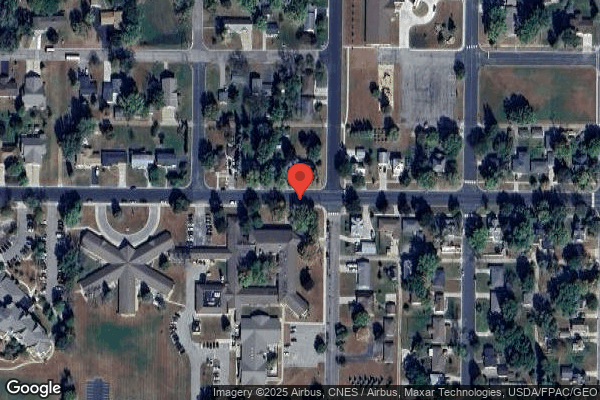

611 WEST MAIN STREET, BELLE PLAINE, MN 56011 (952) 873-2131
Non profit - Corporation 60 Beds Independent Data: November 2025 1 Immediate Jeopardy citation
Trust Grade
61/100
#151 of 337 in MN
Last Inspection: April 2025

Within standard 12-15 month inspection cycle. Federal law requires annual inspections.

Overview

The Lutheran Home in Belle Plaine has a Trust Grade of C+, indicating it is slightly above average in quality, but still has room for improvement. It ranks #151 out of 337 facilities in Minnesota, placing it in the top half, but only #3 out of 4 in Scott County, meaning there is one local option that is better. The facility's performance has been stable, with 7 issues identified in both 2024 and 2025. Staffing is a strong point, with a 5/5 star rating and a turnover rate of 33%, which is better than the state average. However, the facility has less RN coverage than 86% of Minnesota facilities, which is concerning, and they have faced fines totaling $8,827, which is average. Specific incidents include a critical failure where a resident with dementia left a secured memory care unit unsupervised and was found outside, posing a significant safety risk. Additionally, the facility did not follow proper infection control practices while assisting multiple residents with meals, and they failed to offer the pneumococcal vaccine to several residents as recommended, which could affect their health. Overall, while the home has strong staffing and is performing adequately, there are serious safety and health concerns that families should consider.

Trust Score
C+
61/100
In Minnesota
#151/337
Top 44%
Safety Record
High Risk
Review needed
Inspections
Holding Steady
7 → 7 violations
Staff Stability
○ Average
33% turnover. Near Minnesota's 48% average. Typical for the industry.
Penalties
⚠ Watch
$8,827 in fines. Higher than 87% of Minnesota facilities, suggesting repeated compliance issues.
Skilled Nurses
✓ Good
Each resident gets 50 minutes of Registered Nurse (RN) attention daily — more than average for Minnesota. RNs are trained to catch health problems early.
Violations
⚠ Watch
17 deficiencies on record. Higher than average. Multiple issues found across inspections.
★★★★☆
4.0
Overall Rating
★★★★★
5.0
Staff Levels
★★☆☆☆
2.0
Care Quality
★★★☆☆
3.0
Inspection Score
Stable
2024: 7 issues
2025: 7 issues

The Good

  • 5-Star Staffing Rating · Excellent nurse staffing levels
  • Full Sprinkler Coverage · Fire safety systems throughout facility
  • No fines on record
  • Staff turnover below average (33%)

    15 points below Minnesota average of 48%

Facility shows strength in staffing levels, fire safety.

The Bad

Staff Turnover: 33%

13pts below Minnesota avg (46%)

Typical for the industry

Federal Fines: $8,827

Below median ($33,413)

Minor penalties assessed

The Ugly 17 deficiencies on record

1 life-threatening
Jul 2025 1 deficiency
CONCERN (D) 📢 Someone Reported This

A family member, employee, or ombudsman was alarmed enough to file a formal complaint

Potential for Harm - no one hurt, but risky conditions existed

Report Alleged Abuse (Tag F0609)

Could have caused harm · This affected 1 resident

**NOTE- TERMS IN BRACKETS HAVE BEEN EDITED TO PROTECT CONFIDENTIALITY** Based on interview and record review the facility failed to report an allegation of deprivation of good within 2-hours to the St...

Read full inspector narrative →
**NOTE- TERMS IN BRACKETS HAVE BEEN EDITED TO PROTECT CONFIDENTIALITY** Based on interview and record review the facility failed to report an allegation of deprivation of good within 2-hours to the State Agency (SA) for 1 of 1 resident (R1), who reported staff refused to transfer her to the toilet when requested and was incontinent of urine. Findings include:R1's nursing home incident report (NHIR) dated 6/16/25 at 3:07 p.m., identified R1 reported from 6/14/25-6/15/25 she put her call light on around midnight to use the toilet and sit in her recliner. Two aides came into the room and rudely told her What do you want to get up for and it is time for bed. The aides turned off the call light and left the room. Staff did not come back to the room until 2:30 a.m. and told R1 they were very busy. R1 reported that she hated it but had to urinate in her brief because they would not help her. R1 stated she waited in the wet brief until the morning when new staff were available to help her. R1 also indicated when she asked staff to transfer her according to her preference, staff responded I'm not going to lose my license, so we are not going to transfer you. Facility identified the nursing assistants through camera footage.R1's face sheet dated 7/9/25, identified diagnoses of mechanical complication of internal right hip prosthesis (presence of an artificial device to replace a missing body part), presence of artificial right hip.R1's comprehensive Minimum Data Set (MDS) dated [DATE], identified no issues with cognition, no behaviors towards staff or residents. Impairment on one side of lower extremity. Dependent on staff for toileting hygiene, lower body dressing, footwear; substantial assistance with movements in bed. Continent of bowel but frequent incontinence of urine.R1's care plan on 6/10/25, identified R1 was a vulnerable adult and staff should report any witnessed or suspected abuse per facility protocol.During an interview on 7/8/25 at 1:10 p.m., R1 stated the two nursing assistants should never have been nursing assistants. They are authoritative and drag one foot in front of the other. R1 felt that they just were not doing their jobs. If R1 asked for something it would take forever for them to do it but that night, they were not budging. R1 stated she had to use the bathroom, and they had gotten her up and were on the way and then could not do it saying things like they would lose their license and all sorts of things. R1 decided that it would be best to pee in my pants and not damage my leg. R1 decided that she should report the aides that morning and the aides were gone quick after she reported the incident.During a phone interview on 7/9/25 at 9:59 a.m., registered nurse (RN)-A stated she had worked the overnight shift on 6/14/25 into 6/15/25. NA-F had come to her because she felt unsafe transferring R1 using a mechanical lift because of the way R1 was demanding to be transferred. NA-F was very adamant about not transferring R1 in that manner. RN-A asked NA-E to transfer R1. It was not until the next morning or two days later that RN-A discovered that R1 had never been transferred. R1 was sleeping in her recliner that night and had never gotten into bed. NA-E was working on R1's unit that night and NA-F was scheduled as the float person that would help other NA's where needed. As far as RN-A was aware, NA-E and NA-F were never in R1's room together. RN-A had never had any issues with NA-E or NA-F prior to this. RN-A stated she reported the incident during shift to shift report the morning of 6/15/25. RN-A had not received concerns from R1 or about R1 that occurred during the night other than the transfer incident.During an interview on 7/8/25 at 1:45 p.m., licensed practical nurse (LPN)-A believed it was the morning of 6/14/25 when RN-A reported R1 was upset with the NA's for not transferring her the way she wanted to be transferred; NAs had thought the way R1 wanted to be transferred was unsafe so they did not transfer her the rest of the night to the bathroom. LPN-A did not know which NAs were involved. LPN-A thought the incident happened around 3:00 am and R1 was really frustrated the NAs would not listen. LPN-A explained she reported R1 was unhappy about the concerns pertaining to R1's transfers to LPN-B sometime that morning.During an interview on 7/9/25 at 9:53 a.m., LPN-B stated LPN-A had called her on 6/15/25 and said there was an issue with R1's transfer status and questions between the nurses and aides on night shift with turning off her light. LPN-B notified the director of nursing (DON) of the situation and tried to get ahold of RN-A to discuss what had happened. During an interview on 7/9/25 at 1:14p.m., DON stated LPN-B had reached out to her on 6/15/25 that there were some complaints regarding staff with R1. DON did not feel that what was reported seemed neglectful from her perception, if it had, an investigation would have begun. After R1's interview on the afternoon of 6/16/25, management staff felt that rather than provide education to staff, the incident needed to be reported. During an interview on 7/9/25 at 9:46 a.m., NA-A stated she reported to social worker (SW)-A on 6/16/25 that R1 was mad because the night aides would not take her to the bathroom because they did not feel comfortable with her toe-touch. R1's brief was soaked when NA-A assisted her on the morning of 6/15/25. R1 was upset about the incident because she paid a lot of money to be at the facility and felt that those NA's tag-teamed against her and did not want to help her.During an interview on 7/9/25 at 10:15 a.m. and 1:46 p.m., SW-A heard about the situation from NA-A and NA-B when they reported it to her on 6/16/25. DON, LPN-B, and RN-A did not inform SW-A of the situation. SW-A immediately went to R1 and interviewed her. SW-A filled out the NHIR form after the interview with R1 and that was why the report was made late. The Abuse, Neglect and Exploitation policy revised 5/23/24, identified the facility maintained an environment where resident are free form abuse, neglect, exploitation and misappropriation of property and all residents, staff, families, visitors, volunteers, and resident representatives are encouraged and supported in reporting any suspected acts of abuse, neglect, misappropriation of property, or exploitation. Deprivation by staff of goods or services include those that are necessary to attain or maintain physical, mental, and psychosocial well-being. In these cases, staff has the knowledge and ability to provide care and services, but choose not to do it, or acknowledge the request for assistance from a resident(s), which result in care deficits to a resident(s).
Apr 2025 6 deficiencies
CONCERN (D)

Potential for Harm - no one hurt, but risky conditions existed

Deficiency F0561 (Tag F0561)

Could have caused harm · This affected 1 resident

**NOTE- TERMS IN BRACKETS HAVE BEEN EDITED TO PROTECT CONFIDENTIALITY** Based on observation, interview and document review, the facility failed to ensure preferences for bedtime were honored and impl...

Read full inspector narrative →
**NOTE- TERMS IN BRACKETS HAVE BEEN EDITED TO PROTECT CONFIDENTIALITY** Based on observation, interview and document review, the facility failed to ensure preferences for bedtime were honored and implemented for 1 of 1 resident (R26) reviewed for choices. Additionally, the facility failed to ensure food preferences were honored for 1 of 2 residents (R45) reviewed for choices related to food. Findings include: R26's quarterly Minimum Data Set (MDS) assessment dated [DATE], indicated R26 had severe cognitive impairment, no behaviors or rejection of care, utilized a wheelchair, dependent on staff for chair/bed to chair transfer, lower body dressing, toileting hygiene, and required substantial/maximal assistance with personal hygiene, diagnoses included seizure disorder and repeated falls. R26's annual MDS dated [DATE], indicated R26 bedtime was very important to choose. R26's care plan dated 2/11/25, indicated encourage to engage in daily and activity preferences and interventions included offer individualized care based on customary routine, R26 has indicated for his daily preferences that it is very important, to choose his own bedtime (likes to go to bed between 6-7pm and get up in the morning around 6am or earlier), impaired mobility R/T (related to) weakness and failure to thrive, left sided weakness from previous stroke, bed mobility: extensive assistance from 1-2 staff with turning and repositioning resident in bed. On 4/28/25 at 5:24 p.m., R26 was seated in his wheelchair in his room with his call light activated. Nursing assistant (NA)-A entered R26's room and R26 stated he would like to go to bed now. NA-A stated R26 can't be put to bed until 7:00 p.m., R26 again asked to go to bed, and NA-A stated, I legally can't put you to bed until 7:00 p.m., you've only been up for about ten minutes since eating supper, you wait a little bit. NA-A exited R26's room and R26 remained seated in his wheelchair. On 4/28/25 at 5:26 p.m., R26 was seated in a wheelchair in his room, and stated he would like to go to bed now, but was told by staff he couldn't' and had to wait. R26 stated there was a time frame of 7:00 p.m., before they will allow me to go to bed. On 4/28/25 at 5:37 p.m., NA-A stated R26 enjoyed going to bed early, and she doesn't want to put him to bed and then get him up in an hour again. NA-A stated staff encouraged R26 to stay up until 7:00 p.m., and 6:30 p.m., was the earliest she would assist R26 to bed. NA-A stated in her schooling she learned residents were not allowed to go to bed until 7:00 p.m., and the nursing staff at the facility stated he wasn't allowed to go to bed until 6:30 p.m. On 4/28/25 at 5:46 p.m., R26 continued to sit in his wheelchair and shook his head side to side and stated he was mad he can't go to bed. On 4/28/25 at 5:47 p.m., NA-B stated residents can go to bed when requested and stated R26 was expected to be put to bed when he requested his bedtime. NA-B stated she was going to his room now to assist R26 to bed per his request. NA-B was observed to enter R26's room. On 4/28/25 at 5:49 p.m., licensed practical nurse (LPN)-A stated if a resident requested to go to bed staff were expected to assist the resident to bed and were not expected to make R26 wait a certain time before he could go to bed. LPN-A stated R26 liked to go to bed after the evening meal and that was his routine. On 4/29/25 at 11:54 a.m., registered nurse (RN)-A stated R26 preferred to go to bed early and was very routine after his evening meal and stated if staff were able to accommodate R26's early request for bedtime, they should not make him wait. On 4/29/25 at 3:52 p.m., the director of nursing (DON) stated residents were allowed to go to bed upon their request and stated there was no timeframe residents needed to wait for to be placed into bed. The DON stated staff were expected to assist R26 to bed when he requested if staff were available and expected staff to honor R26's bedtime preference. Facility Resident Rights policy dated 10/10/22, indicated : Policy: The facility will inform the resident both orally and in writing, in a language that the resident understands, of his or her rights and all rules and regulations governing resident conduct and responsibilities during the stay in the facility. The facility will also provide the resident with prompt notice (if any) of changes in any State or Federal laws relating to resident rights or facility rules during the resident's stay in the facility. Receipt of any such information must be acknowledged in writing. The facility will ensure that all direct care and indirect care staff members, including contractors and volunteers, are educated on the rights of residents and the responsibility of the facility to properly care for its residents. Training topics will be appropriate to the individual's role.FOOD PREFERENCES R45's quarterly MDS assessment dated [DATE], indicated R45 had severe cognitive impairment, behaviors not directed toward others and wandering which occurred one to three days during the MDS look back period, and no rejection of cares. The MDS indicated R45 used a walker, required setup or clean-up assistance for eating, and diagnoses included diabetes mellitus, Alzheimer's disease, and anxiety. R45's care plan dated 4/28/25, lacked preference to not have corn with meals. R45's progress note dated 9/2/24, indicated R45 stated he did not eat his soup because corn gave him loose stools. The dietary aid and unit manager were informed to add information to R45's diet card. R45's admission Nutritional assessment dated [DATE], lacked information under the section Describe R45's food preferences, likes/dislikes, religious/cultural/ethnic food needs. R45's Quarterly Nutritional Assessments dated 10/21/24, 1/13/25 and 4/7/25, also lacked information under the section described above. On 4/28/25 at 1:58 p.m., R45 stated he asked for a different vegetable when served corn, since corn gave him diarrhea. On 4/29/25 at 1:11 p.m., nursing assistant (NA)-F stated diet cards located in the kitchen listed residents' food preferences. NA-F had not heard R45 would not want corn. On 4/29/25 at 1:25 p.m., dietary aid (DA)-A stated they served residents based on their diet cards. R45's diet card listed his diet and instructed to give large portions. DA-A stated resident preferences were printed on the bottom of diet cards and verified R45's diet card did not list preferences. On 4/29/25 at 1:51 p.m., licensed practical nurse (LPN)-B stated most residents did not complain about their food and found alternatives for those who did. LPN-B stated R45 told staff what he wanted or did not want and did not know anything specific he did not like. On 4/29/25 at 3:23 p.m., NA-D stated each resident had a diet card which listed allergies and preferences. NA-D stated R45 did not eat regular corn but ate cream of corn. On 4/29/25 at 3:37 p.m., NA-E stated they would reference R45's diet card to know whether to serve him corn or not. On 4/30/25 at 1:28 p.m., registered nurse (RN)-B stated R45 indicated Tylenol gave him diarrhea but was not aware of corn. RN-B expected R45 to have no corn on his diet card if he requested. On 4/30/25 at 2:13 p.m., the dietician stated they asked residents about their food preference during the admission assessment if the assistant culinary services manager (ACM) and director of culinary services (DCS) had not asked already. The dietician did not have access to R45's medical record at the time of interview and stated they were not as familiar with R45. On 4/30/25 at 2:45 p.m., ACM stated the dietician, DCS, or themselves asked residents about their food preferences, and they or DCS updated diet cards and a book in the kitchen. ACM stated R45's diet card was updated today to include no corn. On 4/30/25 at 2:59 p.m., the director of nursing (DON) stated residents' food preferences were on their diet cards and important to list related to residents' health and rights. Facility Meal Identification Policy dated 5/1/25, indicated: Policy: A meal identification (ID) and food preferences card (meal ID card/ticket) will be used to properly identify each individual's needs including food and beverage preferences. The meal ID card/ticket may be a permanent card that is gathered, cleaned, and sanitized after each meal, or may be printed daily from a database and disposed of after meals. The director of food and nutrition services or designee will visit a newly admitted individual to obtain food and beverage preferences, dislikes and food allergies/intolerances before a permanent meal ID card/ticket is written.
CONCERN (D)

Potential for Harm - no one hurt, but risky conditions existed

Assessment Accuracy (Tag F0641)

Could have caused harm · This affected 1 resident

**NOTE- TERMS IN BRACKETS HAVE BEEN EDITED TO PROTECT CONFIDENTIALITY** Based on interview and document review, the facility failed to ensure the Minimum Data Set (MDS) assessment accurately reflected...

Read full inspector narrative →
**NOTE- TERMS IN BRACKETS HAVE BEEN EDITED TO PROTECT CONFIDENTIALITY** Based on interview and document review, the facility failed to ensure the Minimum Data Set (MDS) assessment accurately reflected the current status and needs for 1 of 1 resident (R45) reviewed for MDS accuracy related to alarms. Findings include: R45's quarterly Minimum Data Set (MDS) assessment dated [DATE], indicated R45 had severe cognitive impairment, behaviors not directed toward others and wandering which occurred one to three days during the MDS look back period, and no rejection of cares. The MDS indicated R45 used a walker and had diagnoses which included diabetes mellitus, Alzheimer's disease, and anxiety. The MDS, Section P, indicated R45 used a wander/elopement alarm less than daily. R45's care plan dated 4/28/25, indicated R45 was on a locked unit due to elopement risk, with an edited date of 2/4/25, and did not indicate R45 used an alarm. R45's orders printed 4/30/25, indicated okay for locked unit dated 10/2/24 and did not indicate R45 used an alarm. R45's quarterly Supportive Devices assessment dated [DATE], indicated R45 did not use a wanderguard and lacked indication of other type of alarm. On 4/30/25 at 1:28 p.m., registered nurse (RN)-B stated R45 wandered at night and did not have a wander/elopement alarm since admission to the locked unit. On 4/30/25 at 2:29 p.m., the MDS coordinator stated the completed Section P based on information from unit managers and care plans. The MDS coordinator stated R45 was on a different unit prior to admission to the memory care area, and R45's MDS selection for wander/elopement alarm was an error and would modify. On 4/30/25 at 2:59 p.m., the director of nursing (DON) stated MDS accuracy was important to ensure correct reimbursement and resident and/or responsible party payment. Centers for Medicare and Medicaid Service's Long-Term Care Facility Resident Assessment Instrument 3.0 User's Manual dated October 2024, defined wander/elopement alarms as devices such as bracelets, pins/buttons worn on the resident's clothing, sensors in shoes, or building/unit sensor worn by/attached to the resident which activated an alarm and/or alerted the staff when the resident neared or exited a specific area or the building. Wander/elopement alarms included devices attached to the resident's assistive device or other belongings.
CONCERN (D)

Potential for Harm - no one hurt, but risky conditions existed

ADL Care (Tag F0677)

Could have caused harm · This affected 1 resident

**NOTE- TERMS IN BRACKETS HAVE BEEN EDITED TO PROTECT CONFIDENTIALITY** Based on observation, interview and document review, the facility failed to provide routine removal of facial hair for 1 of 2 re...

Read full inspector narrative →
**NOTE- TERMS IN BRACKETS HAVE BEEN EDITED TO PROTECT CONFIDENTIALITY** Based on observation, interview and document review, the facility failed to provide routine removal of facial hair for 1 of 2 residents (R13) reviewed for activities of daily living (ADLs) who were dependent on staff for cares. Findings include: R13's quarterly Minimum Data Set (MDS) assessment dated [DATE], indicated intact cognition, no rejection of care, utilized a wheelchair, required substantial/maximal assistance with personal hygiene (the ability to maintain personal hygiene, including combing hair, shaving, applying makeup, washing/drying face and hands (excludes baths, showers, and oral hygiene). R13's care plan dated 3/3/25, indicated R13 required one assist with all ADL task, legally blind, staff assist resident with handing her things needed for tasks as well as describe where things are compared to a clock, interventions personal hygiene: extensive assistance from one staff with grooming needs including combing hair, brushing teeth, shaving, washing/drying face/hands. On 4/28/25 at 3:52 p.m., R13 was observed with varied lengths (approximately ¼ inch to 1 inch) white hairs on her chin. R13 stated she was not sure if she had a razor. R13 stated she would like her chin hairs shaved and required assistance as she was legally blind. R13 stated some of her chin hairs were going into her mouth. R13 stated she got a bath once a week and staff had not shaved or offered her shaving. On 4/29/25 at 10:52 a.m., R13 was seated in wheelchair well groomed, with varied lengths of white whiskers on chin, and stated she thought she had an electric razor somewhere in her room. R13 again stated staff had not offered to shave her, and further stated staff should notice when she needed to be shaved. On 4/29/25 11:00 a.m., nursing assistant (NA)-C stated he assisted R13's with morning ADL cares this morning and confirmed R13 required staff assistance for hygiene cares and shaving. NA-C stated R13 was not offered shaving as expected with morning cares today. On 4/29/25 at 11:48 a.m., registered nurse (RN)-A, confirmed R13 needed assistance with cares and required staff to assist her with shaving. RN-A stated NA's were responsible for morning cares and assisting residents daily with shaving. On 4/30/25 at 7:16 a.m., the director of nursing (DON) confirmed R13's chin hairs were long and would have expected R13 offered shaving and shaved with morning cares. Facility Activities of Daily Living policy dated 1/25, indicated: Grooming should be performed at least daily, including but not limited to combing, brushing teeth including denture cares, shaving residents, observing nails for cleanliness and trimming needs, etc.
CONCERN (D)

Potential for Harm - no one hurt, but risky conditions existed

Quality of Care (Tag F0684)

Could have caused harm · This affected 1 resident

**NOTE- TERMS IN BRACKETS HAVE BEEN EDITED TO PROTECT CONFIDENTIALITY** Based on interview and document review, the facility failed to implement a bowel movement (BM) protocol for 1 of 1 resident (R7)...

Read full inspector narrative →
**NOTE- TERMS IN BRACKETS HAVE BEEN EDITED TO PROTECT CONFIDENTIALITY** Based on interview and document review, the facility failed to implement a bowel movement (BM) protocol for 1 of 1 resident (R7) reviewed for constipation. Findings include: R7's five-day Minimum Data Set (MDS) assessment dated [DATE], indicated R7 had intact cognition, no rejection of care, utilized a walker and wheelchair, dependent on staff for toileting hygiene, required substantial/maximal assistance with toilet transfer, always continent of bowel, and diagnoses included constipation and lower back pain. R7's care plan dated 3/11/25, indicated R7 required assist of one for toileting needs, occasional incontinent episodes, interventions encourage and provide adequate fluid, fiber, and exercise to promote elimination and prevent constipation, bowel meds PRN (as needed) per standing orders/protocol, document BMs (bowel movements) per NH (nursing home) protocol, update MD/NP/family as needed, (medical doctor/nurse practitioner), observe for s/e (side effect) and effectiveness, extensive assist of one staff for toileting needs, staff assist with peri care after each toileting, and assist of 1-2 for transfers on/off toilet/commode. R7's Medication Administration Record (MAR) dated 4/1/25-4/30/25, indicated Miralax (used to treat constipation) powder ; 17 gram/dose diagnosis constipation and administered on 4/25/25 at 5:28 p.m., reason no BM x 4 days. R7's document Bowel Movements printed 4/30/25, indicated : 4/20/25 at 9:40 a.m., Bowel Movement: Medium 4/20/25 at 3:21 p.m., Bowel Movement: Small 4/24/25 at 5:52 a.m., Bowel Movement: None 4/25/25 at 6:13 a.m., Bowel Movement: None 4/25/25 at 9:00 p.m., Bowel Movement: None 4/25/25 at 9:03 p.m., Bowel Movement: Small 4/28/25 at 2:46 p.m., Bowel Movement: Large On 4/28/25 at 4:20 p.m., R7 was observed lying in bed and reported experiencing ongoing issues with constipation. He stated that it was not unusual for him to go more than three days without a bowel movement. R7 reported not being aware of any constipation medications administered by nursing staff and denied receiving education or encouragement to increase fluid intake. R7 stated that earlier in the day a nurse had to perform digital stool removal to relieve impaction. On 4/29/25 at 10:11 a.m., R7 was again observed in bed and stated that no stool softeners had been offered on 4/28 or 4/29. R7 expressed willingness to take a stool softener if it had been offered, noting that it may have helped alleviate his symptoms. On 4/29/25 at 3:17 p.m., licensed practical nurse (LPN)-C stated the facility had a bowel protocol and observed LPN-C to look through binders at the nursing station for the protocol. LPN-C asked registered nurse (RN)-C, known as the clinical coordinator, for the bowel protocol and RN-C stated she was not sure what the exact information was for the bowel protocol or standing orders or where the bowel interventions were located. RN-C stated if a resident had not had a bowel movement for three days prune juice would be initiated, and she knew that from nursing judgment. LPN-C was then observed and asked RN-A where the facility bowel protocol was located. RN-A stated she was taught on day two of no bowel movement the resident was put on nursing's radar and stated on day three she would offer a suppository or Senna (oral stool softener). RN-A stated the overnight nurse ran a list with the residents that had not had a bowel movement for three days and stated nursing was expected to look at the resident orders and if the resident had PRN medications for constipation, she would offer those medications to residents or initiate standing orders with the stool softeners. RN-A confirmed the standing orders included a variety of medication options for constipation and did not have specific directions. On 4/30/25 at 7:19 a.m., LPN-A stated the night shift prints a bowel movement list from the electronic medical record (EMR), and the list indicated residents who have not had a bowel movement for three days. LPN-A stated if a resident was on the bowel movement list the residents PRN orders for constipation were initiated. LPN-A further stated on day three of no bowel movement she would administer a suppository for a resident if they did not have PRN orders. LPN-A stated there was previously a bowel protocol to follow and now the residents have PRN orders on the electronic medical record to follow. LPN-A confirmed on 4/28/25, she digitally removed R7's hard impacted stool. LPN-A stated R7 had a PRN Miralax order for constipation, and confirmed she did not offer R7 Miralax. LPN-A stated having specific directions would be helpful to know the steps and what to administer for residents experiencing constipation. On 4/30/25 at 8:47 a.m., the director of nursing (DON) stated nursing was expected to monitor resident bowel movements every shift and use nursing judgment for offering medications for constipation. The DON stated nursing was expected to offer constipation relieving measures on the third day of a resident not having a bowel movement. The DON confirmed the standing orders were not specific on what day to initiate the standing orders. The DON stated nursing staff were expected to document bowel movements and interventions implemented for constipation. The DON confirmed R7 did not have a bowel movement from 4/21/25-4/24/25, and no constipation relieving interventions were implemented or documented. The DON stated on 4/28/25, staff were expected to have implemented other measures besides digital bowel removal or documentation of resident education. The DON confirmed the facility did not have a policy on constipation. Facility document titled Standing Orders for Skilled Nursing Facilities dated 4/22, indicated Bowel: Constipation (Perform steps Sequential) Consider rectal check to determine if impaction is present Encourage 2,000 ml (milliliter) daily fluid unless contraindicated Consult nutrition services for dietary recommendations Senna 2 tables PO (by mouth) at HS (bedtime) prn Reattempt Senna or Bisacodyl if no results after 24 hours and notify provider Monitor and record results from treatment
CONCERN (E)

Potential for Harm - no one hurt, but risky conditions existed

Infection Control (Tag F0880)

Could have caused harm · This affected multiple residents

**NOTE- TERMS IN BRACKETS HAVE BEEN EDITED TO PROTECT CONFIDENTIALITY** Based on observation, interview, and document review, the facility failed to utilize infection control practices while assisting...

Read full inspector narrative →
**NOTE- TERMS IN BRACKETS HAVE BEEN EDITED TO PROTECT CONFIDENTIALITY** Based on observation, interview, and document review, the facility failed to utilize infection control practices while assisting multiple residents (R19, R33, R34, R35) to eat at once in 1 of 3 dining areas. Also, the facility failed to utilize infection control practices for 1 of 1 resident (R47) reviewed for oxygen use. Findings include: MEAL ASSISTANCE WITHOUT HAND HYGIENE R19's quarterly Minimum Data Set (MDS) assessment dated [DATE], indicated R19 had short and long-term memory problems and severely impaired cognitive skills for daily decision making. R19 was dependent on staff for eating and had diagnoses which included gastro-esophageal reflux disease (stomach acid flows back up into the esophagus and causes heartburn), Alzheimer's disease, and depression. R33's quarterly MDS assessment dated [DATE], indicated R33 had severe cognitive impairment and required substantial and/or maximal staff assistance with eating. R33's diagnoses included hypertension, dementia, and anxiety. R34's annual MDS assessment dated [DATE], indicated R34 had short and long-term memory problems and severely impaired cognitive skills for daily decision making. R34 was dependent on staff for eating and had diagnoses which included coronary artery disease, hypertension, diabetes mellitus, Alzheimer's disease, anxiety, and depression. R35's significant change MDS assessment dated [DATE], indicated R35 had short and long-term memory problems and severely impaired cognitive skills for daily decision making. R35 was dependent on staff for eating and had diagnoses which included chronic kidney disease and dementia. On 4/28/25 at 5:14 p.m., residents in the memory care area were assisted with dining. Nursing assistant (NA)-H sat between R34 and R35 and assisted them with food and beverages. NA-H switched between each residents' utensils and drinks primarily using their right hand and did not perform hand hygiene in between. On 4/28/25 at 5:48 p.m., NA-H stated they did not want to use their left, non-dominant hand to feed the other resident, because they did not want to spill on the resident. On 4/29/25 at 11:48 a.m., NA-G sat between R19 and R33 and assisted them with food and beverages. NA-G wore gloves and switched between residents' utensils and drinks primarily using their right hand and did not perform hand hygiene in between. On 4/29/25 at 12:25 p.m., NA-G verified they used their right hand to feed both residents at the same time. NA-G stated they should use one hand for each resident if assisting at the same time but did not want to spill on the resident by using their non-dominant hand. On 4/30/25 at 1:28 p.m., registered nurse (RN)-B stated staff were allowed to assist two residents with meals at the same time but needed to use a different hand unless hand hygiene was performed between residents. On 4/30/25 at 2:59 p.m., the director of nursing (DON) expected staff to perform hand hygiene between assisting residents with meals or designate one hand per resident to avoid cross-contamination. Facility Hand Hygiene policy dated 5/21/24, indicated: Policy: All staff will perform proper hand hygiene procedures to prevent the spread of infection to other personnel, residents, and visitors. The policy applied to all staff working in all locations within the facility. The policy directed staff to perform hand hygiene between resident contacts and use of gloves did not replace hand hygiene. NASAL CANNULA R47's quarterly MDS assessment dated [DATE], indicated R47 had short and long-term memory problems and severely impaired cognitive skills for daily decision making. R47 had disorganized thinking, no hallucinations, no delusions, no behavioral symptoms, and no rejection of care. R47 had no impairment to upper or lower extremities, used a walker and wheelchair, and required substantial/maximal assistance with most activities of daily living. R47's diagnoses included heart failure, hypertension, diabetes mellitus, and aphasia (disorder which affects how you speak and understand language). R47's care plan dated 4/28/25, indicated R47 was at risk for disease related complications related to dementia, chronic respiratory failure with hypoxia, chronic kidney disease, type two diabetes mellitus, hypertension, encephalopathy (change in how the brain works due to underlying condition), chronic congestive heart failure, tachycardia, and history of TIA (transient ischemic attack; temporary blockage of blood flow to the brain). The care plan directed staff to monitor for changes in respiratory status and give supplemental oxygen as ordered. R47's orders indicated, okay for oxygen two liters per nasal cannula and titrate as able to keep oxygen saturation above 88 percent every shift with a start date of 1/3/25. An order dated 4/28/25, directed staff to change and date oxygen tubing weekly while resident is on oxygen use and to discontinue the order if oxygen was no longer needed. On 4/28/25 at 5:31 p.m., R47's nasal cannula oxygen tubing was observed on the ground behind her as she wheeled herself to the kitchenette window. R47 spoke with the culinary aid near two nursing assistants who assisted other residents with eating. At 5:35 p.m., registered nurse (RN)-B picked up R47's nasal cannula and placed on back of wheelchair. RN-B went to the medication cart and returned with a square wipe, cleaned R47's nasal cannula, and placed the nasal cannula back on R47. At 5:37 p.m., RN-B stated they used an alcohol wipe to clean R47's nasal cannula. On 4/29/25 at 1:45 p.m., licensed practical nurse (LPN)-B stated they would replace a nasal cannula if was on the floor rather than clean, since nasal cannulas were placed in the nares. LPN-B stated they would use an alcohol wipe to clean a nasal cannula if the resident touched the tubing with sticky hands and made the tubing sticky. LPN-B stated staff tried to wean R47 off the supplemental oxygen, but R47 would get dizzy without the supplemental oxygen. On 4/30/25 at 12:25 p.m., LPN-A stated they considered a nasal cannula contaminated if touched the floor and would replace with a new nasal cannula after checking resident's oxygen saturation level and if resident was breathing okay. On 4/30/25 at 1:28 p.m., registered nurse (RN)-B stated they cleaned R47's nasal cannula after observed on the floor and placed back on R47, since they did not know how long R47 was without her supplemental oxygen. RN-B stated they would normally replace nasal cannulas observed on the floor. On 4/30/25 at 2:59 p.m., the director of nursing (DON) stated staff would usually replace a nasal cannula which had dropped on the floor for infection prevention reasons. The DON was okay the staff cleaned the nasal cannula and placed on the resident, since staff did not know how long the resident was without their supplemental oxygen. The DON stated the resident's supplemental oxygen was important, so the resident's oxygen saturation level did not drop. The [NAME] Labs' Instruction for use with reference number 16SOFT-7, indicated: Single patient use. Do not sterilize. Keep tubing straight and free from kinks. Facility Oxygen Administration policy dated 2/25/25, indicated: Policy: Oxygen is administered to residents who need it, consistent with professional standards of practice, the comprehensive person-centered care plans, and the resident's goals and preferences. Change oxygen tubing and mask/cannula weekly and as needed if it becomes soiled or contaminated.
CONCERN (E)

Potential for Harm - no one hurt, but risky conditions existed

Deficiency F0883 (Tag F0883)

Could have caused harm · This affected multiple residents

**NOTE- TERMS IN BRACKETS HAVE BEEN EDITED TO PROTECT CONFIDENTIALITY** Based on interview and document review, the facility failed to ensure the pneumococcal (PCV20) vaccine was offered or administer...

Read full inspector narrative →
**NOTE- TERMS IN BRACKETS HAVE BEEN EDITED TO PROTECT CONFIDENTIALITY** Based on interview and document review, the facility failed to ensure the pneumococcal (PCV20) vaccine was offered or administered as recommended by the Centers for Disease Control (CDC) for 4 of 5 residents (R7, R15, R10, R41) reviewed for immunizations. This had the ability to affect all residents residing in the facility who had not been offered the PCV 20 vaccine. Findings include: R7's face sheet printed 4/30/25, indicated diagnoses of chronic kidney disease, malaise, low back pain, and congestive heart failure. R7's discharge Minimum Data Set (MDS) dated [DATE], indicated intact cognition, no rejection of care, and substantial assistance with showering, dressing, and personal hygiene. R7's care plan dated 3/5/25, indicated resident at risk for disease related complications related to diagnoses and resident will be free of serious complications. Interventions included administer medications per provider orders, observe for adverse medication side effects and monitor effectiveness. R15's face sheet printed 4/30/25, indicated diagnoses of unspecified dementia, agitation, open wound of neck, and anxiety. R15's quarterly MDS dated [DATE], indicated moderately impaired cognition, no behavioral symptoms, and substantial assistance with toileting hygiene, bathing, and lower body dressing. R15's care plan dated 1/14/25, indicated resident had difficulty making needs known related to diagnoses of dementia and disorientation with goal of resident's needs will be met by staff. R10's face sheet printed 4/30/25, indicated diagnoses of arthritis, dysphagia (difficulty swallowing), retention of urine, and abnormal weight loss. R10's quarterly MDS dated [DATE], indicated intact cognition, no rejection of care, impairment of upper and lower extremities, and substantial assistance with personal hygiene. R10's care plan dated 12/12/23, indicated resident had impaired mobility related to contractures, disease progression, and activity tolerance and intervention of extensive assistance of one to two staff for transfers, turning, and repositioning. R41's face sheet printed 4/30/25, indicated diagnoses of repeated falls, restless leg syndrome, Alzheimer's disease, and age-related physical debility. R41's significant change MDS dated [DATE], indicated severely impaired cognition, no behavioral symptoms, dependent on staff for toileting hygiene, and substantial assistance with upper and lower body dressing. R41's care plan dated 11/13/23, indicated resident had cognitive deficits due to diagnoses, needed a secure memory care unit, and would make appropriate decisions and maintain current decision-making capacity. During record review, there was no documentation in R7, R15, R10, or R41's EMR (electronic medical record) for the PCV 20 vaccine or evidence the facility had attempted to educate residents on or offer the PCV 20 vaccine. Additionally, there was no documentation in R7, R15, R10, or R41's record that they had refused previously offered vaccines or the PCV 20 vaccine. During interview on 4/29/25 at 11:45 a.m., licensed practical nurse (LPN)-D also known as infection preventionist stated R7, R15, R10, and R41 were up to date on their vaccine schedules and have no further vaccinations needed. During interview on 4/30/25 at 10:45 a.m., LPN-D stated she now realized she should have offered the PCV 20 vaccine to residents. LPN-D further stated she missed the updated information on vaccines and had not heard about the new pneumococcal vaccines that needed to be offered. LPN-D stated she would come up with a process to get the PCV 20 or 21 vaccine offered to residents based on CDC recommendations. During interview on 4/30/25 at 10:46 a.m., director of nursing (DON) stated she expected vaccines to be offered to all residents based on current CDC guidelines. Facility Pneumococcal Vaccine (Series) policy revised 4/1/25, indicated the following: It is our policy to offer our residents, staff and volunteer workers immunization against pneumococcal disease in accordance with current CDC guidelines and recommendations. 1. Each resident will be assessed for pneumococcal immunization upon admission. Self-report of immunization shall be accepted. Any additional efforts to obtain information shall be documented, including efforts to determine date of immunization or type of vaccine received. 5. The type of pneumococcal vaccine (PCV 15, PCV 20, or PPSV23/PPSV) offered will depend upon the recipient's age and susceptibility to pneumonia, in accordance with current CDC guidelines and recommendations.
Aug 2024 6 deficiencies
CONCERN (D)

Potential for Harm - no one hurt, but risky conditions existed

Transfer Notice (Tag F0623)

Could have caused harm · This affected 1 resident

**NOTE- TERMS IN BRACKETS HAVE BEEN EDITED TO PROTECT CONFIDENTIALITY** Based on interview and document review, the facility failed to ensure written notice of transfer was provided to the resident an...

Read full inspector narrative →
**NOTE- TERMS IN BRACKETS HAVE BEEN EDITED TO PROTECT CONFIDENTIALITY** Based on interview and document review, the facility failed to ensure written notice of transfer was provided to the resident and/or resident representative for 1 of 2 residents (R44) reviewed for hospitalization. Findings include: R44's facesheet, included diagnoses of Alzheimer's disease, retention of urine, and urinary tract infection. R44's significant change Minimum Data Set (MDS) assessment dated [DATE], indicated R44's impaired cognition R44 was usually understood and could usually understand. R44 did not walk and was dependent on staff for most activities of daily living (ADL). R44's care plan with revised date of 7/30/24, indicated indwelling catheter related to urinary retention; staff were to manage the catheter to prevent UTI and obstruction in drainage. During an interview on 8/4/24 at 1:33 p.m., family member (FM)-E stated R44 had been hospitalized overnight in April 2024 for a urinary tract infection. FM-E did not recall receiving a written notice of transfer. This document was not seen in the scanned documents section of the electronic medical record (EMR). Progress note dated 4/18/24 at 5:00 a.m., indicated R44 was experiencing abdominal distention and discomfort, a fever, and his urinary catheter was not draining well. An okay was received by the hospice provider to send R44 to the emergency room. Progress note dated 4/19/24 at 2:55 p.m., indicated R44 was still in the hospital. Progress note dated 4/21/24 at 6:05 p.m., indicated R44 would be returning to the facility that evening. During an interview on 8/5/24 at 4:34 p.m., registered nurse (RN)-A provided transfer documentation for R44's April hospitalization, but the documentation did not include written notice of transfer to be given to the resident representative and the ombudsman. During an interview on 8/6/24 at 10:31 a.m., RN-A stated she did not know who in the facility completed a written notice of transfer when a resident was transferred to the hospital, adding nursing did not. During an interview on 8/06/24 at 10:50 a.m., the director of nursing stated nursing did not complete a written notice of transfer when a resident was transferred to the hospital and thought social services might do that. During an interview on 8/06/24 at 11:04 a.m., resident and family liaison (RFL)-B stated social services did not complete a written notification of transfer form of any kind and thought nursing might do that. RFL-B stated she did inform the ombudsman each month of residents who were transferred. During an interview on 8/6/24, at 11:45 a.m., the DON stated they facility did not have a policy on written notice of transfer.
CONCERN (D)

Potential for Harm - no one hurt, but risky conditions existed

Deficiency F0688 (Tag F0688)

Could have caused harm · This affected 1 resident

**NOTE- TERMS IN BRACKETS HAVE BEEN EDITED TO PROTECT CONFIDENTIALITY** Based on observation, interview and document review, the facility failed to implement therapy recommendations in a timely manner...

Read full inspector narrative →
**NOTE- TERMS IN BRACKETS HAVE BEEN EDITED TO PROTECT CONFIDENTIALITY** Based on observation, interview and document review, the facility failed to implement therapy recommendations in a timely manner to maintain strength and mobility for 1 of 1 resident (R41) reviewed for range of motion (ROM). Findings include: R41's face sheet, indicated diagnoses of Parkinson's disease, age-related physical debility, and weakness. R41's admission Minimum Data Set (MDS) assessment dated [DATE], identified no cognitive impairment, the ability to understand and be understood, no rejection of care, limited range of motion on both sides of upper and lower extremities, and physical assist with personal hygiene, bed mobility, dressing, toilet use, and transfers. R41's care plan dated 6/26/2024 and revised 8/5/2024, indicated staff were to assist resident with ROM (range of motion) to bilateral upper and lower extremities as resident tolerates and resident totally dependent on staff for all transfers and mobility. R41's PT (physical therapy) Therapist Evaluation Summary dated 6/11/2024, indicated staff were to assist R41 with upper and lower body passive range of motion programs daily and to see attachments for passive stretches recommended. Also instructed to provide slow and gentle stretches during range of motion and to ensure R41's tolerance with verbal and visual pain assessments. R41's OT (occupational therapy) Therapist Evaluation Summary dated 6/12/2024, indicated a recommendation of bilateral upper extremity PROM (passive range of motion) for staff to perform daily to prevent worsening muscle contractures. R41's [NAME] (used by nursing assistance's) dated 8/5/2024, failed to include any reference to PROM exercises. R41's orders dated 8/5/2024, failed to include any reference to PROM exercises. On 8/5/2024 at 10:26 a.m., R41 was observed in his wheelchair with arms bent up towards his chest. R41 stated staff had not completed exercises with him and he would have liked them to do exercises and stretching with him. On 8/5/2024 at 3:33 p.m., registered nurse (RN)-C stated the PROM exercises were missed when therapy recommended them and the recommendations for R41 had not been started. RN-C further stated that going forward the recommendations will be implemented right away. On 8/6/2024 at 8:40 a.m., occupational therapist (OT)-F stated the therapy department gave the recommendation to nursing on 6/12/2024. OT-F further stated the lack of PROM did not cause change in functional ability for R41 due to already severely impaired active movement and functional control of extremities. OT-F also stated R41 would still benefit from implementation of the PROM recommendations. On 8/6/2024 at 10:45 a.m., director of nursing (DON) stated she would expect PROM recommendations to be implemented timely to prevent decline in functional abilities. A policy titled Prevention of Decline in Range of Motion revised 1/2024, stated the following: a. Based on the comprehensive assessment, the facility will provide interventions, exercises and/or therapy to maintain or improve range of motion. b. The facility will provide treatment and care in accordance with professional standards of practice. This includes, but is not limited to: assistance as needed (active assisted, passive, and supervision).
CONCERN (D)

Potential for Harm - no one hurt, but risky conditions existed

Deficiency F0761 (Tag F0761)

Could have caused harm · This affected 1 resident

Based on observation, interview and record review, the facility failed to ensure doses of a controlled substance were stored in a manner to reduce the risk of theft and/or diversion in 1 of 1 refriger...

Read full inspector narrative →
Based on observation, interview and record review, the facility failed to ensure doses of a controlled substance were stored in a manner to reduce the risk of theft and/or diversion in 1 of 1 refrigerators observed for medication storage. Findings include: During an observation on 8/6/24 at 7:52 a.m., observed two nurses, licensed practical nurse (LPN)-A and registered nurse (RN)-B perform shift change narcotic reconciliation in a medication cart at the Mainstreet nurses station. At the end of the narcotic count, LPN-A stated they also needed to count the narcotics in the refrigerator. During an observation of the small dorm-size refrigerator in the locked medication room, an opened, multi-dose bottle of lorazepam (a medication to relieve anxiety) concentrate, 2 mg/ml (milligrams per milliliter) was observed on a shelf on the door of the refrigerator - not in a separately locked, permanently affixed compartment in the refrigerator. During an interview on 8/6/24 at 12:38 p.m., the director of nursing (DON) was informed of the observation and stated she was unaware lorazepam, a schedule IV medication, needed to be in a separately locked, permanently affixed compartment in the refrigerator. Facility Medication Storage policy dated 7/24, indicated if a medication was supplied in a unit-dose system, schedule III-IV medications could be stored in trays with other medications.
CONCERN (D)

Potential for Harm - no one hurt, but risky conditions existed

Deficiency F0847 (Tag F0847)

Could have caused harm · This affected 1 resident

Based on interview, and record review, the facility failed to inform the resident or representative of the right to not sign the arbitration agreement as a condition of admission or as a requirement t...

Read full inspector narrative →
Based on interview, and record review, the facility failed to inform the resident or representative of the right to not sign the arbitration agreement as a condition of admission or as a requirement to continue to receive care at the facility. Findings include: An admission Agreement, undated, included a portion titled Arbitration Agreement Clause that included subsections including contractual and/or property damage disputes, personal injury, wrongful death or medical malpractice, exclusion from arbitration, right to legal counsel, location of arbitration, time limitation for arbitration, limitation on damages and allocation of costs and limited resident right to rescind this binding agreement clause. The next page of the admission agreement included Signatures of Parties to Agreement for the entire document. Two pages behind the signature page is a Notice of Right to Rescind Binding Arbitration Clause informing they have a right to rescind the agreement regarding binding arbitration within 30 days and must send the notice certified mail or hand deliver no later than 30 days from admission agreement signature. The admission Agreement and Arbitration Agreement Clause did not include a section to inform the resident or representative of the right to not sign the arbitration agreement. During interview on 8/5/24 at 12:38 p.m., the director of nursing stated no residents or representatives have signed the arbitration agreement at the facility and no residents have filed a dispute. During interview on 8/5/24 at 1:59 p.m., admissions coordinator (AC)-A indicated all the residents in the facility have signed the arbitration agreement which is part of the admission agreement. They do not require separate signatures. AC-A stated none of the residents or families have submitted the Notice of Right to Rescind. AC-A indicated she gives a verbal explanation of arbitration prior to the resident or representative signing the admission agreement but does not inform them of the right to not sign the Arbitration Agreement section. During interview on 8/5/24 at 2:00 p.m., the administrator stated only one signature is required for admission which includes the arbitration agreement also and if the resident doesn't want to agree to arbitration, they are required to submit the Notice of Right to Rescind Binding Arbitration Clause. The administrator indicated there is an assumption that could be made since the admission agreement is required for admission. During interview on 8/5/24 at 4:14 p.m., the administrator confirmed the current agreement does not include written documentation that arbitration is not a requirement of admission to the facility or continuation of care.
CONCERN (D)

Potential for Harm - no one hurt, but risky conditions existed

Infection Control (Tag F0880)

Could have caused harm · This affected 1 resident

**NOTE- TERMS IN BRACKETS HAVE BEEN EDITED TO PROTECT CONFIDENTIALITY** Based on observation and interview, the facility failed to follow proper procedures to prevent the spread of infection when empt...

Read full inspector narrative →
**NOTE- TERMS IN BRACKETS HAVE BEEN EDITED TO PROTECT CONFIDENTIALITY** Based on observation and interview, the facility failed to follow proper procedures to prevent the spread of infection when emptying a urinary drainage bag for 1 of 1 resident (R44) observed for infection control practices. Findings include: R44's facesheet, included diagnoses of Alzheimer's disease, retention of urine, and urinary tract infection (UTI). R44's significant change Minimum Data Set (MDS) assessment dated [DATE], indicated R44's was cognitively impaired. R44 was usually understood and could usually understand. R44 did not walk and was dependent on staff for most activities of daily living (ADL). Physician orders dated 11/14/23, included monitoring Foley (a type of indwelling catheter) output each shift. R44's care plan with revised date of 7/30/24, indicated indwelling catheter related to urinary retention; staff were to manage the catheter to prevent UTI. The drainage bag was to be emptied every shift. During an interview on 8/4/24 at 1:28 p.m., family member (FM)-E stated R44 had a urinary catheter in place because, His urine doesn't come out. FM-E stated R44 had a bad UTI in April 2024 and was hospitalized . During an observation on 8/5/24 at 1:24 p.m., in R44's room, nursing assistants (NA)-A and NA-B moved R44 from his wheelchair to the toilet via an EZ-stand (a device that helps someone stand up from a chair). While R44 sat on the toilet, NA-A set the urinary drainage bag directly on the floor next to the toilet and emptied the urine from the urinary drainage bag into a urinal. During an interview on 8/5/24 at 1:36 p.m., NA-A was informed of the observation of the urinary drainage bag on the floor. NA-A stated she had to do that to get the clamp open on the port to drain out the urine. NA-A indicated it could cause bacteria to enter R44's urinary drainage system and stated, He's had infections. During an interview on 8/5/24 at 2:47 p.m., registered nurse (RN)-A indicated, That's a big infection control issue and stated she would have expected the urinary drainage bag to be hooked onto something when emptying it. During an interview on 8/6/24 at 10:50 a.m., the director of nursing (DON) was informed of the observation of a NA setting a urinary drainage bag on the floor of the bathroom to empty it and acknowledged that was not the proper way to empty the bag and could contribute to a UTI. Facility Catheter Care policy dated 7/3/23, indicated it was the policy of the facility to ensure residents with indwelling catheters received appropriate catheter care when an indwelling catheter was in use; to ensure the drainage bag was not touching floor surfaces unless barrier was provided.
MINOR (C)

Minor Issue - procedural, no safety impact

Staffing Information (Tag F0732)

Minor procedural issue · This affected most or all residents

Based on observation, interview, and document review, the facility failed to ensure nurse staff postings were accurate and up-to-date on a daily basis. This had the potential to affect all 50 resident...

Read full inspector narrative →
Based on observation, interview, and document review, the facility failed to ensure nurse staff postings were accurate and up-to-date on a daily basis. This had the potential to affect all 50 residents who resided in the facility and/or any visitors who may have wished to view the information. Findings include: During interview on 8/4/24 at 12:00 p.m., trained medication assistant indicated he was called in to work this morning to assist, as a nurse on the unit had called in for the shift. During observation on 8/4/24, at 7:06 p.m., staff posting dated Friday 8/2/24 was posted on a back wall by the reception desk. The form included date, census, registered nurse (RN), licensed practice nurse (LPN's), trained medication assistant (TMA) and nursing assistant (NA) for each scheduled shift with total hours all listed at 8 hours. Total hours was present for each shift. During observation and interview on 8/5/24 at 8:33 a.m., the receptionist indicated she is not responsible for changing the posted staffing for the day. The staff posting remained dated as Friday 8/2/24. During interview on 8/5/24 at 8:36 a.m., the scheduler (S)-D indicated on Friday she will post the Saturday and Sunday postings behind Friday. S-D indicated she frequently comes in on Monday and Friday remains the posted staff hours. S-D stated she will review the working schedules staff use to make any corrections that occurred over the weekends to staffing such as call ins. S-D confirmed a licensed practical nurse (LPN) called in for Sunday 8/5/24 and a trained medication assistant (TMA) replaced the LPN position. S-D stated she will make the necessary changes to the posted hours usually after the nursing posted hours are taken down as that is when she discovers the call ins which sometimes requires changes. S-D is unsure who is responsible for ensuring the correct date posting is posted but thought it would be the charge nurse who is working over the weekend. S-D added sometimes the charge nurse is on-call versus being in the building though. During observation and interview on 8/5/24 at 8:45 a.m., the director of nursing (DON) confirmed the posted hours remained on Friday 8/2/24. The DON indicated there is always a charge nurse in the building on weekends. A policy and procedure on nursing staffing posts was requested but none received.
May 2024 1 deficiency
CONCERN (D) 📢 Someone Reported This

A family member, employee, or ombudsman was alarmed enough to file a formal complaint

Potential for Harm - no one hurt, but risky conditions existed

Report Alleged Abuse (Tag F0609)

Could have caused harm · This affected 1 resident

**NOTE- TERMS IN BRACKETS HAVE BEEN EDITED TO PROTECT CONFIDENTIALITY** Based on interview and document review, the facility failed to ensure allegations of potential abuse were immediately reported t...

Read full inspector narrative →
**NOTE- TERMS IN BRACKETS HAVE BEEN EDITED TO PROTECT CONFIDENTIALITY** Based on interview and document review, the facility failed to ensure allegations of potential abuse were immediately reported to the State Agency (SA) no later than 2 hours after knowledge of the allegation of abuse for 1 of 3 residents (R1) reviewed for abuse. Findings include: R1 quarterly Minimum Data Set (MDS) dated [DATE], identified R1 had moderate cognitive impairment and diagnoses which included: dementia, psychotic disorder, seizure disorder, depression, and hypertension. Indicated R1 required maximum assistance for hygiene and bed mobility. A review of the facility SA report revealed resident indicated to LPN-A she was sexually assaulted on 5/22/24 at 1:35 p.m. SA report identified staff became aware of the incident on 5/22/24 at 4:11 p.m., and was reported to the administrator on 5/22/24 at 4:20 p.m. SA report was submitted on 522/24 at 5:46 p.m. The SA report was made four hours and 11 minutes after resident reported the sexual assault to staff. The report was submitted to the SA two hours and 11 minutes past the two hour required time frame. A review of the progress note dated 5/22/24 at 1:35 p.m., revealed R1 informed LPN-A on 5/22/24, about being sexually assaulted the previous night. A review of the progress note dated 5/22/24 at 4:00 p.m., revealed that the registered nurse (RN)-A reported to the director of nursing (DON), administrator and social services that R1 reported being sexually assaulted. During an interview on 5/29/24 at 9:57 a.m., LPN-A stated she was not aware allegations of abuse were to be reported immediately. LPN-A indicated R1 had a history of talking about her past sexual trauma and had been more delusional since recent medication changes had taken place. R1 was talking about snow and Christmas at the same time she alleged she had been sexually abused the previous night. LPN-A stated she received education about the requirement to report accusations of abuse immediately after the 5/22/24, allegation of abuse was reported to her. During an interview on 5/29/24 at 9:40 a.m., RN-A stated she became aware of the allegation of abuse on 5/22/24, when she reviewed progress notes LPN-A had entered on 5/22/24 at 1:35 p.m. RN-A indicated she was under the impression R1 was reporting past sexual history when LPN-A informed her about the allegation earlier in the shift. RN-A stated R1 often discussed her past sexual abuse experience. RN-A indicated she contacted the director of nursing (DON) immediately when she realized it was a current allegation of abuse. During an interview on 5/29/24 at 12:14 p.m., DON verified the SA report was submitted late due to the lack of communication. DON stated the expectation was staff would report the incident immediately to ensure resident safety. During an interview on 5/29/24 at 1:00 p.m., the administrator verified the SA report was submitted late. The administrator expected staff to notify the administrator immediately. The administrator stated staff had been educated since 5/22/24, to report to the administrator immediately all allegations of abuse. Review of the facility policy titled Abuse Prohibition Plan and Vulnerable Adult Incident Reporting dated 9/23/21, identified sexual abuse was non-consensual sexual contact of any type with a resident. Generally, sexual contact was nonconsensual if the resident either: appeared to want the contact to occur, but lacked the cognitive ability to consent; or did not want the contact to occur. Other examples of non-consensual sexual contact may include but were not limited to, situations where a resident was sedated, temporarily unconscious, or in a coma. Review of the facility policy titled Abuse Policy, undated, identified the facility would ensure that all alleged violations involving abuse, neglect, exploitation, or mistreatment, including injuries of unknown source and misappropriation of resident property, that may constitute reasonable suspicion of a crime were reported immediately, but not later than two hours after the allegation was made, if the events that caused the allegation involved abuse or result in serious bodily injury.
Sept 2023 2 deficiencies
CONCERN (D)

Potential for Harm - no one hurt, but risky conditions existed

Deficiency F0761 (Tag F0761)

Could have caused harm · This affected 1 resident

**NOTE- TERMS IN BRACKETS HAVE BEEN EDITED TO PROTECT CONFIDENTIALITY** Based on observation, interview, and document review, the facility failed to ensure medications were labeled with current, accur...

Read full inspector narrative →
**NOTE- TERMS IN BRACKETS HAVE BEEN EDITED TO PROTECT CONFIDENTIALITY** Based on observation, interview, and document review, the facility failed to ensure medications were labeled with current, accurate physician orders and in accordance with the standard of care to reduce the risk of adverse events (i.e., errors) for 1 of 7 residents (R40) observed to receive medication during the survey. Findings include: During observation on [DATE] at 11:55 a.m., licensed practical nurse (LPN)-A prepared an Insulin Aspart pen 100 unit/mL for R40 from a mobile medication cart. The label instructed to subcutaneously inject 6 units of Insulin Aspart 100 units/mL twice daily before breakfast and lunch and to hold if blood sugar was less than 150. LPN-A administered the Insulin Aspart to the resident and returned the insulin pen to the cart. Review of the electronic medical record had an order dated [DATE] which directed staff to inject Insulin Aspart 100 unit/mL solution injection subcutaneously (0.06 mL/6 unit) twice a day at breakfast and lunch and to hold if blood sugar less than 120. The electronic medical record also had an order dated [DATE] which directed staff to inject Insulin Aspart 100 unit/mL solution injection subcutaneously (0.04 mL/4 unit) daily at supper and to hold insulin if blood sugar less than 120. During interview on [DATE] at 12:42 p.m., LPN-B stated they would verify the order and put a sticker on the medication label to indicate the order changed or remove medication from the cart and ask pharmacy for a new label if they discovered a medication label did not match current orders. LPN-B stated they would report the discrepancy to the next shift. LPN-B verified the label on R40's Insulin Aspart pen instructed to hold the insulin if R40's blood sugars was less than 150 and R40's MAR instructed to hold the insulin if blood sugar was less than 120. LPN-B stated the label did not describe R40's order to receive 4 units of Insulin Aspart 100 unit/mL at supper time either. During observation and interview of medication cart on [DATE] at 4:12 p.m., TMA-A verified the medication cart held expired Tylenol suppositories 650 mg for R40 with expiration date of [DATE]. TMA-A verified Tylenol suppositories were supposed to be stored in a refrigerator as indicated on its label. During interview on [DATE] at 5:11 p.m., the director of nursing (DON) stated if a medication order changed, staff should put a change of direction sticker on the medication label. The DON stated they expected staff to have placed a sticker on the insulin pen and follow the order in the MAR or clarify the order. The DON stated the risk of the insulin pen label and MAR not matching depended on the dosing of the insulin given or held. The DON stated they expected medications to be discarded immediately if expired and stored according to appropriate guidelines. The facility's policy Medication Labels dated 9/2023, indicated if the physician's direction for use changed or the label was inaccurate, the nurse may place a direction change-refer to chart label on the container indicating there was a change in directions for use. The policy directed the medication nurse to check the resident's MAR or the physician's order for current information and staff to inform the pharmacy prior to the next refill of the prescription so the new container shows an accurate label. The medication storage policy was requested but not provided.
CONCERN (D)

Potential for Harm - no one hurt, but risky conditions existed

Infection Control (Tag F0880)

Could have caused harm · This affected 1 resident

**NOTE- TERMS IN BRACKETS HAVE BEEN EDITED TO PROTECT CONFIDENTIALITY** Based on observation, interview, and document review, the facility failed to ensure hand hygiene was completed for 1 of 1 reside...

Read full inspector narrative →
**NOTE- TERMS IN BRACKETS HAVE BEEN EDITED TO PROTECT CONFIDENTIALITY** Based on observation, interview, and document review, the facility failed to ensure hand hygiene was completed for 1 of 1 resident (R40) observed for incontinence cares. Findings include: R40's quarterly Minimum Data Set (MDS) dated [DATE], included R40 was moderately cognitively impaired, required extensive assistance of one staff for toileting and personal hygiene, had a urinary catheter and was always incontinent of bowel. R40's care plan dated 7/12/23, included R40 required staff assistance with perineal hygiene and wiping, oral care, and dressing, used an incontinence brief, and instructed staff to keep his skin clean and dry and his linens dry and wrinkle free. During observation of morning cares on 9/21/23 at 8:55 a.m., nursing assistant (NA)-A washed her hands, filled a wash basin with warm soapy water, put gloves on, placed a clean washcloth in the soapy water, and handed it to R40 so he could wash his face. NA-A used the washcloth to wash R40's body, set the wash basin to the side, removed her gloves, completed hand hygiene, and then donned gloves to apply a cream to a red area at the tip of R40's penis. She removed the gloves, washed her hands, put on new gloves, and assisted R40 to roll to his left side. A cloth pad was under R40 covering the bottom sheet. NA-A removed R40's soiled incontinence brief placed it in the garbage can by the bed and reached for a package of wipes on the top of the night stand next to the bed. She used several wipes from the container to remove feces from R40 and placed them directly into the garbage can, then removed several more and stacked them up on top of the container of wipes. She used those one by one, and placed them in a pile, soiled with fecal matter, on the cloth under pad next to the package of clean wipes. When she was finished wiping R40 she grabbed the pile of soiled wipes from the under pad with her soiled gloved hands and placed them in the garbage can. NA-A picked up the package of clean wipes and moved it to the nightstand, grabbed a clean incontinence brief, tucked it under R40, rolled him over to his back, affixed the brief, and adjusted his legs. She removed her gloves, and without performing hand hygiene, brought the wash basin to the bathroom, came out and took a sweatshirt from the closet, moved the wipes from the top of the nightstand into a drawer, removed R40's deodorant and helped him apply it, assisted R40 with his sweatshirt, and adjusted his pillows. NA-A went to the bathroom and picked up R40's toothbrush, added toothpaste, and brought it out to R40 along with a small basin, a towel, and a cup of water so he could brush his teeth. NA-A went into the bathroom and put one glove on her right hand to clean the large wash basin, removed the glove and washed her hands. While R40 brushed his teeth NA-A donned gloves, picked up a urinal from the bathroom and emptied R40's catheter bag. She dumped the contents into the toilet and set the urinal on the back of the toilet, removed her gloves, and without washing her hands, picked up the cup of water and gave it to R40 to rinse his mouth. She brought the cup, toothbrush, and basin back to the bathroom and put the oral care products into the wall cabinet. NA-A brought R40's electric razor to the bathroom to plug it in per his request, flushed the toilet containing the previously dumped urine, turned the bathroom light off, closed the door, and picked up the bag of soiled linen and garbage bag containing the soiled brief and wipes, tied them closed, replaced the bags, organized papers on top of R40 night stand, moved his overbed table closer to the bed, and then grabbed both bags with no gloves, opened the door to the hallway, touched a code into the keypad to open the soiled utility room, dropped off the bags, and then performed hand hygiene. During interview on 9/21/23 at 9:20 a.m. NA-A confirmed she did not complete hand hygiene as she should have, set the soiled wipes on R40's under pad without replacing it, and stated it was important to do these things to prevent the spread of germs. During interview on 9/21/23 at 11:32 a.m. registered nurse (RN)-A stated she expected staff to perform hand hygiene before and after cares, when helping residents to the bathroom, before donning gloves, and after removing them. During interview on 9/21/23 at 1:08 p.m. director of Nursing (DON) stated hand hygiene should be completed before, during, and after cares, and before donning and after removing gloves for infection control purposes. The facility Hand Hygiene policy dated 7/3/23, included all staff will perform proper hand hygiene procedures to prevent the spread of infection to other personnel, residents, and visitors. The policy indicated if a task requires gloves, perform hand hygiene prior to donning gloves and immediately after removing gloves.
May 2023 1 deficiency 1 IJ
CRITICAL (J) 📢 Someone Reported This

A family member, employee, or ombudsman was alarmed enough to file a formal complaint

Immediate Jeopardy (IJ) - the most serious Medicare violation

Accident Prevention (Tag F0689)

Someone could have died · This affected 1 resident

**NOTE- TERMS IN BRACKETS HAVE BEEN EDITED TO PROTECT CONFIDENTIALITY** Based on observation, interview, and document review, the facility failed to provide adequate supervision for 1 of 1 resident (R...

Read full inspector narrative →
**NOTE- TERMS IN BRACKETS HAVE BEEN EDITED TO PROTECT CONFIDENTIALITY** Based on observation, interview, and document review, the facility failed to provide adequate supervision for 1 of 1 resident (R1), who was at risk for elopement. R1 unknowing left a secured memory care unit and was found outside near the street which resulted in an immediate jeopardy. The facility implemented corrective action and is being issued at past non-compliance. The IJ began on 5/22/23 when R1 exited the building through the screen porch double doors of the secured memory care unit unsupervised. The facility's administrator, director of nursing (DON), and registered nurse clinical coordinator (RCC) were notified of the IJ at 5:37 p.m. on 5/31/23. The facility implemented immediate corrective action on 5/23/23, prior to the start of the survey and was issued as past non-compliance (PNC). Findings include: R1's quarterly Minimum Data Set (MDS) assessment dated [DATE], identified diagnoses including dementia (brain disease causing memory loss) and anxiety (condition causing persistent worry or fear). R1 had severely impaired cognition, disorganized thinking and inability to recall recent events. Furthermore, the MDS indicated R1 exhibited wandering behaviors that occurred less than daily but did not identify whether behaviors were significant enough to place R1 at significant risk for getting into a dangerous place. R1 required set-up to limited assistance of one staff to meet activities of daily living (ADLs), was ambulatory without use of assistive devices, but required limited assistance of one staff when ambulating off unit. R1's care plan, dated 1/17/23, indicated R1 was at risk for falls; had impaired cognition with memory loss, decreased attention span, and disorganized thinking. Care plan indicated R1 exhibited wandering and exit-seeking behaviors, and had a history of elopement Care plan interventions for R1 included staff would observe/monitor for changes in behavior, would monitor wandering activity, and would be always supervised when off the unit to reduce the risk of elopement. R1's physician orders, printed on 5/31/23, indicated staff to monitor R1's behaviors related to anxiety and wandering, to determine effectiveness of psychoactive medications (Risperidone, Buspar, and Citalopram). Behavioral assessment, reviewed from 5/17/23-5/31/23, indicated R1 displayed behaviors including being socially offensive towards others, was physically aggressive towards others, refused cares, wandered/paced, hoarding dirty clothing and napkins, rummaging, and going in and out of other residents' rooms without permission. During period reviewed, R1 exhibited behaviors 15 times over course of all shifts, staff provided interventions, R1's behaviors remained unchanged. Elopement risk assessment, dated 1/4/23, indicated R1 was at risk for elopement based upon factors including having a predisposing disease, was ambulatory, had intermittent confusion, took psychoactive medications, had a history of elopement in past 6 months. A fall risk assessment, completed on 3/31/23 and again on 4/16/23, indicated R1 was at risk for falls. The fall risk assessment identified R1 had two falls in past 2 months. Facility incident report, dated 5/22/23 at 8:01 p.m., indicated at approximately 4:45 p.m., licensed practical nurse (LPN)-Z returned to unit following break at 4:45 p.m., observed other staff bringing residents to dining area for dinner meal, heard staff member calling R1's name looking for her. LPN-Z began looking for R1 as well, observed the code keypad on wall next to double doors, marked Screen Porch, had a green colored light, indicating doors were not secured. LPN-Z indicated she was able to get through double doors of Screen Porch, held open both doors to wait for audible alarm to sound, which LPN observed audible alarm did not sound for either door checked. LPN-Z indicated exit from Screen Porch doors led outside of gated area, which R1 would have had access to facility yard, sidewalk, and road. LPN-Z returned inside facility, manually secured with keys both doors of the Screen Porch, ambulated towards front of unit, noted R1 being returned to unit per SW-A and administrator. Facility incident report indicated elopement having occurred on 5/22/23 between approximately 5-5:30 p.m. During a phone interview, on 5/30/23 at 4:32 p.m. family member (FM)-E indicated R1's cognition was poor, required staff assistance and reminders to meet ADL needs, required 1 staff to accompany R1 if going off memory care unit if R1 goes off unit. FM-E reported awareness of R1 displaying behaviors of anxiety, wandering, and exit-seeking; stated prior to recent elopement incident, R1 had attempted to elope one other time approximately 2 years ago. FM-E indicated she had been notified per staff on 5/22/23, R1 had eloped earlier that day from secure memory unit of facility through an unlocked door found, R1 was found outside in front of facility building per staff and was brought back to memory care unit per administrator. FM-E indicated nurse who contacted her informed her following 5/22/23 elopement incident, R1 was placed on 15-minute visual checks per staff and staff had ensured all doors to memory unit were now secured. During an interview, on 5/31/23 at 10:13 a.m., nursing assistant (NA)-A indicated was familiar with R1's care needs. NA-A stated R1 was mainly independent with ADLs, required constant reminders from staff throughout the day to complete ADL tasks, occasionally refused cares, wandered, and tried to open doors on unit frequently, required 1 staff to accompany R1 anytime when going off unit. NA-A stated staff relied upon secured system to ensure doors on unit were locked appropriately. NA-A indicated awareness of R1's care plan needs when wandering or exit-seeking, which included re-direction per staff, engage R1 with an activity. NA-A stated she was informed of R1's recent elopement incident, had occurred on 5/22/23 while NA-A was working in another unit of facility. NA-A reported she had been informed by other staff that R1 was found outside per administrator, unaware of how incident occurred as all doors on memory unit should have been secured. NA-A indicated R1 had an incident of elopement one other time, approximately 1 year ago. NA-A stated since R1's recent elopement on 5/22/23, staff were to check on R1's whereabouts every 15-minutes and all staff needed to complete two courses of elopement re-training online through Relias. While observed, on 5/31/23 at 10:33 a.m., it was noted all four doors to memory unit were secured, visualization of code keypad next to doors were all colored red, indicative of being locked. All doors to memory unit remained secured when tried to manually open. During an interview, on 5/31/23 at 10:48 a.m., maintenance (M)-A indicated maintenance staff were available to take care of maintenance issues, even after business hours, staff aware maintenance could be contacted with emergencies 24 hours per day, 7 days per week; if maintenance concerns arose non-emergently, staff aware to send work order through the TELS computer system. M-A reported doors to memory care unit were secured doors, held closed per magnetic hold, managed by Summit Fire. M-A indicated all secured doors have a code keypad on wall next to doors, required a certain code to unlock secured doors. M-A stated code keypad next to secured doors had a colored button to indicate whether the doors were secured, if button was red in color the doors were secured, if button was green in color the doors were unsecured. M-A reported if secured doors became unlocked, not only would the code keypad button turn green in color, but staff would then need to secure door manually with a key. M-A indicated if a power outage occurs, power outage will automatically unsecure doors to facility, which had occurred recently on 5/21/23, staff aware to lock all doors manually with key to ensure security of doors. M-A reported maintenance staff did not routinely check secured doors, only if a concern was brought to their attention or upon yearly inspection, stated there had never been a problem to check secured doors routinely until recently when a resident had eloped. M-A indicated awareness of an unsecured door on memory unit, Screen Porch doors affected, as a staff member noticed a button on code keypad next to doors on wall was colored green, indicative of doors being unsecured. M-A stated staff notified him of incident right away, staff had manually secured doors by locking them with key, unsecured doors were addressed per maintenance staff the next morning following the elopement incident and ensured to be working appropriately. Since recent elopement incident, on 5/22/23, M-A reported maintenance staff would check and keep a record log to ensure secured doors were working appropriately following a power outage. Maintenance was unsure why the door was not secured, but implemented routing door checks after a power outage and nursing staff to check them on each shift. While interviewed, on 5/31/23 at 11:09 a.m., licensed practical nurse (LPN)-A indicated she had worked on and off at facility for approximately 1 year, was familiar with R1's care needs. LPN-A indicated R1 was mainly independent, needed reminders to complete ADLs, shuffled feet when ambulating and required staff to accompany R1 when off unit for safety. LPN-A reported R1 was known to wander and exit-seek, exhibited sundowning behaviors daily around 3:00 p.m., where R1 became more anxious, confused, agitated, and would occasionally yell at staff and refuse cares. LPN-A reported R1 was at high risk for elopement due to her behaviors and elopement risk assessment completed. LPN-A reported awareness of R1's elopement incident that had occurred on 5/22/23. LPN-A reported when doors became unsecured, a clicking sound could be heard, the button on the code keypad on wall next to doors turned green indicating doors were unsecured. LPN-A indicated awareness if doors on memory care unit were unsecured, staff had to manually lock all the doors with a key, key located at nurse's station in the locked medication cart and notify maintenance. Since R1's 5/22/23 elopement incident, LPN-A also reported staff must visually check on R1 every 15-minutes. During an interview, on 5/31/23 at 11:53 a.m., social services (SS)-A indicated involvement in R1's 5/22/23 elopement incident. SS-A stated when she was leaving work for the day at approximately 4:50 p.m., she had gotten in her car, left employee parking lot, drove around to front of facility building, saw R1 on sidewalk about to approach street area at approximately 4:55 p.m. SS-A reported she immediately stopped car, got out of car, ran over to R1's location to keep R1 from crossing street. SS-A indicated she attempted to assist R1 back to facility, but R1 was resistive, R1 stated she needed to go home to find her kids. SS-A stated she had her cell phone with her, contacted administrator to inform of situation and need for assistance. Administrator immediately responded to assist with R1, administrator conversed with R1, administrator and SS-A assisted R1 back to facility at approximately 5:00 p.m. SS-A reported no injuries noted to R1 upon brief visualization following elopement incident. SS-A initially stated it was unknown how R1 eloped from secured memory unit, through investigation findings, staff determined double doors of Screen Porch had been unsecured, as licensed nurse on unit that day noticed button on code keypad code next to doors was colored in green, indicative of unsecured doors. SS-A reported Screen Porch doors were located outside of the memory care unit's fenced area and if R1 had used those doors to leave facility, R1 would have been able to ambulate on sidewalk or through the paved parking lot towards street in front of facility. SS-A indicated R1 was at risk for elopement as had left secured memory care unit one other time approximately 1 year ago. During an observation on 5/31/23 at 12:48 p.m., together with SS-A and Occupational Therapy (OT)-A, walked the route R1 had approximately taken when left the facility, OT-A measured approximately distance using a measuring wheel. R1 ambulated on uneven terrain including grass, a pavement, rock/sand debris, potholes, a parking lot containing construction equipment, onto a sidewalk that led in front of facility towards a busy street. SS-A identified approximate location site on sidewalk where she had found R1 standing, which was approximately 2 ft away from stepping into a busy street. Total distance measured per OT-A using measuring wheel was 186 yards. While observed, on 5/31/23 at 3:53 p.m., R1 was noted sitting at table in the living/common room area of secured memory unit, R1 was looking at a magazine provided per staff, R1 appeared calm in manner at time. Nursing staff present at nursing station, R1 within nursing staff view. Activity staff member observed occasionally interacting with R1 and other residents in living/common room area. During an interview, on 5/31/23 at 4:50 p.m., administrator indicated involvement with R1's 5/22/23 elopement incident, stated he received a phone call from SS-A at approximately 4:55 p.m., SS-A found R1 unsupervised on sidewalk in front of facility entrance, SS-A requested additional staff assistance to escort R1 back to facility, as R1 was being resistive. Administrator stated he immediately responded to SS-A's request for additional assistance, and able to converse with R1, administrator and SS-A assisted R1 back to facility's secured memory unit at approximately 5:00 p.m. Administrator indicated unawareness of how R1 eloped from secured memory unit, stated he initially believed secured doors to memory unit became unsecured following a power outage on 5/21/23. Administrator stated he had contacted the night nurse who had worked following power outage, night nurse had stated she had checked all doors on memory care unit and all doors were secured. Administrator reported investigation findings of R1's 5/22/23 elopement incident indicated staff had last visualized R1 in memory care unit on 5/22/23 at approximately 4:30-4:45 p.m. as staff were escorting other residents to dining area, staff realized R1 was not present in dining room. Administrator indicated staff in memory care unit immediately began unit room searches looking for R1 and calling out R1's name, LPN-Z working on unit that day noticed the Screen Porch doors button on code keypad on wall next to doors were colored green, indicative of unsecured doors. Administrator stated a staff member was about to leave memory care unit to go outside to look for R1, but administrator and SS-A were returning to memory care unit with R1. Administrator reported R1 had been out of facility unsupervised for no more than 15 minutes. Administrator indicated memory care unit relied on a magnetic-alarm system to ensure security of all doors on unit. Administrator further stated staff should have been trained at time of hire and/or orientation to unit floor on each resident's care plan and maintenance concern process, including what to do if a power outage occurs, staff should have received education to check all secured doors to memory unit as was expected to be performed daily on night shift. Administrator verified R1 should not have been off memory care unit unsupervised. Facility policy, titled Resident Elopement/Resident Missing, reviewed 3/22/23, consisted of all staff responsibility to prevent any resident who attempts to elope. The PNC IJ began on 5/22/23, was removed on 5/23/23, and verified the facility implemented the following actions; -15-minute safety checks for R1 - placed a small picture of R1 behind each nurse's station and at front desk to alert staff if R1 seen outside of secure memory care unit -physician evaluation of R1 to rule out any medical concerns and to further evaluate mental health condition, and medication changes made -created sign off sheets to ensure all doors were secured on memory care unit and required two staff signatures at each change of shift daily -staff completed re-education on elopement.
Understanding Severity Codes (click to expand)
Life-Threatening (Immediate Jeopardy)
J - Isolated K - Pattern L - Widespread
Actual Harm
G - Isolated H - Pattern I - Widespread
Potential for Harm
D - Isolated E - Pattern F - Widespread
No Harm (Minor)
A - Isolated B - Pattern C - Widespread

Questions to Ask on Your Visit

  • "What changes have you made since the serious inspection findings?"
  • "Can I speak with families of current residents?"
  • "What's your RN coverage like on weekends and overnight?"

Our Honest Assessment

Strengths
  • • 33% turnover. Below Minnesota's 48% average. Good staff retention means consistent care.
Concerns
  • • Multiple safety concerns identified: 1 life-threatening violation(s). Review inspection reports carefully.
  • • 17 deficiencies on record, including 1 critical (life-threatening) violation. These warrant careful review before choosing this facility.
Bottom line: Mixed indicators with Trust Score of 61/100. Visit in person and ask pointed questions.

About This Facility

What is The Lutheran Home: Belle Plaine's CMS Rating?

CMS assigns THE LUTHERAN HOME: BELLE PLAINE an overall rating of 4 out of 5 stars, which is considered above average nationally. Within Minnesota, this rating places the facility higher than 99% of the state's 100 nursing homes. This rating reflects solid performance across the metrics CMS uses to evaluate nursing home quality.

How is The Lutheran Home: Belle Plaine Staffed?

CMS rates THE LUTHERAN HOME: BELLE PLAINE's staffing level at 5 out of 5 stars, which is much above average compared to other nursing homes. Staff turnover is 33%, compared to the Minnesota average of 46%. This relatively stable workforce can support continuity of care.

What Have Inspectors Found at The Lutheran Home: Belle Plaine?

State health inspectors documented 17 deficiencies at THE LUTHERAN HOME: BELLE PLAINE during 2023 to 2025. These included: 1 Immediate Jeopardy (the most serious level, indicating potential for serious harm or death), 15 with potential for harm, and 1 minor or isolated issues. Immediate Jeopardy findings are rare and represent the most serious regulatory concerns. They require immediate corrective action.

Who Owns and Operates The Lutheran Home: Belle Plaine?

THE LUTHERAN HOME: BELLE PLAINE is owned by a non-profit organization. Non-profit facilities reinvest revenue into operations rather than distributing to shareholders. The facility operates independently rather than as part of a larger chain. With 60 certified beds and approximately 55 residents (about 92% occupancy), it is a smaller facility located in BELLE PLAINE, Minnesota.

How Does The Lutheran Home: Belle Plaine Compare to Other Minnesota Nursing Homes?

Compared to the 100 nursing homes in Minnesota, THE LUTHERAN HOME: BELLE PLAINE's overall rating (4 stars) is above the state average of 3.2, staff turnover (33%) is significantly lower than the state average of 46%, and health inspection rating (3 stars) is at the national benchmark.

What Should Families Ask When Visiting The Lutheran Home: Belle Plaine?

Based on this facility's data, families visiting should ask: "What changes have been made since the serious inspection findings, and how are you preventing similar issues?" "Can I visit during a mealtime to observe dining assistance and food quality?" "How do you handle medical emergencies, and what is your hospital transfer rate?" "Can I speak with family members of current residents about their experience?" These questions are particularly relevant given the facility's Immediate Jeopardy citations.

Is The Lutheran Home: Belle Plaine Safe?

Based on CMS inspection data, THE LUTHERAN HOME: BELLE PLAINE has documented safety concerns. Inspectors have issued 1 Immediate Jeopardy citation (the most serious violation level indicating risk of serious injury or death). The facility has a 4-star overall rating and ranks #1 of 100 nursing homes in Minnesota. Families considering this facility should ask detailed questions about what corrective actions have been taken since these incidents.

Do Nurses at The Lutheran Home: Belle Plaine Stick Around?

THE LUTHERAN HOME: BELLE PLAINE has a staff turnover rate of 33%, which is about average for Minnesota nursing homes (state average: 46%). Moderate turnover is common in nursing homes, but families should still ask about staff tenure and how the facility maintains care continuity when employees leave.

Was The Lutheran Home: Belle Plaine Ever Fined?

THE LUTHERAN HOME: BELLE PLAINE has been fined $8,827 across 1 penalty action. This is below the Minnesota average of $33,167. While any fine indicates a compliance issue, fines under $50,000 are relatively common and typically reflect isolated problems that were subsequently corrected. Families should ask what specific issues led to these fines and confirm they've been resolved.

Is The Lutheran Home: Belle Plaine on Any Federal Watch List?

THE LUTHERAN HOME: BELLE PLAINE is not on any federal watch list. The most significant is the Special Focus Facility (SFF) program, which identifies the bottom 1% of nursing homes nationally based on persistent, serious quality problems. Not being on this list means the facility has avoided the pattern of deficiencies that triggers enhanced federal oversight. This is a positive indicator, though families should still review the facility's inspection history directly.