BIGFORK VALLEY COMMUNITIES
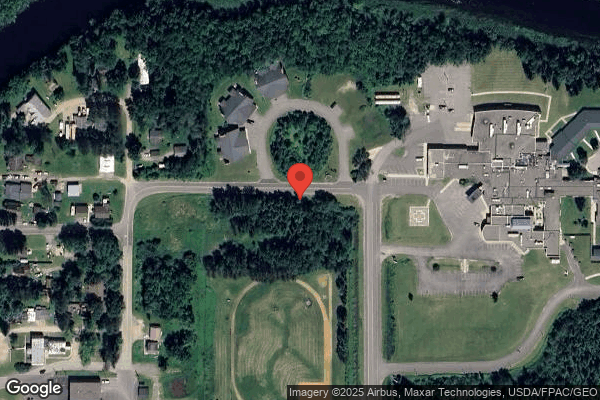

258 PINE TREE DRIVE, BIGFORK, MN 56628 (218) 743-3177
Non profit - Corporation 40 Beds Independent Data: November 2025
Trust Grade
90/100
#7 of 337 in MN
Last Inspection: October 2024

Within standard 12-15 month inspection cycle. Federal law requires annual inspections.

Overview

Bigfork Valley Communities has received an A Trust Grade, indicating excellent quality and highly recommended care. Ranked #7 out of 337 facilities in Minnesota, they are in the top tier, and #1 out of 4 in Itasca County, meaning they are the best local option. However, the facility's trend is worsening, with issues increasing from 3 in 2023 to 5 in 2024. Staffing is a strong point, boasting a 5/5 star rating and a turnover rate of 34%, which is better than the state average, plus there is more RN coverage than 85% of facilities, ensuring good medical oversight. On the downside, the facility has been noted for failing to follow infection control practices with laundry, and they did not provide necessary vaccine education for eligible residents. Additionally, there was a concerning incident where a resident did not receive adequate assistance for personal hygiene as outlined in their care plan, which raises some red flags about the consistency of care.

Trust Score
A
90/100
In Minnesota
#7/337
Top 2%
Safety Record
Low Risk
No red flags
Inspections
Getting Worse
3 → 5 violations
Staff Stability
○ Average
34% turnover. Near Minnesota's 48% average. Typical for the industry.
Penalties
✓ Good
No fines on record. Clean compliance history, better than most Minnesota facilities.
Skilled Nurses
✓ Good
Each resident gets 115 minutes of Registered Nurse (RN) attention daily — more than 97% of Minnesota nursing homes. RNs are the most trained staff who catch health problems before they become serious.
Violations
⚠ Watch
12 deficiencies on record. Higher than average. Multiple issues found across inspections.
★★★★★
5.0
Overall Rating
★★★★★
5.0
Staff Levels
★★★☆☆
3.0
Care Quality
★★★★☆
4.0
Inspection Score
Stable
2023: 3 issues
2024: 5 issues

The Good

  • 5-Star Staffing Rating · Excellent nurse staffing levels
  • Full Sprinkler Coverage · Fire safety systems throughout facility
  • No fines on record
  • Staff turnover below average (34%)

    14 points below Minnesota average of 48%

Facility shows strength in staffing levels, fire safety.

The Bad

Staff Turnover: 34%

12pts below Minnesota avg (46%)

Typical for the industry

The Ugly 12 deficiencies on record

Oct 2024 5 deficiencies
CONCERN (D)

Potential for Harm - no one hurt, but risky conditions existed

Deficiency F0676 (Tag F0676)

Could have caused harm · This affected 1 resident

**NOTE- TERMS IN BRACKETS HAVE BEEN EDITED TO PROTECT CONFIDENTIALITY** Based on observation, interview and document review, the facility failed to assist with personal hygiene as directed by the care...

Read full inspector narrative →
**NOTE- TERMS IN BRACKETS HAVE BEEN EDITED TO PROTECT CONFIDENTIALITY** Based on observation, interview and document review, the facility failed to assist with personal hygiene as directed by the care plan for 1 of 3 (R17) residents reviewed for activities of daily living (ADLs). Findings include: R17's quarterly Minimum Data Set (MDS) dated [DATE], identified R17 was cognitively aware with diagnoses that included malignant neoplasm of accessory sinus (sinus cavity cancer), type 2 diabetes, heart failure and hypertension. R17 required set up or clean up assistance with personal hygiene and R17 completed the activity. R17's care plan dated 7/1/24, identified R17 required extensive assist of one staff for personal hygiene. During an observation on 10/21/24 at 6:20 p.m., R17 was lying in bed on his left side. R17 had dried, dark red blood that had oozed from his left nostril to the left corner of his mouth and onto R17's beard. R17 hair was greasy and disheveled. During an observation on 10/22/24 at 9:36 a.m., RN-A administered R17's Lantus injection. R17 was lying in bed and was wearing the same long-sleeved t-shirt and sweatpants as the evening prior. R17's hair continued to be greasy and R17 continued to have the dried dark red blood from his left nostril to the corner of his mouth and bear. R17 attempted to move his pillow under his head but his pillowcase was coming off exposing half of the pillow with an approximately 6-inch diameter circle of dried blood. RN-A stated, let me help you with that and, without putting on gloves, replaced the soiled pillowcase on R17's pillow and put it under R17's head. RN-A administered R17's medication but did not offer personal hygiene to R17 nor offered clean linens. - At 11:45 a.m., R17 was observed outside sitting in his wheelchair with a visitor on the covered porch area. R17 continued to have dried blood from his left nostril down his mustache to the left corner of his mouth and R17's disheveled hair is sticking out of the hood of his [NAME] jacket. During an interview on 10/23/24 at 8:24 a.m., RN-B stated R17 had sinus cancer and often had blood draining from his nostril. Sometimes R17 couldn't feel it. RN-B would assist R17 with cleaning up or would ask a nursing assistant to help R17. You don't leave him like that. R17 was dirty, bloody and needed to be cleaned up after gowning and gloving. During an interview on 10/23/24 at 8:58 a.m., nursing assistant (NA)-D stated R17 was pretty independent with cares because he liked to do things on his own. Staff pretty much just needed to set R17 up. If R17 was dirty or had blood on his face, you just politely told him and offered a washcloth or asked if you could help him. Sometimes, R17 could tell you and other times you had to point it out. NA-D stated you always offer clean linens when a bed was soiled. Who wants to lie in a dirty bed? During an interview on 10/23/24 at 10:39 a.m., the director of nursing (DON) stated R17 had continuous nose bleeds due to his condition. The DON expected staff to provide immediate basic cares including clean linens for cleanliness and comfort. During an interview on 10/23/24 at 12:47 p.m., R17 was lying in bed, was clean, groomed and had clean bed linens. R17 stated he had a shower that morning. Staff him up and R17 took it from there. However, that did not happen every morning. It was more like every 2-3 days, whatever, I'm just really tired. A facility policy regarding ADLs was requested but not received.
CONCERN (D)

Potential for Harm - no one hurt, but risky conditions existed

Accident Prevention (Tag F0689)

Could have caused harm · This affected 1 resident

**NOTE- TERMS IN BRACKETS HAVE BEEN EDITED TO PROTECT CONFIDENTIALITY** Based on observation, interview and document review, the facility failed to ensure a transfer belt was utilized while transferri...

Read full inspector narrative →
**NOTE- TERMS IN BRACKETS HAVE BEEN EDITED TO PROTECT CONFIDENTIALITY** Based on observation, interview and document review, the facility failed to ensure a transfer belt was utilized while transferring 1 of 1 residents (R11) reviewed for ambulation. Findings include: R11's quarterly Minimum Data Set (MDS) dated [DATE], identified R11 had severe cognitive impairment and required supervision to touching assistance with walking (Helper provides verbal cues or touching/steadying assistance a resident completes activity). R11 had a diagnosis of Alzheimer's and identified a fall without injury since R11's assessment. R11's care plan dated 1/23/24, identified R11 was a limited to extensive assist of one for ambulation and to use a transfer belt. R11's physical therapy discharge note from 2/23/24, identified R11 needed contact guard assist (the caregiver places one or two hands on the patient's body to help with balance and assistance to perform the functional mobility task) with ambulation. R11's fall risk assessment dated [DATE], identified R11 was at risk for falls. During an observation on 10/21/24 at 2:15 p.m., activity staff (A)-B offered to assist R11 to walk to an activity. A-B took R11's hand and placed one arm behind R11's back and walked to the activity. R11 was steady on her feet. A transfer belt was not used while R11 ambulated. During an observation on 10/21/24 at 4:52 p.m., R11 was ambulated for 20 feet by trained medication assistant (TMA)-A and nursing assistant (NA)-A. A transfer belt was not used until they noticed the surveyor was present. R11 was taking short steps, was unbalanced and had two staff assisting her. TMA-A and NA-A then stopped and placed a transfer belt on R11 before they continued to the dining room. During an observation on 10/22/24 at 9:47 a.m., R11 was assisted with ambulation by NA-B from the dining room to the common area by holding R11's hand and an arm around her back. R11 was steady during transfer. A transfer belt was not used while R11 ambulated. During observation on 10/22/24 at 1:49 p.m., R11 was assisted to bingo by A-A who held R11's hand and had one arm behind R11's back. When they got to bingo, A-A assisted resident to sit in a chair. But R11 attempted to sit before the chair was under her and A-A had to grab at R11's waist band on her pants to guide her to sit in the chair without R11 falling to the floor. A transfer belt was not used. During an interview on 10/23/24 at 9:08 a.m., NA-C stated R11 was a limited to extensive assist for ambulation and required the use of a transfer belt while ambulated due to risk of falls or for sudden weakness. During an interview on 10/23/24 at 1:15 p.m., A-B stated she was trained as a NA and had her certification. A-B said she would assist residents to walk to activities when she was able to. When normally assisting R11 to walk, A-B would assist resident to stand and then place one arm behind her back and hold R11's hand. A-B was unsure of what the care plan stated for ambulation with the resident. A-B had not used a gait belt with R11 because R11 could be resistive, therefore A-B did not offer for R11 to use it. A-B was unable to explain the importance of using the gait belt for R11's safety. During an interview on 10/23/24 at 2:11 p.m., the director of nursing (DON) stated it was the expectation that all staff would follow the residents care plan with ambulation to remain safe. R11 should have been wearing a gait belt to ensure her safety. All staff had initial orientation and annual training regarding patient care and ambulation. The facility's Care Plan policy dated 5/2023 identified the staff would implement the interventions to assist the resident to achieve care plan goals and objectives.
CONCERN (D)

Potential for Harm - no one hurt, but risky conditions existed

Drug Regimen Review (Tag F0756)

Could have caused harm · This affected 1 resident

**NOTE- TERMS IN BRACKETS HAVE BEEN EDITED TO PROTECT CONFIDENTIALITY** Based on interview and document review, the facility failed to ensure they received an appropriate physician response to a gradu...

Read full inspector narrative →
**NOTE- TERMS IN BRACKETS HAVE BEEN EDITED TO PROTECT CONFIDENTIALITY** Based on interview and document review, the facility failed to ensure they received an appropriate physician response to a gradual dose reduction for use for 1 of 5 (R9) residents reviewed for unnecessary medication. Findings include: R9's quarterly Minimum Data Set (MDS) dated [DATE], identified R9 had a moderate cognitive impairment and had diagnoses that included Alzheimer's disease, anxiety and depression. R9's physician orders dated 11/20/23, lorazepam (an antianxiety medication) 0.5 milligram (mg). Give 0.5 mg orally three times a day related to anxiety disorder. R9's Consultant Pharmacist's Medication Review dated 11/8/23, identified R9 was due for a second request for lorazepam GDR. R9's last GDR was rejected by family earlier this year. R9 currently takes lorazepam 0.5 mg orally three times a day for anxiety. Would you like to attempt a lower dose at this time or continue as is? (Could try lorazepam 0.5 mg every morning and at bedtime with 0.25 mg at noon.) A physician response dated 11/8/23, identified to change to lorazepam 0.5 mg every morning and at bedtime with 0.25 mg at noon. R9's Pharmacy Medication Review dated 11/16/23 at 12:15 p.m., identified staff spoke on the phone with family member (FM)-A regarding R9's Gradual Dose Reduction Request by Pharmacy and R9's medical provider: decrease lorazepam from 0.5mg three times a day to 0.5mg twice a day with 0.25mg at noon. The GDR request was rejected by FM-A. A fax sent to R9's provider with above text regarding GDR rejection by FM-A. R9's physician order dated 11/20/23, identified lorazepam 0.5 mg orally three times a day. R9's physician progress notes dated 11/20/23 to 10/23/24, identified R9 had major depression and anxiety with orders to continue to administer lorazepam. However, the physician progress notes failed to identify a justification of use for R9's lorazepam. During an interview on 10/23/24 at 10:33 a.m., registered nurse (RN)-B stated R9's lorazepam order was a long standing thing. R9 was in a bad accident years prior and family reported R9 had been taking it since then. Family refused the GDR. During interview on 10/23/24 at 10:35 a.m., the director of nursing (DON) stated the pharmacist sends all recommendations to the provider who then sends their response to us and I take care of them after I receive them. During a telephone interview on 10/23/24 at 12:54 p.m., consultant pharmacist (CP)-A stated a pharmacist did medication reviews for the facility every month. Upon review of R9's 11/16/23, GDR request, CP-A stated R9's family didn't want R9's medications touched. If a family refused a resident's attempt at GDR, the pharmacist relied on the physician's response. As long as an order to continue the medication was received, the pharmacist would not request further review of the medication until the next GDR was recommended. CP-A stated she believed the family refusing GDR was a justifiable reason for continued lorazepam use. However, CP-A stated, after a perod of time, a physician documented justification of use and education would be warranted. During an interview on 10/23/24 at 1:21 p.m., the director of nursing (DON) stated she had never spoken with R9's family regarding R9's medication. The nurses call the family to get the psychotropic medication consent. The DON stated if the family refused the GDR, they would refuse to sign a consent for lorazepam and, without the consent, R9 would not receive her medication. The DON had not addressed a documented justified use with R9's physician. The facility policy Monitoring of Psychotropic Medications effective date 2/2024, identified the consultant pharmacist shall monitor the use of psychotropic medications at least once monthly during the monthly Medication Regimen Review (MRR) and upon request between MRRs. The monitoring hall include, but is not limited to, the review of Behavior and Side Effect Monthly Flow Sheets. - During the monthly MRR, the pharmacist will identify a list of residents receiving psychoactive medications. This list may be obtained from the electronic medical record system. Each of the identified residents shall have Behavior and Side Effect Monthly Flow Sheets that are in PCC. - The Behavior and Side Effect Monthly Flow Sheets are located in the EMR in PCC under POC charting. The pharmacist must review the Flow Sheets, in addition to any other related documentation, and report any irregularities to the attending physician and Director of Nursing as outlined in the Consultant Pharmacist Services policy. Irregularities may include, but are not limited to, the following: - Lack of rationale identifying why a medication is required - Inappropriate diagnosis code(s) - Lack of care planning - Lack of resident specific monitoring - Inconsistent monitoring of side effects or behaviors - Lack of rationale identifying why a gradual dose reduction (GDR) is clinically contraindicated - Unnecessary drug, in which the drug is used: - in excessive dose - for excessive duration - without adequate monitoring or without adequate indications for use - in the presence of adverse consequences, which indicate the dosage should be reduced or discontinued without specific target symptoms.
CONCERN (D)

Potential for Harm - no one hurt, but risky conditions existed

Medication Errors (Tag F0758)

Could have caused harm · This affected 1 resident

**NOTE- TERMS IN BRACKETS HAVE BEEN EDITED TO PROTECT CONFIDENTIALITY** Based on interview and document review, the facility failed to ensure behavior monitoring and gradual dose reduction (GDR) or ju...

Read full inspector narrative →
**NOTE- TERMS IN BRACKETS HAVE BEEN EDITED TO PROTECT CONFIDENTIALITY** Based on interview and document review, the facility failed to ensure behavior monitoring and gradual dose reduction (GDR) or justification of continued use was identified for 1 of 5 (R9) residents reviewed for unnecessary medication who were on a psychotropic medication. Findings include: R9's quarterly Minimum Data Set (MDS) dated [DATE], identified R9 had a moderate cognitive impairment and had diagnoses that included Alzheimer's disease, anxiety and depression. R9's physician orders dated 11/20/23, lorazepam (an antianxiety medication) 0.5 milligram (mg). Give 0.5 mg orally three times a day related to anxiety disorder. R9's Consultant Pharmacist's Medication Review dated 11/8/23, identified R9 was due for a second request for lorazepam GDR. R9's last GDR was rejected by family earlier this year. R9 currently takes lorazepam 0.5 mg orally three times a day for anxiety. Would you like to attempt a lower dose at this time or continue as is? (Could try lorazepam 0.5 mg every morning and at bedtime with 0.25 mg at noon.) A physician response dated 11/8/23, identified to change to lorazepam 0.5 mg every morning and at bedtime with 0.25 mg at noon. R9's Pharmacy Medication Review dated 11/16/23 at 12:15 p.m., identified staff spoke on the phone with family member (FM)-A regarding R9's Gradual Dose Reduction Request by Pharmacy and R9's medical provider: decrease lorazepam from 0.5mg three times a day to 0.5mg twice a day with 0.25mg at noon. The GDR request was rejected by FM-A. A fax sent to R9's provider with above text regarding GDR rejection by FM-A. R9's physician order dated 11/20/23, identified lorazepam 0.5 mg orally three times a day. R9's physician progress notes dated 11/20/23 to 10/23/24, identified R9 had major depression and anxiety with orders to continue to administer lorazepam. However, the physician progress notes failed to identify a justification of use for R9's lorazepam. R9's medical record failed to identify behavior monitoring and corresponding nursing assessment either supporting the continuation of the lorazepam does or recommending a dose reduction. During an interview on 10/23/24 at 10:33 a.m., registered nurse (RN)-B stated R9's lorazepam order was a long standing thing. R9 was in a bad accident years prior and family reported R9 had been taking it since then. Family refused the GDR. During an observation on 10/22/24 at 1:54 p.m., R9 was playing a bingo during a large group activity. R9 was relaxed, smiling and joking with the staff and other residents. During an observation on 10/23/24 at 7:13 a.m., R9 was awake and dressed for the day. R9 rang a bell on her overbed table. Trained medication aide (TMA)-A entered R9's room R9 stated her floor needed to be swept. TMA-A had housekeeping go into R9's room and clean. R9 was calm. TMA-A stated R9 just needed reassurance that she was safe, that staff were always there to help and staff just needed to try to figure out what R9 needed/wanted. During an observation on 10/23/24 at 8:36 a.m., nursing assistant (NA)-D provided morning cares for R9. NA-D explained each step in a calm voice and short, simple cues. R9 chose her clothing after NA-D gave her choices and participated during cares. R9 remained calm and smiling throughout cares. During interview on 10/23/24 at 10:35 a.m., the director of nursing (DON) stated the pharmacist sends all recommendations to the provider who then sends their response to us and I take care of them after I receive them. During a telephone interview on 10/23/24 at 10:50 a.m., R9's physician had never spoken to R9's family regarding R9's lorazepam order nor had provided education regarding lorazepam. During a telephone interview on 10/23/24 at 12:54 p.m., consultant pharmacist (CP)-A stated a pharmacist did medication reviews for the facility every month. Upon review of R9's 11/16/23 GDR request, CP-A stated R9's family didn't want R9's medications touched. If a family refused a resident's attempt at GDR, the pharmacist relied on the physician's response. As long as an order to continue the medication was received, the pharmacist would not request further review of the medication until the next GDR was recommended. CP-A stated she believed the family refusing GDR was a justifiable reason for continued lorazepam use. However, CP-A stated, after a perod of time, a physician documented justification of use and education would be warranted. During an interview on 10/23/24 at 1:04 p.m., NA-D stated R9 did not exhibit any behaviors. R9 could get a little confused but normally was not anxious, agitated, restless or anything like that. R9 was just normal. During an interview on 10/23/24 at 1:13 p.m., NA-C and NA-E stated R9 was pretty easy going. NA-E stated R9 had a lot of anxiety when she was first admitted to the facility but that had been a while. R9 did like to watch everything staff did during cares. If R9 didn't see you do it, it didn't happen. Staff just needed to let R9 do her thing. Staff needed to tell her or show her every step of the way and it usually went well. If R9 questioned anything, staff just did it again and it was all good. During an interview on 10/23/24 at 1:18 p.m., registered nurse (RN)-C stated R9 was pleasant, but forgetful. Other than that, R9 really didn't have any negative behaviors. During an interview on 10/23/24 at 1:21 p.m., the director of nursing (DON) stated she had never spoken with R9's family regarding R9's medication. The nurses call the family to get the psychotropic medication consent. The DON stated if the family refused the GDR, they would refuse to sign a consent for lorazepam and, without the consent, R9 would not receive her medication. The DON had not addressed a documented justified use with R9's physician and felt the familiies refusals were enough. Staff were expected document R9's behavior and assess R9 for possible interventions. The facility policy Monitoring of Psychotropic Medications effective date 2/2024, identified the consultant pharmacist shall monitor the use of psychotropic medications at least once monthly during the monthly Medication Regimen Review (MRR) and upon request between MRRs. The monitoring hall include, but is not limited to, the review of Behavior and Side Effect Monthly Flow Sheets. - During the monthly MRR, the pharmacist will identify a list of residents receiving psychoactive medications. This list may be obtained from the electronic medical record system. Each of the identified residents shall have Behavior and Side Effect Monthly Flow Sheets that are in PCC. - The Behavior and Side Effect Monthly Flow Sheets are located in the EMR in PCC under POC charting. The pharmacist must review the Flow Sheets, in addition to any other related documentation, and report any irregularities to the attending physician and Director of Nursing as outlined in the Consultant Pharmacist Services policy. Irregularities may include, but are not limited to, the following: - Lack of rationale identifying why a medication is required - Inappropriate diagnosis code(s) - Lack of care planning - Lack of resident specific monitoring - Inconsistent monitoring of side effects or behaviors - Lack of rationale identifying why a gradual dose reduction (GDR) is clinically contraindicated - Unnecessary drug, in which the drug is used: - in excessive dose - for excessive duration - without adequate monitoring or without adequate indications for use - in the presence of adverse consequences, which indicate the dosage should be reduced or discontinued without specific target symptoms.
CONCERN (D)

Potential for Harm - no one hurt, but risky conditions existed

Infection Control (Tag F0880)

Could have caused harm · This affected 1 resident

**NOTE- TERMS IN BRACKETS HAVE BEEN EDITED TO PROTECT CONFIDENTIALITY** Based on observation, interview and document review, the facility failed to use standard and enhanced barrier precautions (EBP);...

Read full inspector narrative →
**NOTE- TERMS IN BRACKETS HAVE BEEN EDITED TO PROTECT CONFIDENTIALITY** Based on observation, interview and document review, the facility failed to use standard and enhanced barrier precautions (EBP); and failed to maintain proper infection control procedures for insulin administration for 1 of 3 (R17) residents reviewed for activities of daily living (ADL's). Findings include: R17's quarterly Minimum Data Set (MDS) dated [DATE], identified R17 was cognitively aware and had diagnoses that included malignant neoplasm of accessory sinus (sinus cavity cancer), type 2 diabetes, heart failure and hypertension. R17 required set up or clean up assistance with personal hygiene and R17 completed the activity. R17 had indwelling urinary catheter. R17's care plan dated 10/1/24, identified R17 required extensive assist of one staff for personal hygiene. R17 had a diagnosis of left-sided sinonasal squamous cell carcinoma with left orbital involvement (a rare tumor that affected the nasal and sinus cavity). R17 had his sinus's irrigated twice daily and contact precautions needed to be taken. R17 used an indwelling urinary catheter and staff were directed catheter every shift and as needed. The care plan did not address R17's need for EBP precautions due to an indwelling device. During an observation on 10/22/24 at 9:36 a.m., registered nurse (RN)-A did not clean the rubber stopper at the end of R17's Lantus (a long-acting insulin that helped manage blood sugars levels in certain people) pen, applied a needle and dialed R17's dose of medication. RN-A entered R17's room without donning a gown and/or gloves and approached R17. R17 was lying in bed on his left side and had dried dark red blood from his left nostril to the corner of his mouth and beard. R17 attempted to move his pillow under his head but his pillowcase was coming off exposing half of the pillow with an approximately 6-inch diameter circle of dried blood. RN-A stated, let me help you with that and, without putting on gloves, replaced the soiled bloody pillowcase on R17's pillow and put it under R17's head. R17 rolled onto his back using his trapeze bar and stated to use the right side of his abdomen because everyone always used the left side. RN-A failed to don gloves, then cleansed R17's injection site with an alcohol wipe and administered R17's Lantus injection. RN-A withdrew the needle and wiped the area again with an alcohol wipe. - At 9:45 a.m., RN-A stated she did not need to clean the rubber stopper of R17's Lantus pen because she assumed the person before her had cleaned the pen with an alcohol wipe before putting it back into the cart when they were done. I guess you should never assume because they might not have done it. RN-A stated she did not wear gloves and never wore gloves with R17 because she thought it intimated him. RN-A stated if she had cleaned the blood from his face, she would have worn gloves then but not for this. RN-A then stated it didn't matter because she used hand sanitizer before going into R17's room. During an interview on 10/23/24 at 8:11 a.m., RN-C stated she cleaned the insulin pen rubber stopper before and after every use. You don't know where it's been. Even when it's capped. Disinfecting of the rubber stopper was to prevent bacteria from entering the pen and causing an infection. R17 had EBP due to having an indwelling foley catheter. Staff needed to don a gown, gloves and/or a mask and eye protection when they did catheter care. RN-C wouldn't necessarily put on a gown when she administered medications to R17 because you weren't coming into contact with R17. However, if RN-C needed to help R17 with changing his bedding or if you needed to get close to him and touch him, then RN-C would need to don a gown and gloves, especially with touching bodily fluids. That's just what you do. During an interview on 10/23/24 at 8:24 a.m., RN-B stated staff needed to don a gown and gloves during catheter care. RN-B stated if he was only administering medications or insulin, RN-B would not don a gown because RN-B would not come into contact with R17. However, if providing any type of direct care to R17, staff would need to don gown, gloves, mask and the whole works because you were coming into direct contact with R17. If it's bloody or wet and it's not yours, wear PPE to protect yourself and others. RN-B would clean the rubber stopper on the Lantus pen before applying the needle to prevent infection. During an interview on 10/23/24 at 10:39 a.m., the director of nursing (DON) stated R17 on EBP because R17 had a foley catheter. Staff were expected to clean the rubber stopper of an insulin pen prior to applying the needle to prevent bacteria from entering the pen. Staff were expected to don a gown and gloves during direct care and whenever in contact with bodily fluids to prevent infection. The facility policy Infection Control Practices: Standard Precautions Transmission Based Precautions dated 8/2024, identified EBP were an infection control intervention designed to reduce transmission of resistant organisms that employed targeted gown and glove use during high contact resident care activities. EBP may be indicated (when Contact Precautions do not otherwise apply) for residents with any of the following: wounds or indwelling medical devices, regardless of MDRO colonization status and/or infection or colonization with an MDRO. Effective implementation of EBP requires staff training on the proper use of personal protective equipment (PPE) and the availability of PPE and hand hygiene supplies at the point of care.
Nov 2023 2 deficiencies
CONCERN (D)

Potential for Harm - no one hurt, but risky conditions existed

Accident Prevention (Tag F0689)

Could have caused harm · This affected 1 resident

**NOTE- TERMS IN BRACKETS HAVE BEEN EDITED TO PROTECT CONFIDENTIALITY** Based on observation and interview the facility failed to ensure proper placement of a full mechanical lift sling to ensure a sa...

Read full inspector narrative →
**NOTE- TERMS IN BRACKETS HAVE BEEN EDITED TO PROTECT CONFIDENTIALITY** Based on observation and interview the facility failed to ensure proper placement of a full mechanical lift sling to ensure a safe transfer for 1 of 2 (R2) observed during full mechanical lift transfers. Findings include: R2's quarterly Minimum Data Set (MDS) dated [DATE], identified R2 was severely cognitively impaired, and diagnoses included hemiplegia, hemiparesis, and aphasia. R2's care plan dated 10/3/23, identified staff used the full mechanical lift for transfers to and from the bed. During observation on 11/14/23 at 3:13 p.m., nursing assistant (NA)-A and NA-B were assisting R2 from wheelchair to bed. NA-A and NA-B placed the full mechanical lift sling behind R2's back and buttocks. NA-A stated the lift sheet did not slide behind R2's back and under legs very well and was sticking to R2's clothing. NA-A reached for the strap and pulled hard on the sling under R2's leg. NA-B fastened the sling loops to the mechanical lift. NA-A attempted but was unable to fasten the sling loops to the mechanical lift clips. NA-B used the remote control to lower the lift closer to R2 until NA-A was able to fasten the loops to the sling clips. Using the remote control NA-B elevated R2 approximately six inches above the wheelchair. R2's buttocks was hanging through the opening of the lift sheet. NA-A stated R2 was sliding down out of the sling, NA-B lowered R2 back down into the wheelchair. -R2 was seated in the wheelchair in a slouched position with his buttocks at the front edge and hanging off of the wheelchair cushion. R2's buttocks started slowly slipping forward, off the wheelchair cushion and out of the wheelchair. Staff did not immediately assist R2. Surveyor intervened and reported to NA-A and NA-B that R2 was slipping out of the wheelchair. NA-B then used the remote control and slightly elevated the lift to tightened the sling around R2. R2 stopped sliding out of the wheelchair. During interview on 11/14/23 3:34 p.m., NA-B stated staff used the full mechanical lift to transfer R2 in/out of bed and did not usually have problems. R2 has never slipped out of the sling or the wheelchair. The transfer observed was not a good transfer because the sling was not under R2 far enough and R2 started slipping out of the sling. NA-B was trained to use the full mechanical lift by the assistant director of nursing (ADON). During interview on 11/14/23 at 4:48 p.m., NA-A stated the full mechanical lift was new to the facility and the ADON trained staff on correct placement of the sling and use of the lift. It was hard to place the sling under R2 because the sling stuck to the residents clothing and staff had a hard time getting the sling under the resident far enough. Transfers usually went well with the full mechanical lift. This transfer of R2 did not go well because the sling was not properly placed under the resident to safely transfer R2 and staff had to lower the resident back down to the wheelchair. During interview on 11/15/23 at 8:25 a.m., the ADON stated she received a call from NA-A regarding R2's transfer on 11/14/23. NA-A reported the transfer had not gone well and R2 nearly slid out of the lift sling. Both NA-A and NA-B received training for placement of the sling and use of the full mechanical lift. The ADON stated she expected staff to follow the education provided to ensure residents would not fall or slip out of the sling. During interview on 11/15/23 at 12:59 p.m., the director of nursing (DON) stated staff were expected to follow the education provided for proper sling placement and use of the full mechanical lift. If a transfer didn't go well, the staff were expected to notify one of the nurses who would follow up by sending a referral to therapy for an evaluation of the residents transfers and to see if there was a better way to transfer the resident. The Safe Patient Handling: Mechanical and Non-Mechanical Lifts policy review date 4/20, identified the purpose of the policy was to ensure proper use of Safe Patient Handling equipment. The policy directed staff on how to place the sling under and lift the resident while seated in a chair/wheelchair. The directions included staff to tuck the end of the sling at the coccyx or against the seat.
CONCERN (E)

Potential for Harm - no one hurt, but risky conditions existed

Deficiency F0883 (Tag F0883)

Could have caused harm · This affected multiple residents

**NOTE- TERMS IN BRACKETS HAVE BEEN EDITED TO PROTECT CONFIDENTIALITY** Based on interview and document review, the facility failed to offer and provide education regarding the pneumococcal conjugate ...

Read full inspector narrative →
**NOTE- TERMS IN BRACKETS HAVE BEEN EDITED TO PROTECT CONFIDENTIALITY** Based on interview and document review, the facility failed to offer and provide education regarding the pneumococcal conjugate vaccine 20 variant (PVC20) education for those elegible as directed by the Centers for Disease Control (CDC) for 5 of 5 residents (R2, R4, R16, R17, R71) reviewed for immunizations. Findings include: R2's quarterly Minimum Data Set (MDS) dated [DATE], identified R2 had diagnoses including chronic obstructive pulmonary disease (COPD). R2's undated, Minnesota Immunization Information Connection (MIIC) report identified R2 received the pneumococcal polysaccharide vaccine (PPSV23) on 4/19/18, and the pneumococcal conjugate vaccine 13 variant (PCV13) on 5/20/05. R2's medical record lacked evidence the PCV20 was offered and/or education was provided in conjunction with the provider to R2/R2's representative. R4's quarterly MDS dated [DATE], identified diagnoses of diabetes and atrial fibrillation. R4's undated Minnesota Immunization Information Connection (MIIC) report identified R4 received PPSV23 on 10/13/04, and the PCV13 on 3/29/17. R4's medical record lacked evidence the PCV20 was offered and/or education was provided in conjunction with the provider to R4/R4's representative. R16's admission MDS dated [DATE], identified diagnoses including diabetes, and multiple sclerosis. R16's undated MIIC identified R16 received PPSV23, on 9/27/12 and PCV13 on 7/21/15. R16's medical record lacked evidence the PCV20 was offered and/or education was provided in conjunction with the provider to R16/R16's representative. R17's admission MDS dated [DATE], identified diagnoses including asthma and thyroid disease. R17's undated MIIC report identified R17 received PPV23, on 9/21/15 and PCV13 on 4/22/19. R17's medical record lacked evidence the PCV20 was offered and/or education was provided in conjunction with the provider to R17/R17's representative. R71's quarterly MDS dated [DATE], identified diagnoses including coronary artery disease, heart failure and asthma. R71's pneumococcal immunization standing orders dated 5/17/23, identified R71 refused the PPSV23 and PCV13 vaccinations. The declination failed to identify if the PCV20 risk and benefits was discussed or offered. During interview on 11/15/2023 at 1:15 p.m., the director of nursing stated she was unaware of the new CDC guidance and had not completed education or offered the PCV20 vaccination to residents/resident representatives. The facilities Pneumococcal Vaccine Standing Orders revised 10/22, identified all adults who met the criteria established by the CDC Advisory Committee would be vaccinated to reduce morbidity and mortality. The standing orders enabled appropriately qualified personnel (e.g. nurses or pharmacist) to assess the need for vaccination and to vaccinate adults equal to or older than [AGE] years of age who met any of the procedural criteria, without a physicians order. The appropriate personnel would determine the need for vaccination, screen the individuals, provide a vaccine information statement (VIS), administer and document the vaccine information.
Jun 2023 1 deficiency
CONCERN (D) 📢 Someone Reported This

A family member, employee, or ombudsman was alarmed enough to file a formal complaint

Potential for Harm - no one hurt, but risky conditions existed

Report Alleged Abuse (Tag F0609)

Could have caused harm · This affected 1 resident

Based on interview and document review the facility failed to ensure an injury of unknown origin determined to be suspicious for abuse was reported to the state agency (SA) within the required timefra...

Read full inspector narrative →
Based on interview and document review the facility failed to ensure an injury of unknown origin determined to be suspicious for abuse was reported to the state agency (SA) within the required timeframe for 1 of 3 residents reviewed. Findings include: A report to the SA dated 6/20/23, at 11:21 a.m. indicated R1 was observed to have swelling, an abrasion and bruising on his eyebrow and bruising on his upper eye lid. A facility Initial Incident Report dated 6/20/23, indicated staff went to check on R1 and noted unknown bruising to the top of his eyebrow and dark purple bruising. The facility's investigation report submitted 6/22/23, indicated when the nurse who identified the bruising was interviewed, she reported the Injury of unknown origin had been identified on 6/19/23, at 7:45 p.m. During interview on 6/23/23, licensed social worker (LSW)-A confirmed the nurse had seen the bruising on 6/19/23. LSW-A stated the nurse reported the injury to the assistant director of nursing (ADON) the following morning and when she and the ADON went to look at R1, they both felt the injury should be reported to the SA due to it being suspicious in nature. LSW-A stated anyone in the facility had the ability to report to the SA and said the report should have been made within two hours. Facility policy Reporting a VA (vulnerable adult) in OHFC (office of heath facility complaints) Procedure dated 12/2022, indicated alleged incidents will be reported to the SA immediately or within two hours. The policy indicated in the absence of the director of nursing, LSW or administrator the licensed nurse will file the report.
Dec 2022 1 deficiency
CONCERN (D) 📢 Someone Reported This

A family member, employee, or ombudsman was alarmed enough to file a formal complaint

Potential for Harm - no one hurt, but risky conditions existed

Report Alleged Abuse (Tag F0609)

Could have caused harm · This affected 1 resident

**NOTE- TERMS IN BRACKETS HAVE BEEN EDITED TO PROTECT CONFIDENTIALITY** Based on interview and document review, the facility failed to immediately report to the administrator and no later than 2 hours...

Read full inspector narrative →
**NOTE- TERMS IN BRACKETS HAVE BEEN EDITED TO PROTECT CONFIDENTIALITY** Based on interview and document review, the facility failed to immediately report to the administrator and no later than 2 hours, to the State Agency (SA) an allegation of staff to resident verbal abuse for 1 of 1 residents (R1) who was reviewed for allegations of abuse. Findings include: R1's annual Minimum Data Set (MDS) dated [DATE], indicated R1 had diagnoses which included Alzheimer's, anxiety, depression and was severely cognitively impaired. Identified R1 required staff assistance with bed mobility, transfers, dressing, toileting, personal hygiene, bathing and was independent with eating after set up assistance. R1's care plan revised on 12/5/22, identified R1 was a vulnerable adult due to her placement and indicated R1 would have been safe while living at the facility and her basic needs would have been met. The care plan indicated R1 had a diagnoses of dementia with very short term memory and would ask the same question numerous times. The care plan identified R1 required assistance with bed mobility, transfers, dressing, grooming, bathing, toileting and set up help for eating. R1's care plan indicated she had anxiety and depression and demonstrated verbally abusive behavior at times during cares. Review of R1's Initial Incident Report form dated 11/28/22, revealed the following: On 11/27/22, an allegation of verbal abuse occurred in the aspen dining room with R1. Staff reported kitchen staff had been rude and yelling at R1 and telling her to just eat her meal and soup. Review of the Nursing Home Incident Report (NHIR) submitted to the SA identified there was an allegation of emotional/mental abuse. The report indicated on 11/27/22, at 5:00 p.m. nursing assistant (NA) brought R1 soup from the kitchen, when R1 began to yell out she did not like the soup and wanted some salt. The report identified dietary staff yelled at R1, informed her they did not have any salt and it did not matter as they did not believe she would eat the soup anyway. Shortly after the incident a charge nurse entered the dining room where R1 and dietary staff were present and stated to the dietary staff do I have permission to put duct tape on her mouth? The charge nurse and the dietary staff laughed after the comment had been made. The NHIR identified the incident occurred on 11/27/22, at 5:00 p.m. and was reported to the SA on 11/28/22, at 1:38 p.m. over 20 hours after the incident had occurred. During an interview on 12/6/22, at 4:25 p.m. dietary staff (DS)-B indicated on 11/27/22, she entered the dining room at about 5:00 p.m. and heard R1 using vulgar language while asking for salt. DS-B stated she heard DS-A respond to R1 to shut up in a harsh manner. DS-B indicated DS-A walked away from R1 while she continued to call DS-A vulgar names and indicated the words said between R1 and DS-A became very heated. DS-B stated she was not aware of who to report the allegation of abuse to since her boss had already left for the day. During an interview on 12/6/22, at 5:48 p.m. NA-B indicated on 11/27/22, at about 5:10 p.m. R1 was eating chicken noodle soup in the dining room and asked for some salt in a very loud tone of voice. DS-A informed her they did not have any salt and R1 responded the soup was gross and she could not eat it. NA-A indicated the verbal exchange between DS-A and R1 about the salt escalated when DS-A responded in a loud tone of voice there is no salt, I don't know what to tell you. NA-B stated DS-A proceeded to respond by telling R1 to shut up and I'm tired of feeding you. NA-B indicated she had not reported the allegation of abuse as she did not have the time to write up the report. During an interview on 12/7/22, at 11:26 a.m., the director of nursing (DON) confirmed the above findings and indicated the administrator had called her on the morning of 11/28/22, to report the allegation of abuse to her. The DON indicated the allegation occurred in the dining room on 11/27/22, around 5:00 p.m. when DS-A told R1 to shut up in a loud voice. The DON stated staff were expected to report any allegation of abuse to their supervisor immediately and to notify her and the administrator right away. The DON indicated staff were to report to the SA within two hours of the incident occurring and she would expect staff to follow the facility policy with any allegation of abuse. During an interview on 12/7/22, at 11:58 a.m. the administrator confirmed the above findings and indicated he had been notified of the allegation involving DS-A on the morning of 11/27/22. The administrator stated the facility's abuse policy instructed staff to report the incident immediately to their supervisor and the supervisor would notify him as soon as possible. The administrator indicated the facility had two hours to report any type of elder abuse to the SA and if the allegation involved a staff member they would have been removed from the schedule until the investigation had been completed. The administrator stated he would expect staff to follow the facility's abuse policy and to report the SA in a timely manner. Review of the facility policy titled, Senior Services Abuse Prevention Plan revised 4/22, indicated if suspected or alleged abuse (physical, verbal, sexual, financial exploitation) a report was expected to be made to the facility designated SA immediately or no later than 2 hours after the allegation/suspicion. The policy instructed staff to call the administrator or the DON immediately.
Jun 2022 3 deficiencies
CONCERN (D)

Potential for Harm - no one hurt, but risky conditions existed

Deficiency F0554 (Tag F0554)

Could have caused harm · This affected 1 resident

**NOTE- TERMS IN BRACKETS HAVE BEEN EDITED TO PROTECT CONFIDENTIALITY** Based on observation, interview and document review the facility comprehensively assess safety with self- administration of medi...

Read full inspector narrative →
**NOTE- TERMS IN BRACKETS HAVE BEEN EDITED TO PROTECT CONFIDENTIALITY** Based on observation, interview and document review the facility comprehensively assess safety with self- administration of medication for 1 of 1 residents (R5) observed to have medications left in their room unsupervised by staff after staff set-up. Findings include: R5's quarterly Minimum Data Set (MDS) dated [DATE], identified R5 was cognitively intact and required assistance of one staff for activities of daily living (ADLs). On 6/21/22, at 1:34 p.m. R5 was observed seated in a wheelchair in her room with no staff present; and there were three pills and one capsule in a medication cup on R5's bedside table. R5 stated the four medications in the med cup were left by the nurse about 30 minutes earlier and the staff always left her medications for her to take unsupervised. R5's medical record lacked a self- adminstration of medication assessment. - At 1:53 p.m. registered nurse (RN)-A stated when dispensing medications to a resident she would verify med orders, place them in a med cup, give the medications to the resident and then sign the medication administration record (MAR) after observing the resident swallowed the medication. RN-A stated R5 would not swallow the medications in front staff so she always left the medications for R5 to take on her own. RN-A checked back after about 30 minutes to be sure R5 took the medications. RN-A signed R5's MAR at 12:15 p.m. on 6/21/22. - At 2:11 p.m. RN-A stated she could not find anything in R5's care plan directing staff to leave R5's medication's to take unsupervised. - At 2:30 p.m. RN-B stated she defined self-administration of medication as when a nurse sets up a residents medication and allows the resident to take the med's unsupervised. The facility policy directed staff to complete an assessment, obtain an MD order and add an item to the care plan before a resident was able to self-administer med's. R5's medical record lacked any assessment, MD orders and was not on the care plan to take medications without nurse supervision. During interview on 6/23/22, at 1:50 p.m. the director of nursing (DON) stated if a resident was deemed unable to administer their own medications, the medications shouldn't be left in their room unsupervised by staff. An assessment must be completed indicating the resident was capable of taking the medications unsupervised and the nurse would need to follow-up with the resident within 15 minutes. If a resident is capable of administering their own medications and there was not an assessment, they would be responsible to notify RN-B to complete an assessment. The facilities Self-Administration of Medications LTC policy last approved 6/22, identified residents were able to self-administer medication if they were evaluated to do so. The evaluation would include assessments of the resident's mental and physical abilities, their decision-making capacity and an order from the MD identifying the resident is clinically appropriate to self-administer medications.
CONCERN (D)

Potential for Harm - no one hurt, but risky conditions existed

Deficiency F0790 (Tag F0790)

Could have caused harm · This affected 1 resident

**NOTE- TERMS IN BRACKETS HAVE BEEN EDITED TO PROTECT CONFIDENTIALITY** Based on observation, interview and document review, the facility failed to ensure dental services were provided for 1 of 1 resi...

Read full inspector narrative →
**NOTE- TERMS IN BRACKETS HAVE BEEN EDITED TO PROTECT CONFIDENTIALITY** Based on observation, interview and document review, the facility failed to ensure dental services were provided for 1 of 1 residents (R10) reviewed who had broken/chipped teeth in poor condition. Findings include: R10's quarterly Minimum Data Set (MDS) dated [DATE], identified R10 had moderate cognitive impairment and diagnosis of Alzheimer's disease. R10 required set up for eating. However, the R10's dental/oral status was not required to be assessed during the MDS assessment period. During an observation on 6/21/22, at 2:34 p.m. R10 had missing and broken teeth along the upper right side of R10's mouth that were visible while she was speaking. R10's nursing progress note dated 5/29/21, at 4:56 p.m. identified R10 voiced a complaint of a loose tooth. Staff identified an upper incisor tooth was observed to be loose and wiggling on the left side. R10 did not state she hit the tooth and there was no apparent bruising to R10's lips or gums. R10 stated stated she would just chew to either side. R10 denied pain unless she bit down with the broken tooth and staff encouraged her to not wiggle the tooth manually. A message to contact hospice and/or the dentist during the following business week. R10's nursing progress noted dated 6/12/21, at 1:20 p.m. identified R10's loose tooth had cracked and a piece of the tooth had fallen out during lunch. A small amount of blood was surrounding the tooth at the base of the gums. There was no swelling or signs of infections. R10 was encouraged to not wiggle the tooth. R10 did not complain of any increased pain at the site, continued to eat, and forgot the tooth had fallen out. Nursing communicated the broken tooth to hospice in regards to making a dental appointment and hospice agreed with this plan. A reminder was placed on the message board in the electronic medical record to make an appointment and arrange transportation during the following business week. During an interview on 6/23/22, at 7:56 a.m. registered nurse (RN)-A stated she reviewed R10's chart and found notes which stated a dental appointment should have been made. However, there was no documentation or notes which identified the facility attempted to make a dental appointment for R10. RN-A stated an attempt to make a dental appointment after a resident had broken a tooth was expected. During an interview on 6/23/22, at 1:07 p.m. the health unit coordinator (HUC) stated she was out of the facility on leave when R10 broke her tooth and was not notified to schedule an appointment for R10 when she returned to work. During an interview on 6/23/22, at 1:58 p.m. the director of nursing (DON) stated all the nurses and/or the social worker were able to make medical and/or dental appointments for the residents and the responsibility did not rest solely on the HUC. R10's dental appointment should have been scheduled timely or at least an attempt to do so with documentation reflecting what had occurred. The facility policy Dental Services revised 12/21, identified the facility would assist elders to obtain routine and 24-hour emergency dental care. Each elder was encouraged to choose a dentist who was ale to provide dental care to meet the elder's needs. The nursing staf would assist elders, as necessary in making appointment and arranging transportation to and from the dentist's office if services were not provided in the facility.
CONCERN (F)

Potential for Harm - no one hurt, but risky conditions existed

Infection Control (Tag F0880)

Could have caused harm · This affected most or all residents

**NOTE- TERMS IN BRACKETS HAVE BEEN EDITED TO PROTECT CONFIDENTIALITY** Based on observation, interview and document review, the facility failed to follow standard infection control practices when han...

Read full inspector narrative →
**NOTE- TERMS IN BRACKETS HAVE BEEN EDITED TO PROTECT CONFIDENTIALITY** Based on observation, interview and document review, the facility failed to follow standard infection control practices when handling and sorting soiled and potentially infectious resident laundry. This practice had the potential to affect all 20 residents residing in the facility and who had their personal laundry laundered at the facility. Findings include: On 6/23/22, at 10:57 a.m. the facility's laundry room was observed with housekeeper (HK)-A. There were two protective gowns and gloves in the laundry room. HK-A stated after he gathered each residents soiled laundry he sorted through it examining each item for stains, checking pockets and separating whites from [NAME], before putting the clothing into the facility washer. HK-A did the quarantined (infectious) resident's laundry last to keep from contaminating other's clothing. HK-A stated he sorted the quarantined laundry in the same manner as the other laundry. HK-A also stated he took the large, waterproof isolation bag and turned it inside out and put in with the wash. - HK-A demonstrated how he sorted and inspected the soiled clothing (included quarantined laundry) and handled the clothing isolation bag to wash. HK-A put on gloves to handle the soiled laundry, but did not put on a protective gown over his uniform. HK-A stated there was a potential for the soiled laundry to come into contact with his bare arms or uniform, and only used a protective gown when adding bleach to the washer to disinfect it at the end of the shift. Further, HK-A stated the facility completed all 20 residents personal laundry. During interview on 6/23/22, at 11:28 a.m. housekeeping supervisor (HKS)-B stated all staff were to wear a washable protective gown when sorting through resident's soiled laundry and the gowns were to be washed each time it was worn. When quarantined laundry was handled, the staff were to wear a disposable gown and discard it immediately after use. The facility policy Clarification of Interpretive Guidance Laundry and Infection Control from the Center For Medicare and Medicaid Services dated 1/25/13, identified it was important all potentially contaminated linen be handled with appropriate measures to prevent cross-transmission. It was important laundry areas had appropriate personal protective equipment such as gloves and gowns for workers to wear when sorting linens.
Understanding Severity Codes (click to expand)
Life-Threatening (Immediate Jeopardy)
J - Isolated K - Pattern L - Widespread
Actual Harm
G - Isolated H - Pattern I - Widespread
Potential for Harm
D - Isolated E - Pattern F - Widespread
No Harm (Minor)
A - Isolated B - Pattern C - Widespread

Questions to Ask on Your Visit

  • "Can I speak with families of current residents?"
  • "What's your RN coverage like on weekends and overnight?"

Our Honest Assessment

Strengths
  • • Grade A (90/100). Above average facility, better than most options in Minnesota.
  • • No major safety red flags. No abuse findings, life-threatening violations, or SFF status.
  • • No fines on record. Clean compliance history, better than most Minnesota facilities.
  • • 34% turnover. Below Minnesota's 48% average. Good staff retention means consistent care.
Concerns
  • • 12 deficiencies on record. Higher than average. Multiple issues found across inspections.
Bottom line: Generally positive indicators. Standard due diligence and a personal visit recommended.

About This Facility

What is Bigfork Valley Communities's CMS Rating?

CMS assigns BIGFORK VALLEY COMMUNITIES an overall rating of 5 out of 5 stars, which is considered much above average nationally. Within Minnesota, this rating places the facility higher than 99% of the state's 100 nursing homes. This rating reflects solid performance across the metrics CMS uses to evaluate nursing home quality.
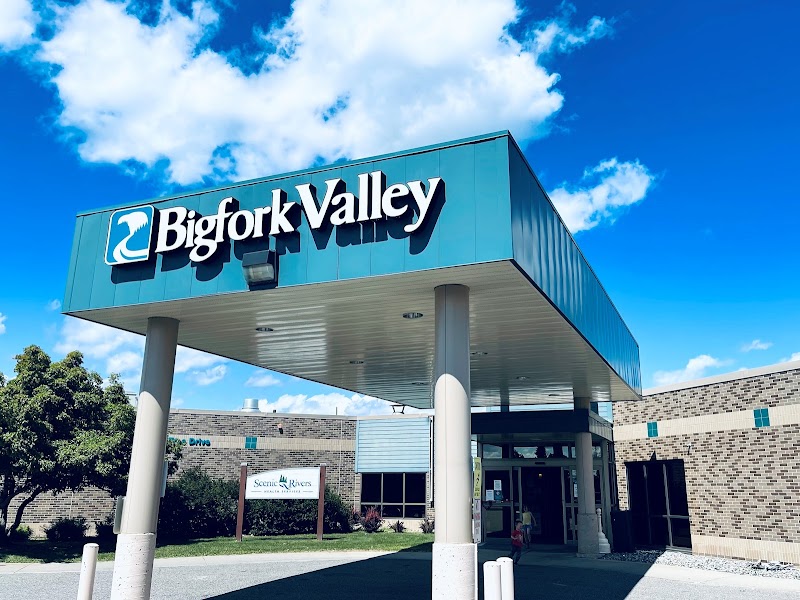
How is Bigfork Valley Communities Staffed?

CMS rates BIGFORK VALLEY COMMUNITIES's staffing level at 5 out of 5 stars, which is much above average compared to other nursing homes. Staff turnover is 34%, compared to the Minnesota average of 46%. This relatively stable workforce can support continuity of care.

What Have Inspectors Found at Bigfork Valley Communities?

State health inspectors documented 12 deficiencies at BIGFORK VALLEY COMMUNITIES during 2022 to 2024. These included: 12 with potential for harm.

Who Owns and Operates Bigfork Valley Communities?

BIGFORK VALLEY COMMUNITIES is owned by a non-profit organization. Non-profit facilities reinvest revenue into operations rather than distributing to shareholders. The facility operates independently rather than as part of a larger chain. With 40 certified beds and approximately 20 residents (about 50% occupancy), it is a smaller facility located in BIGFORK, Minnesota.
How Does Bigfork Valley Communities Compare to Other Minnesota Nursing Homes?

Compared to the 100 nursing homes in Minnesota, BIGFORK VALLEY COMMUNITIES's overall rating (5 stars) is above the state average of 3.2, staff turnover (34%) is significantly lower than the state average of 46%, and health inspection rating (4 stars) is above the national benchmark.

What Should Families Ask When Visiting Bigfork Valley Communities?

Based on this facility's data, families visiting should ask: "Can I visit during a mealtime to observe dining assistance and food quality?" "How do you handle medical emergencies, and what is your hospital transfer rate?" "Can I speak with family members of current residents about their experience?"

Is Bigfork Valley Communities Safe?

Based on CMS inspection data, BIGFORK VALLEY COMMUNITIES has a clean safety record: no substantiated abuse findings (meaning no confirmed cases of resident harm), no Immediate Jeopardy citations (the most serious violation level indicating risk of serious injury or death), and is not on the Special Focus Facility watch list (a federal program monitoring the lowest-performing 1% of nursing homes). The facility has a 5-star overall rating and ranks #1 of 100 nursing homes in Minnesota. While no facility is perfect, families should still ask about staff-to-resident ratios and recent inspection results during their visit.

Do Nurses at Bigfork Valley Communities Stick Around?

BIGFORK VALLEY COMMUNITIES has a staff turnover rate of 34%, which is about average for Minnesota nursing homes (state average: 46%). Moderate turnover is common in nursing homes, but families should still ask about staff tenure and how the facility maintains care continuity when employees leave.

Was Bigfork Valley Communities Ever Fined?

BIGFORK VALLEY COMMUNITIES has no federal fines on record. CMS issues fines when nursing homes fail to meet care standards or don't correct problems found during inspections. The absence of fines suggests the facility has either maintained compliance or corrected any issues before penalties were assessed. This is a positive indicator, though families should still review recent inspection reports for the full picture.

Is Bigfork Valley Communities on Any Federal Watch List?

BIGFORK VALLEY COMMUNITIES is not on any federal watch list. The most significant is the Special Focus Facility (SFF) program, which identifies the bottom 1% of nursing homes nationally based on persistent, serious quality problems. Not being on this list means the facility has avoided the pattern of deficiencies that triggers enhanced federal oversight. This is a positive indicator, though families should still review the facility's inspection history directly.