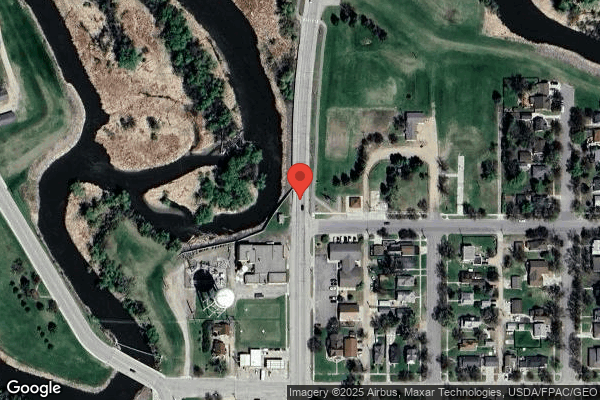

ST FRANCIS HOME

2400 ST FRANCIS DRIVE, BRECKENRIDGE, MN 56520 (218) 643-3000
Non profit - Church related 100 Beds COMMONSPIRIT HEALTH Data: November 2025
Trust Grade
93/100
#74 of 337 in MN
Last Inspection: April 2025

Within standard 12-15 month inspection cycle. Federal law requires annual inspections.

Overview

St. Francis Home in Breckenridge, Minnesota, has earned an impressive Trust Grade of A, indicating it is an excellent choice for care, with a score of 93 out of 100. Ranking #74 out of 337 facilities in Minnesota places it in the top half, and it holds the top position in Wilkin County. The facility is on an improving trend, having reduced its issues from four in 2024 to none in 2025. Staffing is a significant strength, with a perfect 5-star rating and a turnover rate of only 29%, which is well below the state average. However, there are some concerns: in recent inspections, there were issues with medication administration for eight residents, as well as a lack of proper sanitary practices during meal service. Additionally, one resident's care plan did not adequately address their fall risk associated with mobility issues. Despite these weaknesses, the absence of fines and the high level of RN coverage are positive indicators of care quality.

Trust Score
A
93/100
In Minnesota
#74/337
Top 21%
Safety Record
Low Risk
No red flags
Inspections
Getting Better
4 → 0 violations
Staff Stability
✓ Good
29% annual turnover. Excellent stability, 19 points below Minnesota's 48% average. Staff who stay learn residents' needs.
Penalties
✓ Good
No fines on record. Clean compliance history, better than most Minnesota facilities.
Skilled Nurses
✓ Good
Each resident gets 83 minutes of Registered Nurse (RN) attention daily — more than 97% of Minnesota nursing homes. RNs are the most trained staff who catch health problems before they become serious.
Violations
○ Average
10 deficiencies on record. Average for a facility this size. Mostly minor or procedural issues.
★★★★★
5.0
Overall Rating
★★★★★
5.0
Staff Levels
★★★★☆
4.0
Care Quality
★★★★★
5.0
Inspection Score
Stable
2024: 4 issues
2025: 0 issues

The Good

  • 5-Star Staffing Rating · Excellent nurse staffing levels
  • 4-Star Quality Measures · Strong clinical quality outcomes
  • Low Staff Turnover (29%) · Staff stability means consistent care
  • Full Sprinkler Coverage · Fire safety systems throughout facility
  • No fines on record
  • Staff turnover is low (29%)

    19 points below Minnesota average of 48%

Facility shows strength in staffing levels, quality measures, staff retention, fire safety.

The Bad

Chain: COMMONSPIRIT HEALTH

Part of a multi-facility chain

Ask about local staffing decisions and management

The Ugly 10 deficiencies on record

Sept 2024 1 deficiency
CONCERN (E) 📢 Someone Reported This

A family member, employee, or ombudsman was alarmed enough to file a formal complaint

Potential for Harm - no one hurt, but risky conditions existed

Pharmacy Services (Tag F0755)

Could have caused harm · This affected multiple residents

Based on observation, interview and document review, the facility failed to ensure medications were administered according to the standard of practice for 8 of 13 residents (R1, R2, R4, R5, R7, R8, R9...

Read full inspector narrative →
Based on observation, interview and document review, the facility failed to ensure medications were administered according to the standard of practice for 8 of 13 residents (R1, R2, R4, R5, R7, R8, R9, R10) reviewed for medication administration. Findings include: R1's physician order summary dated 7/18/24, identified the following medications were ordered: Tylenol 325 milligrams (mg) by mouth give two tablets (650 mg) three times a day. Sucralfate give one gram by mouth two times a day. R2's physician order summary dated 8/15/24, identified the following medications were ordered: Calcium-Vitamin D 600-400 mg-unit by mouth daily. CertaVite Senior multivitamin by mouth daily. Cranberry 500 mg by mouth daily. Dalfampridine Extended Release 12 hour give 10 mg by mouth twice a day. Eliquis 2.5 mg by mouth twice a day. Famotidine 20 mg by mouth daily. Gabapentin 600 mg by mouth three times a day. Iron 325 mg by mouth daily every Monday, Wednesday, Friday. Lasix 20 mg by mouth daily every Monday, Wednesday, Friday. Losartan Potassium-Hydrochlorothiazide 100-12.5 mg by mouth daily. Metformin Extended Release 500 mg give two tabs (1000 mg) by mouth daily. Potassium Chloride Extended Release 10 milliequivalent (meq) by mouth daily every Tuesday, Wednesday, Thursday, Saturday, Sunday. Seroquel 50 mg by mouth twice daily. Tizanidine 4 mg by mouth daily. Toprol Extended Release 25 mg; Give 50 mg daily. R3's physician order summary dated 8/15/24, identified the following medications were ordered: Gabapentin 100 mg by mouth three times a day. Systane Ultra ophthalmic solution 0.4-0.3%; Instill 1 drop in both eyes three times a day. R4's physician order summary dated 9/5/24, identified the following medications were ordered: Benefiber powder; Give 3 teaspoons (tsp) by mouth daily. R5's physician order summary dated 8/28/24, identified the following medications were ordered:. Cholestyramine powder 4 grams (gm) by mouth in the morning for loose stools mix with 4-8 ounce orange juice- given at least one hour post other meds. Allopurinol 100 mg by mouth daily. Apixaban 2.5 mg by mouth twice daily. Aspirin 81 mg by mouth daily. Bumex 1 mg by mouth twice daily. Cipro 500 mg by mouth twice daily. Ferrous Sulfate 325 mg by mouth daily. Gabapentin 600 mg by mouth four times daily. Hydralazine 25 mg by mouth twice daily. Lexapro 20 mg by mouth daily. Losartan 50 mg by mouth daily. Metoprolol 75 mg by mouth twice daily. Multivitamin 1 tab by mouth daily. Rosuvastatin 5 mg by mouth in the morning. Vitamin C 500 mg by mouth twice daily. R6's physician order summary dated 9/10/24, identified the following medications were ordered: Letrozole 2.5 mg by mouth daily in the afternoon. R7's physician order summary dated 9/10/24, identified the following medications were ordered: Tylenol 1000 mg by mouth three times a day. R8's physician order summary dated 8/15/24, identified the following medications were ordered: Tylenol Extra Strength 500 mg; Give 1000 mg by mouth three times a day. R9's physician order summary dated 9/4/24, identified the following medications were ordered: Tramadol 50 mg; Give 25 mg by mouth three times a day. Tylenol 1000 mg by mouth three times a day. R10's physician order summary dated 8/15/24, identified the following medications were ordered: Tylenol 1000 mg by mouth three times a day. Buspirone 30 mg by mouth twice daily. R11's physician order summary dated 9/10/24, identified the following medications were ordered: Cosopt ophthalmic solution 22.3-6.8 mg/milliliter (ml); Instill one drop in right eye three times a day. R12's physician order summary dated 8/28/24, identified the following medications were ordered: Artificial tears ophthalmic solution instill one drop in both eyes three times daily. R13's physician order summary dated 9/4/24, identified the following medications were ordered: Ferrous Sulfate 325 mg by mouth twice daily. During an observation on 9/11/24 at 11:57 a.m., trained medication aide (TMA) stood by the medication cart outside of R1's room. TMA unlocked the cabinet in R1's room, removed Tylenol 325 mg two tabs and Sucralfate one tab and placed medications in a plastic medication cup. TMA locked the cabinet and pushed the cart down the hall and returned the cart near the nurses station. The following were observed on top of the medication cart: -Plastic glass with a white powder substance covering one quarter of the bottom of the glass. -Silver/white colored packet of a powder substance. TMA took plastic glass, the white powder substance, an empty plastic glass, silver/white colored packet and the medications in the plastic medication cup to the dining room. TMA set medication cup with the medications in it on the table in front of R1. R1 took the medications and placed the medication cup down on the table. TMA took the empty medication cup and threw the cup in the garbage by the kitchenette area. TMA entered kitchenette, poured a red colored juice into the glass with the white powder substance, poured orange juice into the empty glass, walked over to R4 and set the glass of red juice on table in front of R4. TMA picked up a straw, stirred the juice and walked over to another table and set the orange juice on the table in front of R5. TMA opened the silver/white colored packet of the powder substance and poured into the orange juice. TMA stirred the juice with a straw and exited the dining room. TMA did not observe R4 or R5 drink the juice in front of them. At 12:04 p.m., TMA walked to the medication cart, filled a glass of water, unlocked the cart and removed a plastic medication cup from the top drawer with an unknown number of medications in it. TMA walked to the conference room and gave R2 the medications in the cup. R2 took the medications and handed the cup back to TMA. TMA returned to the cart, signed out the medications on the computer and signed out Gabapentin in the controlled medication book for R2. TMA proceeded to push the cart to R6's room, unlocked the medication cupboard in R6's room, walked to the bathroom, put on two pairs of gloves, removed Letrozole 2.5 mg from cupboard, placed into plastic medication cup and gave to R6. TMA returned to the cart, sanitized hands and removed two plastic medication cups from the top of the cart. TMA wrote names on the cup and proceeded to R7's medication cupboard, removed Tylenol 500 mg two tabs, placed in cup and left the cup on top of medication cart. TMA moved the cart to the other side of the hall and opened R8's medication cupboard. TMA removed Tylenol 500 mg two tabs, placed in the other cup and placed the cup on the top of the cart. TMA brought cart up to main nurses station, crushed R7's medications, placed R8's medication cup in the top drawer of the cart. At the time, another plastic medication cup with an unknown number of medications in it was observed to be in the top drawer of the medication cart. TMA brought crushed medications in chocolate pudding to R7, R7 took the medications and TMA returned to the cart and sanitized hands. TMA signed out R7's medications on the computer, unlocked the cart, removed R8's medications and delivered to R8 in the dining room. R8 took the medications,TMA returned to the medication cart and signed out R8's medications on the computer. At 12:21 p.m., TMA pushed the cart to R3's room, removed Systane eye drops from R3's medication cupboard and administered the eye drops. TMA then removed Gabapentin 100 mg from the locked drawer on the cart, signed Gabapentin out of the controlled medication book, locked the medication cart, obtained a glass of water and gave medications to R3. TMA returned the cart near the nurses station and went to the other hallway to a different medication cart. TMA removed artificial tears from R12's medication cupboard, entered R12's room, put on gloves and administered eye drops to R12. TMA removed gloves, locked R12's medication cupboard and signed out medication on the computer. TMA proceeded to R13's medication cupboard, removed one iron pill and gave to R13 sitting in the hall. TMA returned to the medication cart and sanitized hands. TMA pushed the medication cart to R9's room, took a plastic medication cup and wrote R9's name on it. TMA removed half a tab of Tramadol from the locked medication drawer, placed in medication cup, signed medication out of controlled medication book, removed Tylenol 500 mg two tabs from R9's medication cupboard, locked the cupboard and placed cup in the top drawer of the cart. TMA pushed the cart to R10's room, unlocked the medication cupboard, placed Tylenol 500 mg two tabs in a plastic medication cup, wrote R10's name on the cup and placed the cup in the top drawer of the cart next to the other cups. TMA pushed the cart to R11's room, unlocked medication cupboard, gave R11 Buspar 15 mg, Tylenol 500 mg (two tabs), Cosopt eye drops, proceeded to lock the cupboard and pushed the cart to the nurses station. TMA removed R9's and R10's cups from the top drawer of the cart, stacked the cups on top of each other and administered the medications to R10 in the dining room. TMA walked to the other dining room and gave R9 the other cup of medications that had her name on it. TMA returned to the cart, sanitized hands and signed medications out of the computer for R9 and R10. TMA walked to the other medication cart, unlocked the cart, removed a plastic cup from the top drawer with an unknown number of medications, locked the cart, brought the cup to the dining room and administered the medications to R5. During an interview on 9/11/24 at 2:16 p.m., TMA stated medications were to be administered according to the five rights; right resident, right medication, right route, right time, right dose and to confirm the medications against the computer orders. TMA stated she attempted to give the residents their medications while in their room however sometimes she did not see them until they were in the dining room and would bring the medications to them there. TMA verified the facility expectations were to sign out medications once given. TMA confirmed she prepared medications in advance and placed them in the top drawer of the medication cart. TMA stated sometimes a resident did not want the medications right away while they were eating or she would put the medications in the drawer of the medication cart until she knew where the resident was. During an interview on 9/11/24 at 2:05 p.m., registered nurse (RN) stated she checked medications three times against the computer orders and ensured the five rights of medication administration were followed before giving a resident medications. RN verified controlled medications were to be signed out of the book only after the resident had received the medication. RN confirmed the facility expectations were to prepare only one resident medications at a time to limit the chance of medication errors. During an interview on 9/11/24 at 2:38 p.m., facility pharmacy consultant (PC) verified the expectation was medications would be prepared and administered to a resident at that time and not prepared ahead of time. PC stated preparing medications ahead of time and administering them later increased the risk for a medication error. During an interview on 9/11/24 at 3:10 p.m., director of nursing (DON) verified expectations of staff were to prepare medications for residents one at a time to prevent medication errors. DON confirmed the facility policy stated medications were not to be prepared ahead of time. Review of the Skills: Medication Administration -General Guidelines policy undated, directed authorized staff to ensure medications were administered as prescribed in accordance with the five rights of medication administration. The policy indicated for staff to take steps to eliminate interruptions and distractions during medication preparation. The policy also directed staff to prepare medications for one patient at a time and to stay with the resident until the resident took each medication completely. Review of the Reconciliation of Controlled Substances policy revised 3/24, identified all controlled substances would be documented in the controlled substance ledger immediately after being administered to the resident.
Jul 2024 3 deficiencies
CONCERN (D)

Potential for Harm - no one hurt, but risky conditions existed

Infection Control (Tag F0880)

Could have caused harm · This affected 1 resident

**NOTE- TERMS IN BRACKETS HAVE BEEN EDITED TO PROTECT CONFIDENTIALITY** Based on observation, interview and document review, the facility failed to implement donning/doffing of personal protective equ...

Read full inspector narrative →
**NOTE- TERMS IN BRACKETS HAVE BEEN EDITED TO PROTECT CONFIDENTIALITY** Based on observation, interview and document review, the facility failed to implement donning/doffing of personal protective equipment (PPE) practices for 2 of 2 residents (R9 and R32) and to ensure PPE was readily available for use to prevent the spread of infection for 1 of 2 residents (R9) observed for enhanced barrier precautions (EBP) (an infection control intervention designed to reduce transmission of multidrug-resistant organisms that employs targeted gown and glove use during high contact resident care activities). Findings include: Review of Centers for Disease Control and Prevention (CDC) guidance dated 4/1/24, Implementation of PPE use in Nursing Homes to Prevent Spread of Multidrug-resistant Organisms (MDROs) indicated Examples of high-contact resident care activities requiring gown and glove use for Enhanced Barrier Precautions include: Dressing, Bathing/showering, Transferring, Providing hygiene, Changing linens, Changing briefs or assisting with toileting, device care or use: central line, urinary catheter, feeding tube, tracheostomy/ventilator and wound care: any skin opening requiring a dressing. R9 R9's annual Minimum Data Set (MDS) dated [DATE], identified R9 had moderate cognitive impairment and diagnoses which included heart failure, dementia, and arthritis. Identified R9 required extensive assistance for activities of daily living (ADL's) which included toileting, transfer, and dressing. Indicated for activities of daily living (ADL's) which included toileting, transfer, and dressing. Indicated. Indicated R9 had a pressure ulcer. R9's care plan revised 6/17/24, indicated R9 had a stage two pressure injury on her right buttock. (partial thickness loss of dermis presenting as a shallow open ulcer with a red or pink wound bed, without slough or bruising). Care plan instructed staff to reposition resident every two hours and to provide treatments ordered per the medical doctor (MD). R9's weekly wound assessment dated [DATE], identified R9 had an open wound on her left buttock that measured one centimeter (cm) in length and 1.3 cm in width. Assessment identified that a Duoderm dressing was applied to R9's left buttock. During an observation on 7/15/24 at 11:27 a.m., there was an organizer on the front of R9's door to her room that contained gowns, masks, and gloves. There was no sign on the door or in the immediate area that identified R9 was on EBP. During an observation on 7/16/24 at 9:10 a.m., nursing assistant (NA)- E entered R9's room wearing no PPE and assisted R9 to transfer into her recliner by placing her right hand on R9's back as R9 stood up and guided R9 into the recliner. R9 stated she wanted to get back in her wheelchair so NA-E proceeded to place her right hand on R9's back as R9 stood up and guided R9 back into the recliner. During an interview on 7/16/24 at 2:44 p.m., NA-E verified she had not worn any PPE when she transferred R9 into her recliner. NA-E stated she only wore a gown and gloves when completing ADL's or toileting R9. NA-E stated she was unaware she should have worn a gown and gloves while transferring R9 into the recliner. R32's significant change MDS dated [DATE], identified R32 had moderate cognitive impairment and diagnoses which included history of neoplasm of the skin (skin cancer), anxiety, and depression. Identified R9 required extensive assistance for ADL's which included toileting, transfer, and dressing. R32's care plan revised 4/11/24, indicated R32 had a lesion to left ear removed. Care plan directed staff to monitor skin daily with care. Care plan lacked any indication of a dressing being used. R32's weekly wound assessment dated [DATE], identified R32 had an open area on his left ear that measured two cm in length and 0.8 cm in width and 0.8 cm in depth from an excision of a squamous cell carcinoma lesion (a type of cancer that starts as a growth of cells on the skin) that dehisced (a partial or total separation of previously approximated wound edges, due to a failure of proper wound healing.). Assessment identified that an Allevyn dressing was used to protect wound and prevent R32 from picking at the wound. During an observation on 7/15/24 at 12:09 a.m., there was no PPE located near R32's room for staff to wear while providing care for R32. During an observation on 7/16/24 at 9:30 a.m., registered nurse (RN)-B entered R32's room, applied gloves on her hands and proceeded to sit down next to R32 on the bed. RN-B peeled back the dressing to R32's left ear to assess R32's wound which contained a small amount of serosanguinous (thin and watery fluid that is pink in color due to the presence of small amounts of red blood cells) drainage and RN-B replaced the dressing. RN-B did not wear a gown in the above observation. During an interview on 7/16/24 at 2:49 p.m., RN-B verified she had not worn a gown while assessing R32's wound to his left ear earlier that day. RN-B verified R32's wound was from an area of skin cancer which was surgically removed and then dehisced. RN-B stated the wound had been open since 7/11/24, however, EBP were only implemented a few hours ago. RN-B stated her expectation was EBP should have been implemented on 7/11/24, for R32. RN-B indicated the expectation was that all staff follow EBP while caring for R9 and R32 to prevent the spread of infection. During an observation on 7/17/24 at 7:29 a.m., NA-A entered R32's bathroom and applied only gloves, assisted R32 off the toilet, pulled up R32's pants and walked along side of R32 to his bed. NA-A removed her gloves and washed her hands. NA-A did not wear a gown. During an interview on 7/17/24 at 7:31 a.m., NA-A stated her usual process was to only wear gloves while caring for R32. NA-A stated the sign and PPE were new on the door and she was not aware she needed to wear a gown and gloves while toileting R32. During an interview on 7/17/24 at 12:44 p.m., director of nursing (DON) verified R9 and R32 had open wounds with dressings and required EBP. DON stated her expectation was that staff would have followed EBP per CDC guidelines to prevent the spread of infection. Review of a facility policy dated 2/10/24, identified the facility would implement enhanced barrier precautions for prevention of transmission of multidrug-resistant organisms. identified EBP employs targeted gown and glove use during high contact resident care activities. Indicated the facility would make gowns and gloves available immediately near or outside of the resident's room; PPE for enhanced barrier precautions was necessary when performing high-contact care activities.
CONCERN (E)

Potential for Harm - no one hurt, but risky conditions existed

Deficiency F0700 (Tag F0700)

Could have caused harm · This affected multiple residents

**NOTE- TERMS IN BRACKETS HAVE BEEN EDITED TO PROTECT CONFIDENTIALITY** R6 R6's admission MDS dated [DATE], identified R6 had moderately impaired cognition and required extensive assistance with bed m...

Read full inspector narrative →
**NOTE- TERMS IN BRACKETS HAVE BEEN EDITED TO PROTECT CONFIDENTIALITY** R6 R6's admission MDS dated [DATE], identified R6 had moderately impaired cognition and required extensive assistance with bed mobility and transfers. R6's diagnoses included dementia with psychotic disturbance, heart failure, compression fractures of vertebrae (bones in the spinal column). The MDS did not identify use of bed rails. R6's care plan revised 6/19/24, indicated R6 had confusion at times. R6's care plan revised 7/11/24, indicated R6 was at risk for falls related to mobility deficit, pain, incontinence and history of falls. R6's care plan revised 7/16/24, did not include bed rails. R6's safety assessment dated [DATE], indicated bilateral positioning rails. R6's electronic health record (EHR) lacked a comprehensive bed rail assessment, including discussion of risks versus benefits, informed consent and attempted alternatives prior to bed rail use. During an observation on 7/17/24 at 7:06 a.m., R6 was laying in bed, one half bed rail raised on side of bed towards doorway. During an interview on 7/16/24 at 11:45 a.m., NA-D stated the bed rail was always up on R6's bed to prevent R6 from falling out of bed. NA-D stated the bed rails were up on many residents' beds in the facility, just in case to prevent them from falling out of bed. R7 R7's quarterly MDS dated [DATE], identified R7 had severe impaired cognition and required extensive assistance with bed mobility and transfers. R7's diagnoses included multiple sclerosis, psychotic disorder with delusions and hallucinations, depression, anxiety. The MDS did not identify use of bed rails. R7's care plan revised 2/21/19, indicated R7 was a risk for falls related to poor balance, impulsive and poor decision making. R7's care plan revised 4/15/24, indicated staff assist as needed with bed mobility. Bilateral positioning rails as needed. Stand up lift and assist of one staff for transfers. R7's safety assessment dated [DATE], indicated bilateral positioning rails as needed. R7's EHR lacked a comprehensive bed rail assessment, including discussion of risks versus benefits, informed consent and attempted alternatives prior to bed rail use. During an observation on 7/16/24 at 8:51 a.m., R7 was laying in bed, one half bed rail were raised on both sides of the bed. R16 R16's quarterly MDS dated [DATE], identified R16 had moderately impaired cognition and required extensive assistance of two staff with bed mobility and total dependence of two staff and a hoyer lift for transfers. R16's diagnoses included multiple sclerosis, depression, paraplegia, obesity. The MDS did not identify use of side rails. R16's care plan problem revised 7/24/19, indicated R16 could appear to remember at times but may not and had two appointed guardians. R16's care plan problem revised 6/22/20, indicated R16 was at risk for falls related to diagnoses and medication regimen. R16's care plan problem revised 3/7/19, indicated two staff assist with bed mobility, bariatric bed due to height and stature. Bilateral positioning rails as needed. Hoyer lift and two staff assist for transfers. R16's safety assessment dated [DATE], indicated bilateral positioning rails. R16's EHR lacked a comprehensive bed rail assessment, including discussion of risks versus benefits, informed consent and attempted alternatives prior to bed rail use. During an observation on 7/17/24 at 7:06 a.m., R16 was laying in bed, the bed rails were raised on both sides of the bed. R22 R22's quarterly MDS dated [DATE], identified R22 had severe impaired cognition and required extensive assistance with bed mobility and transfers. R22's diagnoses included Alzheimer's dementia, anxiety, chronic obstructive pulmonary disease, heart failure, muscle weakness. The MDS did not identify use of side rails. R22's care plan problem revised 8/24/23, indicated R22 had impaired cognition function, impaired thought processes and impaired decision making. R22's care plan problem revised 11/14/23, indicated R22 was high risk for falls related to confusion, gait and balance problems and was unaware of safety needs and a history of self transfers. R22's care plan problem revised 11/7/23, indicated staff assist as needed with bed mobility, R22 turns self at times. Positioning rails as needed. Stand up lift and assist of one staff for transfers. R22's safety assessment dated [DATE], indicated no positioning rails. R22's EHR lacked a comprehensive bed rail assessment, including discussion of risks versus benefits, informed consent and attempted alternatives prior to bed rail use. During an observation on 7/17/24 at 7:05 a.m., R22 was laying in bed, one half bed rail was raised on the bed facing the doorway. R188 R188's face sheet identified admission on [DATE]. R188's admission MDS dated [DATE] was in progress. R188's diagnoses included orthopedic aftercare following removal of internal fixation device, depression, fibromyalgia (disorder causing widespread pain, fatigue, sleep problems and cognitive difficulties). R188's baseline care plan dated 7/11/24, indicated R188 had a history of falls and required no setup or physical help from staff for bed mobility, one person assist for transfers, no bed rails indicated. R188's safety assessment dated [DATE], was not completed. R188's EHR lacked a comprehensive bed rail assessment, including discussion of risks versus benefits, informed consent and attempted alternatives prior to bed rail use. During an observation on 7/17/24 at 7:04 a.m., R188 was laying in bed, one half bed rail was raised on the bed facing the doorway. During an interview on 7/17/24 at 11:38 a.m., R188 verified the facility had not discussed the use of the bed rail or the benefits versus risk with her prior to using the bed rail. During an interview on 7/17/24 at 11:39 a.m., family member (FM)-D stated the facility staff had not discussed why R188 used bed rails, and confirmed they had not discussed the risks versus benefits of using the bed rail. During an interview on 7/17/24 at 10:20 a.m. unit manager RN-B indicated the facility received new resident beds within the last year and she had conversations with the sales representative regarding the safety of the beds. The representatives assured them residents would not be at risk for entrapment and the bed rails were regulatory sized for long term care use. RN-B stated the bed rails were not used to prevent falls, only for positioning purposes. RN-B indicated it was difficult to monitor if and when the bed rails had been raised by staff since all of the beds had the rails attached. RN-B confirmed they had not had discussions on the use of the bed rails with all residents or resident representatives, or received consents for the use of the bed rails as they had not considered them side rails; they were only used for positioning. In addition, RN-B confirmed they had not documented on any alternatives attempted prior to the use of bed rails. RN-B reviewed the Prairie Meadow CNA Resident Care Sheets for both side A and B, each of the residents' medical records including the Safety Assessments and care plans, for the residents identified and confirmed the above findings. RN-B clarified that if a safety assessment identified the resident used adaptive devices with prompting, that it should have only been when staff were present. RN-B clarified if the bed rails were care planned as needed (PRN) , it could have been interpreted differently, as each resident's needs were very individualized. During an interview on 7/17/24 at 12:52 p.m., director of nursing (DON) stated the facility had not completed any assessments of bed rail use since the facility had considered them positioning bars and not bed rails. In addition, DON confirmed the facility had not discussed risk versus benefits or obtained informed consent from residents or resident representatives prior to using the bed rails. DON indicated her expectation was that a comprehensive assessment, benefits verses risks and informed consent would have been completed as well as attempting alternatives prior to implementing the bed rails. DON stated she would have expected staff to update the resident care sheets and ensure that care plans were being followed. The facility policy titled Bed Rails reviewed 2/24, identified its purpose was to determine if resident use of bed rail use was safe and appropriate. The policy included upon admission, readmission, or change of condition, residents would be screened to determine the need for special equipment or accessories (bed rails, for example.) Staff would assess the resident to identify appropriate alternatives and assess for risk of entrapment, review the risks and benefits with resident and representative, obtain informed consent, and obtain a physician order, prior to installing bed rails. Staff would update the resident's care plan to reflect the use of the bed rails. R3 R3's quarterly MDS dated [DATE], identified R3 had moderate cognitive impairment and diagnoses which included heart failure, hypertension (elevated blood pressure), and End Stage Renal Disease. Identified R3 required limited assistance for activities of daily living (ADL's) which included toileting, transfer and bed mobility. Prairie Meadow CNA Resident Care Sheet Side B form, updated 6/28/24, lacked instructions for R3's bed rail use. R3's care plan revised 5/2/24, identified R3 required staff assistance to transfer and reposition in bed and used bilateral positioning rails in bed to assist in self repositioning. R3's Safety assessment dated [DATE], identified R11 did not require any adaptive devices for the bed. R3's medical record lacked a comprehensive bed rail assessment, including discussion of risks versus benefits, informed consent and attempted alternatives prior to bed rail use. During an observation on 7/17/24 at 7:16 a.m., R3 was lying in bed, had one half bed rail raised on side of bed facing the doorway. NA-B entered R3's room to assist R3 with ADL's. R3 sat up in bed per self without using the bed rail. NA-B placed a walker in front of R3 which R3 used to stand up and walk into the bathroom. During an interview on 7/17/24 at 7:20 a.m., NA-B stated the bed rail on R3's bed was used to keep R3 from rolling out of bed. NA-B indicated she was unsure if R3 ever used the bed rail for positioning. R19 R19's quarterly MDS dated [DATE], identified R19 had severe cognitive impairment and diagnoses which included non traumatic brain dysfunction, dementia, and hypertension. R3 required extensive assistance for ADL's which included toileting, transfer, and bed mobility. Prairie Meadow CNA Resident Care Sheet Side A form, updated 7/12/24, lacked instructions for R3's bed rail use. R19's care plan revised 5/3/24, identified R19 required staff assistance to transfer and reposition in bed and was to use positioning rails in bed as needed. R19's Safety assessment dated [DATE], identified R19 had cognitive impairment, adaptive devices for bed included positioning rail times two (X 2) on bed, no risk for entrapment identified. Assessment lacked any indication R19 was able to use the bed rails independently. R19's medical record lacked a comprehensive bed rail assessment, including discussion of risks versus benefits, informed consent and attempted alternatives prior to bed rail use. During an observation on 7/17/24 at 8:43 a.m., R19 was lying in bed had one half bed rail was raised on side of bed facing the doorway. NA-B and NA-F entered R19's room to assist her out of bed. NA-F assisted R19 to a sitting position by placing one hand behind R19's back and the other under R19's legs and turned and lifted her to a sitting position on the edge of the bed. NA-F placed a transfer belt around R19's waist and NA-F and NA- B pivot transferred R19 into her wheelchair. During an interview on 7/17/24 at 8:48 a.m., NA-B stated the bed rail on R19's bed was supposed to be for R19 to assist with repositioning however, R19 was only able to use the rail on her good days and most days R19 was not able to use the rail at all. NA-B stated the usual practice was to leave R19's bed rail up whether she was able to use it or not. During a phone interview on 7/17/24 at 11:35 a.m., FM-B stated the facility had not informed her R19 had received a new bed with bed rails. In addition, FM-B stated the facility had not discussed benefits versus risk with her prior to R19 using the bed with bed rails. During a phone interview on 7/17/24 at 12:23 p.m., FM-C stated the facility had not informed her R3 had received a new bed with bed rails. In addition, FM-B stated the facility had not discussed benefits versus risk with her prior to R3 using the bed with bed rails. Based on observation, interview, and document review, the facility failed to comprehensively assess, discuss risks and benefits, obtain informed consent and attempt alternatives prior to use of bed rails for 9 of 12 residents (R11, R14, R3, R19, R6, R7, R16, R22, R188 ) reviewed who were observed to have bed rails raised while in bed. Findings include: R11 R11's quarterly Minimum Data Set (MDS) dated [DATE], identified R11 had severe cognitive impairment with diagnoses which included diabetes mellitus, anxiety and depression. R11's MDS identified R11 required supervision and touching assistance to roll left and right and substantial/maximal assistance for bed to chair transfer. R11's Safety assessment dated [DATE], identified R11 had cognitive impairment, adaptive devices for bed included positioning rail times two on bed, no risk for entrapment identified, and used adaptive devices with prompting. R11's care plan revised 4/23/24, identified R11 had self care deficit and required assistance for transfers and had a half positioning rail to aid in bed mobility. R11's medical record lacked a comprehensive bed rail assessment, including discussion of risks versus benefits, informed consent and attempted alternatives prior to bed rail use. During an observation on 7/17/24 at 7:06 a.m., R11 was lying on back in bed, eyes closed, covered with bed linen. R11 had one half bed rail raised on the side of bed facing the doorway. No movement noted. At 8:23 a.m., R11 remained in bed, bed rail continued to be raised, eyes closed and no movement noted. At 8:45 a.m., R11 was lying on back in bed, eyes open, no movement noted and bed rail remained raised. During an interview on 7/17/24 at 9:53 a.m., registered nurse (RN)-A indicated she was not aware R11 used a bed rail as R11 required two staff to transfer her and did not have much strength in her shoulder. RN-A stated she would refer to R11's care plan to determine if R11 used a bed rail. R14 R14's quarterly MDS dated [DATE], identified R14 had severe cognitive impairment and diagnoses which included: dementia, depression and diabetes mellitus. Indicated R14 required substantial/maximal assistance to roll left and right and for bed to chair transfers. R14's Safety assessment dated [DATE], identified R11 had cognitive impairment, adaptive devices for bed included positioning rail times one on bed, no risk for entrapment identified, and was aware of risk versus benefit of adaptive devices. R14's Safety assessment and medical record lacked documentation of who was informed of risk versus benefits. R14's care plan revised 5/3/24, identified R14 had self-care deficit related to dementia and mobility deficit and required stand by assistance with transfers, assistance for bed mobility and had a left side positioning rail to aide in mobility as needed (PRN). R14's medical record lacked a comprehensive bed rail assessment and attempted alternatives used prior to bed rail use. During an interview on 7/16/24 at 3:20 p.m. licensed practical nurse (LPN)-A indicated bed rails were used mostly so residents did not fall out of bed. In addition, the bed rails were used for residents to hold when they transferred out of bed. LPN-A stated R14 used her bed rail when she transferred out of bed. LPN-A stated bed rails would have been identified on the Resident Care Sheet for that resident. LPN-A reviewed the Prairie Meadow certified nursing assistant (CNA) Resident Care Sheet Side A form, updated 7/12/24, and confirmed the care sheet did not include bed rail use for R14. Review of Prairie Meadow CNA Resident Care Sheet Side A form, updated 7/12/24, lacked identification of bed rails or instructions for their use for R14, R11, R19, R6, R7, R16, R22, and R188. During an observation on 7/17/24 at 7:02 a.m., R14 was lying in bed, eyes closed, while holding a nebulizer to her mouth. R14 had half bed rails raised up on both sides of her bed. At 7:11 a.m. NA-A was in R14's room, standing next to her bed and asked R14 if she wanted to get up. R14 indicated she wanted to sleep in. R14's bed rail on the side towards the door was down when NA-A put it back into the raised position and then exited R14's room. During an interview on 7/17/24 at 7:14 a.m., NA-A indicated R14's rails were up sometimes. NA-A stated she had lowered R14's bed rail while she was in there and then raised it back up. NA-A indicated it was usually not identified on the Resident Care Sheet form to use bed rails however, when residents were in bed, staff usually raised their bed rails and NA-A was unsure of the reason why staff raised the rails. During an observation on 7/17/24 at 8:11 a.m., R14 remained in bed with eyes closed and covered with bedding. R14 had a bed rail up on the side by the wall and the bed rail towards the door lowered. During an interview on 7/17/24 at 7:37 a.m. NA-B stated bed rails were raised while residents were in bed to prevent them from falling out of bed. NA-B reviewed the Prairie Meadow CNA Resident Care Sheet form she carried and stated most residents did not have bed rails listed however, NA-B stated she raised most of the residents' bed rails while in bed to keep them safe. During a phone interview on 7/17/24 at 12:28 p.m., family member (FM)-A stated he was aware R14 had a new bed and had bed rails raised on the bed. FM-A indicated the facility staff had not discussed why R14 used bed rails and confirmed they had not discussed the risks versus benefits of using the bed rails.
CONCERN (E)

Potential for Harm - no one hurt, but risky conditions existed

Food Safety (Tag F0812)

Could have caused harm · This affected multiple residents

Based on observation, interview and document review, food and drinks were not served in a sanitary and clean manner for residents observed during dining observations in both dining rooms. This deficie...

Read full inspector narrative →
Based on observation, interview and document review, food and drinks were not served in a sanitary and clean manner for residents observed during dining observations in both dining rooms. This deficient practice had the potential to affect all residents who ate their meals in the dining rooms. Findings include: During an observation on 7/15/24 at 11:47 a.m., cook (C)-A began to set up the steam table in the A wing dining room. At 11:53 a.m., C-A began serving the lunch meal which included sloppy joes on a bun with gloves on. Each resident had a dietary card in a plastic sleeve in a binder. C-A would flip the pages with her right hand, then remove a bun with her left hand, open the buns with both gloved hands, then place them on the plates. C-A continued to touch the dietary cards, then the buns with her right hand, until all residents were served in the dining room. C-A did not sanitize hands or apply new gloves after touching each resident's dietary card in the binder. During an observation on 7/15/24 at 12:00 p.m., C-A was serving the B wing dining room. C-A again wore gloves, opened the binder, and touched each dietary card with her right hand, flipping each page open, then would open the buns with both hands and place on each resident's plate. C-A did not sanitize hands or apply new gloves after touching each resident's dietary card in the binder. During an observation on 7/16/24 at 12:01 p.m., nursing assistant (NA)-C served drinks to residents in the A wing dining room. NA-C held the glasses touching the rims with her bare hands. In addition, NA-B served drinks with bare hands and touched the rims of the glasses while filling them from the drink cart. NA-C filled a coffee cup in the kitchenette, held the cup with her fingers touching the rim of the cup, rubbed the rim of the cup with her finger, then proceeded to fill another coffee cup while touching the rim of that coffee cup. NA-B served a glass of chocolate milk after she touched the rim of the glass, filled a glass of juice, held the glass with her hand over the top of it touching the rim and then set it on the table for the resident. During an interview on 7/16/24 at 2:19 p.m., NA-B indicated she was not aware she had been touching the rims of the glasses prior to serving drinks to the residents. NA-B indicated it was important not to touch the rims of the glasses to prevent cross contamination. During an interview on 7/16/24 at 2:22 p.m., NA-C stated glasses should have been held at the bottom while serving drinks. NA-C indicated she was not aware she had been touching the rims of the glasses and cups while pouring drinks and serving them. NA-C stated it was important to not touch the rim of the glasses or cups to prevent cross contamination. During a telephone interview on 7/16/24 at 2:10 p.m., C-A confirmed she had touched the buns after touching the dietary cards and verified she should not have since she did not know what could have been on the dietary cards. C-A stated the binders with the resident's dietary cards were kept in the kitchenettes and were available to all staff for review of each resident's diet. C-A indicated gloves should have been worn when handling foods, like buns, and stated they had a process, that one gloved hand would touch the food and the other hand would touch the dietary cards. C-A indicated she could have also used a butter knife to flip the dietary card pages. C-A indicated it was important not to touch the cards, then the foods, since bacteria and left over foods could have been left on the dietary cards. During an interview on 7/16/24 at 2:30 p.m., dietary manager (DM)-A indicated her expectation was staff were to use a utensil or gloved hand when touching foods. DM-A stated she had instructed staff not to touch the dietary cards and food products with the same hand. DM-A stated this practice was important to prevent cross contamination. In addition, DM-A stated nursing staff should not have been touching the rims of the glasses when serving dinks for the same reason. During an interview on 7/16/24 at 2:40 p.m., director of nursing (DON) confirmed staff should not touch the rims of the resident's glasses or cups, since their hands could have been soiled and could lead to cross-contamination. The facility policy titled Food & Nutrition Services revised 4/22, identified its purpose was to ensure the service of safe food to all patients, residents, staff and visitors. The policy identified food would be served onto clean dishes with clean utensils and sanitary techniques. Hands would not touch the food unless properly covered with clean disposable glove. Gloves would be worn anytime employee would handle food that would not be later cooked, including bread. Gloves would be removed/changed anytime they became contaminated.
Aug 2023 4 deficiencies
CONCERN (D)

Potential for Harm - no one hurt, but risky conditions existed

ADL Care (Tag F0677)

Could have caused harm · This affected 1 resident

**NOTE- TERMS IN BRACKETS HAVE BEEN EDITED TO PROTECT CONFIDENTIALITY** Based on observation, interview and document review the facility failed to provide assistance with changing of soiled clothing f...

Read full inspector narrative →
**NOTE- TERMS IN BRACKETS HAVE BEEN EDITED TO PROTECT CONFIDENTIALITY** Based on observation, interview and document review the facility failed to provide assistance with changing of soiled clothing for 1 of 3 residents (R8) who was dependent on facility staff for activities of daily living (ADL's). Findings include: R8's quarterly Minimum Data Set (MDS) dated [DATE], indicated R8 had moderate impaired cognition and had diagnoses which included heart failure, renal insufficiency and dementia. Identified R8 required extensive assistance of two staff with bed mobility, transfers, toileting, personal hygiene, dressing and had no behavior concerns. Review of R8's annual Care Area Assessment (CAA) dated 4/18/23, indicated R8 had moderate impairment and required staff assistance for ADL's. R8's care plan revised on 7/27/23, indicated R8 had self care performance deficits related to easily fatigued, shortness of breath with minimal exertion, unable to bear weight and joint pain. The care plan identified R8 required one to two staff assistance with dressing and ADL's. During an observation on 8/6/23 at 11:20 a.m., R8 was seated in his wheel chair. - at 12:31 p.m., R8 continued to be seated in his wheelchair in the dining room with other residents and was done eating his lunch which consisted of roast beef, mashed potatoes and gravy. R8 had a large brown spot on his chest of his gray shirt where he had dropped mashed potatoes and gravy while eating. - at 12:41 p.m., R8 was seated in his wheel chair in his room watching TV and continued to have a large brown spot on the chest area of his shirt. - at 4:18 p.m., R8 was in bed resting, when nursing assistant (NA)-B and NA-C assisted R8 into his wheel chair. NA-C exited R8's room and continued down the hallway to assist other residents. NA-A wheeled R8 out of his room and down the hallway towards the dining room area when R8 indicated he wanted to stay in his room. R8 continued to have a brown spot on the chest area of his gray shirt. NA-A turned R8 around in his wheel chair, brought him back to his room, gave him the call light, placed his bedside table next to him and left the room. NA-A and NA-C were not observed to offer or change R8's soiled shirt. - at 5:29 p.m., R8 was in the dining room for supper which consisted of [NAME] dean sausage and egg skillet. Nursing staff assisted R8 to eat and he continued to have the same soiled gray shirt on. - at 6:42 p.m., R8 was seated in his wheel chair in his room watching TV and continued to have a large brown spot on the chest area of his shirt and several pieces of potatoes, sausage and eggs were present all over his lap from supper. - at 7:14 p.m. R8 remained the same. - at 7:26 p.m. R8 remained the same and staff were not observed to offer or change R8's soiled clothing. During an interview on 8/7/23 at 3:05 p.m., NA-A stated R8 required staff assistance with his ADL's which included dressing due to his weak arm. During an interview on 8/7/23 at 3:17 p.m., registered nurse (RN)-A confirmed the above findings and indicated R8 required staff assistance with dressing and ADL's. Stated her expectations of staff were to make sure the resident's clothes were changed when soiled or dirty and to follow the care plan as written. During an interview on 8/7/23 at 5:15 p.m., the director of nursing (DON) confirmed the above findings and indicated R8 required staff assistance with all of his ADL's which included dressing. Indicated she would expect staff to make sure the resident's clothes were clean and to change their clothes when they were soiled or dirty. Stated it was not dignified or appropriate to wear dirty clothes and she would expect staff to follow the care plan. Review of the facility policy titled, Apparel and Dressing of Residents date 5/2010, indicated resident's will be cared for in a manner which enhances each resident's quality of life with regard to personal appearance. The policy further indicated resident's clothes would be clean and in good repair.
CONCERN (D)

Potential for Harm - no one hurt, but risky conditions existed

Deficiency F0883 (Tag F0883)

Could have caused harm · This affected 1 resident

**NOTE- TERMS IN BRACKETS HAVE BEEN EDITED TO PROTECT CONFIDENTIALITY** Based on interview and document review, the facility failed to ensure 3 of 5 residents (R1, R3, and R29 ) were offered or receiv...

Read full inspector narrative →
**NOTE- TERMS IN BRACKETS HAVE BEEN EDITED TO PROTECT CONFIDENTIALITY** Based on interview and document review, the facility failed to ensure 3 of 5 residents (R1, R3, and R29 ) were offered or received pneumococcal vaccinations in accordance with the Center for Disease Control (CDC) recommendations. Findings include: Review of the Current CDC recommendations 3/15/2023, revealed the CDC identified adults 65 and older who had previously received both PCV13 and PPSV23 was received at age [AGE] and older, based on shared clinical decision-making, should receive one dose of PCV20 at least five years after the last pneumococcal vaccine dose. Indicated adults 19-[AGE] years old with chronic health conditions that have received only the PCV 13 should receive one dose of PCV20 or PCV15 at least one year after the last pneumococcal vaccine. Review of R1's facesheet, identified R1, age [AGE] was admitted to the facility on [DATE]. Review of R1's Minnesota Immunization Information Connection (MIIC) undated, identified R1 had received Pneumo- PCV13 on 2/4/2016, and the PPSV23 on 4/10/2001. R1's medical record lacked documentation R1 had been offered or received the PCV20 vaccine. Review of R 3's facesheet, identified R3, age [AGE] was admitted to the facility on [DATE]. Review of R3's MIIC undated, identified R7 had received Pneumo- PCV 13 on 2/25/2016, and PPSV23 on 5/15/2008. R3's medical record lacked documentation R3 had been offered or received the PCV20 vaccine. Review of R29's facesheet, identified R29, age [AGE] was admitted to the facility on [DATE], and had a diagnosis of Diabetes Mellitus (DM). Review of R29's MIIC undated, identified R29 had received PPSV23 on 6/14/2011. R29's medical record lacked documentation R29 had been offered or received the PCV20 or PCV15. During an interview on 8/8/23 at 10:20 a.m., infection preventionist (IP) confirmed R1, R3, and R29 had not been been offered or received the pneumococcal vaccinations as recommended by the CDC. IP stated the expectation was the facility would offer or administer all vaccinations per CDC recommendations. During an interview on 8/8/23 at director of nursing (DON) stated they had been planning to offer and administer the new pneumococcal vaccines to all residents who had not yet received them. DON confirmed R1, R3, and R29 had not been offered or received the pneumococcal vaccines as recommended by the CDC. Facility policy titled Pneumococcal Vaccine reviewed 7/22, indicated facility was committed to protecting it's residents against invasive bacteremia disease through vaccination with the pneumococcal polysaccharide vaccine. Directed staff to determine appropriateness of vaccine using the pneumococcal vaccine sheet to ensure the appropriate vaccine was administered. .
CONCERN (E)

Potential for Harm - no one hurt, but risky conditions existed

Infection Control (Tag F0880)

Could have caused harm · This affected multiple residents

Based on observation, interview, and document review, the facility failed to ensure personal laundry was transported in a manner that prevented risk of contamination for 2 of 4 hallways observed for l...

Read full inspector narrative →
Based on observation, interview, and document review, the facility failed to ensure personal laundry was transported in a manner that prevented risk of contamination for 2 of 4 hallways observed for linen transportation. In addition, the facility failed to ensure proper hand hygiene and glove use was implemented during food preparation in 1 of 2 kitchenettes observed for food prep. Findings include: Review of Centers for Disease Control (CDC )guidance , Appendix D - Linen and Laundry Management updated 5/4/23, identified linens must be sorted, packaged, transported, and stored in a manner that prevented risk of contamination by dust, debris, soiled linens or soiled items. Further, CDC guidance Handwashing: A Health Habit in the kitchen dated 7/18/22, identified handwashing was one of the most important things that could be done to prevent food poisoning. LAUNDRY During an observation on 8/7/23 at 1:51 p.m., laundry aide (LA)-A exited the laundry room into the Prairie [NAME] Lane hallway pushing an uncovered cart which contained clean personal laundry that consisted of pants and shirts on hangers. Proceeded down the hallway, removed laundry from the uncovered cart and placed it in R1's closet. LA-A walked back into the hallway, removed laundry from the uncovered cart and placed it in R9's closet. Returned to the hallway, removed laundry from the uncovered cart and placed it in R3's closet. Returned to the hallway, removed more laundry from the uncovered cart and placed it in R29's closet. LA-A then placed the empty cart back back in the laundry room. During an interview on 8/7/23 at 1:59 p.m., LA-A confirmed the personal laundry she delivered had not been covered. Indicated her usual practice was to place personal items in a dignity bag and all other laundry was delivered to each resident room uncovered. She stated she was unaware of any expectations of laundry being covered during delivery to residents. During an observation on 8/8/23 at 2:06 p.m., LA-A brought out an uncovered cart from the laundry room into the Lady slipper Lane hallway which contained personal laundry that included pants and shirts hung on hangers. Proceeded down the hallway, removed laundry from the uncovered cart and placed it into R4's closet. Walked back into the hallway, removed laundry from the uncovered cart and placed it in R2's closet. Returned to the hallway, removed a garment dignity bag from the cart, brought the garment dignity bag into R19's room and placed the garments from inside the bag into R19's dresser drawer. LA-A brought the garment dignity bag back out into the hallway and placed it back on the clean laundry cart. Removed laundry from the uncovered cart and placed it in R4's closet. Returned to the hallway, removed laundry from the uncovered cart and placed it into R8's closet. LA-A returned to the hallway, removed laundry from the uncovered cart and placed it in R28's closet. HAND HYGIENE During an observation of Prairie Meadows Kitchenette on 8/7/23 at 5:12 p.m., nursing assistant (NA)-A removed two slices of bread from a bread bag using bare hands, grabbed a knife and placed peanut butter and jelly on the bread while touching the bread with bare hands. NA-A had not been observed to perform hand hygiene first. NA-A picked up the peanut butter and jelly sandwich with his bare hands, placed it on a plate and delivered it to R19. During an interview on 8/7/23 at 5:24 p.m., NA-A confirmed he had not performed hand hygiene prior to making a peanut butter and jelly sandwich for R19 while using his bare hands. Indicated the expectation was to perform hand hygiene prior to food preparation and to use gloves or tongs while removing bread from the bag. During an interview on 8/8/23 at 10:20 a.m., infection preventionist (IP) indicated she had seen laundry delivered uncovered. Stated her expectation was staff would cover laundry while being delivered. Indicated dignity bags should not have been brought into a resident's room due to the potential to spread infection. In addition, IP stated her expectation was for staff to wash their hands prior to food preparation and to wear gloves during food preparation to prevent the spread of infection. During an interview on 8/8/23 at 12:23 p.m., director of nursing (DON) stated her expectation was staff would wash their hands prior to food preparation and wear gloves when touching food to prevent the spread of infection. In addition, indicated her expectation was staff would cover laundry when it was delivered per CDC guidelines. Facility policy titled Infection Prevention/ Linen Handling reviewed 2/9/23, indicated cart covers should have been in place and used at all times to protect clean linen from contamination. Facility policy titled Household Kitchen Food Safety Practices reviewed 8/22, indicated all nursing staff would have been trained to understand basic food safety practices that must be followed while at work. Instructed staff to always wash hands prior to serving food and to always wear gloves when directly handling food the resident would have been eating.
MINOR (C)

Minor Issue - procedural, no safety impact

Deficiency F0570 (Tag F0570)

Minor procedural issue · This affected most or all residents

Based on interview and document review, the facility failed to ensure the surety bond contained sufficient funds to insure and protect the resident's trust funds reviewed for personal funds. This defi...

Read full inspector narrative →
Based on interview and document review, the facility failed to ensure the surety bond contained sufficient funds to insure and protect the resident's trust funds reviewed for personal funds. This deficient practice had the potential to affect all 28 residents who had personal funds with the facility. Findings include: Review of the Travelers Casualty and Surety Company of America bond dated June 2, 2008, revealed the sum of the bond was not to exceed 20,000 dollars. On 8/07/23 1:58 p.m., the resident's personal funds accounts was reviewed with the patient financial representative (PFR). The PFR provided and confirmed a list of 28 residents had accounts and the total amount of the residents' accounts was in the amount of 49,483.96 dollars. During an interview on 8/8/23 10:50 a.m., the administrator and assistant administrator confirmed the surety bond was for 20,000 dollars. The administrator indicated his understanding was the surety bond covered each resident for 20,000 dollars and felt the facility had more than enough coverage for the resident's personal funds. During an interview on 8/8/23 at 12:09 p.m., the insurance specialist stated the total amount the surety bond would cover was 20,000 dollars for all resident accounts and verified it was not 20,000 dollars per resident. During a follow-up interview on 8/8/23 at 12:55 p.m., the adminstartor confirmed the surety bond did not cover the total amount of 49,483.96 dollars and indicated he would need to increase the surety bond amount for resident's personal funds. On 8/8/23, a policy regarding surety bond was requested however one was not provided.
Nov 2022 2 deficiencies
CONCERN (D) 📢 Someone Reported This

A family member, employee, or ombudsman was alarmed enough to file a formal complaint

Potential for Harm - no one hurt, but risky conditions existed

Report Alleged Abuse (Tag F0609)

Could have caused harm · This affected 1 resident

**NOTE- TERMS IN BRACKETS HAVE BEEN EDITED TO PROTECT CONFIDENTIALITY** Based on interview and document review, the facility failed to immediately report, no later than 2 hours, an allegation of abuse...

Read full inspector narrative →
**NOTE- TERMS IN BRACKETS HAVE BEEN EDITED TO PROTECT CONFIDENTIALITY** Based on interview and document review, the facility failed to immediately report, no later than 2 hours, an allegation of abuse to the State Agency (SA) for 1 of 1 residents (R1) reviewed for abuse. Findings include: R1's quarterly Minimum Data Set (MDS) dated [DATE], identified R2 had diagnosis which included fractures and multiple other trauma, cerebral palsy, (a condition marked by impaired muscle coordination (spastic paralysis) and/or other disabilities, typically caused by damage to the brain before or at birth.), and seizure disorder. The MDS indicated R1 was cognitively intact and required extensive assistance with activities of daily living (ADL's) which included: bed mobility, transfers, and toileting. R1's care plan dated 9/12/22, revealed R1 was a vulnerable adult and was vulnerable to abuse related to R1's diagnosis of cerebral palsy. The care pan directed staff to keep R1 separated from identified perpetrators of harm. The facility SA report dated 11/13/22, at 1:33 p.m. indicated R1 stated nursing assistant (NA-A) cursed at R1 under his breath when he entered R1's room to answer the call light. The report identified NA-A was reassigned to work on side A since R1 resided on side B of the facility. During an interview on 11/21/22, at 9:41 a.m. R1 stated on the evening of 11/12/22, NA-A entered his room to answer his call light and NA-A cursed at R1 under his breath. R1 indicated he reported the incident to NA-B on the morning of 11/13/22. During a telephone interview on 11/21/22, at 1:23 p.m. NA-B indicated on 11/13/22, at 10:00 a.m. R1 stated NA-A had cursed at R1 under his breath the prior evening while answering R1's call light. NA-B stated she had reported the allegation of abuse to registered nurse (RN)-A at 10:00 a.m. on 11/13/22. During an interview on 11/21/22, at 1:32 p.m. RN-A stated on 11/13/22, at 10:00 a.m. NA-B approached her and reported the allegation of abuse. RN-A indicated she had spoken to R1 and R1 informed her NA-A hollered at him. RN-A stated she was not certain what time she had reported the allegation of abuse to RN-B who then reported the allegation of abuse to the SA. During an interview on 11/21/22, at 1:43 p.m. RN-B stated on 11/13/22, around 10:00 a.m. R1 reported to NA-B that NA-A had cussed at R1 under his breath. RN-B confirmed she had been made aware of the allegation of abuse around 12:30 or 1:00 p.m. on 11/13/22. RN-B stated she had filed the report shortly after learning about the allegation of abuse. RN -B confirmed the report had been submitted to the SA late and not within the two hour time frame. During an interview on 11/22/22, at 9:15 a.m. director of nursing (DON) confirmed she had been notified of the allegation of abuse on 11/13/22, and had been in contact with RN-B however was uncertain of the time the initial allegation of abuse had been reported to NA-B. DON stated her expectation was for staff to report any allegation of abuse to the SA immediately but no later than two hours. During a telephone interview on 11/22/22, at 2:13 p.m. administrator indicated he had been notified of the allegation of abuse on 11/13/22, immediately when RN-B became aware of the allegation of abuse. Administrator stated he was unsure why the allegation of abuse was not reported within the two hours. Administrator indicated he felt the allegation of abuse was reported in a timely manner to the SA. A facility policy dated 7/15/22, titled Vulnerable Adult Abuse And Neglect Reporting defined a vulnerable adult as any person 18 years or older who is a resident or inpatient of a facility. The policy further defined abuse as use of repeated malicious oral, written, or gestured language toward a vulnerable adult are the treatment which would be considered by a reasonable person to be disparaging, derogatory, humiliating, harassing, or threatening. The policy indicated that any allegation of abuse would have been reported immediately as soon as possible , but no longer than two hours after the initial knowledge of the incident that occurred had been received.
CONCERN (D) 📢 Someone Reported This

A family member, employee, or ombudsman was alarmed enough to file a formal complaint

Potential for Harm - no one hurt, but risky conditions existed

Investigate Abuse (Tag F0610)

Could have caused harm · This affected 1 resident

**NOTE- TERMS IN BRACKETS HAVE BEEN EDITED TO PROTECT CONFIDENTIALITY** Based on interview and document review, the facility failed to complete a thorough investigation to assure residents were safe, ...

Read full inspector narrative →
**NOTE- TERMS IN BRACKETS HAVE BEEN EDITED TO PROTECT CONFIDENTIALITY** Based on interview and document review, the facility failed to complete a thorough investigation to assure residents were safe, following an allegation of abuse, for 1 of 1 residents (R1) investigated for abuse. Findings include: R1's quarterly Minimum Data Set (MDS) dated [DATE], identified R2 had diagnoses which included fractures and multiple other trauma, cerebral palsy, (a condition marked by impaired muscle coordination (spastic paralysis) and/or other disabilities, typically caused by damage to the brain before or at birth.), and seizure disorder. The MDS indicated R1 was cognitively intact and required extensive assistance with activities of daily living (ADL's) which included, bed mobility, transfers, and toileting. R1's care plan dated 9/12/22, revealed R1 was a vulnerable adult and was vulnerable to abuse related to diagnosis of cerebral palsy. The care plan directed staff to keep R1 separated from identified perpetrators of harm. The facility five day State Agency (SA) report dated 11/16//22, at 1:40 p.m. identified R1 stated nursing assistant (NA)-A cursed at R1 under his breath when he entered R1's room to answer the call light. The report indicated NA-A was reassigned to work on side A since R1 lived on side B of the facility. The report identified the investigation had been completed on 11/15/22. During an interview on 11/21/22, at 1:43 p.m. registered nurse (RN)-B stated she spoke with NA-A at 2:00 p.m. on 11/13/22, regarding the allegation of abuse. RN-B confirmed NA-A was allowed to return to work without direct supervision on 11/13/22, due to staffing needs, while the facility was still in the process of investigating the allegation. RN-B stated NA-A had been scheduled to work on side A since R1 resided on side B. During an interview on 11/21/22, at 2:30 p.m. NA-A indicated on 11/13/22, RN-B spoke with him regarding the allegation of abuse. NA-A confirmed he had never been removed from the schedule and was allowed to return to work without direct supervision on 11/13/22. NA-A stated he had been reassigned to work on side A since R1 lived on side B in the facility. During an interview on 11/22/22, at 9:15 a.m. director of nursing (DON) confirmed NA-A had been allowed to work without direct supervision while the investigation was still in process due to staffing needs. DON verified the investigation had been completed a few days later on 11/15/22. DON stated her expectation would have been all residents would have been protected while the facility was still in the process of investigating the allegation of abuse. During a telephone interview on 11/22/22, at 2:13 p.m. the administrator confirmed NA-A had been allowed to work unsupervised while the facility was still in the process of completing the investigation. The administrator stated he felt the protection plan was adequate since NA-A was reassigned to work on the opposite side where R1 resided. A facility policy dated 7/12/22, titled Appendix B- Long Term Care indicated if the vulnerable adult report involved an employee,the investigation team would determine the corrective action regarding the employee. The policy further indicated to prevent further potential abuse while the investigation was in process , at the discretion of the administrator/designee, staff may be put on suspension or probation during the investigation. .
Understanding Severity Codes (click to expand)
Life-Threatening (Immediate Jeopardy)
J - Isolated K - Pattern L - Widespread
Actual Harm
G - Isolated H - Pattern I - Widespread
Potential for Harm
D - Isolated E - Pattern F - Widespread
No Harm (Minor)
A - Isolated B - Pattern C - Widespread

Questions to Ask on Your Visit

  • "Can I speak with families of current residents?"
  • "What's your RN coverage like on weekends and overnight?"

Our Honest Assessment

Strengths
  • • Grade A (93/100). Above average facility, better than most options in Minnesota.
  • • No major safety red flags. No abuse findings, life-threatening violations, or SFF status.
  • • No fines on record. Clean compliance history, better than most Minnesota facilities.
  • • 29% annual turnover. Excellent stability, 19 points below Minnesota's 48% average. Staff who stay learn residents' needs.
Concerns
  • • No significant concerns identified. This facility shows no red flags across CMS ratings, staff turnover, or federal penalties.
Bottom line: Generally positive indicators. Standard due diligence and a personal visit recommended.

About This Facility

What is St Francis Home's CMS Rating?

CMS assigns ST FRANCIS HOME an overall rating of 5 out of 5 stars, which is considered much above average nationally. Within Minnesota, this rating places the facility higher than 99% of the state's 100 nursing homes. This rating reflects solid performance across the metrics CMS uses to evaluate nursing home quality.

How is St Francis Home Staffed?

CMS rates ST FRANCIS HOME's staffing level at 5 out of 5 stars, which is much above average compared to other nursing homes. Staff turnover is 29%, compared to the Minnesota average of 46%. This relatively stable workforce can support continuity of care.

What Have Inspectors Found at St Francis Home?

State health inspectors documented 10 deficiencies at ST FRANCIS HOME during 2022 to 2024. These included: 9 with potential for harm and 1 minor or isolated issues.

Who Owns and Operates St Francis Home?

ST FRANCIS HOME is owned by a non-profit organization. Non-profit facilities reinvest revenue into operations rather than distributing to shareholders. The facility is operated by COMMONSPIRIT HEALTH, a chain that manages multiple nursing homes. With 100 certified beds and approximately 35 residents (about 35% occupancy), it is a mid-sized facility located in BRECKENRIDGE, Minnesota.

How Does St Francis Home Compare to Other Minnesota Nursing Homes?

Compared to the 100 nursing homes in Minnesota, ST FRANCIS HOME's overall rating (5 stars) is above the state average of 3.2, staff turnover (29%) is significantly lower than the state average of 46%, and health inspection rating (5 stars) is much above the national benchmark.

What Should Families Ask When Visiting St Francis Home?

Based on this facility's data, families visiting should ask: "Can I visit during a mealtime to observe dining assistance and food quality?" "How do you handle medical emergencies, and what is your hospital transfer rate?" "Can I speak with family members of current residents about their experience?"

Is St Francis Home Safe?

Based on CMS inspection data, ST FRANCIS HOME has a clean safety record: no substantiated abuse findings (meaning no confirmed cases of resident harm), no Immediate Jeopardy citations (the most serious violation level indicating risk of serious injury or death), and is not on the Special Focus Facility watch list (a federal program monitoring the lowest-performing 1% of nursing homes). The facility has a 5-star overall rating and ranks #1 of 100 nursing homes in Minnesota. While no facility is perfect, families should still ask about staff-to-resident ratios and recent inspection results during their visit.

Do Nurses at St Francis Home Stick Around?

Staff at ST FRANCIS HOME tend to stick around. With a turnover rate of 29%, the facility is 17 percentage points below the Minnesota average of 46%. Low turnover is a positive sign. It means caregivers have time to learn each resident's needs, medications, and personal preferences. Consistent staff also notice subtle changes in a resident's condition more quickly. Registered Nurse turnover is also low at 29%, meaning experienced RNs are available to handle complex medical needs.

Was St Francis Home Ever Fined?

ST FRANCIS HOME has no federal fines on record. CMS issues fines when nursing homes fail to meet care standards or don't correct problems found during inspections. The absence of fines suggests the facility has either maintained compliance or corrected any issues before penalties were assessed. This is a positive indicator, though families should still review recent inspection reports for the full picture.

Is St Francis Home on Any Federal Watch List?

ST FRANCIS HOME is not on any federal watch list. The most significant is the Special Focus Facility (SFF) program, which identifies the bottom 1% of nursing homes nationally based on persistent, serious quality problems. Not being on this list means the facility has avoided the pattern of deficiencies that triggers enhanced federal oversight. This is a positive indicator, though families should still review the facility's inspection history directly.