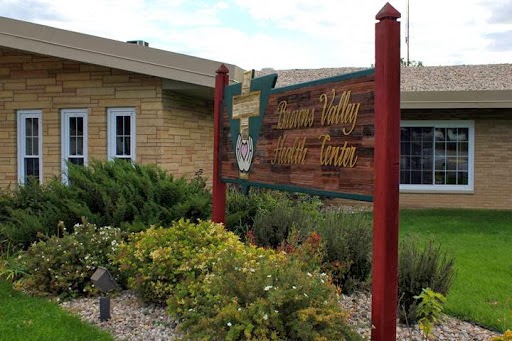
Browns Valley Health Center
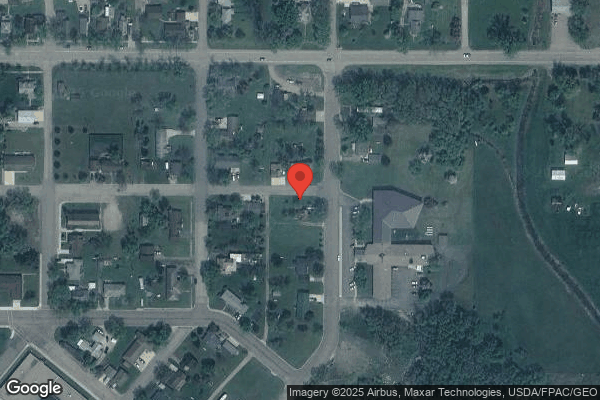
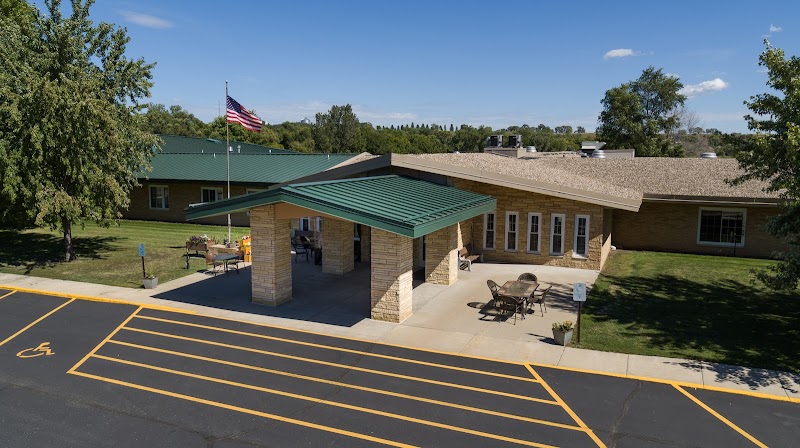
114 JEFFERSON STREET SOUTH, BROWNS VALLEY, MN 56219 (320) 695-2165
Non profit - Corporation 31 Beds ST. FRANCIS HEALTH SERVICES Data: November 2025
Trust Grade
90/100
#10 of 337 in MN
Last Inspection: March 2025

Within standard 12-15 month inspection cycle. Federal law requires annual inspections.

Overview

Browns Valley Health Center has received a Trust Grade of A, indicating an excellent reputation and high recommendation status among nursing facilities. It ranks #10 out of 337 in Minnesota, placing it in the top 3% of facilities statewide, and is the only option in Traverse County. However, the facility is experiencing a worsening trend, with the number of issues increasing from 2 in 2024 to 3 in 2025. Staffing is a strength here, with a rating of 5 out of 5 stars and a turnover rate of 39%, which is below the state average. While the facility has no fines on record, some concerns were noted during inspections; for instance, staff did not wear hair restraints in the kitchen, and there were issues with food safety, including unmarked food in the refrigerator. Additionally, there was a failure to properly disinfect a glucometer used for blood glucose monitoring, which could pose health risks for residents. Overall, the facility has strong staffing but needs to address its compliance and safety practices.
Trust Score
A
90/100
In Minnesota
#10/337
Top 2%
Safety Record
Low Risk
No red flags
Inspections
Getting Worse
2 → 3 violations
Staff Stability
○ Average
39% turnover. Near Minnesota's 48% average. Typical for the industry.
Penalties
✓ Good
No fines on record. Clean compliance history, better than most Minnesota facilities.
Skilled Nurses
✓ Good
Each resident gets 52 minutes of Registered Nurse (RN) attention daily — more than average for Minnesota. RNs are trained to catch health problems early.
Violations
○ Average
6 deficiencies on record. Average for a facility this size. Mostly minor or procedural issues.
★★★★★
5.0
Overall Rating
★★★★★
5.0
Staff Levels
★★★★☆
4.0
Care Quality
★★★★☆
4.0
Inspection Score
Stable
2024: 2 issues
2025: 3 issues

The Good

  • 5-Star Staffing Rating · Excellent nurse staffing levels
  • 4-Star Quality Measures · Strong clinical quality outcomes
  • Full Sprinkler Coverage · Fire safety systems throughout facility
  • No fines on record
  • Staff turnover below average (39%)

    9 points below Minnesota average of 48%

Facility shows strength in staffing levels, quality measures, fire safety.

The Bad

Staff Turnover: 39%

Near Minnesota avg (46%)

Typical for the industry

Chain: ST. FRANCIS HEALTH SERVICES

Part of a multi-facility chain

Ask about local staffing decisions and management

The Ugly 6 deficiencies on record

Mar 2025 3 deficiencies
CONCERN (D)

Potential for Harm - no one hurt, but risky conditions existed

Deficiency F0760 (Tag F0760)

Could have caused harm · This affected 1 resident

**NOTE- TERMS IN BRACKETS HAVE BEEN EDITED TO PROTECT CONFIDENTIALITY** Based on observation, interview and document review, the facility failed to ensure professional standards of practice were follo...

Read full inspector narrative →
**NOTE- TERMS IN BRACKETS HAVE BEEN EDITED TO PROTECT CONFIDENTIALITY** Based on observation, interview and document review, the facility failed to ensure professional standards of practice were followed during medication set-up and administration of insulin with a Humalog insulin pen ( rapid-acting insulin, used to improve blood sugar control in people with diabetes mellitus) for 1 of 1 residents (R11) who received insulin without the pen primed according to manufacturer's recommendations. Findings include: R11's significant change Minimum Data Set (MDS) dated [DATE], identified R11 had severe cognitive impairment and diagnoses which included arthritis, dementia, and diabetes mellitus (DM) and received injections of insulin. R11's care plan dated 10/7/24, identified R11 had DM and staff were to administer diabetic medications as ordered. R11's Order Summary Report signed 2/28/25, identified Humalog Kwik Pen 100 units per milliliter (ml) subcutaneous (an injection into the fatty tissue) per sliding scale ( a scale that identifies how much insulin to administer per blood glucose readings) three times daily. Review of R11's treatment administration record (TAR) from 3/1/25 to 3/10/25, identified R11's blood glucose ranged from 177 to 347. Identified R11 received 2 to 8 units of Humalog insulin during this time period. During an observation on 3/10/25 at 4:38 p.m., registered nurse (RN)-A prepared R11's Humalog insulin RN-A removed the Humalog insulin pen from the medication cart, removed the tip, attached a needle to the end of the pen, dialed up 8 units of insulin picked up an alcohol wipe, went to R11's room and administered the 8 units of insulin to R11. RN-A then removed the needle from the end of the pen, placed it in the sharps container and sanitized her hands. RN-A did not prime the pen (waste 2 units of insulin to remove the air bubbles) per manufacturer's instructions prior to drawing up the 8 units of insulin. During an interview on 3/109/25 at 4:44 p.m., RN-A verified she had not primed the insulin pen prior to dialing up the 8 units of Humalog for R11 per manufacturer's recommendations. RN-A stated she did not need to prime the pen because she had administered R11's insulin earlier in the day. During an interview on 3/11/25 at 9:30 a.m., consultant pharmacist (CP) stated it was important to always prime an insulin pen prior to drawing up the dosage to ensure the residents received the correct dosage of insulin. During an interview on 3/11/25 at 1:35 p.m., director of nursing (DON) stated her expectation was that the insulin pen would have been primed prior to dialing up the insulin dose for R12 to ensure the proper dose of insulin was administered. Review of Humalog insulin manufactures package insert dated 7/23, identified the need to prime the pen before drawing up the insulin. Identified priming the pen means removing the air from the needle and cartridge. Identified if you do not prime the pen before each injection, you may get too much or too little insulin. Review of a facility policy titled Medication Administration revised 8/7/23, identified the facility would ensure all medications were administered safely according to current standards of practice and regulatory requirements.
CONCERN (E)

Potential for Harm - no one hurt, but risky conditions existed

Infection Control (Tag F0880)

Could have caused harm · This affected multiple residents

**NOTE- TERMS IN BRACKETS HAVE BEEN EDITED TO PROTECT CONFIDENTIALITY** Based on observation and interview, the facility failed to disinfect a multi-use glucometer( a machine that is used for blood gl...

Read full inspector narrative →
**NOTE- TERMS IN BRACKETS HAVE BEEN EDITED TO PROTECT CONFIDENTIALITY** Based on observation and interview, the facility failed to disinfect a multi-use glucometer( a machine that is used for blood glucose monitoring) after use for 2 of 2 residents (R11, R6) reviewed for blood glucose monitoring. This deficient practice had the ability to affect all 9 residents who required blood glucose monitoring. Findings include: The Centers for disease Control and Prevention (CDC) Infection Prevention for Blood Glucose Monitoring and Insulin Administration dated 2/6/2013, identified due to the risk of transmitting infectious diseases during assisted blood glucose (blood sugar) monitoring whenever possible, blood glucose meters should not be shared. If they must be shared, the device should be cleaned and disinfected after every use, per manufacturer's instructions. R11 R11's significant change Minimum Data Set (MDS) dated [DATE], identified R11 had severe cognitive impairment and diagnoses which included, arthritis, dementia, and diabetes mellitus DM). Identified R11 required staff assistance with activities of daily living (ADL's). R11's current physicians orders signed 2/25/25, identified R11 required blood glucose monitoring checks three times daily. During an observation on 3/10/25 at 4:38 pm., registered nurse (RN)-A sanitized hands, applied gloves and removed a glucometer, strip and a lancet (small device with a needle used to get blood for blood glucose monitoring) from the top drawer of the medication cart. RN-A used the lancet to poke R11's finger and obtained a small drop of blood onto the glucometer strip. RN-A removed gloves and placed glucometer back into the medication cart without disinfecting the glucometer. RN-A proceeded to sanitize her hands and documented R11's blood glucose result on the computer. During an interview on 3/10/25 at 4:45 p.m., RN-A verified the glucometer was used for multiple residents. RN-A stated she should have disinfected the glucometer per manufacturer's guidelines prior to placing it into the drawer of the medication cart to prevent the spread of blood-borne infections. R6 R6's significant change MDS dated [DATE], identified R6 had moderate cognitive impairment and diagnoses which included dementia, renal insufficiency and DM. Identified R6 required staff assistance with ADL's. R6's current physicians orders signed 2/25/25, identified R6 required blood glucose monitoring checks three time daily on Monday, Wednesday, and Friday and as needed. During an observation on 3/10/25 at 6:47 p.m., licensed practical nurse (LPN)-A had done a blood glucose check using a glucometer on R6 in the common area on the unit. LPN-A walked to the cart and placed the glucometer in the top drawer. LPN-A was not seen disinfecting the glucometer. During an interview on 3/10/25 at 6:50 p.m., LPN-A verified the glucometer was used for multiple residents. LPN-A stated she had wiped the front of the glucometer with an alcohol wipe after doing R6's blood glucose monitoring. LPN-A stated she thought it was ok to use an alcohol wipe to disinfect the glucometer between residents. LPN-A stated she was unsure what the manufacturer's suggested to use to disinfect the glucometers between resident use. During a joint interview on 3/11/25 at 1:25 p.m., infections preventionist (IP) and director of nursing (DON) verified the glucometer in the top drawer of the medication cart was used for several residents and DON stated using an alcohol wipe was not appropriate to disinfect the glucometer between resident use. IP and DON stated their expectation was that the glucometer would have been disinfected between residents using a Sani-wipe or per manufacturer's guidelines to prevent blood- borne infections. Review of Manufacturers guideline for Assure Platinum glucometer undated, identified disinfecting the glucometer was to be completed using a commercially available EPA-registered disinfectant detergent or germicide wipe, or one milliliter (ML) of household bleach to 9 (ML) of water to achieve a 1:10 dilution, or bleach wipes. Review of a facility policy titled Cleaning/ Disinfecting Resident Care Equipment reviewed 1/25/22, identified reusable resident equipment including glucometer was to be decontaminated between residents following manufactures instructions.
CONCERN (F)

Potential for Harm - no one hurt, but risky conditions existed

Food Safety (Tag F0812)

Could have caused harm · This affected most or all residents

Based on observation, interview, and document review, the facility failed to ensure staff wore hair restraints in the kitchen. Further, the facility failed to ensure food and beverages stored in the r...

Read full inspector narrative →
Based on observation, interview, and document review, the facility failed to ensure staff wore hair restraints in the kitchen. Further, the facility failed to ensure food and beverages stored in the refrigerators, were labeled, dated and discarded properly. This deficient practice had the potential to affect all 28 residents who received food and beverages from the refrigerators and the kitchen. Findings include: Hair nets: On 3/10/25 at 12:02 p.m., dietary manager (DM) was standing at the dishwasher pulling clean dishes out of the dishwasher. DM hair was approximately 1/4 inch in length and was not wearing any type of a hair restraint. On 3/10/25 at 12:05 p.m., during the kitchen tour with the (DM), the following concerns were identified: Kitchen refrigerator: -Several slices of ham on a plate wrapped in saran wrap with a date of 2/28/25. Freezer -10 hamburger patty's in a bag without notation of an open date. Resident refrigerator and freezer on the unit: Fridge: -one slice of apple pie covered with saran wrap on a plate without notation of a date. -3/4 jar of salsa with a black crusty substance around the lid without notation of an open date. -1/4 container of mayonnaise without notation of an open date and an expiration date of 6/27/24. -1/2 jar of Queso cheese without notation of an open date. -3/4 bottle of Italian dressing without notation of an open date. -one ham sandwich on a plate covered with saran wrap without notation of a date. -one bowl of chili without notation of a date. -1/4 container of peppermint mocha creamer without notation of a date. Freezer: -half bag of pizza rolls without notation of an open date. -half bag of French fries without notation of an open date. -half bag of chicken nuggets without notation of an open date. During an interview on 3/10/25 at 12:35 p.m., DM verified the above findings during the kitchen tour. DM stated his expectation was that all opened food should have been dated and thrown away after the shelf life or the expiration date. DM stated since his hair was not very long he was not aware he needed to wear a hair restraint in the kitchen. During an interview on 3/11/25 at 9:23 a.m., dietician stated her expectation was that all food items would have been dated once opened and thrown away after the shelf life or the expiration date to prevent a food borne-illness. Dietician further stated her expectation was that all all staff would have worn a hair restraint while in the kitchen. A facility policy titled Perishable Food Management reviewed 8/29/22, identified perishable foods were those likely to spoil, decay or become unsafe to consume if not refrigerated. Further, identified all food once opened should have been labeled, and dated when opened and include a use-by date or discard date. A facility policy titled Hair covering and restraints dated 1/31/2012, identified dietary staff must wear hair restraints (hairnet or bonnet) to prevent hair from contacting exposed food or clean dishes. Identified all of the hair needs to be covered.
Apr 2024 2 deficiencies
CONCERN (D)

Potential for Harm - no one hurt, but risky conditions existed

Quality of Care (Tag F0684)

Could have caused harm · This affected 1 resident

**NOTE- TERMS IN BRACKETS HAVE BEEN EDITED TO PROTECT CONFIDENTIALITY** Based on observation, interview and document review, the facility failed to ensure proper wheelchair positioning was implemented...

Read full inspector narrative →
**NOTE- TERMS IN BRACKETS HAVE BEEN EDITED TO PROTECT CONFIDENTIALITY** Based on observation, interview and document review, the facility failed to ensure proper wheelchair positioning was implemented for 1 of 1 residents (R4) observed to have concerns with positioning. In addition, the facility failed to comprehensively assess and implement interventions for 1 of 1 residents (R16) observed with edema (excess of watery fluid collection in tissues of body). Findings include: POSITIONING R4's annual Minimum Data Set (MDS) dated [DATE], identified R4 had severe cognitive impairment with diagnoses which included: dementia, arthritis, and low back pain. Indicated R4 used a wheelchair with substantial/maximal assistance to wheel 50 feet, and was dependent to wheel 150 feet. R4's care plan dated 4/17/24, identified R4 required a Hoyer (mechanical) lift to transfer, a manual wheelchair with interventions that included: needed assistance with wheelchair, clear obstacles from pathway, and staff to propel from one destination to another. During an observation on 4/15/24 at 4:31 p.m., R4 was dressed in street clothes and seated in manual wheelchair in the Coliseum sitting area. R4 wore slipper socks and R4's feet dangled from the wheelchair seat, approximately five to six inches off the floor with her toes pointed down. R4's wheelchair had no foot pedals and R4's feet could not reach the floor. At 6:01 p.m., R4 was observed in her wheelchair in the Coliseum sitting area. R4's feet continued to dangle from the wheelchair seat, approximately two inches from the floor, while her toes pointed down towards the floor. At 7:46 p.m., R4 was observed in her wheelchair in the Coliseum sitting area, while her feet continued to dangle above the floor approximately two inches. During an observation on 4/16/24 at 11:52 a.m., R4 was dressed in street clothes seated in a manual wheelchair in the Coliseum sitting area. R4's stocking covered toes were observed to touch the floor by the tips of the toes, while the rest of R4's feet dangled off the floor. At 1:21 p.m., R4 was observed in the wheelchair in the Coliseum sitting area. R4's stocking covered feet were observed to dangle from the floor one to two inches above the floor. R4 began to propel herself slowly around the area in her wheelchair, using her hands on the wheels. During an interview on 4/16/24 at 2:40 p.m., nursing assistant (NA)-A stated R4 used her hands to propel her wheelchair however it went slowly. NA-A indicated R4 had never used wheelchair pedals and felt R4's feet would not sit flat on the floor. NA-A indicated she was not aware if R4 had ever been assessed for wheelchair positioning. During an interview on 4/16/24 at 3:56 p.m., licensed practical nurse (LPN)-C stated R4 required a Hoyer for transferring and used a wheelchair for mobility. LPN-C confirmed R4's feet dangled from the wheelchair above the floor, and indicated R4 used the tips of her toes while propelling the wheelchair and did not use foot pedals on her wheelchair. LPN was unsure if R4 had been assessed for wheelchair positioning by therapy and stated R4 had not had a therapy evaluation recently. LPN-C stated it was important for R4's feet to be supported in her wheelchair for good positioning. During an observation on 4/17/24 at 7:14 a.m., R4 was dressed in street clothes seated in her wheelchair, R4's right foot dangled above the floor, while R4's left toes were touching the floor. At 12:47 p.m., R4 was in wheelchair at table in the dining room. R4's left toes were touching the floor by the tips, while R4's right toes rested on the bottom of the table stand. During an interview on 4/17/24 at 1:03 p.m., certified occupational therapist assistant (COTA)-A confirmed COTA-A had worked with R4 previously related to her shoulder however it had been over a year ago. COTA-A stated for wheelchair assessments, they looked for proper fit, sitting balance, posture, safety and mobility. COTA-A stated R4 did not use foot pedals due to contractions in both knees and ankles and confirmed R4's feet barely touched the floor. COTA-A indicated when a resident's feet dangled above the floor, staff just needed to ensure the resident was safe and it did not cause pressure on their legs. COTA-A indicated improper positioning could cause discomfort for the resident. COTA-A stated COTA-A had never observed R4 propel herself in her wheelchair using her feet, just her arms. COTA-A stated they could do an assessment for a different wheelchair for R4, as R4's wheelchair could not be lowered. EDEMA R16 R16's significant change MDS dated [DATE], identified R16 was cognitively intact and had diagnoses which included: heart failure, hypertension, chronic kidney disease and diabetes mellitus. Identified R16 was dependent on staff assistance for dressing and putting on/taking off footwear. R16's care plan dated 4/17/24, identified R16 was at risk for shortness of breath, edema or chest pain related to congestive heart failure. Interventions included to monitor for signs and symptoms of heart failure, which included edema. Indicated R16 required assistance with dressing, with interventions which included assist of one with putting on knee high socks in morning (AM) and removing at bed time (HS). To do while in bed or recliner. R16's Weekly General Observation Results assessments reviewed form 1/18/24 to 4/12/24, identified the following: -1/18/24-pedal edema (swelling from fluid gathered in feet and lower legs) present -yes, right lower extremity, edema-2+ (numbered pitting edema scale which identified indentation and depth, with rebound time, scale of 1-4), left lower extremity edema-2+. -1/24/24-pedal edema present-yes, right lower extremity edema-2+, left lower extremity edema-2+. -2/7/24, area blank related to edema, not assessed. -2/14/24-pedal edema present-yes, bilateral extremities-3+. -2/21/24-area blank related to edema, not assessed. -3/14/24-pedal edema present-yes, bilateral extremities-3+. -3/20/24-area blank related to edema, not assessed. -3/29/24- pedal edema present-yes, right lower extremity edema-2+, left lower extremity edema-2+. -4/12/24-pedal edema present-yes, right lower extremity edema-1+, left lower extremity edema-1+. R16's progress notes reviewed from 1/23/24 to 4/17/24, identified on 2/25/24, R16 was admitted to hospital related to decline in health condition with CHF and renal failure. R16's primary care physician (PCP)-A's progress note dated 4/9/24, identified R16 had recovered from the serious illness he had. Progress note identified extremities had no clubbing (enlargement of ends) or cyanosis (bluish discoloration). R16's progress note lacked information if R16 had edema present or there was treatment for R16's edema. During an interview on 4/15/24 at 2:06 p.m., R16 stated he did have edema and swelling. R16 indicated the staff did not want to apply his stockings any more as they were tight and too small. R16 stated he liked to wear them, however was unable to get to town to purchase new ones. R16 was wearing regular black socks, and no compression stockings during observation, and his feet and ankles appeared slightly swollen. During an observation and interview on 4/16/24 at 11:18 a.m., R16 was in the common area seated in his wheelchair participating in exercise activity. R16 wore sandals with regular black socks. At 1:29 p.m., R16 was in his room in his wheelchair reading. R16 stated he did have some swelling of his feet and ankles today. R16's feet appeared to have some indentation where the sandal straps were across the tops of his feet. R16 stated he did not wear his shoes since they were too tight and they were stored on a small shelf on a table next to his chair. During an interview on 4/16/24 at 2:53 p.m., NA-A stated night staff assisted him with dressing in the morning since he usually woke up around 4 a.m. NA-A stated R16 did not ask for his knee high socks any more and was not certain why. During an interview on 4/16/24 at 4:19 p.m., LPN-C stated R16 wore compression stockings and the night shift usually applied them. LPN-C indicated the stockings were important to help with edema and circulation. LPN-C stated it would have been identified on R16's care guide (care plan) for the nursing assistants or the treatment administration record (TAR) if the nurses were to apply the compression stockings. LPN-C stated it might have been on the night shifts TAR. At 4:32 p.m., LPN-C confirmed R16 did not have compression stockings on and confirmed R16 had 3+ edema of his feet and ankles. During an interview on 4/17/24 at 1:14 p.m., director of nursing (DON) confirmed residents feet should not dangle above the floor while in wheelchairs. DON indicated she became aware of the concern with R4's wheelchair positioning yesterday and stated they noticed R4 had a different wheelchair cushion in her wheelchair. They placed R4's old cushion back in her wheelchair yesterday and thought that was helpful. DON indicated the facility's usual process was to have therapy assess residents for proper fitting wheelchairs. DON stated it was important to have proper fitting wheelchairs to prevent injury. DON confirmed R4's feet dangled off the floor and indicated it could cause R4 pain and R4 did not have any where to rest her feet. During an interview on 4/16/24 at 4:52 p.m., director of nursing (DON) confirmed R16 had never had an order for compression stockings. DON confirmed R16 had 2-3+ edema now. DON indicated it would have been helpful for R16 to wear compression stockings to decrease swelling. DON stated she had assisted to apply R16's knee high stockings on, however it was not easy to apply them. DON stated she would have to discuss with PCP-A to obtain an order for them. DON stated R16 had a type of compression knee high stockings in his drawer. At 5:27 p.m., DON stated she contacted PCP-A, and indicated PCP-A was not aware R16 wore compression stockings, and wanted R16 measured for Job stockings by therapy. DON stated she would have expected the nurses to notify PCP-A that R16 had edema and was wearing compression stockings. DON stated it was important to obtain R16's measurements for correct fit for R16's edema. DON indicated she was not sure if any nursing staff were aware R16's knee high stockings were actually compression stockings. On 4/17/23 at 10:31 a.m., DON indicated she had contacted R16's family member and was informed R16 purchased those stockings over the counter himself. On 4/17/24 at 11:53 a.m., a phone call and message was left to PCP-A for interview. No return call was received. The facility policy titled Adaptive And Positioning Equipment dated 11/2023, identified the facility would provide equipment that allowed residents to achieve their highest most practicable level of function. The policy procedure identified nursing would make referral to occupational therapy (OT) or physical therapy (PT) for wheelchair positioning, seating assessment or other adaptive equipment recommendation. OT/PT staff would conduct the assessment and make a recommendation for wheelchair modification and/or equipment. Nurse manager documented equipment use in care plan. Nursing and/or OT department (dept.) observed appropriateness of continued use of equipment. The facility policy titled Application & Removal Of Compression Stockings/Support Hose dated 1/2014, identified application and removal of compression stockings/support hose was done in accordance with the physician's plan of care. Continuous assessment/monitoring of the lower extremities should always accompany the changing of compression stockings/support hose. This included swelling, color changes, temperature changes, presence of pain, areas of constriction, or skin abrasions. The policy procedure included to check the care plan for any specific client instructions.
CONCERN (F)

Potential for Harm - no one hurt, but risky conditions existed

Staffing Data (Tag F0851)

Could have caused harm · This affected most or all residents

Based on interview and document review, the facility failed to submit complete and accurate direct care staffing information, including information for licensed practical nursing staff, based on payro...

Read full inspector narrative →
Based on interview and document review, the facility failed to submit complete and accurate direct care staffing information, including information for licensed practical nursing staff, based on payroll and other verifiable and auditable data, during 1 of 1 quarters reviewed (Quarter 1), to the Centers for Medicare and Medicaid Services (CMS) according to specifications established by CMS. This deficient practice had the potential to affect all 27 residents residing in the facility. Findings include: Review of the Payroll Based Journal Report (PBJ) [NAME] Report 1705 D identified the following dates triggered for review: 10/01/23, 10/03/23, 10/07/23, 10/08/23,1 0/10/23, 10/12/23, 10/14/23, 10/15/23, 10/17/23, 10/21/23, 10/22/23, 10/23/23, 10/26/23, 10/28/23, 10/29/23, 10/31/23, 11/04/23, 11/05/23, 11/10/23, 11/11/23, 11/12/23, 11/14/23, 11/17/23, 11/18/23, 11/19/23, 11/21/23, 12/02/23, 12/03/23, 12/09/23, 12/10/23, 12/12/23, 12/19/23, 12/23/23, 12/24/23, 12/29/23, 12/30/23, and 12/31/23, for failure to have licensed nurse coverage 24 hours per day. Review of staffing schedules from 10/1/23 thorough 12/31/23, identified the facility had ten staff identified to have worked: registered nurse (RN)-A, RN-B, RN-C, Licensed Practical Nurse (LPN)-A, LPN-B, LPN-C, LPN-D, LPN-E, director of nursing (DON) and assistant director of nursing (ADON) on each of the above dates listed. In addition, review of staff's time cards from 10/1/23 through 12/31/23, on the above-mentioned dates identified licensed nursing staff had worked. Review of the facility's staffing schedules and time cards identified a discrepancy with the PBJ report. During an interview on 4/15/24 at 6:20 p.m., administrator confirmed the above findings and stated licensed staff had worked on the dates mentioned above. In addition, administrator indicated the PBJ report was inaccurate and was aware of the issues. Administrator stated the LPN staff and trained medication aides (TMAs) were not coded correctly, and the facility knew how to fix the issues going forward. Review of the facility policy titled Payroll Based Journal (PBJ) dated 4/1/19, identified PBJ was CMS's mandatory electronic submission for long-term care of each care center's staffing information based on payroll data. The facility would use PBJ data to assure the delivery of quality of care to assure compliance with regulatory requirements. The policy identified the facility would gather complete and accurate direct care staffing information and the facility's Employment System Department (ESD) would review all PBJ data for accuracy and submit prior to the CMS mandated deadline.
Mar 2023 1 deficiency
CONCERN (D)

Potential for Harm - no one hurt, but risky conditions existed

Resident Rights (Tag F0550)

Could have caused harm · This affected 1 resident

**NOTE- TERMS IN BRACKETS HAVE BEEN EDITED TO PROTECT CONFIDENTIALITY** Based on observation, interview and document review, the facility failed to maintain dignity for 1 of 1 resident (R13) who utili...

Read full inspector narrative →
**NOTE- TERMS IN BRACKETS HAVE BEEN EDITED TO PROTECT CONFIDENTIALITY** Based on observation, interview and document review, the facility failed to maintain dignity for 1 of 1 resident (R13) who utilized an incontinent pad in her wheelchair. Findings Include: R13's significant change Minimum Data Set (MDS) dated [DATE], identified R13 had moderate cognitive impairment and diagnoses which included: depression, dementia and arthritis. Indicated R13 was continent of bowel and bladder and required extensive assistance with dressing, toilet use, and transfers. R13's care plan revised 3/28/23, identified R13 required assistance with bed mobility, bathing, transfers, and elimination. R13's care plan indicated she was at risk of bladder incontinence due to needing assistance with toileting. On 3/28/23, at 12:13 p.m. R13 was in the dining room with other residents and staff. R13's wheelchair had a green incontinence pad draped over the wheelchair cushion visible from all sides which hung down the front of R13's wheelchair four to six inches. On 3/28/23, at 12:38 p.m. R13 was lying in her bed, her wheelchair was next to the bed and the green incontinence pad continued to draped over the wheelchair cushion. R13's door was open and R13's bed and wheelchair were visible from the doorway to other residents and visitors. During an interview on 3/28/23, at 4:51 p.m. nursing assistant (NA)-A stated R13 was continent of bowel and bladder. NA-A indicated she was not certain why R13 had an incontinent pad in her wheelchair or how long the pad had been used in R13's wheelchair. On 3/28/23, at 5:28 p.m. a green incontinence pad was positioned on the center of R13's bed, on top of the linen visible from the doorway. At 5:30 p.m. R13 was in the dining room seated in her wheelchair. A green incontinence pad was draped over the cushion, visible from all sides of the wheelchair and hung down in front of the wheelchair four to six inches. During a telephone interview on 3/29/23, at 8:06 a.m. family member (FM)-A indicated she was not aware R13 had an incontinence pad in her wheelchair and stated it was unusual since R13 was continent of bowel or bladder. FM-A stated it was not dignified for R13 to have the incontinence pad used in her wheelchair since R13 was continent. On 3/29/23, at 8:48 a.m. R13 was seated in her wheelchair in the dining room. A green incontinence pad was draped over the wheelchair cushion visible to other residents, staff and visitors from all sides of the wheelchair. During an interview on 3/29/23, at 10:31 a.m. NA-B confirmed an incontinence pad was present in R13's wheelchair when they assisted R13 with morning cares and transferred R13 to the wheelchair that morning. NA-B stated R13 was continent. NA-B indicated it was not dignified for R13 to have the incontinence pad placed in her wheelchair. During an interview on 3/29/23, at 10:51 a.m. licensed practical nurse (LPN)-A indicated R13 was continent and confirmed R13's wheelchair had a green incontinence pad positioned on the wheelchair cushion. LPN-A stated it should not have been there and indicated it was a dignity issue. During an interview on 3/29/23, at 11:29 a.m. director of nursing (DON) confirmed she had observed R13 in the dining room in her wheelchair with the green incontinence pad draped over the wheelchair cushion. DON confirmed R13 should not have had an incontinence pad in her wheelchair as she was continent. DON stated the facility should not place incontinence pads in their wheelchairs as it was not dignified. In addition, DON indicated the incontinence pads should not have been visible on resident beds. Review of the facility policy titled Dignity, revised 10/23/17, identified the facility would treat each individual residing in their facility with respect and dignity. Indicated staff would provide care that could help avoid situations that could be demeaning to the residents. The policy lacked direction for the use of incontinence products, including incontinence pads.
Understanding Severity Codes (click to expand)
Life-Threatening (Immediate Jeopardy)
J - Isolated K - Pattern L - Widespread
Actual Harm
G - Isolated H - Pattern I - Widespread
Potential for Harm
D - Isolated E - Pattern F - Widespread
No Harm (Minor)
A - Isolated B - Pattern C - Widespread

Questions to Ask on Your Visit

  • "Can I speak with families of current residents?"
  • "What's your RN coverage like on weekends and overnight?"

Our Honest Assessment

Strengths
  • • Grade A (90/100). Above average facility, better than most options in Minnesota.
  • • No major safety red flags. No abuse findings, life-threatening violations, or SFF status.
  • • No fines on record. Clean compliance history, better than most Minnesota facilities.
  • • 39% turnover. Below Minnesota's 48% average. Good staff retention means consistent care.
Concerns
  • • No significant concerns identified. This facility shows no red flags across CMS ratings, staff turnover, or federal penalties.
Bottom line: Generally positive indicators. Standard due diligence and a personal visit recommended.

About This Facility

What is Browns Valley Health Center's CMS Rating?

CMS assigns Browns Valley Health Center an overall rating of 5 out of 5 stars, which is considered much above average nationally. Within Minnesota, this rating places the facility higher than 99% of the state's 100 nursing homes. This rating reflects solid performance across the metrics CMS uses to evaluate nursing home quality.

How is Browns Valley Health Center Staffed?

CMS rates Browns Valley Health Center's staffing level at 5 out of 5 stars, which is much above average compared to other nursing homes. Staff turnover is 39%, compared to the Minnesota average of 46%. This relatively stable workforce can support continuity of care.

What Have Inspectors Found at Browns Valley Health Center?

State health inspectors documented 6 deficiencies at Browns Valley Health Center during 2023 to 2025. These included: 6 with potential for harm.

Who Owns and Operates Browns Valley Health Center?

Browns Valley Health Center is owned by a non-profit organization. Non-profit facilities reinvest revenue into operations rather than distributing to shareholders. The facility is operated by ST. FRANCIS HEALTH SERVICES, a chain that manages multiple nursing homes. With 31 certified beds and approximately 26 residents (about 84% occupancy), it is a smaller facility located in BROWNS VALLEY, Minnesota.

How Does Browns Valley Health Center Compare to Other Minnesota Nursing Homes?

Compared to the 100 nursing homes in Minnesota, Browns Valley Health Center's overall rating (5 stars) is above the state average of 3.2, staff turnover (39%) is near the state average of 46%, and health inspection rating (4 stars) is above the national benchmark.

What Should Families Ask When Visiting Browns Valley Health Center?

Based on this facility's data, families visiting should ask: "Can I visit during a mealtime to observe dining assistance and food quality?" "How do you handle medical emergencies, and what is your hospital transfer rate?" "Can I speak with family members of current residents about their experience?"

Is Browns Valley Health Center Safe?

Based on CMS inspection data, Browns Valley Health Center has a clean safety record: no substantiated abuse findings (meaning no confirmed cases of resident harm), no Immediate Jeopardy citations (the most serious violation level indicating risk of serious injury or death), and is not on the Special Focus Facility watch list (a federal program monitoring the lowest-performing 1% of nursing homes). The facility has a 5-star overall rating and ranks #1 of 100 nursing homes in Minnesota. While no facility is perfect, families should still ask about staff-to-resident ratios and recent inspection results during their visit.

Do Nurses at Browns Valley Health Center Stick Around?

Browns Valley Health Center has a staff turnover rate of 39%, which is about average for Minnesota nursing homes (state average: 46%). Moderate turnover is common in nursing homes, but families should still ask about staff tenure and how the facility maintains care continuity when employees leave.

Was Browns Valley Health Center Ever Fined?

Browns Valley Health Center has no federal fines on record. CMS issues fines when nursing homes fail to meet care standards or don't correct problems found during inspections. The absence of fines suggests the facility has either maintained compliance or corrected any issues before penalties were assessed. This is a positive indicator, though families should still review recent inspection reports for the full picture.

Is Browns Valley Health Center on Any Federal Watch List?

Browns Valley Health Center is not on any federal watch list. The most significant is the Special Focus Facility (SFF) program, which identifies the bottom 1% of nursing homes nationally based on persistent, serious quality problems. Not being on this list means the facility has avoided the pattern of deficiencies that triggers enhanced federal oversight. This is a positive indicator, though families should still review the facility's inspection history directly.