Park View Care Center
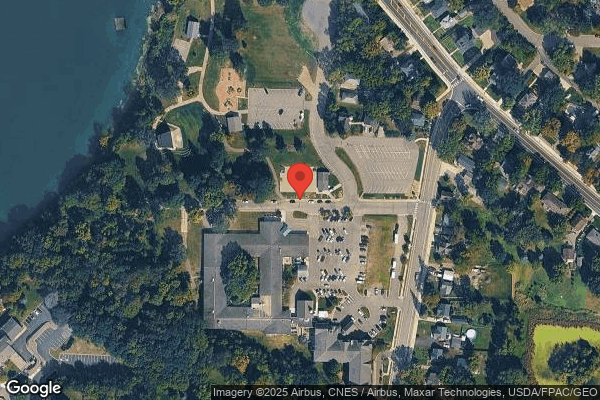
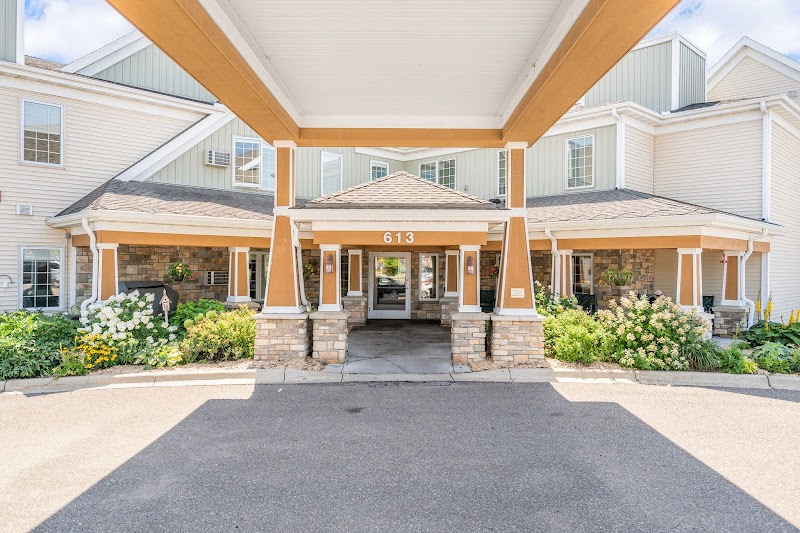
200 PARK LANE, BUFFALO, MN 55313 (763) 951-7825
Non profit - Corporation 92 Beds CASSIA Data: November 2025
Trust Grade
90/100
#66 of 337 in MN
Last Inspection: January 2025

Within standard 12-15 month inspection cycle. Federal law requires annual inspections.

Overview

Park View Care Center in Buffalo, Minnesota has an excellent Trust Grade of A, indicating it is highly recommended and performs well compared to other facilities. It ranks #66 out of 337 in Minnesota, placing it in the top half of nursing homes in the state, and #4 out of 7 in Wright County, meaning there are only three local options that are better. The facility has a stable trend, with only one issue reported in both 2024 and 2025, and has good staffing with a 5/5-star rating and a turnover rate of 36%, which is below the state average. However, there are some concerns, including incidents where expired food items were not discarded properly, issues with staff not disinfecting personal protective equipment after leaving a COVID-19 positive room, and failure to ensure safe food temperatures for certain meals, which could potentially affect many residents. Overall, while the facility has strong staffing and no fines, families should be aware of these specific concerns.
Trust Score
A
90/100
In Minnesota
#66/337
Top 19%
Safety Record
Low Risk
No red flags
Inspections
Holding Steady
1 → 1 violations
Staff Stability
○ Average
36% turnover. Near Minnesota's 48% average. Typical for the industry.
Penalties
✓ Good
No fines on record. Clean compliance history, better than most Minnesota facilities.
Skilled Nurses
✓ Good
Each resident gets 74 minutes of Registered Nurse (RN) attention daily — more than 97% of Minnesota nursing homes. RNs are the most trained staff who catch health problems before they become serious.
Violations
○ Average
6 deficiencies on record. Average for a facility this size. Mostly minor or procedural issues.
★★★★★
5.0
Overall Rating
★★★★★
5.0
Staff Levels
★★★☆☆
3.0
Care Quality
★★★★★
5.0
Inspection Score
Stable
2024: 1 issues
2025: 1 issues

The Good

  • 5-Star Staffing Rating · Excellent nurse staffing levels
  • Full Sprinkler Coverage · Fire safety systems throughout facility
  • No fines on record
  • Staff turnover below average (36%)

    12 points below Minnesota average of 48%

Facility shows strength in staffing levels, fire safety.

The Bad

Staff Turnover: 36%

Near Minnesota avg (46%)

Typical for the industry

Chain: CASSIA

Part of a multi-facility chain

Ask about local staffing decisions and management

The Ugly 6 deficiencies on record

Jan 2025 1 deficiency
CONCERN (D)

Potential for Harm - no one hurt, but risky conditions existed

Infection Control (Tag F0880)

Could have caused harm · This affected 1 resident

Based on observation, interview, and document review, the facility failed to ensure proper infection control practices were followed for 1 of 1 residents (R82) when exiting the residents room with a C...

Read full inspector narrative →
Based on observation, interview, and document review, the facility failed to ensure proper infection control practices were followed for 1 of 1 residents (R82) when exiting the residents room with a COVID-19 positive diagnosis during medication observation. This deficient practice had the potential to affect all 84 residents who were currently residing in the facility, staff and visitors. Per the Center for Disease Control (CDC), Transmission-Based Precautions are the second tier of basic infection control and are to be used in addition to Standard Precautions for patients who may be infected or colonized with certain infectious agents for which additional precautions are needed to prevent infection transmission. Use Contact Precautions for patients with known or suspected infections that represent an increased risk for contact transmission. This would include Use personal protective equipment (PPE) appropriately, including gloves and gown. Wear a gown and gloves for all interactions that may involve contact with the patient or the patient's environment. Donning PPE upon room entry and properly discarding before exiting the patient room is done to contain pathogens. The CDC further identified contact precaution use for a COVID-19 infection included use of designated or disposable patient care equipment. Findings include: R82's admission Minimum Data Set (MDS) identified R82 had intact cognition with diagnoses of bladder mass, weakness, rheumatoid arthritis, urinary tract infection and receiving palliative care. The MDS further identified R82 required extensive to total dependence of staff for activities of daily living (ADL's) which included bathing, toileting, dressing and wheelchair mobility. On 12/30/24, R82 tested positive for COVID-19. R82's care plan revised 1/7/25, lacked documentation of R82's COVID-19 diagnosis and contact precautions. R82's physician order report signed 1/8/25, identified R82 was to receive the following medications. Calcium 600 mg with Vitamin D3 by mouth twice daily, Nicotine patch 14 mg/24 hours once daily and remove old patch before applying new patch, Senna-S 8.6 mg by mouth daily, Tylenol 325mg two tablets by mouth four times a day, Nitrofurantoin 100 mg by mouth twice daily, Oxycodone 2.5 mg/0.125 ml by mouth every twelve hours. During an observation on 1/8/25 at 7:02 a.m., licensed practical nurse (LPN)-A prepared the following medications for R82 at the medication cart stationed in the hallway near the dining room. Calcium 600 milligrams (mg) with Vitamin D, Nicotine patch 14 mg, Senna-S 1 tablet, Tylenol 325mg two tablets, Nitrofurantoin 100 mg, Oxycodone 100 mg/5 milliliters (ml). LPN-A opened the locked drawer in the medication cart and removed a box with an oral syringe inside the box. LPN-A drew up 0.125 ml equal to 2.5 mg and set the syringe in a plastic cup. LPN-A put the box and medication back into the locked drawer, locked medication cart and brought prepared medications towards R82's room. LPN-A put on (PPE)in the hallway outside of R82's room; gown, gloves, N95 mask and goggles and entered R82's room. LPN-A put the syringe of Oxycodone into R82's mouth and handed R82 a plastic glass of water. LPN-A gave R82 the other medications on a spoon into R82's mouth, R82 drank the water and handed the glass back to LPN-A who set the syringe into the empty glass. LPN-A proceeded to remove an old nicotine patch off R82's back and placed a new nicotine patch to R82's left back/shoulder area. LPN-A left R82's room and placed the empty plastic glass with the syringe in it on the (PPE) bin outside of R82's room in the hallway. LPN-A removed his gown and gloves and discarded them, sanitized his hands, removed goggles and N95 mask and discarded them, sanitized hands, put a surgical mask on and used sanitizing wipes to clean goggles and placed back in the (PPE) bin. LPN-A picked up the plastic glass and brought back to the medication cart and placed on top of the cart. LPN-A opened the medication cart and the locked drawer, placed the syringe back into the box of Oxycodone, locked the drawer and the medication cart, threw the cup away and sanitized his hands. During an interview on 1/8/25 at 11:30 a.m., LPN-A stated the facility policy was to sanitize any item that was put back into the medication cart if it was in a residents room. LPN-A further stated if a resident had COVID-19 that nothing would be returned to the cart but should be left in the residents room. LPN-A confirmed R82 was positive for COVID-19 and supplies brought into the room that R82 touched were returned to the medication cart and not sanitized. LPN-A verified it was important to clean any items returning to the cart to get rid of germs and prevent the spread of germs to other residents or staff. During an interview on 1/8/25 at 11:37 a.m., registered nurse (RN)-A confirmed R82 was positive with COVID-19 and that supplies should not be leaving the residents room when in isolation. RN-A stated the (PPE) cart in the hallway was a clean area and supplies from a residents room should not be placed on the cart to prevent contamination. RN-A verified the plastic glass and syringe used for R82 should have been thrown away in the residents room to prevent the spread of germs or COVID-19 to others. During an interview on 1/8/25 at 11:52 a.m., clinical support interim director of nursing (DON) confirmed any disposable items should be discarded in a positive COVID-19 resident room. DON stated items used in a residents room would not be placed on the (PPE) bin in the hallway as that was considered a clean space. DON verified this was important to reduce the risk of Covid-19 exposure and cross contamination from clean to dirty items. A facility policy titled Infection Prevention and Control Program revised 8/12/22, identified transmission based precautions and enhanced barrier precautions would be provided for residents requiring additional precautions if the facility was able to meet the resident's needs and infection control recommendations. Multiple use equipment would be sanitized per manufacturer's instructions and per procedure. A policy for use of transmission based precautions was requested from the facility and not received.
Apr 2024 1 deficiency
CONCERN (D) 📢 Someone Reported This

A family member, employee, or ombudsman was alarmed enough to file a formal complaint

Potential for Harm - no one hurt, but risky conditions existed

Quality of Care (Tag F0684)

Could have caused harm · This affected 1 resident

**NOTE- TERMS IN BRACKETS HAVE BEEN EDITED TO PROTECT CONFIDENTIALITY** **** REVISED 2567 as a result of an Informal Dispute Resolution (IDR) Based on interview and document review, the facility faile...

Read full inspector narrative →
**NOTE- TERMS IN BRACKETS HAVE BEEN EDITED TO PROTECT CONFIDENTIALITY** **** REVISED 2567 as a result of an Informal Dispute Resolution (IDR) Based on interview and document review, the facility failed to appropriately update the physician and document respiratory assessments for 1 of 3 residents (R1) after a new onset change of condition when oxygen therapy was initiated due to low oxygen saturation identified after a fall. Findings include: R1's admission Record dated 8/2/22, indicated R1's diagnoses included diabetes mellitus type 1, chronic kidney disease, polyneuropathy (damage to the nerves in the hands and feet/legs), atherosclerotic heart disease and chronic pain syndrome. R1's quarterly Minimum Data Set (MDS) dated [DATE], indicated R1 had history of falls, required extensive assist of two persons for transfers, limited assistance with activities of daily living (ADLs) and had intact cognition. R1's care plan initiated 8/2/22, indicated R1 had type one diabetes mellitus and was at risk for decline in medical condition. Staff intervention included monitor for change of condition and notify provider and resident representative as indicated and administer medications and treatments per provider order. R1 had history of falls and scored 16 on the John Hopkins fall risk assessment tool indicating R1 was at high risk for falls. R1 required extensive assist of two persons for transfers using standing lift. R1 vital signs were stable, and she was on room air. R1's Provider Orders for Life-Sustaining Treatment (POLST) dated 8/11/22 indicated R1 was a Do Not Resuscitate (DNR) resuscitation status, with comfort-focused treatment which directed nurses to transfer R1 if comfort needs could not be met in current location. R1's oxygen saturation levels never got above 88% (normal is 90% or above) on 4 Liters of oxygen from 6:00 a.m. to 9:30 a.m. R1's medical record lacked evidence of other interventions implemented to alleviate her respiratory distress, or documented assessment of respiratory status after oxygen therapy was administered. R1's 3/12/24, vital sign documentation identified her normal oxygen saturation on room air, (pre-fall) was 95%. On 3/15/24 at 7:12 a.m., a progress note indicated R1 had unwitnessed fall with 0.5 centimeter (cm) x 0.4 cm bruise at right side of her forehead in her room at 4:59 a.m. She was disoriented, alert and had mild lack of energy. R1's vital signs and blood glucose (BG) levels dated 3/15/24 revealed the following: -5:00 a.m.: blood pressure (BP) 95/59; temperature (temp) 97.1; pulse 126; respirations (RR) 28 -5:15 a.m.: BP 103/61; temp 97.2; pulse 113; RR 25 -5:30 a.m.: BP 110/70; temp 97.2; pulse 109; RR 25 -5:45 a.m.: BP 101/63; temp 97.2; pulse 101; RR 27 -6:00 a.m.: BG 521 mg/dl -6:15 a.m.: BP 101/65; temp 97.2; pulse 101; RR 23 -6:45 a.m.: BP 108/63; temp 97.3; pulse 120; RR 21 -6:56 a.m.: BG 489 mg/dl -7:37 a.m.: BG 479 mg/dl -7:45 a.m.: BP 113/71; temp 97.4; pulse 119; RR 22, oxygen saturation (O2 sats) 84% -9:30 a.m.: BG 544; BP 82/54; temp 97.7; pulse 117; RR 16; O2 sats 74% There was no documentation to support staff had appropriately documented respiratory assessments had been completed after the initiation of new supplemental oxygen therapy. On 3/15/24 at 8:25 a.m., a progress note indicated R1 had at 6:00 a.m. blood glucose reading of 512 mg/dl, O2 sats of 80-81%, oxygen 4-5 L was applied via nasal canula, but her O2 sats remained at 83-85%. The note also indicated the on-call provider (MD)-A was notified, and ordered to give scheduled 10 units insulin, continue monitoring the resident's condition, and update the nurse practitioner (NP)-A for any sudden changes on R1's status. The note indicated family member (FM)-A was updated and aware of the resident's condition and agreed to send R1 to the hospital for evaluation if needed. On 3/15/24 at 9:30 a.m., a progress note indicated R1 had crackles to her lungs upon auscultation. R1 was lethargic, in respiratory distress with O2 sat at 69 to 74% on 4L of O2. The note also indicated NP-A was notified and ordered R1 to be sent to the hospital per family request. On 3/15/24 at 11:30 a.m., a progress note indicated R1 had passed away at the hospital with the family at the bedside. R1's hospital Patient Discharge Note dated 3/15/24 at 12:11 p.m. indicated R1 had coarse breath sounds bilaterally right worse than left, gasping for air, was unresponsive and was requiring bag-valve-mask (BVM), a handheld tool to deliver positive pressure ventilation support to maintain O2 sats upon arrival at the hospital. It was suspected R1's hyperglycemia (high blood glucose level) was from severe sepsis/septic shock from pneumonia. The note also indicated R1 passed away at 11:38 a.m. on 3/15/24. MD-A's progress note dated 3/15/24 at 6:33 a.m. indicated R1 was found down on the floor with a BG of 552, systolic BP of 95, pulse 104, and O2 sats of 80-84% on 4 L of O2. R1 had a few basilar crackles, an abnormal breath sounds at the bases of the lungs with no apparent injuries. The note also indicated to update primary team in two hours depending upon BP, and anything further regarding BG and O2 sats. NP-A's note dated 3/15/24 at 1:06 p.m. indicated R1 had unwitnessed fall in her room at 5:00 a.m., received a head strike and had an acute change in condition. Family did not want to send R1 to the hospital at that time. NP-A observed R1 sitting slumped over in bed, with the head of the bed (HOB) elevated because of labored/congested breathing. R1 was unresponsive and appeared at the end of life. On 4/8/24 at 12:42 p.m. family member (FM)-A stated she got a call from the facility around 7:00 a.m. on 3/15/24 regarding R1's fall. She told the facility to send R1 to the hospital for further evaluation. At around 10:00 a.m. she got another call again from NP-A who told her R1 was at the end of life. She requested R1 to be sent to the hospital for further care. On 4/9/24 at 8:14 a.m. registered nurse (RN)-A stated nurses were responsible for monitoring residents. RN-A stated R1 was found on the floor in her room at 5:00 a.m. and sustained an injury on her forehead. R1's BP was 90/69, her O2 sats were below 90%, O2 was applied at 4L and her O2 sats increased to 86% but remained below 90%. She acknowledged she did not document the O2 sats. She called MD-A at 6:00 a.m. and was directed to hold R1's BP medications, continue supplemental oxygen, encourage R1 to do deep breathing, and to continue monitor R1's respiratory status. She was to update the primary team in two hours. On 4/9/24 at 11:51 a.m. RN-C stated if a resident had a change of condition, she would assess the resident. Based on the findings, she would notify the provider and the family, and would continue to monitor the resident every 15 minutes. If the resident's condition had not improved, she would call the provider to request sending the resident to the hospital for further care, and document everything. There was no mention of how long staff should wait if a resident's condition had not improved before they were to call the physician and update them on the residents' condition. On 4/9/24 at 1:33 p.m. NP-A stated RN-B updated her about R1's deteriorating condition. She arrived at the facility at about 8:30 a.m. Upon assessment, R1 appeared at the end of life, she was unresponsive, pale, diaphoretic, hypotensive and had agonal breathing with 4 L of O2 on. She directed RN-B to update the family as R1's condition looked poor. She ordered to send R1 to the hospital per family request. On 4/9/24 at 3:05 p.m. MD-A (the on-call physician) stated he did not recall the nurse informing him of any injury to R1. He gave orders to manage R1 comfort based on the information provided by the nurse. The plan was to manage R1's BG, to continue with supplemental O2, and update the primary care team in two hours. The plan was to focus on comfort care according to R1's advance directives. MD-A stated nurses could call back anytime if a resident was having significant change in condition, but agreed staff should have called back if R1's status failed to return to baseline per acceptable standards of practice. MD-A stated the plan was to focus on comfort care according to her advance directives, however, MD-A acknowledged not directing the nurse to ask R1 if she wanted to go to the hospital or transition to comfort care in the facility. On 4/10/24 at 9:59 a.m. RN-B stated the last respiratory assessment she did on R1 was around 7:45 a.m. with O2 sats of 84% on 4L of O2. She called the unit manager around 8:15-8:30 a.m. to come and assess R1. R1 was lethargic with O2 sats of 74% to 69% around 9:00 a.m. and she immediately notified NP-A who was on site. On 4/10/24 at 10:51 a.m. RN-D (the unit manager) stated when RN-B told him about R1's change in condition, he went to see R1 in her room but did not do a full assessment. RN-D stated he just wanted to check R1's cognition, and she was able to tell him his name, but was still having hard time breathing. He did not know what R1's O2 sats were when he got to her room, nor did he check. He left R1 and went to his office to be prepare for his daily meeting. Around 9:15 a.m. he saw NP-A who told him R1 was actively dying, and he was surprised. R1 was unresponsive when emergency medical service (EMS) arrived, and EMS put R1 on high flow O2 with BVM support. After a fall with a head strike, nurses should initiate neuro check and vital signs (VS) which would include O2 sats every 15 minutes. On 4/10/24 at 12:22 a.m. the director of nursing (DON) stated she got a report from RN-B between 8:00 a.m. and 9:30 a.m. regarding R1's fall and was not told of any respiratory distress. After a fall with a head strike, nurses should initiate neuro checks and full VS every 15 minutes, assess the resident frequently, and report to the provider and the family. The facility Fall Assessment and Managing Fall Risk policy revised 11/6/23 directed nurses to assess the resident VS and to complete the neuro checks form every 15 minutes (min) times (x) 1 hour, every 30 min x 1 hour, every hour x 1 hour, and then every 4 hours until 24 hours post fall. Notify the provider and resident representative of the fall for residents with unwitnessed fall. Review of the March 2022, Standing Orders identified staff could initiate and titrate supplemental oxygen from 1-4 liters per min (L/min) via nasal canula as needed for O2 saturation less than 88% immediately upon updating the physician with a nursing assessment. There was no mention of when staff should notify the physician if therapy had not improved the residents' symptoms if a resident failed to return to their baseline after initiation, nor did it mention how often staff should assess a resident or document respiratory assessments. The facility Notification to Physician/Family/Resident Representative of Change in Resident Health Status policy reviewed 4/14/23 defined a significant change of condition as a major decline or improvement in the resident's status which will not normally resolve itself without intervention by staff or by implementing standard disease related clinical intervention. The policy directed nurses to make detailed observations and gather relevant and pertinent information for the provider. There was no mention when staff should notify the physician for failure to return to baseline after new onset treatment to determine if a medical examination was warranted, or the resident should be referred for a higher level of care.
Dec 2022 4 deficiencies
CONCERN (D)

Potential for Harm - no one hurt, but risky conditions existed

Resident Rights (Tag F0550)

Could have caused harm · This affected 1 resident

**NOTE- TERMS IN BRACKETS HAVE BEEN EDITED TO PROTECT CONFIDENTIALITY** Based on observation, interview and document review, the facility failed to provide a dignified experience for 1 of 4 residents ...

Read full inspector narrative →
**NOTE- TERMS IN BRACKETS HAVE BEEN EDITED TO PROTECT CONFIDENTIALITY** Based on observation, interview and document review, the facility failed to provide a dignified experience for 1 of 4 residents (R73) observed for dining. Findings include: R73's admission Minimum Data Set (MDS) dated [DATE], identified R73 had a severe cognitive impairment and diagnoses included Alzheimer's disease with early onset, psychotic disorder with delusions, depression, anxiety, and weight loss. R73 was on Hospice care and required extensive staff assist for eating. R73's care plan dated 10/11/22, identified R73 required assistance with Activities of Daily Living (ADLs). Staff were directed to provide extensive assistance with eating. During an observation on 12/7/22, at 11:35 a.m. R73 was sitting in her tilt-in-space chair. R73 was in the dining room, at a table, watching TV. The noon meal had already began and R61 was sitting on R73's left side. R61 was eating her meal; however, R73 had not been served her meal. - At 12:27 p.m. R61 had finished eating her meal and pushed away from the table. However, R73 continued to wait for her meal to be served. - At 12:39 p.m. R73's meal was placed in front of R73 without the dome cover removed. - At 12:40 p.m. activity aide (AA)-A sat down with R73 and asked if R73 was ready to eat. R73 then grimaced and let out a long moan, but no words were spoken. AA-A began assisting R73 to eat her meal. During an interview on 12/7/22, at 1:59 p.m. nursing assistant (NA)-C stated there were nine residents who required assistance to eat in the memory care unit. Someone had to wait and it was a normal practice to bring all the residents to the dining room at the same time. NA-C stated she had to be honest and some residents just had to wait until someone was able to help them. During an interview on 12/7/22, at 2:12 p.m. licensed practical nurse (LPN)-A stated they just didn't have staff to assist all the residents with eating at the same time. LPN-A then stated she wouldn't want to sit and watch others eat and not be able to eat herself. During an observation on 12/8/22, at 8:47 a.m. R73 was sitting in her tilt-in-space chair in the middle of the dining room while other residents were eating breakfast meal. NA-C asked trained medication aide (TMA)-A if any staff were going to come to the dining room to assist residents. TMA-A stated she thought clinical manager (CM)-B would. - At 9:11 a.m. R73 continued to sit in the middle of the dining room. NA-C and AA-B were assisting other residents to eat. CM-B stepped into the dining room, but left. No staff offered or assisted R73. - At 9:40 a.m. AA-B assisted R73 to the dining table. R73's meal was placed in front of her, but the dome cover remained in place. - At 9:46 a.m. AA-B sat down and began assisting R73 with her meal. During an interview on 12/8/22, at 3:11 p.m. CM-B stated the facility did not have expectations regarding how long a resident waited to eat their meal. CM-B then stated he did not have enough staff for all residents to eat at once, but no food was placed in front of a resident until they were able to eat. The facility had tried to have separate dining times, but then things were happening in the other resident areas and staff were unaware because they were in the dining room. Further, it was just easier to supervise everyone in the dining room. CM-B stated there were no nursing assistants in the building who were available to float to the memory care unit to assist. CM-B then stated R73 probably waited because she was patient and did not make noise. CM-B stated he would not want to wait for his meal and residents should be allowed to eat in a reasonable amount of time. During an interview on 12/8/22, at 4:57 p.m. the director of nursing (DON) stated it was the first time she had been informed staff were not able to assist residents with eating in a reasonable amount of time. Meals could be staggered or another alternative could be found to prevent a resident needing to watch others eat for approximately 1.5 hours before eating themselves. The DON further stated eating within a reasonable time upon arrival to the dining room was expected. The facility policy Dining Room Services revised 3/17/21, identified individuals would be provided with nourishing, palatable, attractive meals that met daily and special nutritional needs. Individuals would be provided with services to maintain or improve eating skills. The dining experience would enhance the individual's quality of life and be supportive of the individual's needs during dining. The policy directed staff to assist as needed to assure adequate intake of food and fluid at the meal. Individuals would be assisted promptly and in a timely manner after the meal arrived.
CONCERN (E)

Potential for Harm - no one hurt, but risky conditions existed

Deficiency F0804 (Tag F0804)

Could have caused harm · This affected multiple residents

Based on observation, interview, and documentation review the facility failed to ensure safe food temperatures on the Northwoods unit. This had the potential to affect 38 of 40 residents. Findings inc...

Read full inspector narrative →
Based on observation, interview, and documentation review the facility failed to ensure safe food temperatures on the Northwoods unit. This had the potential to affect 38 of 40 residents. Findings include: During observation and interview on 12/07/22, at 7:21 a.m. Dietary Aide (DA)-A checked temperature of foods on steamtable. DA-A stated she was looking for temperatures to be over 120. Food thermometer read 168 degrees Fahrenheit for pureed eggs. Food thermometer read 115.7 degrees Fahrenheit for Croissant egg and cheese sandwich, below required tempurature. Food thermometer read 130.4 degrees for scrambled eggs, below required temperature. DA-A documented food temperatures on the Final Cooking Temperatures form. DA-A did not check temperatures for the oatmeal, bacon or sausage as required. DA-A stated temperatures not within acceptable temperatures must be reported to the chef or kitchen supervisor. However, she did not report low temperatures as required. DA-A stated that new steamtables were on order. Record review of form titled Final Cooking Temperatures form does not indicate temperatures documented for Sunday or Monday breakfast. During observation and interview on 12/7/22, at 7:26 a.m. Chef stated that steamtable foods were to be checked for temperatures to be at least 135 degrees Fahrenheit. DA-A showed Chef food temperature log. Chef instructed for the scrambled eggs to be discarded. He checked the temperature of the sausage. Food thermometer read 125 degrees Fahrenheit. Chef indicated that the sausage and bacon was double-stacked in the steamtable. He discarded the sausage and bacon. The oatmeal temperature read 175 degrees Fahrenheit. Chef stated the kitchen would make food to replace discarded food for the residents. During interview on 12/7/22, at 7:54 a.m. Registered Nurse (RN)-A stated that foods are always checked for temperatures. She reported there had not been any gastro-intestinal illnesses in the previous three months. She stated foods were to be at 135 degrees to be served from steamtable. She stated 40 residents are served from the Northwoods kitchenette. During an interview on 12/7/22, at 7:57 a.m. the Director of Nursing (DON) stated that food temperatures are expected to be at 135 degrees to serve from the steamtable. During an observation on 12/7/22, at 8:02 a.m. the chef reviewed temperature expectations with DA-A, to be at 135 to serve from the steamtable. During an interview on 12/7/22, at 8:15 a.m. the Chef stated the reason the temperatures must be at 135 degrees or above to keep things out of the danger zone, so that no pathogens are growing. He stated that foods are checked for temperatures in the kitchen prior to being brought out to the kitchenette. Breakfast is the only meal served from the steamtable. Lunch and supper trays are prepared in the kitchen and served to the units on carts. He stated that there are steamtables on order and expected to arrive soon. During an interview on 12/7/22, at 1:26 p.m. Certified Dietary Manager (CDM) stated her responsibilities were on the clinical end, not food production. She stated that Chef and kitchen supervisor are responsible for the food production. Requested original documented food temperature log from Administrator on 12/8/22, at 12:20 p.m. Admin reported that the sheet that the form the steamtable food temperatures was documented on 12/8/22 was not located.
CONCERN (F)

Potential for Harm - no one hurt, but risky conditions existed

Food Safety (Tag F0812)

Could have caused harm · This affected most or all residents

**NOTE- TERMS IN BRACKETS HAVE BEEN EDITED TO PROTECT CONFIDENTIALITY** Based on observation, interview, and documentation review the facility failed to ensure expired food items were discarded approp...

Read full inspector narrative →
**NOTE- TERMS IN BRACKETS HAVE BEEN EDITED TO PROTECT CONFIDENTIALITY** Based on observation, interview, and documentation review the facility failed to ensure expired food items were discarded appropriately from the kitchen and kitchenette. This had the potential to affect 87 of 91 residents. The facility also failed to properly clean the ice and water dispenser in the Northwoods kitchenette. This had the potential to affect 40 residents. Findings include: During observation and interview on 12/07/2022, at 10:33 a.m. tour of kitchenettes and kitchen conducted with Chef and Registered Dietician (RD). - Non-dairy creamer in kitchen dry storage had delivery date of 5/25/21. No expiration date indicated. -Two boxes of devil's food cake mix with expiration date of 9/28/22 on the shelf in the dry storage area in the kitchen. -Four plastic bags of light brown powder mix without labels, located on top of coffee cake mix. -Northwoods kitchenette water and ice dispenser was covered with a white scaly substance over the front, the tray, and outer edges. - The Main Lane kitchenette refrigerator contained a plastic bag labeled room [ROOM NUMBER]. The bag contained a cucumber, a clear plastic container with carrots and broccoli, and vegetable dip. The cucumber had multiple small circles with a white and fuzz-like matter. The container of carrots and broccoli were dated 11/23/22. The vegetable dip was dated 11/23/22. -Main Lane refrigerator also contained pudding labeled with expiration date 8/22/22 and jello labeled with expiration date 9/10/22. During an interview on 12/07/2022 at 10:40 a.m. Chef stated that the refrigerator, freezer, and dry strorage contents were reviewed daily by either a dietary aide, kitchen manager, or chef weekly. Chef stated resident personal food items were disgarded after seven days, the residue on the ice dispenser was from hard water and confirmed residents were served from the dispenser. Chef stated the plastic bags contained coffee cake topping, but there was no way to confirm contents or expiration date. He stated box top should have been retained for reference. RD stated per the distributor the expiration date of the creamer was 365 days after it was produced and the cake mix should have been removed and discarded. Review of policy titled Refrigerator and Freezer Storage, dated 1/1/2019, last revised 1/5/22 stated Food and Nutrition services, or other designated staff, will maintain clean food storage areas at all times.
CONCERN (F)

Potential for Harm - no one hurt, but risky conditions existed

Infection Control (Tag F0880)

Could have caused harm · This affected most or all residents

Based on observation, interview and record review, the facility failed to ensure staff disinfected personal protective equipment (PPE) upon exiting a COVID-19 positive resident room. This had the pote...

Read full inspector narrative →
Based on observation, interview and record review, the facility failed to ensure staff disinfected personal protective equipment (PPE) upon exiting a COVID-19 positive resident room. This had the potential to affect all 91 residents that resided in the facility. Findings include: During observation on 12/05/22, at 6:21 p.m. a transmission based precaution (TBP) cart was next to R385's door. A sign was posted on the door indicating contact and droplet precautions and staff were to wear PPE including a face shield when entering R385's room. During interview on 12/06/22, at 10:44 a.m. the infection preventionist (IP) stated staff were instructed to wear full PPE including a face shield when entering a COVID-19 positive residents room. During observation on 12/7/22, at 8:59 a.m. licensed practical nurse (LPN)-A exited R385's room. LPN-A removed and placed her dirty face shield and N-95 mask on the top of the TBP cart. LPN-A used hand sanitizer after she removed the rest of the PPE. LPN-A picked up the dirty N-95 mask and face shield, carried them to the medication (med) cart, and placed the face shield on a narcotic book on top of the cart. LPN-A placed the N-95 in a paper bag, carried the bag back to the TBP cart and placed the bag inside the cart. The dirty face shield was still on top of the med cart. LPN-A returned to the med cart and proceeded to dispense another residents medication. During observation on 12/8/22, at 9:27 a.m. nursing assistant NA-C exited R385's room wearing PPE including a face shield. NA-C was not wearing gloves. NA-C removed the dirty face shield, placed it on top of the TBP cart and removed the gown and N-95. NA-C picked up and placed the face shield in a paper bag and put it inside the TBP cart. NA-C was not observed to disinfect the top of the dirty TBP cart prior to walking away. During interview on 12/7/22, at 9:03 a.m. LPN-A stated she should have, but had not sanitized the face shield right away after exiting the R385's room. During joint interview on 12/8/22, at 9:27 a.m. NA-C stated she removed her gloves upon exiting R385's room and should have removed them prior to exiting the room. NA-C was not observed to use hand sanitizer and was not observed to sanitize the top of the TBP cart after placing the dirty face shield on top of the cart. During interview on 12/8/22, at 9:39 a.m. the IP stated she was going to have a discussion with the staff regarding properly disinfecting PPE. The facilities Clean-disinfect equipment policy directs staff to disinfect equipment per current COVID-19 guidelines. The facilities Personal Protective equipment - Infection Control policy directs staff certain PPE may be required, such as eye protection, during a respiratory virus pandemic.
Understanding Severity Codes (click to expand)
Life-Threatening (Immediate Jeopardy)
J - Isolated K - Pattern L - Widespread
Actual Harm
G - Isolated H - Pattern I - Widespread
Potential for Harm
D - Isolated E - Pattern F - Widespread
No Harm (Minor)
A - Isolated B - Pattern C - Widespread

Questions to Ask on Your Visit

  • "Can I speak with families of current residents?"
  • "What's your RN coverage like on weekends and overnight?"

Our Honest Assessment

Strengths
  • • Grade A (90/100). Above average facility, better than most options in Minnesota.
  • • No major safety red flags. No abuse findings, life-threatening violations, or SFF status.
  • • No fines on record. Clean compliance history, better than most Minnesota facilities.
  • • 36% turnover. Below Minnesota's 48% average. Good staff retention means consistent care.
Concerns
  • • No significant concerns identified. This facility shows no red flags across CMS ratings, staff turnover, or federal penalties.
Bottom line: Generally positive indicators. Standard due diligence and a personal visit recommended.

About This Facility

What is Park View Care Center's CMS Rating?

CMS assigns Park View Care Center an overall rating of 5 out of 5 stars, which is considered much above average nationally. Within Minnesota, this rating places the facility higher than 99% of the state's 100 nursing homes. This rating reflects solid performance across the metrics CMS uses to evaluate nursing home quality.
How is Park View Care Center Staffed?
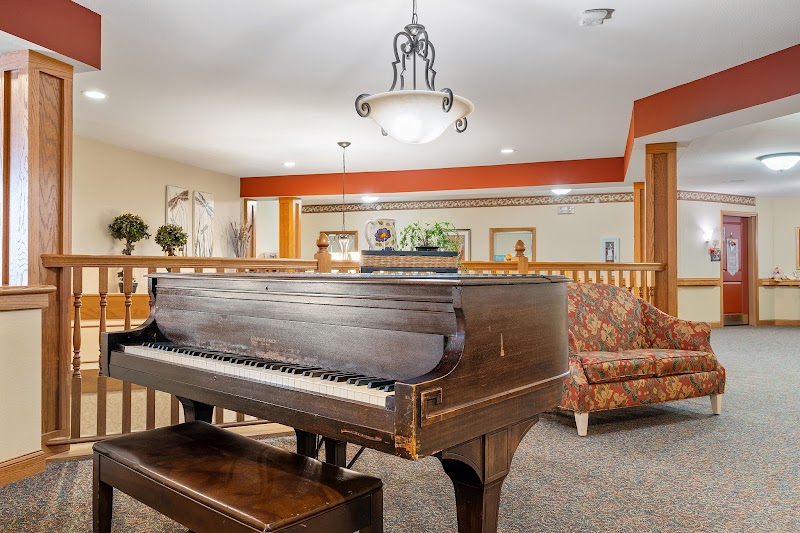
CMS rates Park View Care Center's staffing level at 5 out of 5 stars, which is much above average compared to other nursing homes. Staff turnover is 36%, compared to the Minnesota average of 46%. This relatively stable workforce can support continuity of care.

What Have Inspectors Found at Park View Care Center?

State health inspectors documented 6 deficiencies at Park View Care Center during 2022 to 2025. These included: 6 with potential for harm.

Who Owns and Operates Park View Care Center?

Park View Care Center is owned by a non-profit organization. Non-profit facilities reinvest revenue into operations rather than distributing to shareholders. The facility is operated by CASSIA, a chain that manages multiple nursing homes. With 92 certified beds and approximately 85 residents (about 92% occupancy), it is a smaller facility located in BUFFALO, Minnesota.

How Does Park View Care Center Compare to Other Minnesota Nursing Homes?

Compared to the 100 nursing homes in Minnesota, Park View Care Center's overall rating (5 stars) is above the state average of 3.2, staff turnover (36%) is near the state average of 46%, and health inspection rating (5 stars) is much above the national benchmark.

What Should Families Ask When Visiting Park View Care Center?

Based on this facility's data, families visiting should ask: "Can I visit during a mealtime to observe dining assistance and food quality?" "How do you handle medical emergencies, and what is your hospital transfer rate?" "Can I speak with family members of current residents about their experience?"

Is Park View Care Center Safe?

Based on CMS inspection data, Park View Care Center has a clean safety record: no substantiated abuse findings (meaning no confirmed cases of resident harm), no Immediate Jeopardy citations (the most serious violation level indicating risk of serious injury or death), and is not on the Special Focus Facility watch list (a federal program monitoring the lowest-performing 1% of nursing homes). The facility has a 5-star overall rating and ranks #1 of 100 nursing homes in Minnesota. While no facility is perfect, families should still ask about staff-to-resident ratios and recent inspection results during their visit.

Do Nurses at Park View Care Center Stick Around?

Park View Care Center has a staff turnover rate of 36%, which is about average for Minnesota nursing homes (state average: 46%). Moderate turnover is common in nursing homes, but families should still ask about staff tenure and how the facility maintains care continuity when employees leave.

Was Park View Care Center Ever Fined?

Park View Care Center has no federal fines on record. CMS issues fines when nursing homes fail to meet care standards or don't correct problems found during inspections. The absence of fines suggests the facility has either maintained compliance or corrected any issues before penalties were assessed. This is a positive indicator, though families should still review recent inspection reports for the full picture.

Is Park View Care Center on Any Federal Watch List?

Park View Care Center is not on any federal watch list. The most significant is the Special Focus Facility (SFF) program, which identifies the bottom 1% of nursing homes nationally based on persistent, serious quality problems. Not being on this list means the facility has avoided the pattern of deficiencies that triggers enhanced federal oversight. This is a positive indicator, though families should still review the facility's inspection history directly.