Gracepointe Crossing Gables
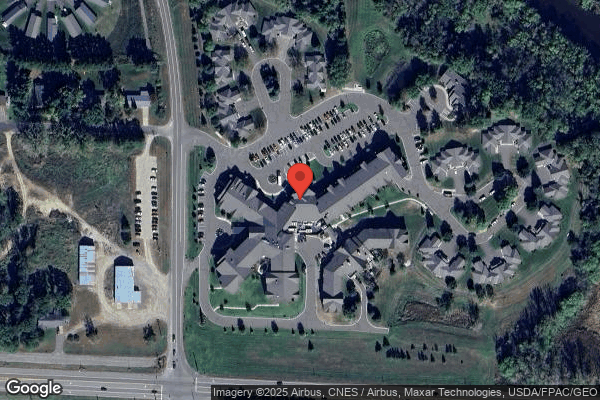
1601 RIVERHILLS PARKWAY NORTHWEST, CAMBRIDGE, MN 55008 (763) 689-1474
Non profit - Corporation 110 Beds PRESBYTERIAN HOMES & SERVICES Data: November 2025
Trust Grade
83/100
#37 of 337 in MN
Last Inspection: September 2025

Inspected within the last 6 months. Data reflects current conditions.

Overview

Gracepointe Crossing Gables has a Trust Grade of B+, which means it is above average and recommended for families considering care options. It ranks #37 out of 337 nursing homes in Minnesota, placing it in the top half of facilities, and is the only option in Isanti County. However, the facility is experiencing a worsening trend, with issues increasing from 1 in 2024 to 5 in 2025. Staffing is a strong point, with a 5/5 star rating and a turnover rate of 28%, significantly lower than the state average, suggesting consistent staff who know the residents well. On the downside, the facility has less RN coverage than 87% of Minnesota facilities, which raises concerns about oversight. Recent inspections revealed serious incidents, including a resident suffering second-degree burns from hot tea served without a lid and another resident who fell and fractured their shoulder due to improper transfer assistance. Additionally, there was a concern about serving cold food, which could affect multiple residents in the memory care unit. While there are strengths in staffing and overall ratings, these incidents highlight areas that need improvement.

Trust Score
B+
83/100
In Minnesota
#37/337
Top 10%
Safety Record
Moderate
Needs review
Inspections
Getting Worse
1 → 5 violations
Staff Stability
✓ Good
28% annual turnover. Excellent stability, 20 points below Minnesota's 48% average. Staff who stay learn residents' needs.
Penalties
✓ Good
No fines on record. Clean compliance history, better than most Minnesota facilities.
Skilled Nurses
○ Average
Each resident gets 40 minutes of Registered Nurse (RN) attention daily — about average for Minnesota. RNs are the most trained staff who monitor for health changes.
Violations
○ Average
7 deficiencies on record. Average for a facility this size. Mostly minor or procedural issues.
★★★★★
5.0
Overall Rating
★★★★★
5.0
Staff Levels
★★★★★
5.0
Care Quality
★★★☆☆
3.0
Inspection Score
Stable
2024: 1 issues
2025: 5 issues

The Good

  • 5-Star Staffing Rating · Excellent nurse staffing levels
  • 5-Star Quality Measures · Strong clinical quality outcomes
  • Low Staff Turnover (28%) · Staff stability means consistent care
  • Full Sprinkler Coverage · Fire safety systems throughout facility
  • No fines on record
  • Staff turnover is low (28%)

    20 points below Minnesota average of 48%

Facility shows strength in staffing levels, quality measures, staff retention, fire safety.

The Bad

Chain: PRESBYTERIAN HOMES & SERVICES

Part of a multi-facility chain

Ask about local staffing decisions and management

The Ugly 7 deficiencies on record

2 actual harm
Sept 2025 3 deficiencies
CONCERN (D)

Potential for Harm - no one hurt, but risky conditions existed

Assessment Accuracy (Tag F0641)

Could have caused harm · This affected 1 resident

**NOTE- TERMS IN BRACKETS HAVE BEEN EDITED TO PROTECT CONFIDENTIALITY** Based on document review and interview, the facility failed to ensure the minimum data set (MDS) assessment was correctly coded ...

Read full inspector narrative →
**NOTE- TERMS IN BRACKETS HAVE BEEN EDITED TO PROTECT CONFIDENTIALITY** Based on document review and interview, the facility failed to ensure the minimum data set (MDS) assessment was correctly coded for 1 of 5 residents (R4) in the sample reviewed for unnecessary medications.Findings Include: R4's PointClickCare (PCC) (electronic medical record) diagnosis listing documented resident had the diagnoses of type 2 diabetes, morbid obesity due to excess calories and intestinal bypass. R4's last comprehensive minimum data set (MDS) assessment dated [DATE], indicated resident moderately cognitively impaired and was independent with activities of daily living (ADLS). A review of R4's PCC Physician Orders, last updated 9/4/25, R4 was prescribed the following medication: Trulicity Subcutaneous Solution Auto-injector 1.5MG/0.5ML (Dulaglutide) Inject 1.5 mg subcutaneouslyin the evening every Tue related to TYPE 2DIABETES MELLITUS WITH DIABETIC CHRONICKIDNEY DISEASE (E11.22)Prescription date of 6/24/25 This medication is a GLP-1 (glucagon-like peptide-1), a hormone naturally produced in the intestines that plays a crucial role in regulating blood sugar levels. A review of the last two MDS assessments, both coded as Comprehensive MDS assessment, dated 7/15/25 and 9/3/25 were noted to have incorrect coding in Section N (Medications). It was noted in Section N of both assessments, R4 was marked as have received 1 injection of insulin. However, in review of the [NAME] Lilly and Company medication instruction sheet (last revised 9/2018 and found online at www.trulicity.com), informed the consumers Trulicity was not an insulin (used by diabetics to control blood sugar levels), but rather a medication used as an adjunct to diet and exercise to improve glycemic control in adults with type 2 diabetes mellitus. In review of the medication reference guide, entitled Drugs.com, indicated the following:No, Trulicity is not a form of insulin.Trulicity mimics the effects of GLP-1 a naturally occurring hormone that stimulates insulin secretion.Trulicity is only suitable for people with type 2 diabetes who still have functioning insulin-producing cells in their pancreas.Trulicity is given by subcutaneous injection, once a week.In review of another medication reference guide, PDR (Physician's Drug Reference). which can be found at pdr.net, indicated the following:GLP-1 is an important, gut-derived, glucose homeostasis regulator that is released after the oral ingestion of carbohydrates or fats. In patients with type 2 diabetes, GLP-1 concentrations are decreased in response to an oral glucose load. GLP-1 enhances insulin secretion; it increases glucose-dependent insulin synthesis and in [NAME] secretion of insulin from pancreatic beta cells in the presence of elevated glucose. During interview on 9/4/25 at 10:15 a.m., the director of nursing (DON) and a Corporate registered nurse ((RN)-Corp stated that the corporation data inputs and completed all resident MDS assessments offsite. The unit managers for each unit completed individual resident nursing assessment which aided the offsite nurses to complete the MDS assessment. If the offsite nurses have a question the facility is emailed for clarification. The onsite MDS coordinator main role was to monitor MDS scheduling for all the units and to ensure the assessments are completed in required time frames. DON further stated the interdisciplinary team also gets together and reviews each resident prior to the completion and submission of the current MDS being assessed for. Both staff members indicated training may be at hand when it came to GLP-1 medication. In review of a facility policy, entitled: Resident Assessment Instrument (RAI) Process: MDS 3.0, Care Area Assessments, Care Planning and Submission (last modified March 2025) indicated the following:3. c. An accurate assessment requires collecting data and information from multiple sources. These sources must include the resident, and direct care staff on all shifts, and should also include the resident's clinical record, physician, and family, guardian or significant other as appropriate or acceptable. Documentation in clinical record must support the items coded on the MDS.
CONCERN (E)

Potential for Harm - no one hurt, but risky conditions existed

Deficiency F0804 (Tag F0804)

Could have caused harm · This affected multiple residents

Based on observation and interview, the facility failed to provide a palatable diet by serving cold food at a temperature over 40 degrees. This had the potential to affect 17 residents who resided in ...

Read full inspector narrative →
Based on observation and interview, the facility failed to provide a palatable diet by serving cold food at a temperature over 40 degrees. This had the potential to affect 17 residents who resided in the memory care unit. Findings include:During observation on 9/3/25 at 12:10 p.m., the dietary aid (DA)-A on the first floor kitchenet had started to serve the assisted living facility (ALF). The nursing home residents were scheduled to be served starting at 12:30 p.m. The ALF and nursing home (NH) hot food was in the steam table, and the dessert for the ALF and NH was a fruit salad served in individual bowls on trays on top of the counter. Facility's temperature log indicated the fruit salad's temperature was 38 degrees at 11:50 am. During observation on 9/3/25 at 12:47 p.m., DA-A started to serve lunch to the nursing home residents on the 1st floor. The dessert served in bowls were on top of the counter.During observation and interview on 9/3/25 at 1:21 p.m., after all the residents were served a food tray which included the fruit salad, testing was conducted on one tray with the culinary director assistant (CAD). The CAD used a facility's food thermometer to check the temperature of the foods. The fruit salad's temperature was 62 degrees Fahrenheit. The CAD stated the fruit salad was plated at 11:45 a.m., and they were not put in the refrigerator. CAD stated, I would like cold foods to be served at 38 to 40 degrees, 60 degrees is too high for the fruit salad. During interview on 9/4/25 at 7:35 a.m., the CAD stated the fruit salad was prepared at the facility. The recipe included the following ingredients, canned fruit cocktail, marshmallow, whipped topping, maraschino cherries, and vanilla pudding. During interview on 9/4/25 at 9:03 a.m., DA-A stated yesterday, she placed the individual bowls of fruit salad on the counter. DA-A stated the fruit salad was a cool item and it was not refrigerated.During interview on 9/4/25 at 9:08 a.m., the culinary director (CD) stated the fruit salad was a cold item. CD stated the fruit salad at 60 degrees could cause foodborne illnesses.During interview on 9/4/25 at 12:51 p.m., the director of nursing (DON) stated her expectation for cold food was not to sit on the counter for an extended period because the food will warm up. DON stated the concern about serving the cold food at a temperature over 40 or 41 degrees had the potential to cause foodborne illnesses.The Nutrition and Culinary Services Department, Menu item: Fruit Salad recipe indicated should be stored in the refrigerator at 41 degrees or lower. The Time/Temperature Control for Safety Food dated 2/15/23 indicated, the temperature danger zone was 41 and 135 degrees. This document also indicated maintaining cold food at 41 degrees or below.
CONCERN (E)

Potential for Harm - no one hurt, but risky conditions existed

Infection Control (Tag F0880)

Could have caused harm · This affected multiple residents

**NOTE- TERMS IN BRACKETS HAVE BEEN EDITED TO PROTECT CONFIDENTIALITY** Based on observation, interview and document review, the facility failed to ensure glucometers (a device used to monitor blood s...

Read full inspector narrative →
**NOTE- TERMS IN BRACKETS HAVE BEEN EDITED TO PROTECT CONFIDENTIALITY** Based on observation, interview and document review, the facility failed to ensure glucometers (a device used to monitor blood sugar levels) were appropriately disinfected between uses, for 1 of 4 residents (R85) in the sample who had a blood sugar check by a unit glucose meter. This had the potential to affect all four residents on 2nd Floor North unit who received scheduled blood sugar checks. In addition, the facility failed ensure personal protective equipment (PPE) was worn by staff while assisting 1 of 1 resident (R79) on contact precautions. Findings include: R85 R85's PointClickCare (PCC) (electronic medical record) diagnosis page documented resident had the following diagnoses: type 2 diabetes mellitus with unspecified complications, mild non-proliferative diabetic retinopathy without macular edema and morbid obesity due to excess calories. R85's Comprehensive Minimum Data Set (MDS), dated [DATE], indicated resident was moderately cognitively impaired and required partial to maximal assistance from staff to complete her activities of daily living (ADLS). In review of R85's PCC order summary report, resident had the following physician orders: 1. Insulin Glargine Subcutaneous Solution 100 UNIT/ML(milliliter) (Insulin Glargine) Inject 20 units subcutaneously in the morning 2. NovoLOG Injection Solution 100 UNIT/ML (Insulin Aspart) Inject 8 units subcutaneously one time a day for Hold insulin for BG < (less than) 120 or if not eating 3. Accu check before meals. Call if BS (blood sugar) less than 70 or greater than 450 three times a day for Diabetic Monitoring AM Is fasting check During observation on 9/3/25 at 1:01 p.m., licensed practical nurse (LPN)-A prepared to check R85's blood sugar before she received her noon meal in her room. LPN-A gathered the required supplies of the Accu-Check meter, a test strip, an prepackaged alcohol pad and needle lancet. LPN-A performed hand hygiene using alcohol hand gel and donned disposable gloves. Upon entering R85's room, LPN-A informed resident she was here to check her blood sugar level, prior to the noon meal and insulin injection. R85 indicated which finger she wished to be used and LPN-A prepped the finger, cleansing it with the alcohol pad. Once air dried, LPN-A used the lancet (device used to puncture the skin), obtained a droplet of blood and captured it on the Accu-Check test strip. A tissue was provided to R85 for her finger while the test calculated. R85's blood sugar level was 267. R85 stated she had just had some candy and it will go down shortly. Seeing the meal tray being delivered, LPN-A gave R85 her insulin. LPN-A Then left R85's room, returning to the medication cart and placed the glucometer on the medication cart, doffed her gloves and applied alcohol gel to her hands. LPN-A then open the medication cart, removed two more alcohol pads and wiped down the glucometer, placing it back into the medication cart. During interview on 9/3/25 at 1:24 p.m., LPN-A stated this unit only has one glucometer and is shared among all the diabetics on the unit. LPN-A stated they clean the device by wiping it down with alcohol pads and allow it to air dry between resident uses. During an interview on 09/3/25 at 1:33 p.m., LPN-B stated that each unit has bleach wipes which glucose meters are to be cleaned with before using with another resident. During an interview on 9/3/25 at 1:36 p.m., registered nurse (RN)-A, stated we use the alcohol wipes were used to clean the glucometer between residents. During an interview on 9/3/25 at 1:38 p.m., LPN-C stated each diabetic resident on this unit has their own glucometer, we clean them when soiled. Each room had a container of bleach wipes. During an interview on 9/3/25 1:44 PM, LPN-D stated the unit only has one glucometer and they used bleach wipes on the devices between residents. The facility used the Assure Platinum brand of glucose meter, which has the following cleaning / disinfection instructions from the manufacturer: To disinfect an Assure Platinum meter, you must first clean it with soap and water or 70-80% isopropyl alcohol, then disinfect using a lint-free cloth dampened with either a commercially available EPA-registered disinfectant wipe or a 1:10 bleach solution (1 part household bleach to 9 parts water). Always follow the manufacturer's instructions, use proper PPE, and be careful not to get liquid in the test strip or battery ports. Follow These Steps: 1. Prepare for a new patient: • Wash your hands thoroughly with soap and water. • Put on a new pair of clean gloves. • Use an auto-disabling, single-use lancing device for each patient. 2. Clean the meter: • Use a lint-free cloth dampened with a soap and water solution or a 70-80% isopropyl alcohol solution. • Clean the exterior of the meter, wiping off any dirt, blood, or other bodily fluids. 3. Disinfect the meter: • Use a different lint-free cloth dampened with either: • An EPA-registered disinfectant detergent or germicide. • A solution of 1 part household bleach (5-6% sodium hypochlorite) to 9 parts water (a 1:10 dilution). • Wipe down the meter thoroughly with the disinfectant solution. In review of the facility policy, entitled: Blood Glucose Monitor Disinfection (modified November 2022) documented the following for disinfecting glucometers between residents: Policy for Glucometer Use Between Multiple Residents: After the completion of blood glucose testing discard the test strip per policy. Wash hands or use waterless hand sanitizer. Apply a clean pain of gloves. If any visible soiling of the glucometer, first clean the glucometer with an alcohol wipe. Disinfect the glucometer using a bleach based disinfectant wipe. This product will be effective for devices that have come in contact with C-Diff and/or Norovirus. a. Disinfectant Sani-Cloth Bleach Wipe (Item # P54072) meets this requirement. Do not clean inside the battery compartment, code chip port or test strip port. The glucose monitor must be disinfected for 4 minutes using wipes and then throughly dried prior to use between clients. Remove gloves. Wash hands or use waterless hand sanitizer. R79 R79's quarterly Minimum Data Set (MDS) dated [DATE], indicated diagnosis of Alzheimer's, diabetes, non-traumatic brain dysfunction, and coronary artery disease (CAD). R79 had impaired cognition. R79 had a diagnosed of shingles. An observation on 9/3/25 at 1:20 p.m., nursing assistant (NA)-A was observed bringing a lunch tray to R79's room. R79's room had a sign posted outside the door indicating to staff contact precautions (gown and gloves worn for all interactions with patient [resident] and their environment to prevent pathogen transmission). NA-A place the lunch tray on the bin outside the room that had PPE in. The bin had no clean gowns. NA-A went into R79's room and took a soiled gown out of the white laundry basket in R79's room and put it on and put on clean gloves. NA-A brought the lunch tray to R79 and assisted R79 with the meal. NA-A stayed in the room while R79 ate. At 1:32 p.m., NA-A brought the tray to the counter in R79's room and took off the gloves and gown, placed the gown in the white laundry basket in R79's room. NA-A washed her hands with soap and water and brought the meal tray out of the room towards the dining area. An observation on 9/3/25 at 1:33 p.m., NA-A went into R79's room to get previous meal trays from the counter and did not put on PPE when she entered. NA-A organized both trays to one and left room with the meals trays and went towards the dining area. NA-A did not put PPE on, hand sanitize or wash her hands when entering or exiting R79's room. On 9/3/25 at 1:34 p.m., NA-B stated R79's was diagnosed with Shingles and was on contact precautions. NA-B stated staff needed to wear gowns and gloves when going into R79's room to do cares. NA-B staff were not to take gowns out of the white laundry basked in the room to wear as they were soiled. NA-B stated staff did not need to wear gown or gloves when just going into pick up trays from previous meals. On 9/3/25 at 1:37 p.m., NA-A stated she took the gown out of the white laundry basket from R79's room and did not know if they were clean or not and then put the gown on to go into R79's room. NA-A stated she should have asked someone if the gowns in the white laundry basket were clean or not. NA-A stated she did not know where to get clean gowns from. NA-A asked another staff to get more clean gowns for R79's bin outside the room. On 9/3/25 at 1:53 p.m., registered nurse (RN)-A stated staff are to wear gowns and gloves when going into a resident's room with contact precautions. RN-A stated staff were to wash their hands or use hand sanitizer before and after going into a resident's room with contact precautions. RN-A stated clean gowns are kept in the bin drawer outside the resident's room, if there were no clean gowns in the bin then staff had to get them from the clean storage room. RN-A stated the white laundry basket in the room was for soiled gowns and staff should not take a gown out of there and wear when entering the residents room. RN-A stated staff should wear a gown and gloves to enter R79's room even when getting meal trays from the counter in the room. On 9/4/25 at 10:17a.m., RN-B stated R79 had shingles and needed contact precautions for staff and visitors. RN-B stated staff were to wash hands before entering or use hand sanitizer, wear gown and gloves when entering R79's room, take off gloves and gown when leaving room and wash hands or use hand sanitizer. RN-B stated staff are to place the soiled gown in the white laundry basket inside the resident room. RN-B stated staff are to get clean gowns from the bin outside of R79's room and not to take the gown from the white laundry basket and wear again as it was soiled. RN-B expected staff to wear gown and gloves whenever they entered R79's room. On 9/4/25 at 1:25 p.m., infection preventionist (IP) stated all staff had been trained on all precautions. IP stated the gowns in the white laundry basket were soiled and staff were not to re-wear them. IP stated the clean gowns were kept in the bin outside the resident's room. IP stated taking a gown from the white laundry basket was not the process of the facility. The facility policy Infection Prevention and Control Manual Transmission-Based Precautions undated, indicated contact precautions are intended to prevent transmission of infectious agents, including epidemiologically important microorganisms, spread by direct or indirect contact with the resident or the resident's environment. In addition to standard precautions, contact precautions will be used to prevent the healthcare acquired spread of organisms that can be transmitted by direct resident contact (hand or skin to skin contact that occurs when performing resident cares) or by indirect contact (touching) with environmental surfaces or contaminated resident care equipment.
Aug 2025 1 deficiency 1 Harm
SERIOUS (G) 📢 Someone Reported This

A family member, employee, or ombudsman was alarmed enough to file a formal complaint

Actual Harm - a resident was hurt due to facility failures

Accident Prevention (Tag F0689)

A resident was harmed · This affected 1 resident

**NOTE- TERMS IN BRACKETS HAVE BEEN EDITED TO PROTECT CONFIDENTIALITY** Based on observation, interview, and document review, the facility failed to ensure care-planned interventions for safety with h...

Read full inspector narrative →
**NOTE- TERMS IN BRACKETS HAVE BEEN EDITED TO PROTECT CONFIDENTIALITY** Based on observation, interview, and document review, the facility failed to ensure care-planned interventions for safety with hot beverages were consistently implemented to reduce the risk of accident and injury for 1 of 1 residents (R1) reviewed who required lids on their hot beverages. This resulted in actual harm for R1 who was served a cup of hot tea without a lid and spilled it onto herself causing multiple second-degree burns. However, the facility had taken multiple corrective action(s) prior to the onsite survey so these findings are issued at past non-compliance. Findings include: A United States (US) National Library of Medicine Burn Classification article, dated 9/2023, identified burns happen with the skin is exposed to heat sources such as flames or hot objects. The article listed definitions and/or types of burns which included a first-degree burn as, . involves the epidermis only. These burns can be pink-to-red, without blistering, are dry and can be moderately painful. The article then listed a section labeled, Partial-Thickness Burns, and recorded them as, A second-degree burn . affects the superficial layer of the dermis. Blisters are common and may still be intact when first evaluated . These burns are painful. Healing typically occurs within 2 to 3 weeks with minimal scarring. A submitted facility-reported incident (FRI), dated 7/22/25, identified an allegation of potential neglect was submitted for R1 by the care center staff. The report outlined R1 was brought into the dining room and was served hot tea in a mug without a lid despite R1 being care-planned to use mugs with a lid for hot beverages. R1 spilled the tea onto herself. R1 was immediately assessed and the provider contacted for treatment orders. The report outlined, The water in the carafe [pitcher] was obtained from the coffee machine which is set at a temp of 170 [F] . Hot beverage policy was followed at the time of the incident. R1's quarterly Minimum Data Set (MDS), dated [DATE], identified R1 had severe cognitive impairment and had no other skin impairments (i.e., burns) present at the time of the review. On 8/8/25 at 9:05 a.m., R1 was observed seated in a high-back wheelchair while in the dining room. R1 was seated at a table with other residents and had a regular plate in front of her on the table which had stacked debris present (i.e., napkins, utensils). R1 had a visible dark-colored, hard plastic coffee cup next to her plate which was turned upside down and underneath of the cup was a white-colored lid. R1 was not served any hot beverages at that time. A white-colored menu slip was placed on the table next to R1's items which outlined R1's name, the date (8/8), and that R1 consumed a regular diet with thin liquids. The slip included a section labeled, Spec [special] Direct [directions], which outlined, HOT BEVERAGES IN MUGS WITH LIDS, ADD ICE TO HOT BEVERAGES IT [sic] REFUSING LIDS, NO STRAWS. Dietary aide (DA)-A was present in the dining room and picked up R1's used cutlery and menu slip from the table. R1 was interviewed and expressed she thought she had eaten pancakes for the breakfast meal but then added aloud, My memory's not that good. R1 stated she didn't have any coffee or tea then added, I got burnt a week ago. R1 recalled the incident and explained a woman was sitting across the table from her whom had spilled her cup which then poured onto her clothes causing a burn. R1 stated, It burnt so bad right into the skin! R1 stated it was painful adding, Oh God yes. R1 was unsure if the person who spilled it was a staff member or another resident responding with, Just a lady in a hurry I guess with her cup. Following this, at 9:12 a.m., DA-A was interviewed and explained the DA staff members are typically the people to make and serve the beverages within the dining room. DA-A stated R1 needed a lid on her coffee cups for hot beverages which was placed at the table for any staff to see and use. DA-A stated R1 had been required to use the lids for a while but was unsure exactly how long adding, Honestly, I don't know. DA-A stated any staff who serve R1 food or beverages should be reading the white-colored menu slip prior to setting the items on the table for her. R1's nutritional care plan, revised 7/28/25, identified R1 had a potential risk for nutritional problems due to requiring additional fluid/nutrition supplement. The care plan outlined R1 was able to eat independently at meals with tray set up and added, . hot beverages in mugs with lids or add ice in hot beverages if she refuses to have a lid. The care plan listed an intervention reading, Assist me with tray set up at meals and provide me with hot beverages in mugs with lids, which had a last revision date listed, 04/09/2025. The care plan listed another intervention which read, Add ice to hot beverages if refusing lids, with a date initiated, 07/28/25.On 8/8/25 at 9:43 a.m., R1's family member (FM)-A was interviewed and verified they were R1's emergency contact. FM-A explained they were aware of R1 having sustained a burn and expressed it had been explained to them that someone got bumped in the dining room which is what caused the hot beverage to spill onto R1. FM-A reiterated they were told the tea was going to someone else and had mistakenly got spilled onto R1. FM-A stated R1 did report having pain from the burns at the time, however, it had been improving more recently. FM-A stated they recalled hearing R1 say, They burned me. R1's progress note, dated 7/22/25, identified R1 had spilled hot tea on her lap. The note outlined, Cool wash clothes [sic] were applied right away to her right upper thigh, right lower abd [abdomen] and towards the back that were red and warm to the touch. The note outlined R1 repeatedly tried to remove the cloths. R1 was recorded as complaining of it hurting and the areas were hot. A subsequent note, dated 7/22/25, identified the medical provider ordered skin prep daily for five days with dictation, . was updated regarding the blisters forming on those areas. R1's corresponding Resident Occurrence Report, dated 7/22/25, identified two (2) burns were obtained including on her right upper thigh, and right lower abdomen towards her back. The report listed an analysis of the occurrence as R1 spilling hot tea on herself and directed to continue using lids with hot beverages along with immediately medical treatment orders. R1's Prescriber Order, dated 7/23/25, identified a telephone order from the medical provider was obtained. The order directed, Apply ABD pads [dressing] to right upper thigh and RLQ [right lower quadrant] blister areas one time a day . do not put tape on burn areas. Burns. R1's progress note, dated 7/24/25, identified a plan of care note which outlined, . wounds are blisters that are not weeping and light pink edging around that area . includes upper right thigh, RLQ [right lower quadrant], and abdomen area towards back area.R1's progress note, dated 7/26/25, identified an eMAR note which outlined, . blister on right thigh continues to be fluid filled with yellow colored fluid. Blister on RLQ is red in color and no fluid is noted in blister. A subsequent note, dated 7/29/25, identified all blisters had reabsorbed but R1's skin remained discolored in the affected areas adding, Still continues to have some areas that are slightly red.R1's progress note, dated 8/1/25, identified another plan of care note entry which outlined, Resident has 4 areas that vary in size, but all are under 5cm [centimeters] long that continue to be red. The areas that are red are the areas that had the blisters that have been reabsorbed. On 8/8/25 at 9:55 a.m., DA-A was interviewed, and explained they were aware of R1 getting burned. DA-A stated what they had heard about it was there was a relatively young DA working in R1's unit that day who had served her (R1) a hot beverage without a lid on it. R1 then spilled it onto herself and obtained the burns adding, I heard the burn was pretty bad. DA-A stated the DA who had served R1 must not have read the ticket which directed to use a lid. DA-A stated staff are trained and told to read those tickets or their I-pad (which had instructions on it) before serving meal or beverage items to the residents and reiterated aloud, You have to look at the ticket. DA-A explained that since the incident happened, they had been given repeated instructions to review the ticket with meal pass and that the kitchen was now sending up a highlighted form which had people who used adaptive equipment on it for another source of reference. Further, DA-A stated the staff involved with the incident directly was DA-B. Following, on 8/8/25 at 10:01 a.m., R1 was seated in her wheelchair in her room. R1 was asked about her burns and if there was still pain when R1 responded, You wanna see them? R1 then pulled down her waistband exposing two separate burn sites on her abdomen and upper leg, respectively. The areas were each dark pink in color around the perimeter getting more red in color towards the center of the wound; and each was approximately 8 to 10 centimeters (cm) in total length with a visible, white-colored center of the wound bed. R1 reiterated the burns were very painful when they happened but were improving now adding, It's getting better I think. When interviewed on 8/8/25 at 10:13 a.m., nursing assistant (NA)-A stated they had worked with R1 prior and described her as needing help with most cares. NA-A stated they were working on the day R1 spilled the tea onto herself, however, did not witness it personally. NA-A stated the burns took like a half a day to turn into what it turned into with blisters and skin damage. NA-A stated they say R1's skin shortly after the incident and the areas looked really hot and R1 kept saying aloud, It's hot, it's hot. NA-A verified R1 was supposed to have covered cups with all hot beverages which had been an intervention for sure six months. Further, NA-A stated since the incident happened, they had been told again to make sure lids were used for hot beverages and to check a resident' meal ticket when serving them. On 8/8/25 at 10:48 a.m., DA-B was interviewed, and verified they were the DA involved with the incident on 7/22/25. DA-B explained the DA staff were typically the people who served the beverages and meals to residents within the dining room adding they work all over kinda on multiple units. DA-B recalled the incident on 7/22/25, and explained they were in the dining room and R1 was seated in her wheelchair at the table. R1 had complained about not feeling well and DA-B offered to get her some tea. DA-B stated she prepared and served R1 hot tea without looking at the I-pad. DA-B stated then about a minute later she heard R1 scream and discovered she had spilled it onto herself. DA-B verified they had been trained to review the I-pad or menu ticket prior to serving, however, expressed they didn't that day as they were working on doing other orders when they offered R1 the hot tea. DA-B stated they figured they'd give the tea to R1 right quick and go back to the other orders. DA-B verified they physically poured and served R1 the hot tea directly with no other residents or staff members being involved. DA-B stated since the incident happened, the assistant culinary director (ACD) had spoken to them and verbally re-educated them on meal service procedures including to review the meal ticket or I-pad with service along with ongoing reminders to other staff. DA-B stated a new listing had been sent up just recently, too, for staff to have available and be able to reference any special equipment needed for residents. DA-B added, I feel horrible [about this].On 8/8/25 at 11:18 a.m., the ACD and director of nursing (DON) were interviewed, and the DON verified the intervention to use a lid with hot beverages was on the care plan and expected to be done on 7/22/25. ACD recalled the incident on 7/22/25, and explained they were in the kitchen working when they were notified someone had a burn and needed to be reviewed. ACD went to R1's unit and spoke with DA-B about it who reported they didn't put a cover on the mug when serving her hot tea. ACD stated they immediately re-educated DA-B on using the e-menu [I-pad] and did a demonstration for them. ACD verified staff should be reviewing the e-menu before serving beverages to a resident adding aloud, Correct. DON stated DA-B was then sent home for the rest of the day while the facility investigated the situation adding DA-B had completed a formal education on meal service before they had been allowed to return to work. DON explained the initial burns presented as red areas which then turned into a blister, and verified they were unaware of anything else which could have burned R1 that day. DON stated the nurses immediately assessed the area and obtained treatment orders from the medical provider for the two burns. DON stated they were unsure if having a lid on the mug that day would have prevented the burns adding, I can't answer that. However, DON acknowledged a lid being attached to the mug would have, at minimum, slowed or reduced the amount of fluid pouring out of the mug onto R1's clothes or skin. DON verified R1 was physically able to manipulate utensils and coffee cups on her own. DON stated they checked the temperature of the water inside the coffee carafe shortly after the incident and it was at 170 [F] then which was allowable per the manufacturer's guidelines.DON then explained that since the incident, several steps had been taken to correct the issue including immediate re-education to DA-B and the other culinary staff members, reviewing other residents for adaptive equipment use, having dietary now pre-setting the table with items needed, and continuing to do quality assurance audits of the dining service. DON stated they felt the care center had adequate systems in place to prevent accidents like what happened, however, with R1's incident it had been one staff member that for some reason that day chose to not do as she had been taught. DON reiterated the facility had a system for serving hot beverages safely adding, There's no way we could have foreseen [DA-B] would do that. A provided Hot Beverage Policy, dated 4/2021, identified the purpose of ensuring hot beverages were provided that were palatable but safe temperature. The policy outlined a procedure which directed to have all beverage machines set according to manufacturer recommended temperature settings, serving the machines as directed by the guidelines, and reporting concerns with resident safety to the interdisciplinary team (IDT) for review or care plan revisions. The past non-compliance harm-level findings were corrected prior to the onsite survey. The steps taken and re-education articulated by the DON were all verified as being implemented during the onsite investigation through observation, interviews with staff members, and review of the corresponding documentation. In addition, no further burns from hot beverages had happened since 7/22/25.
Jun 2025 1 deficiency 1 Harm
SERIOUS (G) 📢 Someone Reported This

A family member, employee, or ombudsman was alarmed enough to file a formal complaint

Actual Harm - a resident was hurt due to facility failures

Accident Prevention (Tag F0689)

A resident was harmed · This affected 1 resident

**NOTE- TERMS IN BRACKETS HAVE BEEN EDITED TO PROTECT CONFIDENTIALITY** Based on interview and document review, the facility failed to provide safe transfers for 1 of 3 residents (R1) who required gai...

Read full inspector narrative →
**NOTE- TERMS IN BRACKETS HAVE BEEN EDITED TO PROTECT CONFIDENTIALITY** Based on interview and document review, the facility failed to provide safe transfers for 1 of 3 residents (R1) who required gait belts (transfer belt) for transfer and ambulation assistance. This resulted in actual harm when R1 was being ambulated without a gaitbelt, fell, and sustained a fracture of the shoulder. The facility implemented corrective action prior to the investigation, so the deficiency was issued at Past Noncompliance. Findings include: R1's admission Minimum Data Set (MDS) dated [DATE], indicated R1 had diagnoses of heart failure, acute respiratory failure, and muscle weakness. The MDS indicated she required partial to moderate assistance with transfers and ambulation, and she had a history of falls in the prior 2-6 months to her admission. R1's care plan dated 4/15/25, directed assist of one staff and walker for transfers. R1's care sheet (nursing assistant care guide) directed use of a hemi walker (walker designed for individuals who require support with one arm) in/out of recliner and assist of 1 from wheelchair for toilet transfers. On 6/5/25 at 9:45 p.m., a progress note indicated R1 had a fall while ambulating to the bathroom with her walker and staff assistance. R1 had increased pain in her left arm/shoulder area at the time of the fall. On 6/7/25 an x-ray report indicated R1 had a nondisplaced fracture of the neck of the acromion (shoulder). On 6/24/25, at 11:08 a.m., nursing assistant (NA)-A stated she always used a gait belt to transfer R1. On 6/24/25, at 11:11 a.m., NA-B stated she always used a gait belt to transfer R1. Further, she stated she consistently observed other staff using a gait belt for R1's transfers. On 6/24/25 at 11:35 a.m., R1 stated she did not have a gait belt on when she fell on 6/5/25. The staff use the gait belt about 90% of the time when they assisted her with transfers. During an observation on 6/24/25, at 11:55 a.m., R2 was observed receiving ambulate assistance by a nurse aide with a gait belt. On 6/24/25, at 12:05 p.m., NA-C stated a gait belt was always indicated for all assistance of one staff (A1) transfers. During an observation, on 6/24/25, at 12:35 p.m., R3 was observed receiving assistance of A1 ambulating with his four-wheeled walker and a gait belt. On 6/24/25 at 1:30 p.m., NA-D stated she was assisting R1 to the bathroom on 6/5/25 when R1 fell. R1 had her walker, but did not have a gait belt on at the time of the fall. She had not been instructed to use a gait belt for transfers that required one assist. Following R1's fall on 6/5/25 she had been reeducated on the facility ambulation and transfers policy. On 6/24/25 at 1:55 p.m., registered nurse (RN)-A stated the care sheets were populated by the care plans. The care plans did not include direction to use a gait belt for transfers and ambulation, gait belts were expected to be utilized at all times for residents who required assist of 1 for transfers and ambulation. It was the facility's policy to use a gait belt for all transfers that required one assist. On 6/24/25 at 2:33 p.m., the administrator stated using gait belts for resident transfers and ambulation was not included in residents' care plans as it was the facility policy and a standard of care. NA-D was hired 4/18/25. Document review of NA-D's Skills Competency, signed by NA-D on 4/29/25, indicated she demonstrated competency assisting a resident to transfer and ambulate. NA-D's Role Orientation Checklist, dated 5/2/25, indicated she had received education on the use of a gait belt. The facility policy Gait Belts for Transfers and Ambulation dated 12/14, directed gait belts are not used as a restraint, and will be used for all transfers of weight bearing residents who require assistance with transfers and/or ambulation. The Past Noncompliance began on 6/5/25. The deficient practice was corrected by 6/6/25, after the facility implemented a systemic plan that included the following actions: immediate education on facility policy for all NA's and nurses requiring the use of a gait belt for all transfers and ambulation that required assist of one. Interviews with staff, on 6/24/25, confirmed understanding of facility policy requiring the use of gait belts with all assisted transfers. Observation of transfers, on 6/24/25, demonstrated compliance with use utilize gait belts for residents' transfers and ambulation.
Jun 2024 1 deficiency
CONCERN (D)

Potential for Harm - no one hurt, but risky conditions existed

Deficiency F0554 (Tag F0554)

Could have caused harm · This affected 1 resident

**NOTE- TERMS IN BRACKETS HAVE BEEN EDITED TO PROTECT CONFIDENTIALITY** Based on observation, interview and document review, the facility failed to assess and determine safety for 1 of 1 residents (R2...

Read full inspector narrative →
**NOTE- TERMS IN BRACKETS HAVE BEEN EDITED TO PROTECT CONFIDENTIALITY** Based on observation, interview and document review, the facility failed to assess and determine safety for 1 of 1 residents (R205) reviewed for self-administration of medications (SAM). Findings include: R205's hospital discharge orders printed 6/7/24, included an allergy of onions with a reaction of anaphylaxis (a serious life-threatening reaction usually occurring within a few seconds to minutes when coming in contact to an allergen). R205's order summary report dated 6/11/24, included an allergy to onions. Order summary report failed to include an order for an EpiPen or epinephrine (a medication given to treat anaphylaxis). R205's facility assessment titled Nursing Minnimum Data Set (MDS) dated [DATE], included a section addressing self-administration of medication. Response in that section indicated resident did not wish to self-administer medications. On 6/11/24 at 8:16 a.m., an EpiPen was on R205's movable bedside table. The EpiPen was approximately 6 inches in length, label was bright yellow and white with black lettering. The EpiPen was in a clear plastic container with a yellow top. Other objects on the beside table included a black television remote, a tissue box and a few pieces of paper. The EpiPen did not have a pharmacy label or patient identification. On 6/11/24 at 3:00 p.m., R205 was in his room sitting in his wheelchair with his movable beside table directly in front of him. A staff member brought a mug into R205's room and placed in on the bedside table. R205's EpiPen was visible on the bedside table. On 6/12/24 at 7:30 a.m., R205 was in his room with therapy. Other staff was observed exiting his room. Bedside table was against the wall opposite the door, next to the recliner chair. The EpiPen was visible on the bedside table. During interview on 6/12/24 at 7:15 a.m., trained medical assistant (TMA)-A stated if she found a medication in a resident's room that was not on the medication list or was not supposed to be left in the room, she would report it to the nurse or her supervisor. During interview on 6/12/24 at 5:52 p.m., licensed practical nurse (LPN)-A stated resident's who were able to self-administer medication are assessed by a registered nurse (RN). It was entered into each specific medication order and listed on the resident's care plan. During interview on 6/13/24 at 10:04 a.m., TMA-B stated if she noticed a medication in a resident's room, she would try to remove it to bring to a nurse. If the resident refused, she would have notified the nurse because sometimes resident's have medication in their rooms that they are not supposed to have. During interview on 6/12/24 at 12:22 p.m., RN-A stated the facility assessment titled Nursing Minnimum Data Set (MDS) was typically completed in the resident's room. RN-A confirmed R205's MDS indicated the resident did not want to self-administer medications. RN-A confirmed R205 did not have an order for an Epi-Pen nor an self-administration of medications. RN-A proceeded to the R205's room to ask about the EpiPen. R205 had one EpiPen in his T-Shirt pocket with the top visible and one EpiPen in an unlocked drawer of his bedside dresser. R205 gave both medications to RN-A. RN-A confirmed the medication was not properly labeled and had a past expiration date of October 2021. During interview on 6/12/24 at 12:34 p.m., director of nursing (DON) stated an assessment to evaluate cognitive and physical ability would have been completed if a resident wanted to self-administer medications. The resident would have been provided a lock box to store the medication safety. DON confirmed the resident did not have an active order for an EpiPen. She expected the staff to notify nursing if they noticed a medication in a resident's room. DON stated this would be important so the facility knows what the resident was taking and to ensure other residents did not have access to the medication. During an interview on 6/13/24 at 10:17 a.m., R205 stated staff were aware he had an EpiPen in his room. He said it was always sitting on his table within arm's reach and in the open. He stated he also took it with him to every meal and placed it on the table next to his meal. He stated staff have commented on the EpiPen while in his room. Facility document titled Self Administration of Medication Policy dated November 2016 included the facility would conduct a self-administration assessment upon admission, quarterly and with any significant change to determine if a resident was safe to self-administer medications. Any medications left in a resident's room would be secured. The resident's care plan would indicate if the resident was able to self-administer medications. All medications had to be kept in the original container and be properly labeled.
Jul 2023 1 deficiency
CONCERN (E)

Potential for Harm - no one hurt, but risky conditions existed

Deficiency F0883 (Tag F0883)

Could have caused harm · This affected multiple residents

**NOTE- TERMS IN BRACKETS HAVE BEEN EDITED TO PROTECT CONFIDENTIALITY** Based on interview and document review, the facility failed to ensure 4 of 5 residents (R89, R44, R37, R103) were offered or pro...

Read full inspector narrative →
**NOTE- TERMS IN BRACKETS HAVE BEEN EDITED TO PROTECT CONFIDENTIALITY** Based on interview and document review, the facility failed to ensure 4 of 5 residents (R89, R44, R37, R103) were offered or provided the pneumococcal vaccine (PCV20) in accordance with the Center for Disease (CDC) recommendations. Findings include: The CDC's PneumoRecs VaxAdvisor identified: -based on shared clinical decision-making, decide whether to administer one dose of PCV20 at least 5 years after the last pneumococcal vaccine dose. The CDC's Pneumococcal vaccine timing for adults identified: -together, with the patient, vaccine providers may choose to administer the PCV20 to adults 65 years and older who have already received the PCV13 (but not the PCV15 or the PCV20) at any age and PPSV23 at or after the age of [AGE] years old. R89's clinical census sheet, identified she was [AGE] years old and admitted on [DATE]. R89 had no allergies or contraindications to vaccines listed. R89's immunization report, identified she had previously received the pneumococcal vaccines (PCV13) on 11/30/15 and the (PPSV23) on 11/6/06. R89's medical record lacked evidence she was offered or provided the PCV20. R44's clinical census sheet, identified he was [AGE] years old and admitted on [DATE]. R44 had no allergies or contraindications to vaccines listed. R44's immunization report, identified he had previously received the PCV13 on 11/19/15 and the PPSV23 on 11/21/06 and 12/12/16. R44's medical record lacked evidence he was offered or provided the PCV20. R37's clinical census sheet, identified she was [AGE] years old and admitted on [DATE]. R37 had no allergies or contraindications to vaccines listed. R37's immunization report, identified she had previously received the PCV13 on 11/23/16 and the PPSV23 on 8/28/08. R37's medical record lacked evidence she was offered or provided the PCV20. R103's clinical census, sheet indicated he was [AGE] years old and admitted on [DATE]. R103 had no allergies or contraindications to vaccines listed. R103's immunization report, identified he had previously received the PCV13 on 4/6/16 and the PPSV23 on 12/8/04 and 11/13/17. R103's medical record lacked evidence he was offered or provided the PCV20. When interviewed on 7/19/23 at 9:59 a.m., the Infection Preventist (RN)-A stated the facilities normal process to determine a resident's eligibility for vaccination was to review their immunization history upon admit. The facility would then educate, offer, obtain consent and provider order and administer vaccinations per CDC guidelines and facility policy. The facility policy Pneumococcal Vaccination dated April 2022, identified each resident is offered the pneumococcal immunizations unless the immunizations are medically contraindicated, the resident declines, or the resident has already been immunized. The facility policy also outlined procedural guidelines for determining resident eligibility for pneumococcal vaccines. RN-A stated she had reached out to a facility representative and was informed the facility policy procedural guidelines were outdated and not in accordance with CDC guidelines.
Understanding Severity Codes (click to expand)
Life-Threatening (Immediate Jeopardy)
J - Isolated K - Pattern L - Widespread
Actual Harm
G - Isolated H - Pattern I - Widespread
Potential for Harm
D - Isolated E - Pattern F - Widespread
No Harm (Minor)
A - Isolated B - Pattern C - Widespread

Questions to Ask on Your Visit

  • "Can I speak with families of current residents?"
  • "What's your RN coverage like on weekends and overnight?"

Our Honest Assessment

Strengths
  • • Grade B+ (83/100). Above average facility, better than most options in Minnesota.
  • • No fines on record. Clean compliance history, better than most Minnesota facilities.
  • • 28% annual turnover. Excellent stability, 20 points below Minnesota's 48% average. Staff who stay learn residents' needs.
Concerns
  • • 7 deficiencies on record, including 2 serious (caused harm) violations. Ask about corrective actions taken.
Bottom line: Generally positive indicators. Standard due diligence and a personal visit recommended.

About This Facility

What is Gracepointe Crossing Gables's CMS Rating?

CMS assigns Gracepointe Crossing Gables an overall rating of 5 out of 5 stars, which is considered much above average nationally. Within Minnesota, this rating places the facility higher than 99% of the state's 100 nursing homes. This rating reflects solid performance across the metrics CMS uses to evaluate nursing home quality.

How is Gracepointe Crossing Gables Staffed?

CMS rates Gracepointe Crossing Gables's staffing level at 5 out of 5 stars, which is much above average compared to other nursing homes. Staff turnover is 28%, compared to the Minnesota average of 46%. This relatively stable workforce can support continuity of care.

What Have Inspectors Found at Gracepointe Crossing Gables?

State health inspectors documented 7 deficiencies at Gracepointe Crossing Gables during 2023 to 2025. These included: 2 that caused actual resident harm and 5 with potential for harm. Deficiencies causing actual harm indicate documented cases where residents experienced negative health consequences.

Who Owns and Operates Gracepointe Crossing Gables?

Gracepointe Crossing Gables is owned by a non-profit organization. Non-profit facilities reinvest revenue into operations rather than distributing to shareholders. The facility is operated by PRESBYTERIAN HOMES & SERVICES, a chain that manages multiple nursing homes. With 110 certified beds and approximately 106 residents (about 96% occupancy), it is a mid-sized facility located in CAMBRIDGE, Minnesota.

How Does Gracepointe Crossing Gables Compare to Other Minnesota Nursing Homes?

Compared to the 100 nursing homes in Minnesota, Gracepointe Crossing Gables's overall rating (5 stars) is above the state average of 3.2, staff turnover (28%) is significantly lower than the state average of 46%, and health inspection rating (3 stars) is at the national benchmark.

What Should Families Ask When Visiting Gracepointe Crossing Gables?

Based on this facility's data, families visiting should ask: "Can I visit during a mealtime to observe dining assistance and food quality?" "How do you handle medical emergencies, and what is your hospital transfer rate?" "Can I speak with family members of current residents about their experience?"

Is Gracepointe Crossing Gables Safe?

Based on CMS inspection data, Gracepointe Crossing Gables has a clean safety record: no substantiated abuse findings (meaning no confirmed cases of resident harm), no Immediate Jeopardy citations (the most serious violation level indicating risk of serious injury or death), and is not on the Special Focus Facility watch list (a federal program monitoring the lowest-performing 1% of nursing homes). The facility has a 5-star overall rating and ranks #1 of 100 nursing homes in Minnesota. While no facility is perfect, families should still ask about staff-to-resident ratios and recent inspection results during their visit.

Do Nurses at Gracepointe Crossing Gables Stick Around?

Staff at Gracepointe Crossing Gables tend to stick around. With a turnover rate of 28%, the facility is 18 percentage points below the Minnesota average of 46%. Low turnover is a positive sign. It means caregivers have time to learn each resident's needs, medications, and personal preferences. Consistent staff also notice subtle changes in a resident's condition more quickly. Registered Nurse turnover is also low at 18%, meaning experienced RNs are available to handle complex medical needs.

Was Gracepointe Crossing Gables Ever Fined?

Gracepointe Crossing Gables has no federal fines on record. CMS issues fines when nursing homes fail to meet care standards or don't correct problems found during inspections. The absence of fines suggests the facility has either maintained compliance or corrected any issues before penalties were assessed. This is a positive indicator, though families should still review recent inspection reports for the full picture.

Is Gracepointe Crossing Gables on Any Federal Watch List?

Gracepointe Crossing Gables is not on any federal watch list. The most significant is the Special Focus Facility (SFF) program, which identifies the bottom 1% of nursing homes nationally based on persistent, serious quality problems. Not being on this list means the facility has avoided the pattern of deficiencies that triggers enhanced federal oversight. This is a positive indicator, though families should still review the facility's inspection history directly.