INTERFAITH CARE CENTER
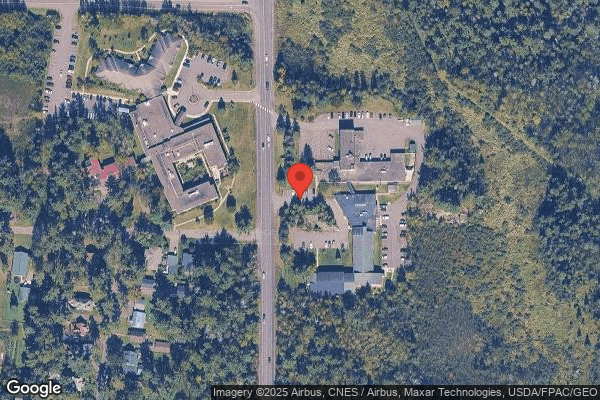
811 THIRD STREET, CARLTON, MN 55718 (218) 384-4258
Non profit - Church related 96 Beds Independent Data: November 2025
Trust Grade
90/100
#42 of 337 in MN
Last Inspection: February 2025

Within standard 12-15 month inspection cycle. Federal law requires annual inspections.

Overview

Interfaith Care Center in Carlton, Minnesota, has received a Trust Grade of A, indicating it is an excellent facility highly recommended for care. It ranks #42 out of 337 nursing homes in Minnesota, placing it in the top half, and is the best option among the two facilities in Carlton County. The facility's performance trend is stable, with eight concerns noted in recent inspections but no critical or serious issues reported. Staffing is rated 4 out of 5 stars, although turnover is at 50%, which is average for the state. Notably, there have been no fines, which is a positive sign, and RN coverage meets average standards, ensuring some level of oversight. However, there were specific concerns such as the failure to ensure proper dishwasher temperatures, which could risk foodborne illness, and not assessing smoking safety for a resident at risk of falls. Additionally, there were delays in reporting allegations of physical abuse, which raises some concerns about resident safety protocols. Overall, while the facility has strengths, such as its high trust grade and absence of fines, it also has areas that need improvement regarding resident safety and care practices.

Trust Score
A
90/100
In Minnesota
#42/337
Top 12%
Safety Record
Low Risk
No red flags
Inspections
Holding Steady
1 → 1 violations
Staff Stability
⚠ Watch
50% turnover. Above average. Higher turnover means staff may not know residents' routines.
Penalties
✓ Good
No fines on record. Clean compliance history, better than most Minnesota facilities.
Skilled Nurses
✓ Good
Each resident gets 55 minutes of Registered Nurse (RN) attention daily — more than average for Minnesota. RNs are trained to catch health problems early.
Violations
○ Average
8 deficiencies on record. Average for a facility this size. Mostly minor or procedural issues.
★★★★★
5.0
Overall Rating
★★★★☆
4.0
Staff Levels
★★☆☆☆
2.0
Care Quality
★★★★★
5.0
Inspection Score
Stable
2024: 1 issues
2025: 1 issues

The Good

  • 4-Star Staffing Rating · Above-average nurse staffing levels
  • Full Sprinkler Coverage · Fire safety systems throughout facility
  • No fines on record

Facility shows strength in staffing levels, fire safety.

The Bad

Staff Turnover: 50%

Near Minnesota avg (46%)

Higher turnover may affect care consistency

The Ugly 8 deficiencies on record

Feb 2025 1 deficiency
CONCERN (D)

Potential for Harm - no one hurt, but risky conditions existed

Accident Prevention (Tag F0689)

Could have caused harm · This affected 1 resident

**NOTE- TERMS IN BRACKETS HAVE BEEN EDITED TO PROTECT CONFIDENTIALITY** Based on interview and document review, the facility failed to assess smoking safety for 1 of 1 resident (R38) reviewed for smok...

Read full inspector narrative →
**NOTE- TERMS IN BRACKETS HAVE BEEN EDITED TO PROTECT CONFIDENTIALITY** Based on interview and document review, the facility failed to assess smoking safety for 1 of 1 resident (R38) reviewed for smoking. Findings include: R38's quarterly Minimum Data Set (MDS) dated [DATE], identified R38 was admitted to the facility on [DATE] and was cognitively intact. R38's diagnoses include depression, chronic pain, difficulty walking, and syncope and collapse (fainting due to a brief loss of consciousness). R38's history and physical report dated 10/3/24, identified R38 was a current everyday smoker of cigarettes. R38's care plan printed on 2/6/25, identified R38 was at risk for falls due to generalized muscle weakness, difficulty walking, pulmonary disease, and medication side effects. Care plan lacked any indication of R38's current smoking status and/or safe smoking interventions. R38's medical record lacked any smoking assessments completed prior to 2/4/25. R38's progress note dated 10/8/24, identified the facility smoking policy was reviewed and further discussed upon admission. R38's progress note dated 10/16/24, identified R38 wanted to go outside and smoke. R38's progress note dated 10/24/24, identified R38's visitor asked why R38 cannot go outside and smoke. Nurse informed R38 and visitor smoking was not allowed on property and this information was reviewed on admission. R38's progress note dated 12/4/24, identified staff witnessed R38 smoking in the facility parking lot twice. R38 confirmed had smoked after returning from outing with friends. Smoking issue and resident safety discussed. During interview on 2/5/25 at 10:21 a.m., nursing assistant (NA)-A identified R38 was a current smoker and the facility was non-smoking. Any resident who wishes to smoke must go off facility property to smoke. During interview on 2/5/25 at 12:33 p.m., registered nurse (RN)-D identified the facility as non-smoking and the smoking policy was reviewed upon admission. Residents cannot smoke on property but can leave the property with friends or family to smoke. RN-D confirmed R38 was a current smoker and explained there was one occasion were R38 was witness smoking across the street after returning from an outing with friends/family. R38 was not assessed for smoking upon admission or after this incident occurred. Due to the lack of assessment, it was uncertain if R38 was safe to smoke. During interview on 2/6/25 at 2:09 p.m., director of nursing (DON) identified all residents were informed of the facilities non-smoking policy prior to and again at the time of admission. When a resident was admitted as or later identified as a smoker, the non-smoking policy was reviewed and the resident was offered nicotine replacement therapy. Resident smoking has not been an issue until recently and the facility has not been completing smoking assessment on residents who are identified as a smoker. Effective immediate the facility will create a policy to address resident smoking safety and will complete smoking assessments on all residents who are identified as a smoker. Smoking assessments were important because the resident could be injured while smoking. Even when they are off our property, they are still our resident, and we need to make sure they are safe and can smoke safely. A policy Resident Care Polices section Smoke-Free Policy revised 10/29/19, identified no resident will be allowed to smoke in the facility or on the grounds. All residents will be notified of the smoke-free policy.
Jan 2024 1 deficiency
CONCERN (D) 📢 Someone Reported This

A family member, employee, or ombudsman was alarmed enough to file a formal complaint

Potential for Harm - no one hurt, but risky conditions existed

Report Alleged Abuse (Tag F0609)

Could have caused harm · This affected 1 resident

**NOTE- TERMS IN BRACKETS HAVE BEEN EDITED TO PROTECT CONFIDENTIALITY** Based on interview and document review, the facility failed to ensure allegations of physical abuse were reported immediately (w...

Read full inspector narrative →
**NOTE- TERMS IN BRACKETS HAVE BEEN EDITED TO PROTECT CONFIDENTIALITY** Based on interview and document review, the facility failed to ensure allegations of physical abuse were reported immediately (within two hours) to the State Agency (SA) for 3 of 5 residents (R2, R5, R1) reviewed for abuse. Findings include: R2's admission Minimum Data Set (MDS) dated [DATE], identified R2 had severe cognitive impairment and had verbal and physical behaviors towards others. On 12/17/23 at 7:18 p.m., R2's progress notes indicated R2 had grabbed another resident's arm and would not let go. R5's quarterly MDS dated [DATE], identified R5 had intact cognition and had no behaviors towards others. On 12/17/23 at 10:03 p.m., R5's progress notes indicated R5's right upper arm was grabbed by another resident at 6:00 p.m., and the director of nursing (DON) was notified. R1's quarterly MDS dated [DATE], identified R1 had intact cognition and had no behaviors towards others. On 12/18/23 at 10:29 a.m., R1's progress notes indicated R1's family was notified of the resident-to-resident altercation between R1 and R2. On 1/10/24 at 11:57 a.m., registered nurse (RN)-A stated on the evening of 12/17/23, nursing assistant (NA)-A reported that R1 was swinging her reacher at R2, but was not aware if the reacher made contact with R2. NA-B reported on in the evening on 12/17/23 R5 stated R2 had grabbed her by the right arm. R5 stated R2 was squeezing her arm tight and it hurt R5, but no staff had witnessed it. RN-A stated she reported these incidents to the DON right away. On 1/10/24 at 12:11 p.m., NA-A stated on 12/17/23 in the evening that she had seen R1 hit R2 in the arm with her reacher. NA-A stated she reported it right away to RN-A. On 1/10/24 at 1:00 p.m., NA-B stated on 12/17/23 around dinner time, she was assisting R5 who reported that R2 had grabbed her by the arm. NA-B stated she reported what R5 stated to RN-A right away. On 01/10/24 at 3:12 p.m., the DON stated she was aware of the incidents that took place on 12/17/23 and she considered both situations to be abuse. The DON stated she did tell staff that a report needed to be completed to the State Agency (SA). The DON stated she thought the report needed to be completed on 12/17/23, but it was not completed until the morning of 12/18/23. The DON stated abuse is to be reported in two hours. On 01/10/24 at 3:28 p.m., the administrator stated she was unaware that R2 was hit with a reacher. The administrator stated she felt someone being hit with a reacher or grabbing another residents arm would be abuse in this situation, and would expect it to be reported to the SA right away as it directs in the facility policy. The facility policy Abuse Prevention Plan revised 1/24 directed suspected abuse of any kind needs to be reported immediately (within 2 hours).
Nov 2023 2 deficiencies
CONCERN (D)

Potential for Harm - no one hurt, but risky conditions existed

Pressure Ulcer Prevention (Tag F0686)

Could have caused harm · This affected 1 resident

**NOTE- TERMS IN BRACKETS HAVE BEEN EDITED TO PROTECT CONFIDENTIALITY** R115: R115's admission Minimum Data Set (MDS) dated [DATE], identified R115 was moderately cognitively intact and had diagnoses ...

Read full inspector narrative →
**NOTE- TERMS IN BRACKETS HAVE BEEN EDITED TO PROTECT CONFIDENTIALITY** R115: R115's admission Minimum Data Set (MDS) dated [DATE], identified R115 was moderately cognitively intact and had diagnoses of diabetes mellitus, peripheral vascular disease, left-sided hemiparesis, and hemiplegia following a cerebral vascular accident (CVA). R115 was dependent for toileting, hygiene, bed mobility, bathing, and had a non-ambulatory status. Section M of the MDS identified R115 was at risk for pressure ulcers but had no actual pressure ulcers. The Care Area Assessment (CAA) for pressure ulcers dated 9/8/23, was triggered related to R115's risk for developing pressure ulcers. The CAA summarized risk factors as bowel and bladder incontinence, need for extensive assistance with bed mobility, toileting, and hygiene. R115's diagnoses of peripheral vascular disease, diabetes mellitus, chronic anticoagulation therapy, hemiplegia and hemiparesis all increased the risk of skin breakdown. Resident's Braden Score is 10 with risks noted in the following areas: sensory perception, moisture, activity, mobility, nutrition, and friction/shear potential. A 2-3-4-hour progressive tissue tolerance was completed and R115 had no increased redness to bony prominences. He will be repositioned three times per shift to coincide with toileting. Barrier cream is applied after each incontinent episode. Facility skin protocol will be followed. R115's care planning will be to provide interventions to ensure his daily skin care needs are met. A document, Skin Ulcer Data Collection form with a diagram for skin assessments dated 9/1/23, identified two areas on the left buttock with a notation of discoloration and pressure. The document further identified these were not open areas, skin was pink in color. No further documentation on Skin Ulcer Data Collection forms was found. A Turning and Repositioning (Tissue Tolerance) Observation form for R115 could not be located. R115's Braden scale (a tool for predicting pressure ulcer risk) scores (the lower the score, the higher the risk) with a scale from one to 23: -9/1/23 score 10 -9/8/23 score 10 -9/15/23 score 11 -9/22/23 score 15 -11/7/23 score 9 R115's care plan dated 9/22/23, identified a history of pressure ulcers with a goal of skin remaining clear through target date of 1/29/24, and interventions to: -reposition R115 three times per shift to coincide with toileting -weekly skin documentation -pressure relief for chair and bed -treatments per MD order -progressive 2-3-4-hour tissue tolerance test during assessment reference date (ARD) period to be evaluated by an RN R115's progress notes included the following: -10/4/23 identified R115 was repositioned every two hours and as needed. Skin blanches to touch, and current treatment remains effective for the resident. -10/5/23 identified new area to left lower buttock measuring 2.0 cm by 3.0 cm with an area of slough (devitalized skin tissue) in the center measuring 1.5 cm by 1.2 cm, skin is blanchable around and there is an odor. Nurse manager started calcium alginate (a type of absorbent dressing), cut to fit slough filled wound bed (leave dry), cover with an Allevyn (a type of adhesive dressing), and change every three days and as needed. -10/5/23 fax communication to Twin Cities Providers (TCP) identifying the new odorous wound with treatment initiated. -10/6/23 Alternating air pressure mattress replaced standard pressure relief mattress on resident's bed. Will assess area on weekly skin rounds. -10/9/23 (interdisciplinary team) IDT weekly skin review: Upon initial assessment peri wound was swollen and gave the appearance that the wound bed was in a crater. Peri wound is now flat and open area now measures 2.5 cm by 3 cm with a slough-filled center that measures 2 cm by 2.5 cm. Peri wound is fully blanchable right up to the edge of the slough. Continue with calcium alginate dressing covered with an Allevyn and changed every three days and as needed. Pressure relief mattress was replaced with alternating air pressure relief mattress on 10/6/23. -10/14/23 Registered nurse (RN) was requested to assess dressing on left posterior thigh where it meets the buttocks. The dressing was saturated with brown drainage and RN noted no date on the old dressing. Cleansed with normal saline and patted dry. Wound is 5 cm by 3.5cm by 0.2 cm, 100% covered with gray-yellow slough. Edges are not intact, slight maceration at 10 o ' clock position. Was tender to cleansing and causing some discomfort after sitting for two hours. Dressing replaced; MD notified via fax. R115 was placed off-loading as well, he stated better. -10/15/23 Writer changed bandage on residents bottom as it was very saturated. Large amounts of slough noted over entire wound. Resident reports it is very painful. Writer told him that he is going to have to try to stay off his bottom as much as possible, laying down after meals and he agreed. -10/15/23 fax communication to TCP indicated request to assess dressing .area tender to cleansing and is causing some discomfort after sitting for two hours. -10/16/23 indicated a new order from provider: Discontinue current dressing change to pressure ulcer to left buttock. New dressing for left buttock: cleanse area with normal saline and pat dry, apply silver alginate dressing (an antimicrobial absorbent dressing) and cover with foam dressing, change every three days, or as needed for saturation. -10/19/23 IDT weekly skin review in collaboration with certified nurse practitioner (CNP): pressure ulcer left buttock, stage two. Resident unable to respond meaningfully to pressure related discomfort due to hemiparesis of left side. Patient denies any pain or burning at site of ulcer. Unable to position himself due to mobility issues. Current off-loading plan is repositioning every two hours, a gel insert for wheelchair, and alternating air pressure relief mattress. -10/20/23 Dressing changed to wound on buttock. No improvement noted. -10/22/2023 No improvement noted to ulcer on buttocks. Resident states area is painful. Refused as needed (PRN) pain medication. -10/23/23 Resident pressure ulcer to buttocks is worsening despite current interventions in place. CNP has looked at the wound weekly and we have determined that he needs to be seen in a hospital for further treatment. Resident's guardian is aware, resident is being sent to Essentia Health emergency department for evaluation and treatment. Bed hold in place. During an interview on 11/8/23 at 10:02 a.m., RN-B confirmed neither of the areas depicted on the Skin Ulcer Data Collection diagram on 9/1/23 were the ones that was now the open area. There wasn't another Skin Ulcer Data Collection depicting and tracking the current pressure ulcer. During an interview on 11/8/23 at 12:48 p.m., nursing assistant (NA)-H reported any resident who has sores or is bed ridden would be turned and repositioned every two hours. NA-H provided there was a cheat sheet they looked at to tell them how often to reposition different residents. R115 was to be repositioned every two hours, the directions had changed for him because he was getting up in wheelchair for meals for a limit of one hour. Since R115 returned from the hospital he had been mostly in bed to keep him off the sore. During an interview on 11/8/23 at 7:46 a.m., RN-B confirmed R115 was to be repositioned three times per shift plus if he were to ask to be repositioned, so it came out to be about every two hours. During an interview on 11/8/23 at 12:55 p.m., licensed practical nurse (LPN)-H stated R115's turning and repositioning program had been the same throughout his stay. R115 had always had a lot of pain around his bottom, that had been consistent, and R115 once explained to LPN-H that once he was off the area it didn't hurt. So, they used a pillow or something under his left leg (side with above-knee amputation) R115 would say it felt better, but that intervention was not on his care plan though LPN-H had informed the nurse manager of it. During an interview on 11/8/23 at 2:00 p.m., RN-B stated she was not sure about the redistribution time the alternating pressure mattress gave but had heard it was about every ten to fifteen minutes. RN-B stated the facility reviewed wounds every week at IDT meetings. The dietician didn't attend these meetings, but the dietary department did, and RN-B wasn't aware that she should be updating the dietician when residents had a new wound. Tissue tolerance testing was done on admit, every 92 days, and with any significant changes. RN-B reported R115 didn't have redness after two hours, so she stayed with three times per shift repositioning schedule. But after R115 developed the new ulcer, they implemented an intervention for up for meals only and then lay him back down right away. RN-B confirmed the intervention was not in R115's medical record, that it had been an intervention listed on the care guide (which was a tool, not part of the care plan or medical record). During an interview on 11/8/23 at 2:45 p.m., DON stated their initial goal for the nurses was to recognize a skin change and report to the provider for further assistance with wound care orders. The facility reviewed wounds weekly on Thursdays at IDT. The dietary department was represented at these meetings, but the dietician wasn't there. The DON's expectation was that if an intervention was implemented it would be on the care plan. The care guide was a tool used by the nursing assistants and not a part of the medical record. The Skin Ulcer Data Collection and Assessment sheets should be filled out for each wound per their policy. The DON shared she had learned today that the nurse managers were no longer doing this, they used it as a guide to write a note. The DON acknowledged this practice made it difficult to follow the progress of a particular wound when a resident had multiple wounds. During an interview on 11/9/23 at 11:35 a.m., the registered dietician (RD) stated the facility didn't consistently notify her of wounds. The RD also stated she felt it was important to have a dietician assessment for residents with wounds because they assess their hydration status, whether or not they have been eating, if they are taking any supplements, whether or not they were getting enough calories. The RD stated this was important so that you could support wound healing. During an interview on 11/9/23 at 11:44 a.m., DON stated she would expect the care plan to be updated with new interventions so that they know how to care for the person. The DON confirmed it was their practice to notify the RD of any new or worsening wounds via email. Inter-Faith Care Center policy and procedure, Skin Prevention, Breakdown and Treatment dated 8/2023, identified the purpose of the policy was to properly identify and assess residents whose clinical conditions increase the risk for impaired skin integrity, and pressure ulcers; to implement preventative measures and to provide appropriate treatment modalities for wounds according to industry standards of care. Skin Ulcer Data Collection and Assessment sheets are used for pressure ulcers. The policy identified pressure as the primary cause of pressure ulcer, and everyone's tissue tolerance (the ability of the skin and its supporting structures to endure the effects of pressure without breakdown) is different, therefore it is important to individualize each resident's turning and repositioning schedule. For those residents who are immobile, or need assistance with mobility, a Turning and Repositioning (Tissue Tolerance) Observation form will be done on admission, re-admission, with a change in condition (including the development of a pressure ulcer), annually and in both the lying and sitting positions. The care plan is to be evaluated and revised based on responses, outcomes, and the needs of the resident. The dietician will be notified: if a resident is considered nutritionally at risk; upon the discovery of a wound; when a wound declines unexpectedly, if a wound is not showing improvement after two to four weeks. The policy also indicated turning and repositioning intervals would be re-evaluated upon the development of a new pressure ulcer, as well as updating the care plan and care guides. Based on observation, interview and document review the facility failed to ensure residents who were at risk for pressure ulcers were repositioned timely as directed by the residents care plan for 1 of 2 residents (R41), and failed to initiate facility wound documentation protocols, to re-evaluate turning and repositioning intervals, to revise care plan interventions, and to notify the dietician of a new wound for 1 of 2 (R115) residents reviewed for pressure ulcers. Findings include: R41's quarterly Minimum Data Set (MDS) dated [DATE], indicated R41 had diagnoses which included Parkinson's disease (a progressive disease of the nervous system marked by tremor), muscular rigidity (slow imprecise movement), dementia, and cerebral infarction (stroke). In addition, R41's MDS indicated he was severely cognitively impaired, required assistance with activities of daily living (ADL's), was frequently incontinent of bladder, occasionally incontinent of bowel, and was at risk for pressure ulcers. R41's care plan dated 3/39/23, identified R41 had a healed stage two pressure ulcer to his coccyx. Interventions included pressure relief mattress, cushion in wheelchair, and the facility would establish an appropriate reposition/turn program. R41's orders dated 7/25/23, directed staff to apply Allevyn dressing to coccyx every three days and as needed for protection. On 11/8/23, R41 was continuously observed from 7:06 a.m. to 10:53 a.m. At 7:06 a.m. R41 was dressed in clean clothes wearing shoes and socks he was seated in his wheelchair in a common area near the nursing station, he had his eyes closed. -at 8:24 a.m., R41 was brought to the dining room and placed at a table. -at 8:31 a.m., R41 was observed eating his breakfast using a butter knife. -at 8:32 a.m., a staff member pulled up a chair and asked if she could help him with his food. -at 8:38 a.m., a staff member sat next to R41 and assisted him with eating. -at 8:45 a.m., R41 was brought back to the common area near the nursing station. -at 9:30 a.m., the residents in the common area were arranged into a circle R41 was in this group. -at 9:44 a.m., R41 was participating in the group activity (batting a balloon back and forth). -at 9:58 a.m., the hospice nursing assistant (NA)-I brought R41 to his room and visited with him. -at 10:05 a.m., NA-I brought him back to the common area, no cares were performed. -at 10:53 a.m., staff were asked to bring R41 to his room for a continence and skin check. Registered nurse (RN)-B and NA-I brought R41 to his room. RN-B and NA-I used a mechanical lift to move R41 from his wheelchair to the toilet, R41 was dry. -at 10:59 a.m., R41's old dressing was removed, no open areas, skin was blanchable. RN-B placed a new dressing. R41's progress notes: -10/2/23, The resident has a new area of skin breakdown to his coccyx area. During his weekly hospice shower hospice aide came to report that the resident has a new area of skin breakdown to the coccyx area under his Allevyn dressing. Hospice aide reports that the wound has a foul odor. Interview with floor nurse notes that the resident's most recent dressing change on 10/02/2023 there were no open areas, though she did note a foul odor when the dressing was changed. The entire area measures 6.5cm x 2.5cm spans both buttocks and appears to be MASD/shearing. There is an area to the lower left of the MASD that is pressure related breakdown. The wound bed is pink/purple in color, shiny area of open skin, is non-blanchable and measures 2cm x 2cm. This is a stage 2 pressure ulcer. -10/9/23 at 12:58 p.m., The resident has an area of skin breakdown to his coccyx area. The skin is pink to purple in color and the area has epithelized, all areas are fully blanchable. The entire area measures 6.5cm x 6.5cm spans both buttocks. -11/1/23 at 3:31 p.m., identified R41's open area on his coccyx was healed, interventions included to reposition frequently and have resident lay in the bed for 1-2 hours 2-3x daily. During an interview on 11/6/23 at 1:19 p.m., family member (FM)-E identified R41 had a sore on his bottom. During an interview on 11/8/23 at 10:40 a.m., trained medication aide (TMA)-A stated dependent residents should be repositioned every two hours to prevent skin breakdown. During an interview on 11/8/23 at 11:07 a.m., registered nurse (RN)-B stated she would expect staff to reposition residents according to their care plan. RN-B stated three times a shift would work out to be about every two hours. RN-B verified three hours was too long for R41 and he was at risk for skin breakdown. During an interview on 11/9/23 at 11:21 a.m., director of nursing (DON) verified residents should be repositioned based on skin assessments. The DON verified a resident who'd had a previous pressure ulcer was at risk for skin breakdown and needed to be watched closely to ensure it did not re-open. The DON verified she would expect staff to follow the resident's care plan. The policy Skin Prevention, Breakdown and Treatment dated 8/2023, indicated pressure was a primary cause of pressure ulcers. In addition, the policy identified it was important to have an effective turning and repositioning schedule to reduce the risk of developing a pressure ulcer. The policy indicated an individualized resident's turning and repositioning schedule was important to develop and follow.
CONCERN (D)

Potential for Harm - no one hurt, but risky conditions existed

Deficiency F0761 (Tag F0761)

Could have caused harm · This affected 1 resident

**NOTE- TERMS IN BRACKETS HAVE BEEN EDITED TO PROTECT CONFIDENTIALITY** Based on observation, interview, and document review, the facility failed to monitor manufacturer expiration dates on medication...

Read full inspector narrative →
**NOTE- TERMS IN BRACKETS HAVE BEEN EDITED TO PROTECT CONFIDENTIALITY** Based on observation, interview, and document review, the facility failed to monitor manufacturer expiration dates on medications for 1 of 5 residents (R38) reviewed for medication storage. Findings include: R38's quarterly Minimum Data Set (MDS) dated [DATE], identified severe cognitive impairment and diagnoses of primary hypertension and paroxysmal atrial fibrillation (a heart rhythm problem that causes erratic heart rates). R38's provider orders dated 4/29/21, identified nitroglycerin tablets 0.4 milligrams (mg) under the tongue every five minutes as needed for chest pain. Call medical doctor if no relief after three doses. During observation and interview with licensed practical nurse (LPN)-C on 11/9/23 at 12:39 p.m., R38's nitroglycerin tablets were found to have a manufacturer's expiration date of 8/31/23. LPN-C stated they should be going through their carts for expired medications on a regular basis because the efficacy of the expired medications could be off. During an interview on 11/9/23 at 1:06 p.m., registered nurse (RN)-C stated it was their policy to date medication bottles when they were opened. They should also be looking at expiration dates on a routine basis because it was important to not use medications that were expired because they may not work the way they should. During an interview on 11/9/23 at 1:28 p.m., the director of nursing (DON) stated the nurses should be looking at the medication carts and removing expired medications on a regular basis. It was important to not give expired medications because they may not work as expected. A policy regarding expired medications was requested but not received.
Oct 2022 4 deficiencies
CONCERN (D)

Potential for Harm - no one hurt, but risky conditions existed

Deficiency F0578 (Tag F0578)

Could have caused harm · This affected 1 resident

**NOTE- TERMS IN BRACKETS HAVE BEEN EDITED TO PROTECT CONFIDENTIALITY** Based on interview and document review, the facility failed to ensure the resident's resuscitation status order found in the ele...

Read full inspector narrative →
**NOTE- TERMS IN BRACKETS HAVE BEEN EDITED TO PROTECT CONFIDENTIALITY** Based on interview and document review, the facility failed to ensure the resident's resuscitation status order found in the electronic medical record (EMR) matched the resident's written request of Do Not Resuscitate (DNR) found in their Physician Orders for Life Sustaining Treatment (POLST) for 1 of 1 resident (R41) reviewed for advance directives. Findings include: R41's admission Record printed [DATE], indicated diagnoses which included anxiety disorder, persistent atrial fibrillation (a type of heart disorder marked by an irregular or rapid heartbeat), elevated prostate specific antigen (may be indicative of prostate cancer), displaced fracture of second cervical vertebra, subsequent encounter for fracture with routine healing (neck fracture which required surgical intervention). R41's admission Minimum Data Set (MDS) dated [DATE], indicated R41 was cognitively intact, was able to make himself understood, and was understood by others. R41's electronic order dated [DATE], taken from the hospital discharge interagency referral, indicated R41's code status was full code (meaning staff were to initiate cardiopulmonary resuscitation [CPR]). These orders generated an EMR banner which indicated R41 was a full code. On [DATE], licensed pratcial nurse (LPN)-B signed that the POLST and EMR code status matched. On [DATE], at 4:21 p.m. R41's POLST dated [DATE], and signed by R41, located in the hardchart, indicated R41's code status was DNR. On [DATE], at approximately 5:00 p.m. R41's EMR banner indicated he was to receive CPR. R41's Temporary Care Plan dated [DATE], indicated R41 was do not intubate (DNI); neither DNR nor CPR were checked. R41's Short-Term Rehab Care Conference/Discharge Conference dated [DATE], attended by R41 indicated his current code status was DNR. The form indicated the POLST was reviewed and no changes were needed. Although R41's EMR order and banner indicated full code, R41's POLST indicated DNR. During interview on [DATE], at 6:55 p.m. R41 stated he wanted to be a full code and would want CPR started and give a few shots with the paddles, intubate, if not successful then it's meant to be. During interview on [DATE], at 7:18 p.m. registered nurse (RN)-B stated the admitting nurse would go over the POLST with the resident. RN-B stated staff should look in the EMR or the hard chart or whichever was closer to find the resident's code status. During interview on [DATE], at 7:20 p.m. licensed practical nurse (LPN)-C stated she would always go to the hard chart for the POLST. During interview [DATE], 7:22 p.m. LPN-A stated in an emergency she would look in the hard chart. During interview on [DATE], at 7:23 p.m. nursing assistant (NA)-C stated she was not certified in CPR, but she thought code status was listed in the EMR. RN-B interjected and stated the nurse would tell her where to look for the code status. During follow-up interview on [DATE], at 7:26 p.m. R41 stated I was out of it when they first brought me here. My wife probably filled out the POLST. R41 reviewed the POLST and stated, I changed my mind; he stated again that he wanted to be a full code. R41 did not recall who he talked after he changed his mind but thought it was about five or six days after being admitted . There was no documentation of this exchange in the medical record. During interview on [DATE], at 7:32 p.m. RN-B verified the POLST and the EMR did not match. RN-B stated the process was for the admitting nurse to go over the POLST with the resident on admission and enter the order into the electronic record. RN-B stated a step in the process must have been missed. During interview at [DATE], 2:27 p.m. the director of nursing (DON) stated the process was for the admitting nurse to review the POLST with the resident from the admission packet. The DON stated sometimes the resident would want a different code status than what they had in the hospital. If the code status was different the admitting nurse would notify the provider and update the code status in the EMR. When the provider signed the new POLST a nurse would check this against the order in the EMR. The DON stated the EMR would generate an order for the POLST and the EMR to be verified as both being the same. The DON could not explain how the order was signed off, but the orders were different. On [DATE], at 12:35 p.m. attempts were made to contact LPN-B; these attempts were unsuccessful, LPN-B did not return call. During an interview on [DATE], at 8:12 a.m. advance practice registered nurse (APRN)-C, stated when she admitted a resident she would talk with them about code status. APRN-C stated her notes reflected R41 was a full code as of [DATE]. APRN-C stated the process was for the nurses to talk with the resident about their resuscitation wishes on admission. The nurse would then fax the POLST to her for a signature. The facility was responsible for reviewing and updating the EMR. The facility policy titled POLST Order Policy revised 12/2021, indicated upon admission and re-admission a code status order would be on the Inter-Agency Referral (IAR). The policy indicated the POLST with the most recent date would be the legal document to follow. The policy indicated the POLST information was a physician order and would be reviewed on admission, re-admission, quarterly, annually, and with significant change reviews.
CONCERN (D)

Potential for Harm - no one hurt, but risky conditions existed

Deficiency F0655 (Tag F0655)

Could have caused harm · This affected 1 resident

**NOTE- TERMS IN BRACKETS HAVE BEEN EDITED TO PROTECT CONFIDENTIALITY** Based on interview and document review, the facility failed to provide a written copy of the baseline care plan following admiss...

Read full inspector narrative →
**NOTE- TERMS IN BRACKETS HAVE BEEN EDITED TO PROTECT CONFIDENTIALITY** Based on interview and document review, the facility failed to provide a written copy of the baseline care plan following admission for 1 of 3 residents (R49) reviewed for new admissions. Findings include: R49's admission Record printed 10/20/22, indicated R49 was admitted on [DATE], with diagnoses that included heart failure (a chronic condition in which the hear doesn't pump blood as well as it should), type 2 Diabetes Mellitus, morbid obesity, and lymphedema (swelling in the arm or leg caused by a lymphatic blockage). During an interview on 10/18/22, at 9:02 a.m. R49 stated she had not been to a meeting to talk about her care, and she had never received any documents about her plan of care. R49's Temporary Care Plan/Nursing admission assessment dated [DATE], was signed by the admitting nurse There was no indication the care plan was offered to R49 in written format. R49's Short-Term Rehab Care Conference/Discharge Conference Form dated 10/5/22, indicated R49 was present for the conference. The form did not indicate if R49 was given her care plan in written format. R49's medical record had no documentation to indicate she was given a written copy of her care plan. During interview on 10/20/22, at 8:33 a.m. registered nurse (RN)-C stated the care plan was made by the admitting nurse with the resident during the admission. RN-C verified she was the admitting nurse for R-49 and she did not give R49 a copy of the temporary care plan. During interview on10/20/22, at 8:46 a.m. RN-B stated, I am not sure if the resident is offered a copy of the care plan. I have never heard of the resident being offered a care plan. During interview on 10/20/22, at 9:13 a.m. RN-A verified residents were not given a copy of the care plan. RN-A stated, It's just not part of our process. During interview on10/20/22 at 9:39 a.m. the director of nursing (DON) verified the residents were never offered a written care plan at any stage of the care plan process. During an interview on 10/20/22, at 2:12 p.m. licensed social worker (LSW)-A stated they had not given any residents a copy of the care plan. LSW-A stated the only way a resident would receive a copy of their care plan would be if they specifically asked for it. The policy titled Care Planning Process revised 10/2022, indicated the MDS Coordinator would document in the electronic medical record a progress note that the care plan was offered and accepted or declined. The policy indicated the interdisciplinary team would ask the resident and family during the care conference if they would like a copy of the care plan.
CONCERN (D)

Potential for Harm - no one hurt, but risky conditions existed

Deficiency F0761 (Tag F0761)

Could have caused harm · This affected 1 resident

Based on observation, interview and document review the facility failed to safely store and correctly label medication in 1 of 5 medication storage areas, reviewed for medication storage. Findings inc...

Read full inspector narrative →
Based on observation, interview and document review the facility failed to safely store and correctly label medication in 1 of 5 medication storage areas, reviewed for medication storage. Findings included: During an observation on 10/20/22, at 11:03 a.m. the Cedar Unit nursing station refrigerator had a gallon container of distilled water in the door. The bottle had written on it in light purple sharpie/marker Acetic Acid '1:1' mixture with the date of 10/17/22; on the flip cap was written Ed H. The bottle lacked a medication label with resident information including full name, date of birth or other identifying markers. The bottle also lacked information about the compounding solution related to amount of each item mixed. The outside of the refrigerator had links on the door and frame where a padlock would go but no padlocks were observed connected to either link. On 10/20/22, at 12:14 p.m. pharmacist (PH)-A stated he was not aware of any residents having medication mixtures of any kind. PH-A stated any medications used for residents, and needed to be kept cool, should be secured in a refrigerator with a lock on it where only nurses and trained medication aides (TMA) have access. Ph-A stated when medications are left opened then anybody could take them. PH-A stated all liquid medications should have a label on it that included resident name, date of birth , medication information in bottle, mixture date and expiration date. Ph-A stated any mixtures used on residents should be considered a medication and placed on the medication administration record. On 10/20/22, at 12:37 p.m. PH-A called back and stated he had checked with the branch pharmacy, and they were not mixing the acetic acid mixture and the pharmacy did not have it on any resident's medication administration record. On 10/20/2022, at 3:01 p.m. registered nurse (RN)-A stated the unit refrigerator was the only refrigerator on the unit. RN-A stated the refrigerator did hold both resident food and drink, along with resident medications. RN-A stated all medications were in either single locked drawers or double locked drawers if the medications were controlled substances. RN-A stated all medications needed to be secure so only nurses or TMAs had access to them. RN-A stated all medications should be labeled appropriately. RN-A looked in the refrigerator and stated the acetic acid mixture was not in a secured area of the refrigerator. RN-A stated the nursing staff had mixed the solutions based on urologist instructions and had used the solution on a resident to irrigate their foley catheter. RN-A stated the liquid medication should be in a secure area because all staff had access to the refrigerator due to the food inside. RN-A stated several months ago they stopped locking the main refrigerator door so all staff could access the food and drink contents for residents. On 10/20/22, at 5:02 p.m. the director of nursing (DON) stated they utilized their consultant pharmacy's policies for medication storage and medication labels. The DON stated she expected nursing staff to follow policies to make sure medications were stored and labeled properly. The DON stated she was not aware the acetic acid mixture was in the refridgerator on Cedar unit. The DON stated all medications should be in locked areas. The consultant pharmacy's Storage of Medication policy dated 4/14, indicated all medications would be stored securely and per manufacturer's recommendations so only licensed nursing personnel, pharmacy personnel or staff members that were lawfully authorized to administer medications could have access to the medications. The pharmacy's Medication Labels policy dated 11/17, indicated medication labels would be permanently affixed to the outside of prescription container. The label would contain the residents name, the medication name, strength of medications (liquids would include strength per milliliter (ML) and the amount to be given in ML equivalents on the label. Lastly, the specific directions for use which included route of administration should be on the label.
CONCERN (F)

Potential for Harm - no one hurt, but risky conditions existed

Food Safety (Tag F0812)

Could have caused harm · This affected most or all residents

**NOTE- TERMS IN BRACKETS HAVE BEEN EDITED TO PROTECT CONFIDENTIALITY** Based on observation, interview, and document review, the facility failed to ensure the dishwasher temperatures were at the corr...

Read full inspector narrative →
**NOTE- TERMS IN BRACKETS HAVE BEEN EDITED TO PROTECT CONFIDENTIALITY** Based on observation, interview, and document review, the facility failed to ensure the dishwasher temperatures were at the correct temperatures for proper sanitization to prevent foodborne illness. In addition, the facility failed to properly maintain the dishwasher to ensure adequate water temperatures for the wash and rinse cycle. This had the potential to affect all 57 residents who received food prepared in the kitchen. Findings include: [NAME] manufacturer's instructions for C-Line A & AW Dishwashers revised 2/2006, indicated the minimum wash temperature should be 160 F and the minimum rinse temperature should be 180 F. During an observation and interivew on 10/17/22, at 2:09 p.m. the following was noted: --The dishwasher had two temperature gauges. There was a manufacturer's sticker above the gauges which indicated the wash cycle should be 160 F and the rinse should be 180 F. --On the front of the dishwasher was a facility sign that indicated the wash cycle temperature should be 160 F and the rinse cycle 180 F. The sign directed staff to call maintenance via cell phone or the shop number when temperatures were below target temperatures. The sign further directed staff to begin using paper products immediately until they were given the okay to use the dishwasher. DM-B verified the temperatures posted on the dishwasher were correct. --The October dishwasher temperatures were posted on a clipboard near the dishwasher. The dishwasher temperatures listed for the wash were to be at 150 degrees Fahrenheit (F). The temperatures were to be recorded for breakfast, lunch, and dinner on 10/10/22, there were no temperatures recorded for the wash or rinse for breakfast or lunch. On 10/14/22, at dinner the wash temperature was recorded as 145 F. On 10/15/22, at dinner the wash temperature was recorded as 145 F. On 10/17/22, at dinner the wash temperature was recorded as 145 F. --DM-B verified the temperatures were too low and there were temperatures not recorded. DM-B stated no one had notified her of the low dishwasher temperatures over the weekend. On 10/19/22, at 1:15 p.m. dietary aide (DA)-B stated they would run a few tray racks through the dishwasher to get it up to temperature. DA-B stated when the dishwasher would break down, they would wash dishes using the three-sink method. On 10/19/22, at 1:21 p.m. DA-A stated the gauge for the wash cycle didn't work and only went up to about 150 F. DA-A stated the rinse gauge was working. On 10/19/22, at 1:28 p.m. DA-A recorded the rinse cycle temperature at 190 F. DA-A called DM-B to request a disc to measure the wash temperature. On 10/19/22, at 1:33 p.m. DM-B stated the staff did not think the wash gauge would read any higher than 150 F. DM-B verified she would expect staff to let her, or maintenance know when the dishwasher temperatures were low. DM-B verified staff were not consistently notifying maintenance of low temperatures. DM-B stated she thought the rinse cycle was the most important temperature and if that temperature was 180 F or above that it was okay. DM-B stated staff used the test strips periodically to check the dishwasher temperatures. The facility's Dishwasher Temperatures log temperature, indicated in the header that the wash temp should be 150 F and the rinse 180 F. --The August log had 24 unrecorded temperature readings. The August dishwasher wash cycle recorded temperature was below 160 F 35 times and below150 F six times. The rinse temp was below 180 F nine times. On 8/24/22, the dishwasher was listed as broken during the breakfast and lunch meals. --The September log had 20 unrecorded temperature readings. The wash temperature was recorded below 160 F 24 times and below 150 F two times. The rinse cycle was recorded below 180 F 10 times. --The October log included dates from the first to the twentieth. The log had four unrecorded temperature readings. The wash cycle was recorded below 160 F 28 times, and below 150 F four times. The rinse cycle was recorded below 180 F four times. --One dishwasher temperature test strip was affixed to the log; the strip was dated 10/18/22, by DM-B. The August and September logs did not have any test strips attached. During interview on 10/20/22, at 2:12 p.m. maintenance director (MD)-A confirmed the dishwasher was a single tank conveyor dual temperature dishwasher. MD-A stated the manufacturer guide temperatures required for the facility's dishwasher were 160 F for the wash cycle and 180 F for the rinse cycle. MD-A stated he did not keep a log for incoming calls about the dishwasher or for the maintenance of the dishwasher. MD-A stated he thought chemical vendor came in monthly to do a chemical check, and said he was not sure what else they looked at. MD-A stated his expectation was for kitchen staff to call when the dishwasher wash did not reach a minimum 160ºF or the rinse to not reach a minuimum180ºF. During interview on 10/20/22, at 2:44 p.m. the director of nursing (DON) she would expect staff to notify the DM or maintenance if the dishwasher was not at the proper temperatures and start using paper products. The DON stated it was important to have correct temperature to sanitize the dishes. The DON stated she did not know how often staff checked the dishwasher temperatures using test strips and had not been made aware of any problems with the dishwasher. The policy titled Dish Machine Temperature dated 8/4/99, directed staff to record temperatures at the start of each dishwasher run following each meal. The policy indicated the temperature for the wash cycle was to be above 150 F. The 5 in 150 was handwritten over the original number. The policy indicated rinse temperatures should be above 180 F. If temperatures do not reach these levels, please inform your supervisor, maintenance (sp), or call Auto Chlor as directed in dish room.
Understanding Severity Codes (click to expand)
Life-Threatening (Immediate Jeopardy)
J - Isolated K - Pattern L - Widespread
Actual Harm
G - Isolated H - Pattern I - Widespread
Potential for Harm
D - Isolated E - Pattern F - Widespread
No Harm (Minor)
A - Isolated B - Pattern C - Widespread

Questions to Ask on Your Visit

  • "Can I speak with families of current residents?"
  • "What's your RN coverage like on weekends and overnight?"

Our Honest Assessment

Strengths
  • • Grade A (90/100). Above average facility, better than most options in Minnesota.
  • • No major safety red flags. No abuse findings, life-threatening violations, or SFF status.
  • • No fines on record. Clean compliance history, better than most Minnesota facilities.
Concerns
  • • No significant concerns identified. This facility shows no red flags across CMS ratings, staff turnover, or federal penalties.
Bottom line: Generally positive indicators. Standard due diligence and a personal visit recommended.

About This Facility

What is Interfaith's CMS Rating?

CMS assigns INTERFAITH CARE CENTER an overall rating of 5 out of 5 stars, which is considered much above average nationally. Within Minnesota, this rating places the facility higher than 99% of the state's 100 nursing homes. This rating reflects solid performance across the metrics CMS uses to evaluate nursing home quality.

How is Interfaith Staffed?

CMS rates INTERFAITH CARE CENTER's staffing level at 4 out of 5 stars, which is above average compared to other nursing homes. Staff turnover is 50%, compared to the Minnesota average of 46%. RN turnover specifically is 61%, which is notably high. RNs provide skilled clinical oversight, so turnover in this role can affect medical care quality.

What Have Inspectors Found at Interfaith?

State health inspectors documented 8 deficiencies at INTERFAITH CARE CENTER during 2022 to 2025. These included: 8 with potential for harm.

Who Owns and Operates Interfaith?

INTERFAITH CARE CENTER is owned by a non-profit organization. Non-profit facilities reinvest revenue into operations rather than distributing to shareholders. The facility operates independently rather than as part of a larger chain. With 96 certified beds and approximately 72 residents (about 75% occupancy), it is a smaller facility located in CARLTON, Minnesota.

How Does Interfaith Compare to Other Minnesota Nursing Homes?

Compared to the 100 nursing homes in Minnesota, INTERFAITH CARE CENTER's overall rating (5 stars) is above the state average of 3.2, staff turnover (50%) is near the state average of 46%, and health inspection rating (5 stars) is much above the national benchmark.

What Should Families Ask When Visiting Interfaith?

Based on this facility's data, families visiting should ask: "Can I visit during a mealtime to observe dining assistance and food quality?" "How do you handle medical emergencies, and what is your hospital transfer rate?" "Can I speak with family members of current residents about their experience?"

Is Interfaith Safe?

Based on CMS inspection data, INTERFAITH CARE CENTER has a clean safety record: no substantiated abuse findings (meaning no confirmed cases of resident harm), no Immediate Jeopardy citations (the most serious violation level indicating risk of serious injury or death), and is not on the Special Focus Facility watch list (a federal program monitoring the lowest-performing 1% of nursing homes). The facility has a 5-star overall rating and ranks #1 of 100 nursing homes in Minnesota. While no facility is perfect, families should still ask about staff-to-resident ratios and recent inspection results during their visit.

Do Nurses at Interfaith Stick Around?

INTERFAITH CARE CENTER has a staff turnover rate of 50%, which is about average for Minnesota nursing homes (state average: 46%). Moderate turnover is common in nursing homes, but families should still ask about staff tenure and how the facility maintains care continuity when employees leave.

Was Interfaith Ever Fined?

INTERFAITH CARE CENTER has no federal fines on record. CMS issues fines when nursing homes fail to meet care standards or don't correct problems found during inspections. The absence of fines suggests the facility has either maintained compliance or corrected any issues before penalties were assessed. This is a positive indicator, though families should still review recent inspection reports for the full picture.

Is Interfaith on Any Federal Watch List?

INTERFAITH CARE CENTER is not on any federal watch list. The most significant is the Special Focus Facility (SFF) program, which identifies the bottom 1% of nursing homes nationally based on persistent, serious quality problems. Not being on this list means the facility has avoided the pattern of deficiencies that triggers enhanced federal oversight. This is a positive indicator, though families should still review the facility's inspection history directly.